
“A partial Bureau is better than no Bureau at all,” explained multiple delegates. The Bureau will help guide the new Panel through its formative years. It helps prepare for meetings, oversees intersessional work, and shares the region’s priorities and concerns throughout the year. Until this morning, worries were growing that Panel Members would not leave this meeting with a Bureau established.
Want to dig deeper into today's talks? Read the full Earth Negotiations Bulletin daily report.
Ideally, Bureau members would be elected using the Panel’s rules of procedure. But progress on those has been “glacial,” as a delegate put it. Since Monday afternoon, Members have agreed to one of the 50 rules. Taking stock in plenary Wednesday morning, many were frustrated with the pace and started to wonder what would be needed - as a bare minimum - to operationalize this Panel. A functioning Bureau was on everyone’s list.
The Asia-Pacific region first put forward the idea of electing members from most of the regions by acclamation, using the rules from the UN Environment Assembly. After all, for four of the five regions, there were two nominees for the two spots. Those elections would be uncontested. The idea caught on. Only the Russian Federation resisted at first, since there was no agreement on how long the members would serve. After the groundswell of support to elect the members for two years grew, everyone agreed.
Only the Eastern European region will not be represented on the Bureau, unless the region agrees to two candidates or the Panel’s rules of procedure are finalized and an election can take place. There was applause for achieving this partial victory because it represents a tangible step toward a functional science-policy panel.
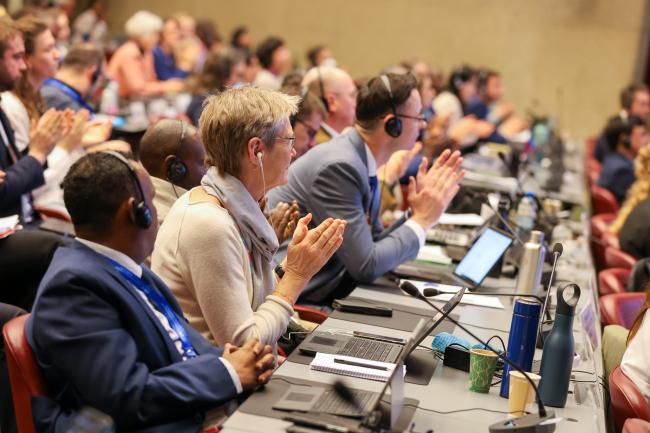
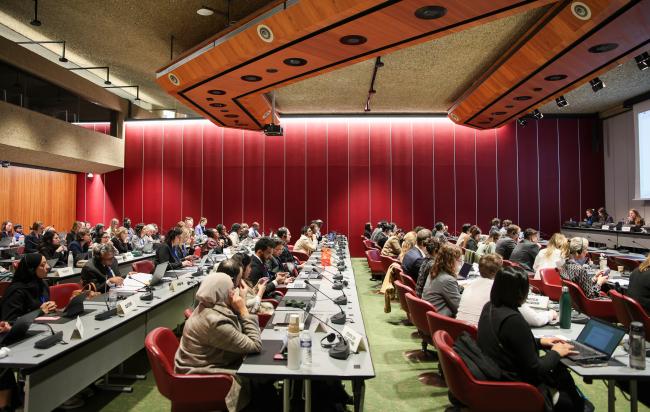
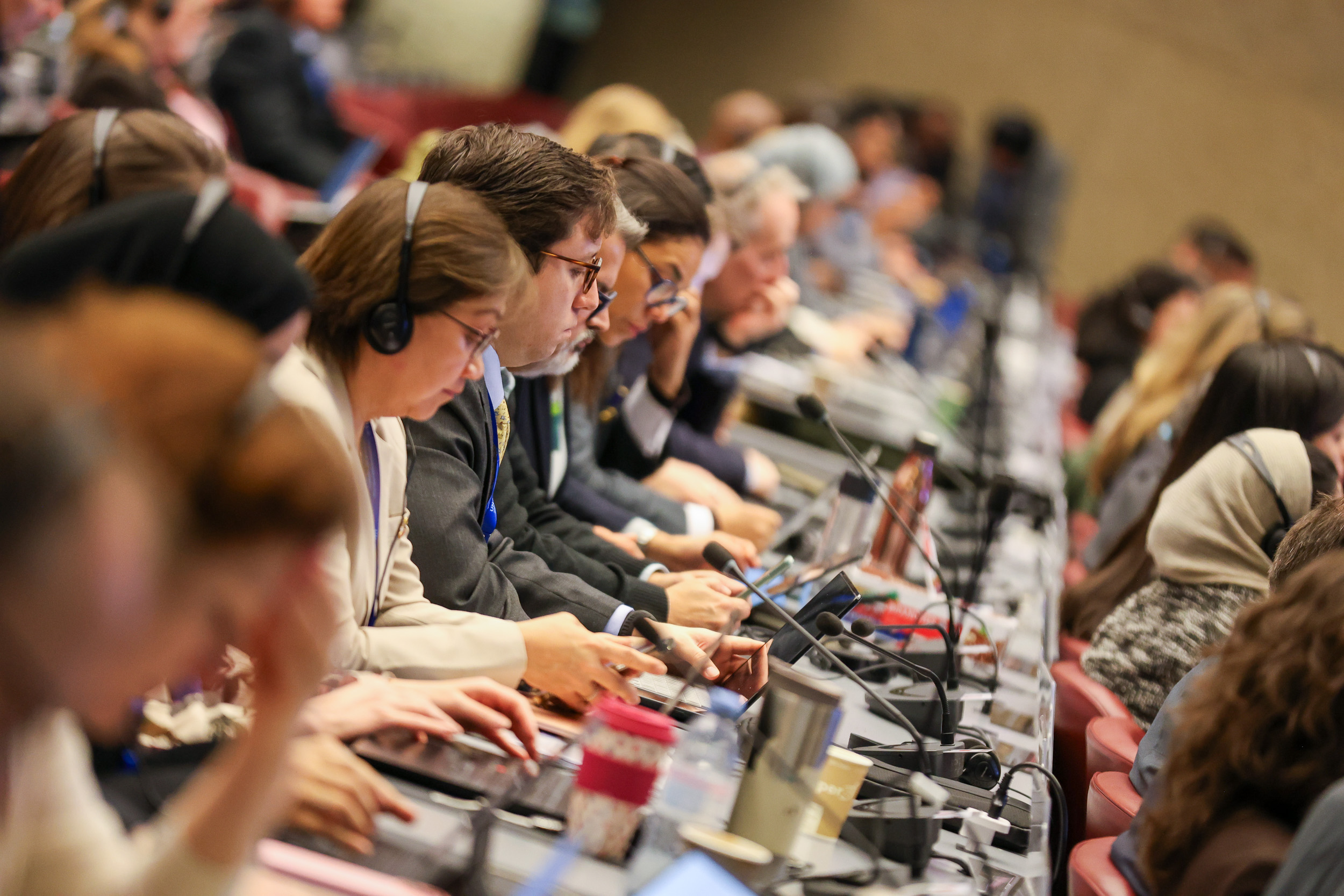
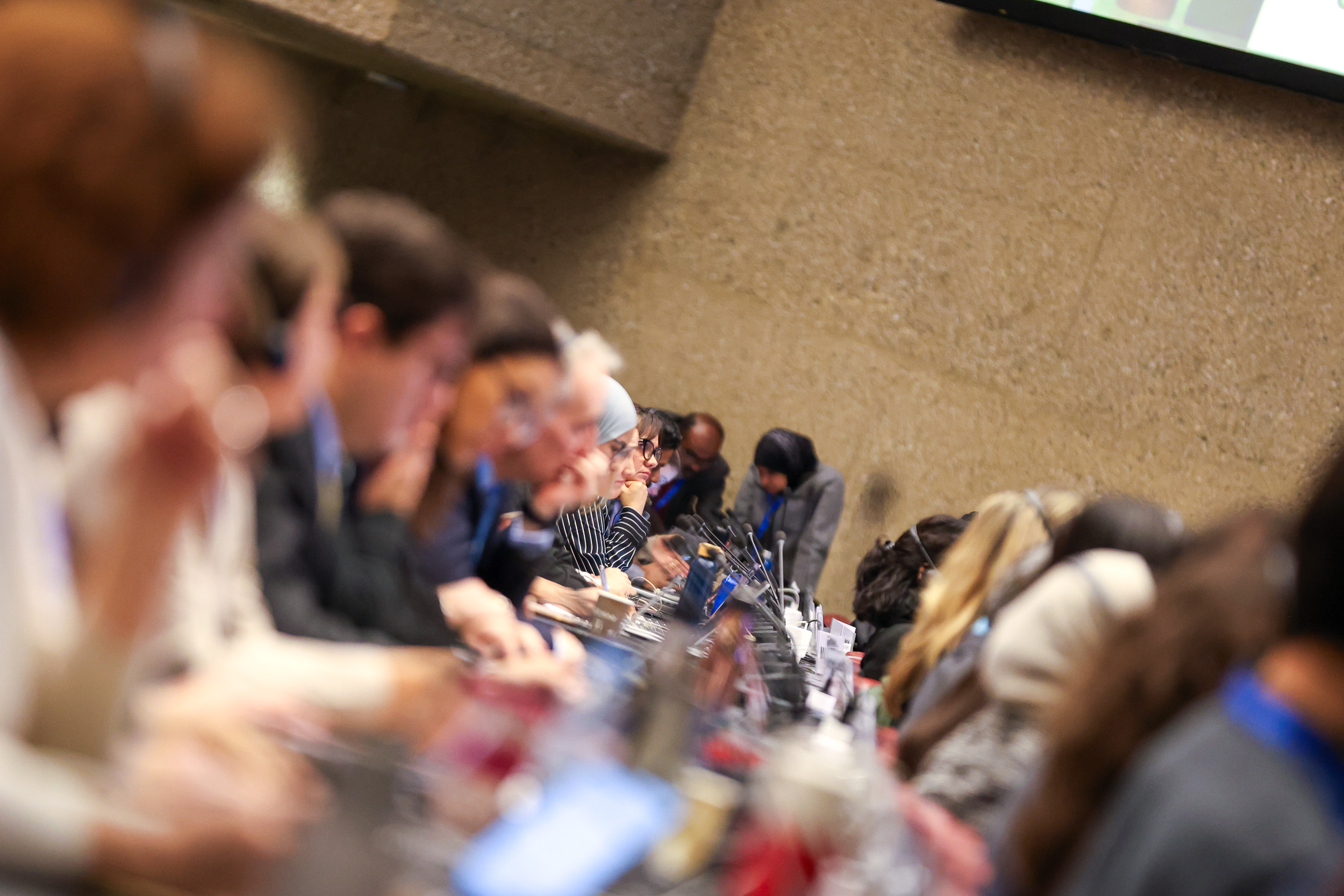
To pick up the pace on the rules of procedure, members of the Panel split into two groups. One focused on the role of observers and decision-making, among others. The other tackled the rules for the membership and operation of the Bureau and some other rules on subsidiary bodies. Here too, delegates are prioritizing what must be done to get the Panel up and running. But again, there were calls in both groups that the pace was too slow.
To receive free coverage of global environmental events delivered to your inbox, subscribe to the ENB Update newsletter.
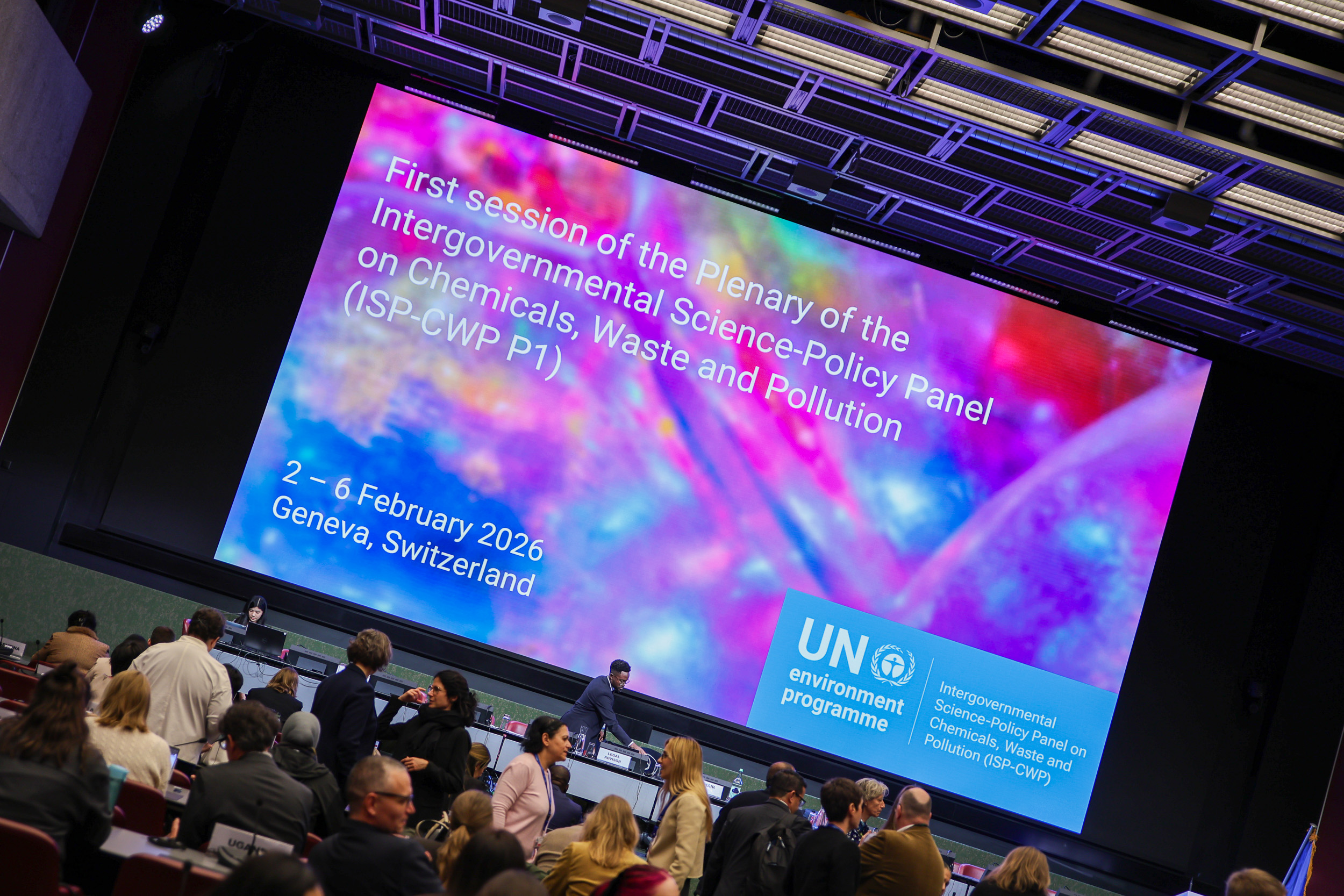
All ENB photos are free to use with attribution. For photos of the 1st Session of the Plenary of the Intergovernmental Science-Policy Panel on Chemicals, Waste and Pollution, please use: Photo by IISD/ENB - Mike Muzurakis
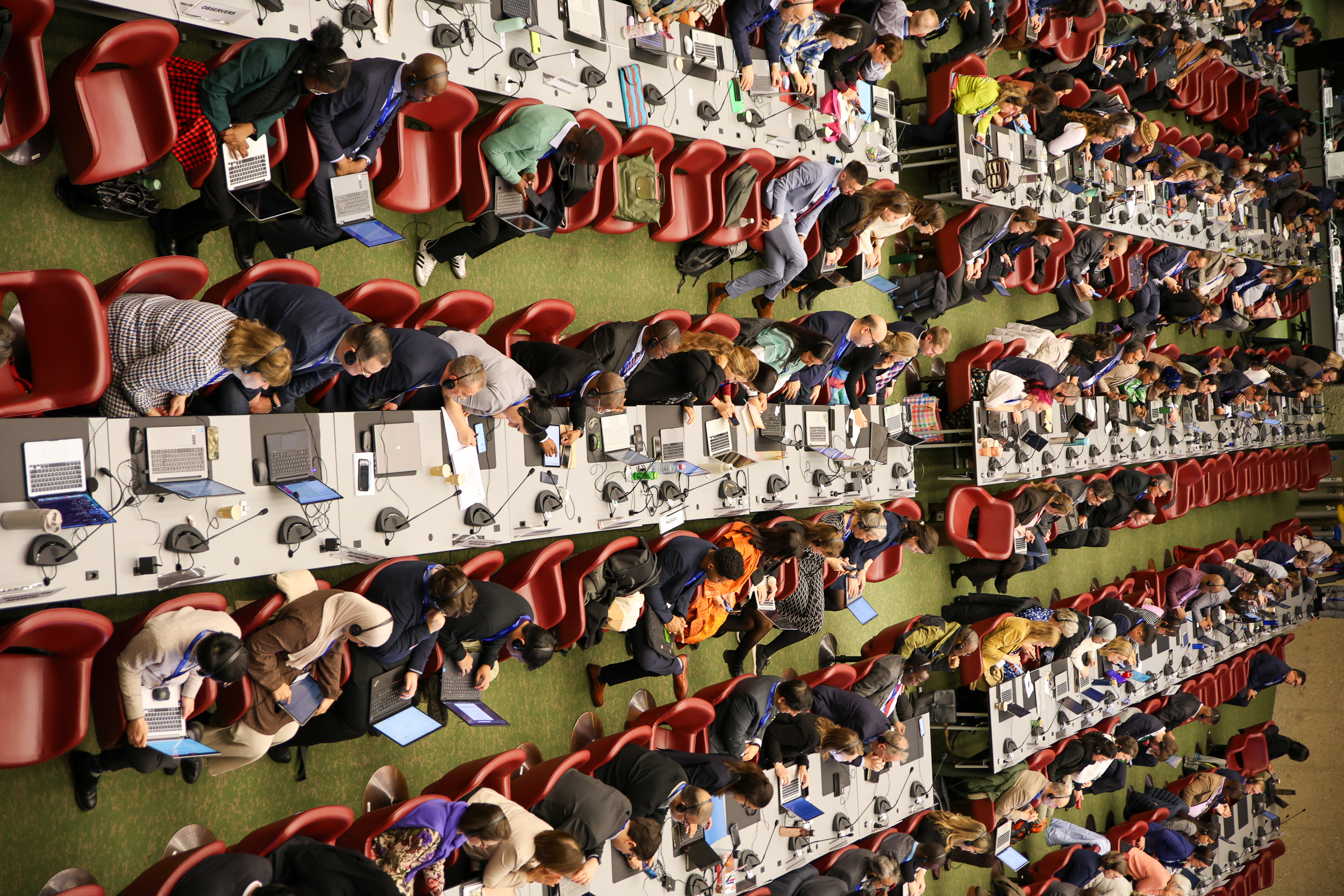
Plenary Session
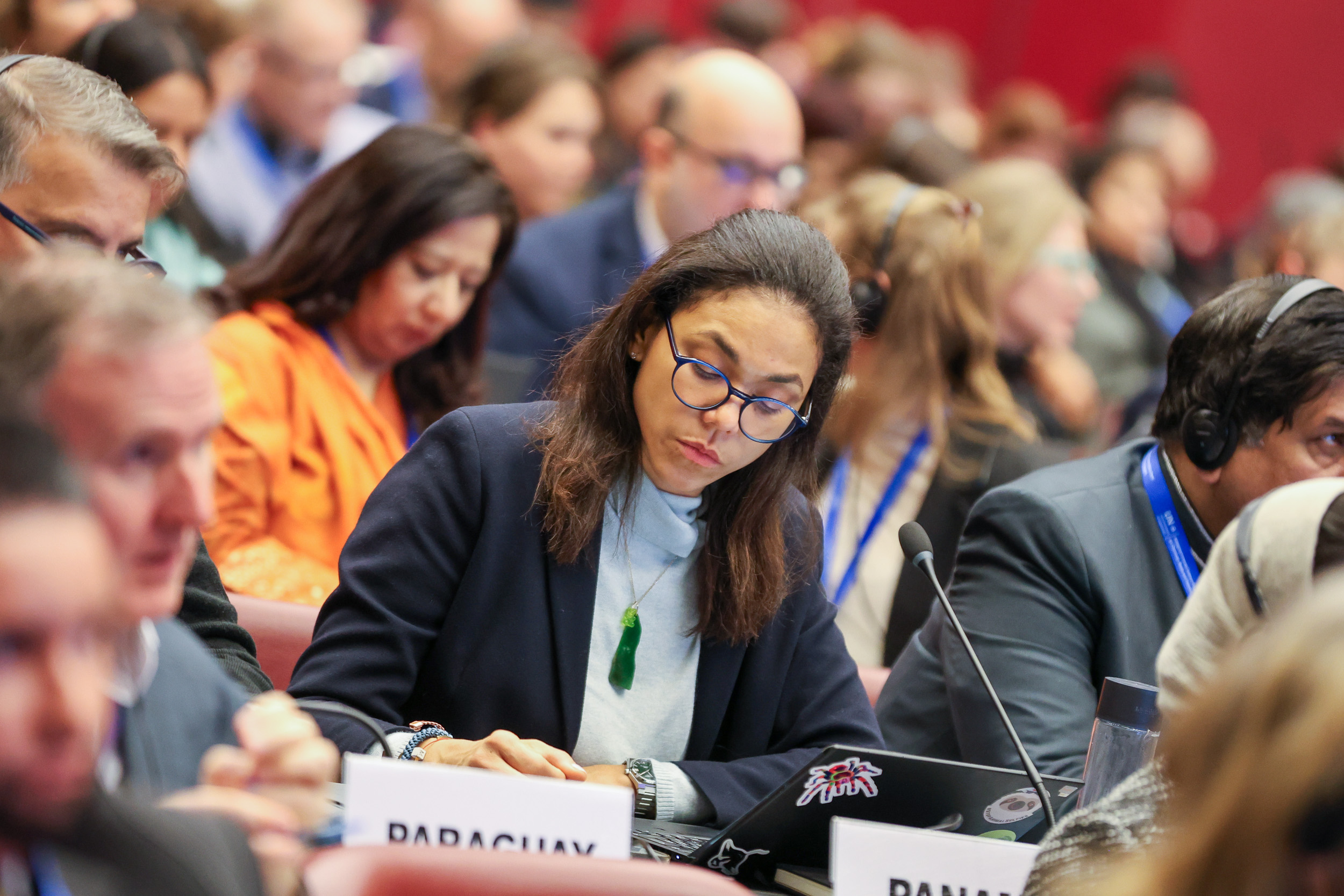
Cecilia Atherton De Revillard, Panama
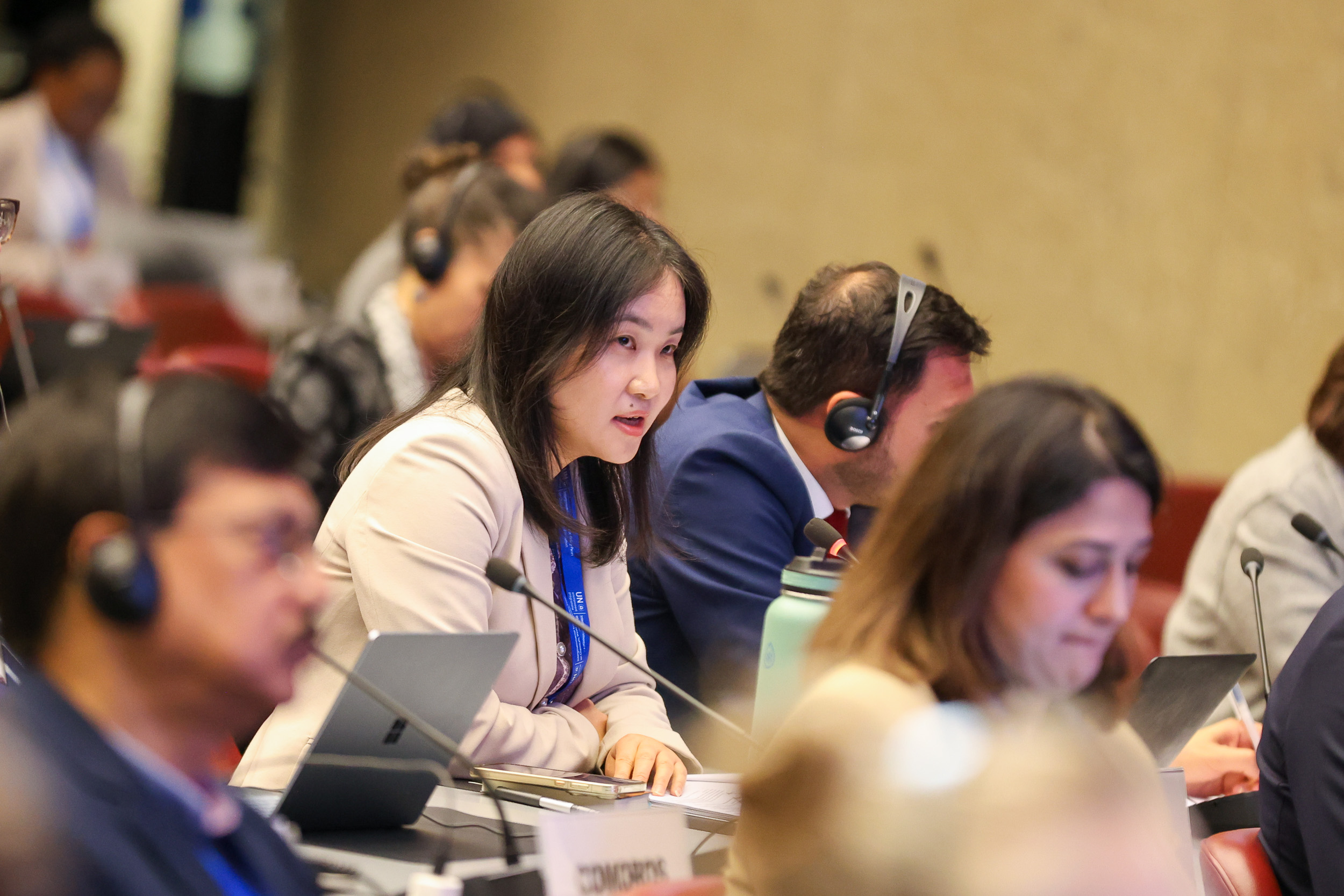
Chen Haijun, China
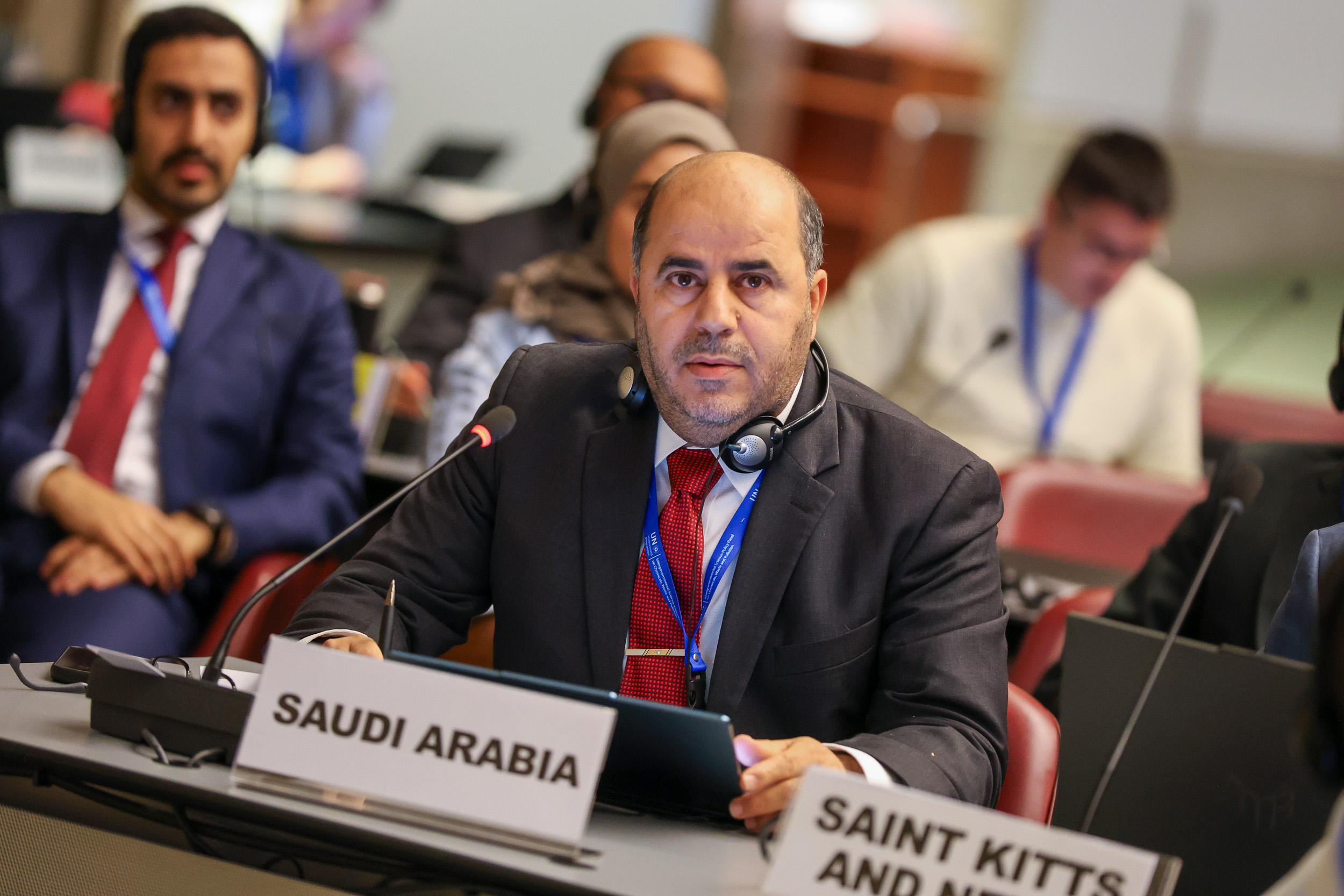
Qasem Alsharari, Saudi Arabia
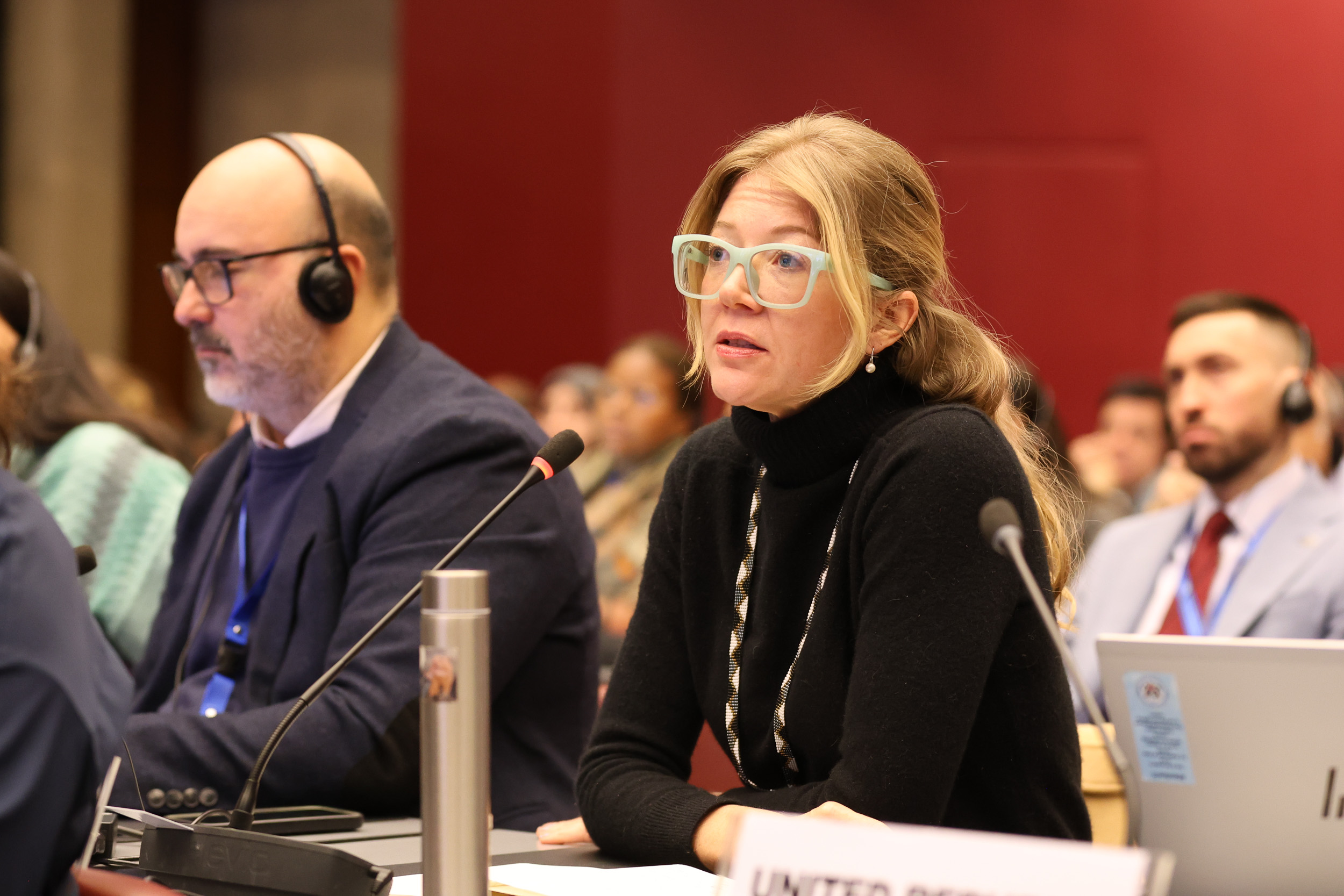
Elizabeth Nichols, US
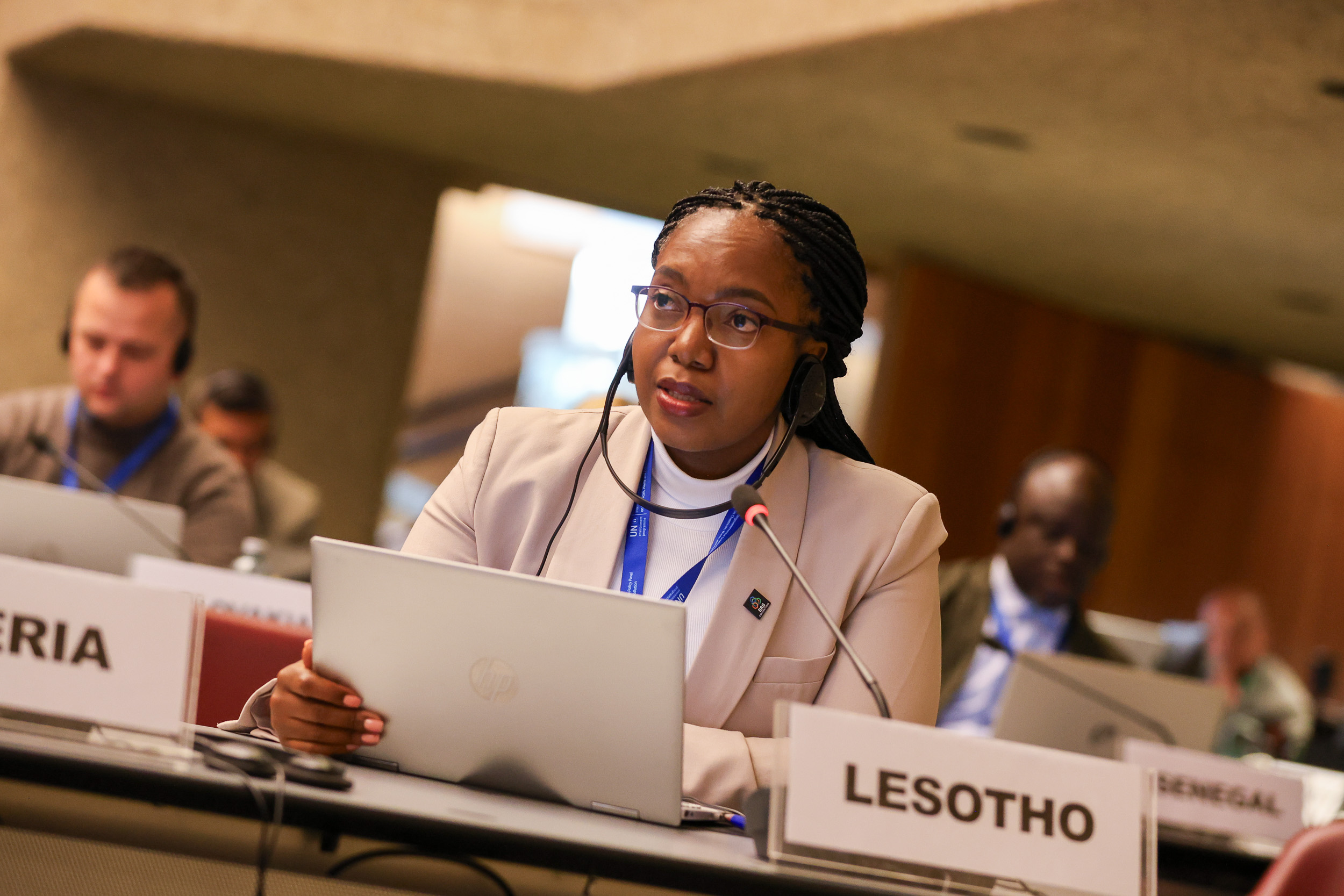
Mamaboloka Kibiti, Lesotho
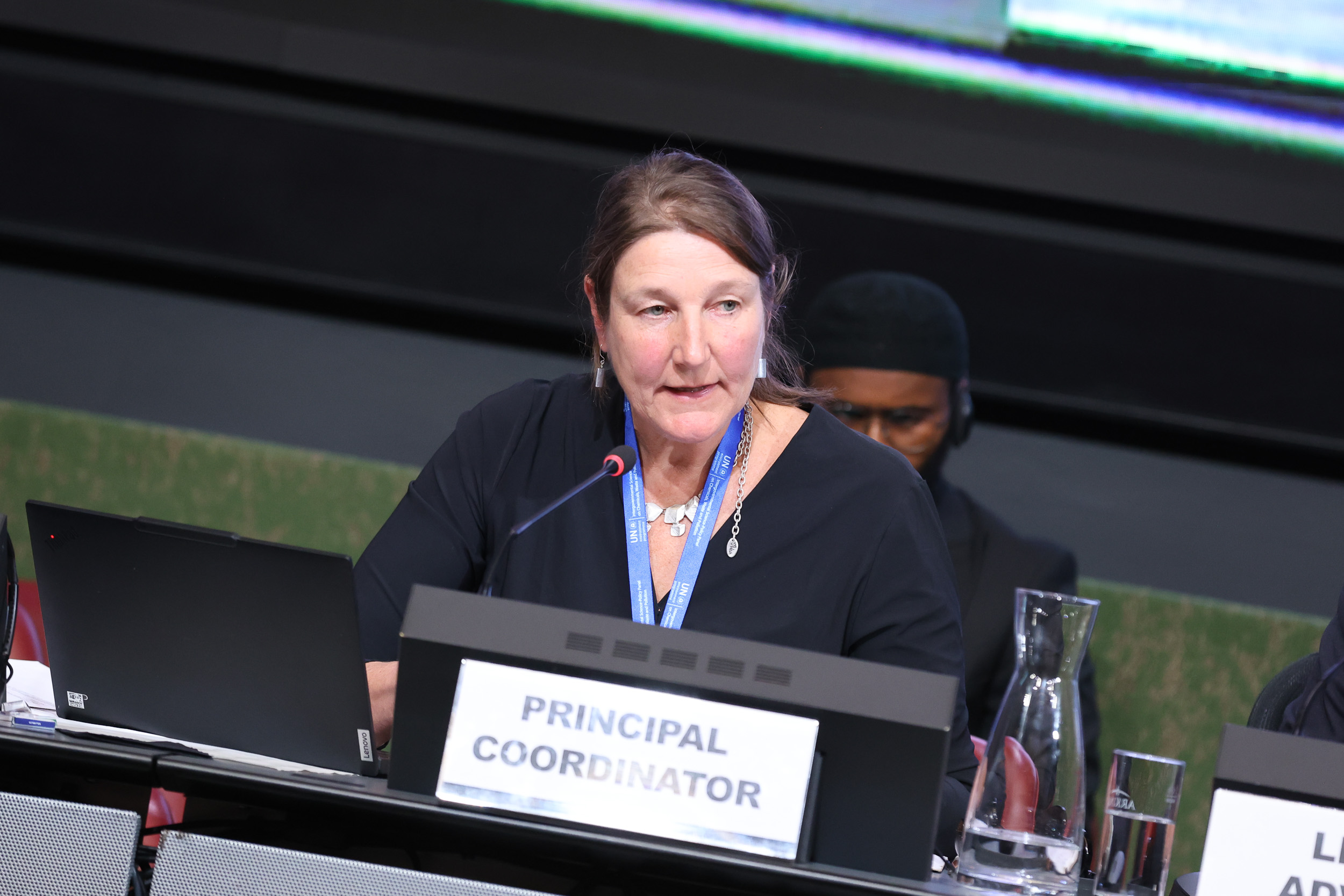
Tessa Goverse, Principal Coordinator and Head of the Interim Secretariat
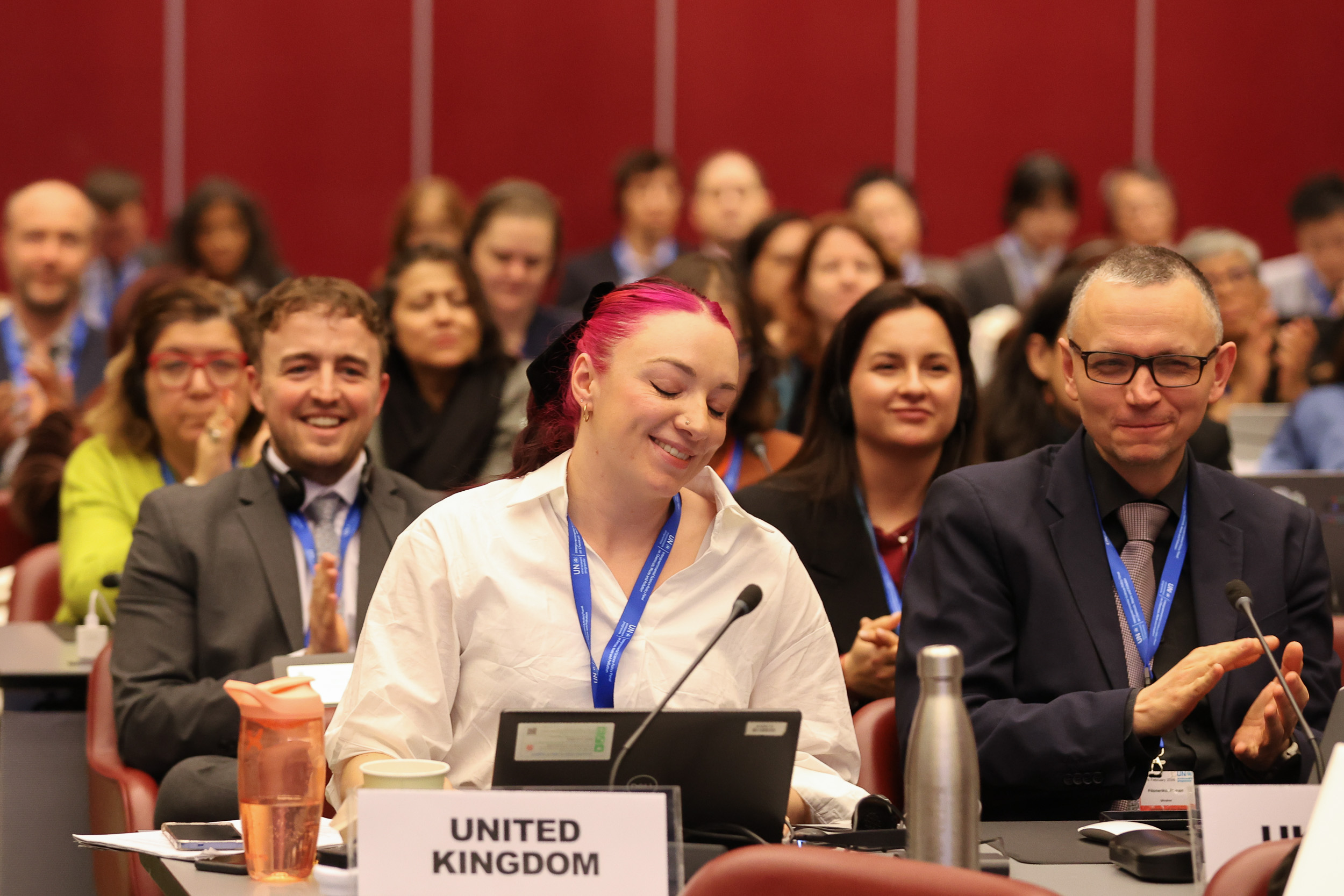
Helena Richards, UK, was elected as Bureau member and rapporteur.
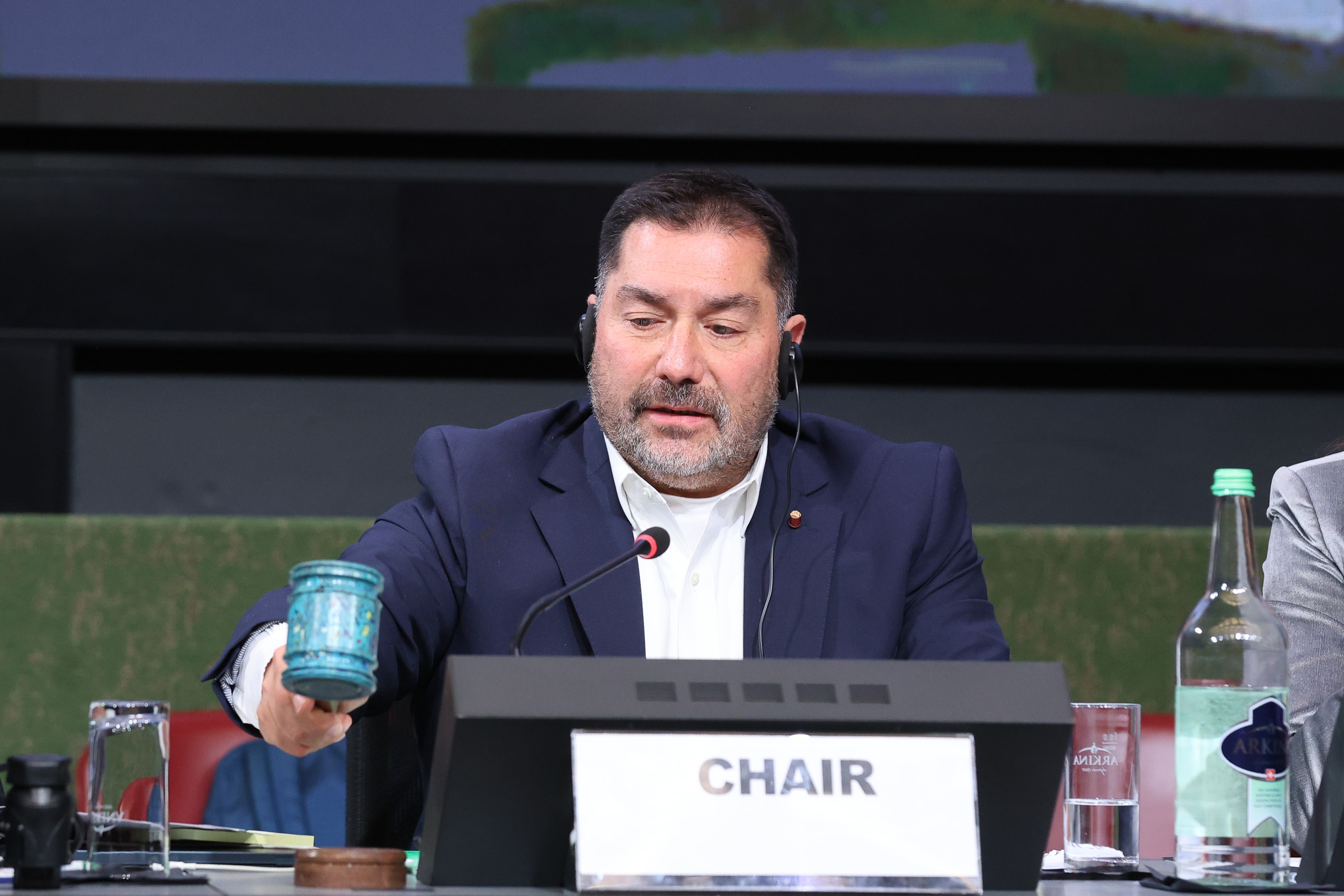
ISP-CWP Chair Osvaldo Álvarez Pérez, Chile
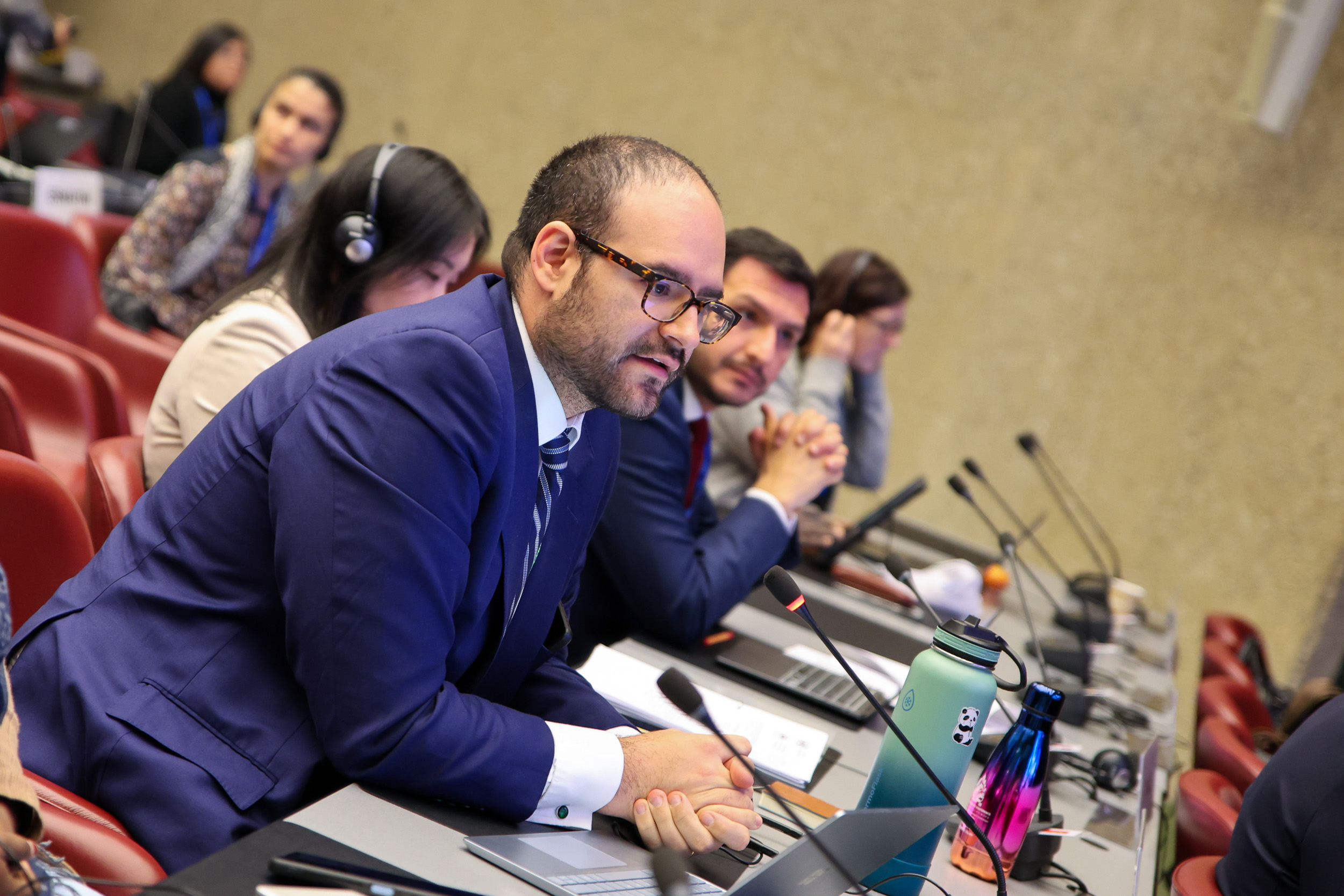
Miguel Ruiz Botero, Colombia
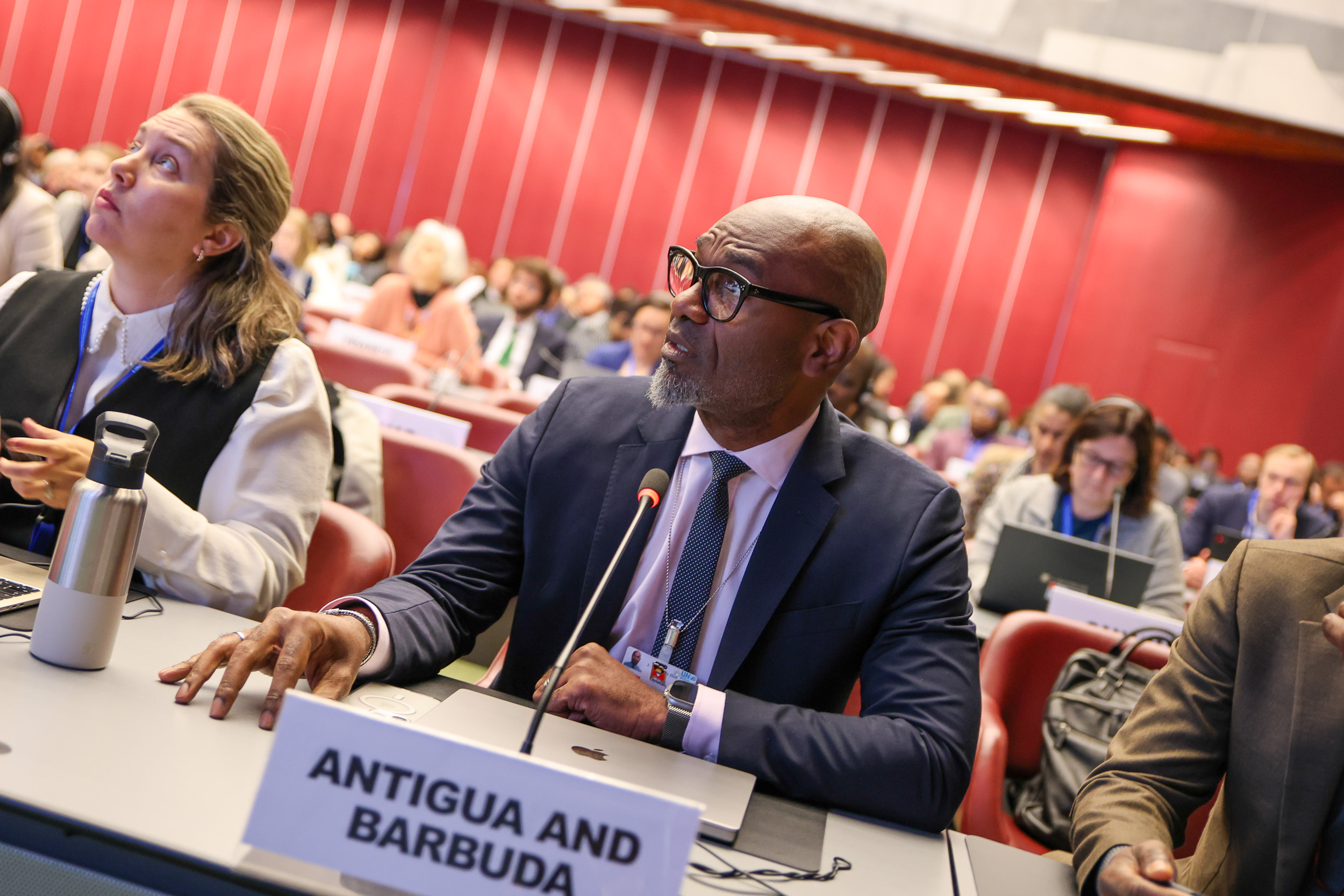
Linroy Christian, Antigua and Barbuda
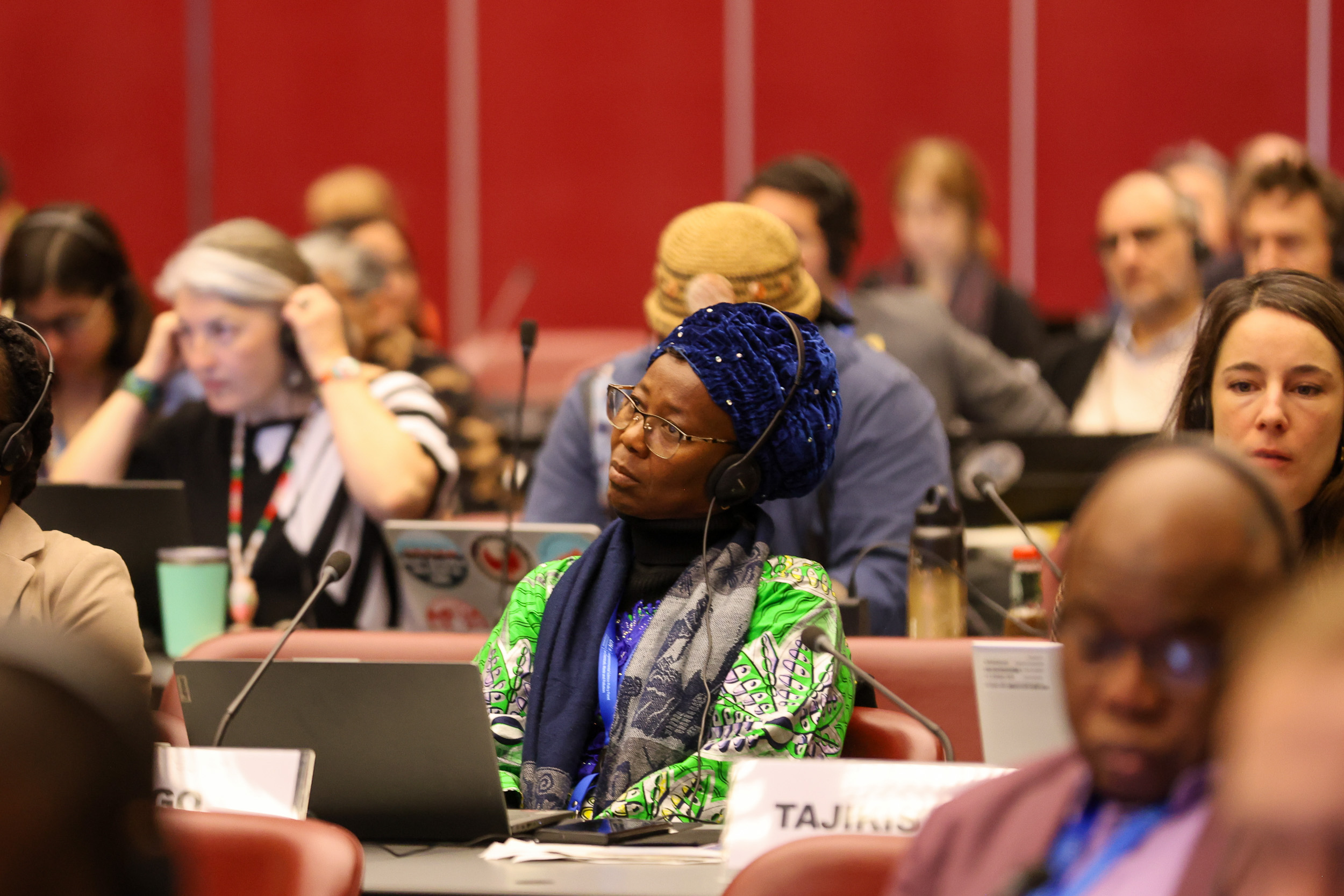
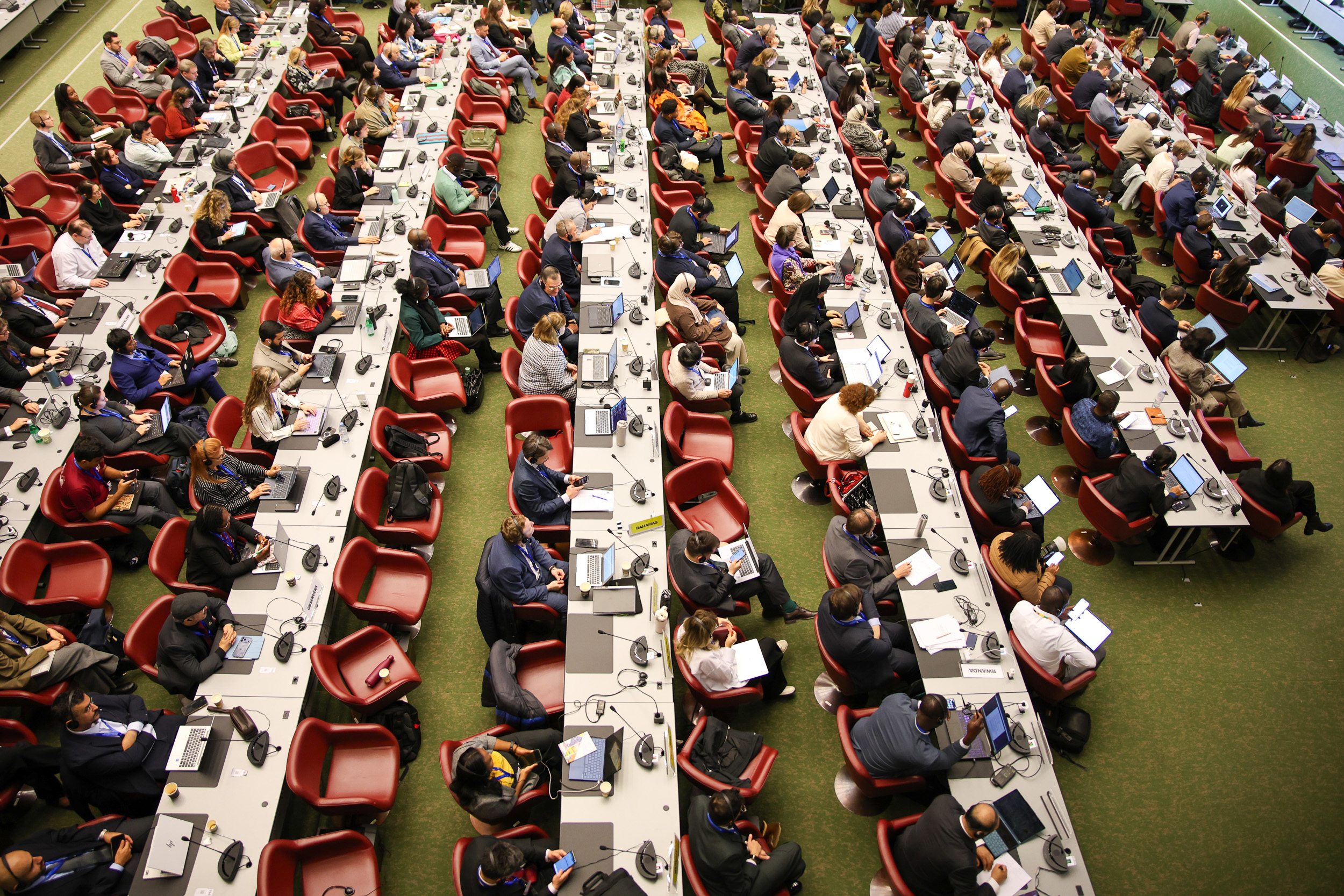
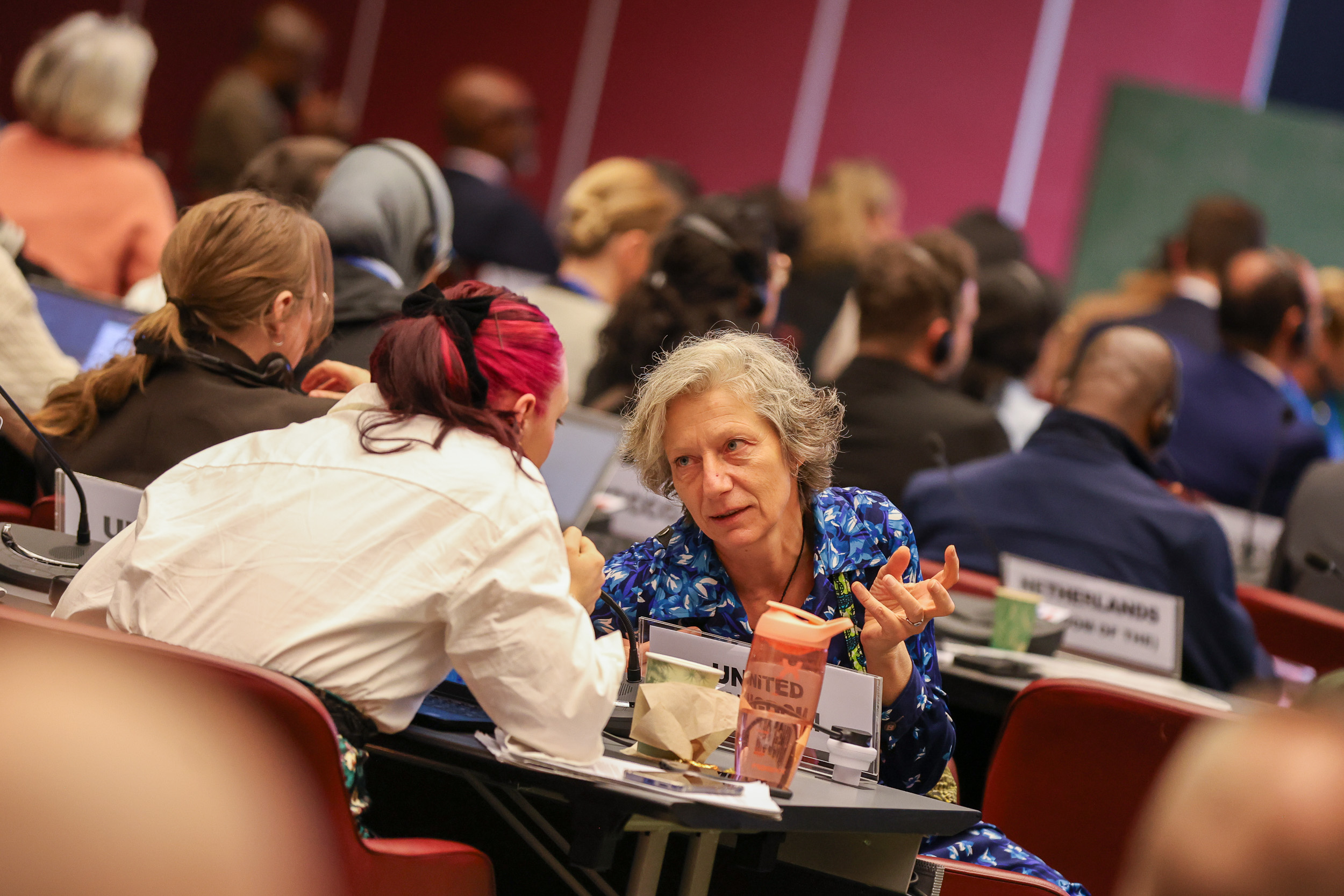
Gudi Alkemade, the Netherlands
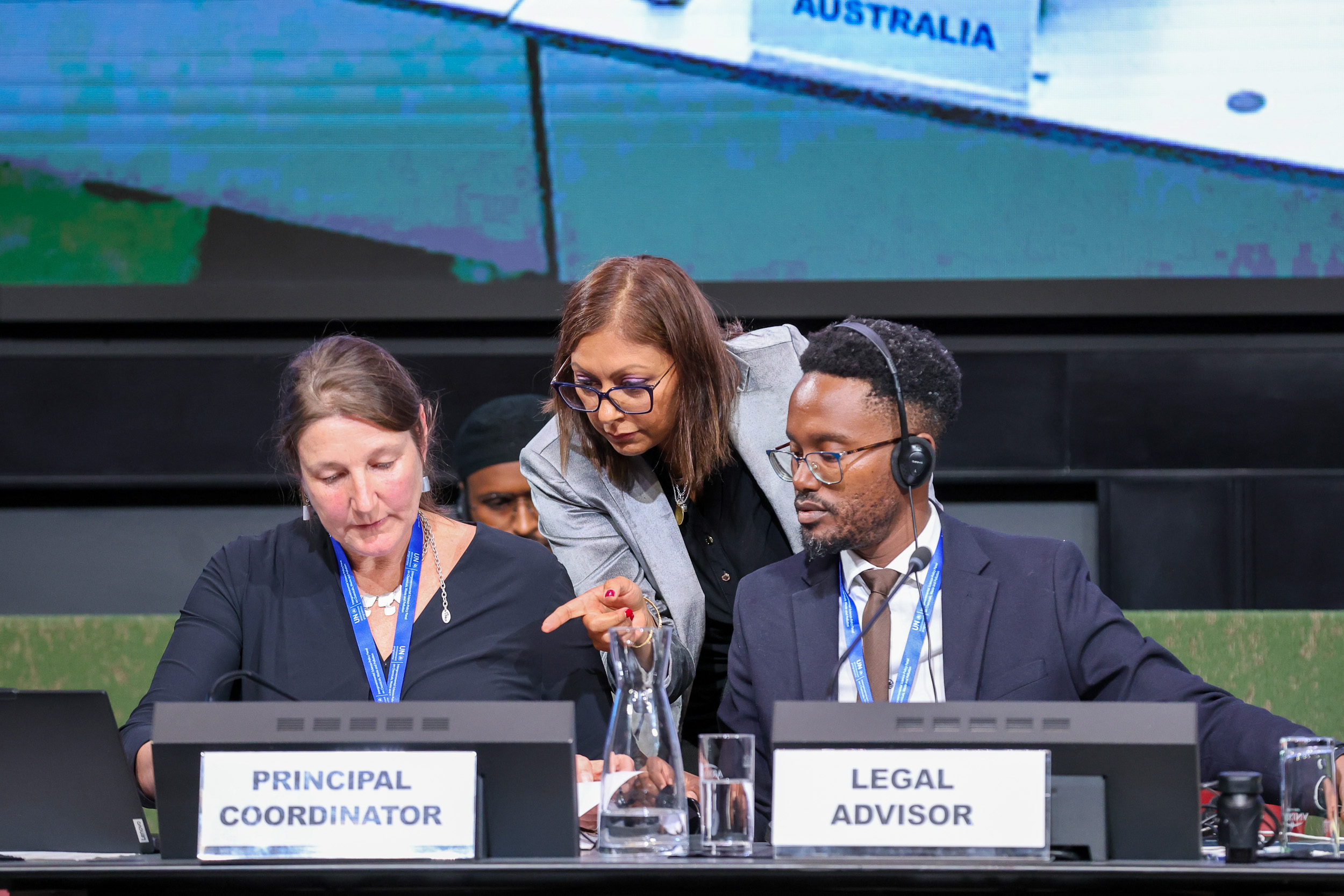
From L-R: Tessa Goverse, Principal Coordinator and Head of the Interim Secretariat; Radhika Ochalik, Meeting Secretary; and Alvin Gachie, Legal Officer, UNEP
Negotiations on the Rules of Procedure
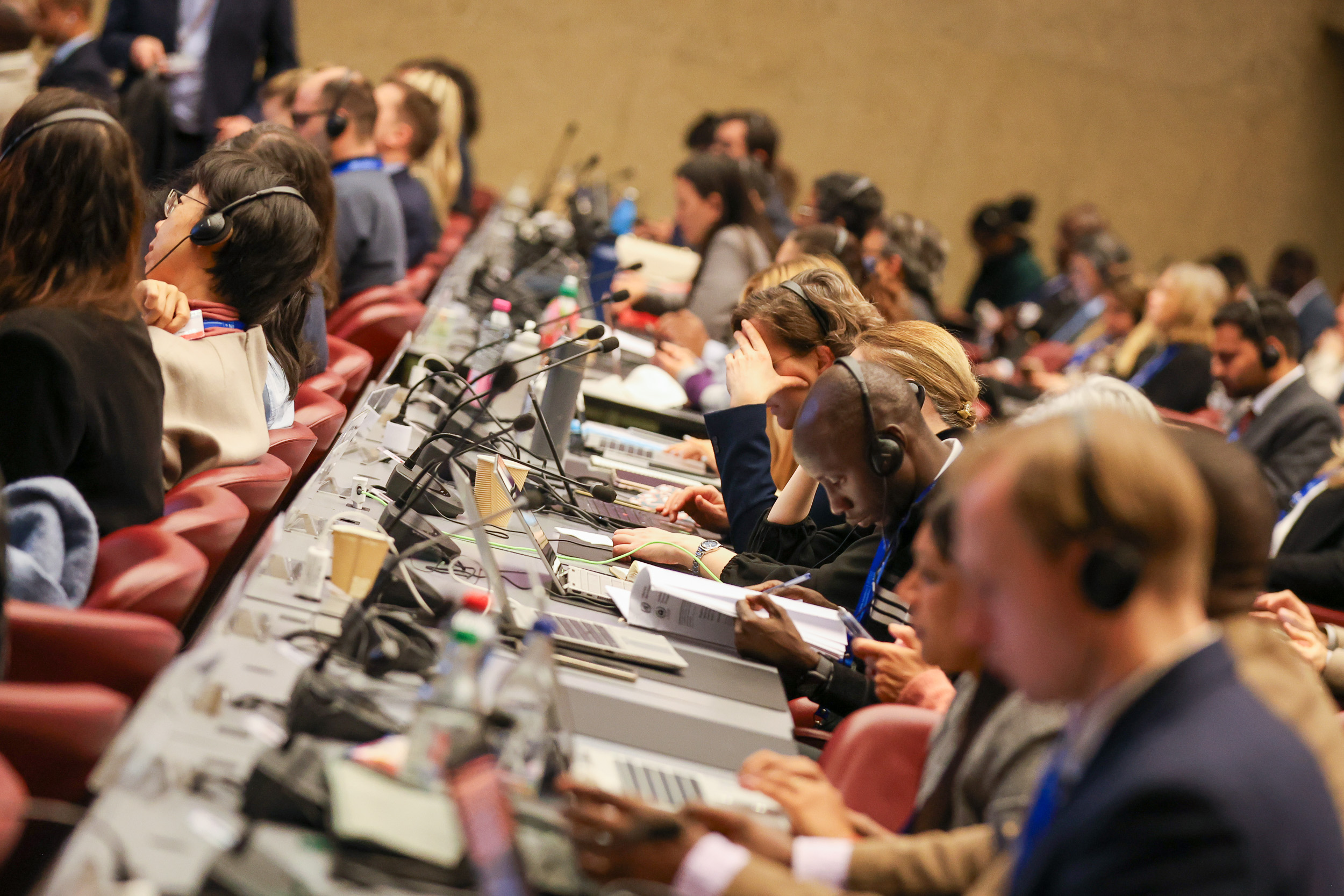
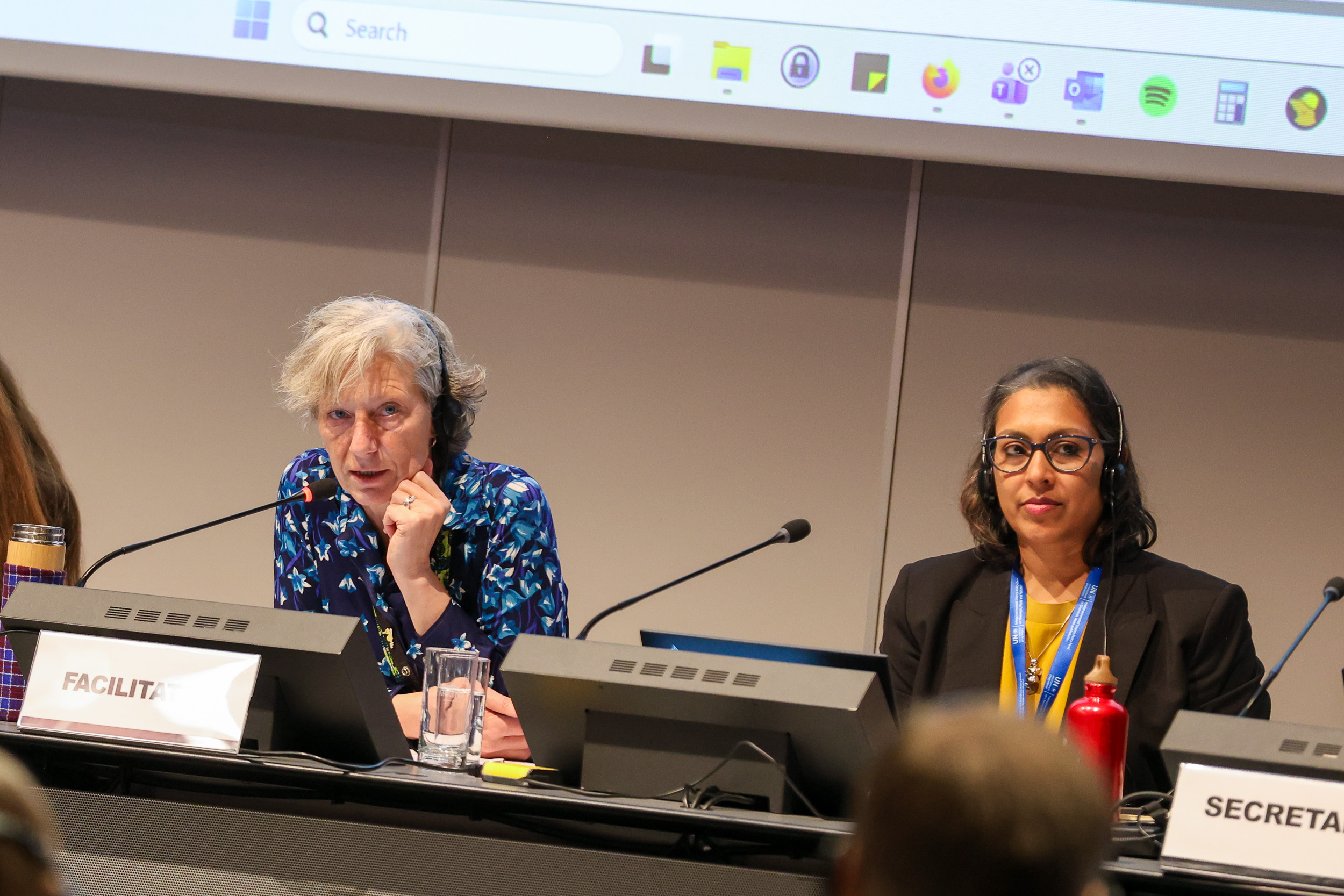
Gudi Alkemade, the Netherlands, and Nalini Sharma, Interim Secretariat
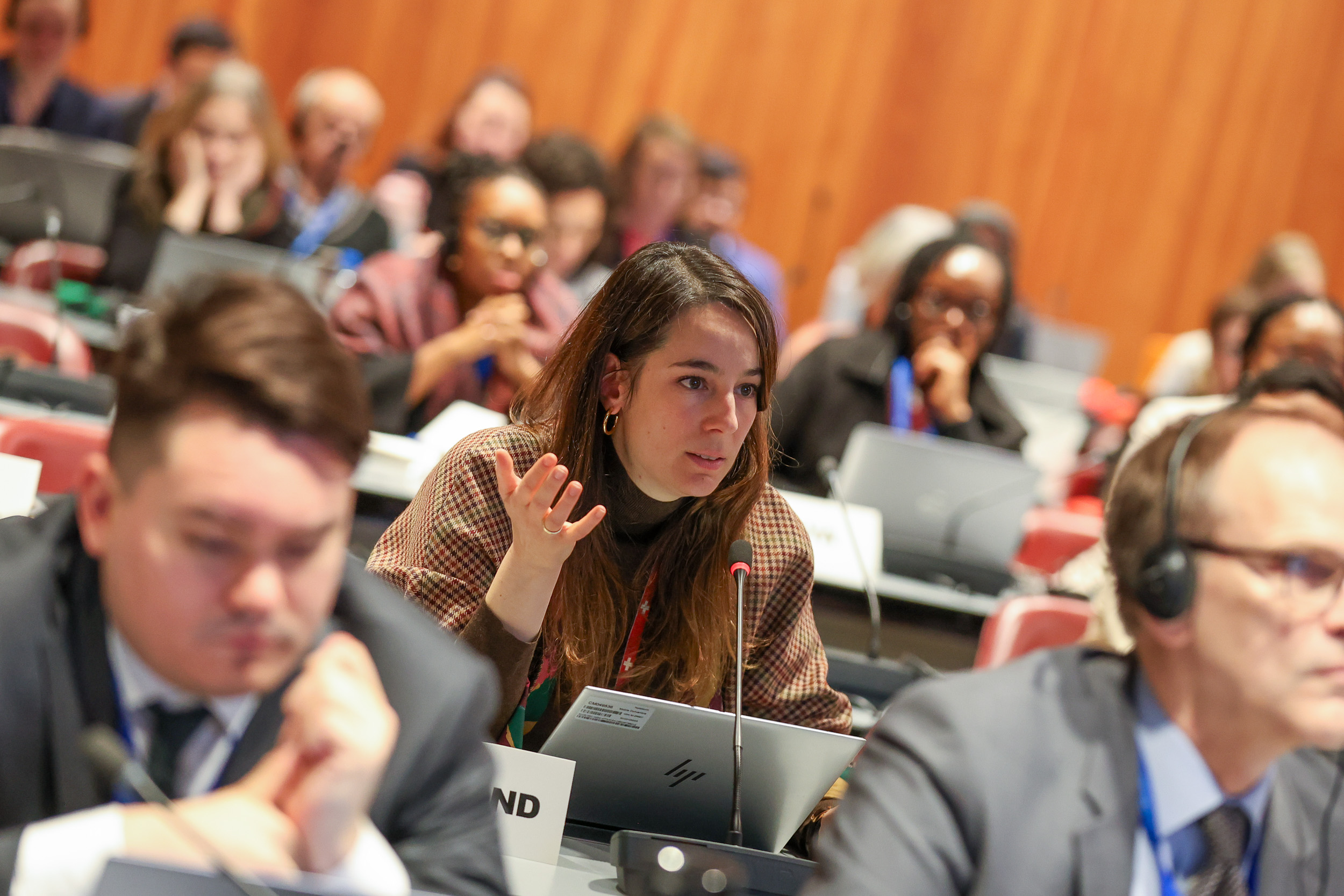
Océane Dayer, Switzerland
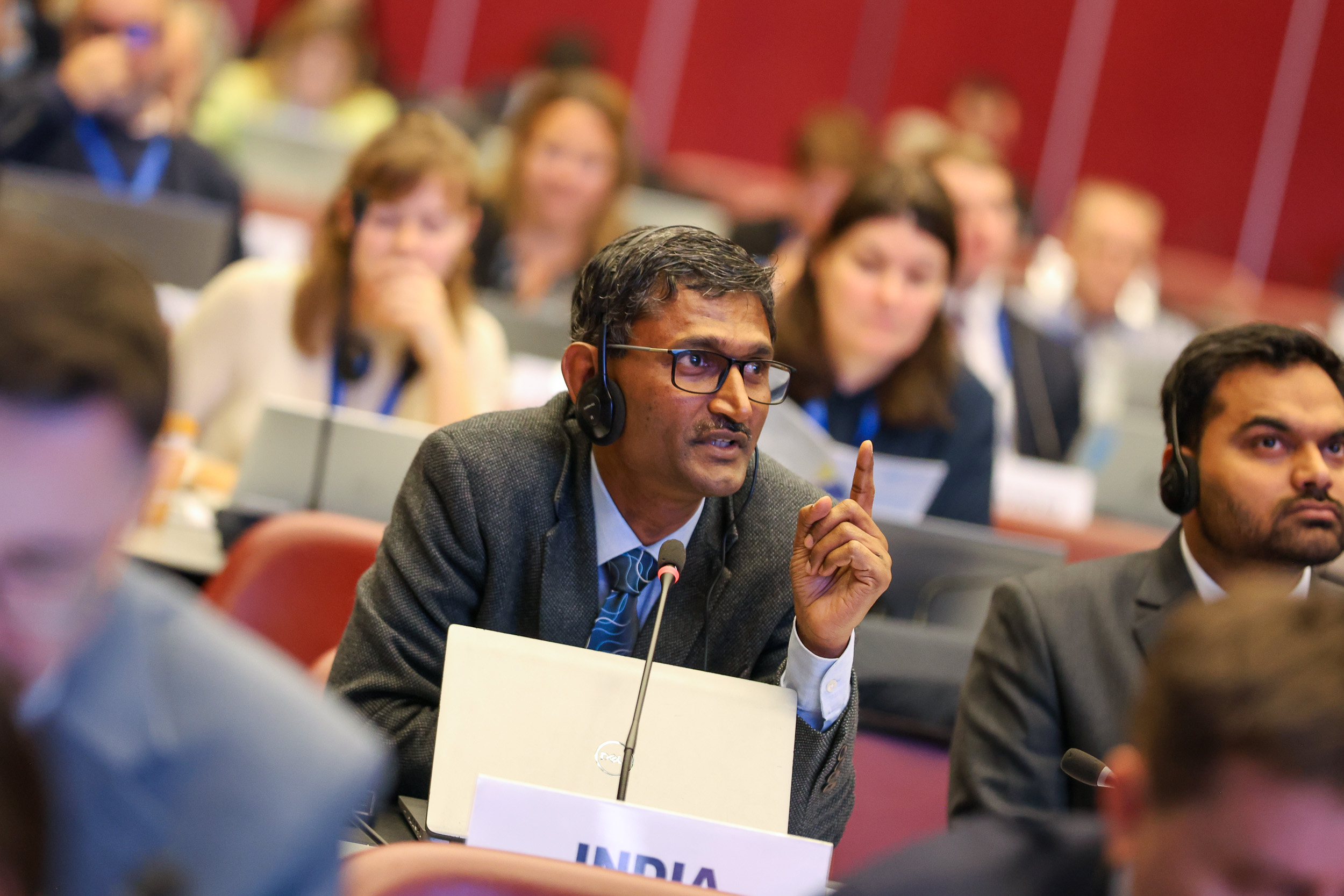
Neelesh Kumar Sah, India
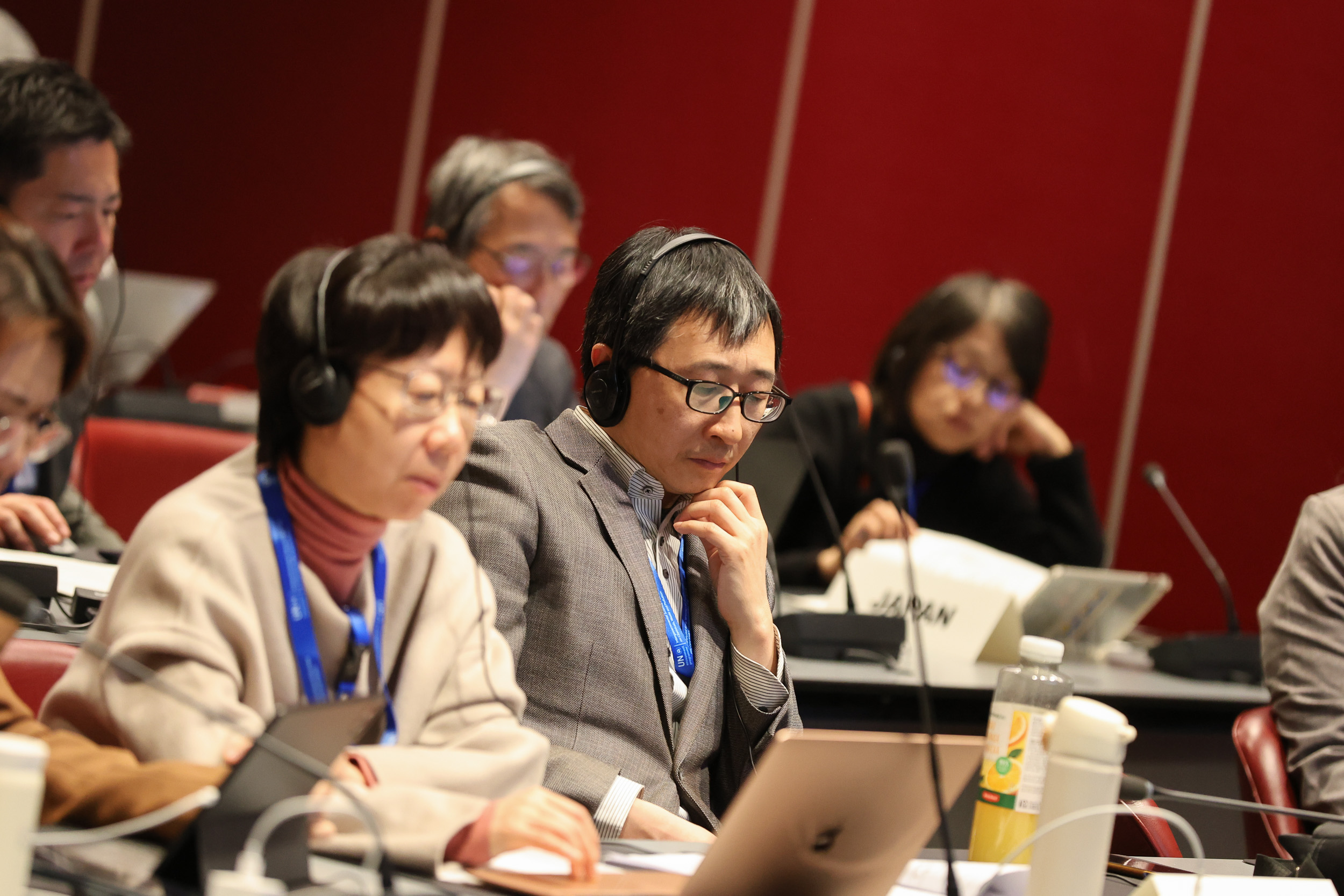
Kexiong Du, China
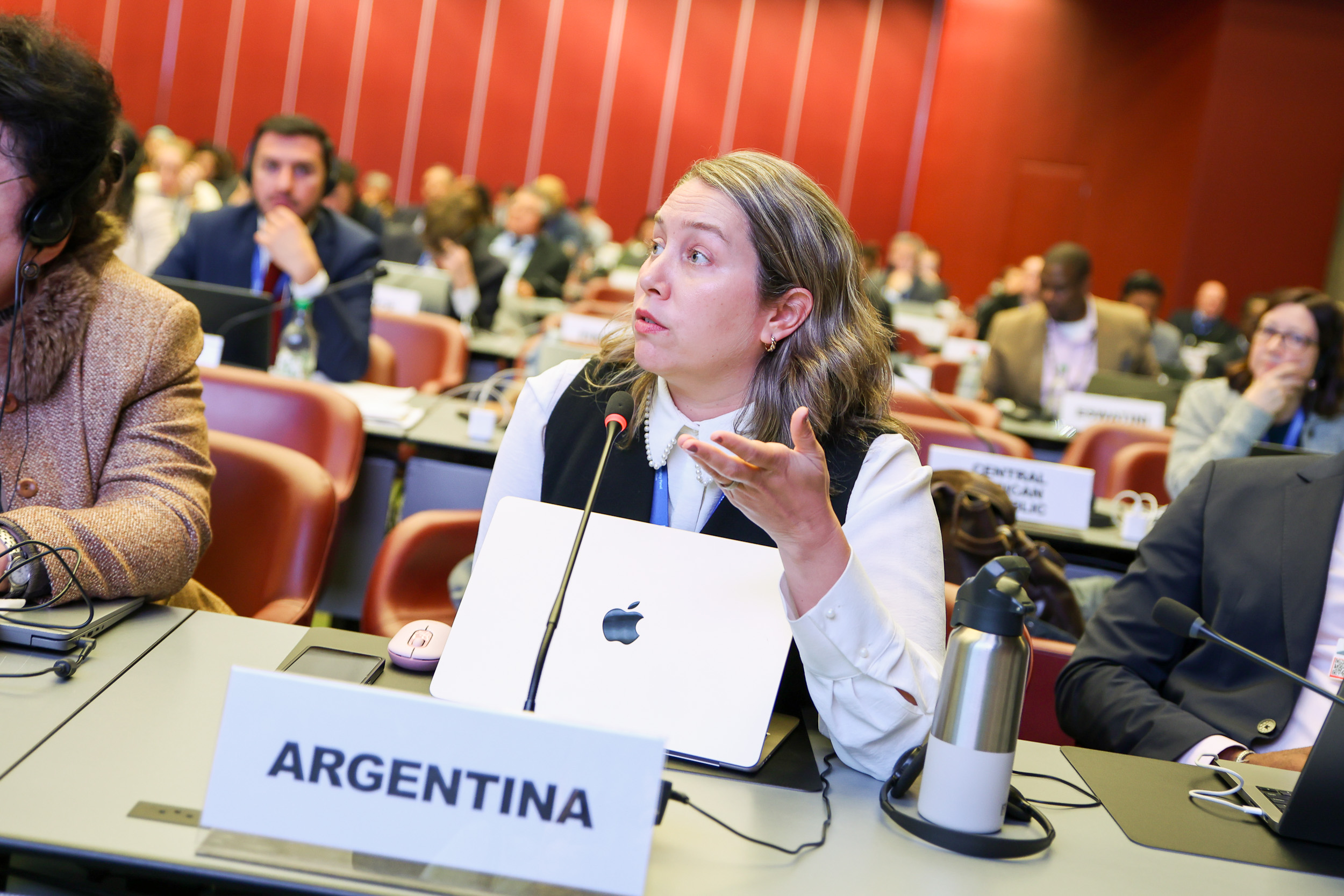
Greta Rubinich, Argentina
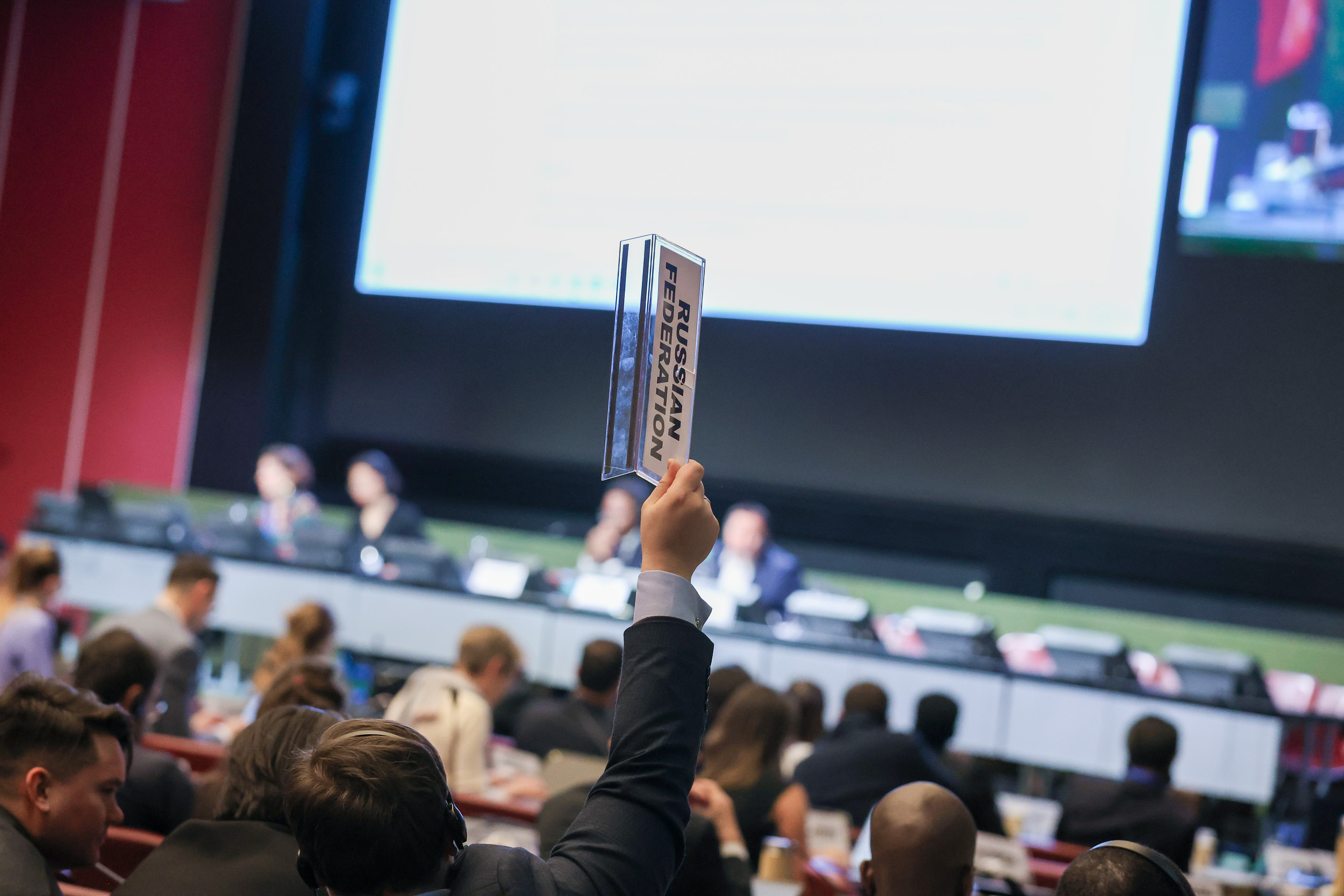
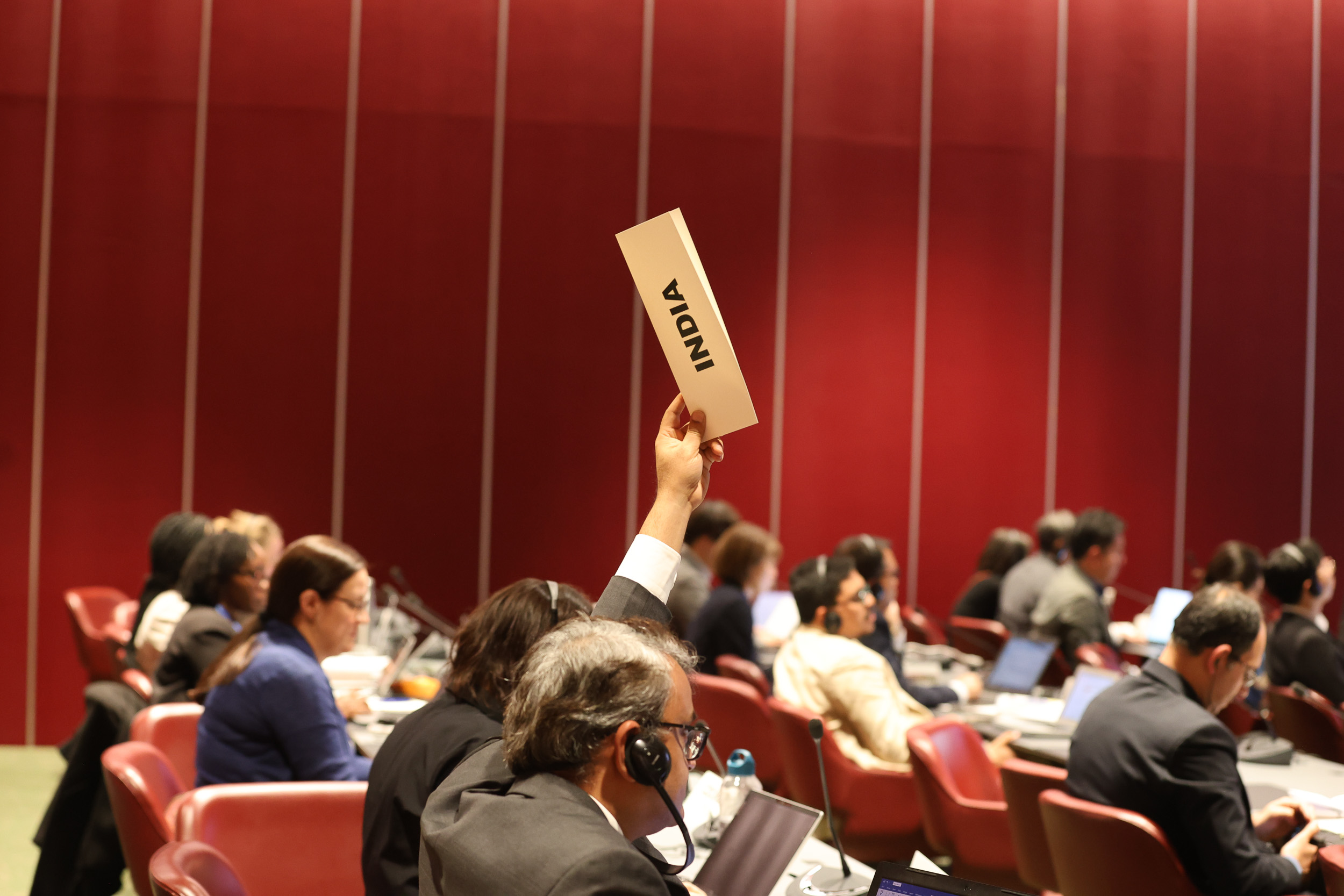
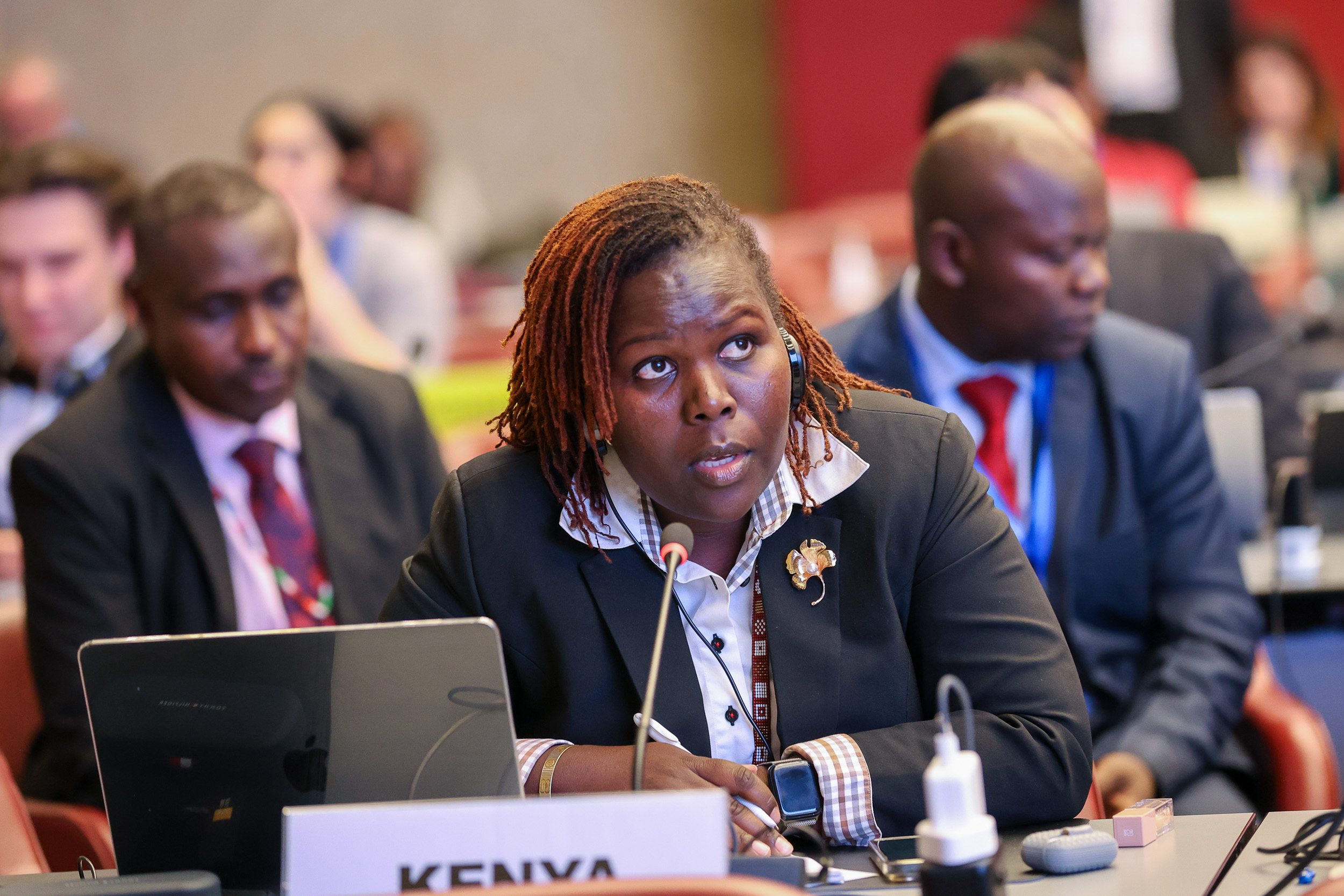
Linda Kosgei, Kenya
Between Sessions
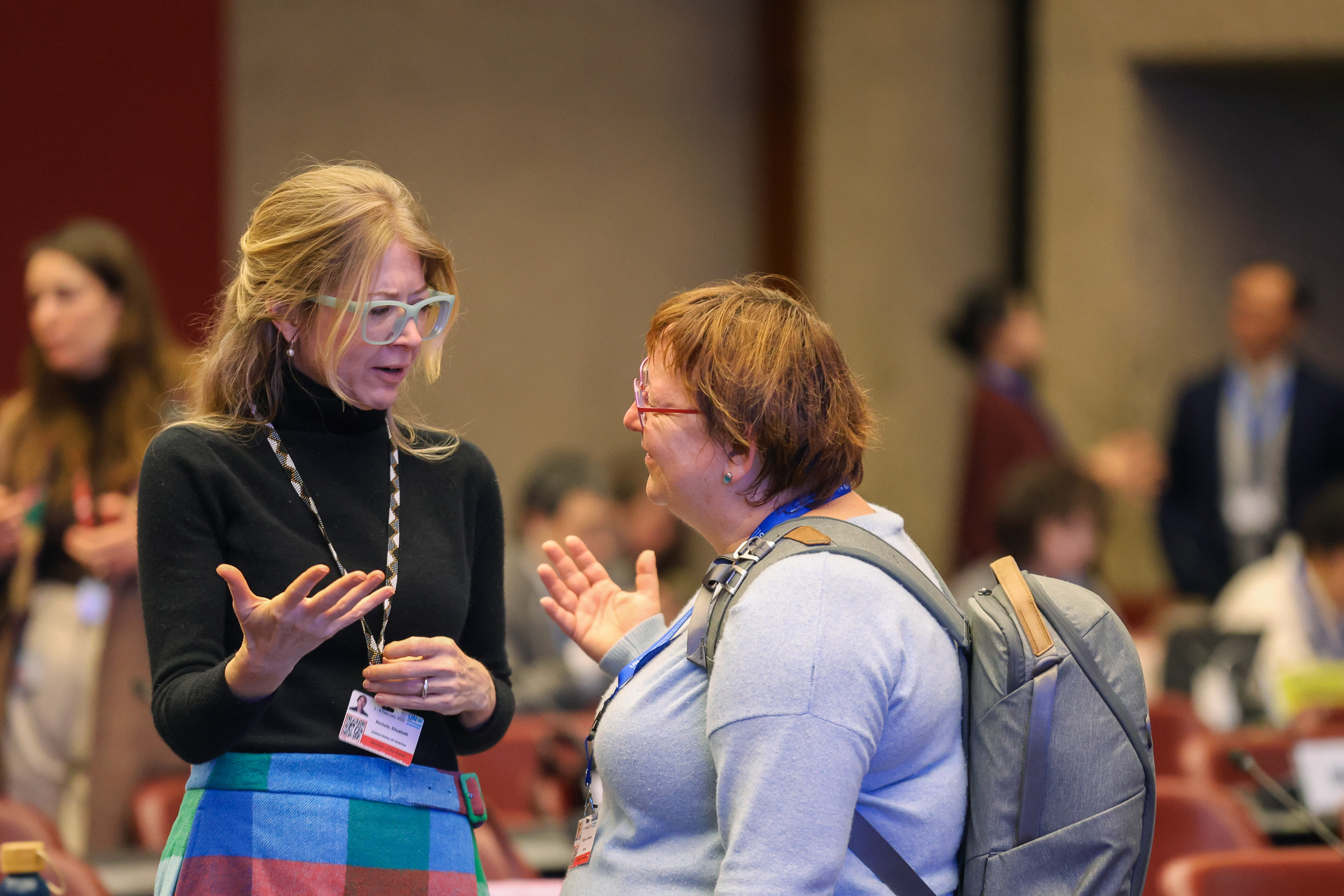
Elizabeth Nichols, US, and Kateřina Šebková, Czechia
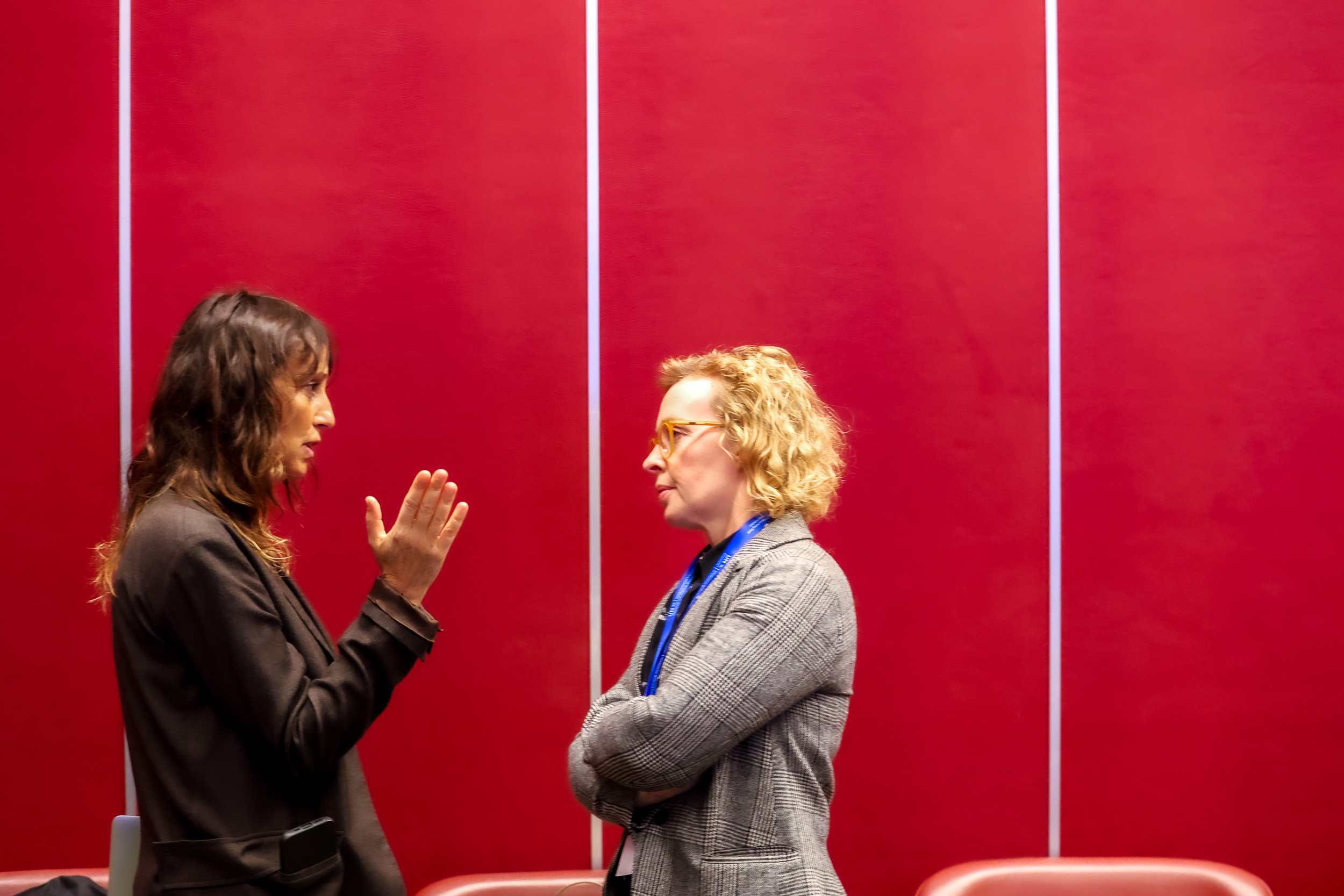
Maria Gutierrez and Jen Allan, IISD/ENB
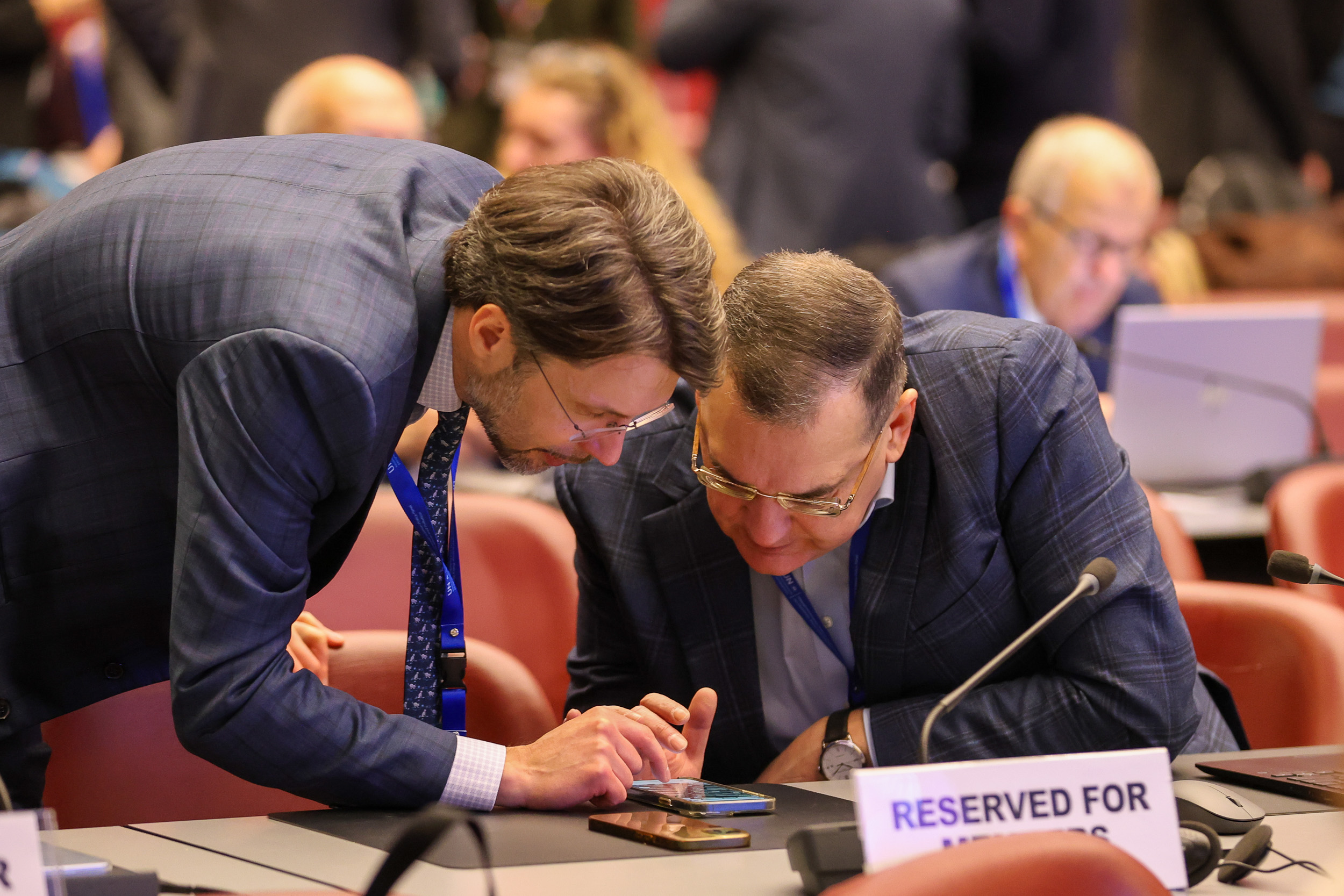
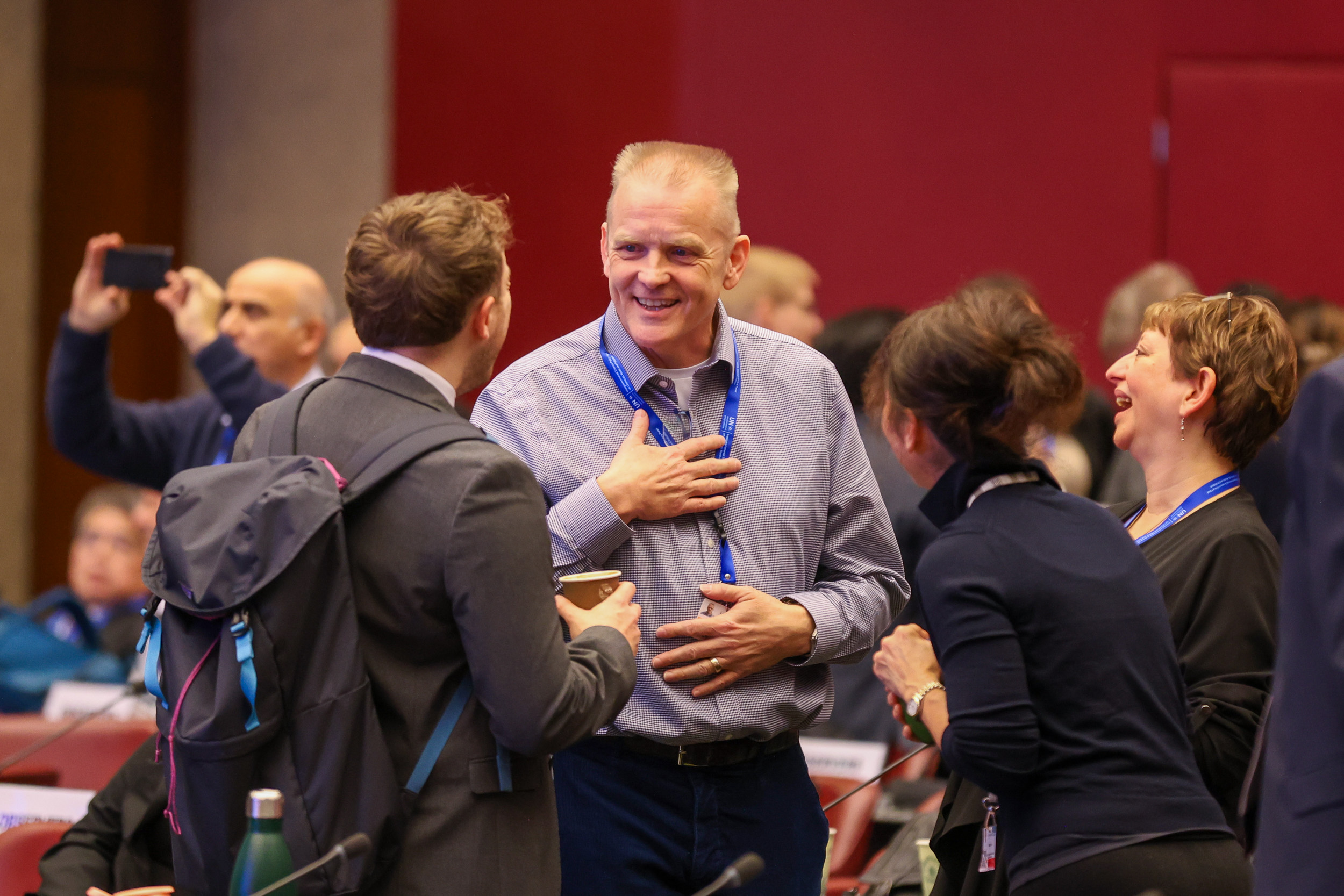
Tom Welton, Royal Society of Chemistry
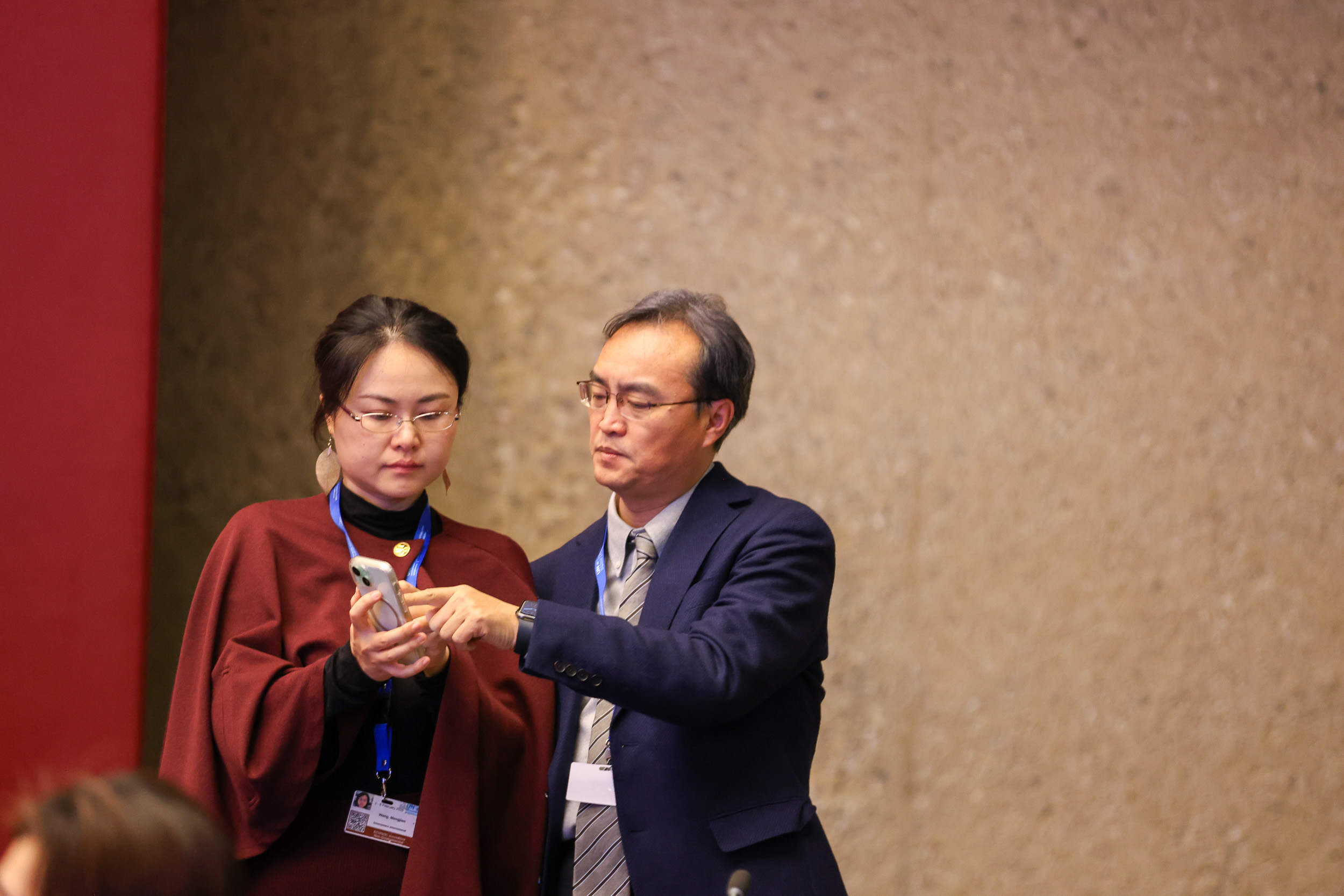
Melissa Wang, Greenpeace International, and Jianguo Liu, China
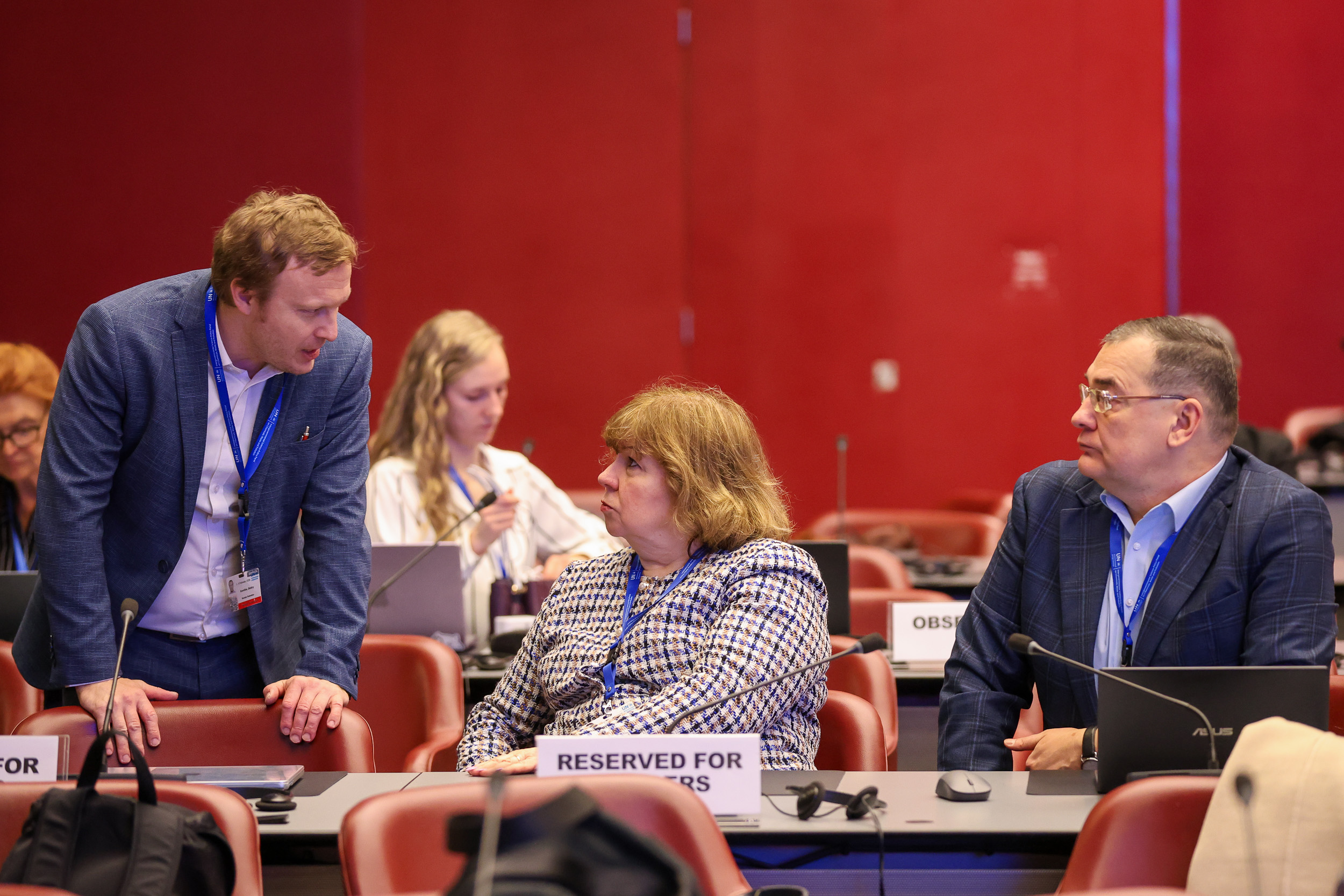
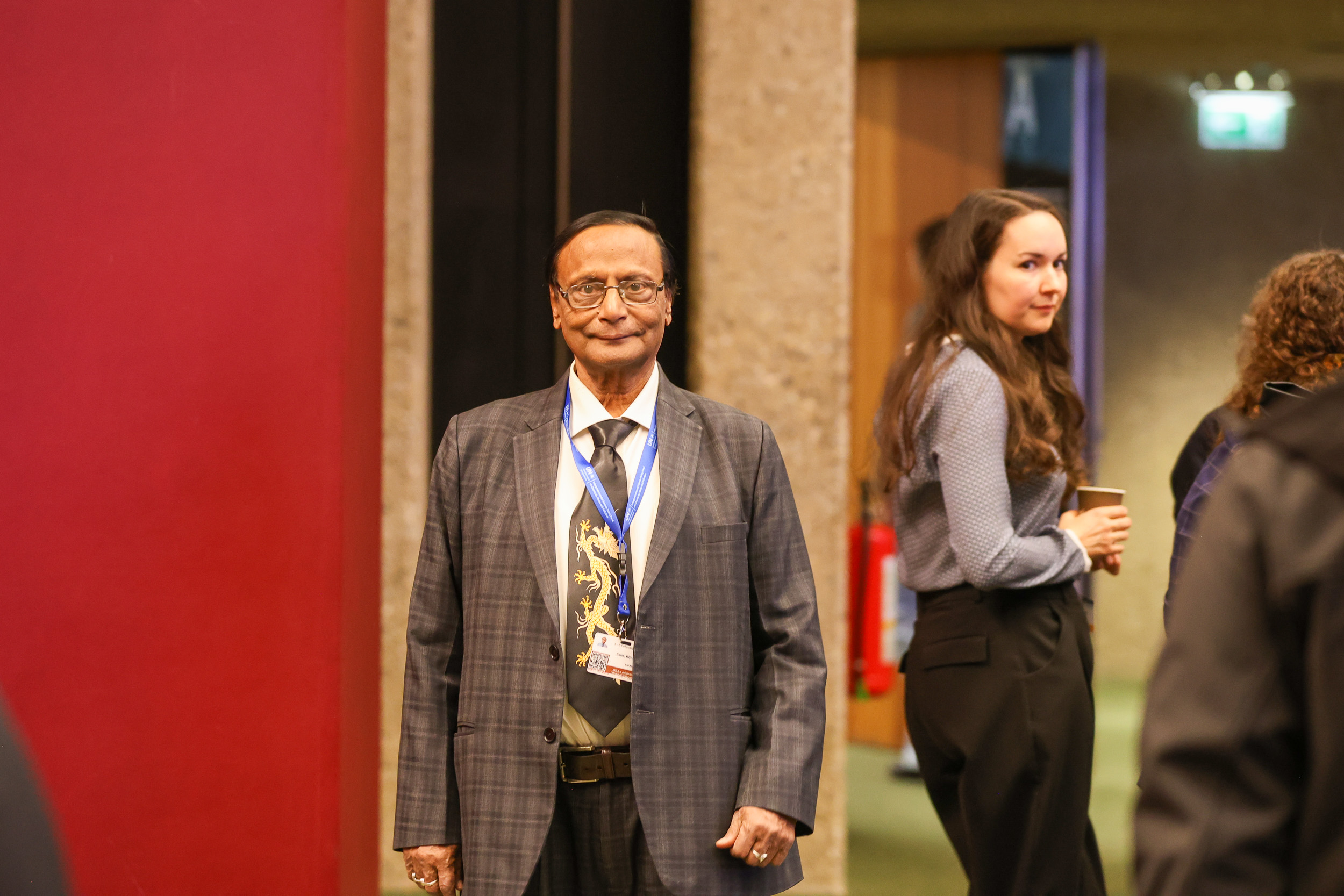
Bipul Saha, International Union of Pure and Applied Chemistry