About
On Food and Agriculture Day, key stakeholders in action to transform agrifood systems and mitigate super-pollutants combined forces to discuss ways to unlock the finance needed to deliver results for the climate.
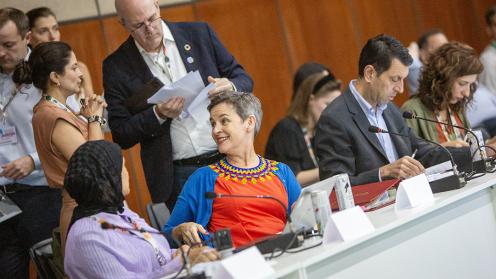
On the front lines of climate change impacts, farmers, Indigenous Peoples, and local communities also are crucial actors in the fight to reduce emissions and achieve the goals of the Paris Agreement. However, these actors face challenges in accessing the climate finance necessary for reducing agricultural super-pollutants and restoring land.
At this high-level ministerial event on Food and Agriculture Day at COP 30, the Food and Agriculture Organization of the UN’s (FAO) FAST Partnership and Climate and Clean Air Coalition (CCAC) joined forces to discuss how to increase the quality, quantity, and access to these finance flows. In this way, stakeholders emphasized, finance can deliver real, on-the-ground solutions to help those who are feeding the world’s growing population become resilient to the impacts of climate change and unlock the climate fighting potential of land.
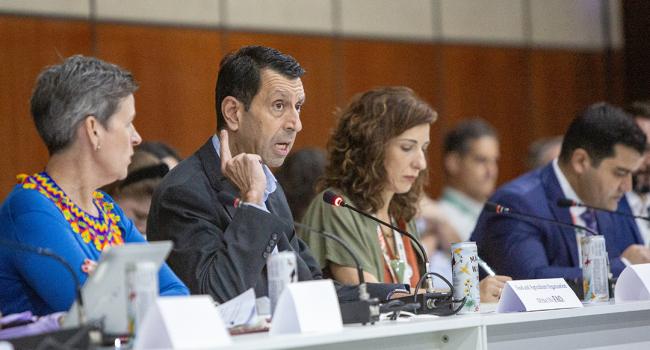
Opening the event, Kaveh Zahedi, Director of the Office of Climate Change, Biodiversity and Environment, FAO, emphasized that agrifood systems are essential parts of climate action, but tapping this potential requires practice, scalable solutions, and adequate finance. He stressed that the FAST Partnership helps countries access financial assets and welcomed joining forces with the CCAC to advance action through multiple initiatives, including CCAC’s new 2026-2028 global flagship, the Farmer’s Initiative for Resilient and Sustainable Transformations (FIRST) and the Belém Declaration on Fertilisers. Zahedi also highlighted the growing number of actions focused on food and agriculture, including the Baku Harmoniya Climate Initiative for Farmers and the just-launched Resilient Agriculture Investment for net-Zero Land Degradation (RAIZ) call to action, which the FAST Partnership and CCAC will help carry forward while keeping farmers at the center of the conversation.
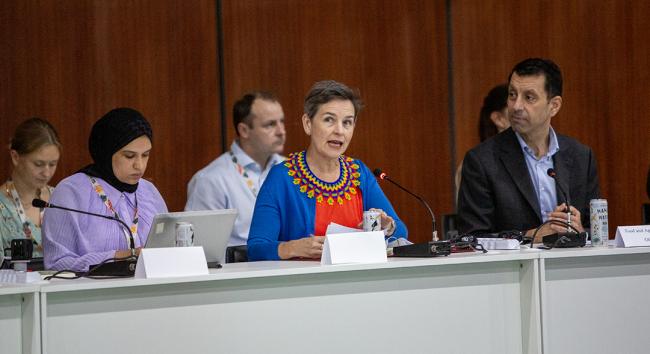
In her keynote address, Mary Creagh, Minister of Nature, United Kingdom, and CCAC Co-Chair, underscored the UK’s work to increase research on science-based food and agriculture solutions, which increases the productivity and sustainability of farms. Creagh highlighted the UK’s joint announcement with Brazil of the Declaration on Fertilisers to boost food security and reduce waste. She urged others to endorse the declaration to accelerate action in this area, because “feeding the world should not cost the Earth.”
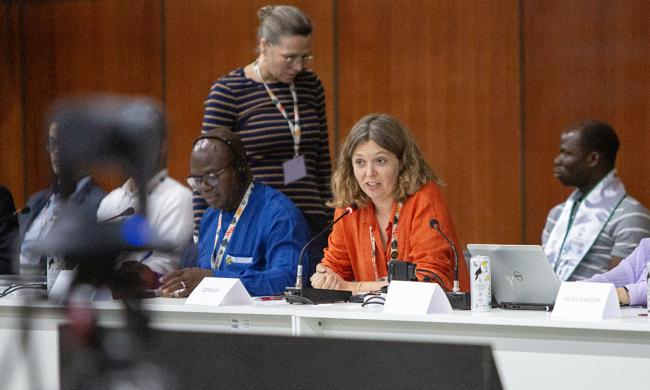
Anne Roth, Senior Policy Advisor, Federal Ministry of Agriculture, Food and Regional Identity, Germany, affirmed Germany’s support for the FAST Partnership, noting a new project to support its work on integrating food and agriculture into Nationally Determined Contributions (NDCs) and National Adaptation Plans (NAPs). Roth also welcomed CCAC’s work to reduce emissions in the agriculture sector through FIRST. Roth stressed RAIZ as a potential “game changer” that can help drive collective climate action for agrifood systems.
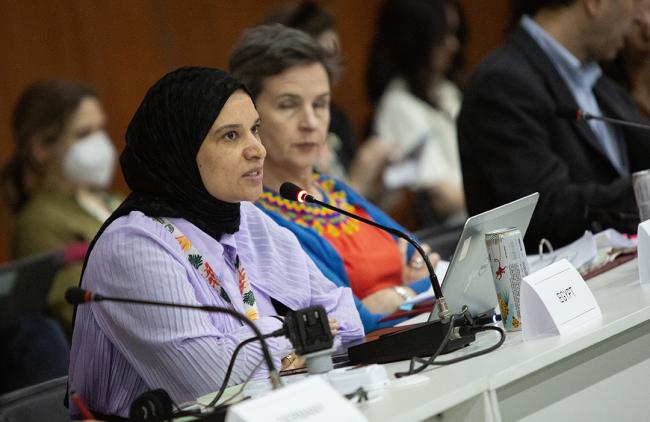
Sara Hassan, Second Secretary, Climate, Environment and Sustainable Development, Ministry of Foreign Affairs, Egypt, highlighted how the FAST Partnership, launched at COP 27 in Sharm el-Sheikh, is “evolving from initiative to a living, impactful partnership.” She stressed that FAST is becoming a “cornerstone” of climate action by embedding food and agriculture more firmly into the climate agenda. She urged action to close the finance gap for agrifood systems and scaling up practical solutions by: supporting bankable solutions; centering small-holder farms; strengthening institutional frameworks; and sustaining investment in agriculture research.
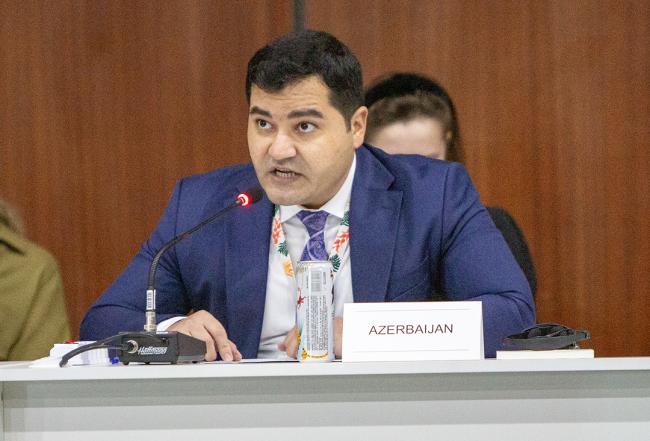
Elchin Guliyev, Head of Climate Diplomacy Department, Ministry of Foreign Affairs, Azerbaijan, urged a collective response to deliver tangible benefits for people and communities and noted that the Harmoniya Initiative aims to complement the work of the FAST Partnership and CCAC. Guliyev stressed making sure “communities are heard and their interests are represented,” and pointed to Azerbaijan’s work to enhance agrifood systems resilience through climate-smart agriculture, water saving technologies, and restoring degraded lands. He urged empowering farmers, supporting innovation and building agrifood systems “capable of feeding a growing world sustainably.”
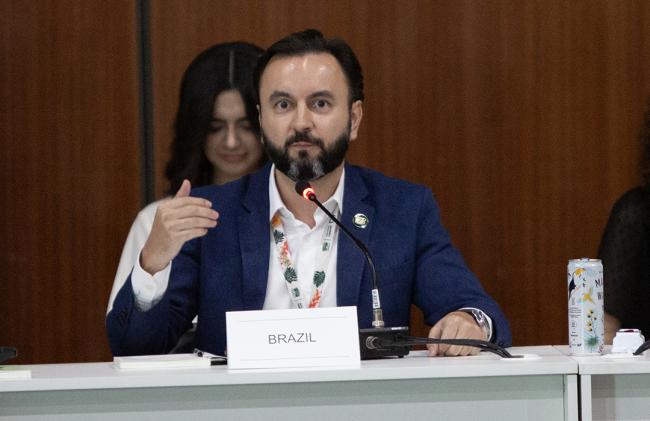
Bruno Brasil, Director of the Department of Sustainable Production and Irrigation, Ministry of Agriculture and Livestock, Brazil, welcomed the growing food and agriculture agenda, reflected in the flurry of new initiatives such as Harmoniya, RAIZ, and the Declaration on Fertilisers. Basil then underscored the launch of the Global Carbon Harvest Coalition, which will gather data on how to improve sequestration of carbon in soils. He welcomed the “power of mutirão” to reverse land degradation and boost food and agriculture productivity.
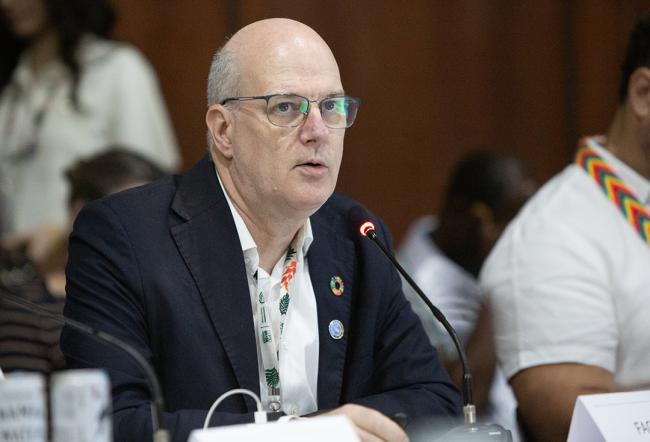
Martial Bernoux, Senior Natural Resources Officer, FAO, noted the FAST Partnership’s work with the UNFCCC Standing Committee on Finance to help boost access to more and better quality finance. He pointed to the growing gap between climate finance and the amount of this finance going to agrifood systems, as reflected in FAO’s new report on Climate-Related Development Finance to Agrifood Systems.
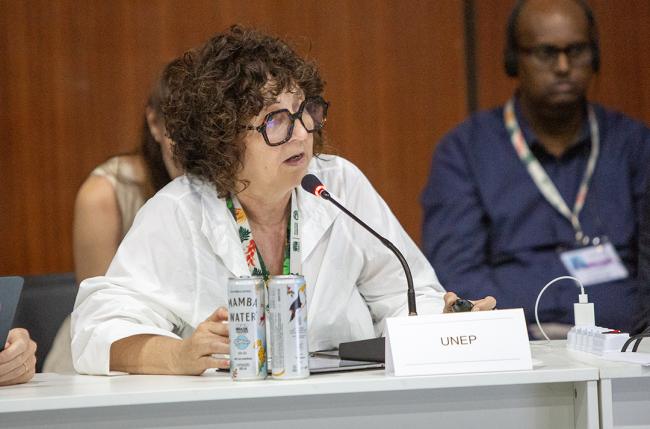
Martina Otto, Head of the CCAC Secretariat, UN Environmental Programme (UNEP), stressed the importance of action to tackle super pollutants, such as methane, black carbon, and hydrofluorocarbons, and deliver major, quick gains for the climate. Otto called farmers “agents of change” and underscored that solutions exist and deliver benefits. Otto also discussed FIRST, which will elevate farmers to become champions in the super-pollutant fight and support country-level policymaking. She highlighted the role of the Technology and Economic Assessment Panel (CCAC-TEAP) in sharing knowledge with countries about how to scale up mitigation of short-lived climate pollutants (SLCP).
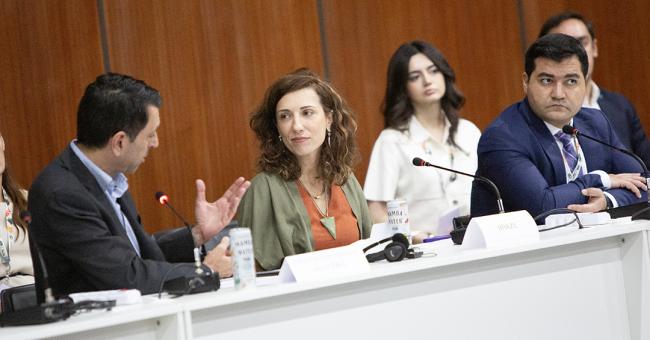
Following these opening segments, the event welcomed interventions by members and stakeholders. During these interventions, Togo and the Development Bank of Latin America and the Caribbean (CAF), announced that they were joining the FAST Partnership.
In interventions by New Zealand, Senegal, Dominican Republic, Japan, Togo, Viet Nam, Nigeria, Cambodia, The Gambia, Australia, Canada, World Bank, World Rural Forum, CGIAR, NDC Partnership, CAF, Environmental Defense Fund (EDF), and Brazil key themes included, inter alia, the need to:
- scale up multilateral cooperation, adaptation, and resilience;
- research and develop technologies and share them through international cooperation;
- improve the quantity and quality of climate finance while de-risking it;
- diversify finance and channel it in an inclusive manner;
- support and empower women, youth, and small producers, including work to achieve just transitions;
- take farmer-centered approaches;
- halt deforestation and promote reforestation;
- achieve practical exchanges to advance methane reduction and sustainable livestock;
- promote cooperation between government ministries;
- produce and share data to improve policymaking and monitoring;
- emphasize actions to limit global temperature rise that are aligned with climate justice goals;
- keep agriculture and food at the forefront of COPs;
- improve the efficiency and precision of fertilizer application;
- unlock public-private partnerships to benefit small family farmers;
- improve access to finance in the implementation of NDCs;
- provide farmers with meaningful support to adopt sustainable practices to promote profits and resilience; and
- diversify food production while safeguarding biodiversity and sequestering carbon.
Organizers: FAO, FAST Partnership, CCAC
Contacts: Giulia Galbiati [email protected] I [email protected] I Martina Otto [email protected],
Website: https://www.fao.org/food-agriculture-sustainable-transformation-partnership/en I https://www.ccacoalition.org/
To receive free coverage of global environmental events delivered to your inbox, subscribe to the ENB Update newsletter.
All ENB photos are free to use with attribution. For 2025 UN Climate Change Conference Belém - Side Events , please use: Photo by IISD/ENB | Angeles Estrada Vigil
Selected Images
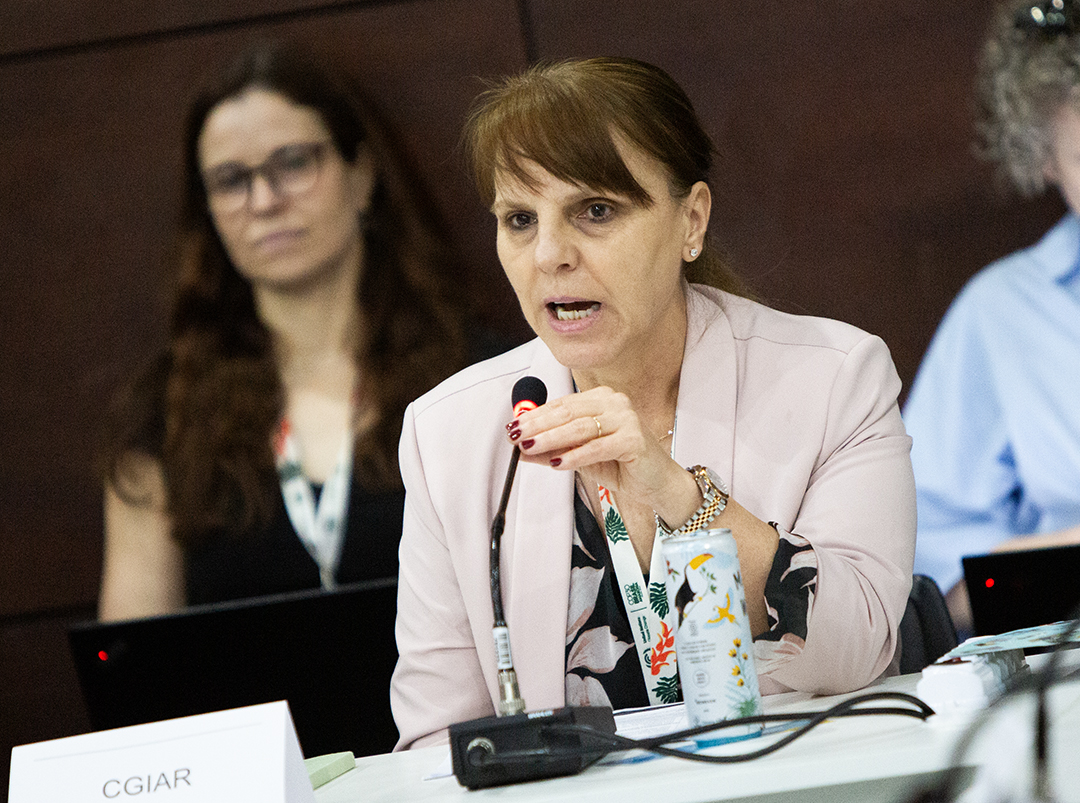
Sandra Milach, CGIAR Chief Scientist
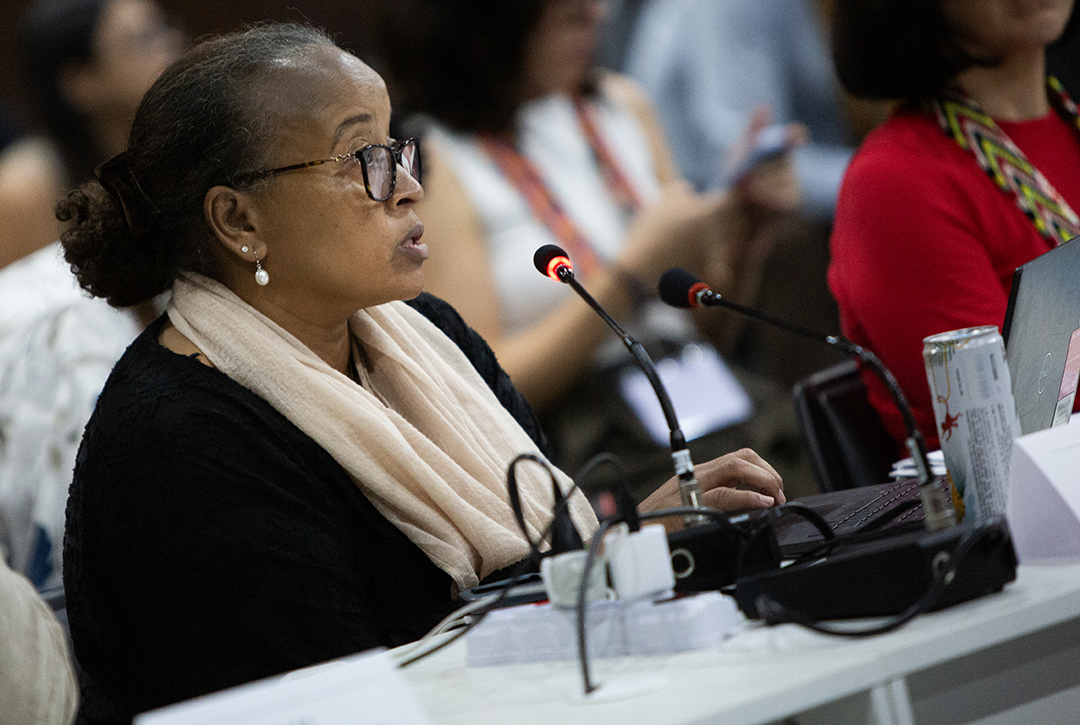
Angela Churie Kallhauge, Executive Vice President, Environmental Defense Fund (EDF)
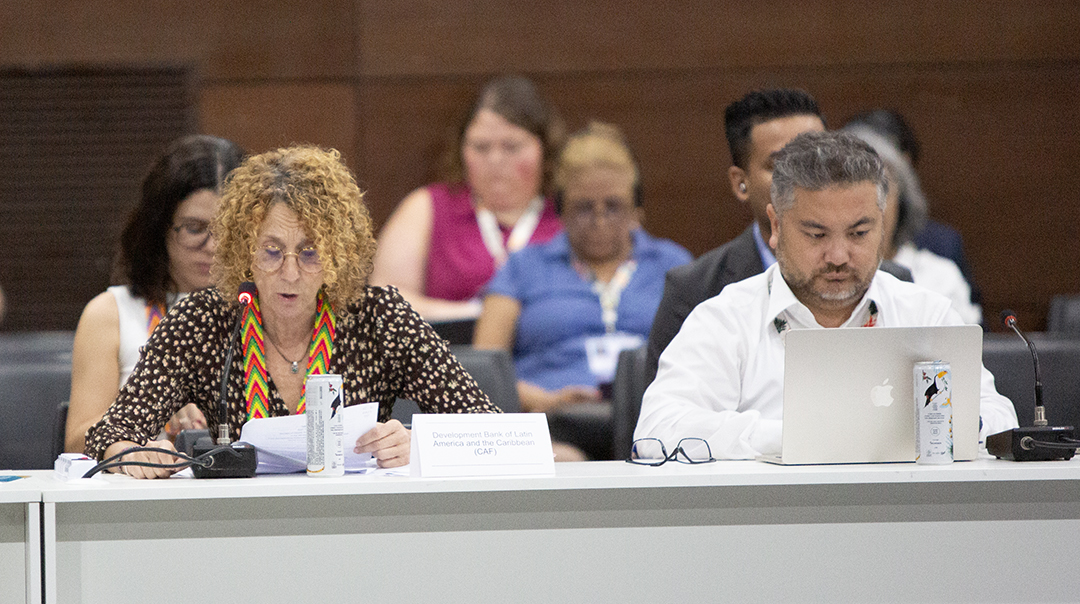
Alicia Montalvo, Manager for Climate Action and Positive Biodiversity, Development Bank Latin America and the Caribbean
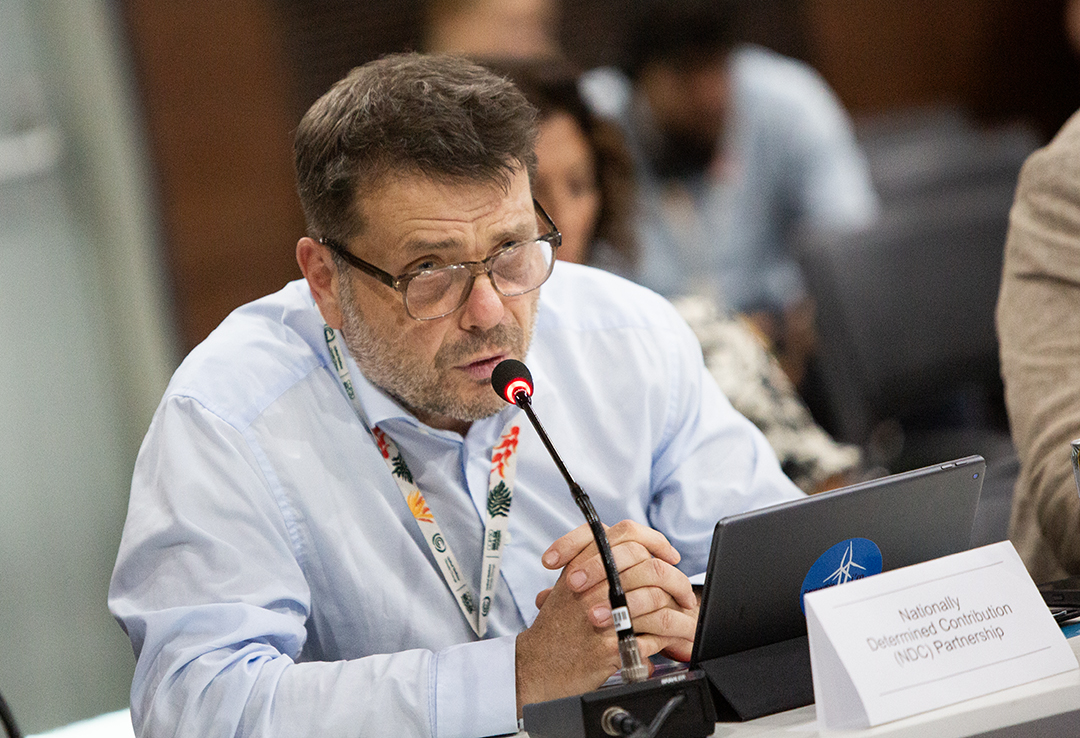
Romeo Bertolini, Director of Operations, NDC Partnership
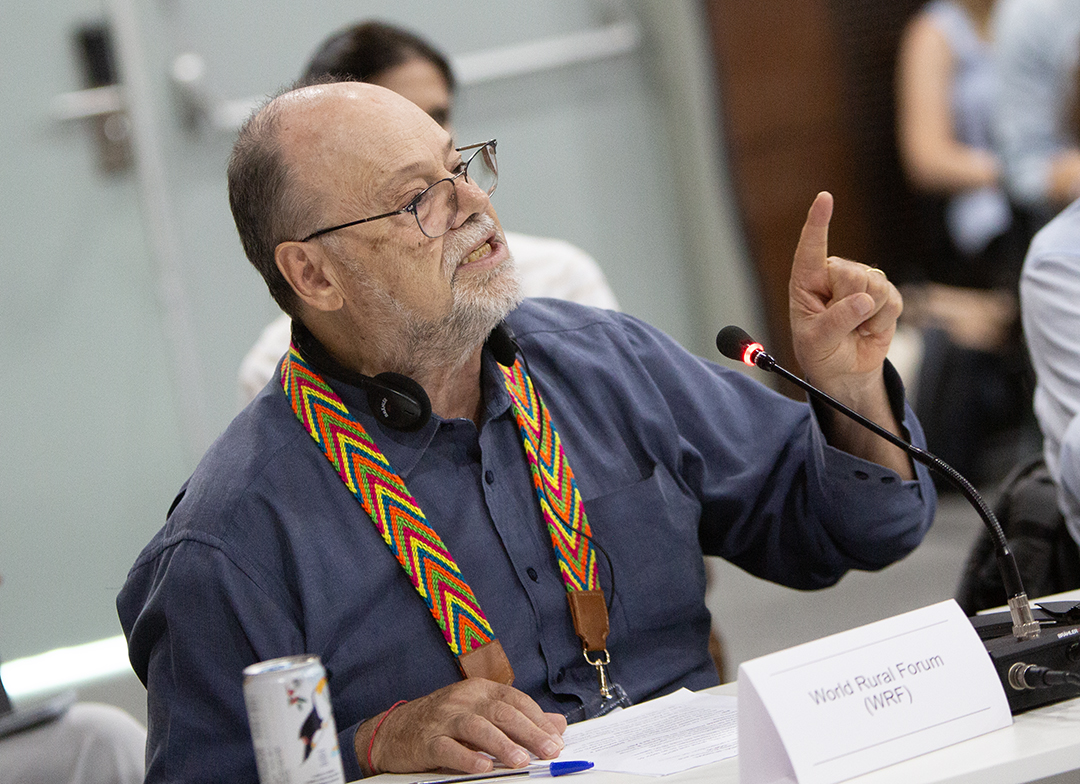
Alberto Broch, Vice-President, World Rural Forum
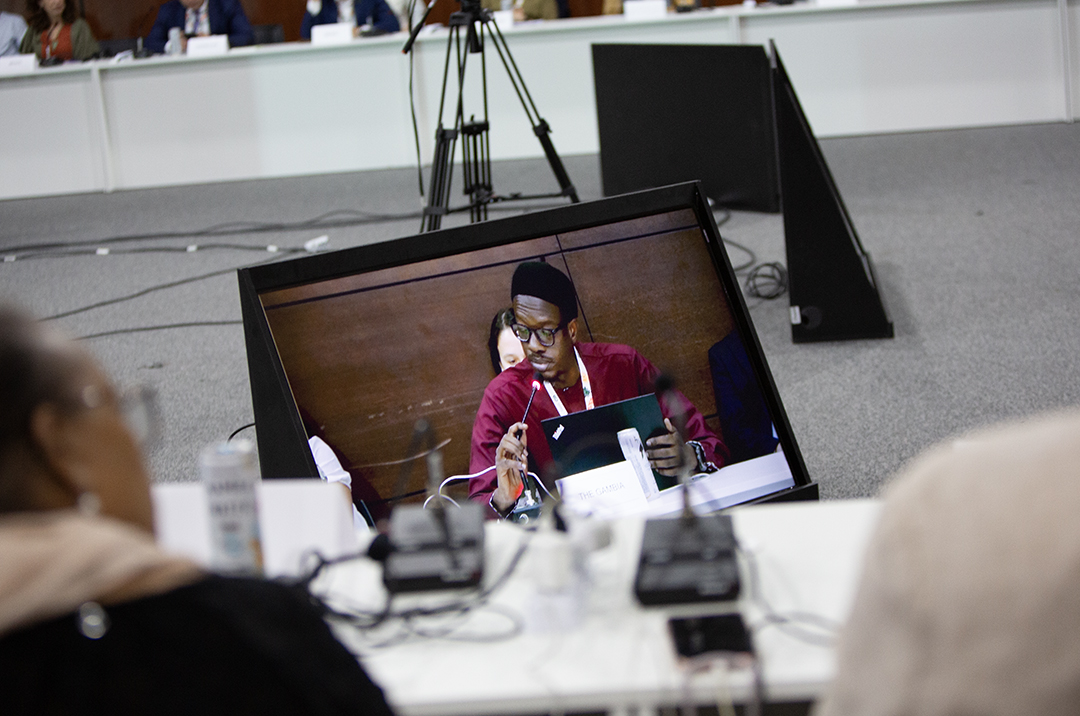
Bubacar Zaidi Jallow, Deputy Permanent Secretary, Ministry of Environment, Climate Change and Natural Resources, The Gambia
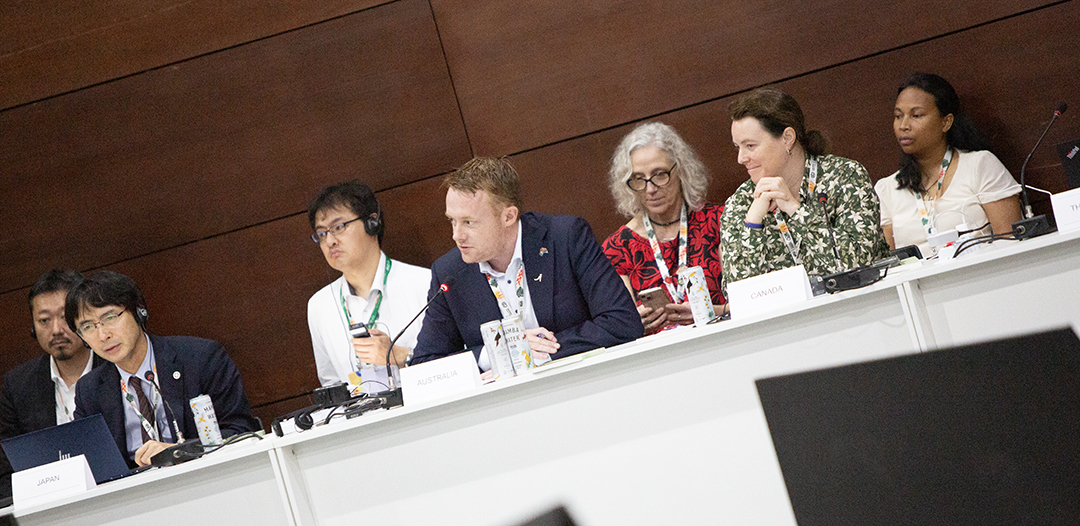
Nick Blong, First Assistant Secretary, Department of Agriculture, Fisheries and Forestry, Australia
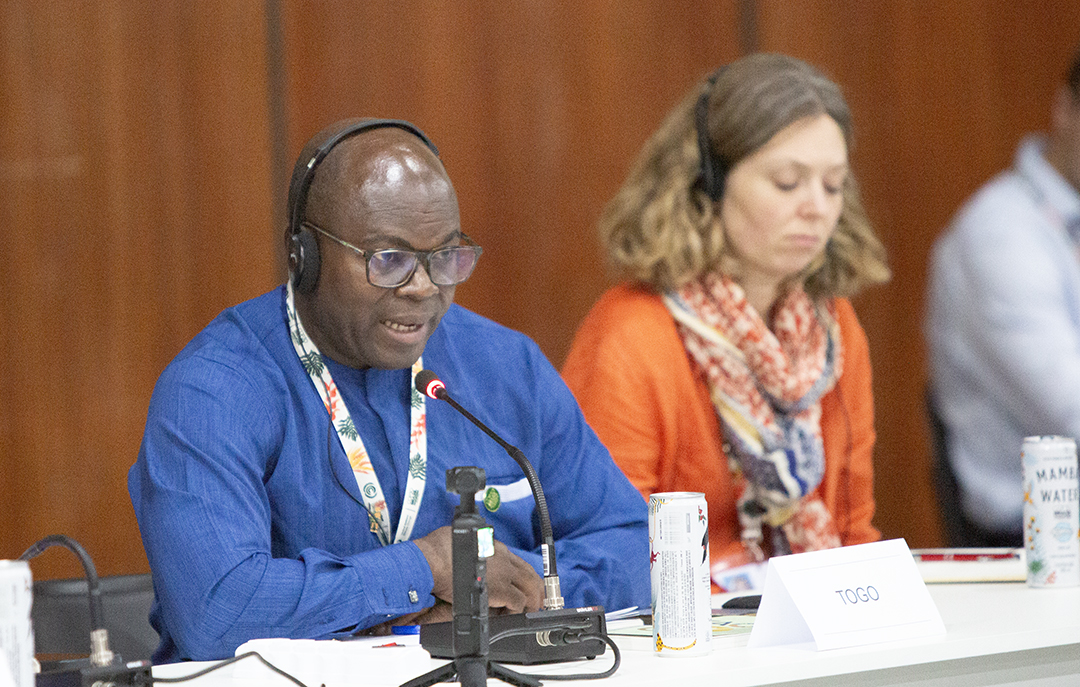
Bitang Bamazi, Director General, National Institute for Agricultural Training, Togo
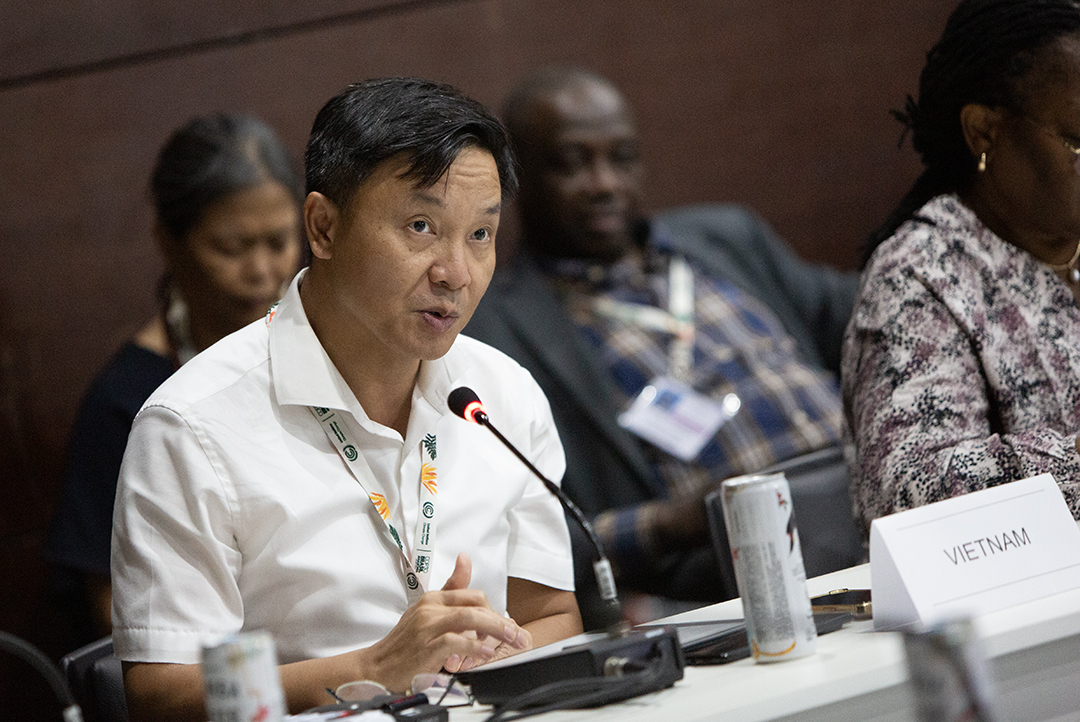
Le Ngoc Tuan, Deputy Director General, Department of Climate Change, Viet Nam
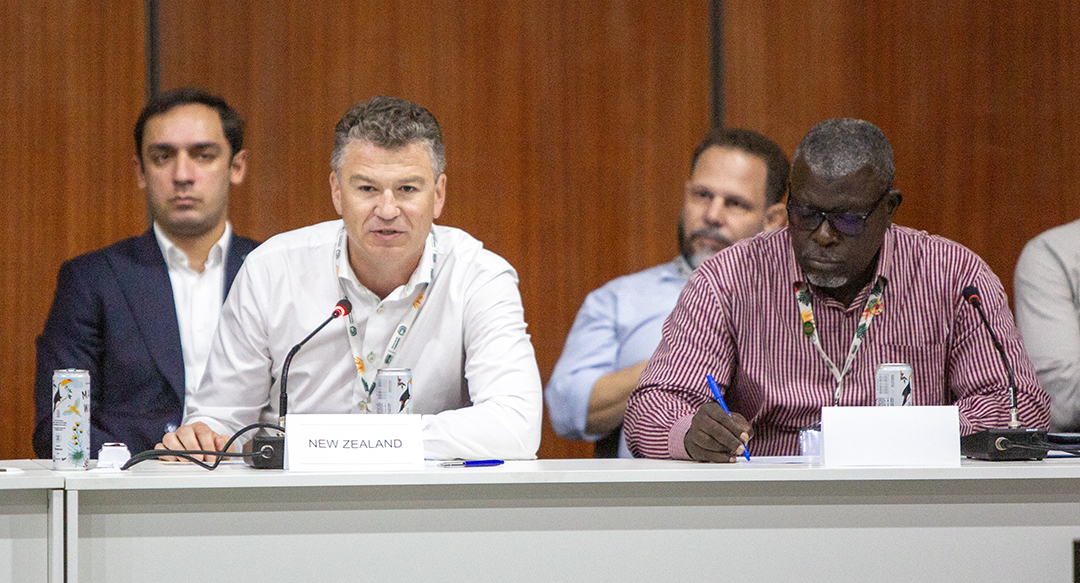
Stuart Home, New Zealand
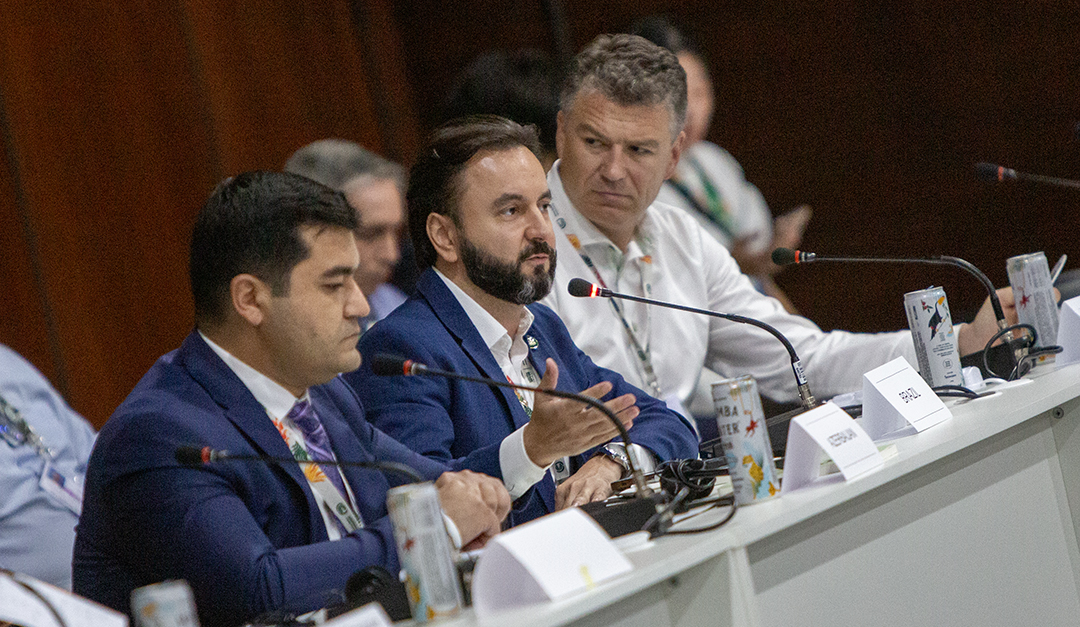
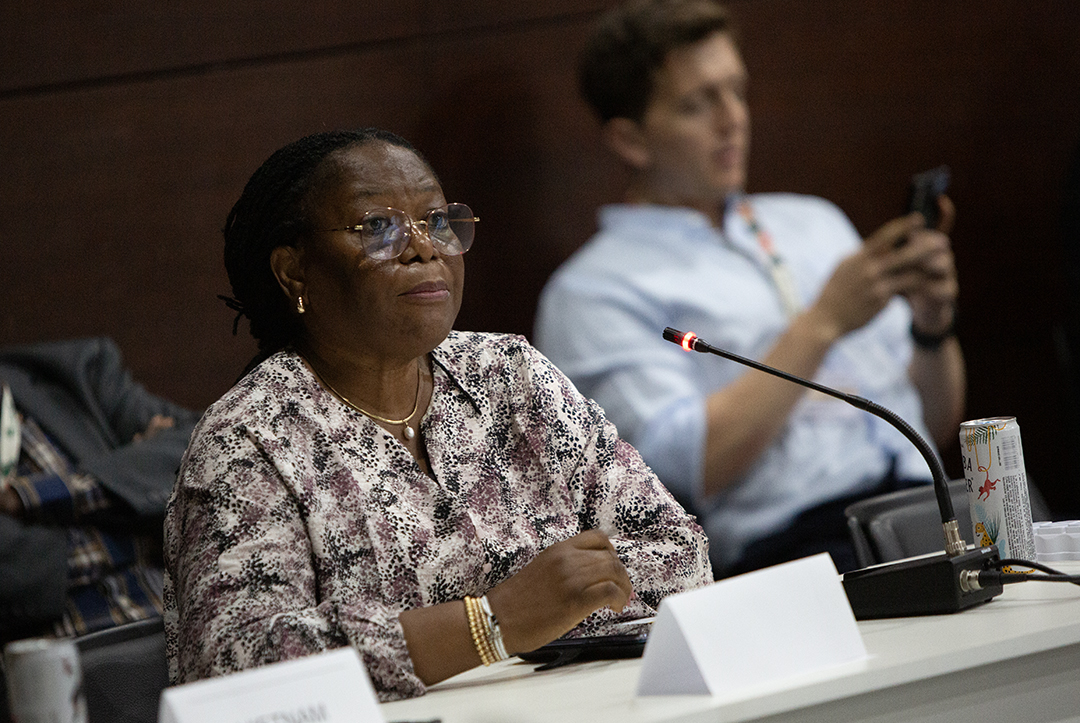
Iniobong Abiola-Awe, Director, Department of Climate Change, Nigeria
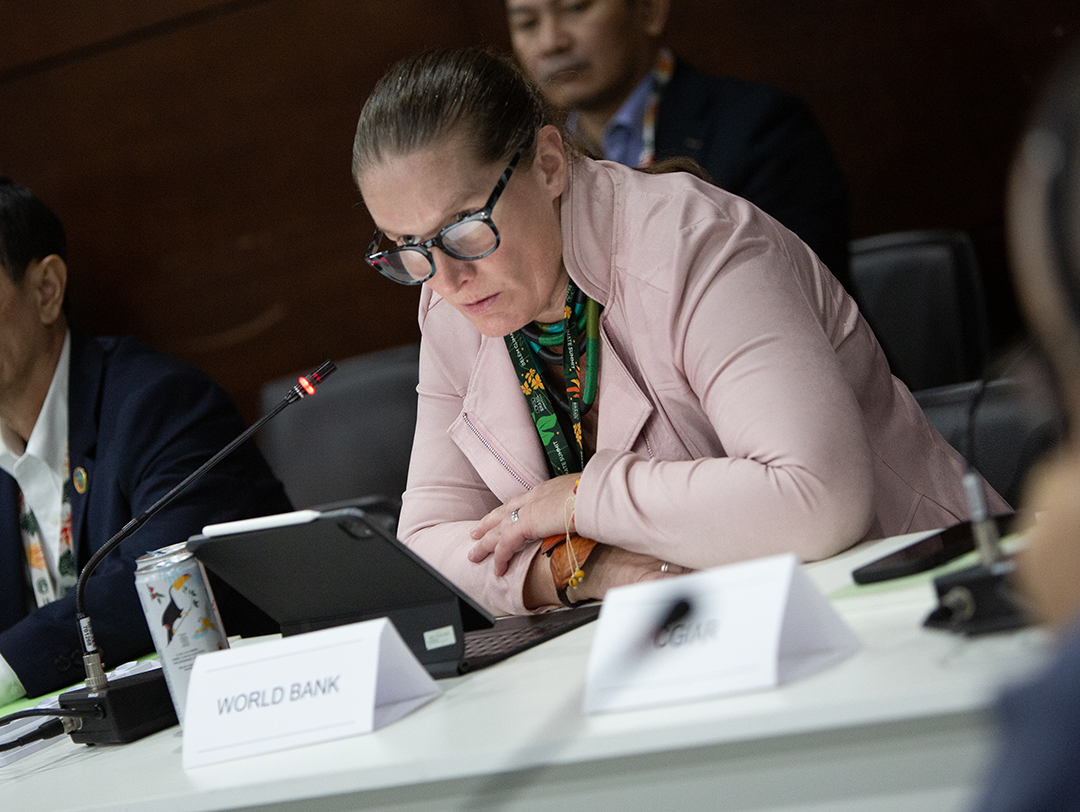
Valerie Hickey, Global Director Climate Change, World Bank
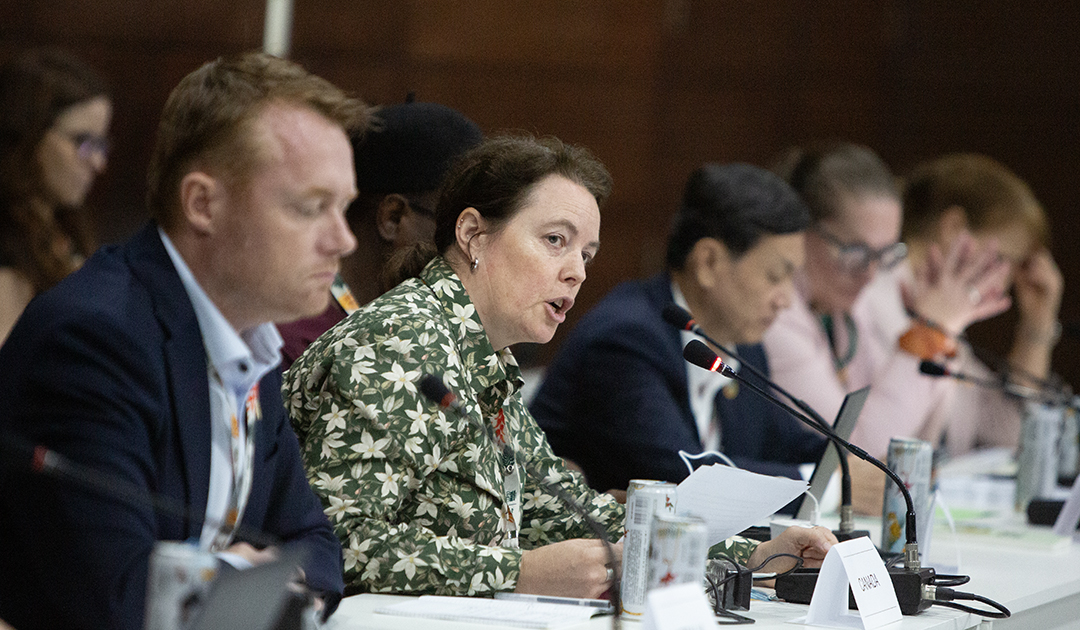
Sophie Beecher, Director General, Sustainable Development Policy Directorate, Agriculture and Agri-Food, Canada
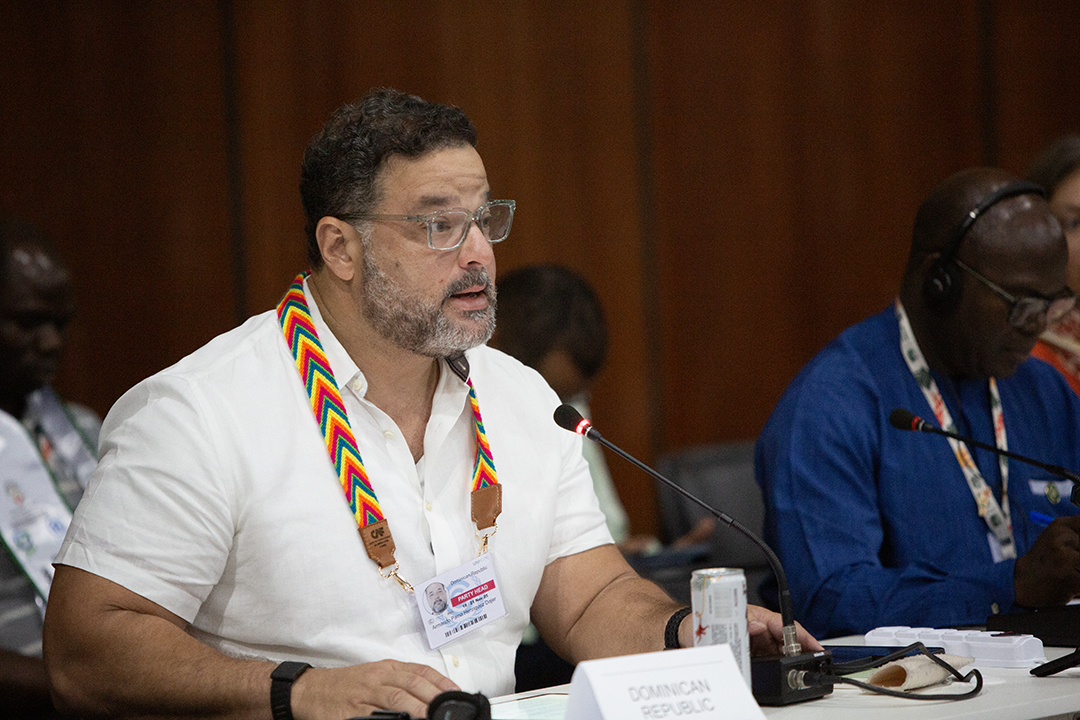
Armando Paíno Henríquez Dajer, Minister of Environment and Natural Resources of the Dominican Republic
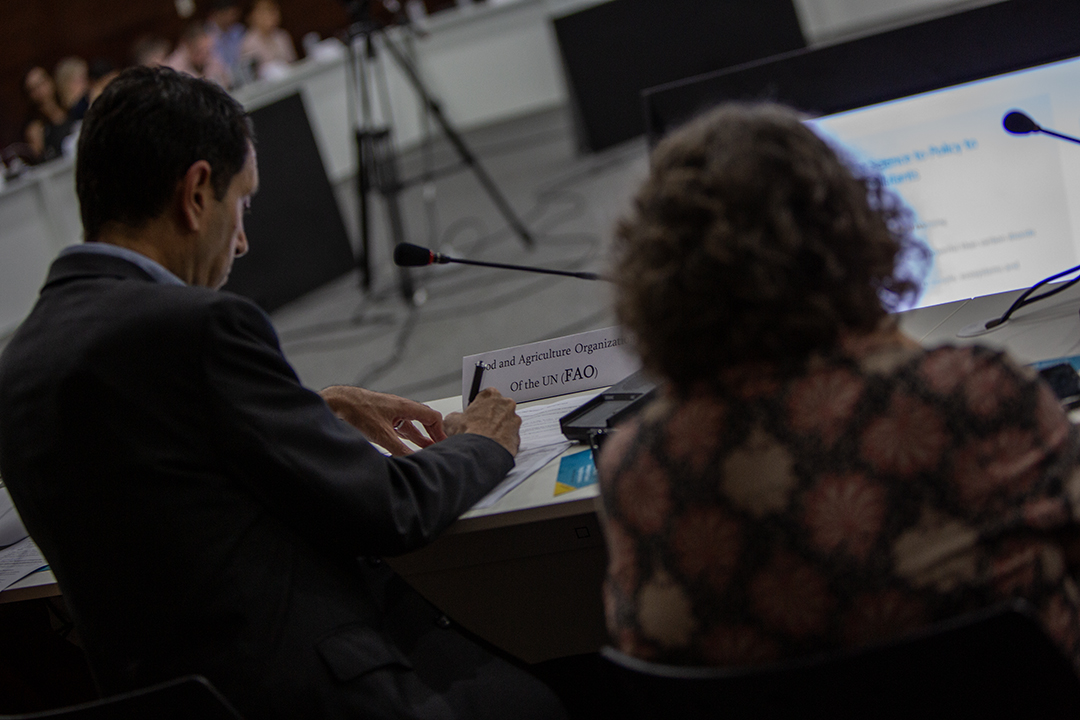
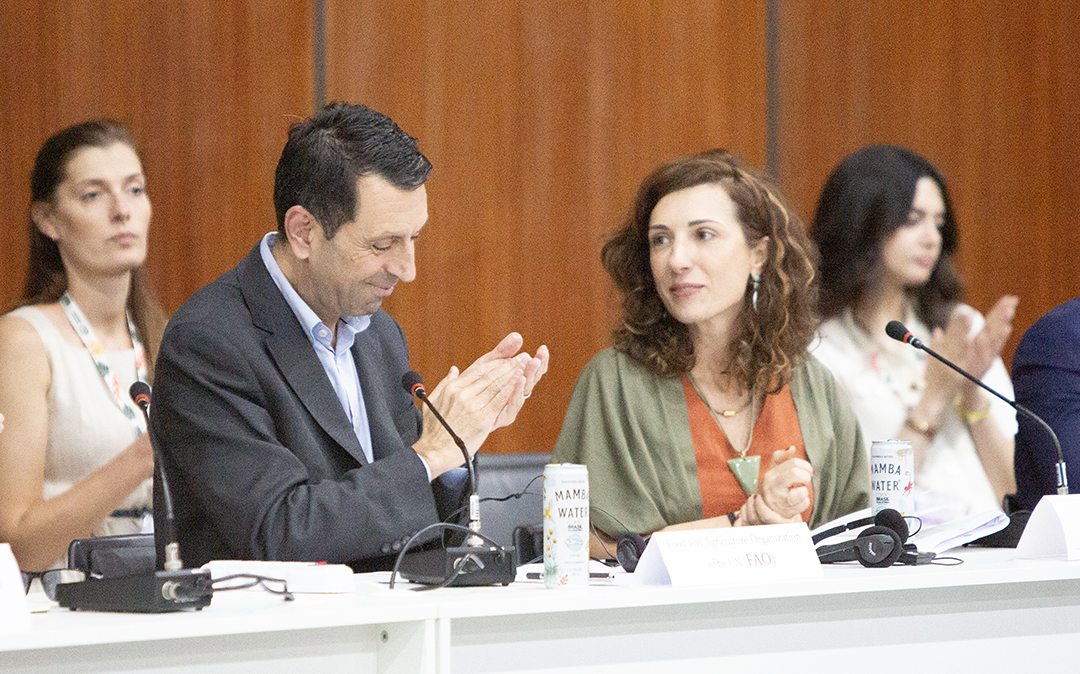
Kaveh Zahedi, Director, Office of Climate, Biodiversity and Environment, FAO, and Fernanda Machiaveli, Executive Secretary, Ministry of Agrarian Development and Family Farming, Brazil
Around the Venue