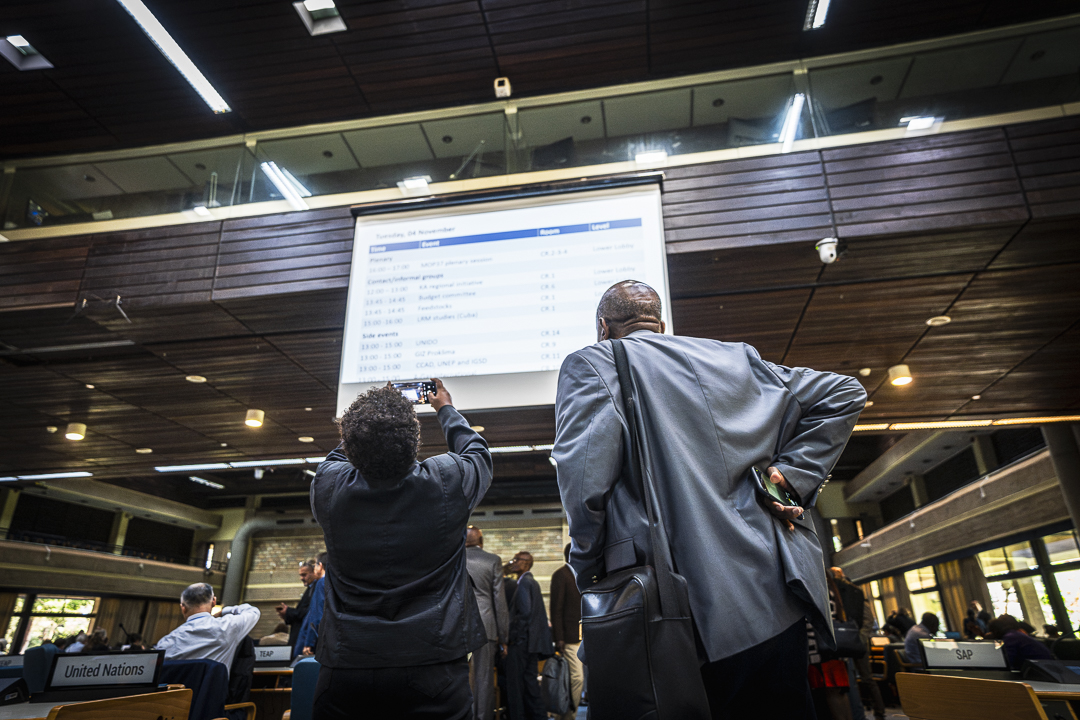
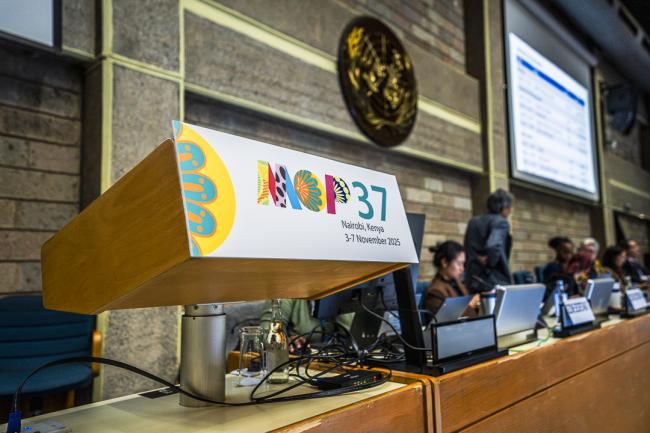
“A multilateral agreement is only as good as its implementation,” a participant noted. Compliance and questions of national and regional implementation were under the spotlight on the second day of the preparatory segment of the thirty-seventh Meeting of the Parties (MOP 37) to the Montreal Protocol.
The President of the Implementation Committee, Martijn Hildebrand (Netherlands), highlighted that 194 out of 198 Parties reported their 2024 consumption and production data for controlled substances. However, he also noted that several countries had exceeded their maximum consumption allowances, not reported on licensing systems, and—in one case—failed to act on repeated reminders to reduce both the production and consumption of hydrochlorofluorocarbons (HCFCs) to committed limits. This triggered what is a first under the Montreal Protocol: the Implementation Committee recommended the suspension of that Party’s rights and privileges relating to trade such that it will no longer be permitted to engage in trade of HCFCs with other Parties until it returns to compliance.
Want to dig deeper into today's talks? Read the full Earth Negotiations Bulletin daily report.
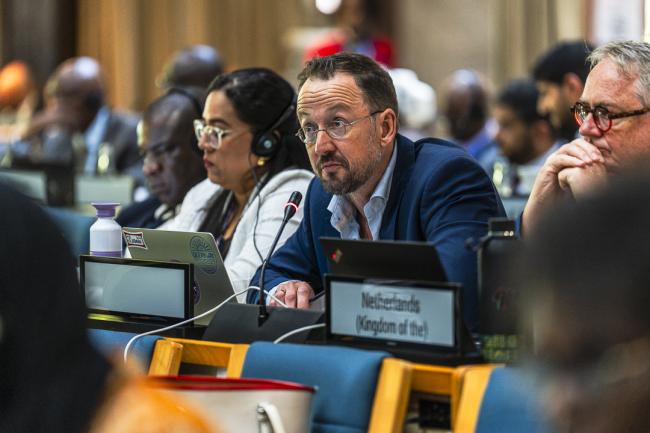
Delegates completed addressing the remaining items on the agenda, including on the accumulation of inventories of refrigerant gases, the use of Halon 1301, and the status of ratification of the Kigali Amendment.
In plenary sessions as well as contact groups and informal discussions throughout the day, Parties tried to make headway on draft decisions, including on:
- national and regional initiatives to support the implementation of the Kigali Amendment, including through sharing of information and experiences on existing centers of excellence for sustainable cooling and cold chains;
- feedstock uses of controlled substances, including their status as being excluded from production limits;
- accumulation of refrigerant gases nearing the end of their life cycles, including for the Technology and Economic Assessment Panel (TEAP) to model global quantities of refrigerant banks;
- enhancing regional atmospheric monitoring of controlled substances, including by continuing to evaluate the suitability of potential monitoring sites in identified regions and related budget implications;
- emissions of hydrofluorocarbon (HFC)-23, including Scientific Advisory Panel (SAP) and TEAP reports to be updated, methodologies used, and actions by HFC-23 producing countries; and
- ensuring the viability of Montreal Protocol operations, including a report to start considering options for making changes to the timing, Secretariat support for, and length of the various meetings under the Protocol, as proposed by the US and Norway.
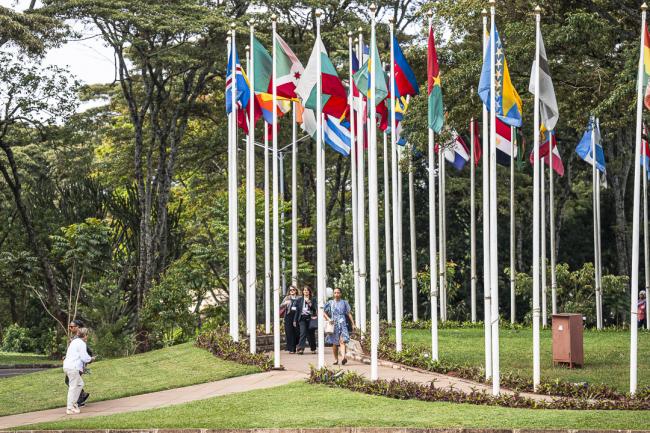
Participants also acknowledged that 169 parties have now ratified the Kigali Amendment, which is nine more than a year ago, but 29 short of universal ratification envisaged for the tenth anniversary of the Kigali Amendment next year.
With only one more day left before the beginning of the High-level Segment, delegates admitted there is still a considerable amount of effort and compromise needed to ensure the current conference room papers are finalized so they can be adopted as decisions on Friday.
To receive free coverage of global environmental events delivered to your inbox, subscribe to the ENB Update newsletter.
All ENB photos are free to use with attribution. For the Montreal Protocol MOP37, please use: Photo by IISD/ENB | Danny Skilton.
Plenary
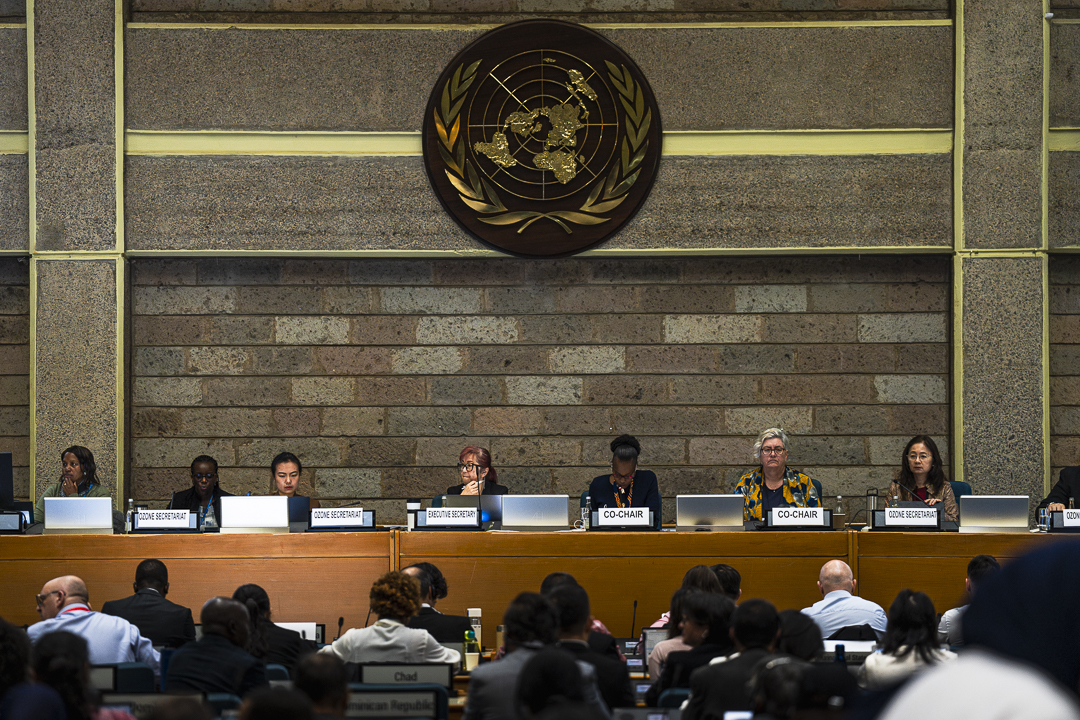
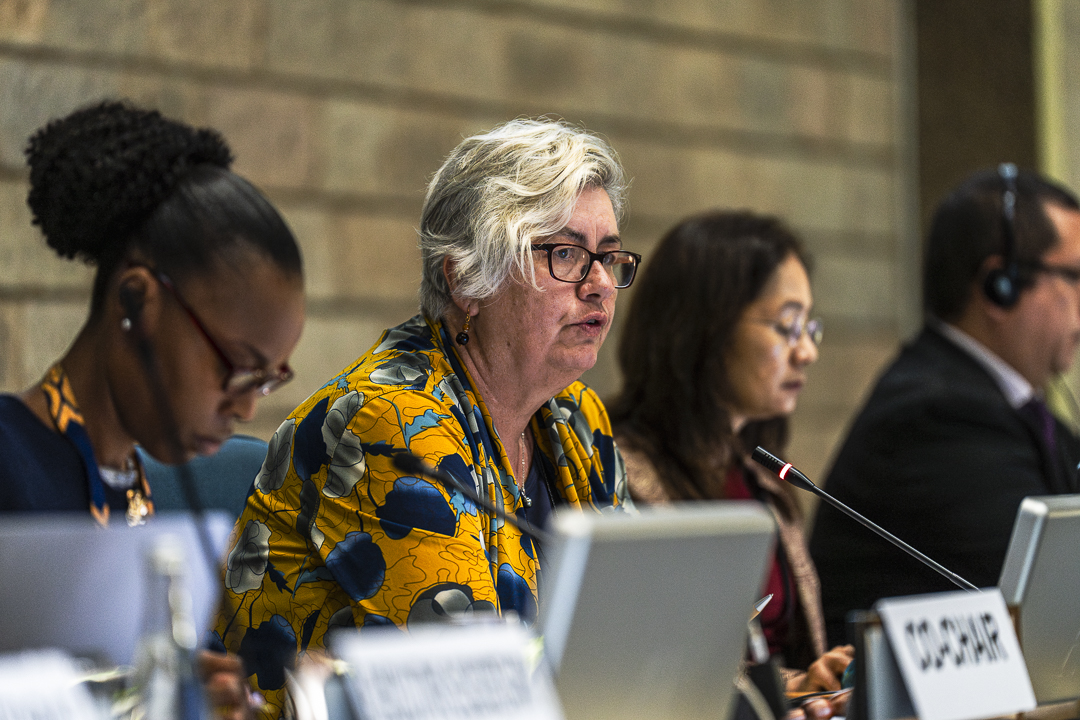
Annie Gabriel, Australia, Preparatory Segment and OEWG Co-Chair
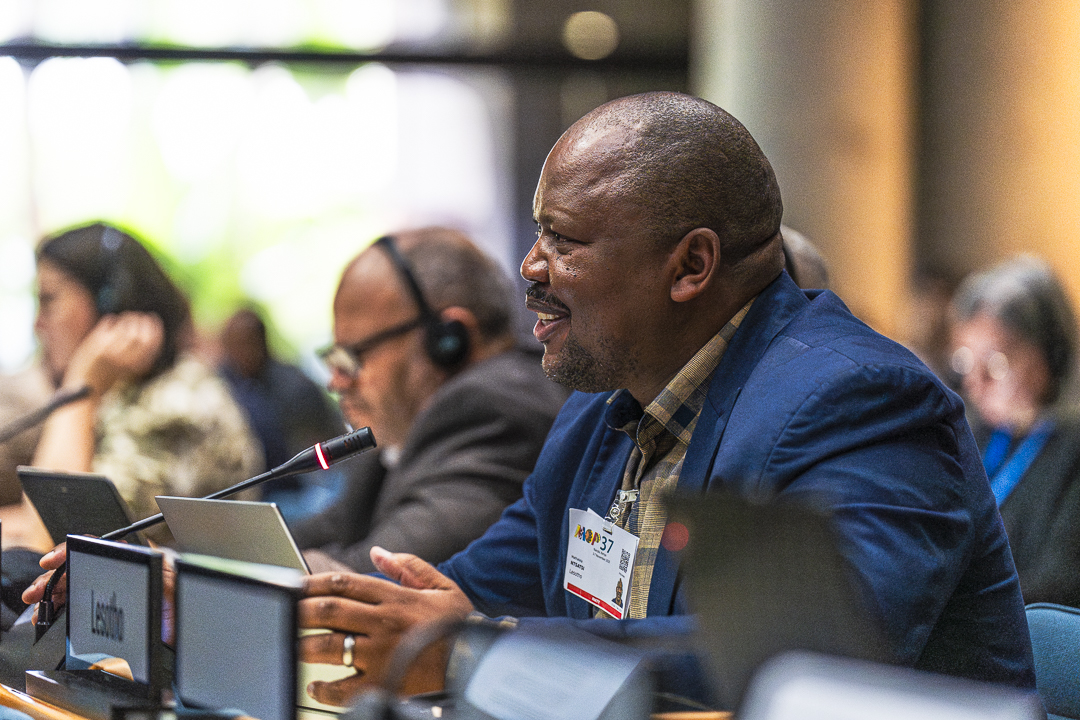
Mathatela Ntsatsi, Lesotho
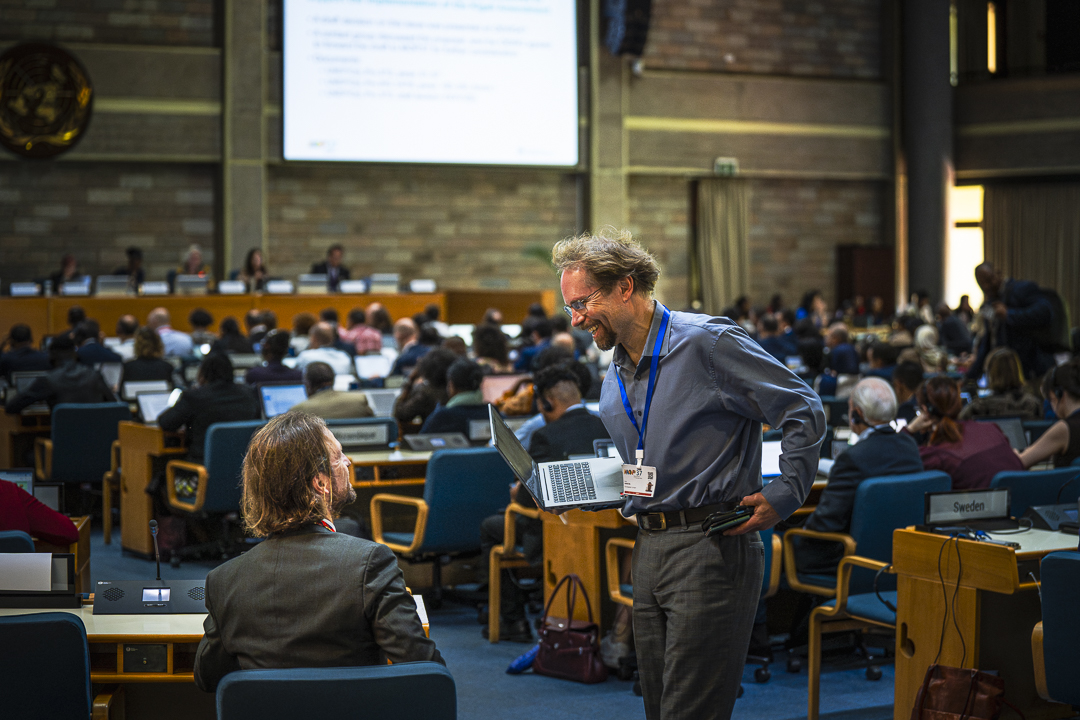
Arno Kaschl, European Union
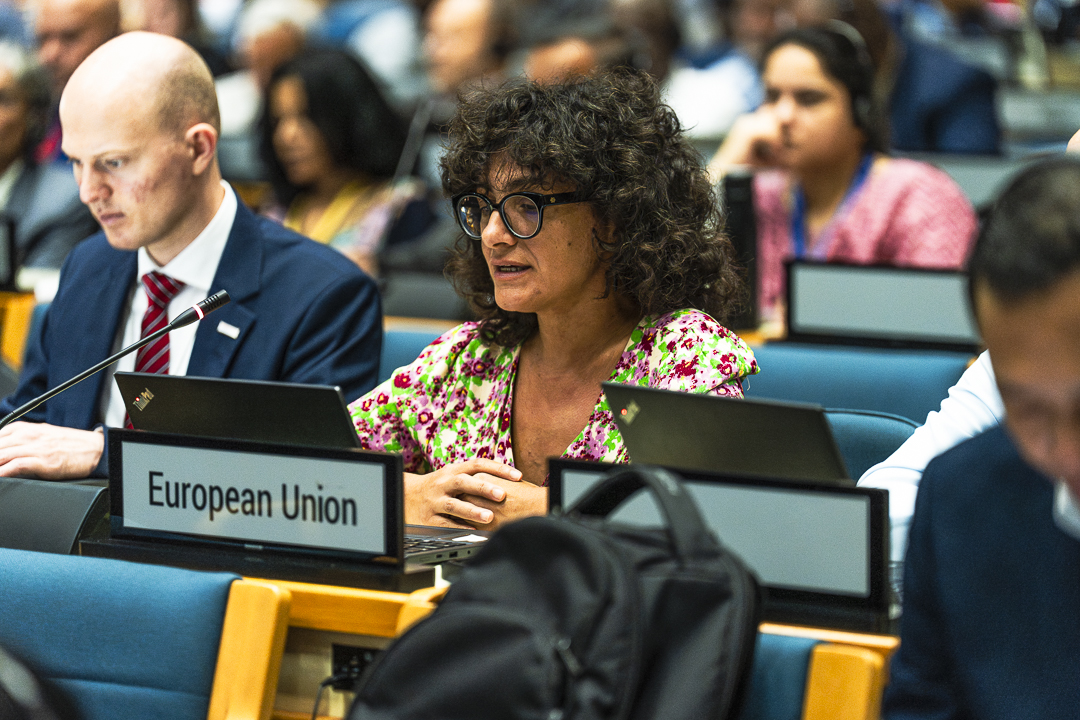
Xenia Messariti, EU
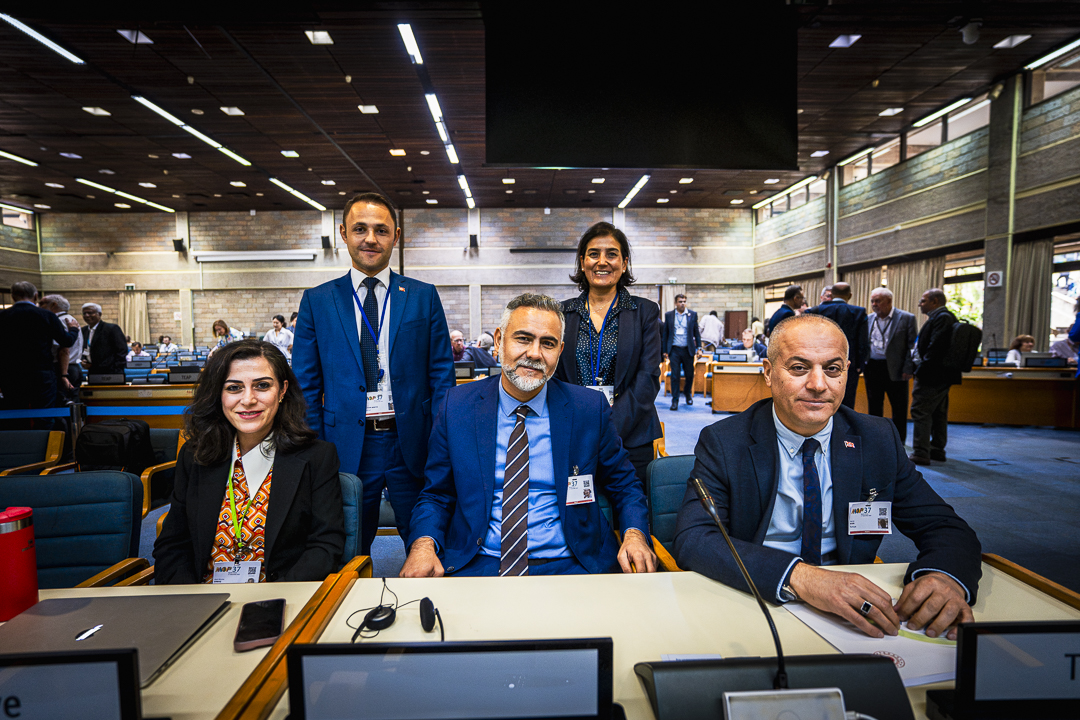
The Turkish delegation
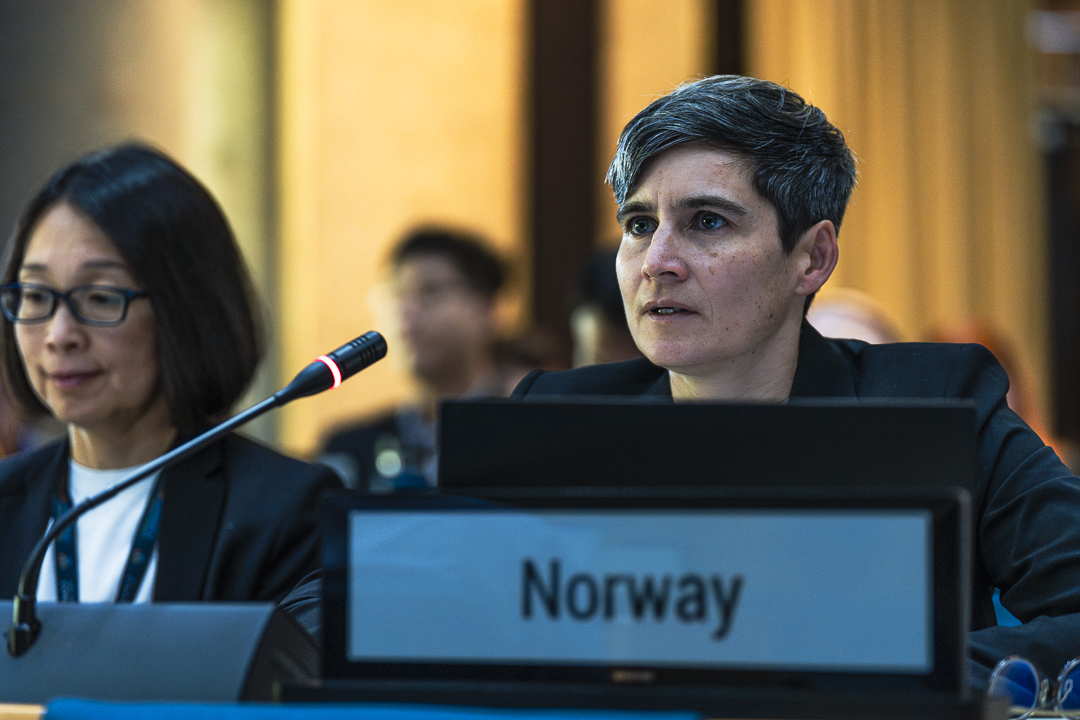
Sandrine Benard, Norway
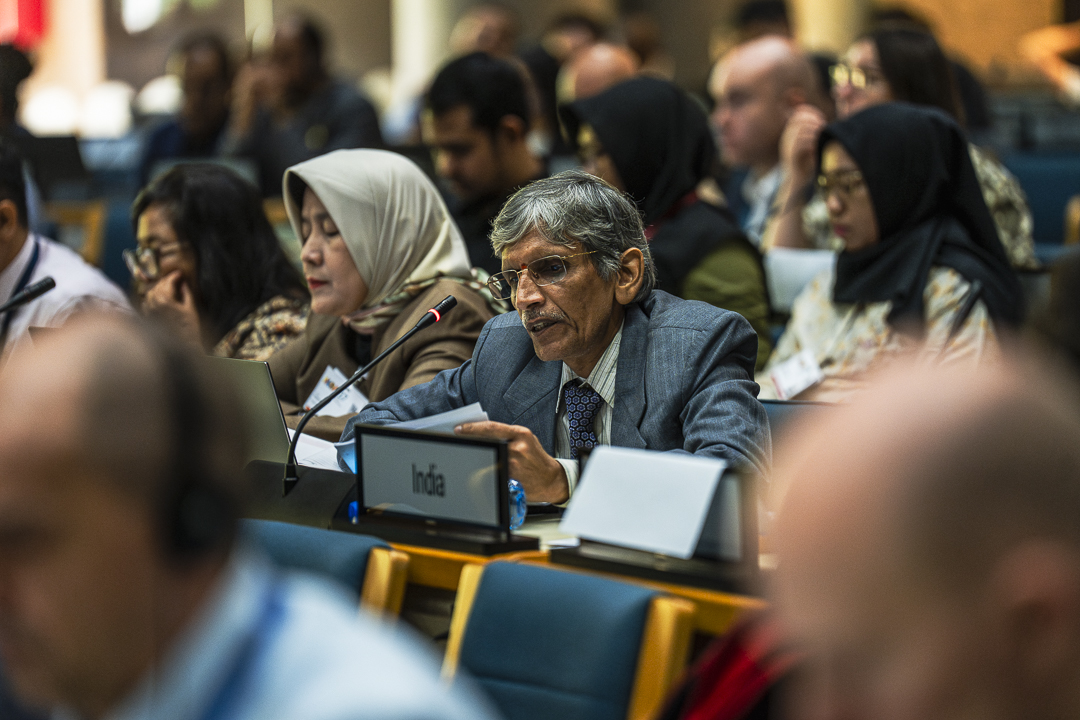
Sistla Subbarao, India
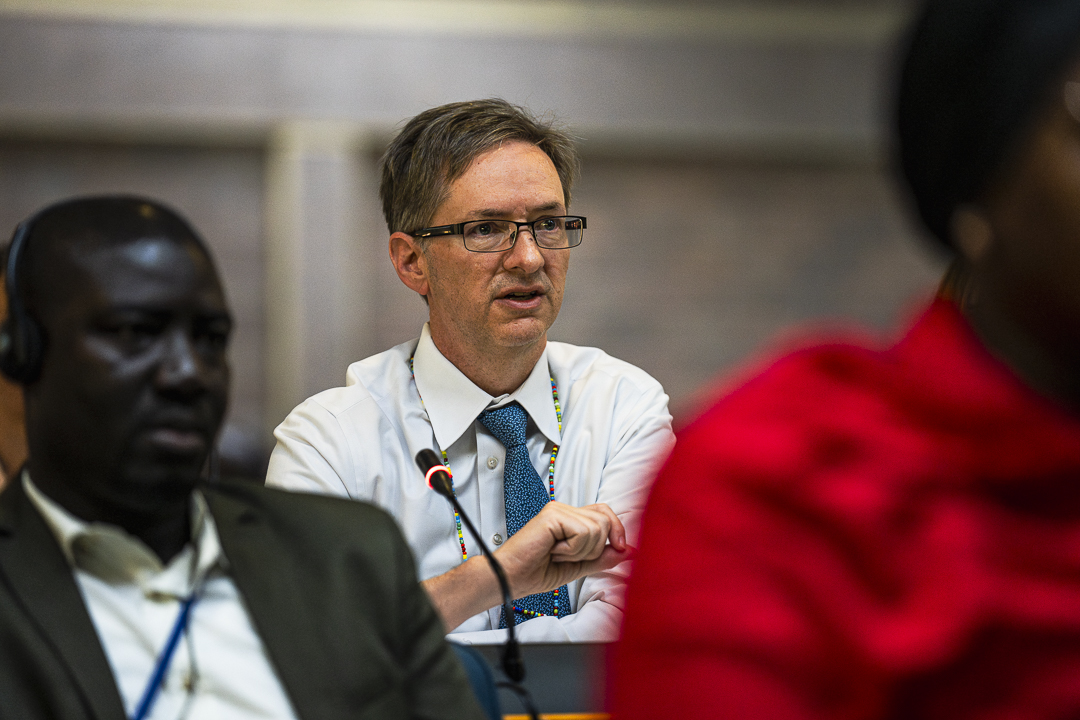
John Thompson, US
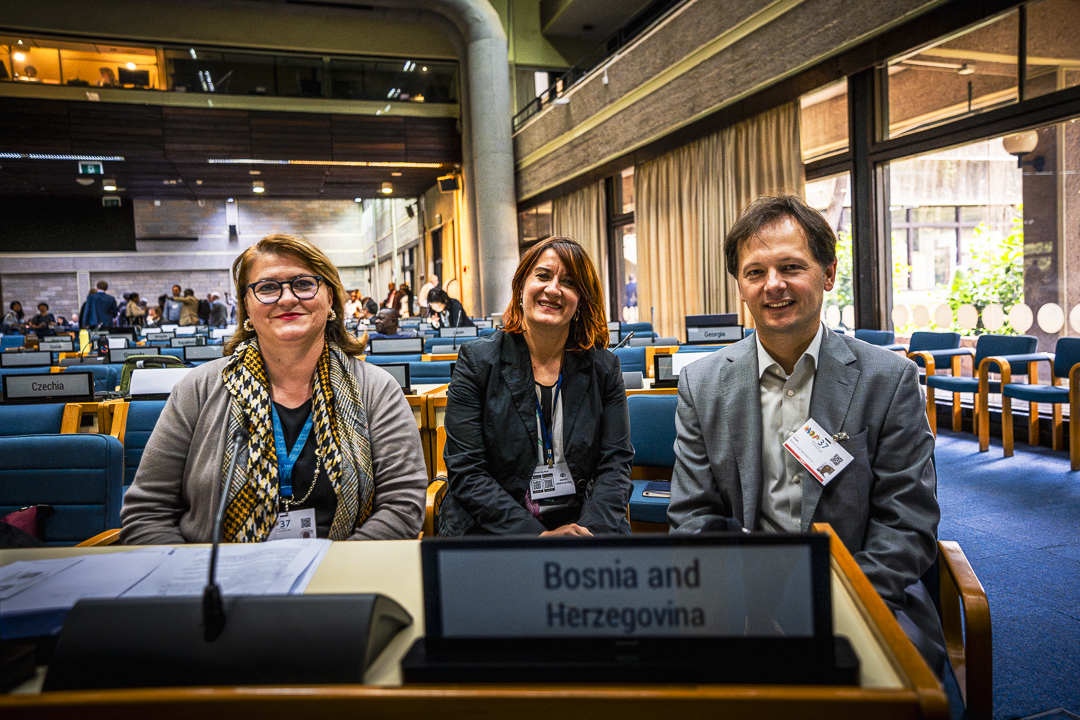
Delegates from Bosnia and Herzegovina
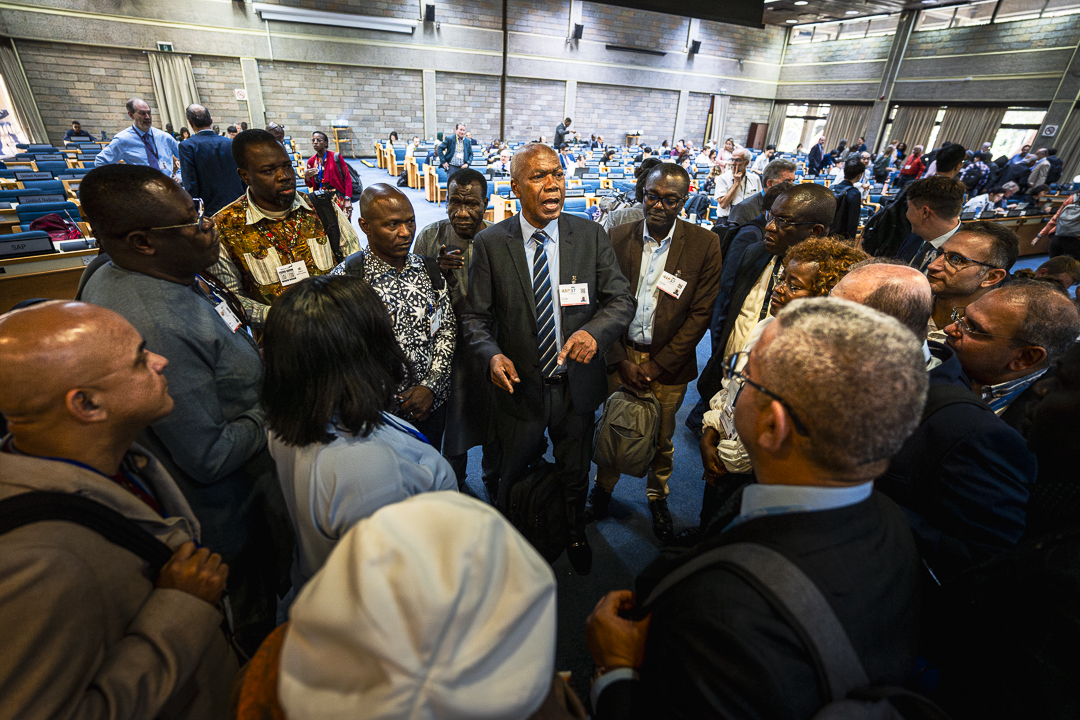
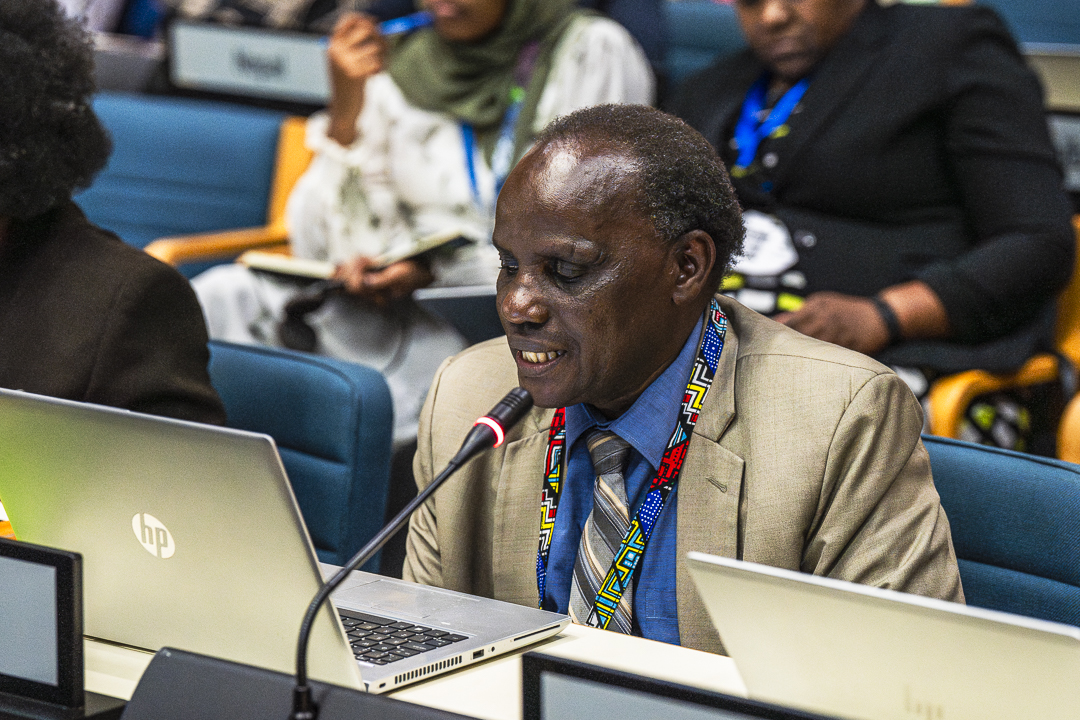
Marindany Kirui, Kenya
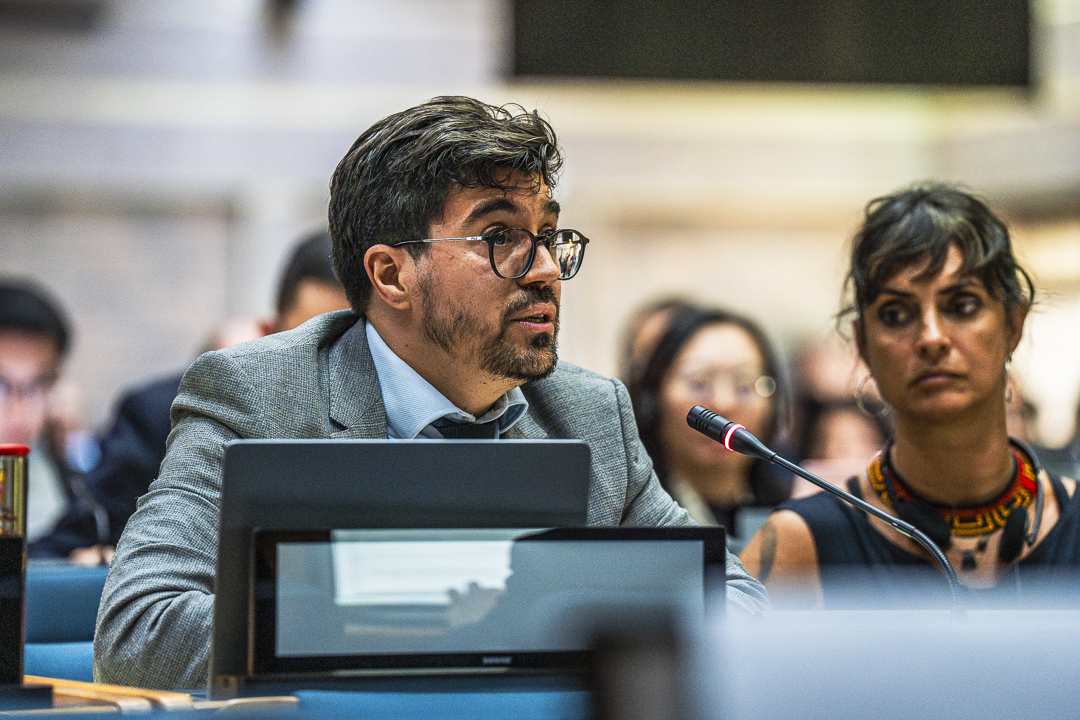
Francisco F. de Souza, Brazil
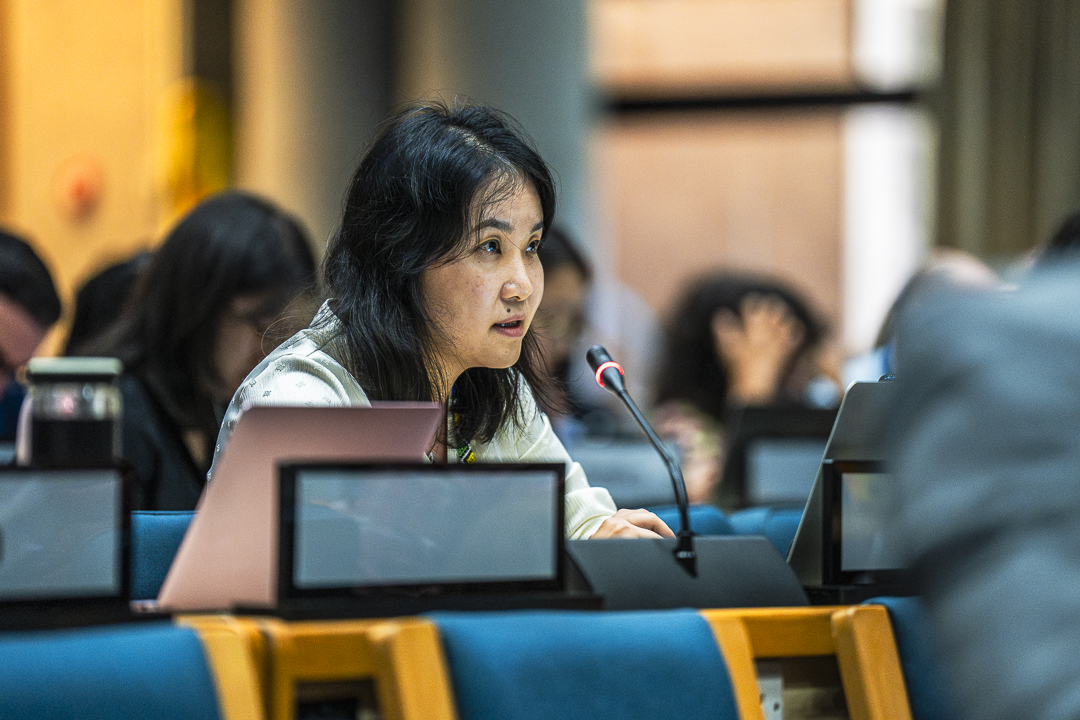
Haijun Chen, China
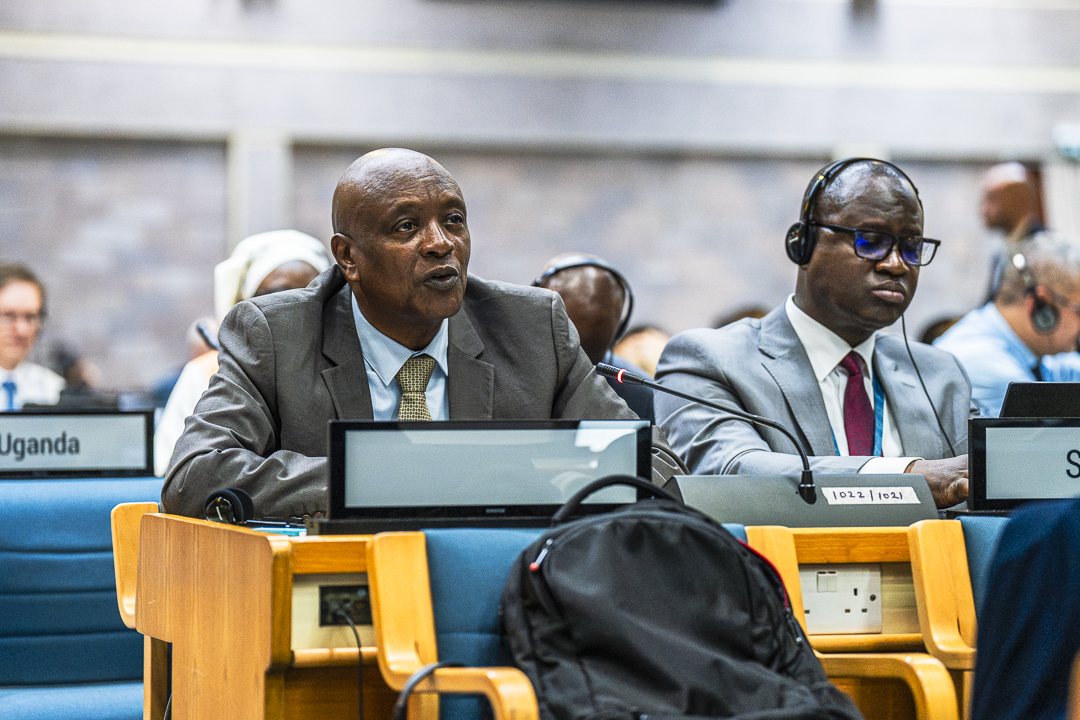
Cheikh Ndiaye Sylla, Senegal
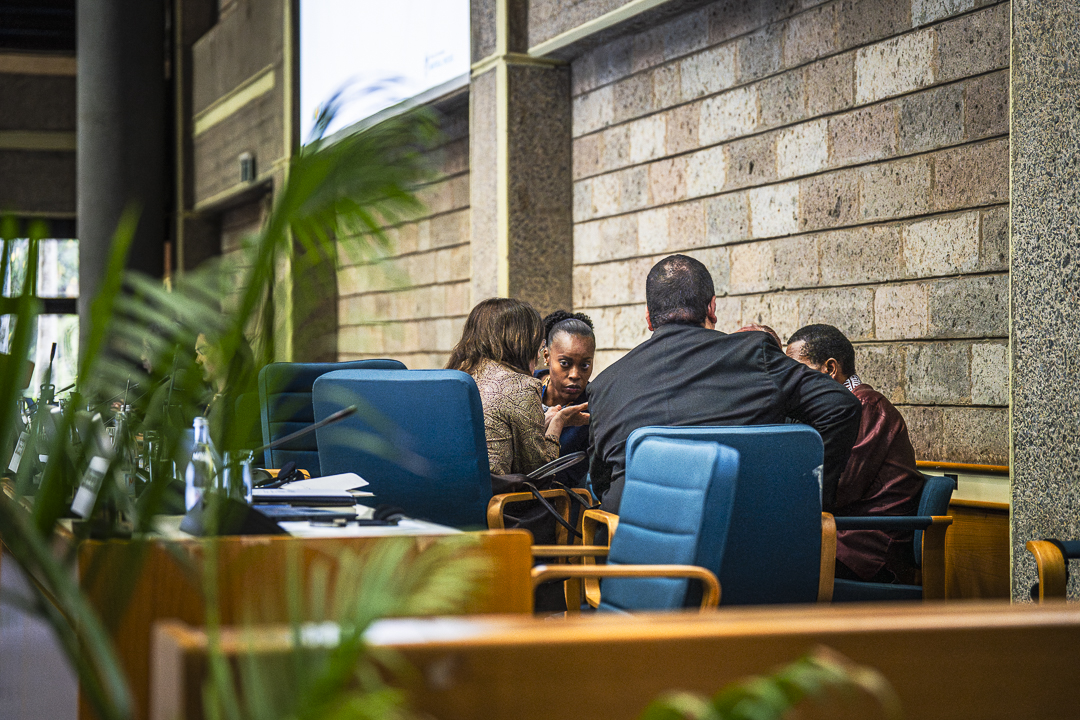
Contact Groups
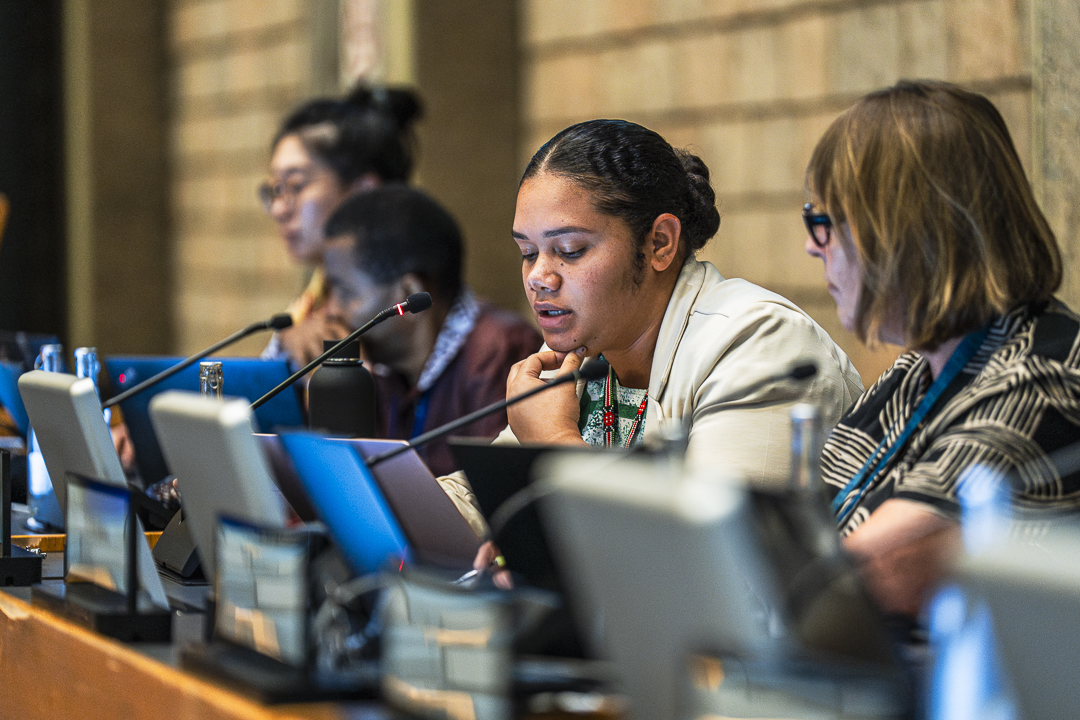
Camilla Noel, Vanuatu, and Mariska Wouters, New Zealand, Co-Chairs of the contact group on the implementation of the Kigali Amendment
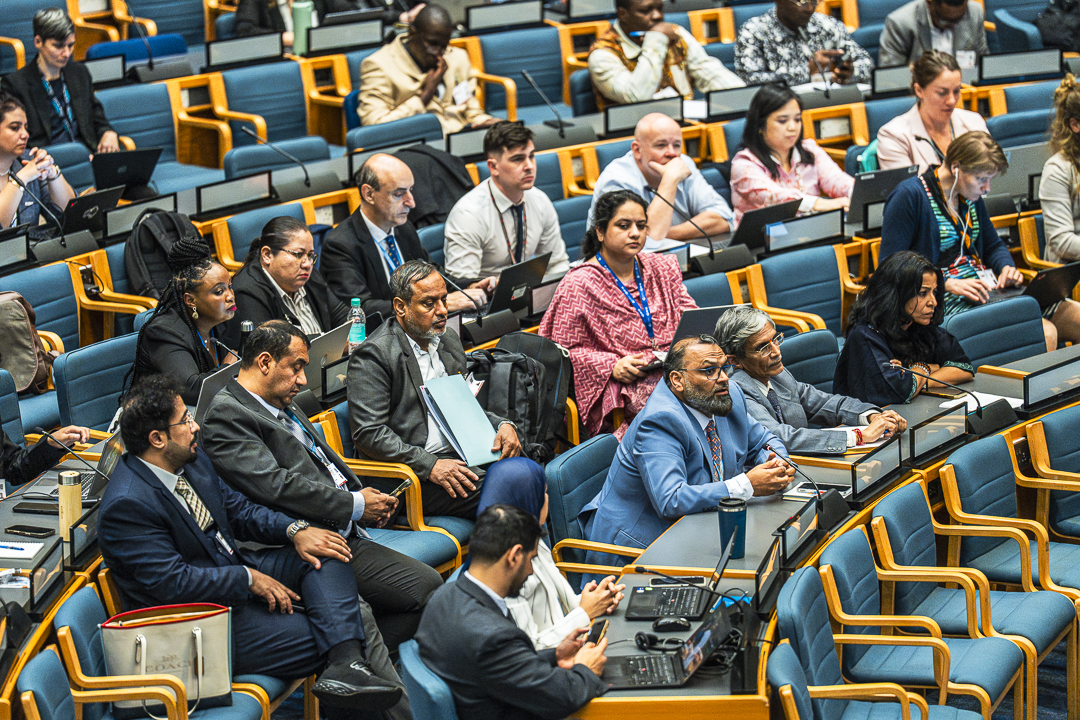
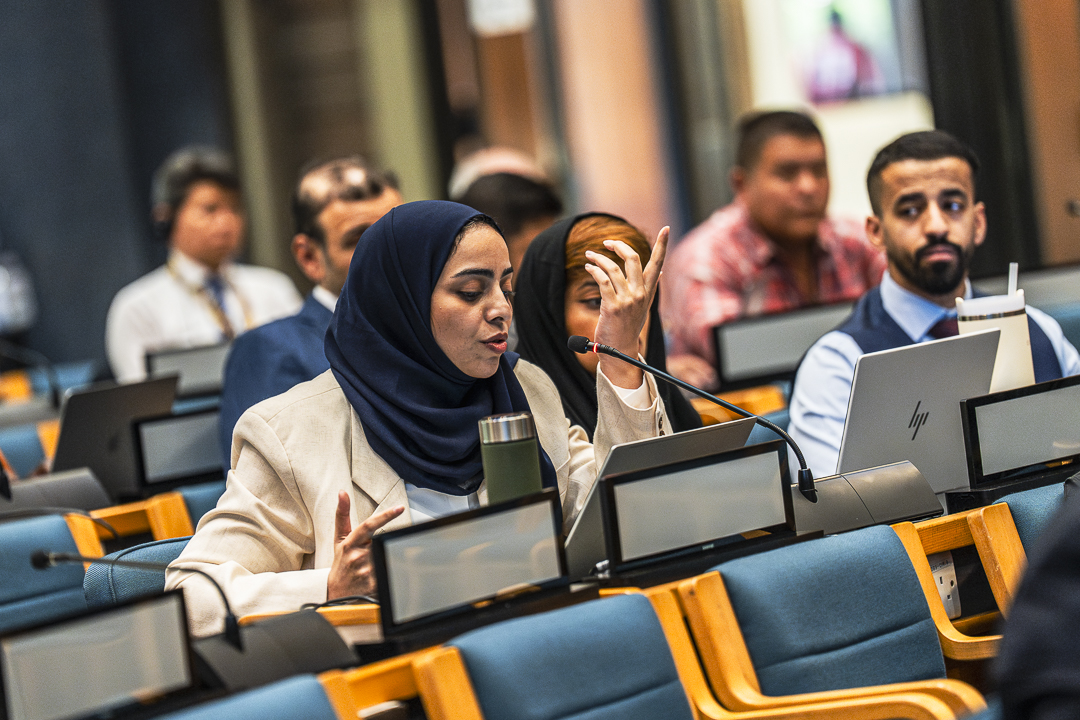
Mai Jarad, Saudi Arabia
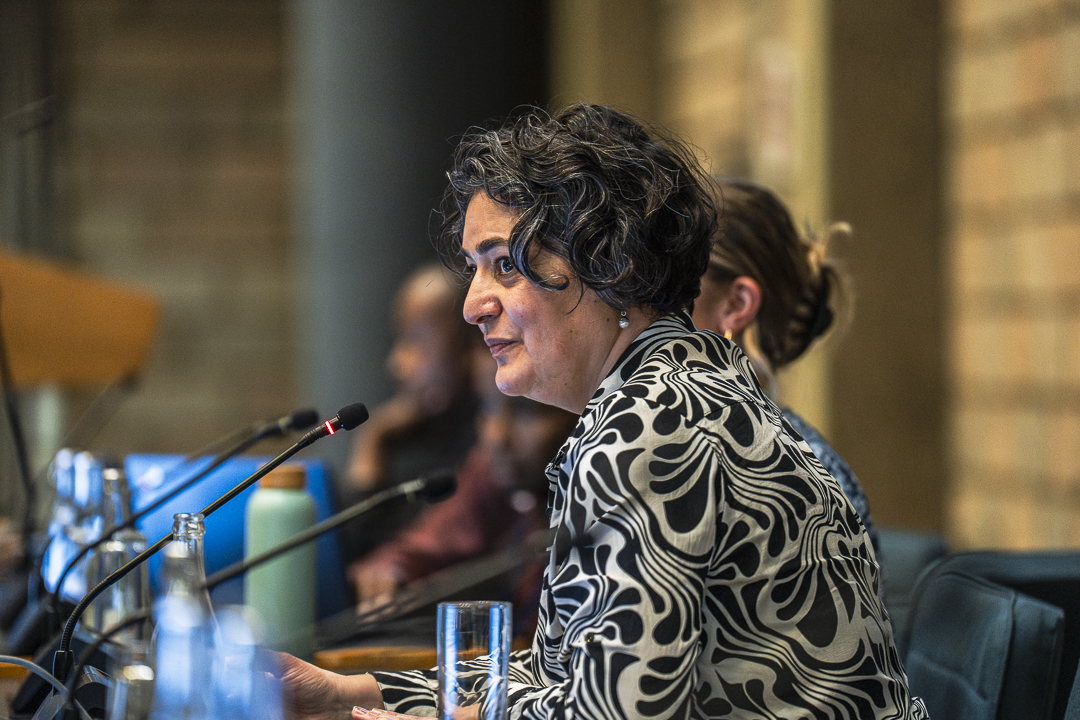
Liana Ghahramanyan, Armenia
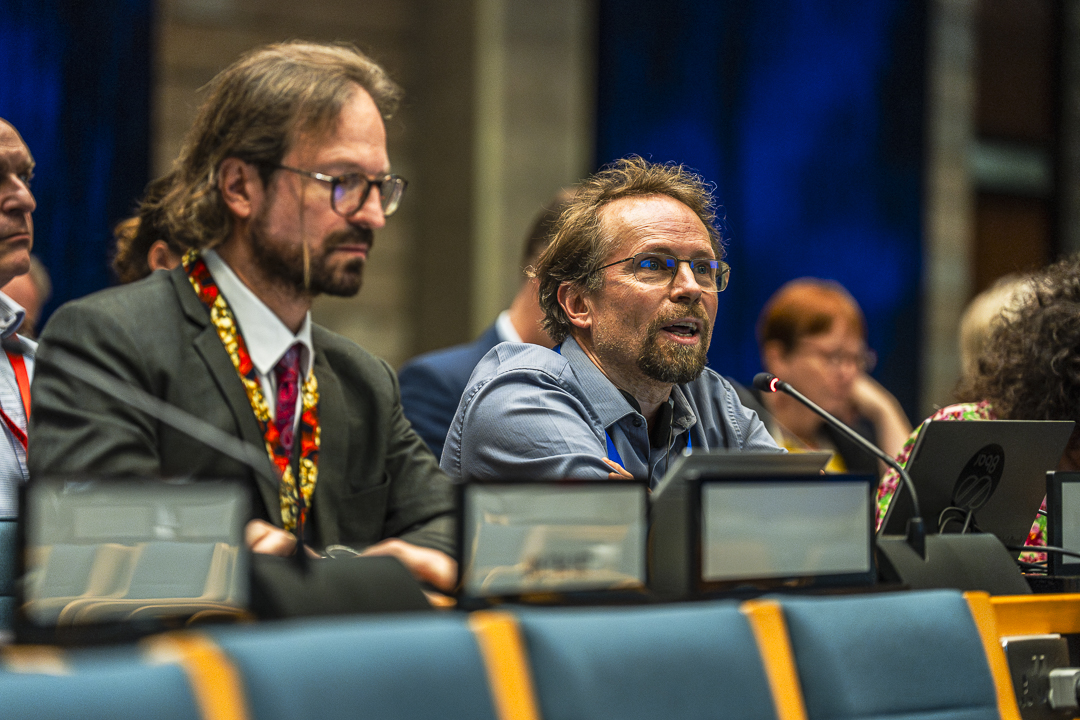
Arno Kaschl, EU
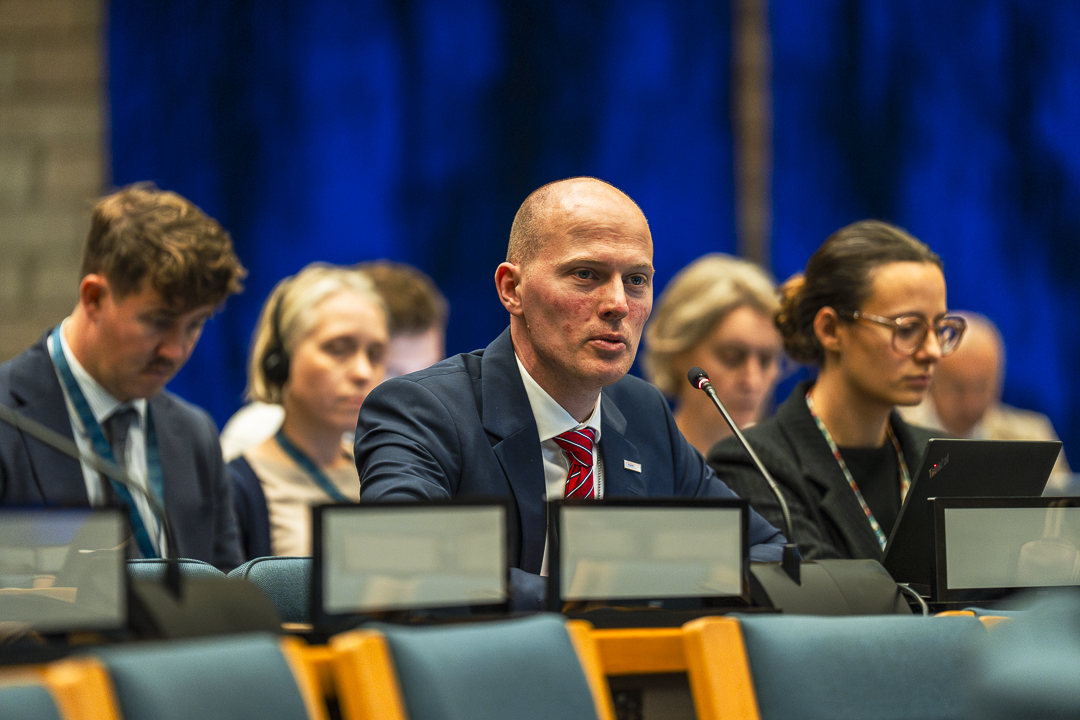
Martin Alex Bjørnholst, Denmark
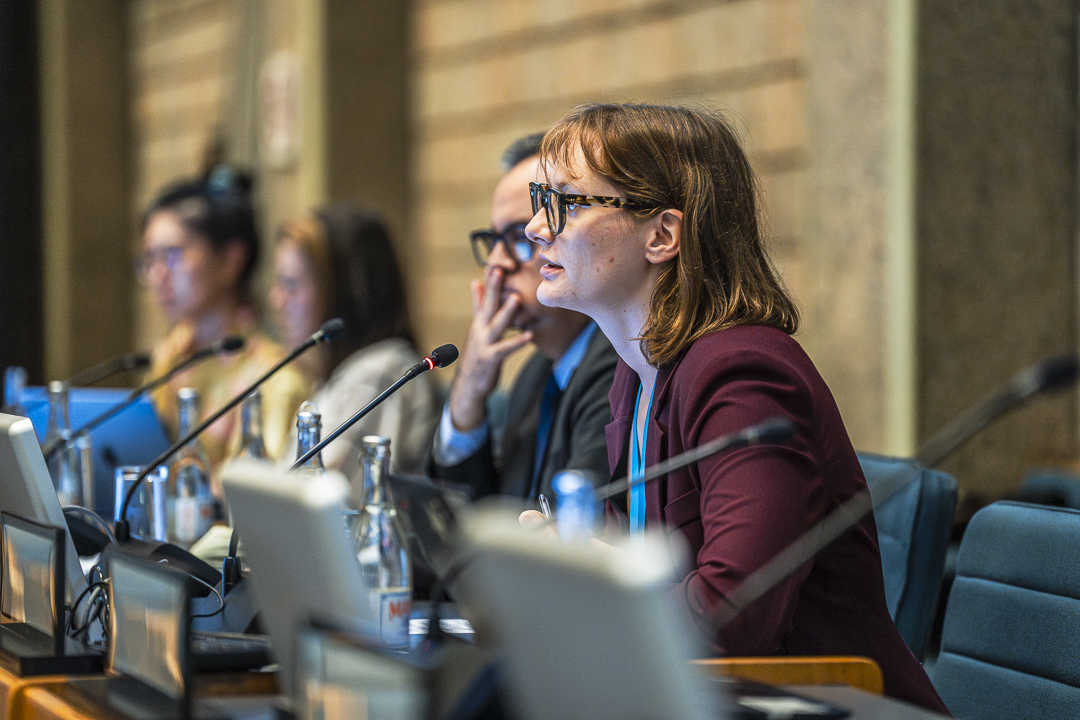
Morane Godfrin, France
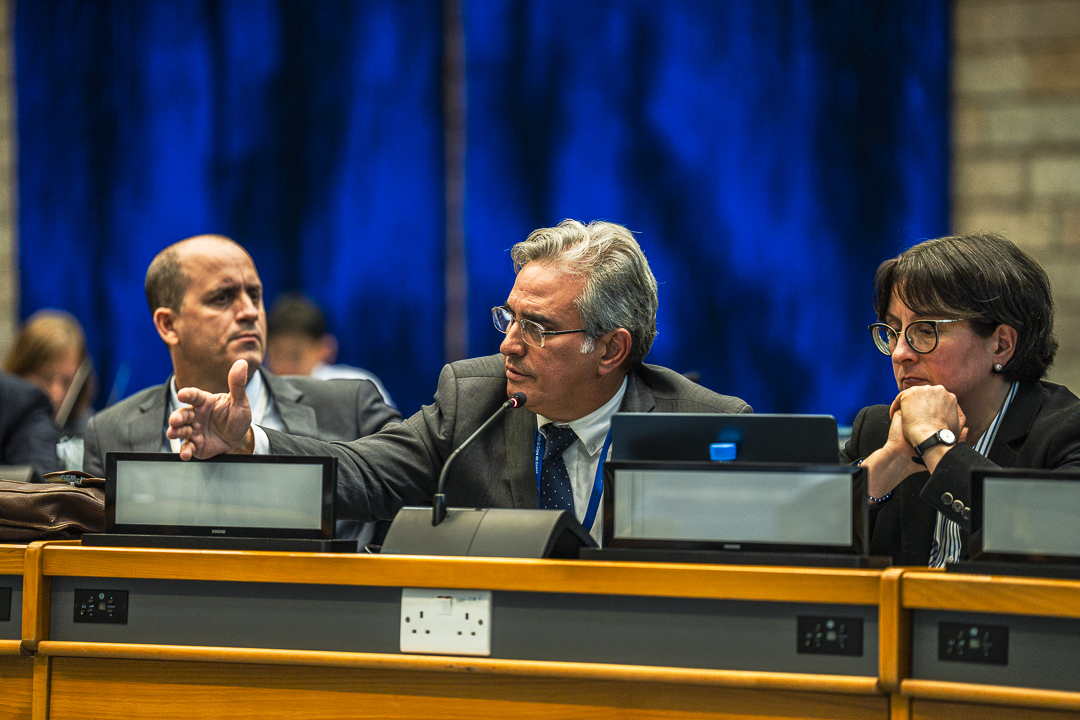
Ernesto Daniel Plasencia Escalante, Cuba
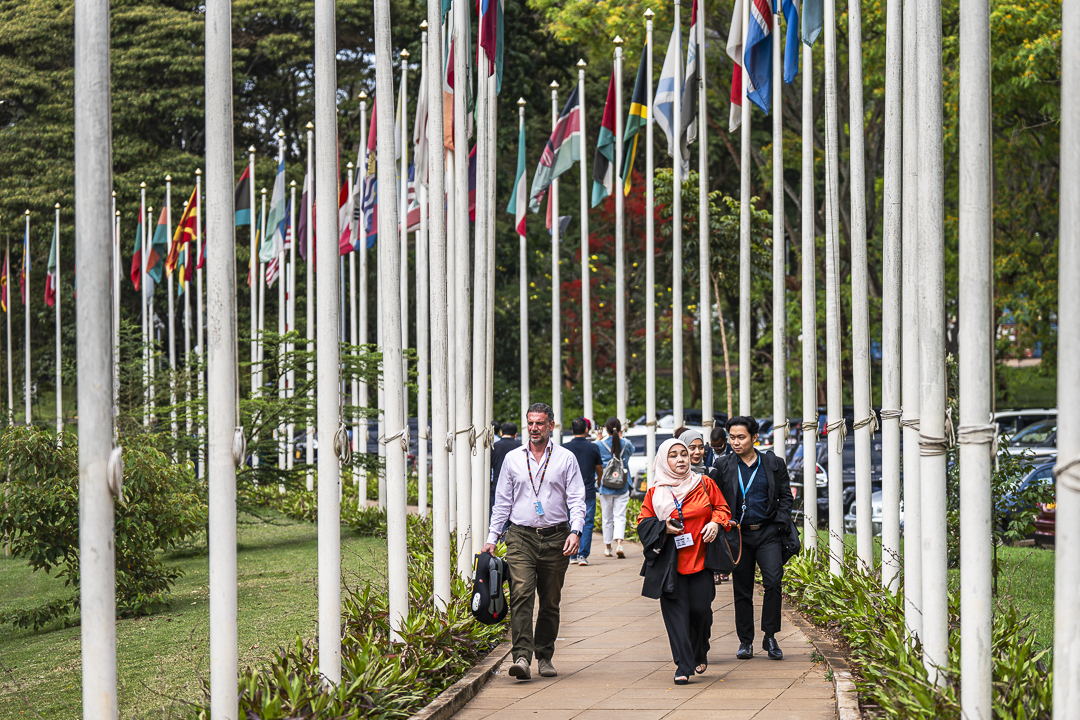
Around the venue
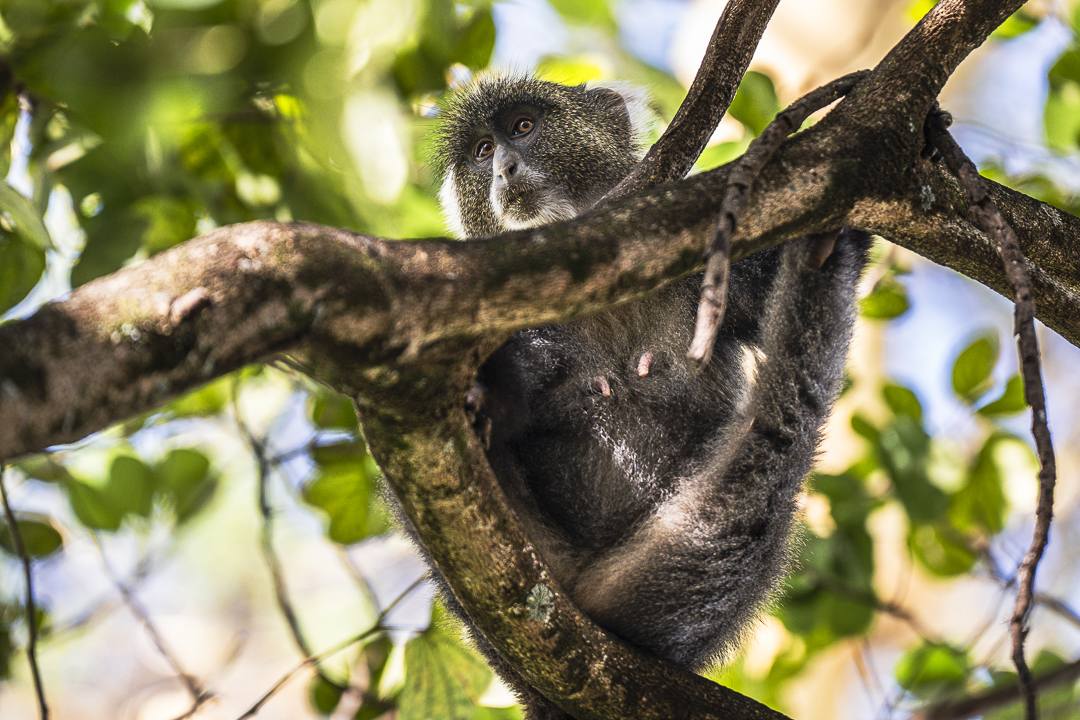
Sykes' monkey (Cercopithecus albogularis)