
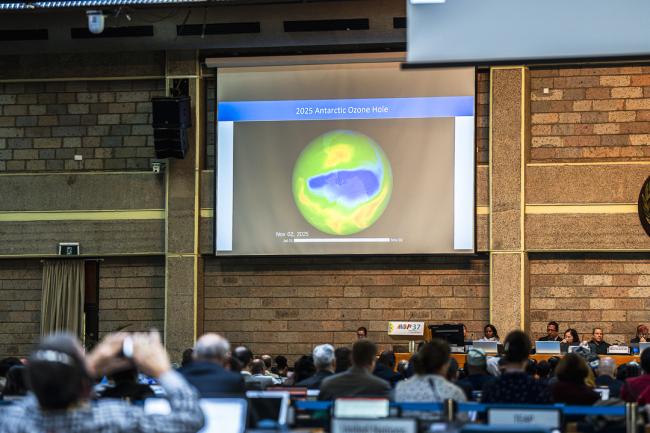
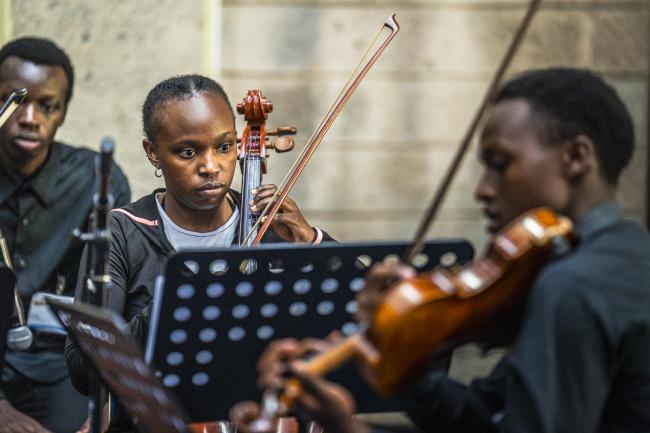
The High-level Segment (HLS) of the 37th Meeting of the Parties (MOP 37) to the Montreal Protocol opened with a performance by Ghetto Classics, a Kenyan non-profit youth programme based in informal settlements that gives free music education to underprivileged children.
Want to dig deeper into today's talks? Read the full Earth Negotiations Bulletin daily report.
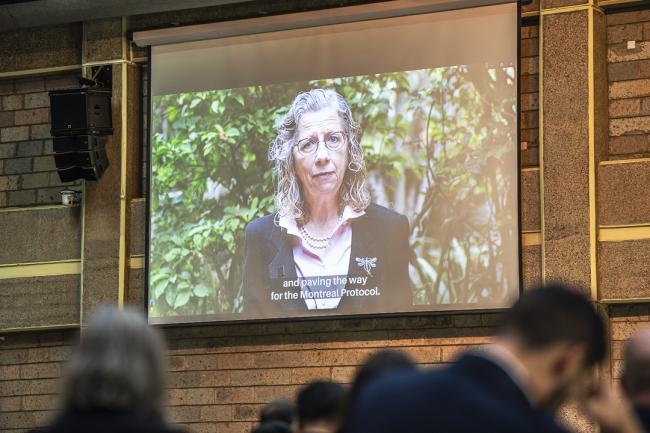
Sheila Aggarwal-Khan, Director of Industry and Economy Division, UN Environment Programme (UNEP), welcomed delegates and introduced a video message from UNEP Executive Director Inger Andersen. Saying that this Protocol “has always found its way to consensus when it mattered most,” Andersen acknowledged the present-day more “turbulent times” and differing positions, but expressed confidence that Parties will find a way through collaboration and resolve, guided always by science.
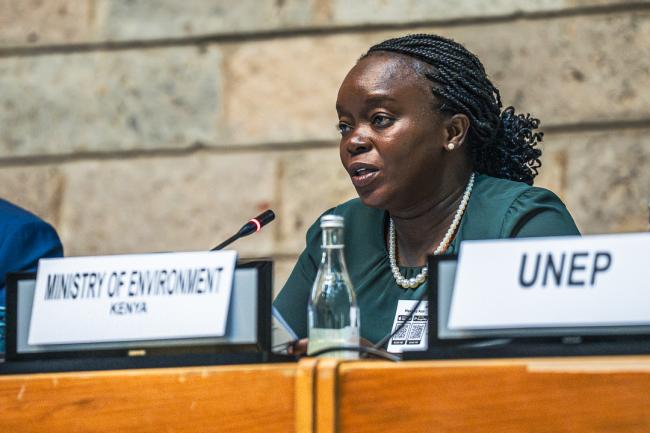
Deborah Mlongo Barasa, Cabinet Secretary for Environment, Climate Change and Forestry, Kenya, highlighted her country’s efforts under the Protocol. She noted difficulties in accessing alternative climate-friendly technologies, training, and servicing, and called for sufficient funding for Article 5 Parties to meet their targets.
After MOP 36 Vice-President Ndiaye Cheikh Sylla (Senegal), on behalf of MOP 36 President Kerryne James (Grenada), reflected on recent achievements under the Protocol, delegates elected MOP 37 officers.
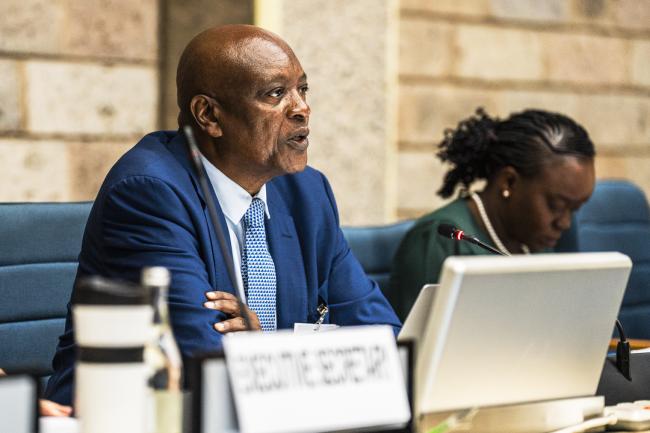
Newly elected MOP 37 President Paul Krajnik (Austria) expressed appreciation for the honor of having been elected once again as MOP President, after having served as MOP 32 President.
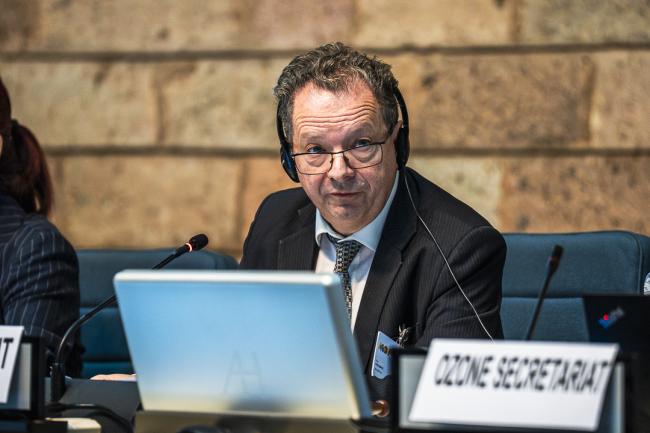
The HLS heard reports from the Protocol’s three Assessment Panels, and the Executive Committee of the Multilateral Fund. In national statements, Parties expressed their unwavering commitment to the Protocol, stressing its preeminence as the most effective environmental treaty in history. Many outlined their actions to implement both the Protocol and the Kigali Amendment.
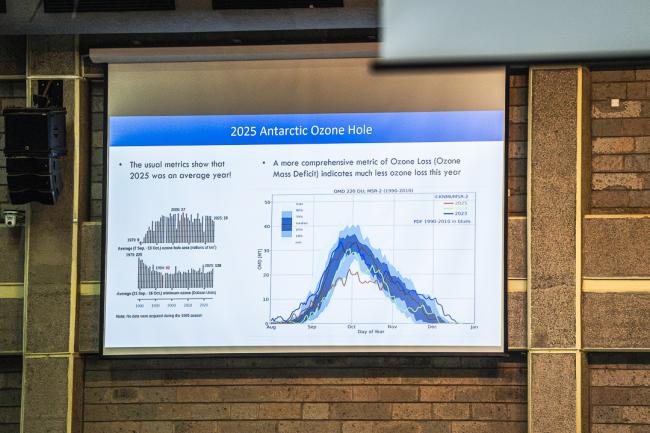
Countries highlighted the undeniable linkages between ozone-depleting substances and climate change mitigation, the need for adequate financial resourcing, and capacity-building and technology transfer toward climate- and ozone-friendly alternatives.
Meanwhile, contact groups, an informal group, and the Budget Committee continued their work in an effort to reach consensus on draft decisions and the budget so they can be adopted by the HLS on Friday.
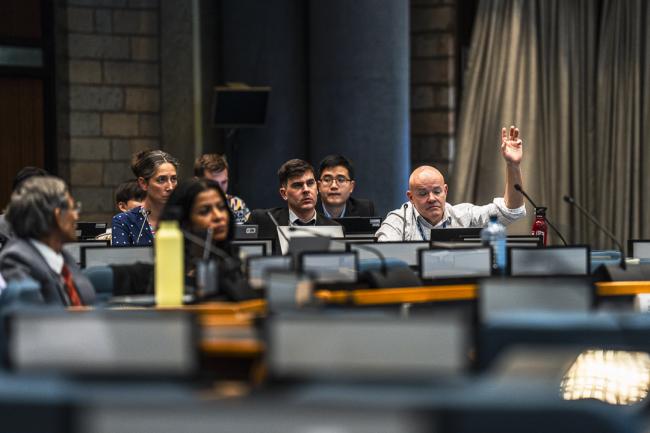
After the agreement on the continuing use of halon 1301 in the aviation industry on Wednesday, delegates welcomed the agreement on two further draft decisions under the following agenda items:
- accumulation of inventories of refrigerant gases nearing the end of their life cycles: delegates agreed to give the Technology and Economic Assessment Panel (TEAP) the mandate to compile a “study on quantities, and options for, used and unwanted controlled substances under the Montreal Protocol, including those at their end of life”; and
- ensuring the viability of Montreal Protocol operations: delegates agreed calling on the Secretariat to prepare a non-prejudicial report with options for reducing costs and increasing efficiency of meetings and other operations, including potential benefits and drawbacks.
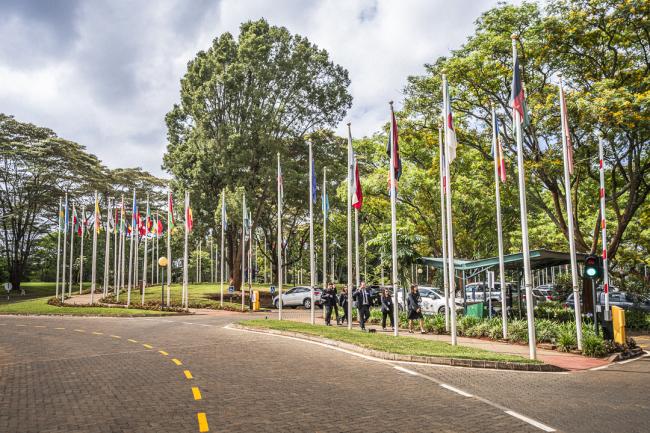
To receive free coverage of global environmental events delivered to your inbox, subscribe to the ENB Update newsletter.
All ENB photos are free to use with attribution. For the Montreal Protocol MOP37, please use: Photo by IISD/ENB | Danny Skilton.
Plenary
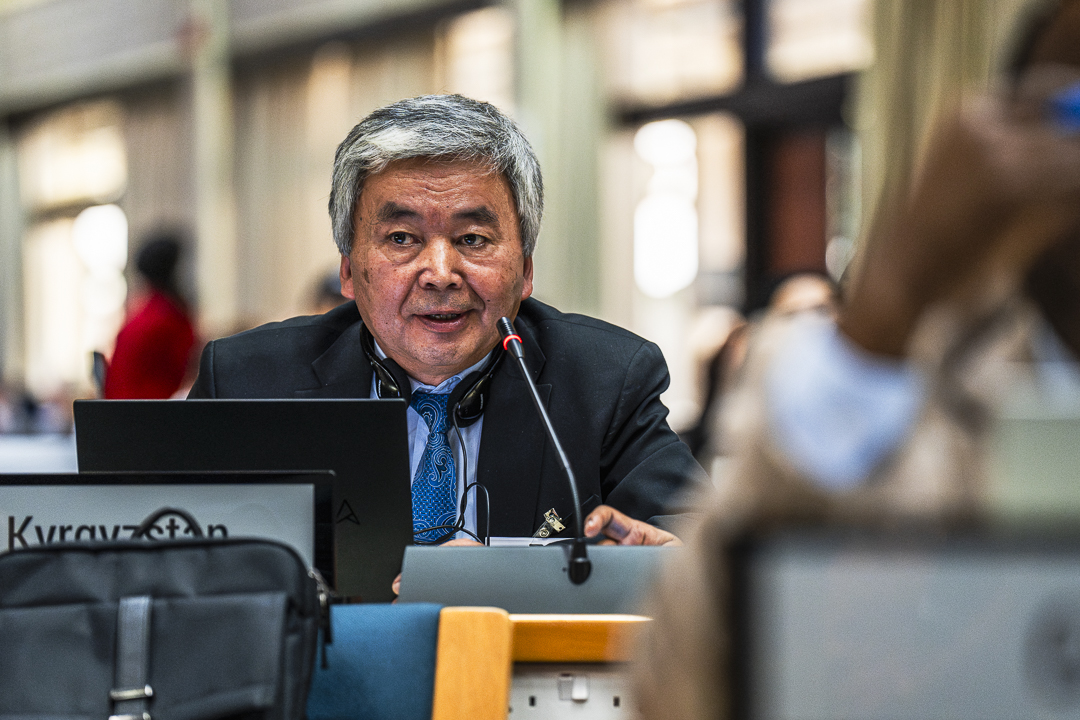
Mars Amanaliev, Kyrgyzstan
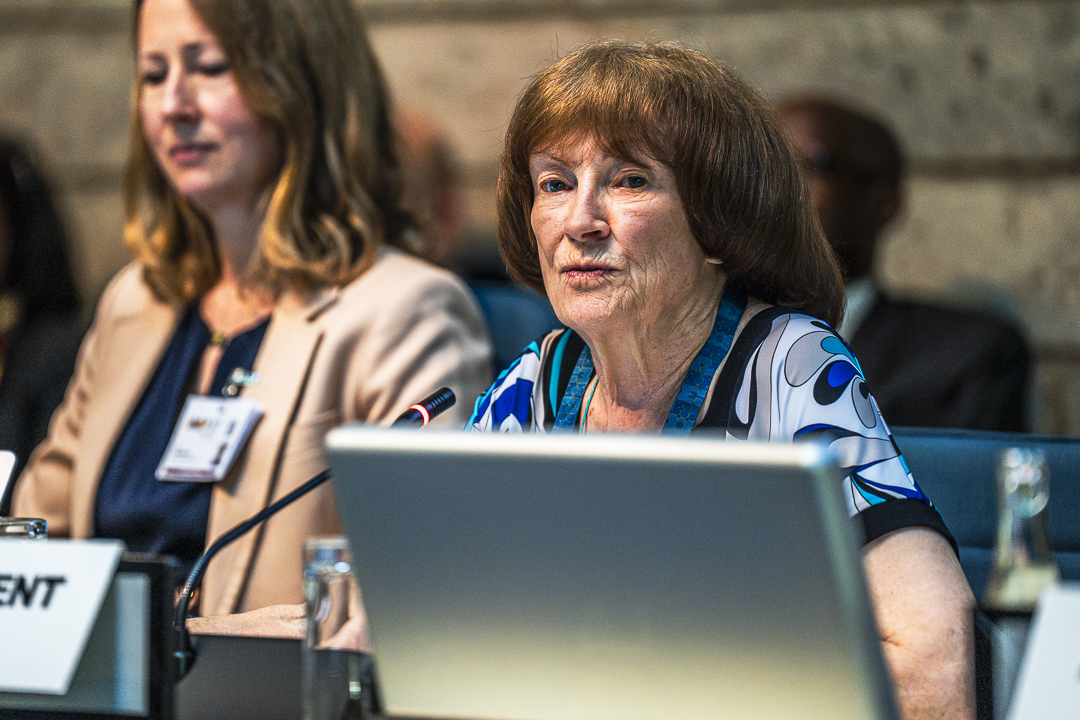
Janet F. Bornman, Environmental Effects Assessment Panel (EEAP)
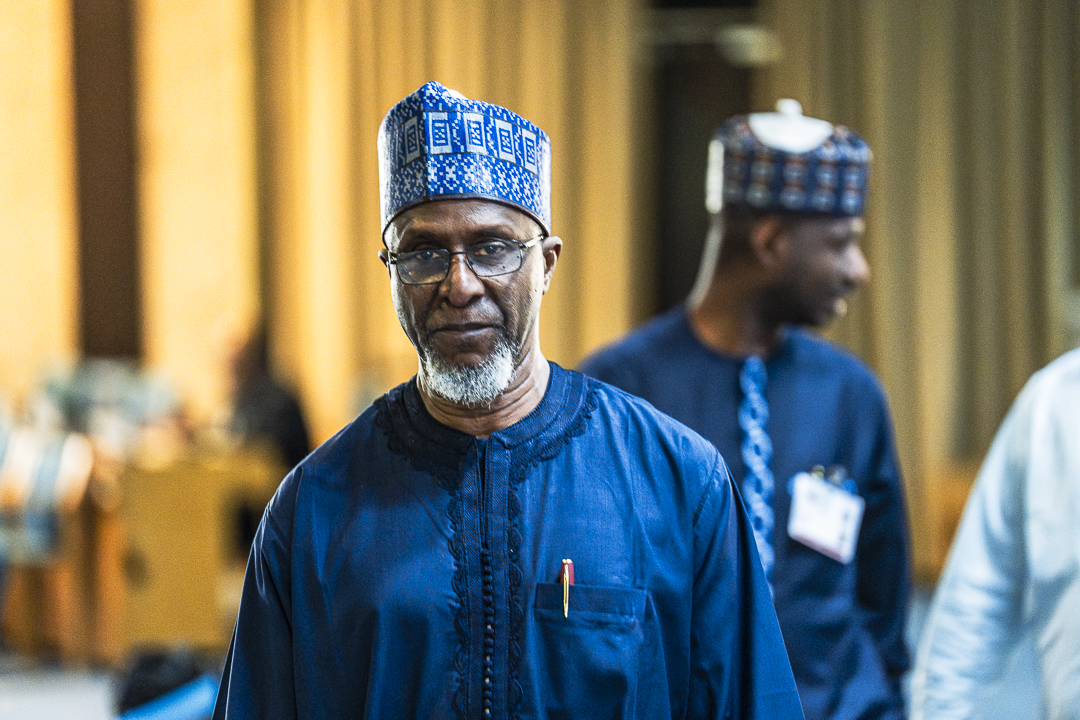
Balarabe Lawal, Nigeria, Minister of Environment
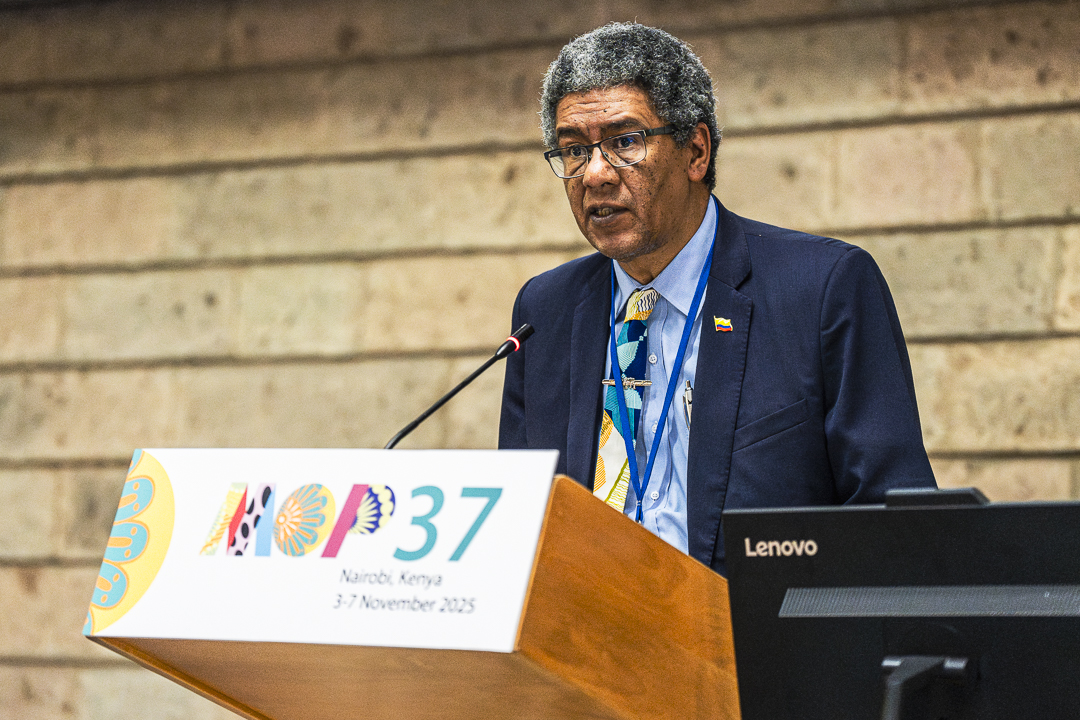
Pedro Cortés, Colombia
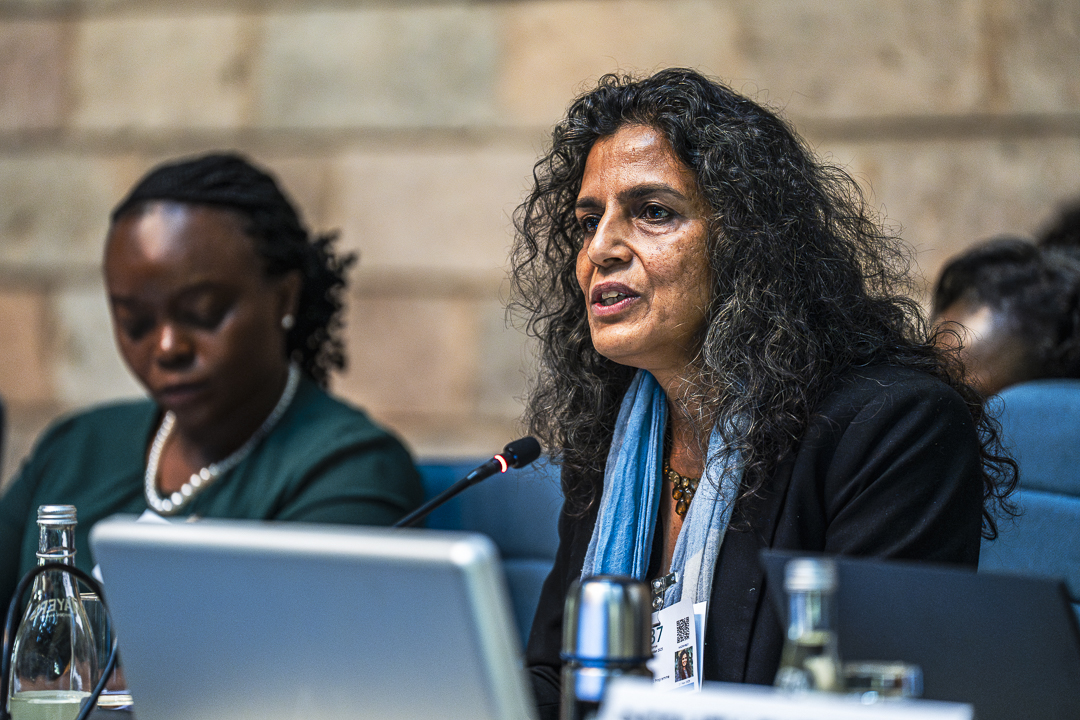
Sheila Aggarwal-Khan, UNEP
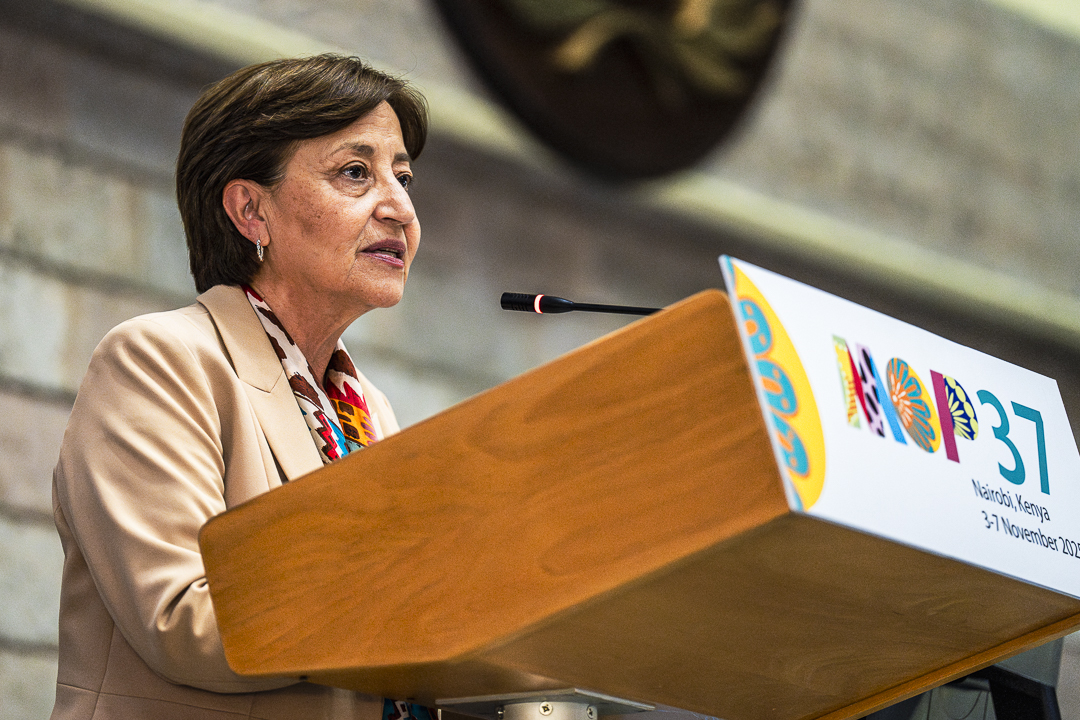
Ileana Augusta Villalobos Estrada, Mexico
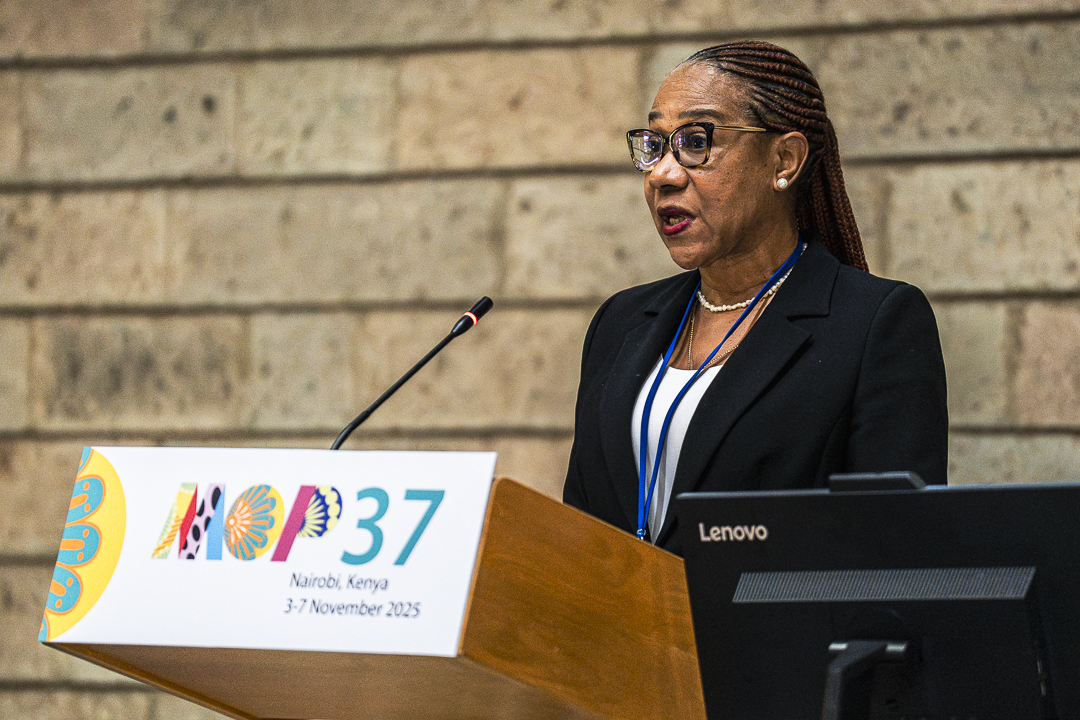
Inés Fors Fernández, Cuba
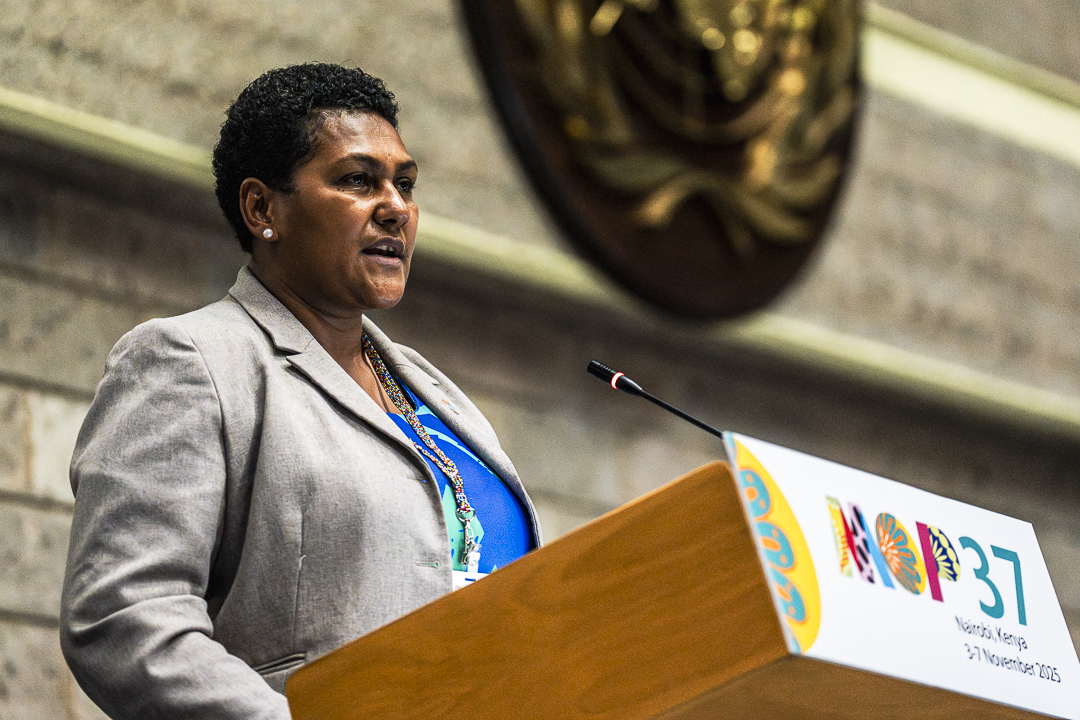
Senimili Baleicakau, Fiji
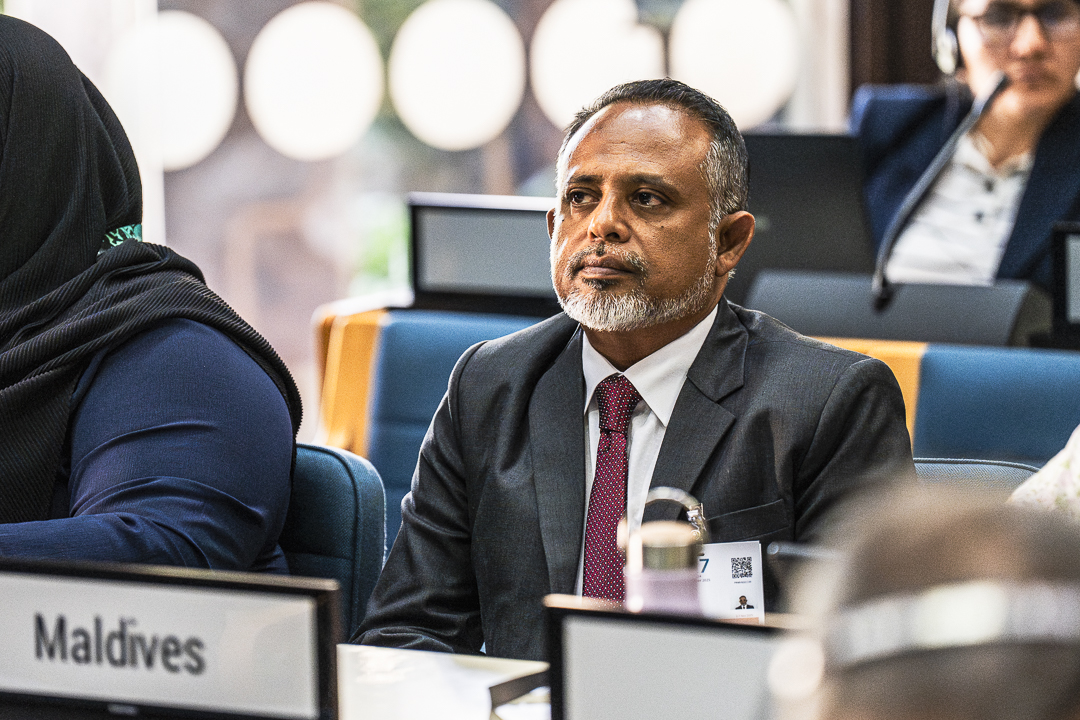
Mohamed Faiz, Maldives, Minister of State for Tourism and Environment
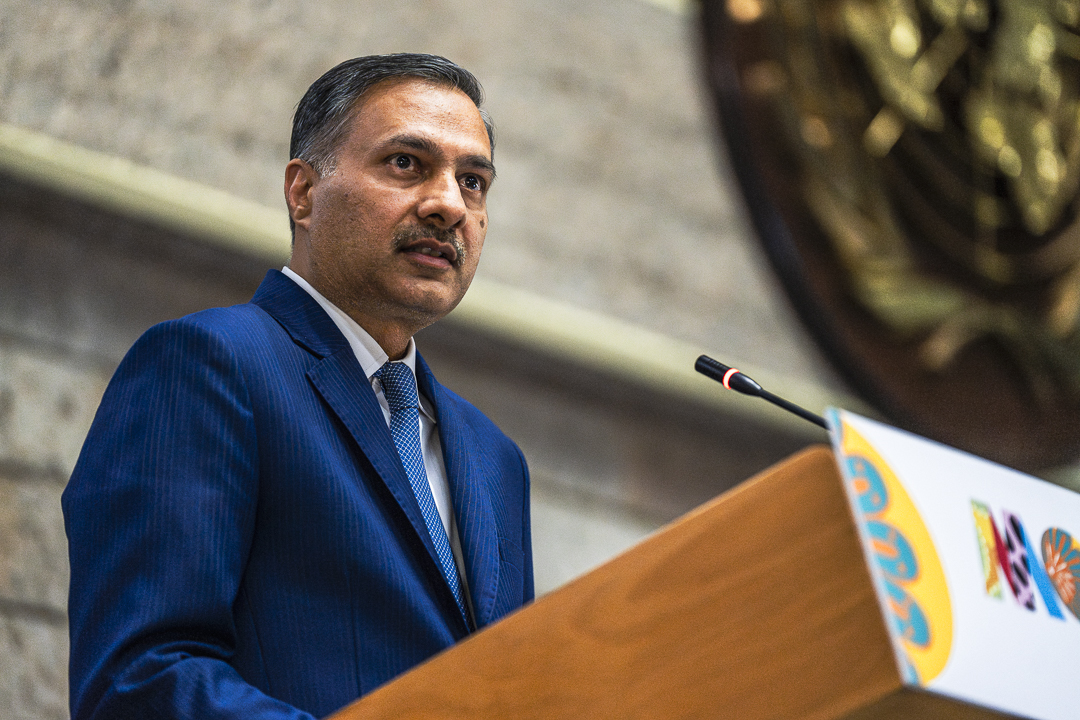
Adarsh Swaika, India
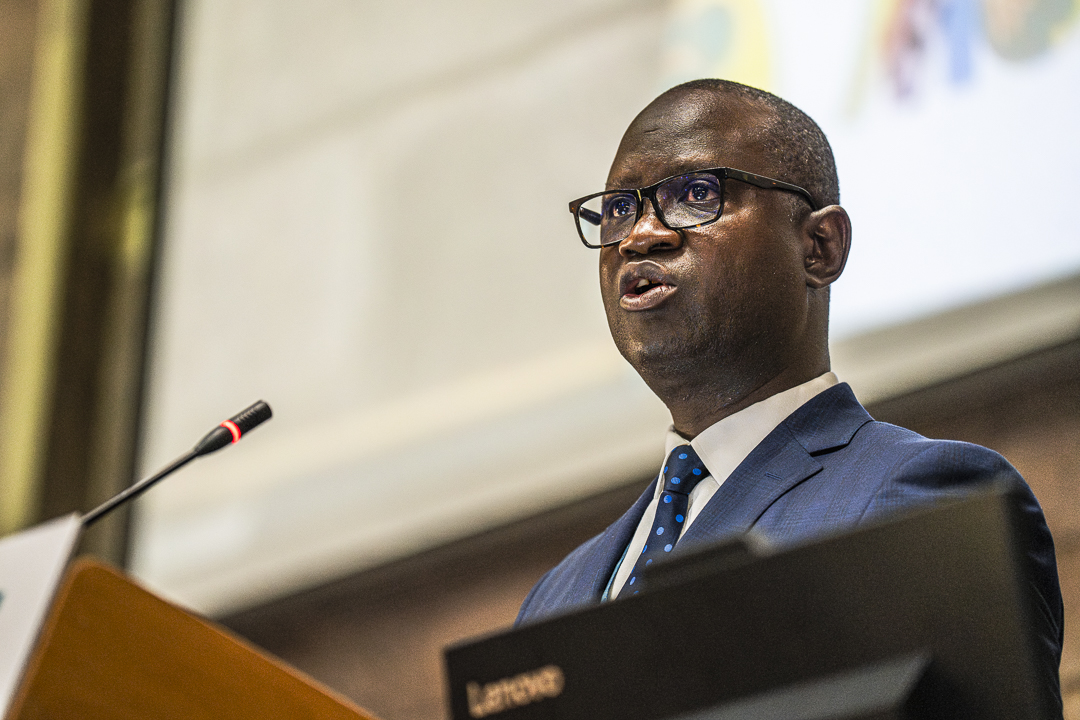
Baba Drame, Senegal
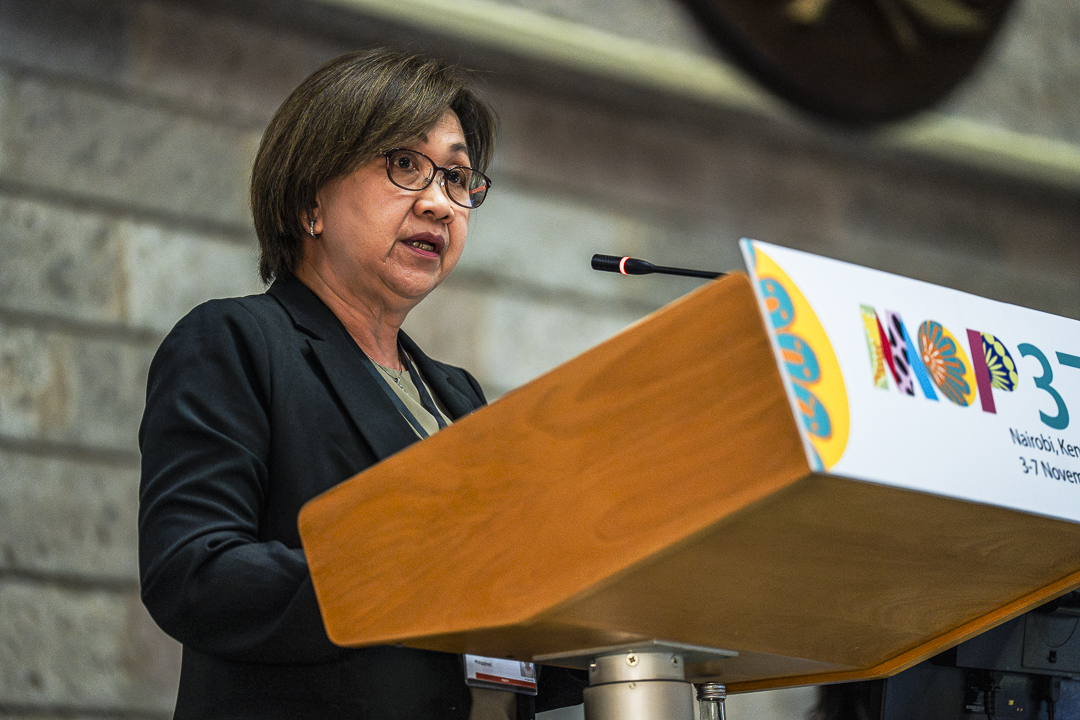
Jacqueline A. Caancan, Philippines
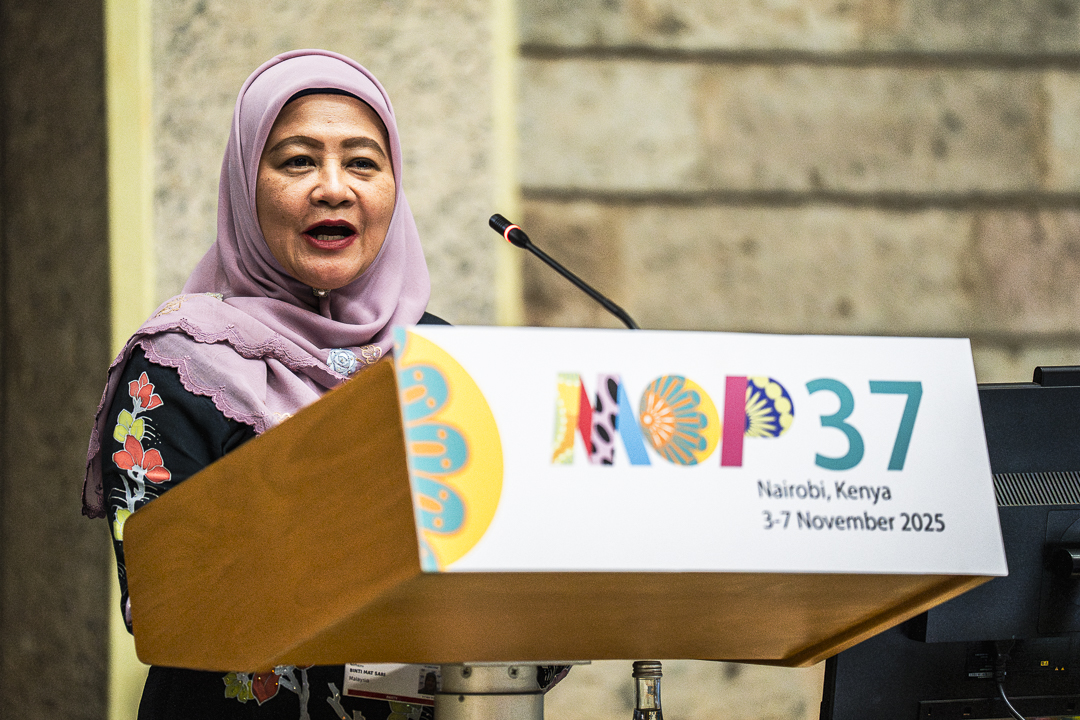
Norhazni Binti Mat Sari, Malaysia
Contact Groups
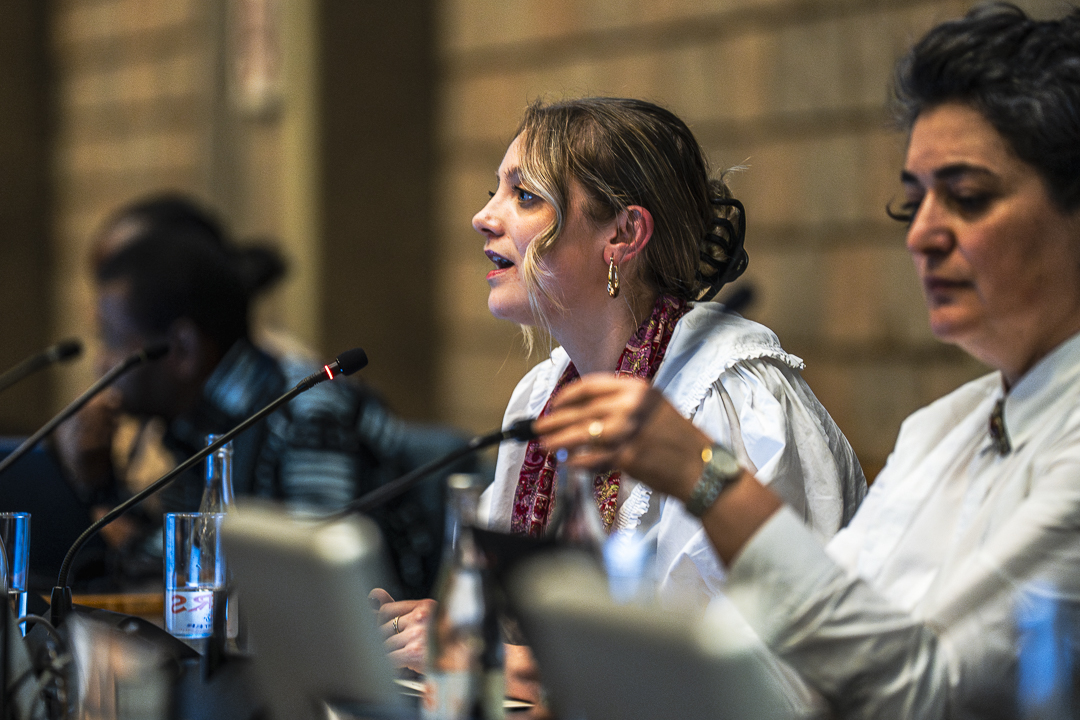
Morgan Simpson, UK
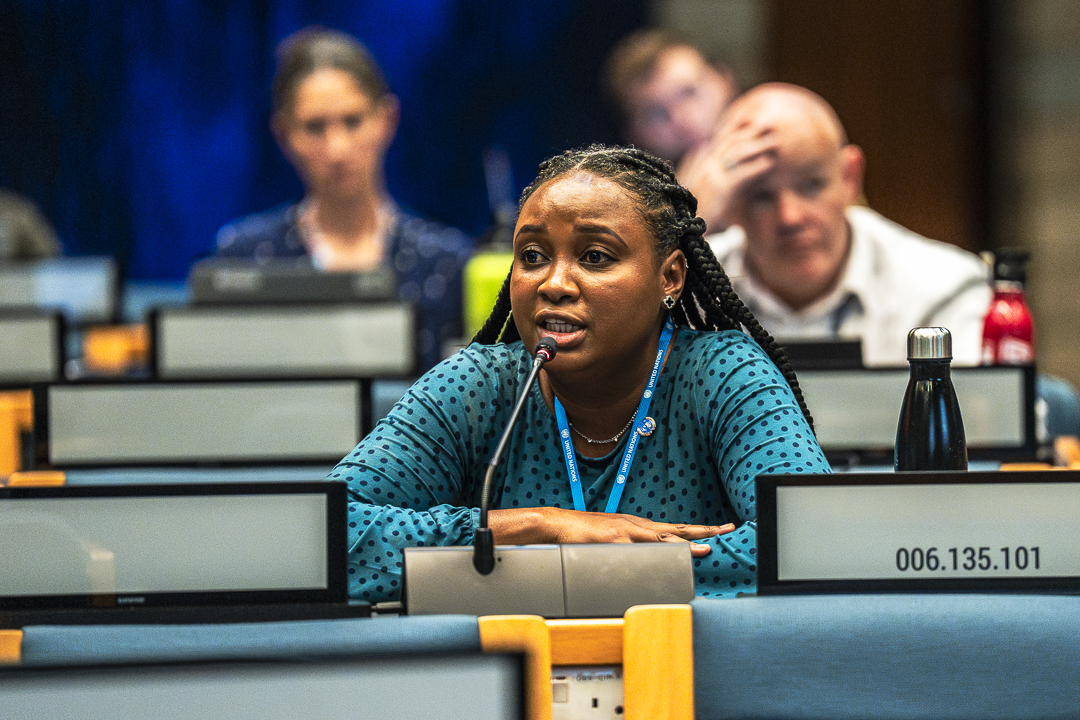
Kolene Latham, Saint Kitts and Nevis
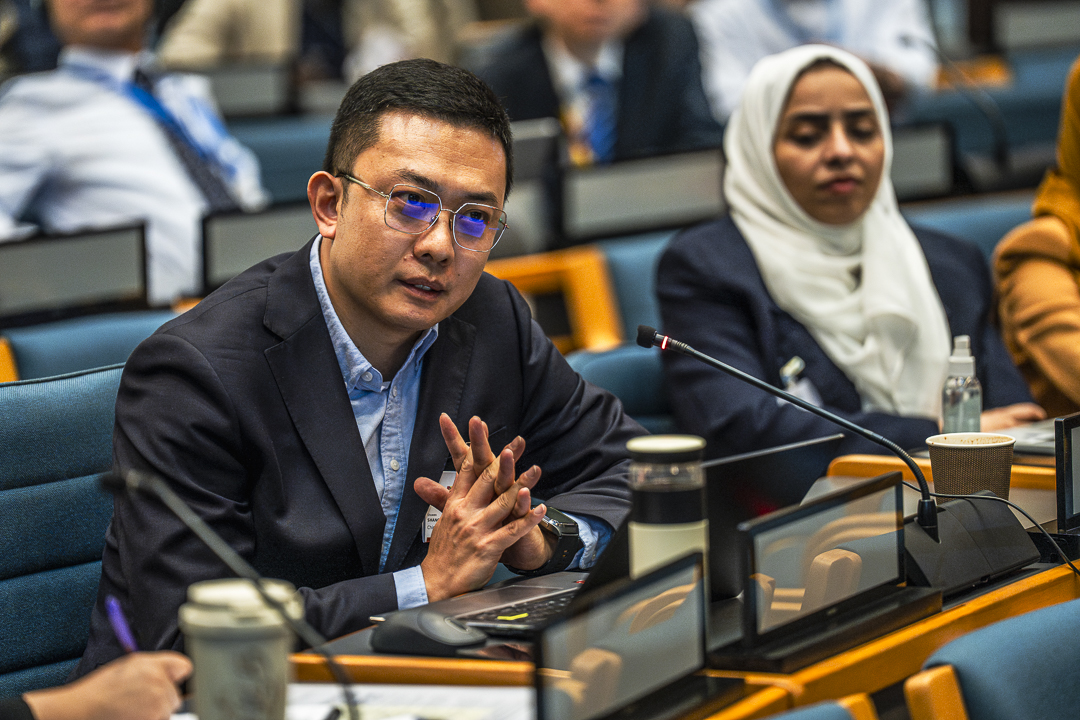
Shuwen Shang, China
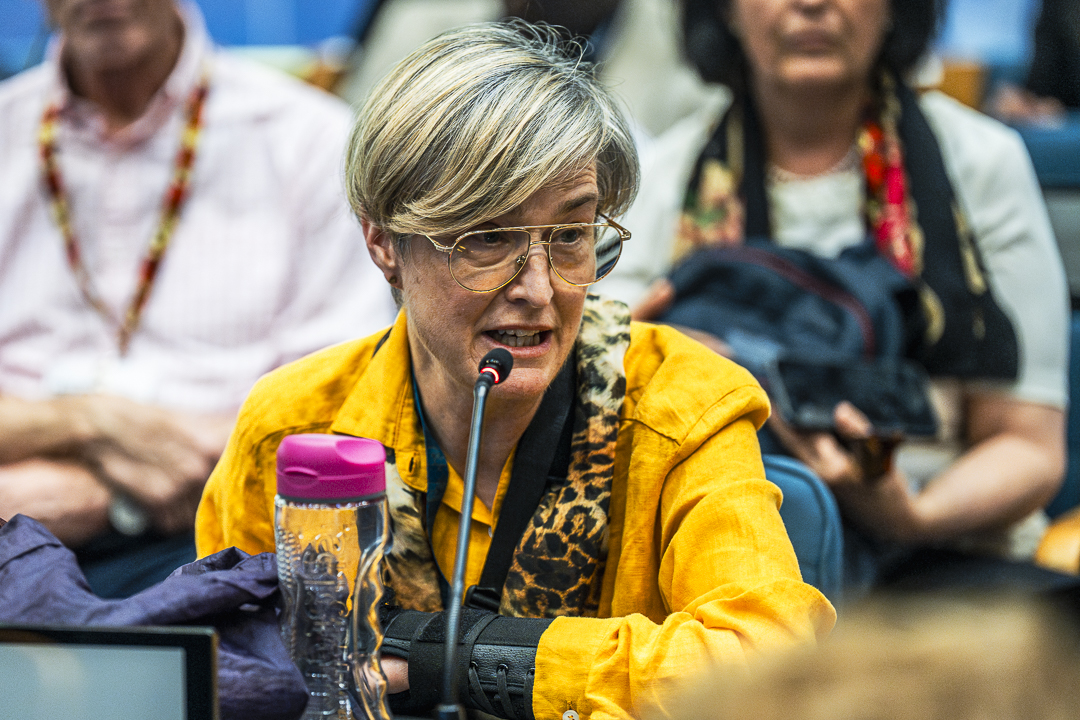
Helen Tope, TEAP
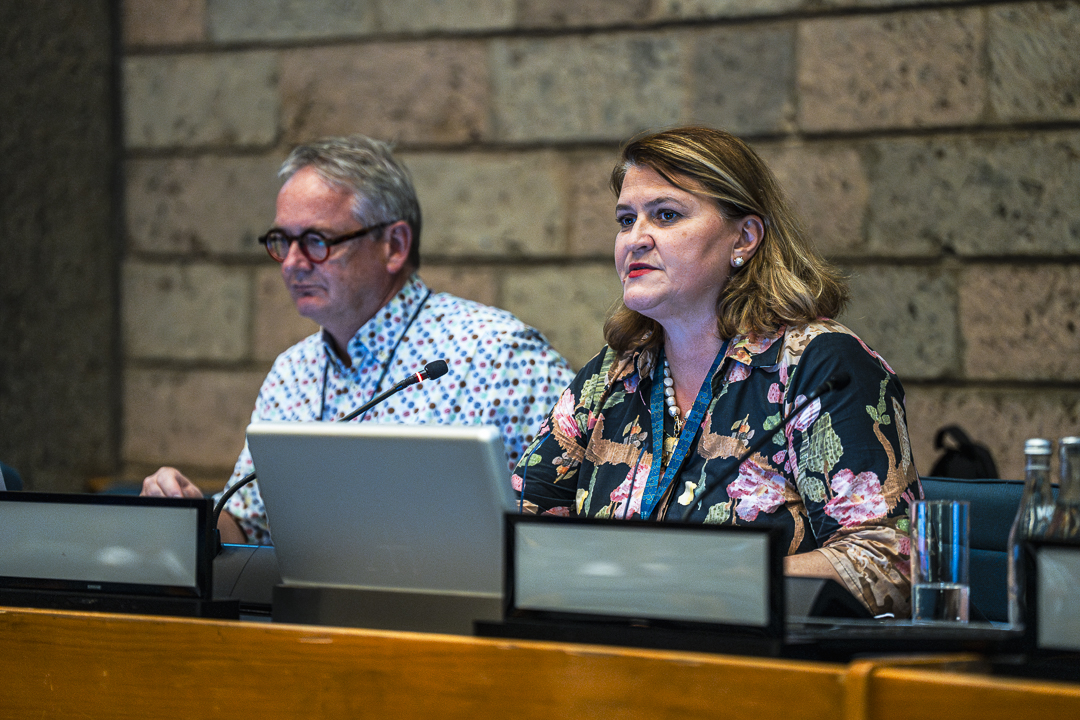
Azra Rogović-Grubić, Bosnia and Herzegovina, and Ralph Brieskorn, Netherlands
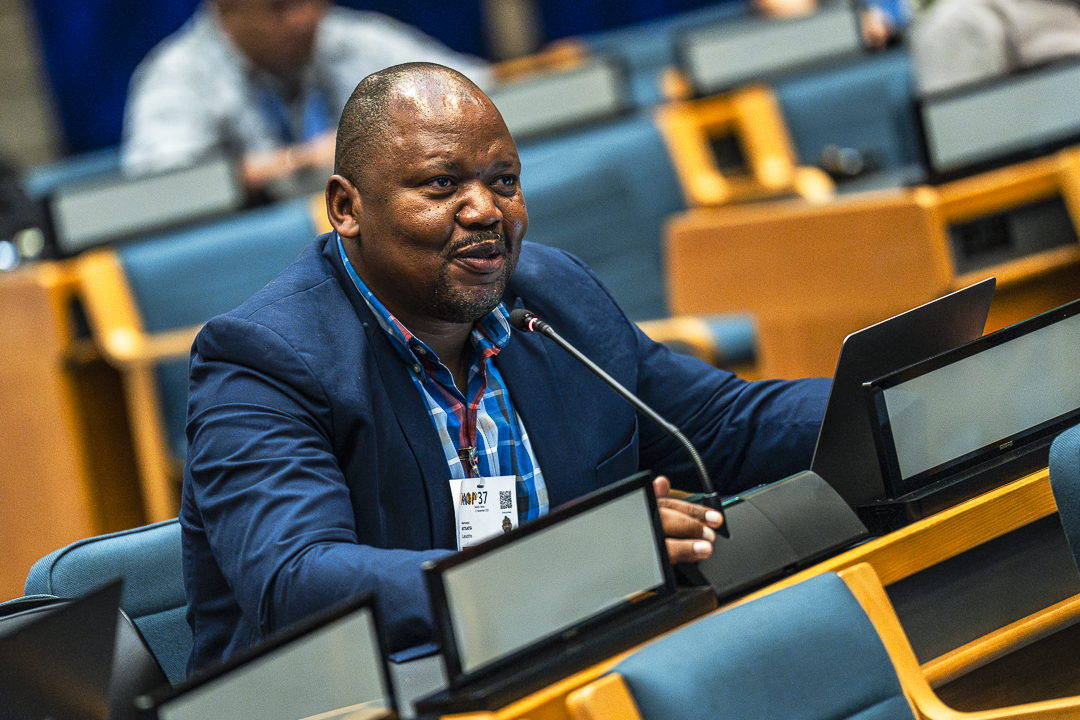
Mathatela Ntsatsi, Lesotho
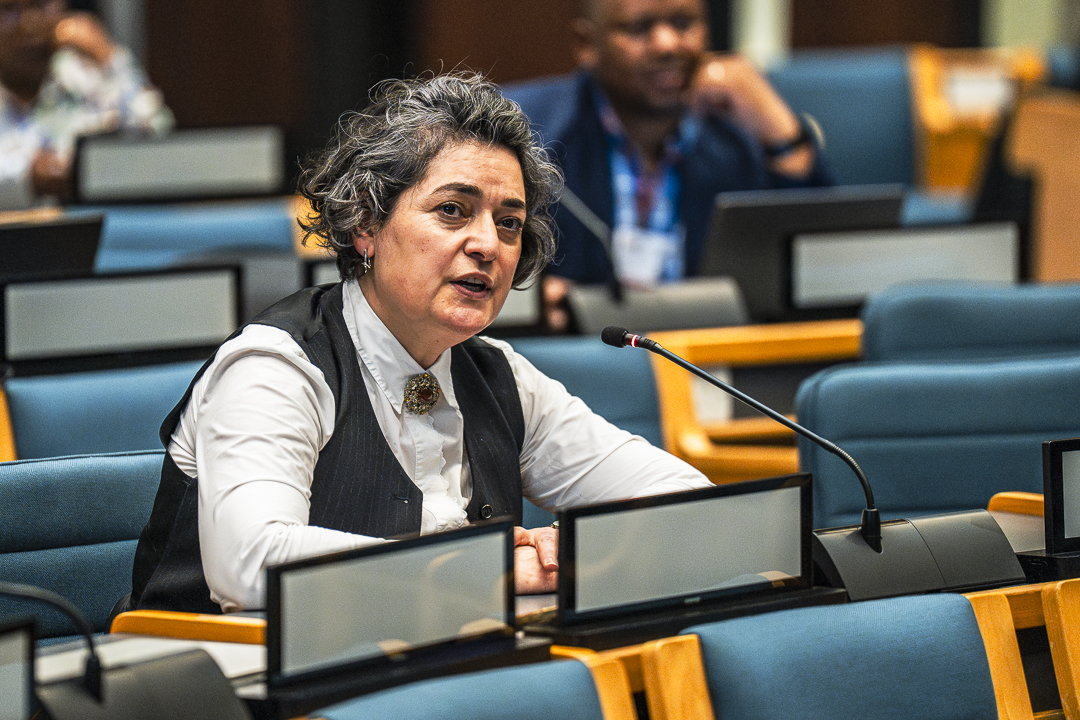
Liana Ghahramanyan, Armenia
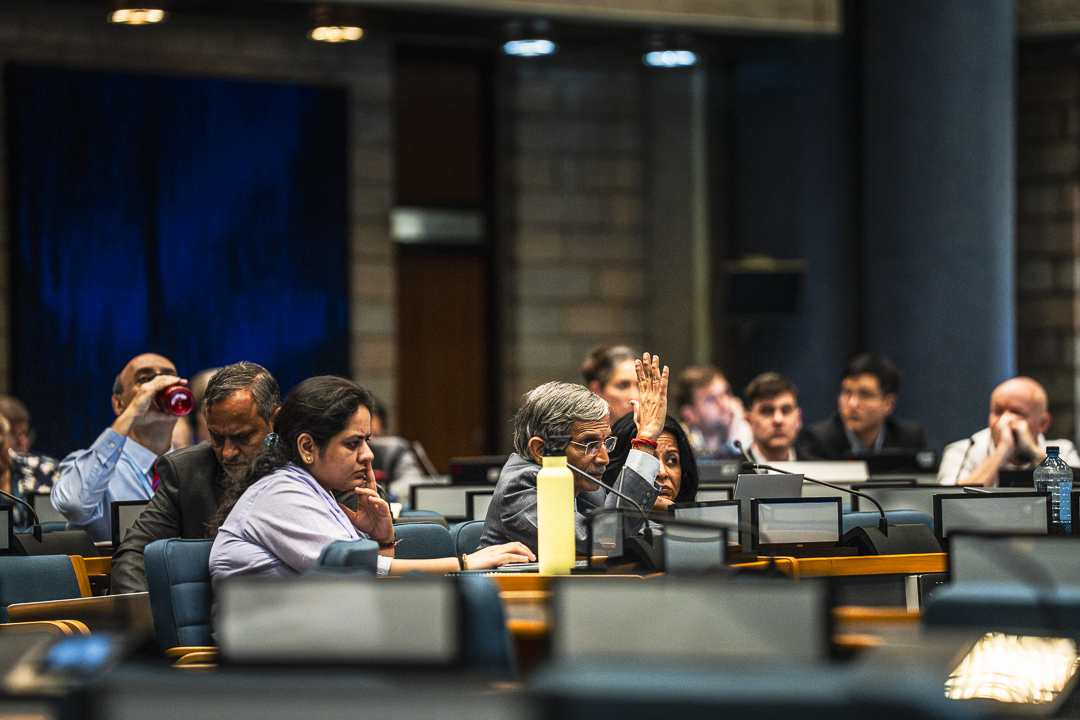
Sistla Subbarao, India
Around the venue
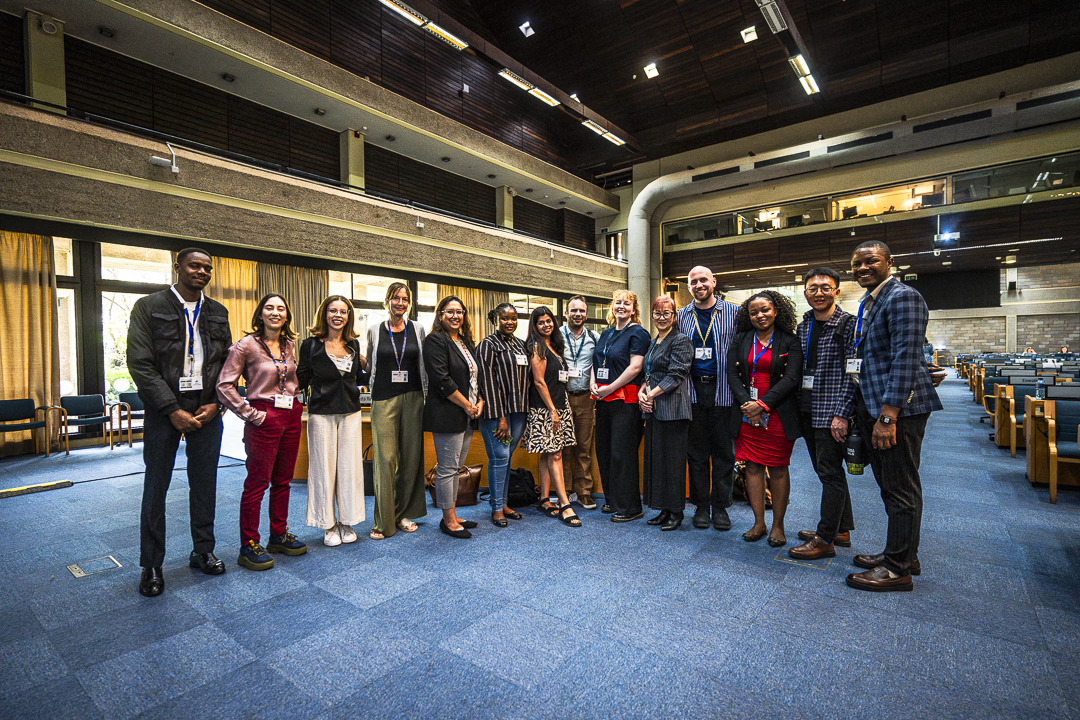
Members of NGOs and the Ozone Secretariat gather for a group photo

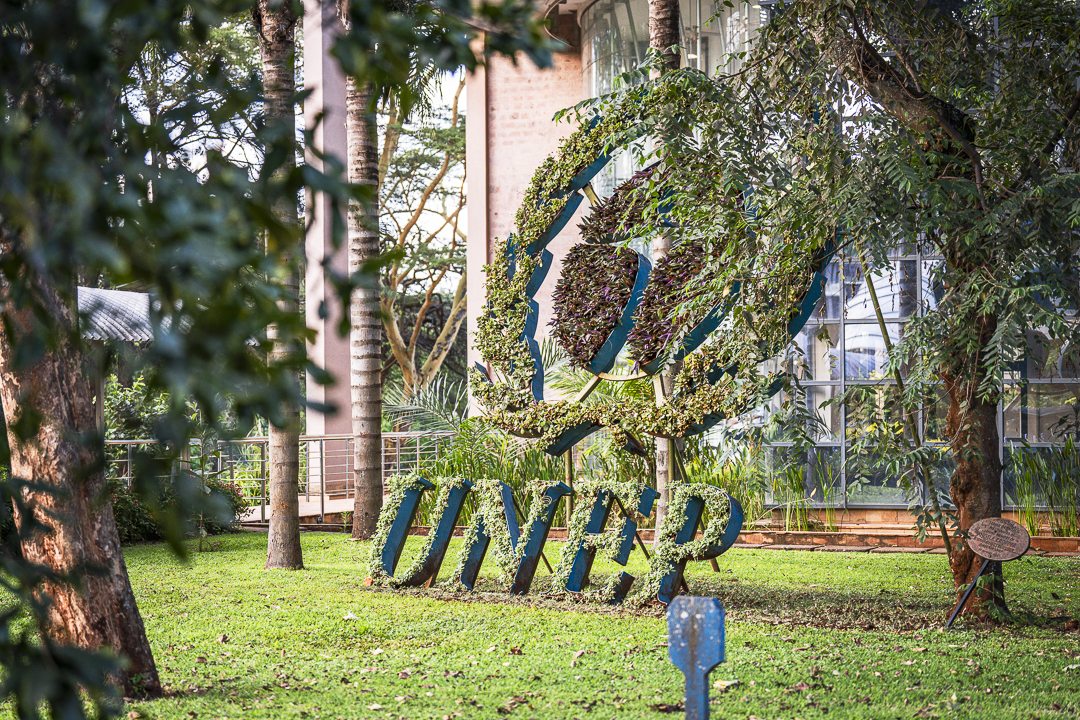
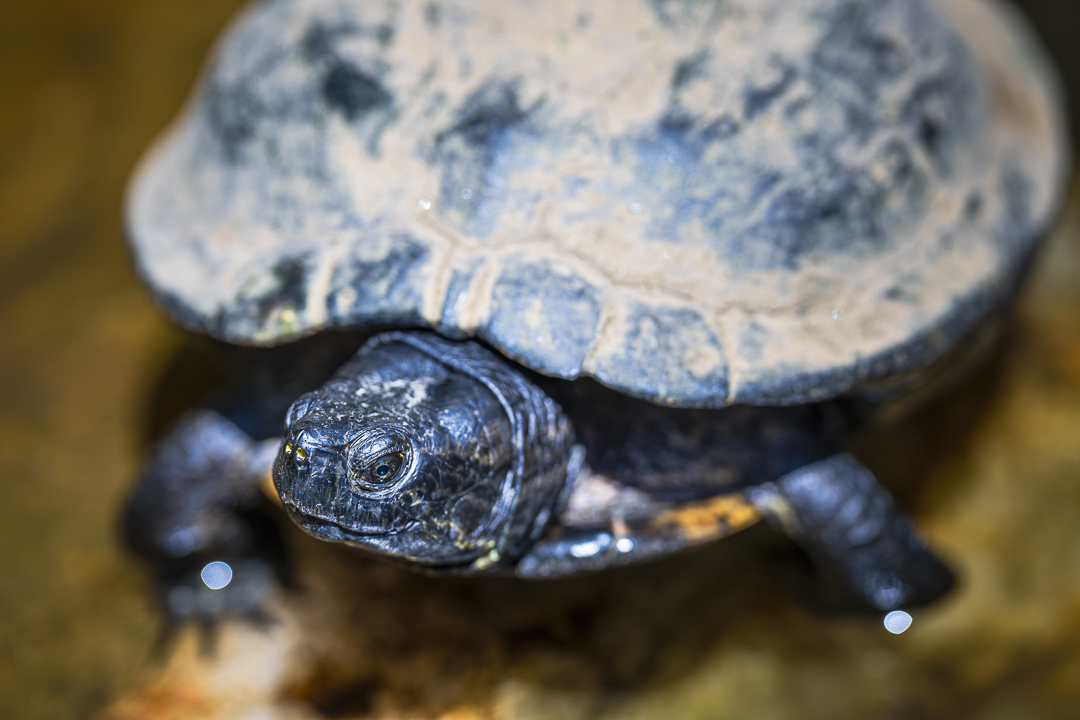
An aquatic stakeholder surfaces to check in on the proceedings