UNFCCC delegates and stakeholders participated in three scene setting panels during the first day of the two-day Ocean and Climate Change Dialogue 2026.
Participants were encouraged to consider how to make Ocean action more practical and investable throughout panel discussions on Ocean-based priorities in the Nationally Determined Contributions (NDCs), Means of Implementation, and Ocean-climate-biodiversity synergies and international cooperation.
In a recorded greeting, Inia Seruiratu, Pacific Ocean Envoy, stressed the need to integrate the Ocean across the UNFCCC agenda, including in mitigation, adaptation, and the upcoming Global Stocktake (GST). He highlighted the global responsibility to protect fisheries, stressed the need to decarbonize maritime transport.
Sally Box, COP 31 Chief Negotiator, Australia, stressed that the Ocean is a global ally, noting it provides climate regulation services and stressing that its health is essential for adaptation. She highlighted that Australia is working with Fiji to host the pre-COP in Fiji and leaders’ event in Tuvalu and aims to build on previous COPs’ work on the Ocean.
Tuğba Dinçbaş, Director of COP 31 Action Agenda, Directorate of Climate Change, Türkiye, noted the need to understand the pressures of warming waters, biodiversity loss, and tourism pressures, among other challenges. She said early warning systems are an area where COP 31 can generate attention and stressed that the Ocean and Seas Action Agenda can draw attention to the need to advance credible and practical ocean actions.
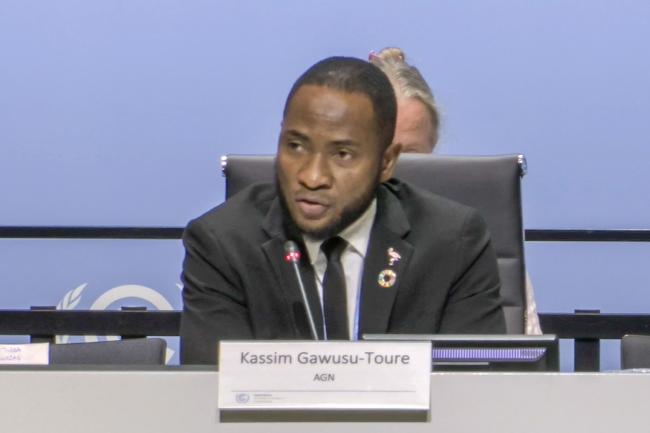
During the panel on Ocean-based priorities in the NDCs, speakers discussed national experiences and highlighted lessons learned. A panelist said, without implementation, ambition is fruitless, and called for strong operational synergies with the 2026 Standing Committee on Finance (SCF) Forum on “Financing climate action in water systems and the ocean.” Based on experience gained from 45 local initiatives, a panelist reported that enablers to promote blue carbon activities and support local action include inter-ministry cooperation and development of legal frameworks.
Through the Blue NDC Challenge, which was launched by Brazil and France to place ocean-based climate solutions at the heart of NDCs, many countries have incorporated the Ocean into their NDCs, with governance as the type of support most frequently requested and viewed as a prerequisite for attracting investment. Participants were informed of the Intergovernmental Oceanographic Commission of UNESCO’s (IOC-UNESCO) Blue Carbon Finance Toolbox, which provides an overview of financial mechanisms and strategies to support the conservation, restoration, and sustainable management of blue carbon ecosystems.
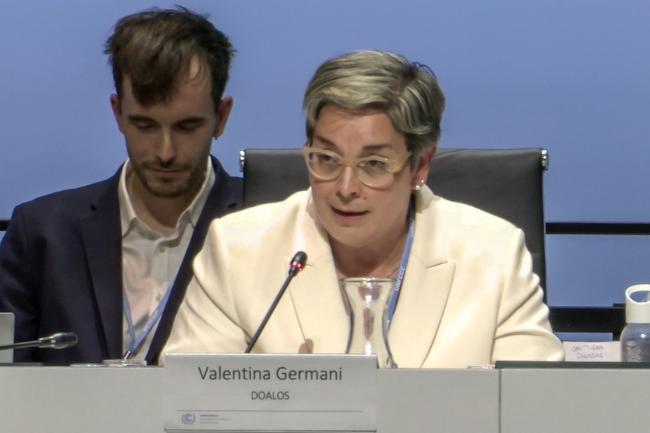
During a panel on ocean-climate-biodiversity synergies and international cooperation, a representative from the Division for Ocean Affairs and the Law of the Sea (DOALOS) provided an overview on the Agreement under the UN Convention on the Law of the Sea on the Conservation and Sustainable Use of Marine Biological Diversity of Areas beyond National Jurisdiction (BBNJ Agreement).
A panelist from the Ministry of Environment, Sri Lanka, noted national efforts to establish marine protected areas and an integrated coastal management plan, among other activities. He noted coordination problems can hamper collaboration and said NDCs have helped bring together stakeholders and institutions to make progress.
Tristan Tyrrell, CBD Secretariat, called attention to the Global Review of Collective Progress, which will take place during CBD COP 17 and will include an assessment of progress on Target 8 (Ocean) among other targets relevant to this Dialogue.
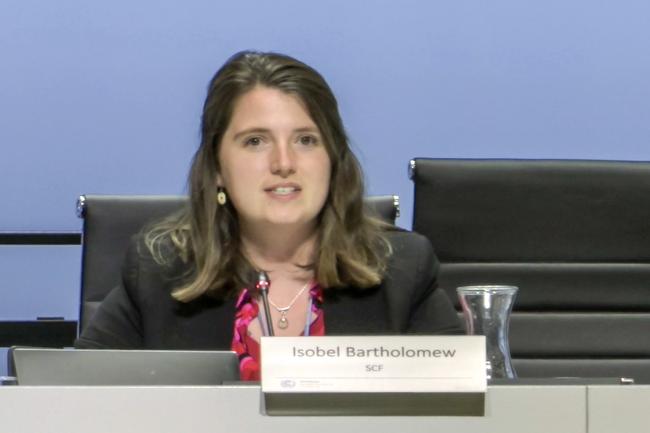
During a panel on Means of Implementation, participants received updates from the Global Environment Facility (GEF) Assembly and plans for the upcoming SCF Forum.
During a dialogue session following the panels, parties inquired about the role of the Dialogue and its outputs. One speaker appreciated the spotlight that was place on the Pacific region in advancing the ocean-climate nexus, and said the GST could help to mainstream the Ocean across the agenda. The importance of coordination across NDCs, NAPs and NBSAPs and cooperation with the BBNJ Agreement was stressed by one speaker, while another questioned why the BBNJ Agreement had been discussed in a forum for the Paris Agreement.
The Dialogue took place as part of the 2026 June Climate Conference in Bonn, Germany, and convened under the auspices of the UNFCCC’s Subsidiary Body for Scientific and Technological Advice (SBSTA). The Dialogue will continue on 11 June 2026.
To receive free coverage of global environmental events delivered to your inbox, subscribe to the ENB Update newsletter.
Select photos
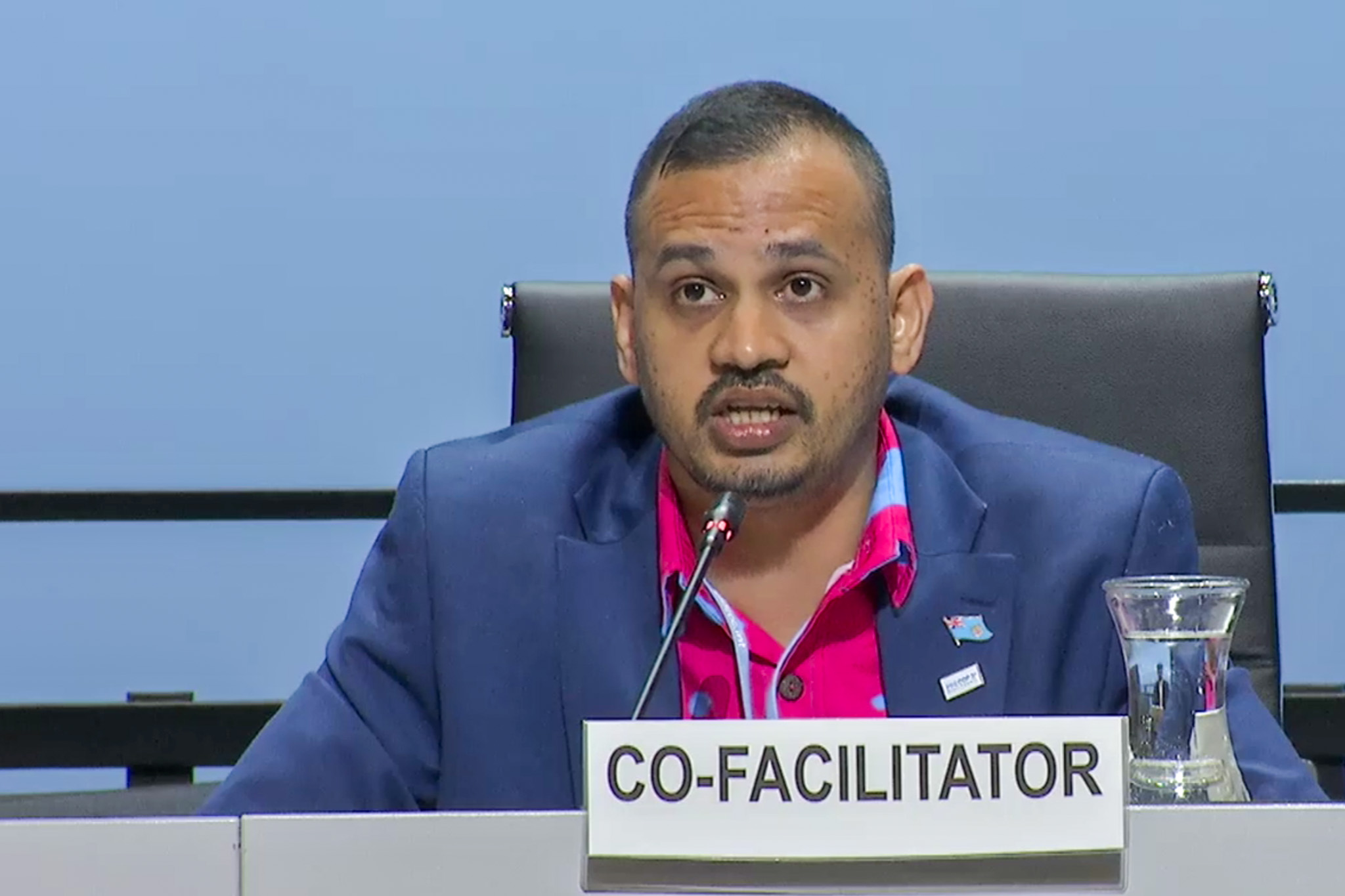
Sivendra Michael, Fiji
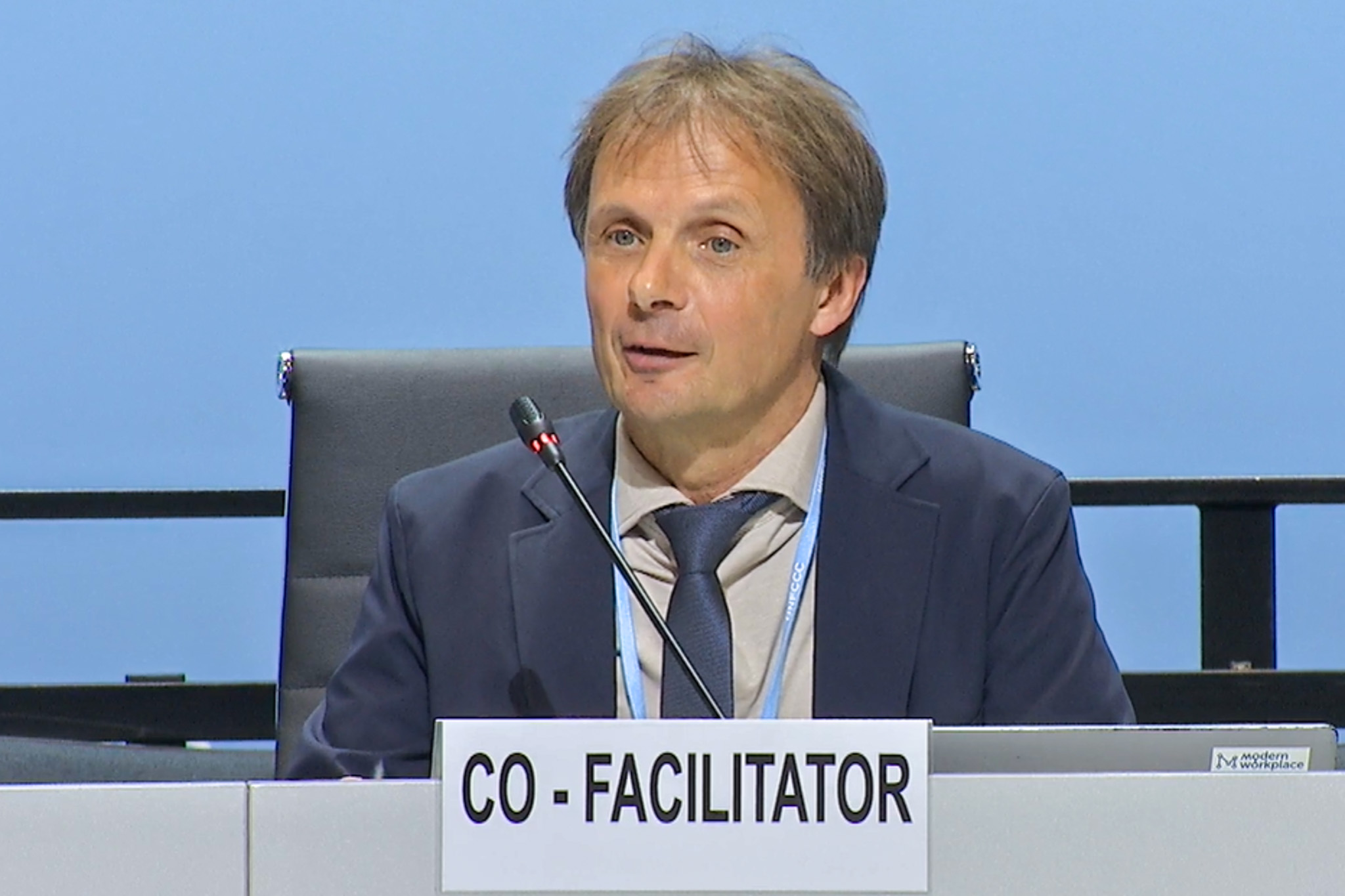
Ulrik Lenaerts, Belgium
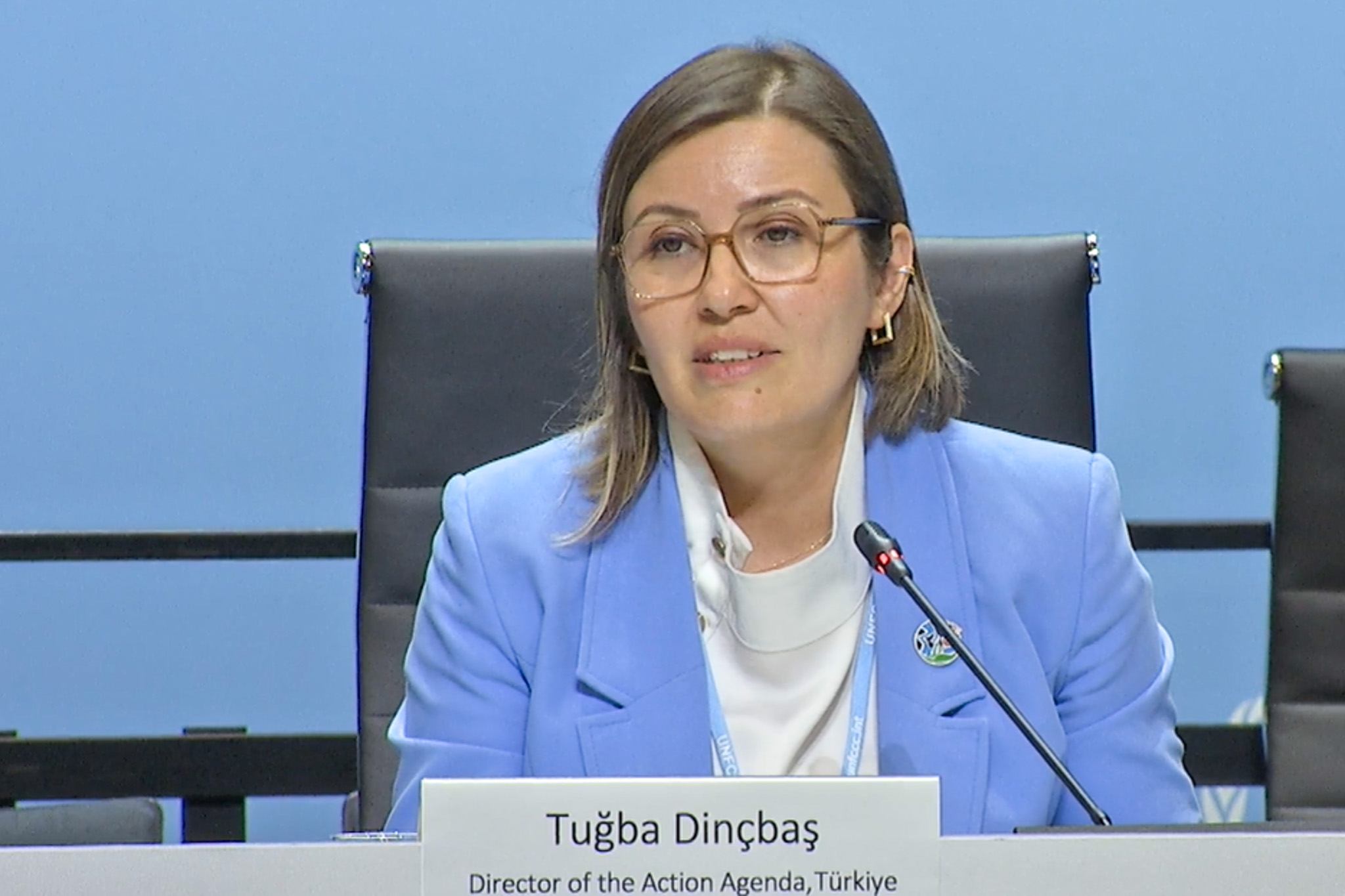
Tuğba Dinçbaş, Director of Action Agenda, Türkiye
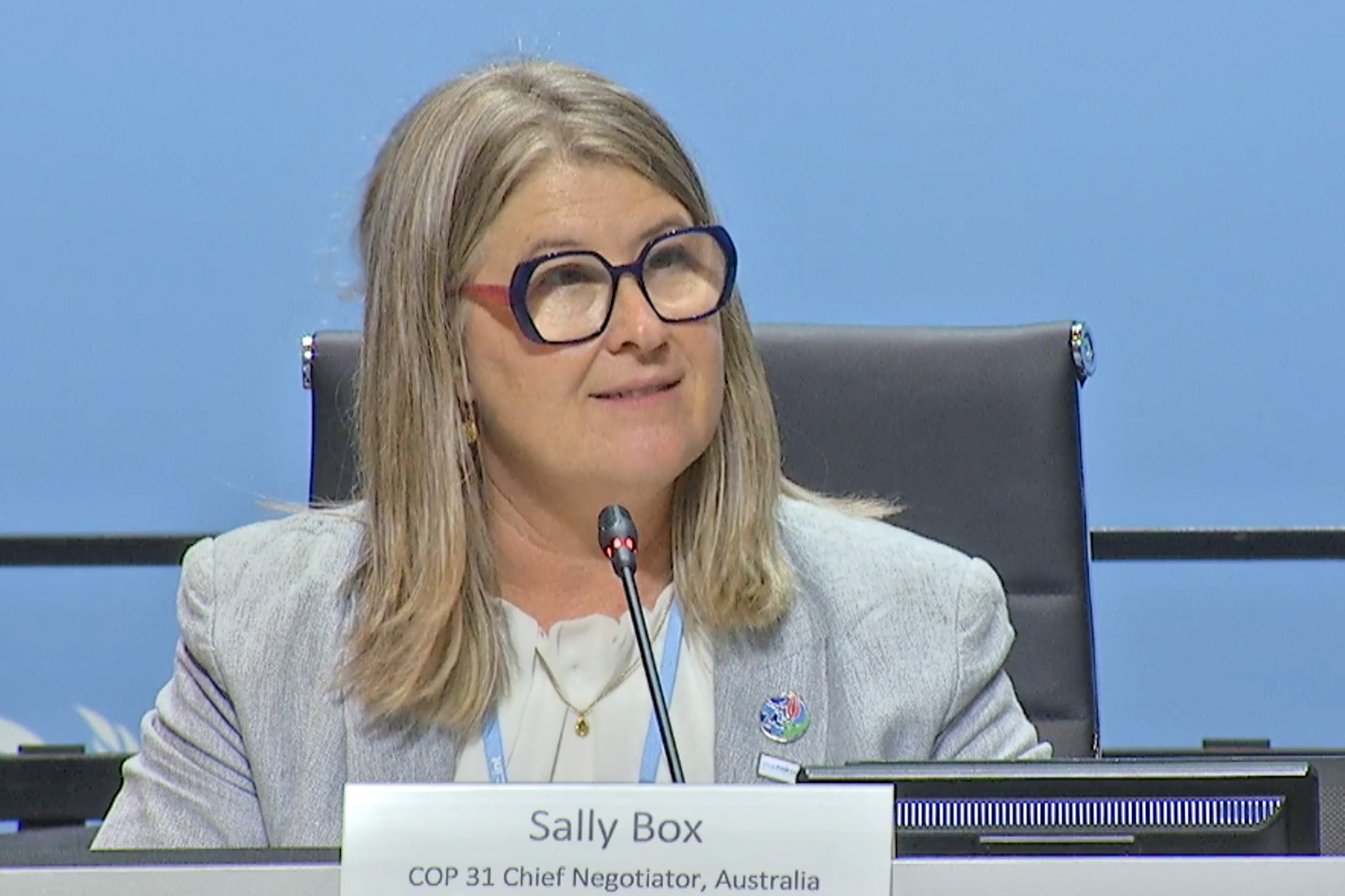
Sally Box, COP 31 Chief Negotiator, Australia
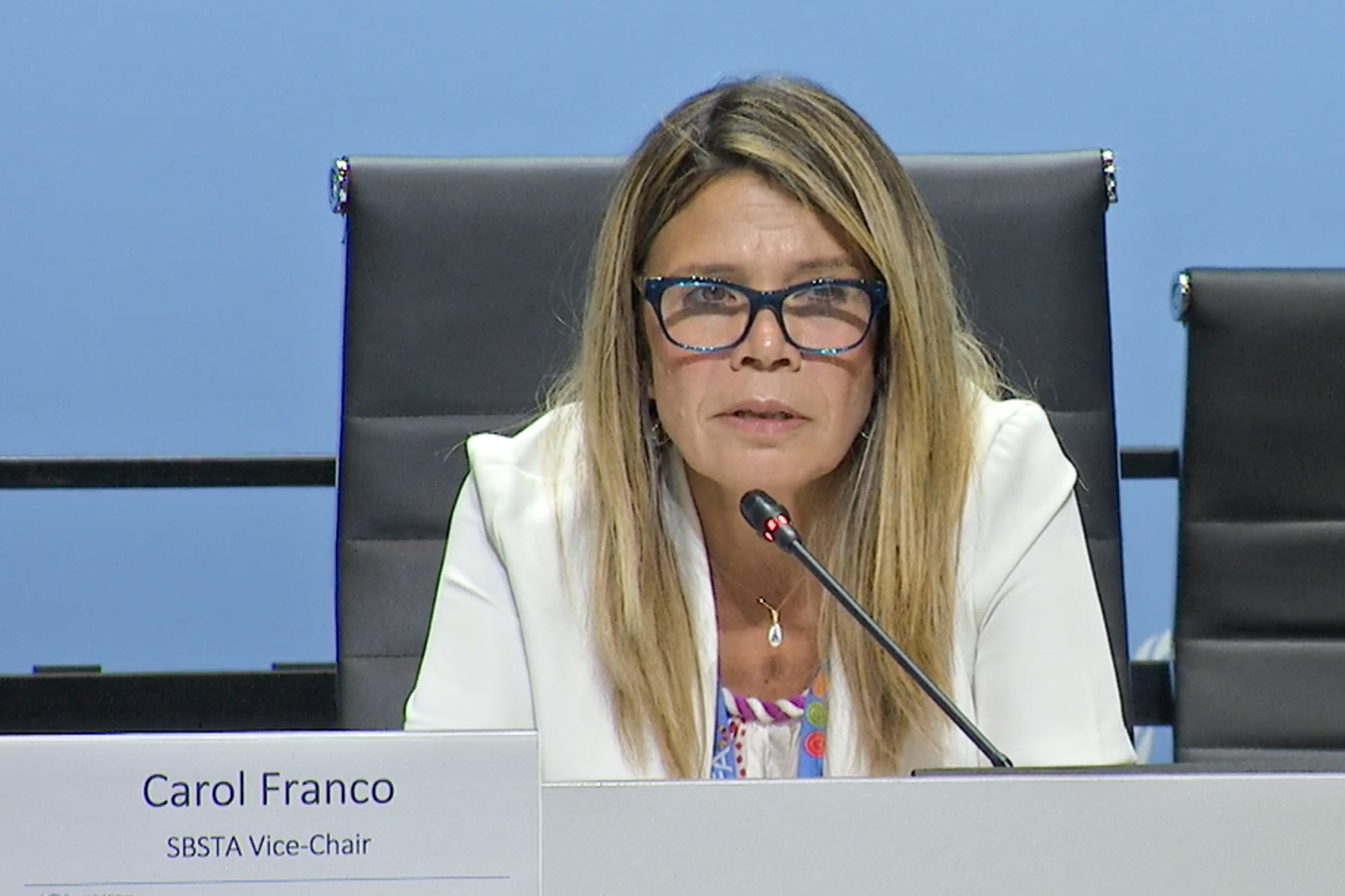
Carol Franco, SBSTA Vice-Chair
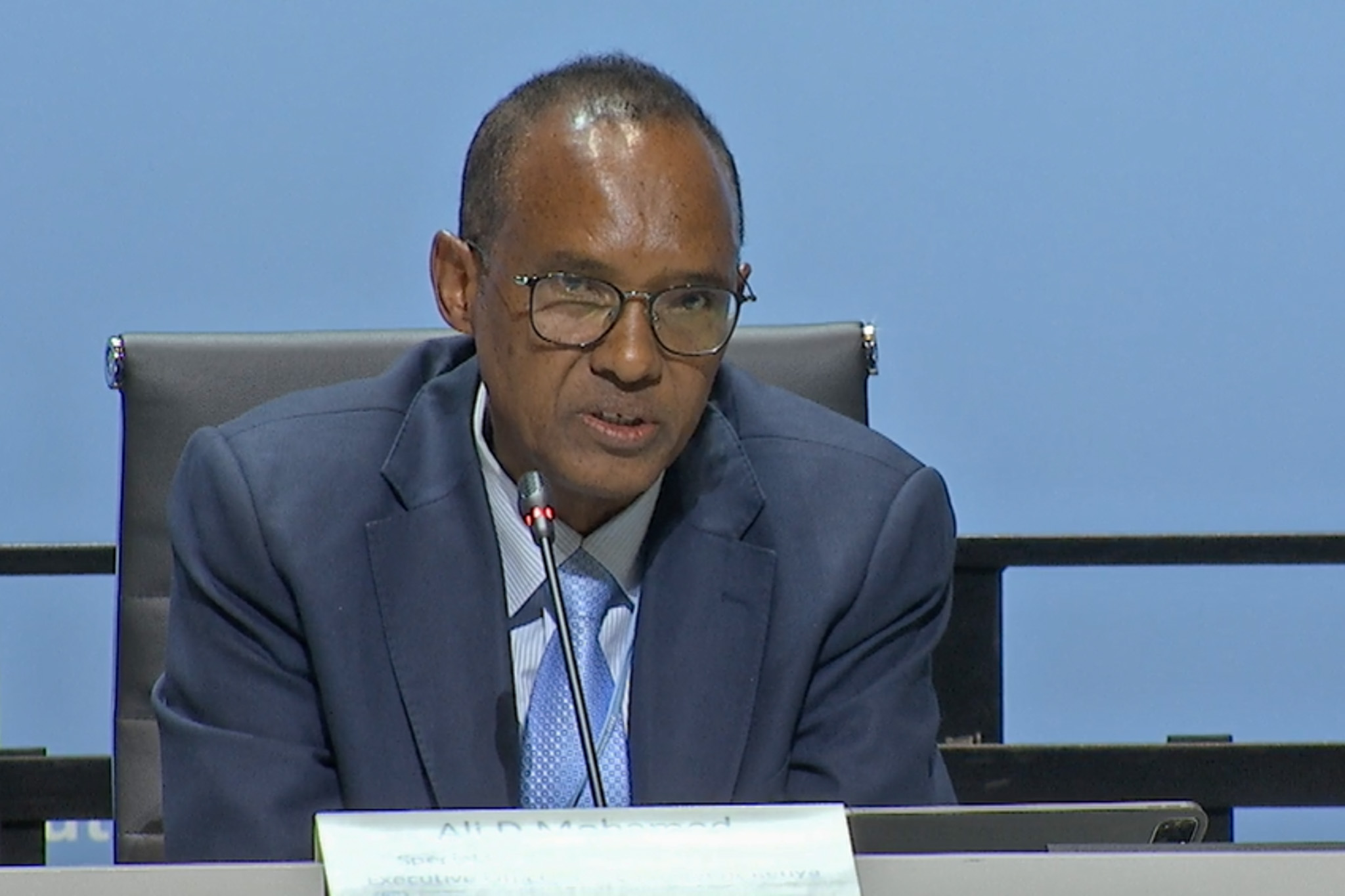
Ali D Mohamed, Special Envoy for Climate Change, Kenya
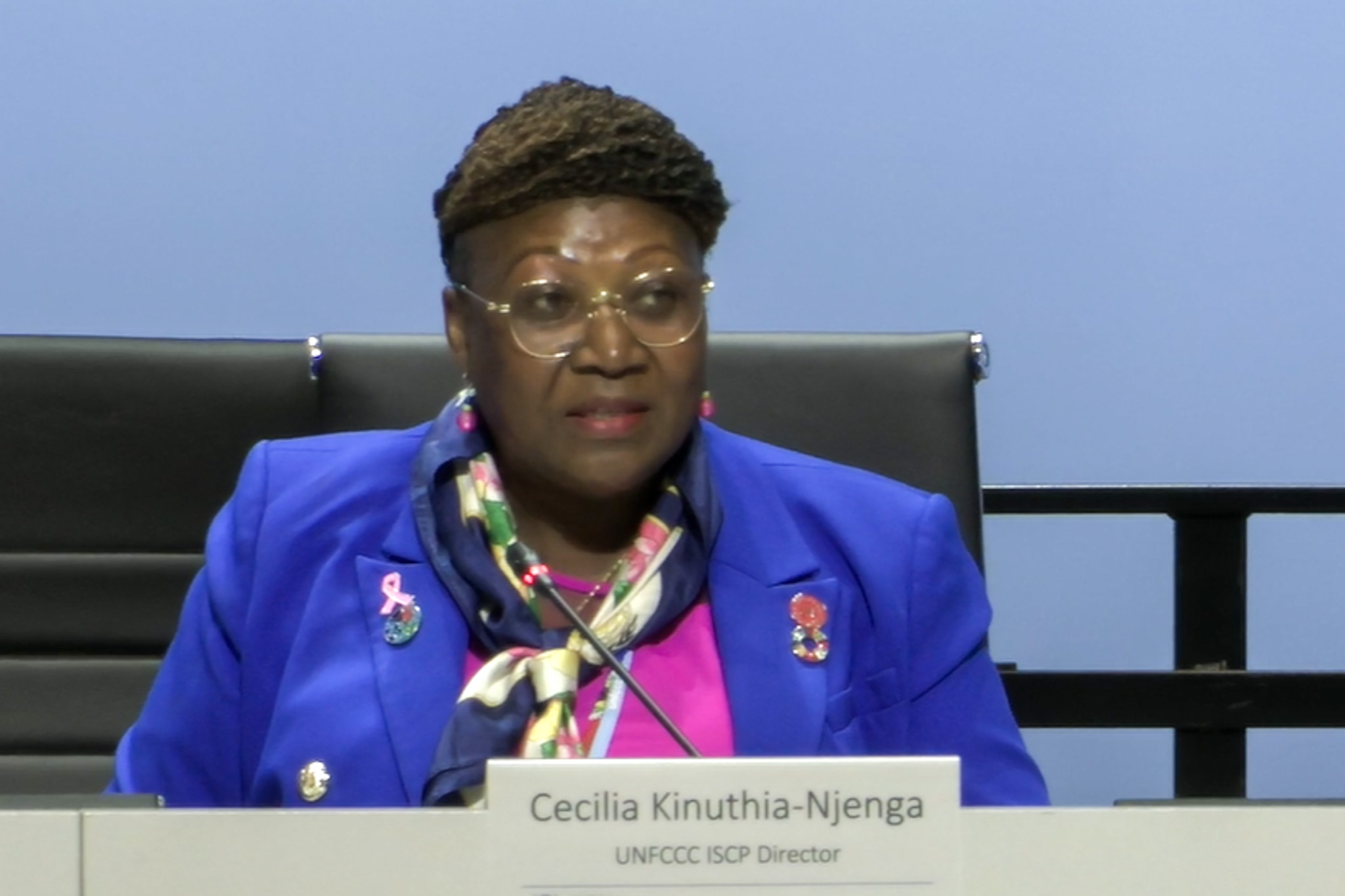
Cecilia Kinuthia-Njenga, UNFCCC ISCP Director
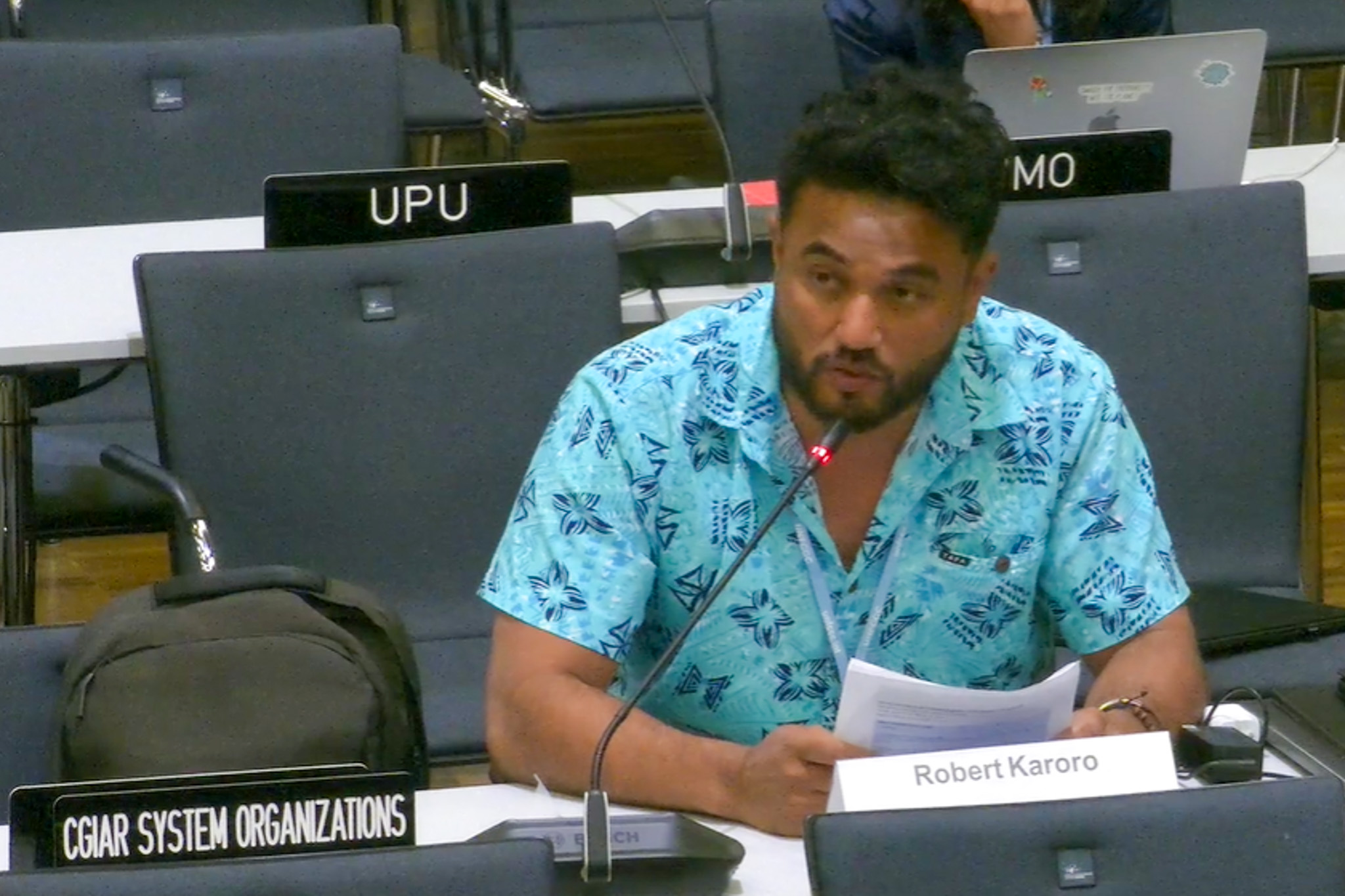
Robert Karoro, Facilitative Working Group, Local Communities and Indigenous Peoples Platform
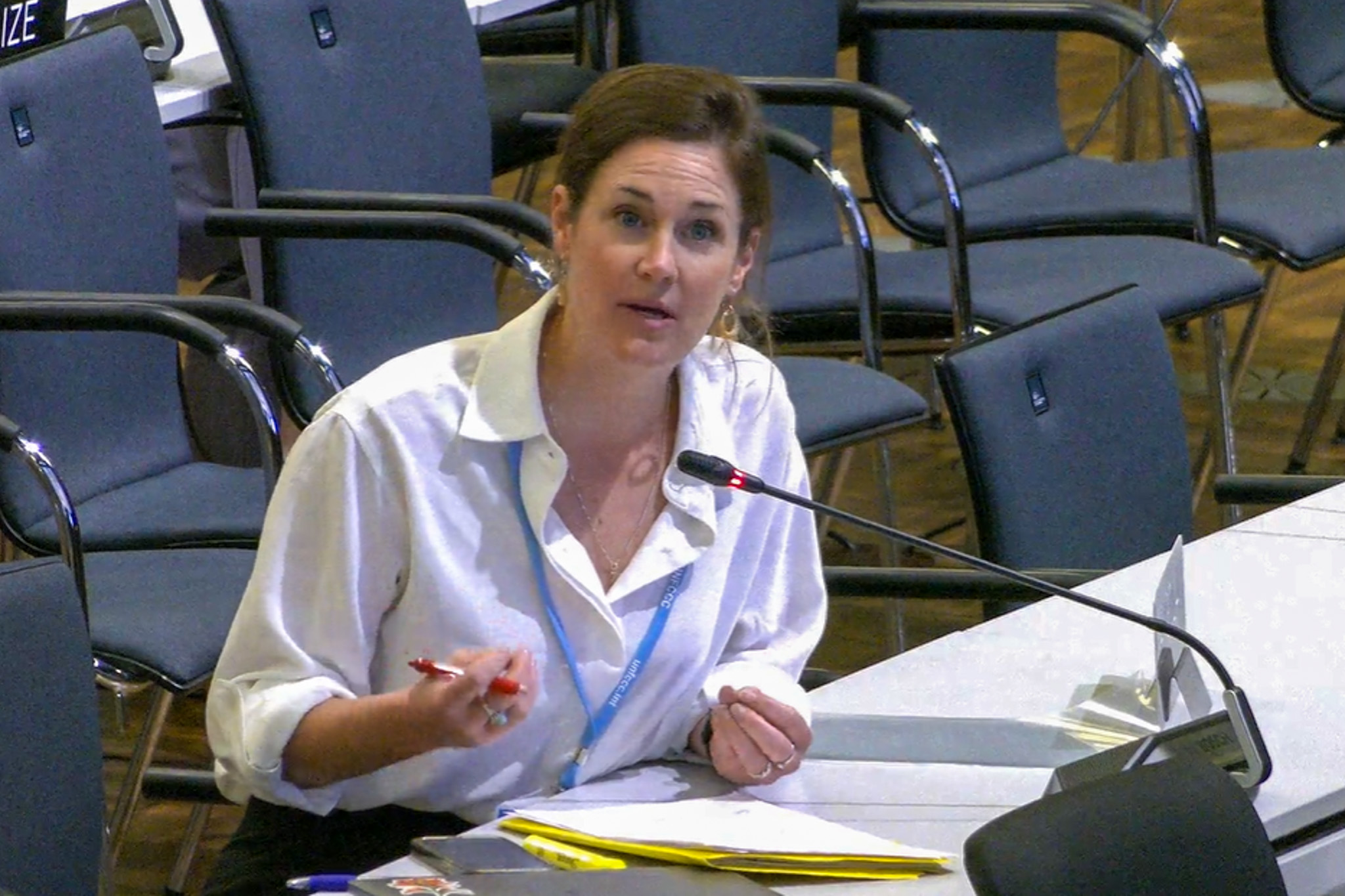
Jessie Turner, Global Climate Agenda Activation Group 7 and the Ocean Community of Action
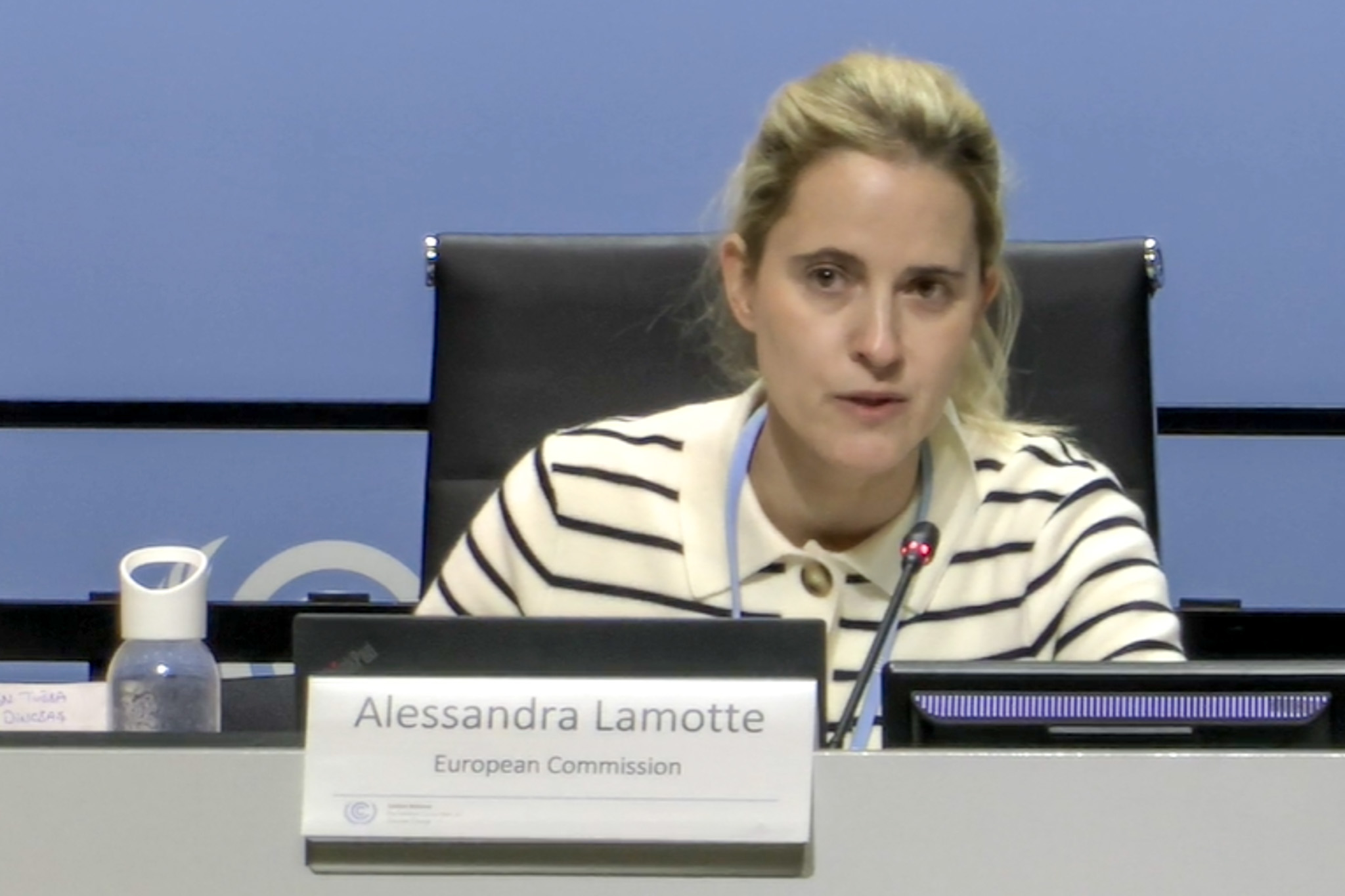
Alessandra Lamotte, European Commission
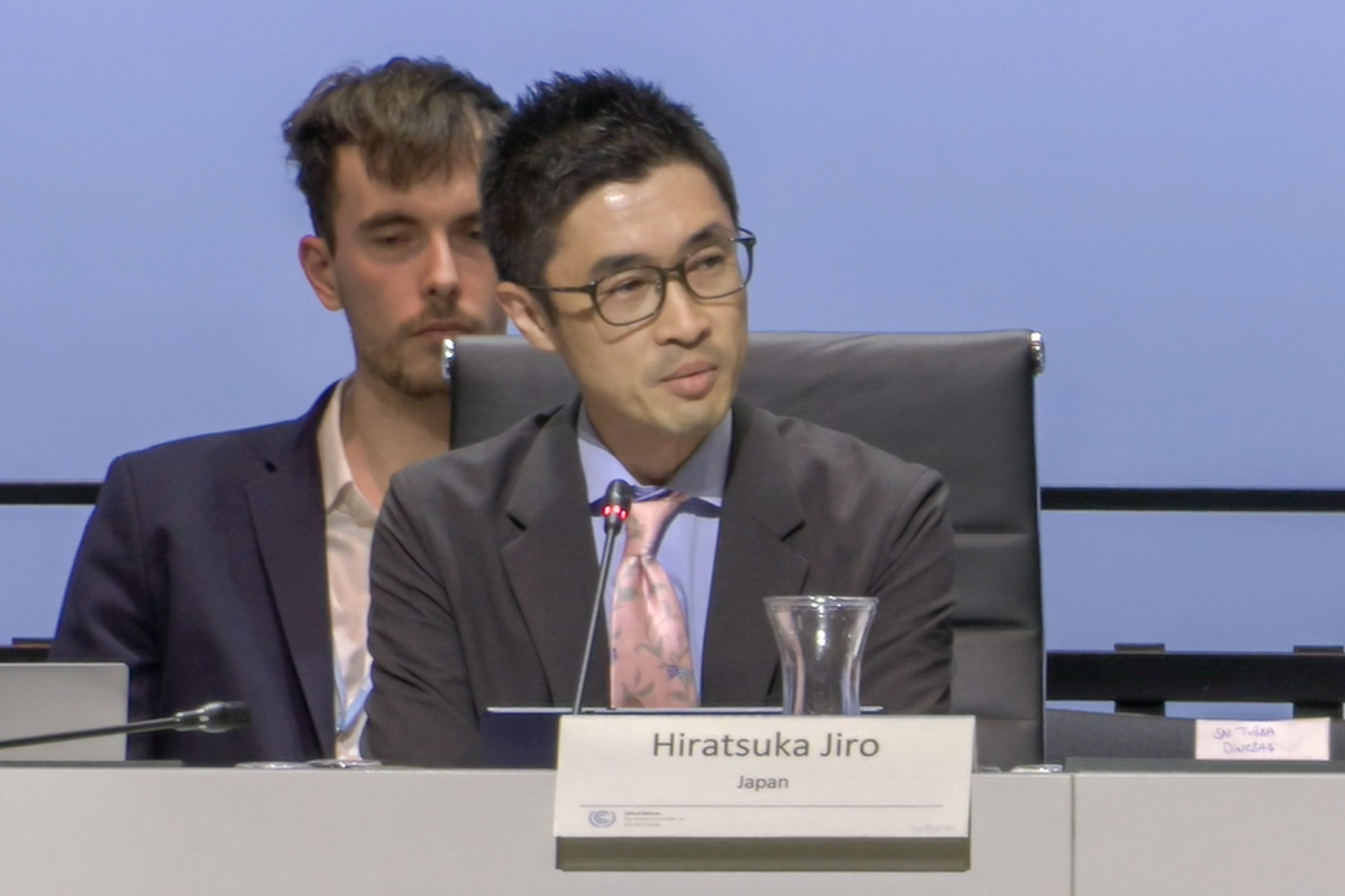
Hiratsuka Jiro, Ministry of the Environment, Japan
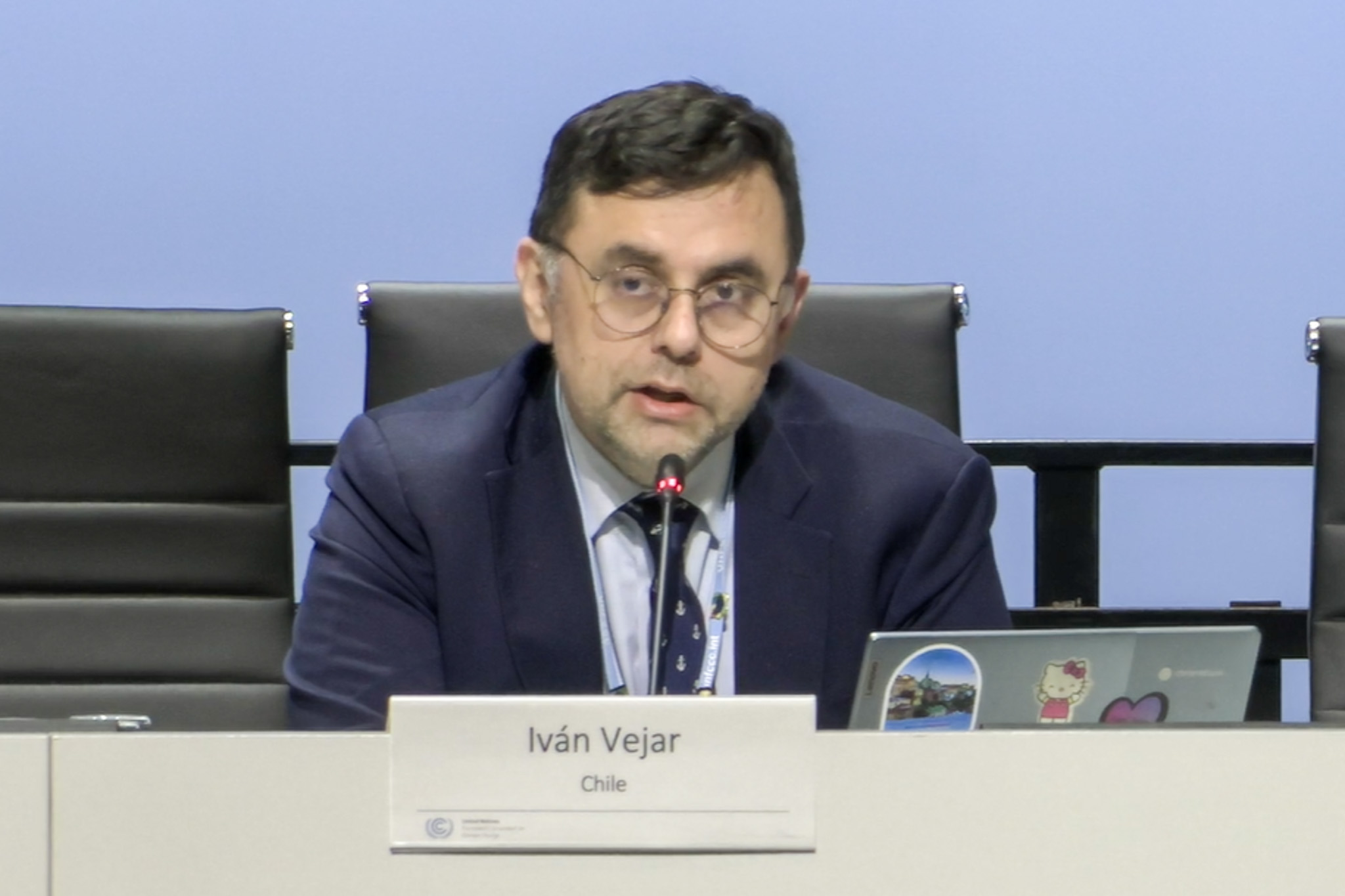
Iván Vejar, Ministry of Foreign Affairs, Chile
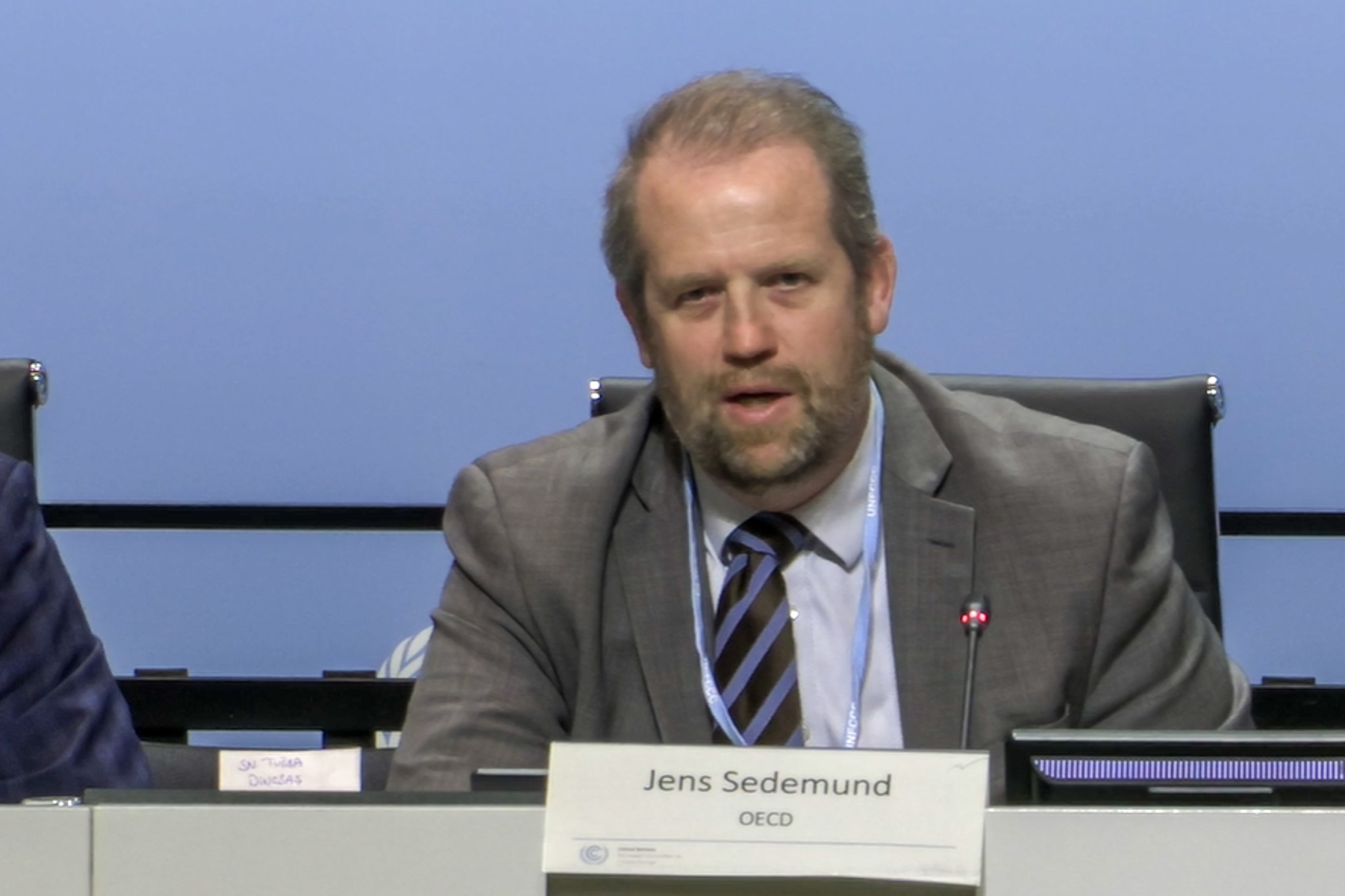
Jens Sedemund, OECD
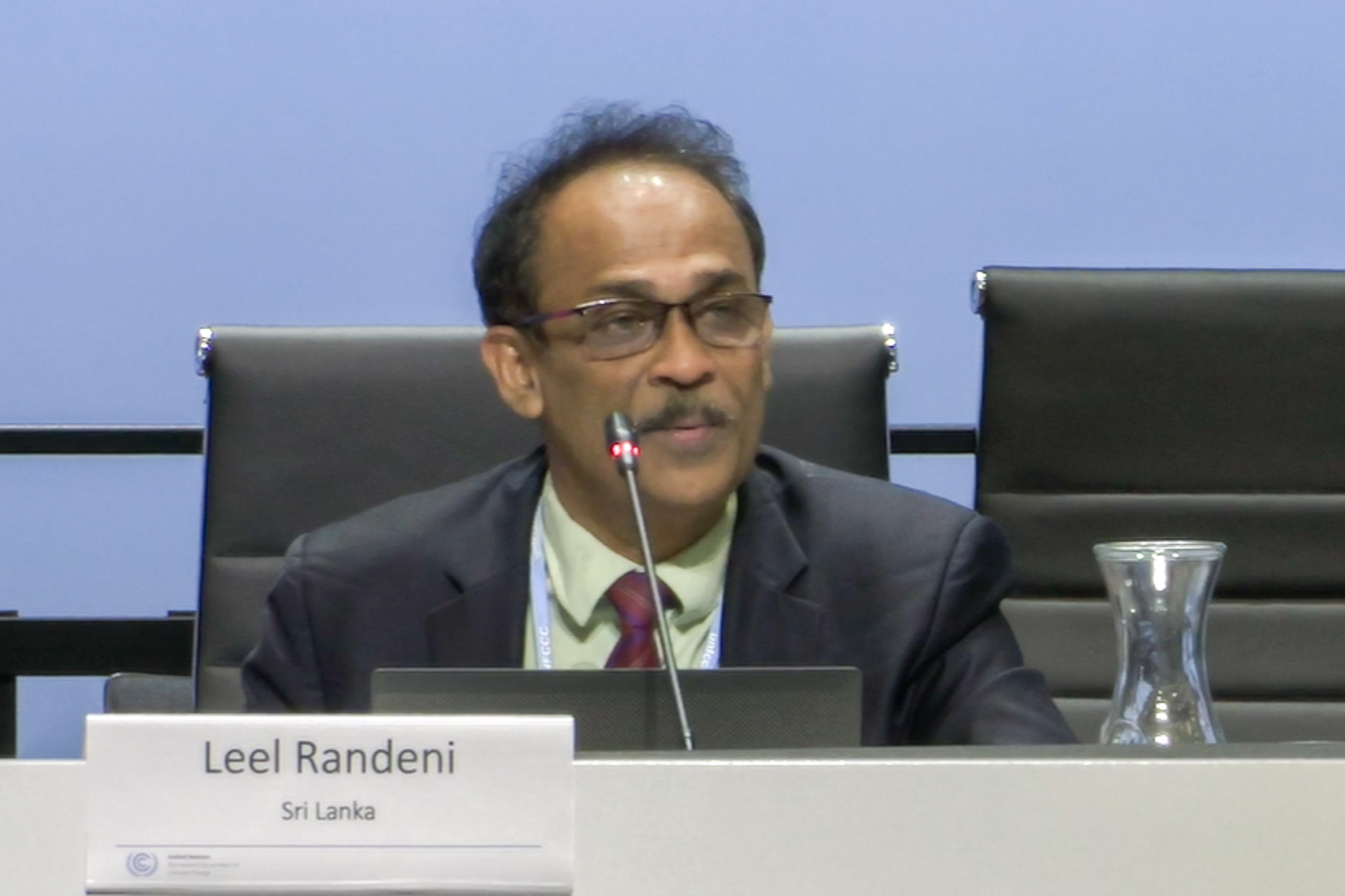
Leel Randeni, Ministry of Environment, Sri Lanka