On the second day of the Ocean and Climate Change Dialogue 2026, UNFCCC delegates and stakeholders continued to exchange views on the three themes of this year’s Dialogue: Ocean-based priorities in Nationally Determined Contributions (NDCs); Means of Implementation; and Ocean-climate-biodiversity synergies and international cooperation.
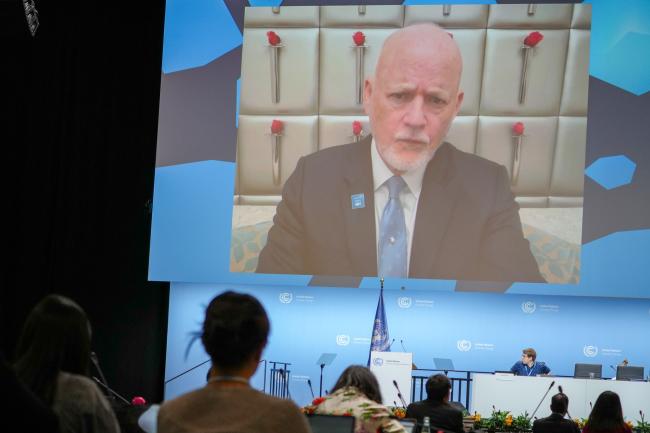
Ambassador Peter Thomson, UNSG’s Special Envoy for the Ocean, greeted participants via video message on the second day of the Ocean and Climate Change Dialogue. Describing the ocean as the connective lifeblood between the climate and biodiversity agendas, Ambassador Thomson underscored that success under the Paris Agreement, Kunming-Montreal Global Biodiversity Framework, and BBNJ agreement depends on the coherent implementation of all three. He further emphasized that means of implementation are central to delivering ocean-based climate action and called for moving beyond fragmented funding to sustainable finance that supports long-term ocean stewardship and resilience.
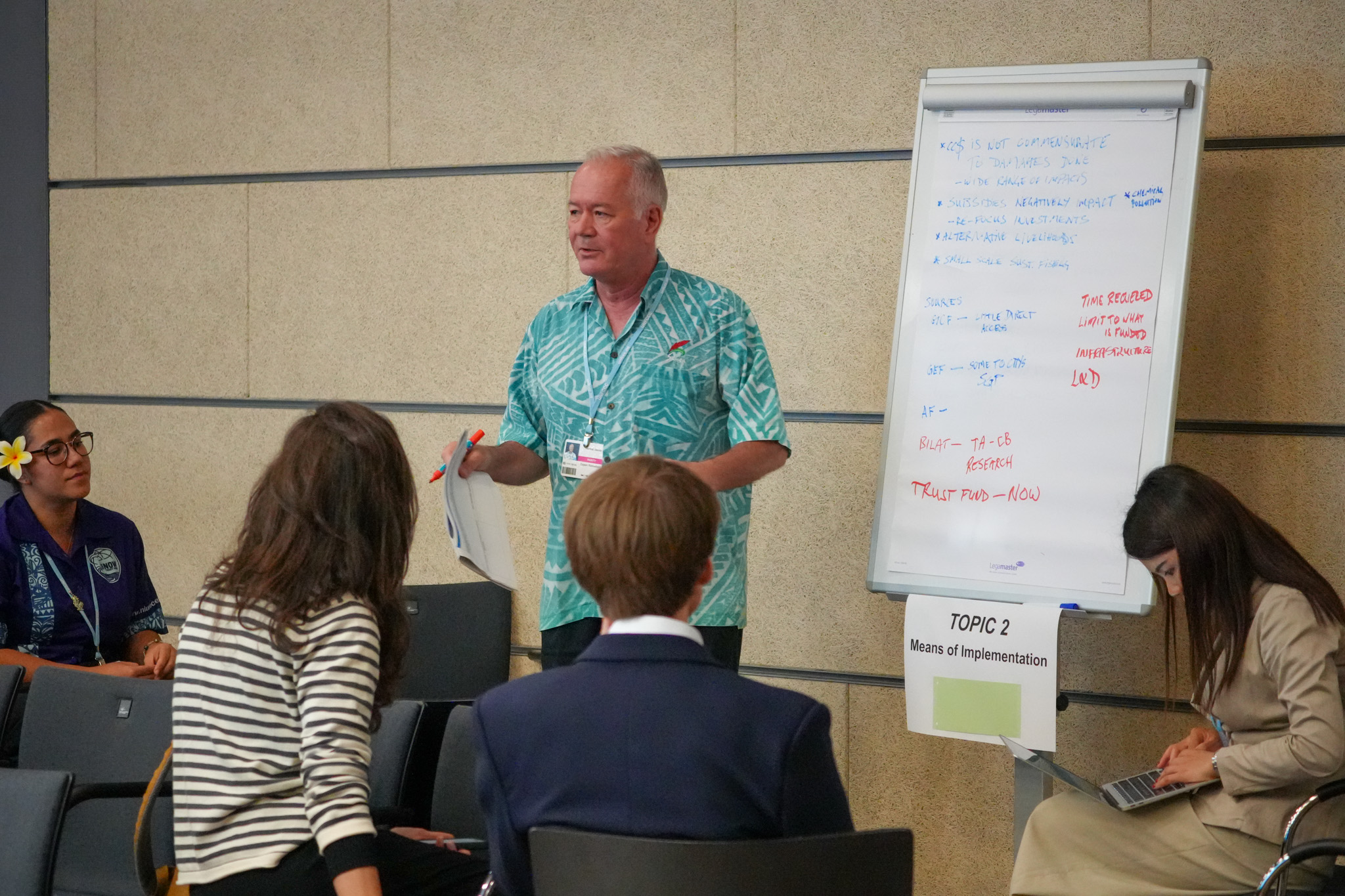
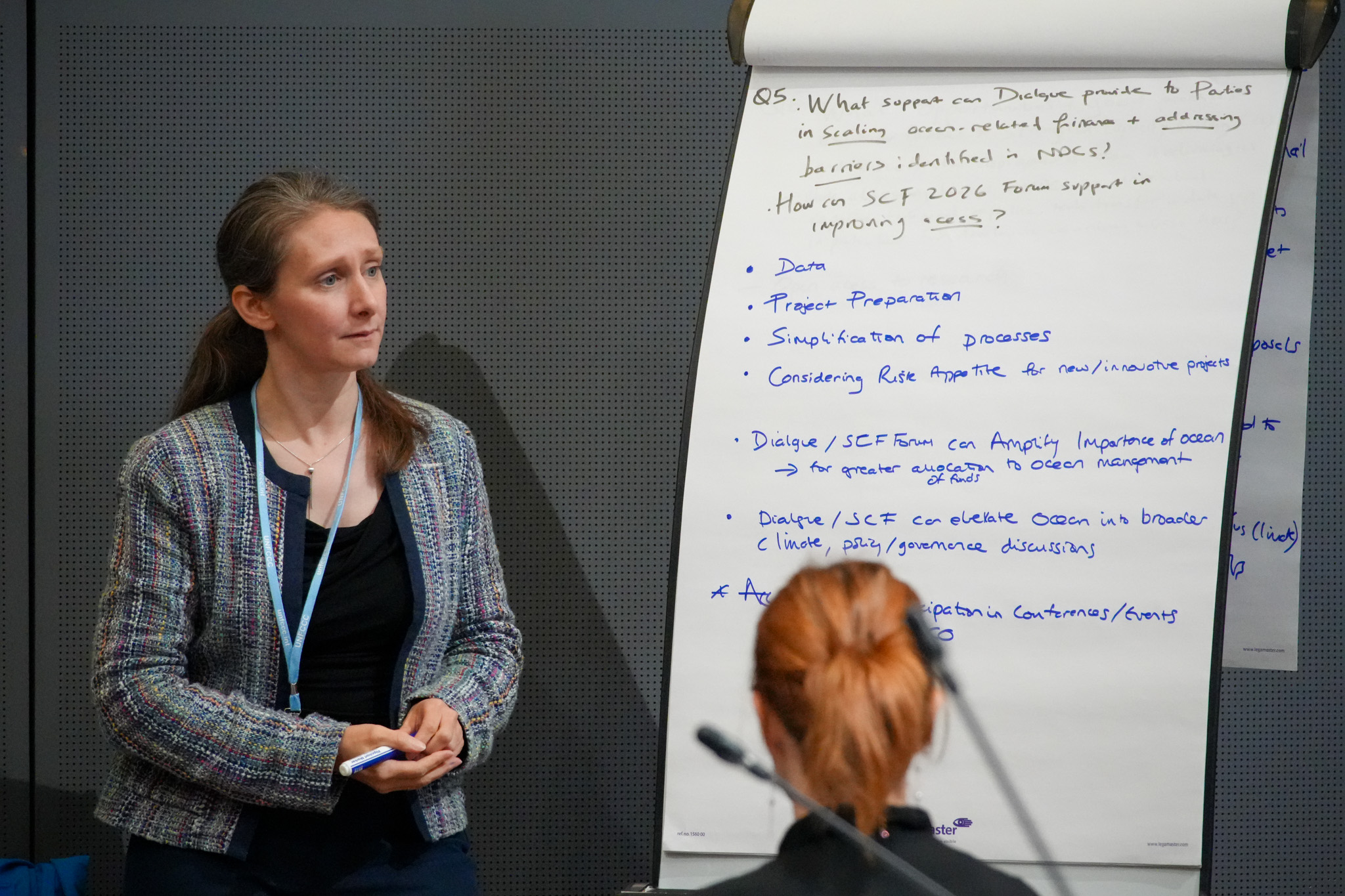
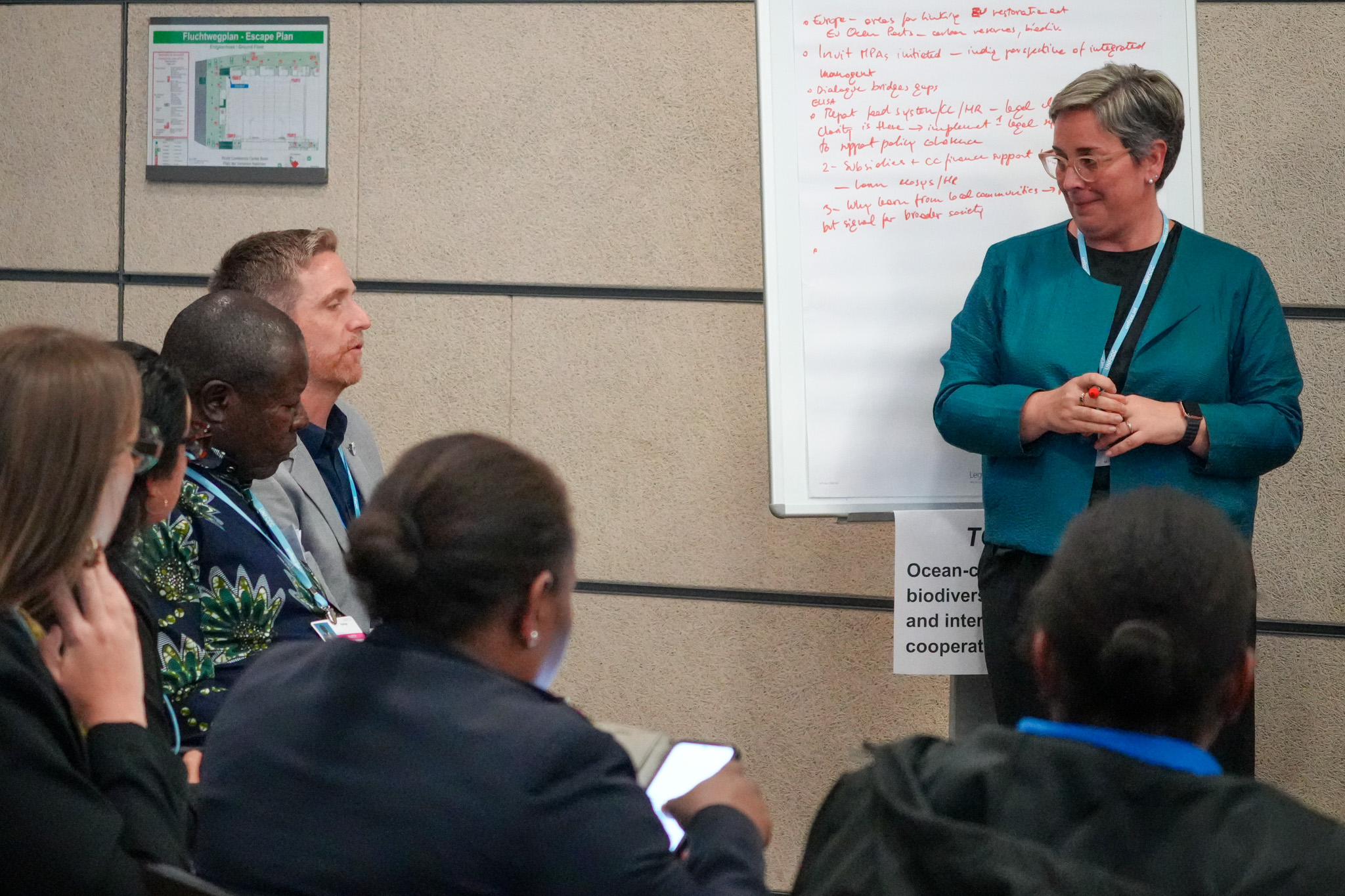
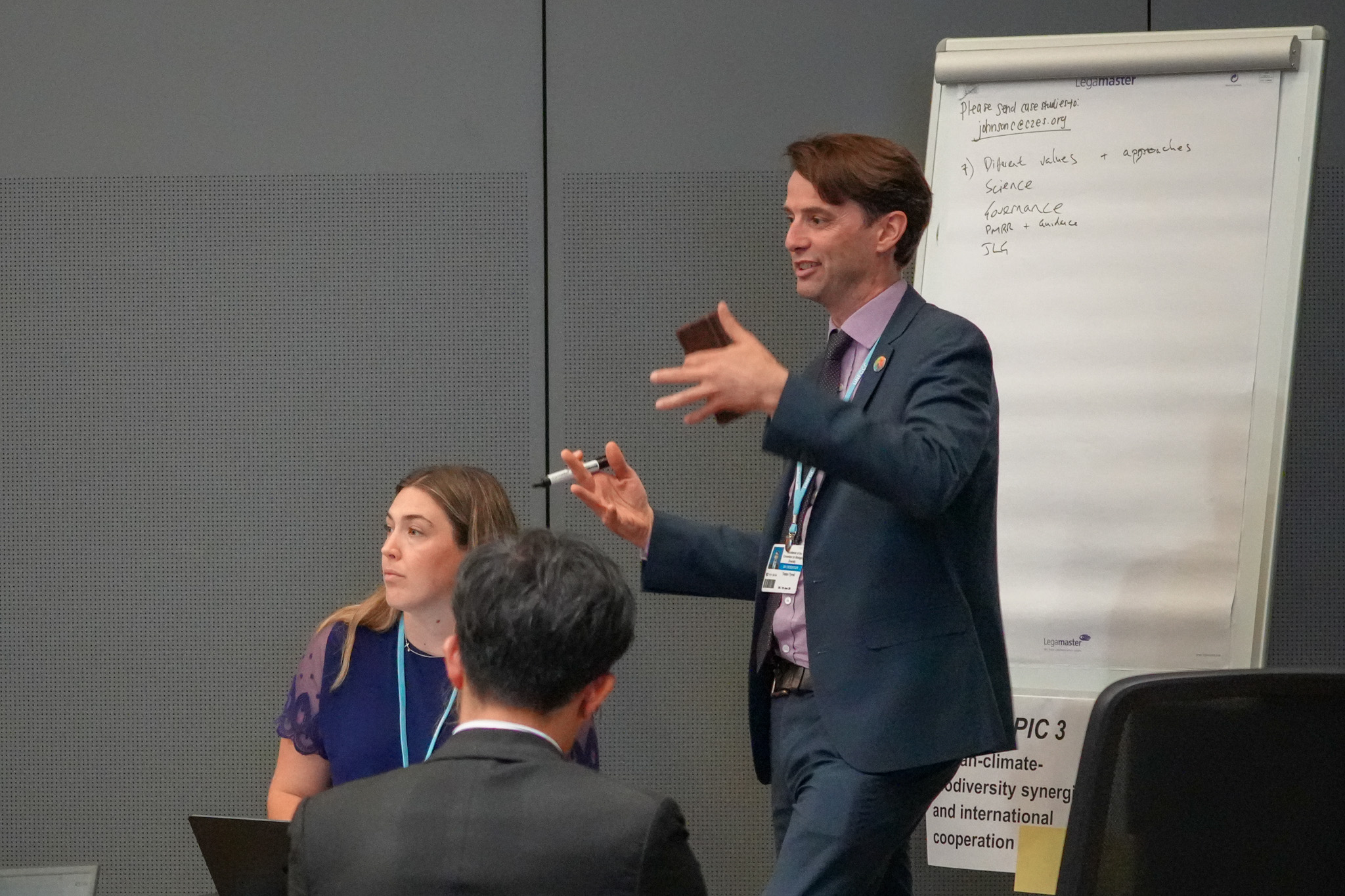
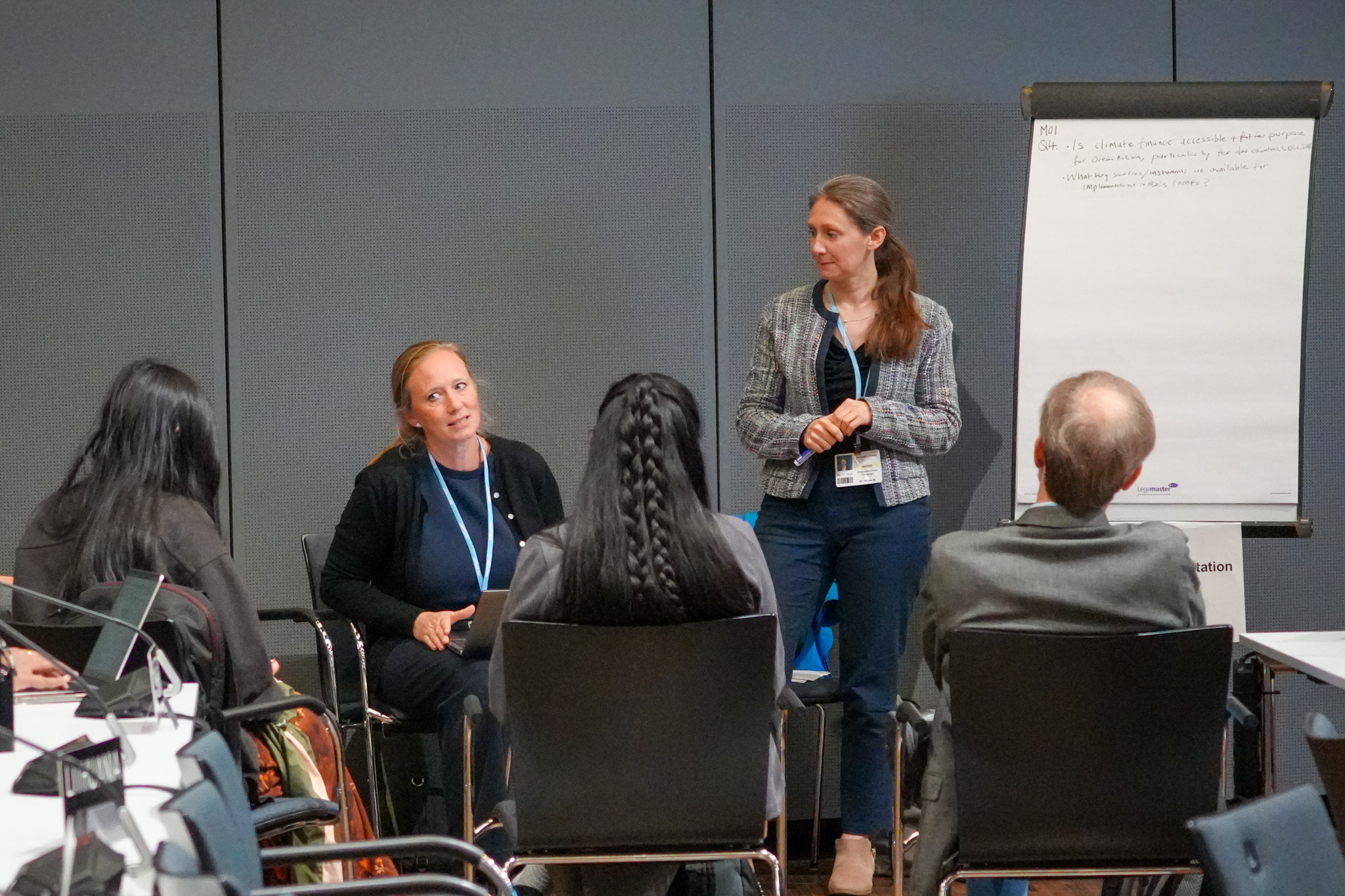
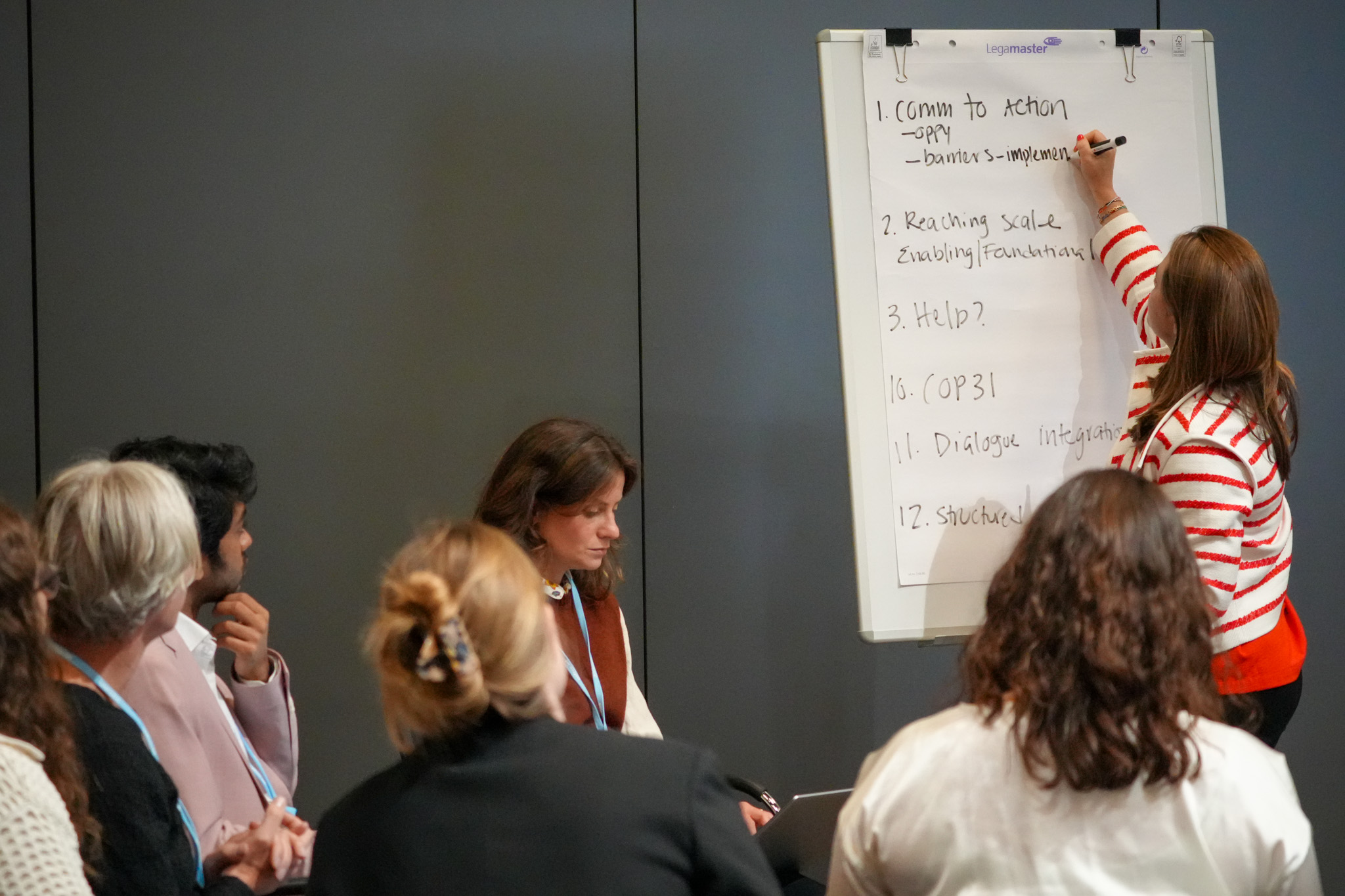
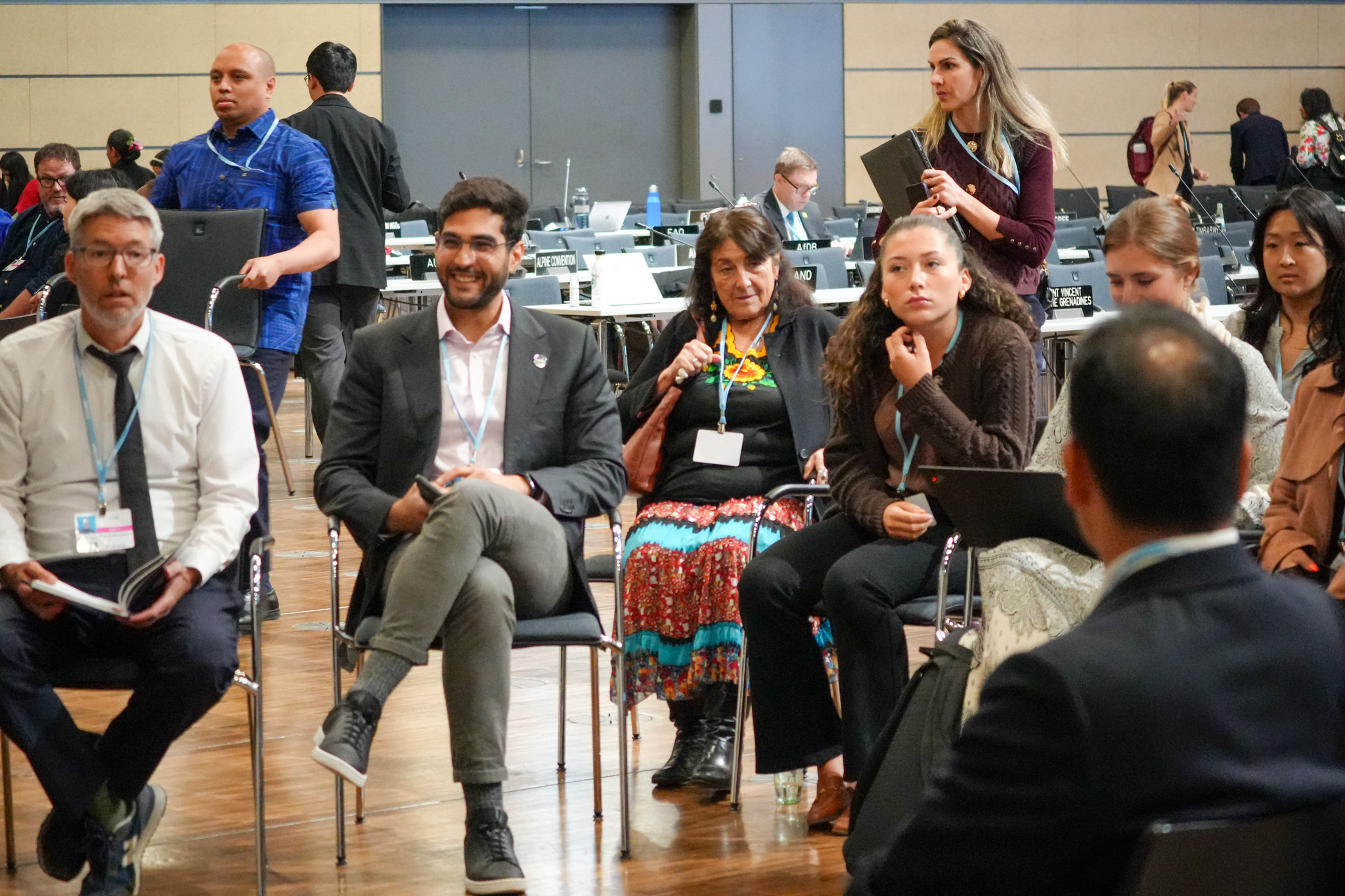
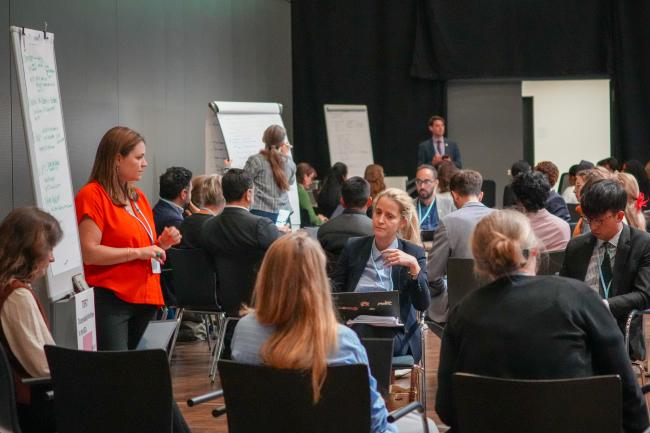
Participants spent most of the session in World Café-style breakout groups, rotating through each of the three topics before reconvening in plenary. In the final hour of the session, Co-Facilitator Michael invited countries and observers to take the floor while the breakout group moderators worked to synthesize the afternoon’s discussions.
In these interventions, several Parties and stakeholders underscored the centrality of the ocean to climate action, called for deepening integration of the ocean into work under the UNFCCC and Paris Agreement, and highlighted the need for inclusive and gender responsive action on oceans. Some expressed concern about the blue economy, noting that many initiatives are framed as sustainable solutions but are in practice exploitative and harmful.
Feedback from the breakout groups
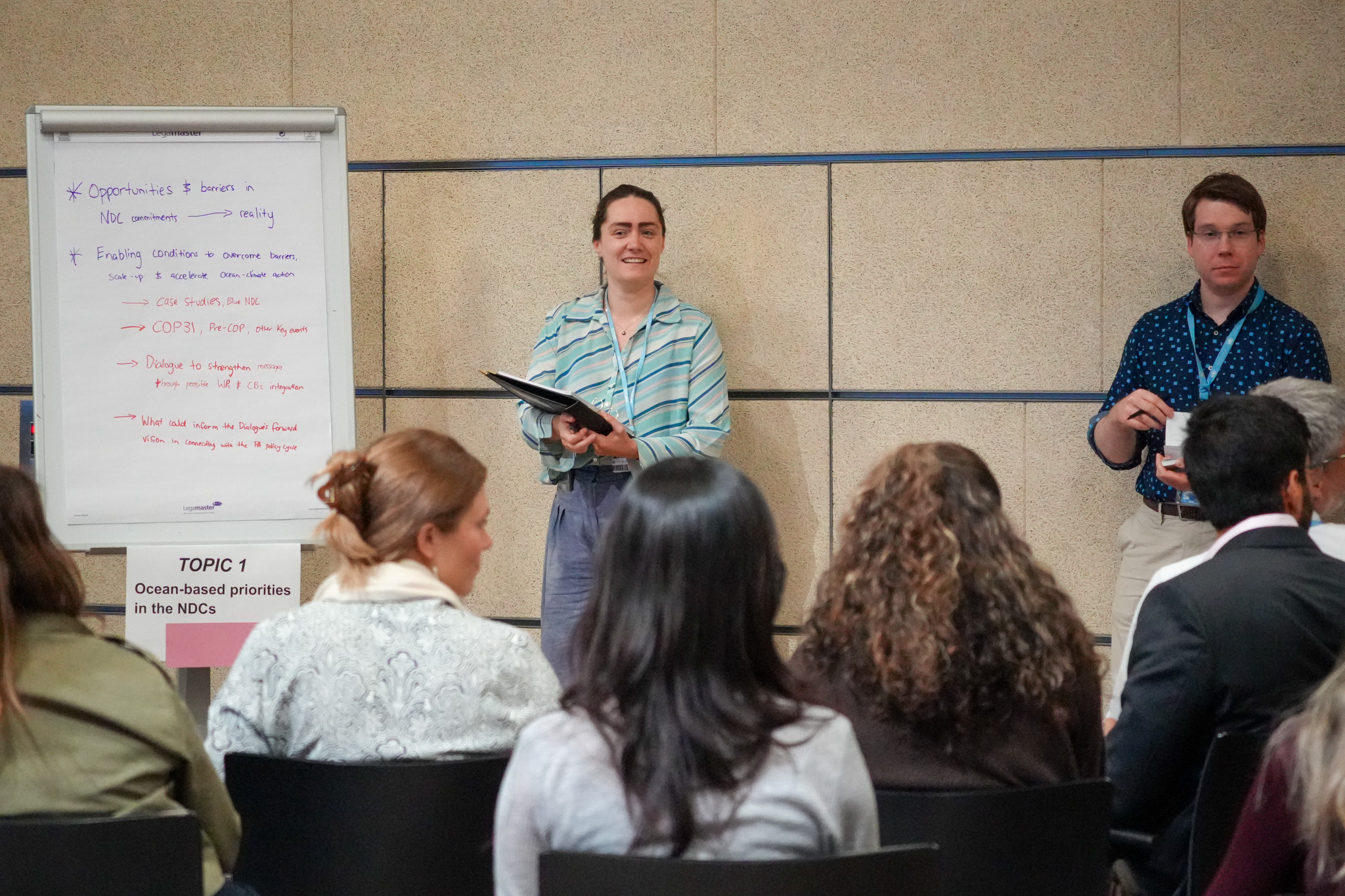
The moderators of the breakout groups shared key messages emerging from the afternoon’s discussions.
On Ocean-based priorities in the NDCs, Marine Lecerf, Ocean & Climate Platform, reported that participants shared best practices and identified implementation challenges including, for example, difficulty accessing support for using tools and translations and data gaps for local contexts. She said some of these barriers could also be opportunities and noted efforts to strengthen consistency among adaptation and mitigation measures. She also highlighted the use of NDCs as tools to engage new stakeholders and coordinate across sectors, taking a multilevel approach.
On Means of Implementation, Karen Evans, IOC-UNESCO, said participants identified many challenges with current financing mechanisms, including lack of accessibility and mismatches between mechanisms and implementation. Participants emphasized the need for different financing mechanisms for different groups, as “no one size fits all.”
On Ocean-climate-biodiversity synergies and international cooperation, Chelsea Johnson, Center for Climate and Energy Solutions, said participants discussed the need to strengthen science, data, and governance for ocean and climate issues, as well as to support evidence-based decision making, reporting, and implementation. She noted that some participants hoped the outcomes of the Dialogue would be considered at the 2026 UN Climate Change Conference (COP31).
Closing
In closing remarks, Co-Facilitator Ulrik Lenaerts (Belgium) reflected on the takeaways from the two-day session, including that means of implementation are crucial to enhancing action. He reiterated participants’ emphasis on improving access, international cooperation, capacity building, and establishment of appropriate governance. He concluded by noting strong engagement from the COP31 Presidency, and expressed optimism that the Ocean and Climate Dialogue can help in shaping the way forward to the 2026 Climate Change Conference.
Co-Facilitator Sivendra Michael (Fiji) noted the concerns of many participants about mismatches between needs on the ground and existing financial mechanisms. Emphazing that momentum is critical to translating the ideas of the Ocean and Climate Change Dialogue into tangible actions and commitments, he asked all participants to join this “ocean-climate current.”
To receive free coverage of global environmental events delivered to your inbox, subscribe to the ENB Update newsletter.
Select Images
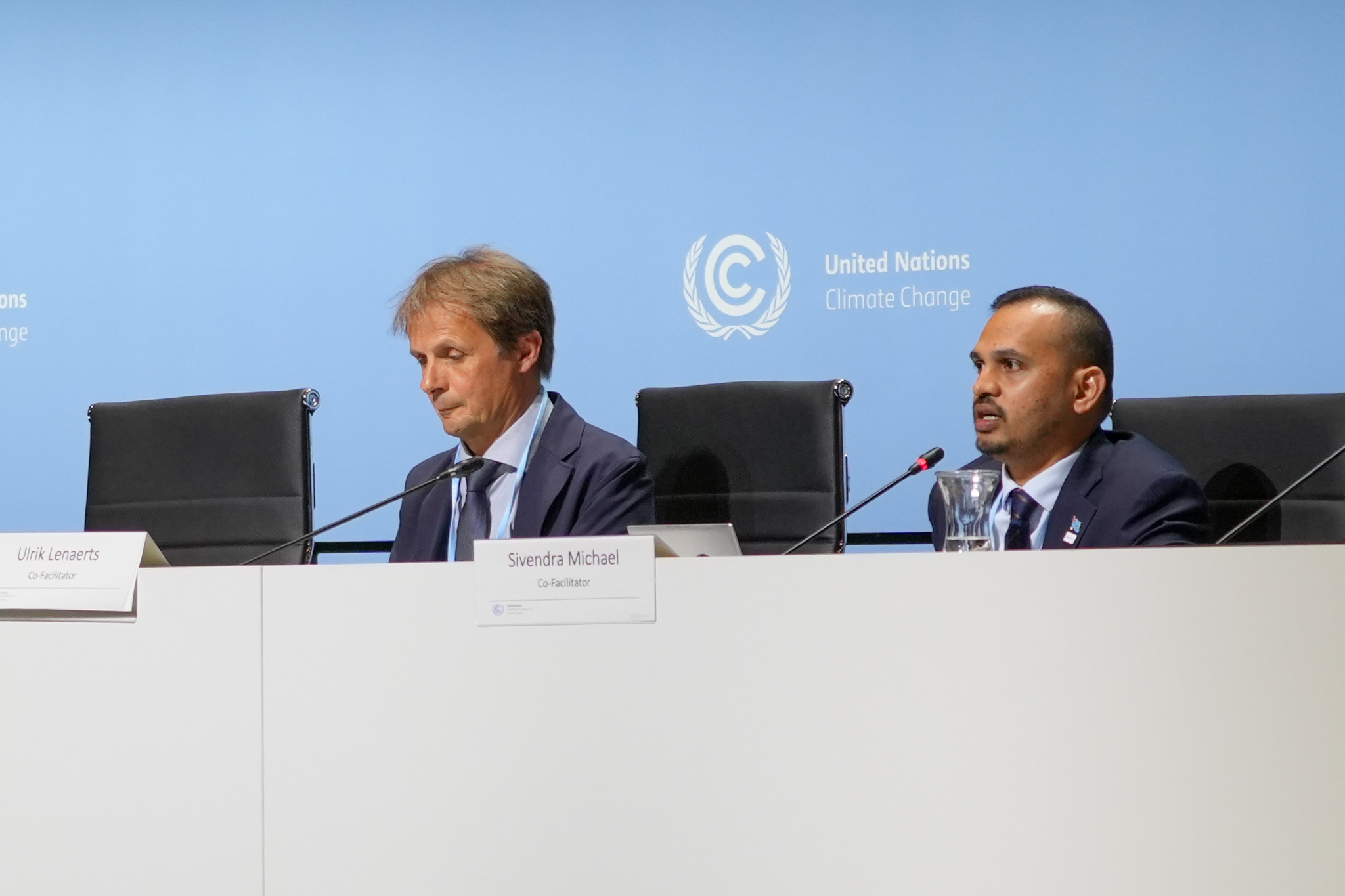
Co-facilitators Ulrik Lenaerts (Belgium) and Sivendra Michael (Fiji)