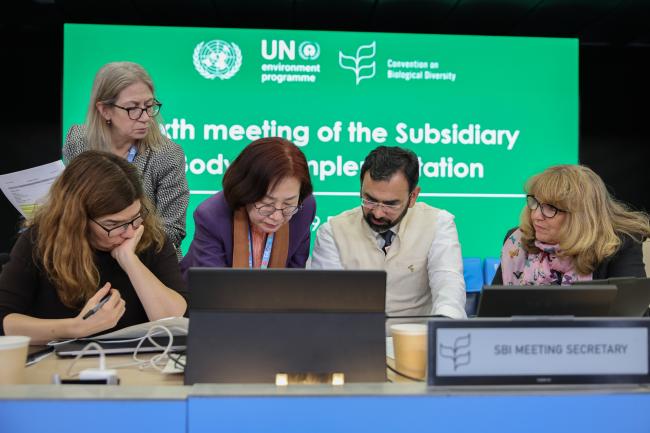
“This has been a long week for all,” Chair Clarissa Souza Della Nina, Brazil, acknowledged at the closing of the afternoon plenary session, announcing an additional evening session. Creating the enabling conditions and institutional arrangements to catalyze action on the ground for global-level ambitions is no easy task.

On the last day of the sixth meeting of the Subsidiary Body on Implementation (SBI 6) of the Convention on Biological Diversity (CBD), delegates stayed busy both in plenary and in multiple informal consultations until midnight. Despite the long hours, due to difficulties in settling on common ground, several recommendations are forwarded to the 17th meeting of the Conference of the Parties (COP 17) with remaining brackets.

In the morning, the SBI 6 plenary celebrated the swift approval of the recommendation on the midterm review of the Gender Plan of Action, recognizing its role as the primary instrument to support the gender-responsive implementation of the Kunming-Montreal Global Biodiversity Framework (GBF).

The recommendation on national biodiversity strategies and action plans (NBSAPs), national targets, and national reporting was approved soon thereafter. The SBI urges Parties to submit their seventh national reports by the deadline of 28 February 2026. It acknowledges however, the technical and financial constraints that Parties face, and notes that information received after the deadline will still be made available for the global review of collective progress in GBF implementation at COP 17.

The contact group on cooperation with other conventions and international organizations reportedly ran out of time, and the recommendation was approved with remaining brackets. COP 17 will be addressing a series of historically controversial matters, such as the relationship of the CBD with other processes, such as the Agreement on the Conservation and Sustainable Use of Marine Biological Diversity of Areas beyond National Jurisdiction, human rights bodies, and the recently established Intergovernmental Science-Policy Panel on Chemicals, Waste and Pollution.

Similarly, deliberations on specialized international access and benefit-sharing (ABS) instruments did not reach a conclusive outcome. Despite several rounds of consultations, the recommendation forwarded to the Meeting of the Parties to the Nagoya Protocol is mostly bracketed. This reflects Parties’ principled disagreement about the scope of the Protocol and its position vis-à-vis other ABS instruments, such as the pathogen ABS system to be created under the Pandemics Agreement of the World Health Organization.

Outstanding issues remain on other recommendations, including on resource mobilization, the financial mechanism, and technical and scientific cooperation. Some of these items will be taken up again by SBI 7 before ultimate consideration at COP 17.
Following adoption of the meeting report, Chair Souza Della Nina gaveled the meeting to a close at 11:55 pm.
To receive free coverage of global environmental events delivered to your inbox, subscribe to the ENB Update newsletter.
All ENB photos are free to use with attribution. For photos of the 6th Meeting of the Subsidiary Body on Implementation of the Convention on Biological Diversity, please use: Photo by IISD/ENB - Mike Muzurakis
Plenary Session
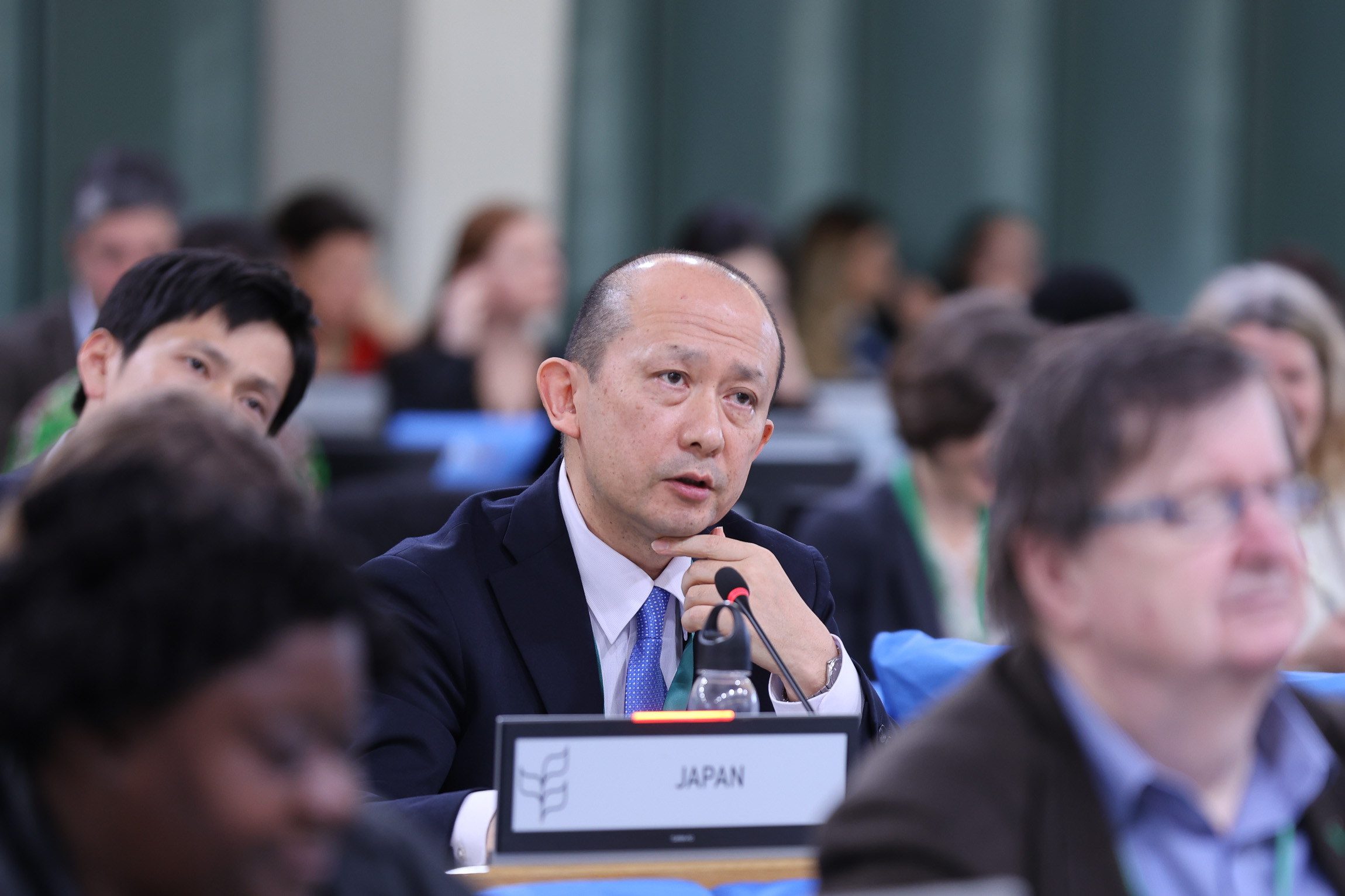
Wataru Suzuki, Japan
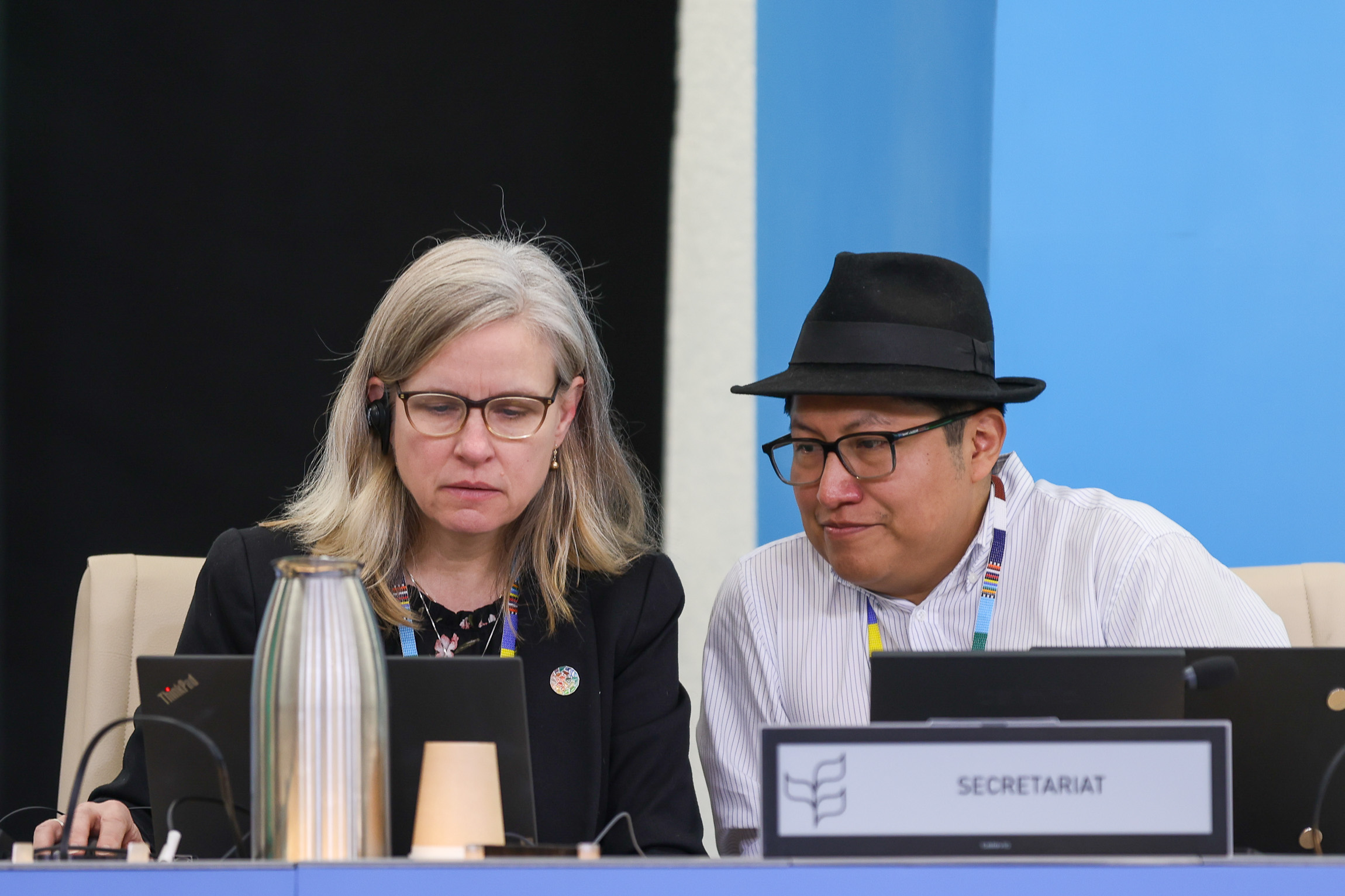
Lisa Janishevski and Q”apaj Conde Choque, CBD Secretariat
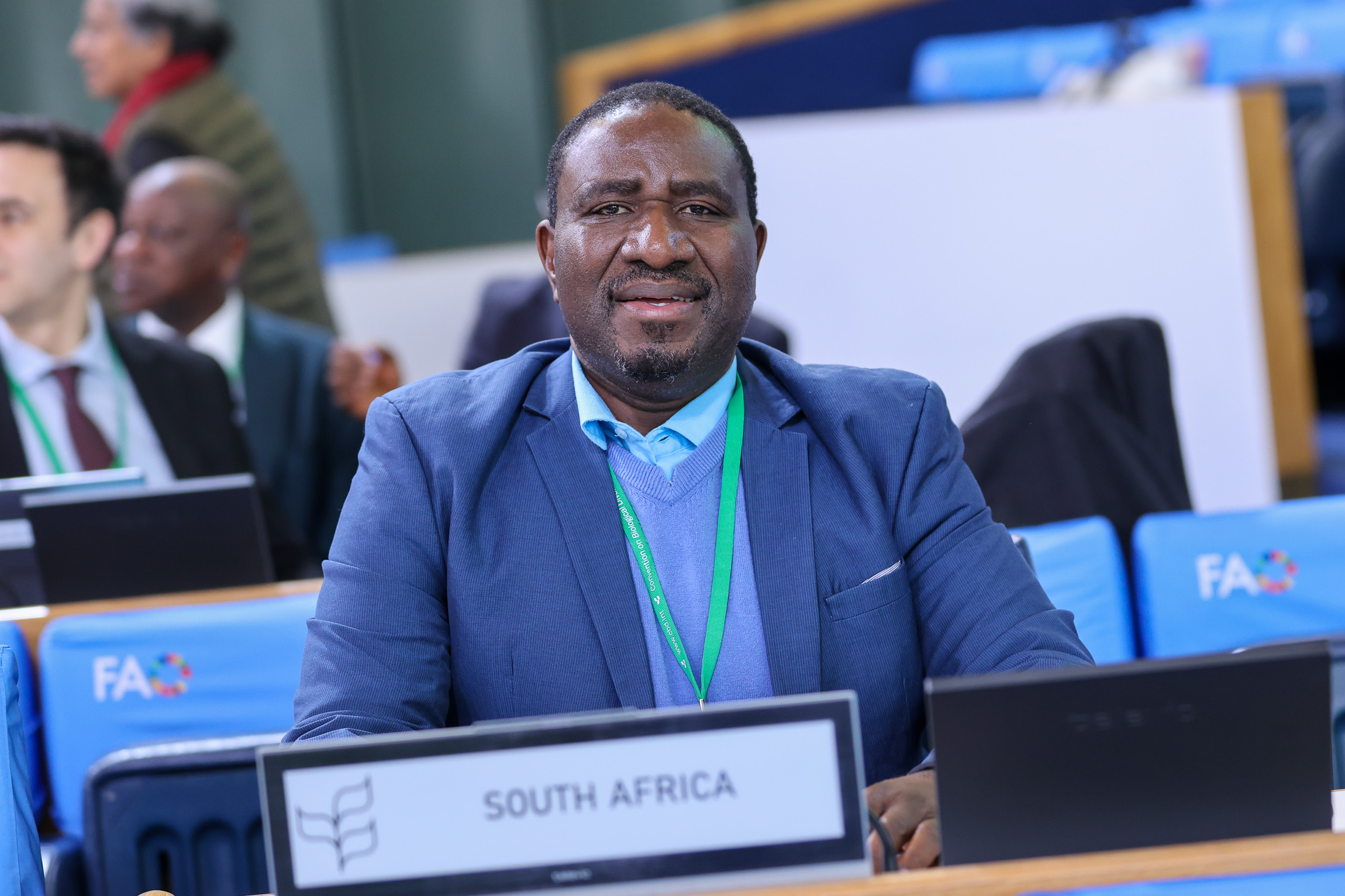
Shonisani Munzhedzi, South Africa
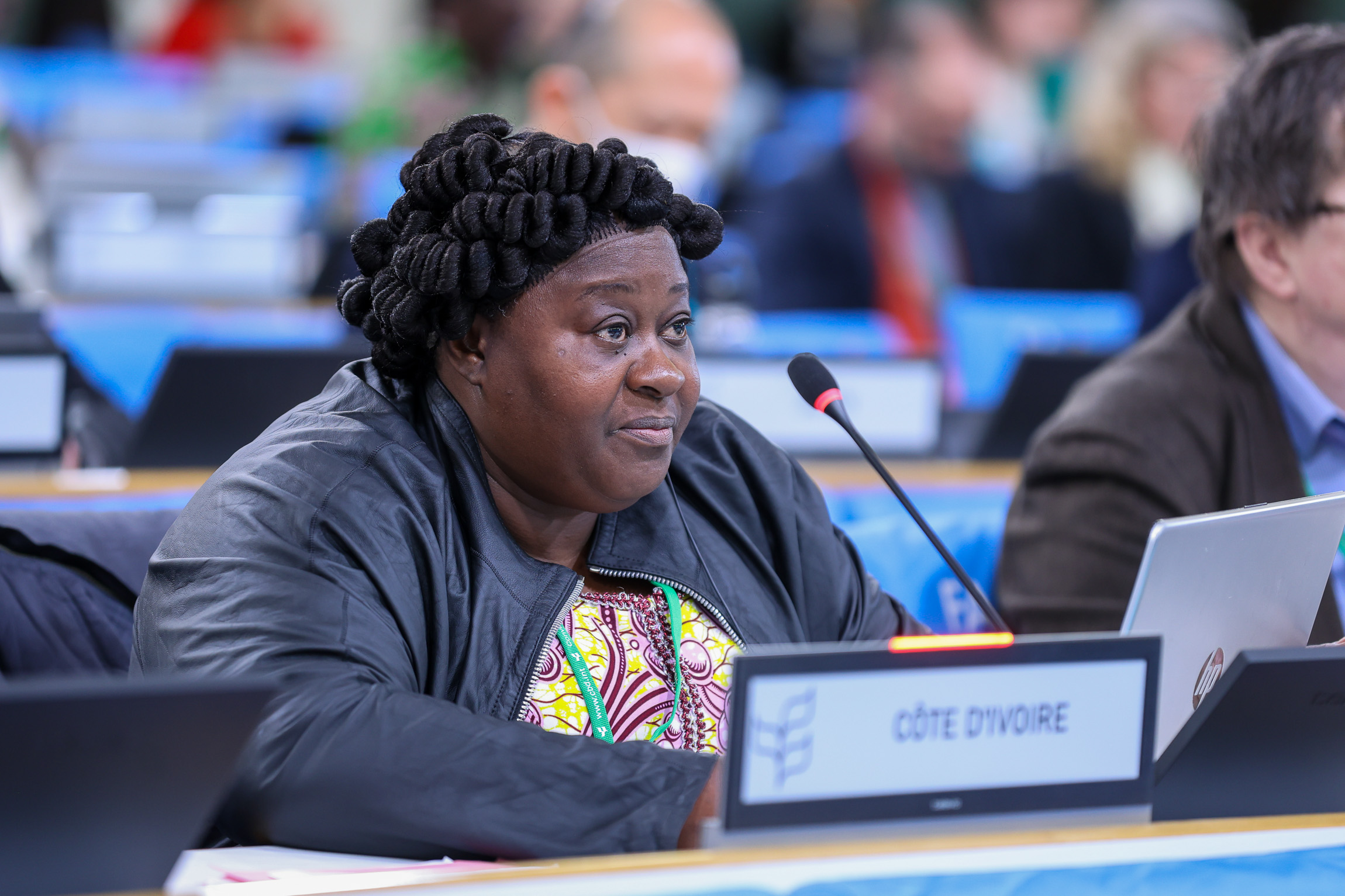
Alaki Véronique Amari Koffi, Côte d'Ivoire
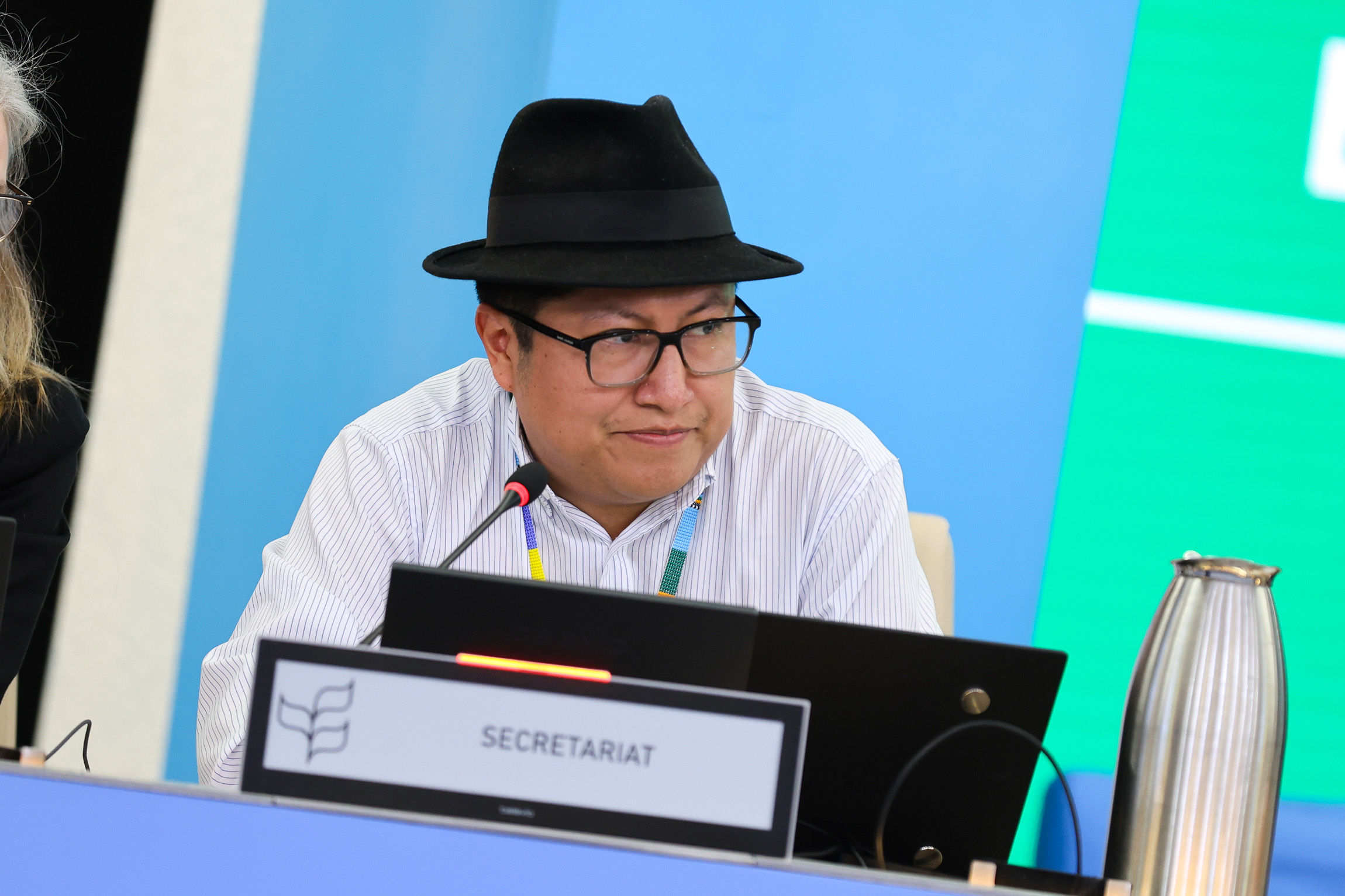
Q”apaj Conde Choque, CBD Secretariat
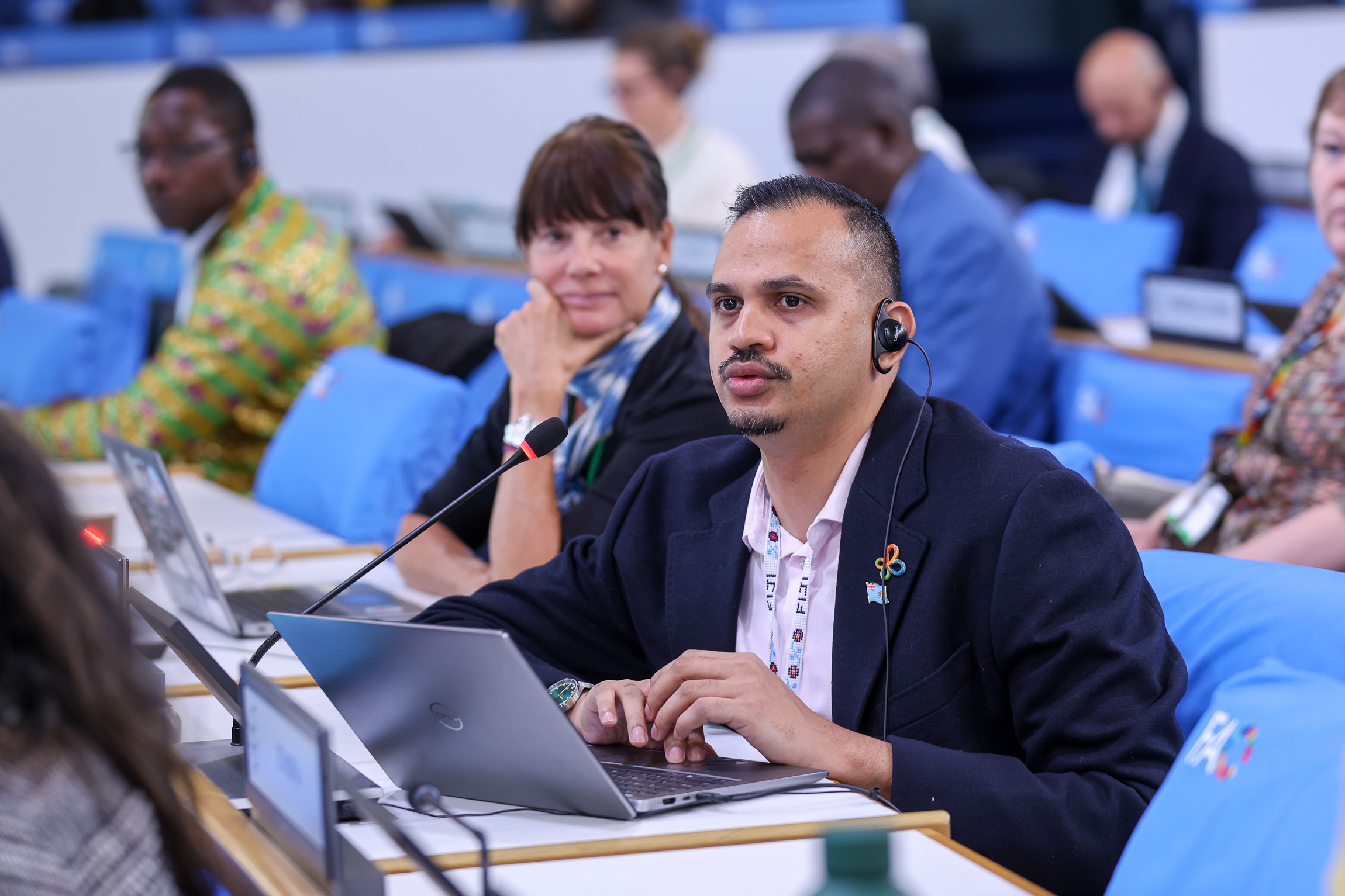
Sivendra Michael, Fiji
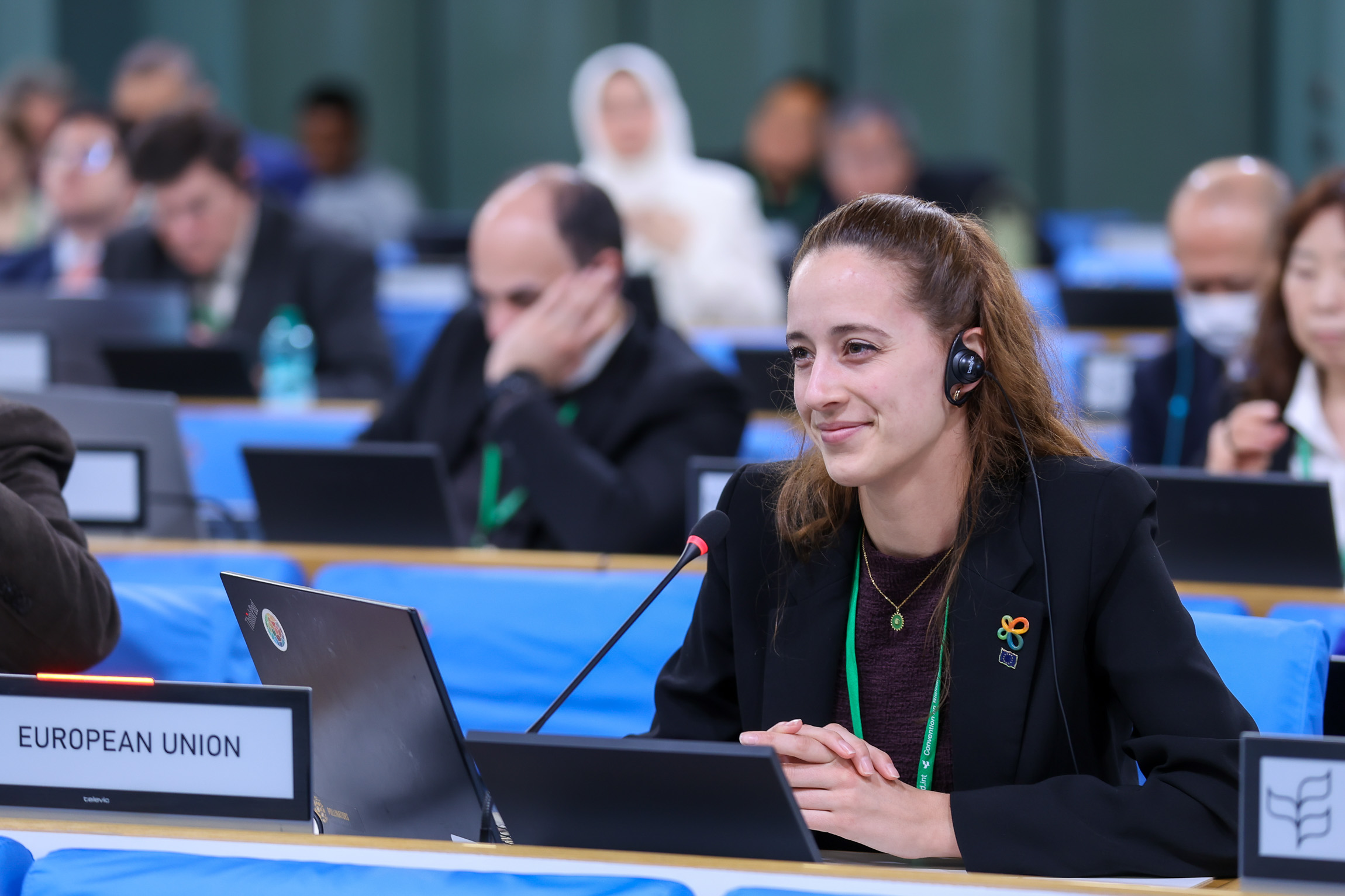
Nadja Steinfort, EU
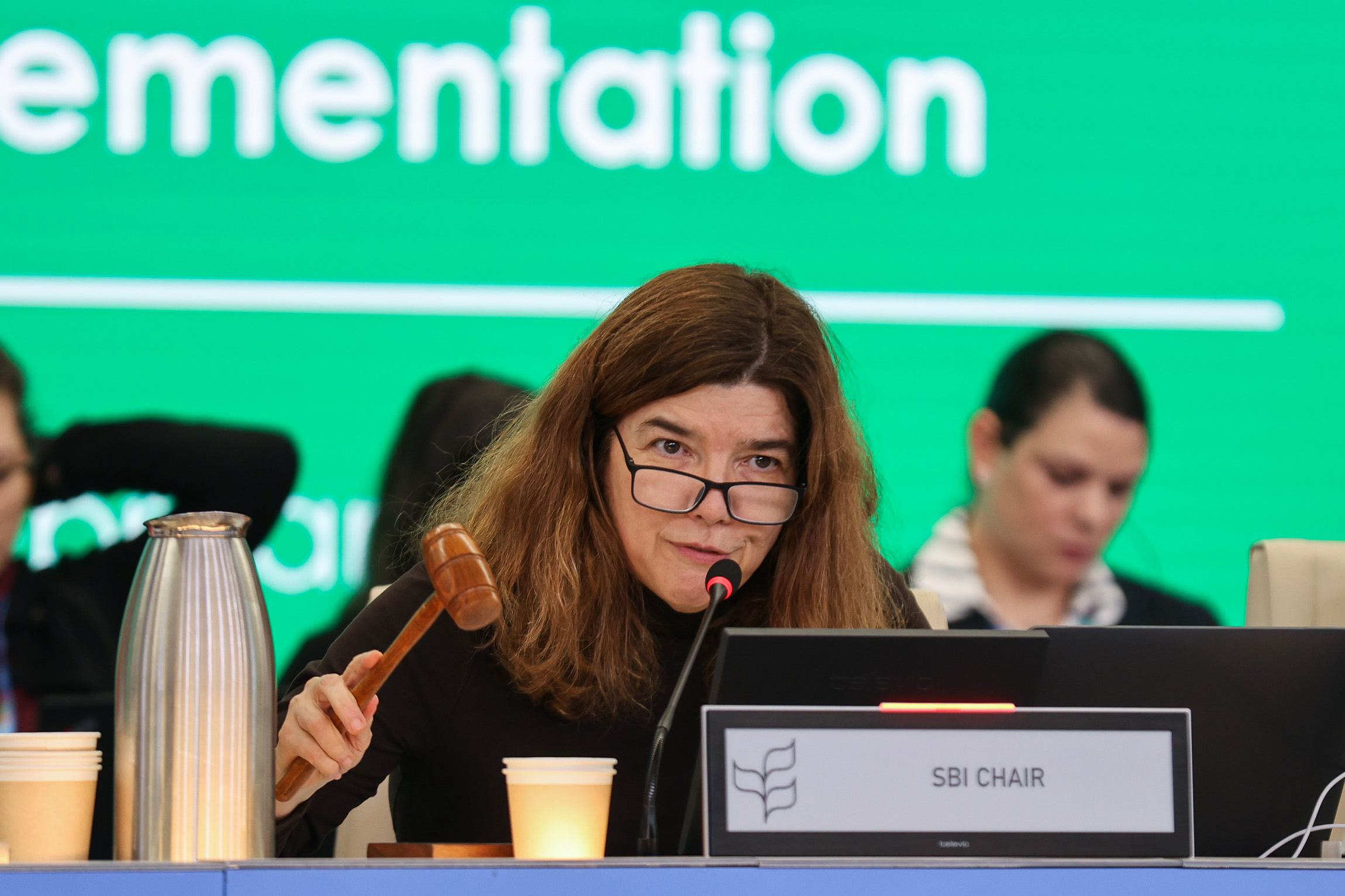
SBI 6 Chair Clarissa Souza Della Nina, Brazil
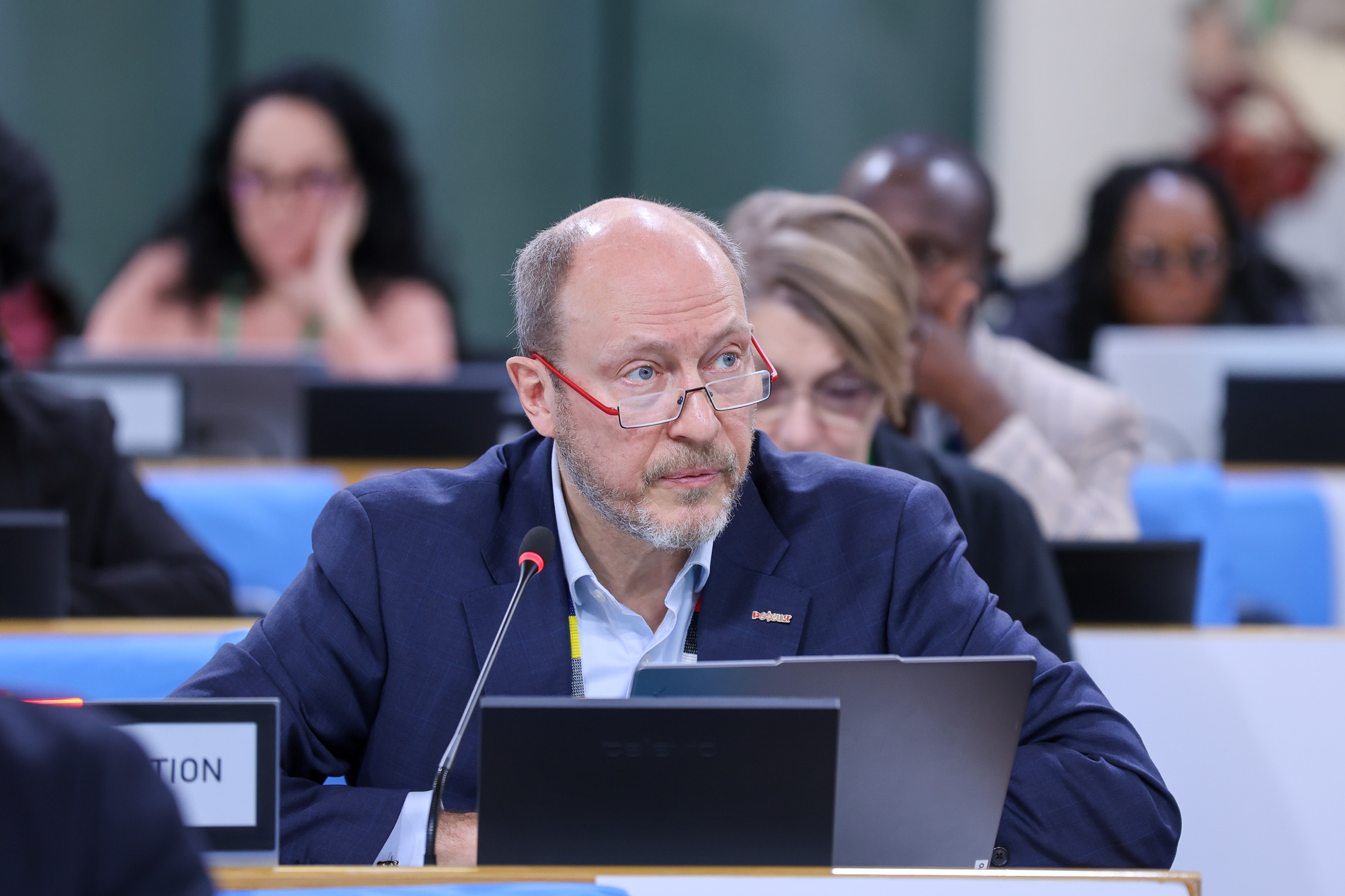
Alexander Shestakov, Russian Federation
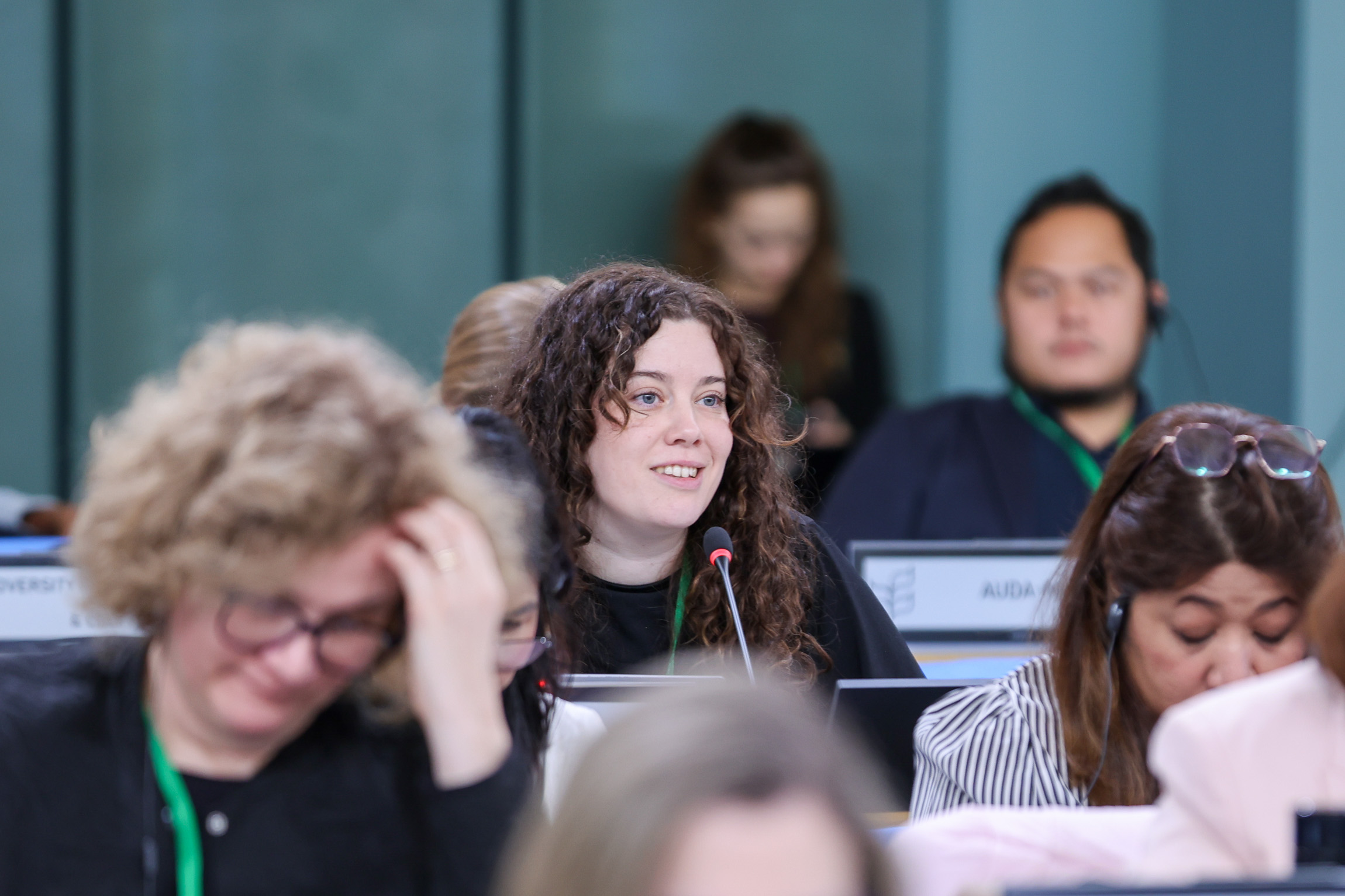
Georgia Patt, UK
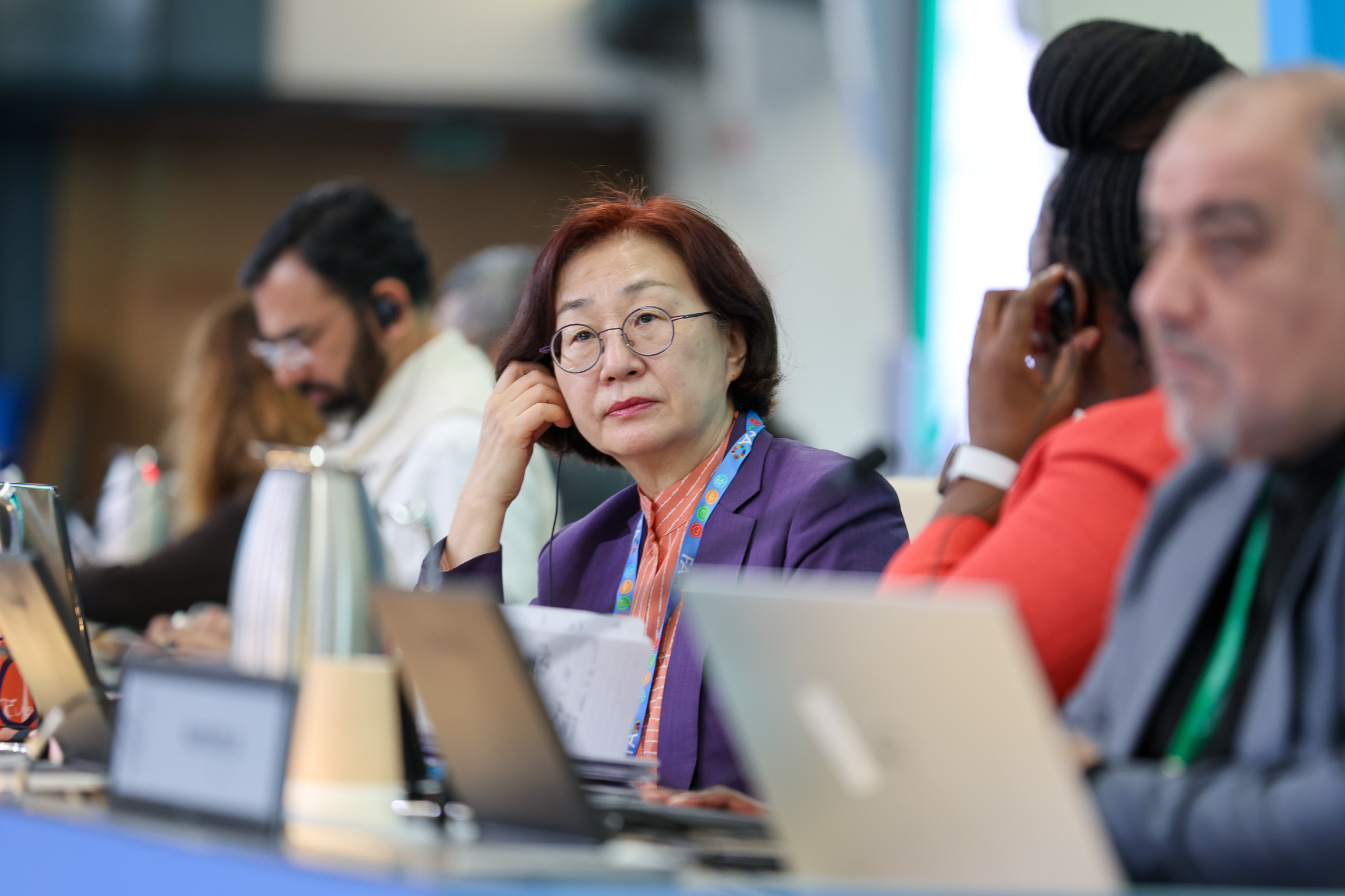
CBD Deputy Executive Secretary Jihyun Lee
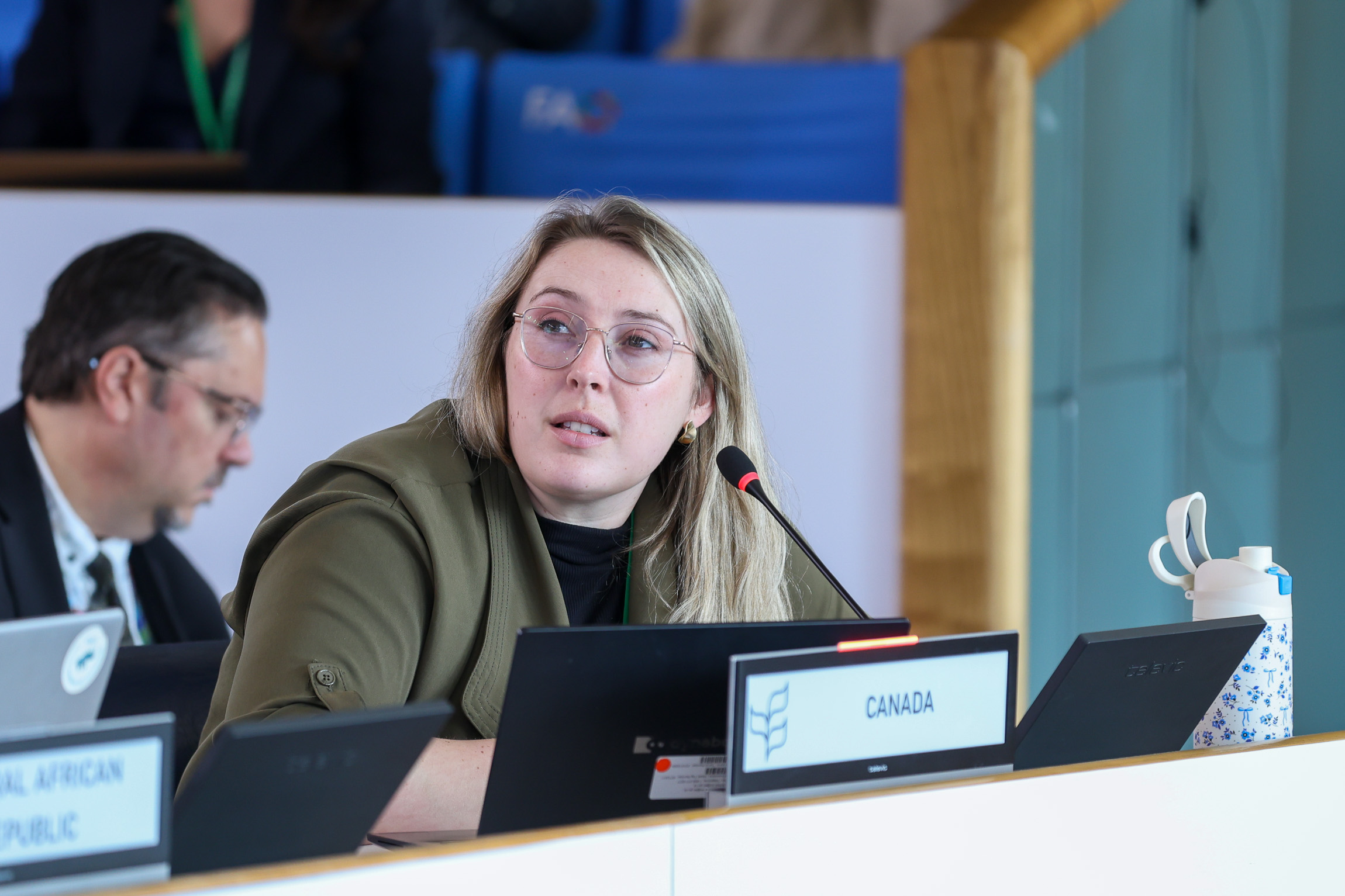
Vienna Pozer, Canada
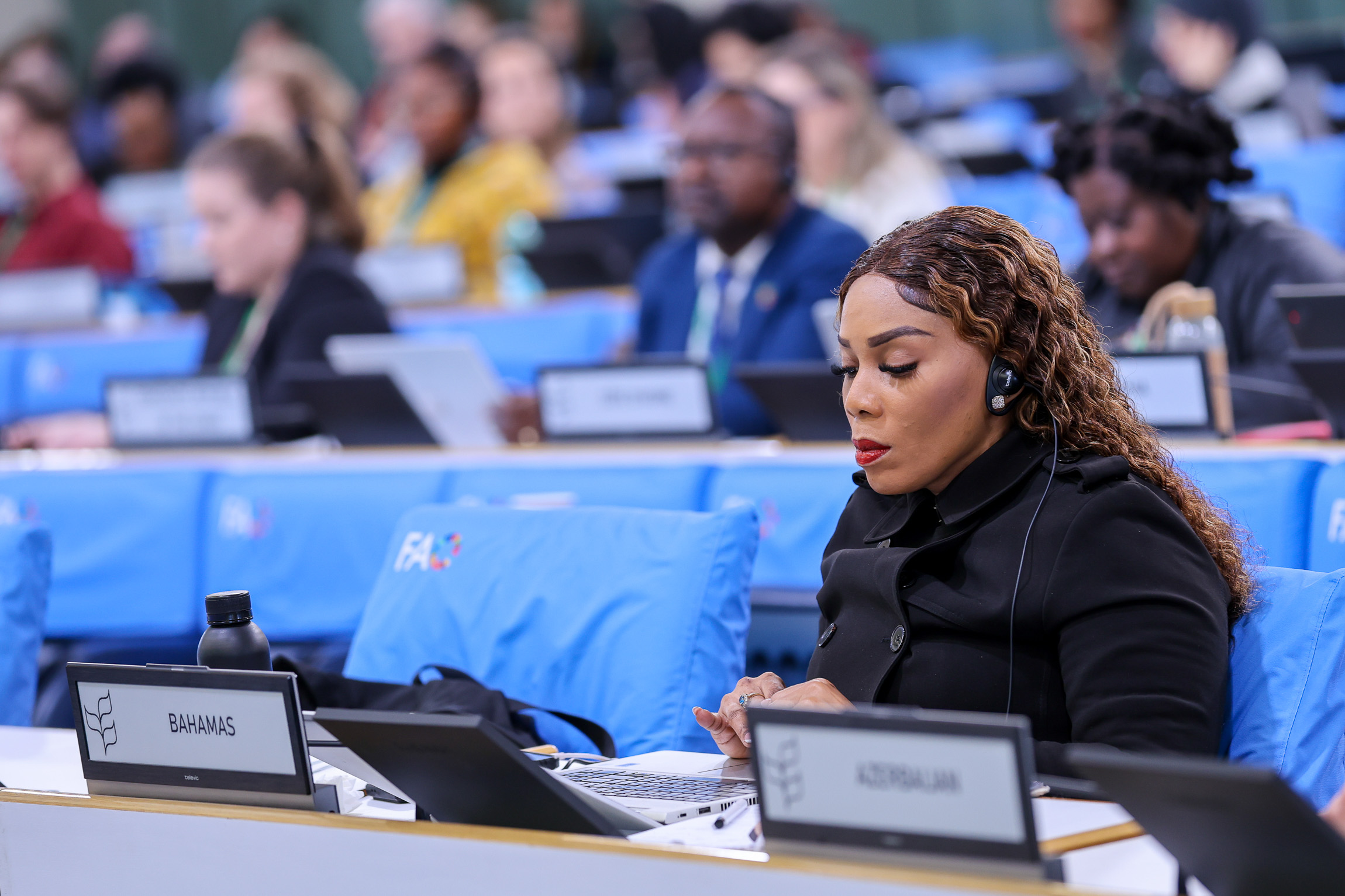
Samantha Miller-Cartwright, The Bahamas
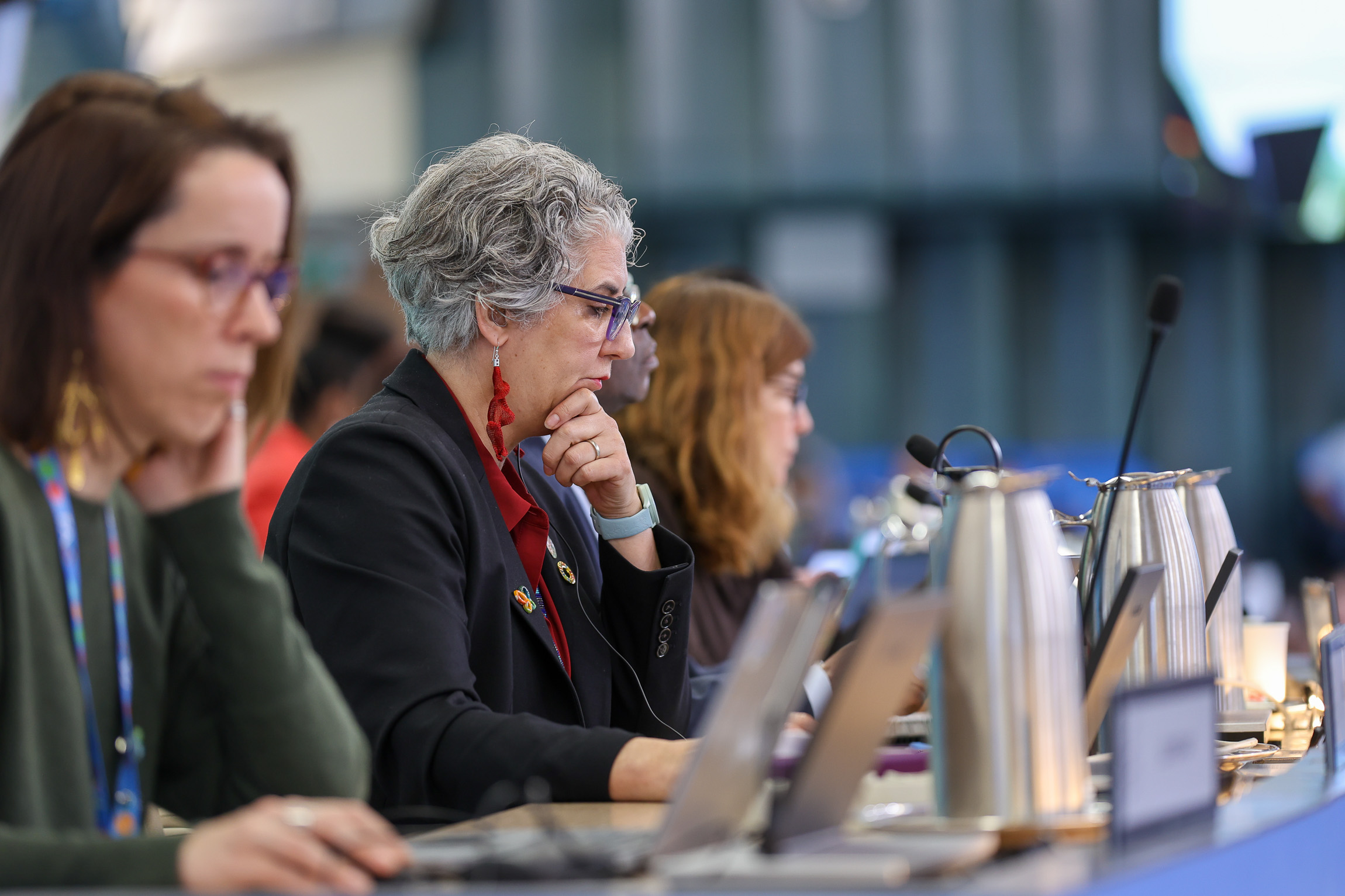
Kristina Taboulchanas, CBD Secretariat
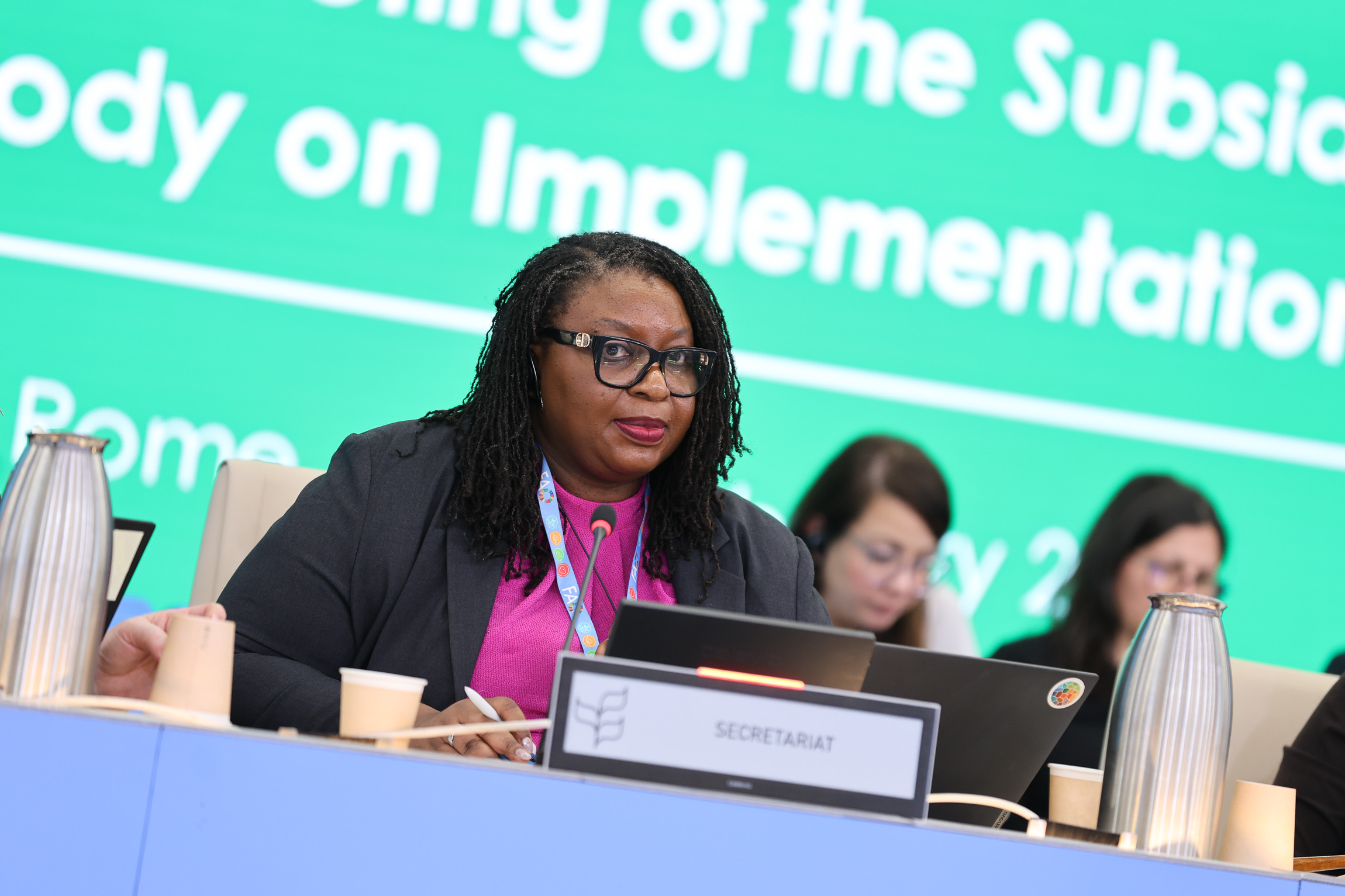
Wadzanayi Goredema-Mandivenyi, CBD Secretariat
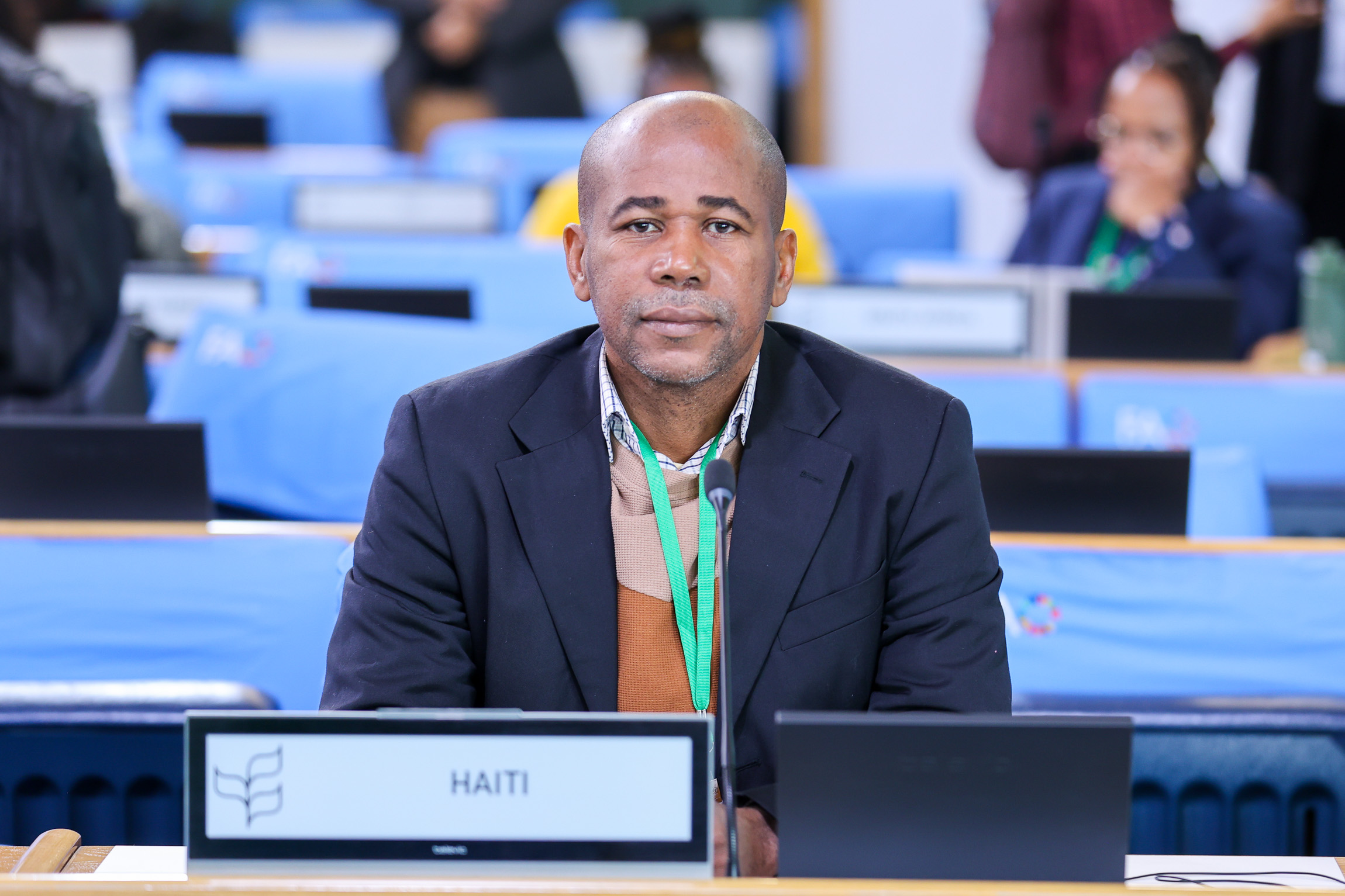
Michelet Louis, Haiti
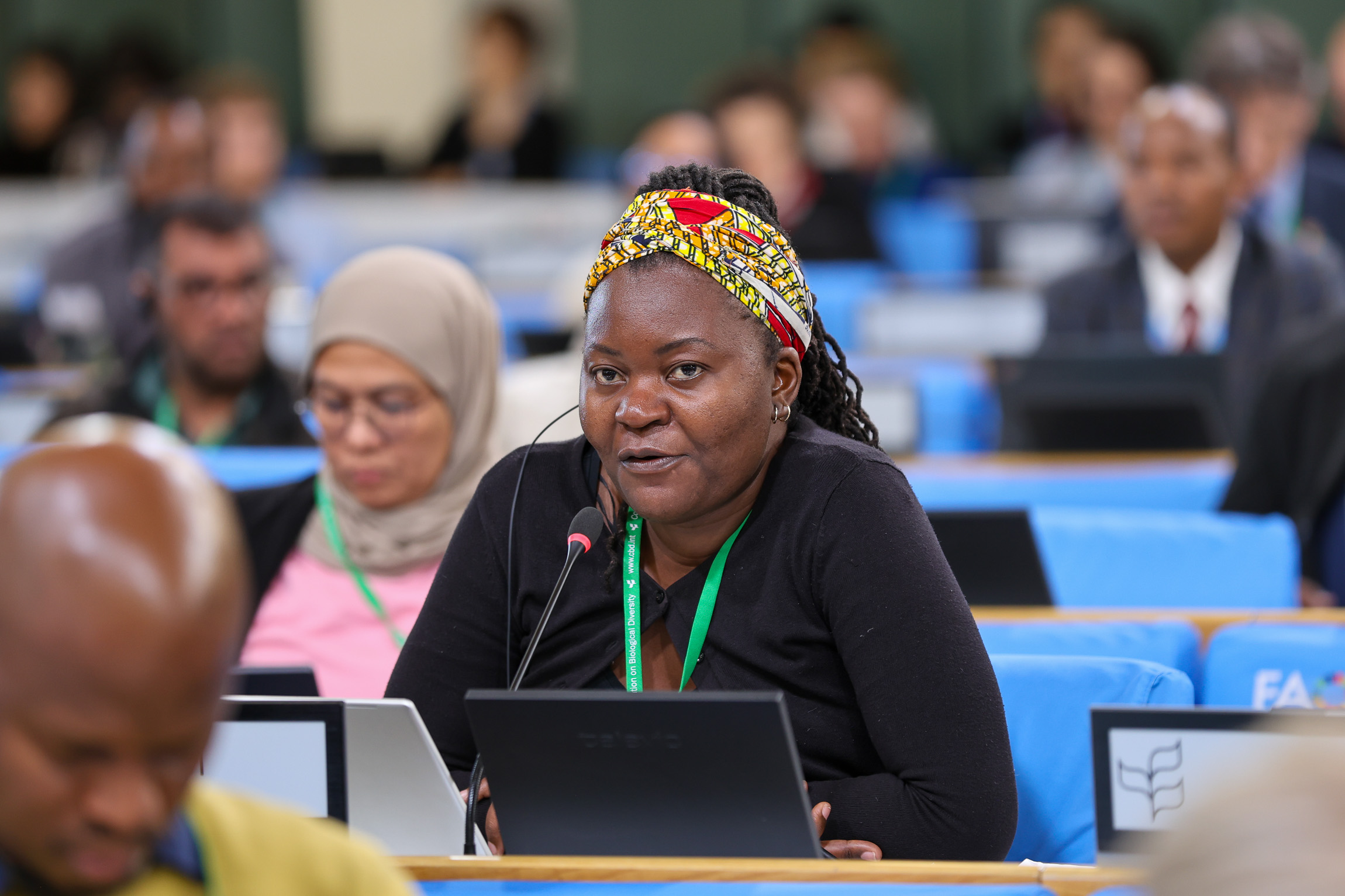
Martha Mphatso Kalemba, Malawi
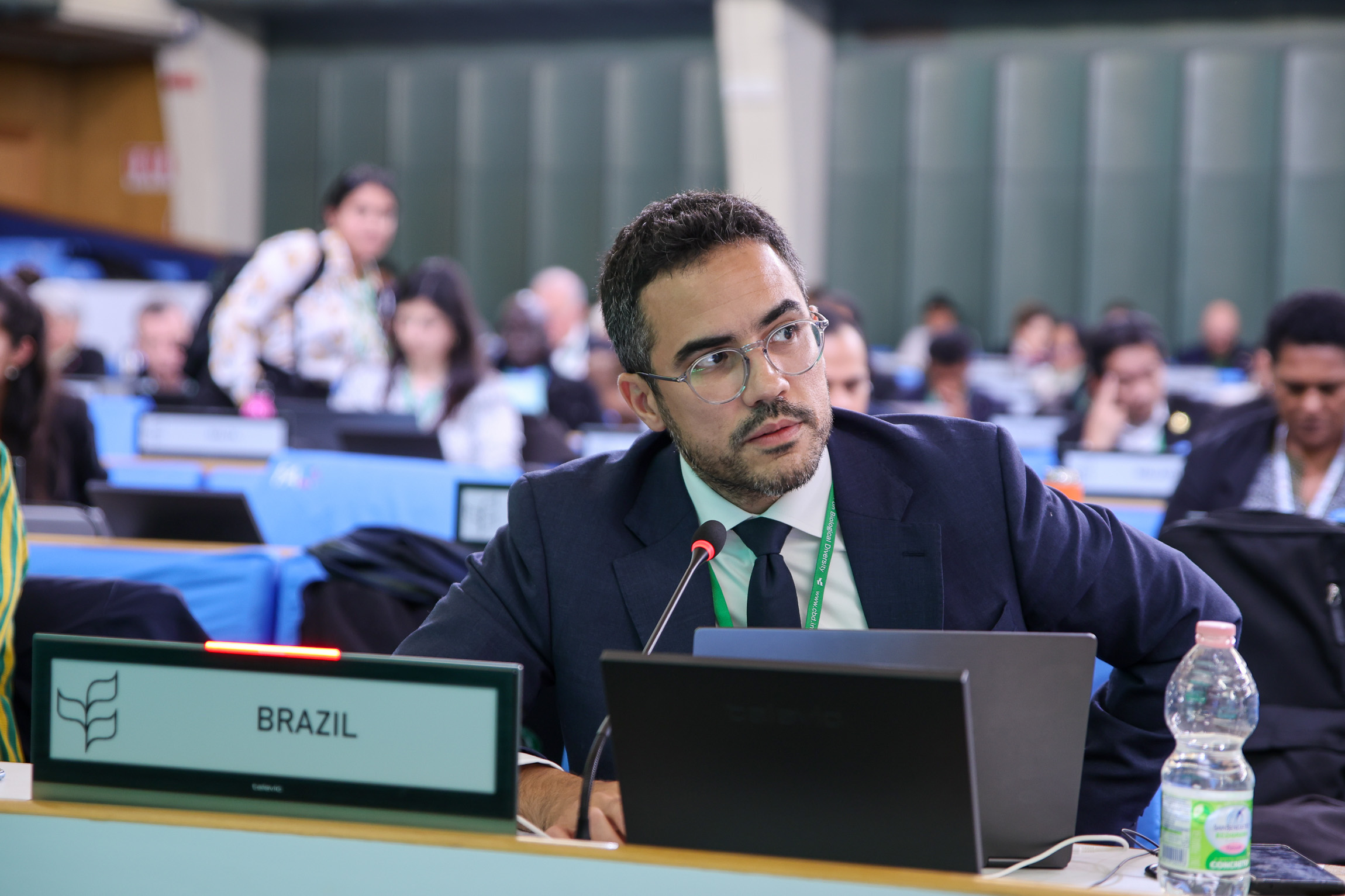
Diogo Gonçalves, Brazil
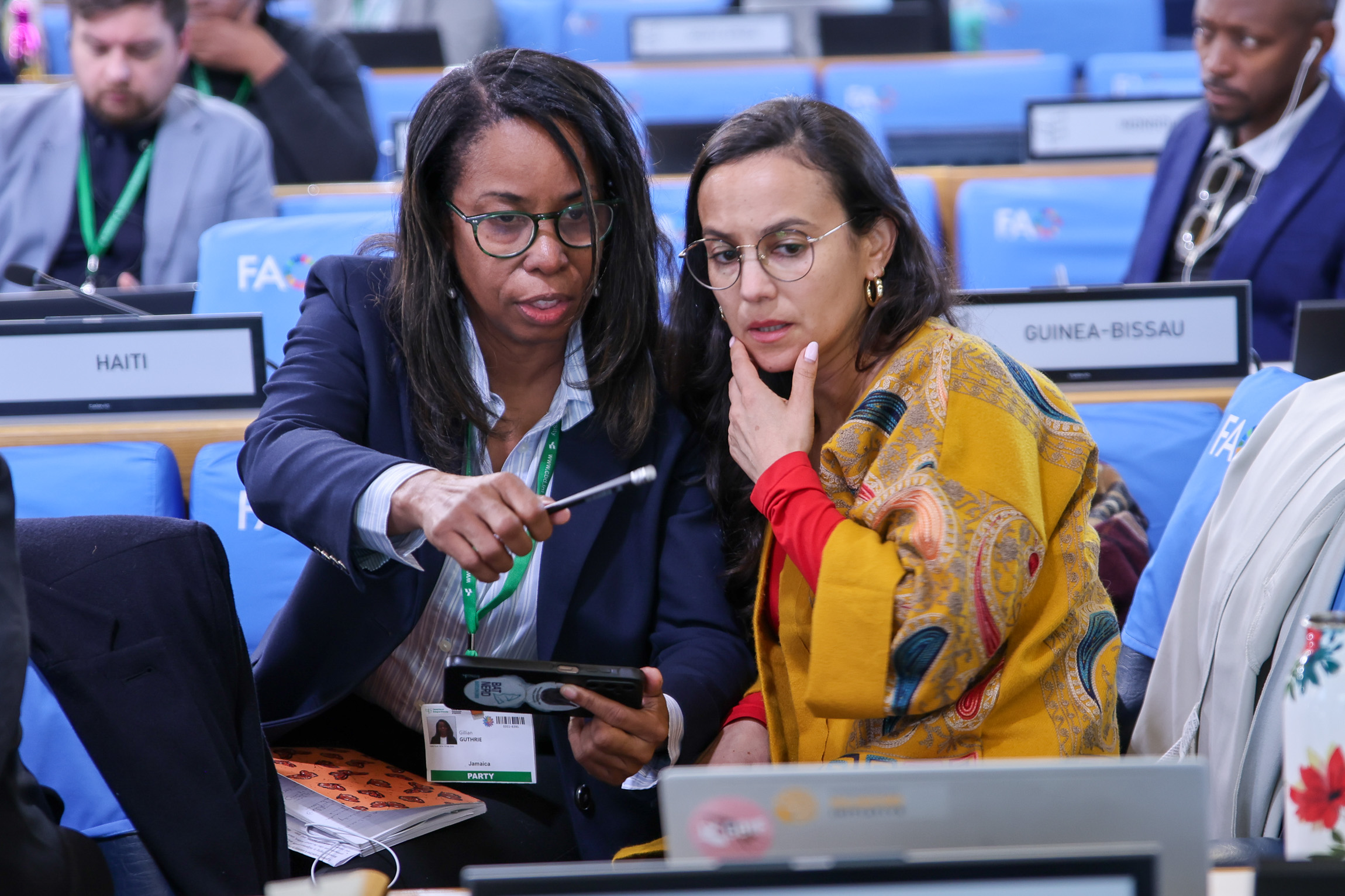
Gillian Guthrie, Jamaica, and Paulina Stowhas, Chile
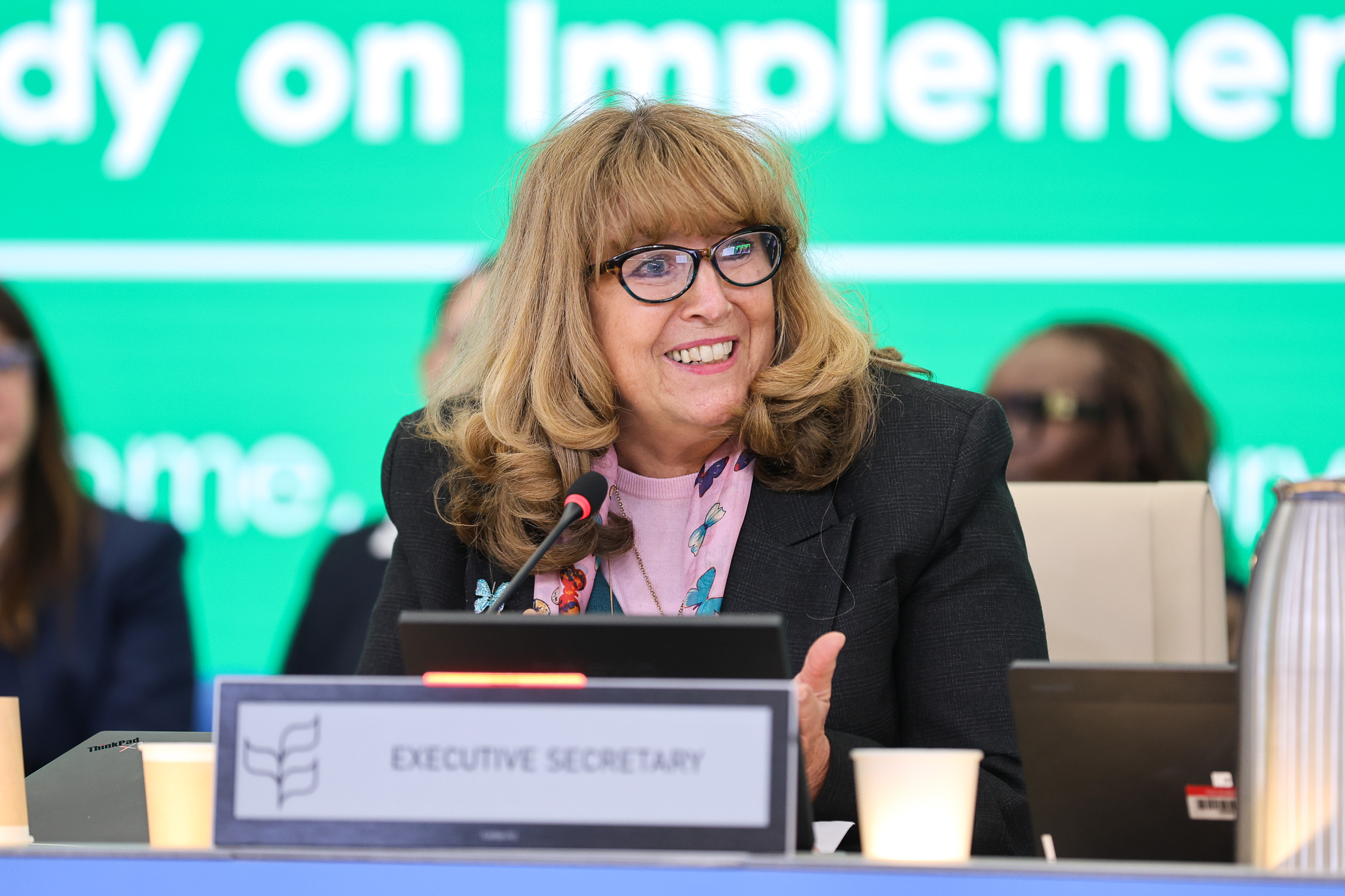
CBD Executive Secretary Astrid Schomaker
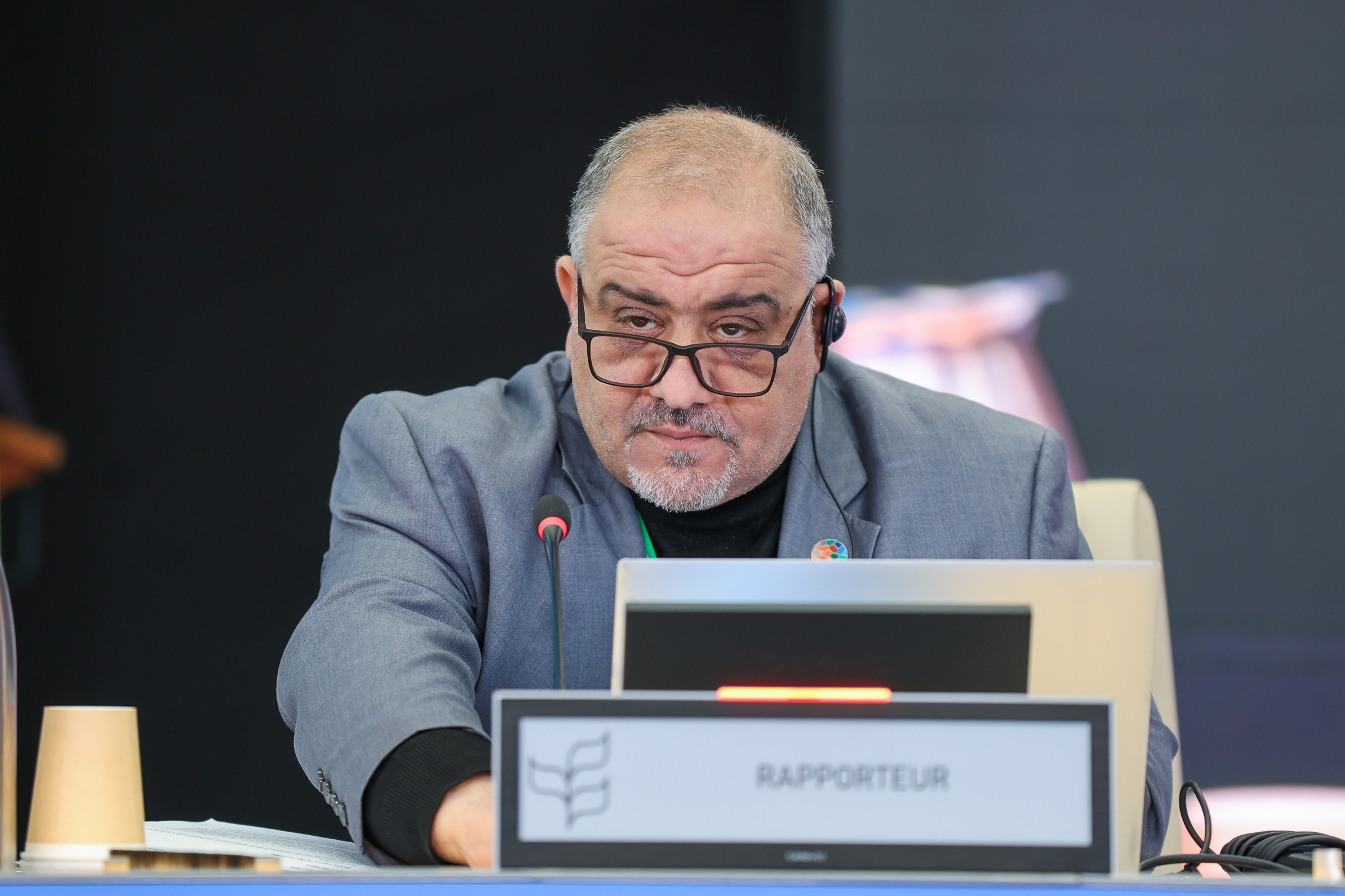
Meeting rapporteur Bilal Qtishat, Jordan
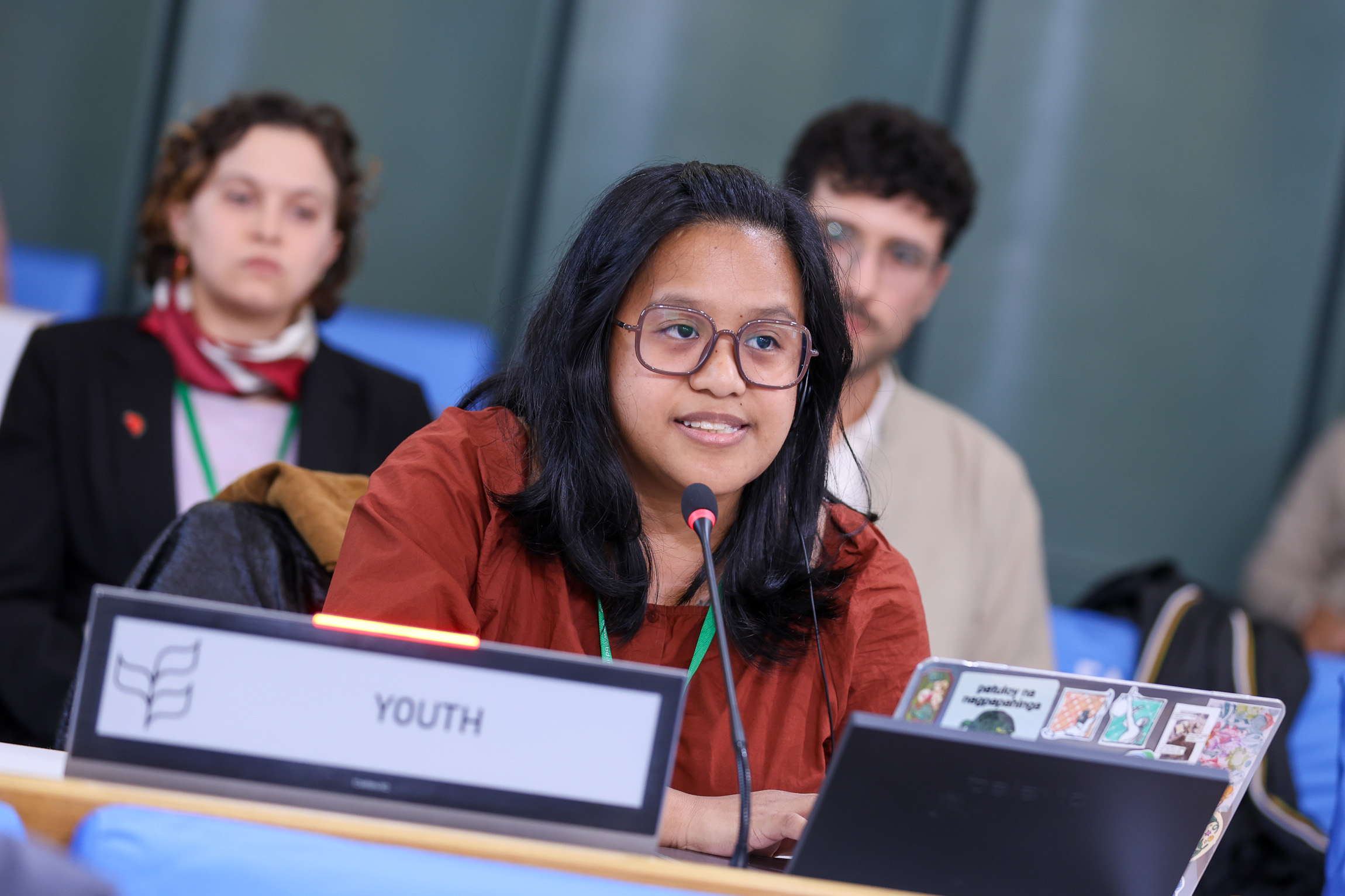
Josefa Tauli, Global Youth Biodiversity Network
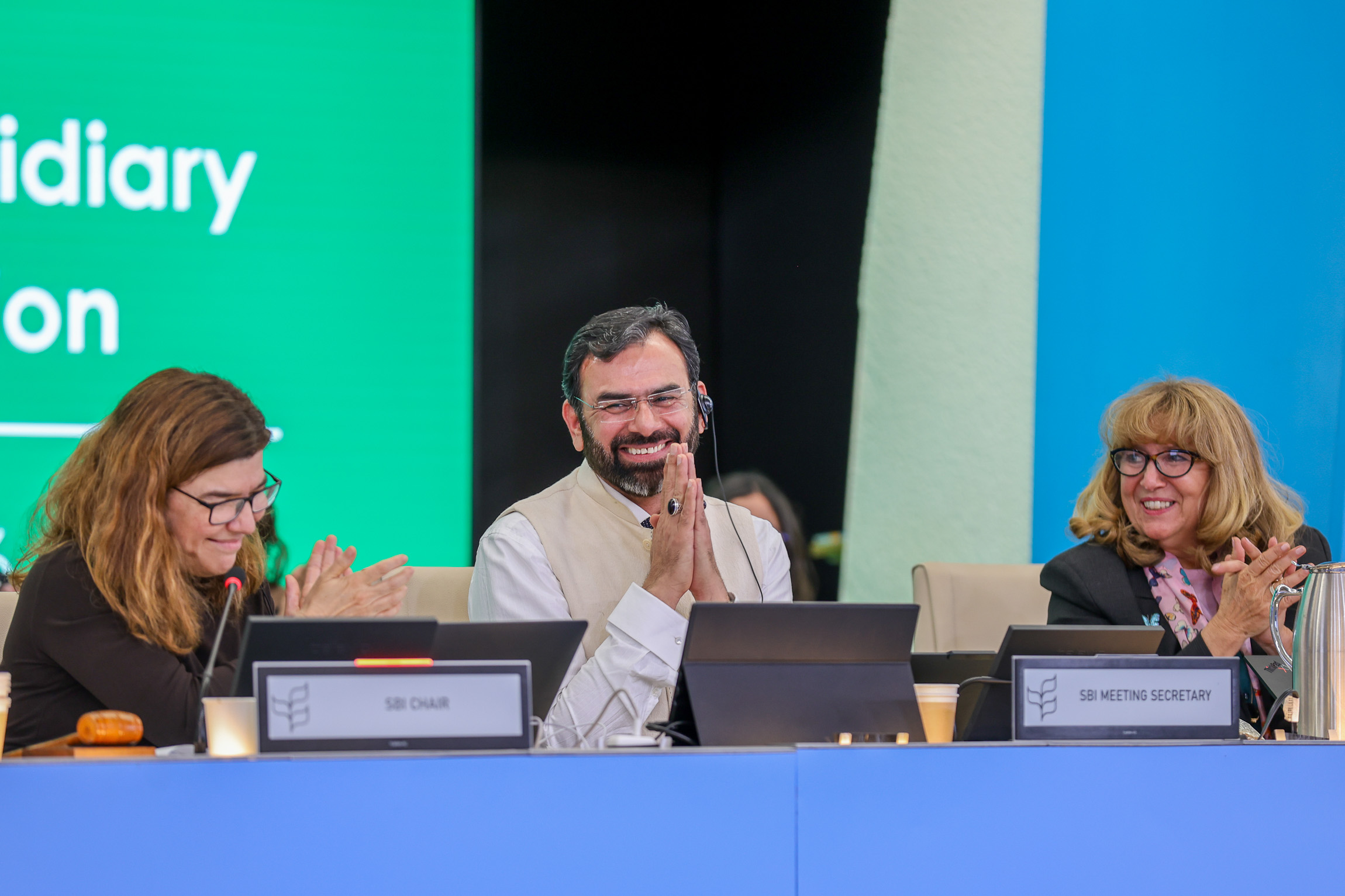
From L-R: SBI 6 Chair Clarissa Souza Della Nina, Brazil; Asad Naqvi, SBI 6 Secretary; and CBD Executive Secretary Astrid Schomaker
Between Sessions
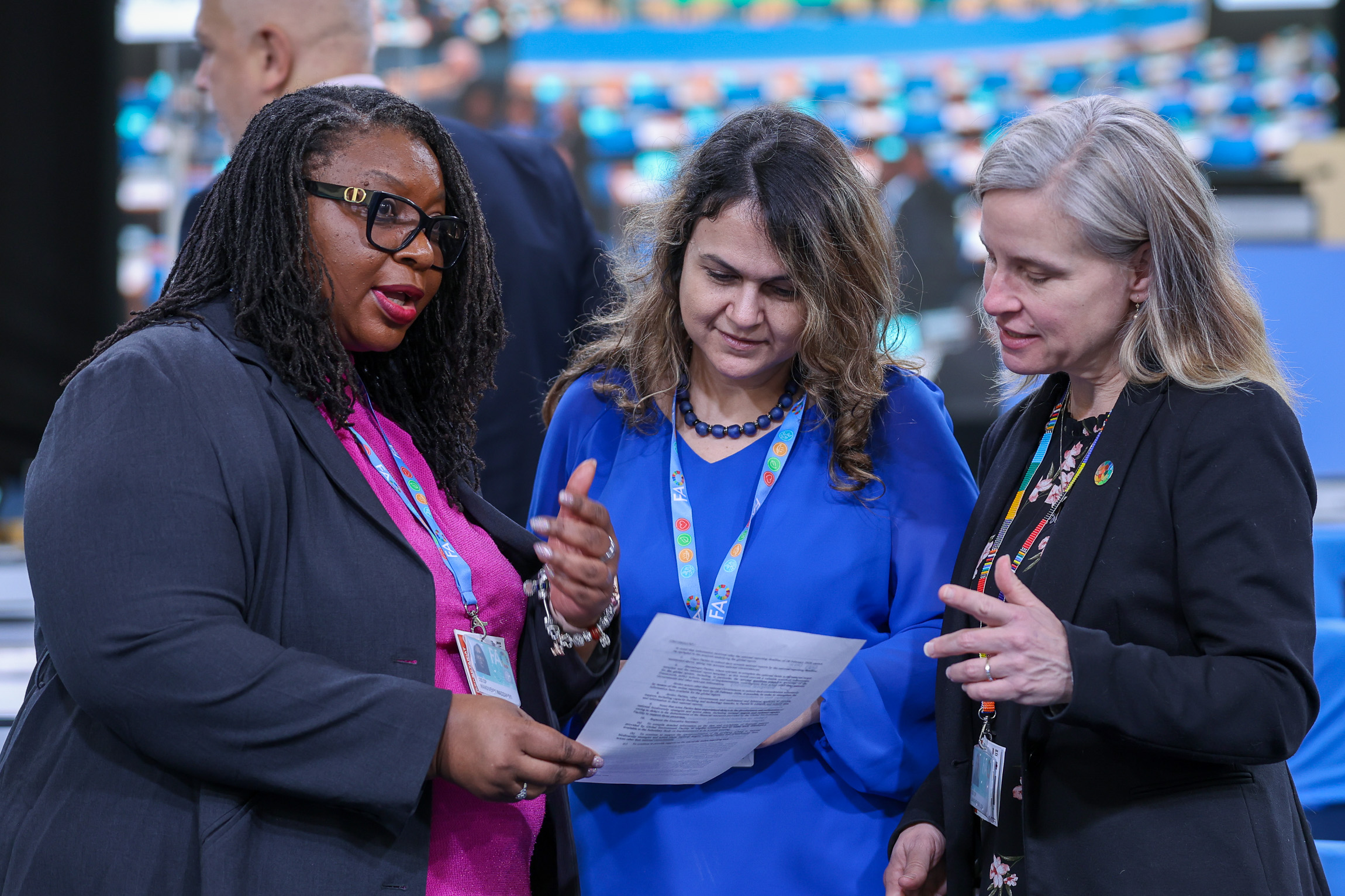
From L-R: Wadzanayi Goredema-Mandivenyi, Imane Sednaoui, and Lisa Janishevski, CBD Secretariat
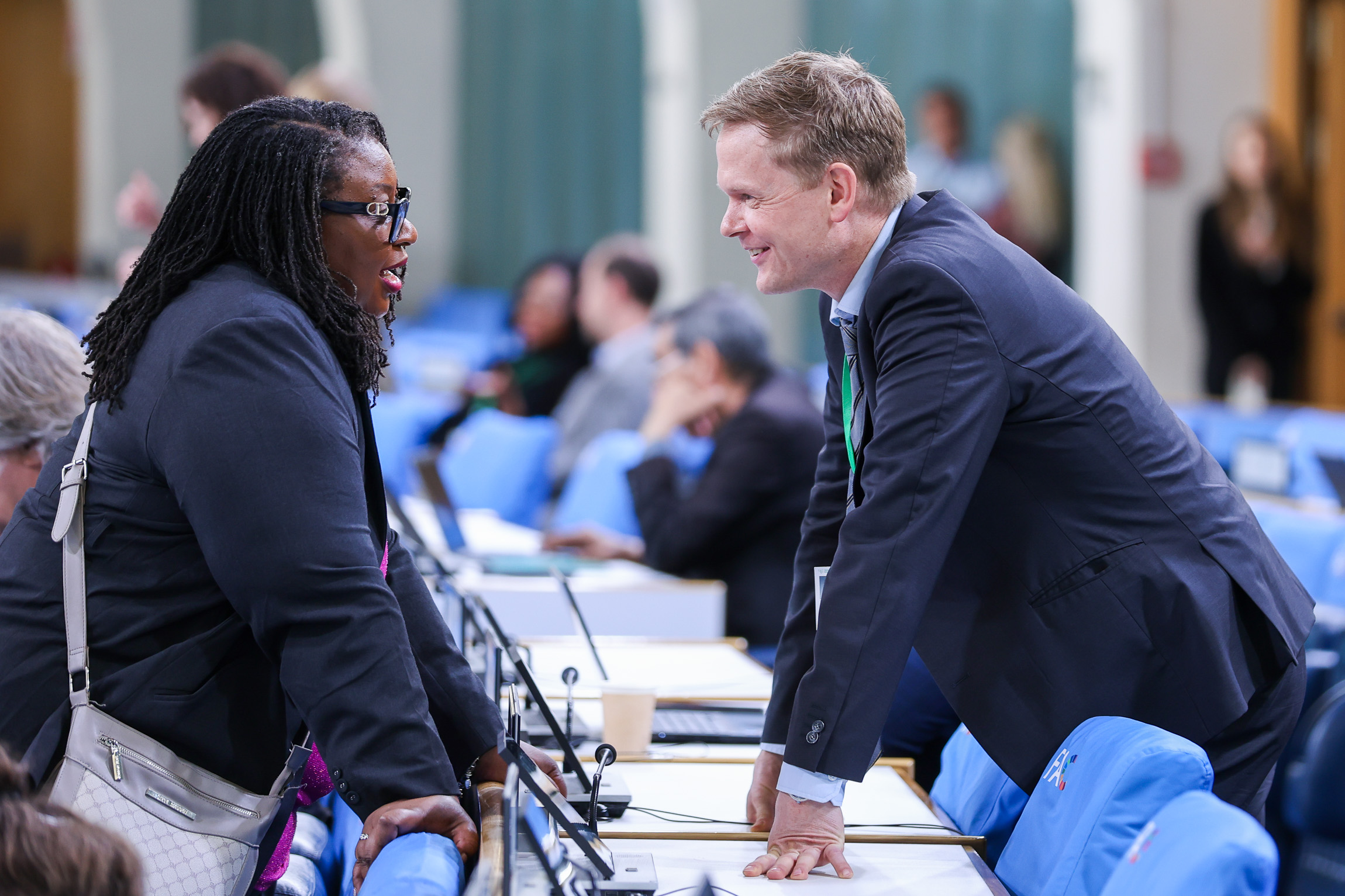
Wadzanayi Goredema-Mandivenyi, CBD Secretariat, and Niklaus Wagner, Switzerland
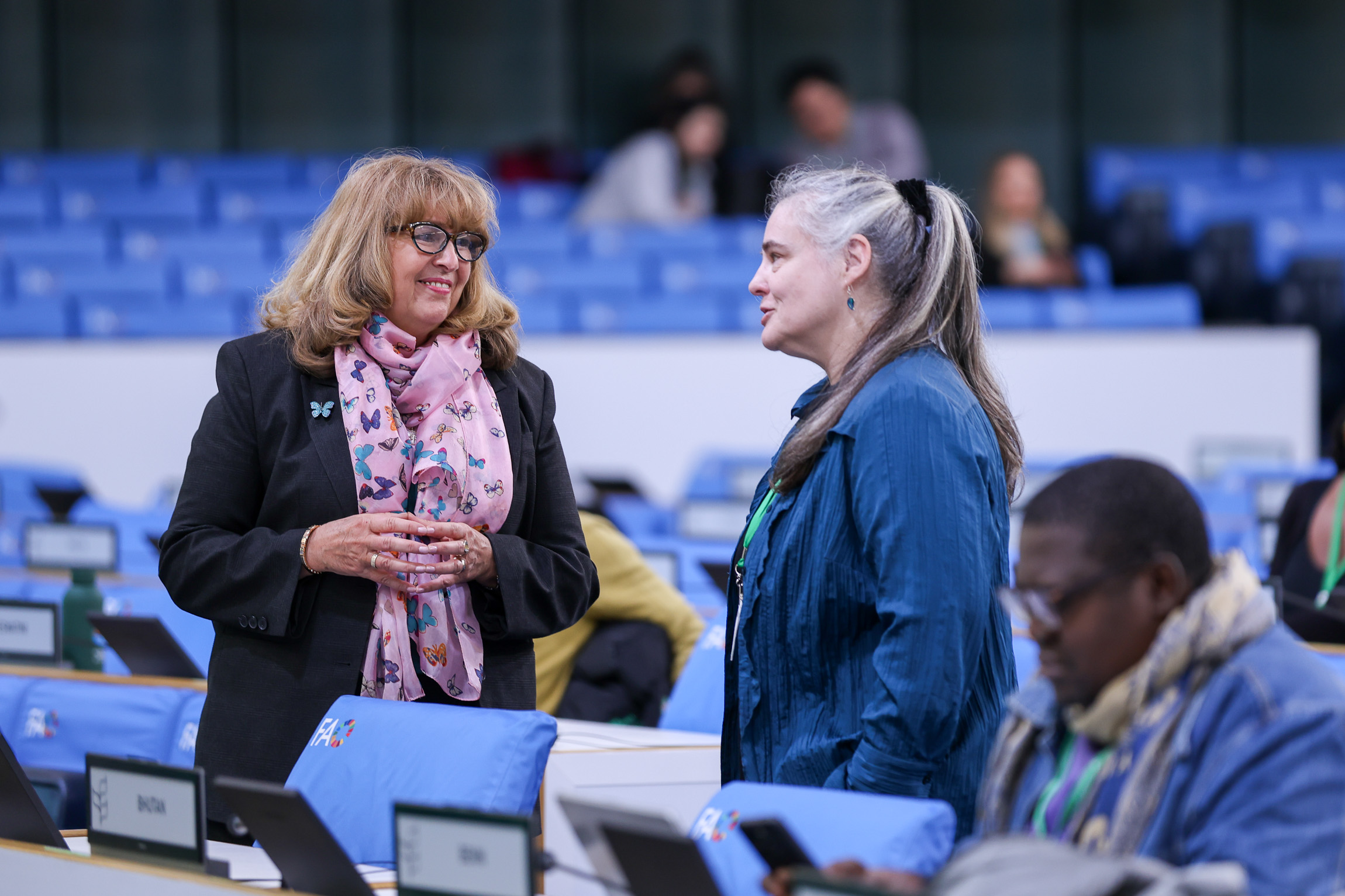
CBD Executive Secretary Astrid Schomaker and Ines Verleye, Belgium
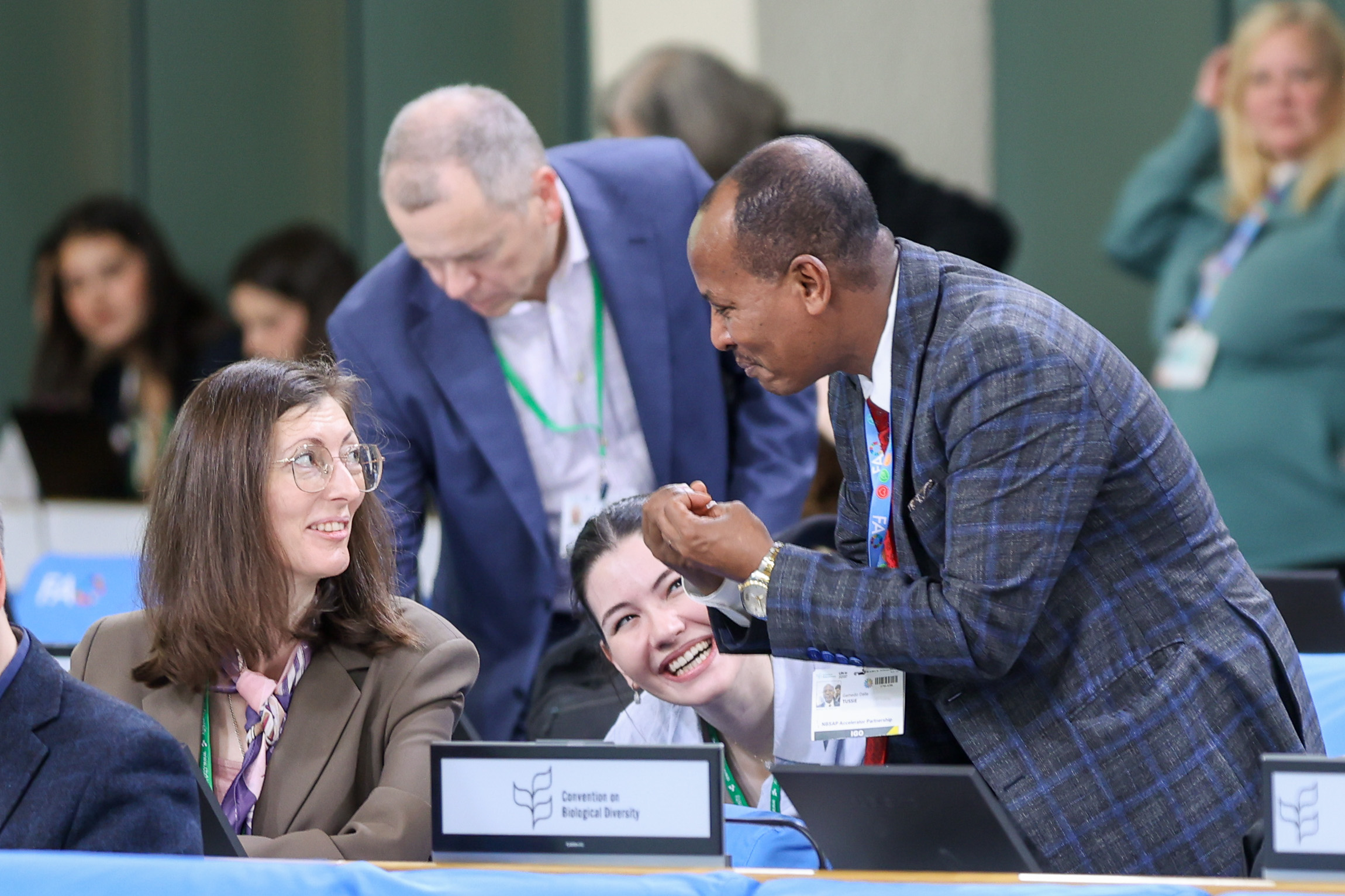
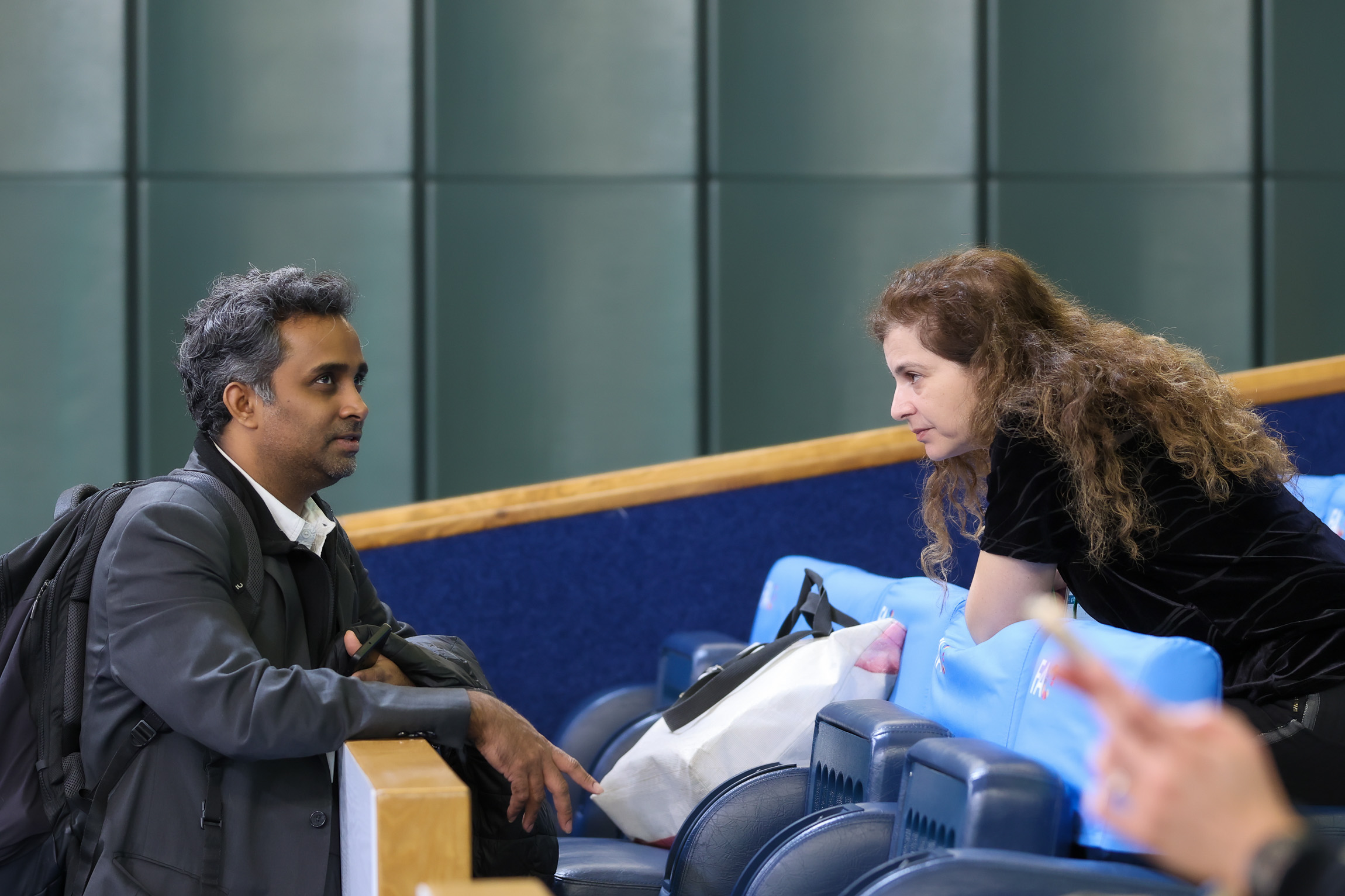
Nithin Ramakrishnan, Third World Network, and Elsa Tsioumani, IISD/ENB
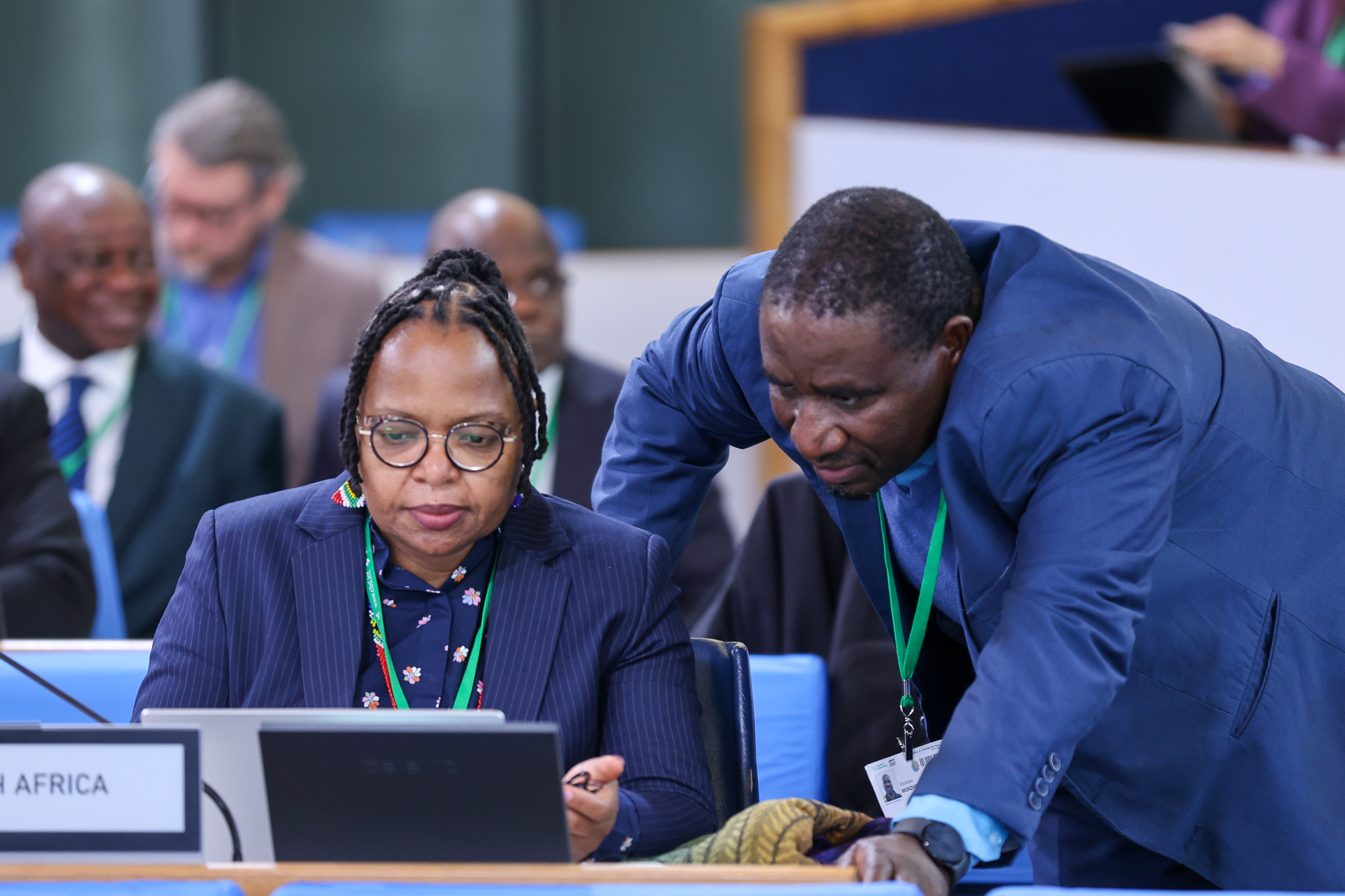
Mohlago Flora Mokgohloa and Shonisani Munzhedzi, South Africa
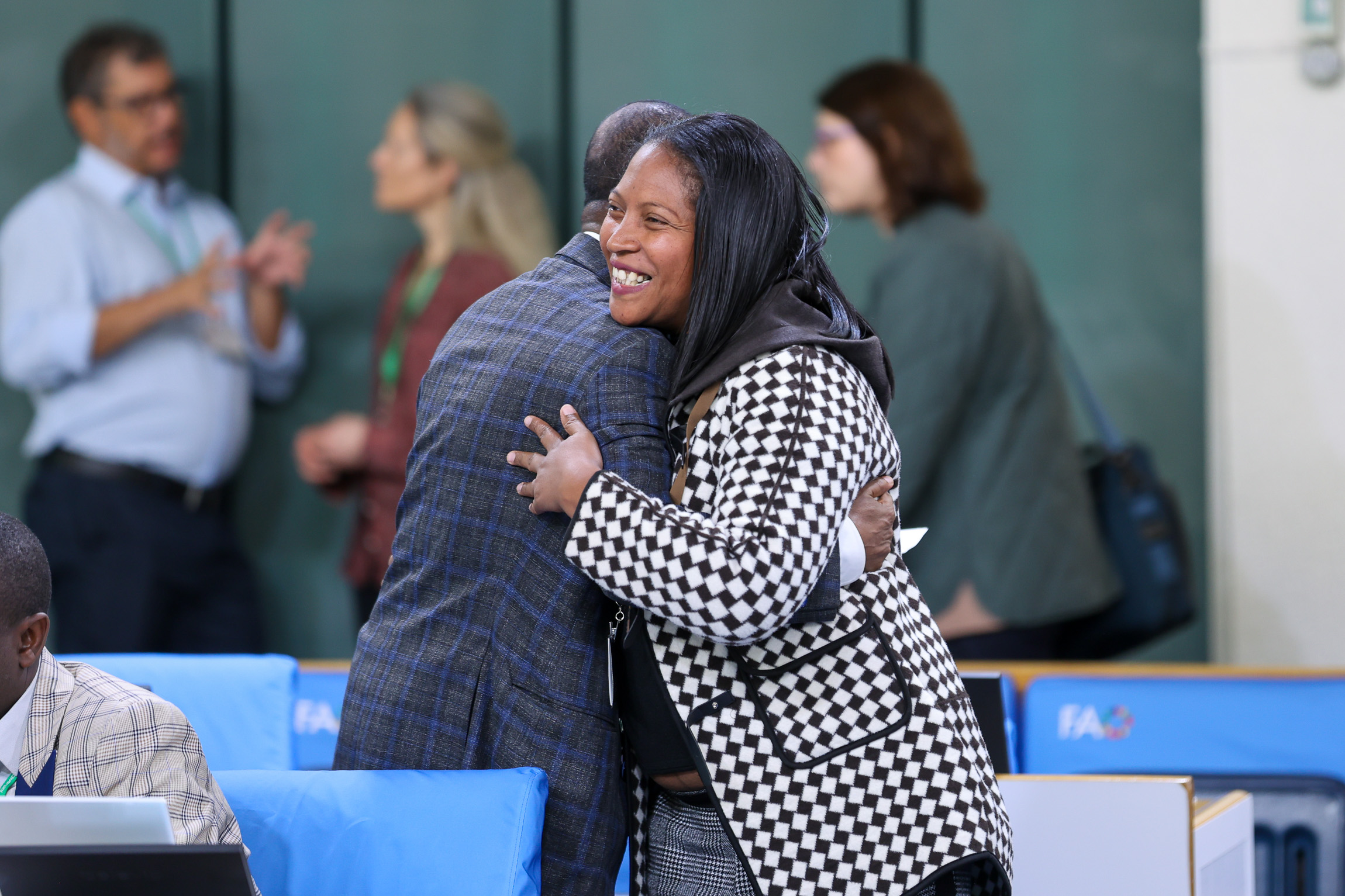
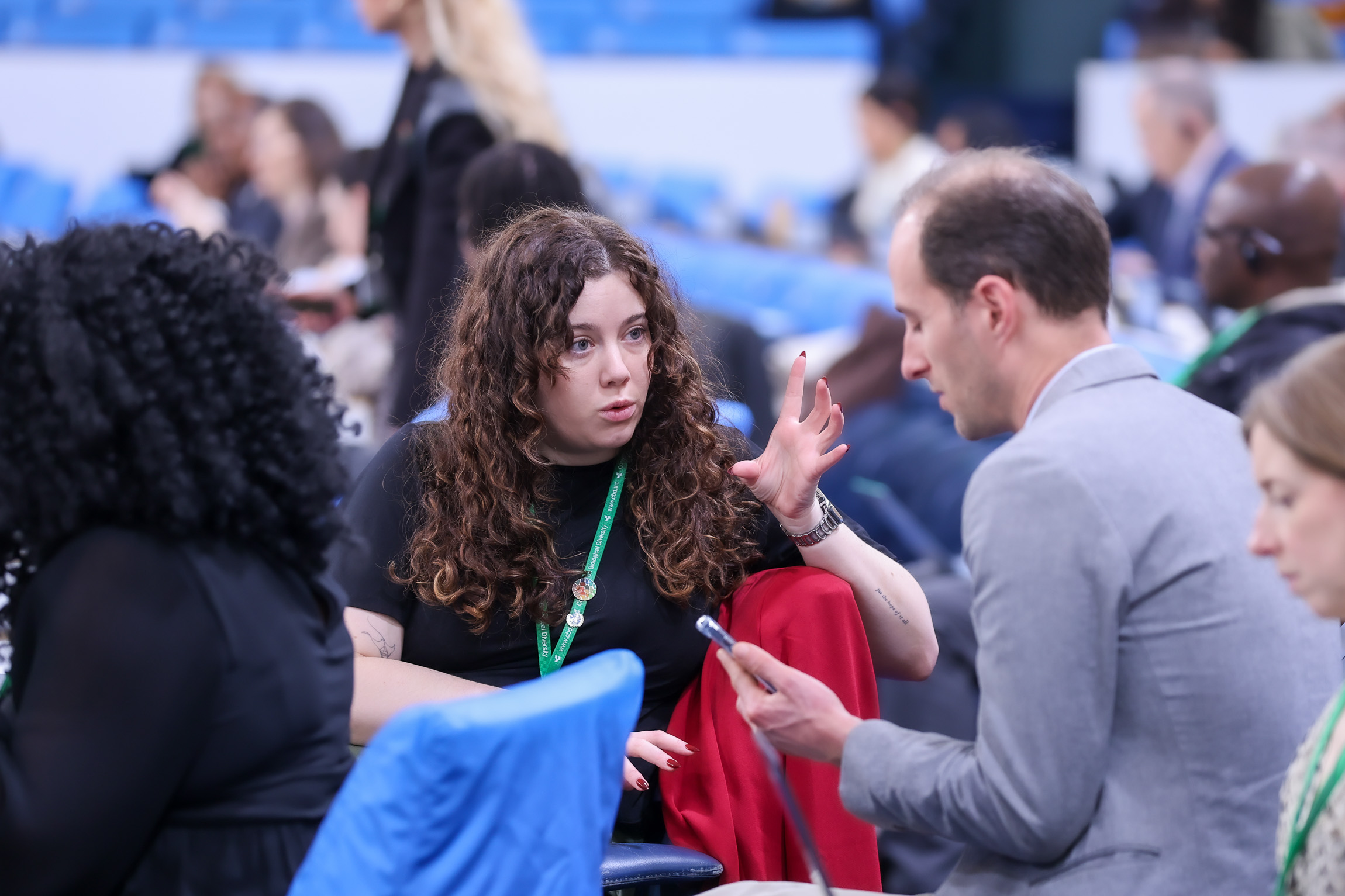
Georgia Patt, UK
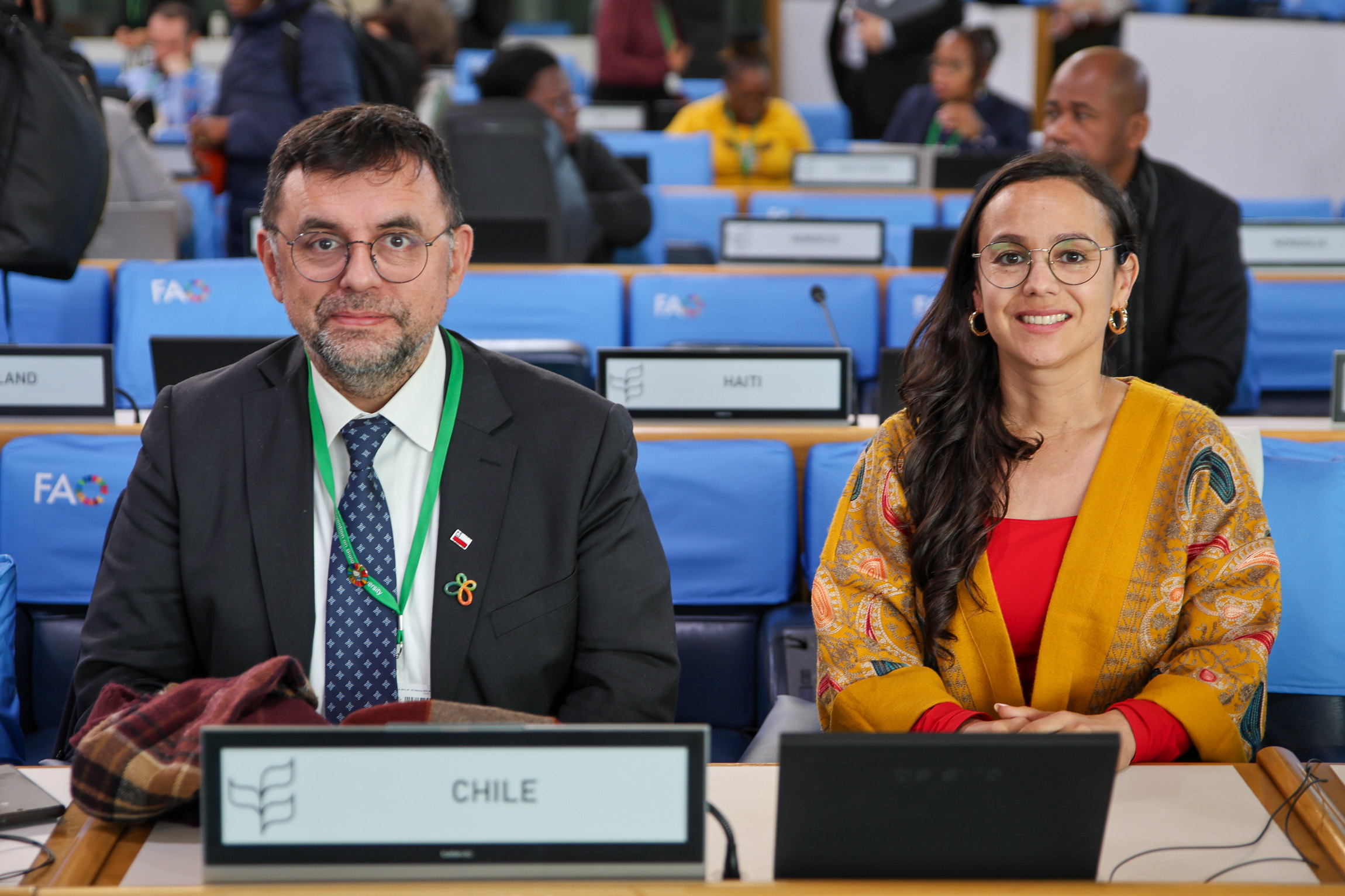
Iván José Vejar Pardo and Paulina Stowhas, Chile
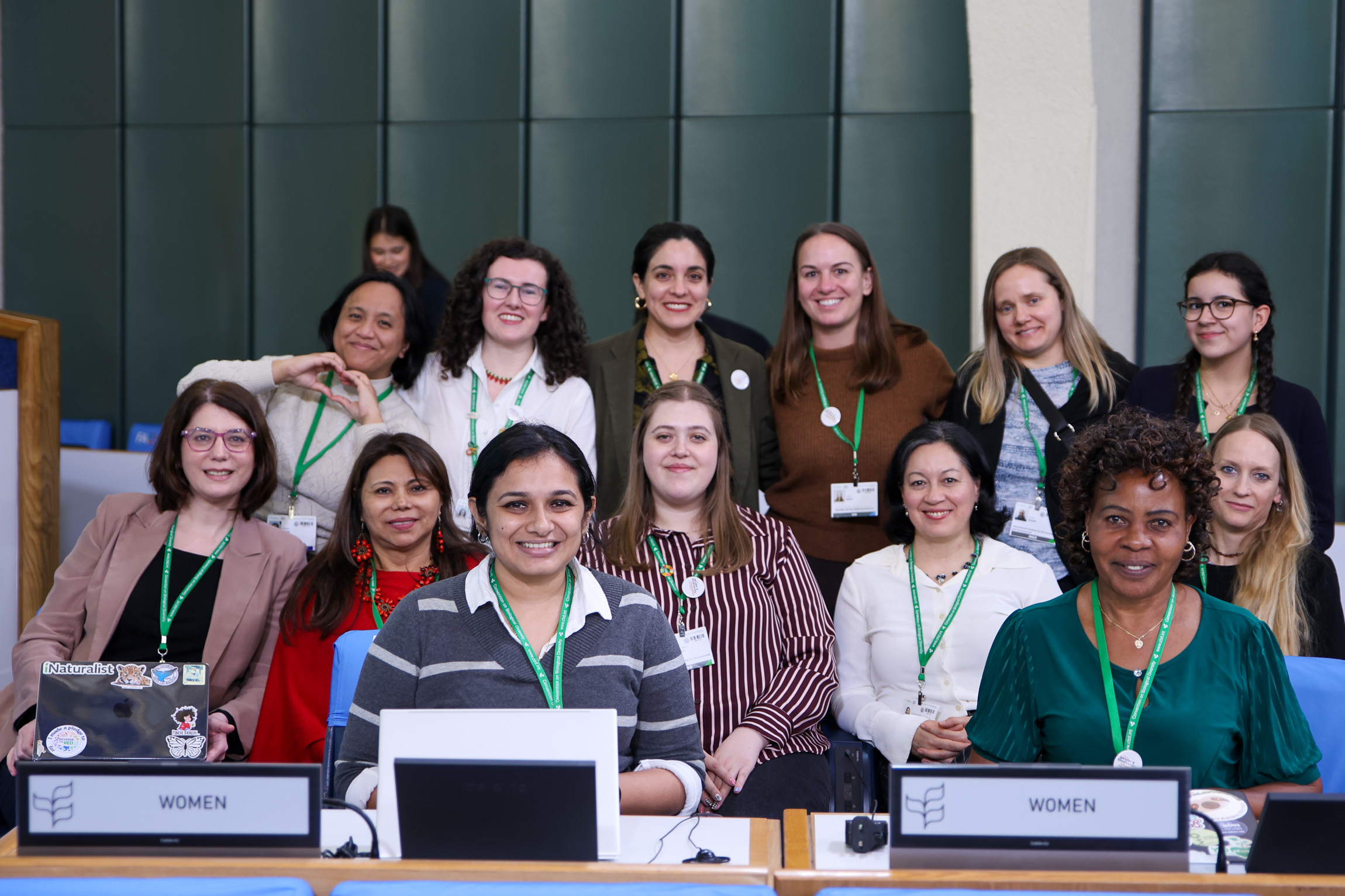
CBD Women's Caucus group photo
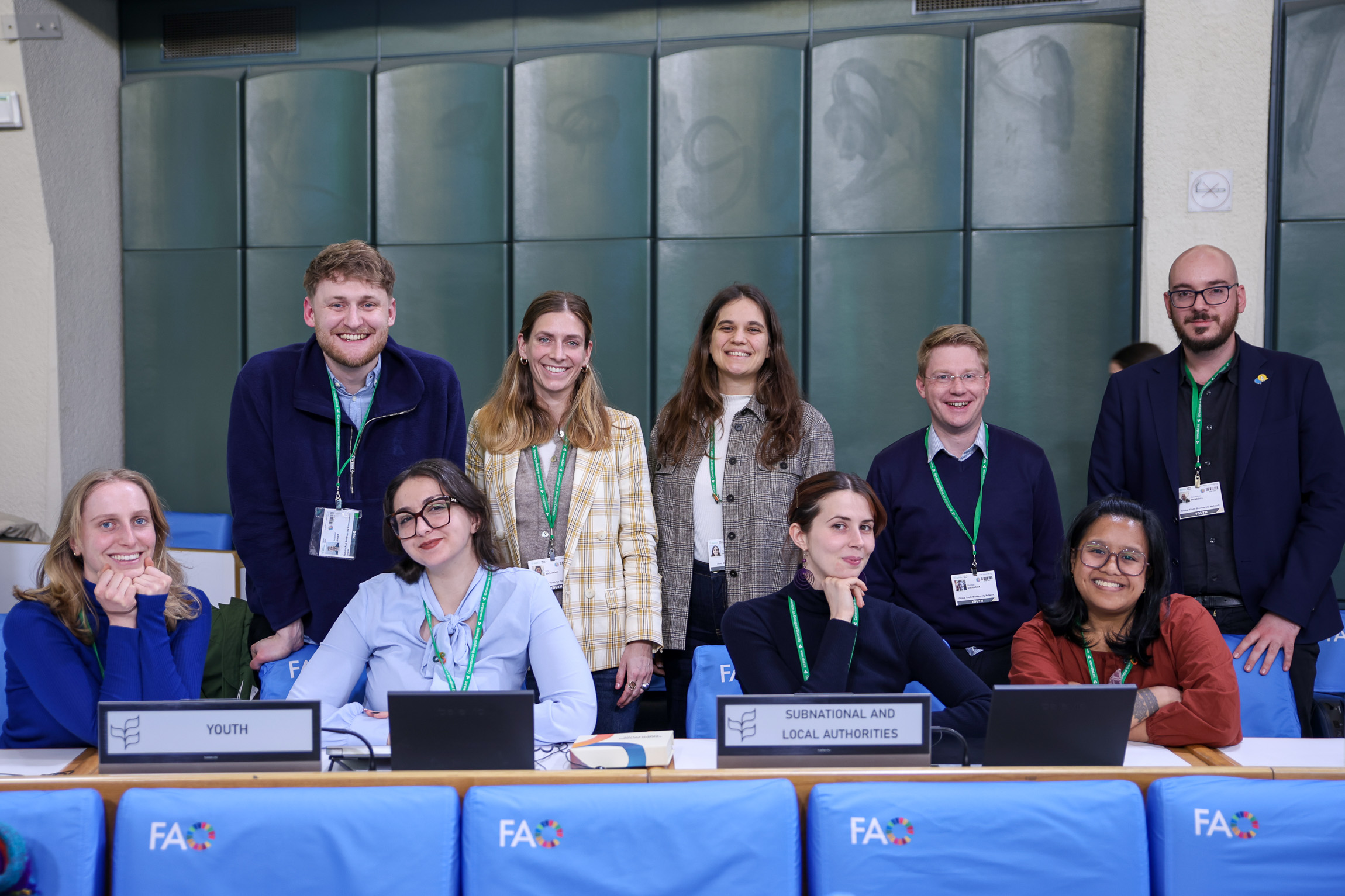
Global Youth Biodiversity Network group photo
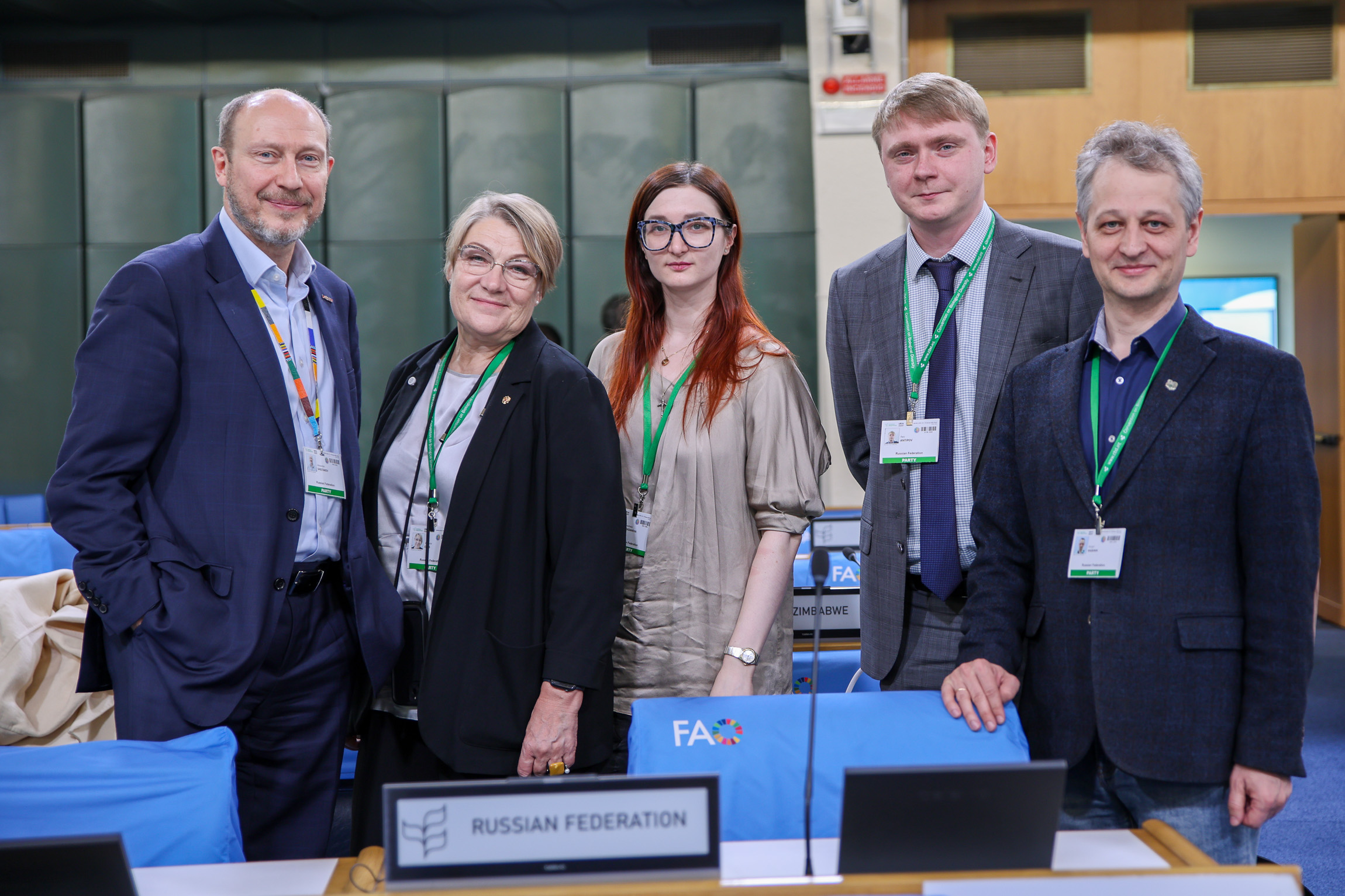
Russian Federation delegation group photo
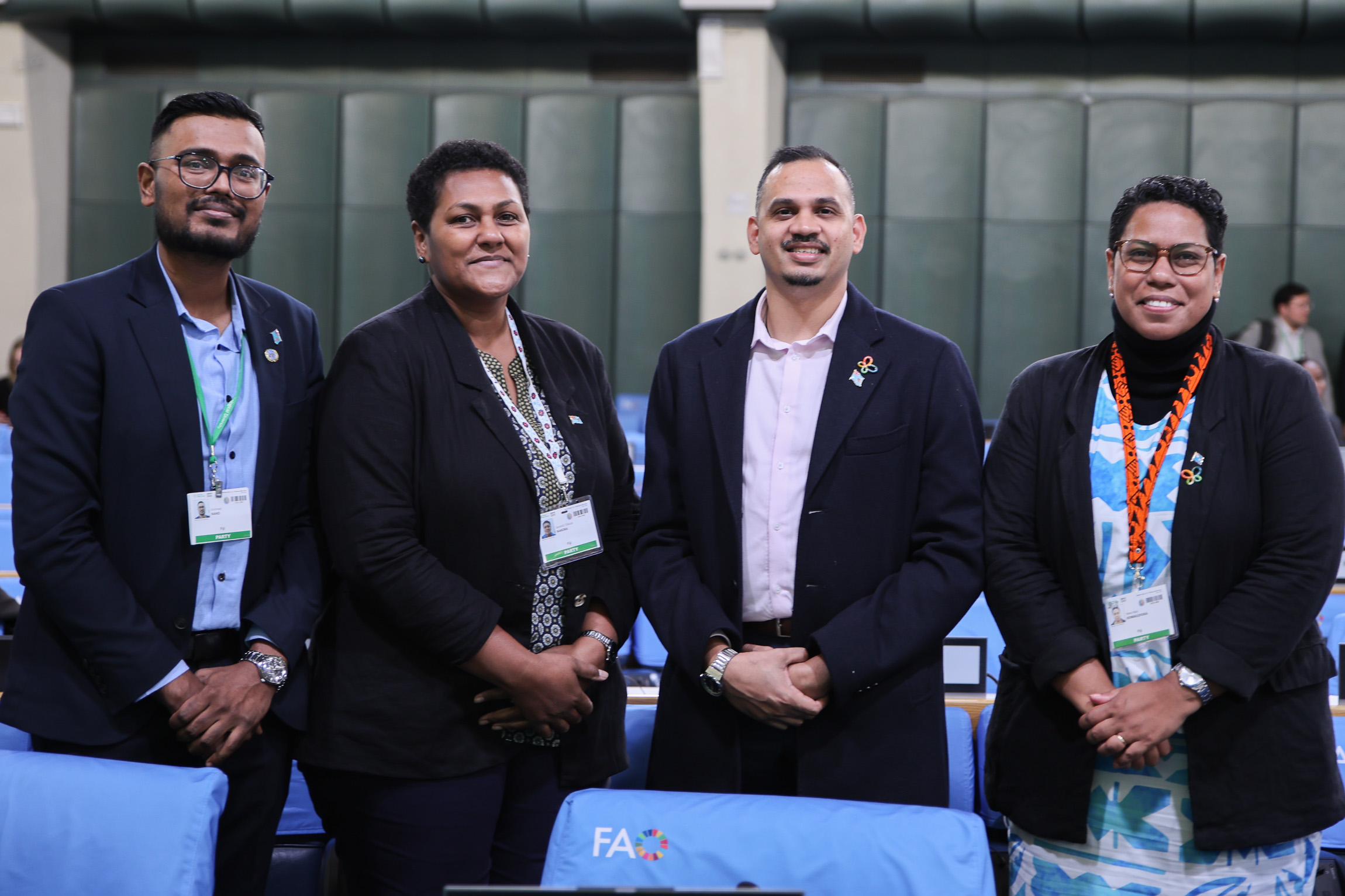
Fiji delegation group photo
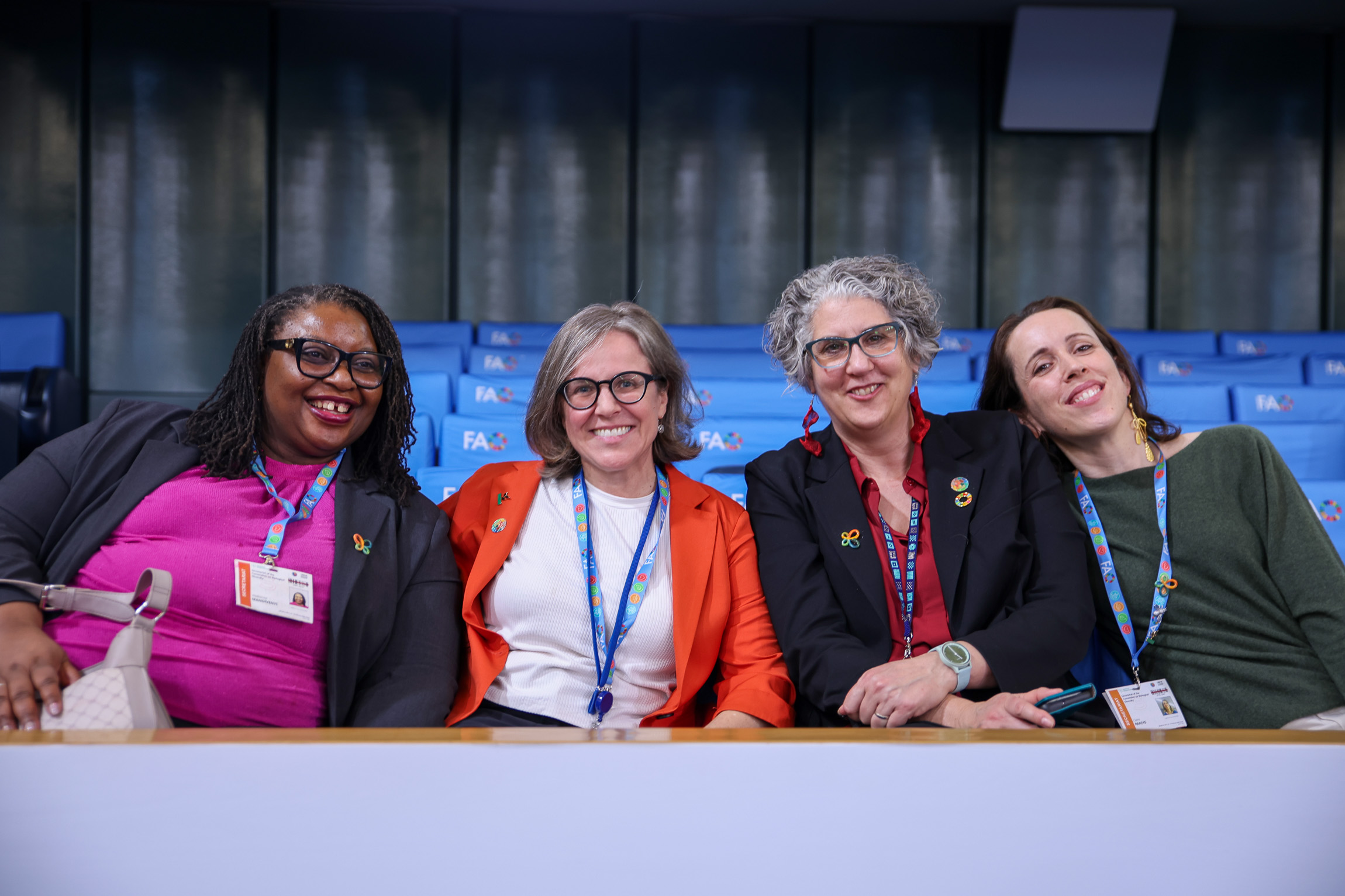
From L-R: Wadzanayi Goredema-Mandivenyi, Chantal Robichaud, Kristina Taboulchanas, and Claire Parois, CBD Secretariat
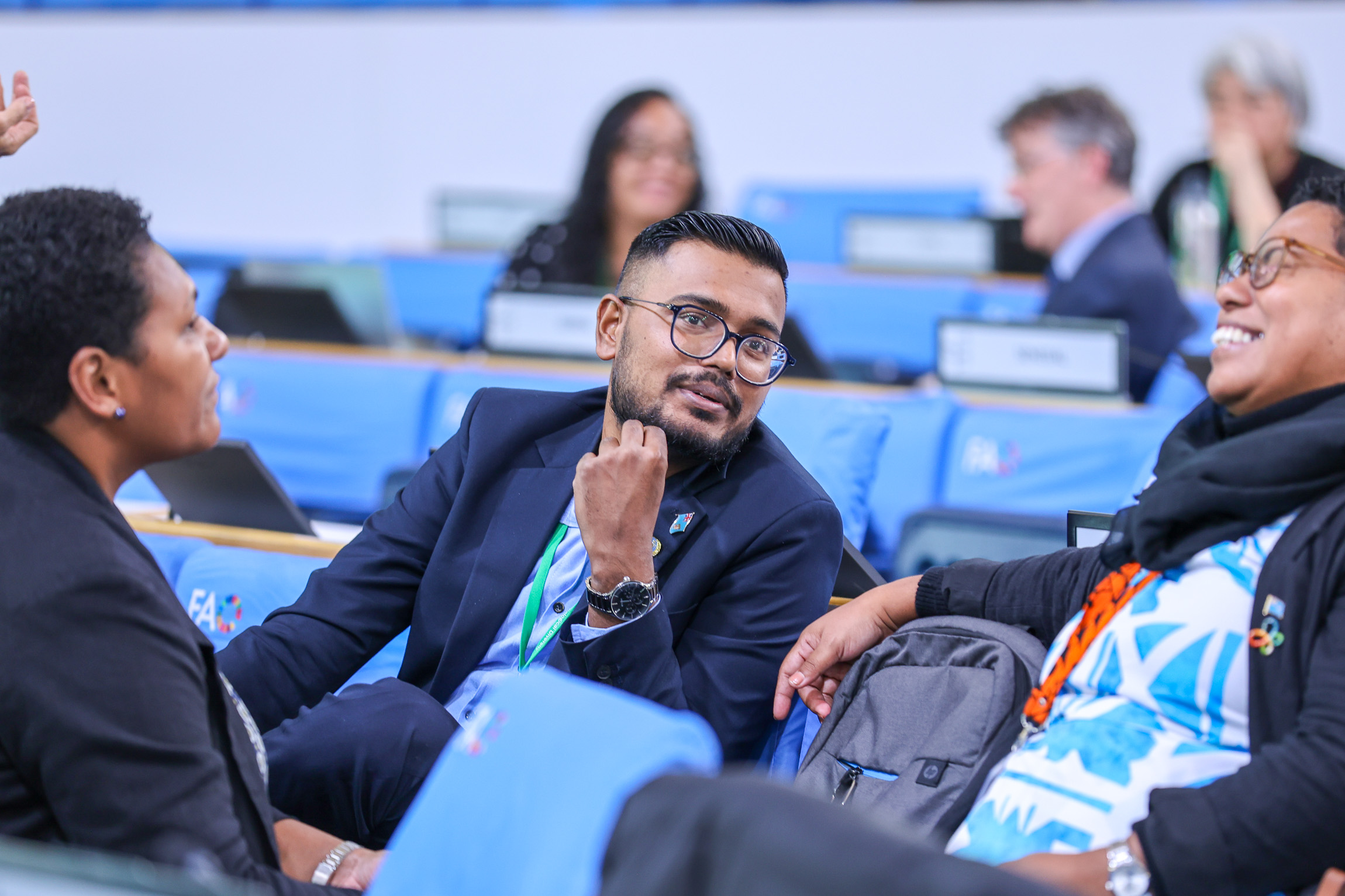
Krishneel Nand, Fiji
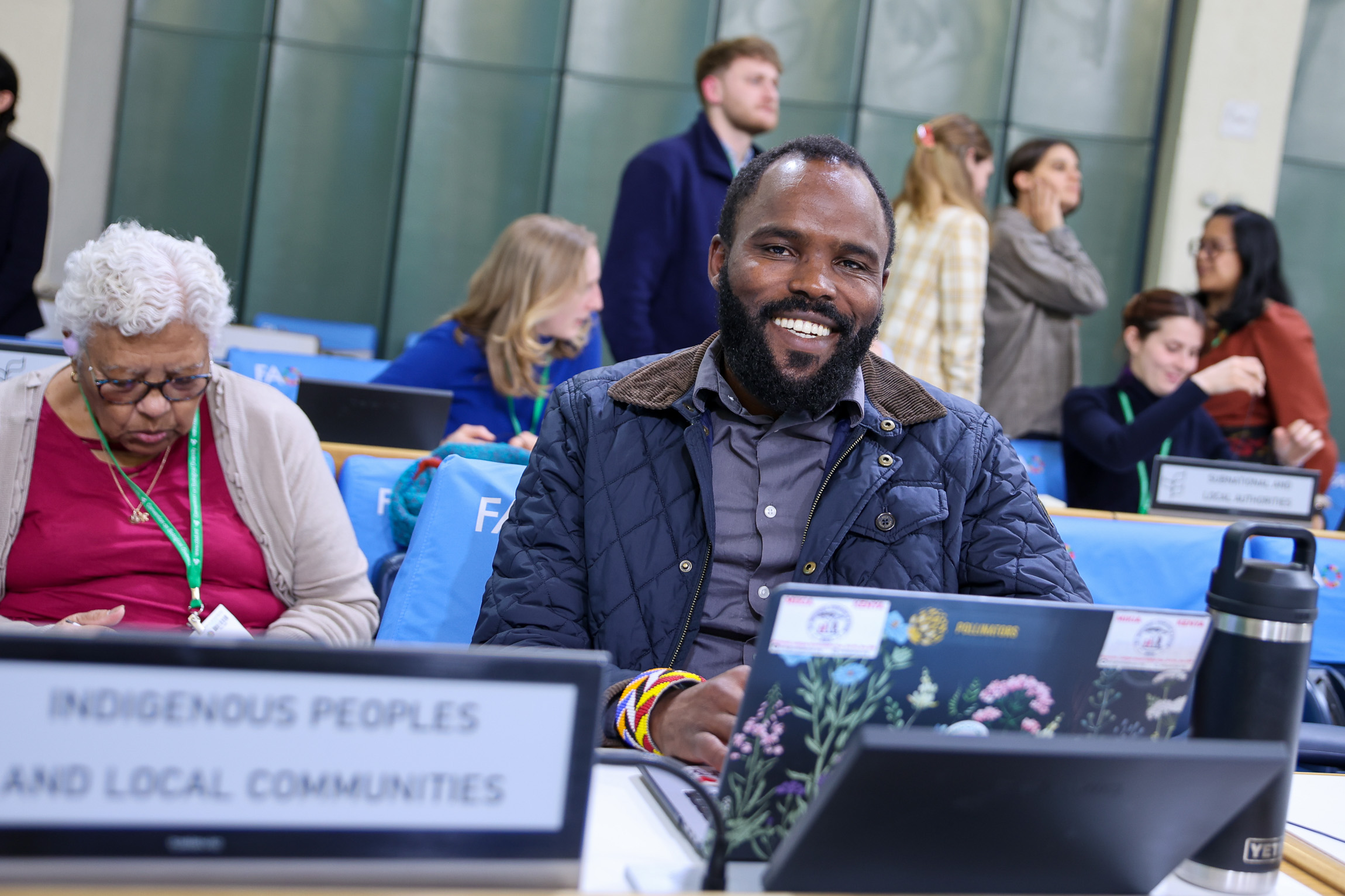
Ramson Sinya Karmushu, International Indigenous Forum on Biodiversity
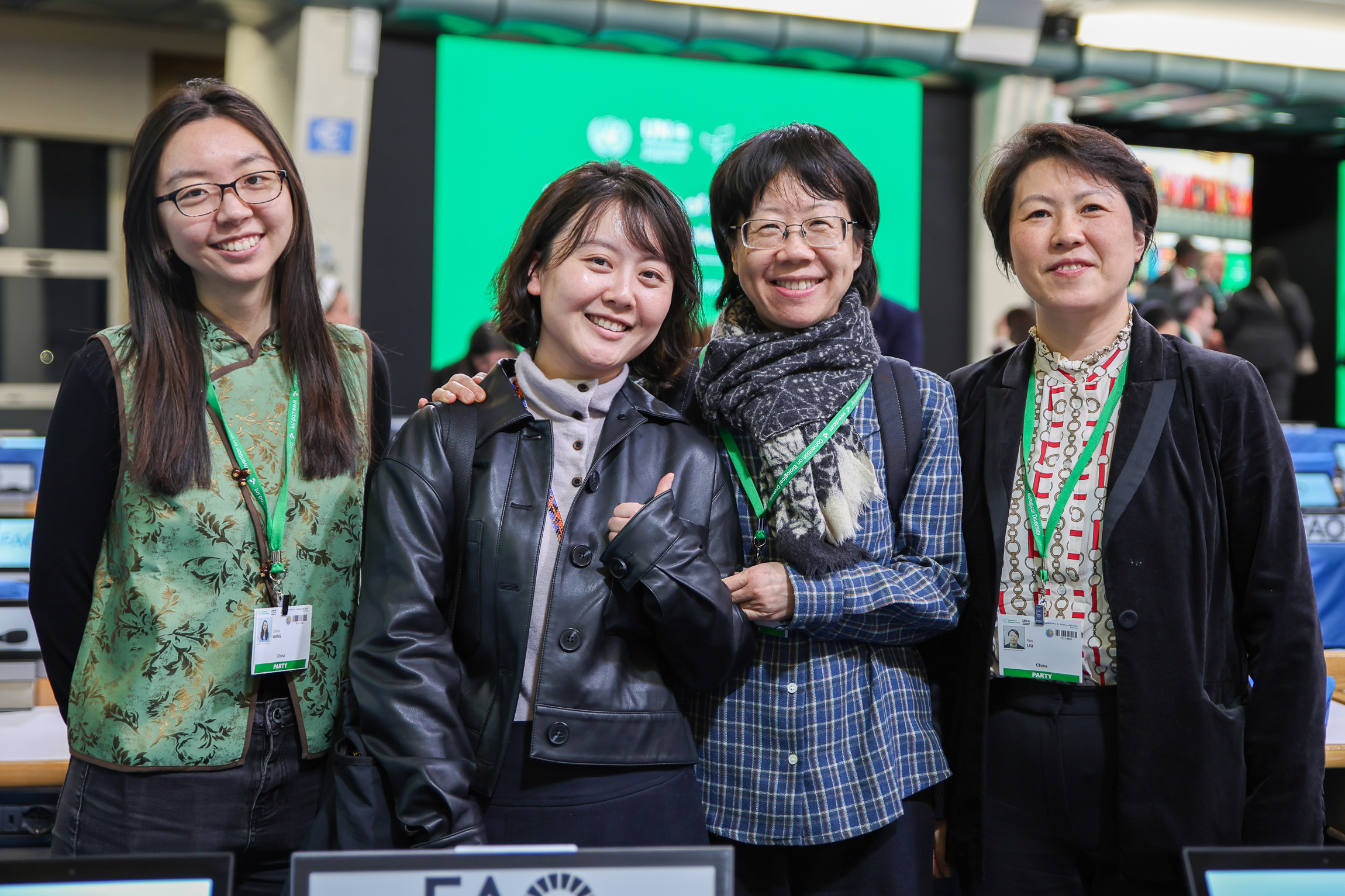
Delegates from China
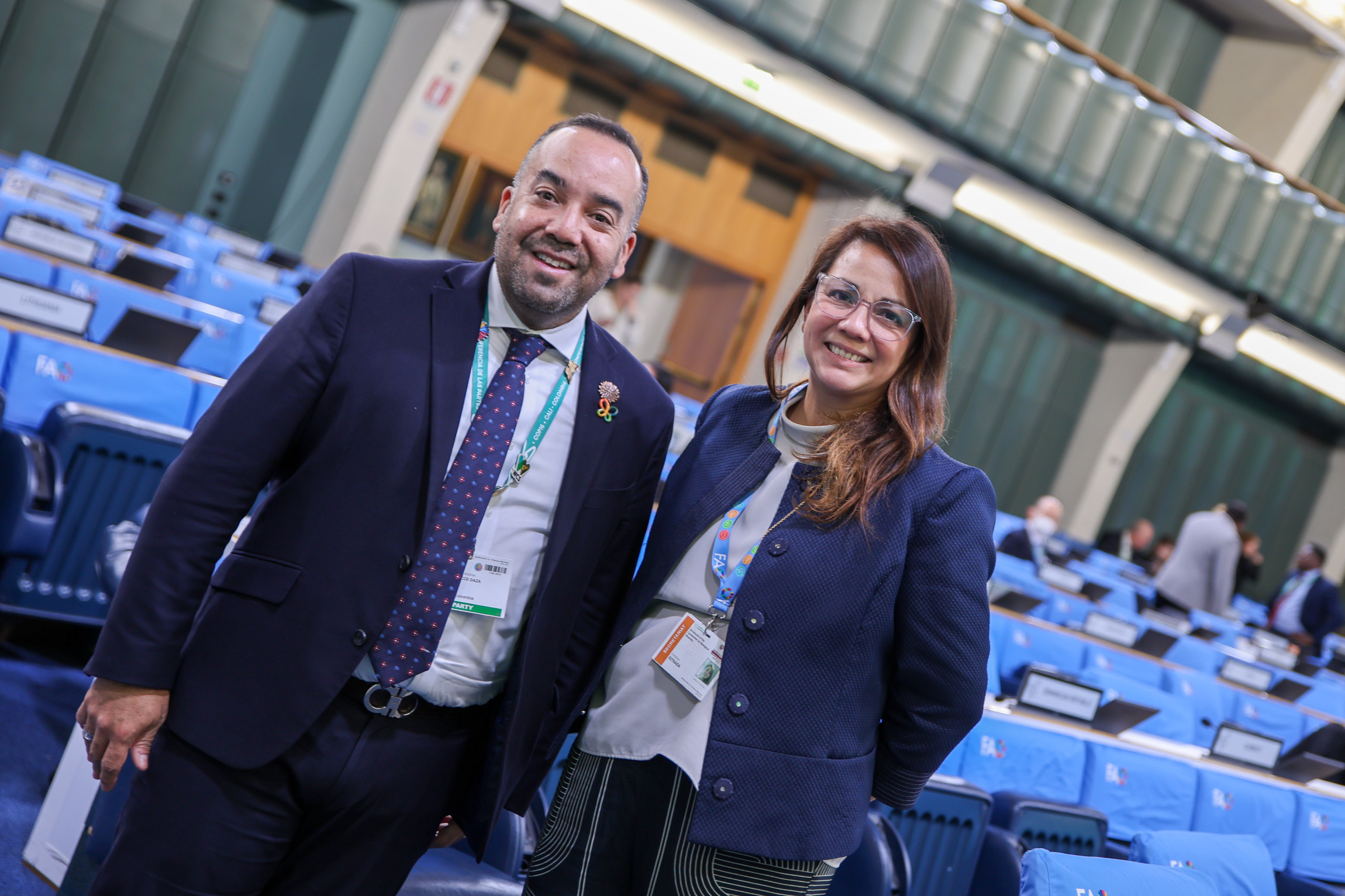
Jaime Andrés Gnecco Daza, Minister Plenipotentiary, Colombia, and Christine Estrada, CBD Secretariat
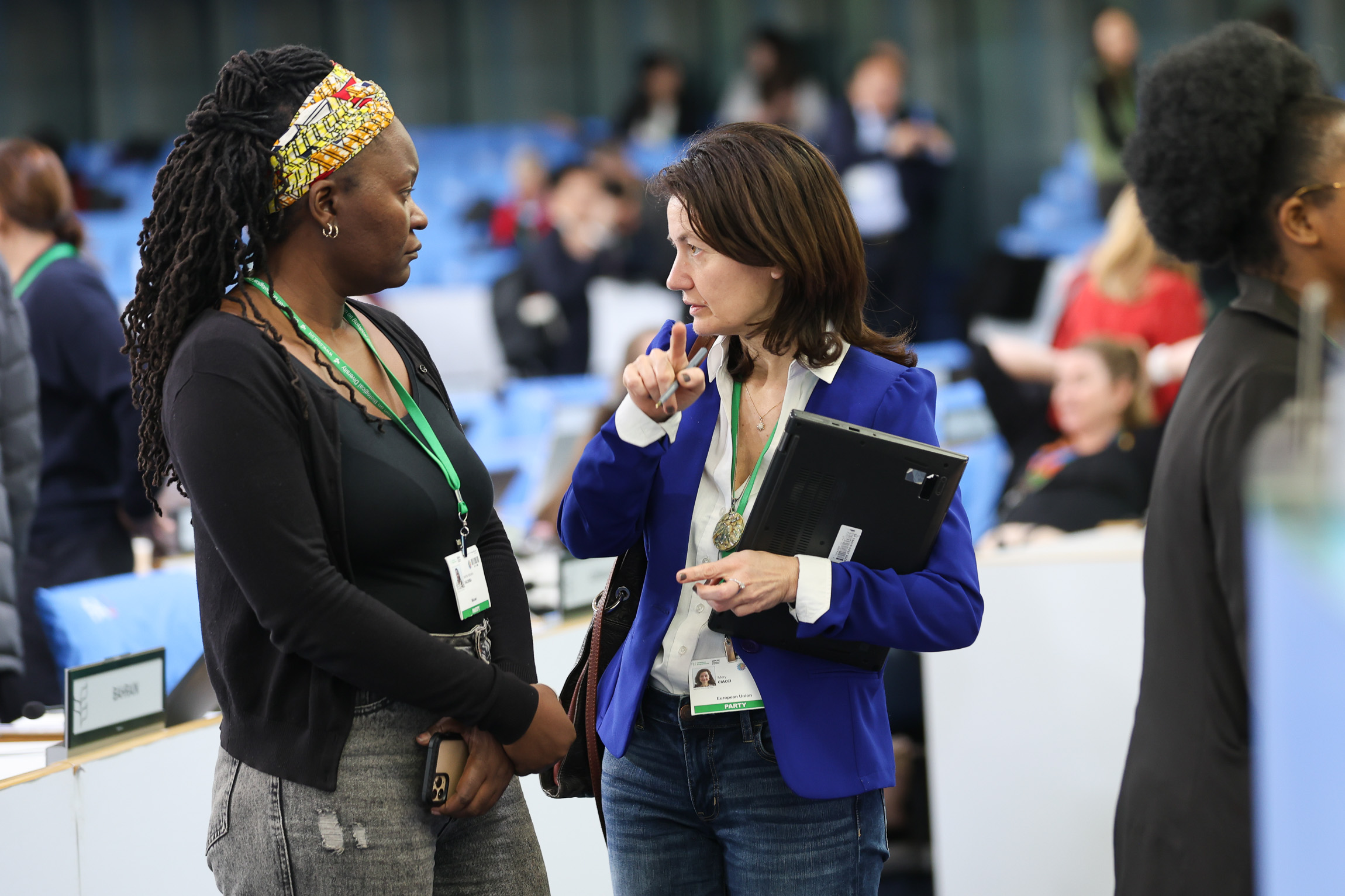
Martha Mphatso Kalemba, Malawi, and Mery Ciacci, EU
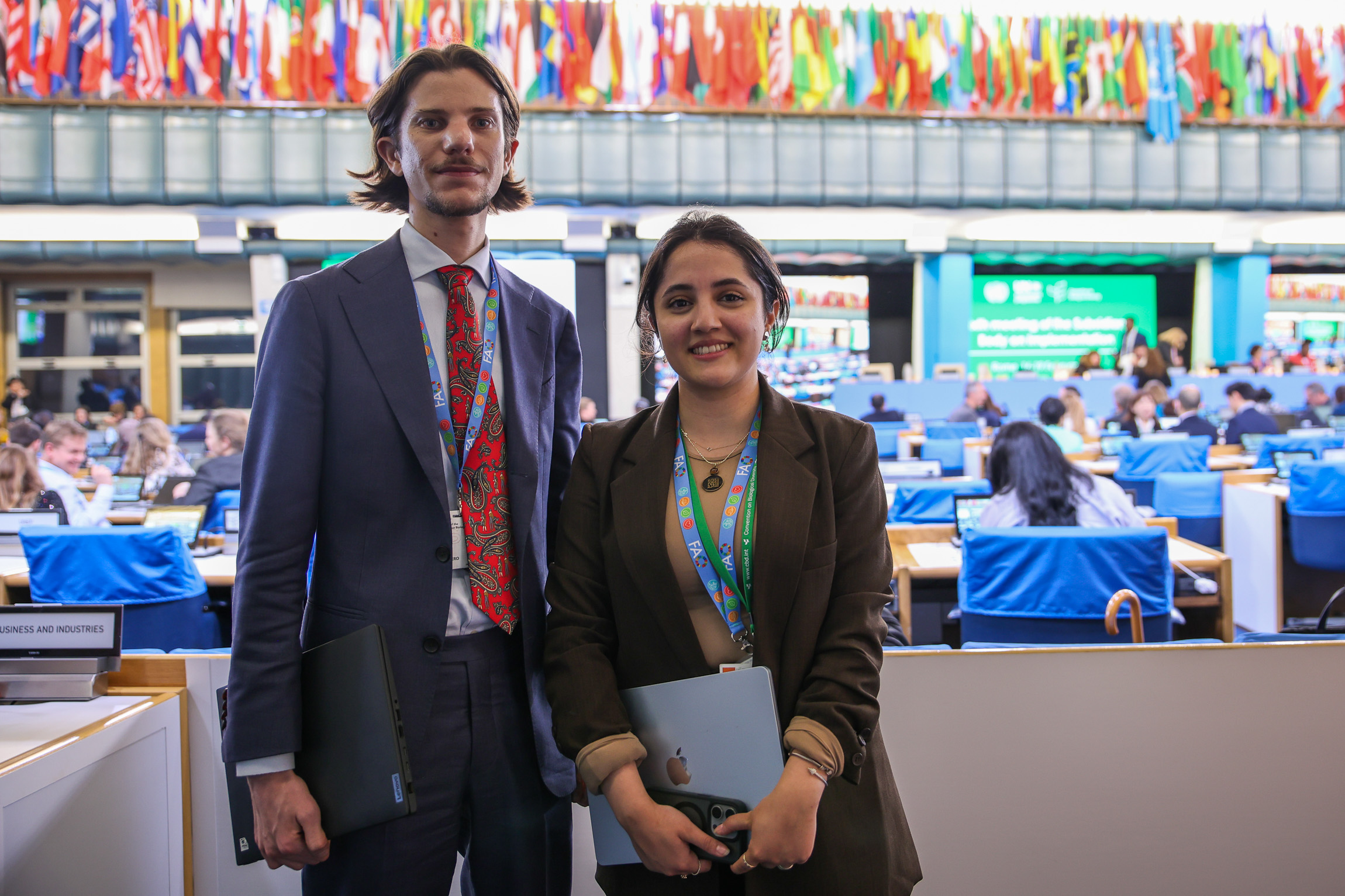
Jacopo Pasquero and Mahnoor Jamal, CBD Secretariat
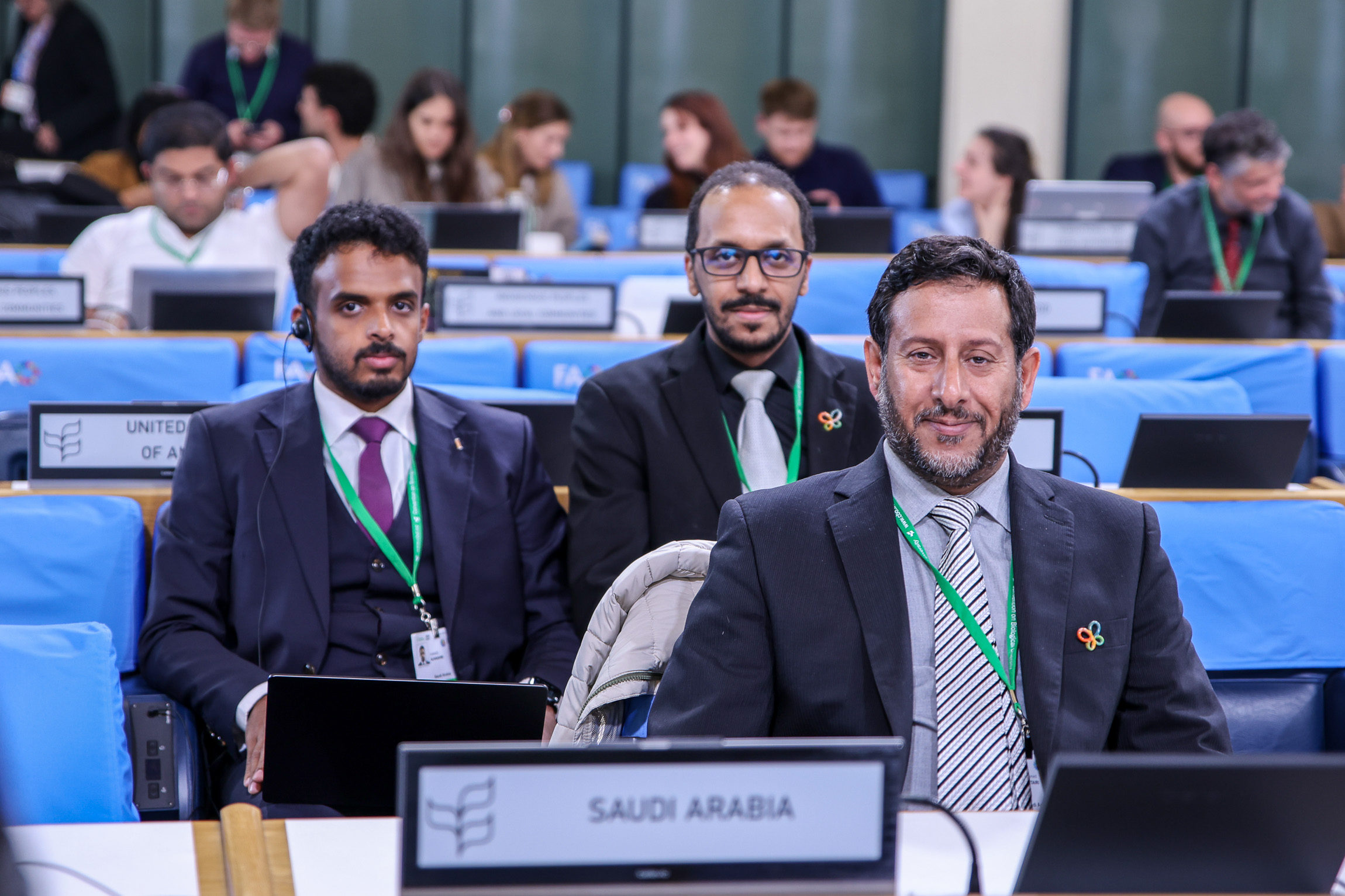
Delegates from Saudi Arabia
Around the Venue
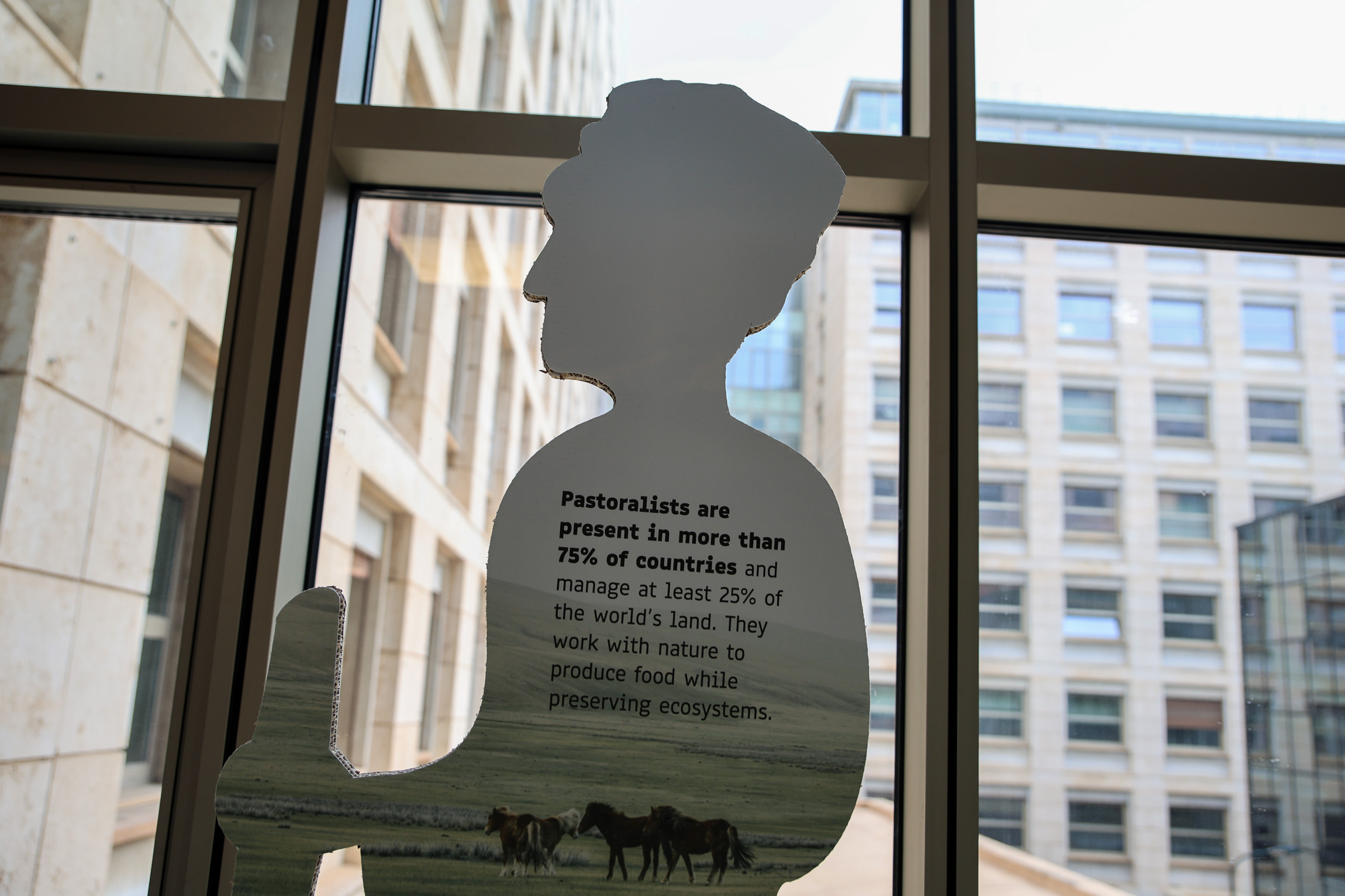
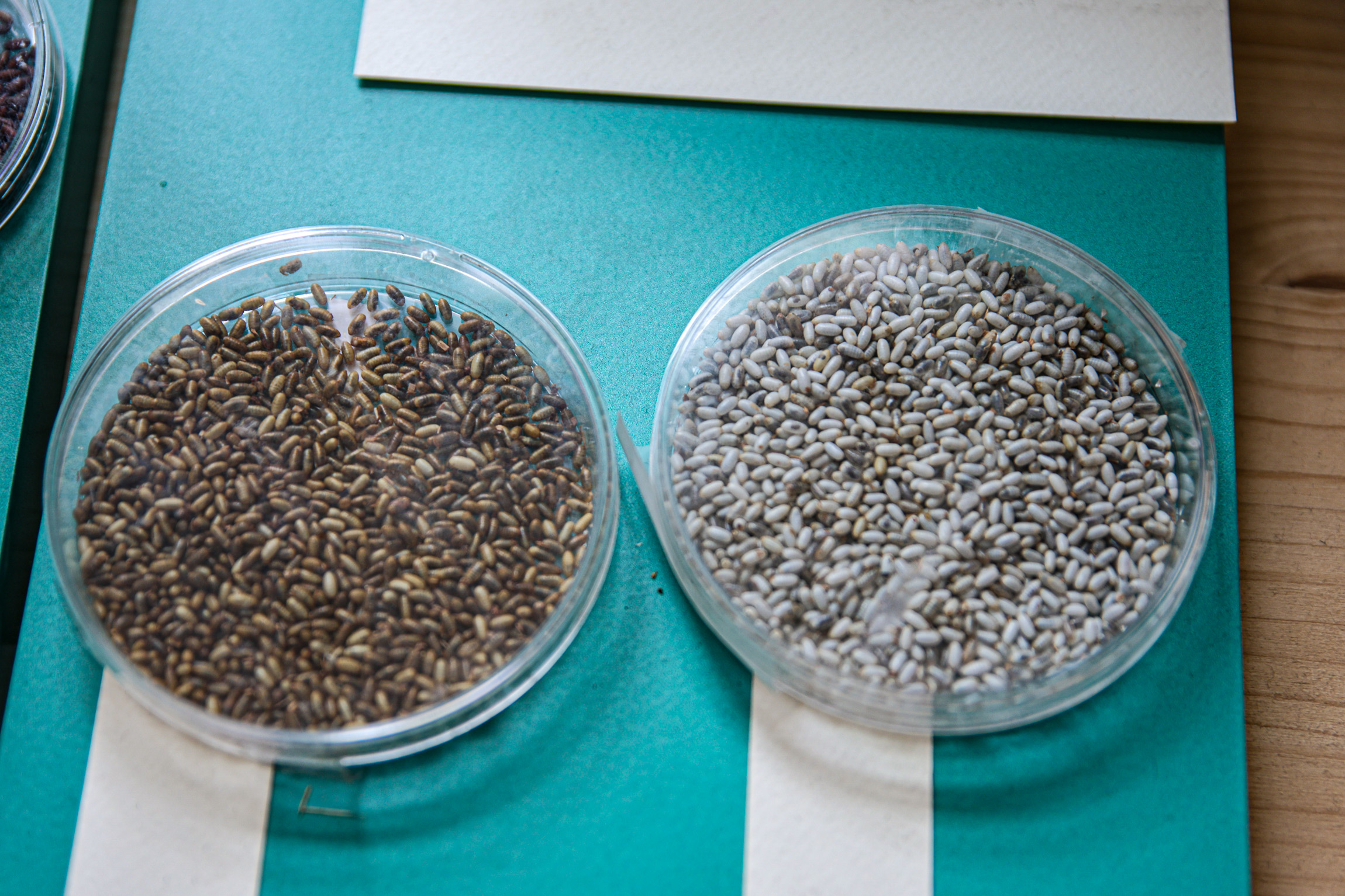
Ceratitis capitata (Mediterranean fruit fly) brown and white pupae

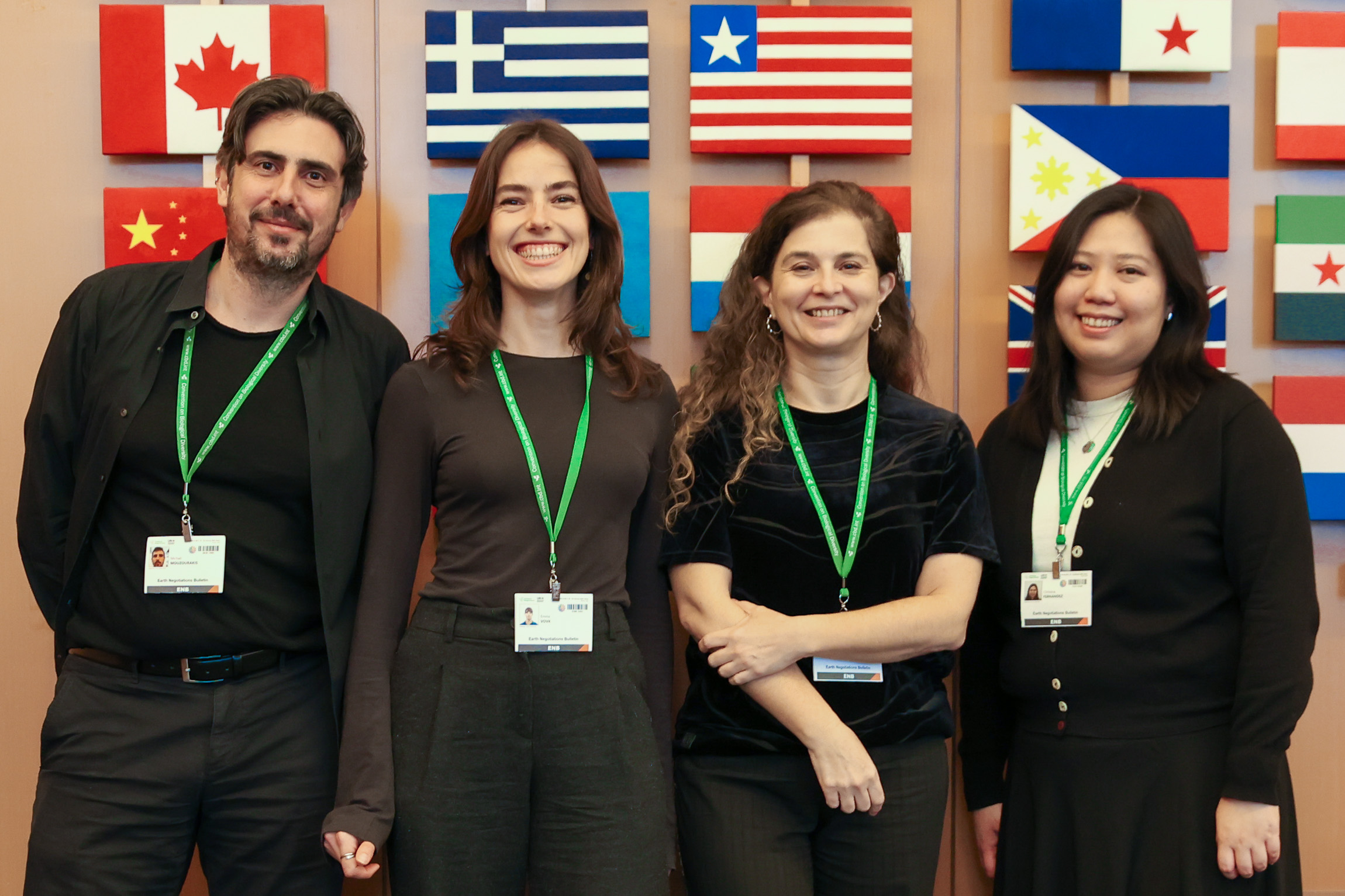
The IISD/ENB team. From L-R: Mike Muzurakis; Emma Vovk; Elsa Tsioumani; and Christina Fernandez