
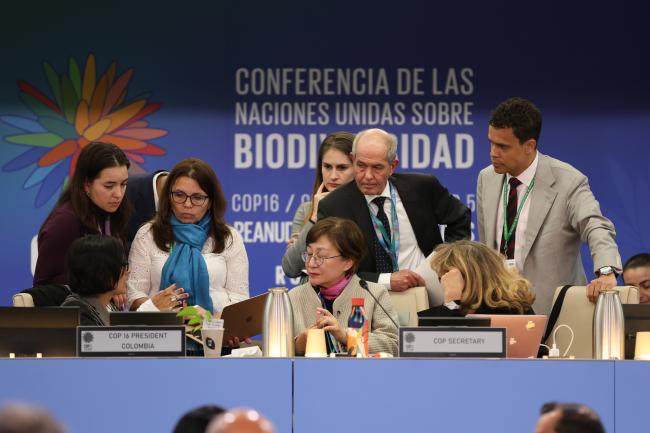
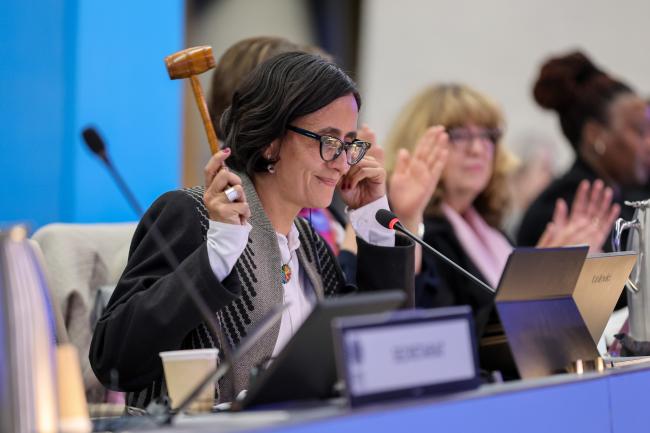
“The ball is now in your hands.” President Susana Muhamad, Colombia, opened the last day of the meeting, reminding delegates of their responsibilities. Urging them to “give the arms, legs, and muscles” to the Kunming-Montreal Global Biodiversity Framework (GBF), she emphasized that, without a strong decision on resource mobilization, “we have created an important policy without the means to implement it.”
A revised draft decision on resource mobilization had been circulated on Wednesday evening. The draft included a series of steps aimed at enhancing global biodiversity finance and implementing Article 21 (Financial Mechanism) of the Convention on Biological Diversity (CBD) by 2030, as well as an intersessional process and road map to deliver this mandate. Decision making thus involved “two distinct but interconnected workstreams,” aptly explained by Jamaica: resource mobilization and closing the biodiversity finance gap; and implementation of CBD Article 21, which requires the establishment of a permanent financial mechanism under the authority of the Conference of the Parties (COP).
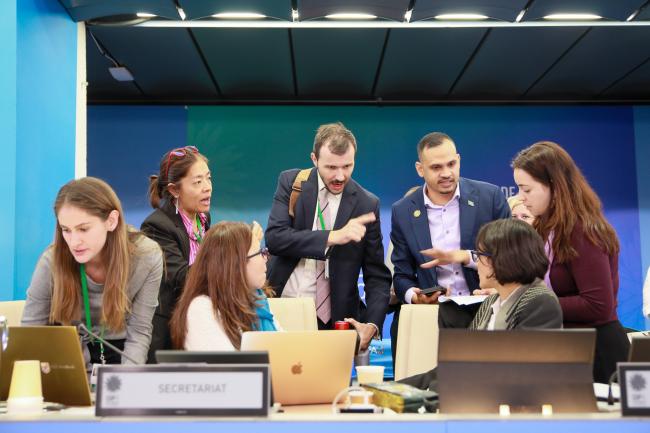
In the morning, negotiating groups and parties shared their views on the draft, while expressing readiness to engage in negotiations. Many, including Asia-Pacific, Latin America and the Caribbean, and Pacific small island developing states, proposed restructuring the draft decision to clearly demarcate the two workstreams and outline clear outcomes and intersessional processes under each.
Brazil, for BRICS, proposed alternative text along these lines, including a decision to address the global biodiversity finance gap and to fully implement Article 21 by 2030 by: assessing and improving the mobilization of finance from all sources and the performance of existing financial instruments; and establishing the permanent arrangement for the financial mechanism envisaged in Article 21.
Plenary broke at 11:40 am, to allow a small group of representatives from negotiating groups to address outstanding matters with a view to producing a revised draft. Resuming at 6:00 pm, delegates adopted a decision on digital sequence information under the Nagoya Protocol noting CBD Decision 16/2; and addressed outstanding matters on planning, monitoring, reporting, and review (PMRR); the appointment of CBD executive secretaries; and cooperation with other conventions and international organizations.
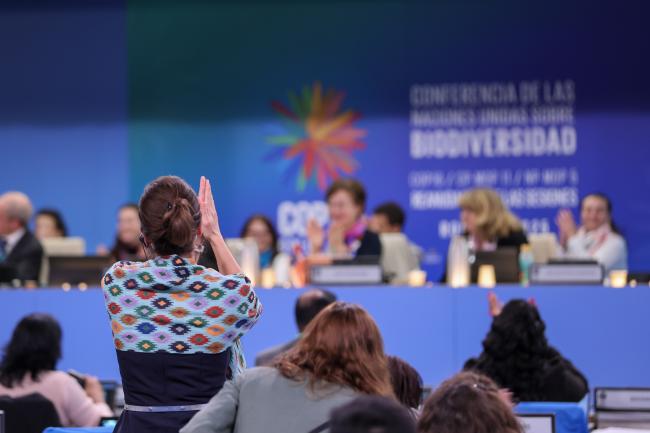
A representative of the Presidency then presented a non-paper on resource mobilization resulting from the informal discussions on the basis of the BRICS proposal. He drew attention to a single pair of remaining brackets, noting that the entity to operate the financial mechanism should be accessible by all eligible parties “in a fair, timely, simplified, equitable, inclusive, and non-discriminatory manner.”
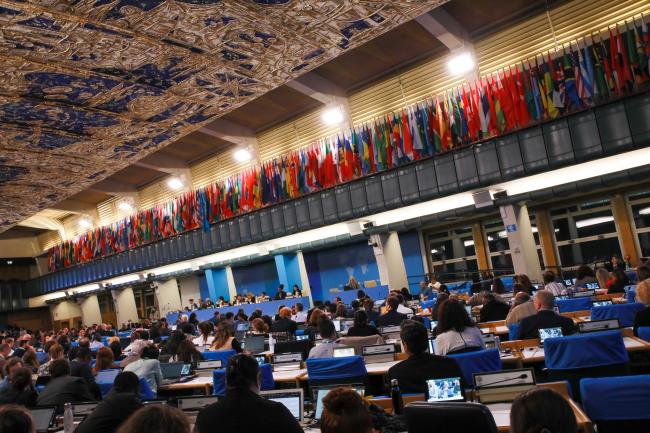
Following a break for consultations and document preparation, plenary resumed at 10:30 pm and adopted the decision on resource mobilization by acclamation, followed by decisions on the financial mechanism, the GBF monitoring framework, mechanisms for PMRR, and the remaining agenda items, as well as the meeting reports for the Convention and the protocols. The Multi-year Programme of Work up to 2030 was deferred for consideration by COP 17.
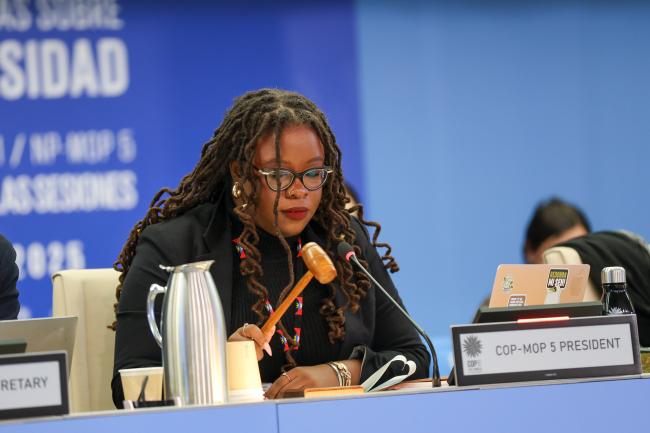
Plenary gave an extended standing ovation to President Muhamad, applauding her dedication and able leadership, from Cali to Rome. Following closing statements, the meeting was gaveled to a close at 1:42 am.
To receive free coverage of global environmental events delivered to your inbox, subscribe to the ENB Update newsletter.
All ENB photos are free to use with attribution. For the Resumed Session of the 2024 UN Biodiversity Conference, please use: Photo by IISD/ENB | Mike Muzurakis
Plenary
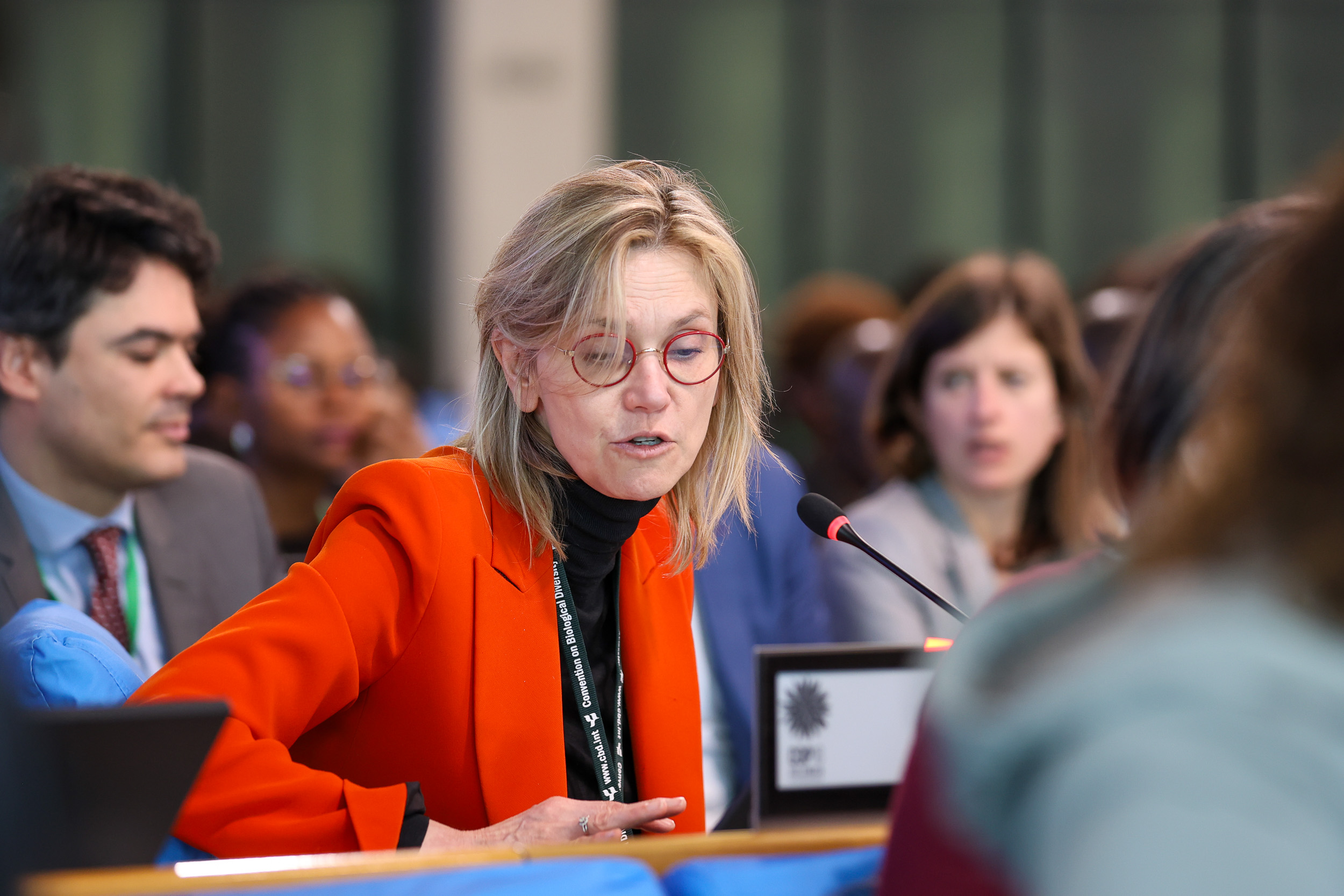
Agnès Pannier-Runacher, Minister of the Ecological Transition, France
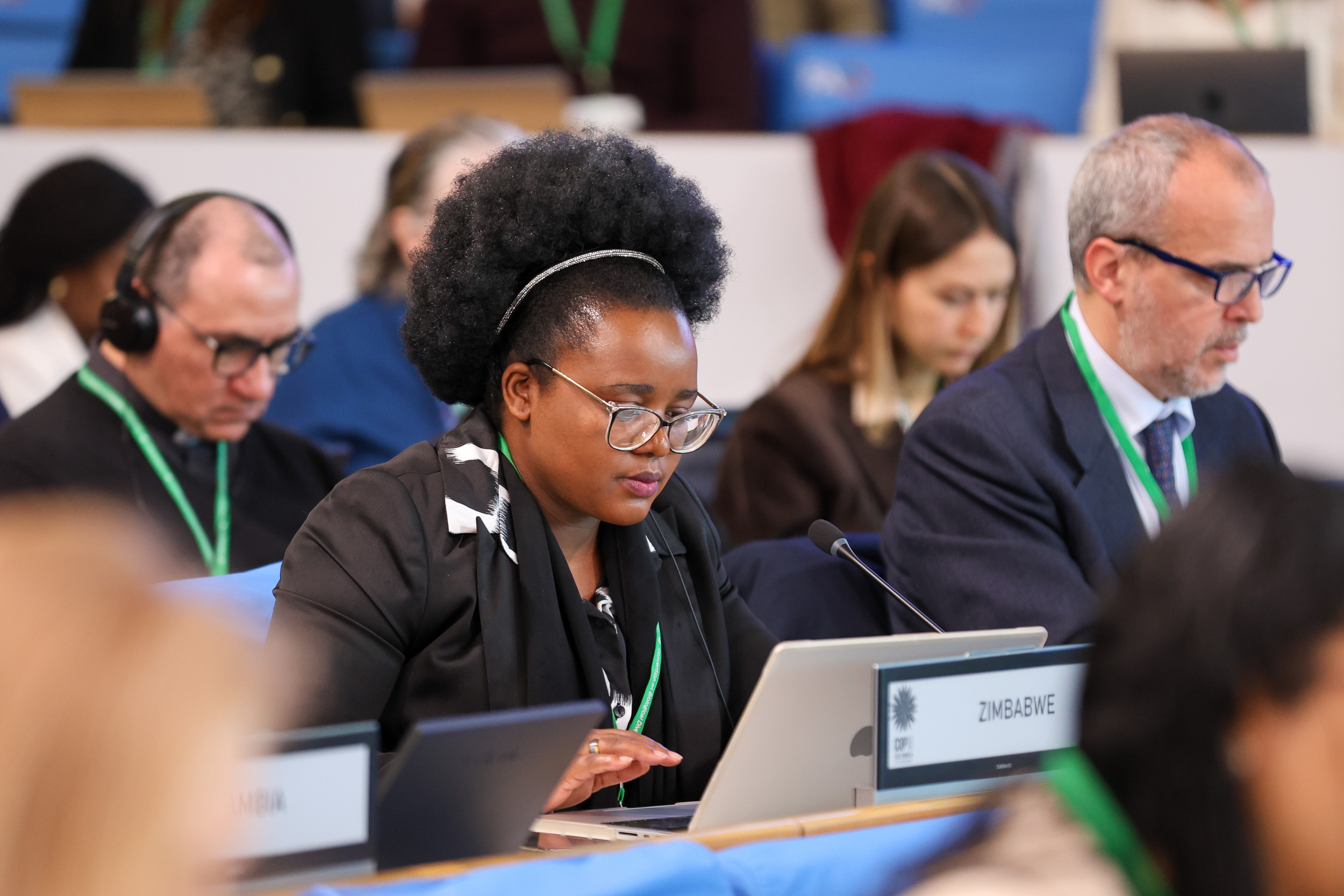
Patience Gandiwa, Zimbabwe

Maria Angélica Ikeda, Brazil
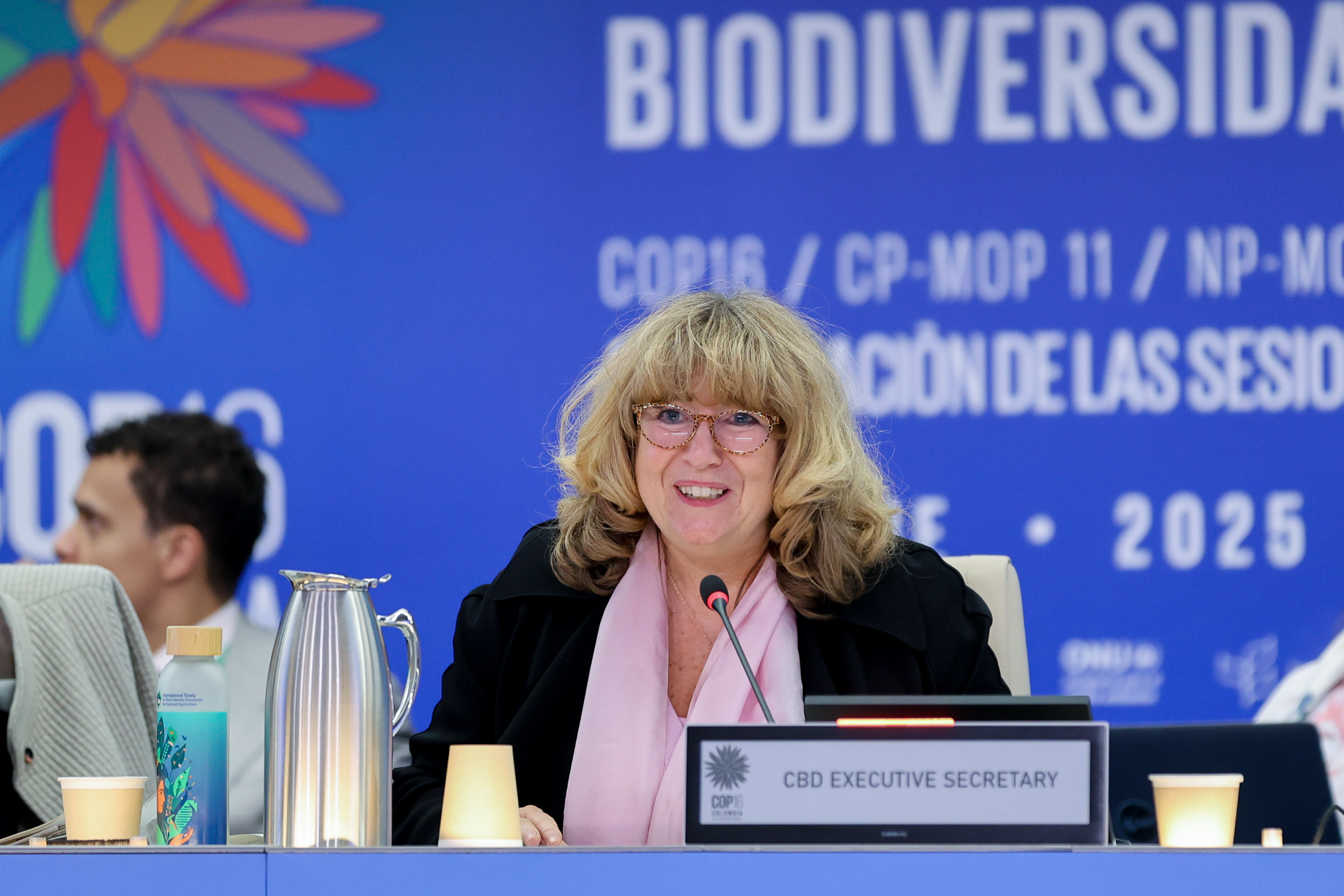
CBD Executive Secretary Astrid Schomaker

Neil Pratt, CBD Secretariat
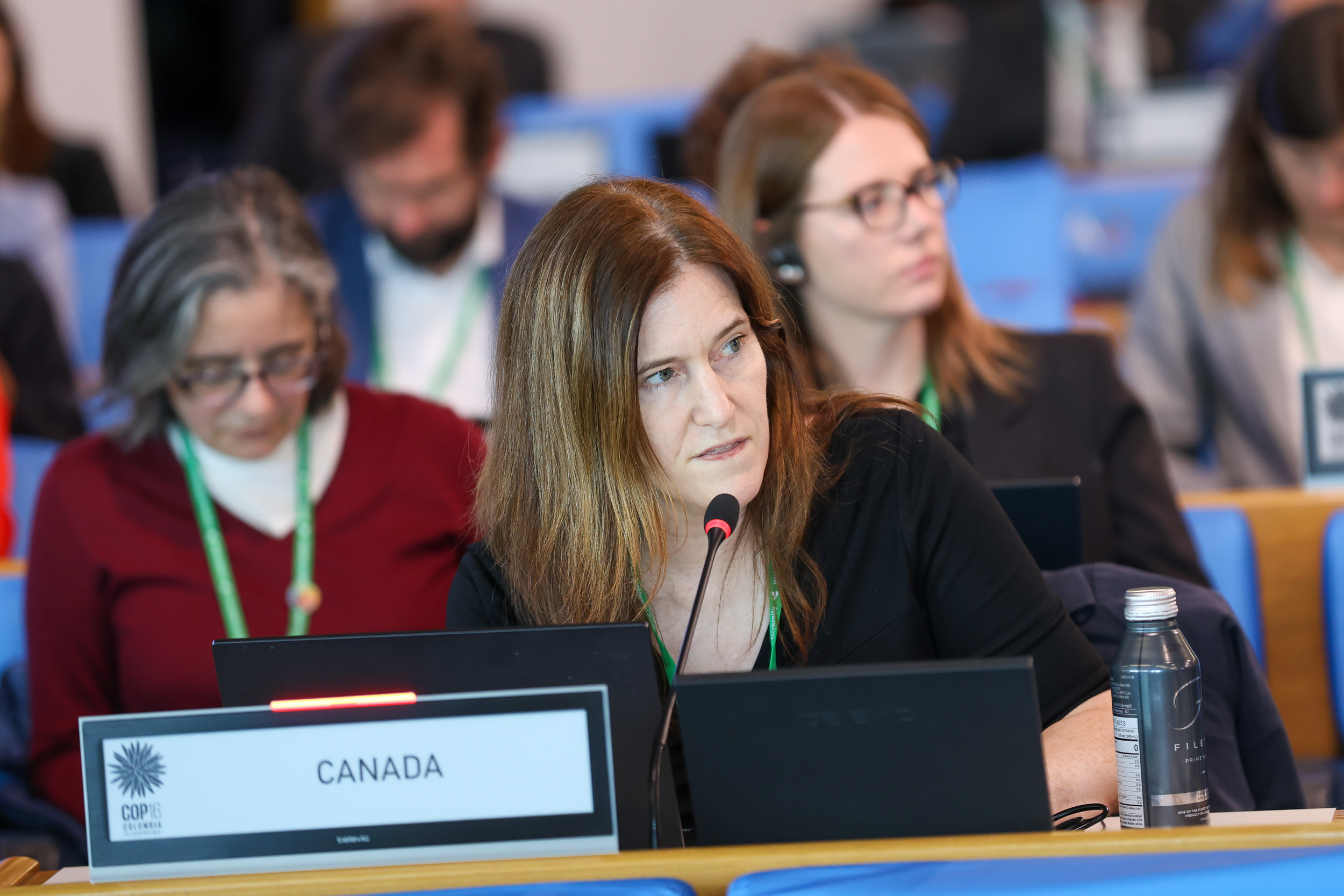
Tara Shannon, Canada
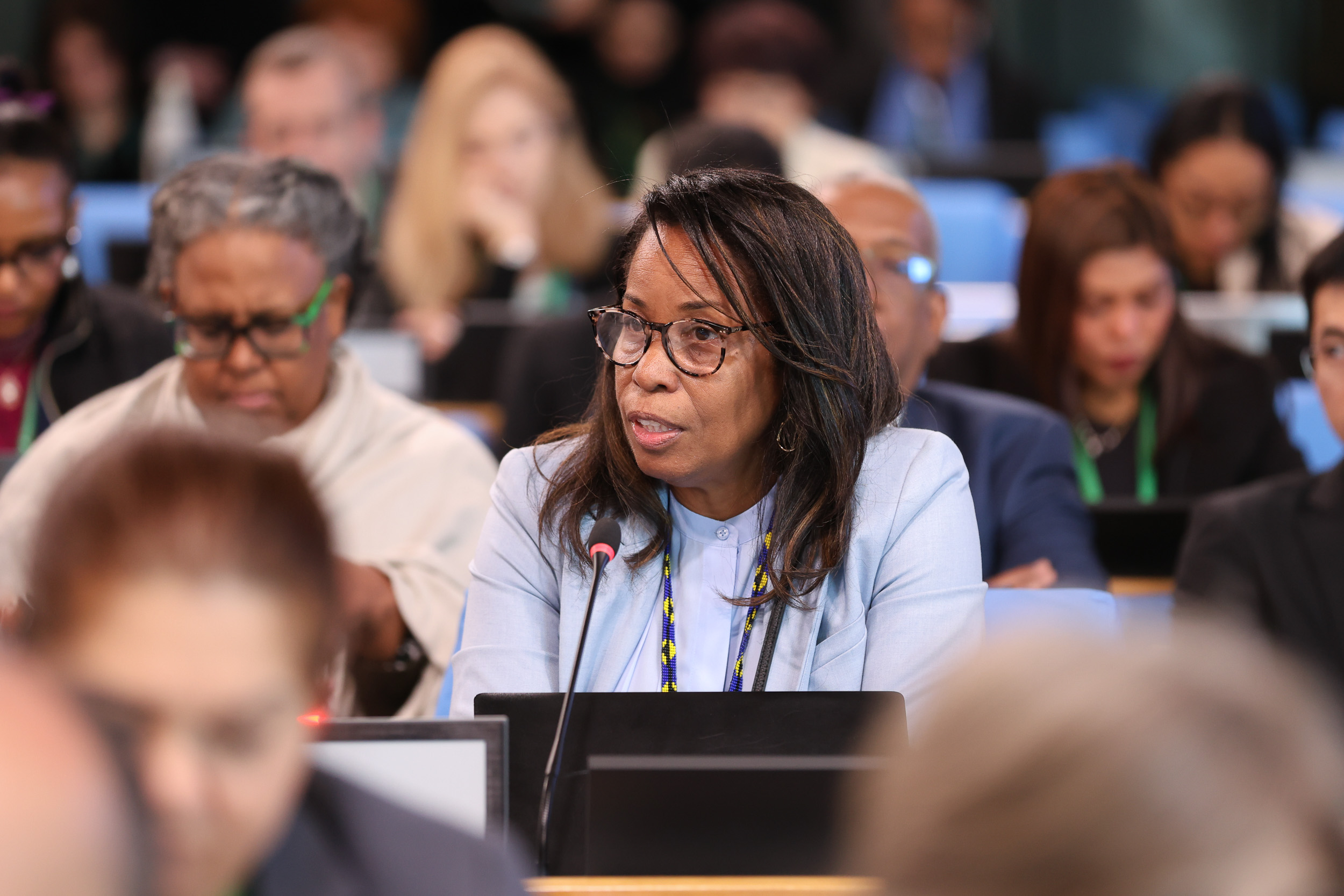
Gillian Guthrie, Jamaica
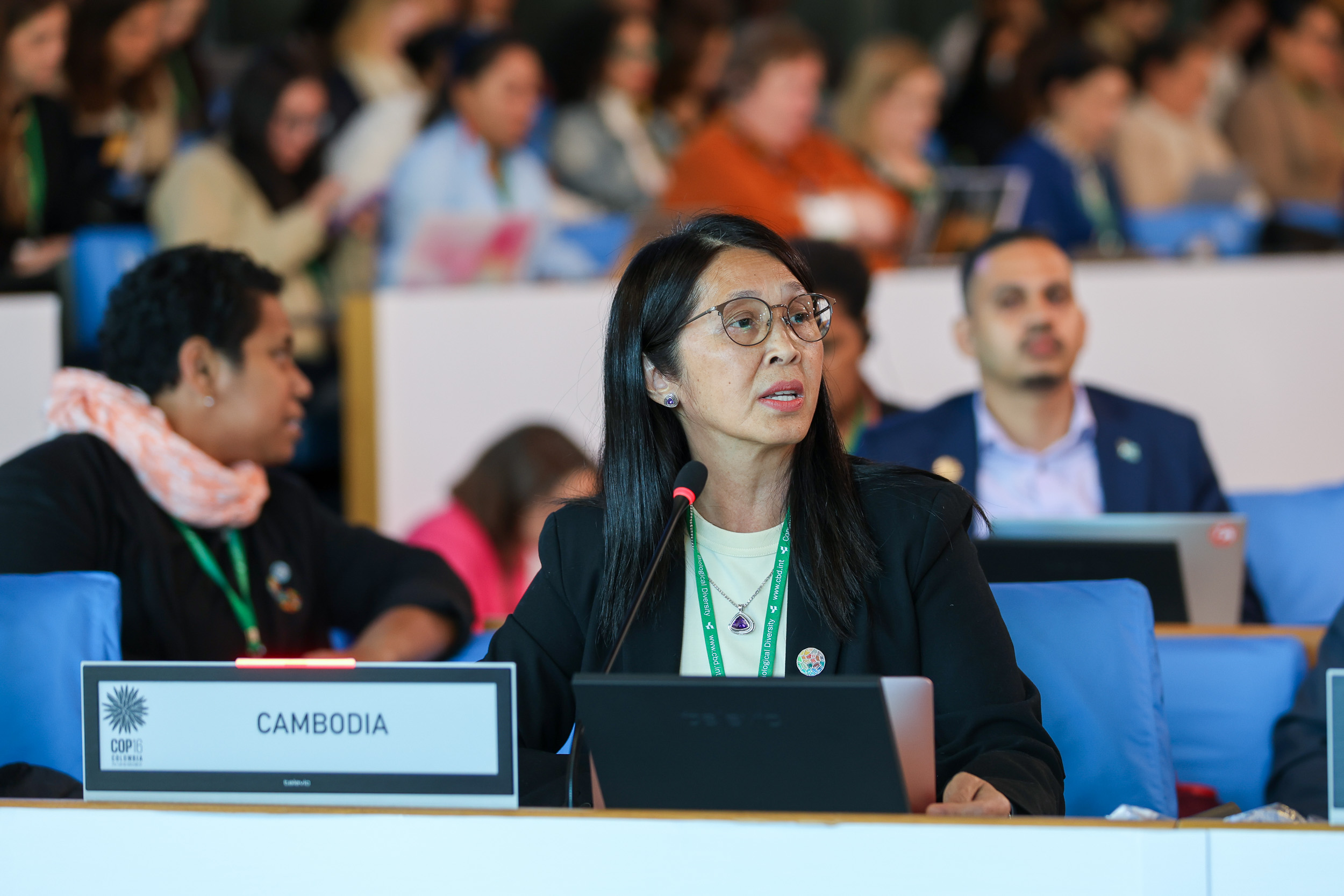
Somaly Chan, Cambodia
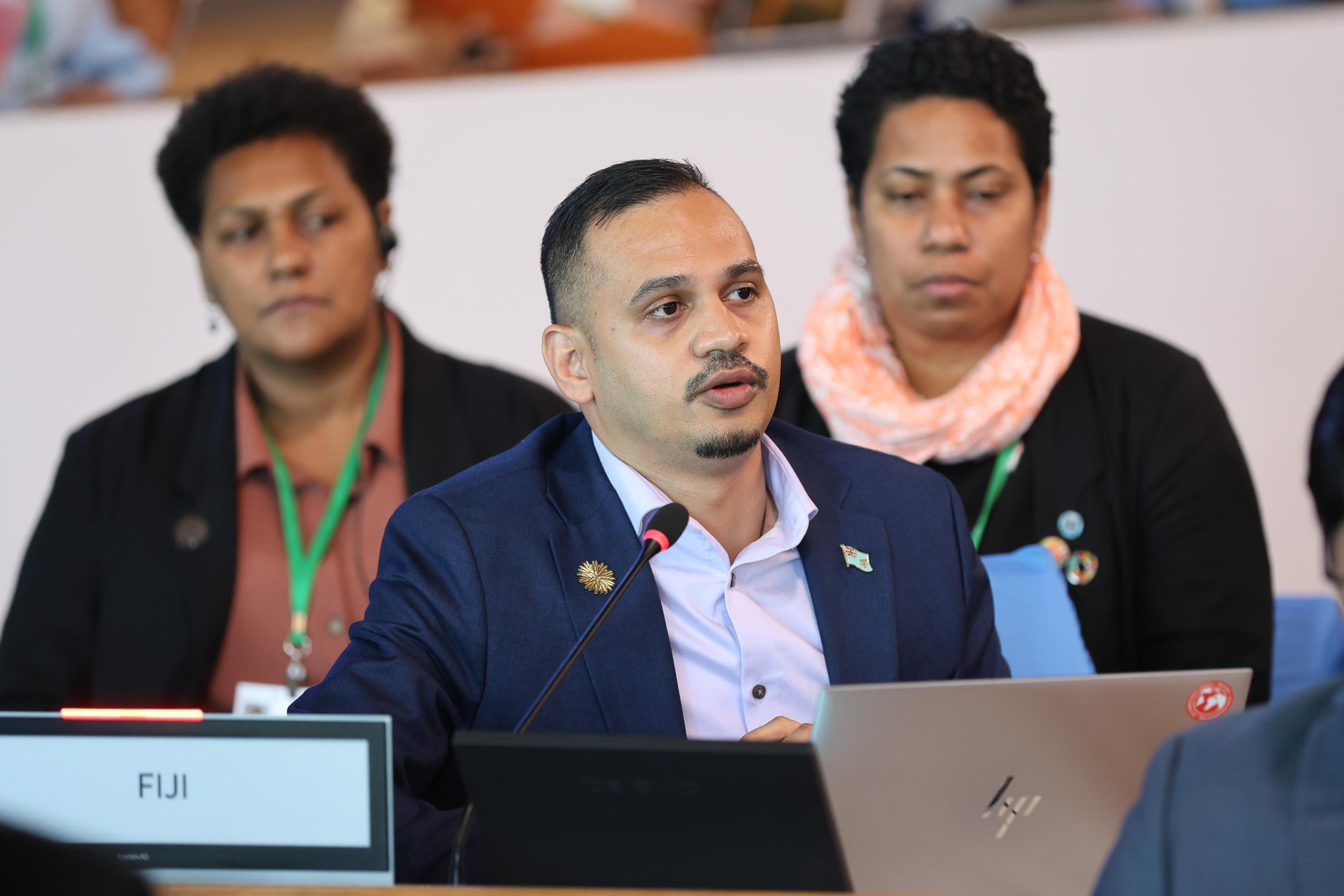
Sivendra Michael, Fiji
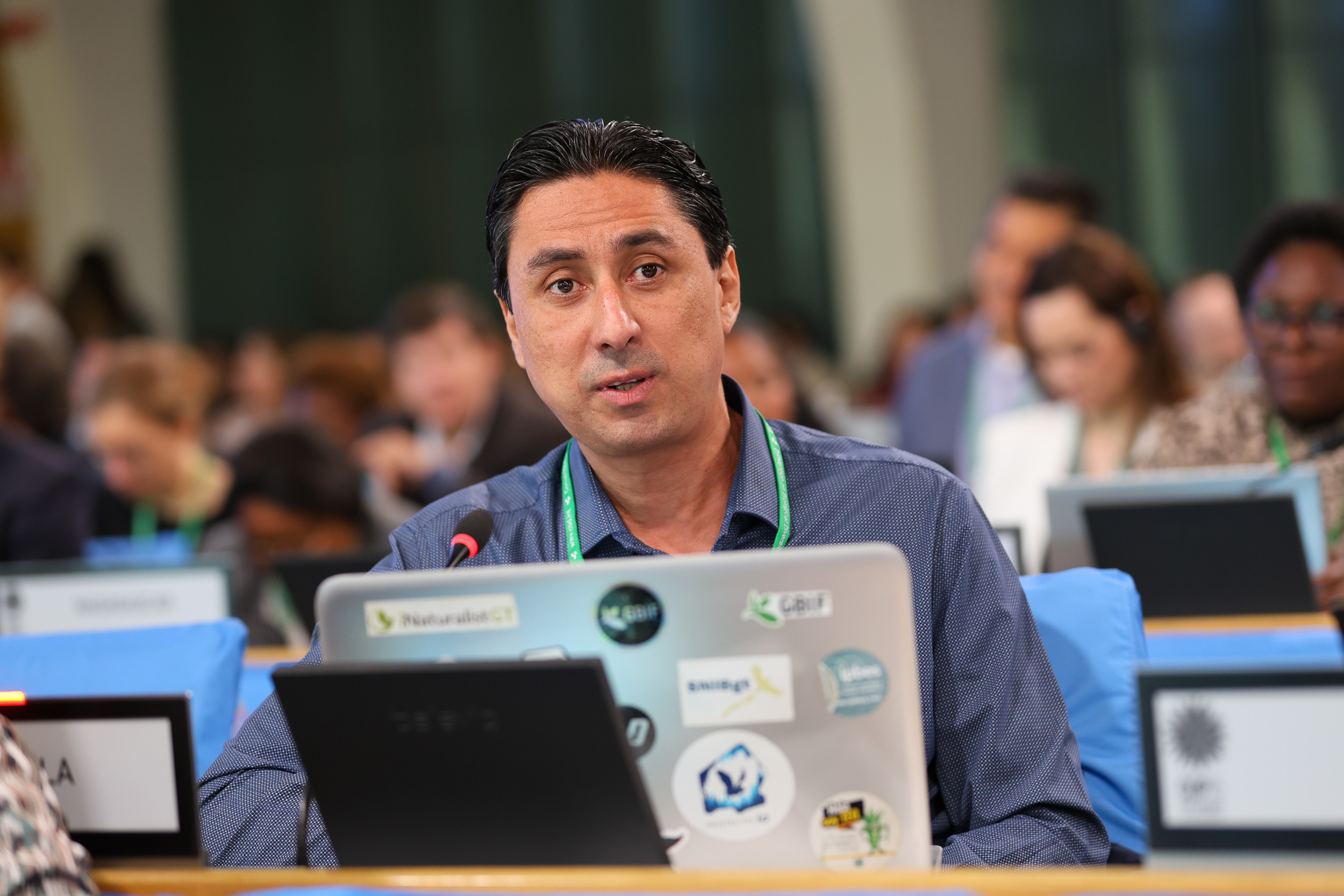
José Luis Echeverría Tello, Guatemala
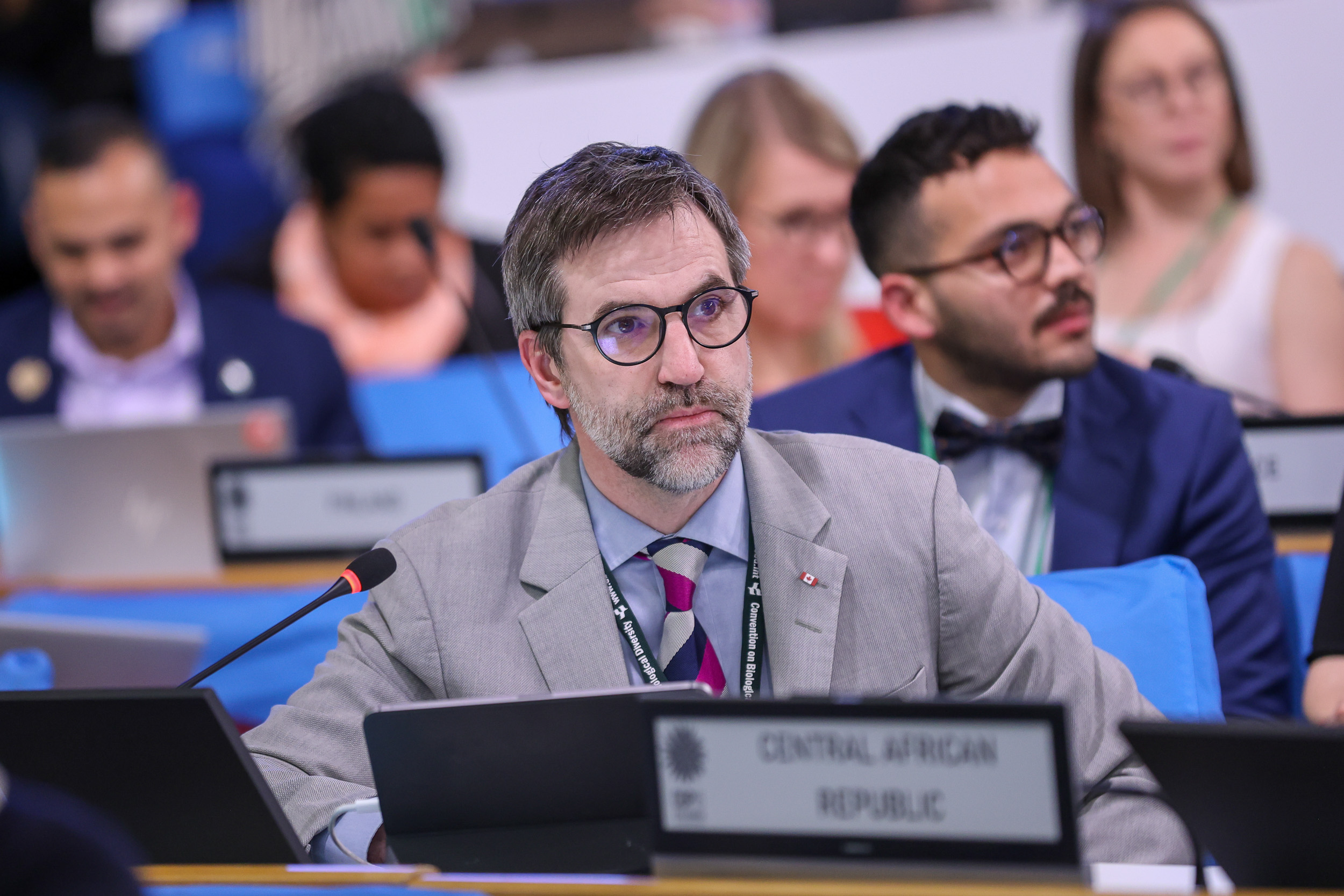
Steven Guilbeault, Minister of Environment and Climate Change, Canada
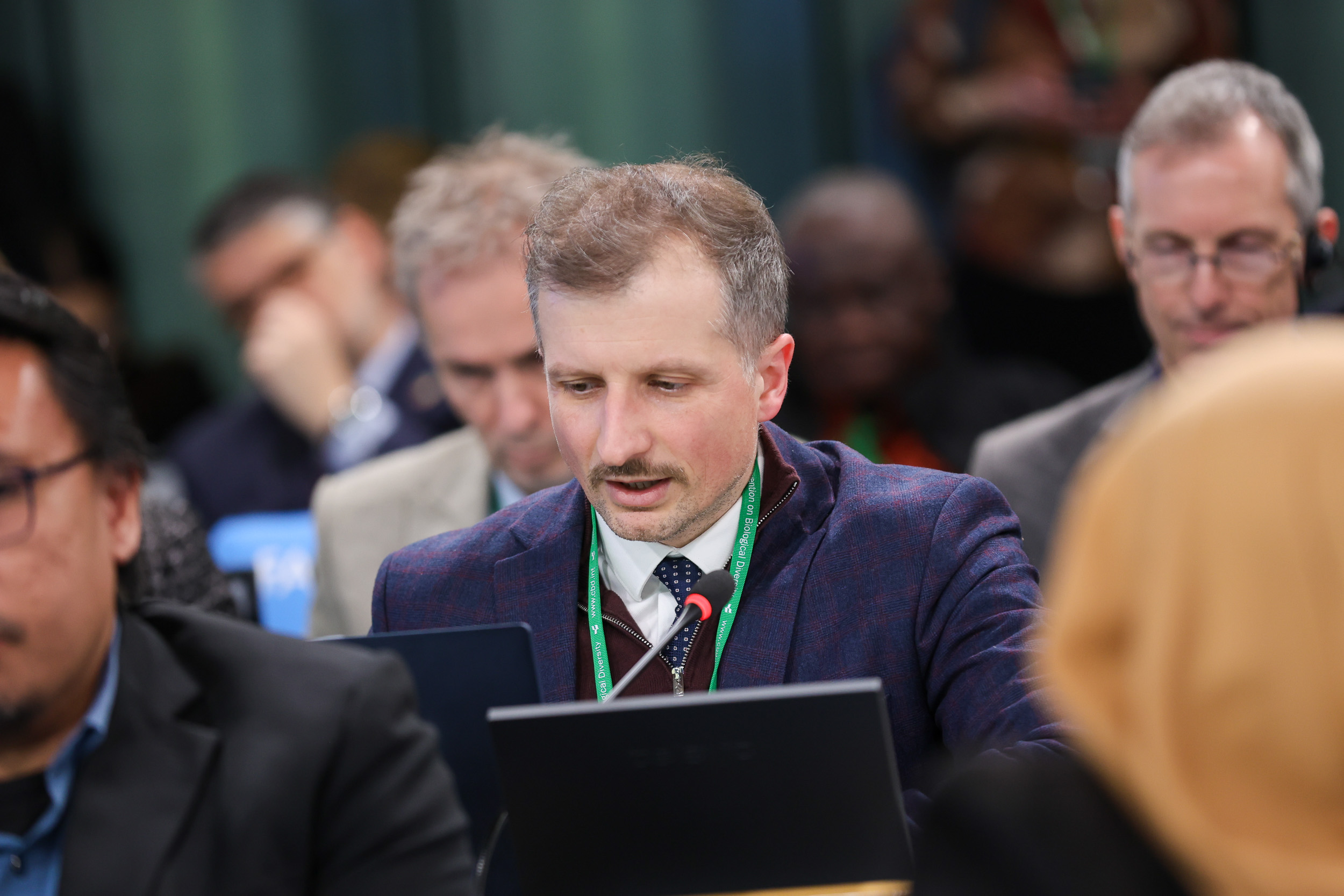
Mikołaj Dorożała, Poland, speaking on behalf of the EU
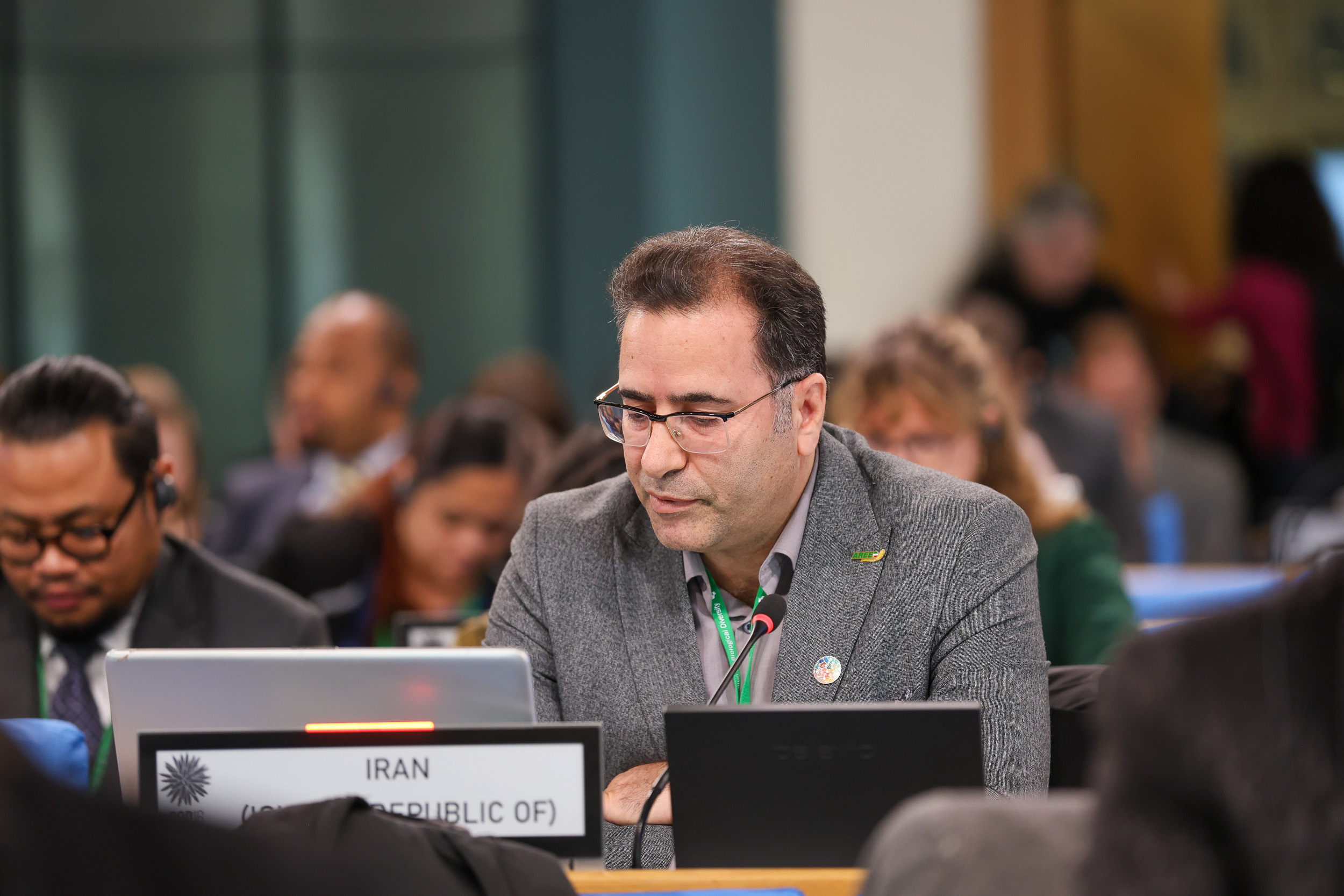
Gholamreza Salehi Jouzani, Iran
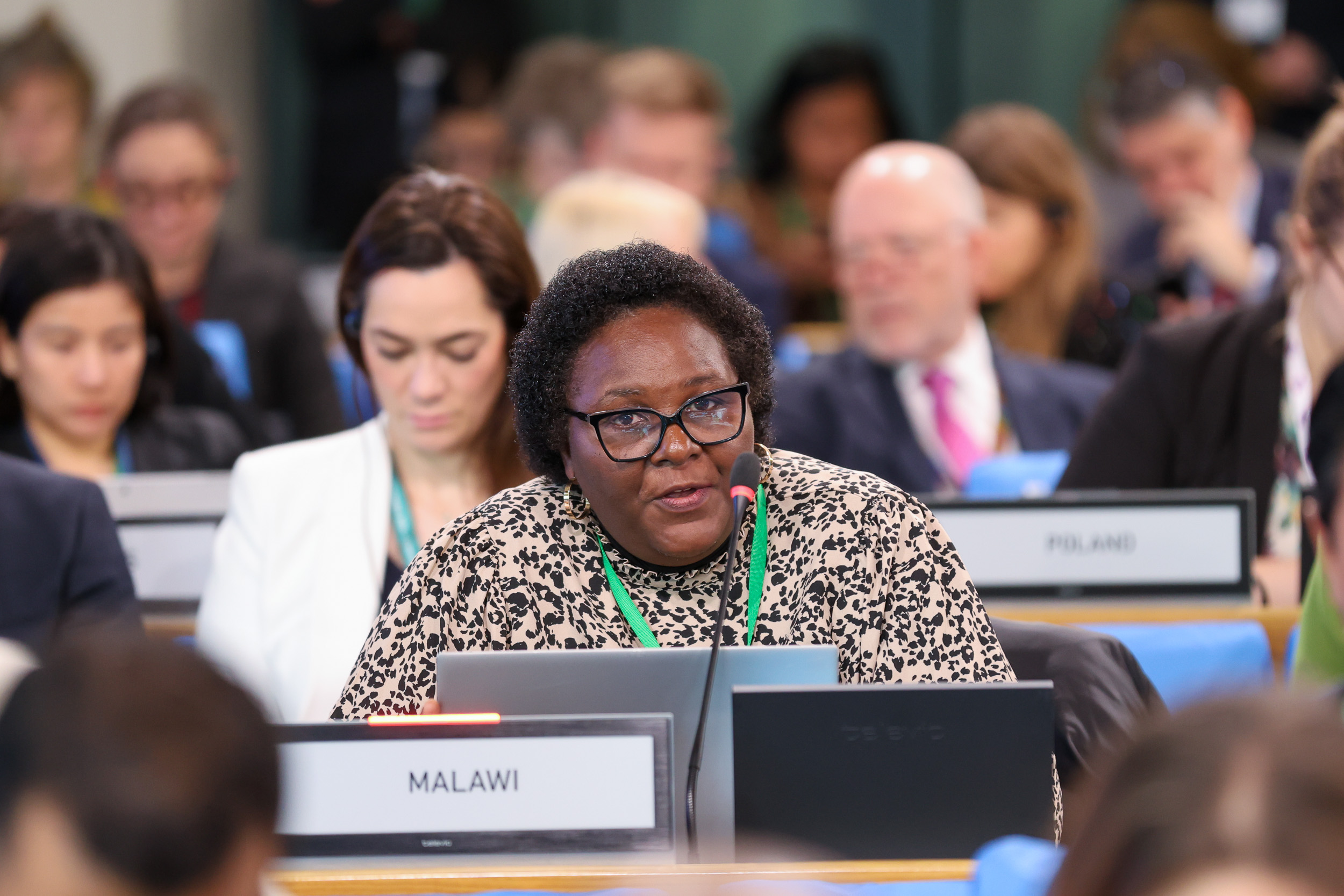
Lilian Chimphepo, Malawi
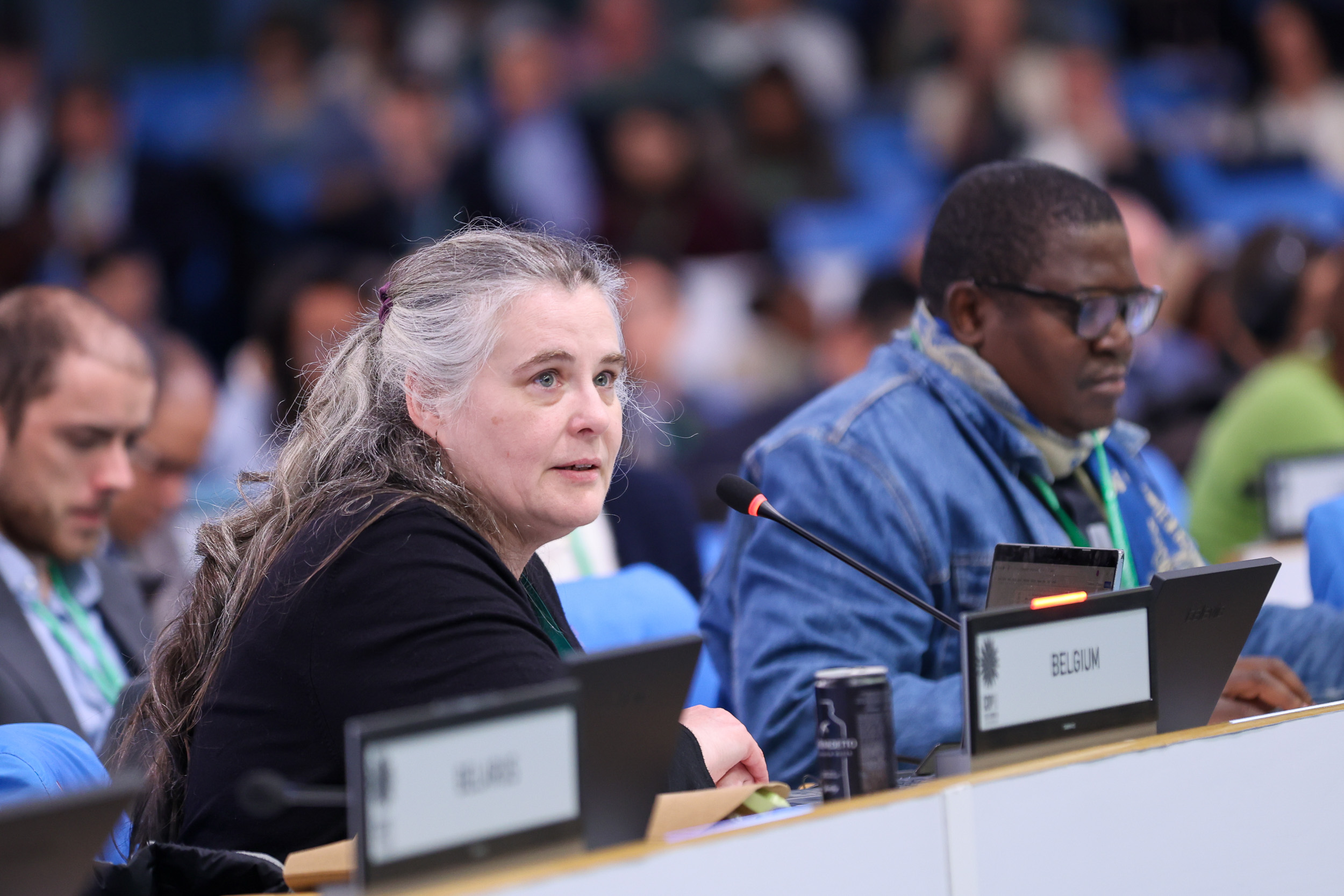
Ines Verleye, Belgium
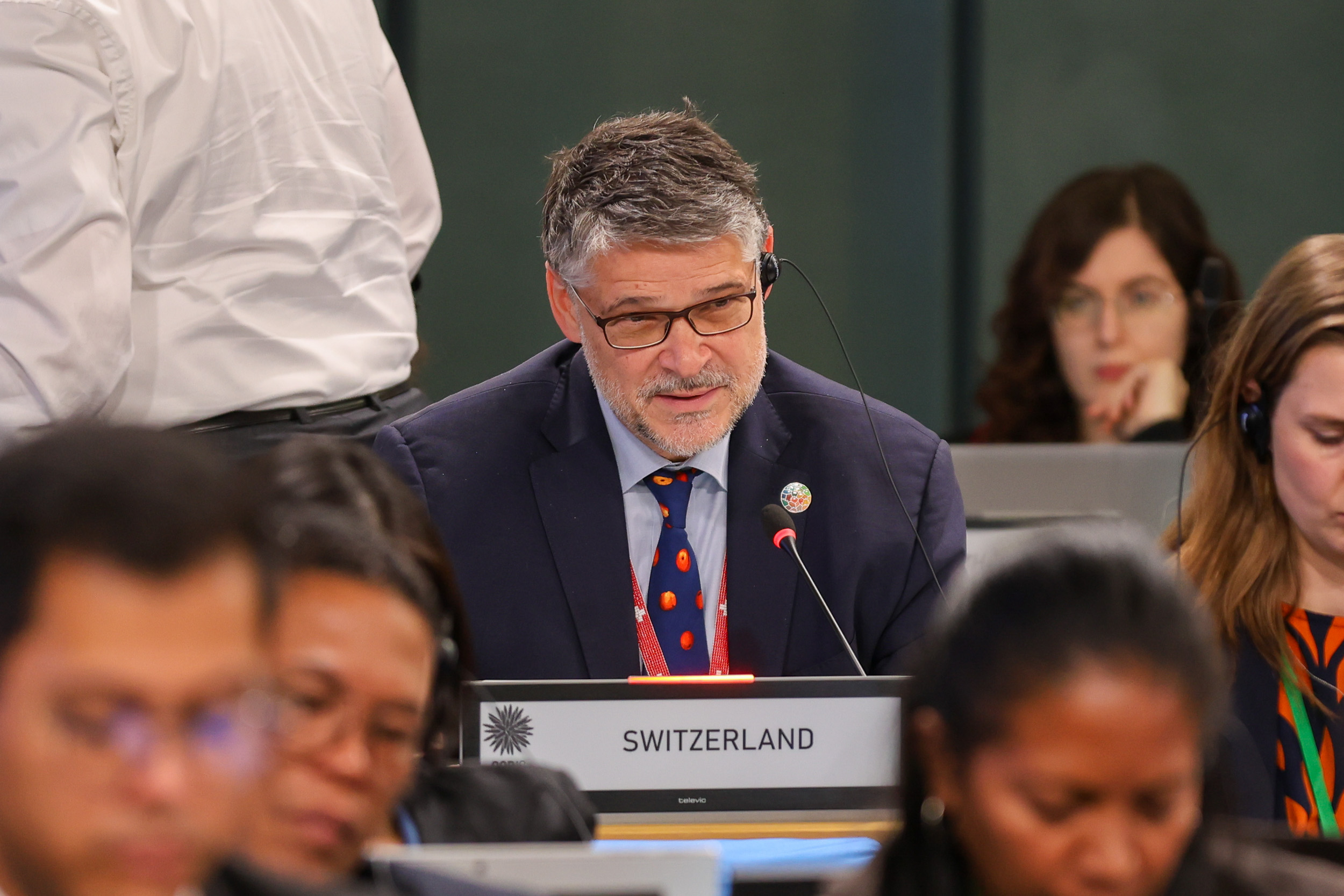
Norbert Bärlocher, Switzerland
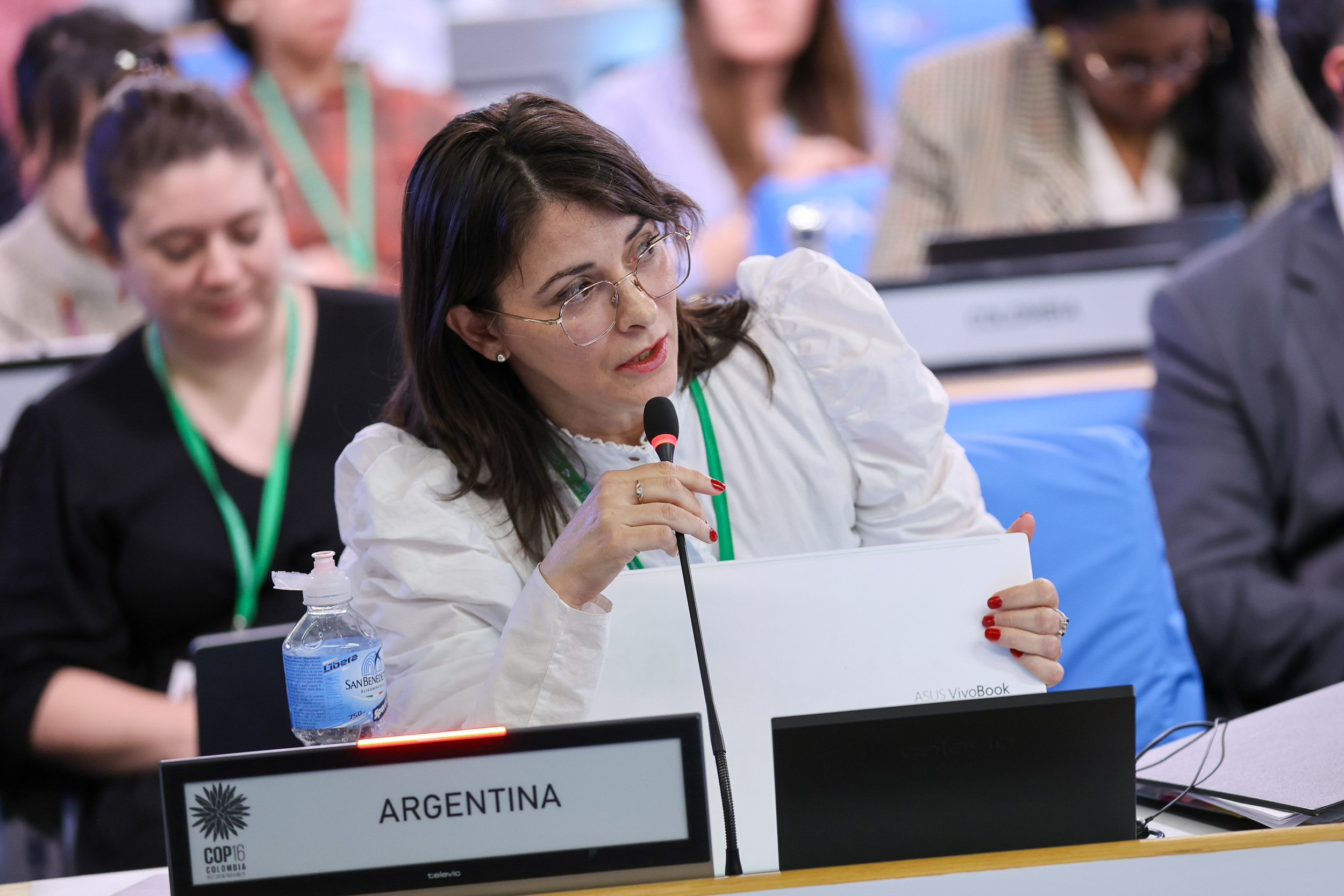
Eliana Saissac, Argentina
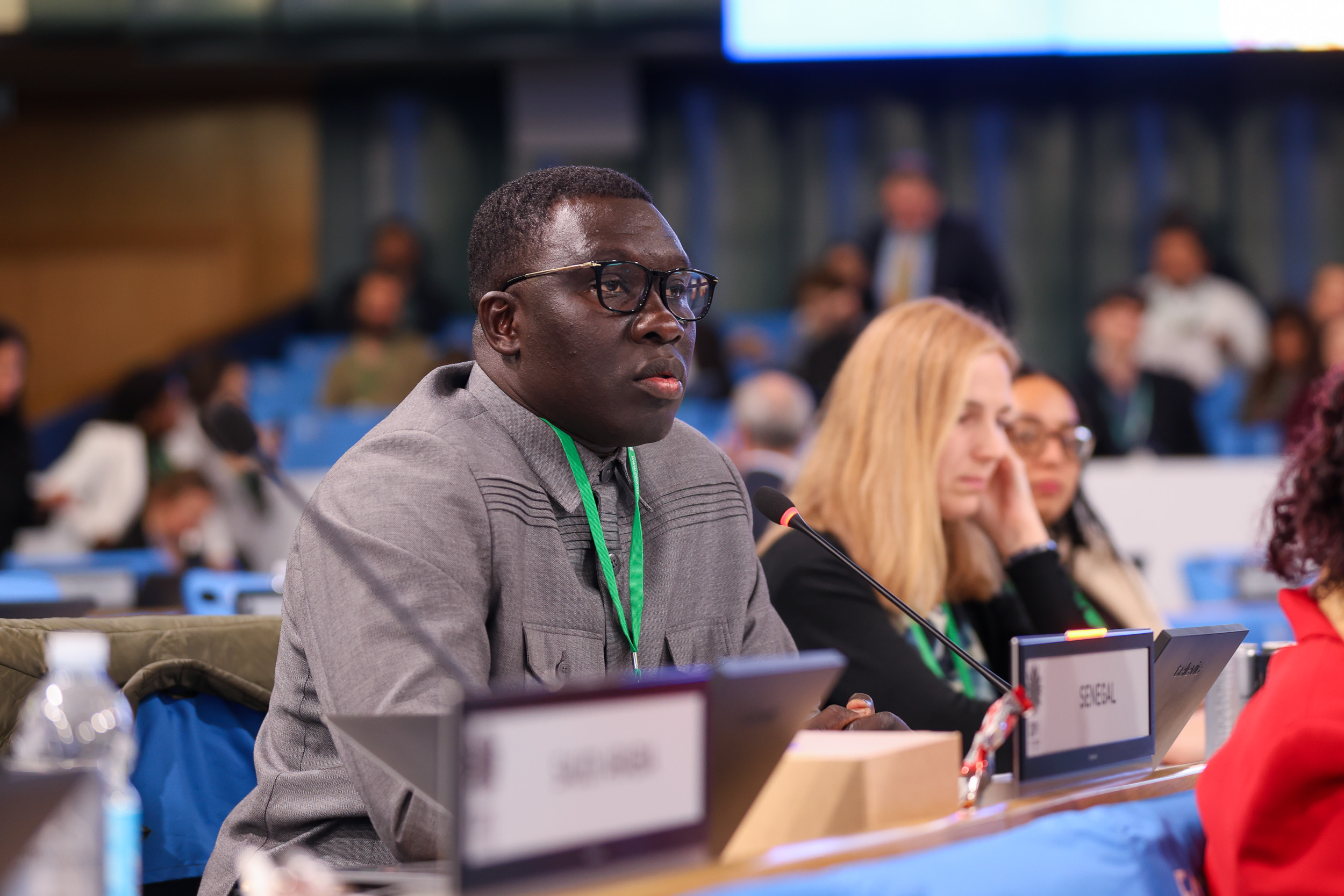
Ousseynou Kassé, Senegal
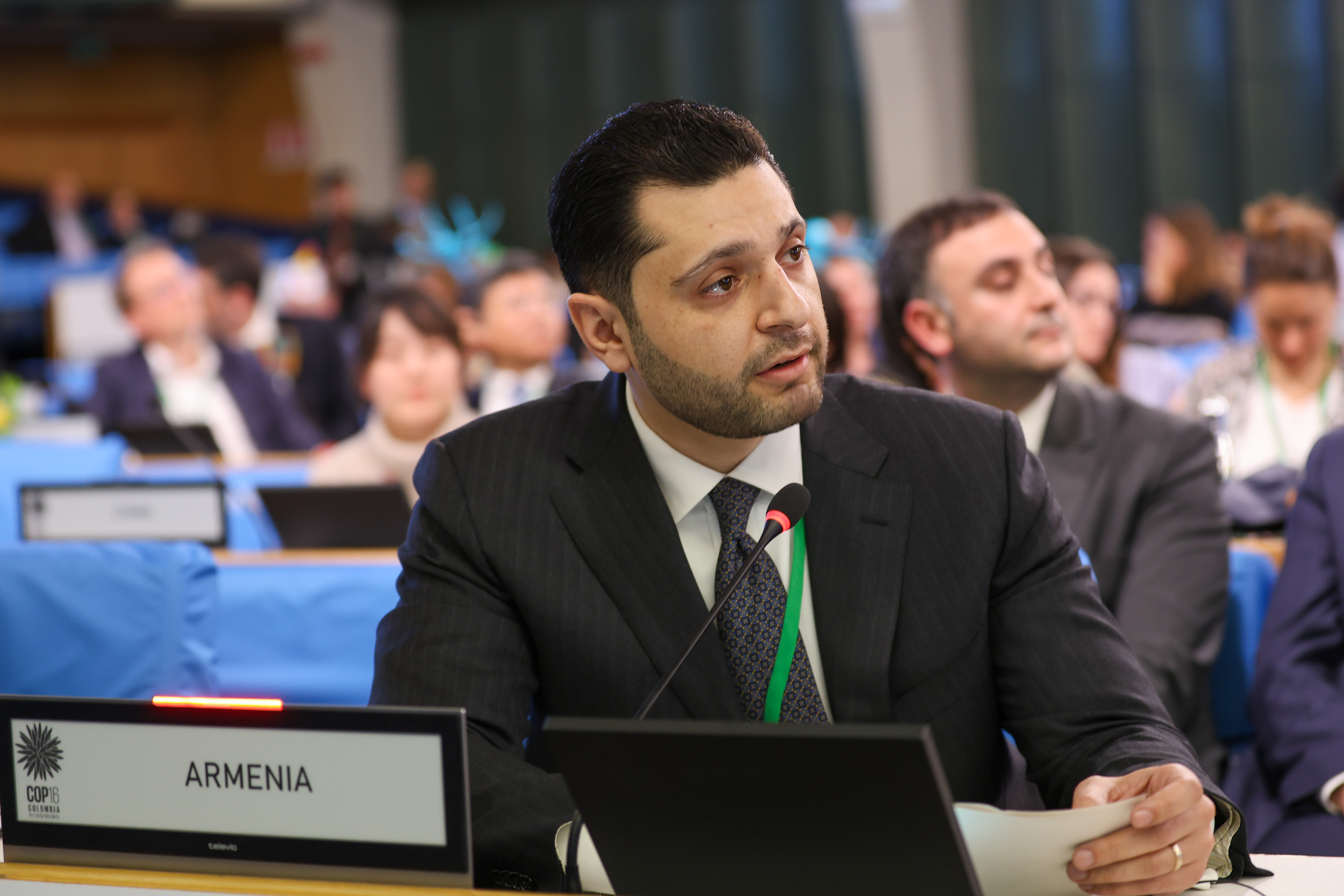
Hambardzum Matevosyan, Armenia
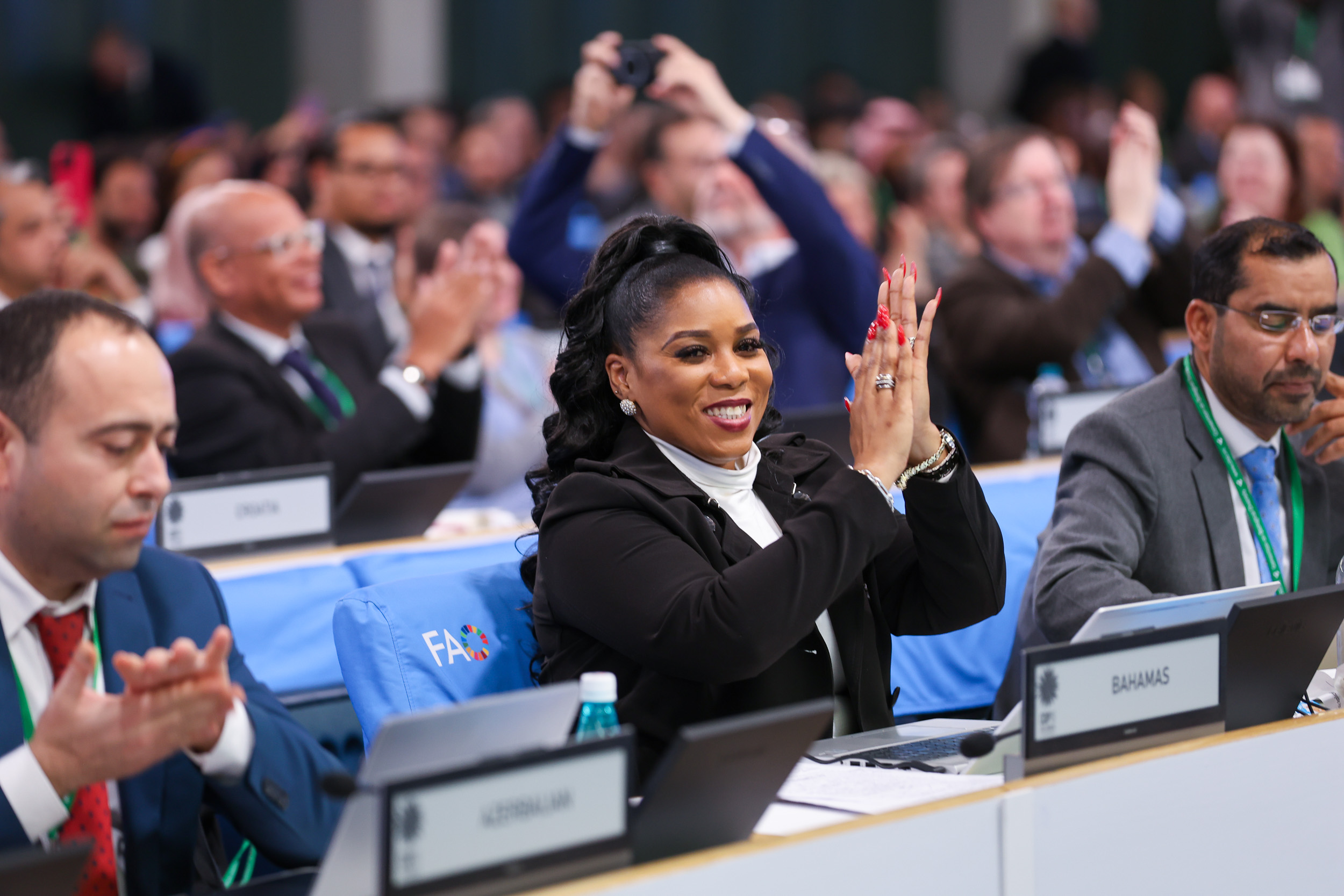
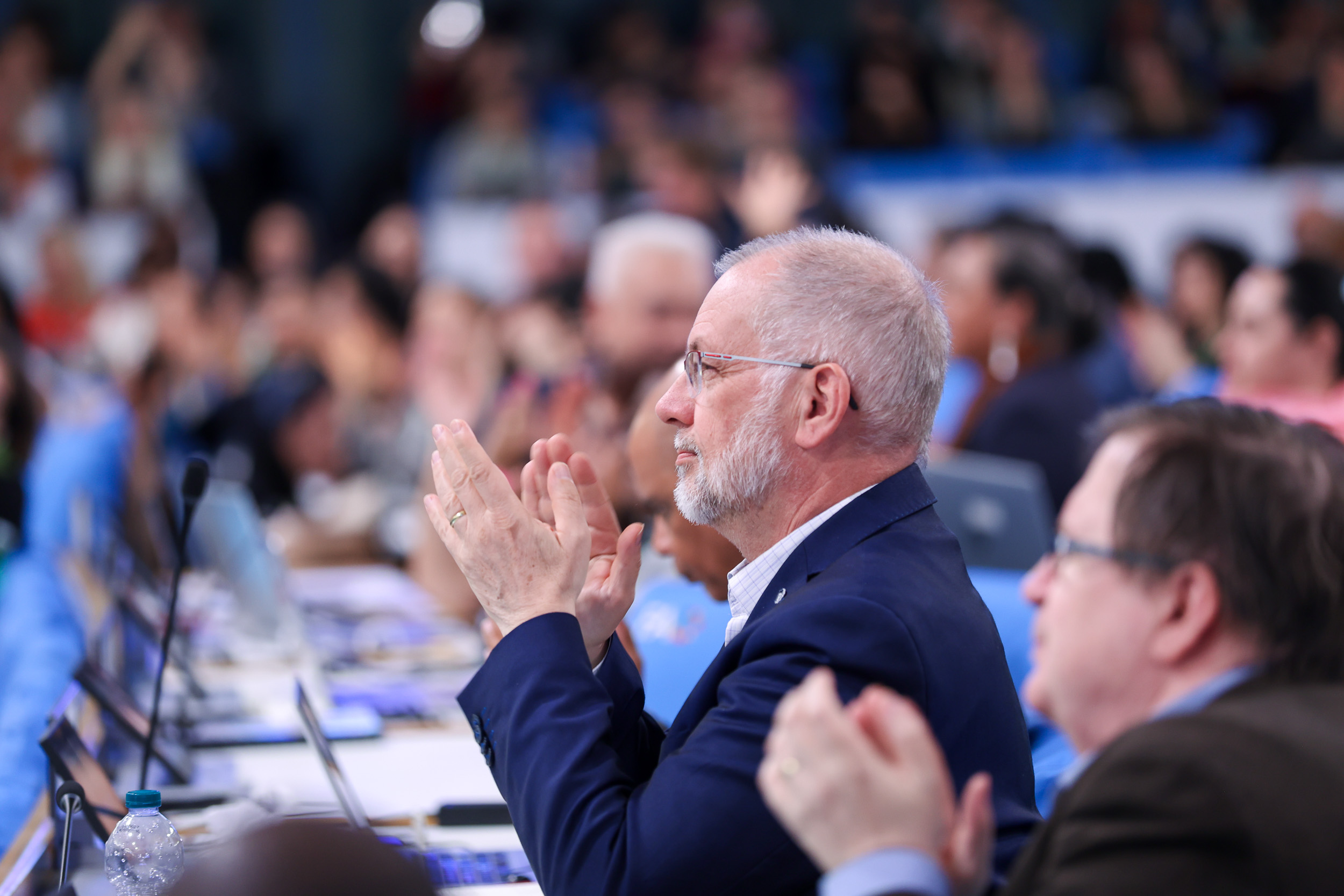
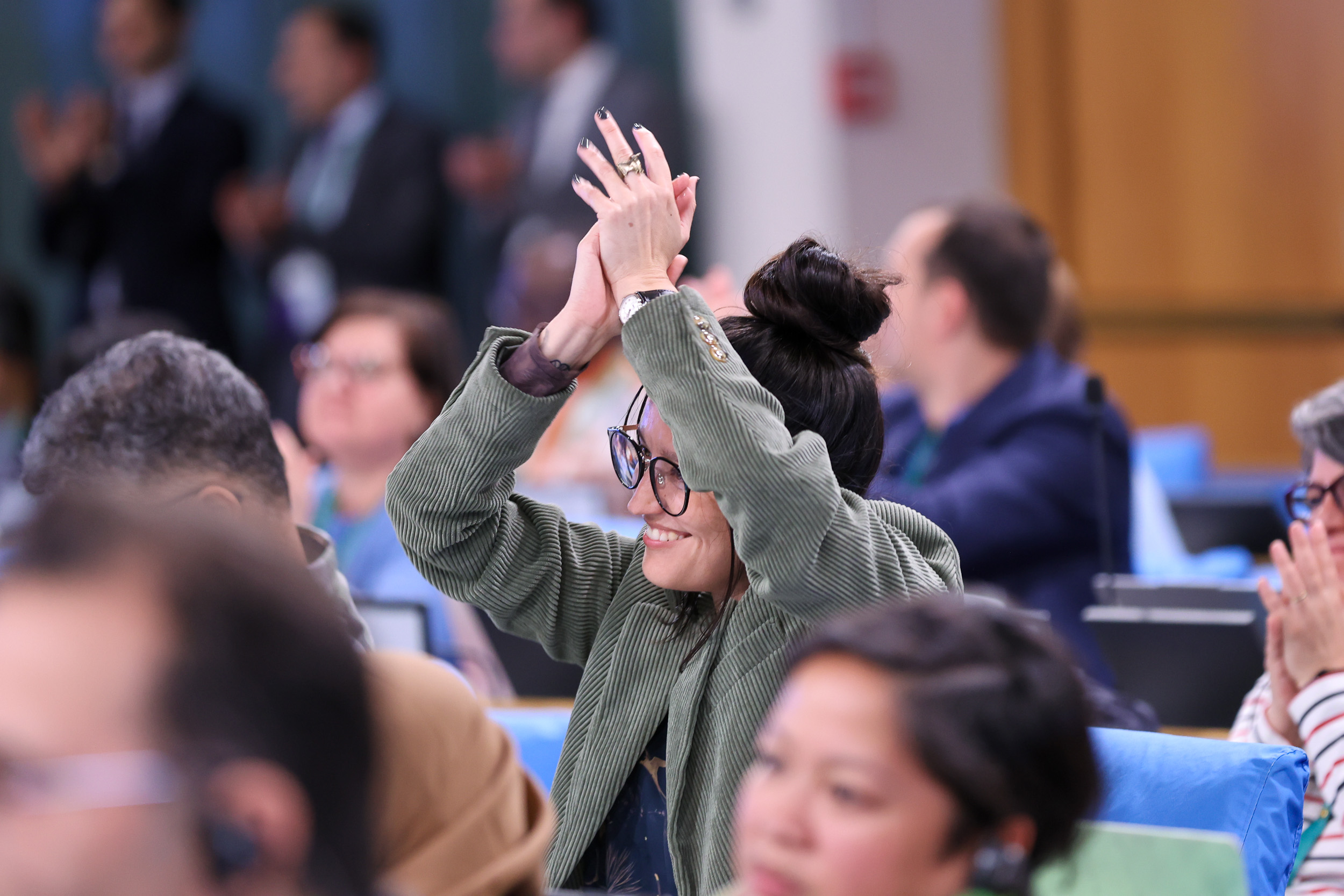
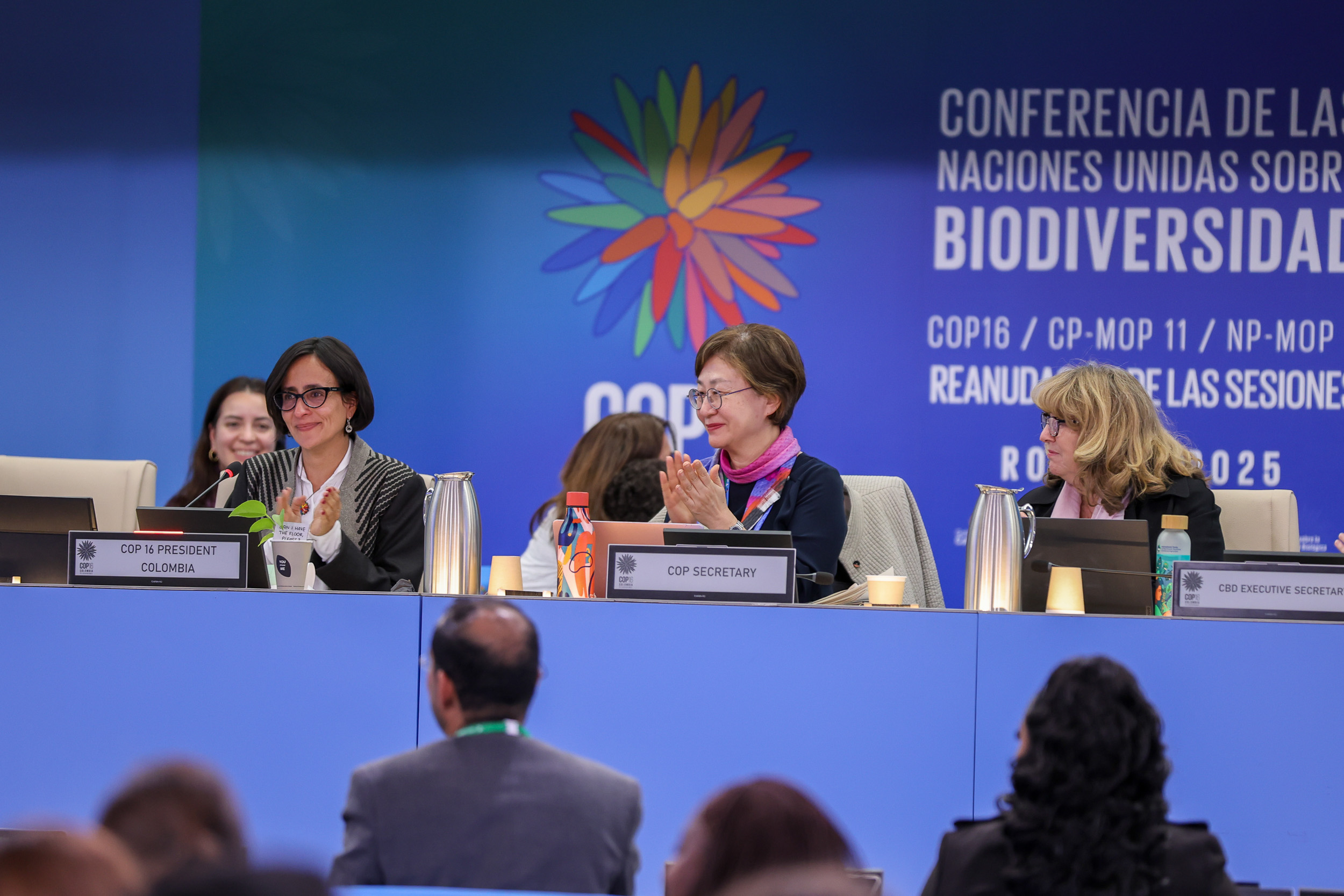

COP 16 President Susana Muhamad, Colombia, received a standing ovation for her dedication and leadership
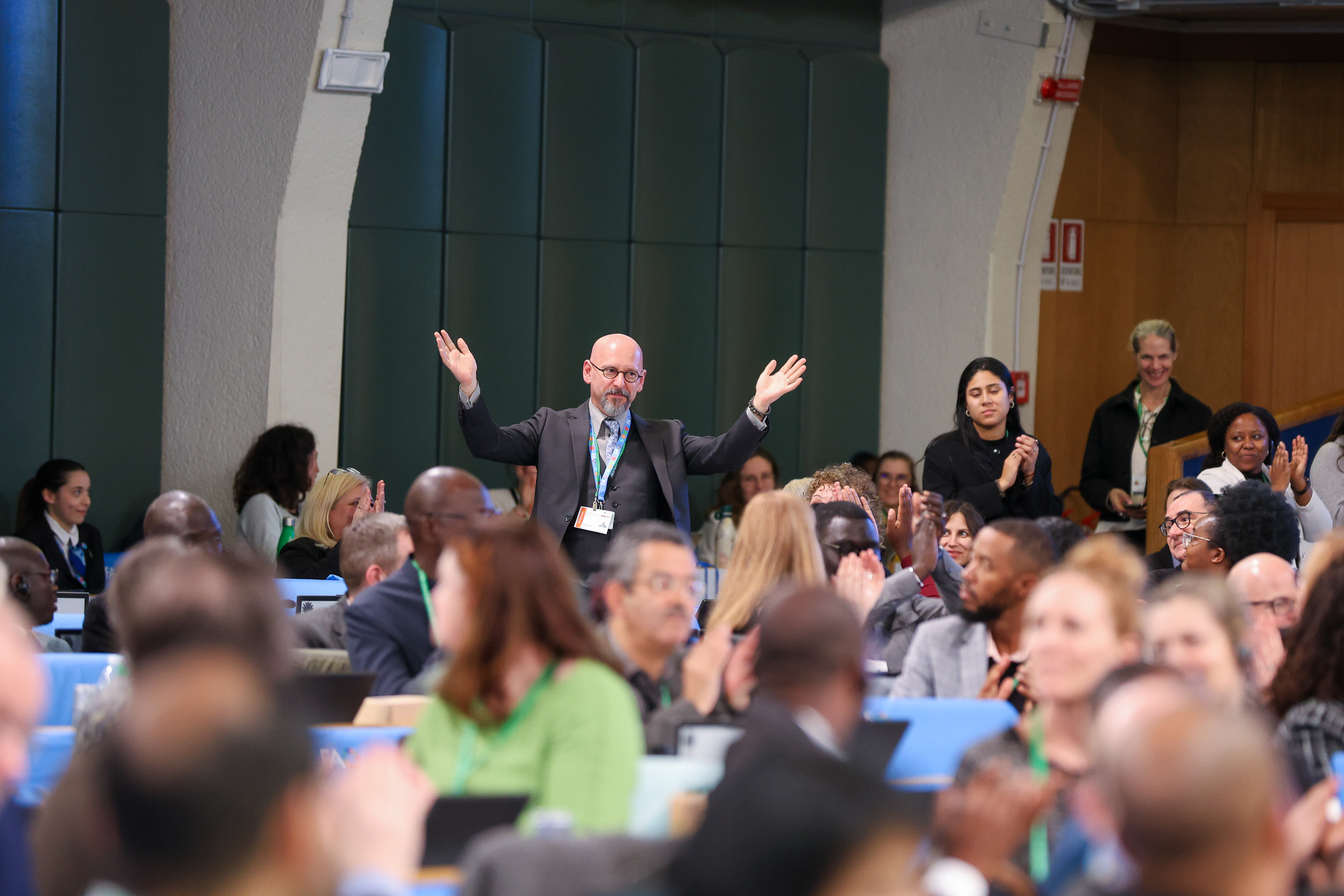
Delegates expressed their appreciation to David Ainsworth, who will be leaving the CBD Secretariat
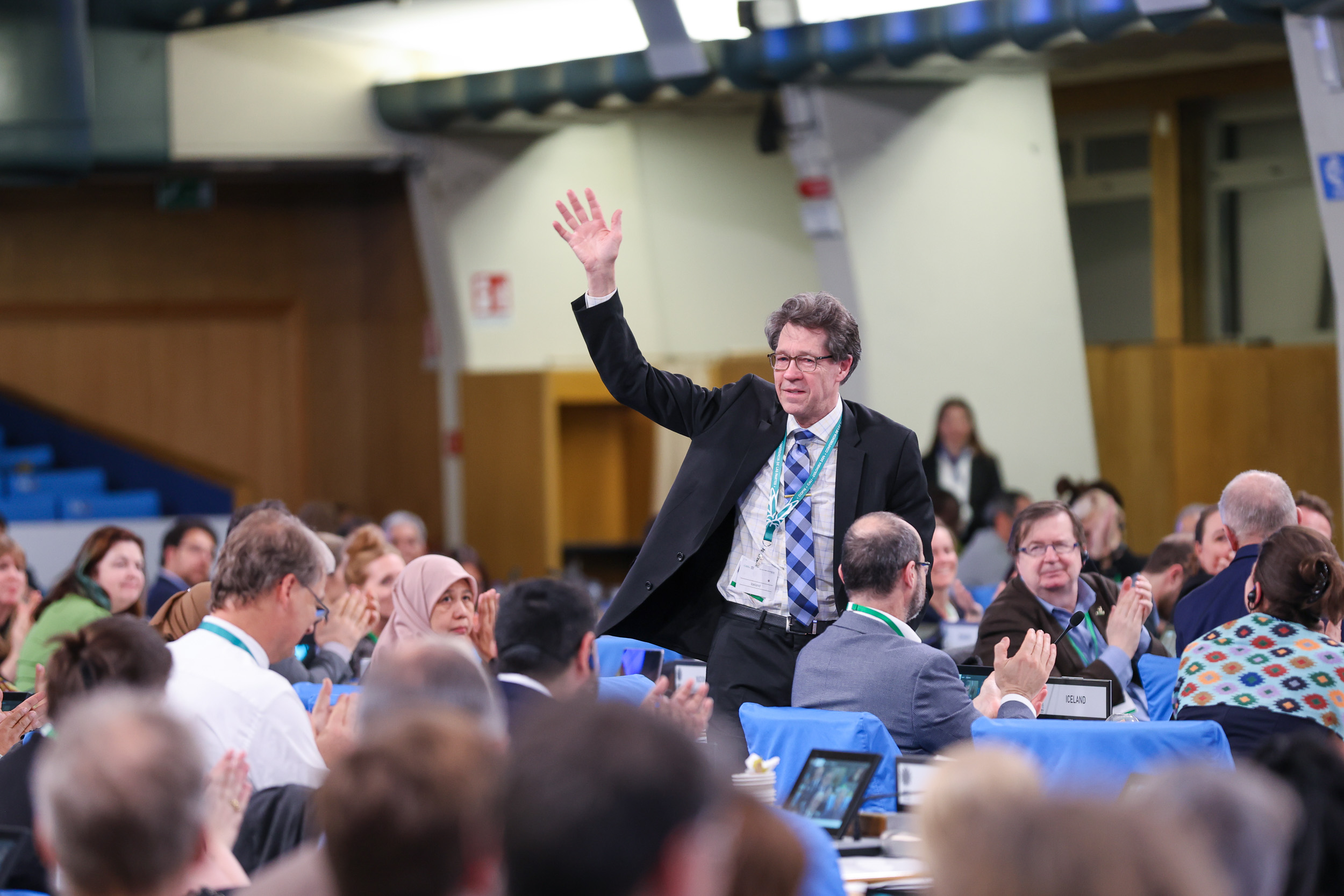
Sigurdur Thrainsson, Iceland, thanked for his long-standing contribution to the Convention
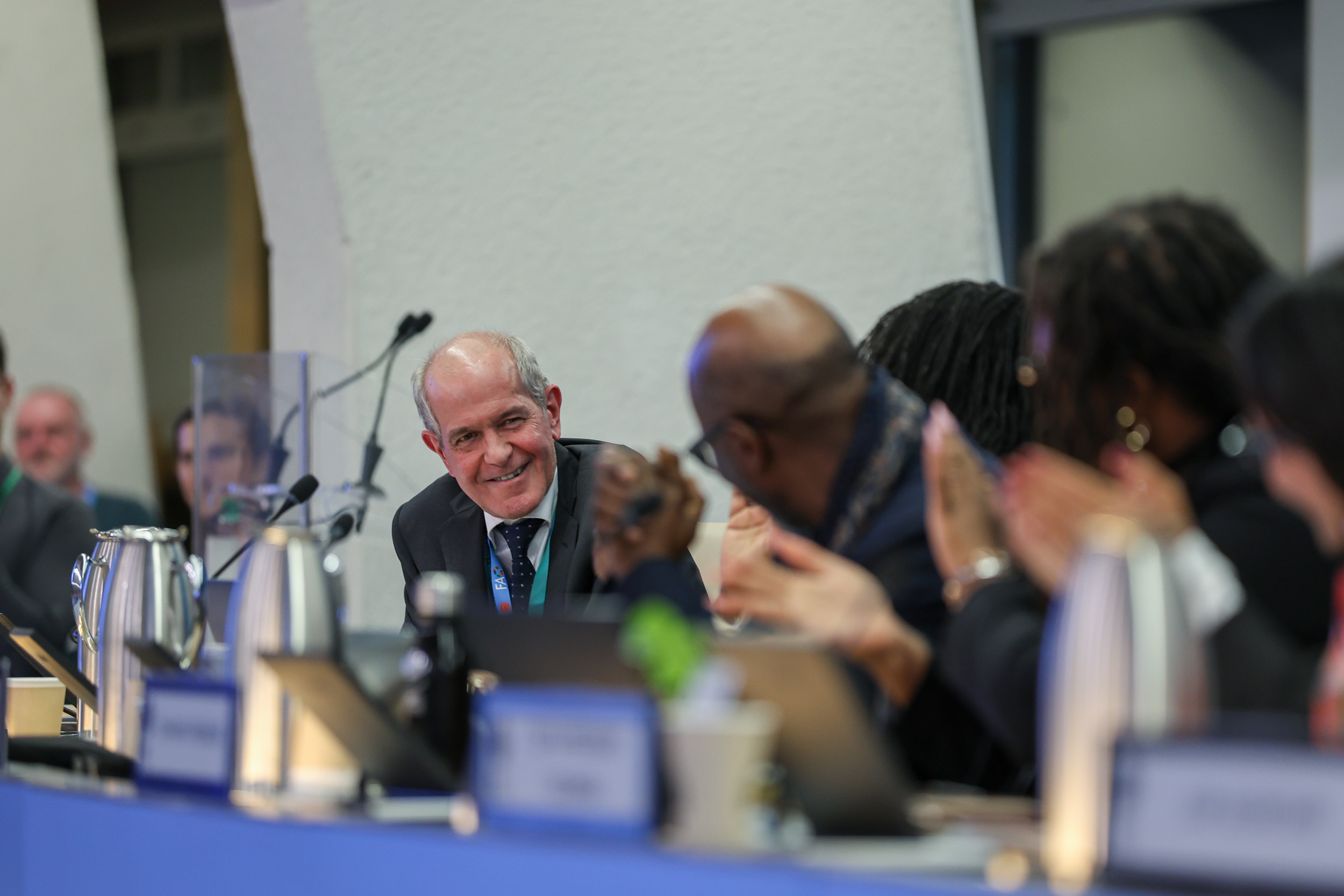
Neil Pratt, CBD Secretariat, being congratulated for his dedication to the Convention
Selected Images
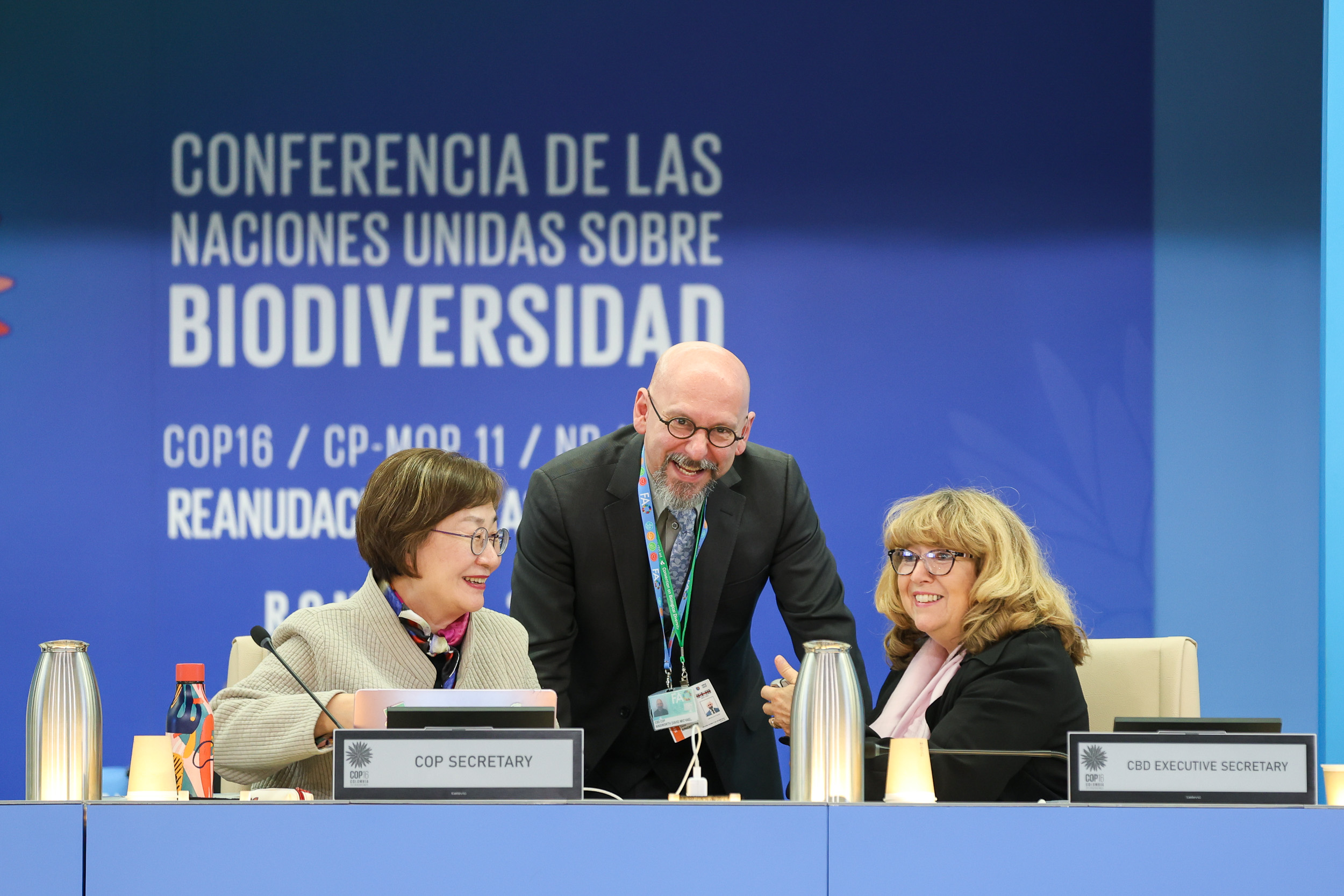
From L-R: COP 16 Secretary Jihyun Lee; David Ainsworth, CBD Secretariat; and CBD Executive Secretary Astrid Schomaker
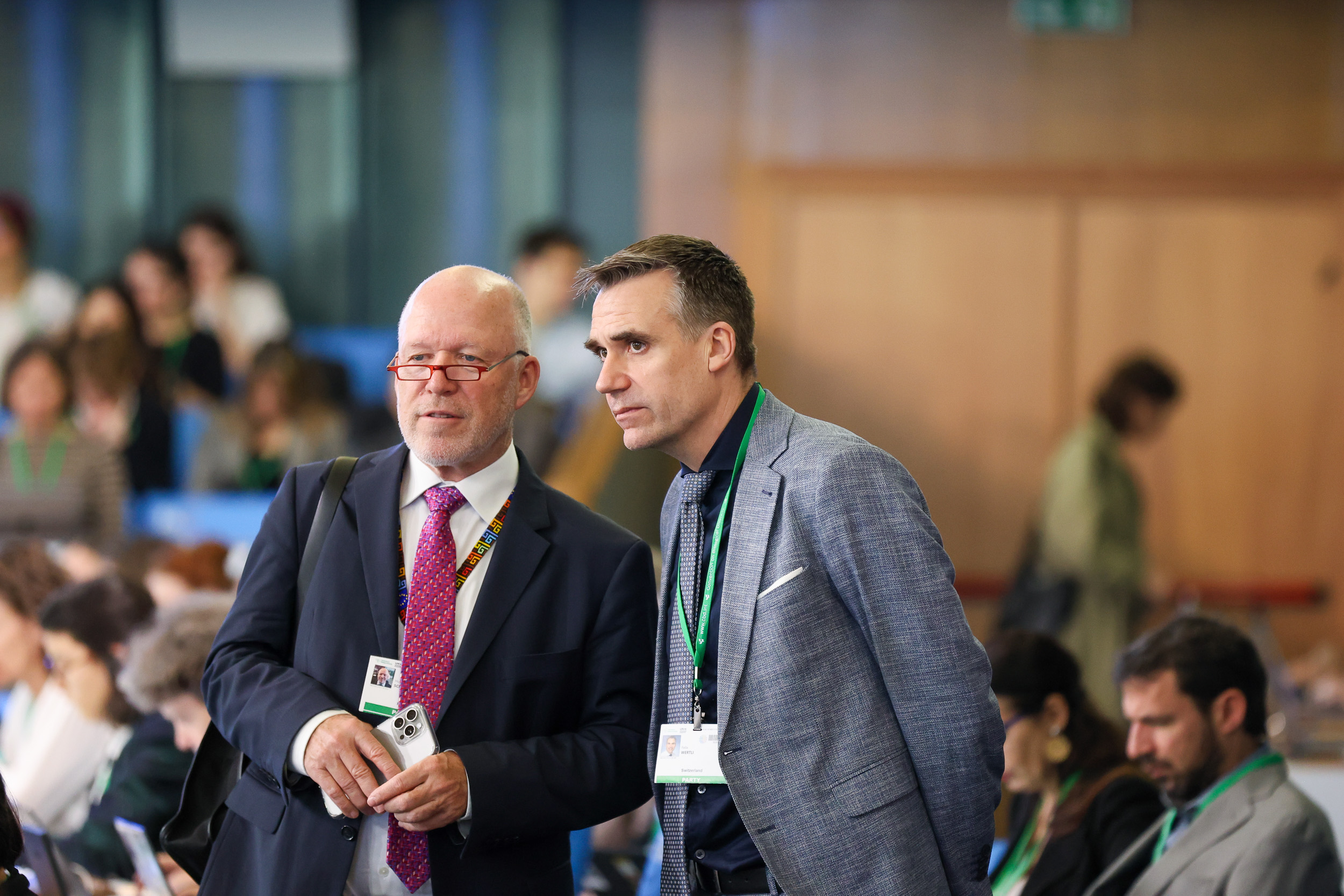
Hugo-Maria Schally, EU, and Felix Wertli, Switzerland
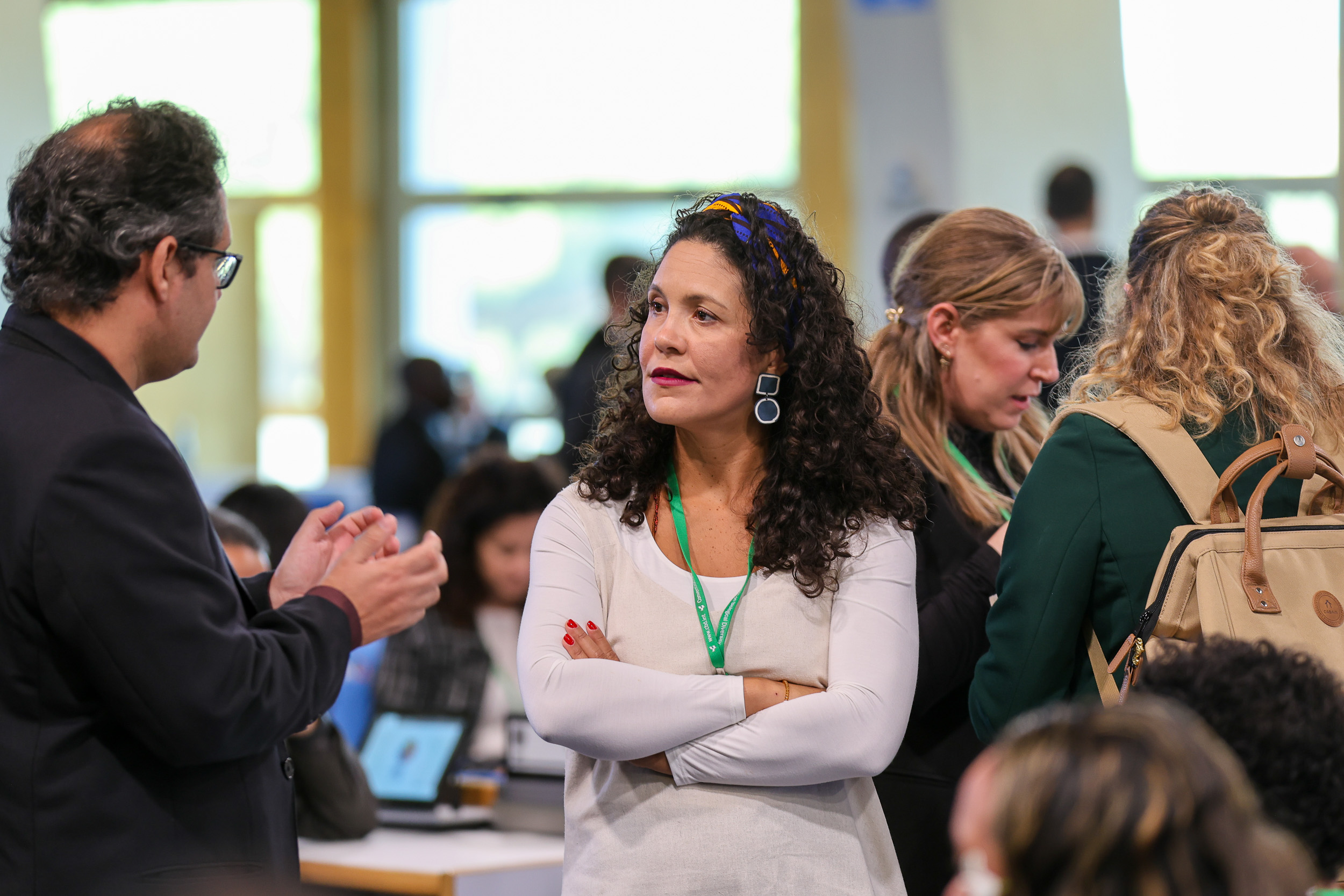
Paula Balduino de Melo, Brazil
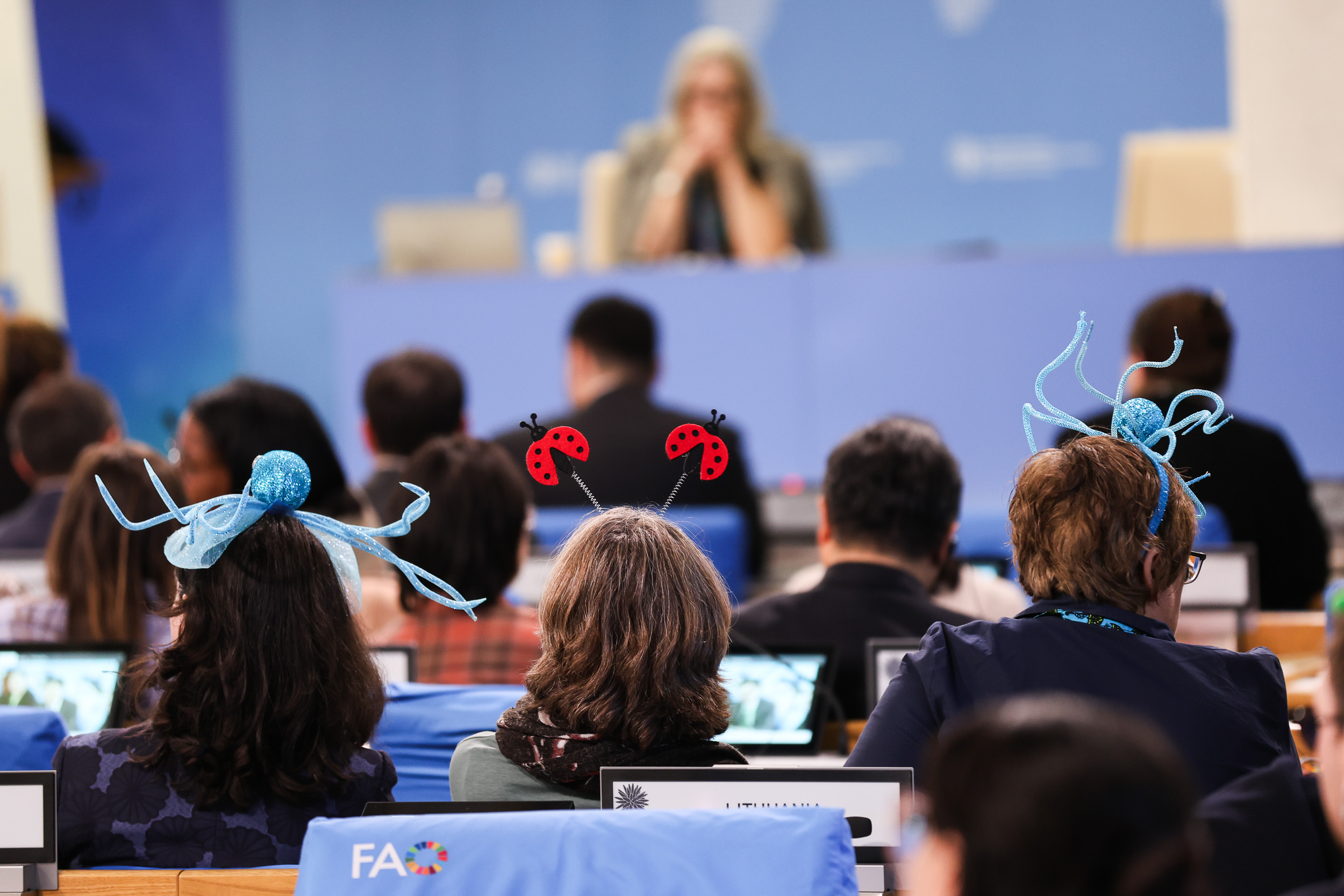
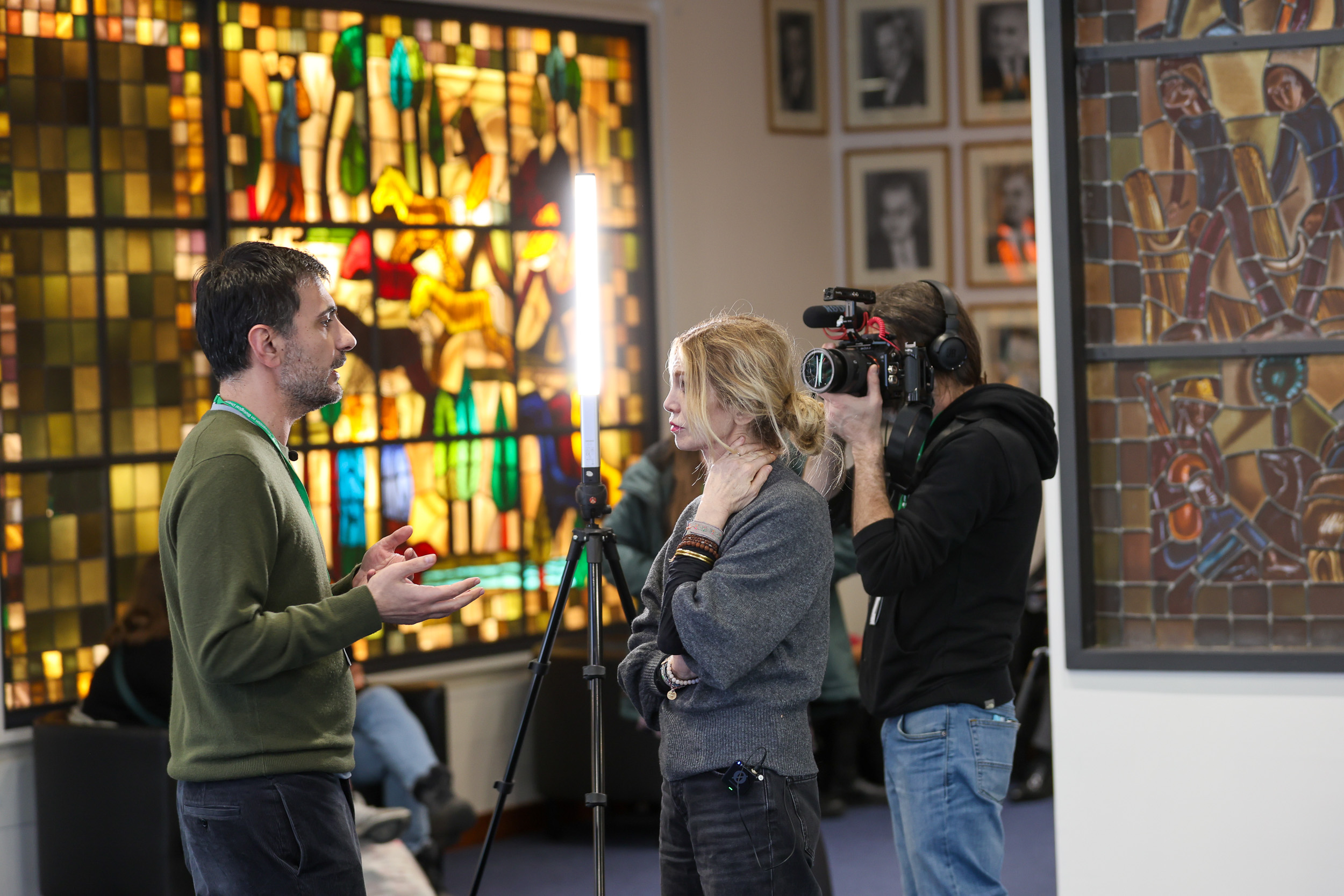
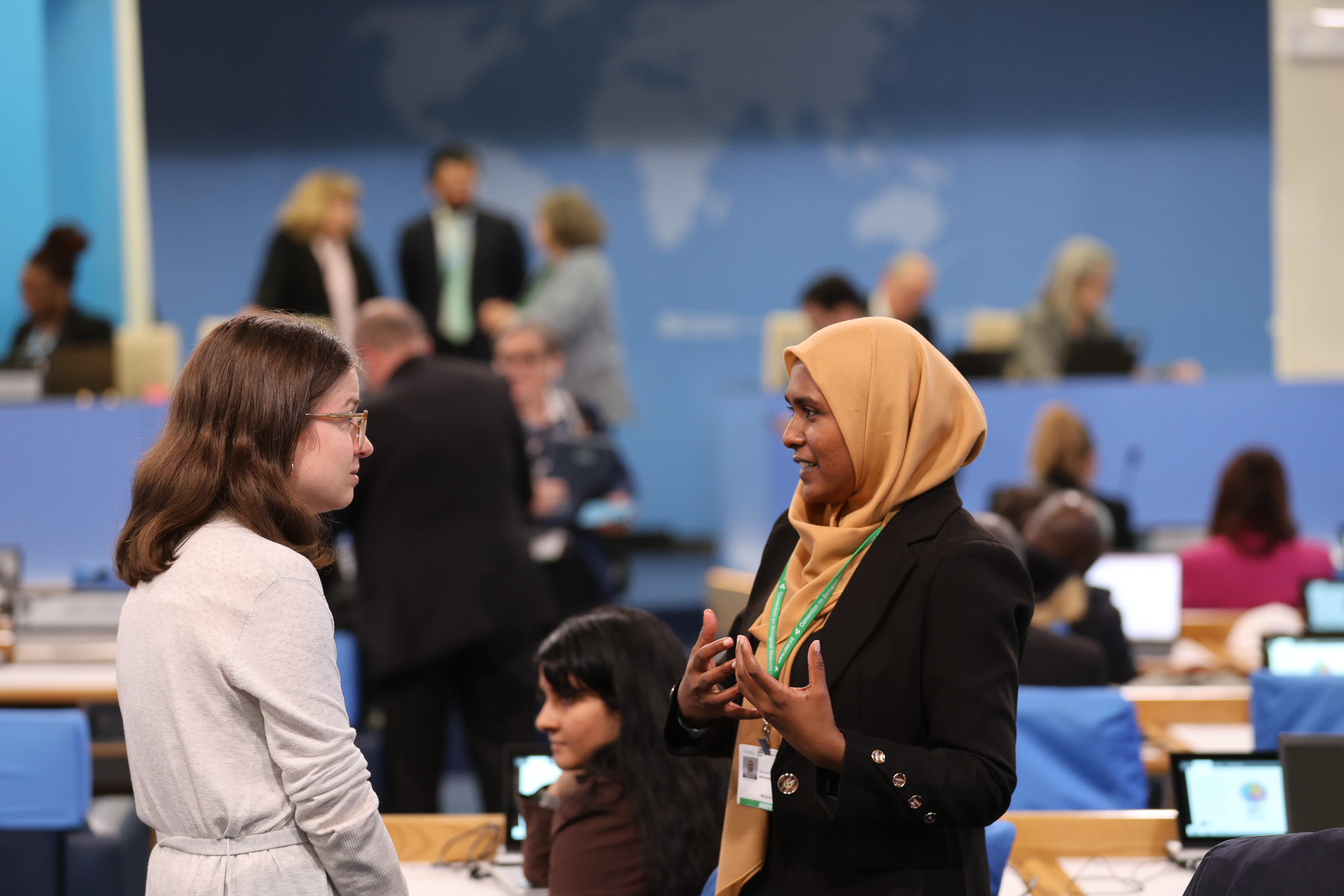
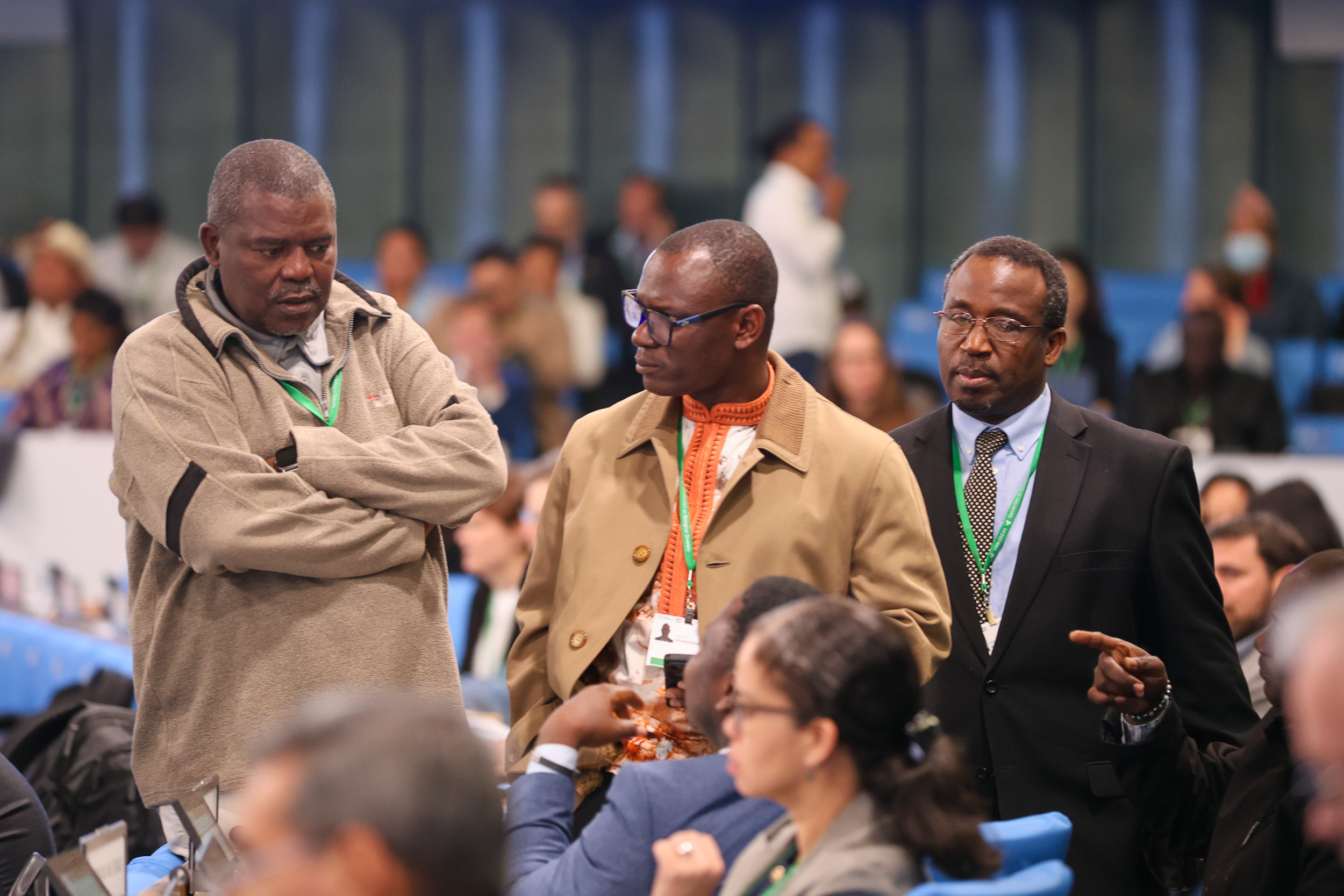
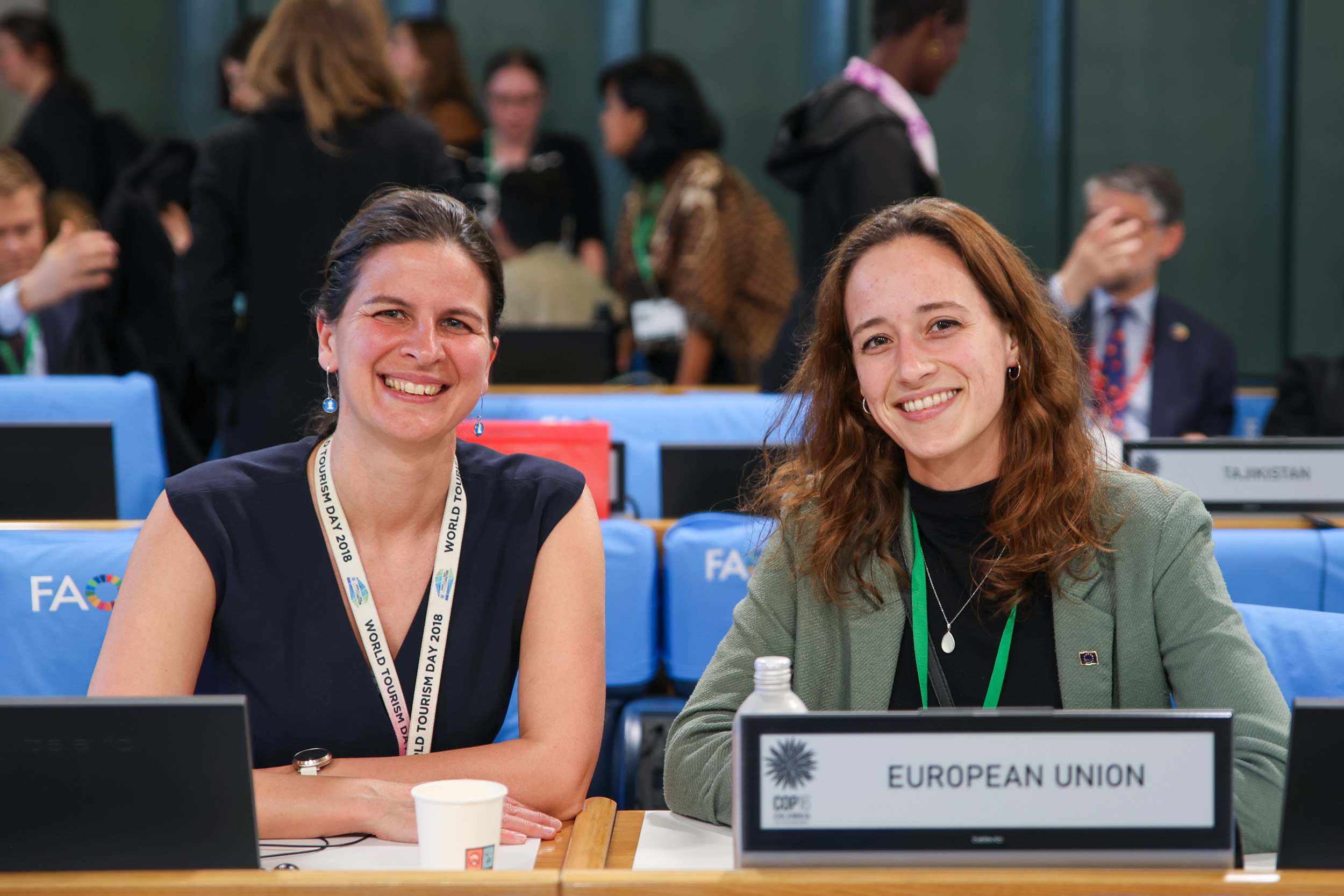
Ditta Greguss and Nadja Steinfort, EU
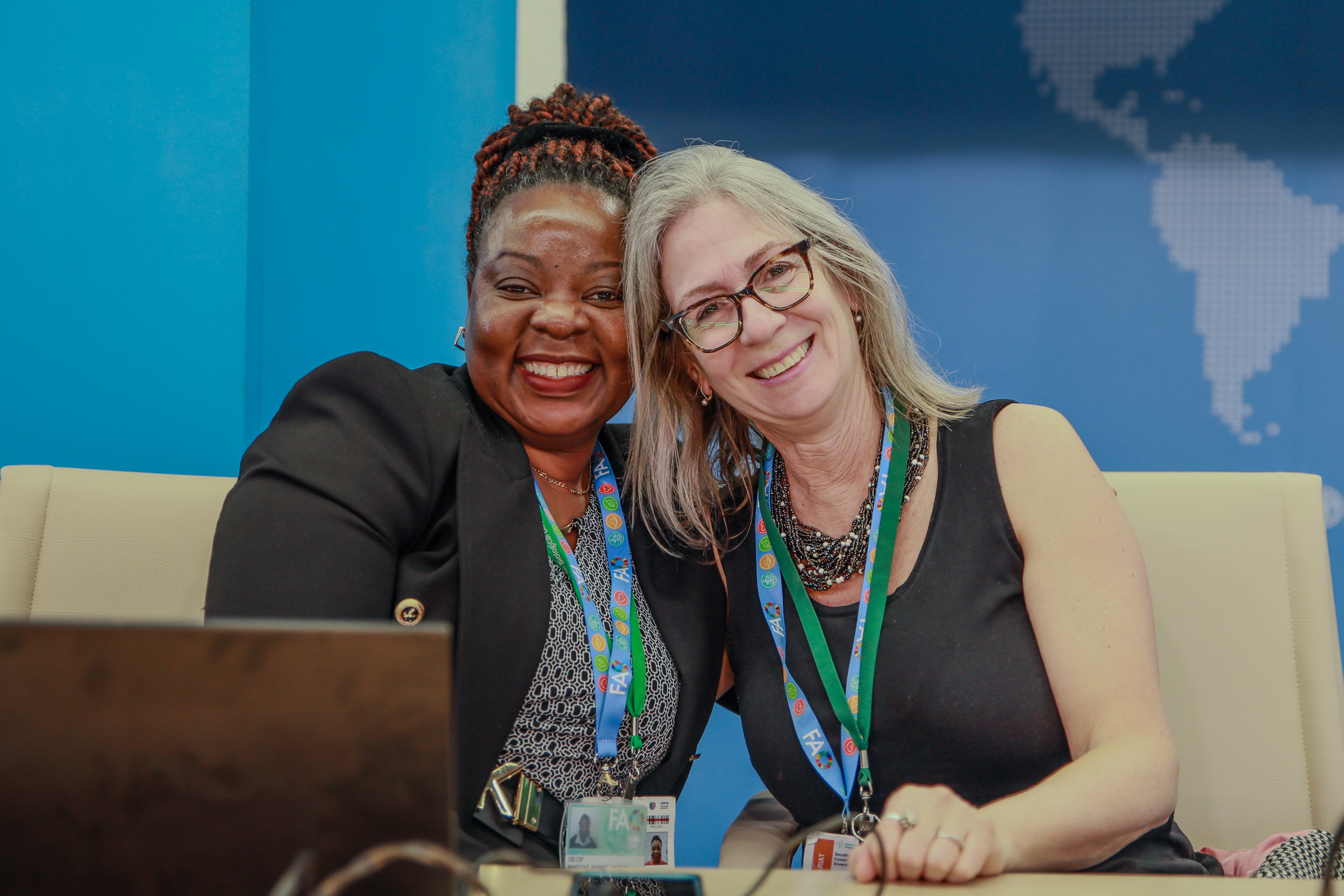
Inonge Kwenda Mweene and Jacqueline Grekin, CBD Secretariat
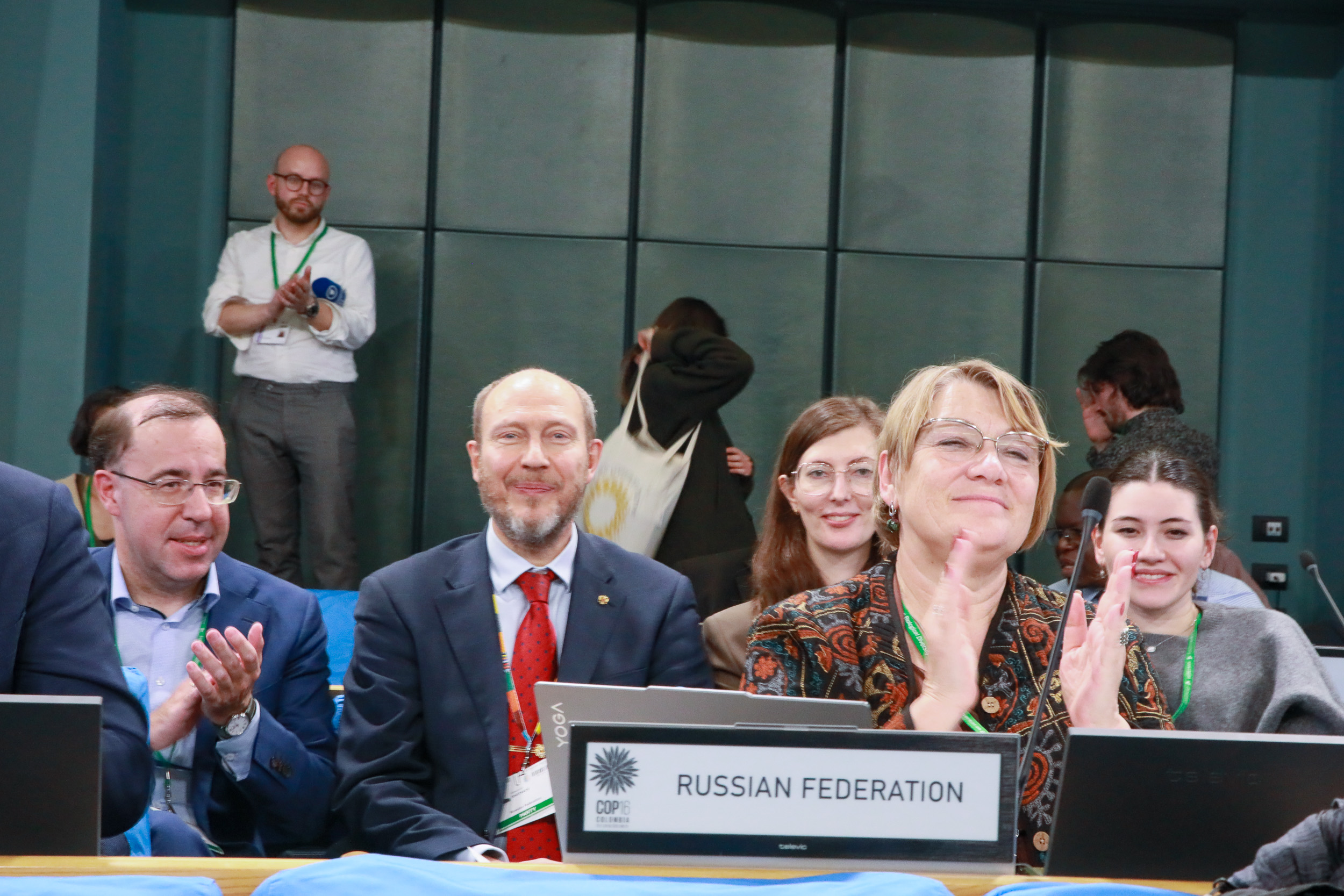
The Russian Federation delegation
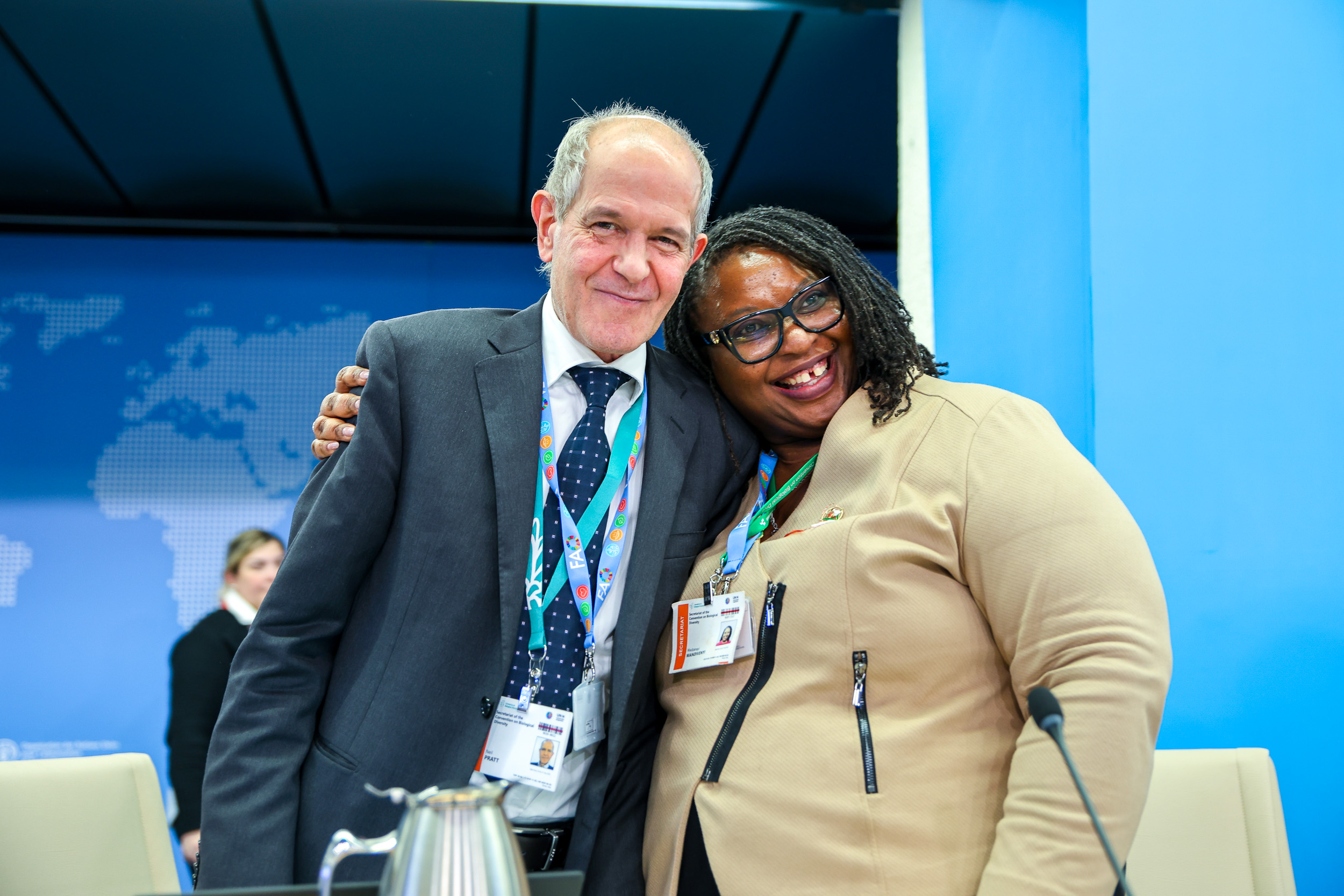
Neil Pratt and Wadzanayi Goredema-Mandivenyi, CBD Secretariat
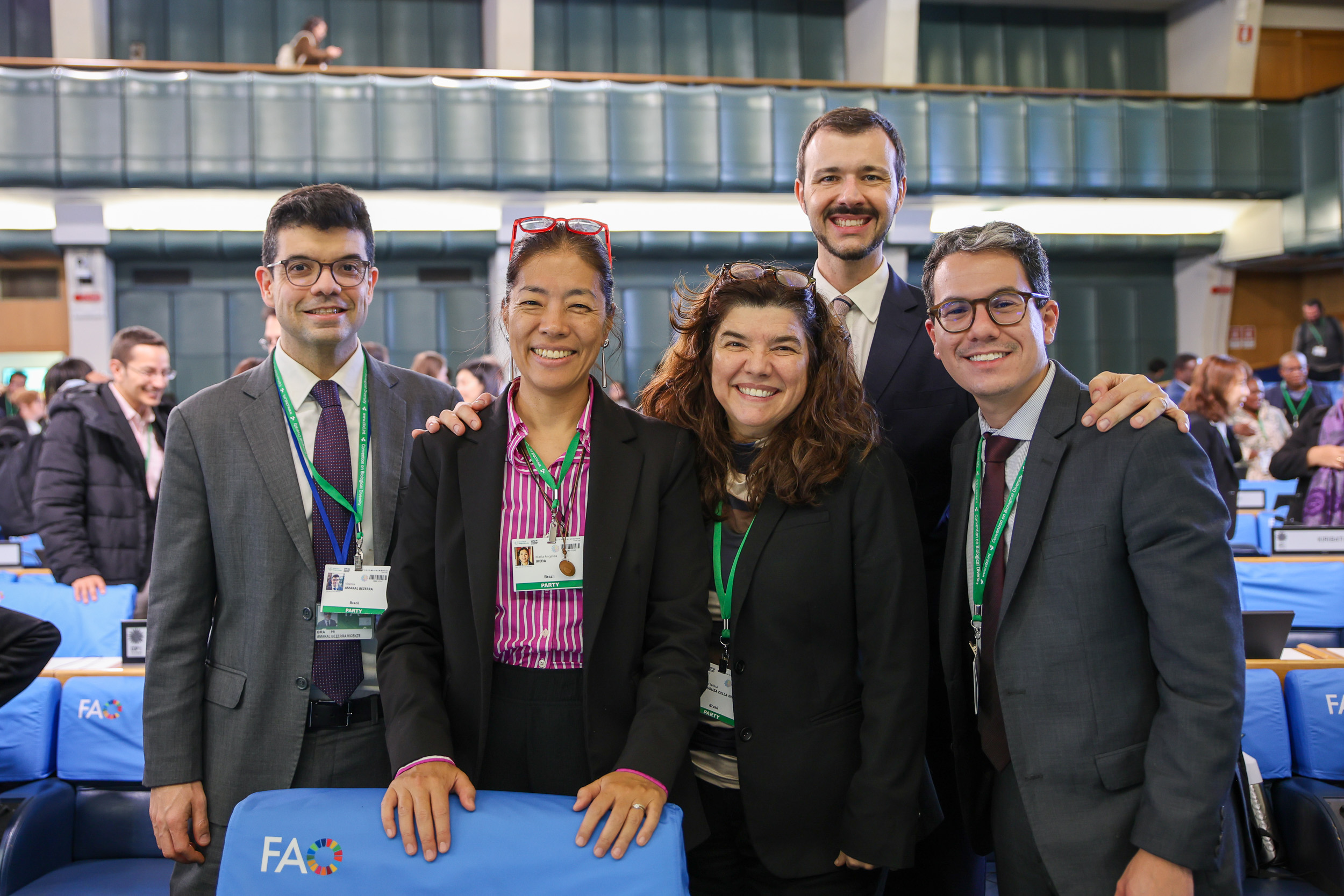
The Brazilian delegation
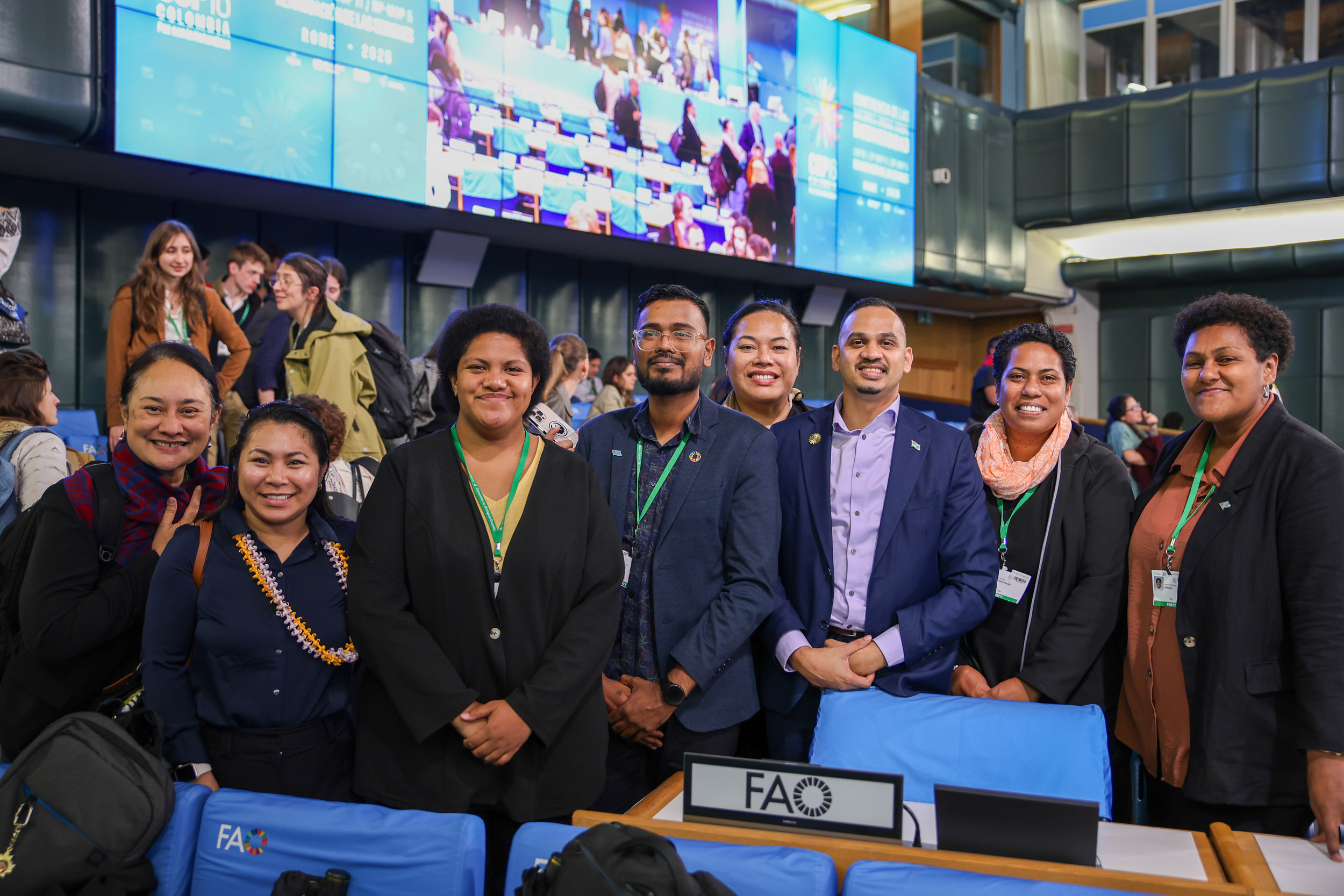
The Fiji delegation
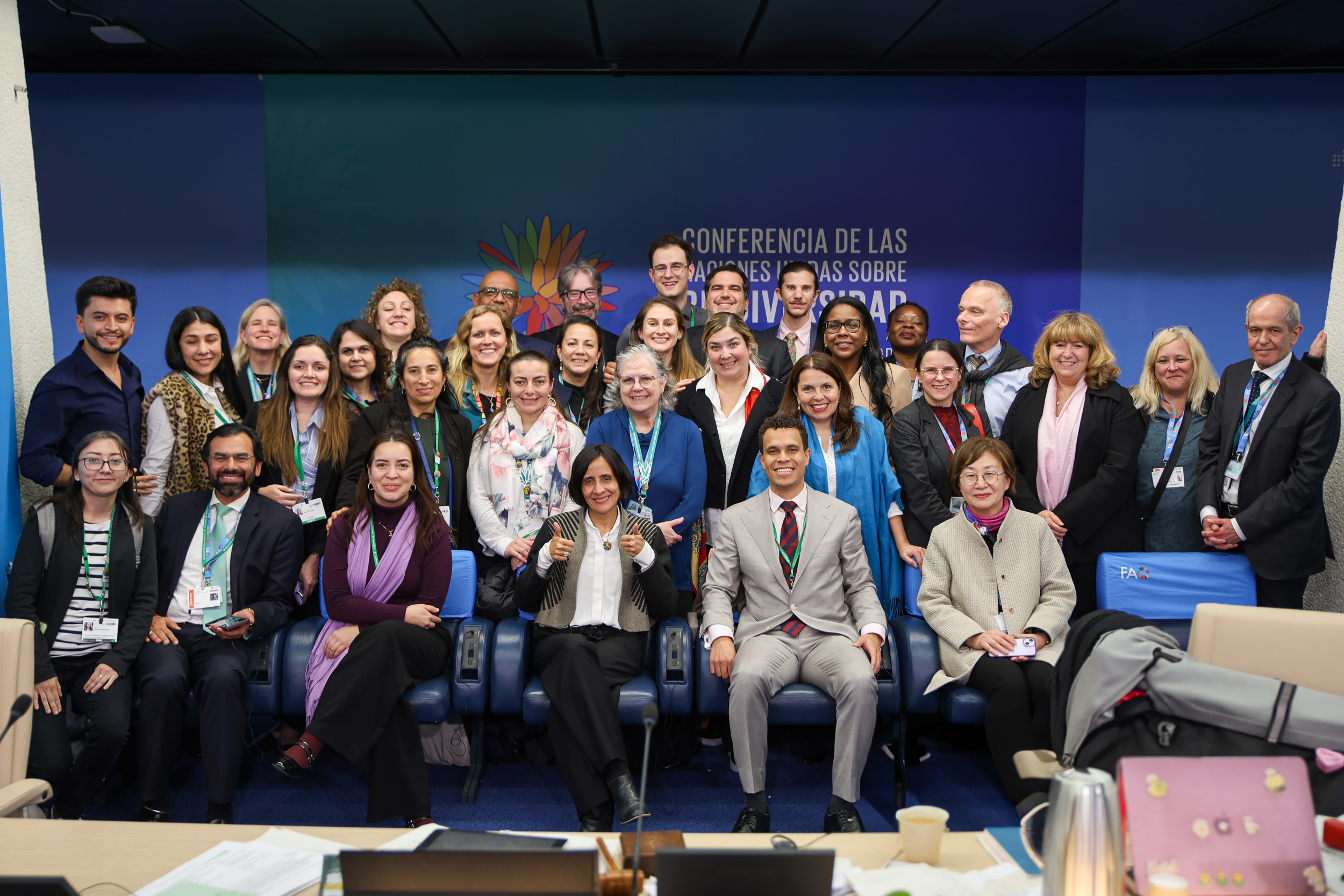
The Colombian delegation and CBD Secretariat family photo
Around the Venue
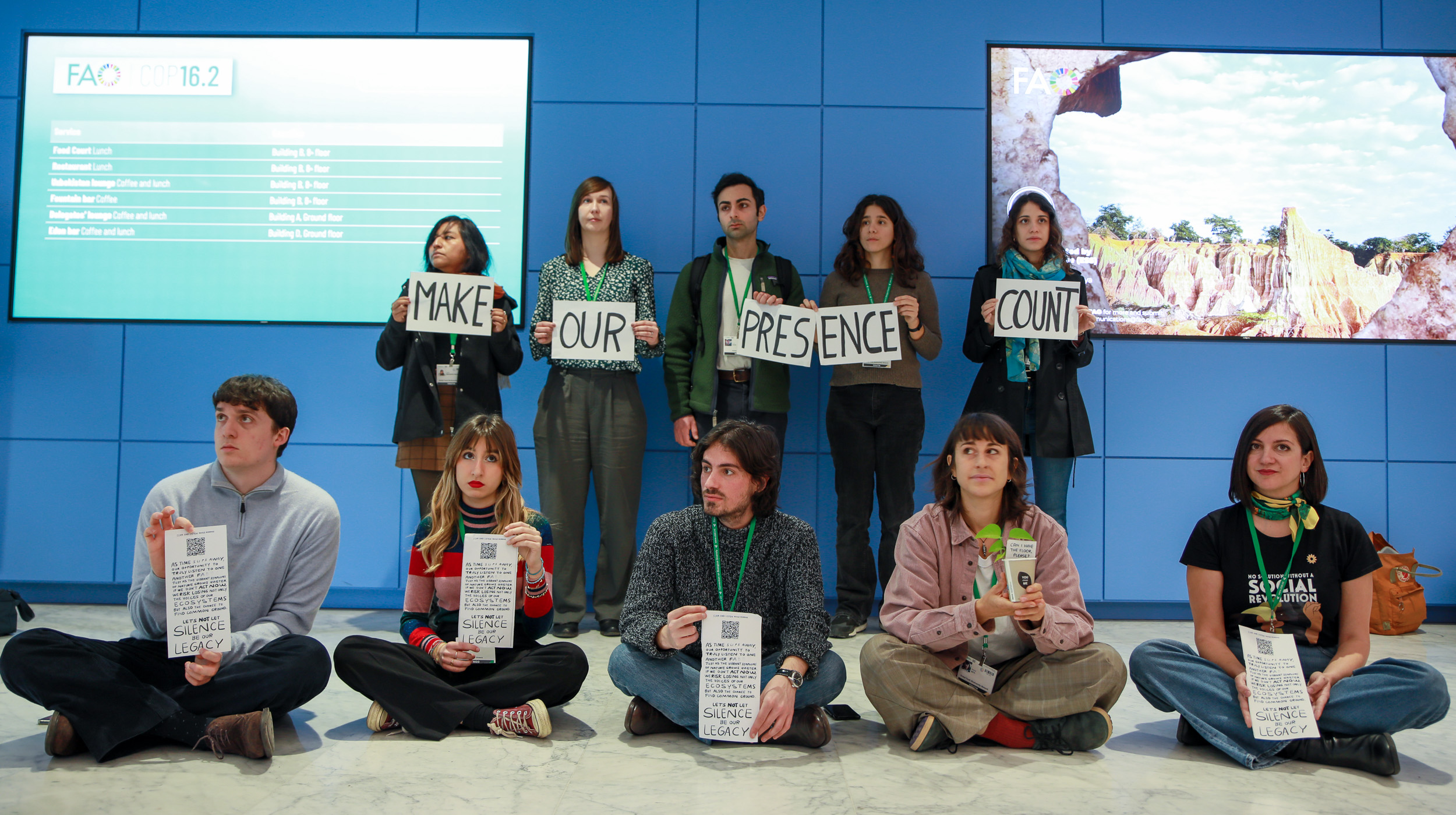
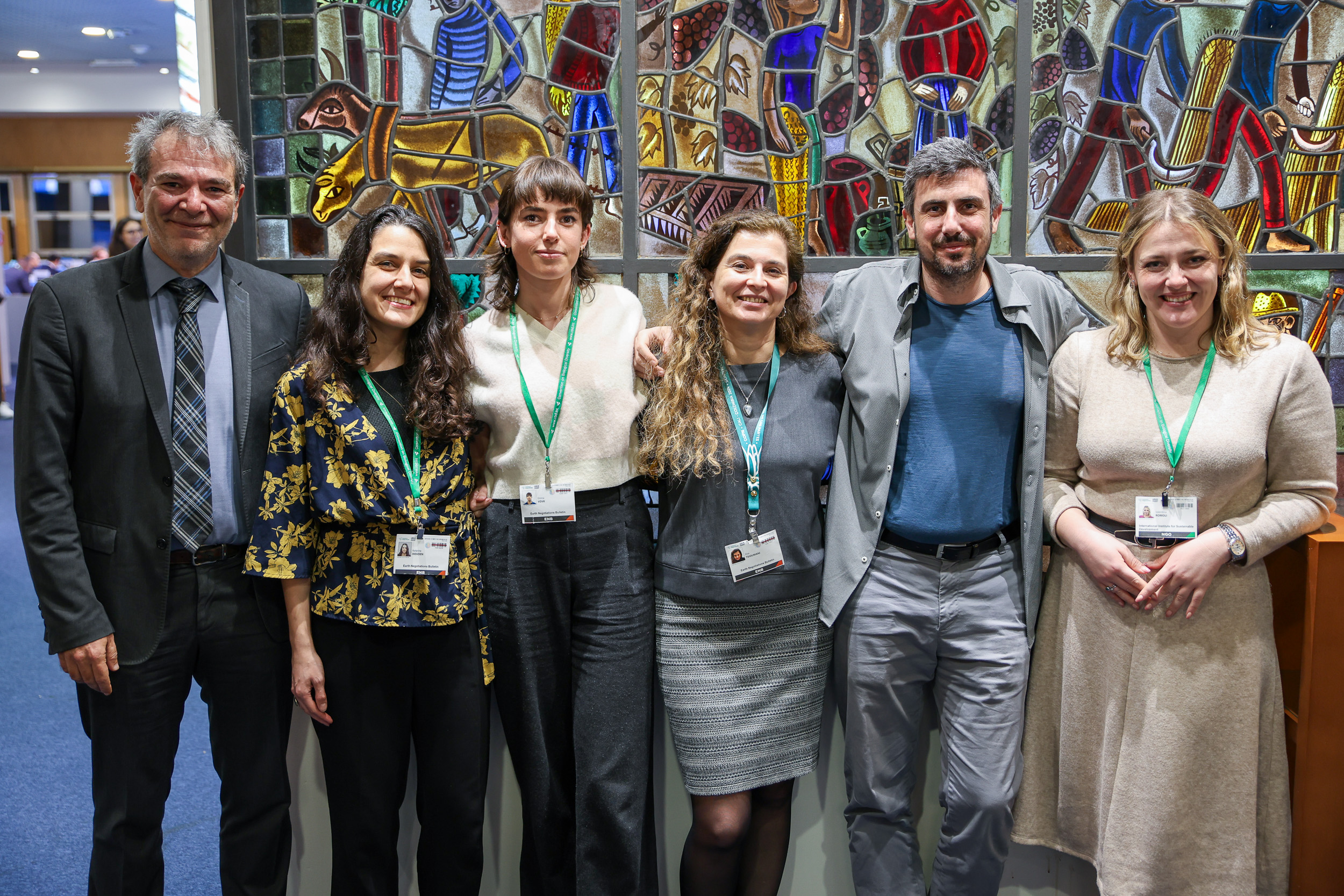
From L-R: The ENB team: Asterios Tsioumanis; Katarina Hovden; Emma Vovk; Elsa Tsioumani; and Mike Muzurakis, with Valentina Romoli, IISD