
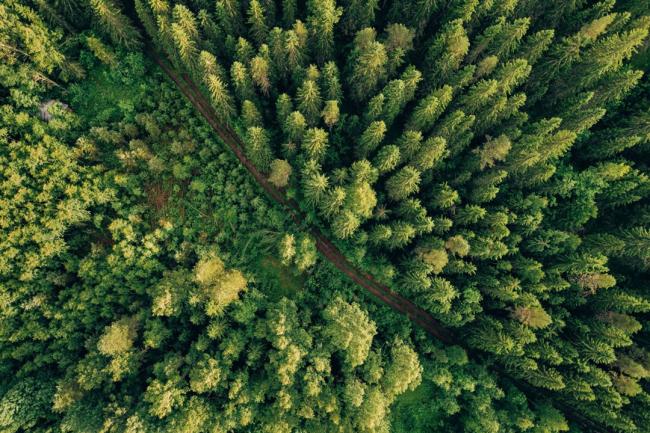
“Forests are not only the lungs of our planet. They are also the roots of sustainable development, climate resilience, and the foundations for generations to come,” read a delegate during the opening day of the 20th meeting of the United Nations Forum on Forests (UNFF20).
Peppered throughout the day were statements on the importance of forests for tackling global challenges, including climate change, biodiversity loss, and land degradation, as well as ensuring the vitality, wellbeing, and health of people living amongst them. Meanwhile, participants also heard of gaps in resources and challenges for the work ahead to achieve the ever-looming Global Forest Goals (GFGs) and Sustainable Development Goals (SDGs).
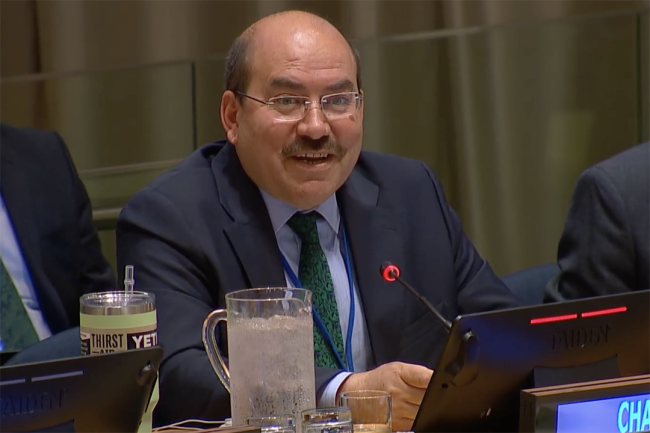
In opening remarks, Chair Ismail Belen highlighted the many achievements of the UNFF, while also noting the serious financial crisis facing the UN which affects all aspects of its work. Amongst other things, he called for a renewed investment in healthy forests through more financing and creative approaches, support for science and technology, capacity building, and support for smallholders, Indigenous Peoples, women, and young people.
Economic and Social Council (ECOSOC) President Bob Rae highlighted that well-managed forests provide nature-based solutions to pressing global challenges, and provide crucial livelihood for people all over the world.
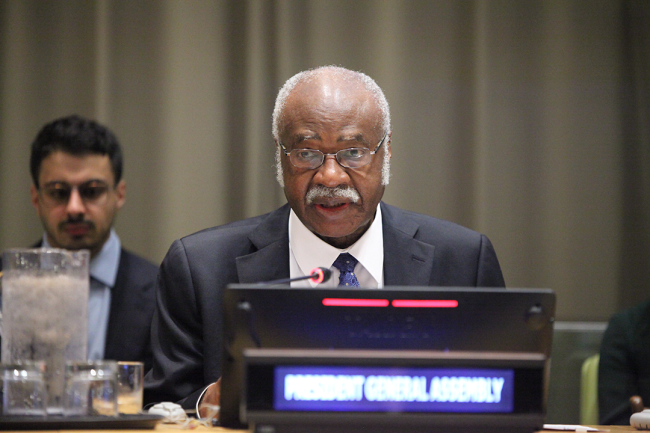
Noting that only five years remain to achieve the SDGs, UNGA President Philemon Yang called for urgent action, unity of purpose, and clarity of vision to help ensure sustainable forest management (SFM) remains “the cornerstone of a healthier planet for all.” Assistant Secretary-General for Policy Coordination at UN Department of Economic and Social Affairs (DESA) Bjørg Sandkjær underscored the fundamental role of forests in planetary vitality, and called for strengthened global cooperation and multilateralism.
During initial general discussions, participants delivered statements on the UN Strategic Plan for Forests 2017-2030 (UNSPF), progress in the implementation of the outcomes of the International Arrangement of Forests midterm review, and emerging issues. Among other things, statements touched upon:
- National, regional, and cross-regional initiatives to enhance collaboration for rolling out SFM;
- Actions taken to tackle illegal logging and trade, including through traceability and strengthened enforcement; and
- The need for more equitable financial support mechanisms and capacity building for developing countries and forest stewards such as Indigenous Peoples and peasant farming communities.


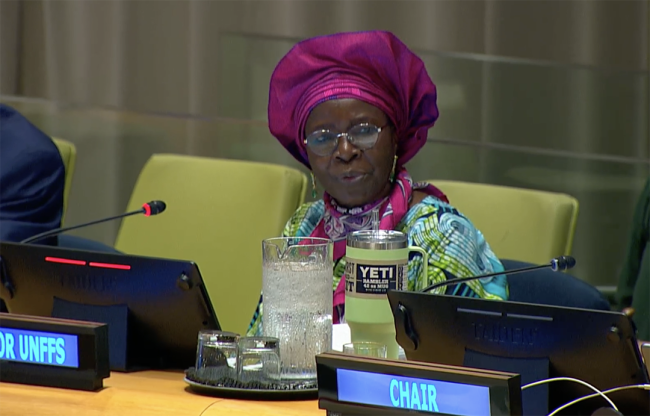
In the afternoon, participants heard a presentation from the UNFF Secretariat on challenges facing the three thematic priorities at UNFF20: reversing the loss of forest cover worldwide; increasing the area of protected forests; and promoting governance frameworks to implement SFM. Among the issues highlighted was the need to recognize the full value of forests, noting that forests and their contributions to calculations of gross domestic product are “dramatically undervalued,” leading to the low prioritization of SFM at the national level.
Delegates also initiated technical discussions on the implementation of the UNSPF, touching upon the contributions from Forum members through country-led initiatives and voluntary national contributions, as well as the contributions of enhanced cooperation with partners to achieve the thematic priorities.
To receive free coverage of global environmental events delivered to your inbox, subscribe to the ENB Update newsletter.
All ENB photos are free to use with attribution. For this meeting, please use: Photo by IISD/ENB | Angeles Estrada Vigil
Morning Session

Bjørg Sandkjær, Assistant Secretary-General for Policy Coordination, DESA, Philemon Yang, President of the UNGA, and Juliette Biao, UNFF Secretariat Director
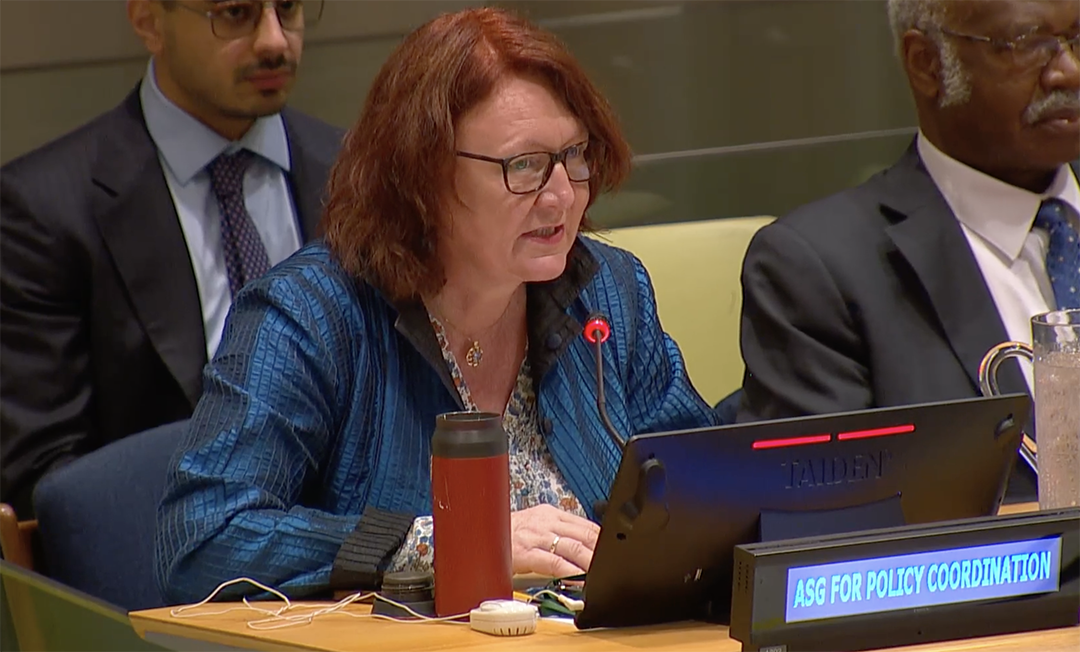
Bjørg Sandkjær, Assistant Secretary-General for Policy Coordination, DESA
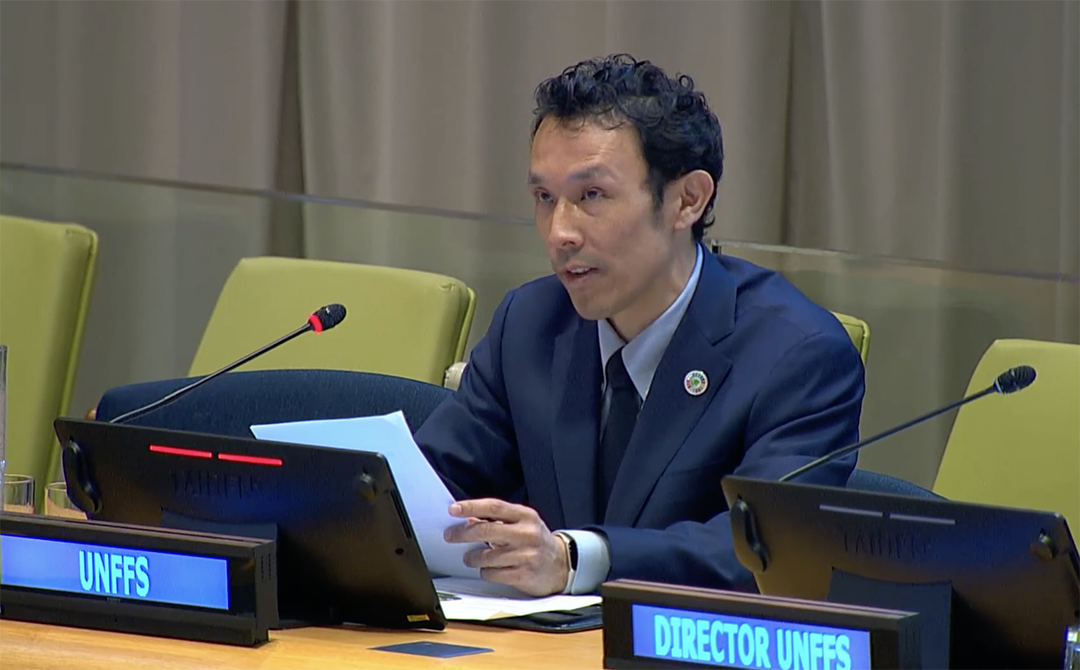
Ryo Nakamura, UNFF Secretariat

Javad Momeni, Iran
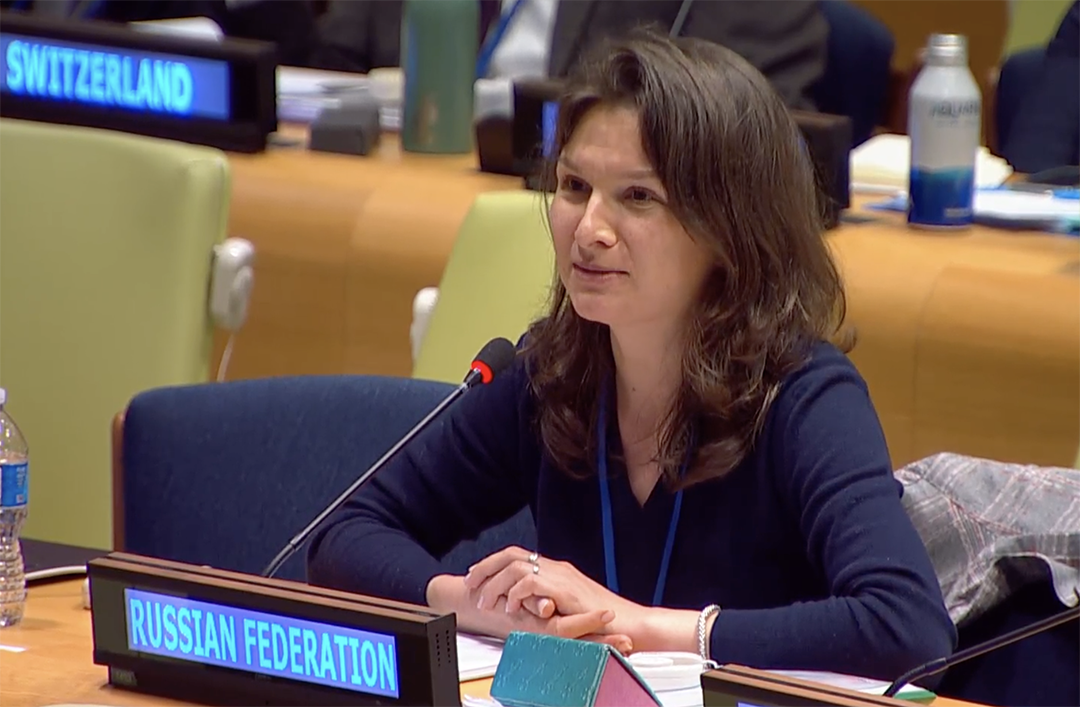
Maria Socolanco, Russian Federation

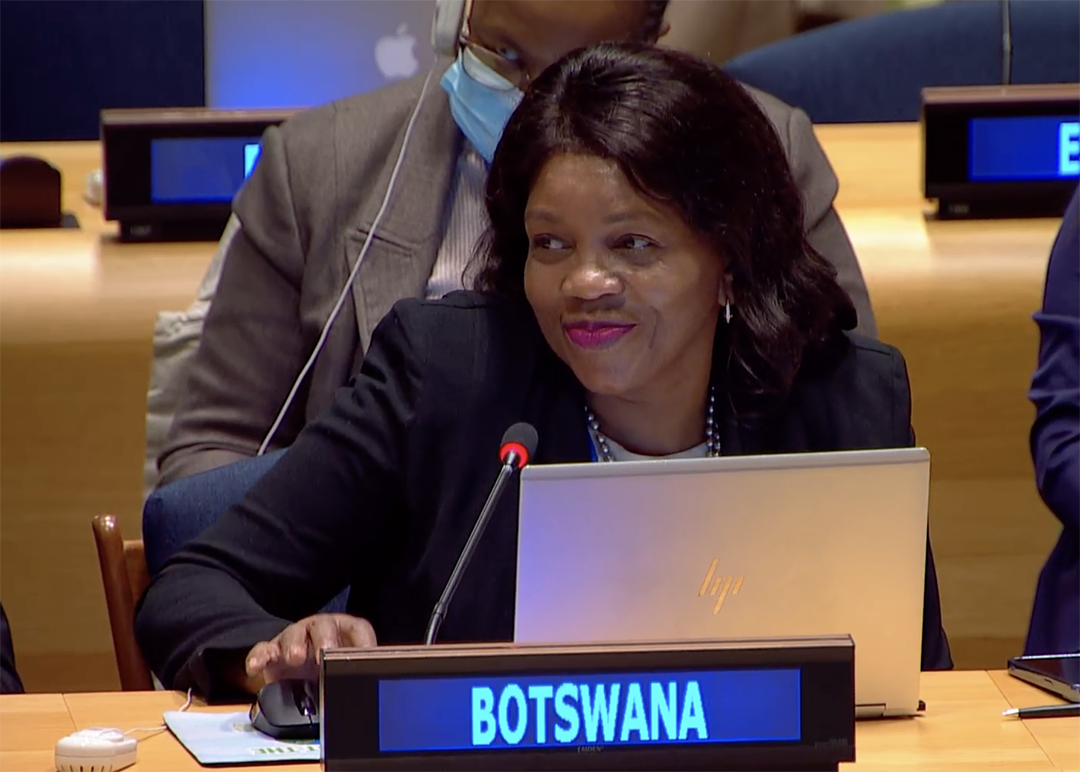


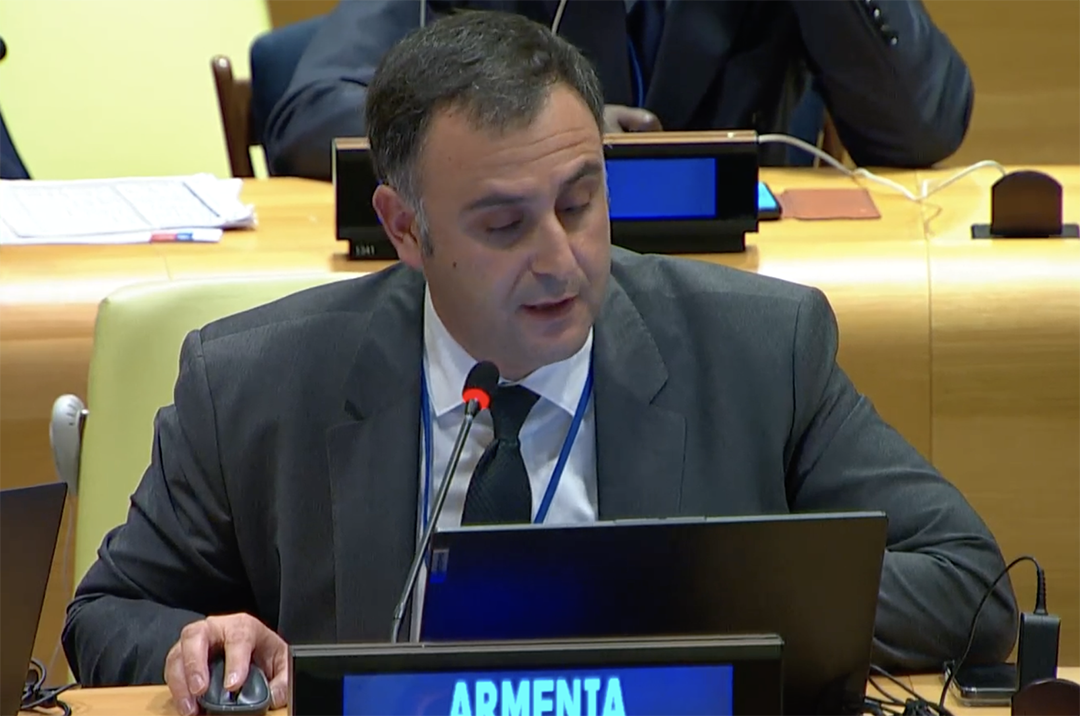
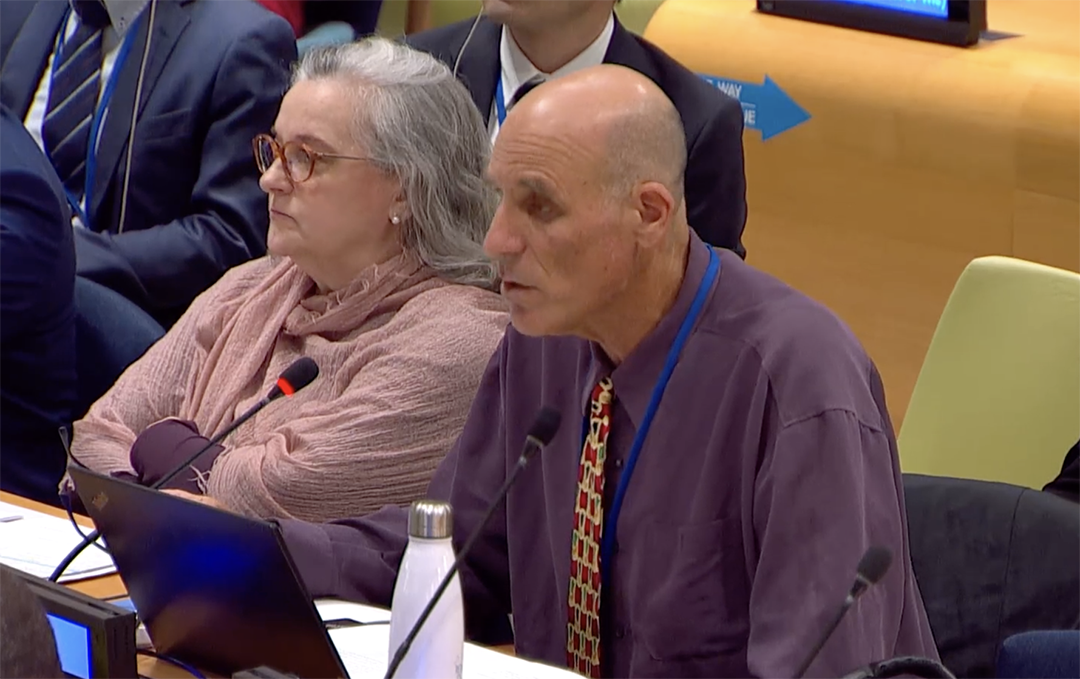
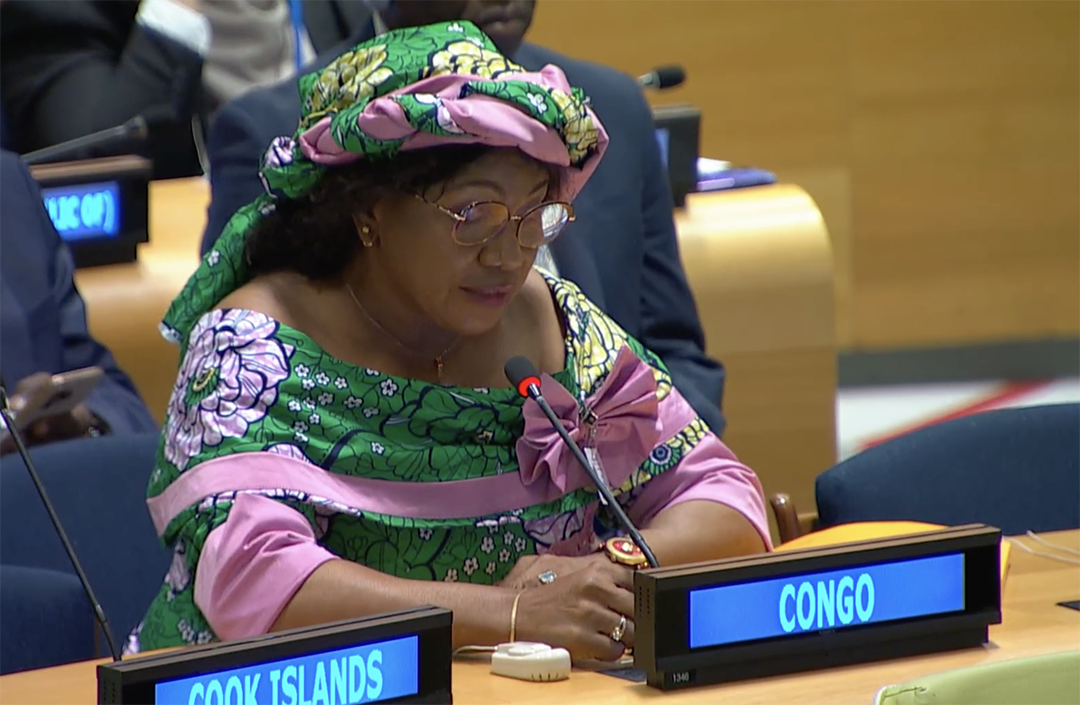

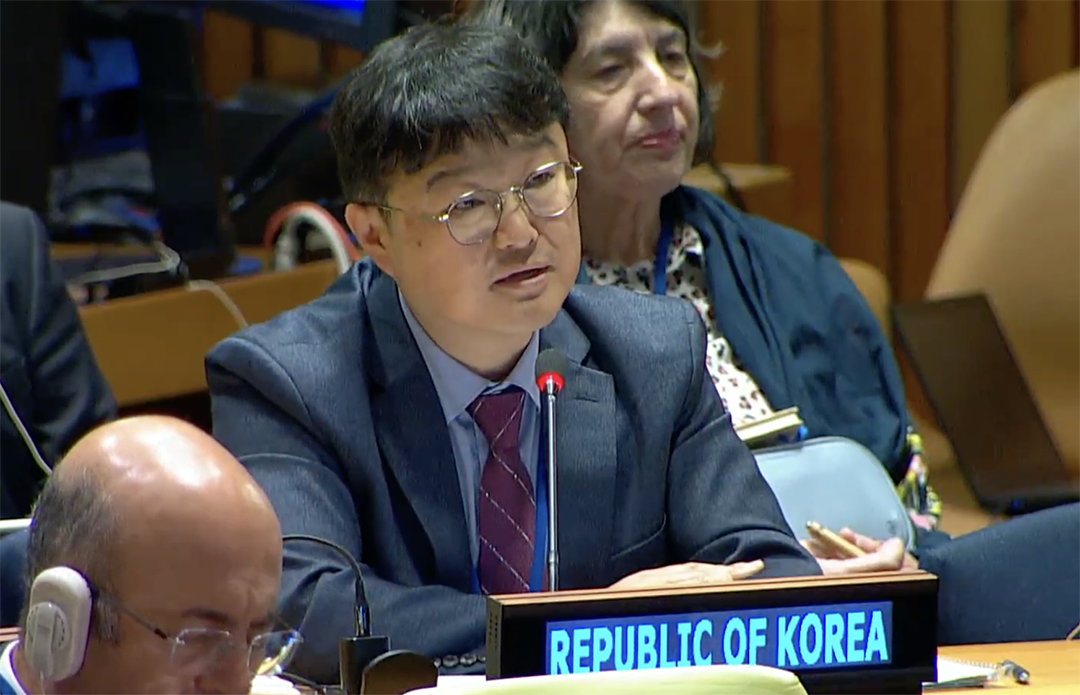
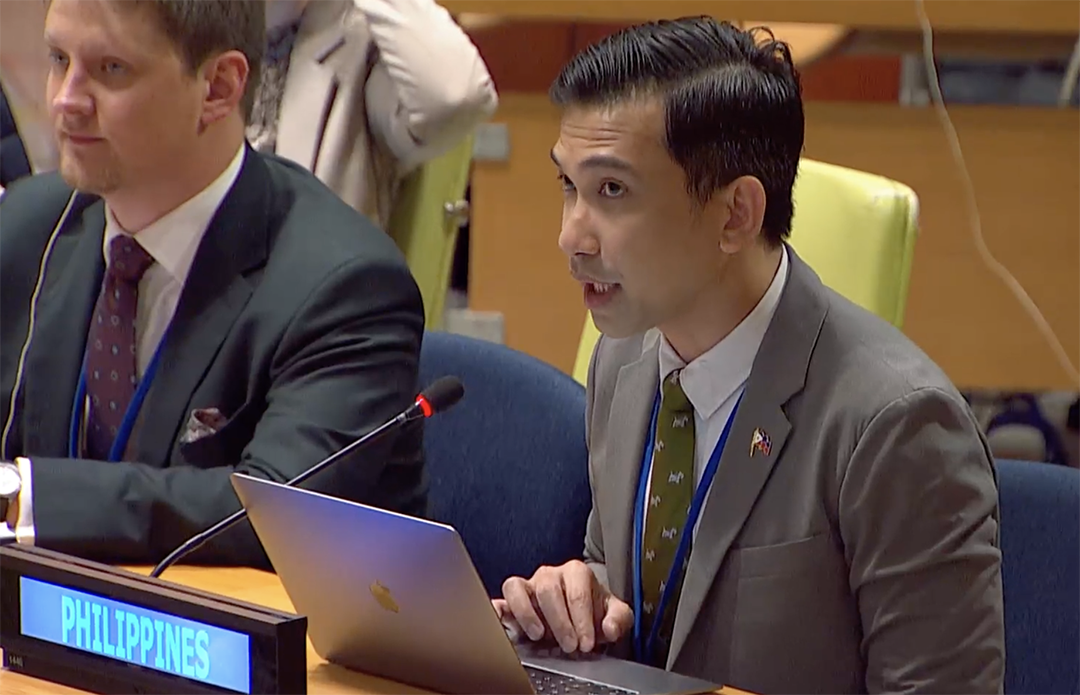
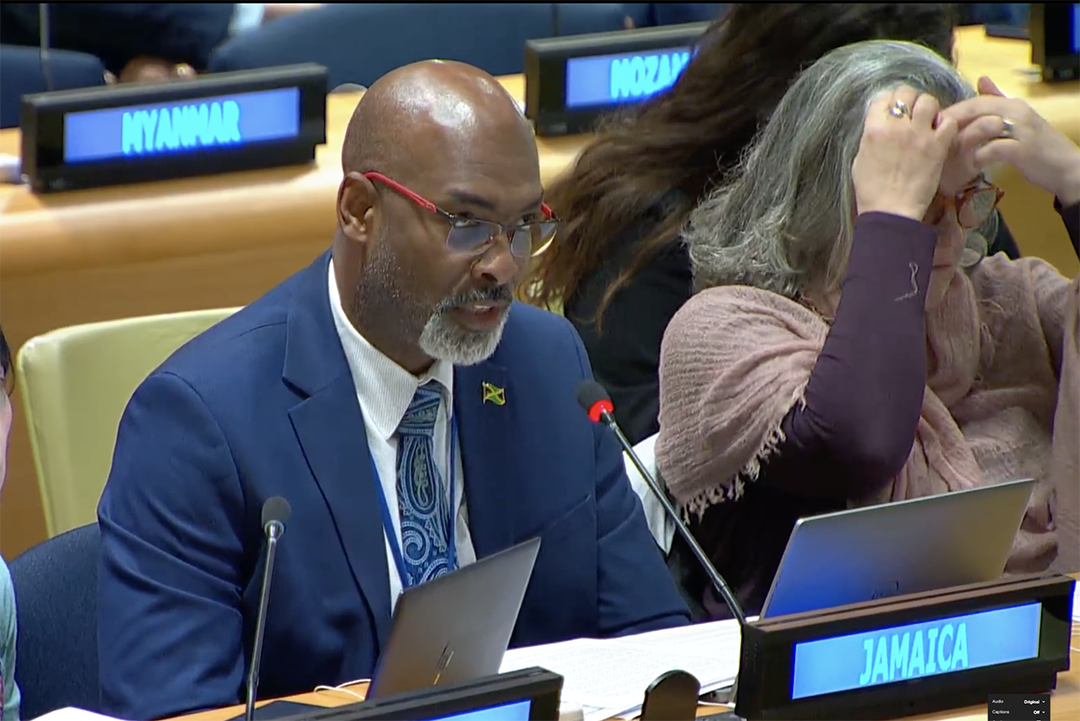

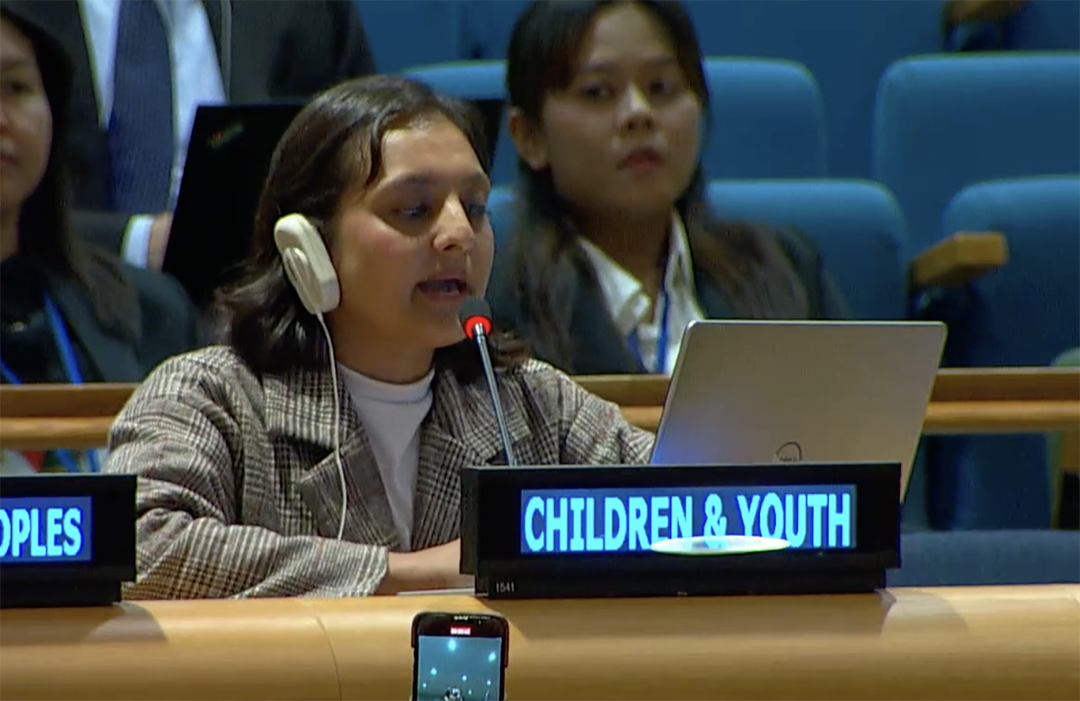

Afternoon Session

Vice Chair UNFF20 Abderrahim Houmy
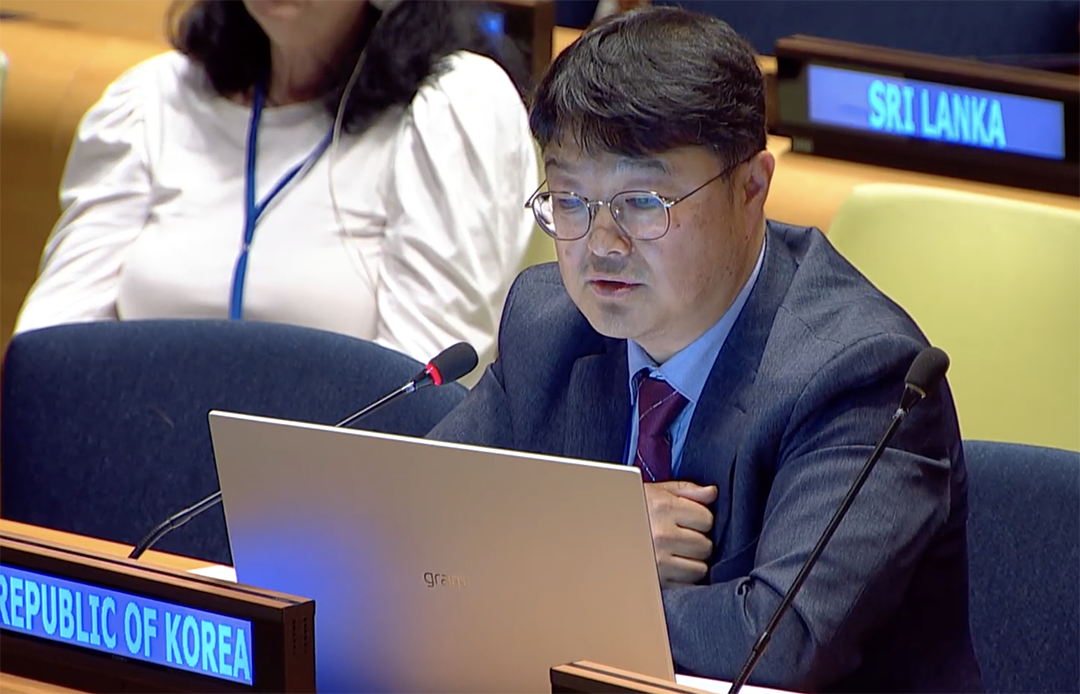
Younghwan Kim, National Institute of Forest Science (NIFoS), Republic of Korea

Tomasz Juszczak, UNFF Secretariat
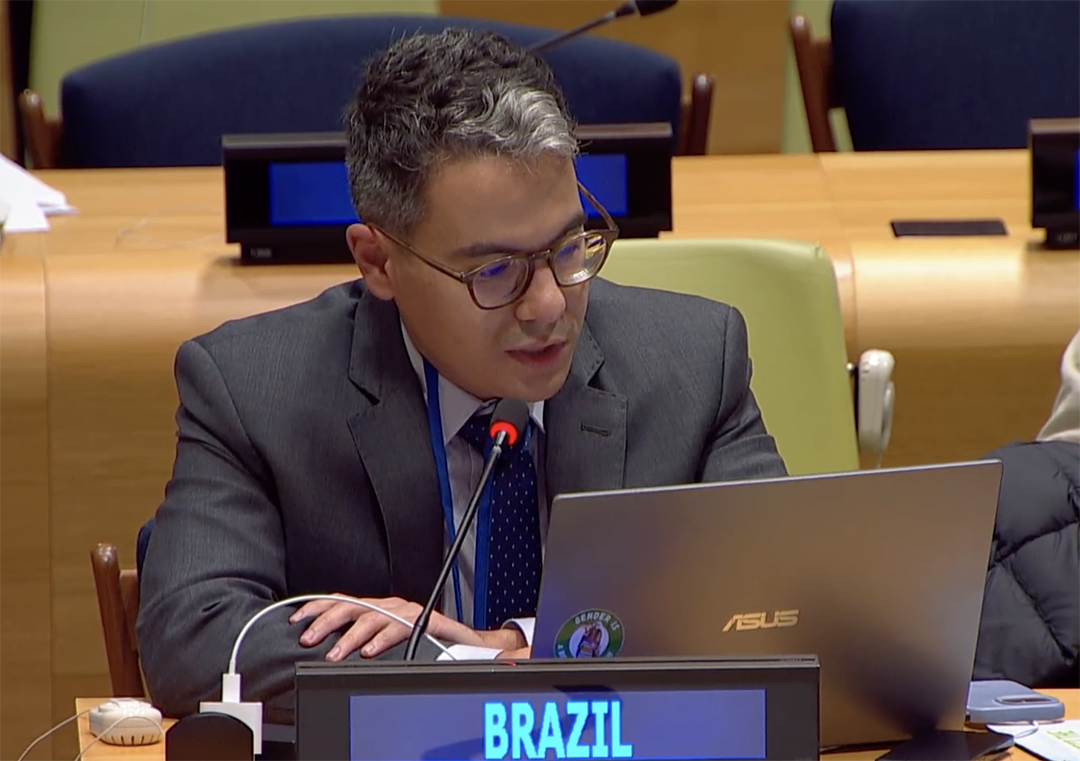
Luiz Eduardo Andrade de Souza, Brazil

Njeri Kariuki, UNFF Secretariat
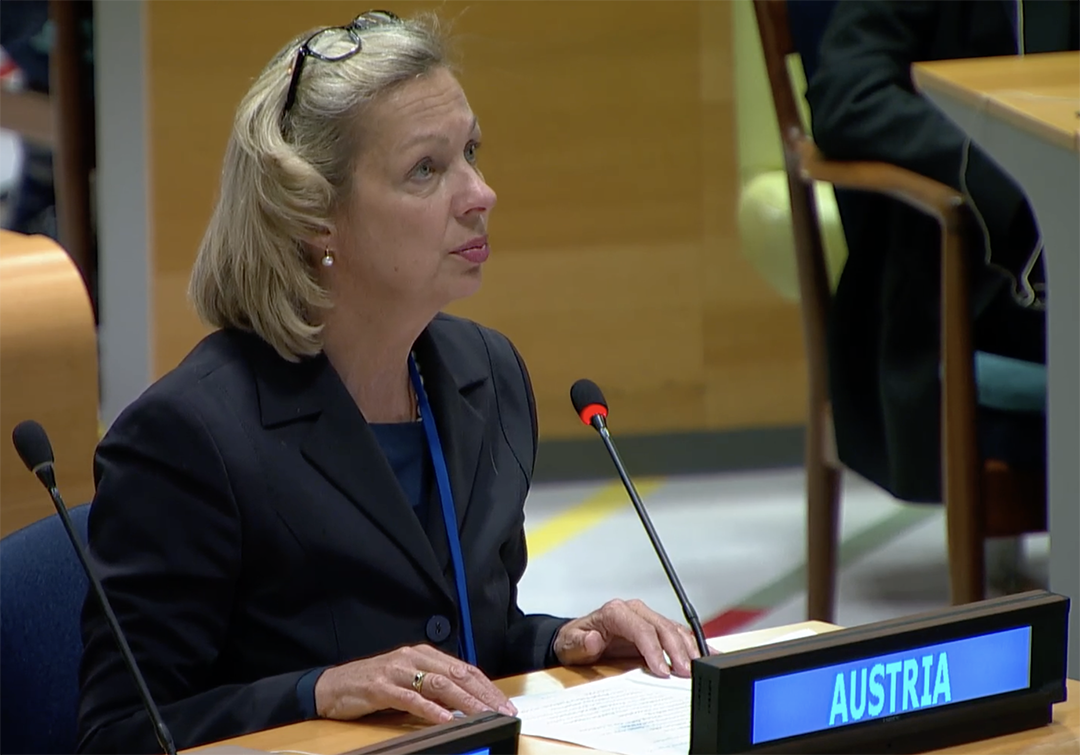
Elfriede Anna Moser, Forestry and Regions of the Federal Ministry of Agriculture and Forestry, Climate and Environmental Protection, Regions and Water Management, Austria
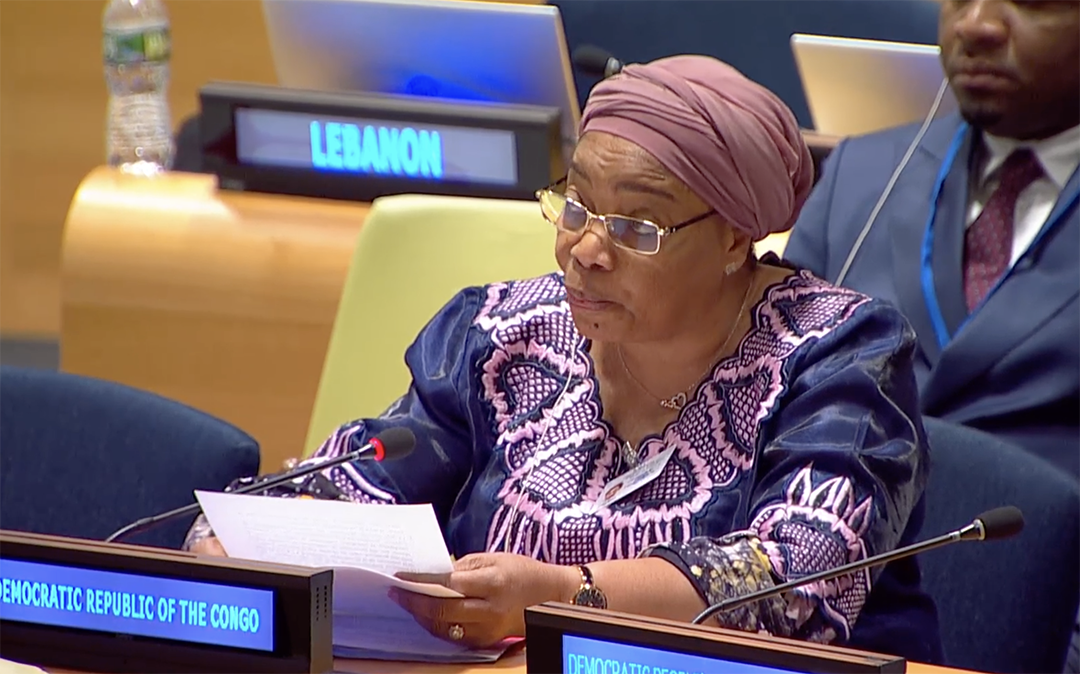
Eve Bazaiba, Minister of State, Minister of Environment and Sustainable Development of the Democratic Republic of the Congo
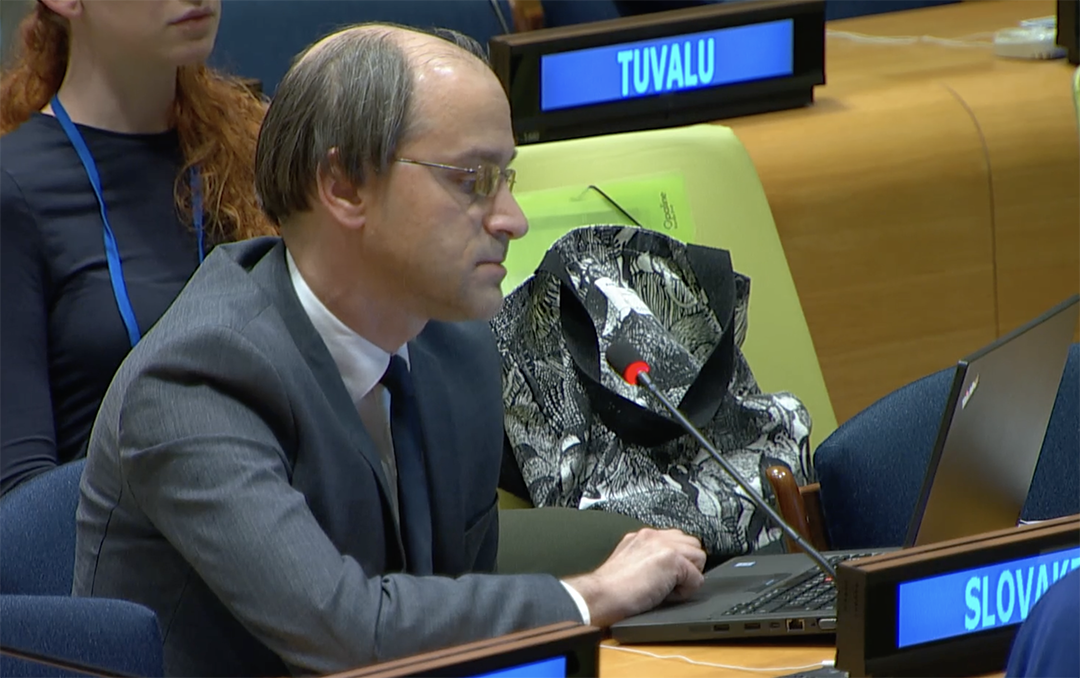
Boris Greguška, Slovakia
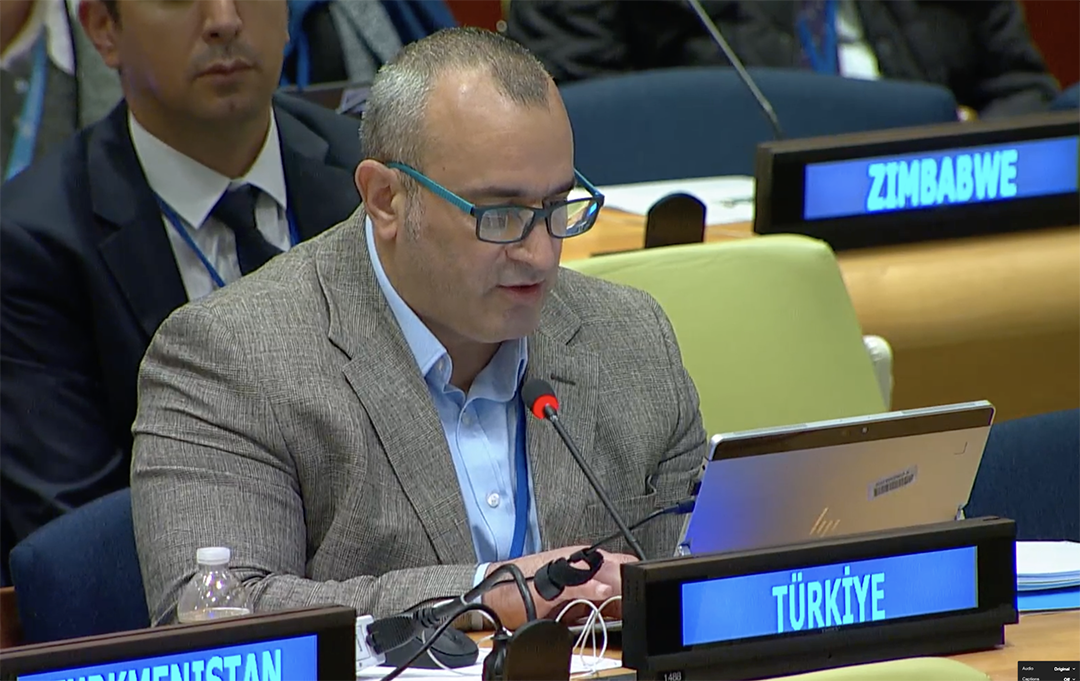
Ümit Turhan, Türkiye
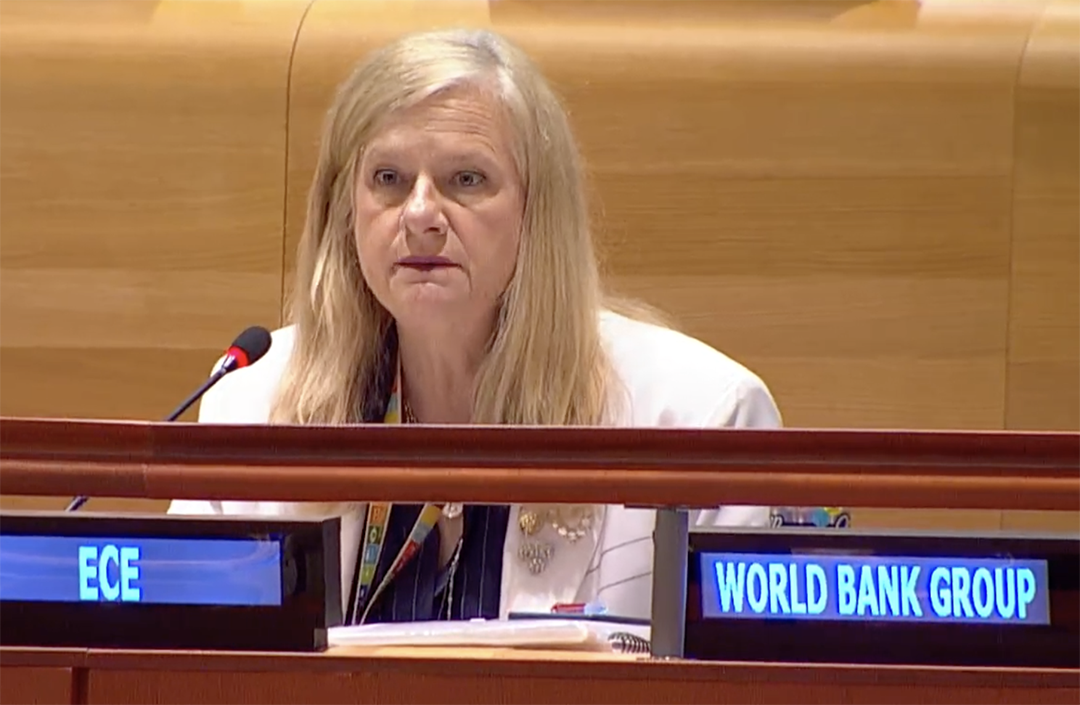
Liliana Annovazzi-Jakab, UN Economic Commission for Europe (UNECE) Forests and Bioeconomy
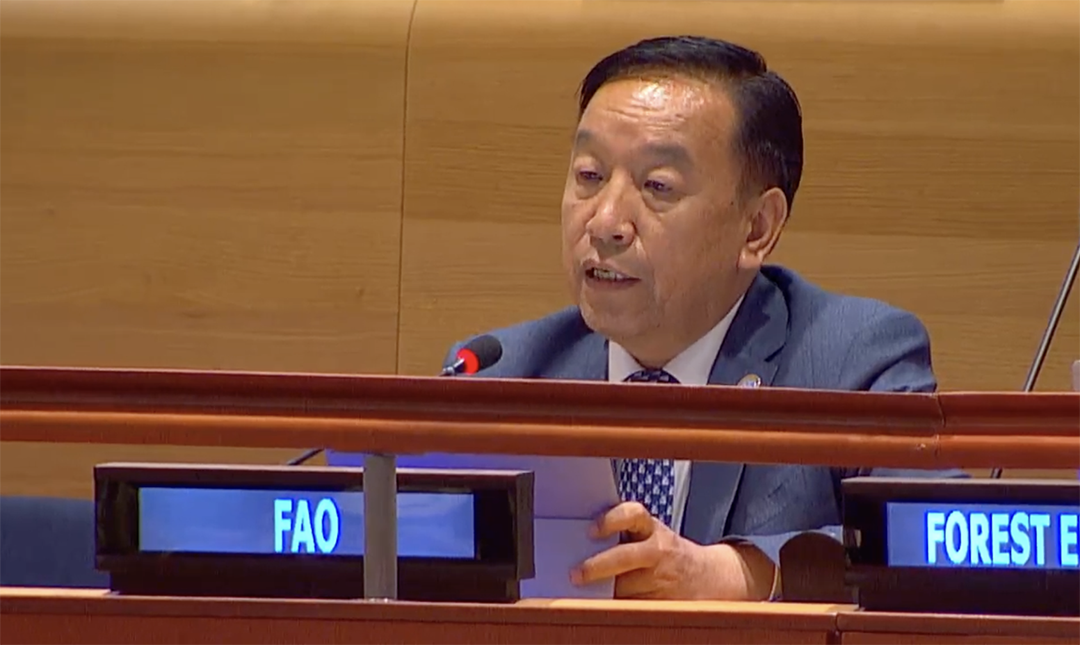
Wu Zhimin, CPF Chair
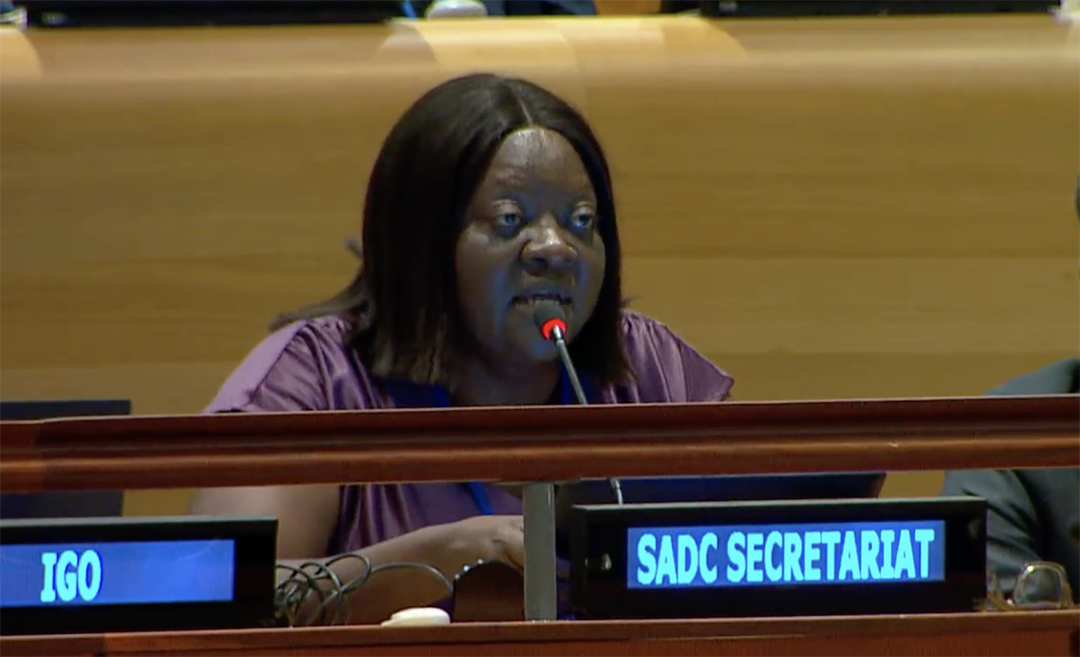
Ndpanda Kanime, Southern African Development Community (SADC)
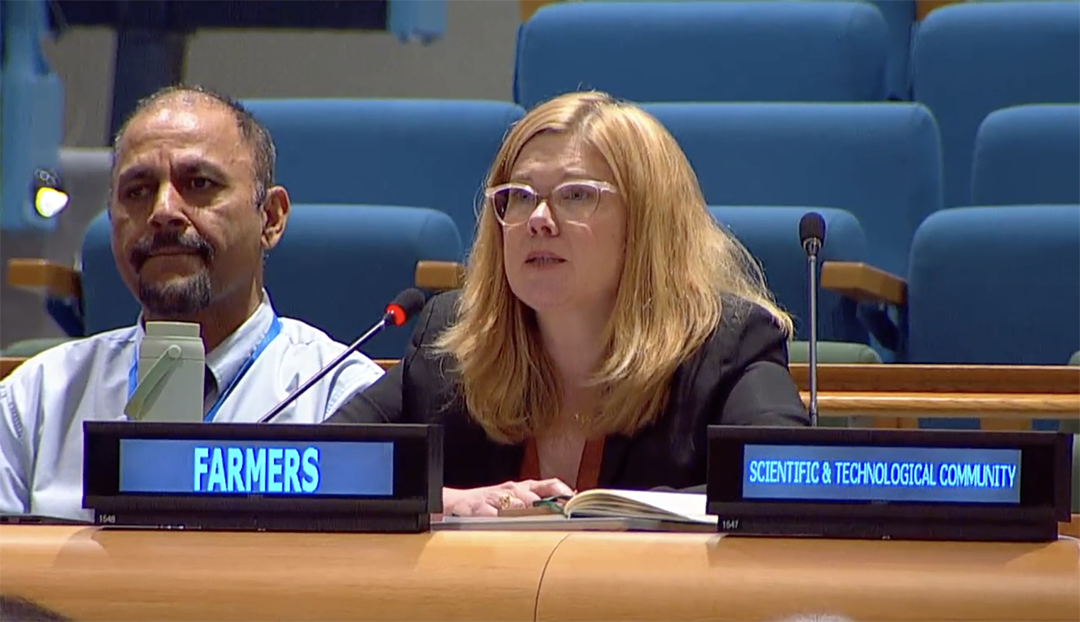
Mia Crawford, Farmers and Small Forest Landowners Major Group
