
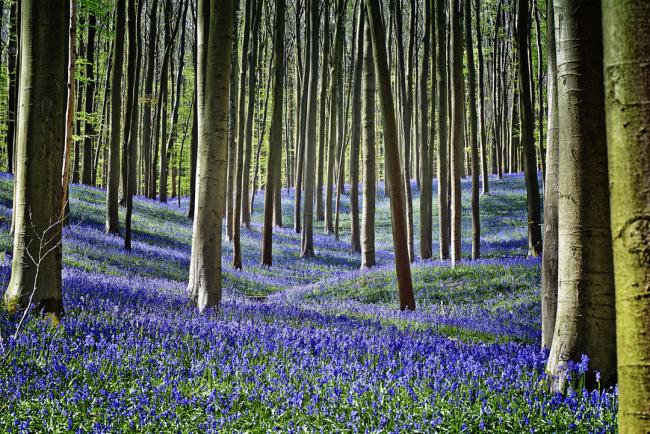
Forests hold many of the solutions for mitigating the crises of climate change and biodiversity loss, and are tied to the achievement of most of the Sustainable Development Goals (SDGs). They are critical for planetary well-being, helping to improve soil, air and water quality, and provide food, shelter, energy, medicines and income for approximately 1.6 billion people worldwide.
In spite of this, delegates at the 20th meeting of the United Nations Forum on Forests (UNFF20) were told that forest-based solutions to the world’s crises remain largely untapped due to significant challenges in identifying and accessing financial resources. Throughout the third day of the meeting, participants discussed ways to address these challenges while also touching on the difficulties in accessing data and the responsibilities of parties for monitoring, assessment, and reporting (MAR).
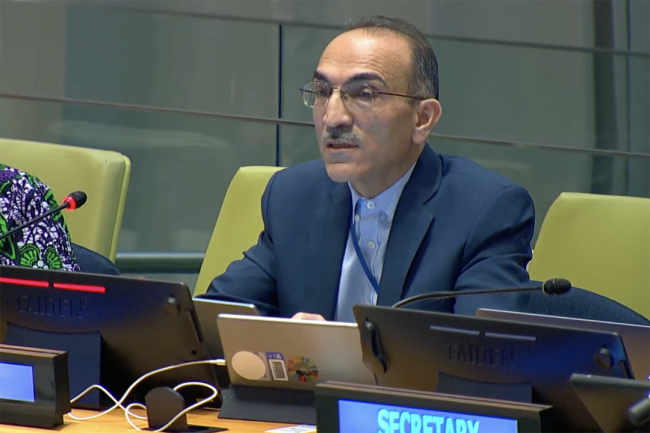
During the morning session delegates held general discussions on the means of implementation, including operations and resources of the Global Forest Financing Facilitation Network (GFFFN). Many underscored the crucial role of forest financing for achieving the Global Forest Goals (GFGs). One delegate stressed that “we cannot hope to increase the pace of UN Strategic Plan for Forests 2017-2030 (UNSPF) implementation without the provision of new and additional resources.” While some delegates welcomed the proposal for the Secretariat to establish a global hub on forest data and financing opportunities, other cautioned against adding additional commitments.
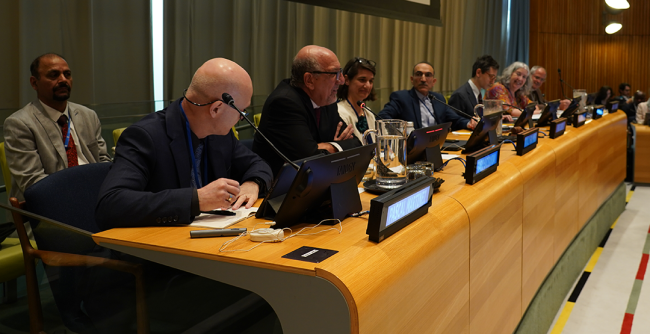
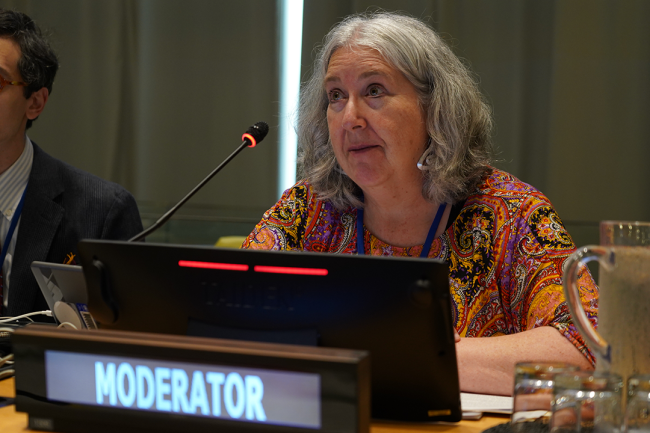
During a panel and interactive discussion on the proposed global hub, participants were told that the “data exists,” but remains hard to access due to source and type fragmentation. Several panelists spoke to the significance of a global hub for enabling easier access to both data and financing for forest projects. One panelist highlighted the important role of governments in reducing financial flows to harmful practices and instead directing them to forest-positive activities.
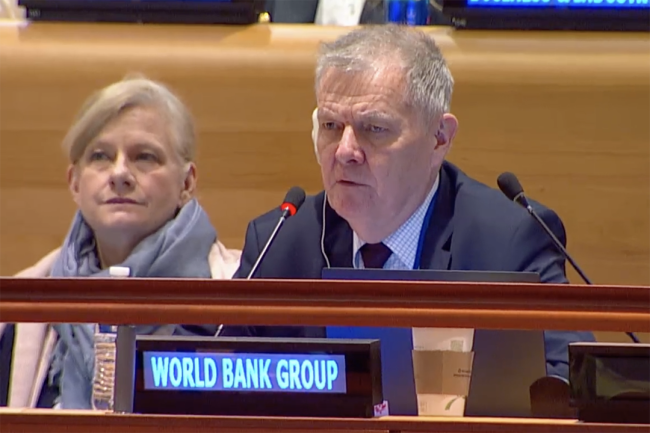
In his keynote speech, Tuukka Castrén, Senior Forestry Specialist at the World Bank, urged for collaboration on improving and sharing data and called on the UNFF, the Collaborative Partnership on Forests (CPF), and partners to develop strategies to:
- Unlock finance for small-scale operators;
- Mobilize private investments at scale;
- Strengthen domestic public finance and policy coherence; and
- Deploy official development assistance to unlock private capital.
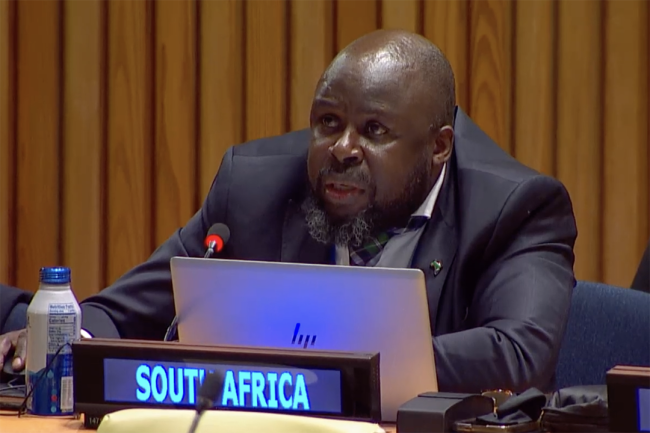
In the afternoon, members heard presentations on MAR, with a focus on the rapidly approaching deadline for submissions of Voluntary National Reports (VNRs) through a new online platform. Avhashoni Renny Madula, Department of Forestry, Fisheries, and the Environment, South Africa, shared key takeaways from a recent capacity-building workshop held in Nairobi. Sven Walter, Food and Agriculture Organization of the UN (FAO), provided a progress report on how the Global Core Set of forest-related indicators will help harmonize forest-related reporting between the UNSPF and various other processes and conventions.
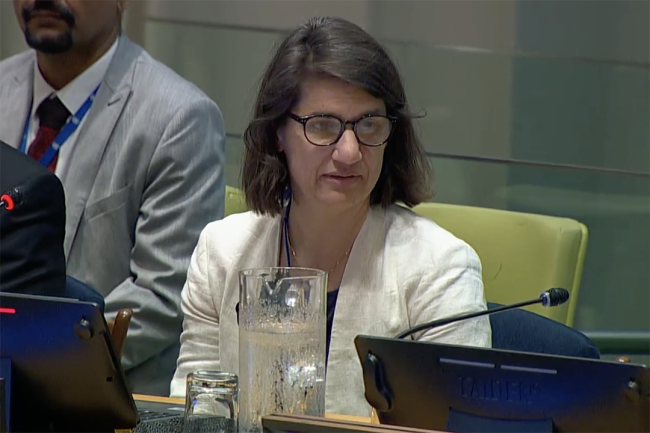
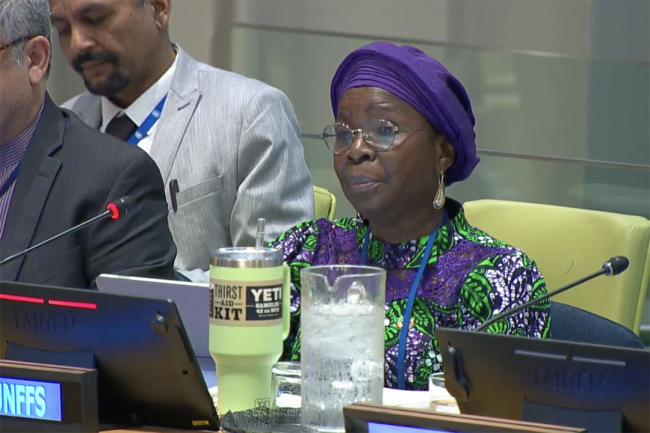
In ensuing discussions, all interventions stressed the importance of MAR efforts, and many expressed appreciation for the new VNR format, the capacity-building workshop, and the CPF work on the Global Core Set. Many also pledged to submit their VNRs on time. Several asked for more MAR capacity building from UNFF and FAO.
To receive free coverage of global environmental events delivered to your inbox, subscribe to the ENB Update newsletter.
All ENB photos are free to use with attribution. For this meeting, please use: Photo by IISD/ENB | Angeles Estrada Vigil
Selected Images
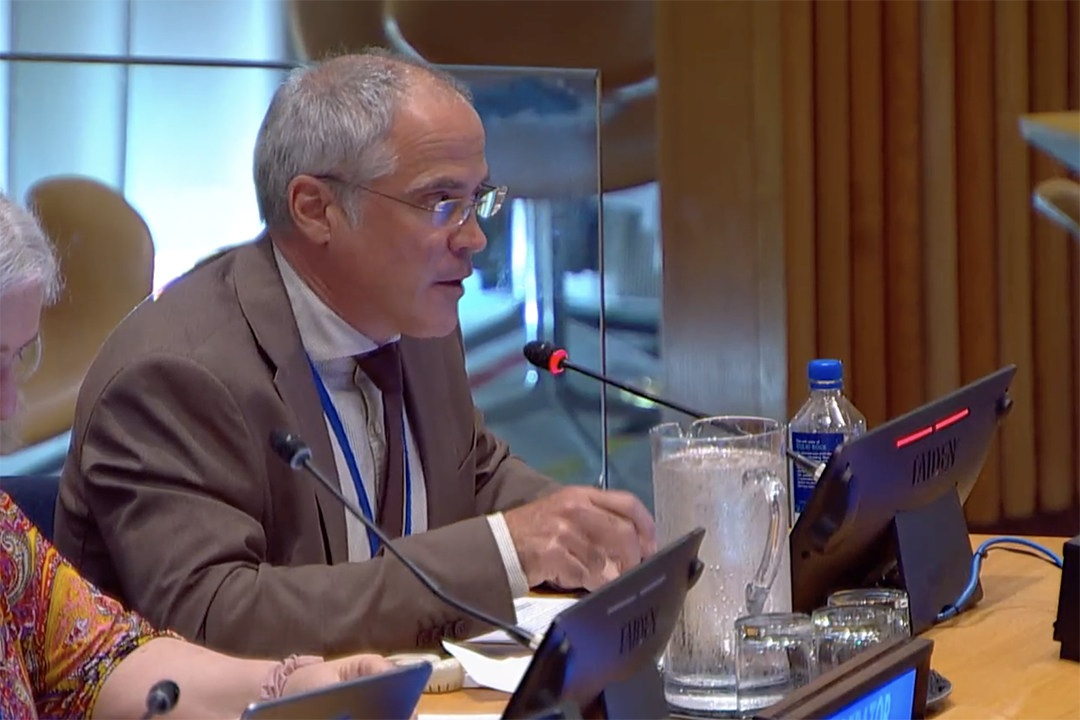
Fritjof Boerstler, FAO
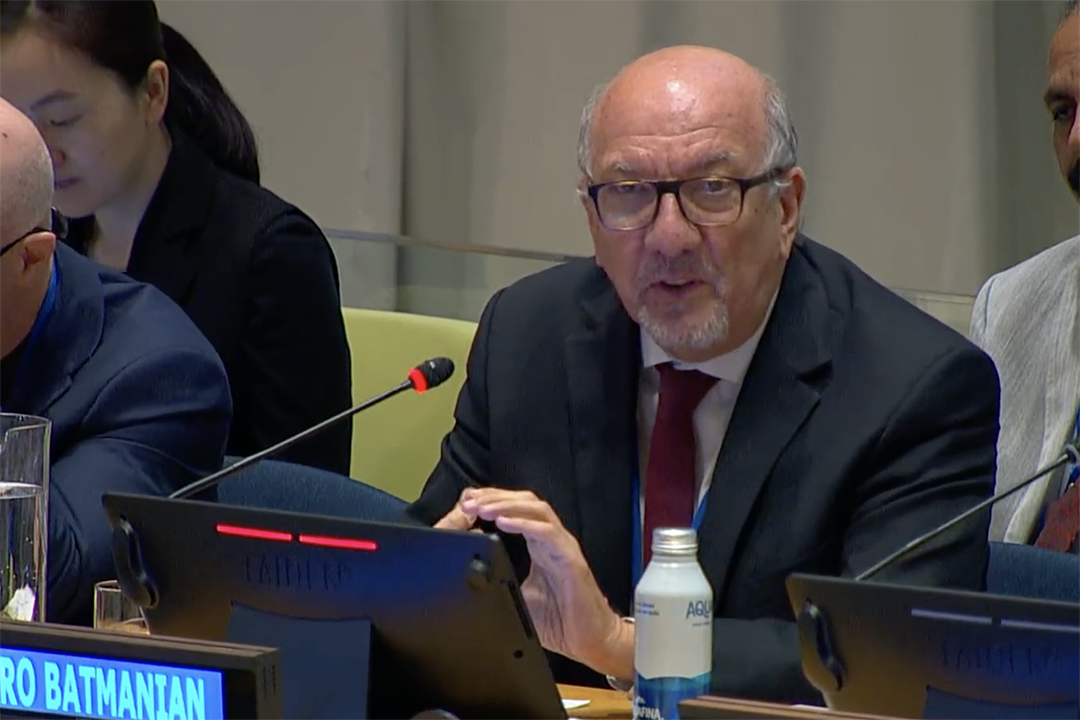
Garo Batmanian, Director General, Brazilian Forestry Service

Luiz Eduardo Andrade de Souza, Brazil

Mia Crawford, Farmers and Small Forest Landowners Major Group
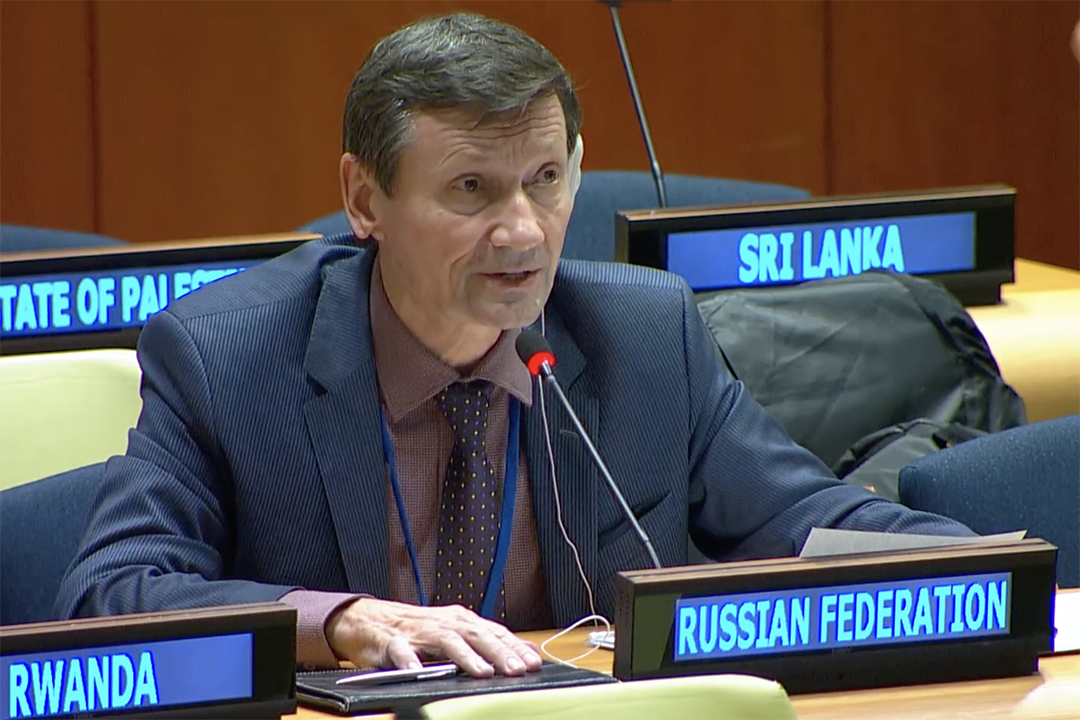
Alexander Panfilov, Russian Federation
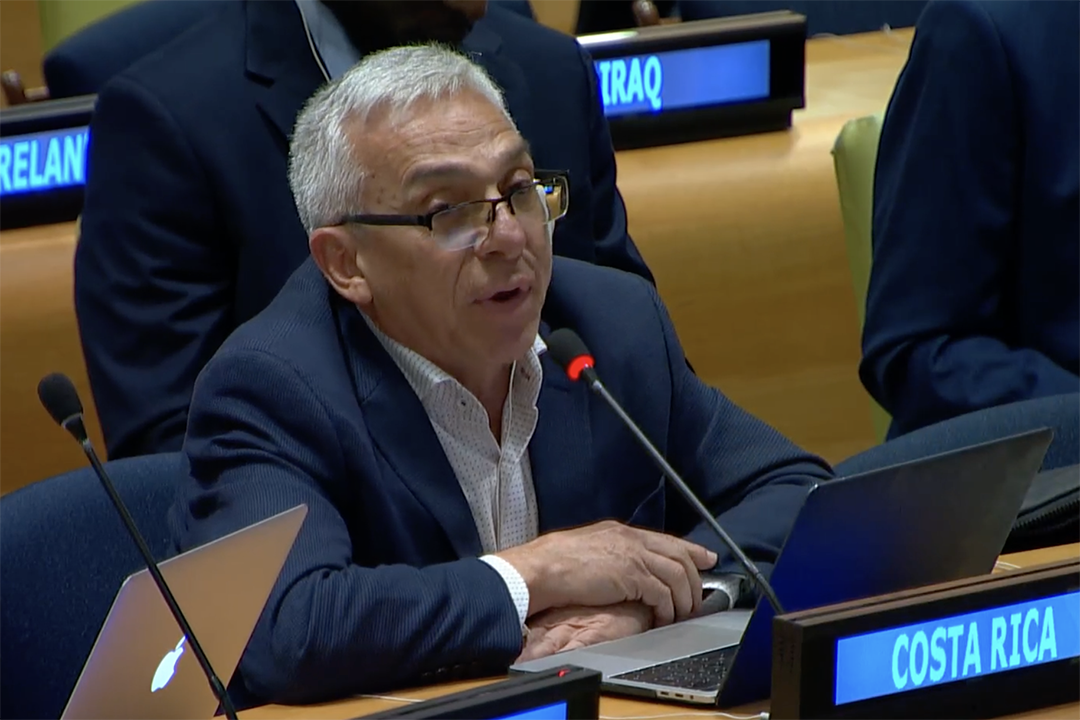
Jorge Mario Rodriguez Zuñiga, Costa Rica

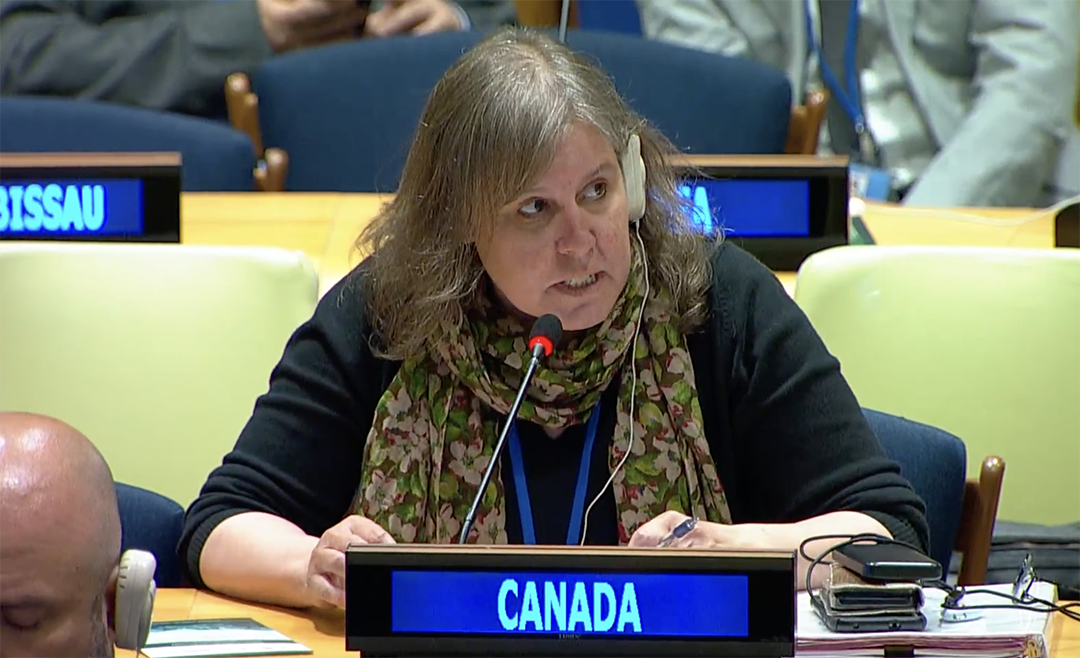

Sven Walter, Food and Agriculture Organization of the UN (FAO)


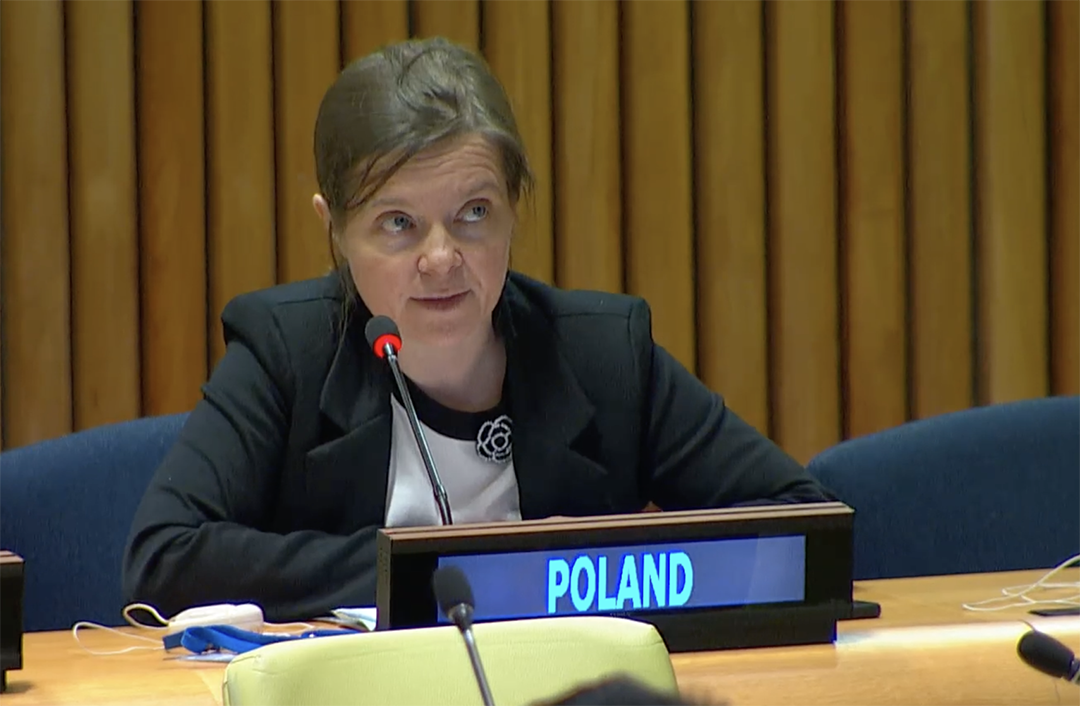

Around the Venue

Photo Credit: Daniela Sinobad, UNFF Secretariat

Photo Credit: Daniela Sinobad, UNFF Secretariat

Photo Credit: Daniela Sinobad, UNFF Secretariat

Photo Credit: Daniela Sinobad, UNFF Secretariat

Photo Credit: Daniela Sinobad, UNFF Secretariat
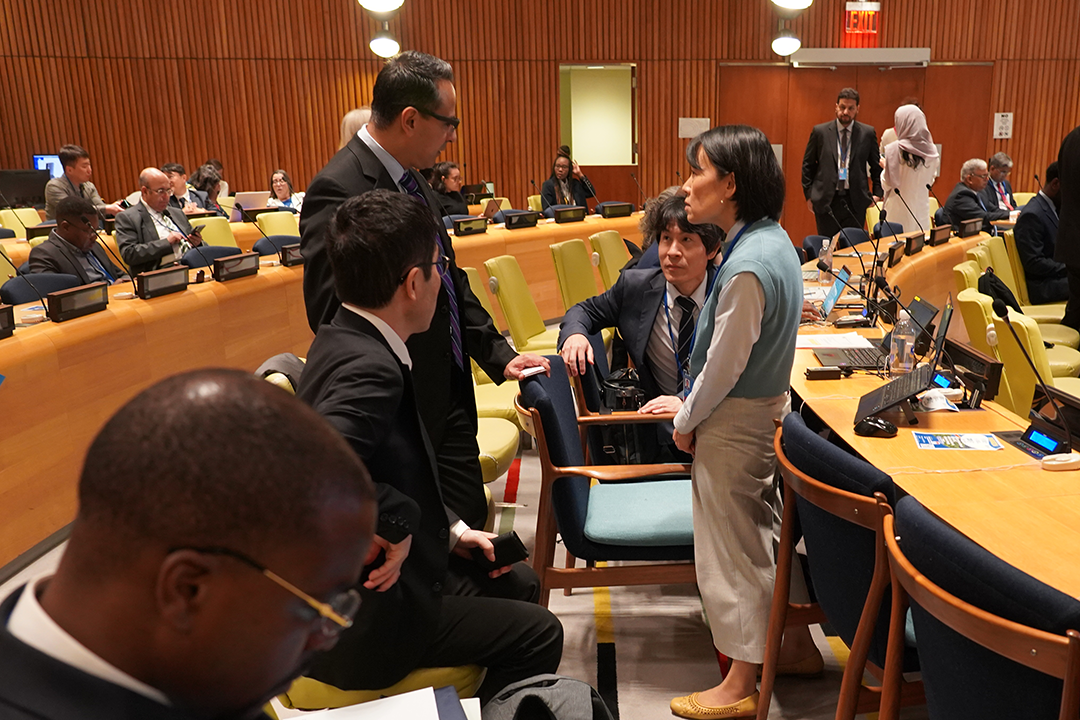
Photo Credit: Daniela Sinobad, UNFF Secretariat
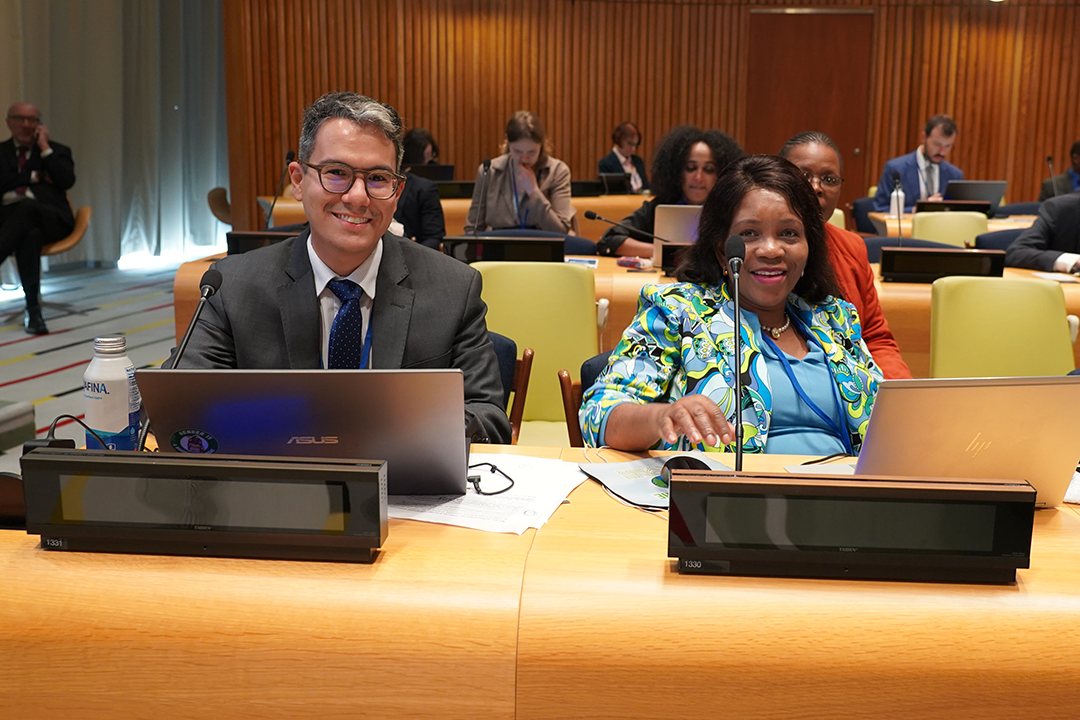
Photo Credit: Daniela Sinobad, UNFF Secretariat