On the second day of the Second World Summit for Social Development, leaders underscored the central importance of universal social protection systems, the protection of the most vulnerable, the empowerment of women, the safeguarding of family structures, and the promotion of lasting peace and security as cornerstones of social development.
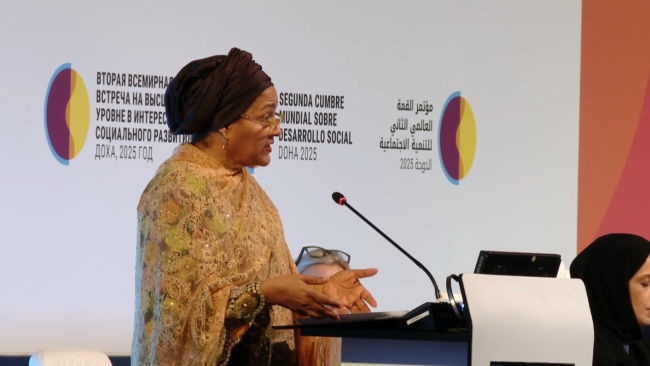
South Africa, speaking on behalf of a group of countries, called for renewed political will and stronger multilateral solidarity to dismantle structural barriers that perpetuate poverty and inequality. She affirmed that universal social protection systems are essential enablers of social justice and sustainable development, with gender equality and sexual and reproductive health and rights guaranteed for all.
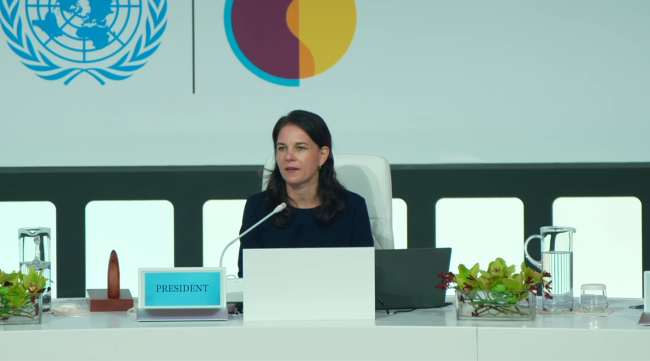
Norway underlined that no country can reach its full potential without the full participation of women in the labor market and described his country’s laws that enable both women and men to contribute equally to the workforce while balancing family responsibilities. Brazil highlighted several national programmes, including the Bolsa Família initiative, which it said has strengthened social inclusion and enhanced human dignity. Fiji called for sustained income generation, equitable access to education, healthcare, and social protection, and the promotion of fair wages and labor rights.

Lithuania said there can be no true social development without peace and stability, underlining that global conflicts drive poverty and hunger, threaten global supply chains and stress local healthcare systems.

Antigua and Barbuda underscored the devastating impact of Hurricane Melissa on neighboring Caribbean islands, warning that such natural disasters have the potential to erase decades of hard-won development progress.
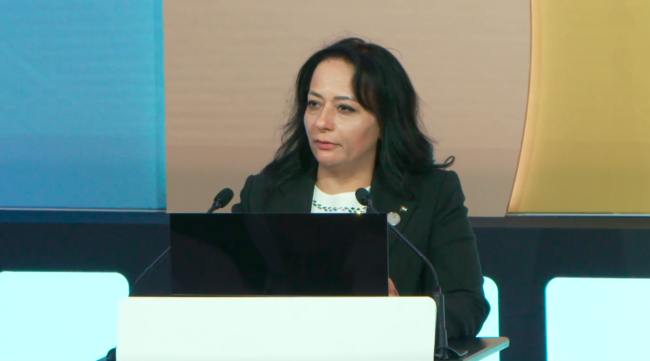
Palestine described the destruction in Gaza as the unravelling of its social fabric, with homes, schools, and livelihoods lost and the most vulnerable left without social protections. She called for an urgent, coordinated international response that goes beyond temporary relief towards justice-based recovery, and creates a shock-responsive social system.
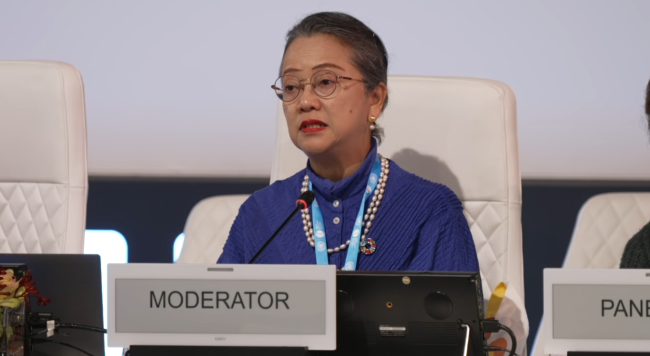
In the morning, delegates also convened in a second High-level Round Table, on “Assessing progress and addressing gaps and challenges in the implementation of the commitments of the Copenhagen Declaration on Social Development and its Programme of Action and giving momentum towards the implementation of the 2030 Agenda for Sustainable Development.”
In her keynote speech, Amina J. Mohammed, UN Deputy Secretary-General, emphasized that “siloed policies will not solve today’s deeply interconnected challenges.” She urged the international community to pursue transformative change in the way it works, rather than simply reaffirming old commitments.
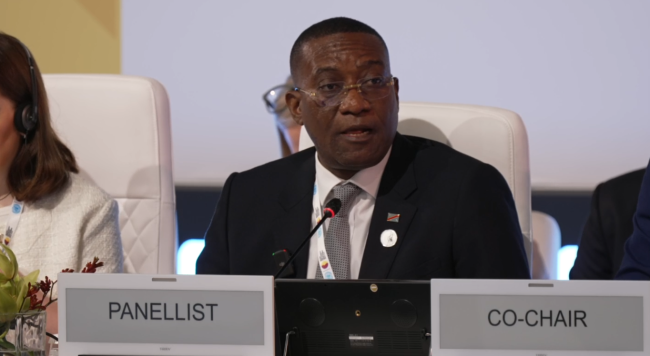
Speakers emphasized that achieving social development requires peace, equity, and accountability, supported by inclusive financing and stronger institutions. Guylain Nyembo Mbwzya, Minister of State, Minister of Planning and Coordination of Development Aid, Democratic Republic of the Congo, highlighted budget constraints and inequalities that hinder implementation, calling for realistic, peace-linked approaches and private sector engagement.
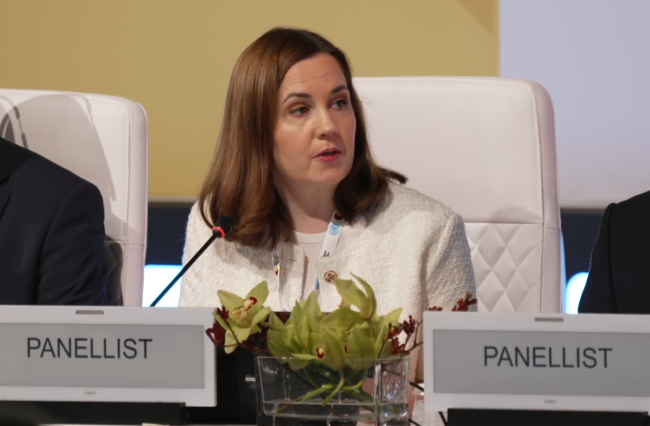
Sanni Grahn-Laasonen, Minister for Social Security, Finland, underscored that social protection fosters resilience and trust when taxation produces visible change. Buthaina Bint Ali Al Jabr Al Nuaimi, Minister of Social Development and Family, Qatar, framed social investment as a driver of stability, emphasizing fiscal policies as tools for promoting inclusion and strengthening resilience. Matthias Thorns, International Organisation of Employers (IOE) Vice-President to the International Labour Organization (ILO), called for stronger accountability and monitoring of the Doha commitments, emphasizing the need to move beyond “tick-box" exercises.
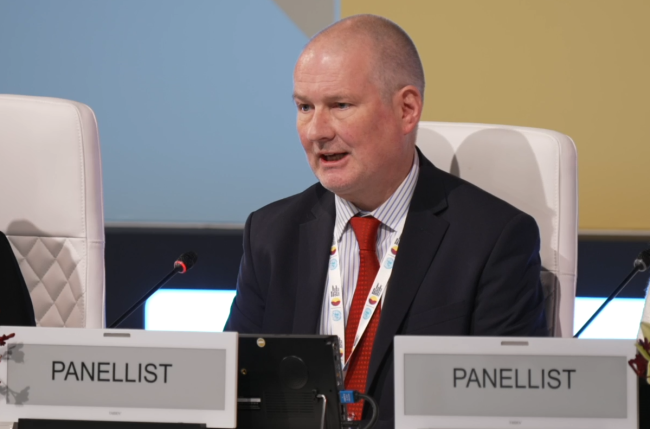
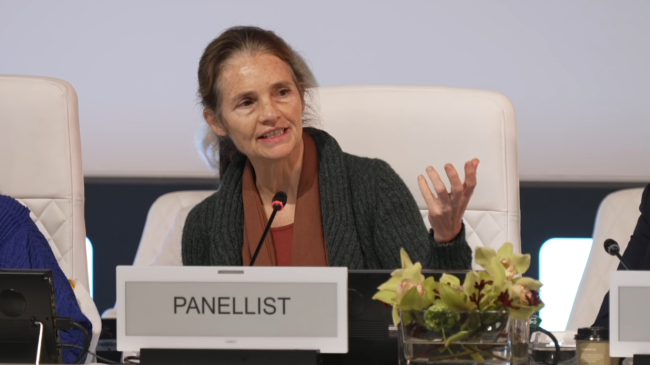
Sabina Alkire, Director, Oxford Poverty and Human Development Initiative (OPHI), stressed data-driven, integrated, whole-of-society approaches. Inger Ashing, Chief Executive Officer, Save the Children International, urged renewed political will and financing, warning of declining progress on child protection and shrinking civic space.
The Summit will conclude on Thursday, 6 November 2025, with a closing plenary and final segment featuring a statement by the President of the UN General Assembly.
To receive free coverage of global environmental events delivered to your inbox, subscribe to the ENB Update newsletter.
All ENB photos are free to use with attribution. For the Second World Summit for Social Development (2025), please use: Photo by IISD/ENB | Andrés Felipe Carvajal Gómez
Plenary Session
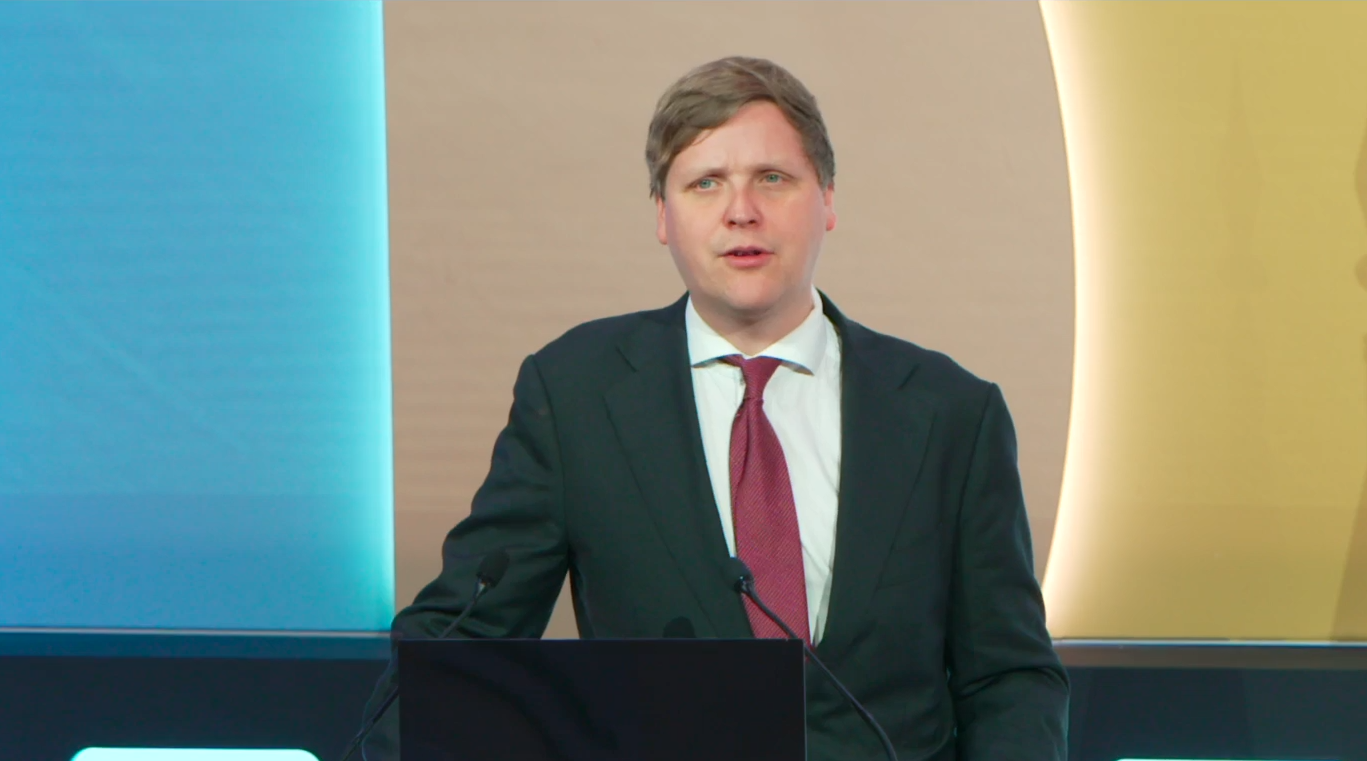
Åsmund Grøver Aukrust, Minister of International Development, Norway
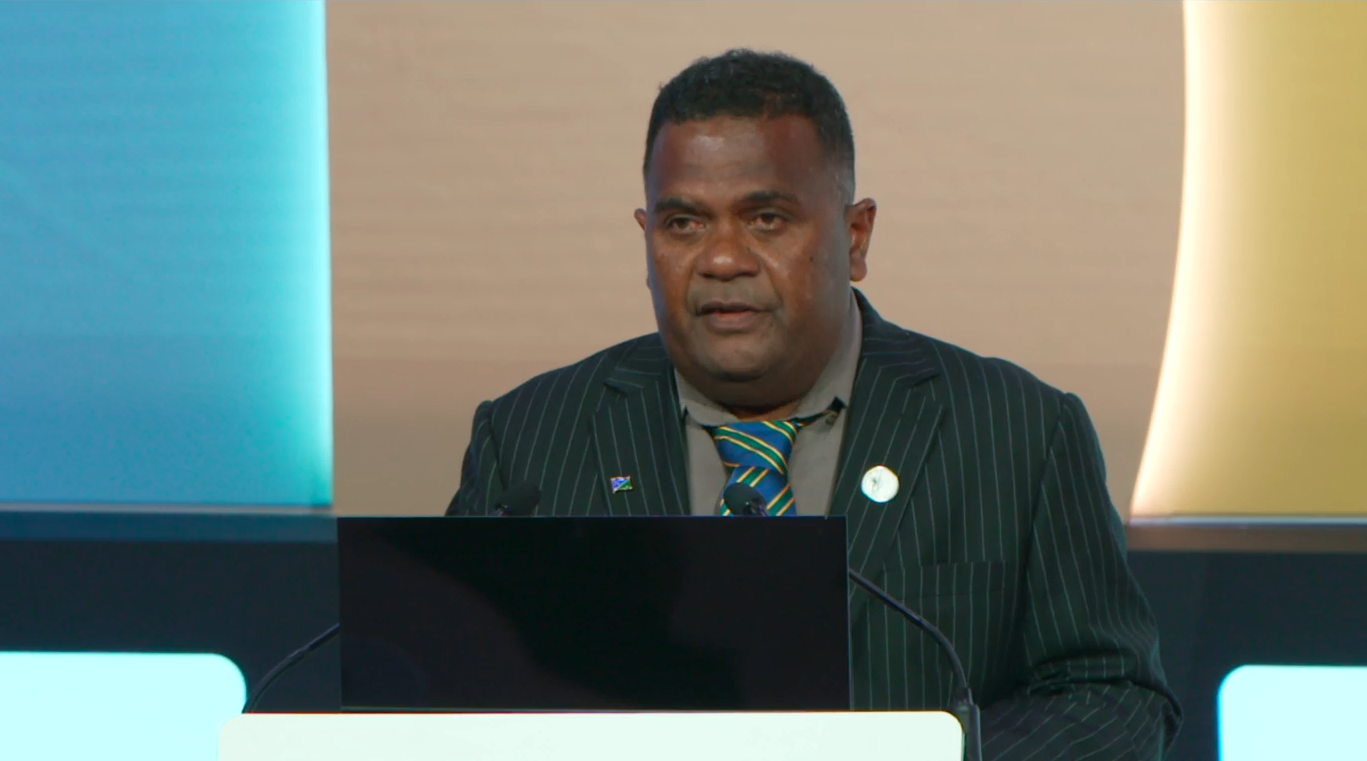
Trevor Manemahaga, Minister for National Planning and Development Coordination, Solomon Islands
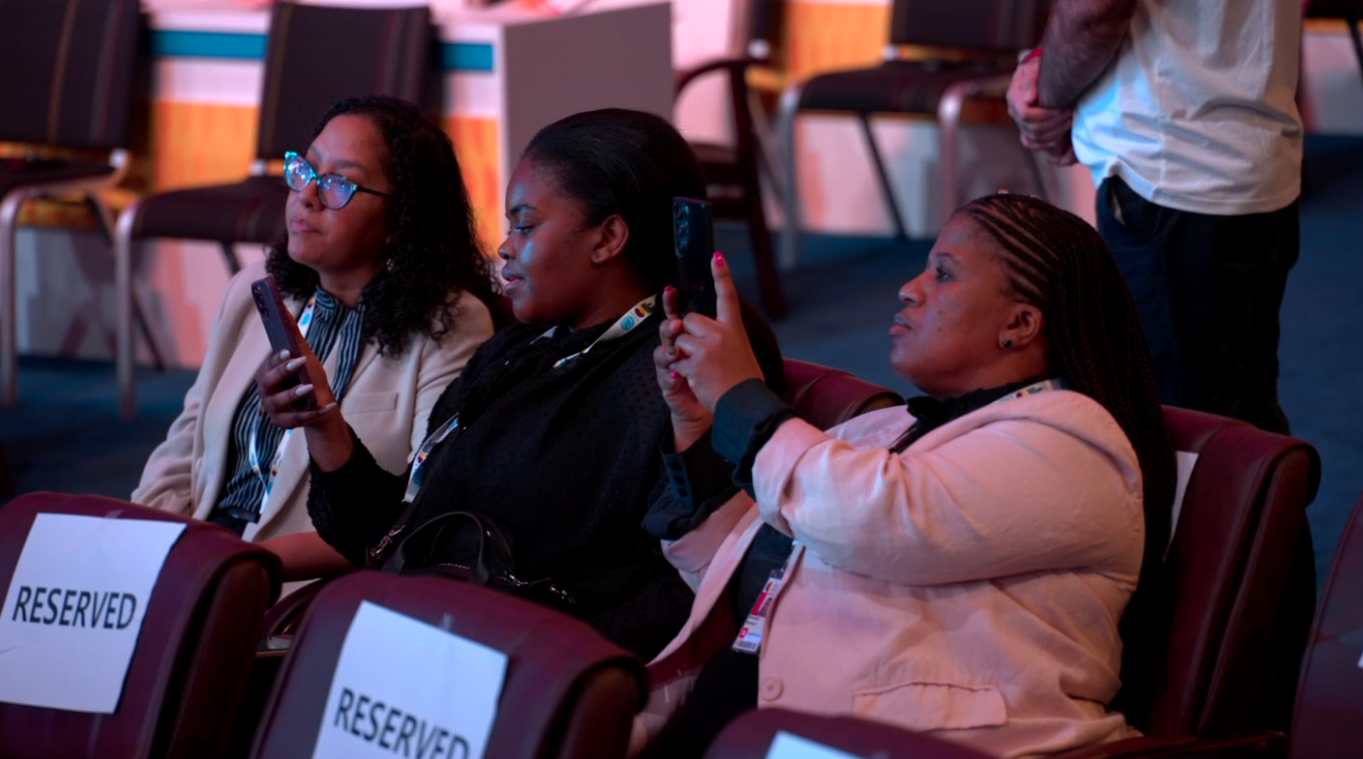
Viewers taking pictures of the presenters
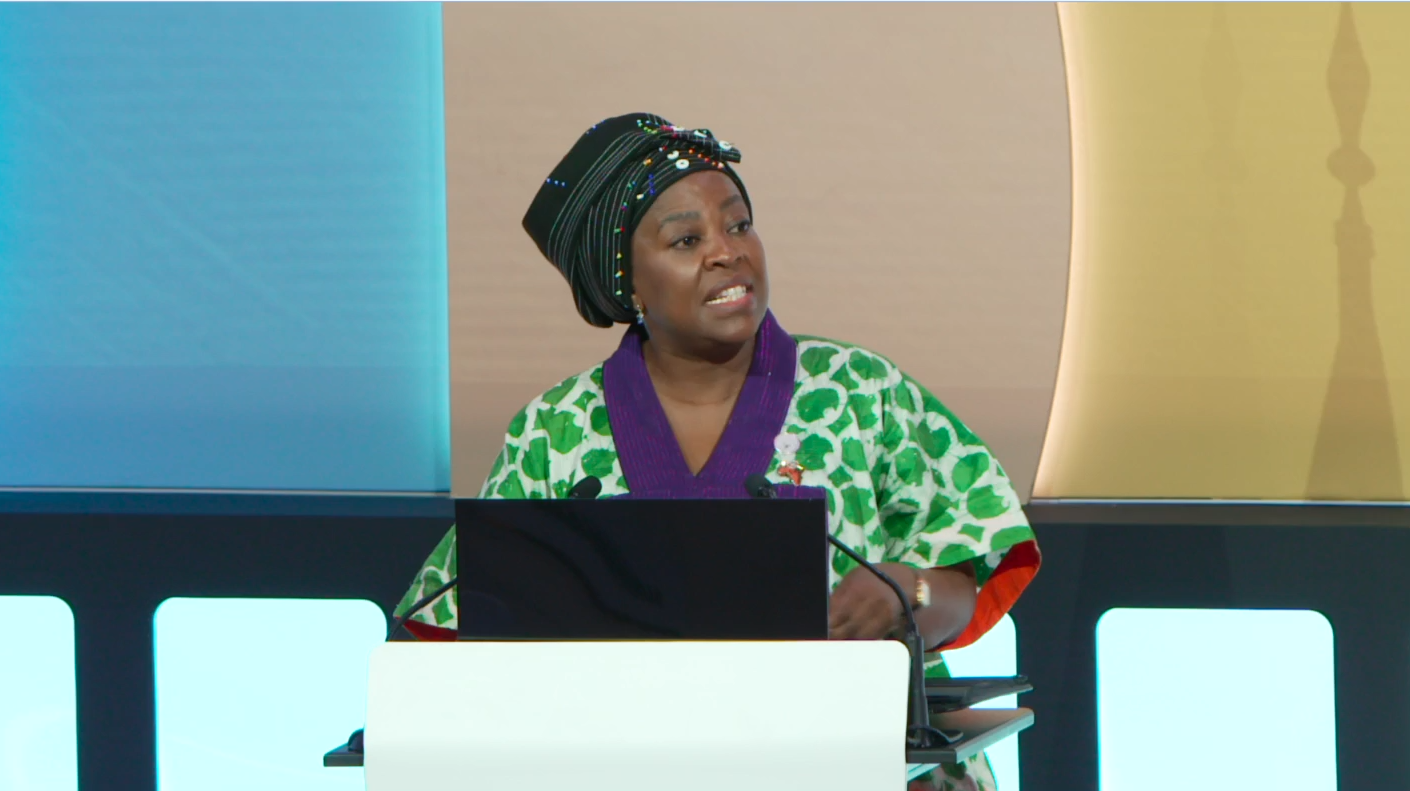
Maropene Ramokgopa, Minister of Planning, Monitoring and Evaluation, South Africa
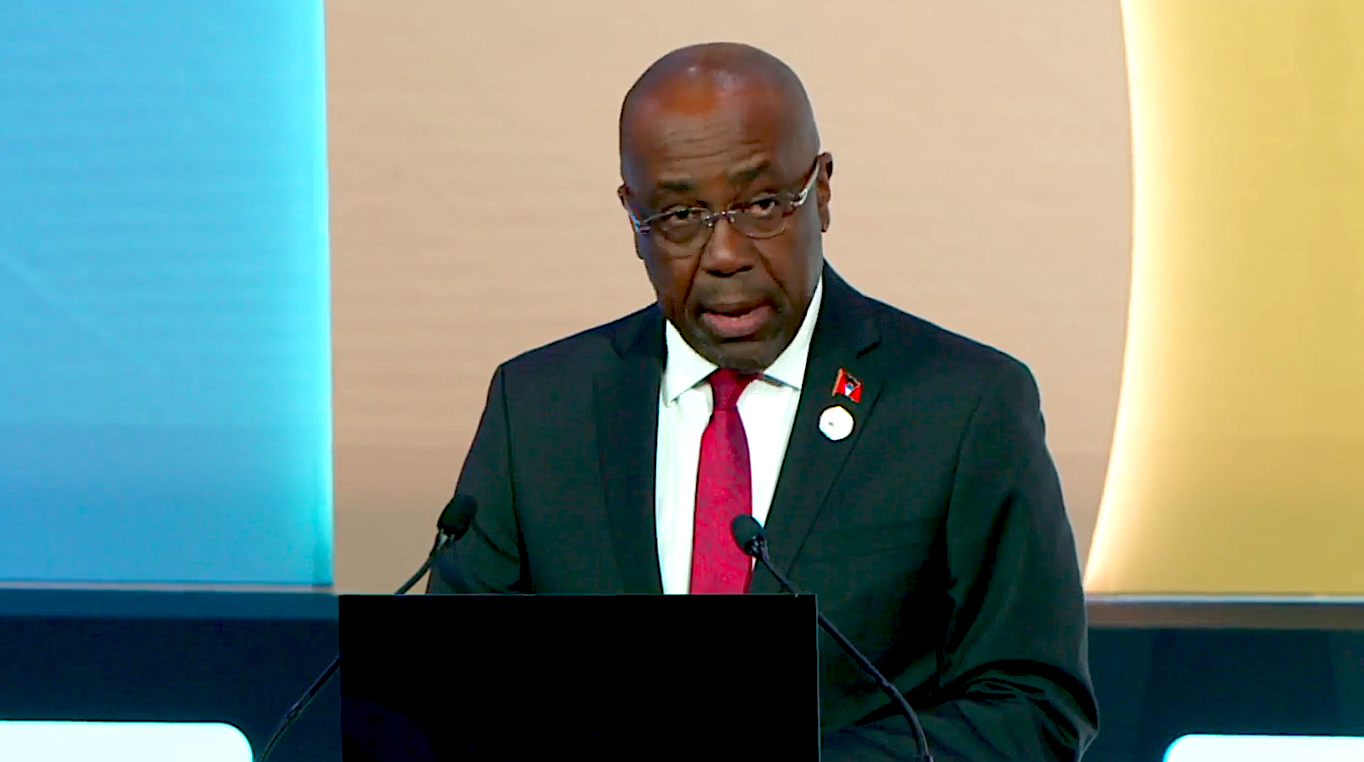
Everly Paul Chet Greene, Minister of Foreign Affairs, Agriculture, Trade and Barbuda Affairs, Antigua and Barbuda
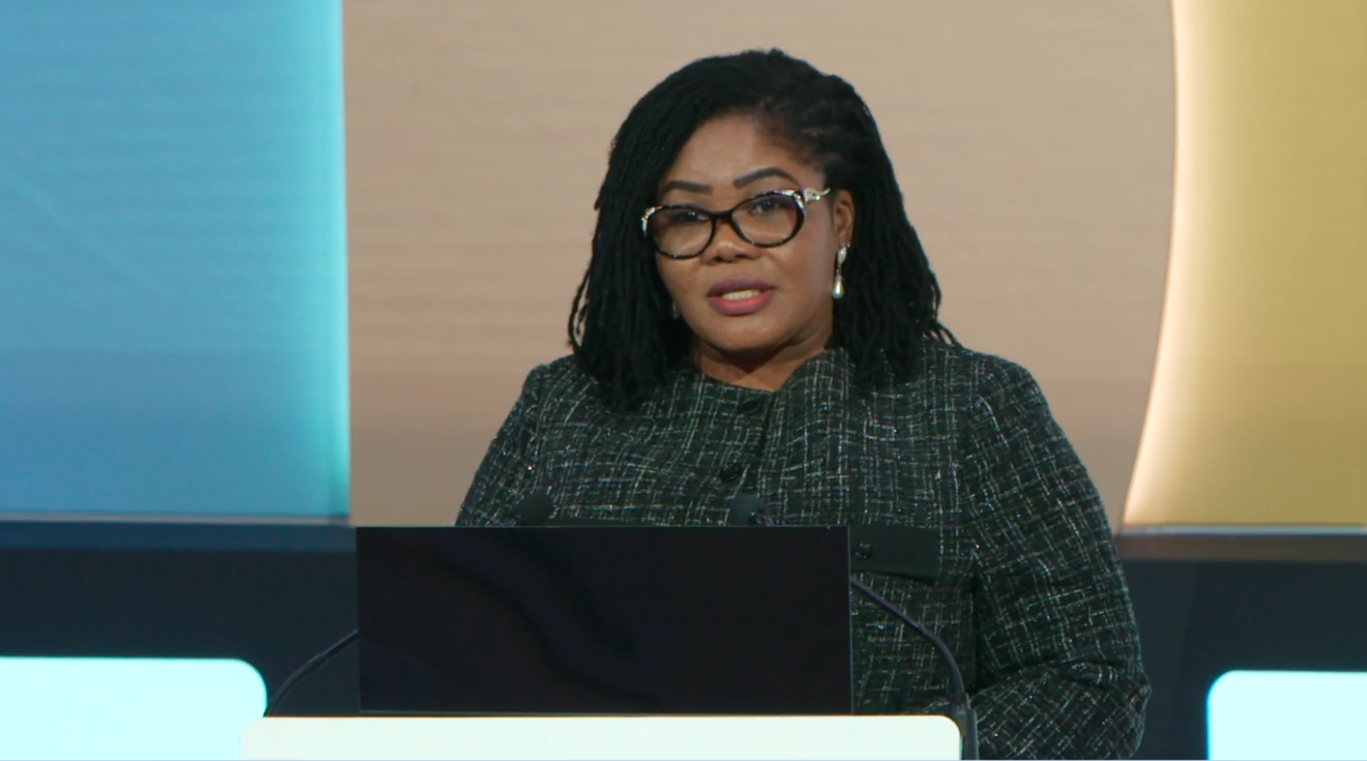
Agnes Naa Momo Lartey, Minister for Gender, Children and Social Protection, Ghana
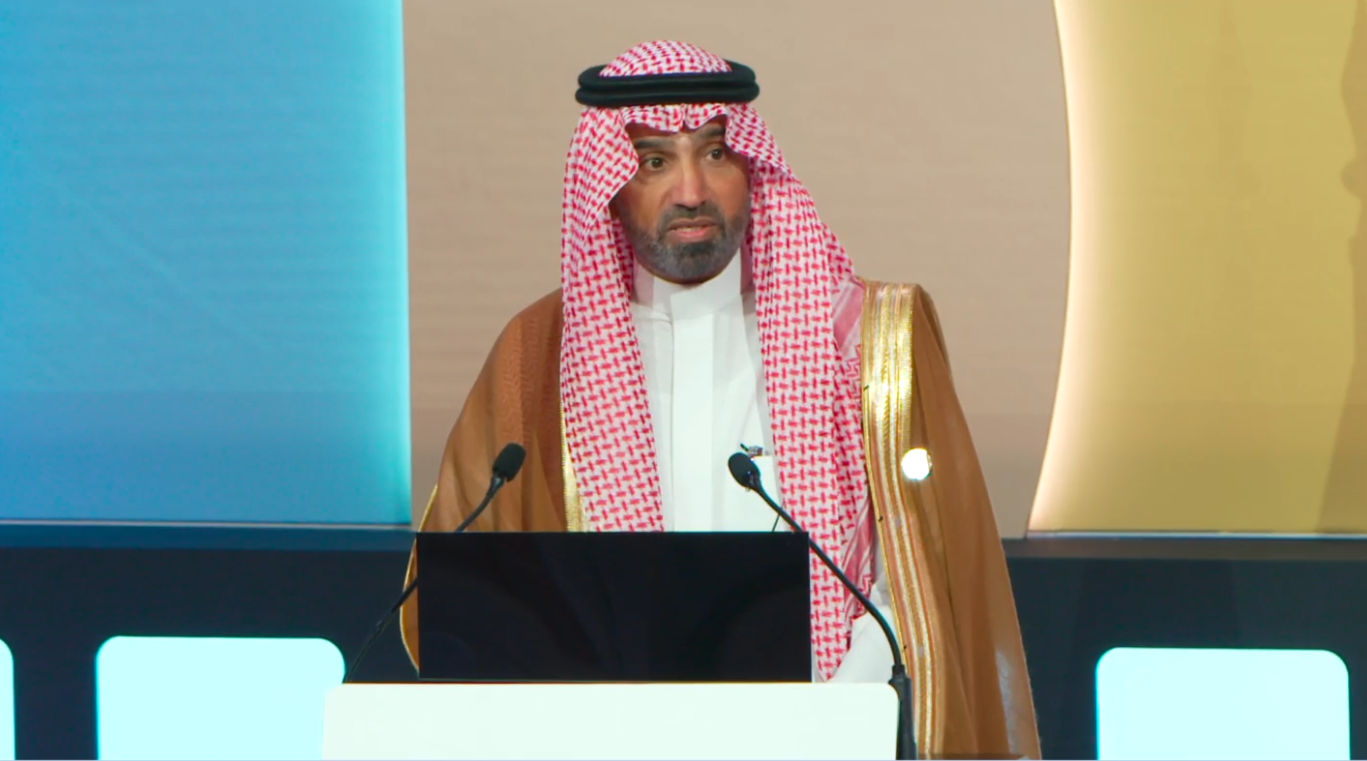
Ahmed bin Sulaiman AlRajhi, Minister of Human Resources and Social Development, Saudi Arabia
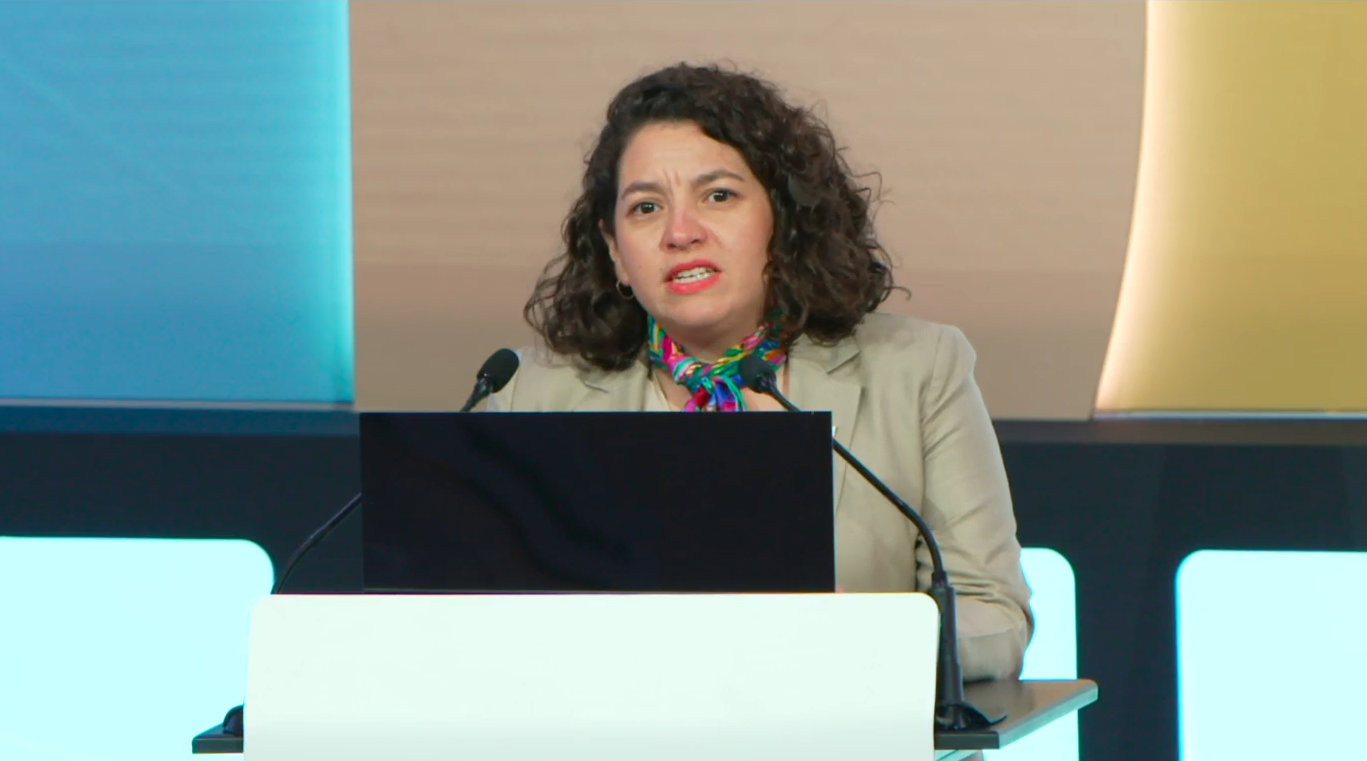
Javiera Toro Cáceres, Minister of Social Development and Family, Chile
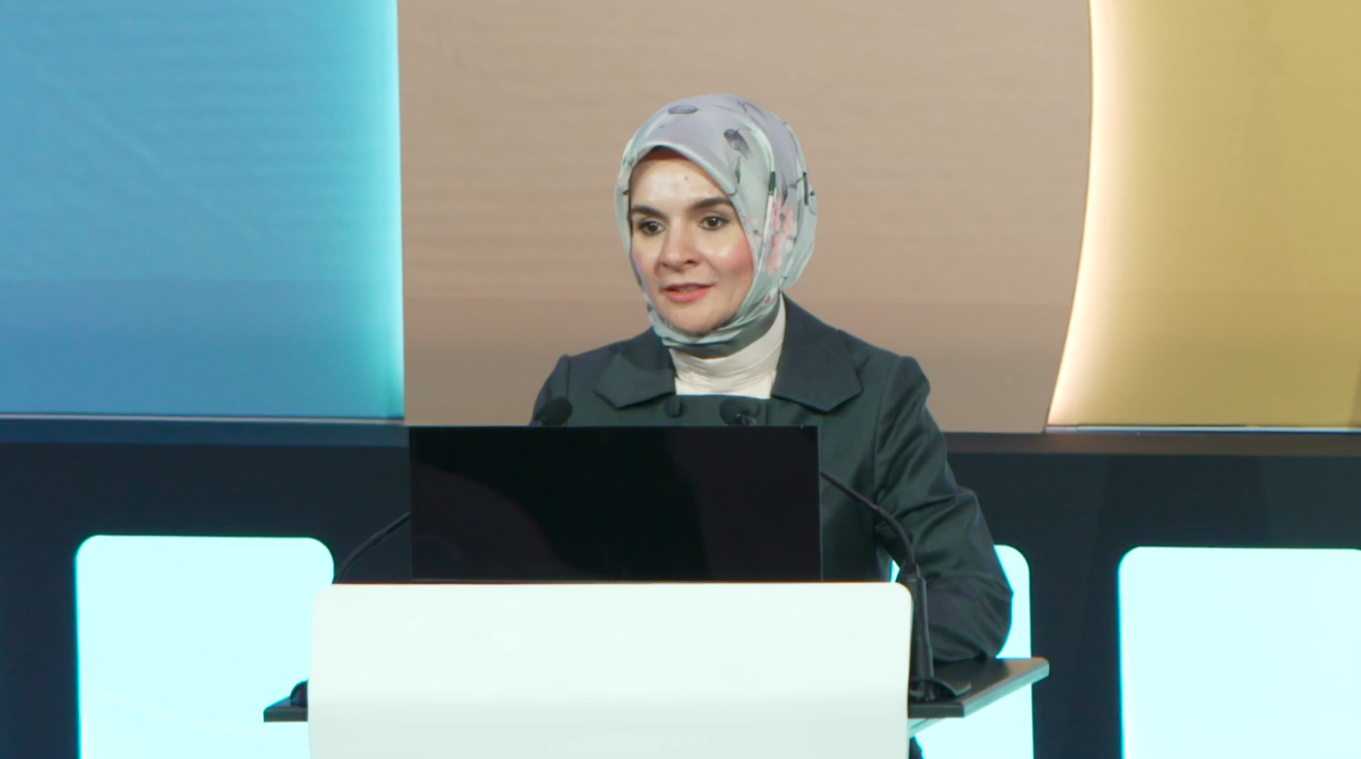
Mahinur Özdemir Göktaş, Minister of Family and Social Services, Türkiye
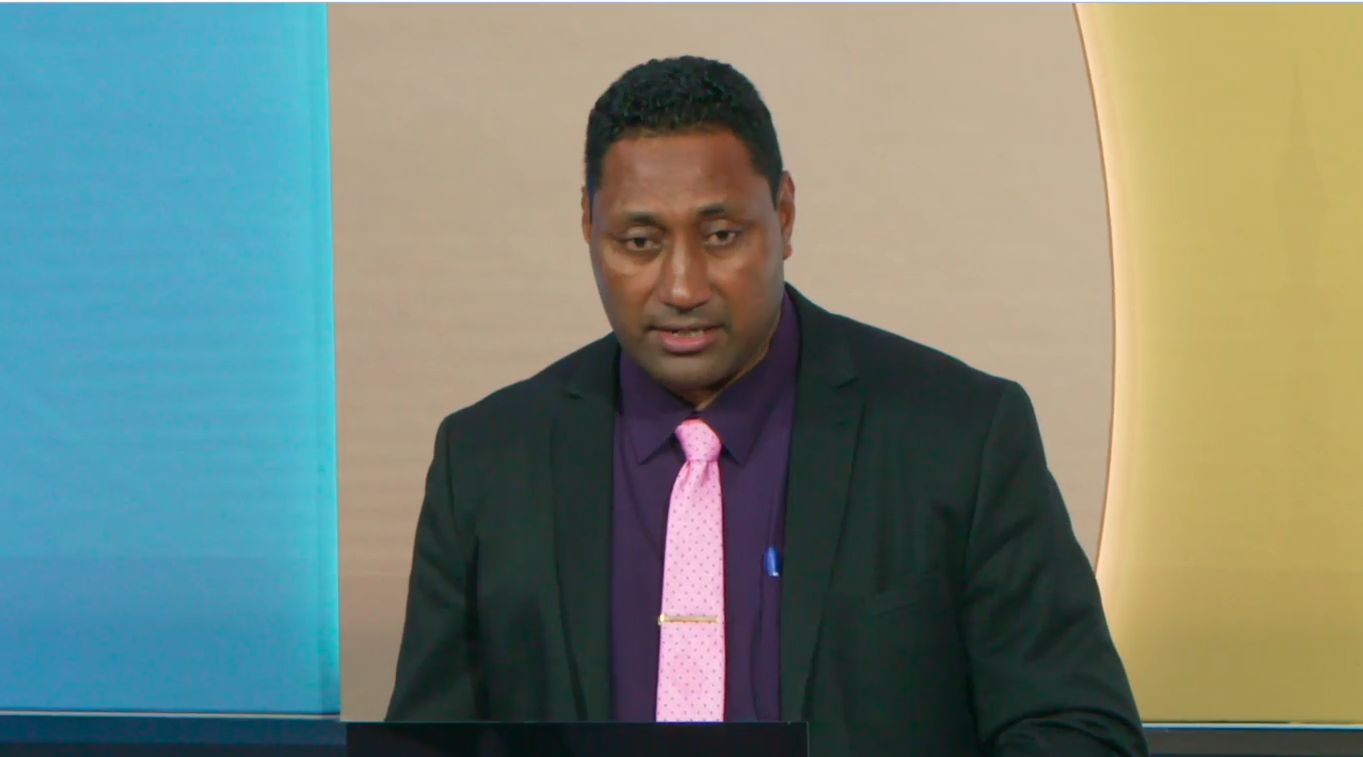
Saskiasi Ditoka, Minister for Rural and Maritime Development and Disaster Management, Fiji
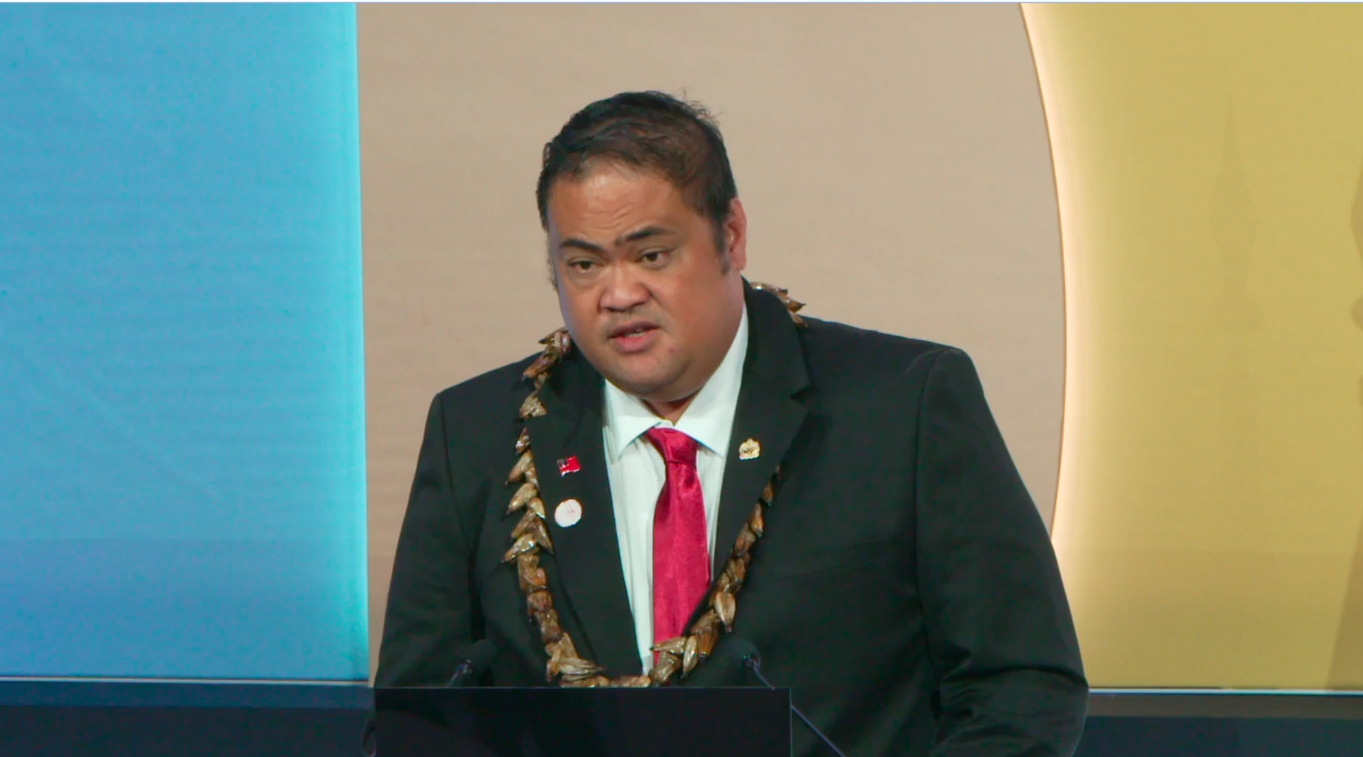
Julius Ah Kui Tafunai, Minister of Women, Community and Social Development, Samoa
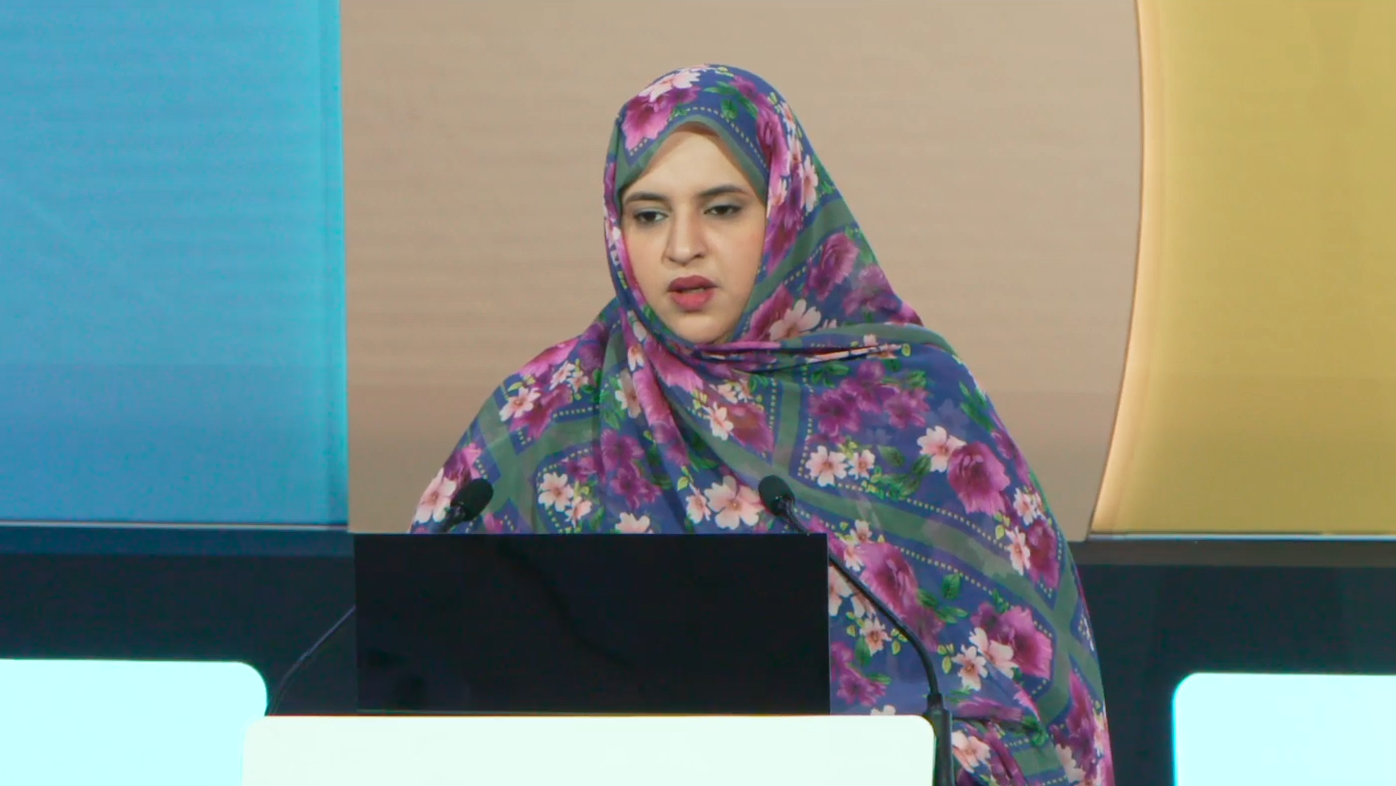
Savia Mint N'Tahah, Minister of Social Action, Childhood and the Family, Mauritania
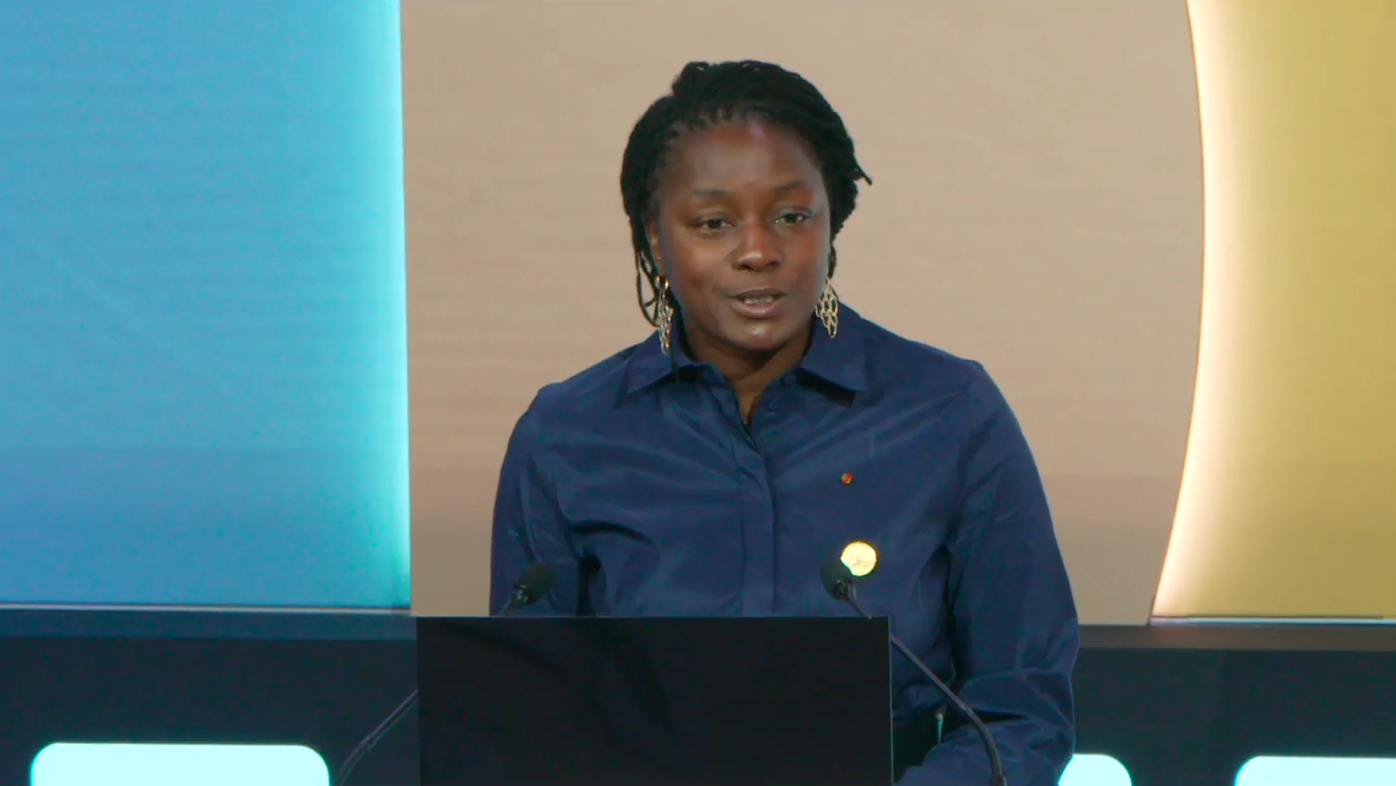
Mazamesso Assih, Minister for Grassroots Development and the Social and Solidarity Economy, Togo
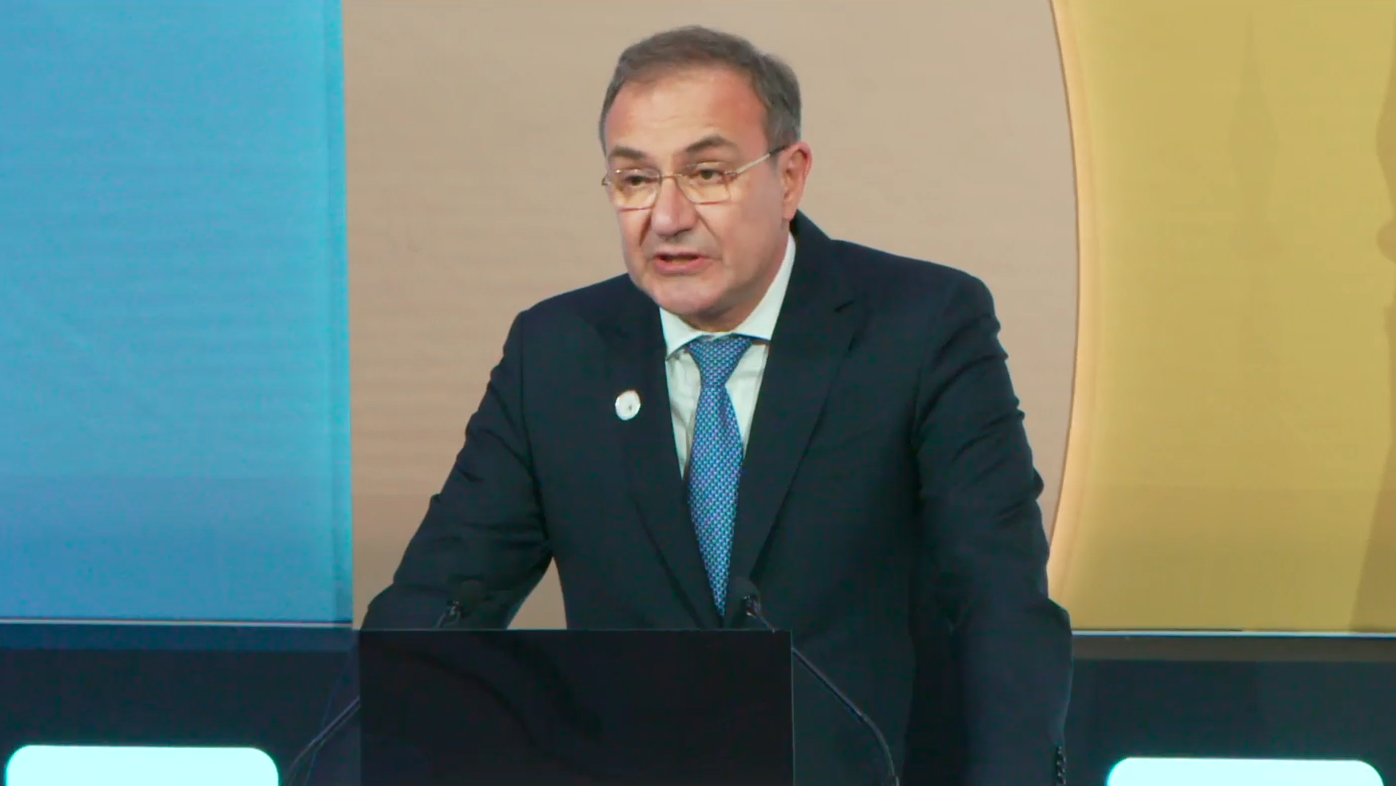
Borislav Gutsanov, Minister of Labor and Social Policy, Bulgaria
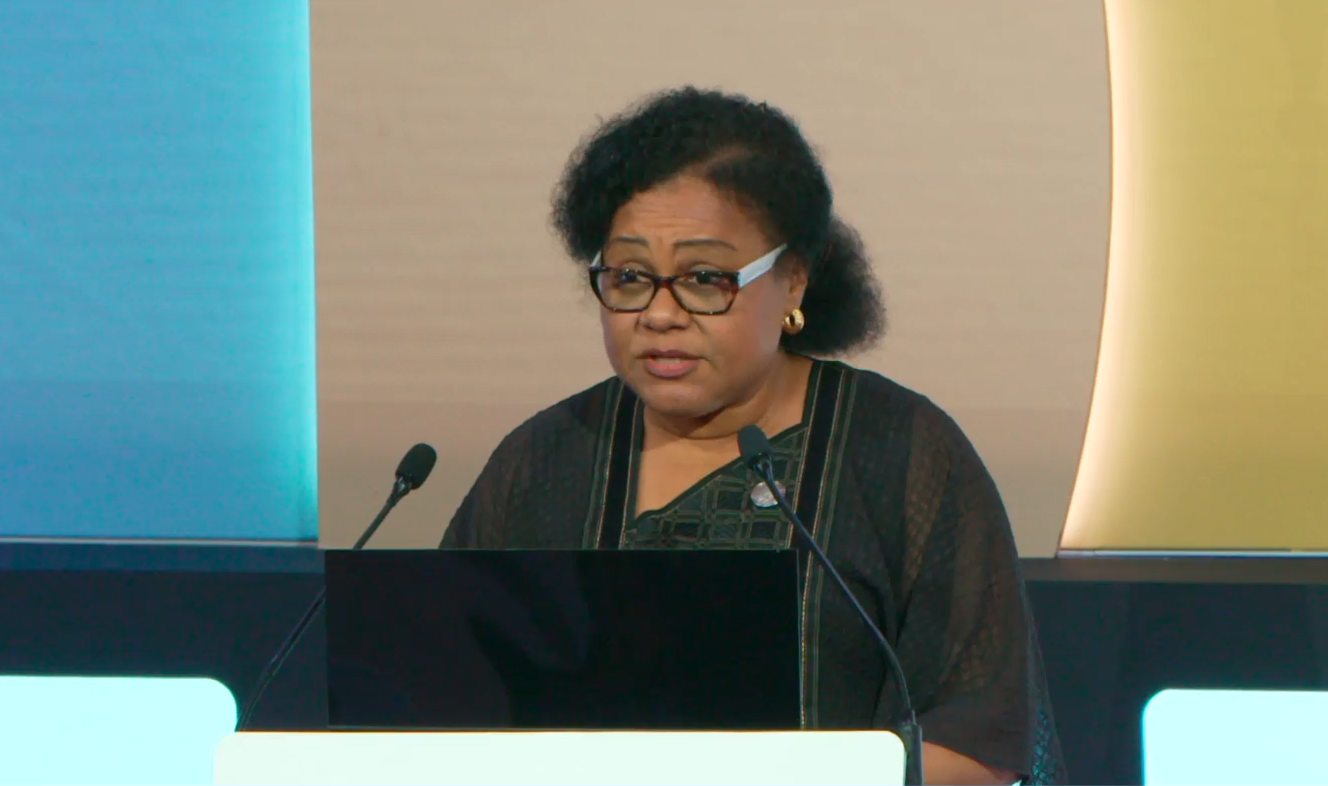
Véronique Tognifodé Mewanou, Minister of Social Affairs and Microfinance, Benin
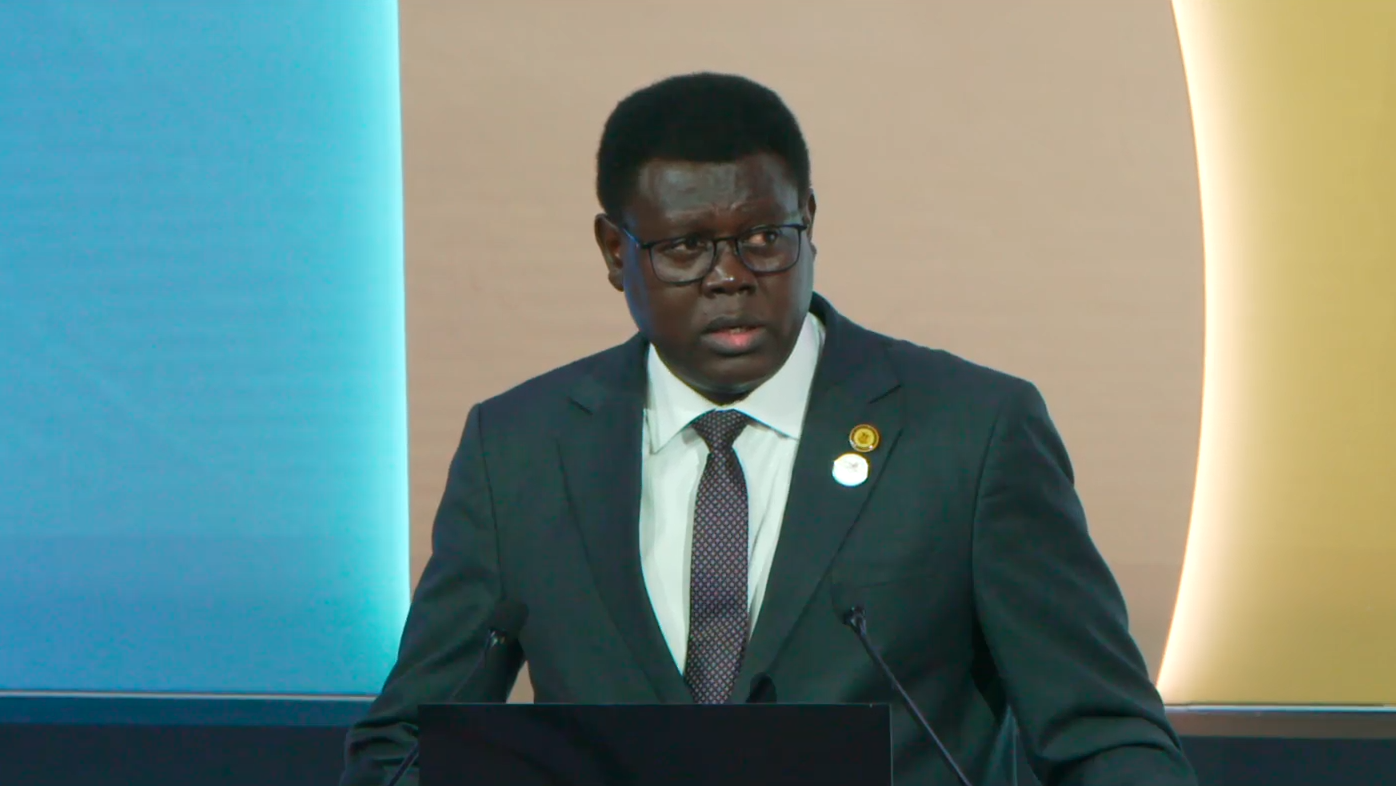
Monday Simaya Kumba, Minister of Foreign Affairs and International Cooperation, South Sudan
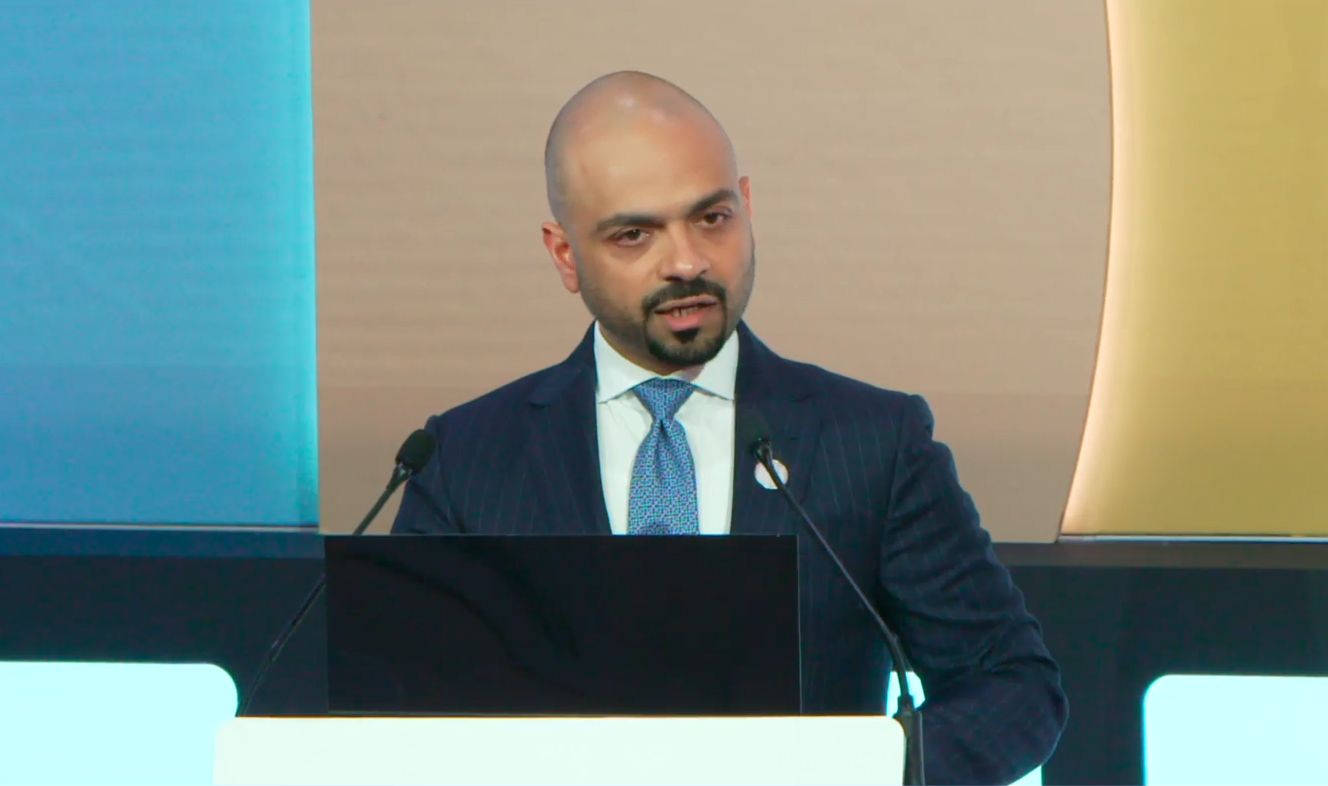
Osama bin Saleh Al Alawi, Minister of Social Development, Bahrain
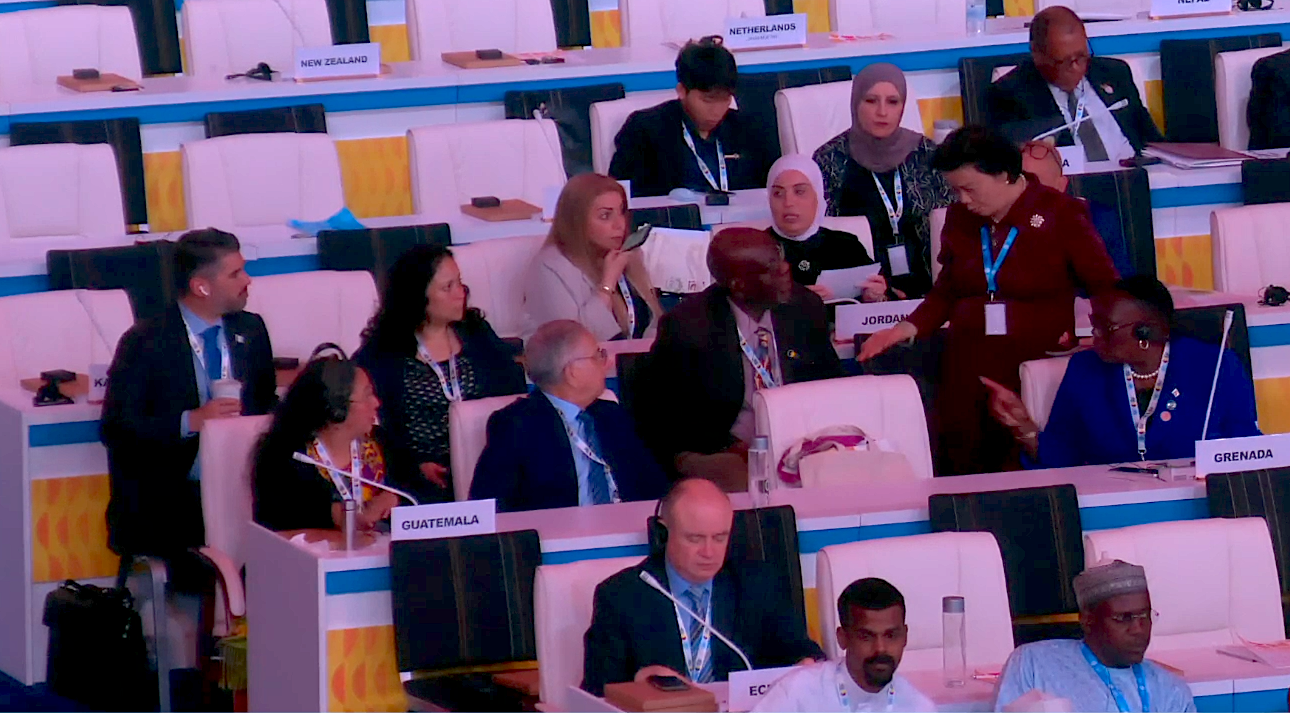
Delegates gathering around to discuss the themes at the plenary
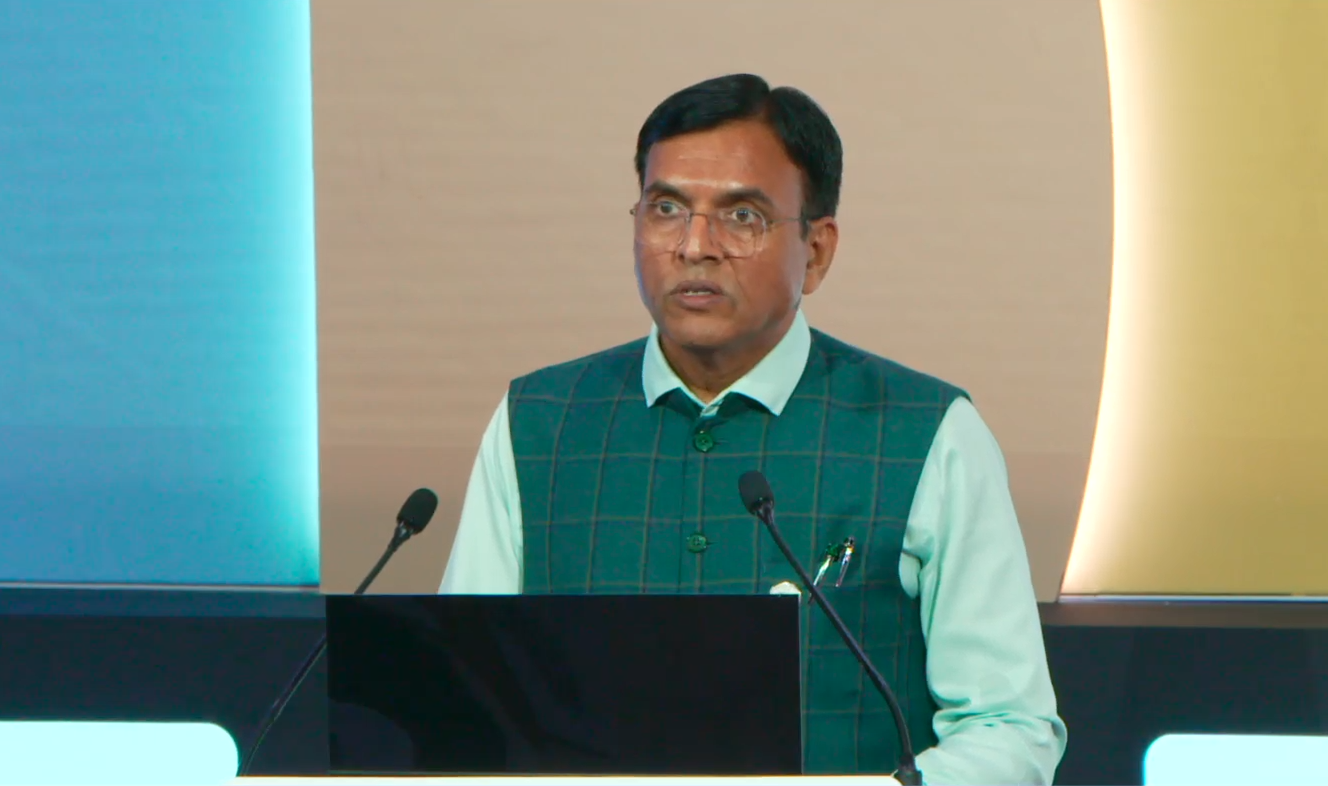
Mansukh Laxmanbhai Mandaviya, Minister of Labour and Employment, India
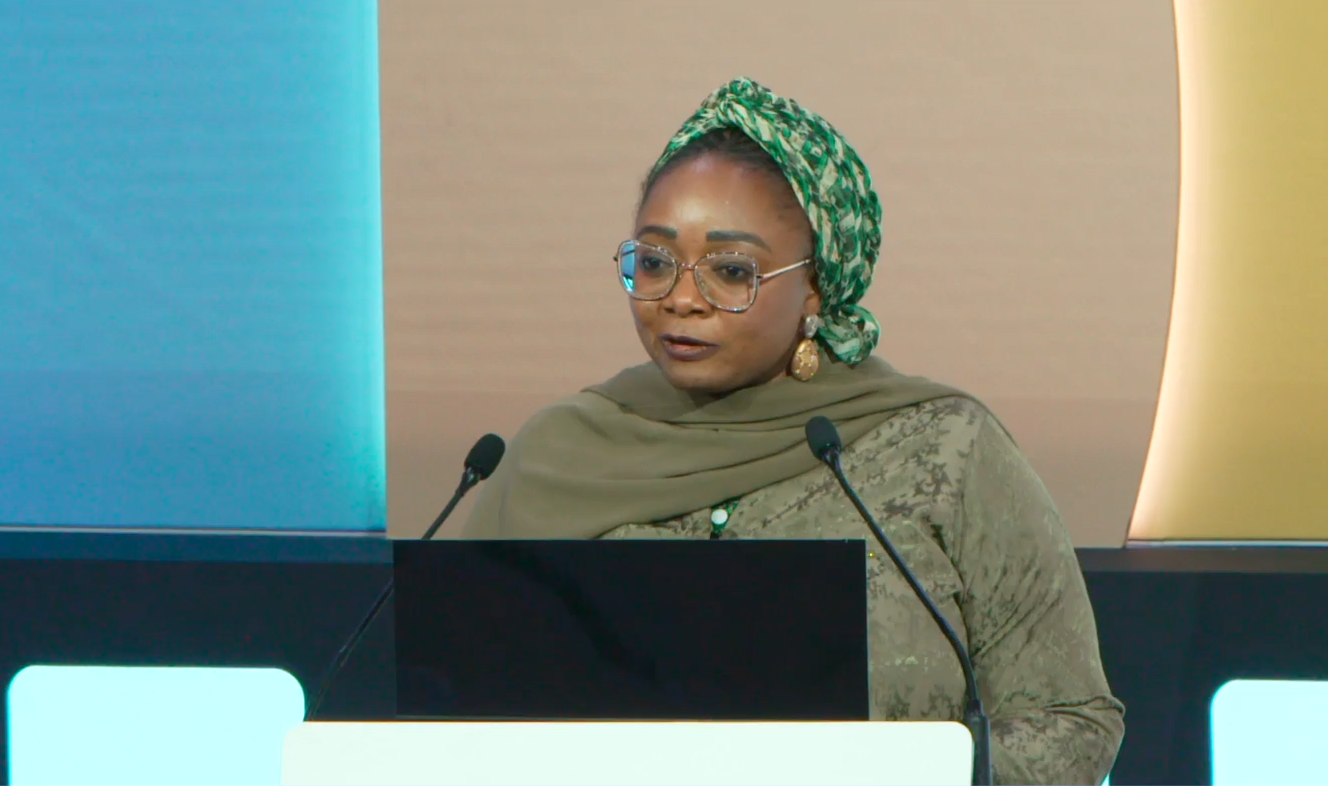
Imaan Sulaiman-Ibrahim, Minister of Women Affairs and Social Development, Nigeria
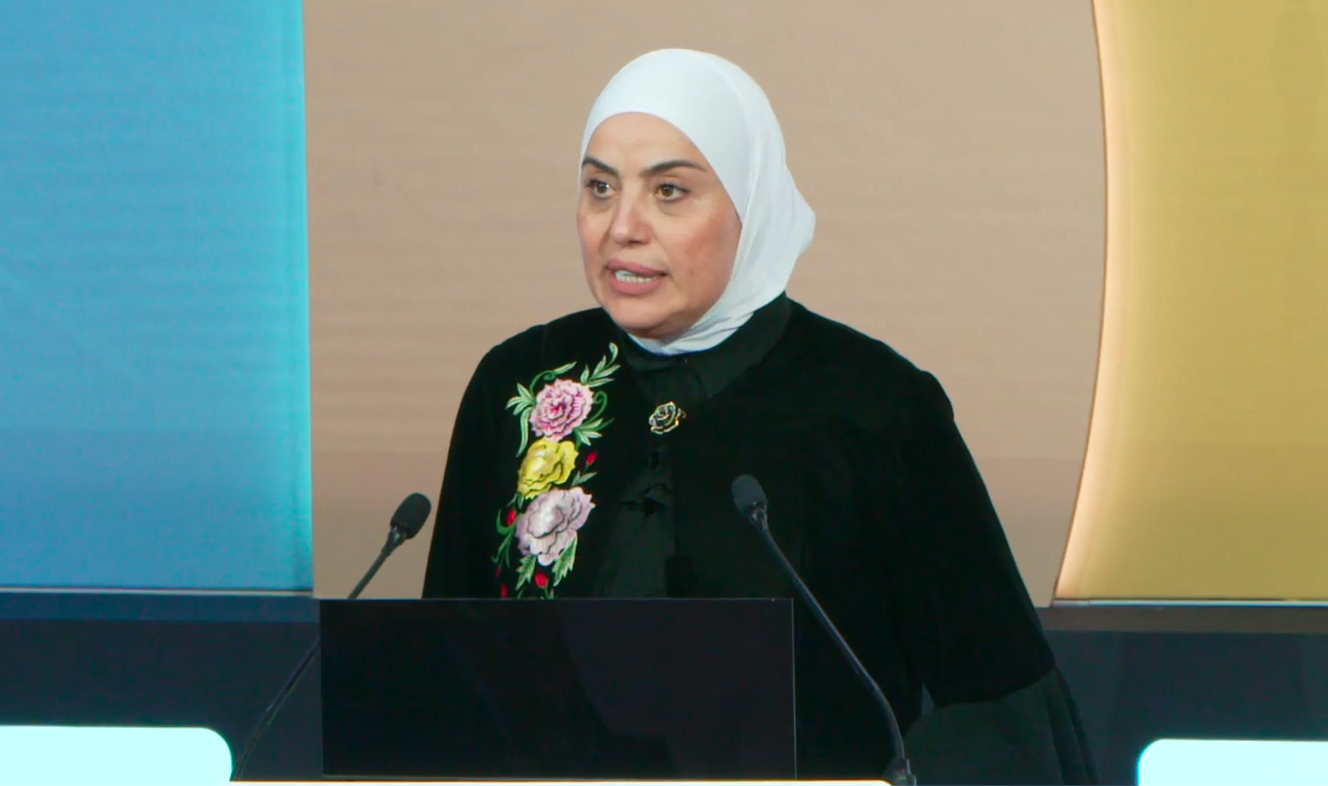
Wafaa Saed Bani Mustafa, Minister of Social Development, Jordan
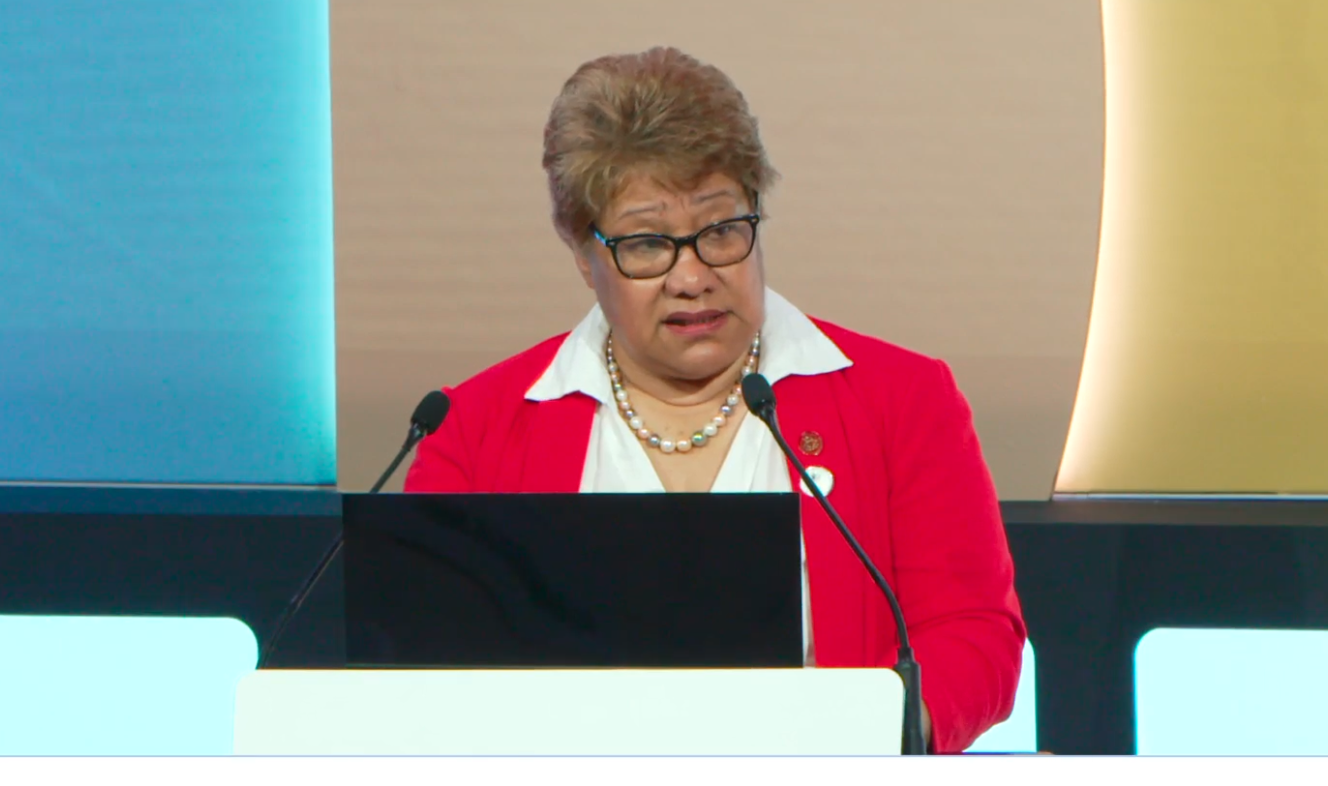
'Ana 'Akau'ola, Minister of Health, Tonga
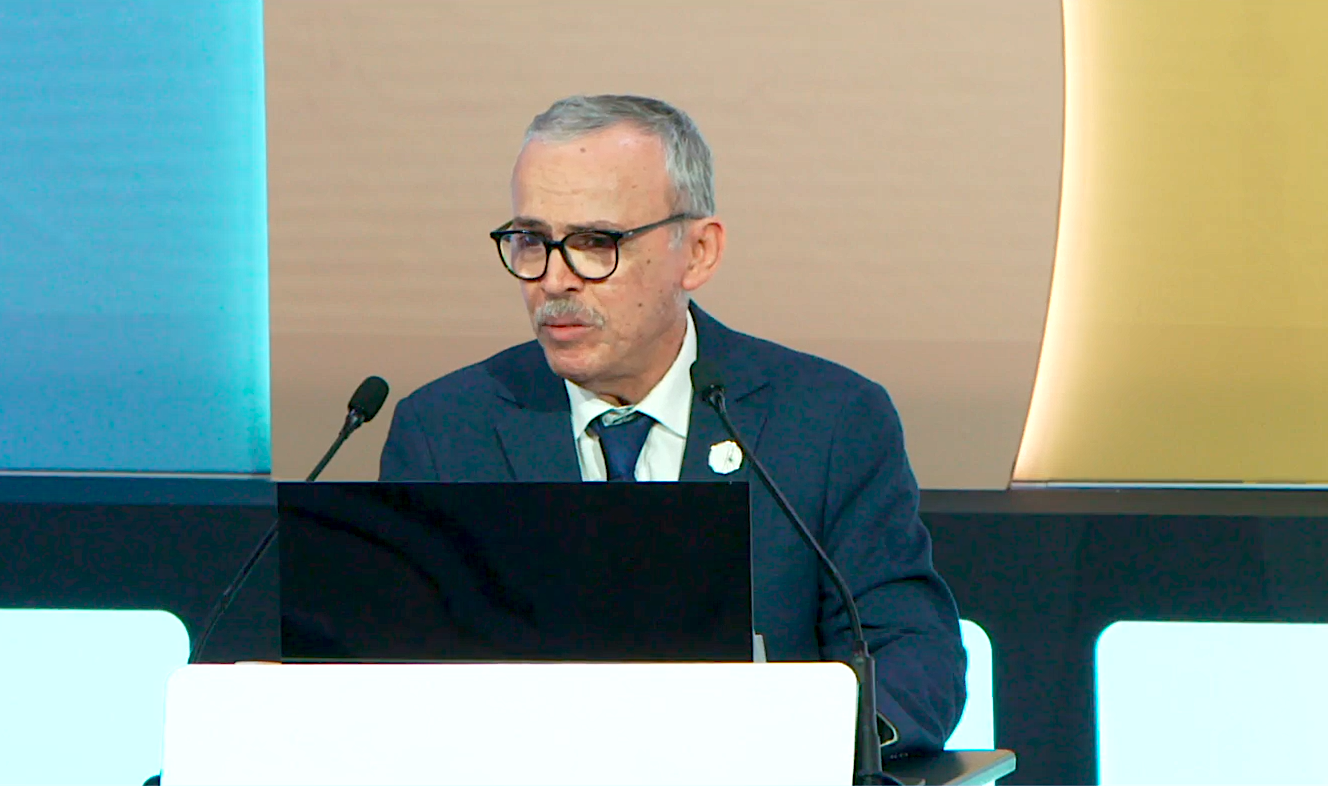
Issam Lahmar, Minister of Social Affairs, Tunisia
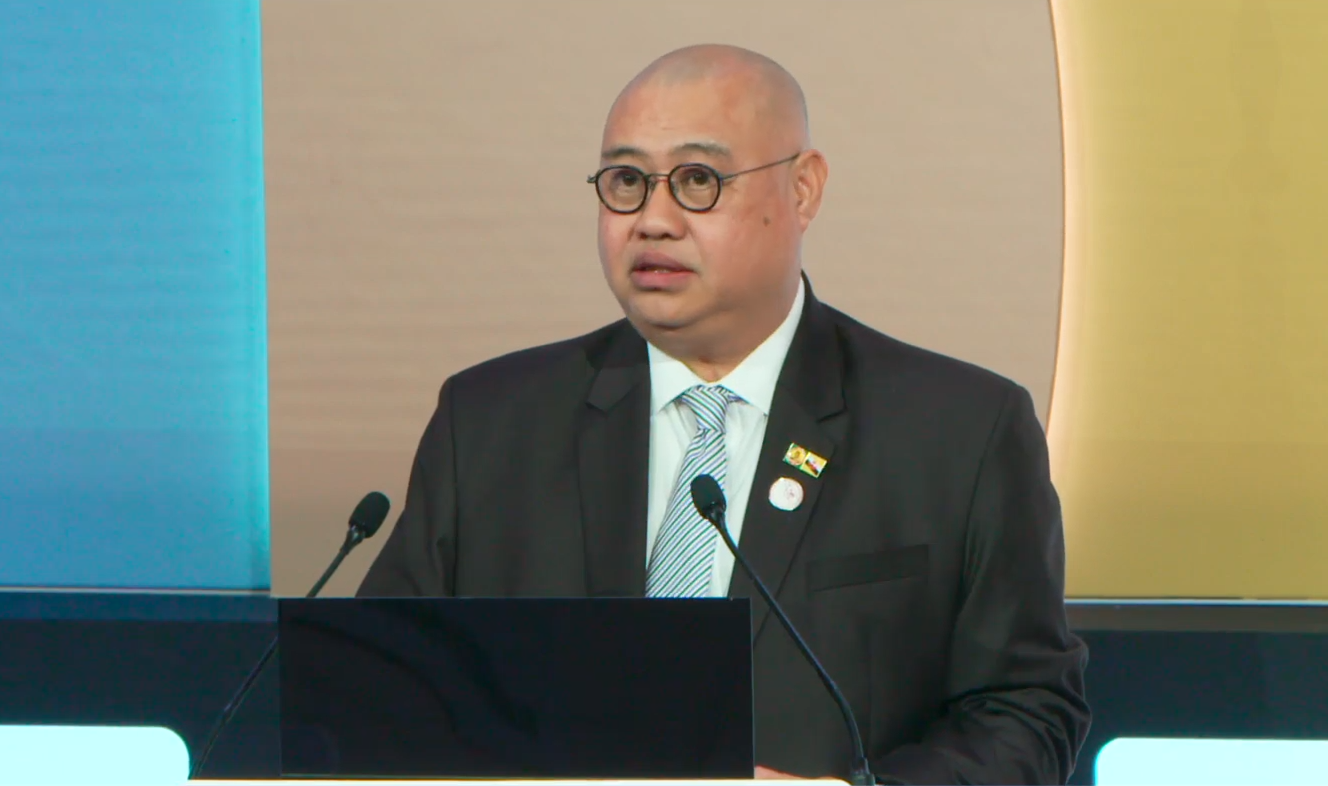
Nazmi bin Mohamad, Minister of Youth, Culture and Sports, Brunei
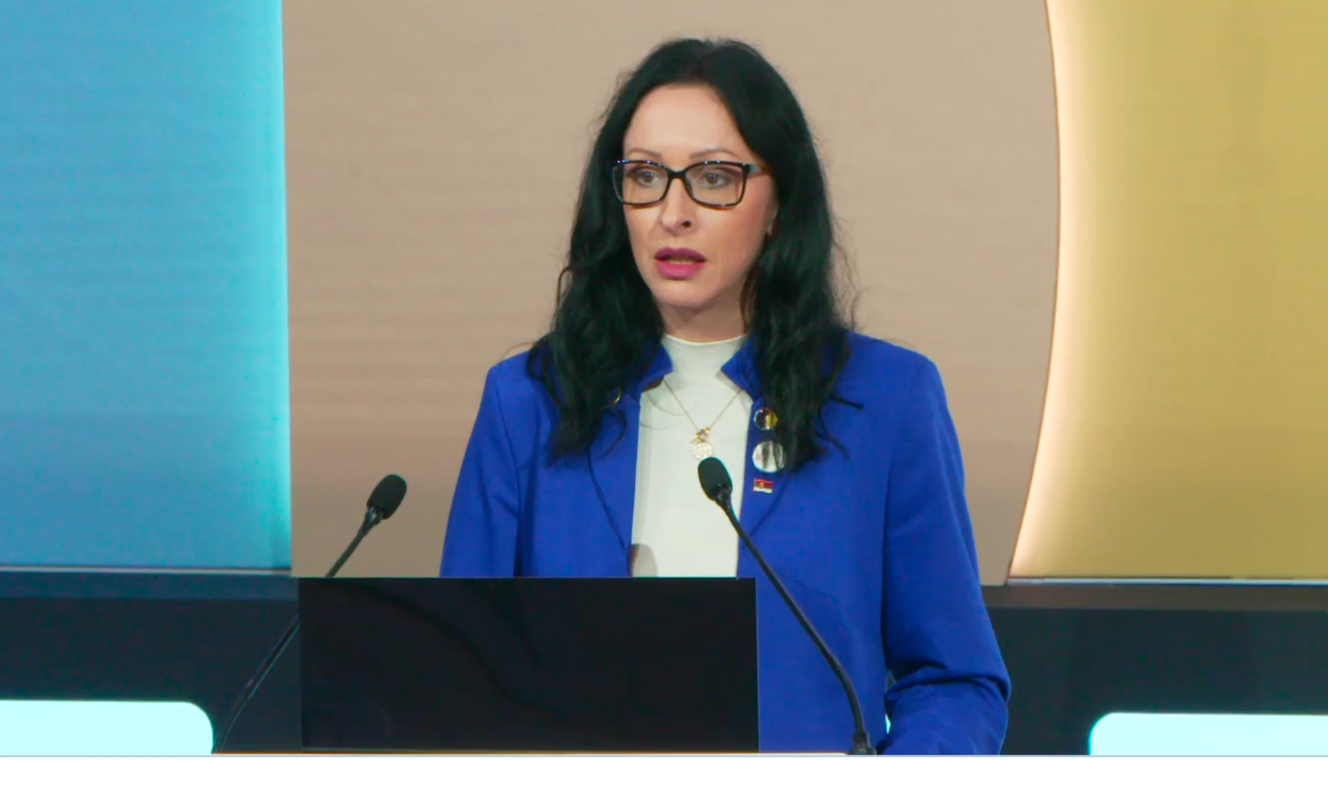
Jelena Žarić Kovačević, Minister of Family Welfare and Demography, Serbia
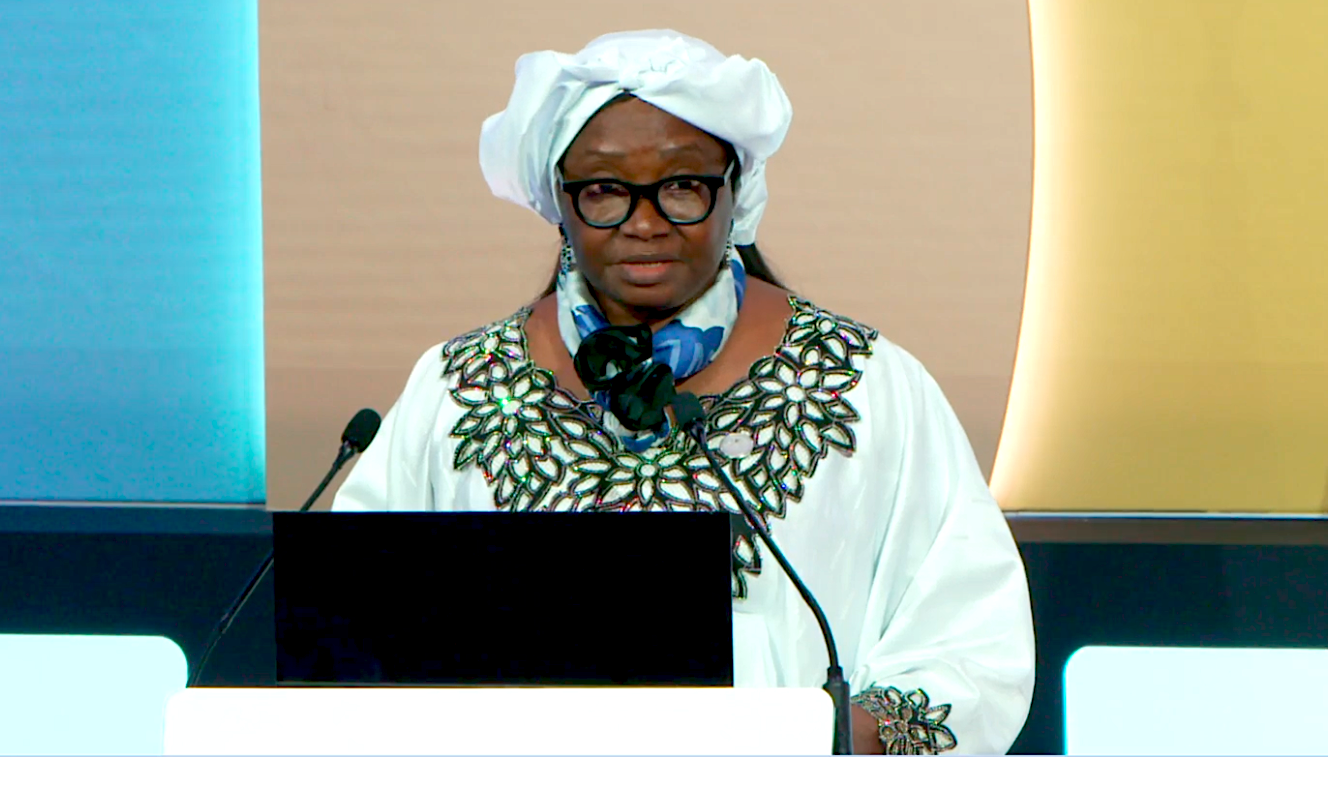
Maria Inácia Có Mendes Sanhá, Minister for Women, Family and Social Solidarity, Guinea-Bissau
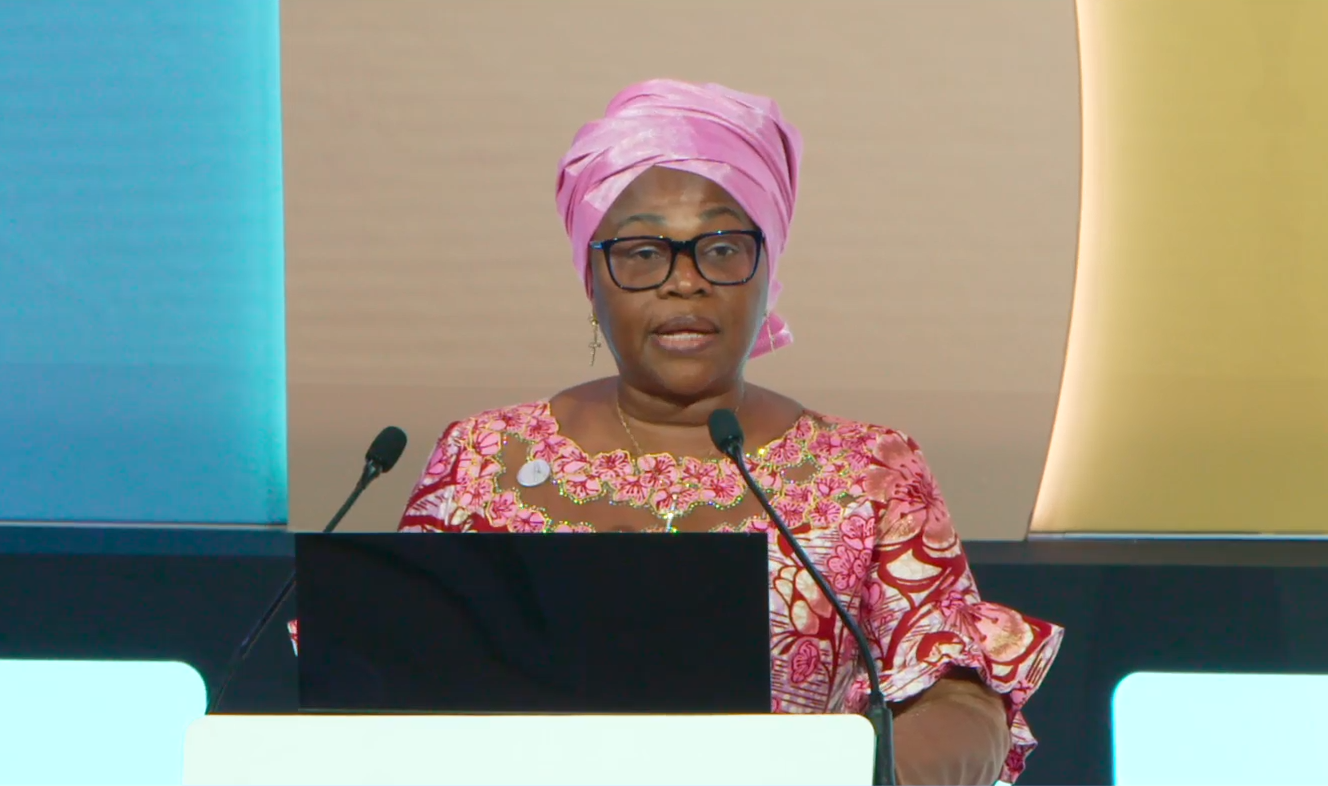
Michelle Mwanga, Minister of Labour, Employment, Social Protection and Vocational Training, Central African Republic
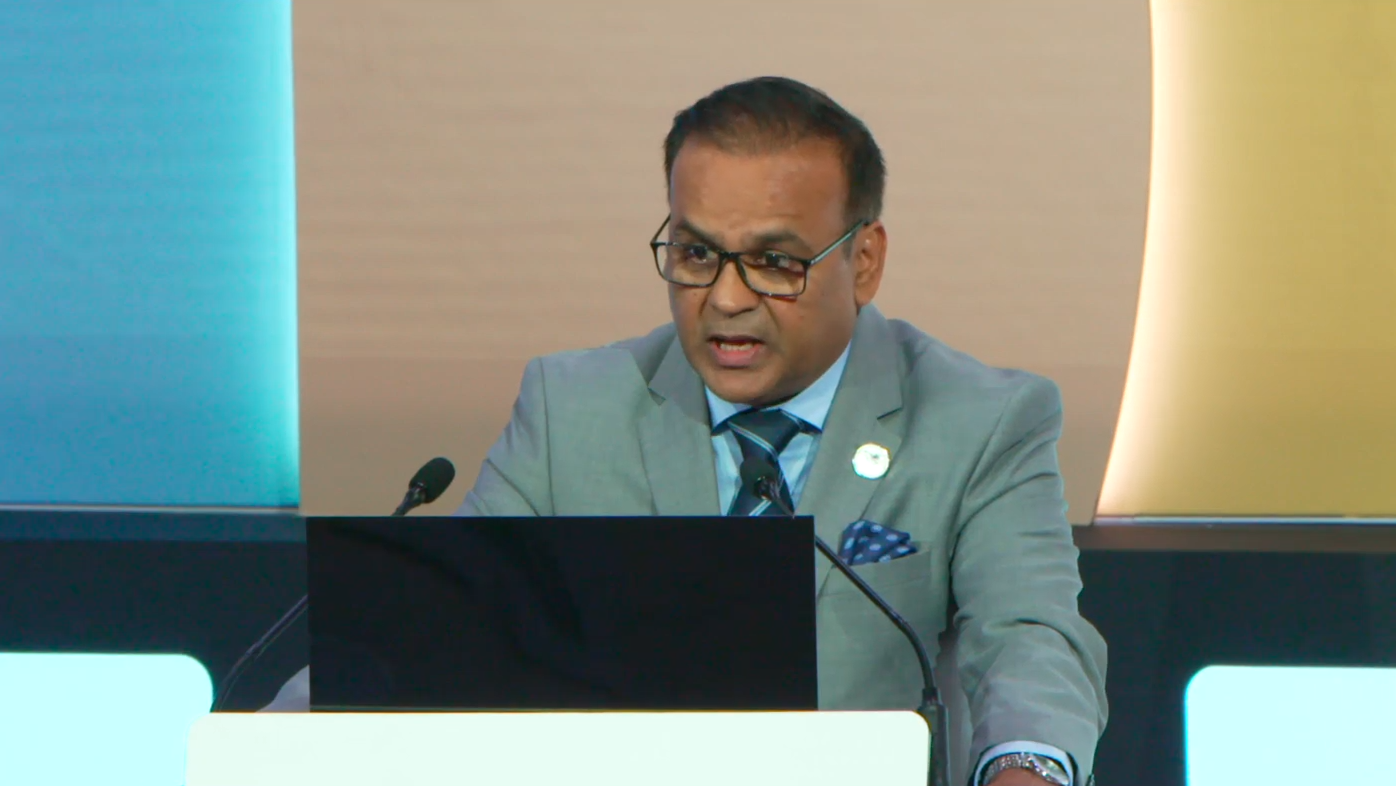
Dhananjay Ramful, Minister of Foreign Affairs, Regional Integration and International Trade, Mauritius
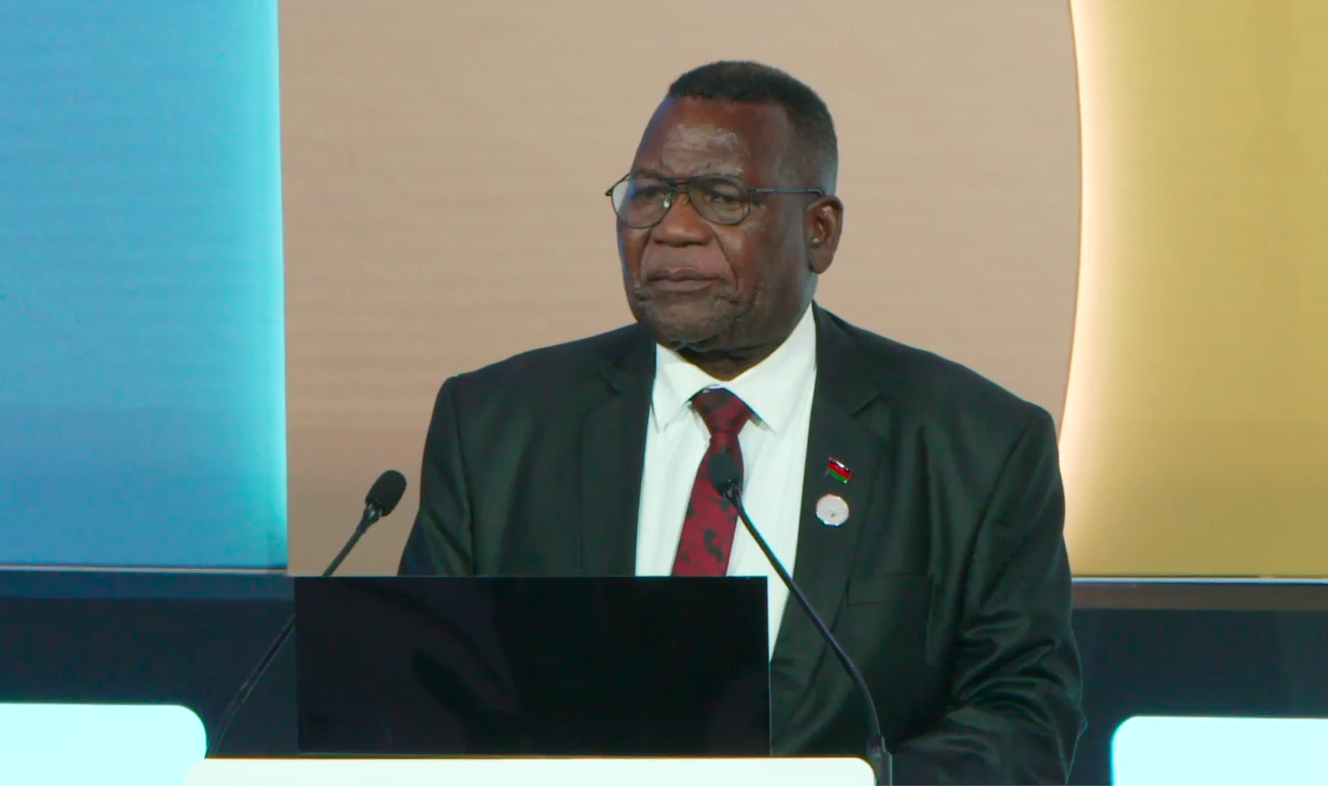
George Thapatula Chaponda, Minister of Foreign Affairs, Malawi
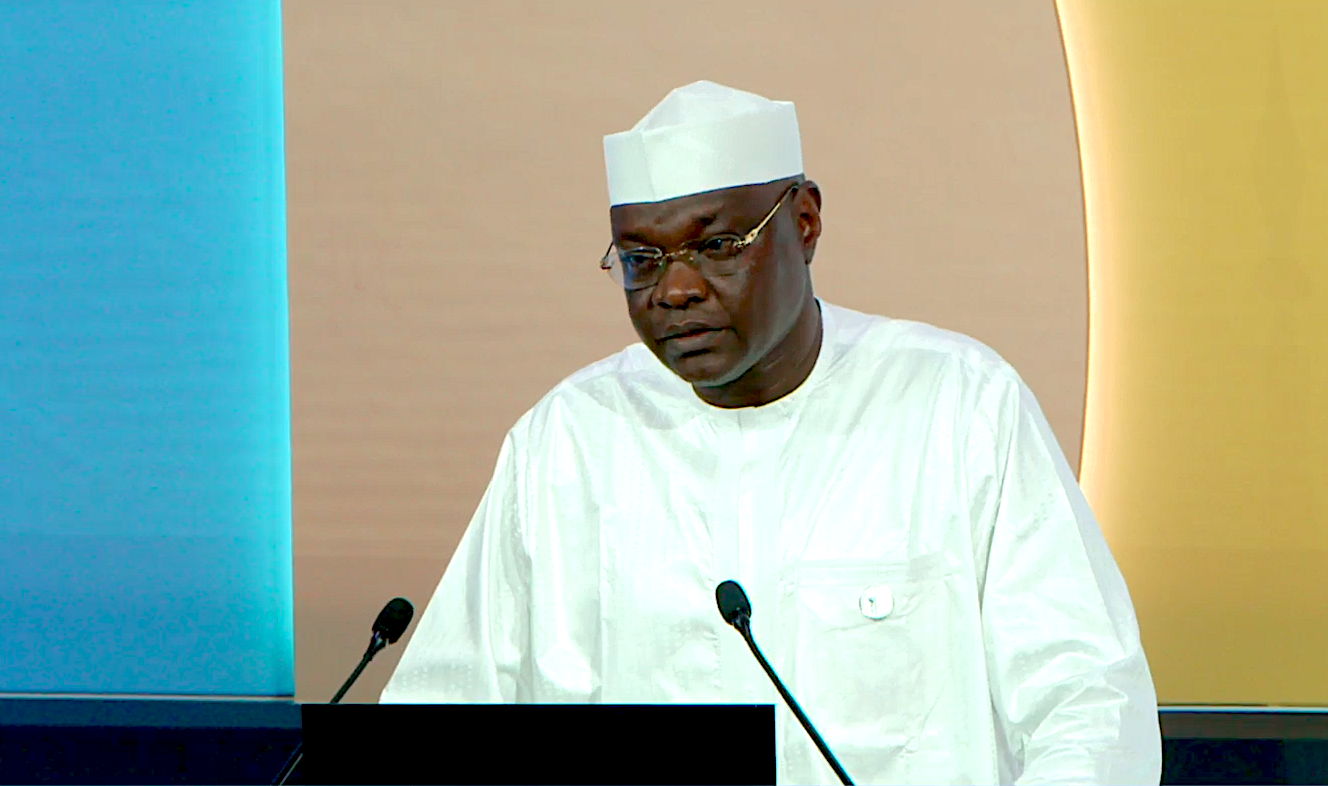
Abdoulaye Mbodou Mbami, Minister of Public Service and Social Dialogue, Chad
High-level Roundtable 2
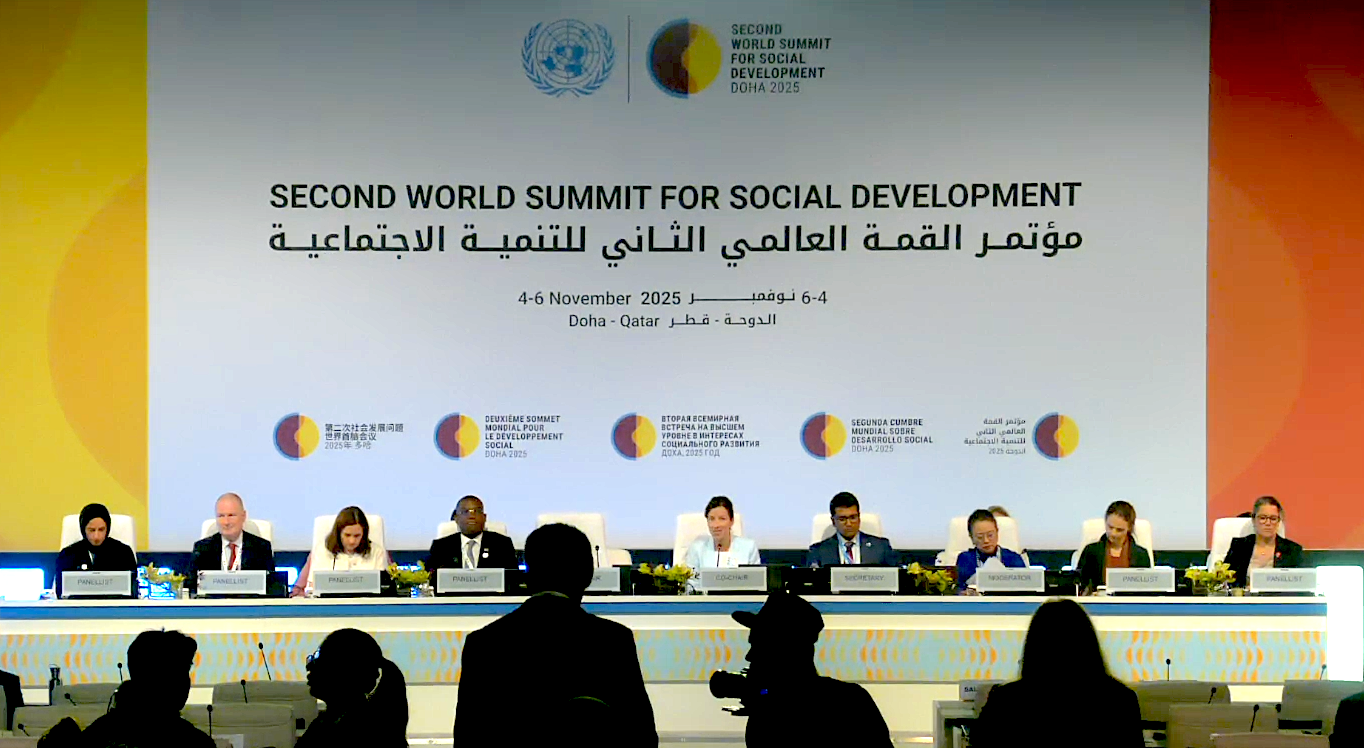
View of the panel at the second High-level Round Table at the 2nd World Summit for Social Development addressing progress and assessing gaps and challenges in the implementation of the commitments of the Copenhagen Declaration on Social Development and its Programme of Action
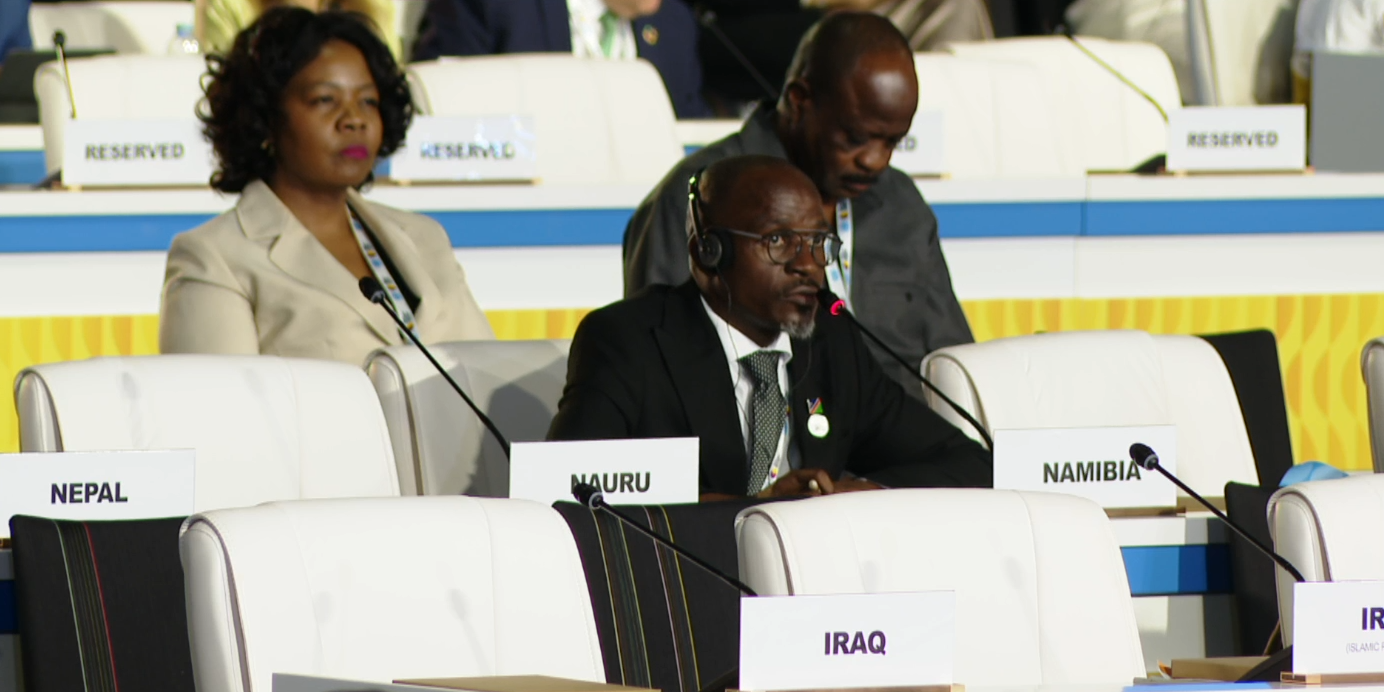
Fillemon Wise Immanuel, Minister of Justice and Labour Relations, Namibia
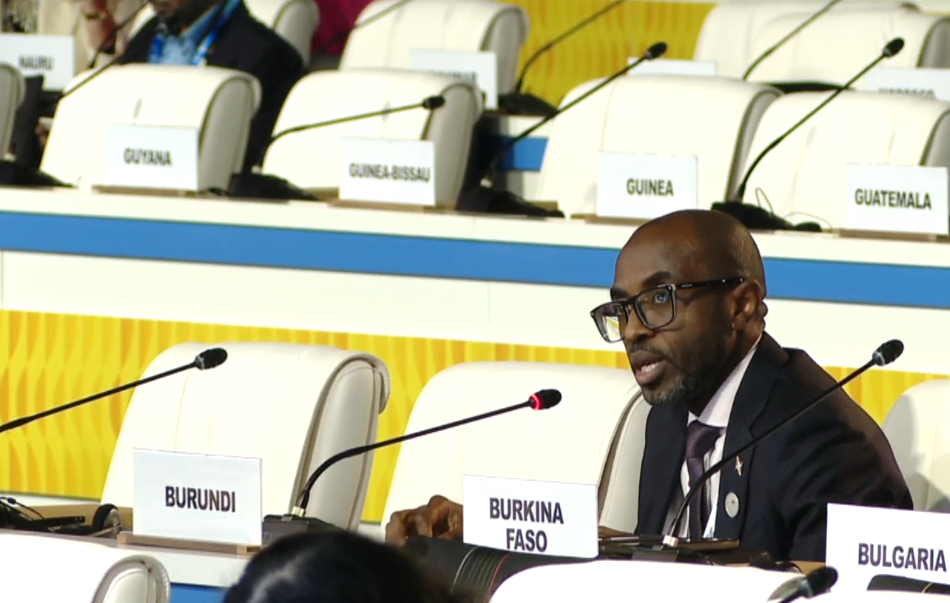
Alain Ndikumana, Minister of Finance, Budget and Digital Economy, Burundi
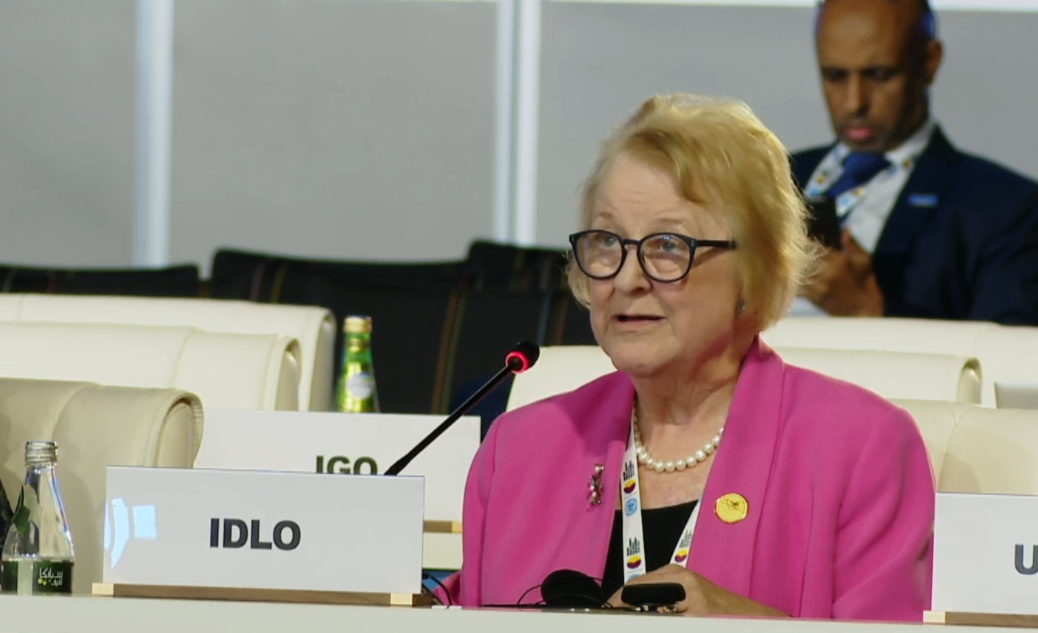
Representative of the International Development Law Organization (IDLO)
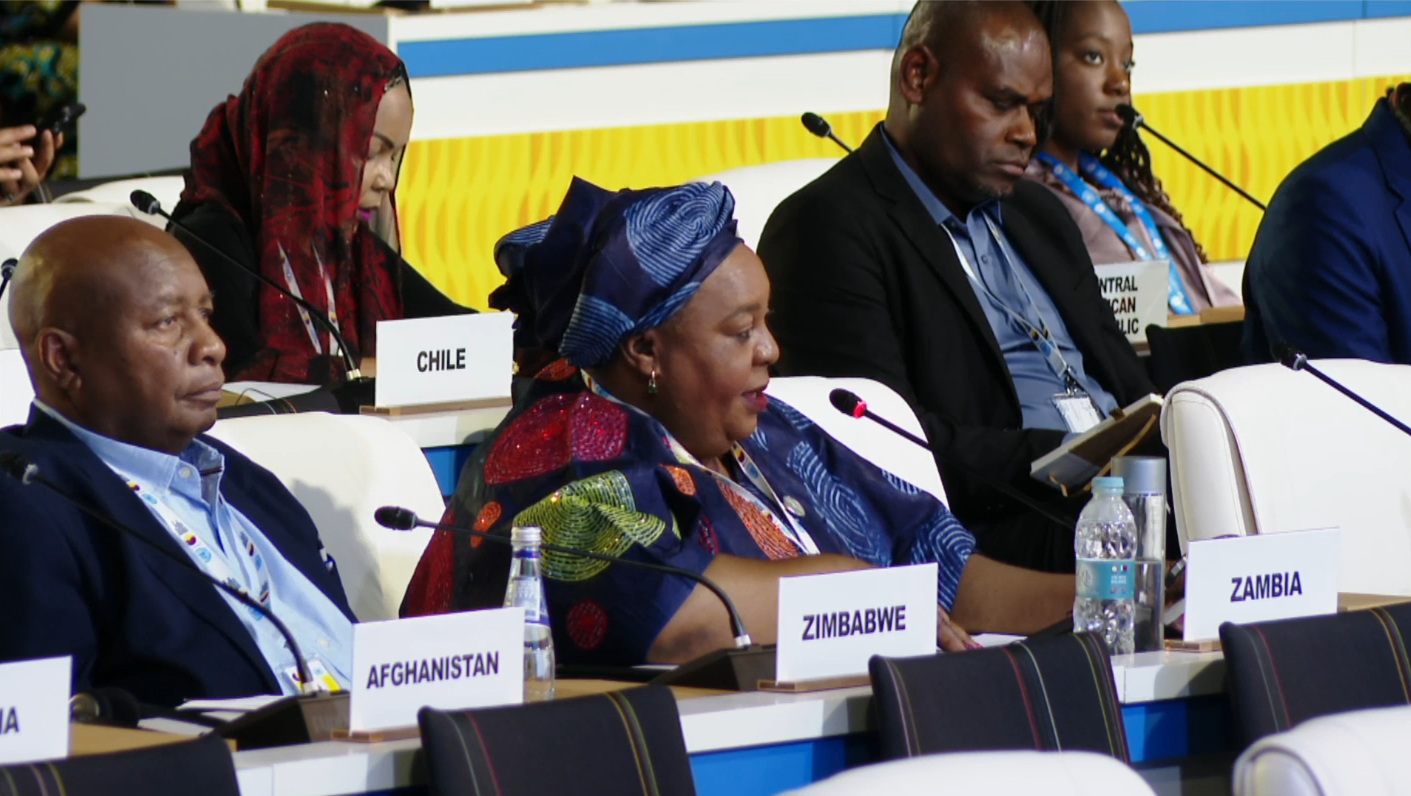
Doreen Sefuke Mwamba, Minister of Community Development and Social Services, Zambia
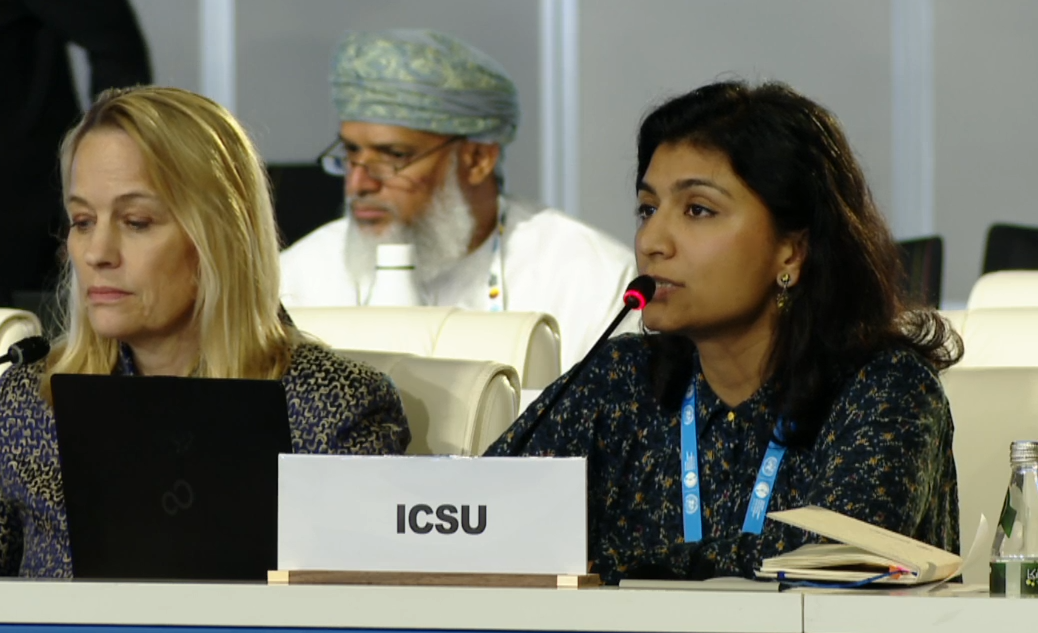
Representative of the International Council of Scientific Unions (ICSU)
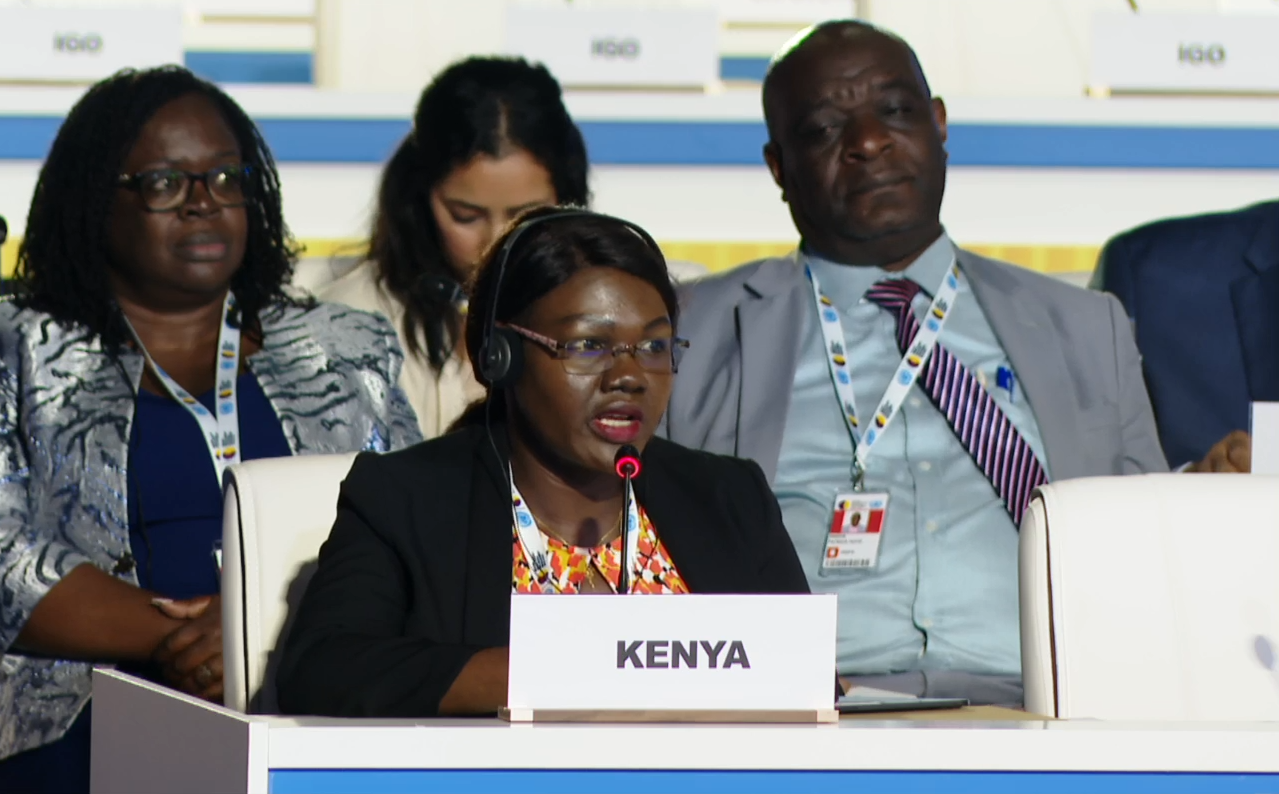
Representative of Kenya
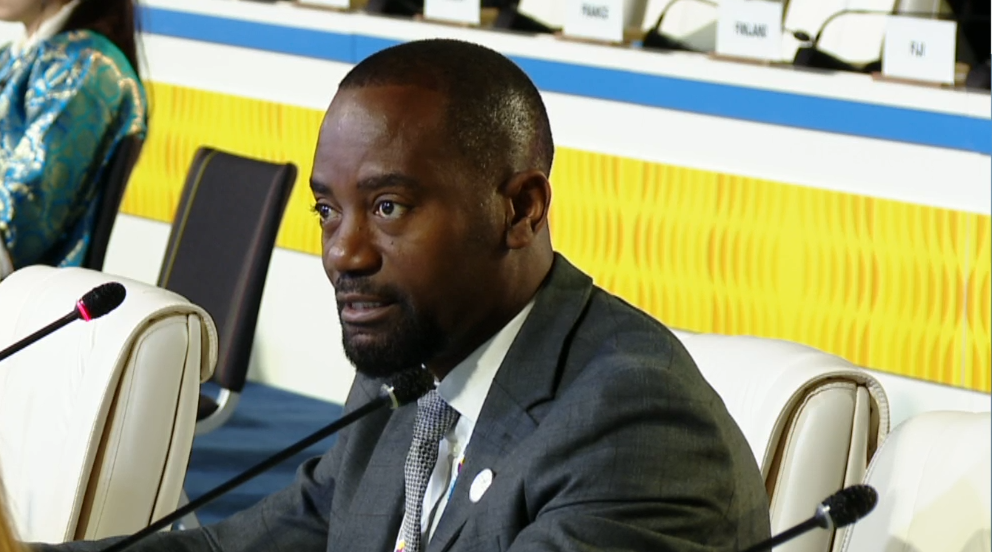
Kirk D. M. Humphrey, Minister of People Empowerment and Elder Affairs, Barbados
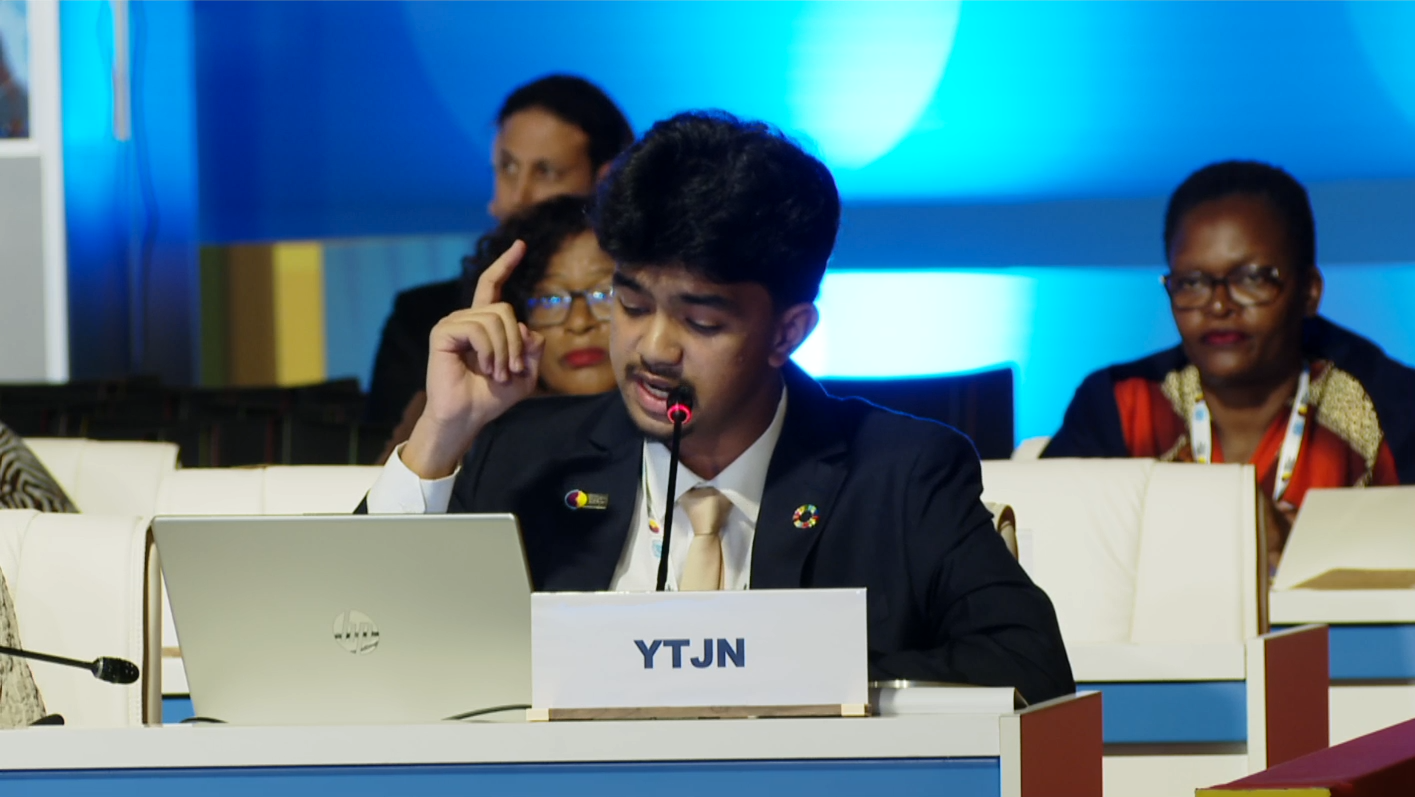
Mohammed Abdullah, Youth for Tax Justice Network (YTJN)
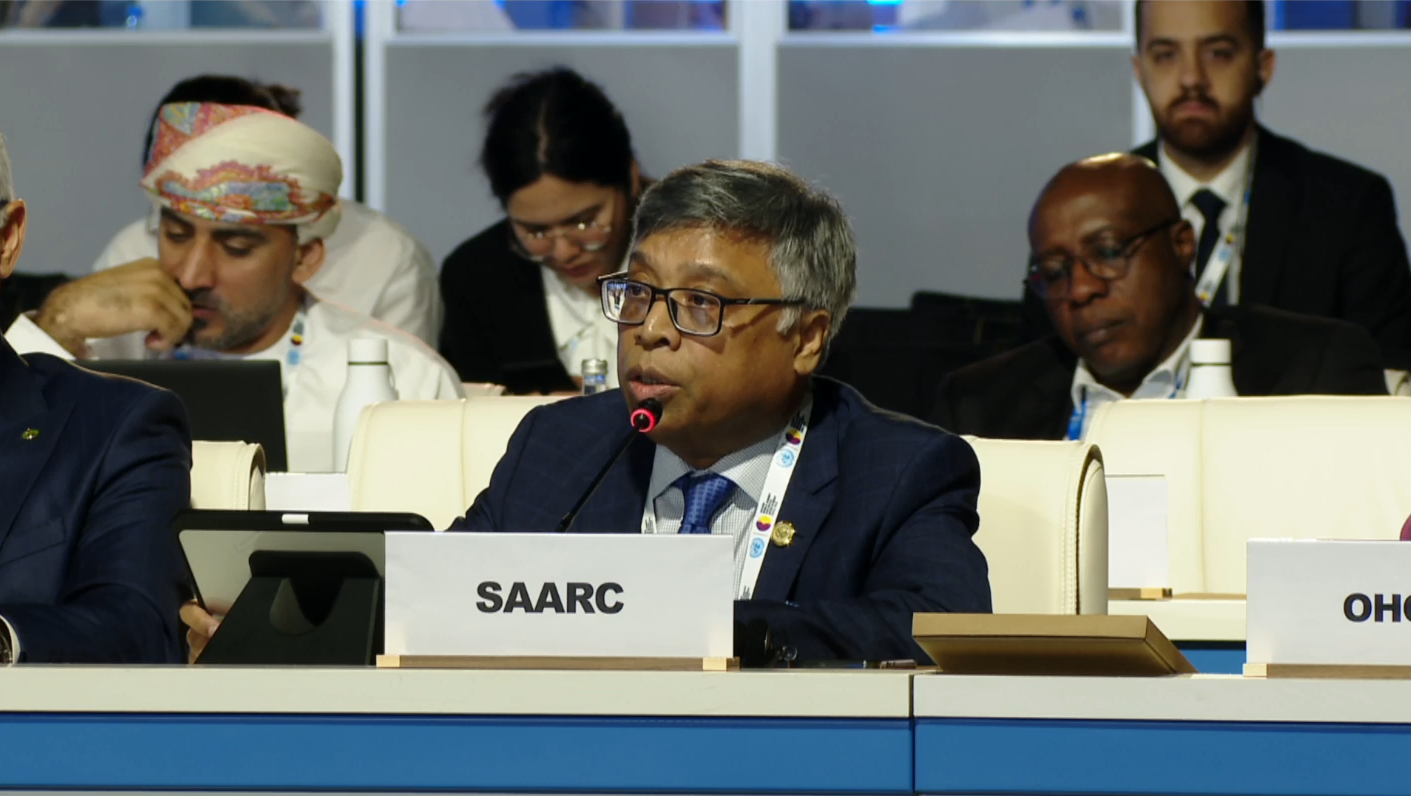
Representative of the South Asian Association for Regional (SAARC)
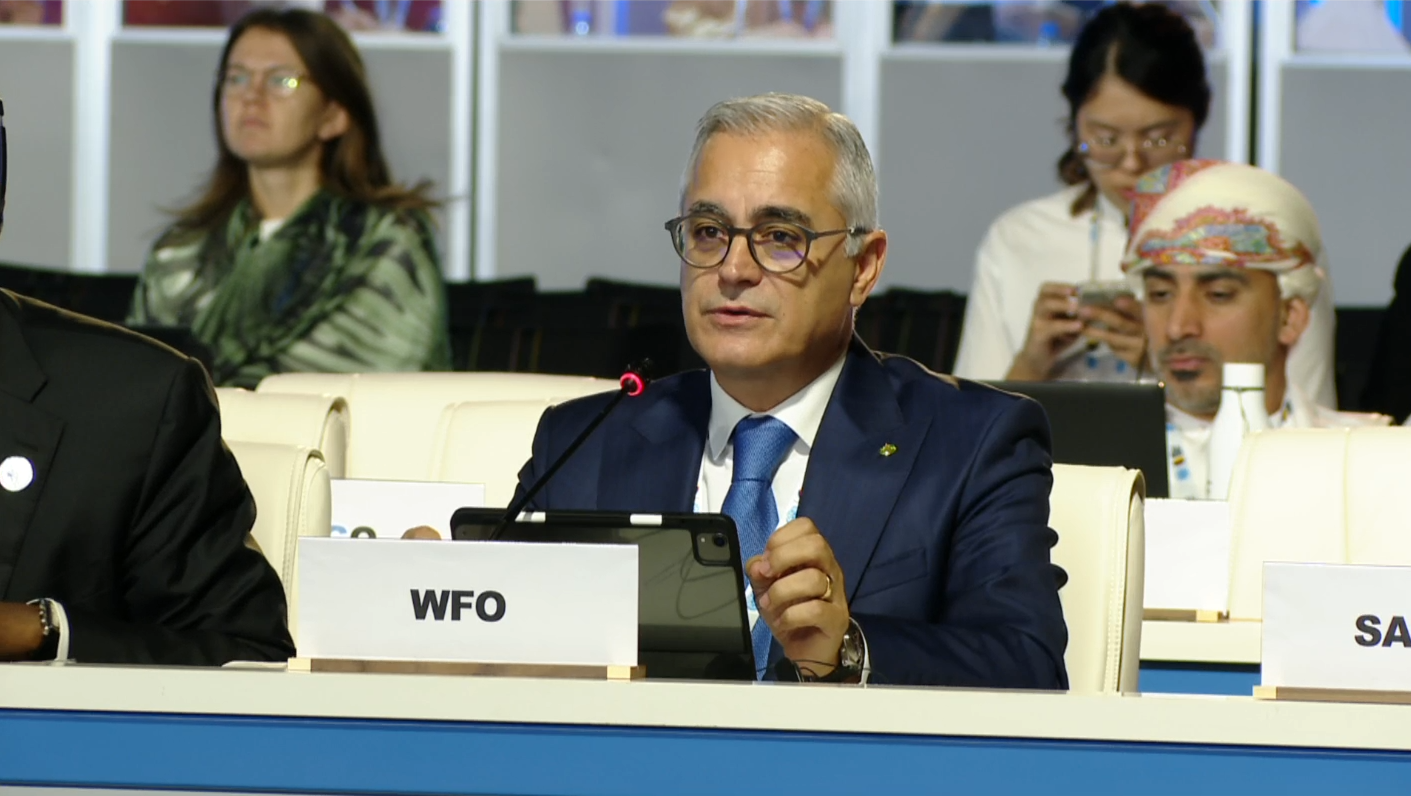
Representative of the World Family Organisation (WFO)
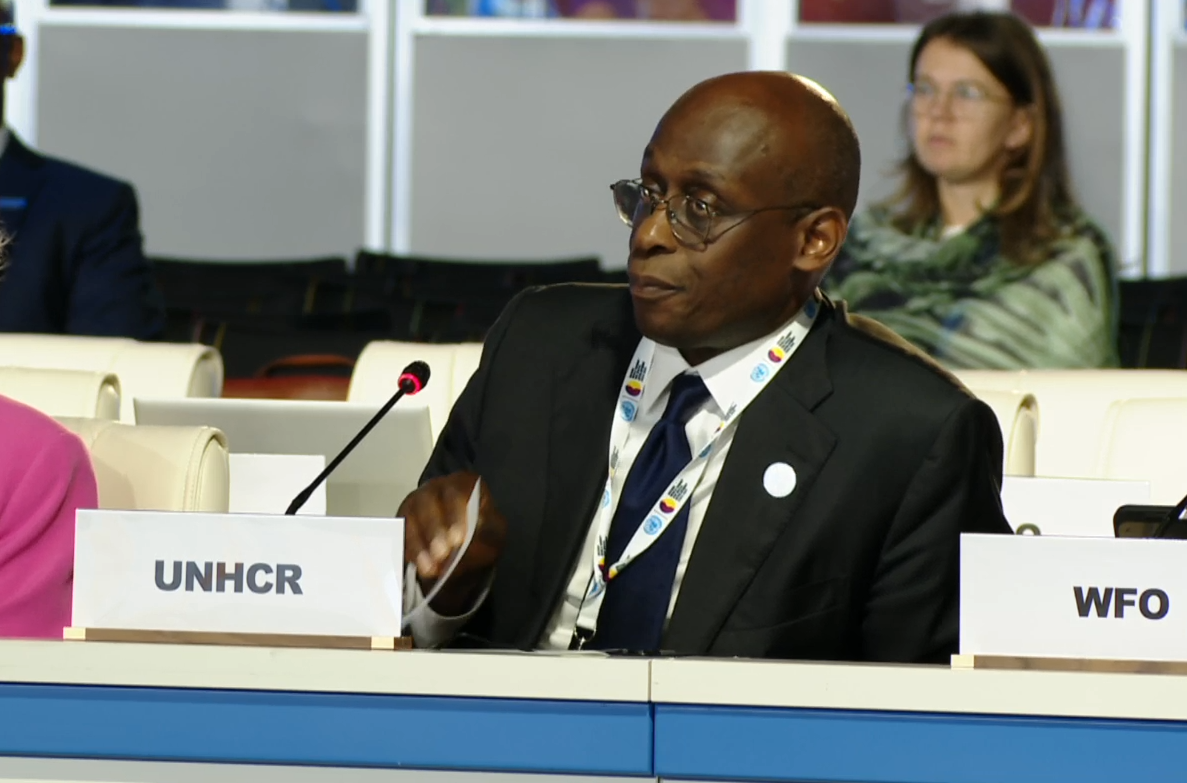
Representative of the Office of the UN High Commissioner for Human Rights (OHCHR)

Representative of the OHCHR
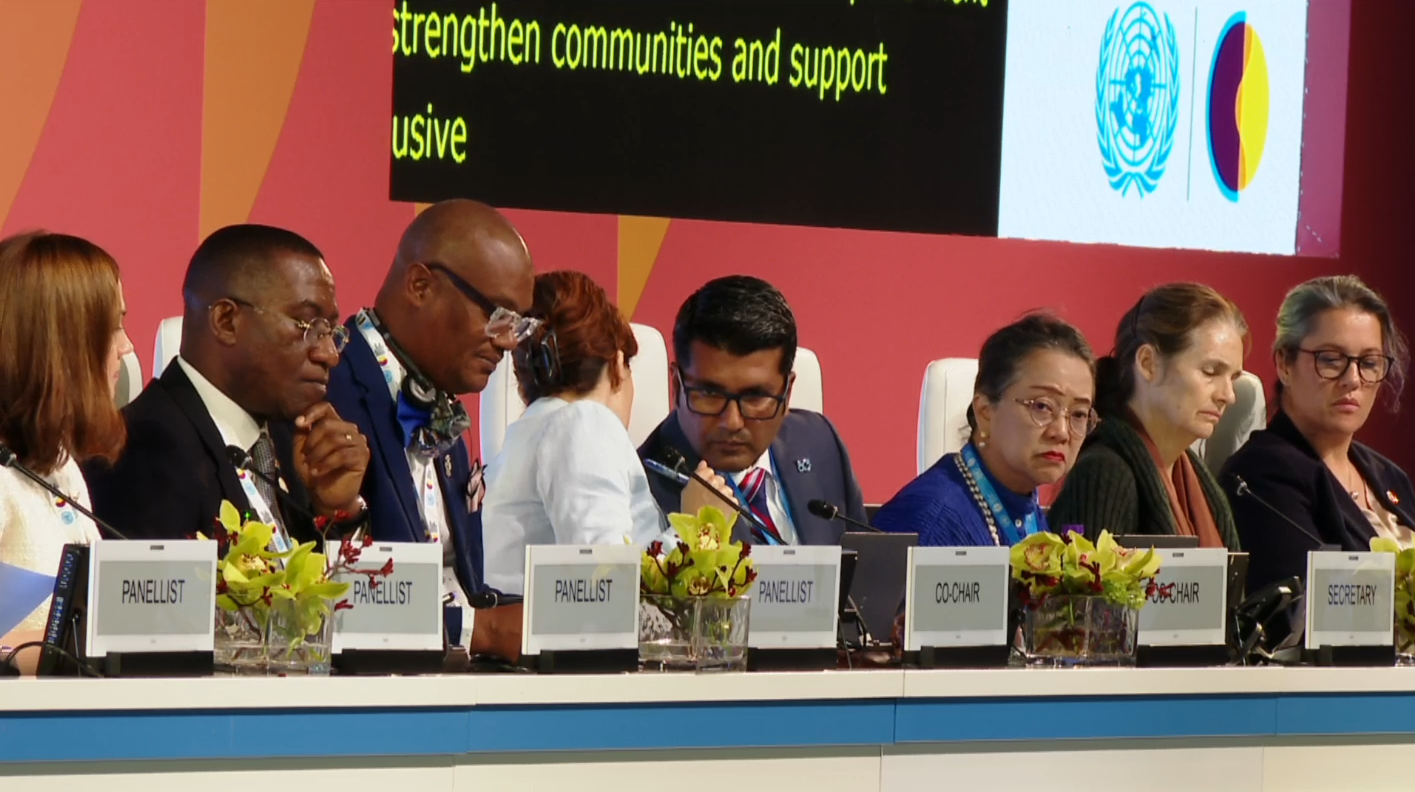
View of the panel at the High-level Round Table 2
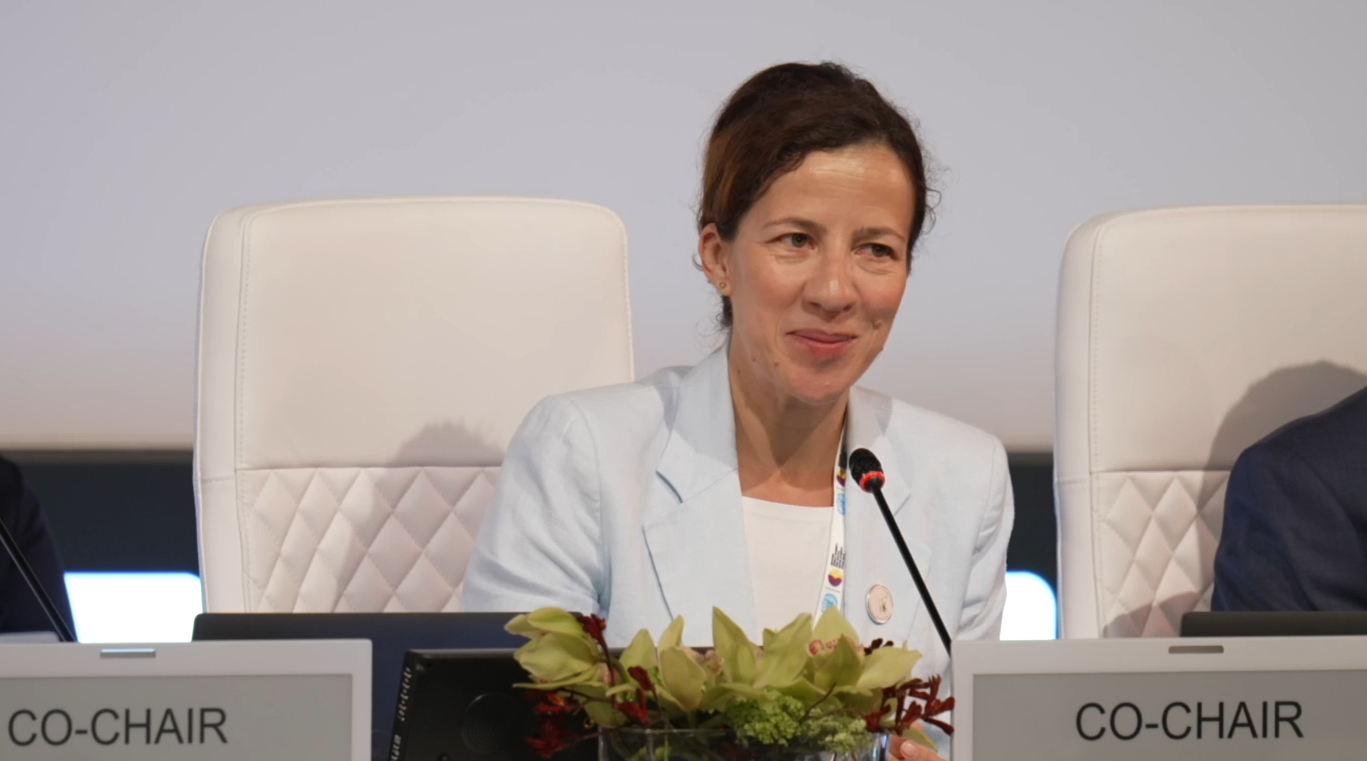
Co-Chair Roxana Mînzatu, Executive Vice-President, Social Rights and Skills, Quality Jobs and Preparedness, European Commission
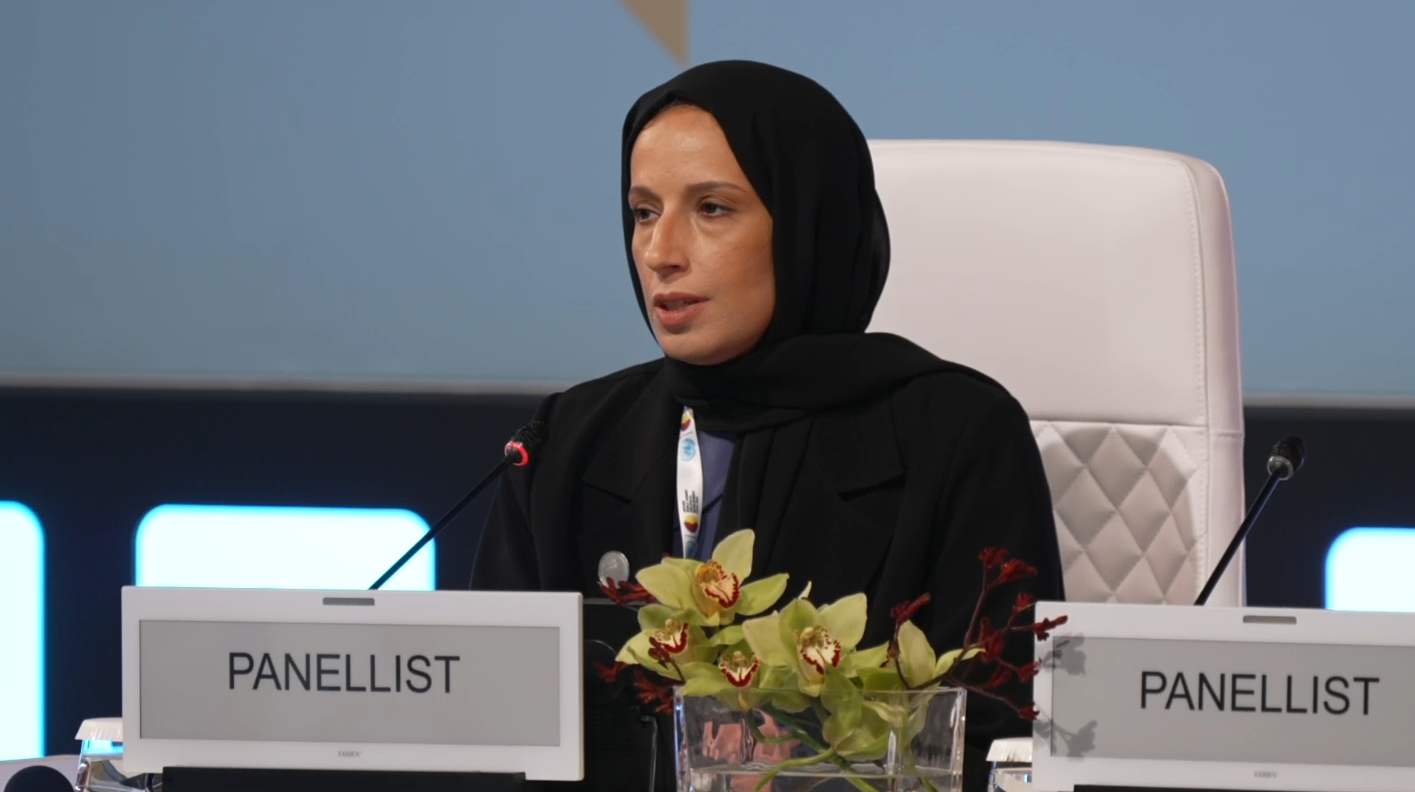
Buthaina Bint Ali Al Jabr Al Nuaimi, Minister of Social Development and Family, Qatar
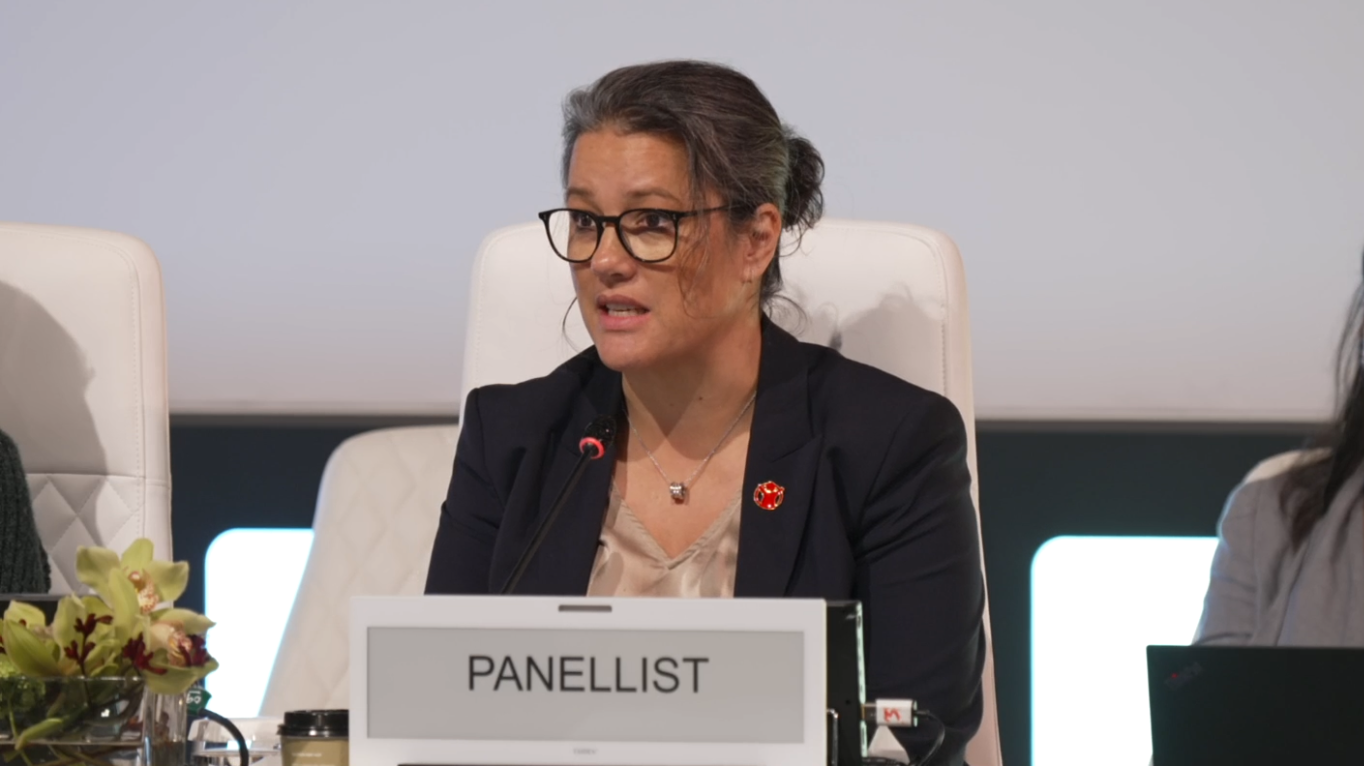
Inger Ashing, Chief Executive Officer, Save the Children International
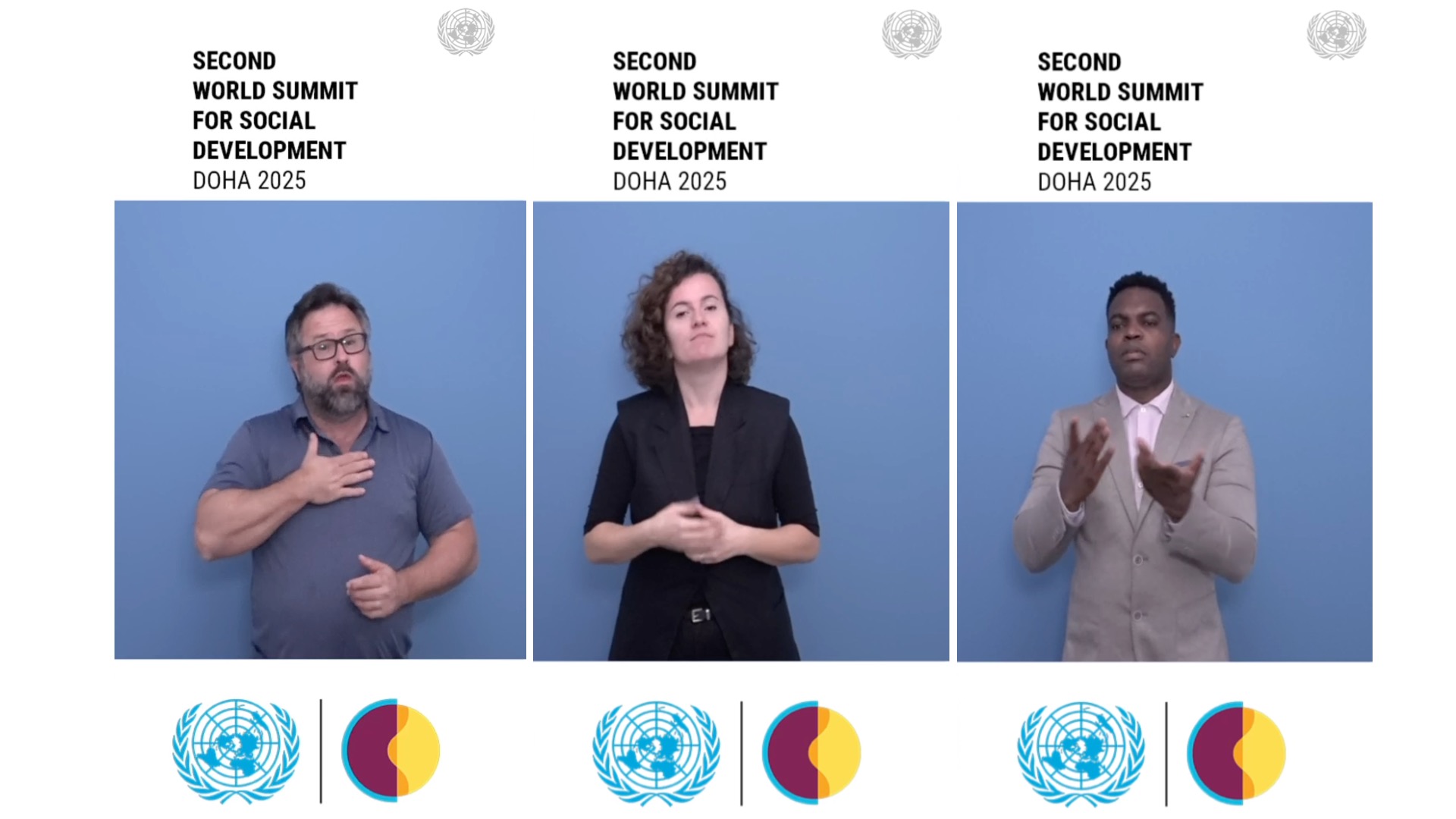
Sign language interpreters
Sign language interpreters