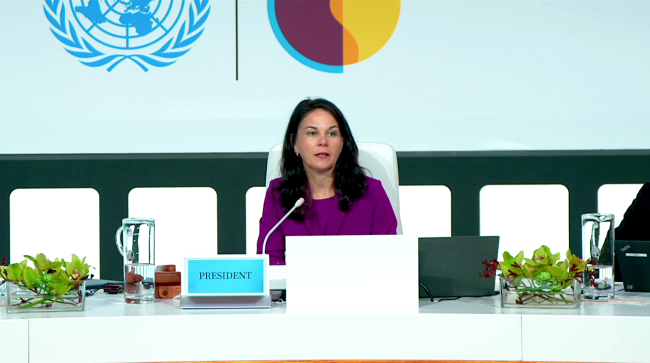
In the words of the President of the 80th Session of the UN General Assembly (UNGA), the closing of the Second World Summit for Social Development marks not an end, but the beginning of a new opportunity - to turn the Doha Political Declaration into concrete action and ensure no one is left behind.
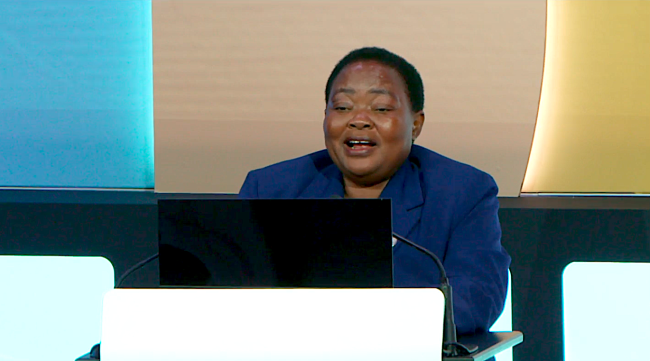
Throughout the final day of the Summit, leaders continued to call for stronger international cooperation to advance social development, particularly for the most vulnerable. They urged "going beyond gross domestic product” to measure progress that reflects dignity, wellbeing, and equality.
Uganda highlighted national initiatives such as the Parish Development Model, which aims to move the 33% of Ugandans in subsistence production into a money economy, the Small Business Recovery Fund, and other programmes for the elderly, youth, and women. She called for addressing financing challenges and reforming the global financial architecture to secure fairer terms for developing countries.
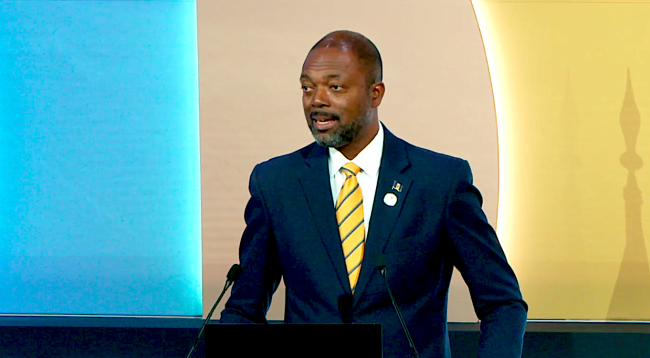
Barbados emphasized that “progress is not an accident—it’s built” and described his country’s social dialogue model, where government, trade unions, and employers jointly shape policy. He said this collaboration has led to the establishment of a national minimum wage, fair working conditions, and expanded social protections, including for self-employed workers.
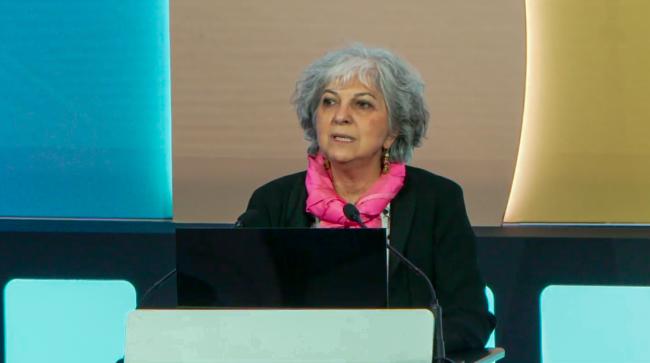
France announced plans to integrate social development priorities into its upcoming G7 presidency, focusing on combating the informal economy through tailored financing for social protection and promoting a social economy grounded in solidarity.
The Council of Europe noted the Doha Political Declaration reaffirms that education, health, and social protection are fundamental rights. He emphasized that empowering young people through access to education, employment, and health services is essential for achieving social and sustainable development.
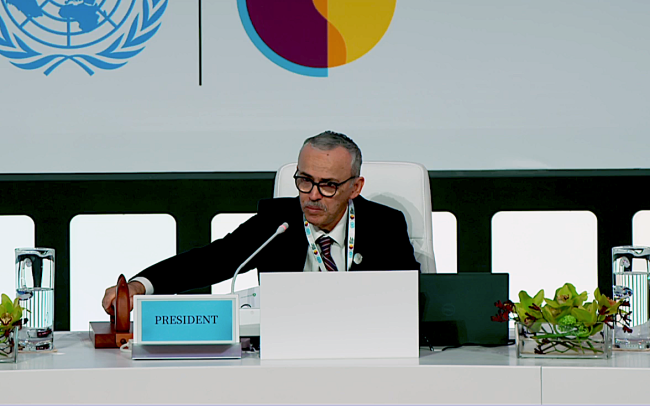
Canada acknowledged progress has been made but lamented that global shocks and shifting political landscapes have disrupted supply chains, strained local resources, and affected social inclusion.
The Inter-Parliamentary Union (IPU) emphasized that parliaments and parliamentarians serve as a bridge between global ambitions and local implementation, but can only fulfill this role if they are recognized as equal partners in global governance. She encouraged enhanced cooperation between the IPU and UN in order to include the parliamentary perspective in the UN.
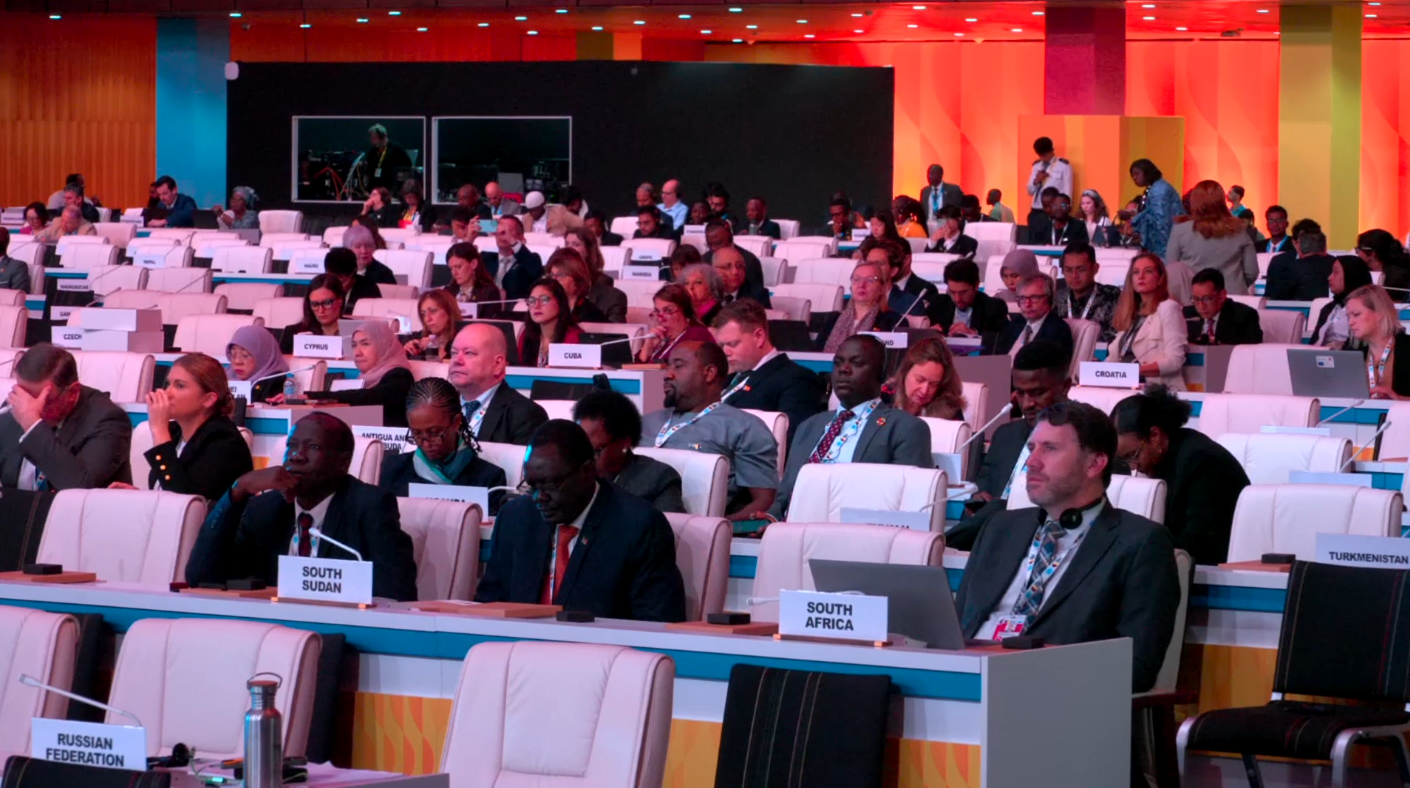
Cyprus called for strengthening the interconnection between jobs, labor rights, and inclusive growth, and reaffirmed the country’s commitment to decent work and reducing inequalities. Ecuador shared progress on eradicating child malnutrition through various national programmes, showcasing the “1000-day programme” that provides prenatal and child health assistance.
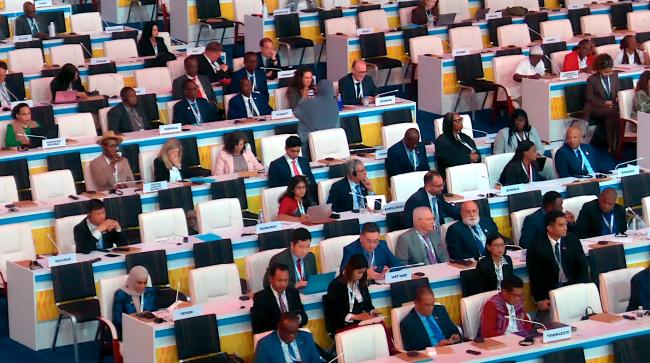
Speaking at the close of the Summit, UNGA President Annalena Baerbock emphasized that the initiatives and partnerships showcased over the three days of the Summit must now be implemented at scale to lift the remaining population living in extreme poverty. She stressed that investment in social development is the smartest possible investment states and businesses can make.
She closed the Summit at 5:17 pm.
To receive free coverage of global environmental events delivered to your inbox, subscribe to the ENB Update newsletter.
All ENB photos are free to use with attribution. For the Second World Summit for Social Development (2025), please use: Photo by IISD/ENB | Andrés Felipe Carvajal Gómez
Plenary Session
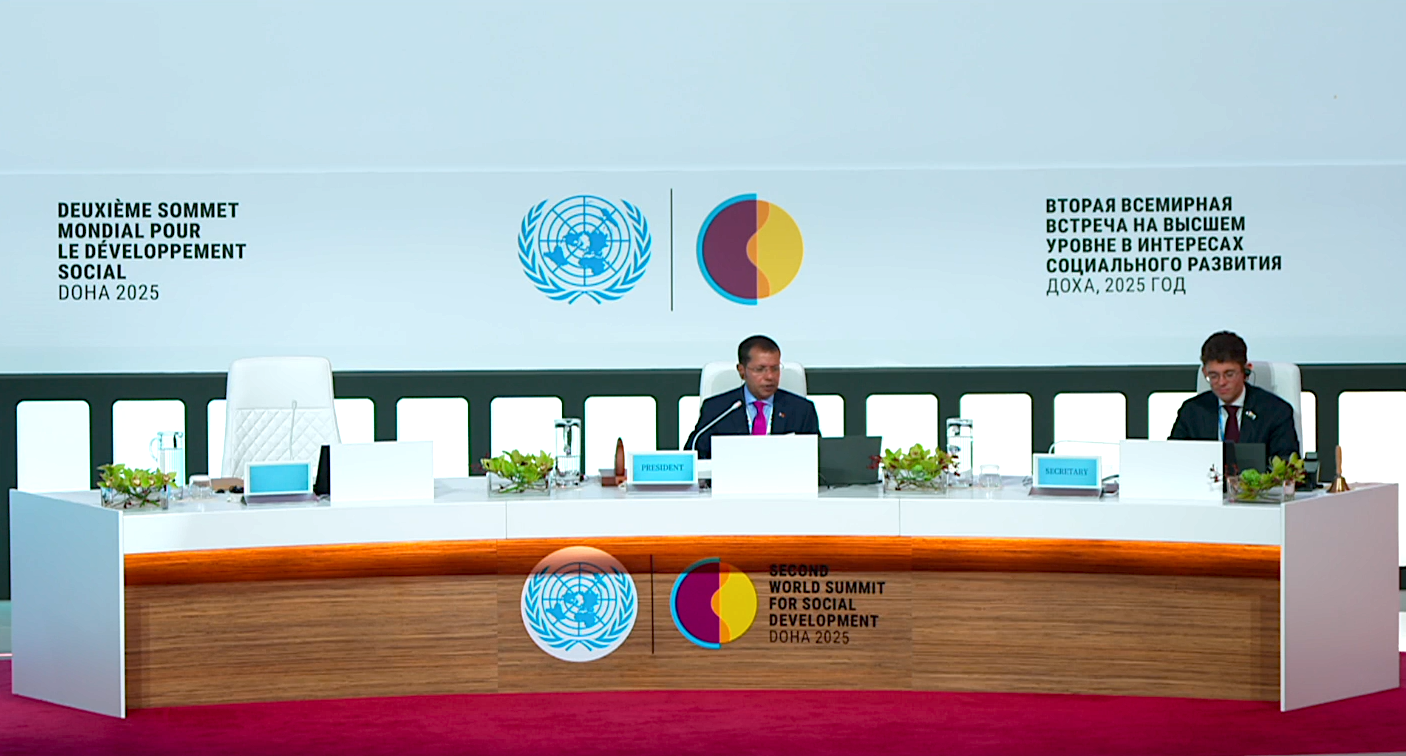
View of the podium during the plenary session
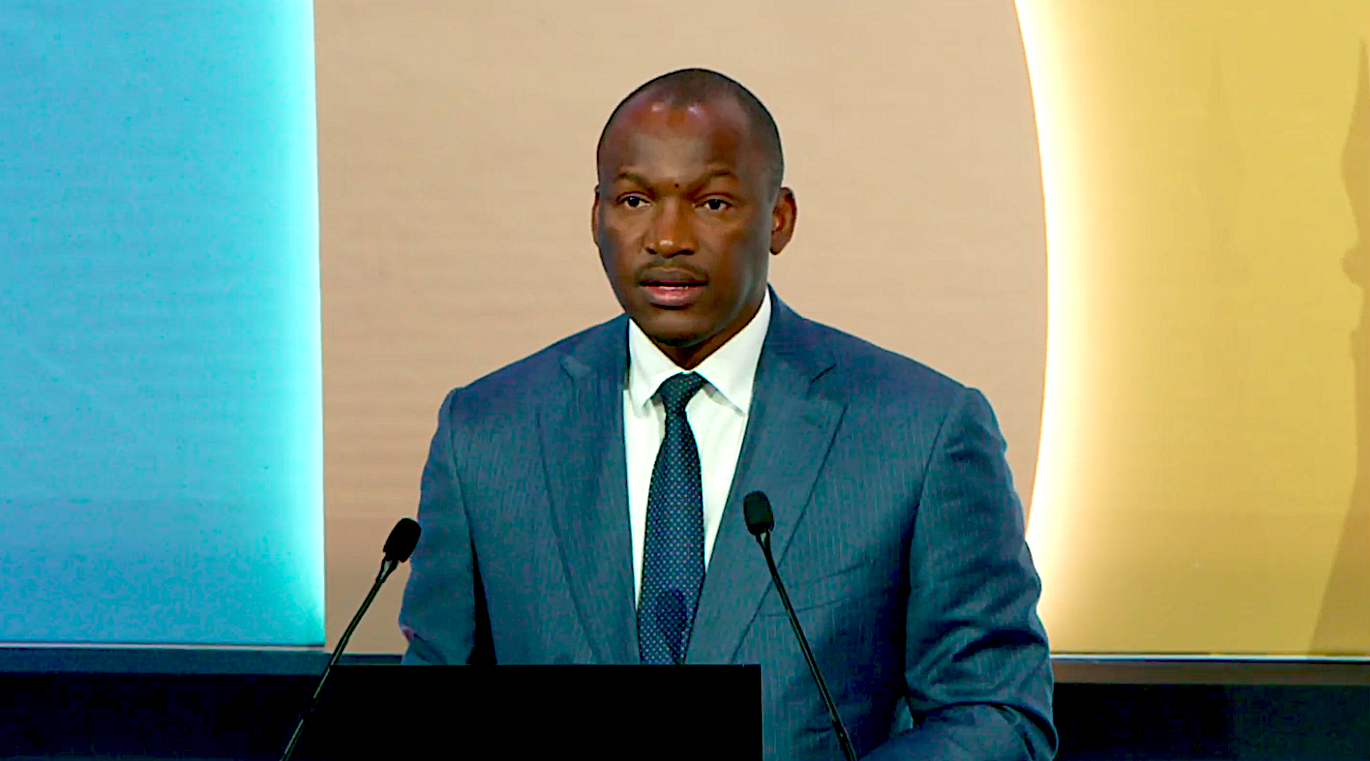
Mamadou Touré, Minister of Youth Promotion, Professional Integration, and Civic Service, Côte d'Ivoire
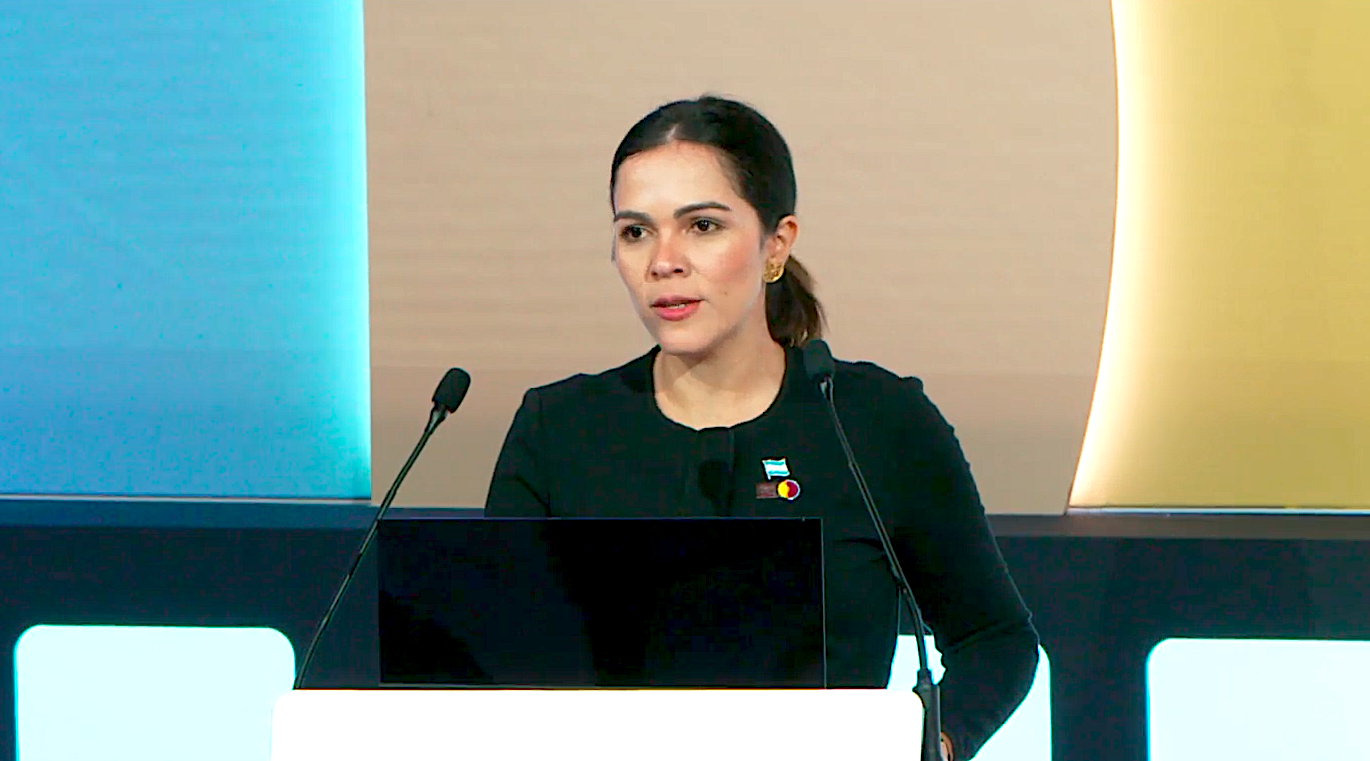
Cindy Larissa Rodríguez, Vice Minister of Foreign Affairs and International Cooperation, Honduras
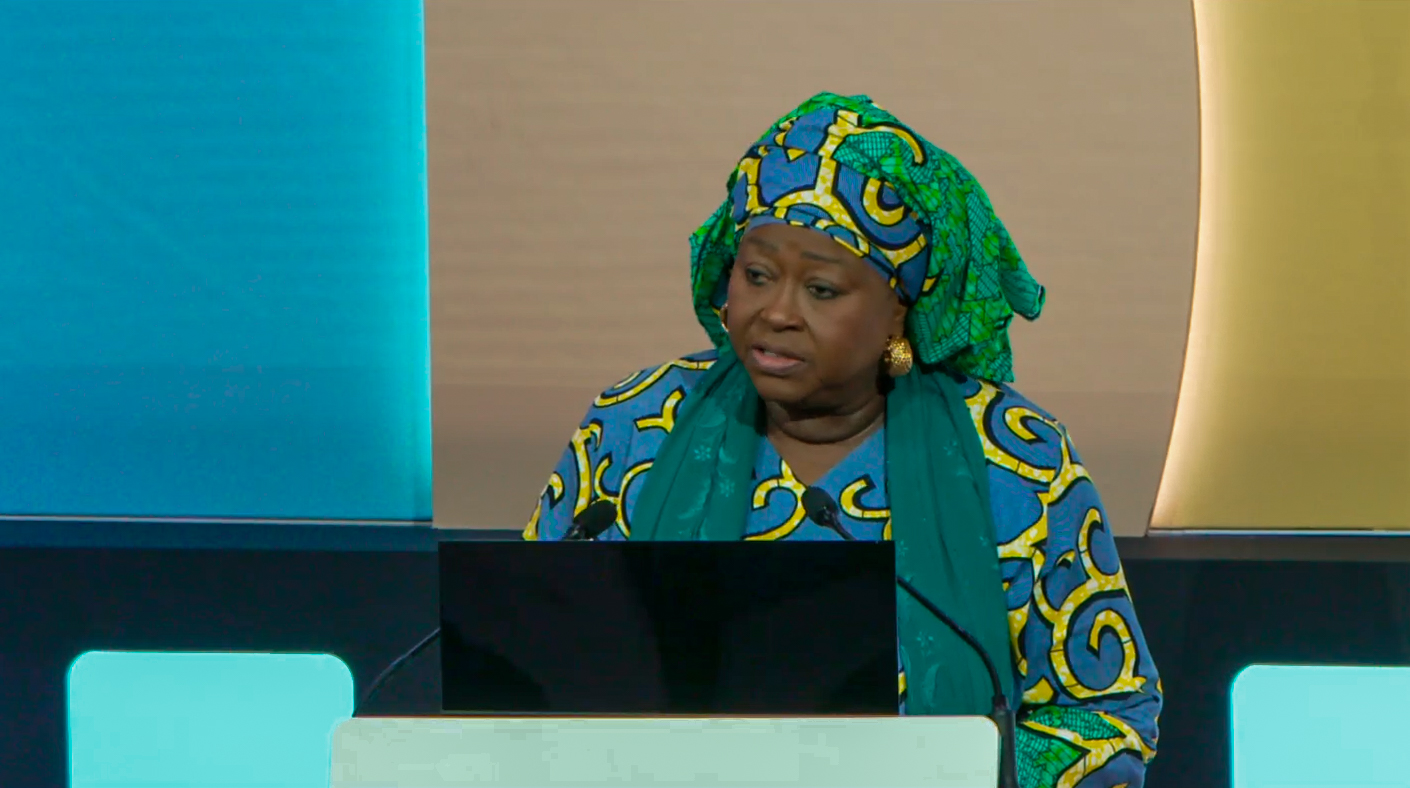
Maïmouna Dieye, Minister of Family, Social Action and Solidarity, Senegal
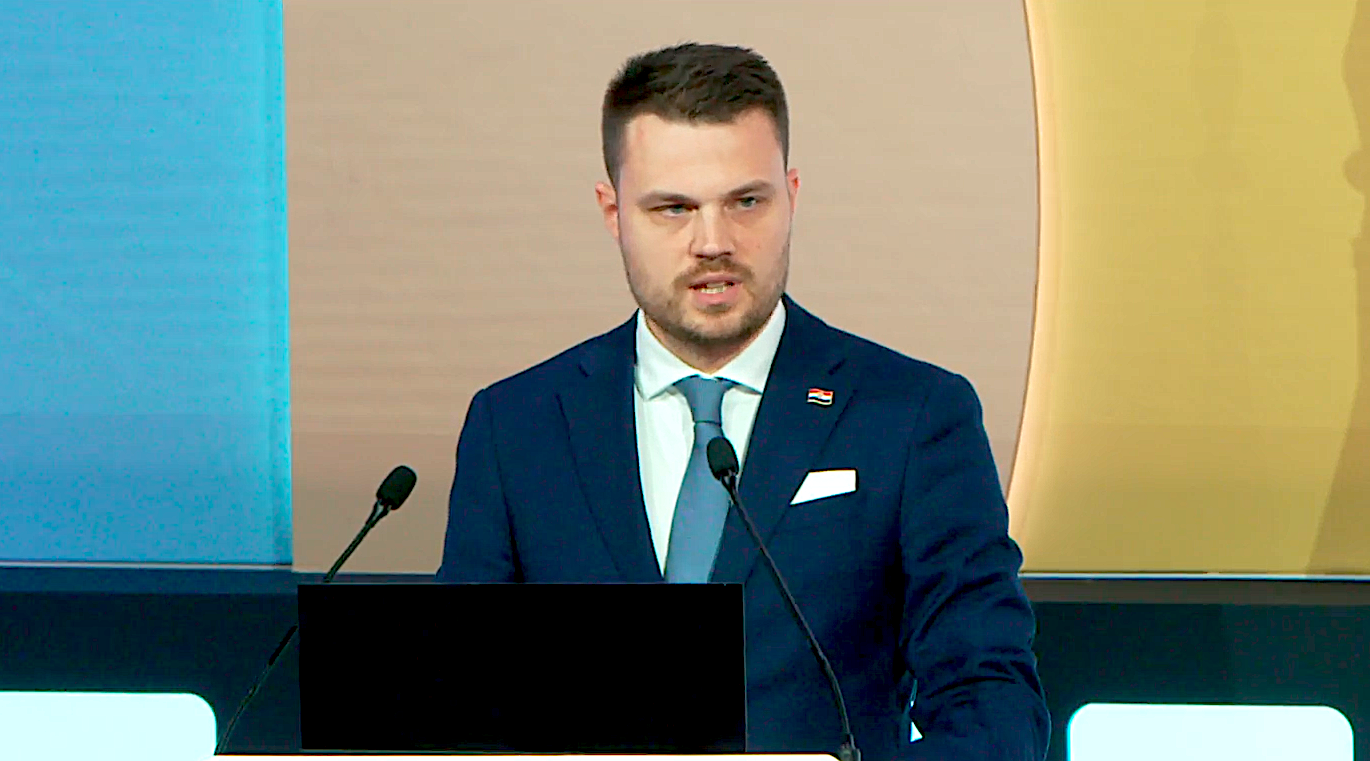
Ivan Vidiš, State Secretary, Ministry of Labour, Pension System, Family, and Social Policy, Croatia
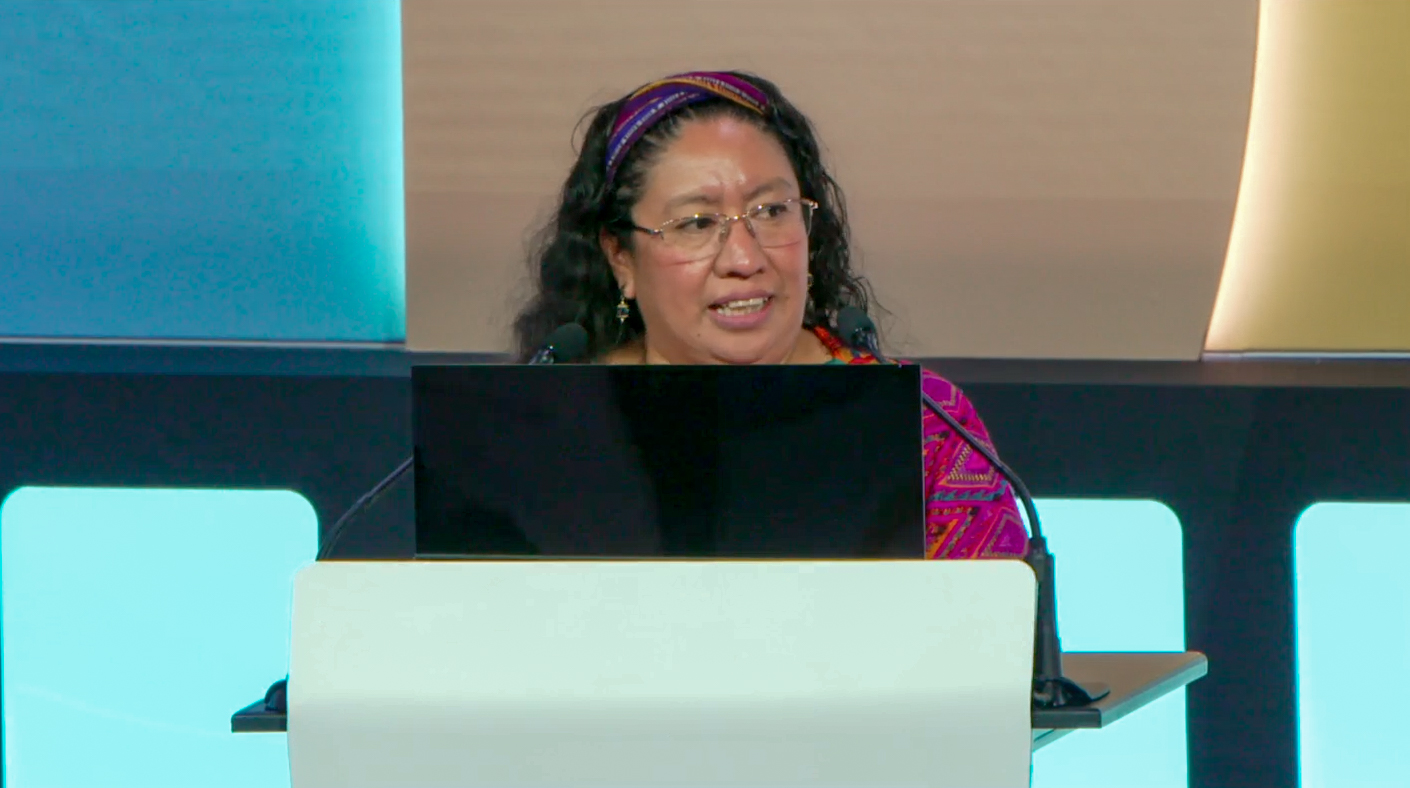
Bertha Zabeta, Vice Minister of Social Development, Guatemala
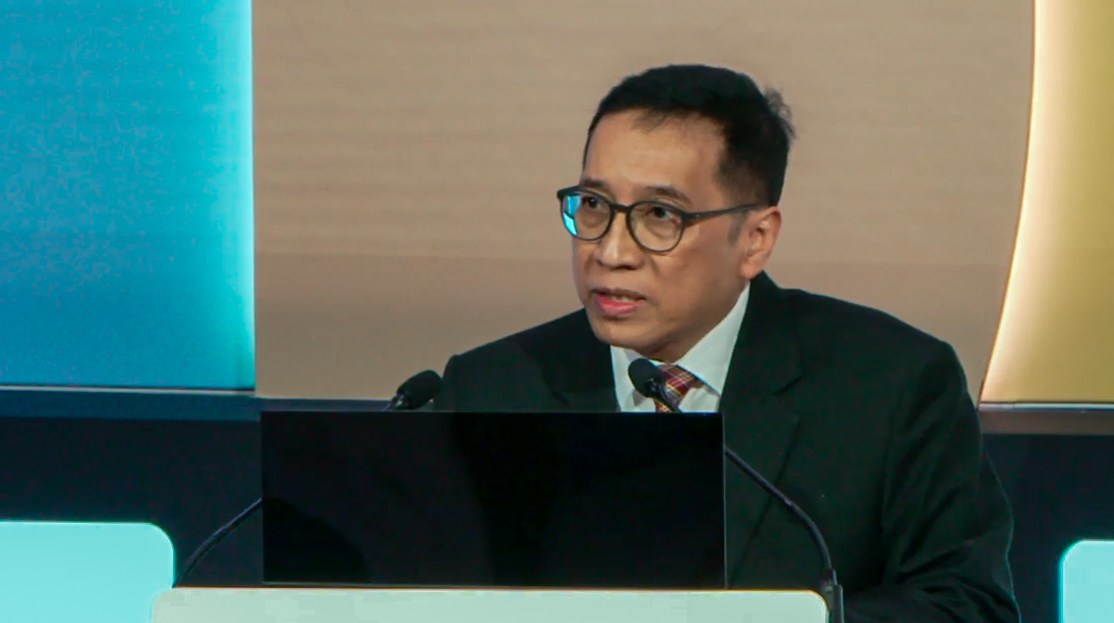
Febrian Alphyanto Ruddyard, Vice Minister of Development Planning, Indonesia
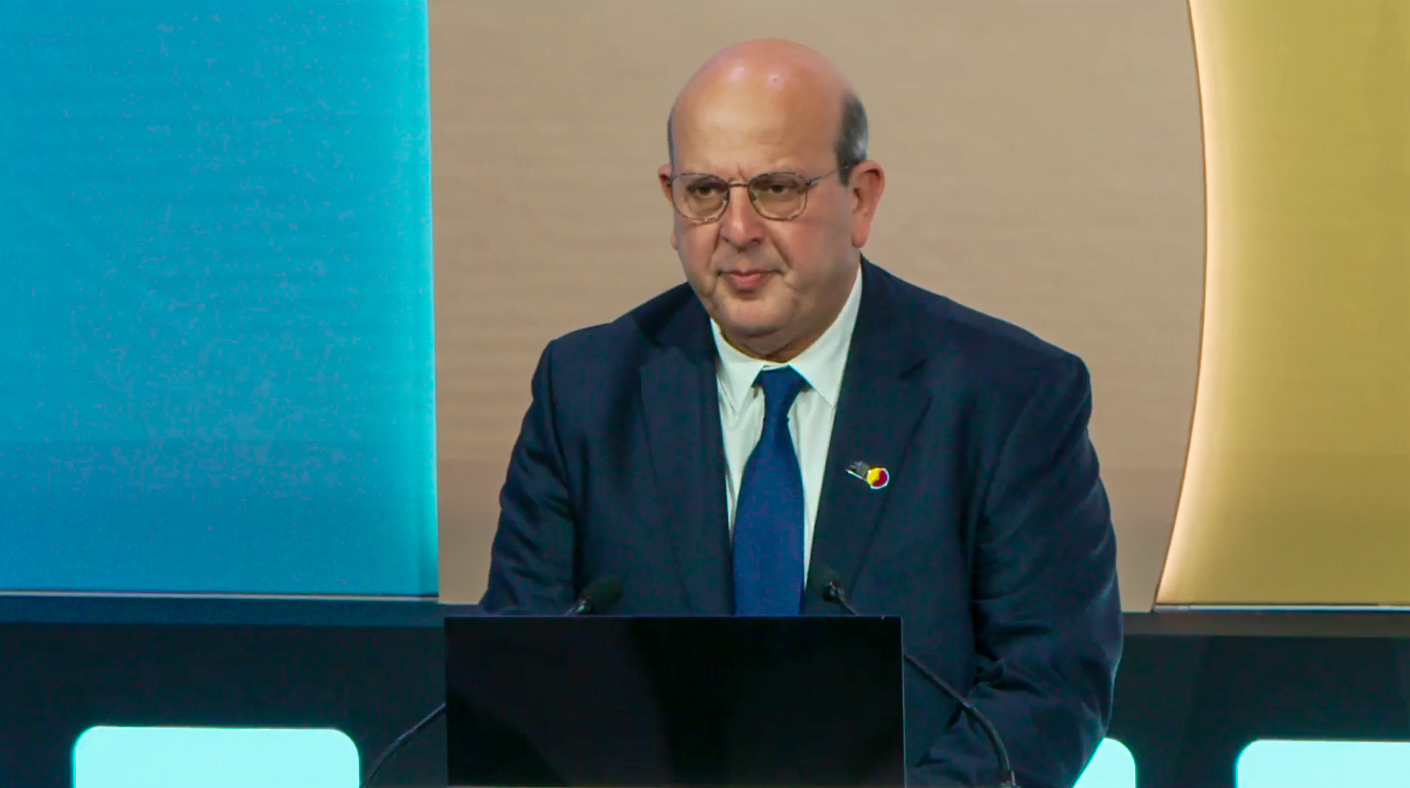
Abdeljabbar Er-Rachidi, Secretary of State to the Minister of Solidarity, Social Inclusion and Family, Morocco
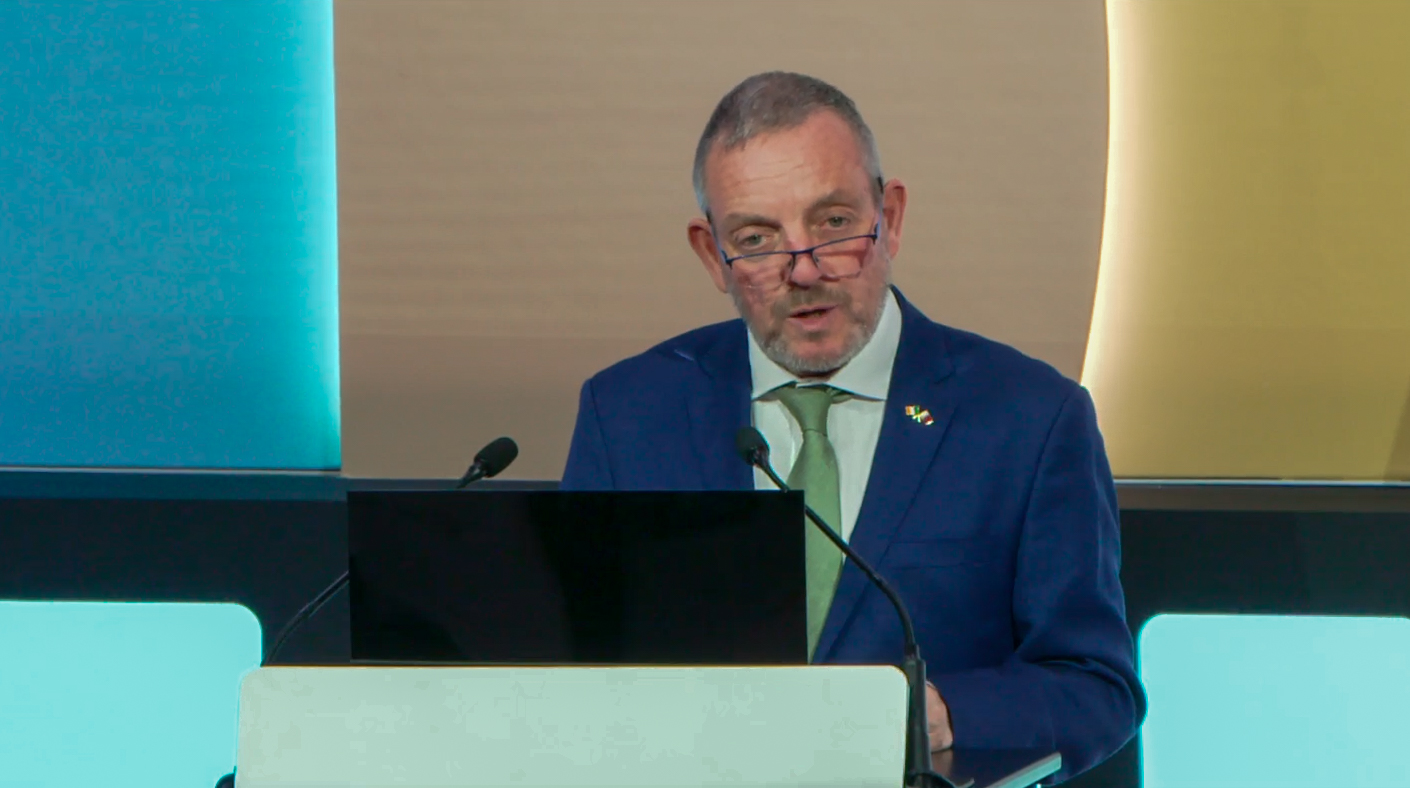
Jerry Buttimer, Minister of State at the Department of Rural and Community Development and the Gaeltacht, Ireland
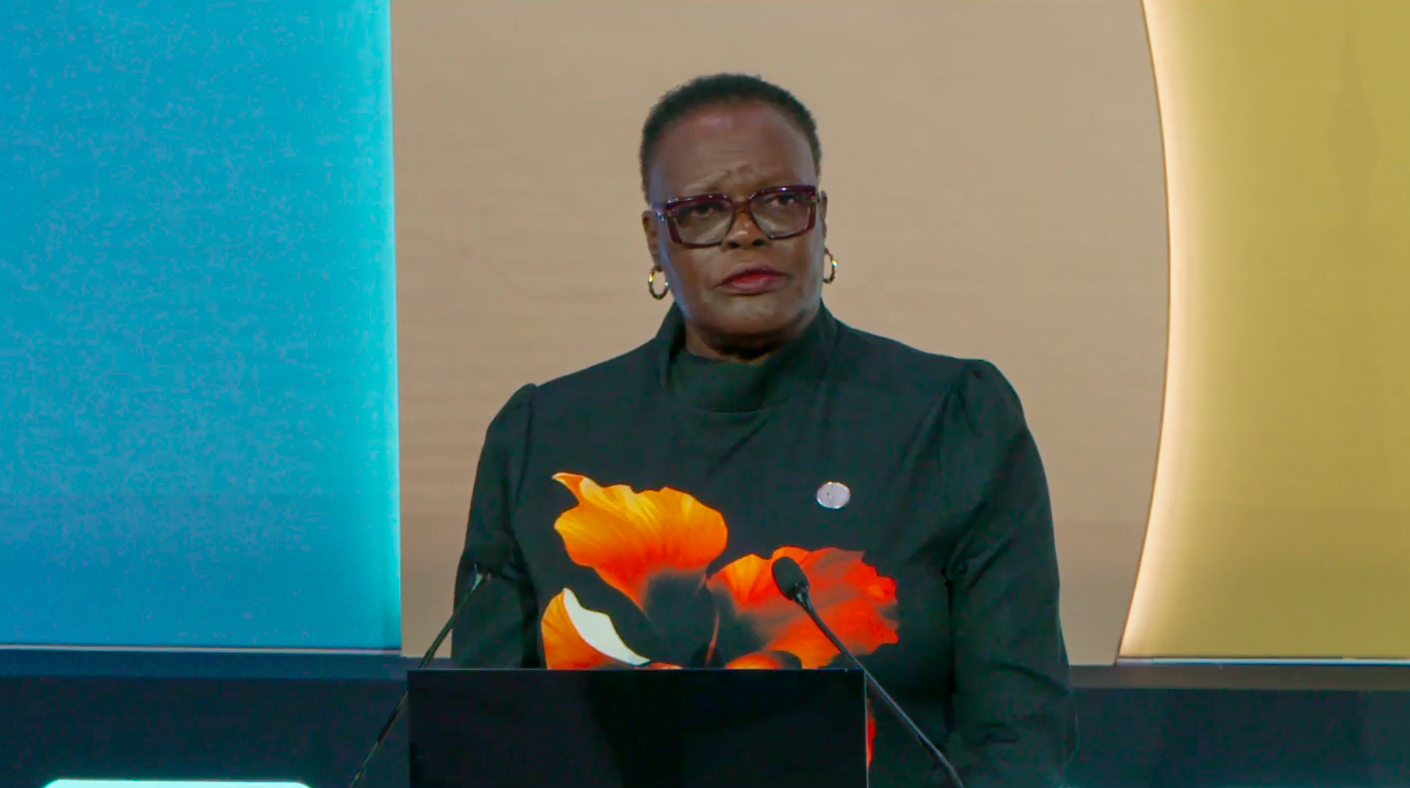
Gloria Ann Thomas, Minister for Social and Community Development, Housing, and Gender Affairs, Grenada
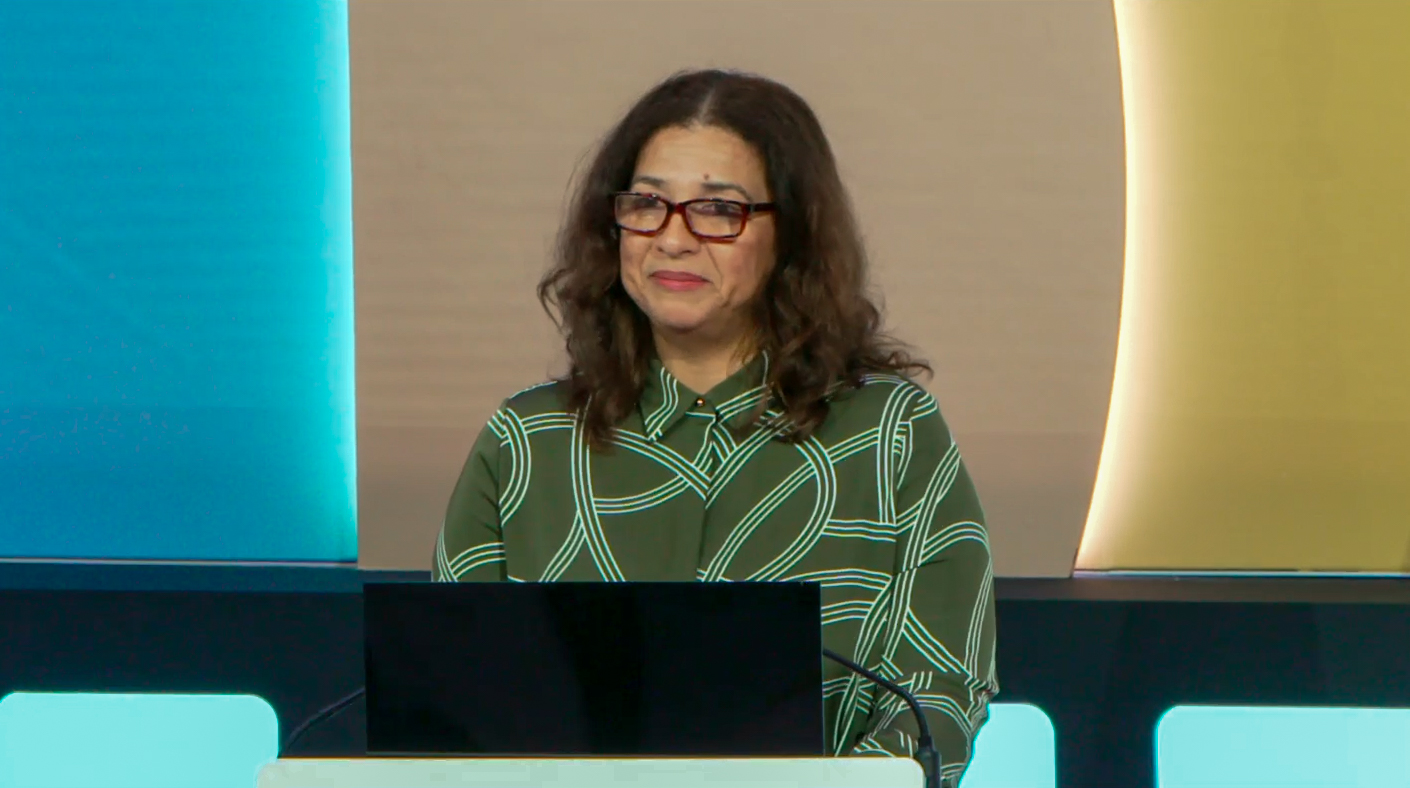
Lídia Lima, Secretary of State for Social Inclusion, Cape Verde
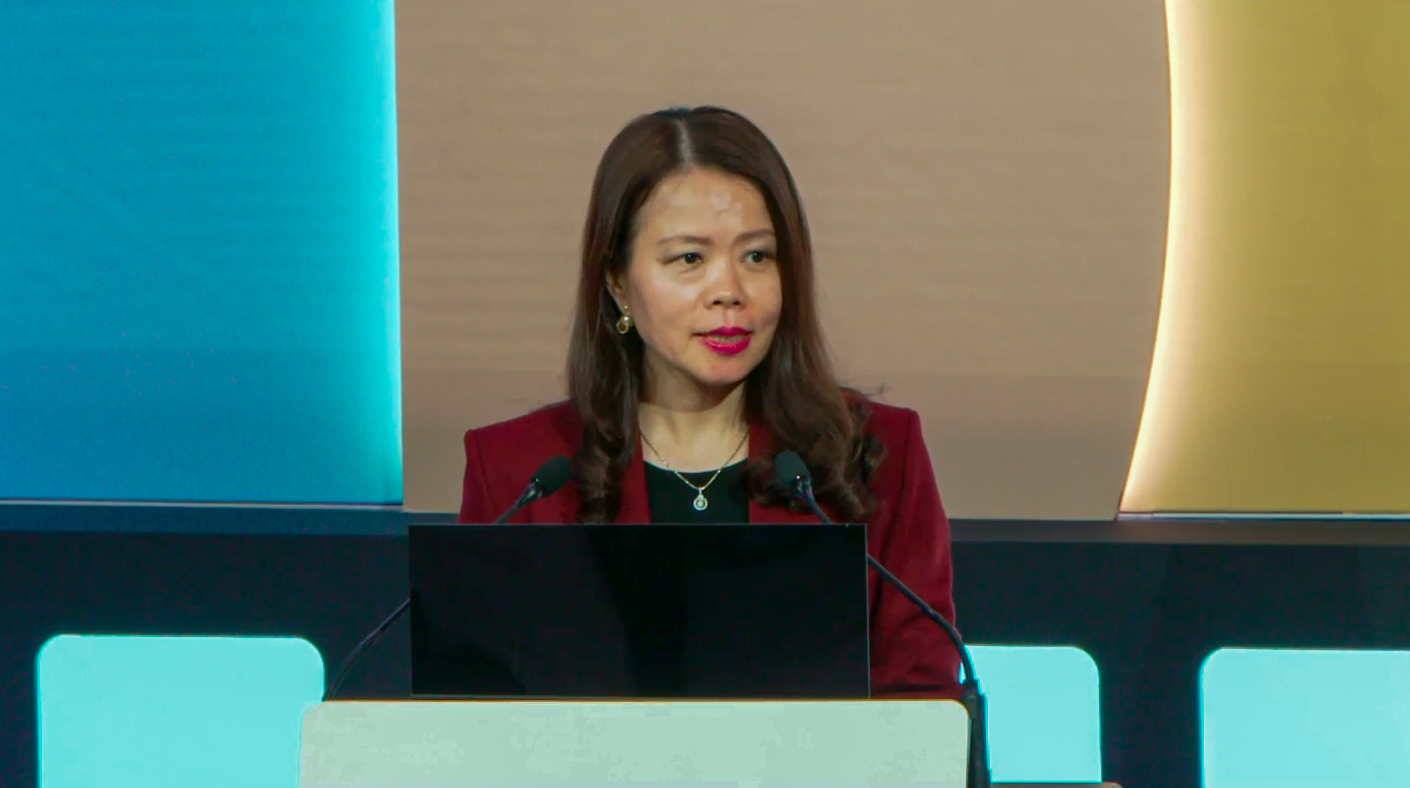
Nguyen Minh Hang, Deputy Minister of Foreign Affairs, Vietnam
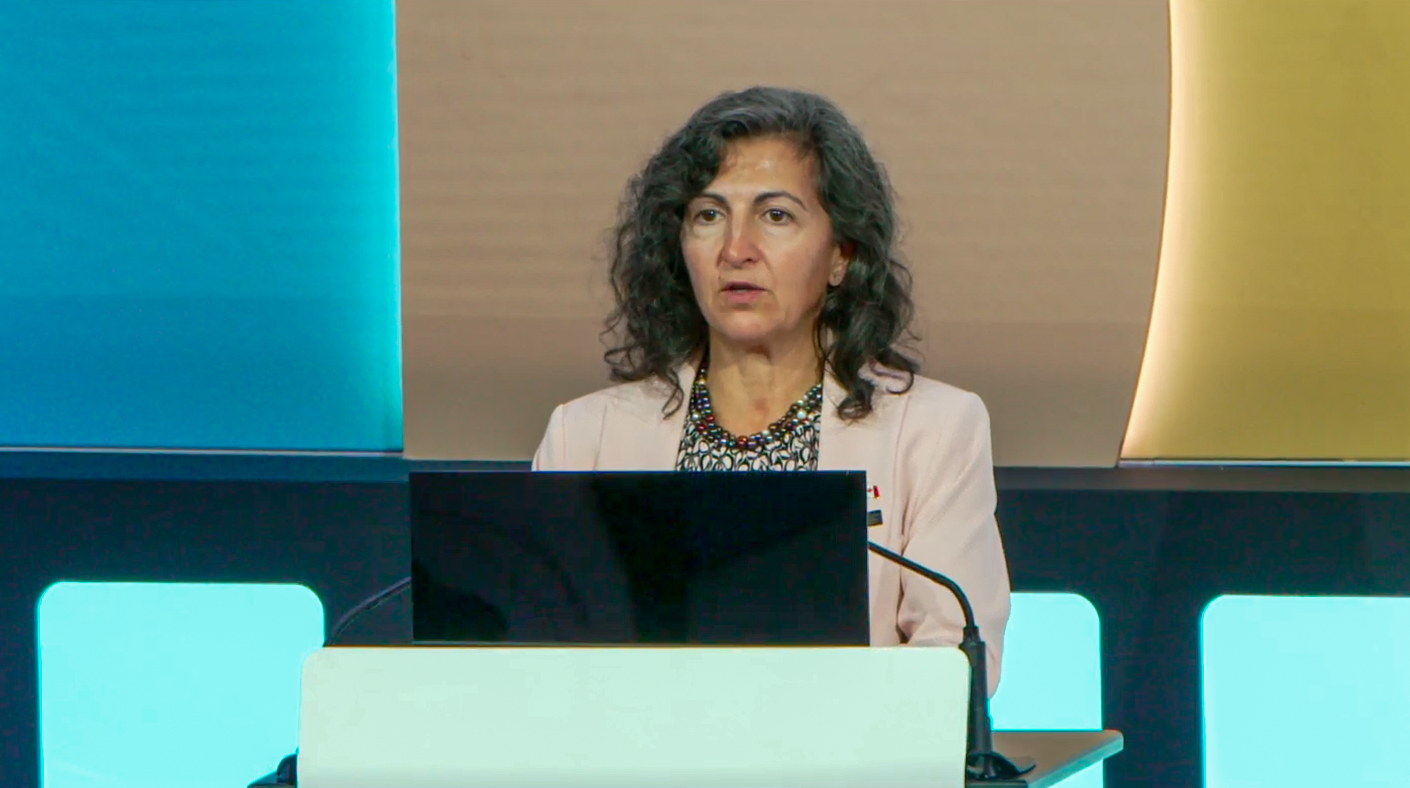
Sandra Hassan, Minister of Labour and Associate Deputy Minister of Employment and Social Development, Canada

Delegate of the South Asian Association for Regional Cooperation (SAARC)
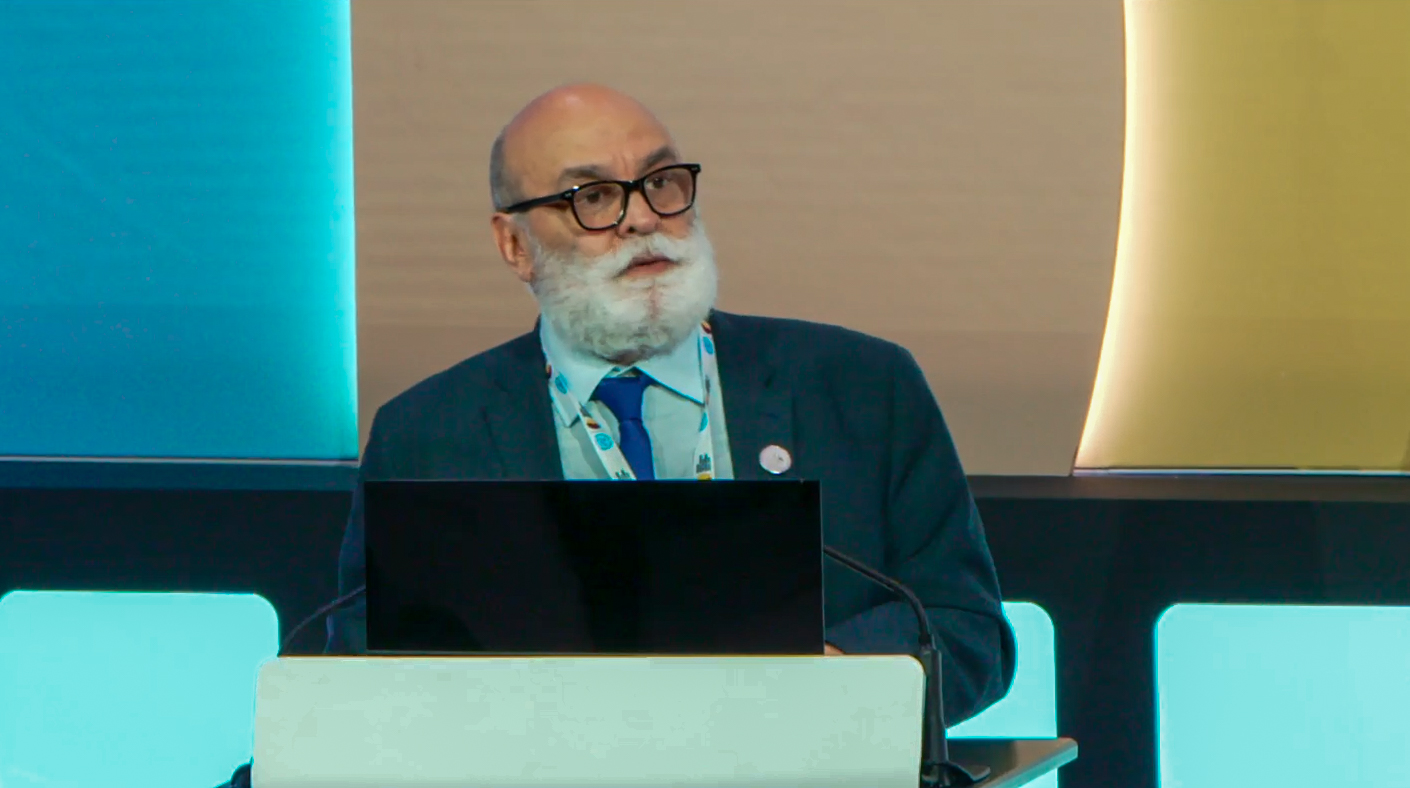
Rubén Darío Molina, Vice Minister for Multilateral Affairs, Venezuela
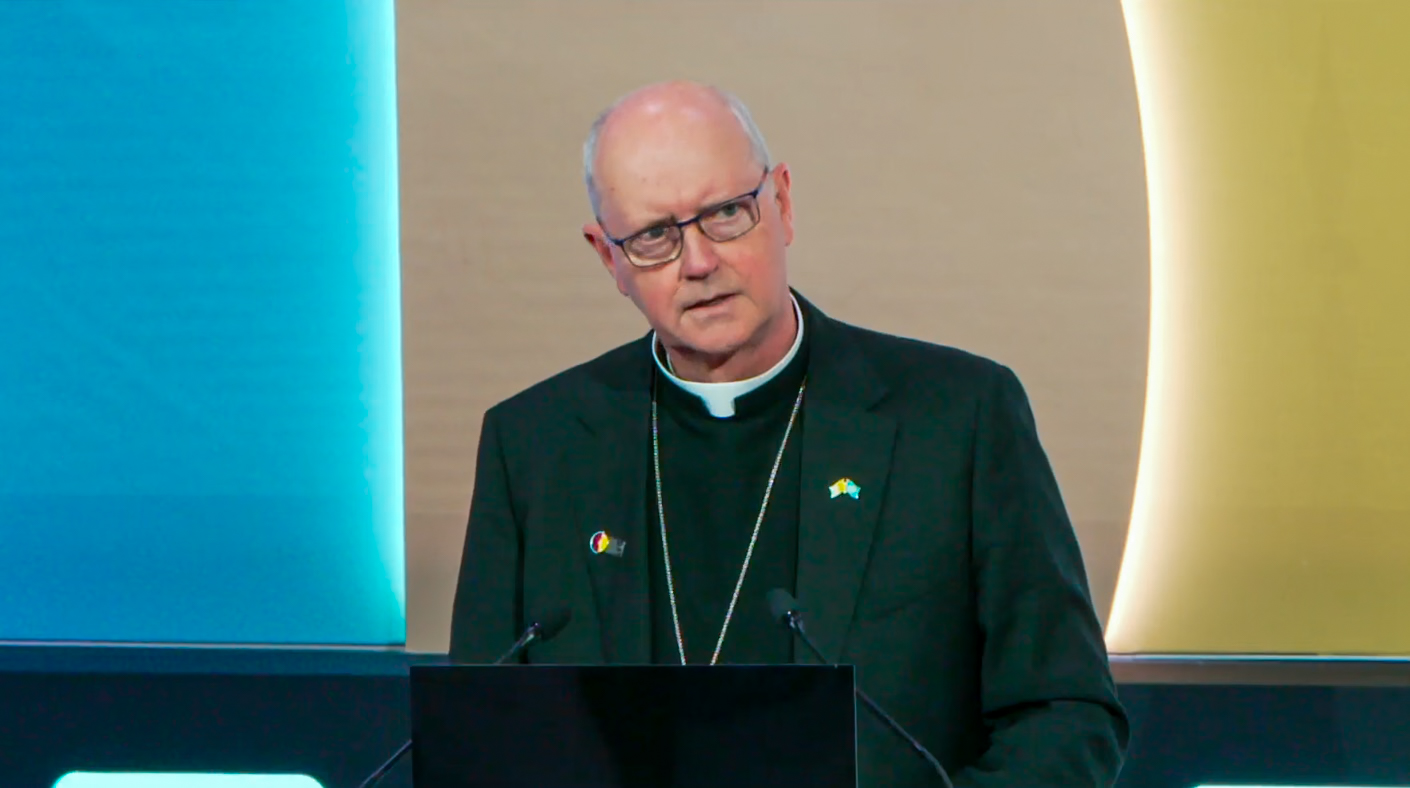
Delegate of the Holy See
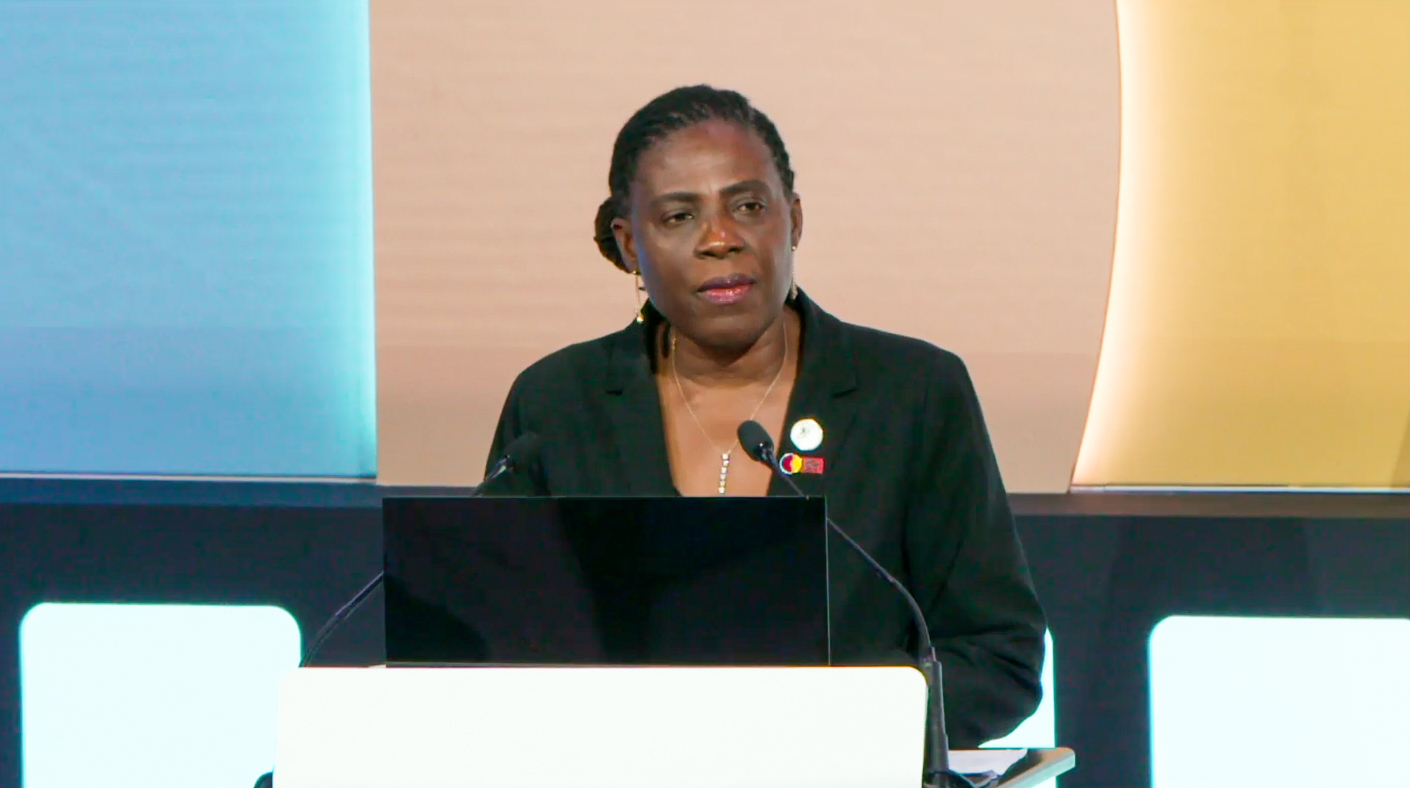
Delegate of the African Union
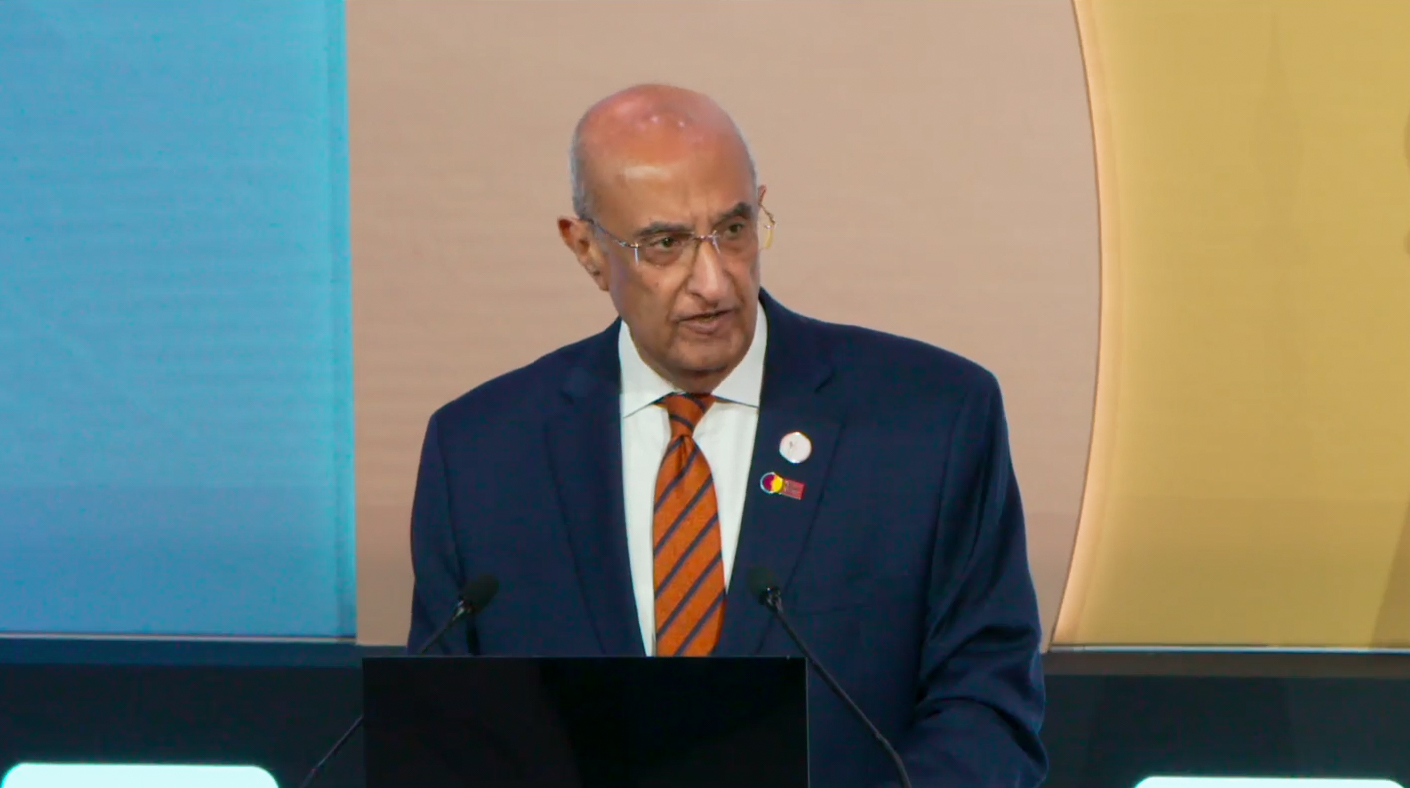
Delegate of the League of Arab States
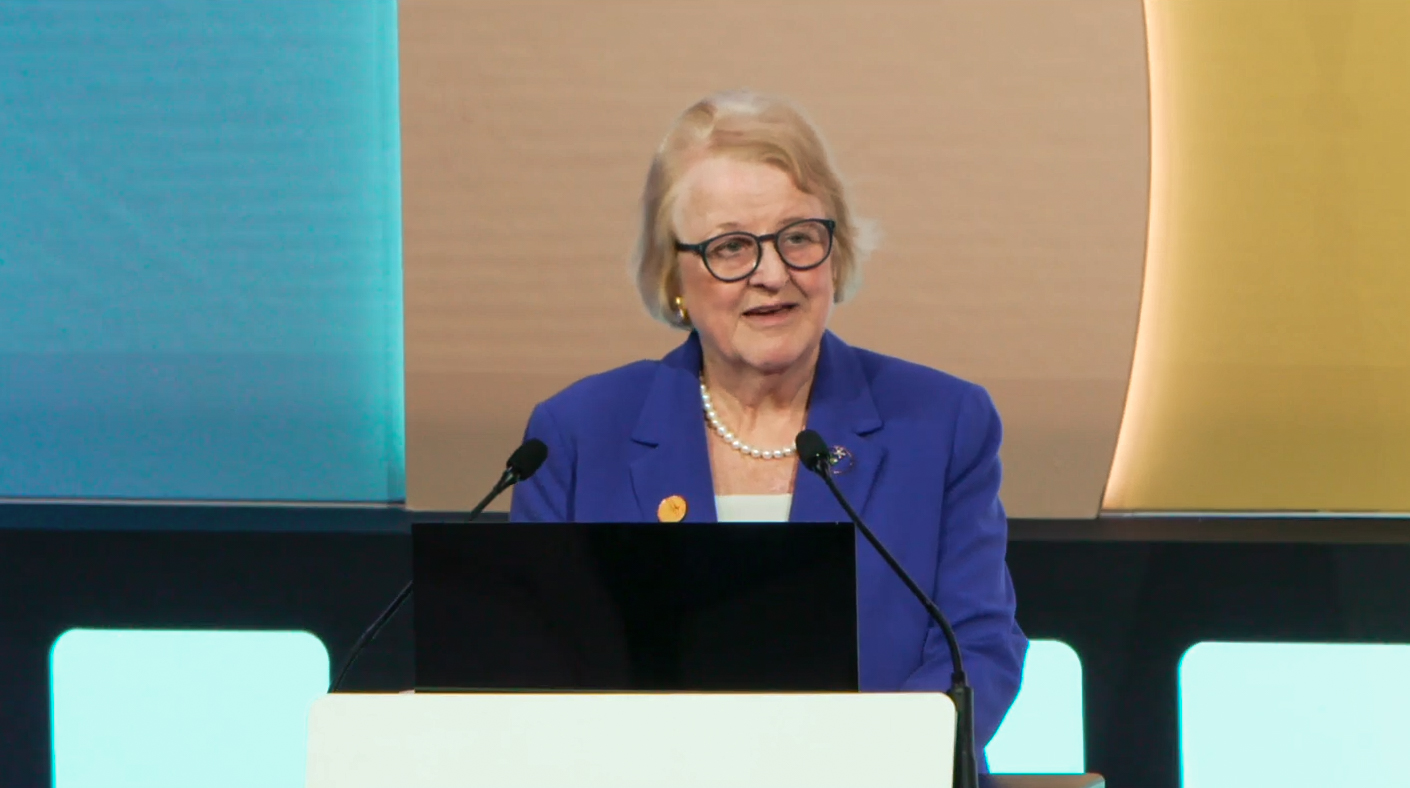
Delegate of the International Development Law Organisation (IDLO)
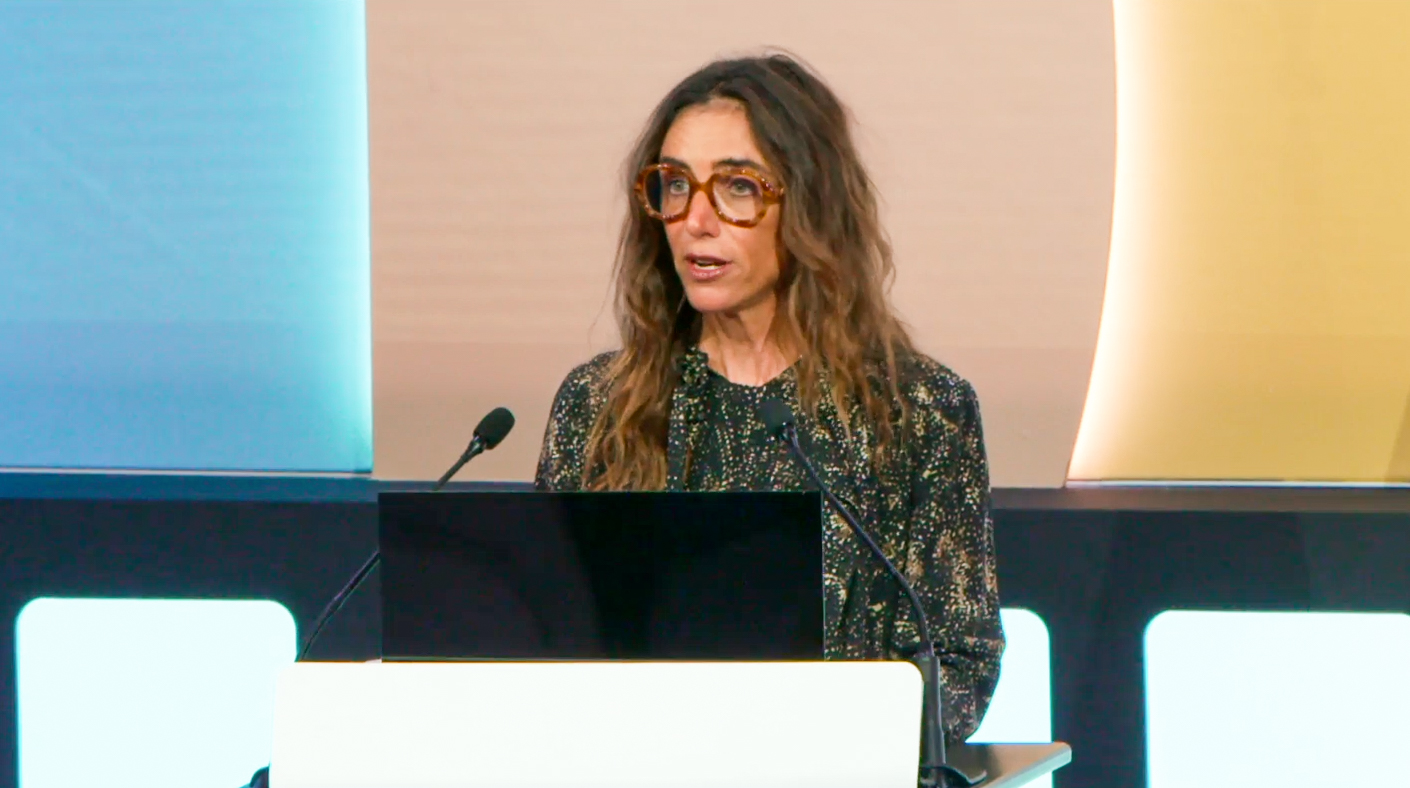
Delegate of the Organisation for Economic Co-operation and Development (OECD)
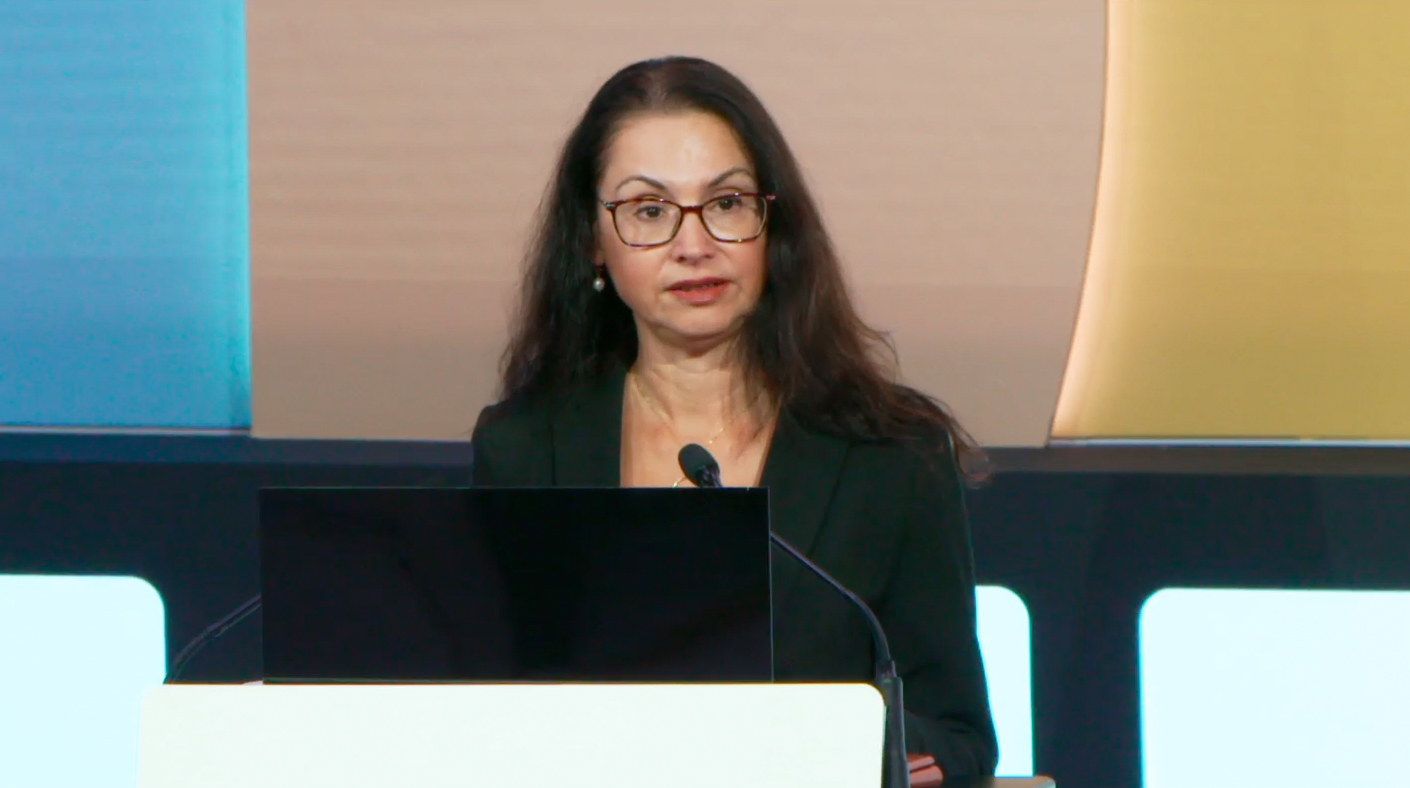
Delegate of the International Institute for Democracy and Electoral Assistance (IIDEA)
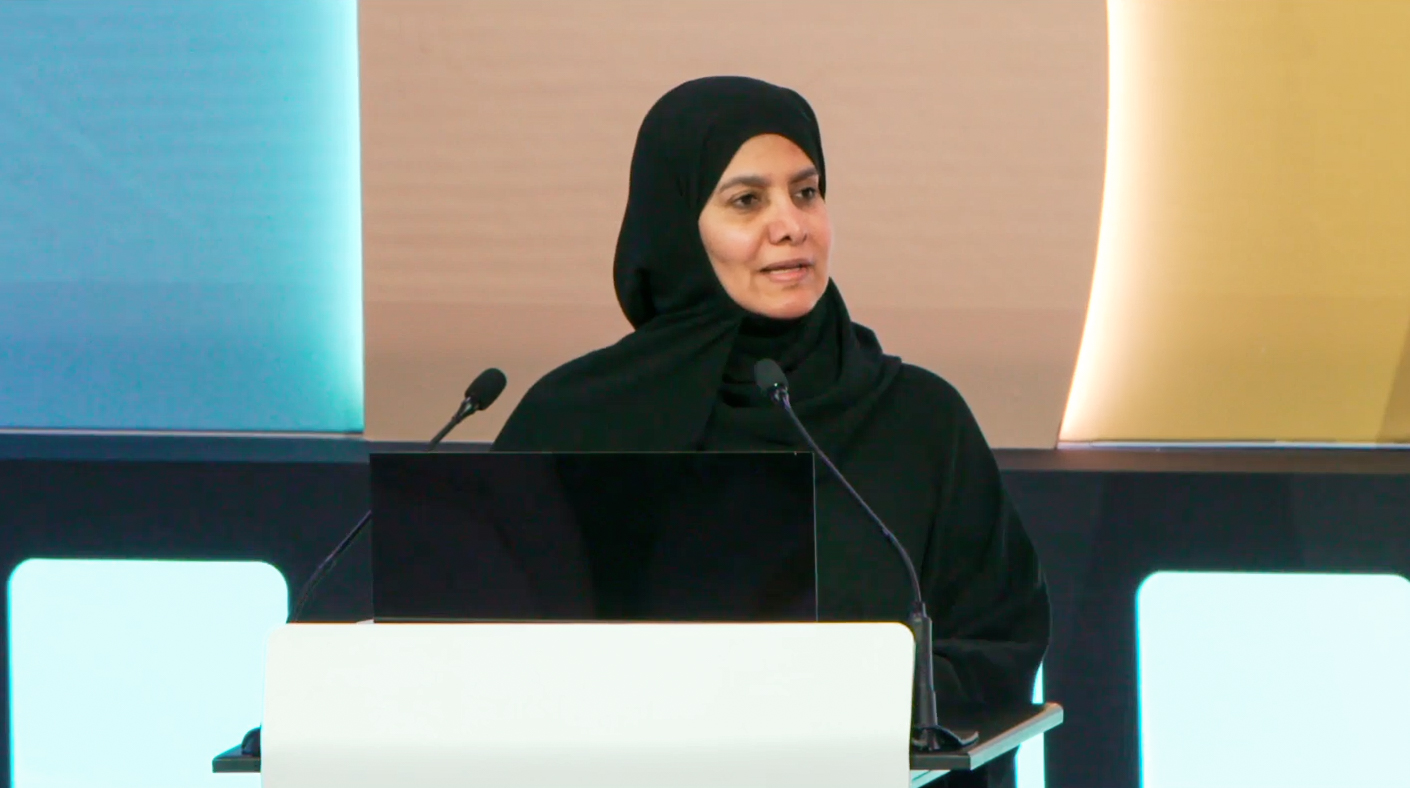
Delegate of the Inter-Parliamentary Union (IPU)
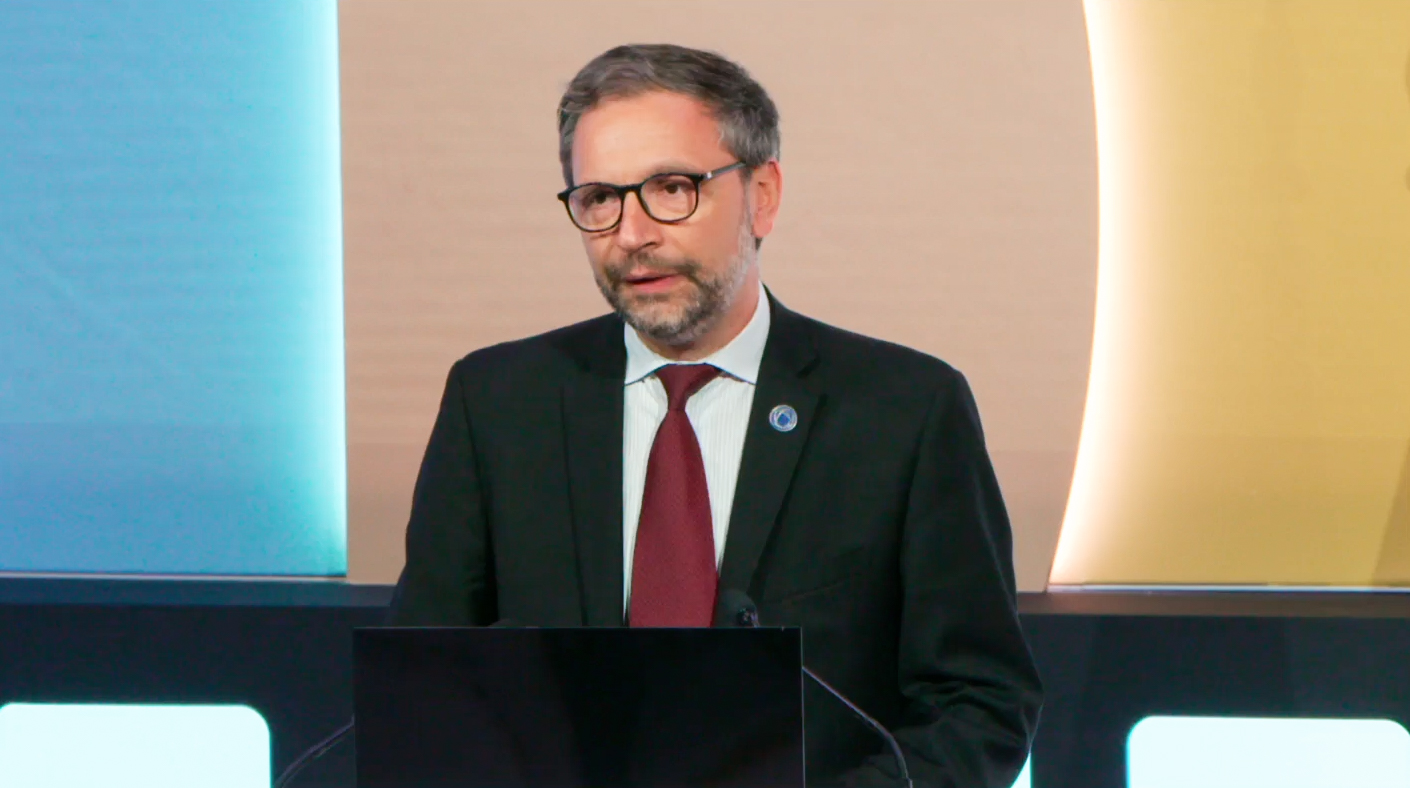
Delegate of the Digital Cooperation Organization (DCO)
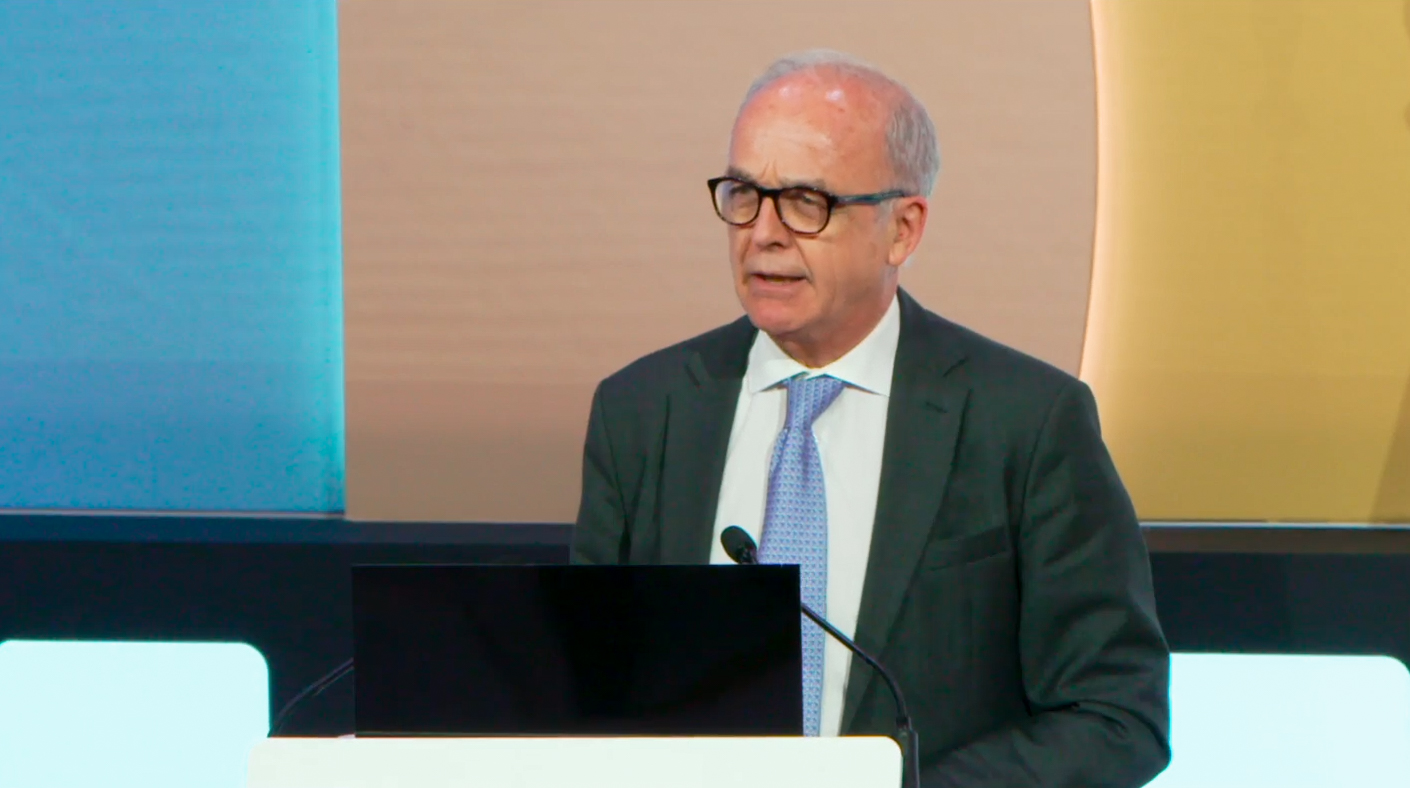
Delegate of the Ibero-American Conference
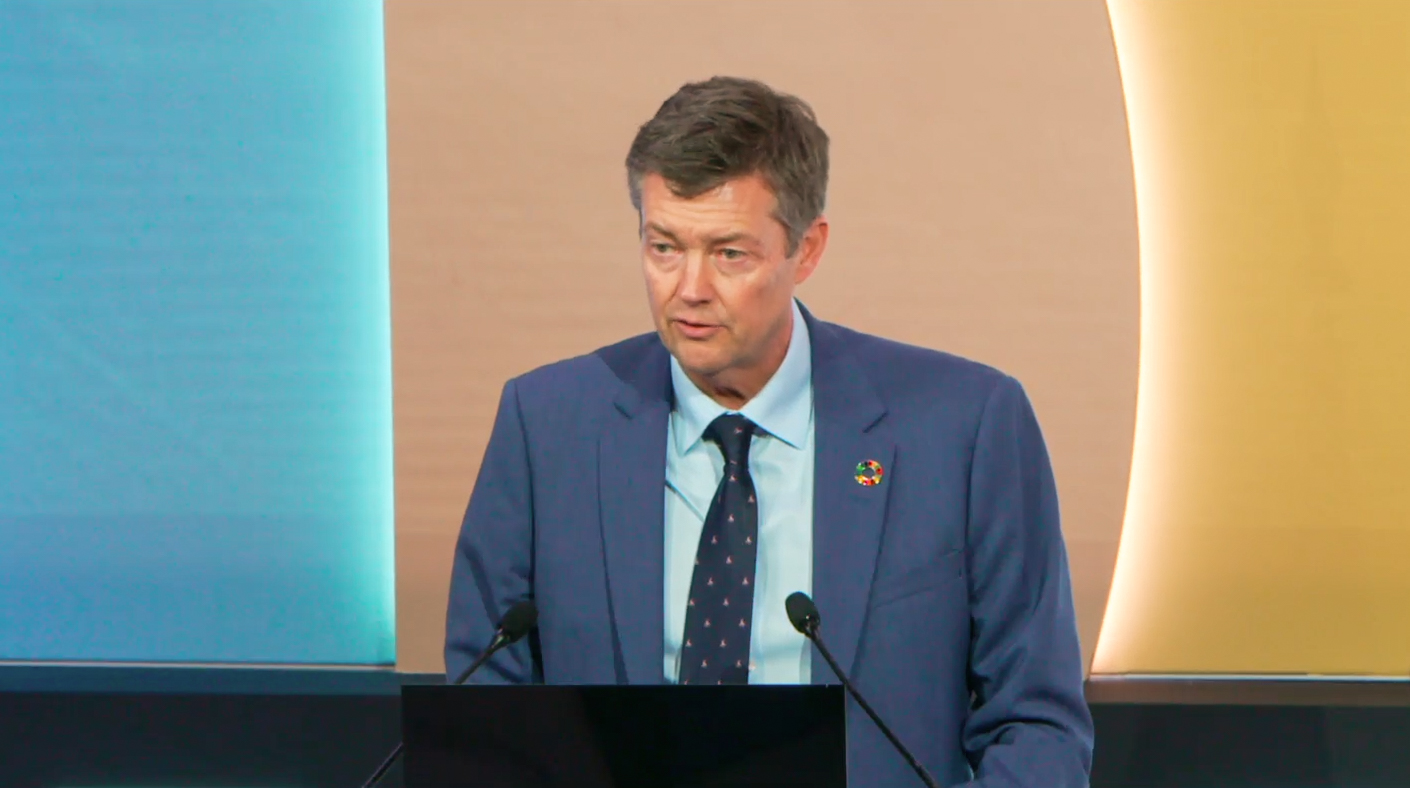
Delegate of the International Organisation for Migration (IOM)
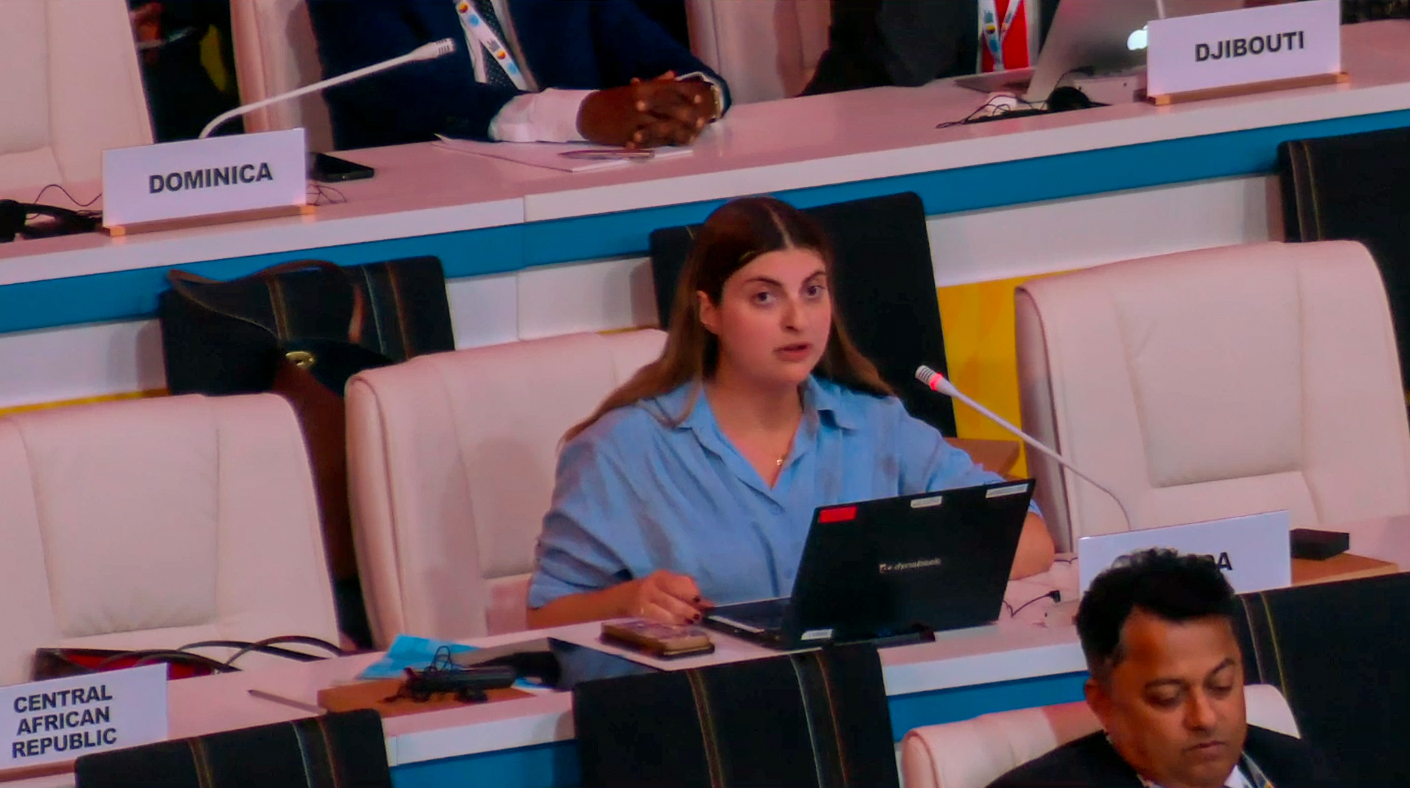
Delegate from Canada on behalf of Canada, Australia and New Zealand
Closing Segment
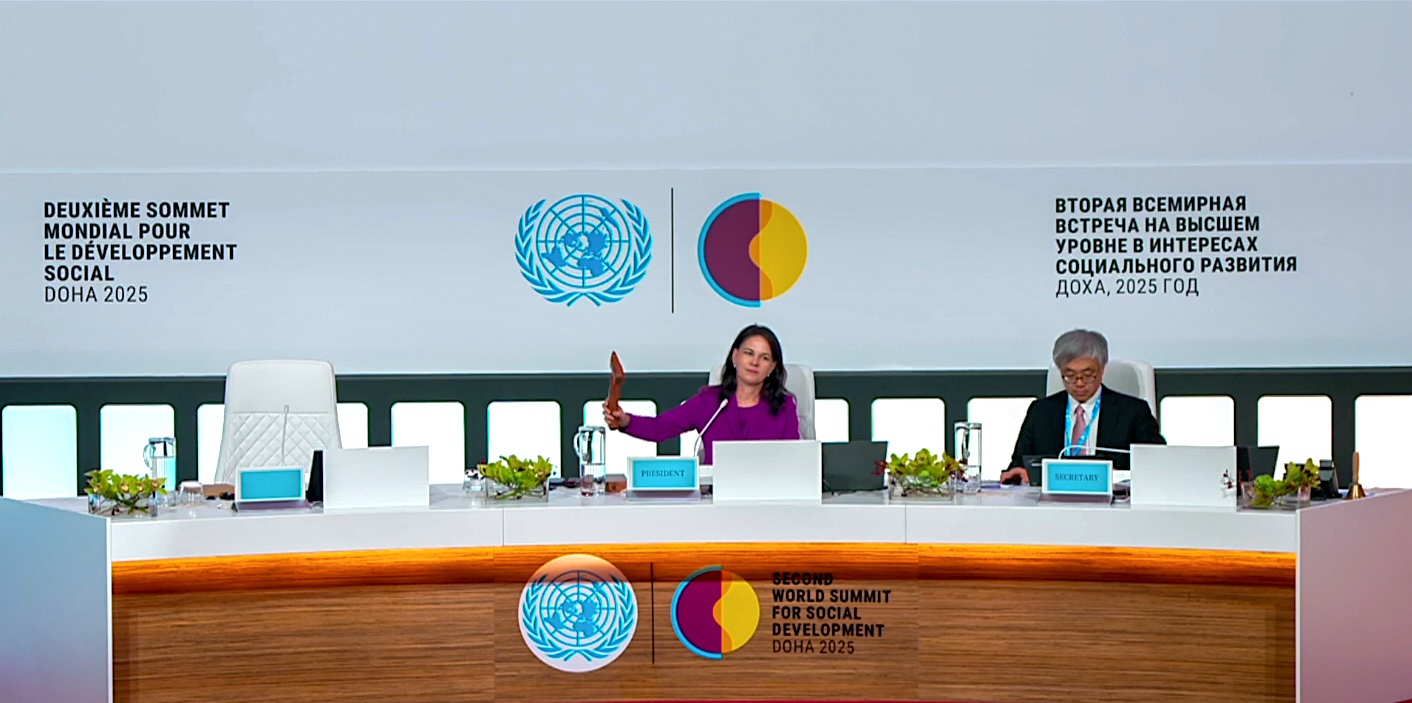
UNGA President Annalena Baerbock gavels the Second World Summit for Social Development to a close
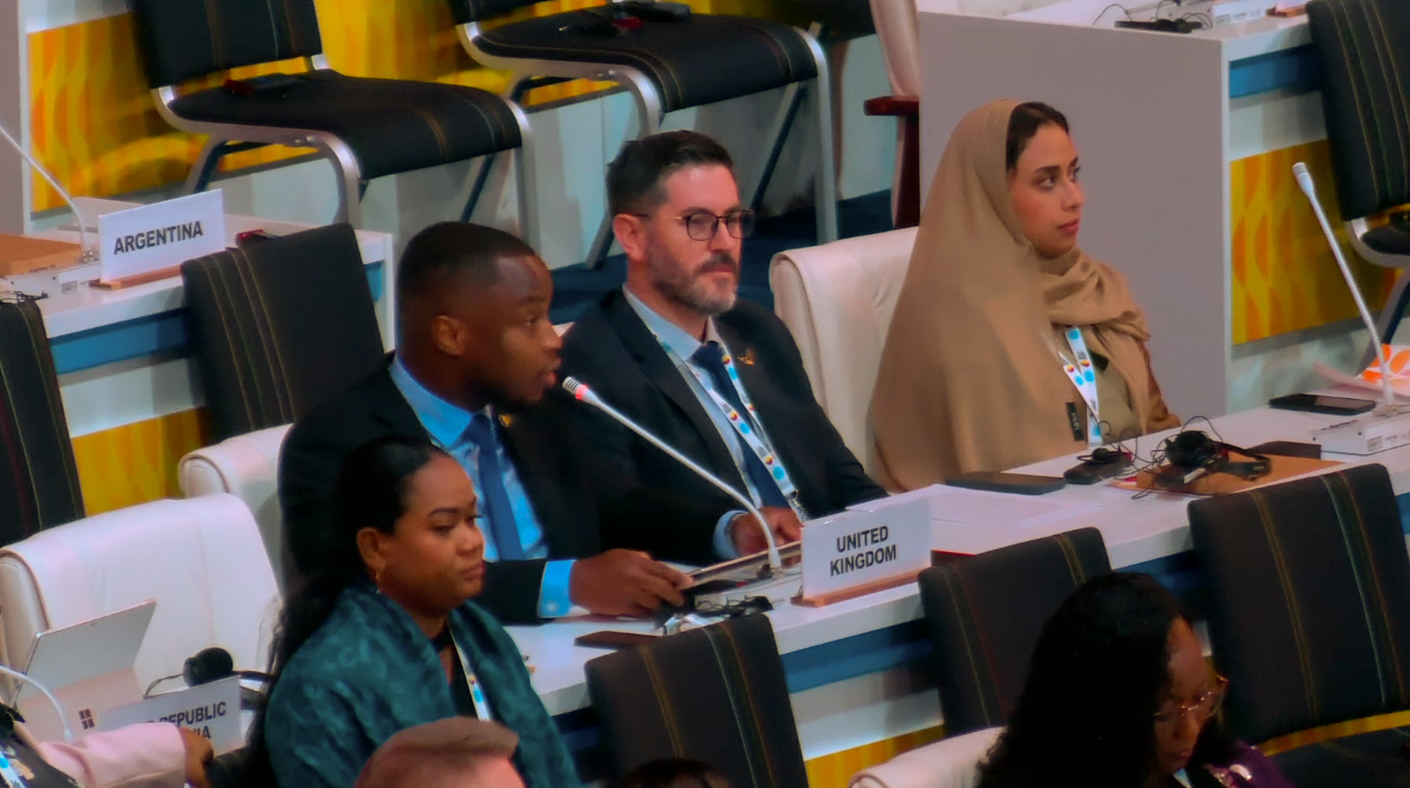
Delegate of the United Kingdom
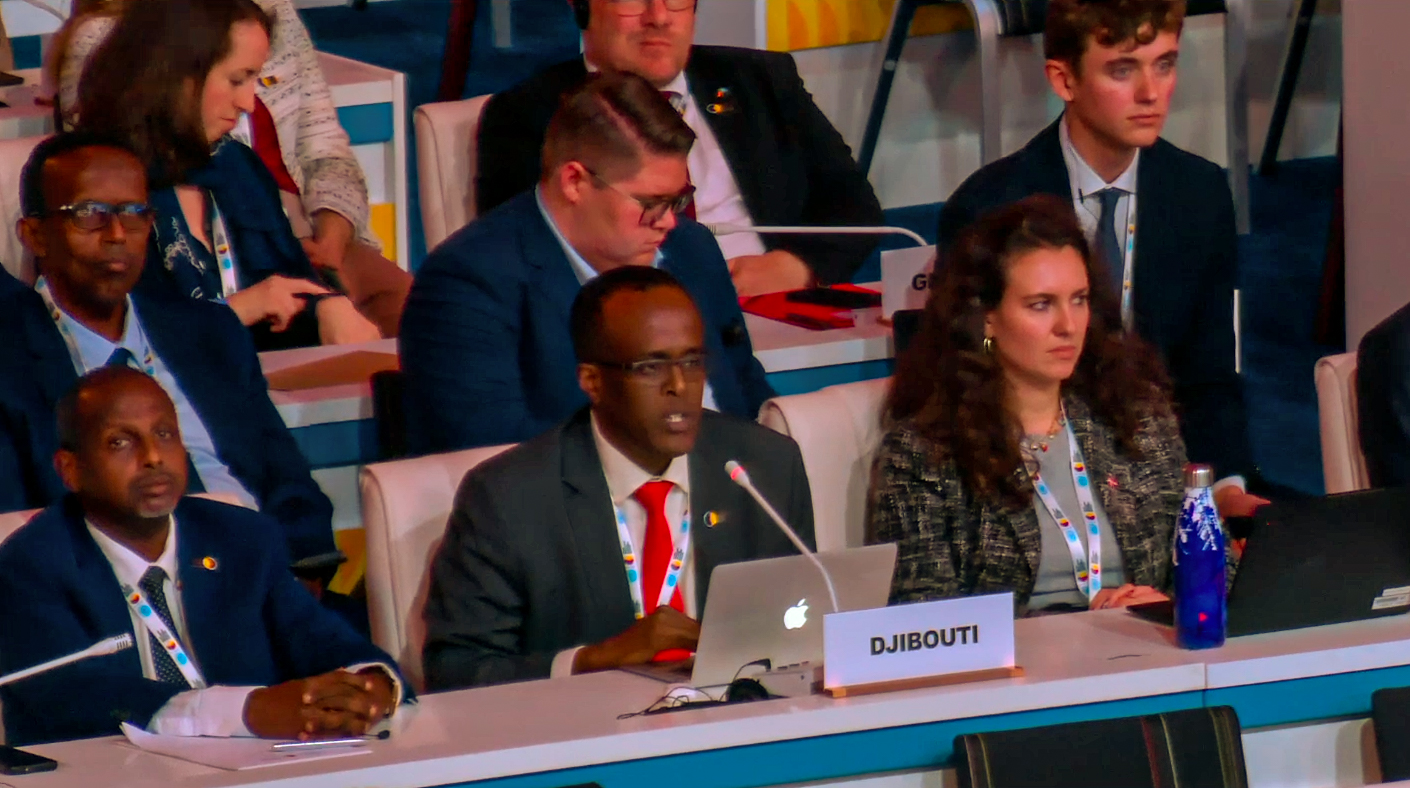
Delegate of Djibouti
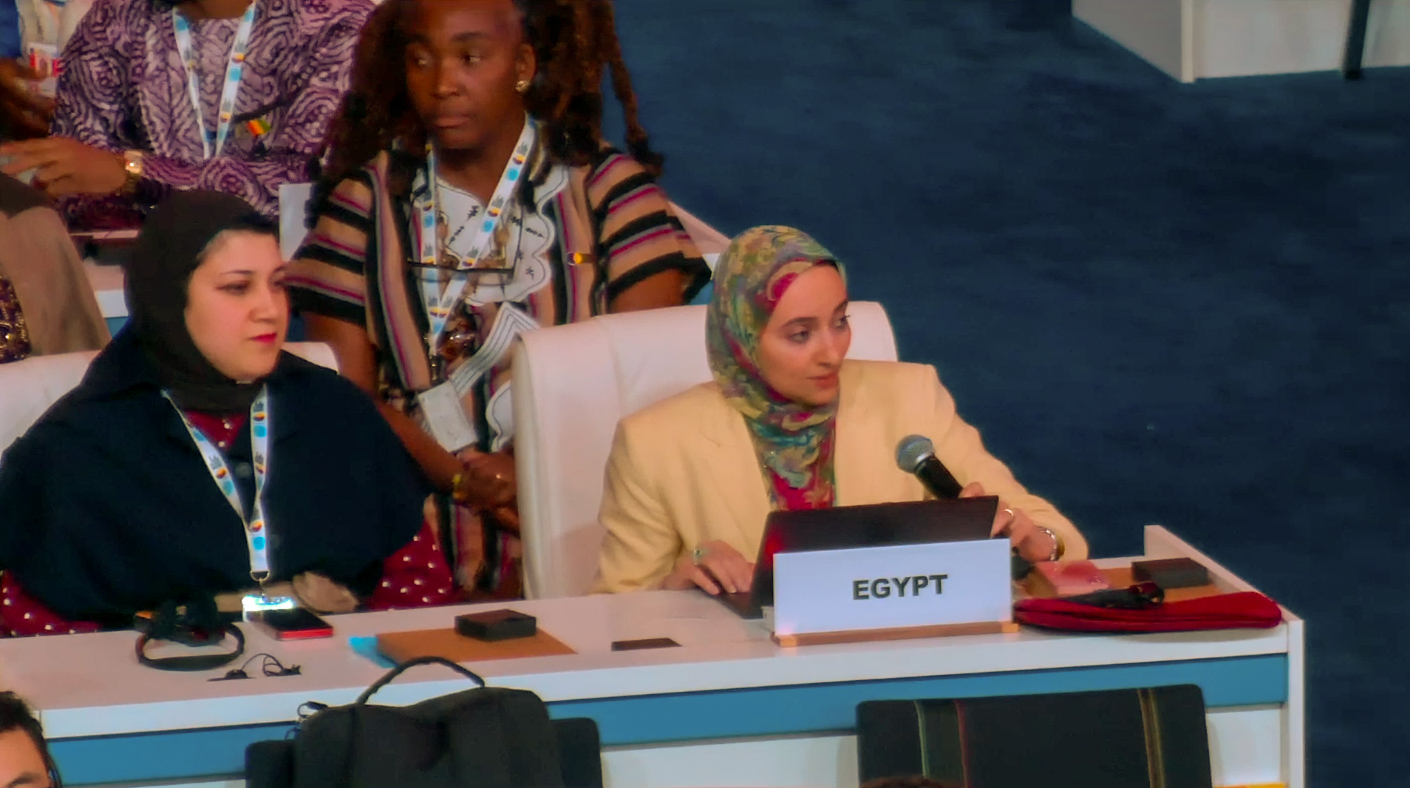
Delegate of Egypt
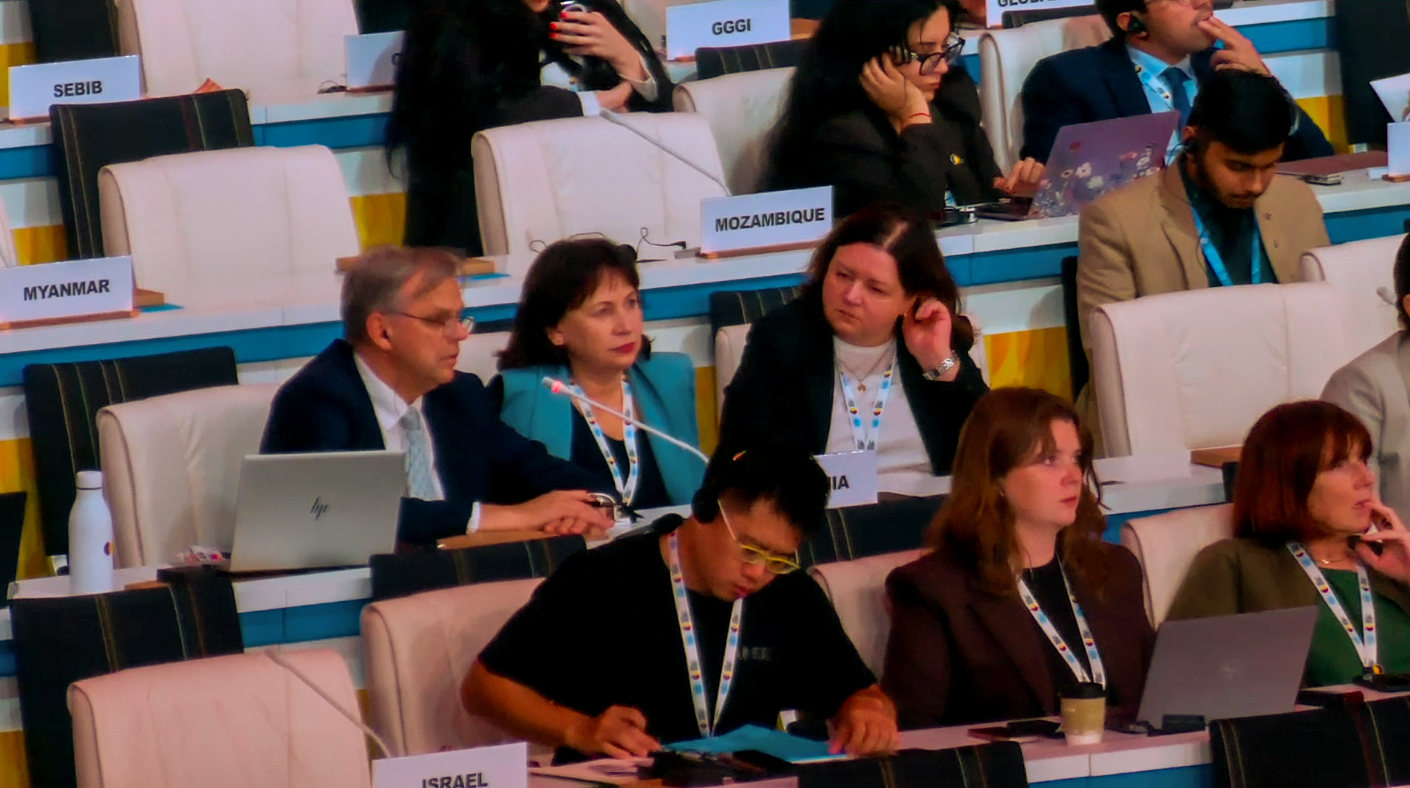
Delegate of Lithuania
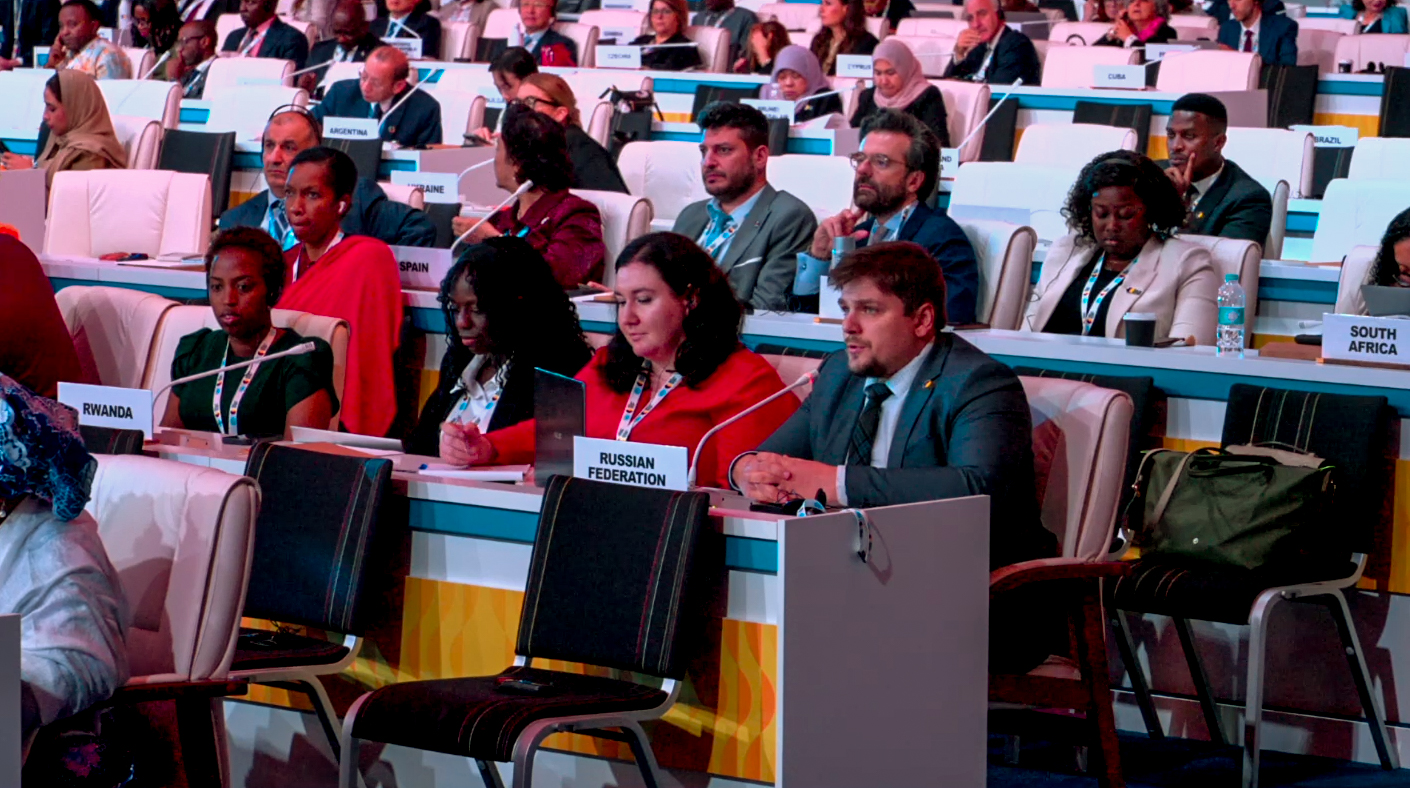
Delegate of the Russian Federation
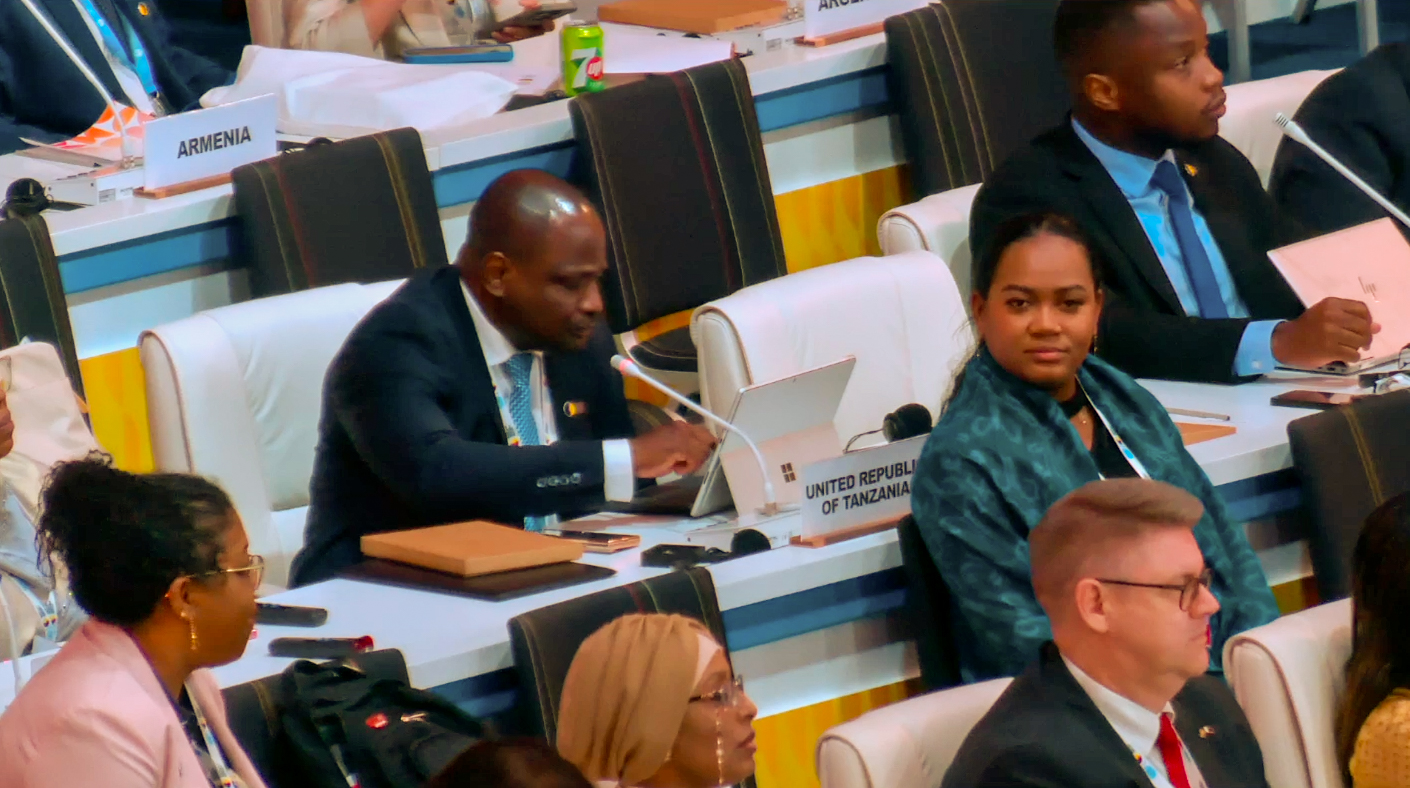
Delegate of Tanzania
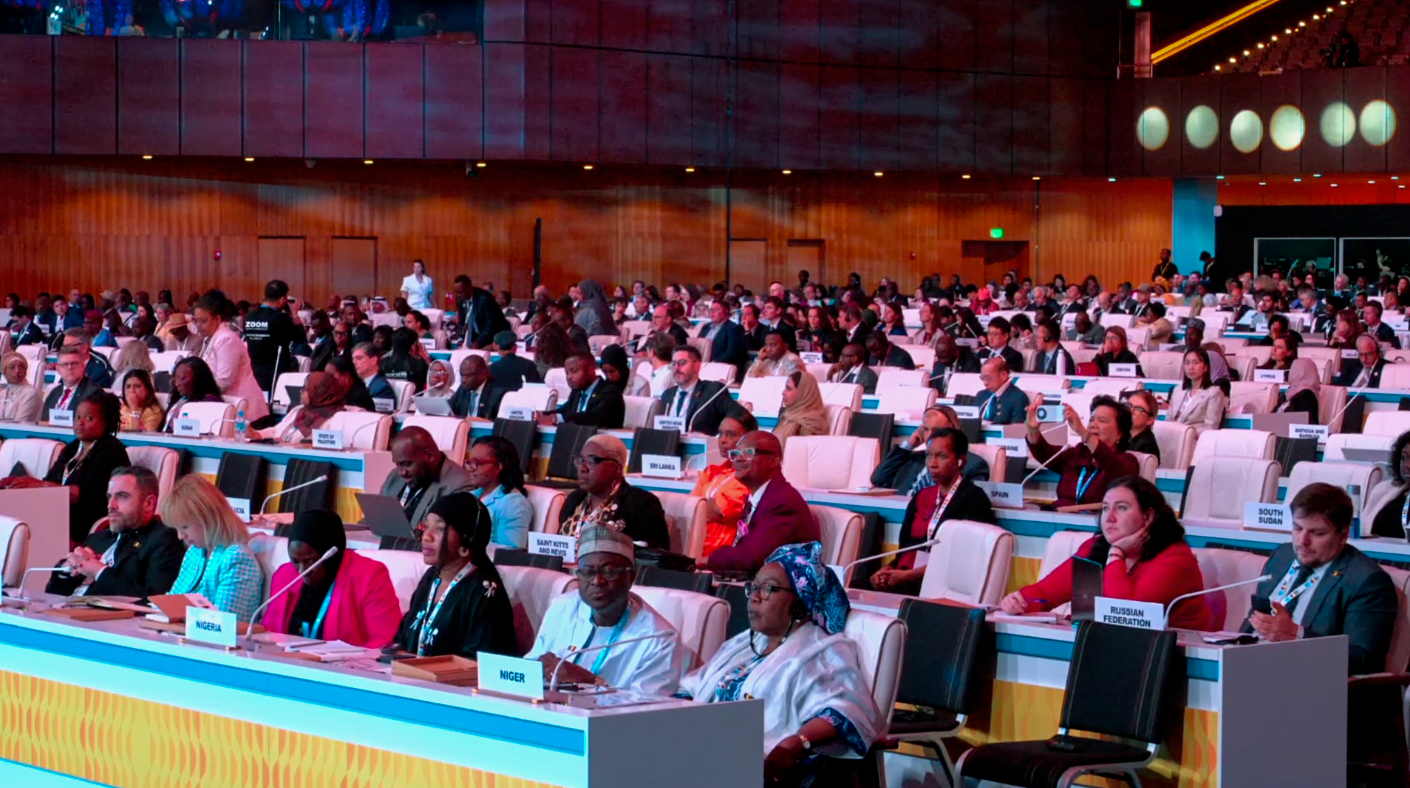
Selected Images