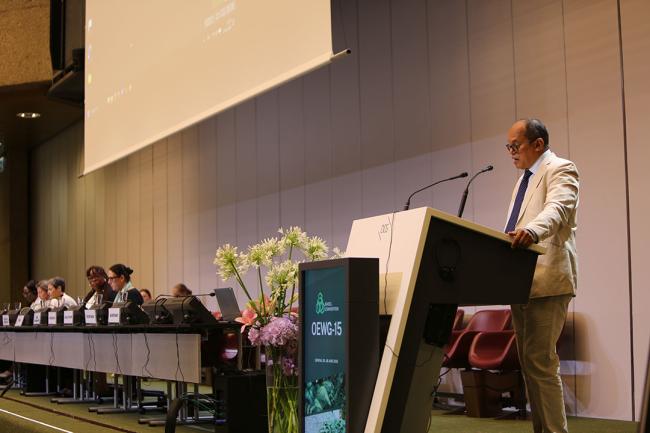
“Our work is critical to the implementation of the Basel Convention.”
In her opening remarks, the Chair of the 15th meeting of the Convention’s Open-ended Working Group (OEWG-15), Nneka Nicholas (Antigua and Barbuda), reminded delegates of their essential task: to do the work that ensures that the Convention remains effective in the face of challenges arising from changes in international waste trade, technology, and improved understanding about hazardous components in various waste streams.
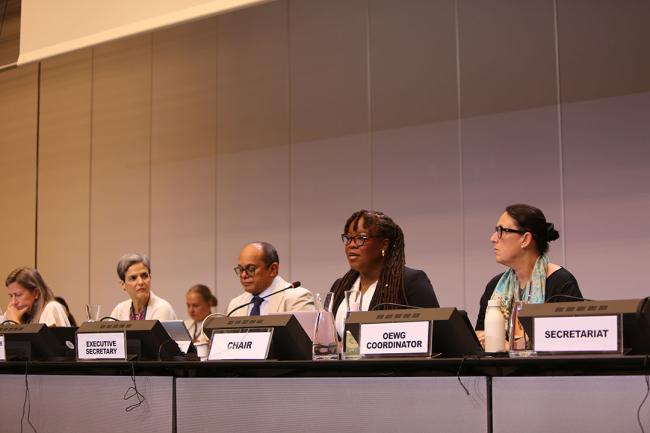
OEWG-15 is the only time all parties meet face-to-face before the next meeting of the Conference of the Parties (COP 18) in April 2027. As such, the agenda for the four-day meeting is packed as delegates address numerous issues affecting how the Convention is interpreted, implemented and enforced, all of which will be forwarded to COP 18.
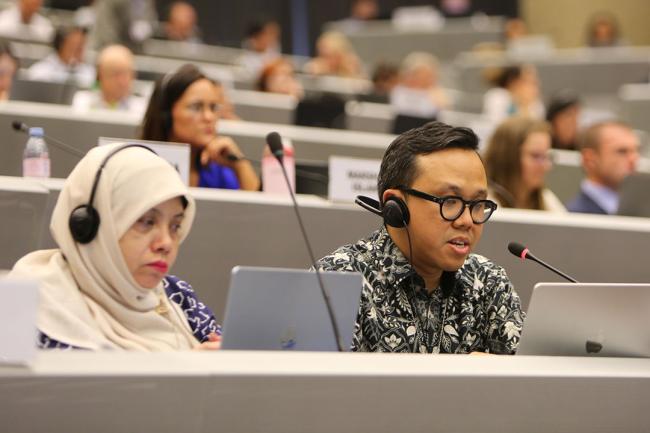
In opening statements, the African Group, Asia Pacific, and the Latin American and Caribbean Group (GRULAC) emphasized the continuing need for strengthening technical assistance and capacity-building and supporting regional work and cooperation among neighboring countries in the Convention’s implementation. GRULAC, Asia-Pacific, and the European Union underscored the importance of improving the Convention’s prior informed consent (PIC) procedure. All regional groups stressed the importance of the many draft revised technical guidelines under review at OEWG-15, and of the need for the Convention to consider options for addressing the growing trade in used textiles and textile waste.
On technical guidelines, delegates acknowledged the need to update several guidelines on wastes consisting of, containing, or contaminated with persistent organic pollutants (“POPs wastes”) to reflect changes in the Stockholm Convention on POPs, but thought the work on them by an intersessional working group needed further tweaking. Delegates agreed to refer work on POPs, including general technical guidelines on POPs, four technical guidelines on specific POPs wastes, and a draft template for the submission of information on new technologies for the destruction and irreversible transformation of the POPs content in waste, to a Technical Matters Contact Group co-chaired by Katie Olley (UK) and Nana Zhao (China).
Delegates also looked at work undertaken on technical guidelines for:
- waste lead-acid batteries;
- other types of waste batteries;
- used and waste pneumatic tyres; and
- wastes consisting of, containing, or contaminated with mercury.
In each case, delegates decided to refer them to the Technical Matters Contact Group for more detailed discussions.
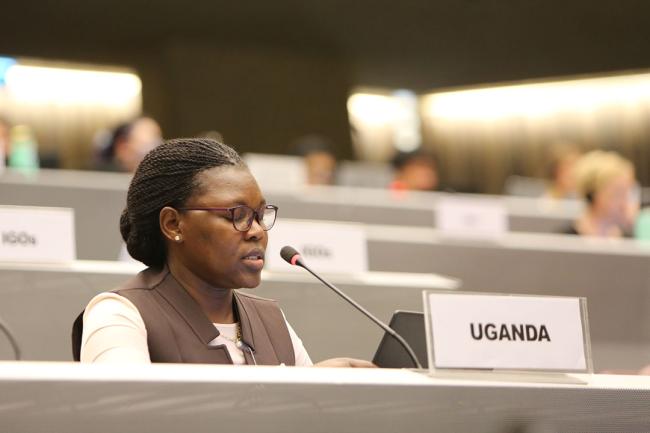
On strategic matters, delegates considered a draft report prepared by an intersessional working group on further options for improving the functioning of the Convention’s PIC procedure. They formed a Strategic Matters Contact Group, co-chaired by Vivienne Ahern (Ireland) and Miriam Medel Garcia (Mexico), to further develop the options.
A Legal Matters Contact Group, co-chaired by Artak Khachatryan (Armenia) and Perine Kasonde (Zambia), will discuss: proposals for revisions to Convention annexes on issues regarding waste categories to be controlled (Annex I) and criteria for identifying hazardous characteristics (Annex III); consequential implications of the amendments to Annex IV (disposal operations); and explanations, technical guidelines or guidance in relation to the disposal operations specified in Annex IV. As pointed out by many delegations in plenary, the changes to these annexes imply substantial amendments to national hazardous waste management laws and regulations, many, if not most, of which copy the Convention annexes verbatim.
The two contact groups on Technical Matters and Legal Matters began their deliberations in the late afternoon and continued late into the evening, with the former focused on POPs wastes and the latter focused on proposed changes to Annexes I and III.
Around the Venue
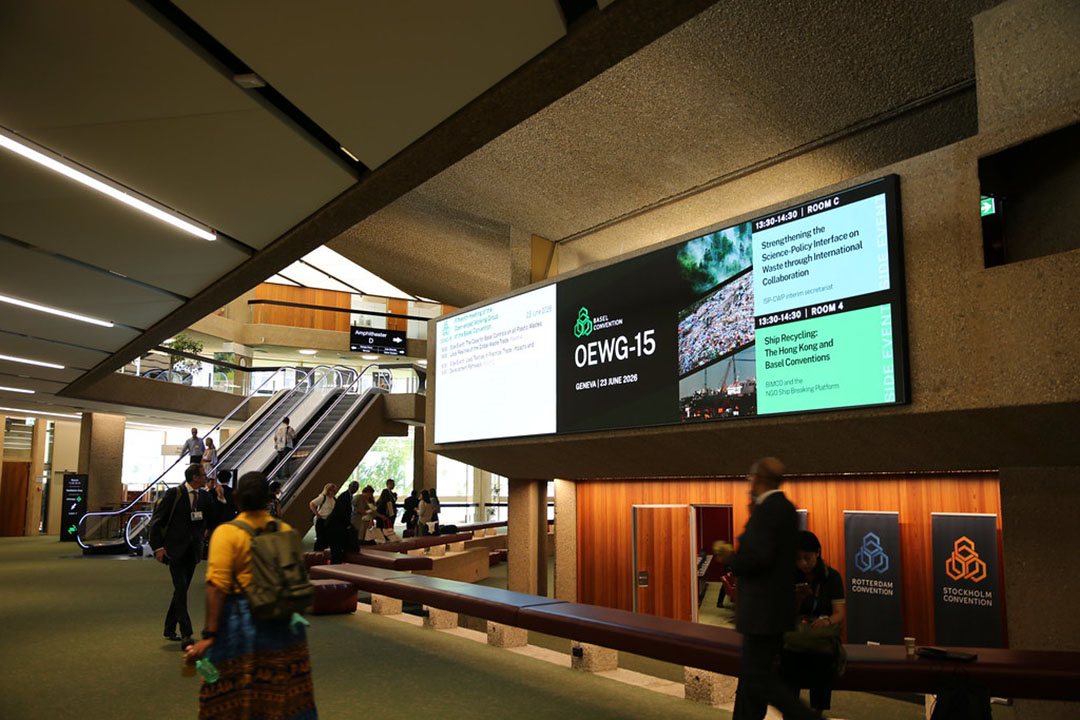
Photo courtesy of BRS Secretariat
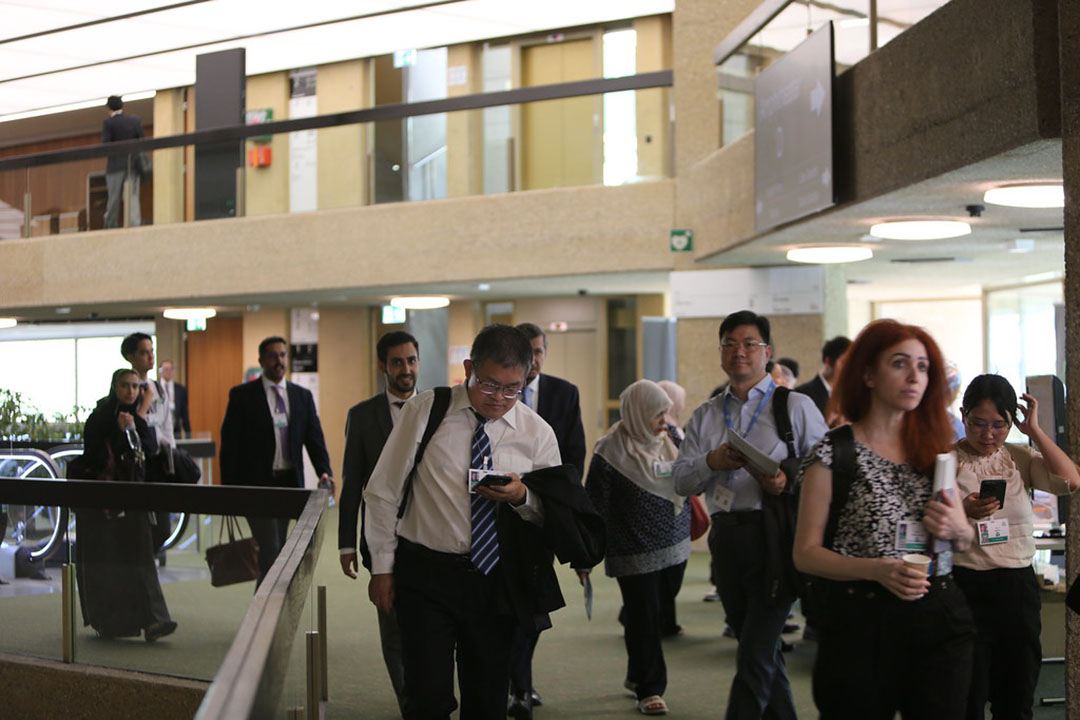
Photo courtesy of BRS Secretariat
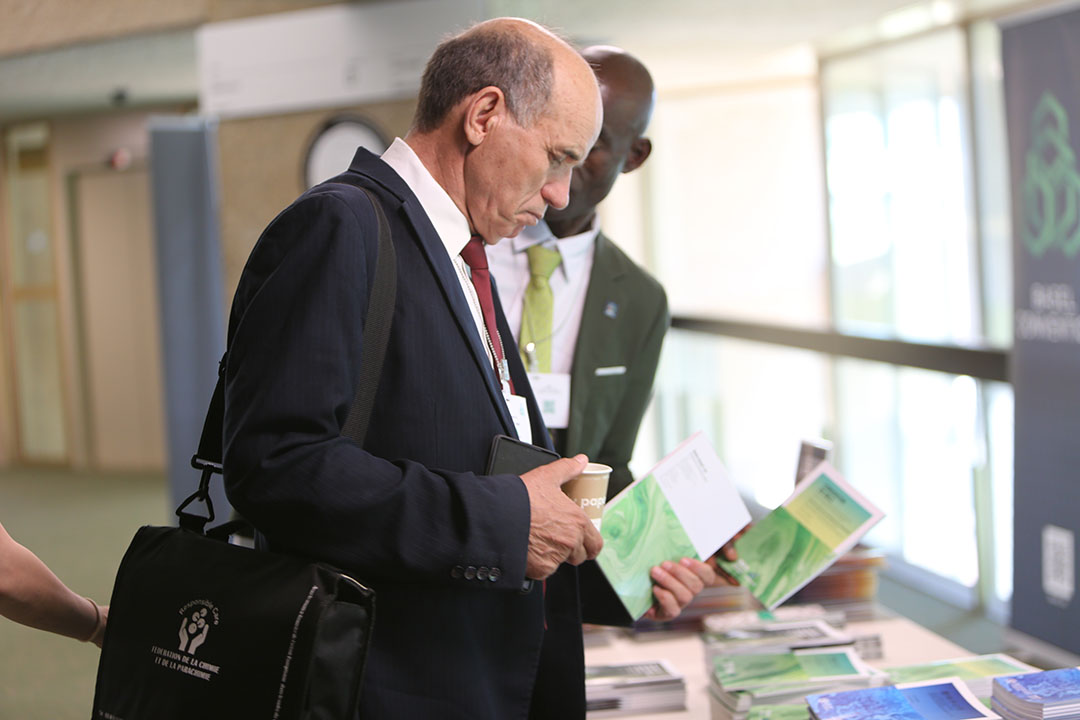
Photo courtesy of BRS Secretariat
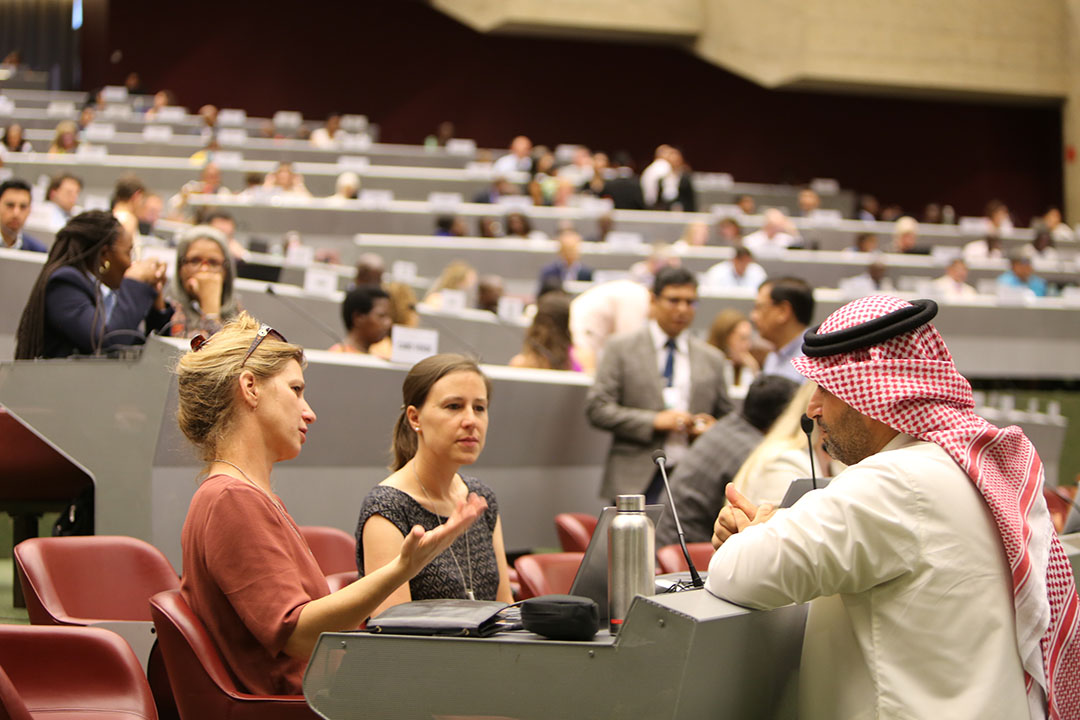
Photo courtesy of BRS Secretariat