The day opened with the announcement of the sudden death of Tessa Goverse, the Head of the Interim Secretariat of the new Intergovernmental Science-Policy Panel on Chemicals, Waste and Pollution (ISP-CWP). Delegates observed a solemn moment of silence for the UN Environment Programme officer who had been instrumental in the approval of the ISP-CWP.
Work then turned to the remaining agenda items, in the hope that the afternoon could be devoted to intensive contact group work. Instead, disagreements on how to proceed forced an unscheduled “short” afternoon plenary that lasted the entire afternoon.
The only issue that was forwarded to a contact group without incident was the draft guidance identifying electronic waste (e-waste) under the new Convention Annex entries, particularly how to distinguish between e-waste controlled and subject to prior informed consent (PIC), and related waste that would be classified under other entries.
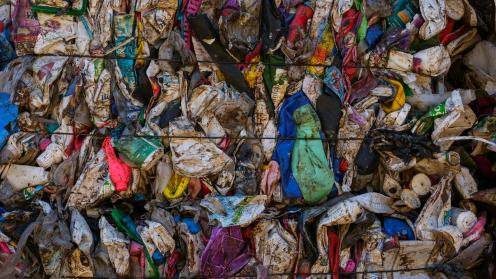
The second day of the 15th meeting of the Basel Convention’s Open-ended Working Group (OEWG-15) went from solemn to raucous, with much of the day spent debating aspects of the heart and future of the Convention. Front and center was the question if and how the Convention should address plastic waste, textile waste, and ship recycling.
On plastic wastes, the plenary discussed:
- comments collected on the implementation challenges experienced with the 2019 plastic waste amendments;
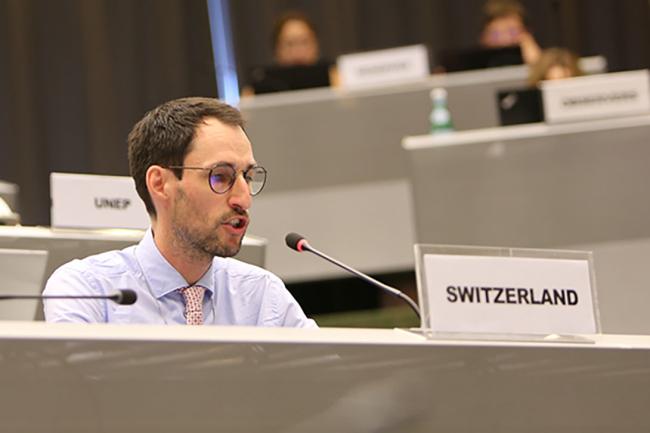
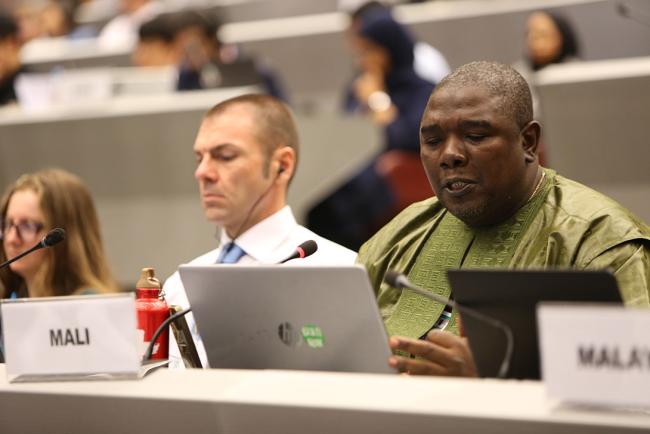
- a proposal by Switzerland, Cook Islands, Ethiopia, Mali, Nigeria, Palau, and Zimbabwe to invite the Conference of the Parties (COP) to consider establishing a working group to explore possible further approaches and measures to prevent and minimize plastic waste generation, ensure the environmentally sound management of plastic waste, prevent pollution from plastic waste, and protect public health and the environment from transboundary movements of plastic waste; and
- Norway’s application to remove the plastic waste entry from Annex IX, which would effectively subject all plastic waste shipments to PIC.
Most countries and observers wanted to discuss all three plastic waste issues in a contact group, but a handful of countries opposed. The opponents argued that they should focus on information exchange about amendment implementation challenges instead of considering new measures and avoid prejudicing the ongoing plastics treaty negotiations.
At an impasse, delegates agreed to invite Parties to submit comments on the Norwegian proposal by 30 September so it can be discussed at COP18 in April 2027, while delegates would return to the remaining two issues on Friday in plenary.
On used textiles and textile waste, most countries wanted to discuss possible options under the Convention to address this growing waste trade, but a debate erupted over which contact group to assign it to. The OEWG Bureau favored the Strategic Matters group because the Technical Matters group is already overburdened with reviews of numerous technical guidelines. However, several Parties insisted on the Technical Matters group, so the issue was assigned there for consideration, if time permits.
As for ship recycling, Norway and Japan, supported by the International Maritime Organization (IMO), proposed simply accepting provisional guidance on the application of the IMO’s Hong Kong Convention for the Safe and Environmentally Sound Recycling of Ships and the Basel Convention as drafted by the IMO, but most other countries and many observers argued for revisions suggested by the Basel, Rotterdam and Stockholm Conventions Secretariat. Interested parties were charged to discuss the matter informally and bring a draft compromise decision to Friday's plenary.
In the evening, the Technical Matters Contact Group began examination of the revised technical guidelines on waste lead-acid batteries and on other waste batteries, while the Strategic Matters Contact Group continued its work on options to improve the functioning of the Convention’s cornerstone, the PIC procedure.
To receive free coverage of global environmental events delivered to your inbox, subscribe to the ENB Update newsletter.
Around the Venue
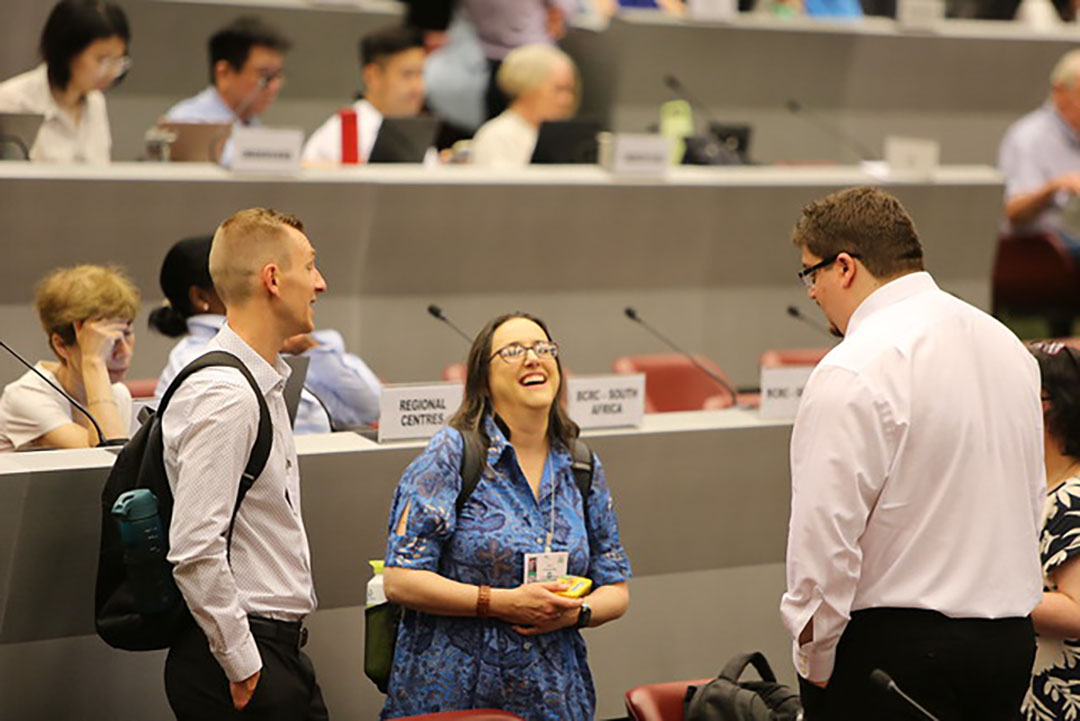
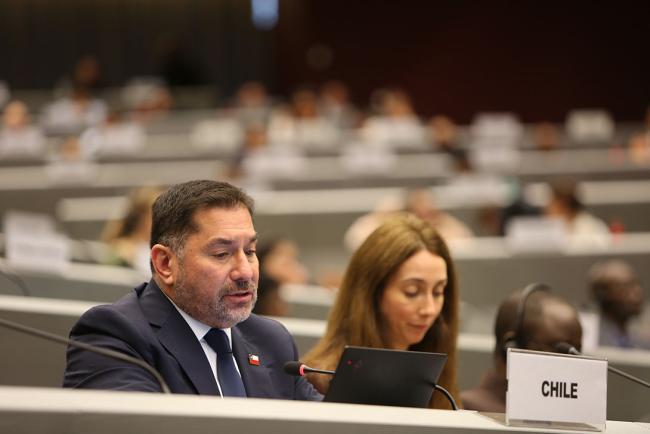
Photo courtesy of BRS Secretariat
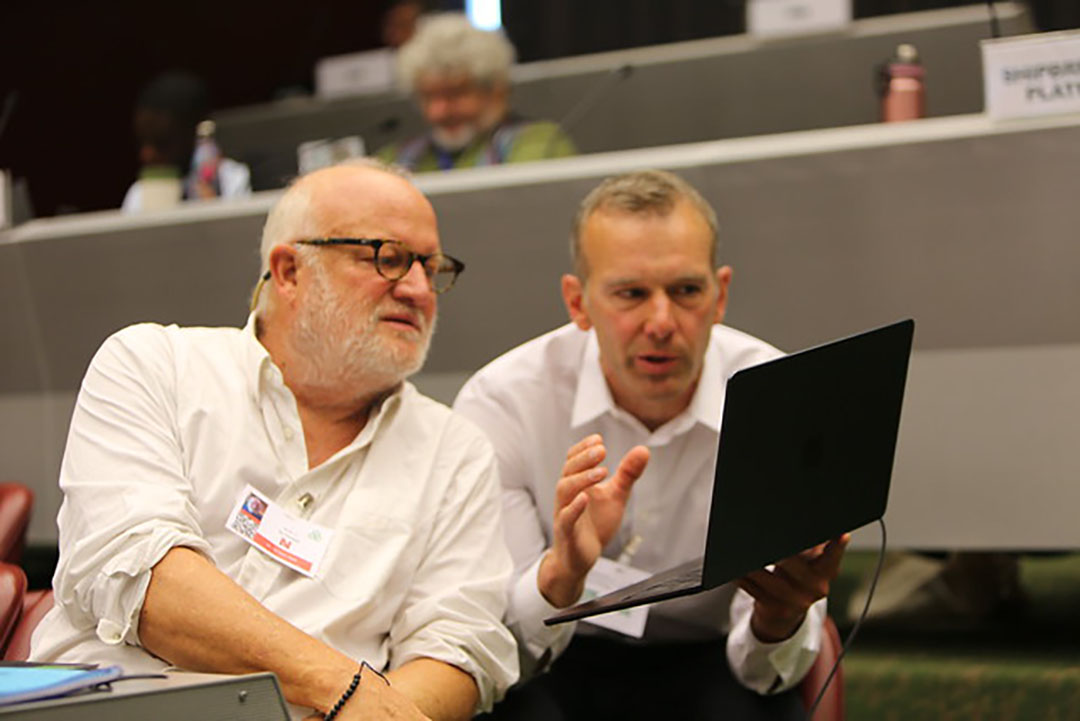
Photo courtesy of BRS Secretariat
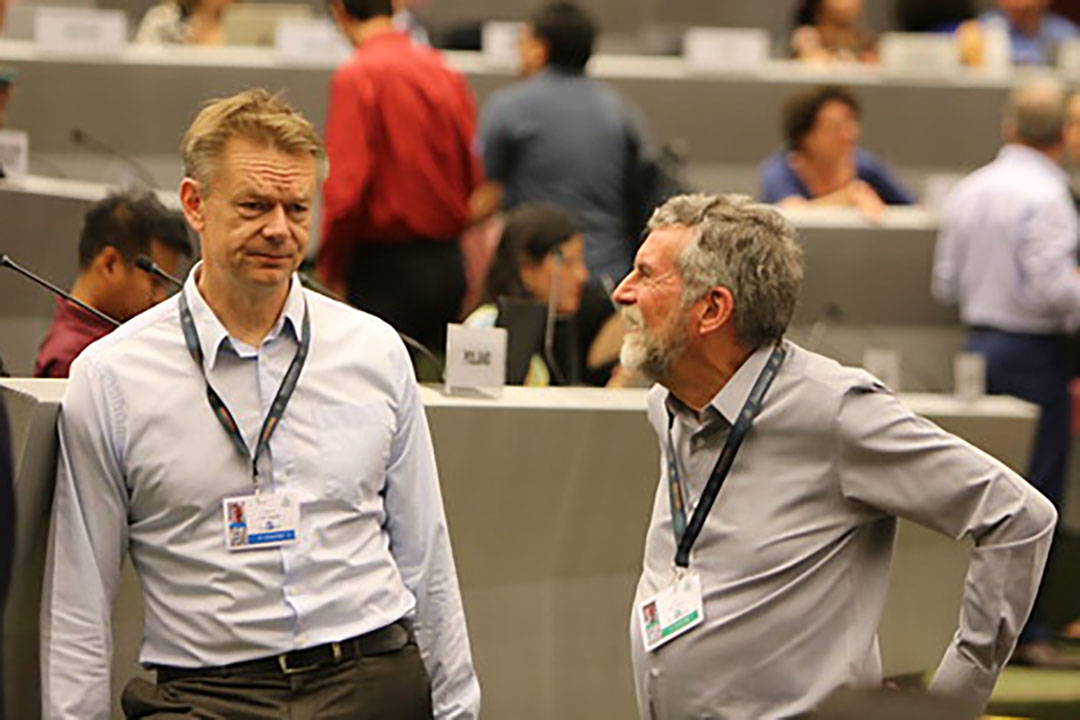
Photo courtesy of BRS Secretariat
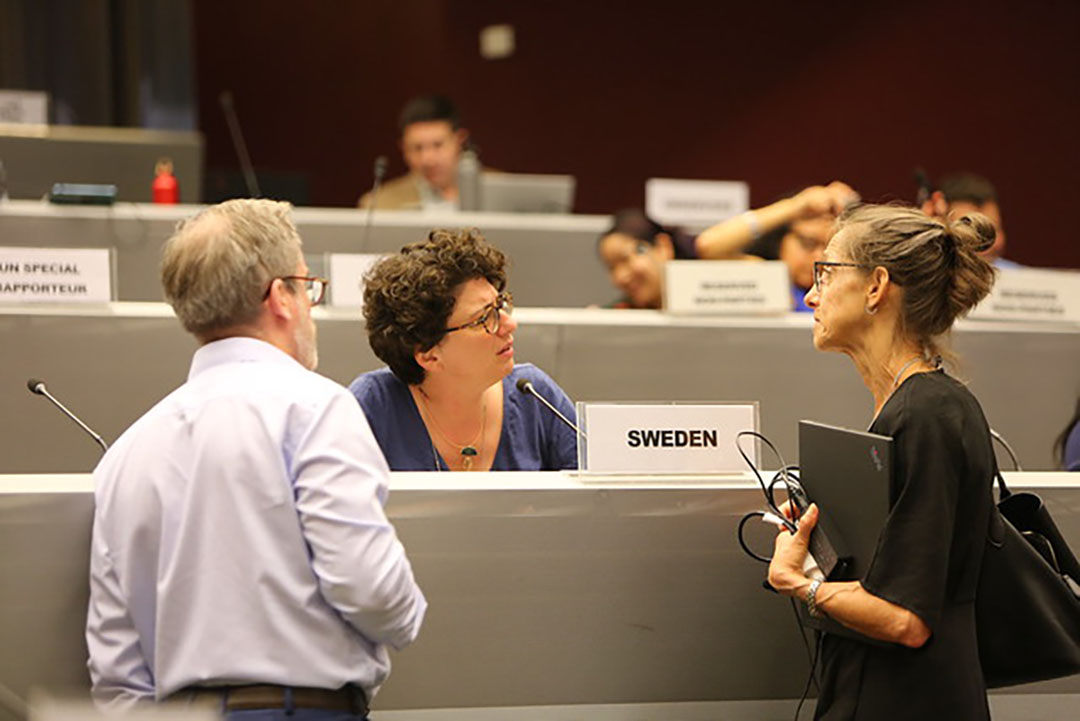
Photo courtesy of BRS Secretariat
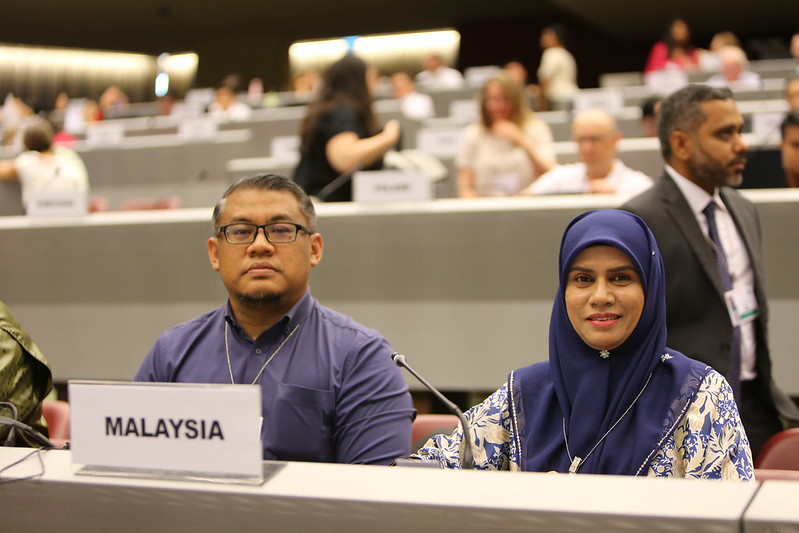
Photo courtesy of BRS Secretariat