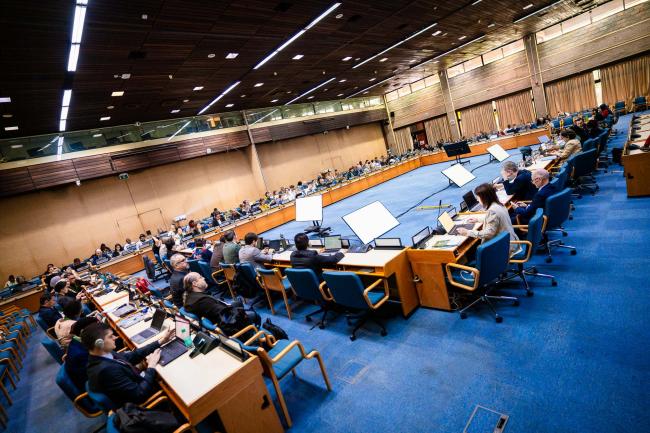
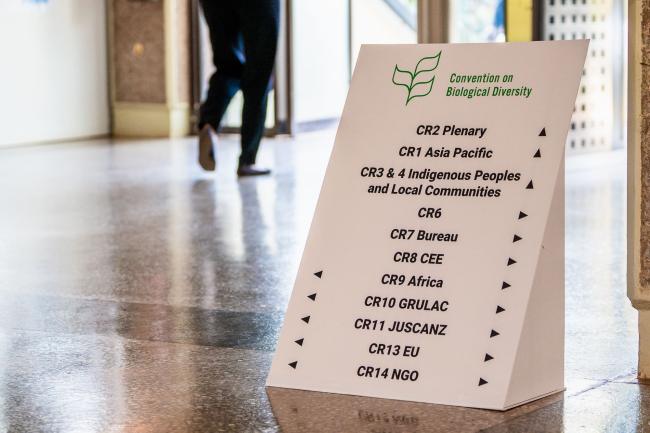
On Wednesday, delegates rushed from room to room, engaging in lengthy, candid discussions on the agenda of the twenty-eighth meeting of the Subsidiary Body on Scientific, Technical and Technological Advice (SBSTTA 28) to the Convention on Biological Diversity (CBD).
Matters Related to the Work Programme of Intergovernmental Science-Policy Platform on Biodiversity and Ecosystem Services (IPBES)
Delegates considered matters related to the work programme of IPBES, welcoming progress on key assessments, including the Nexus and Transformative Change assessments, as well as the Methodological Assessment Report on the Impact and Dependence of Business on Biodiversity and Nature’s Contributions to People.
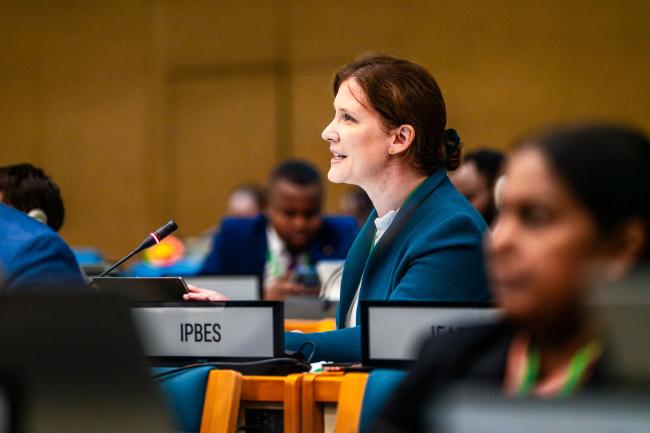
Many highlighted the value of these assessments in supporting implementation of the Kunming-Montreal Global Biodiversity Framework (GBF). Delegates lauded the Business and Biodiversity Assessment for its relevance across multiple GBF targets. They stressed that IPBES assessments should continue to support national decision-making while remaining responsive to differing national circumstances and priorities. A contact group was established to further refine the draft recommendations.
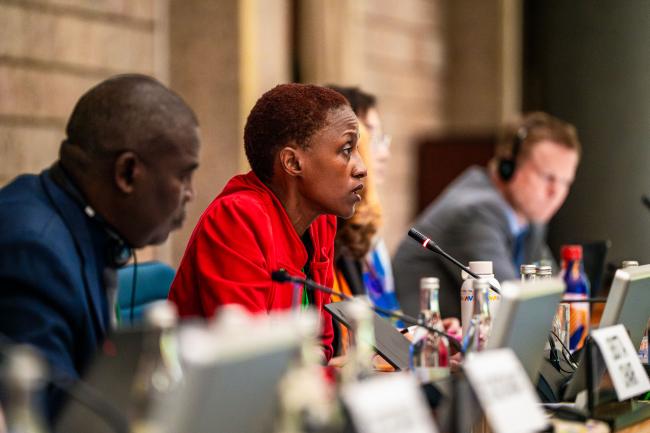
Contact Group on Synthetic Biology
The contact group focused discussions on the draft thematic action plan to support capacity-building and development, access to and transfer of technology, and knowledge-sharing in the context of synthetic biology for CBD and GBF implementation. They considered a list of guiding principles related to the plan, with divergent views emerging over whether to recognize the diverse value of nature beyond its potential applications in synthetic biology.
Discussions on implementation revisited issues related to resource mobilization, capacity-building, technology transfer, and knowledge-sharing, reflecting longstanding divisions on the respective roles of developed and developing countries.
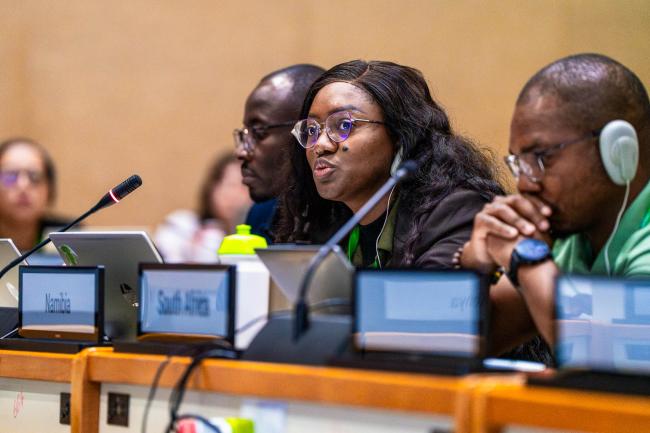
Contact Group on Marine and Coastal Biodiversity
Delegates considered recommendations related to Ecologically or Biologically Significant Marine Areas (EBSAs), focusing on whether references to existing habitat designations, including Key Biodiversity Areas and Important Marine Mammal, Shark and Ray, and Marine Turtle Areas, should be retained in text encouraging Parties to support their identification and recognition. Views differed on whether these examples provide useful scientific guidance or unnecessarily limit flexibility.
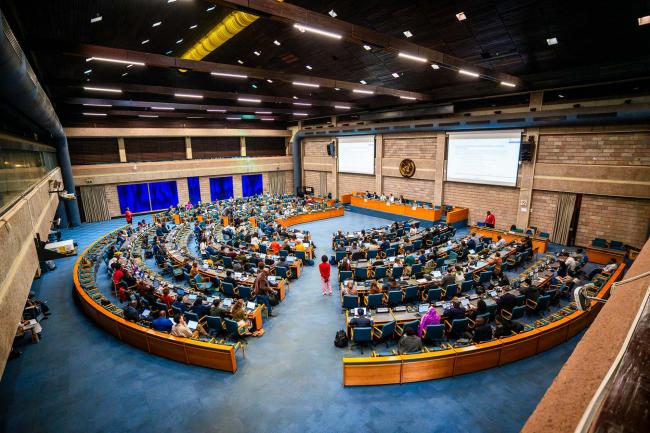
Sustainable Wildlife Management
Delegates discussed the voluntary global guidance on the sustainable management of wildlife applicable to multiple species and multiple practices. The group examined principles and approaches intended to inform sustainable wildlife management and safeguards intended to prevent or minimize adverse impacts of wildlife management interventions.
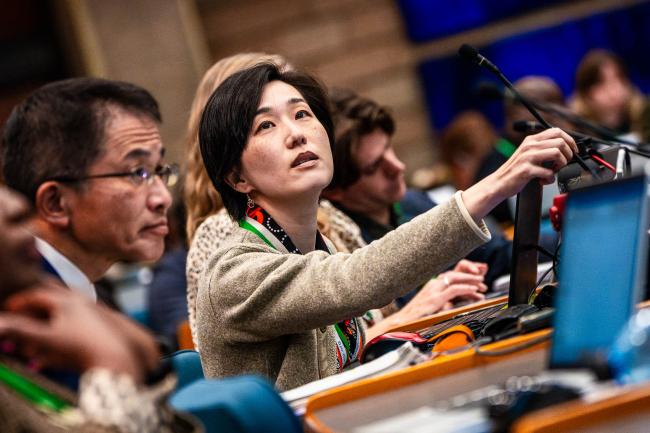
To provide greater flexibility based on national circumstances, delegates proposed clarifying that lists of measures are illustrative rather than exhaustive, enabling Parties to apply provisions in accordance with national circumstances and legal frameworks. Participants also strengthened preambular language recognizing Indigenous Peoples and local communities as key stewards of biodiversity and important contributors to sustainable wildlife management.
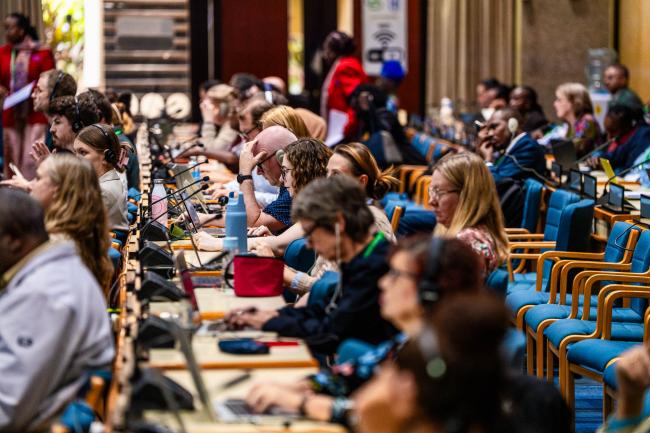
Contact Group on Programme of Work on Protected Areas
Delegates focused on how ecological connectivity could be more effectively reflected within the programme of work.
Three broad approaches were tabled for consideration: establishing ecological connectivity as a fifth programme element; strengthening references through complementary activities under the existing programme; or pursuing alternative approaches. Many delegates emphasized that connectivity is fundamental to effective conservation and should be considered alongside spatial planning and landscape-level approaches under GBF Target 3 (protected areas).
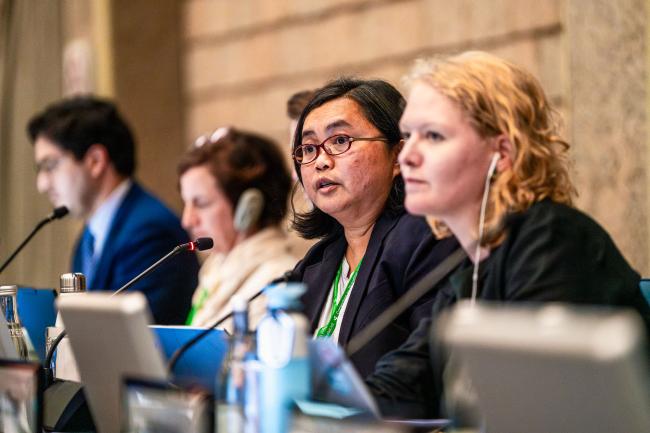
Several participants noted that forthcoming IPBES fast-track Methodological Assessment on Integrated Biodiversity-Inclusive Spatial Planning and Ecological Connectivity could provide an important evidence base for any substantial revisions to the programme. Others highlighted that this would represent the first major update to the Programme of Work in nearly three decades and therefore merits careful consideration.
Delegates also considered terminology and scope, including whether references should remain focused on protected and conserved areas or include other effective area-based conservation measures.
To receive free coverage of global environmental events delivered to your inbox, subscribe to the ENB Update newsletter.
All ENB photos are free to use with attribution. For the 28th Meeting of the CBD Subsidiary Body on Scientific, Technical, and Technological Advice (SBSTTA 28) and 7th Meeting of the Subsidiary Body on Implementation (SBI 7), please use: Photo by IISD/ENB | Danny Skilton
Plenary
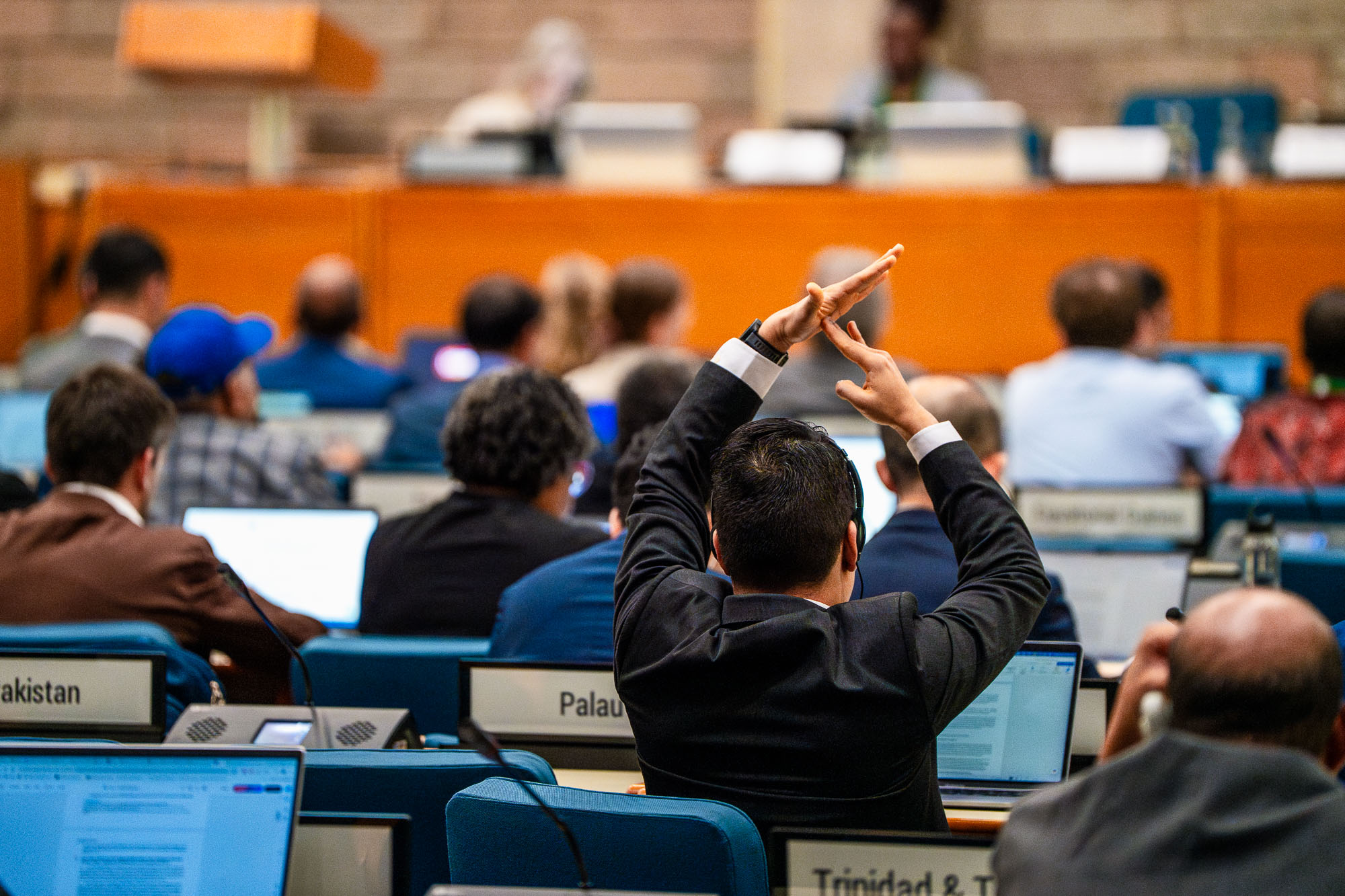
Panama takes the floor to raise a point of order
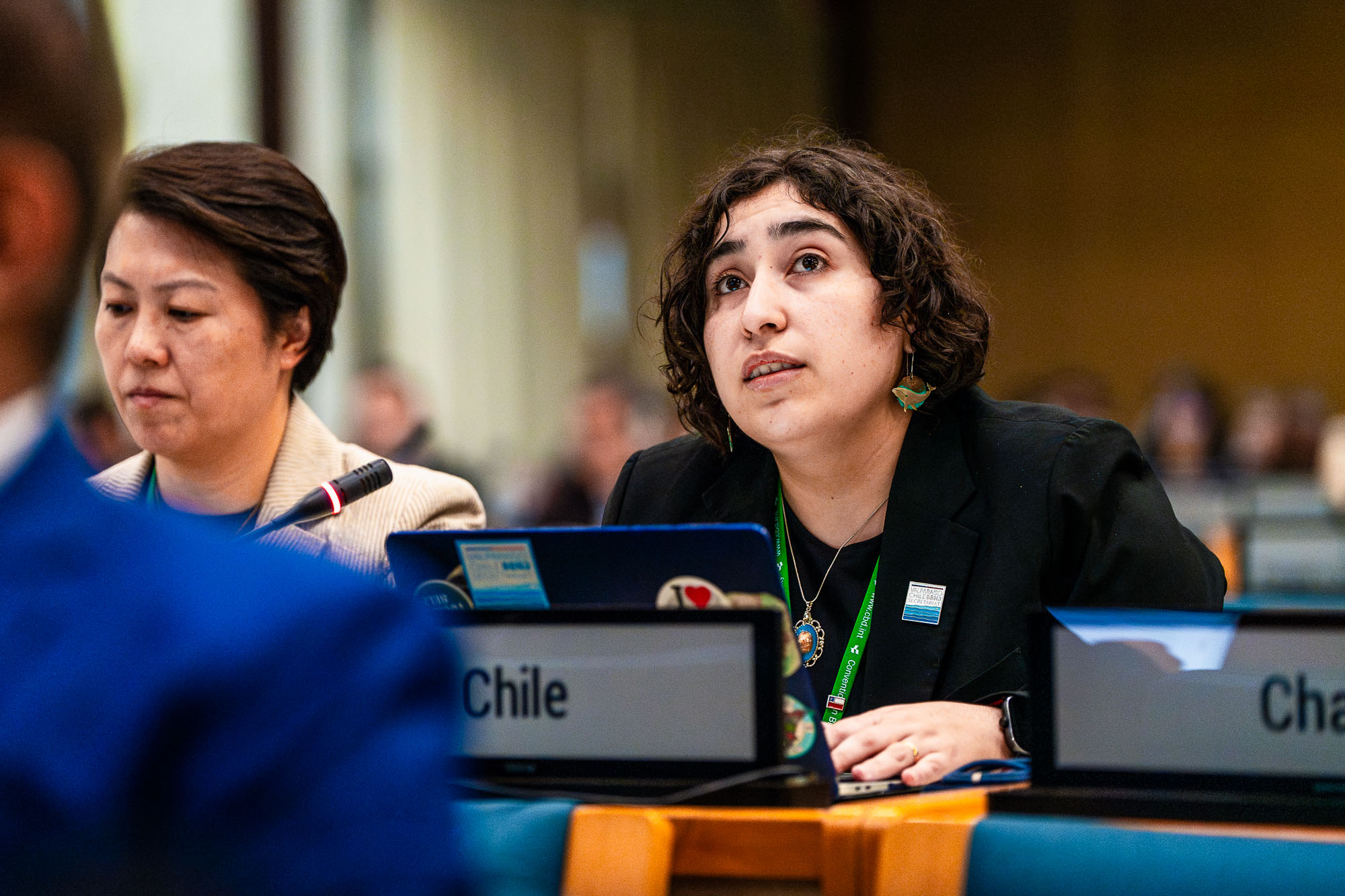
Patsy Nicole Contardo Urra, Chile
Kieran Mooney, CBD Secretariat
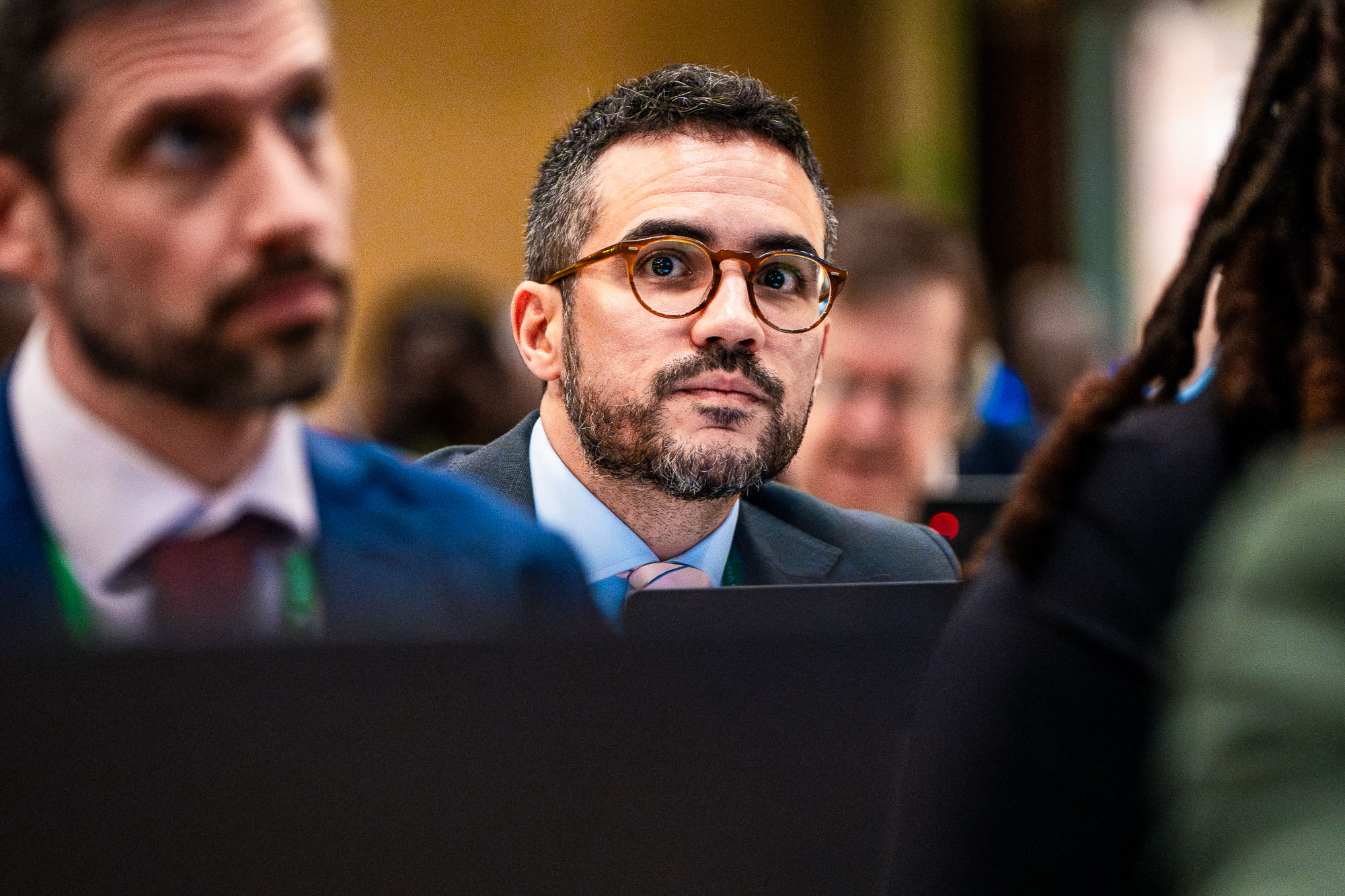
Diogo Machado Gonçalves, Brazil
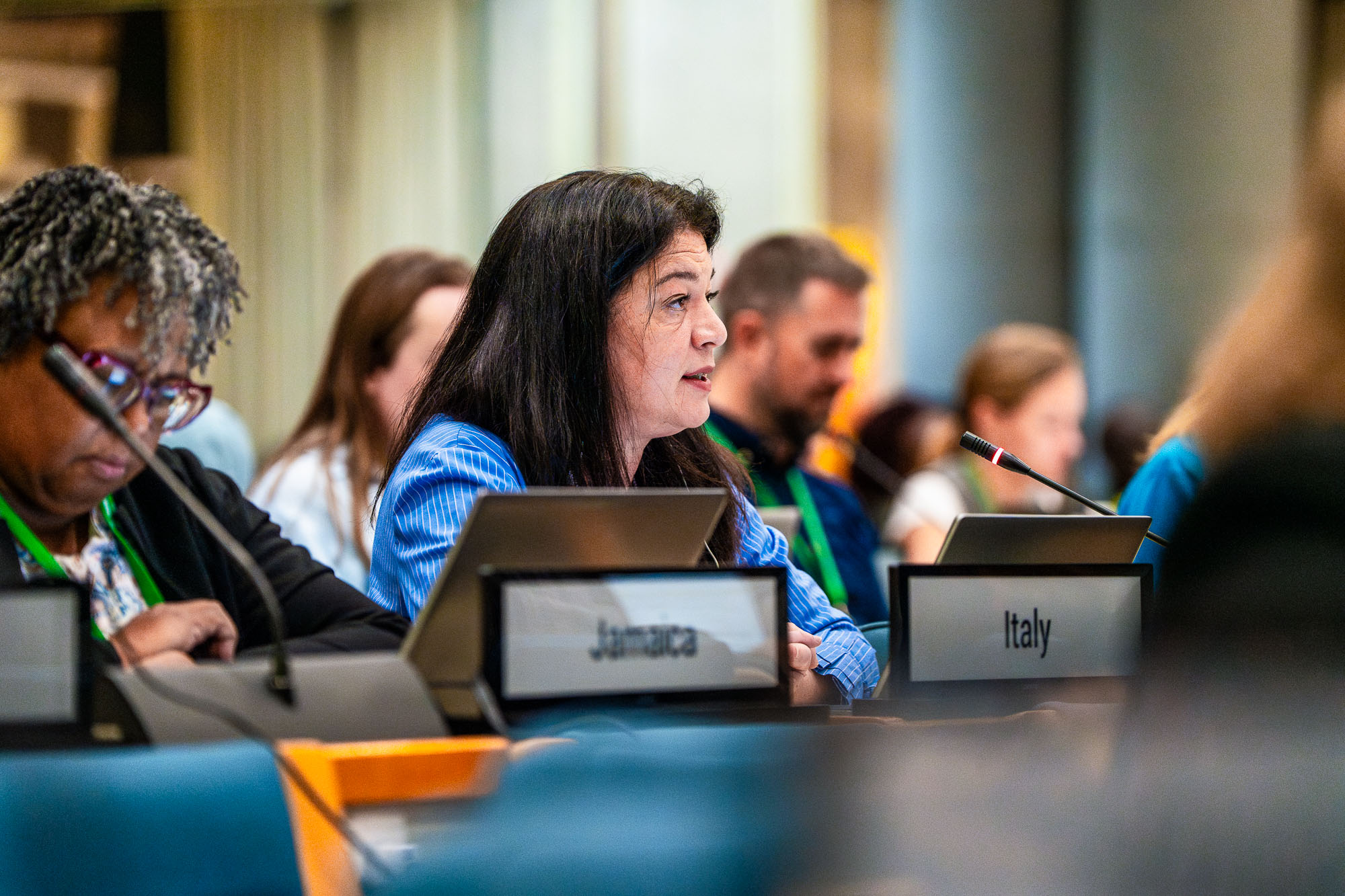
Valeria Giovannelli, Italy
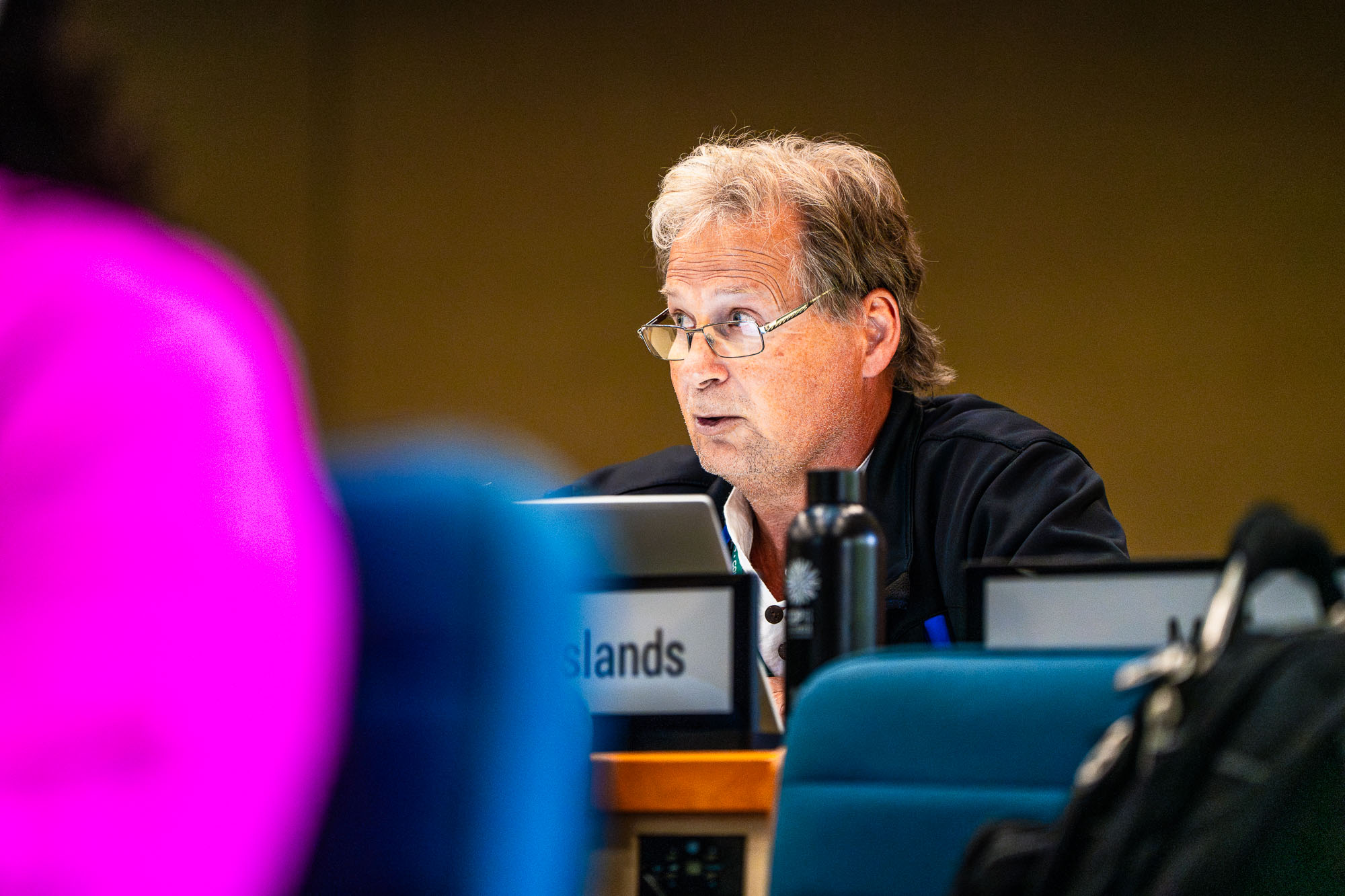
Bo Karl Bengt Fellenius, Marshall Islands
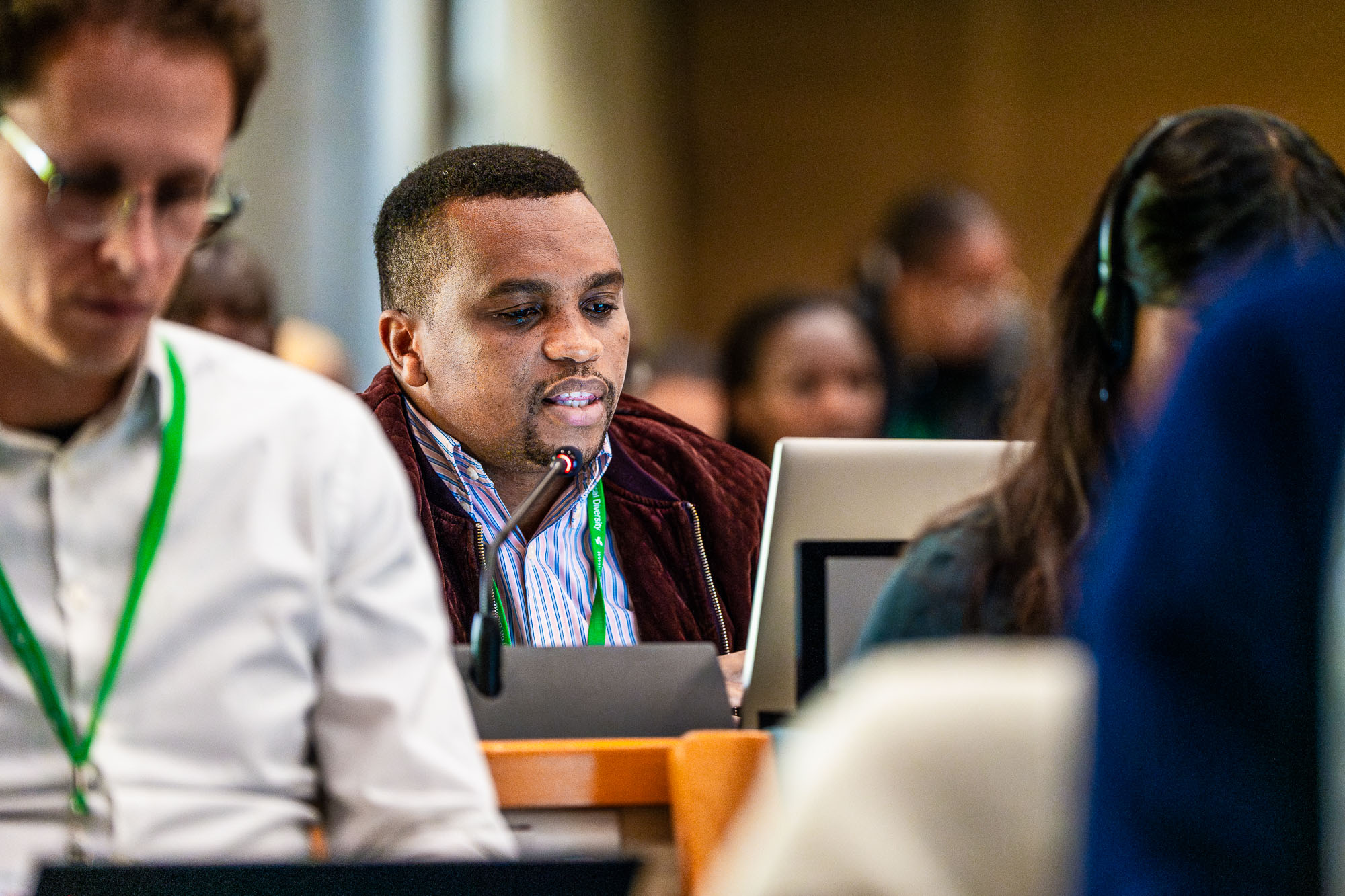
Mwayi Mkanthama, Malawi
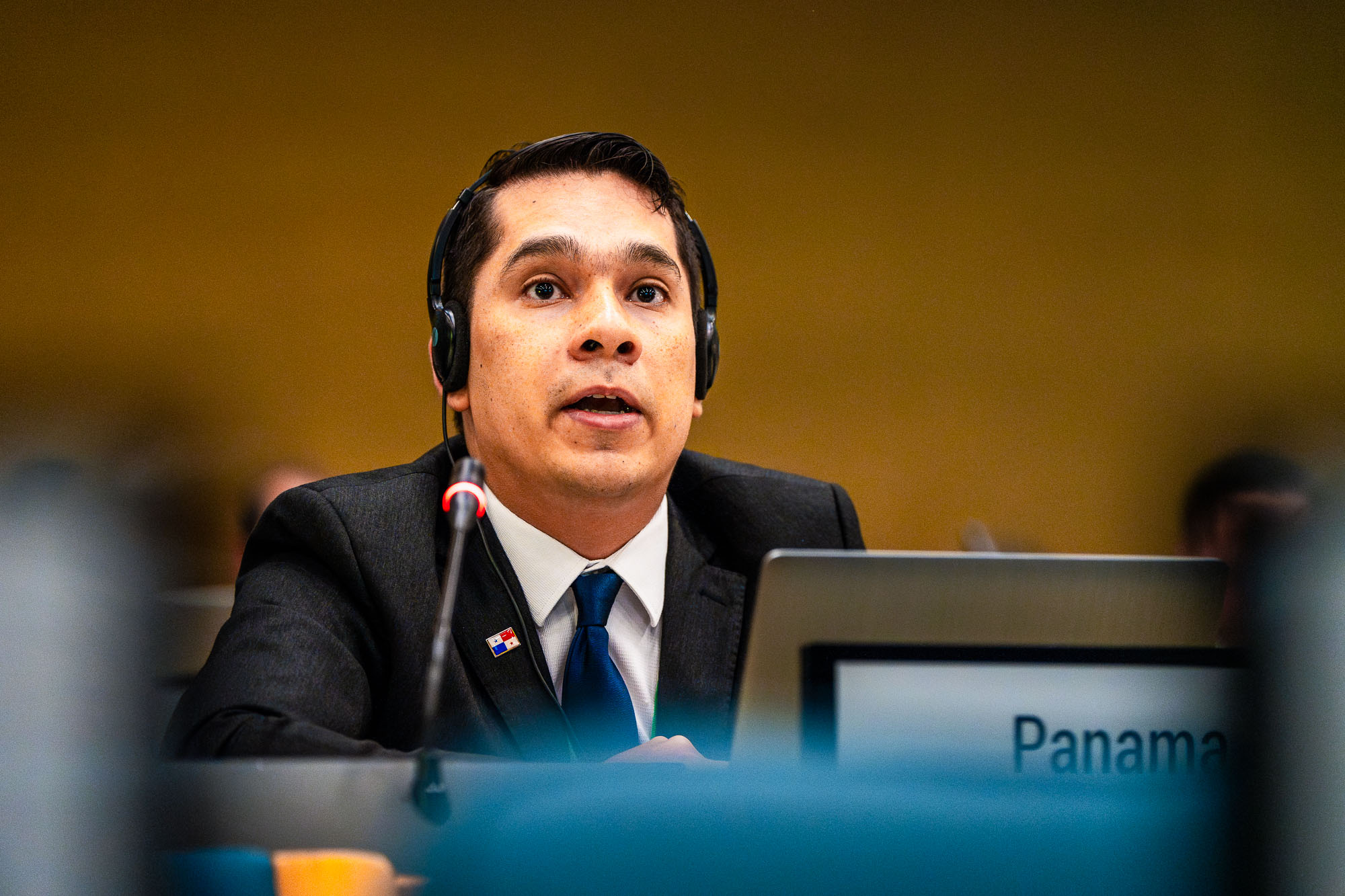
Ediner Fuentes-Campos, Panama
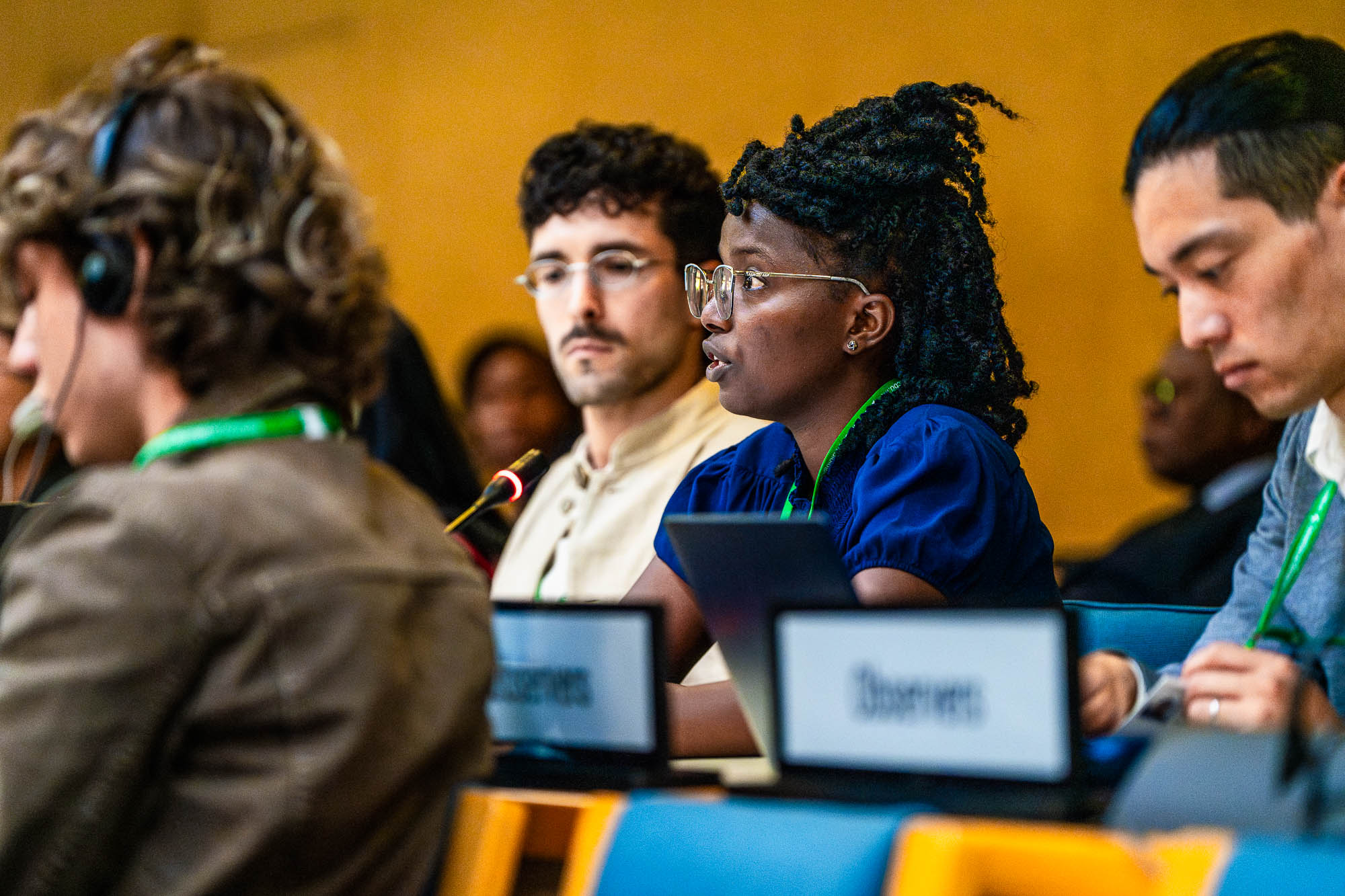
Gladys Kimeu, Global Youth Biodiversity Network
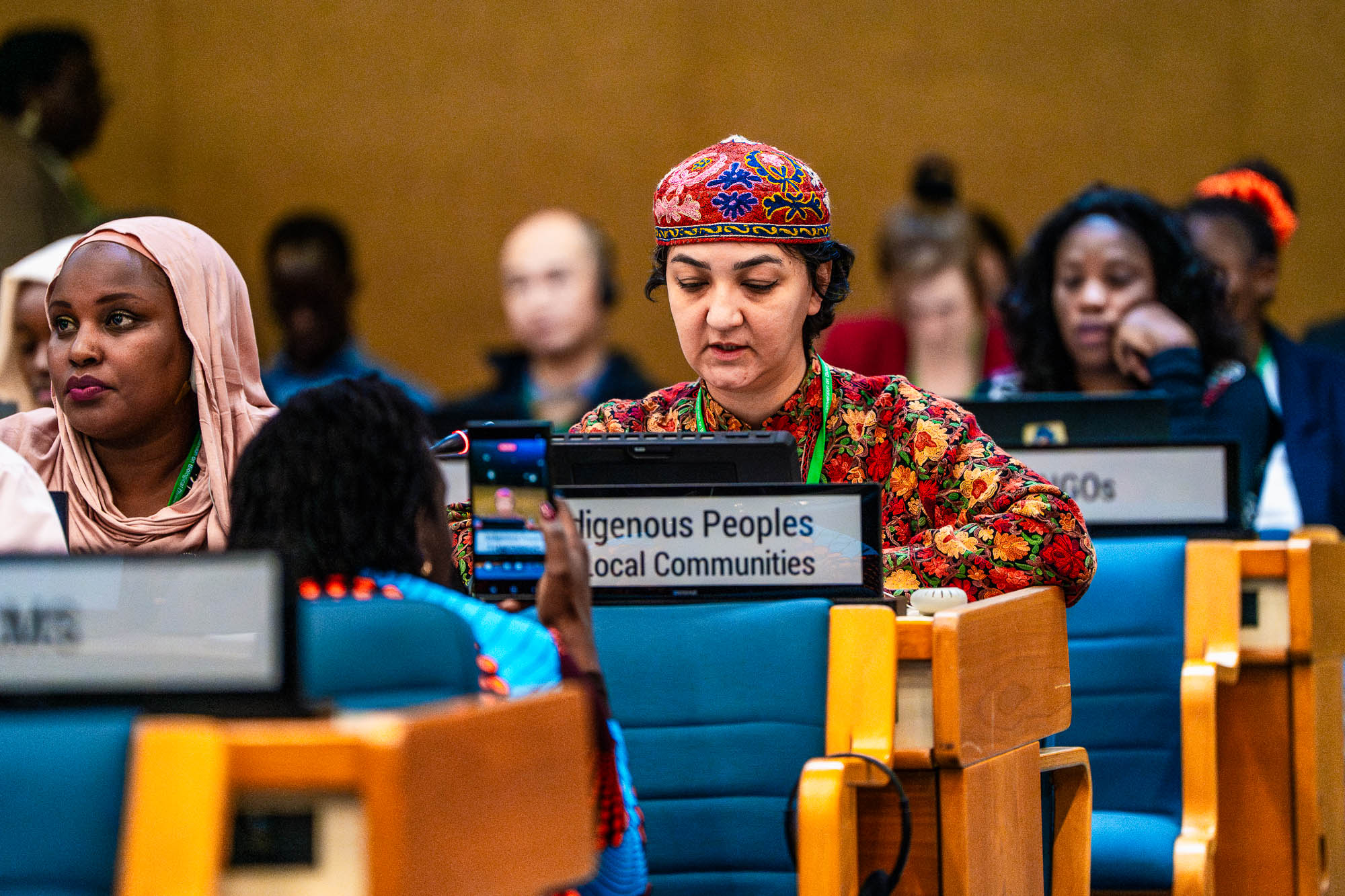
Hanieh Moghani, IPLC representative
Contact Groups
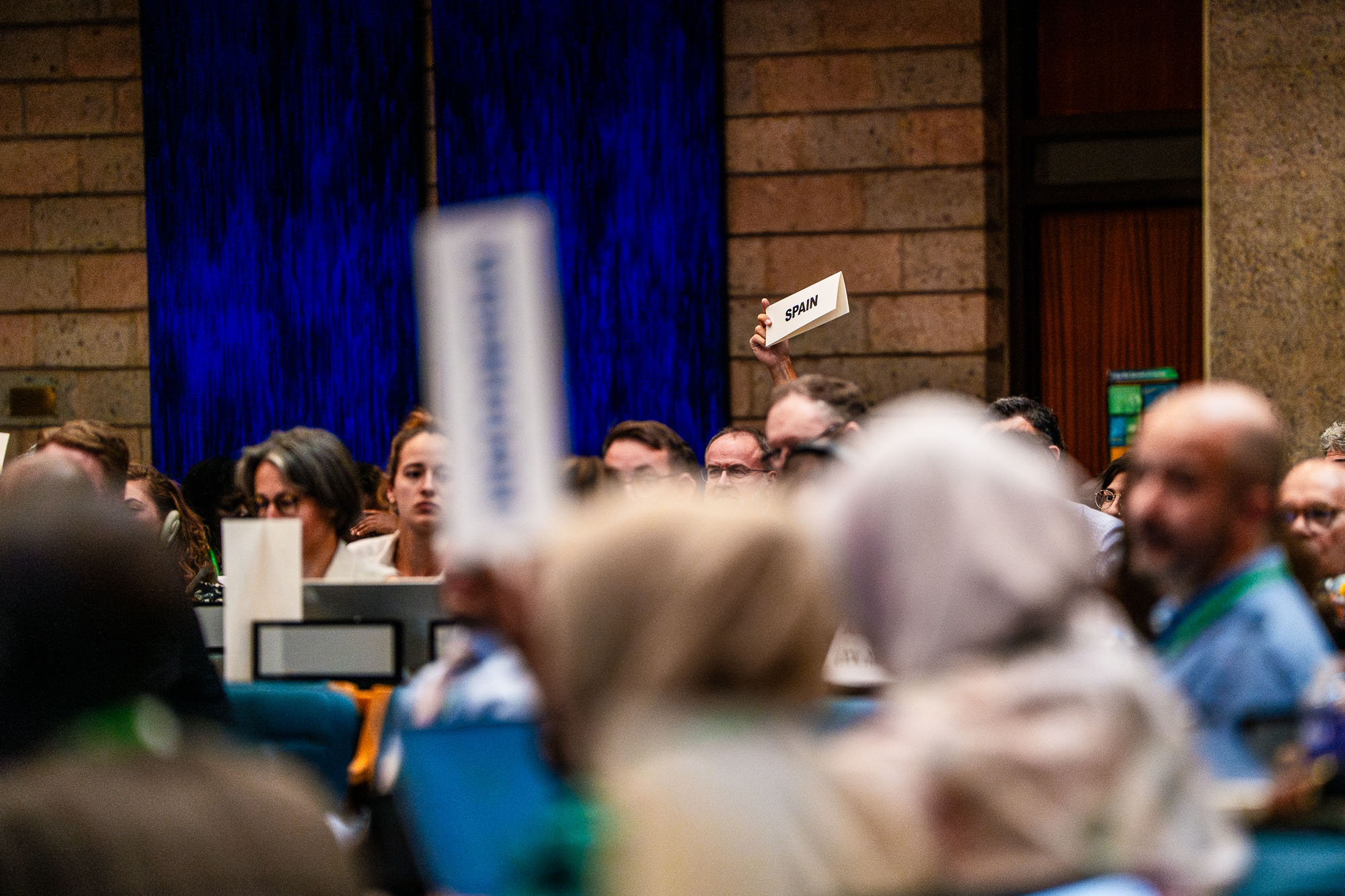
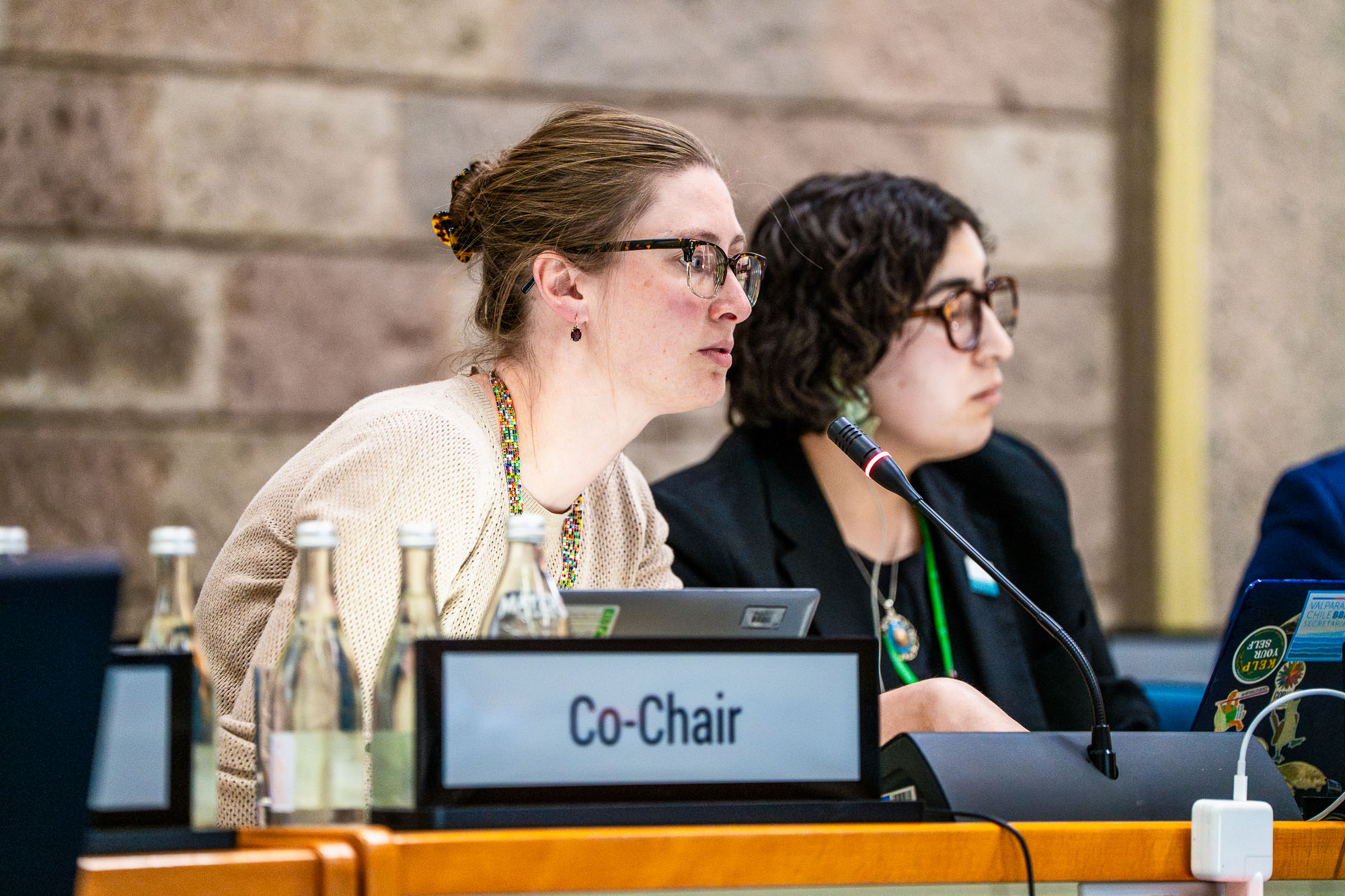
Holly Kelley-Weil, Contact Group on Marine and Coastal Biodiversity Co-Chair, UK
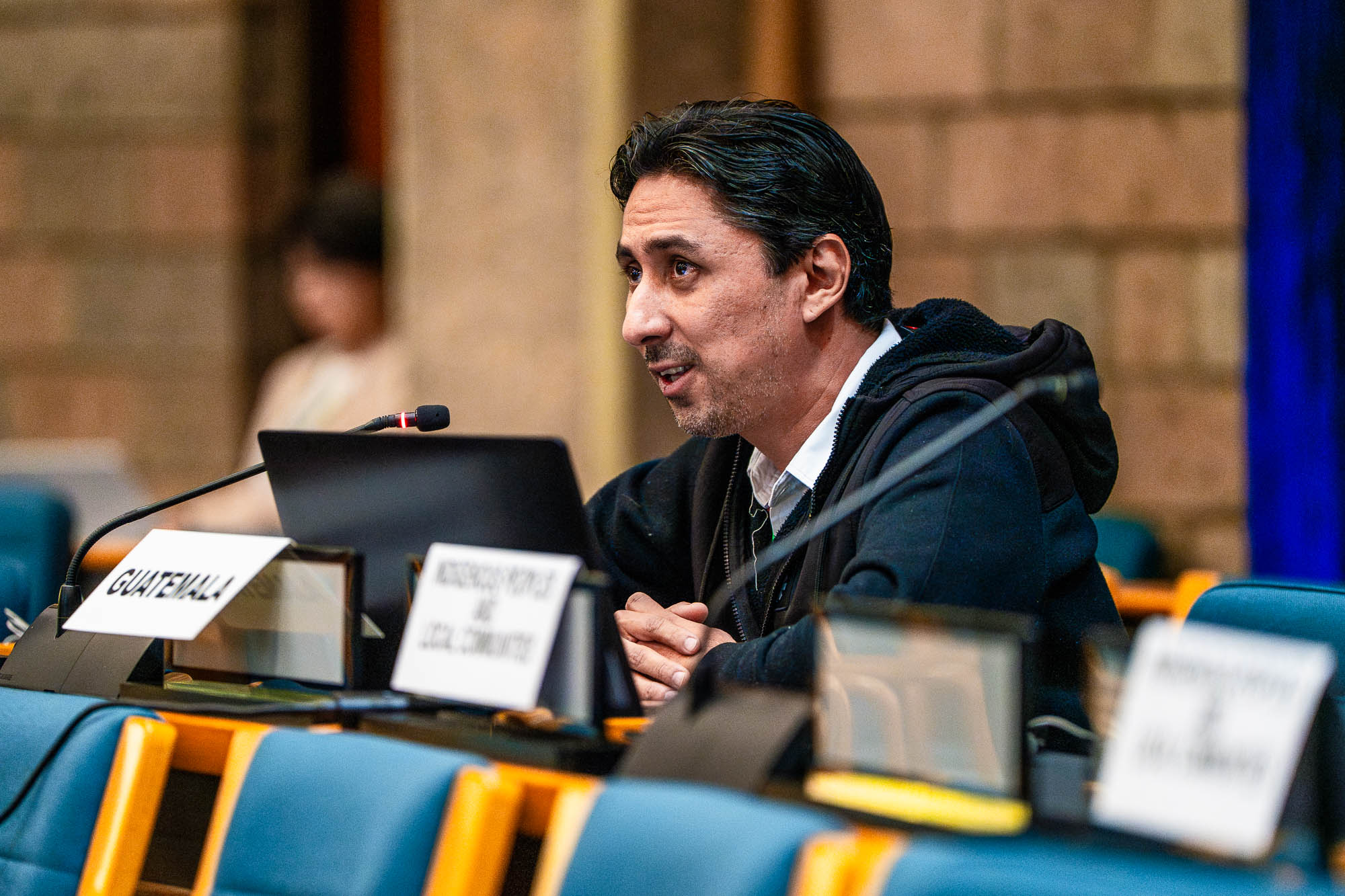
José Luis Echeverría Tello, Guatemala
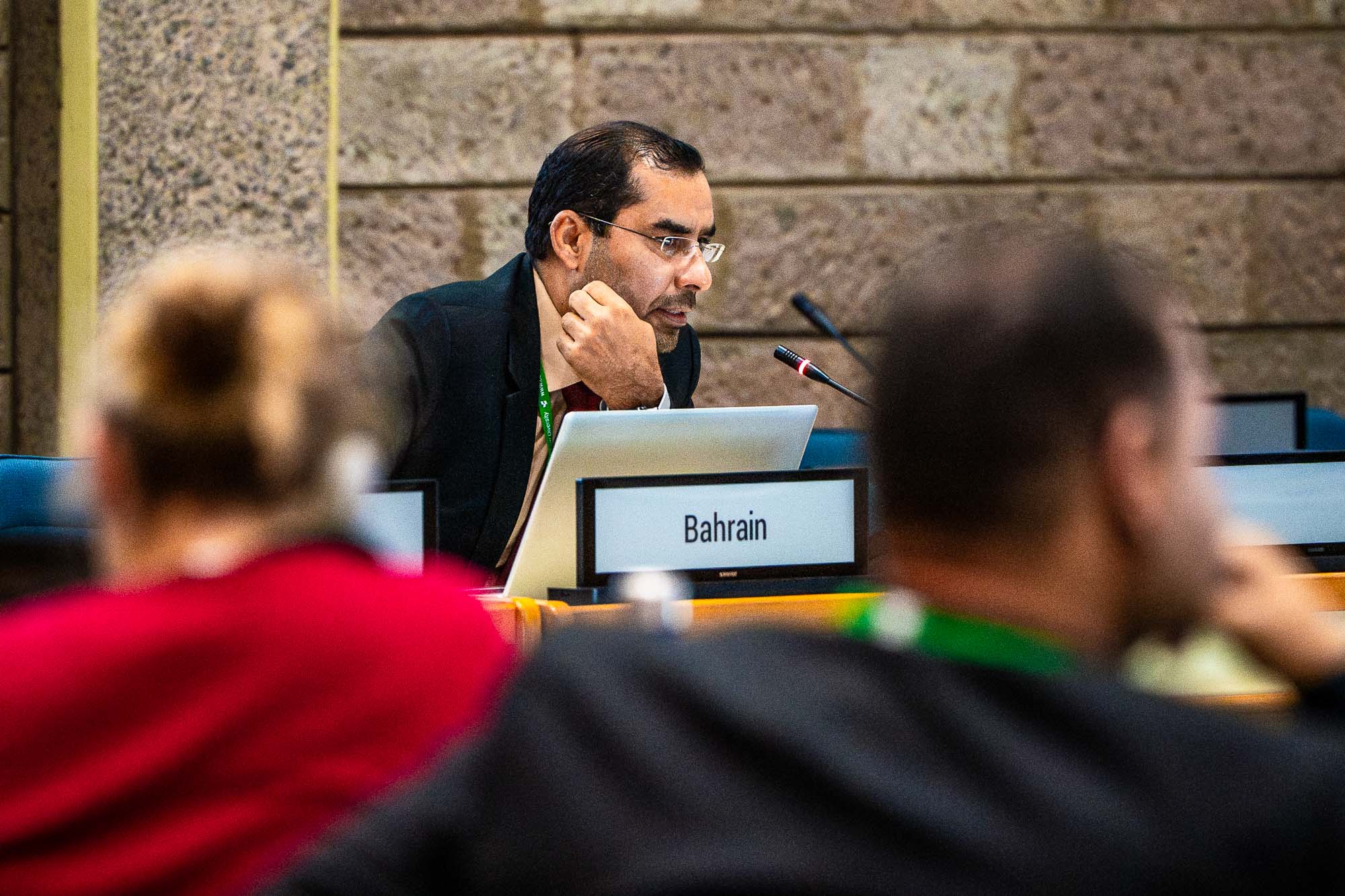
Ali Mansoor Abbas Abdullah, Bahrain
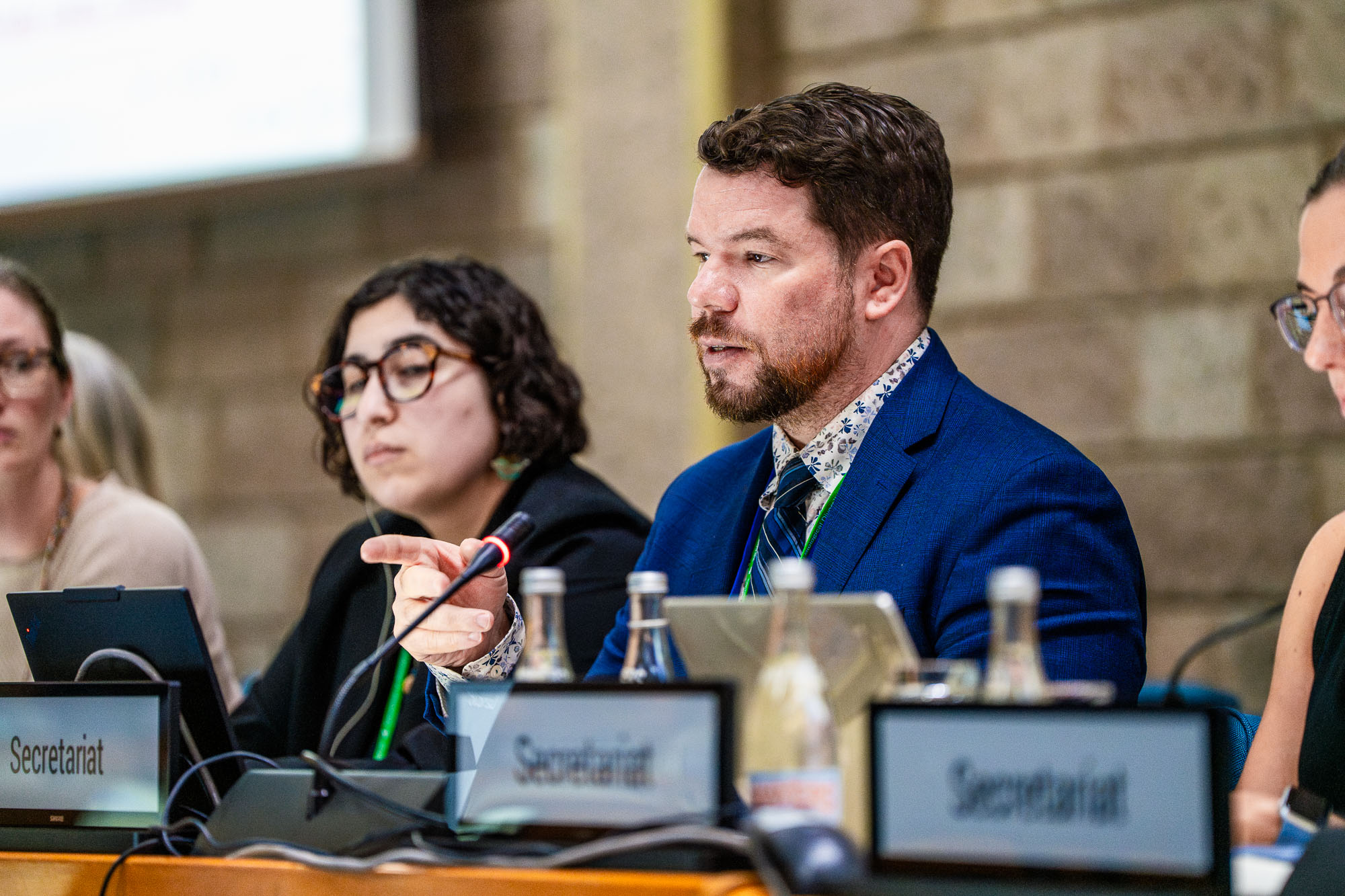
Joseph Appiott, CBD Secretariat
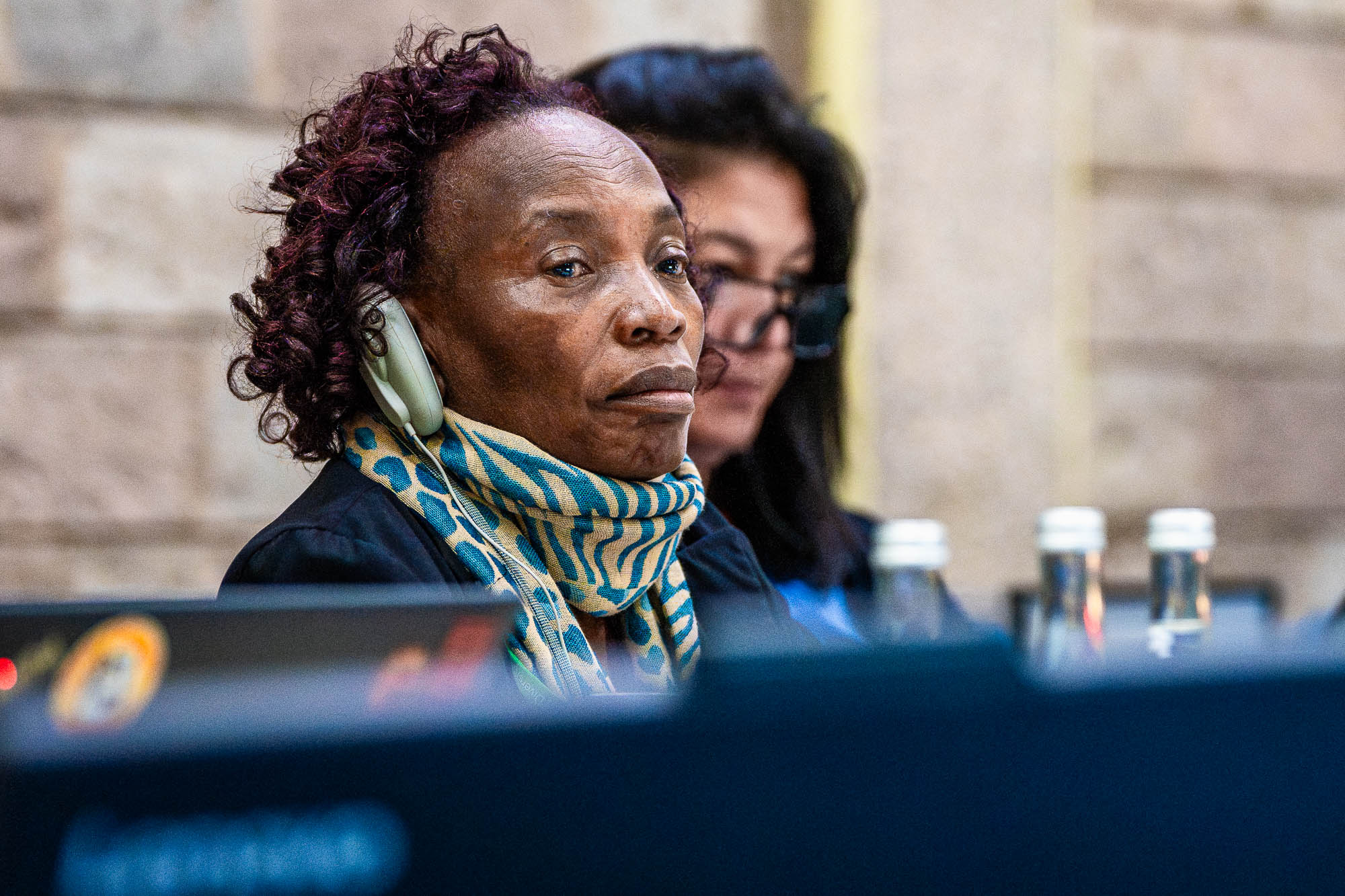
Martha Kandawa-Schulz, Contact Group on Synthetic Biology Co-Chair, Namibia
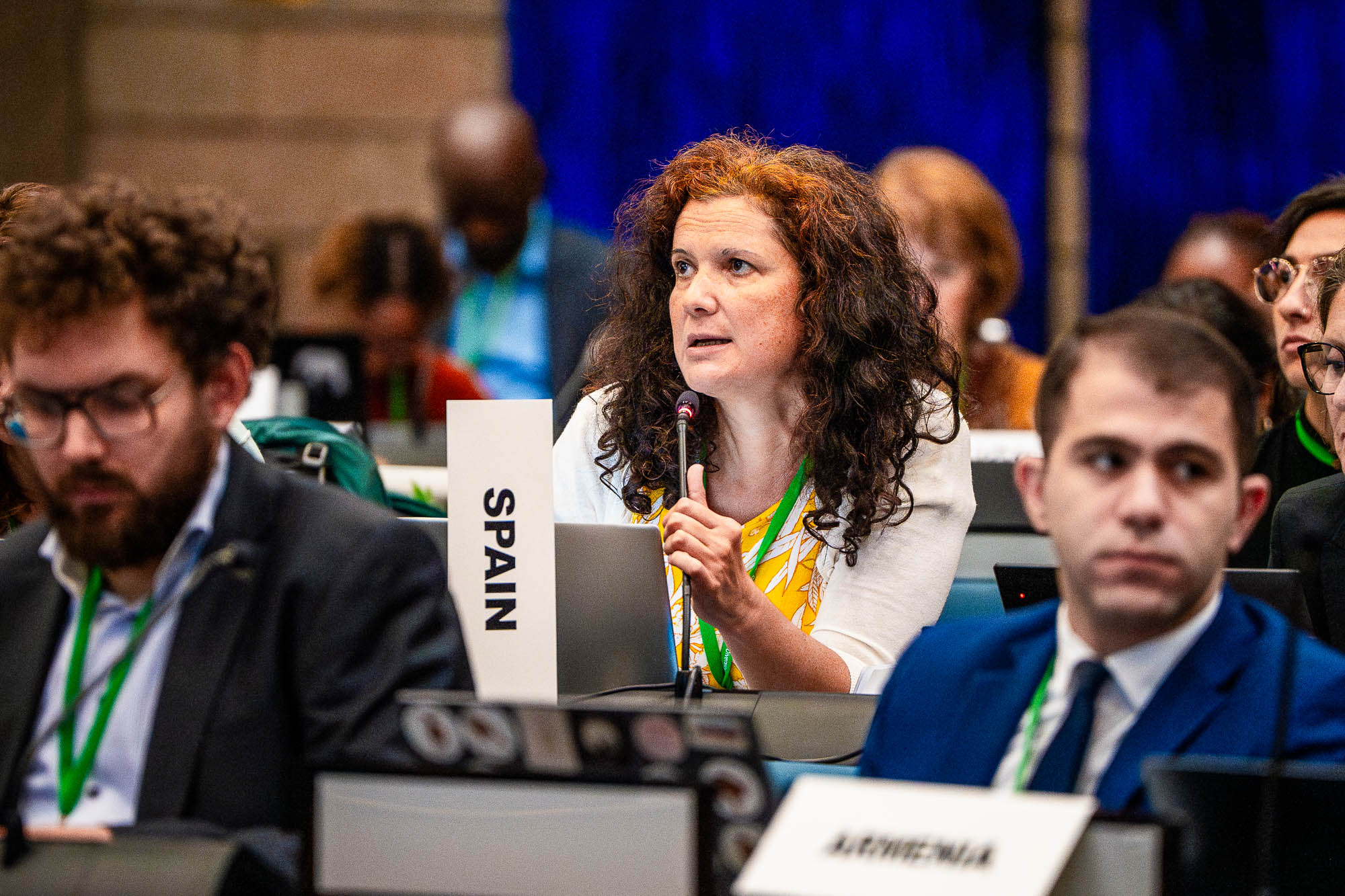
Noelia Vallejo Pedregal, Spain
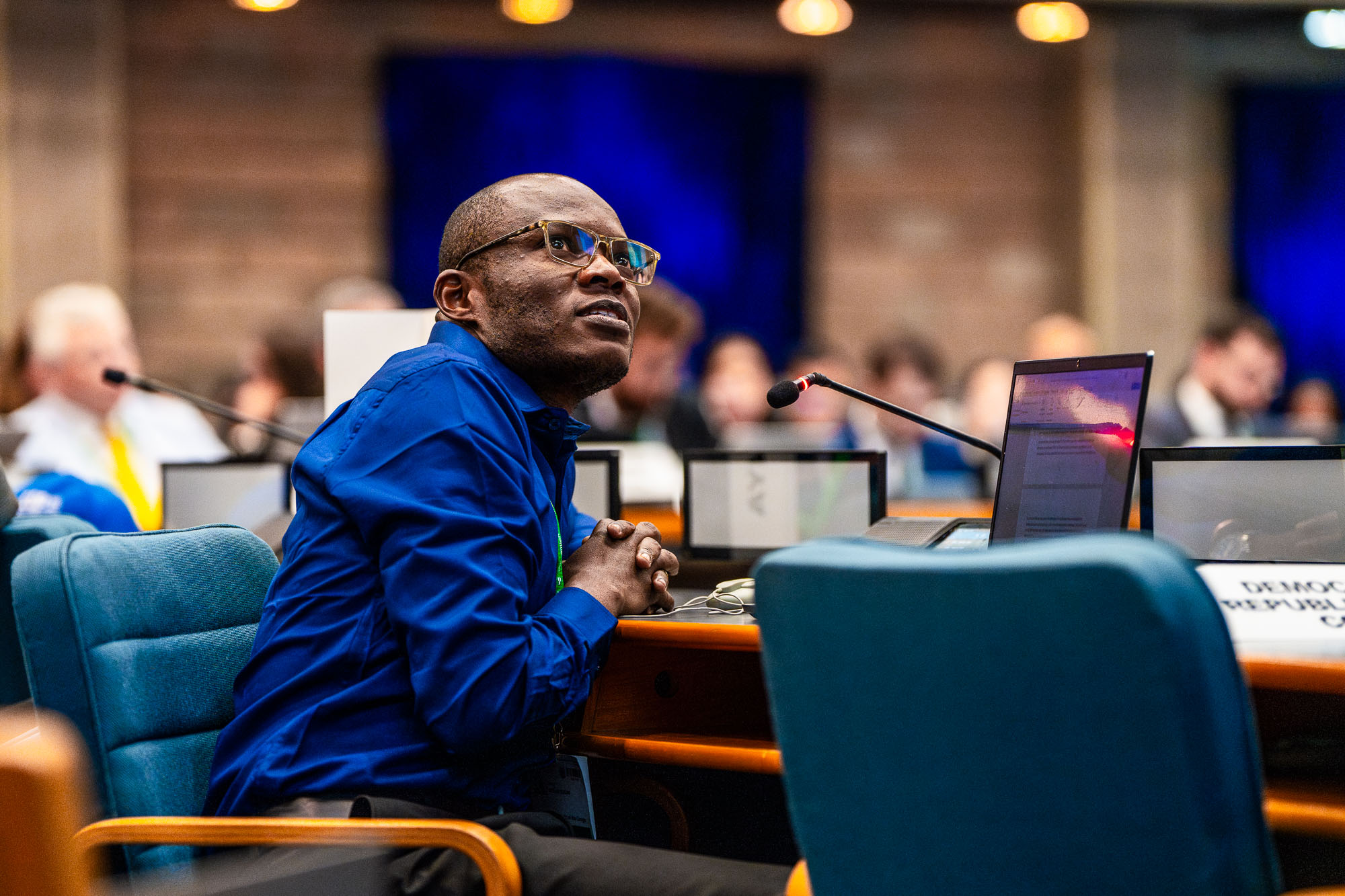
Daniel Mukubi Kikuni, Democratic Republic of the Congo
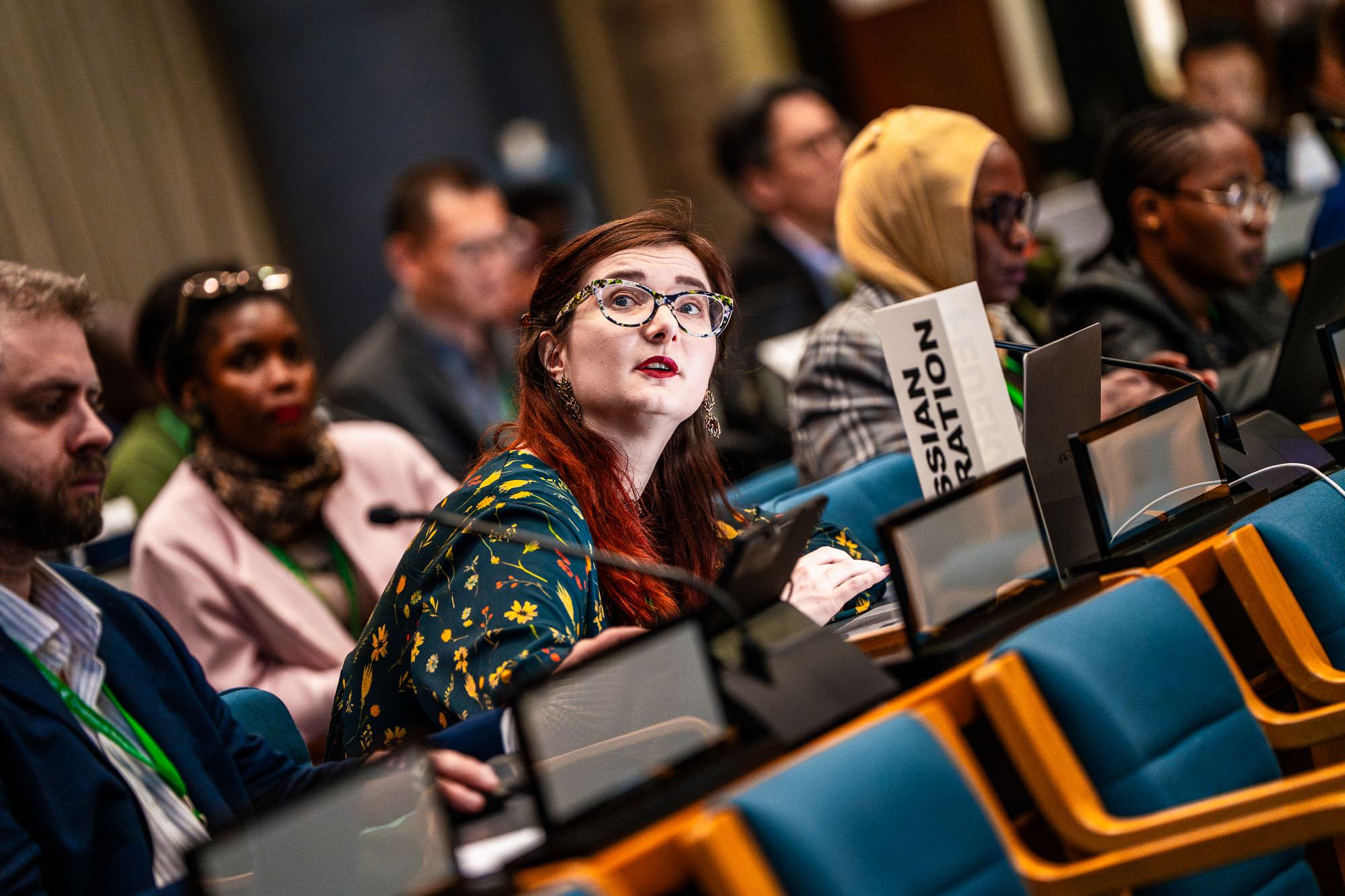
Anastasia Bogdanova, Russian Federation
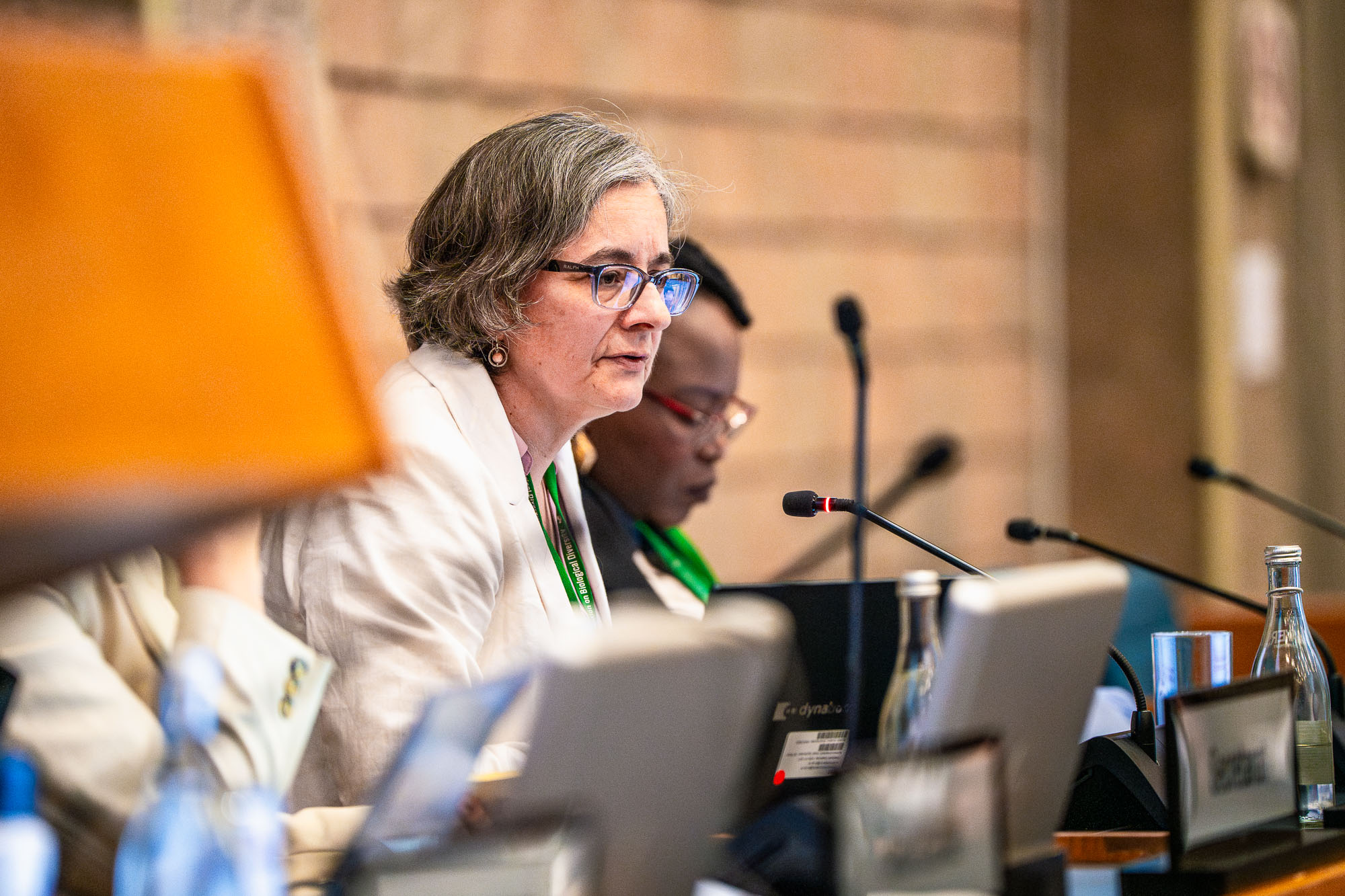
Carolina Caceres, Contact Group on the Programme of Work on Protected Areas Co-Chair, Canada
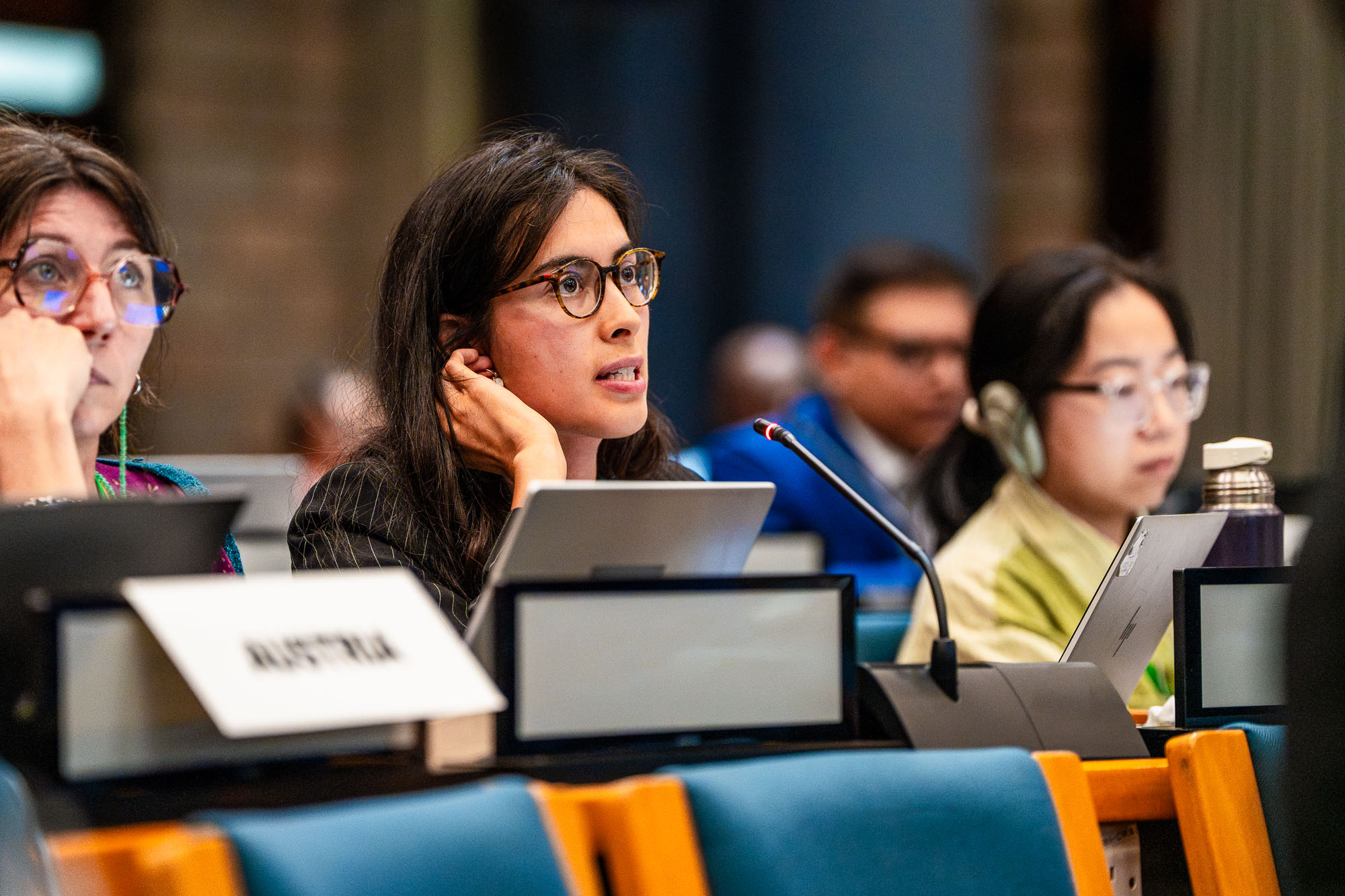
Laureen Calcat, France
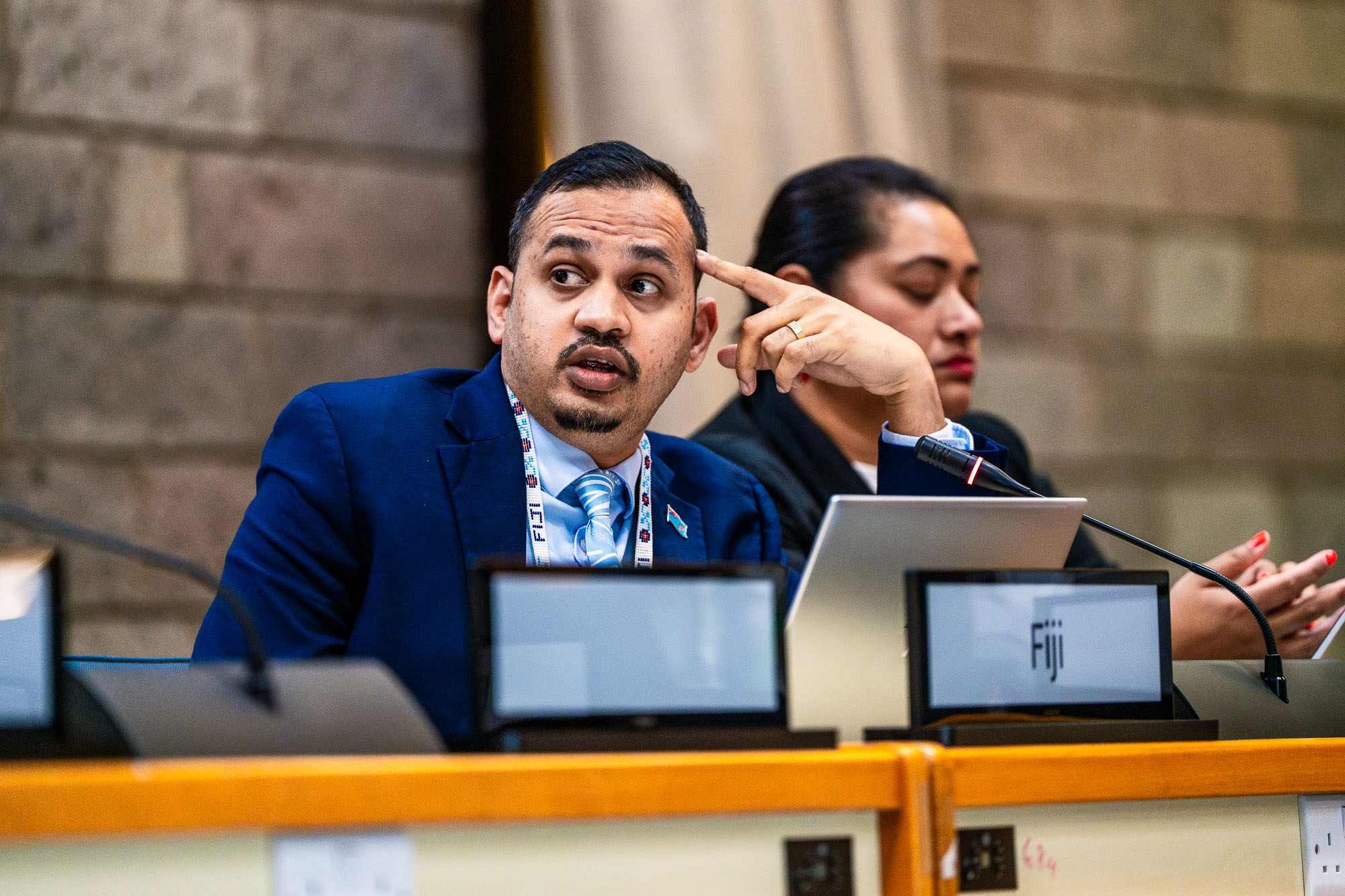
Sivendra Michael, Fiji
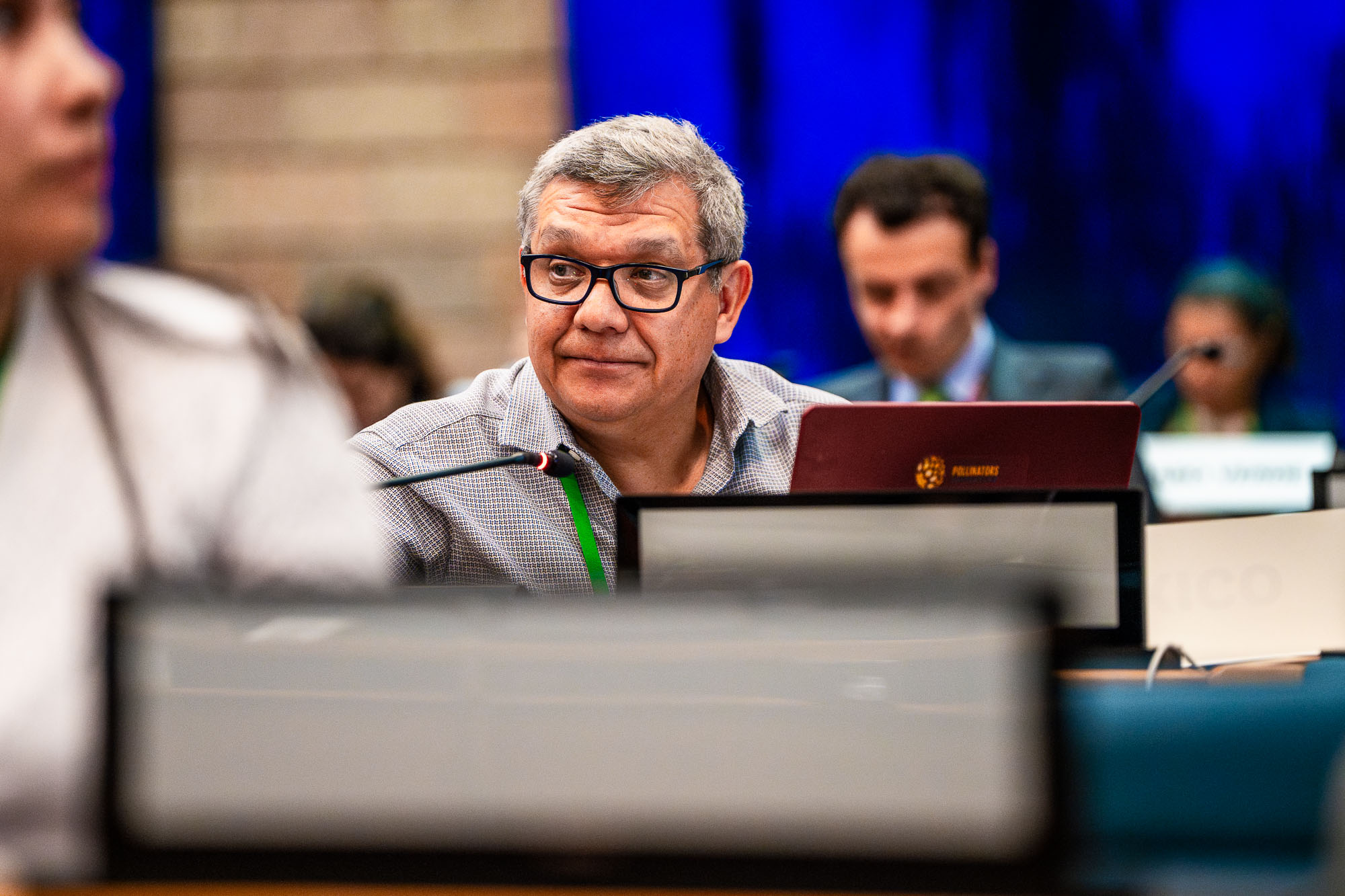
Hesiquio Benítez Díaz, Mexico
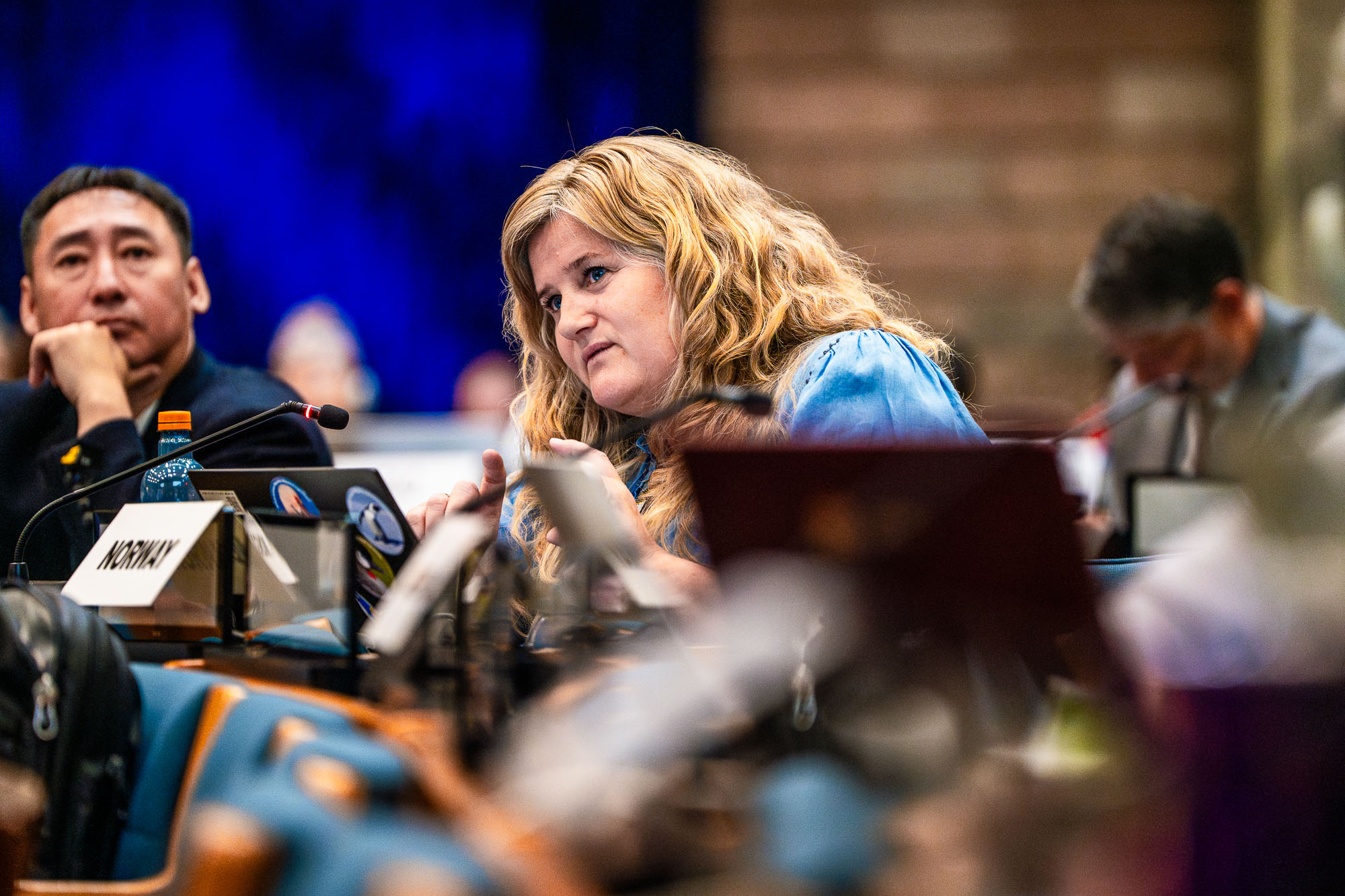
Anne Martinussen, Norway
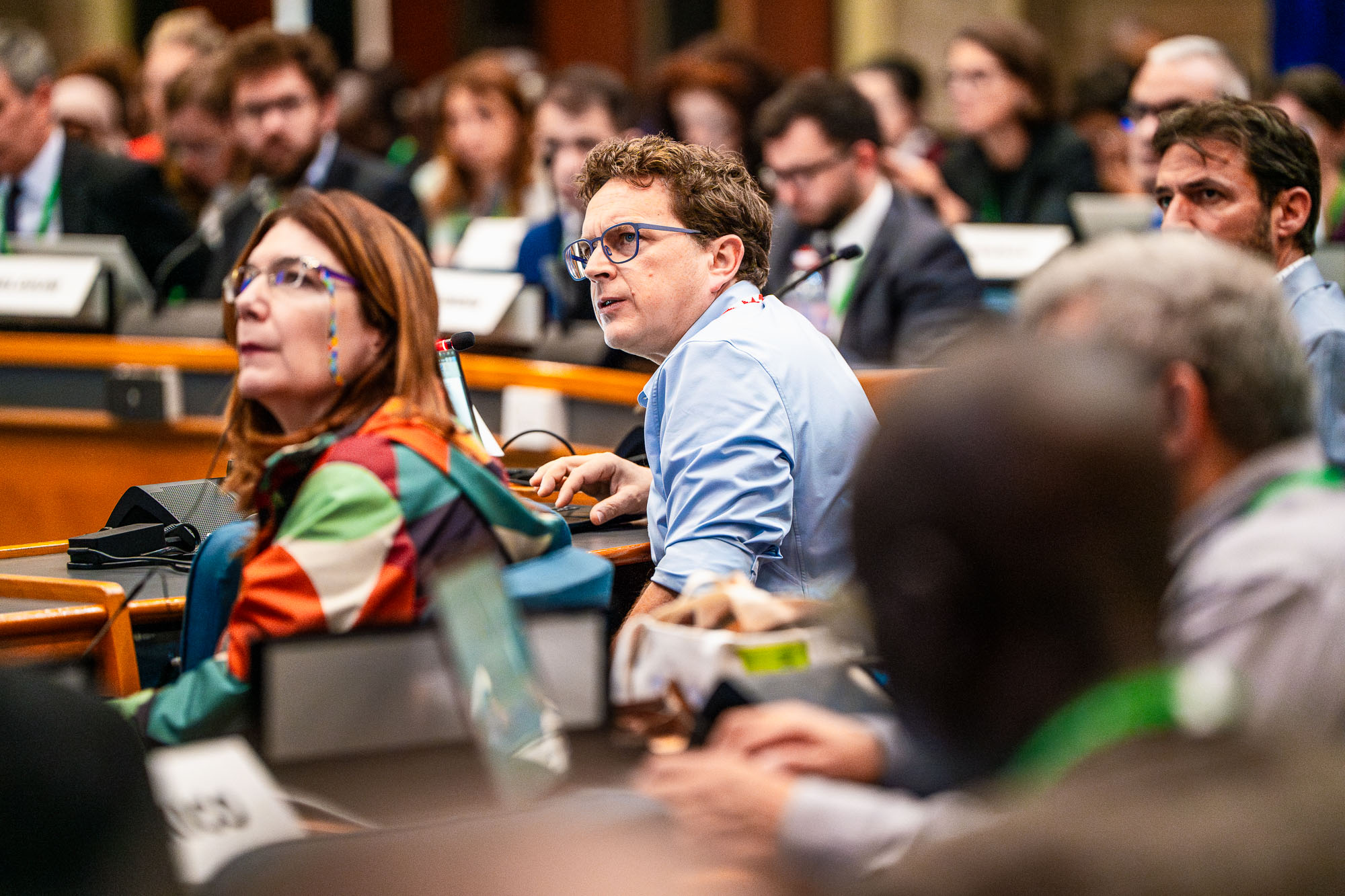
Sylvian Gatti, Canada

Patsy Nicole Contardo Urra, Contact Group on Marine and Coastal Biodiversity Co-Chair, Chile
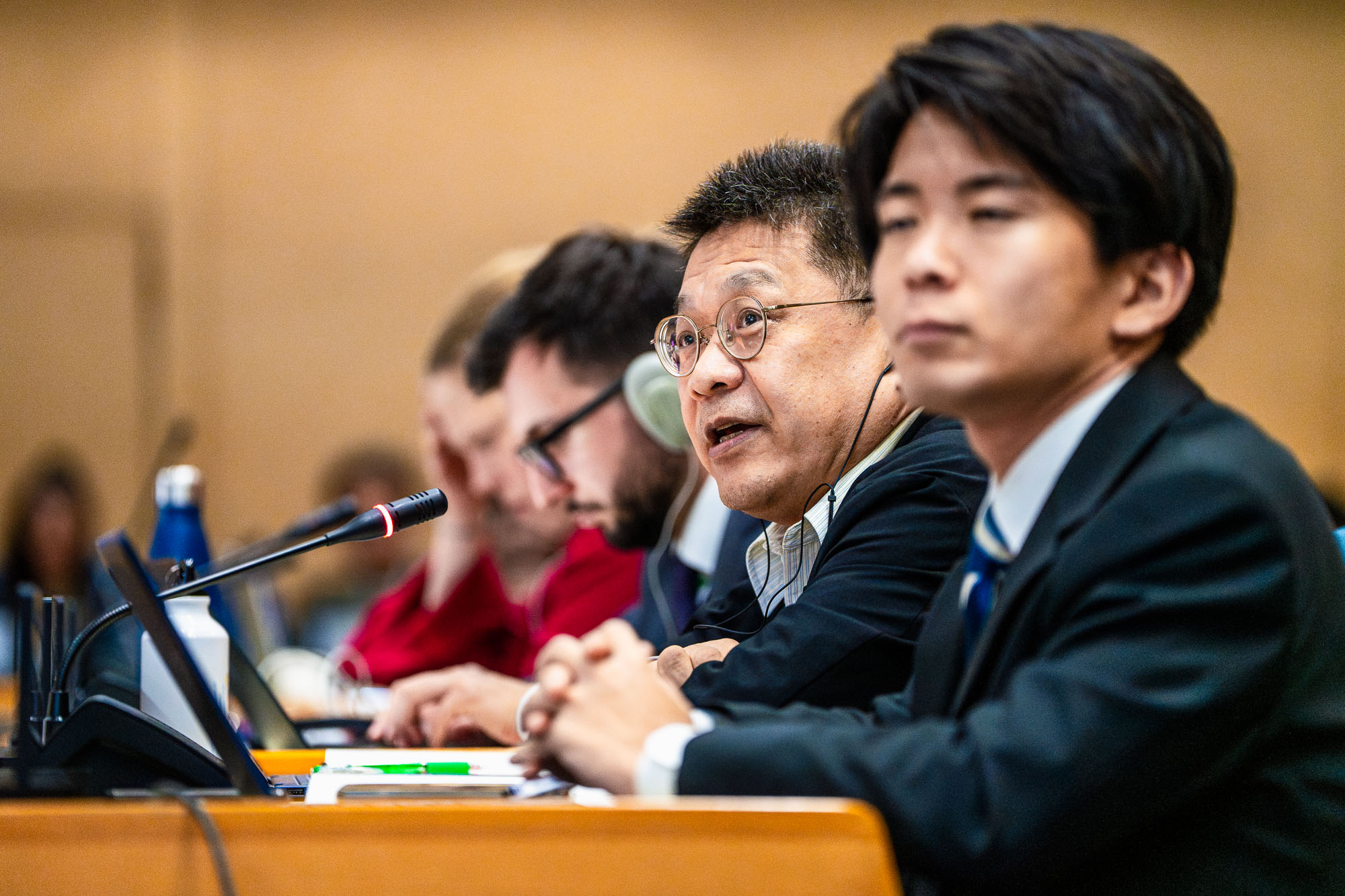
Takaaki Sakamoto, Japan
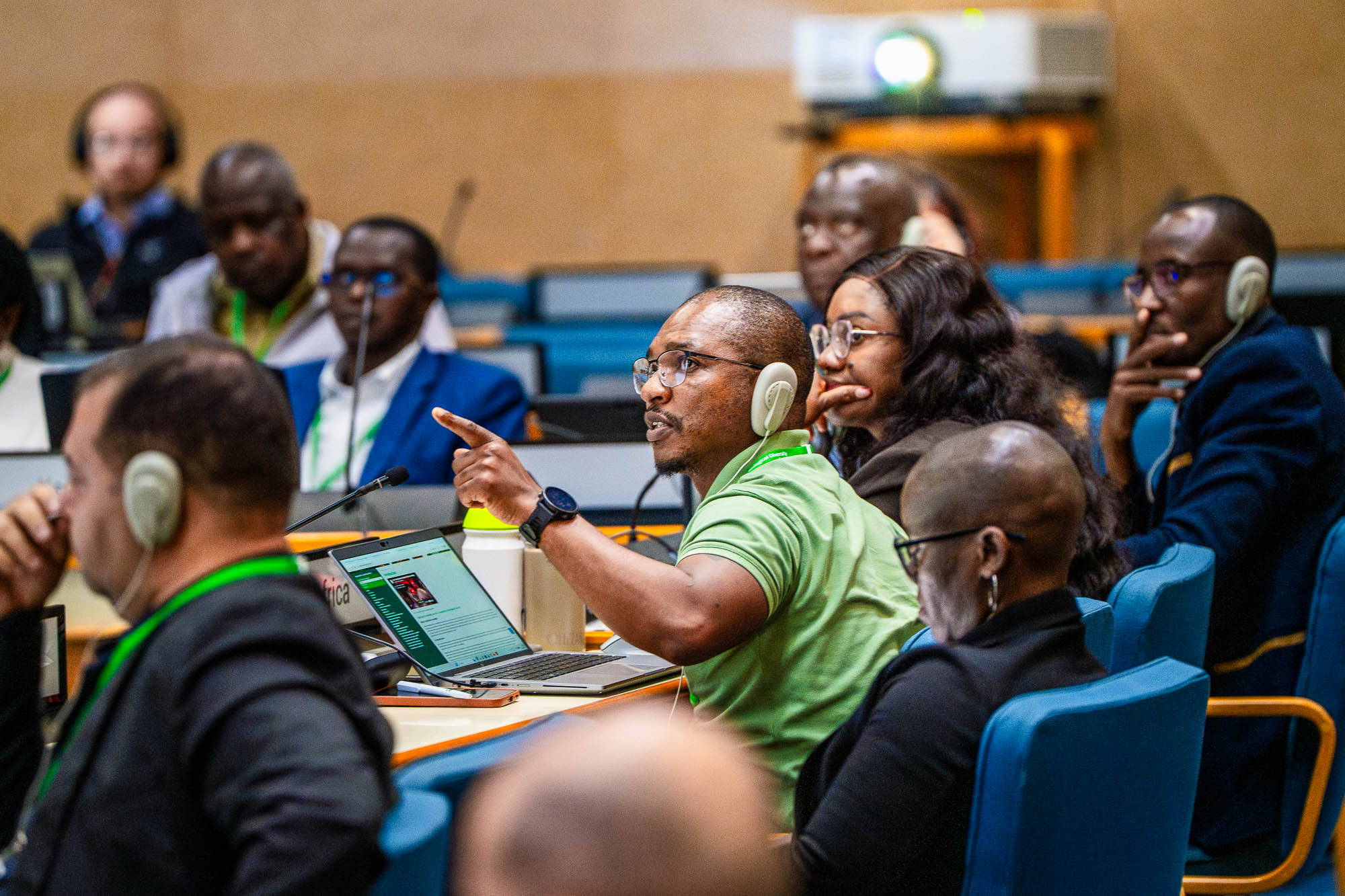
Tlou Masehela, South Africa
Around the Venue
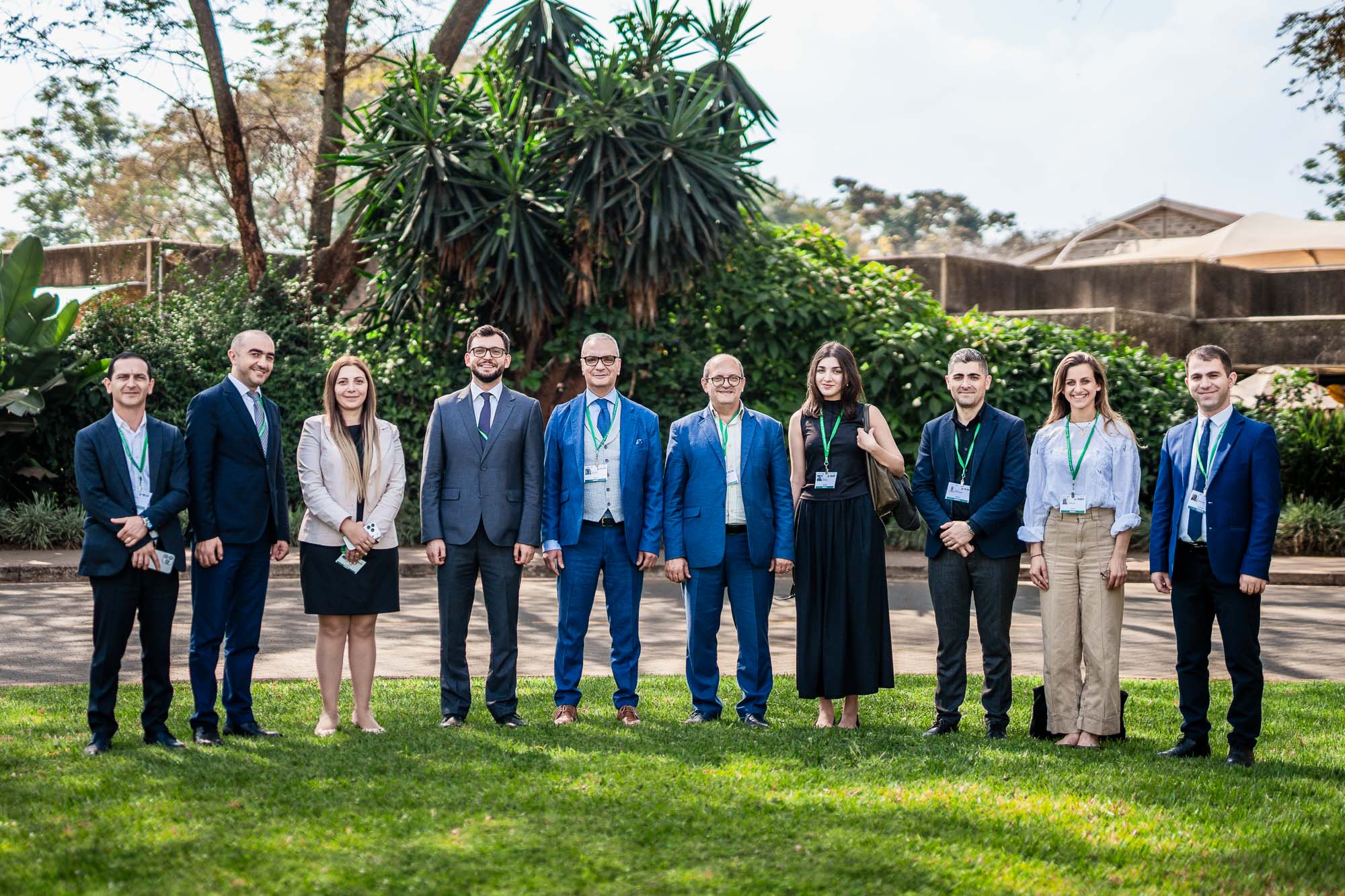
Members of the Armenian Delegation