
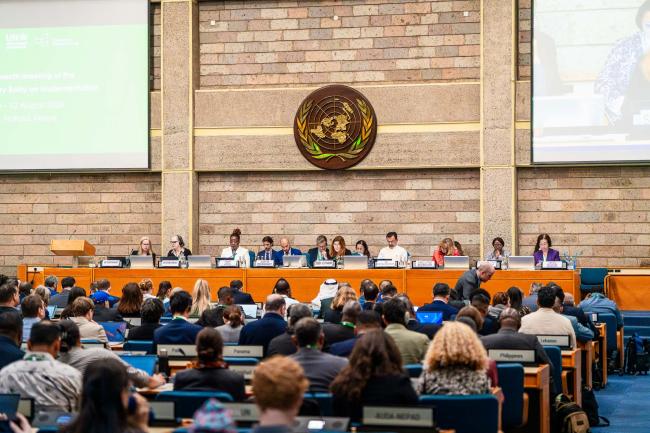
The first global review of the Kunming-Montreal Global Biodiversity Framework (GBF) provides a clear snapshot of where the world stands in implementation, but more than a stocktake of progress it is an essential tool for accelerating progress. The seventh meeting of the Subsidiary Body on Implementation (SBI 7) gathered for its first day to consider the crucial opportunities accorded by the review in identifying gaps and actions to strengthen and accelerate implementation.
Looking ahead to the seventeenth meeting of the Conference of the Parties to the Convention on Biological Diversity (CBD COP 17), delegations stressed that the meeting must transform ambition into measurable outcomes, delivering concrete progress to put nature back on a sustainable path.
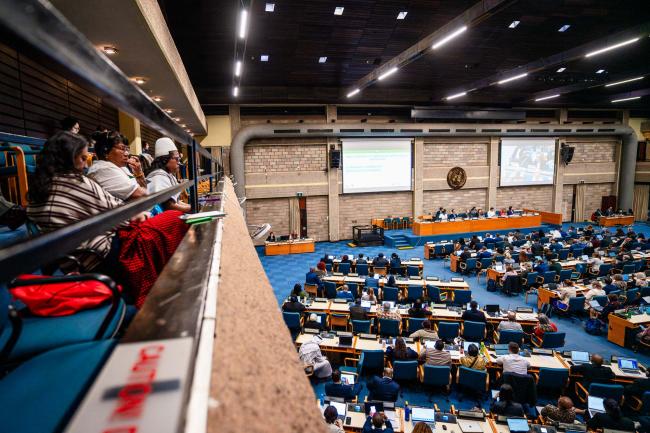
SBI 7 Chair Clarissa Souza Della Nina (Brazil) opened the meeting, noting that the session provides the last opportunity before COP 17 to address implementation of the GBF, and achieve impacts for people, planet and prosperity. She highlighted that SBI decisions will affect the wellbeing of people and the ecological integrity of the planet, urging solution-oriented approaches in the 10 days allocated for the meeting.
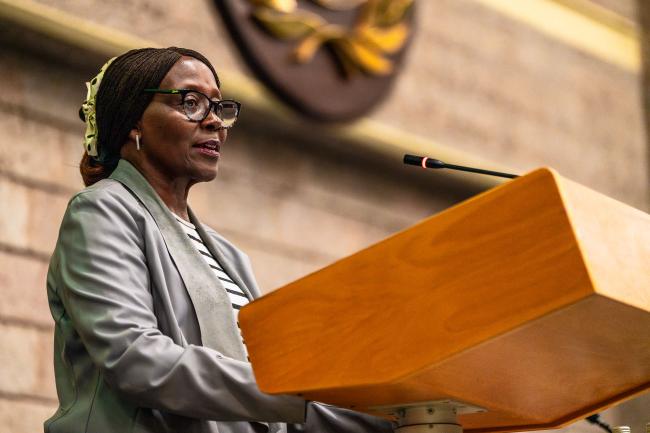
Elizabeth Mrema, Deputy Executive Director, UN Environment Programme (UNEP), reported that, in the last three years, the GBF has elicited unprecedented global commitment, but lamented that fewer than half of CBD Parties are on track to achieve the GBF targets by 2030, underscoring that targets on marine, coastal and inland waters are lagging behind those of terrestrial ecosystems.
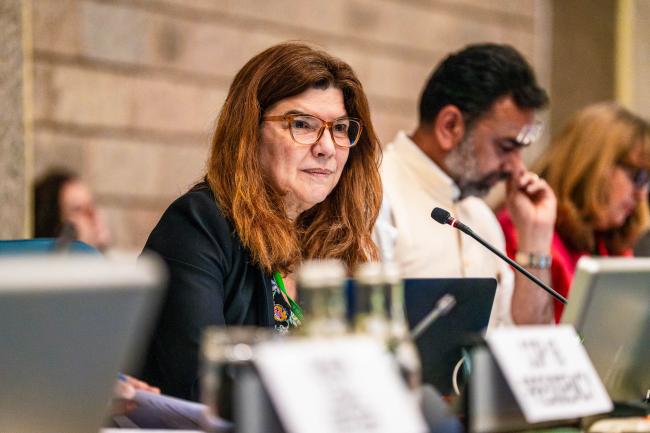
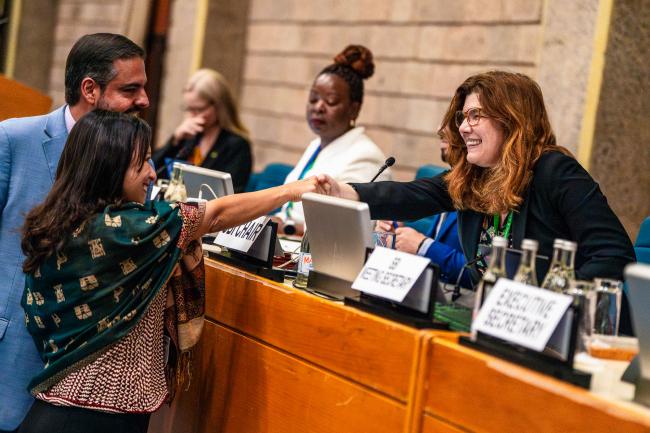
CBD Executive Secretary Astrid Schomaker said SBI 7 carries a special significance due to its timing and agenda. Timing as it will conclude eight weeks prior to the pivotal COP 17, the halfway point of the GBF implementation. The SBI 7 agenda, she underscored, outlines recommendations key to the success of the Yerevan COP and beyond. She noted that the word "acceleration" will be mentioned several times, as this is what it takes to achieve progress.
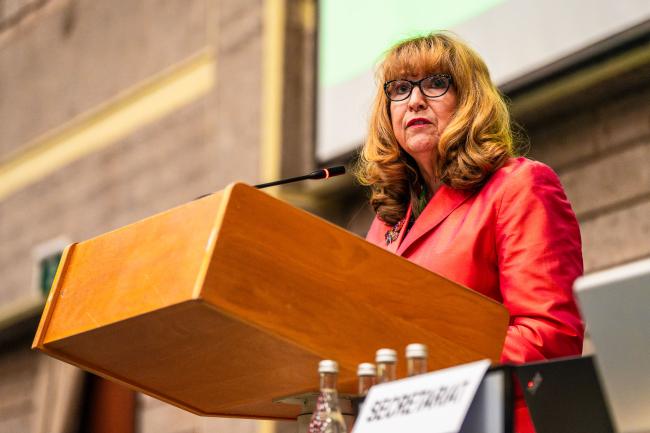
Andres Duque Solis, for the COP 16 Presidency, Colombia, said COP 16 in Cali demonstrated that ambition can be built where there is a common will for action. He urged ensuring tangible benefits from the Multilateral Mechanism for the Fair and Equitable Sharing of Benefits from the Use of Digital Sequence Information on Genetic Resources (DSI), and the Cali Fund, legacies of the Cali COP, and key mechanisms for GBF implementation.
Substantive deliberations throughout the day focused on:
- planning, monitoring, reporting, and review;
- DSI; and
- resource mobilization.
Planning Monitoring, Reporting and Review
Discussions on Planning, Monitoring, Reporting, and Review focused on the draft global review of collective progress in implementing GBF. Many acknowledged that current efforts remain insufficient to achieve the GBF goals and targets by 2030, calling for greater financial resources, technology transfer, capacity-building, and scientific and technical cooperation to accelerate implementation.
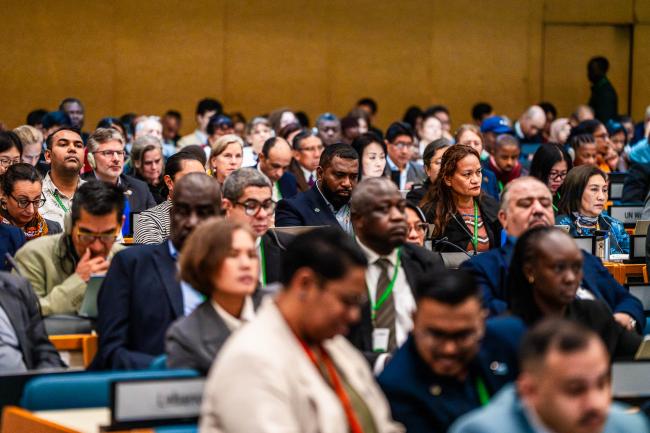
Delegates called for stronger action to address implementation gaps, particularly by mobilizing adequate means of implementation, strengthening biodiversity mainstreaming across sectors, and ensuring inclusive participation of women, youth, Indigenous Peoples and local communities, and other rights holders. Several interventions also stressed the need to recognize traditional knowledge, strengthen stakeholder collaboration, and better reflect contributions from subnational governments and civil society.
Digital Sequence Information on Genetic Resources
Delegates opened discussions on the operationalization of the Multilateral Mechanism on DSI on genetic resources, including the Cali Fund. Discussions highlighted that the Mechanism remains in its early stages and should be strengthened through practical implementation before introducing major new modalities.
There were broad calls for predictable capitalization of the Fund and for greater private sector contributions to ensure that users of DSI share benefits fairly and equitably. Support for capacity-building, technology transfer, scientific cooperation, and other tangible non-monetary benefits also emerged as essential for enabling developing countries to participate effectively from the use of DSI.
Resource Mobilization and Financial Mechanism
Discussions on resource mobilization focused on closing the biodiversity finance gap and ensuring adequate means of implementation for the Convention and the GBF.
Many stressed that the current level of funding remains insufficient to achieve the GBF targets and called for increased, predictable, and accessible financial resources. Concerns were raised over declining funding levels, shrinking fiscal space in developing countries, debt burdens, and barriers that limit access to international finance.
To receive free coverage of global environmental events delivered to your inbox, subscribe to the ENB Update newsletter.
All ENB photos are free to use with attribution. For the 28th Meeting of the CBD Subsidiary Body on Scientific, Technical, and Technological Advice (SBSTTA 28) and 7th Meeting of the Subsidiary Body on Implementation (SBI 7), please use: Photo by IISD/ENB | Danny Skilton
Plenary
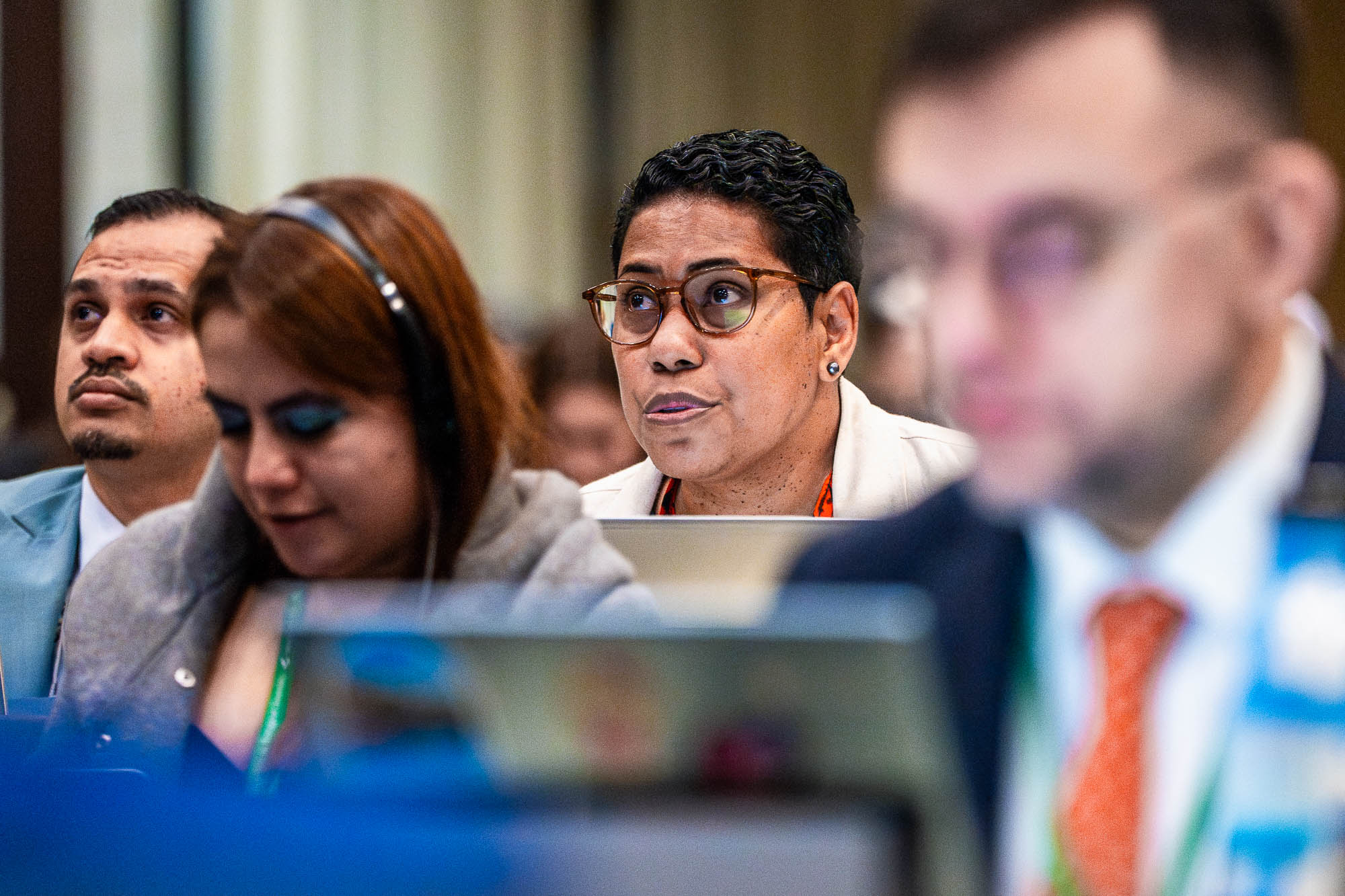
Mere Rosi Komailevuka, Fiji
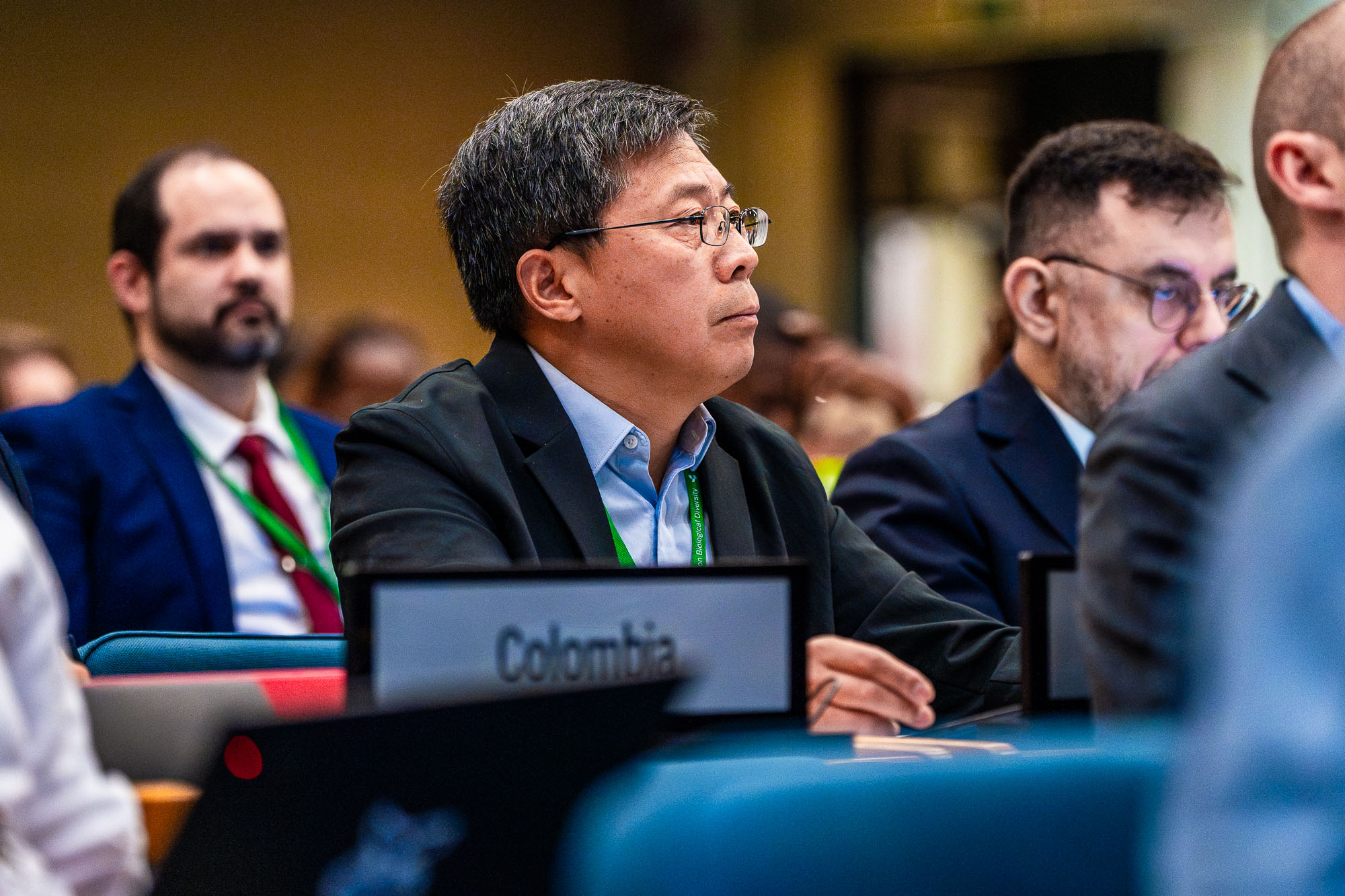
Yujun Zhang, China
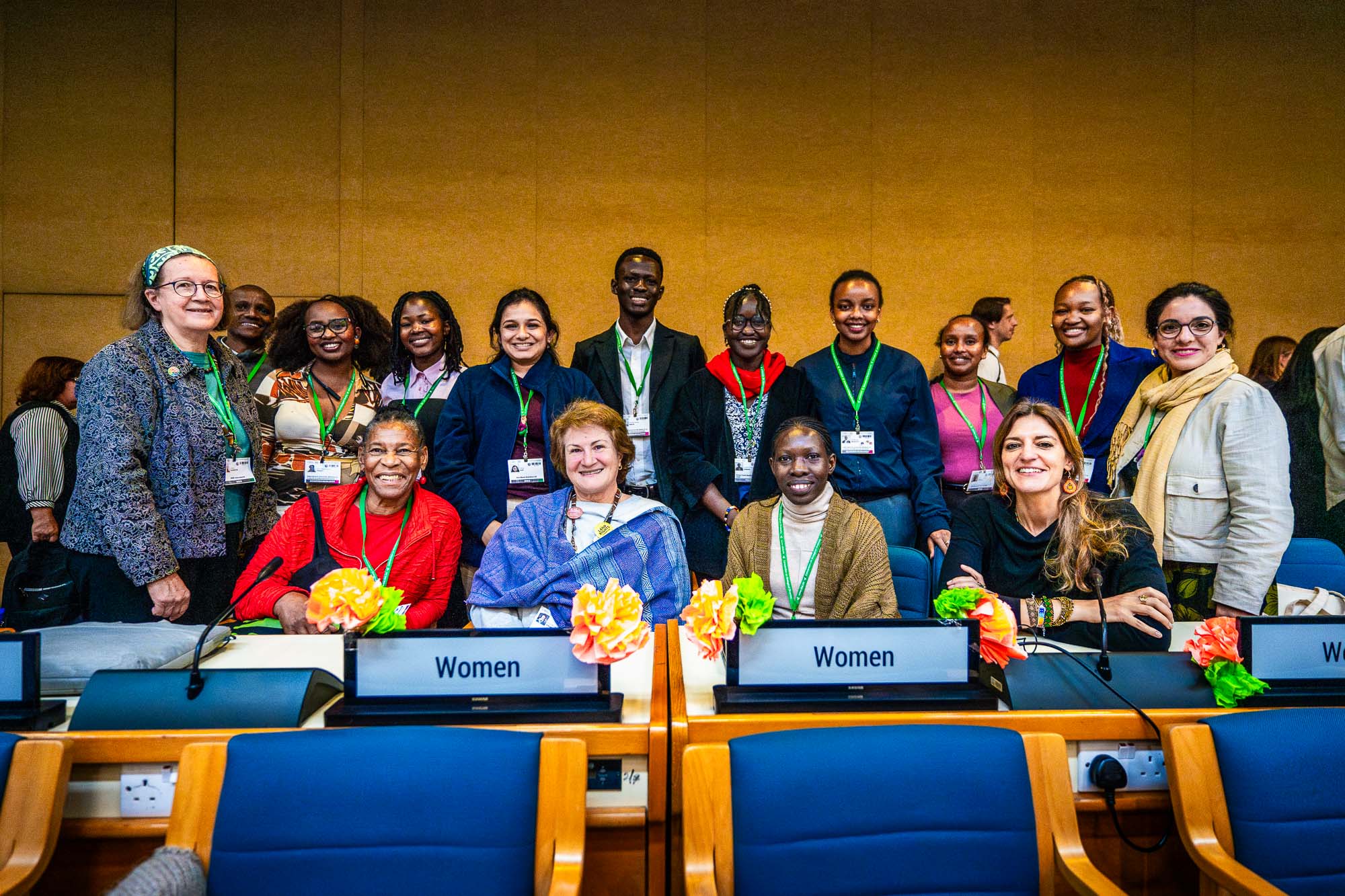
Members of the CBD Women's Caucus
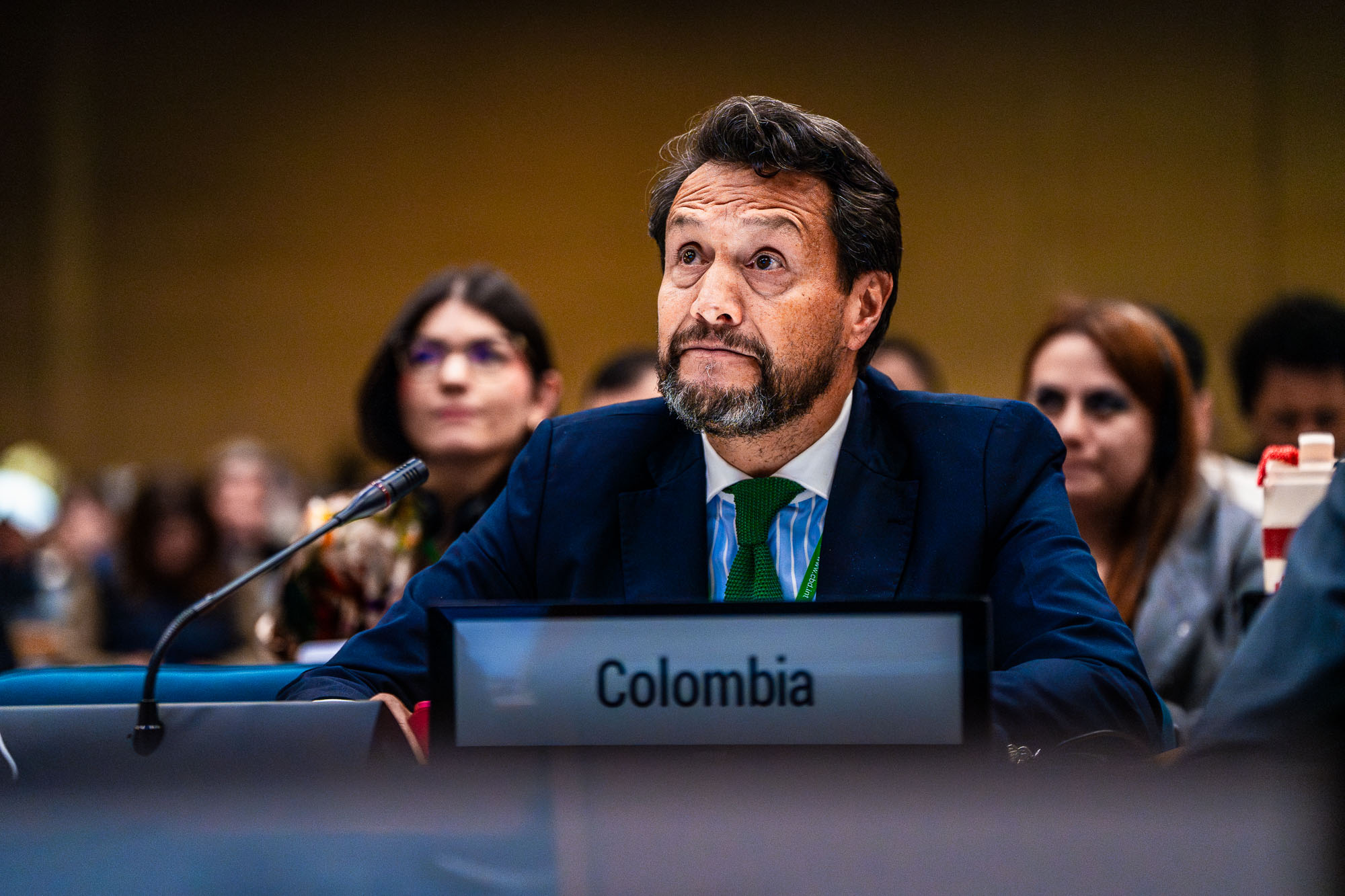
Jorge Ivan Hurtado, Colombia
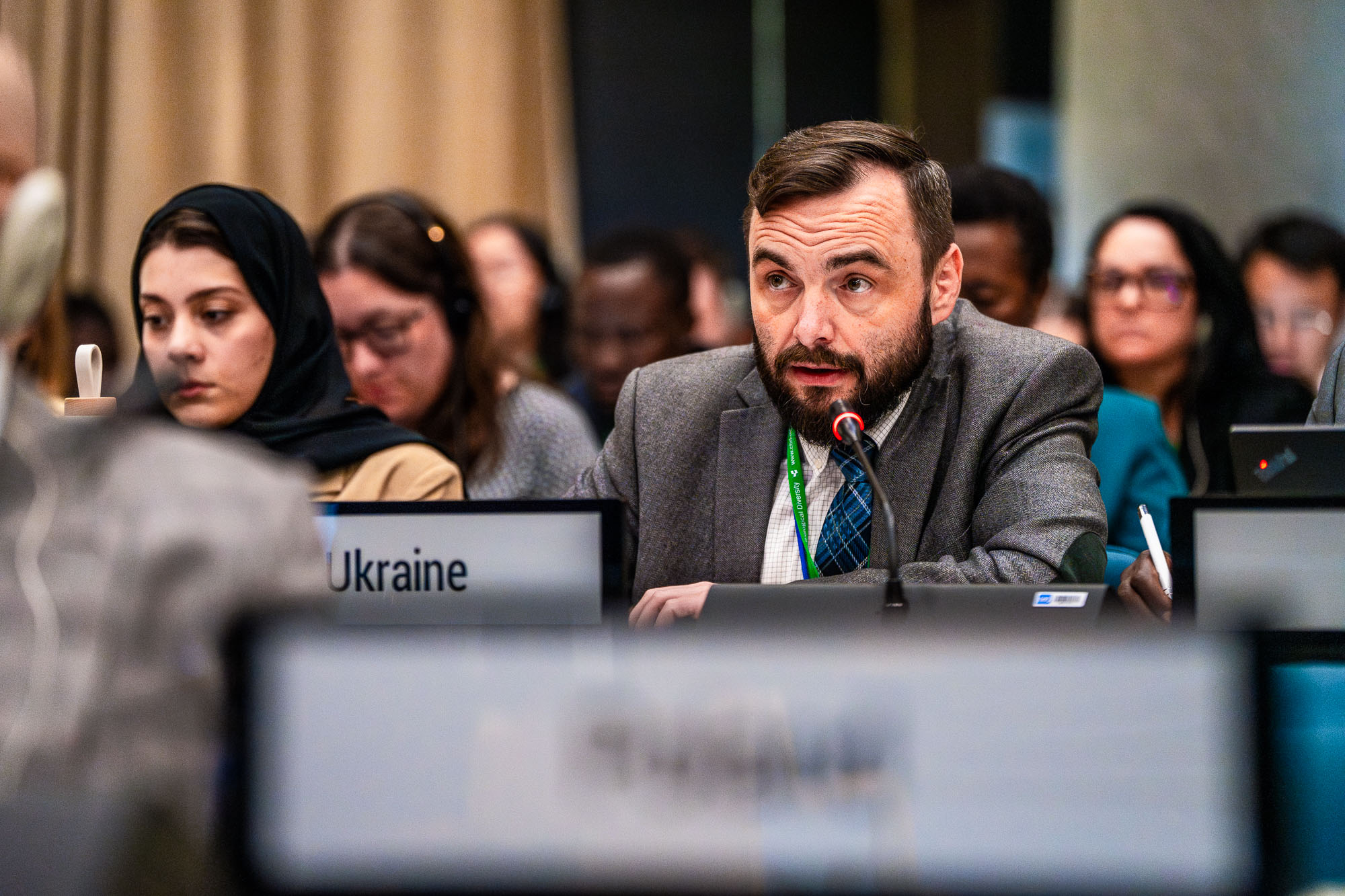
Oleksandr Demianiuk, Ukraine
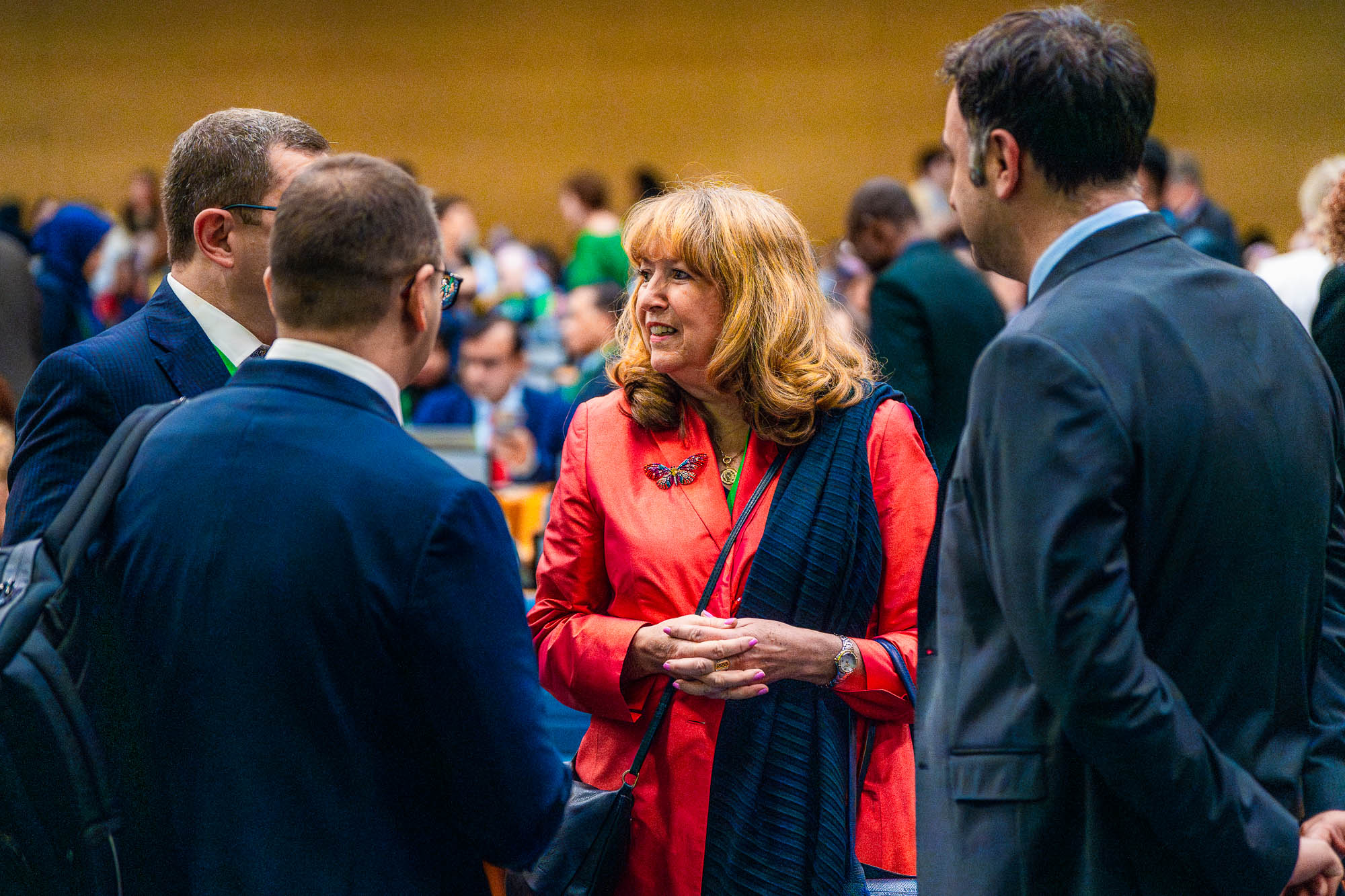
Astrid Schomaker, Executive Secretary, CBD
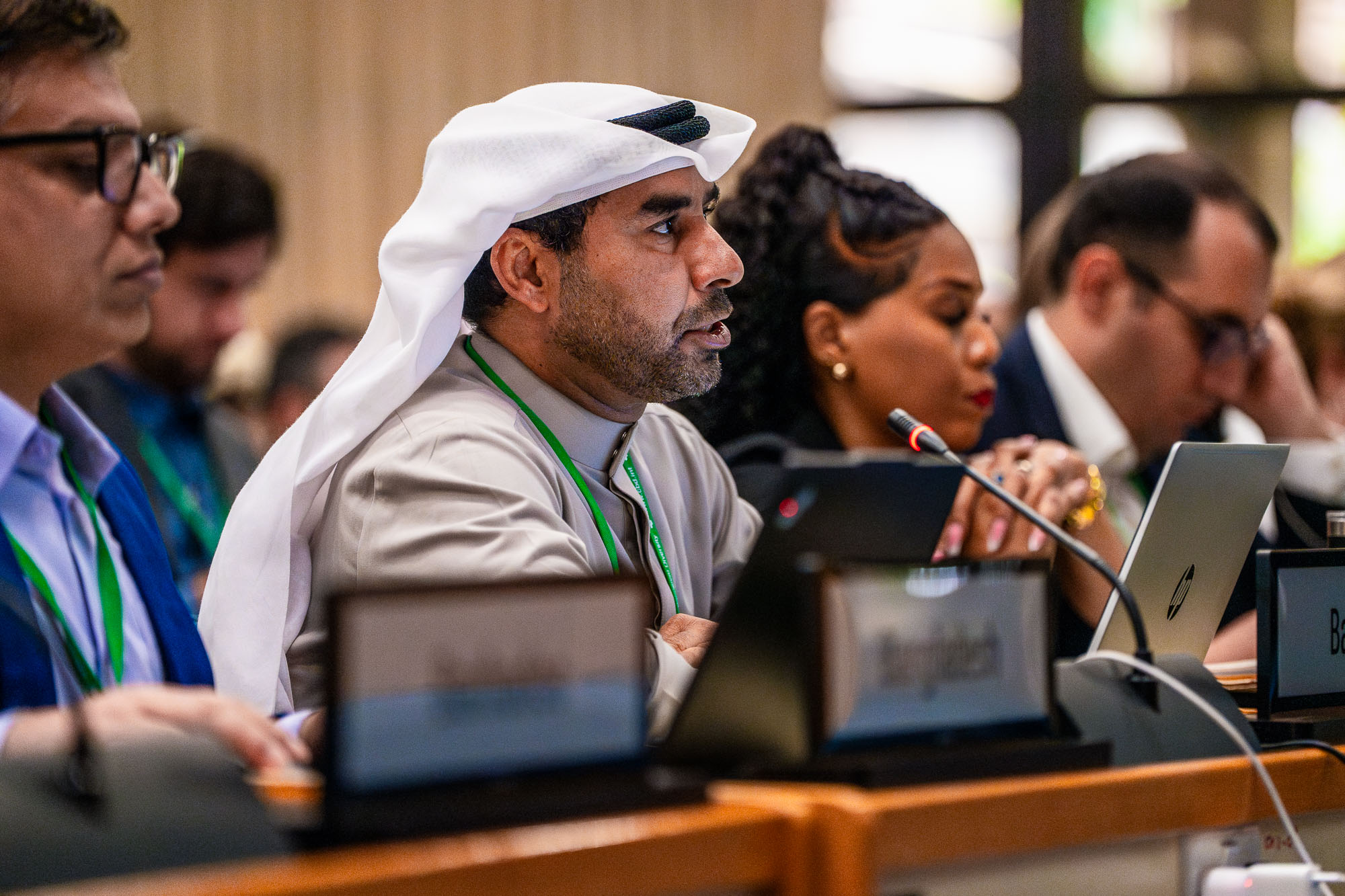
Ali Mansoor Abbas Abdullah, Bahrain
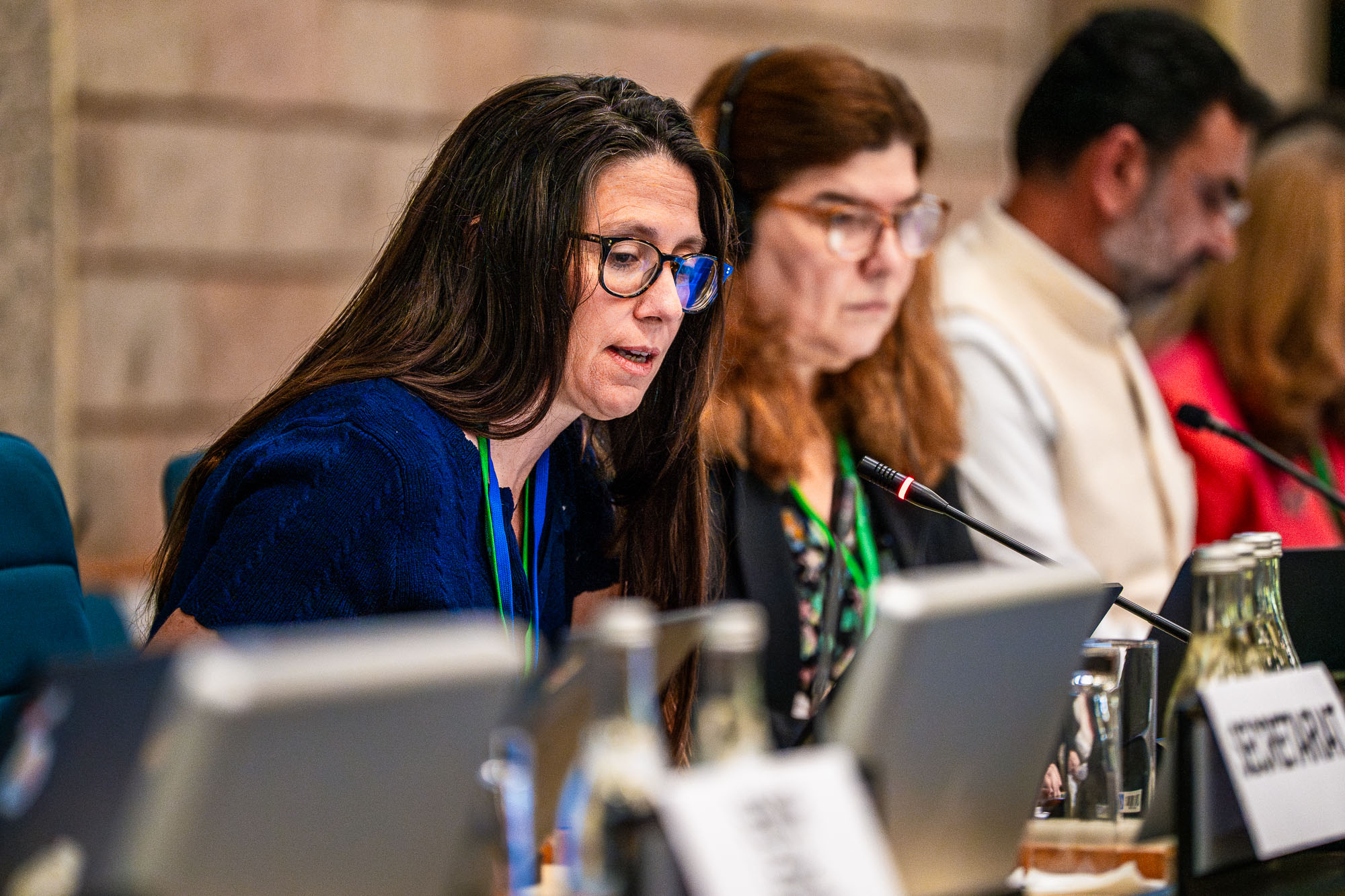
Jillian Campbell, CBD Secretariat
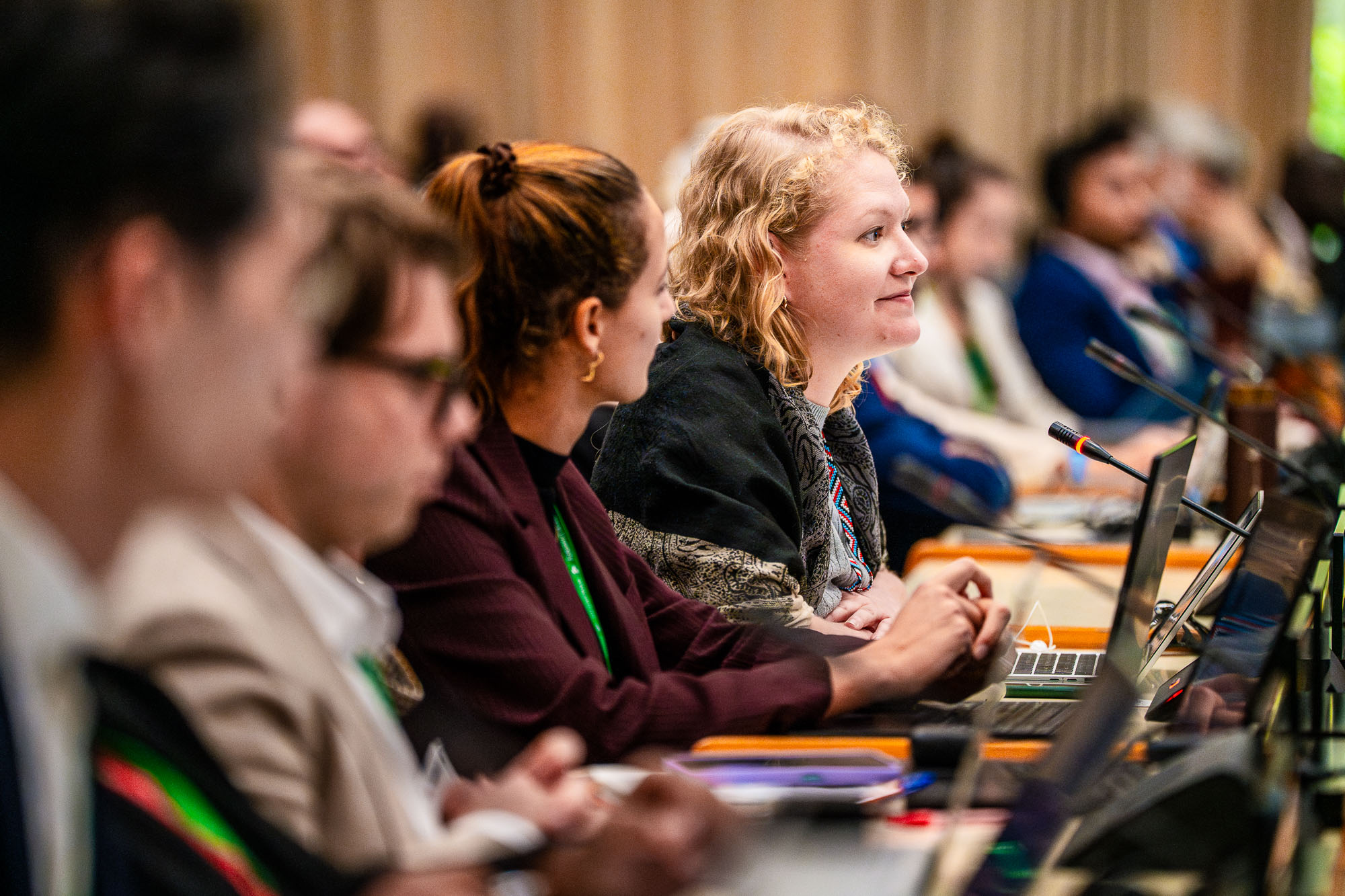
Adèle Fardoux, France, speaking on behalf of the EU
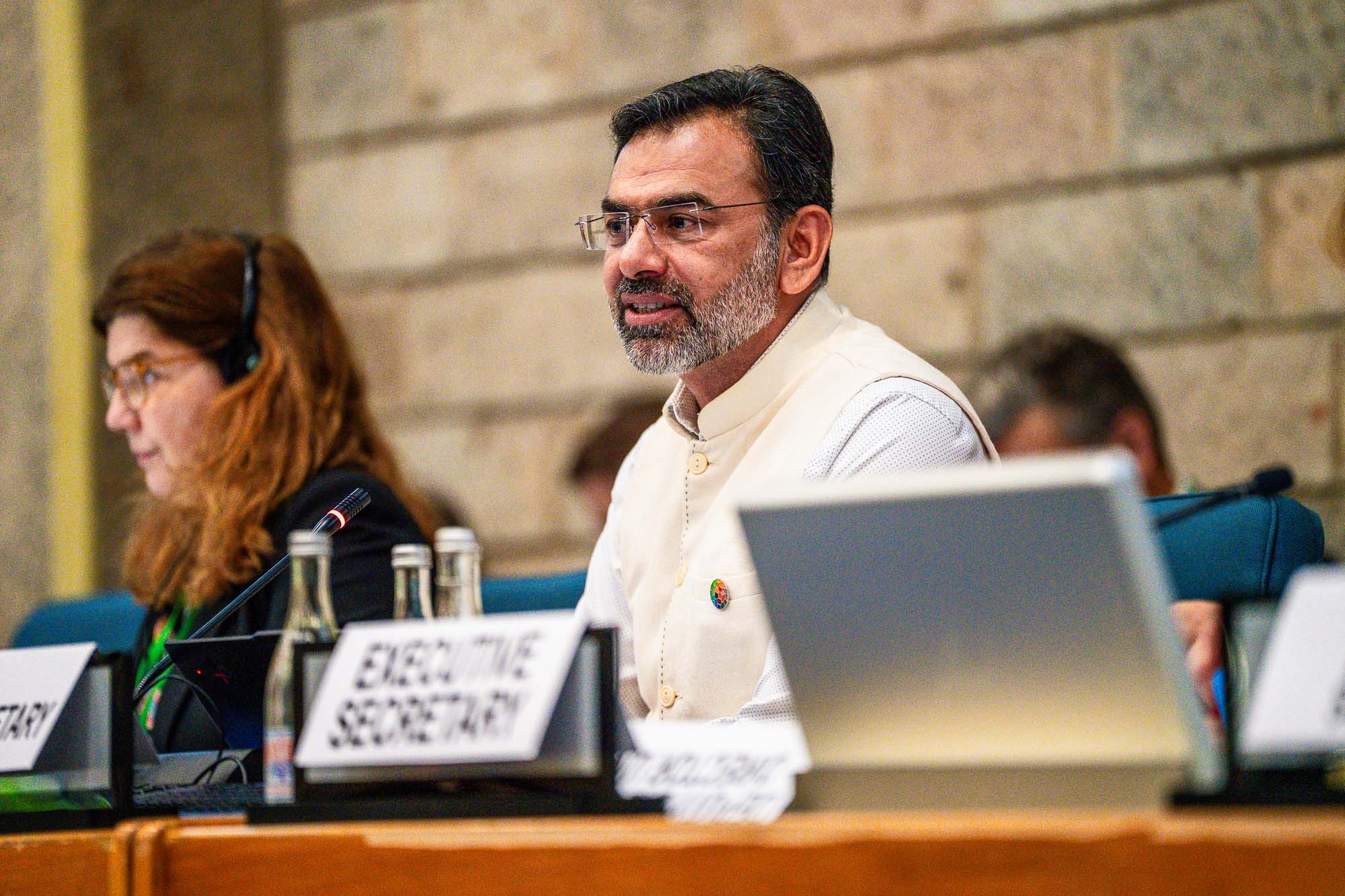
Asad Naqvi, CBD Secretariat
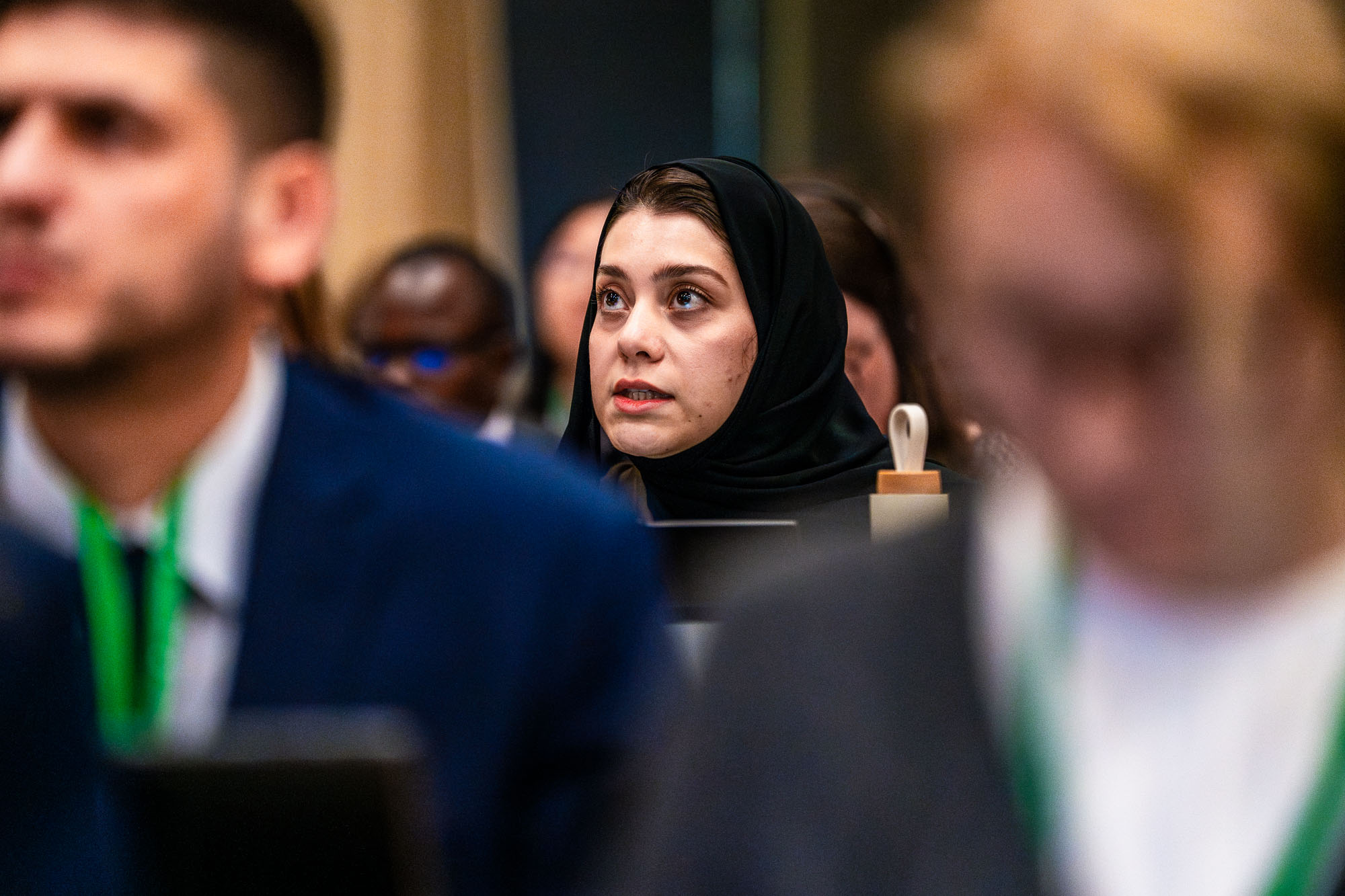
Maitha Al Mheiri, UAE
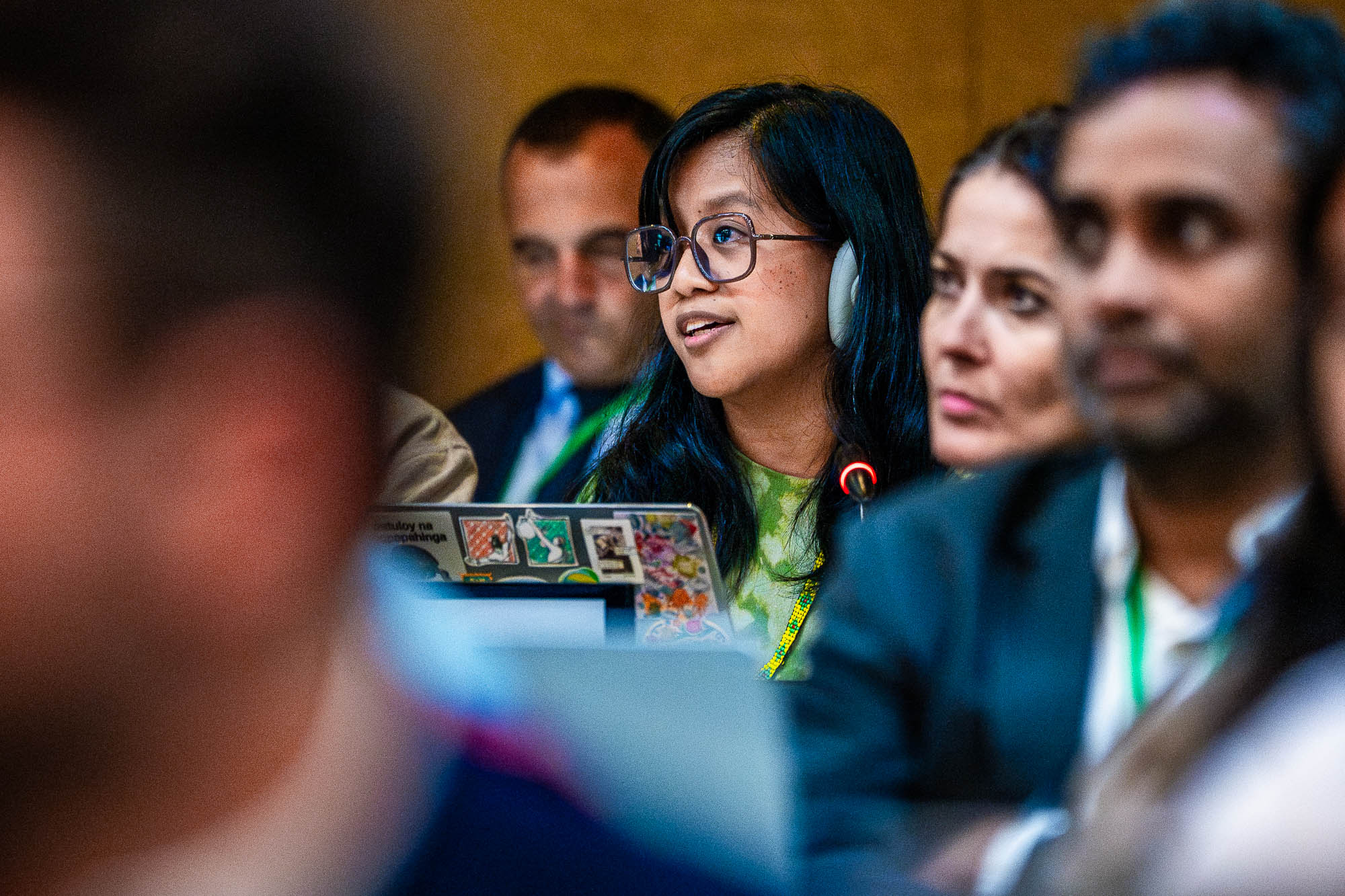
Josefa Tauli, Global Youth Biodiversity Network
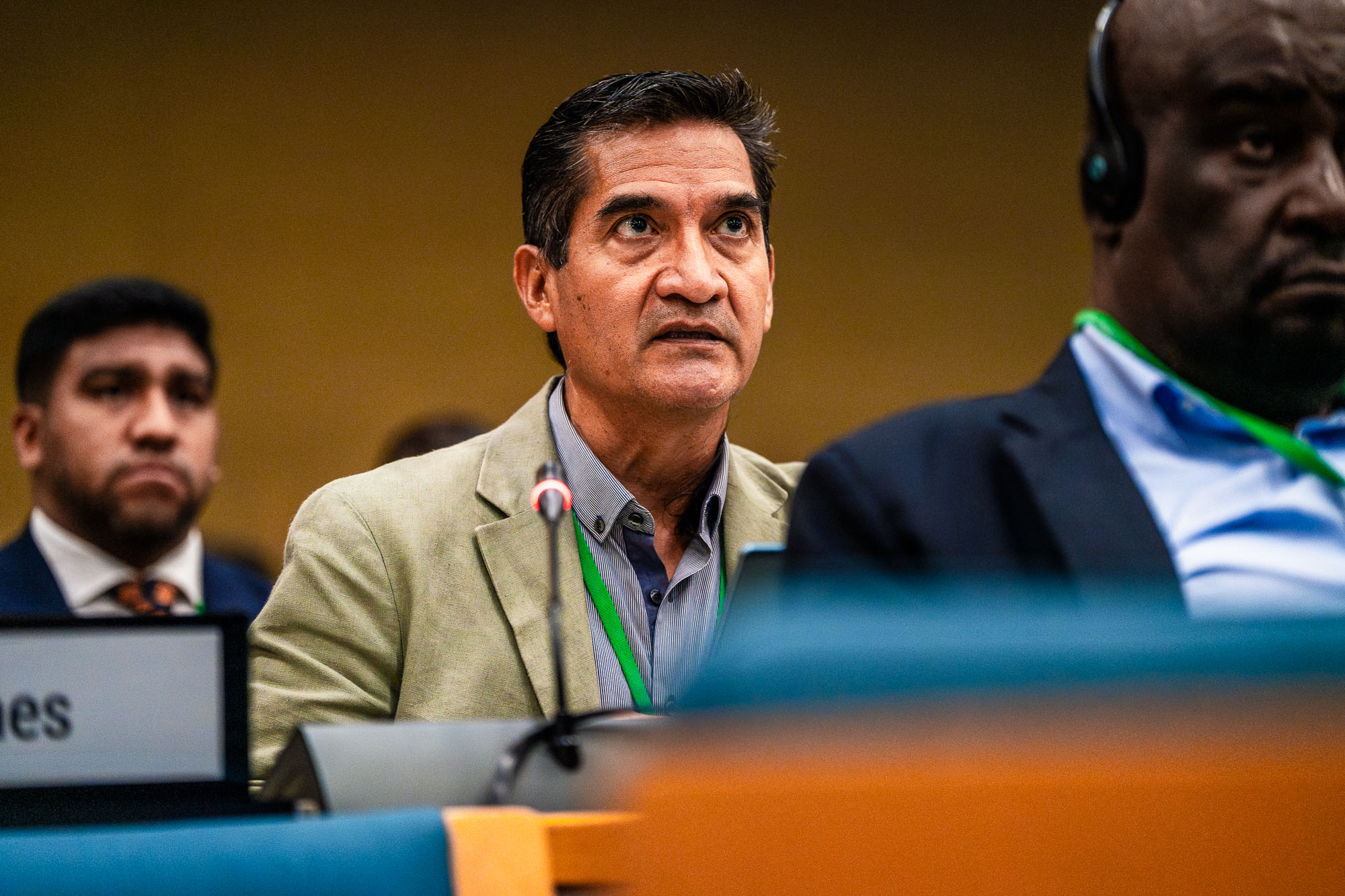
Antonio Sanchez, Peru
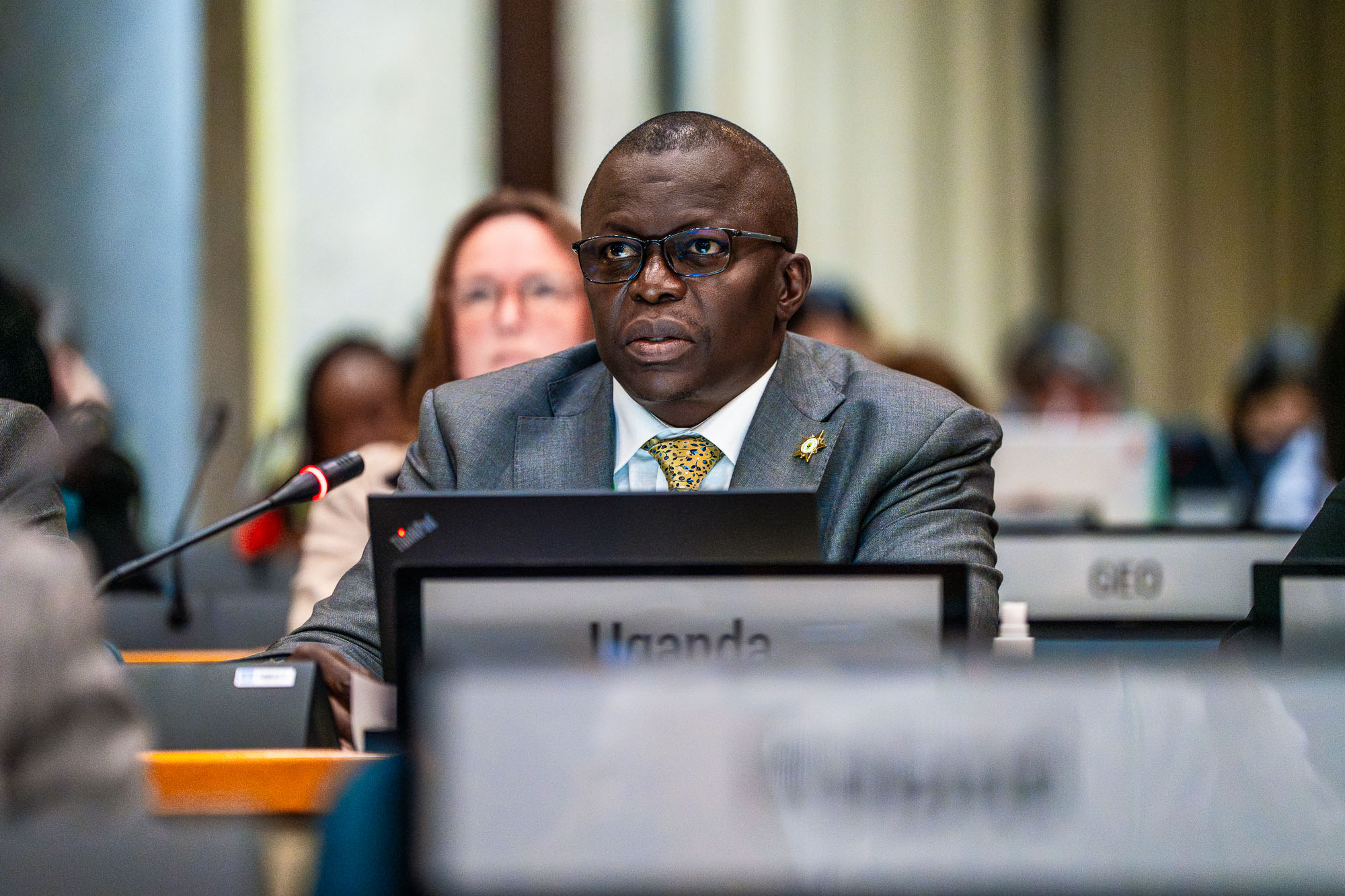
Francis Ogwal, Uganda
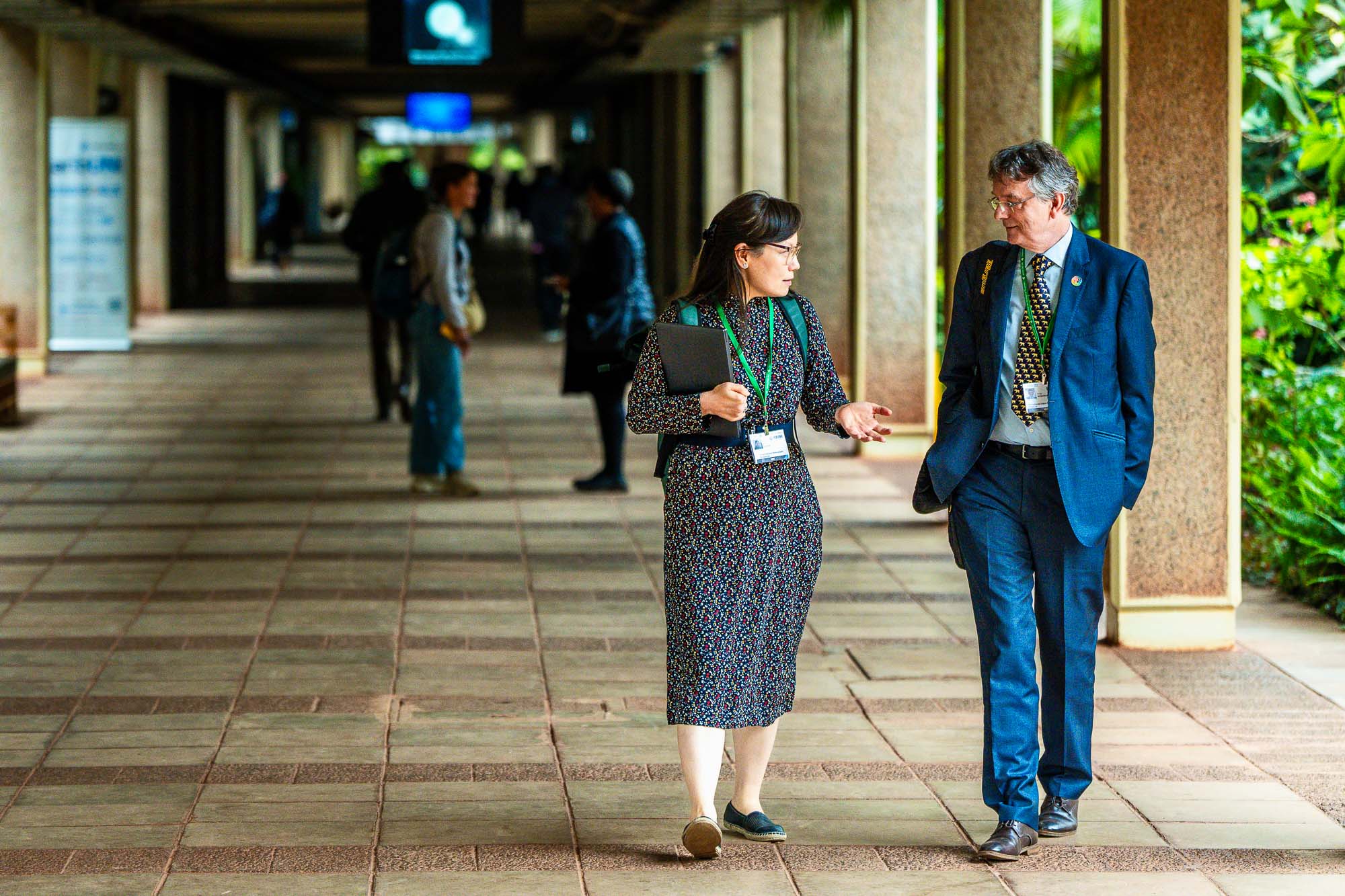
Around the Venue

The Rainforest Action Network's field guide to biodiversity finance narratives

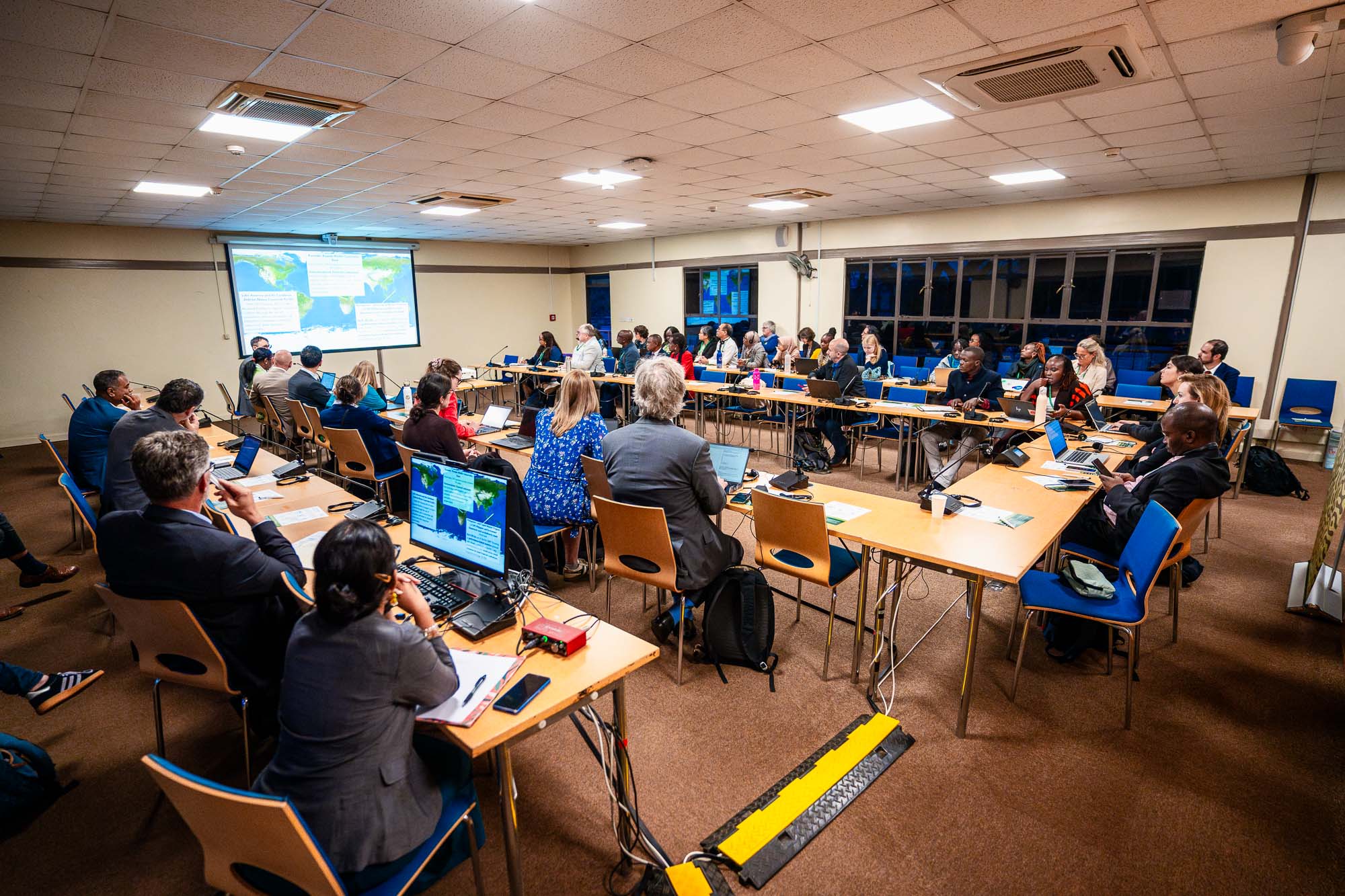
Side Event: The GEF Family of Funds Support to the GBF: Stocktake and GEF-9 outlook