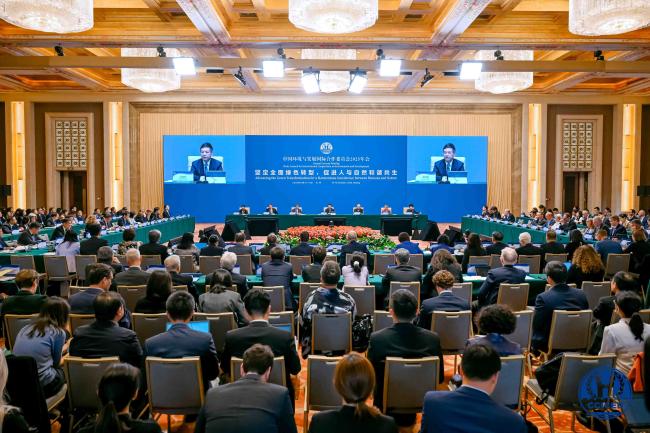
Global political and economic turmoil is taking a toll on the international community’s ability to address the interconnected crises of climate change, biodiversity loss, and pollution. At the same time, China is making remarkable progress in advancing the green low-carbon transition and shaping the global economy. What is next for China and the world?
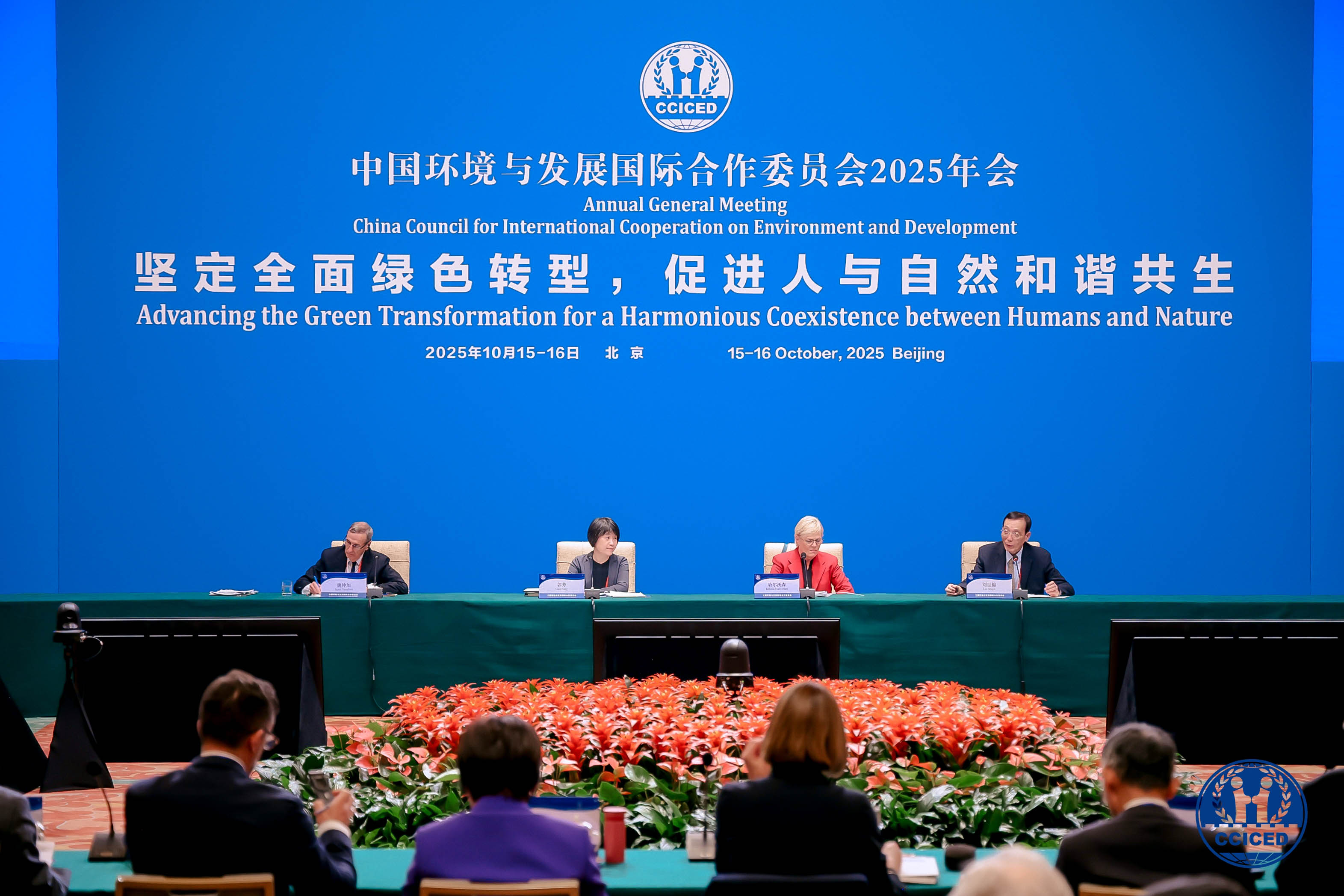
The China Council for International Cooperation on Environment and Development (CCICED) opened its 2025 Annual General Meeting (AGM) on Wednesday to discuss these very issues and its cross-cutting research, as well as to gather insights from invited experts, including on China’s leadership on high quality sustainable development.
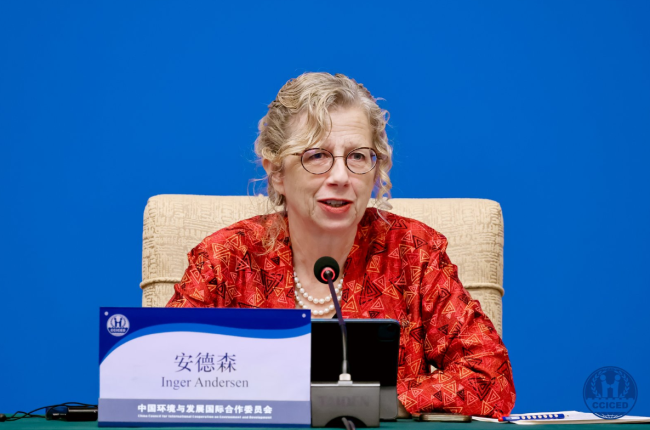
During the opening session, participants cited the growing urgency of what UN Environment Programme (UNEP) Executive Director Inger Andersen referred to as the triple planetary crisis, as well as the political turbulence of the past year. Many underscored the progress China is making in addressing climate change, biodiversity loss, pollution, and ocean governance, suggesting it positions China to lead by example. Lauding the country’s sustainable development successes, participants encouraged China to continue to be ambitious and demonstrate the pathway to high quality development.
Speakers pointed to several key successes. For example, Huang Runqiu, CCICED Chinese Executive Vice Chairperson and Minister of Ecology and Environment of China, noted that China has built the largest carbon emissions trading market, which has recently been expanded to include new industries and now covers 60% of China’s carbon dioxide emissions.
Discussing the CCICED Issues Paper 2025, titled “Tipping, Turbulent, and Green Transition Points,” Scott Vaughan, CCICED International Chief Advisor and IISD Senior Fellow, highlighted the need for integrated and coordinated responses to protect nature and the climate, including sustainable use of ecosystems and a sustainable blue economy.
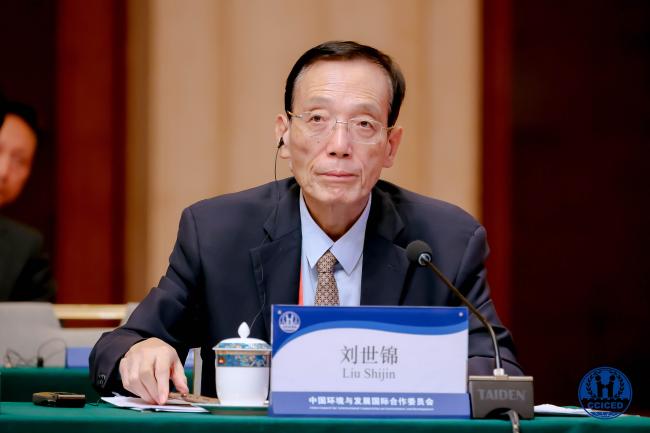
Liu Shijin, CCICED Chinese Chief Advisor and former Deputy President of Development Research Center of the State Council, outlined the draft policy recommendations to be considered by CCICED, which are organized around six themes:
- expanding green demand to support the low carbon transition;
- technology-based and coordinated ecosystem protection and sustainable use;
- sustainable and circular production and consumption;
- finance for low-carbon technology innovation and mitigating stranded asset risks;
- planning a just and inclusive transition in traditional energy regions; and
- promoting high-standard opening-up and advancing practical cooperation to jointly build a clean and beautiful world.
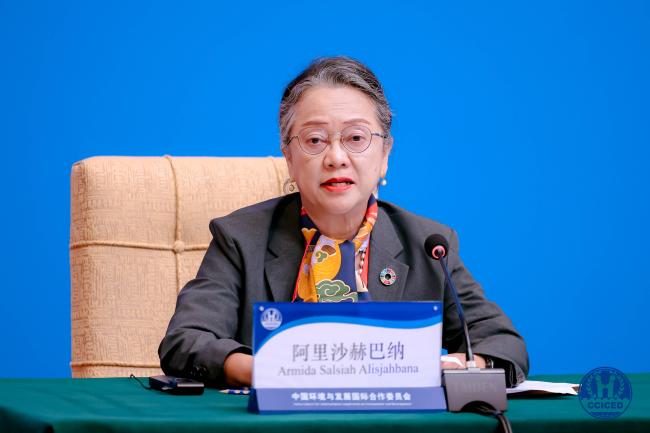
After a break, participants turned to the Policy Research Dialogue, during which research team leads provided brief overviews of their studies and resulting recommendations. In the subsequent discussion, some participants reflected on the implications of the “turbulence” of 2025, with one stating that a new world order is emerging and ensuring that sustainability is at its heart is essential. Another participant suggested the concept of a fractured world where money is scarce is not new and called for investing in policies for a sustainable future.
To receive free coverage of global environmental events delivered to your inbox, subscribe to the ENB Update newsletter.
Plenary
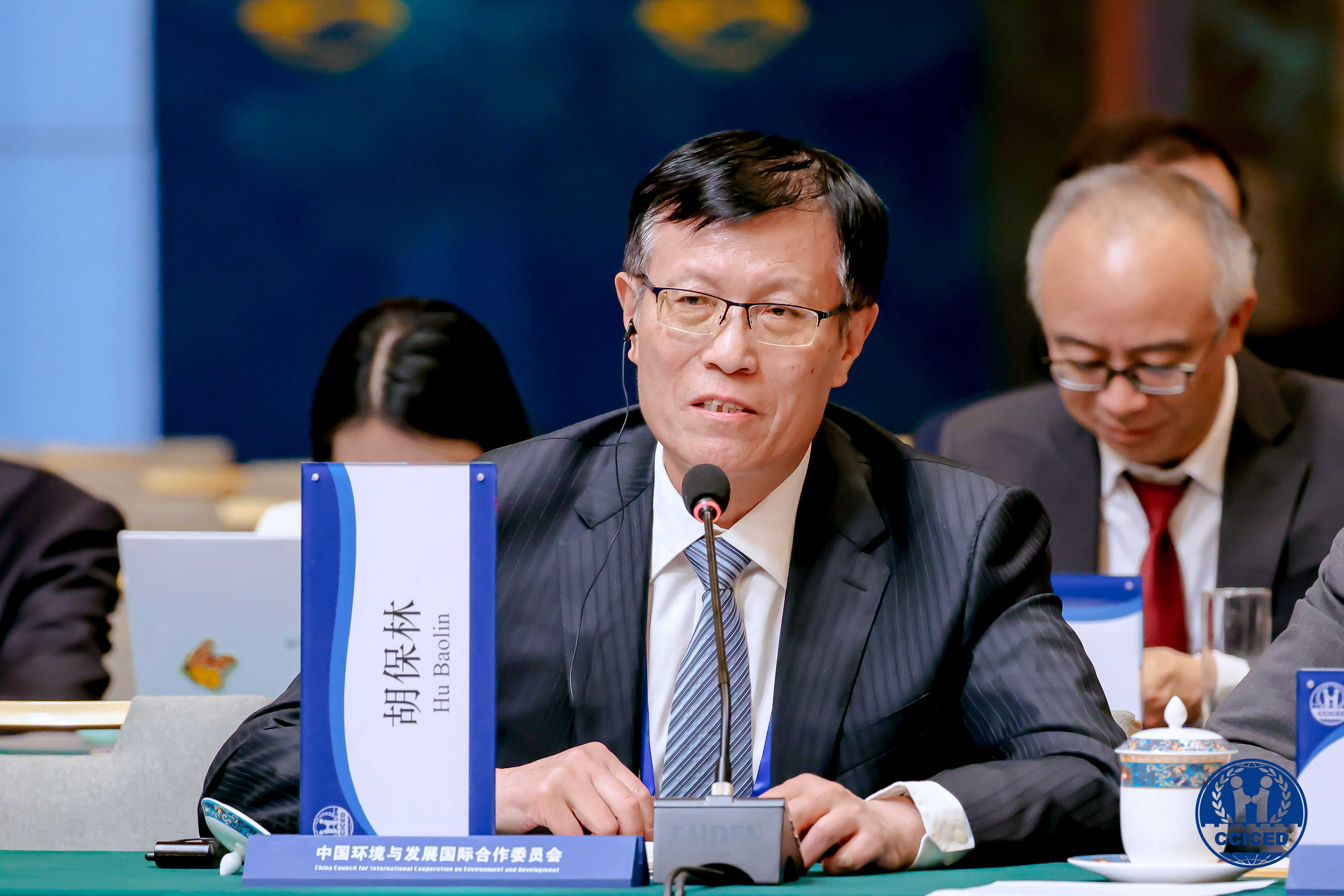
Hu Baolin, Honorary Dean, Research Institute of China Green Development, Tianjin University
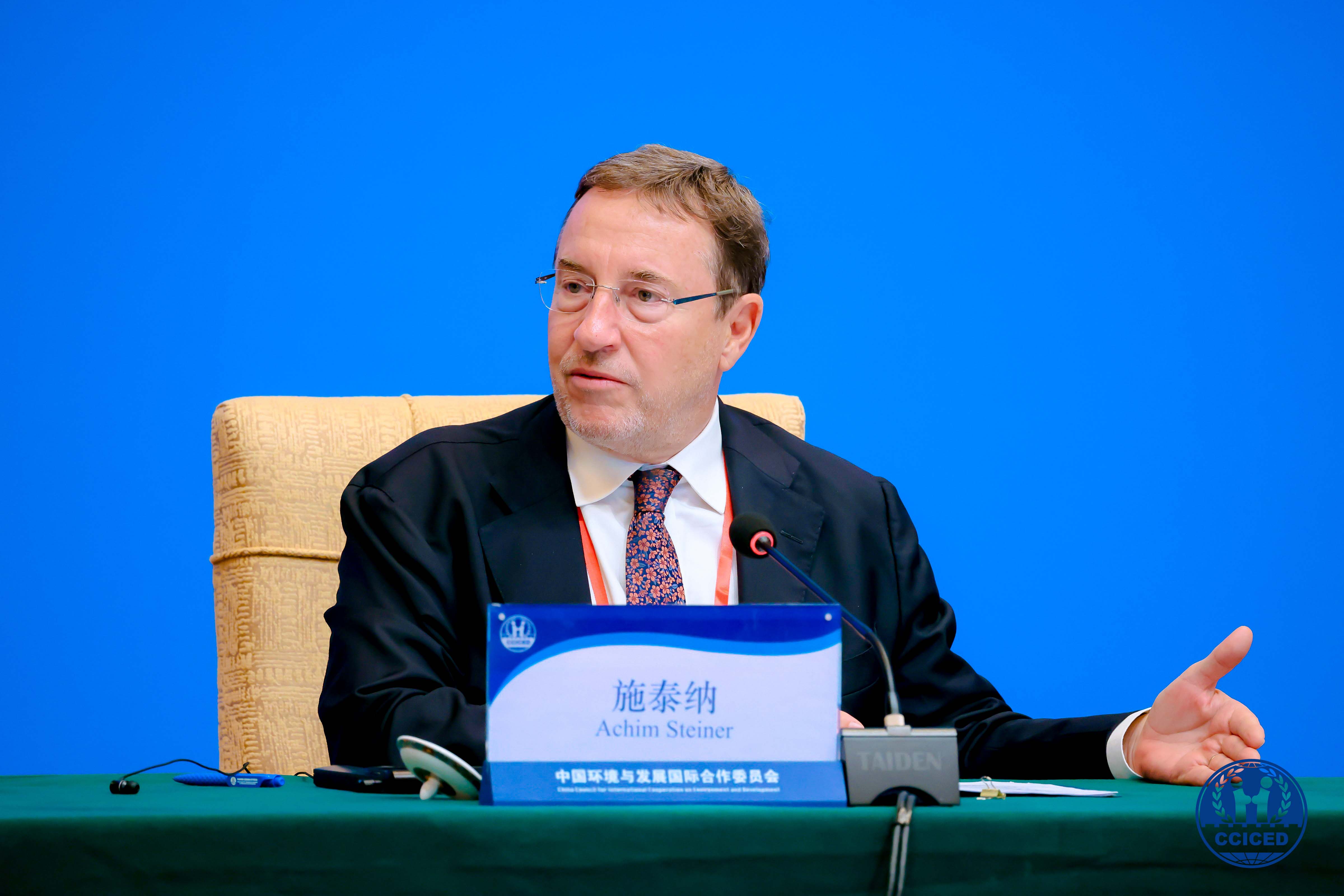
Achim Steiner, former Administrator of the United Nations Development Programme
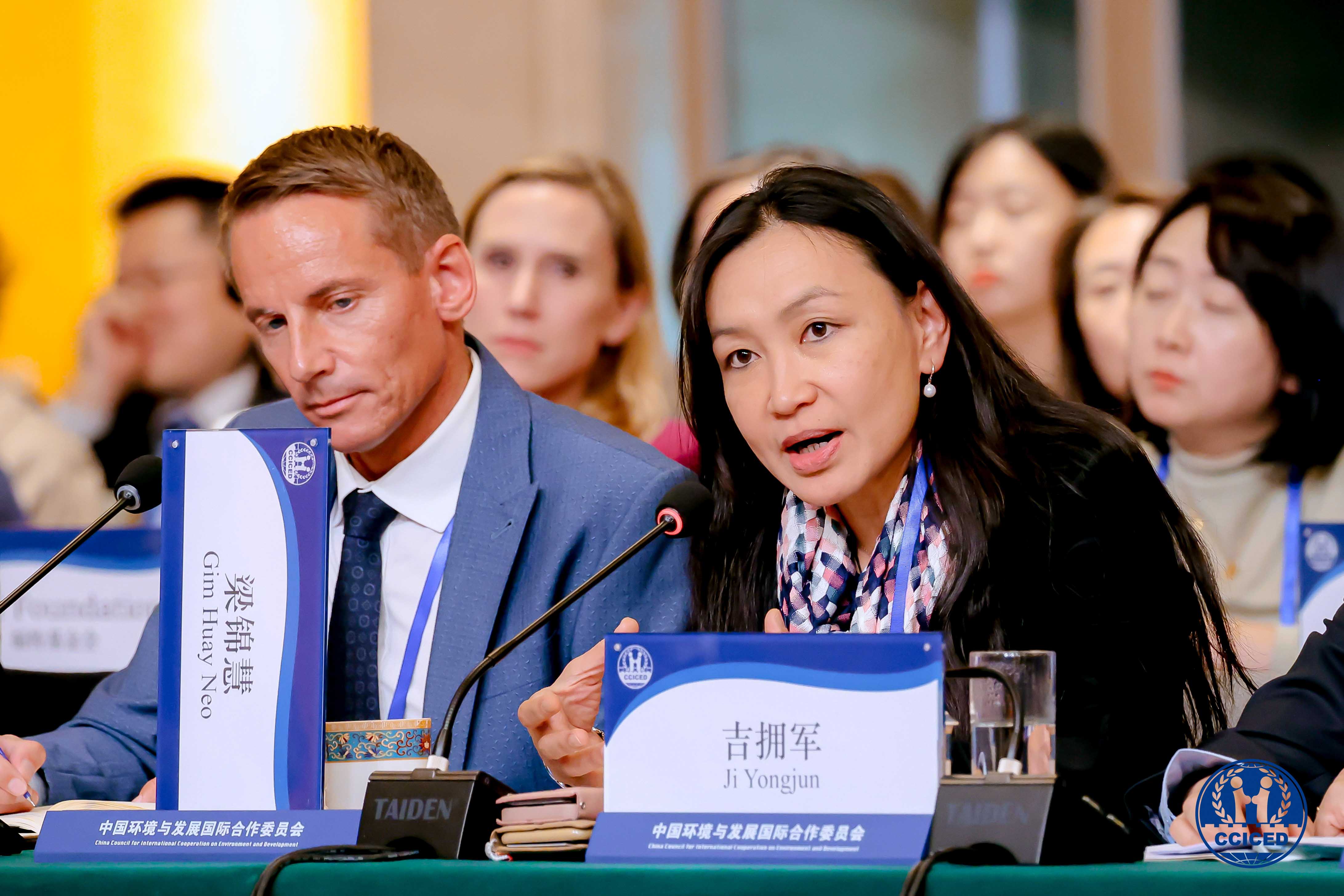
Gim Huay Neo, Managing Director and Member of the Managing Board at the World Economic Forum
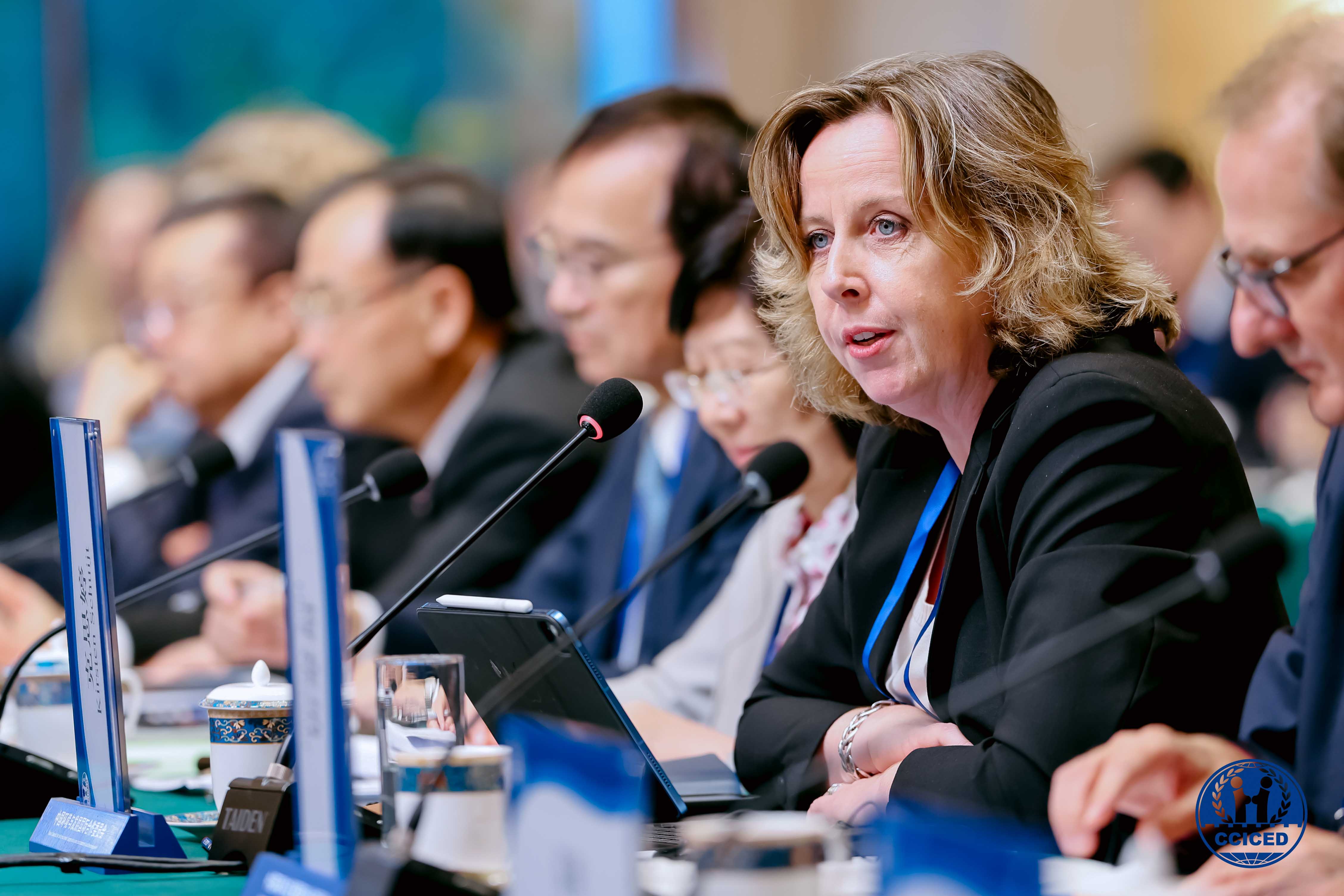
Kirsten Schuijt, Director General, WWF International
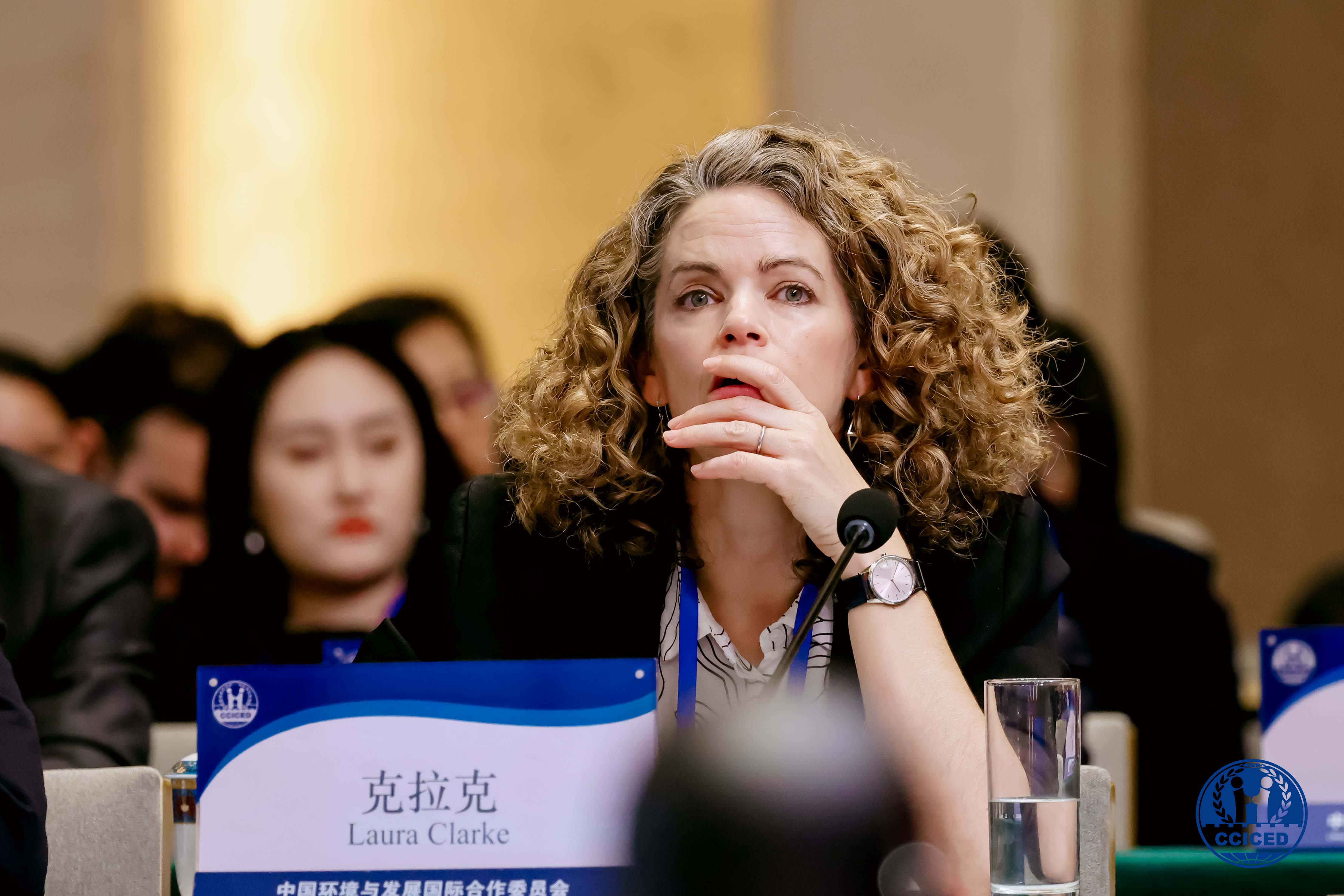
Laura Clarke, CEO, ClientEarth
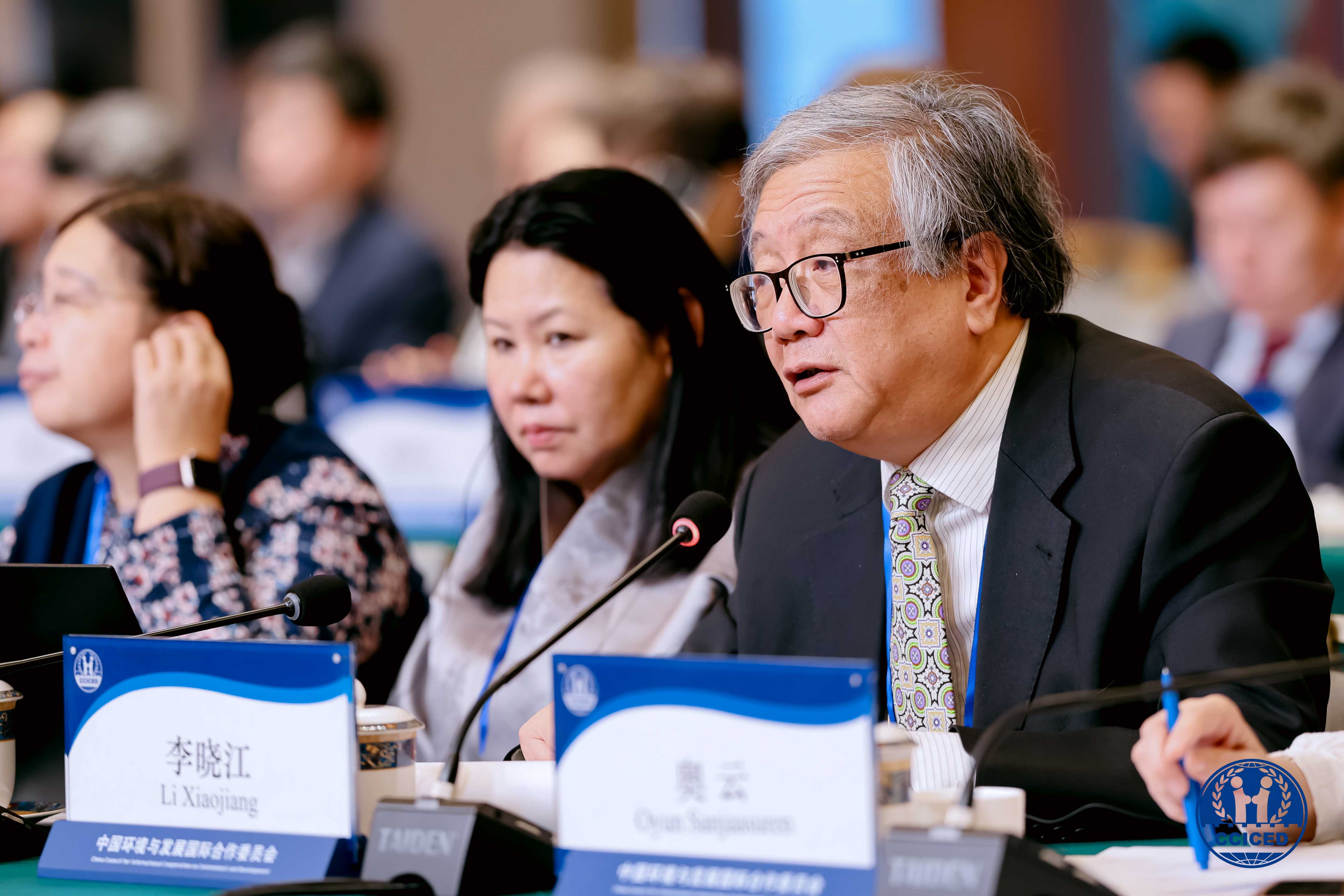
Li Xiaojiang, Professor and former President, China Academy of Urban Planning and Design
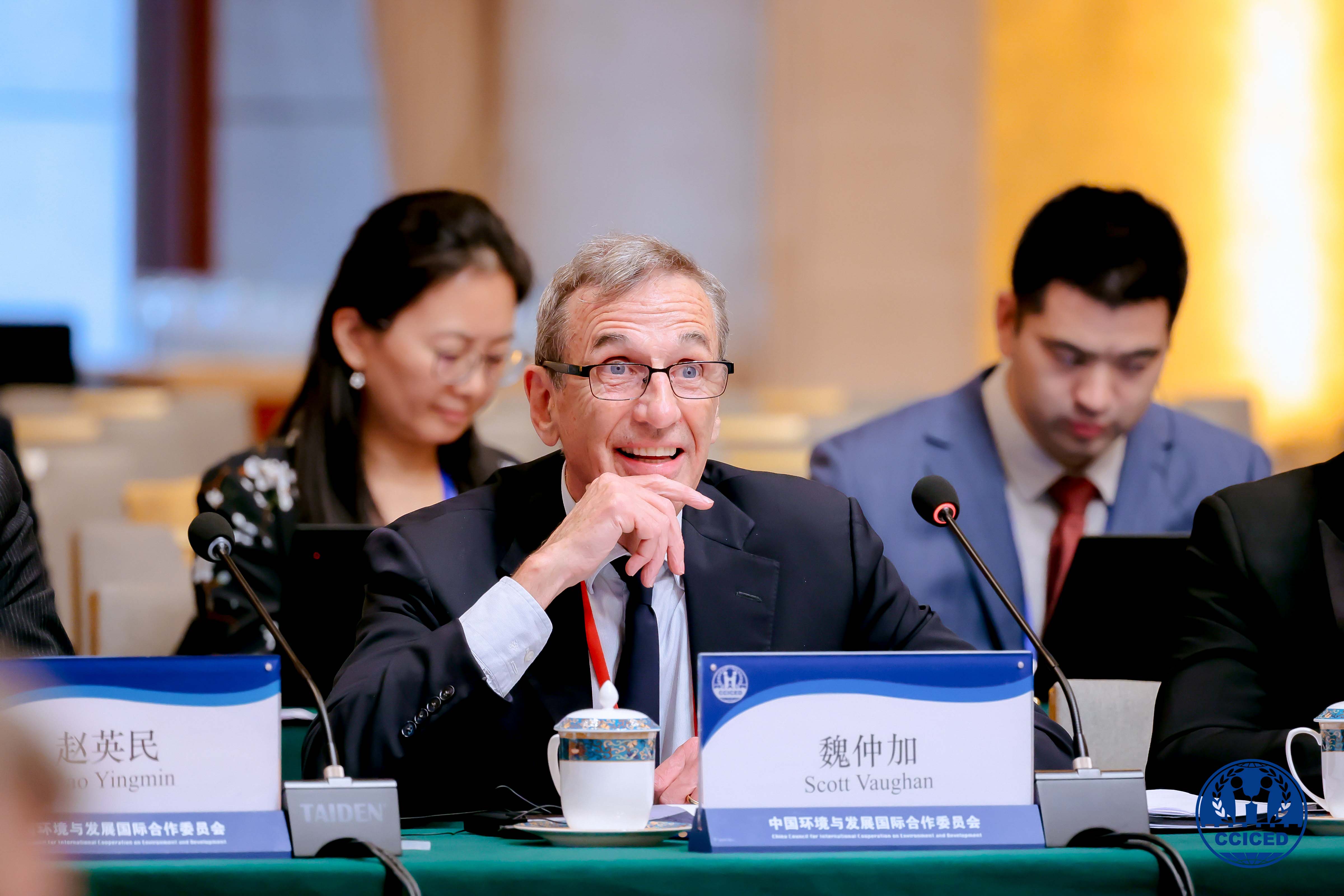
Scott Vaughan, CCICED International Chief Advisor and Senior Fellow, International Institute for Sustainable Development
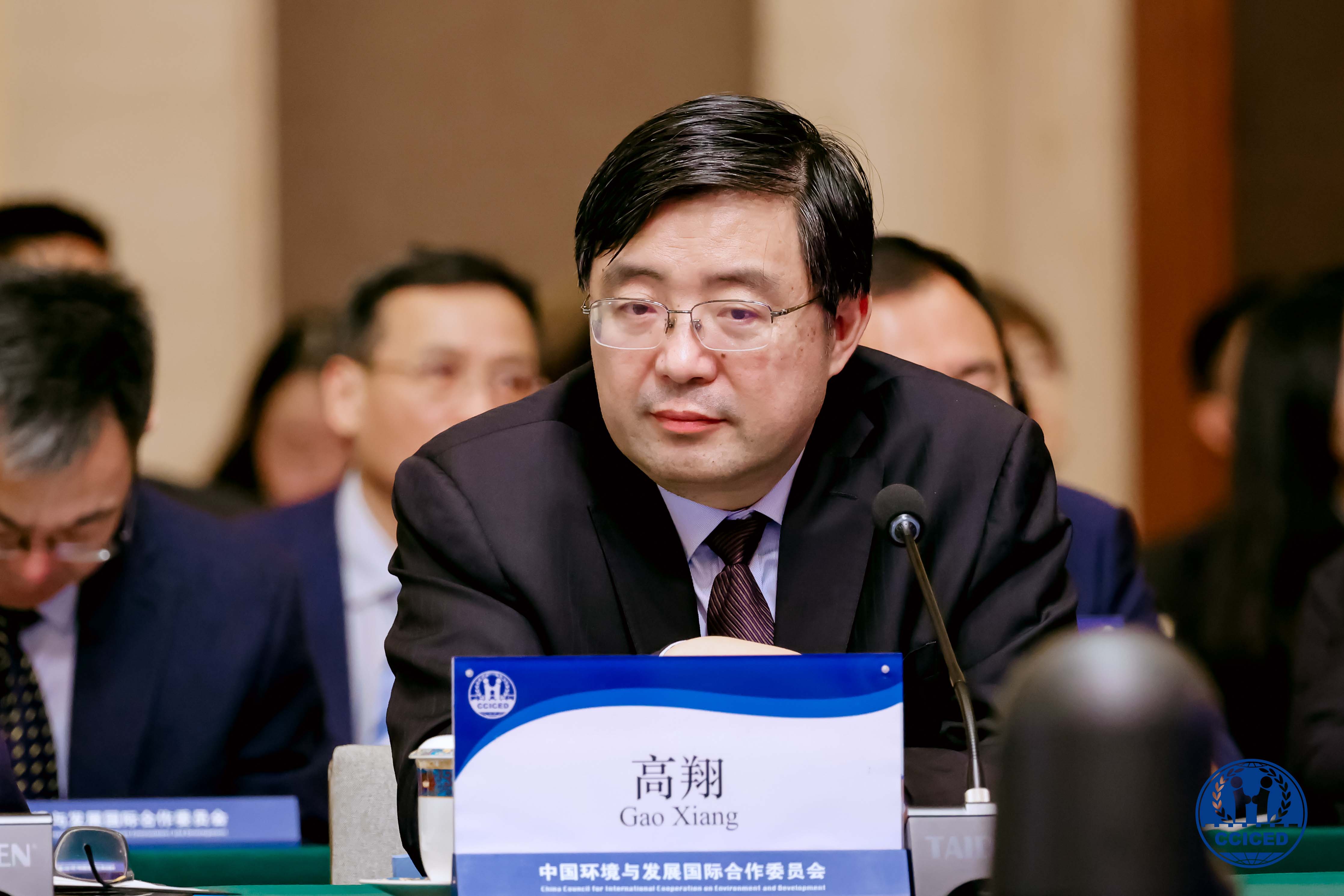
Gao Xiang, Chinese Lead of the SPS on Major Scientific and Technology Innovation for Green Transition
Policy Research Dialogue
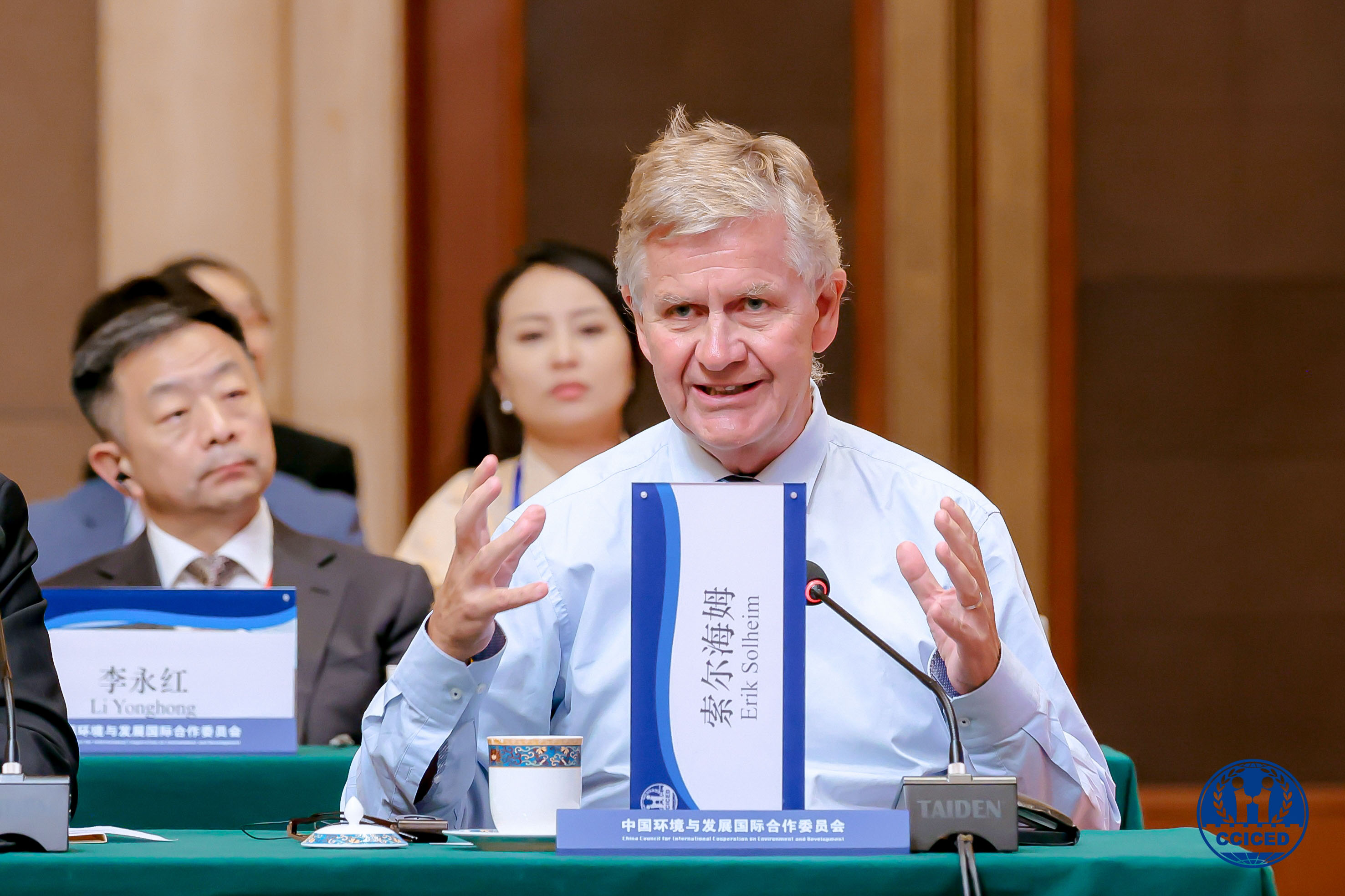
Erik Solheim, Senior Advisor, World Resources Institute
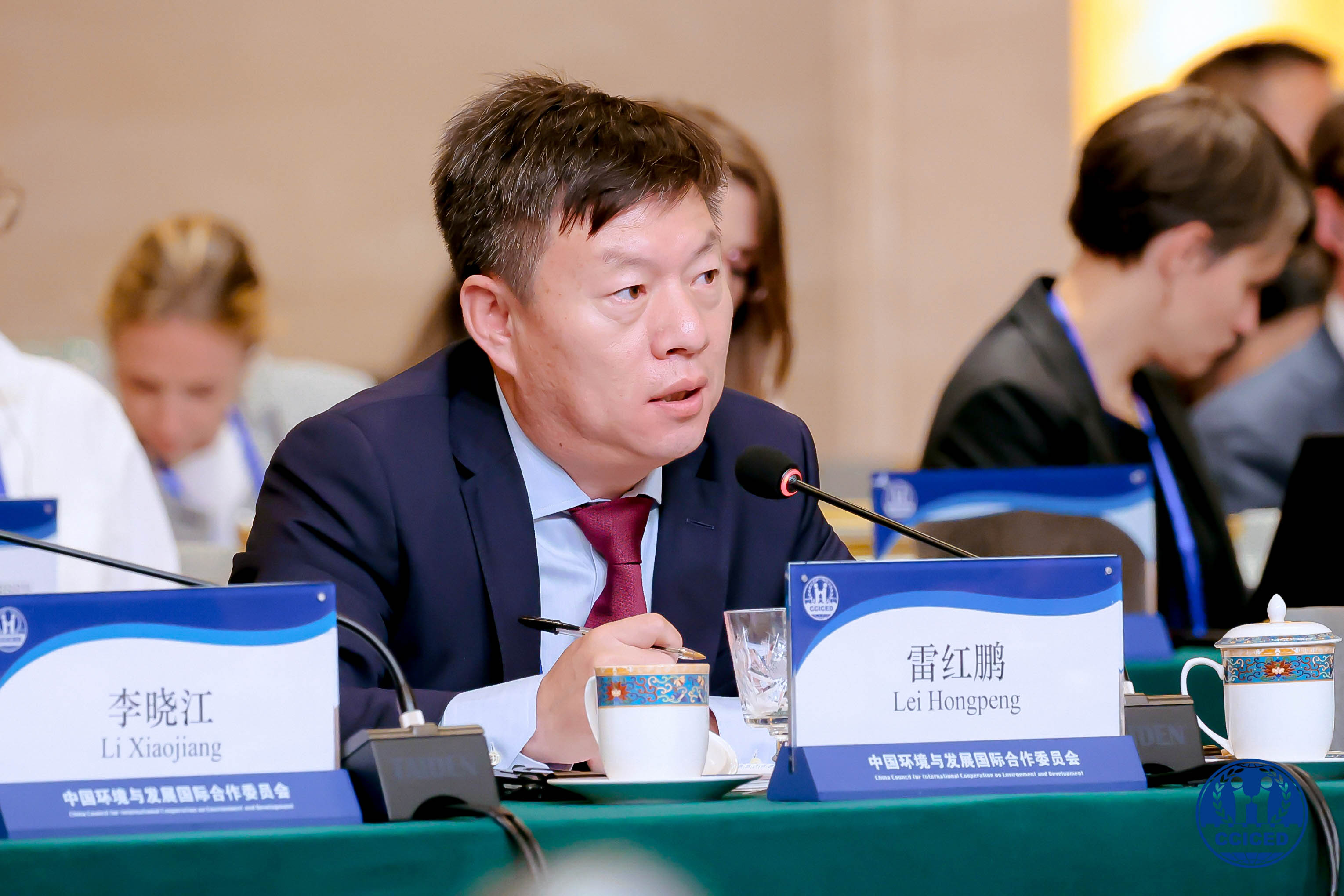
Lei Hongpeng, Chief of Mitigation Branch, UNEP Climate Change Division
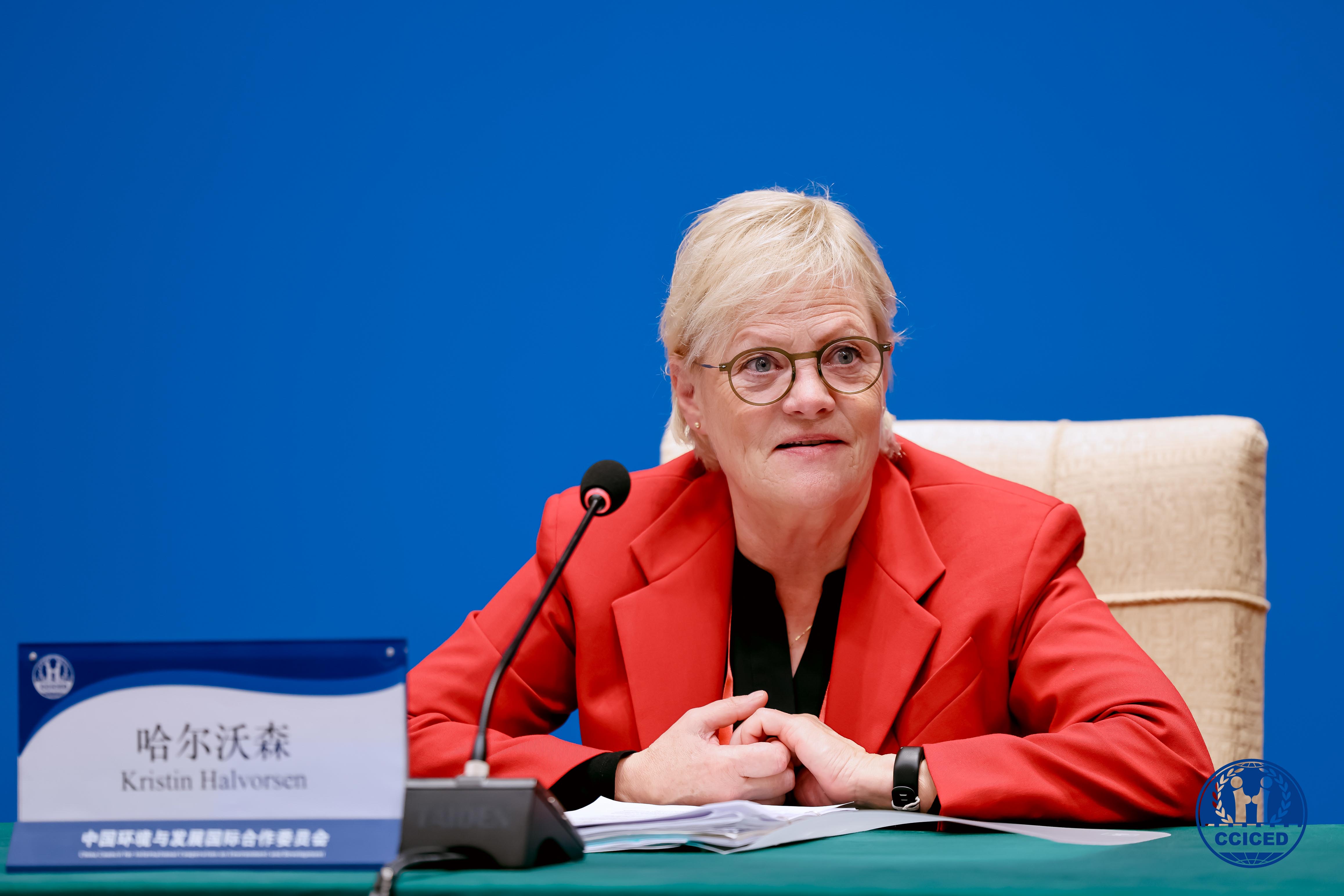
Kristin Halvorsen, CCICED Vice Chairperson
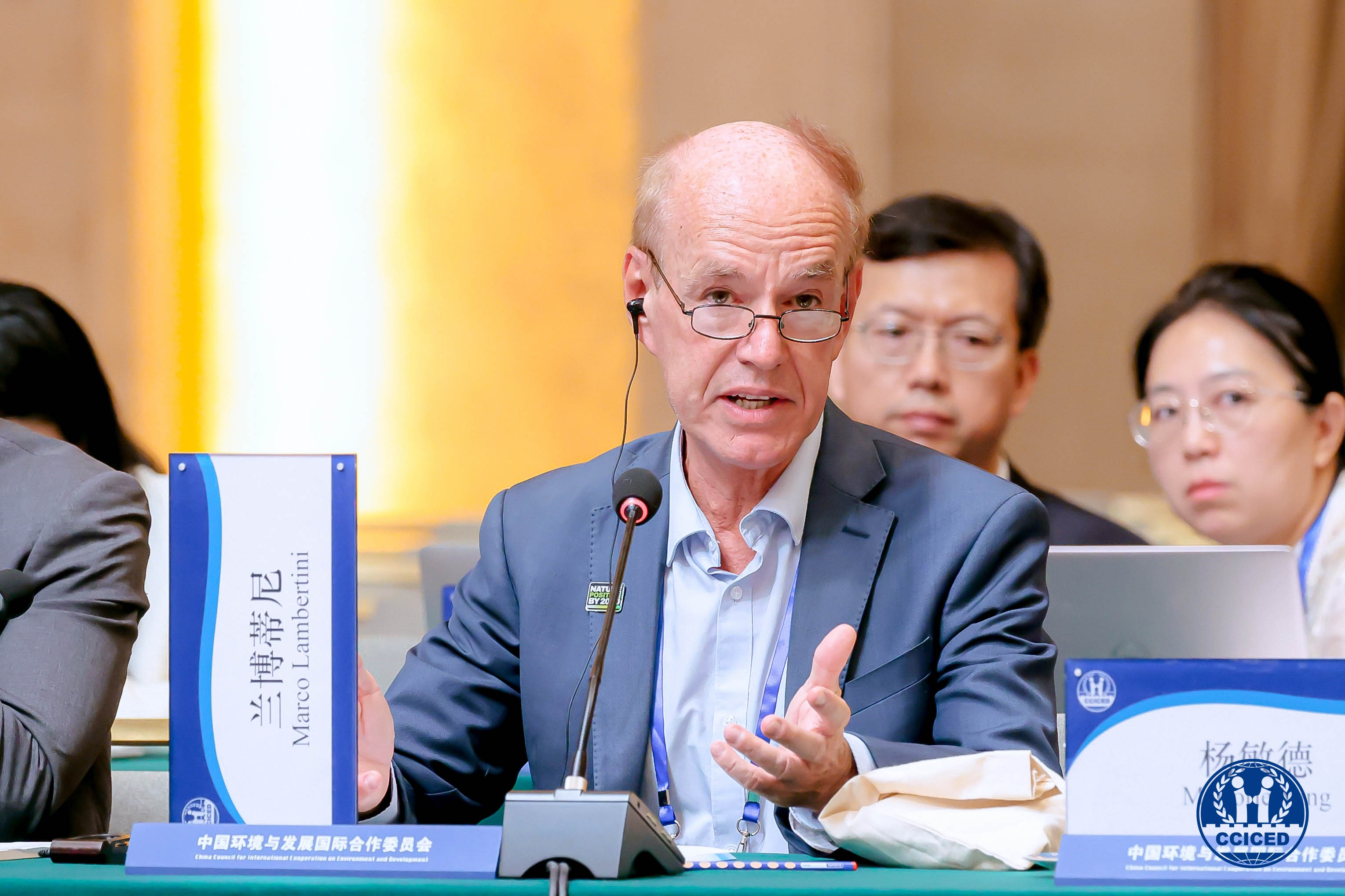
Marco Lambertini, Convener, Nature Positive Initiative
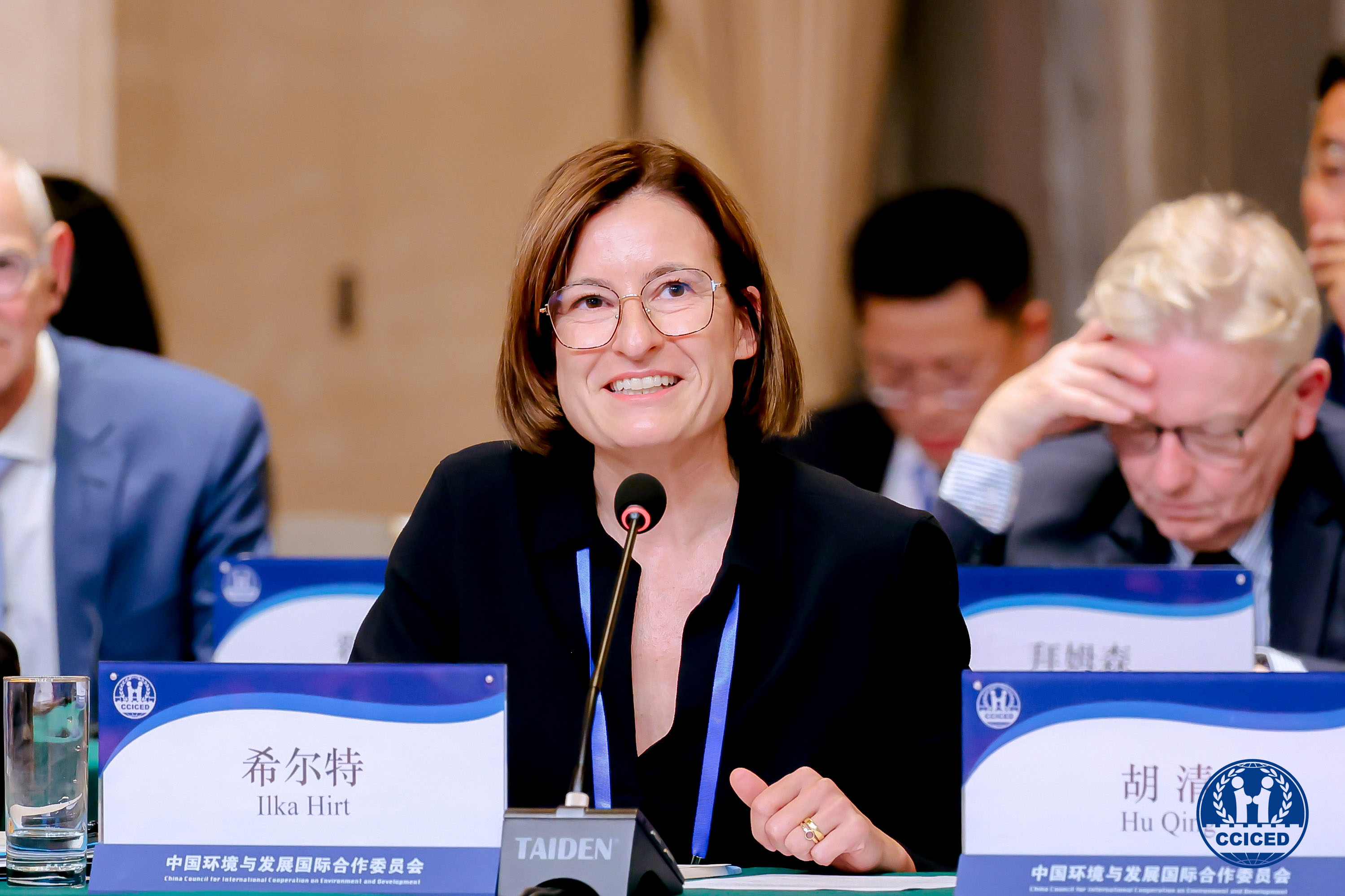
Ilka Hirt, International Lead of the SPS on Promote High-Quality Development with Circular Economy
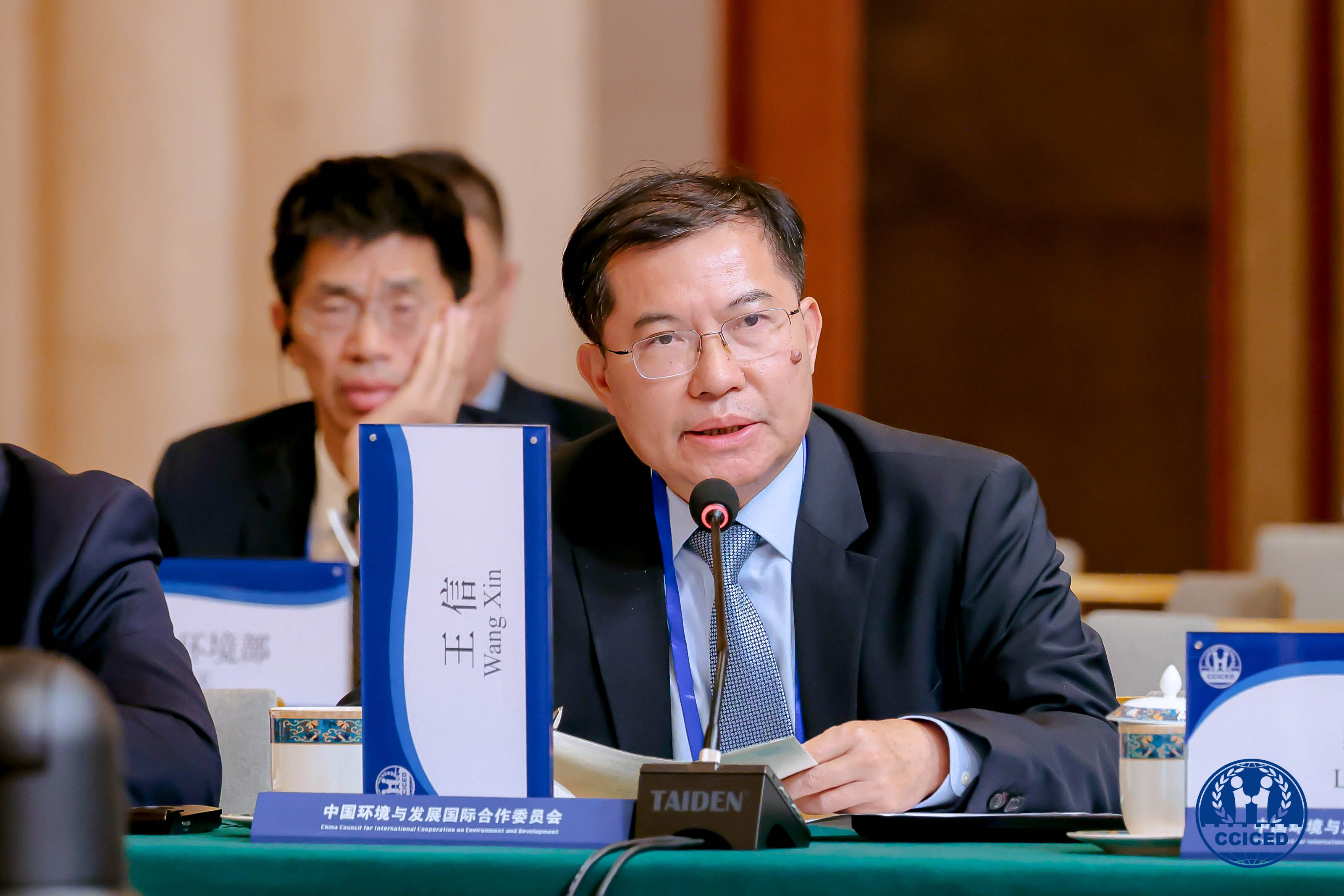
Wang Xin, Chinese Lead of the scoping study on Collaborative Innovation in Energy and Environment for High-Quality Development
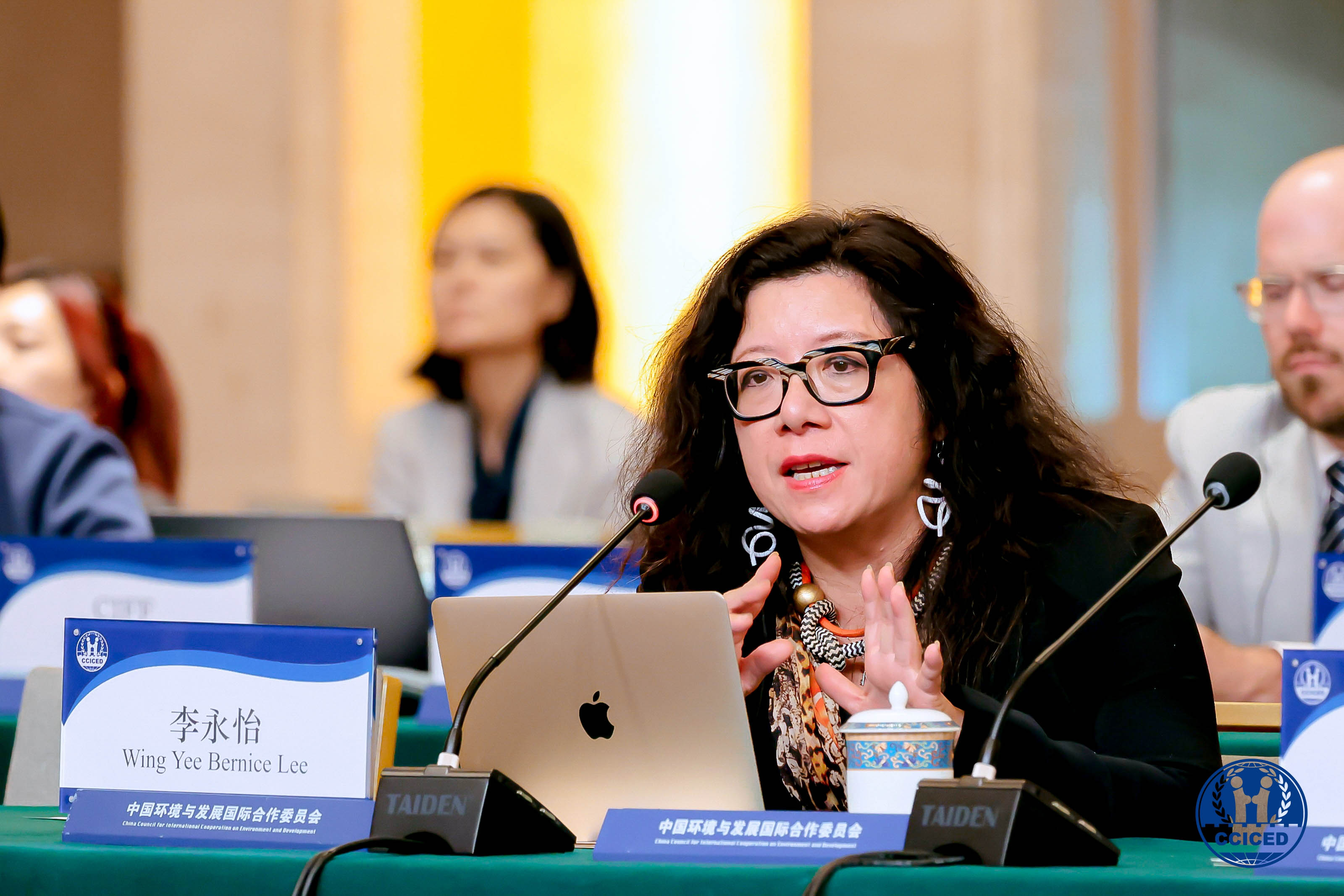
Wing Yee Bernice Lee, Distinguished Fellow and Senior Advisor, Chatham House
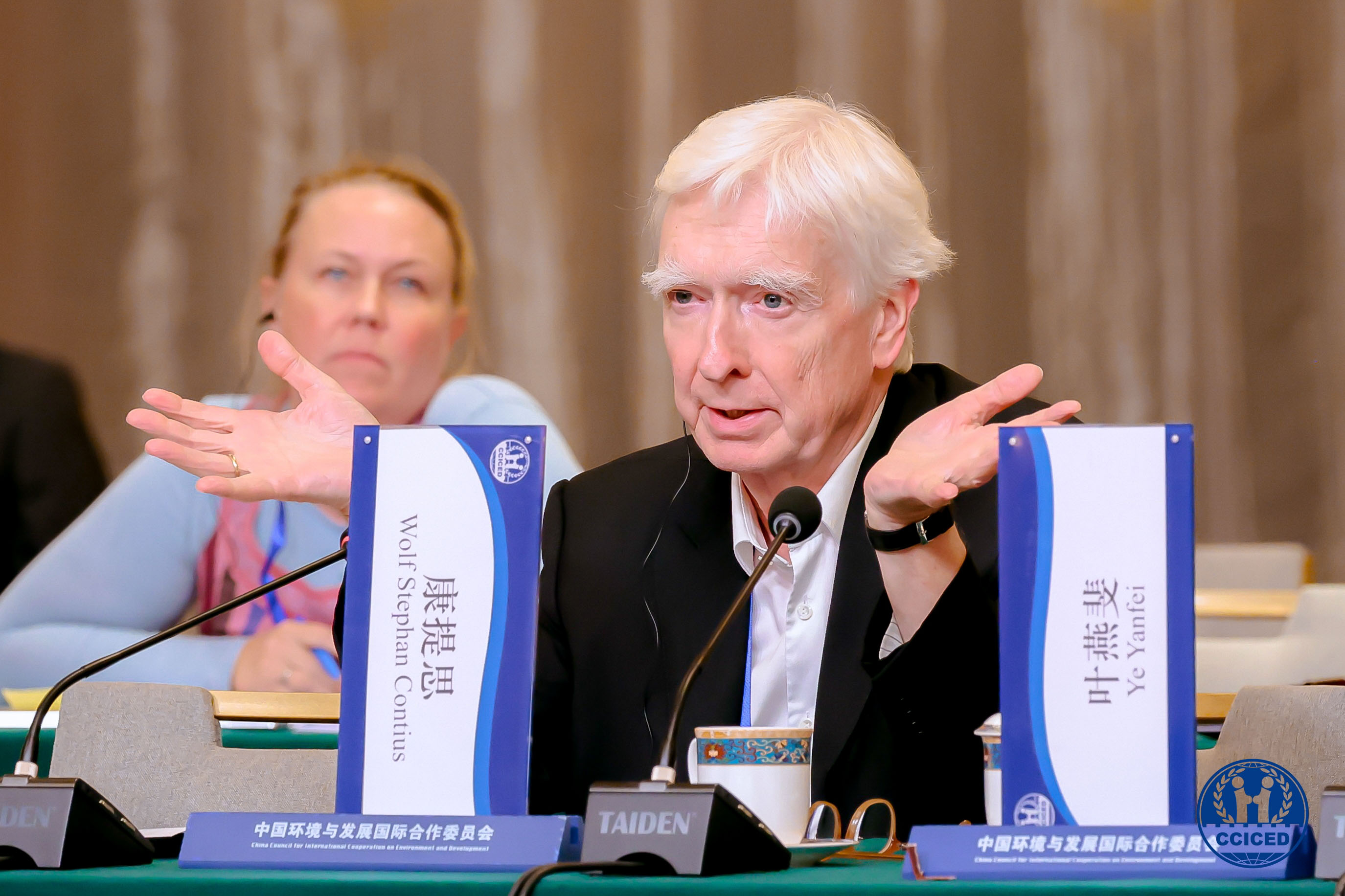
Stephan Contius, Special Advisor on SDGs, Foundations 20
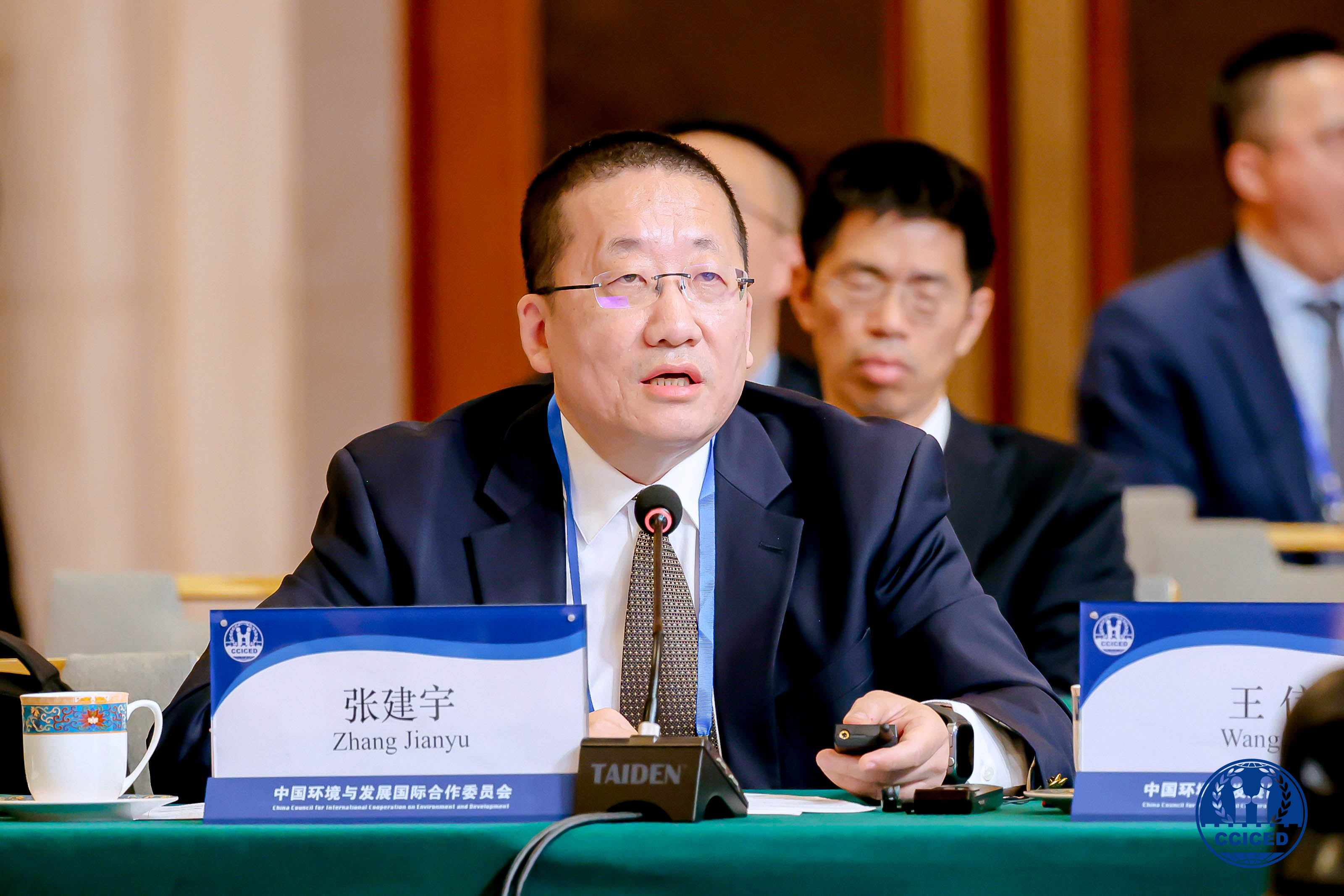
Zhang Jianyu, Deputy Chinese lead of the SPS on Green Development Cooperation
Around the venue