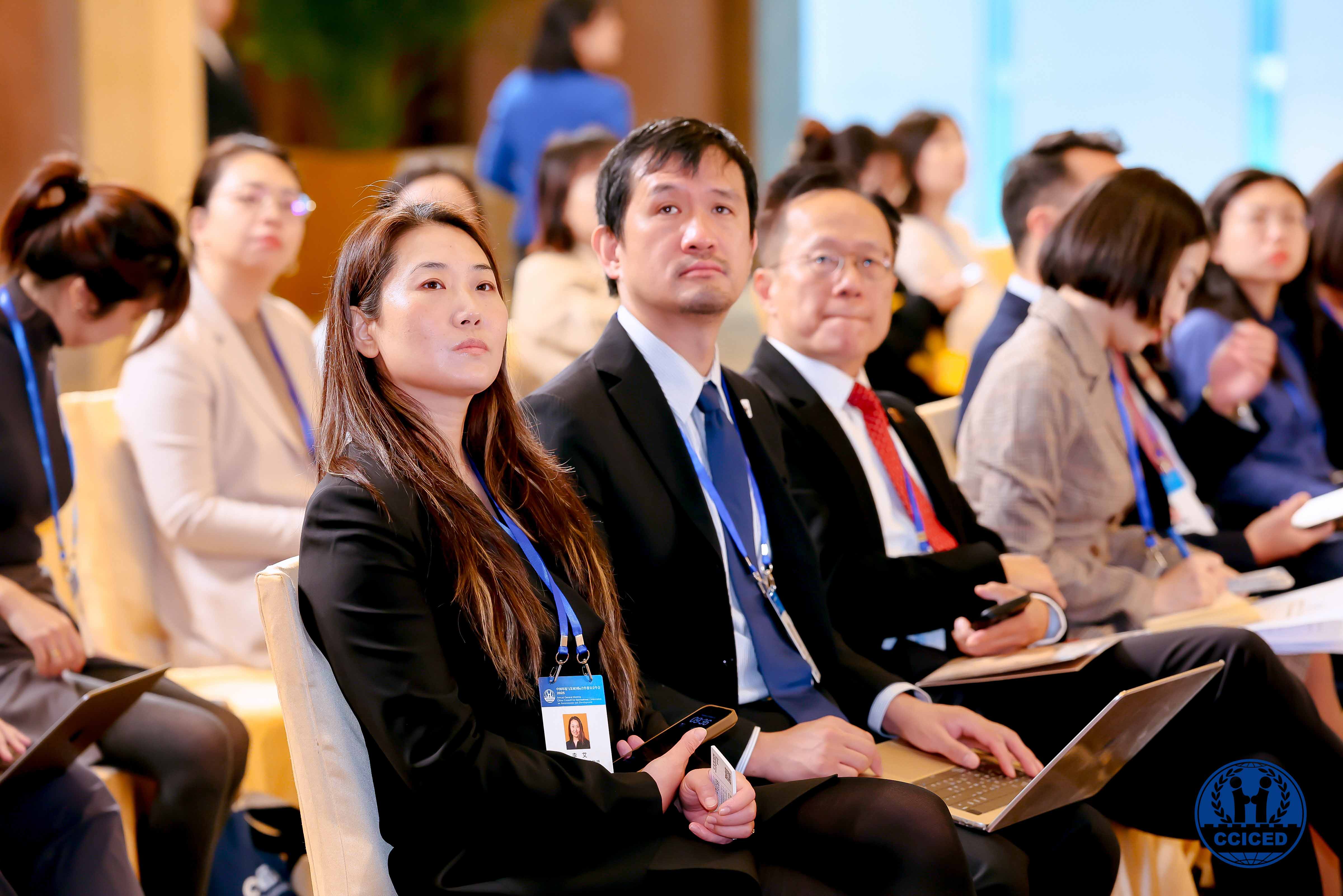
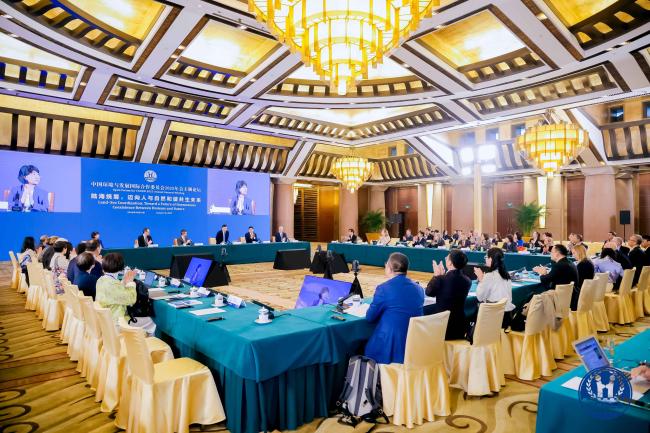
On the final day of its Annual General Meeting, the China Council for International Cooperation on Environment and Development (CCICED) funneled the knowledge of its more than 400 experts into actionable recommendations. Five parallel open forums provided an opportunity for council members, special advisors, and invited experts from around the world to share their insights to inform CCICED’s recommendations to the Chinese government.
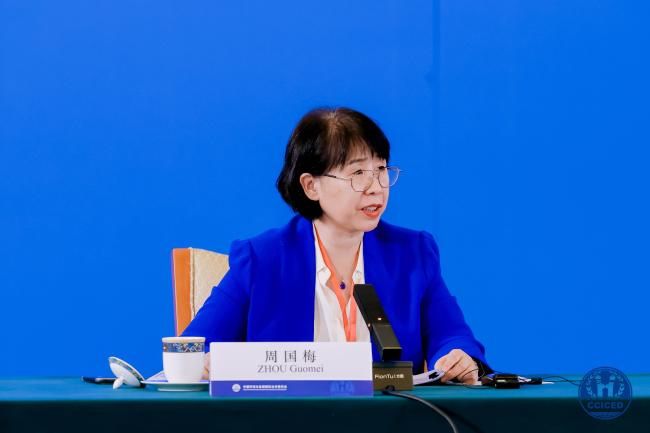
Land–Sea Coordination: Toward a Future of Harmonious Coexistence Between Humans and Nature
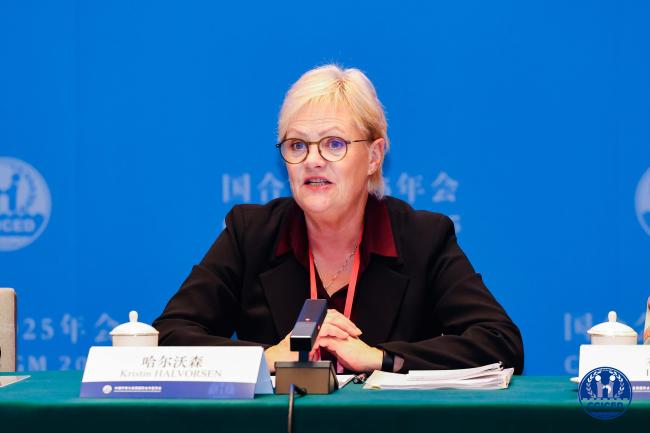
Participants considered sustainable development approaches that recognize the interconnected nature of terrestrial and marine ecosystems. In a series of panel sessions, speakers addressed: coordinated approaches to implementation of the Kunming-Montreal Global Biodiversity Framework (GBF) and the Agreement under the United Nations Convention on the Law of the Sea on the Conservation and Sustainable Use of Marine Biological Diversity of Areas beyond National Jurisdiction (BBNJ Agreement); synergies among Ocean, climate, and biodiversity processes and goals to support high-quality development; and policy recommendations for China’s 15th Five-Year Plan on nature-ocean synergies.
Many speakers highlighted the unique opportunity for China to advance integrated land-ocean governance given the alignment of the 15th Five-Year Plan with the 2030 timeline of the GBF target to conserve 30% of land and terrestrial ecosystems by 2030 and the imminent entry into force of the BBNJ Agreement. Participants also discussed, among other issues, financing investments in marine ecosystems and the blue economy, the need for whole-of-society and whole-of-government approaches, and the importance of international collaboration.
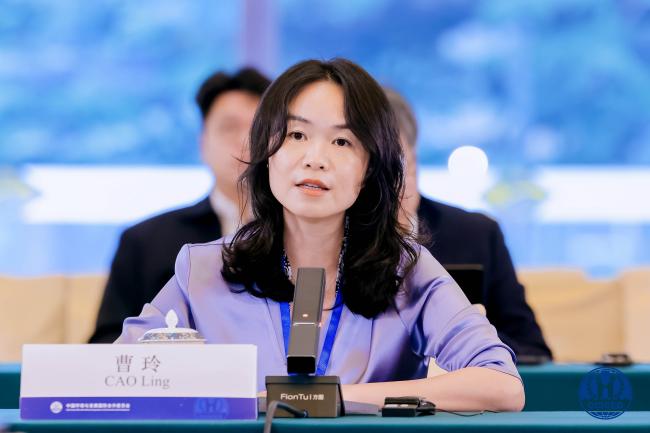
Green and Just Transition: Building a New Engine for Economic and Social Development
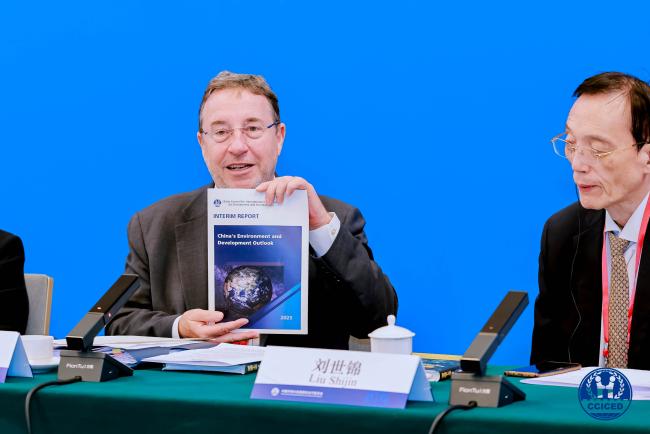
In a speech earlier this year, Chinese President Xi Jinping emphasized the green transition must be people-centered and should advance climate governance and the well-being of people in tandem. During this CCICED open forum, participants sought to build on this objective by discussing, among other issues: visions and practices for accelerating the green and just transition; the status and prospects for zero-carbon energy technologies and innovative business models; and initiatives and practices at the sub-national level for advancing the green and just transition. Speakers shared examples of current initiatives around the world to accelerate the green transition, with many highlighting the importance of multi-level and multi-stakeholder collaboration. Several cited the importance of ensuring inclusivity by promoting gender equality and involving local stakeholders in planning and implementation.
CCICED Insights into China's Green Transition in the 15th Five-Year Plan Period
Participants in this forum discussed China’s experience in the field of environment and development over the past decade and challenges ahead in the context of China’s 15th Five-Year Plan 2026 – 2030. The discussion focused on: experiences China has gained that can help better understand the key tasks of the 15th Five-Year Plan; how China is accelerating a comprehensive green transition through the 15th Five-Year Plan; opportunities and challenges China may face in pursuing its green transition and development process; and leveraging methods such as forward-looking analysis and back casting to identify future risks and opportunities.
Accelerating Action for a New Global Climate Governance Framework
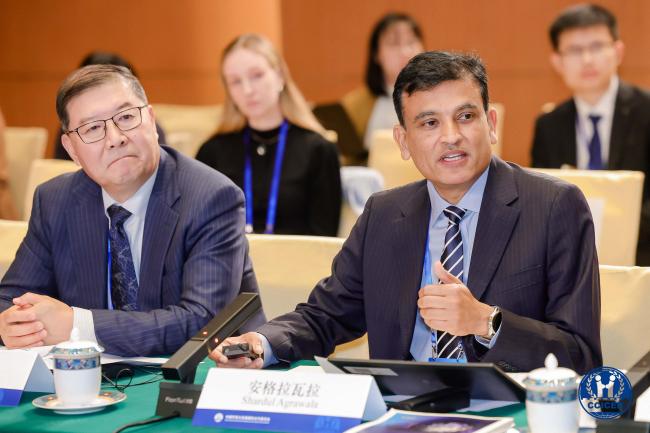
Looking ahead to UNFCCC COP-30 in Brazil and the need to enhance climate action in the face of current geopolitical tensions, trade friction, and challenges to multilateralism, this open forum delved into possibilities for international climate cooperation. Discussions focused on advancing green trade, investment and financing to collectively address the green energy transition, and on joint leadership, particularly by the EU and China, to ensure progress toward the Paris Agreement goals and inject renewed confidence into bilateral and multilateral climate action.
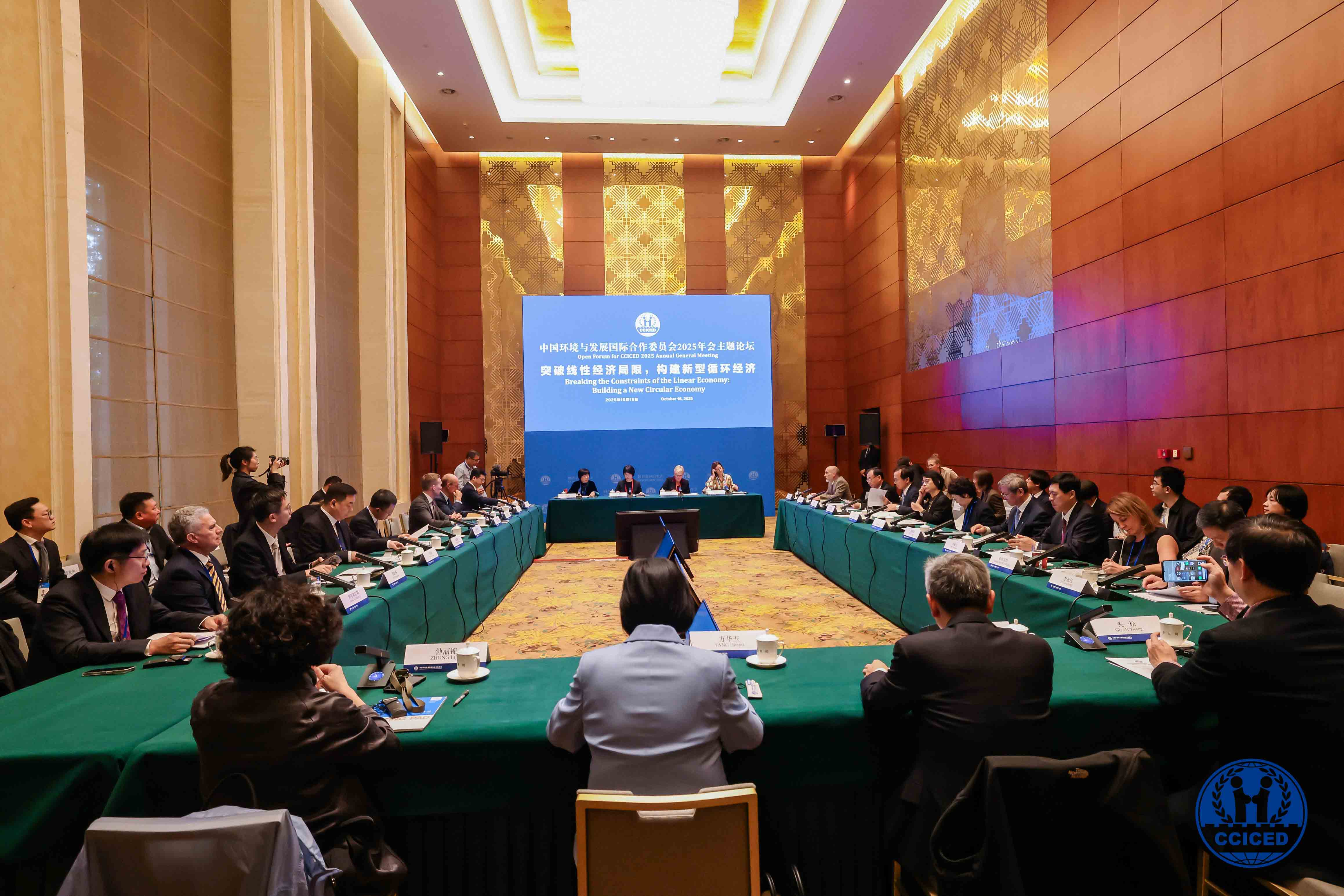
Breaking the Constraints of the Linear Economy: Building a New Circular Economy
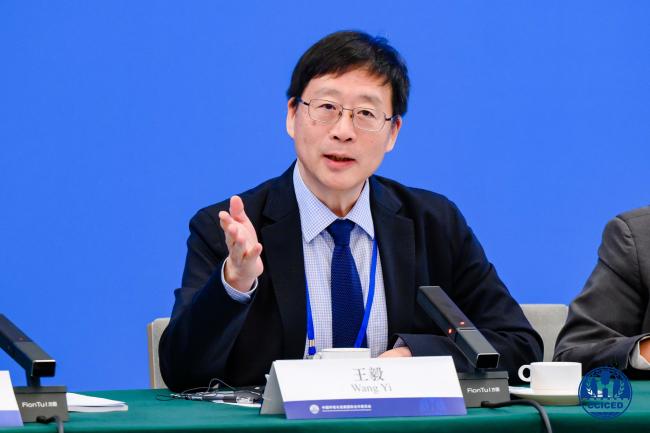
Following up from the Special Policy Study on Promoting High-Quality Development with a Circular Economy, this open forum took up the move away from a linear economy to a circular one as a strategic imperative for green, low-carbon development, key to enhancing economic resilience, strengthening competitiveness, and safeguarding planetary health. The session covered policy goals, circular design, process innovation, and infrastructure development, with participants sharing examples from the textile and chemical industries and the energy and transportation sectors, as well as the use of AI and digital tools such as digital product passports to accelerate the transformation.
Open Forum: Land-Sea Coordination
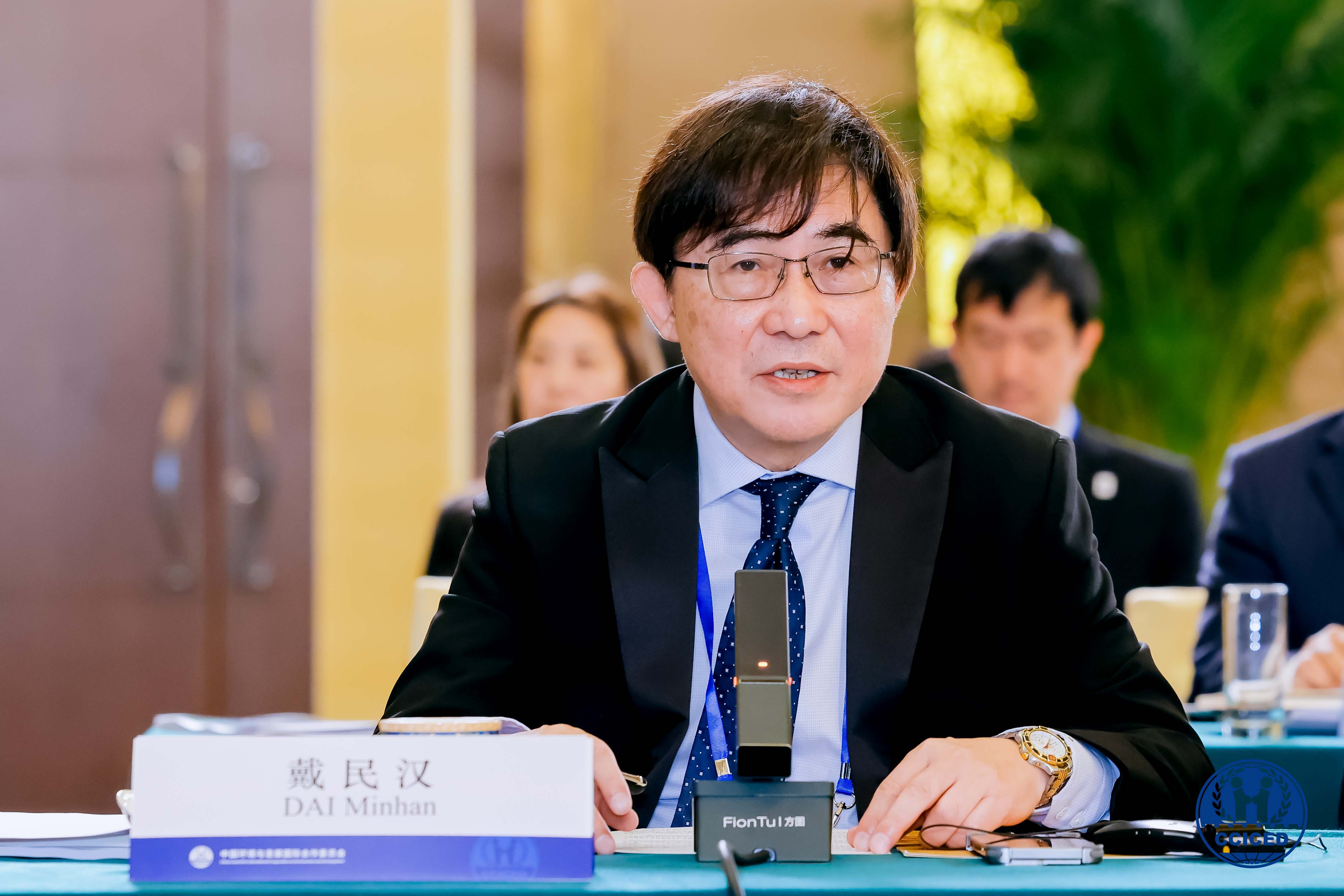
Dai Minhan, Chair Professor, Xiamen University
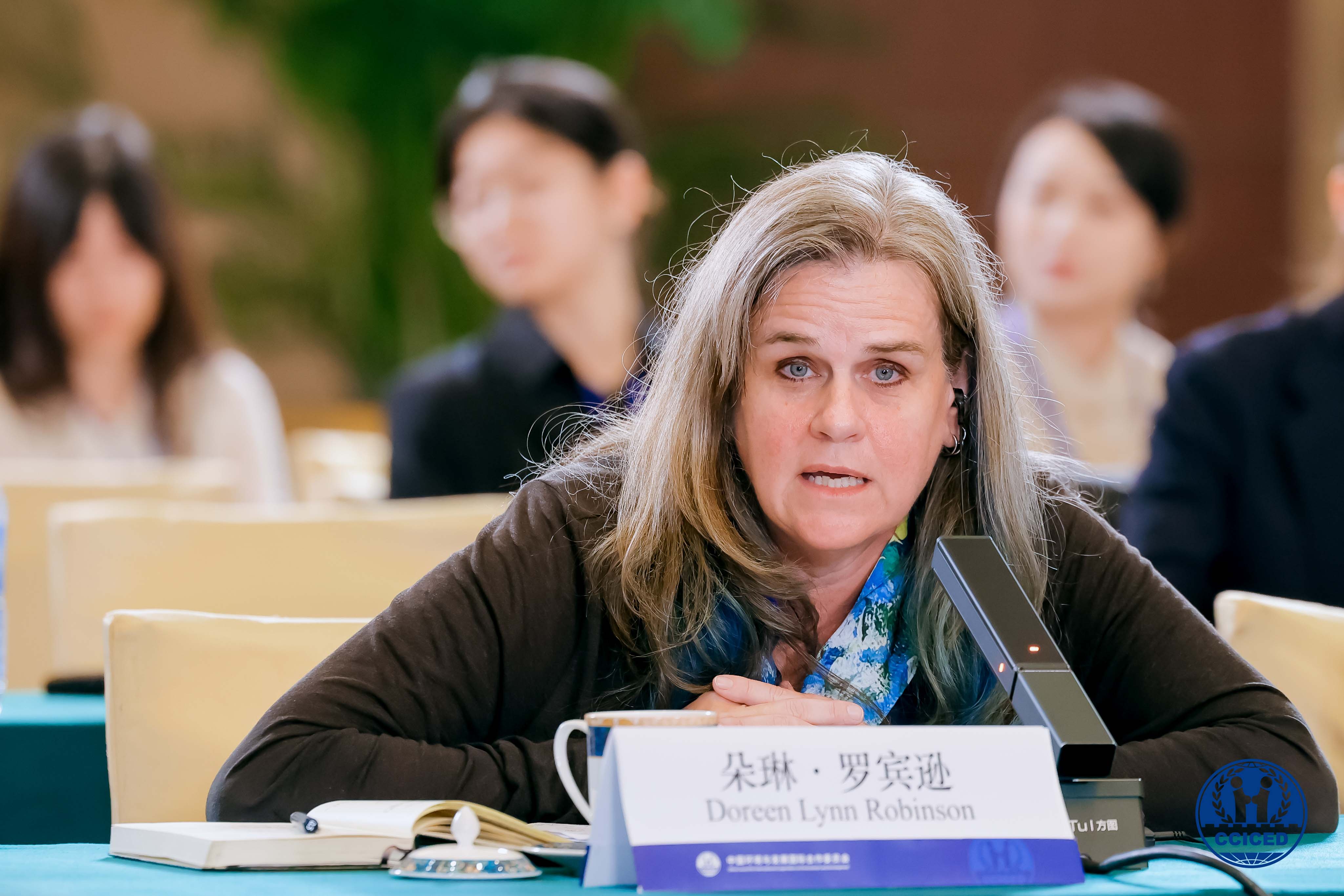
Doreen Lynn Robinson, Deputy Director, Ecosystems Division, UNEP
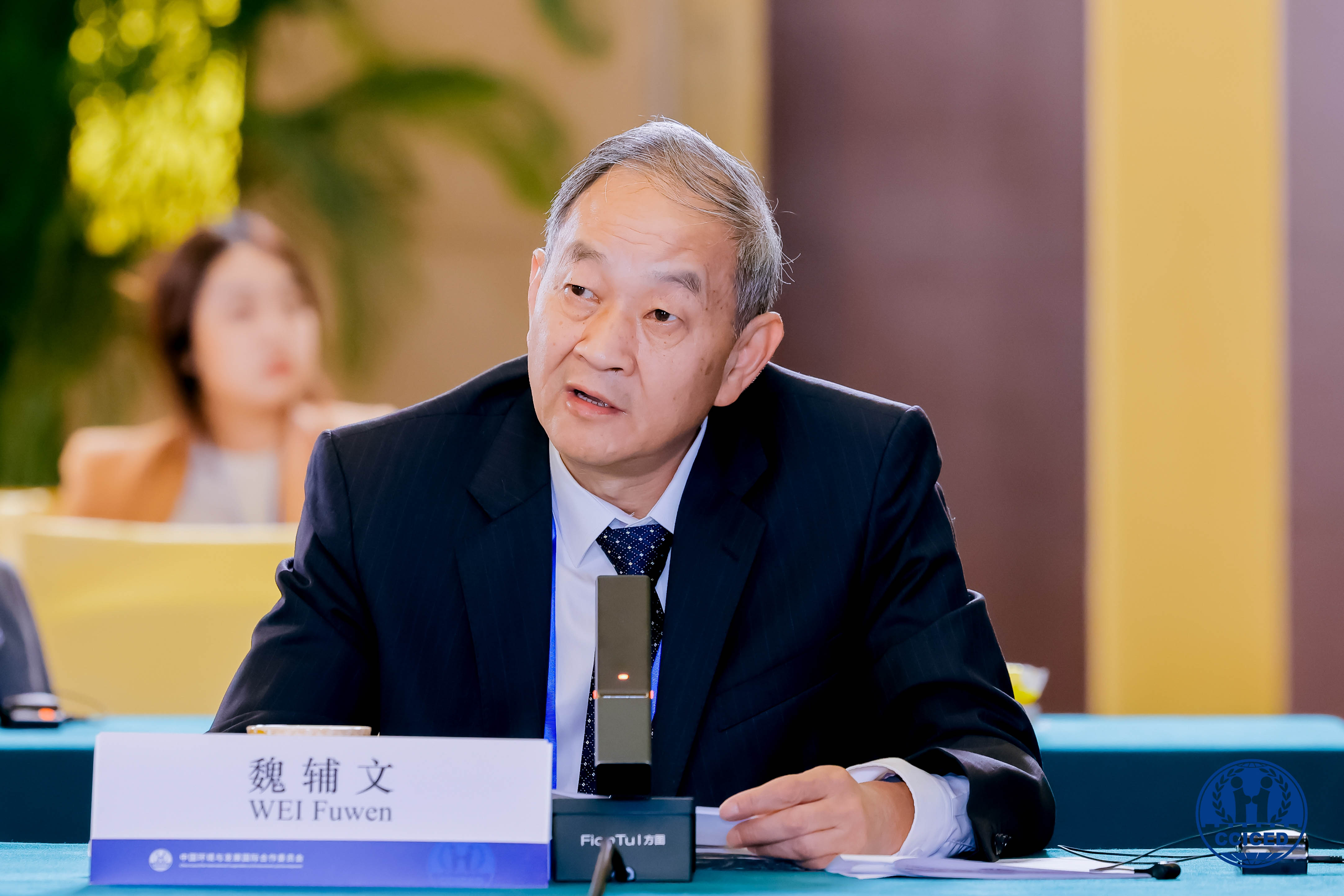
Wei Fuwen, Professor, Jiangxi Agricultural University
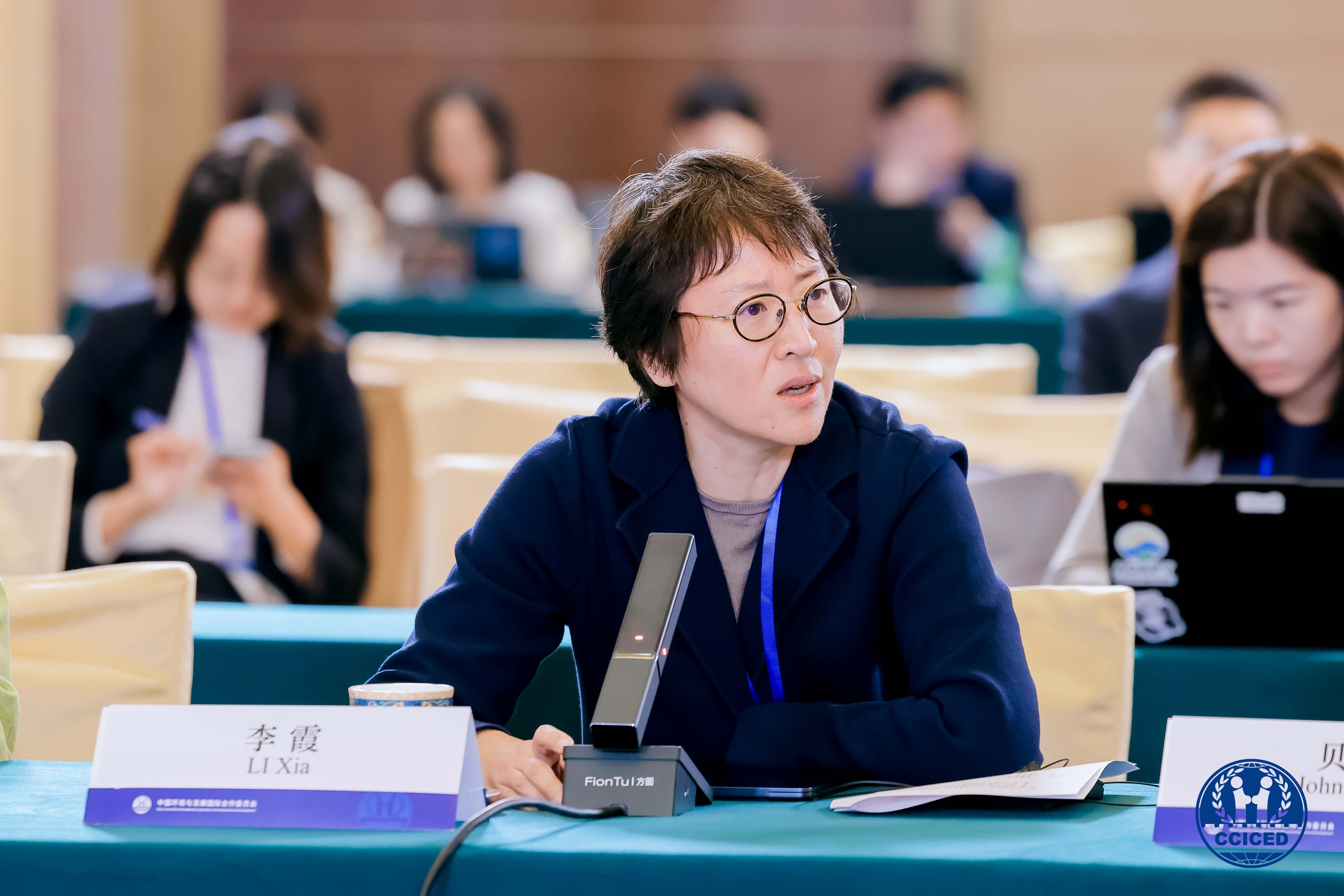
Li Xia, Deputy Director, Foreign Environmental Cooperation Centre, Ministry of Ecology and Environment
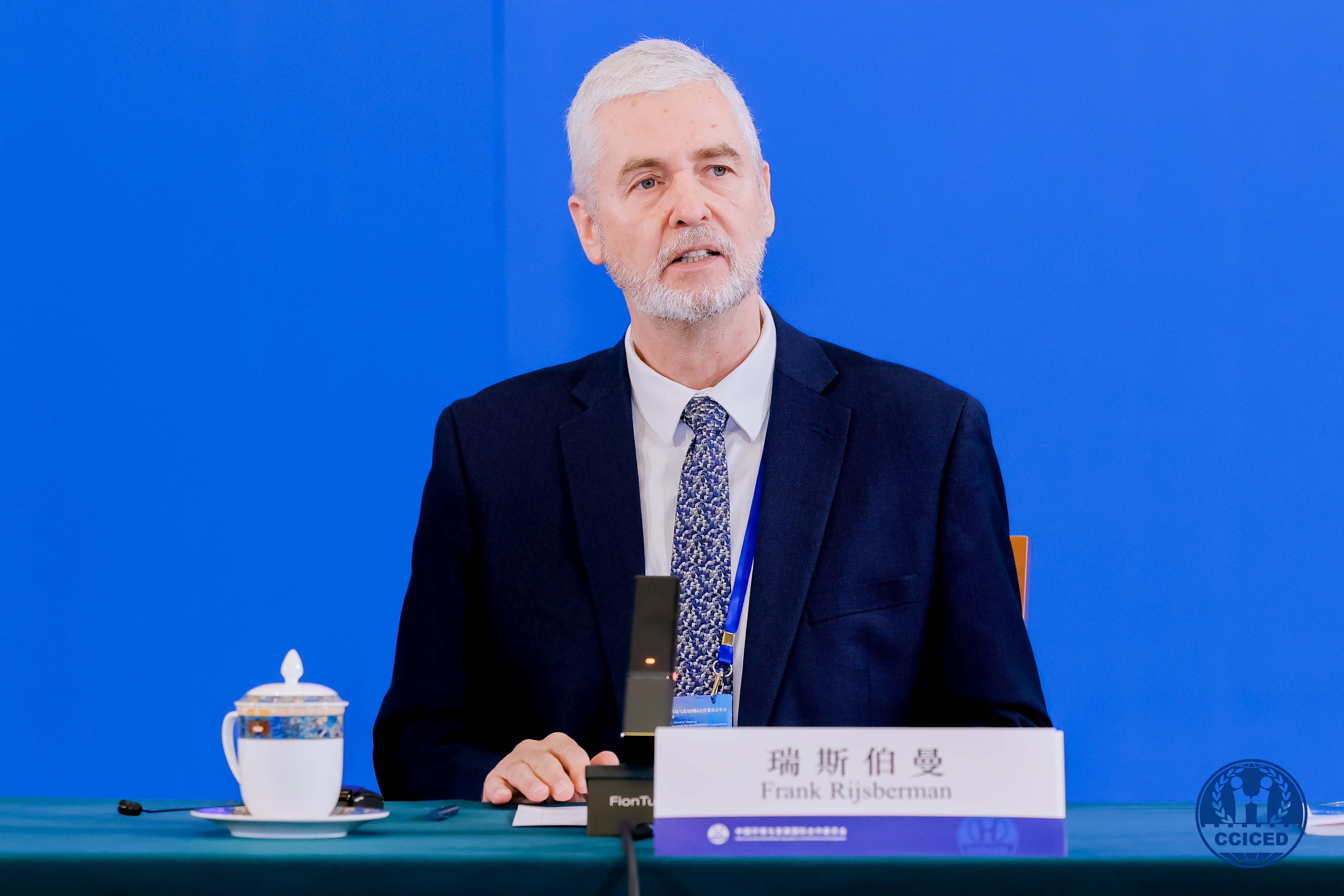
Frank Rijsberman, Global Head of Policy and Public Funding, The Nature Conservancy
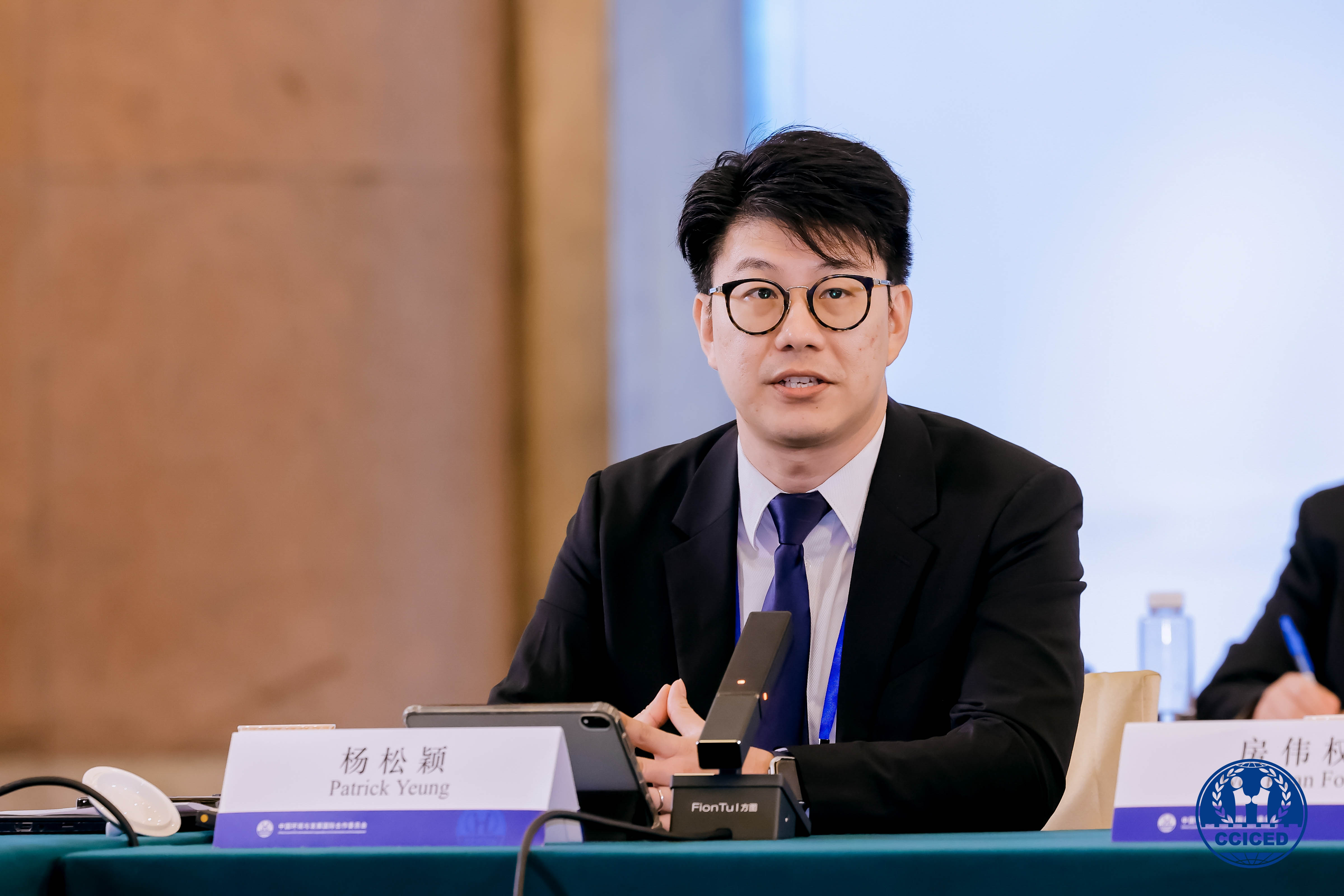
Patrick Yeung, Director, Climate Action, Asian Venture Philanthropy Network
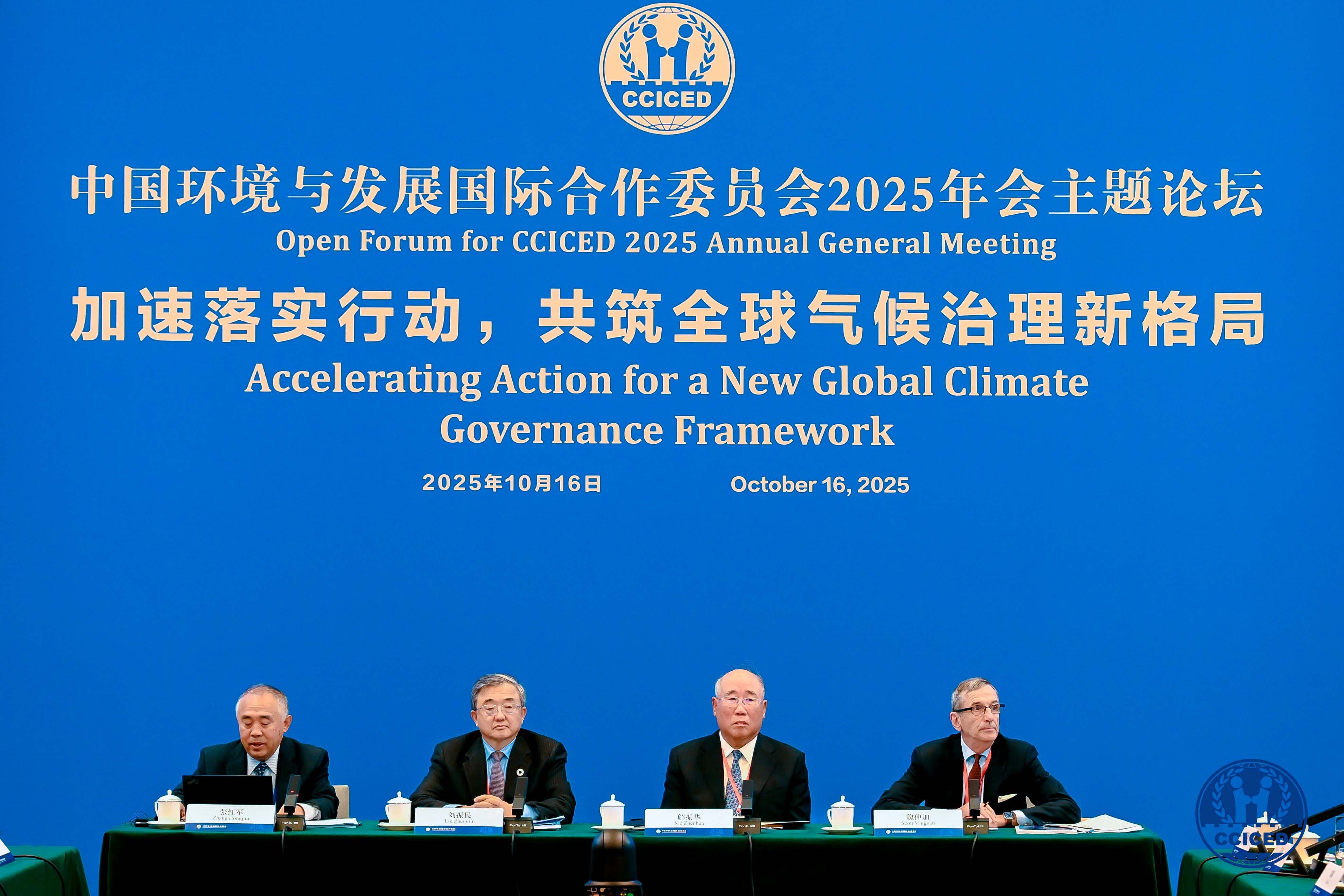
L-R: Zhang Hongjun, Board Chair, Energy Foundation China; Liu Zhenmin, China Special Envoy for Climate Change; Xie Zhenhua, CCICED Vice Chairperson and former China Special Envoy on Climate Change; and Scott Vaughan, CCICED International Chief Advisor and Senior Fellow, International Institute for Sustainable Development
Open Forum: Green and Just Transition
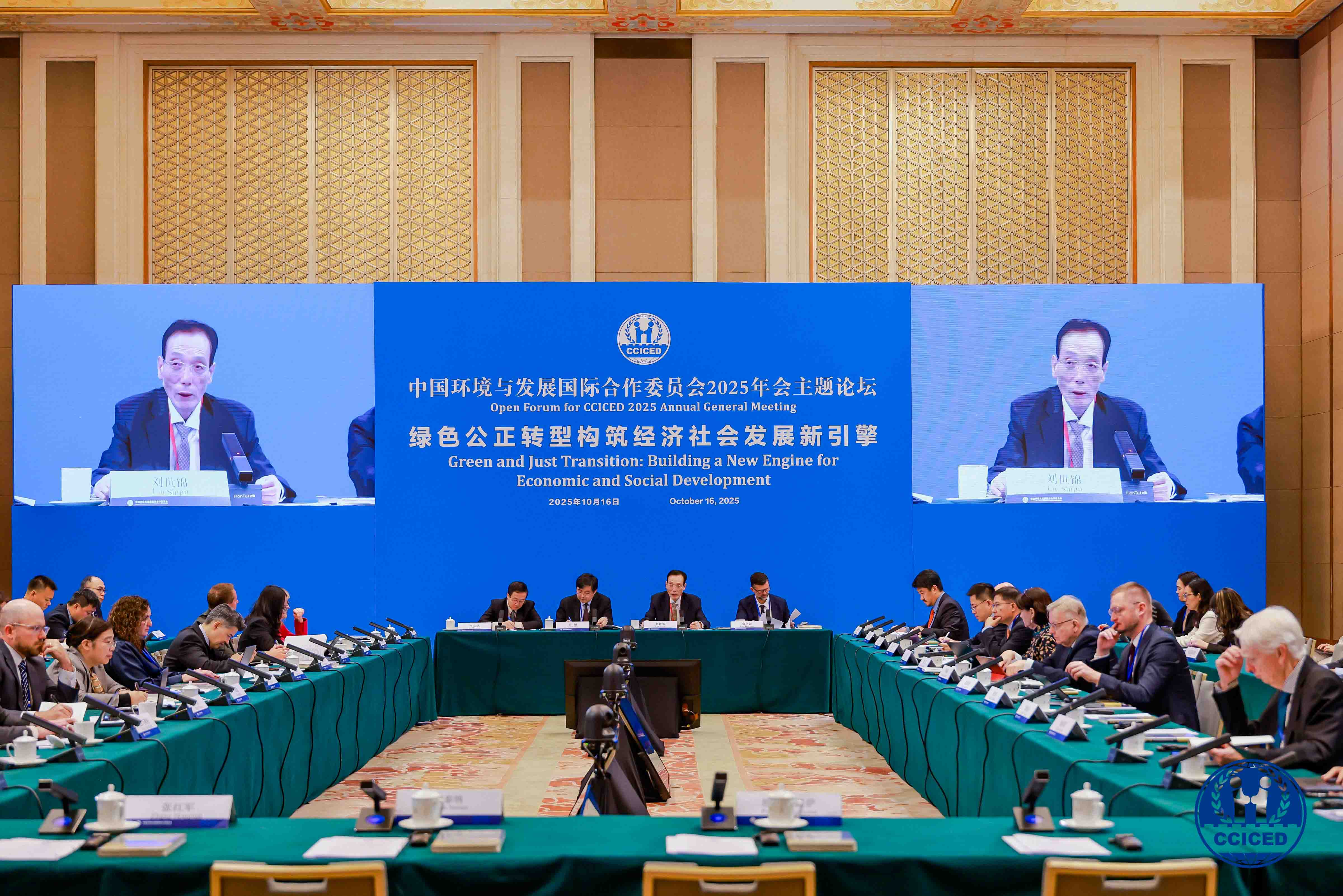
Liu Shijin, CCICED Chinese Chief Advisor and former Deputy President of the Development Research Center of the State Council
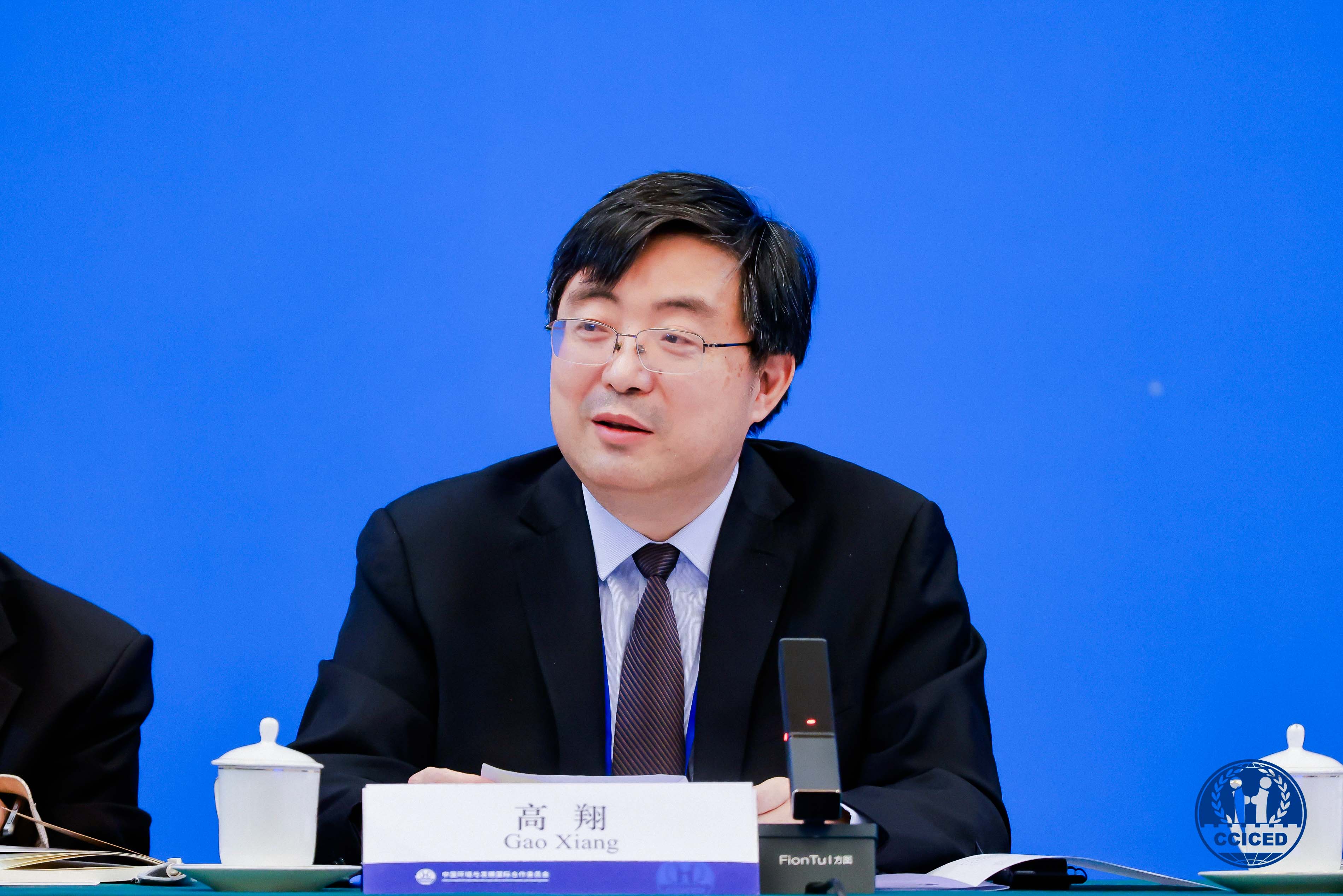
Gao Xiang, President, Zhjiang University of Technology
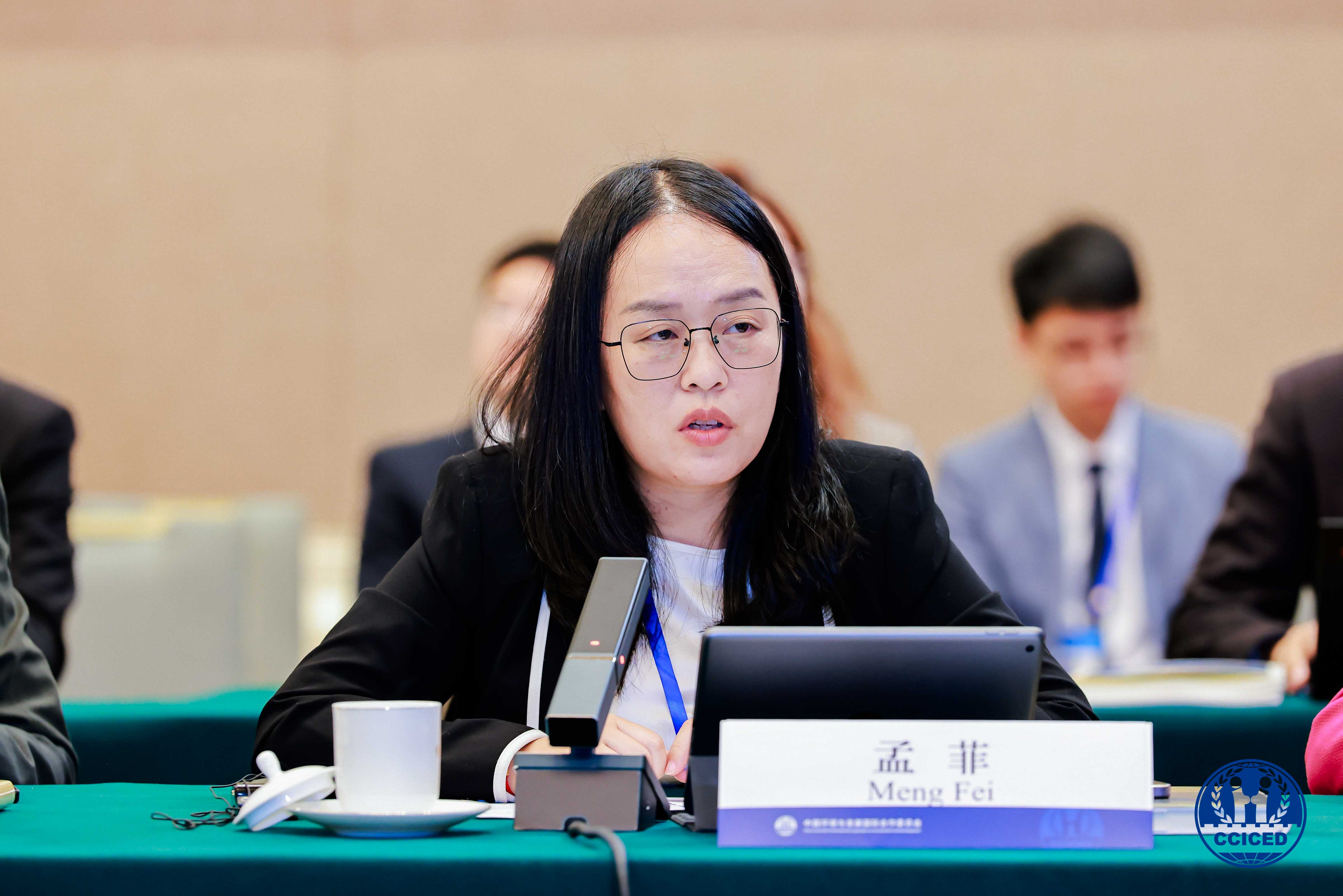
Meng Fei, China Program Senior Director, Energy Innovation
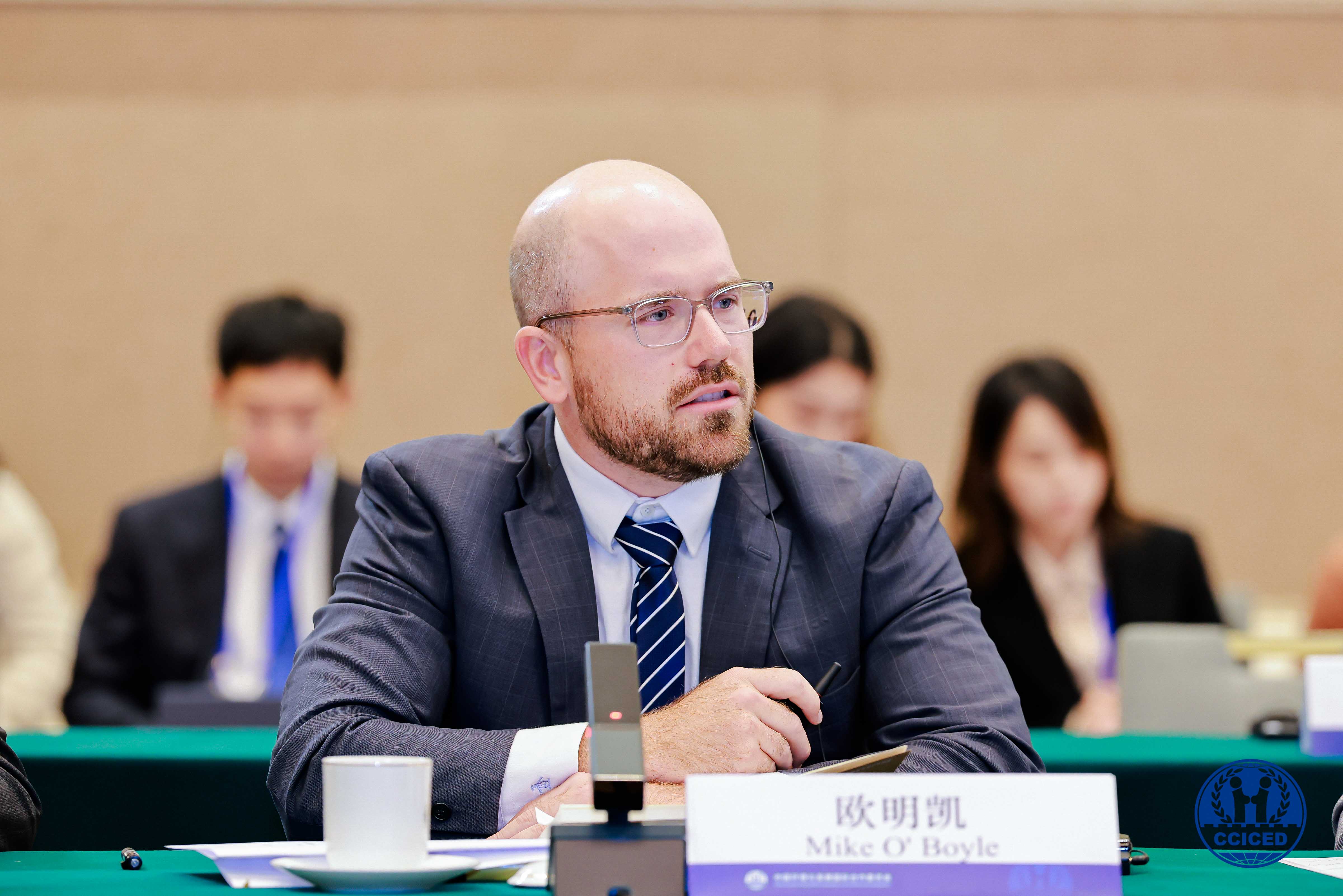
Mike O'Boyle, Acting Policy Team Director, Energy Innovation
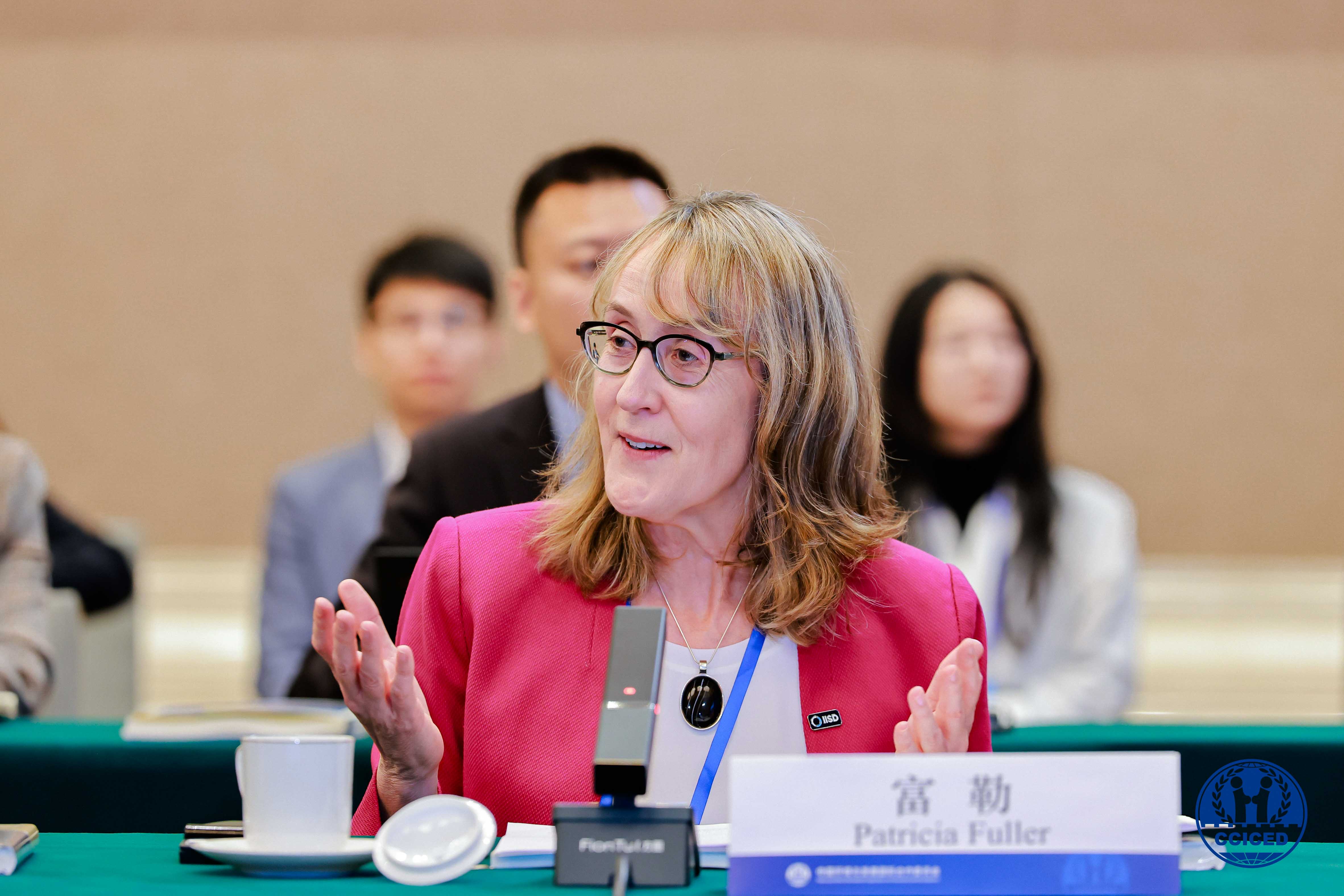
Patricia Fuller, President and CEO, International Institute for Sustainable Development
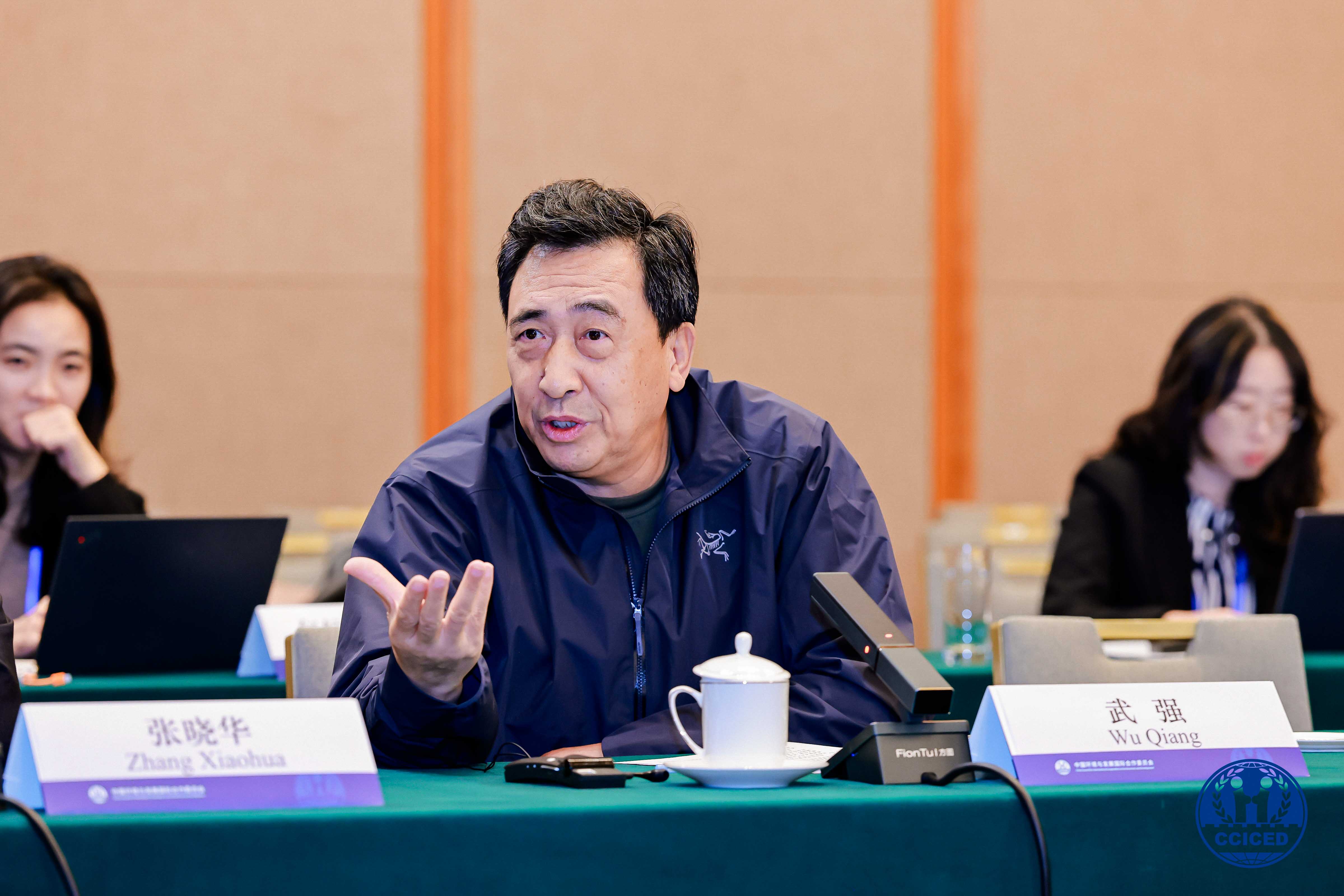
Wu Qiang, Professor, China University of Mining and Technology
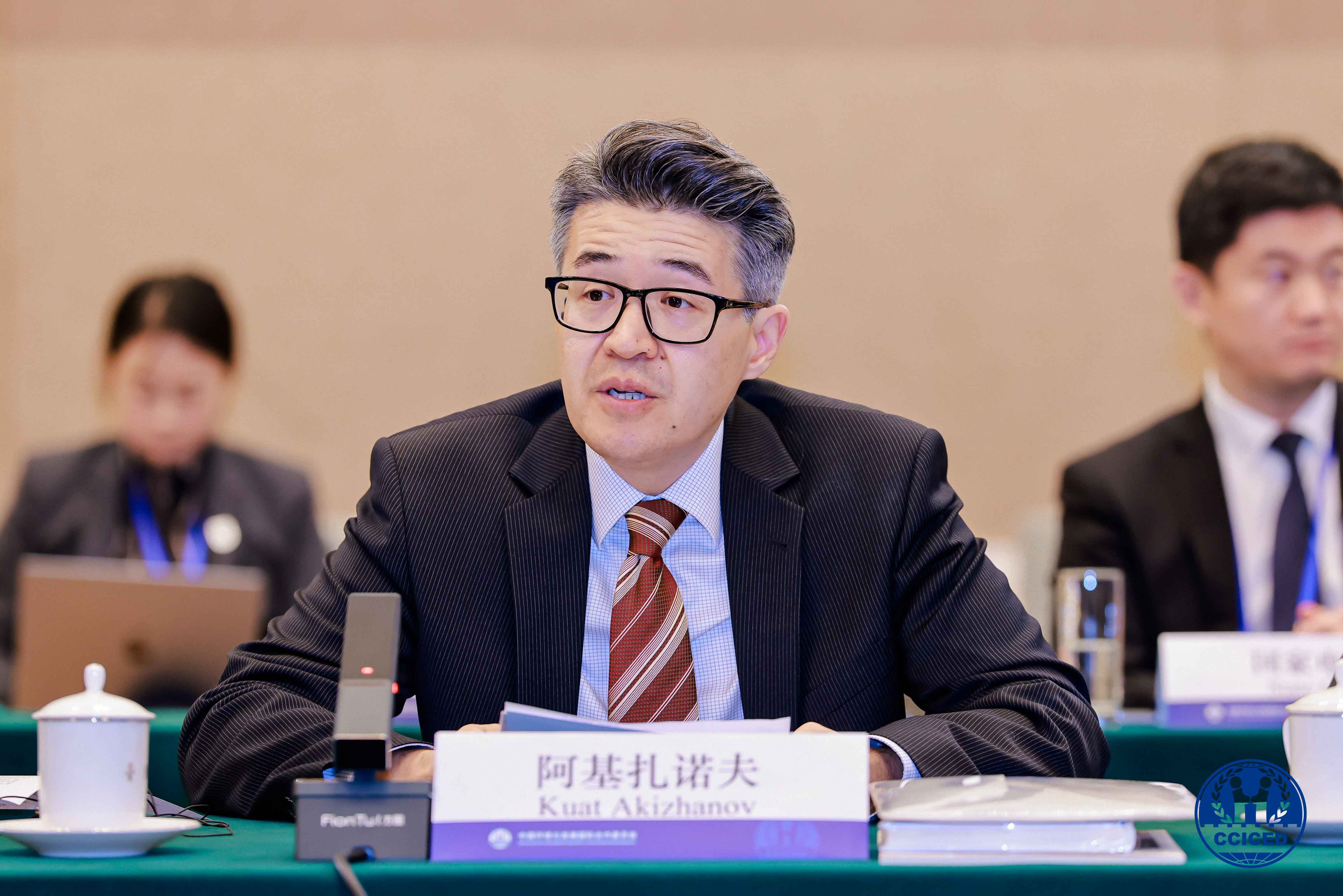
Kuat Akizhanov, Deputy Director, Central Asia Regional Economic Cooperation Institute
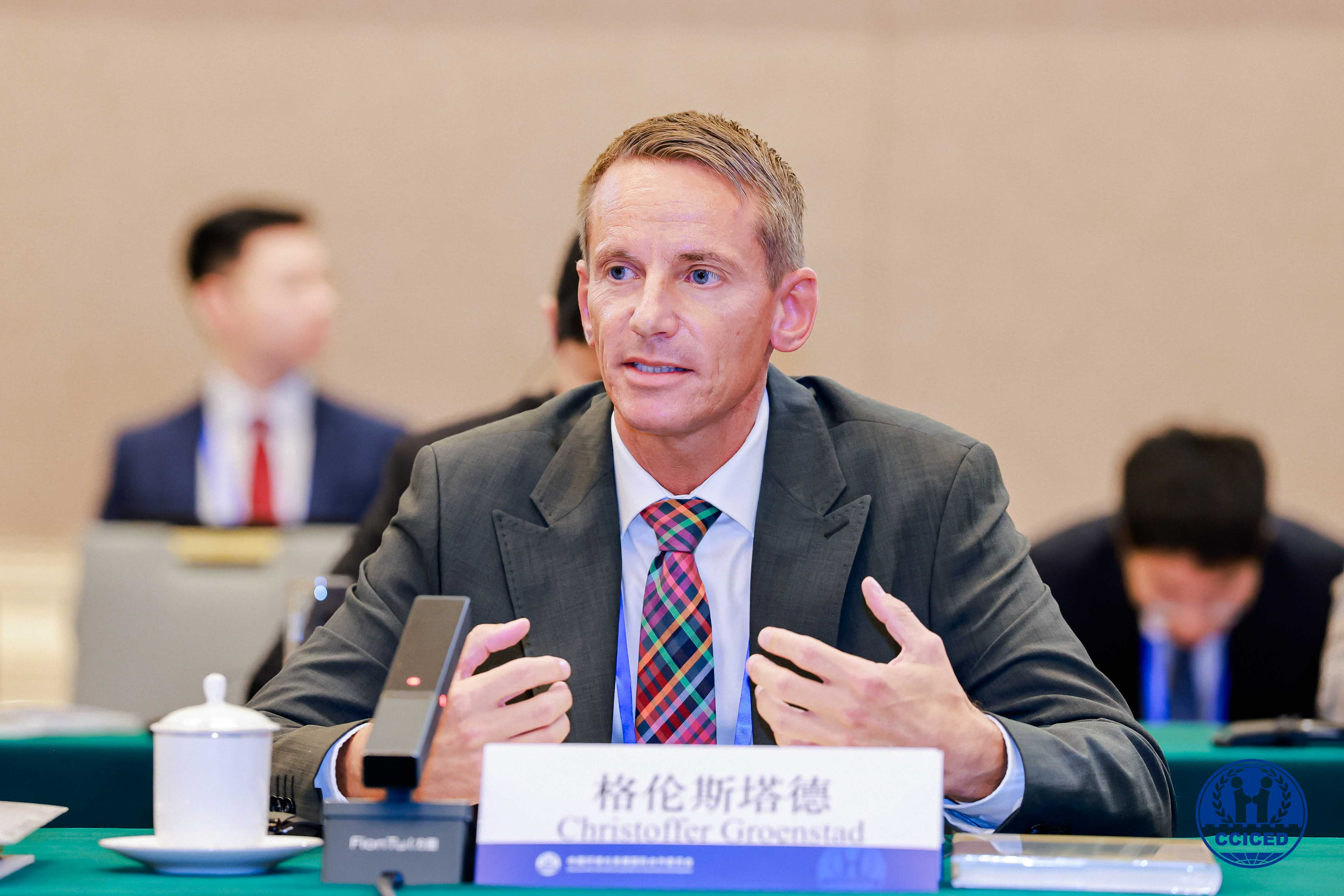
Christoffer Groenstad, Senior Policy Advisor, Norwegian Institute for Water Research
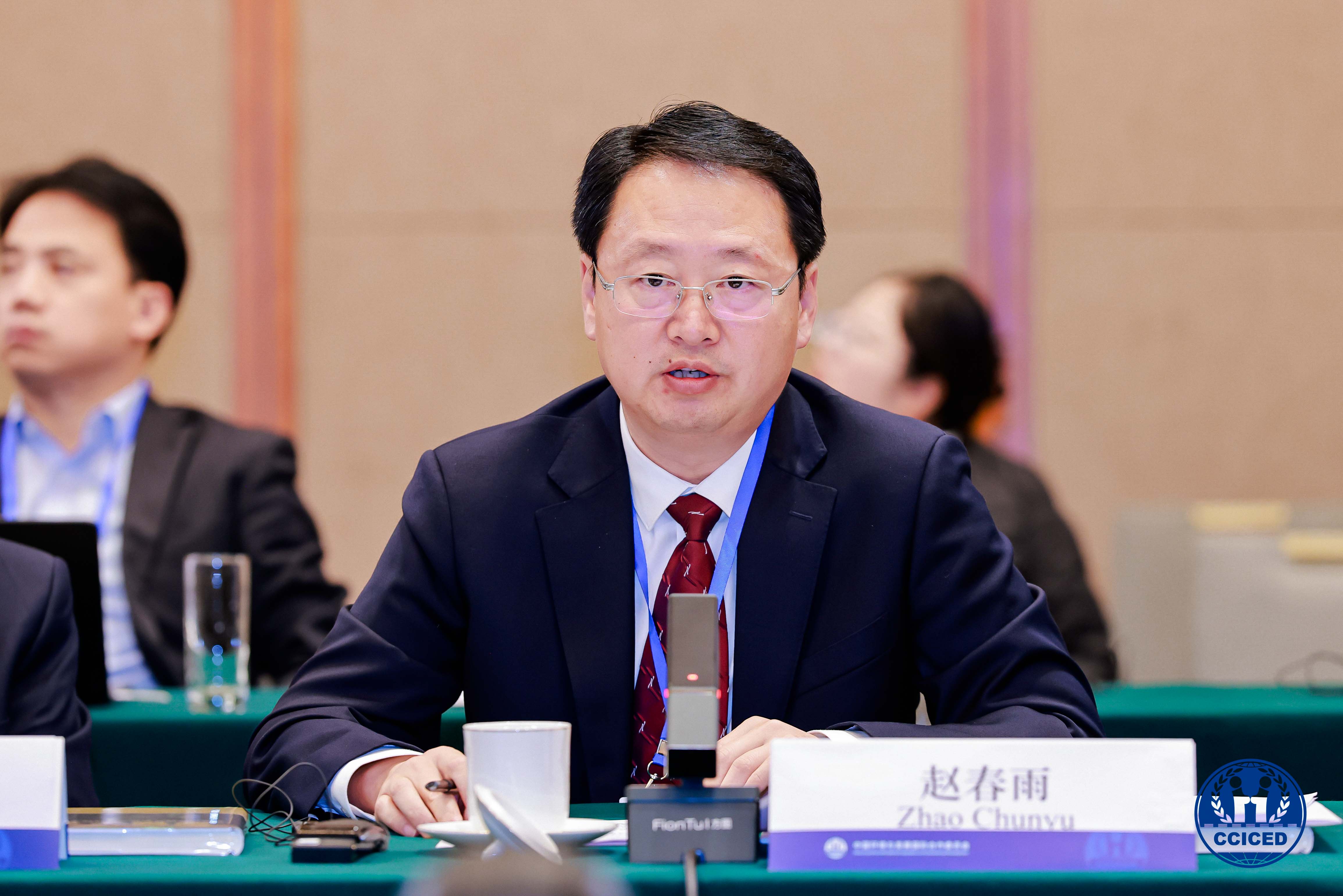
Zhao Chunyu, Deputy Mayor of Ordos, Inner Mongolia
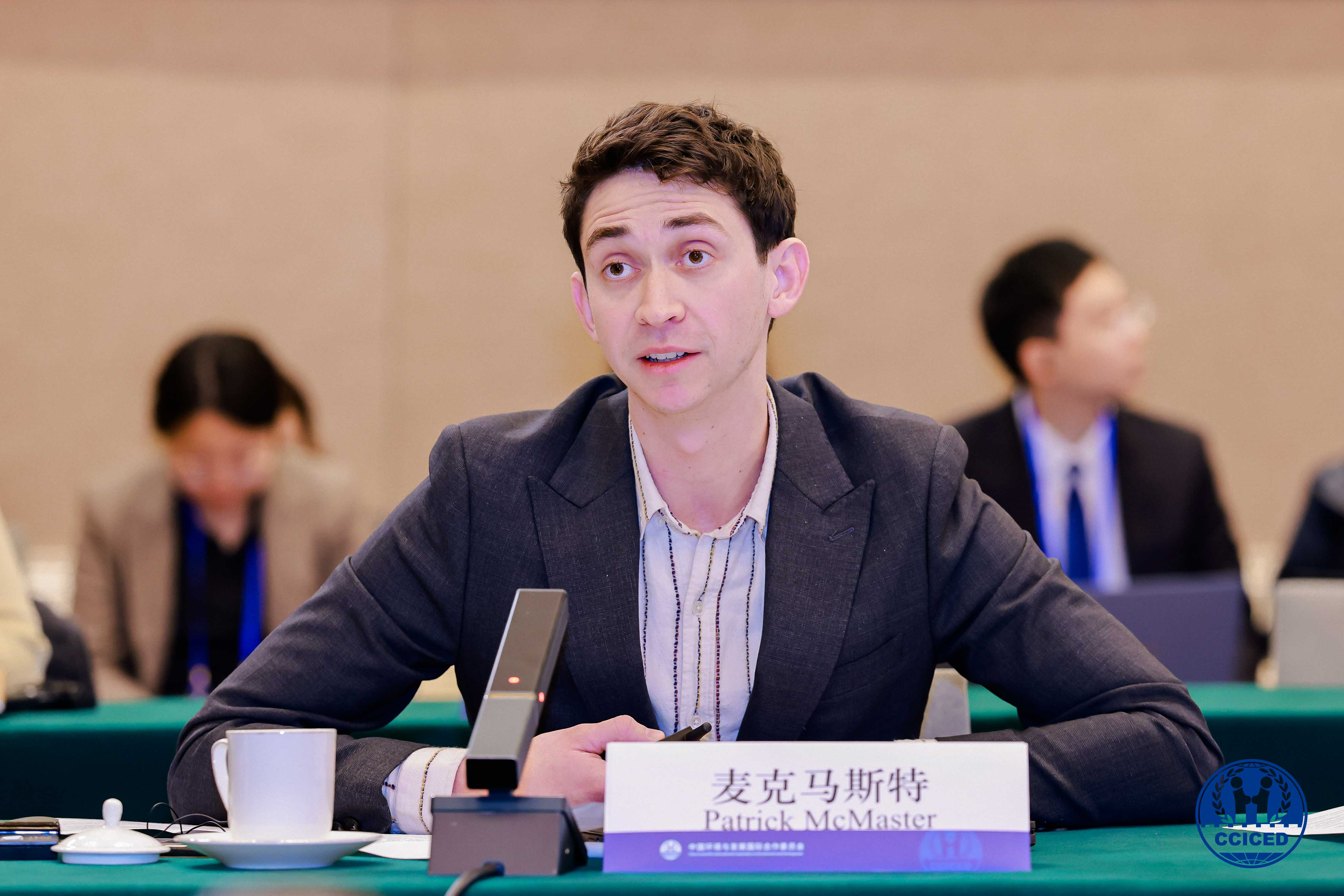
Patrick McMaster, Office of Energy Efficiency and Inclusive Transitions, International Energy Agency
Open Forum: Insights into China’s Green Transition
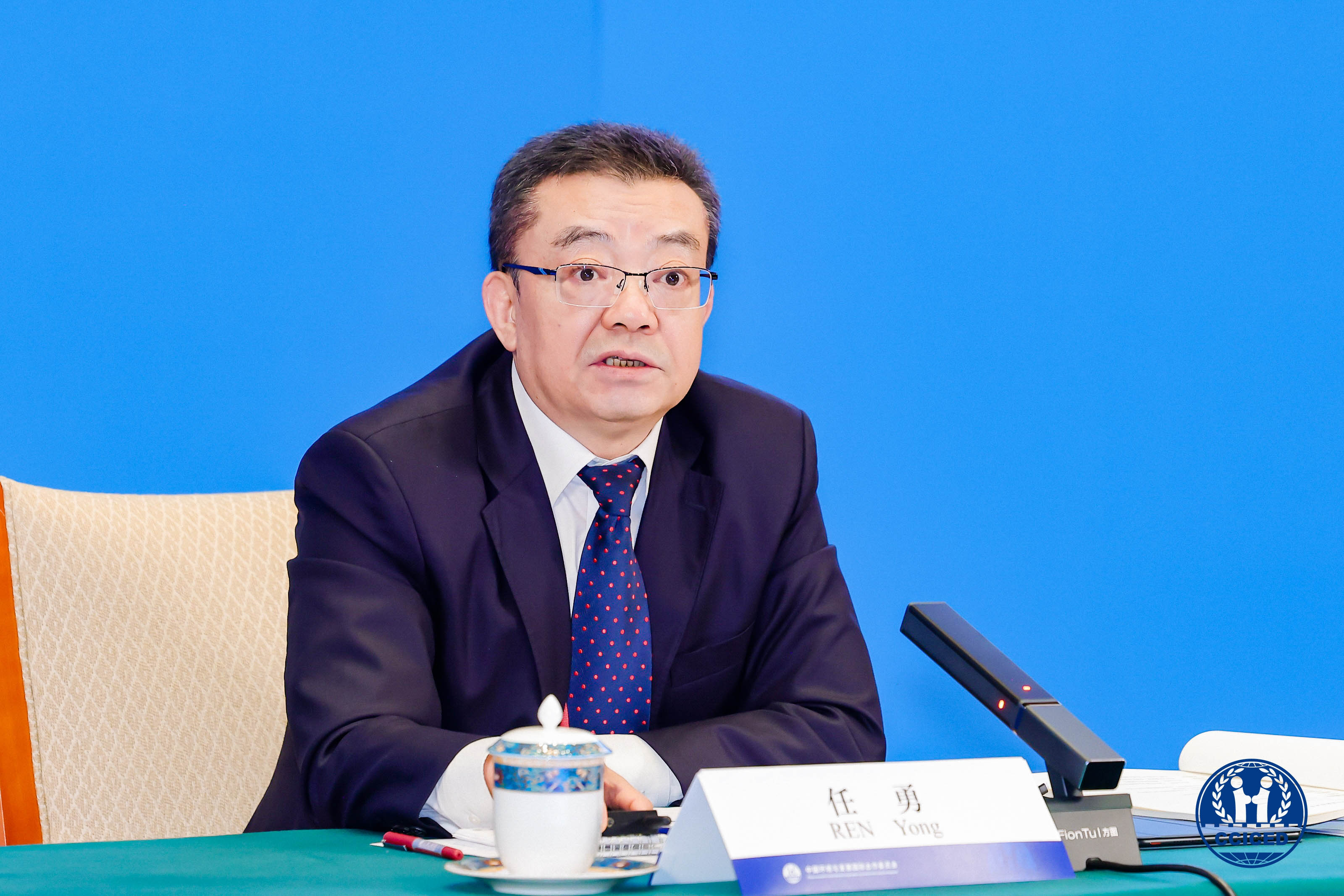
Ren Yong, Chief Engineer, Ministry of Ecology and Environment
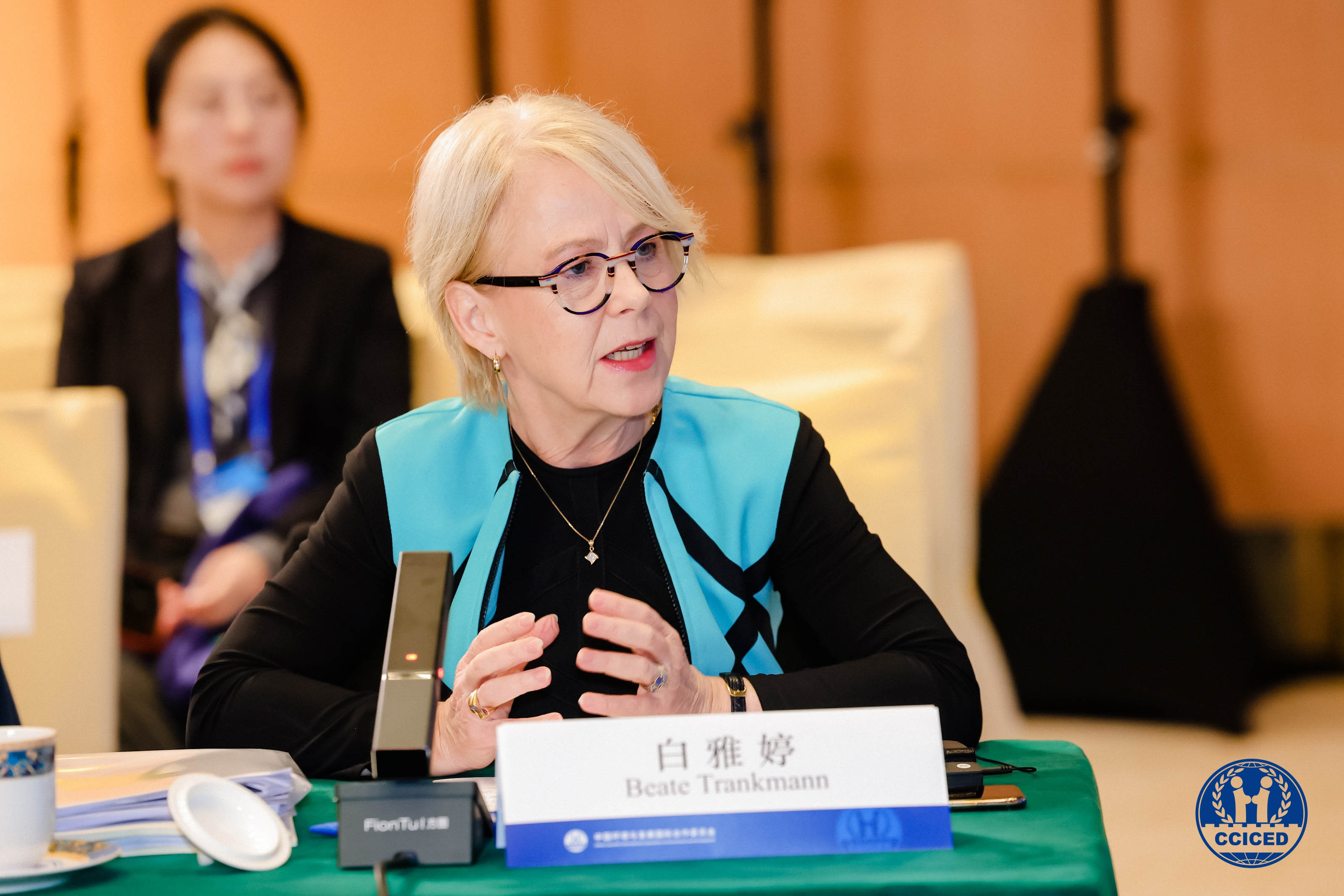
Beate Trankmann, UNDP Resident Representative
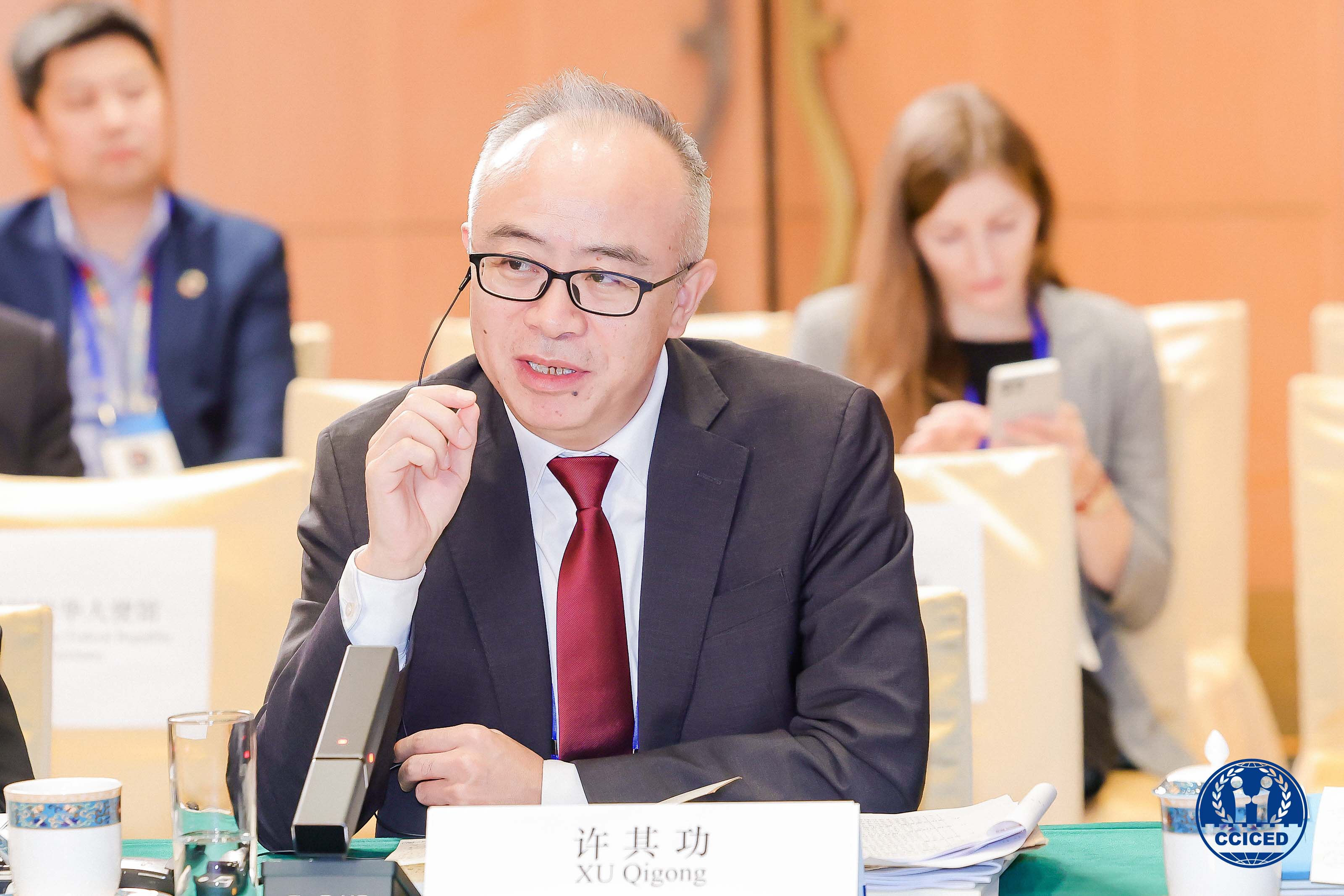
Xu Qigong, President, Chinese Academy of Environmental Planning
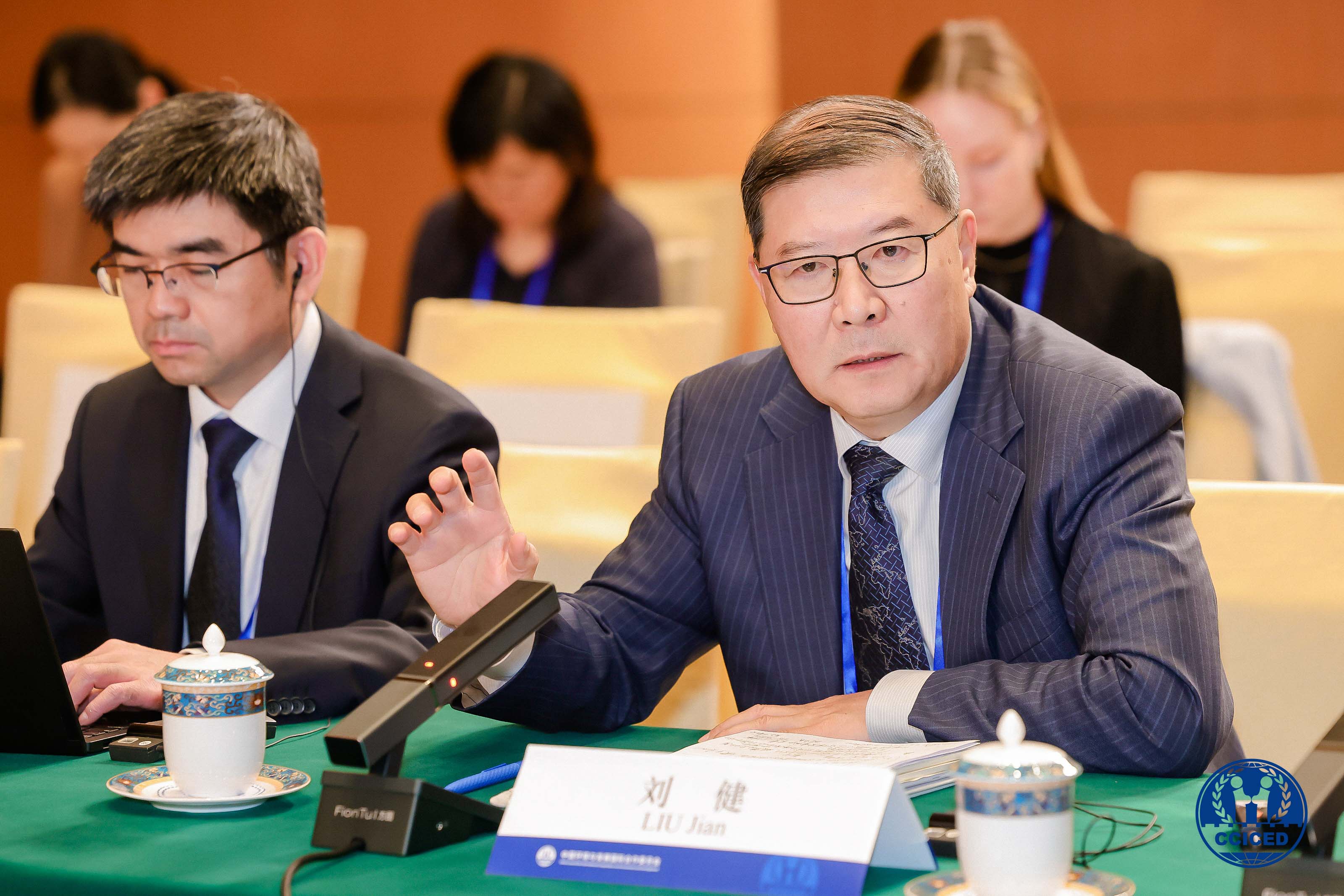
Liu Jian, Research Fellow, Chinese Academy of Sciences
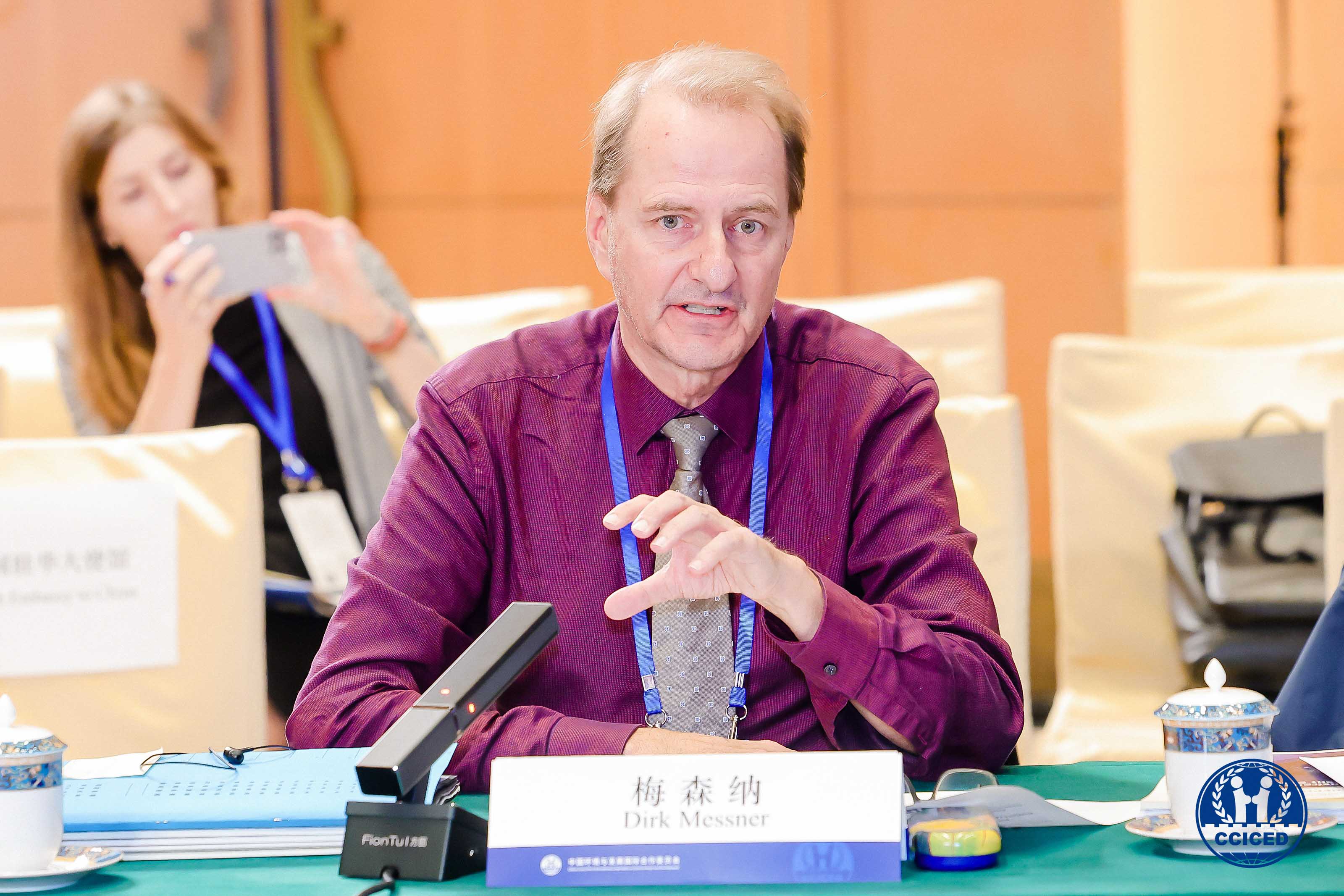
Dirk Messner, President, German Environment Agency
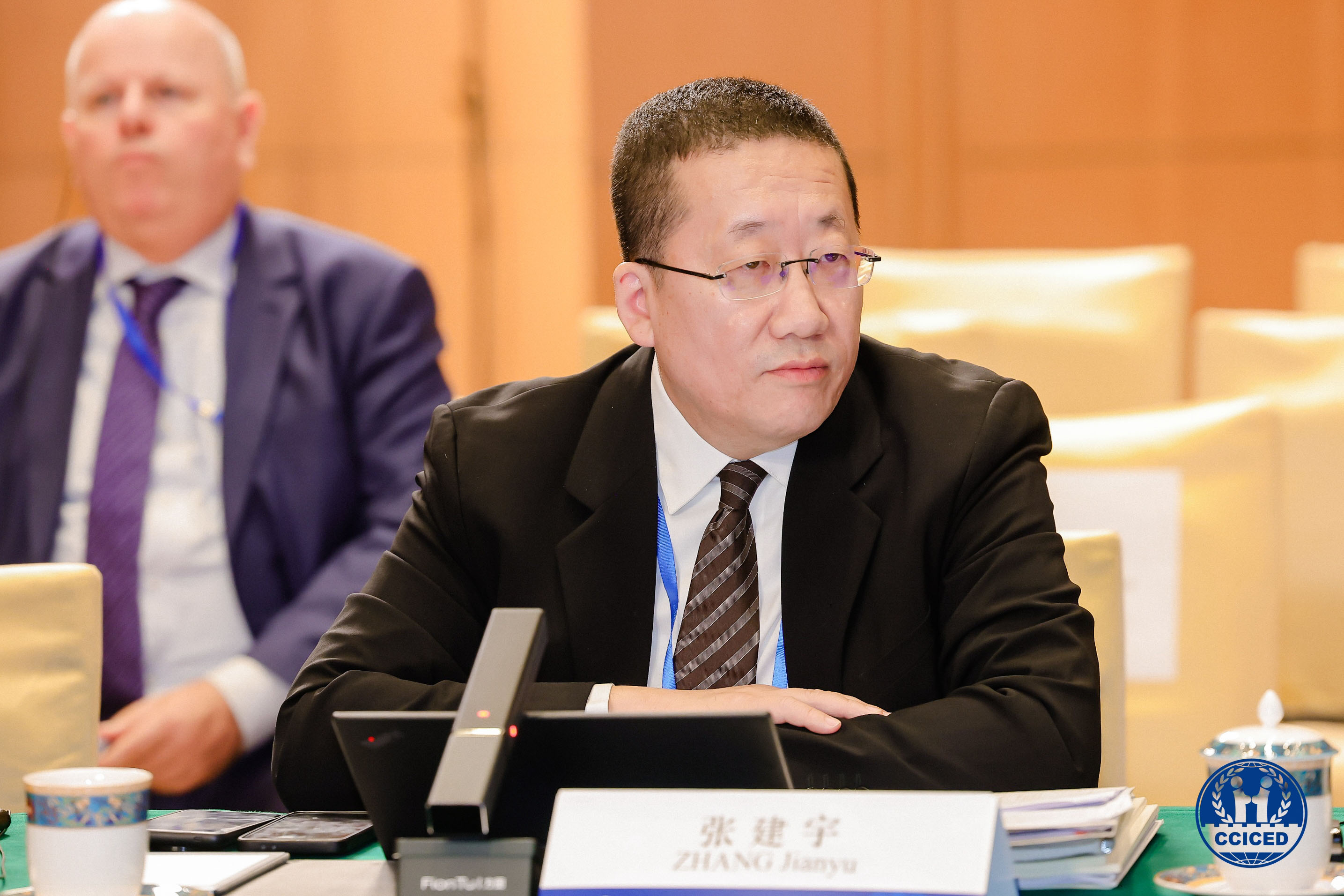
Zhang Juanyu, Chief Development Officer, Belt and Road Initiative International Green Development Coalition
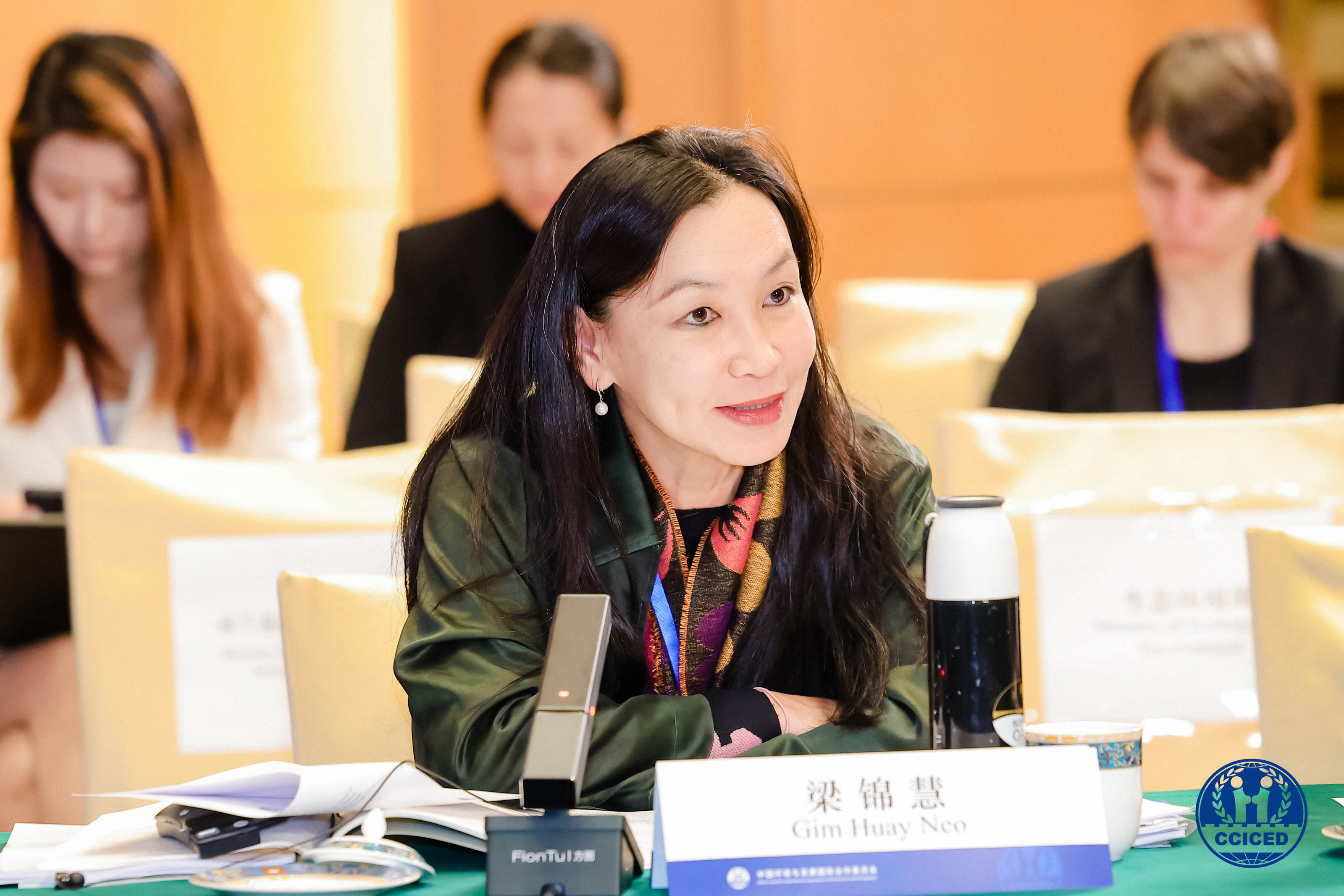
Gim Huay Neo, Managing Director and Member of the Managing Board, World Economic Forum
Open Forum: Accelerating Action for a New Global Climate Governance Framework
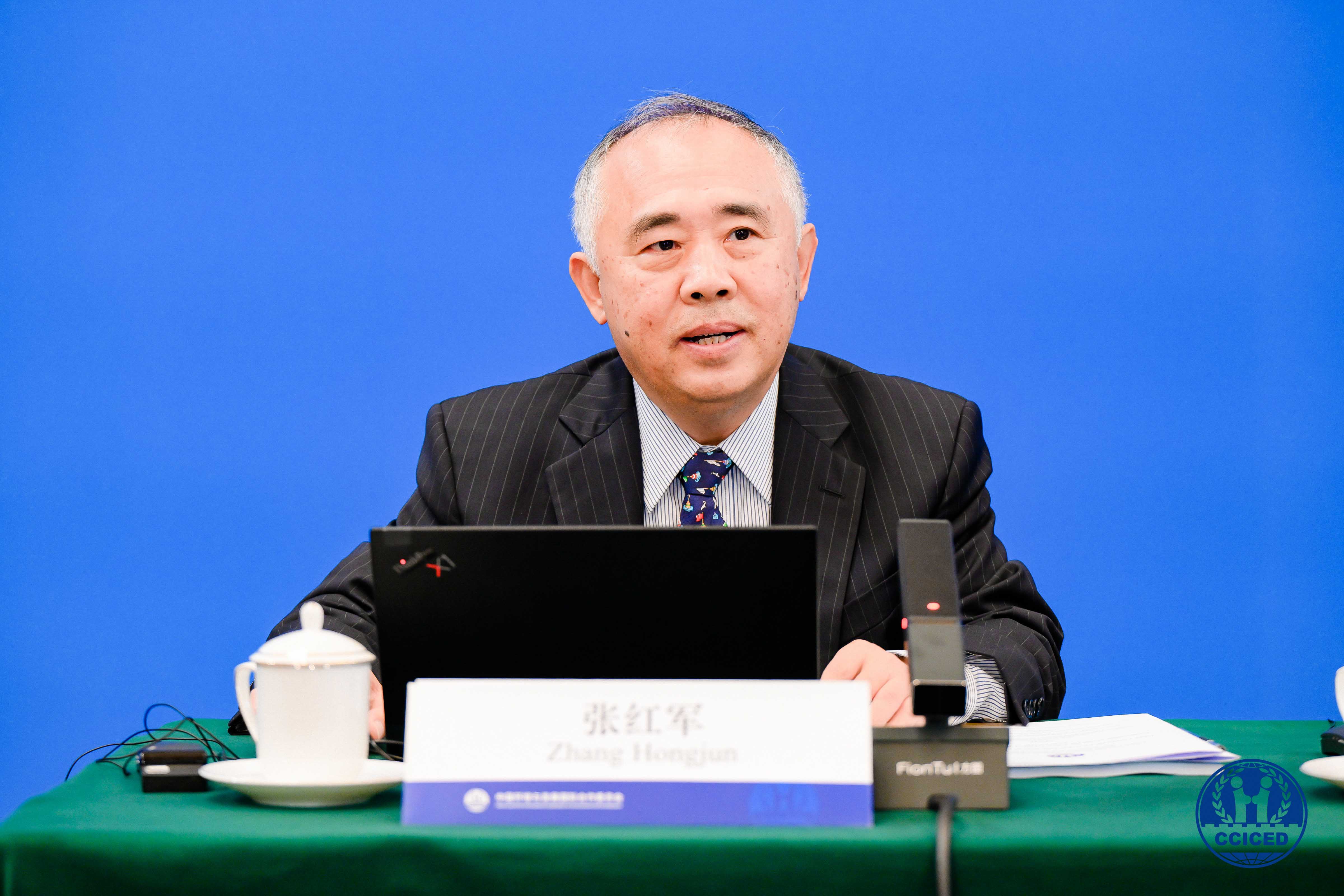
Zhang Hongjun, Board Chair, Energy Foundation China
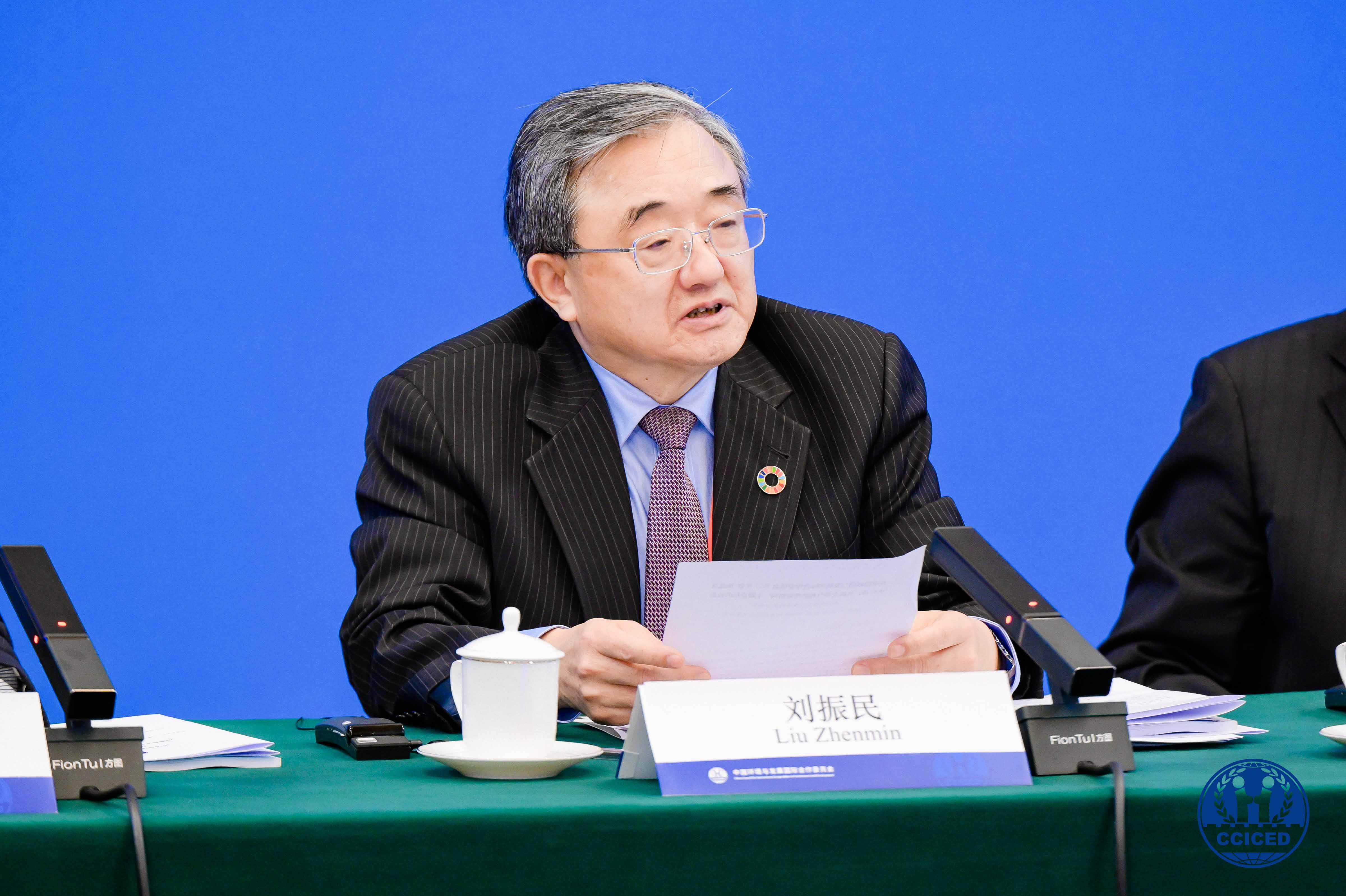
Liu Zhenmin, Special Envoy for Climate Change, China
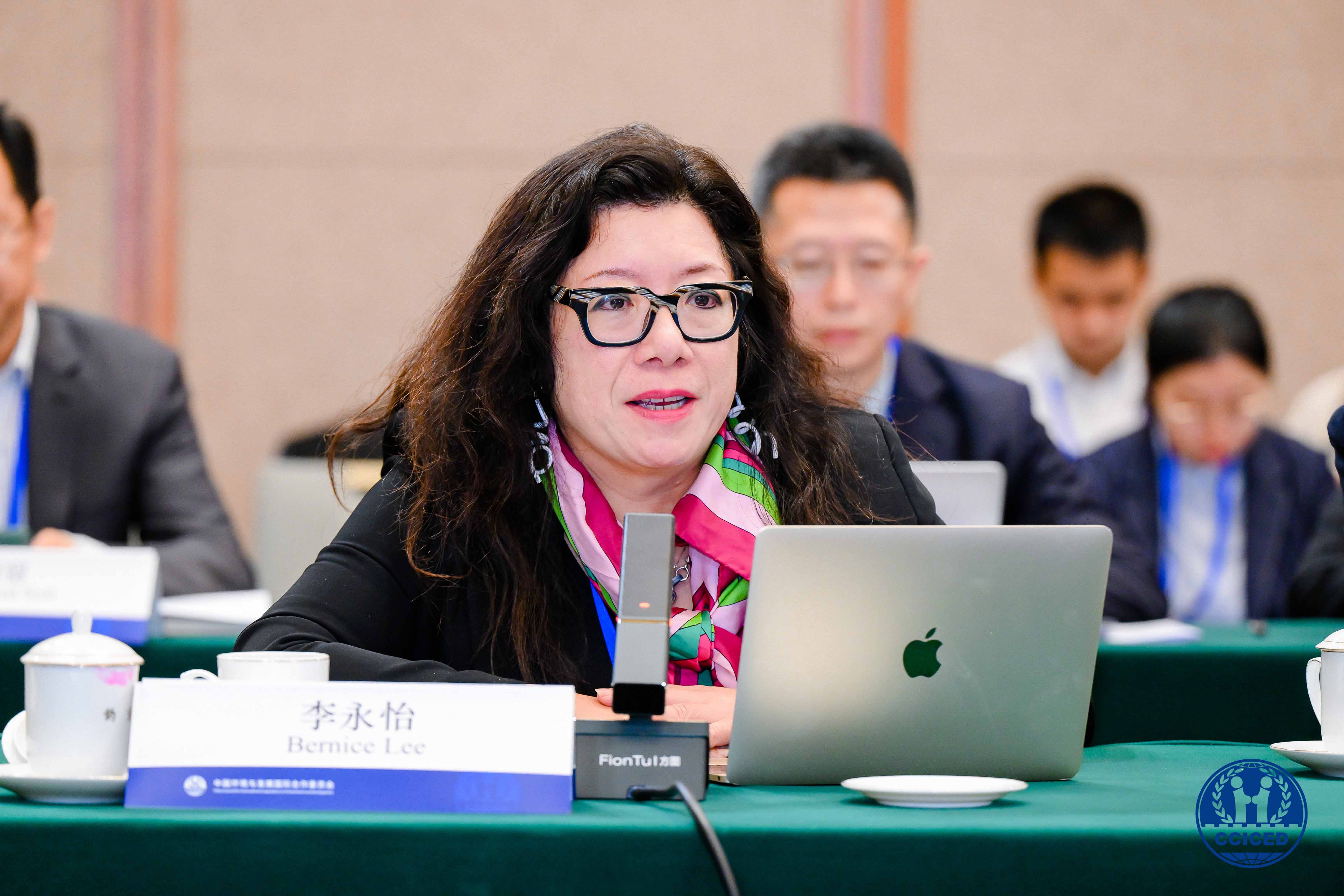
Wing Yee Bernice Lee, Distinguished Fellow and Senior Advisor, Chatham House
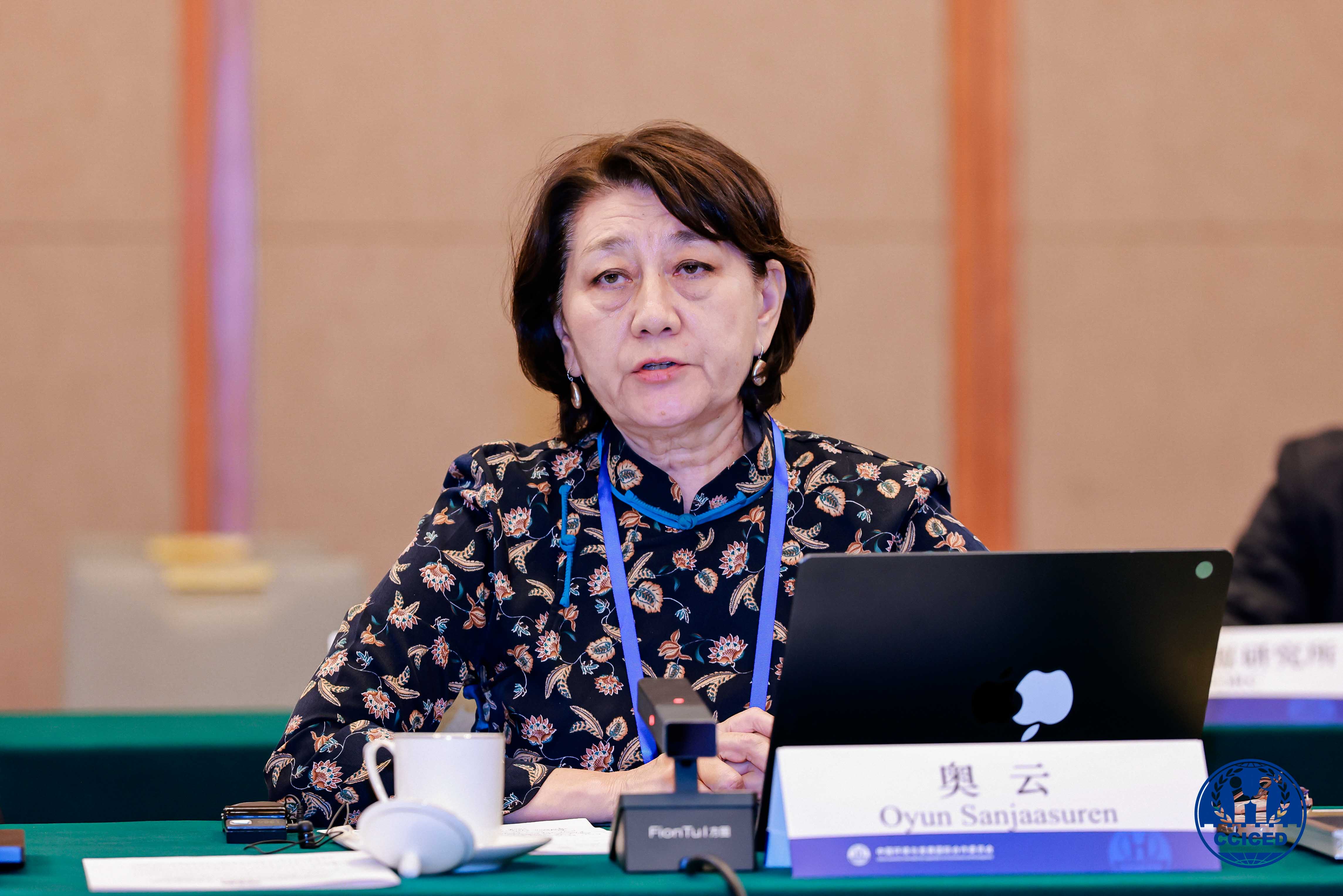
Oyun Sanjaasuren, Director of External Affairs, Green Climate Fund
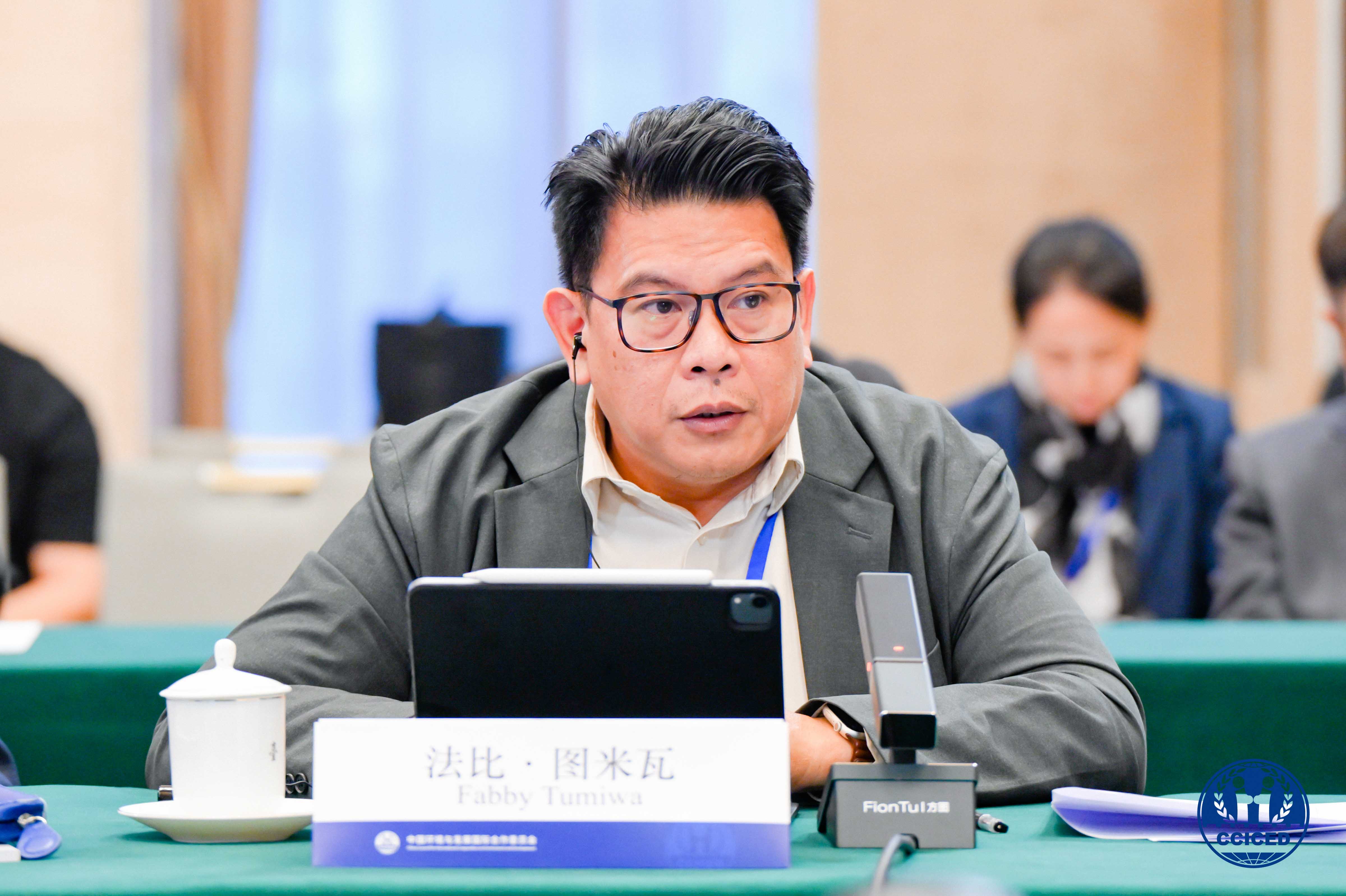
Fabby Tumiwa, Executive Director, Institute for Essential Services Reform, Indonesia
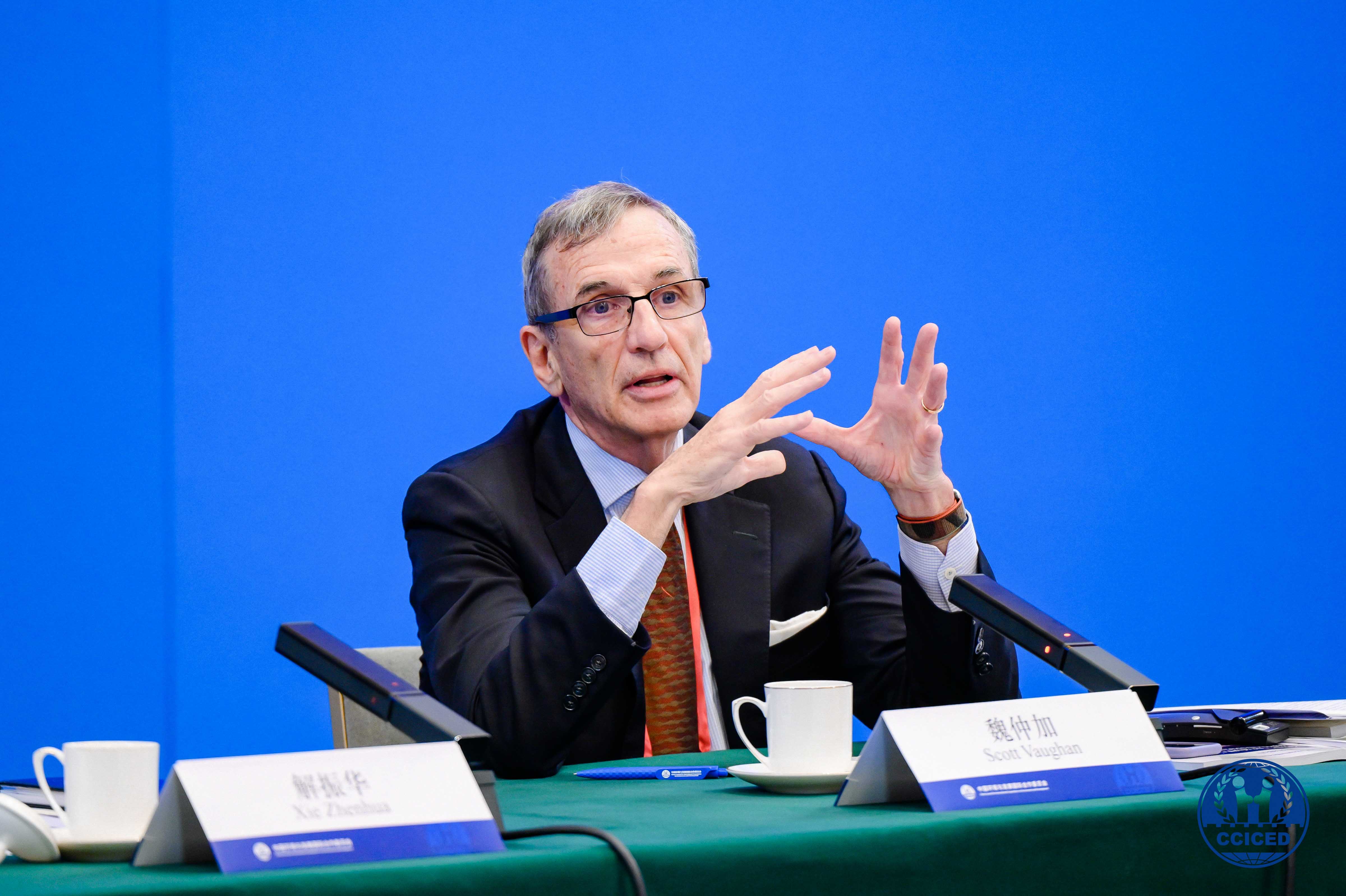
Scott Vaughan, CCICED International Chief Advisor and Senior Fellow, International Institute for Sustainable Development
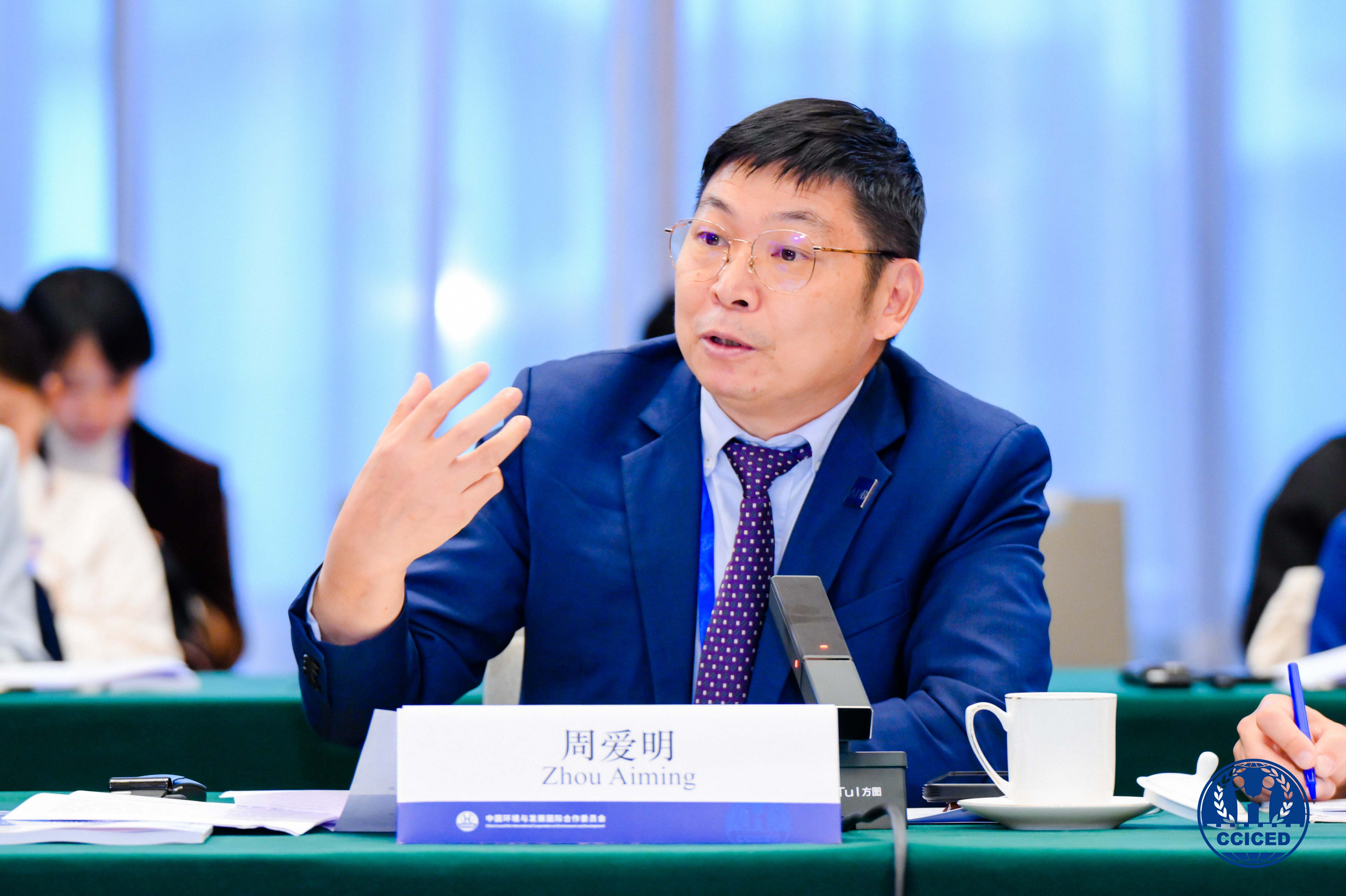
Zhou Aiming, Deputy Country Director, People’s Republic of China Resident Mission, Asia Development Bank
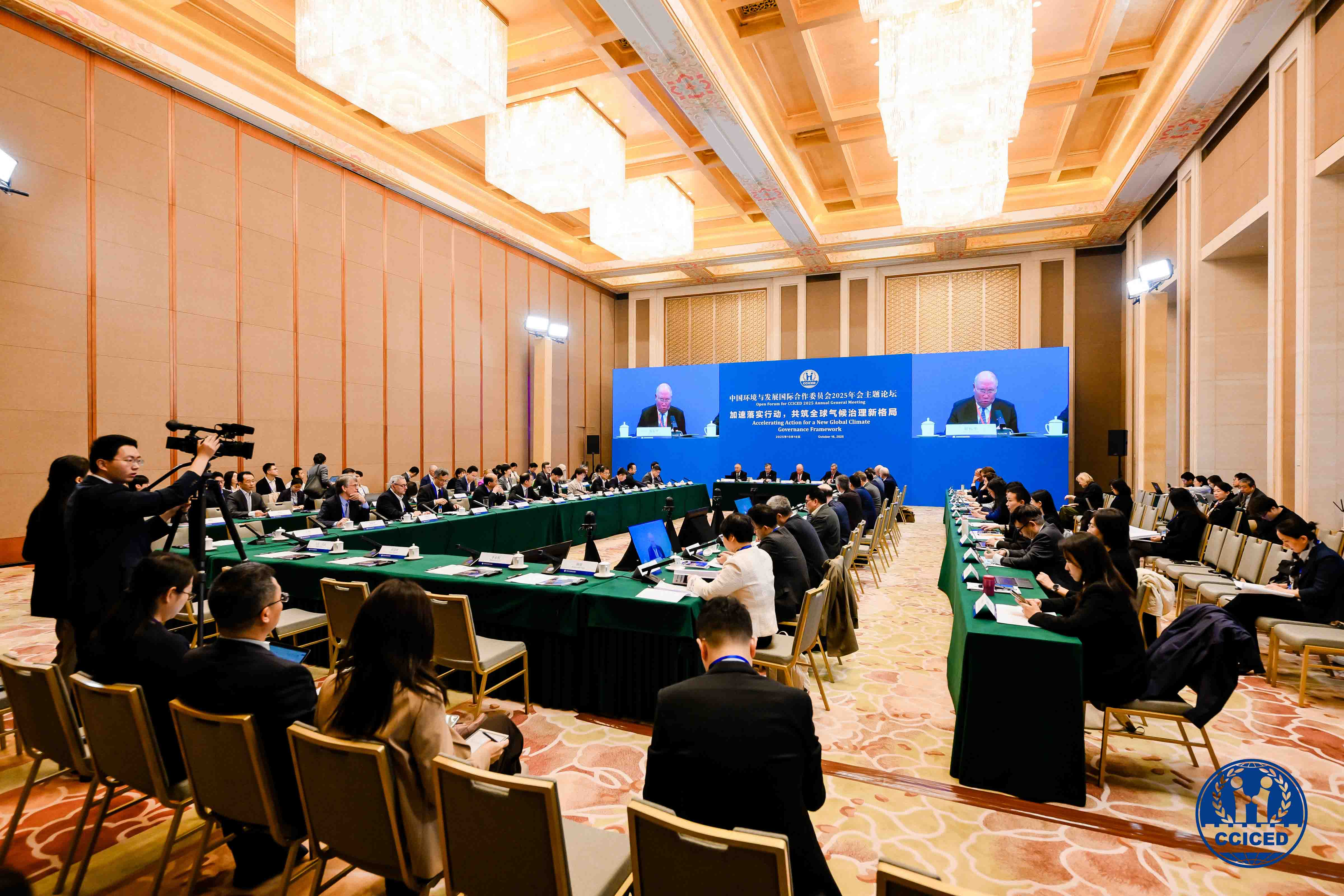
Open Forum: Breaking the Constraints of the Linear Economy
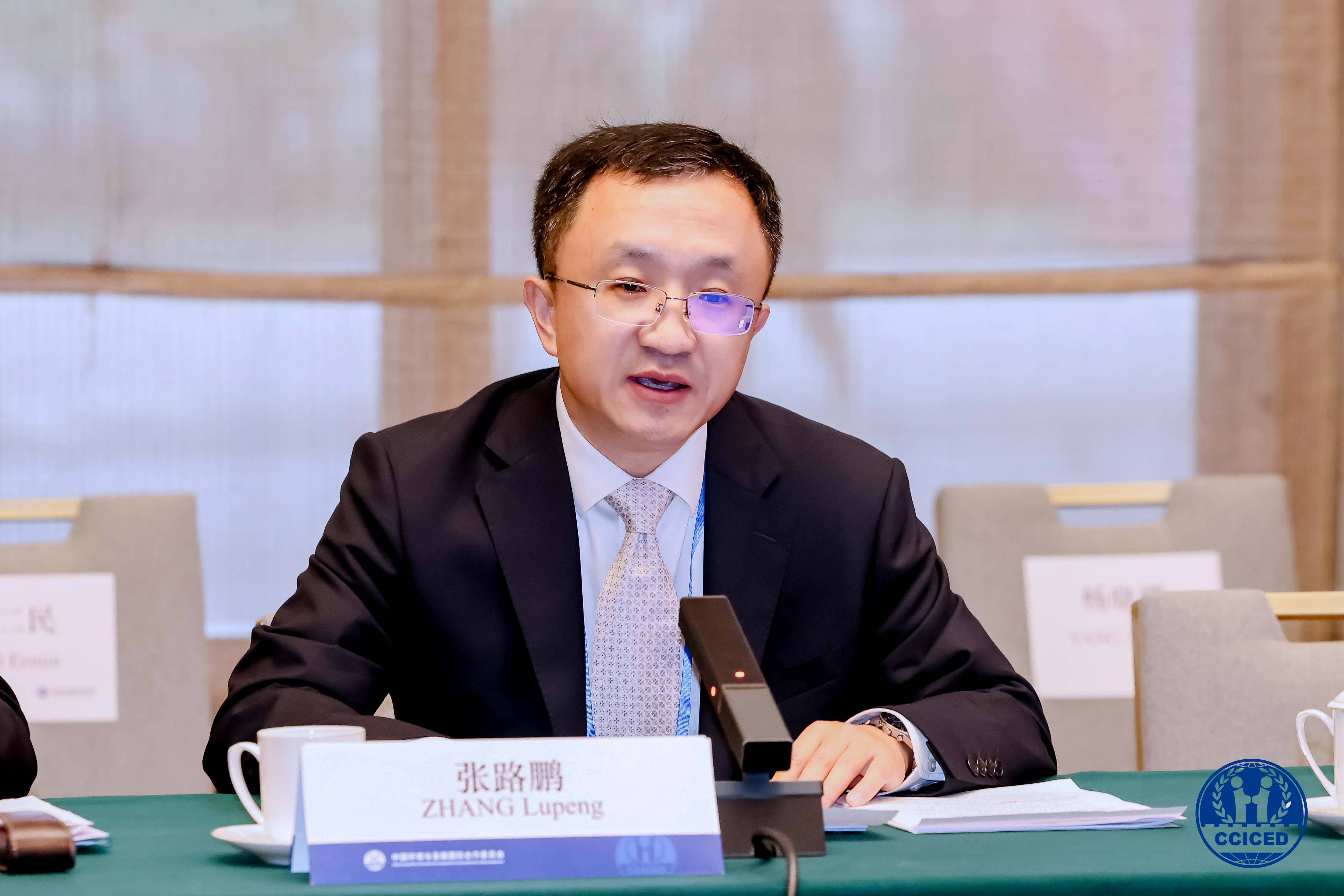
Zhang Lupeng, Deputy Director General, Department of Resources Conservation and Environmental Protection, National Development and Reform Commission
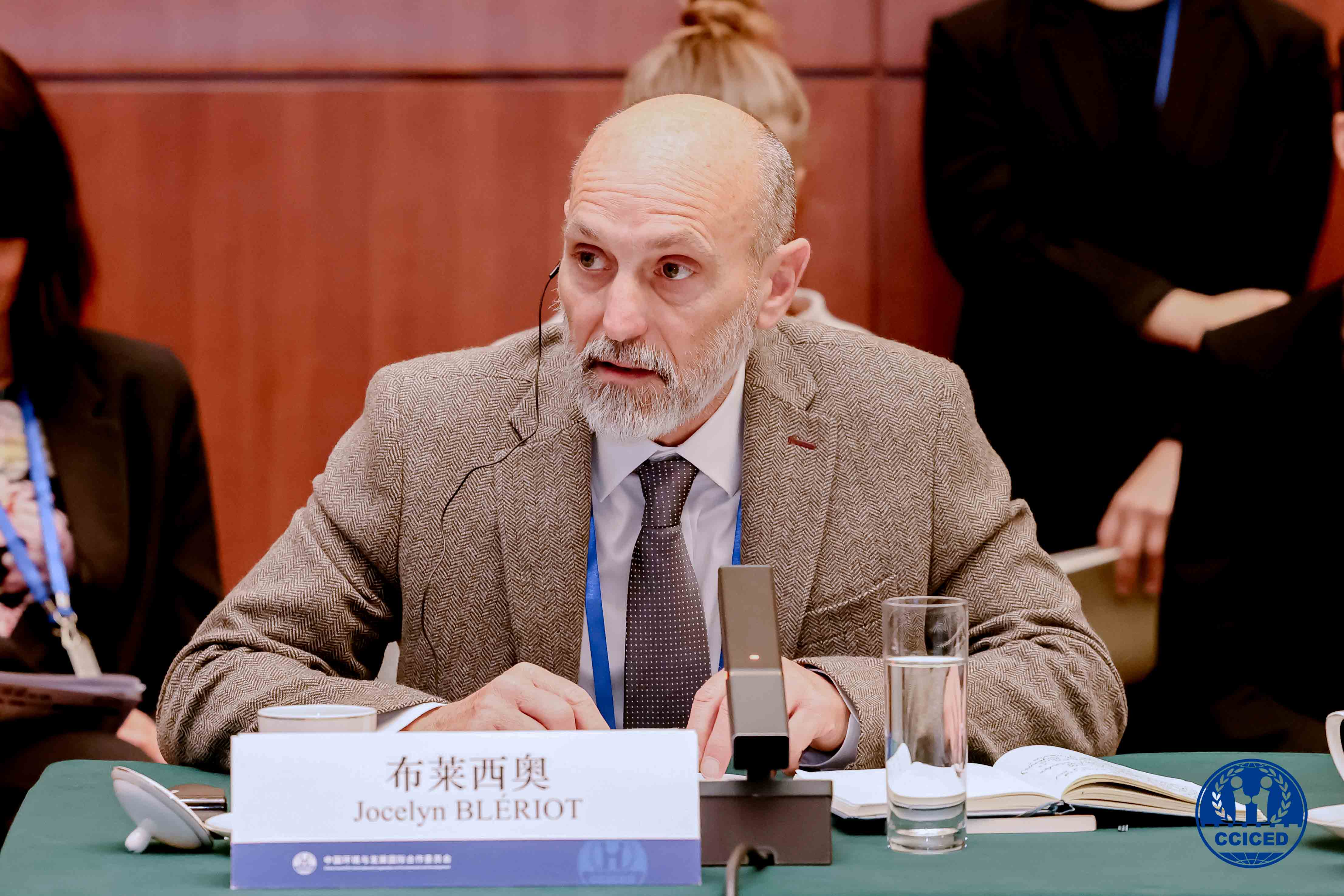
Jocelyn Blériot, Executive Lead, Ellen MacArthur Foundation
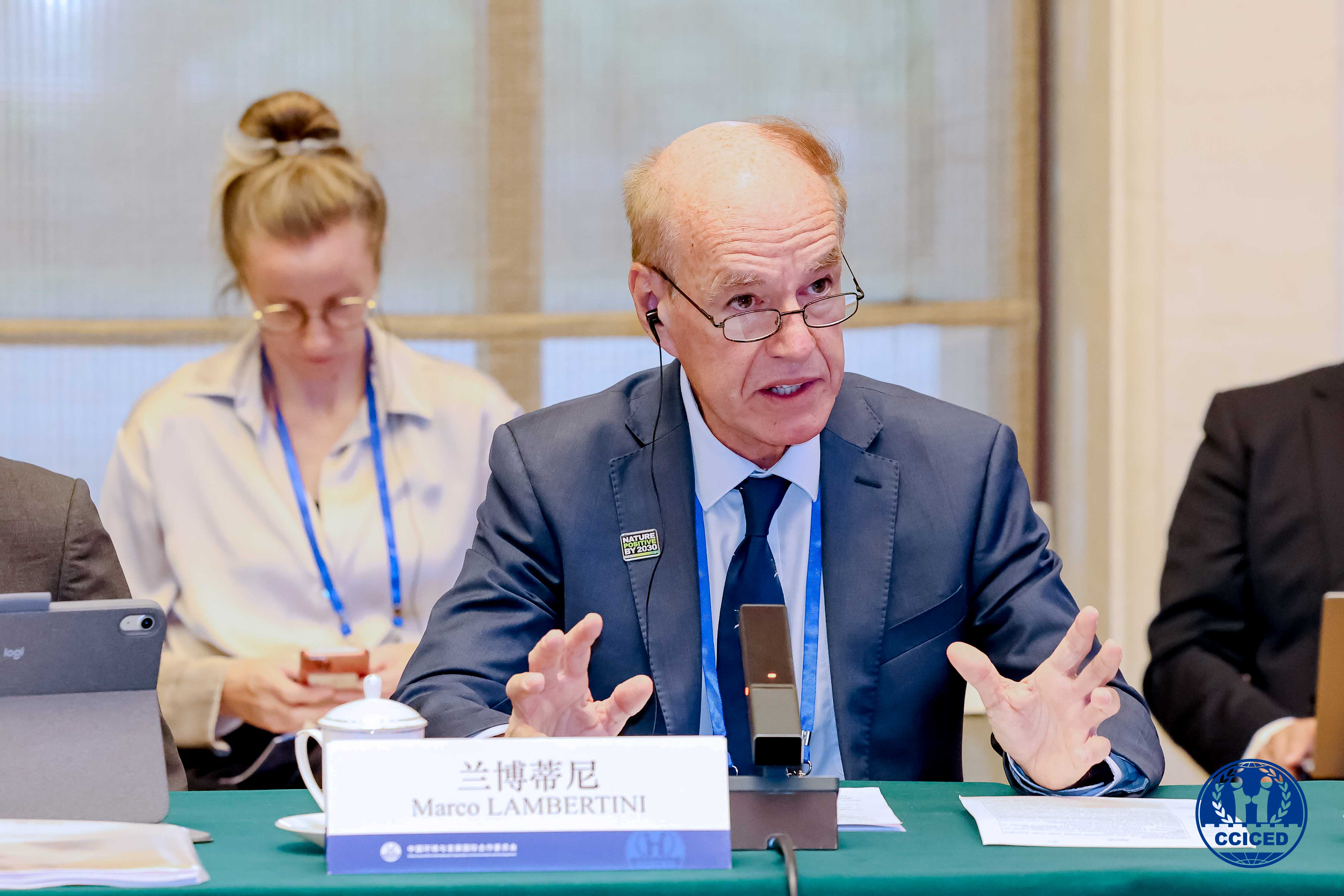
Marco Lambertini, Convener, Nature Positive Initiative
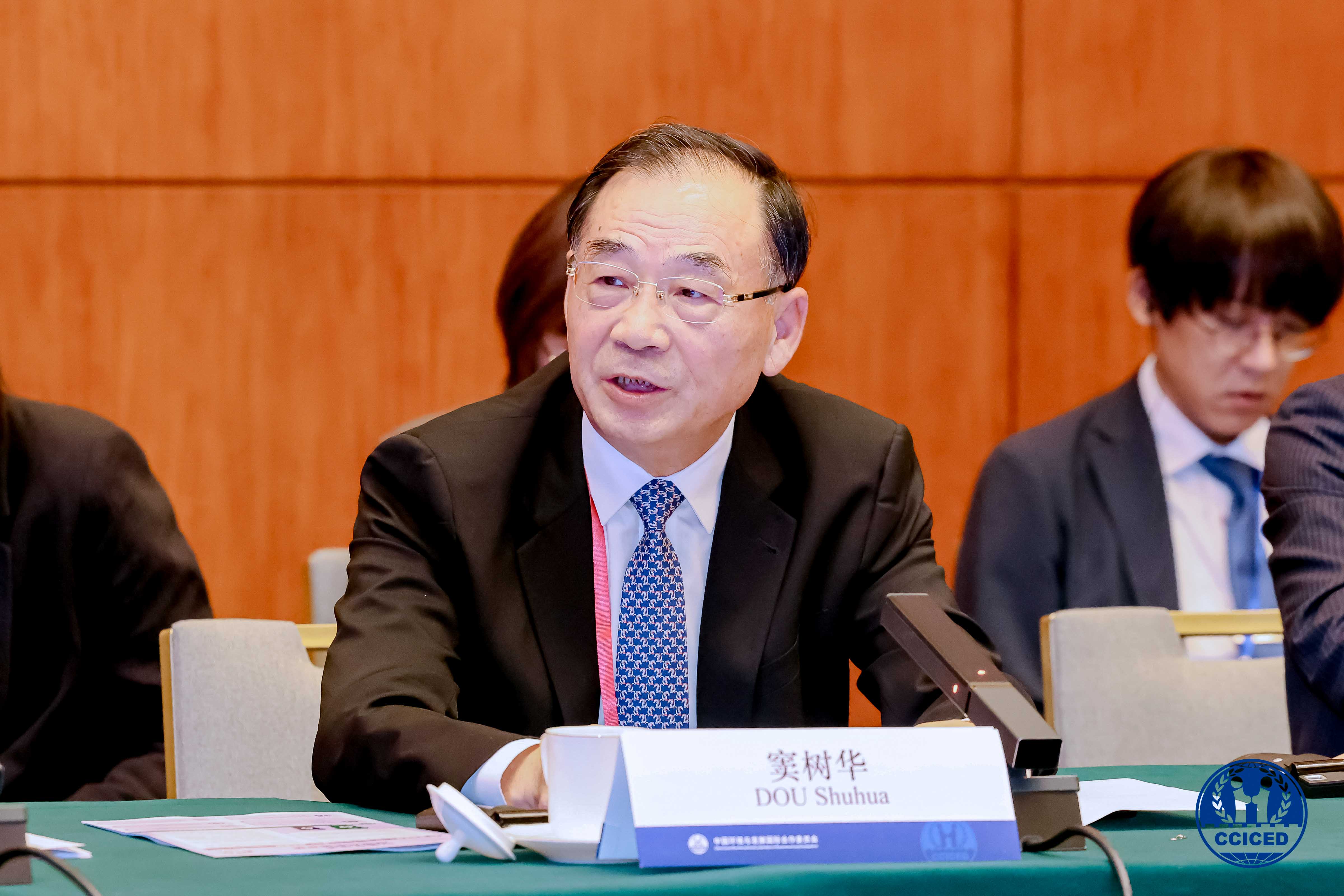
Dou Chuhua, Vice Chairperson, Environment Protection and Resources Conservation Committee, National People's Congress
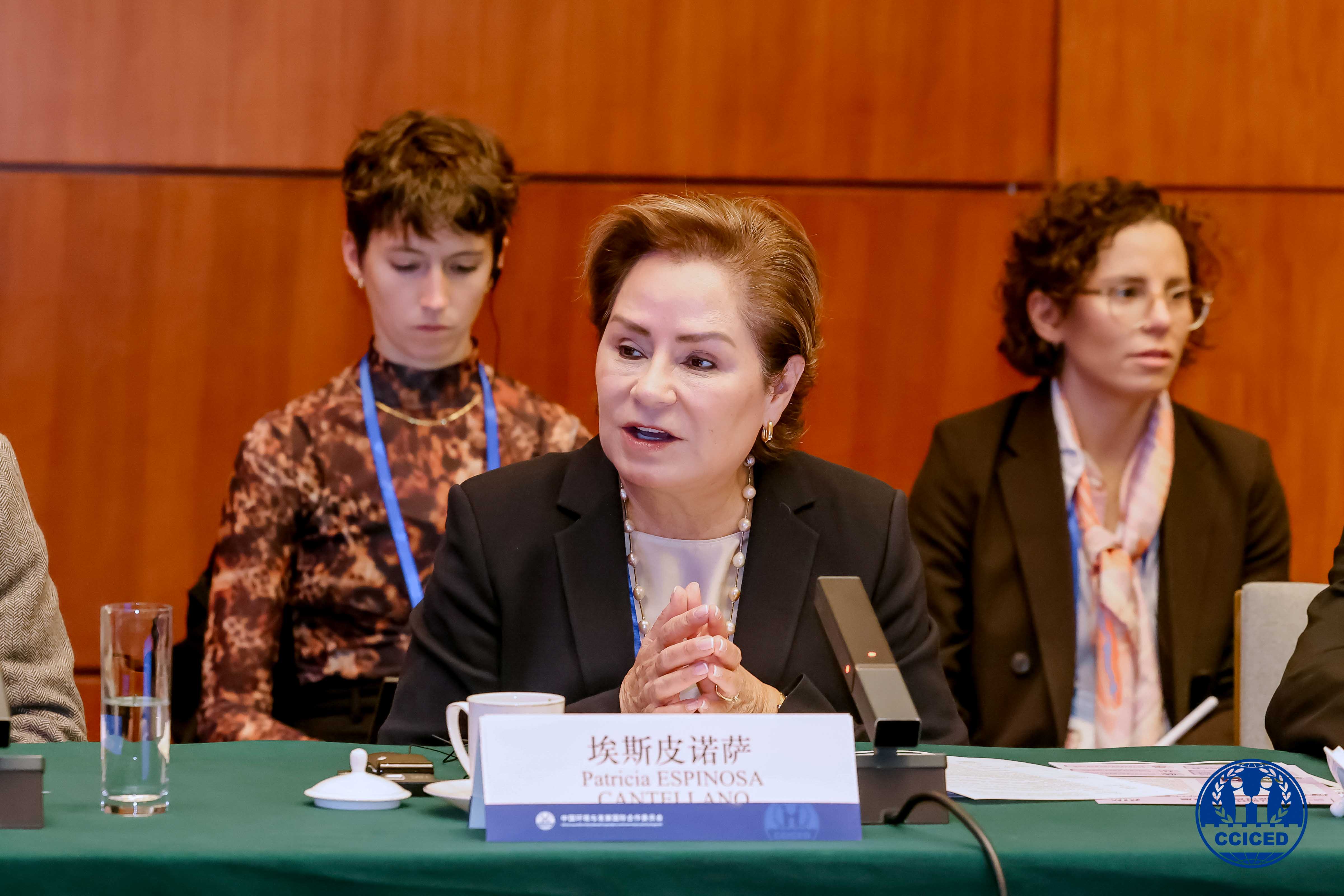
Patricia Espinosa Cantellano, CEO and Founding Partner, OnePoint5
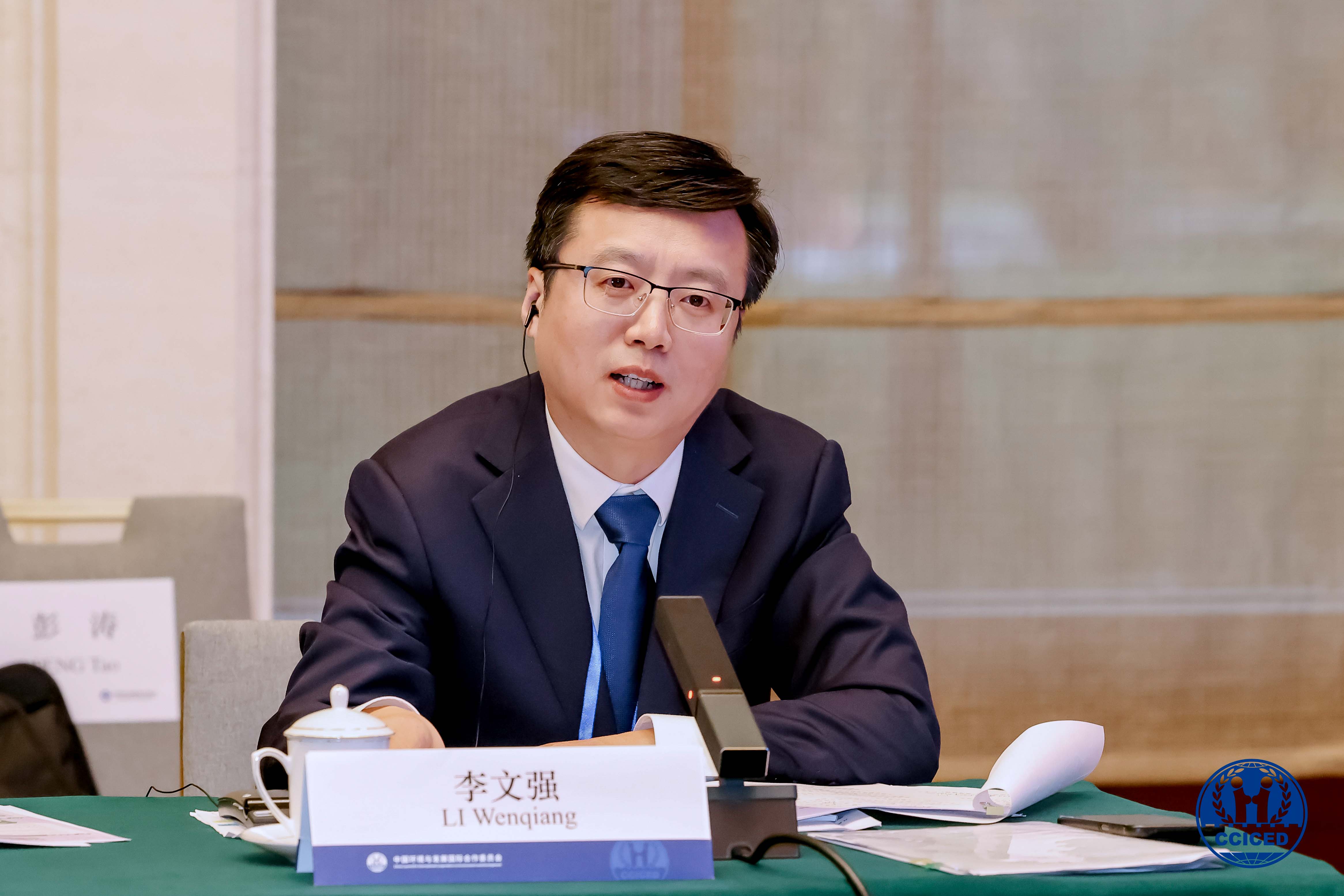
Li Wenqiang, Director General of Solid Waste and Chemicals Management, Ministry of Ecology and Environment
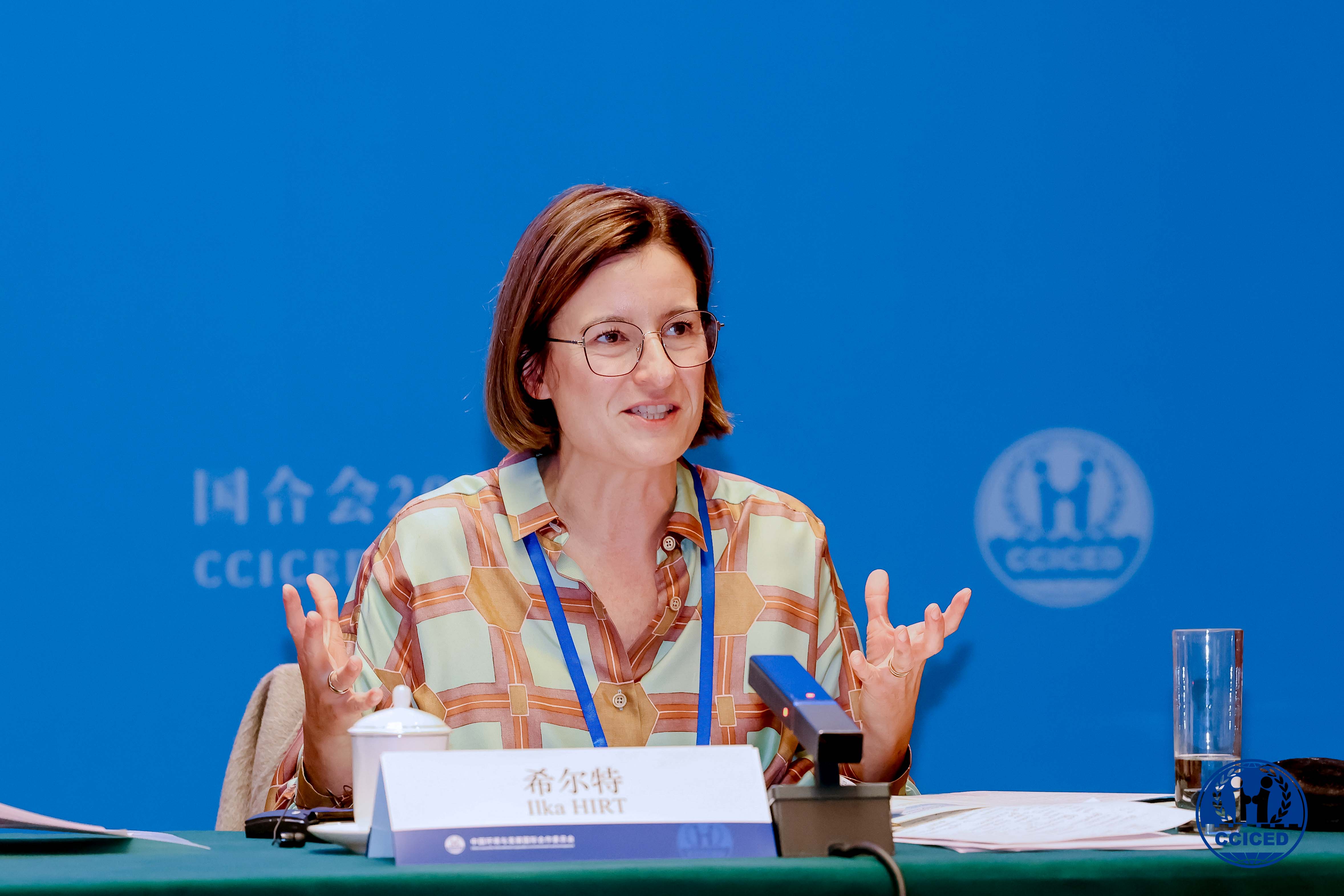
Ilka Hirt, Deputy Director-General for International Policy, German Federal Ministry for the Environment, Nature Conservation, Nuclear Safety and Consumer Protection
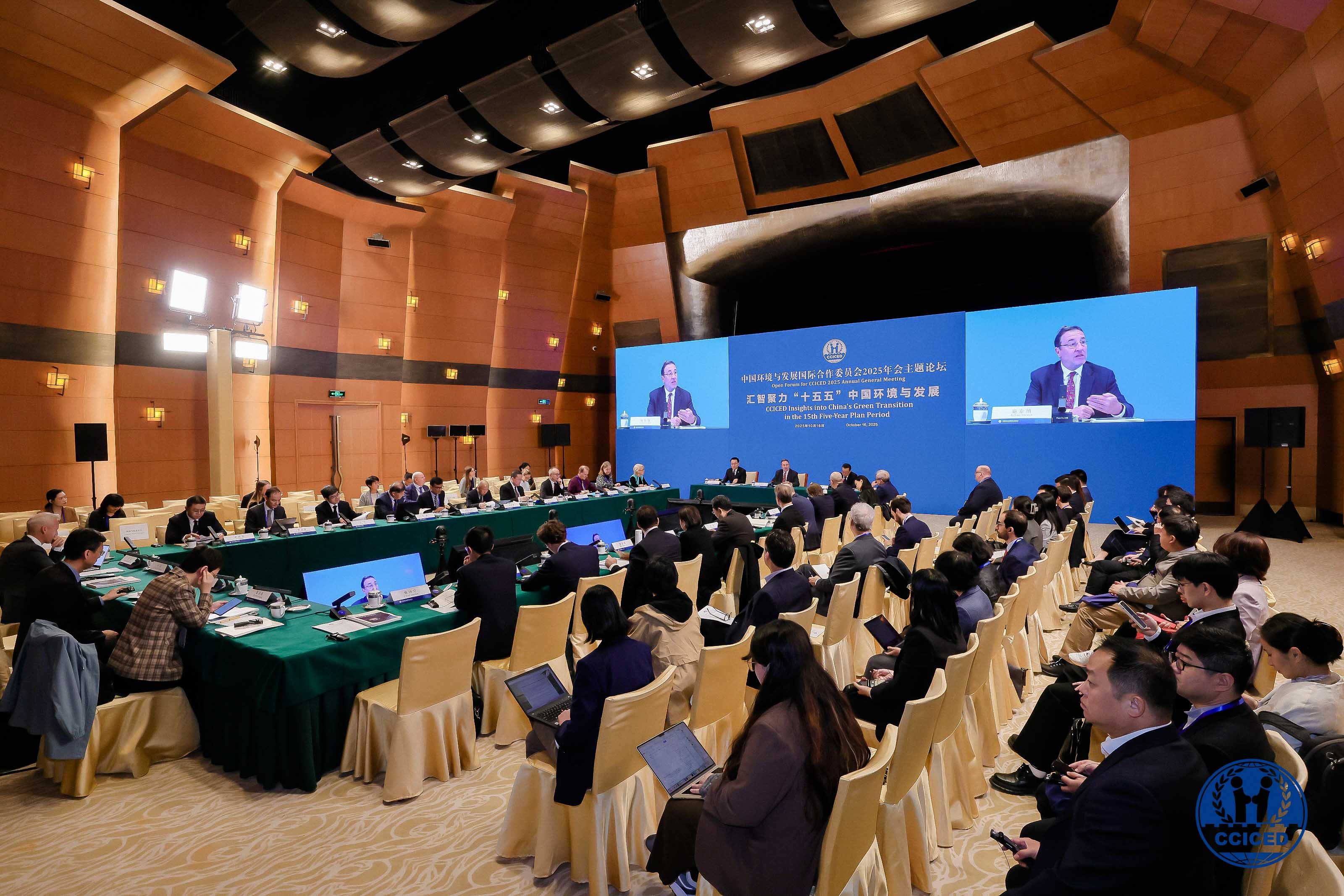
Around the venue