About
Parties announced updated national targets for climate action, reaffirmed their support for multilateralism and science, and demanded immediate action to prevent the irreversible damage resulting from a rapidly heating planet.
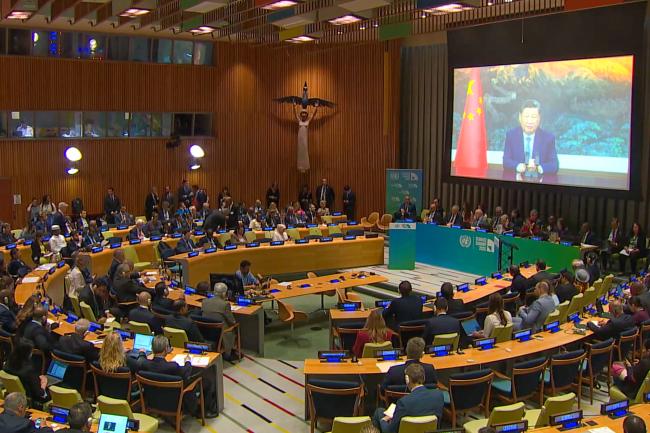
As the world grapples with the effects of climate change, political action continues to fall short of commitments. UN Secretary-General António Guterres convened the Climate Summit 2025 as a platform for national leaders to announce climate change commitments and to accelerate momentum toward the 30th meeting of the Conference of the Parties (COP 30) to the United Nations Framework Convention on Climate Change (UNFCCC) in November. Nearly 100 countries shared their plans for or updated nationally determined contributions (NDCs), which reflect their country’s intentions to take climate action.
Melissa Fleming, Under-Secretary-General for Global Communications, moderated the event. Highlighting the need to accelerate energy transition, strengthen climate justice, and protect the natural world, she said we have all the solutions we need to limit the global temperature rise to 1.5°C; what we need is action.
Opening Segment
Scientists Johan Rockström, Director, Potsdam Institute for Climate Impact Research, and Katherine Hayhoe, Texas Tech University, provided assessments of current efforts to meet the goals of the Paris Agreement. Rockström warned that impacts associated with a temperature rise beyond 1.5°C risk crossing tipping points, leading to irreversible change. He outlined a pathway that involves drastic reductions in emissions, scaled CO2 removal, and a transition away from fossil fuels. “The window is still there but it’s narrow,” he added.
Hayhoe said while the science is clear, awareness does not necessarily lead to action. Saying we need to know we are not alone and there is hope, she emphasized that every action toward transitioning from dirty energy, transforming food systems, and investing in resilience contributes to meeting climate goals. Hayhoe called on leaders to “choose courage over fear, action over delay, and hope over despair.”
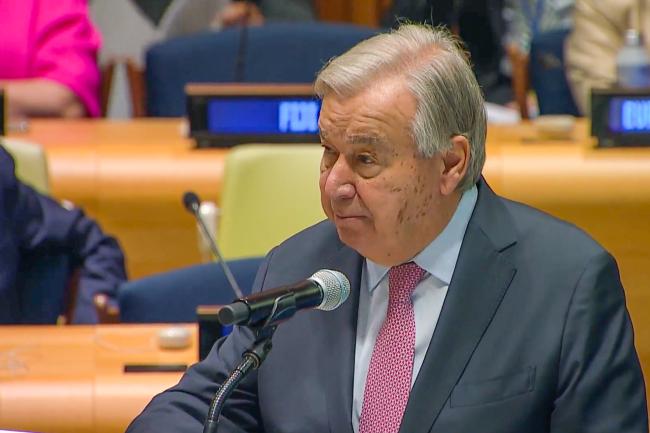
UN Secretary-General António Guterres emphasized that both science and the economics compel climate action. While the Paris Agreement has made a difference, with projected global temperature rise dropping from 4°C to less than 3°C if current NDCs are fully implemented, Guterres stressed the need for new plans for 2035 that go further and faster. He said COP 30 must conclude with a credible global plan to get us on track by:
- supercharging the clean energy transition;
- drastically cutting methane emissions;
- ending the destruction of forests;
- cutting emissions from heavy industry; and
- ensuring climate justice.
Statements by Heads of State and Government
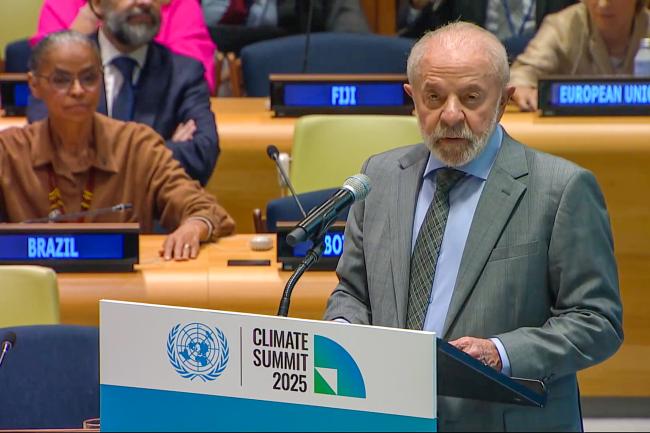
Luiz Inácio Lula da Silva, President of Brazil, said the submission of NDCs is not an option but an obligation, citing the recent advisory opinion by the International Court of Justice (ICJ). He raised concerns about “denialism” in relation to climate change and multilateralism and said fatalism is the worst enemy of action. Comparing the clean energy transformation to the Industrial Revolution, Lula described NDCs as an opportunity to rethink models and economic paradigms. He said his country’s new NDC sets an economy-wide target of reducing its net GHG emissions by 59-67% below 2005 levels by 2035 and ending deforestation by 2030. He called on countries that have not yet submitted their NDCs to do so.
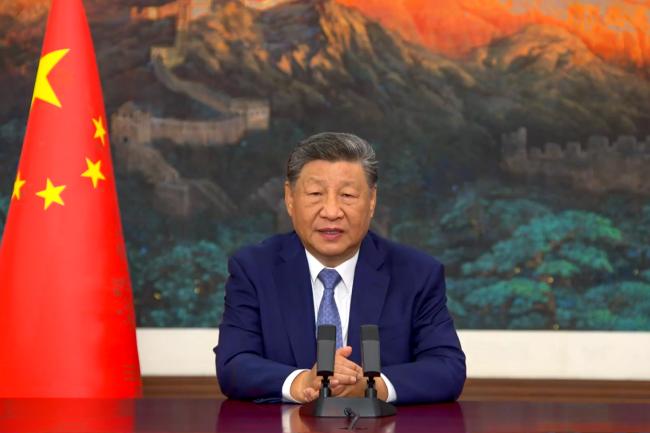
Xi Jinping, President of China, urged leaders to: stay the course on the energy transition and climate governance cooperation; uphold fairness and equity and honor the principle of common but differentiated responsibilities (CBDR); and deepen cooperation on green technology and industries by ensuring a free flow of green products globally. He announced China’s new NDC, which aims to, inter alia: reduce its economy-wide net GHG emissions by 7-10% from peak levels by 2035; increase the share of non-fossil fuels in total energy consumption to over 30%; expand installed capacity of wind and solar power to over six times the 2020 levels; scale up total forest stock volume; expand national carbon emissions trading market to cover major sectors; and establish “a climate adaptive society.”
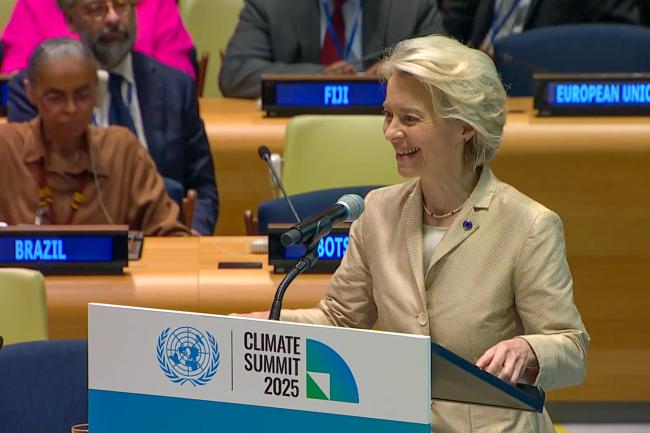
To illustrate the impact of the Paris Agreement since its adoption, Ursula von der Leyen, President of the European Commission, cited a 140% increase in renewable energy and an 80% increase in investments in clean energy. She said the EU’s emissions are down nearly 40% since 1990, now representing only 6% of global emissions, and the EU is on track to reach its 2030 target of -55%. Von der Leyen announced the EU will formally submit its new NDC ahead of COP 30, said the emissions reduction target would be between 66% and 72%, described work on a 2040 target of 90% emissions reduction to reach climate neutrality by 2050, and outlined the EU’s efforts in the areas of global partnerships and climate finance.
Recep Tayyip Erdoğan, President of Türkiye, said his country’s new NDC covers all sectors and GHGs and sets the goal of reducing emissions by 466 million tonnes by 2035 while increasing renewable energy, improving energy efficiency, and expanding low-carbon technology. He announced his country’s bid to host COP 31 in 2026.
Anthony Albanese, Prime Minister of Australia, underscored the importance of taking climate action and seizing the economic opportunity of clean energy during this “decisive decade.” He said Australia’s new NDC sets the 2035 target of reducing emissions by 62-70% below 2005 levels. Albanese also announced Australia’s bid to host COP 31.
Speaking for the Alliance of Small Island States (AOSIS), Surangel Samuel Whipps Jr., President of Palau, said COP 30 must be transformational to limit warming to under 1.5°C, underscoring that those with greater responsibility and capacity to act must lead, including by eliminating fossil fuels, to inspire confidence in the multilateral process. Whipps recalled the ICJ advisory opinion, which reaffirmed that climate action is an obligation grounded in international law and principles of equity and justice. He called for an ambitious and just COP 30 outcome, firmly aligned with 1.5°C, and for “pledges of the past to be met with delivery,” including the operationalization of the Global Goal on Adaptation.
Shehbaz Sharif, Prime Minister of Pakistan, lamented destruction in his country caused by the recent monsoon rains and flash floods, which impacted over 5 million people, with more than 1,000 lives lost. He said Pakistan’s updated NDC sets the target of 50% reduction of its projected emissions by 2030, with 15% from the country’s own resources (already achieved), and 35% subject to provision of international grant finance.
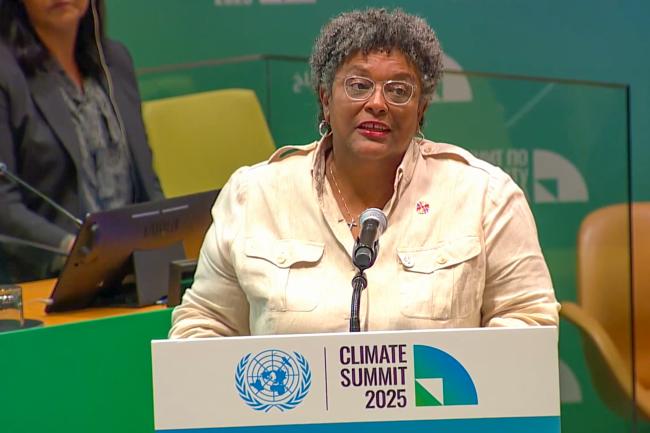
Mia Mottley, Prime Minister of Barbados, said, “we’re here to demand climate action of ourselves and each other.” She highlighted the total cost of climate action in Barbados of USD 11.6 billion between now and the next decade, with USD 5 billion being public sector driven. Mottley called for using innovative financial instruments to implement NDCs and for a legally binding agreement on methane that could be based on the Montreal Protocol.
Gabriel Boric Font, President of Chile, warned that denialism passes the costs to poor countries, underscored the need to tackle global climate financing challenges, and expressed concern over increasing investments in defense and war expenditure. He drew attention to Chile’s updated NDC with 2035 as a time horizon, aiming for carbon neutrality by 2070, and outlined its decarbonization strategy, which covers all sectors.
Taye Atske Selassie Made, President of Ethiopia, recalled the outcomes of the Second Africa Climate Summit earlier in September, which set out Africa’s climate priorities ahead of COP 30. He said the Addis Ababa Declaration positions Africa not as a victim of climate change but a proactive force, citing the establishment of the African Climate Facility and the Africa Climate Innovation Compact, among other initiatives.
Luong Cuong, President of Viet Nam, emphasized his country’s commitment to pursuing the SDGs and stressed the need for: the full and timely delivery of climate finance commitments; accelerated transfer of clean and efficient technologies in support of green and circular economies; and the UN to play a central role in strengthening cooperation and trust building and ensuring equity.
Hilda Heine, President of the Marshall Islands, citing the ICJ advisory opinion, said the 1.5°C limit is legally binding, necessitating an end to dependence on fossil fuels, and called for dedicated finance for loss and damage. Heine highlighted the Marshall Islands’ third NDC, committing to an economy-wide 58% emission reduction below 2010 levels by 2035, and outlined efforts to decarbonize transport by supporting the use of traditional canoes.
Feleti Teo, Prime Minister of Tuvalu, announced his country’s third NDC, including a 100% reduction of emissions from the electricity sector to reach net zero by 2030, an 80% decrease in total emissions form the energy sector below 2014 levels by 2035, and a zero-carbon development pathway by 2050. He called on major emitters to step up methane action, transition from fossil fuels, support just transition, and deliver new NDCs and robust implementation strategies.
Andrew Holness, Prime Minister of Jamaica, outlined his country’s third NDC, which envisions: a broader push for renewable energy, energy efficiency, and electric vehicle adoption by 2030; an emissions reduction target of 26-31% compared to 2012 levels, depending on the support received; decarbonization of the cement industry; and zero net loss in forestry. He called for a just transition and a just and green future for all.
Citing the growing impacts of climate change on mountain ecosystems, Sadyr Japarov, President of Kyrgyzstan, called for the special needs of mountain countries to be considered in the new global climate finance framework to be adopted at COP 30.
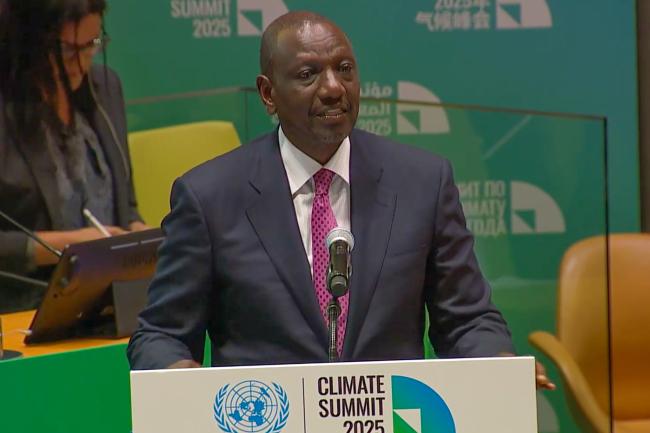
Underscoring that climate change drives instability, weakens economies, and diverts resources for social protections to emergency responses, William Ruto, President of Kenya, said development will unravel if climate change is ignored.
Dina Boularte, President of Peru, emphasized that Peru is highly vulnerable to climate change and underscored the importance of political will, respect for multilateralism, and international cooperation to accelerate climate solutions.
Mswati III, Ngwenyama (King) of Eswatini, outlined plans to reform institutions, invest in climate smart agriculture and technology, and improve early warning systems. He underscored the need to improve the global financial architecture and scale up predictable climate finance.
Emphasizing that the science of climate change is clear, Emmanuel Macron, President of France, expressed support for establishing interstate carbon credits, called for binding objectives on methane, and highlighted the importance of ecosystem restoration, with particular focus on oceans and primeval forests.
Tshering Tobgay, Prime Minister of Bhutan, highlighted that Bhutan is already carbon negative and is committed to maintaining 70% forest cover, despite the associated loss of revenue.
Saying that climate change and green growth are two sides of the same coin, Dick Schoof, Prime Minister of the Netherlands, called for greater collective ambition, action, and international cooperation, as well as reaffirming global commitment to the Paris Agreement.
Pedro Sánchez, Prime Minister of Spain, underscored that while the climate emergency is growing, ambition to face it is backsliding. He called for improving financing and warned that disinformation kills people and impoverishes societies.
Luis Arce, President of Bolivia, called on the United States to comply with the Paris Agreement, highlighted Bolivia’s commitments to drastic reductions in deforestation of the Amazon by 2030, and underscored that these commitments will not become reality without international financing.
Jeremiah Manele, Prime Minister of Solomon Islands, outlined his country’s actions to reduce GHG emissions, including investments in reforestation and forest conservation, and urged all parties – and especially major emitters – to submit more ambitious NDCs.
Alexander Van der Bellen, President of Austria, highlighted that his country’s GHG emissions have decreased for the third straight year, and said inaction will be “far more expensive” than investing now in a climate neutral economy.
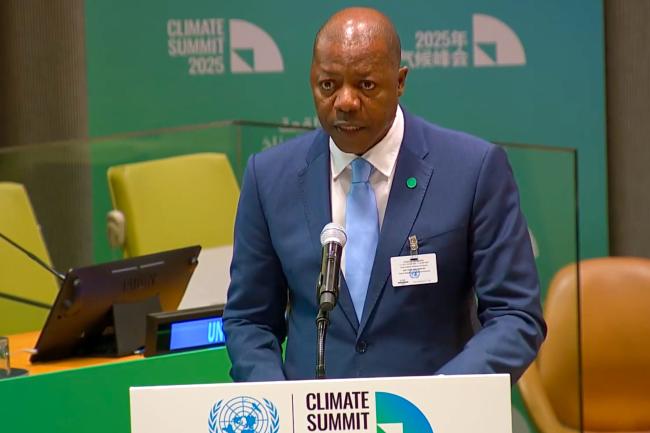
Américo Ramos, Prime Minister of São Tomé and Principe, outlined his country’s work to reduce emissions through greater use of renewable energy and implementing robust efficiency measures. He also noted work to prevent plastic pollution, including through a law that will prohibit production of plastic bags, and to reverse biodiversity loss.
John Briceño, Prime Minister of Belize, reaffirmed unwavering commitment to the Paris Agreement, adding that the science is “unforgiving.”
Noting that the countries responsible for 80% of emissions had not yet submitted updated NDCs, Faustin-Archange Touadéra, President of Central African Republic, emphasized that delays result in lost lives.
Gaston Browne, Prime Minister of Antigua and Barbuda, called for using courts to hold large polluters accountable and said the global finance system remains unfit for purpose.
Sitiveni Rabuka, Prime Minister of Fiji, underscored that states have a binding obligation to act in line with science, fairness and equity, and said polluters must take substantial rapid measures to reduce GHG emissions.
Alar Karis, President of Estonia, said his country generates approximately 40% of its electricity from renewables, has developed smart rainwater systems, and is committed to climate neutrality by 2050.
Ulisses Correia e Silva, Prime Minister of Cabo Verde, emphasized that the energy transition is not an ideological matter and called for adaptation measures grounded in science.
Philip Davis, Prime Minister of the Bahamas, emphasized that the growing frequency and intensity of hurricanes are real and called for transformative action.
Wesley Simina, President of Micronesia, said debating whether climate change is real is a waste of time, limiting fossil fuel use is not enough, and future generations deserve a healthy and resilient tomorrow.
Allamaye Halina, Prime Minister of Chad, said Lake Chad has lost more than 80% of its surface area, impoverishing millions and fueling conflict over natural resources. Halina highlighted the potential for the Great Green Wall project to protect Chad’s lands and communities and called for transforming international solidarity into immediate tangible action.
Emphasizing that big polluters must pay, James Marape, Prime Minister of Papua New Guinea, called for dramatically scaling up finance and technology transfer.
Terrance Drew, Prime Minister of Saint Kitts and Nevis, said what is most striking is not the frequency of disaster but the scarcity of adequate response.
Kashim Shettima, Vice President of Nigeria, said climate action is a pathway to sustainable growth, innovation, and security, and called on developed countries to honor their climate commitments.
Following these statements, ministers from approximately 60 countries took the floor to share their updated targets or plans for their NDCs. Many emphasized the need for a just transition that supports sustainable development and called on all countries to honor their commitments to climate finance and technology transfer. Several cited the impacts of climate change on their countries, noting growing frequency and intensity of wildfires, storms and hurricanes, flooding, and droughts. They called for bold action from all countries and reiterated their commitment to multilateralism. Many underscored the role of the courts in holding countries to account, and cited the historic advisory opinion issued by the International Court of Justice in July affirming that states have legally binding obligations to prevent climate harm and protect human rights under customary international law.
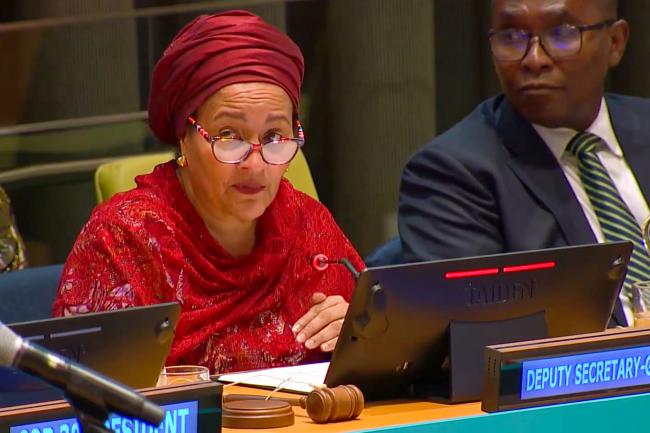
Closing Statements
Ana Toni, COP 30 CEO and National Secretary for Climate Change, Brazil, said participants had witnessed country after country reinforcing their commitment to the Paris Agreement and multilateralism. Underscoring that we are in a climate emergency, she said time is our scarcest resource. She lauded countries’ work to prepare their NDCs ahead of COP 30.
Noting that the session had started with a clarion call from science, UN Deputy Secretary-General Amina Mohammed emphasized that it is possible limit global temperature rise to 1.5°C, but only if countries act with urgency, determination, and solidarity. She said close to 100 parties, representing more than 66% of global emissions, have now submitted or announced their new NDC targets, and underscored that every country that has not finalized its new NDC must do so without delay. Mohammed concluded that while turning the global economy off fossil fuels and onto renewables is a Herculean task, it is entirely possible. She underscored that “we have the economics and the law on our side and, overwhelmingly, public support.”
View past and future events
Past event
UN General Assembly Debate on UNCED Issues Related
Past event
UNCED Working Group
Past event
UN General Assembly Discussions on UNCED-Related Issues
Past event
UN General Assembly Discussions on UNCED Follow-up
Past event
UN General Assembly Discussions on Environment and Sustainable Development
Past event
UN General Assembly Discussions on UNCCD
Past event
UN General Assembly Discussions on SIDS
Past event
19th Special Session of the UN General Assembly to Review the Implementation of Agenda 21
Past event
Resumed Session of the ICPD+5 PrepCom and 21st Special Session of the UN General Assembly (UNGASS-21)
Past event
22nd Special Session of the General Assembly for the Review and Appraisal of the Implementation of the Programme of Action for the Sustainable Development of SIDS
Past event
Preparatory Committee (PrepCom) for the 24th Special Session of the General Assembly (WSSD+5)
Past event
WSSD+5 Preparatory Committee (PrepCom) Intersessional Meetings
Past event
23rd Special Session of the UN General Assembly (Beijing+5)
Past event
2nd Session of the Preparatory Committee for the Special Session of the UN General Assembly for an Overall Review and Appraisal of the Implementation of the Habitat Agenda (Istanbul+5)
Past event
25th Special Session of the General Assembly (Istanbul+5) for an Overall Review and Appraisal of the Implementation of the Habitat Agenda
Past event
2005 High-level Dialogue of the UN General Assembly on Financing for Development
Past event
High-level Plenary Meeting of the 65th Session of the UNGA on the Millennium Development Goals (MDGs)
Past event
Climate Summit 2014
Past event
Preparatory Meeting for the Ocean Conference: Our Oceans, Our Future: Partnering for the Implementation of Sustainable Development Goal 14
Past event
UN Summits Week 2019
Past event
SDG Moment 2020
Past event
75th Anniversary of the UN The Future We Want, the UN We Need: Reaffirming our Collective Commitment to Multilateralism
Past event
Coverage of Selected Side Events at the UN Summits Week 2020
Past event
Biodiversity Summit
Past event
High-Level Dialogue on Energy Technical Working Groups
Past event
UN General Assembly High-Level Event on the Ocean
Past event
High-level Dialogue on Energy Ministerial Thematic Forums (HLDE 2021)
Past event
SDG Moment 2021
Past event
High-level Dialogue on Energy
Past event
Stockholm+50
Past event
2022 SDG Moment
Past event
UN 2023 Water Conference
Past event
UN Summits Week 2023
Past event
Summit of the Future
Past event
SDG Moment 2024
Past event
SDG Moment 2025
Past event
Climate Summit 2025
To receive free coverage of global environmental events delivered to your inbox, subscribe to the ENB Update newsletter.
Select Images
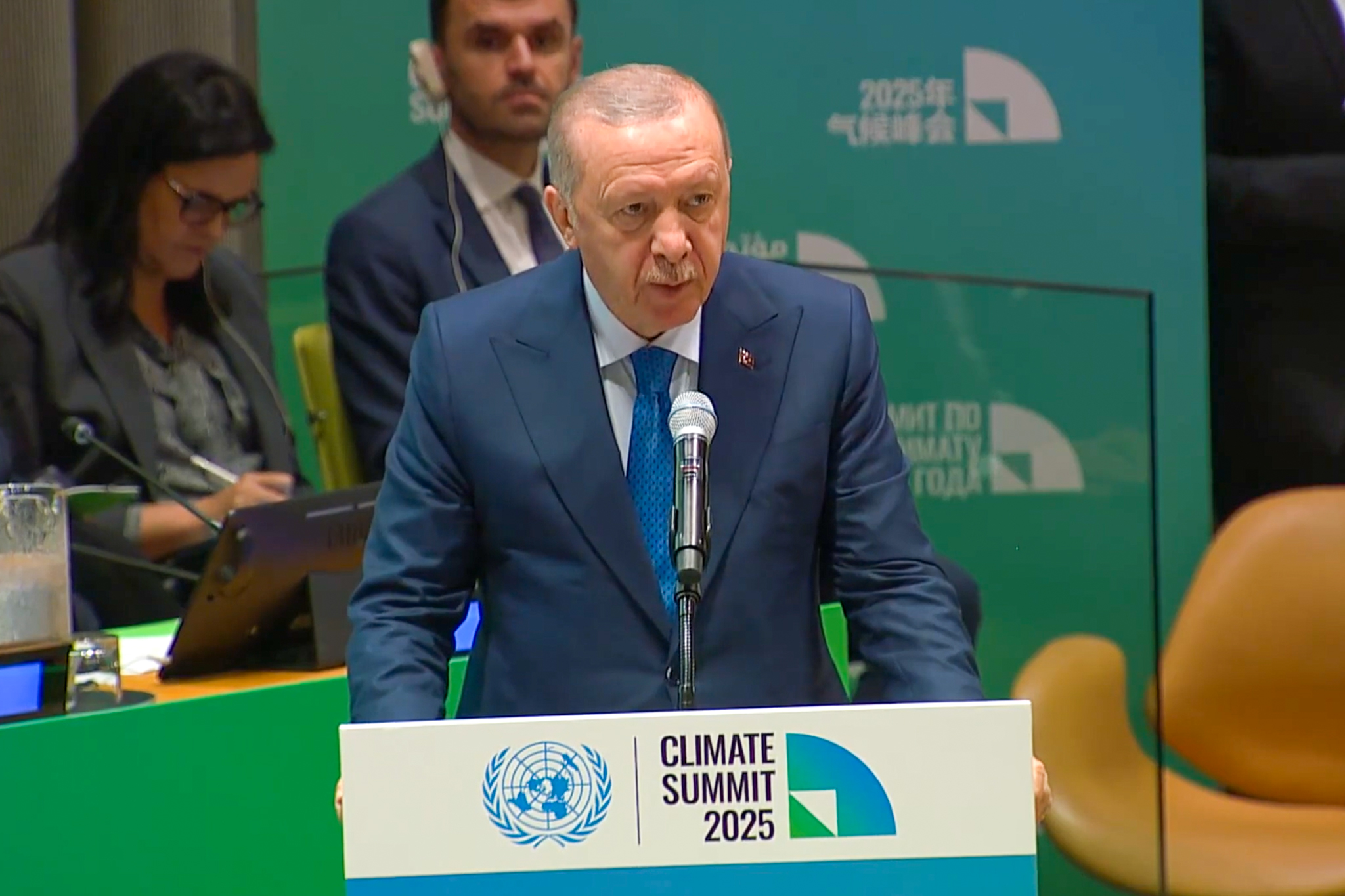
Recep Tayyip Erdoğan, President of Türkiye
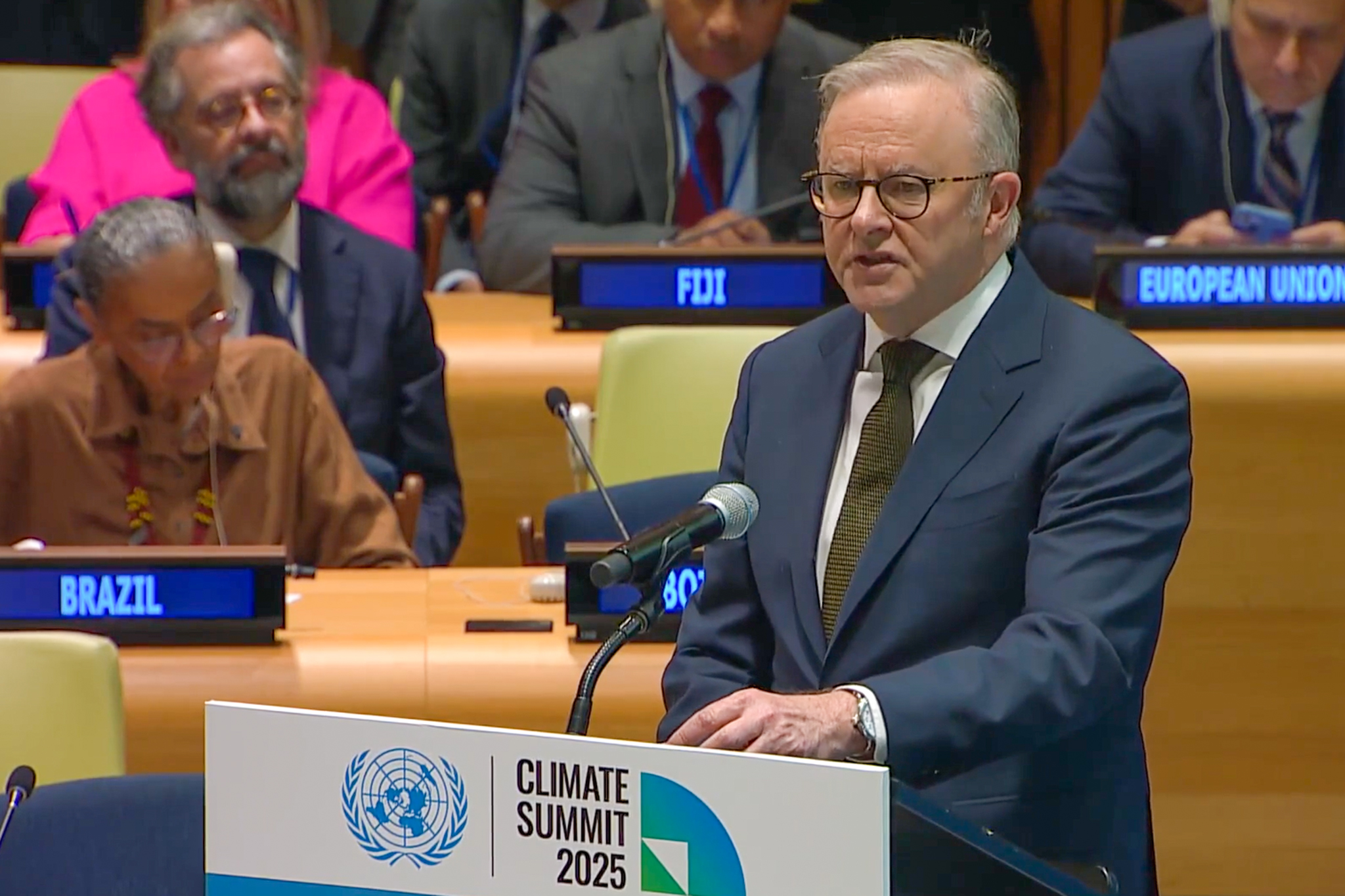
Anthony Albanese, Prime Minister of Australia
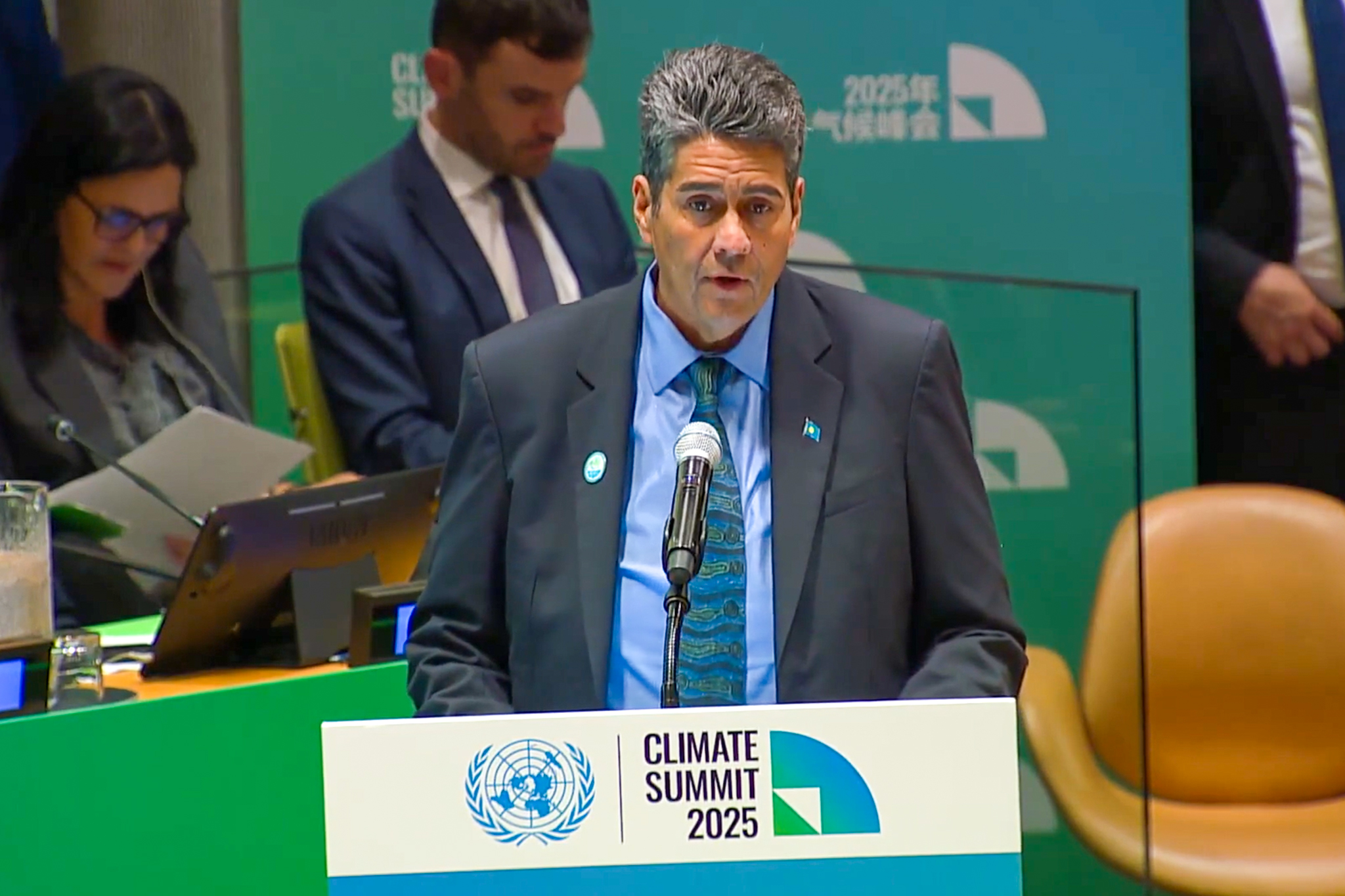
Surangel Samuel Whipps Jr., President of Palau
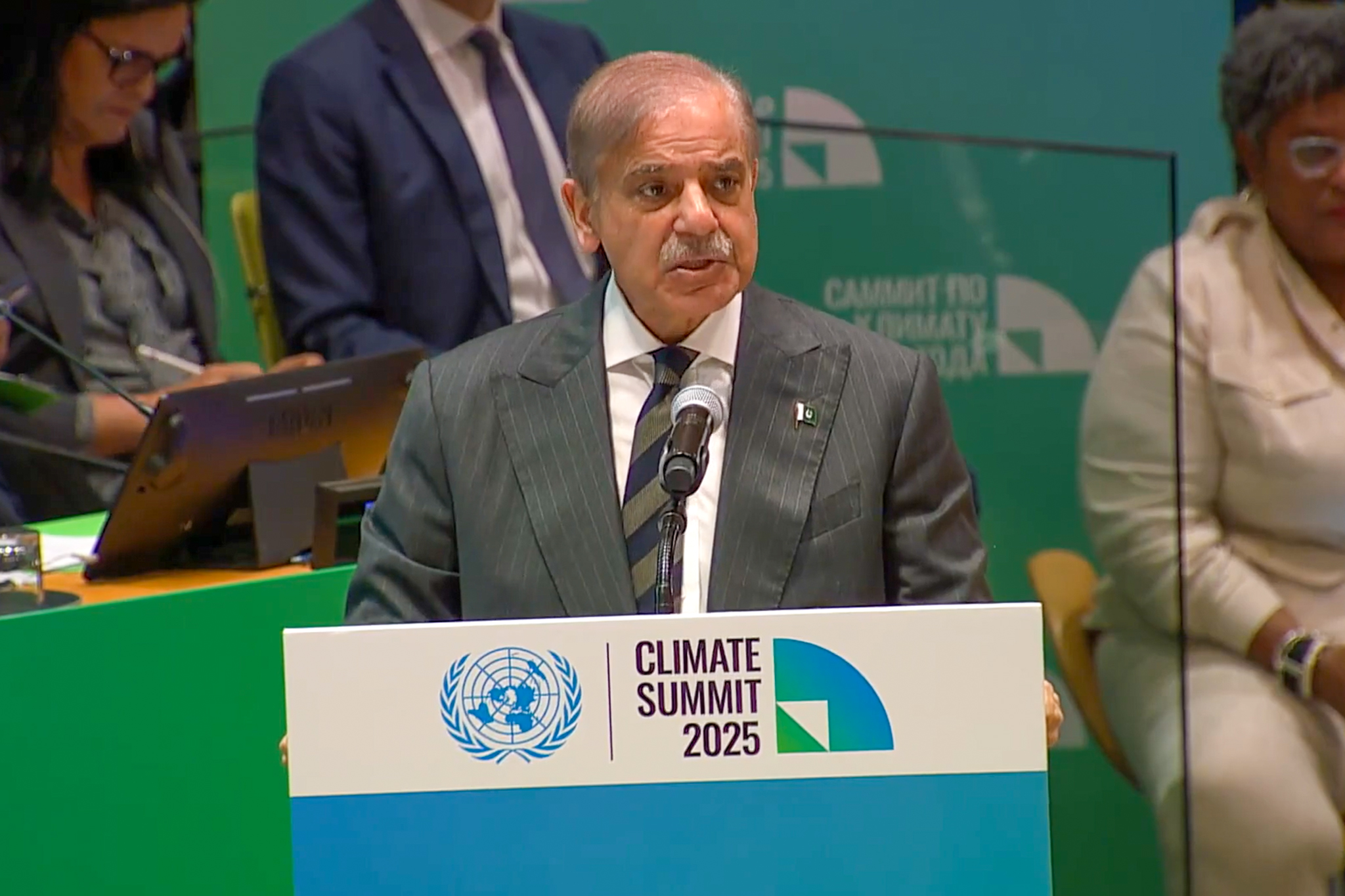
Shehbaz Sharif, Prime Minister of Pakistan
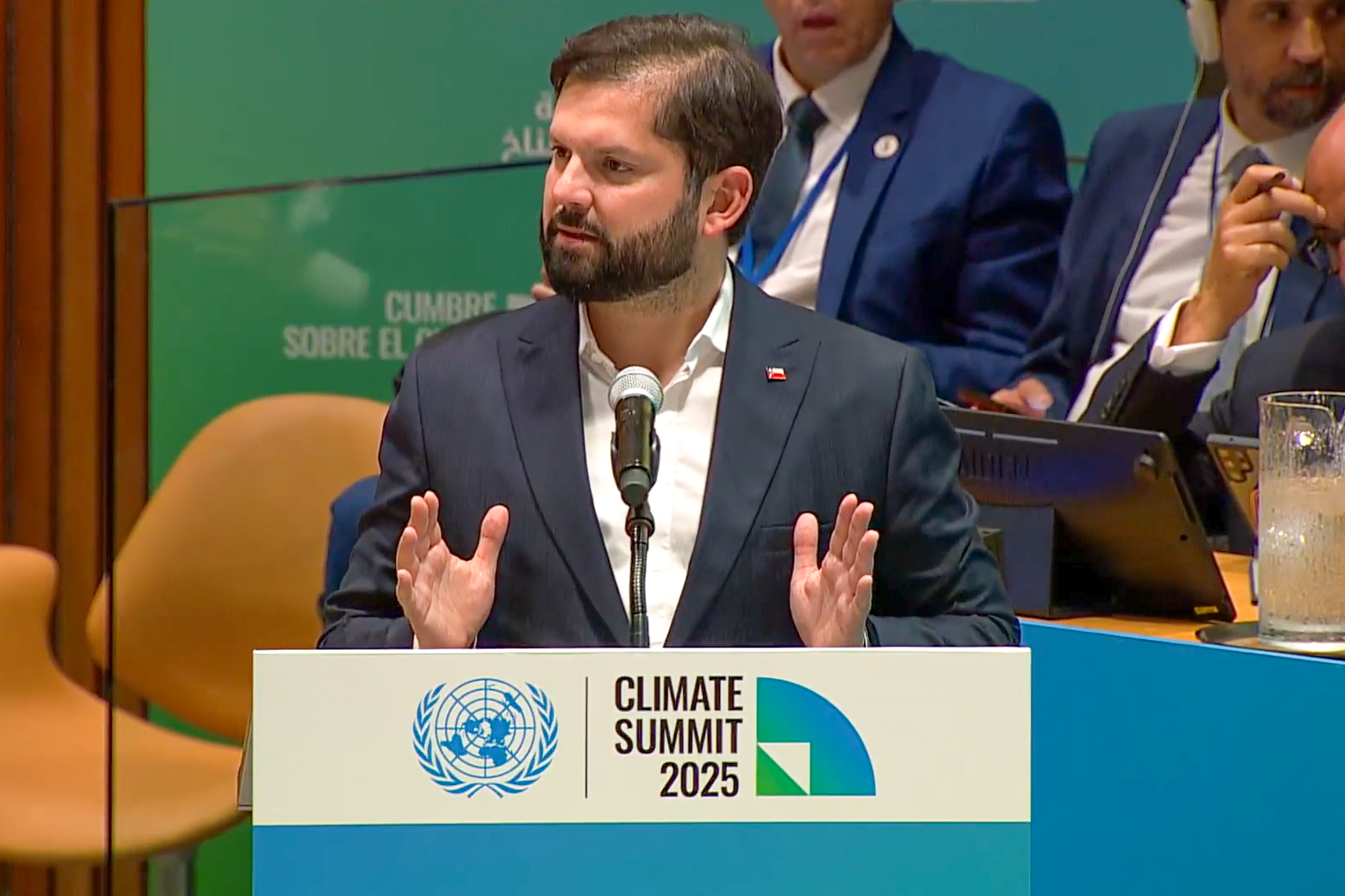
Gabriel Boric Font, President of Chile
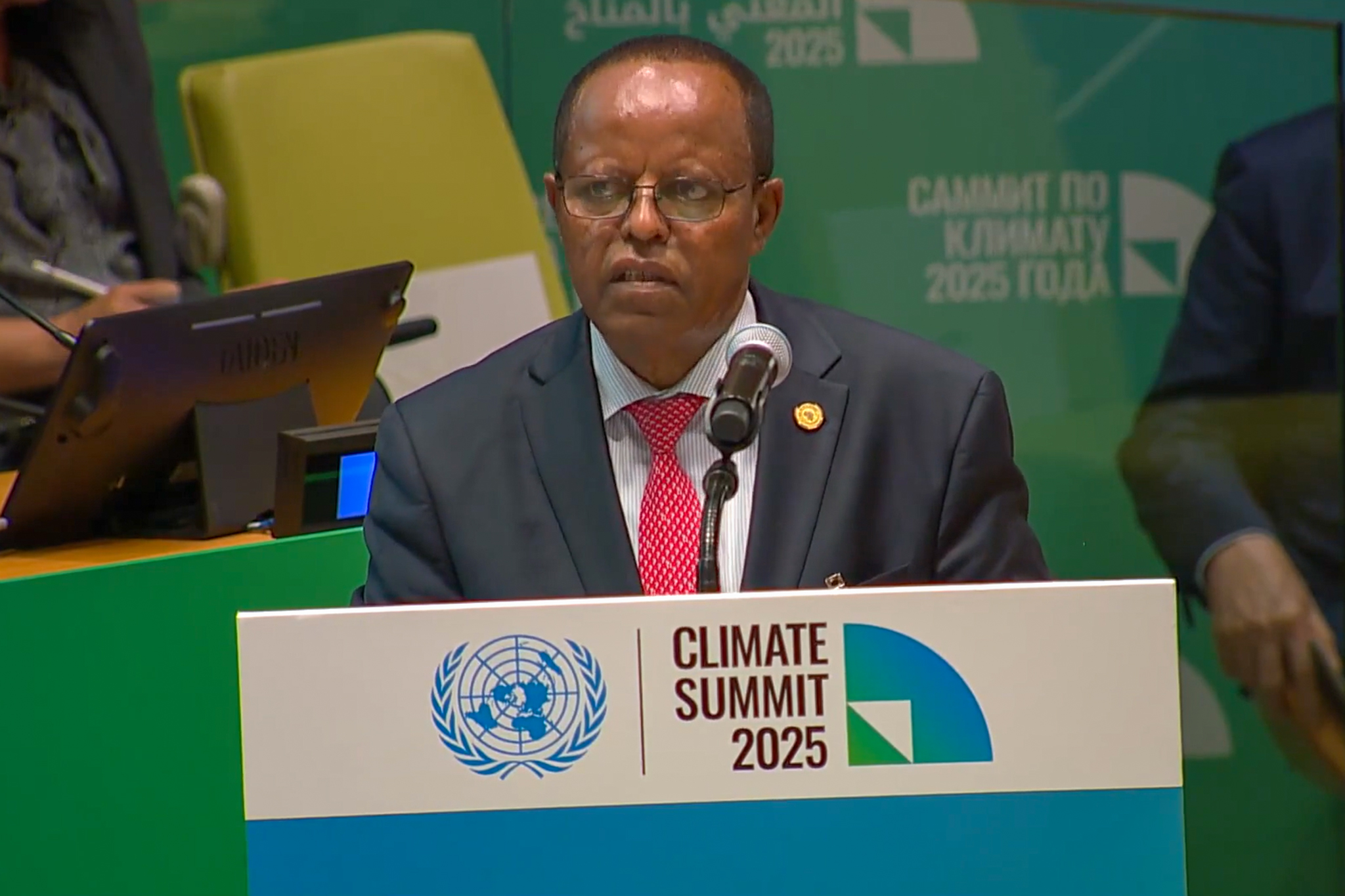
Taye Atske Selassie Made, President of Ethiopia
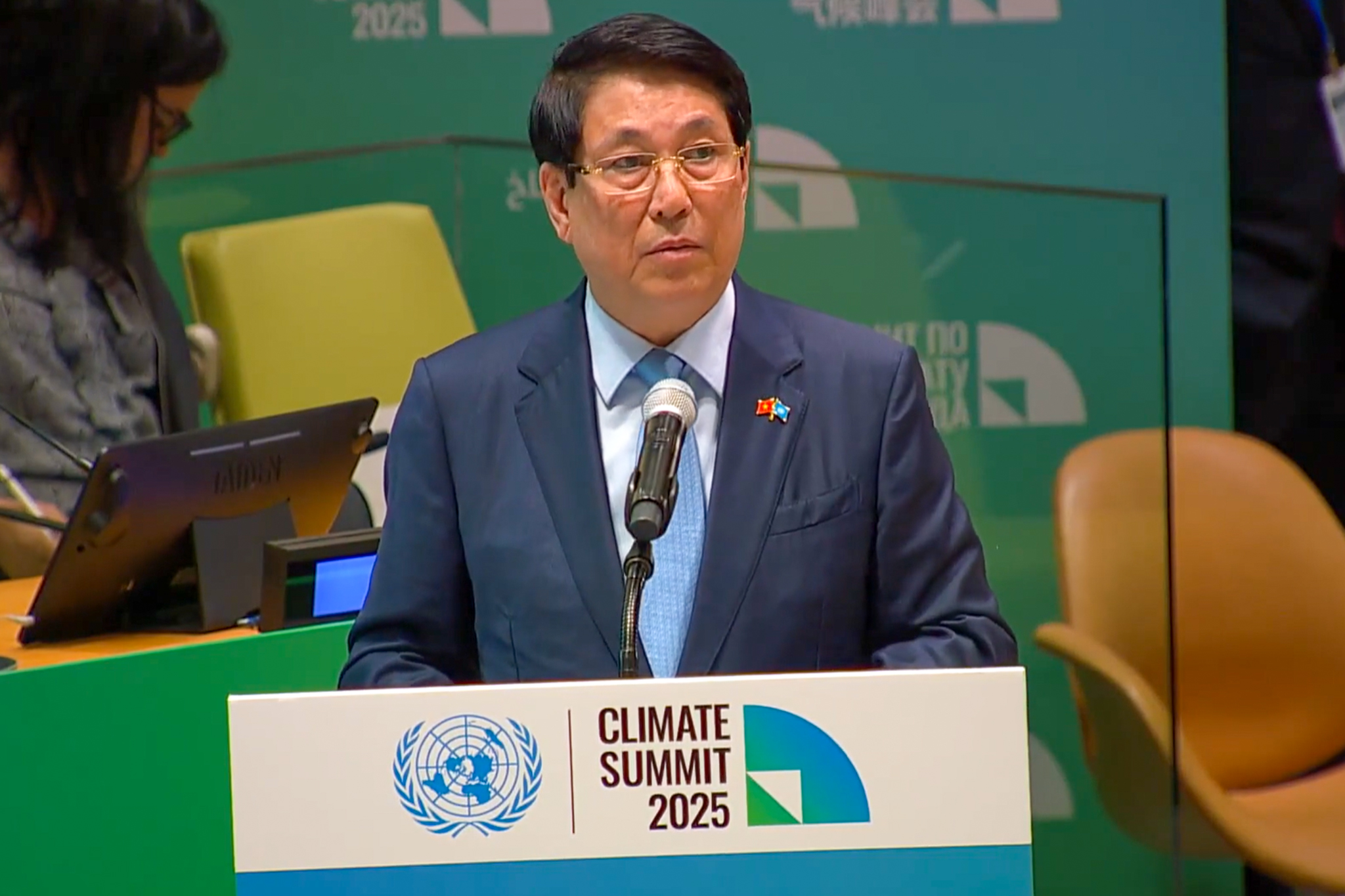
Luong Cuong, President of Viet Nam

Hilda Heine, President of the Marshall Islands
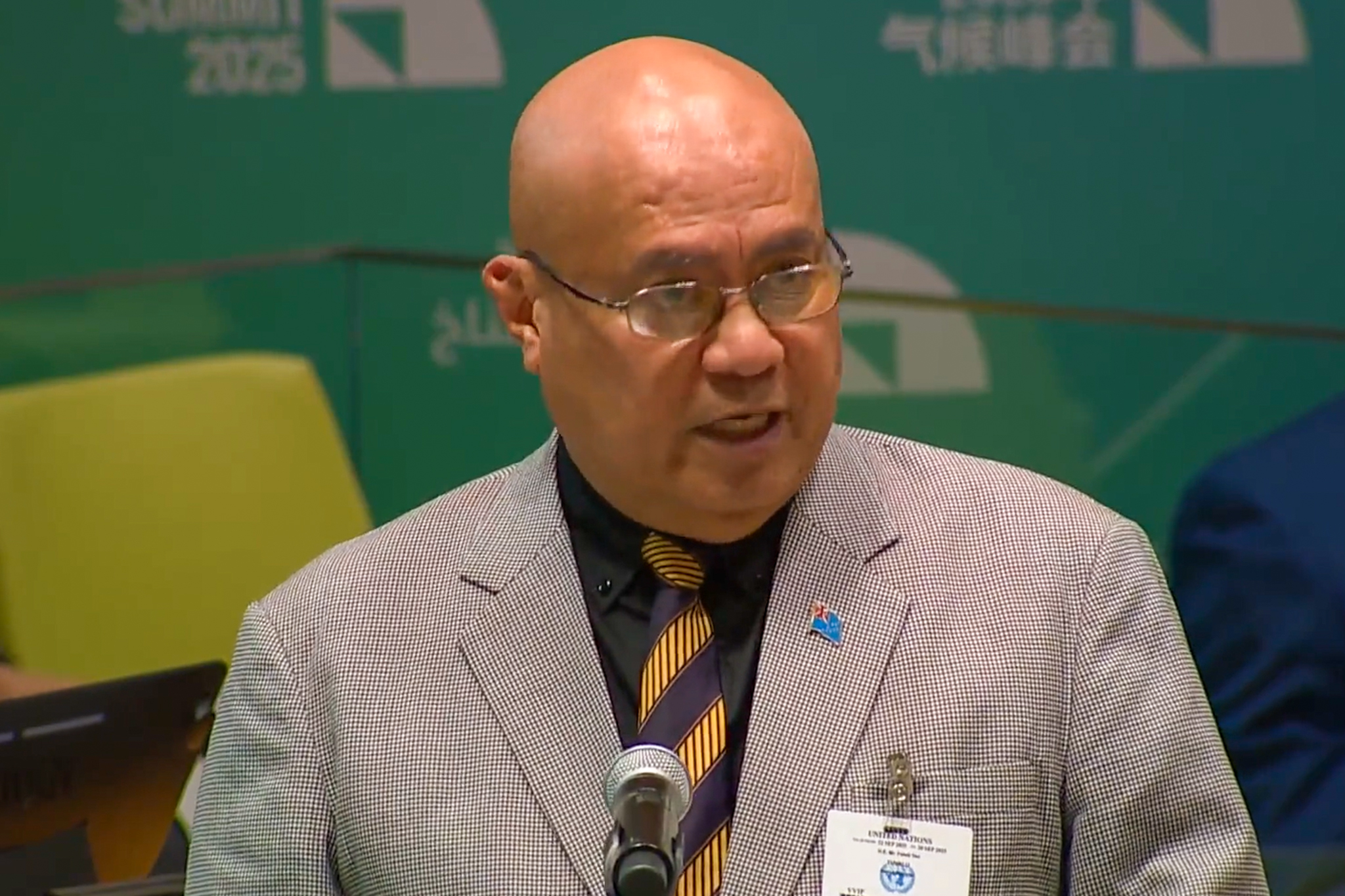
Feleti Teo, Prime Minister of Tuvalu
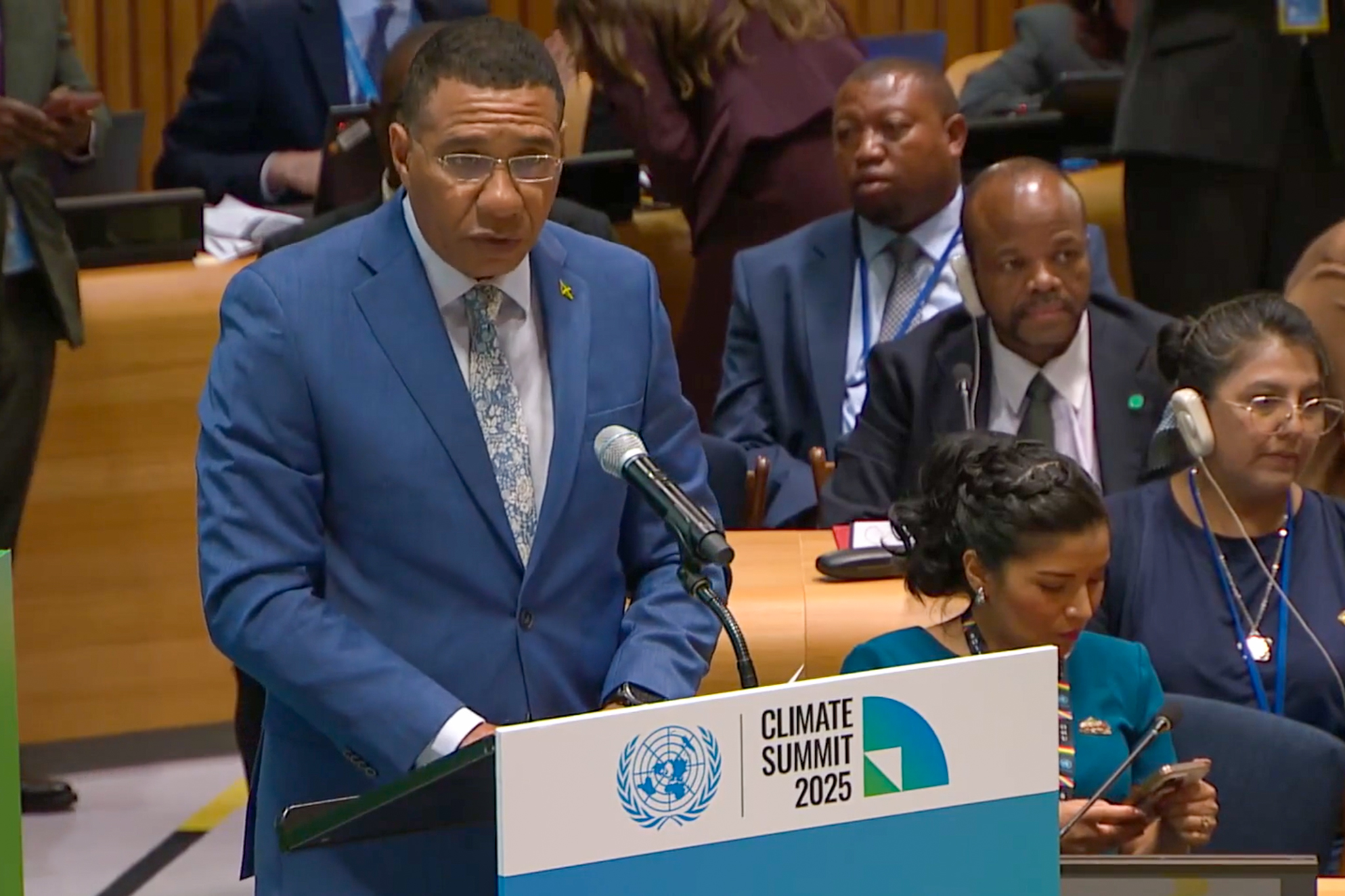
Andrew Holness, Prime Minister of Jamaica
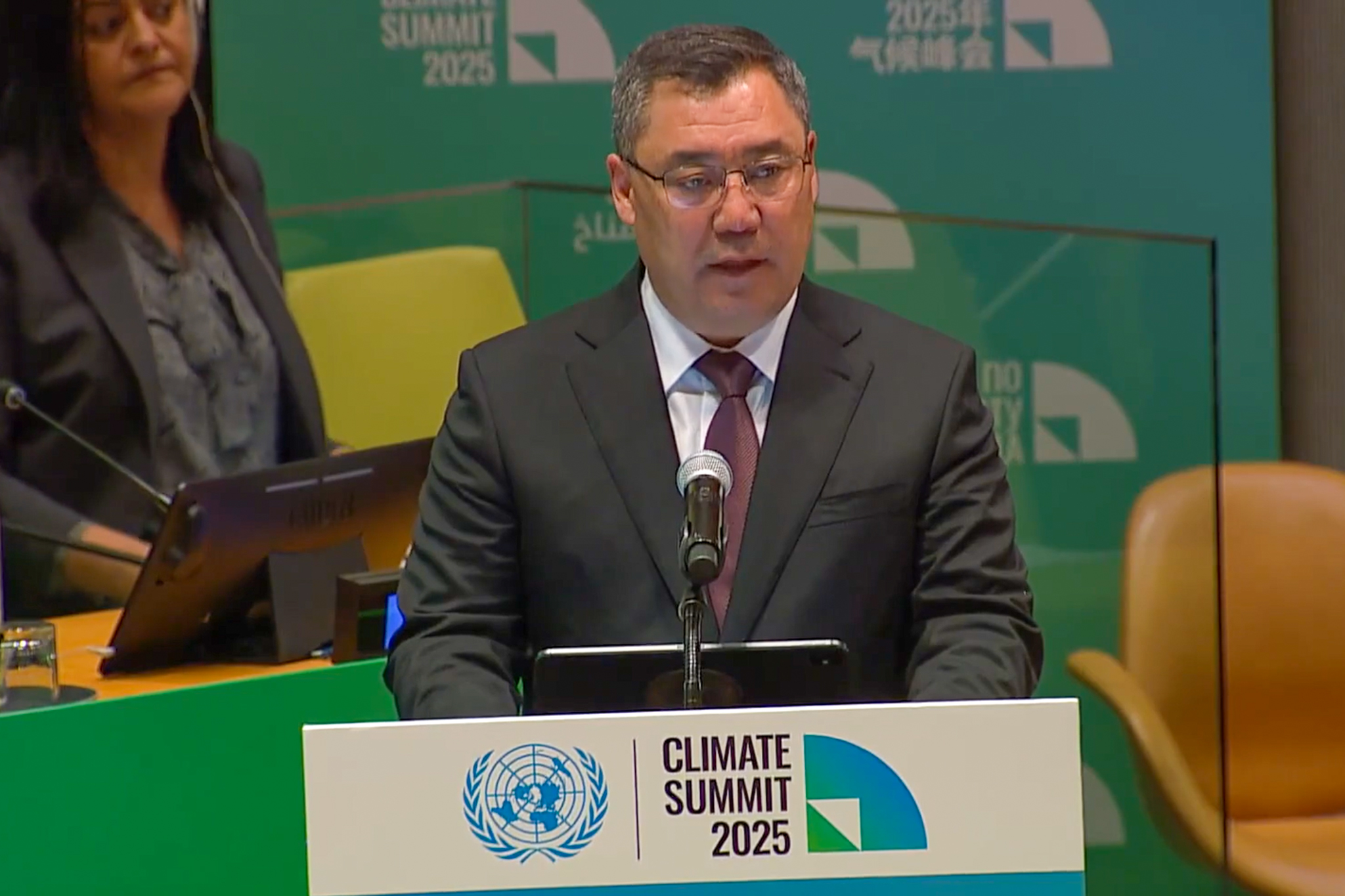
Sadyr Japarov, President of Kyrgyzstan
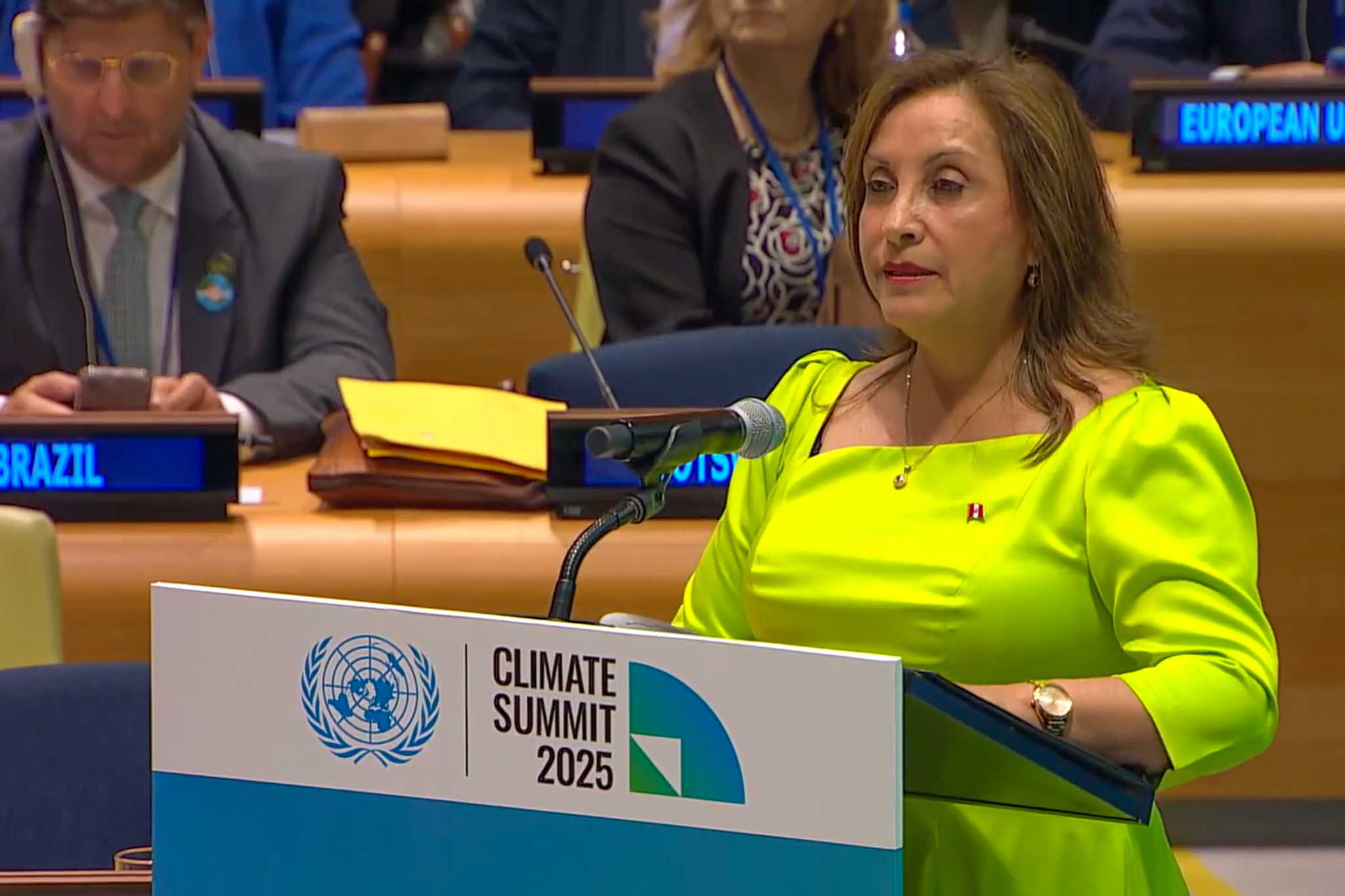
Dina Boularte, President of Peru
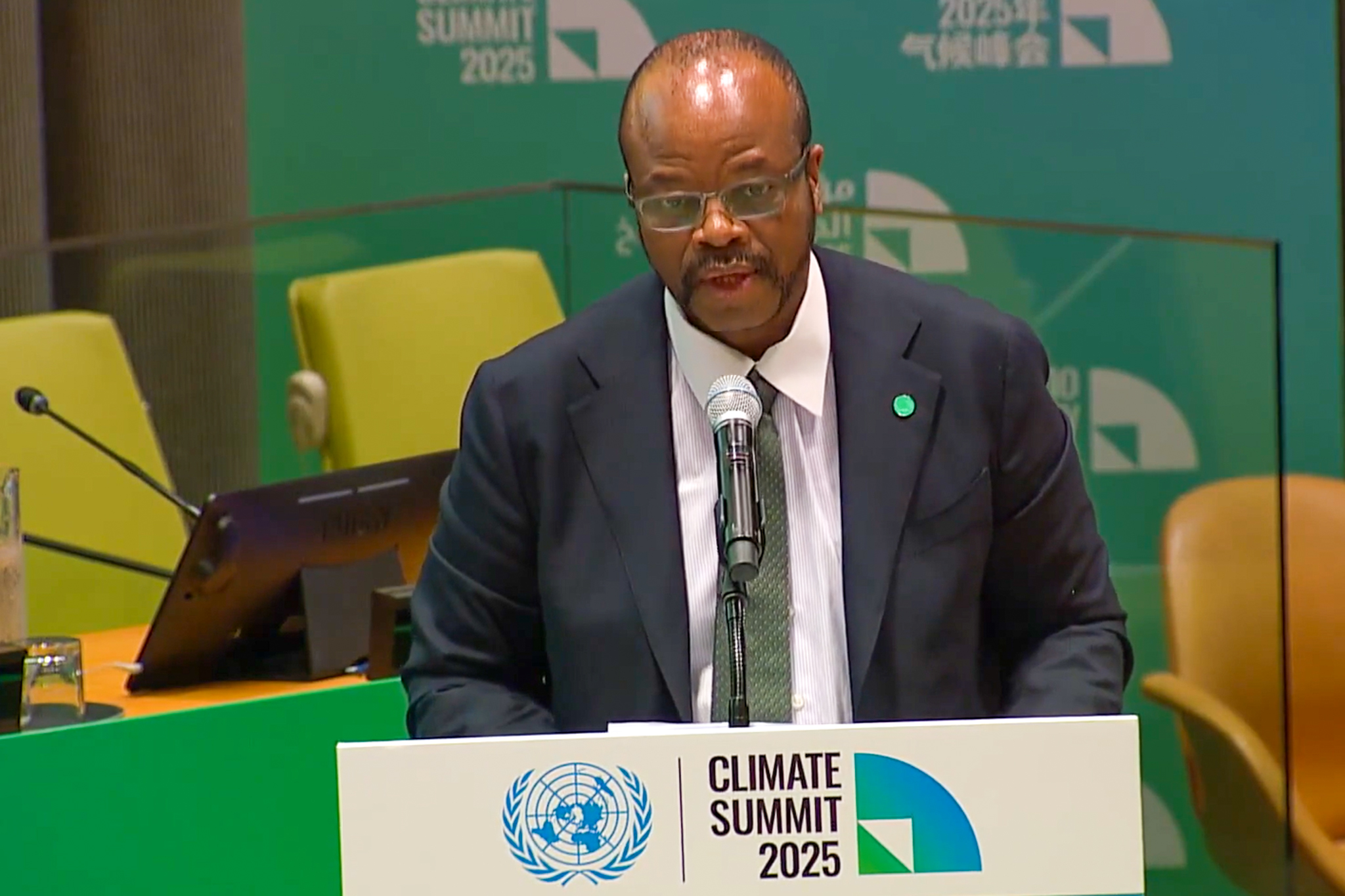
Mswati III, Ngwenyama, Eswatini
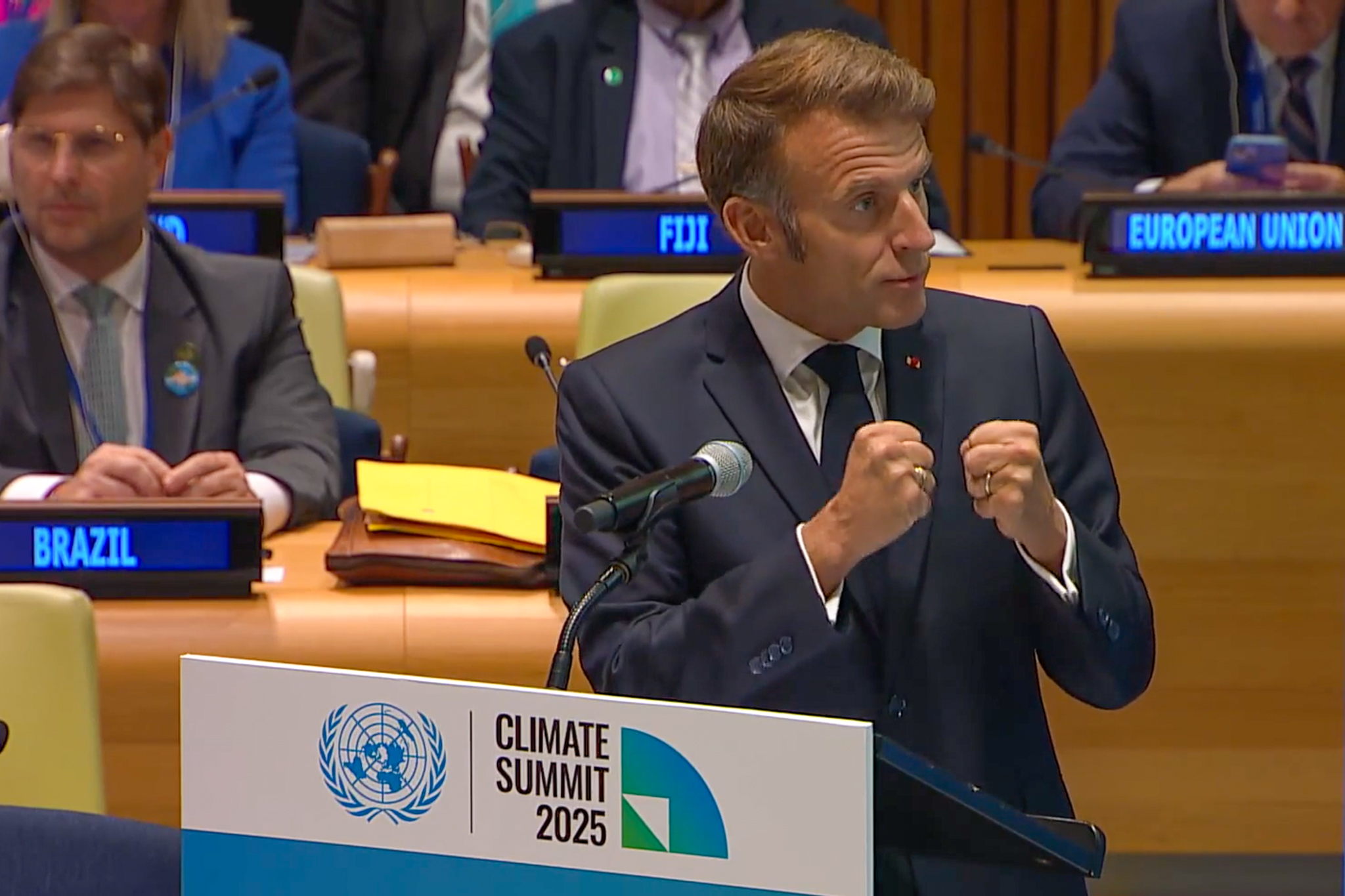
Emmanuel Macron, President of France
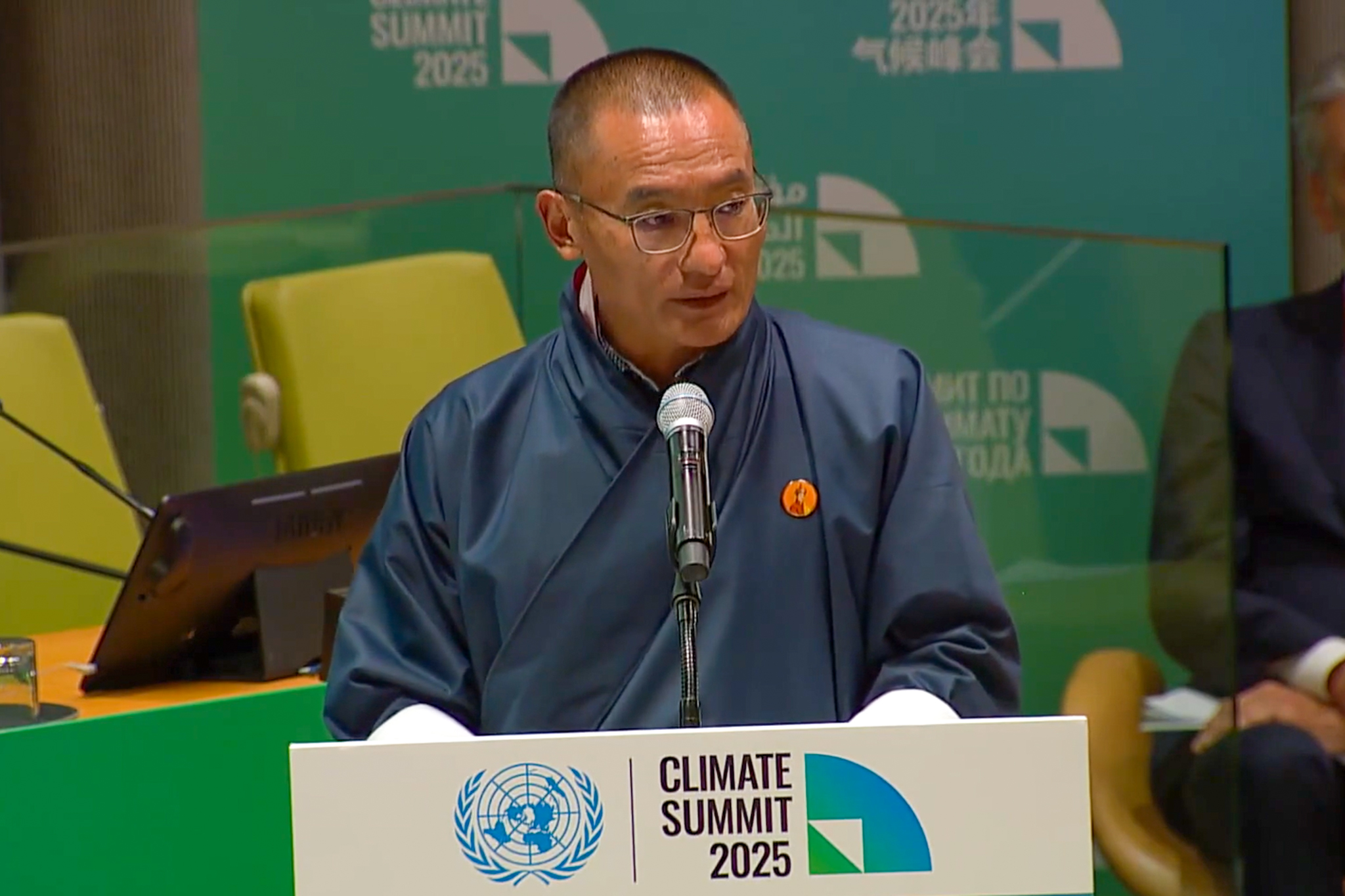
Tshering Tobgay, Prime Minister of Bhutan
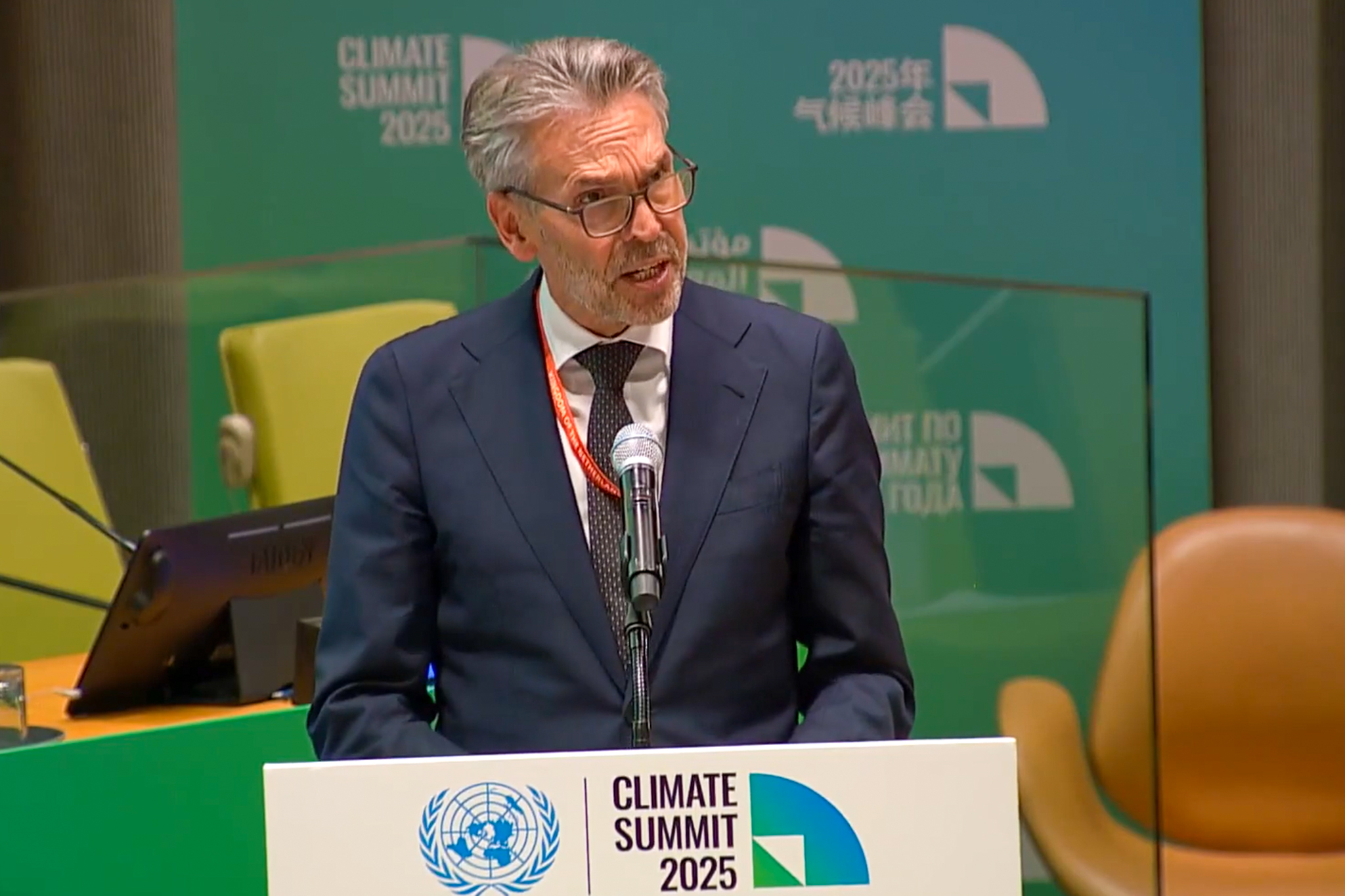
Dick Schoof, Prime Minister of the Netherlands
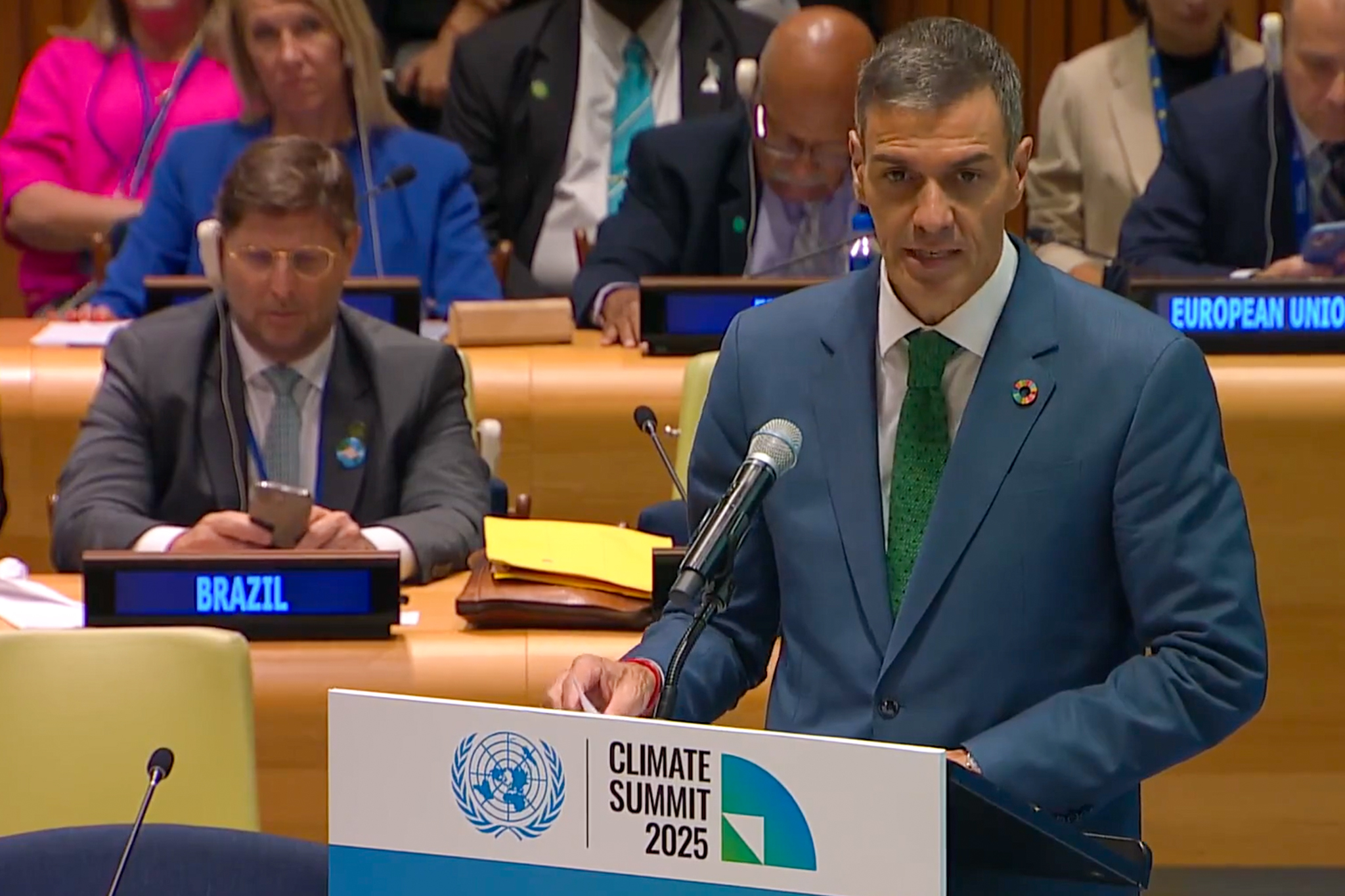
Pedro Sánchez, Prime Minister of Spain
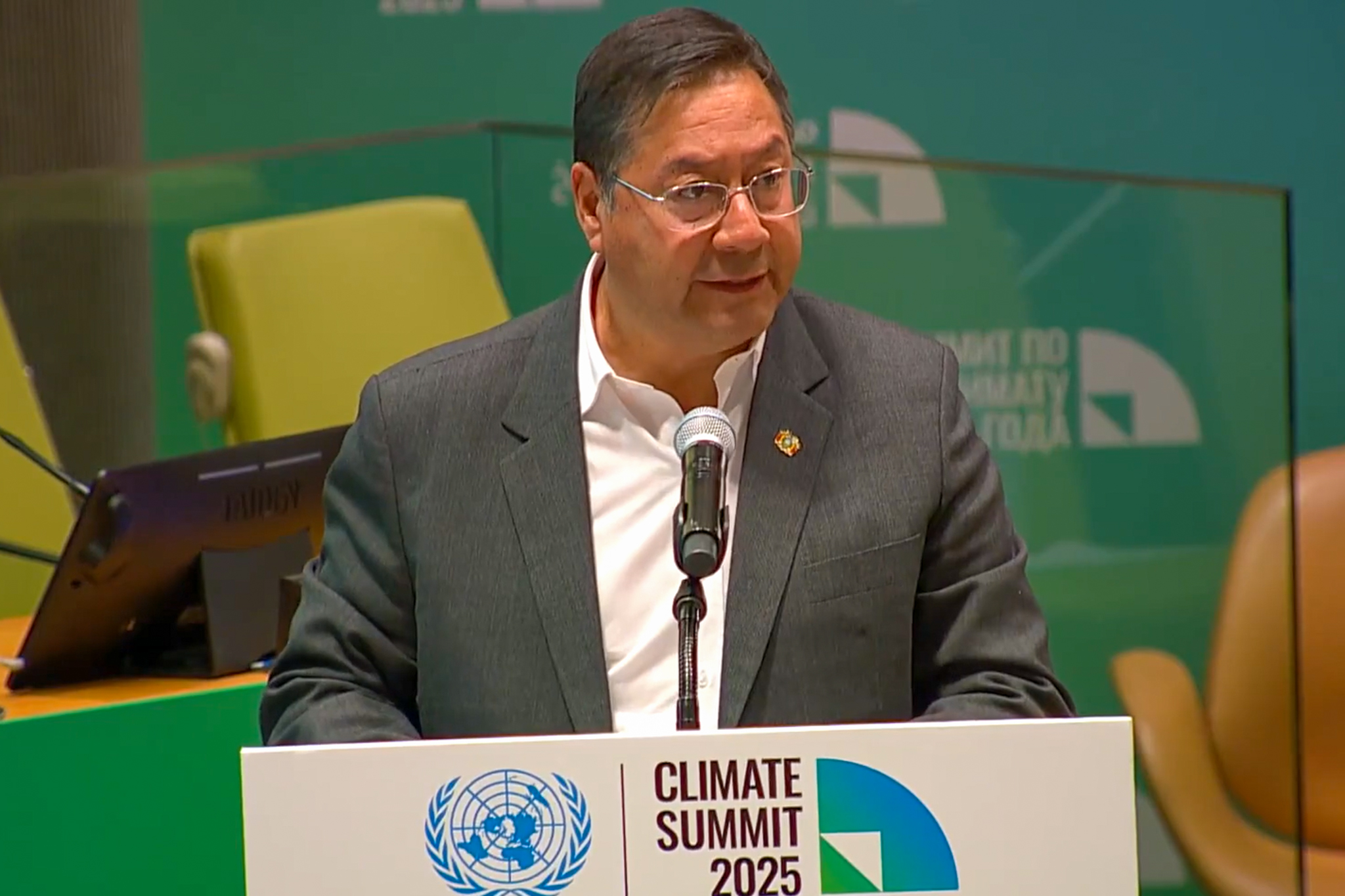
Luis Arce, President of Bolivia
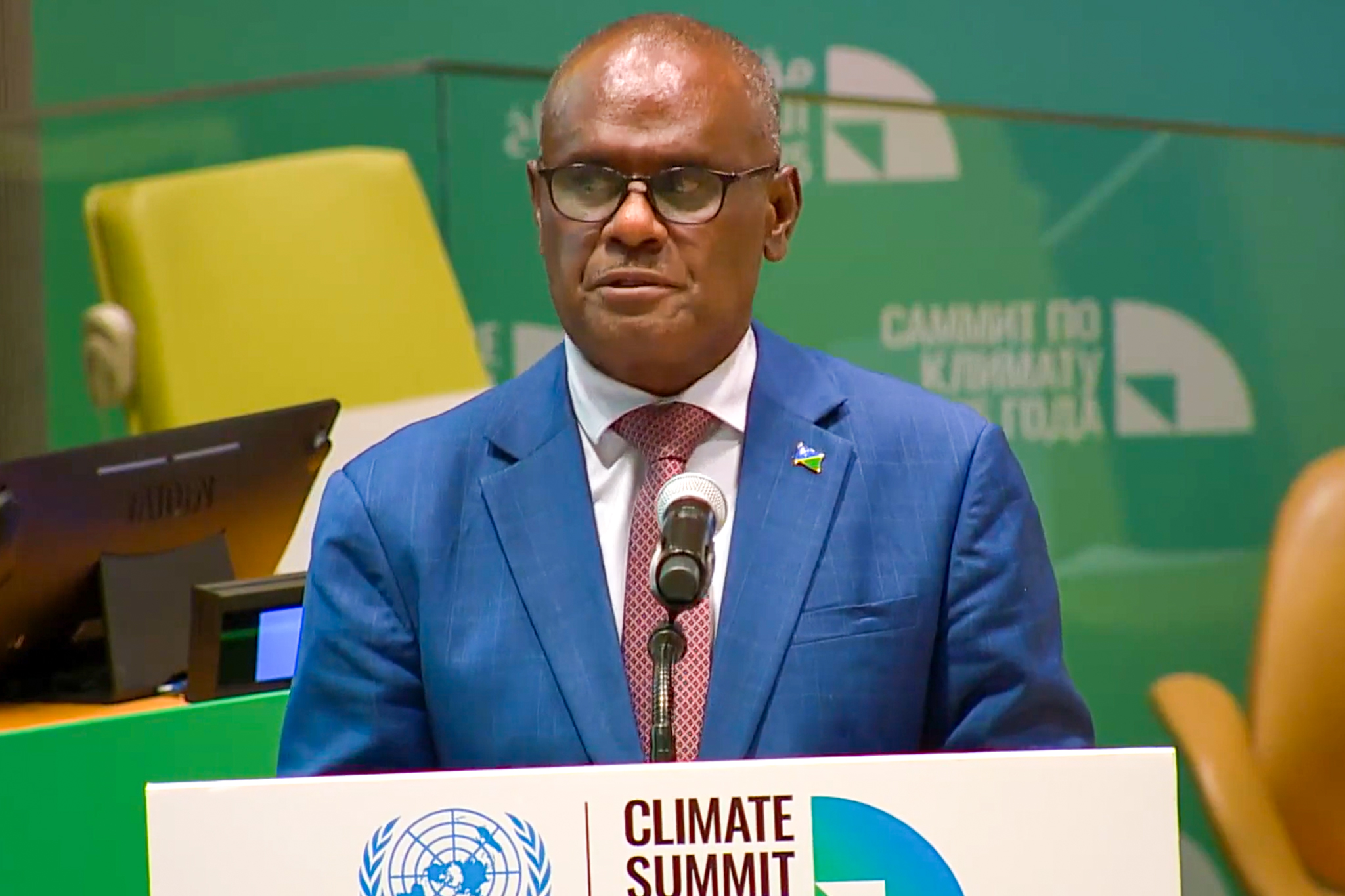
Jeremiah Manele, Prime Minister of Solomon Islands
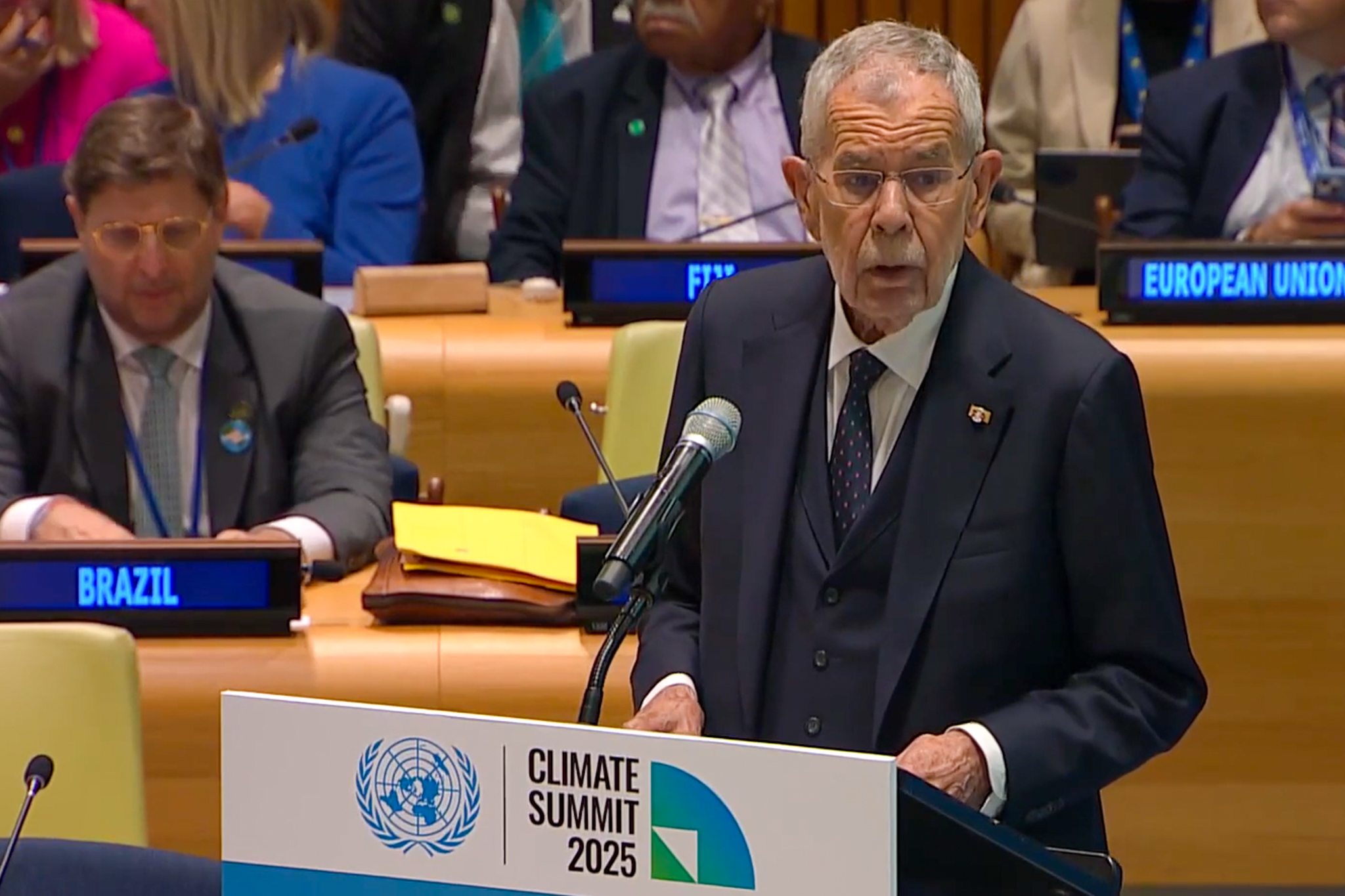
Alexander Van der Bellen, President of Austria
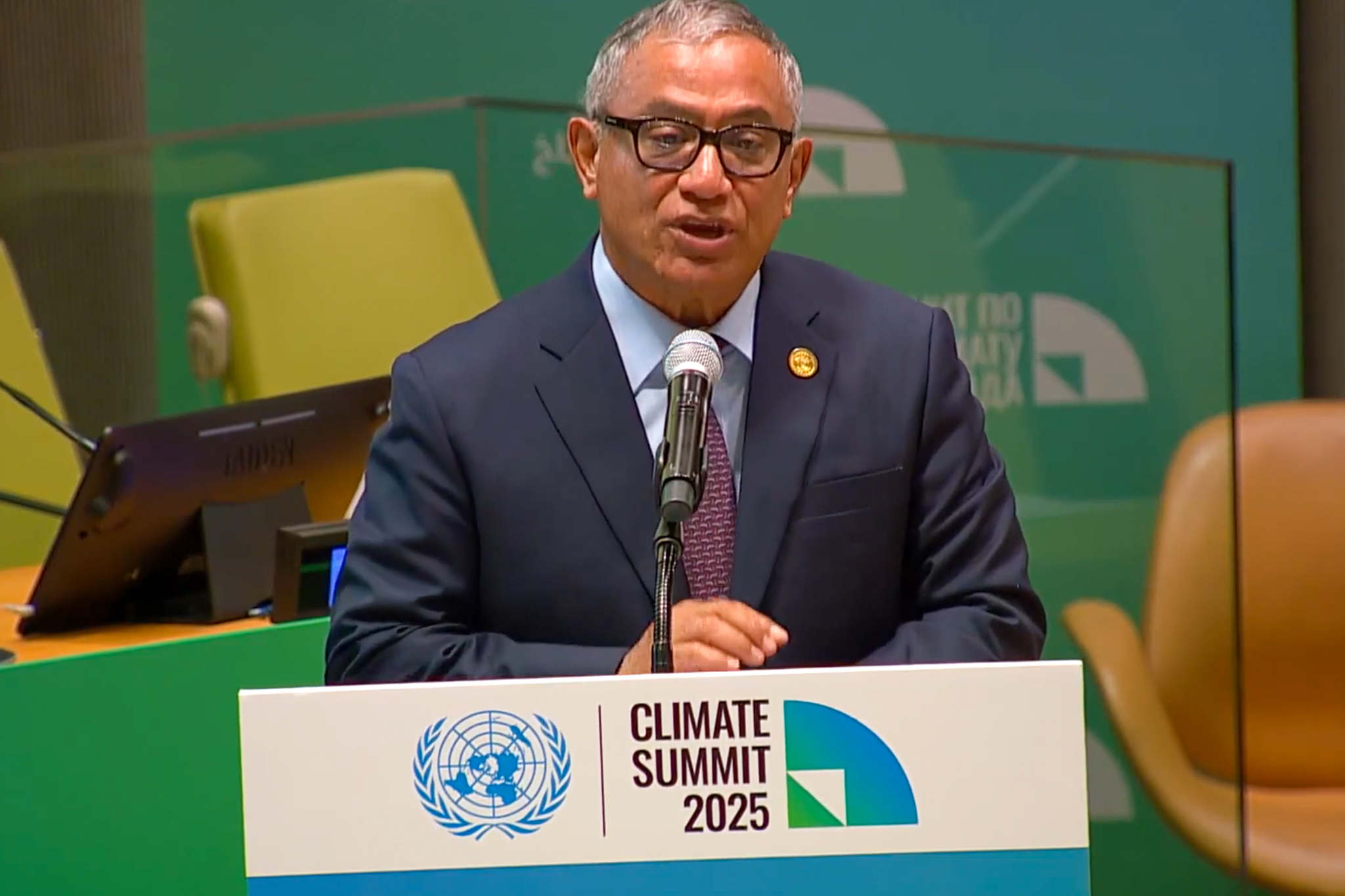
John Briceño, Prime Minister of Belize
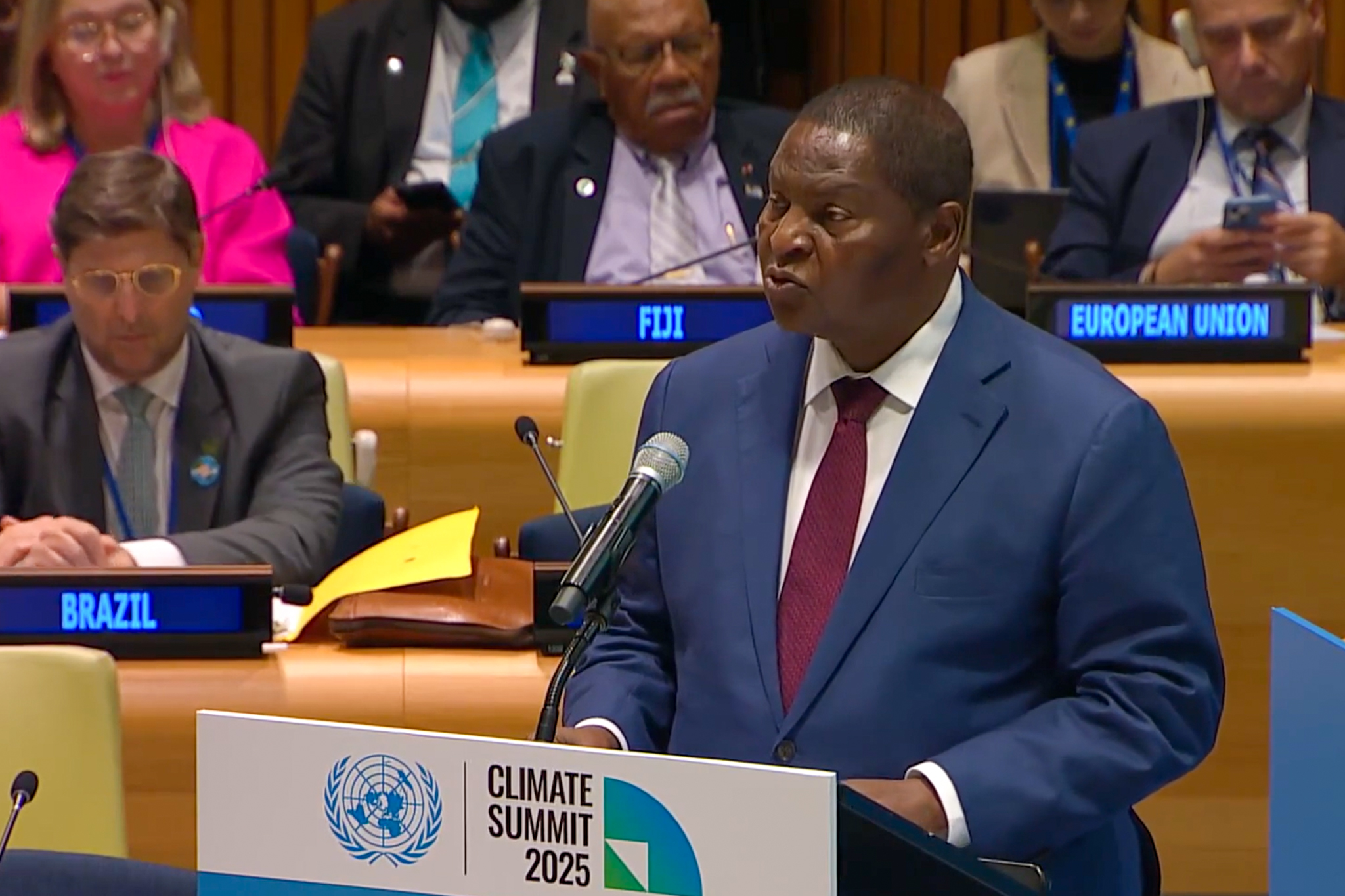
Faustin-Archange Touadéra, President of Central African Republic
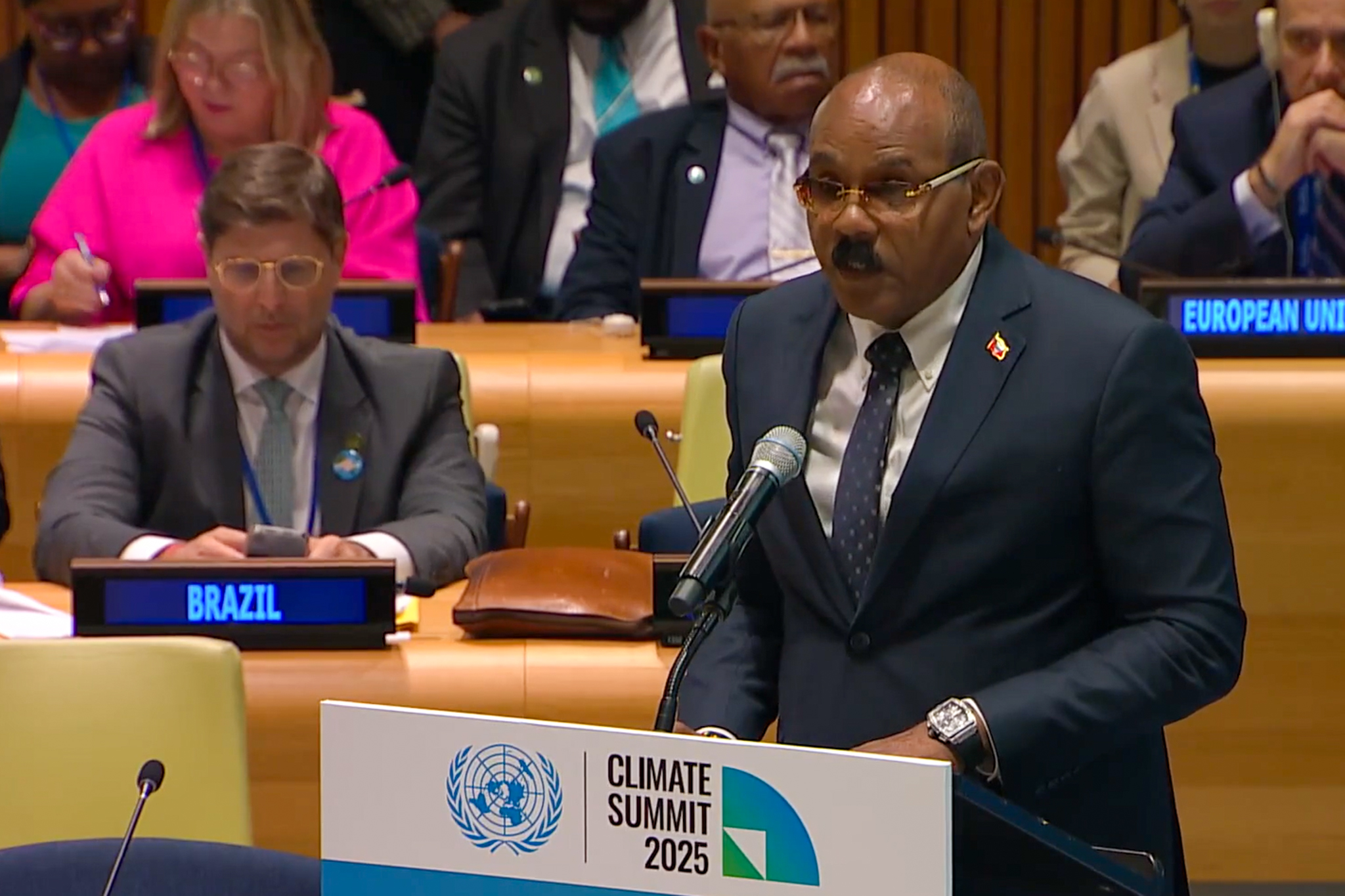
Gaston Browne, Prime Minister of Antigua and Barbuda
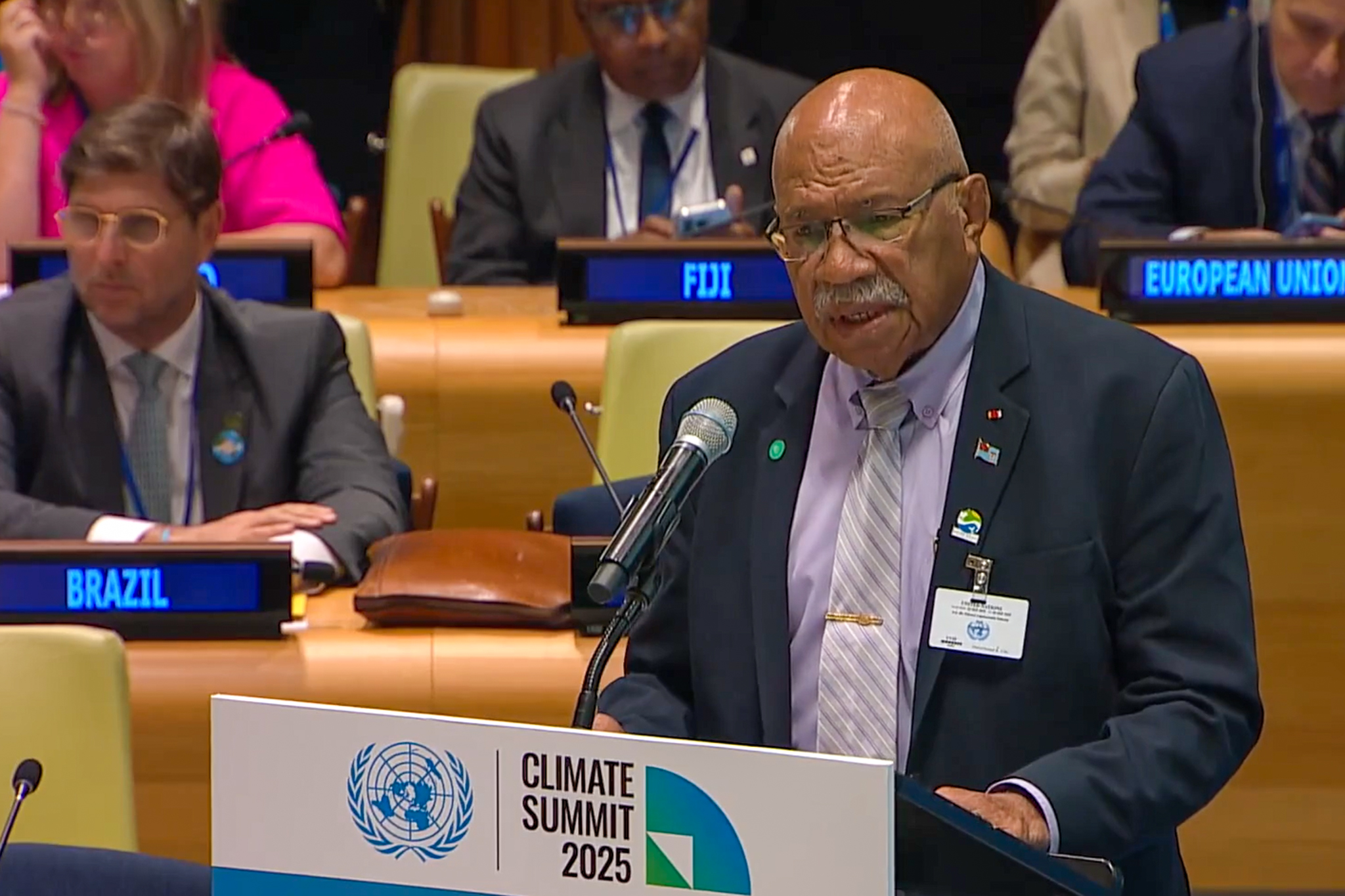
Sitiveni Rabuka, Prime Minister of Fiji
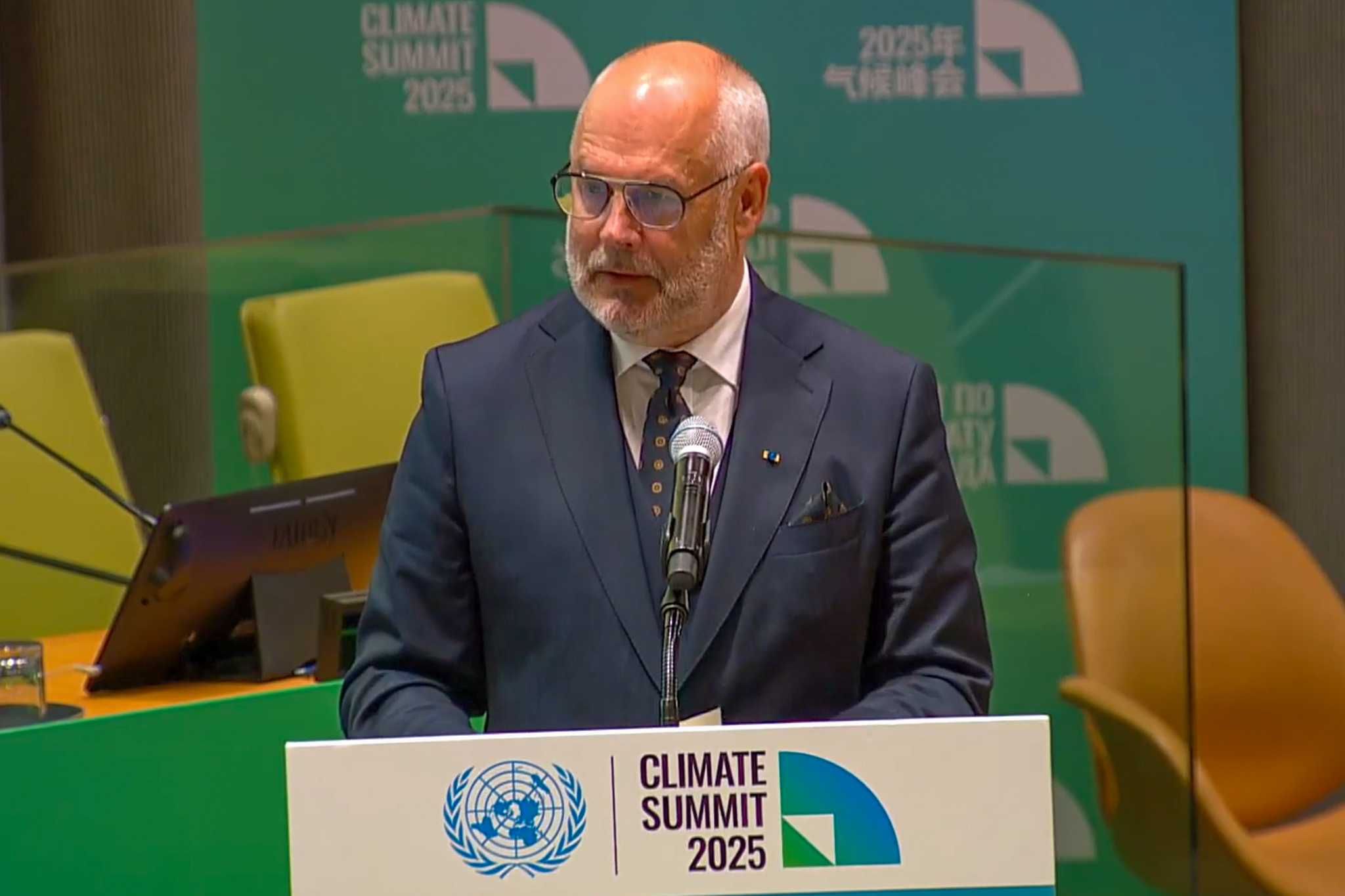
Alar Karis, President of Estonia
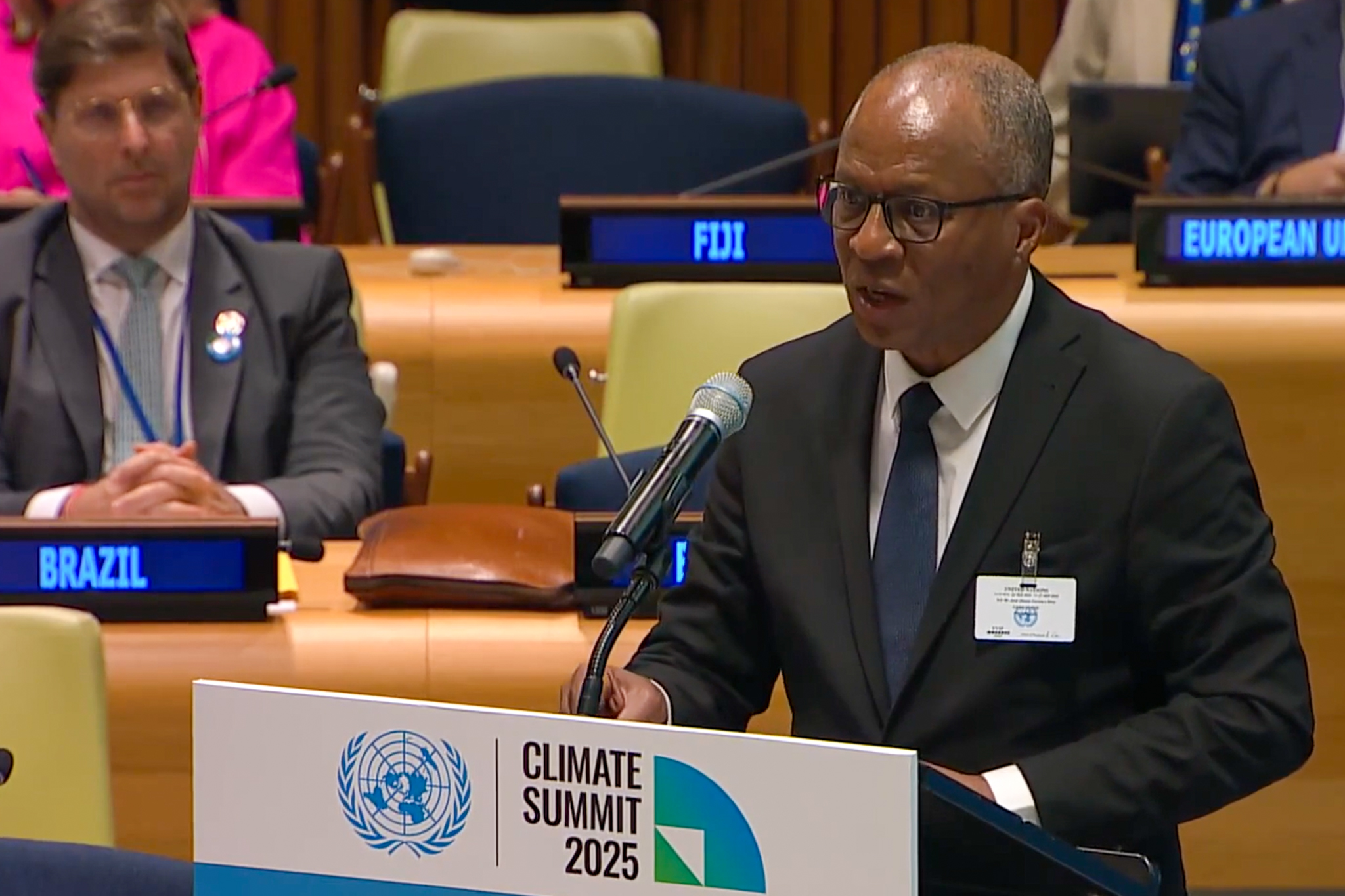
Ulisses Correia e Silva, Prime Minister of Cabo Verde
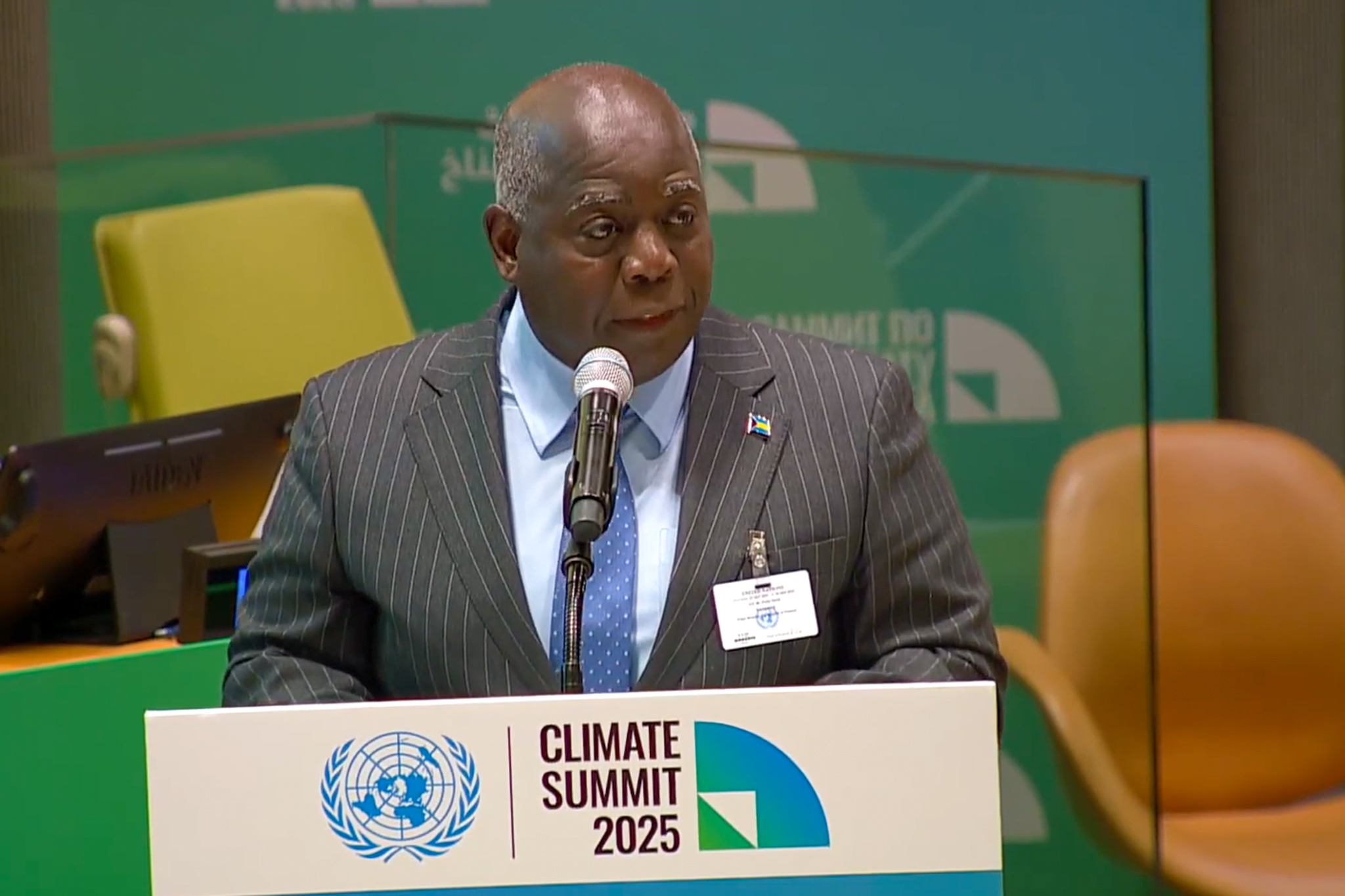
Philip Davis, Prime Minister of the Bahamas
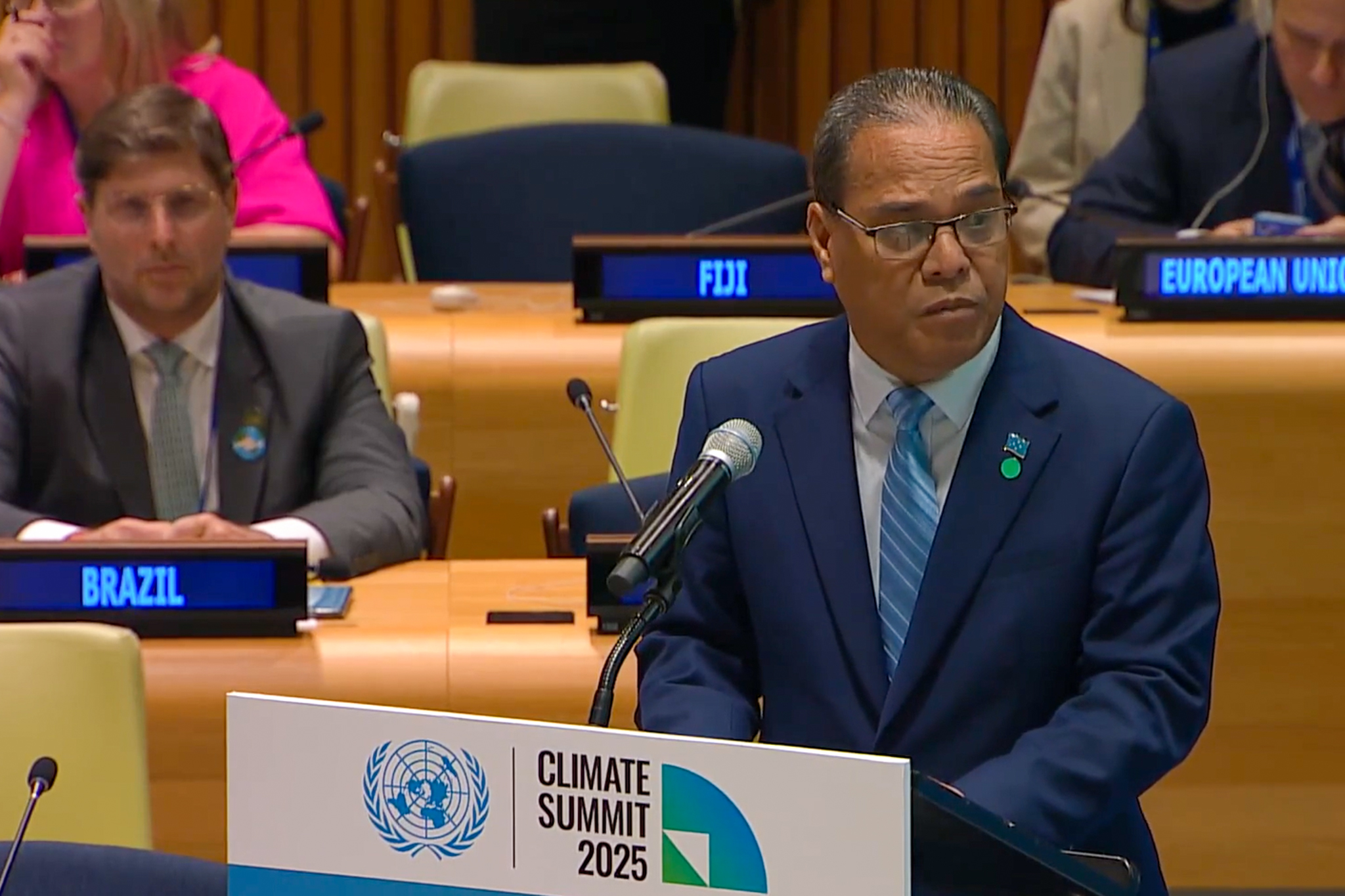
Wesley Simina, President of Micronesia
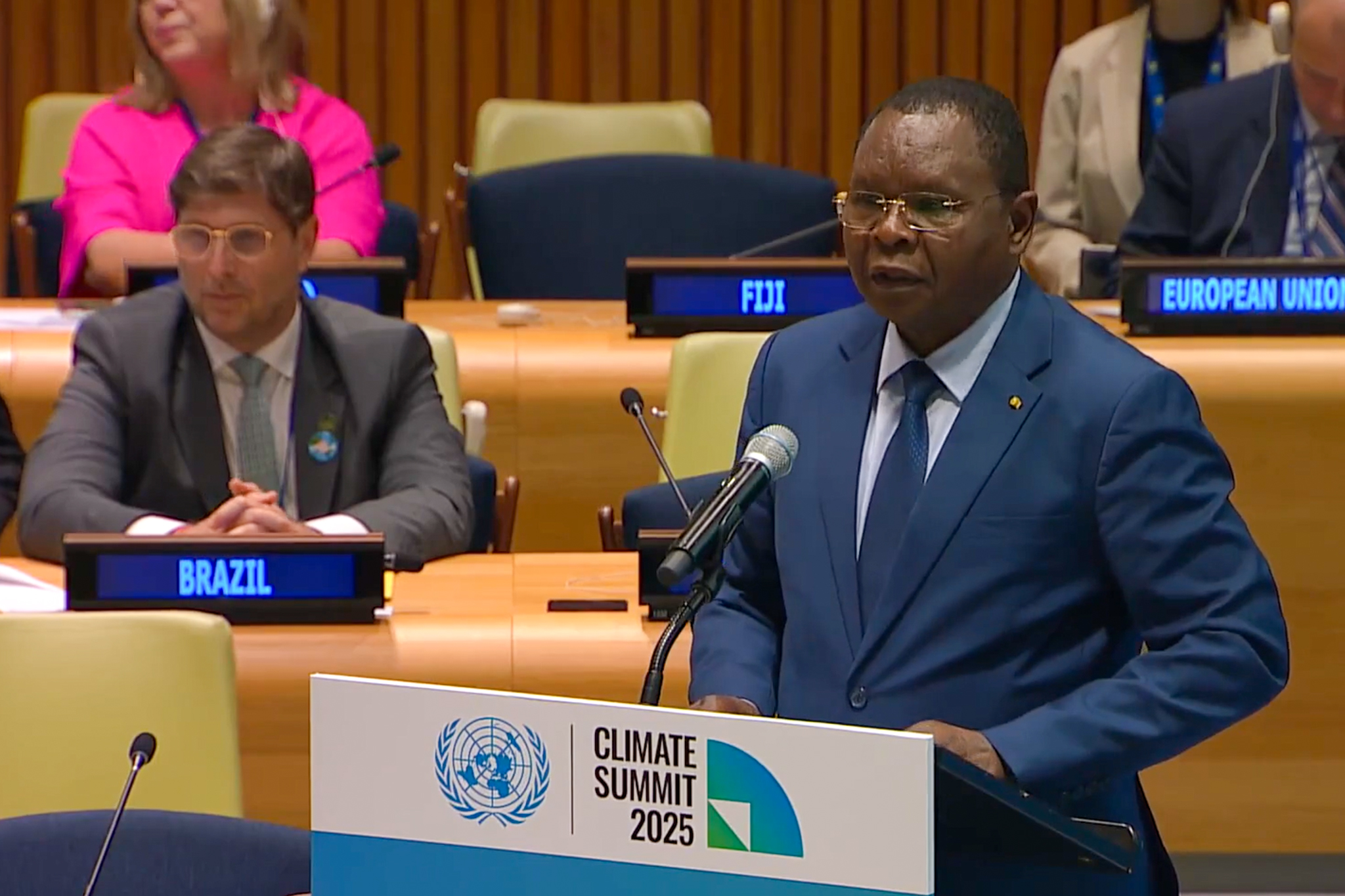
Allamaye Halina, Prime Minister of Chad
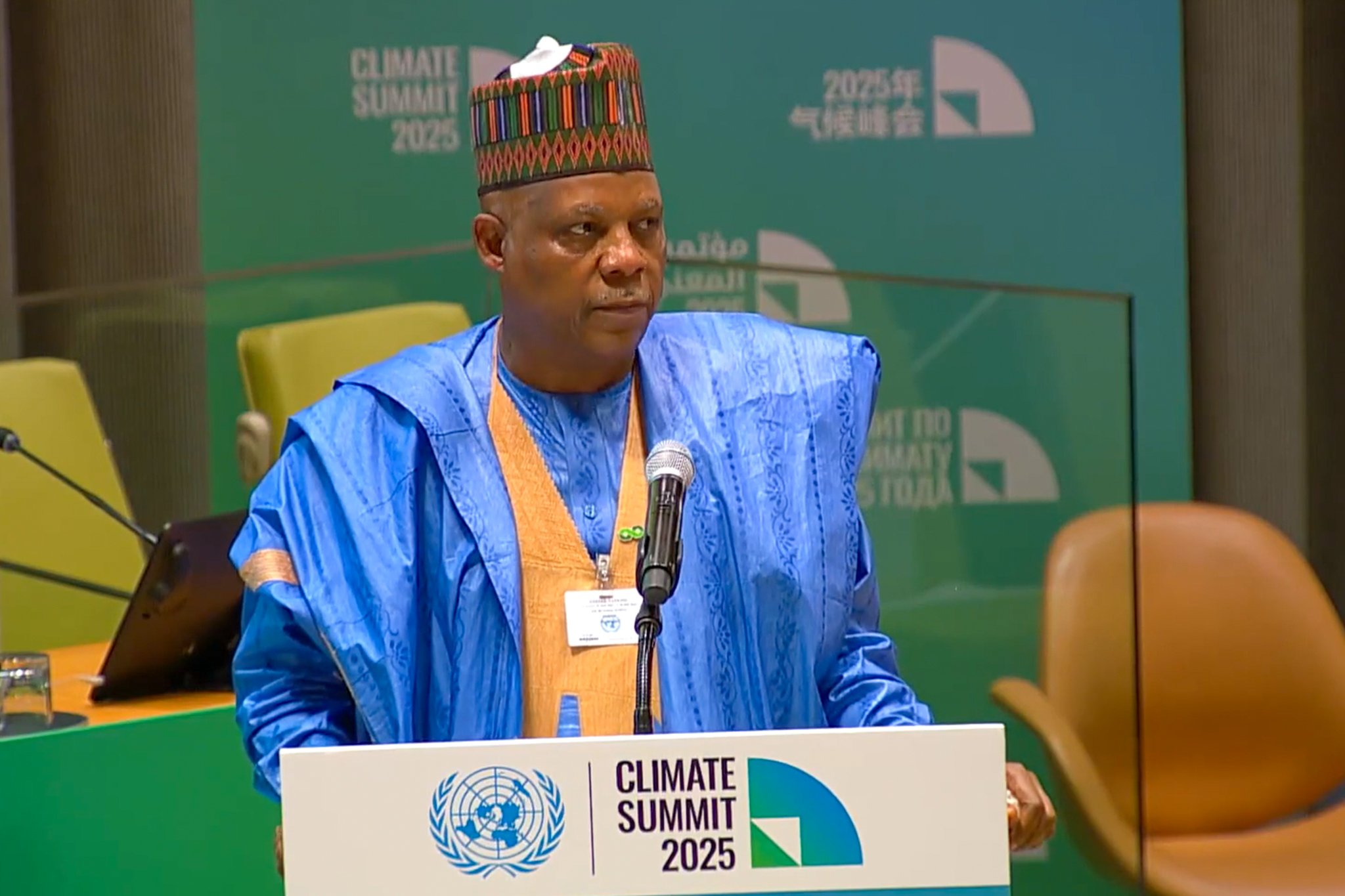
Kashim Shettima, Vice President of Nigeria

Terrance Drew, Prime Minister of Saint Kitts and Nevis
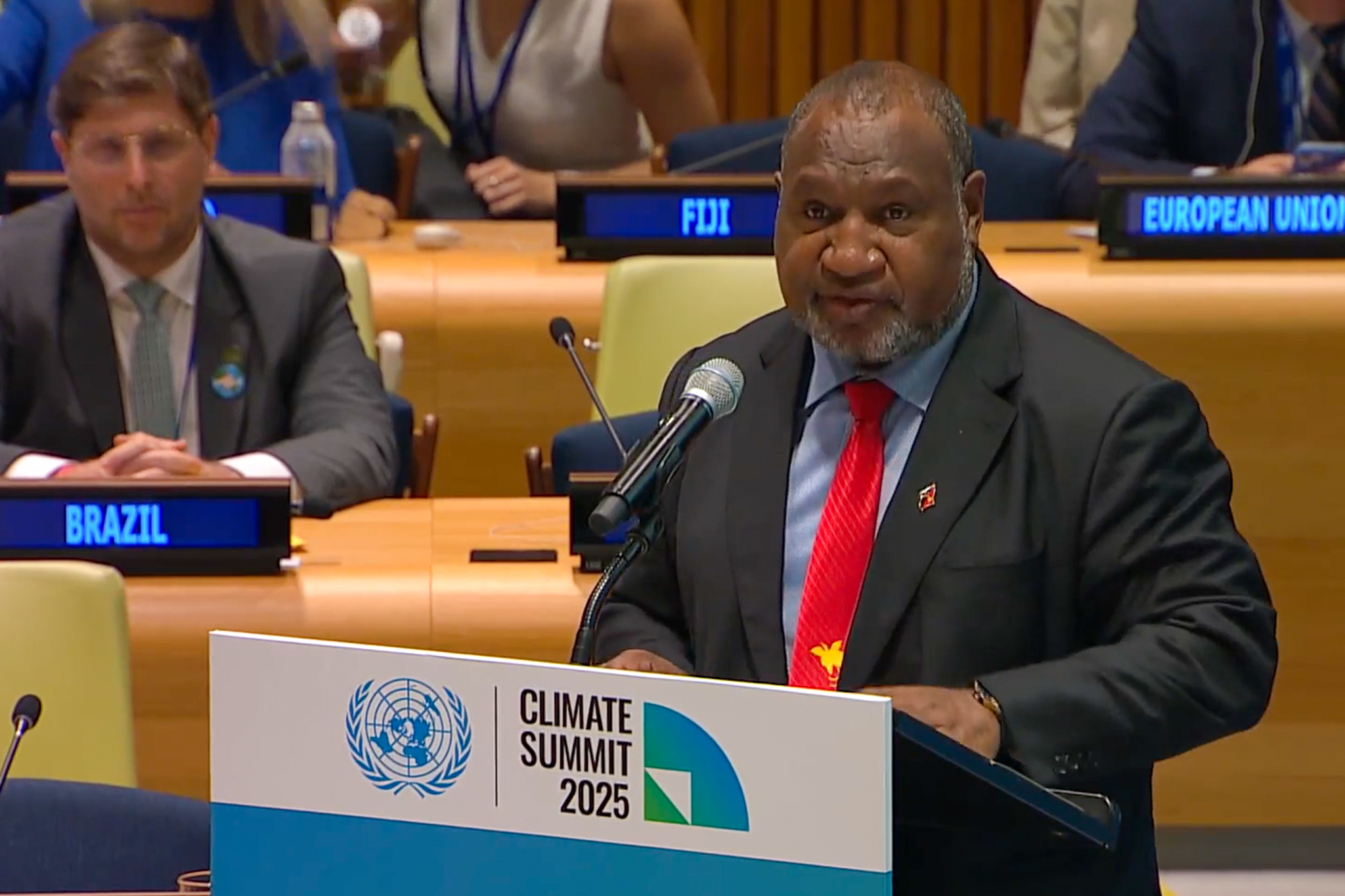
James Marape, Prime Minister of Papua New Guinea
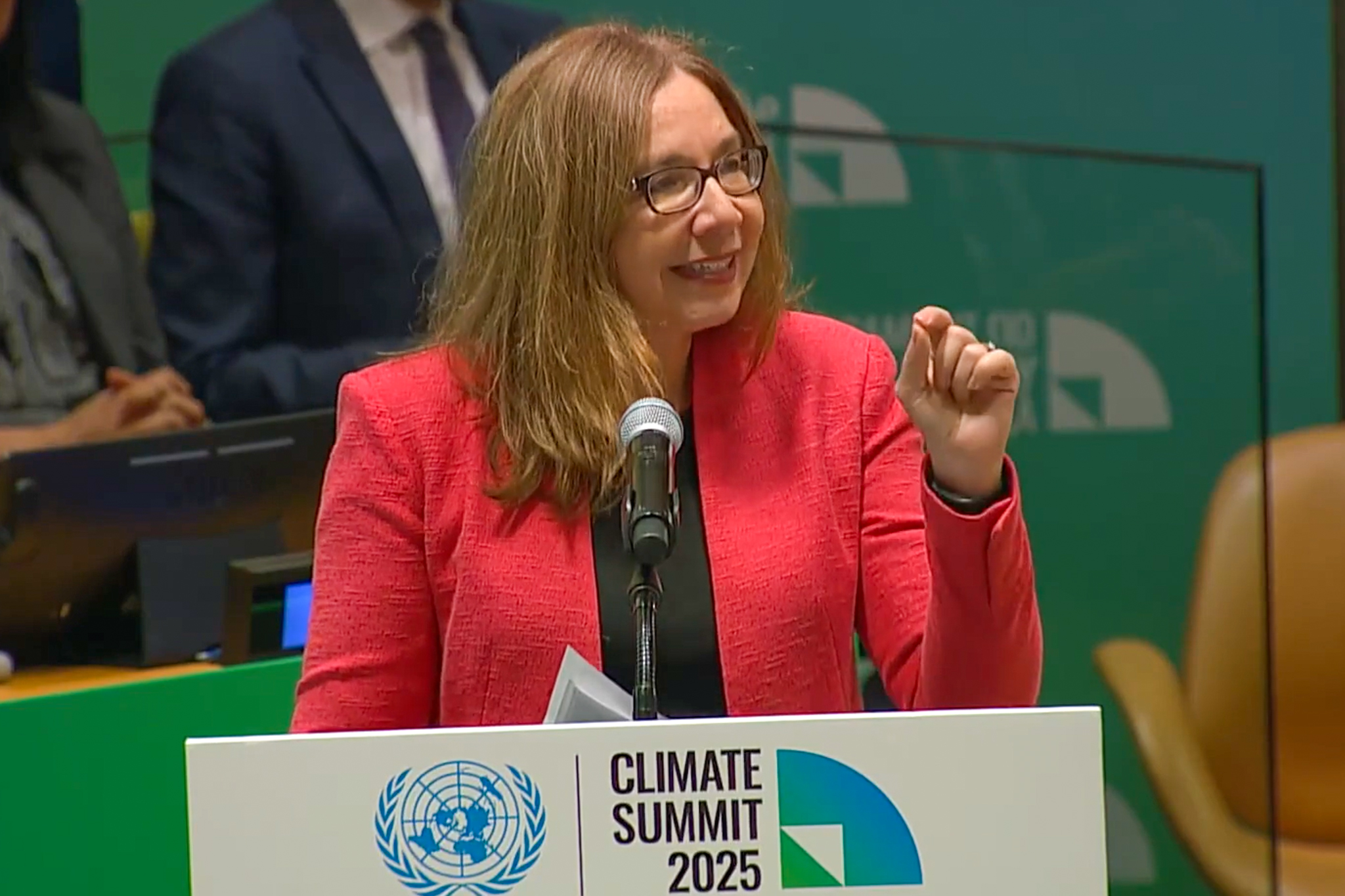
Katherine Hayhoe, Texas Tech University
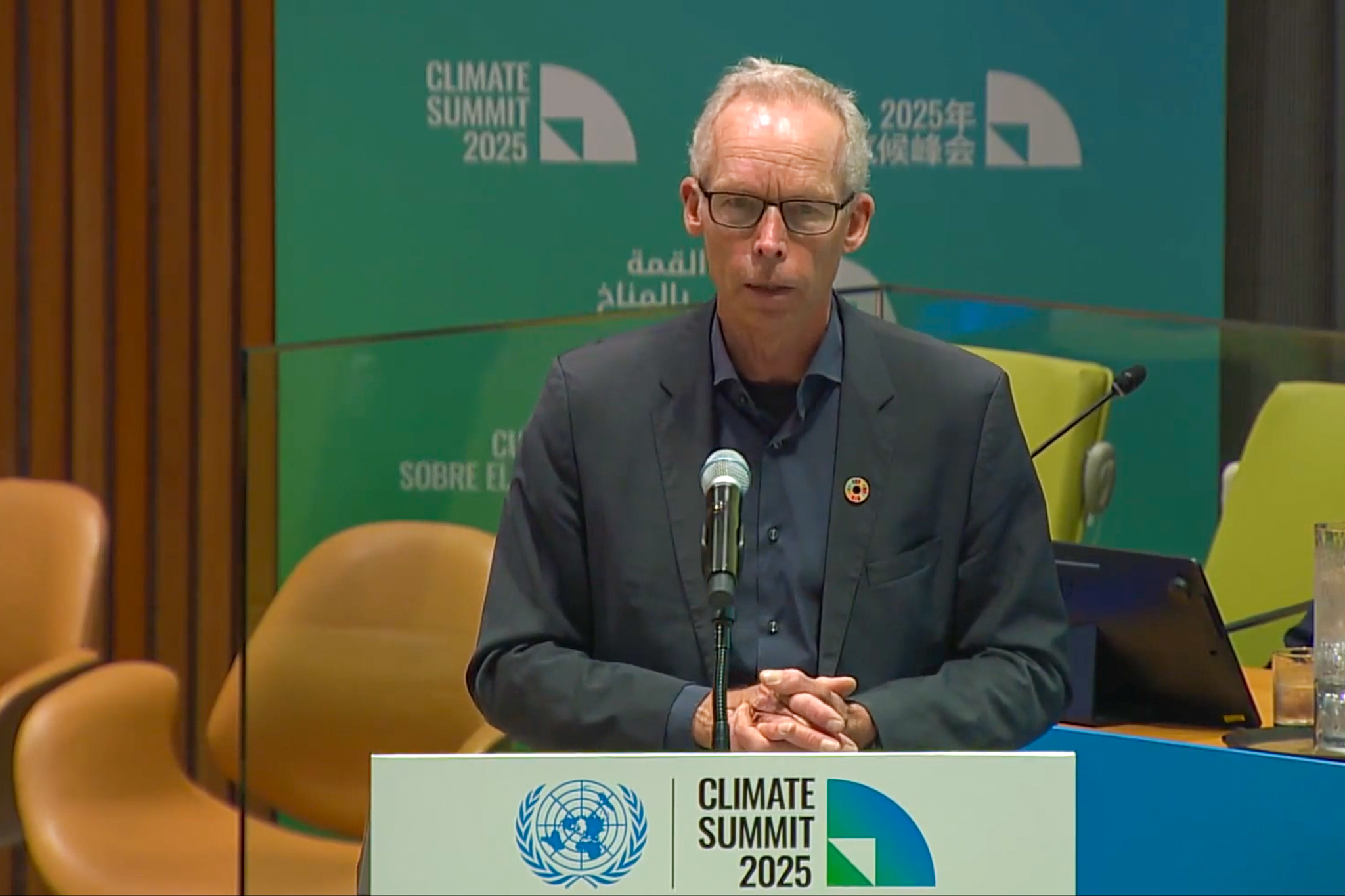
Johan Rockström, Potsdam Institute for Climate Impact Research