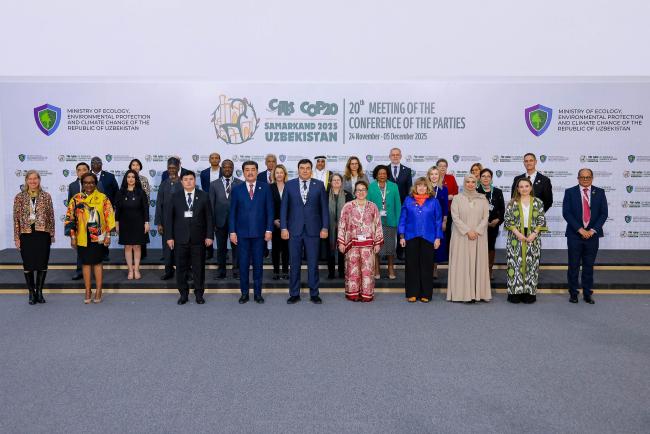
On the eve of the 20th meeting of the Conference of the Parties (CoP20) to the Convention on International Trade in Endangered Species of Wild Animals and Plants (CITES), high-level officials gathered to exchange views on elevating the strategic impact of CITES CoP20, including through innovative conservation finance solutions.
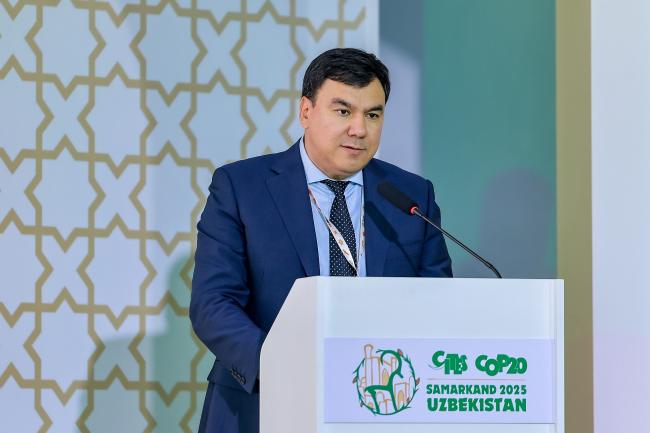
Aziz Abdukhakimov, Advisor to the President of the Republic of Uzbekistan on Environment and Chairman of the National Committee on Ecology and Climate Change, emphasized that the challenges facing nature, including illegal wildlife crime, demand practical and coordinated actions. He reaffirmed Uzbekistan’s commitment to action and called on partners to act on monitoring and tracking, harmonizing legislation, securing financing for nature conservation, and capacity-building.
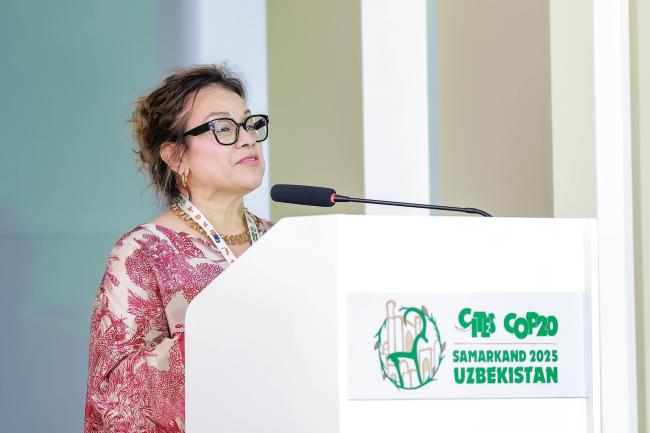
CITES Secretary-General Ivonne Higuero highlighted that this is the first CITES CoP held in a Central Asian nation. Noting strained conservation budgets, she emphasized that innovative and sustainable finance solutions are not just desirable but indispensable for securing the future of the planet and ecosystems. She called on participants to “lead boldly” by embracing and scaling innovative finance mechanisms relevant to CITES.
Akiko Fuji, UN Development Programme (UNDP) Resident Representative in Uzbekistan, affirmed UNDP’s commitment to strengthening partnerships to bridge the gap between environmental, social, and economic goals. She congratulated the leaders of Uzbekistan for advancing a wide range of strategic initiatives to build a just green transition.
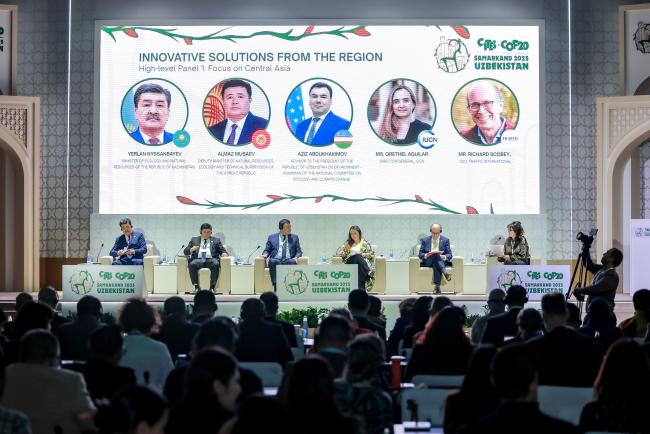
High-level Panel 1: Central Asia Ministerial Dialogue
Monica Moldovan, UNDP Regional Technical Specialist on Ecosystems and Biodiversity, Istanbul Regional Hub, moderated a discussion among the following Central Asian officials and other experts: Yerlan Nyssanbayev, Minister of Ecology and Natural Resources of Kazakhstan; Almaz Musayev, Deputy Minister of Natural Resources, Ecology, and Technical Supervision of the Kyrgyz Republic; Bahodur Sheralizoda, Chairperson of the Committee for Environmental Protection under the Government of Tajikistan; Aziz Abdukhakimov, Advisor to the President of the Republic of Uzbekistan on Environment and Chairman of the National Committee on Ecology and Climate Change; Grethel Aguilar, Director General of IUCN; and Richard Scobey, CEO, TRAFFIC.
The panelists spoke about balancing sustainable use with conservation needs through the rigorous monitoring of wildlife populations, and underscored improvements in national legislative frameworks to comply with CITES requirements. They further pointed to reforms in environmental governance and regional cooperation in recognition of the fact that “nature knows no borders.”
They also highlighted the importance of:
- fighting desertification and protecting ecological corridors for migration;
- ongoing informal conversations on environmental issues between Central Asian environment ministers;
- nature-based solutions to protect water sources, restore degraded landscapes, preserve biodiversity, and support communities; and
- actions on the ground to build local capacity and youth leadership on environmental issues.
Signing Ceremony of the Samarkand Declaration and Action Plan (2026–2032)
A signing ceremony took place for the Samarkand Declaration and Action Plan (2026-2032) to harmonize legal frameworks, strengthen intelligence-sharing, and align conservation with economic and social goals across the Central Asian region.
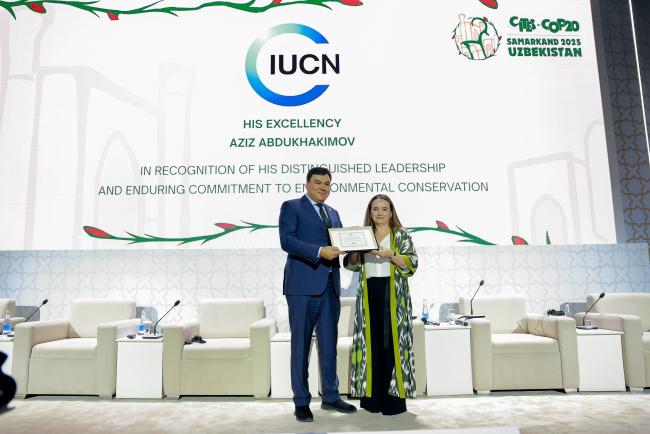
IUCN Director-General Aguilar also presented Abdukhakimov with a certificate of recognition for his leadership and commitment to nature conservation.
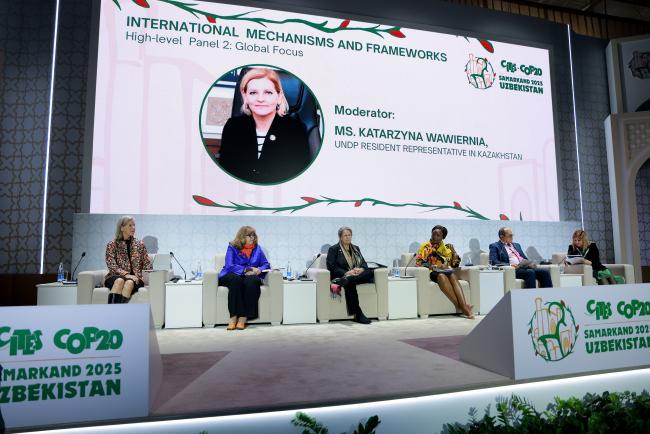
High-Level Panel 2: Global Focus: Multilateral Environment Conventions and Organizations
Katarzyna Wawiernia, UNDP Resident Representative in Kazakhstan, moderated a panel among leaders of several multilateral environment conventions and organizations to discuss opportunities for addressing shared challenges.
Susan Gardner, Director, Ecosystems Division, UN Environment Programme (UNEP), said the interconnected nature of environmental crises demands coherent and coordinated responses.
Astrid Schomaker, Executive Secretary, Convention on Biological Diversity (CBD), said that fragmentation and financing remain significant challenges and identified opportunities for strengthened collaboration, including: monitoring and data; engagement with Indigenous Peoples and local communities; and innovative finance.
Amy Fraenkel, Executive Secretary, Convention on Migratory Species (CMS), highlighted the need to accelerate efforts under CMS and CITES to identify the top pressures to species listed on both conventions and to prioritize the “holistic” actions needed.
Musonda Mumba, Secretary General, Ramsar Convention on Wetlands, noted that Ramsar data on wetlands informs many other environmental conventions, including CITES.
Rolph Payet, Executive Secretary for the Basel, Rotterdam, and Stockholm Conventions, identified synergies between the waste and chemical conventions and CITES, particularly around illegal trade.
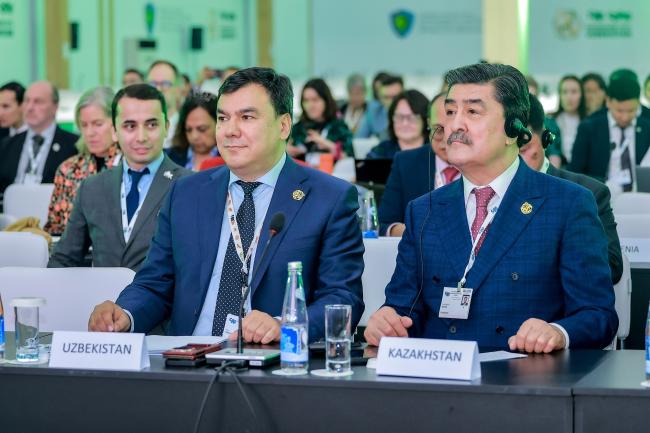
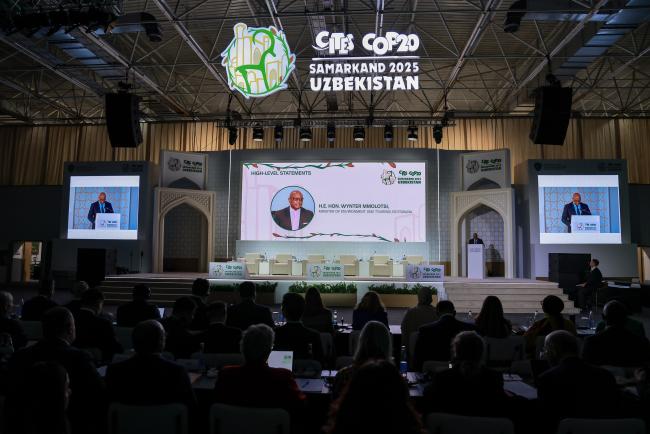
High-level Statements
In this session, moderated by Tim Scott, Senior Policy Advisor, UNDP/Planet Hub, ministers and other high-level officials shared experiences with CITES implementation.
Wynter Mmolotsi, Minister of Environment and Tourism, Botswana, highlighted the “pernicious effects” of climate change, land degradation, and illegal wildlife trade on biodiversity.
Laurent Tchagba, Minister of Water and Forests, Côte d’Ivoire, described forest area losses impacting iconic species such as the forest elephant and chimpanzee, and called for transitioning to a sustainable biodiversity financing model.
Hallo Al-Askari, Minister of Environment, Iraq, said that strengthening the capacity of customs personnel had reduced illegal wildlife trafficking in his country, and lauded the potential addition of Arabic as an official language of the CITES Convention.
Amna bint Abdullah Al Dahak, Minister of Climate Change and Environment, United Arab Emirates, called for “treating wildlife crimes with the seriousness they warrant” and described an AI-driven CITES verification system, developed in partnership with IBM, that enables real-time permit fraud detection.
Citing the impacts of human-wildlife conflicts, Evelyn Ndlovu, Minister of Environment, Climate and Wildlife, Zimbabwe, requested support for reducing its wildlife populations and for mobilizing resources from the disposal of its elephant ivory and rhino horn stockpiles.
Nouf Al-Bahbahani, Director General Environment Public Authority, Kuwait, called for strengthening digital monitoring tools and enhancing cooperation with international partners and technology companies to improve CITES enforcement and intelligence-sharing.
Balarabe Abbas Lawal, Minister of Environment, Nigeria, said that performance-based conservation financing based on the measurable protection of CITES-listed species could “turn ecological assets into investable opportunities.”
Marina Robles García, Vice Minister of Biodiversity and Environmental Restoration at the Ministry of Environment and Natural Resources, Mexico, described the impacts of illegal fishing on two endemic marine species, the toatoaba and the vaquita.
Nguyen Quoc Tri, Deputy Minister of Agriculture and Environment, Vietnam, noted efforts to harmonize and enforce regulation in Vietnam’s forestry sector that have resulted in the stabilization of national forest cover at 42%.
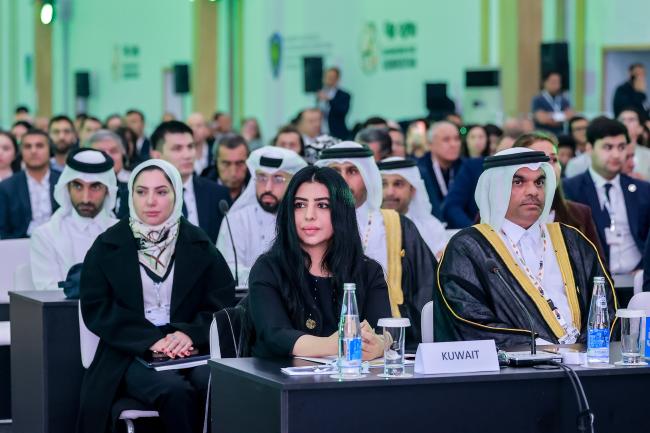
Vahe Davtyan, Deputy Minister of Environment, Armenia, said that an effective transition from CITES policy to practice is possible when innovation, legislation, and financing work in “self-complementing ways.”
Satyawan Pudyatmoko, Deputy Minister of Forestry, Indonesia, called for an evidence-based balance between protecting endangered species and enabling sustainable use in order to help finance sustainable development.
Svetlana Radionova, Head of the Federal Service for Supervision of Natural Resources, Russian Federation, shared Russia’s efforts to conserve rare and endangered species.
Sushil Kumar Awasthi, Director General of Forest and Special Secretary of the Ministry of State for Environment, Forest, and Climate Change, India, highlighted examples of India’s approach to innovative biodiversity finance, including a green credits programme and mandatory corporate social responsibility framework.
Barbara Pompili, Delegated Ambassador for The Environment of France, shared France’s portfolio of CITES-compatible finance solutions, including both traditional and innovative mechanisms.
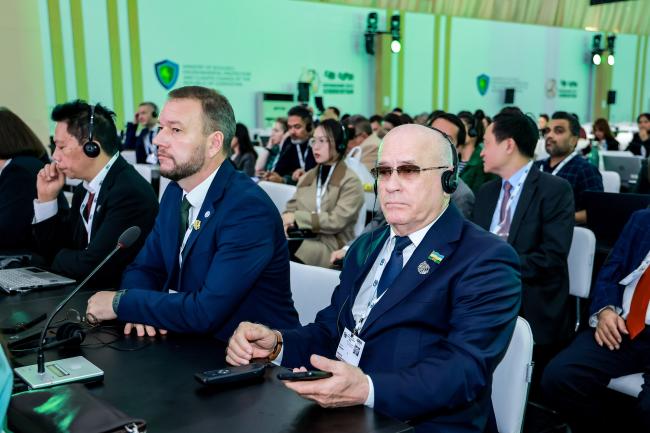
Maša Kociper, State Secretary at the Office of the Prime Minister, Slovenia, identified Slovenia’s three key priorities: digital traceability, financing, and treating conservation and restoration as investments rather than costs.
Ladislav Miko, Advisor to the Minister and Special Envoy of the Czech Government for International Negotiations on Biodiversity and Ecosystem Services, highlighted the importance of reliable long-term monitoring and sustainable long-term domestic financing for CITES actions.
Susan Lieberman, Vice-President, Wildlife Conservation Society (WCS), urged countries to consider precaution and science during their deliberations.
Closing the session, the moderator thanked participants for their ideas and insights to elevate the impact of CITES Cop20 from policy to practice.

Text written by Kate Harris and Brianna Botchwey. The Editor is Pam Chasek, Ph.D. The Digital Editor is Diego Noguera. Photos by Anvar Zokirov.
To receive free coverage of global environmental events delivered to your inbox, subscribe to the ENB Update newsletter.
Selected Photos
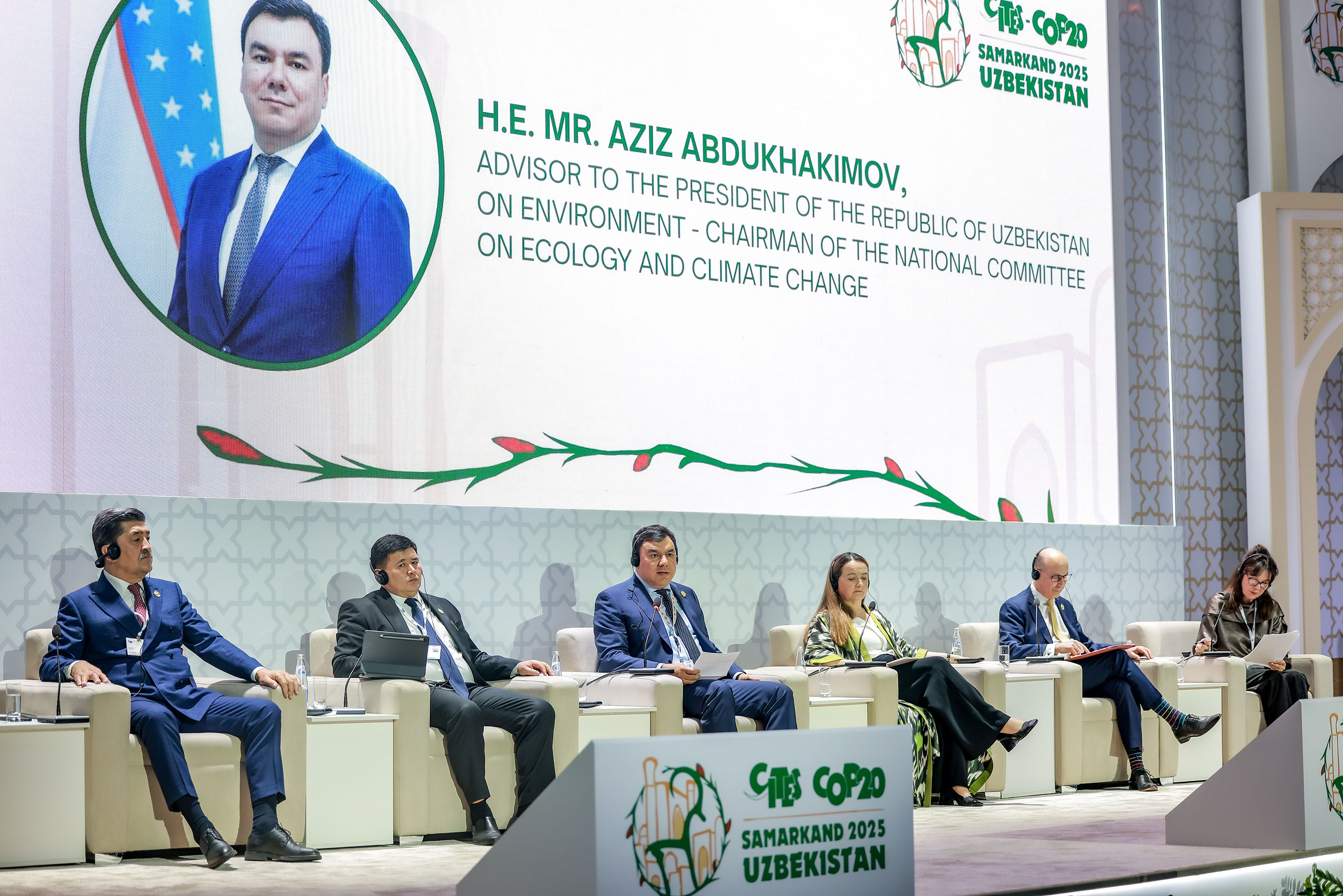
The dais during the address by Aziz Abdukhakimov, Advisor to the President of the Republic of Uzbekistan on Environment and Chairman of the National Committee on Ecology and Climate Change
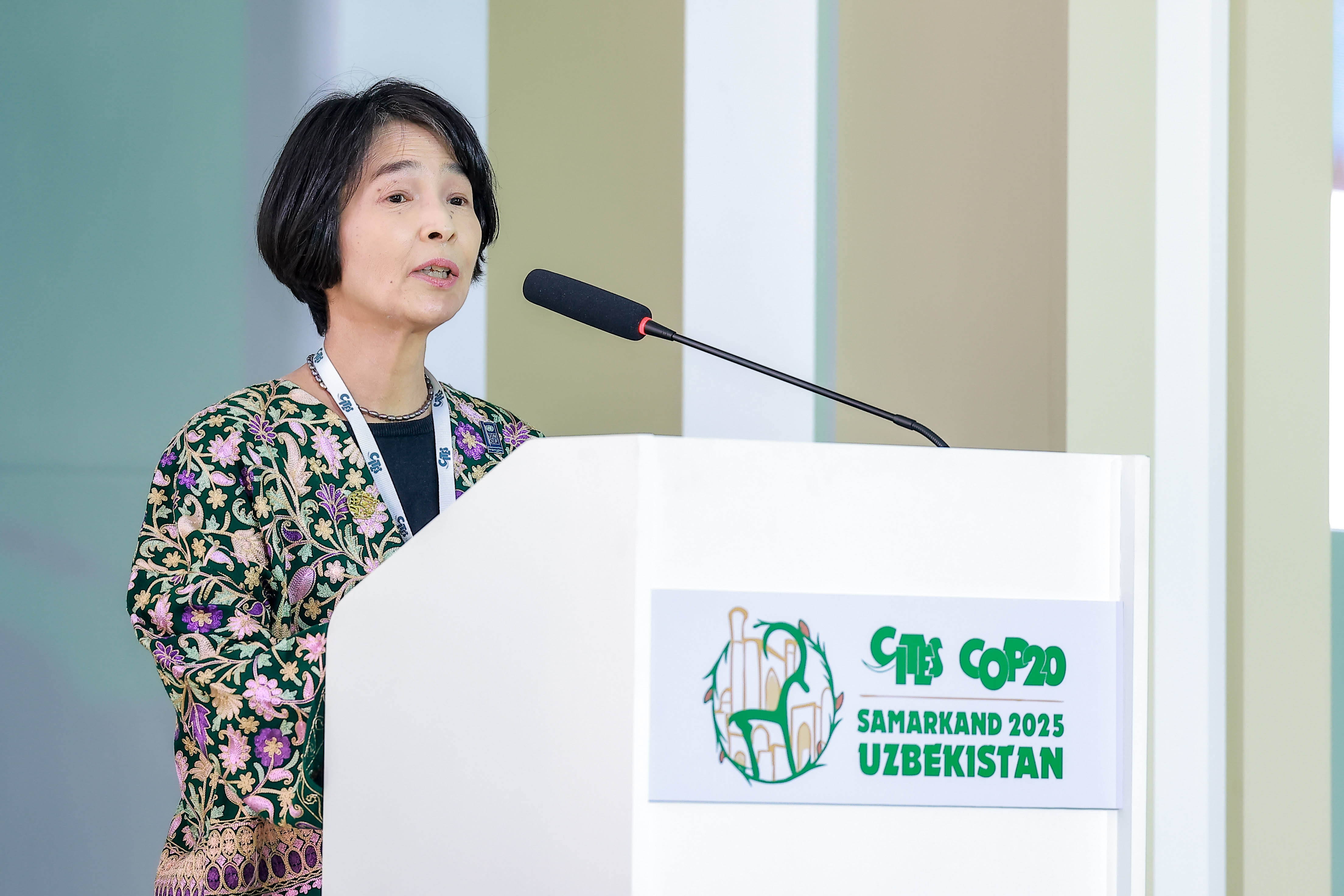
Akiko Fuji, UNDP Resident Representative in Uzbekistan

Monica Moldovan, UNDP Regional Technical Specialist on Ecosystems and Biodiversity, Istanbul Regional Hub
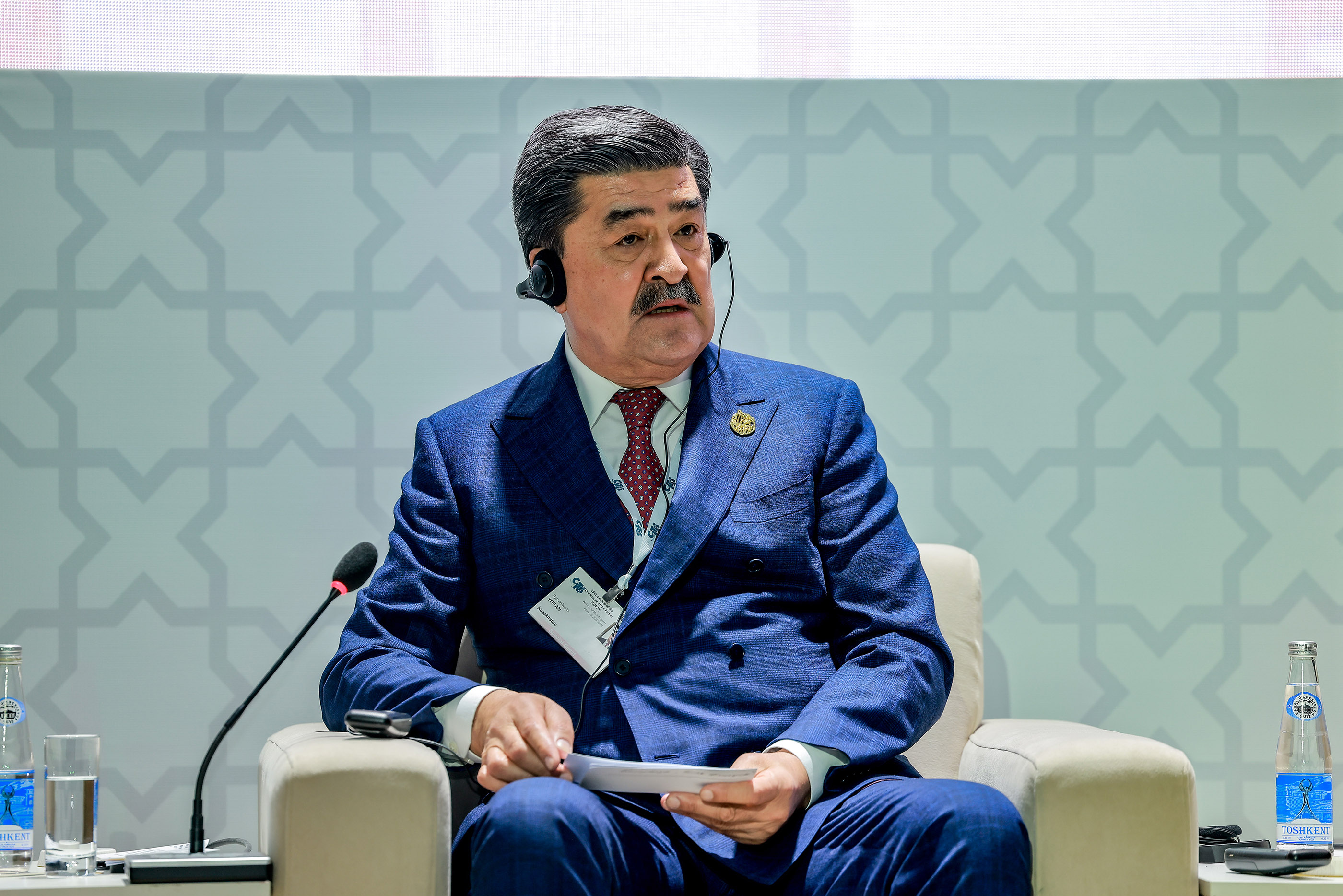
Yerlan Nyssanbayev, Minister of Ecology and Natural Resources of Kazakhstan
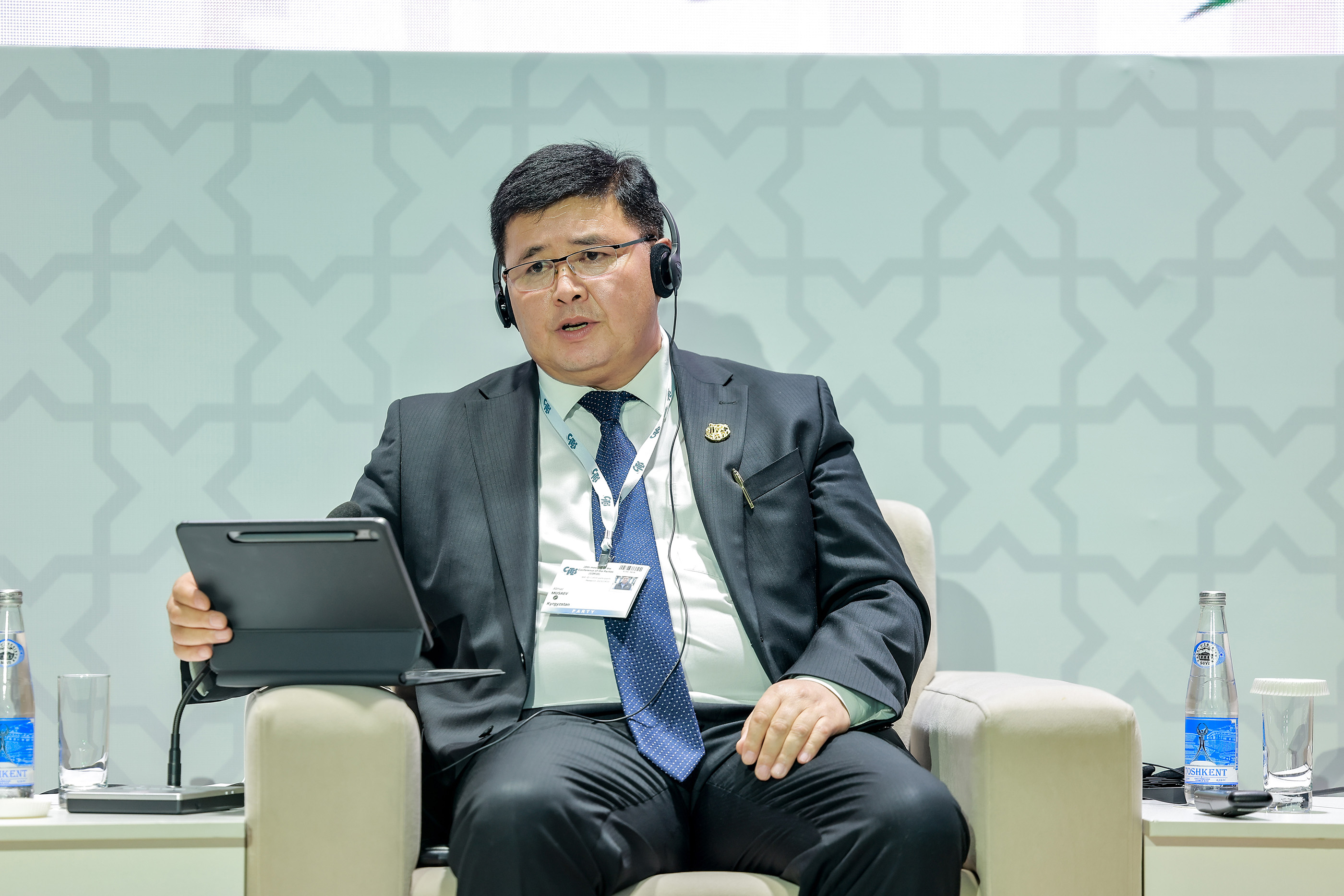
Almaz Musayev, Deputy Minister of Natural Resources, Ecology, and Technical Supervision of the Kyrgyz Republic
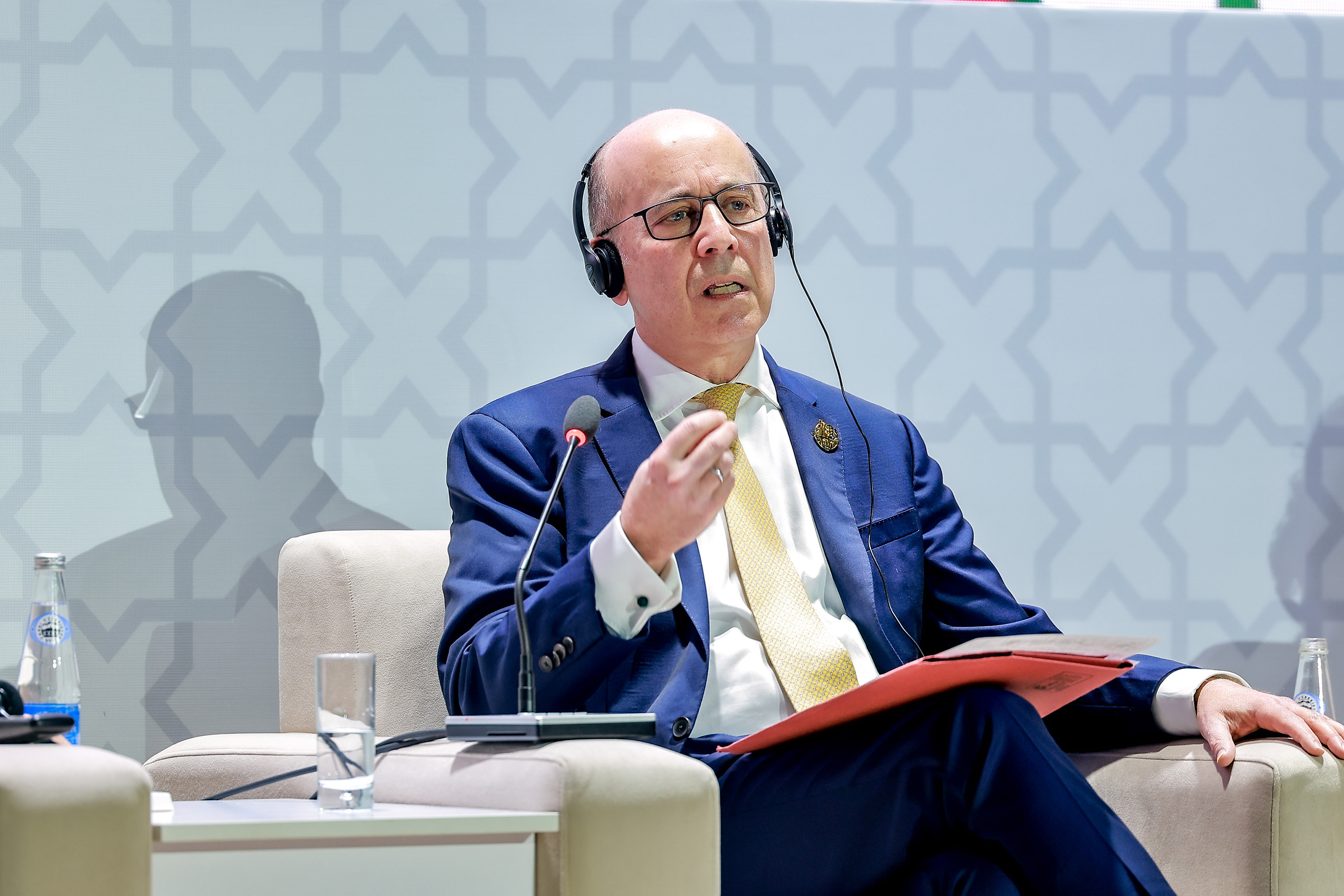
Richard Scobey, CEO, TRAFFIC

Katarzyna Wawiernia, UNDP Resident Representative in Kazakhstan
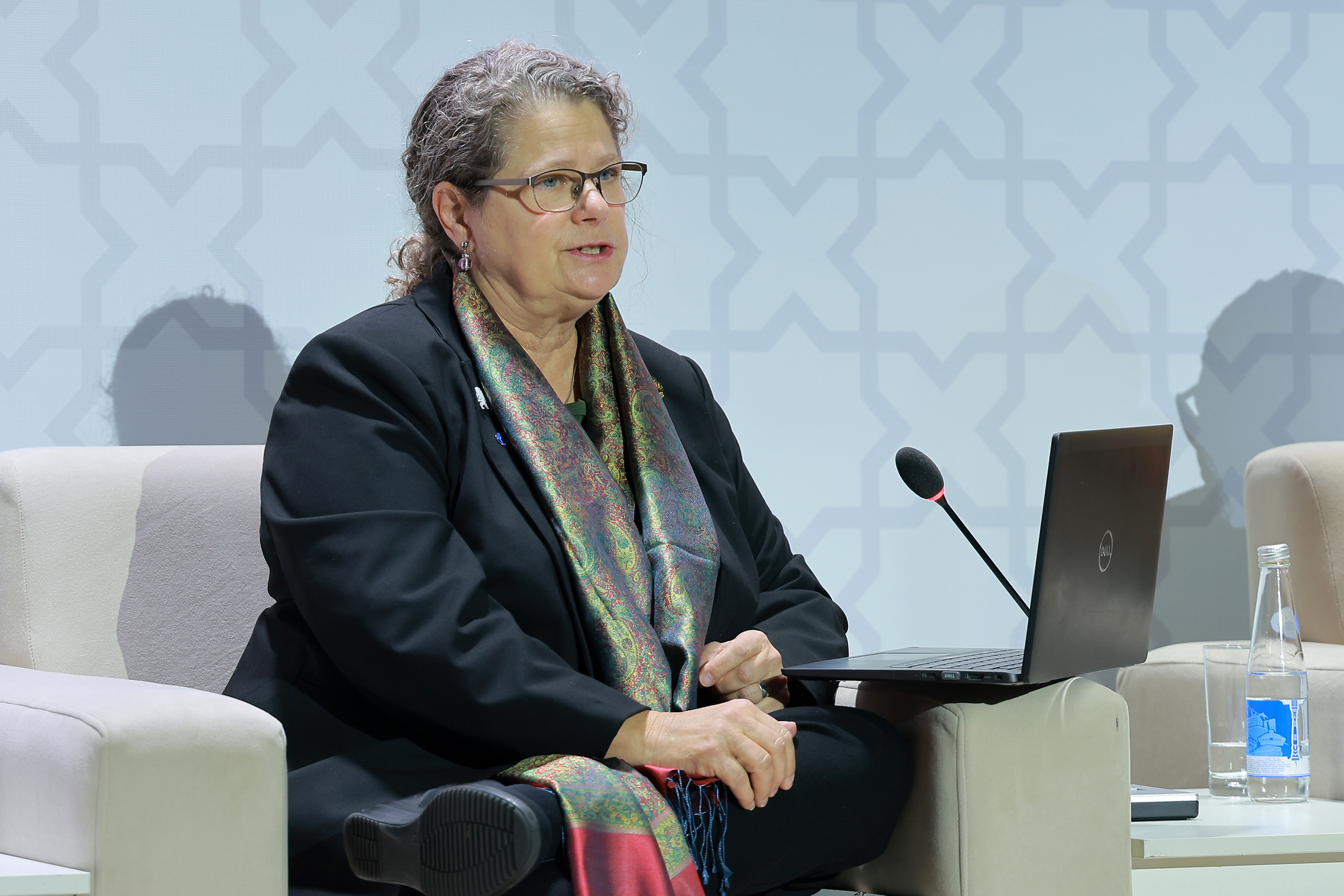
Amy Fraenkel, CMS Executive Secretary
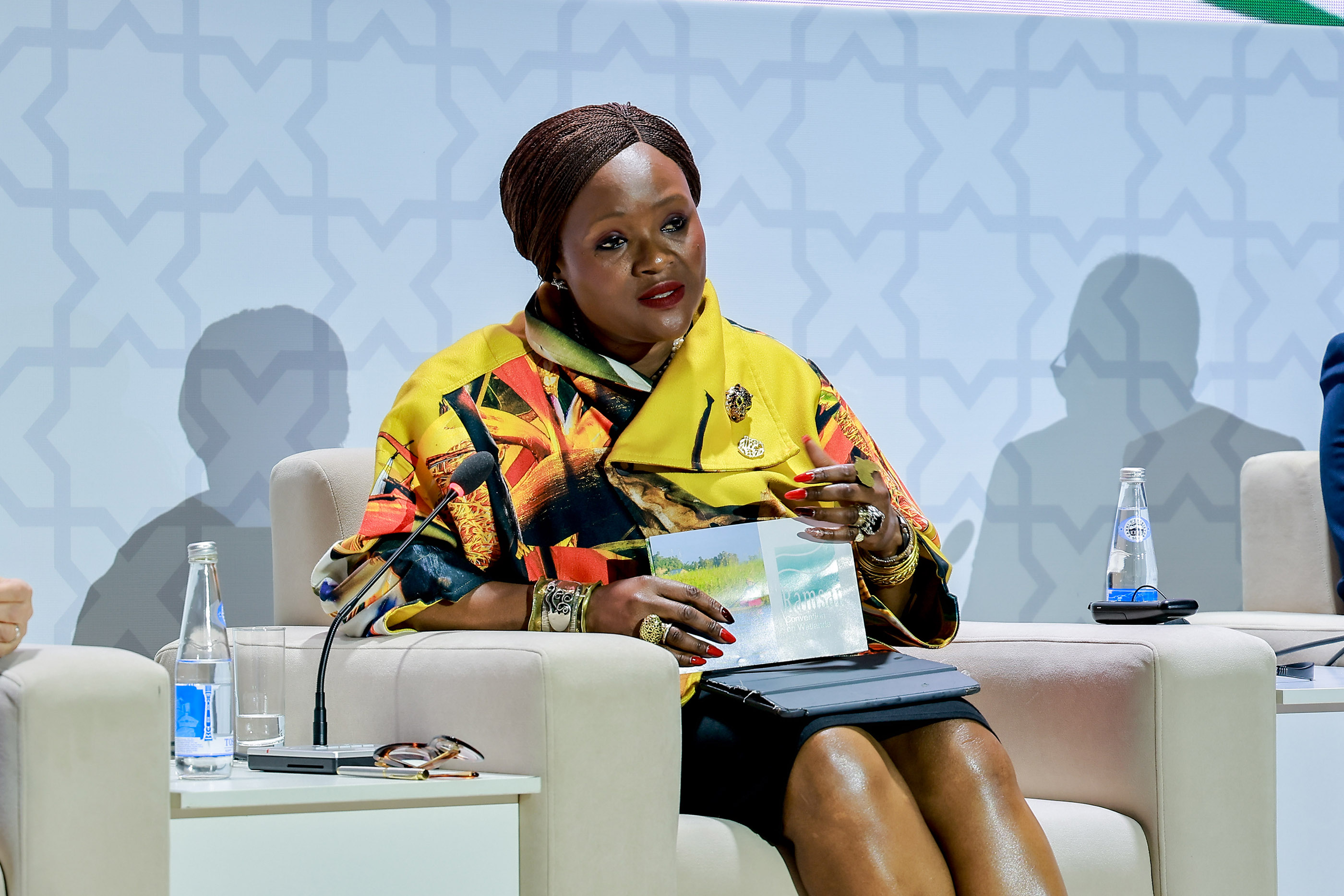
Musonda Mumba, Secretary General, Ramsar Convention on Wetlands

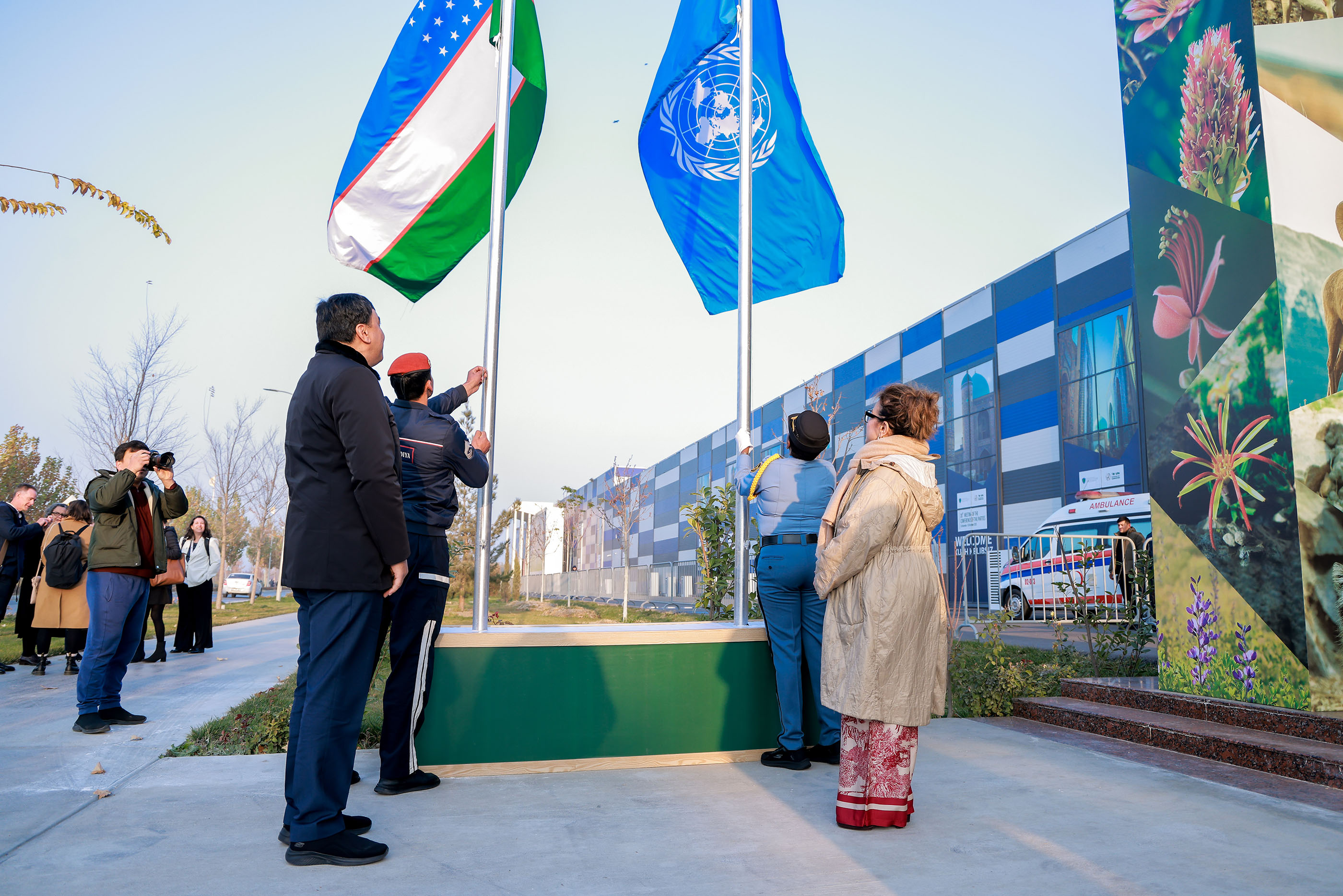
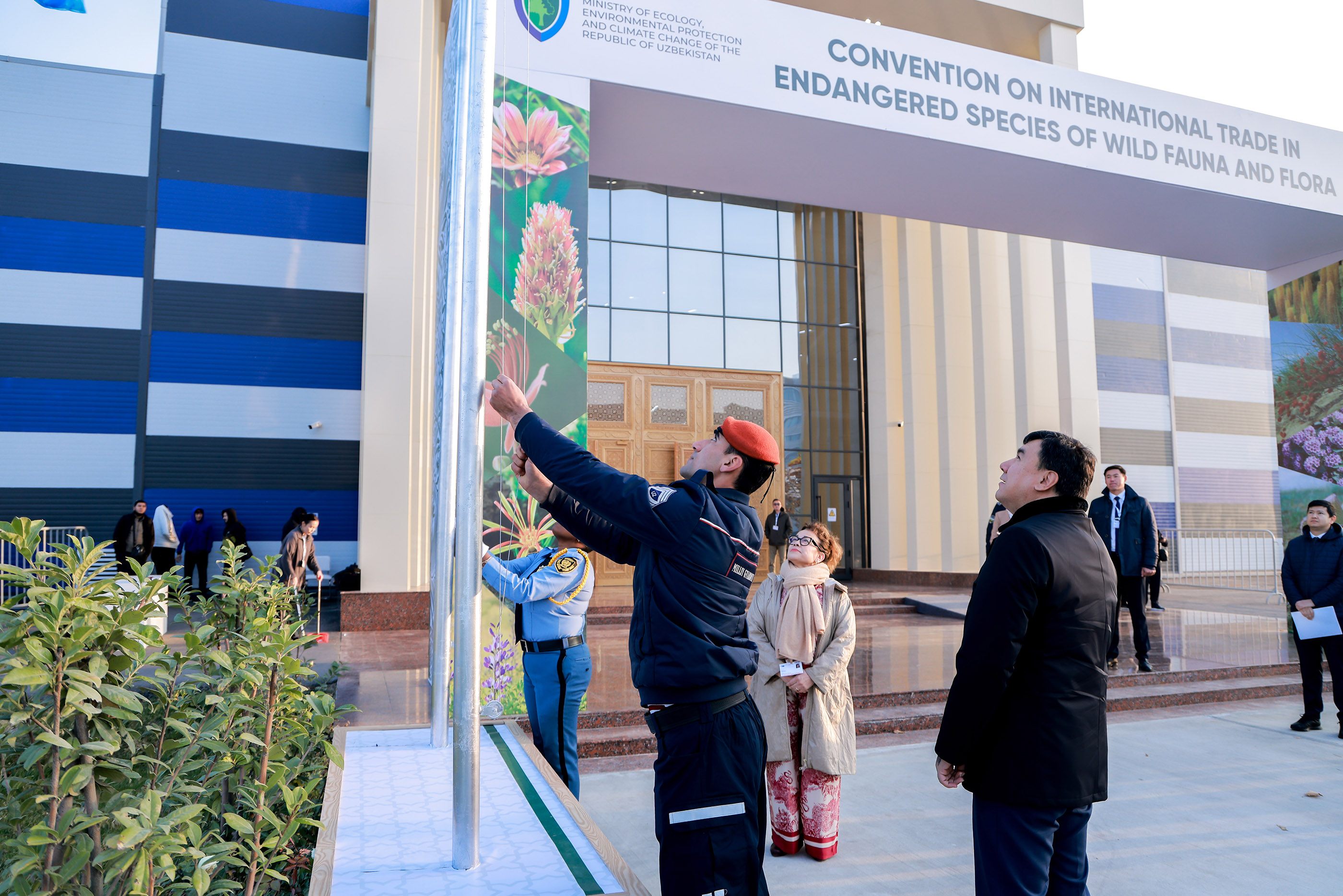
Flag Raising