Emotions ran high for participants on the last day of negotiations before a mid-CoP break at the twentieth meeting of the Conference of the Parties to the Convention on International Trade in Endangered Species of Wild Fauna and Flora (CITES CoP20).
Want to dig deeper into today's talks? Read the full Earth Negotiations Bulletin daily report.
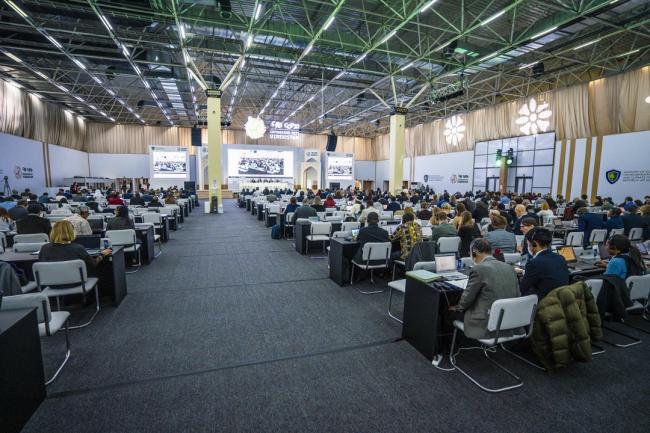
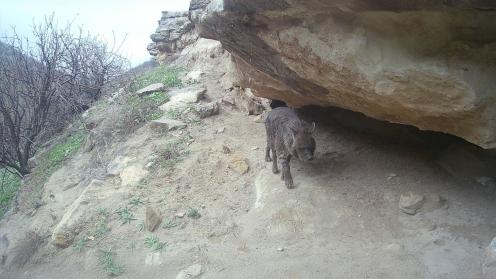
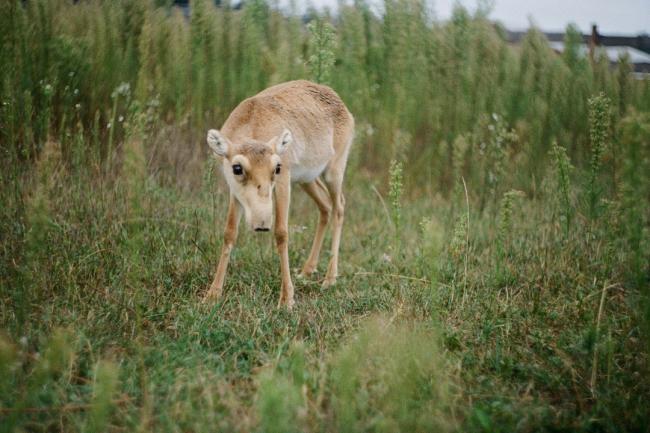
Committee I continued its work reviewing proposals for species listings, which often provide a window into certain species passing critical thresholds of population health or decline. Notably, the Kazakh population of the saiga antelope (Saiga tatarica) was exempted from the zero export quota, a sure sign of success in implementing strict conservation measures. On the other hand, several countries were disappointed that Tajikistan’s proposal to list the striped hyena (Hyaena hyaena) under Appendix I was rejected—with the proponents warning that they would take up the issue again in plenary.
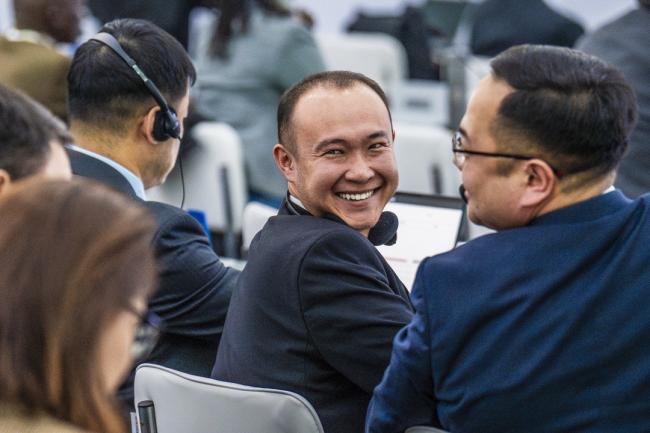
Divisions emerged in the afternoon around proposals that sought to allow Namibia to trade in horns from two rhinoceros species and ivory stock from African elephant (Loxodonta africana) in order to fund further conservation. Opponents warned that allowing such trade would undo decades of CITES conservation work, while supporters called on parties not to let conservation success “feel like punishment, not partnership.” Nevertheless, both proposals to reopen trade were defeated.
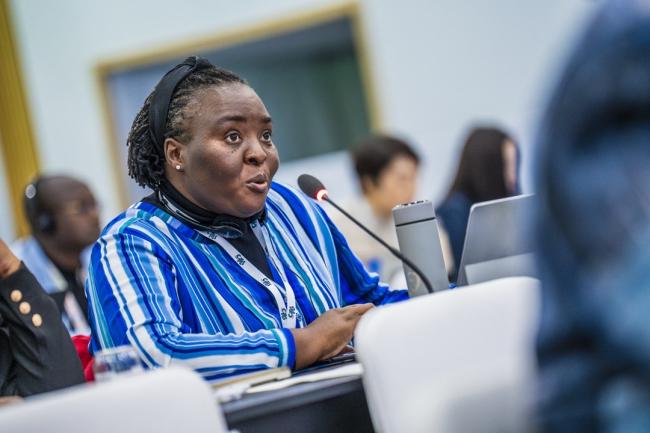
Committee II’s work was more technical, considering the definition of the term “stockpile”; the transport of live specimens, including International Air Transport Association (IATA) regulations access; the illegal trade of tortoises and marine and freshwater turtles; and the voluntary Compliance Action Plan template. Discussions remained behind the intended schedule, with parties still working through Friday’s agenda, and establishing several drafting and working groups to move forward on more contentious agenda items.
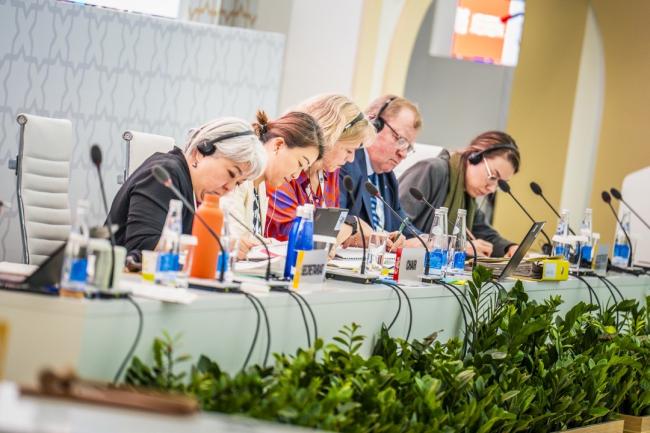
Throughout the day, attendees were also able to explore a number of side events on, among others:
- Responsible pet ownership through lists in consumer markets;
- Illegal sloth trade;
- Implementing CITES with seahorses; and
- Fish maw trade impacts.
A tree-planting ceremony hosted by the government of Uzbekistan took place over the lunch break and delegates continued to meet in working groups in the evening.
To receive free coverage of global environmental events delivered to your inbox, subscribe to the ENB Update newsletter.
All ENB photos are free to use with attribution. For CITES COP20, please use: Photo by IISD/ENB | Danny Skilton.
Committee I
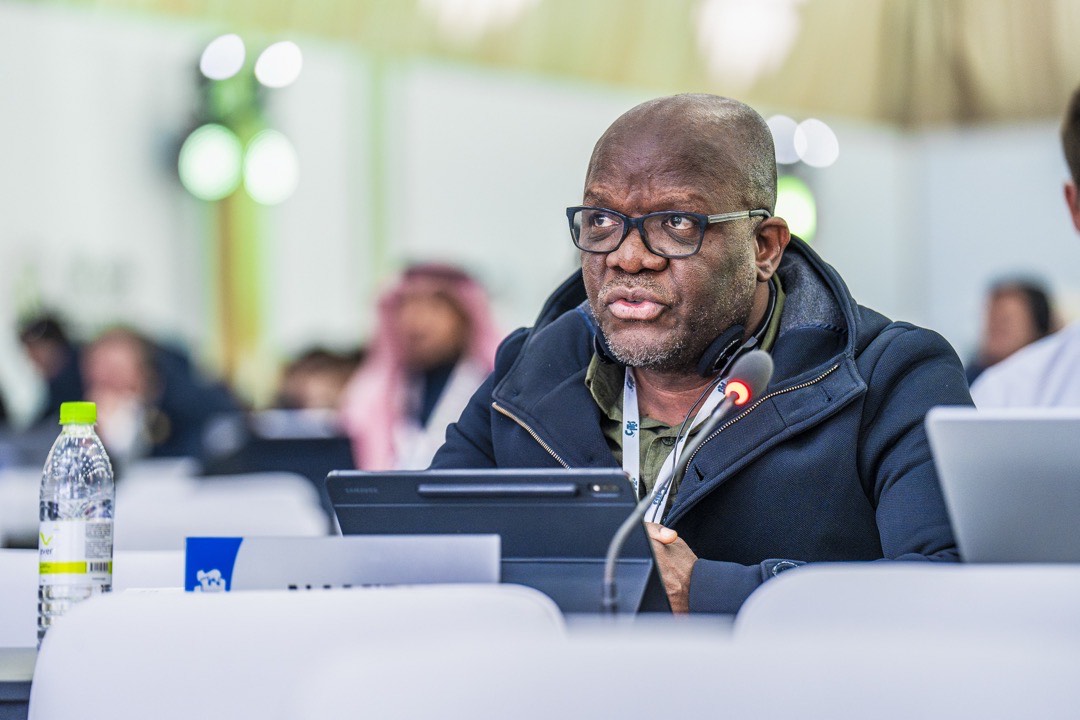
Sikongo Haihambo, Namibia
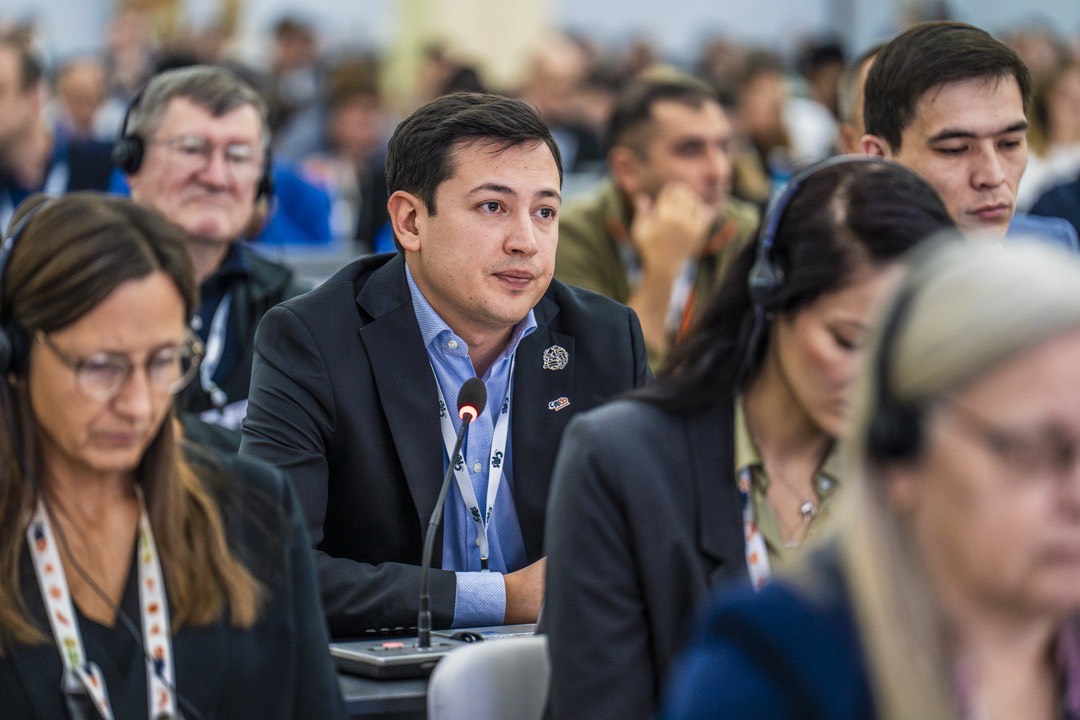
Otabek Babamuradov, Uzbekistan
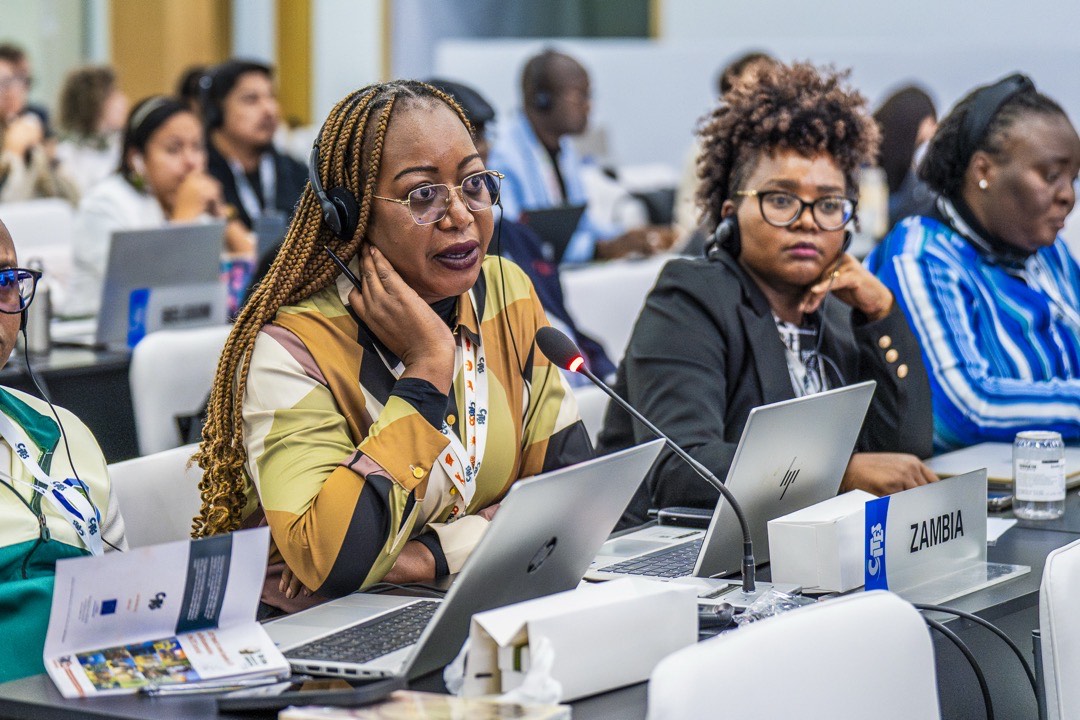
Lusizi Mary Mwale, Zambia

Susan Lieberman, Wildlife Conservation Society

Mitsuo Wada, Japan

Jaco Muller, HoRN.nam

Gabriel Fava, Born Free Foundation
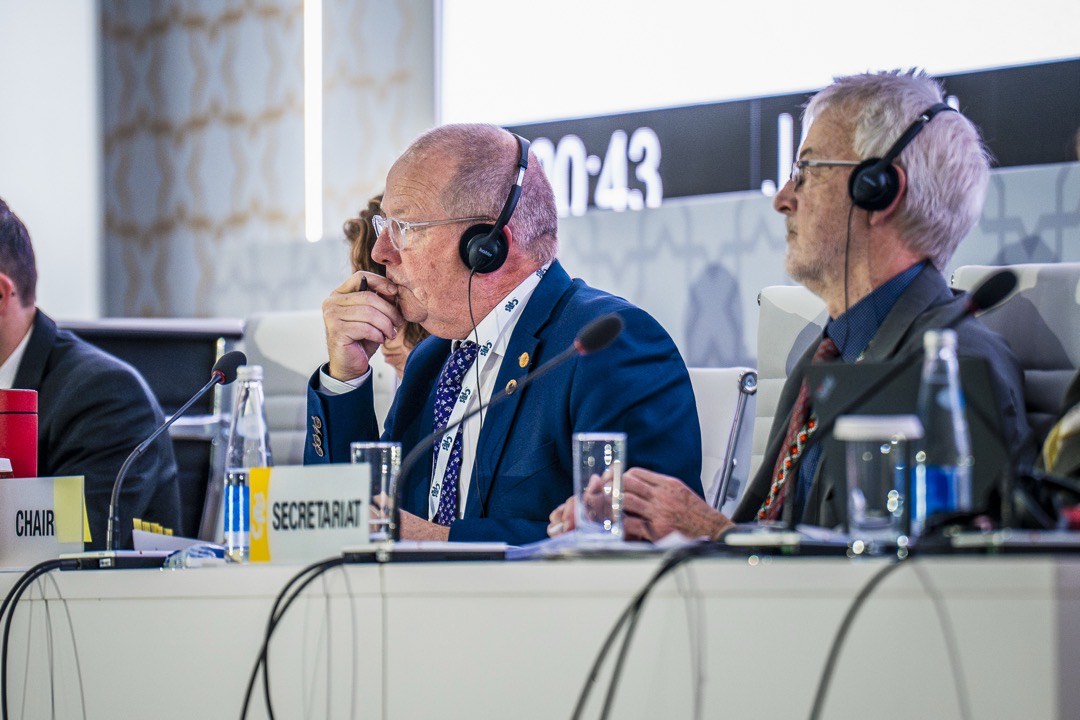
Mathias Lörtscher, Switzerland, Chair of Committee I
Committee II

Committee II presses on with intensive negotiations
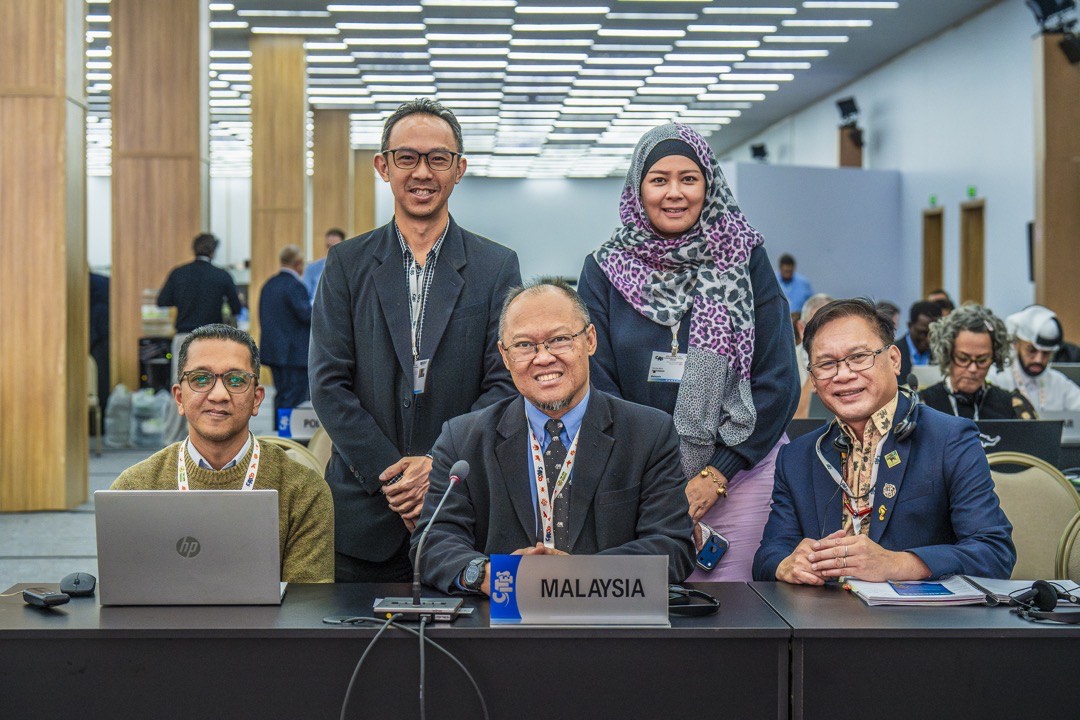
Members of the Malaysian delegation
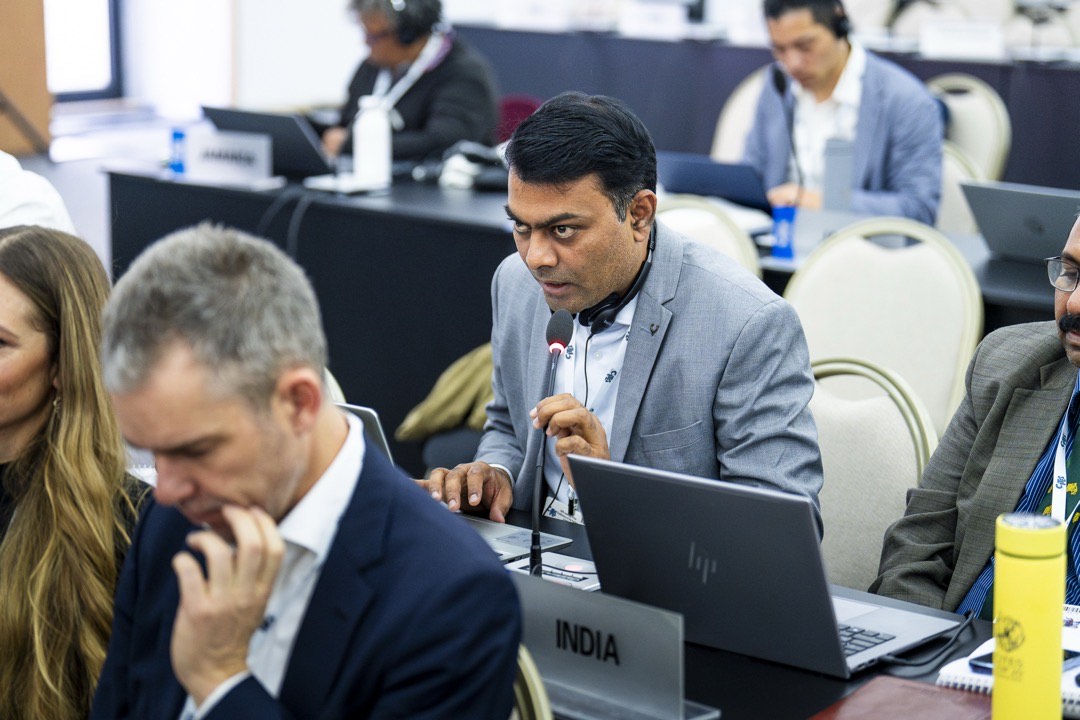
Yogesh Warkad, India
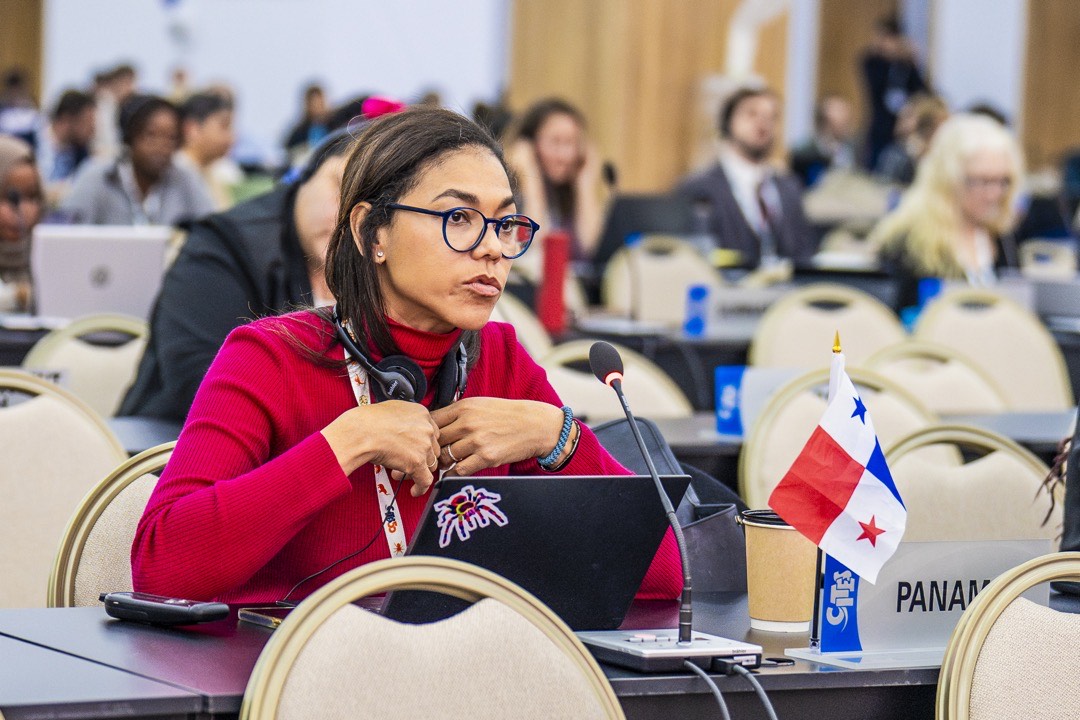
Cecilia Atherton De Revillard, Panama
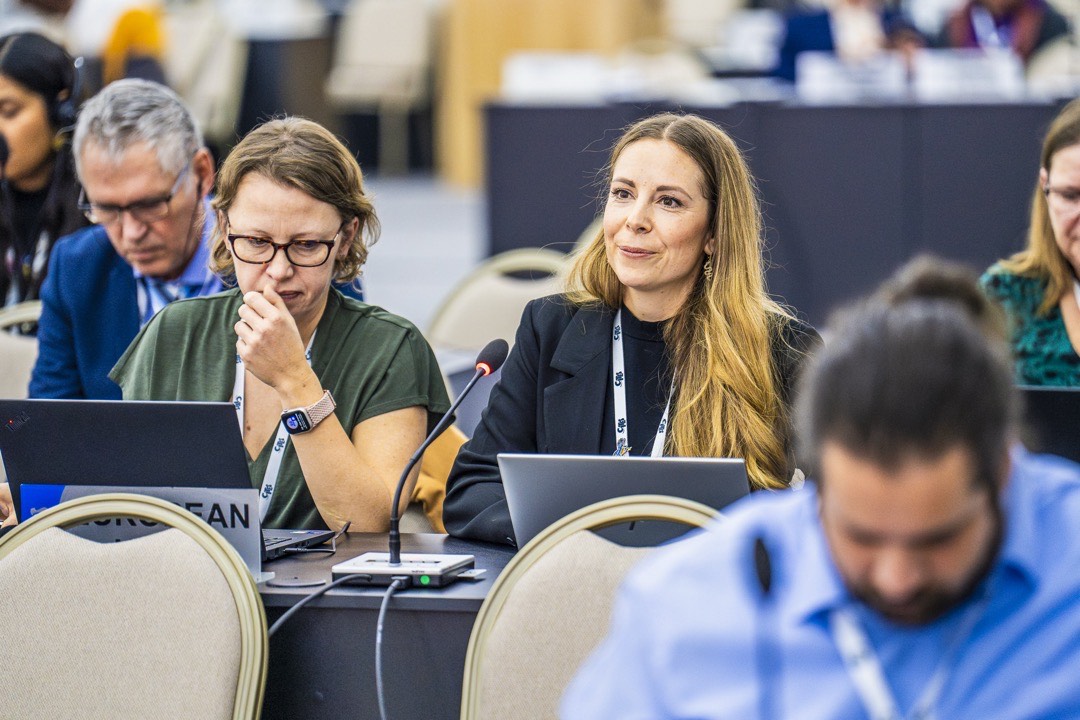
Mona Van Schingen-Khan, EU
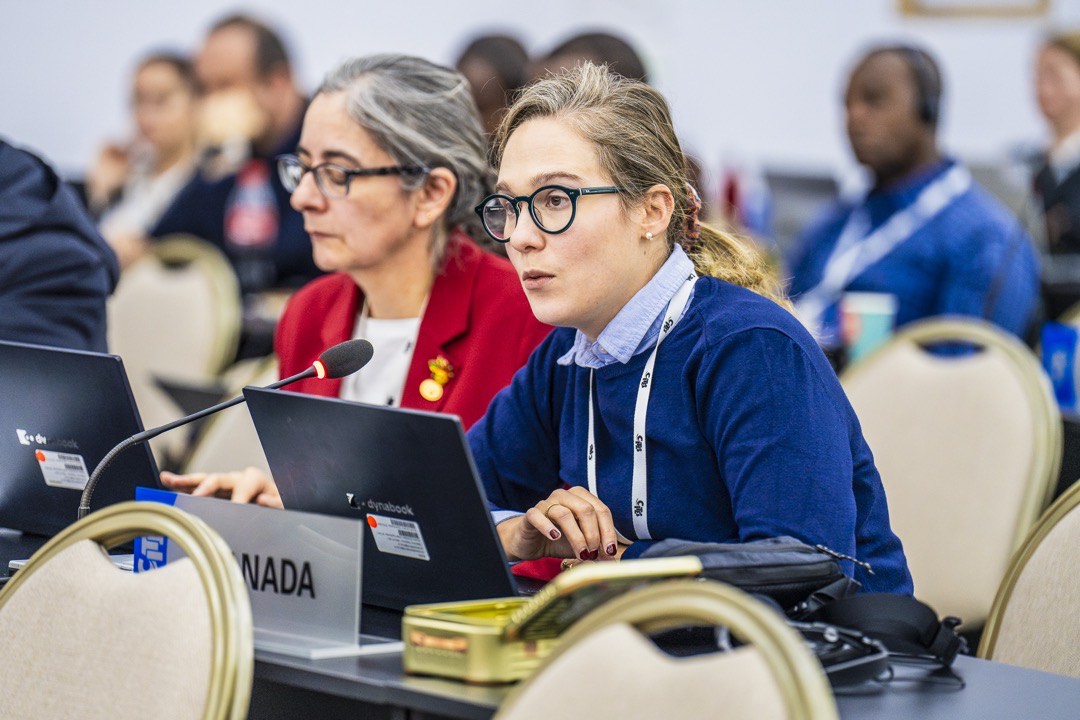
Solemne Bouchard, Canada
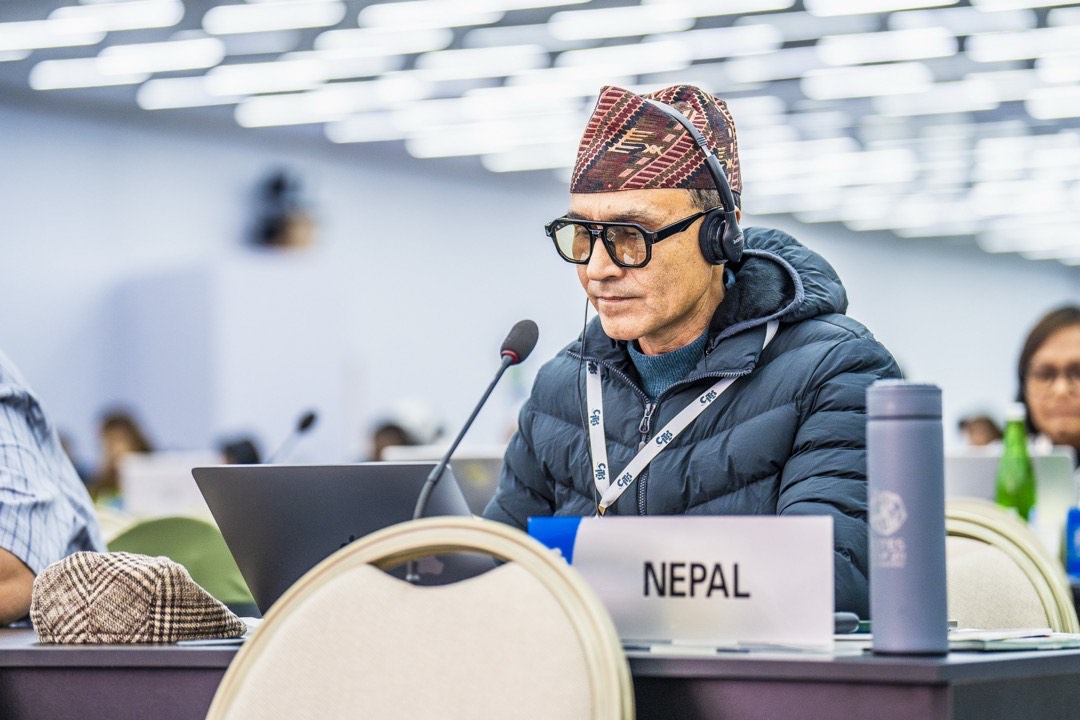
Ram Chandra Kandel, Nepal
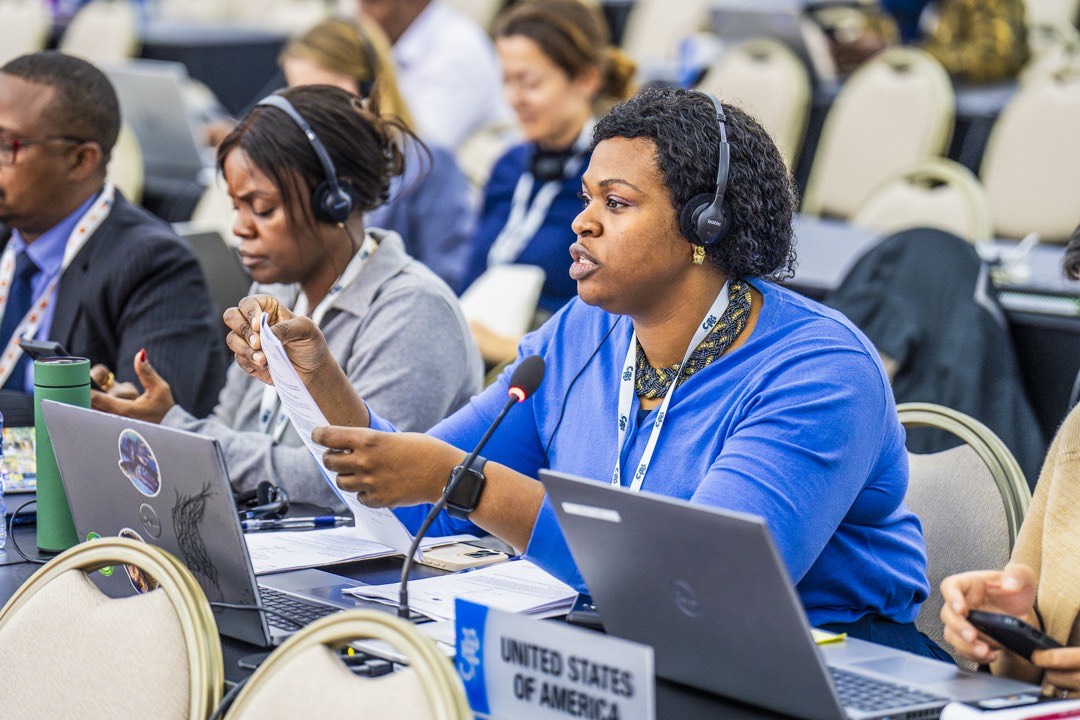
Naima Aziz, US
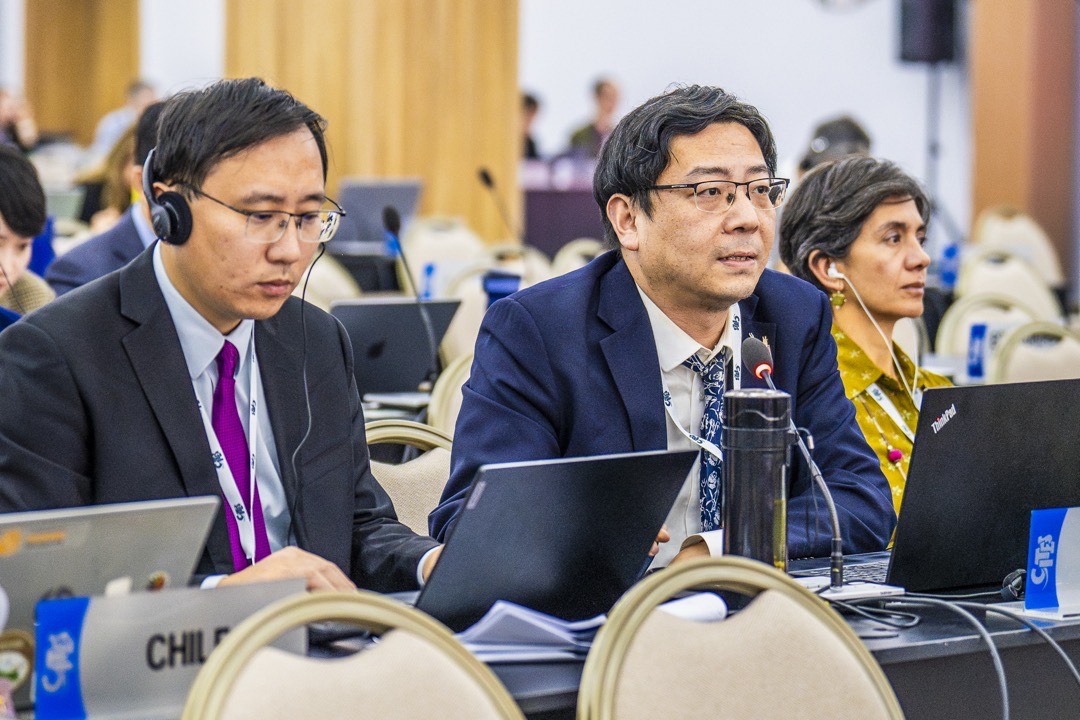
Rui Su and Wei Ji, China
Around the Venue