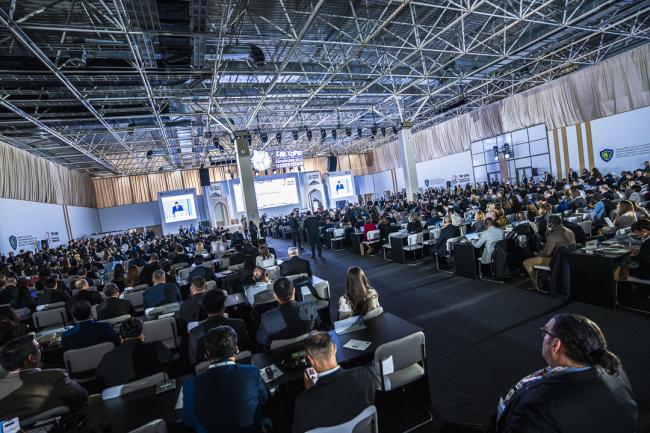
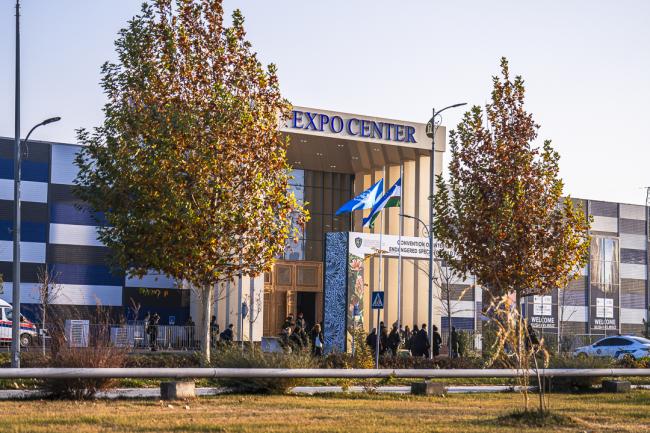
The twentieth meeting of the Conference of the Parties (CoP20) to the Convention on International Trade in Endangered Species of Wild Flora and Fauna (CITES) convened in the morning in the ancient Silk Road city of Samarkand, Uzbekistan. The opening ceremony featured a dance and video presentation that juxtaposed the beauty of nature against the dangers of its decline, highlighting the urgency of action needed in Samarkand to address illegal trade in endangered species.
Want to dig deeper into today's talks? Read the full Earth Negotiations Bulletin daily report.

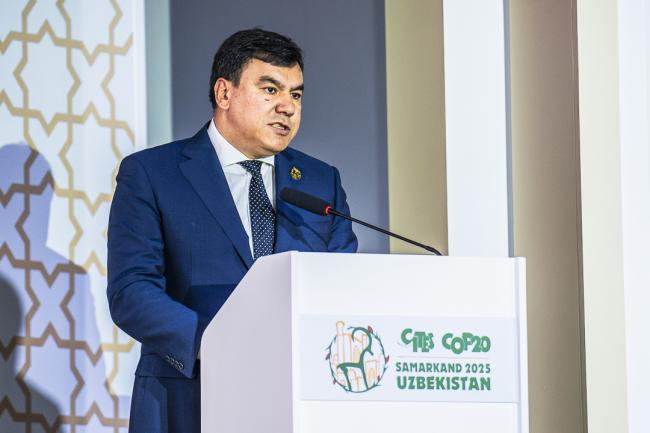
Warmly welcoming participants, Aziz Abdukhakimov, Advisor to the President of the Republic of Uzbekistan on Environment and Chairman of the National Committee on Ecology and Climate Change, noted that CoP20 marks a historical milestone not only for Uzbekistan, but for the entire Central Asian region. He called for productive discussions and practical collaborations at CoP20 in the following key areas:
- digitizing and integrating AI into wildlife monitoring and enforcement in order to combat illegal trade;
- helping parties update national legislation, increase penalties, and strengthen enforcement against wildlife trade violations; and
- encouraging private sector participation in support of achieving CITES goals, among others.
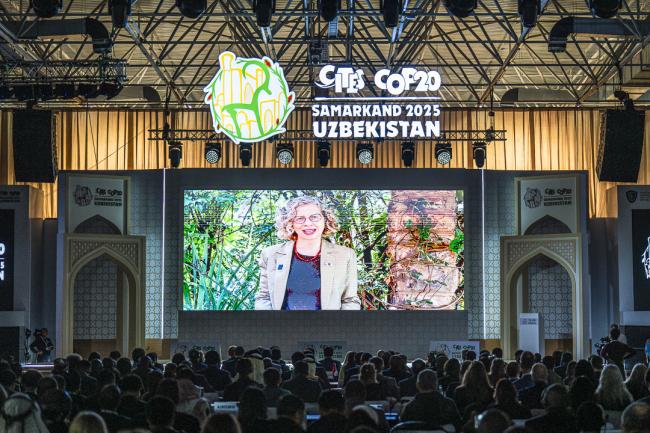
In a video message, Inger Anderson, Executive Director, UN Environment Programme (UNEP), said that trade must be science-based, legal, and traceable in order to achieve conservation goals and drive prosperity and resilience for generations to come, noting that “without protecting human well-being, no sustainable solutions can be achieved.” She stressed the importance of synergies across multilateral environmental agreements in order to ensure the strong implementation of CITES.
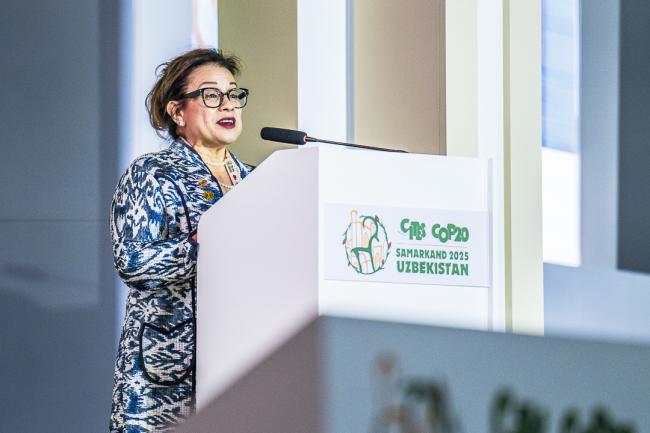
CITES Secretary-General Ivonne Higuero expressed gratitude to the government of Uzbekistan for hosting CoP20 in Samarkand, noting that “our work today is akin to a modern Silk Road, not solely for goods, but for knowledge, commitment, and action to safeguard life on Earth.” She said that “global challenges demand global solutions” on the 50th anniversary of the entry into force of CITES, and stressed that CoP20 will set the course for the next 50 years. She urged parties to work together and champion multilateralism to ensure that “all voices are heard and that wildlife conservation is mainstreamed in other international processes.”
CoP20 participants addressed administrative and procedural issues in the morning plenary session. In the afternoon, they reconvened in regional groups to prepare for the long deliberations to come in Committee I and II of the CoP.
To receive free coverage of global environmental events delivered to your inbox, subscribe to the ENB Update newsletter.
All ENB photos are free to use with attribution. For CITES COP20, please use: Photo by IISD/ENB | Danny Skilton.
Plenary
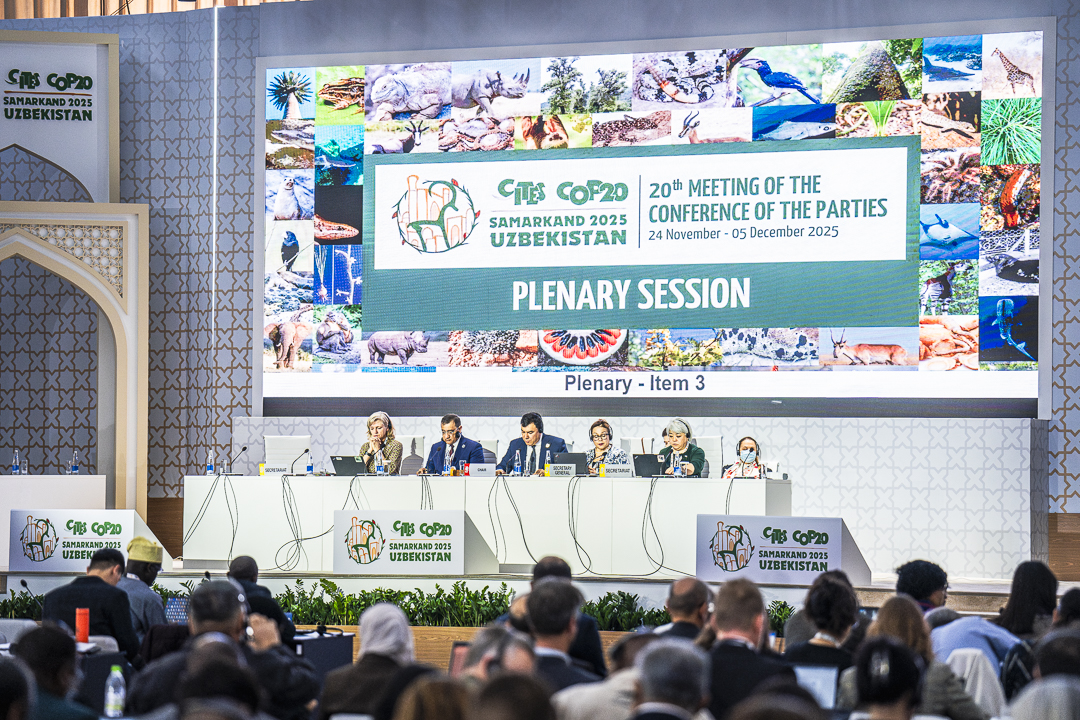
The dias during the plenary session
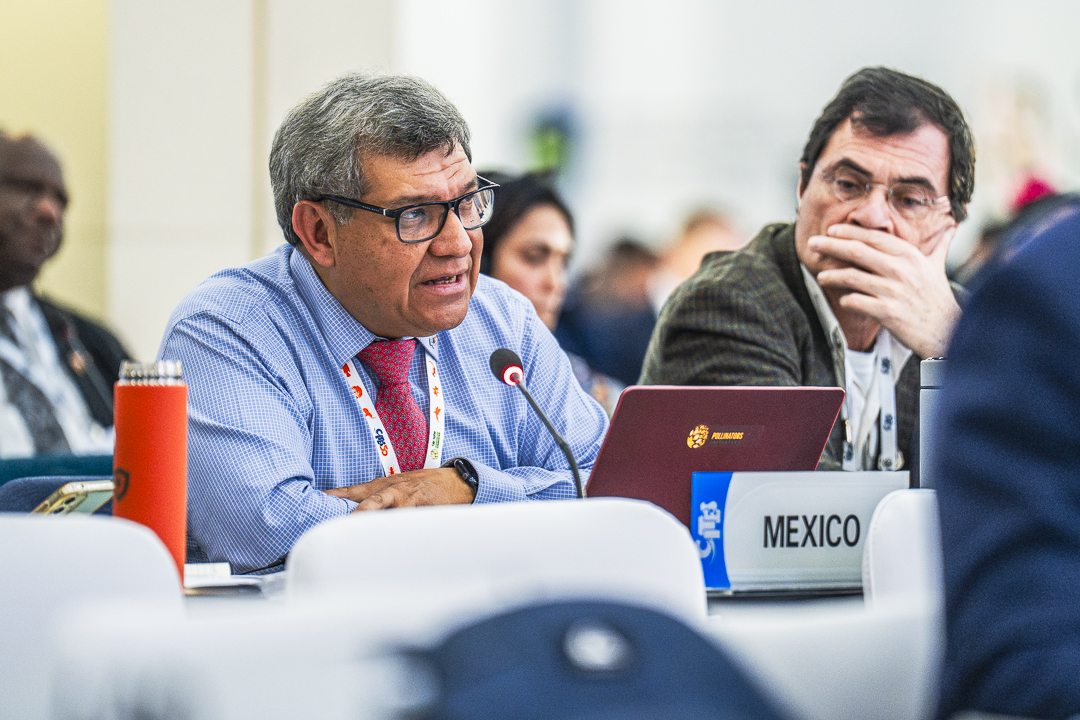
Hesiquio Benítez Díaz, Mexico
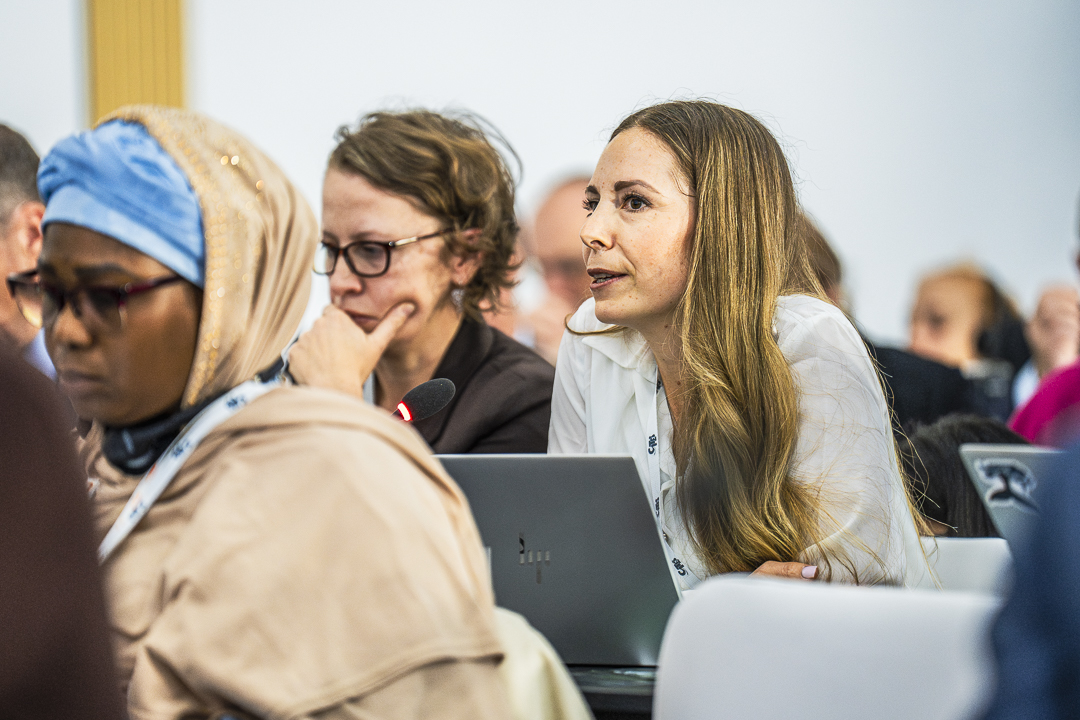
Mona Van Schingen-Khan, EU
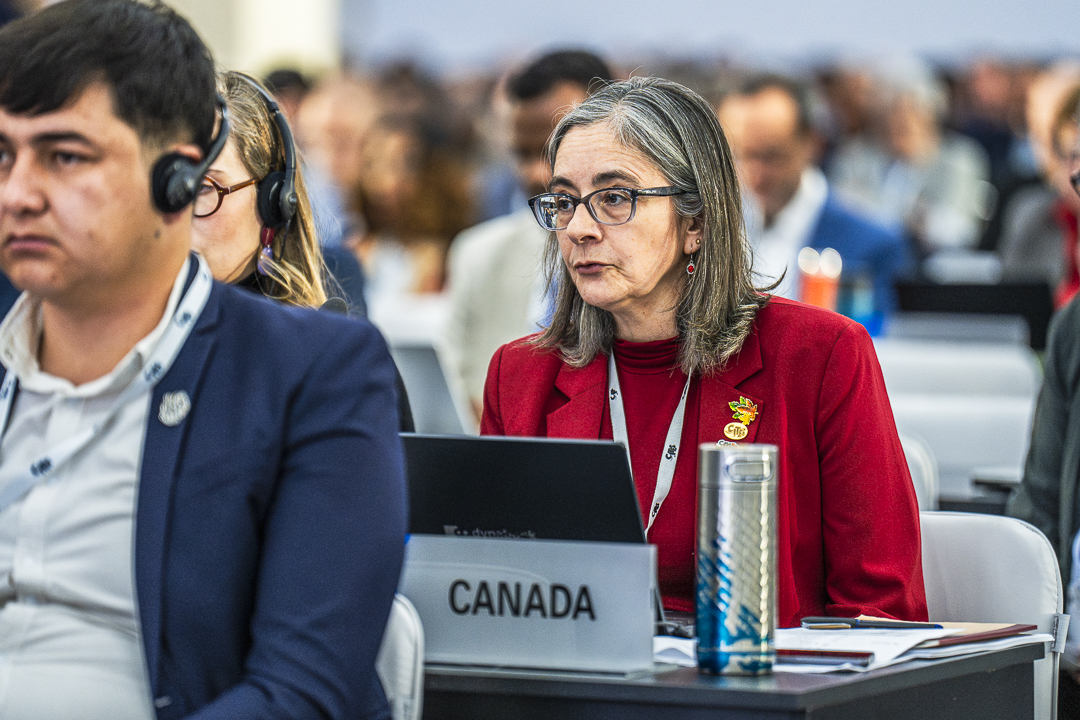
Carolina Caceres, Canada
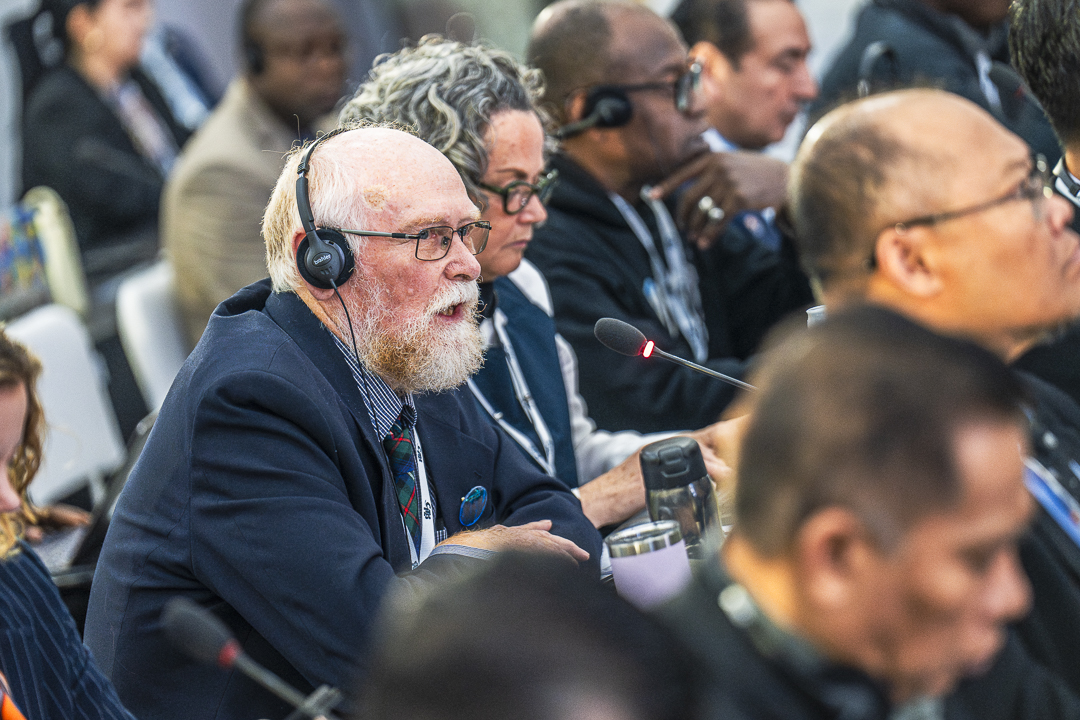
Hugh Robertson, New Zealand

Delegates confer during the plenary
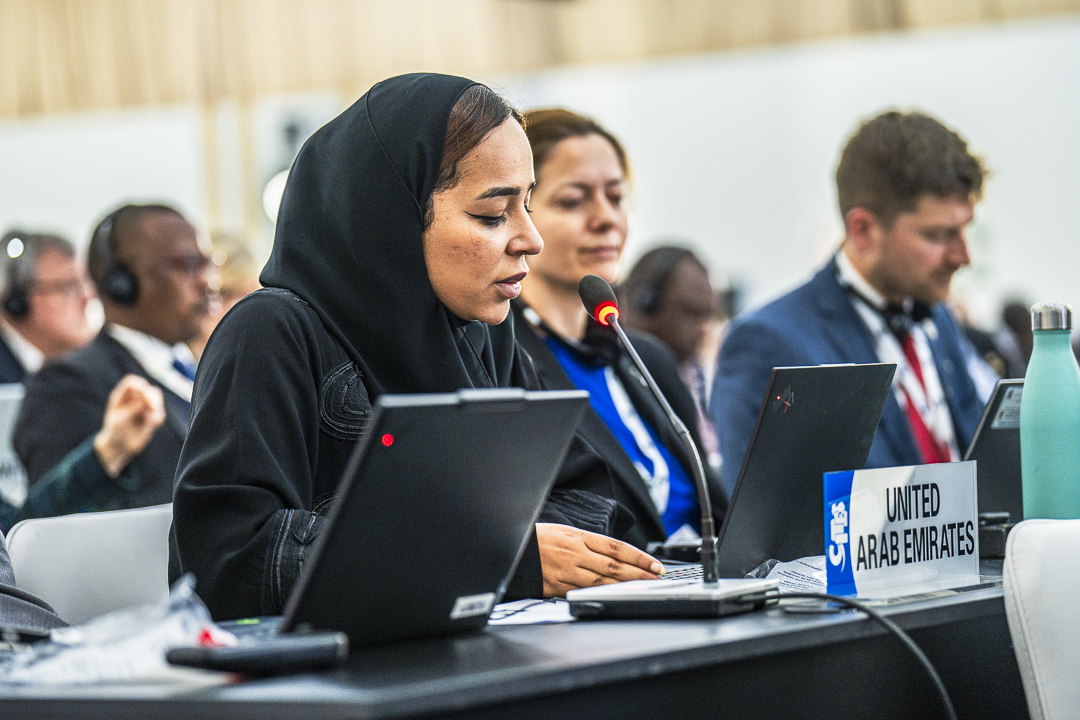
Hiba Al Shehhi, United Arab Emirates
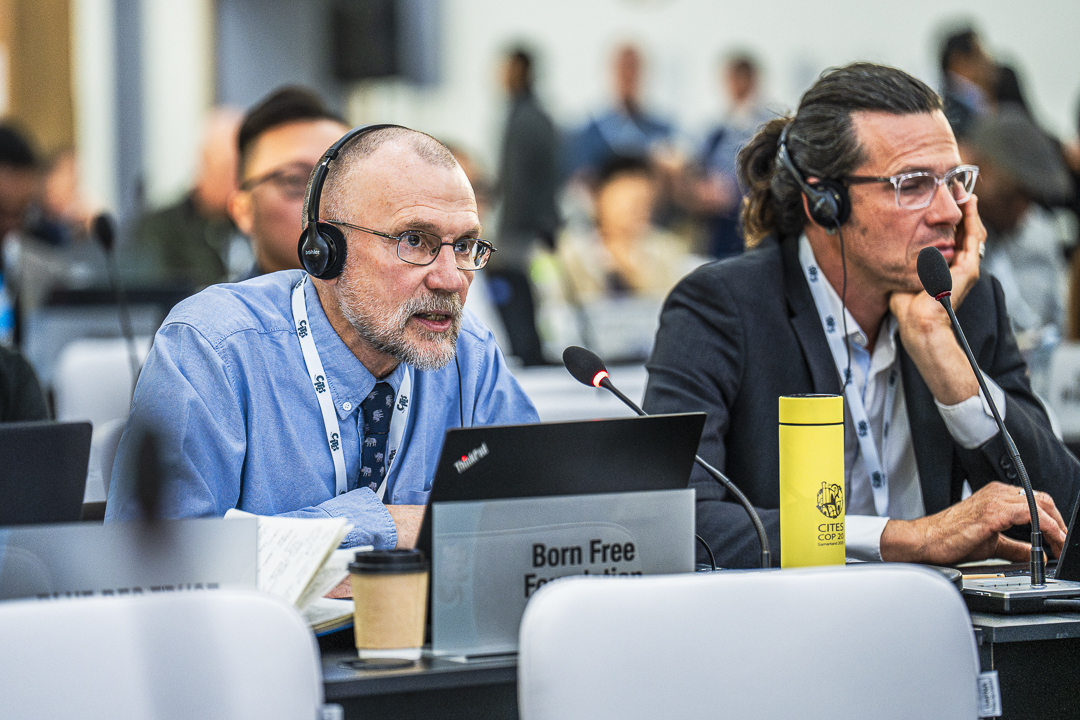
Mark Jones, Born Free Foundation
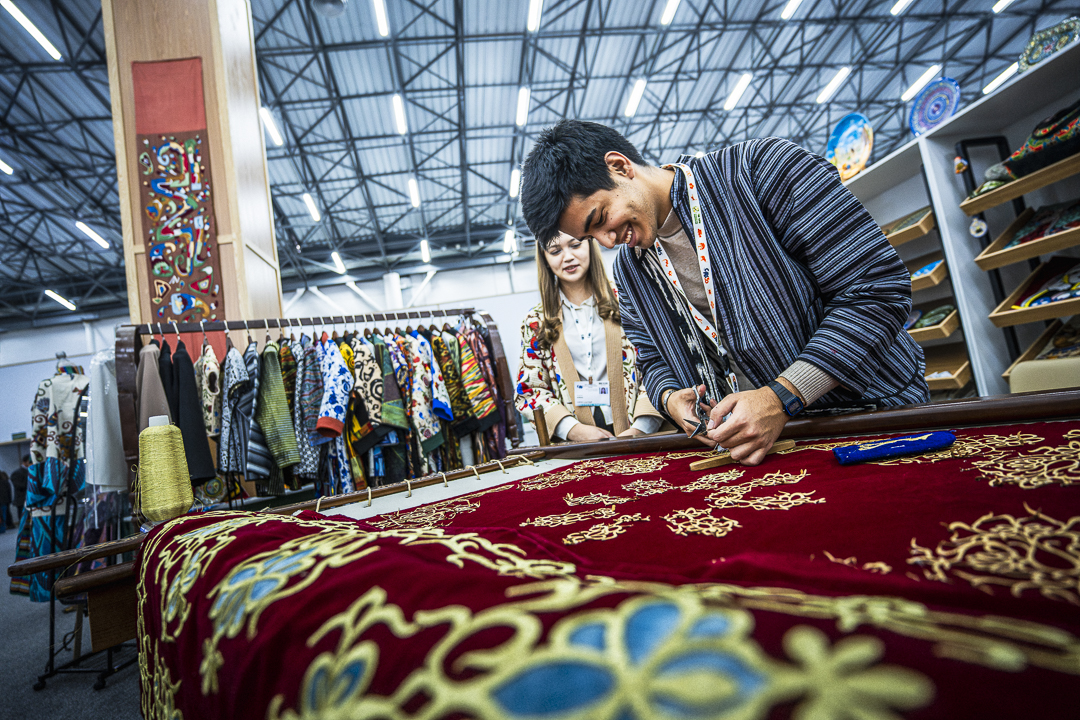
Around the venue


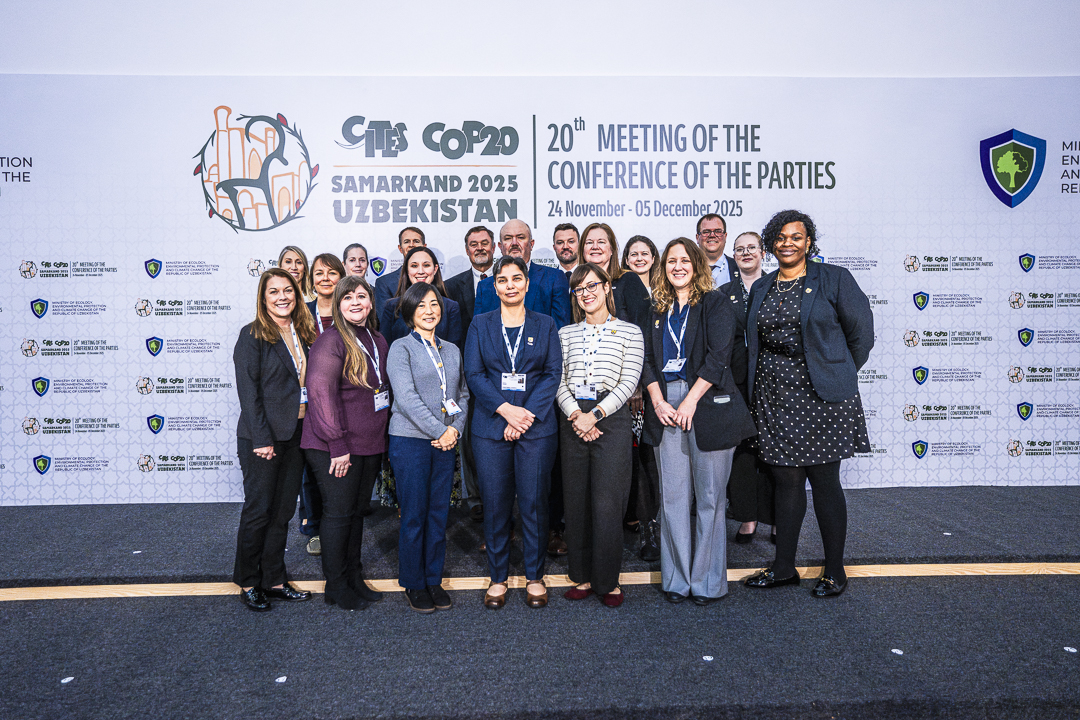
Members of the US delegation gather for a family photo