Earthna Opening Plenary
“Good ideas at the community level are like small tree seedlings planted into a bonsai container where they thrive, but remain limited in growth!” With these words, the opening plenary of the 2025 edition of the Earthna Summit introduced the Earthna Prize initiative finalists' potential, which is often stifled by inflexible systems or lack of venture capital.
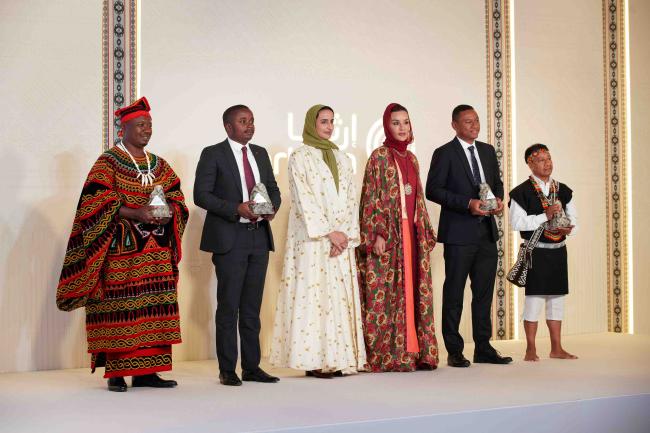
The Summit started by announcing the four winners of the inaugural Earthna Prize, namely:
- Farmer Tantoh Foundation, a water conservation initiative benefitting over 250,000 people in Cameroon;
- Seeds of Change Initiative by Blooming World International, a Kenyan initiative training youth and women on good agricultural practices through reviving Indigenous vegetable cultivation;
- Thriving Fisheries, Thriving Oceans by Blue Ventures, a global initiative supporting coastal communities by rebuilding traditional fisheries in locally-managed marine areas; and
- Fundación ‘Sumaj Kawsay by Wuasikamas Ëconeêrã, which integrates Indigenous knowledge with initiatives that reduce negative climate impacts on biodiversity in Indigenous Colombian communities.
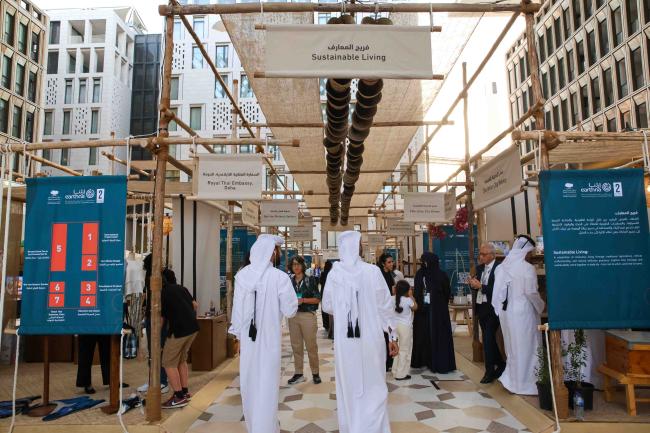
The remainder of the day consisted of panel discussions, roundtable sessions, and side events. In the evening, the general public attended the exhibitions displayed in the Agora outdoor space.
Water Scarcity: Exploring Sustainable Solutions for Resilience
The panelists highlighted best practices and insights from arid regions featured in Earthna’s newly-launched report on “Traditional Knowledge in Water Resource Management.” Water was explored as one of the most critical issues of our time, at the heart of every sustainability challenge. Interventions included describing how over the centuries, people in arid regions have pioneered innovative water technologies that are highly relevant in building water resilience. Experience working with the Navajo nations was also highlighted, in a tribute to their profound reverence for water, in stark contrast with the dominant approach of controlling nature.
Energy Transition: Opportunities, Challenges, and the Road Ahead
Panelists addressed the role of alternative energies, interlinkages with economic development, and the implications of geopolitical trends on technology development and uptake. Interventions focused on:
- the potential for the Middle East and North Africa (MENA) region as “the innovator” in developing key technologies such as carbon capture and storage (CCS);
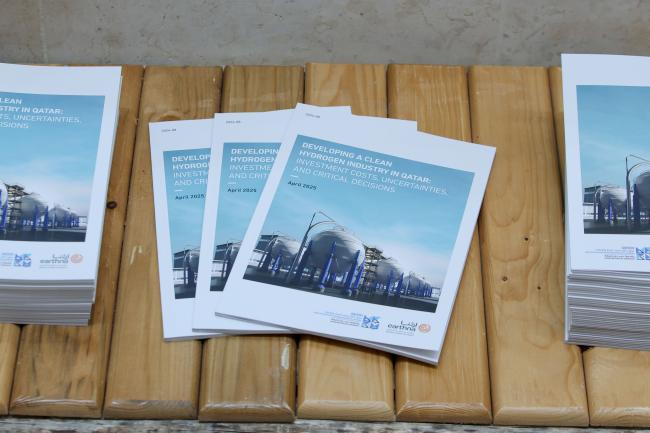
- the region’s competitive advantage for producing “clean” hydrogen through renewable energy systems, and through existing “grey” hydrogen uses; and
- the complex array of factors shaping the energy transition across countries and private actors, including the availability of existing technologies for decarbonization, economic considerations, and socio-political pressures.
Reimagining Climate Finance: Funding a Sustainable Future
Acknowledging a bleak outlook that combines declining overseas development aid commitments, weakening political and corporate commitment, and geopolitical headwinds from the US, speakers rose to the challenge and offered a range of innovative ideas to inspire optimism. The session moderator reminded that all the climate indicators are much worse than what science and climate models had forecast for this point in time a decade ago.
Panelists highlighted:
- that the businesses that thrive in the current environment are those with a systems thinking mindset, and can understand what is breaking apart and how to connect those things;
- only 20% of investment in green technologies goes to emerging markets, excluding China, noting potential for long-term benefits from such investments; and
- the value that can be created by fostering synergies between big corporations and small- and medium-sized businesses that are closer to the local context on the ground.
Rethinking Urban Sustainability: Lessons from Traditional Architecture
Outlining the concept of “tipping points,” whereby major ecosystems will collapse beyond certain levels of global warming, the session keynote presentation emphasized the urgency for ensuring that the planet’s predicted temperature overshoot is “as short as possible.” With the built environment described as the “biggest sinner” for carbon emissions, panelists discussed how transforming this sector is put into practice, including through:
- applying traditional architectural techniques from Egypt and Sudan to reduce the overall use of building materials in resource-scarce areas and provide an alternative to corrugated iron roofing and concrete walls; and
- a Moroccan initiative reviving traditional architectural patrimony whilst incorporating modern science and engineering to ensure that construction is both adapted to the local environment's needs, such as resilience to seismic shocks, and also respects building regulations and norms.
Tackling Food (In)Security: The Tradition - Technology Nexus
The discussions centered on potential drivers of food insecurity, such as flooding, disease, or drought, and investing in appropriate genetic developments for crop species to respond to such disruptions. One speaker called for clearer guidelines on financial instruments to ensure food security, acquisition of new technologies that enhance resilience, appropriate governance frameworks, and addressing inequalities to guarantee healthy food is available and affordable for all. Others highlighted food security innovations, such as: future AI innovations like “avatars” that advise ministers and policy makers through accessing data across multiple disciplines and time periods; and deep-sea floating greenhouses that reduce energy use.
Future-proofing our Cities: Smart, Sustainable, and Livable
Underlining that cities and urban areas are not immune to the increasing environmental risks arising from climate change, panelists highlighted specific challenges faced by the region’s cities in arid, resource-scarce, or coastal environments. They emphasized:
- that the climate crisis should catalyze a review of how cities are designed and built, calling for applying lessons from traditional architecture, which “responds to the needs of the local environment”;
- approaches aiming to increase the “livability” of cities and build climate-resilient urban environments, including through fostering a sense of place and cultural identity; and
- the need for technological innovation and digital transformation that contribute to sustainability objectives.
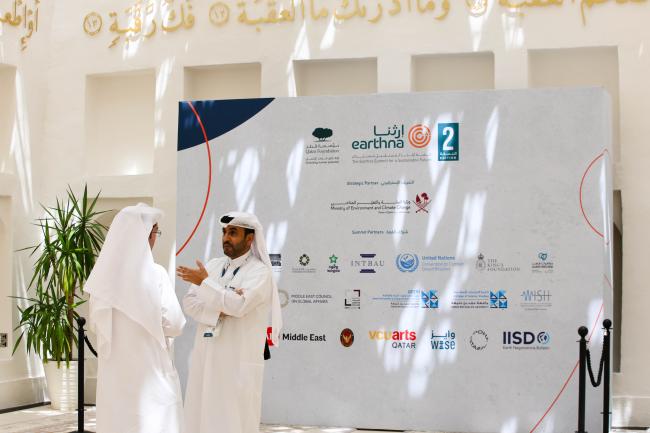
Towards a Nature Positive Planet - Challenges and Opportunities
“We need to start ‘feeling’ the facts. Facts don’t move people, emotions do.” With these words, the closing plenary turned its attention to the costs of inaction on biodiversity loss and environmental degradation, and outlined different strategies and solutions. These include engaging people through art that “fires their imaginations,” and clear communication of science that explains what is at stake. Other observations included that:
- nature is “only assigned a value when it is dead,” such as a tree that is felled for timber, or a fish that is harvested for human consumption; and
- a total of 3 trillion dollars are spent every year subsidizing activities harmful to nature, “as if nature was our worst enemy.”
To receive free coverage of global environmental events delivered to your inbox, subscribe to the ENB Update newsletter.
All ENB photos are free to use with attribution. For this meeting, please use: Photo by IISD/ENB | Anastasia Rodopoulou.
Opening Plenary
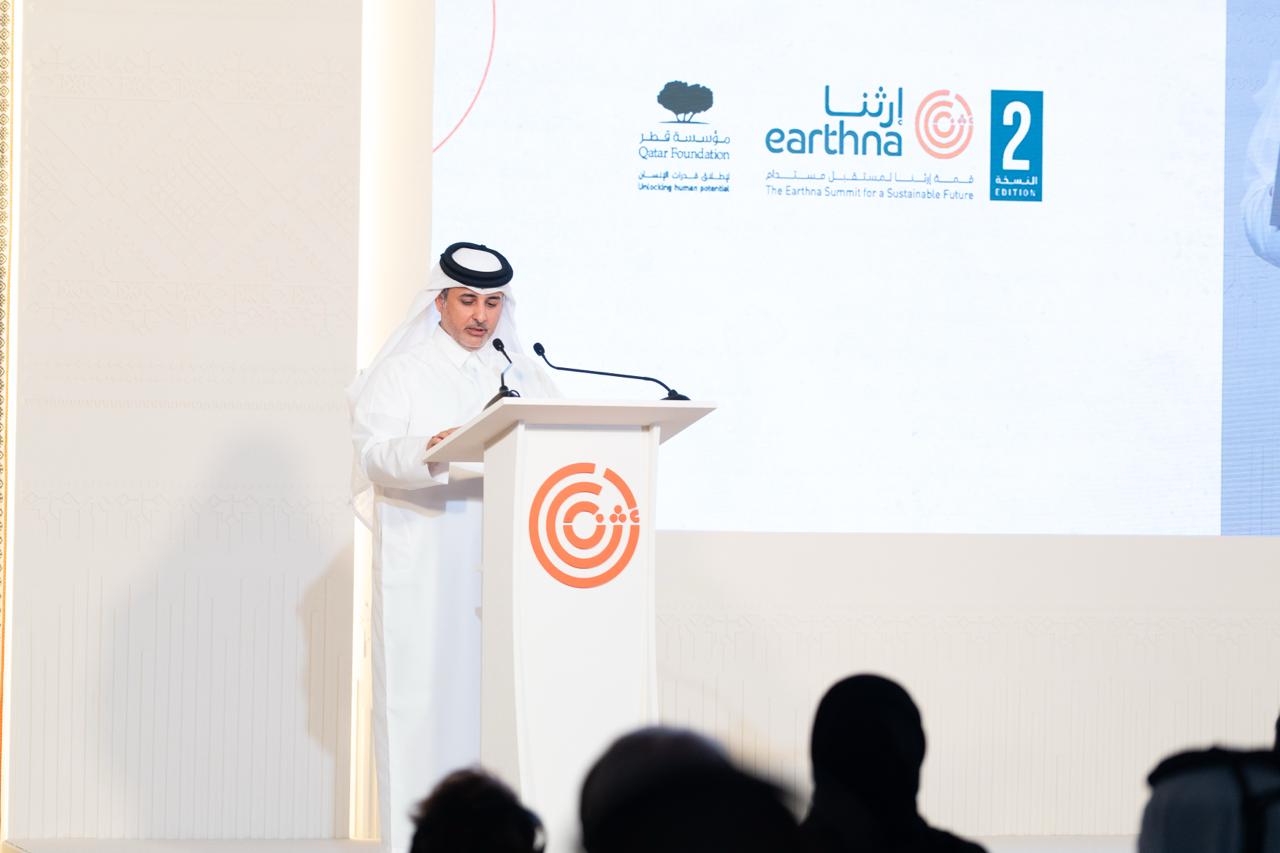
His Excellency Abdullah bin Abdulaziz bin Turki Al-Subaie, Minister of Environment and Climate Change, Qatar
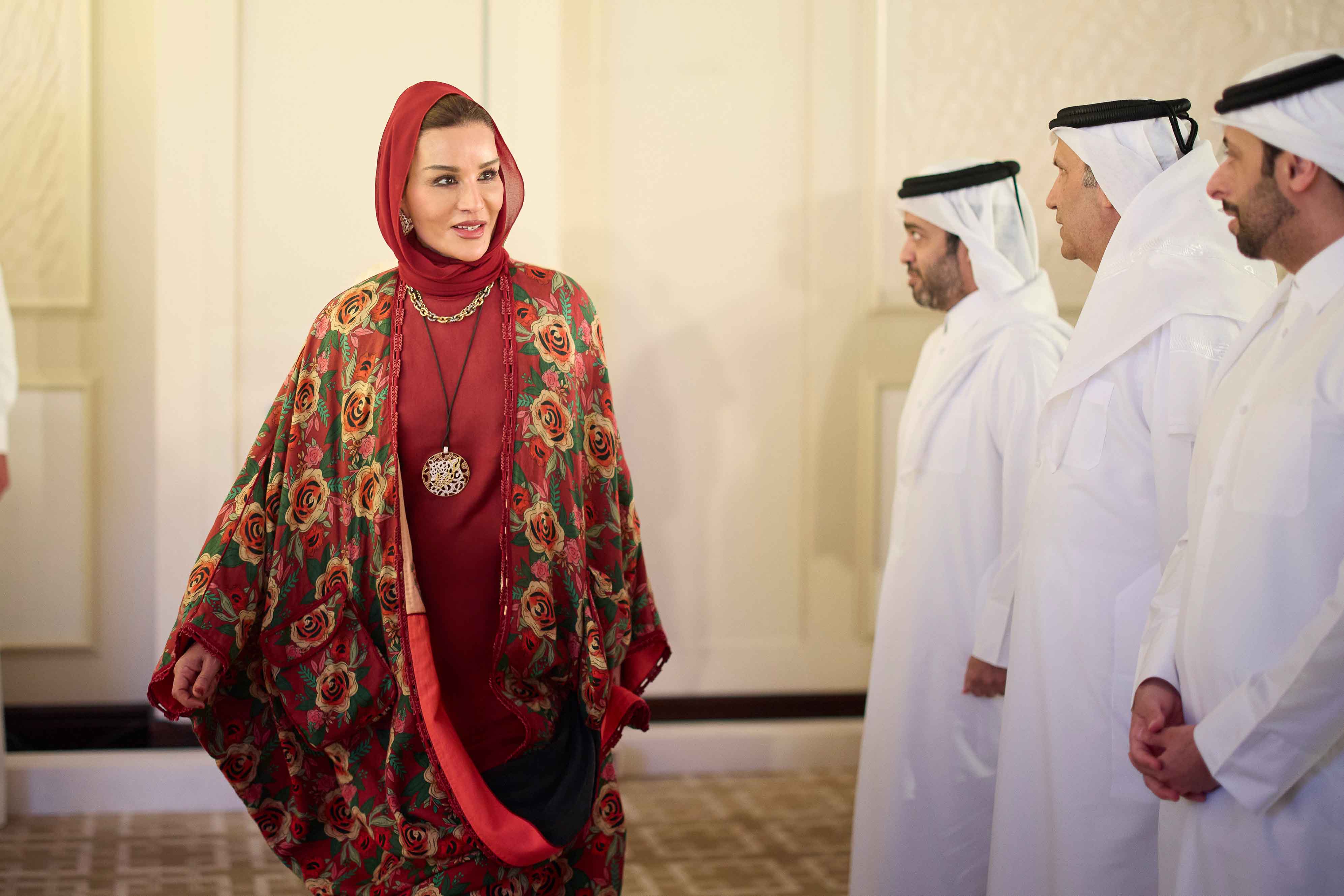
Her Excellency Sheikha Moza bint Nasser Al-Missned, Chairperson, Qatar Foundation
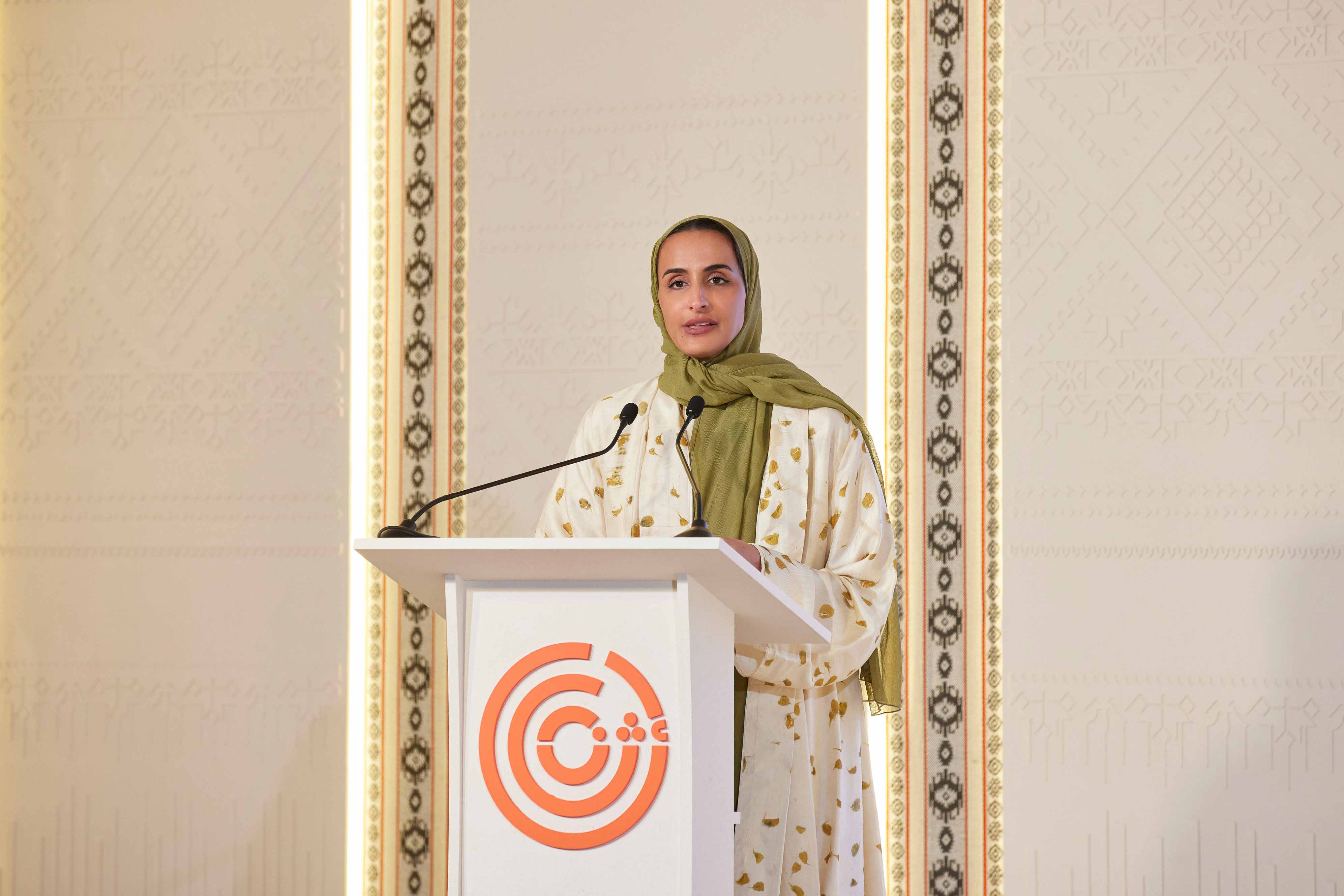
Her Excellency Sheikha Hind bint Hamad Al Thani, Vice Chairperson and CEO, Qatar Foundation
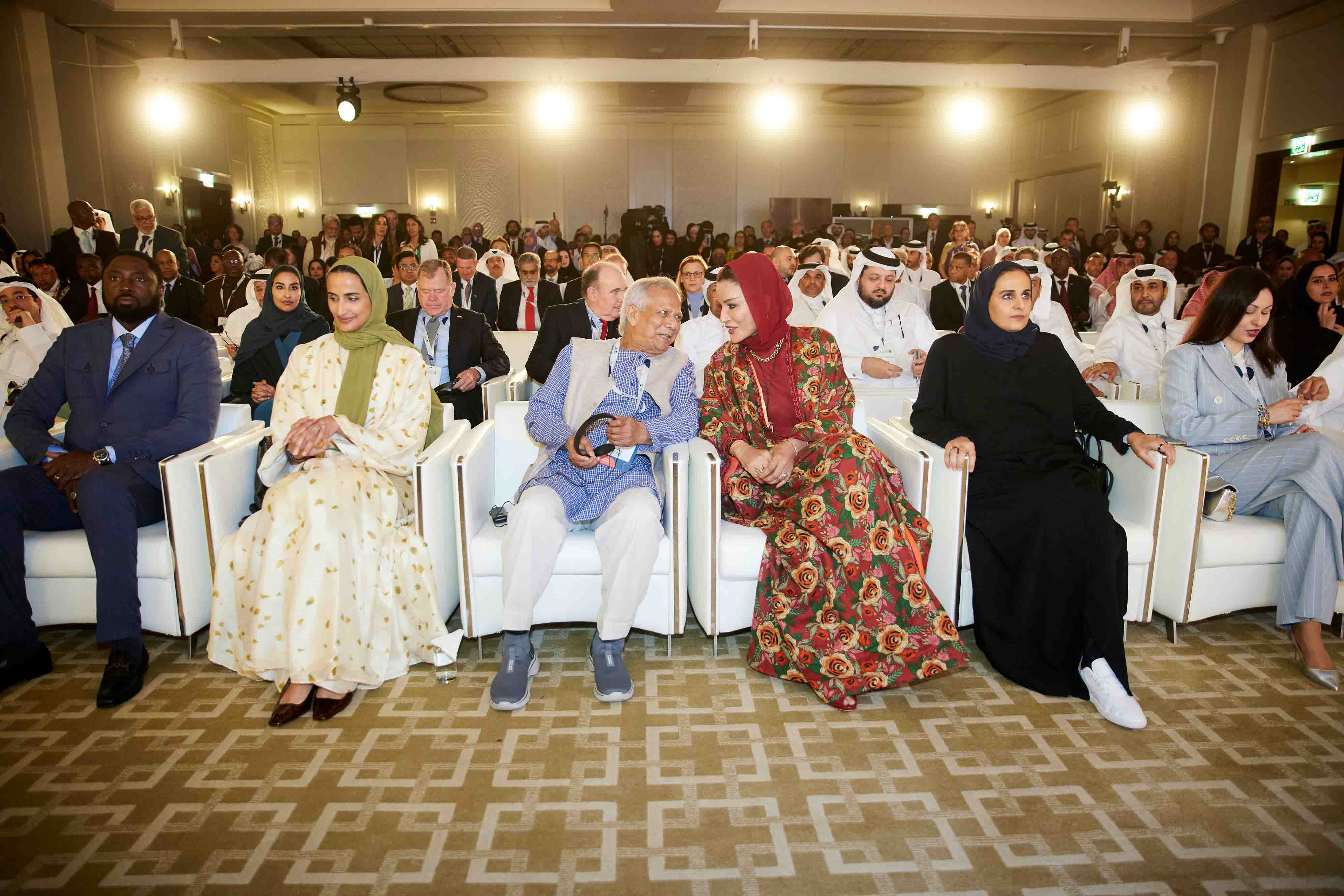
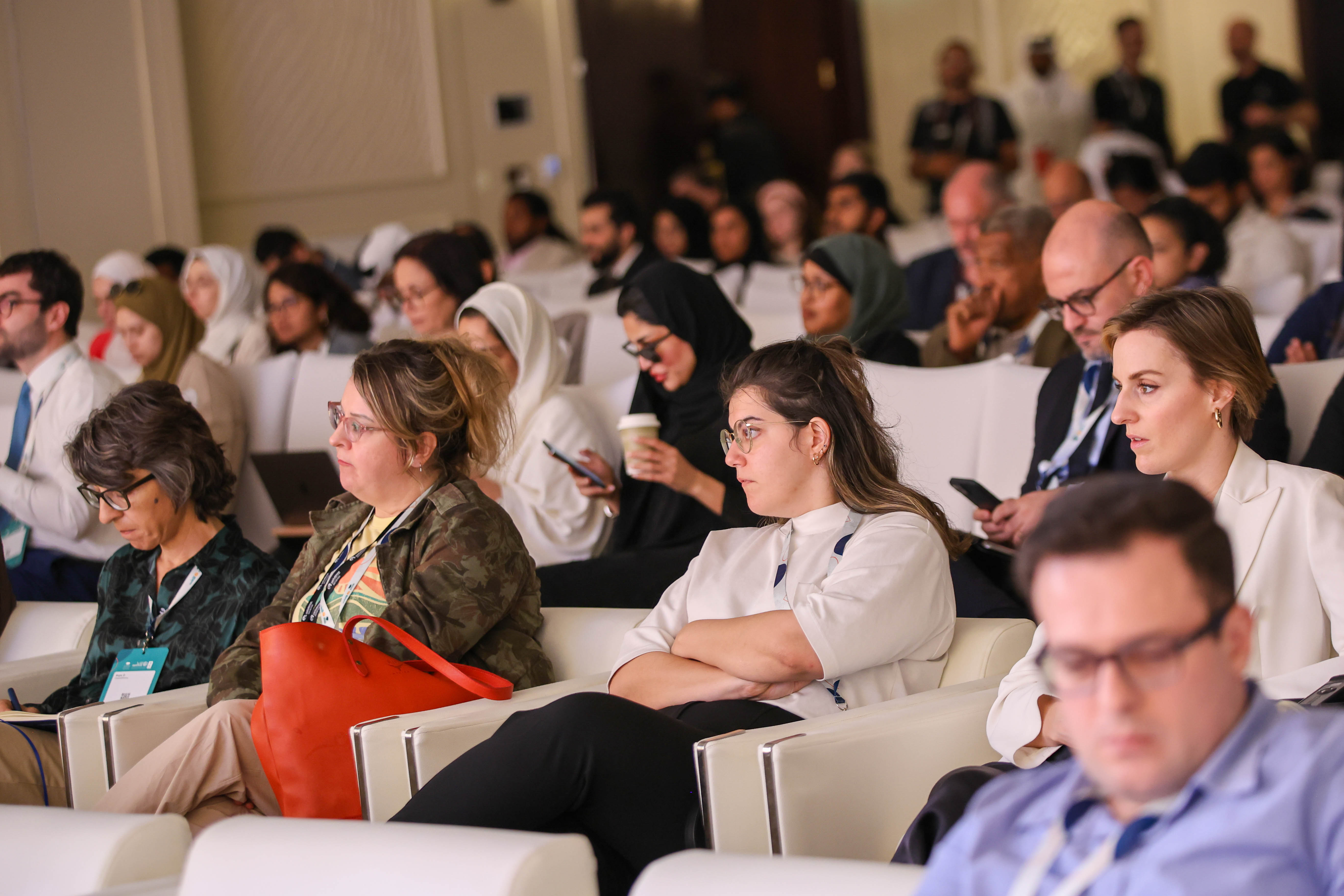
A view of the room during the Opening Plenary
Water Scarcity: Exploring Sustainable Solutions for Resilience
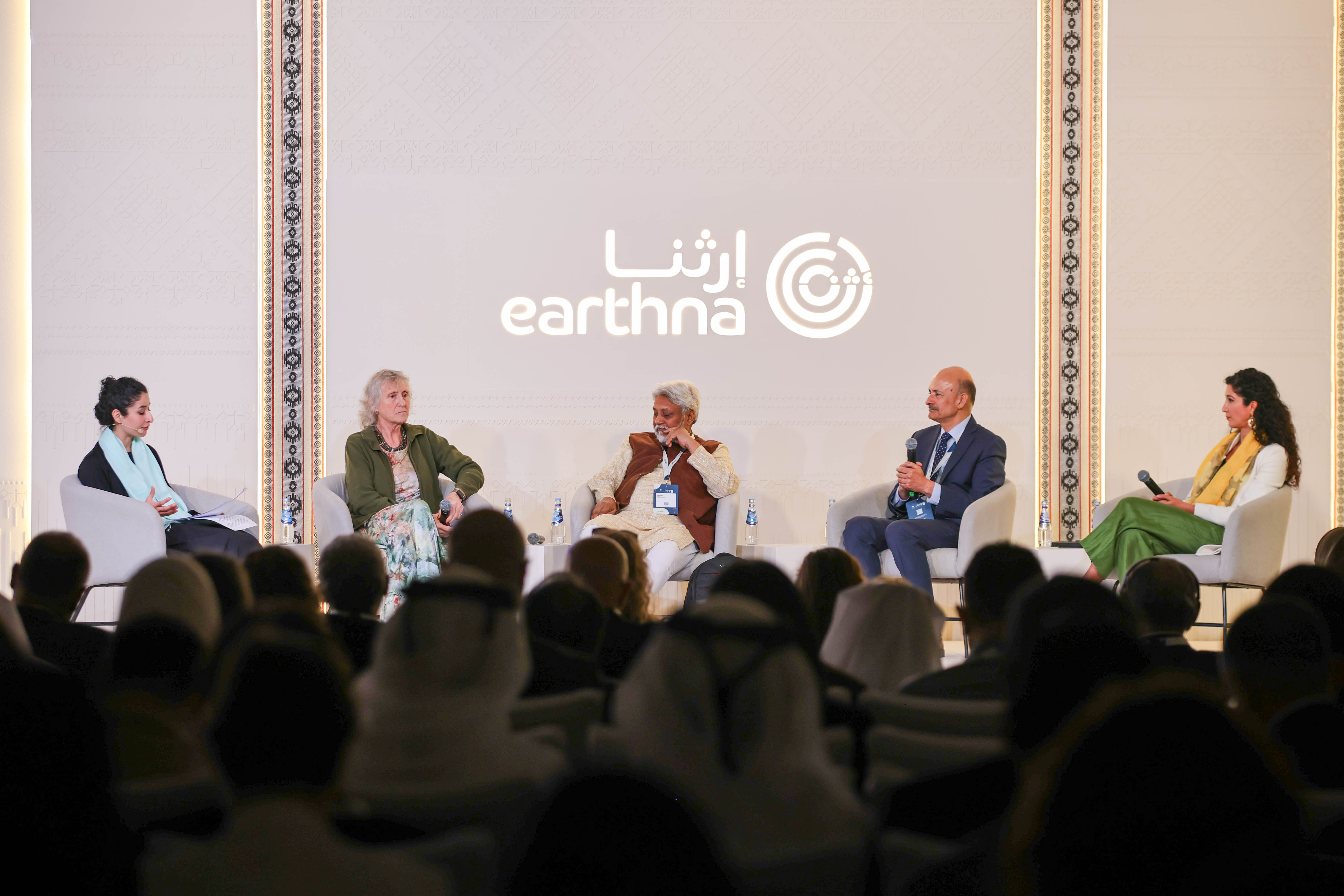
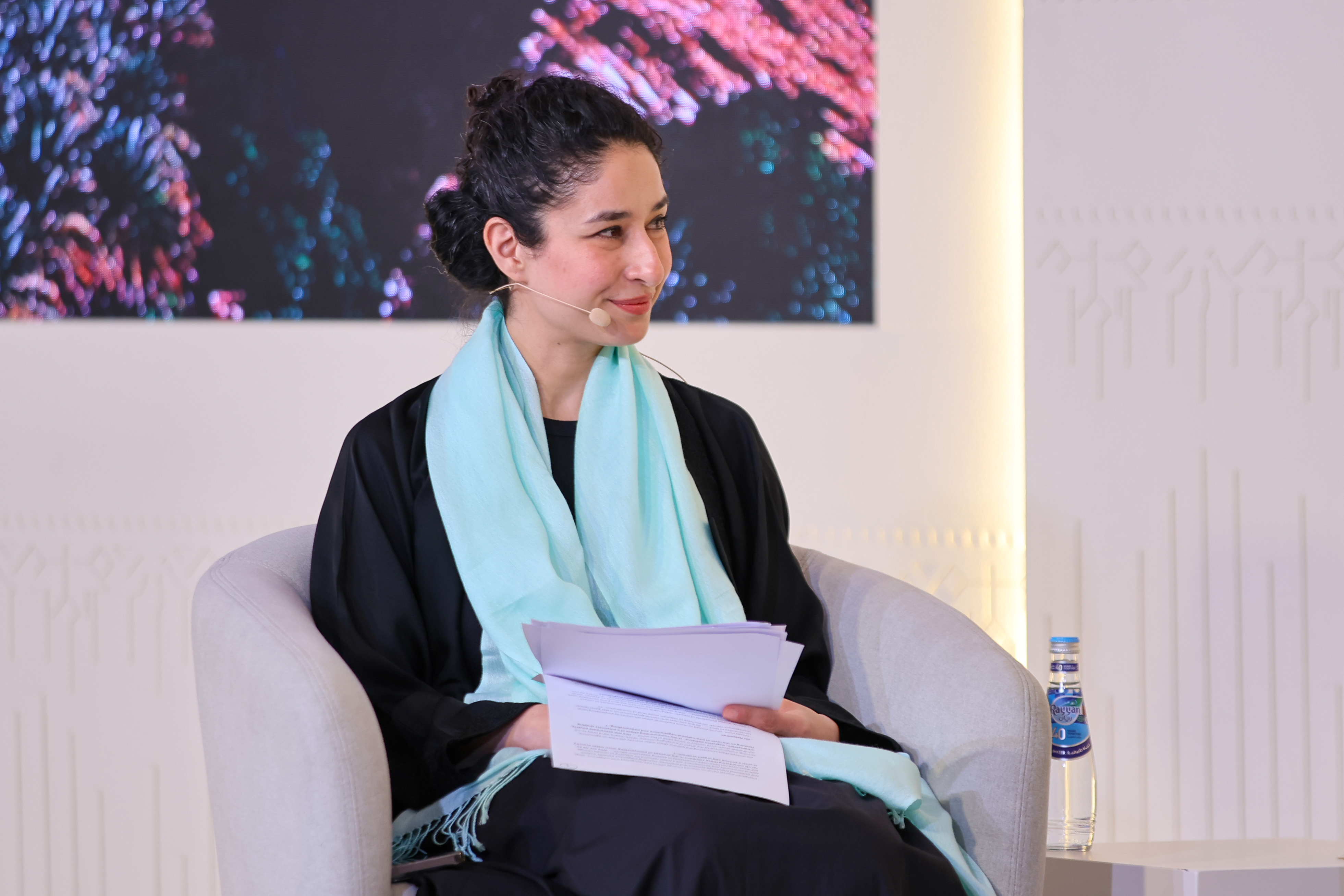
Moderator Maryam Nemazee, News Anchor, Broadcaster and Journalist
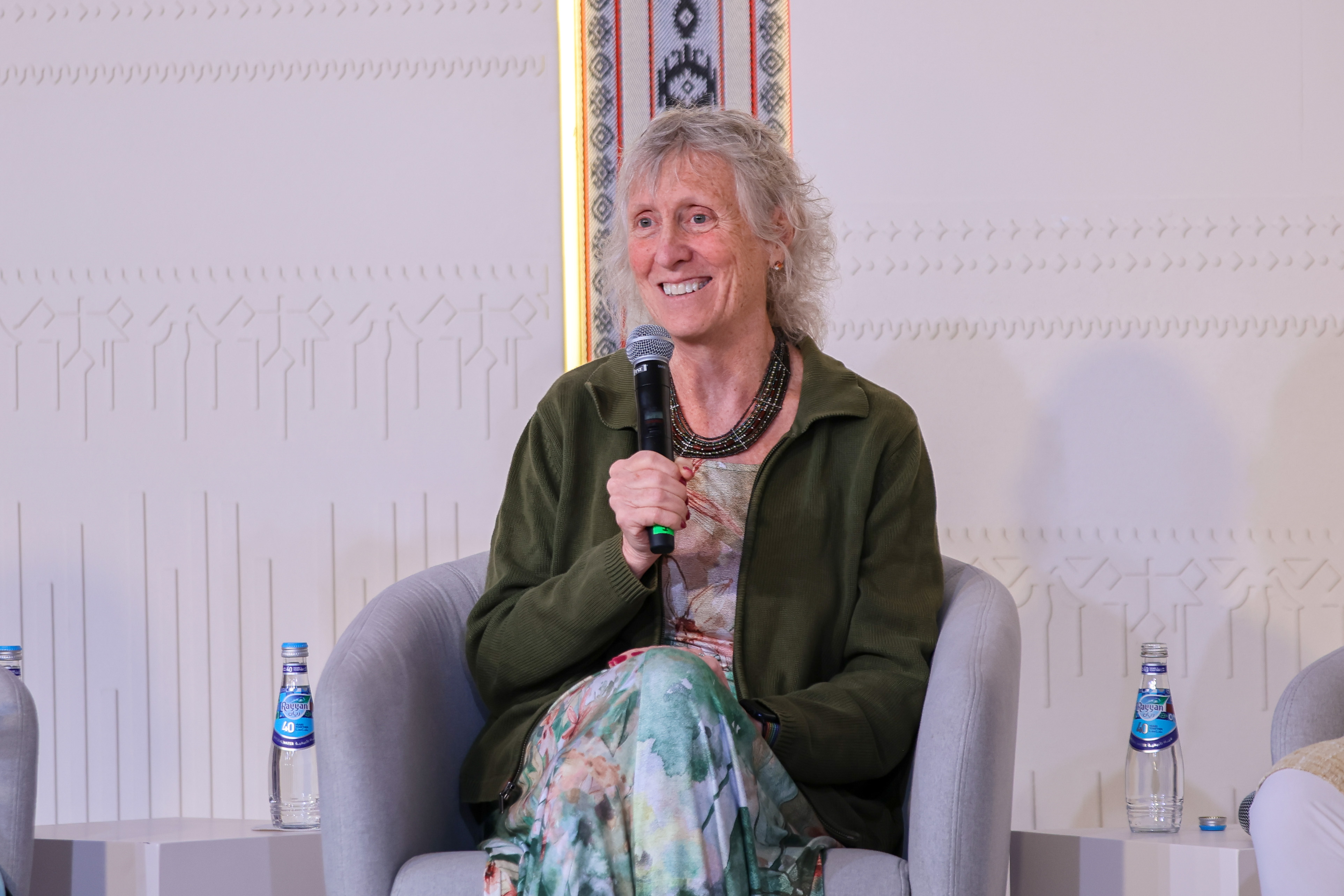
Ann-Perry Witmer, University of Illinois Champaign-Urbana
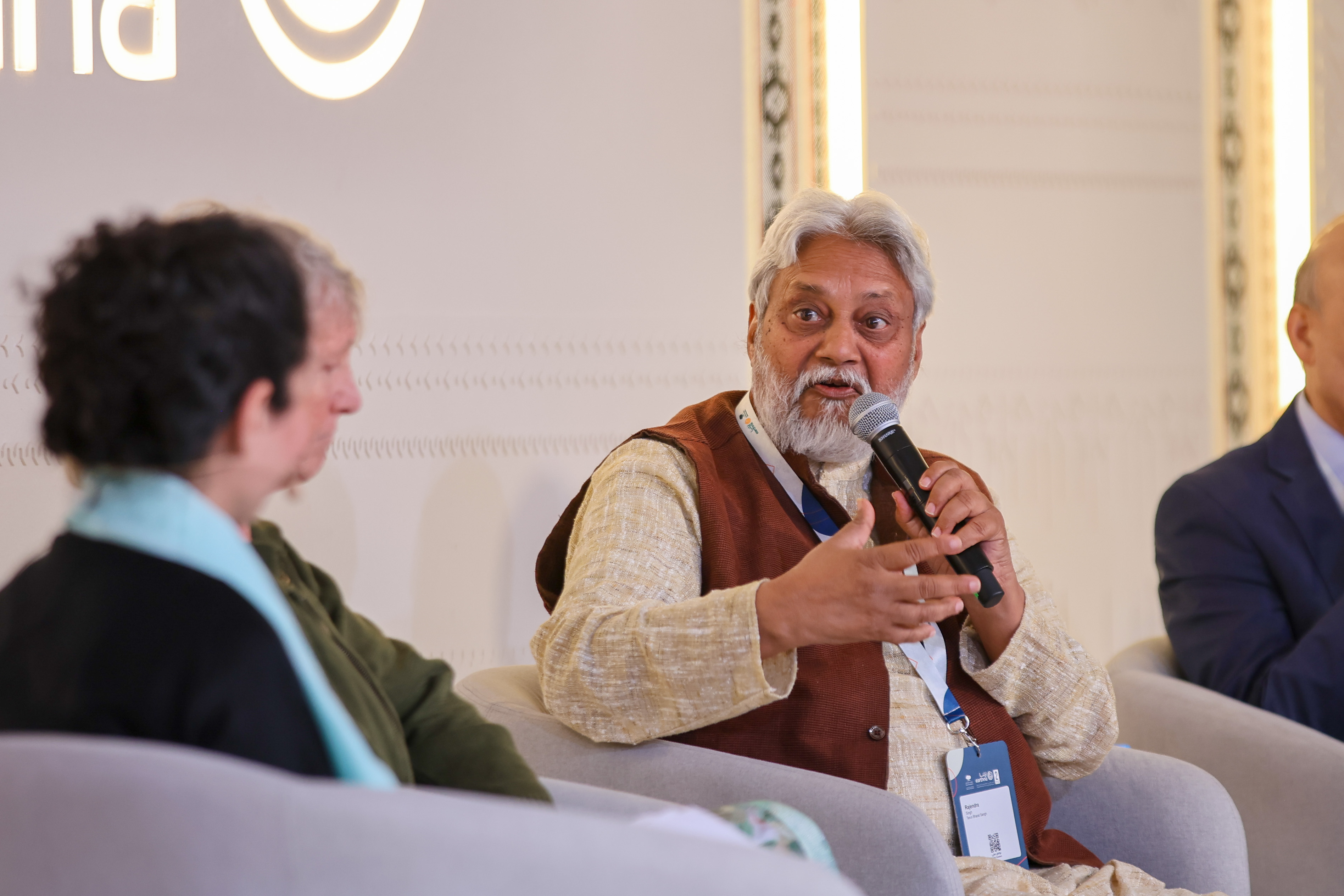
Rajendra Singh, Chair, Tarun Bharat Sangh
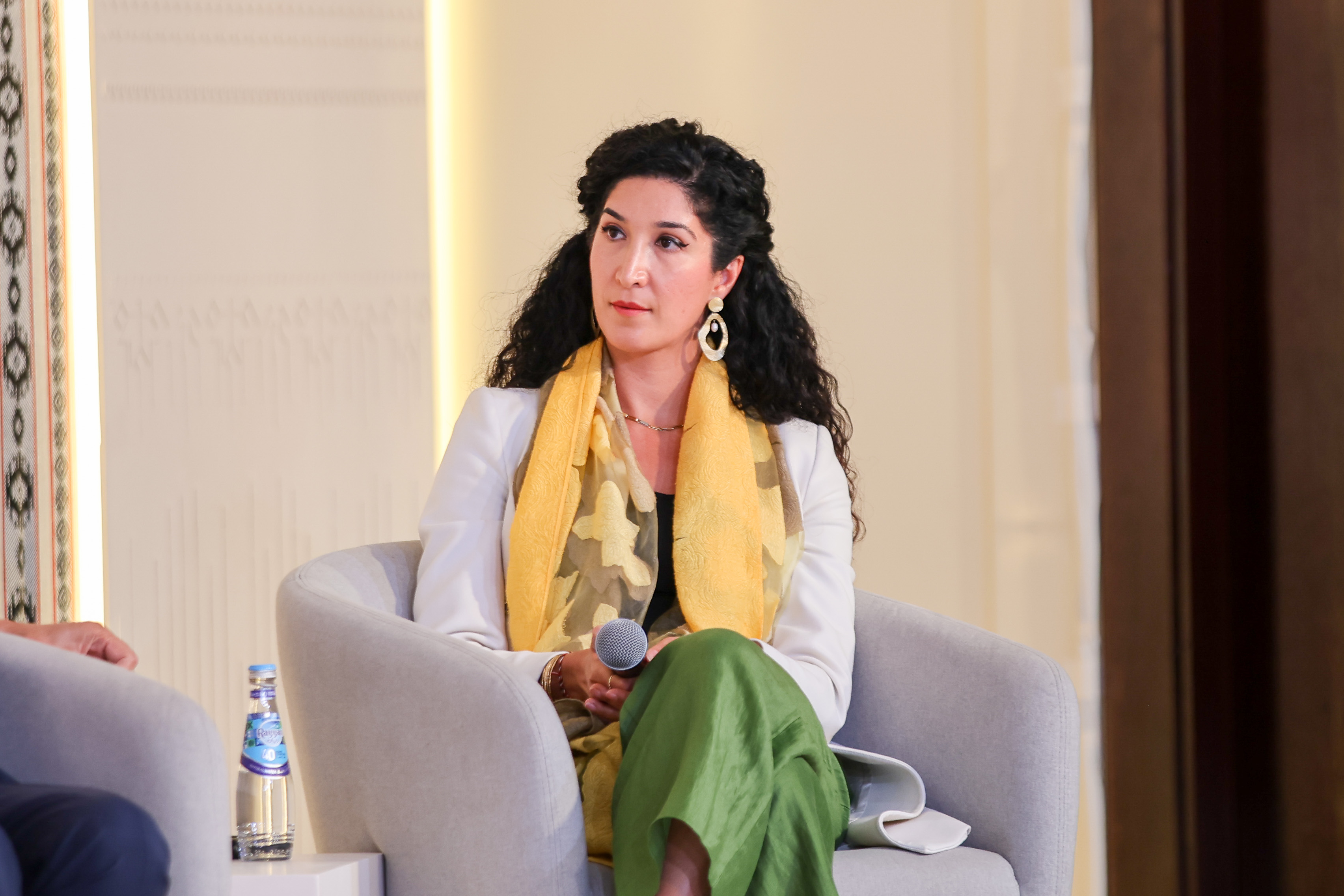
Raha Hakimdavar, Georgetown University in Qatar
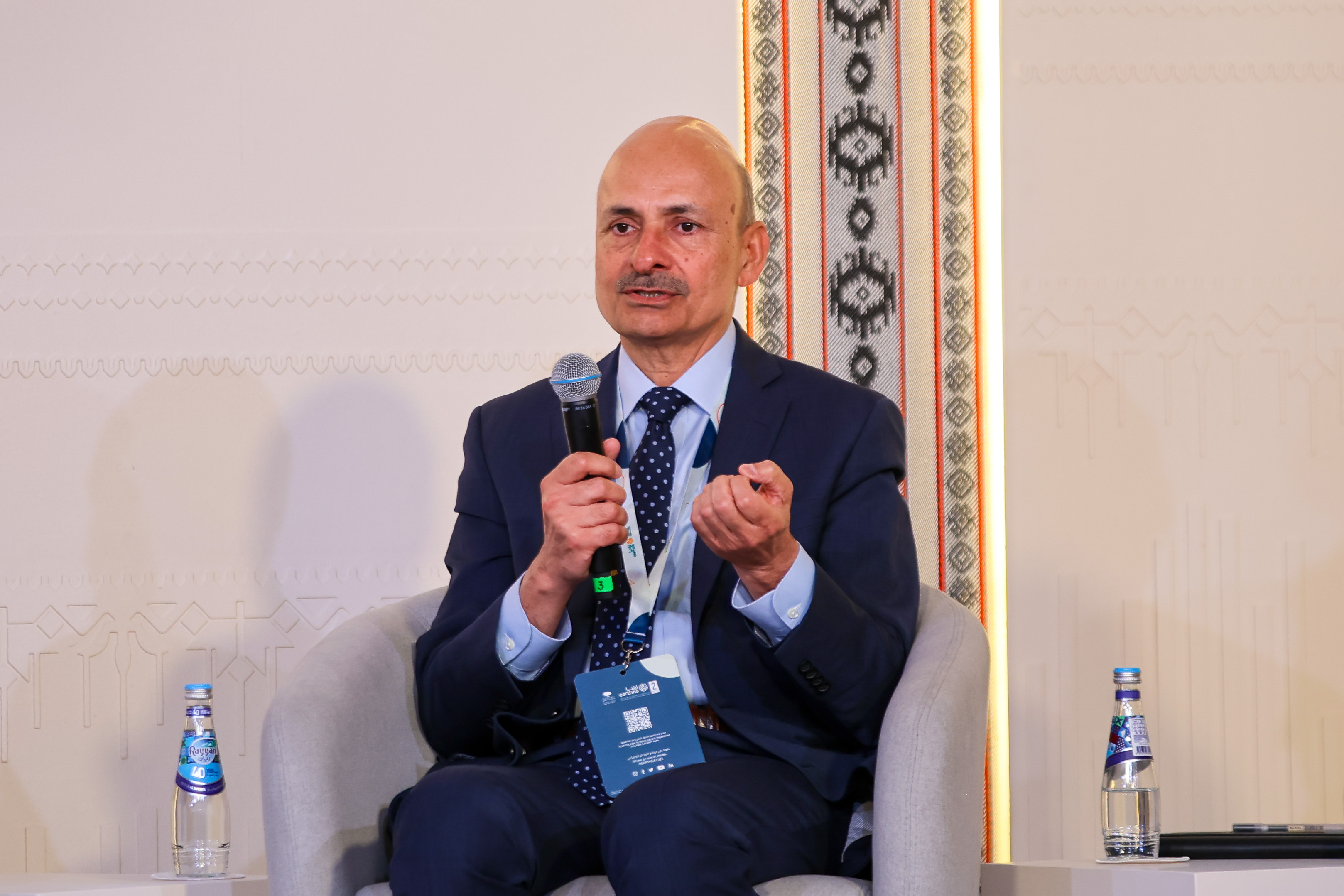
Manzoor Qadir, Deputy Director, UN University Institute for Water, Environment and Health (UNU-INWEH)

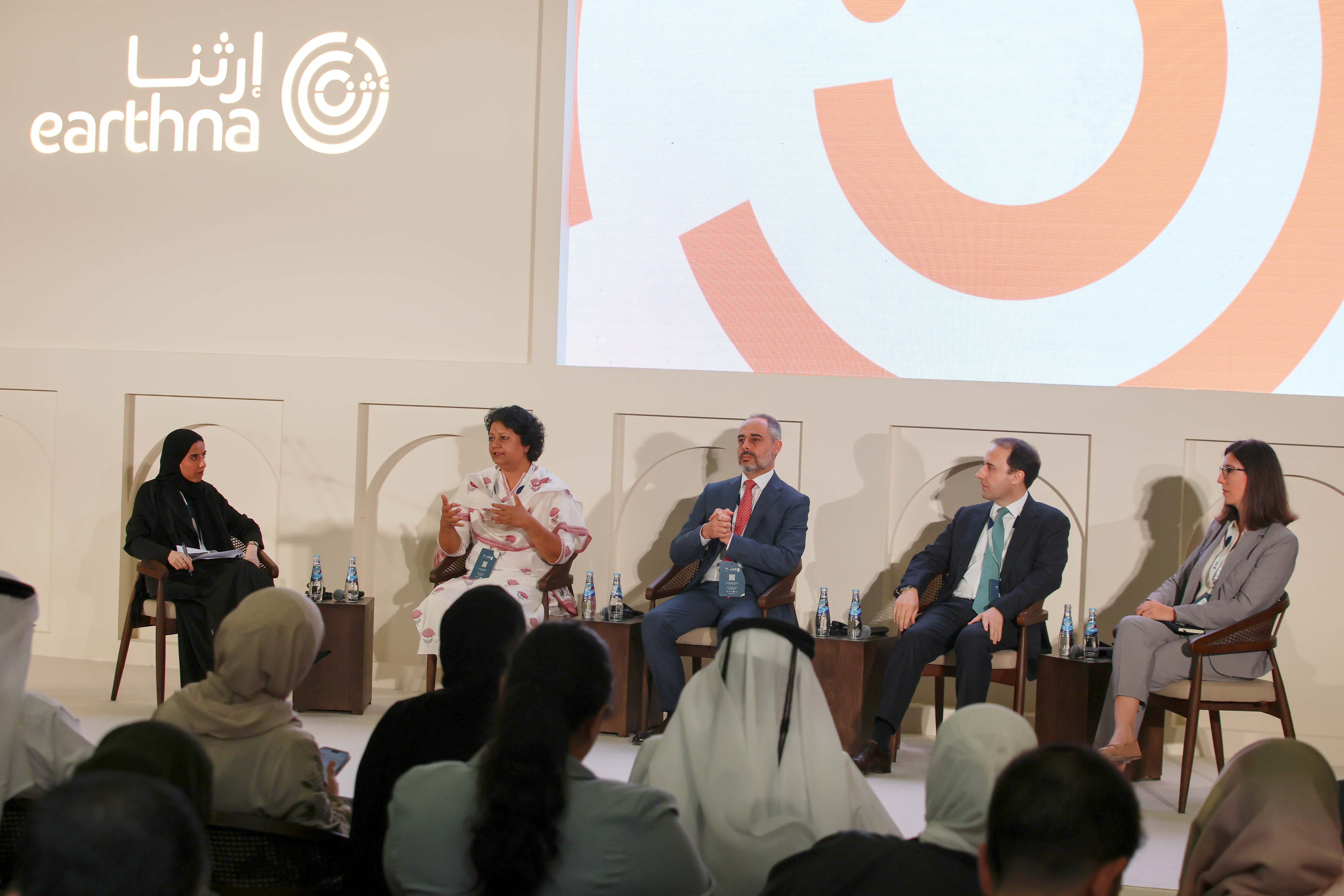
Energy Transition: Opportunities, Challenges, and the Road Ahead
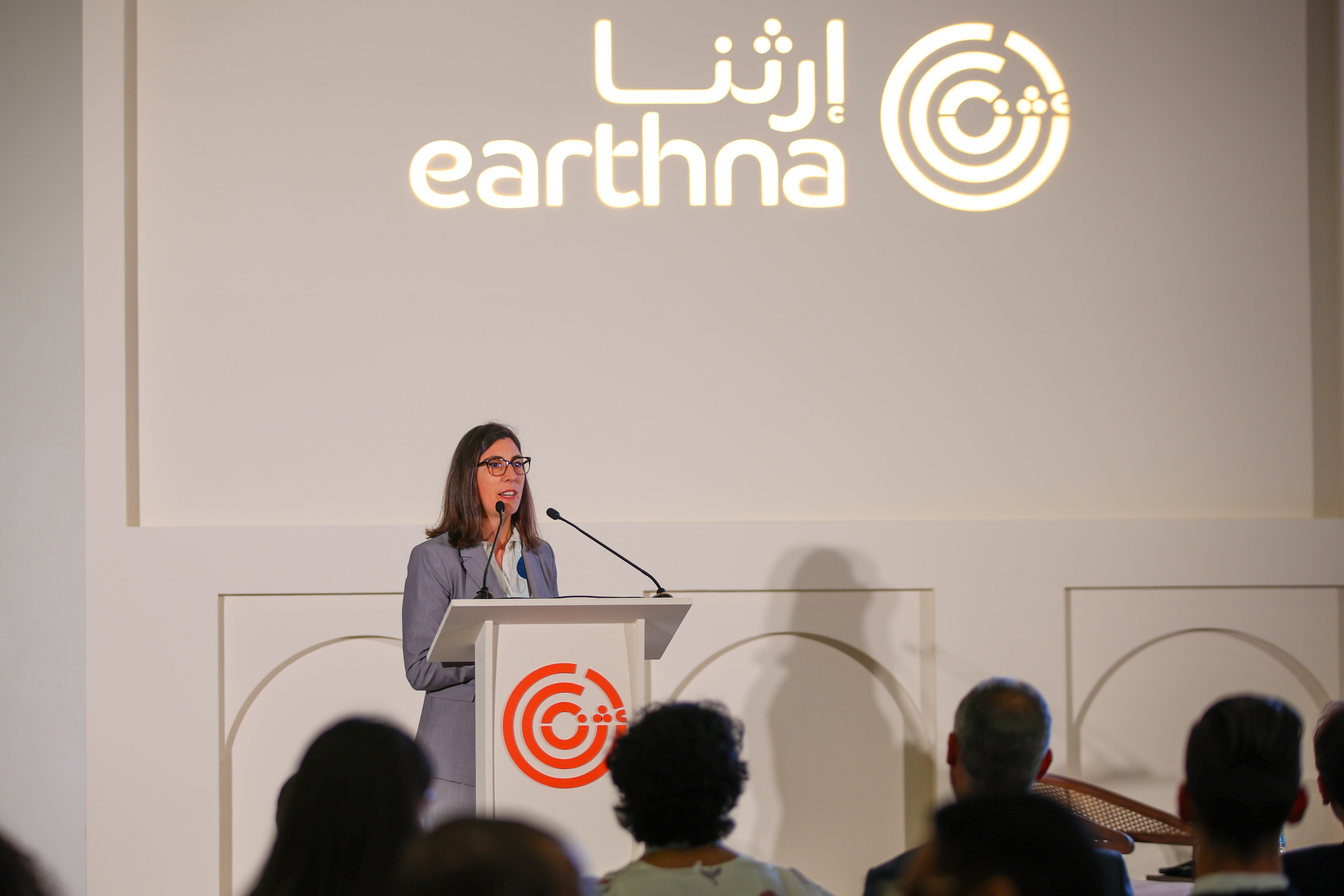
Araceli Fernandez Pales, International Energy Agency
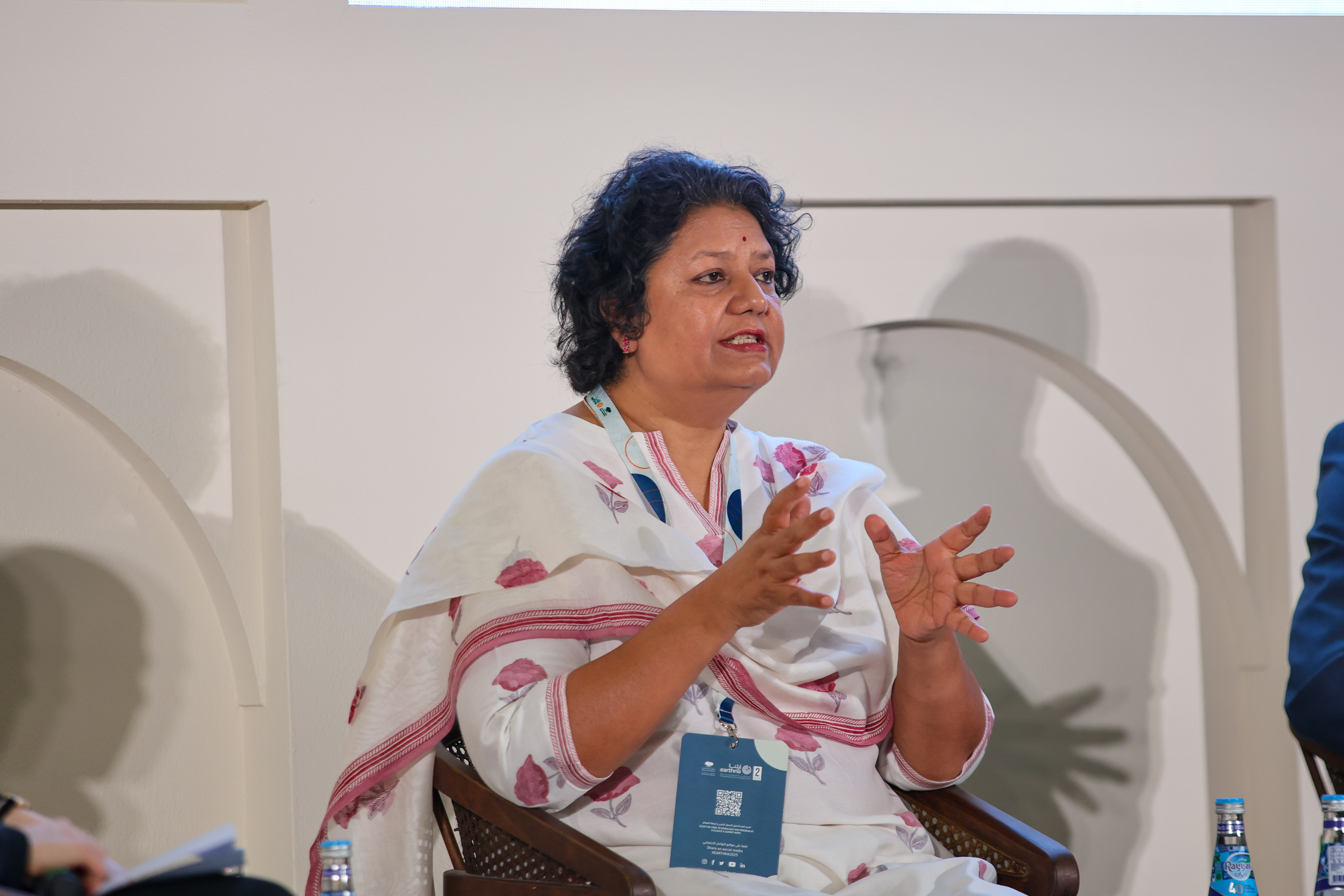
Gauri Singh, Deputy Director-General, International Renewable Energy Agency (IRENA)
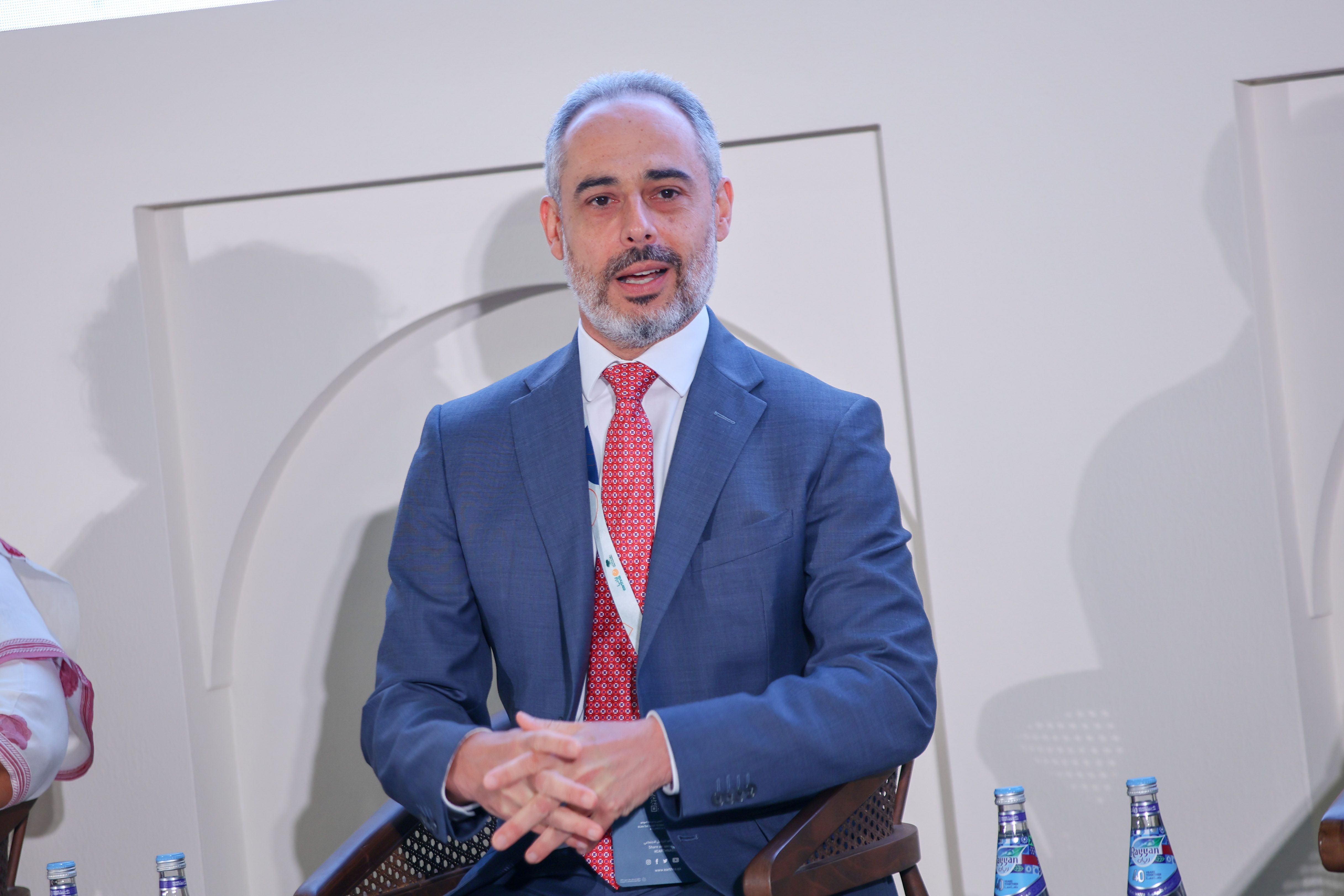
Marcello Contestabile, Qatar Environment and Energy Research Institute (QEERI)
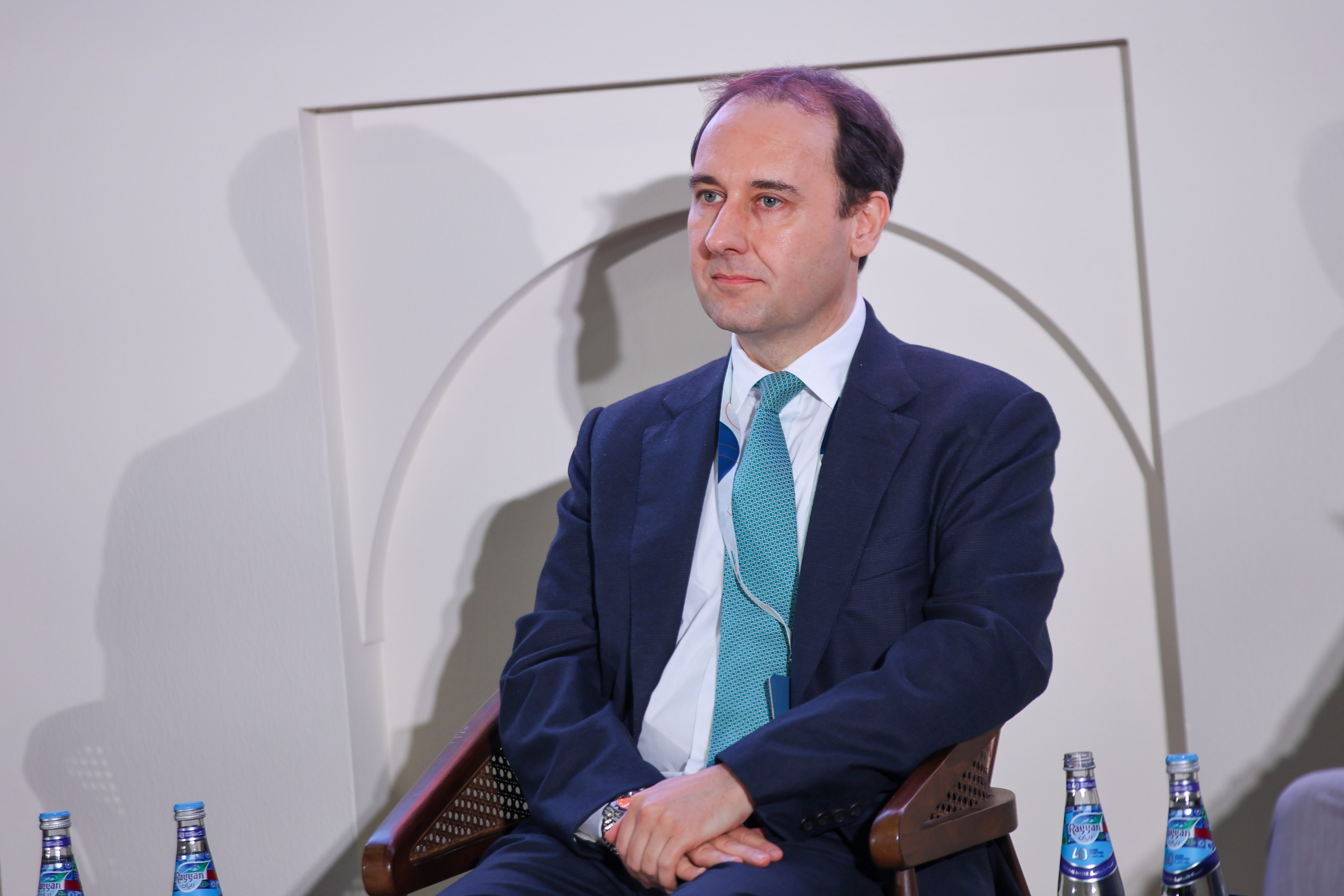
Steven Wright, Hamad Bin Khalifa University
Reimagining Climate Finance: Funding a Sustainable Future

Justin Mundy, Chair, Earthna
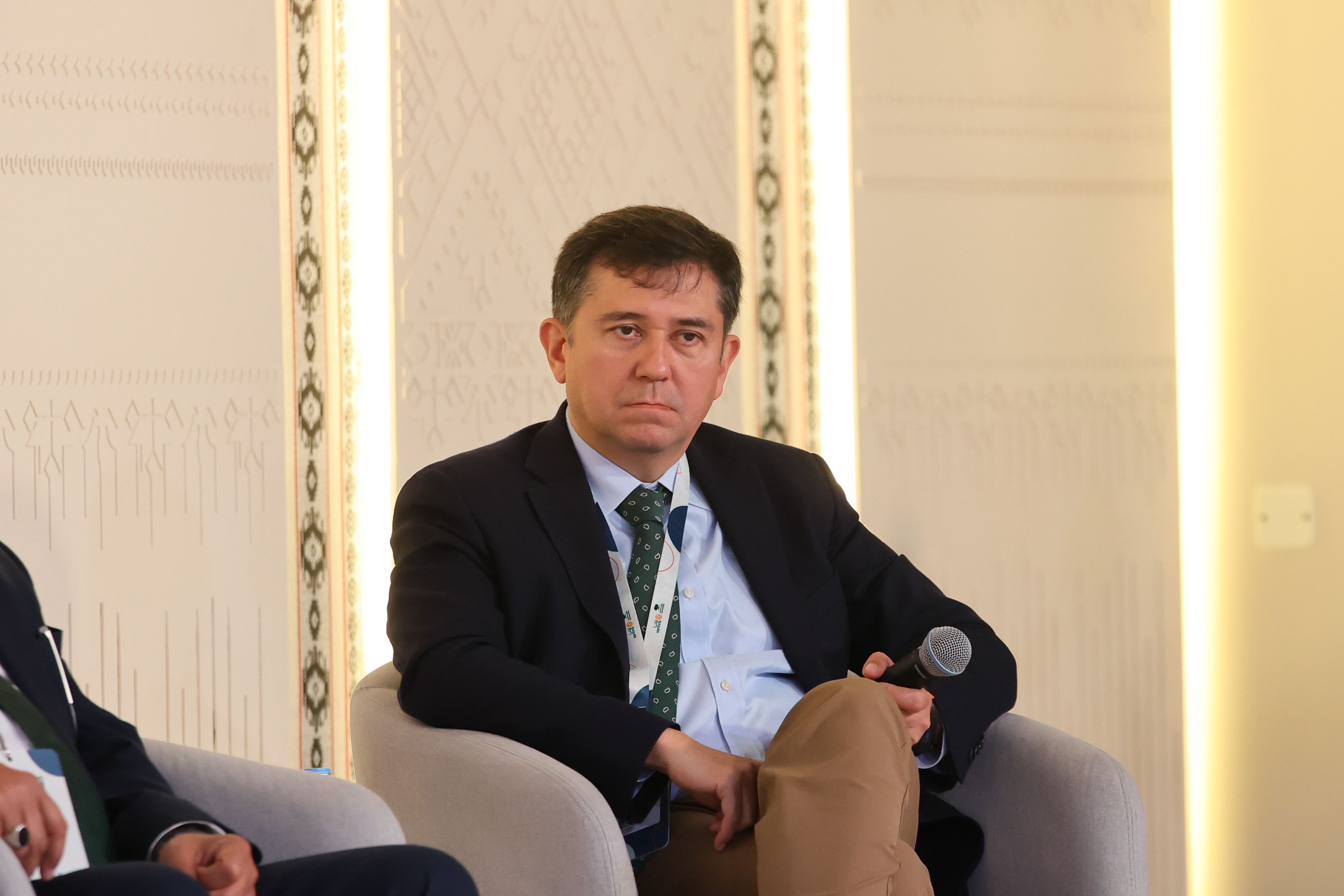
Lee Howell, Executive Director, Villars Institute
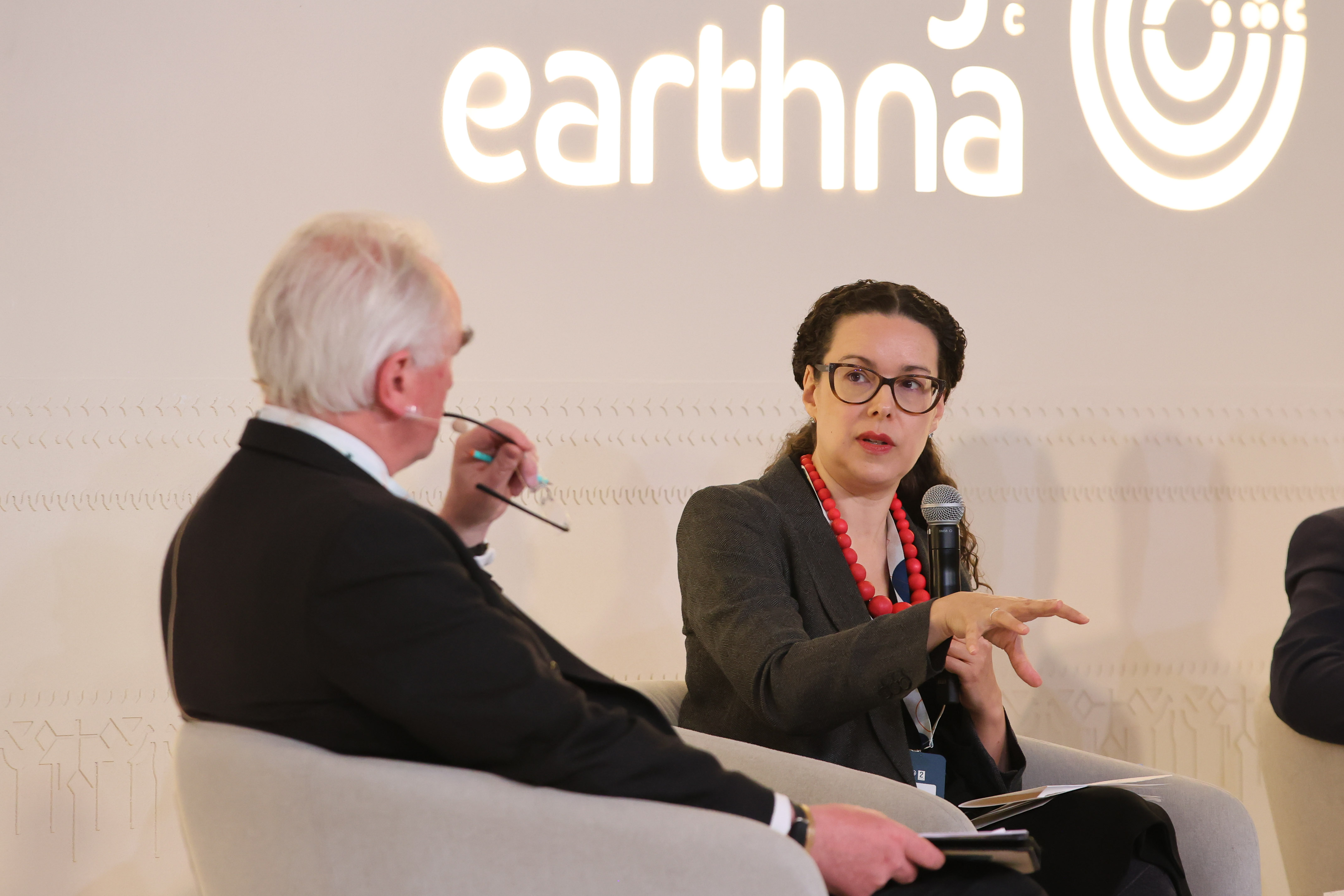
Maja Groff, Convenor, Climate Governance Commission
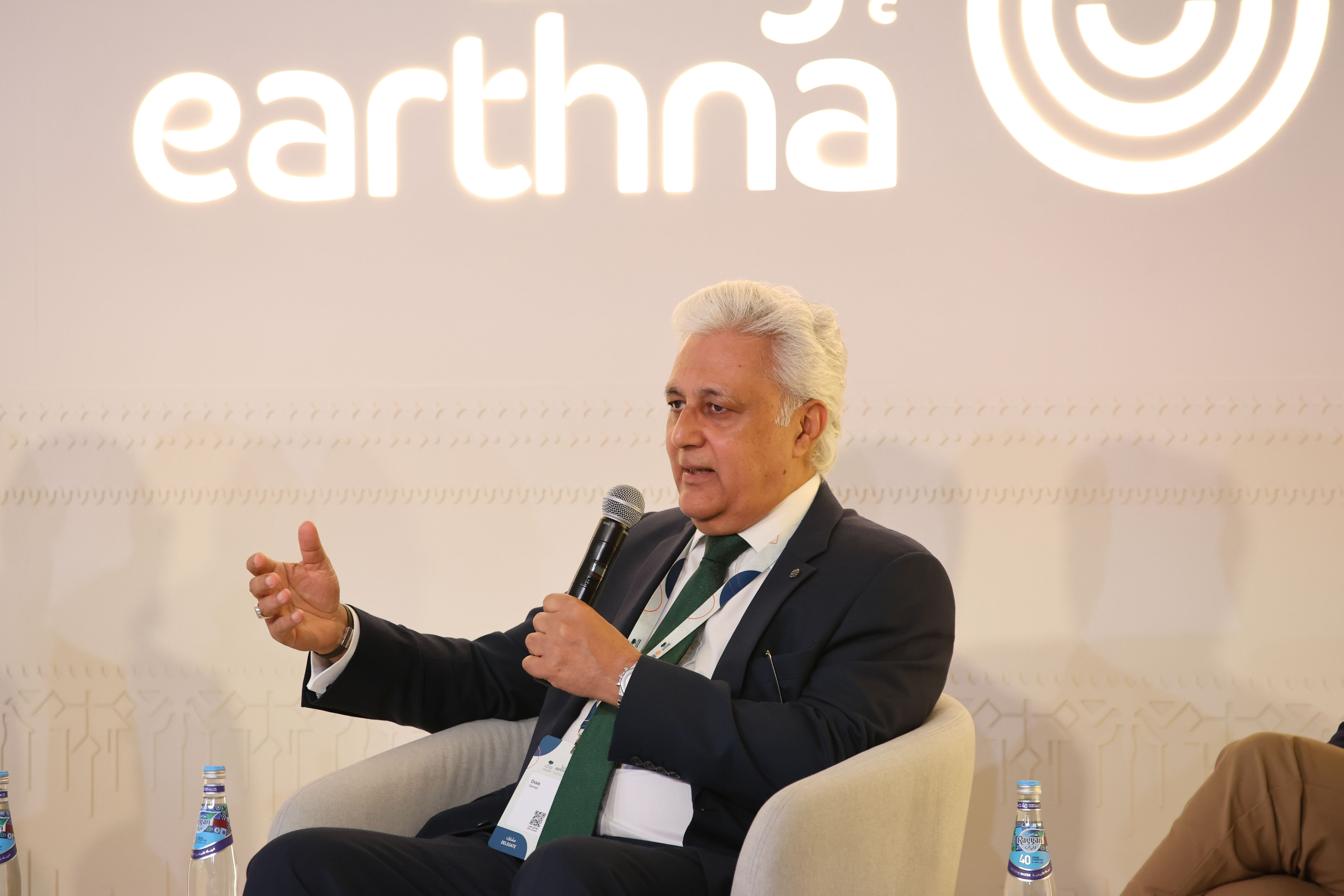
Ovais Sarmad, Vice-Chair, Greenhouse Gas (GHG) Protocol Steering Committee
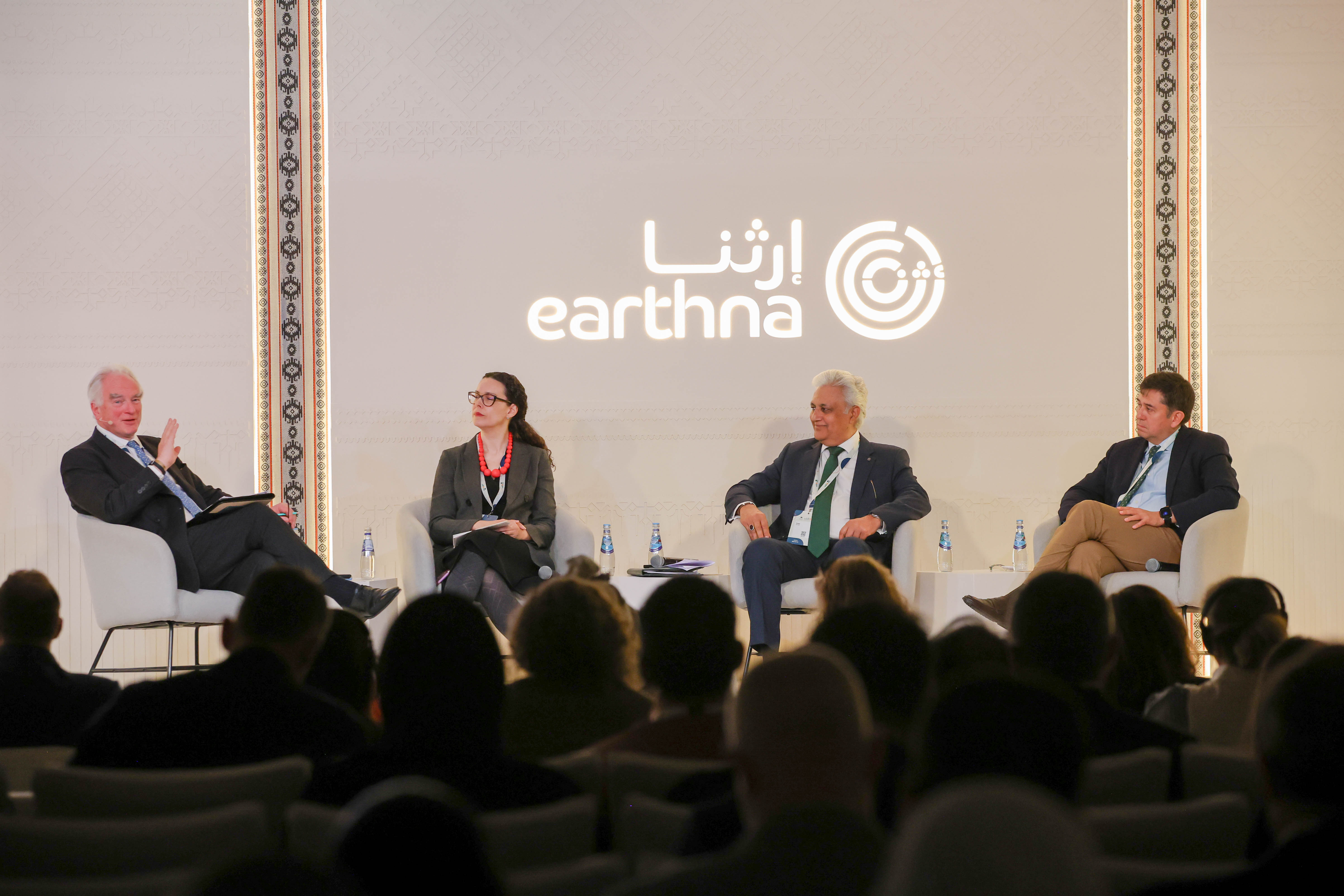
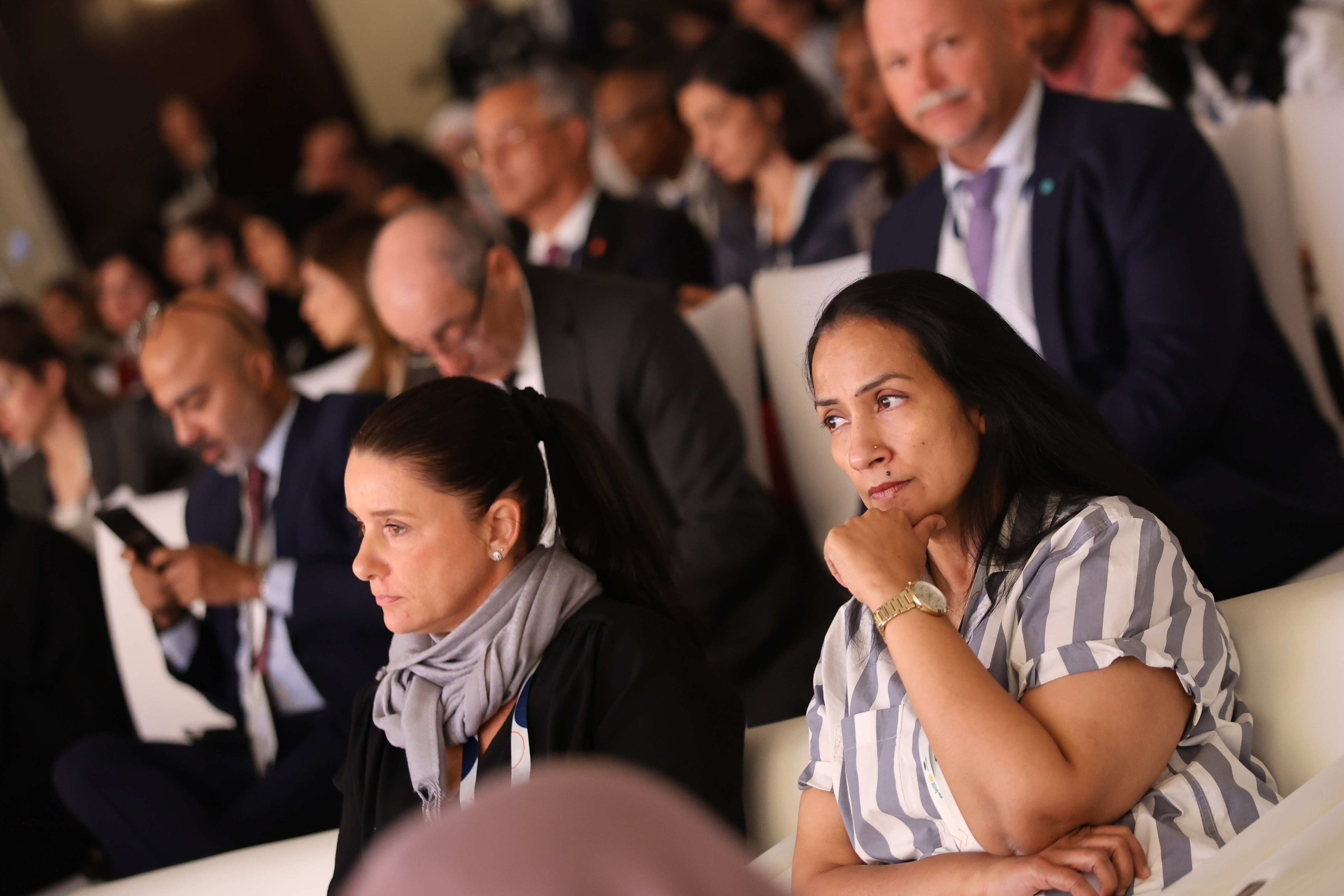
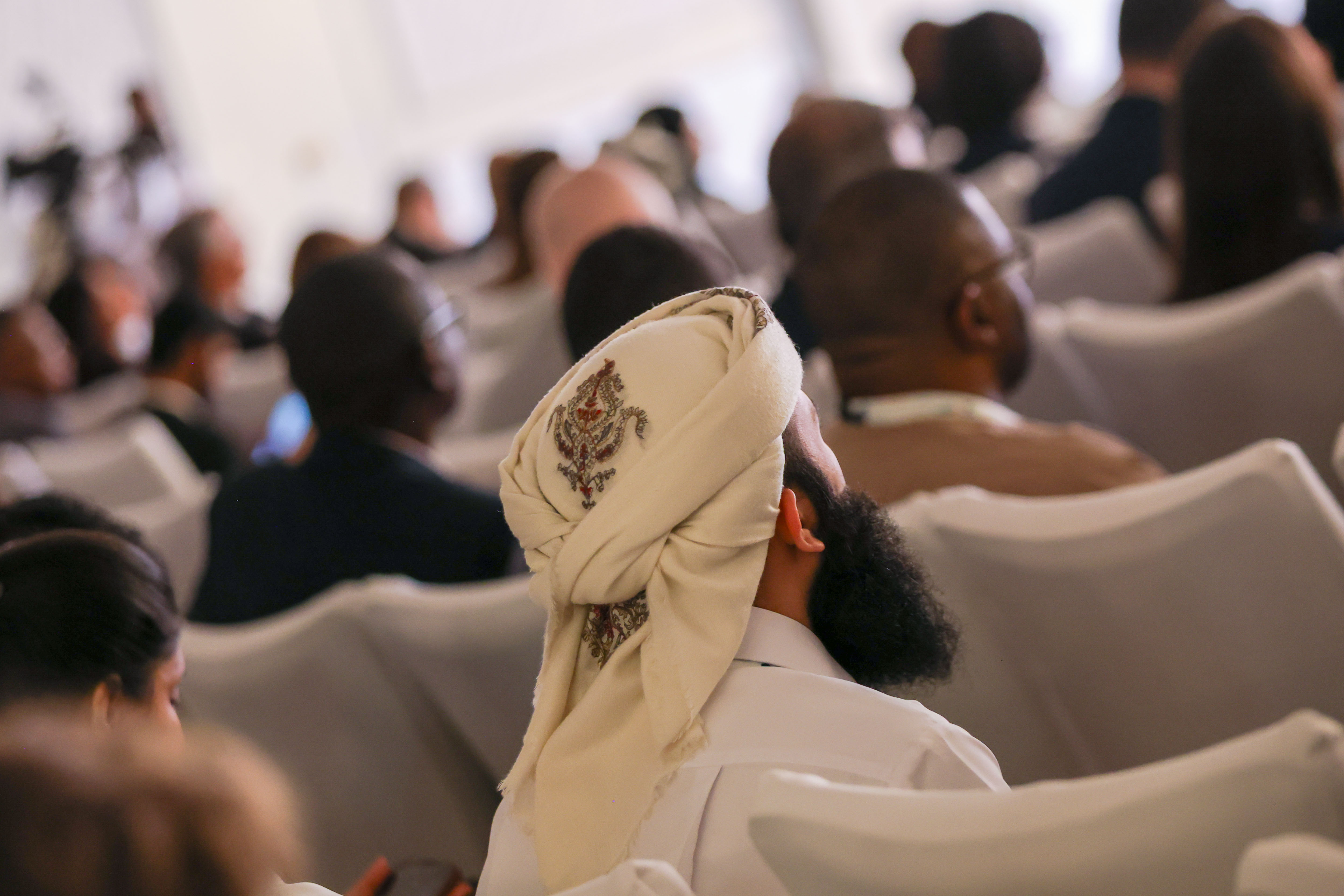
Rethinking Urban Sustainability: Lessons from Traditional Architecture

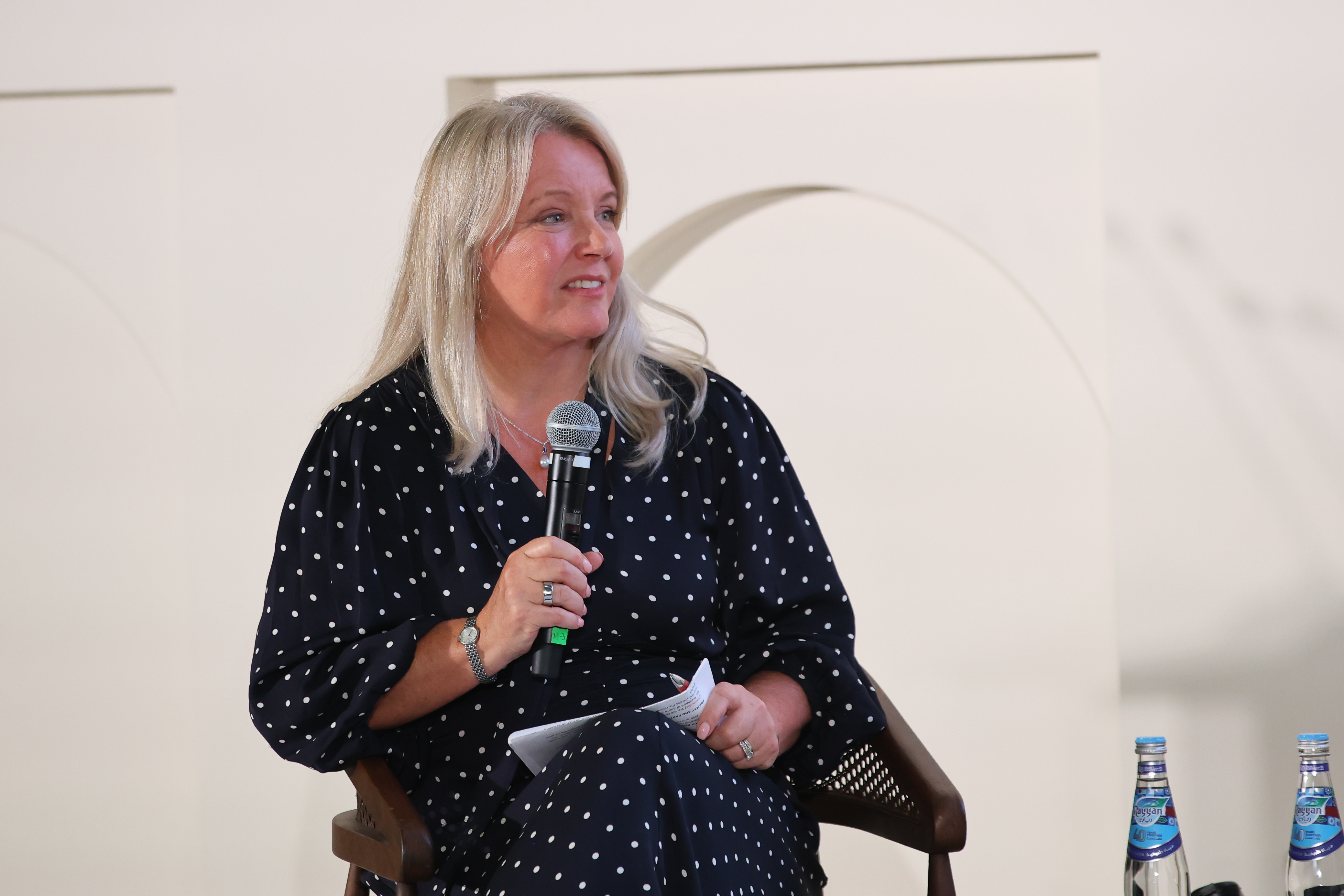
Moderator Kristina Murrin, CEO, the King’s Foundation
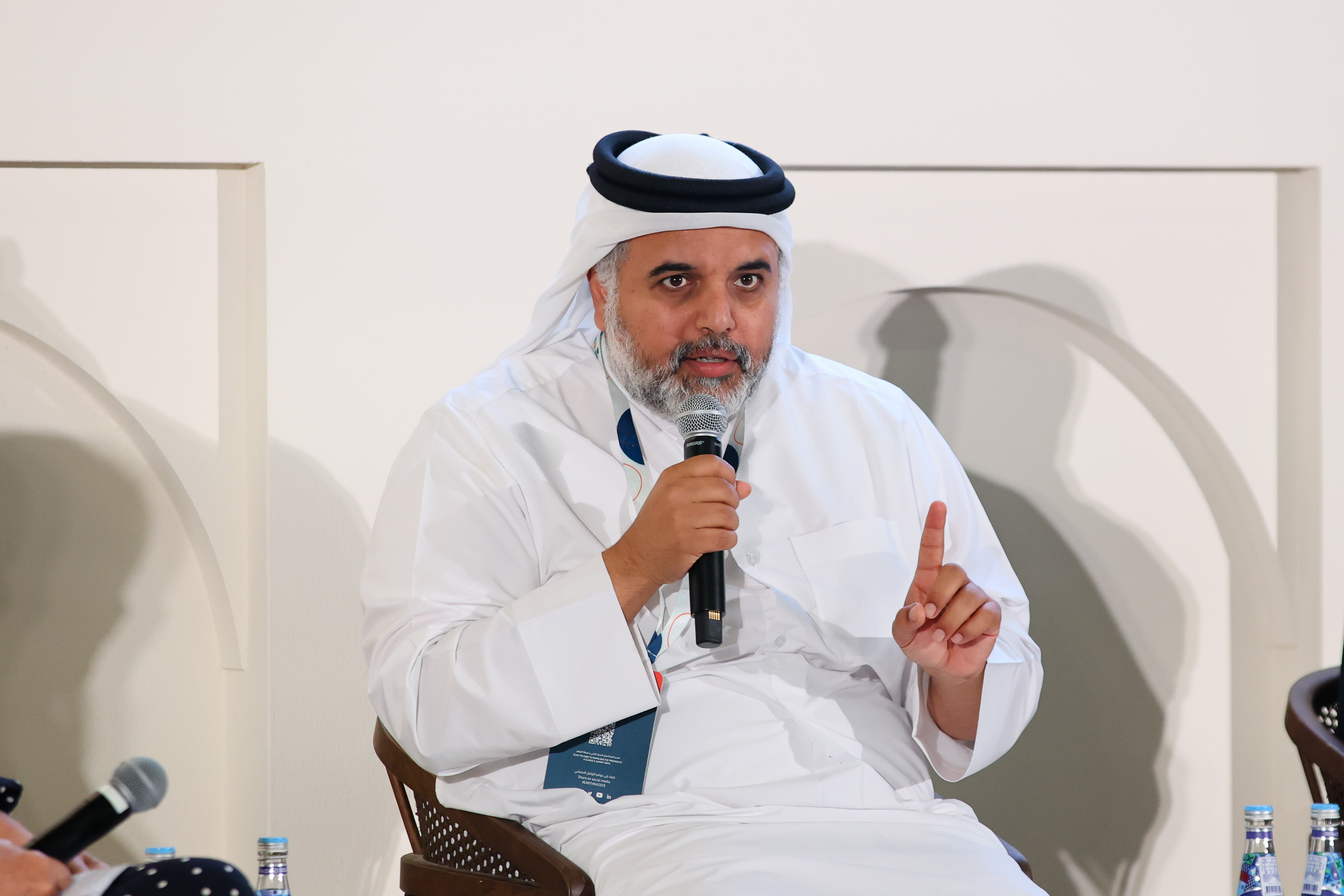
Fahad Bin Mohammed Al-Attiyah, Founder and CEO, Caravane Earth
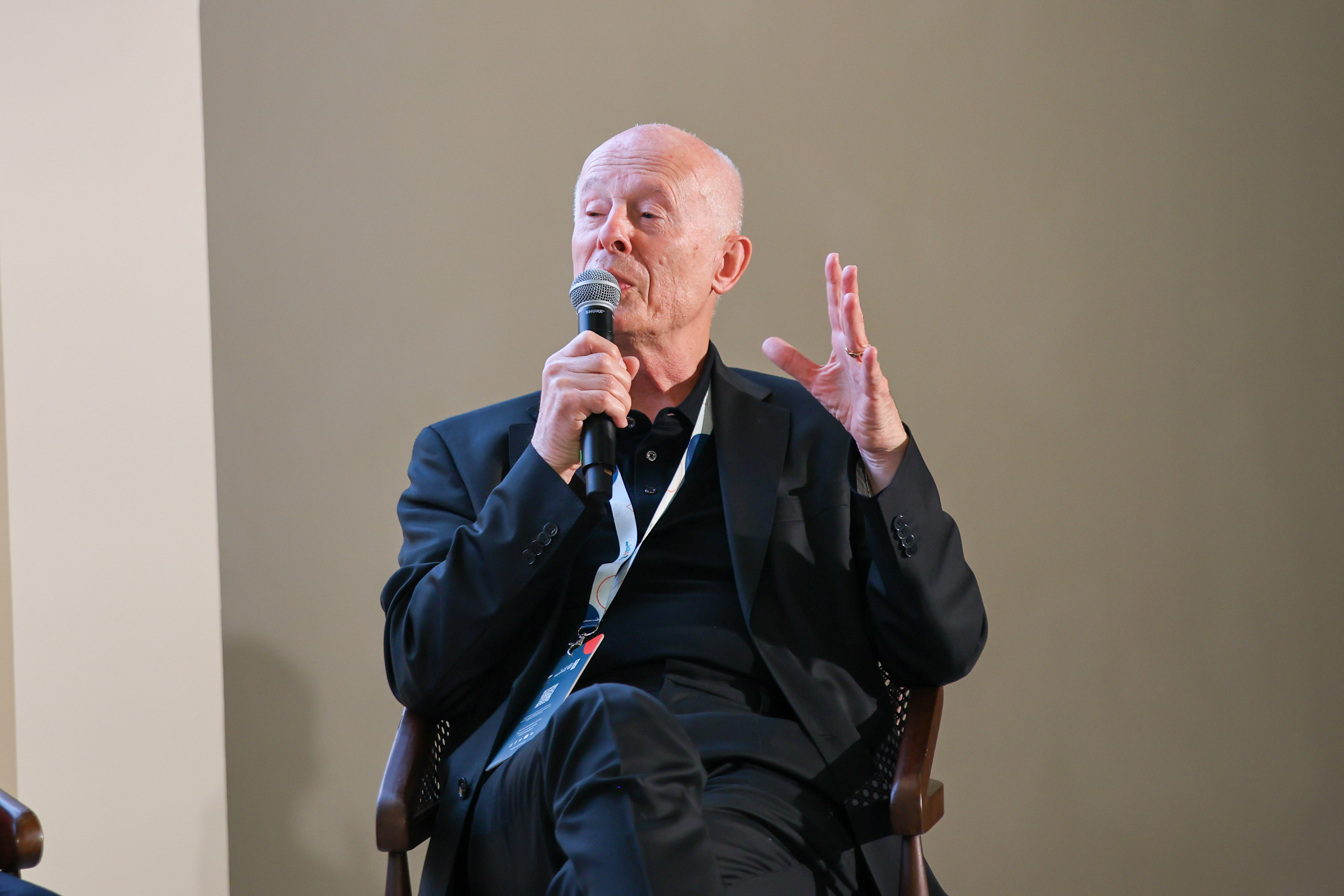
Hans Joachim Schellnhuber, Director-General, International Institute for Applied Systems Analysis
Tackling Food (In)Security: The Tradition–Technology Nexus
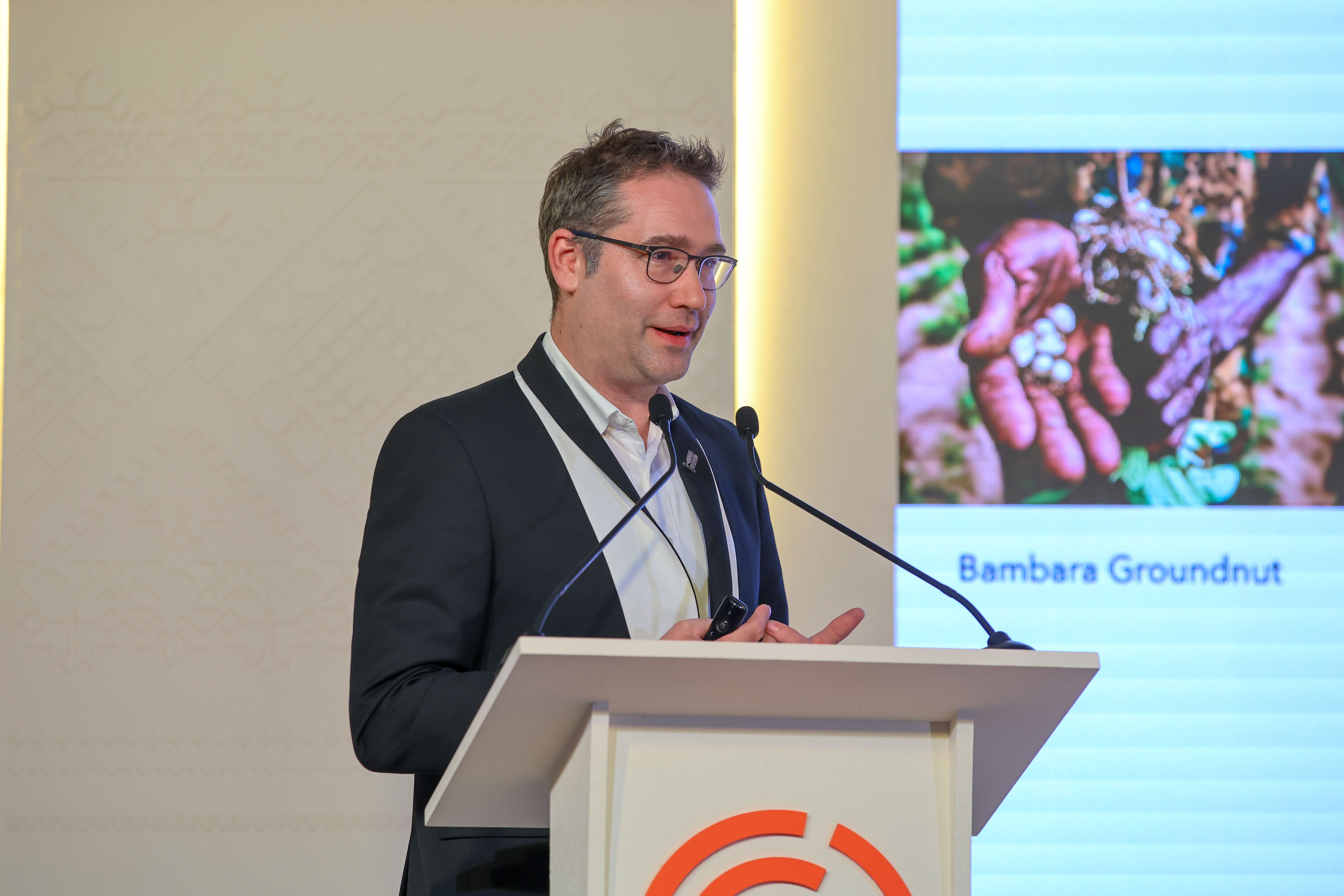
Bram Govaerts, Director-General, International Maize and Wheat Improvement Center (CIMMYT)
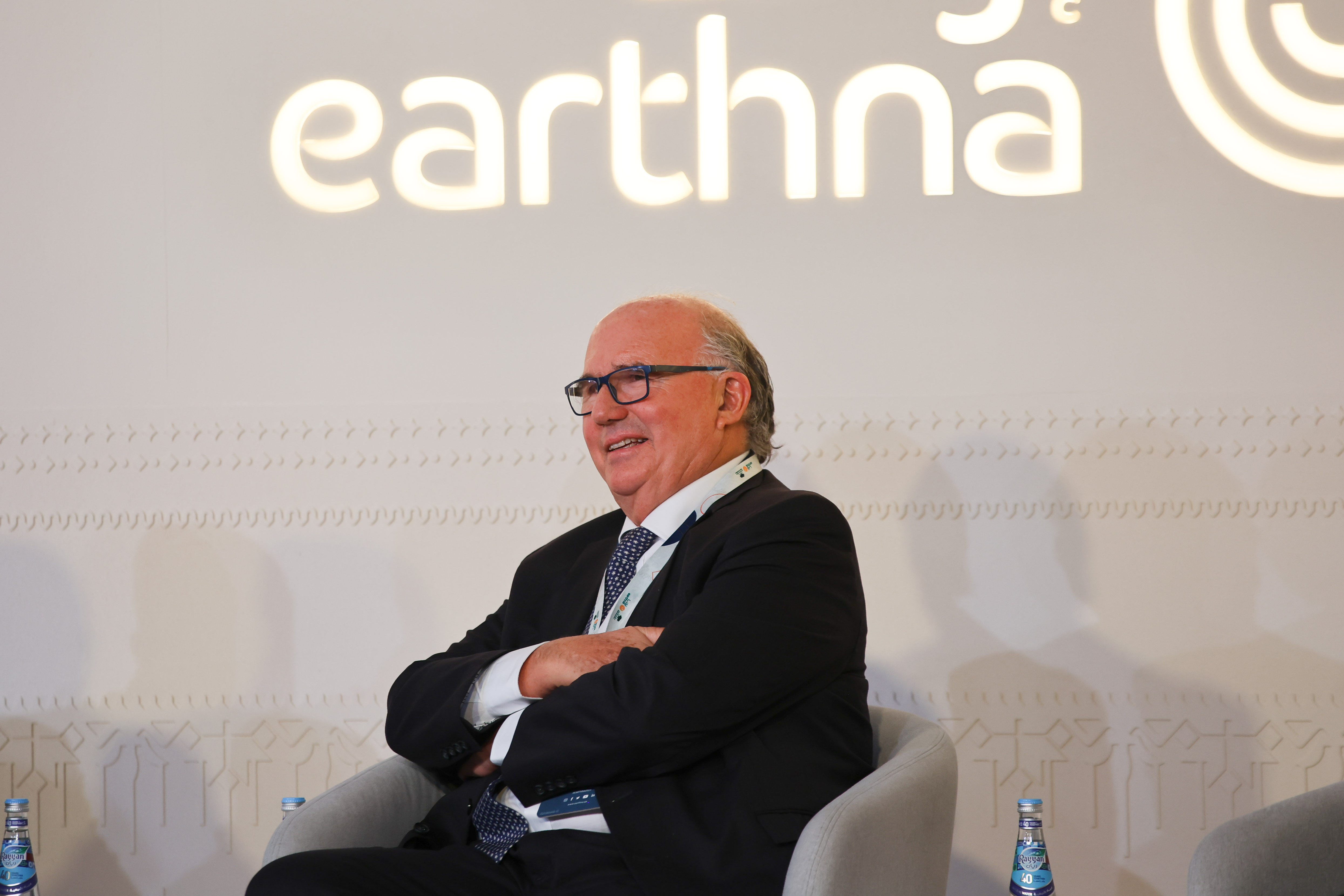
Carlos Loret de Mola, CEO, LifeSystems
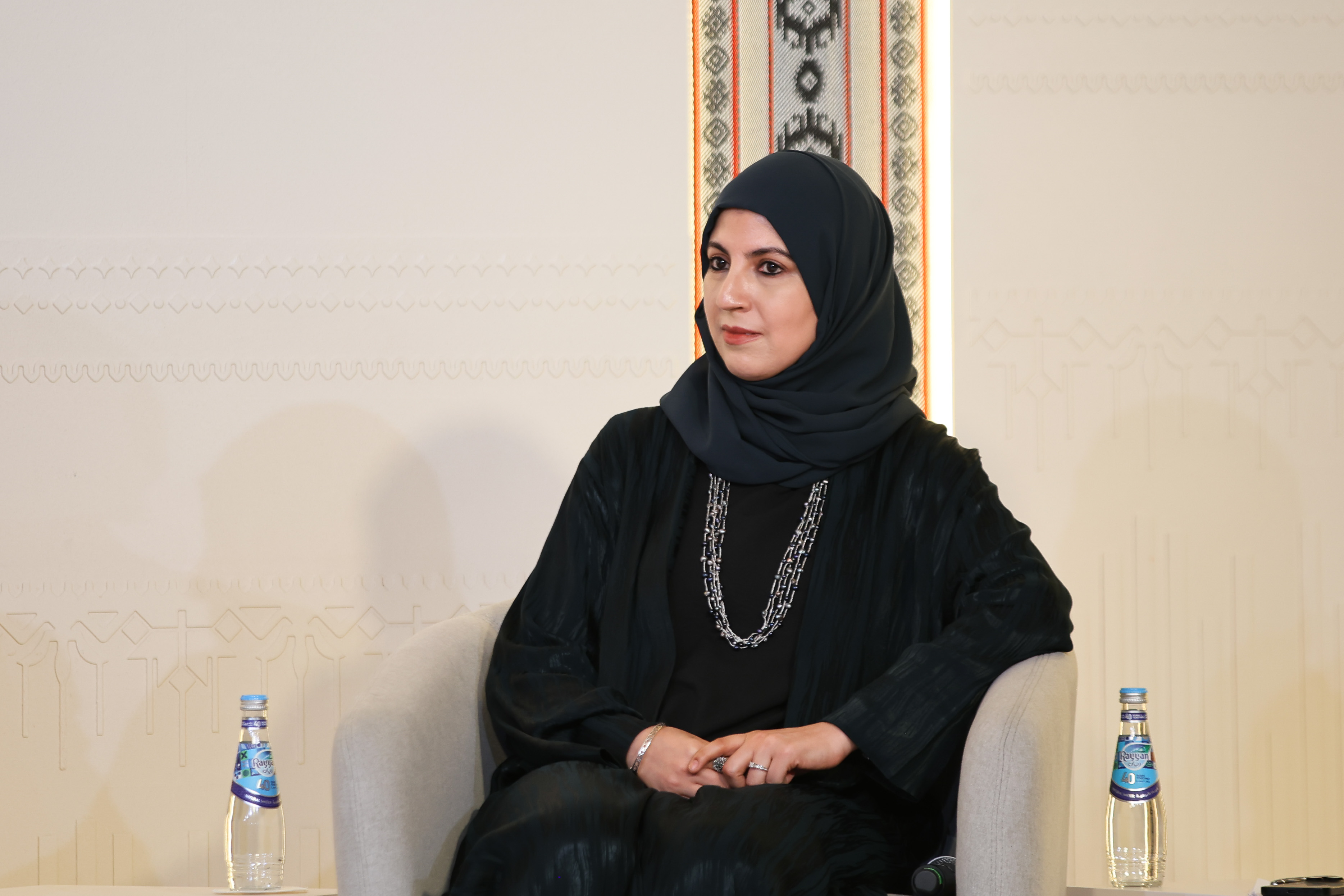
Dalal Aassouli, Hamad Bin Khalifa University
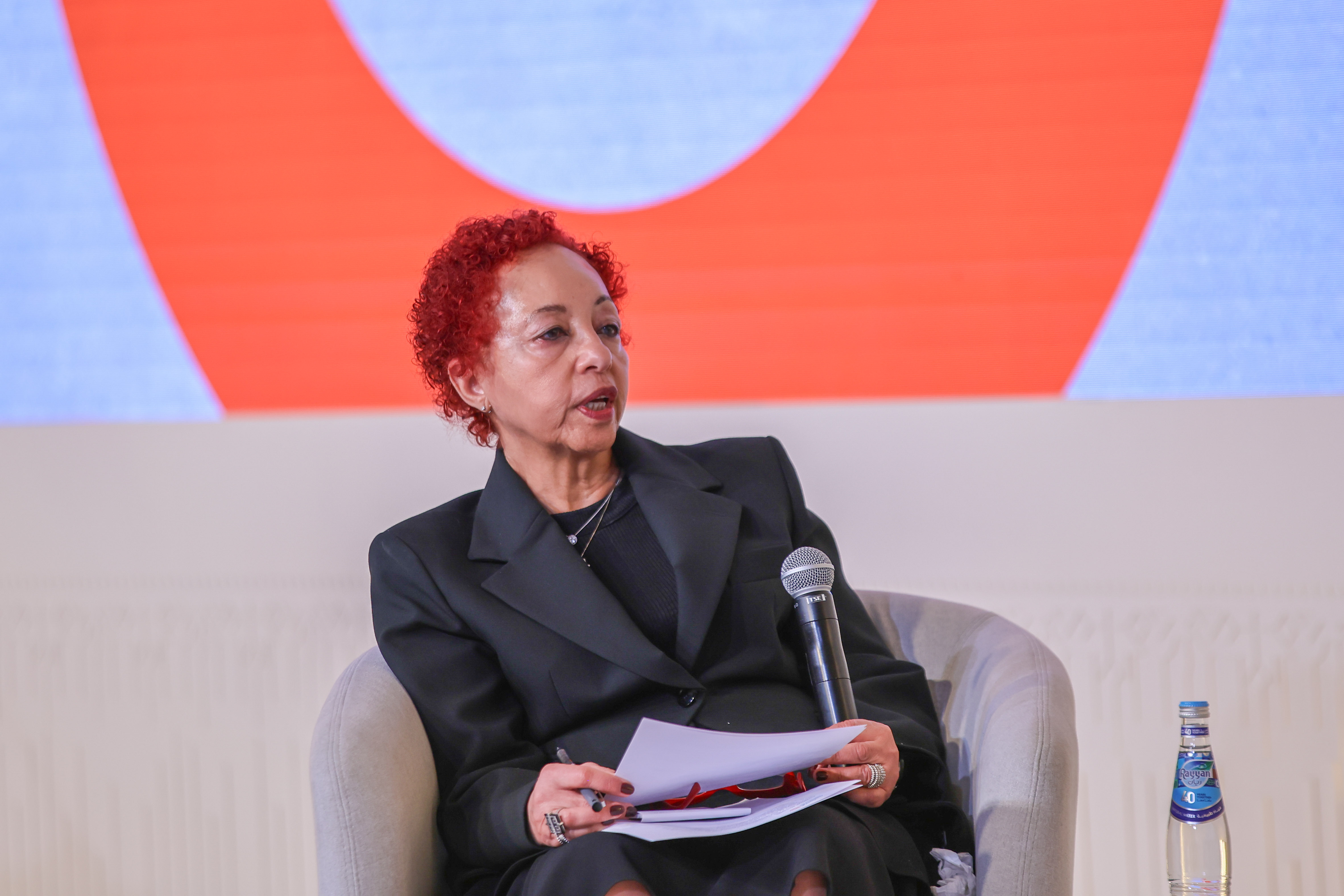
Moderator Zeinab Bashir Elbakri, Savana International Consultancies
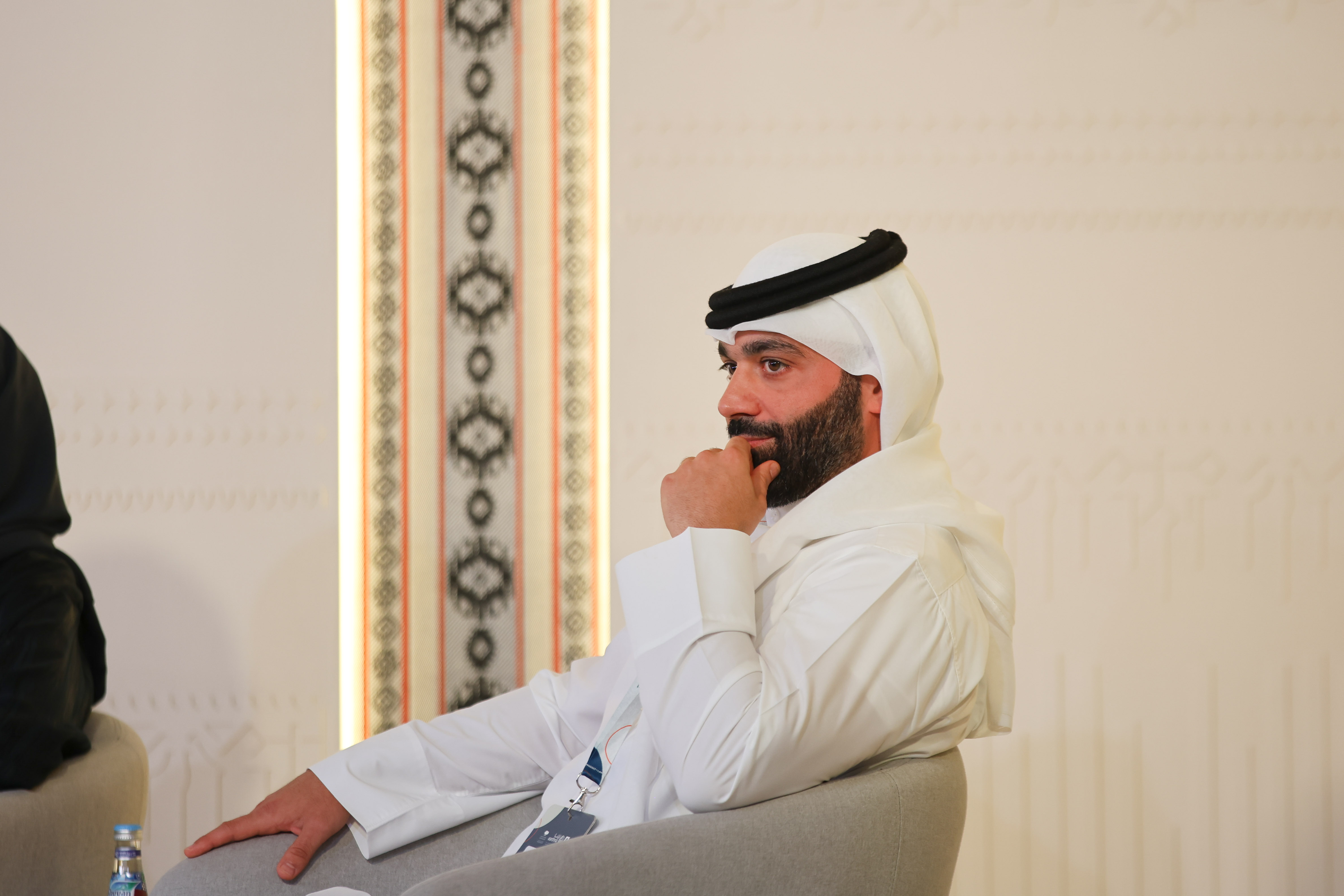
Tareq Ali Al-Ansari, Acting Executive Director, QEERI, and Hamad Bin Khalifa University
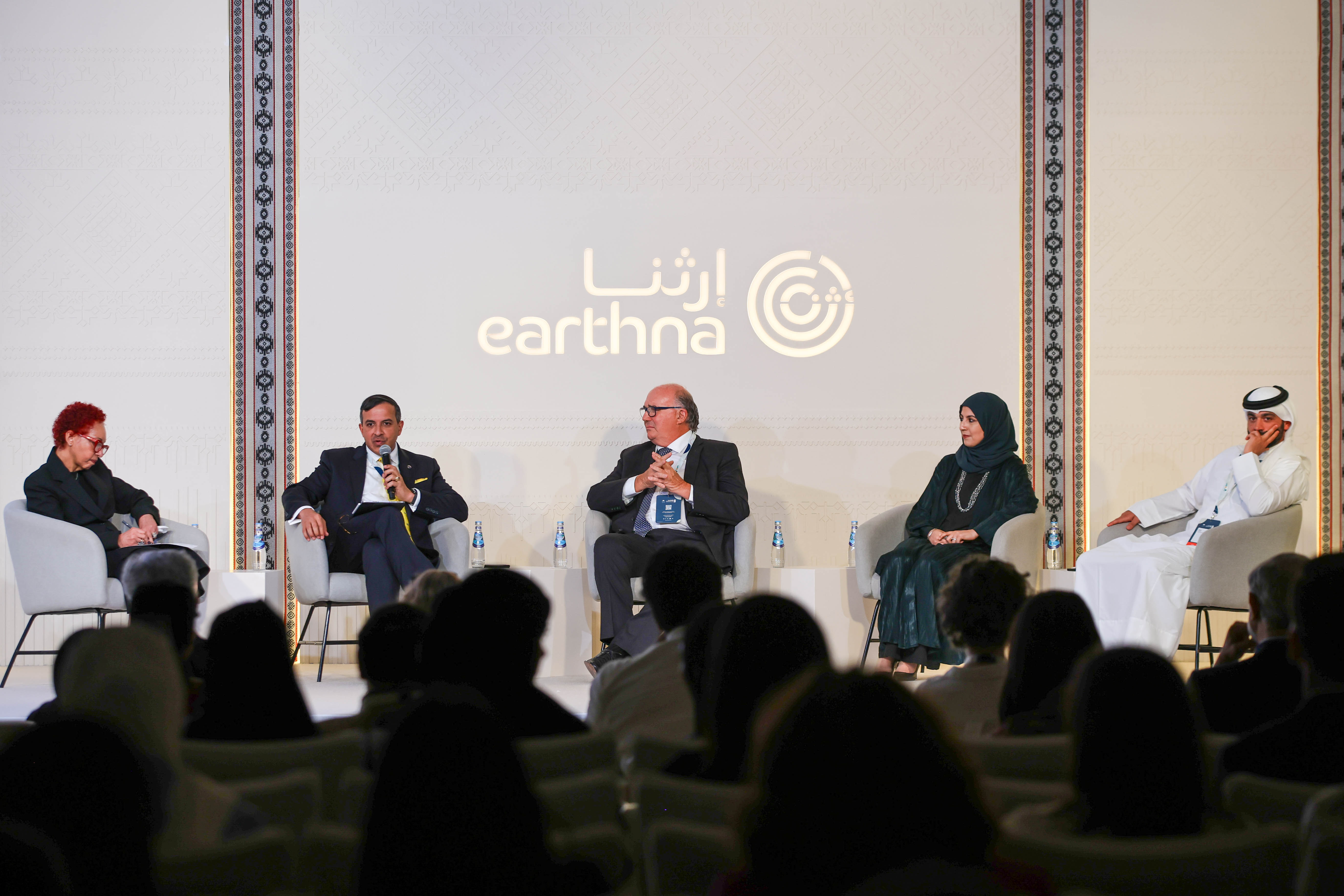
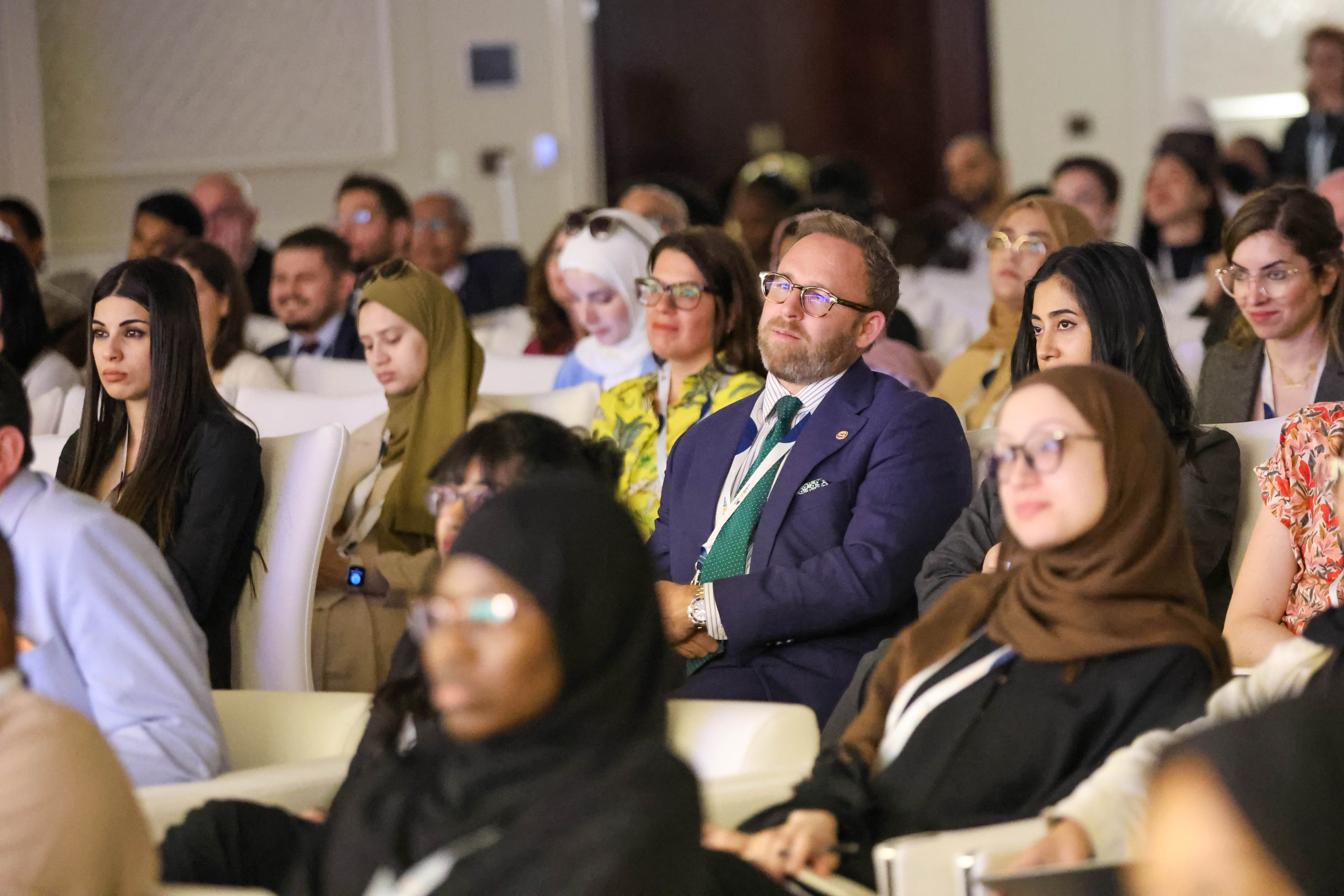
Future-Proofing Our Cities: Smart, Sustainable, and Livable
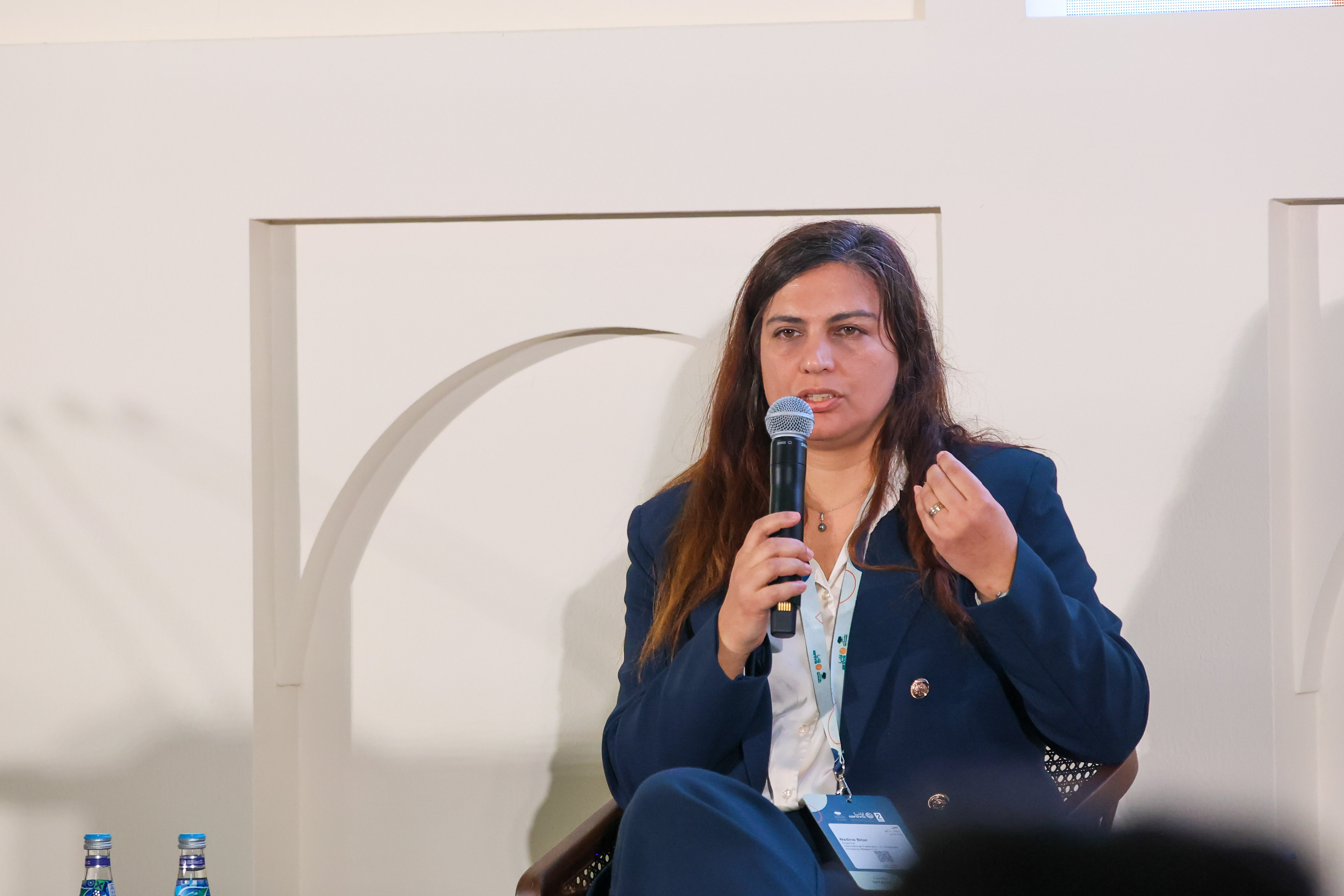
Nadine Bitar Chahine, Co-Founder, Baladiya Catalyst
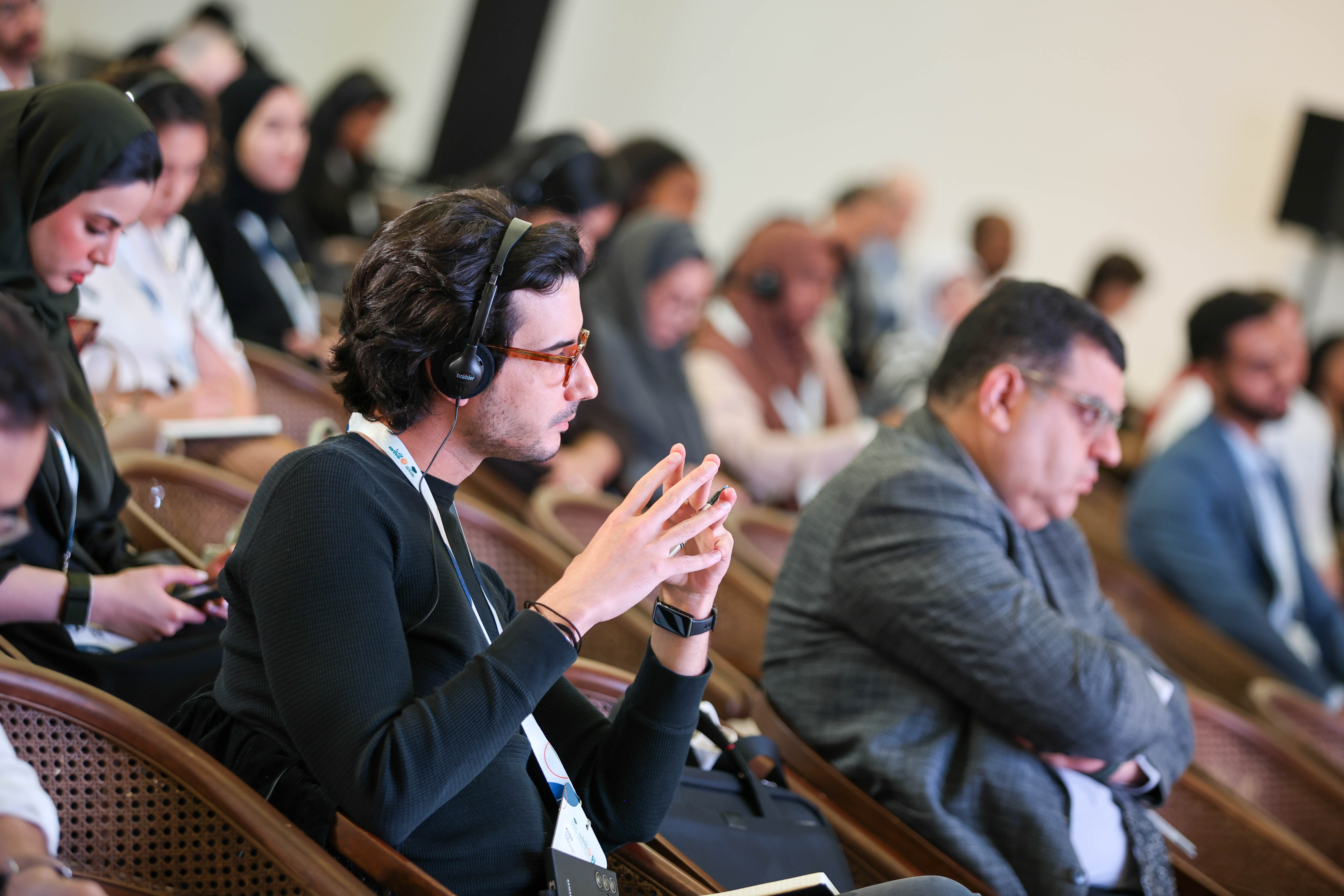
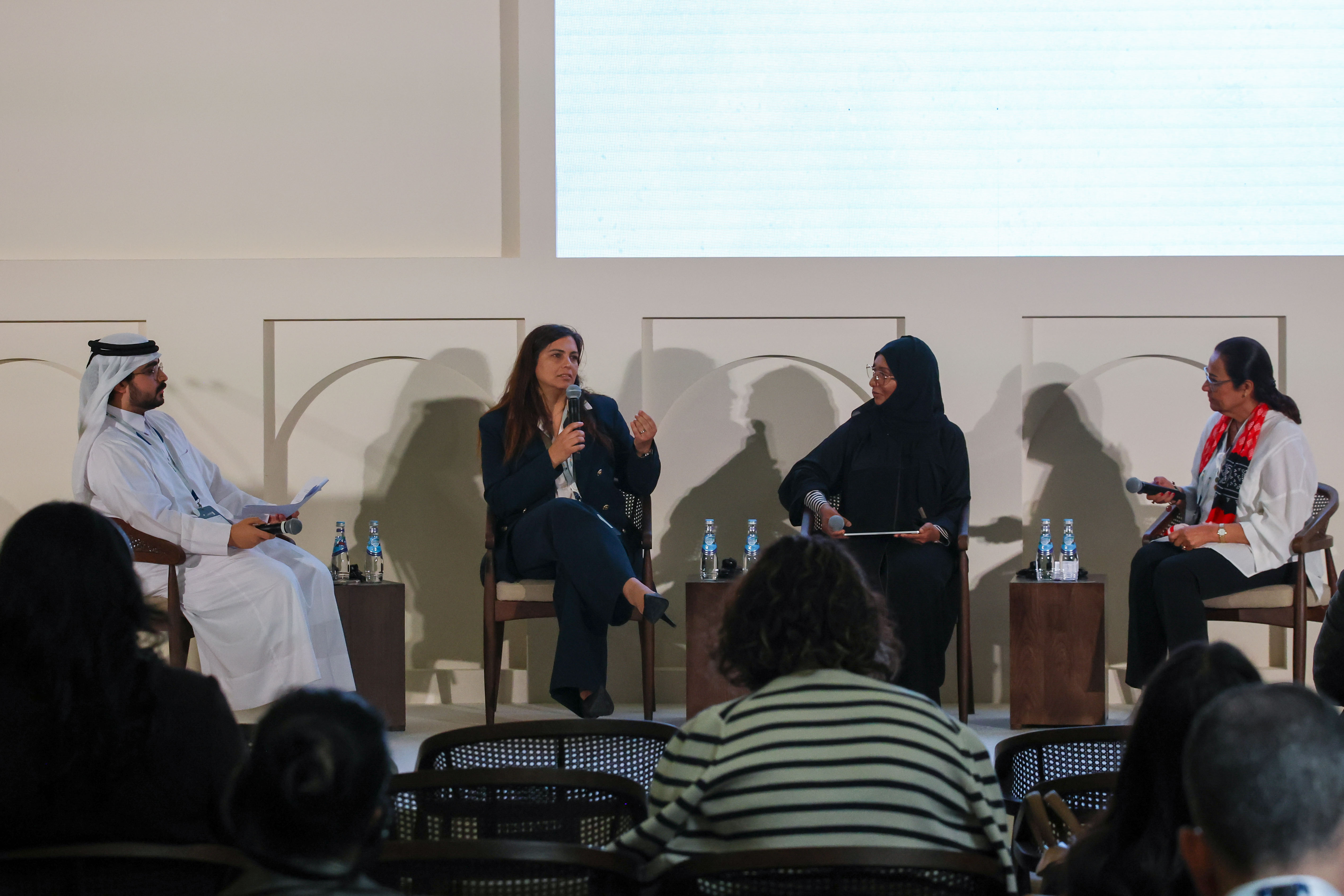
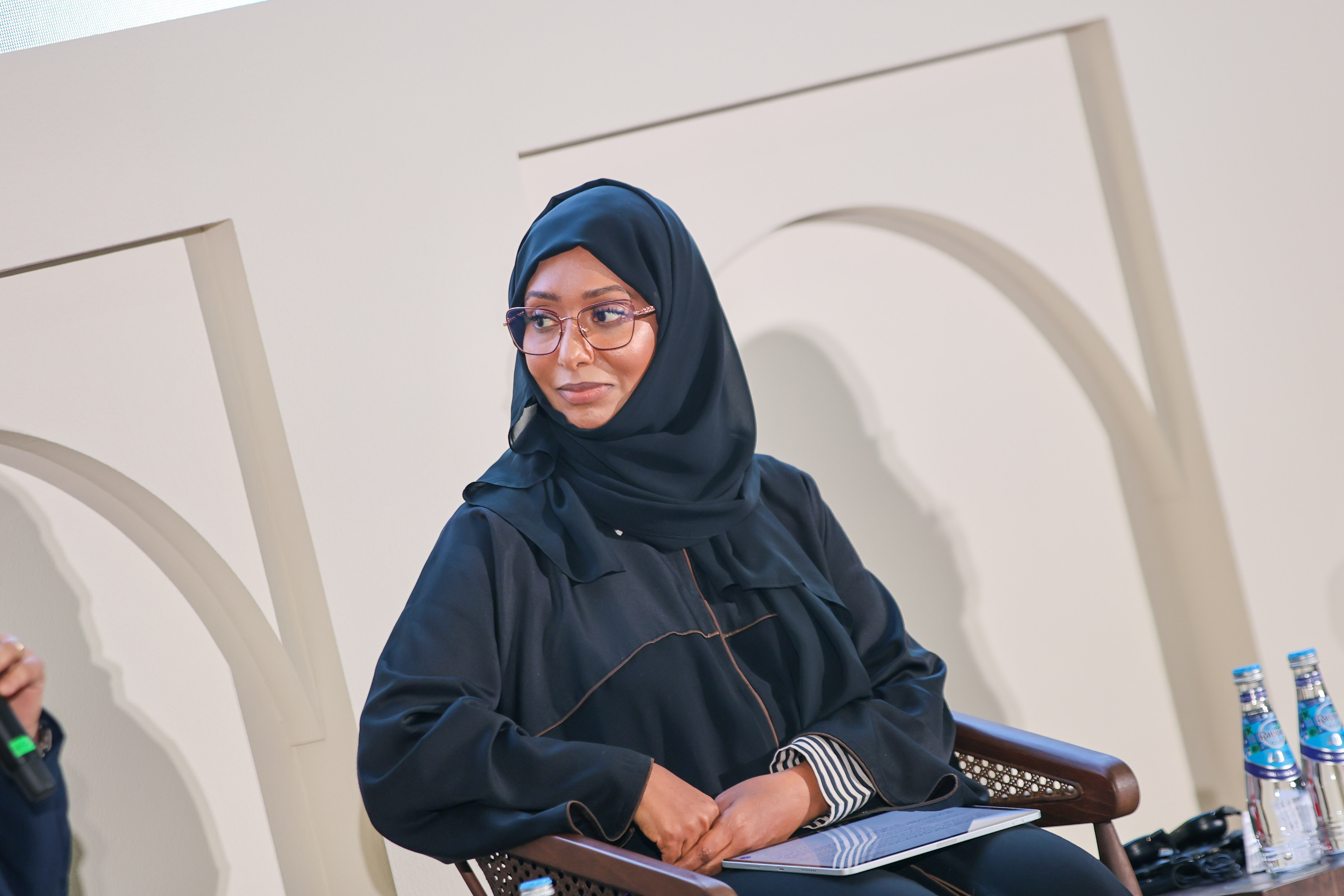
Fatima Mohamed Fawzy, Msheireb Properties
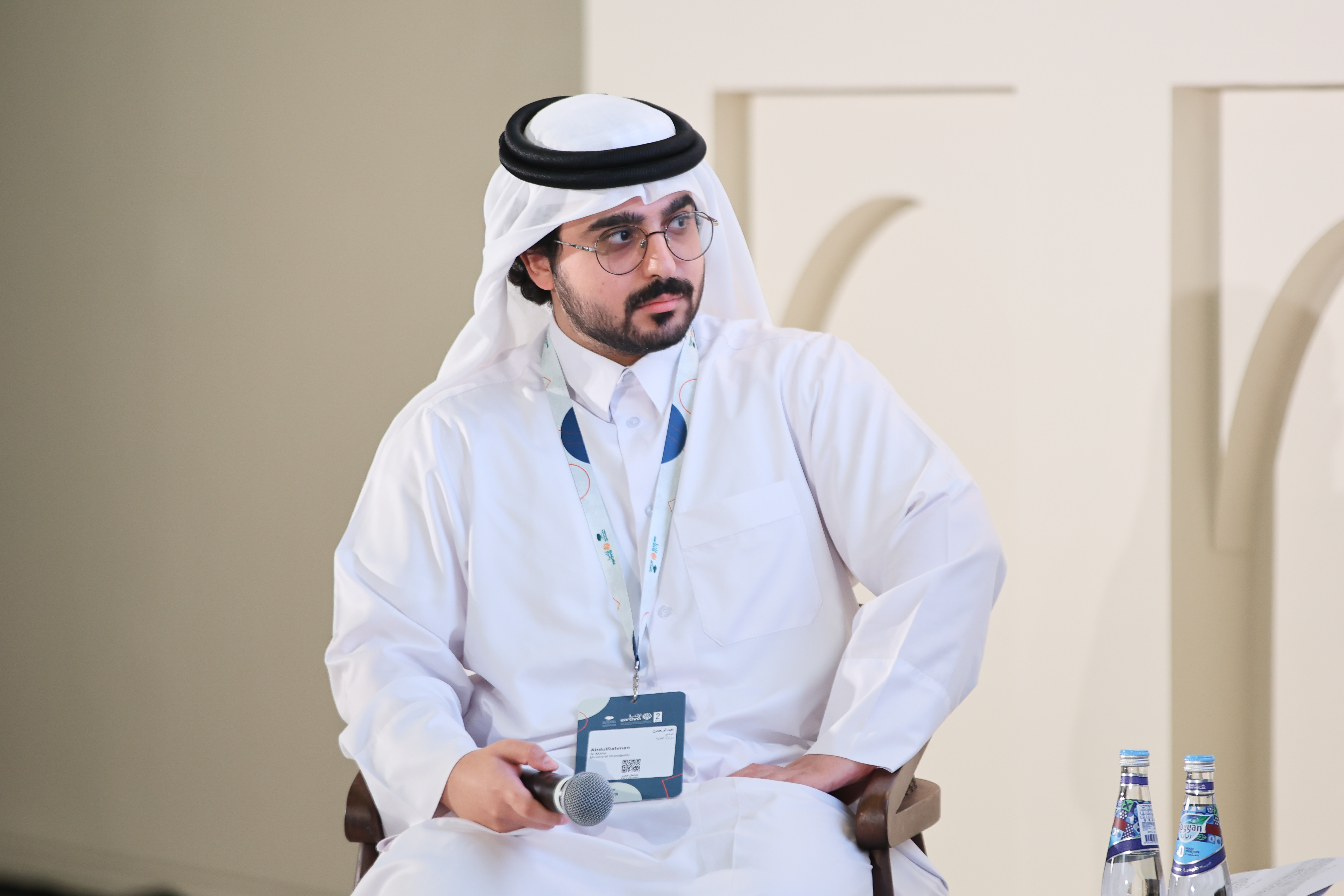
Moderator Abdulrahman Hamad Al-Mana, Ministry of Municipality, Qatar
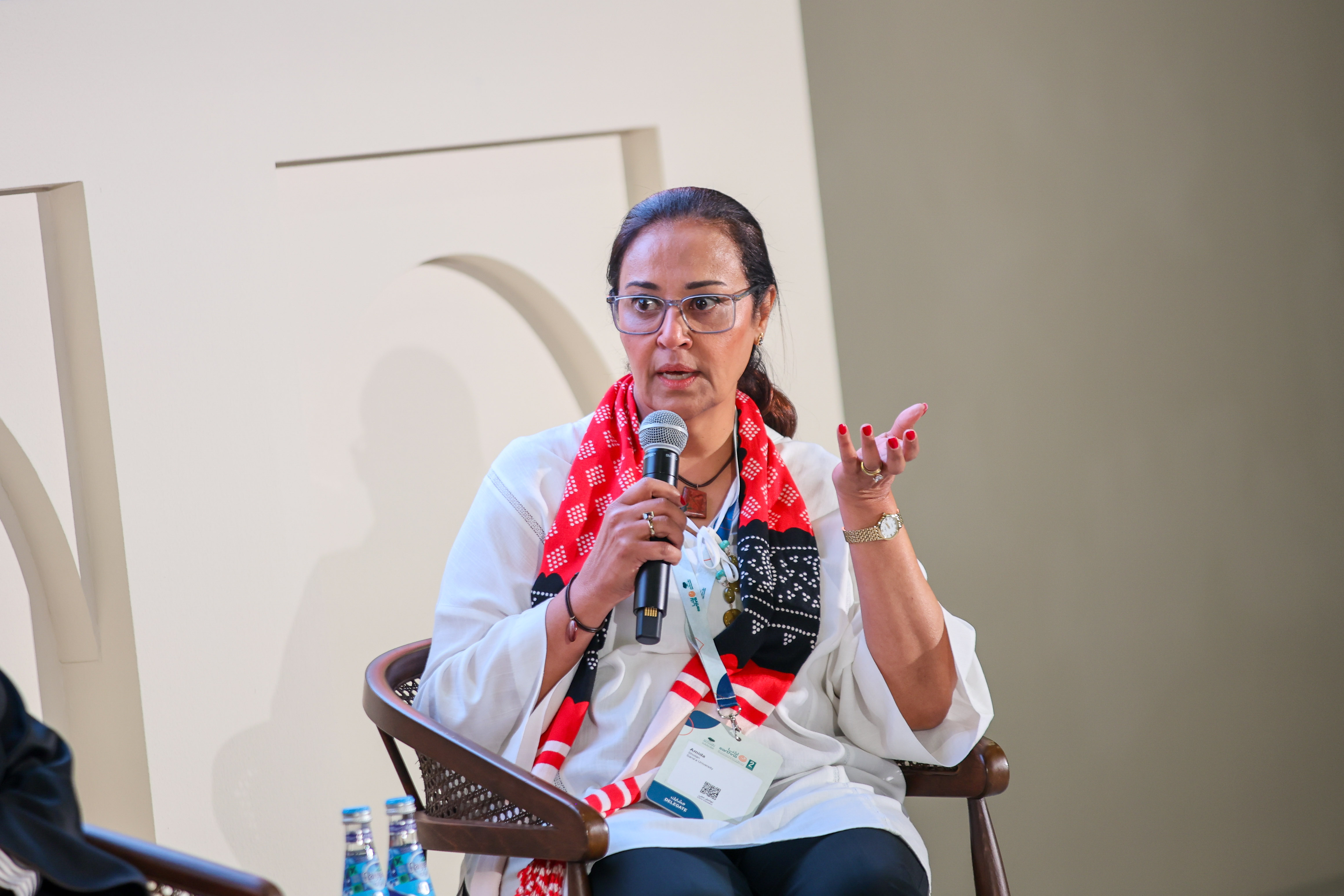
Amida Sholan, Sana'a University
Plenary | Towards a Nature Positive Planet: Challenges and Opportunities
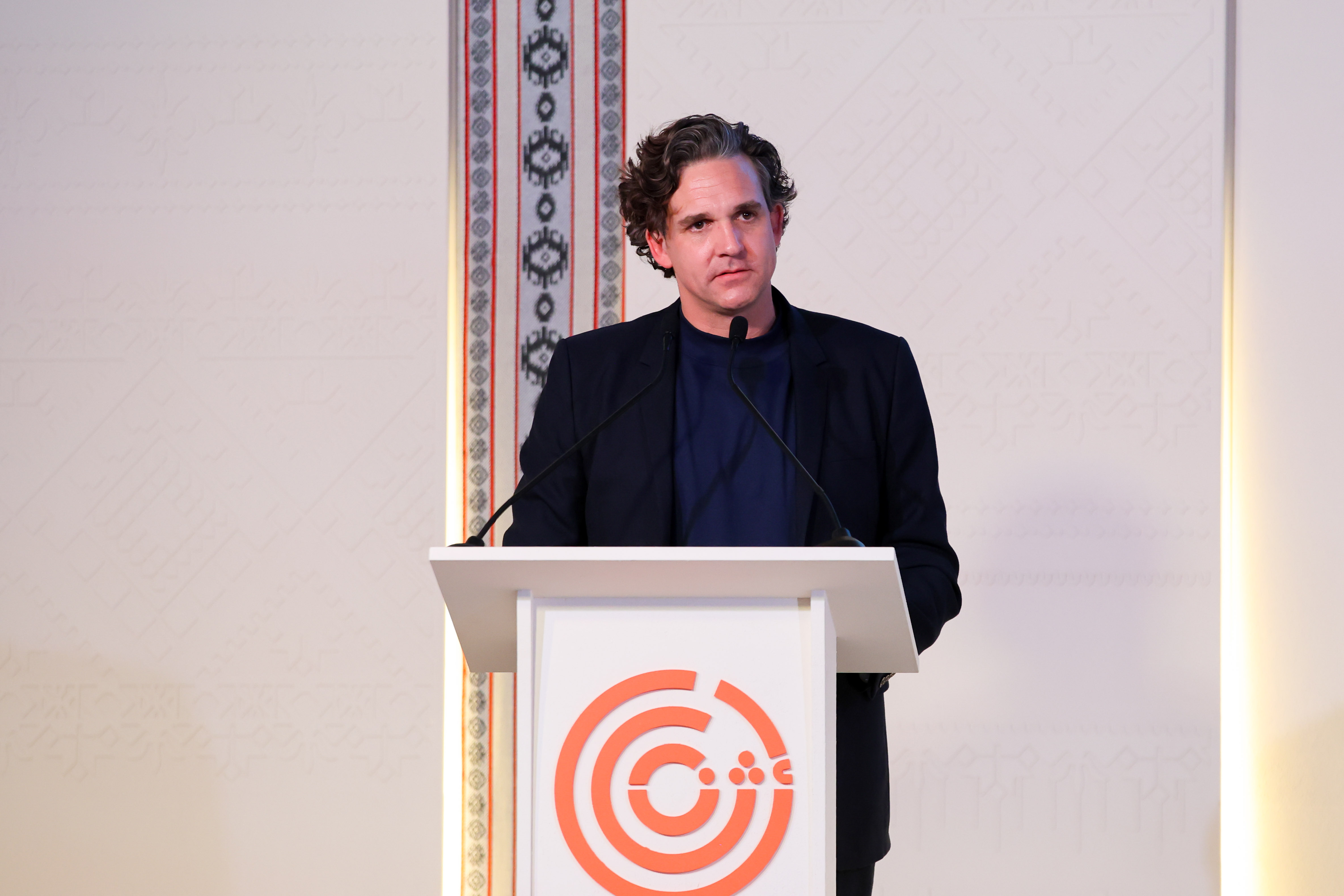
Thijs Biersteker, Artist and Founder, Woven Foundation
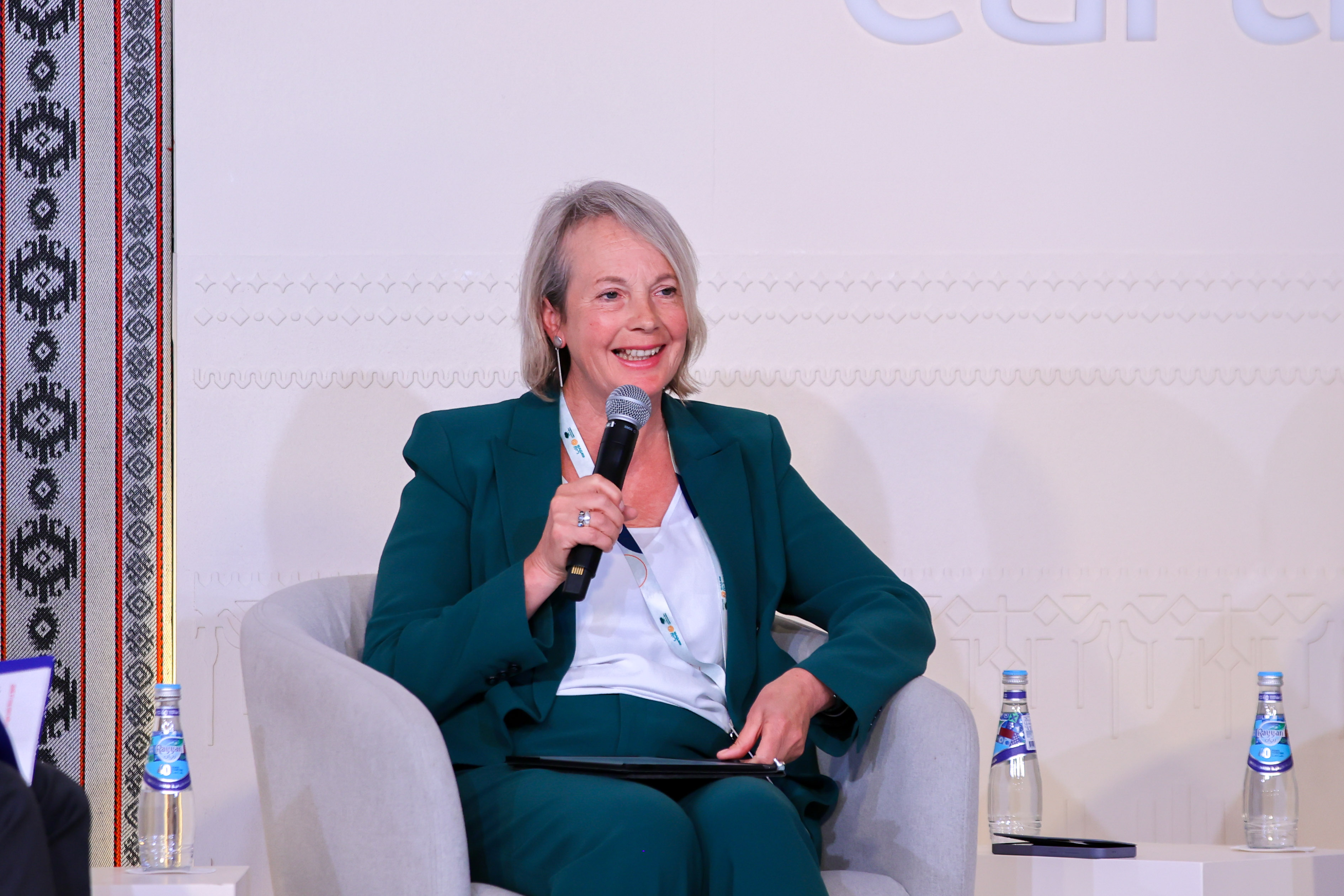
Jane Madgwick, International Conservationist and Author

Moderator Nick Clark, Al Jazeera English
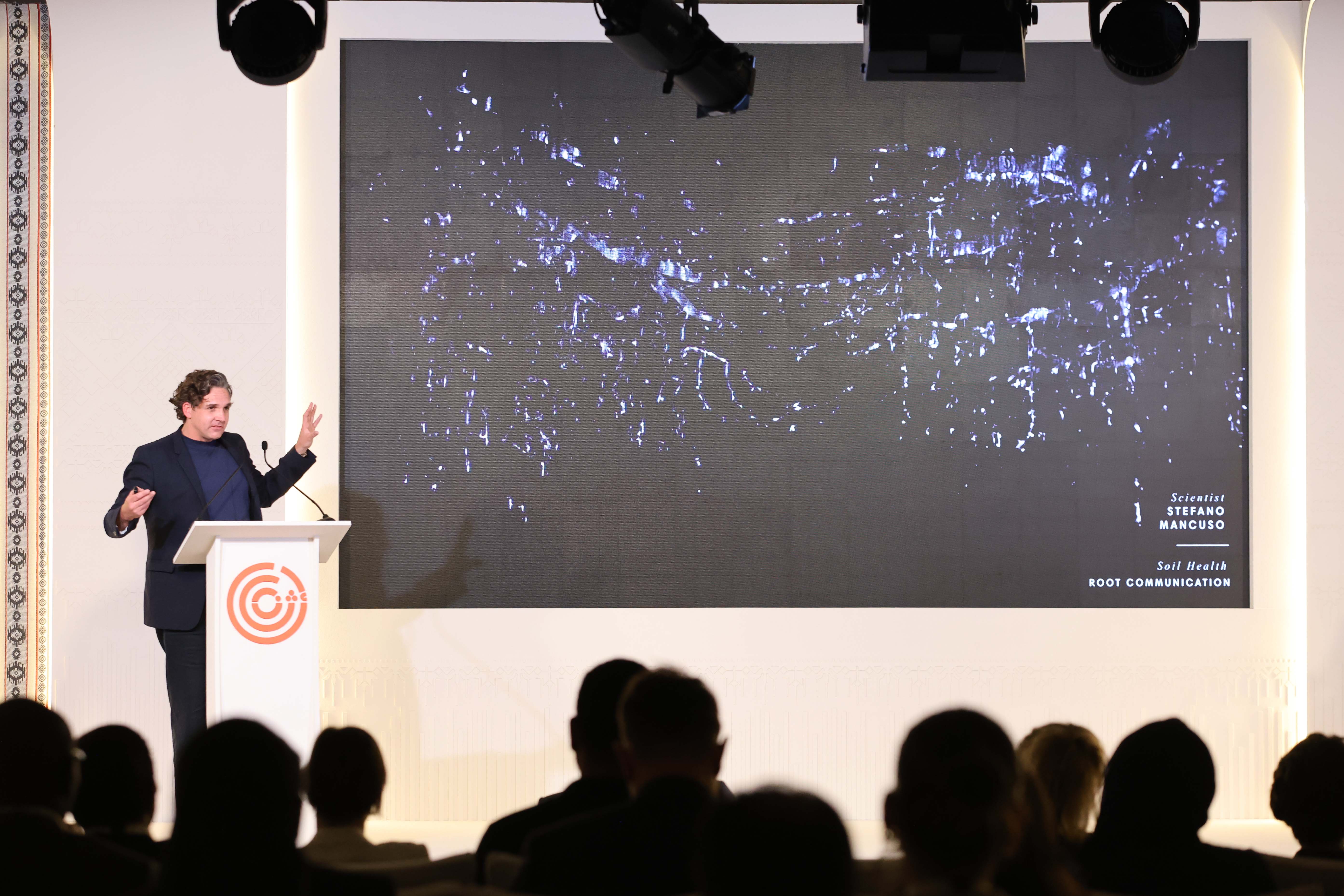
A slide showing "Econtinuum", an artwork by Thijs Biersteker and Stefano Mancuso, that uses sensors to mimic trees' roots' communication.
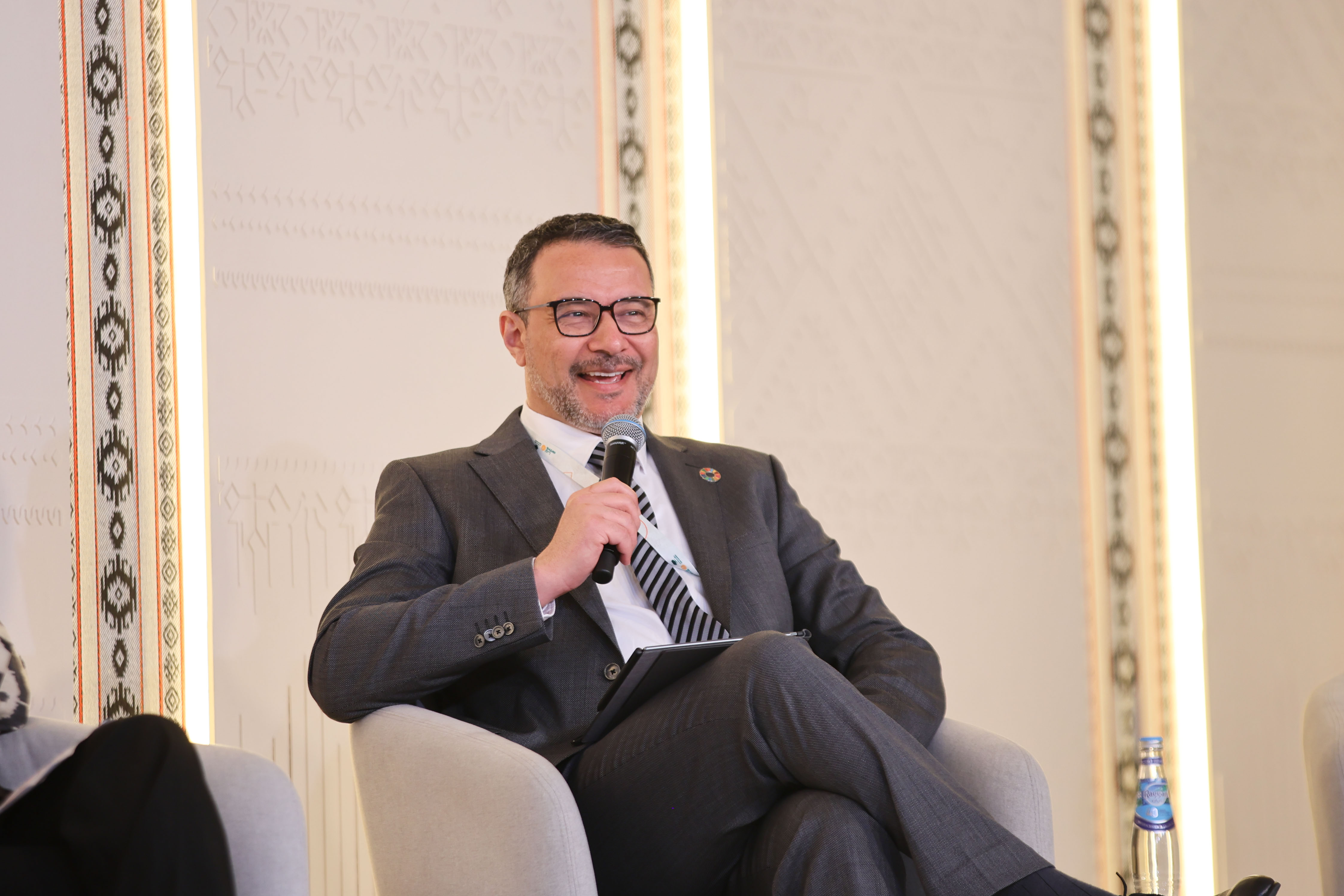
Radhouan Ben-Hamadou, Director, Research and Policy Development, Earthna
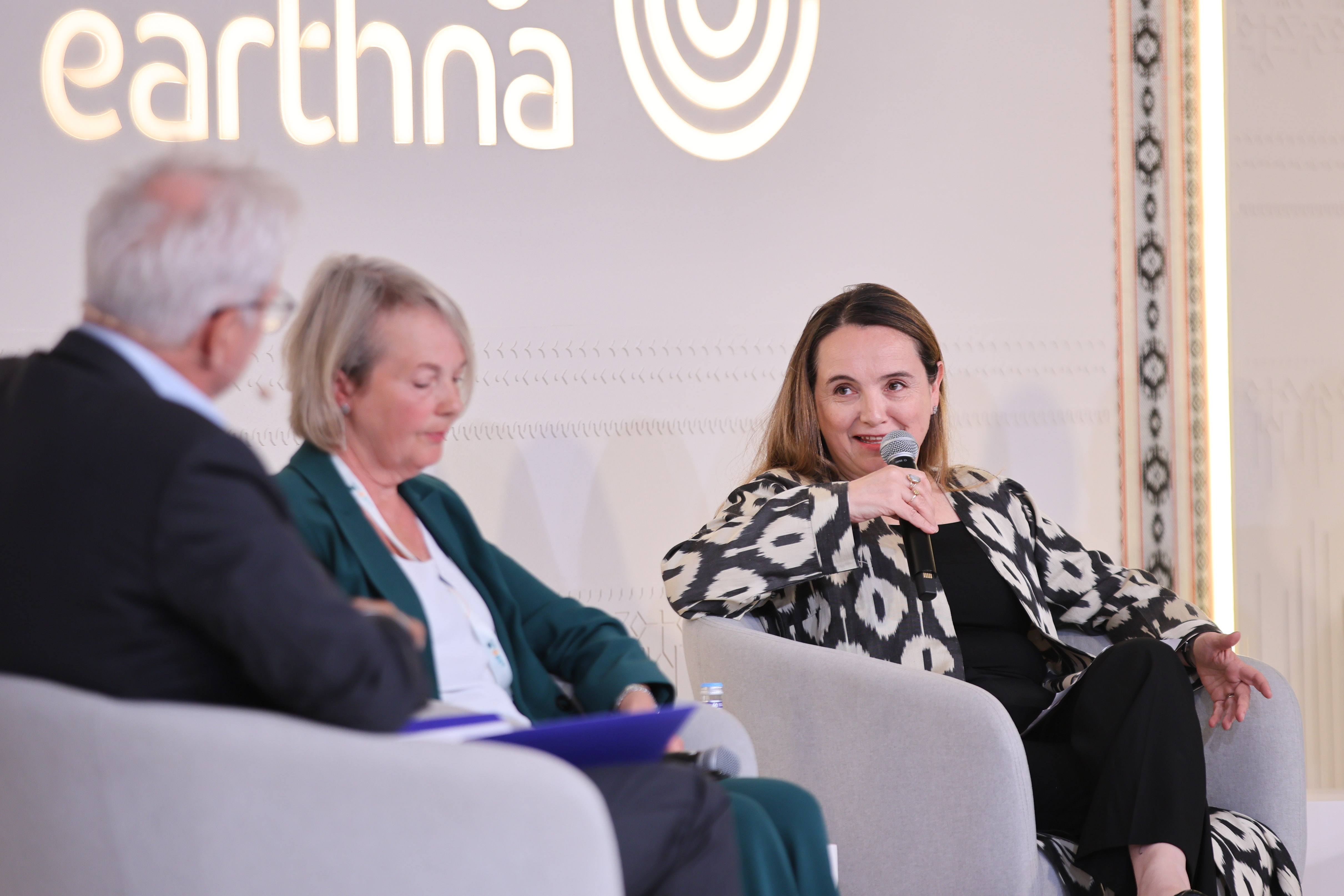
Grethel Aguilar, Director-General, International Union for Conservation of Nature (IUCN)
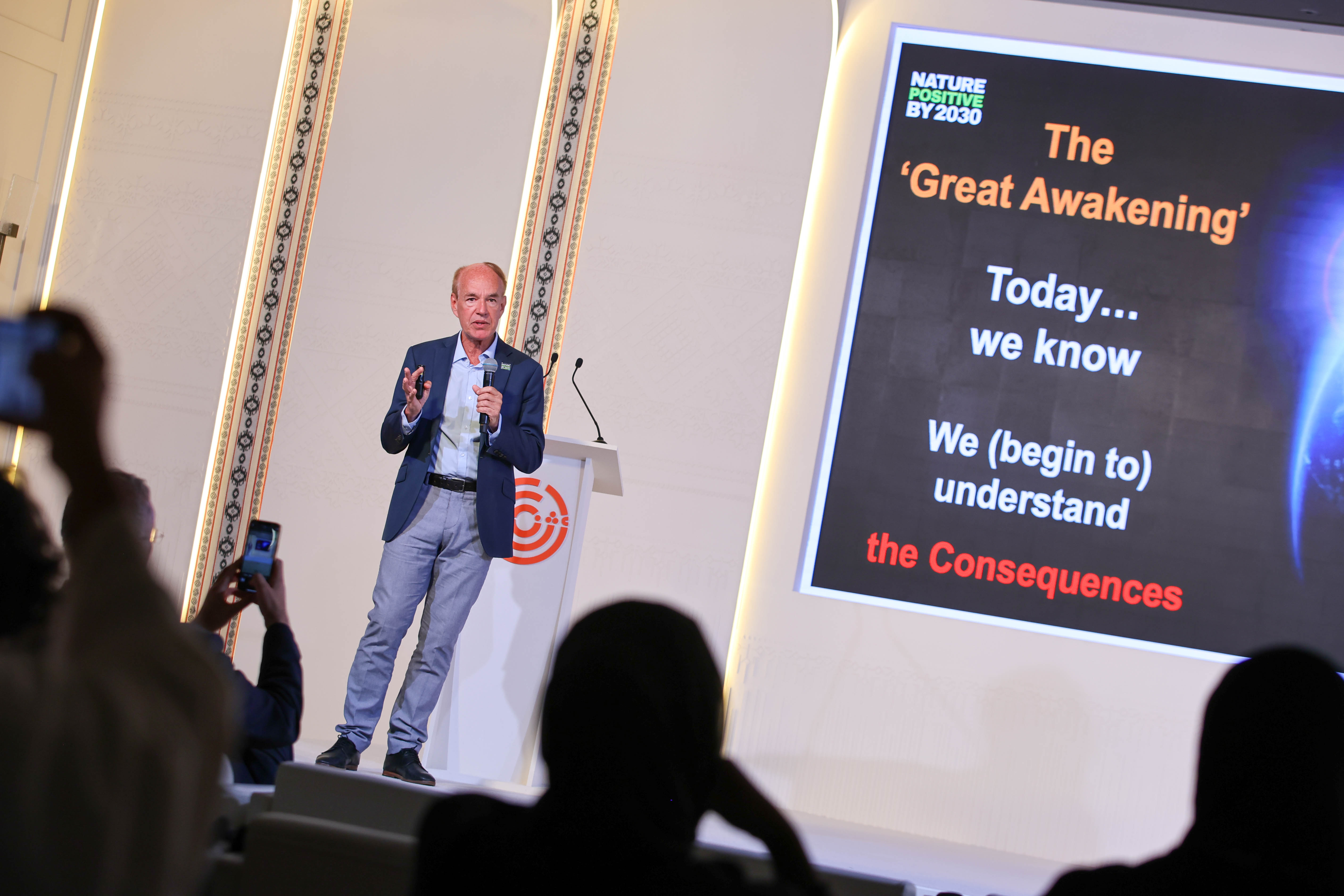
Marco Lambertini, Convener, Nature Positive Initiative
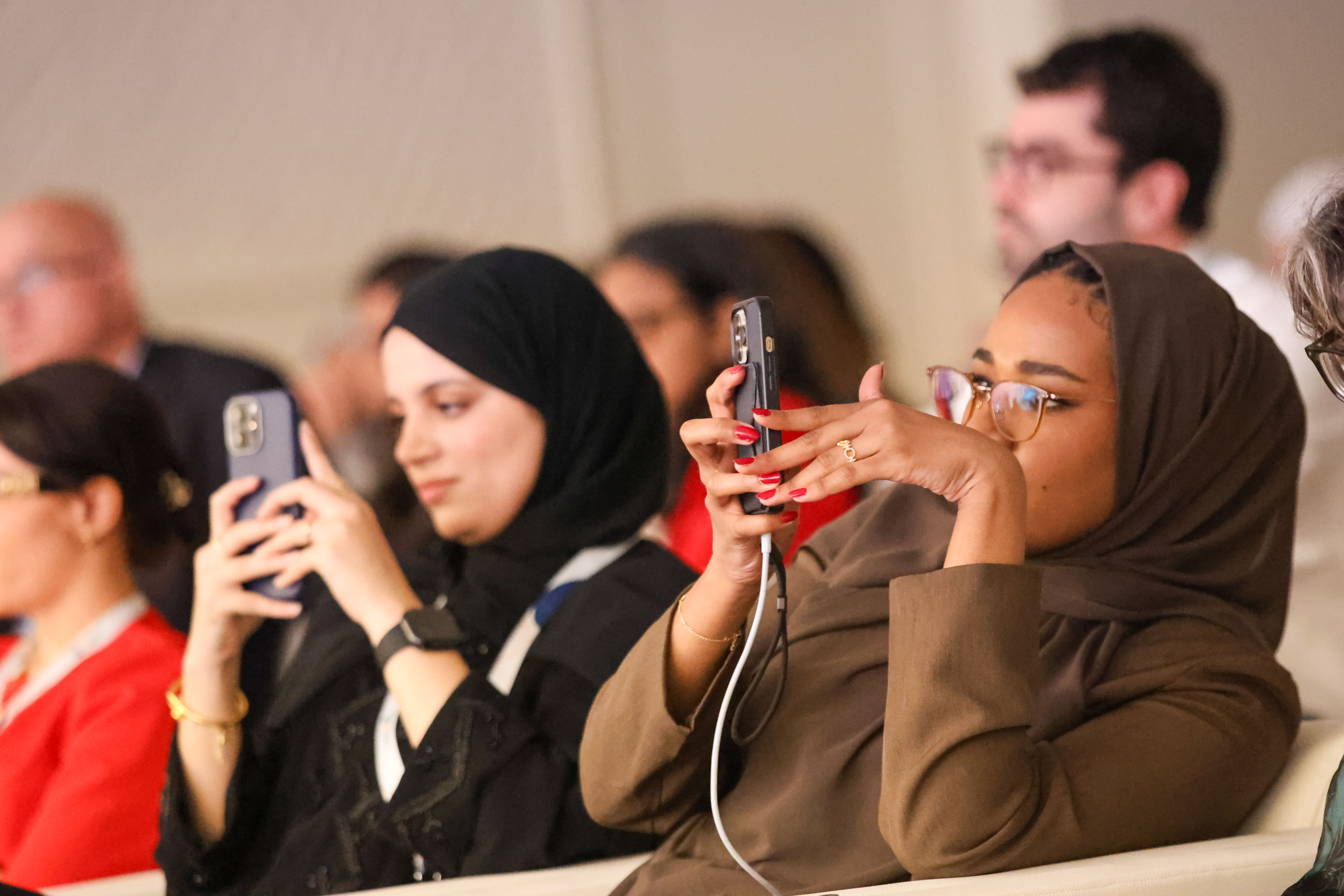
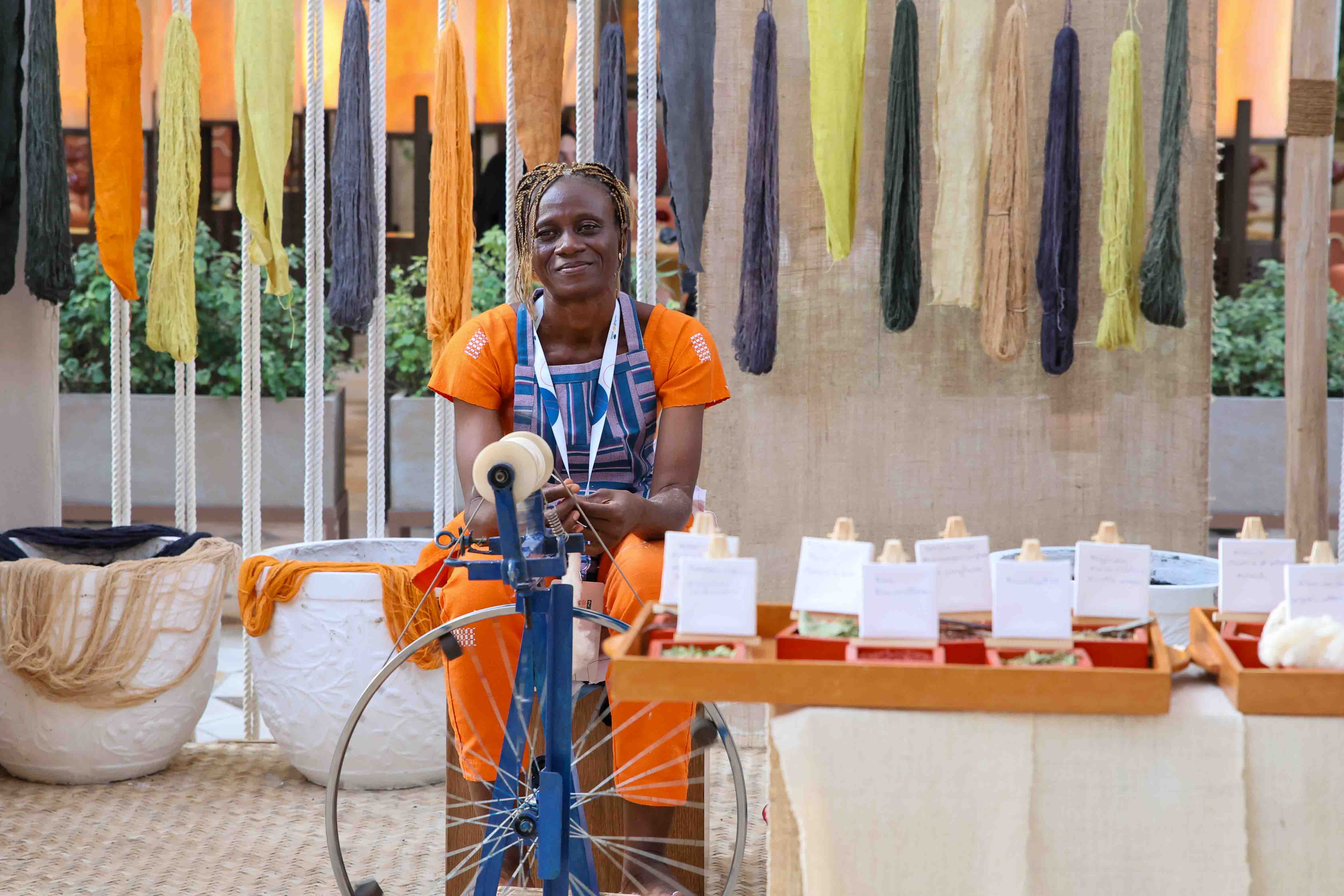
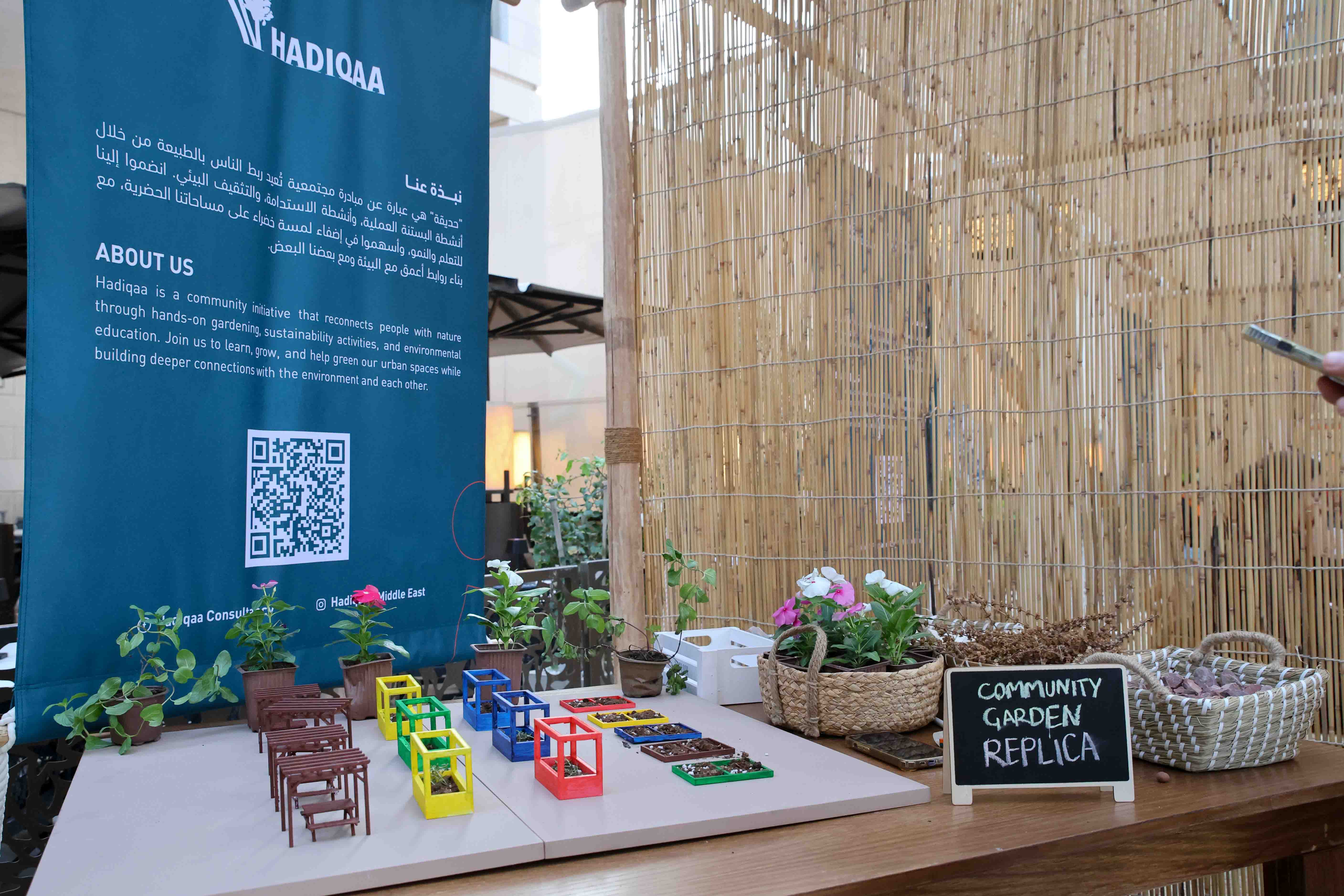
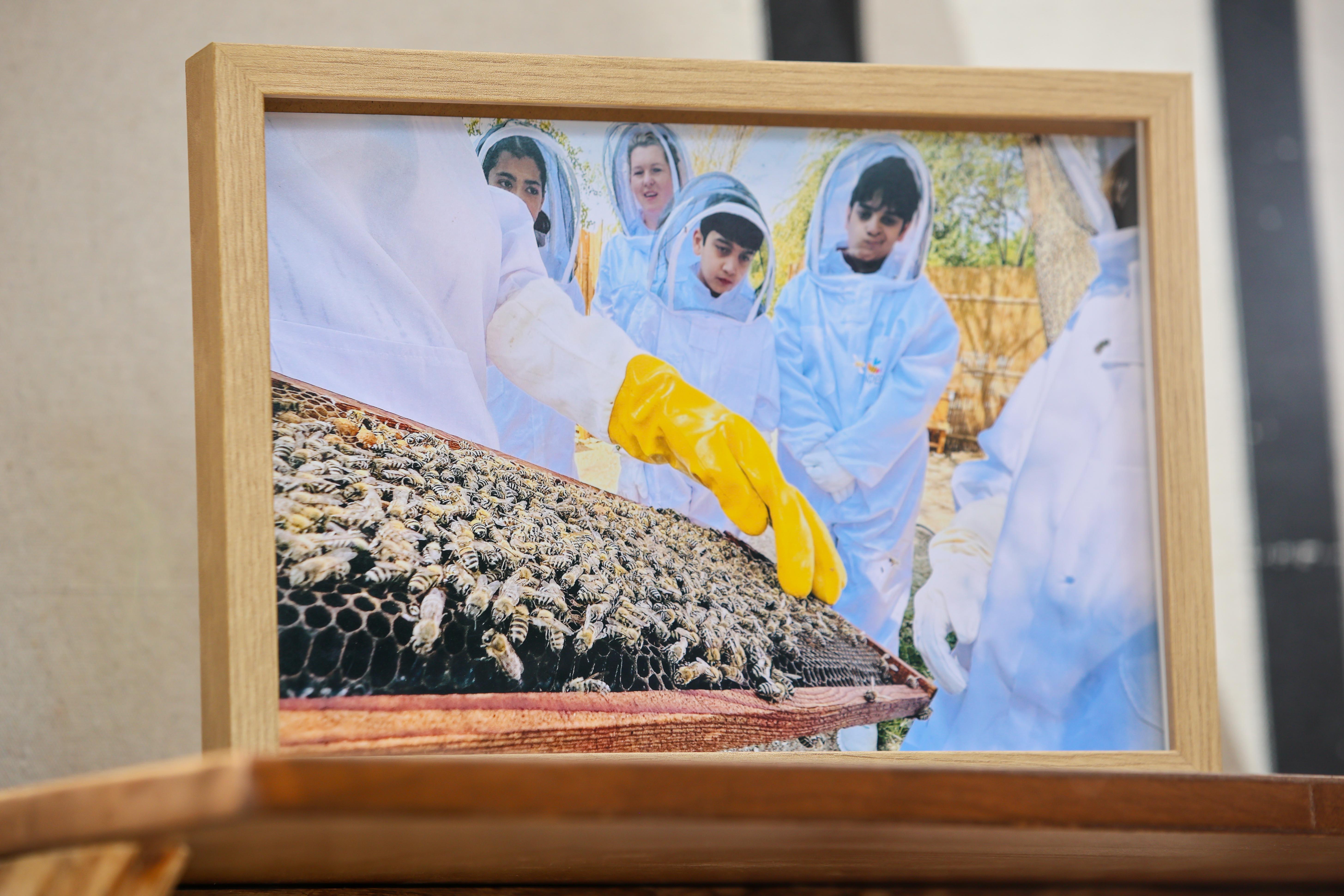
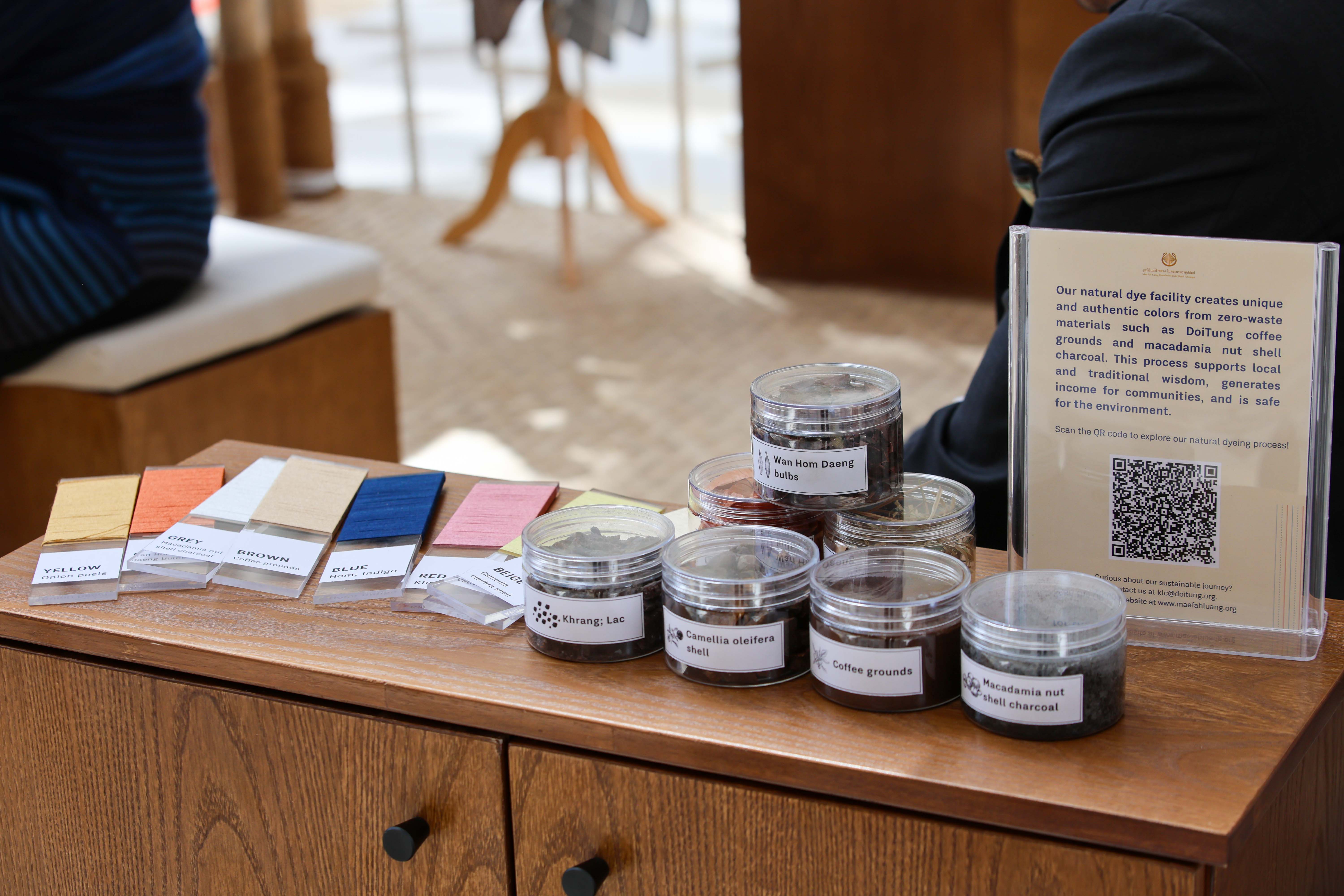
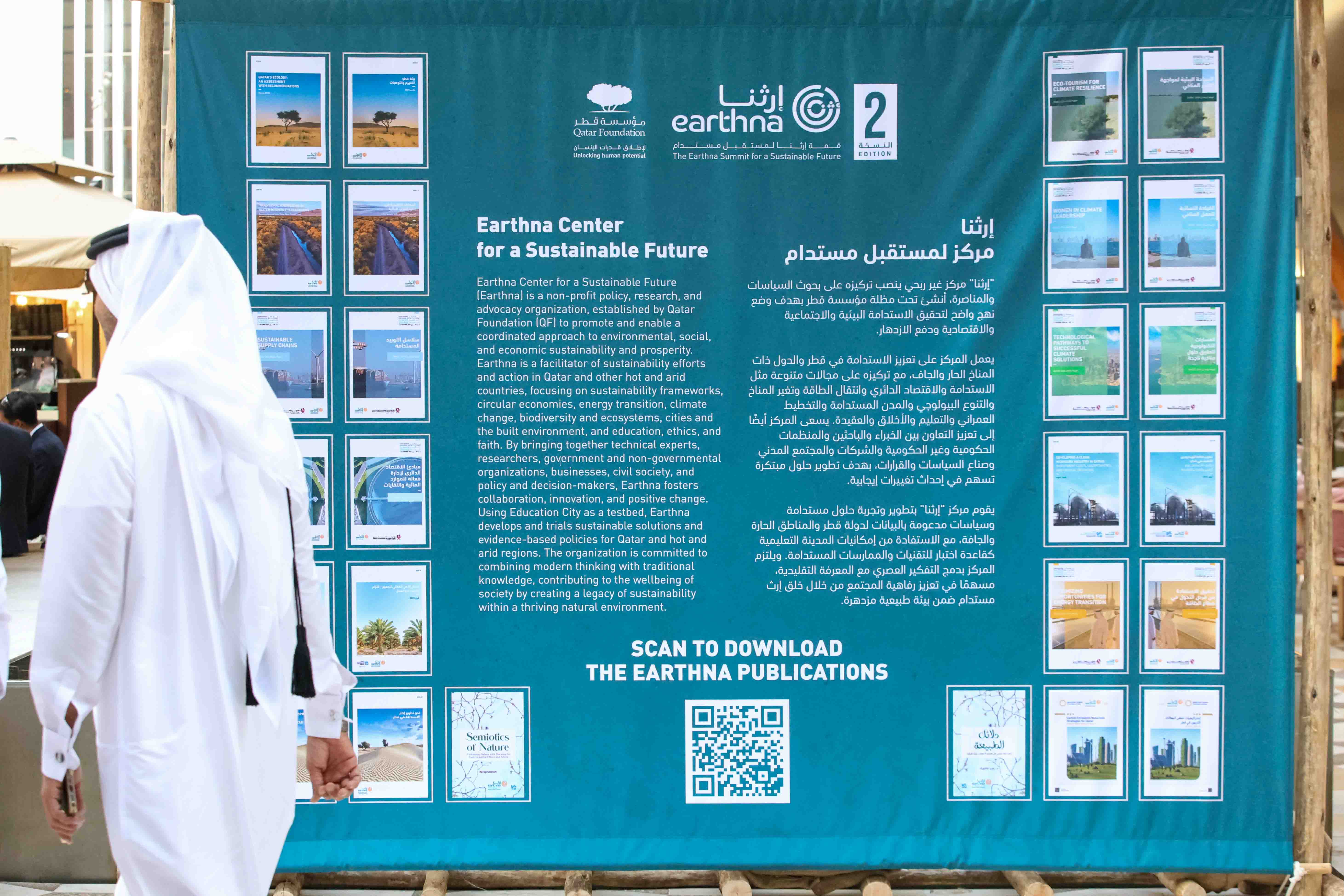
Earthna Village

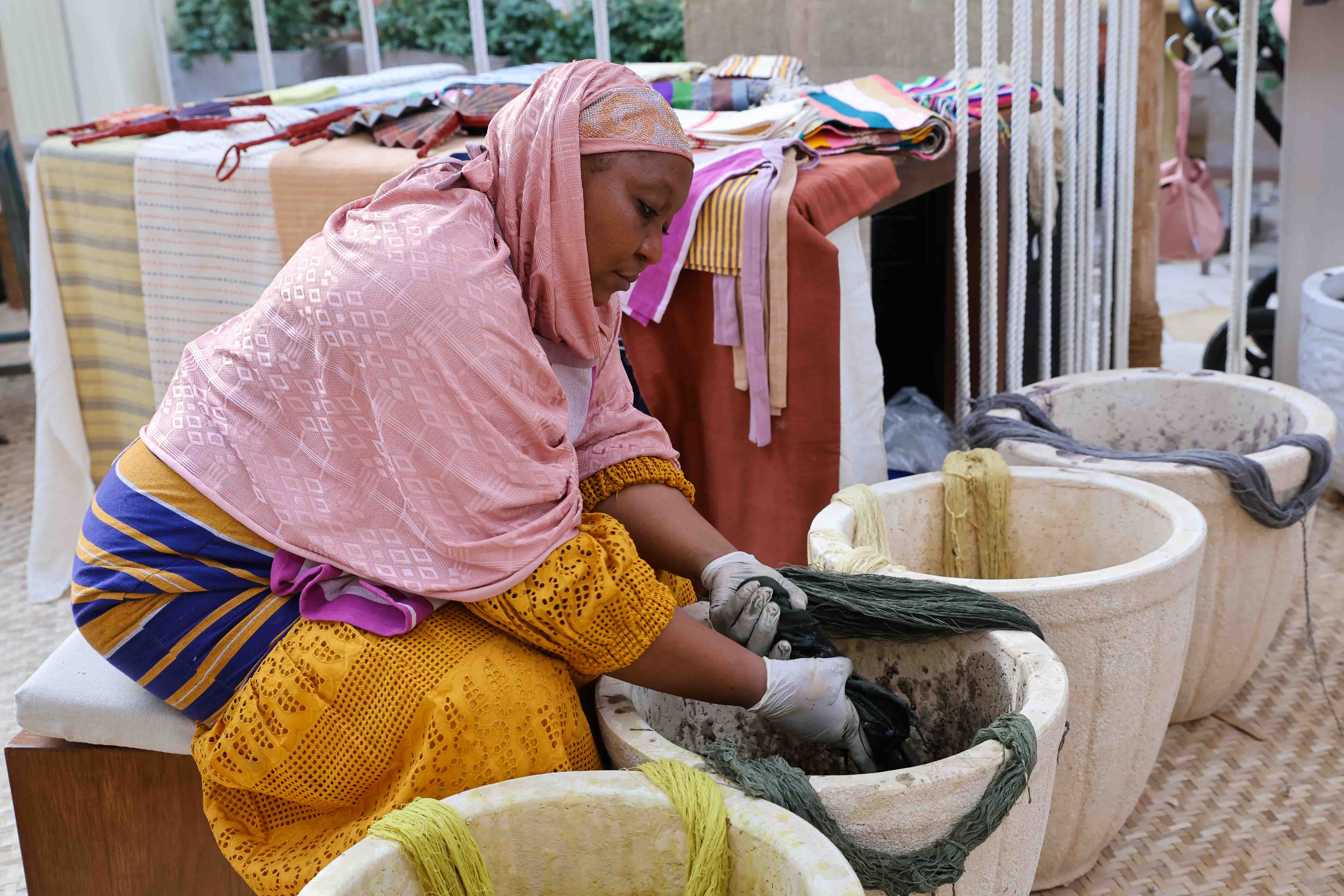
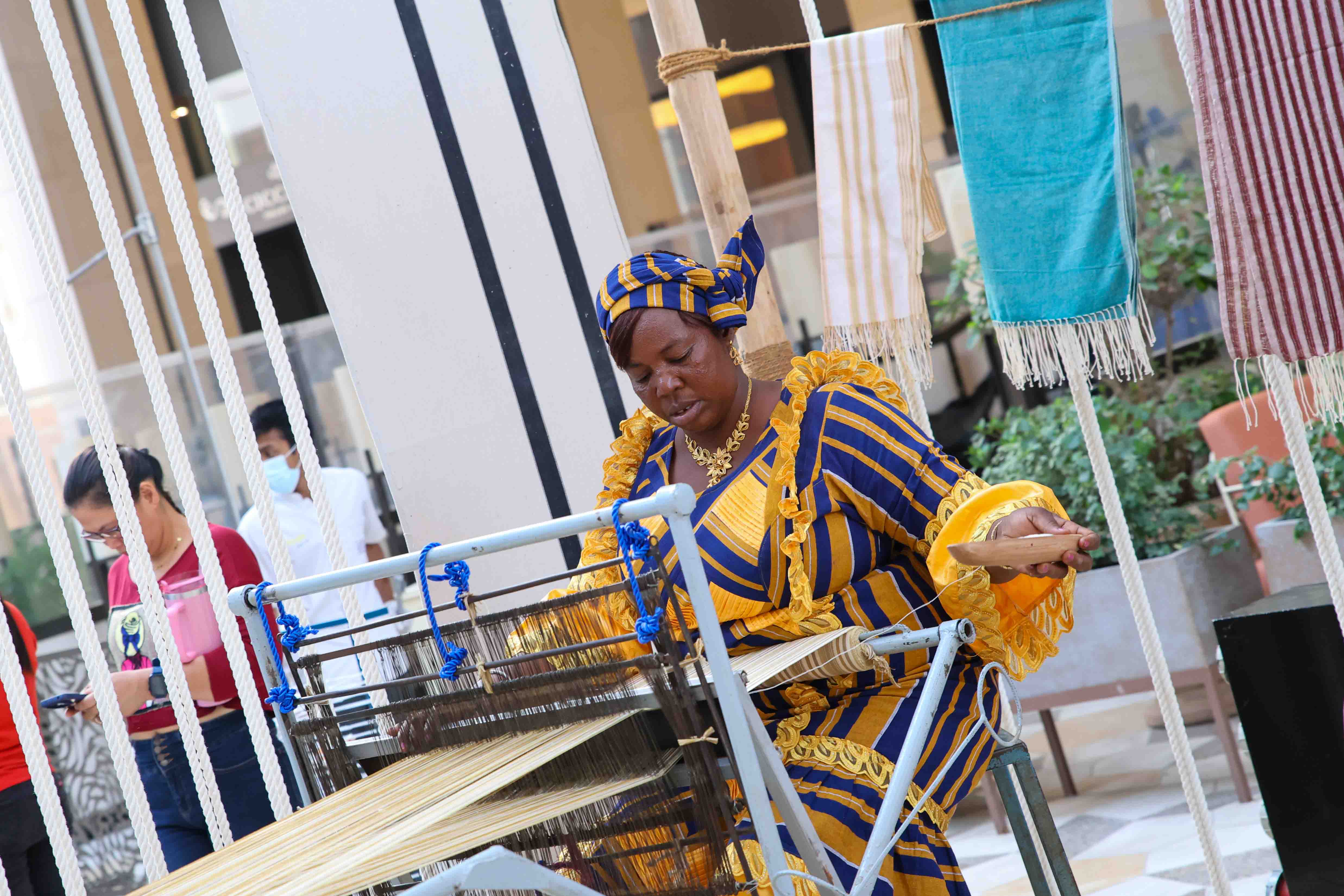


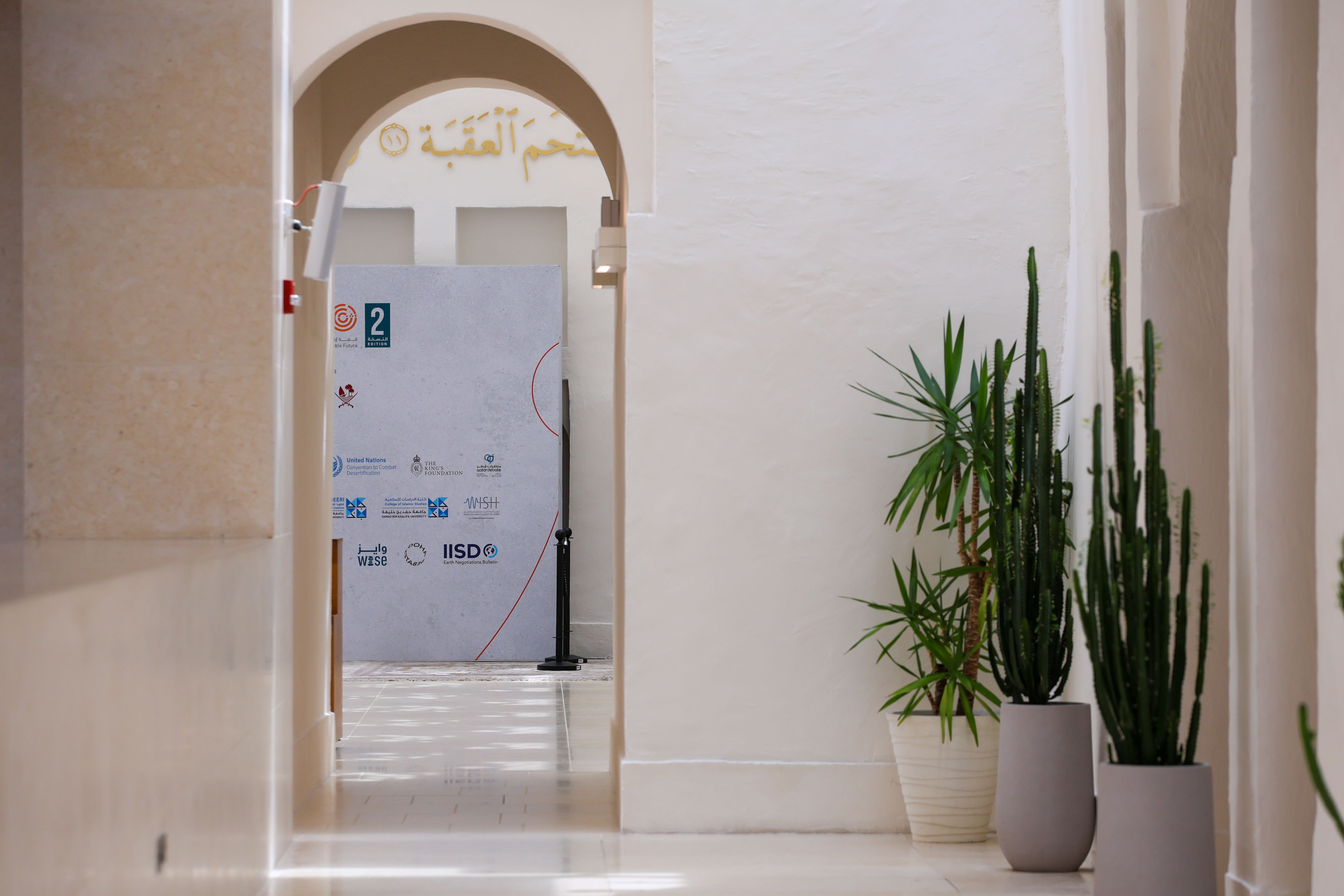
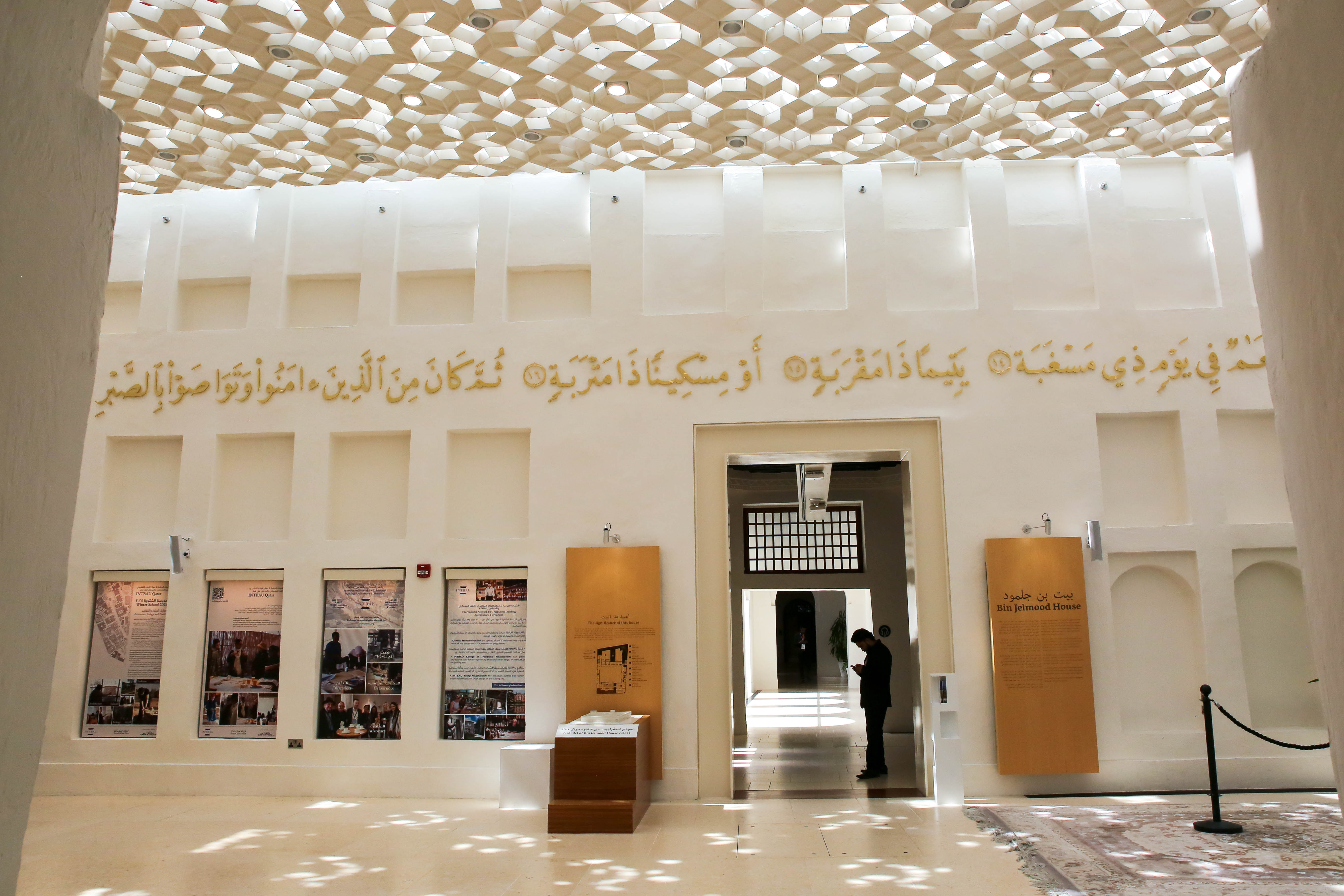
Around the Venue