Women Leading Collaboration: Partnerships for Sustainable Development
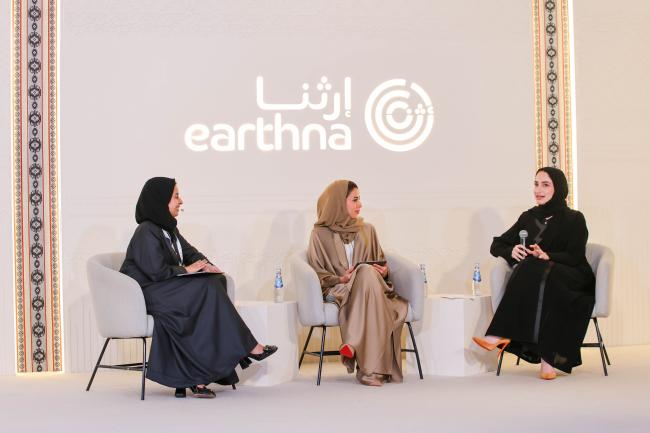
On Wednesday morning, the 2025 Earthna Summit celebrated the roles of women, with high-level dignitaries sharing their experiences in partnerships that benefit sustainable development. Patricia Espinosa Cantellano, CEO, onepoint5, and former Executive Director, UN Framework Convention on Climate Change (UNFCCC), underlined that women and girls are “catalysts of transformation.”
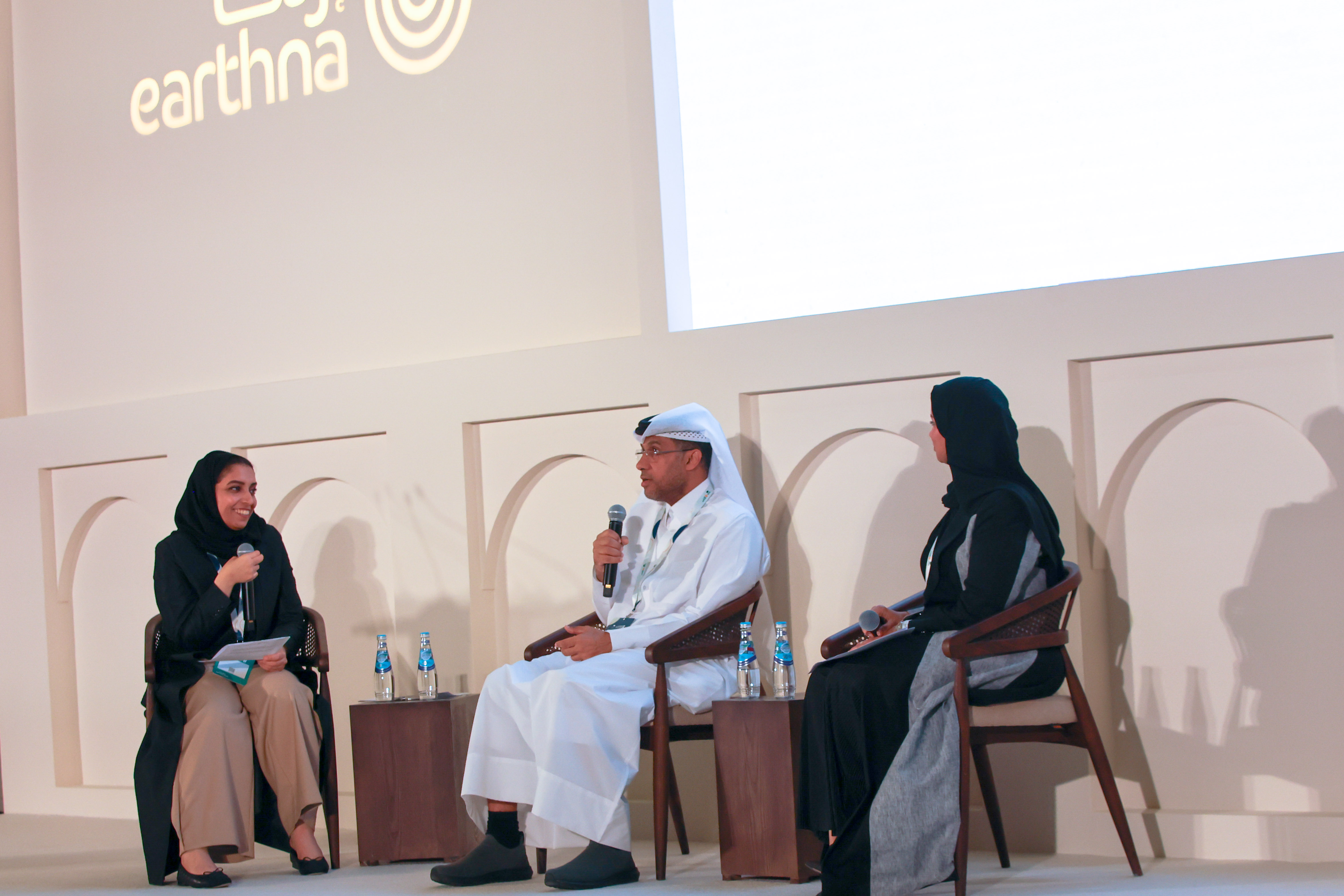
Shaikha Al-Marri, Deputy Director, Gulf Cooperation Council Programme, International Institute for Middle East and Balkan Studies, interviewed Hamda Al-Sulaiti, Deputy Speaker, Shura Council, Qatar, who underscored the importance of lifelong learning. “No matter how far you reach in education, as long as I’m alive, I’m a learner and have to keep developing myself,” she said, adding that the learning process is not limited to age, capacity, position, or gender.
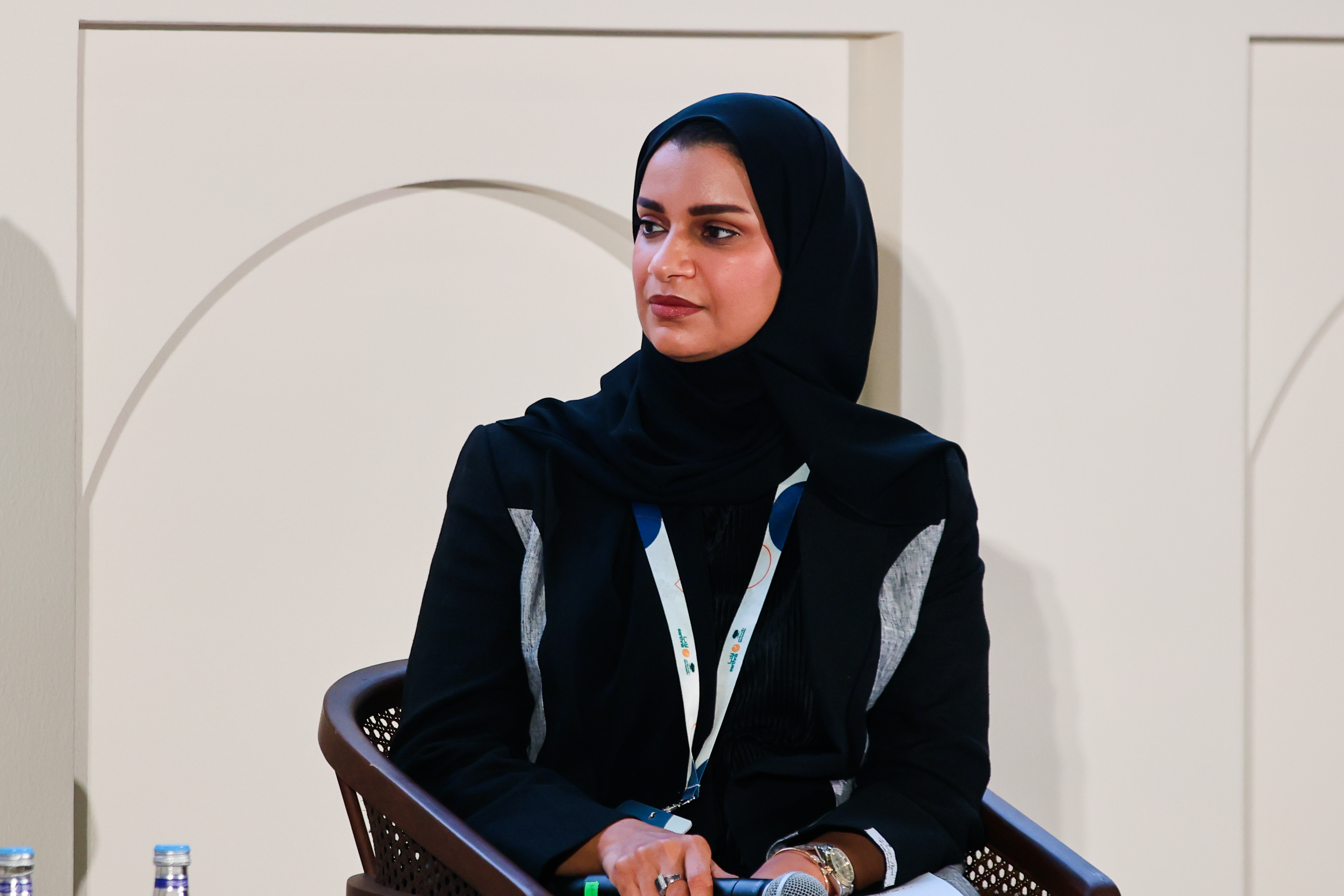
Sheikha Amna Al Thani, CEO, Strategy Hub, noted that while effective partnerships do exist in Qatar, to achieve long-term impact several gaps should be closed, namely on capacity building, inclusion of women, and an effective system to monitor and evaluate impact.
On the main success factors for building long-lasting partnerships, Sheikha Haya Al-Thani, Director of Strategic Partnerships, Qatar Fund for Development, singled out trust, flexibility of the partners, and the ability to listen to each other with respect.
Mangroves: Protecting Ecosystems and Supporting Communities
Participants attended a documentary screening highlighting the biodiversity of mangroves and the threats these ecosystems face. Following this, speakers highlighted some key actions required to preserve biological diversity, including:
- implementing regulations and legislation, such as measures to penalize those who harm biodiversity;
- demarcating the natural habitats of mangroves as protected areas;
- investing in early-age education programmes to ensure citizens “shoulder the collective responsibility” of protecting mangroves; and
- awareness-raising activities and on-site visits for students, cited as critical for fostering links between people and nature and transforming negative perceptions.
New Sustainability Frameworks: Beyond GDP
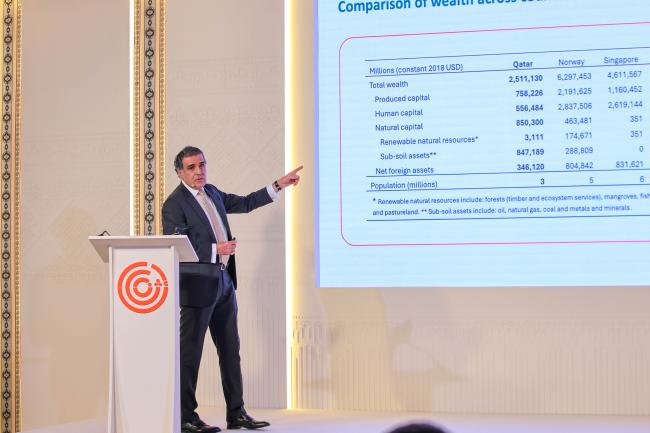
In a keynote address, Earthna Executive Director Gonzalo Castro de la Mata said that traditional economic and biocapacity models are no longer fit for purpose to measure the sustainability and development trajectories of countries. He outlined the launch of an innovative framework that goes beyond GDP to measure “inclusive wealth,” highlighting the initial steps for applying this framework in Qatar.
Panelists addressed the implementation requirements for the inclusive wealth framework (IWF), and converged on the importance of building human and infrastructural capacity for gathering, managing, and analyzing the data needed for the diverse facets of development and capital that the framework captures. In closing, panelists cited the keys to applying the IWF as strengthening buy-in from youth, engaging civil society, securing high-level political commitment, international collaboration, and establishing metrics for monitoring.
Nature and Faith-Based Values
“What do we mean by sustainability? We need to define the good life – the definition has nothing to do with hoarding or having materialistic things, and instead relates to being satisfied.” With these words, panelists called for a return of empathy for people who are poor and suffering, stressing, “we need to go back to the oneness and dignity of humans.”
In this session, which explored the relationship between humans and nature through the lens of spirituality, speakers outlined their inspiring vision of sustainability that is conceptually grounded in cross-faith teachings, both classical and contemporary. One described the current environmental crisis as an ethical and spiritual crisis, in which humans are out of sync with the meaning of nature due to unchecked materialism and globalization. Another emphasized the importance of protecting the dignity of humans, saying, “we are part and parcel of nature – if we violate nature, we violate ourselves.”
Closing Plenary: The Case for an Arid Cities Network
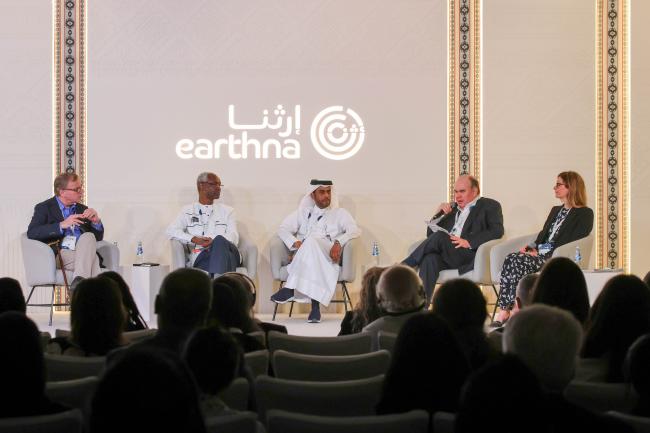
In the final session of the second edition of the Earthna Summit, participants considered the establishment and potential role of an arid cities network, with all agreeing that there is a growing need for a global network and convening power, and that Qatar is well-positioned to be a global leader in this area.
A keynote address detailed the needs assessment among the six pilot cities of Doha (Qatar), Jaipur (India), Seville (Spain), Lima (Peru), Marrakesh (Morocco), and Muscat (Oman), highlighting that new hybrid responses are emerging, including on cooling systems, energy saving solutions, and making urban areas more livable.
The session’s speakers indicated they were strongly in favor of an arid cities network, and debated whether this should be a standalone network, or a sub-set of an existing one such as C40 Cities, the global network of mayors of the world's leading cities that are united in action to confront the climate crisis.
To receive free coverage of global environmental events delivered to your inbox, subscribe to the ENB Update newsletter.
All ENB photos are free to use with attribution. For this meeting, please use: Photo by IISD/ENB | Anastasia Rodopoulou.
Women Leading Collaboration: Partnerships for Sustainable Development
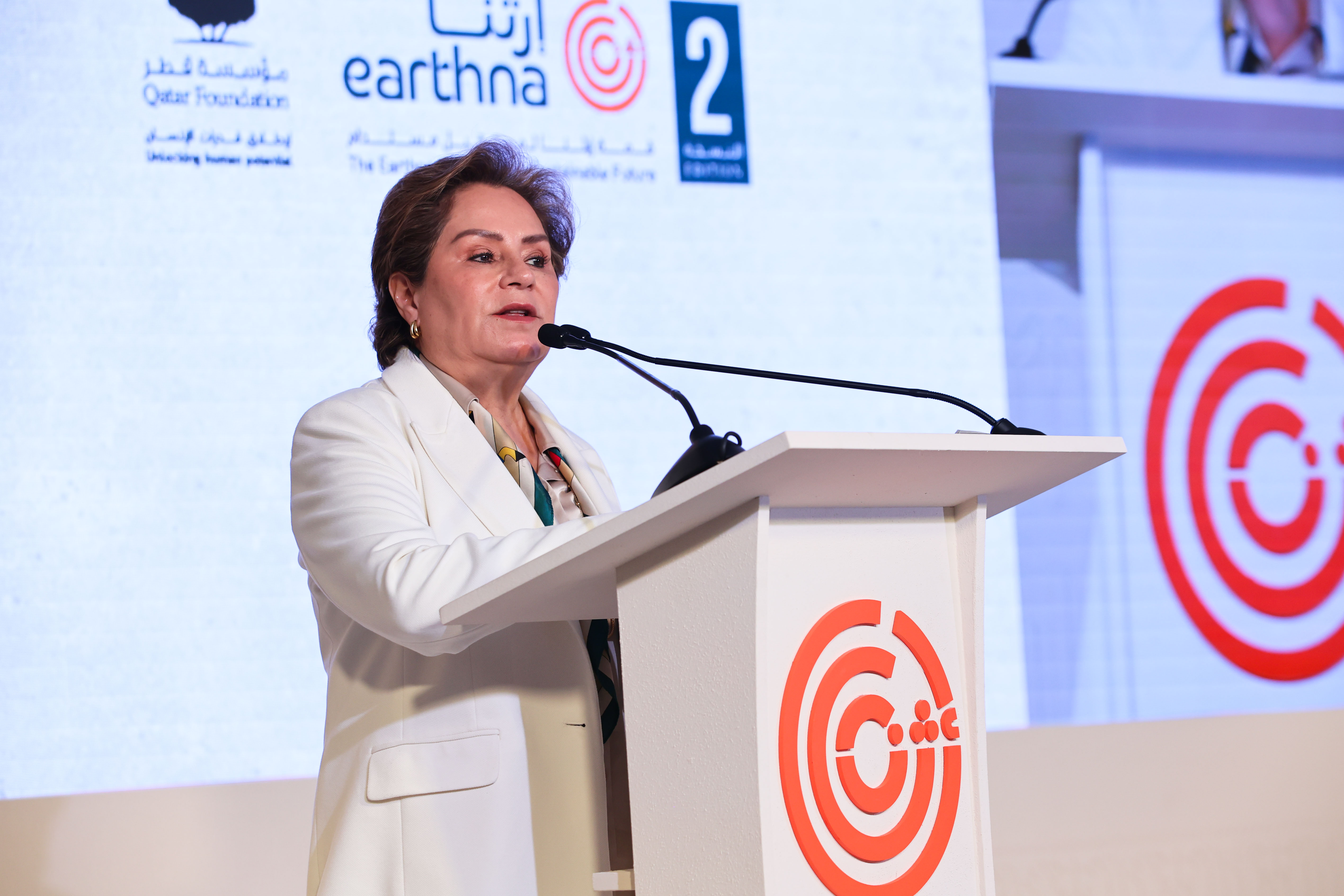
Patricia Espinosa, CEO, onepoint5, and former UNFCCC Executive Secretary
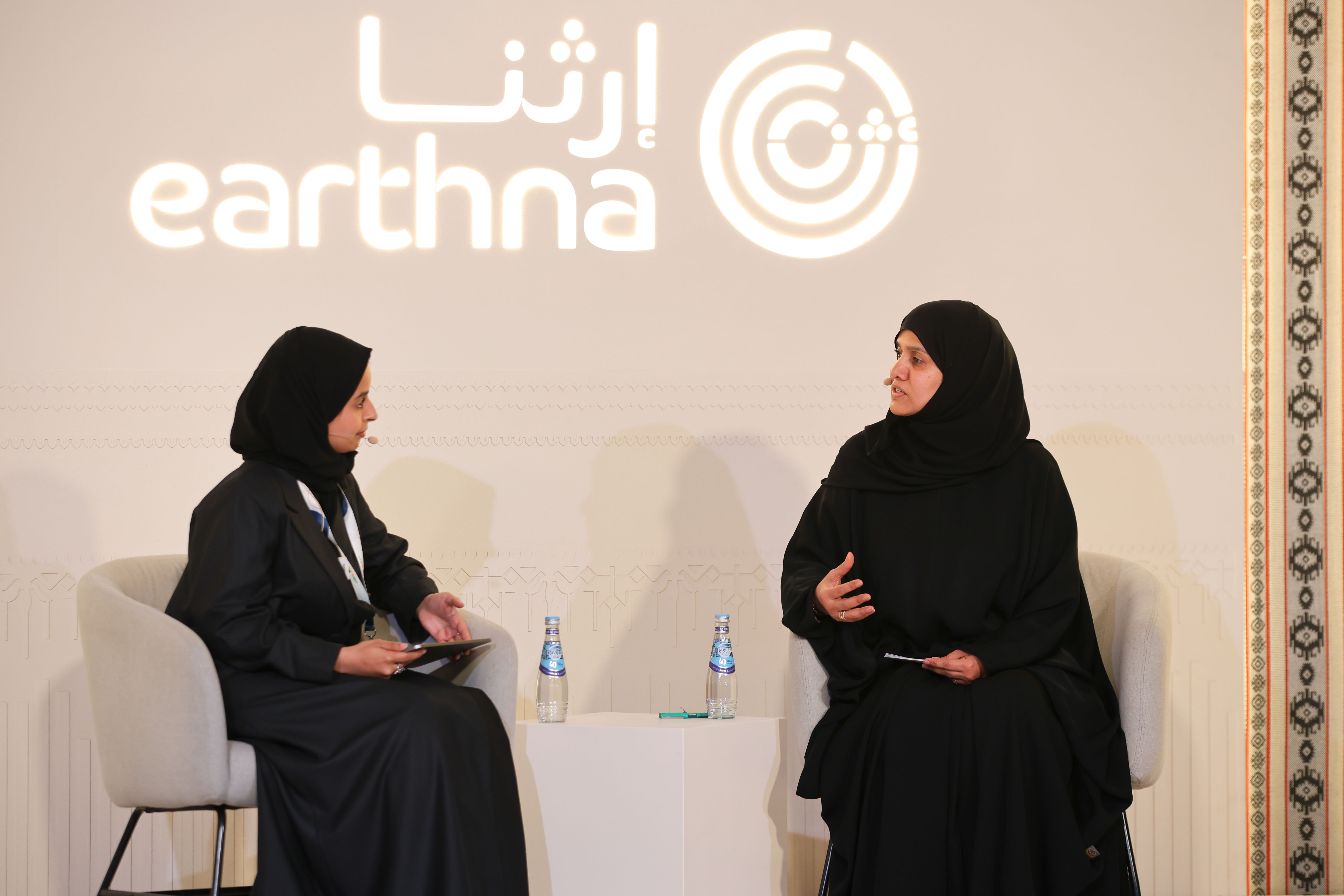
Moderator Shaikha Al-Marri, International Institute for Middle East and Balkan Studies, and Hamda Al-Sulaiti, Shura Council
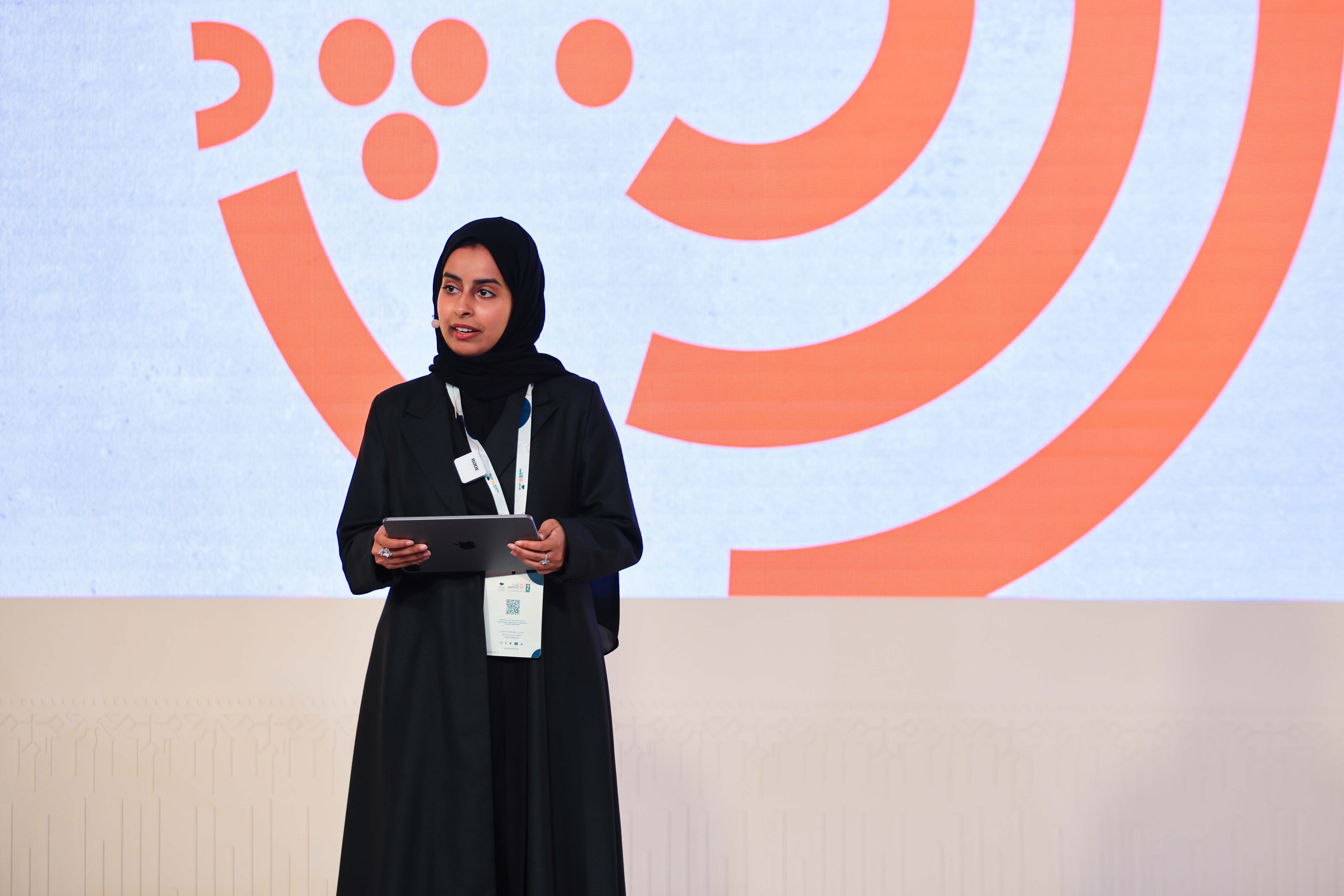
Moderator Shaikha Al-Marri, International Institute for Middle East and Balkan Studies
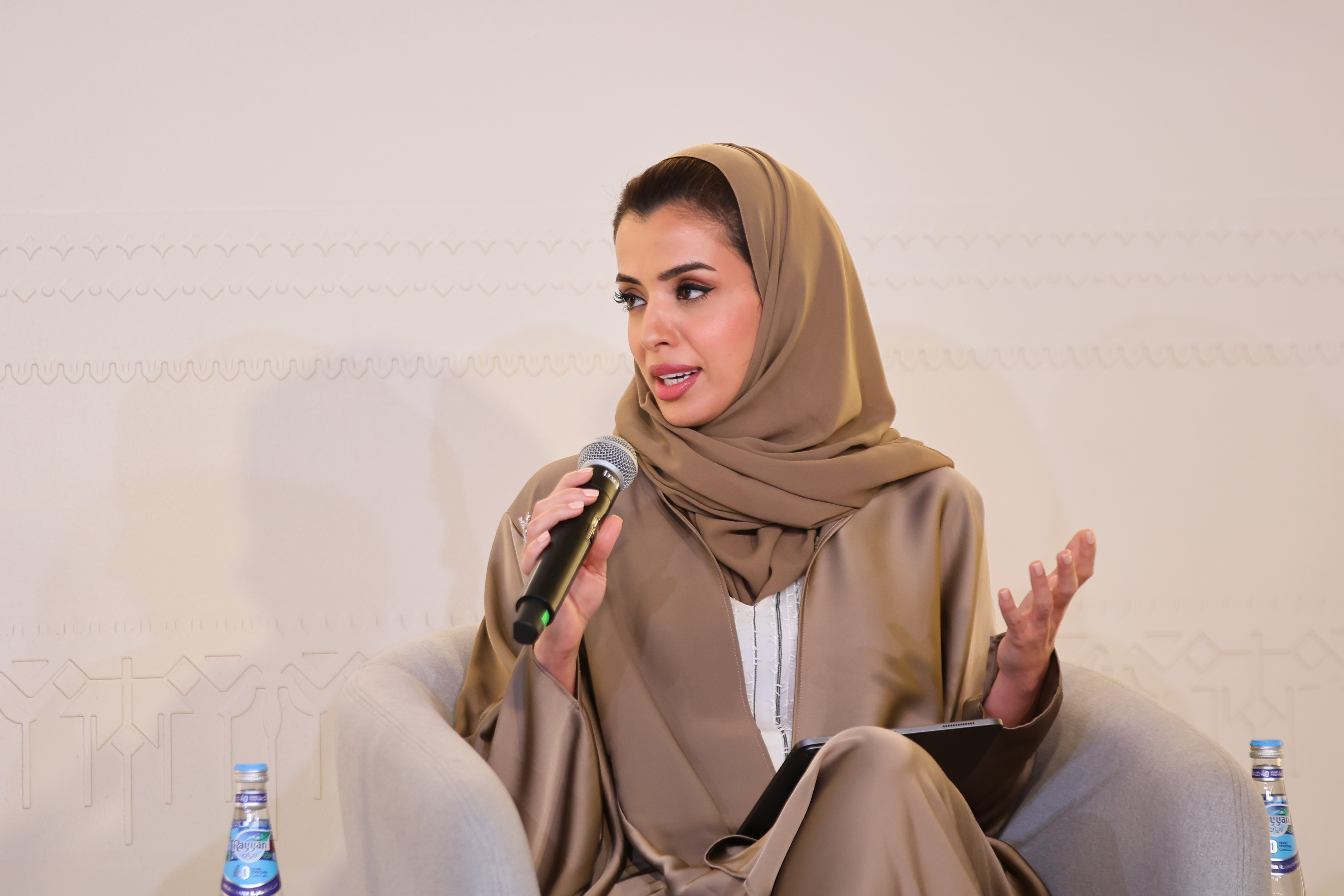
Sheikha Amna Al Thani, Founder and CEO, Strategy Hub

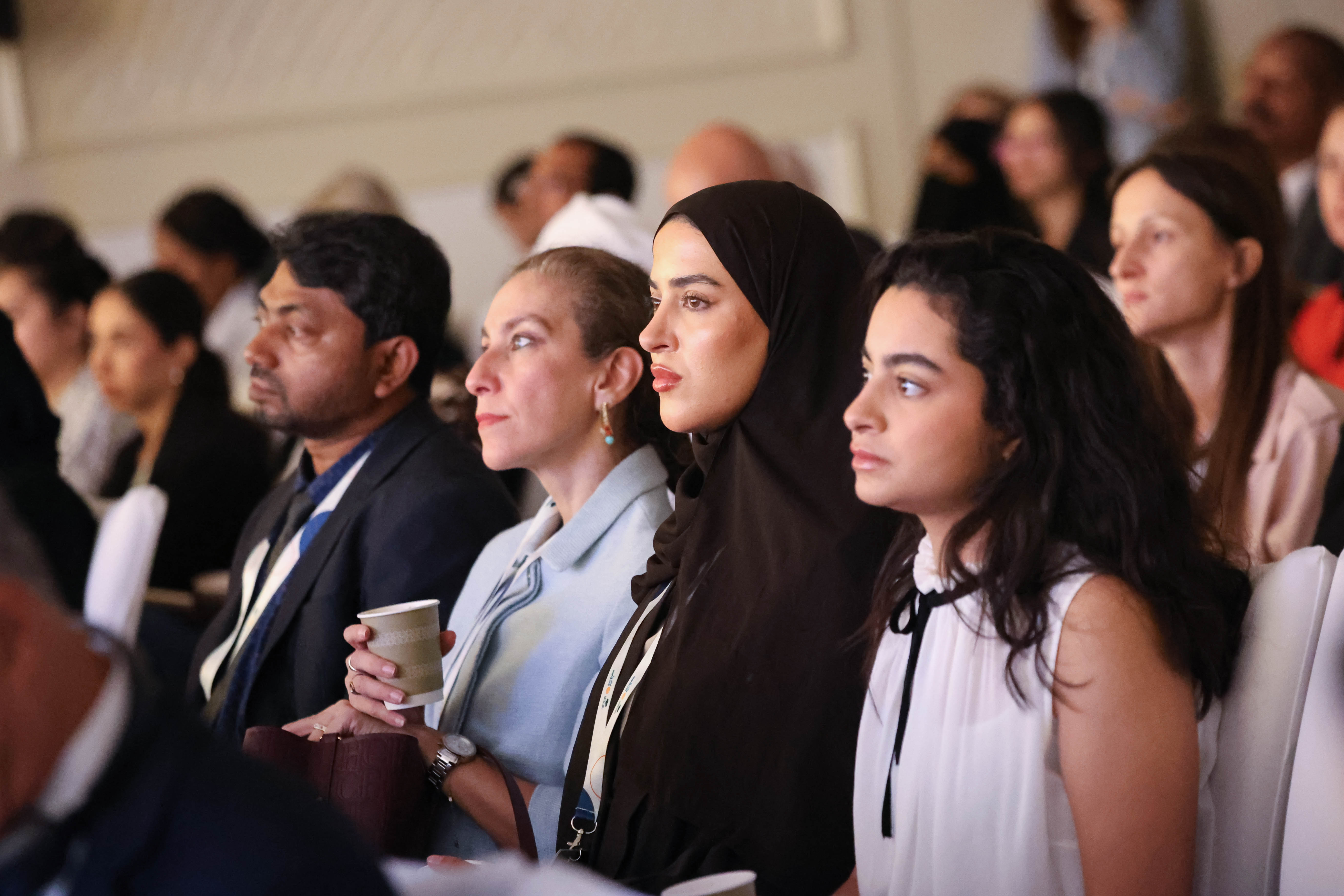
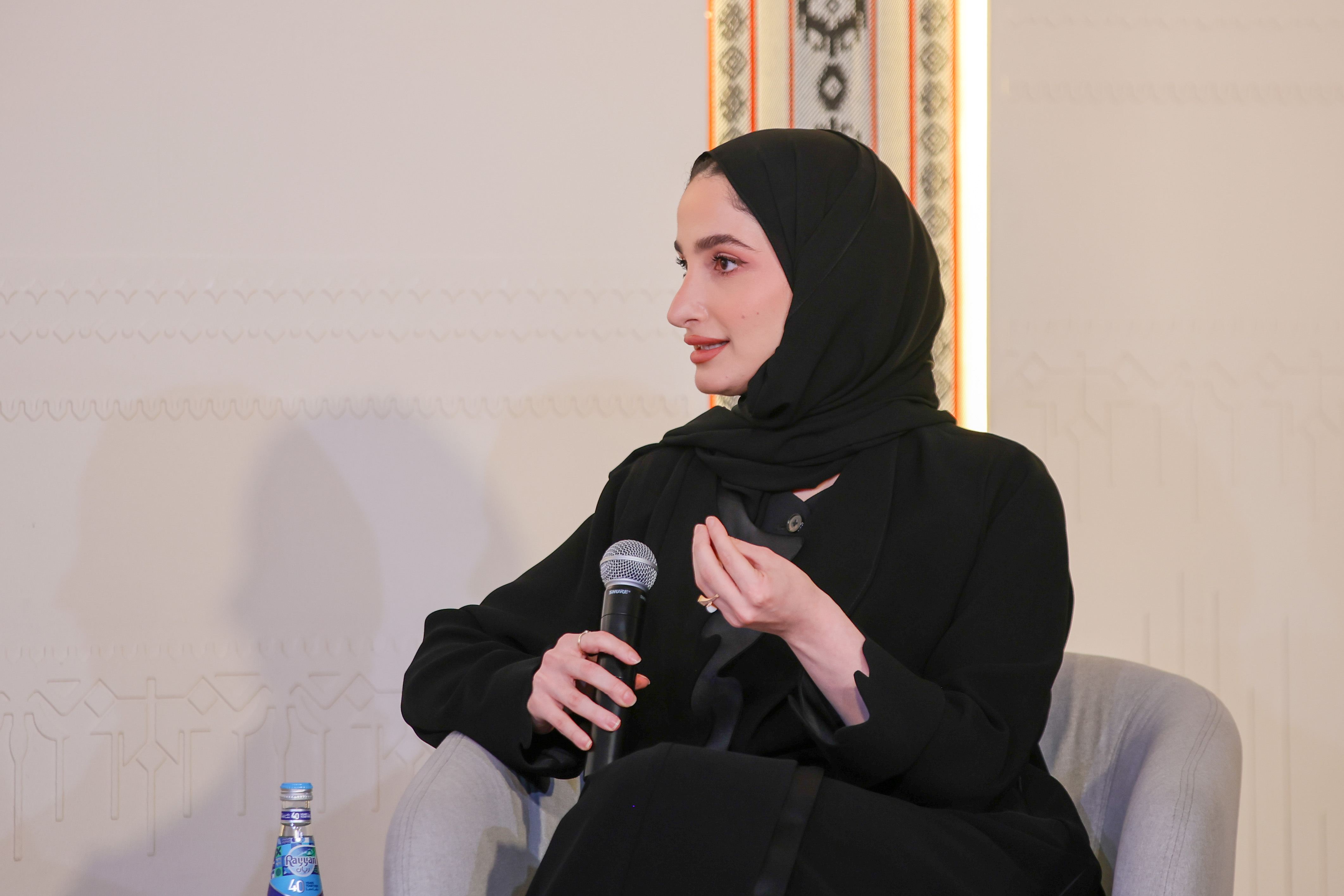
Sheikha Haya Al-Thani, Director of Strategic Partnerships, Qatar Fund for Development
Mangroves: Protecting Ecosystems and Supporting Communities
Nouf Al Wasmi, Supreme Council for Environment, Bahrain
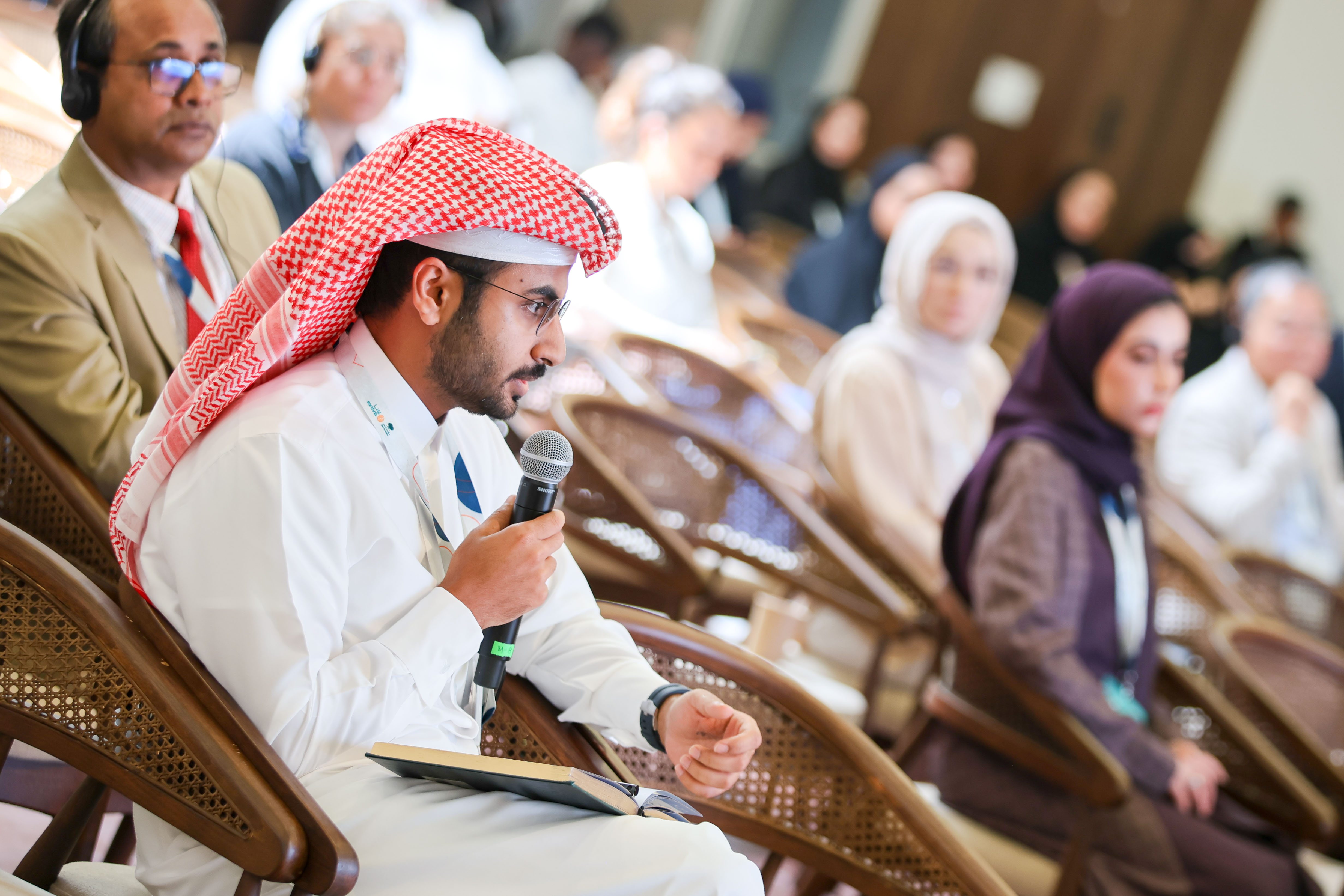
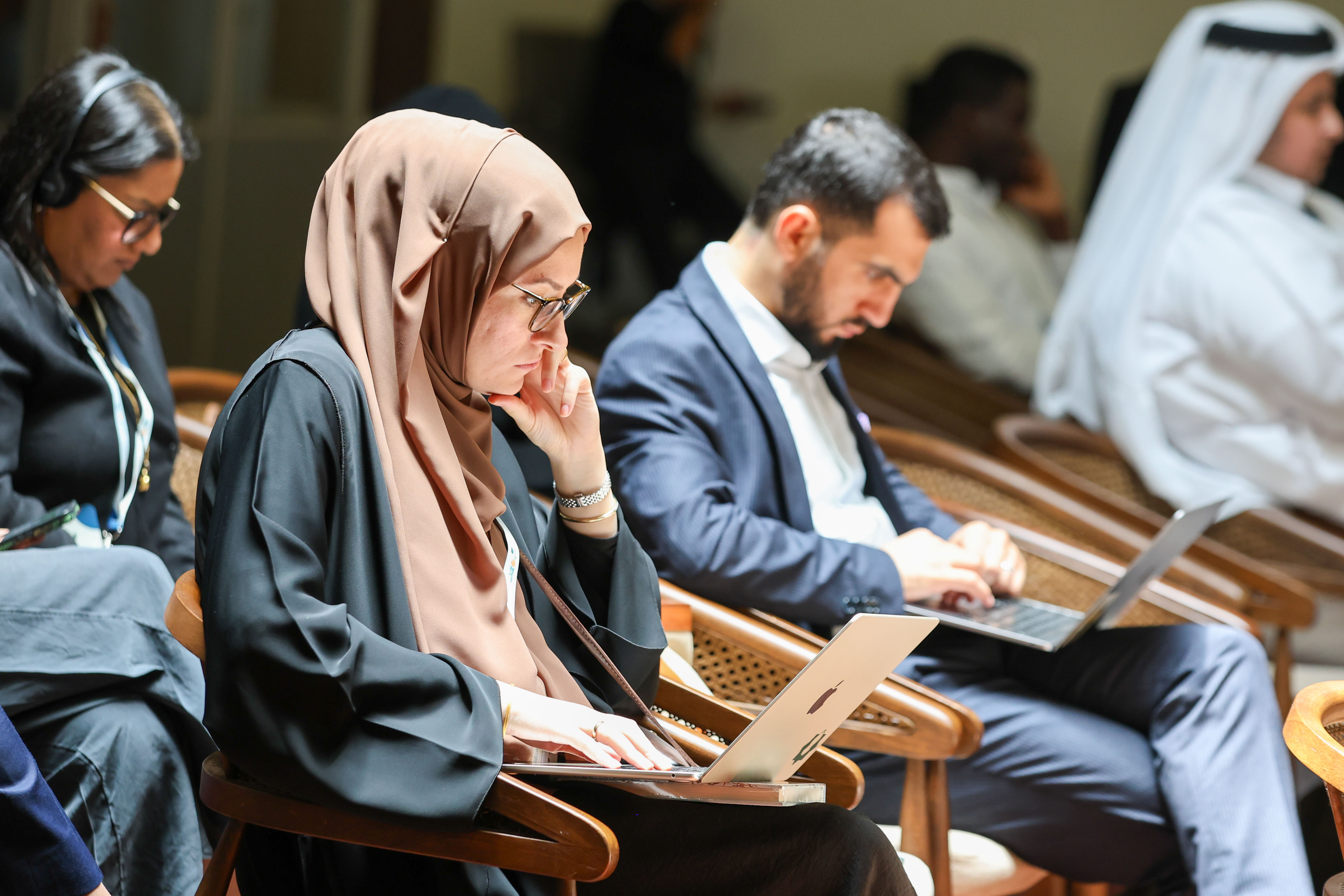
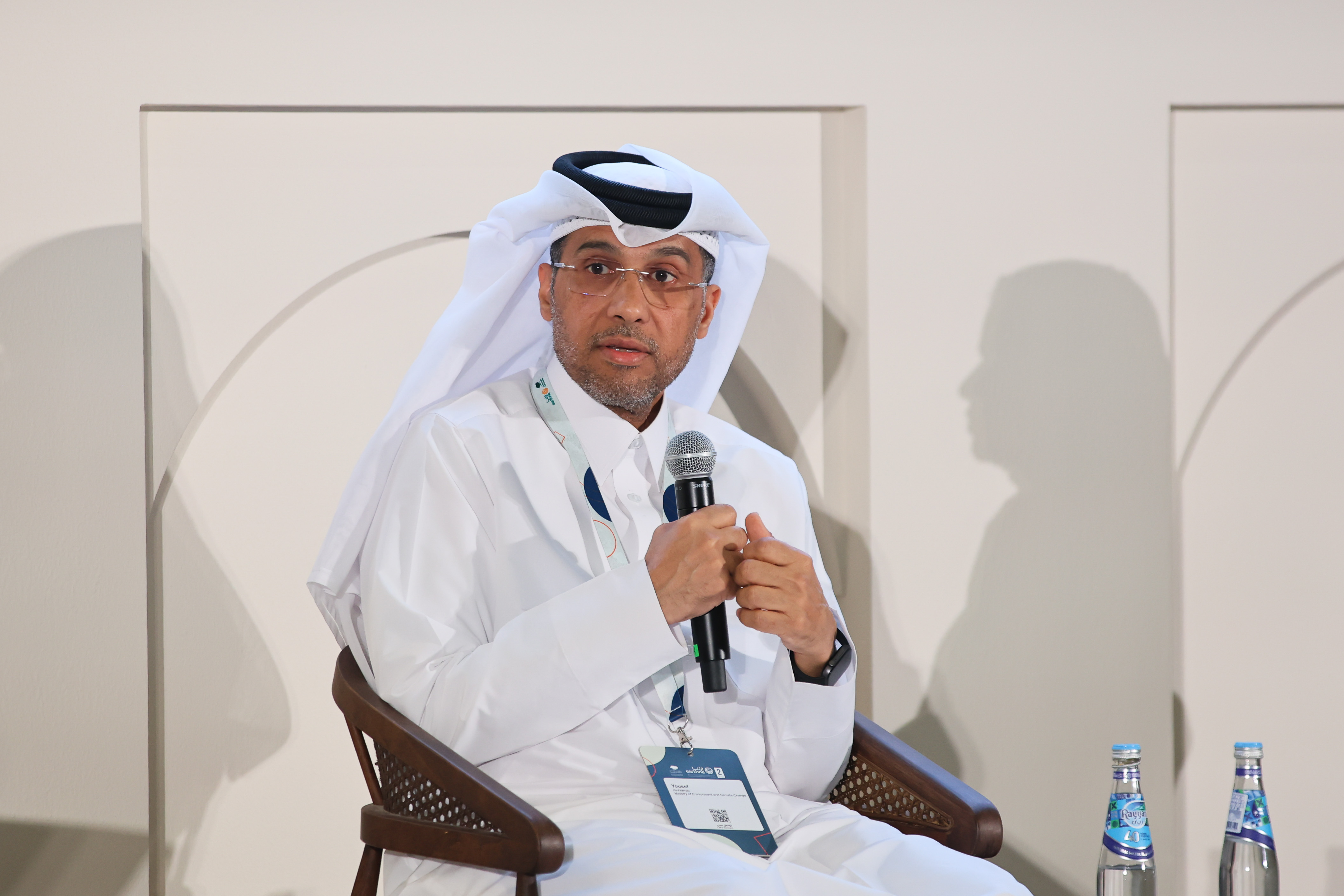
Yousef Al Hamar, Ministry of Environment and Climate Change, Qatar
New Sustainability Frameworks: Beyond GDP
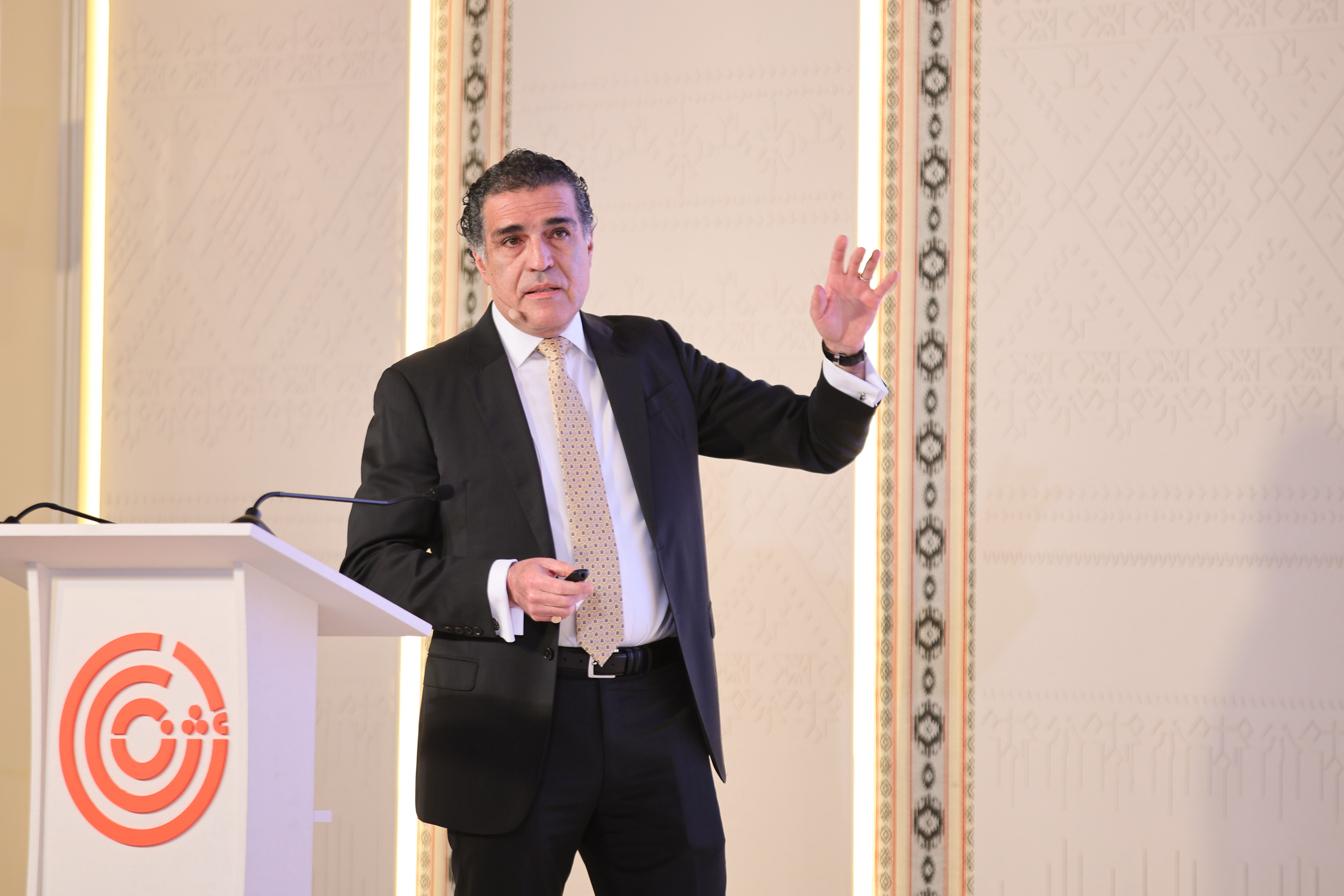
Gonzalo Castro de la Mata, Executive Director, Earthna
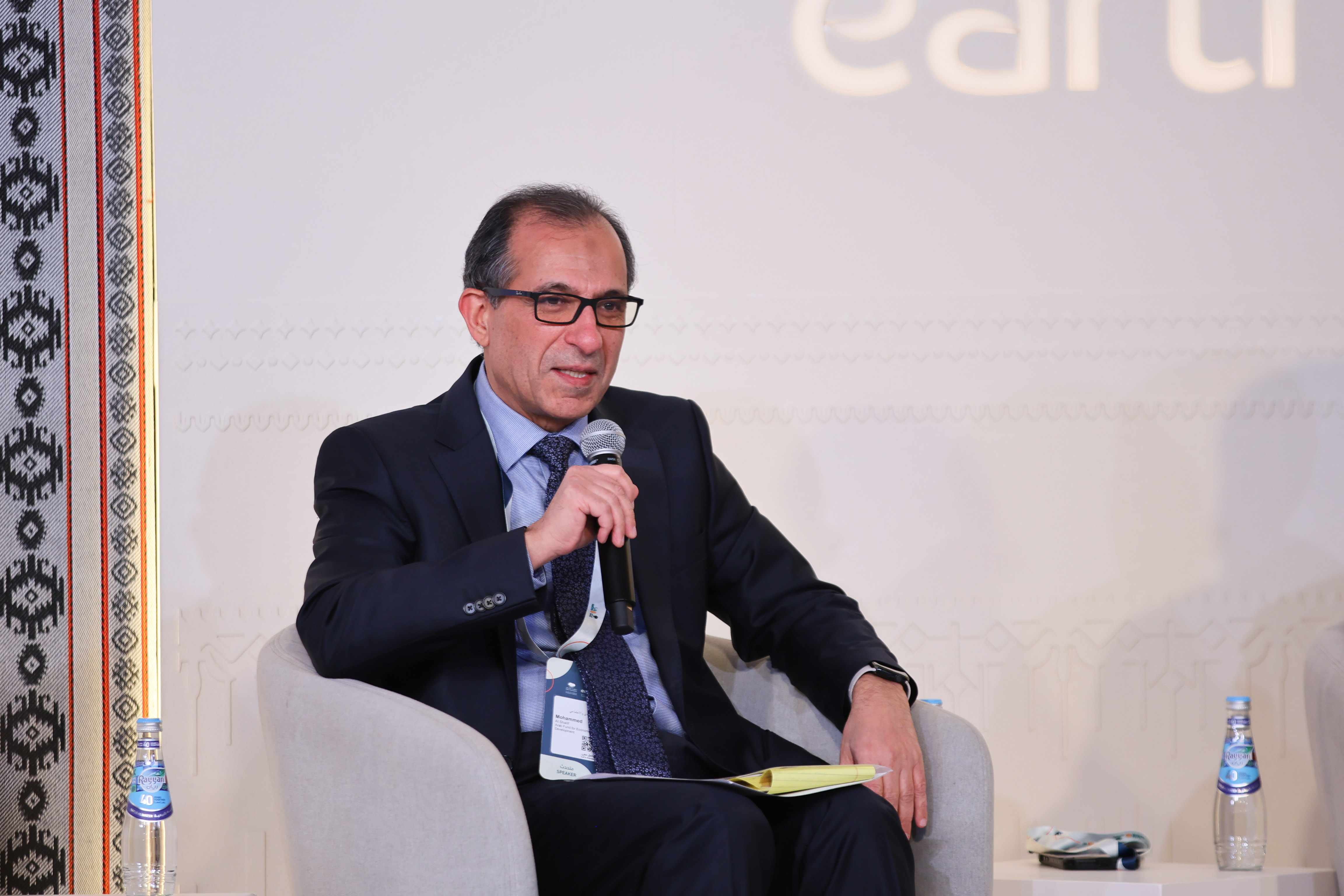
Mohamed Al Sharif, Arab Fund for Economic and Social Development
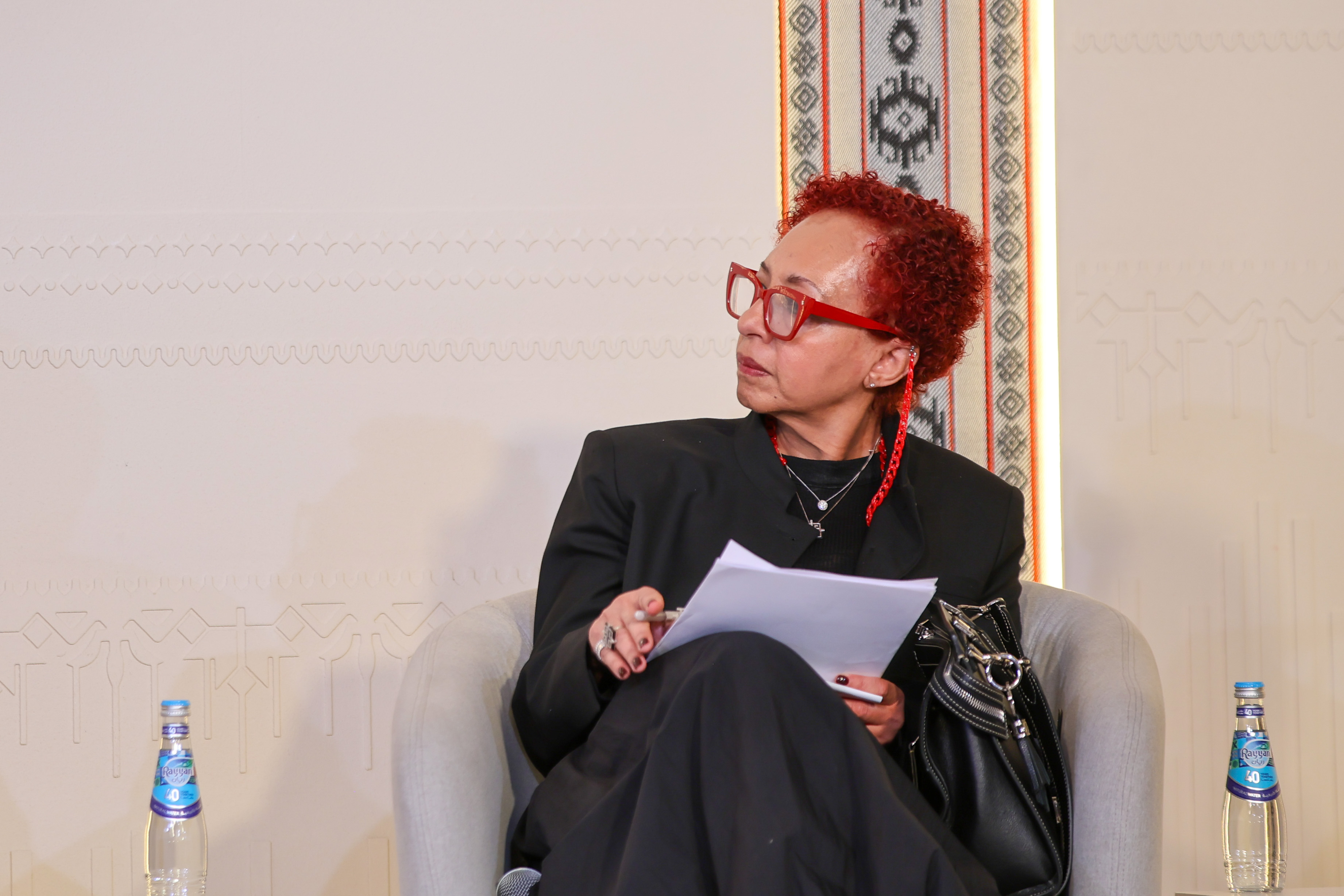
Zeinab Bashir Elbakri, Savana International Consultancies
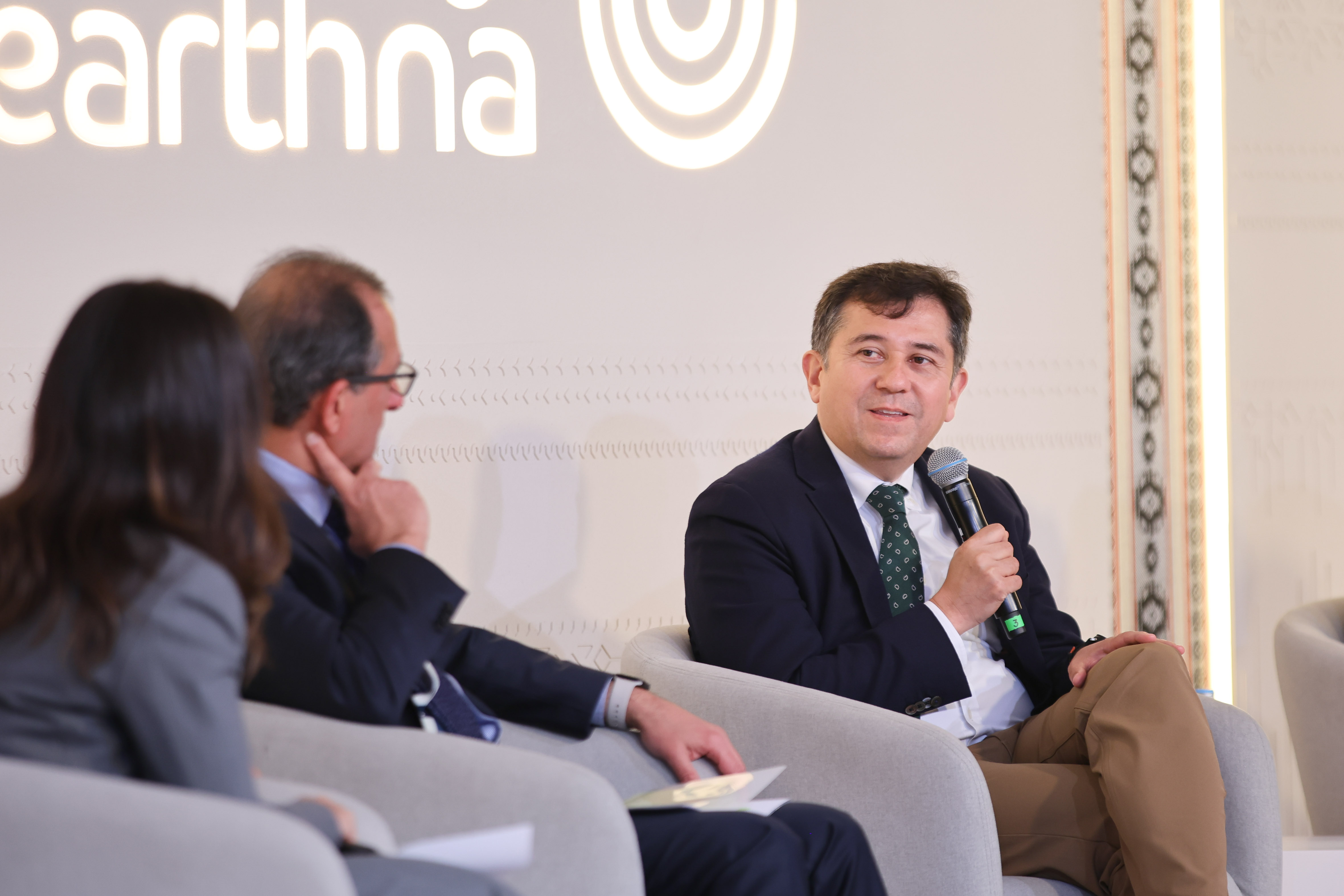
Lee Howell, Executive Director, the Villars Institute
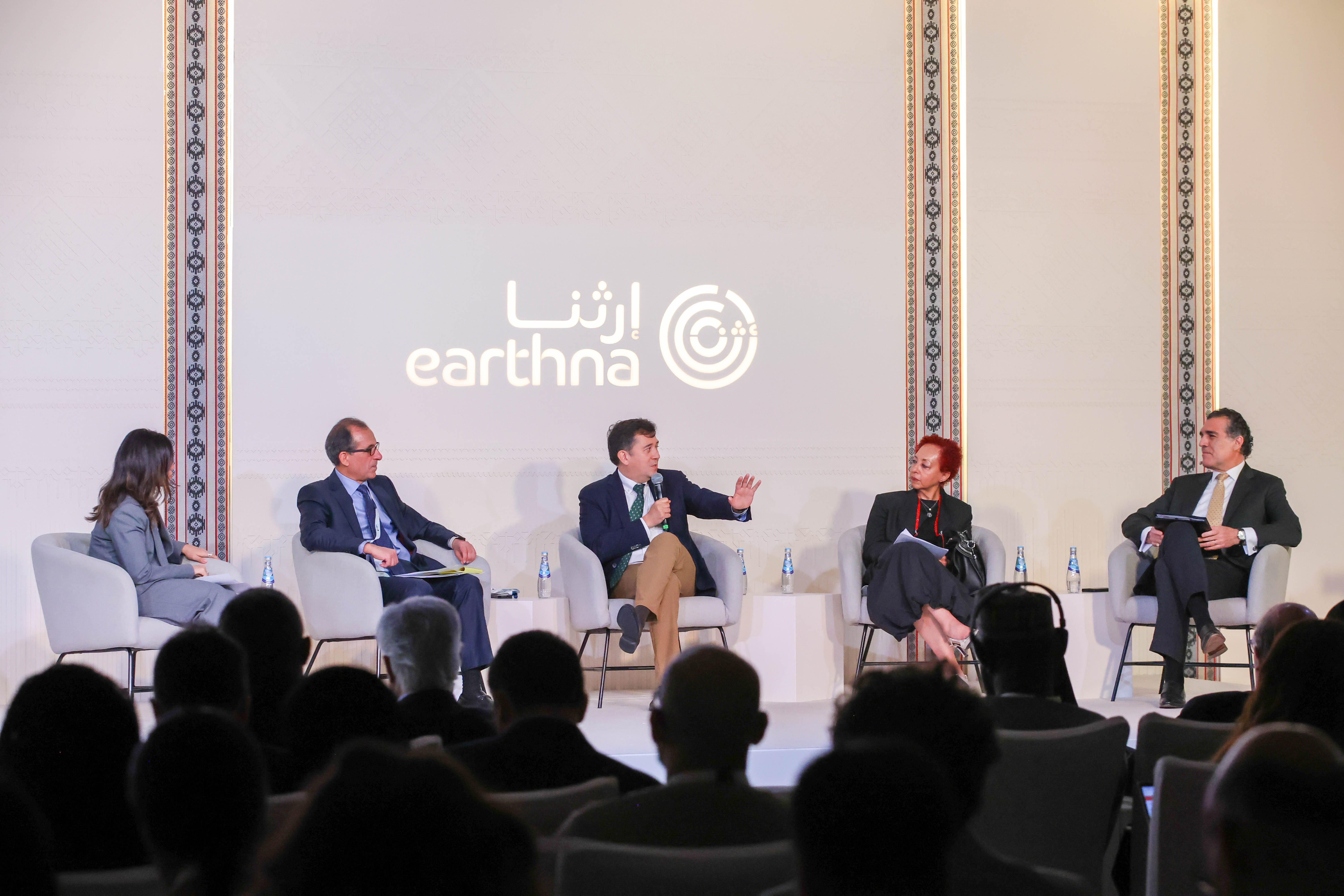
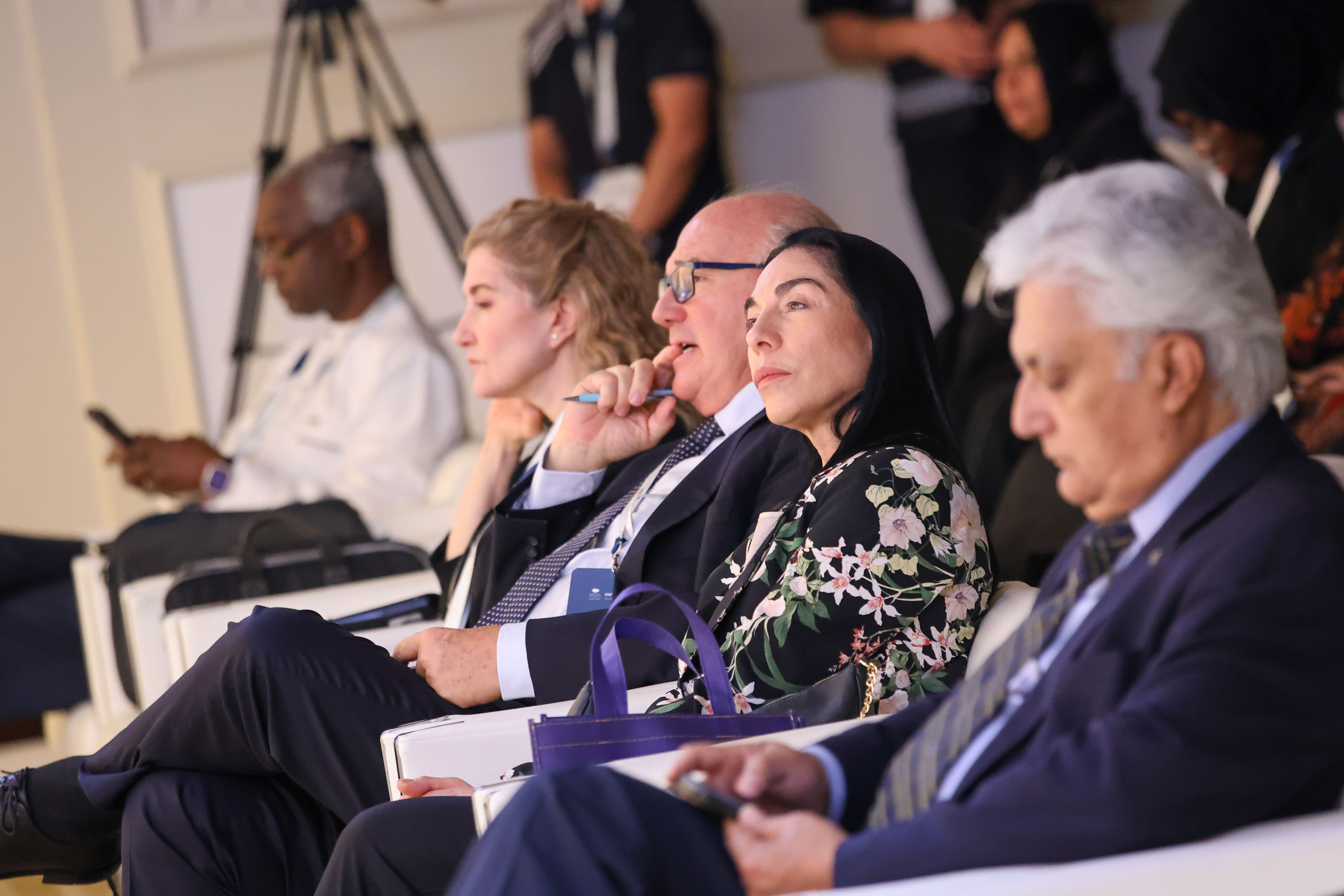
Nature and Faith-Based Values
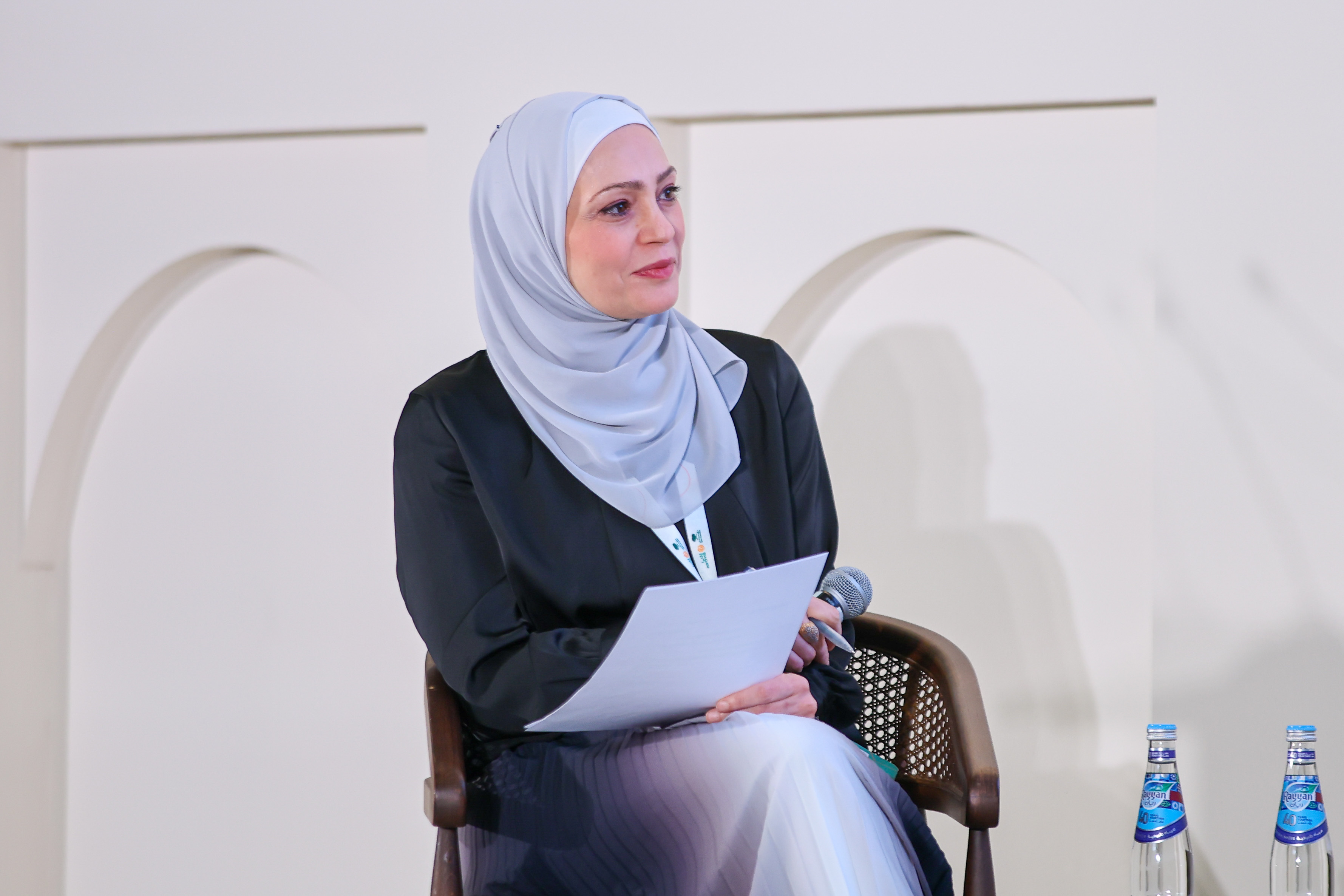
Ruba Hinnawi, Earthna
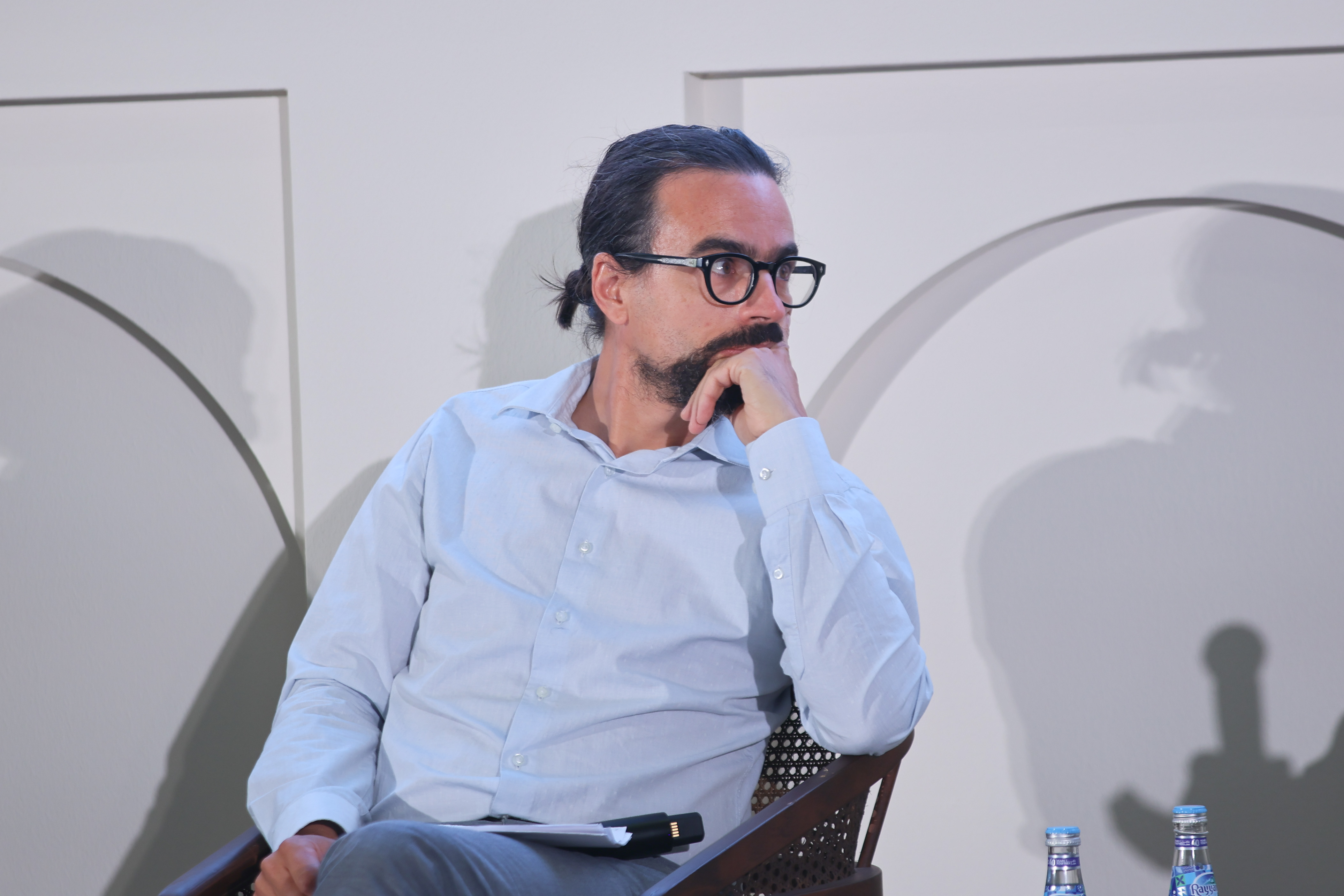
Guillaume de Vaulx, Heenat Salma Farm
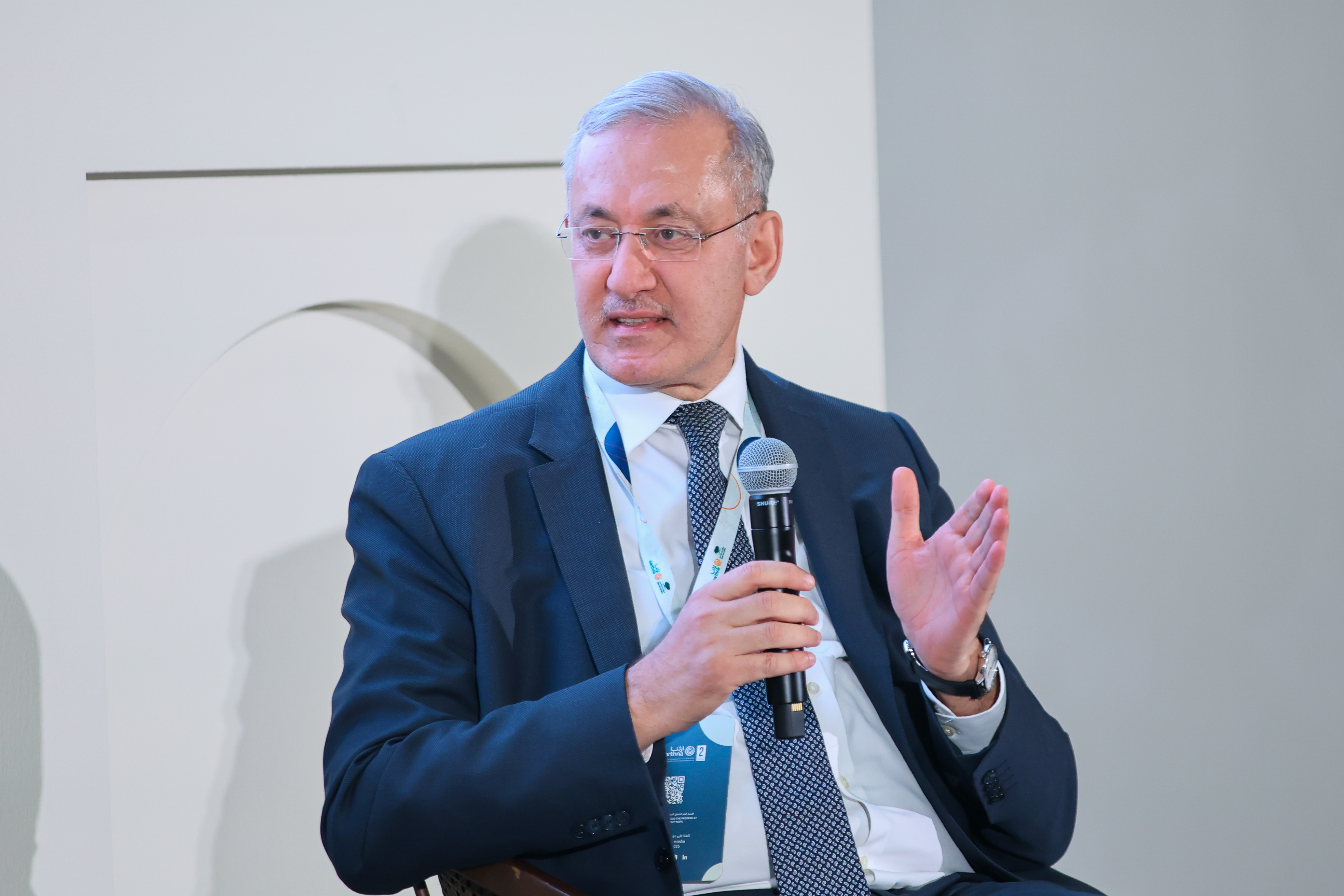
Odeh Al-Jayyousi, Arabian Gulf University
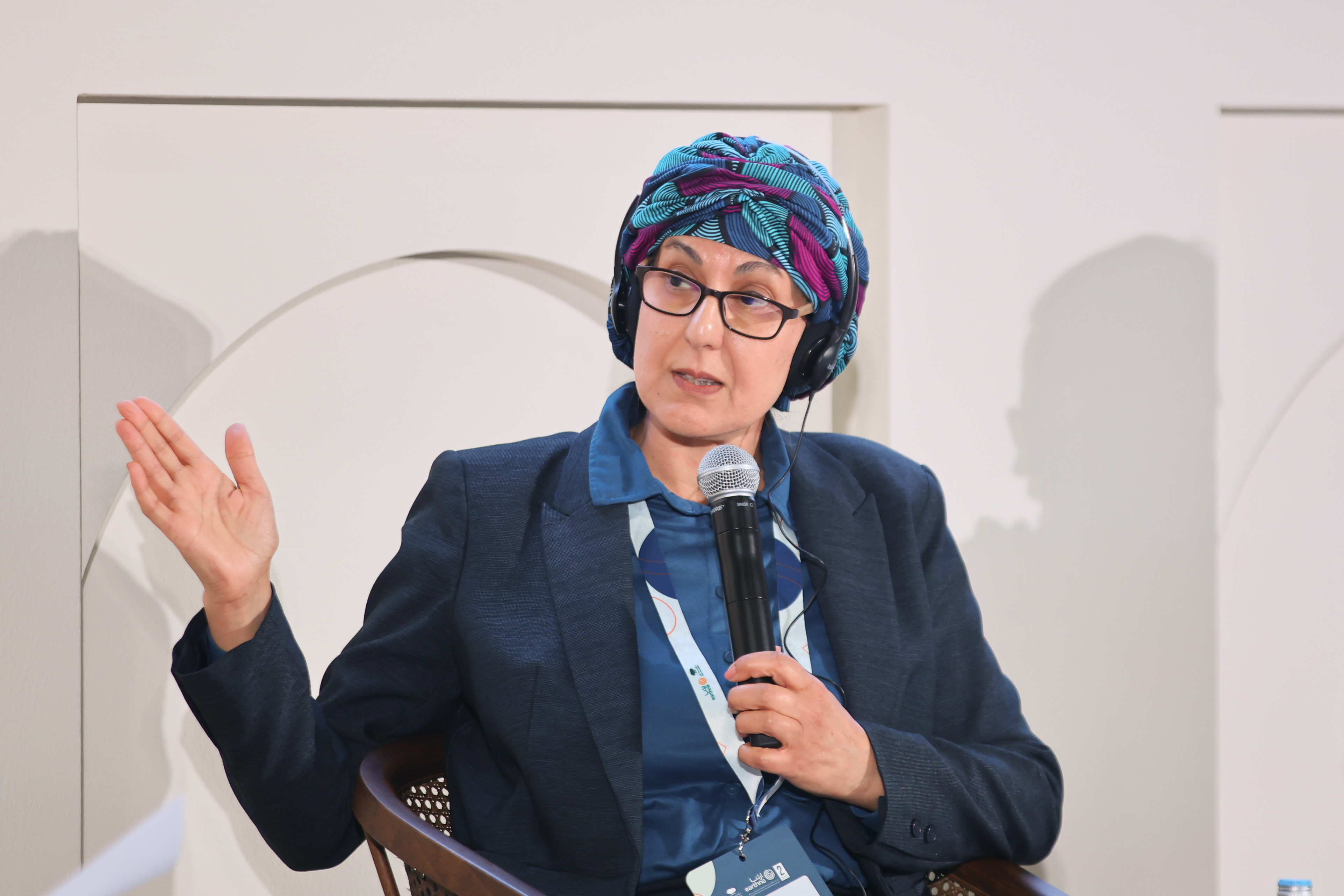
Farhana Mayer, University of Oxford
Closing Plenary - The Case for an Arid Cities Network
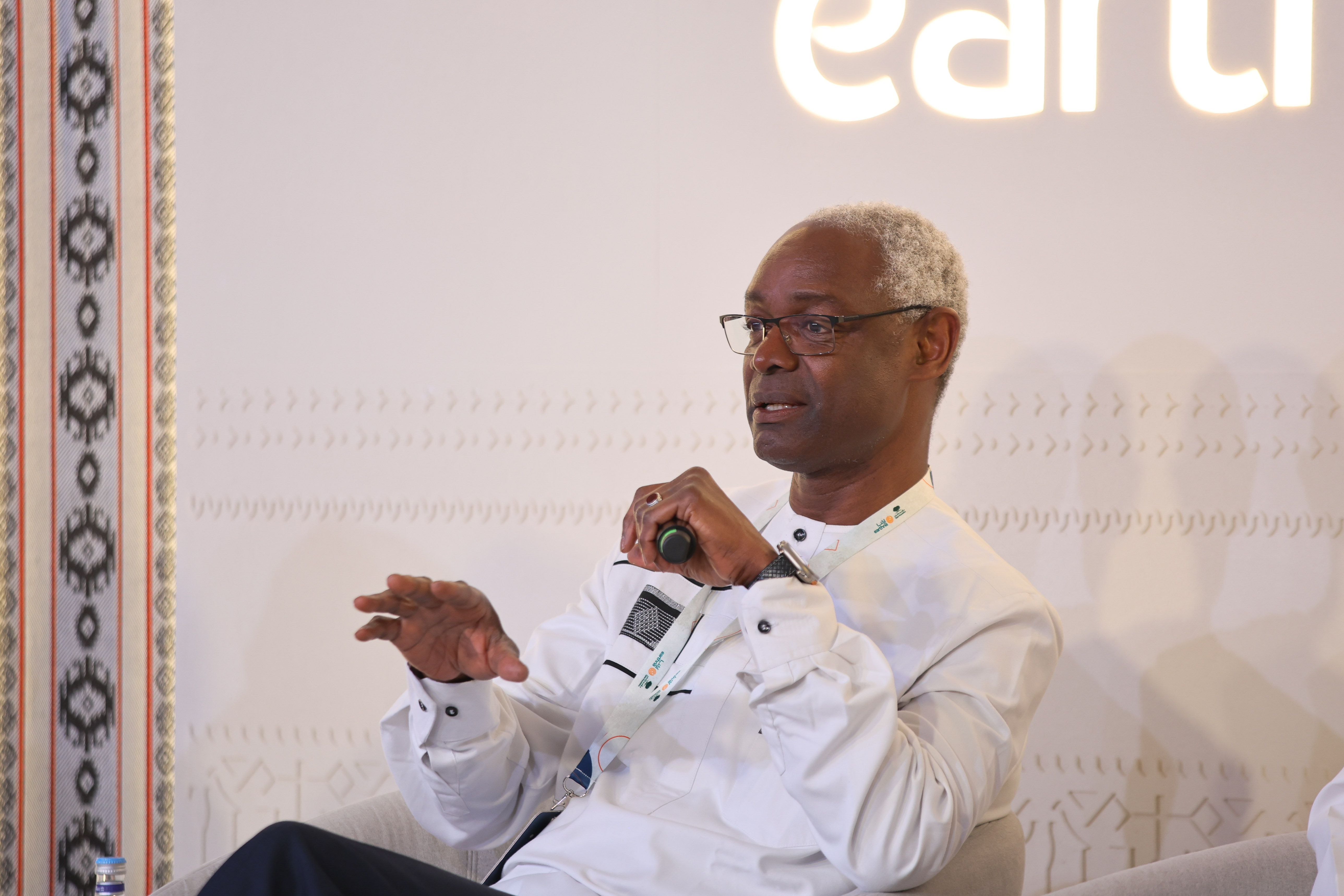
Ibrahim Thiaw, Executive Secretary, UN Convention to Combat Desertification (UNCCD)
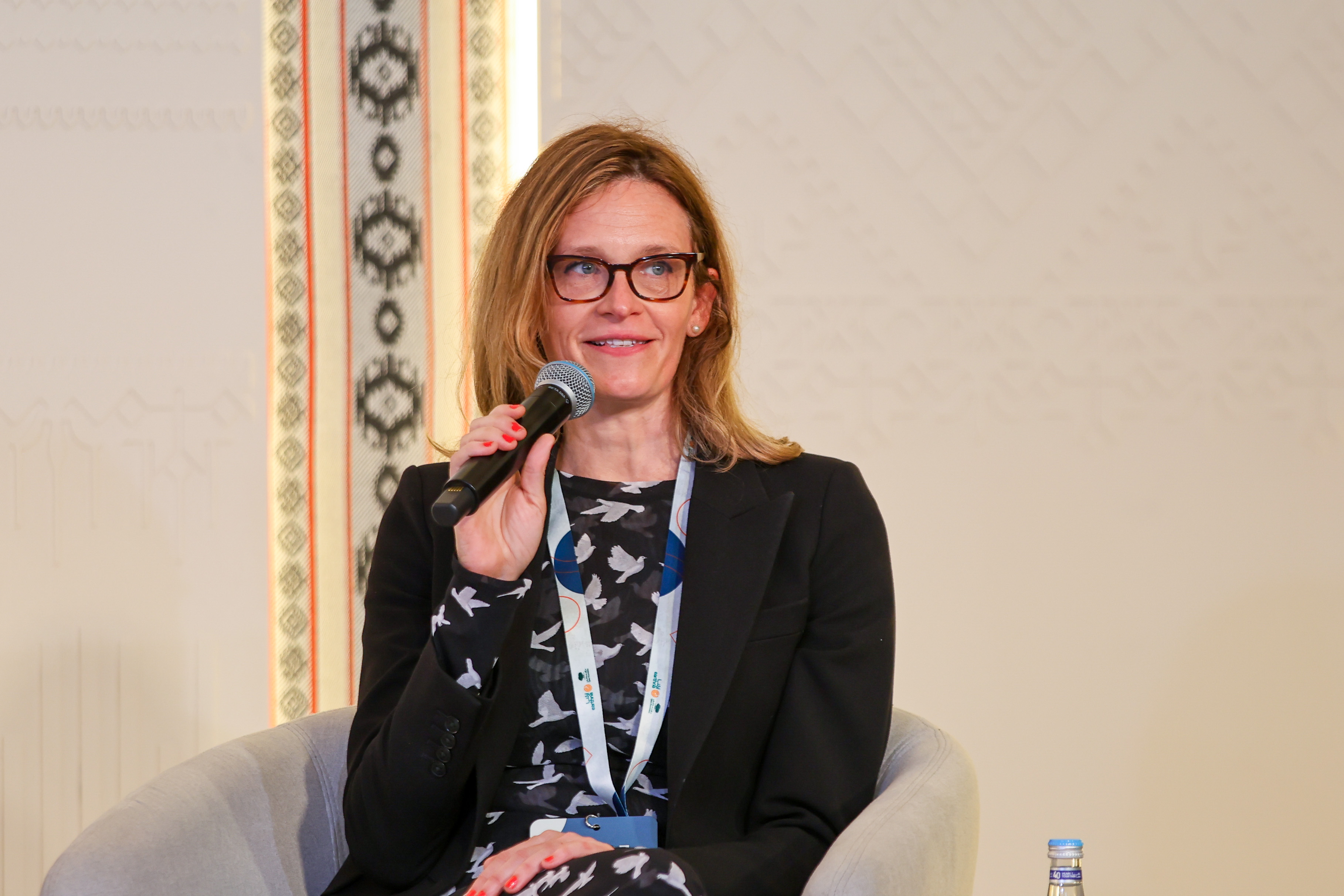
Terri Wills, Children's Investment Fund Foundation
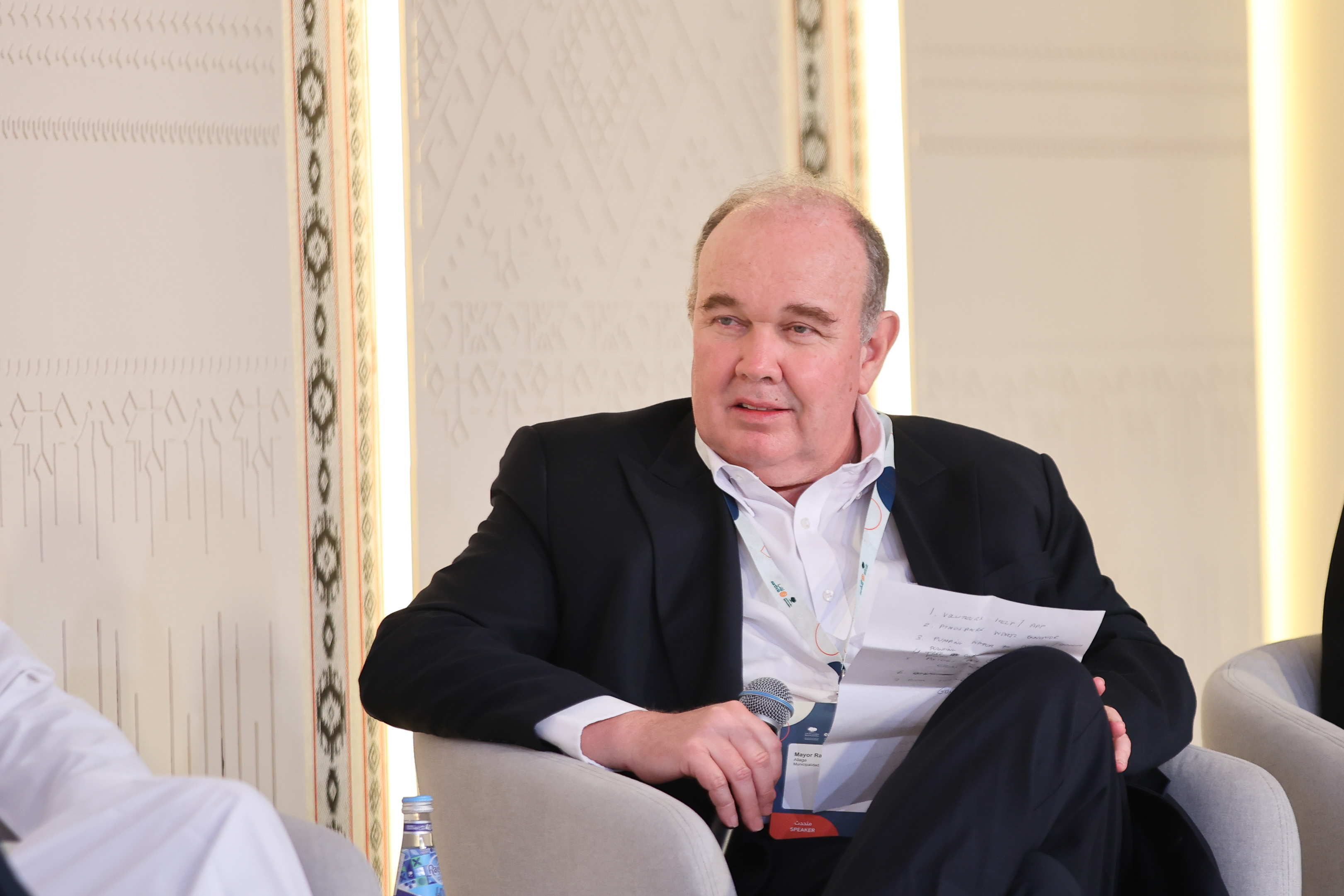
Rafael López Aliaga, Mayor of Lima, Peru
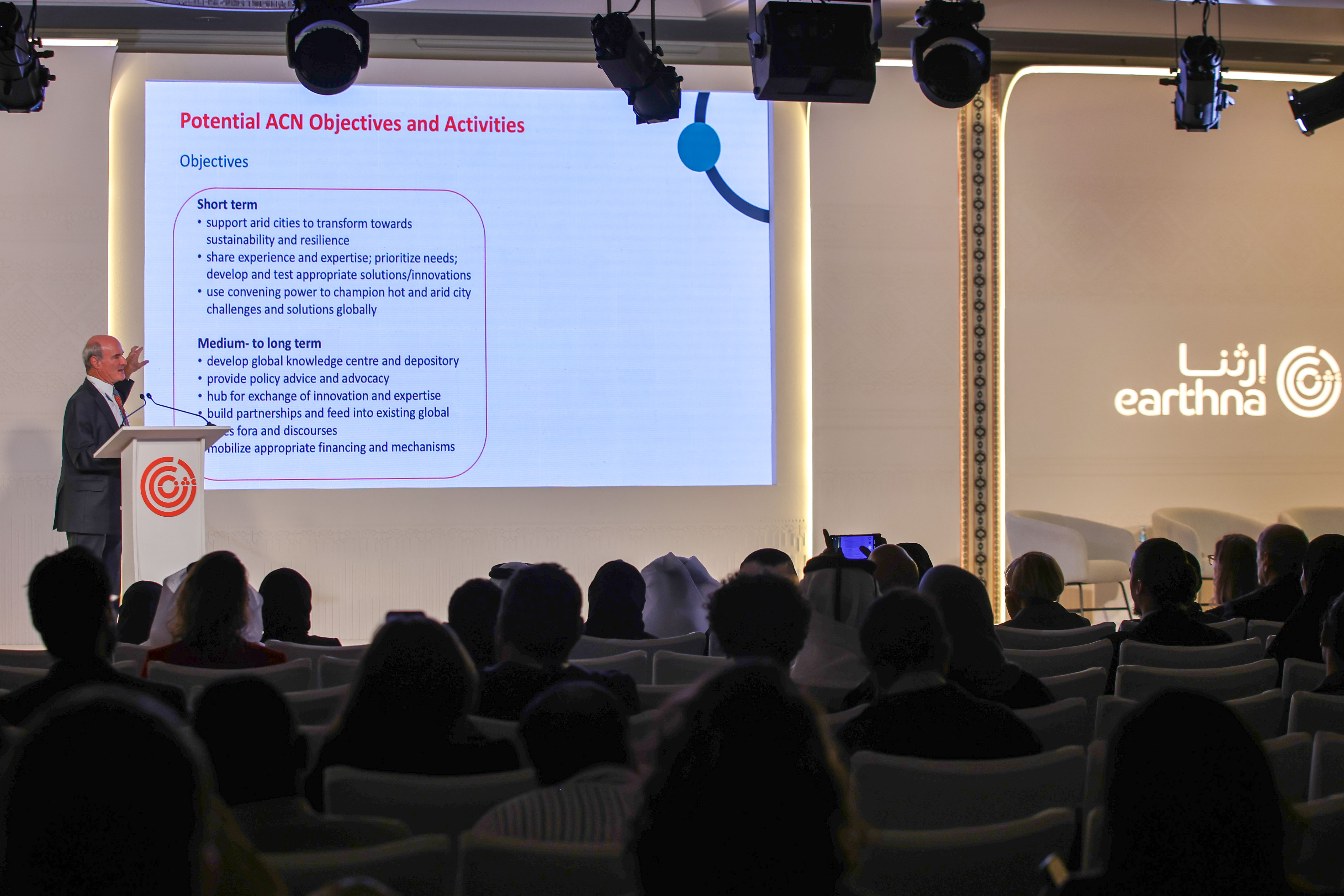
David Simon, University of London

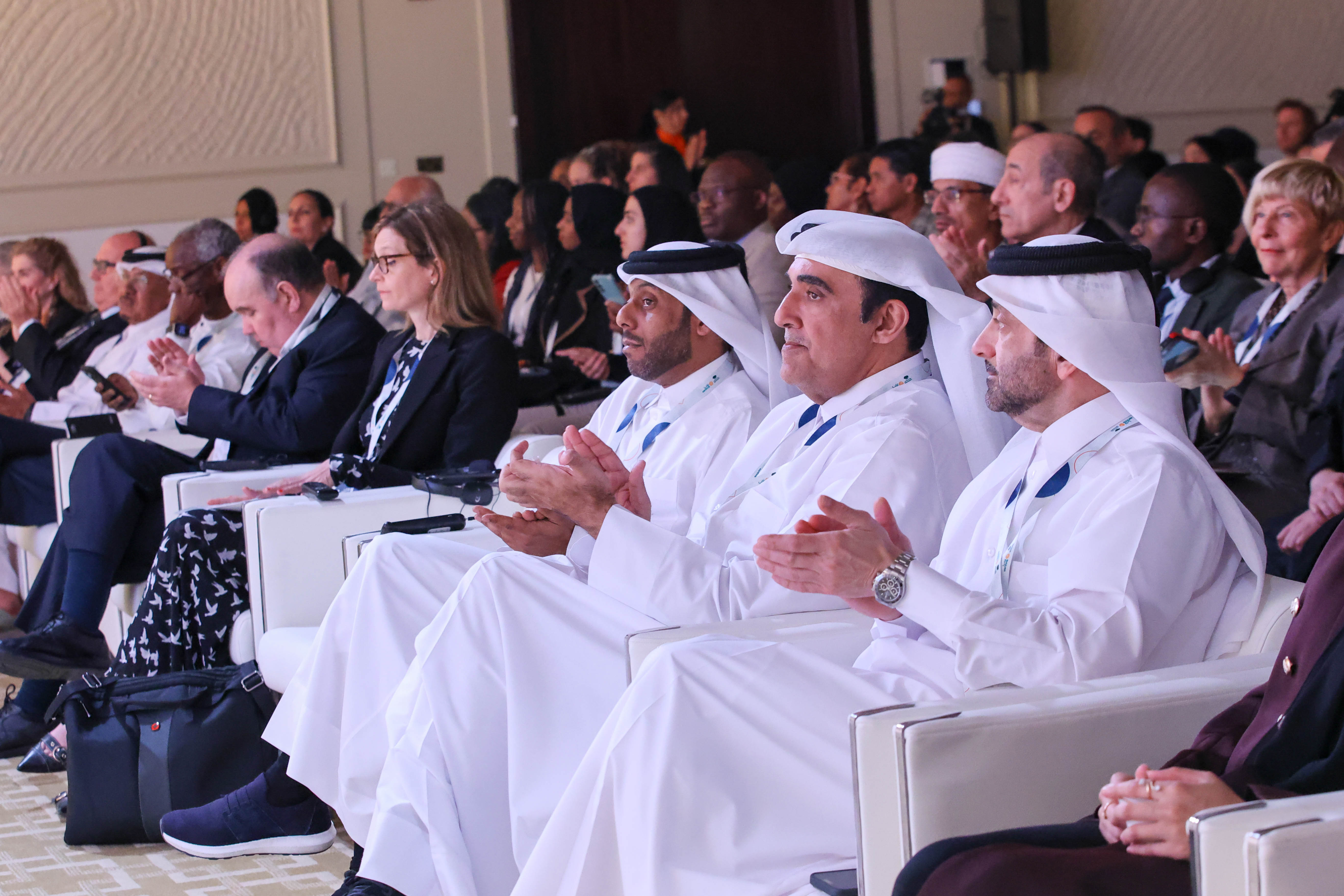
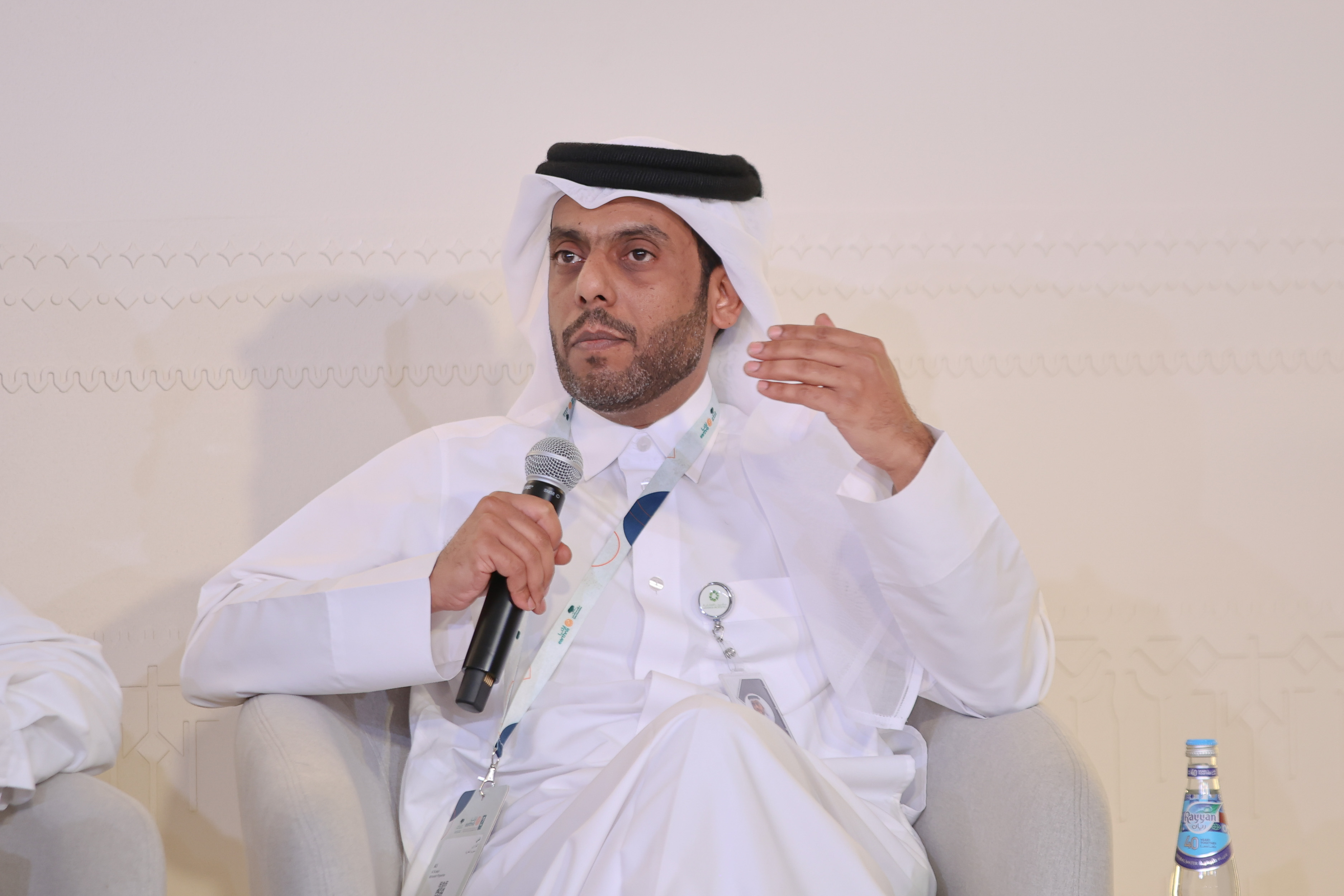
Ali Al Kuwari, CEO, Msheireb Properties
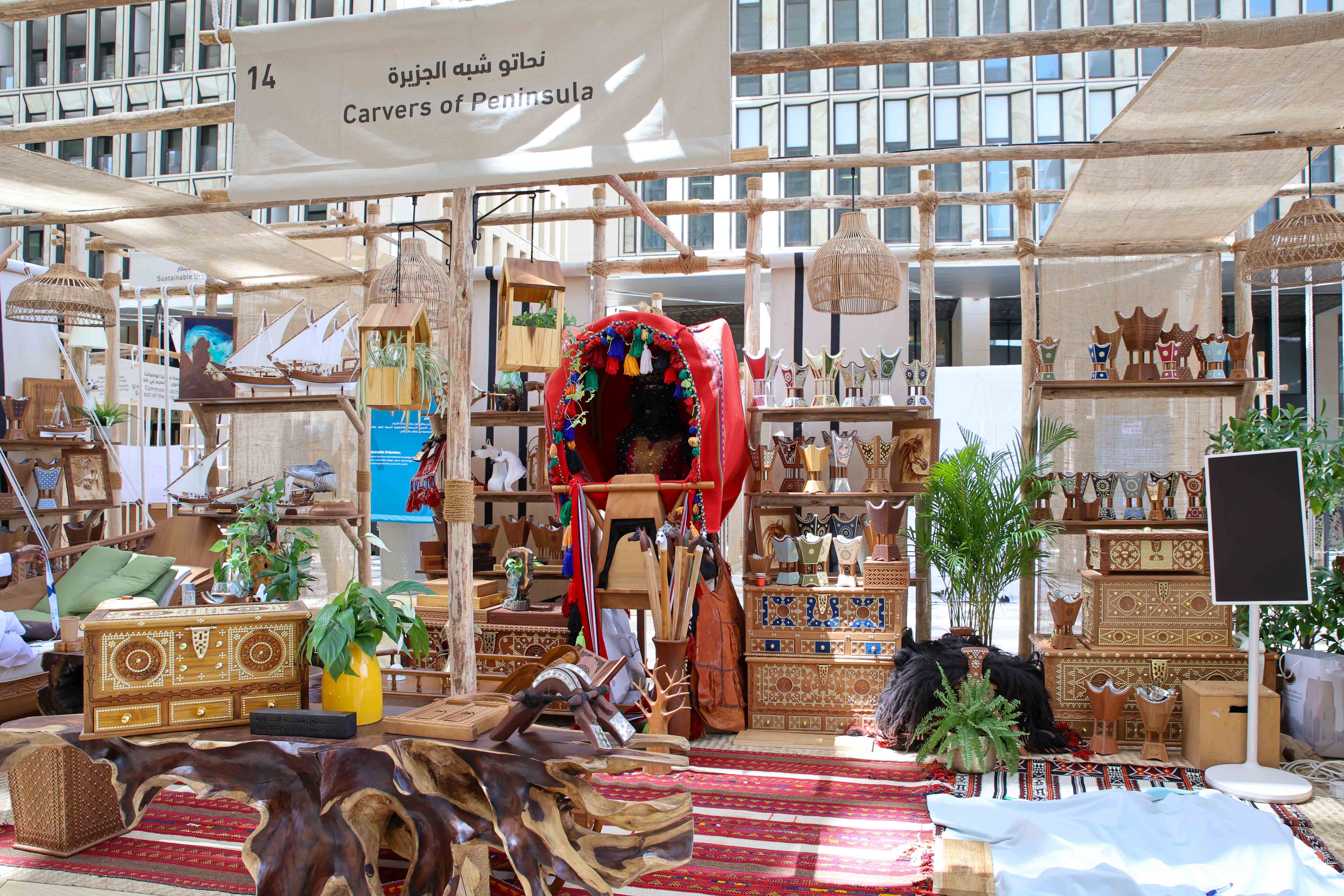
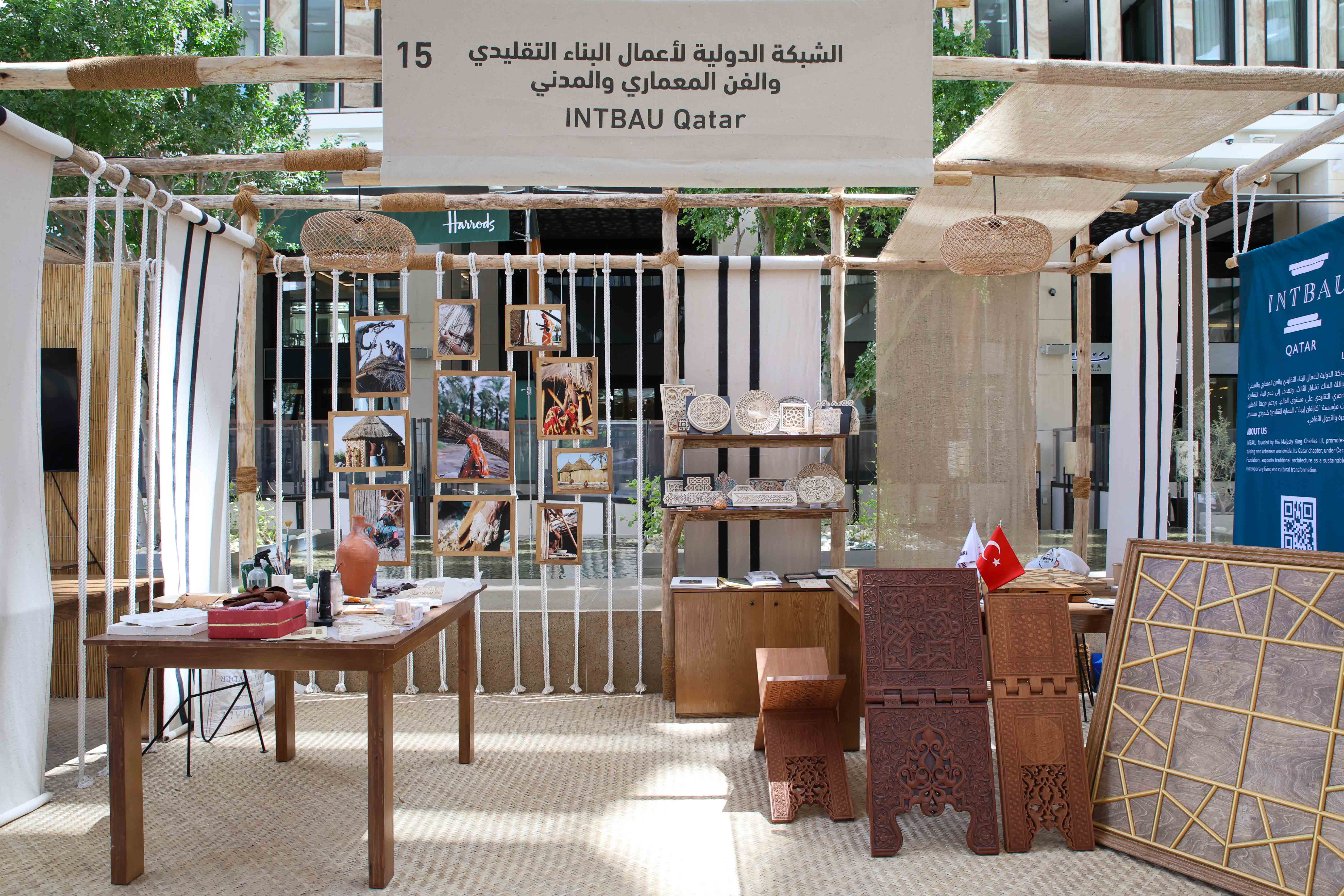
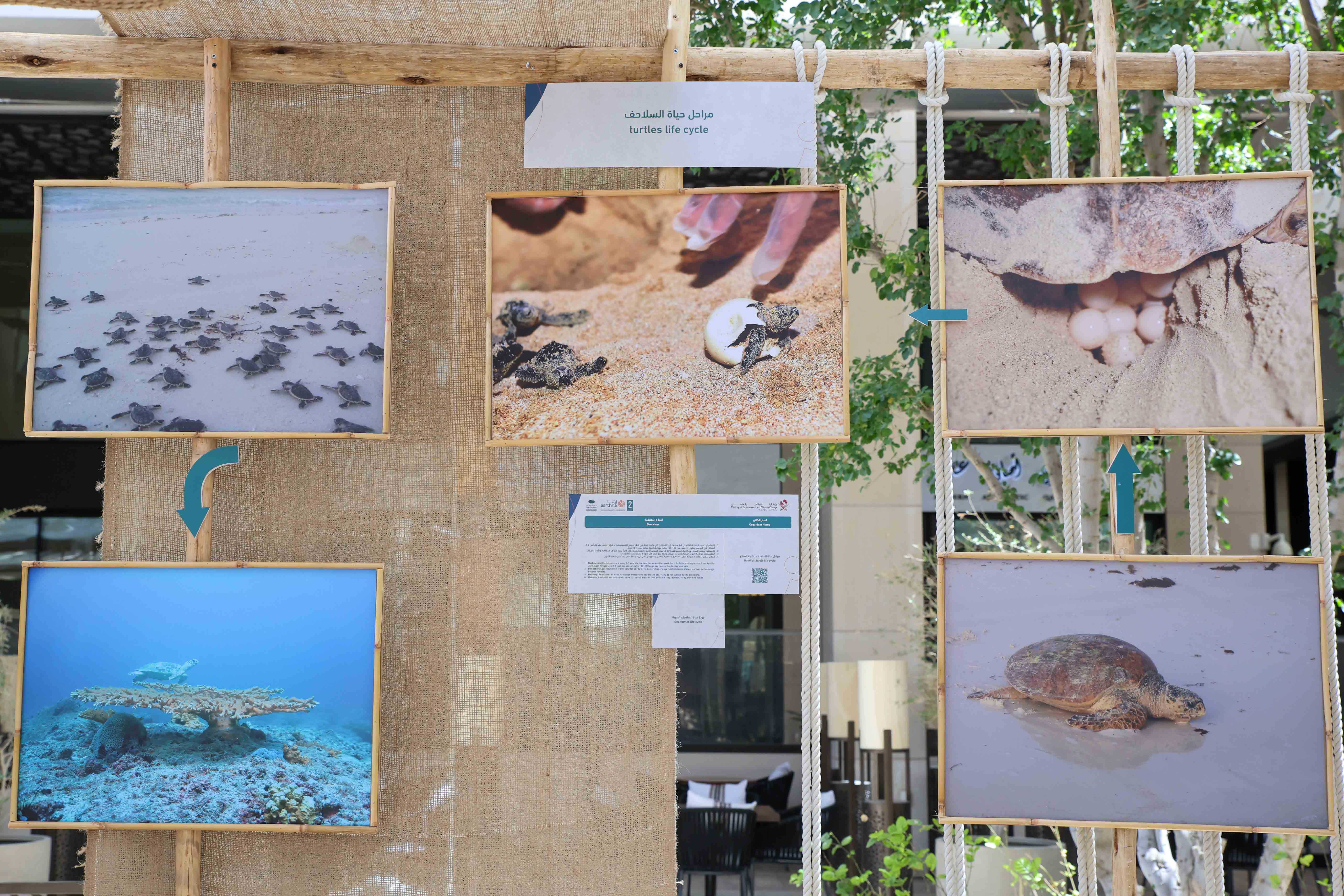
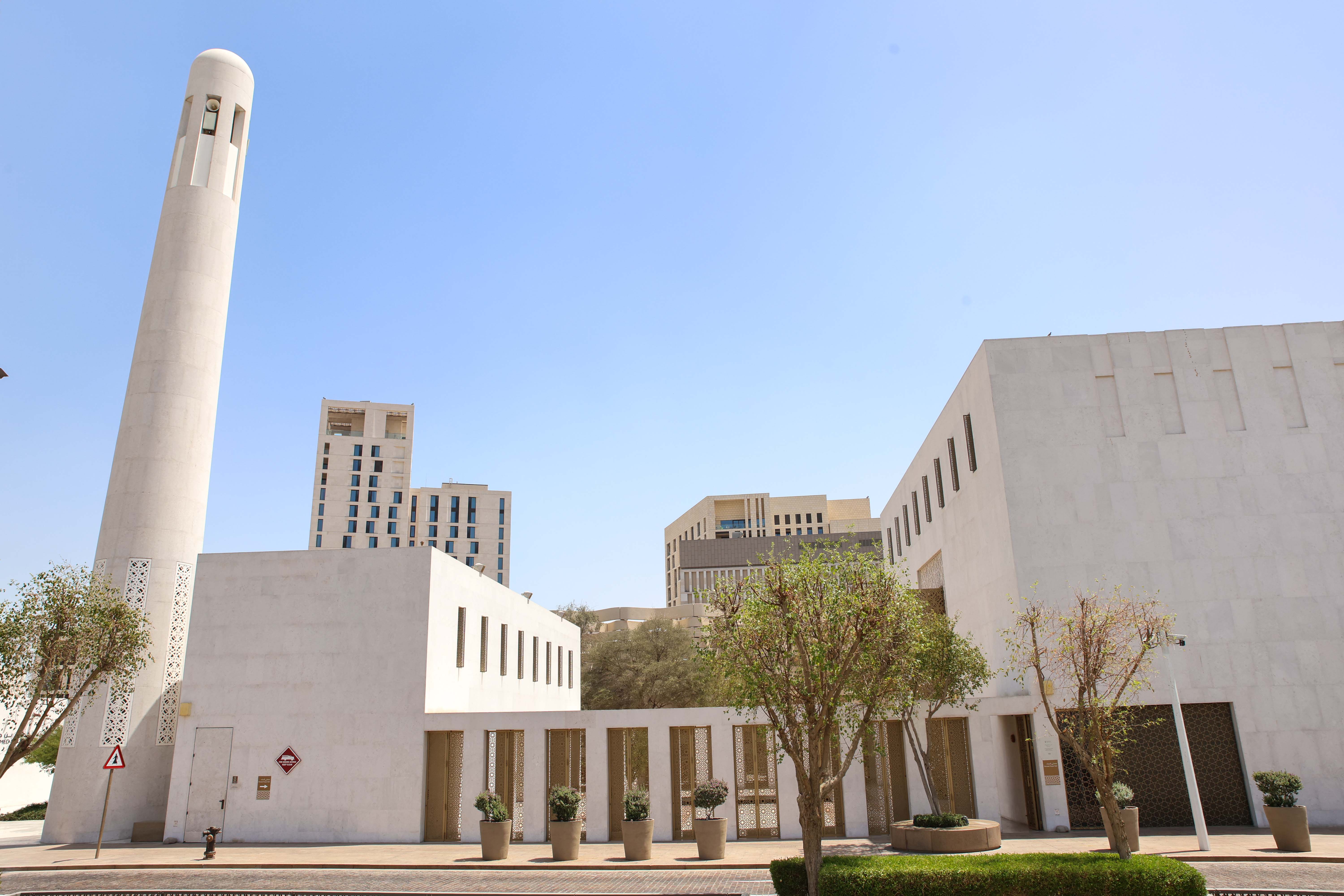
Around the Venue
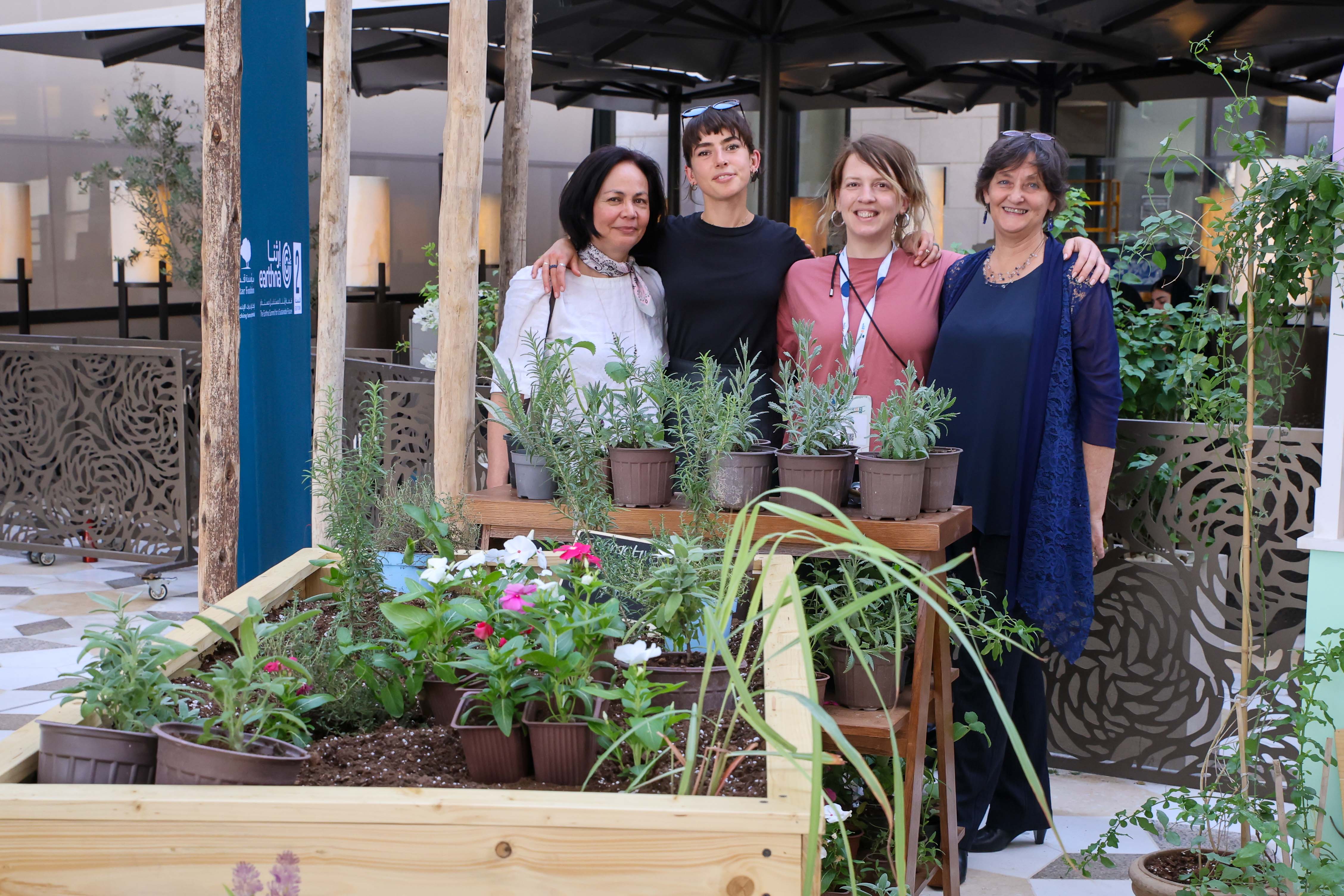
L-R: Denise Young, France, Emma Vovk, France/Scotland, Anastasia Rodopoulou, Greece, and Suzi Malan, South Africa