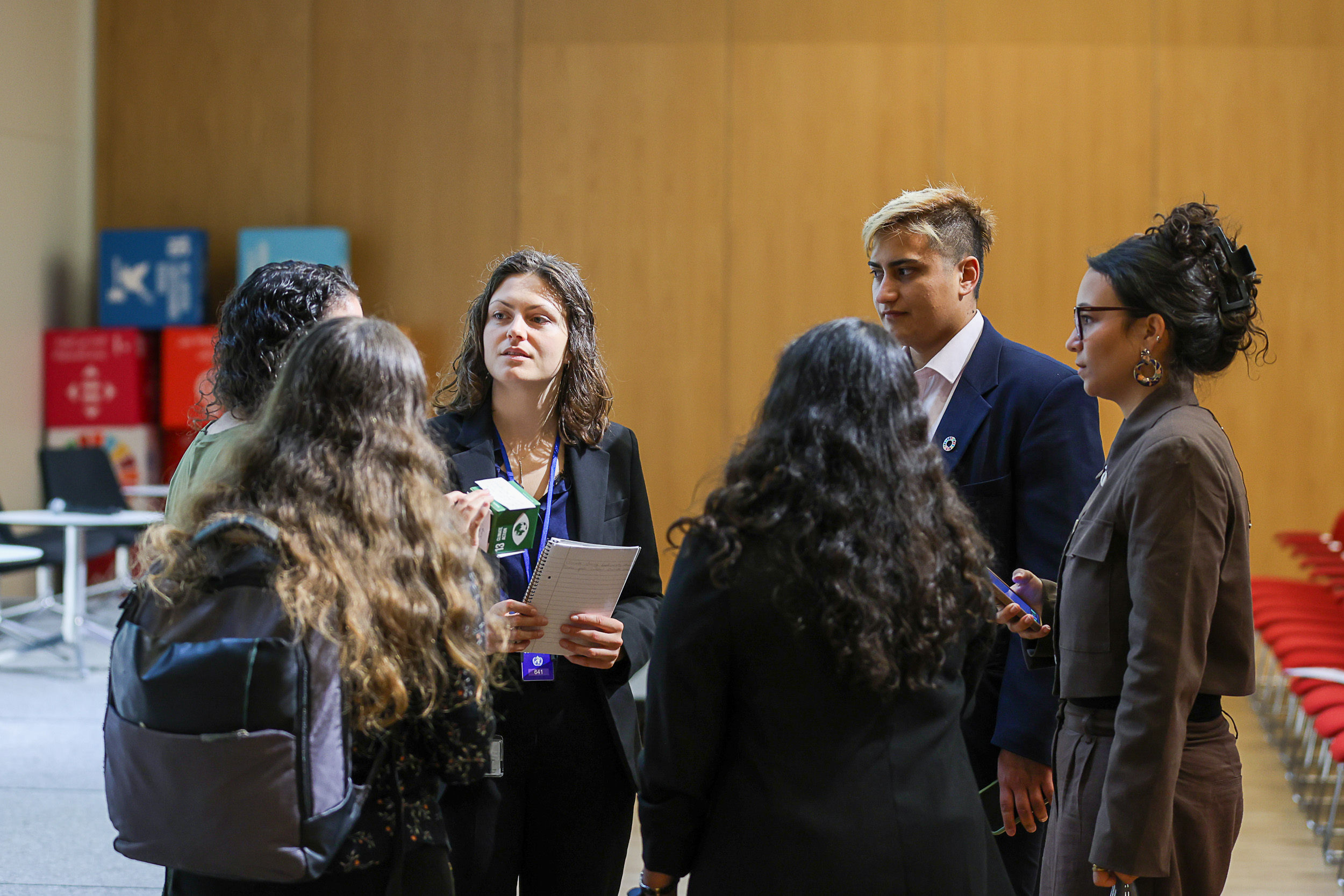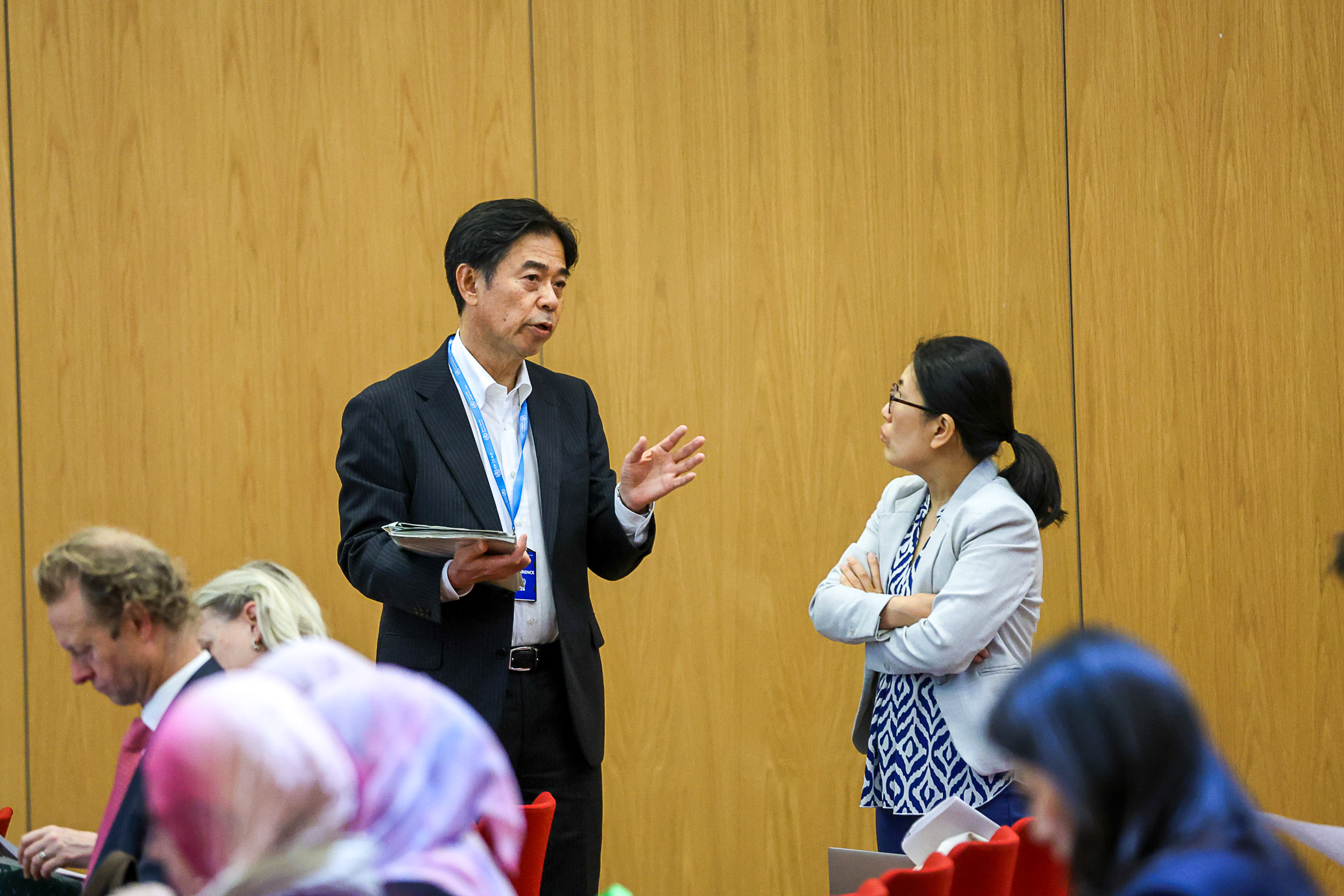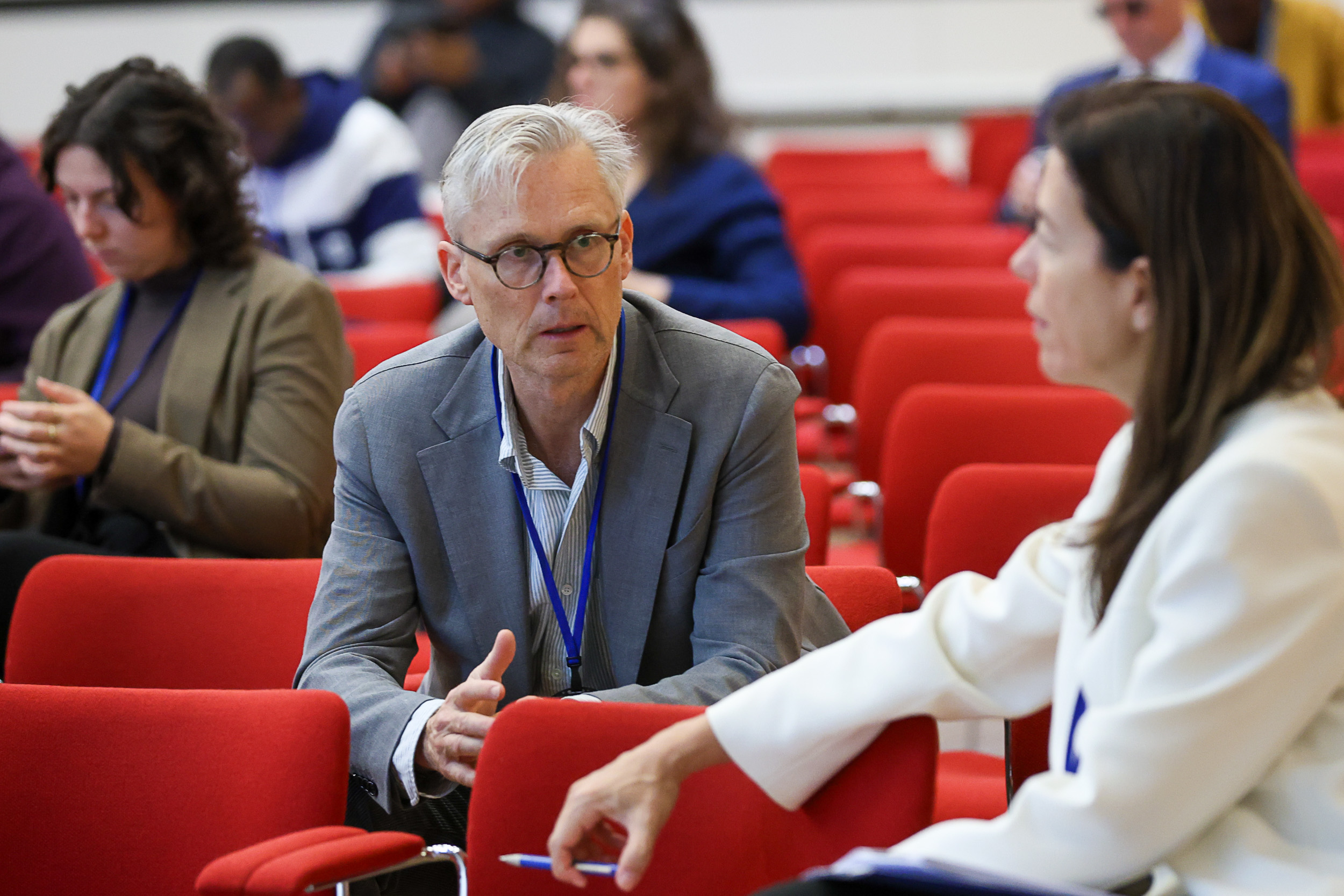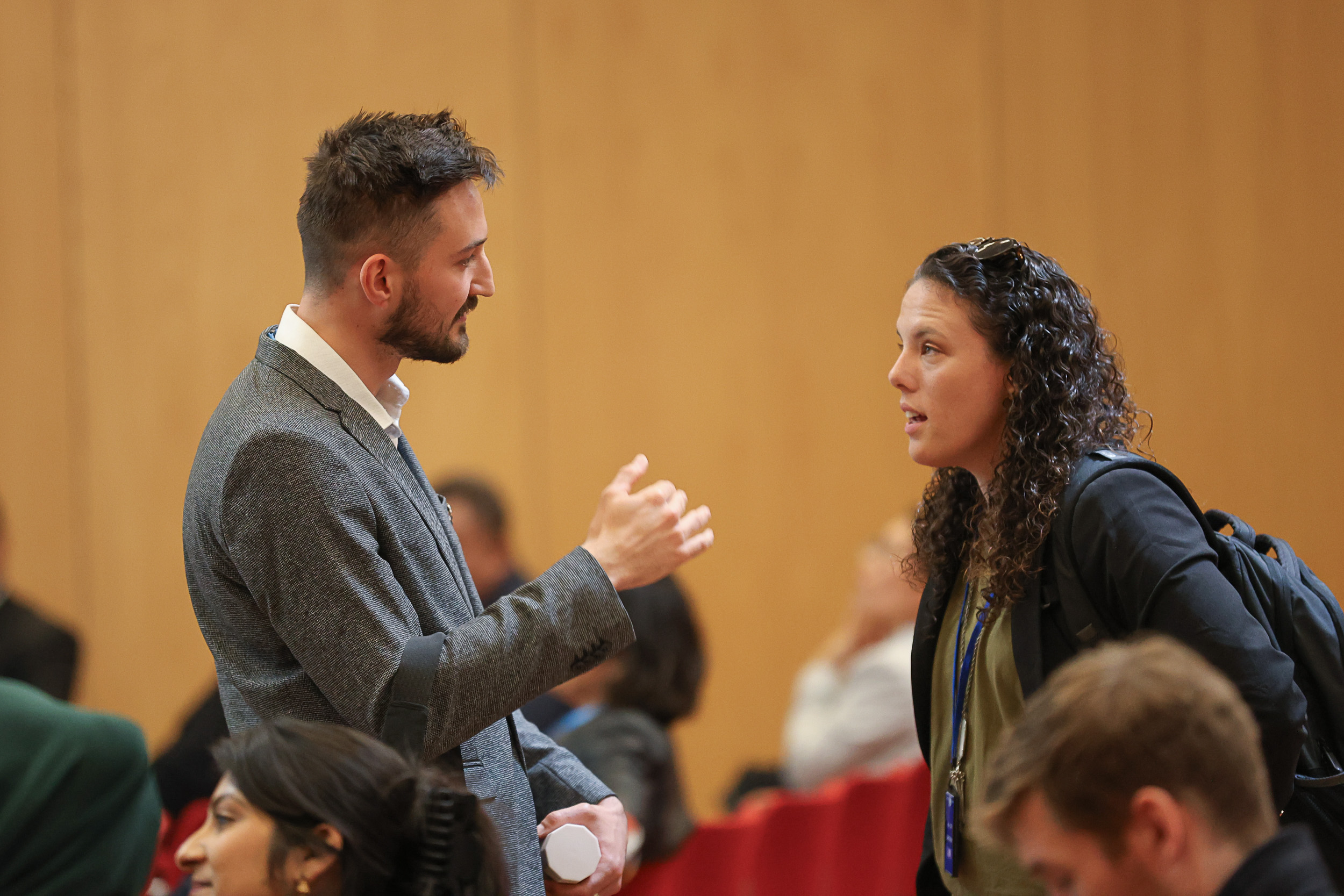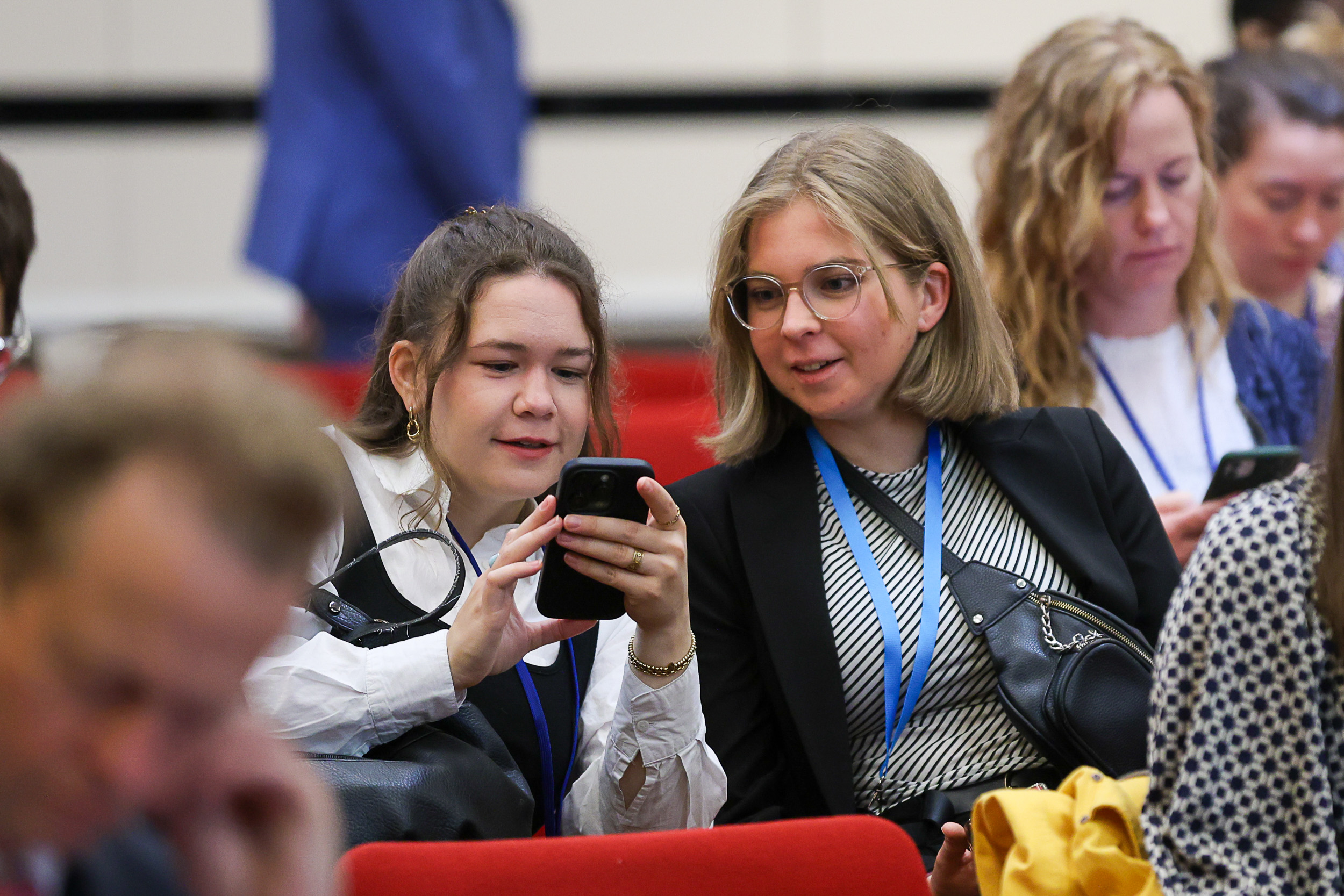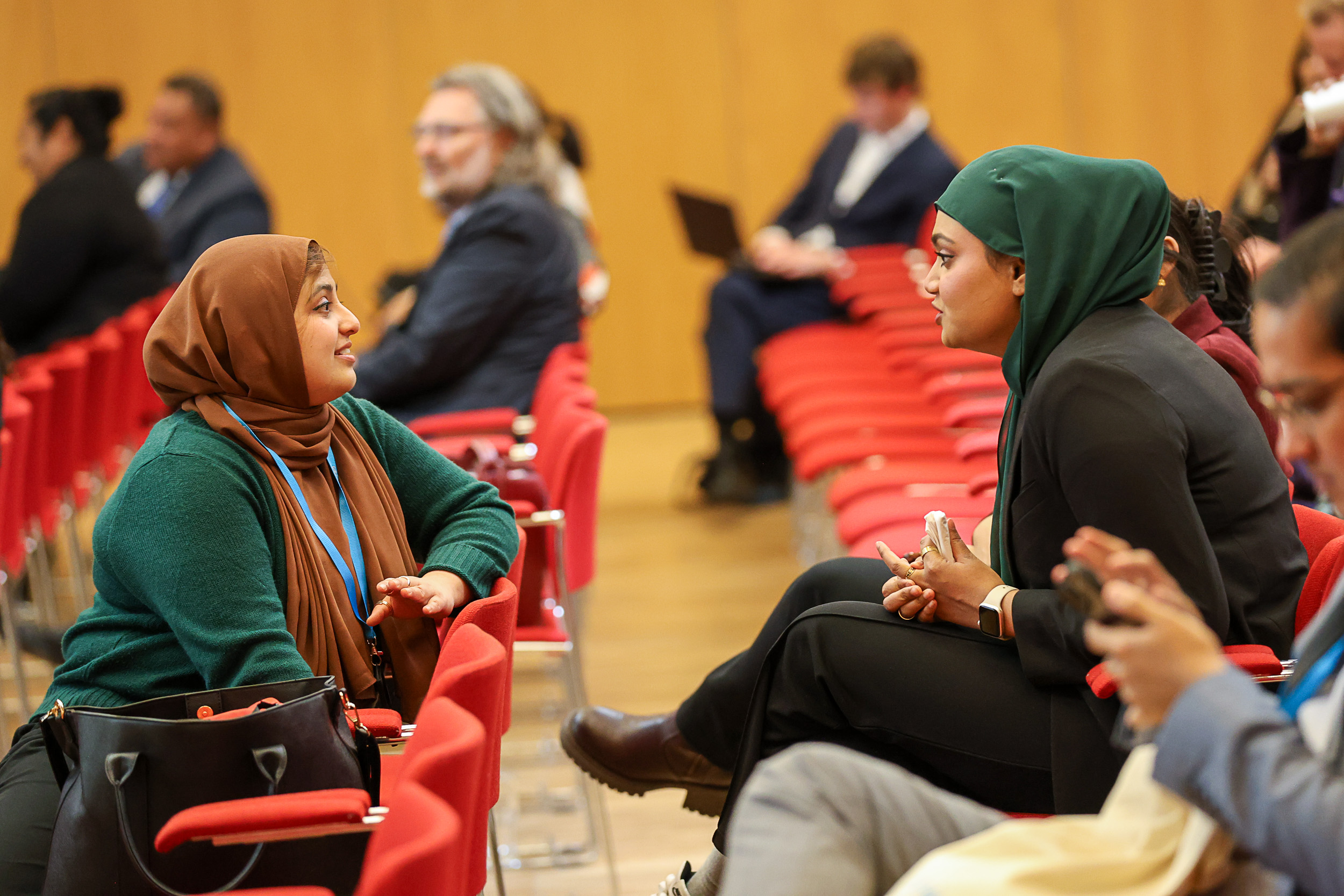
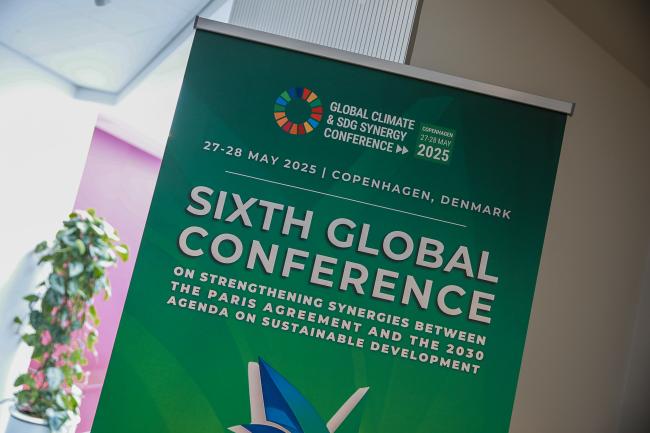
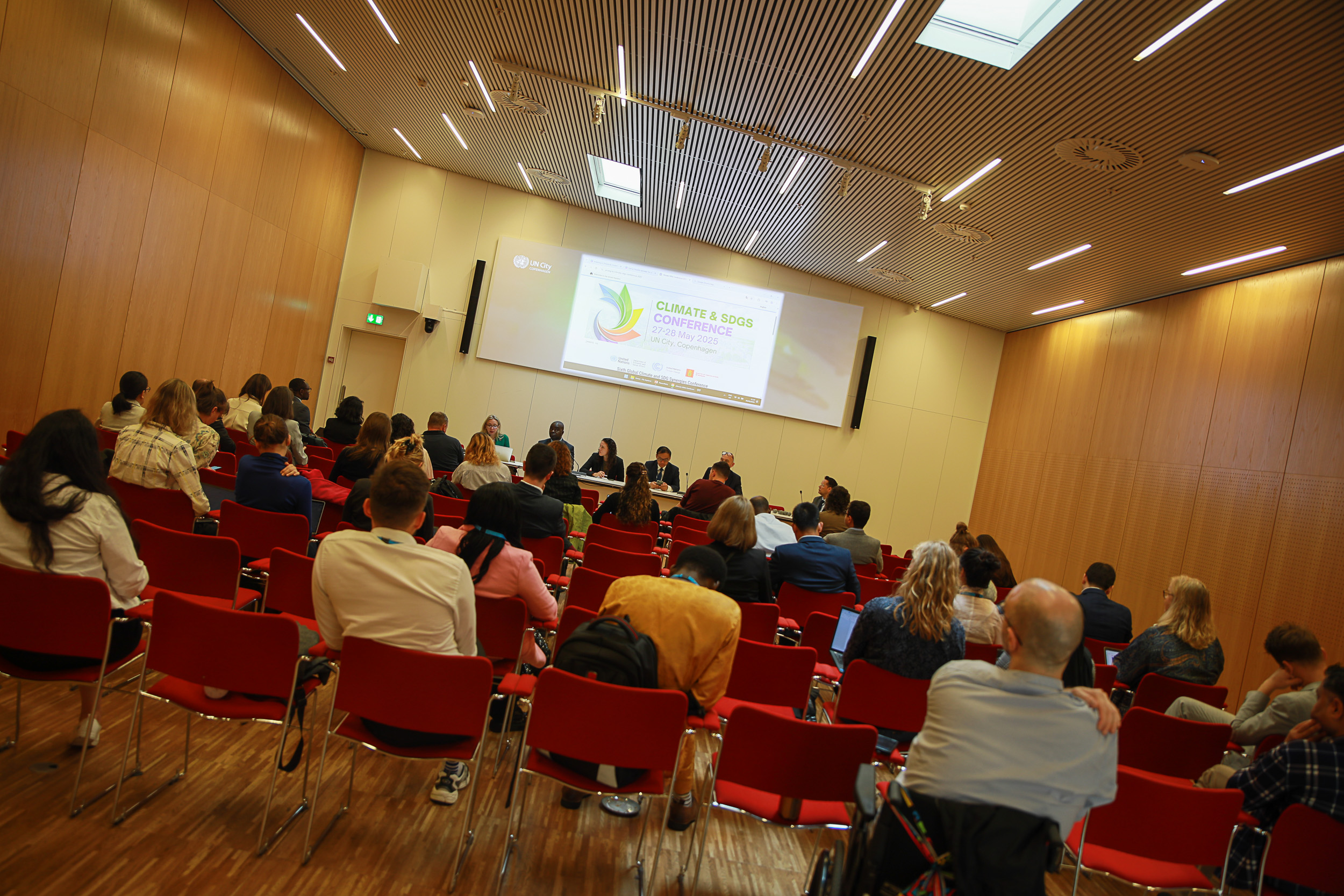
The crises facing the world are interconnected; climate change, inequality, biodiversity loss and financial instability are closely intertwined and require coordinated action. Yet not only are existing approaches to tackling them fragmented, but we are also seriously off track in achieving global targets on climate change and the SDGs. This was at the heart of discussions during the last day of the Sixth Global Climate and SDG Synergies Conference, where participants got into the nitty gritty of ways to enable synergistic actions and ensure that support reaches those making meaningful change on the ground.
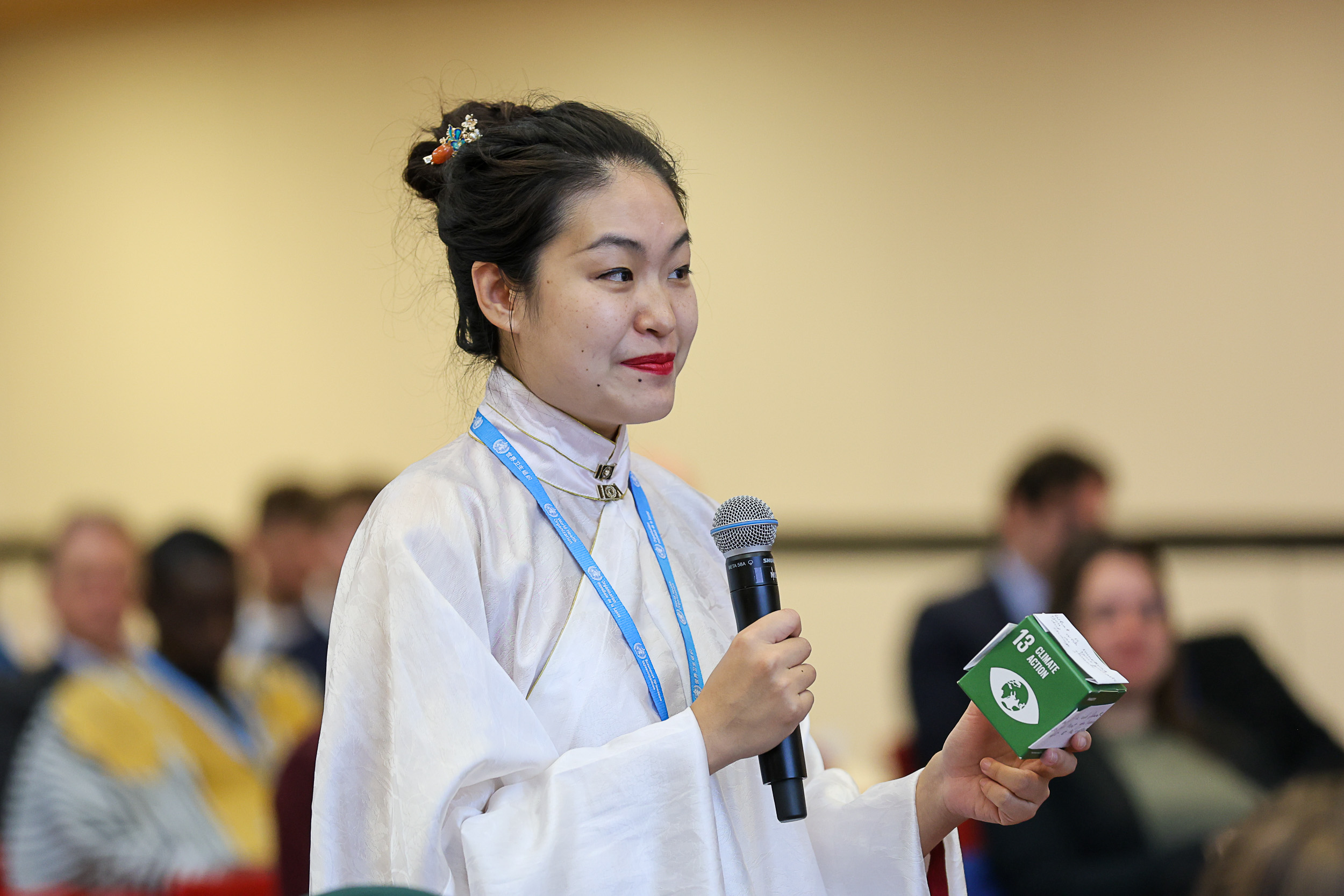
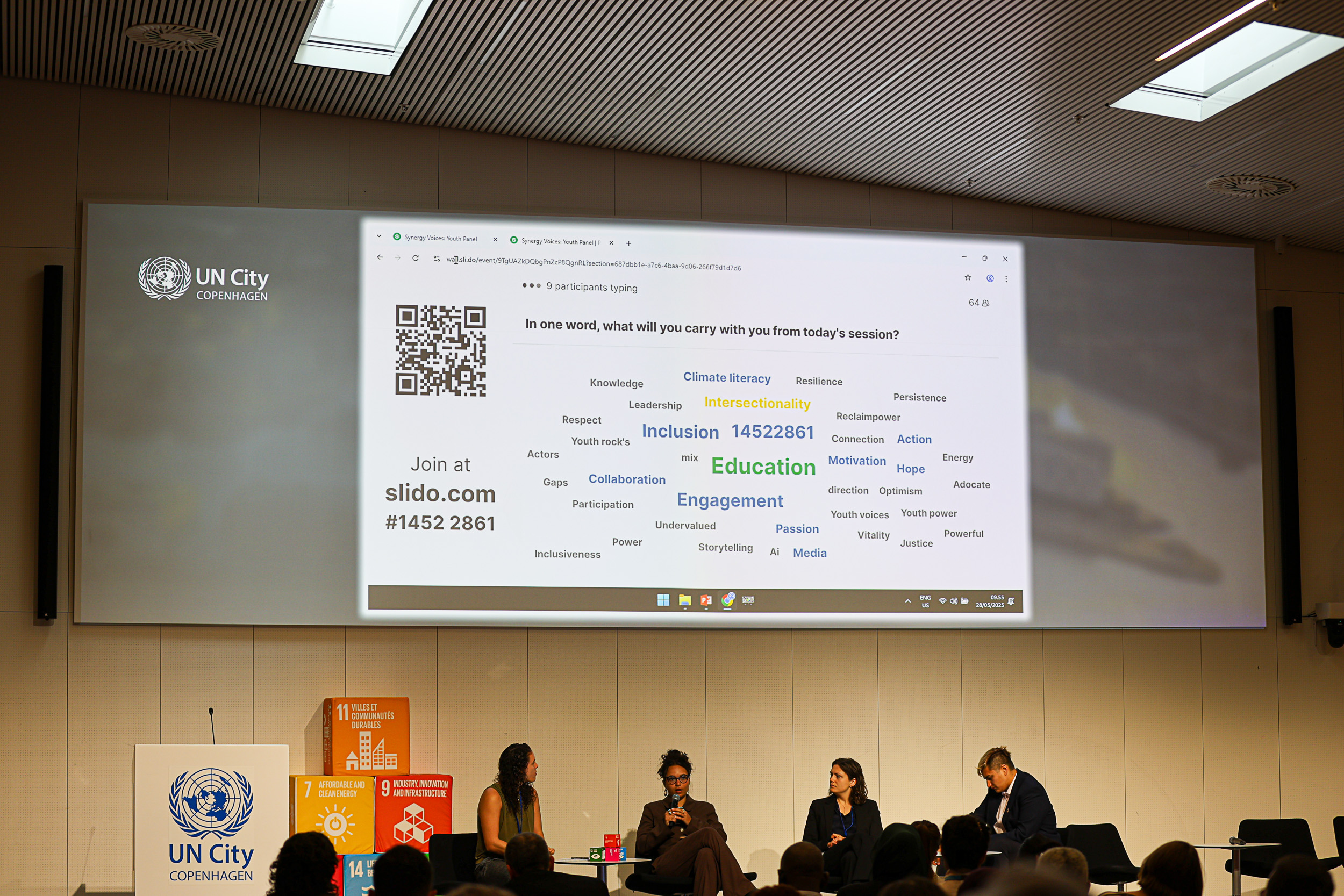
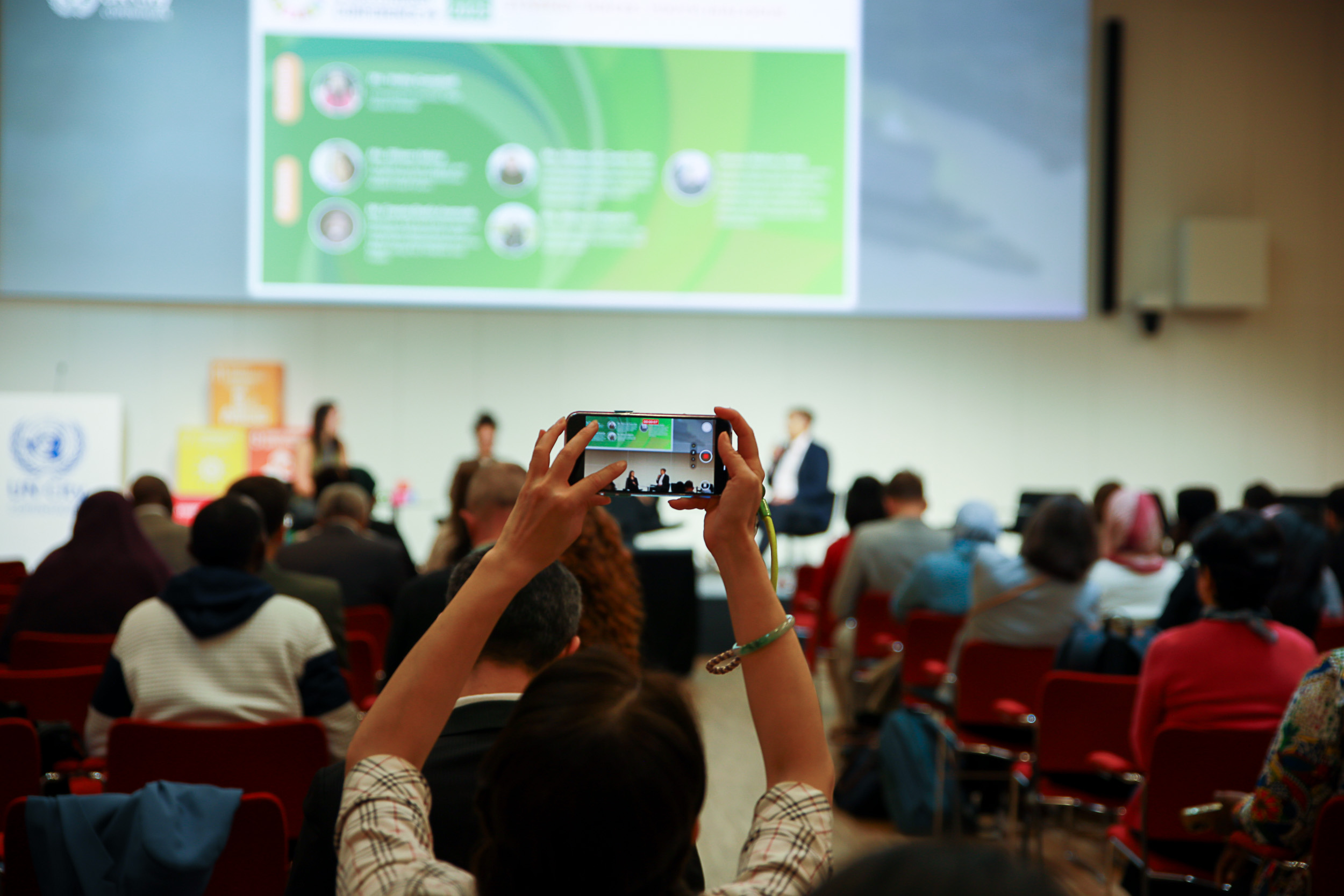
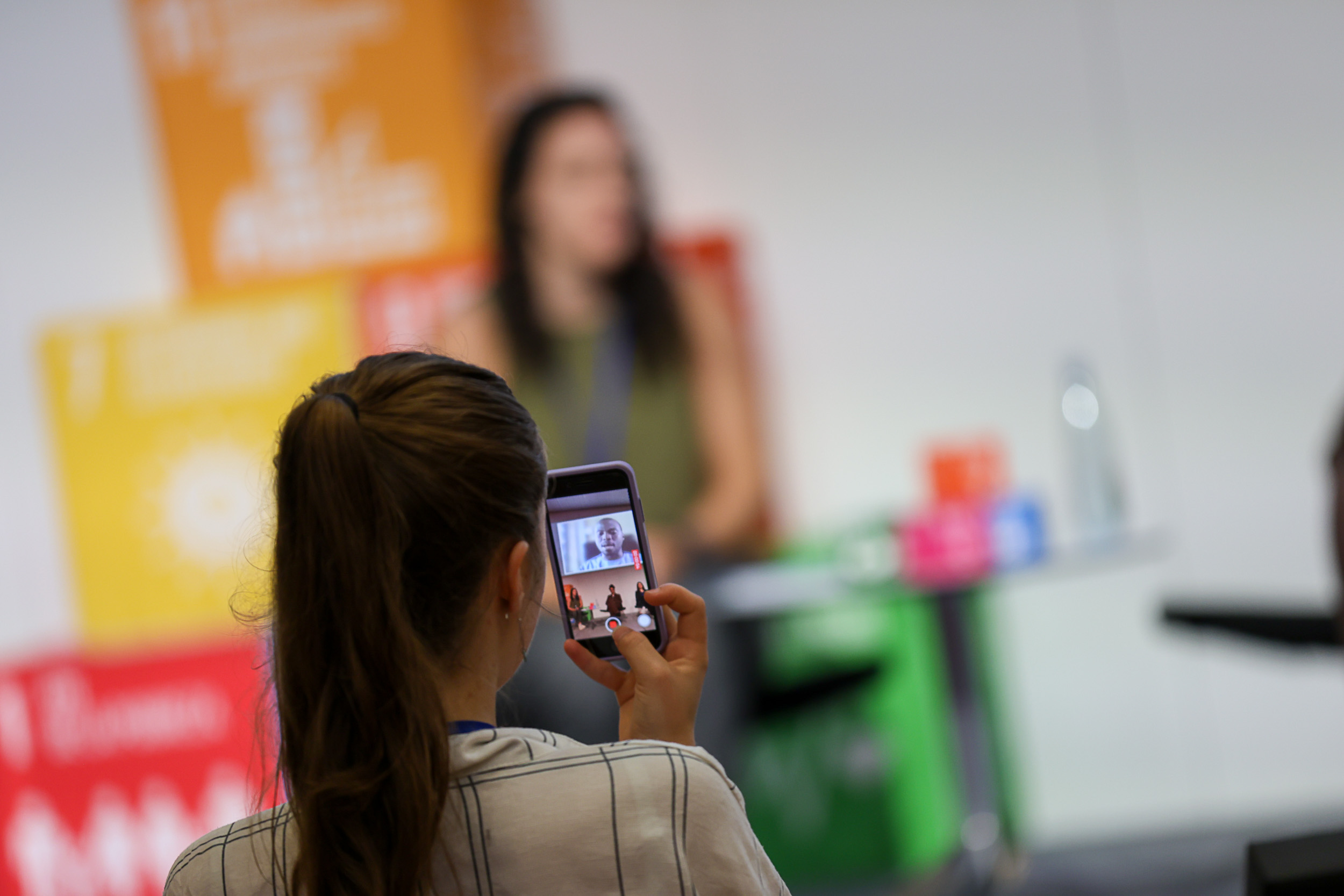
In the morning, participants were treated to a lively Youth Dialogue, where panelists discussed the priorities and contributions of young people, and reflected on the importance of youth-inclusive and youth-responsive policy, practice, and participation in climate and SDG action. Panelists highlighted, amongst other things: the importance of intersectionality, given the diverse experiences of young people around the world; the need for greater funding support to be directed at youth doing action on the ground; and that work towards the SDGs should move beyond treating young people as recipients of benefits, and instead see them as agents for change.
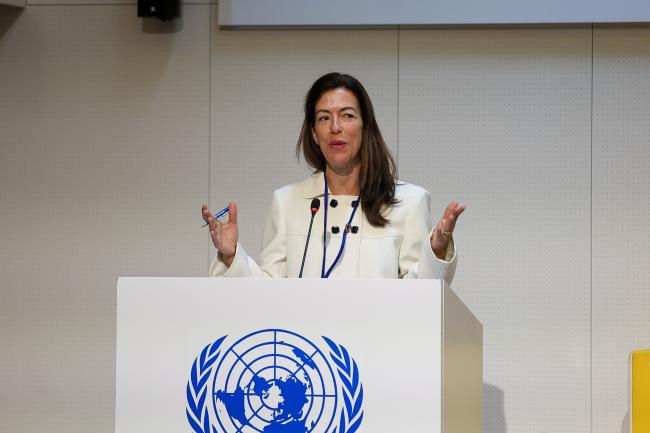
Throughout the rest of the day, participants attended six parallel sessions covering the following topics:
- Country Platforms for Climate Action and Adaptation;
- Turning Climate Pledges into Development Breakthroughs;
- Promoting Climate-SDG Synergies Through Energy Action;
- Nature’s Connections for Synergistic Approaches to Water, Food and Biodiversity;
- Climate and Security in SIDS; and
- Advancing the SDGs in Coastal Cities.
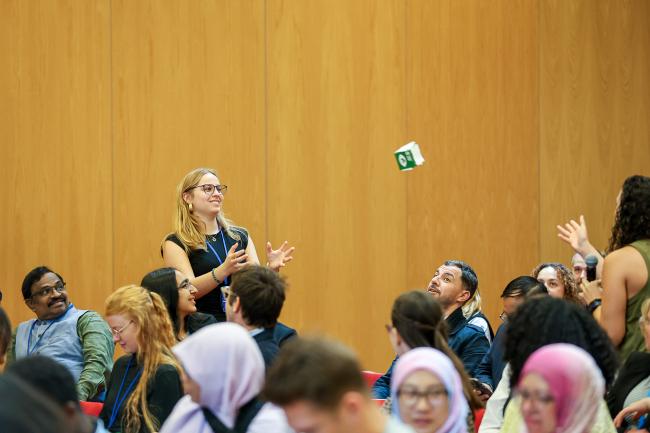
In the closing session, Ralph Wahnschafft, UN Department of Economic and Social Affairs (UN DESA), presented key messages from the Conference, including: the importance of leveraging enhanced National Determined Contributions (NDCs) to promote synergies; the need to move away from fragmented, short-term, project-based approaches and instead promote long-term and nationally-driven strategies; and that synergistic development and climate action must prioritize the needs of the most vulnerable people and countries, and leave no one behind. He also noted that more than 375 people had attended the Conference in person, with an estimated 1000 participants online and approximately 50 countries represented.
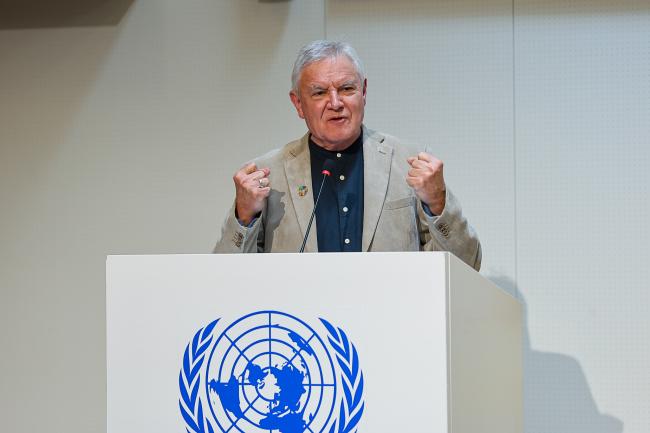
Morten Blomqvist, Ministry of Foreign Affairs, Denmark, encouraged participants to bring messages from the Conference to the Financing for Development Conference in Seville, Spain, over the summer, and to the 30th session of the Conference of the Parties to the UN Framework Convention on Climate Change (UNFCCC COP 30). He also invited two youth delegates to provide concluding remarks.
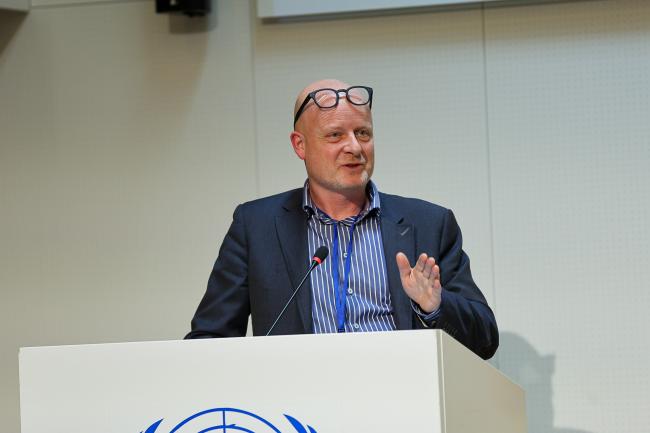
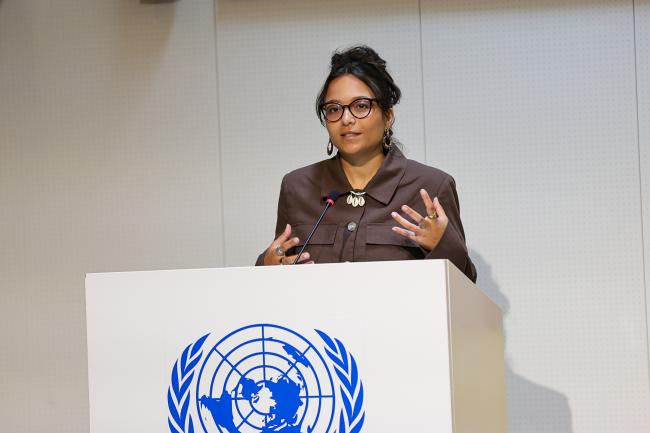
Helena de Castro Dias, Leuphana University, recognized that synergies are important, but stressed that we won’t reach a just transition without intersectionality and critical thinking. Kinga Szalaba, World Scouting, called for meaningful inclusion of youth in policy and decision-making, saying that it is the only way to ensure just and sustainable outcomes.
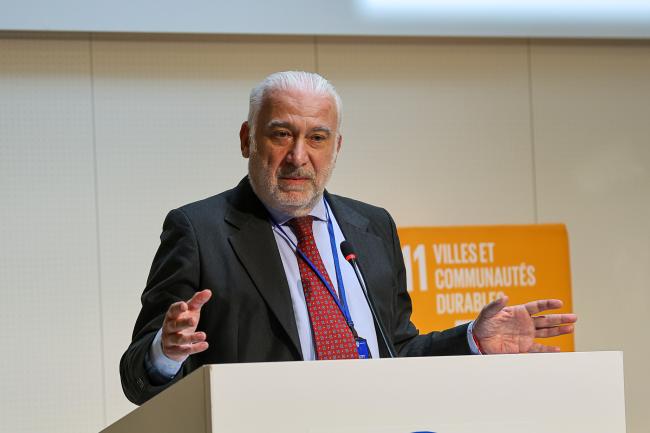
Daniele Violetti, UNFCCC, reiterated the importance of synergies and called on partners to continue working together on the shared agendas. He asked attendees to share their insights from the Conference with their respective constituents and organizations.
All ENB photos are free to use with attribution. For the 6th Global Climate and SDG Synergies Conference, please use: Photo by IISD/ENB | Mike Muzurakis
Synergy Voices: Youth Dialogue
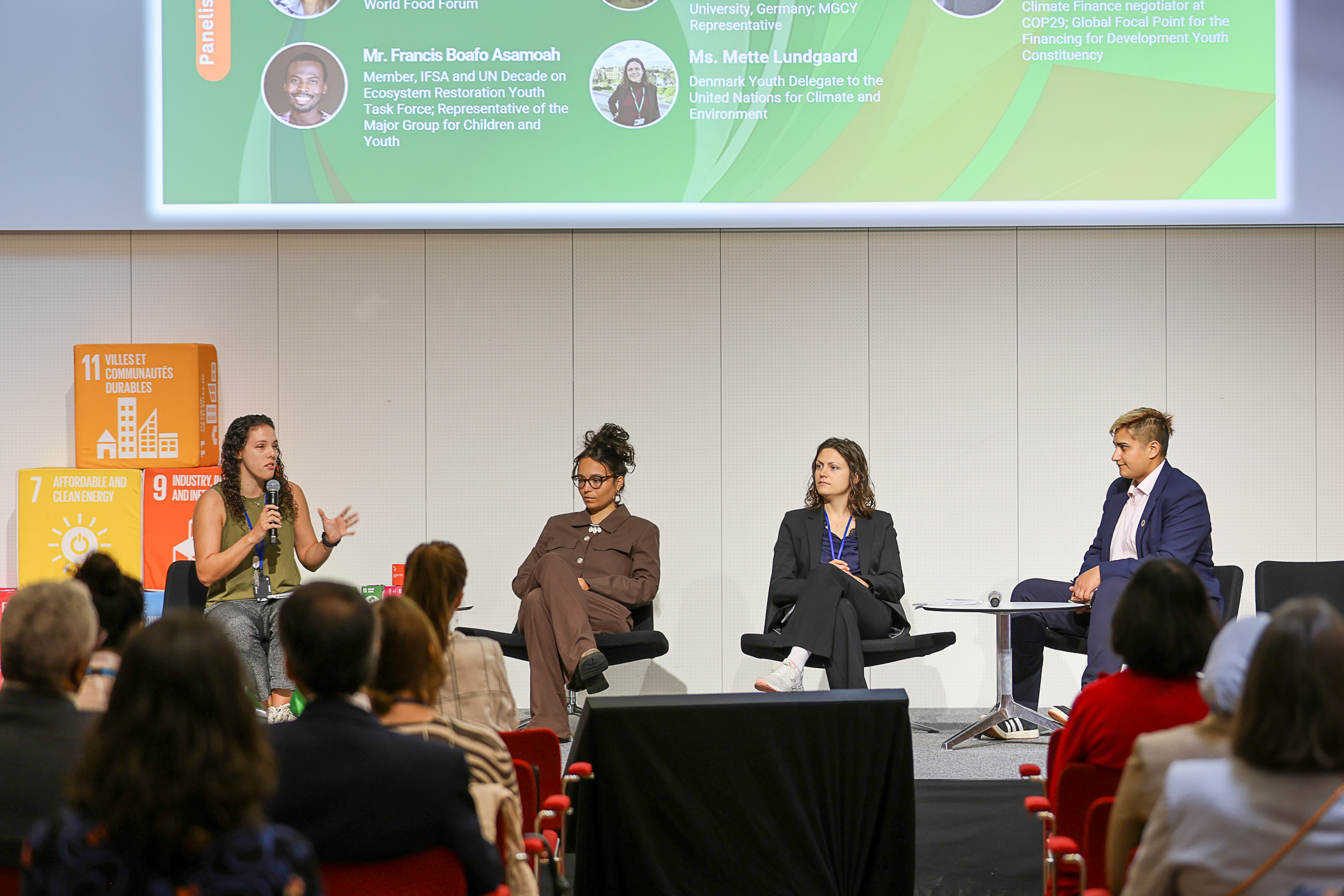
From L-R: Hailey Campbell, Director, Care About Climate; Helena de Castro Dias, human rights lawyer, and researcher, Sustainability Governance and Global Supply Chains, Leuphana University; Mette Lundgaard, Youth Delegate to the UN for Climate and Environment, Denmark; and Genaro Matías Godoy, youth climate finance negotiator at COP29
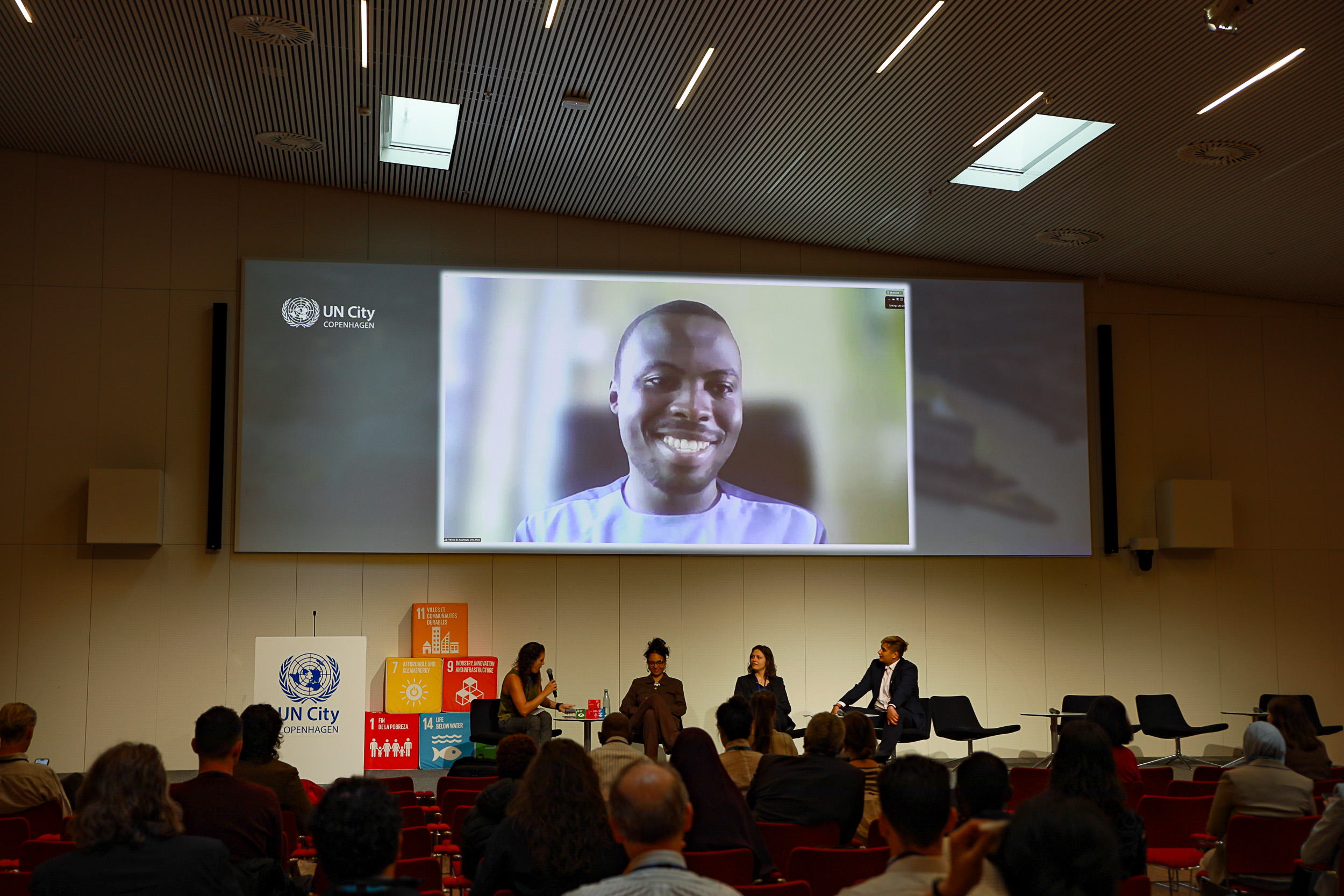
Francis Boafo Asamoah, Member of the International Forestry Students’ Association
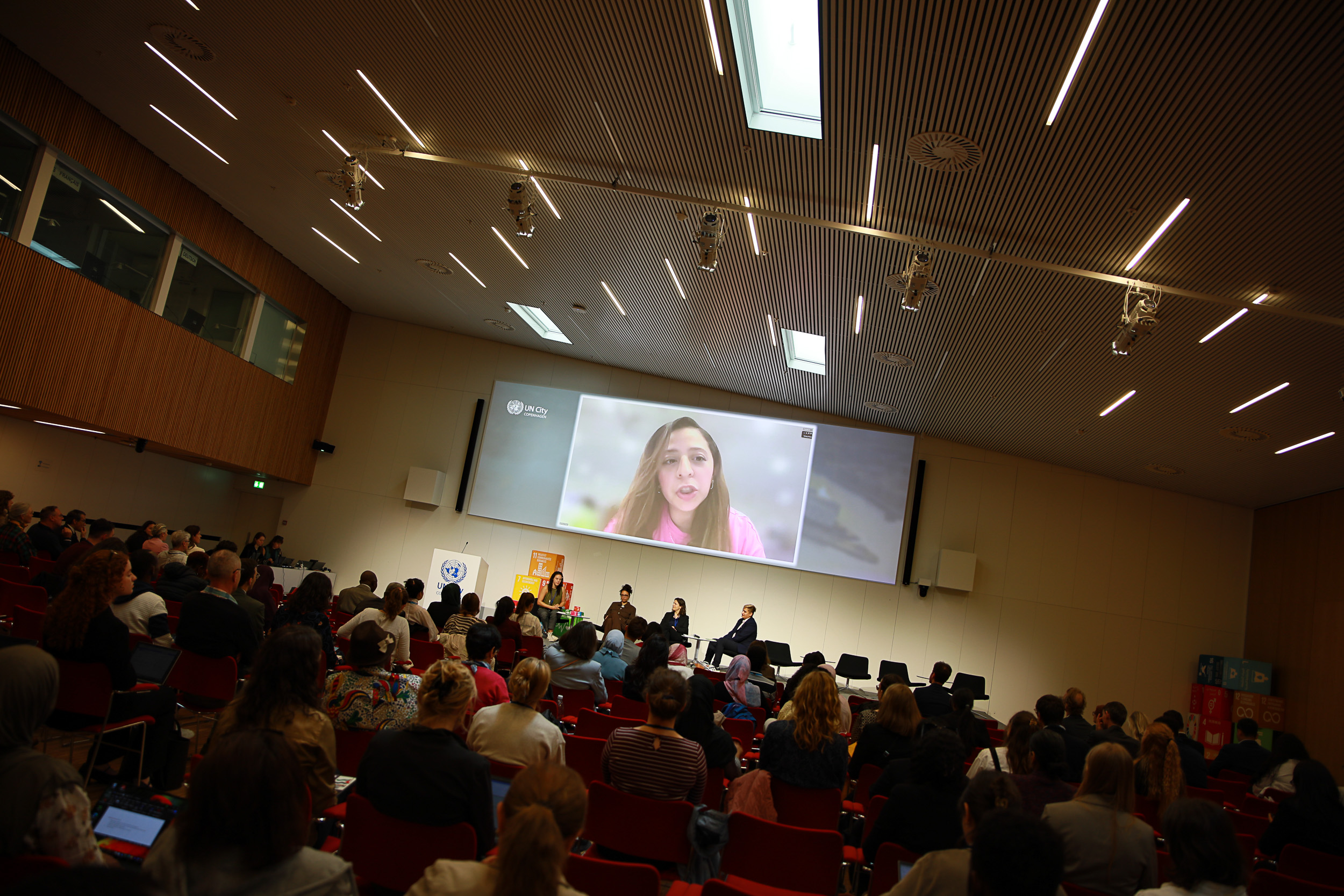
Riham Helmy, Founder, EnviroX, Egypt
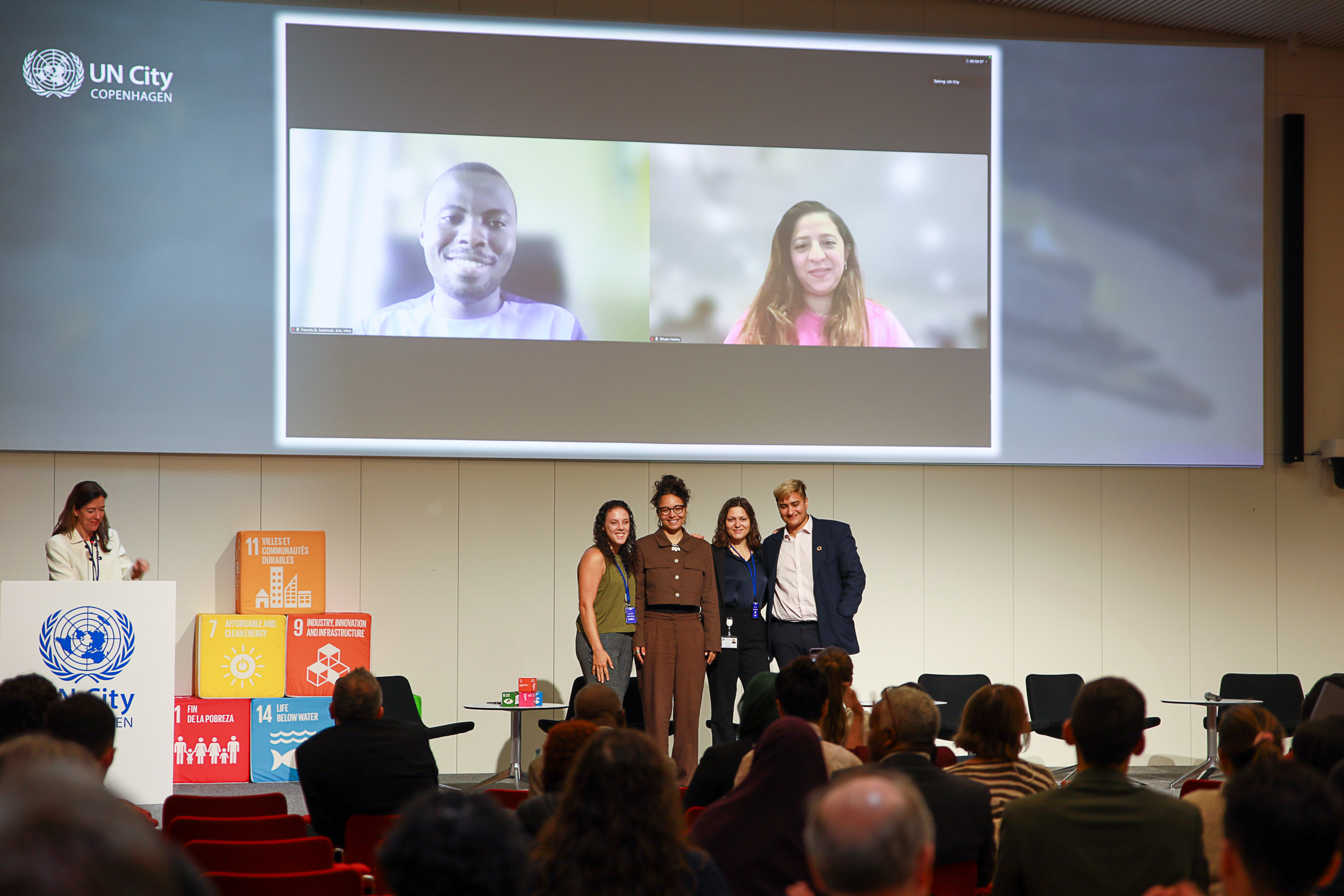
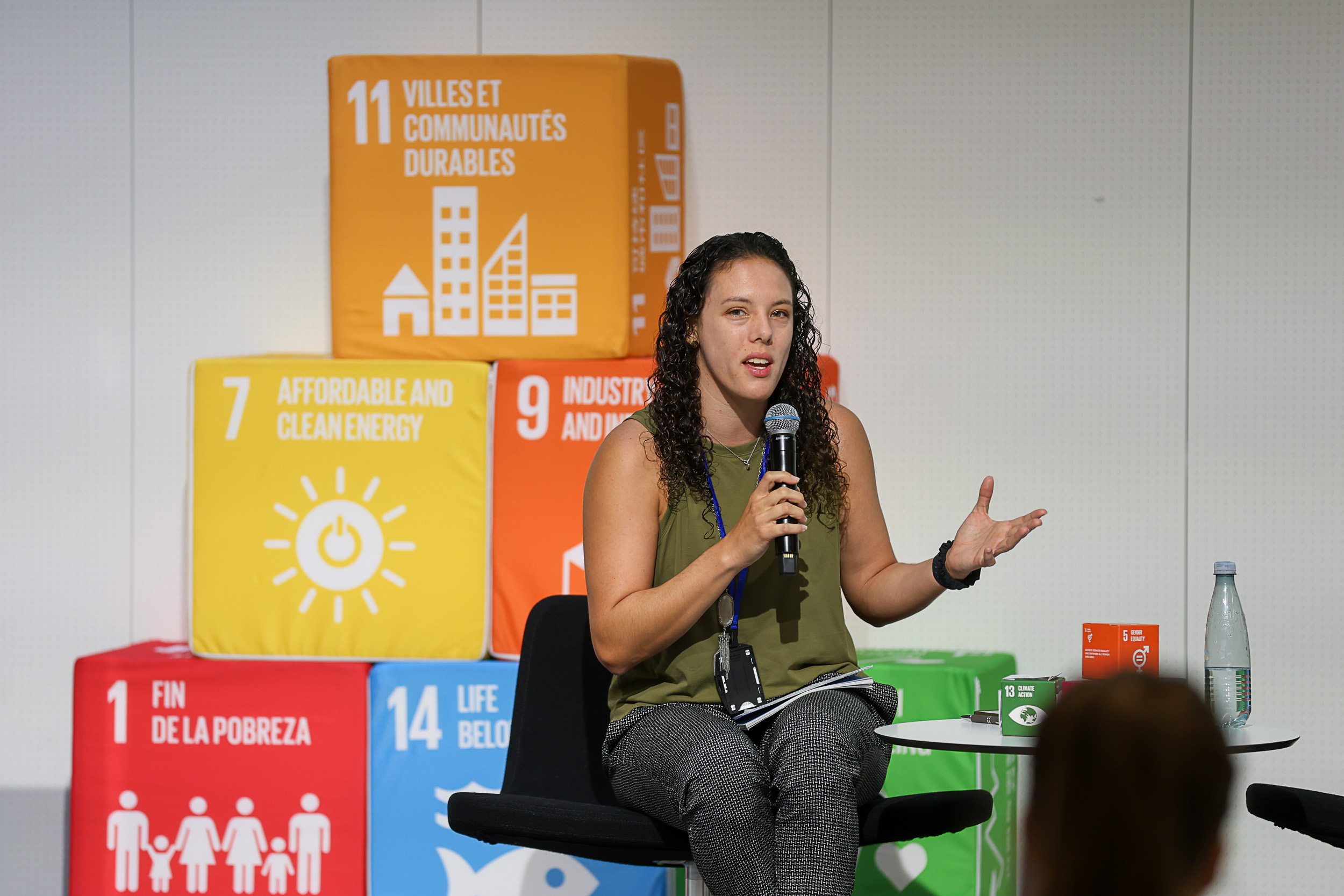
Hailey Campbell, Director, Care About Climate
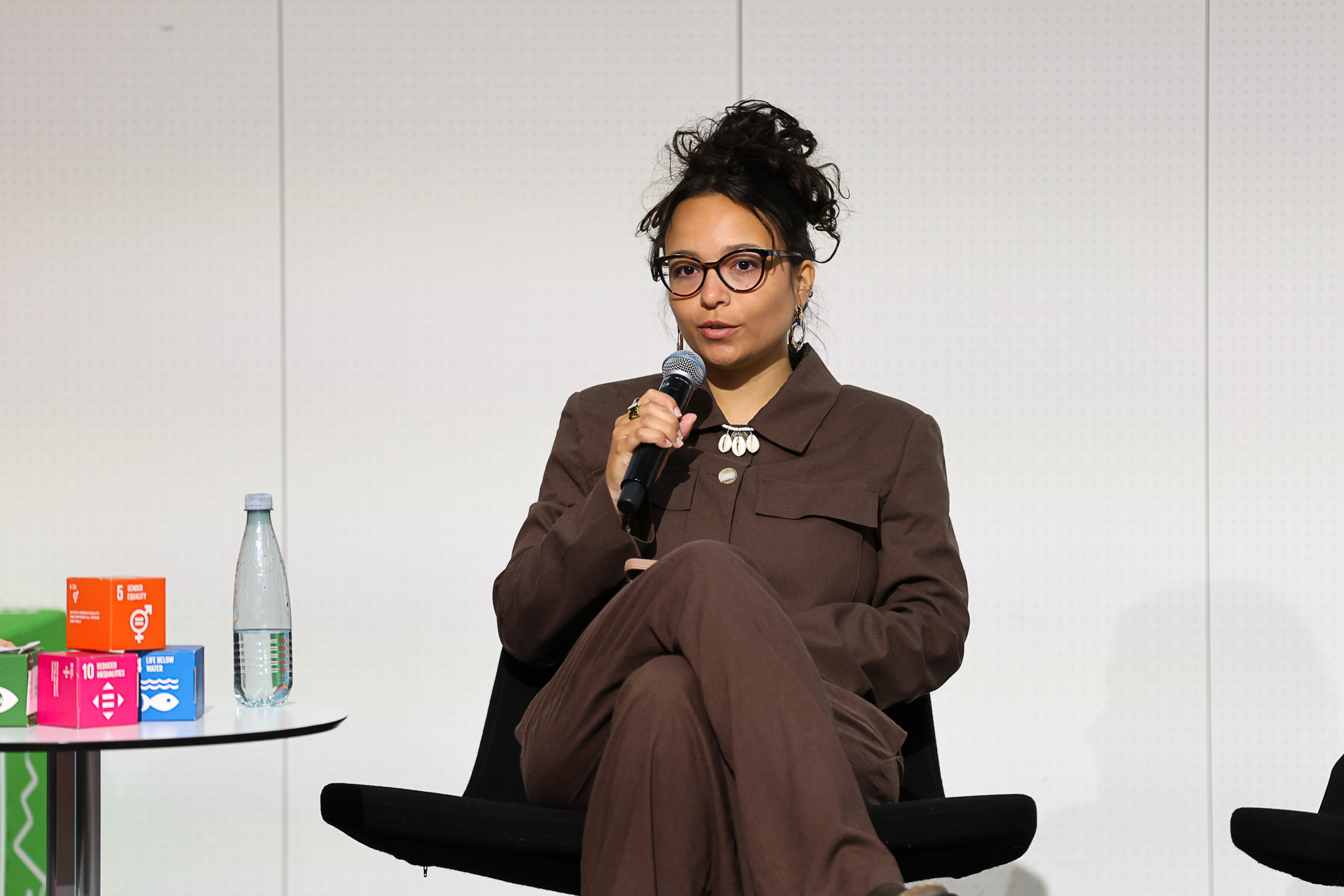
Helena de Castro Dias, human rights lawyer and researcher on Sustainability Governance and Global Supply Chains, Leuphana University
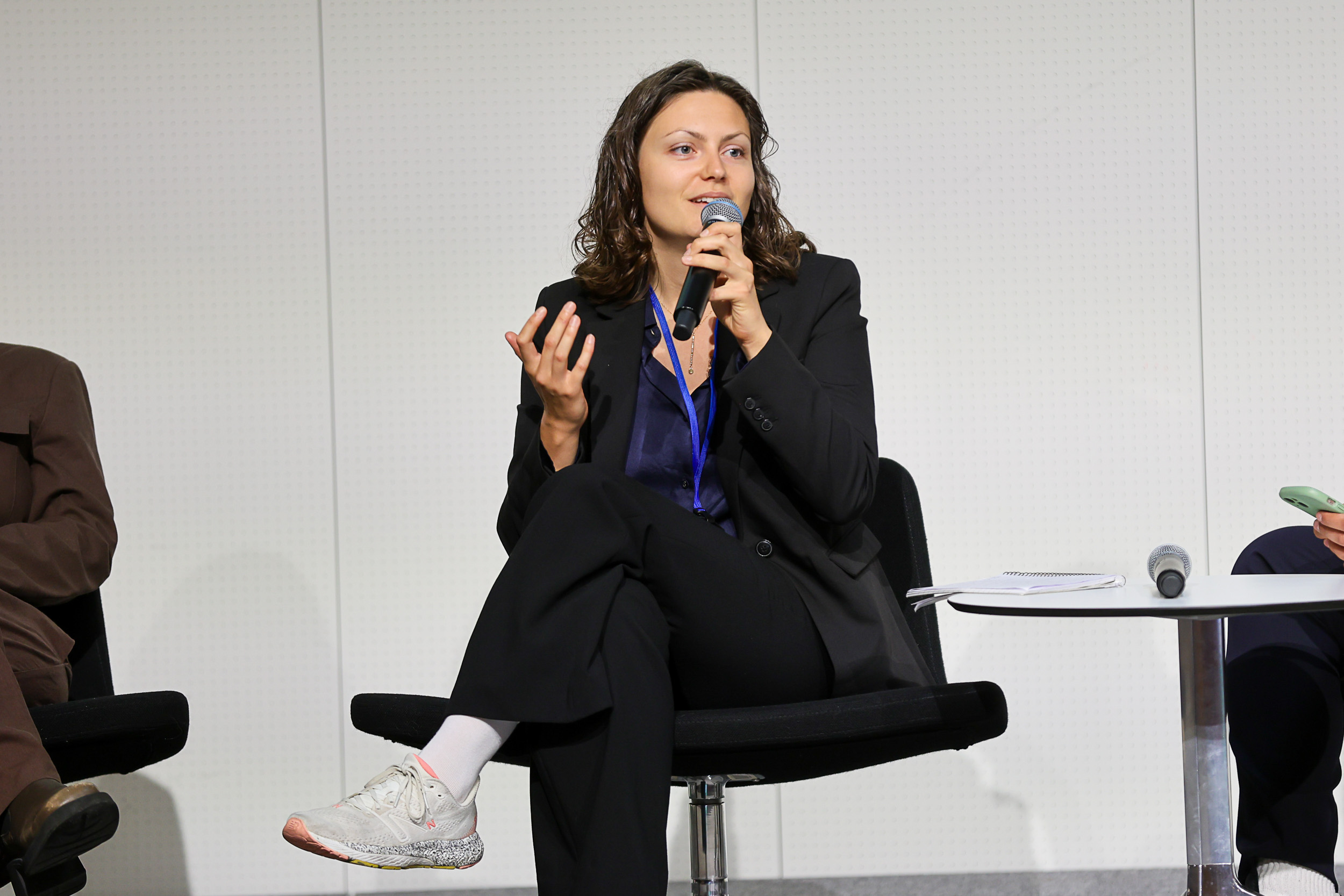
Mette Lundgaard, Youth Delegate to the UN for Climate and Environment, Denmark
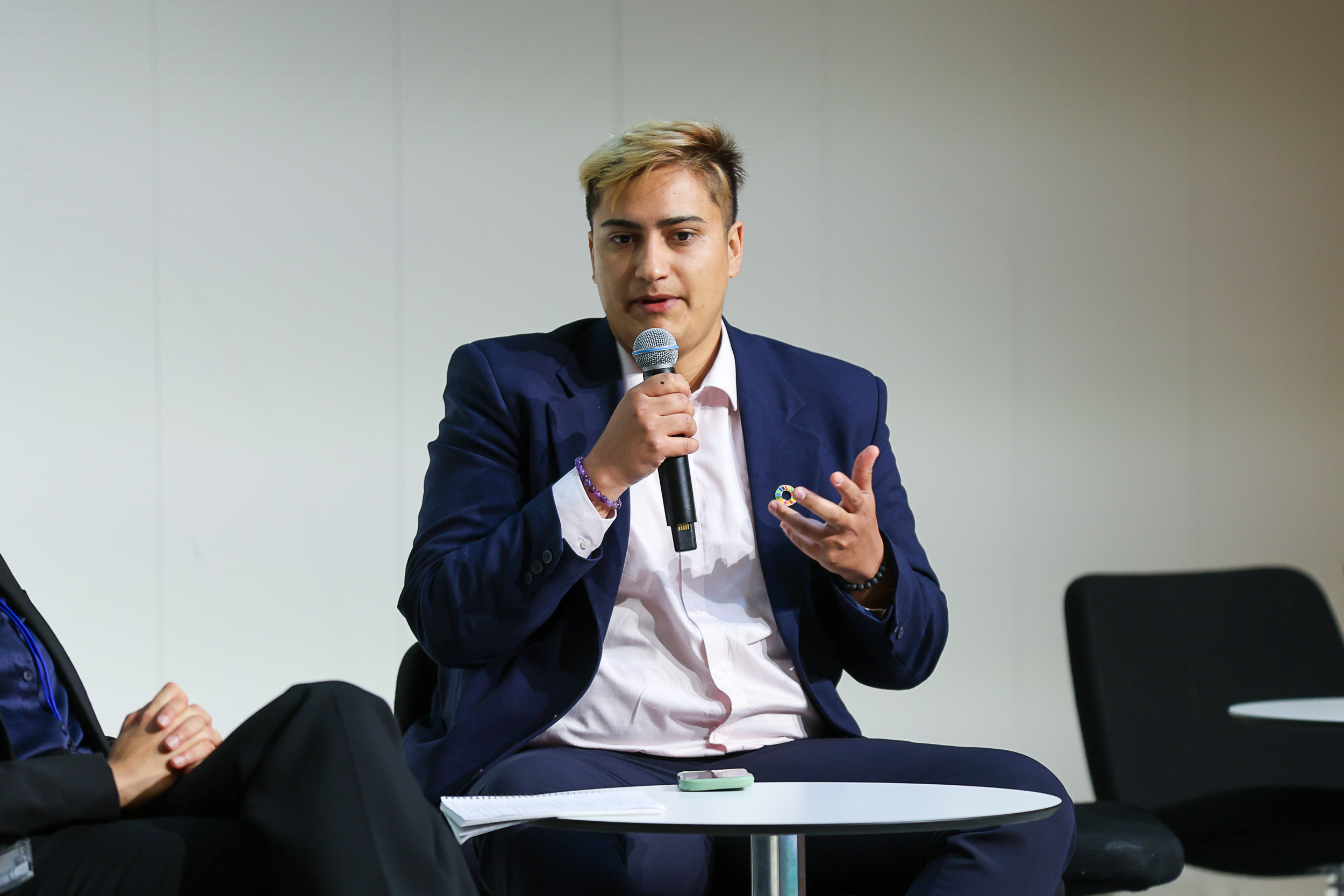
Genaro Matías Godoy, Youth Climate Finance negotiator at COP29
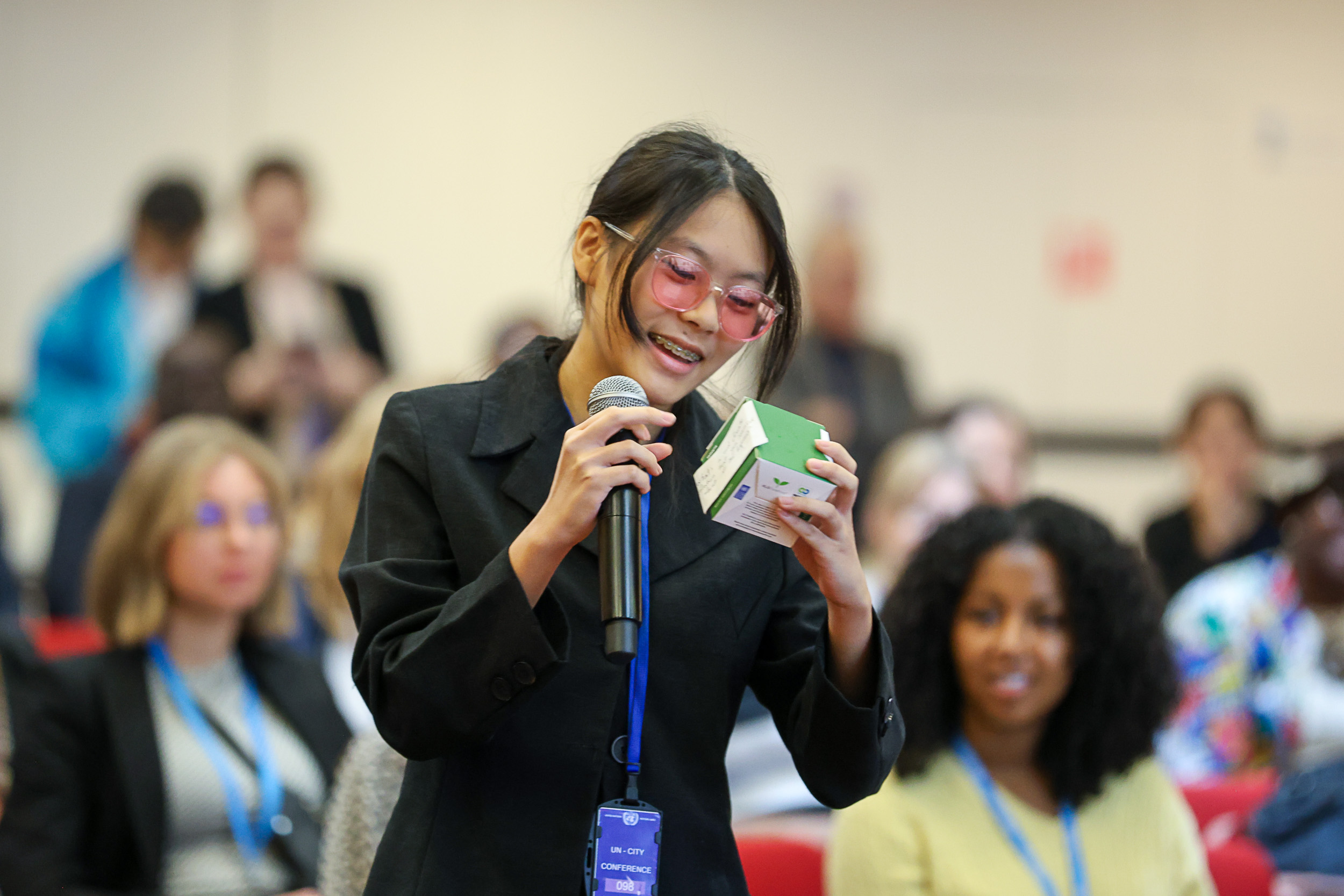
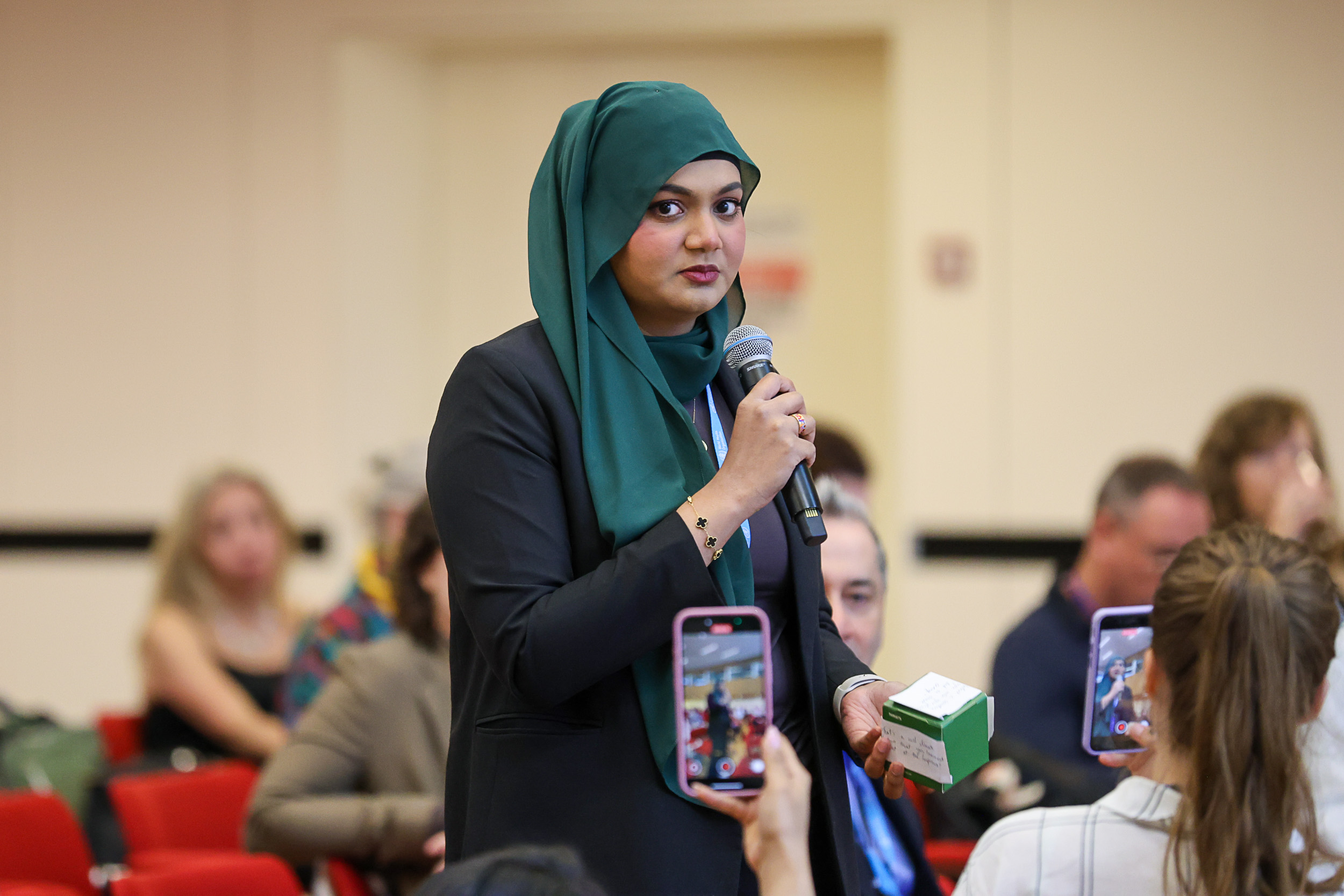
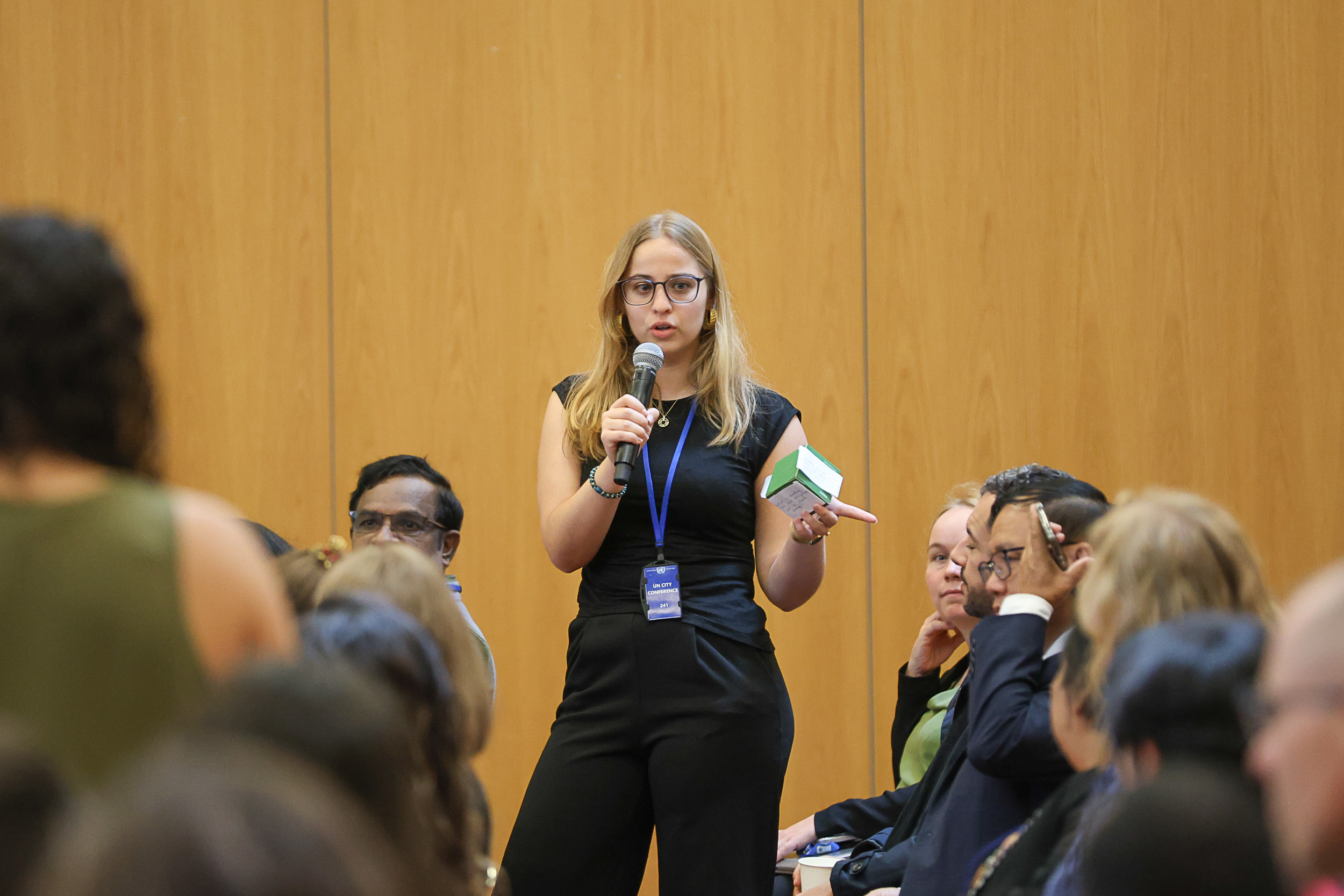
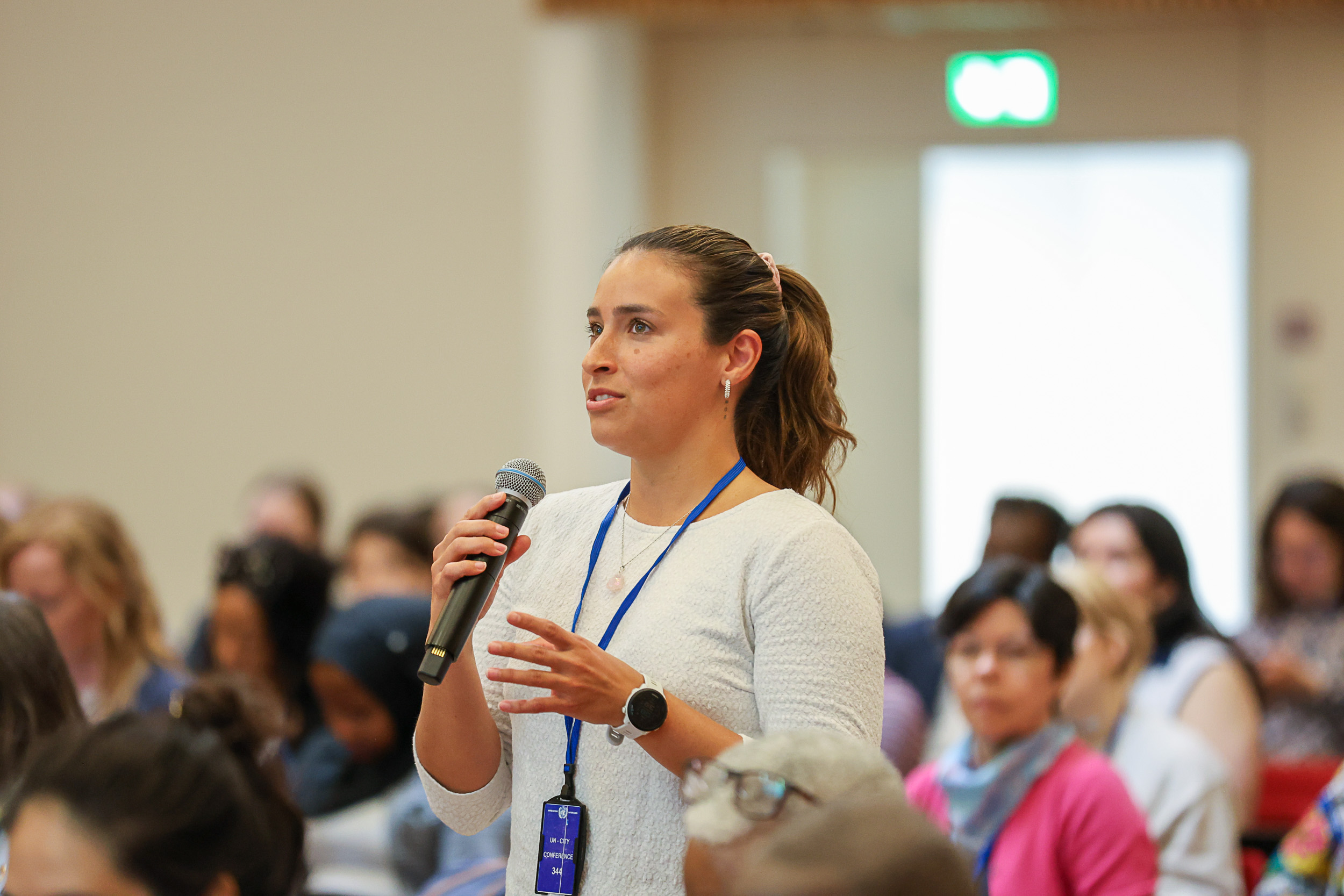
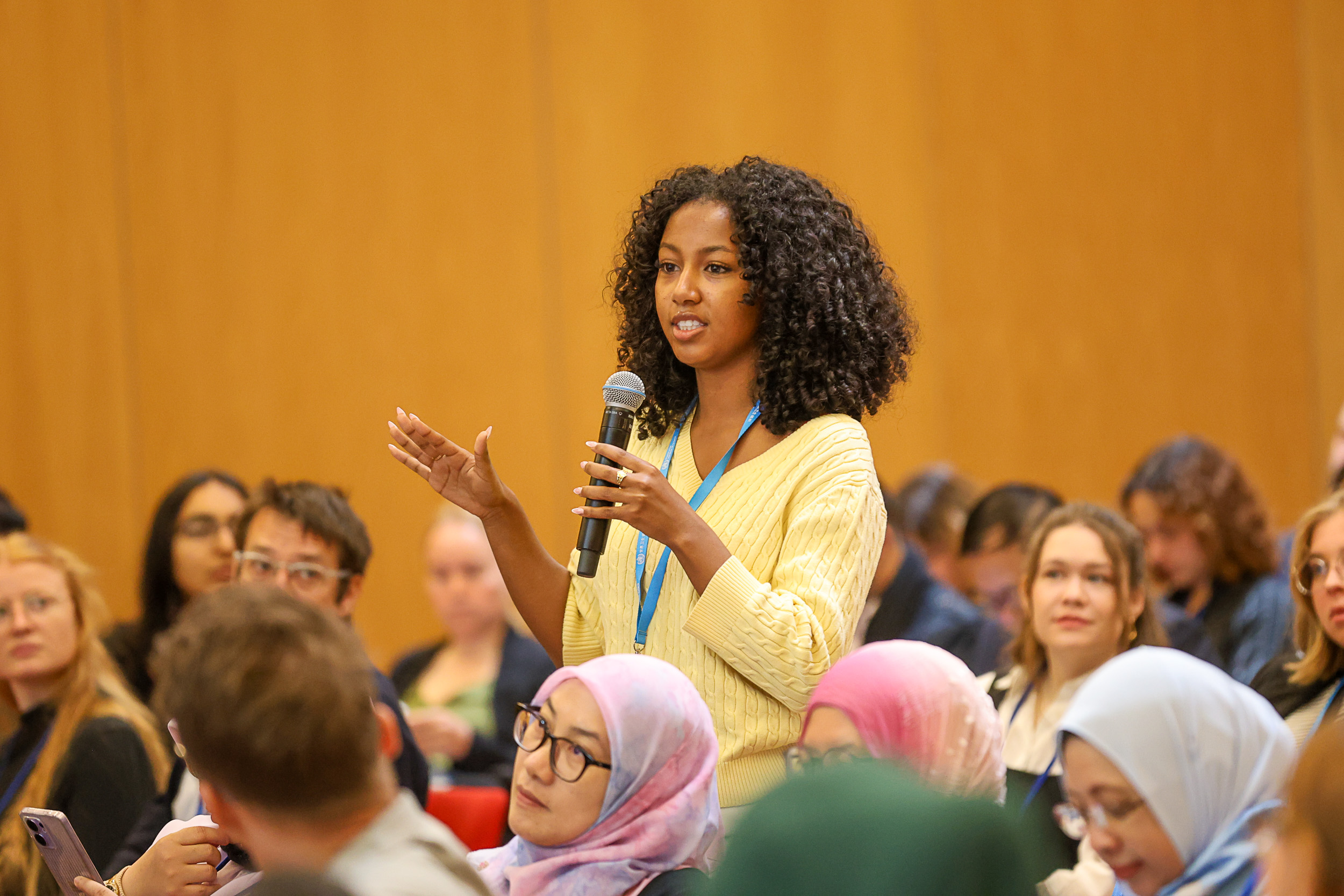
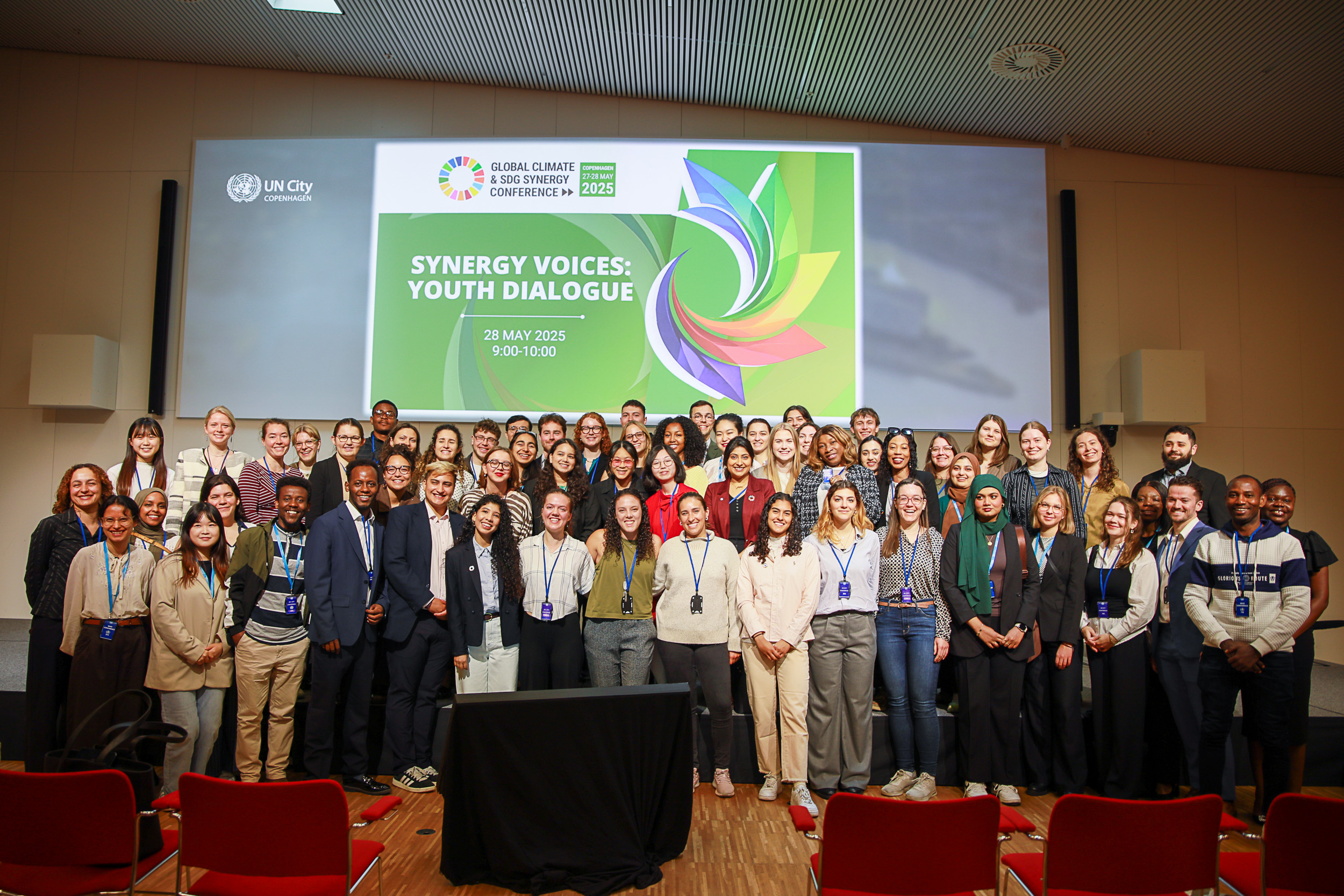
Youth particpants family photo
Country Platforms for Climate Action and Adaptation: Making Them Work for the Most Climate-Vulnerable
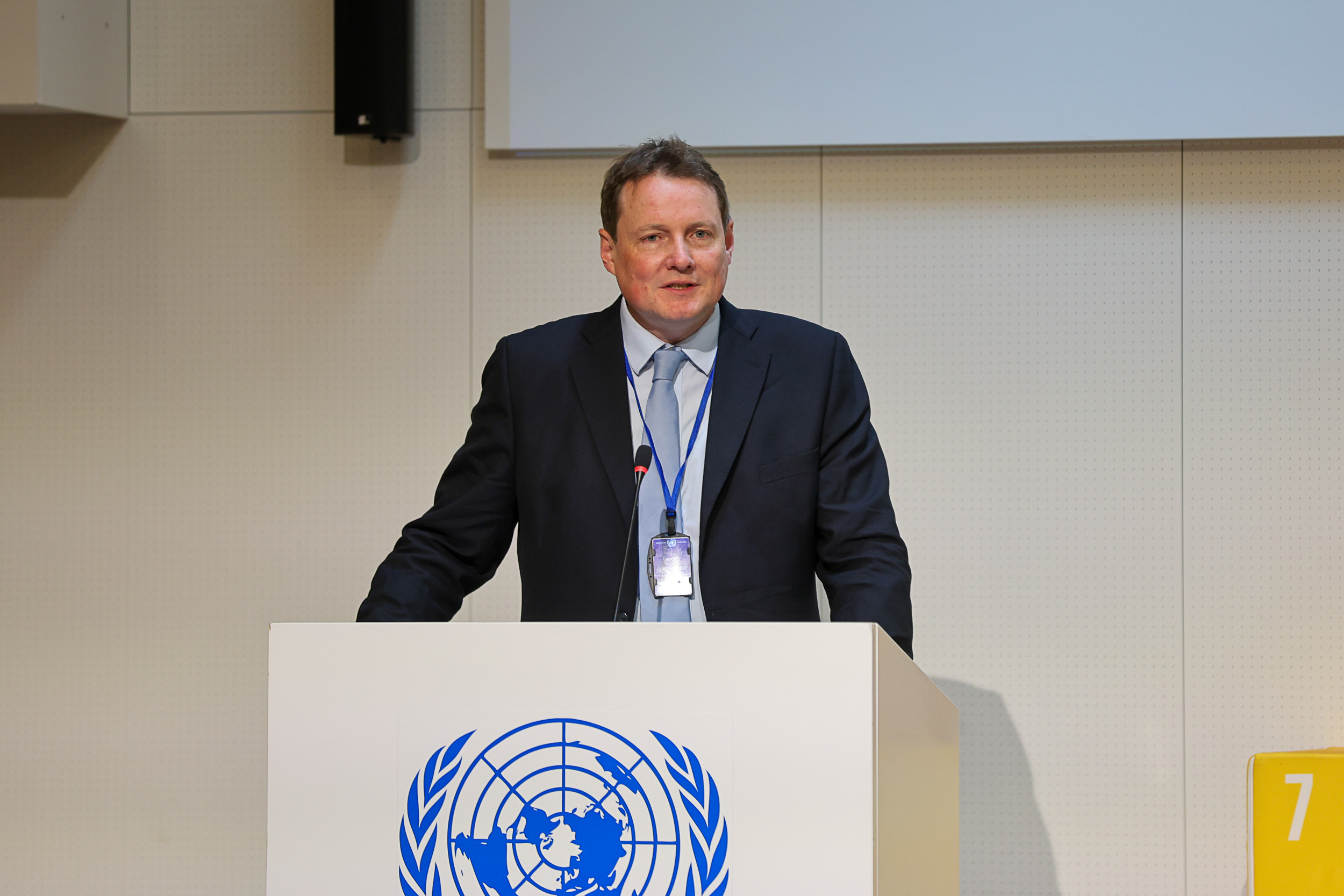
Tom Mitchell, Director, International Institute for Environment and Development (IIED)
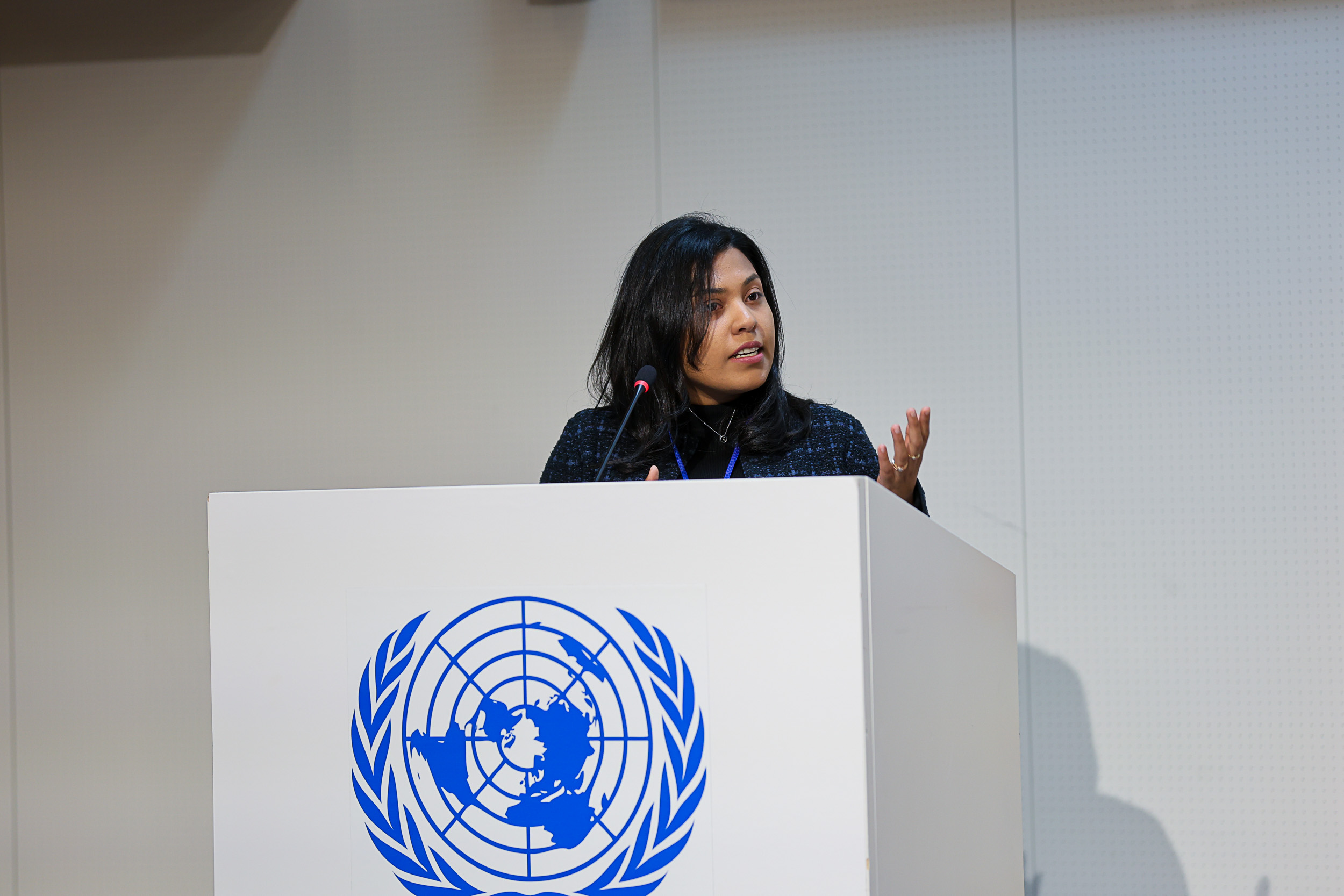
Anaa Hassan, Researcher, Climate Finance, IIED
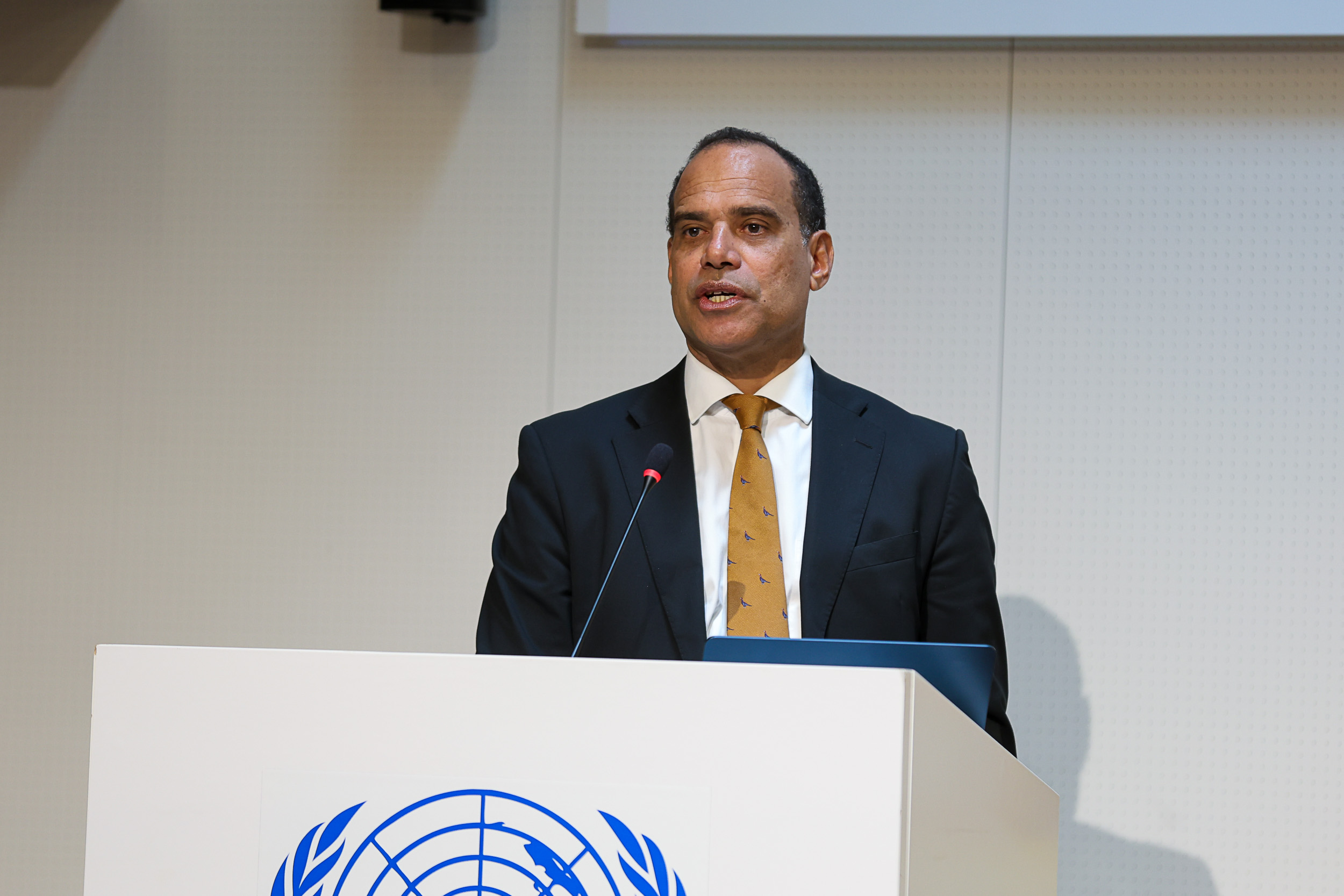
Ralph Regenvanu, Minister for Climate Change, Energy, Meteorology, Geohazards, Environment, and Disaster Management, Vanuatu

Christopher Bartlett, Special Climate Adviser, Vanuatu

Sam Mugume Koojo, Assistant Commissioner, Ministry of Finance, Planning and Economic
Development, Uganda
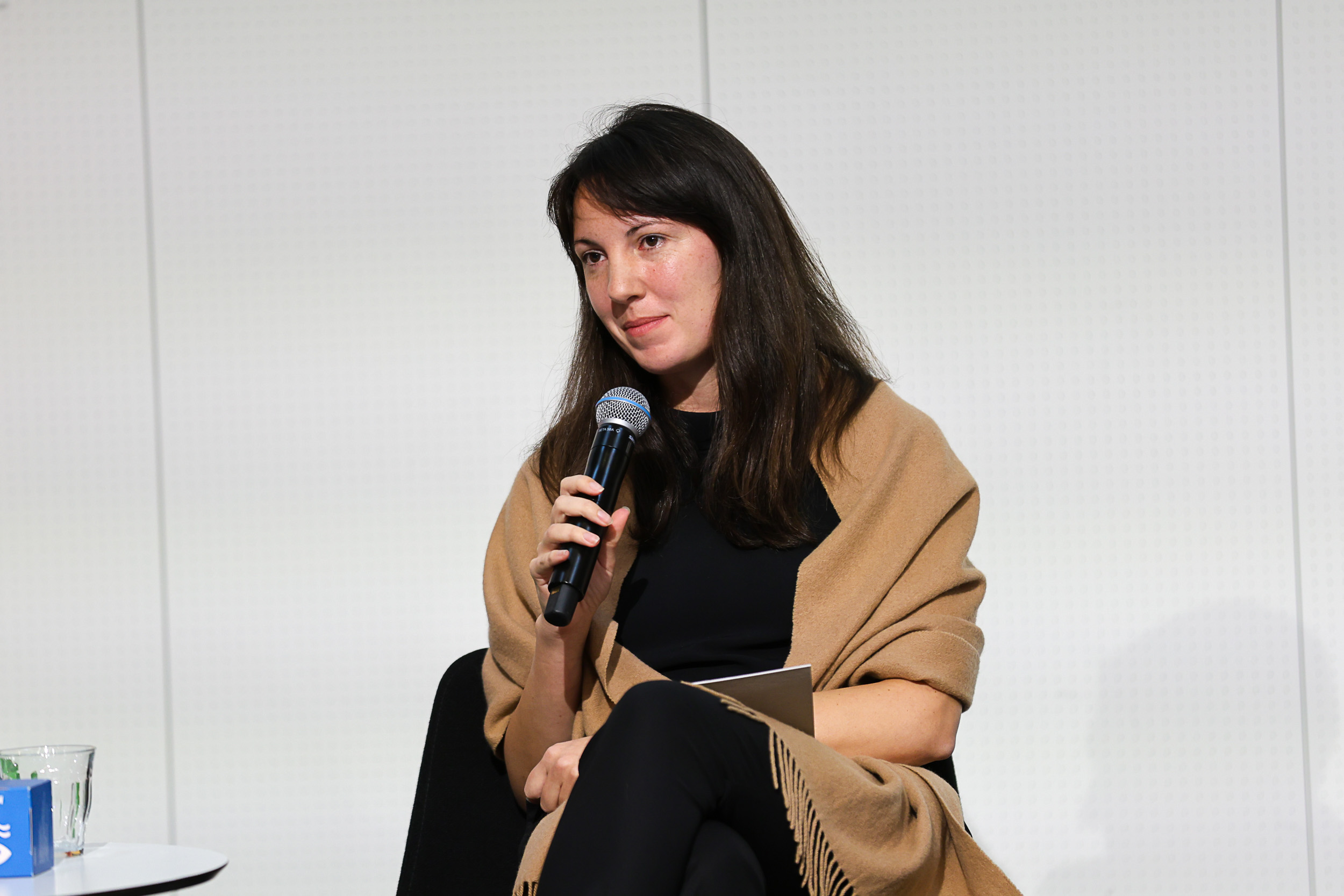
Iva Detelinova, Senior Advisor, Climate Adaptation and Resilience, African Climate Foundation
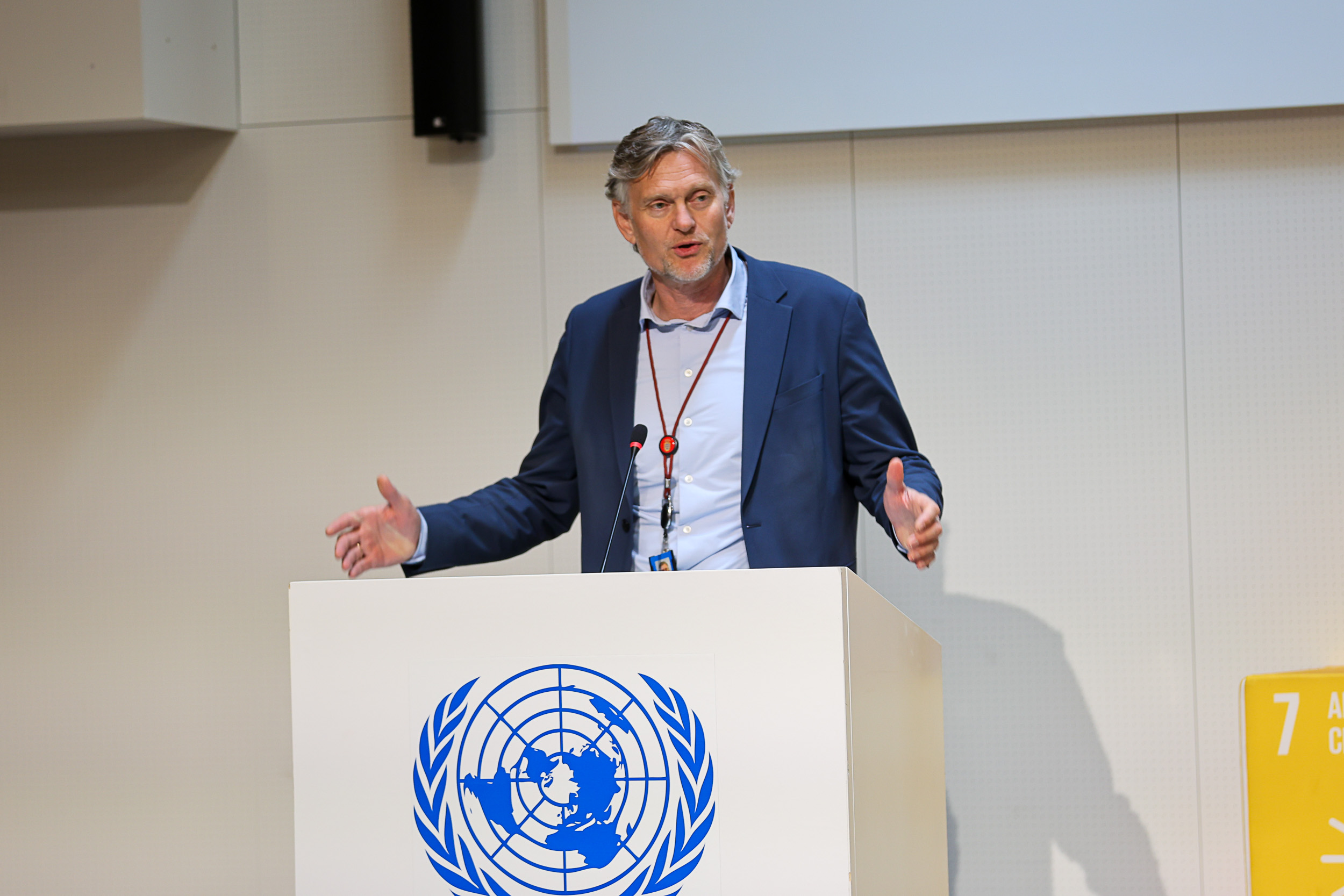
Ole Thonke, Climate Ambassador and Under-Secretary for Development Policy, Denmark
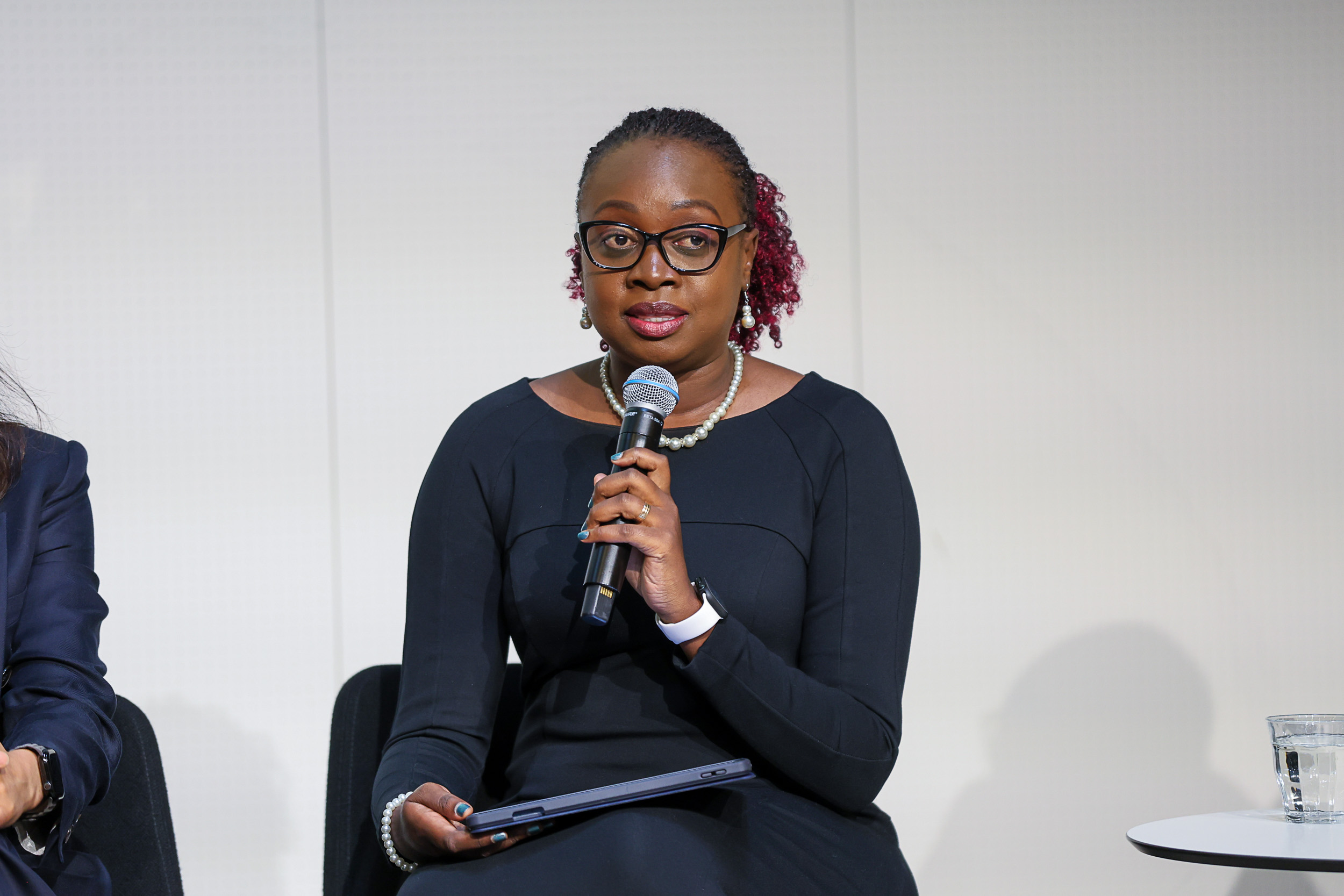
Florence Shako, Founder and Executive Director, Centre for Education Policy and Climate Justice
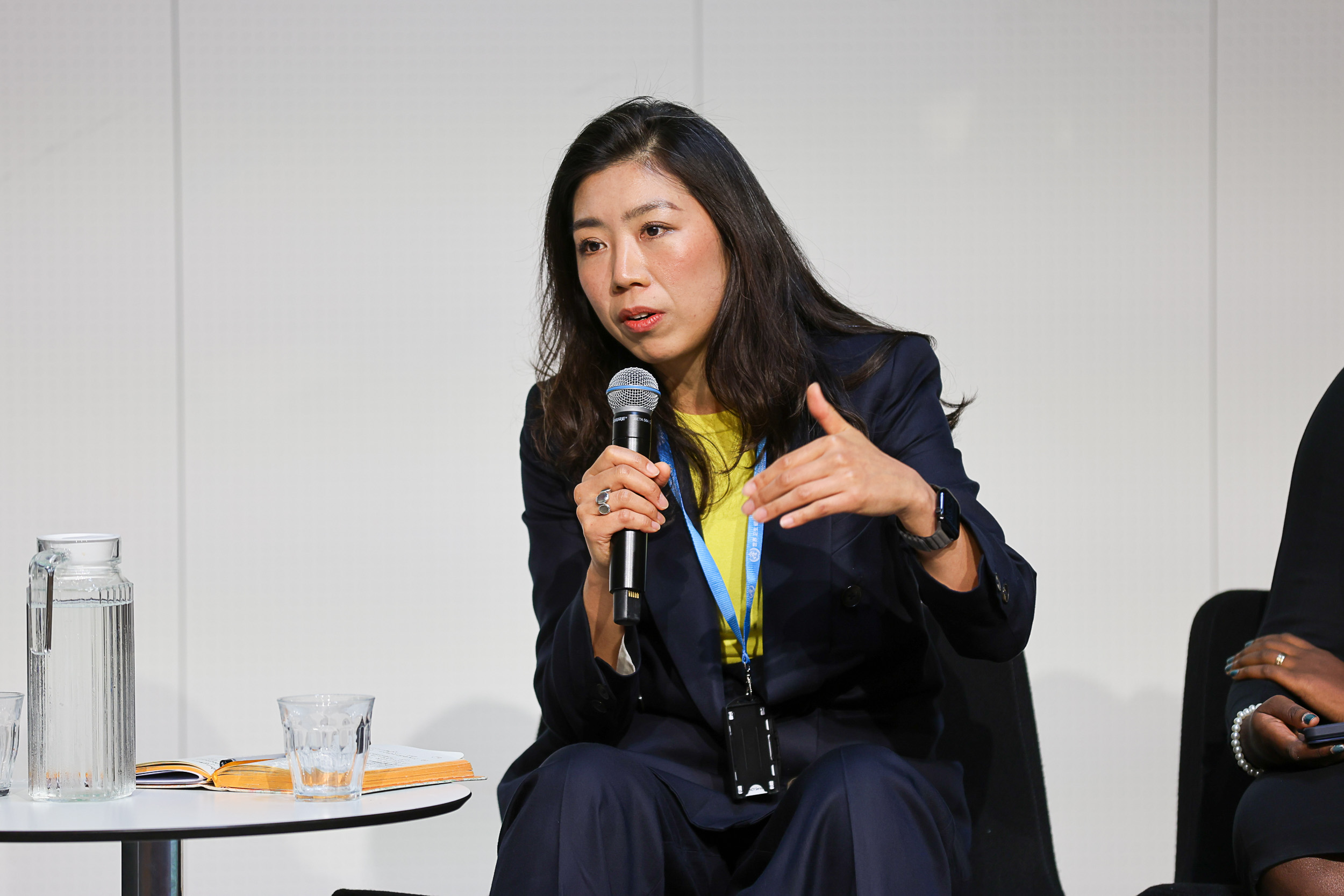
Sung-Ah Kyun, Associate Director, Head of Policy, Research and Partnership team, European Bank for Reconstruction and Development
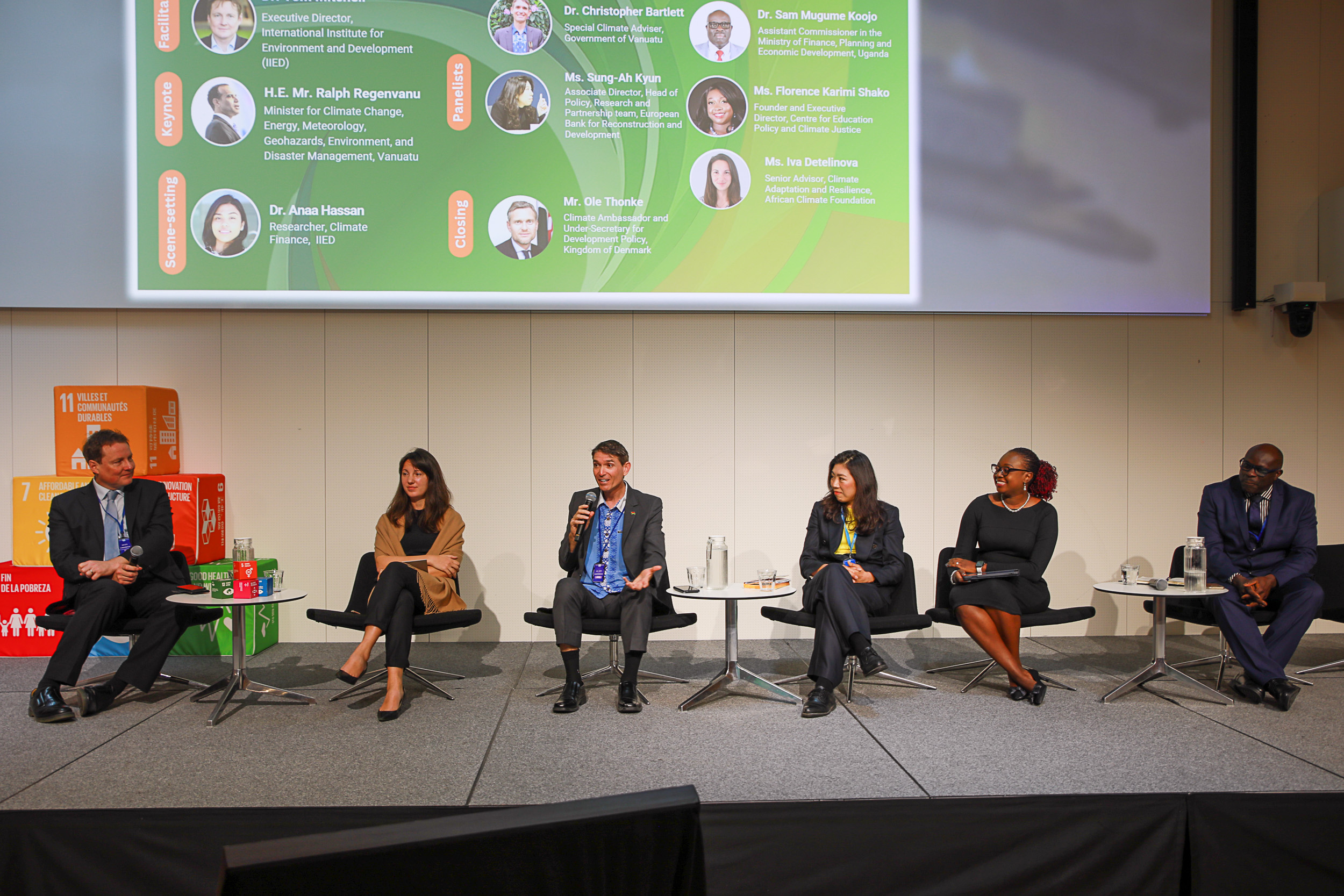
From L-R: Tom Mitchell, Director, IIED; Iva Detelinova, Senior Advisor, Climate Adaptation and Resilience, African Climate Foundation; Christopher Bartlett, Special Climate Adviser, Vanuatu; Florence Shako, Founder and Executive Director, Centre for Education Policy and Climate Justice; Sung-Ah Kyun, Associate Director, Head of Policy, Research and Partnership team, European Bank for Reconstruction and Development; and Sam Mugume Koojo, Assistant Commissioner, Ministry of Finance, Planning and Economic Development, Uganda


Turning Climate Pledges Into Development Breakthroughs
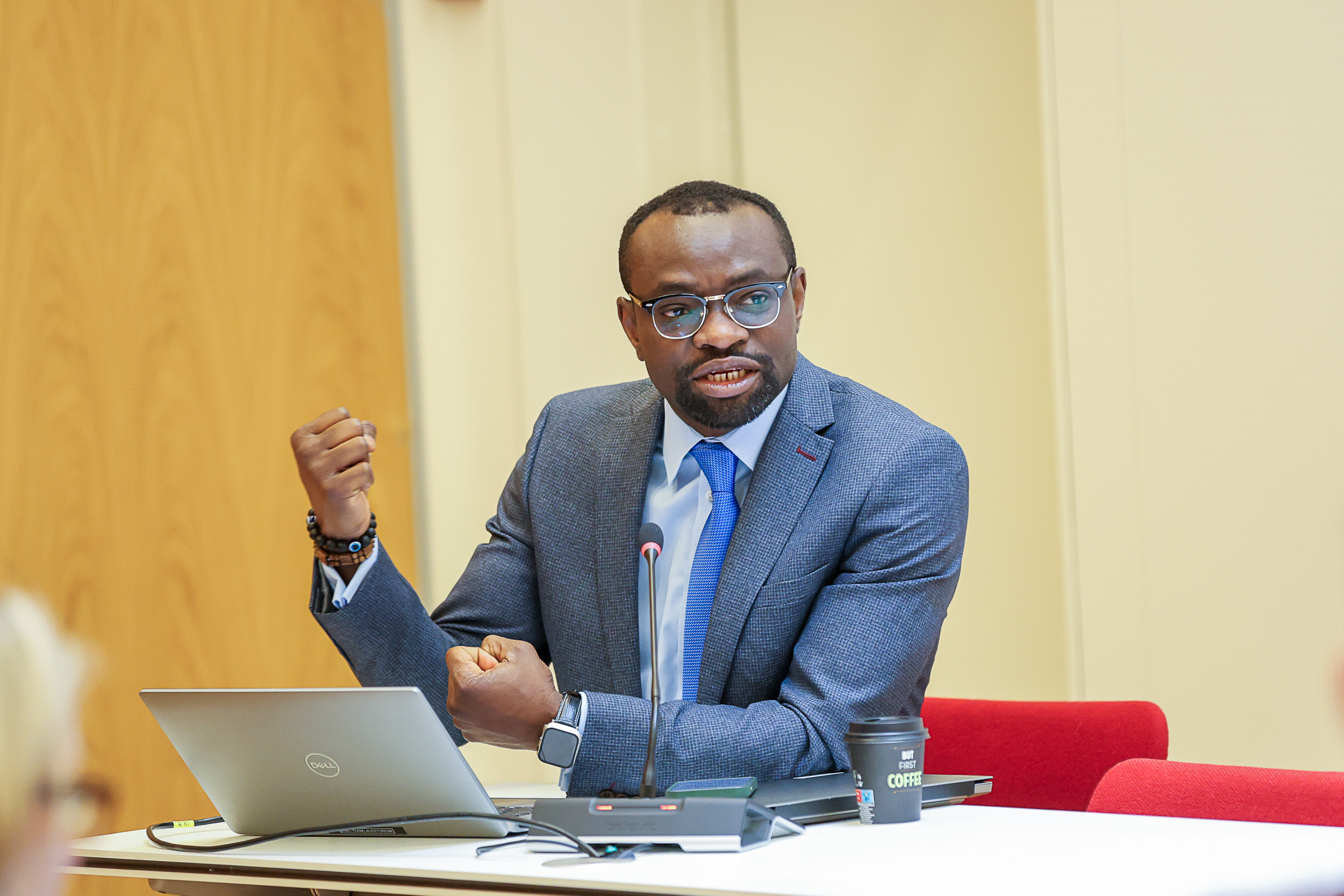
Babatunde Abidoye, Global Policy Advisor on SDG Integration, UN Development Programme (UNDP)
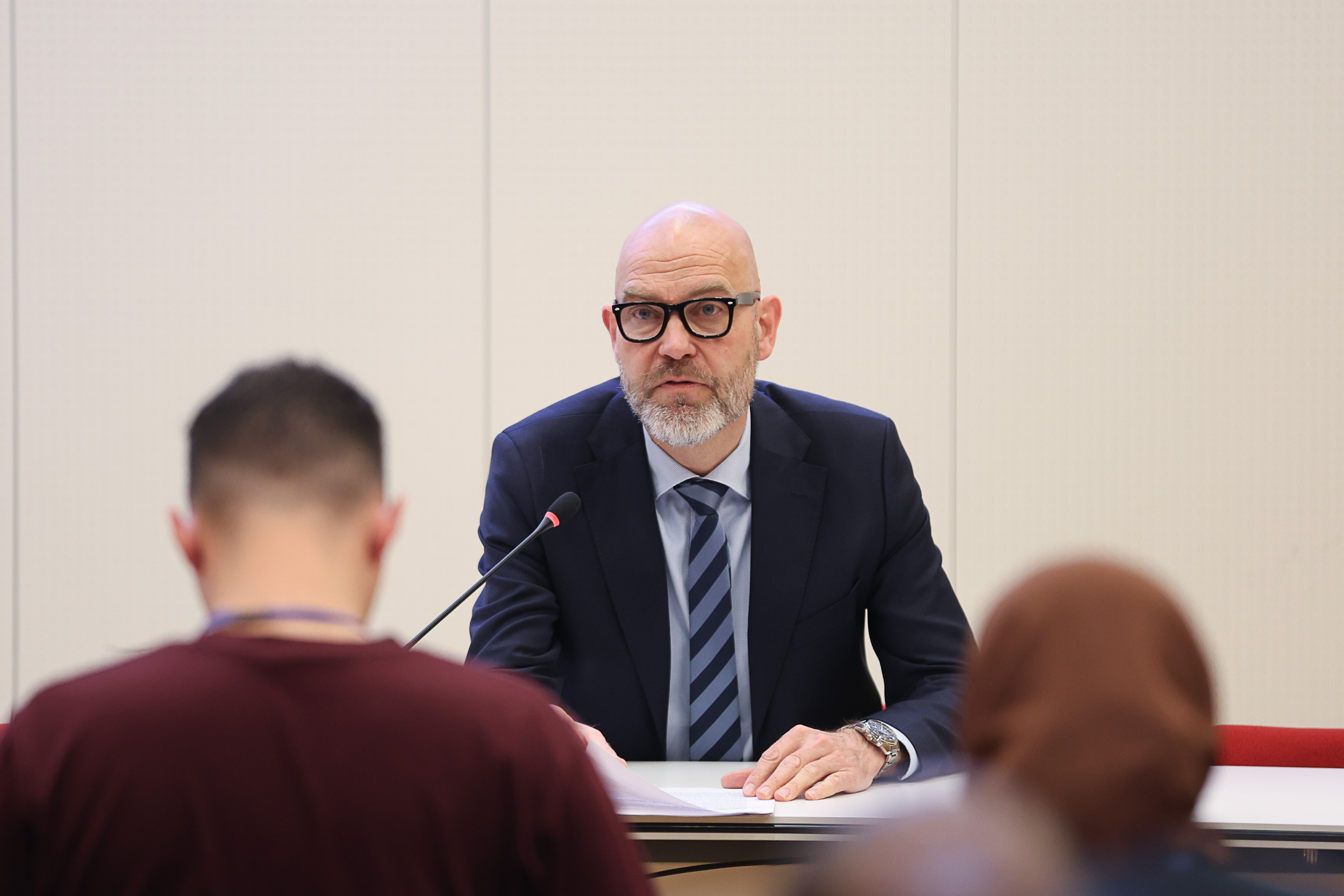
Henrik Fredborg Larsen, Director, Nordic Representation Office, UNDP

San Vanty, Permanent Secretary of State, Ministry of Environment, Cambodia
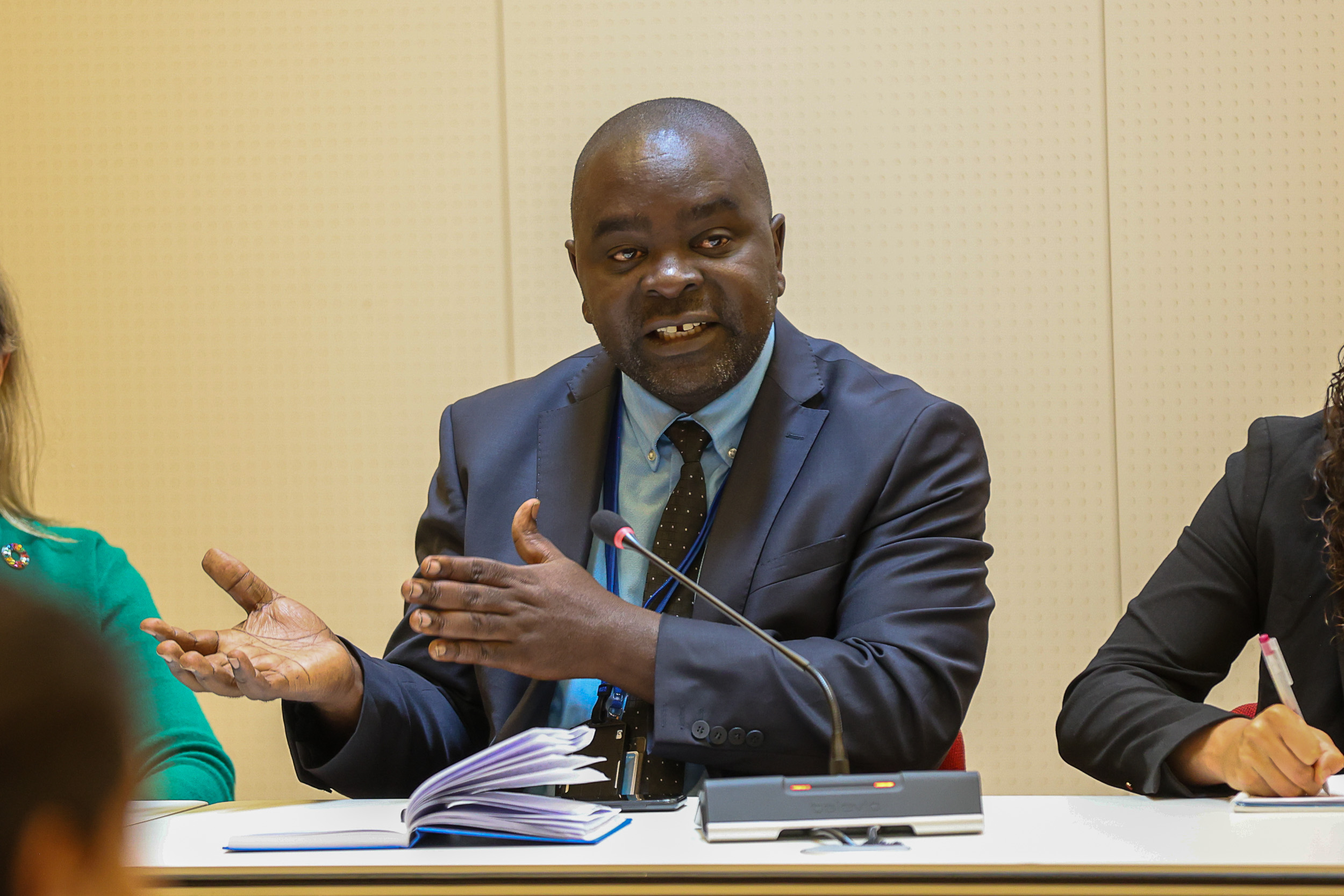
Frederick Mugisha, SDG Integration Advisor, UNDP
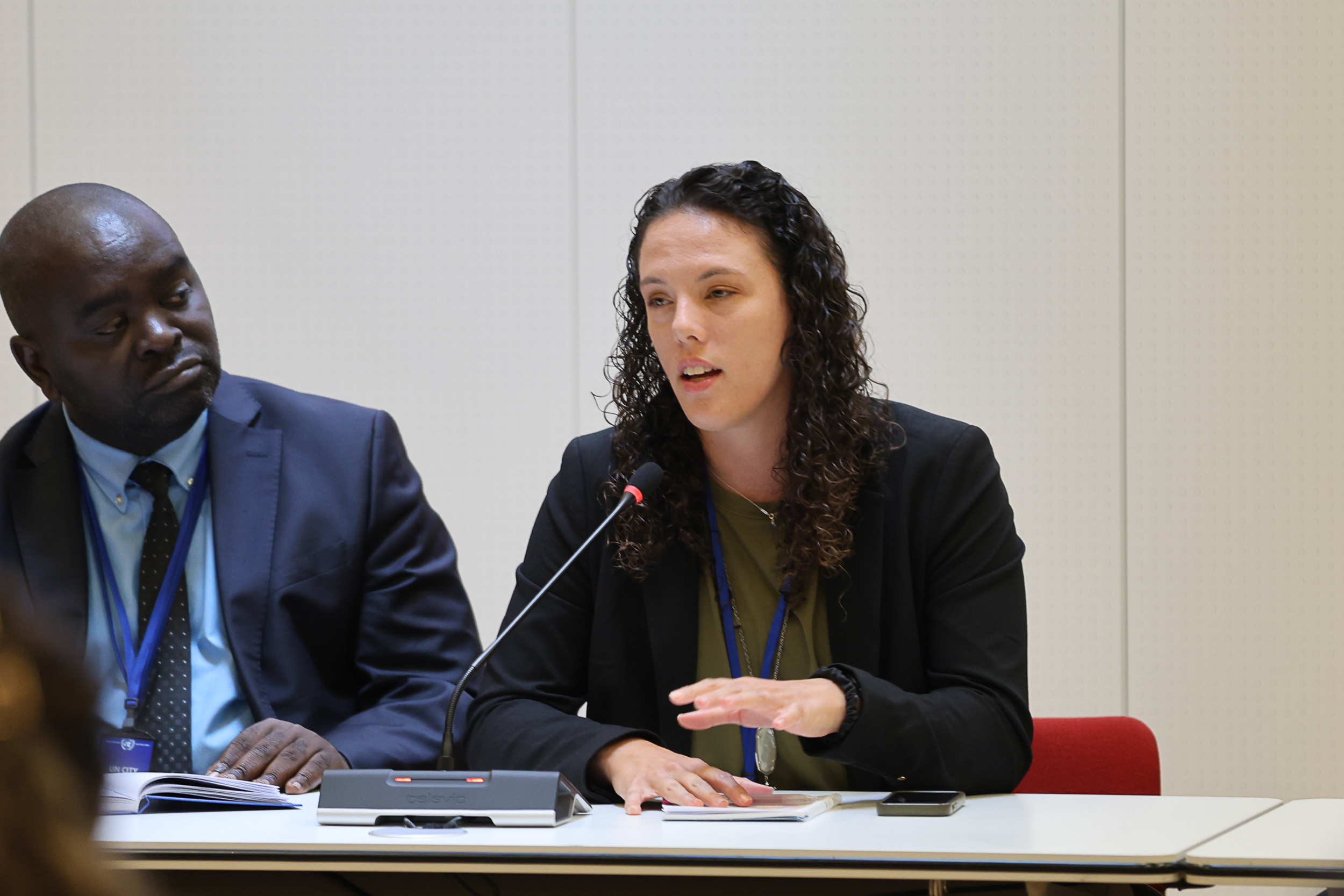
Hailey Campbell, Director, Care About Climate
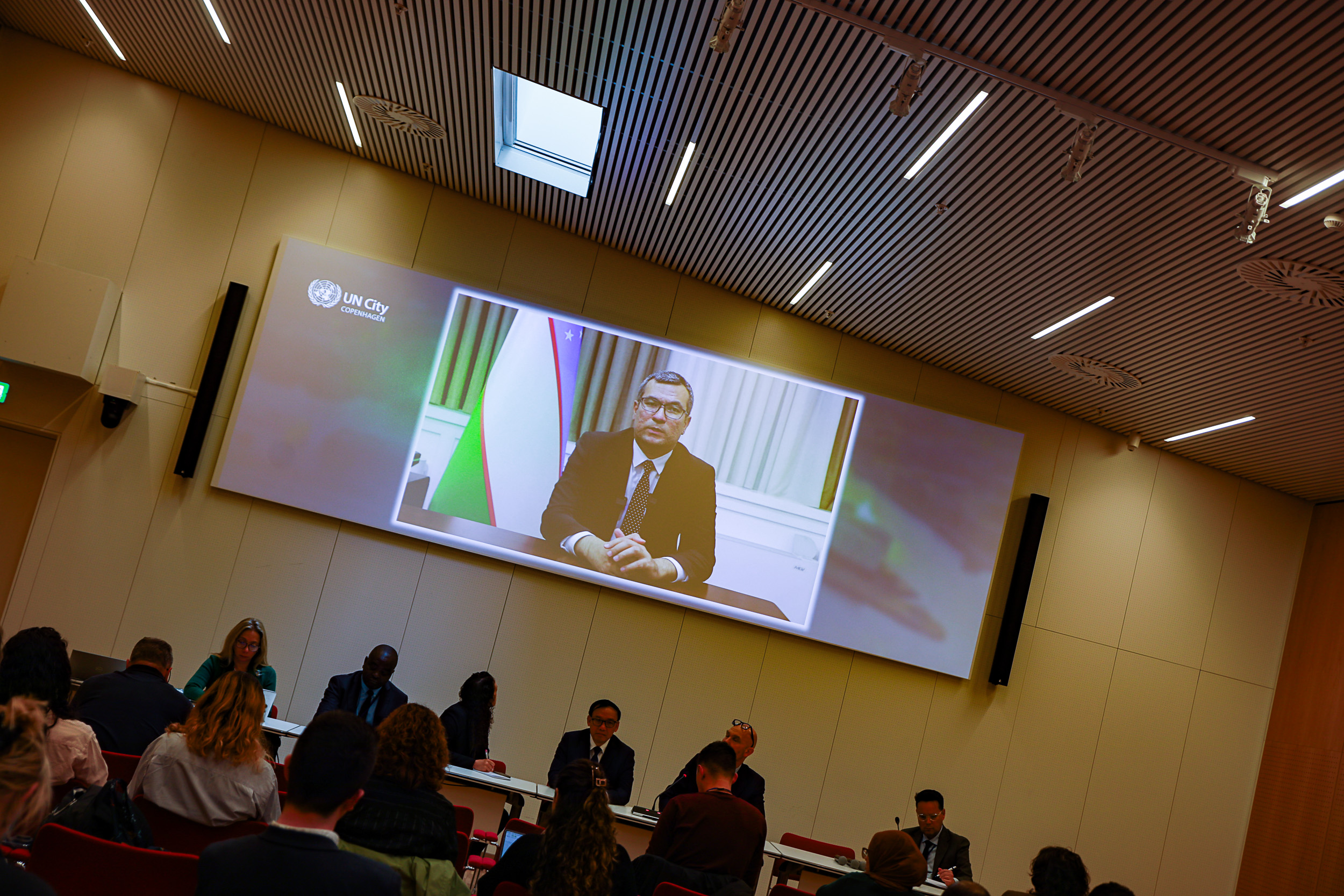
Farrukh Sattarov, Director, National Climate Change Center, Ministry of Ecology, Environmental Protection and Climate Change, Uzbekistan

Norma Salomé Munguía Aldaraca, Director General for Global Issues, Ministry of Foreign Affairs, Mexico
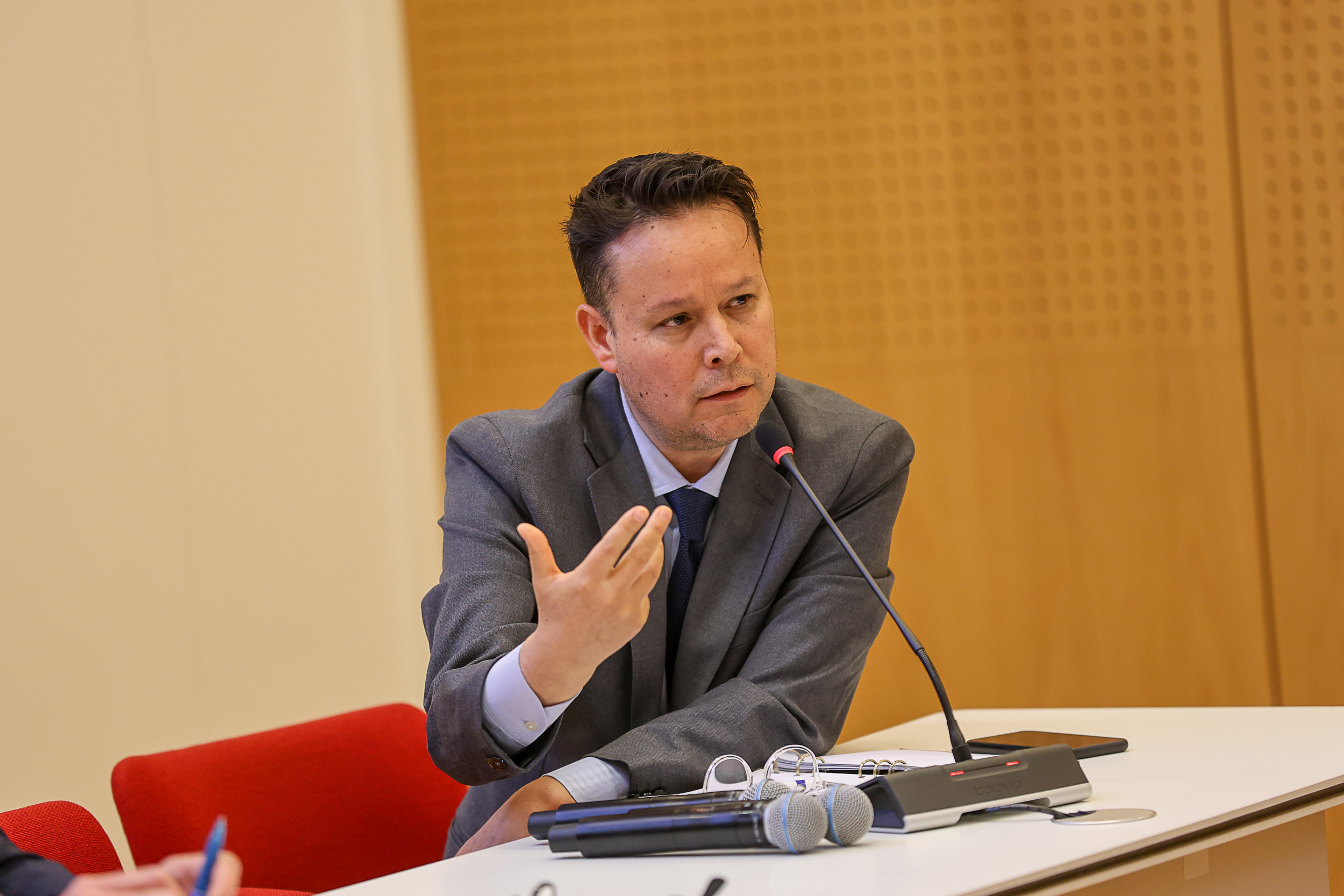
George Gray Molina, Chief Economist and Director of Inclusive Growth, UNDP

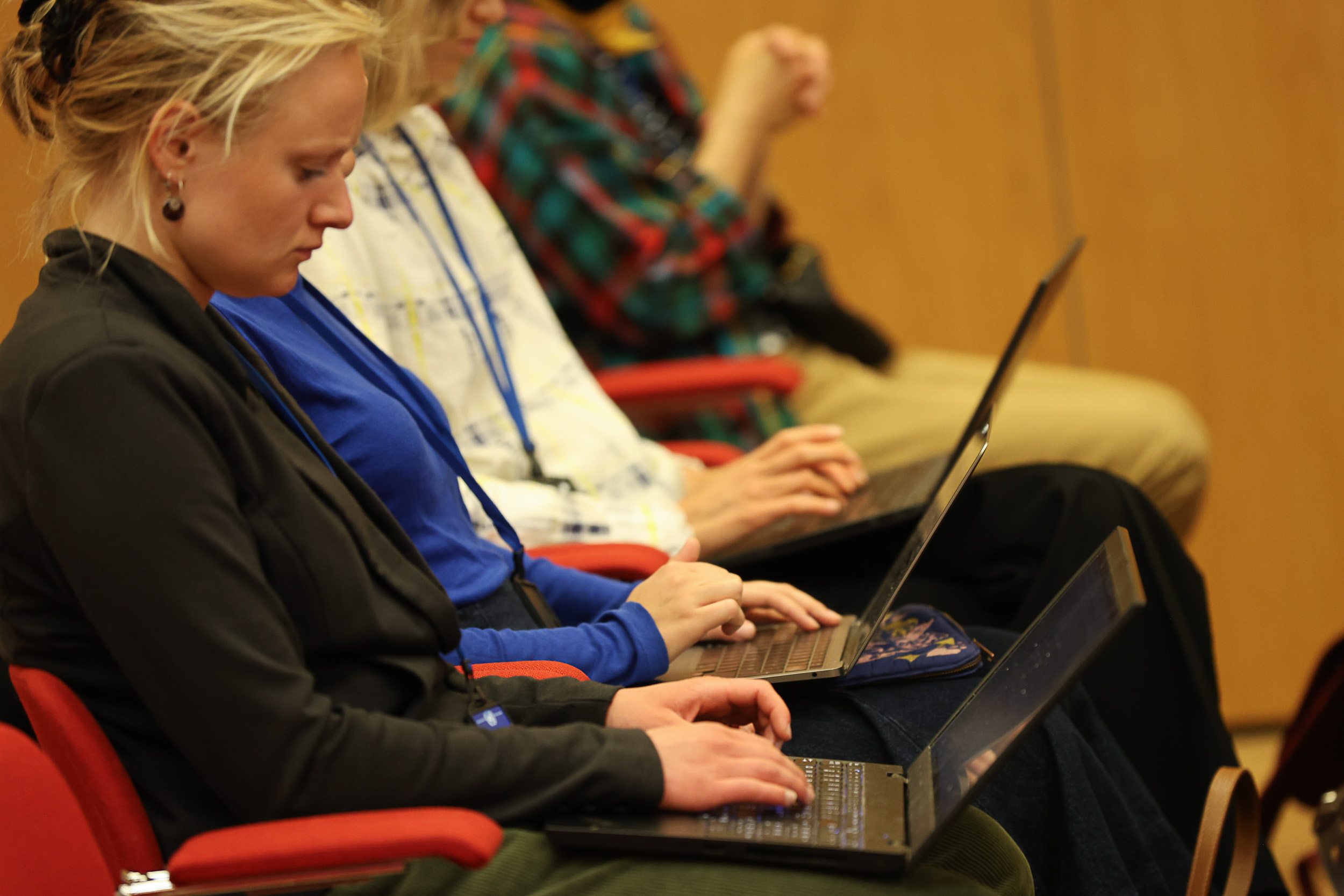
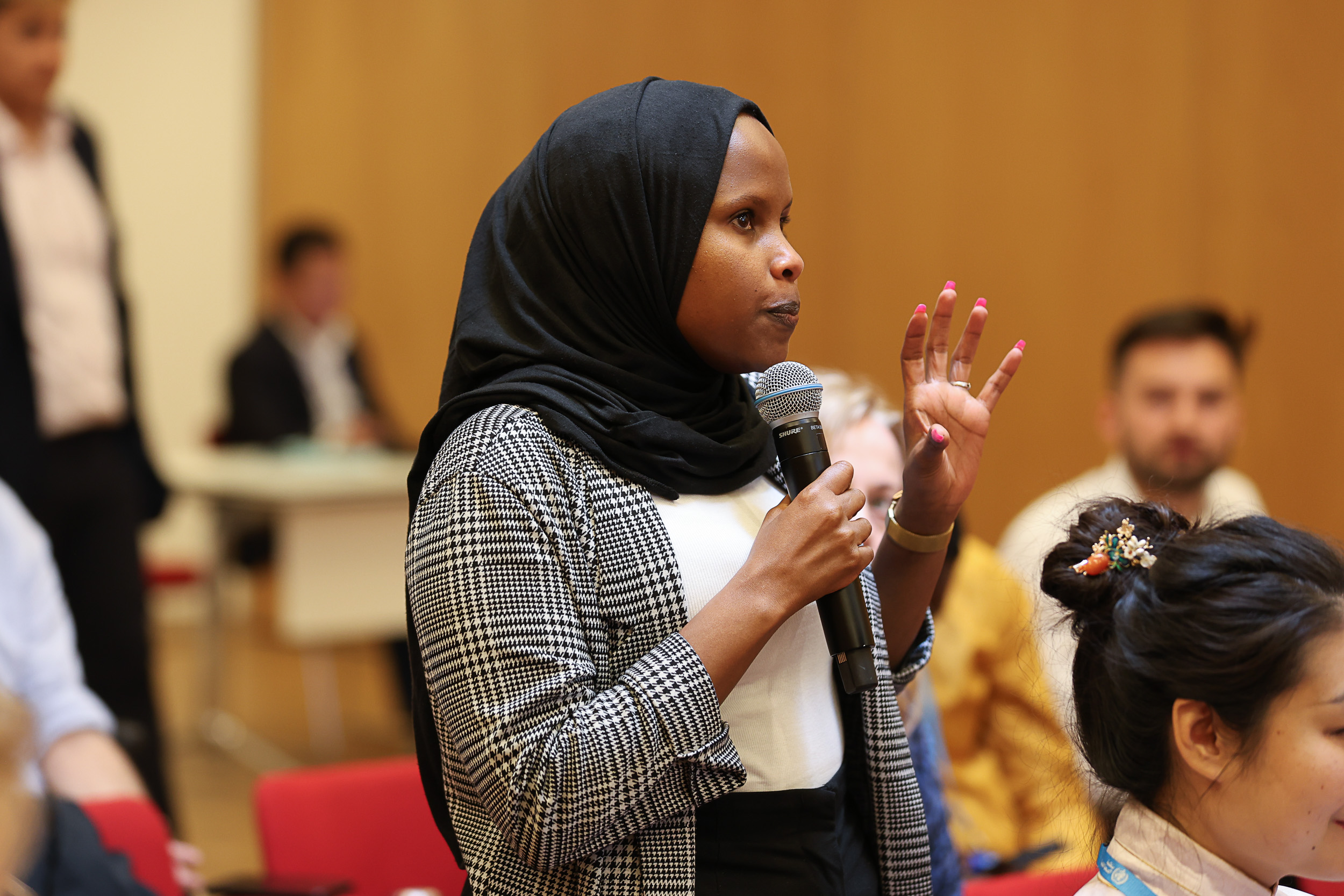
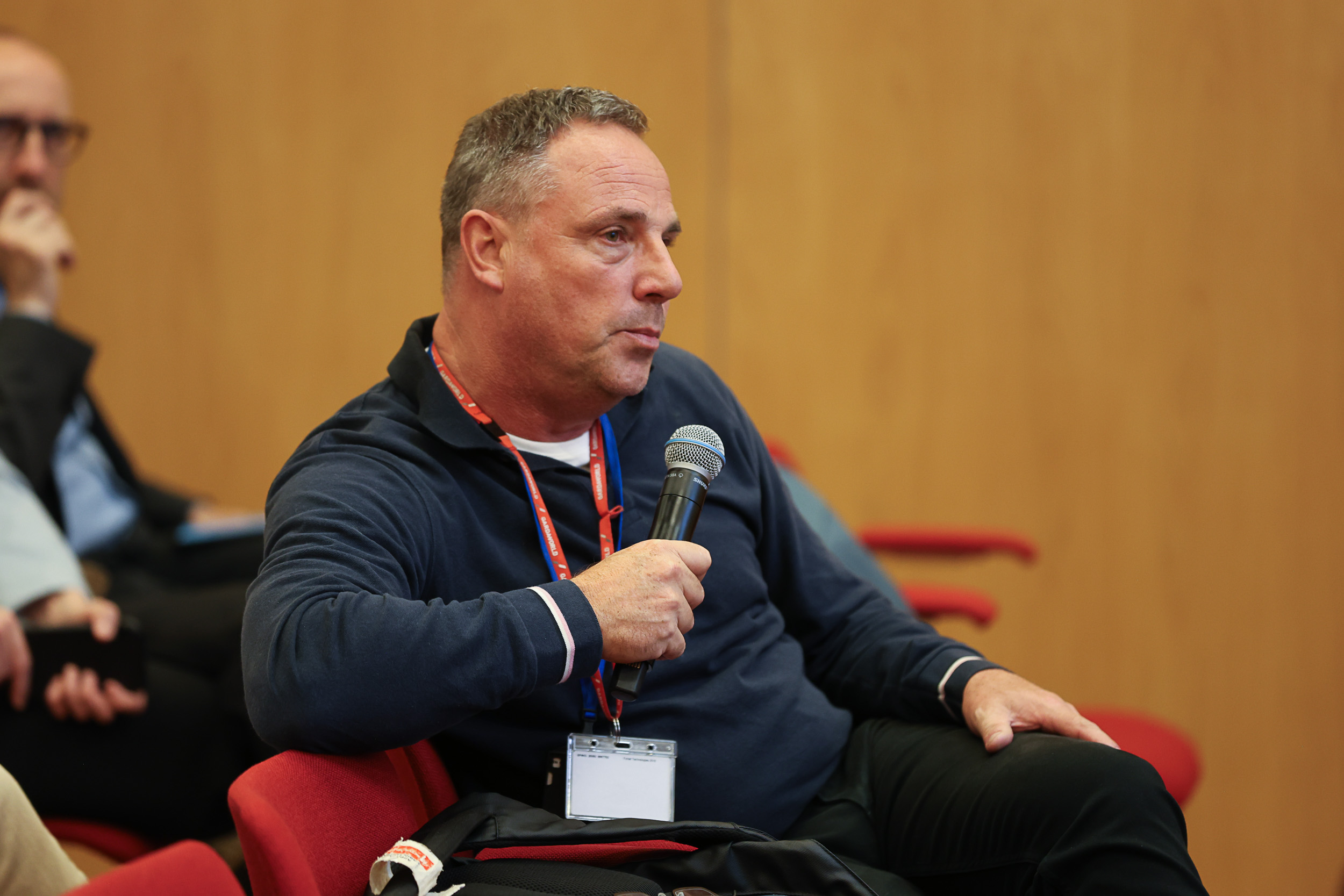
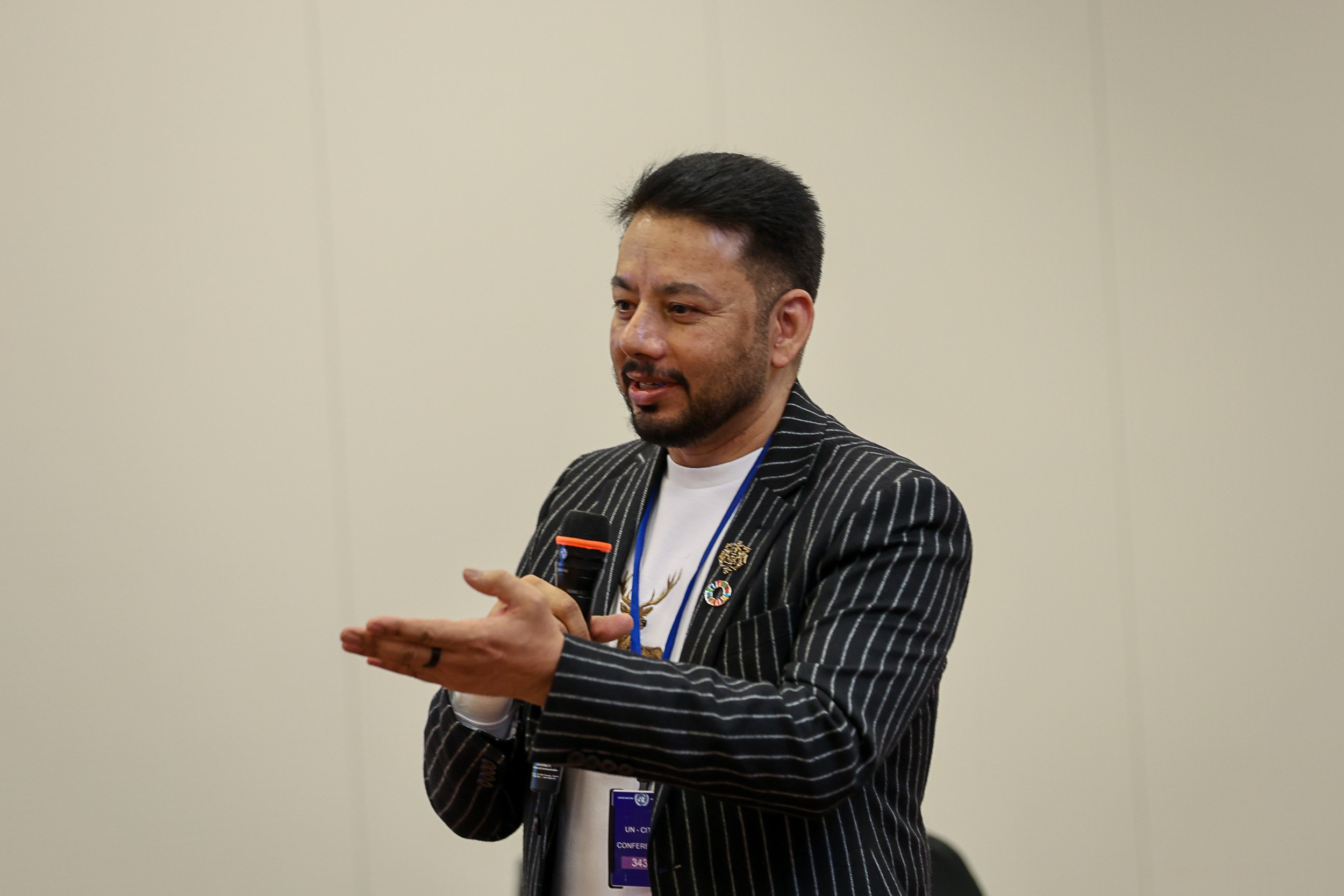
Promoting Climate-SDG Synergies Through Energy Action
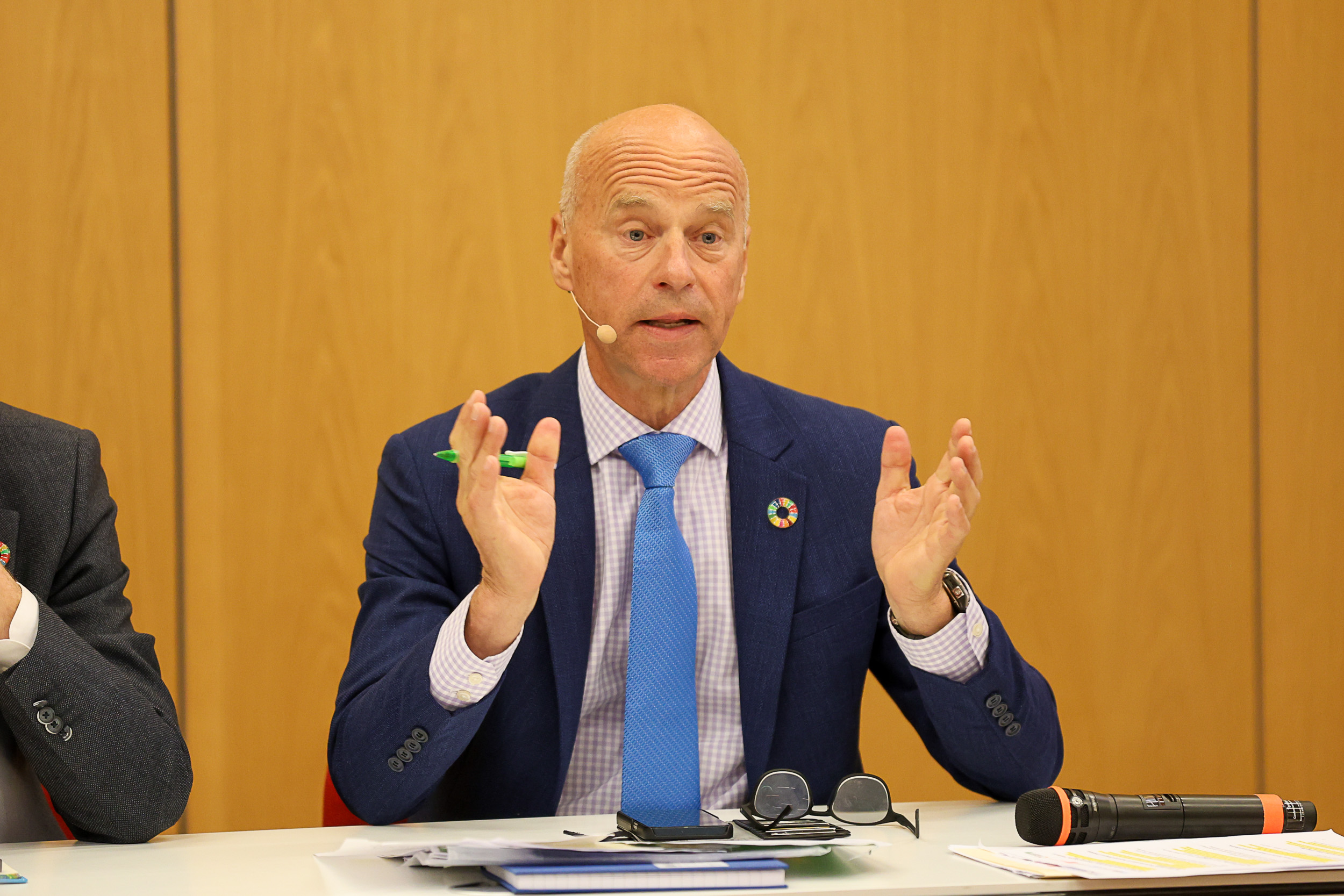
Hans Olav Ibrekk, Special Envoy, Climate and Security, Section for Energy, Climate and Food Security, Ministry of Foreign Affairs, Norway
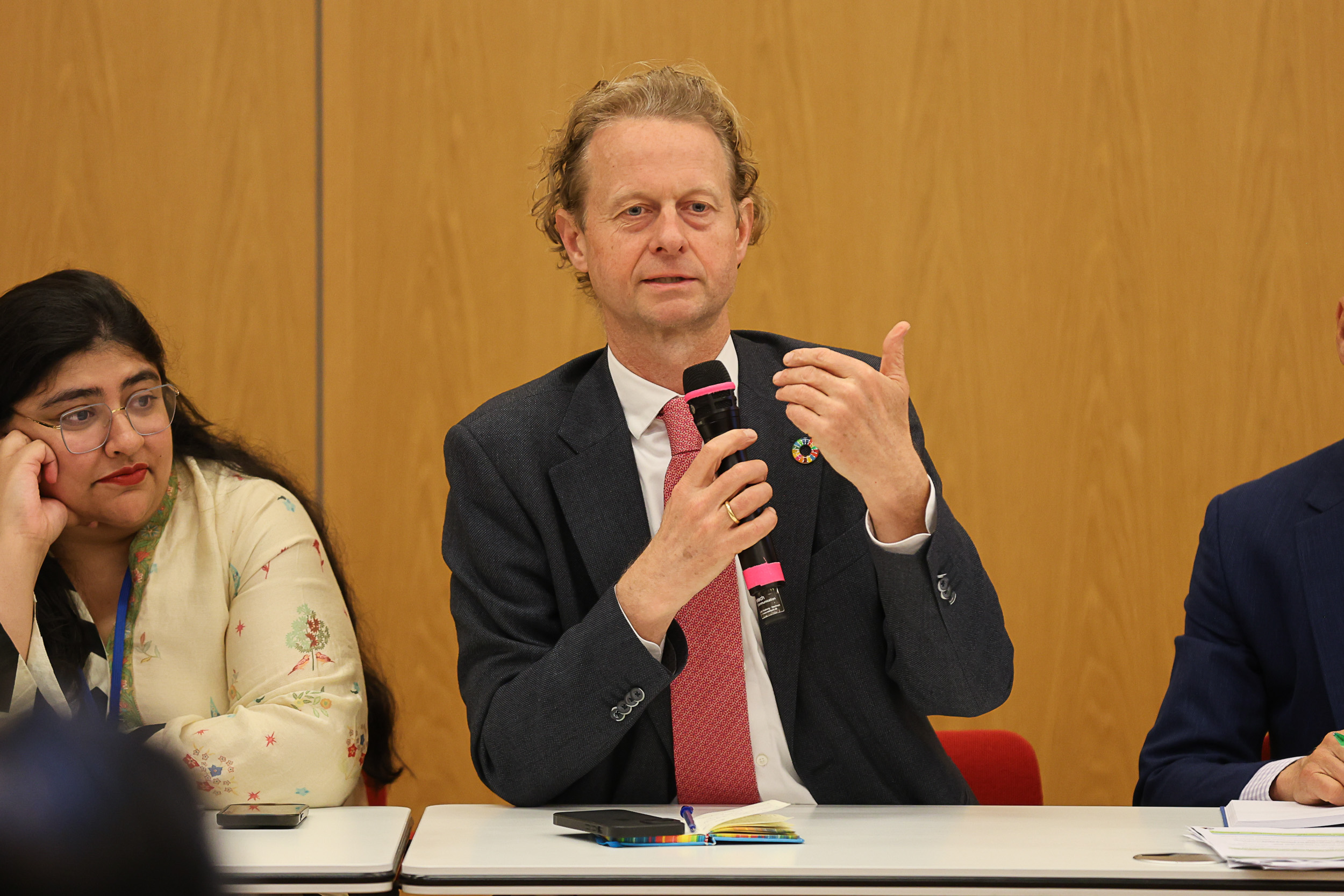
Bas Berends, Chief Partnership Officer, OffGridBox
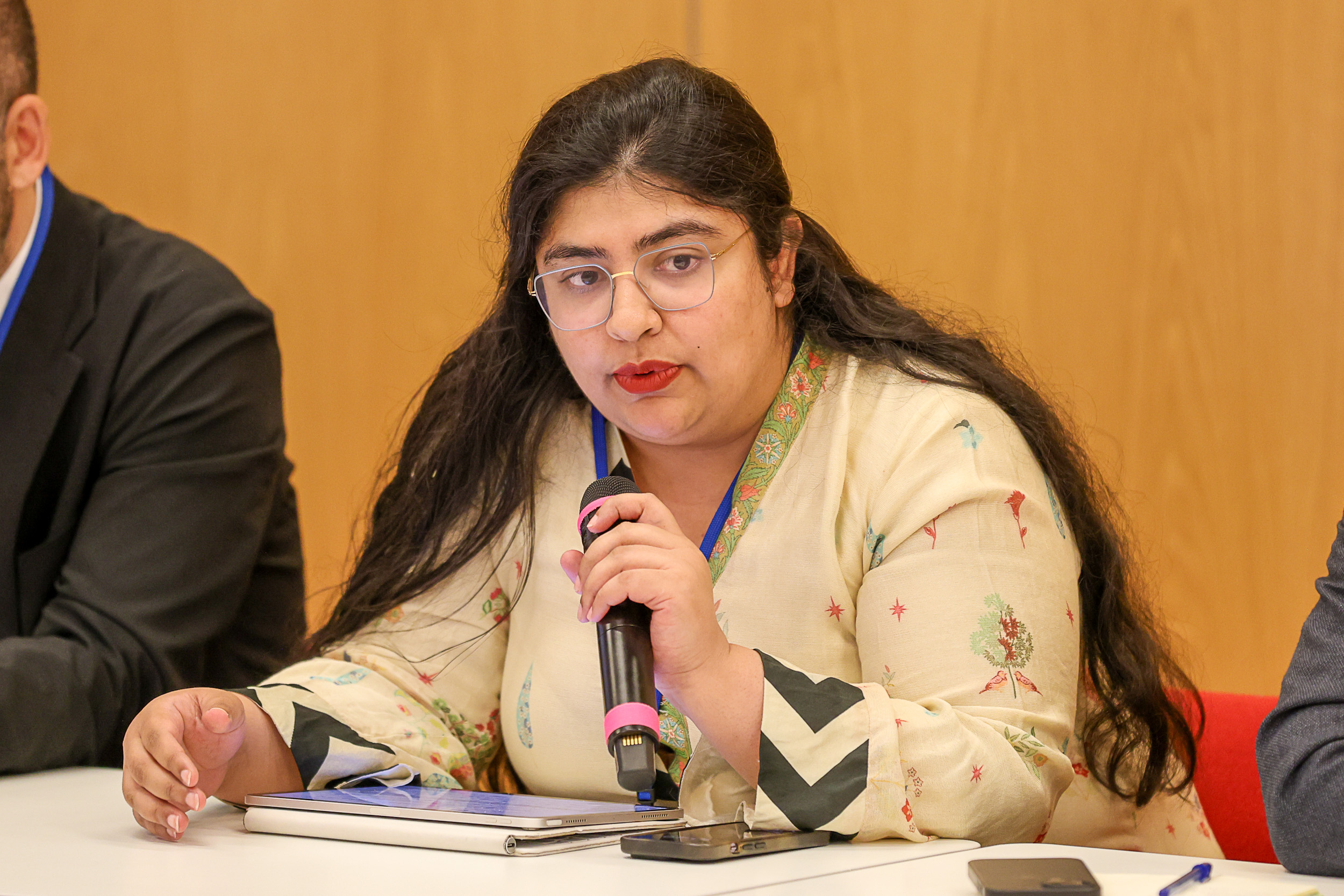
Aleena Majeed, Second Secretary-II, Permanent Mission of Pakistan to the UN

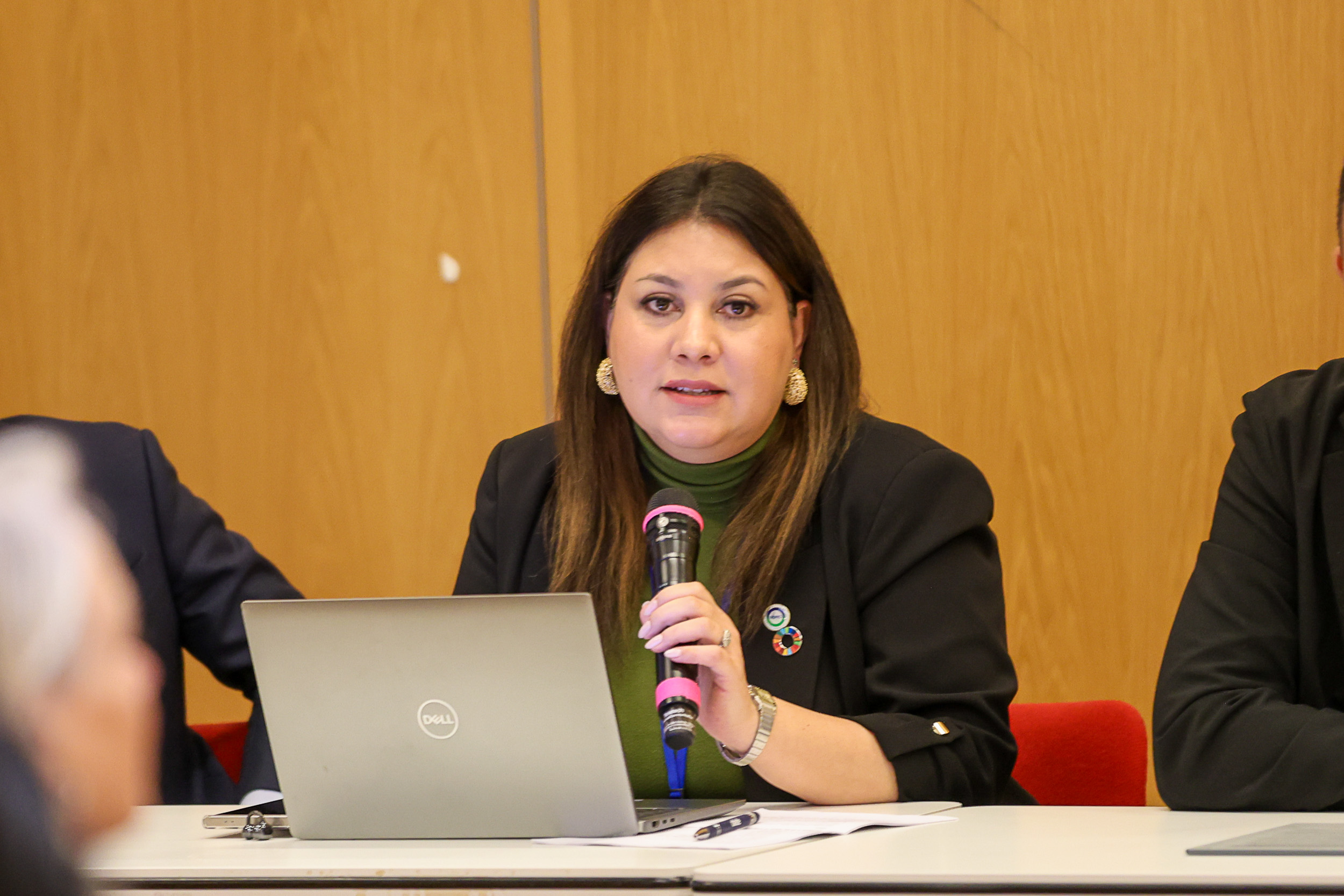
Gloria Alvarenga, Director of Integration, Access and Energy Security, Latin American Energy Organization (OLADE), Quito, Ecuador
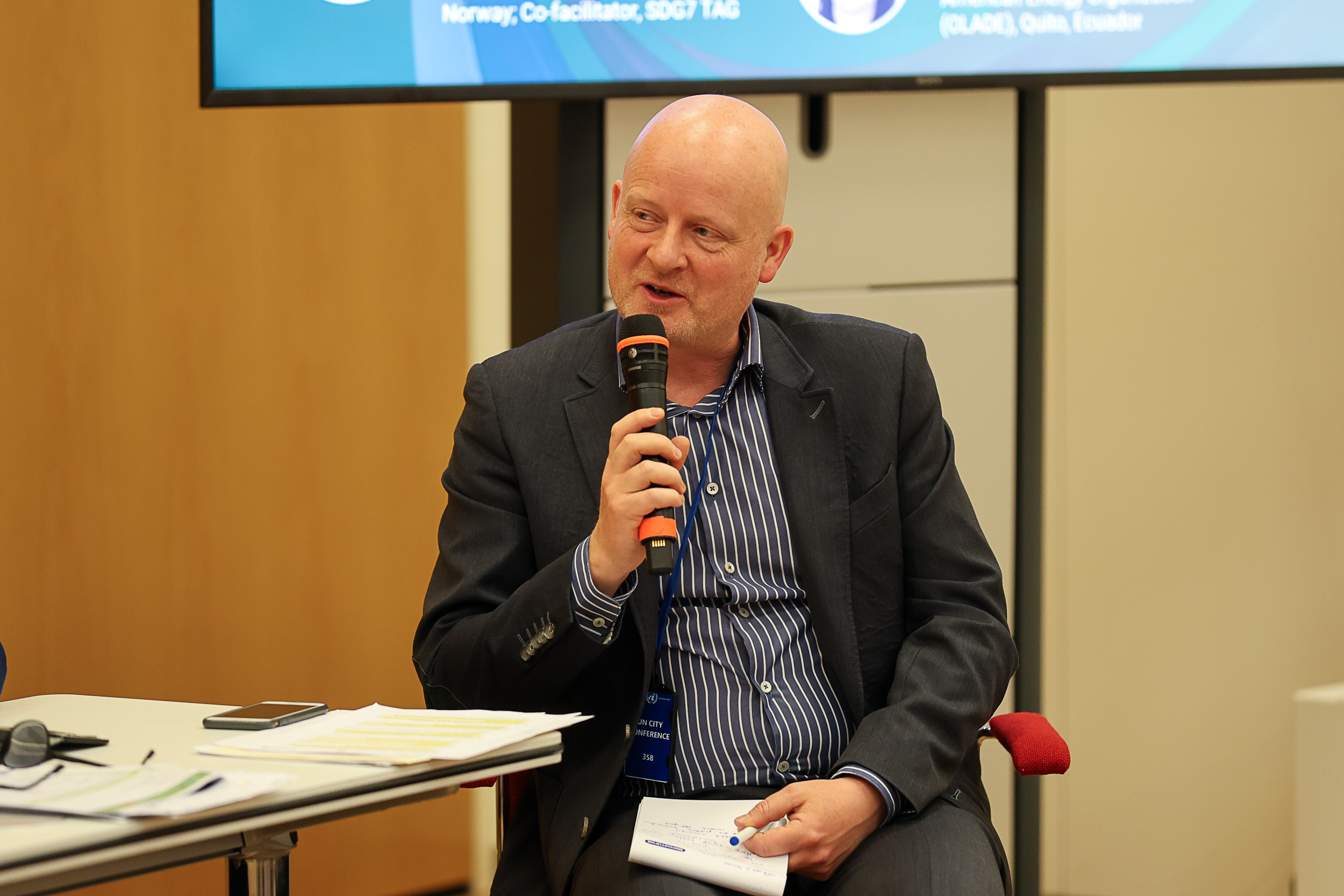
Morten Blomqvist, Office for Green Diplomacy and Climate, Ministry of Foreign Affairs, Denmark
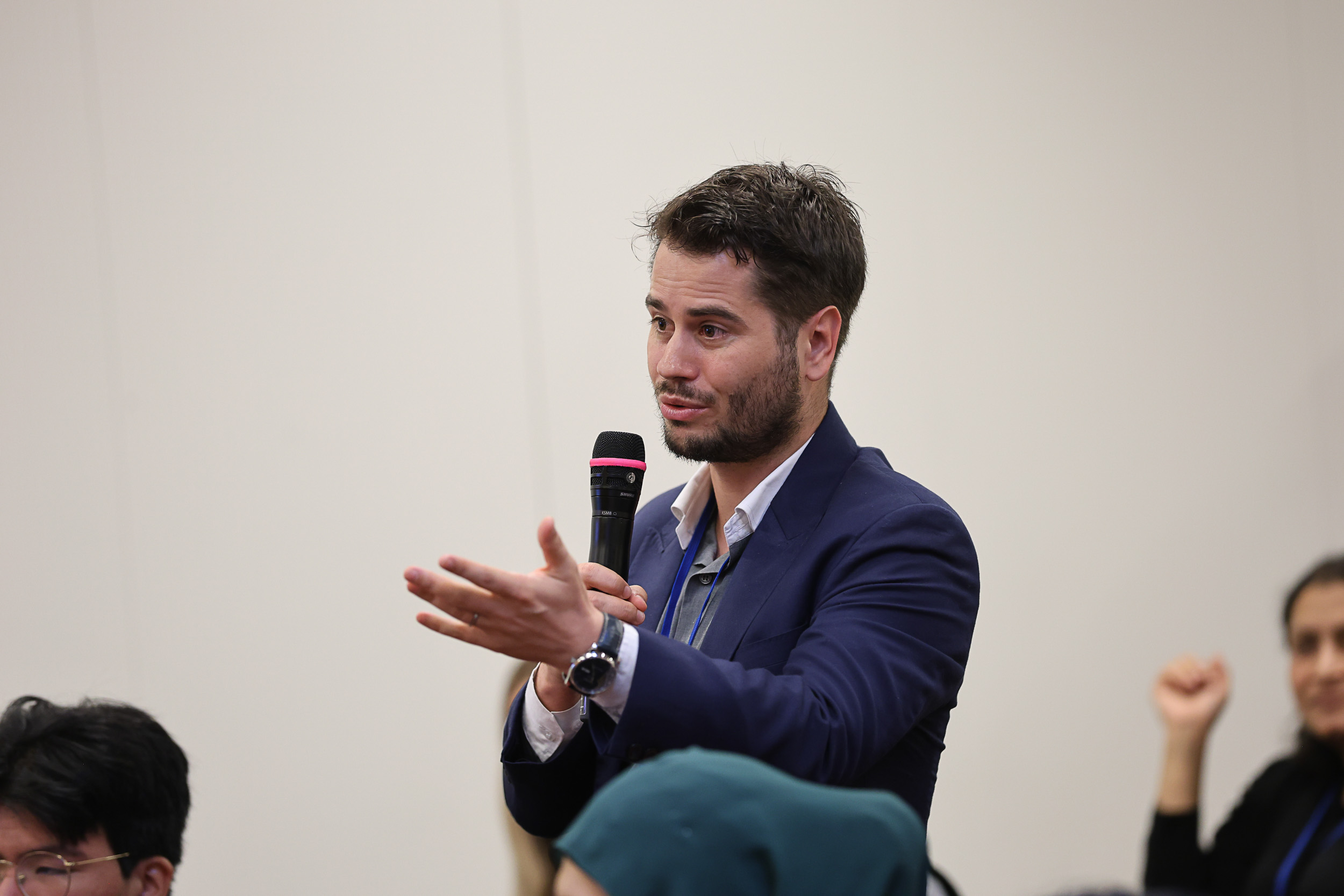

Gonzalo Saenz De Miera, Director of Climate Change and Alliances, Iberdrola
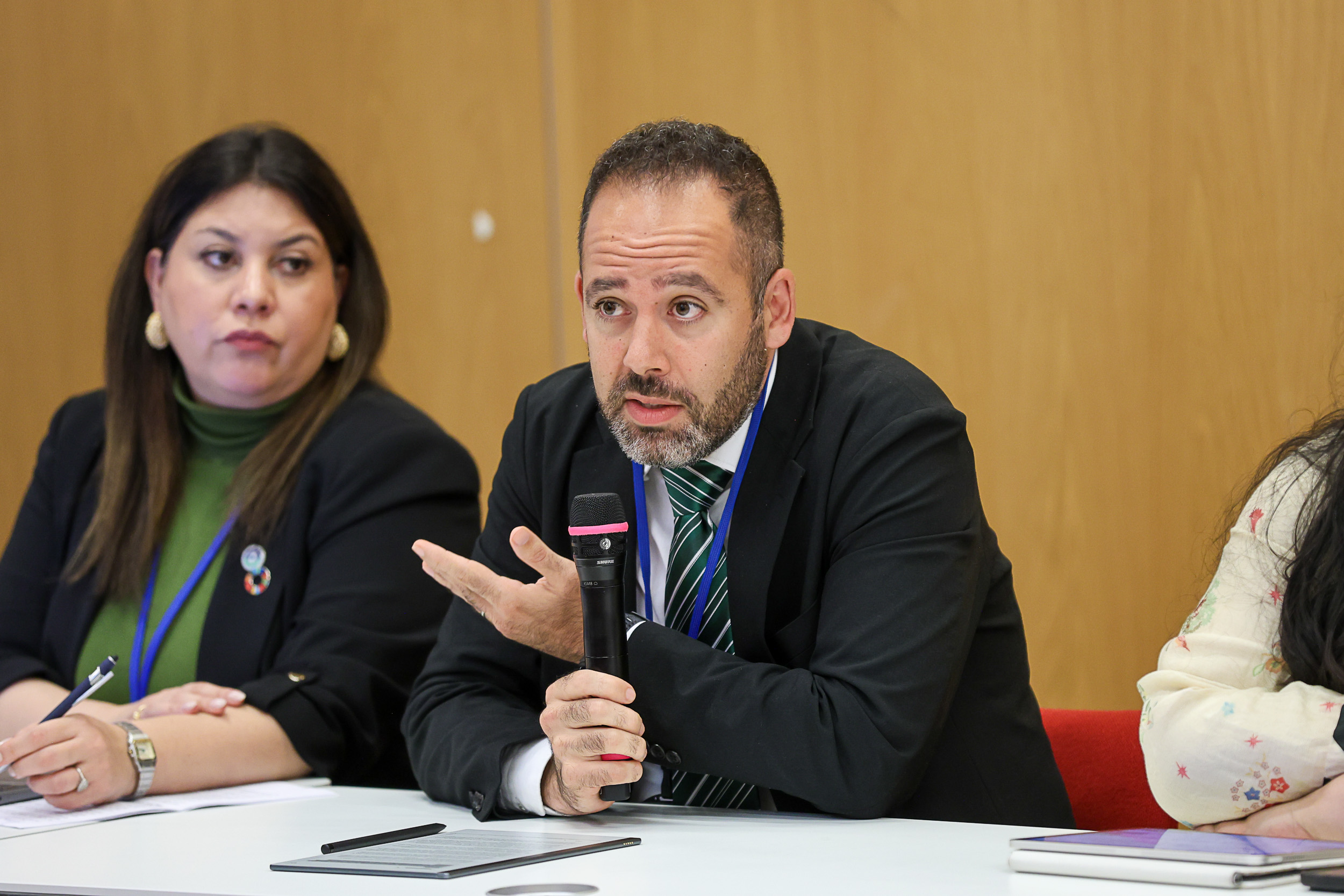
Tarek Katramiz, Professor, College of Systems Engineering and Science, Shibaura Institute of Technology, Tokyo, Japan
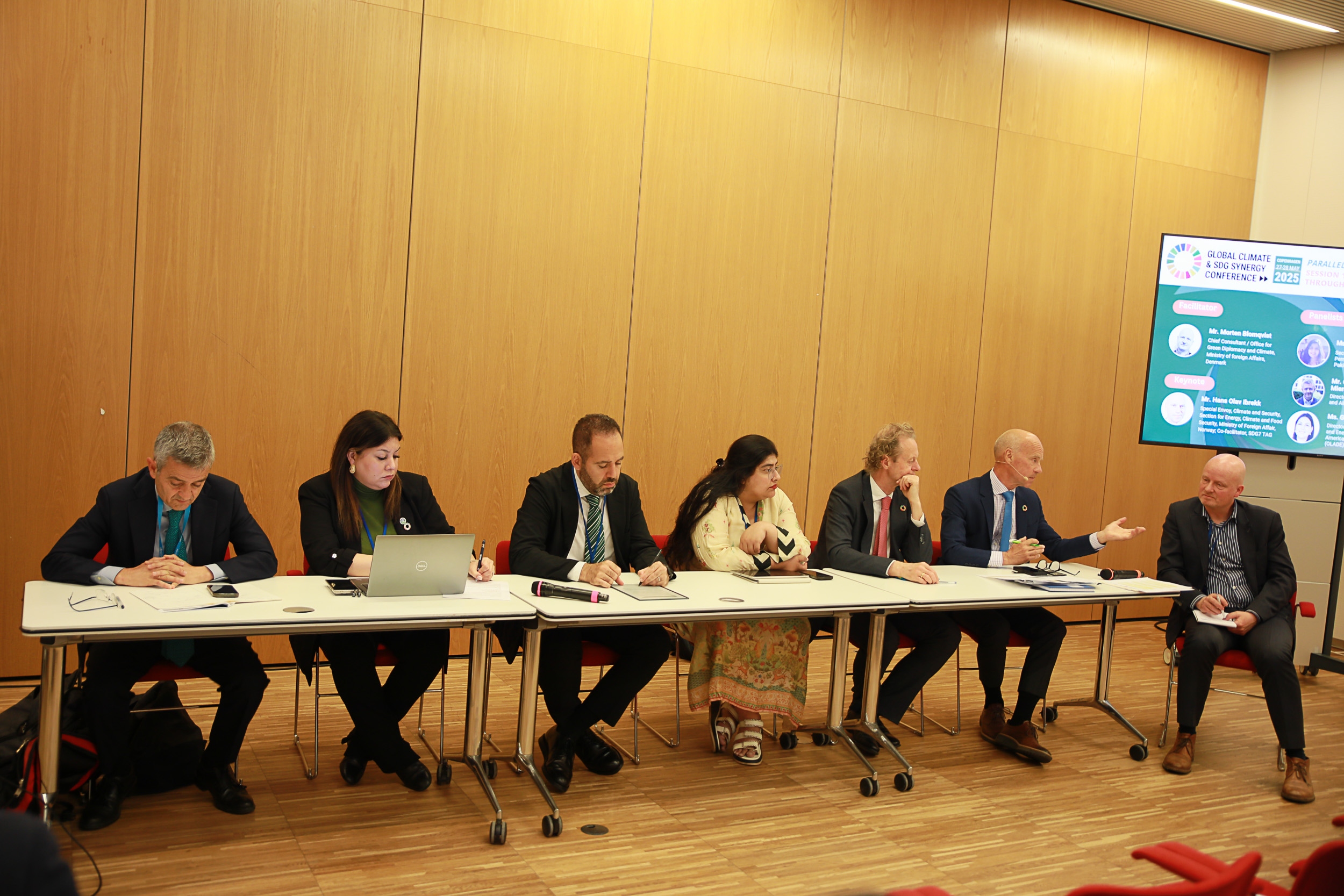


Nature’s Connections: Synergistic Approaches To Water, Food, And Biodiversity
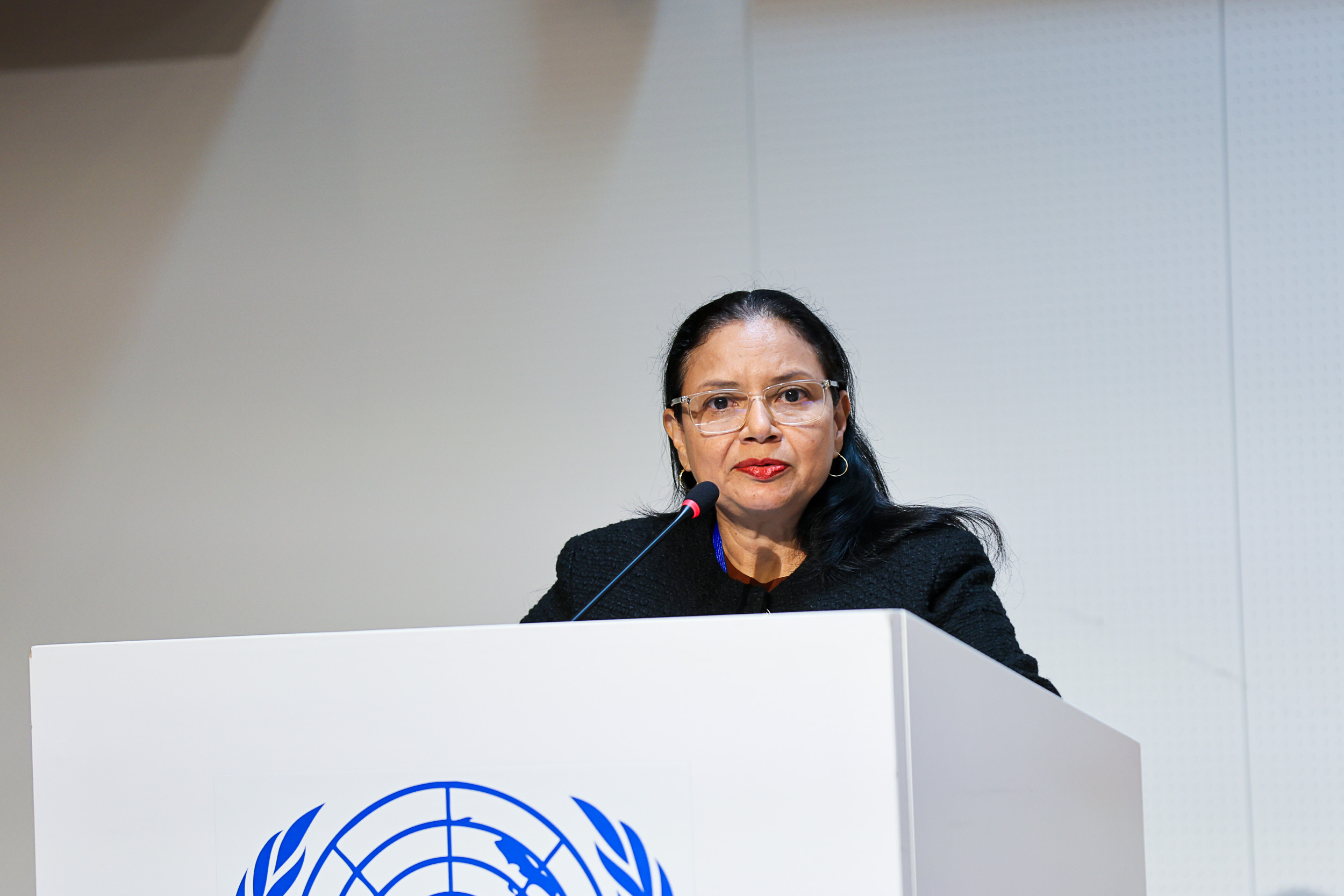
Rosa Montañez Gallego, Executive Director, Foundation for the Conservation of Natural Resources, Panama
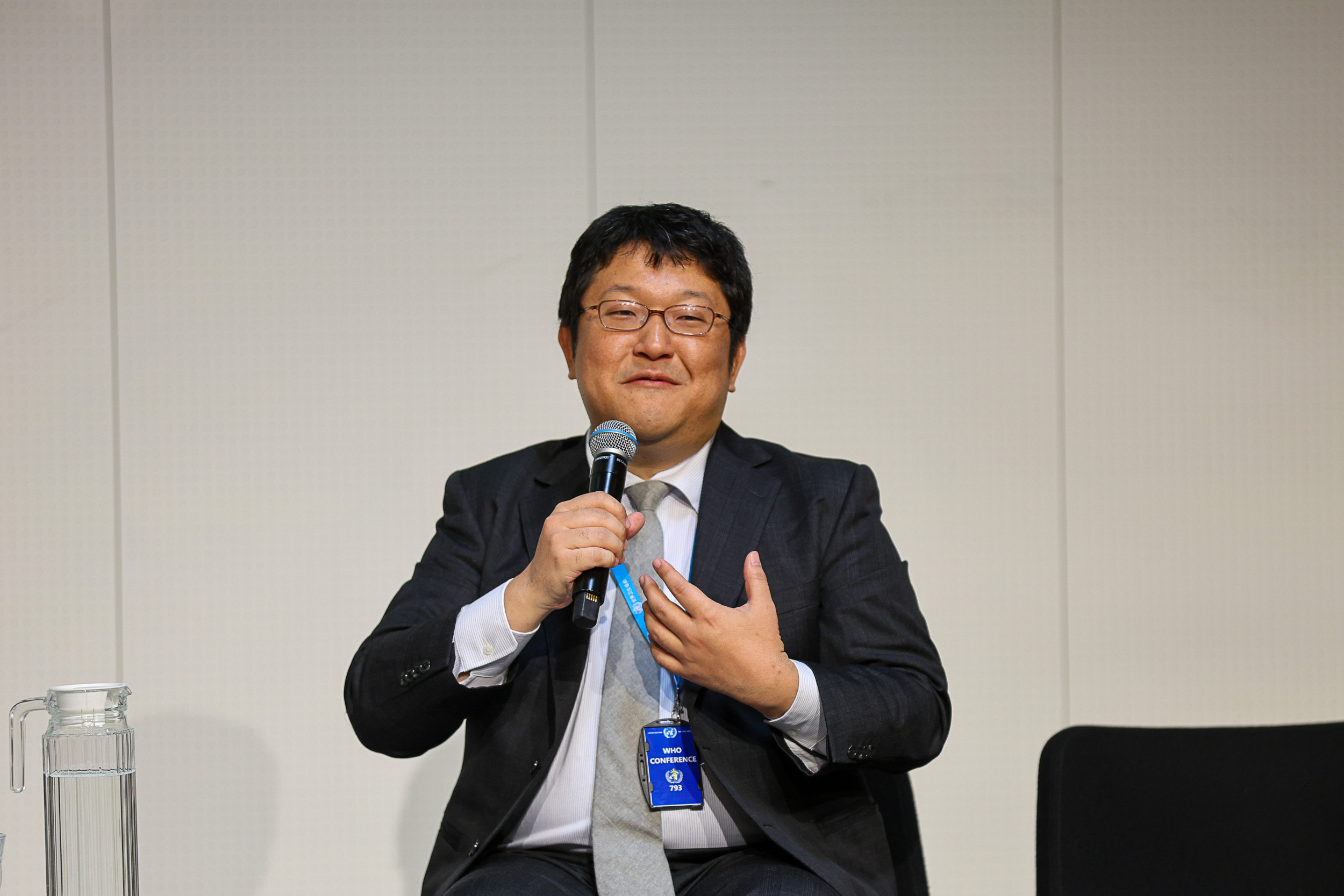
Hama Ichiro, Assistant Director, International Strategy Division, Global Environment Bureau, Ministry of the Environment, Japan
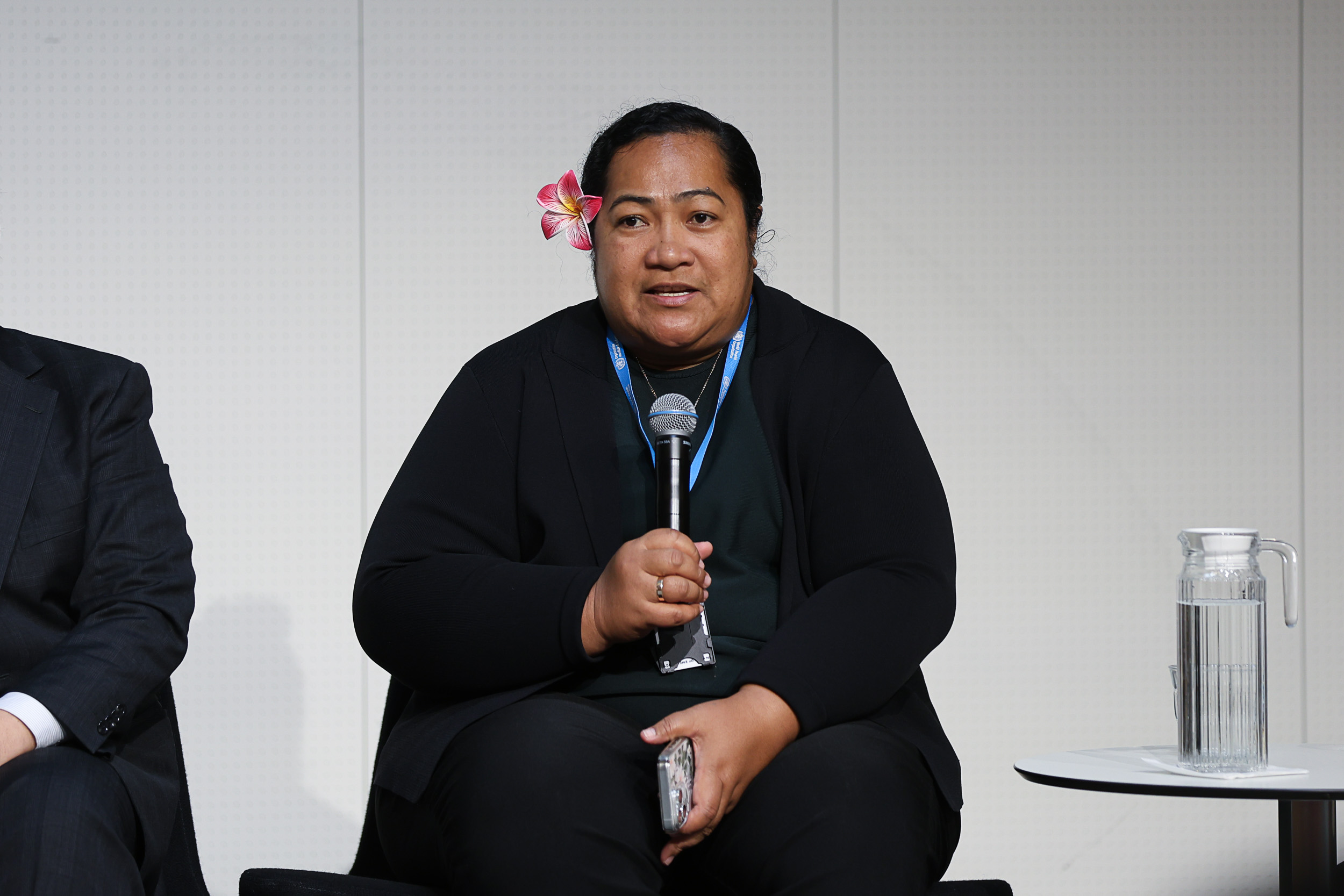
Pepetua Election Latasi, Ministry of Home Affairs, Climate Change and Environment, Tuvalu
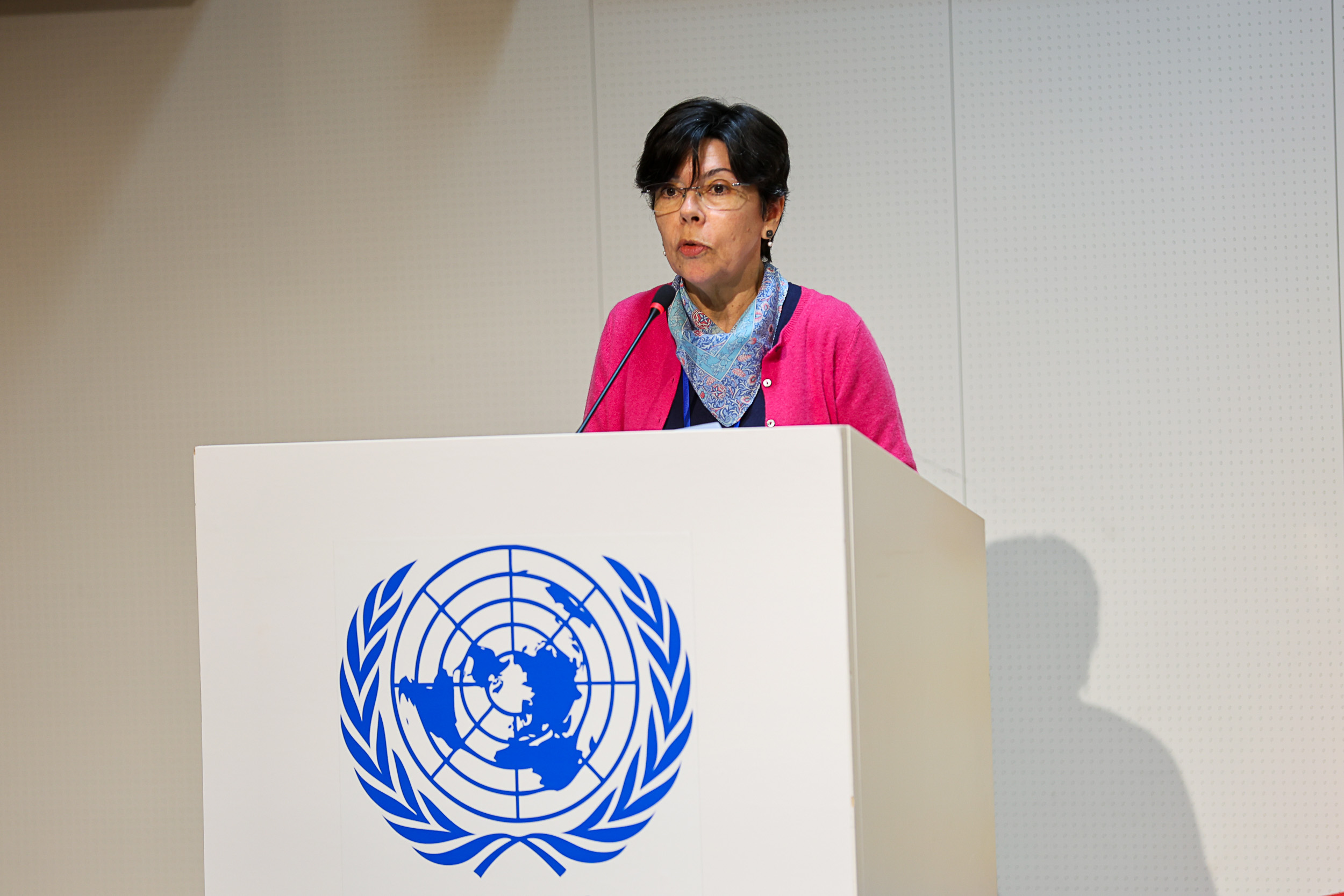
Mercedes Bustamante, Professor, University of Brasilia
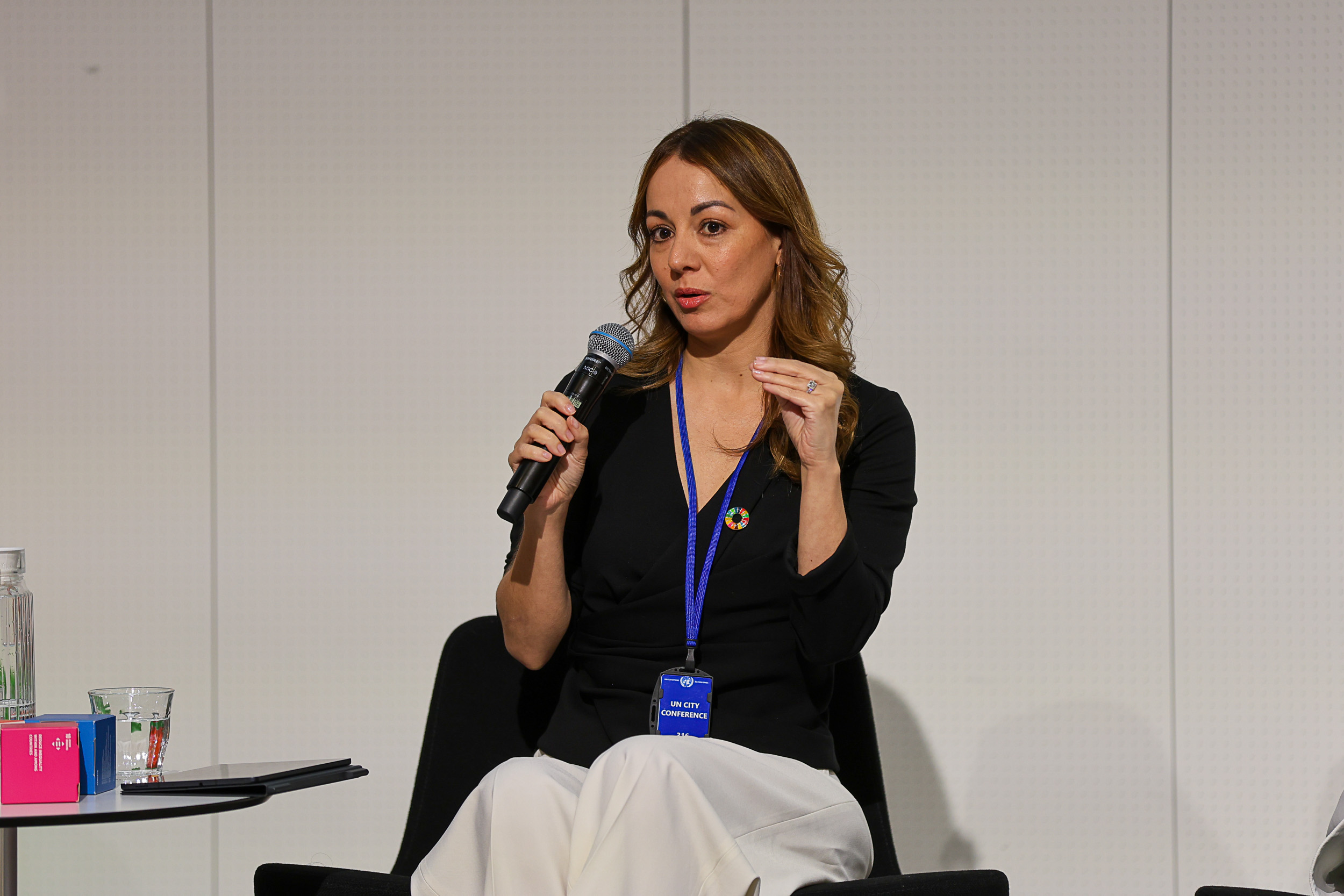
Jacqueline Hazbun, Executive Director, Association of Independent Cogenerators of Guatemala (ACI)
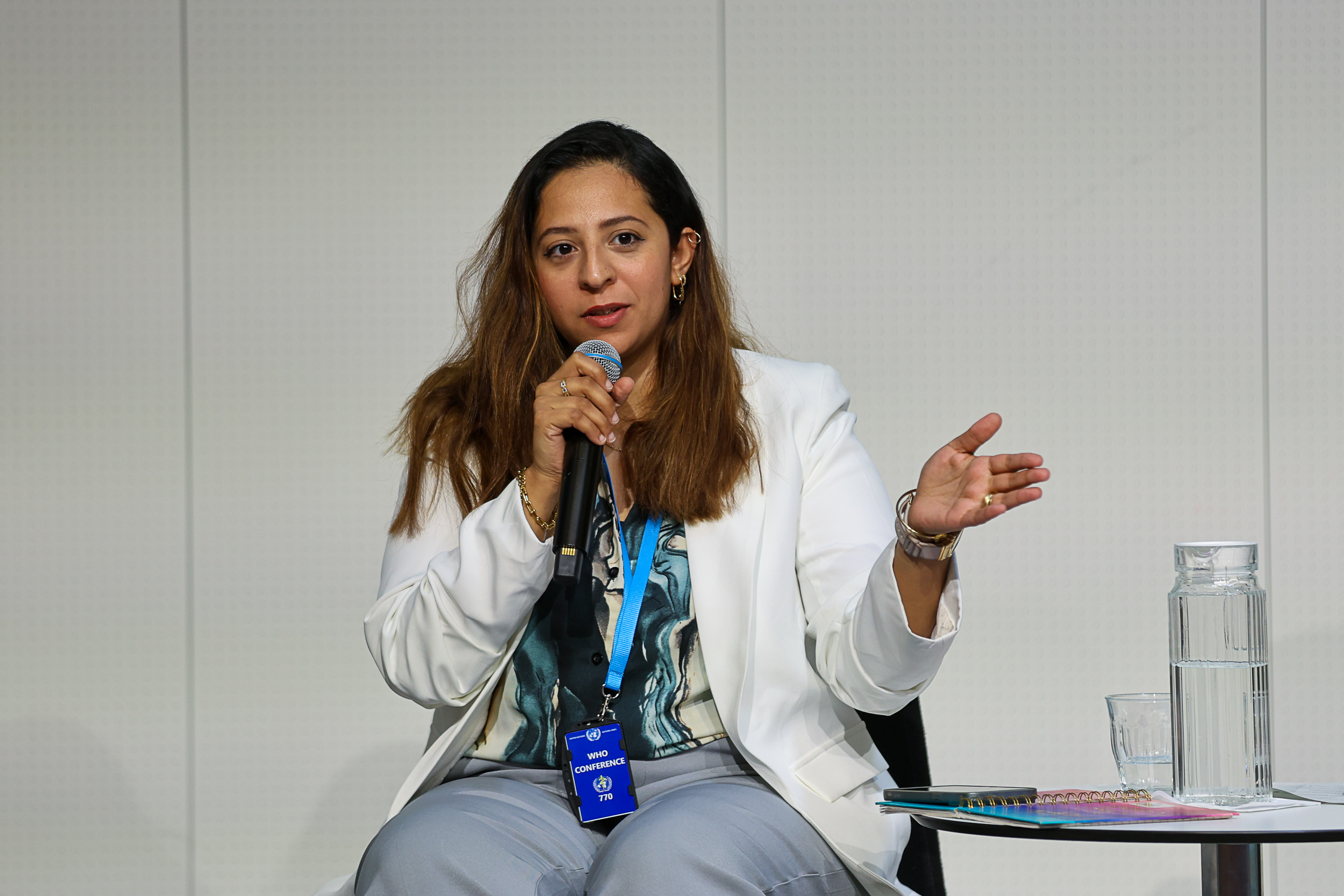
Riham Helmy, Founder, EnviroX, Egypt
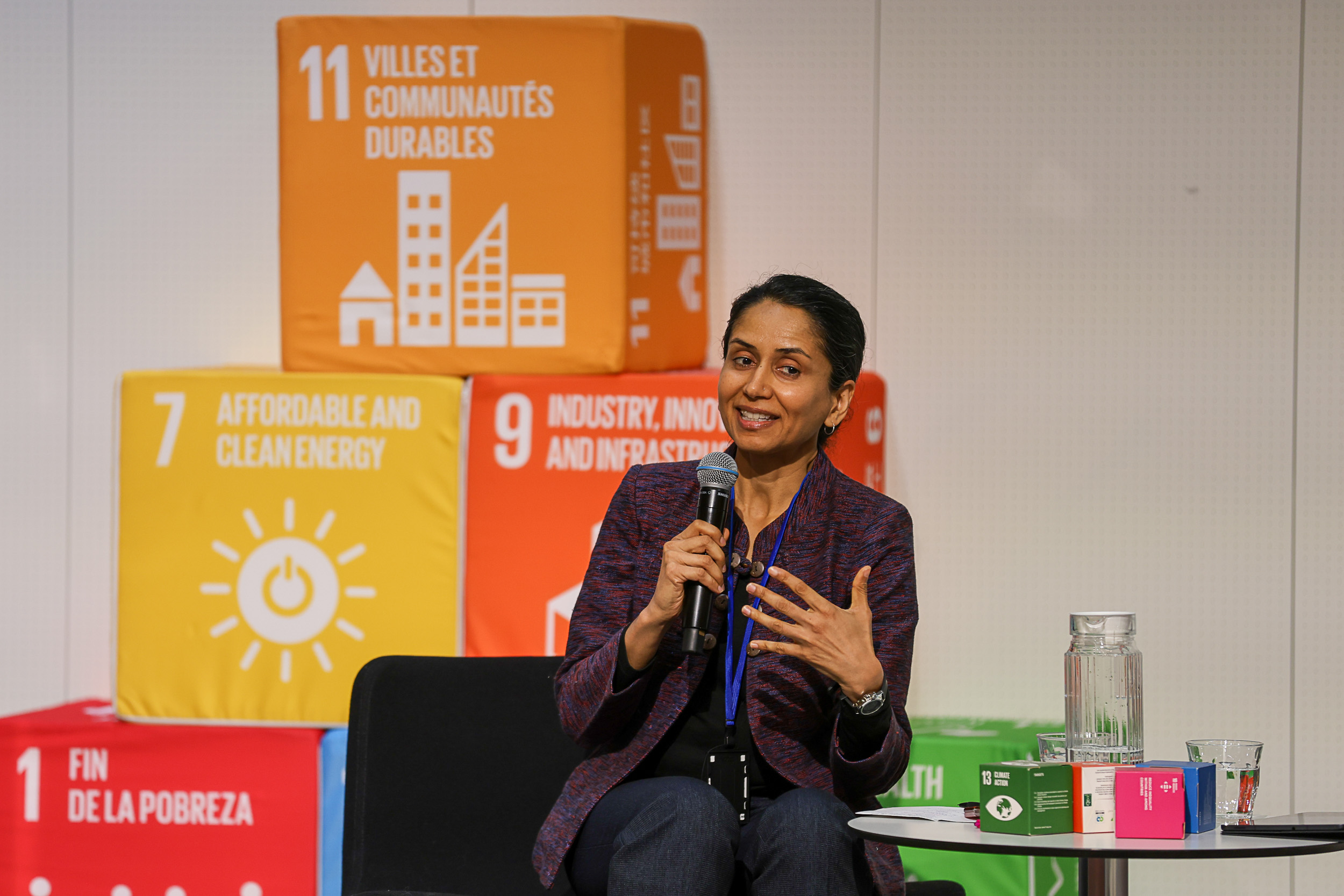
Dipti Vaghela, Network Facilitator and Manager, Hydro Empowerment Network (HPNET)
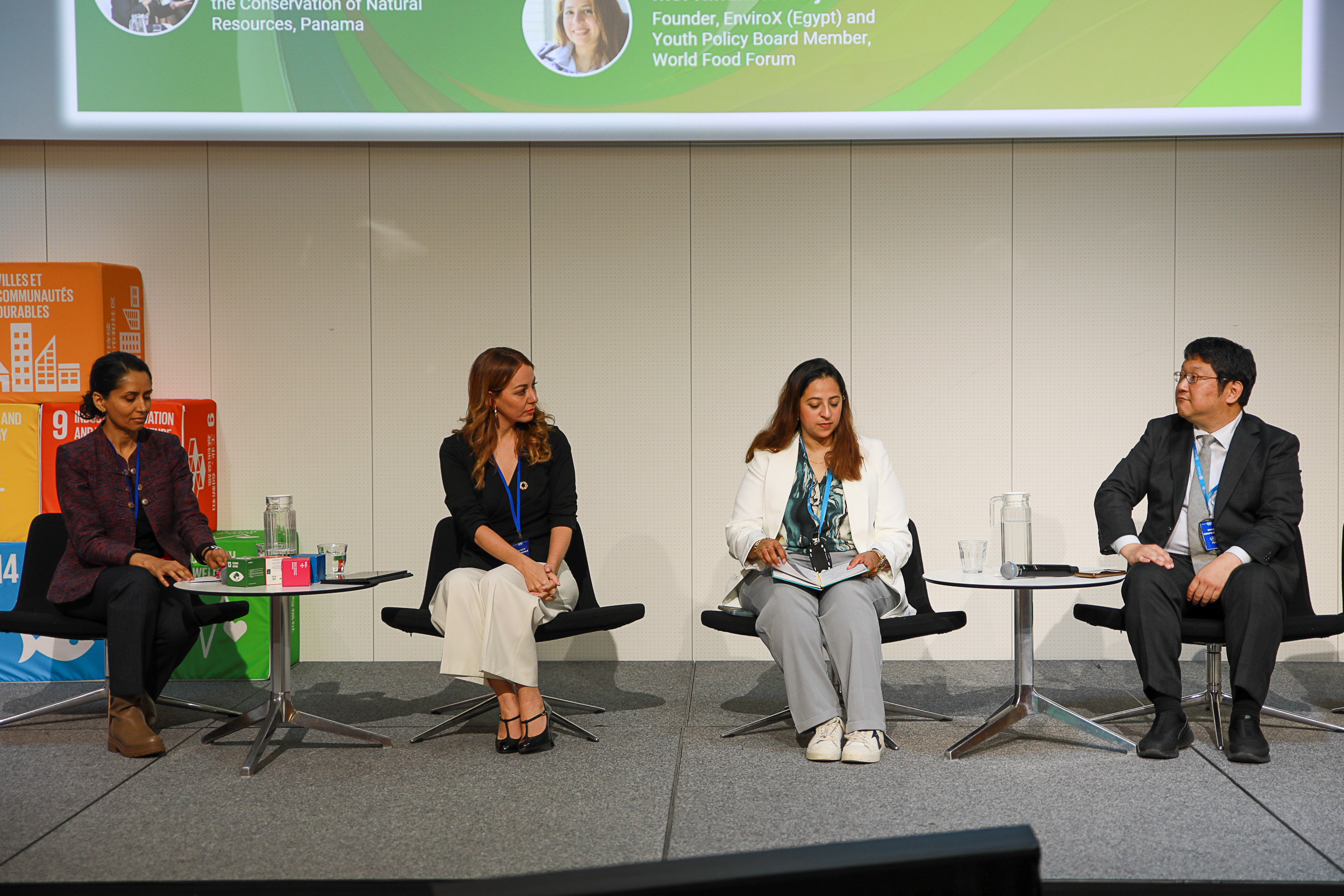
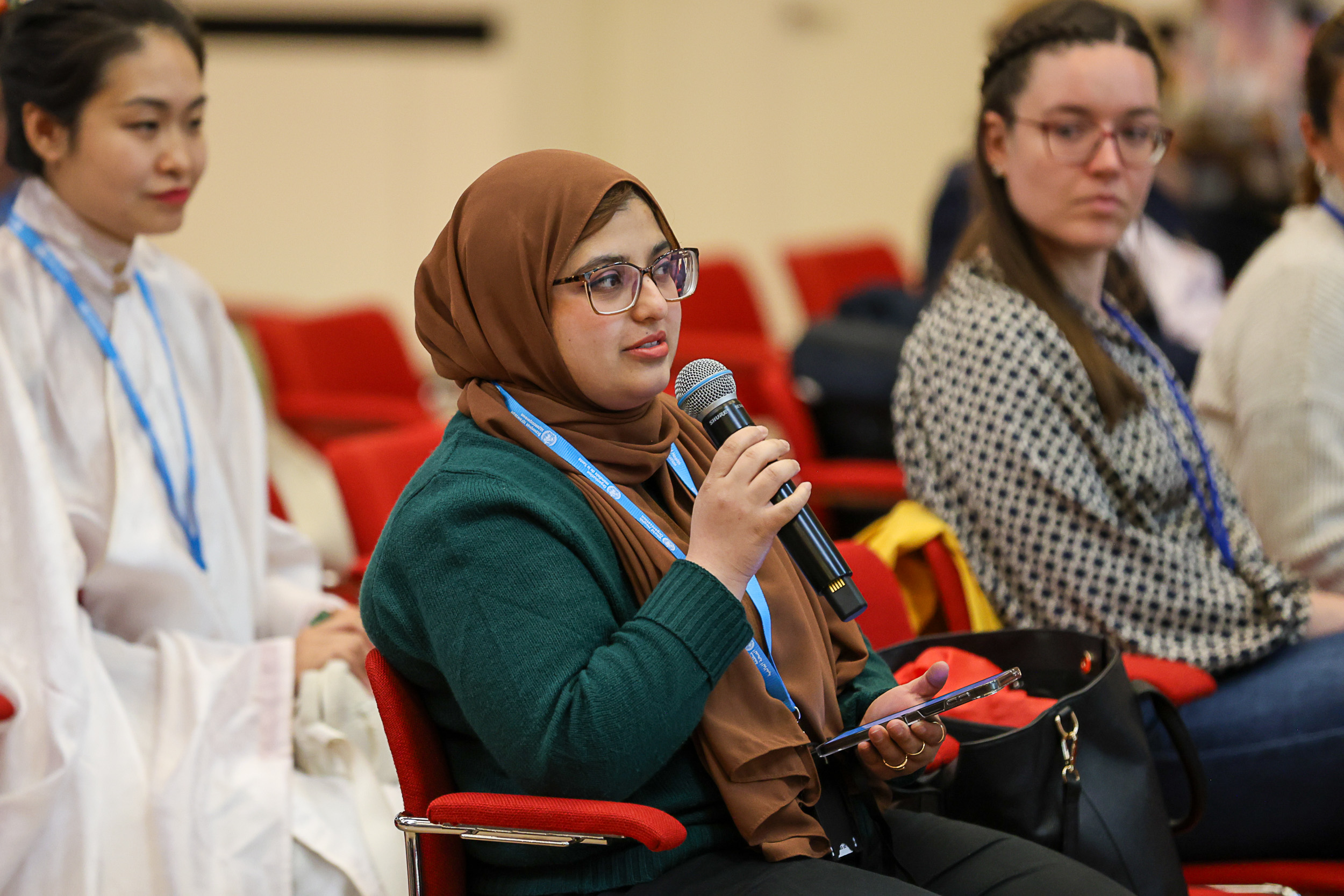
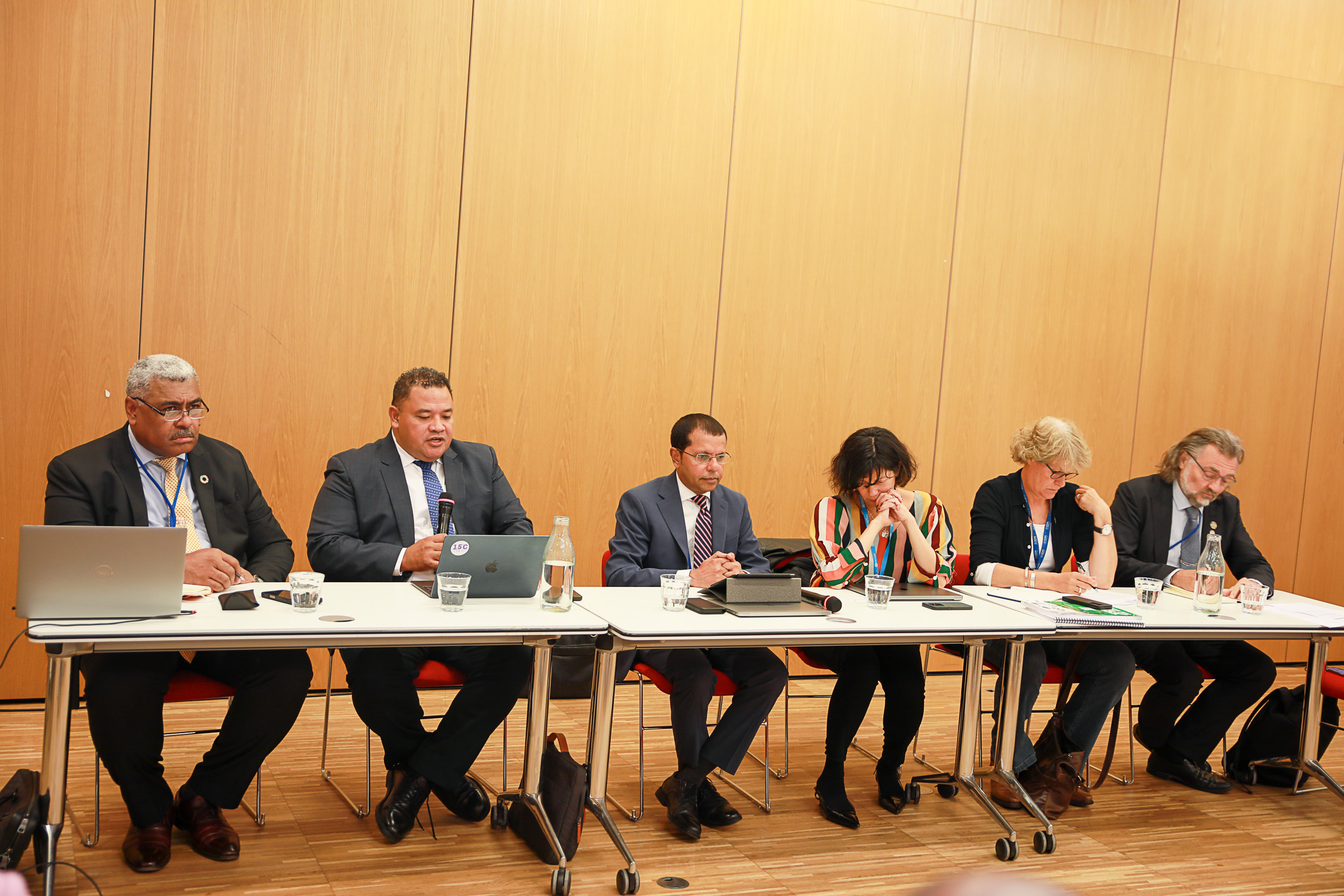
From L-R: Dipti Vaghela, HPNET; Jacqueline Hazbun, Executive Director, ACI; Riham Helmy, Founder, EnviroX, Egypt; Hama Ichiro, Assistant Director, International Strategy Division, Global Environment Bureau, Ministry of the Environment, Japan
Climate and Security in SIDS: Challenges and Perspectives

Sainivalati S. Navoti, Chief, SIDS Unit, UN DESA
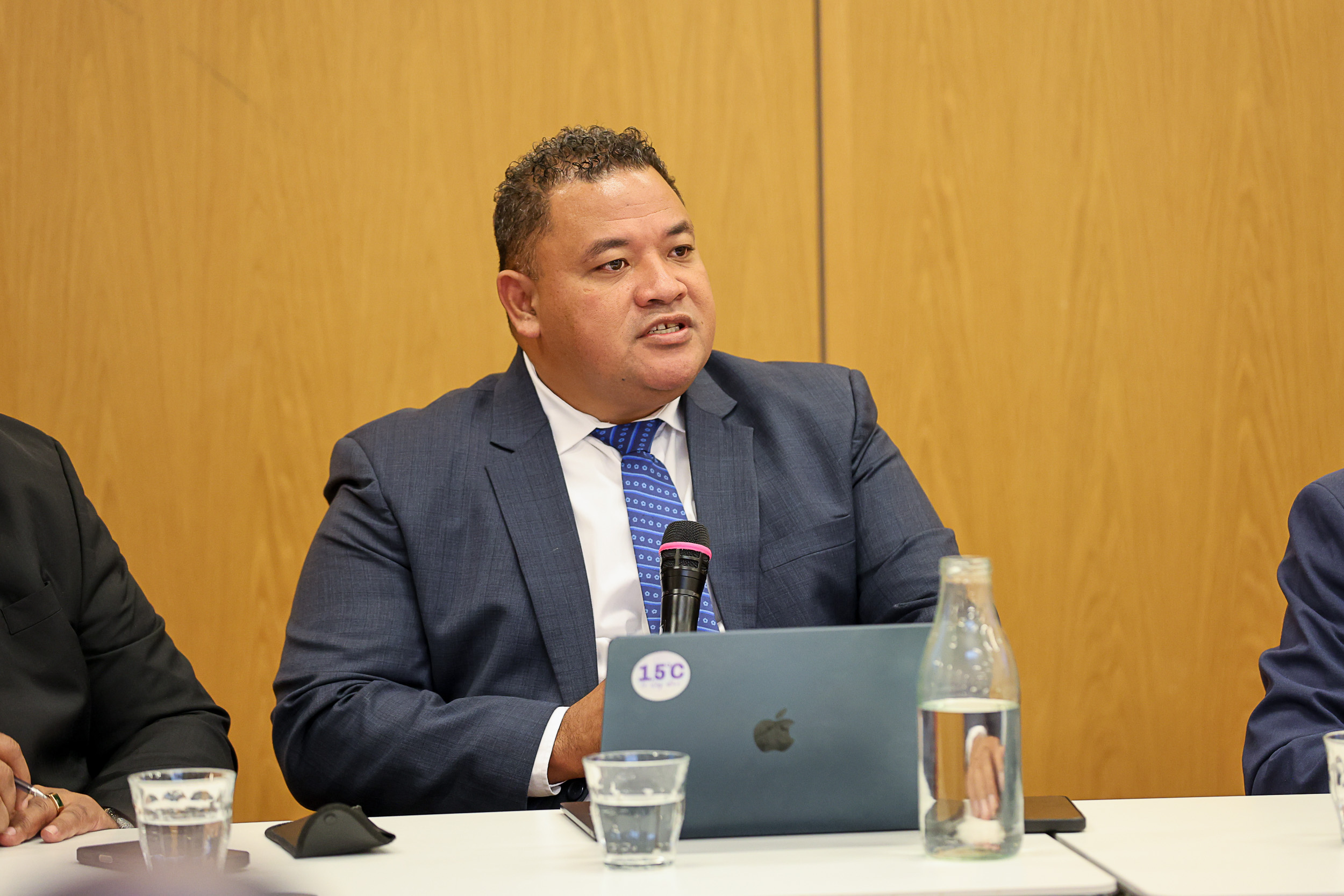
Maina Vakafua Talia, Minister of Home Affairs, Climate Change and Environment, Tuvalu

Ali Naseer Mohamed, Permanent Representative of the Maldives to the UN
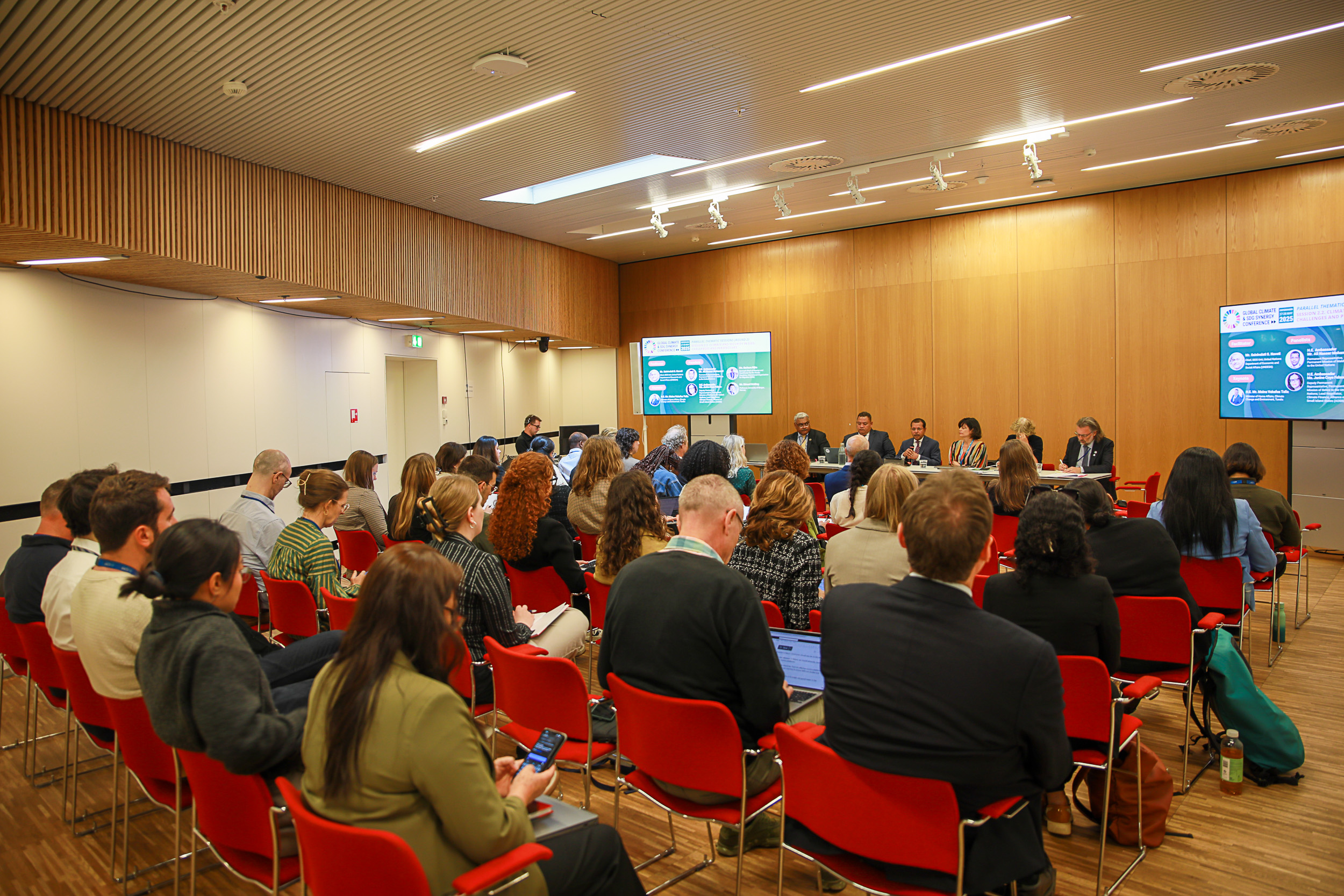
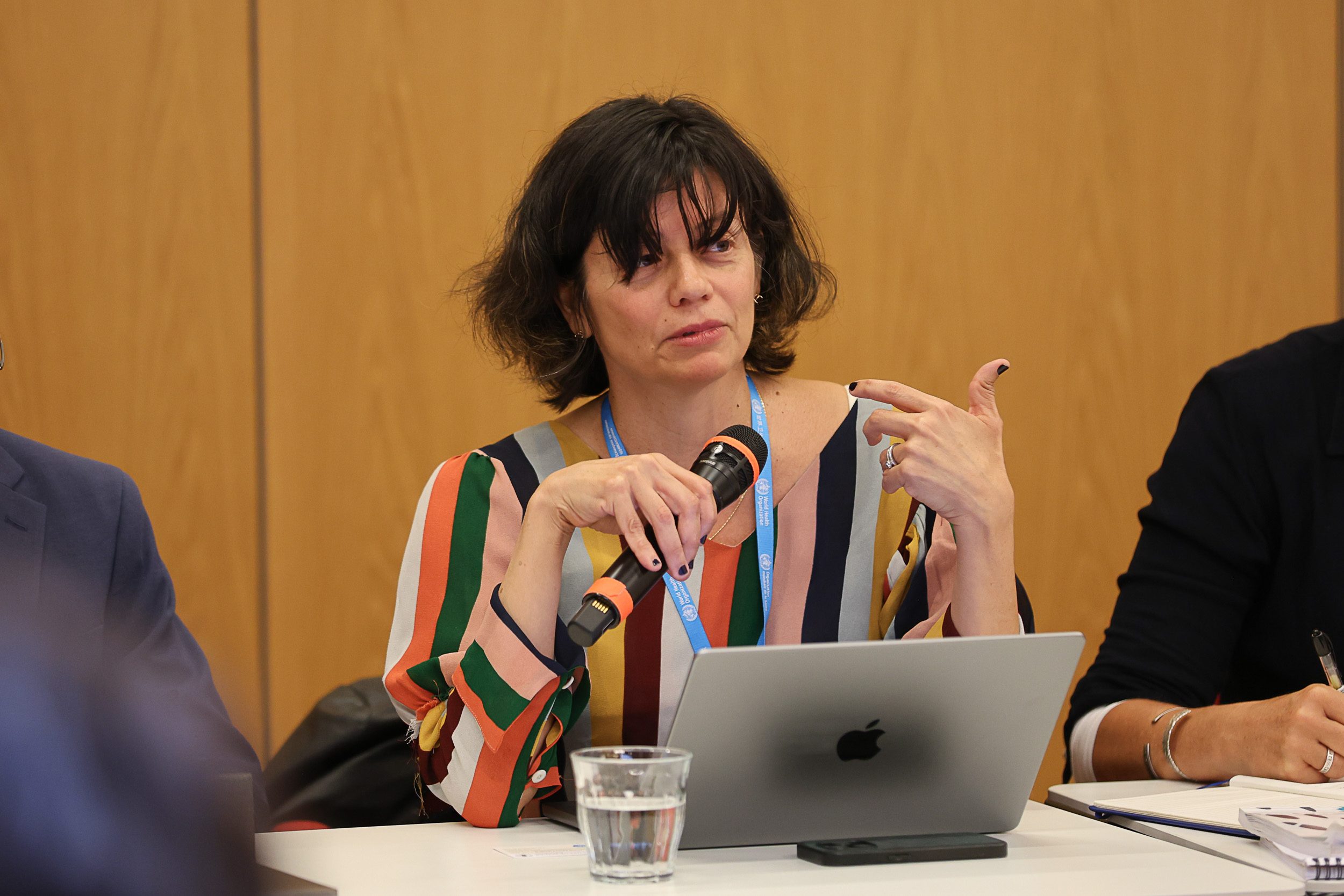
Janine Coye Felson, Deputy Permanent Representative, Permanent Mission of Belize to the UN
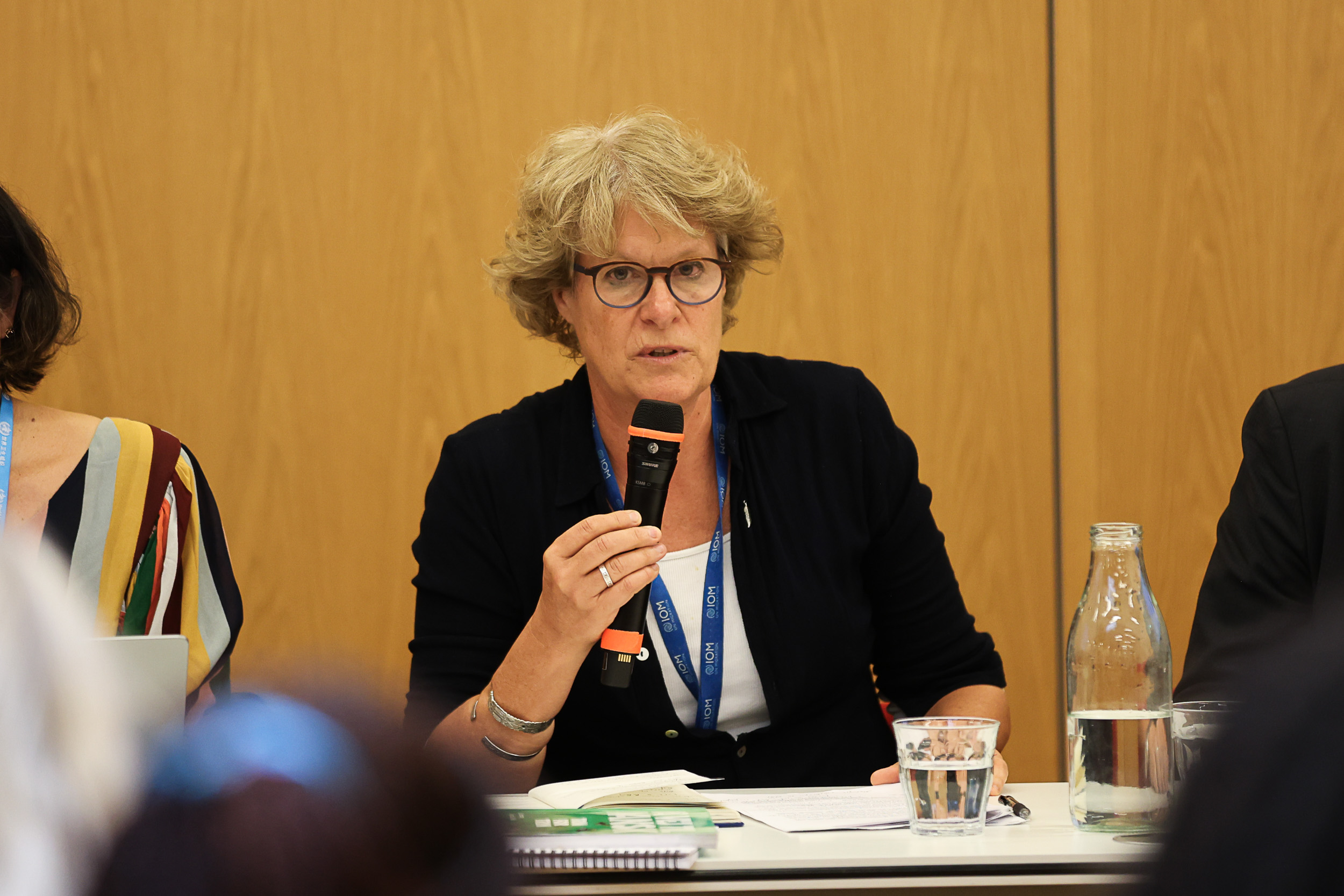
Barbara Rijks, Chief of Mission Denmark and Coordinator for the Nordic Countries, International Organization for Migration
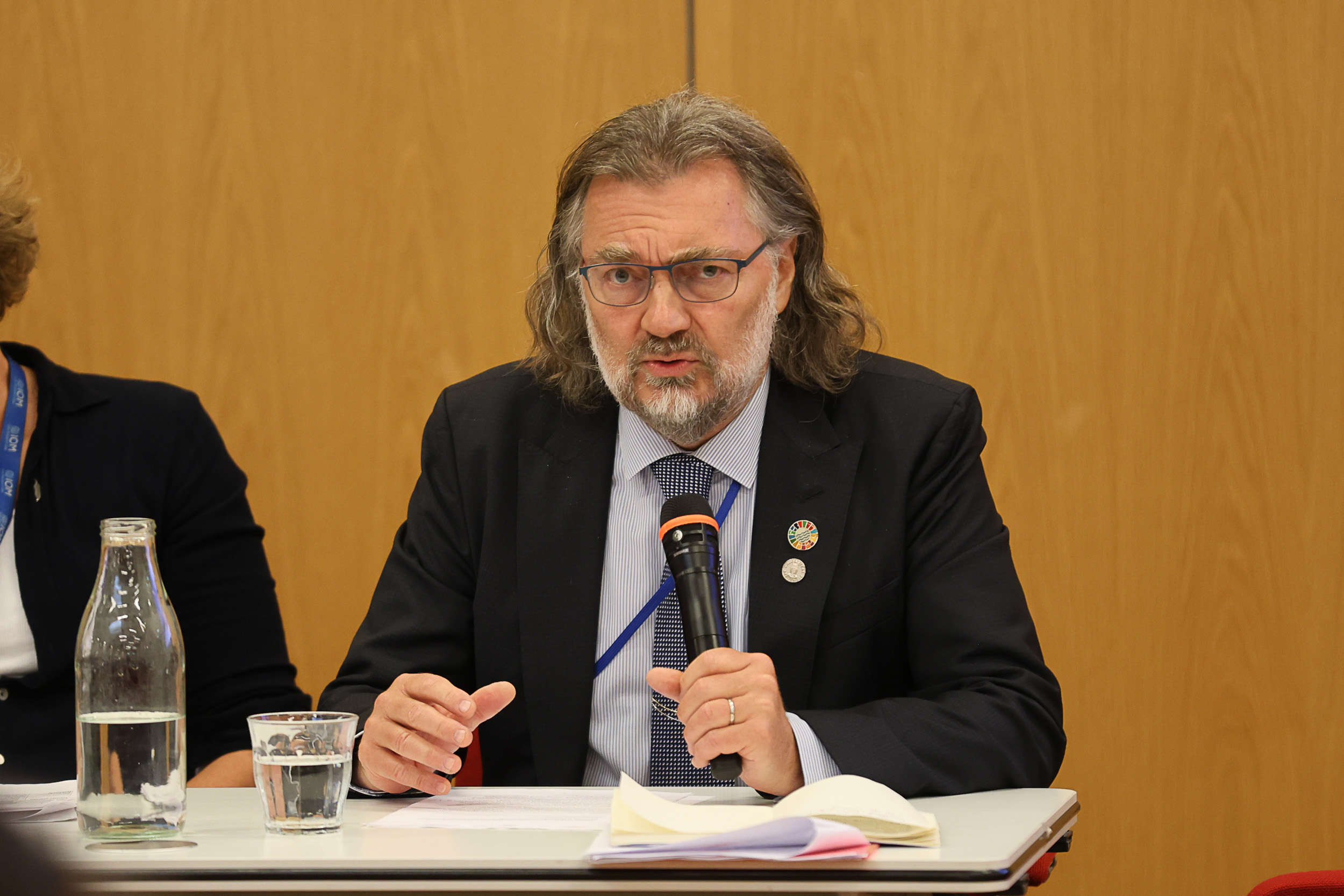
Edvard Hviding, Professor, University of Bergen, Norway

Advancing the SDGs in Coastal Cities: Integrated Approaches to Climate Resilience and Sustainable Development

Sharon Gil, Chief Economist and Director of Inclusive Growth, UNDP
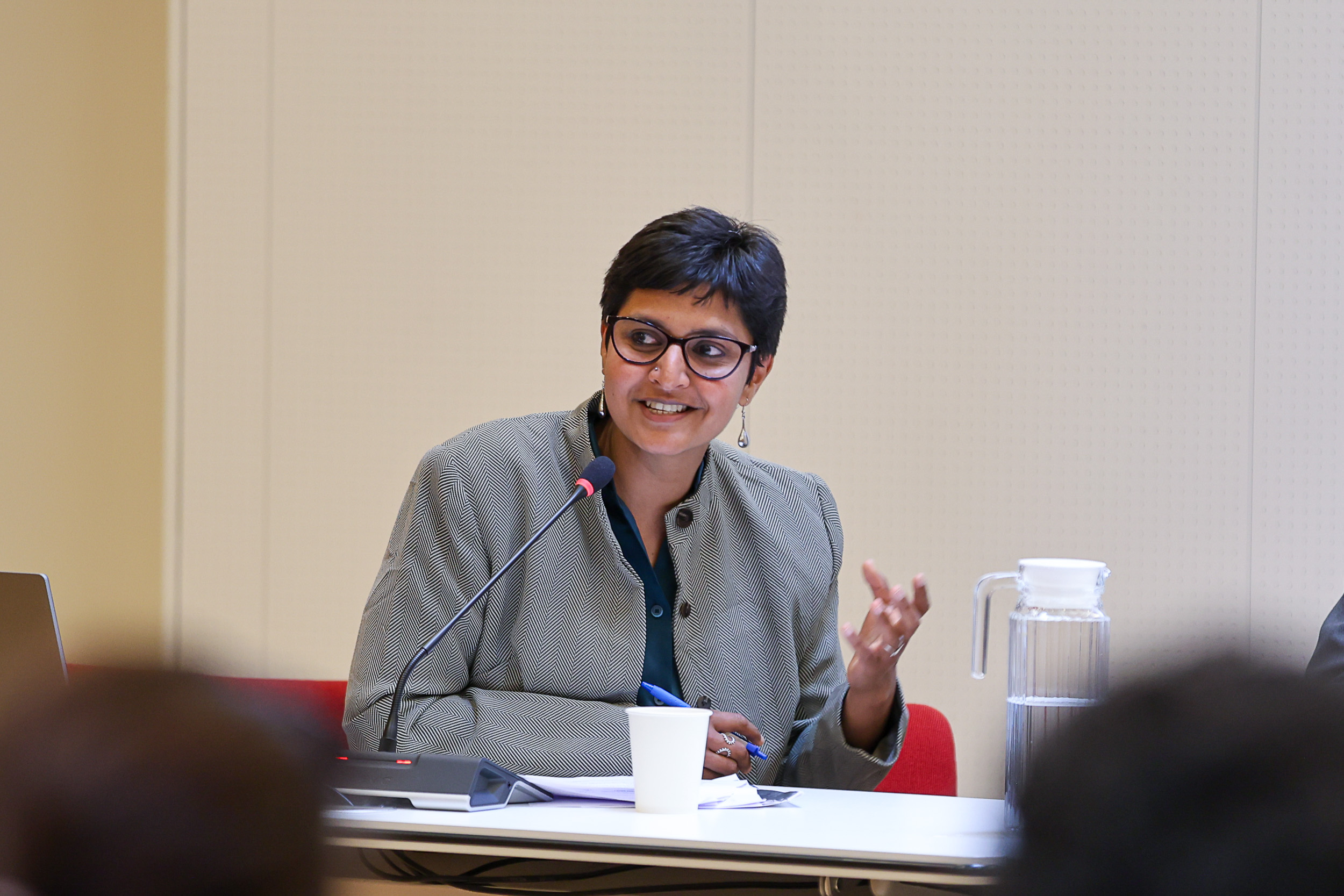
Lakshmi Bhamidipati, Senior Advisor, Section for Technology–Transitions and System Innovation, UNEP-CCC
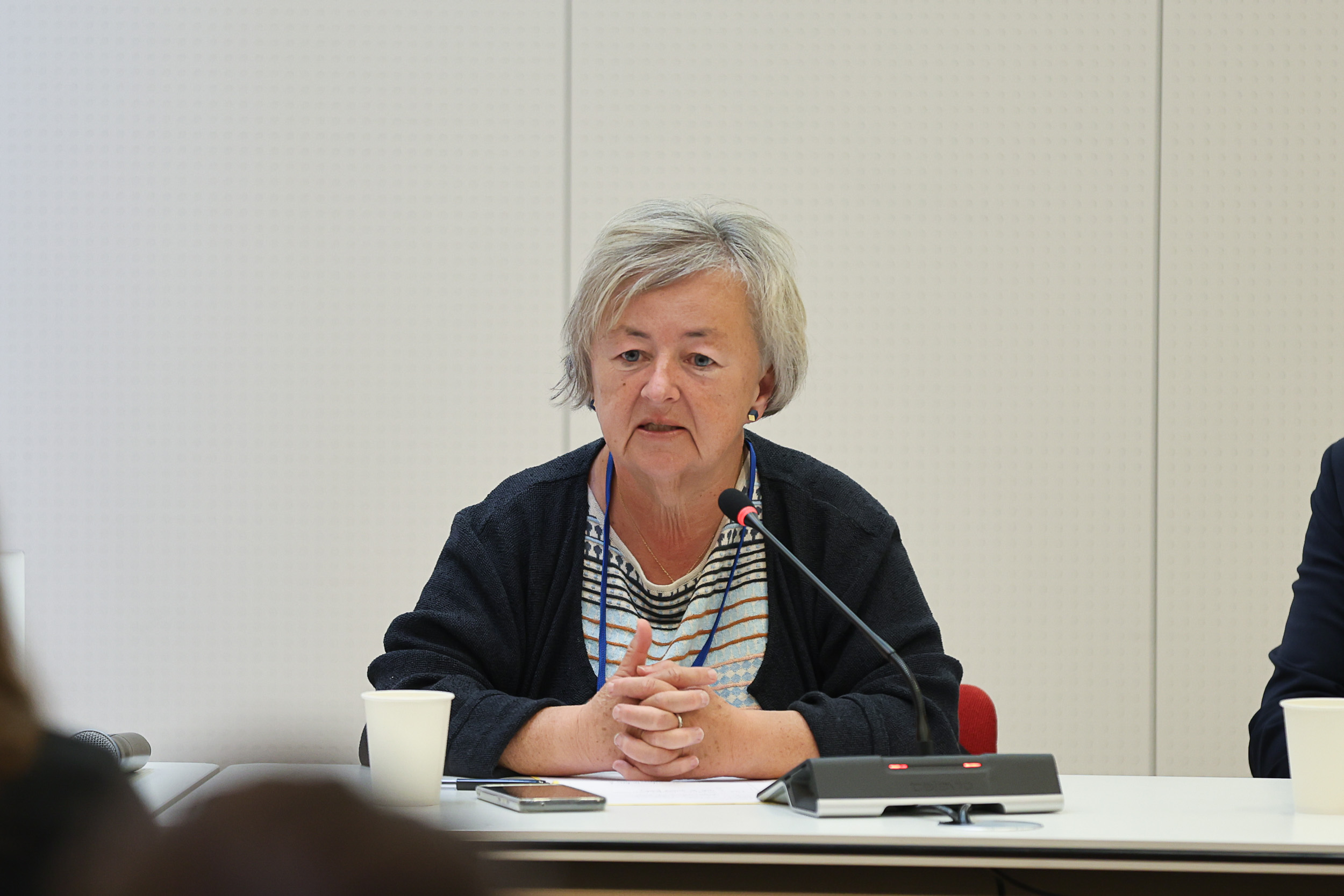
Lykke Leonardsen, Program Director, Resilient and Sustainable City Solutions, City of Copenhagen
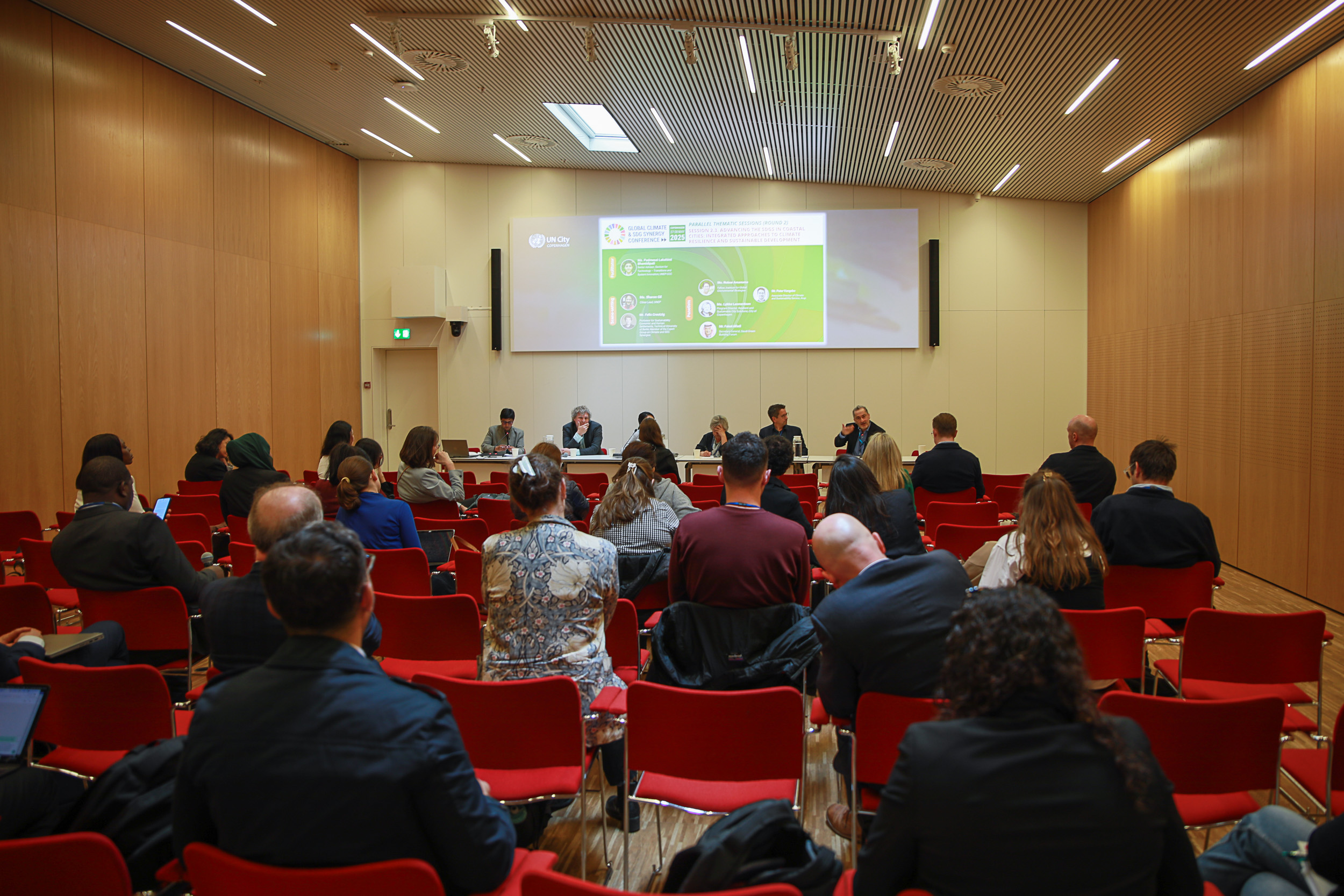
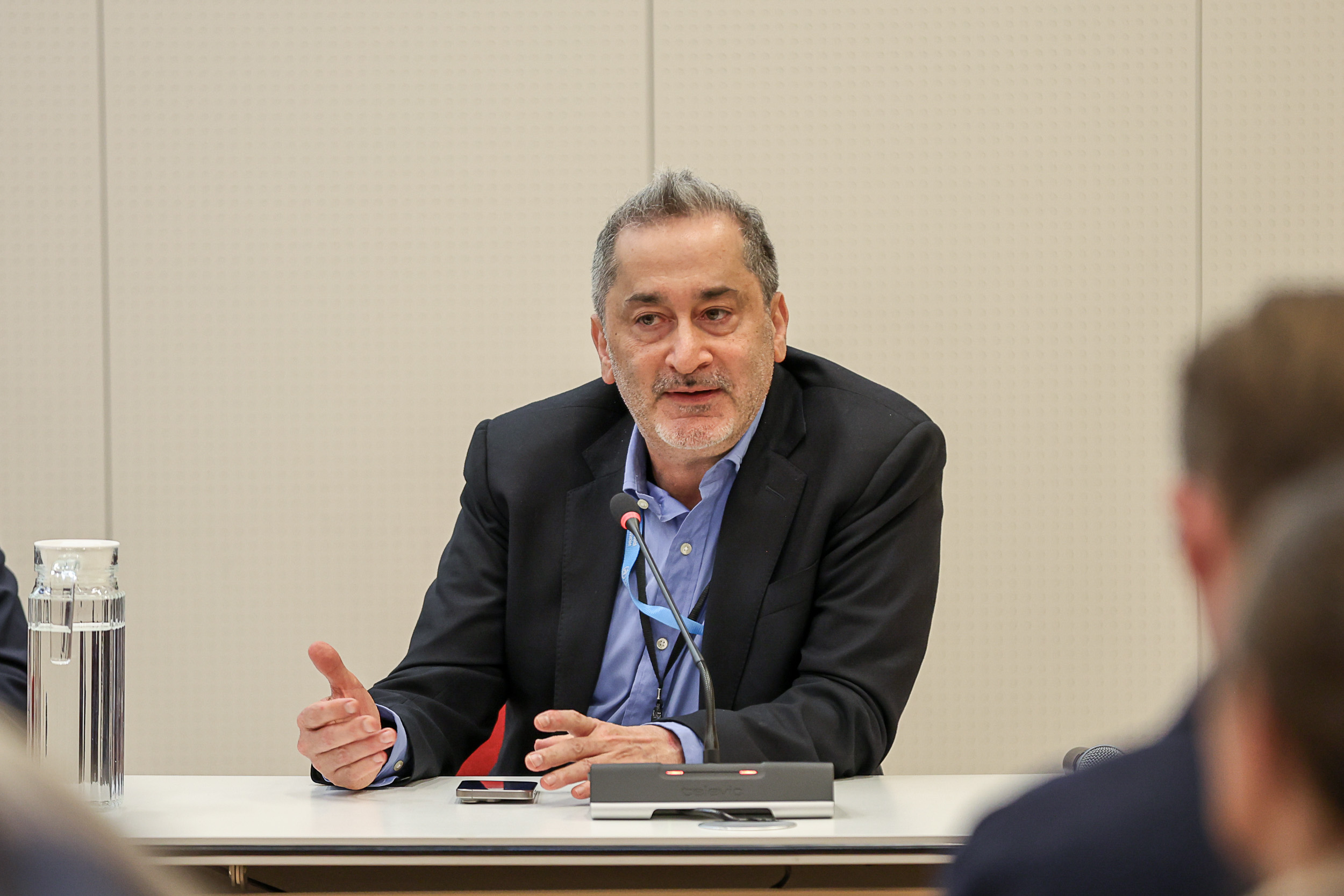
Faisal Alfadl, Secretary-General, Saudi Green Building Forum
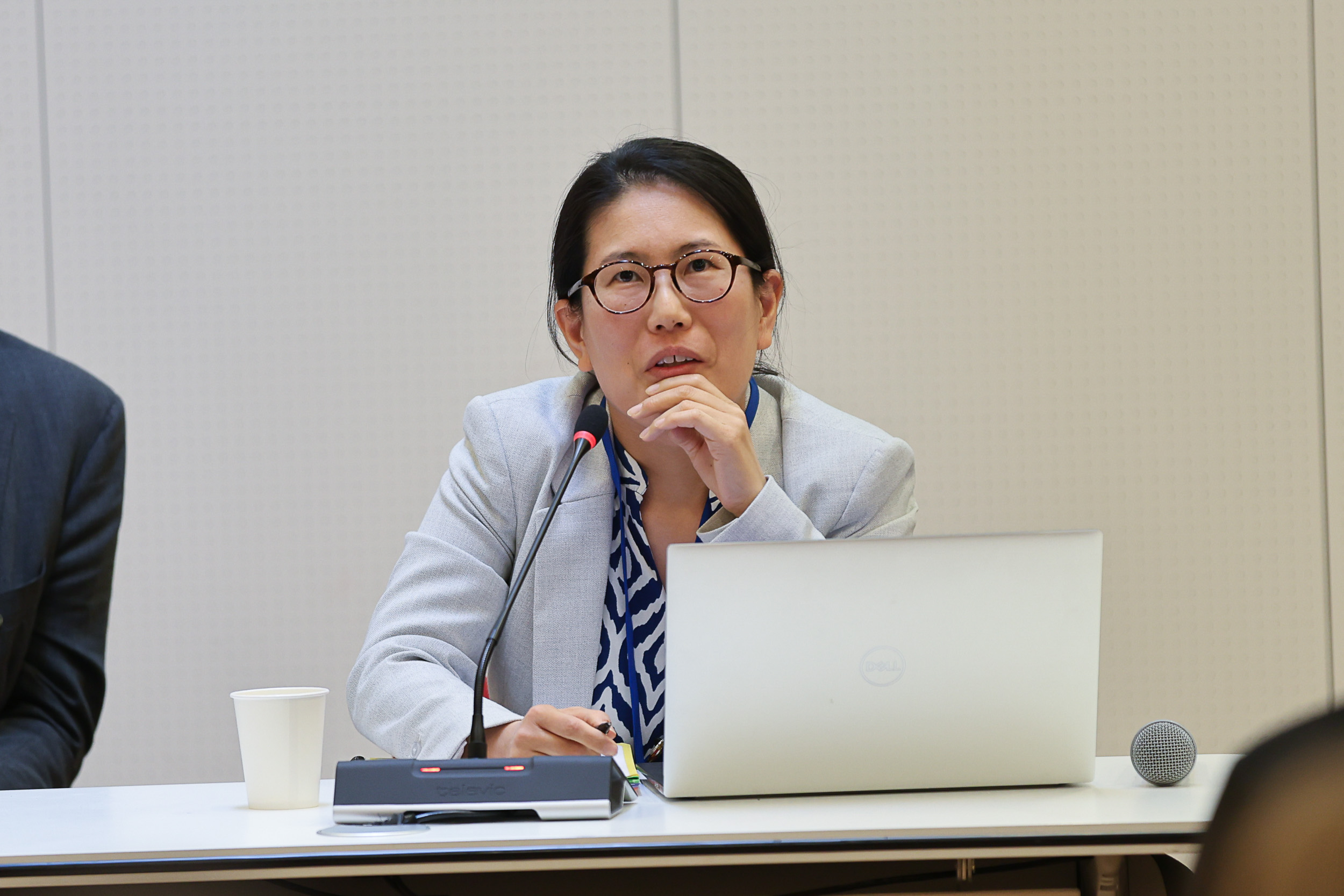
Nobue Amanuma, Fellow, Institute for Global Environmental Strategies
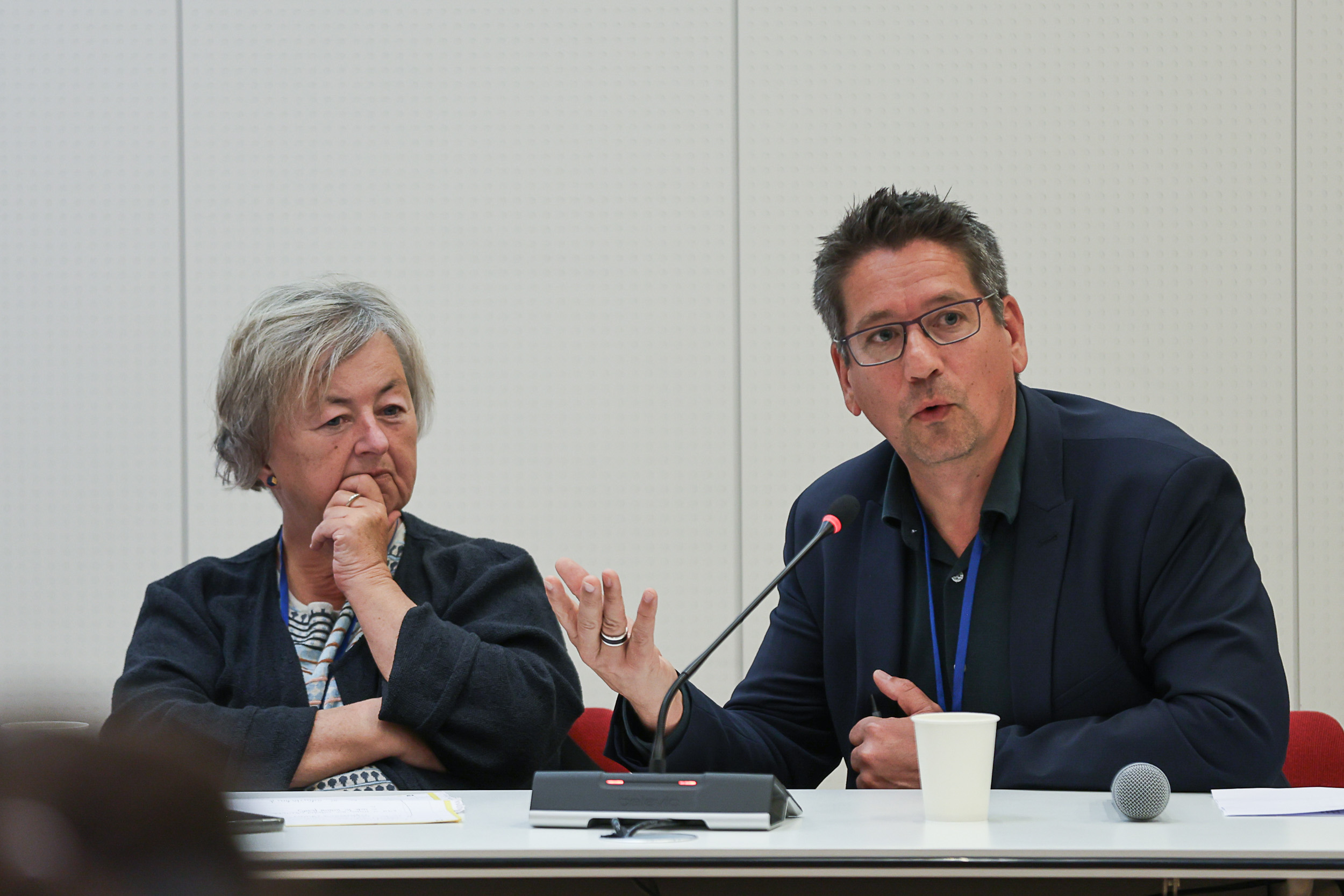
Lykke Leonardsen, Program Director, Resilient and Sustainable City Solutions, City of Copenhagen, and Peter Vangsbo, Associate Director of Climate and Sustainability Service, Arup
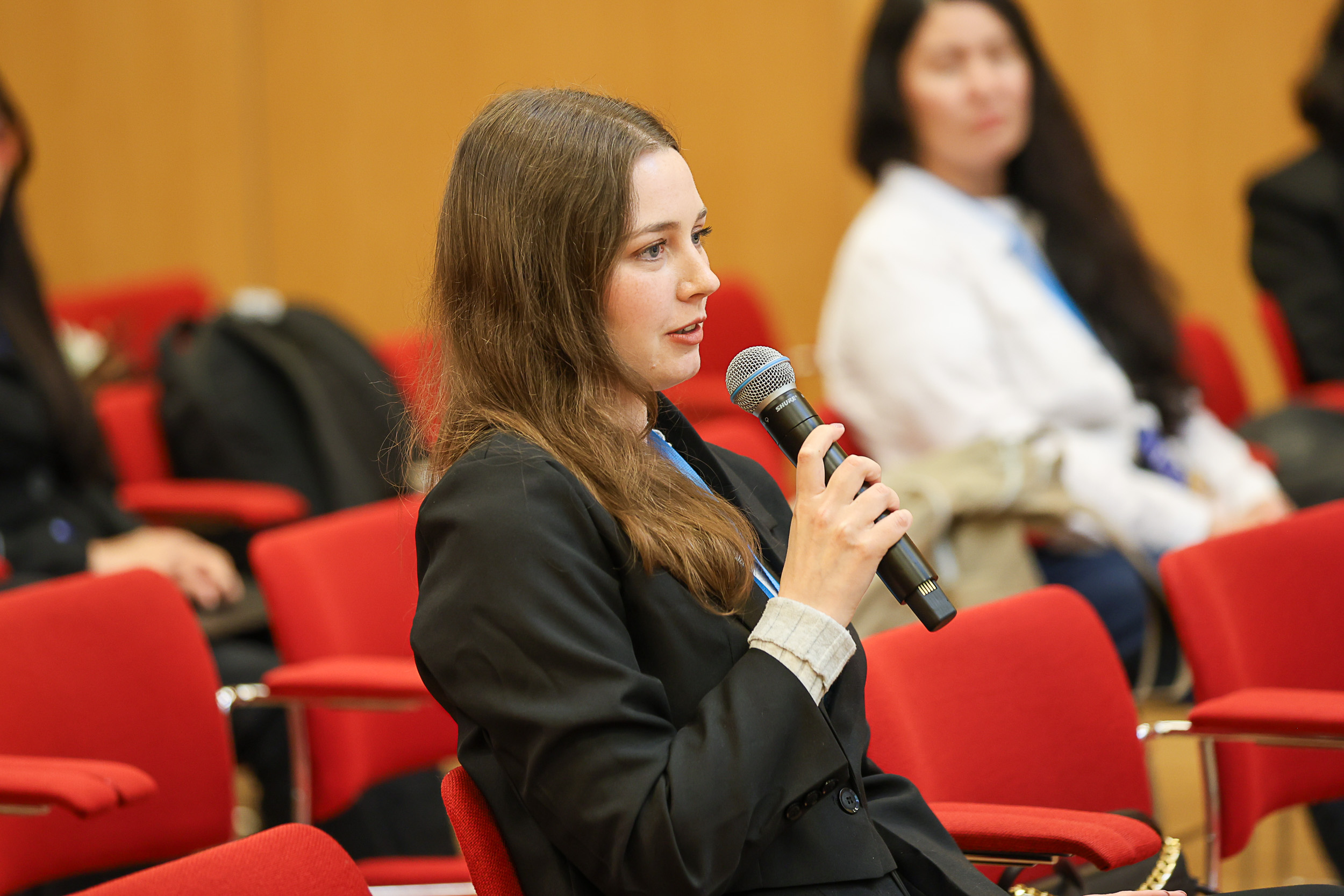


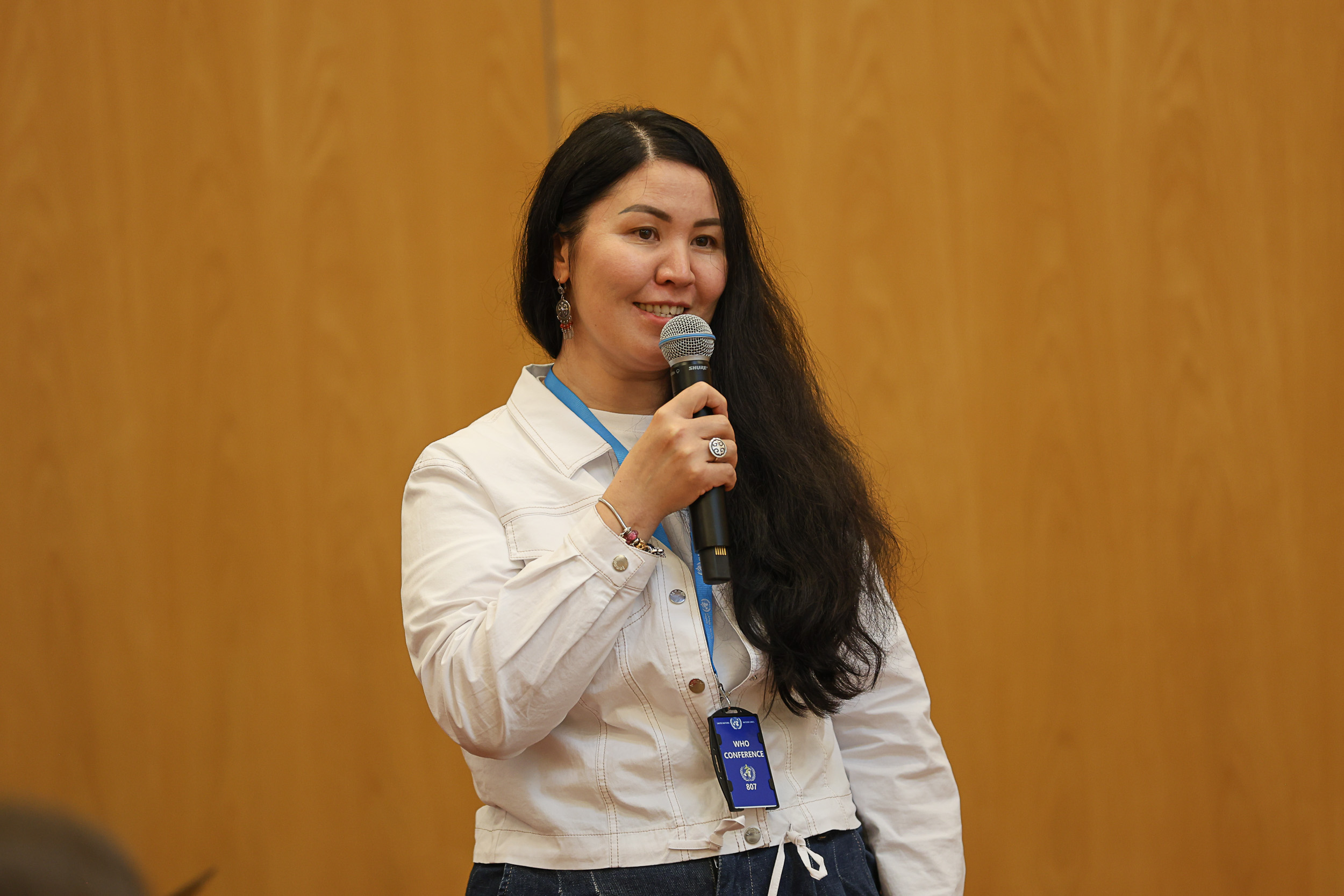
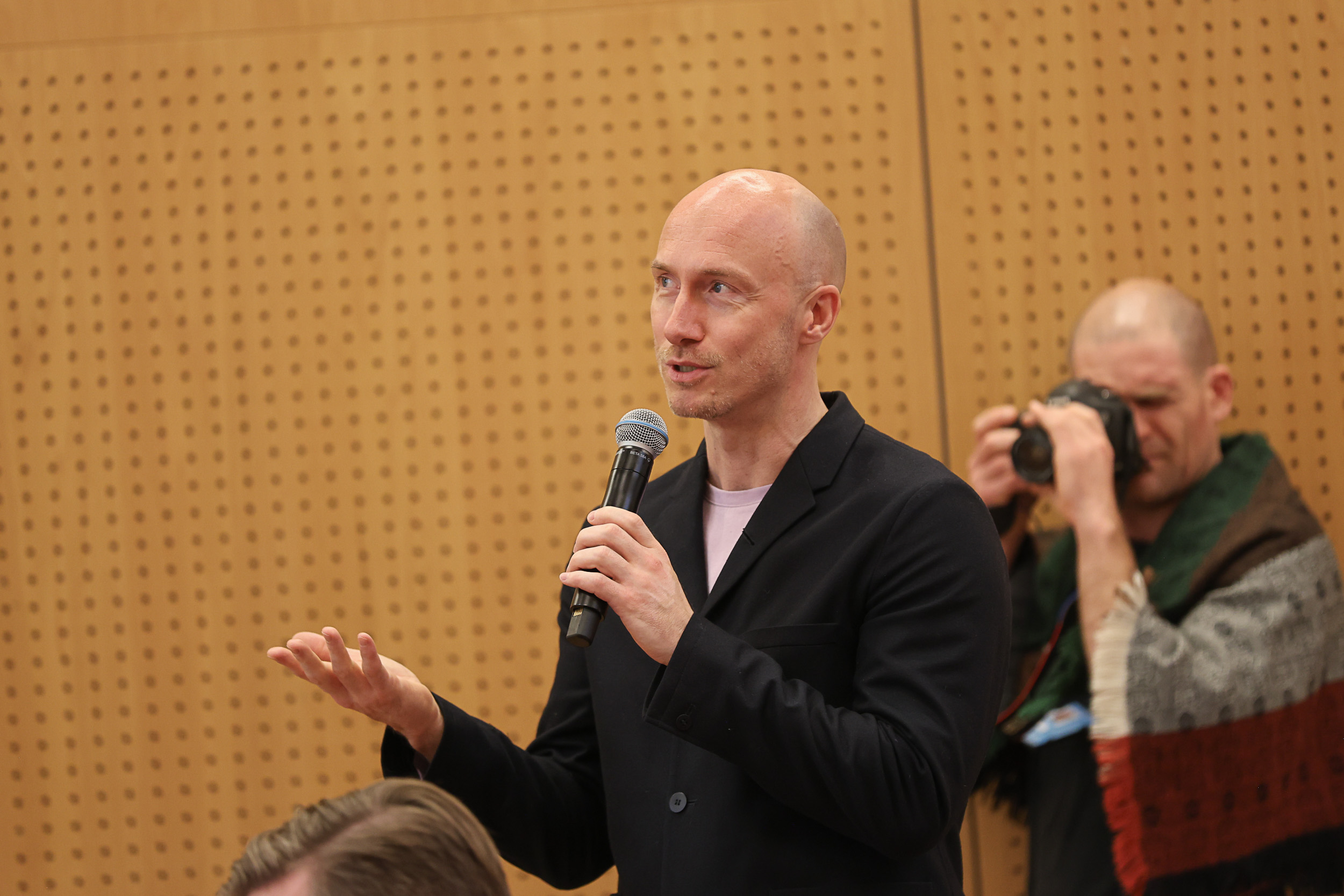
Closing Session
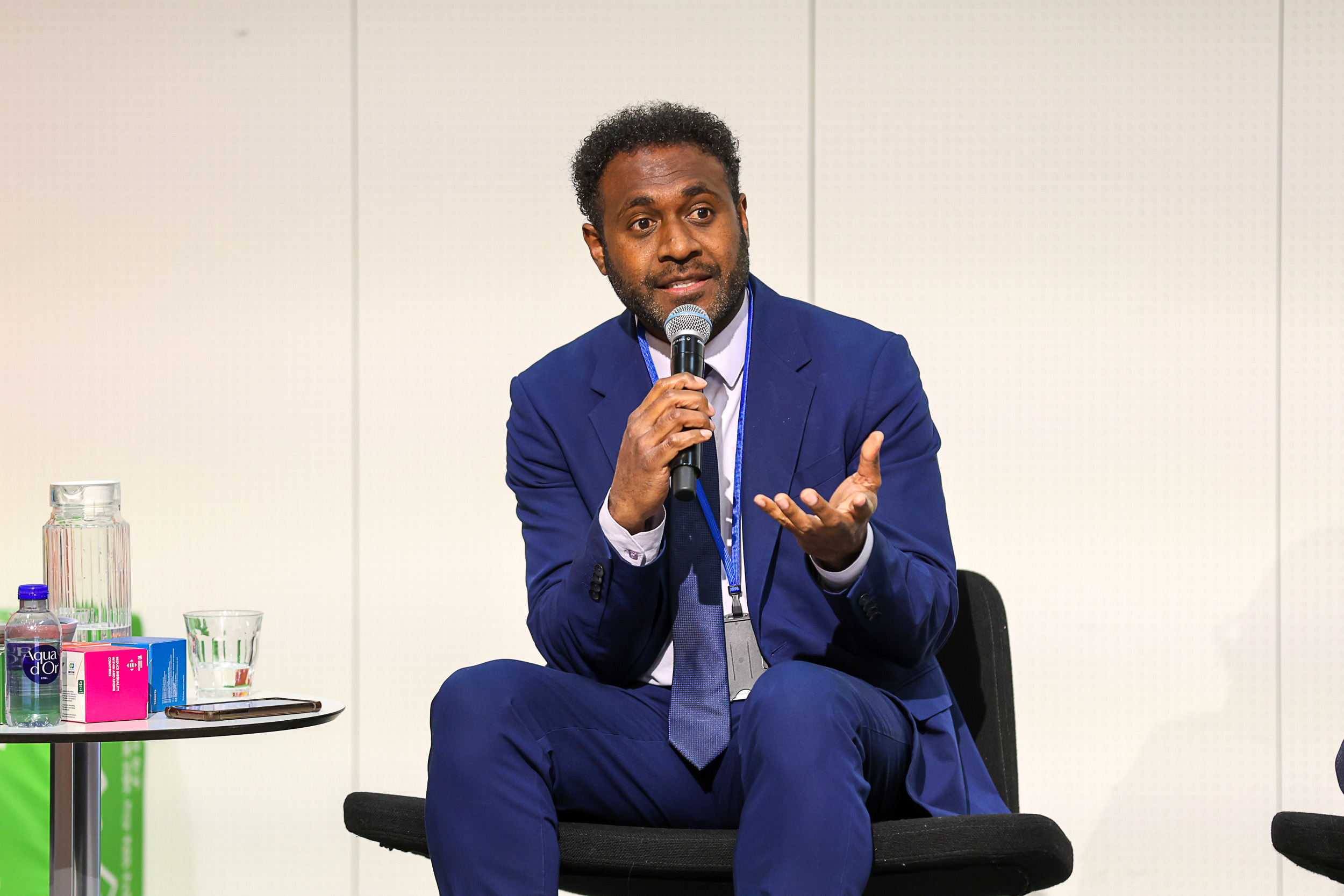
Dreli Solomon, First Secretary, Vanuatu Embassy in Brussels, Vanuatu

James Haselip, Senior Advisor, UNEP-CCC
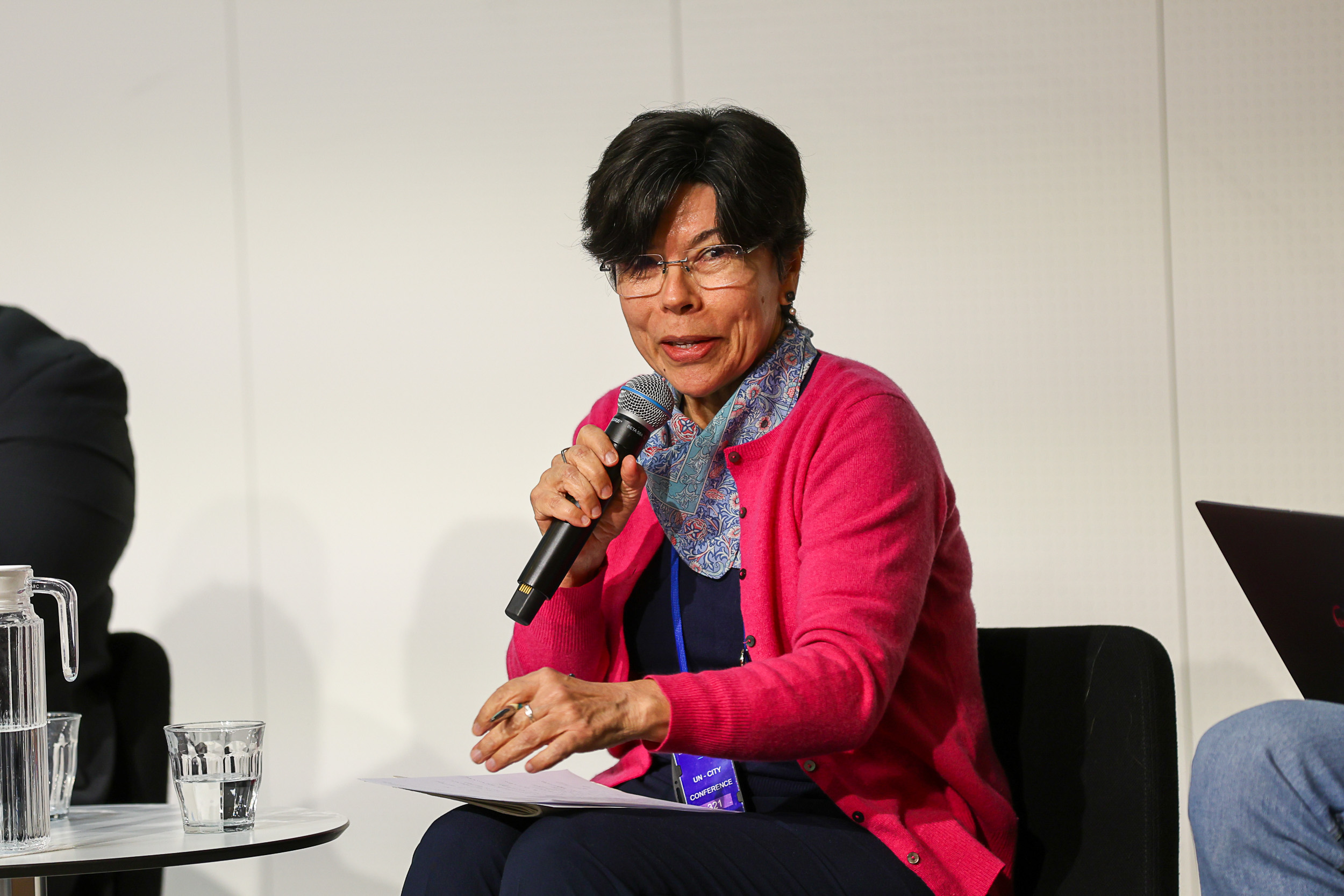
Mercedes Bustamante, Professor, University of Brasilia
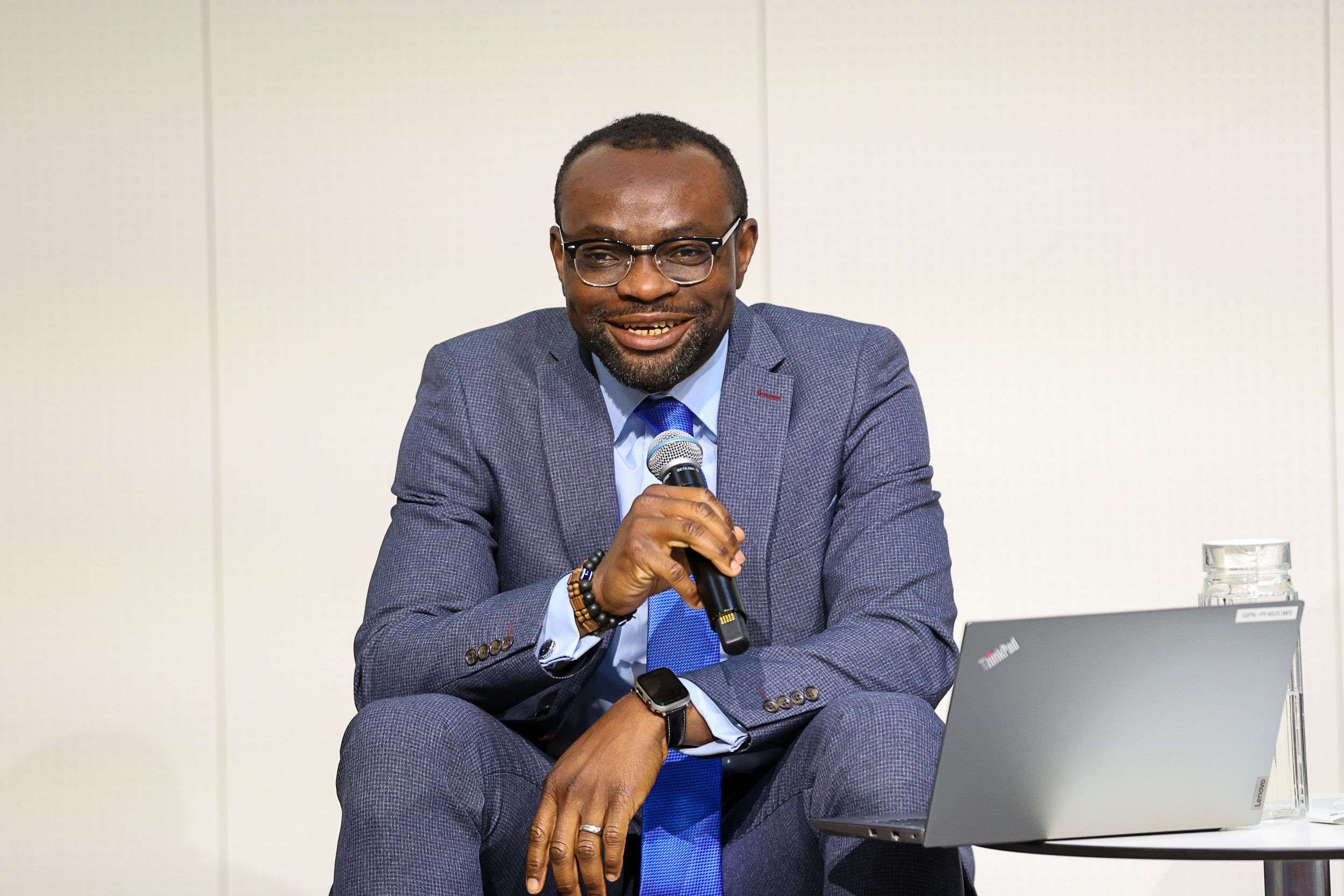
Babatunde Abidoye, Global Policy Advisor on SDG Integration, UNDP
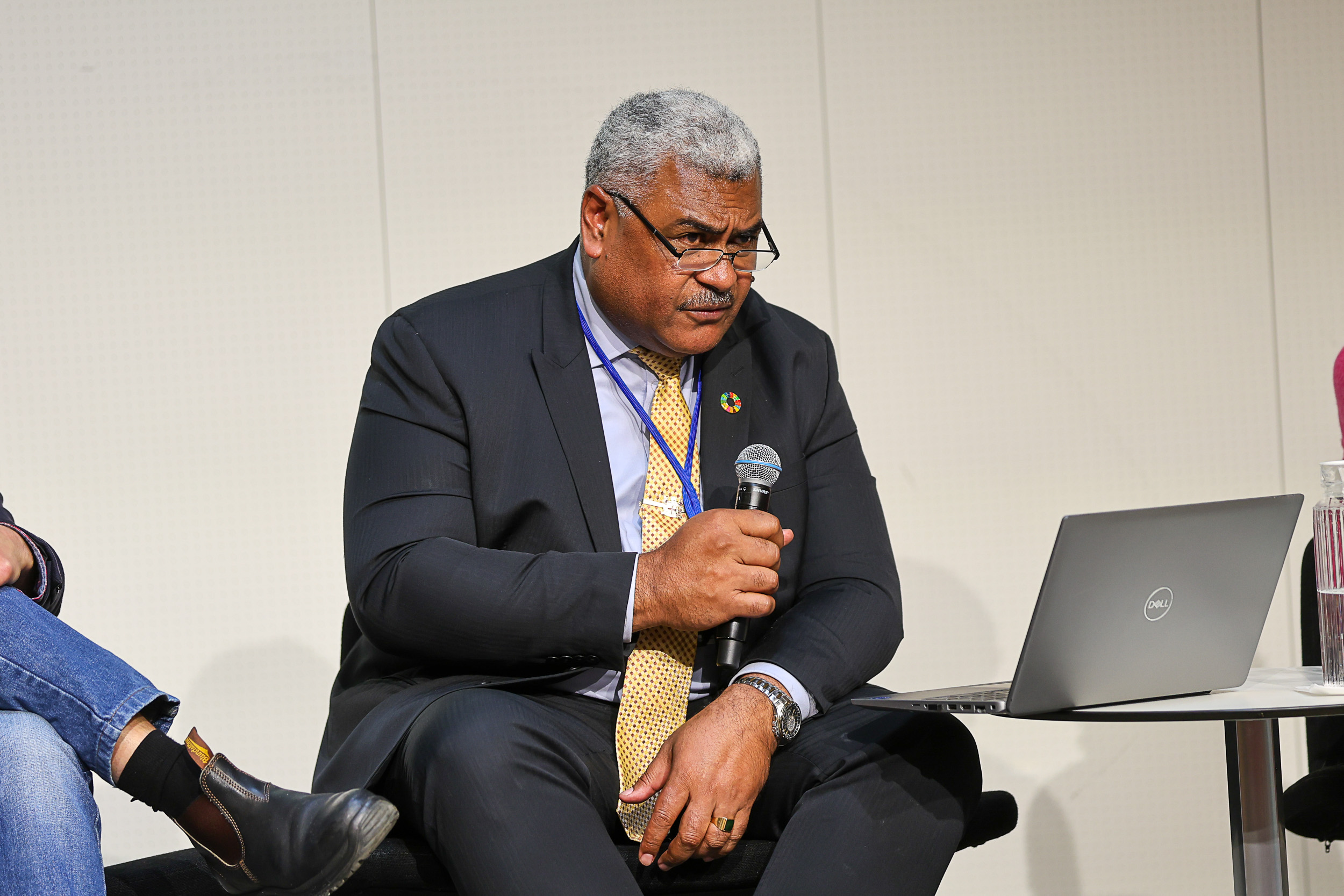
Sainivalati S. Navoti, Chief, SIDS Unit, UN DESA
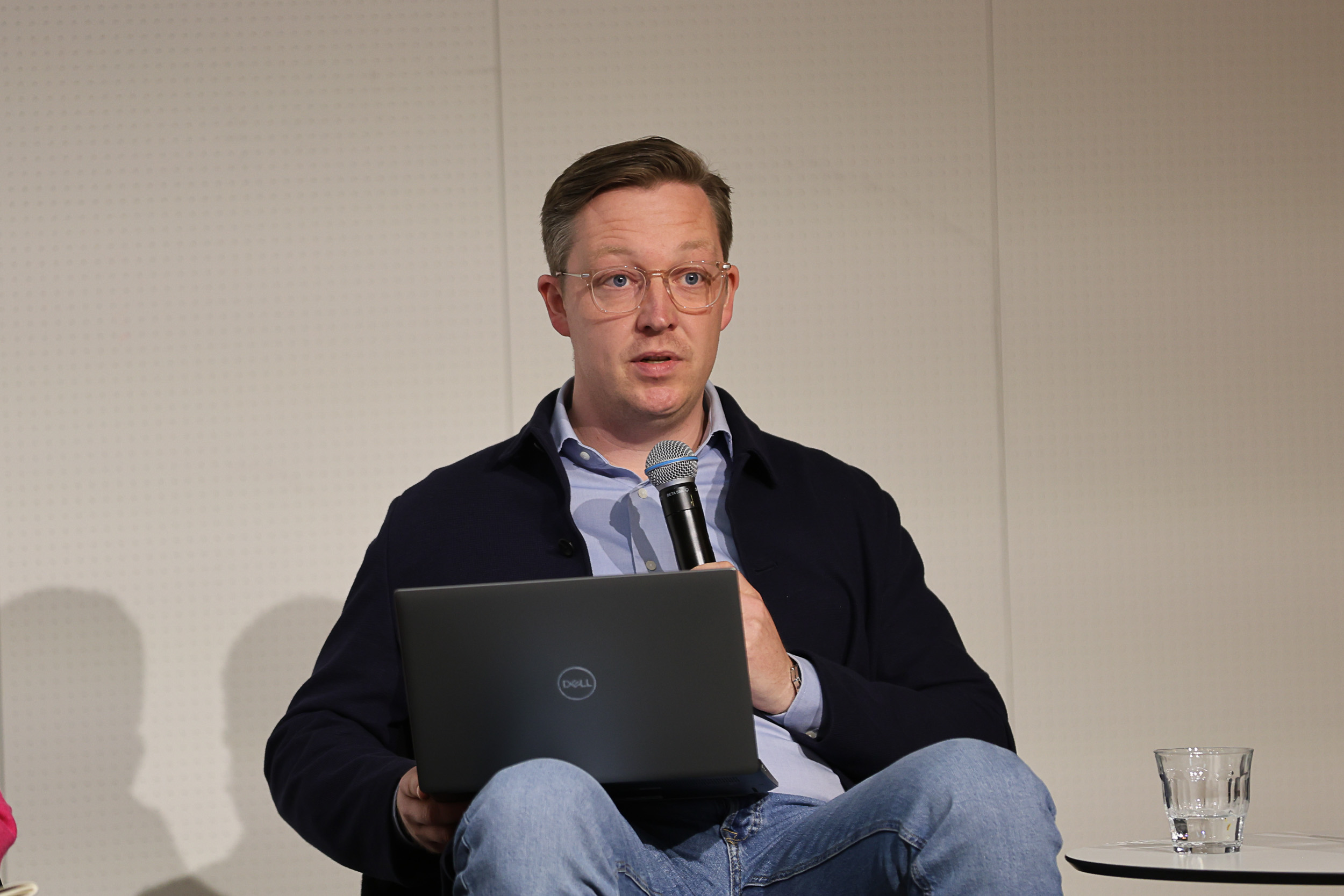
Geronimo Gussmann, Advisor, Nature-based Solutions, Section for Impact assessment and Adaptation Analysis, UNEP-CCC
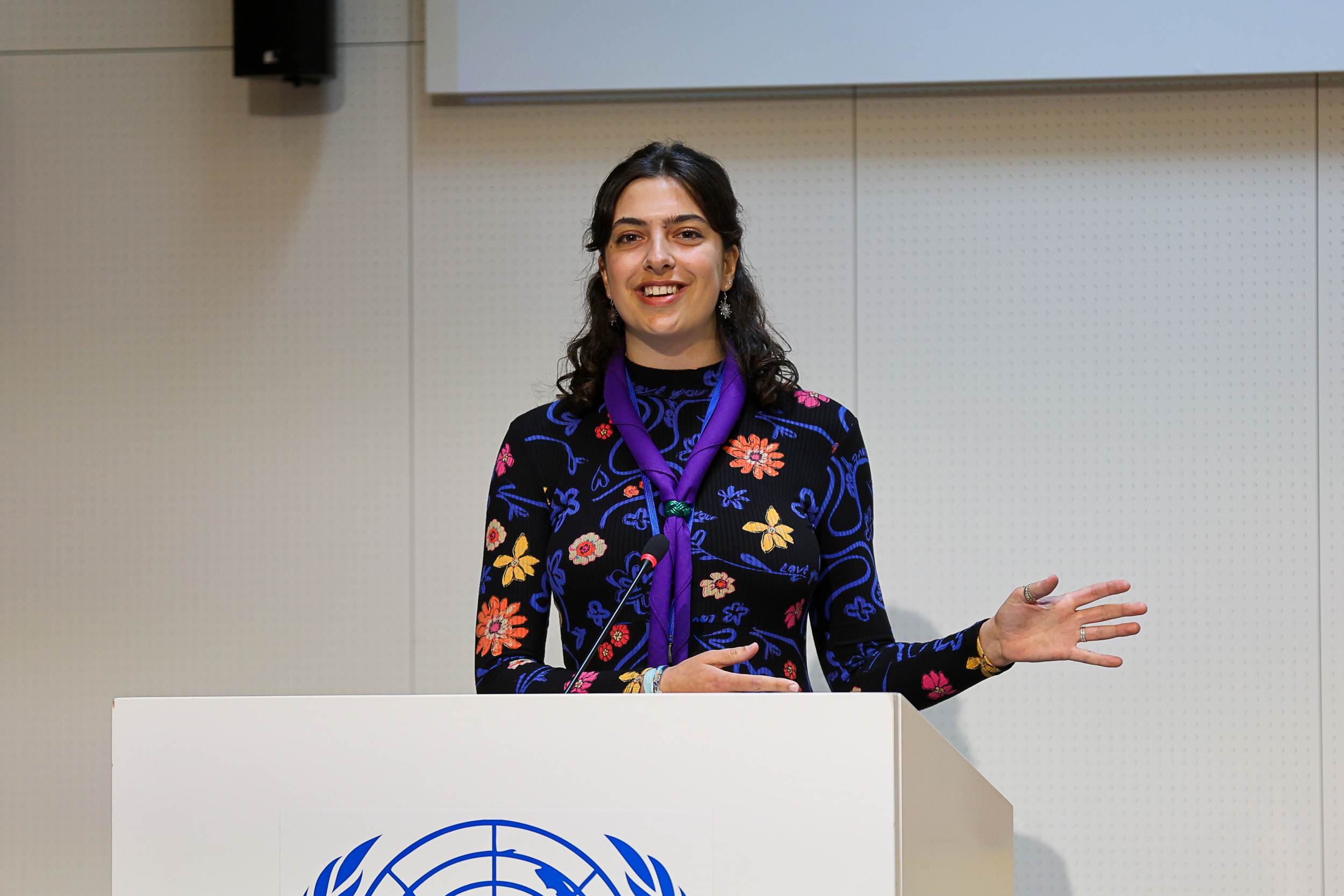
Kinga Szalaba, World Scouting
Between Sessions