
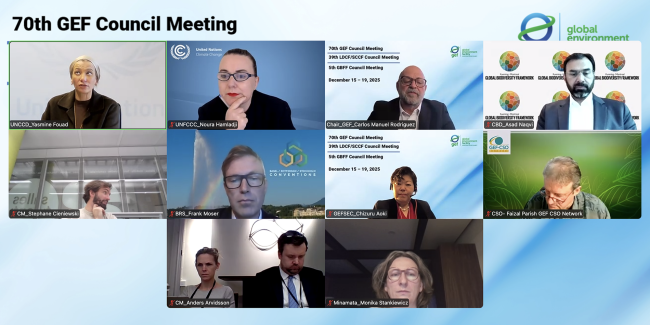
On Tuesday, the Global Environment Facility (GEF) Council discussed the institution’s relations with multilateral conventions, the Evaluation of GEF Food Systems Programs, and the outcomes and recommendations of the Eighth Comprehensive Evaluation (OPS8) of the GEF. Centered on integration as a driver of change, OPS8 provided an opportunity to assess how the integrated approaches adopted by the GEF family of funds are shaping its work.
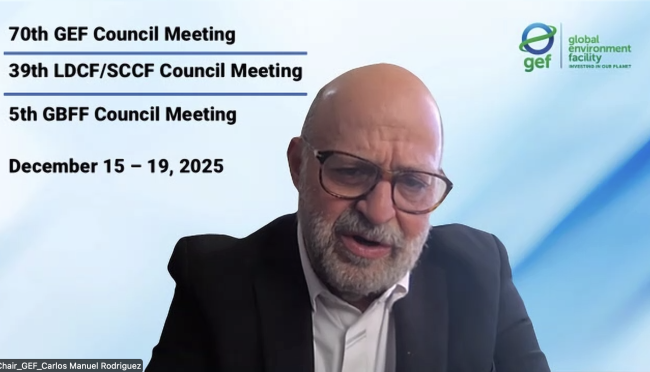
The day opened with a panel discussion featuring the heads of multilateral environmental agreements. GEF CEO and Chairperson Carlos Manuel Rodríguez invited the heads of several convention secretariats to reflect on how the GEF and the conventions it serves can strengthen synergies, improve national-level coordination, and translate global commitments into implementation.
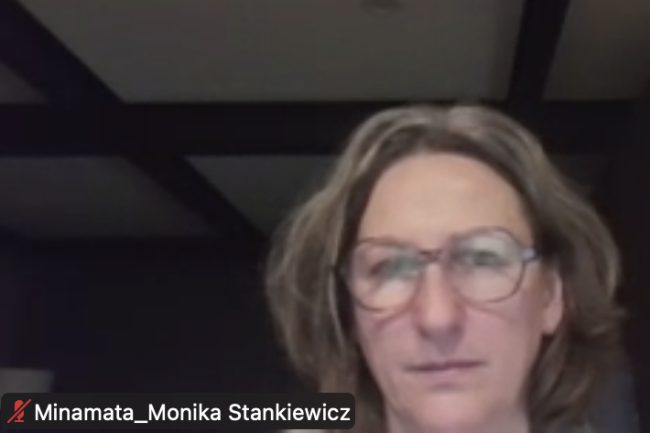
Monika Stankiewicz, Executive Secretary, Minamata Convention on Mercury, stressed that integrated programs will remain central under the GEF’s ninth replenishment cycle (GEF-9) and underscored the need to further mainstream mercury and chemicals across all integrated programming. She pointed to the need to reframe action on mercury, persistent organic pollutants, and other chemicals, not as standalone issues but as drivers of multiple co-benefits.
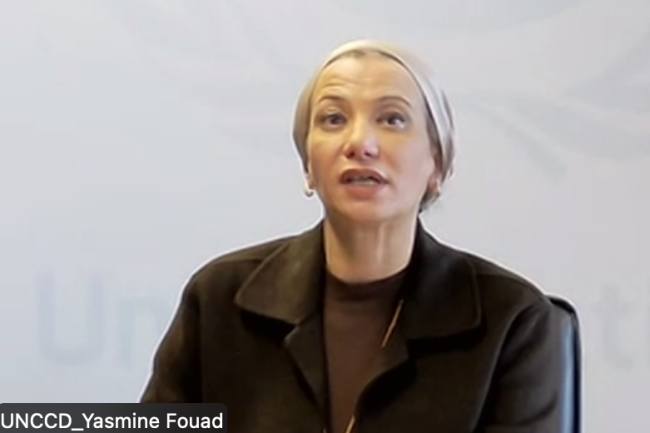
Yasmine Fouad, Executive Secretary, UN Convention to Combat Desertification (UNCCD), identified food systems and food security as powerful entry points for national-level synergies, noting their potential to translate high-level political decisions into tangible benefits for communities. She called for stronger private-sector engagement through vehicles that combine incentives, de-risking, and blended finance.
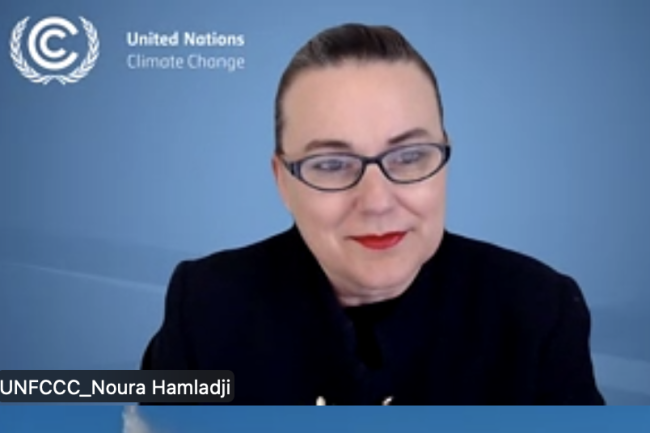
Noura Hamladji, Deputy Executive Secretary, UN Framework Convention on Climate Change (UNFCCC), highlighted the Rio Conventions Joint Capacity-Building Programme as a tool to increase coordination among national focal points. She emphasized the importance of aligning Nationally Determined Contributions NDCs), National Biodiversity Strategies and Action Plans (NBSAPs), and land degradation neutrality targets within national planning processes.
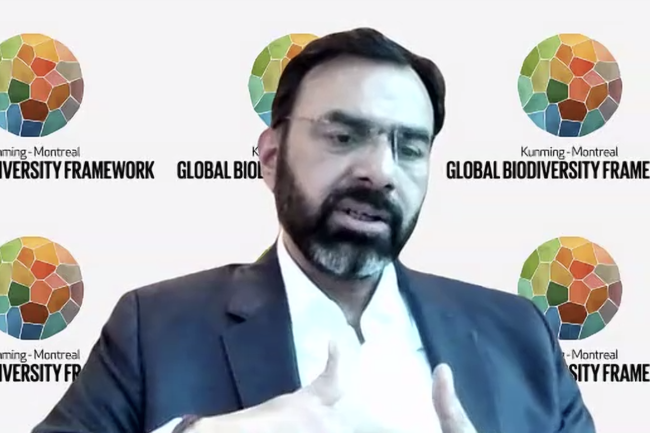
Asad Naqvi, Director, Implementation Support Division, Convention on Biological Diversity (CBD) Secretariat, highlighted ongoing work under the Liaison Group of Biodiversity-related Conventions to increase synergies between conventions at the operational and substantive levels. On measuring success, he said the main two indicators are the Human Development Index and ecological footprint.
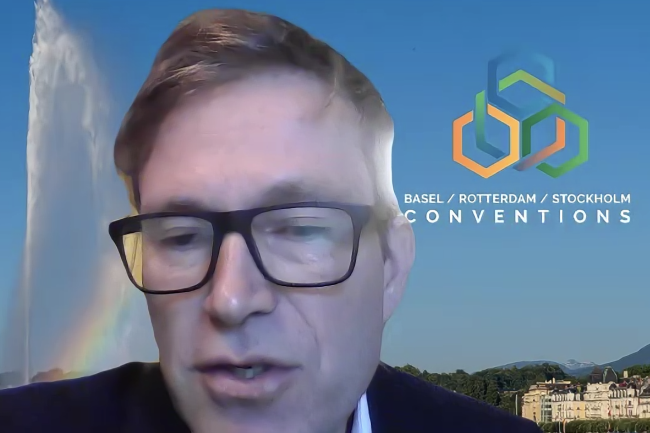
Frank Moser, Head, Programme Resources and Oversight Unit, Secretariat of the Basel, Rotterdam and Stockholm (BRS) Conventions, called for breaking silos and strengthening cross-focal area cooperation at all levels. He noted that synergies can only be achieved through integrated programming and highlighted the importance of aligning targets and ensuring measurable pollution targets across all integrated programs.
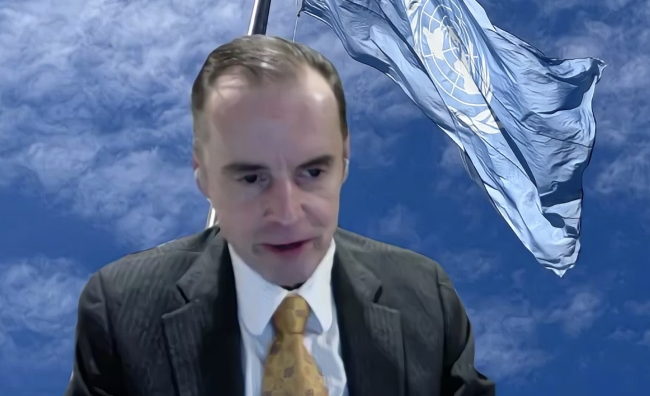
Vladimir Jares, Director, UN Division for Ocean Affairs and the Law of the Sea, speaking on behalf of the Agreement on Marine Biological Diversity of Areas Beyond National Jurisdiction (BBNJ Agreement), noted that as the Agreement enters into force in January 2026, negotiations are ongoing on, for example, the memorandum of understanding between the BBNJ Conference of the Parties and the GEF. He highlighted that the financing responsibilities assigned to the GEF and to the Agreement’s special fund are “essentially identical.” He underscored the need to avoid overlaps and ensure all elements of the BBNJ Agreement are adequately covered.
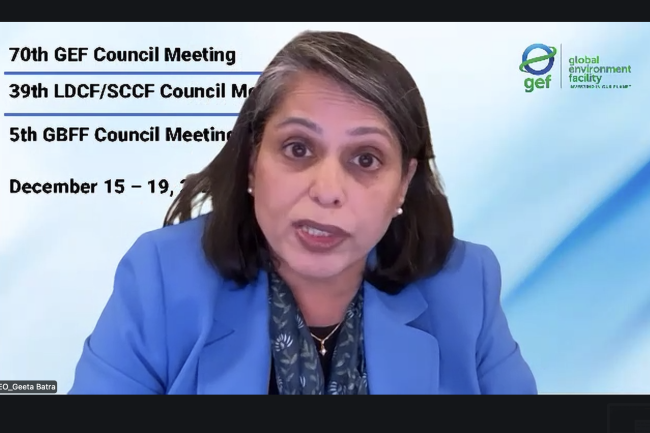
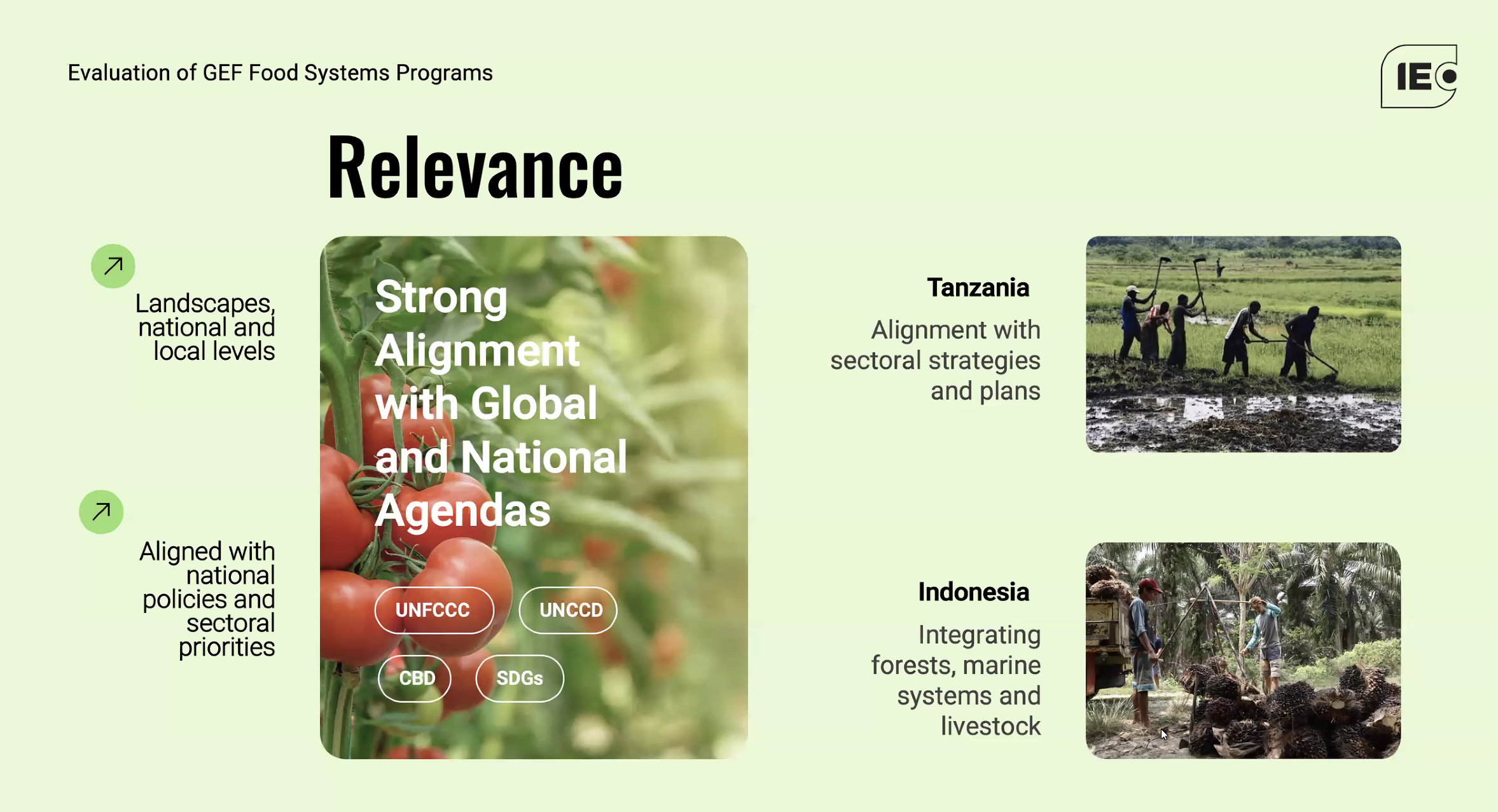
The Council then considered the Evaluation of GEF Food Systems Programs. Fabrizio Felloni, Deputy Director, GEF Independent Evaluation Office (IEO), reported that the evaluation covered five integrated programs and 105 projects across 32 countries. He said the programs were strongly aligned with global conventions, national strategies, and the Sustainable Development Goals, and provided substantial environmental, productivity and socioeconomic benefits.
Felloni highlighted the evaluation’s recommendations to, among others, sharpen program focus and phasing across replenishment periods and enhance value-chain integration beyond production. In its management response, the GEF Secretariat noted full agreement with all recommendations.
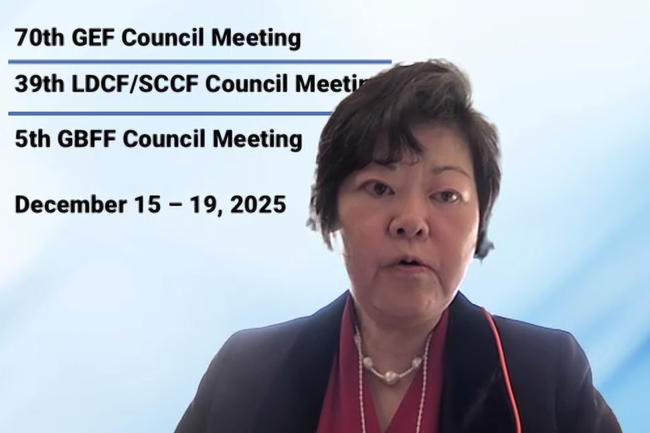
Presenting OPS8, Geeta Batra, Director, GEF IEO, highlighted that the GEF continues to deliver strong results, with increased focus on vulnerable countries, including least developed countries and small island developing states. She emphasized that integration is a key driver of transformational impact, noting that integrated programs now account for nearly a third of GEF allocations and have delivered environmental and socioeconomic co-benefits.
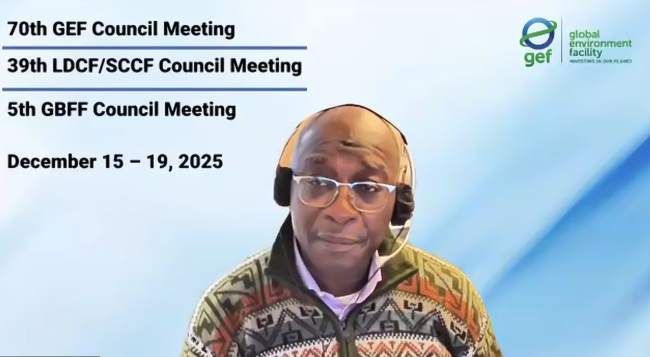
Batra highlighted challenges, including complexity and uneven country capacity. In its management response, the GEF Secretariat confirmed agreement with all recommendations, including on commissioning a review of the Scientific and Technical Advisory Panel (STAP) terms of reference.
In the subsequent discussion, members broadly welcomed both evaluations and endorsed the management responses. They emphasized the need to: unlock private-sector potential, pursue higher-risk and higher-reward innovation; strengthen country ownership; and ensure integration under GEF-9 remains inclusive, accessible, and aligned with national priorities. The Council took note of the evaluations and decided to commission a time-bound review of the STAP by its 72nd meeting.
Selected Images
Stephane Cieniewski, Council member, France
Faizal Parish, Chair, GEF-CSO Network
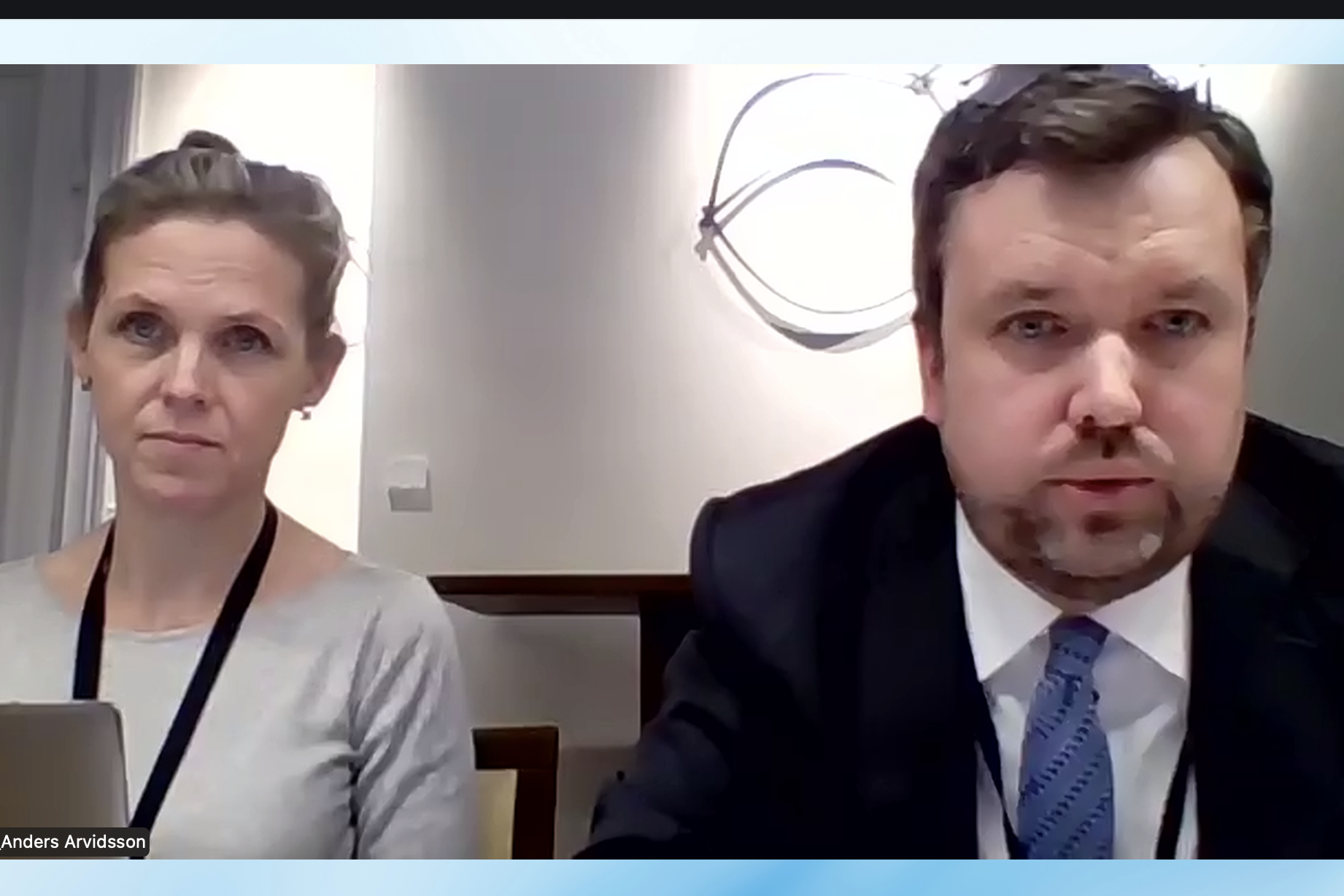
Anders Arvidsson, Council member, Sweden (right)
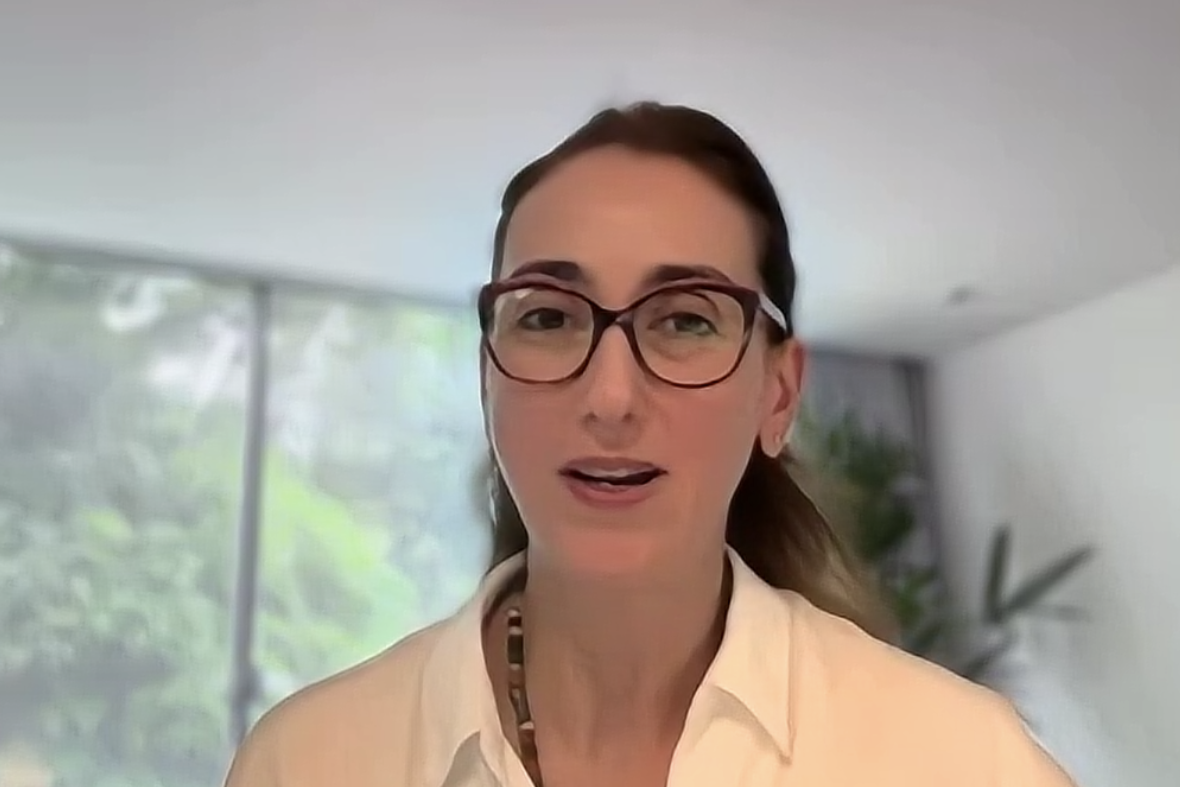
Luciana Melchert Saguas Presas, Council member, Brazil
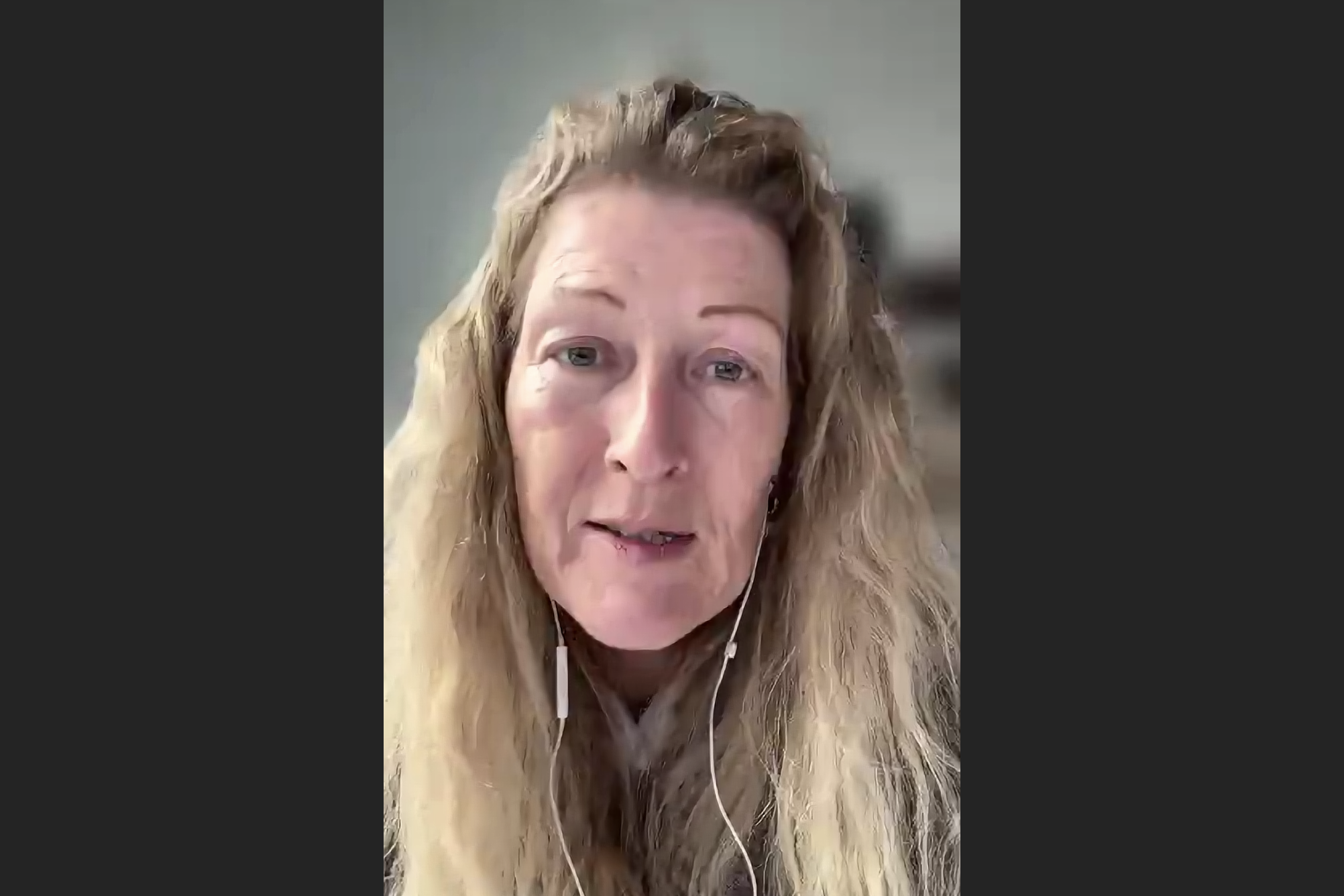
Wampie Libon, Council member, the Netherlands
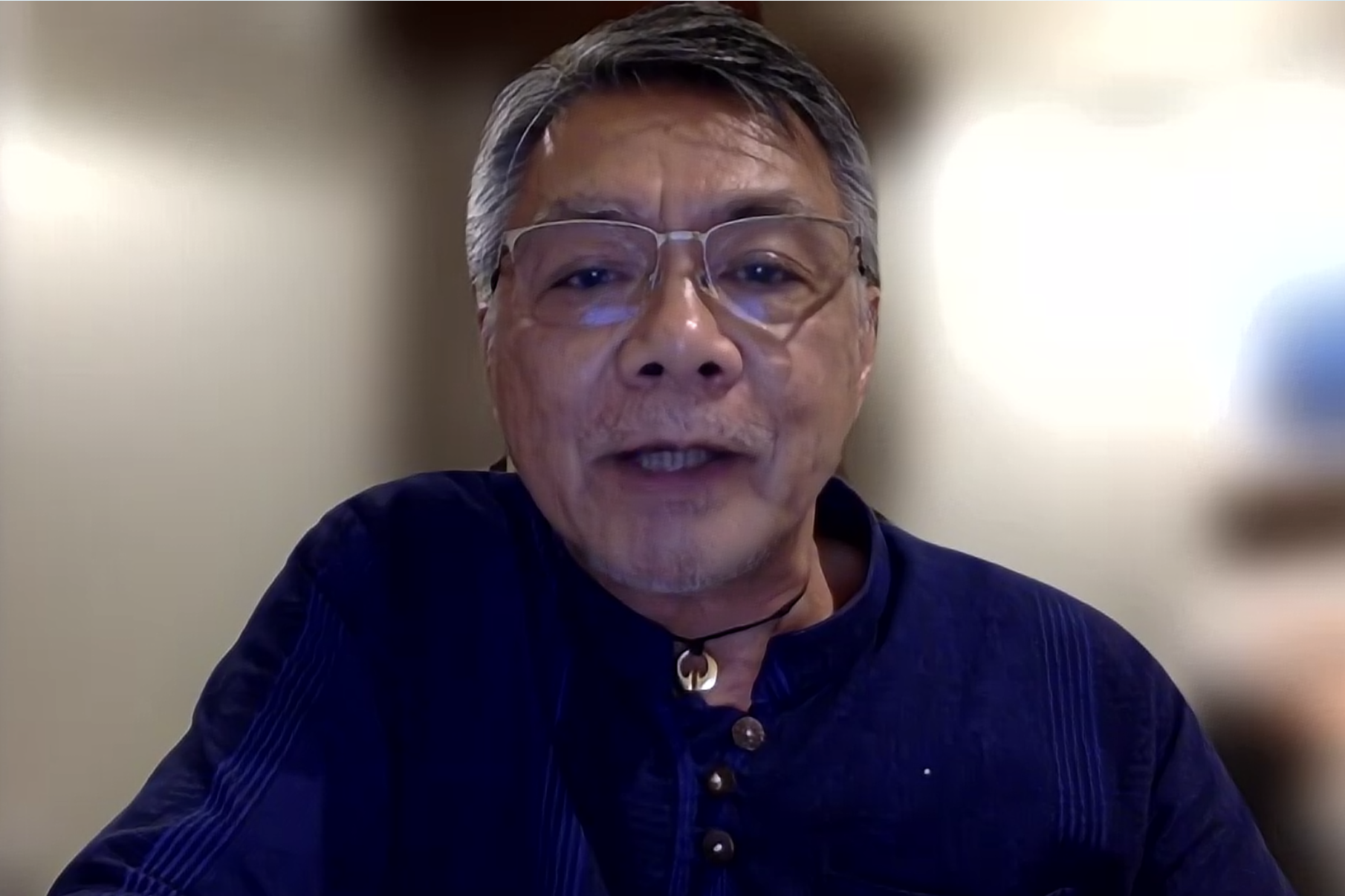
Giovanni Reyes, Indigenous Peoples Advisory Group (IPAG)
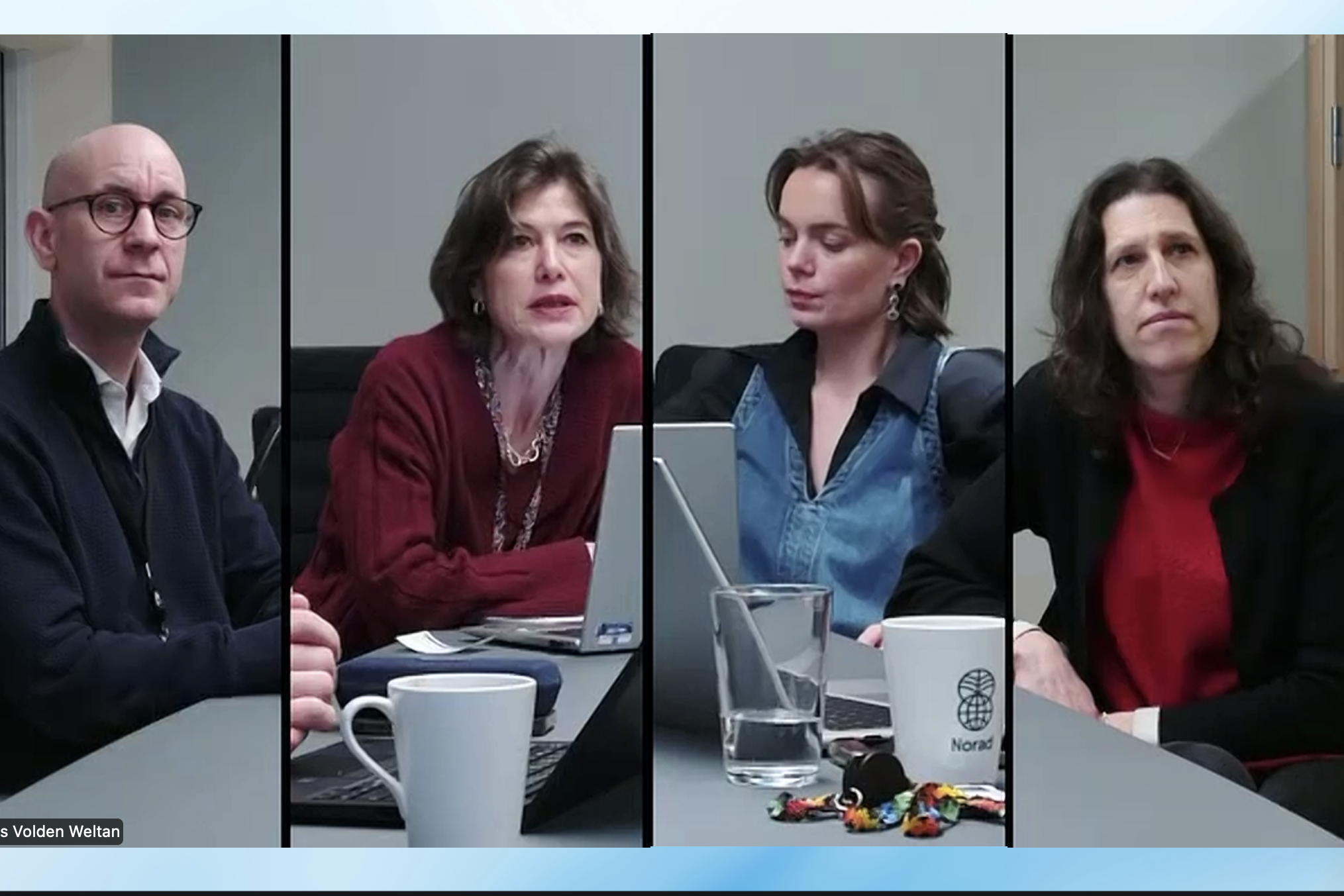
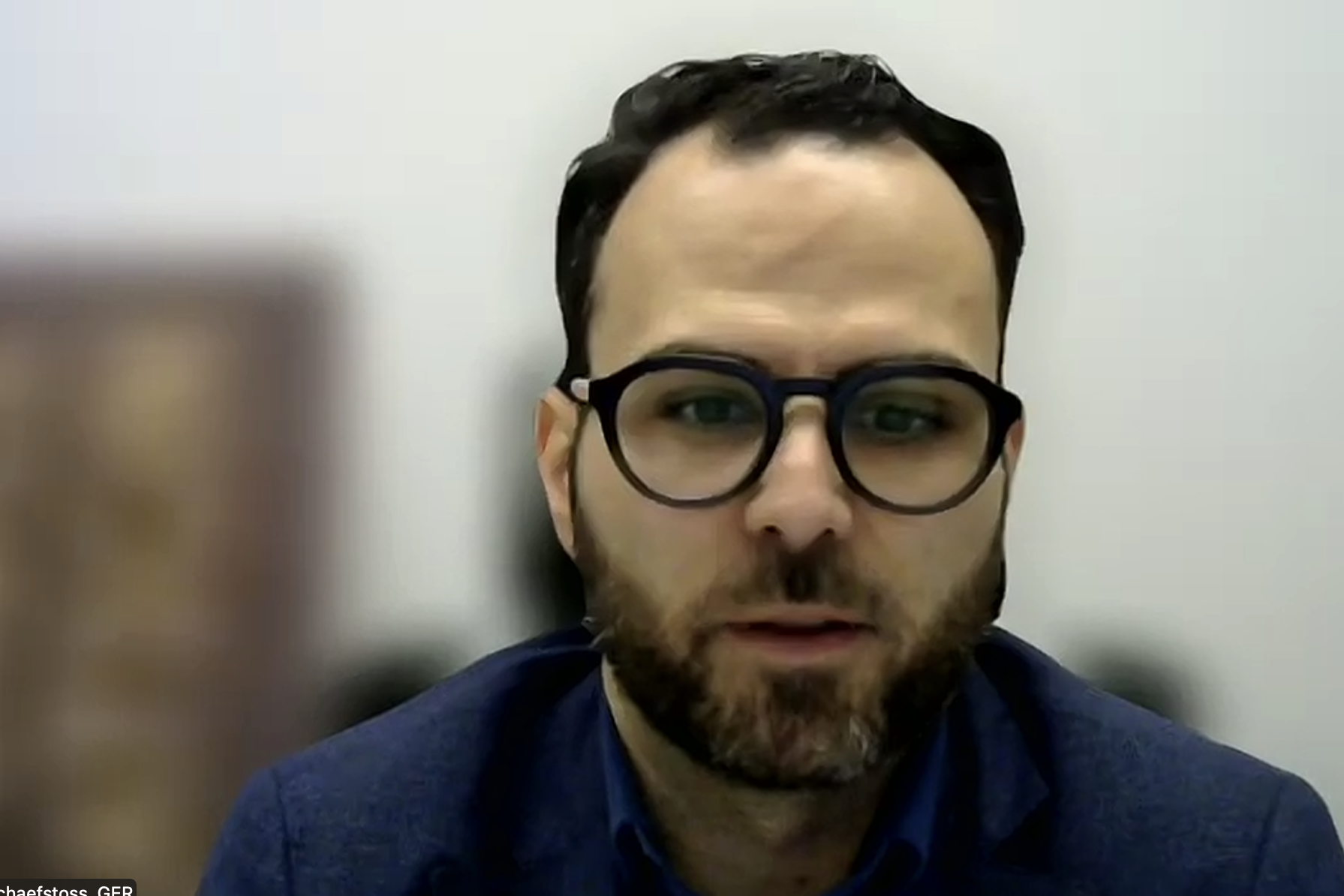
Nicolas Schaefstoss, Alternate Council member, Germany
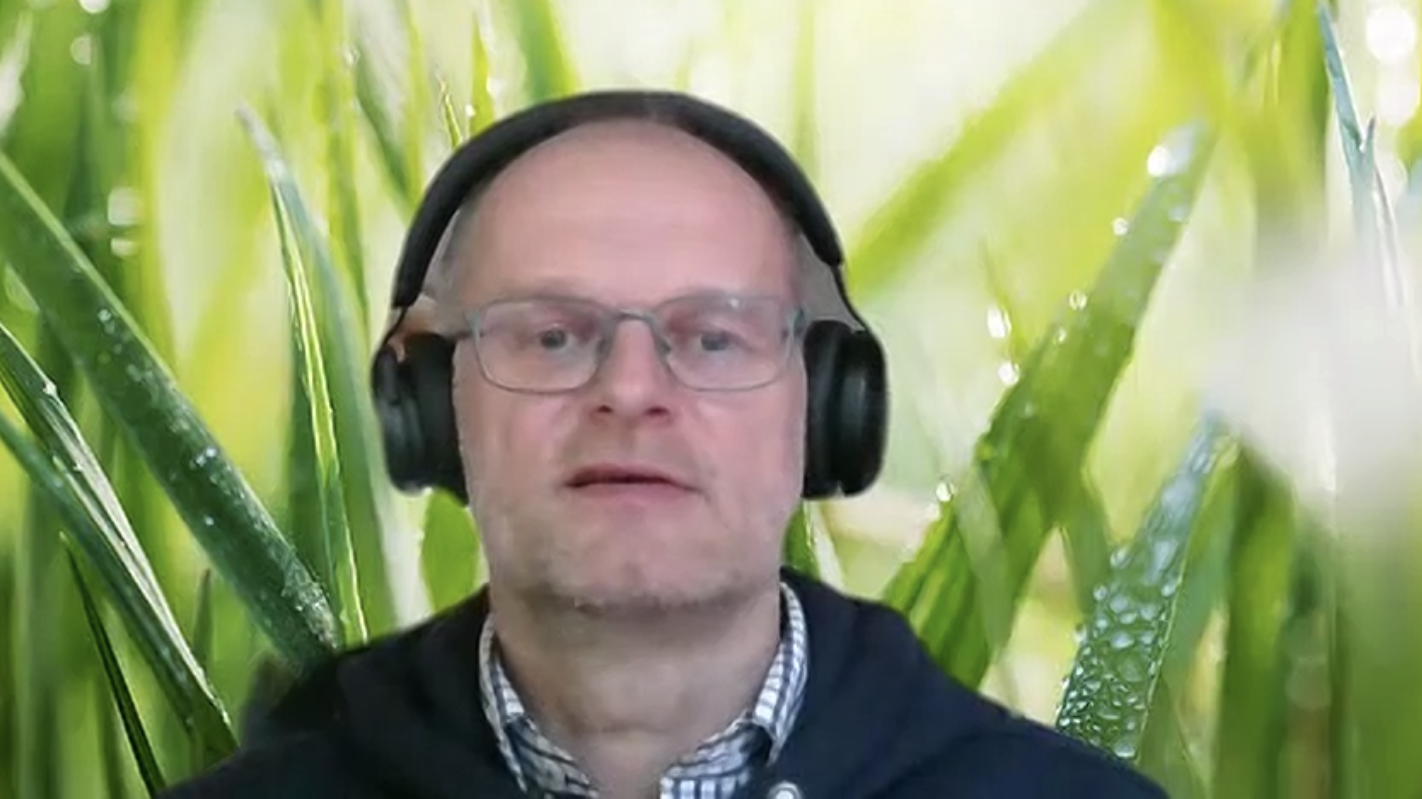
André Wehrli, Alternate Council member, Switzerland
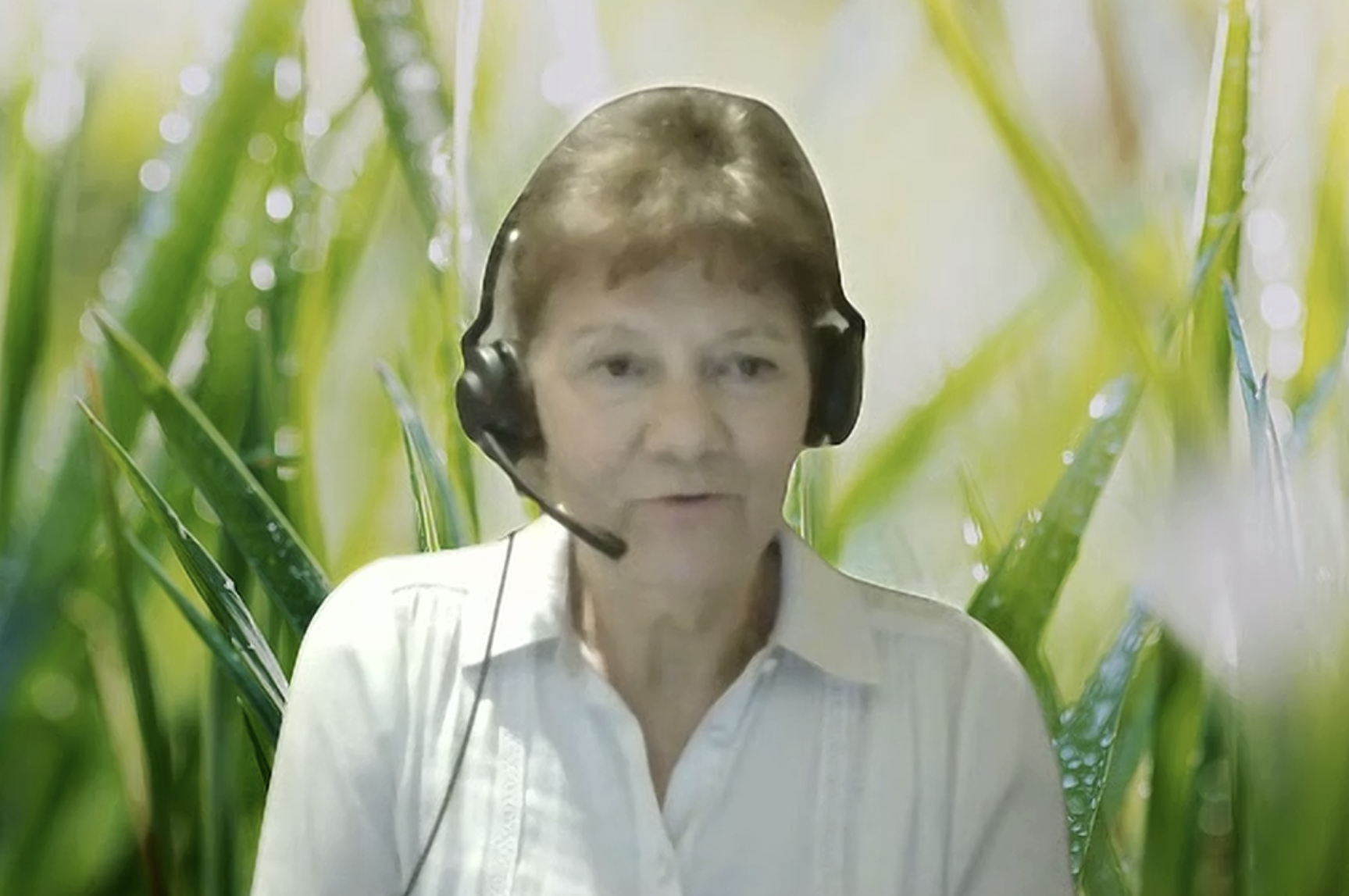
Andrea Stewart, Alternate Council member, New Zealand
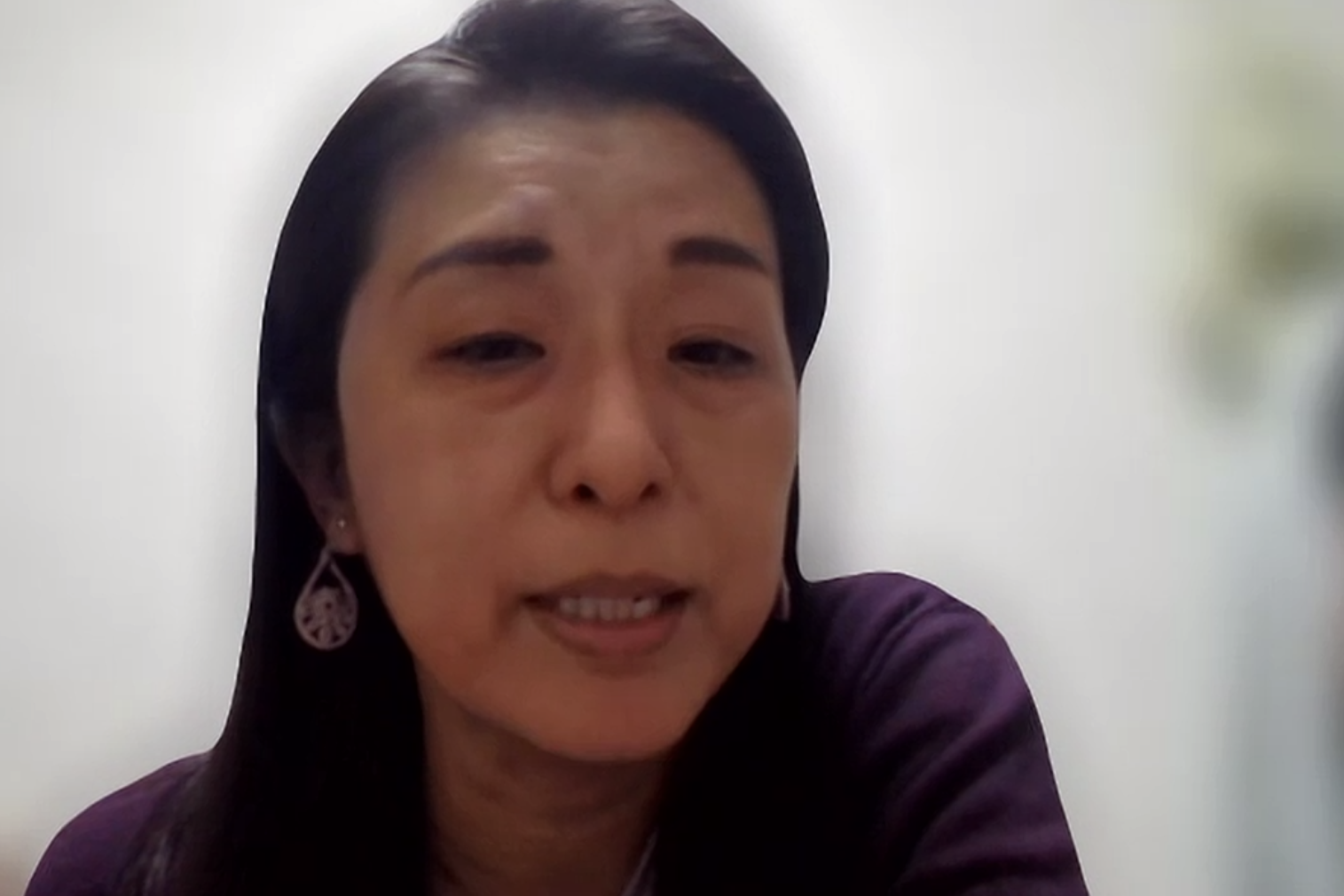
Yoko Yamoto, Alternate Council member, Japan
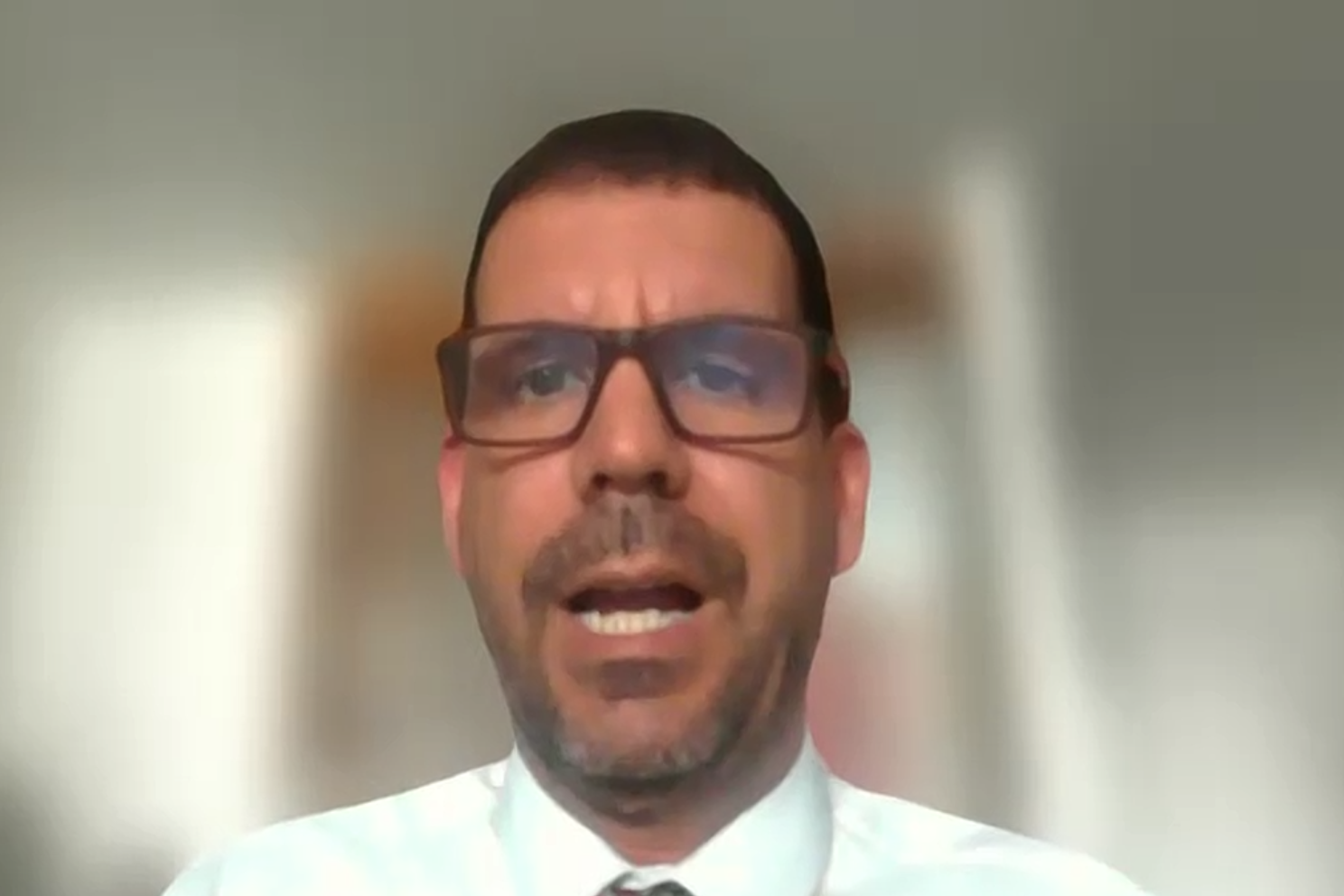
Mauricio Gonzales, Council member, Peru
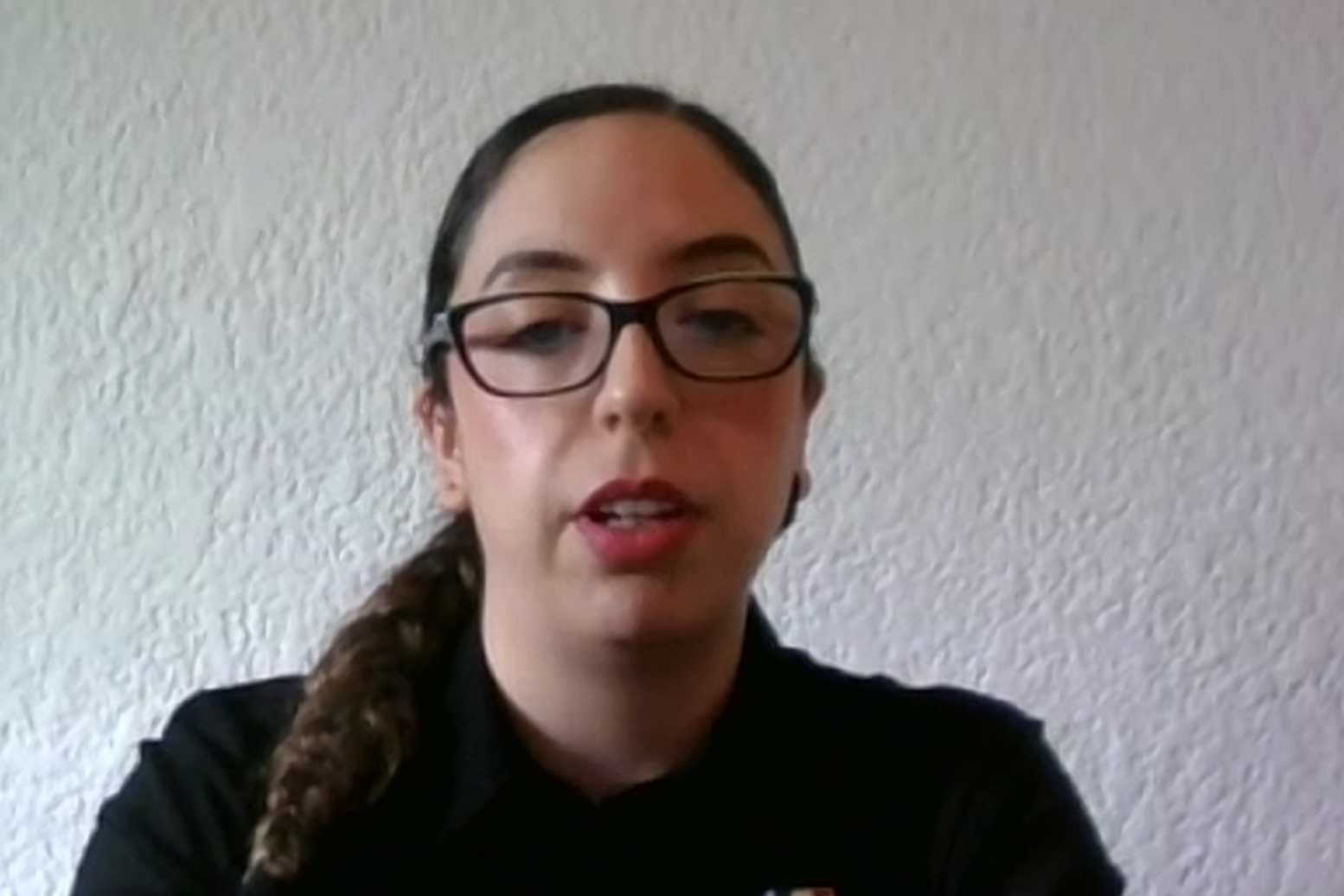
Regina Rosales Talamas, Council member, Mexico
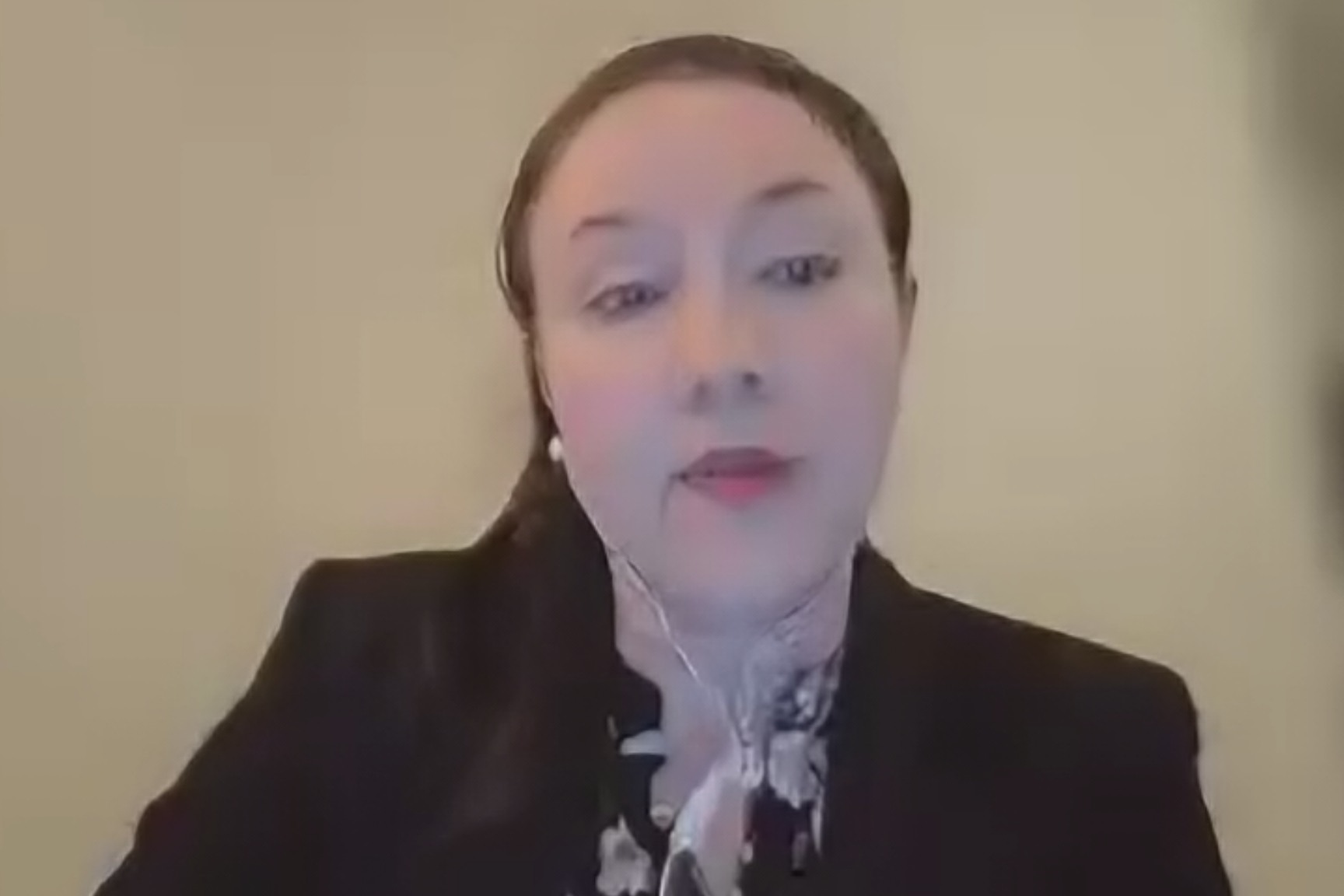
Laura Rajaniemi, Alternate Council member, Finland
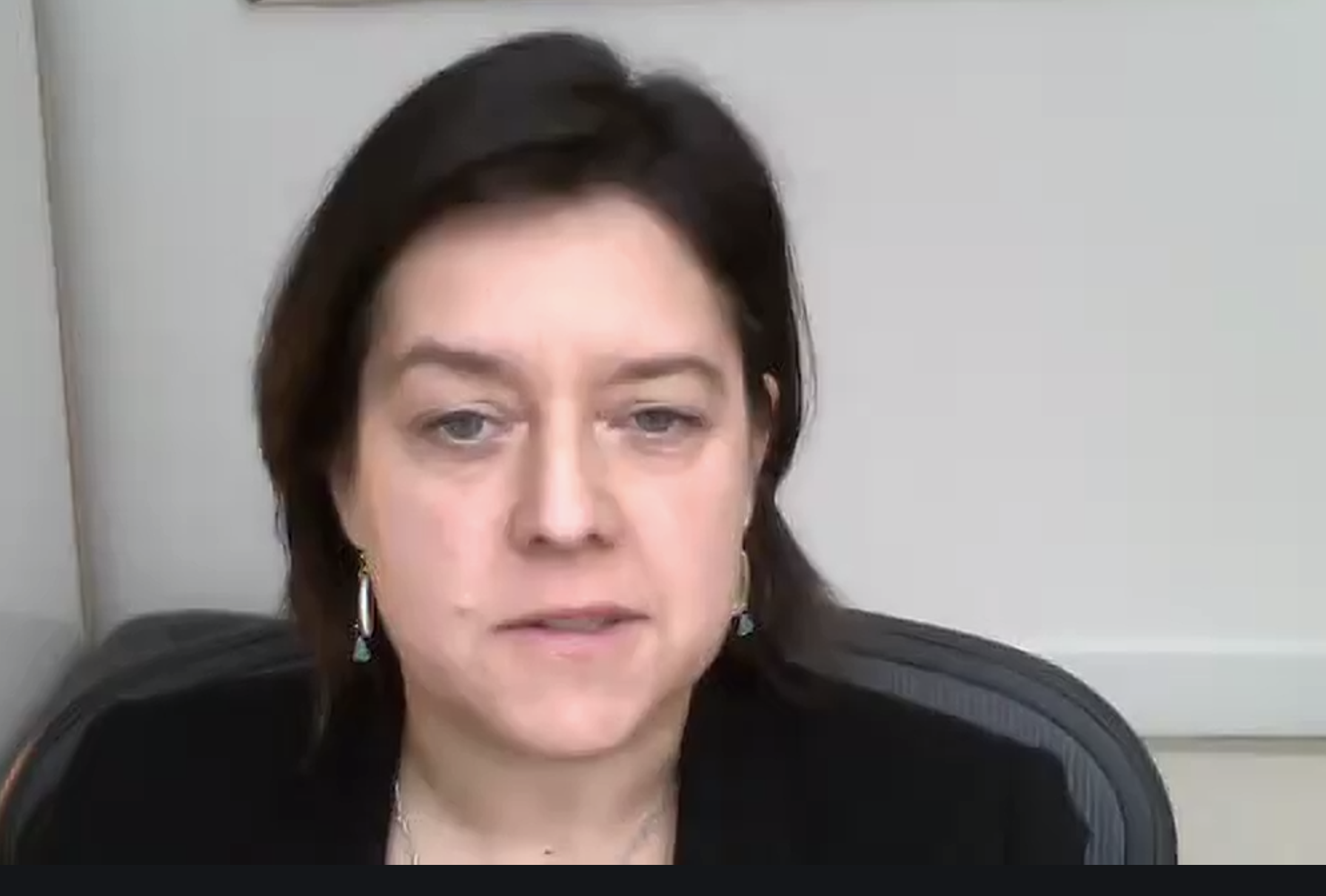
Catherine Potvin, Council member, Canada
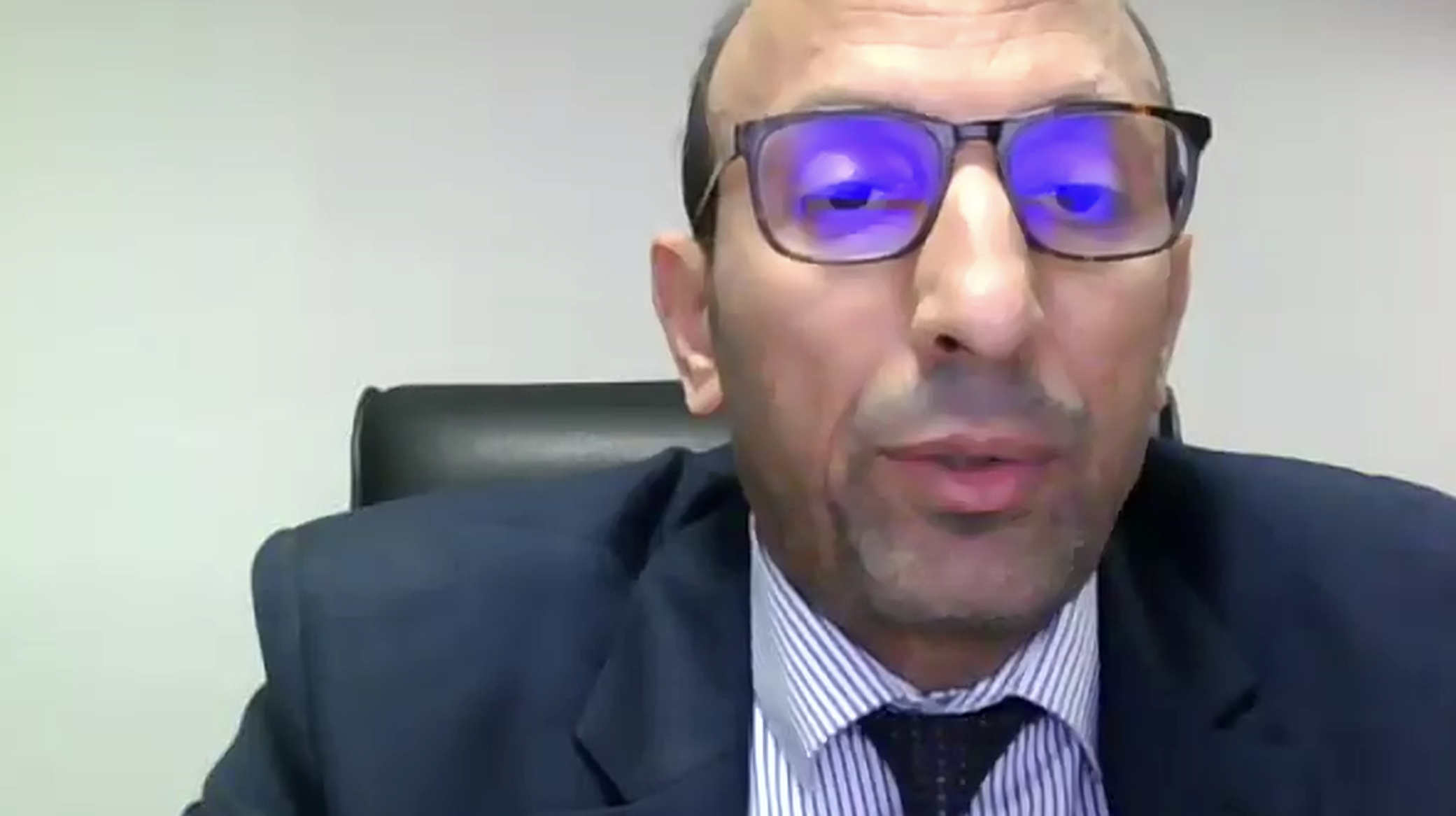
Rachid Firadi, Council member, Morocco
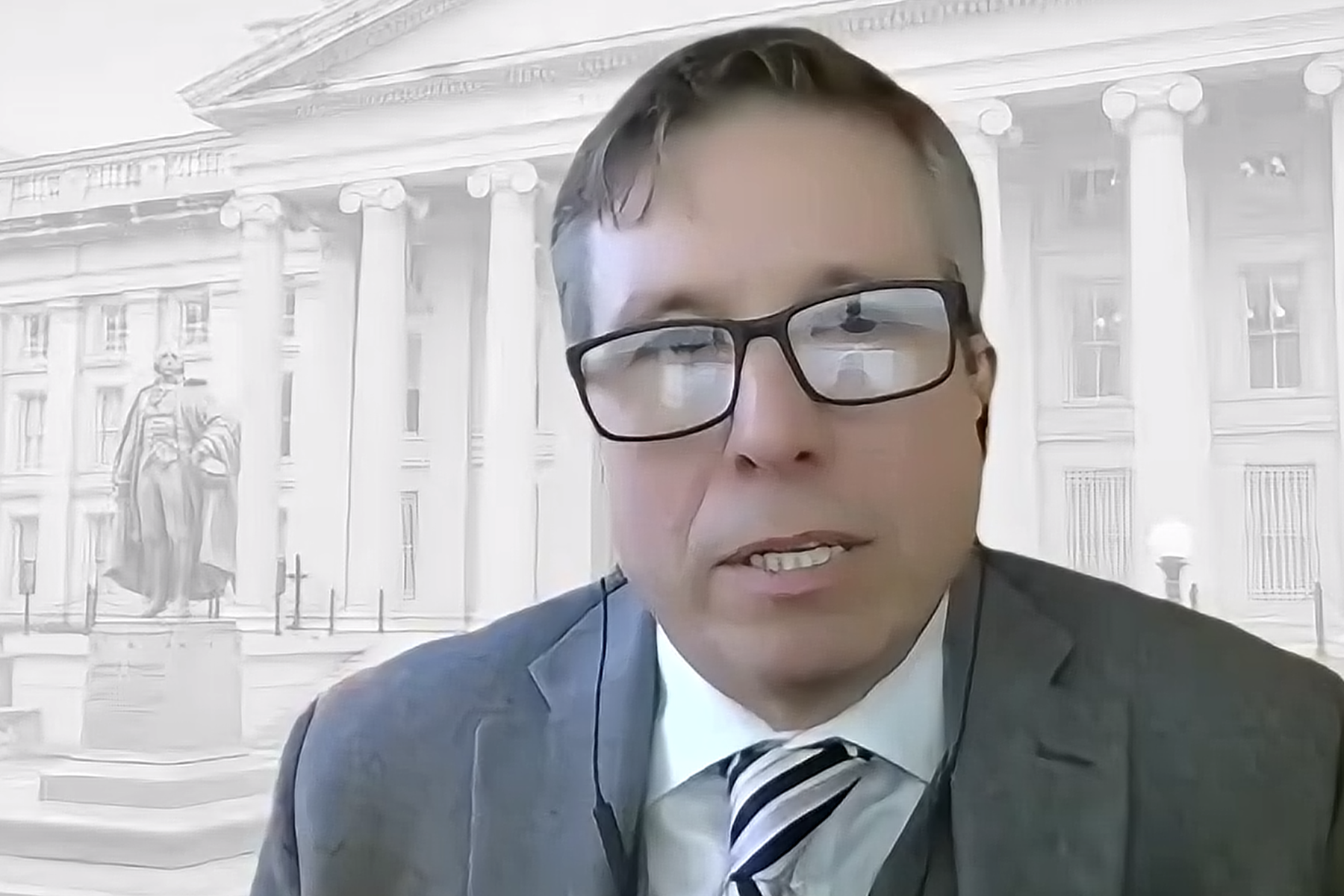
James Catto, Council member, US
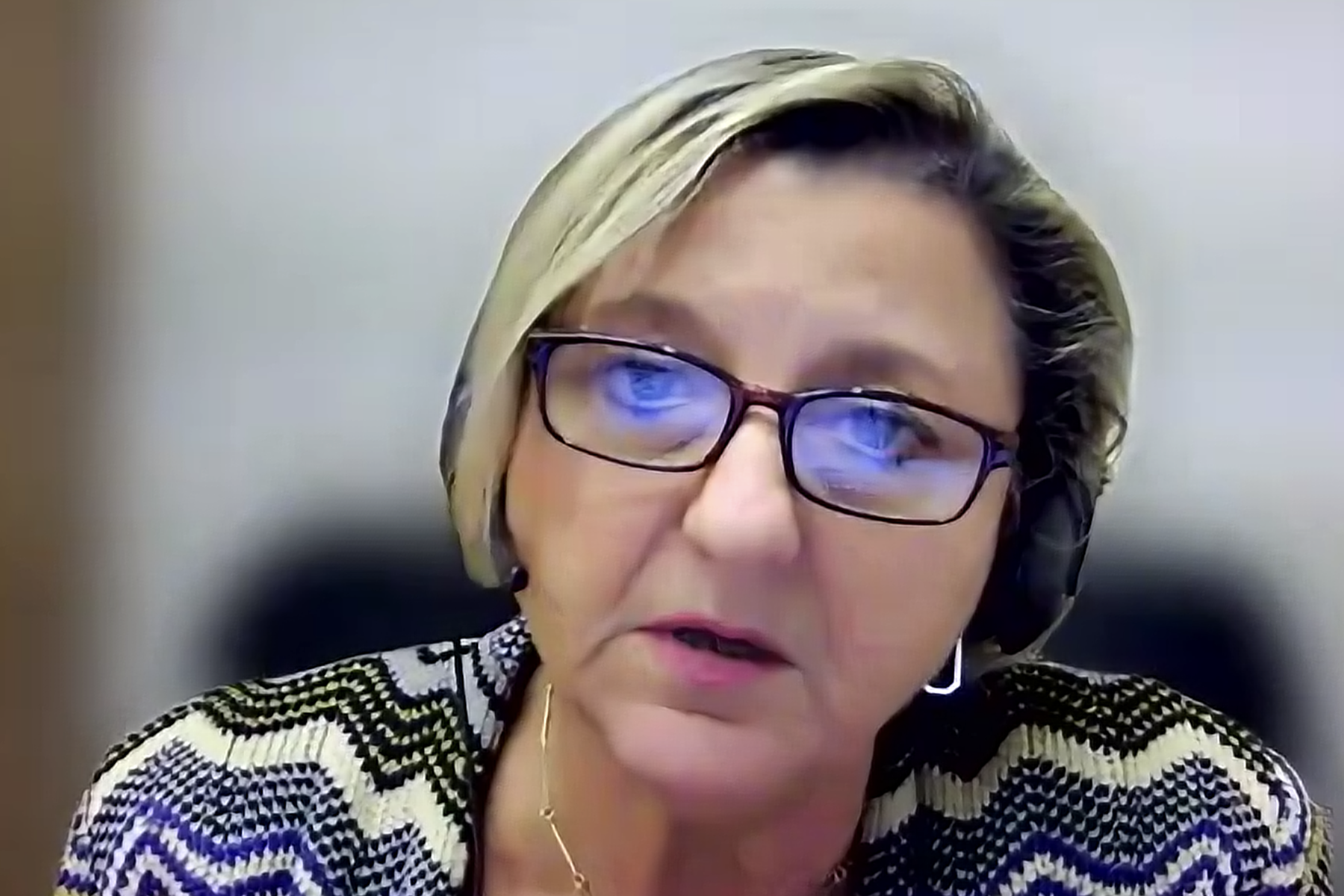
Gisella Berardi, Council member, Italy