
On Friday, the Council meetings of the Global Environment Fund (GEF), Least Developed Countries Fund (LDCF)/Special Climate Change Fund (SCCF), and Global Biodiversity Framework Fund (GBFF) concluded a week of deliberations focused on advancing global action on the environment. Members reviewed progress, approved decisions and reflected on next steps across the family of funds.
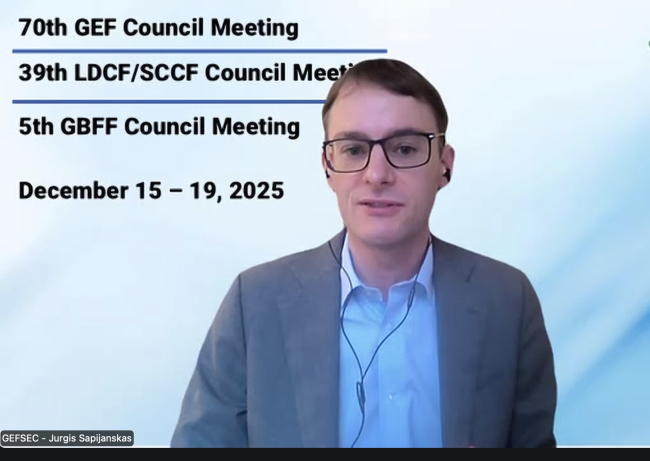
The GBFF Council considered the GBFF Progress Report, presented by Jurgis Sapijanskas, GEF Secretariat. Sapijanskas highlighted rapid operationalization, very strong demand, and early achievement of all portfolio-level targets.
He outlined that: the first programming tranche ran from February 2024 to August 2025 and programmed USD 201.6 million across 40 projects in 41 countries; and the second tranche opened on 11 August 2025 with USD 161.8 million available.
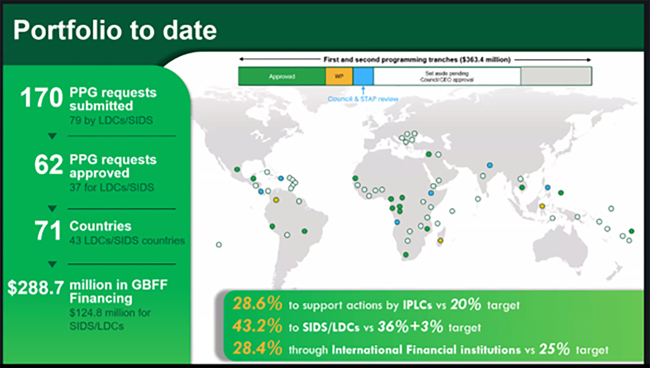
Sapijanskas noted that the regional distribution of projects reflects trade-offs between regional balance and meeting the portfolio targets for International Financial Institutions (IFIs) and Indigenous Peoples and local communities, as well as the pattern of submissions received. He further highlighted that demand exceeds available resources, with USD 325 million requested in the current selection round, compared with roughly USD 75 million remaining.
The Secretariat also introduced newly developed Guidelines on Actions by Indigenous Peoples and Local Communities, prepared through a consultative process involving Council members, observers, the GEF Indigenous Peoples’ Advisory Group (IPAG), representatives of Indigenous Peoples and local communities, and the Convention on Biological Diversity (CBD) Secretariat.
He underlined that the guidelines clarify which activities can be counted toward the portfolio target of allocating 20% of GBFF financing to support actions by Indigenous Peoples and local communities and provide practical guidance from project design through implementation and reporting.
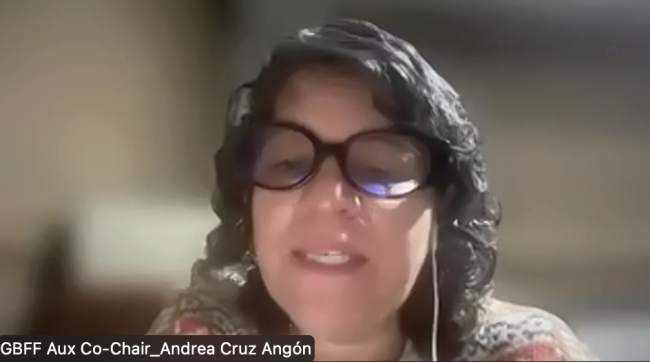
Andrea Cruz Angón, Co-Chair of the GBFF Auxiliary Body, reported on a follow-up to the Council’s June 2025 request for technical advice on IFI engagement. She explained that the Co-Chairs requested that the Secretariat prepare a background note on current IFI engagement, alongside a draft survey to gather perspectives from GEF Operational Focal Points on the perceived benefits and challenges of working with IFIs. These inputs are expected to inform proposals in early 2026.
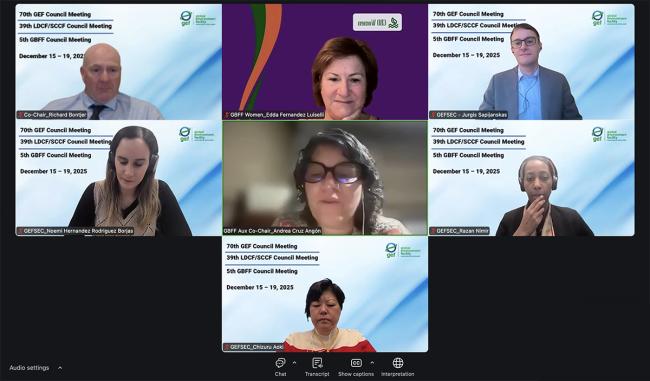
Council members applauded the Secretariat for achievement of the portfolio targets and creation of a window for least developed countries/small island developing states and IFIs that helped to encourage submissions. Several members suggested that such a window could be considered for the GEF’s ninth replenishment cycle (GEF-9). Some members expressed concern over the impact of these targets on regional distribution of projects, noting the relatively low level of projects from the Asia region.
Council members and observers also welcomed the Guidelines on actions by Indigenous Peoples and local communities, praised the consultative process for the creation of these and suggested that they be considered as a model for other GEF funds.
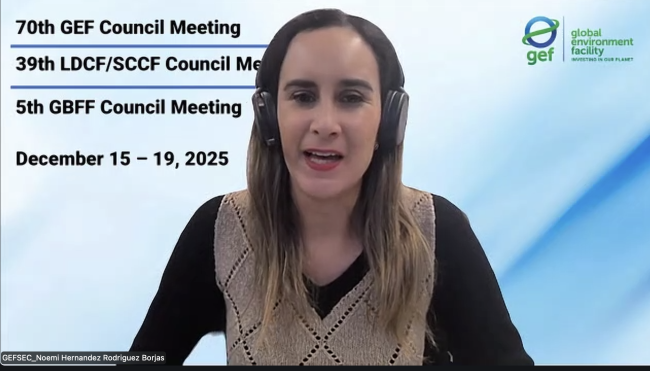
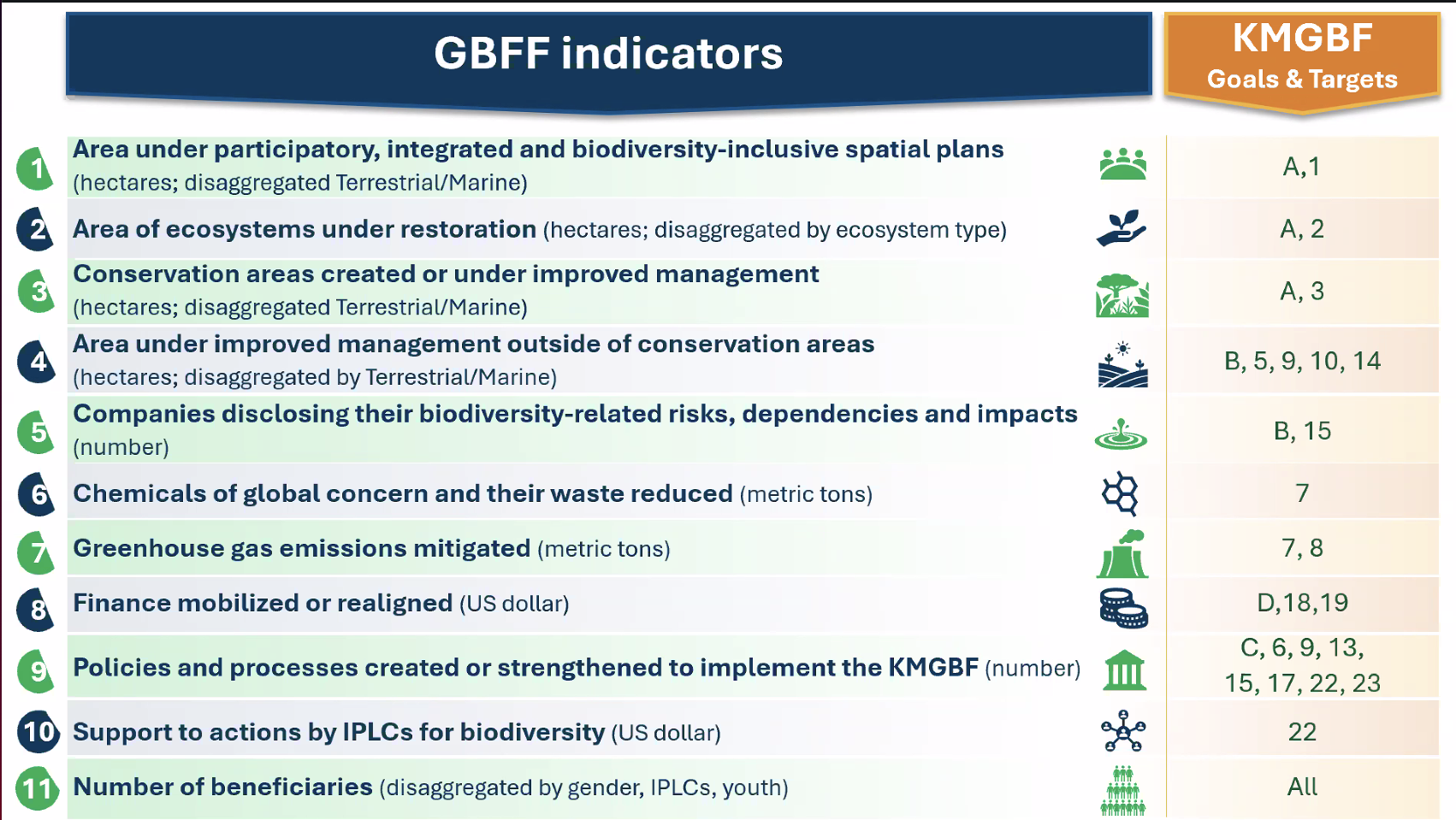
The Council then considered the Results Framework of the GBFF, presented by Sapijanskas. The revised framework aligns portfolio-level indicators with the Kunming–Montreal Global Biodiversity Framework (GBF) and includes 11 indicators and 26 sub-indicators. Sapijanskas described new elements, including indicators tracking contributions to specific GBF Targets, five dedicated IPLC indicators, and requirements for spatial data to map interventions.
Council members welcomed the framework, praising its alignment with the GBF monitoring framework, its increased emphasis on finance mobilization and reducing harmful subsidies, and support for IPLCs, women, and youth participation data disaggregation. One member expressed concern over an indicator requiring companies to disclose their biodiversity-related risks, dependencies, and impacts, citing duplication with national reports.
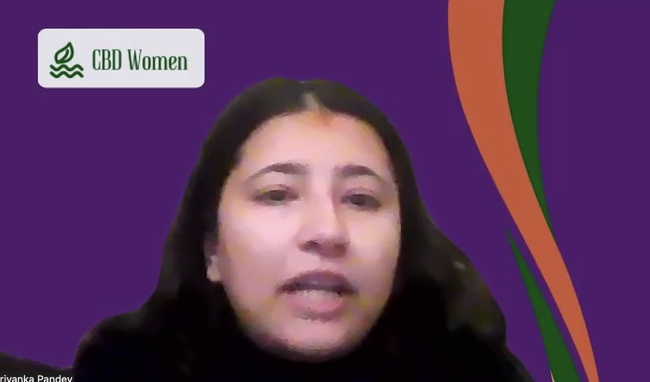
The CBD Women’s Caucus welcomed the framework and requested the strengthening of qualitative benchmarks on gender, cautioning against the risk of equating participation with decision-making power.
The Council then approved the modifications to the Framework and requested that the Secretariat take the next steps to implement it, effective 1 July 2026.
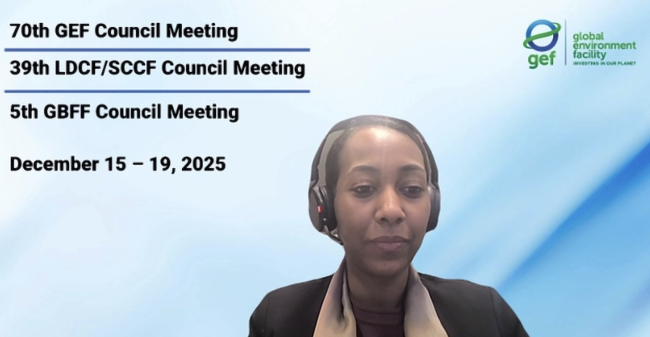
The 70th GEF Council also announced that it would appoint a new CEO and Chairperson to lead the organization into its ninth replenishment period next year.
The announcement comes as the GEF Council announced the departure of Carlos Manuel Rodríguez, following his notification that he will step down from GEF leadership effective immediately.
The GEF Council appointed Director of Strategy and Operations, Claude Gascon, as interim CEO while a search is undertaken to fill the position on a permanent basis.
On Friday afternoon, the GEF Council, LDCF/SCCF Council, and GBFF Council conducted a paragraph-by-paragraph review of the Co-Chairs’ Joint Summaries, which were accepted without amendment. Council Co-Chair Richard Bontjer, Australia, thanked participants for their engagement and collaboration, and closed the meetings at 9:54 am EST.
Selected Images
Gisella Berardi, Council member, Italy
Anupam Anand, GEF Independent Evaluation Office
Rachid Firadi, Council member, Morocco

Charlie Makin, Alternate Council member, UK

Catalina Góngora Torres, The Nature Conservancy

Luciana Melchert Saguas Presas, Council member, Brazil
Ramson Karmushu, International Indigenous Forum on Biodiversity

Stephane Cieniewski, Council member, France
Victoria Schreitter, Council member, Austria
Yoko Yamoto, Alternate Council member, Japan
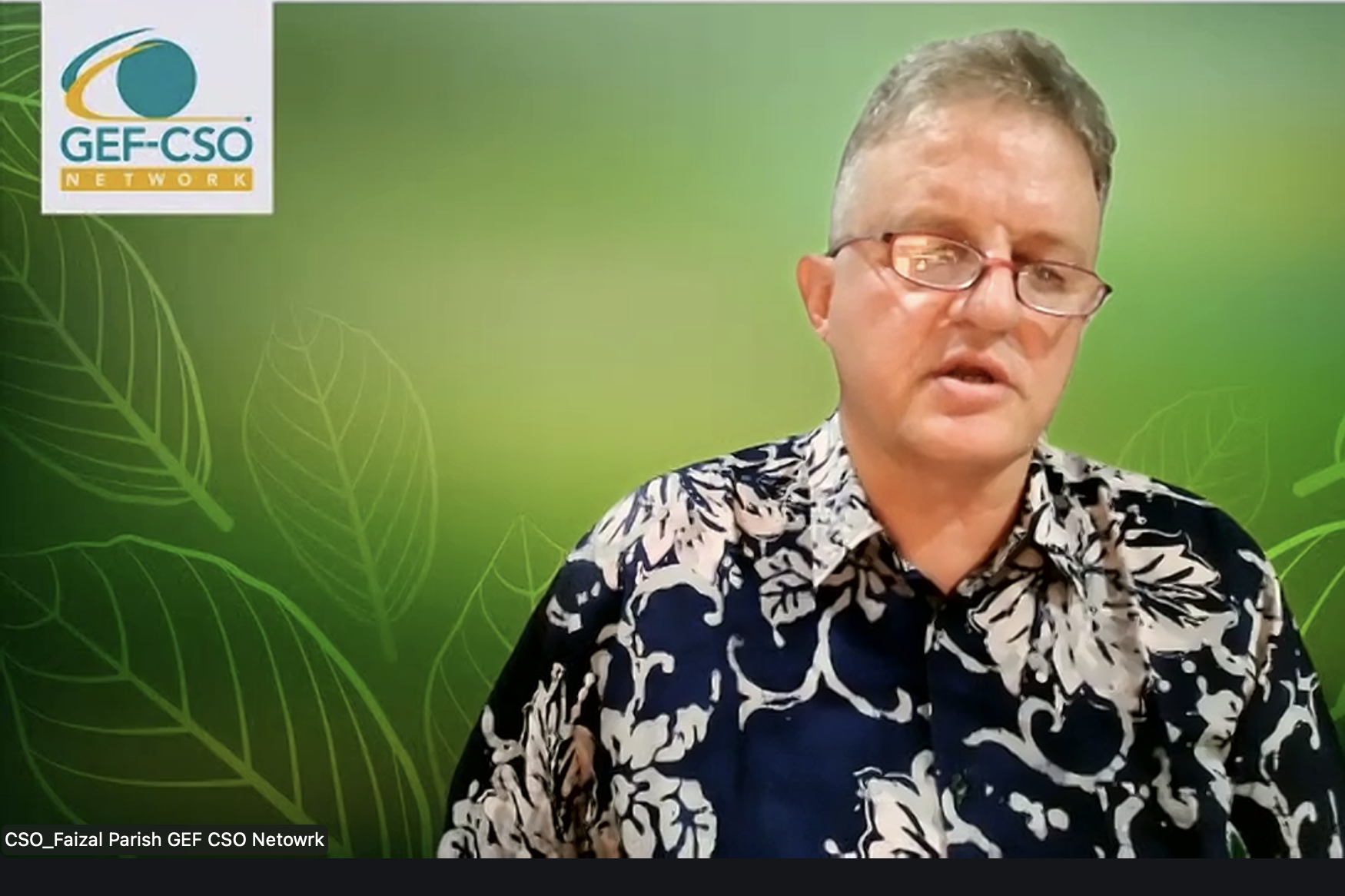
Faizal Parish, Chair, GEF-Civil Society Organizations (CSO) Network
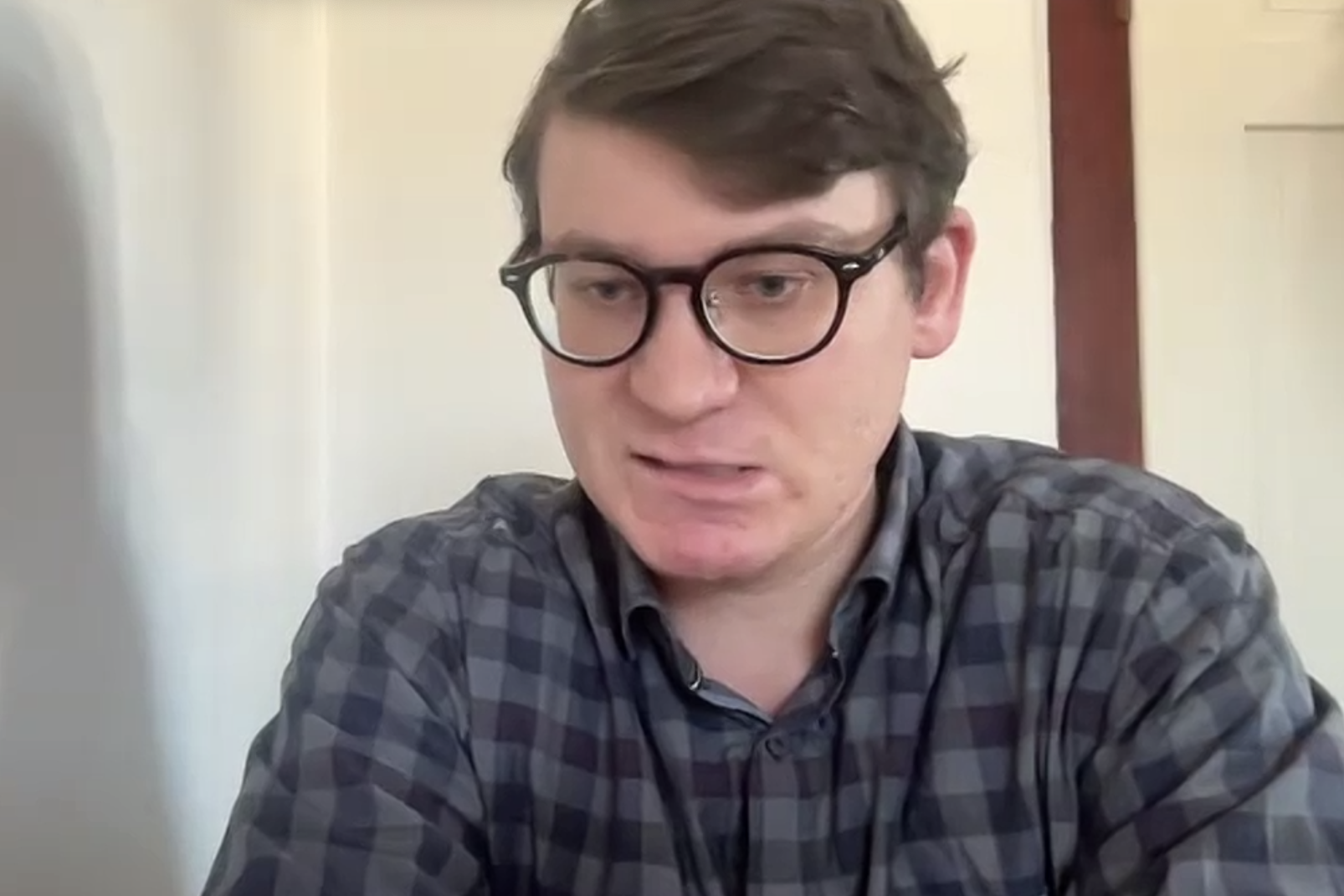
Nicolas Gundlach, Council member, Germany
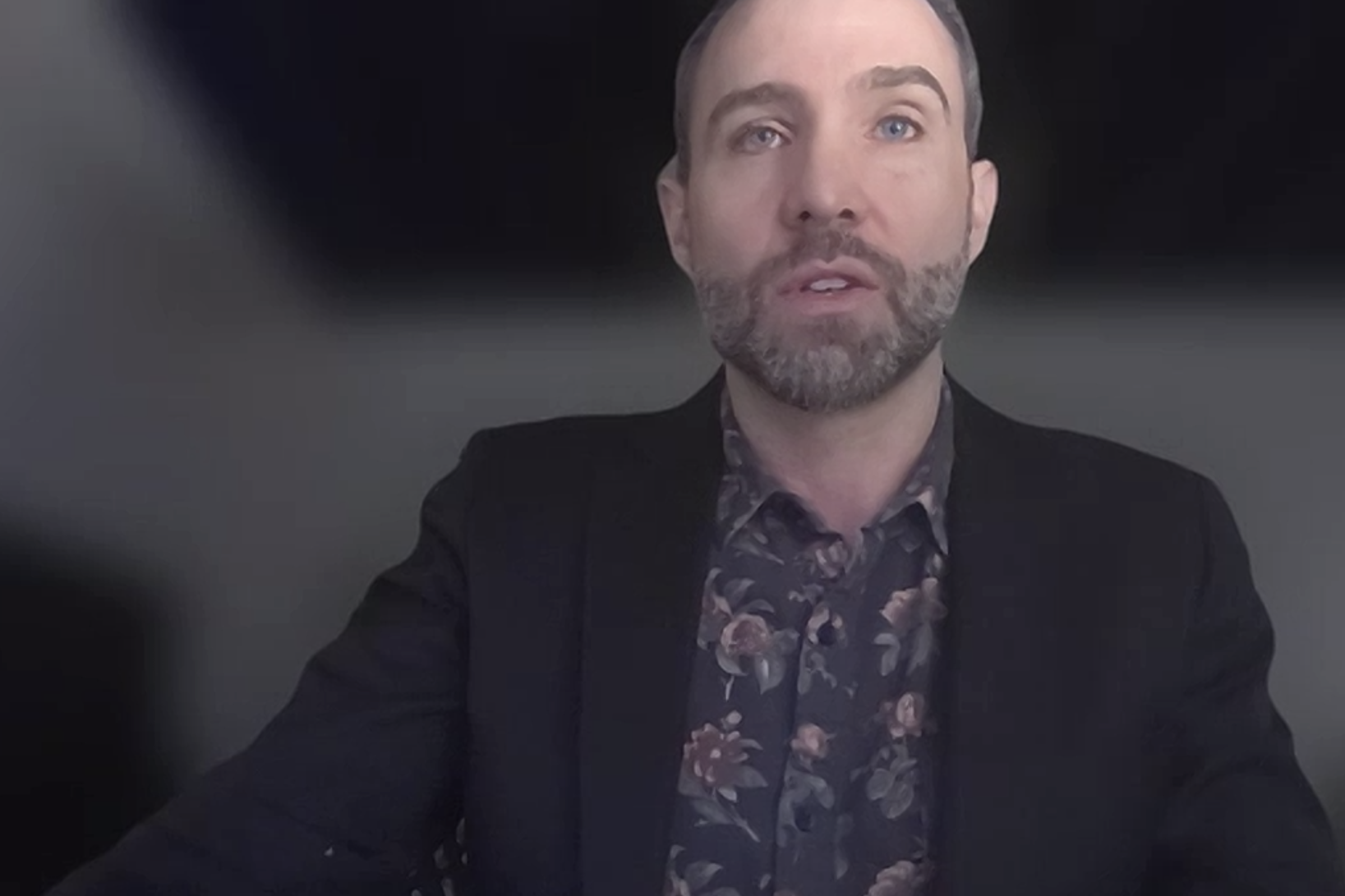
Garth Ehrhardt, Alternate Council member, Canada
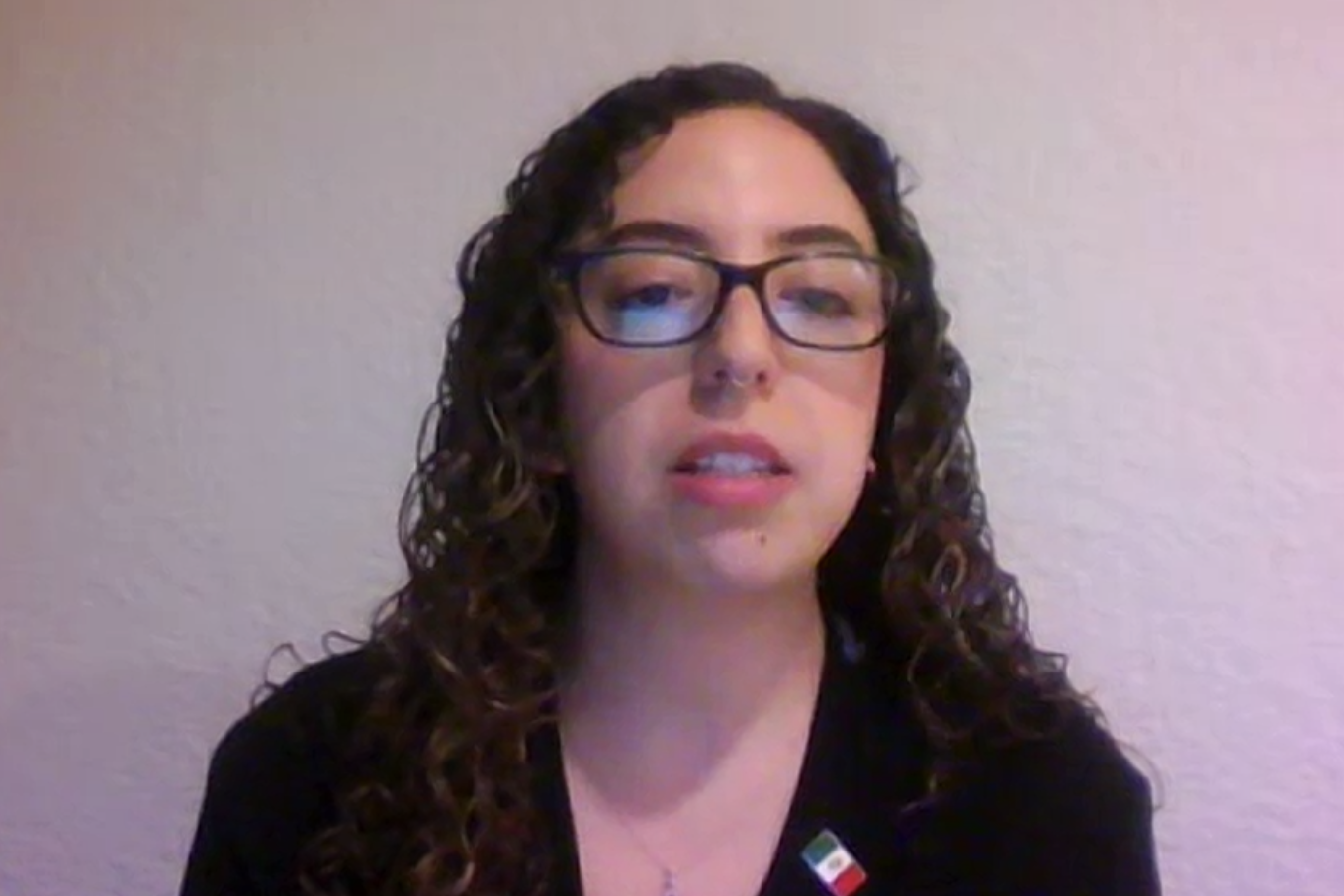
Regina Rosales Talamas, Council member, Mexico