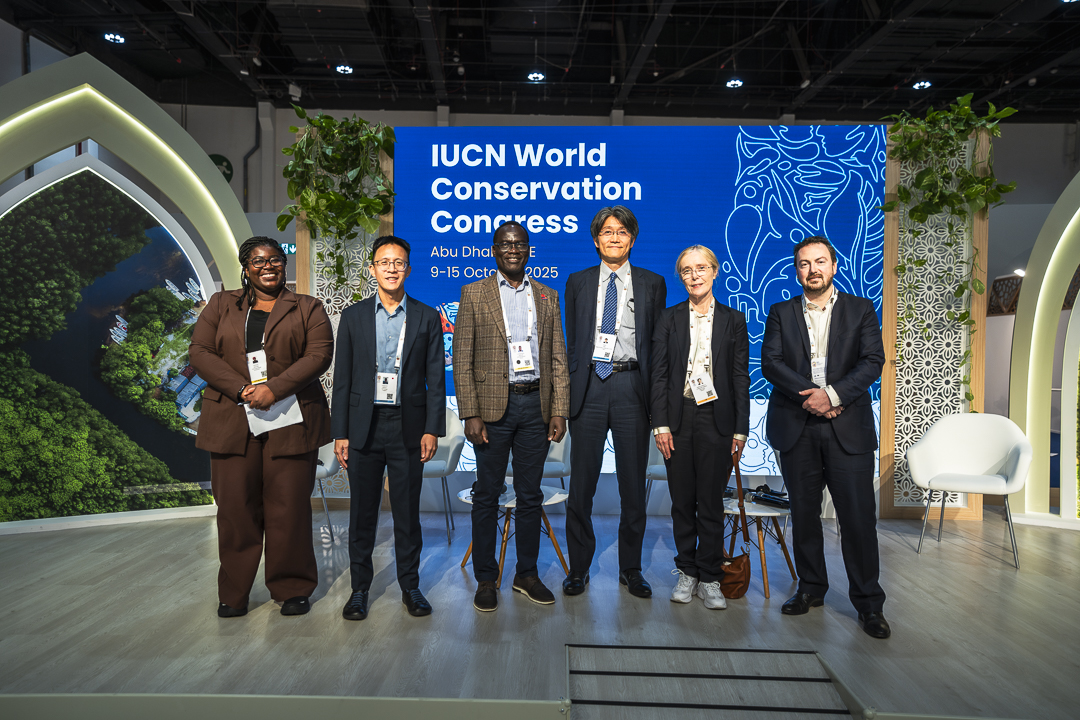
“We all stand on the same ground, but it is precarious.” For the next four days, delegates at the International Union for Conservation of Nature (IUCN) Business Summit are engaging in a wealth of discussions on integrating business into conservation action, as well as placing nature at the core of business decision making.
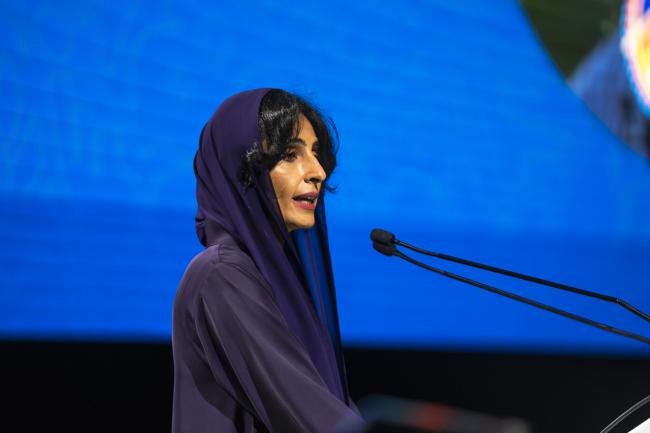
Opening the Summit on Friday, Razan Al Mubarak, IUCN President, underscored that the cost of biodiversity loss is no longer abstract but unfolding “here and now,” disrupting supply chains and posing significant risks to businesses. Further noting businesses’ dependence on nature, alongside nature’s intrinsic value, Al Mubarak called on private sector delegates to drive innovation to tackle urgent conservation issues at scale.
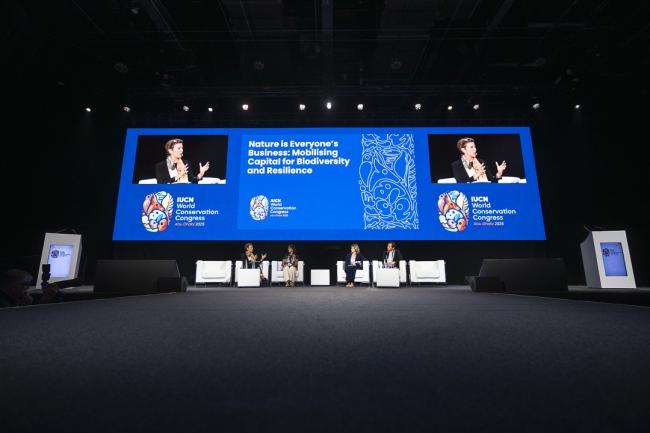
Delegates then filtered out into a series of business and nature-focused talks and events across the rest of the day. In a roundtable session addressing nature policies that accelerate business action, panelists engaged in a dialogue on the enabling conditions for system-level change, approaches for reforming harmful subsidies, and the need for stronger coordination among biodiversity-related conventions and stakeholders.
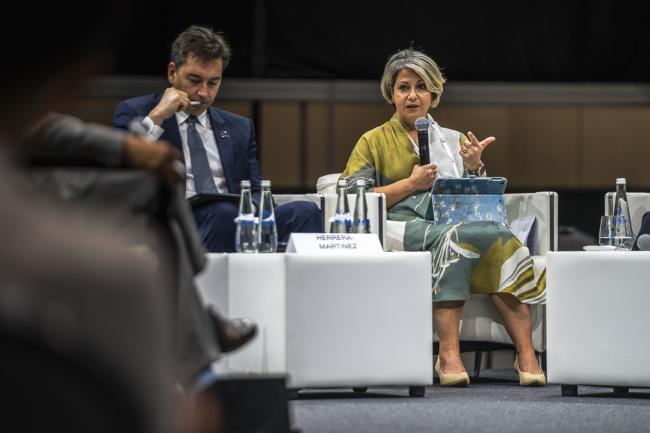
Over in the Congress’ bustling exhibition hall, delegates huddled to discuss how a circular economy can be a vehicle for a nature-positive economy. They heard the industry perspective, for instance how the aggregates sector is reducing its impacts and aiming to attain net nature-positive outcomes. They also discussed how a circular economy can eliminate pollution, including from plastics, and regenerate nature.
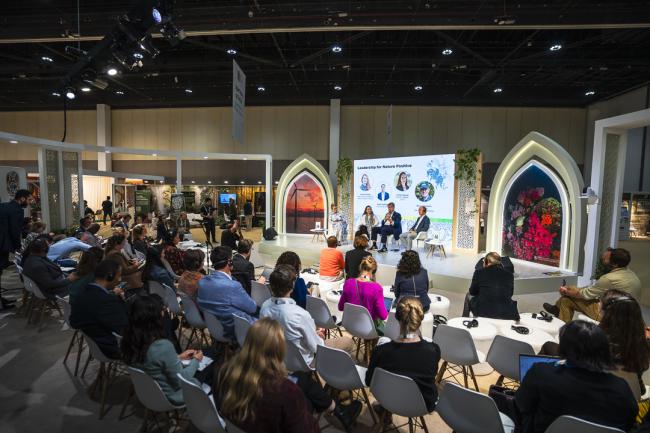
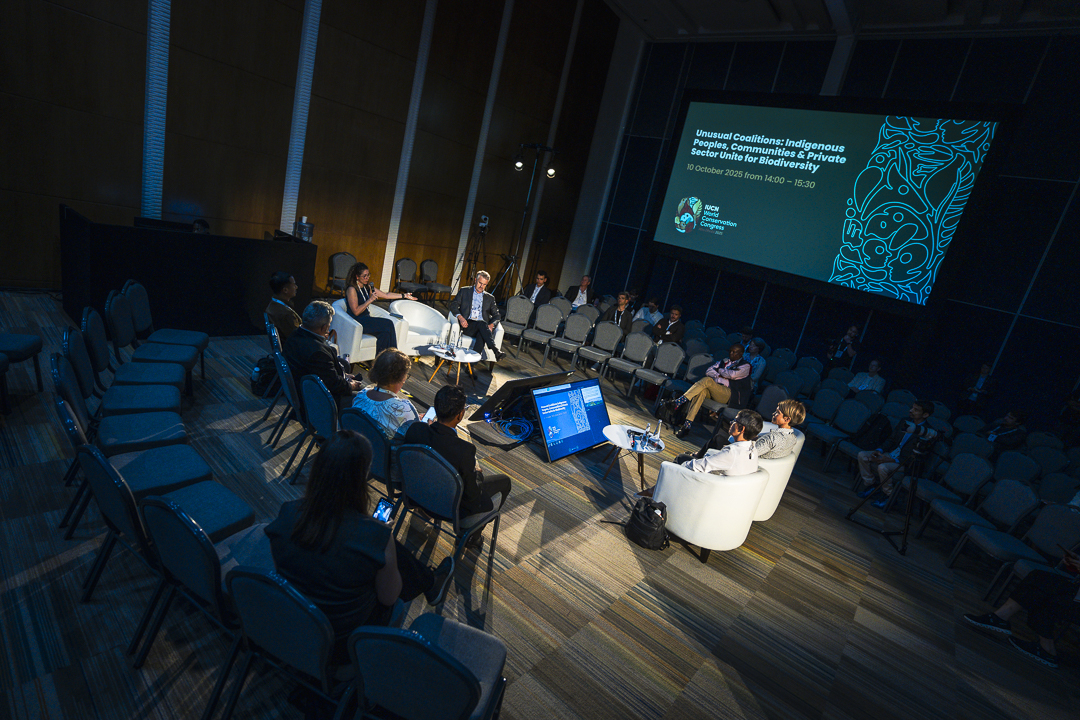
In an interactive conversation on “unusual coalitions” between Indigenous Peoples, local communities, and the private sector, stakeholders addressed how landscape-level collaboration can improve the state of nature, and considered, among others: the benefits of using the Taskforce on Nature-related Financial Disclosures (TNFD) framework to make the business case for conservation projects to shareholders; and the importance of respecting traditional and Indigenous knowledge when building partnerships.
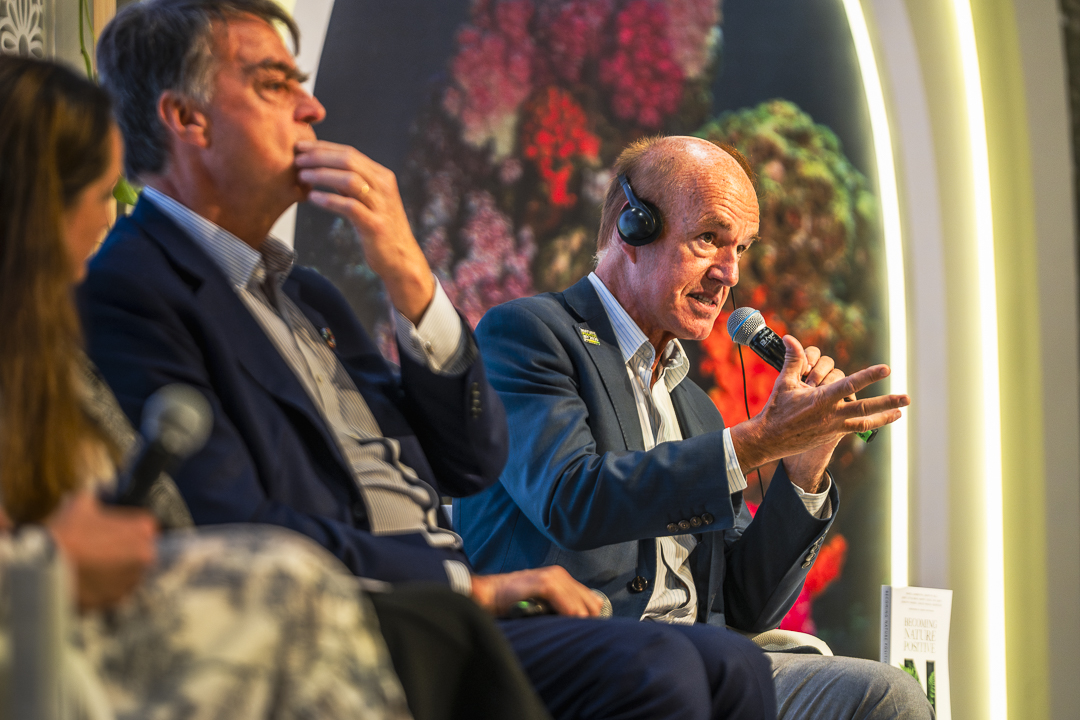
In another session, participants gathered to listen to how business leaders can drive nature-positive action. Speakers urged embracing a different business model – one that does not focus on short-term profit maximization, underlining that “a nature-positive future is the only possible future.”
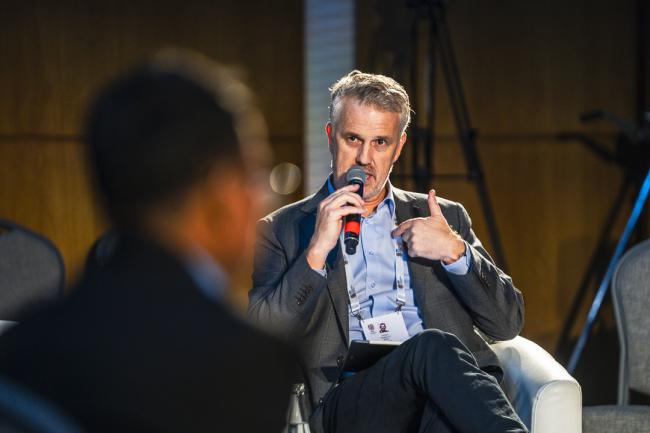
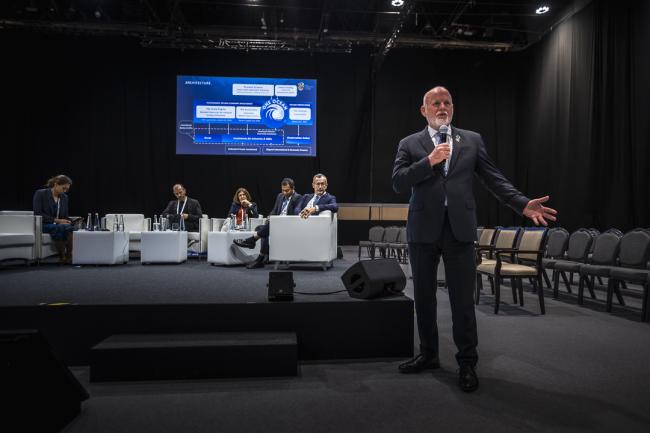
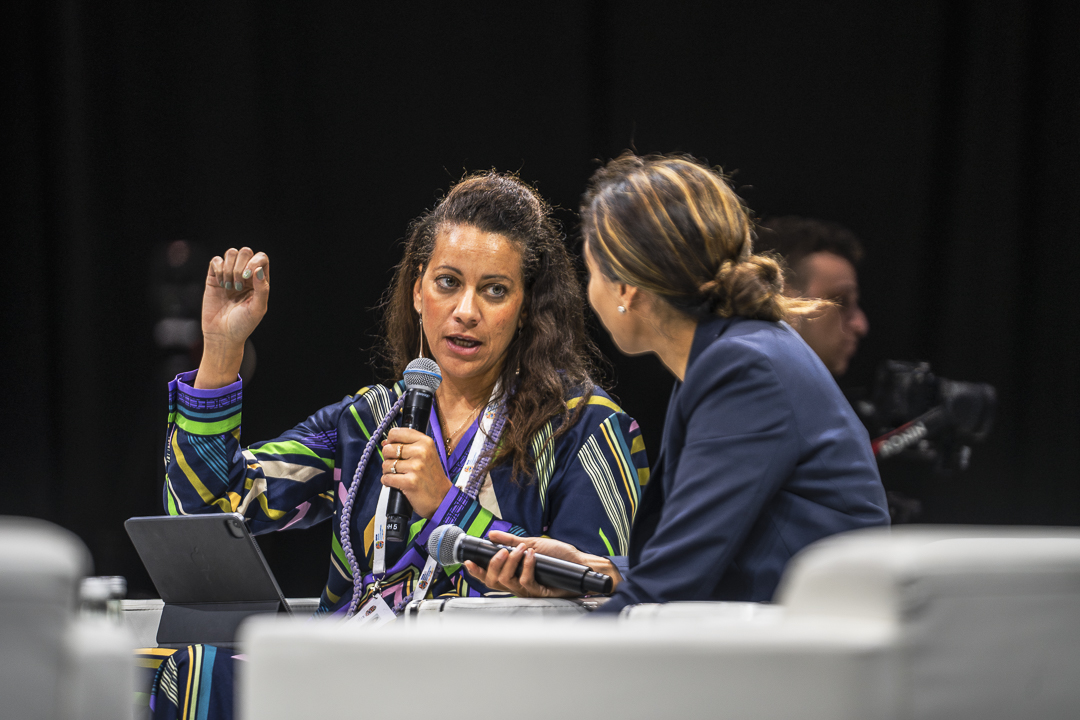
Diving into the question of how to unlock and deploy ocean finance at scale, participants addressed: approaches to derisk investments; the development of blue bonds; the role of major sectors such as tourism and shipping; and the “missing middle” of small and medium enterprises (SMEs), which constitute around 90% of industries in the blue economy, but have little access to financing opportunities. They also introduced One Ocean Finance, a coalition of UN agencies and partners, working to design an inclusive ocean finance architecture.
Later in the afternoon, business representatives presented a soon-to-be-launched publication exploring the tangible impact of collaborations between the business sector and IUCN. The publication, “The Nature of Success” illustrates these collaborative projects and their success stories of on-the-ground conservation impact.
Turning to the expertise of architects, urban planners, and ecologists, a session focusing on urban nature-based development showcased leading examples in sustainable construction and urban planning that integrates and restores biodiversity in cities. Panelists highlighted an IUCN World Conservation Congress motion on integrating the preservation and recovery of wildlife into the creation and restoration of buildings.
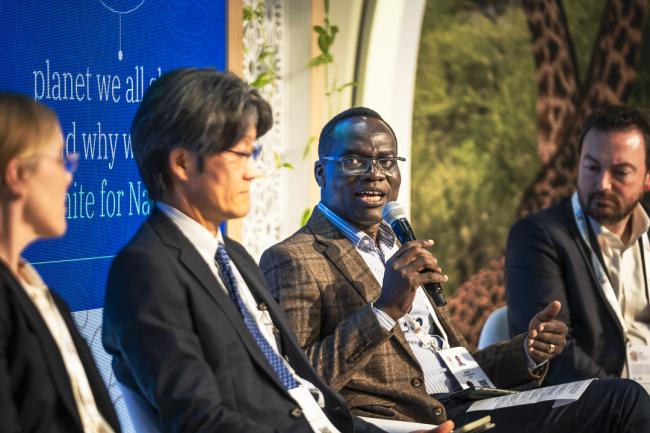
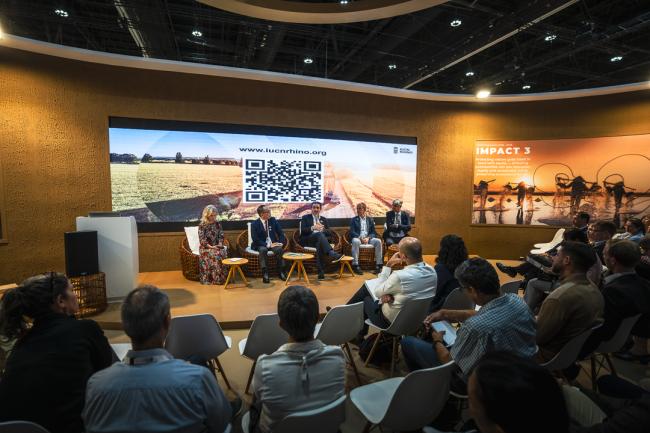
In the evening, delegates applauded the launch of the IUCN Rapid High-Integrity Nature-positive Outcomes (RHINO) approach. Grethel Aguilar, IUCN Director General, highlighted how it will contribute to delivering nature-positive outcomes and guide action at the scale and pace that our planet demands. She noted that IUCN’s sound science and trusted metrics are at the foundation of the RHINO approach.
To receive free coverage of global environmental events delivered to your inbox, subscribe to the ENB Update newsletter.
All ENB photos are free to use with attribution. For the IUCN Business Summit, please use: Photo by IISD/ENB | Danny Skilton.
Nature is Everyone’s Business - Opening Plenary
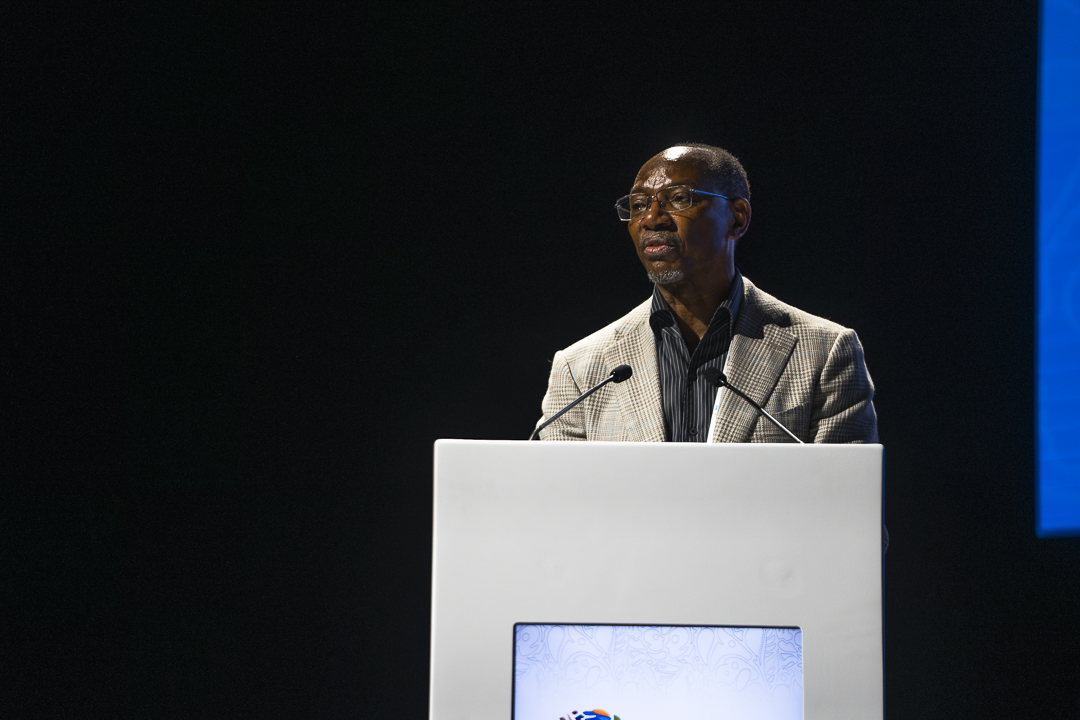
Humphrey Kariuki, Executive Founder, Janus Continental Group
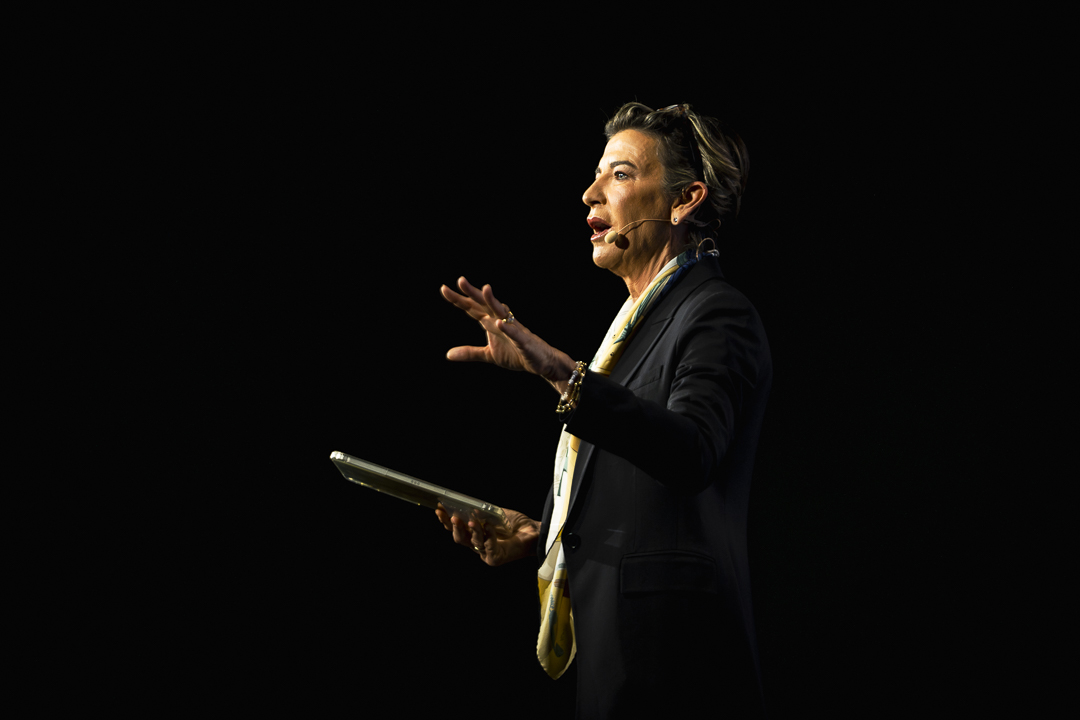
Becky Anderson, CNN, opens the high-level plenary
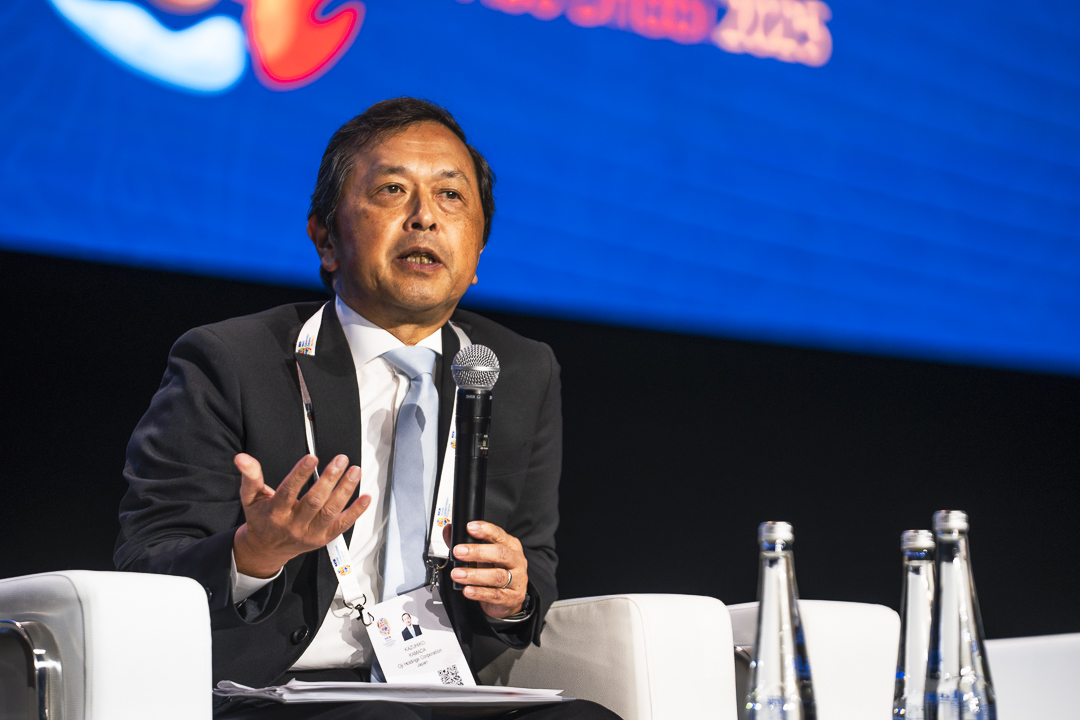
Kazuhiko Kamada, Executive Vice President, Oji Holdings
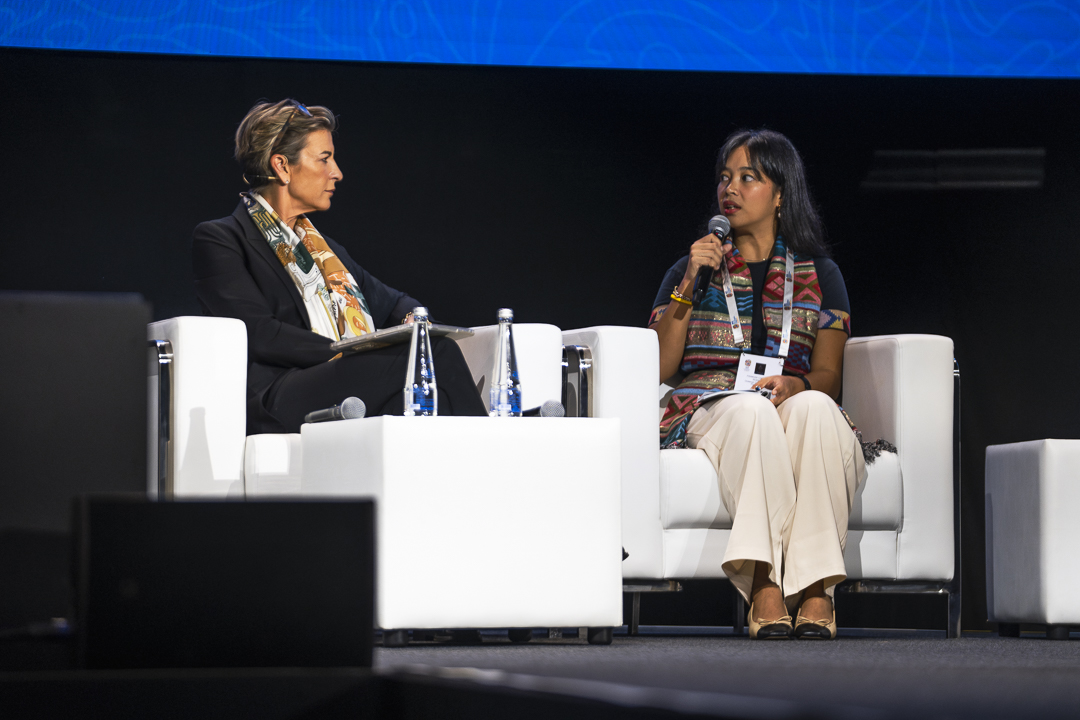
Frances Camille Rivera, Co-Founder and Managing Director, Oceanus Conservation
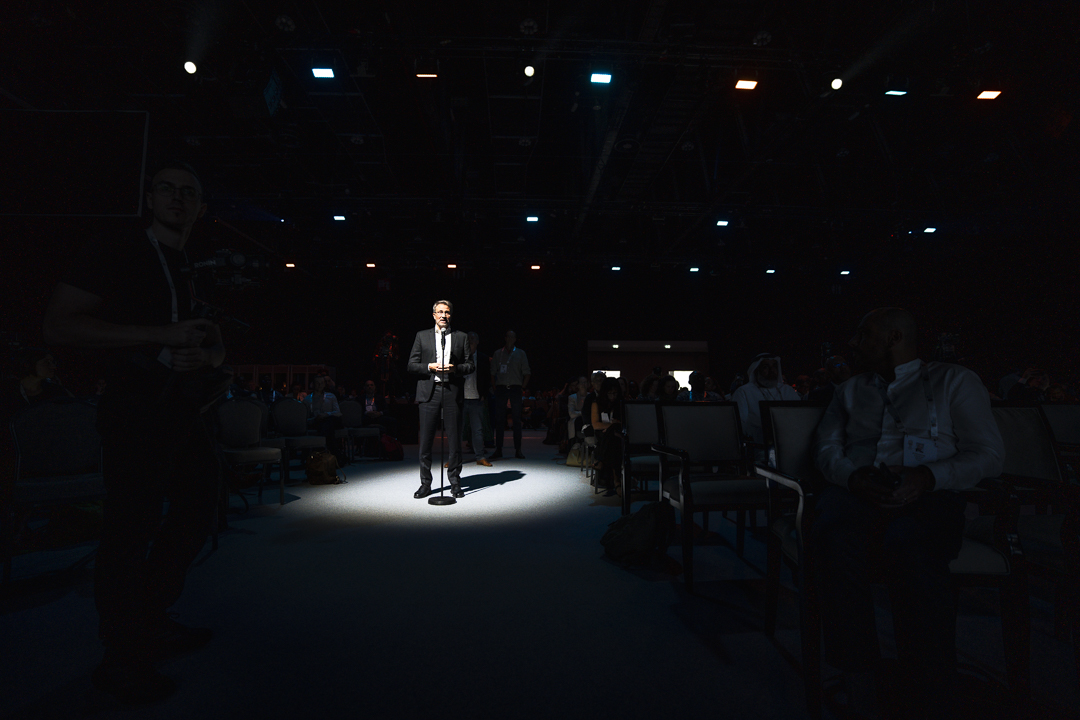
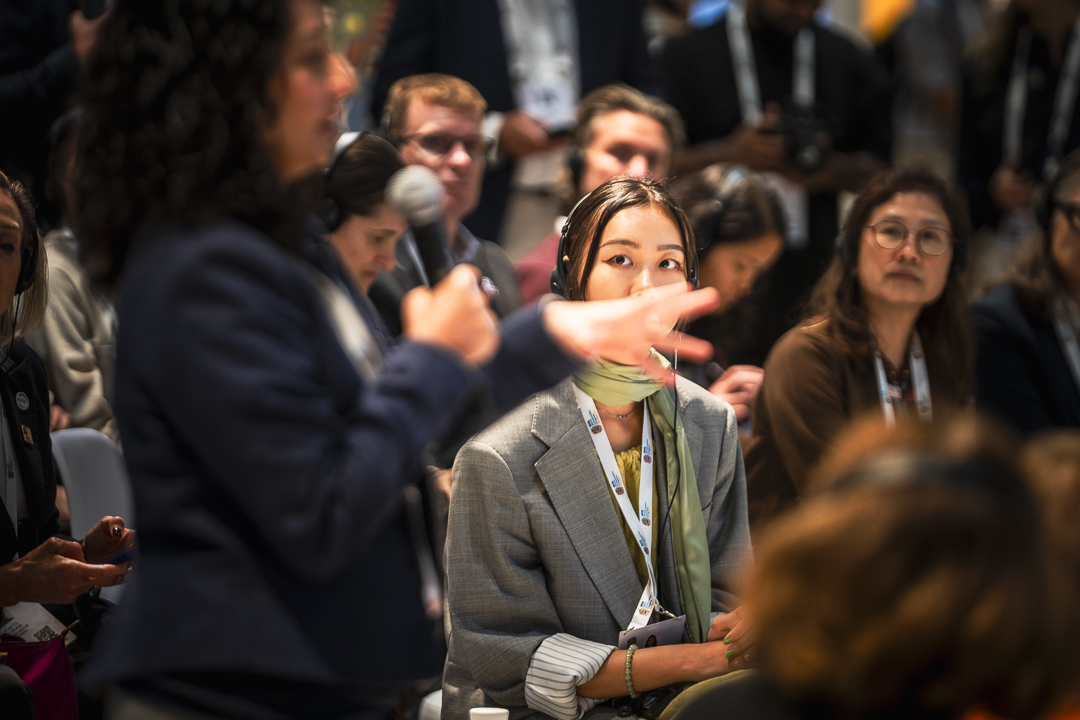
A participant poses a question to the panel
Dialogues and Panel Discussions
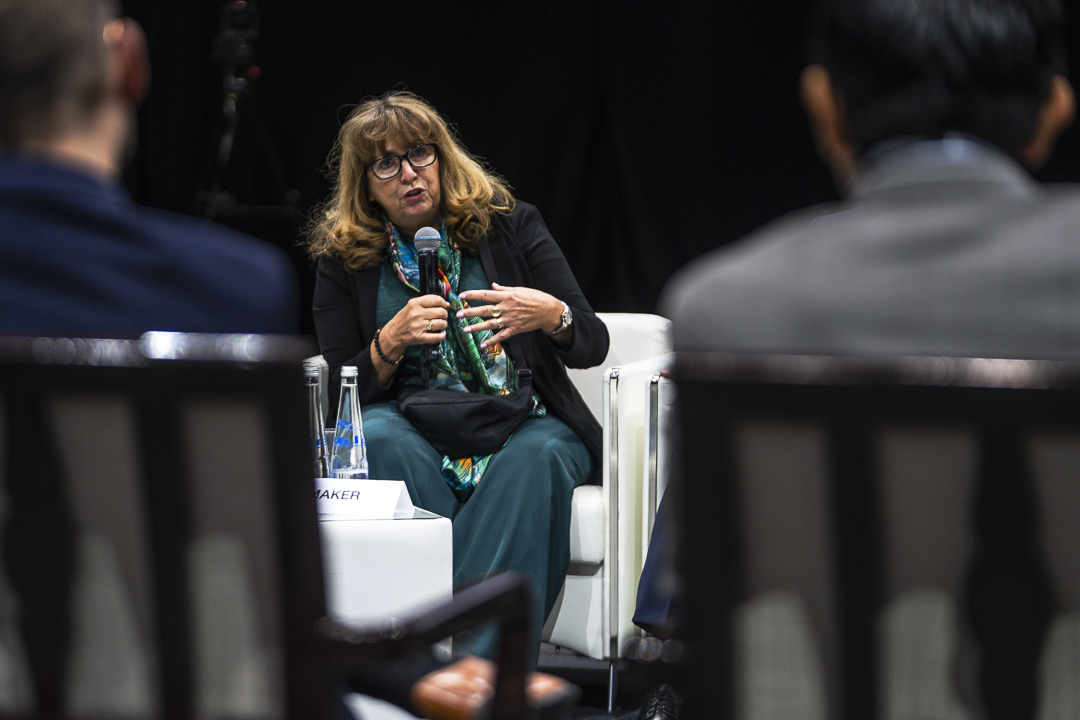
Astrid Schomaker, Executive Secretary, CBD
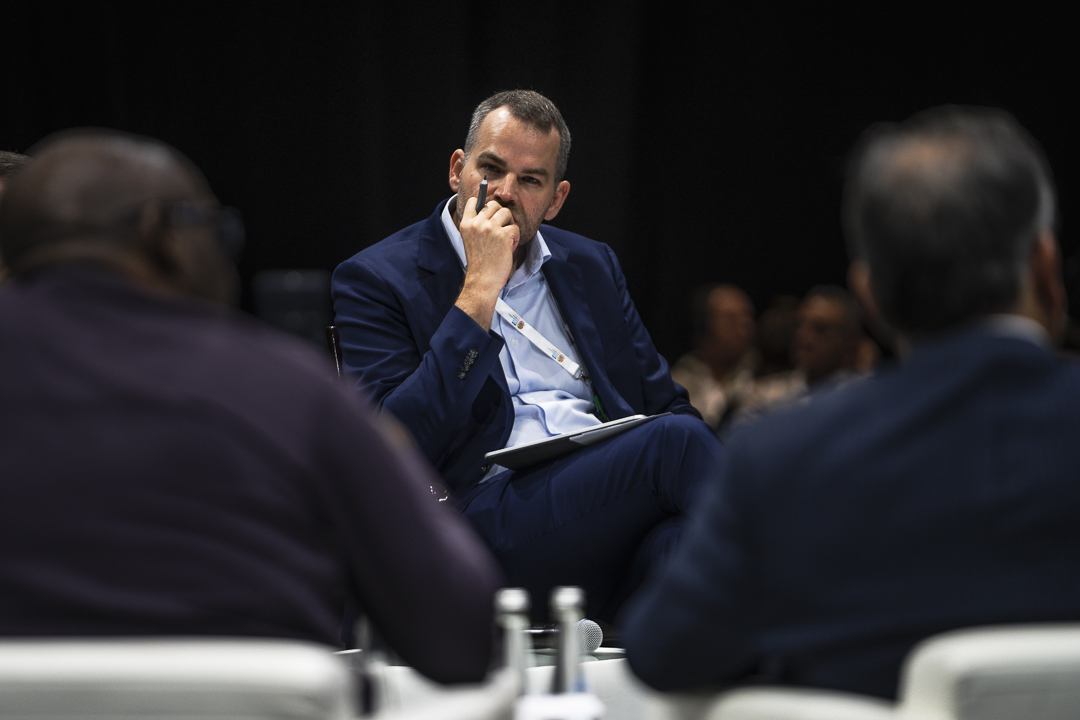
Sebastian Buckup, Managing Director, World Economic Forum
Marco Lambertini, Convener, Nature Positive Initiative
Minna Epps, Global Ocean Policy Director, IUCN
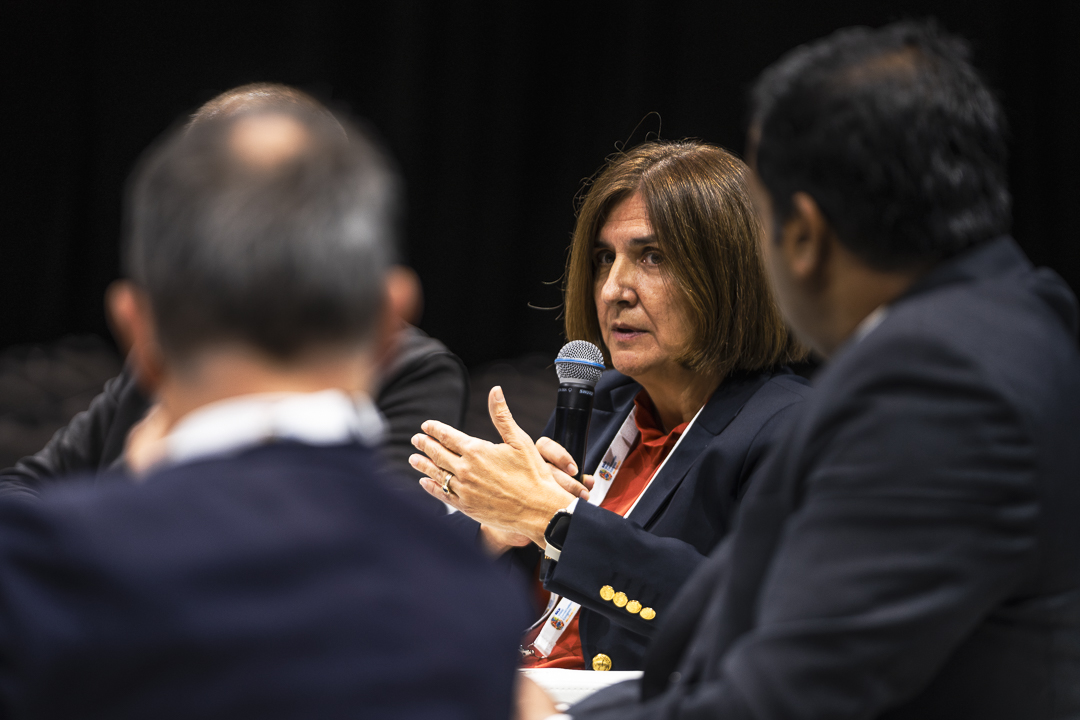
Erika Harms, Global Director, Sustainability, Iberostar
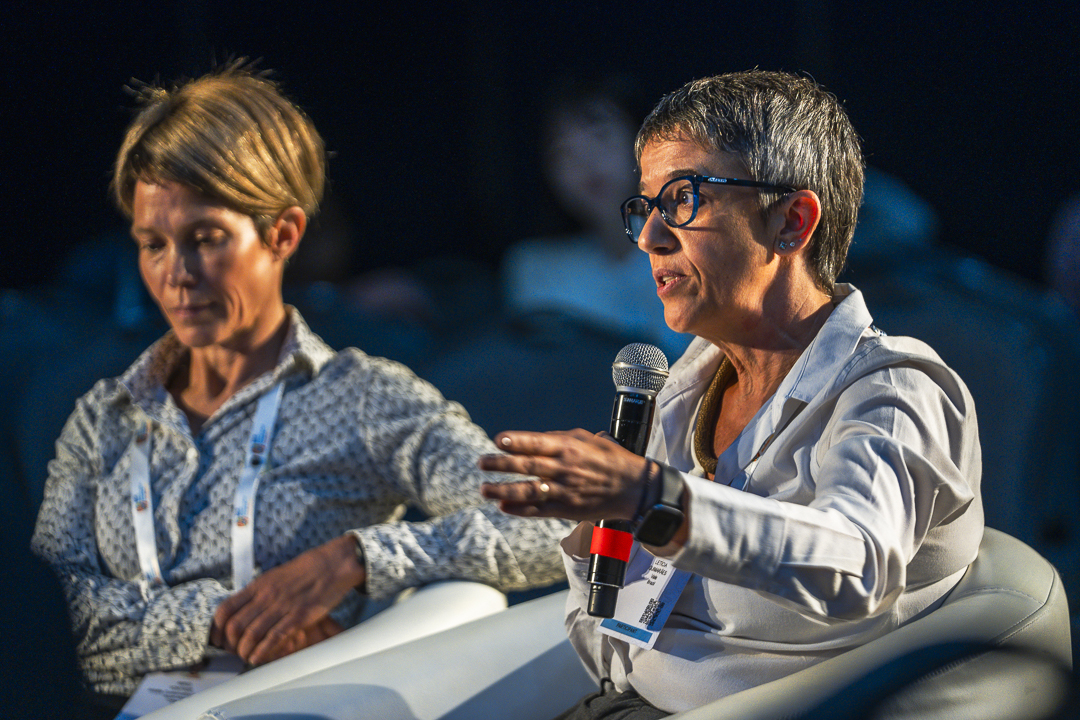
Leticia Guimarães, Vale
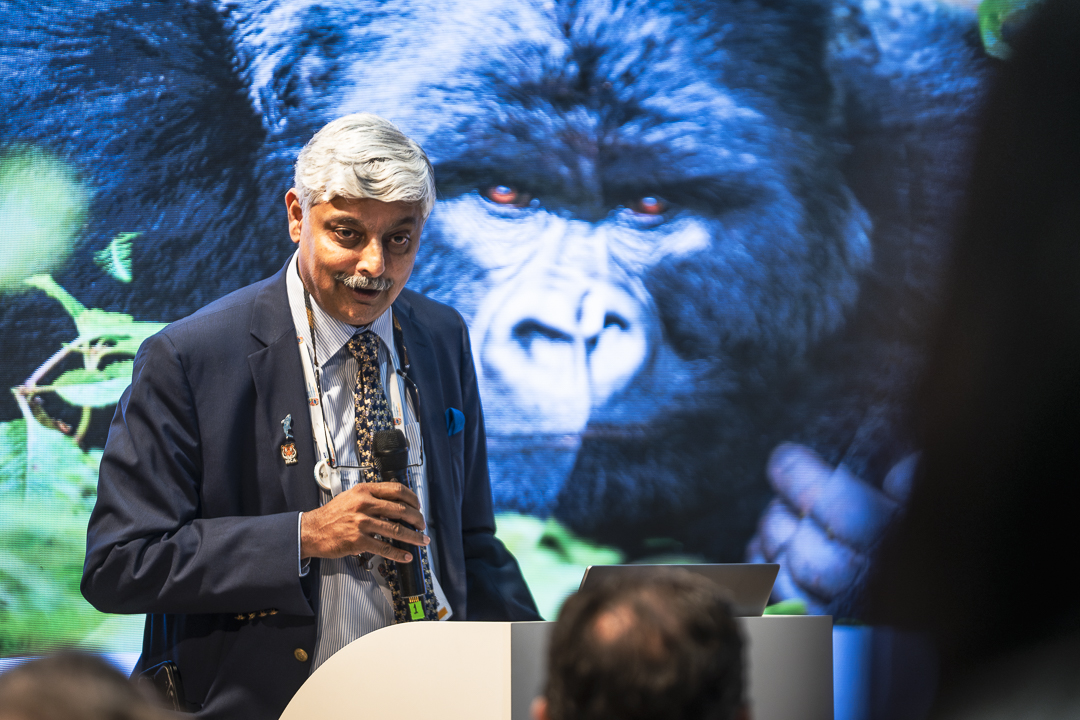
Vivek Menon, IUCN Councilor, and Executive Director, Wildlife Trust of India
Around the Venue