
The Dasgupta Review underlines that the value of nature is often invisible in economic terms, as its processes are “silent and hidden from view.” On the last day of the International Union for Conservation of Nature (IUCN) Business Summit in Abu Dhabi, delegates delved into discussions on natural capital accounting and how to make the business case for nature-based solutions (NbS), among others.
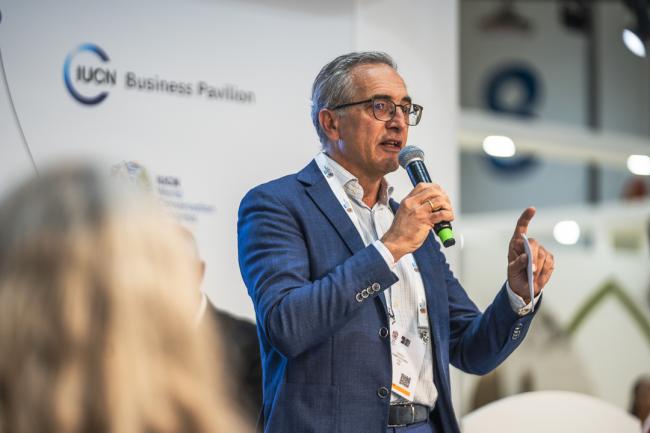
Addressing forest value chains, participants pointed to “triple wins” of using natural materials such as wood, for economic, social, and environmental gains. Among others, panelists noted an appetite for sustainable wood certification, progress in changing cities’ material consumption, and approaches for engaging with upstream suppliers and downstream users. In discussions, they highlighted enabling policy environments for reducing consumption and using a full lifecycle perspective to assess and report on the greenhouse gas emissions of buildings.

A session on how businesses can co-create nature-positive futures by employing inclusive stakeholder strategies saw keynote speakers provide insight from development and business perspectives. They called for placing business at the heart of conservation dialogues and for moving away from the misconception that nature is external to business operations. Participants further underscored the need for policy coherence, with alignment and open dialogue required across government entities with differing objectives and priorities.

“Between business and nature, we have humanity – and we tend to forget this.” On how to unlock private finance for high integrity NbS, panelists emphasized the urgency of providing solutions in the face of environmental crises with social and economic consequences. Participants addressed the mismatch between short-term costs of investing in nature and long-term benefits, and noted the need to reward businesses’ action rather than solely rewarding disclosures and reporting. In an interactive discussion, delegates pointed to: case studies integrating nature as part of utility companies’ infrastructure; the potential of innovative financial mechanisms such as biodiversity bonds; and the importance of implementing safeguards against greenwashing.
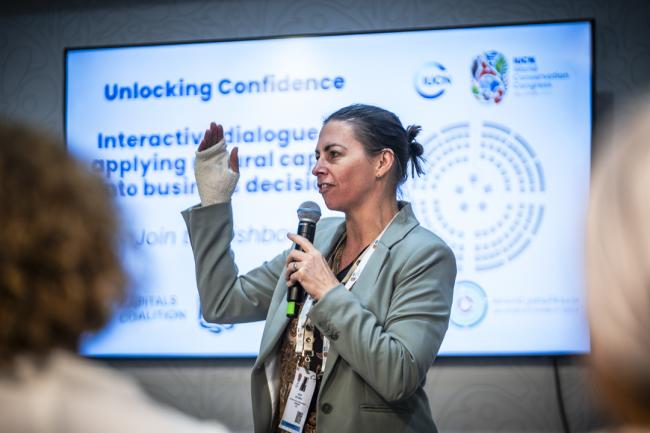
In the afternoon, the Business Pavilion hosted a “fishbowl” style dialogue on integrating natural capital into private sector decision making. Participants heard several business executives from different sectors describe how elements of sustainability had been woven into their business models, including through more efficient transport operations. They discussed, among others: integrated approaches and education; embedding the environment into company operations; and incorporating natural capital in company balance sheets.
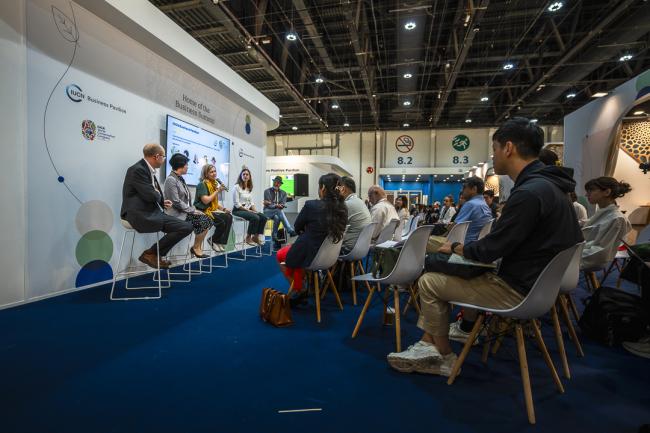
As the Business Summit came to a close, delegates turned to a new global initiative piloting natural capital accounting across the forest sector. Representatives emphasized the growing demand for natural capital accounting, with several remarking this will “be the new normal in five years’ time.” They noted the importance of building capacity and expertise around measuring natural capital for ensuring a successful transition toward more holistic capital allocation. In discussions, speakers remarked that nature is still perceived to have a negative cost on balance sheets, with one delegate pointing to the lower value attributed to forested land as compared to that used for agriculture. The session concluded with participants stressing the need to give value back to forests and account for their social value, particularly with respect to Indigenous Peoples and local communities.
To receive free coverage of global environmental events delivered to your inbox, subscribe to the ENB Update newsletter.
All ENB photos are free to use with attribution. For the IUCN Business Summit, please use: Photo by IISD/ENB | Danny Skilton.
Biodiverse by Design: Wood Construction and Forest Value Chains for Nature
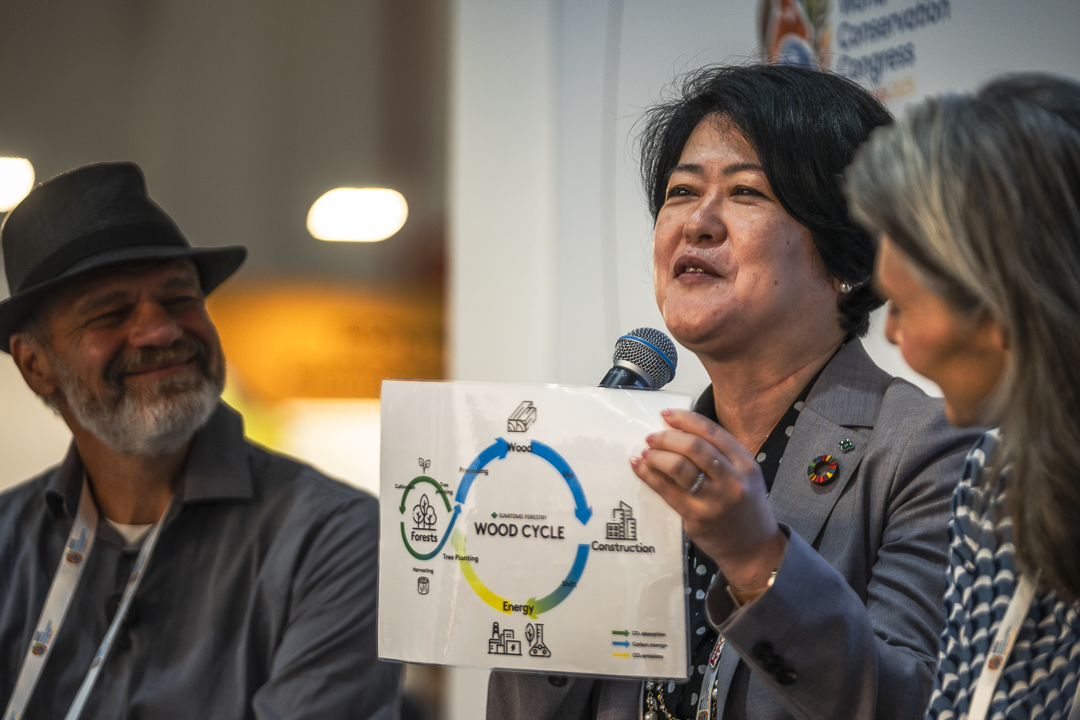
Yuuko Iizuka, Executive Officer, Sustainability, Sumitomo Forestry

Healy Hamilton, Chief Scientist, Sustainable Forestry Initiative
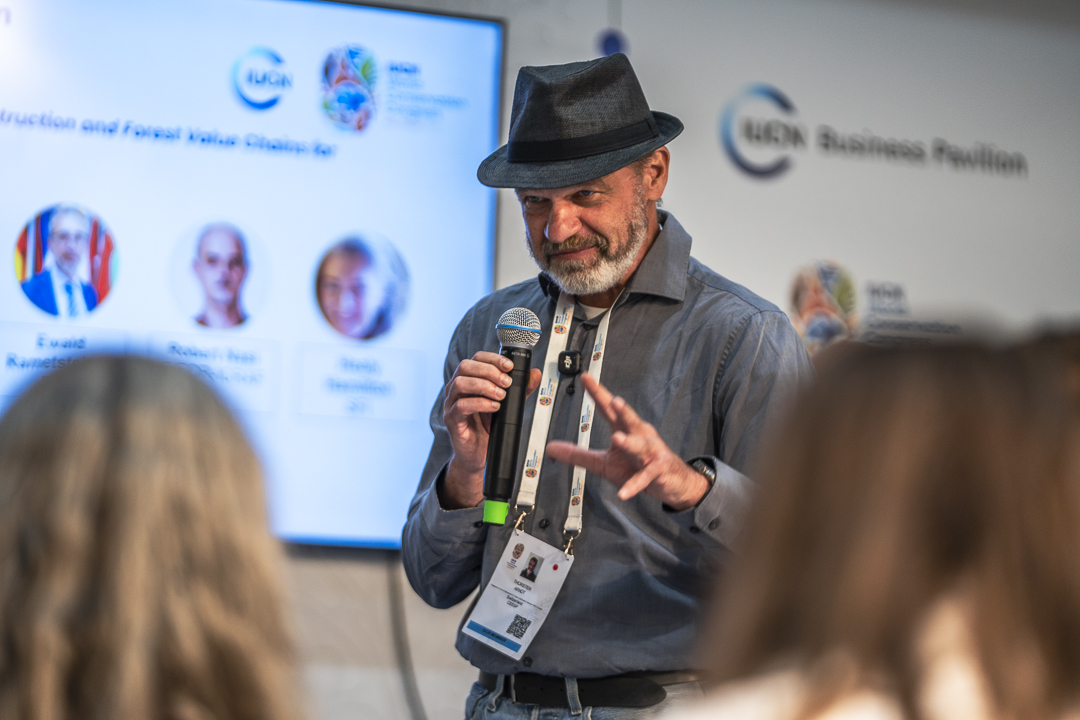
Thorsten Arndt, Head of Advocacy, Programme for the Endorsement of Forest Certification (PEFC) International
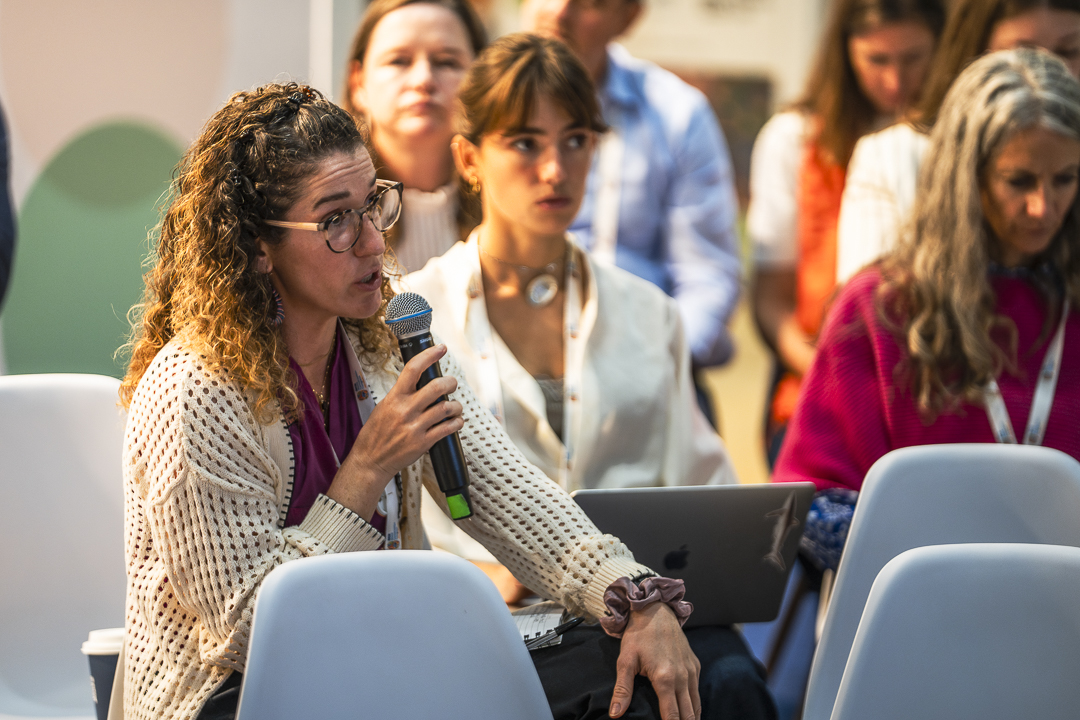
Julie Dimitrijevic, Fauna & Flora, asking a question to panelists

Participants continue the conversation after the session
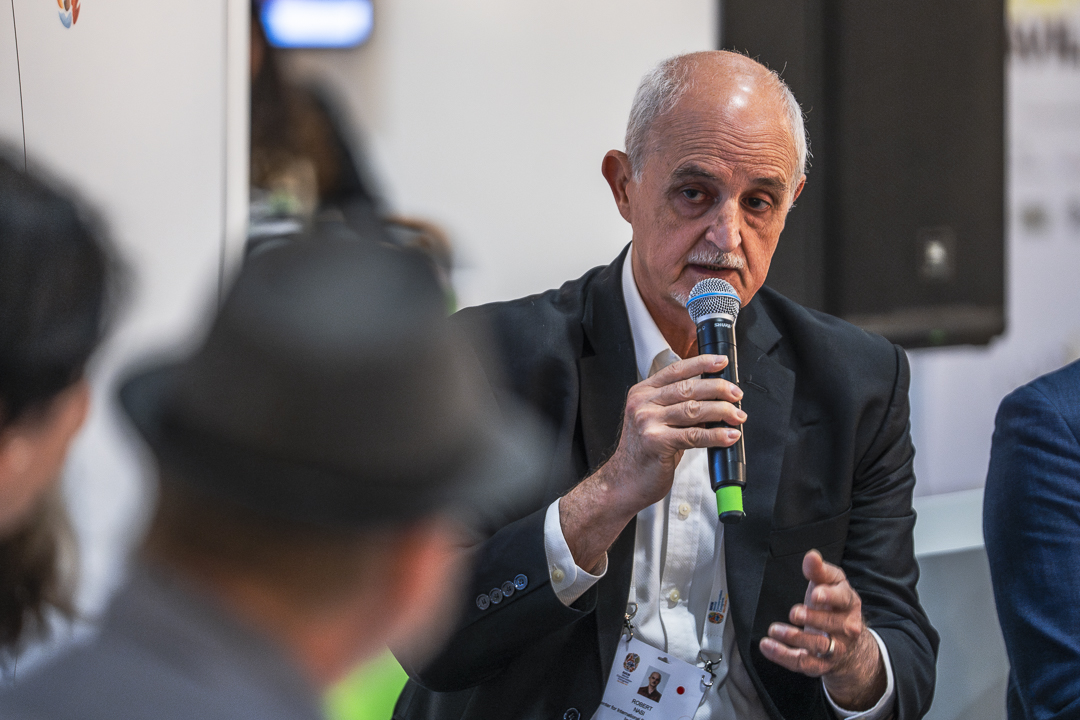
Robert Nasi, Director General, Center for International Forestry Research (CIFOR)
Embracing Context: How Businesses Can Co-create Nature-positive Futures through Inclusive Stakeholder Strategies
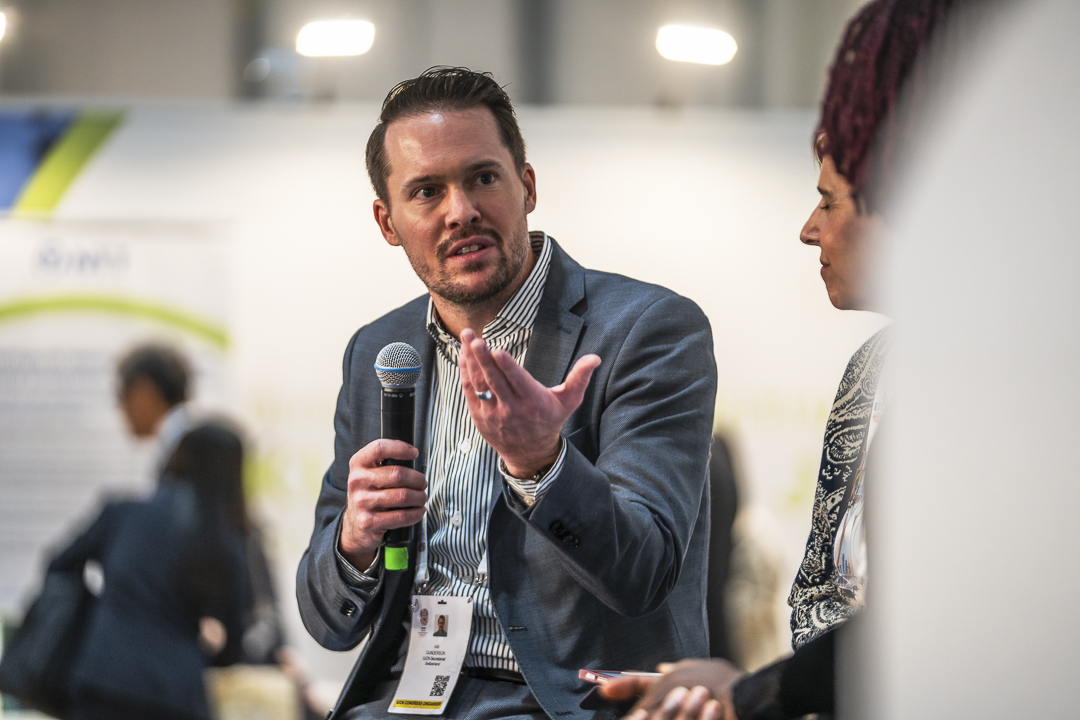
Ian Gunderson, IUCN

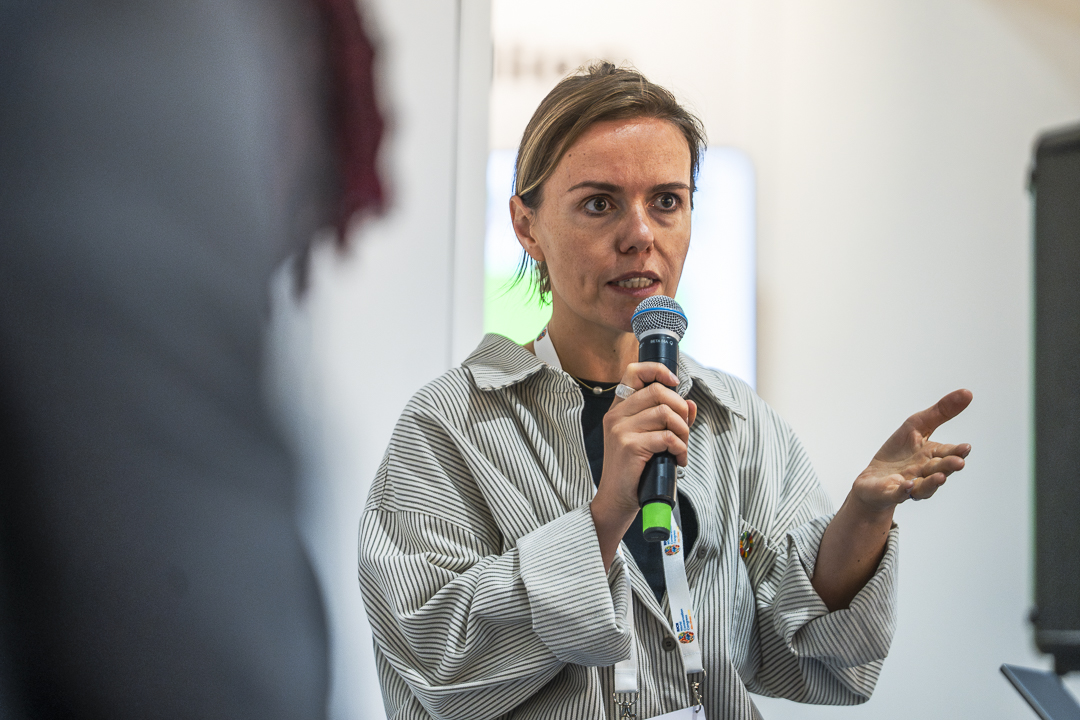
Maria Fedorova, INSEAD Hoffmann Institute
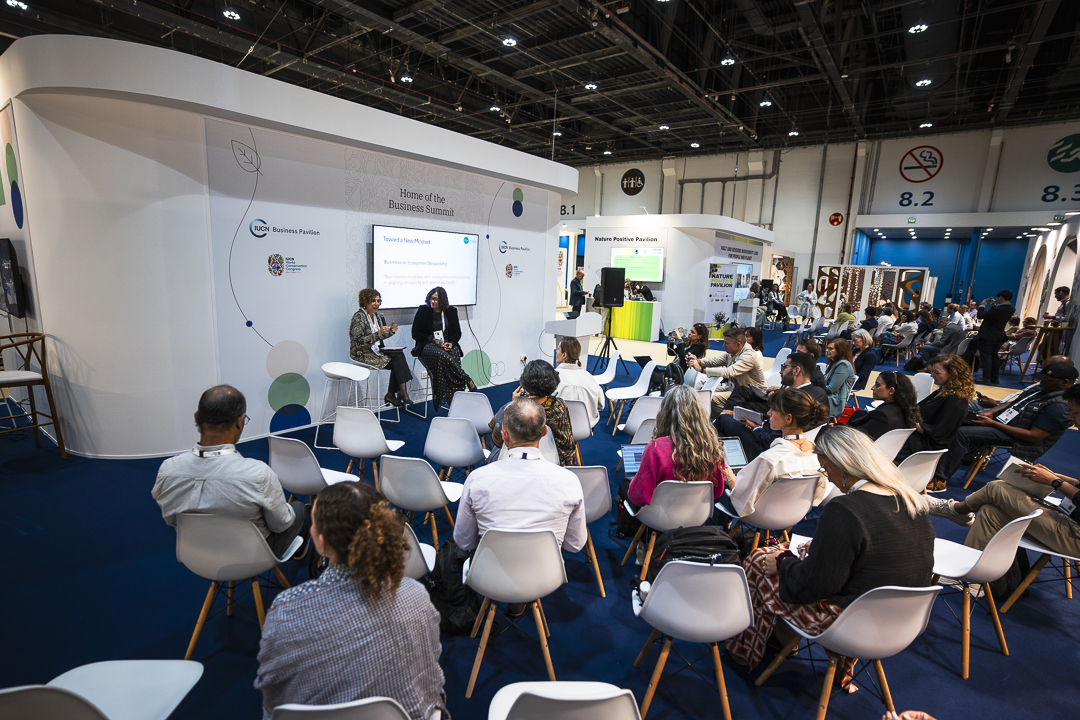
Wide view of the session “Embracing Context: How Businesses Can Co-Create Nature-Positive Futures”
Unlocking Private Finance for Scalable, Credible, and High Integrity Nature-based Solutions
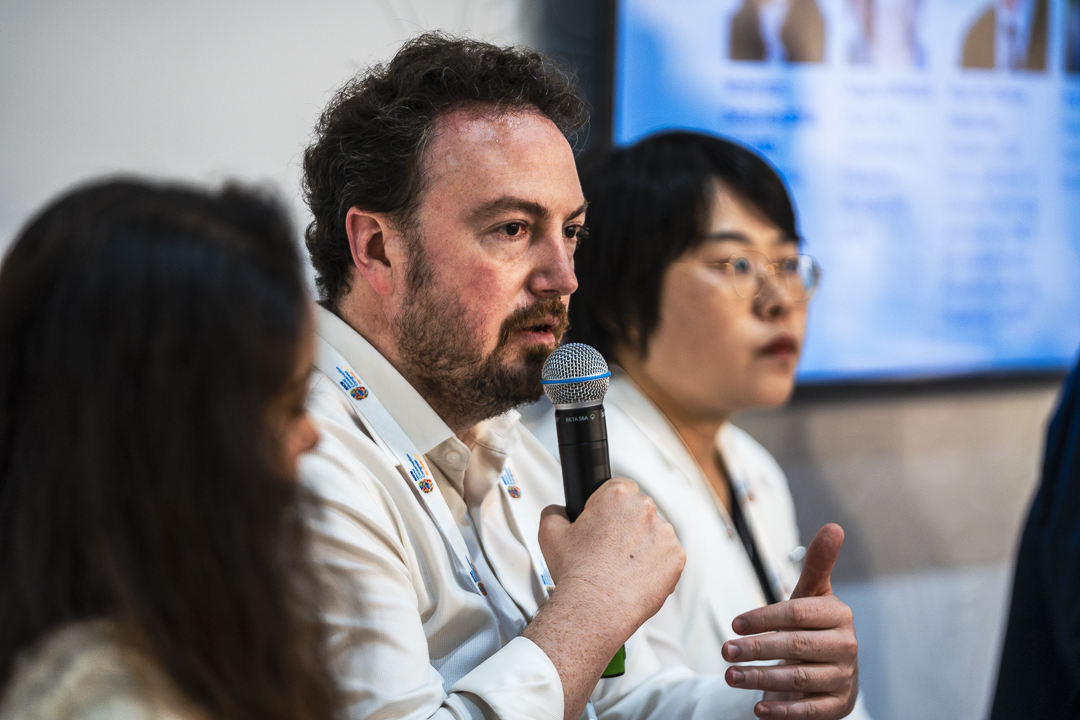
Eric Schoumsky, Société Générale
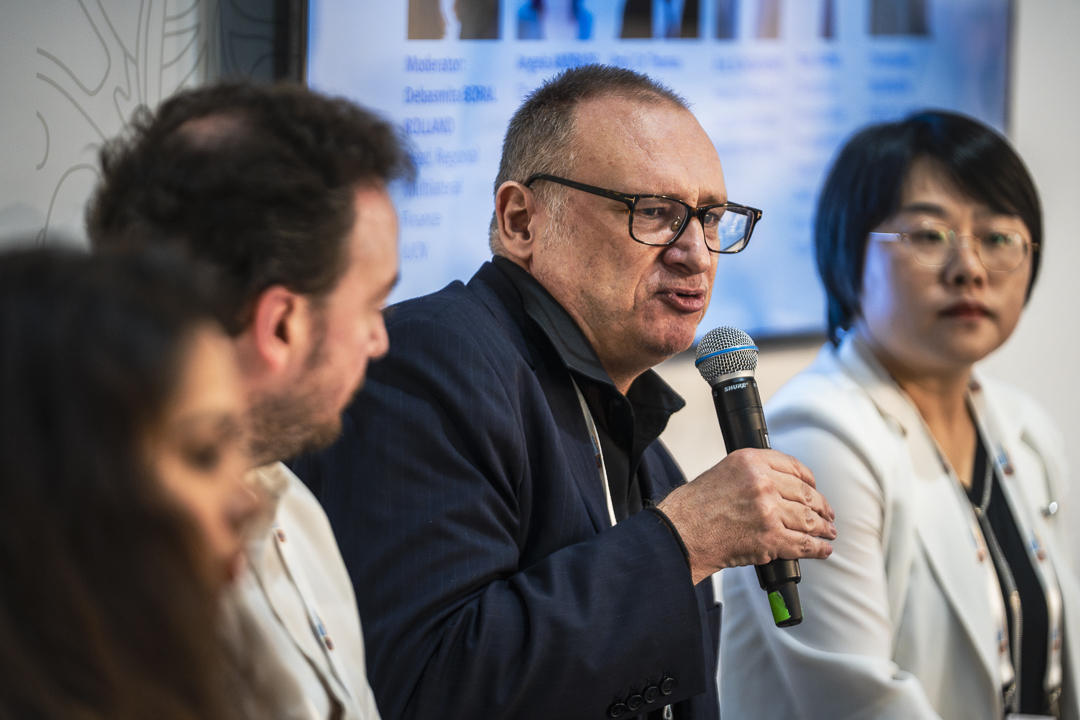
Christopher Dickinson, Asian Development Bank

Debasmita Boral Rolland, IUCN
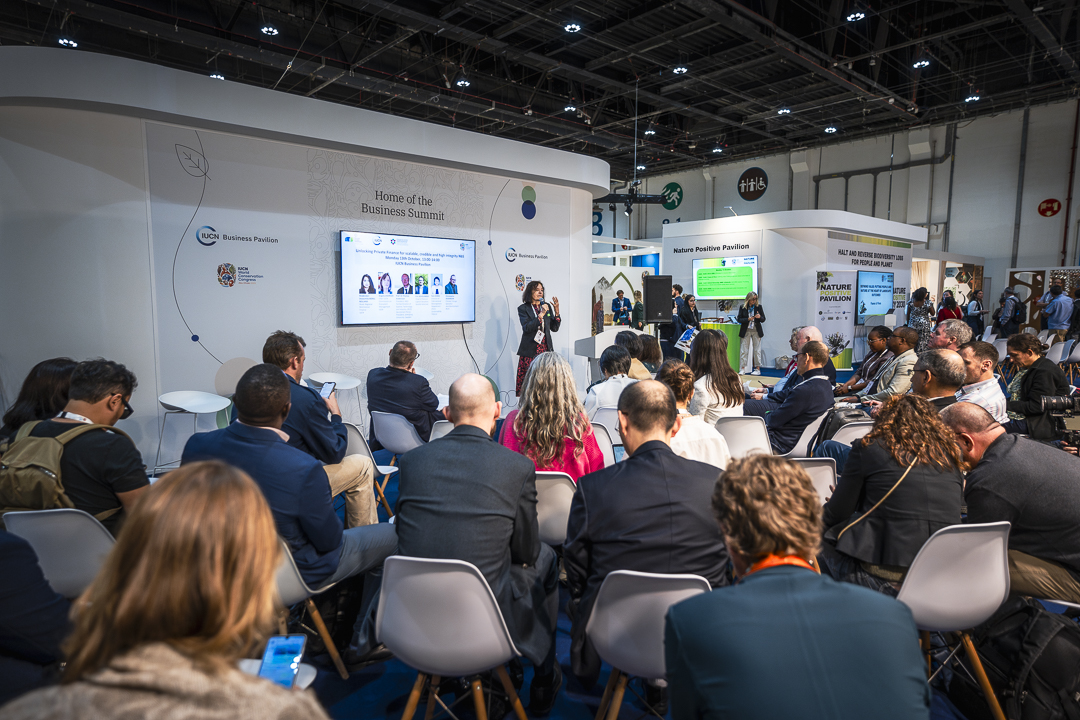
A wide view of the session

Nan Xiang, Director, International Development Department, China Sustainability Tribune
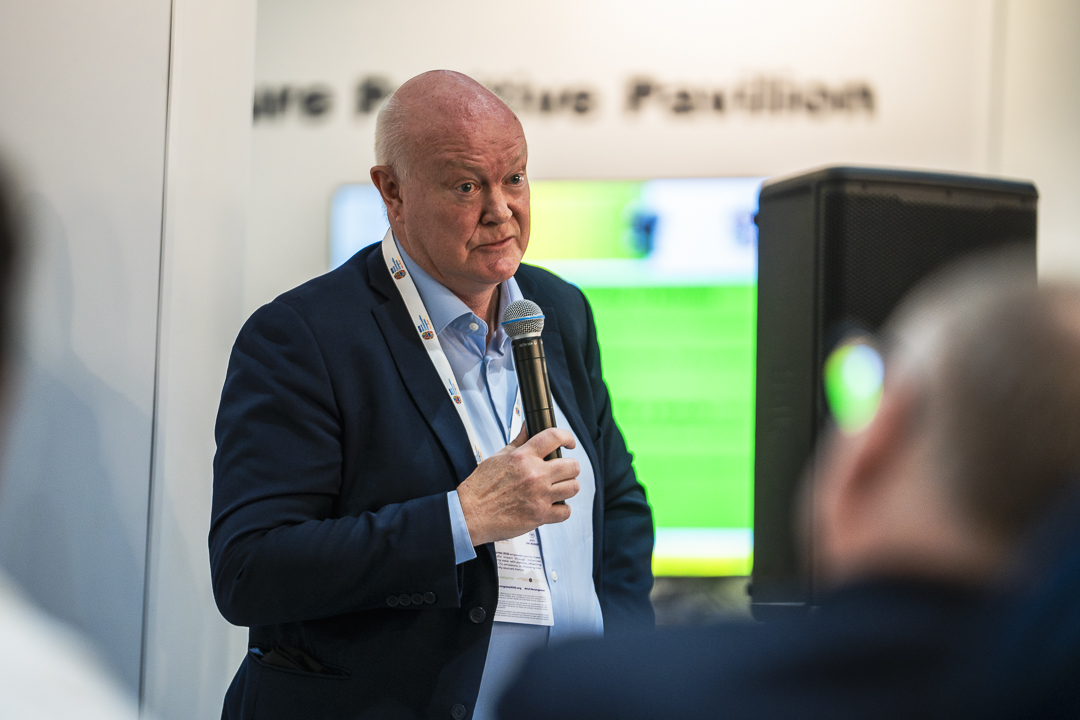
Thomas Andersson, Chairman, International Organisation for Knowledge Economy and Enterprise Development (IKED)
Connecting Forests and Finance: How Measuring Natural Capital Can Drive Change in Capital Allocation
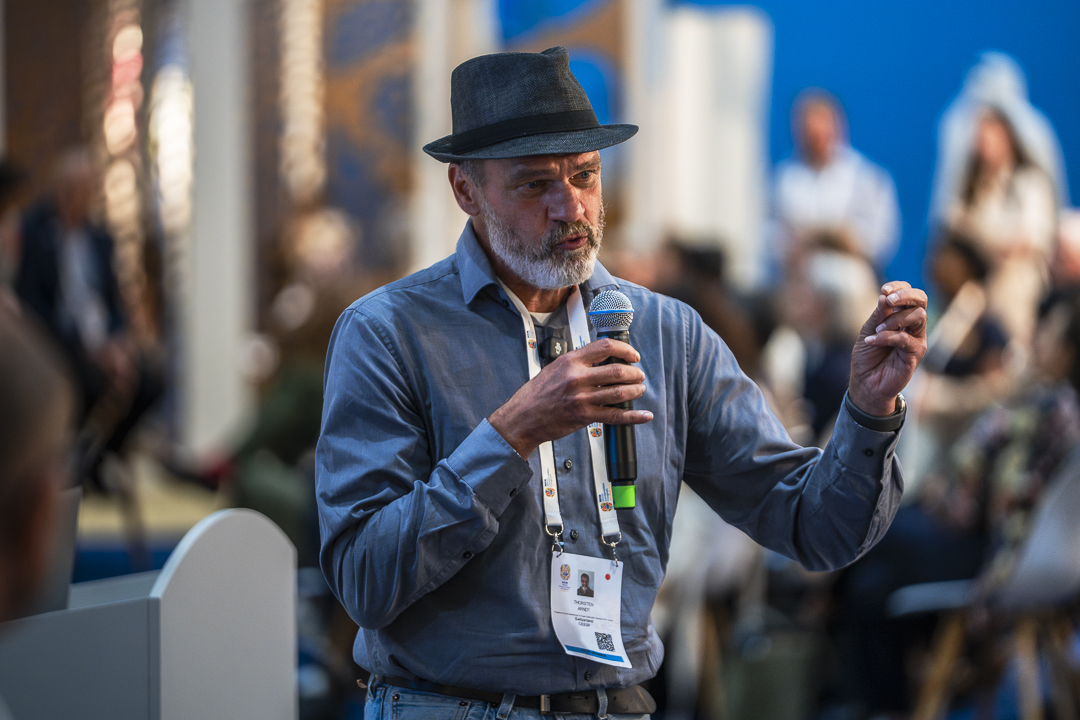
Thorsten Arndt, Head of Advocacy, PEFC International
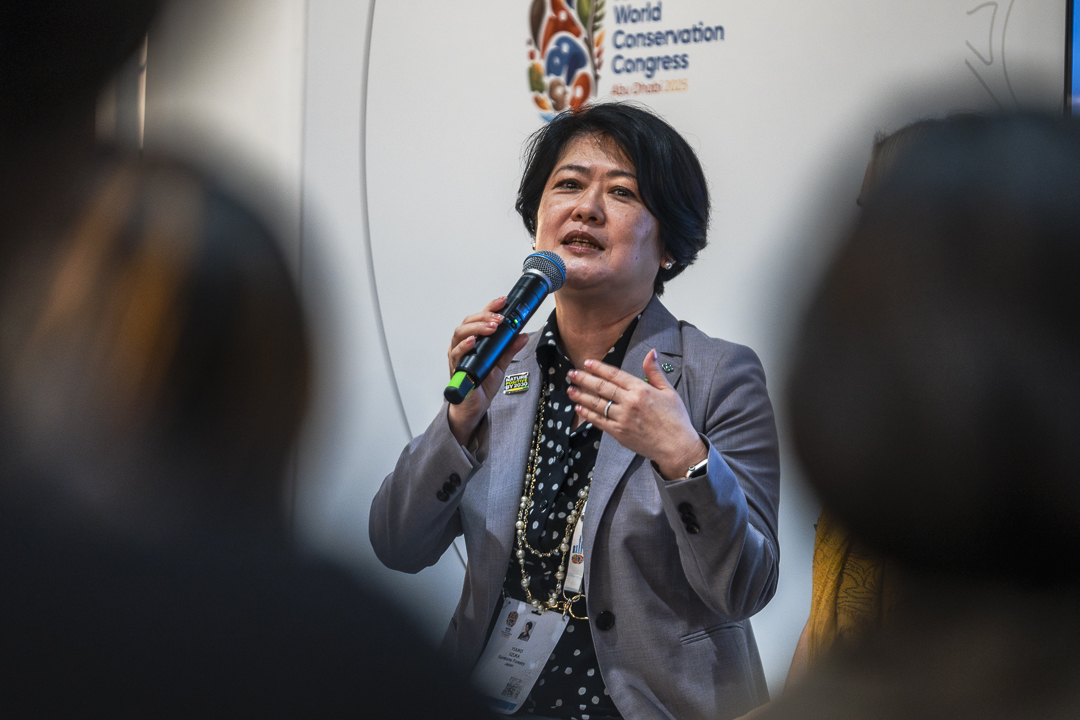
Yuuko Iizuka, Executive Officer, Sustainability, Sumitomo Forestry

Louise Amand, Capitals Coalition

Panelists during the session “Connecting Forests and Finance: How Measuring Natural Capital Can Drive Change in Capital Allocation”
Unlocking Confidence: Interactive Dialogue on Applying Natural Capital into Business Decisions
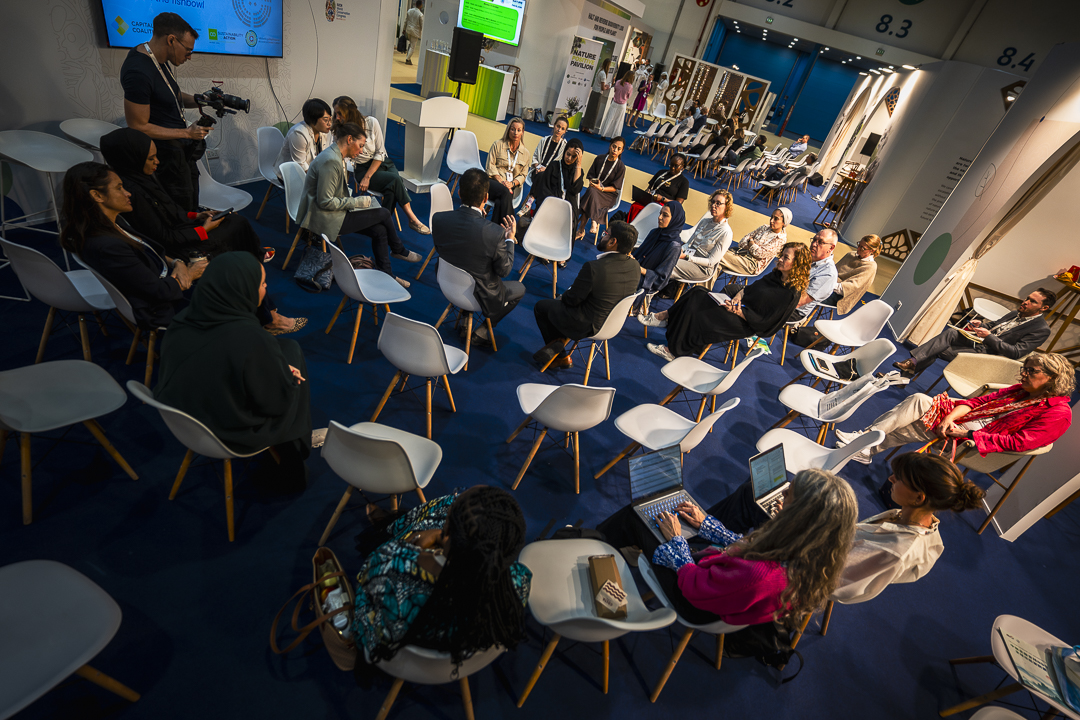
Participants engage in an open conversation during the fishbowl session

Erika Daintry, Executive Director, Finnish Business Council UAE
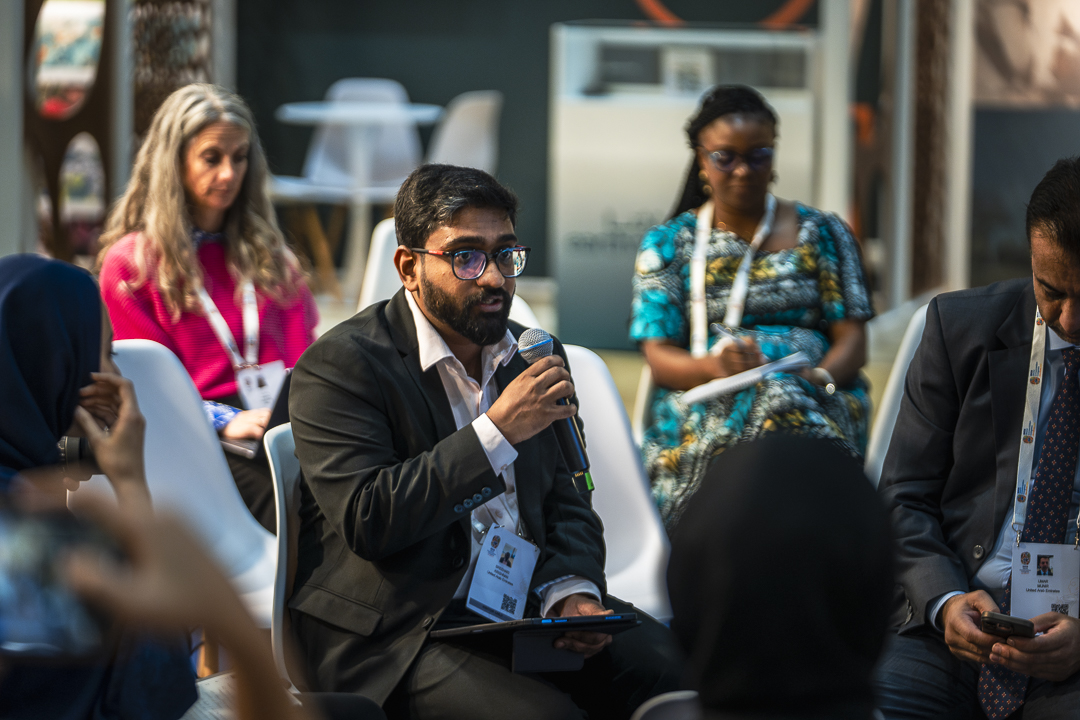
Shreehari Krishnan, BESIX Middle East

Nan Xiang, Director, International Development Department, China Sustainability Tribune
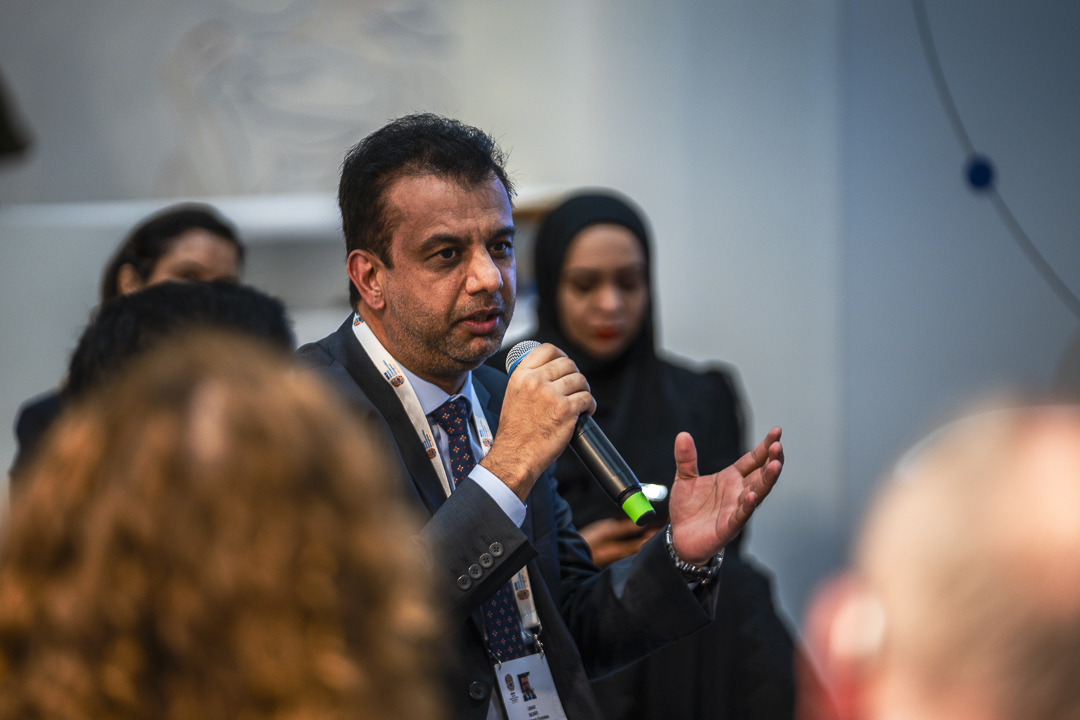
Umar Munir, Cleveland Clinic Abu Dhabi
Around the Venue
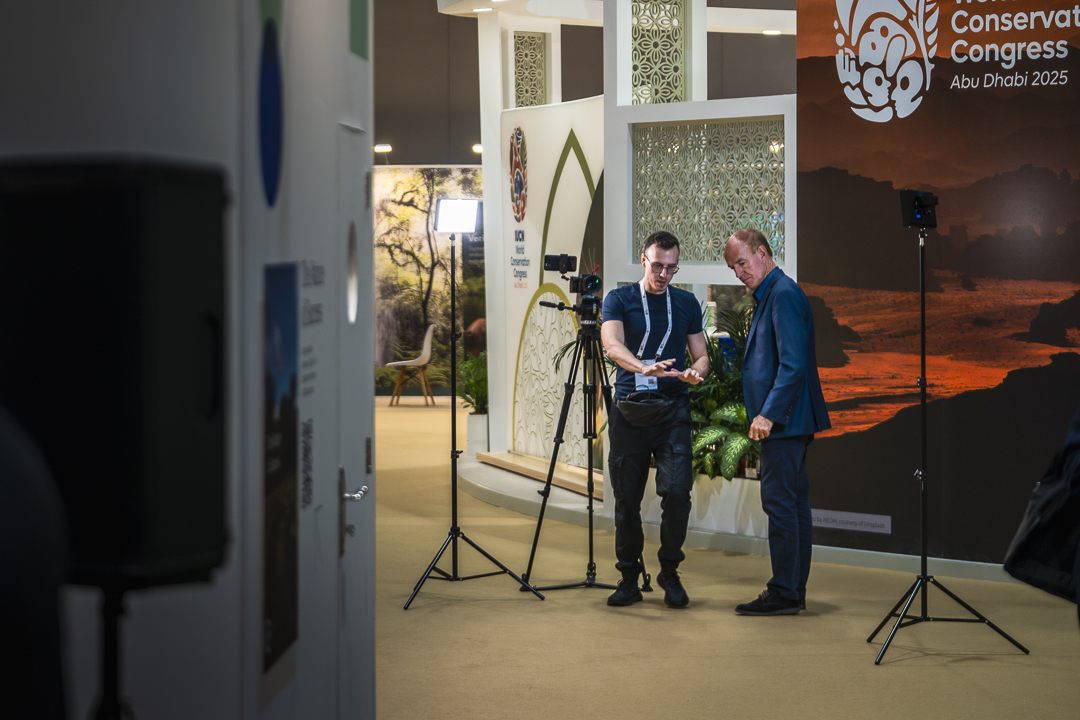


Emma Vovk, Danny Skilton, and Olivia Pasini, Earth Negotiations Bulletin
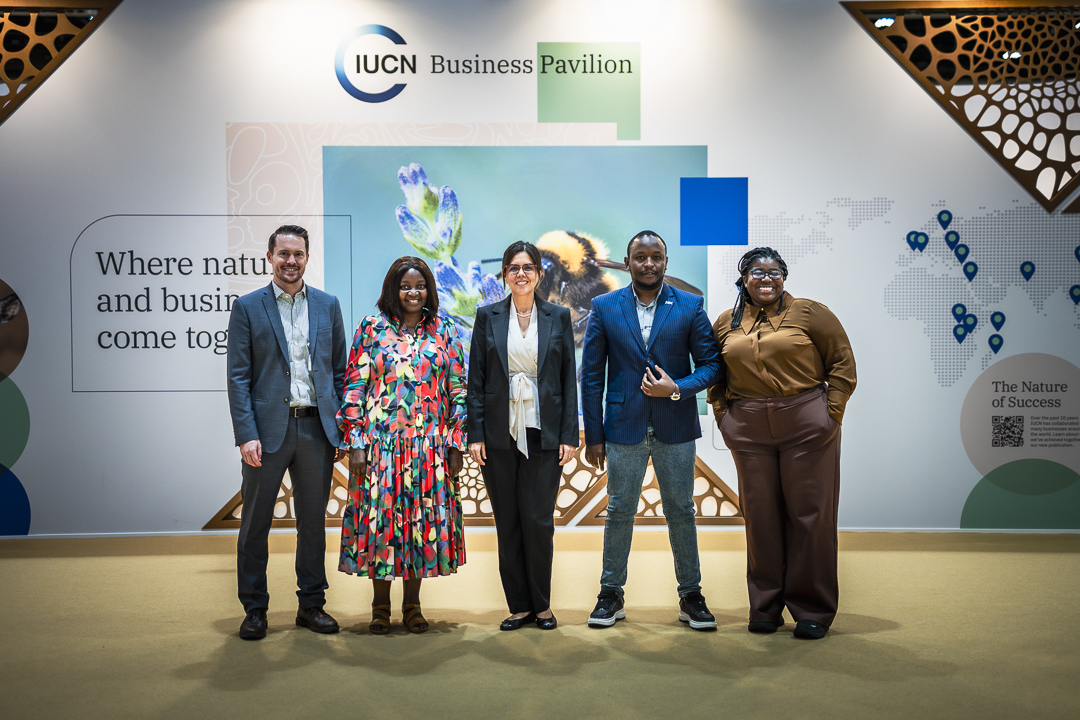
Members of the IUCN Business Summit team gather for a group photo