“Finance must evolve to address the planet’s most pressing challenges.” Delegates at the International Union for Conservation of Nature (IUCN) Business Summit delved into approaches for bringing everyone to the table to conserve and restore nature. The Summit’s second day featured a wide range of sessions, from considering innovative financing mechanisms to enabling factors for making the business case to invest in nature.
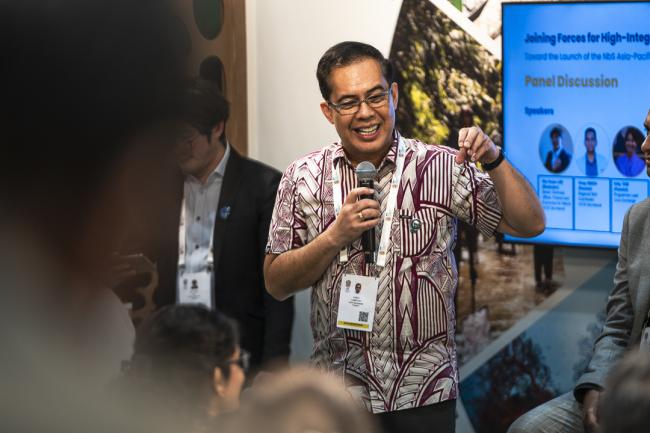
Among the morning’s business and nature-focused sessions, delegates headed towards the exhibition center to hear how IUCN partners are gearing up for the launch of the Nature-based Solutions (NbS) Asia Partnership. Speakers outlined the need for regional cooperation and knowledge sharing among NbS projects and networks, with many calling for breaking down silos between organizations working under similar mandates. Delegates highlighted the recent launch of the updated IUCN Global Standard for NbS as key for increasing credibility in NbS projects and buy-in from financial partners.
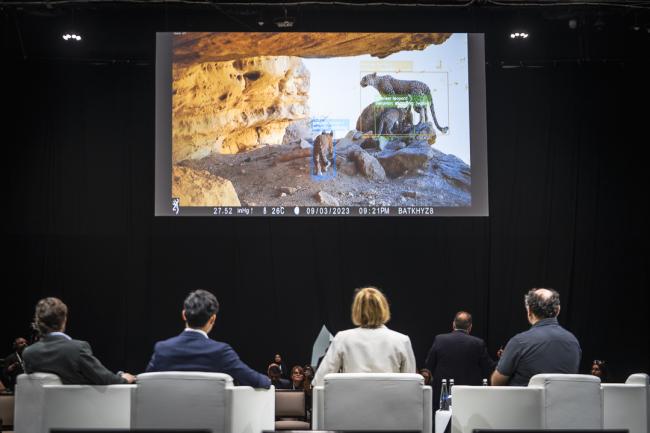
Across the venue, participants also attended a session on technology at the service of conservation, addressing the technological innovations driving positive environmental action. Delegates heard examples of the use of artificial intelligence and other technologies as they are applied to resolve environmental problems. Discussions considered innovations that are pushing the frontiers of environmental impacts at an increasing pace and scale.
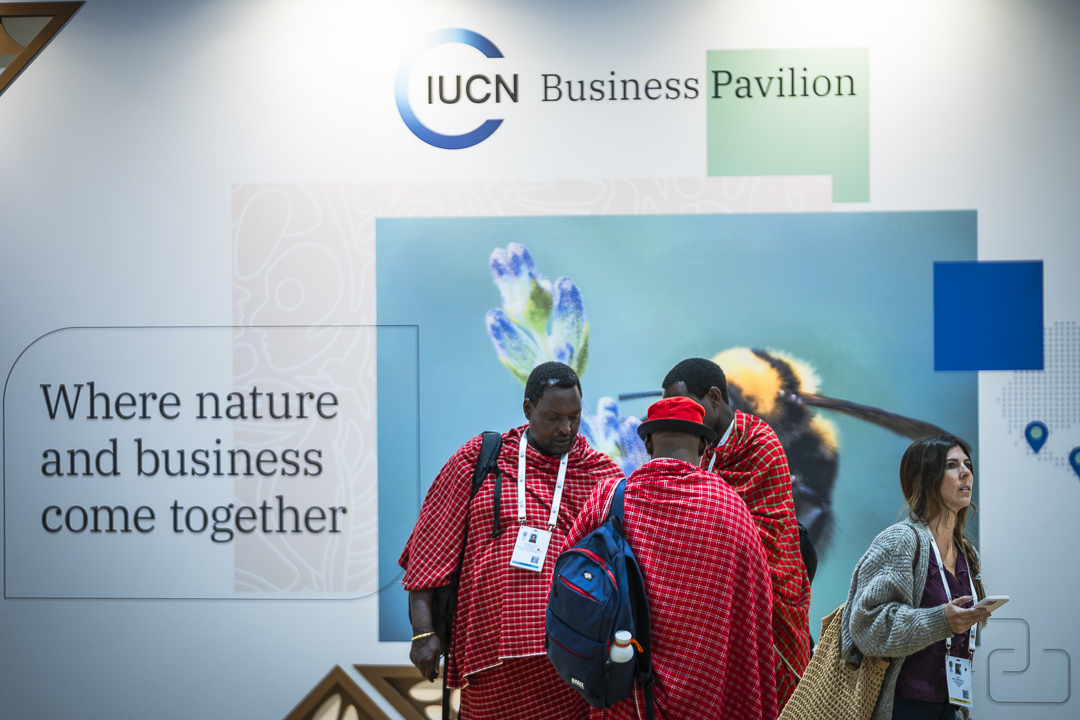
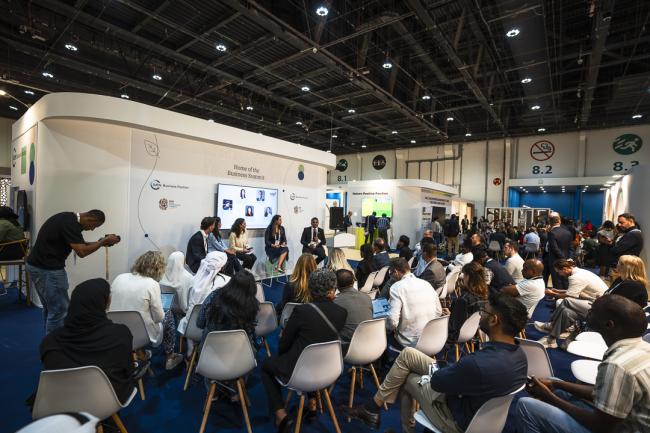
In the Business Pavilion, panelists in a session on the evolution of the blue economy highlighted the growing market for blue bonds, noting it is expected to reach USD 70 billion by 2030. They drew parallels to green bonds; remarked that the Middle Eastern region is rapidly growing regarding bond issuance compared to Europe or North America; and addressed issues of scalability and the complexity of nature-related metrics.
Speakers further emphasized the need to build partnerships, including for developing blended finance projects, and said standards and regulatory frameworks are key enablers for implementation.
The afternoon session on the hidden cost of plastic pollution and biodiversity loss discussed national-level actions on biodiversity loss and plastic pollution, with panelists pointing to opportunities to tackle these issues concurrently. The conversation then moved to public-private partnerships at the nexus of biodiversity and plastics, where participants explored synergies and common areas of work. Delegates stressed, among others, the importance of: collaboration at all levels; a clear regulatory framework; and transforming environmental challenges into opportunities.
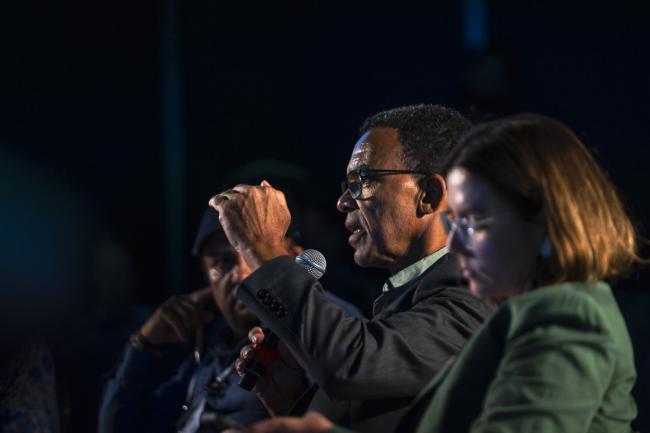
Considering metrics for measuring progressing, target-setting, and disclosures on nature impacts and dependencies, speakers in the Business Pavilion underlined a commonly-heard challenge at the Summit — that nature-related metrics are complex and numerous, particularly in comparison to the fewer and more-widely understood climate-related metrics. They highlighted initiatives and sector- and biome-specific guidance for harmonizing metrics for businesses and practitioners.
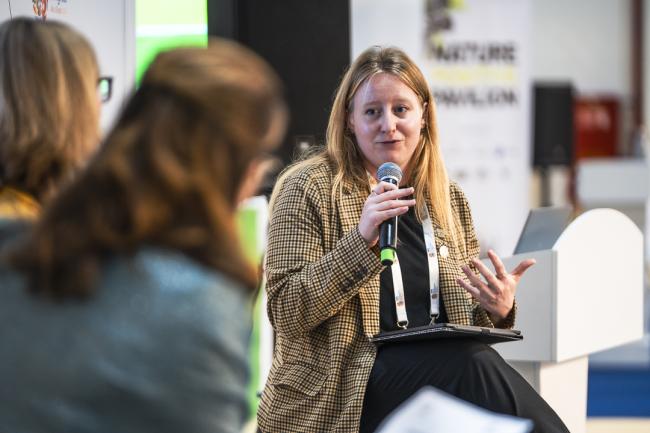
A high-level session in the afternoon featuring leaders from the public and private sectors explored ways to transition to nature-positive economies and societies and scale up resilient conservation action through innovative financing models for NbS. Delegates underscored the importance of investing with integrity, ensuring that “every dollar spent delivers measurable benefits for people, biodiversity, and climate.”
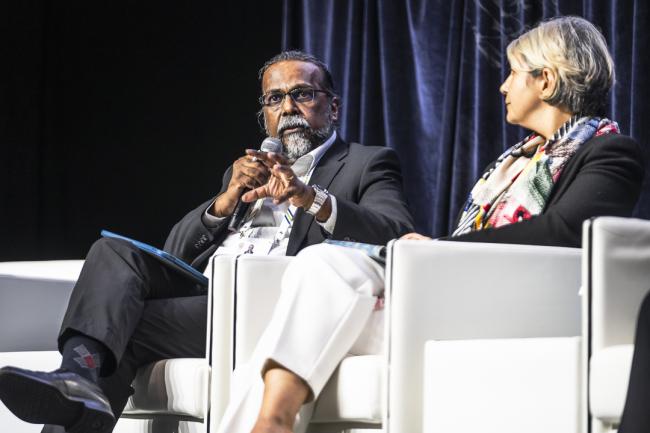
Delegates also enjoyed a conversation with IUCN RHINO pioneers and heard lessons from pilot companies committed to pursuing nature-positive actions, in particular representatives from mining and chemicals companies. The case studies focused on pilot projects in Brazil, Australia, and France.
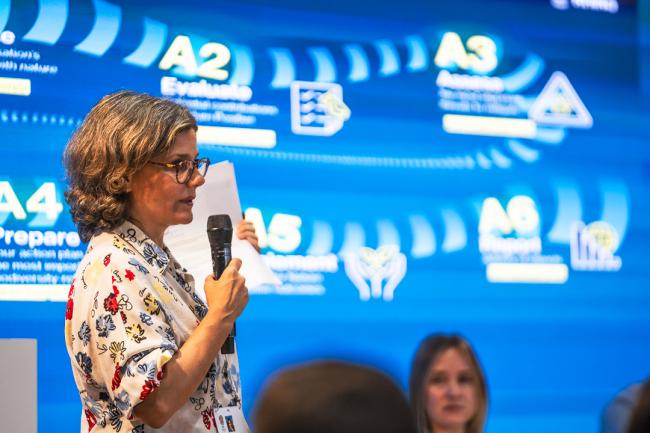
Toward the end of the day, the Business Pavilion hosted a discussion between Astrid Schomaker, Executive Secretary, Convention on Biological Diversity, and major financial players, to address the evolution toward biodiversity-aligned finance. Speakers noted that doing so “makes good business sense,” and exchanged insights on how to accelerate action for nature by mainstreaming biodiversity into business strategies, among others.
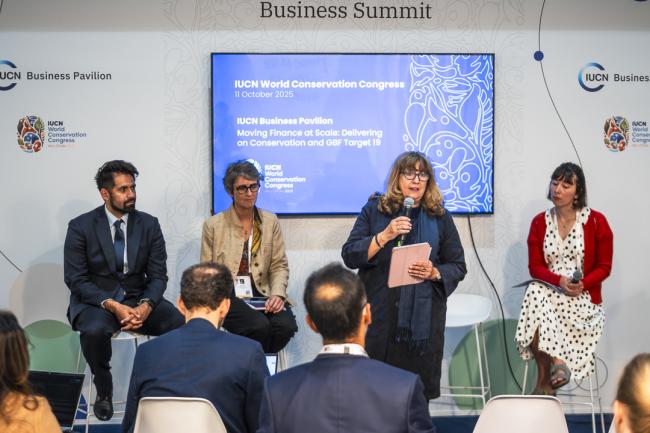
The Business Summit saw a flurry of concurrent sessions, launches, and discussions, the full range of which can be found here.
To receive free coverage of global environmental events delivered to your inbox, subscribe to the ENB Update newsletter.
All ENB photos are free to use with attribution. For the IUCN Business Summit, please use: Photo by IISD/ENB | Danny Skilton.
Technology at the Service of Conservation
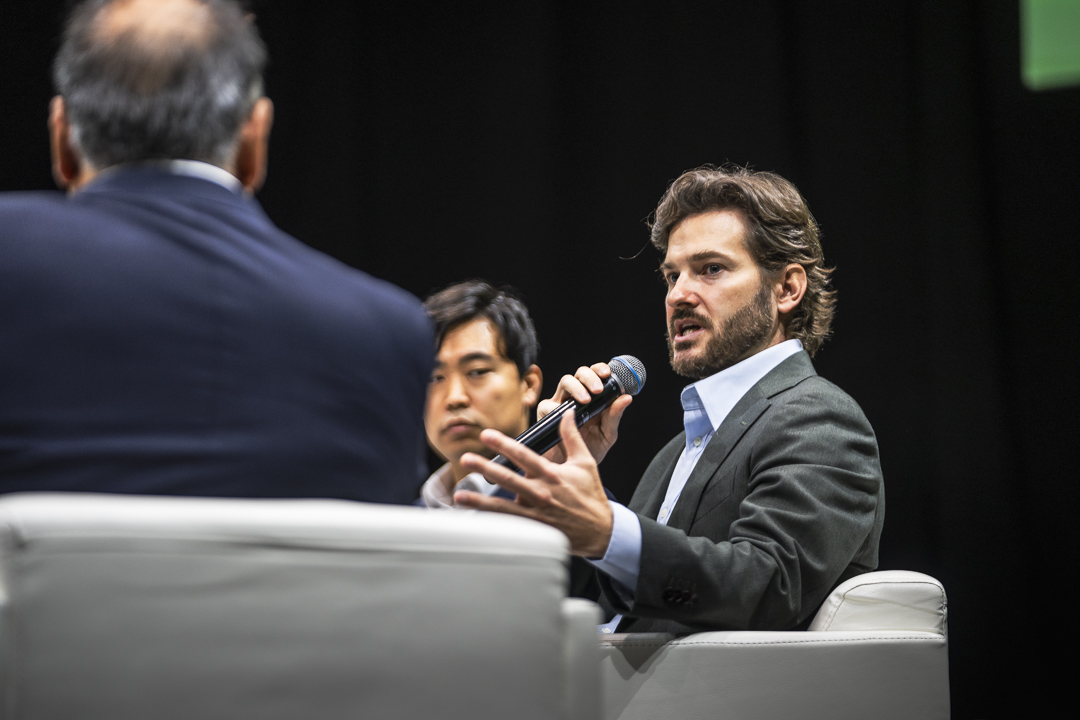
Tom Quigley, Co-founder and Managing Director, Superorganism
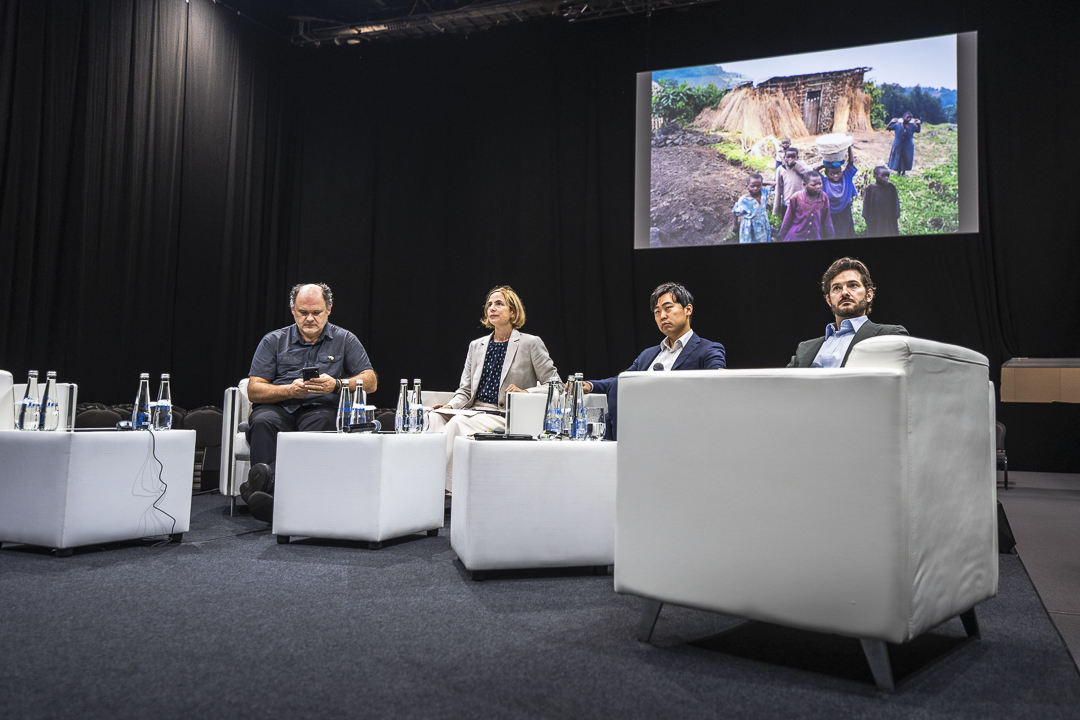
View of the roundtable on Technology at the service of Conservation: Innovations Driving Shared Impact
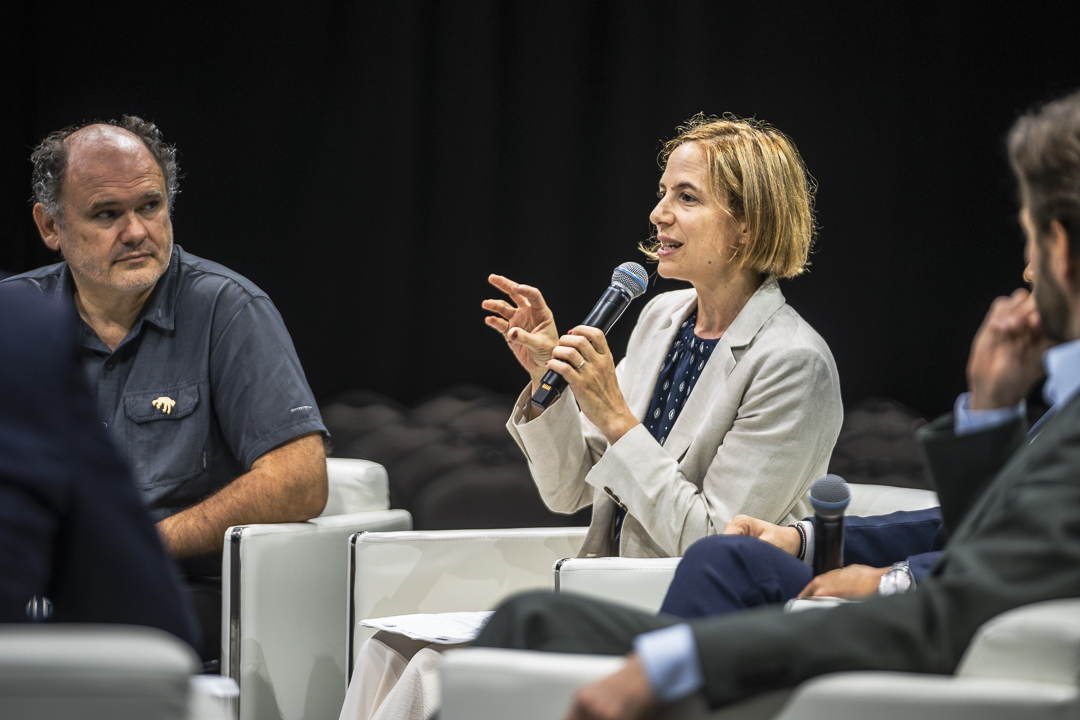
Rebecca Stern, Chief Science Officer, Dunya Analytics
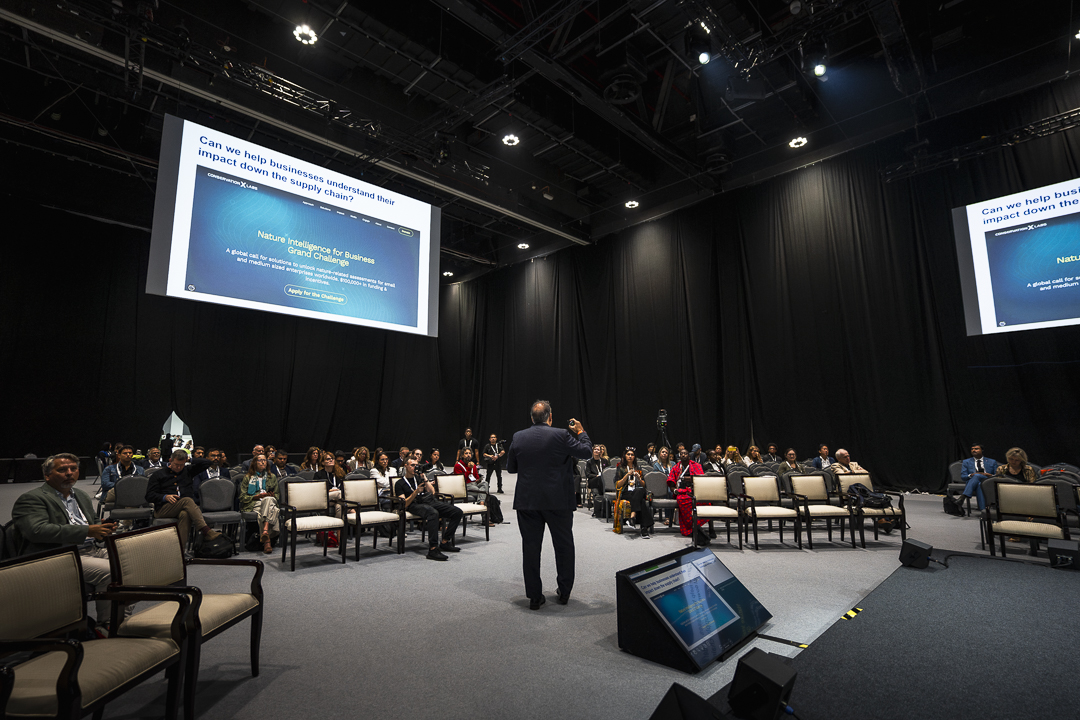
Alex Dehgan, CEO and Co-Founder, Conservation X Labs, delivers opening remarks
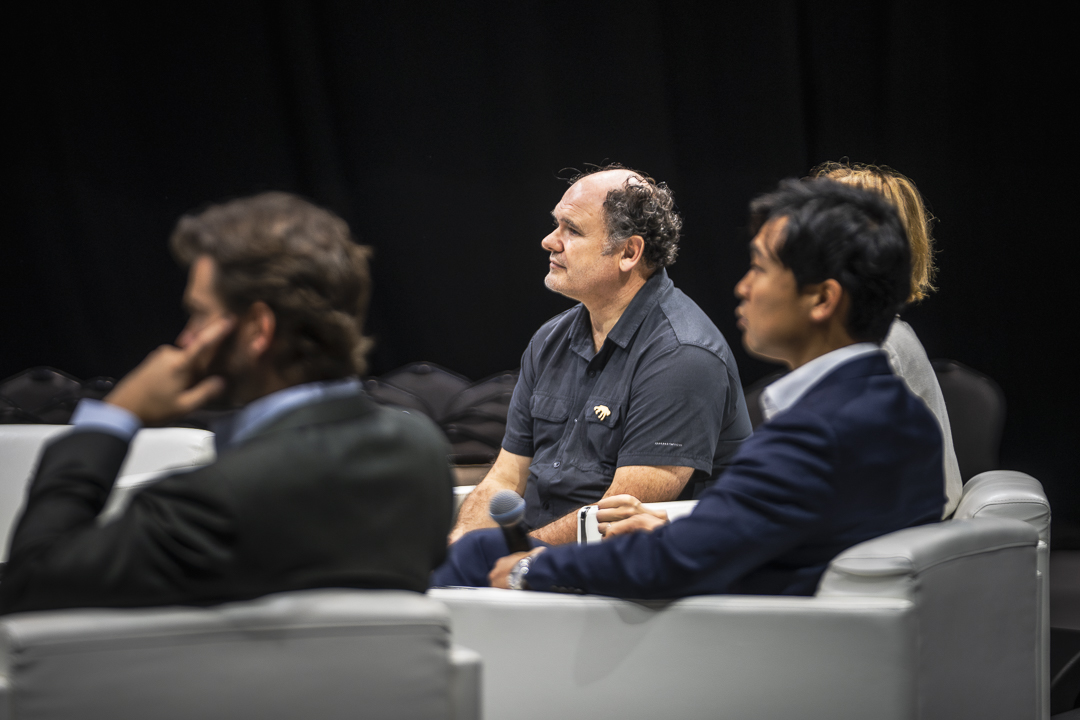
Lilian Pintea, Vice-President, Conservation Science, Jane Goodall Institute
Joining Forces for High-integrity Nature-based Solutions in Asia
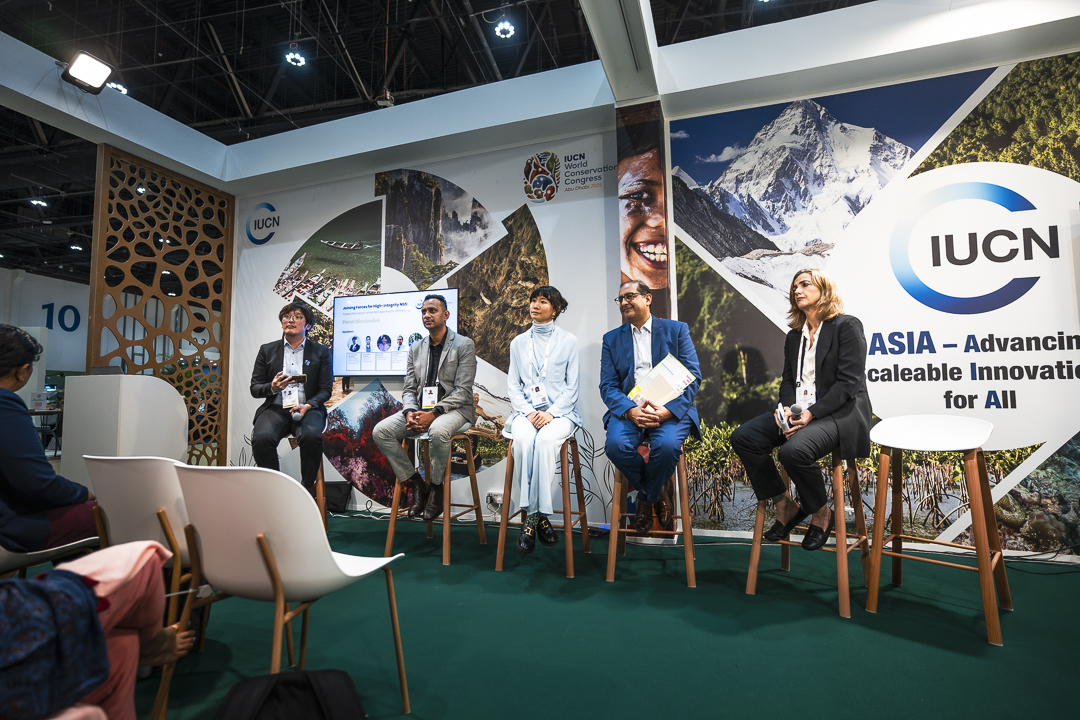
A view of the panel on Joining Forces for High-Integrity NbS: Toward the Launch of the NbS Asia-Pacific Partnership
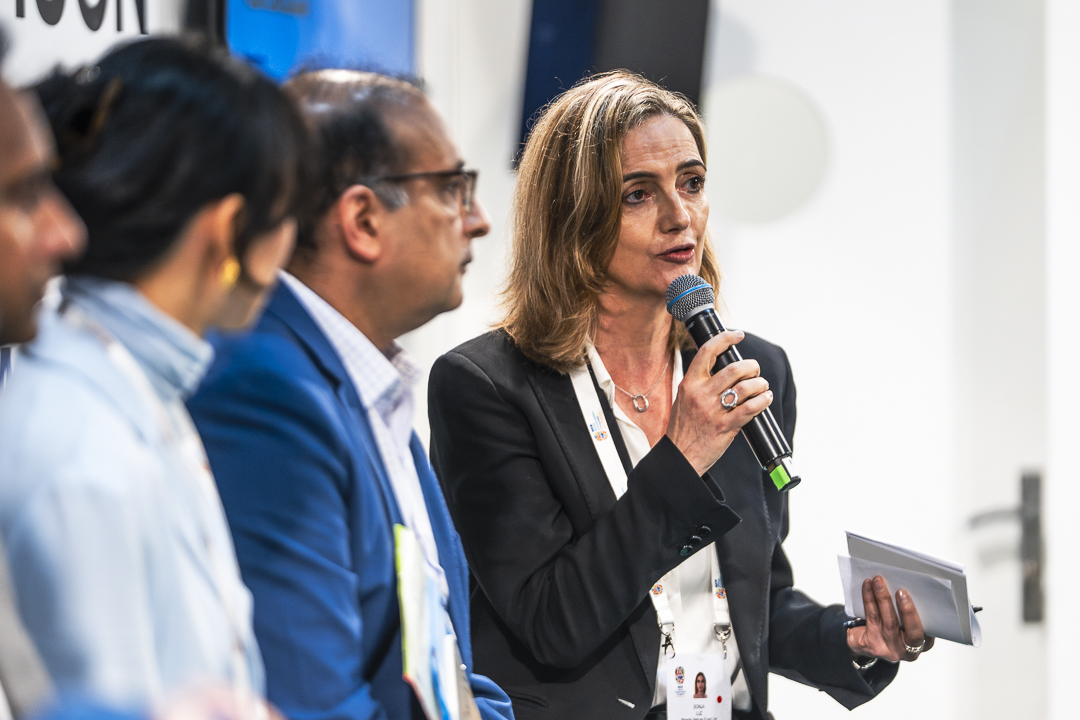
Sonja Luz, CEO, Mandai Nature
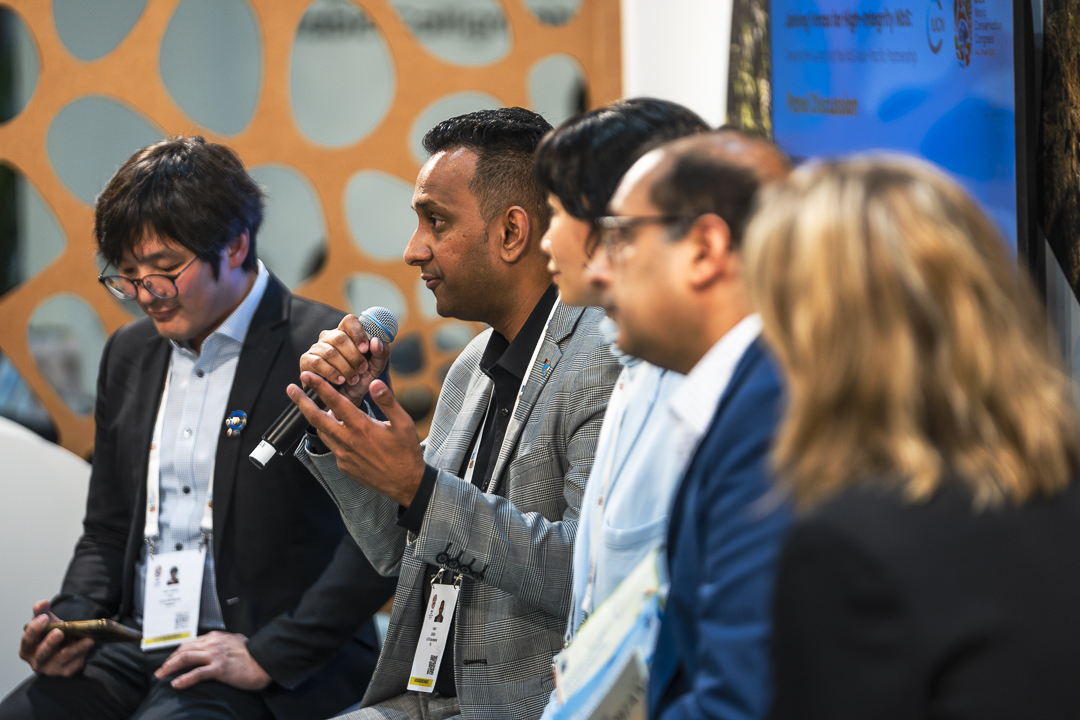
Vinay Singh, IUCN
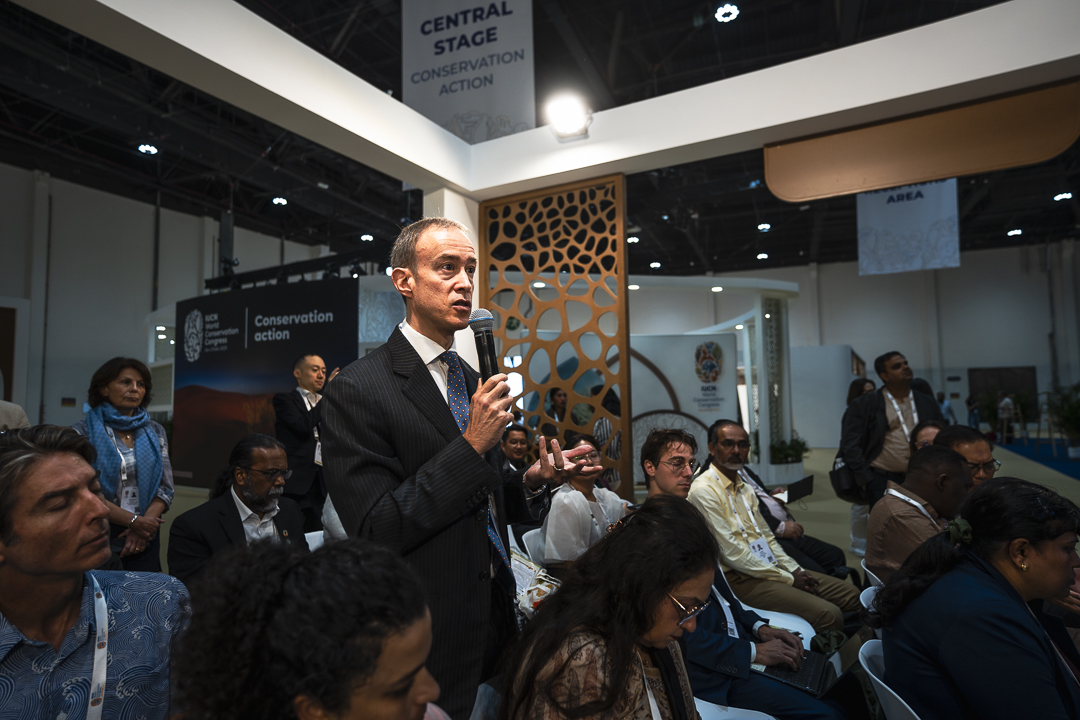
Lorenzo Santucci, Section Chief, Environment and Development Policy, UN Economic and Social Commission for Asia and the Pacific
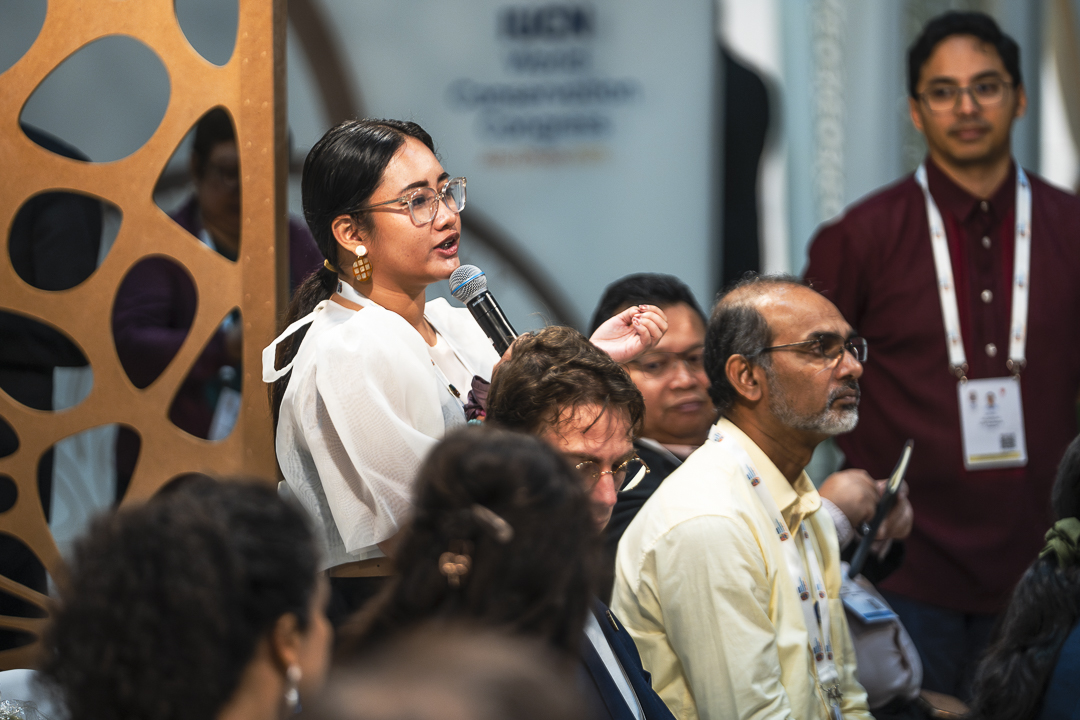
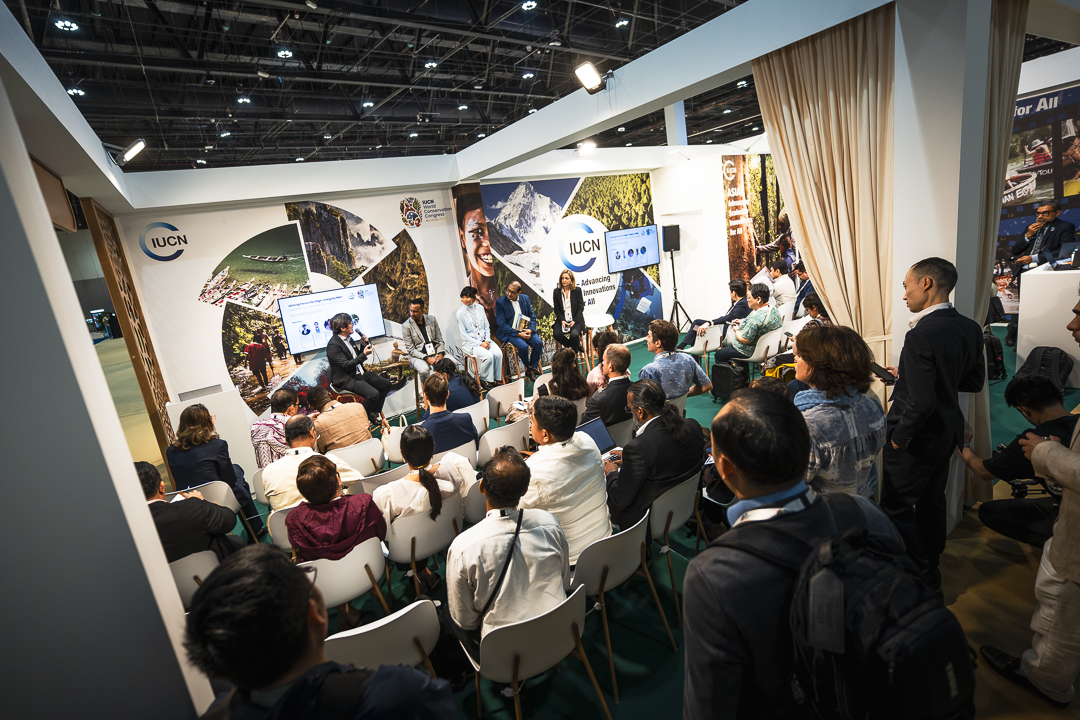
A view of the pavilion
Blue Bonds and the Evolution of the Blue Economy
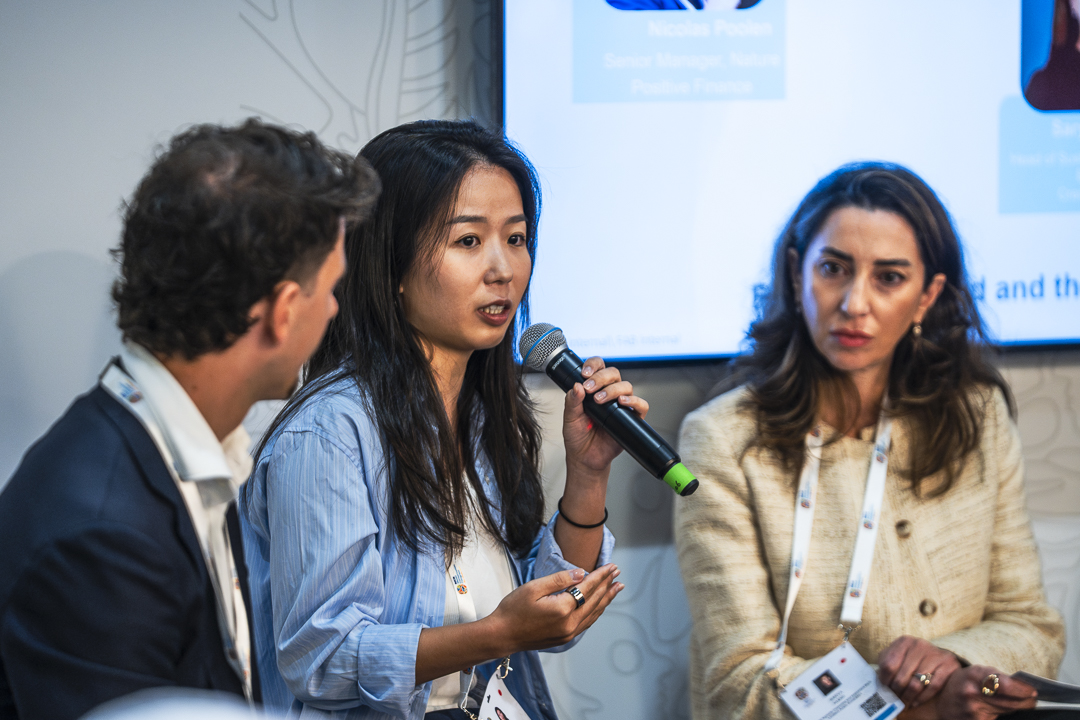
Vriko Yu, Co-Founder and CEO, Archireef
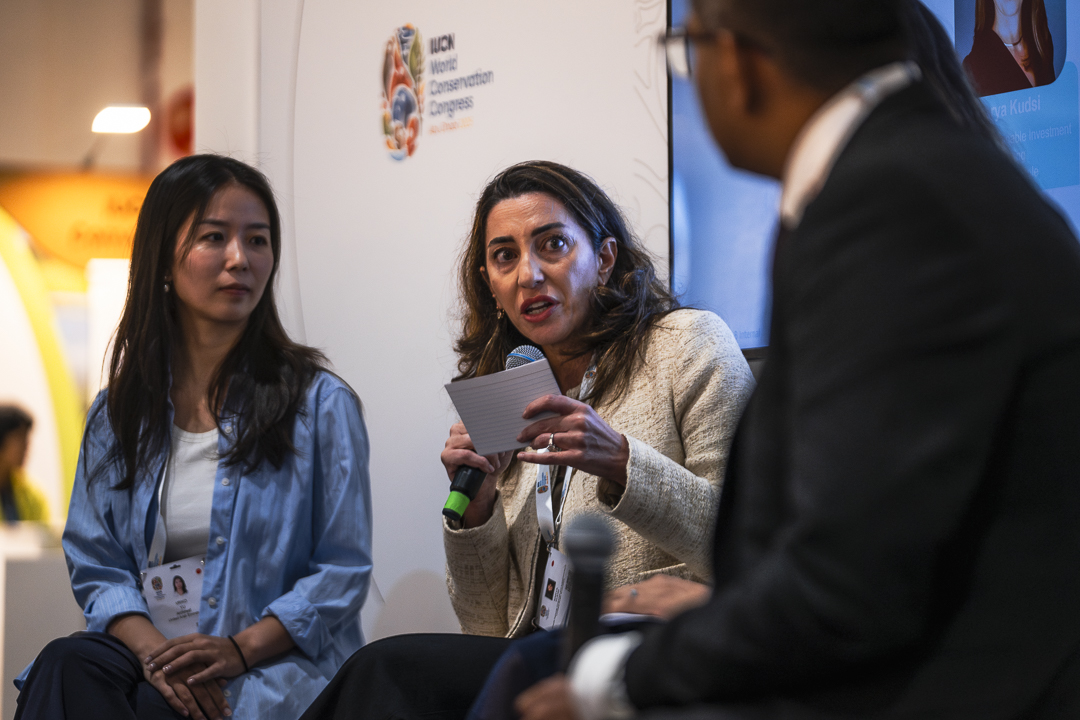
Sarya Kudsi, Head of Sustainable Investment Banking, Crédit Agricole

Maysam Rawashdeh, Head of ESG Assessments and Disclosures, FAB
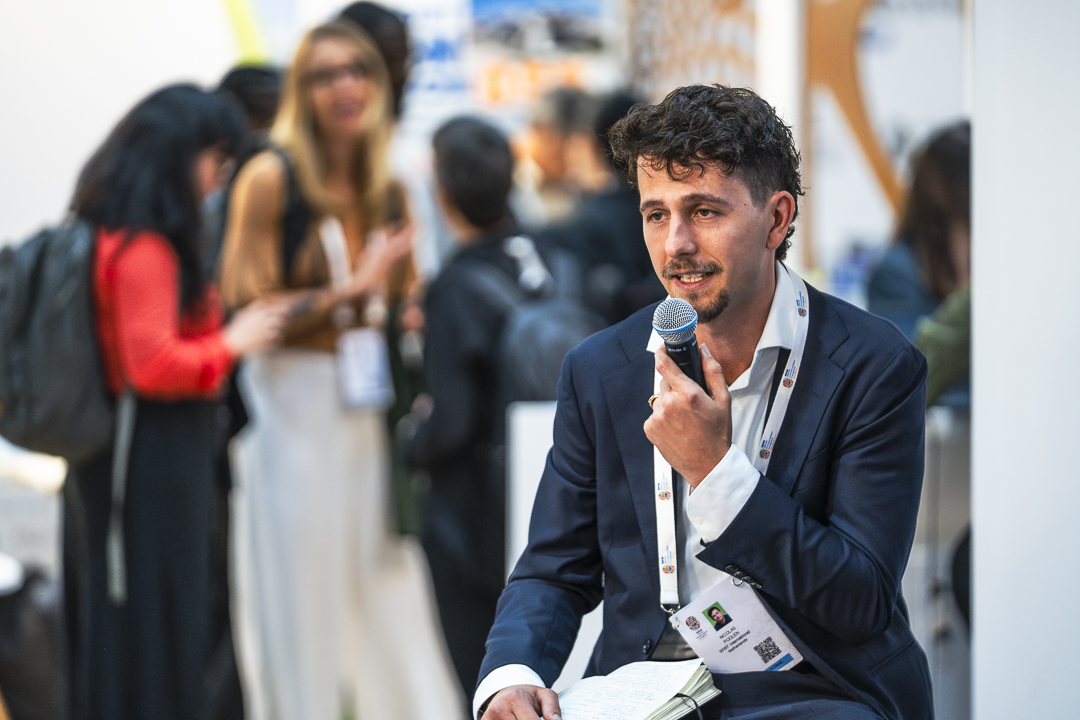
Nicolas Poolen, WWF, moderates the session
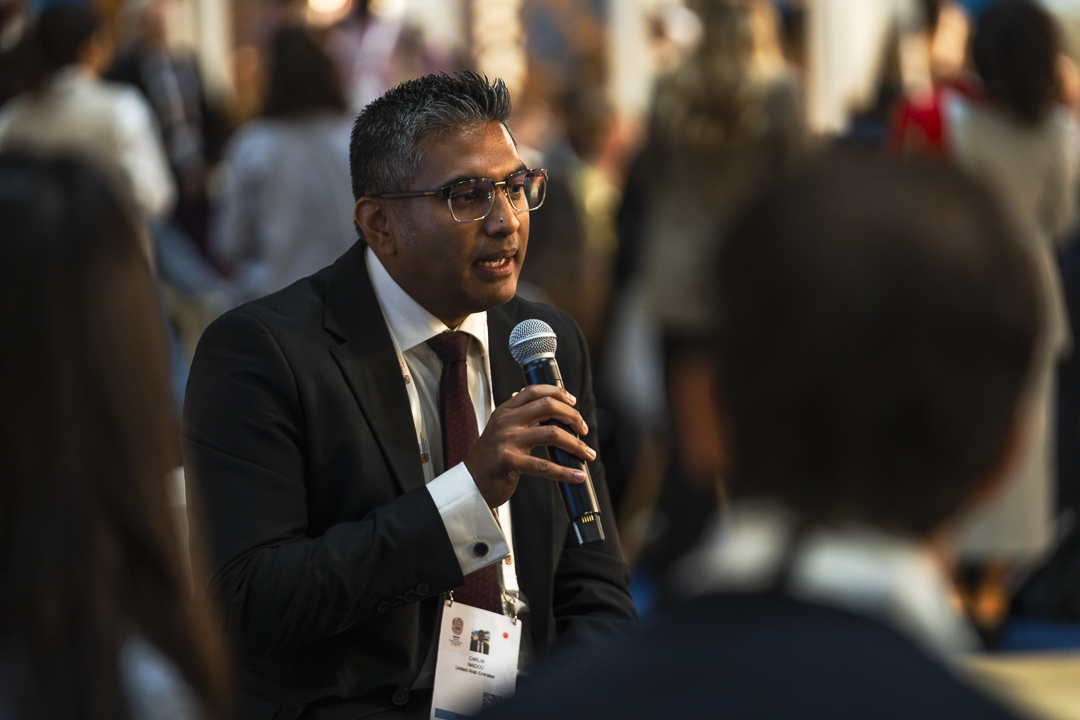
Carlin Naidoo, Group Vice President, Sustainability, DP World
The Hidden Cost of Plastic Pollution and Biodiversity Loss
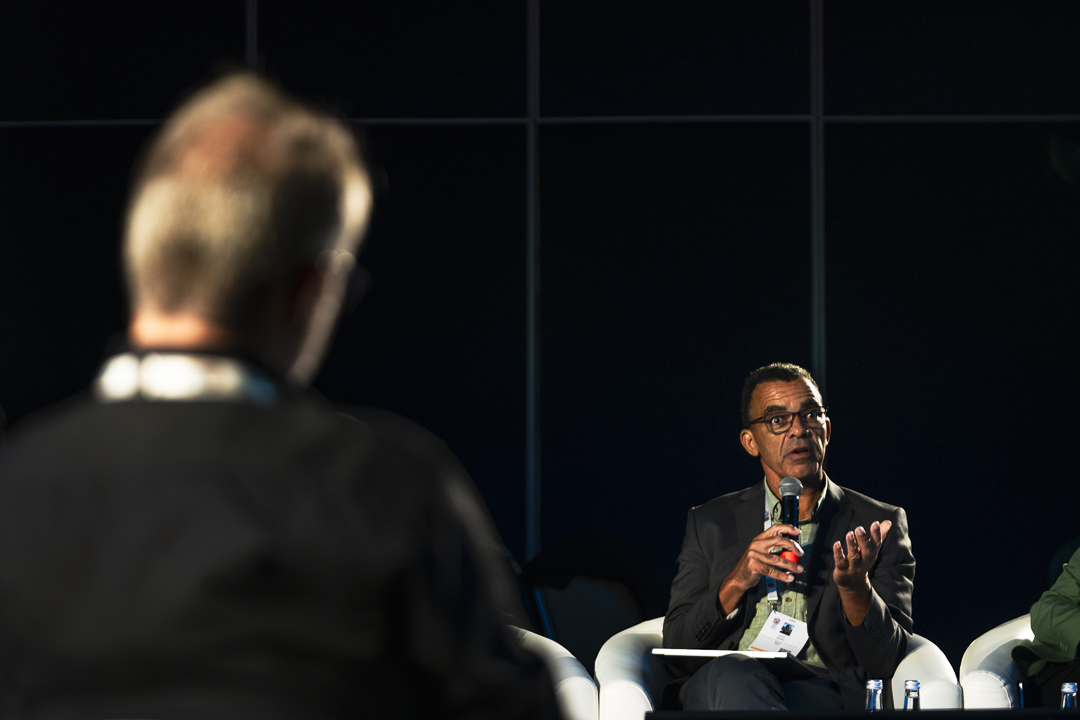
David Obura, Chair, IPBES

Dorothy Abade, African Natural Capital Alliance
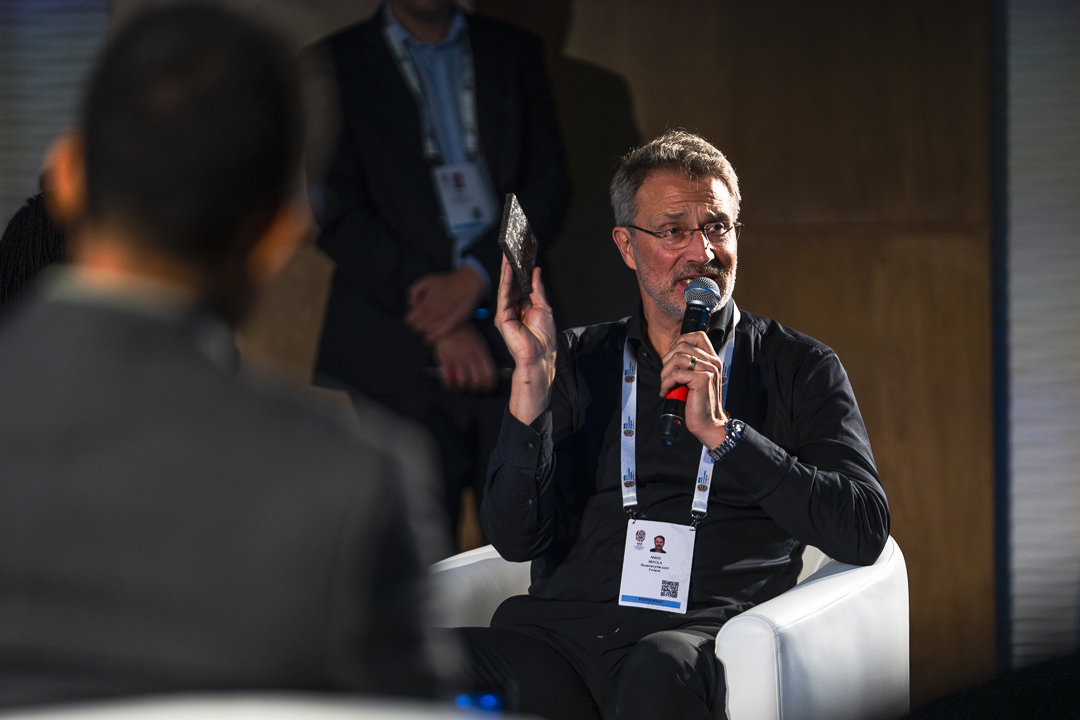
Anssi Mikola, CEO, RiverRecycle
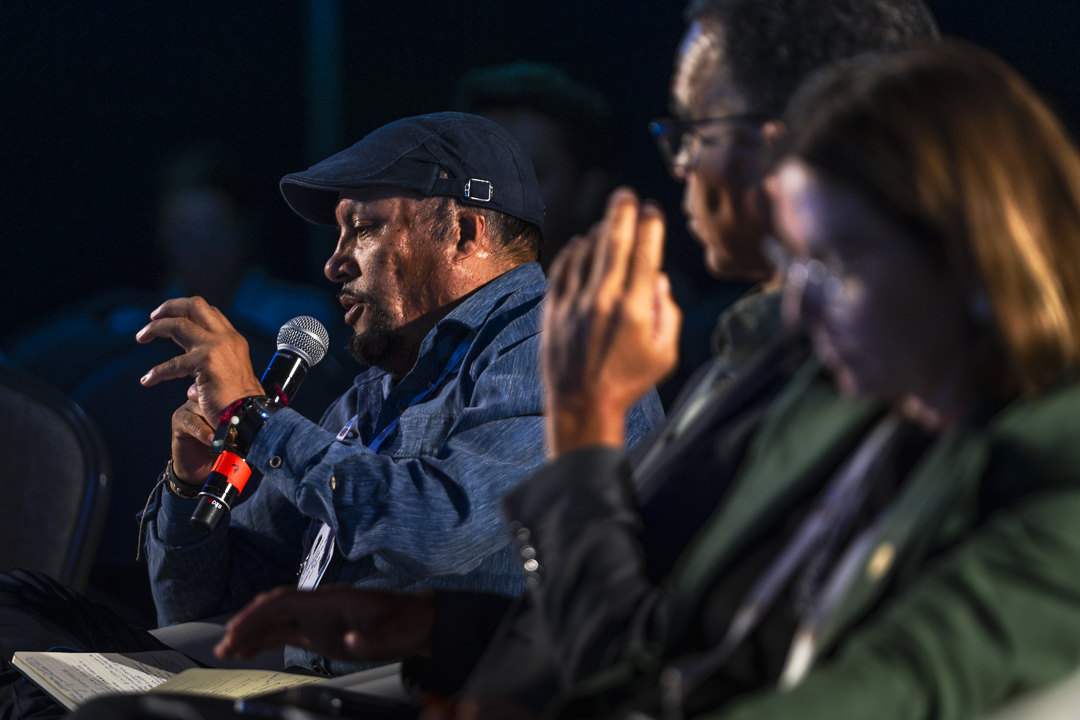
Marco Antonio Arenas Aspilcueta, Director General for Biological Diversity, Ministry of Environment, Peru
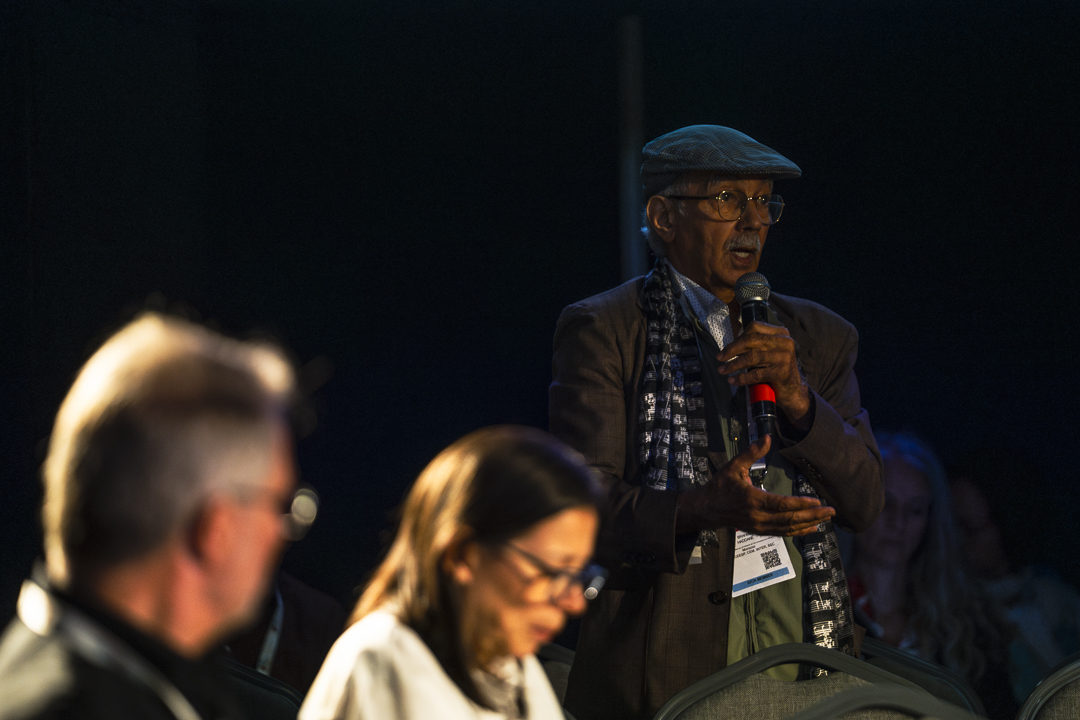
An audience member poses a question to the panel
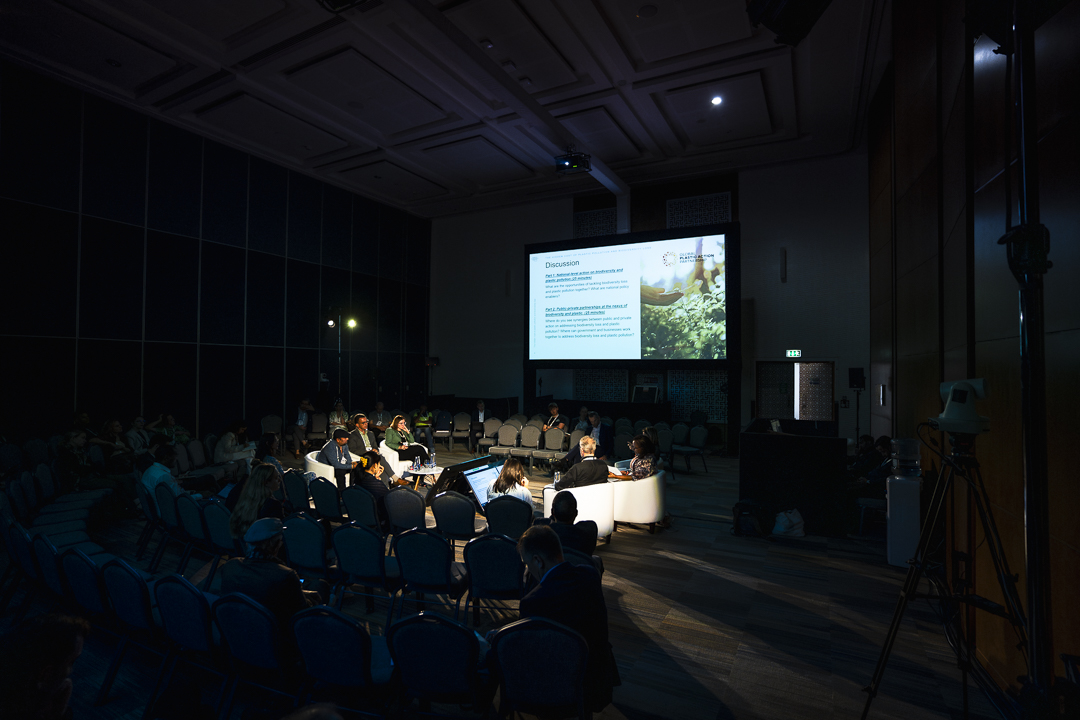
A wide view of the fishbowl

Harmonizing Nature-related Metrics
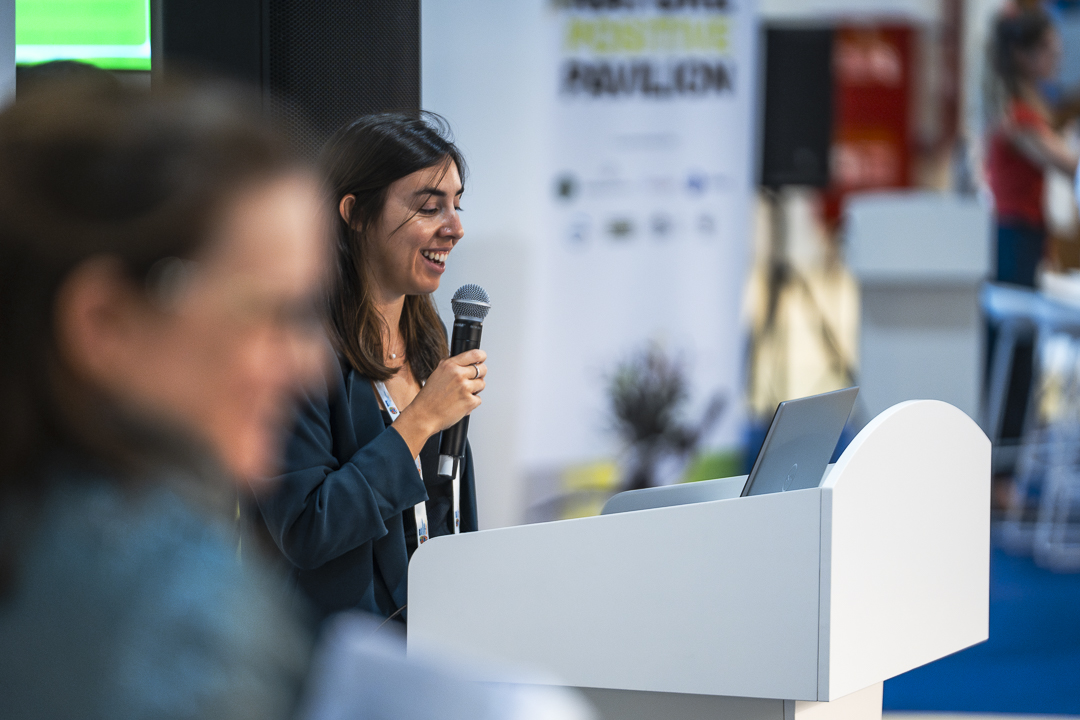
Maria Campos, World Business Council for Sustainable Development

Rachel Martin, Nature Positive Initiative

Participants during the session: “Harmonizing Nature-Related Metrics: Nature Action Portal”
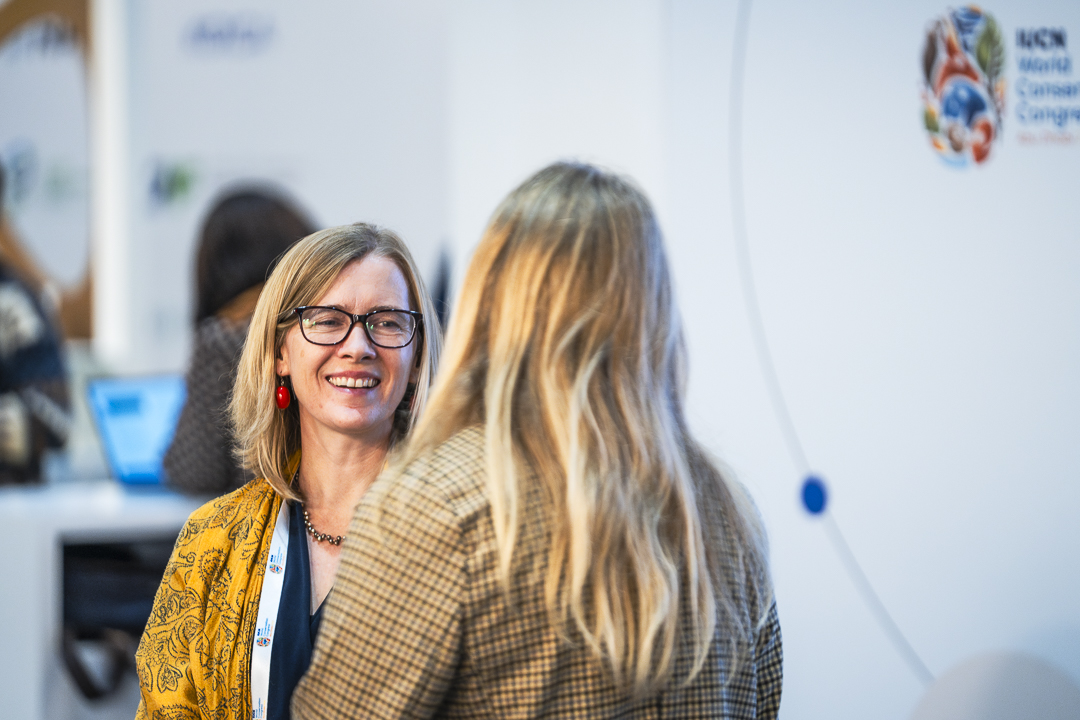
Emily McKenzie, Technical Director, Taskforce on Nature-related Financial Disclosures
Innovative Financing Mechanisms for Scaling Up Nature-based Solutions
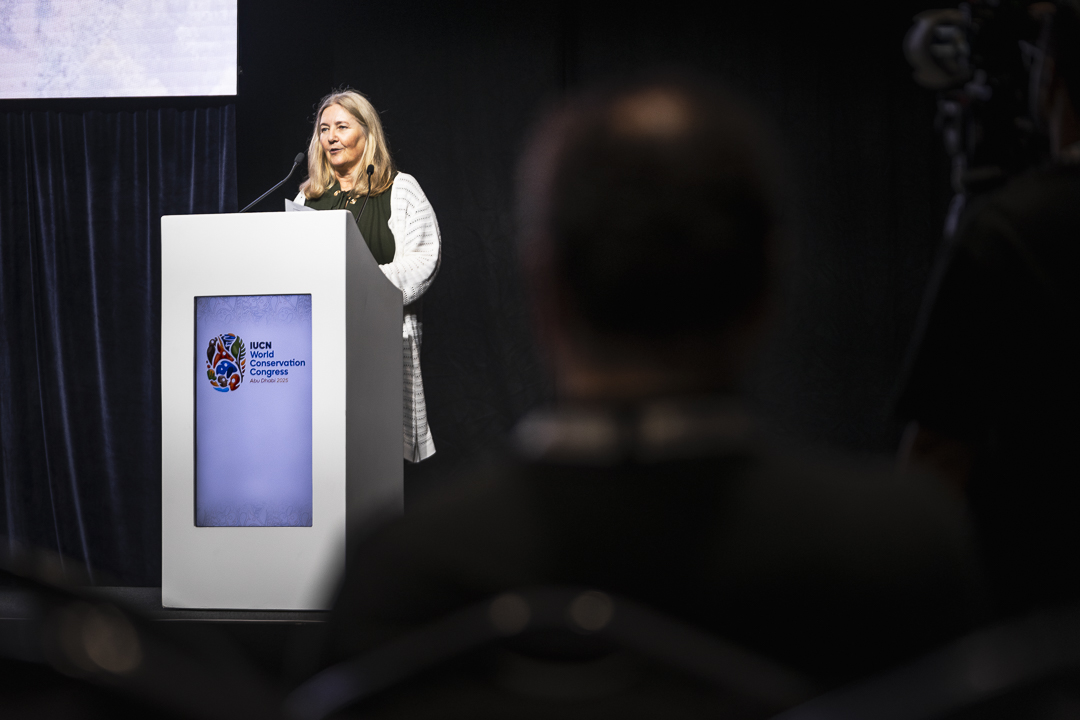
Susanne Pedersen, Director, Science and Knowledge Centre, IUCN
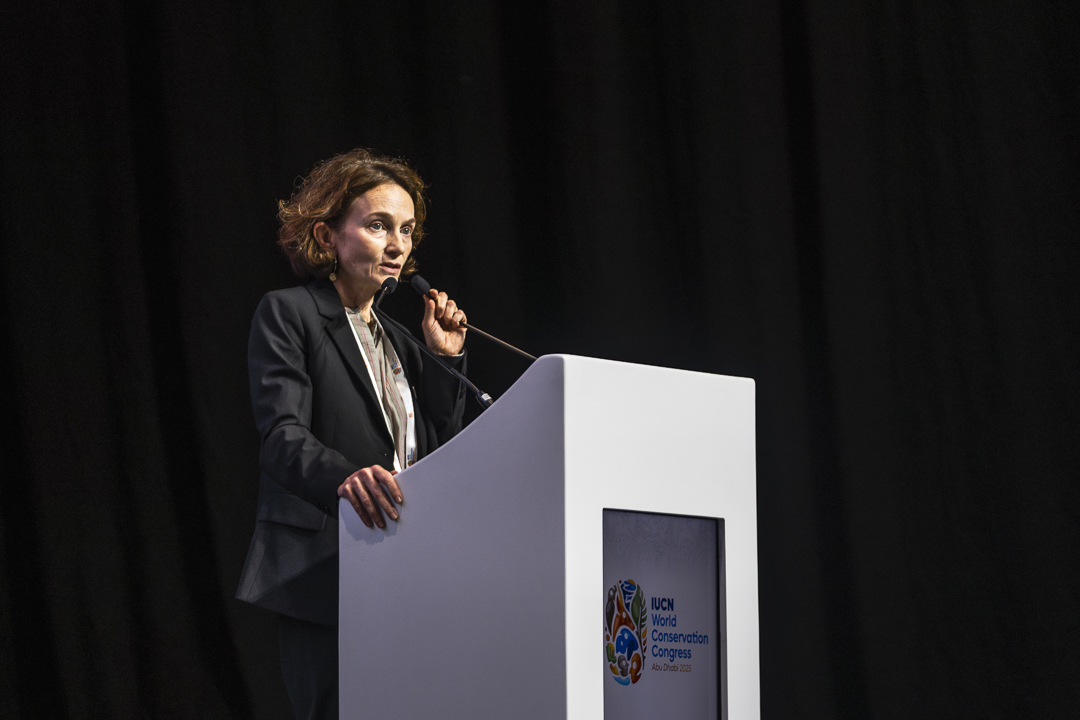
Marie Bjornson-Langen, Deputy Executive Director, Sustainable Development Solutions, French Development Agency
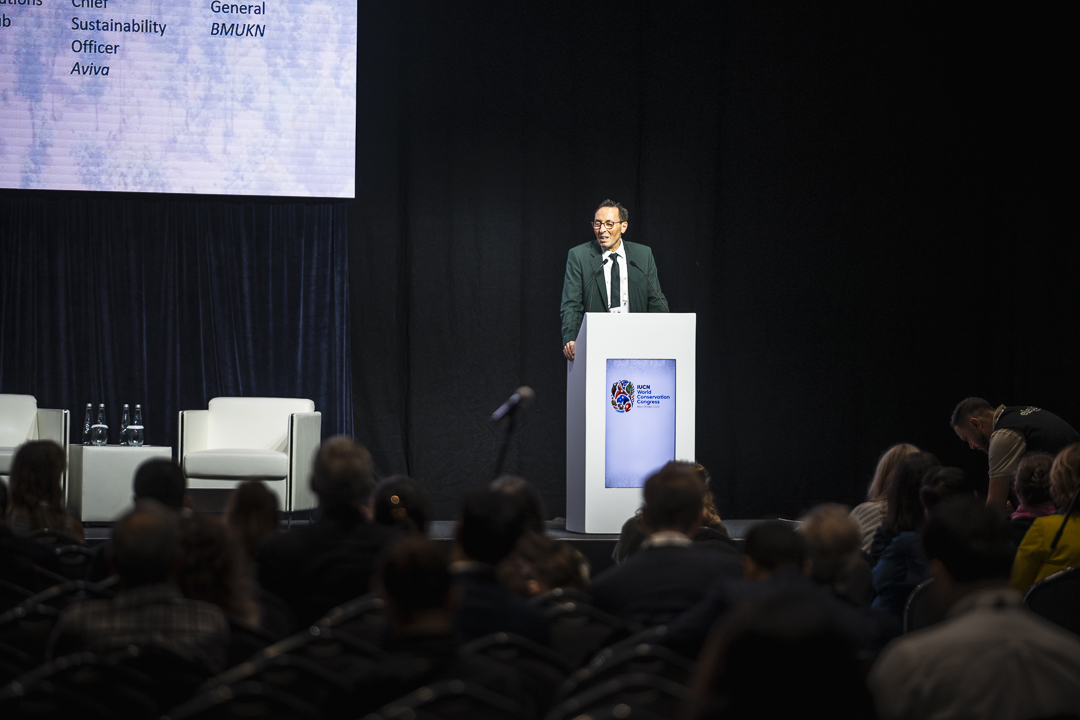
Oliver Konz, Director General, Federal Ministry for Environment, Nature Conservation and Nuclear Safety, Germany
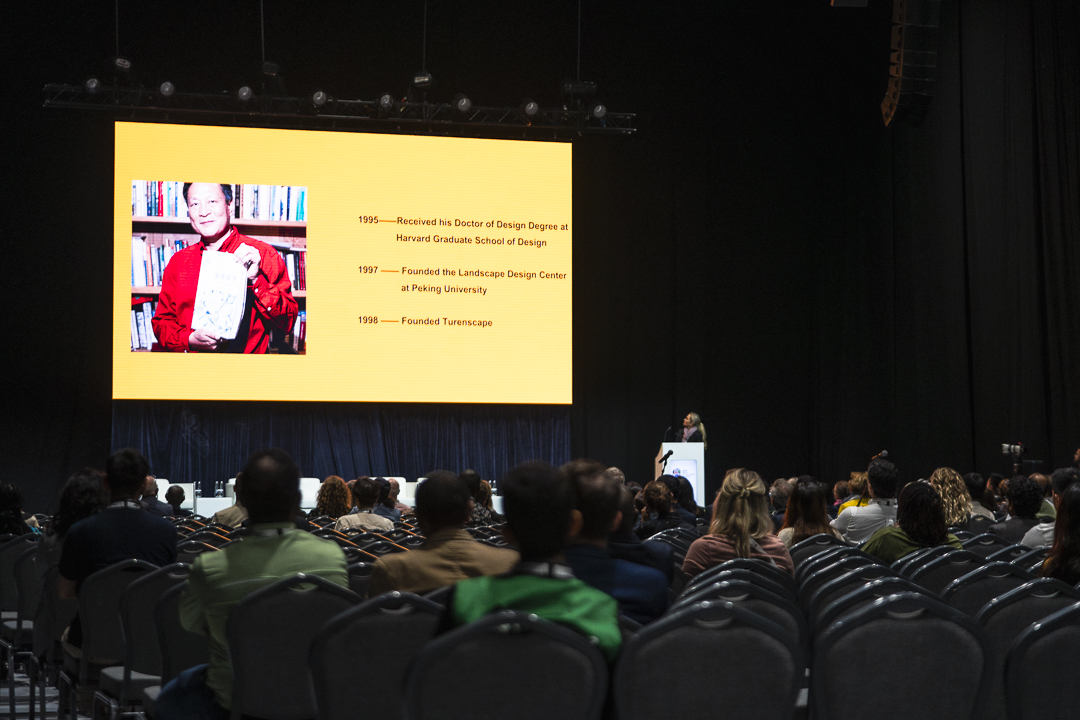
Participants watch a tribute video honoring Kongjian Yu, Director, IUCN Global NbS Innovation Center
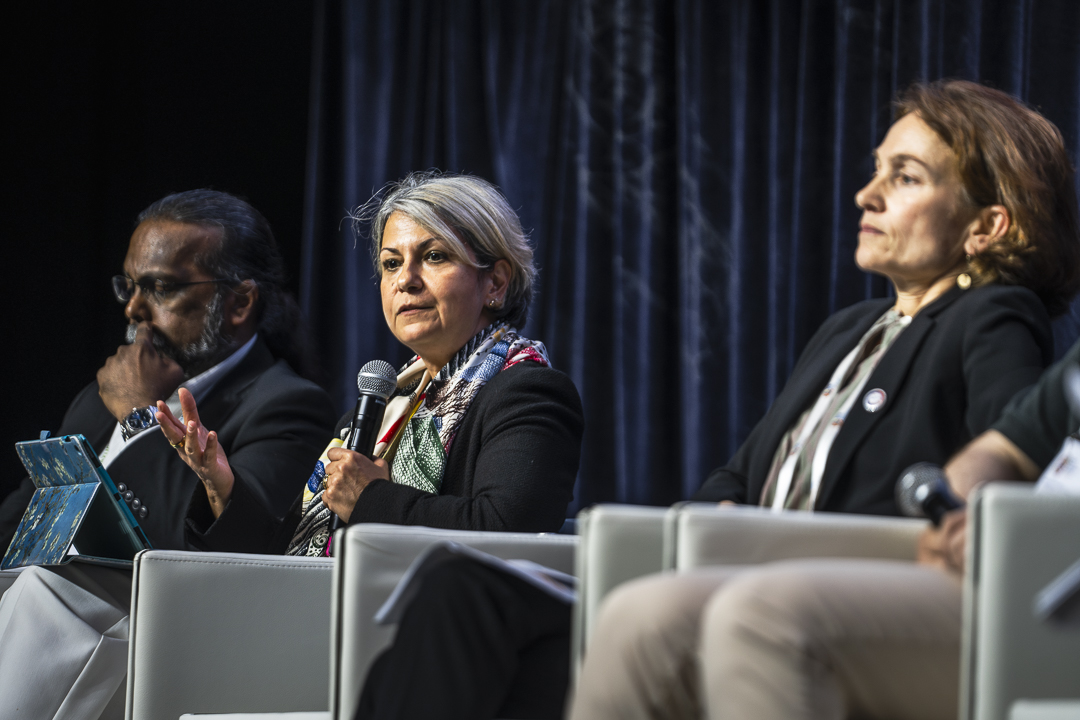
Claudine Blamey, Chief Sustainability Officer, Aviva
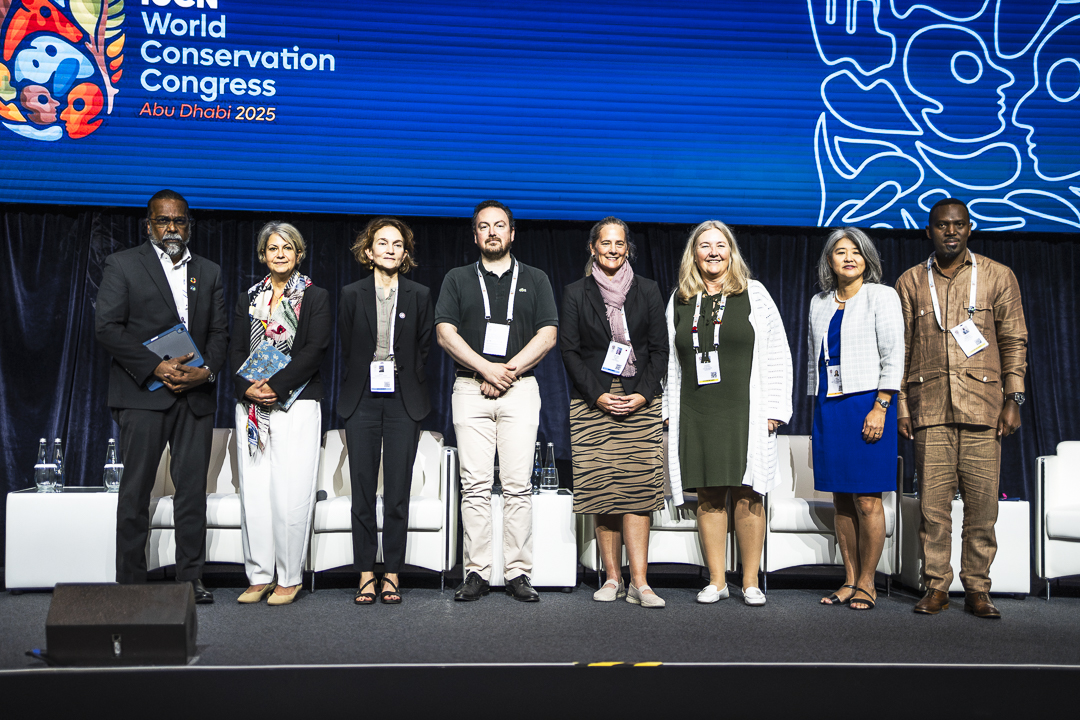
Speakers from the high-level event “Innovative Financing Mechanisms for Scaling Up Nature-Based Solutions” pose for a group photo
Moving Finance at Scale
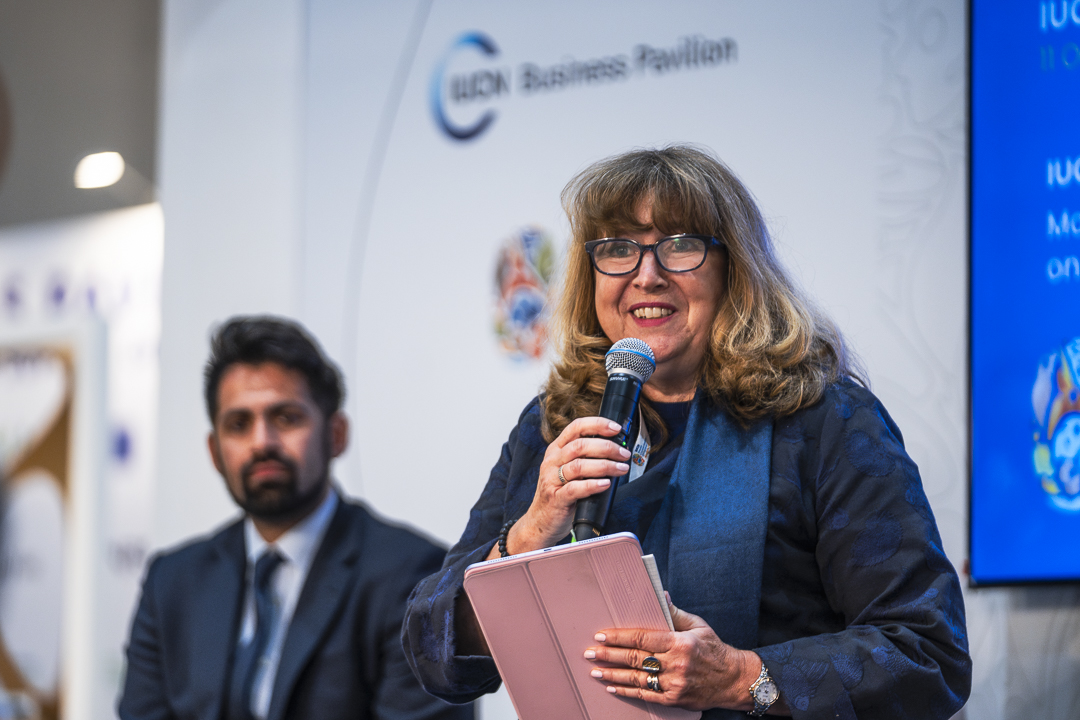
Astrid Schomaker, Executive Secretary, CBD
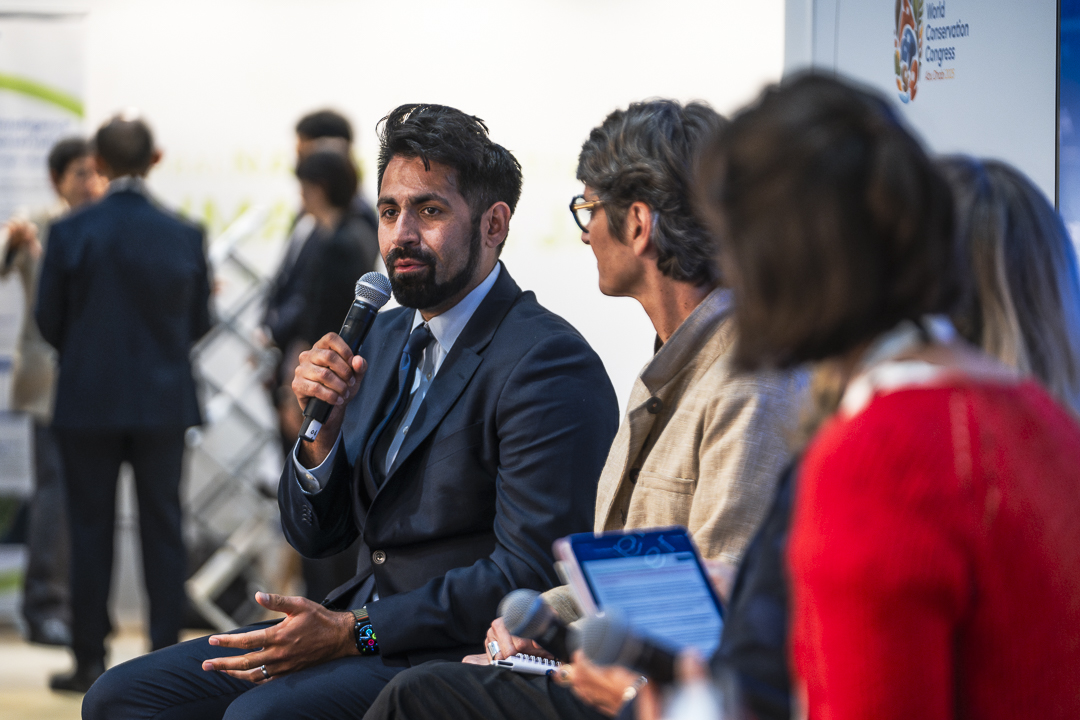
Thomas Viegas, Aviva
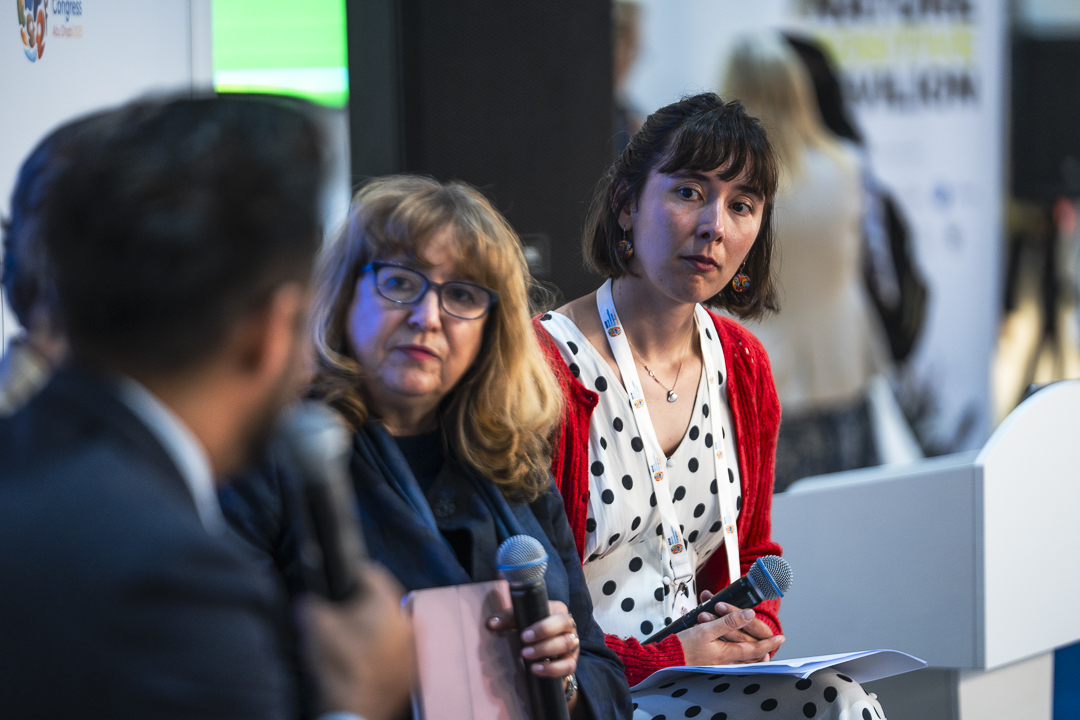
Joanna Wolstenholme, UN Environment Programme - World Conservation Monitoring Centre
In Conversation with IUCN RHINO Pioneers
Jean-Charles Djelalian, Solvay
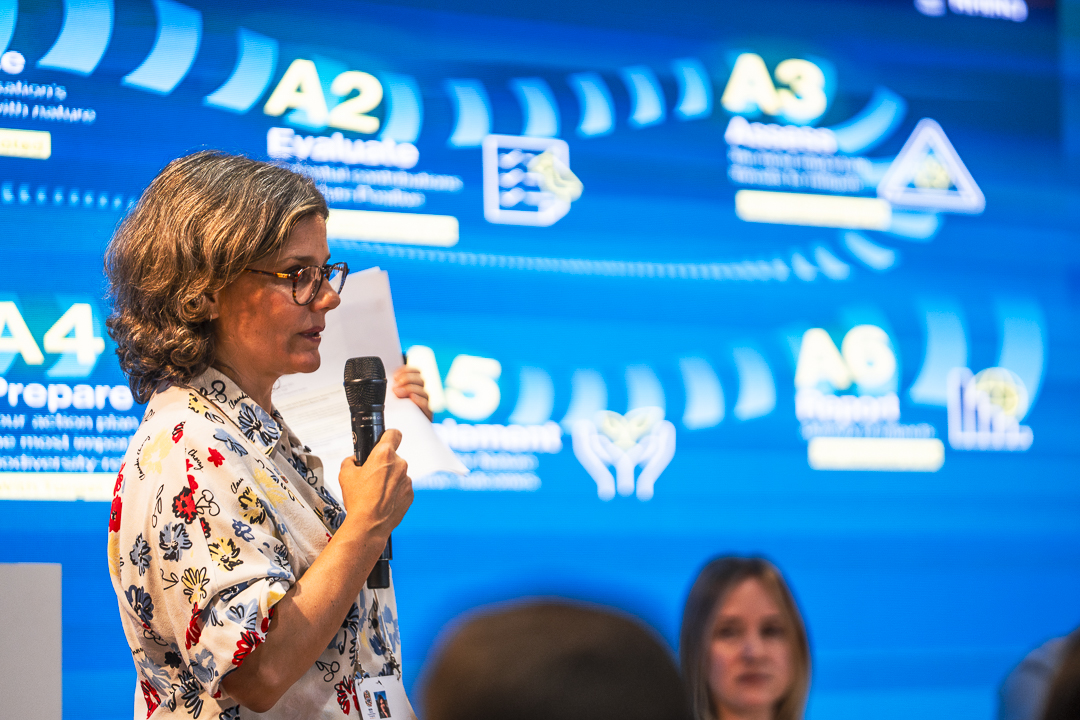
Florence Curet, IUCN Business and Nature
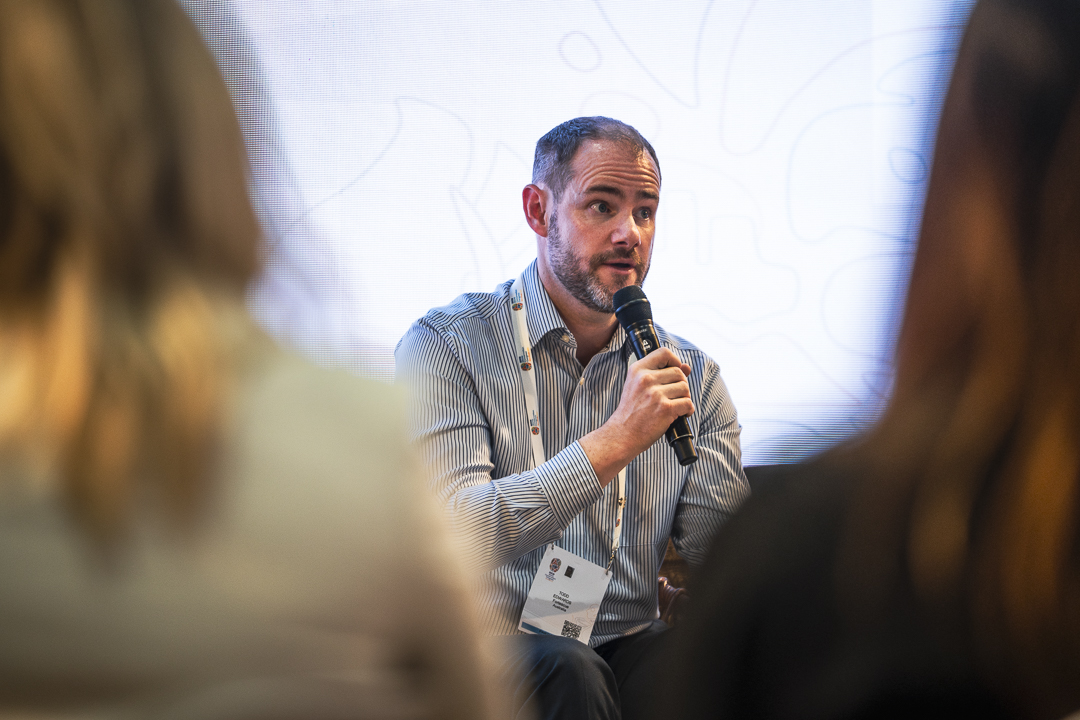
Todd Edwards, Fortescue
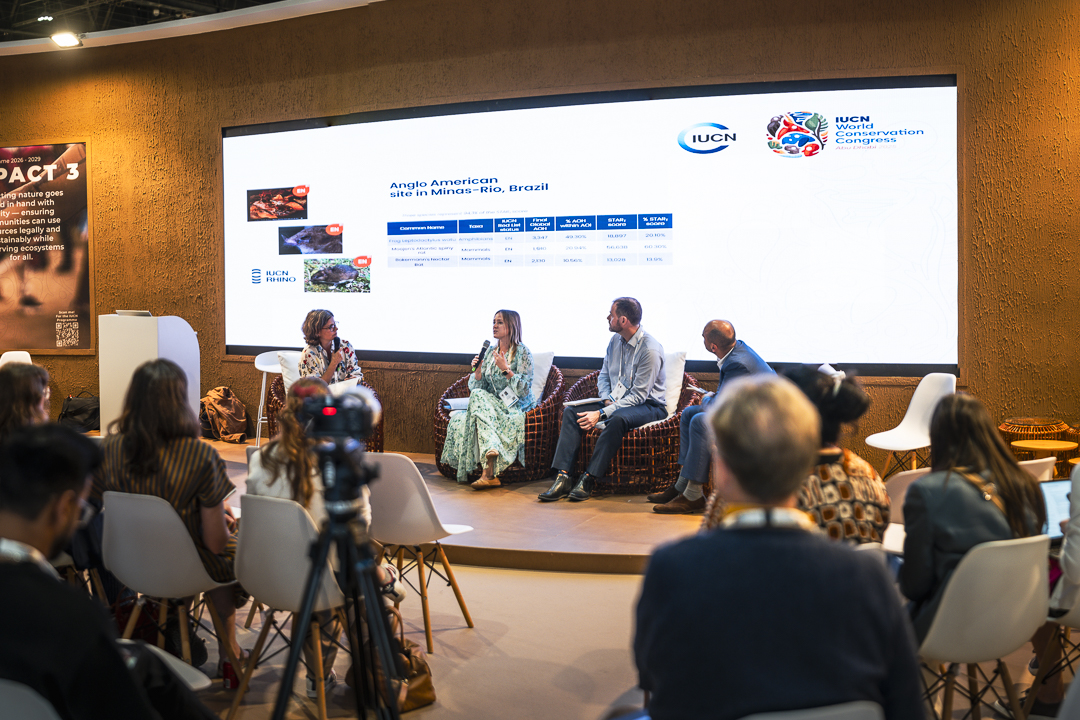
A wide view of the panel
Around the Venue