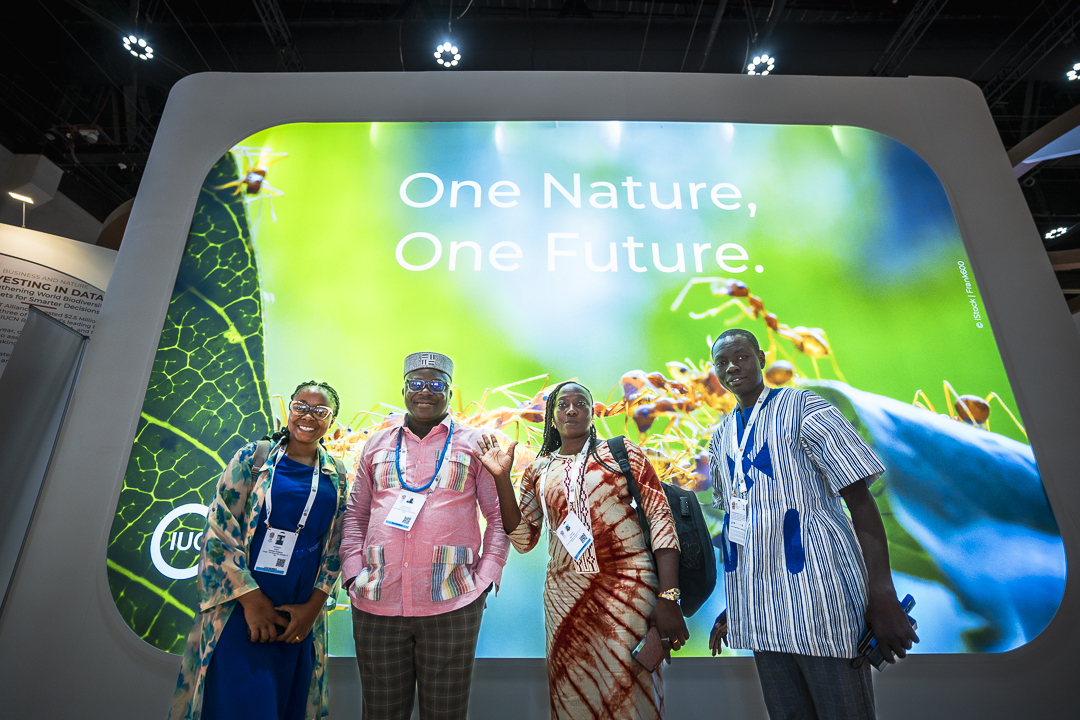
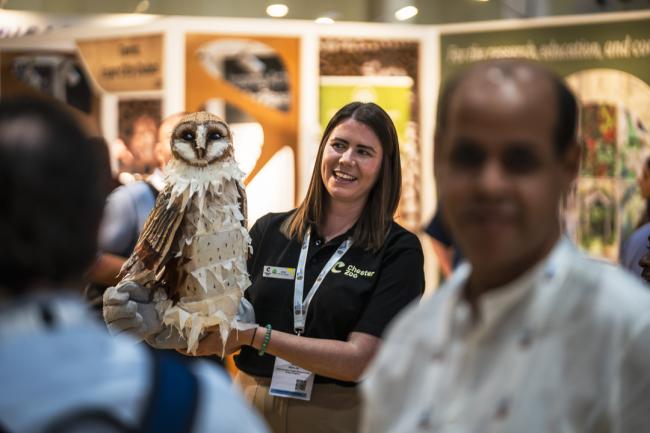
“Nature is more than a goal. It is a teacher of wisdom, resilience, and renewal.” On Sunday, the International Union for Conservation of Nature (IUCN) Business Summit provided space for exchanging success stories and insights on achieving outcome-driven impacts on nature.
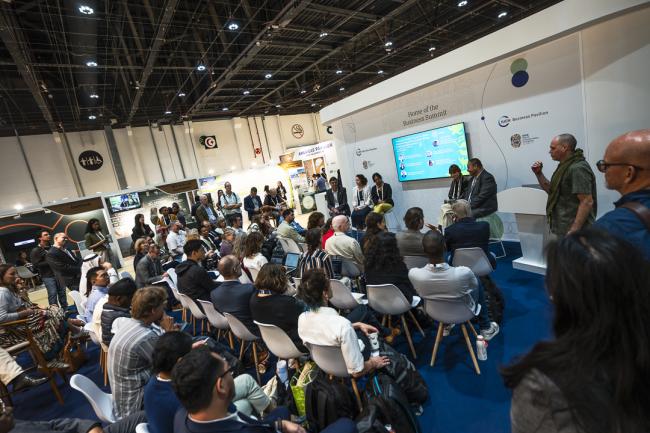
The morning sessions saw conservation and financial professionals convene to bridge the gap in understanding expectations from both sides of the equation. Focusing on the Kunming-Montreal Global Biodiversity Framework (GBF) Target 3, to conserve 30% of lands, waters, and seas by 2030, panelists in the Business Pavilion showcased outcome-based mechanisms driving area-based conservation. These included the Coral Triangle Conservation Fund set up to protect biodiversity in the Coral Triangle, and the use of certifications and innovative finance by the Sango Nature Project in Zimbabwe. Delegates further underscored the role of the IUCN Green List, among others, in providing the international-level credibility in area-based conservation efforts that financial partners seek.
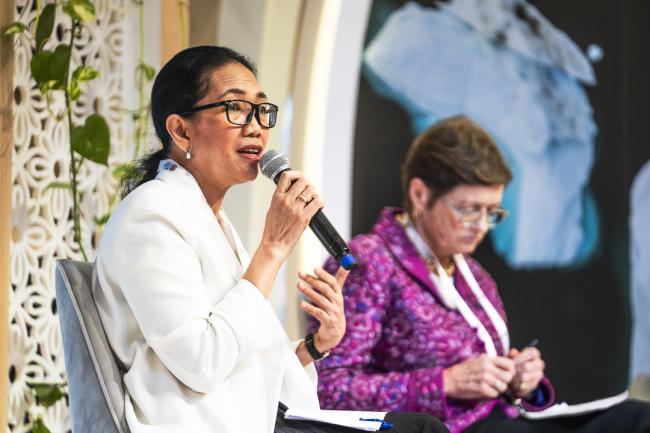
A fireside chat invited global business leaders to reflect on careers spent integrating nature into their industries, with panelists spotlighting the human side of business and nature. They made the case for hope in the face of political and fiscal headwinds, underscoring the decisive shift toward implementation for nature-positive outcomes by businesses and conservation practitioners alike.
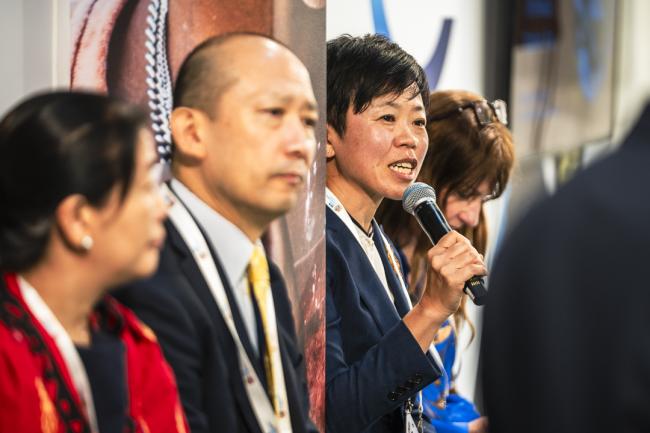
Over in the Asia Pavilion, delegates heard about the strategic role of other effective area-based conservation measures (OECMs) in meeting global biodiversity and sustainability objectives, including GBF Target 3. Panelists emphasized wider society engagement and buy-in through these projects, highlighting best practices from OECMs implemented across the Asia Pacific region, and insight across levels of governance and implementation. Among others, they pointed to the availability of risk-assessing tools such as the Integrated Biodiversity Assessment Tool, to enable informed decision making by businesses regarding their nature-based dependencies.

An event on the new Collaborative Initiative on Invasive Alien Species (IAS), led by IUCN alongside institutional partners and businesses, informed delegates of the definition, risks, and costs of IAS. Business representatives on the panel shared insight as to why and how they take these species into account throughout their operations. Delegates discussed the need for awareness raising and collaborating across different levels, including practical implementation with local entities – illustrating as an example the importance of ensuring that plant IAS, when removed, can be replaced by endemic or local species.
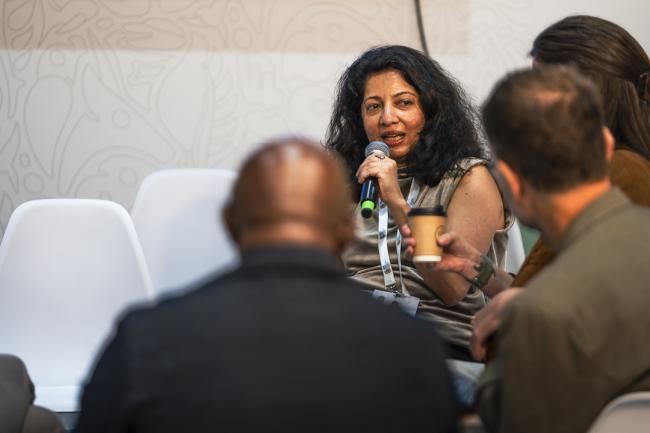
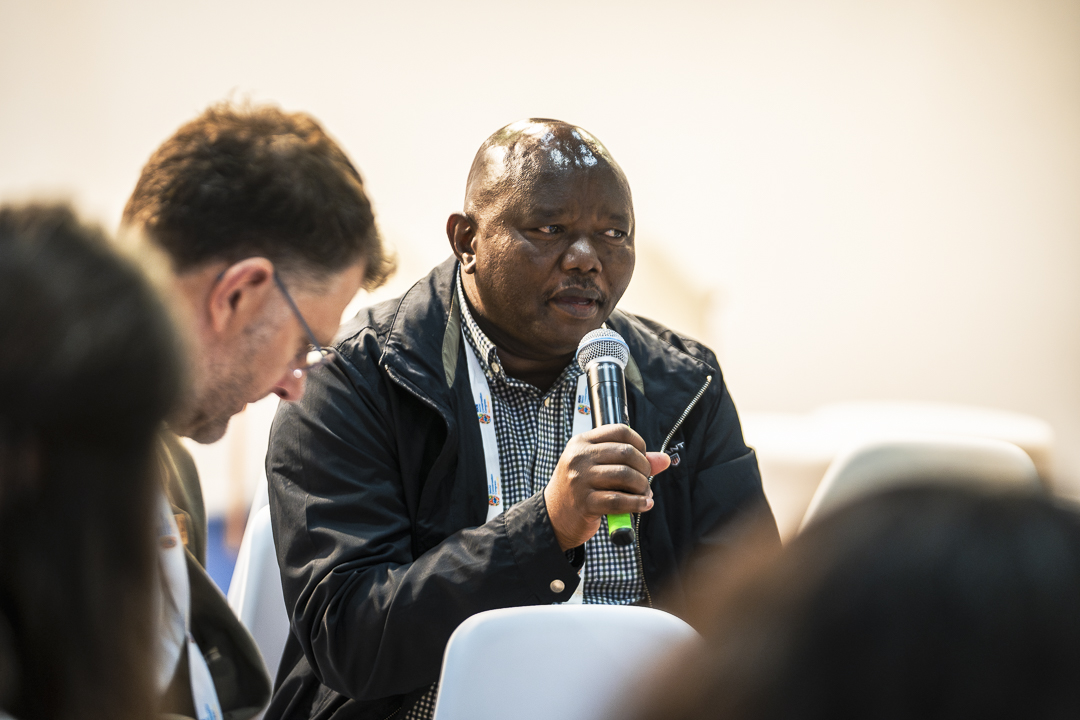
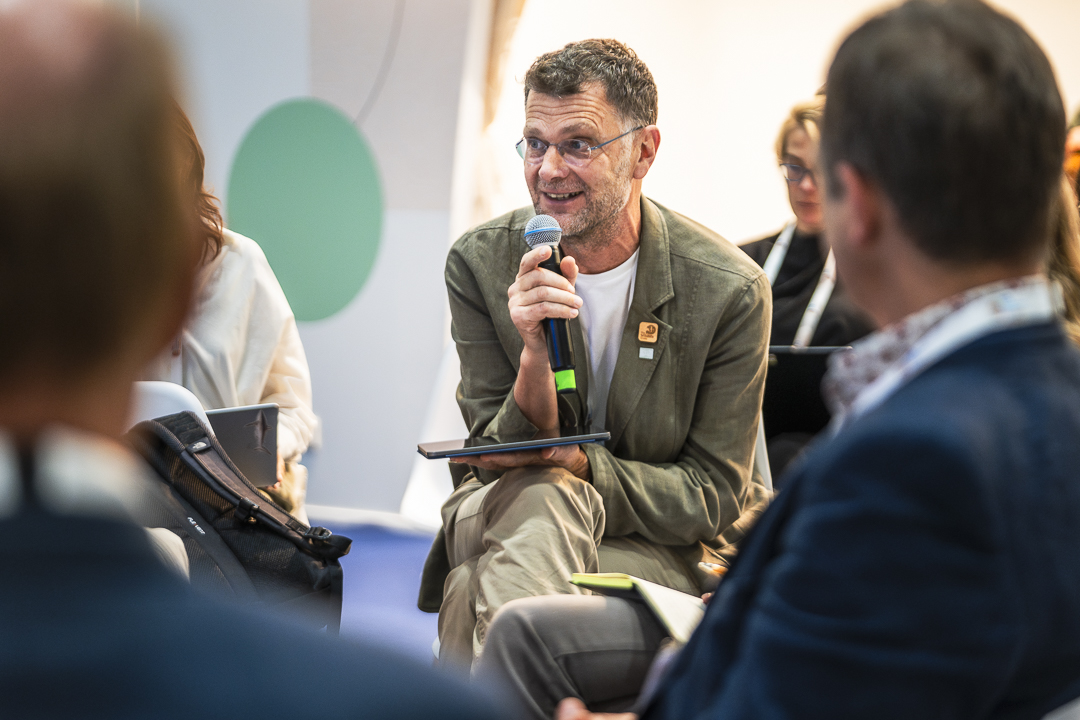
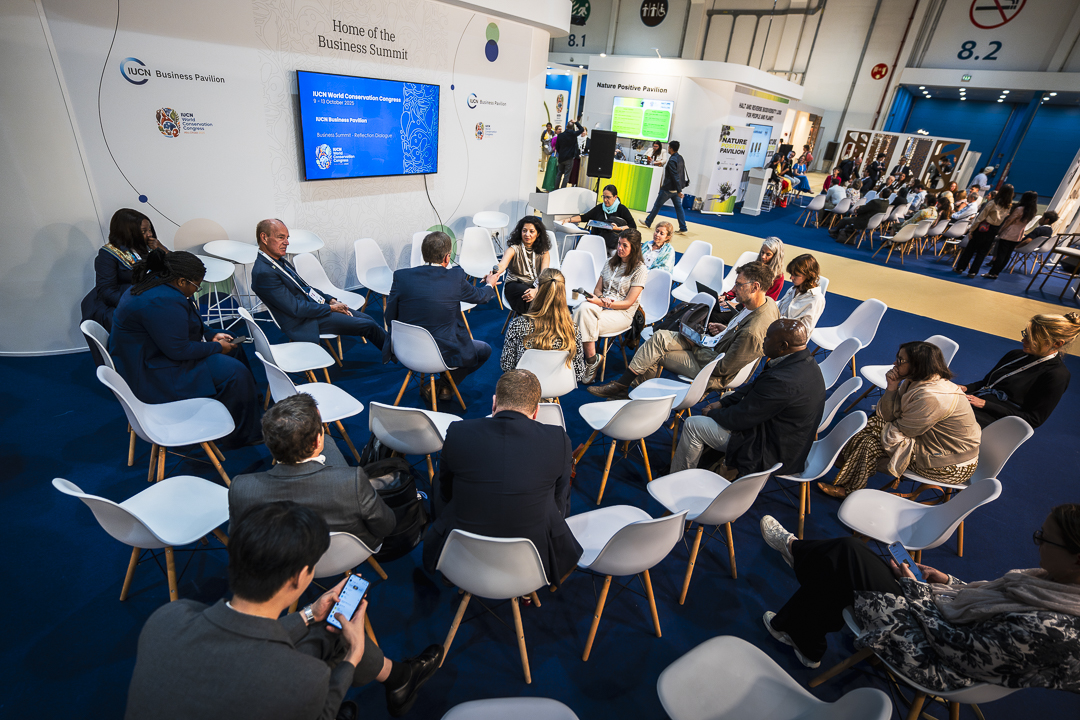
Later in the day, delegates came together for a reflective dialogue, sharing take-aways, ideas on how to engage businesses further, and lessons learned across the plethora of events hosted under the Summit’s auspices. Among others, they: underscored that integrating nature is essential for successful transition strategies; highlighted the need for knowledge and imagination; called for more storytelling and promoting stories of hope; building trust; and seeking out stakeholders with differing views to reach mutual understanding.
To receive free coverage of global environmental events delivered to your inbox, subscribe to the ENB Update newsletter.
All ENB photos are free to use with attribution. For the IUCN Business Summit, please use: Photo by IISD/ENB | Danny Skilton.
Unlocking Private Finance for 30x30: Outcome-based Mechanisms Driving Area-based Conservation
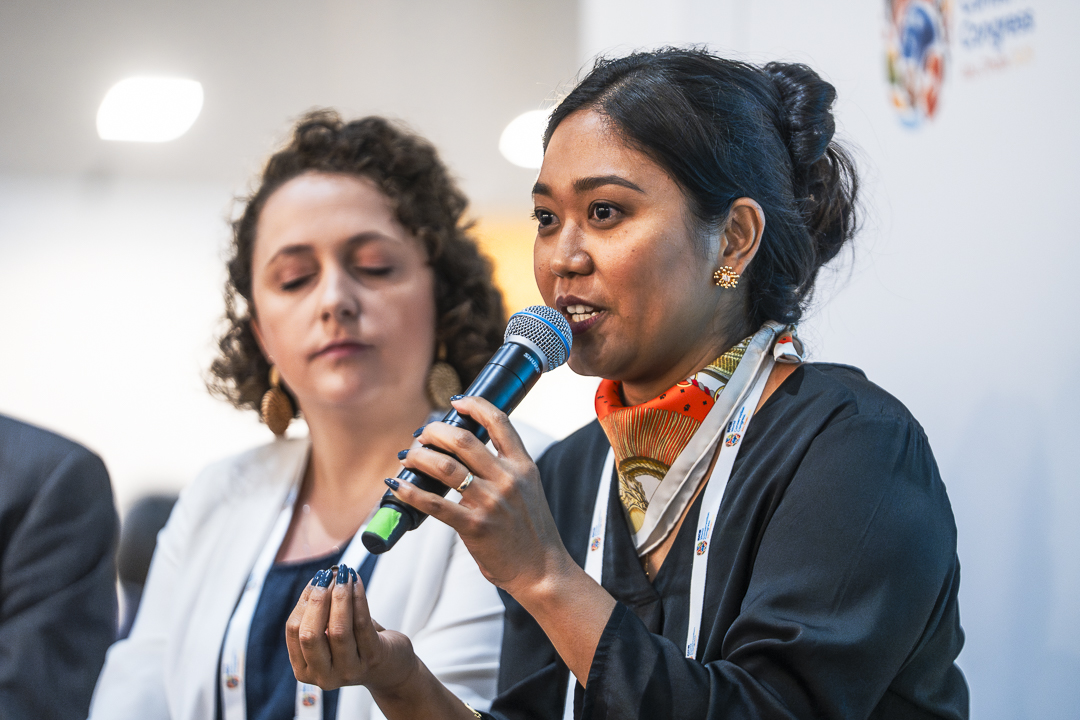
Siska Martina Sihombing, IUCN Green List
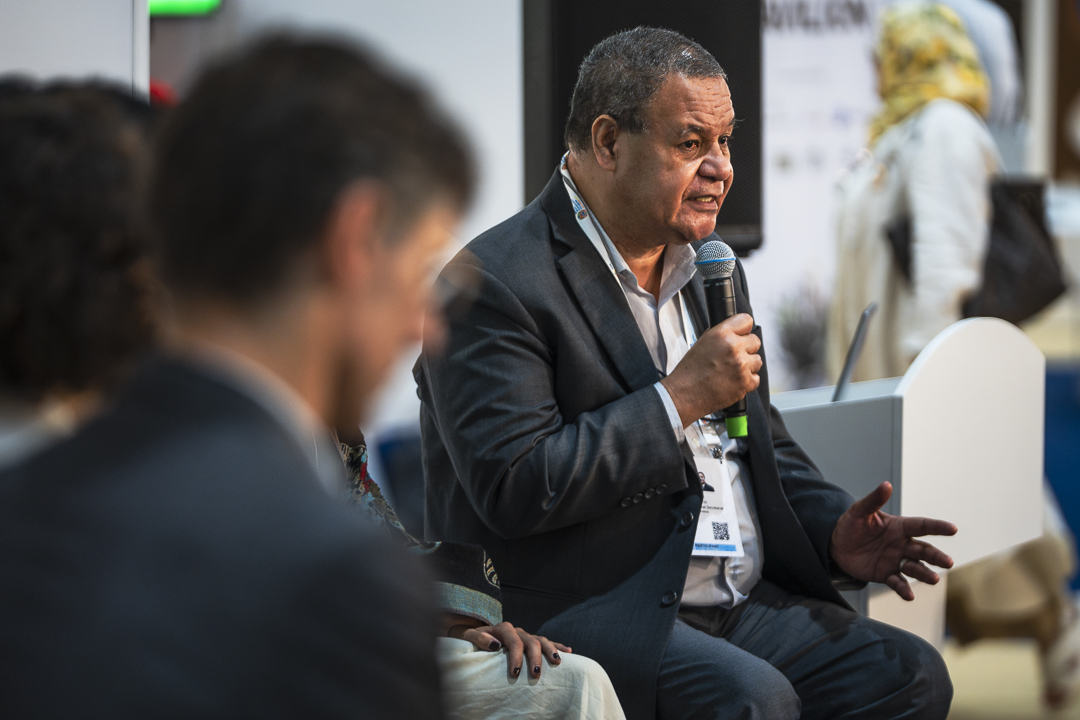
Frank Griffin, Executive Director, Coral Triangle Initiative on Coral Reefs, Fisheries and Food Security
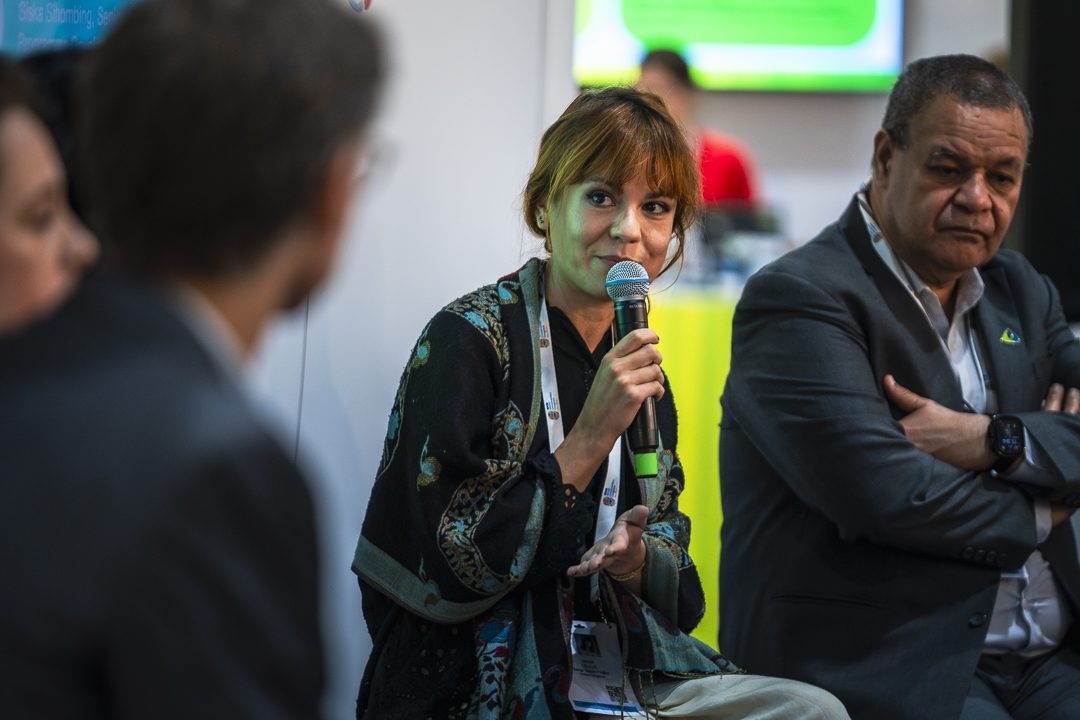
Naomi Delille, Head, Sales and Marketing, Sango Nature Project


Biodiversity Forum: Learning from Nature, Acting for Nature
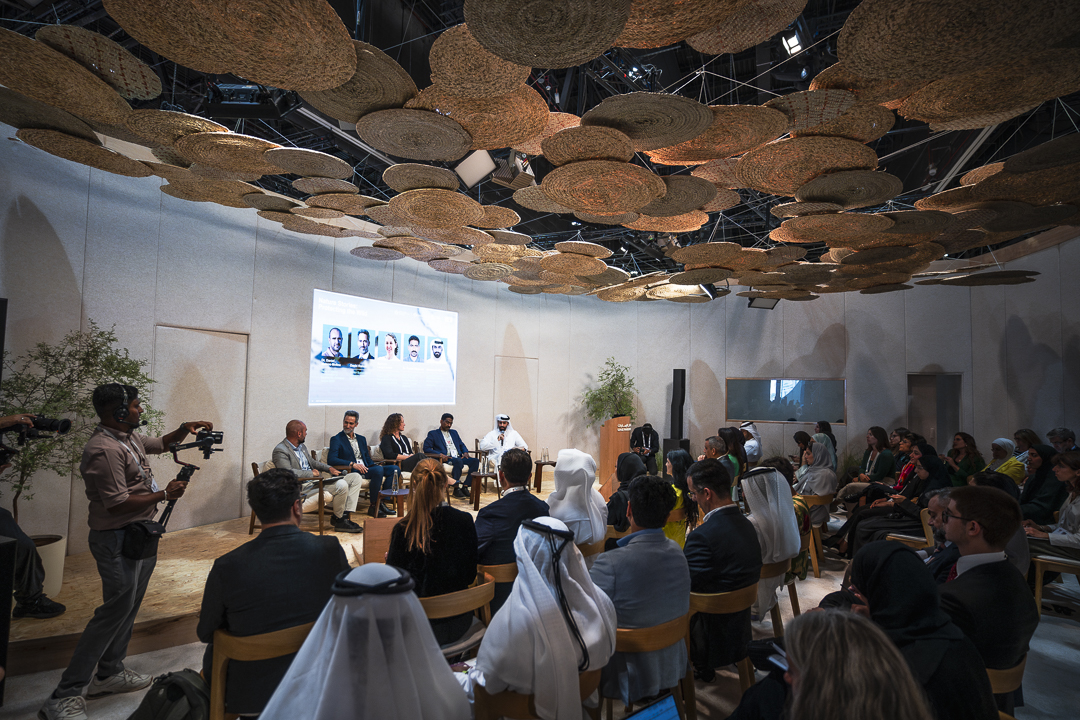
Panelists during the session “Nature Stories: Protecting the Wild"
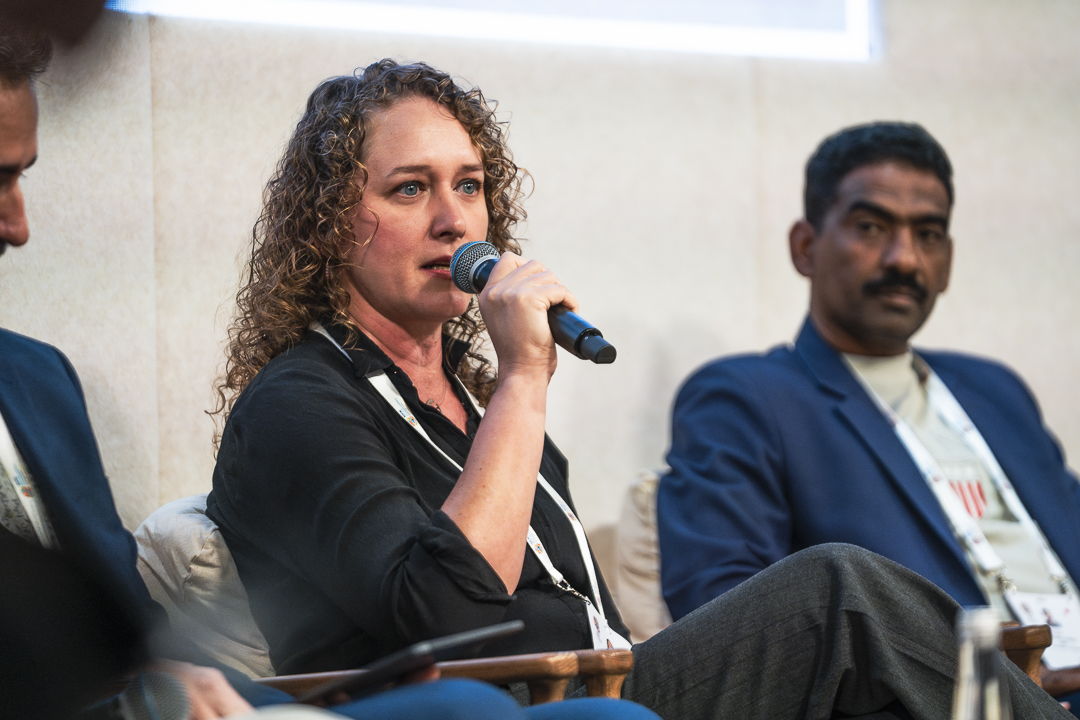
Barbara Lang-Lenton, Director, Aquarium and Dubai Rehabilitation Project, Jumeirah Burj Al Arab
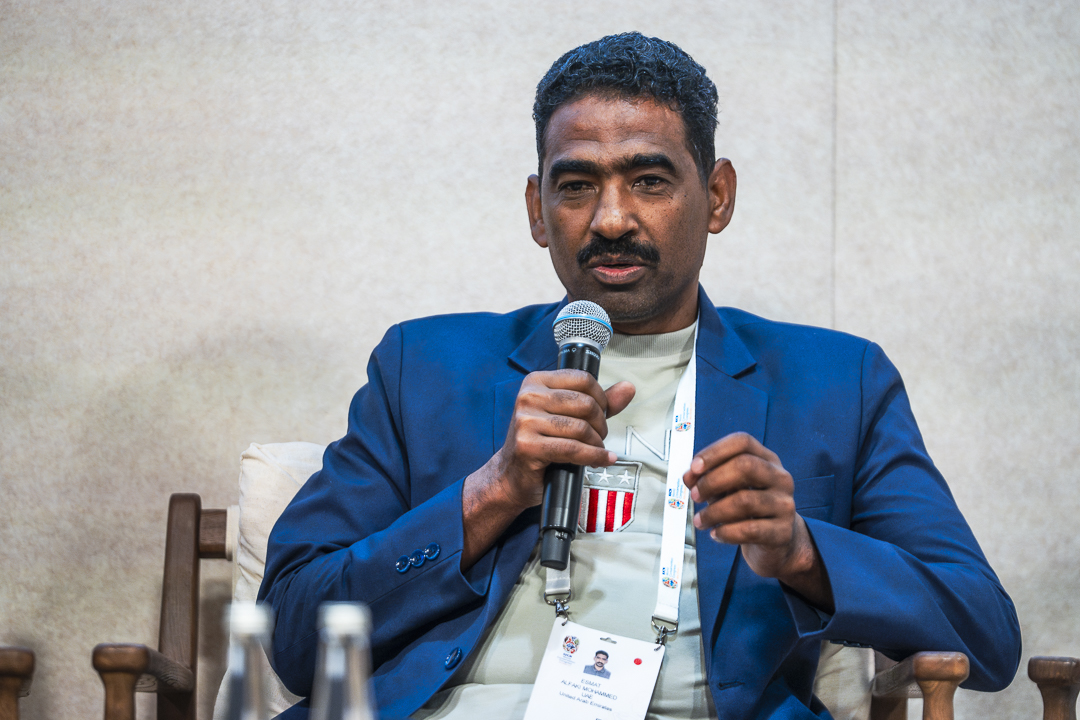
Esmat Elhassan, Dubai Environment and Climate Change Authority
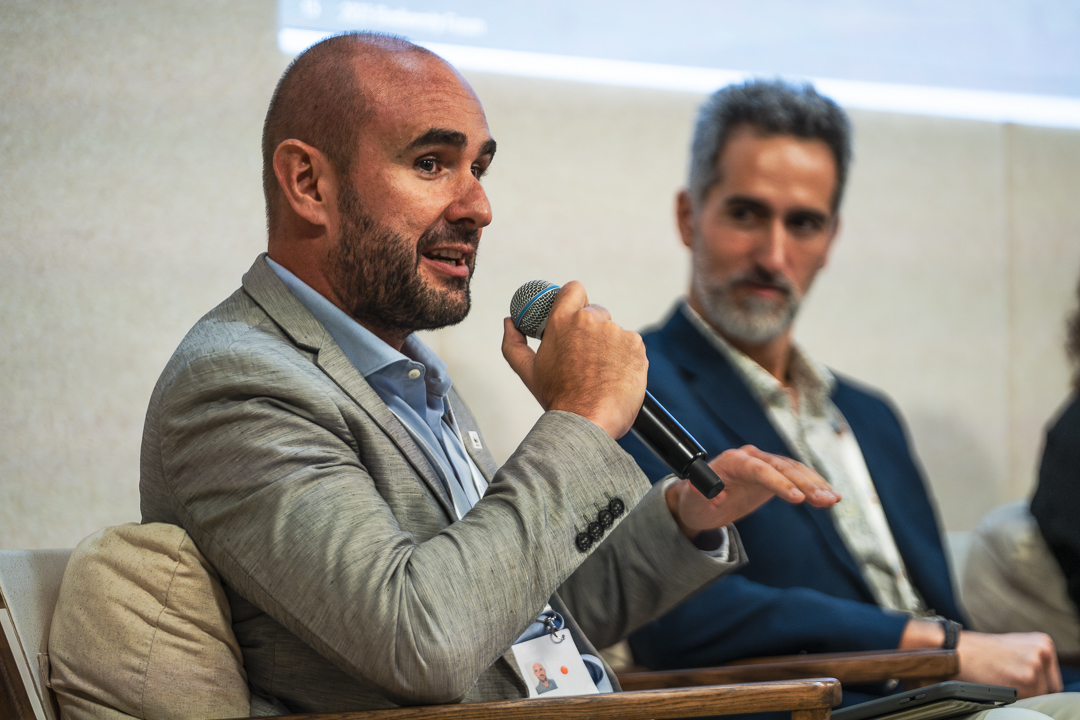
Daniel Mateos-Molina, Head, Marine Conservation and Biodiversity, Emirates Nature - WWF
The Business Case for Nature: Leading with Purpose
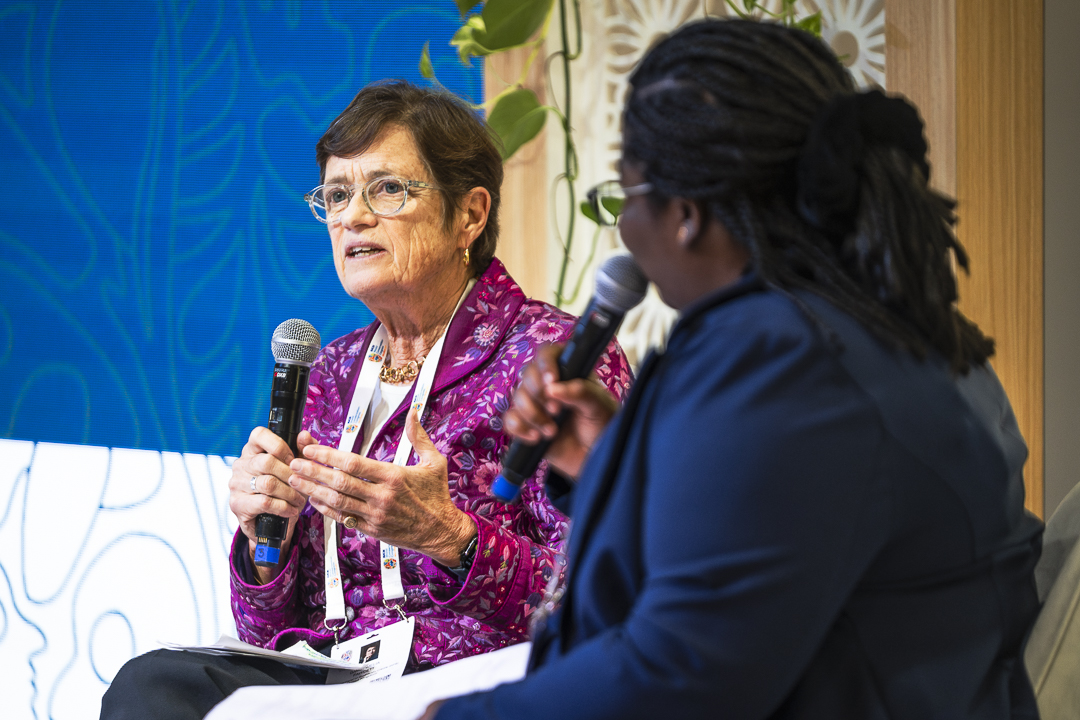
Amelia Fawcett, Co-Chair, International Advisory Panel on Biodiversity Credits
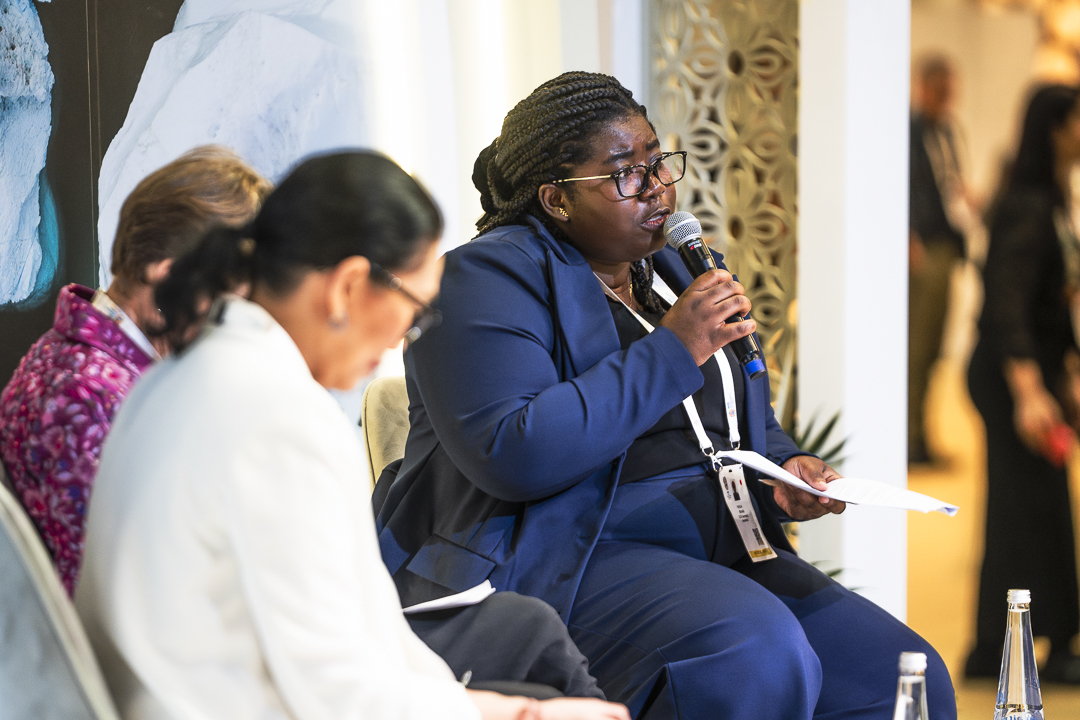
Faridah Ibrahim, Head, Business Engagement Unit, IUCN
Scaling Private Sector Engagement in OECMs for Contribution to GBF Target 3 in Asia
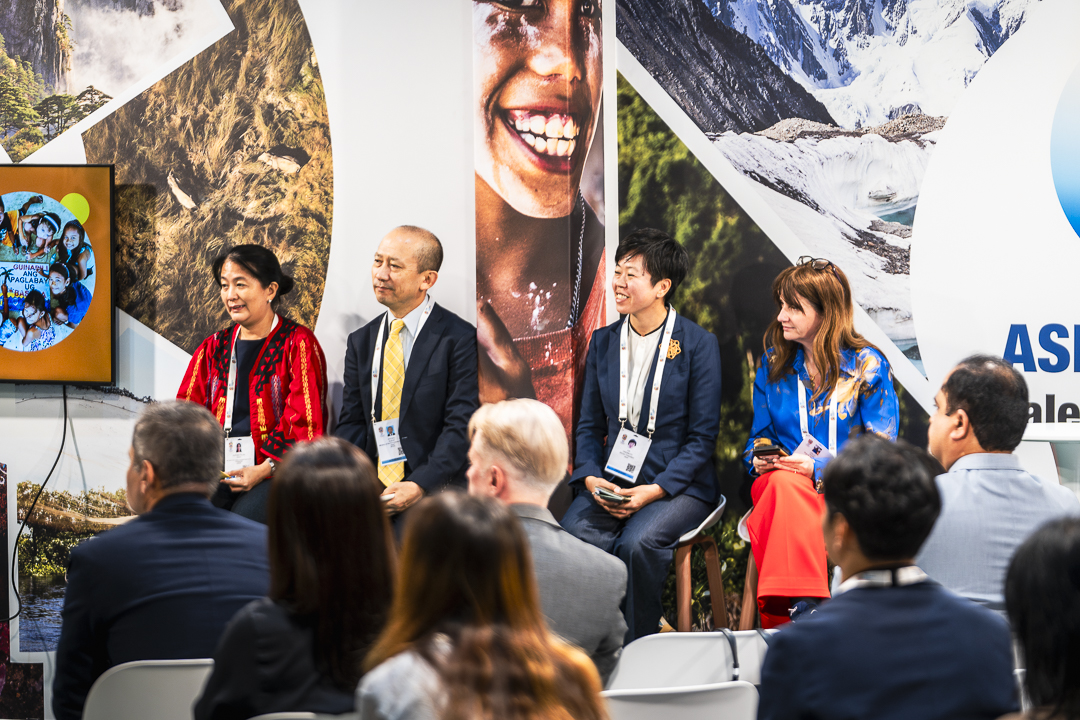
Panelists during the session “Scaling Private Sector Engagement in OECMs for Contribution to GBF Target 3 in Asia”
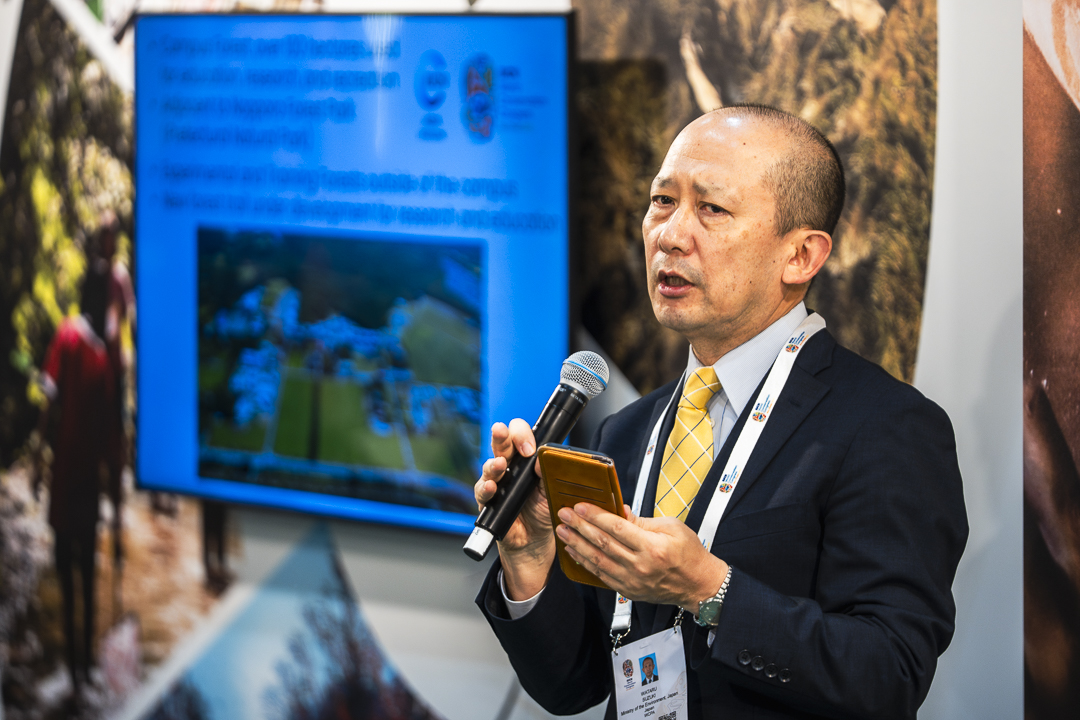
Wataru Suzuki, Director, Biodiversity Strategy Office, Ministry of the Environment, Japan
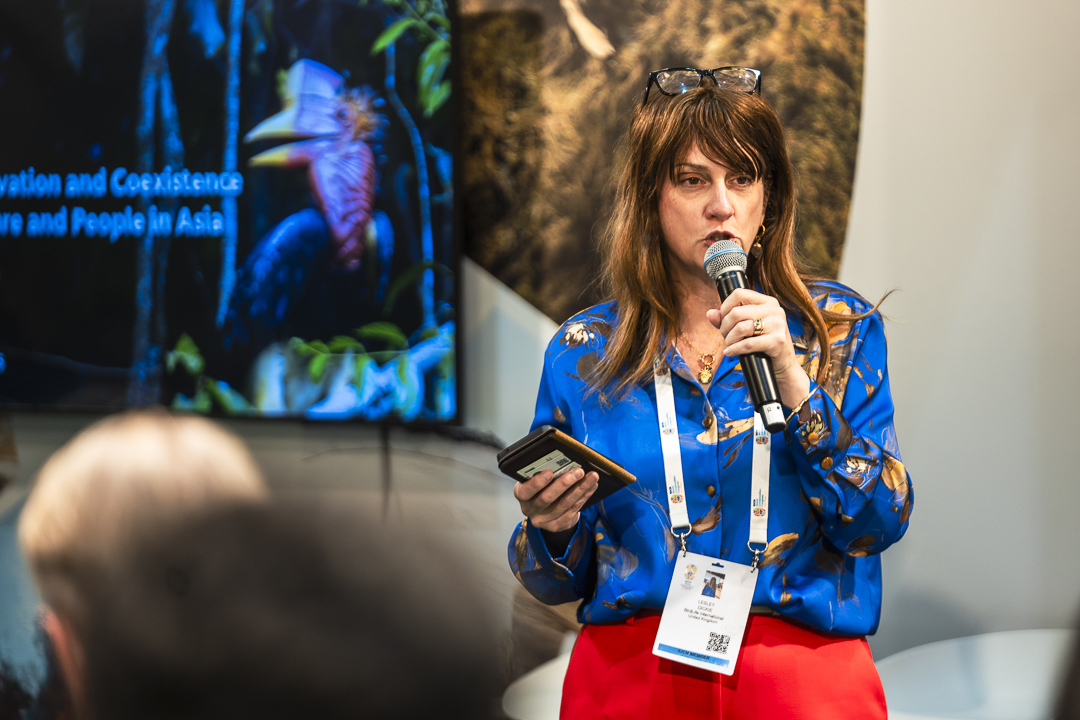
Lesley Dickie, Executive Vice President, Conservation and the Regions, BirdLife International
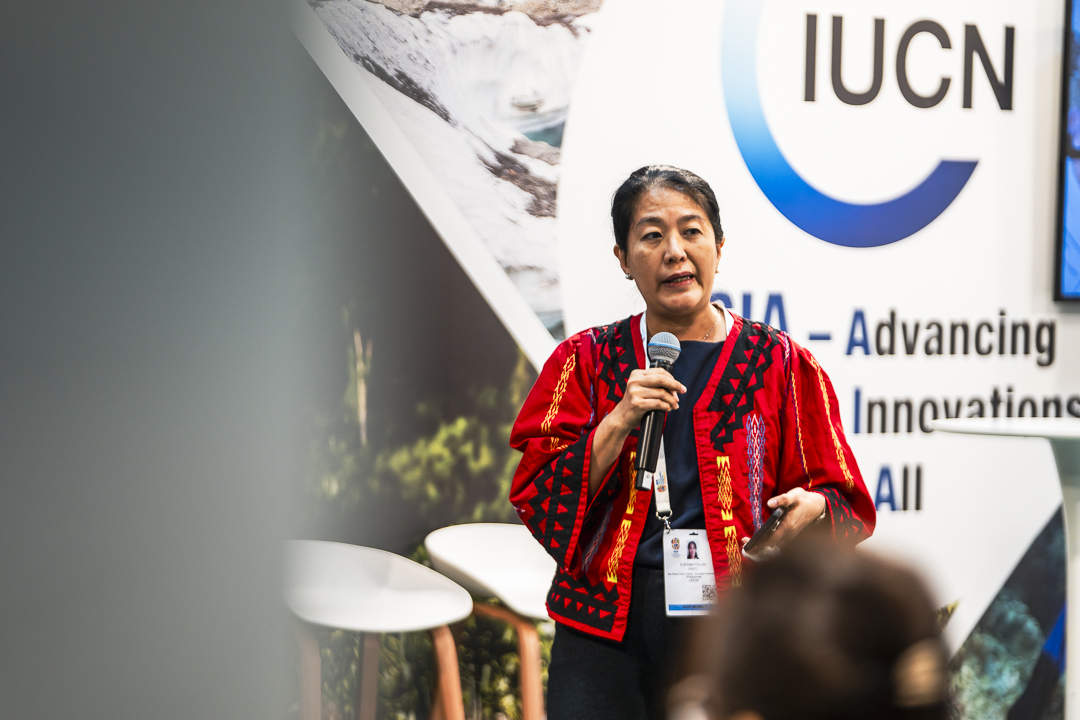
Femy Pinto, Executive Director, Non Timber Forest Products Exchange Programme
The Collaborative Initiative on Invasive Alien Species: Scaling up Sectoral Business Action
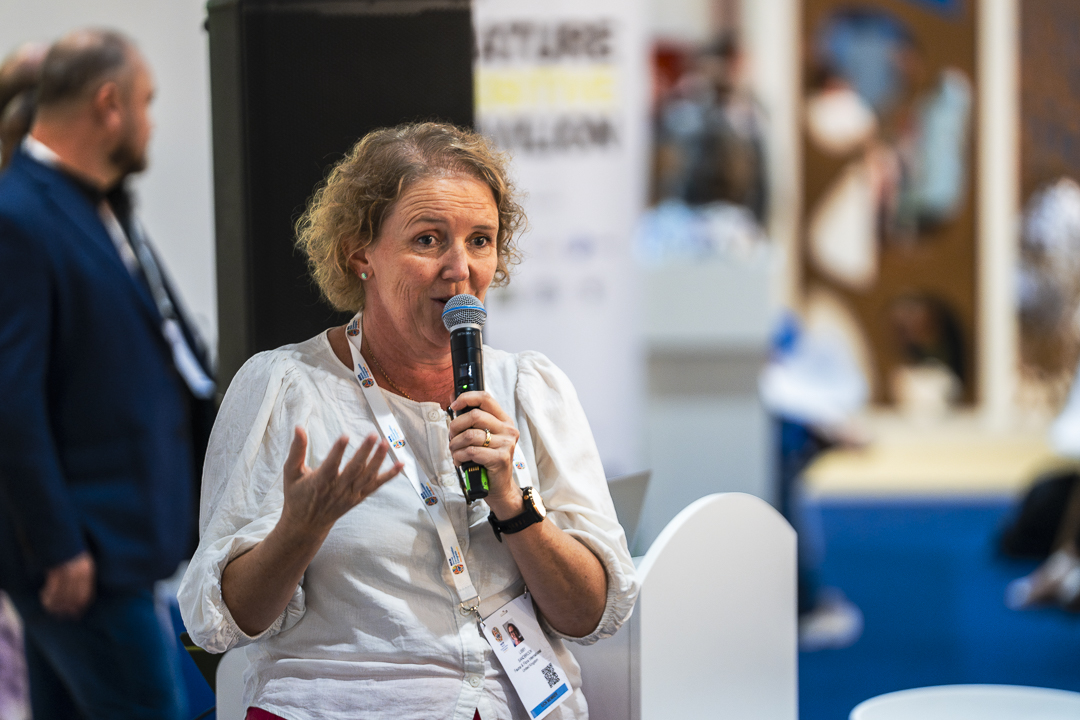
Libby Sandbrook, Director, Business and Nature, Fauna & Flora
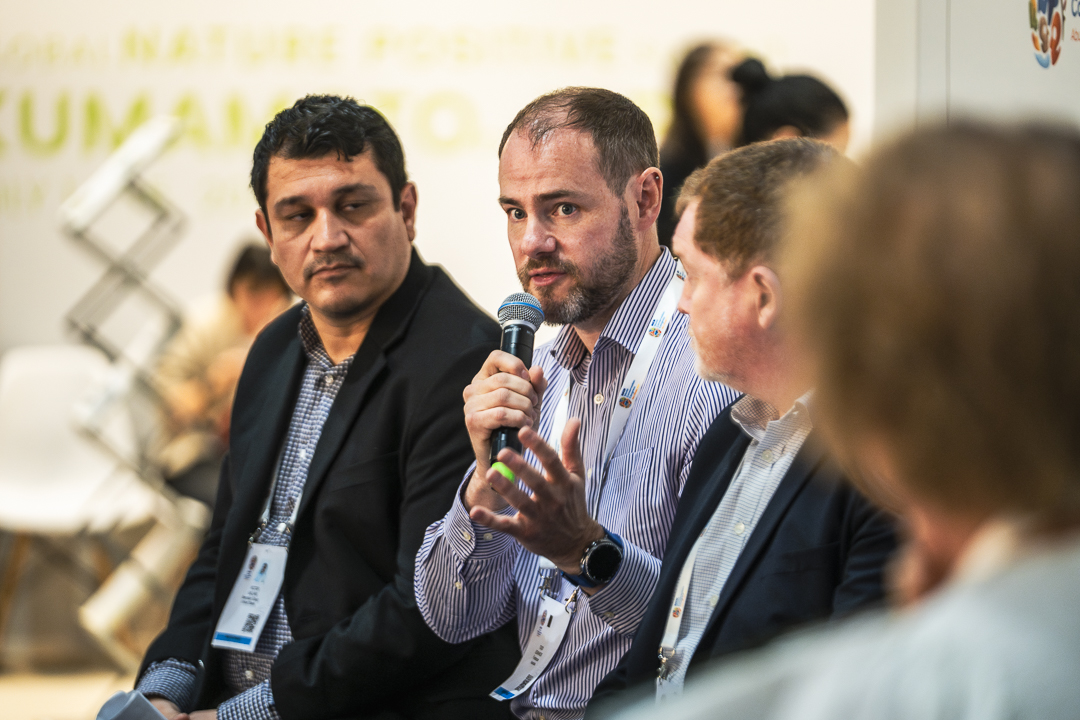
Todd Edwards, Fortescue
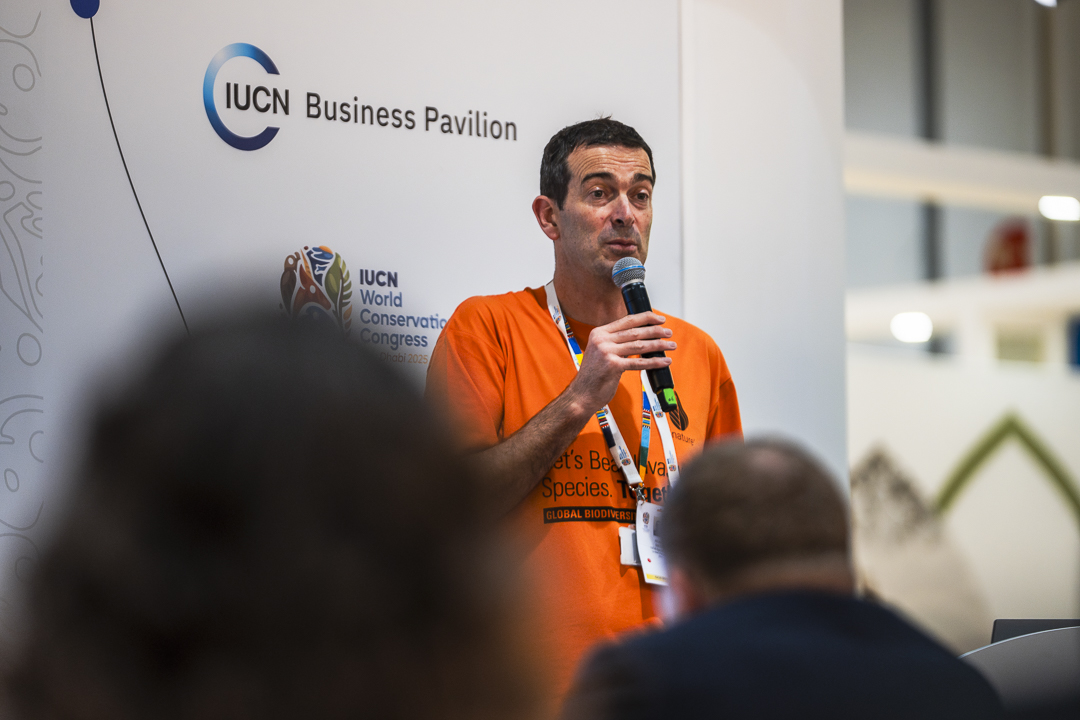
Kevin Smith, IUCN
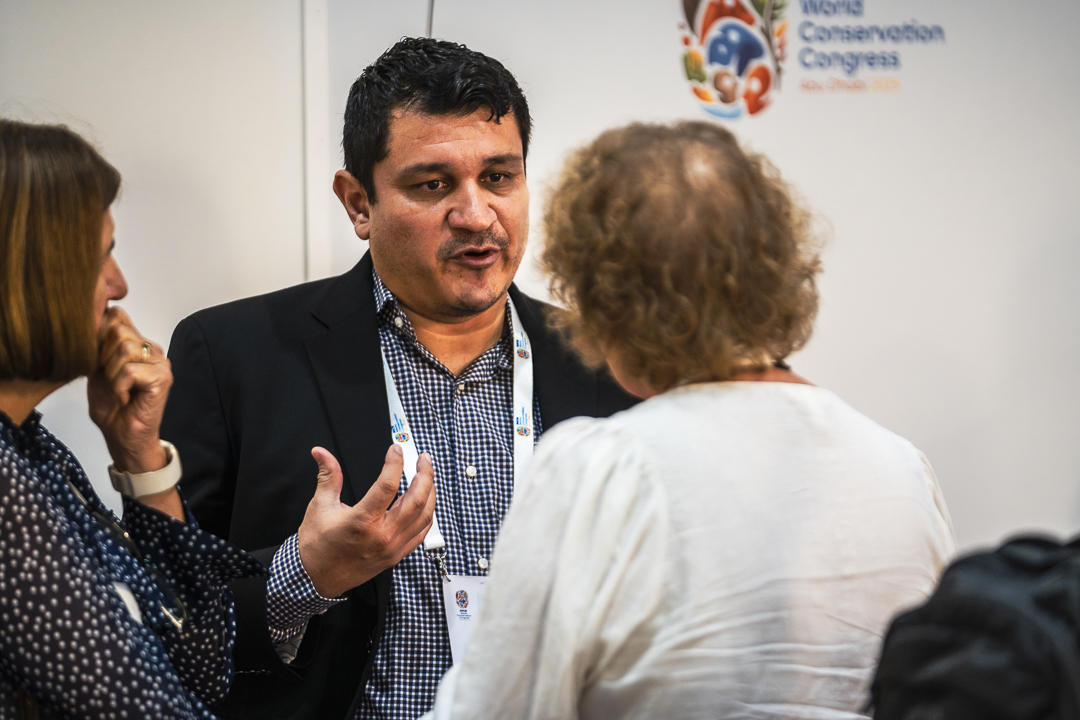
Victor Galván, Director of Nature, Iberostar Group
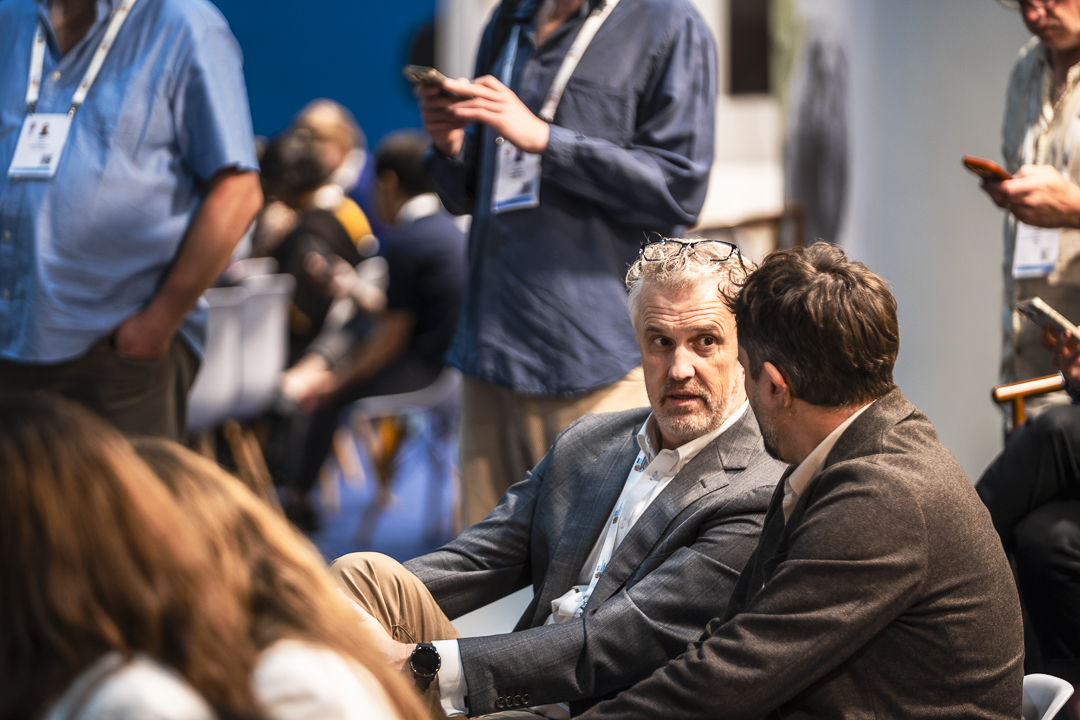
Participants during the session “The Collaborative Initiative on Invasive Alien Species: Scaling Up Sectoral Business Action”
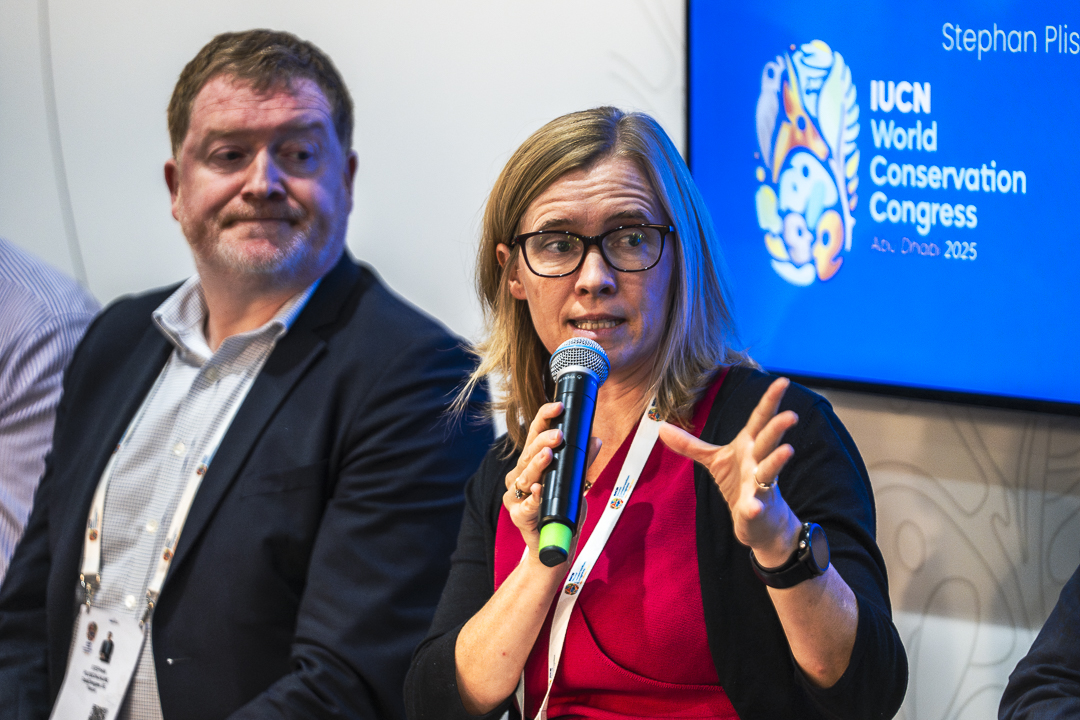
Emily McKenzie, Technical Director, Taskforce on Nature-related Financial Disclosures (TNFD)
Reflection Dialogue

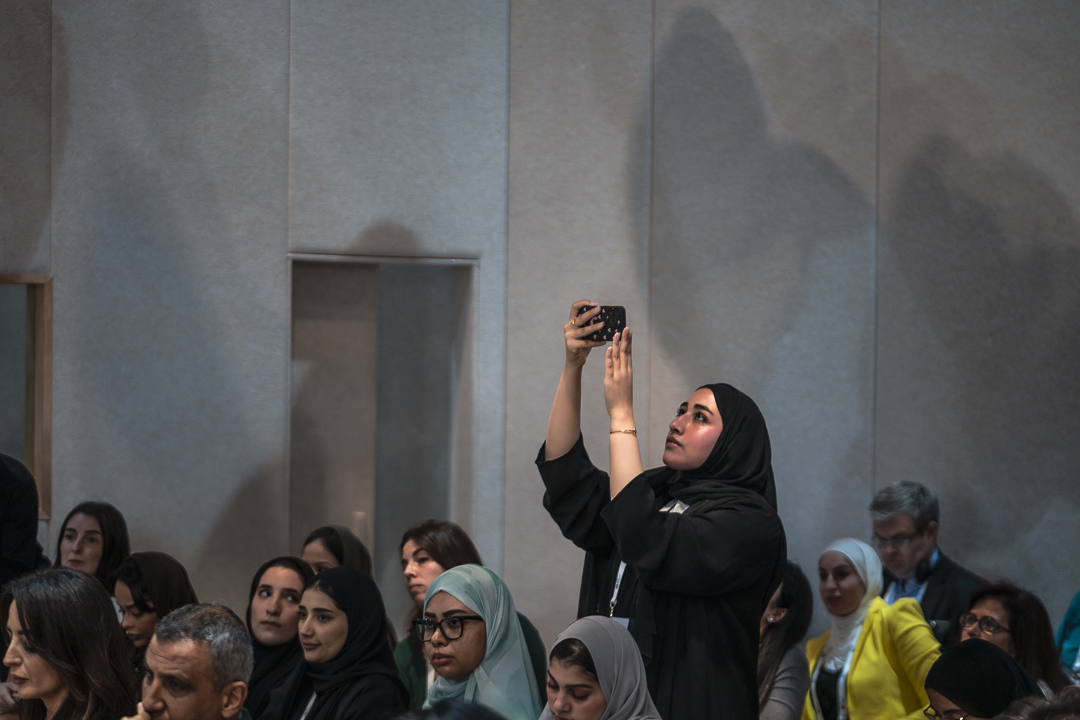
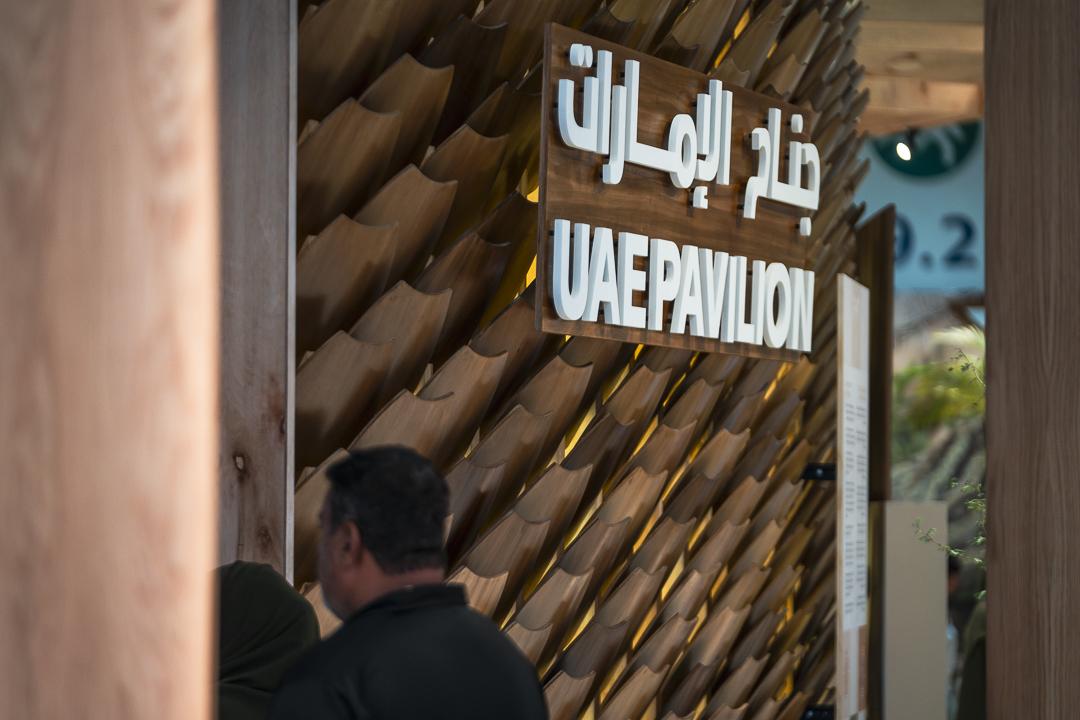
Around the Venue