
Biodiversity sustains our societies and is crucial for food and water security, climate change mitigation and adaptation, and human and planetary health. Yet the vast majority of indicators that track biodiversity and ecosystem health on a global scale show a decline. The Kunming-Montreal Global Biodiversity Framework (GBF), adopted in 2022 under the Convention on Biological Diversity (CBD), sets a series of collective targets and goals to be achieved by 2030, to reverse this trend and restore ecosystem health.
A review of the progress in achieving these goals is set to take place at the upcoming 17th meeting of the Conference of the Parties (COP 17) to the CBD. The review will be primarily based on national reports and on a global report on collective progress in the implementation of the GBF. The draft report underlines that while the GBF has generated unprecedented global engagement, important gaps remain across many targets.
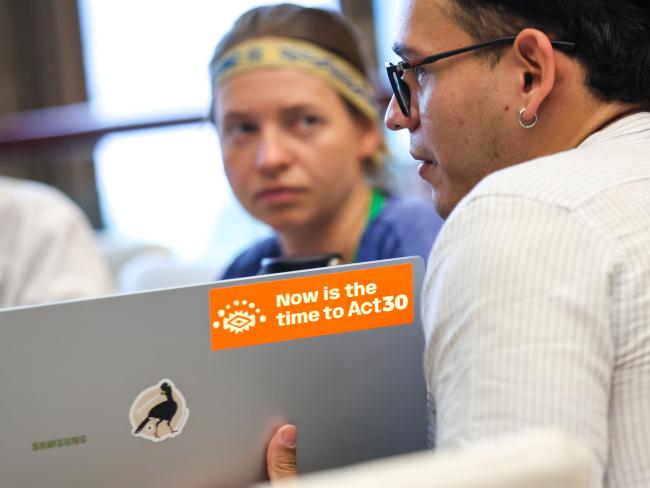
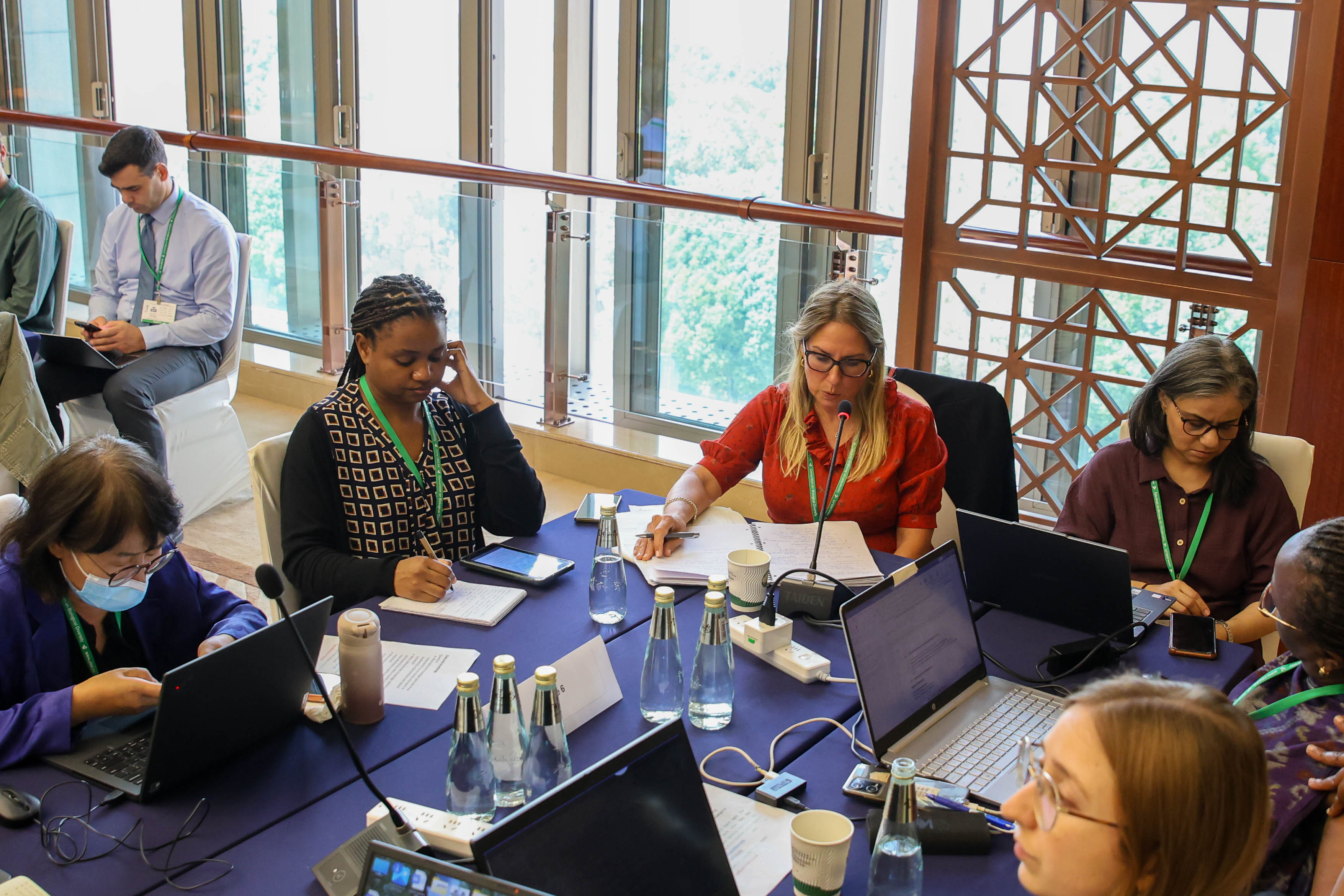
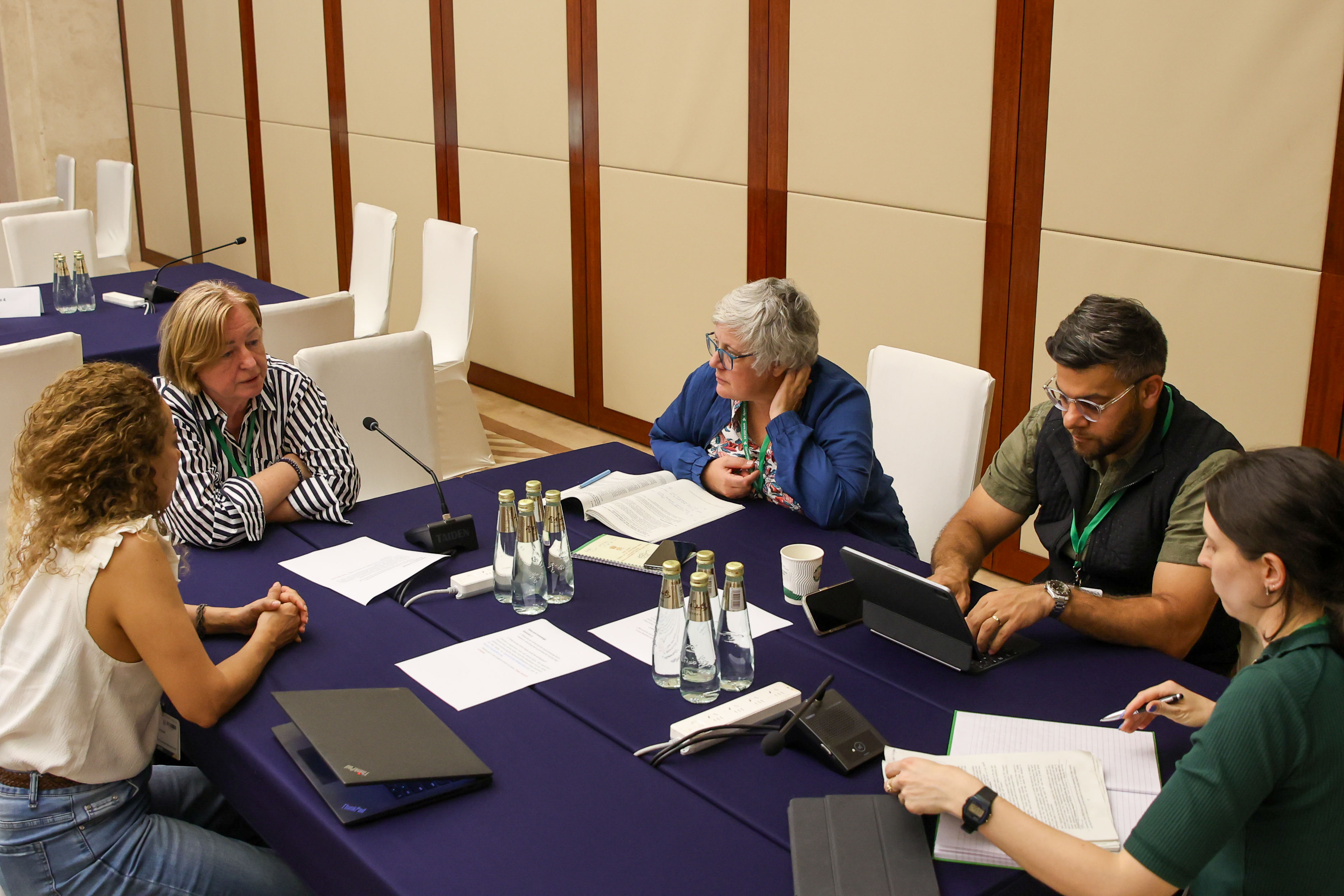
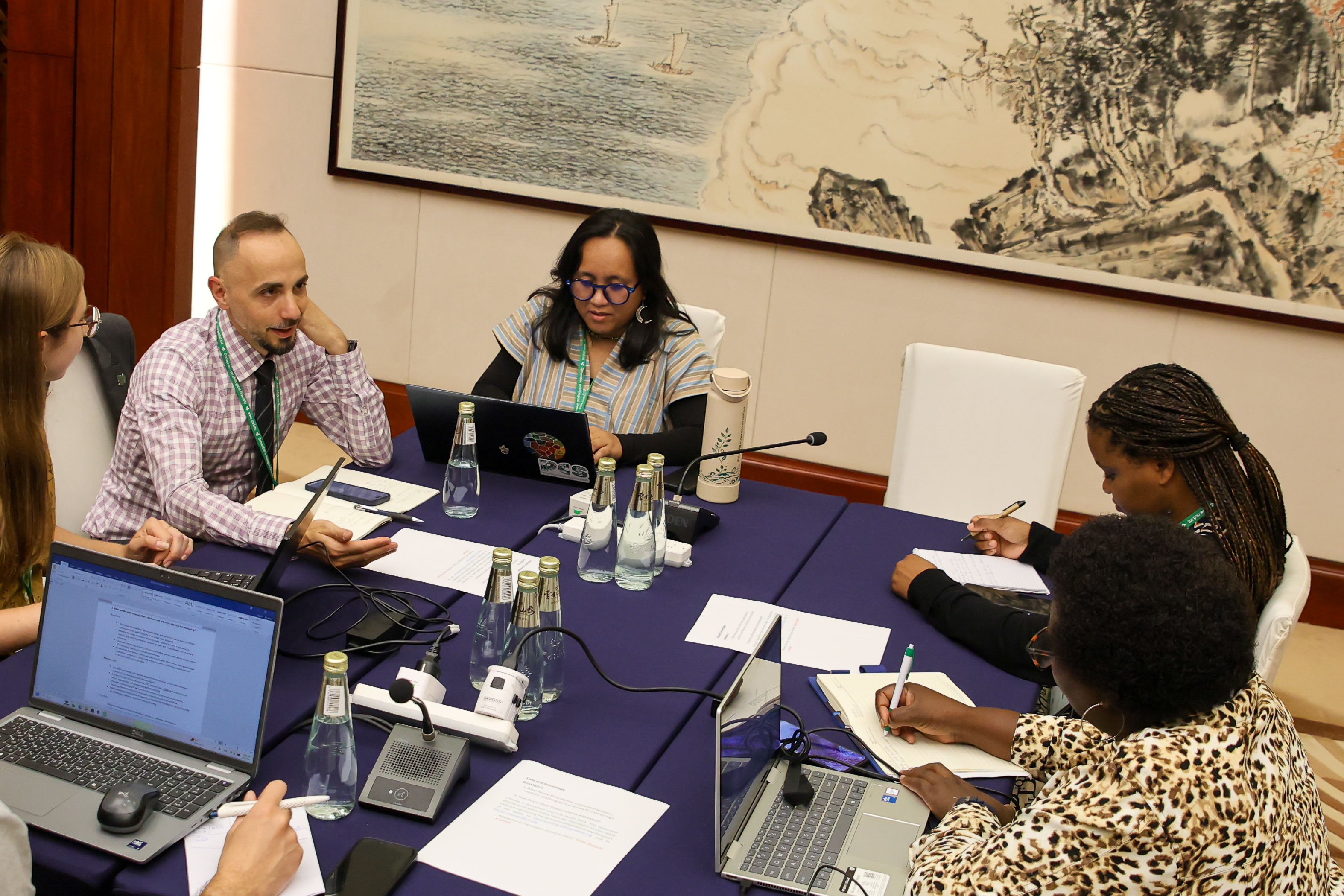
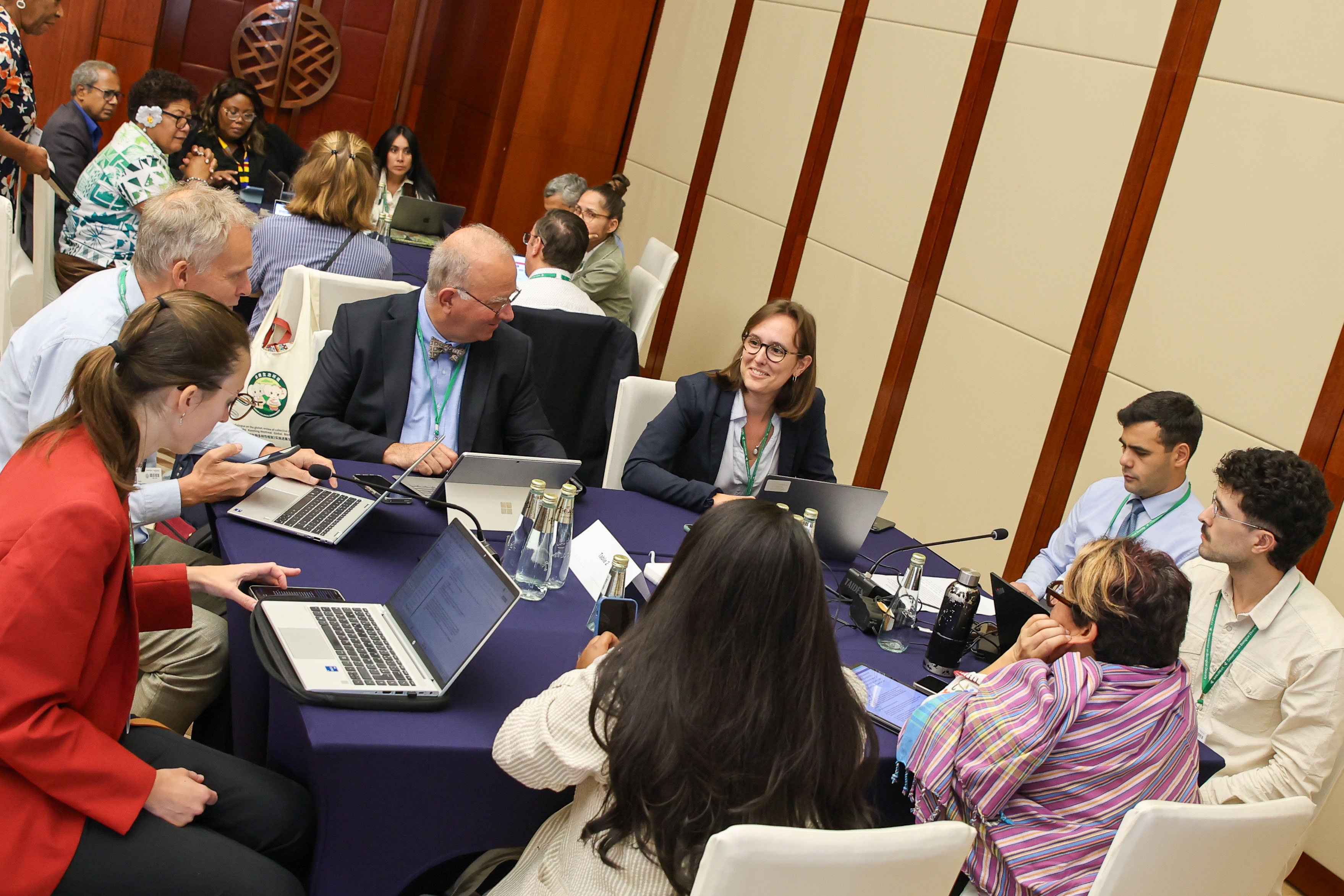
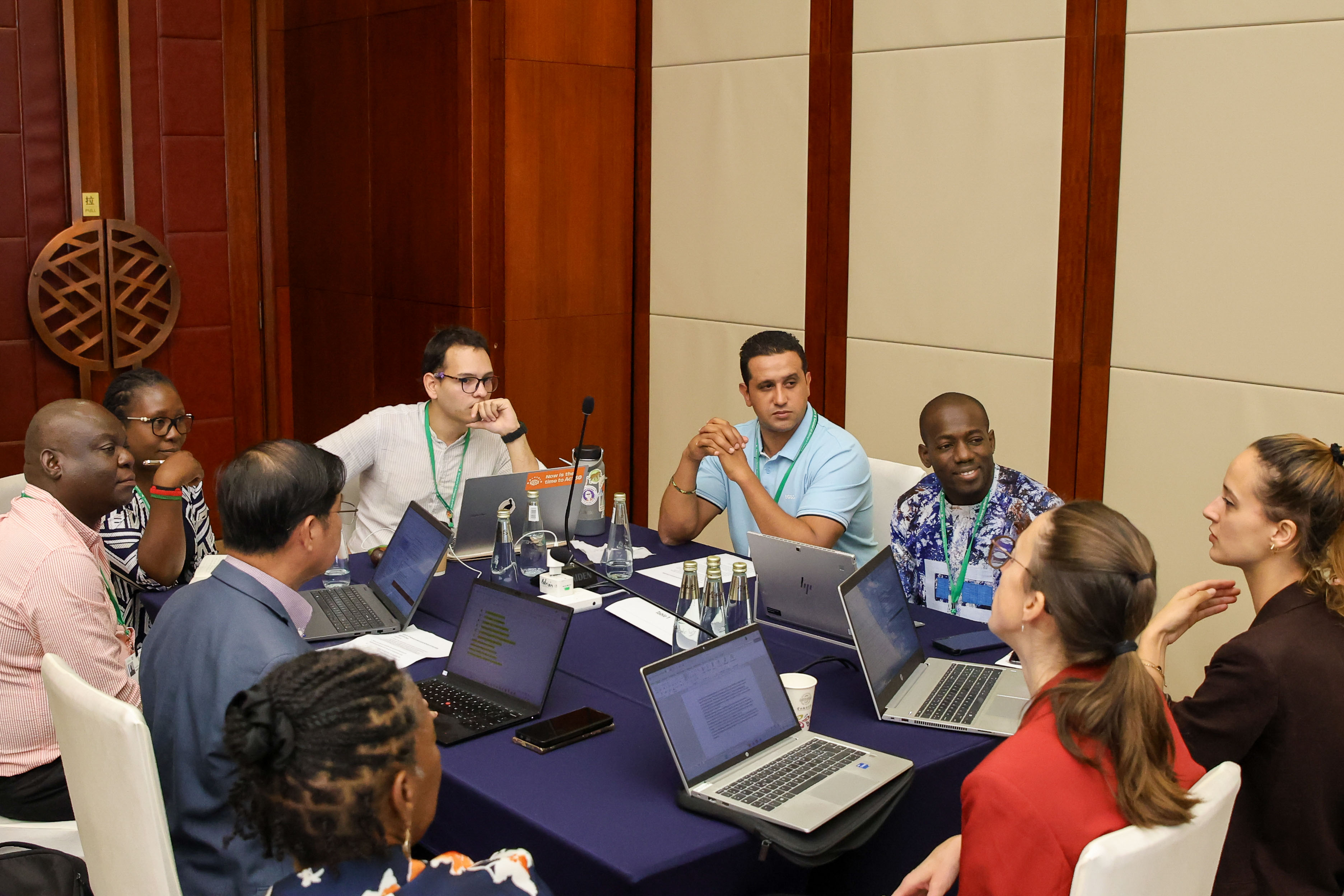
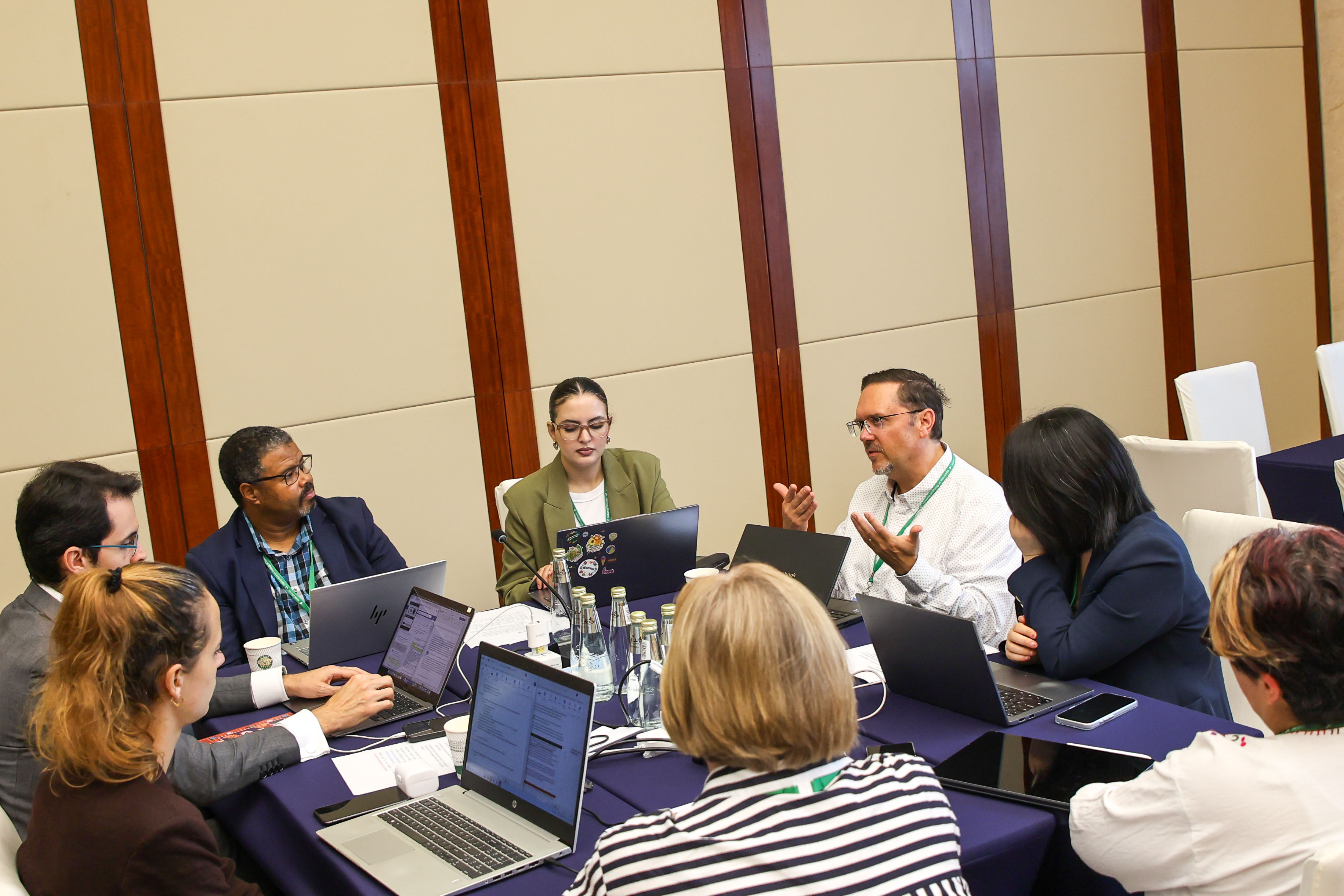
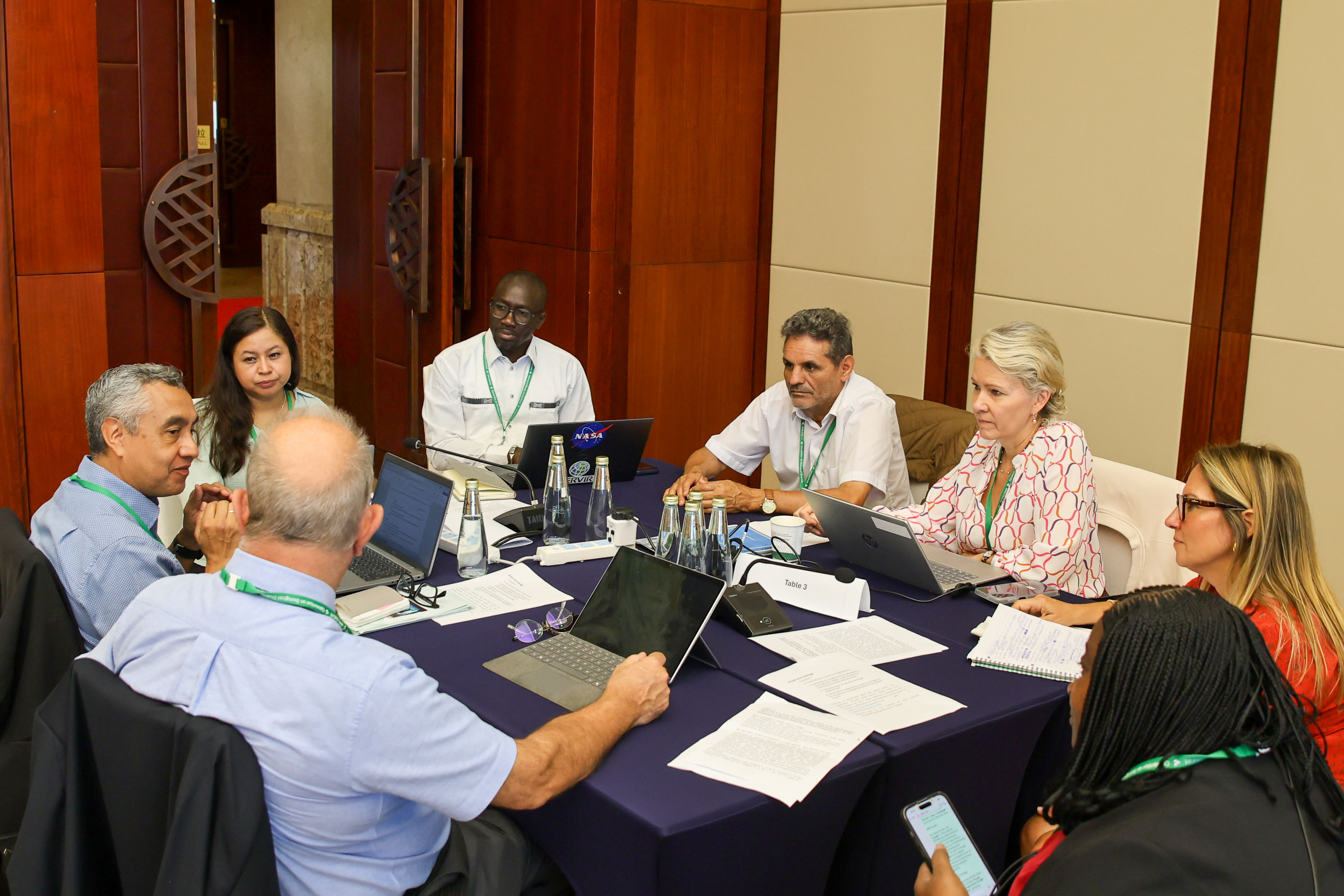
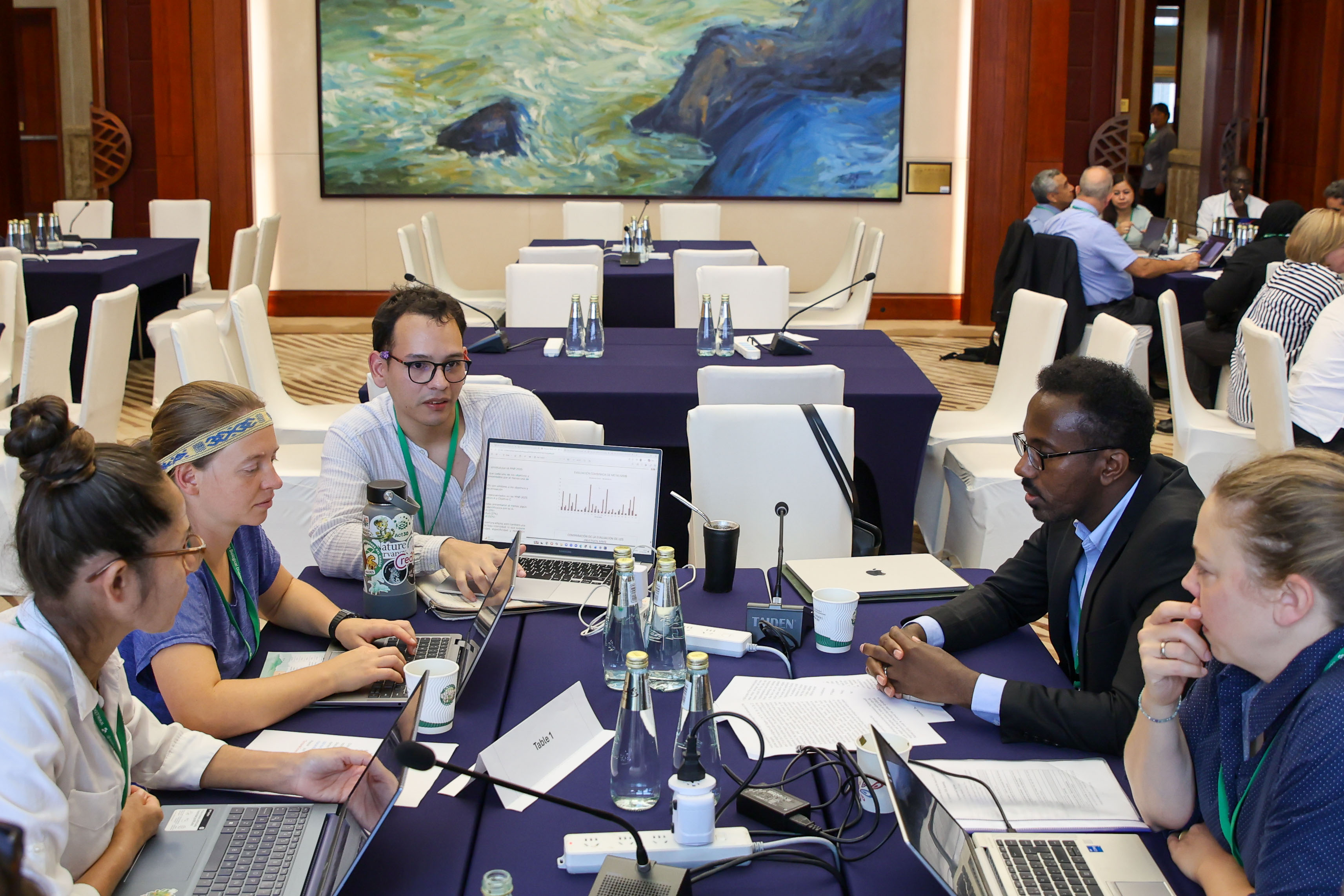
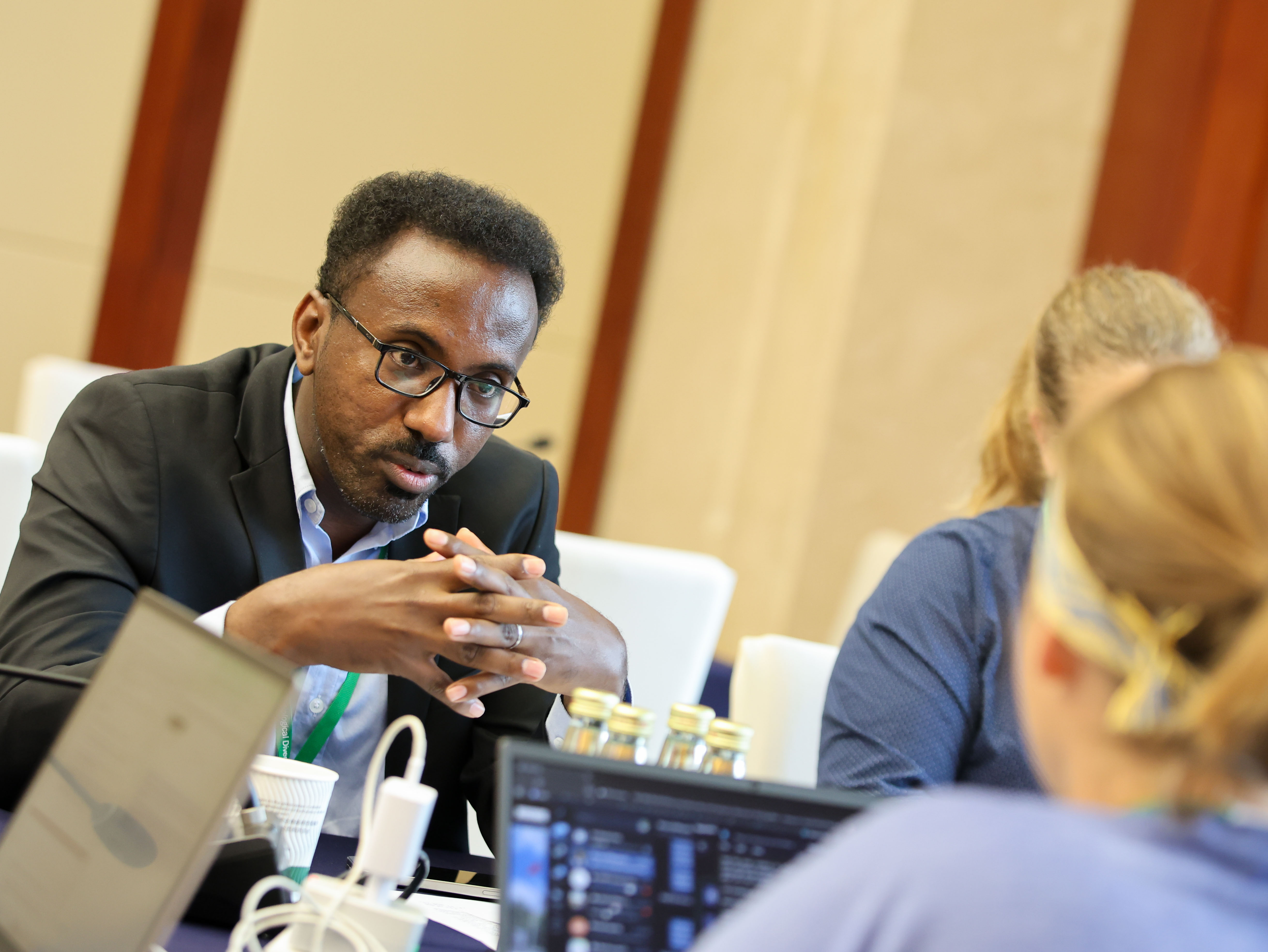
On the second day of the Kunming Dialogue, participants gathered to discuss the findings of the report and how to address these gaps. Discussions were organized in breakout groups under five topics that mirror the report’s key messages, with two sets of questions guiding the discussion under each topic.
On addressing gaps in the collective scope and coverage of the national targets and commitments, participants deliberated on how GBF targets were reflected in their national targets and commitments, and the underlying causes of gaps and how to address them. Discussants highlighted, among others, that lack of alignment between national and GBF targets often stems from differing national circumstances and priorities. Many also suggested integrating biodiversity action across ministries, mainstreaming biodiversity considerations, and strengthening cooperation with stakeholders.
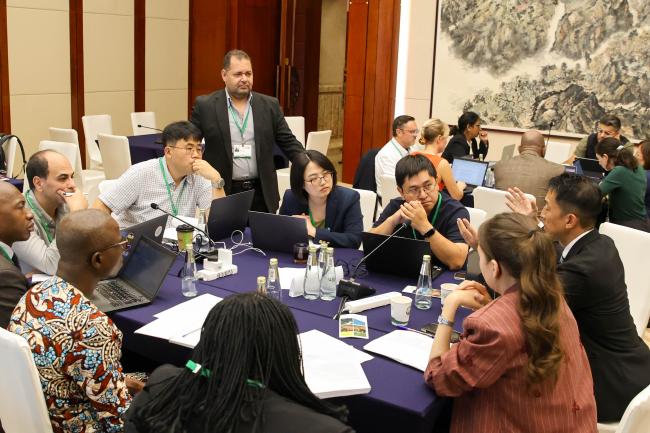
Participants were also asked to identify partnerships that could help strengthen action and implementation efforts, and approaches and mechanisms that would be useful to apply across multilateral environmental agreements and other international conventions. The discussion focused on, among other issues, the need to have a solid overview of all existing initiatives, including those of academic and research institutions, which provide the evidence base for decision making. Participants also underscored the importance of enhancing synergies and cooperation across biodiversity-related multilateral environmental agreements and Rio Conventions’ focal points.
Discussions were held on the implications of the gaps and challenges related to the availability, timeliness, predictability, and accessibility of the means of implementation for the GBF. On aspects of implementation particularly constrained, participants discussed, among others, human and scientific capacities, infrastructure, and technology transfer. They noted that while all GBF areas are affected, sustainable use and access and benefit-sharing “tend to get the short end of the stick when resources are limited,” and called for balancing the three CBD objectives.
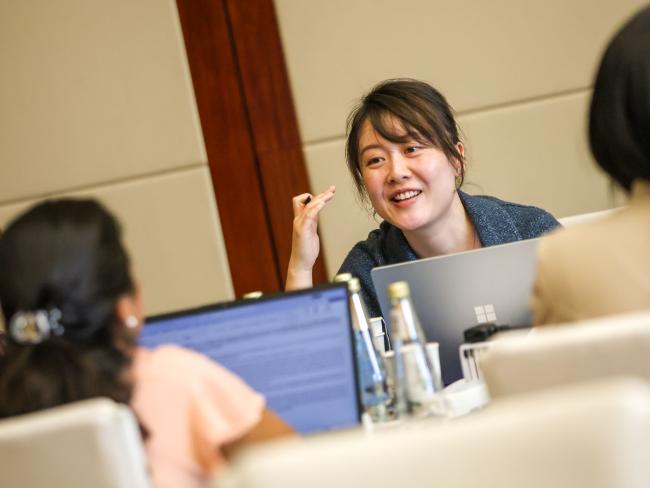
In the breakout session on data and knowledge, participants shared experiences on monitoring with different data and knowledge types. They also discussed the challenges and opportunities encountered in reporting using the GBF monitoring framework. Many noted fragmented data systems among government ministries and the private sector, and highlighted the importance of data interoperability. Some also stressed the importance of baseline data to assess progress.
Participants also discussed how to promote whole-of-government and whole-of-society approaches in GBF implementation. Discussants reflected on the mechanisms that could strengthen coordination, information-sharing, and alignment among Parties and stakeholders, and how stakeholder contributions can be better recognized, supported, and integrated into GBF implementation. Most delegates agreed that identifying areas of responsibility is important for coordination and stressed there should be ownership of the GBF process among all government departments. Many participants also noted different priorities across stakeholders, which can make alignment challenging.
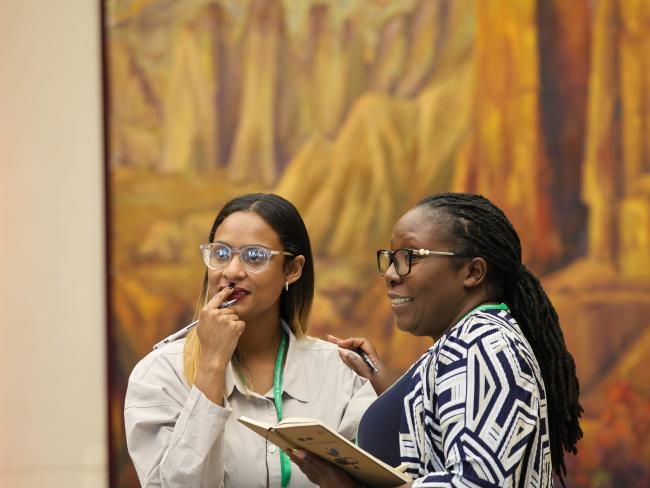
Discussions on these five topics will continue until Wednesday, the last day of the Dialogue. The co-chairs of each breakout group, with the help of the CBD Secretariat, will compile and distill the outcomes of the sessions and present the key messages in the closing plenary. The outcome of the Kunming Dialogue will feed into the discussions for the global review at COP 17, which will be held from 19 to 30 October 2026 in Yerevan, Armenia.
A networking session for representatives of the technical and scientific cooperation support centres took place in the evening.
To receive free coverage of global environmental events delivered to your inbox, subscribe to the ENB Update newsletter.
All ENB photos are free to use with attribution. For the Kunming Dialogue, please use: Photo by IISD/ENB | Anastasia Rodopoulou.
Data and Knowledge
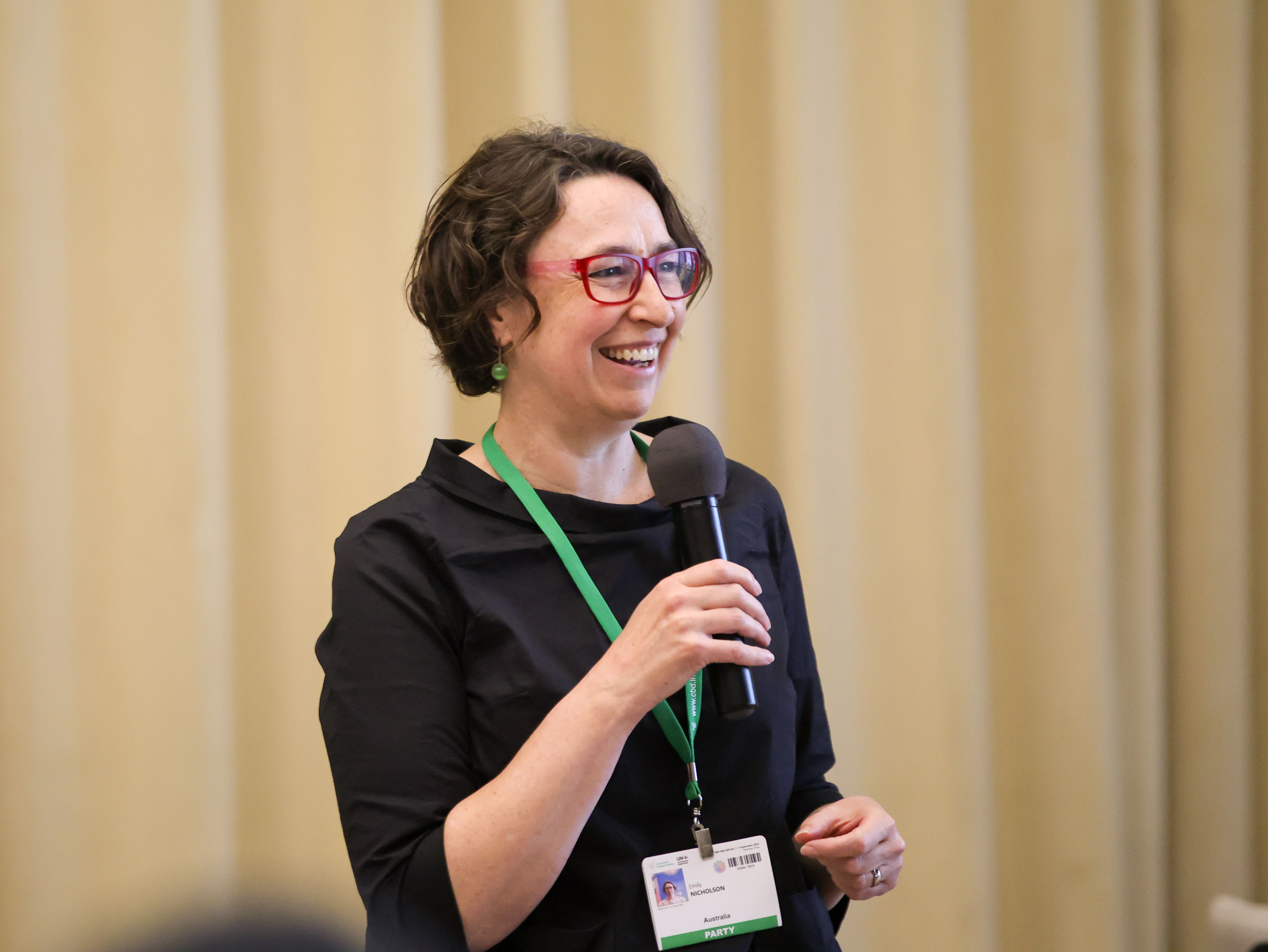
Emily Nicholson, Australia, Co-Chair of the group discussion on data and knowledge
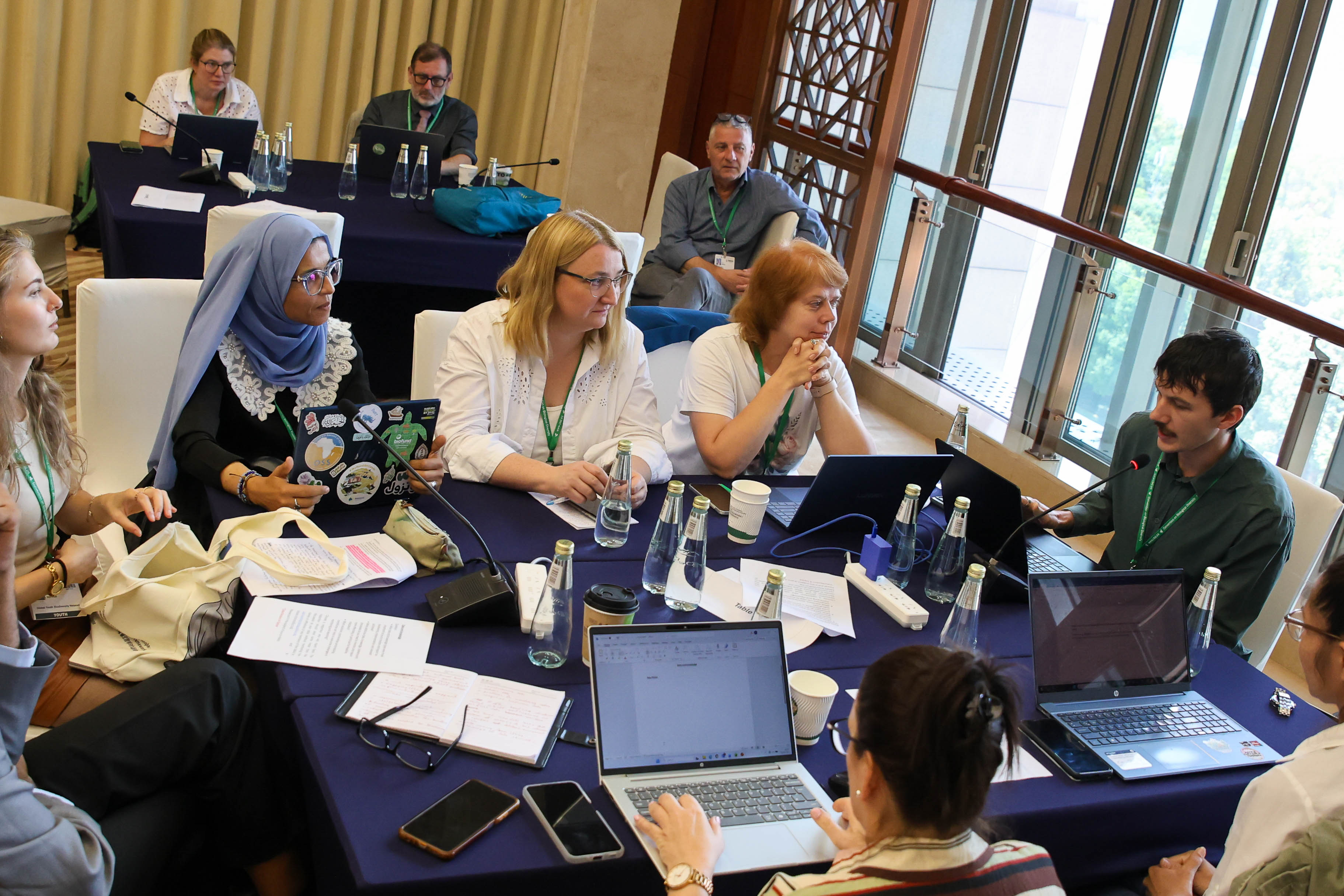
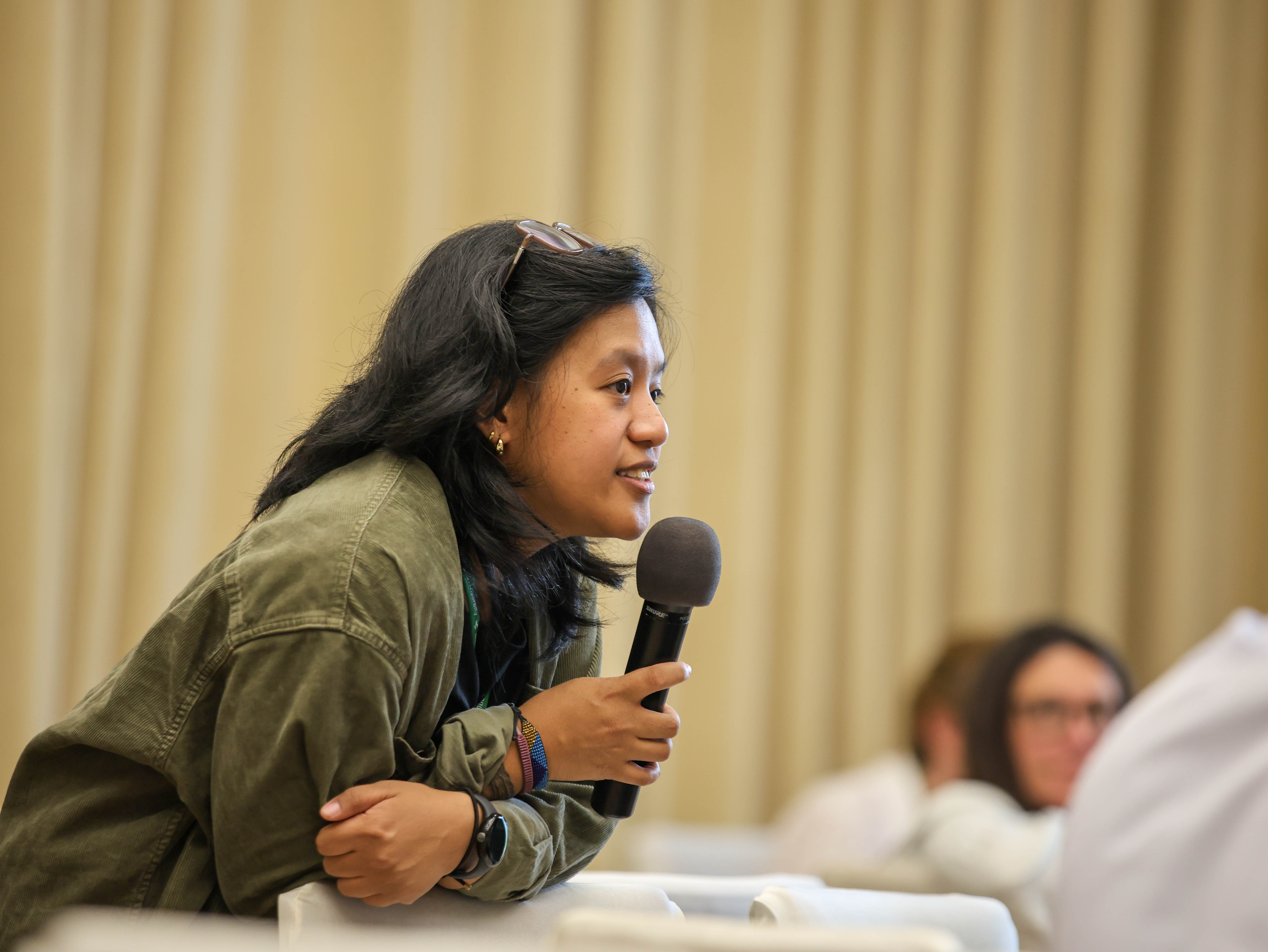
Josefa Isabel Tauli, Global Youth Biodiversity Network, Co-Chair of the group discussion on data and knowledge
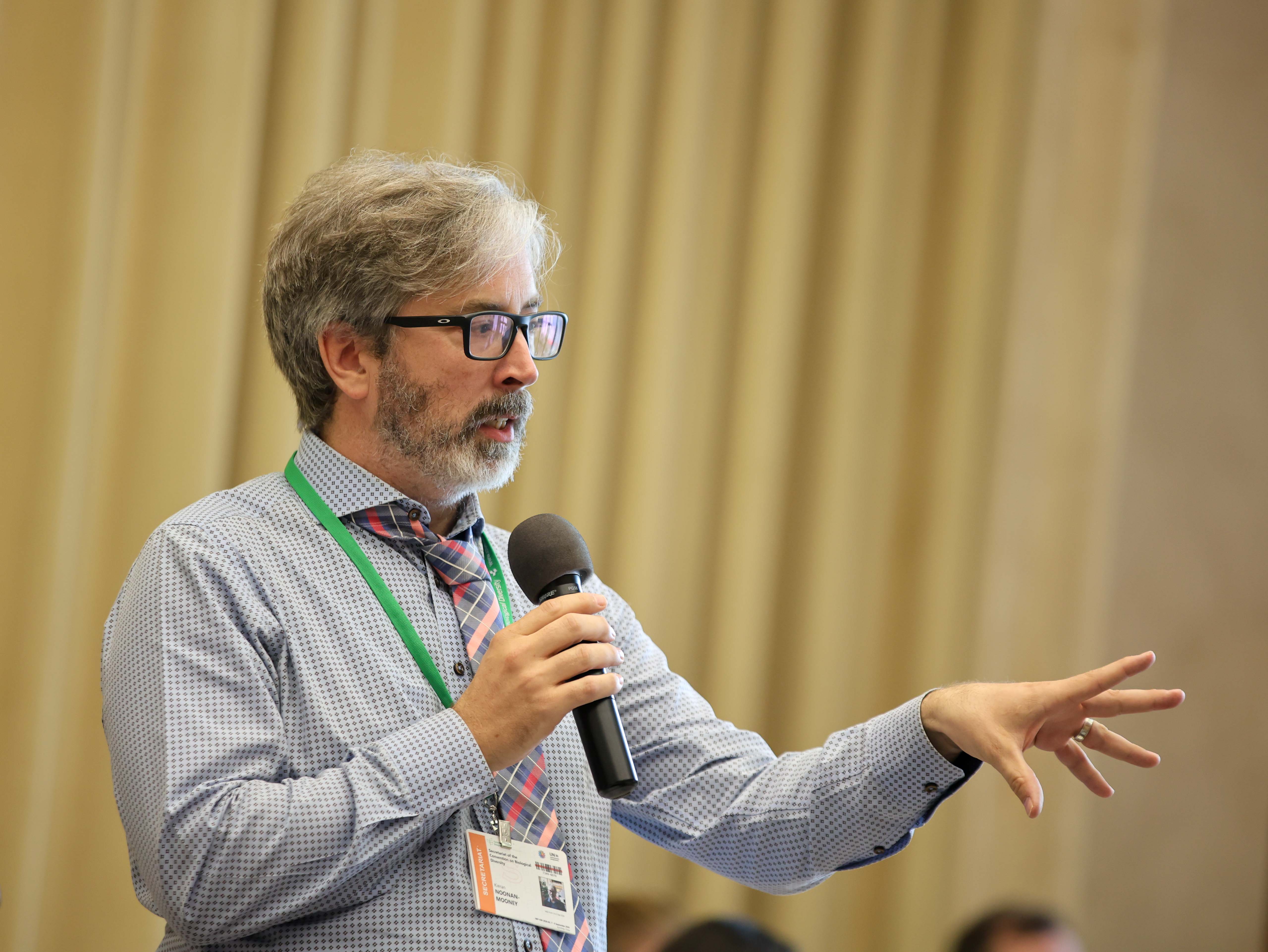
Kieran Noonan-Mooney, CBD Secretariat
Government and Society Approaches
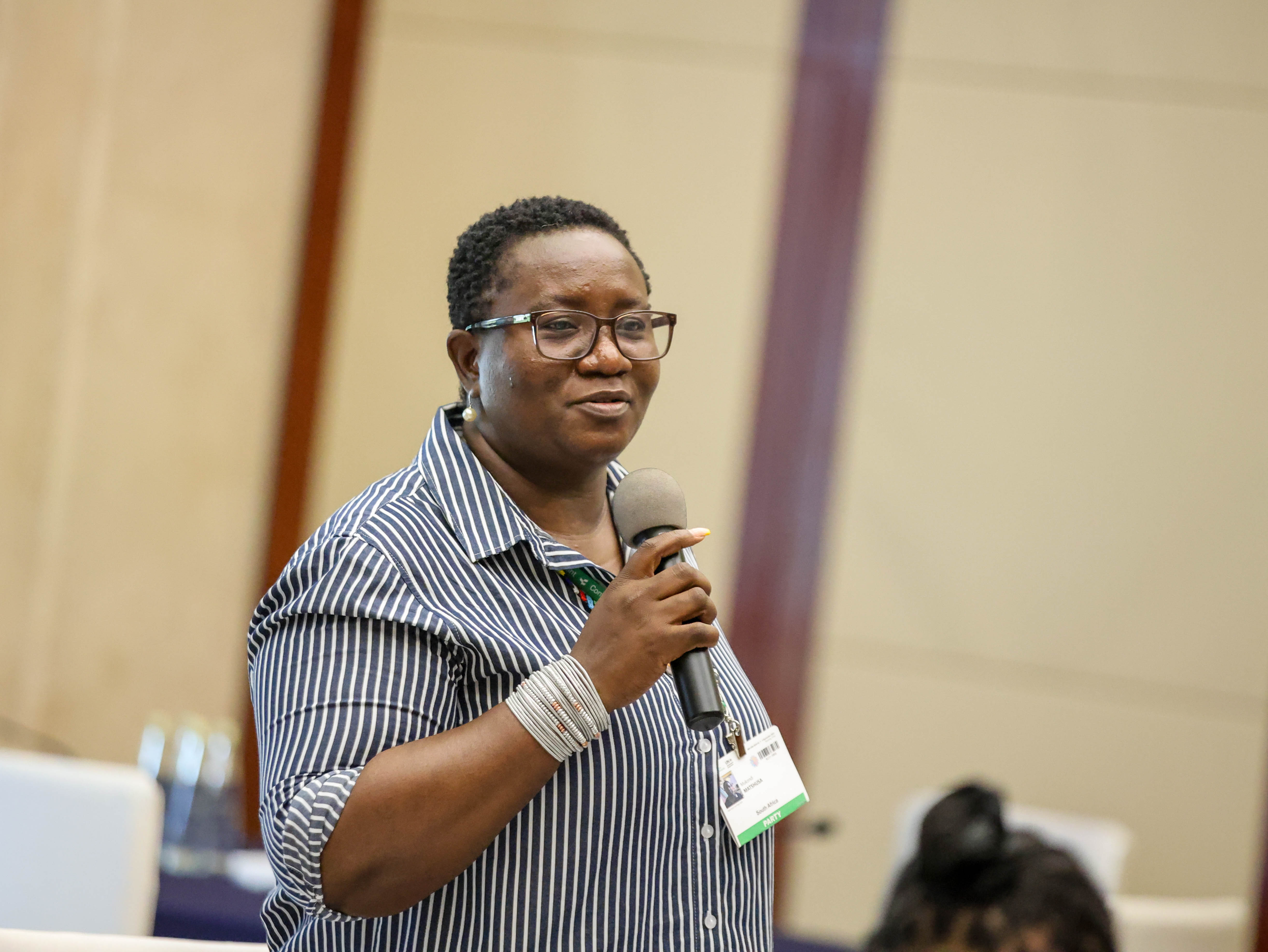
Mukondi Matshusa, South Africa, Co-Chair of the group discussion on whole-of-government and whole-of-society approaches
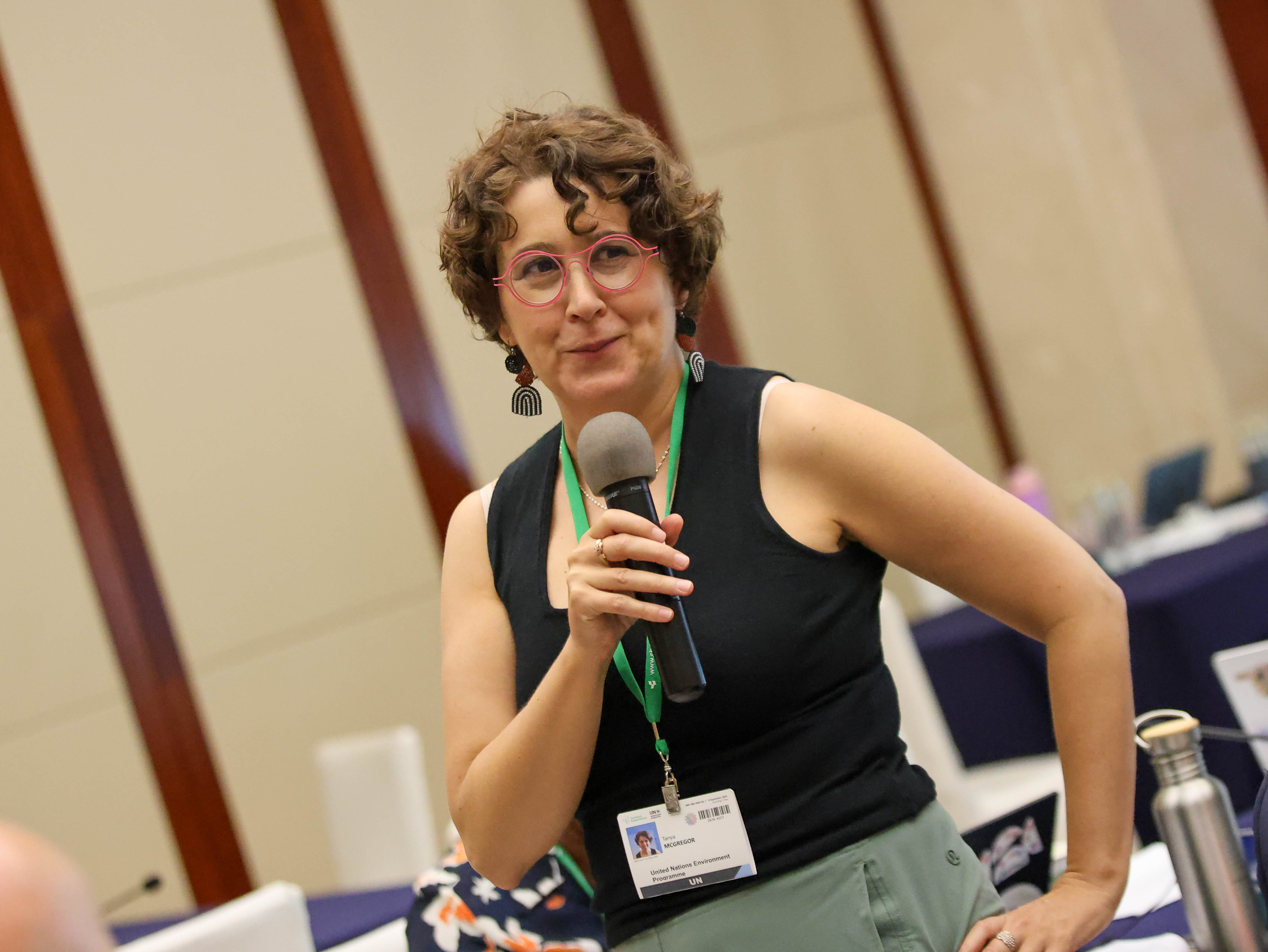
Tanya McGregor, UN Environment Programme (UNEP)
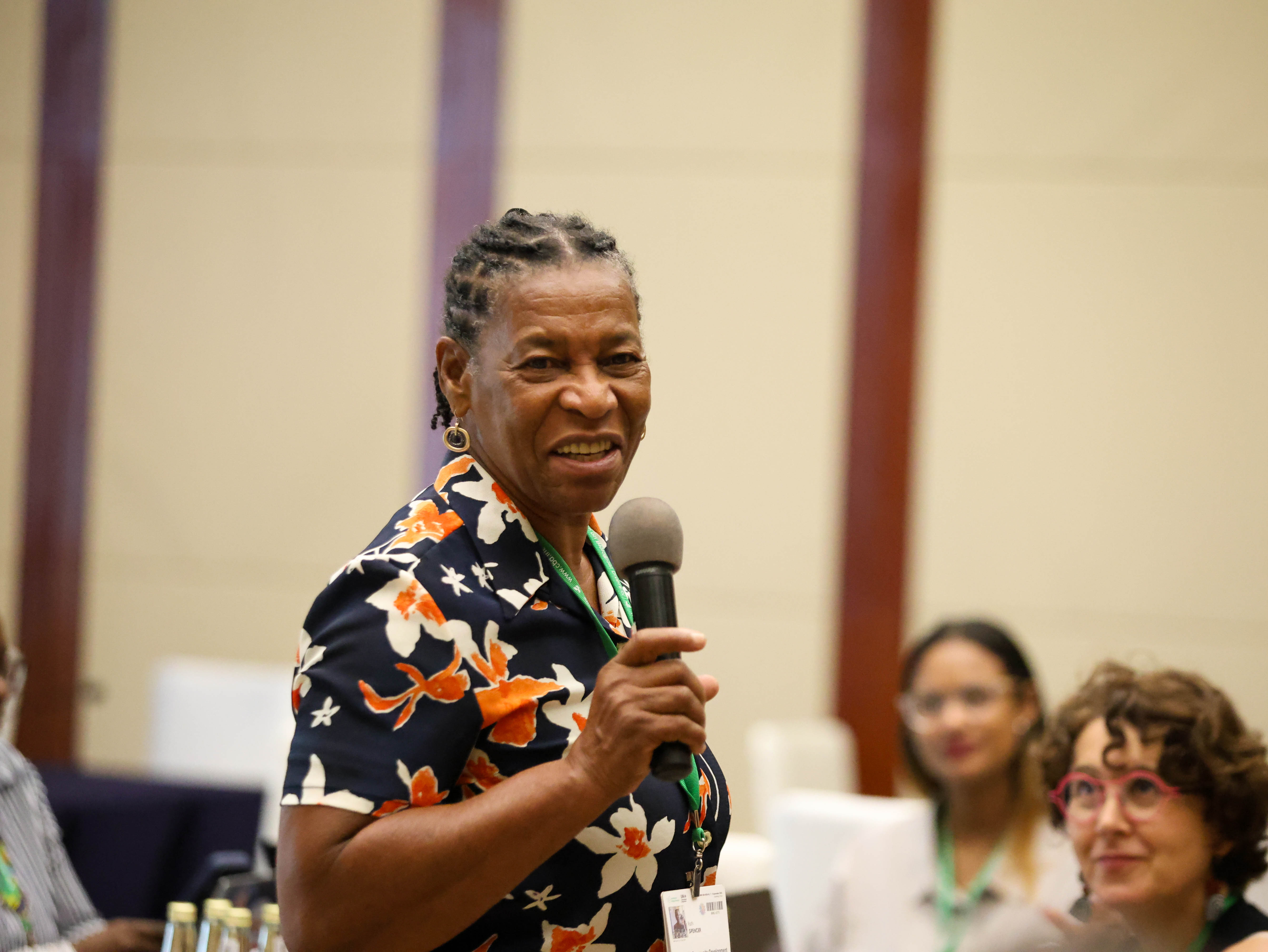
Ruth Spencer, Co-Chair of the group discussion on whole-of-government and whole-of-society approaches
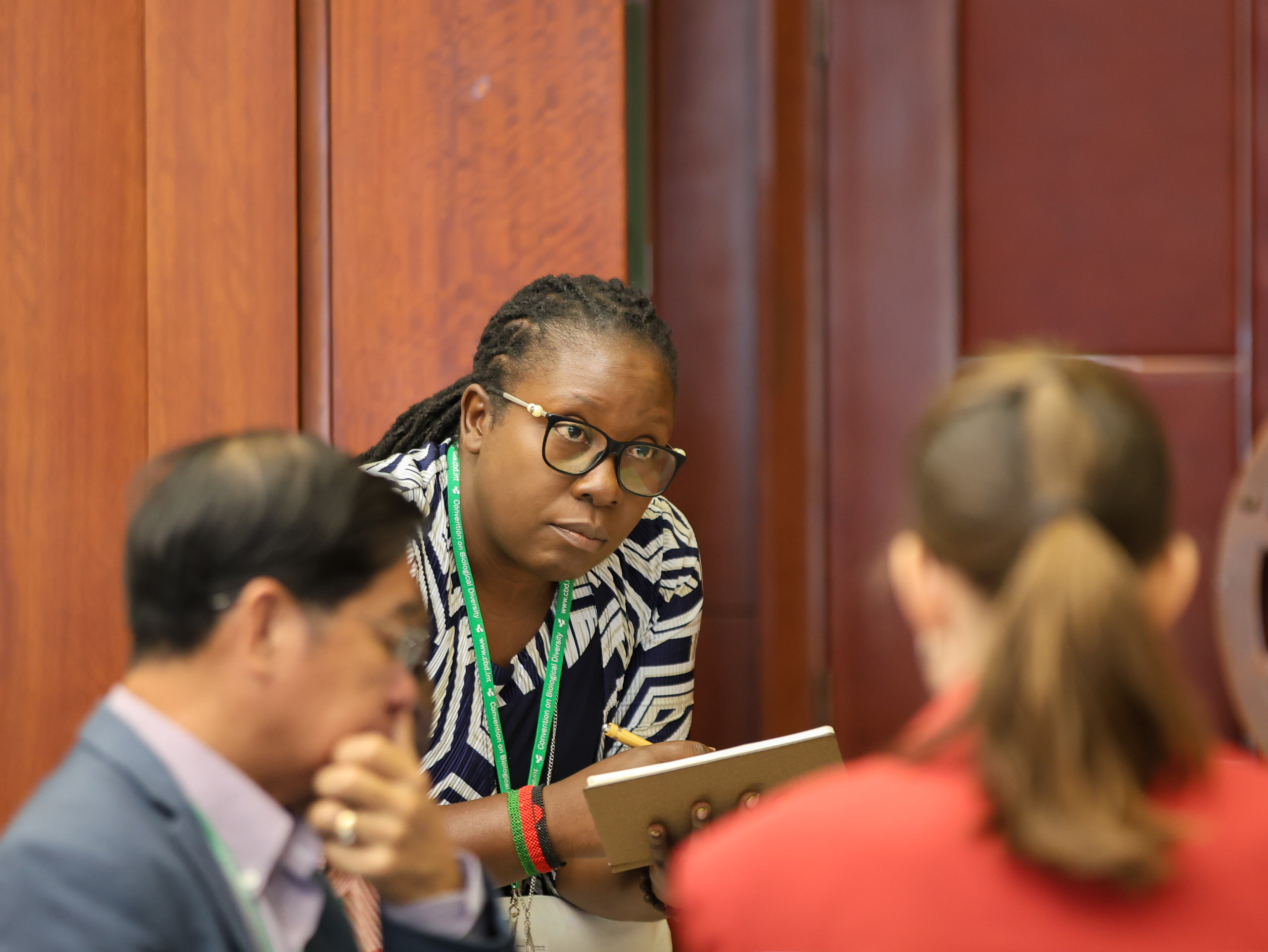
Alice Kammwamba, Malawi, Co-Chair of the group discussion on whole-of-government and whole-of-society approaches
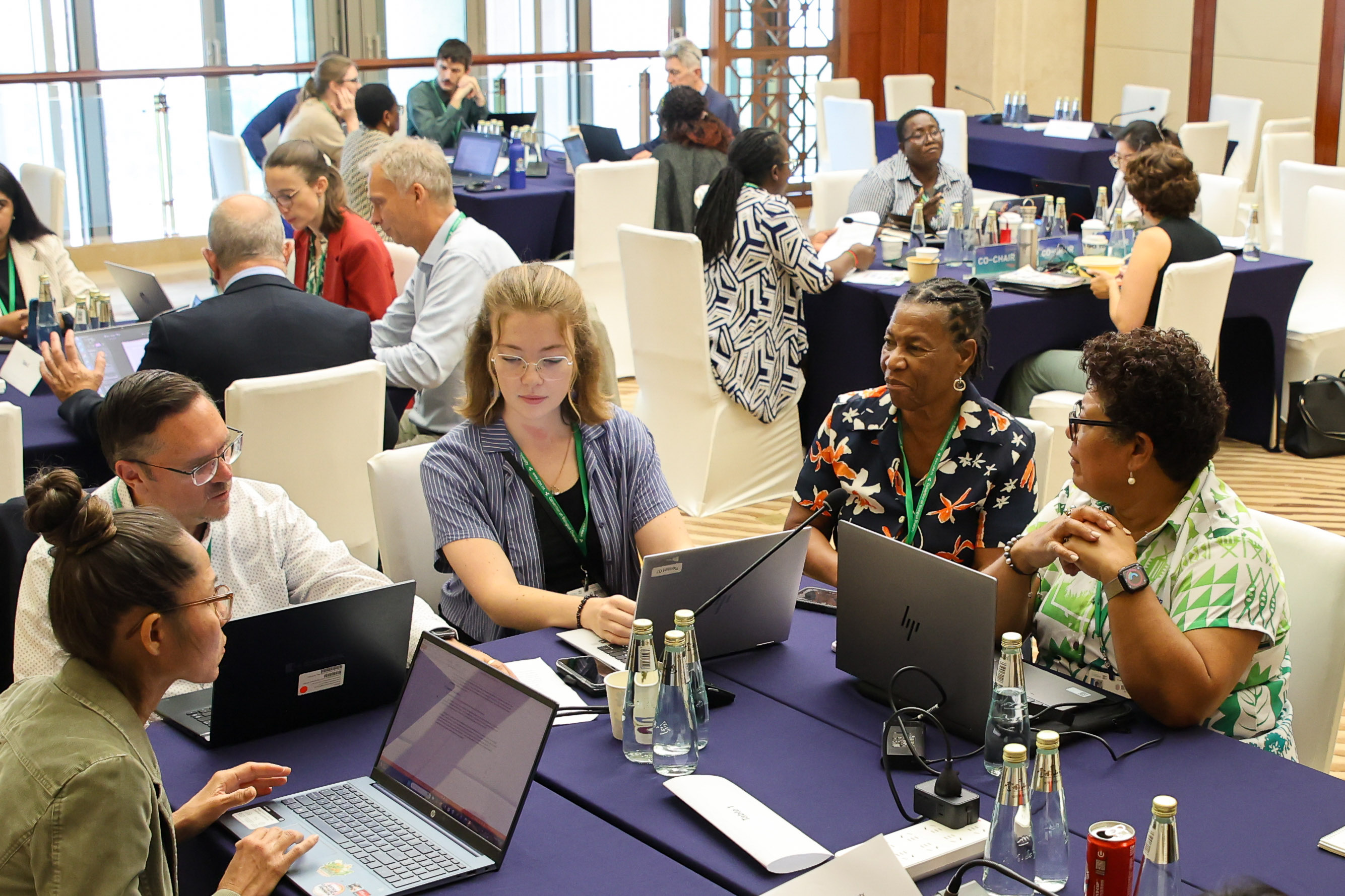
Means of Implementation
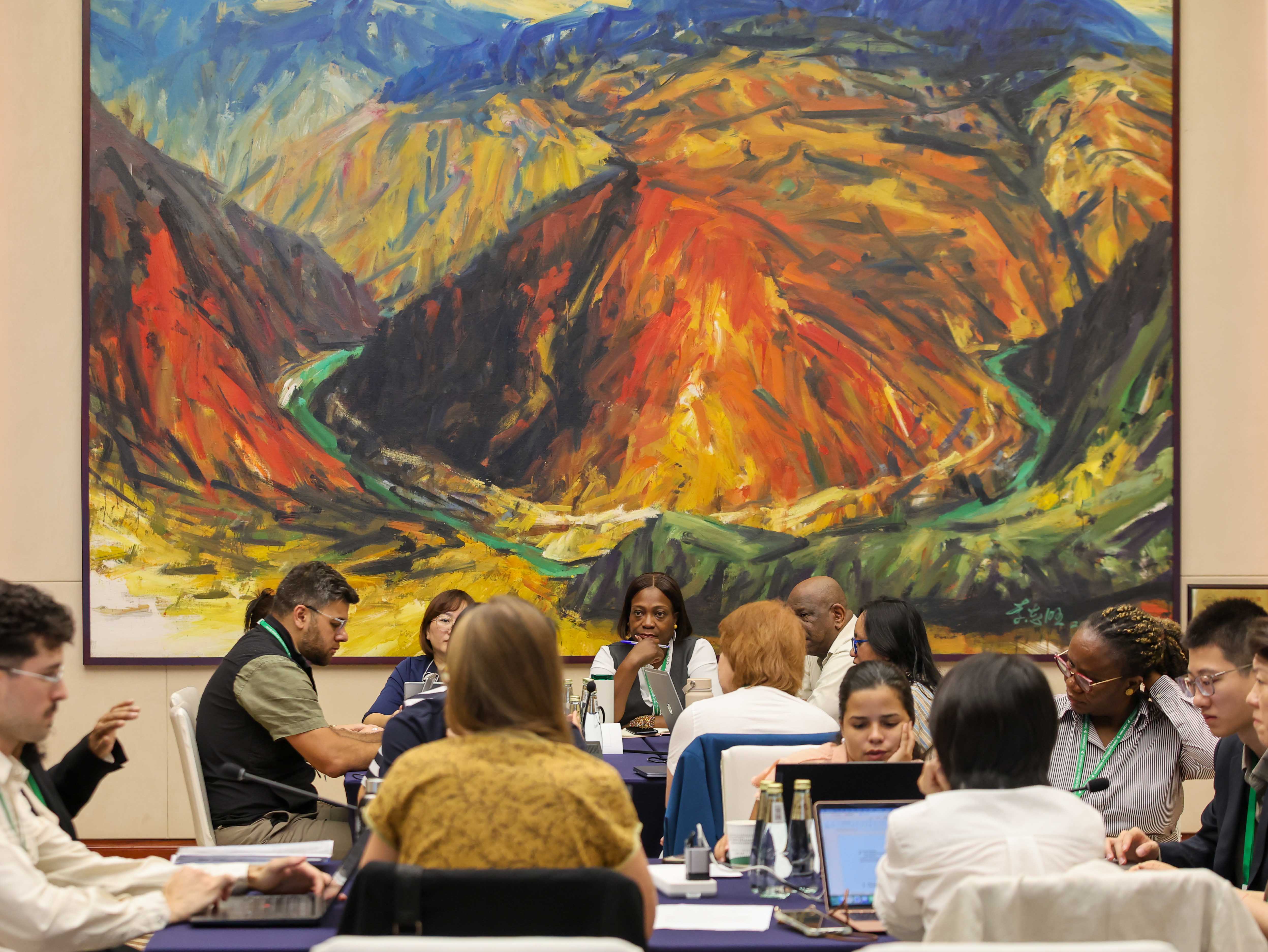
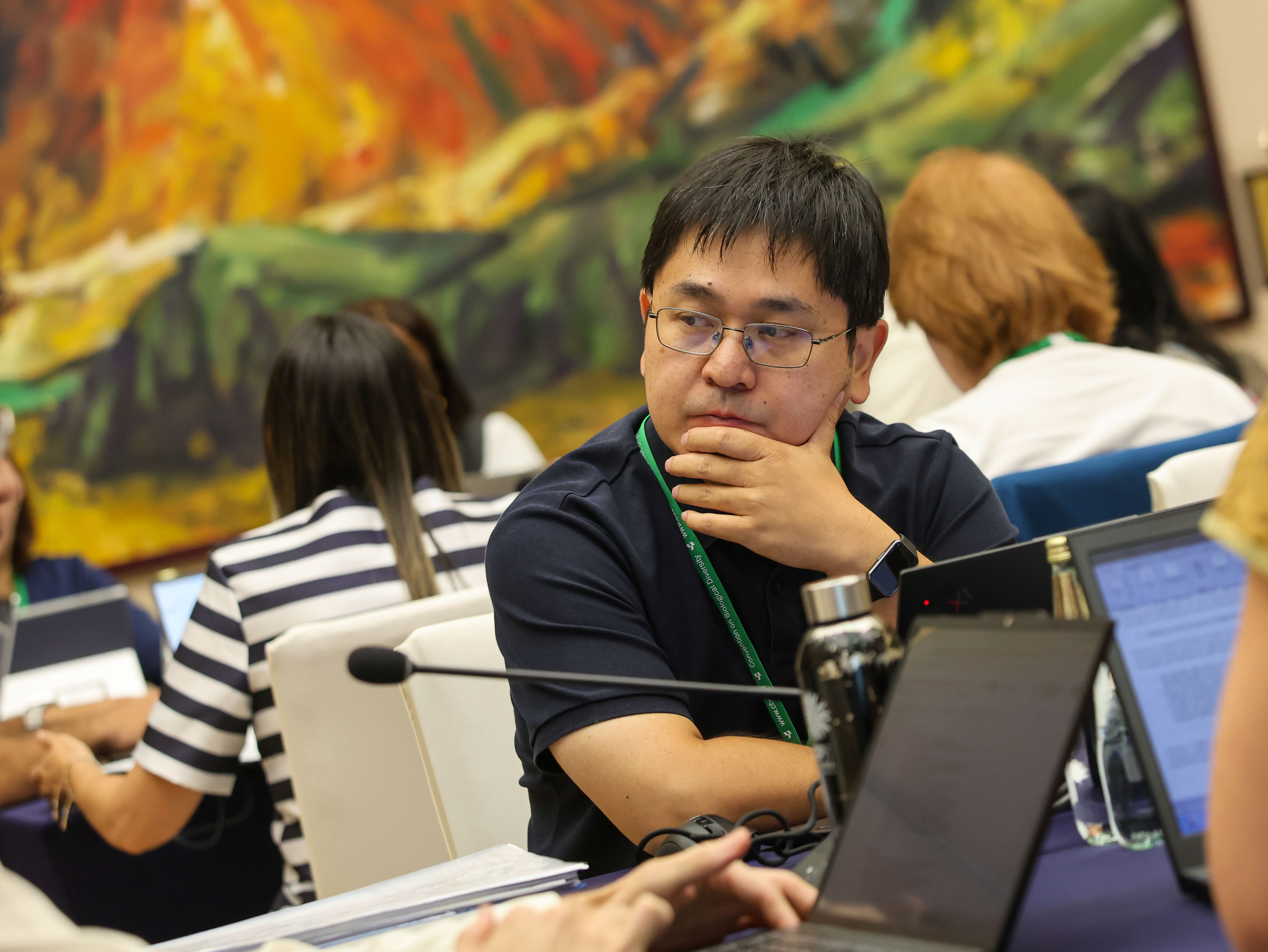
Lei Wan, Global Energy Interconnection Development and Cooperation Organization
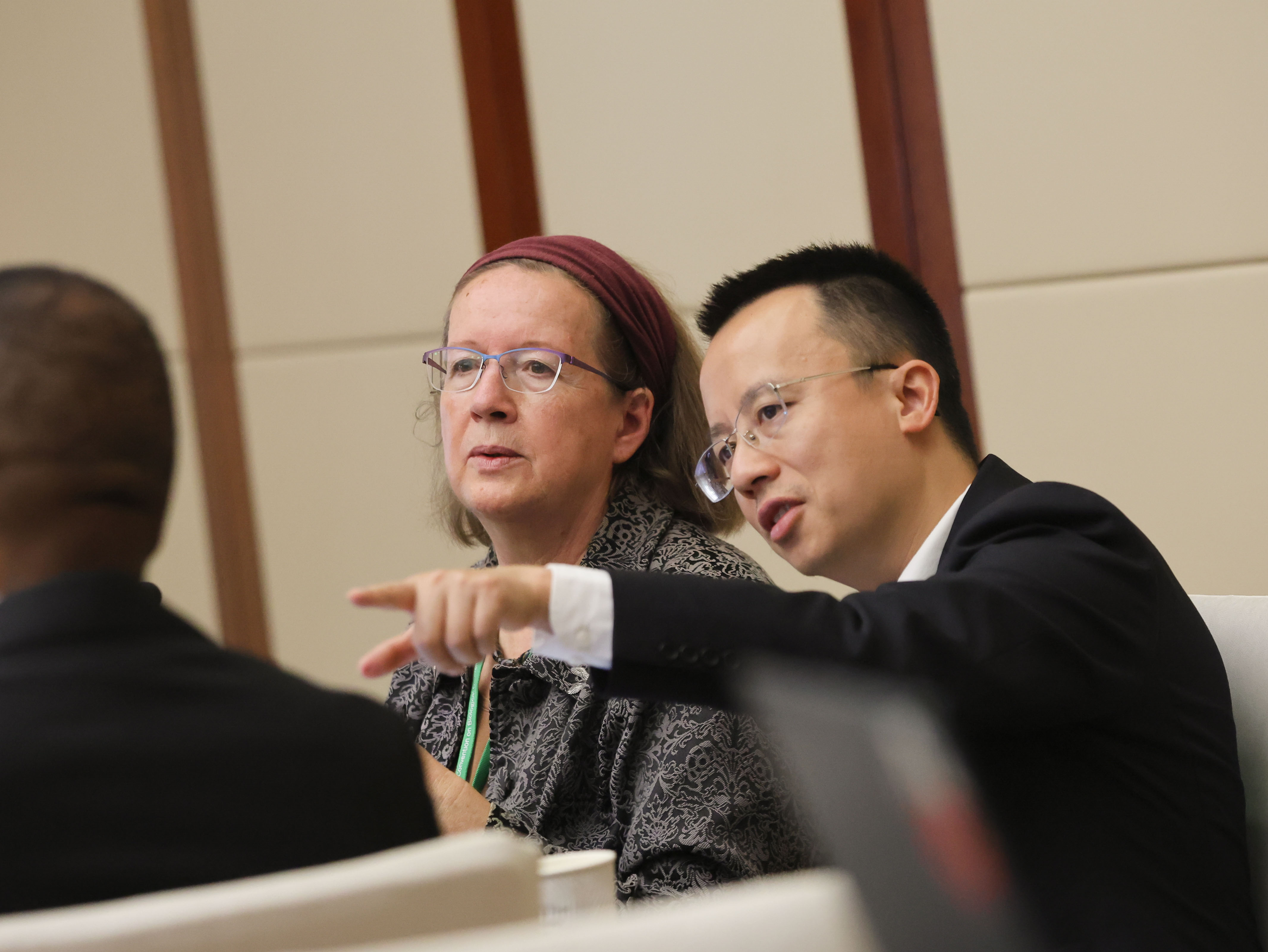
Cristina Eghenter, WWF International, and Jing Xu, China, Co-Chairs of the group discussion on means of implementation
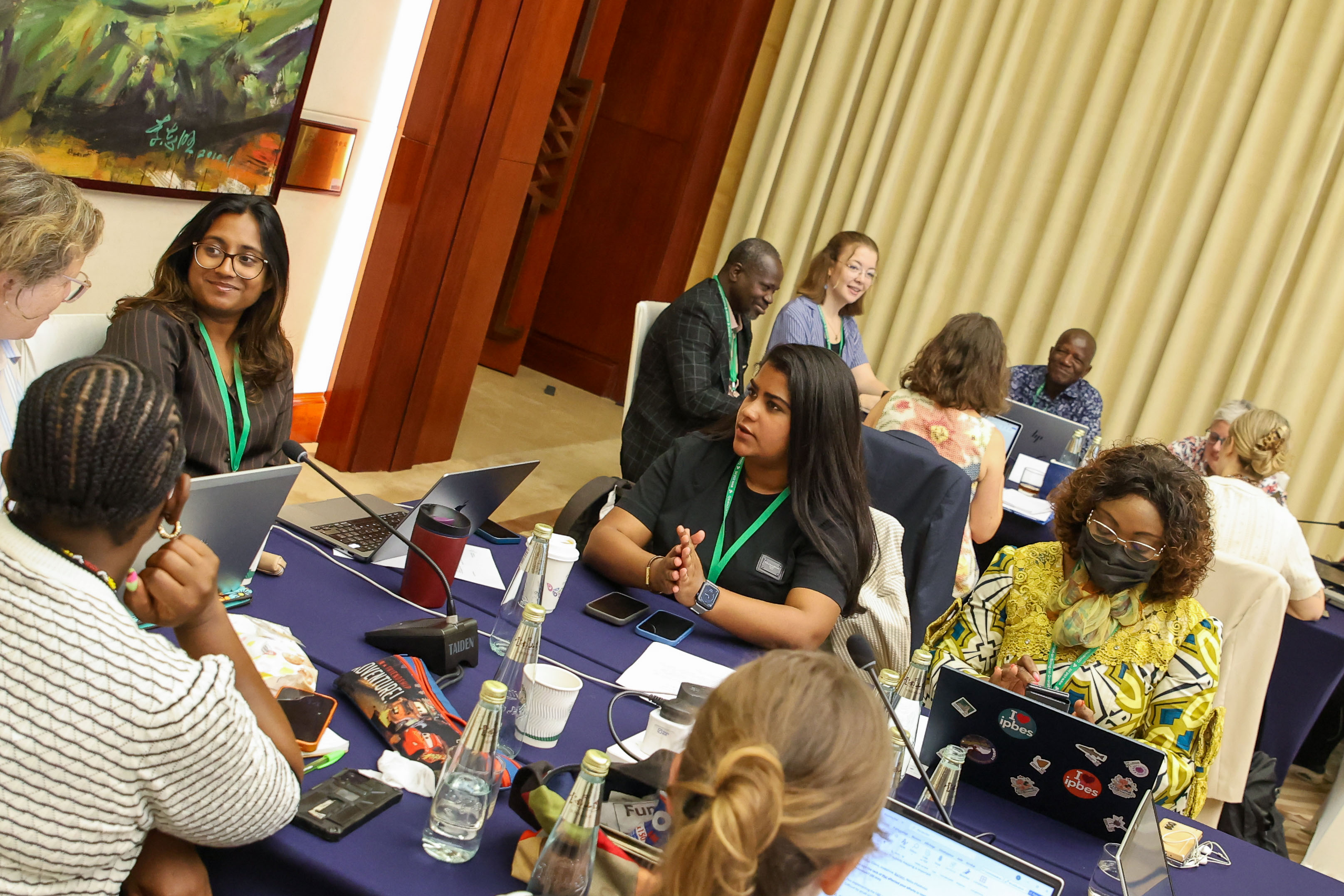
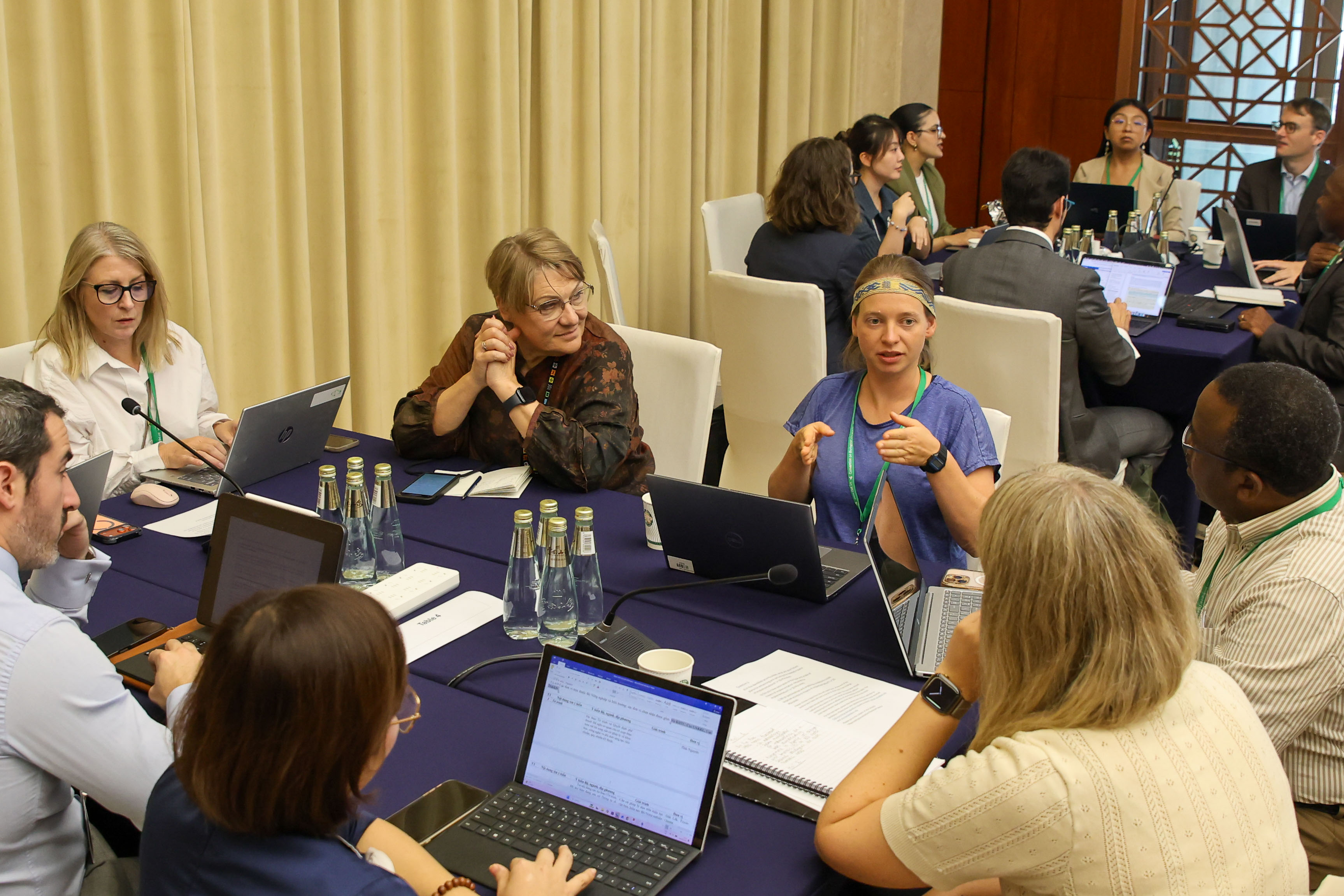
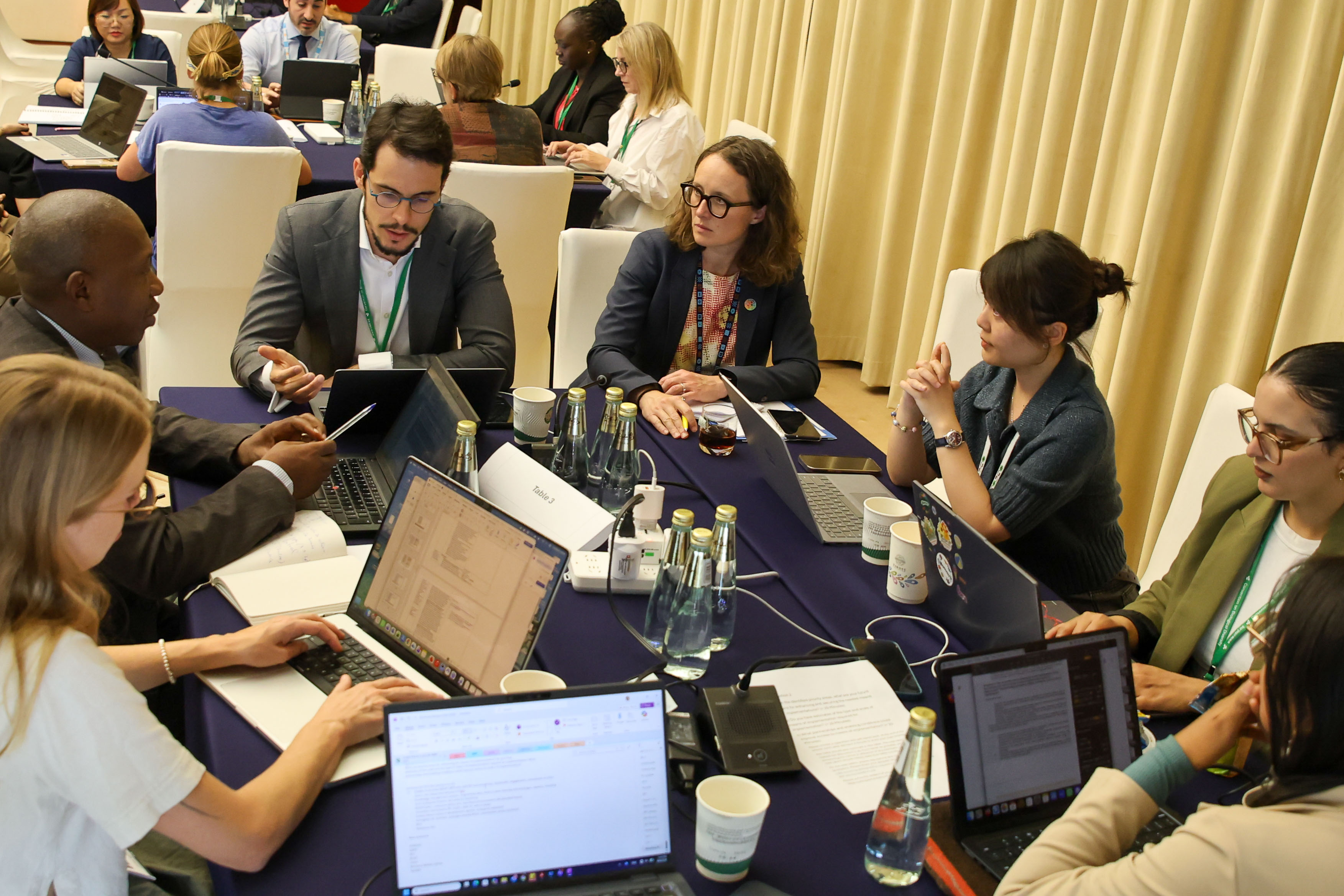
Action and Implementation
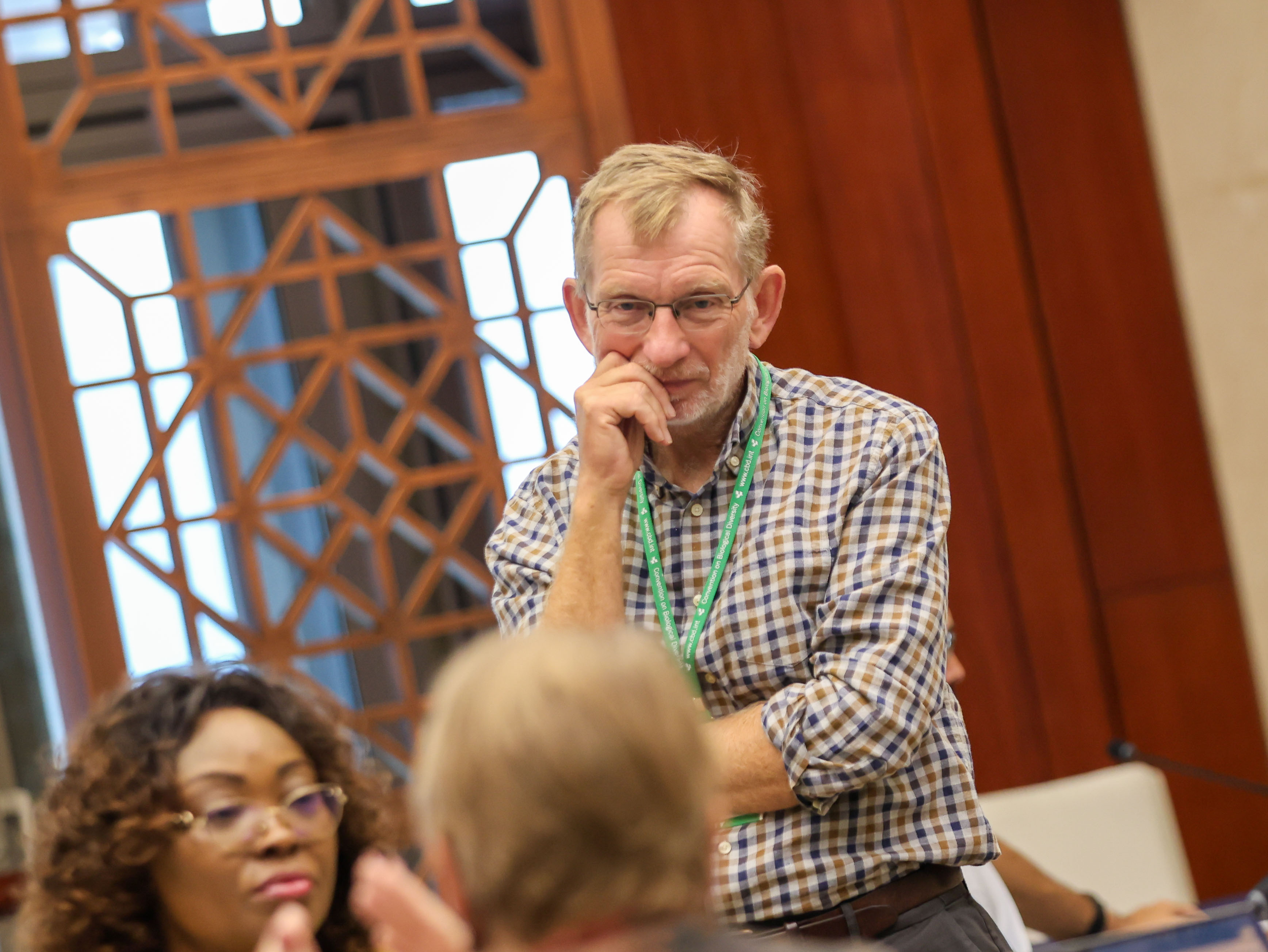
Andy Stott, UK, Co-Chair of the group discussion on action and implementation
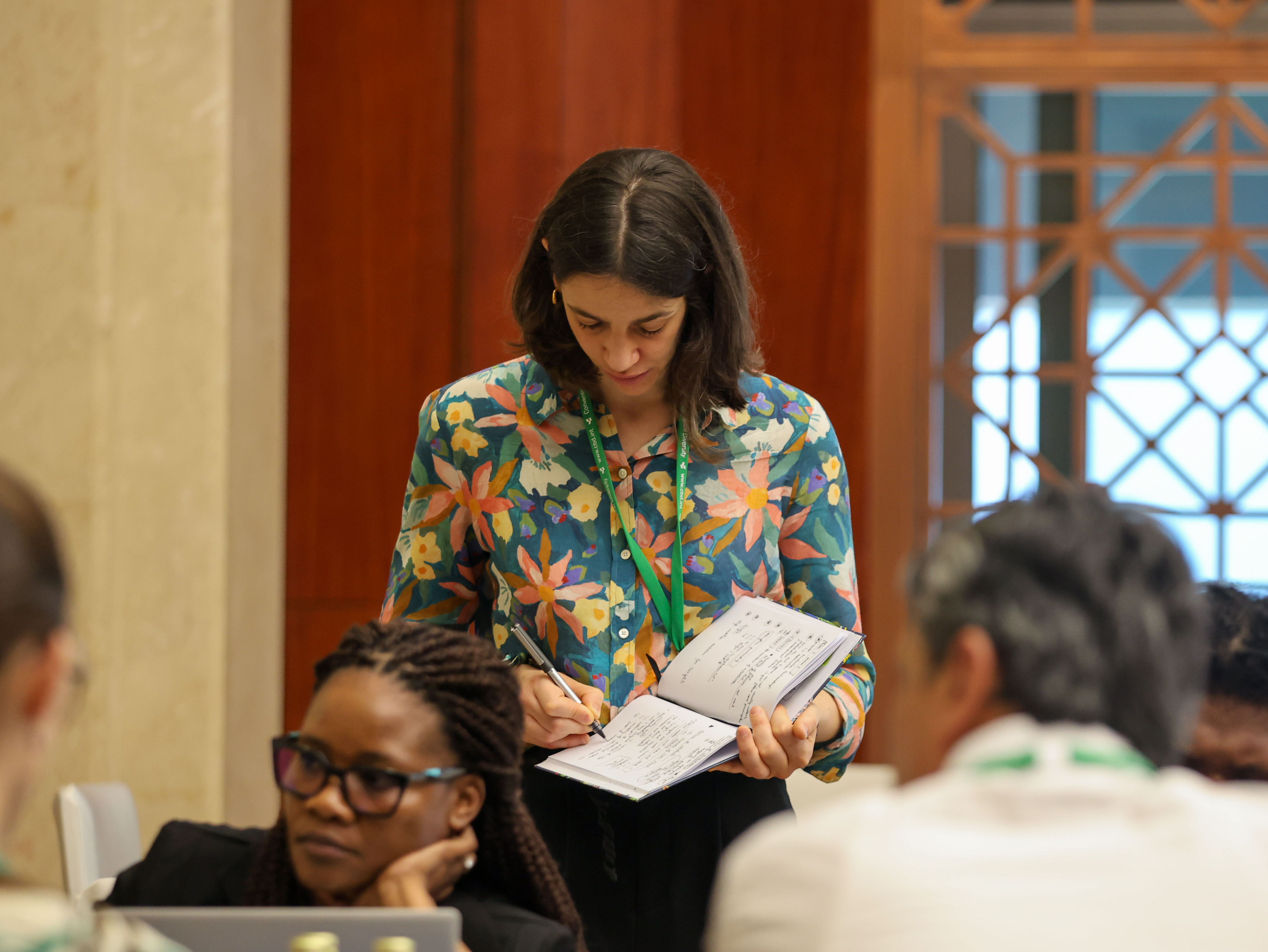
Emilie Vauchel, UNEP

Ruoxi Li, Host Government
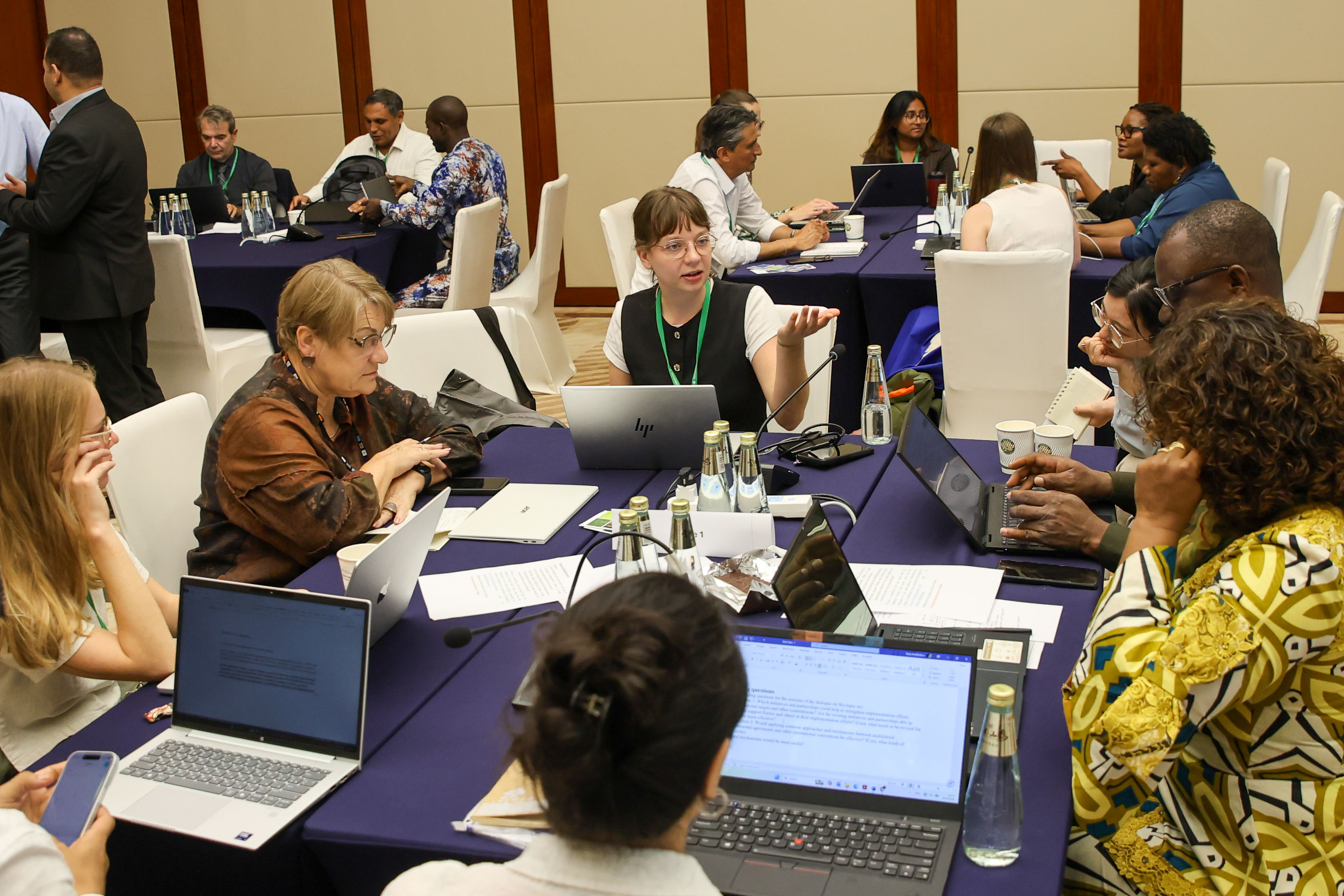
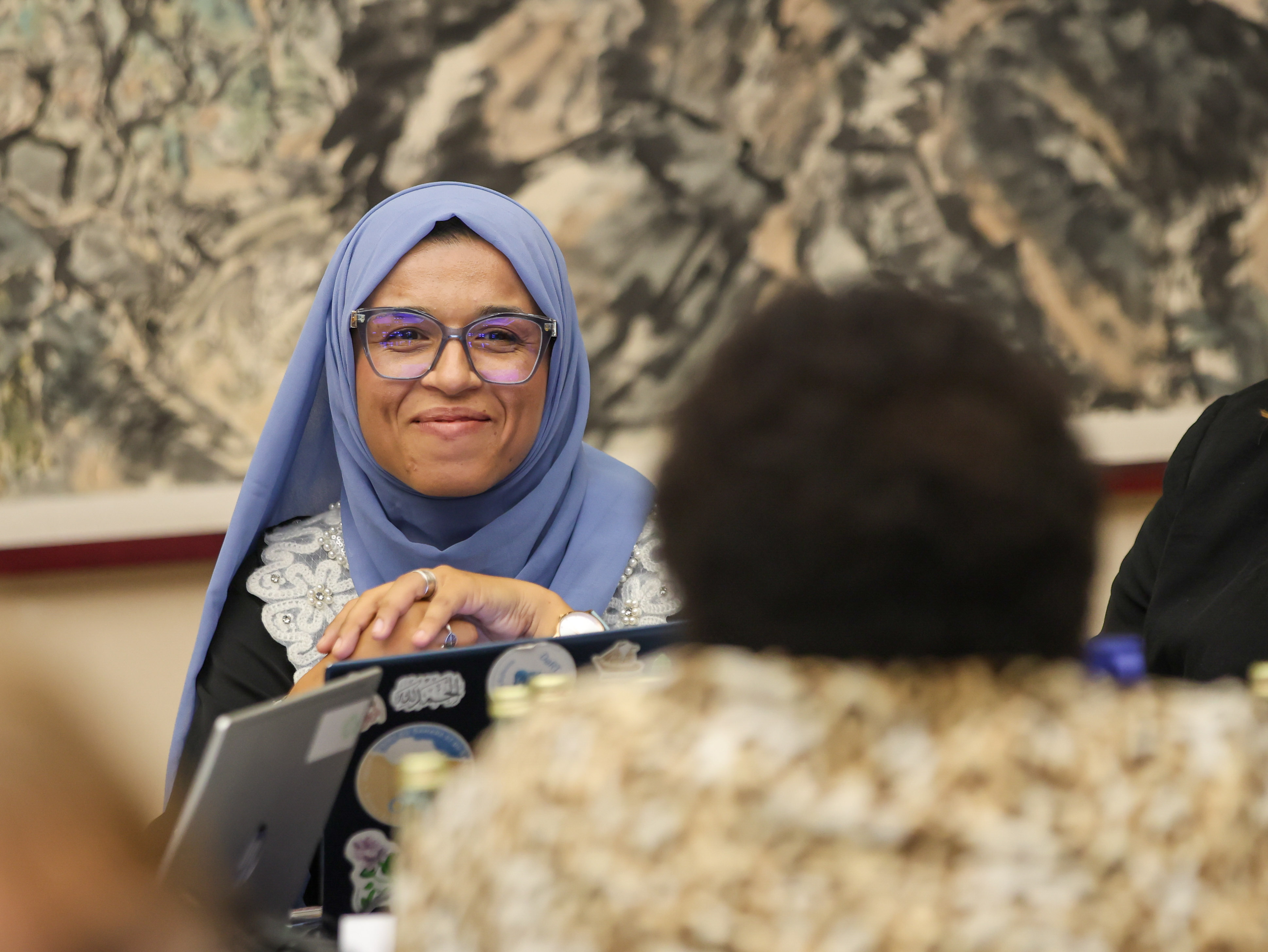
Abir Ben Romdhane, Sahara and Sahel Observatory
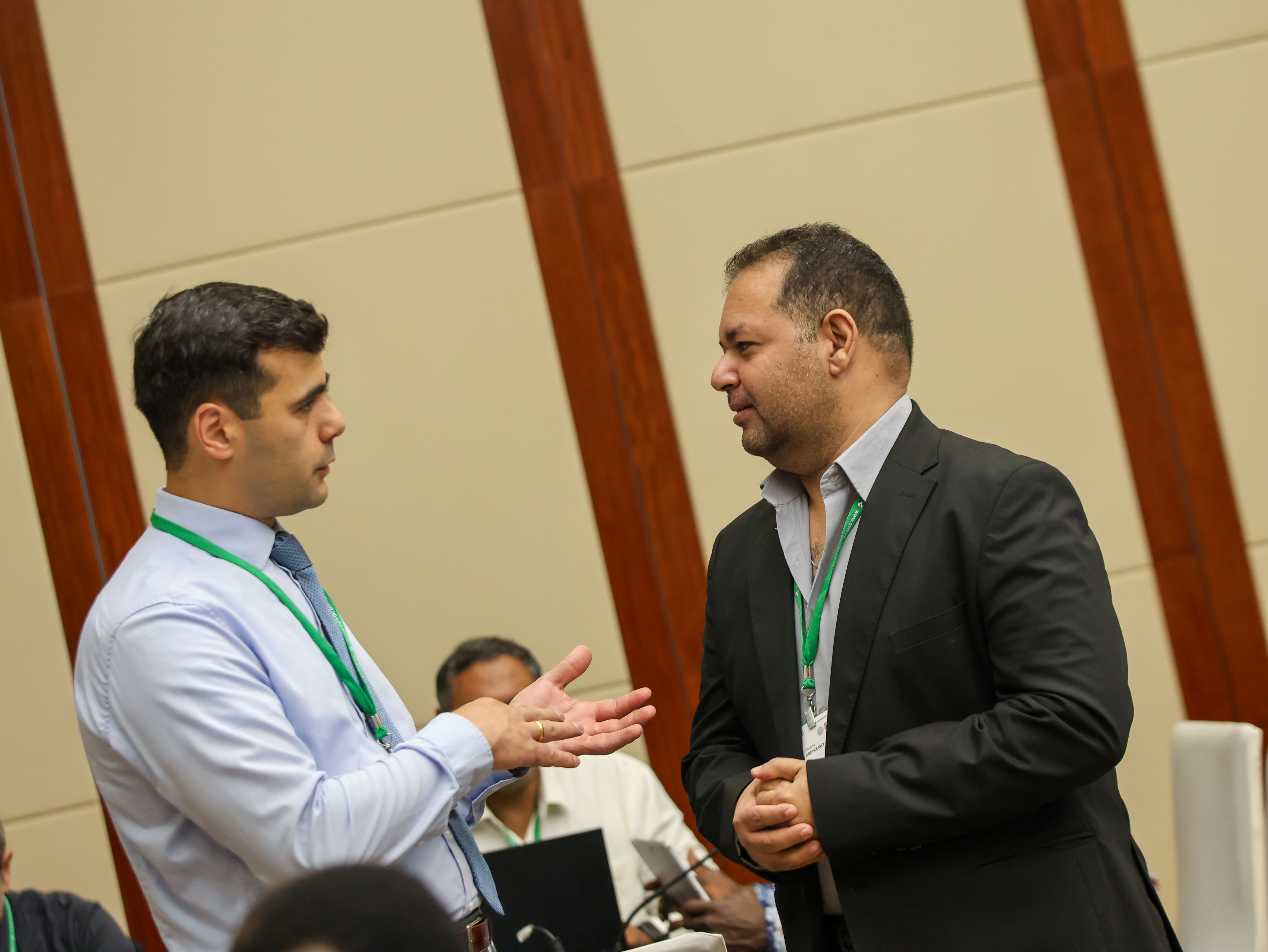
Davit Manukyan, Armenia, and Ossama AbdelKawy, Egypt, Co-Chair of the group discussion on action and implementation
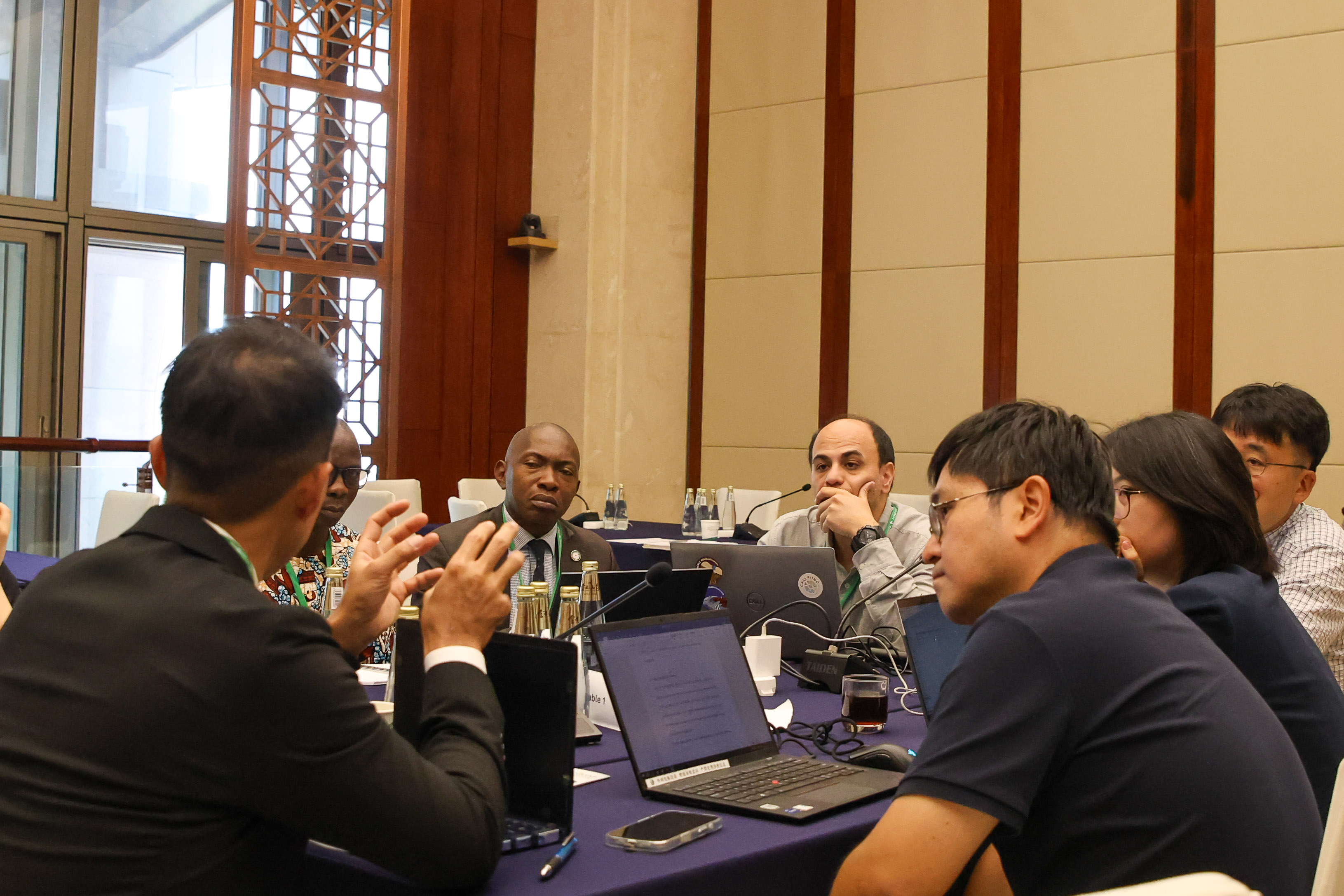
Scope and Coverage
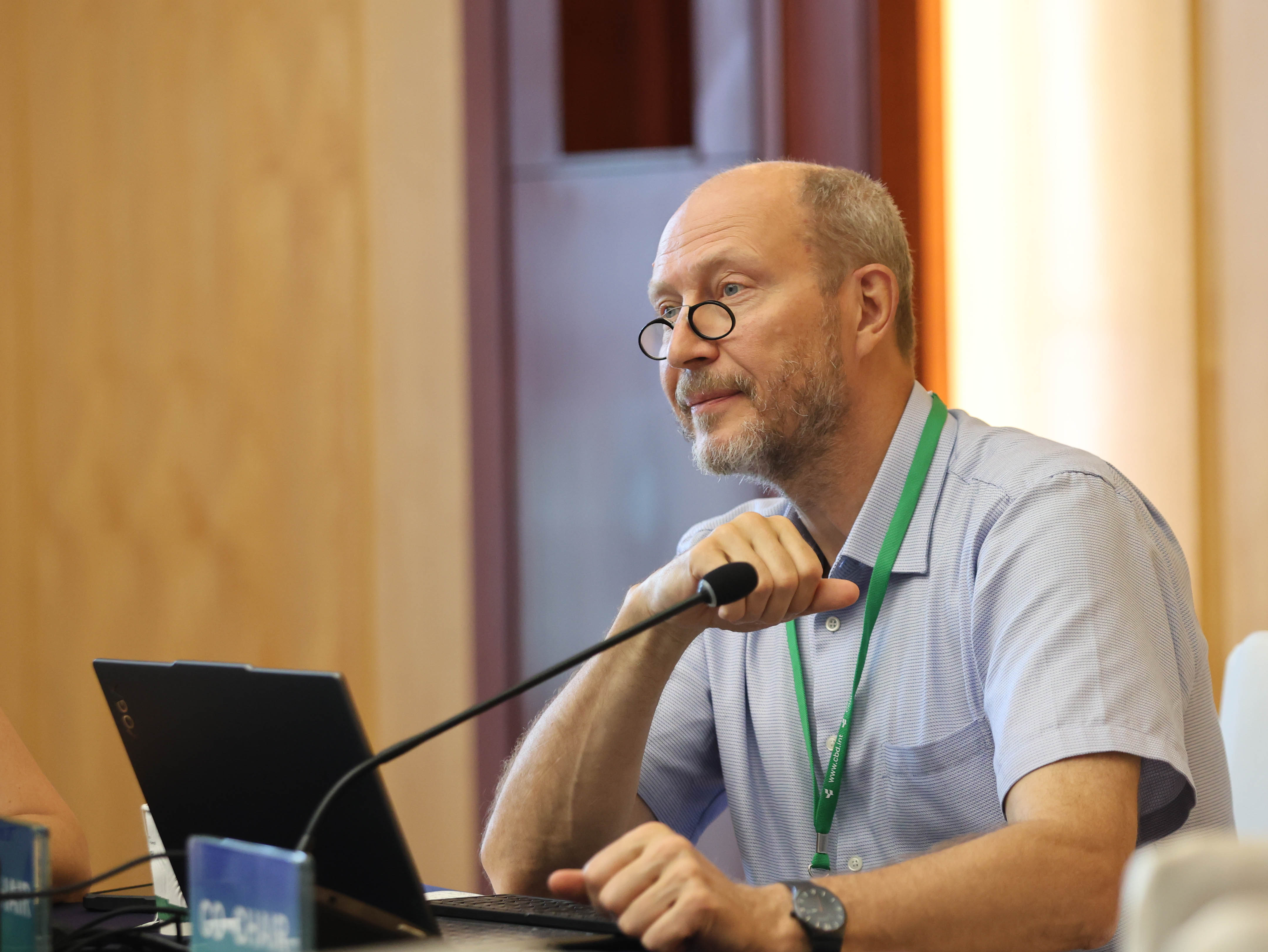
Alexander Shestakov, Russian Federation, Co-Chair of the group discussion on scope and coverage
Abdirashid Artan Abdirahman, Somalia
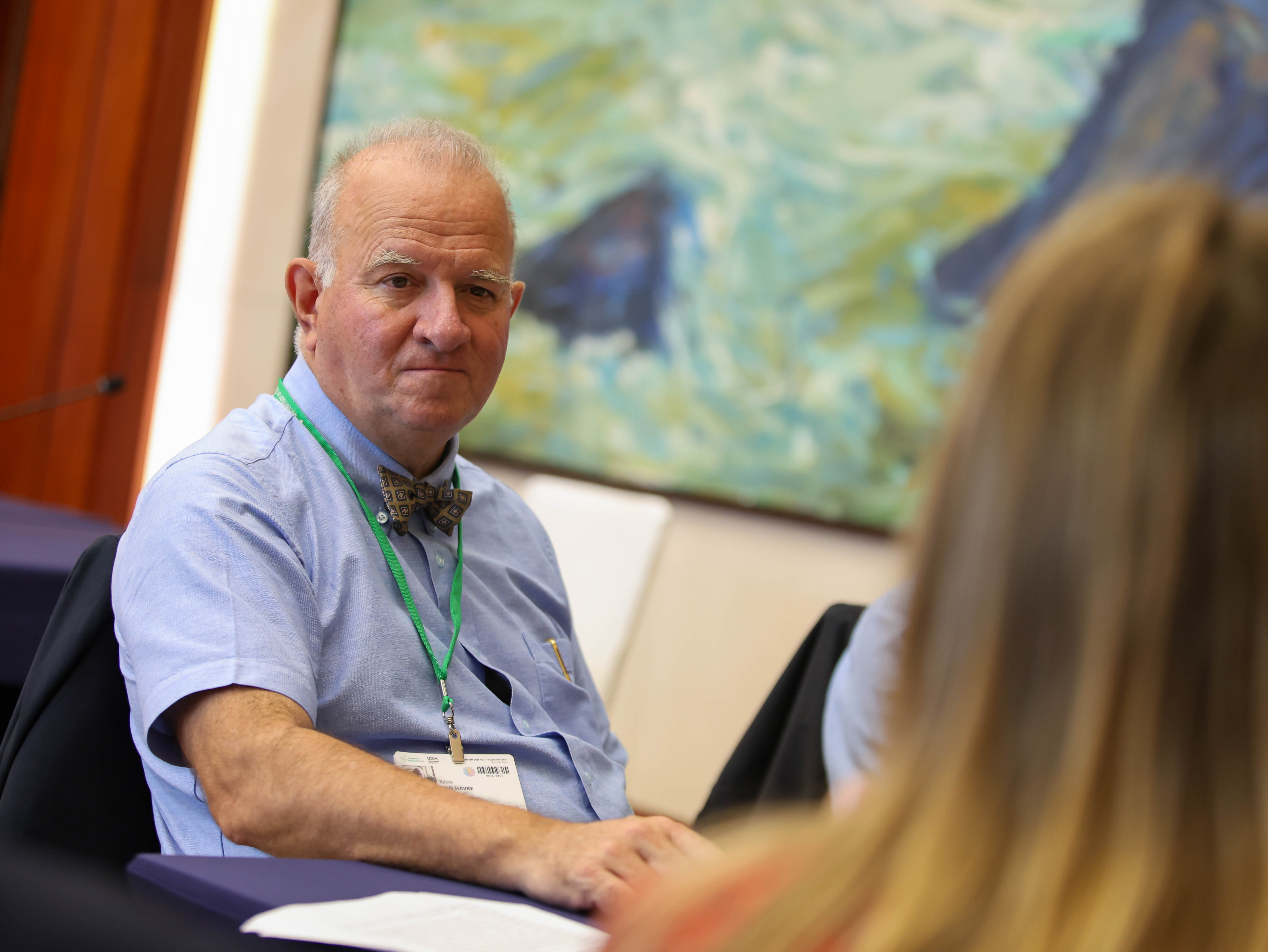
Basile van Havre, Institute for Sustainable Development and International Relations
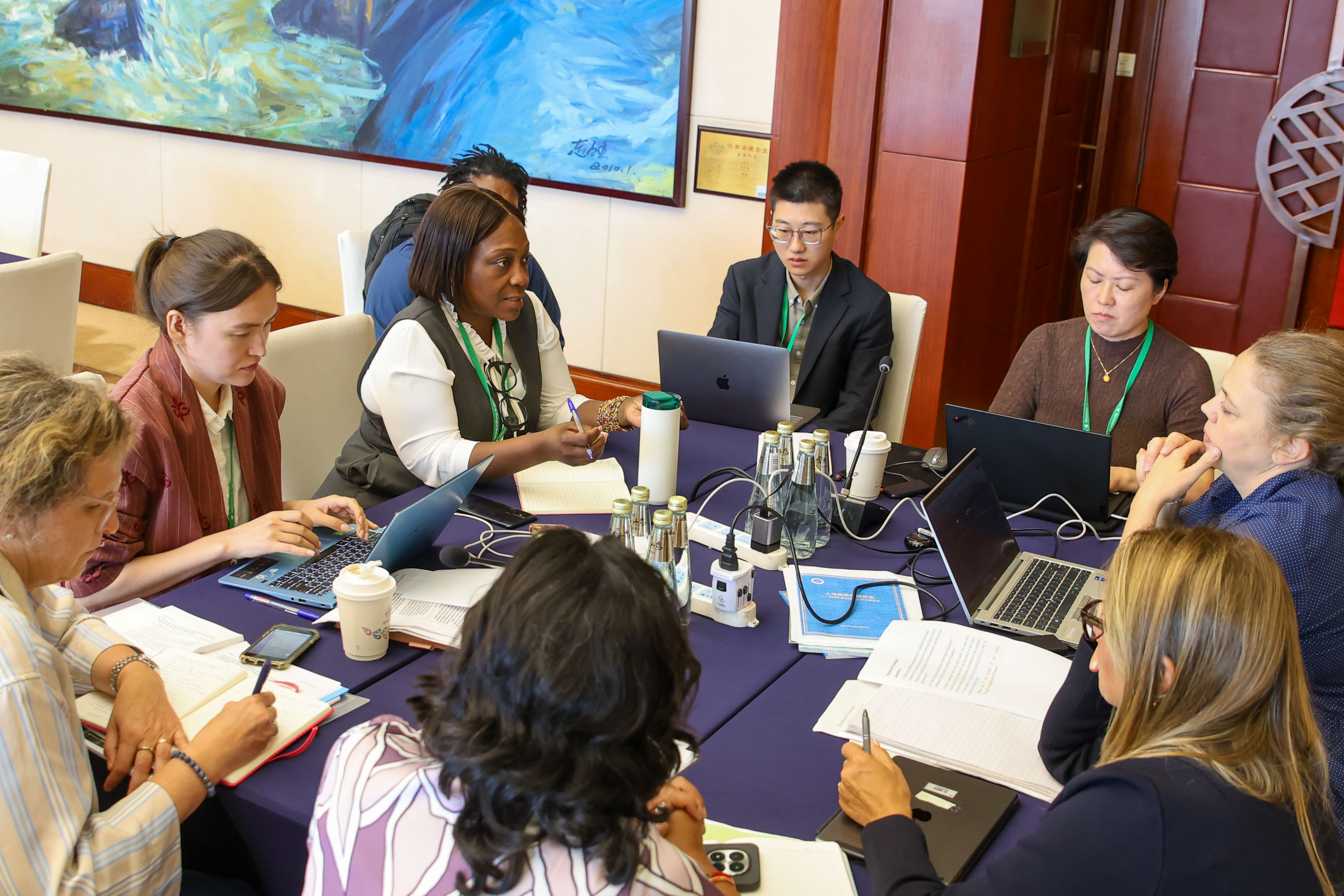
Around the Venue
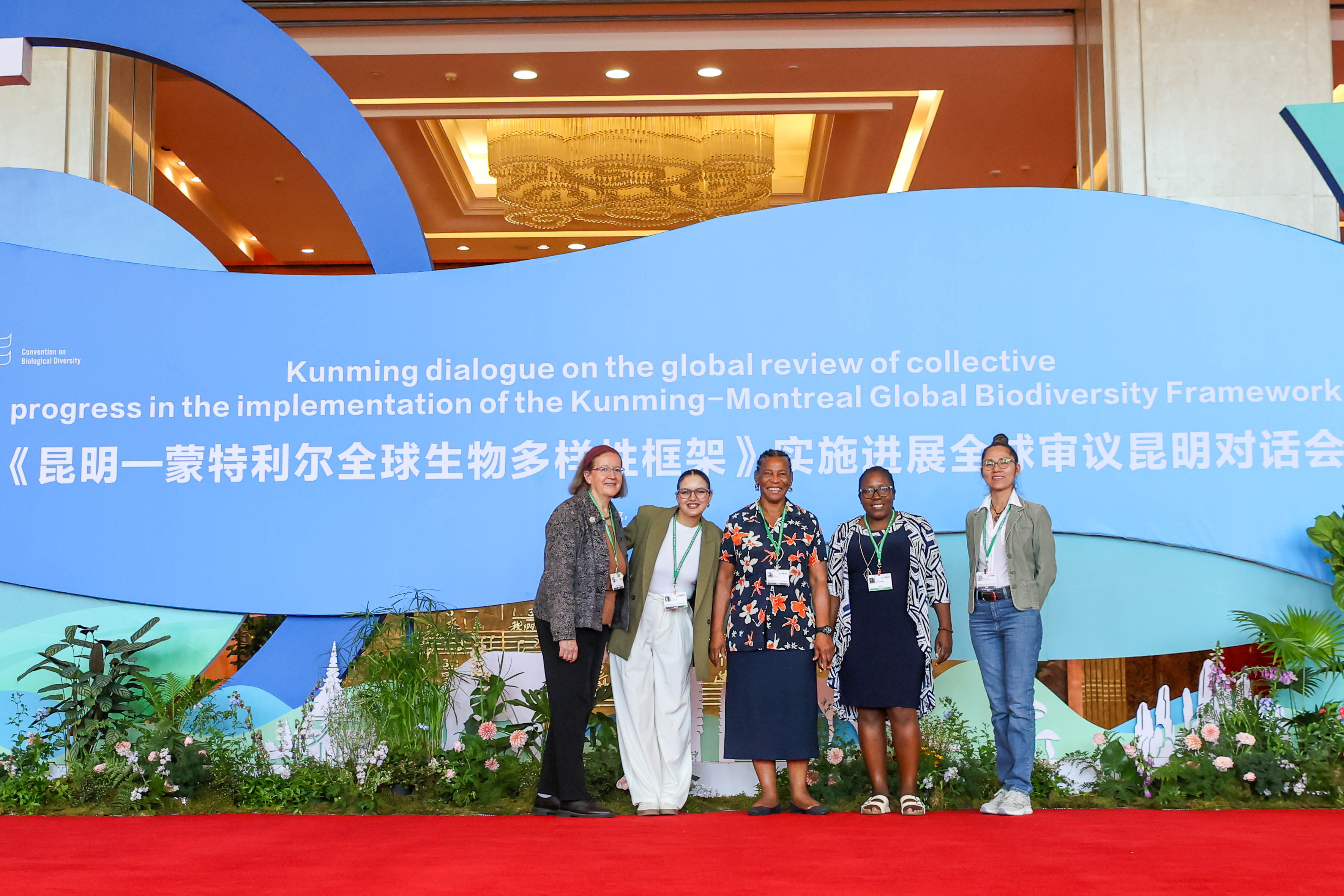
Representatives of the CBD Women’s Caucus
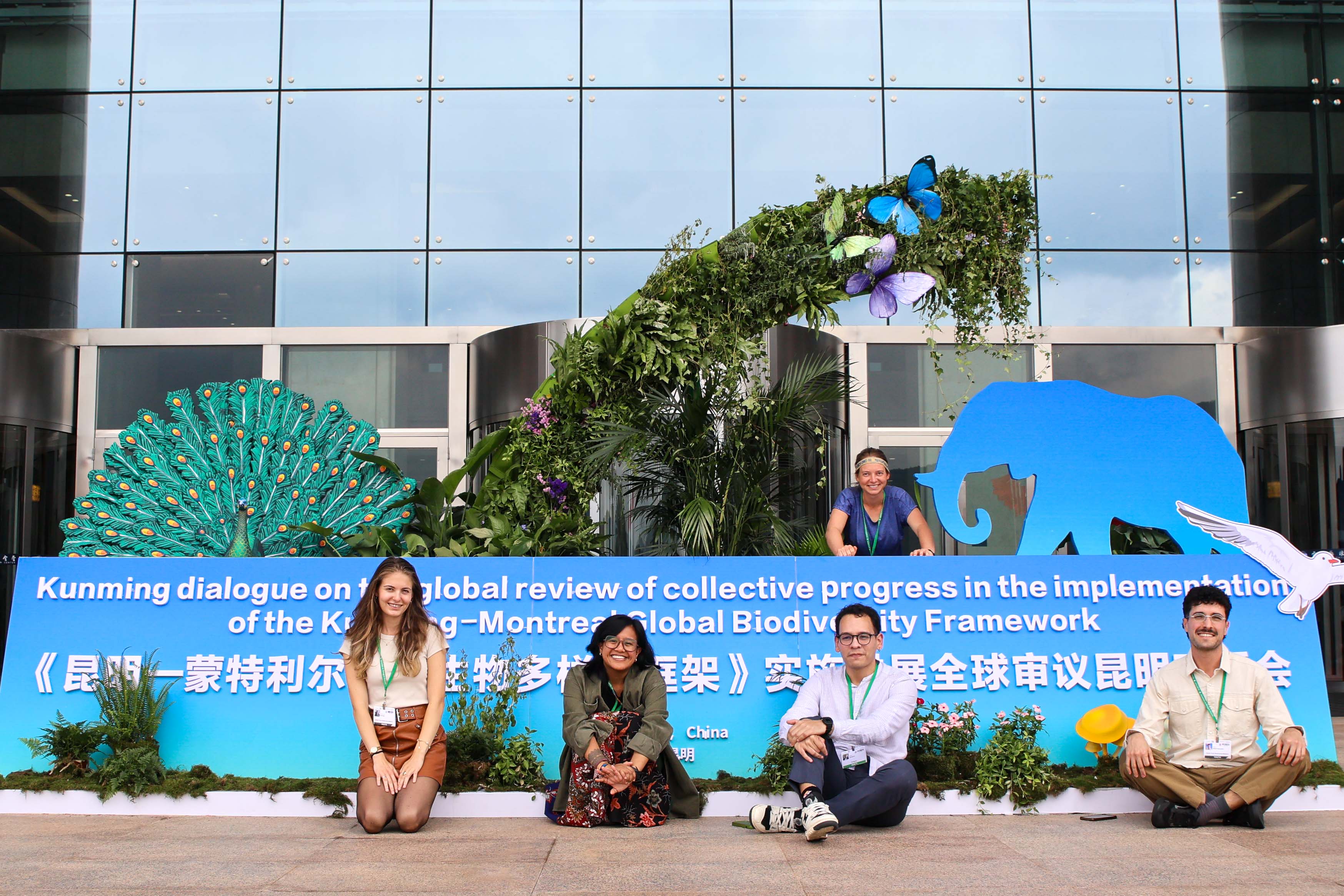
Members of the Global Youth Biodiversity Network
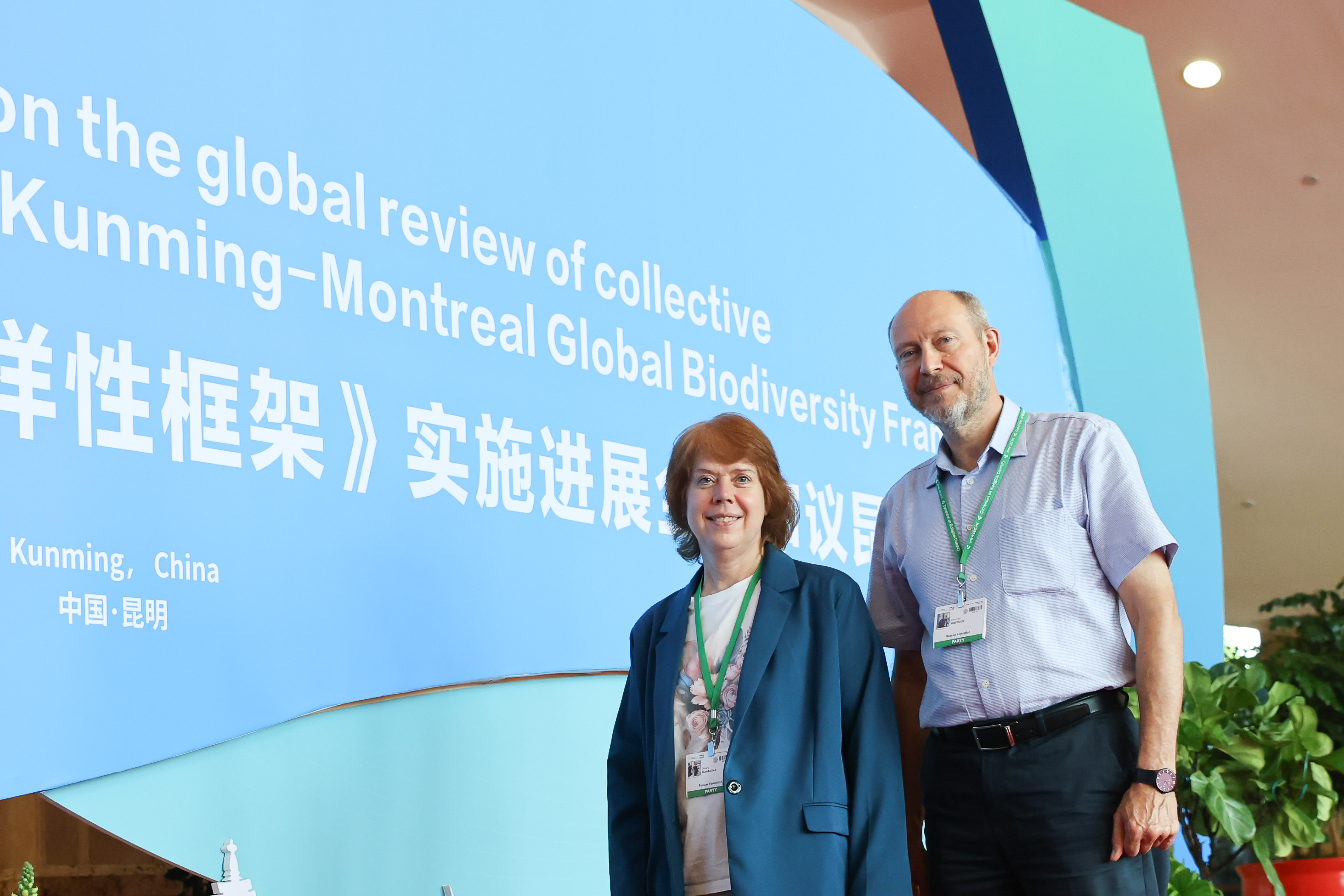
Delegates from Russian Federation