
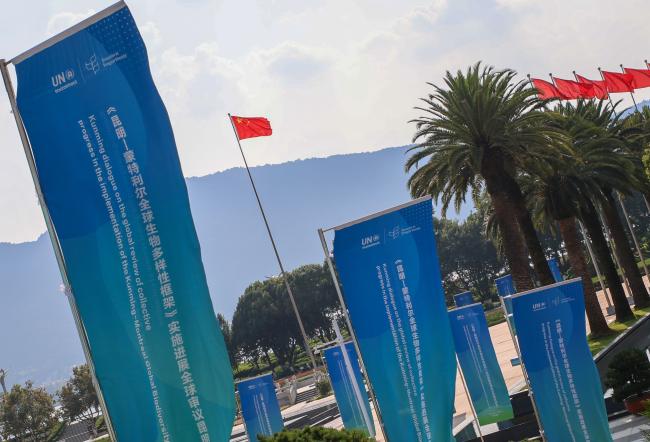
Four years after the adoption of the Kunming-Montreal Global Biodiversity Framework (GBF), the discussion returned to Kunming, where it all started. For three days, the Kunming Dialogue will bring together Parties and stakeholders to address how to bridge the gaps uncovered by the global report on collective progress in the implementation of the GBF, and share best practices and solutions. It aims to forge a collective understanding of the scope of the global review that will take place at the 17th meeting of the Conference of the Parties (COP 17) of the Convention on Biological Diversity (CBD), to be held from 19 to 30 October 2026 in Yerevan, Armenia.
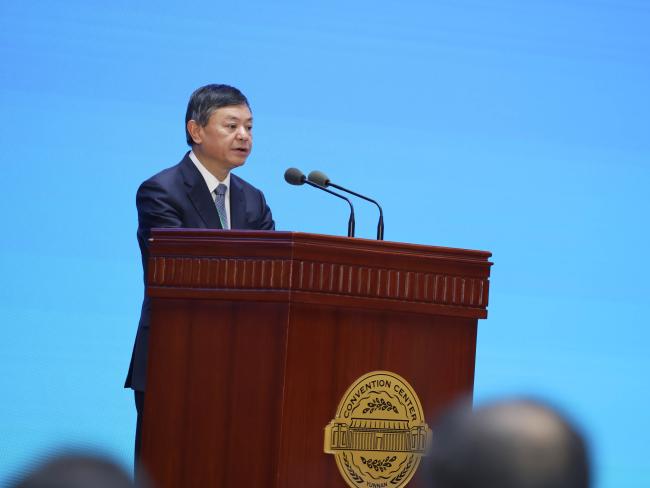
During the opening plenary, Huang Runqiu, Minister of Ecology and Environment, China, and Co-Chair of the Kunming Dialogue, stressed that the Dialogue not only returns to the geographical origins of the process, but leads to “reembracing our aspirations, reaffirming our pledges, and a new call for action.” He added that positive trends have not yet translated into transformative governance outcomes and underscored the need to strengthen resolve for action and seize the window of opportunity with political will, sense of urgency, and practical measures.
Wang Yubo, Governor of Yunnan Province, China, called for jointly advancing global biodiversity governance. He focused on efforts at the Yunnan Province, noting it is the most biodiversity-rich area in China and at the vanguard of efforts toward ecological civilization. Yubo underscored the links between environmental protection and economic development, emphasizing poverty reduction, inclusive prosperity, and the fair and equitable distribution of ecological benefits.
Nathalie Provost, Secretary of State (Nature), Canada, and Co-Chair of the Kunming Dialogue, noted that A Force of Nature: Canada’s Strategy to Protect Nature recognizes that the protection of nature is a shared responsibility among provinces, territories, municipalities, and Indigenous Peoples, and highlighted the importance of both local stewardship and international cooperation.
In a video message, Fabio Arjona, Minister of Environment and Sustainable Development, Colombia, underscored that conserving nature also means generating opportunities for communities, and shared the example of Colombia’s Miracle Homeland and ABC Agenda on Water, Biodiversity and Communities, which contribute to water security and territorial development, among others.
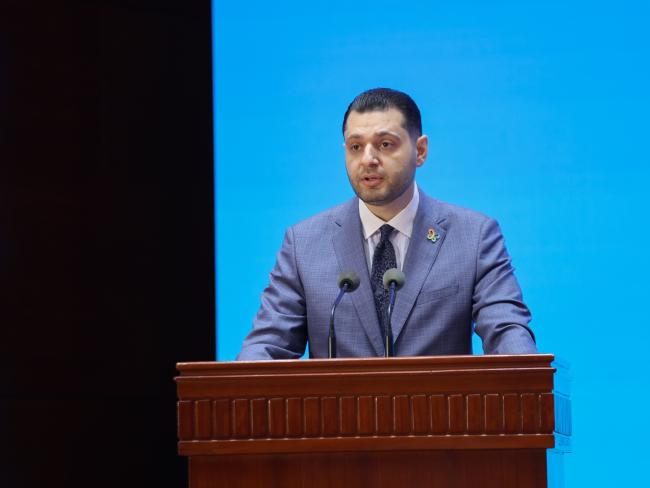
Hambardzum Matevosyan, Minister of Environment, Armenia, and incoming COP 17 President, recalled the important outcomes of the recent meetings of the CBD subsidiary bodies in Nairobi, and noted that these scientific and technical recommendations ultimately need to be translated into policies on the ground. He highlighted that the first global review at COP 17 should not merely be a measure of what has not been achieved, but should serve as a catalyst for what to achieve next.
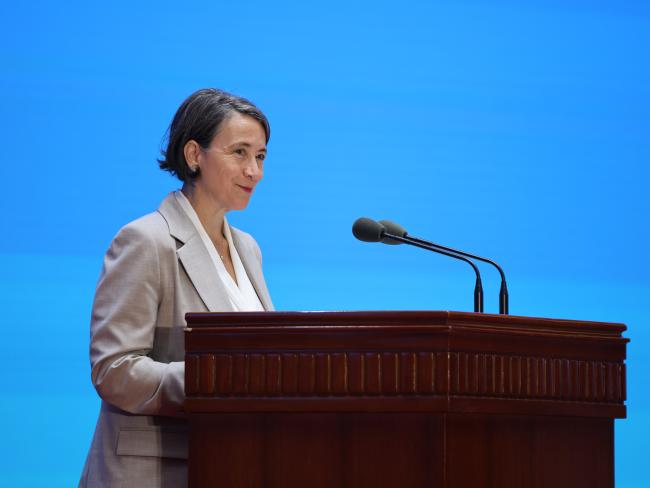
“We are not moving collectively with the pace needed.” CBD Executive Secretary Astrid Schomaker said the global report indicates the GBF has sparked unprecedented engagement, but has also identified gaps between national and collective targets. She stressed that accelerating progress depends on countries having the necessar resources, capacities, and technologies.
A press conference held after the opening plenary addressed how the outcomes of the Dialogue will feed into the global review at COP 17. Speakers highlighted progress made and gaps identified, and called for accelerated action to achieve the 2030 targets set out in the GBF.
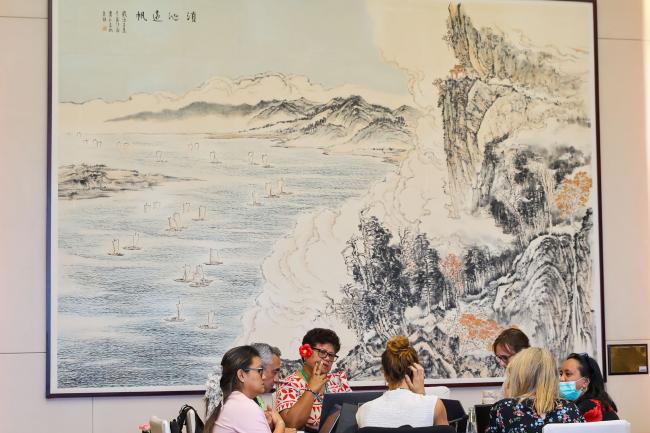
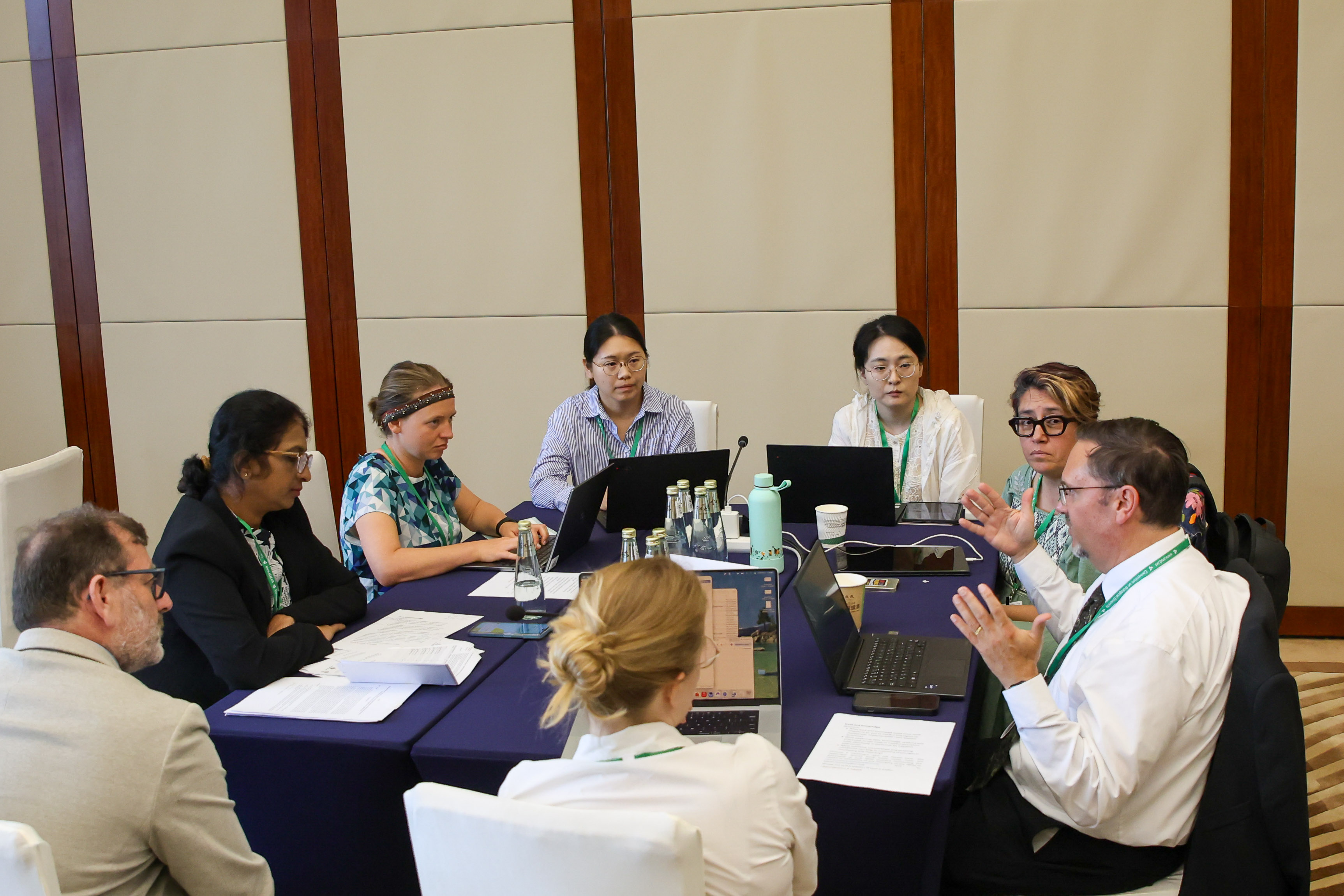
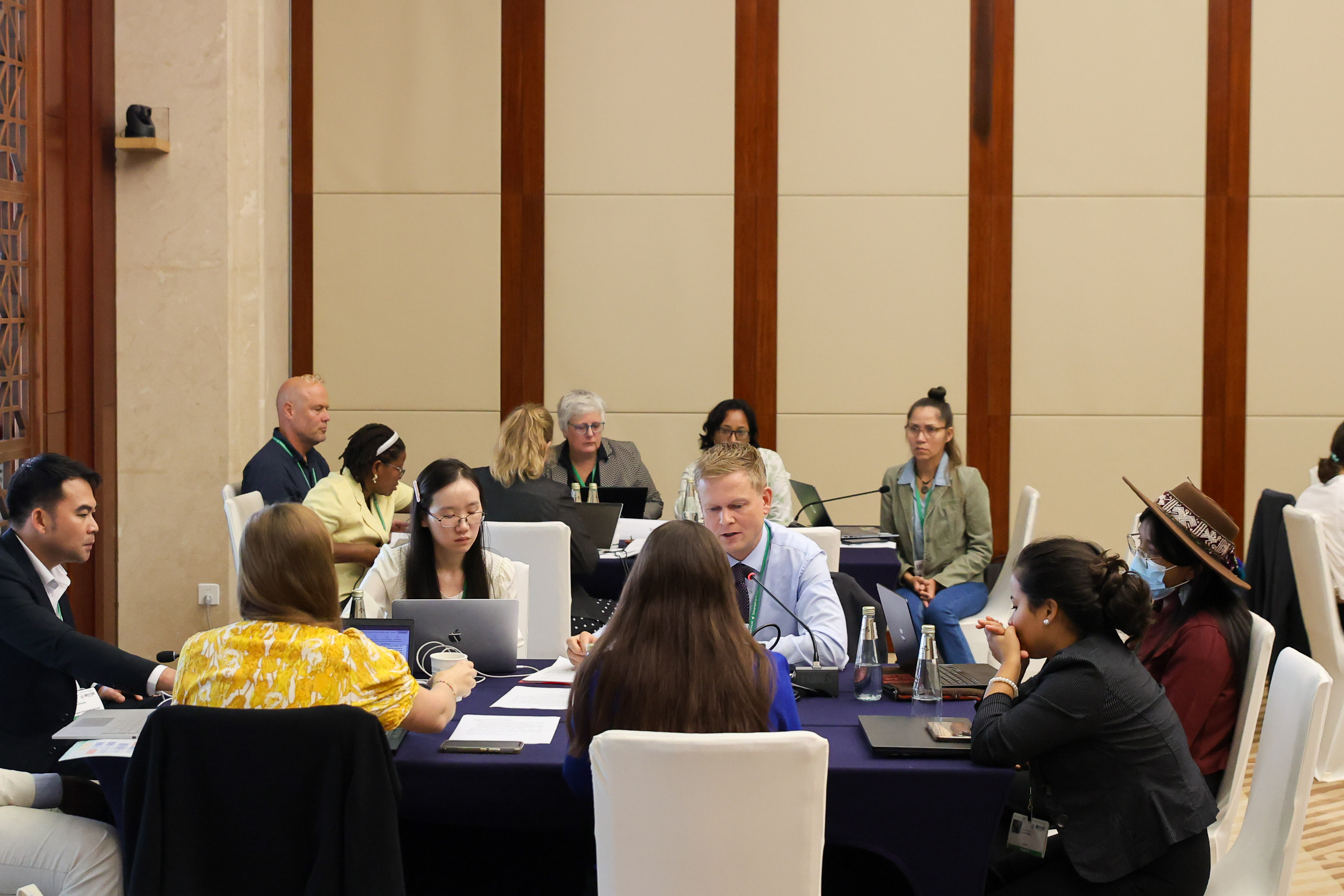
Throughout the rest of the day, participants attended breakout sessions to discuss the global report and upcoming review under five topics that mirror the report’s key messages. Discussants addressed how the GBF targets were reflected in national targets and commitments and how their scope and coverage were determined. Participants also addressed how lack of means of implementation affected implementation efforts, and how these challenges can be addressed.
On action and implementation, most focused on initiatives and partnerships that can help strengthen implementation efforts to meet national targets and commitments, and what needs to be revised to make them more effective. Participants exchanged experiences on data systems and processes that enable effective use of available data and knowledge. Finally, discussions were held on how to strengthen whole-of-government and whole-of-society approaches while respecting circumstances and priorities of Parties, Indigenous Peoples and local communities, and other stakeholders.
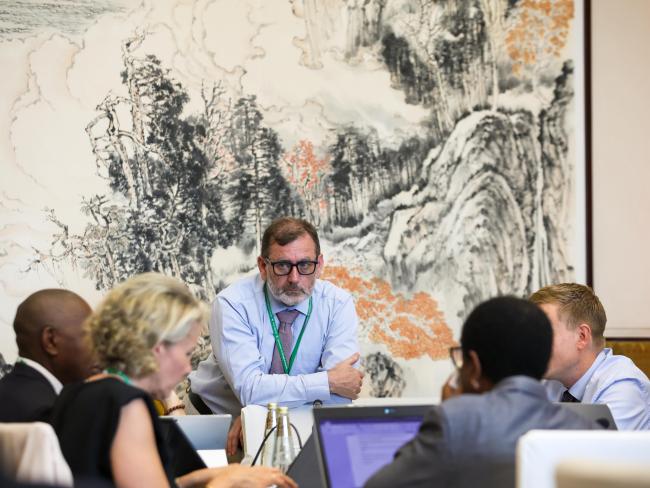
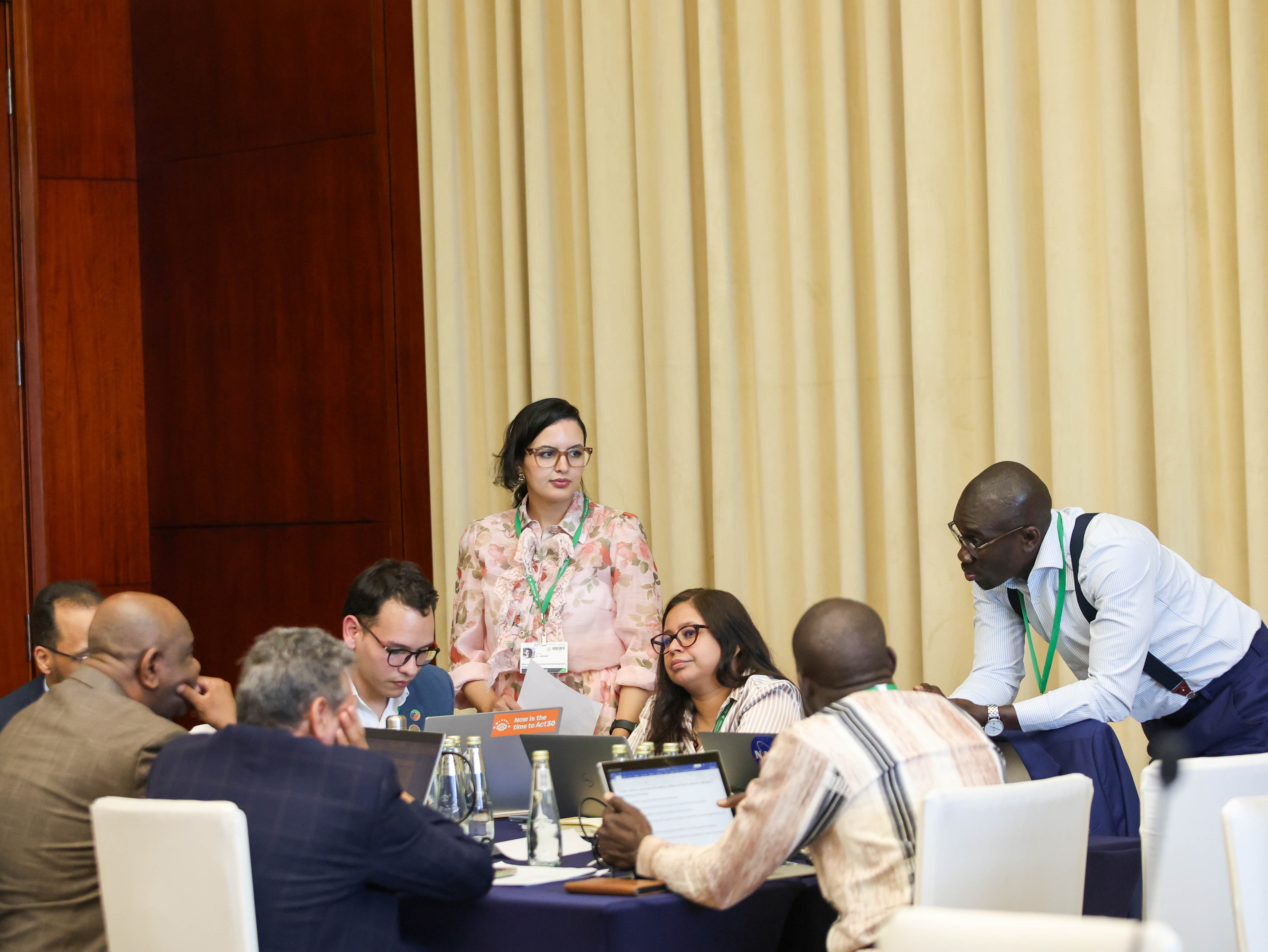
Discussions were held in parallel, in an informal setting, with participants switching between topics during breaks. This format created space for vigorous and open discussions, with participants noting they found the format “refreshing and entertaining,” enabling a free flow of ideas and experiences. The outcomes of the discussions will be compiled by the facilitators and forwarded to COP 17 to inform the global review process.
To receive free coverage of global environmental events delivered to your inbox, subscribe to the ENB Update newsletter.
All ENB photos are free to use with attribution. For the Kunming Dialogue, please use: Photo by IISD/ENB | Anastasia Rodopoulou.
Opening Plenary
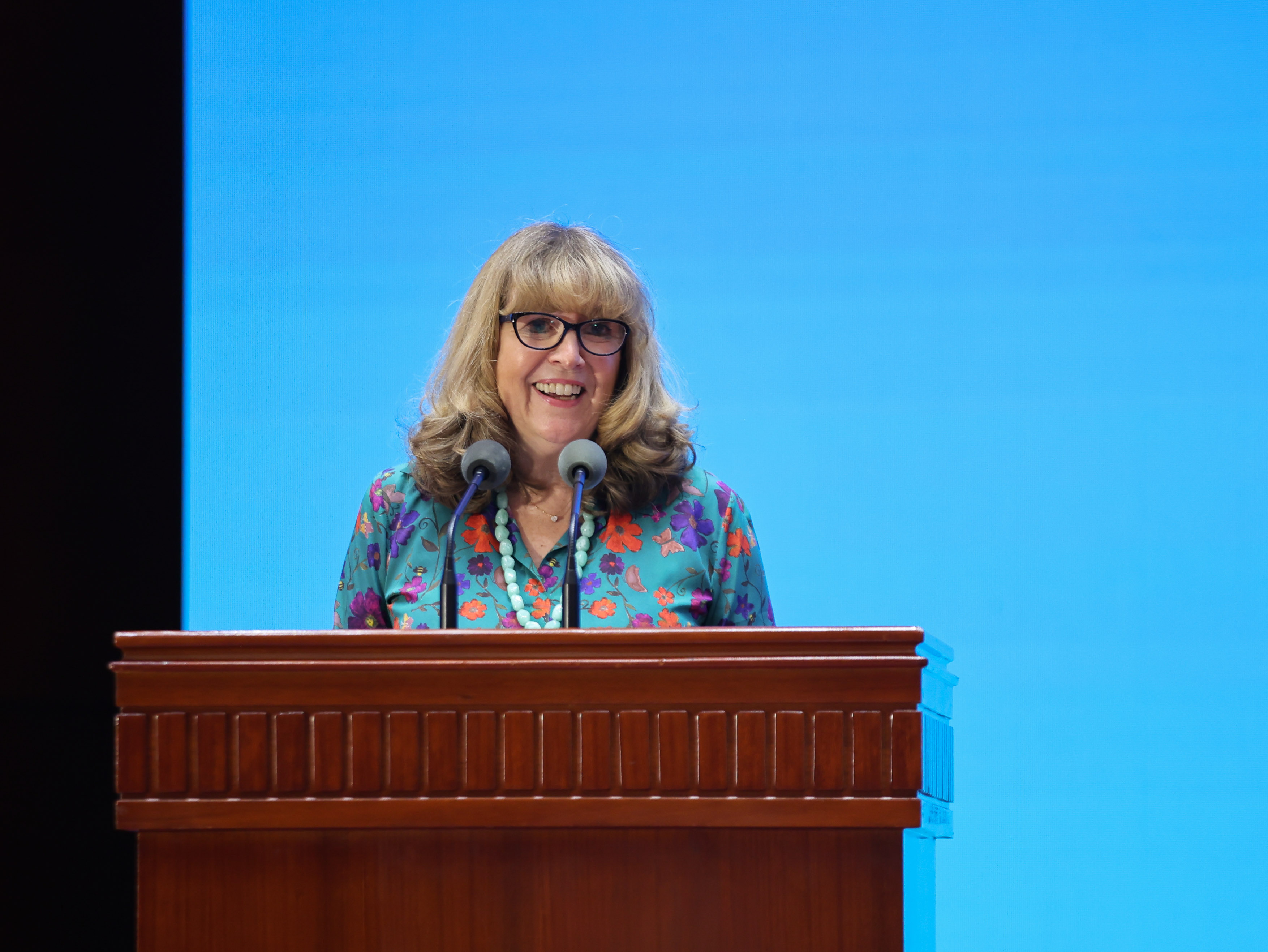
CBD Executive Secretary Astrid Schomaker
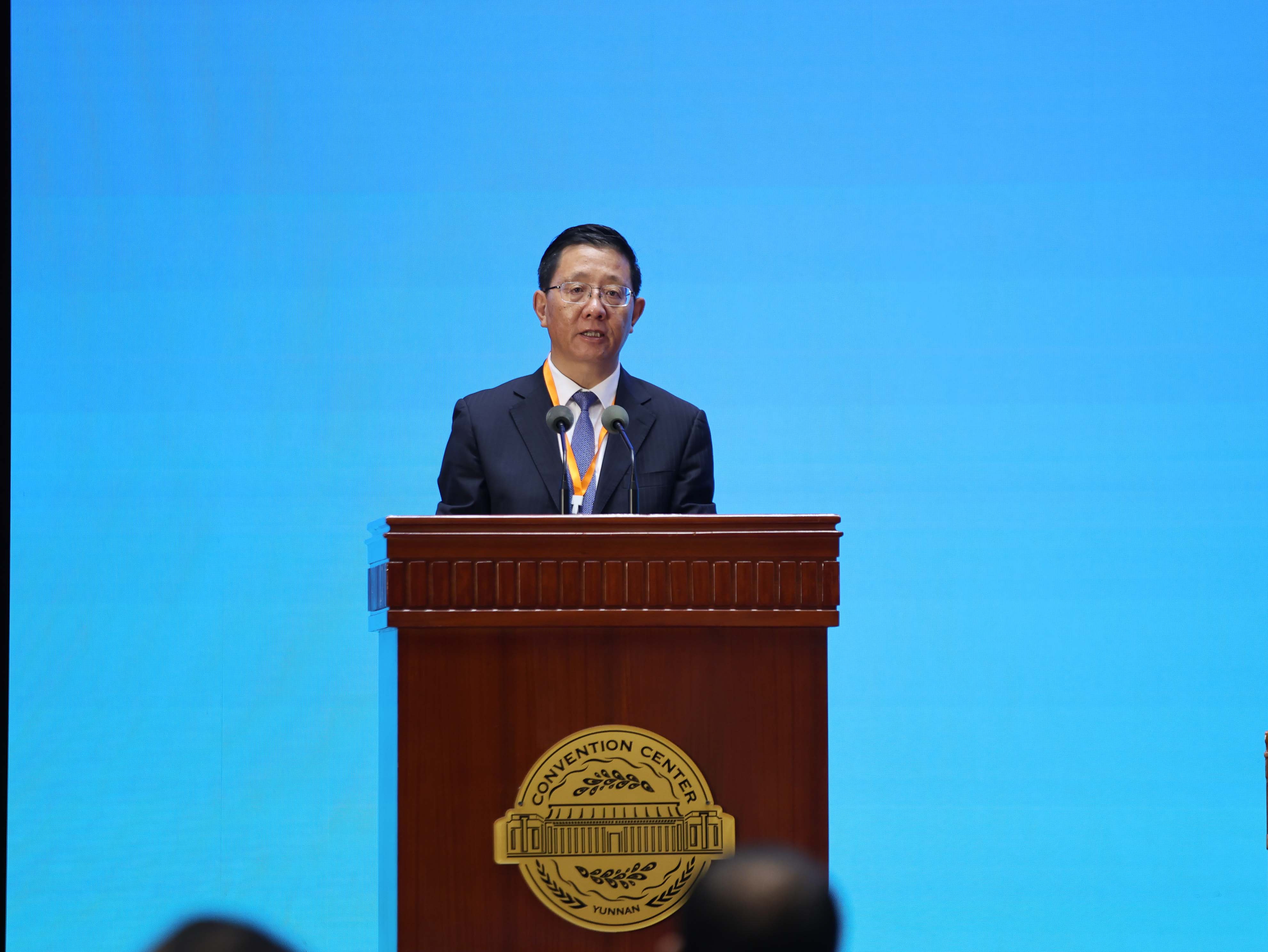
Wang Yubo, Governor of Yunnan Province, China
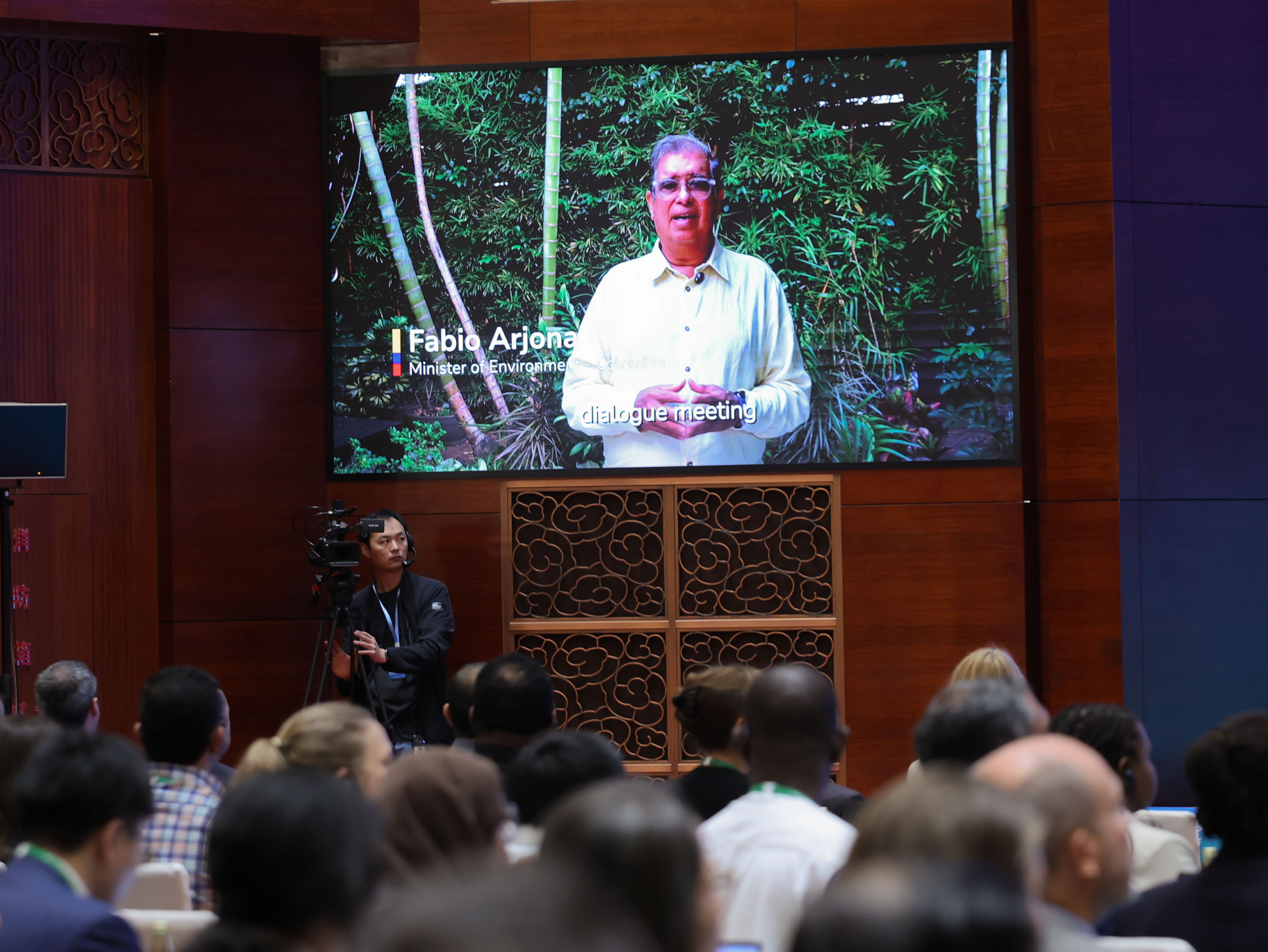
Fabio Arjona, Minister of Environment and Sustainable Development, Colombia, addressed the opening plenary via a video message.
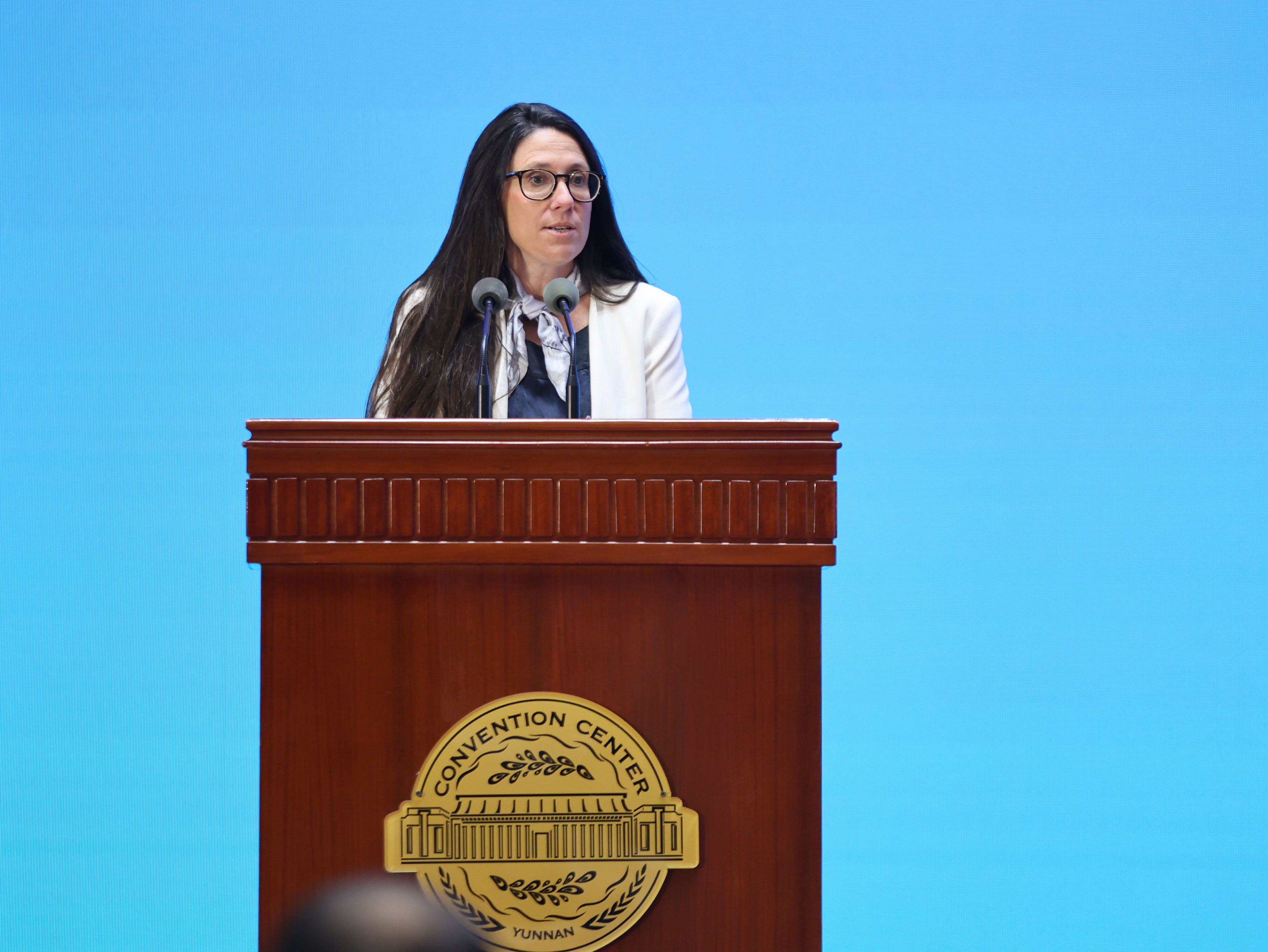
Jillian Campbell, CBD Secretariat
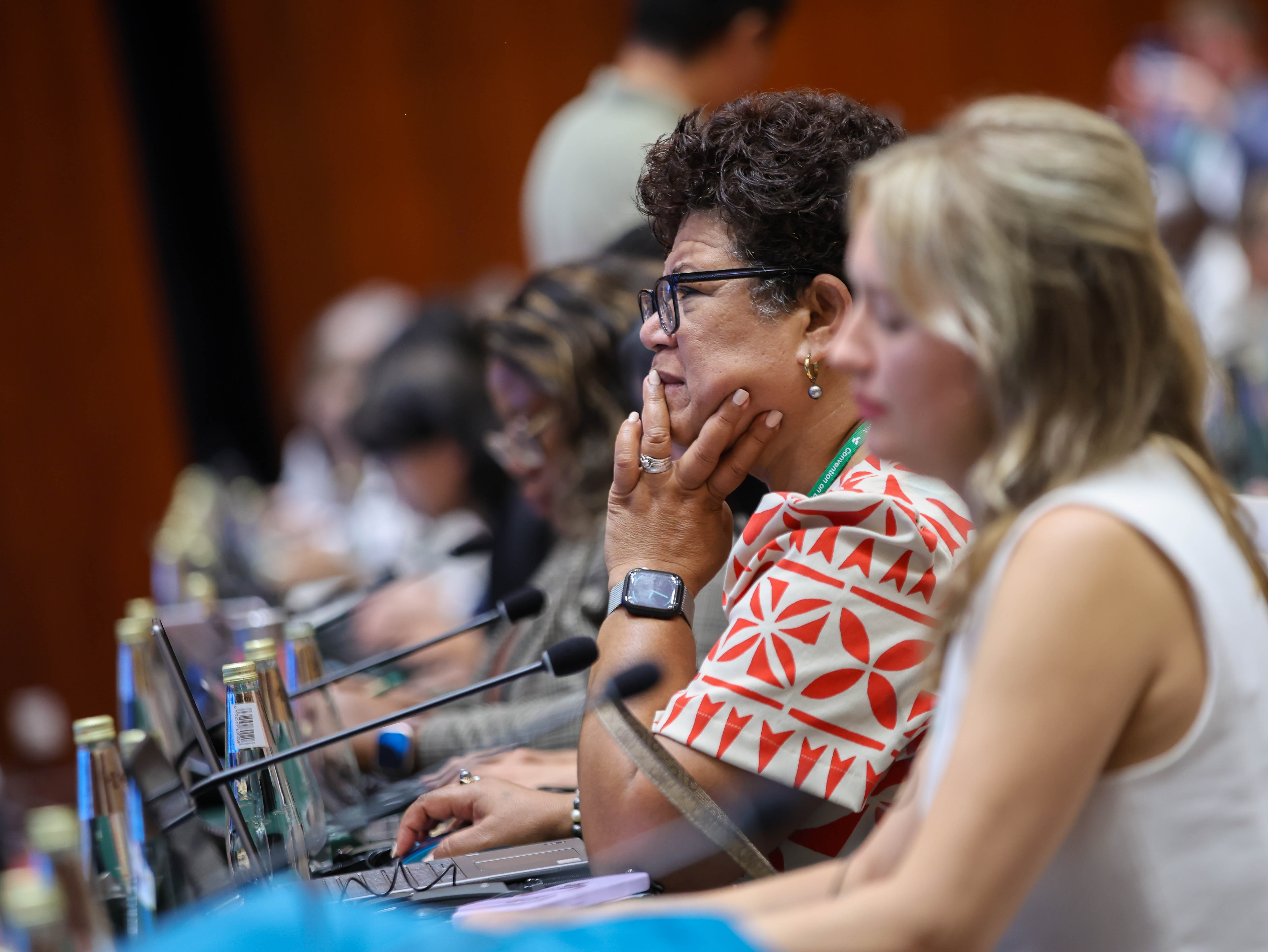
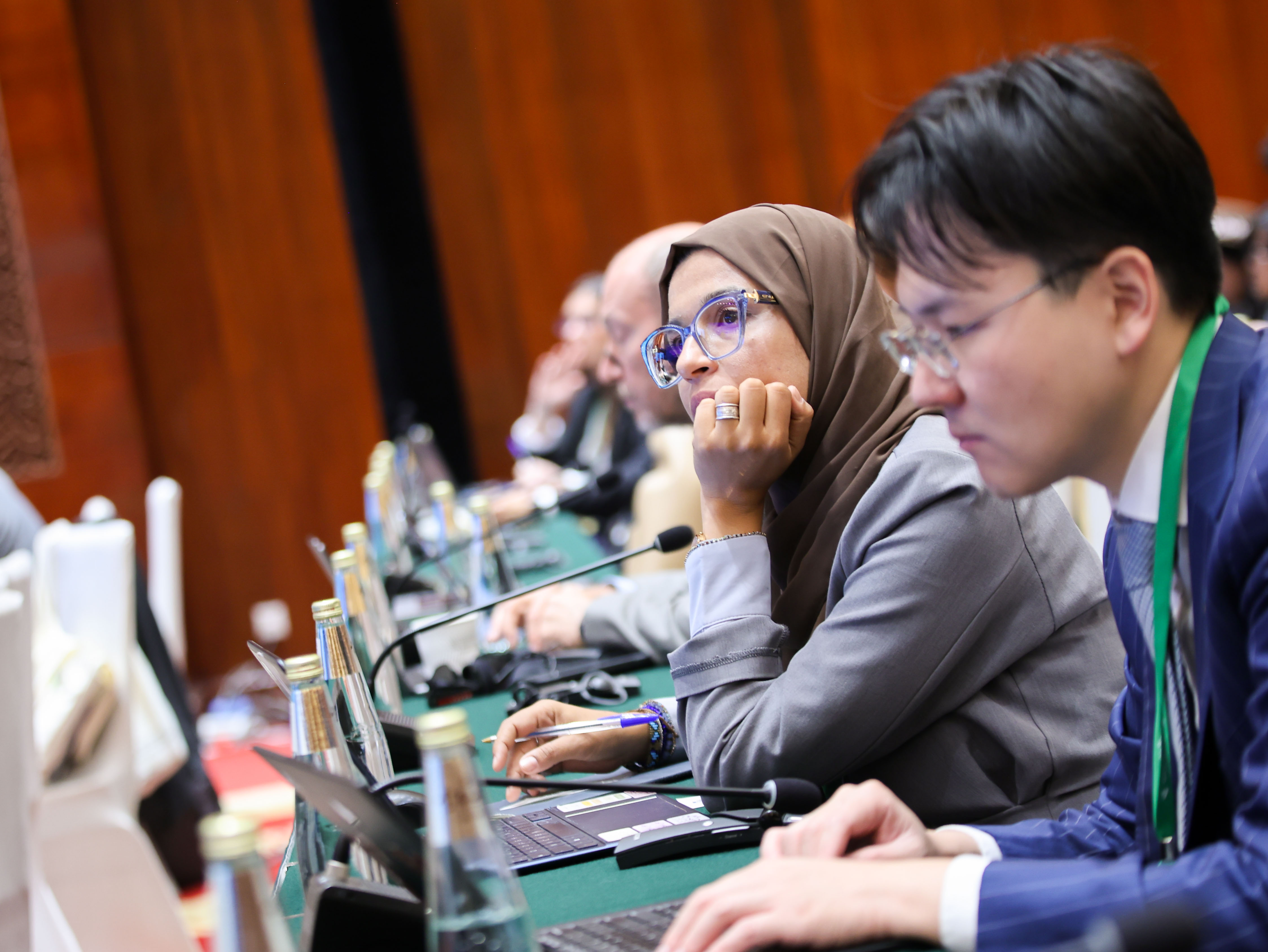
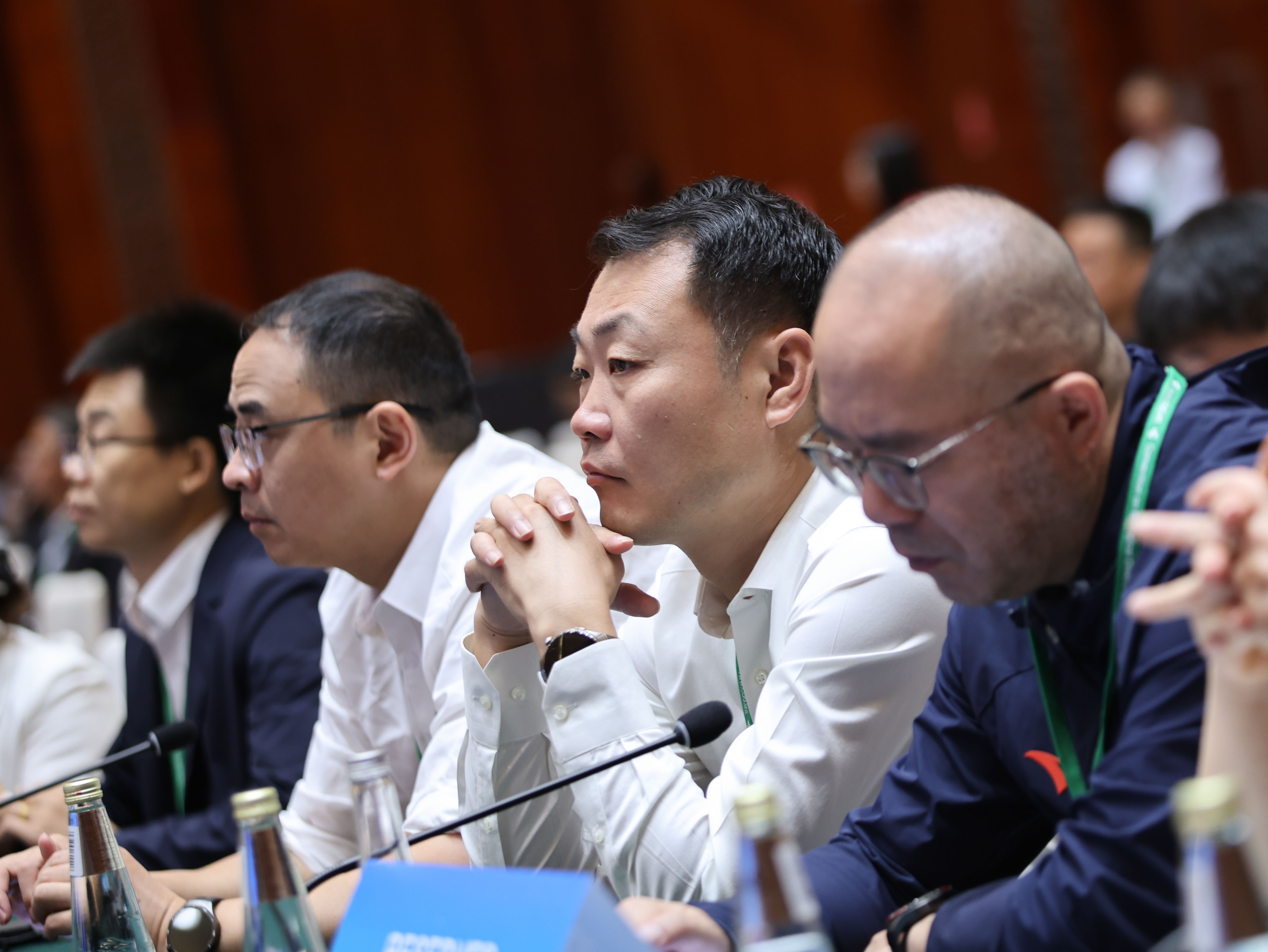
Delegates listen to the opening remarks.
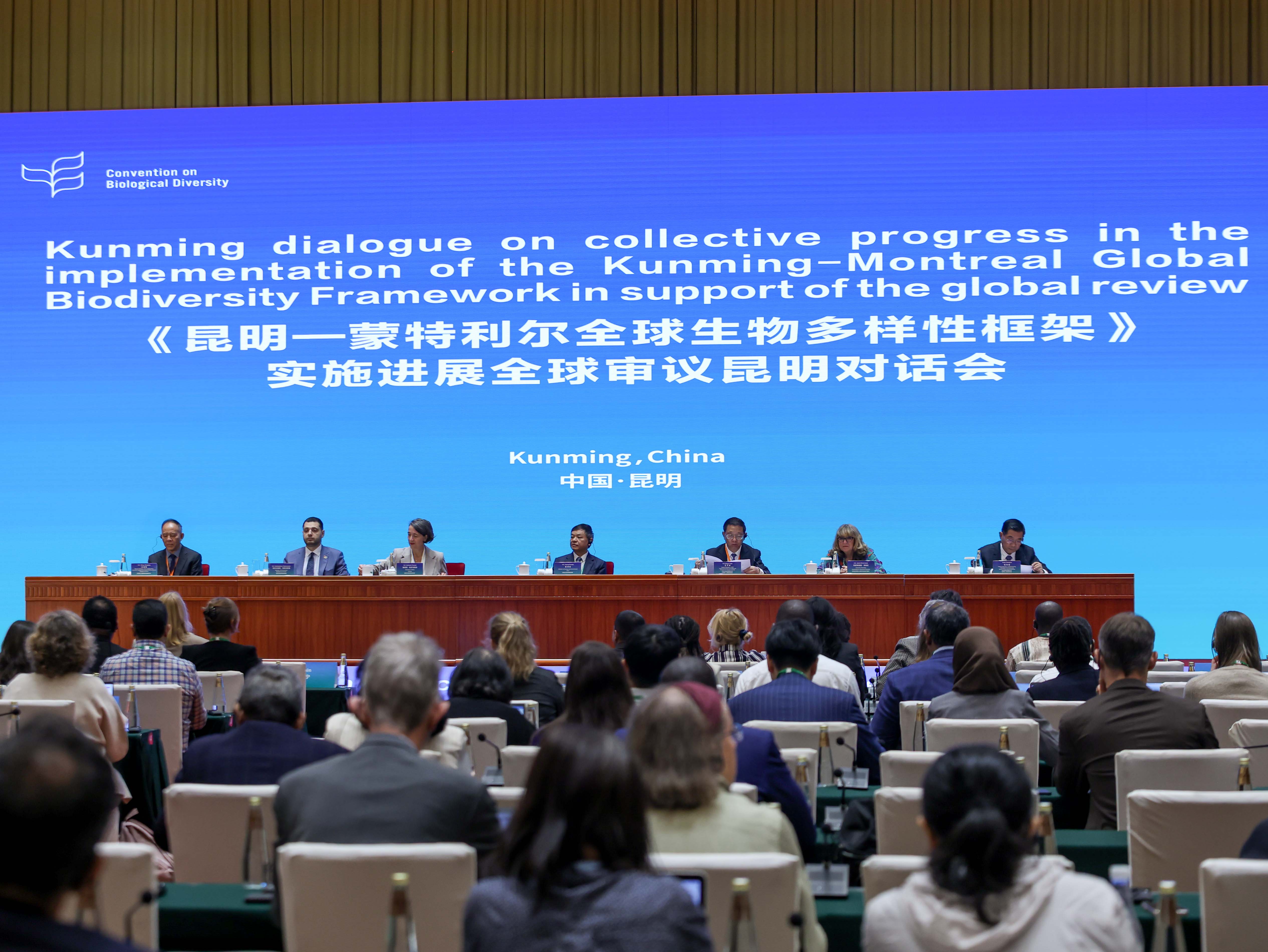
A view of the room
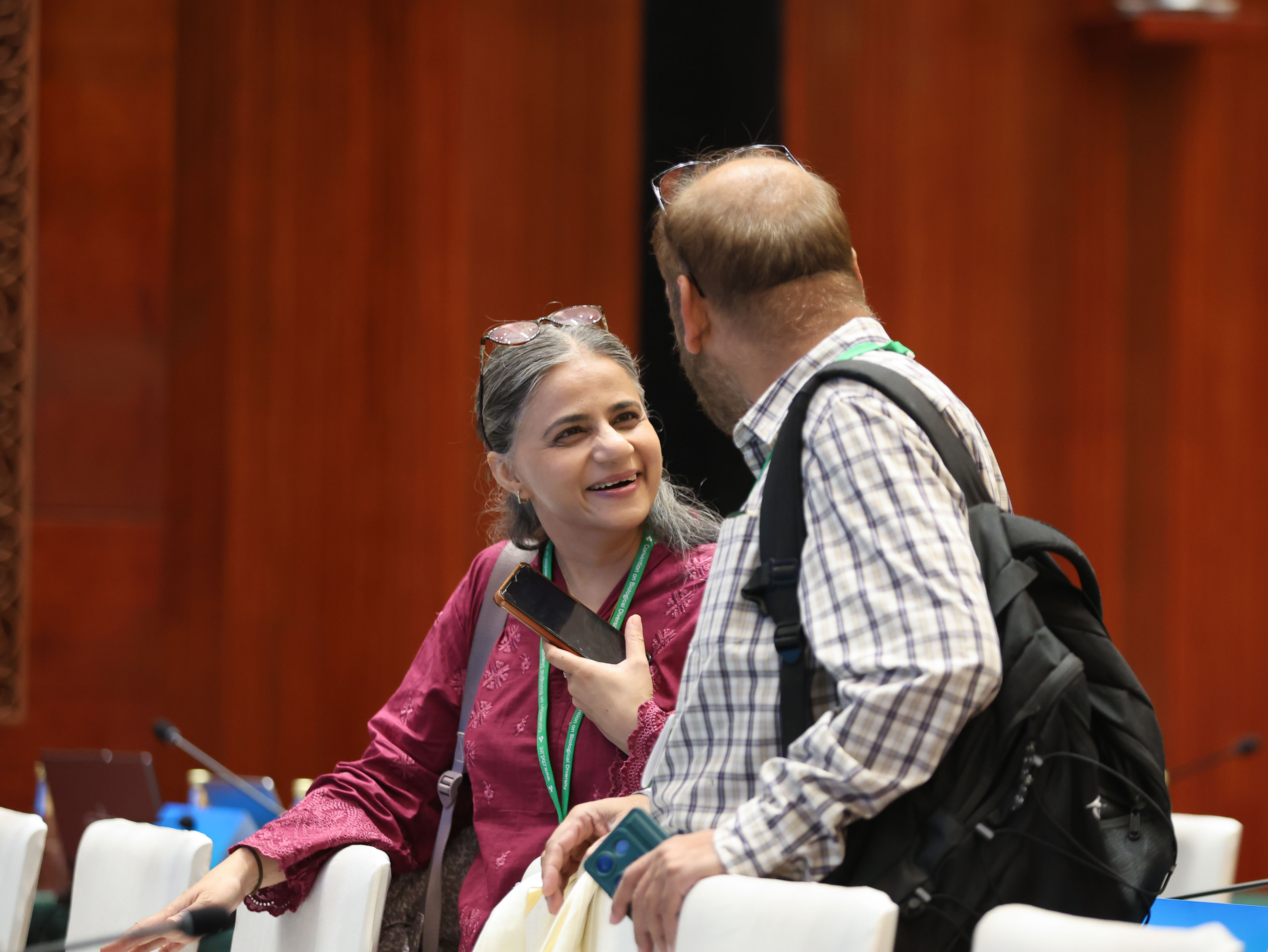
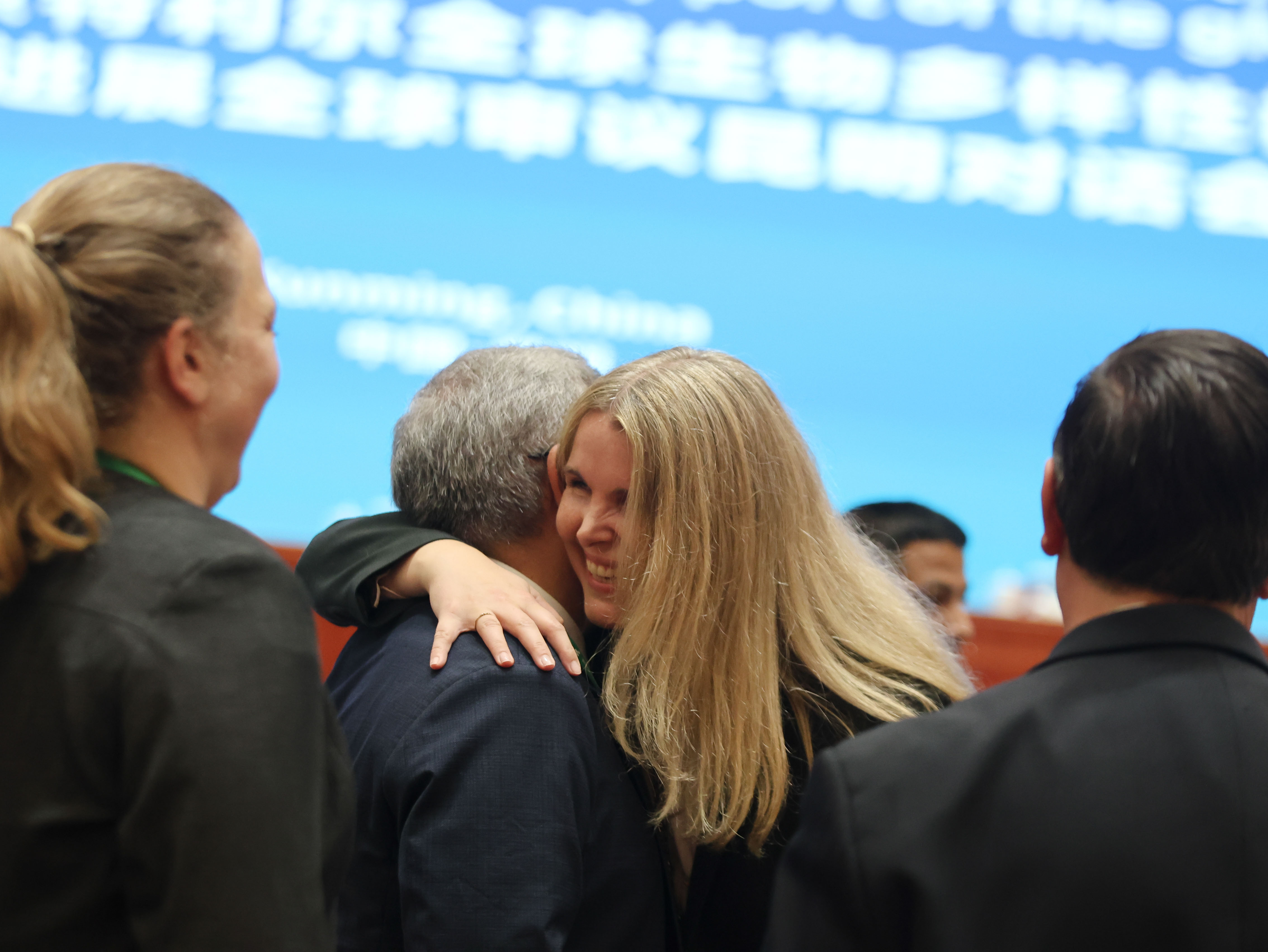
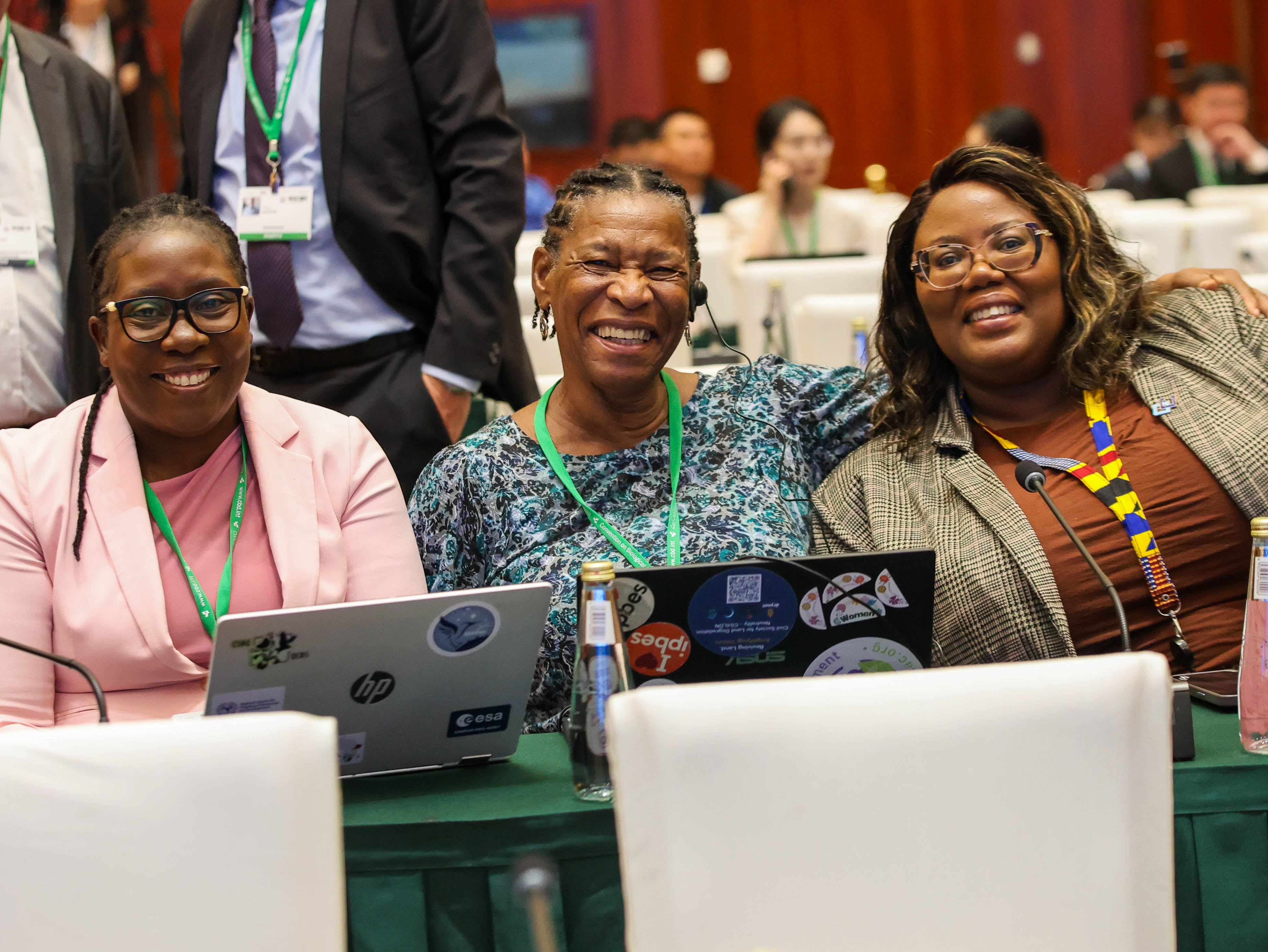
Alice Kammwamba, Malawi, Ruth Spencer, Barnes Hill Community Development Organization, and Teshia Jn Baptiste, Caribbean Community Secretariat
Opening Press Conference
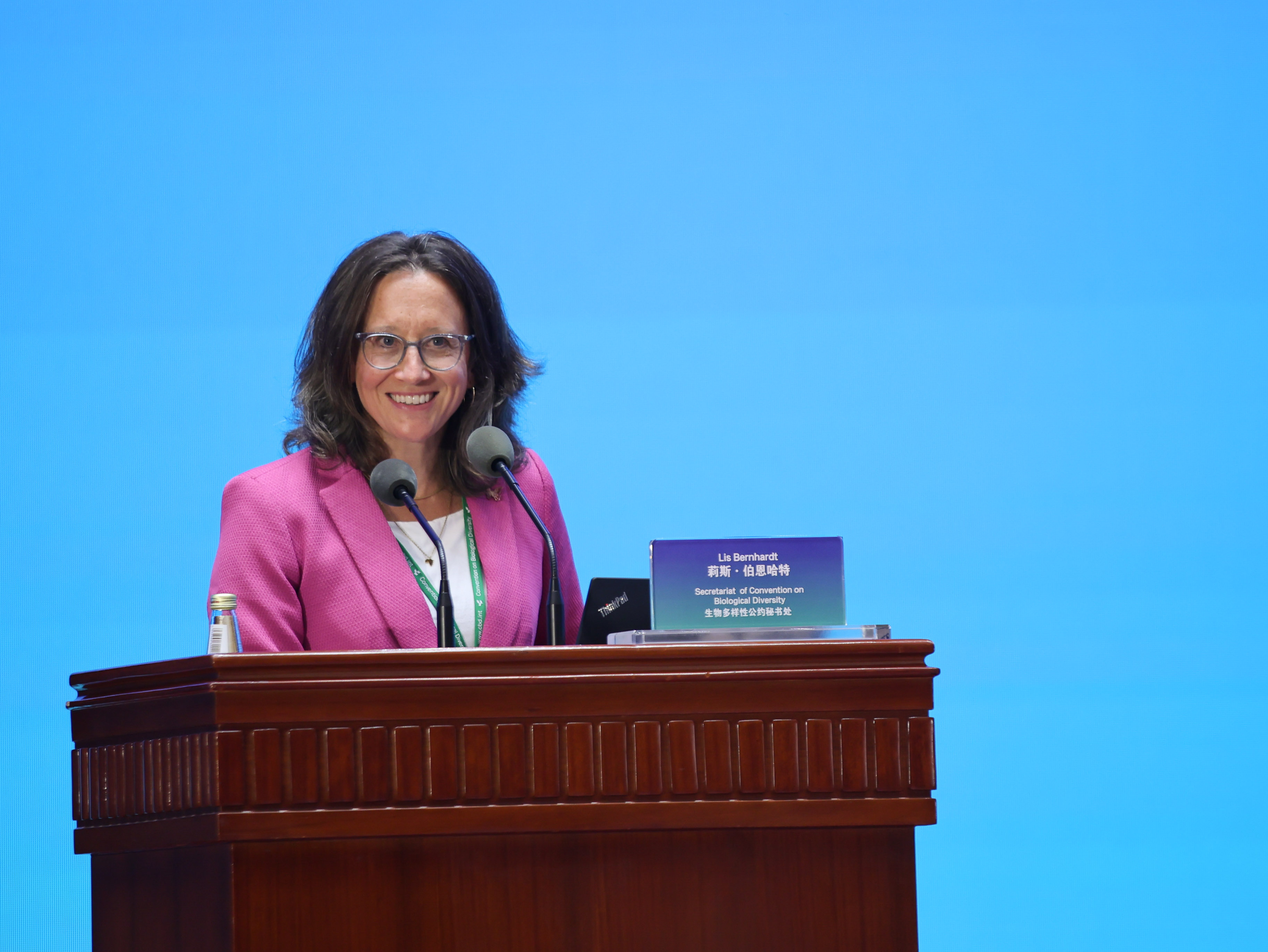
Lis Bernhardt, CBD Secretariat
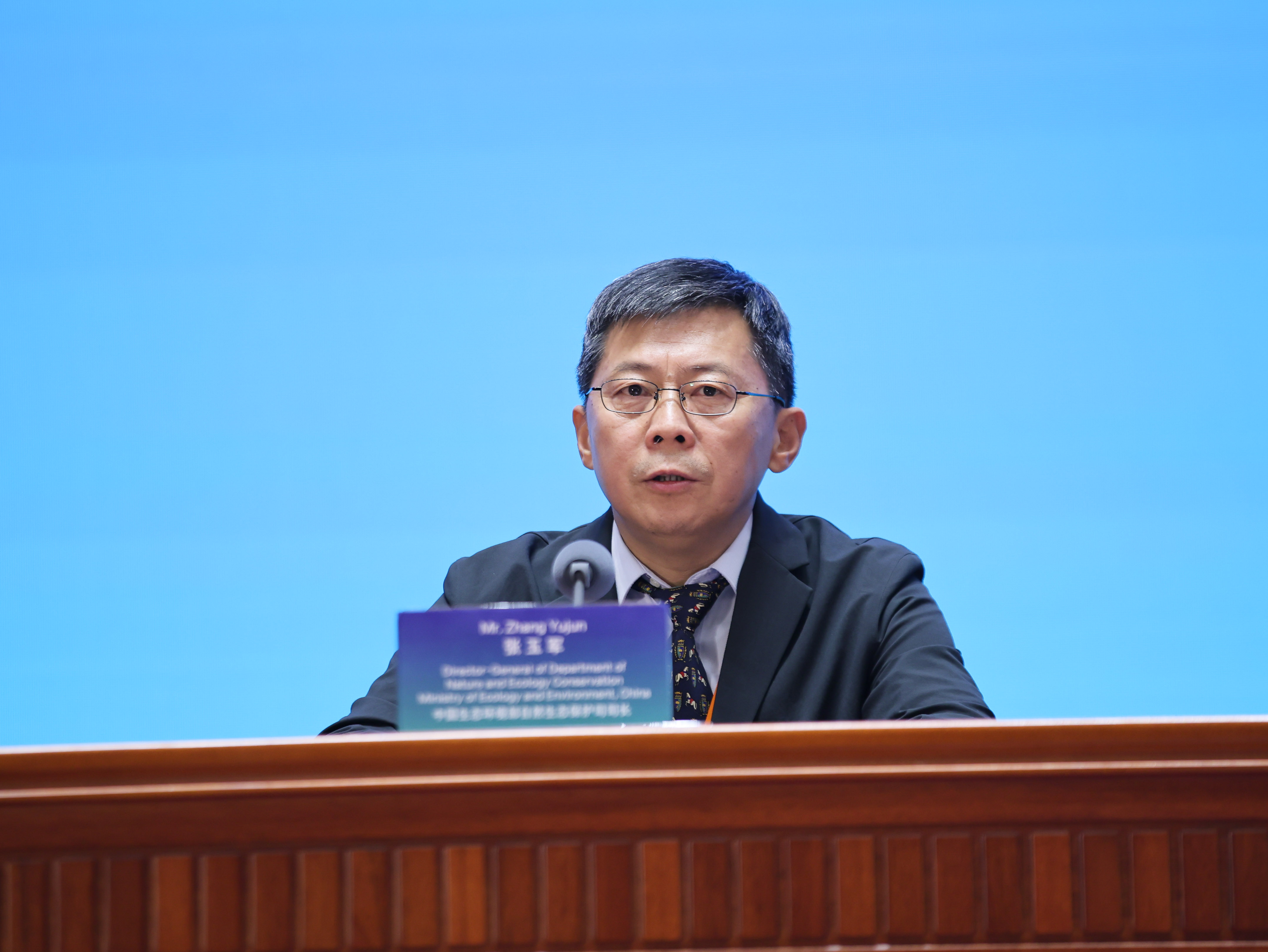
Zhang Yujun, Director-General, Department of Nature and Ecology Conservation, Ministry of Ecology and Environment, China
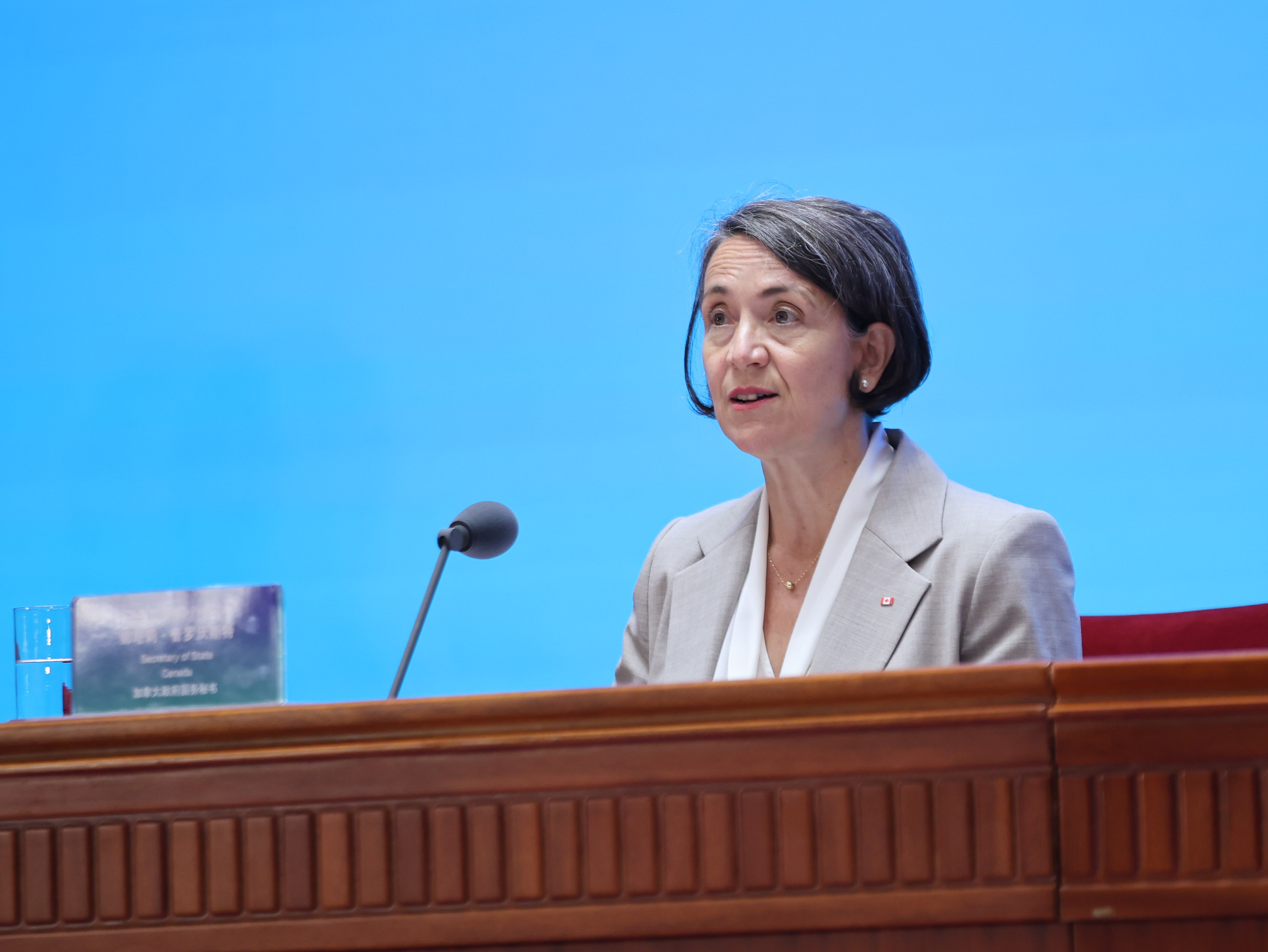
Nathalie Provost, Secretary of State (Nature), Canada
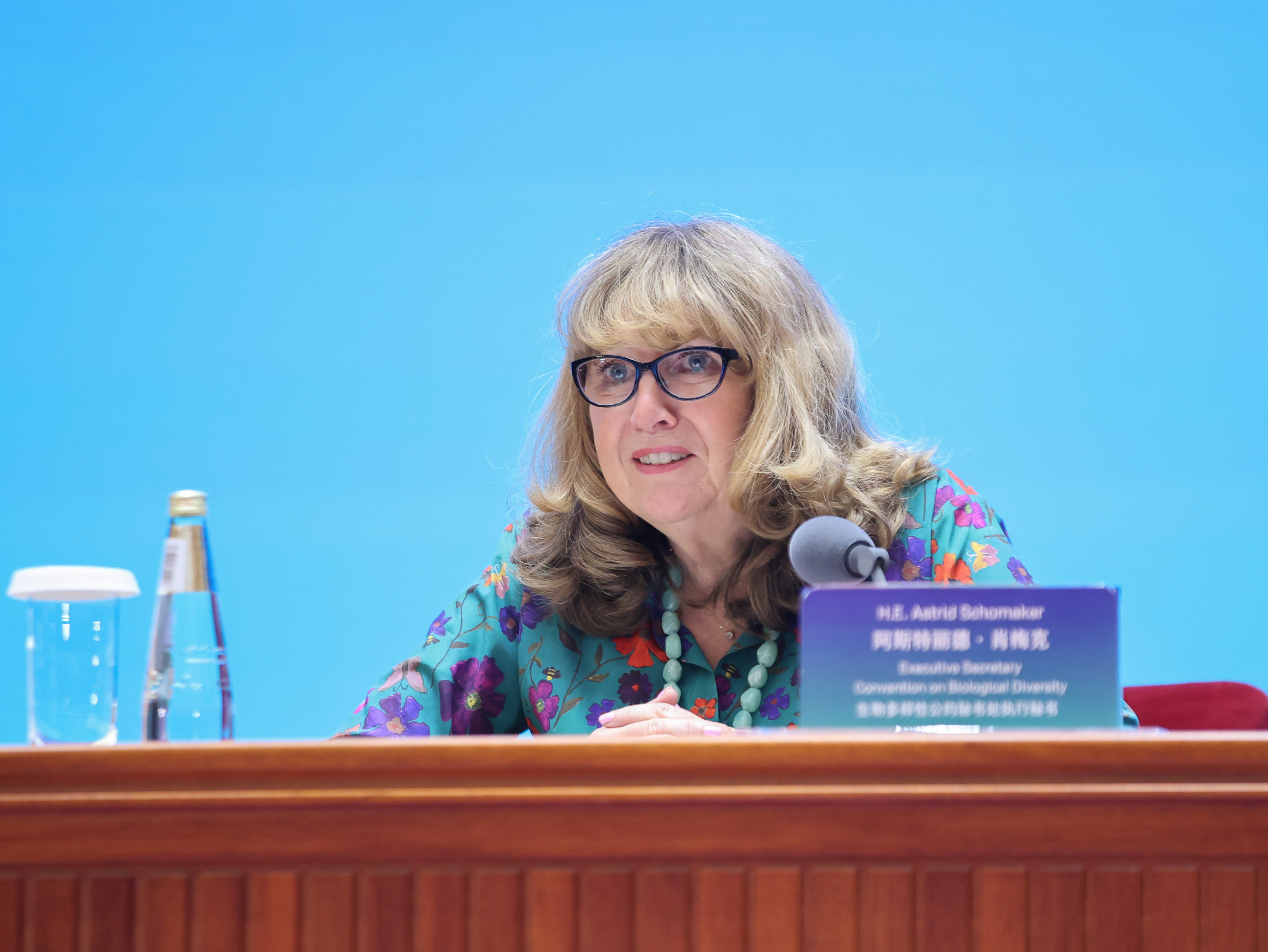
CBD Executive Secretary Astrid Schomaker
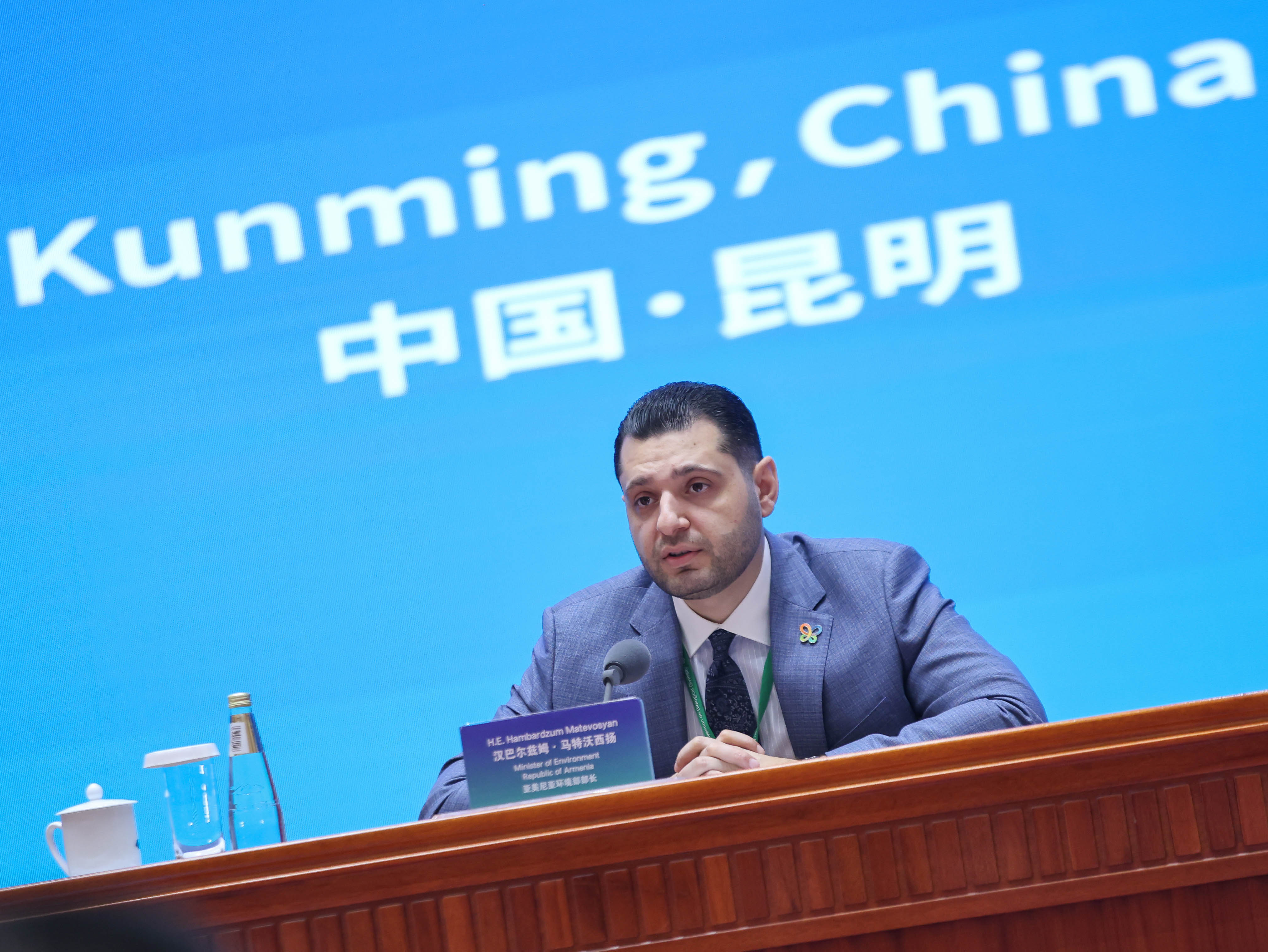
Hambardzum Matevosyan, Minister of Environment, Armenia, and incoming COP 17 President
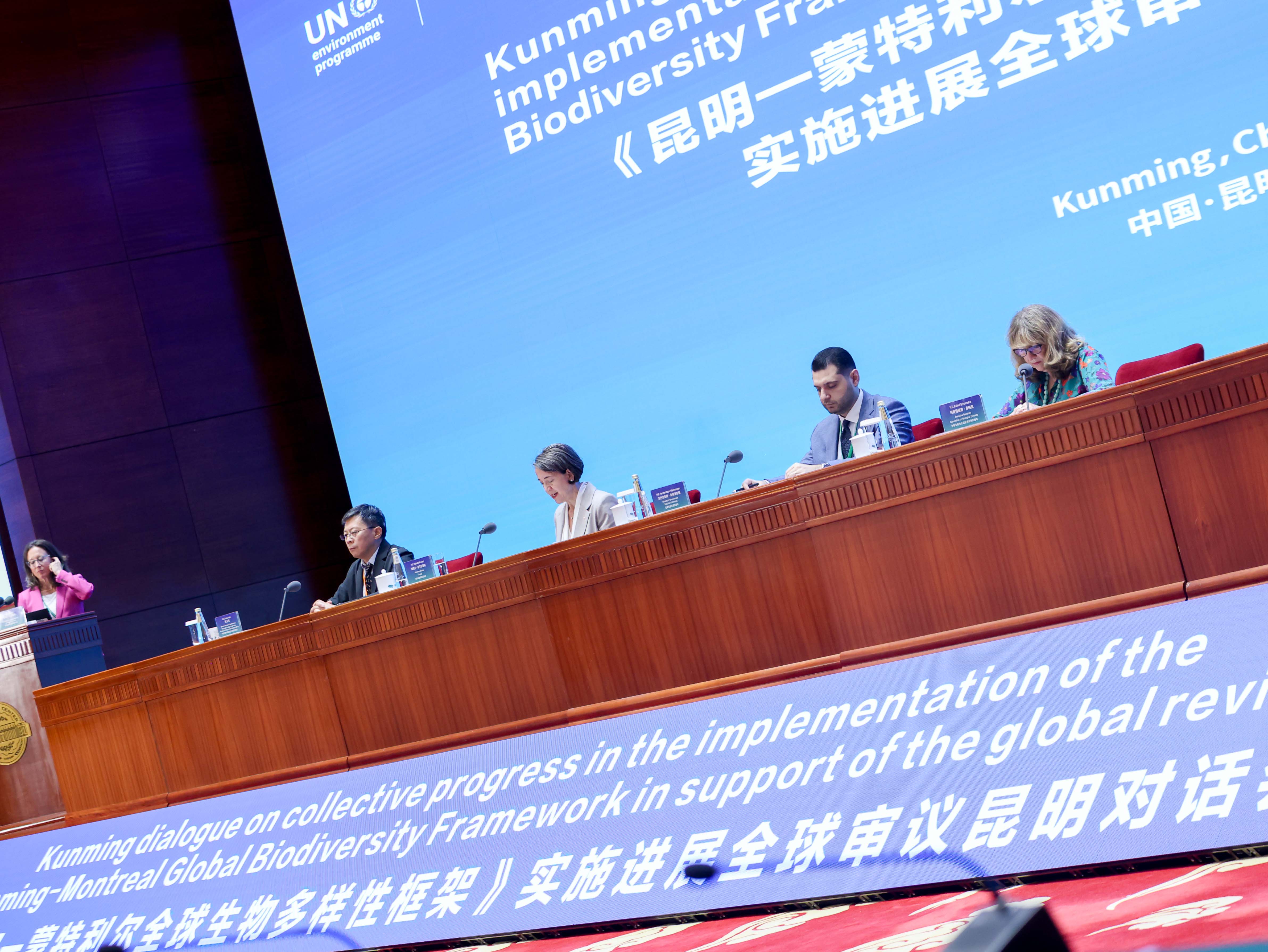
Group Discussions
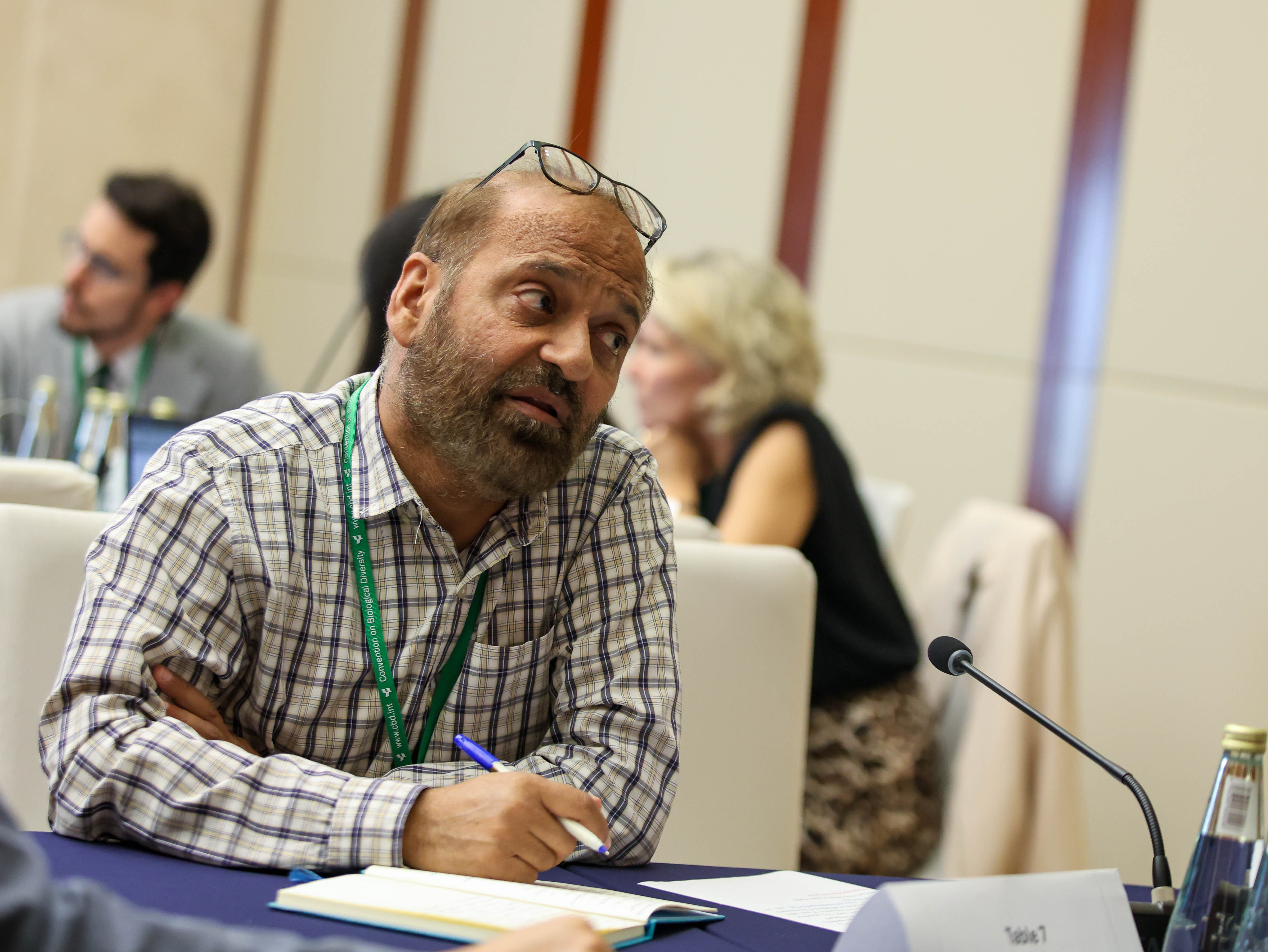
Rizwan Irshad, Pakistan
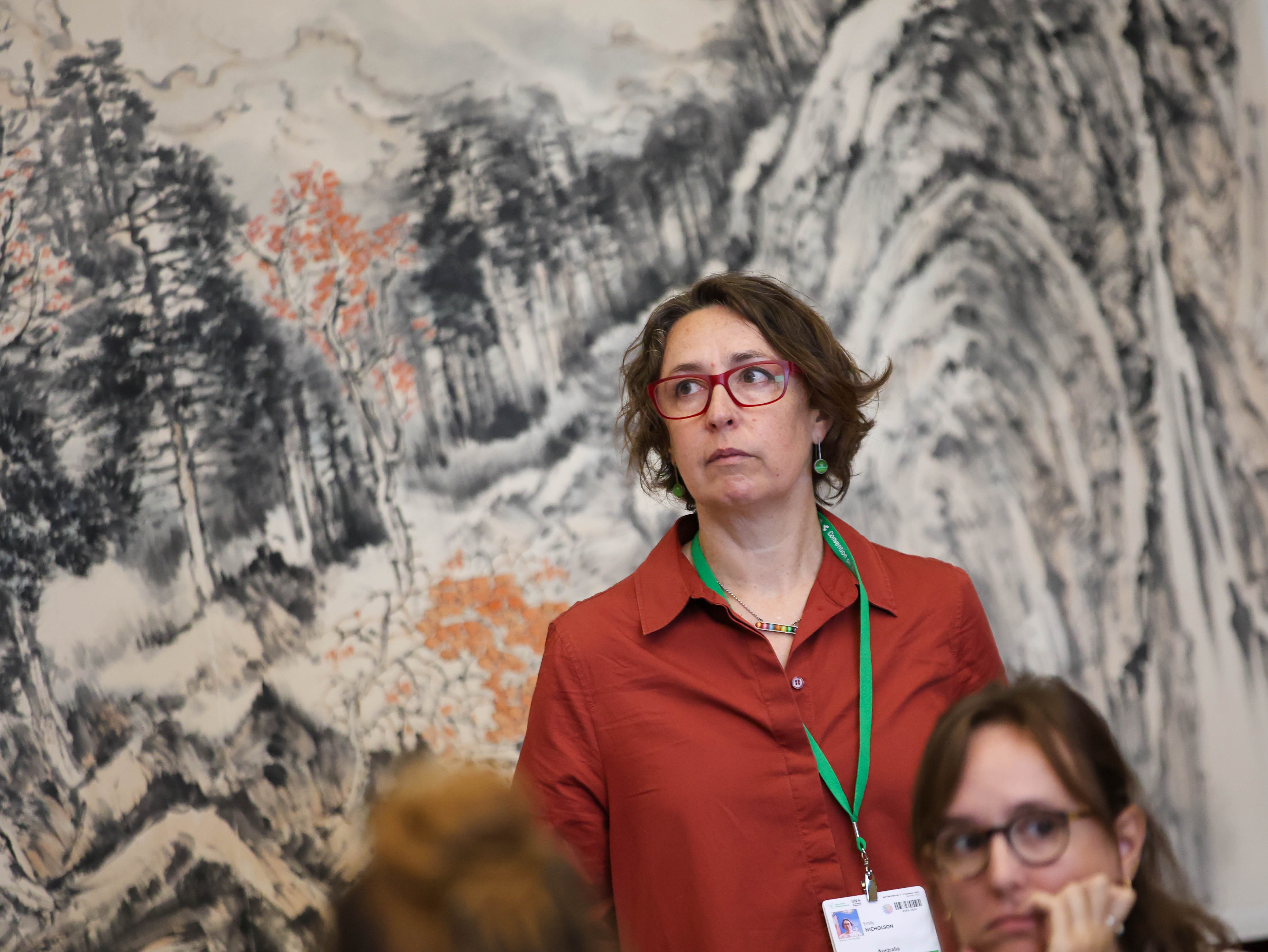
Emily Nicholson, Australia, Co-Chair of the group discussion on data and knowledge
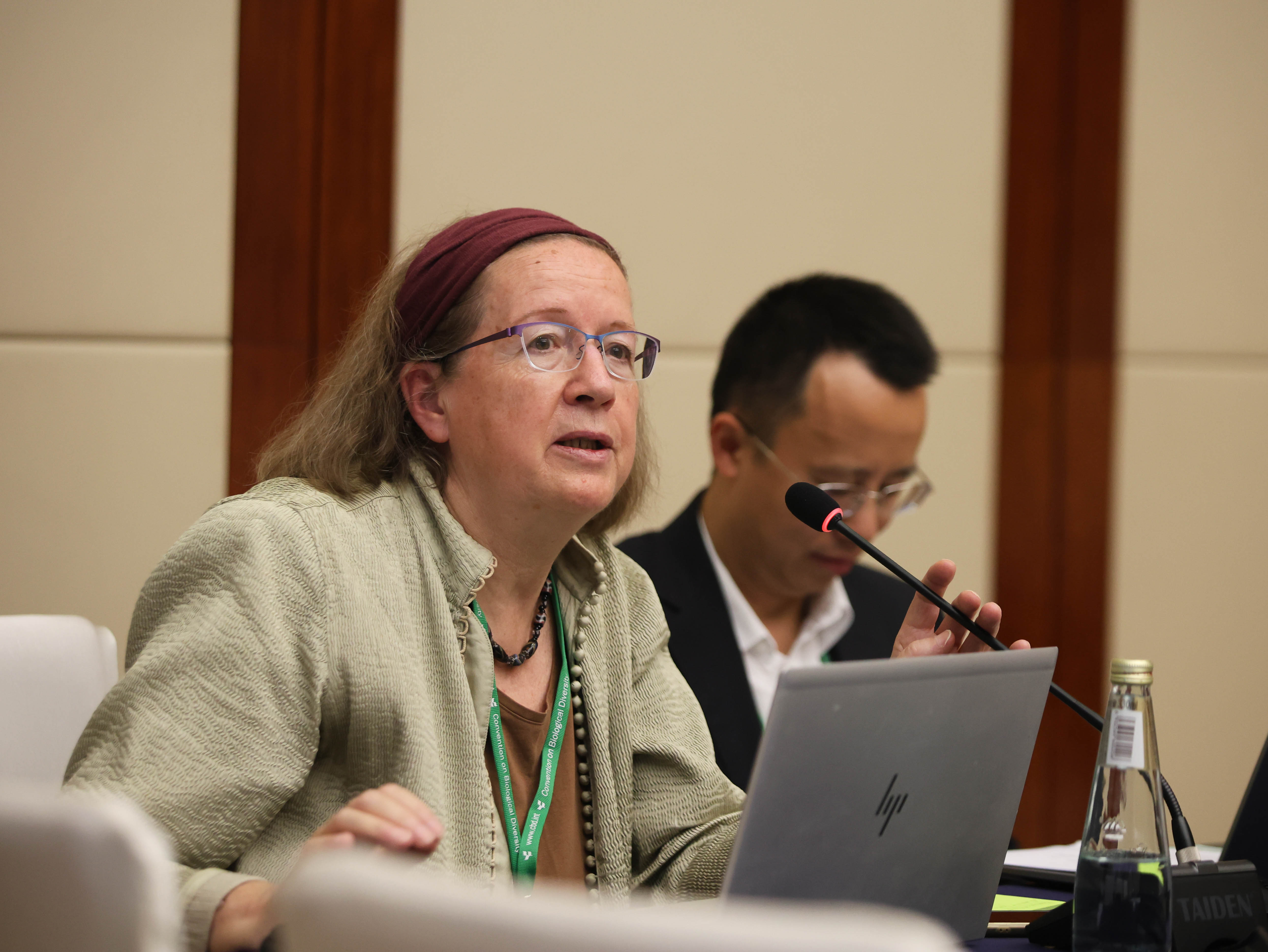
Cristina Eghenter, WWF International, Co-Chair of the group discussion on means of implementation
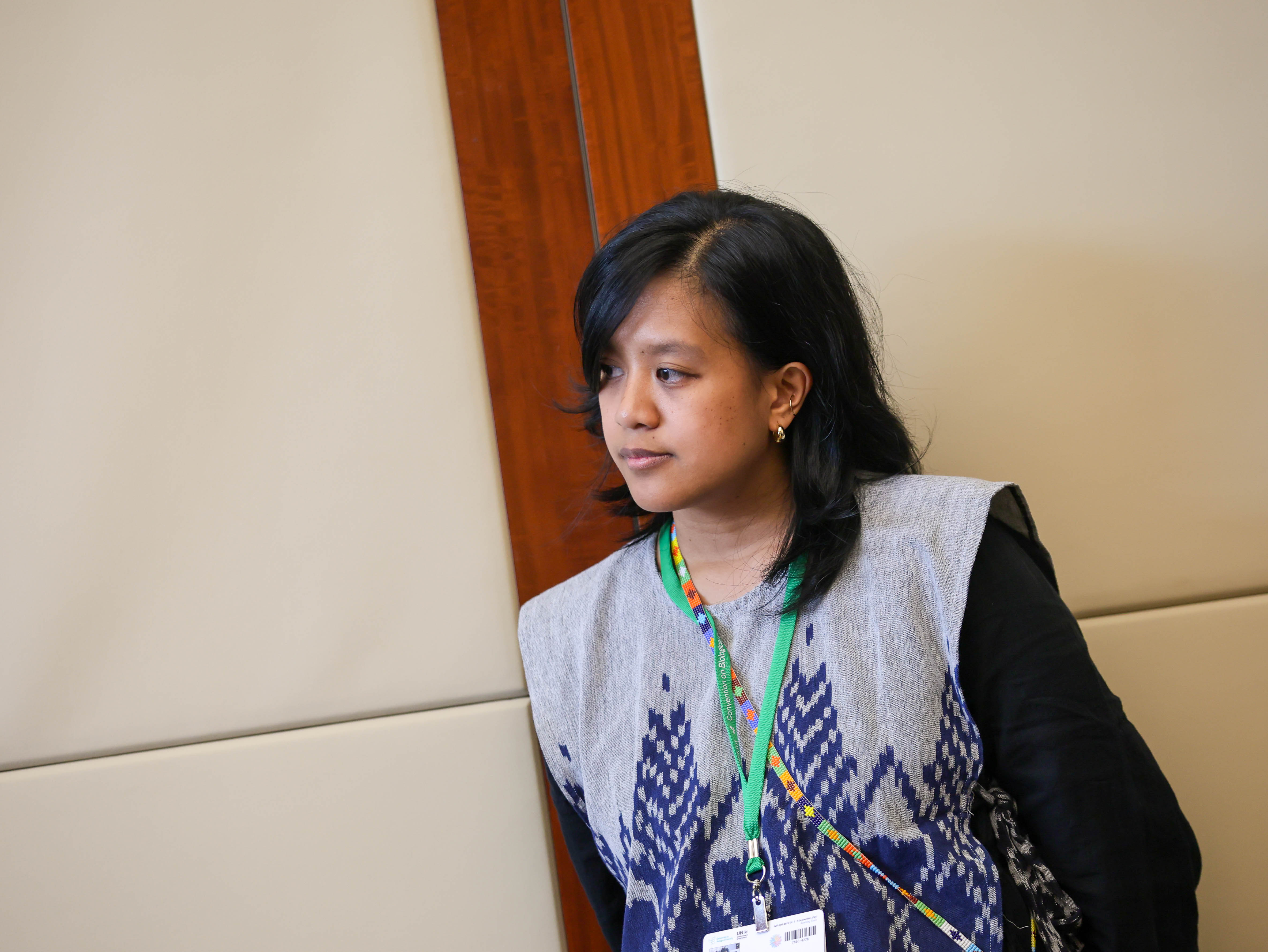
Josefa Isabel Tauli, Global Youth Biodiversity Network, Co-Chair of the group discussion on data and knowledge
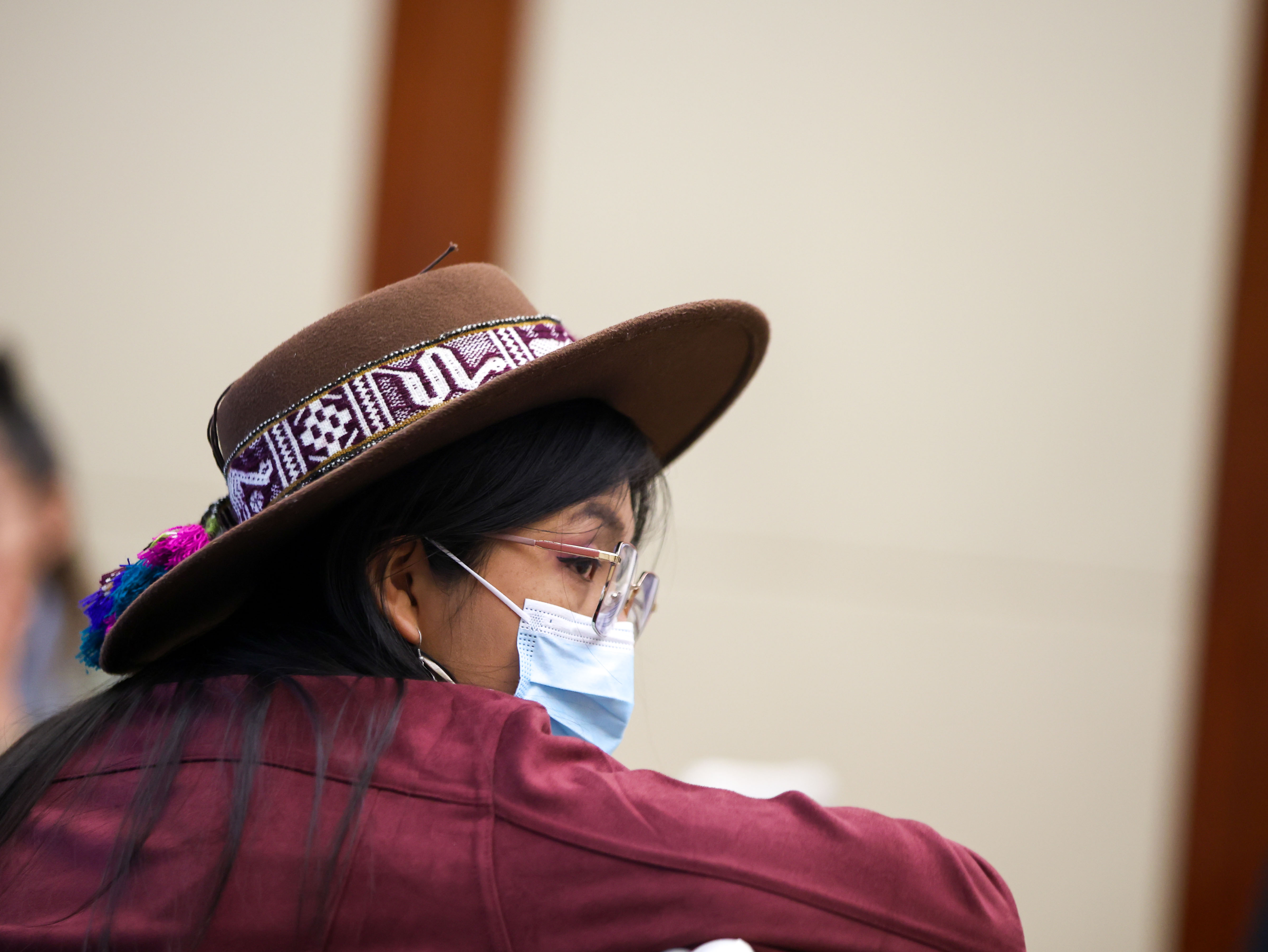
Wara Iris Ruiz Condori, Indigenous Peoples Rights International
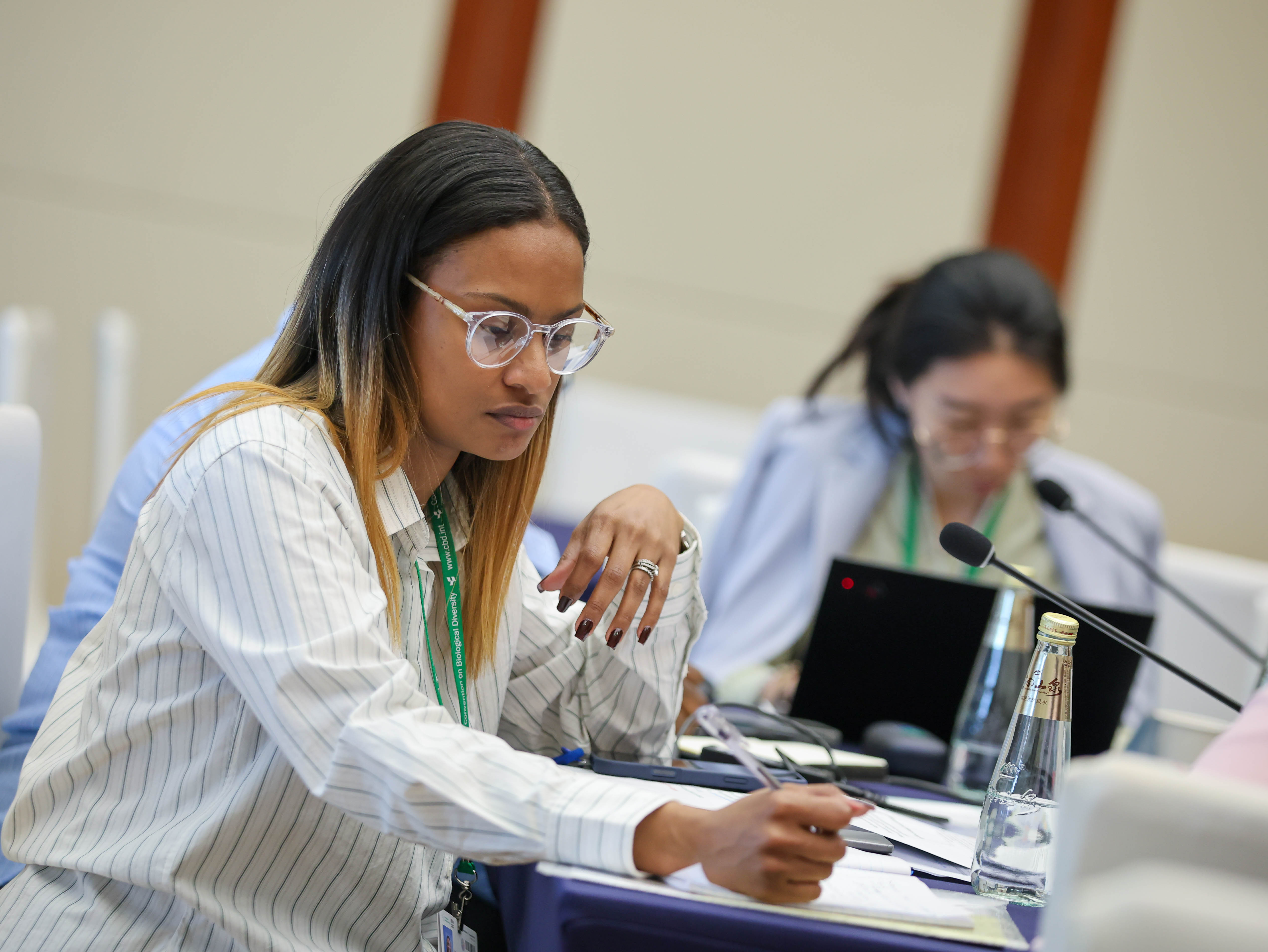
Jade Sullivan, Local Governments for Sustainability, Africa, Co-Chair of the group discussion on government and society approaches
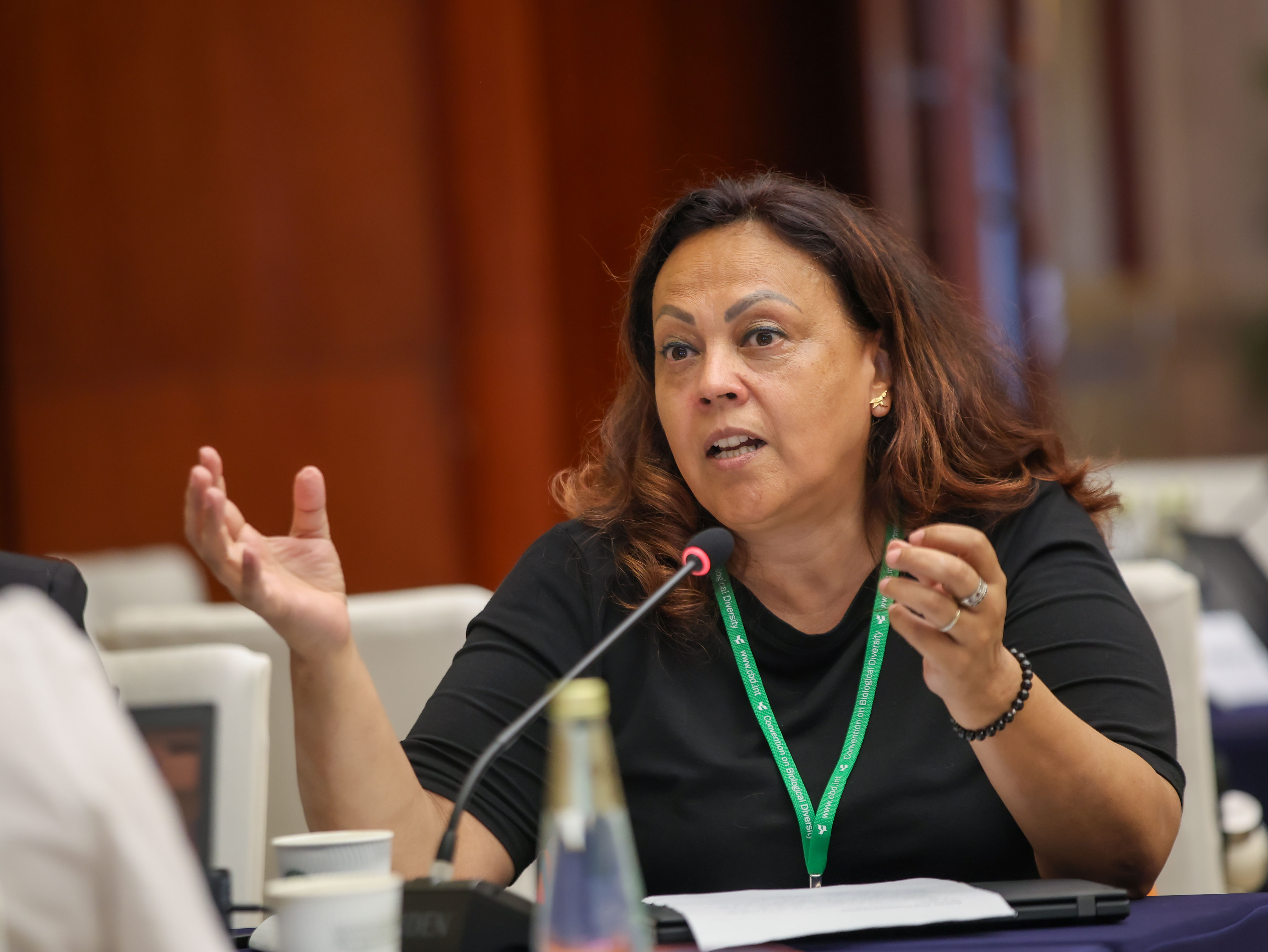
Adriana Rivera-Brusatin, UN Environment Programme
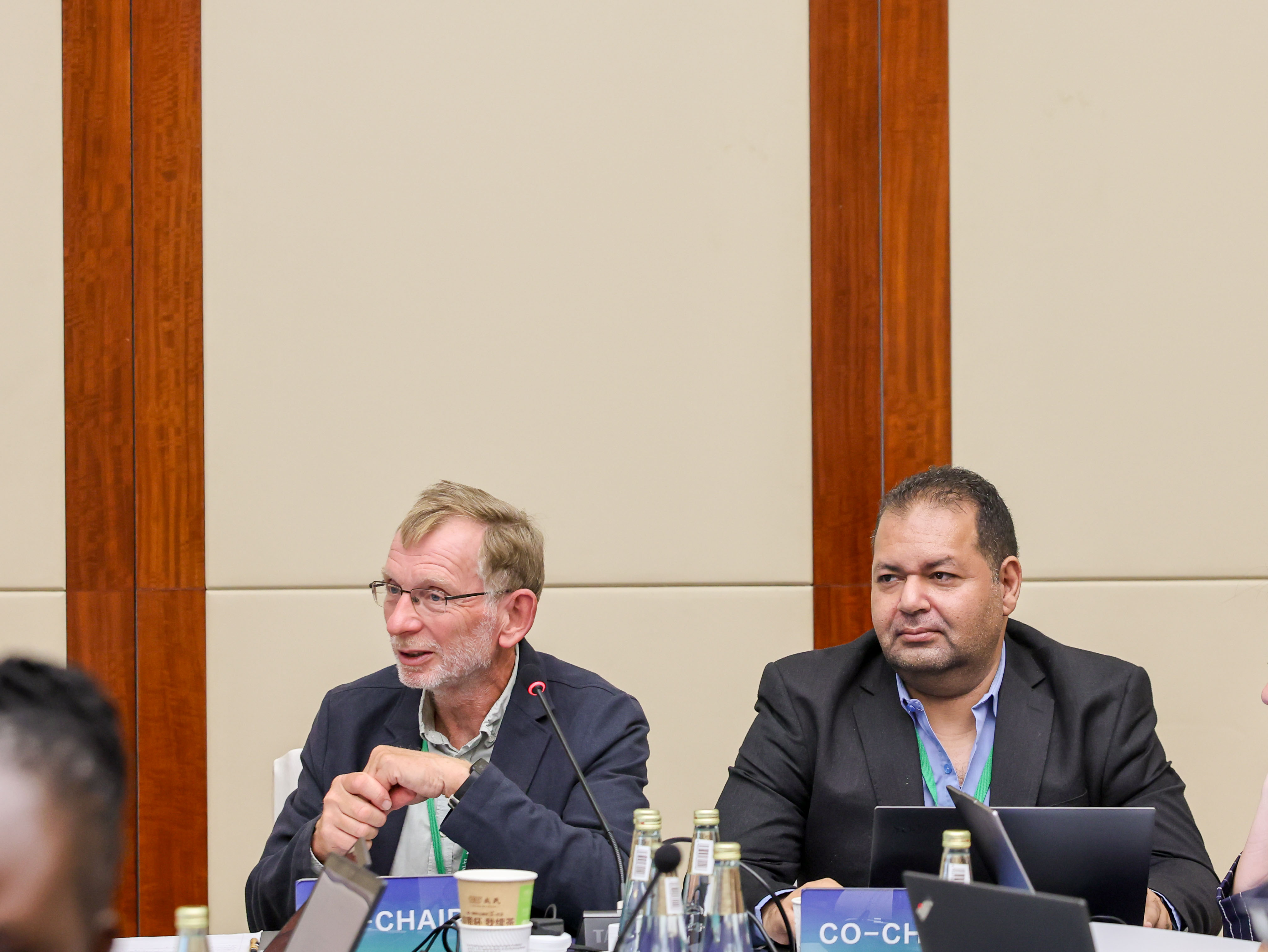
Andy Stott, UK, and Ossama AbdelKawy, Egypt, Co-Chairs of the group discussion on action and implementation
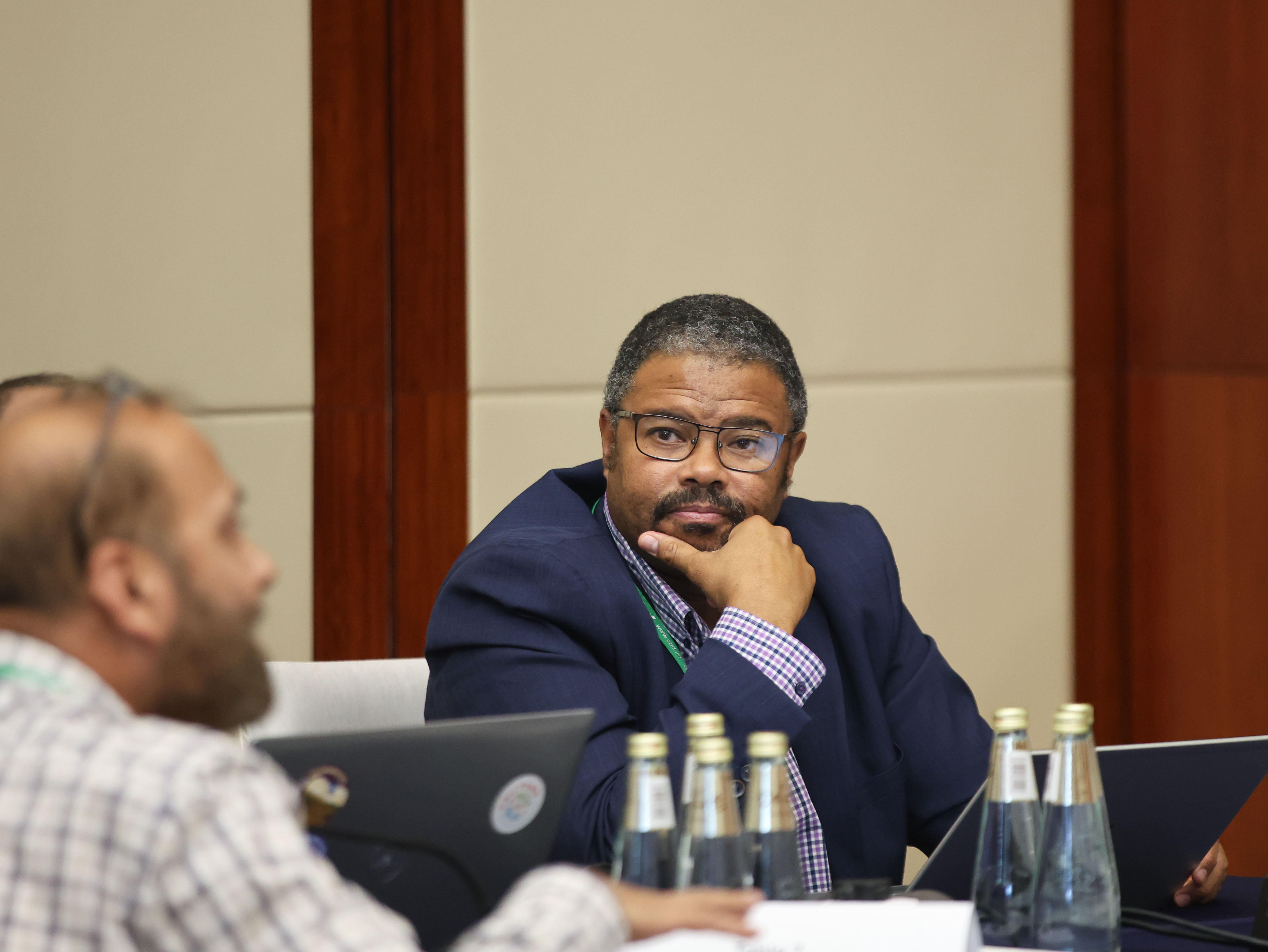
Barney Stephen Kgope, South Africa
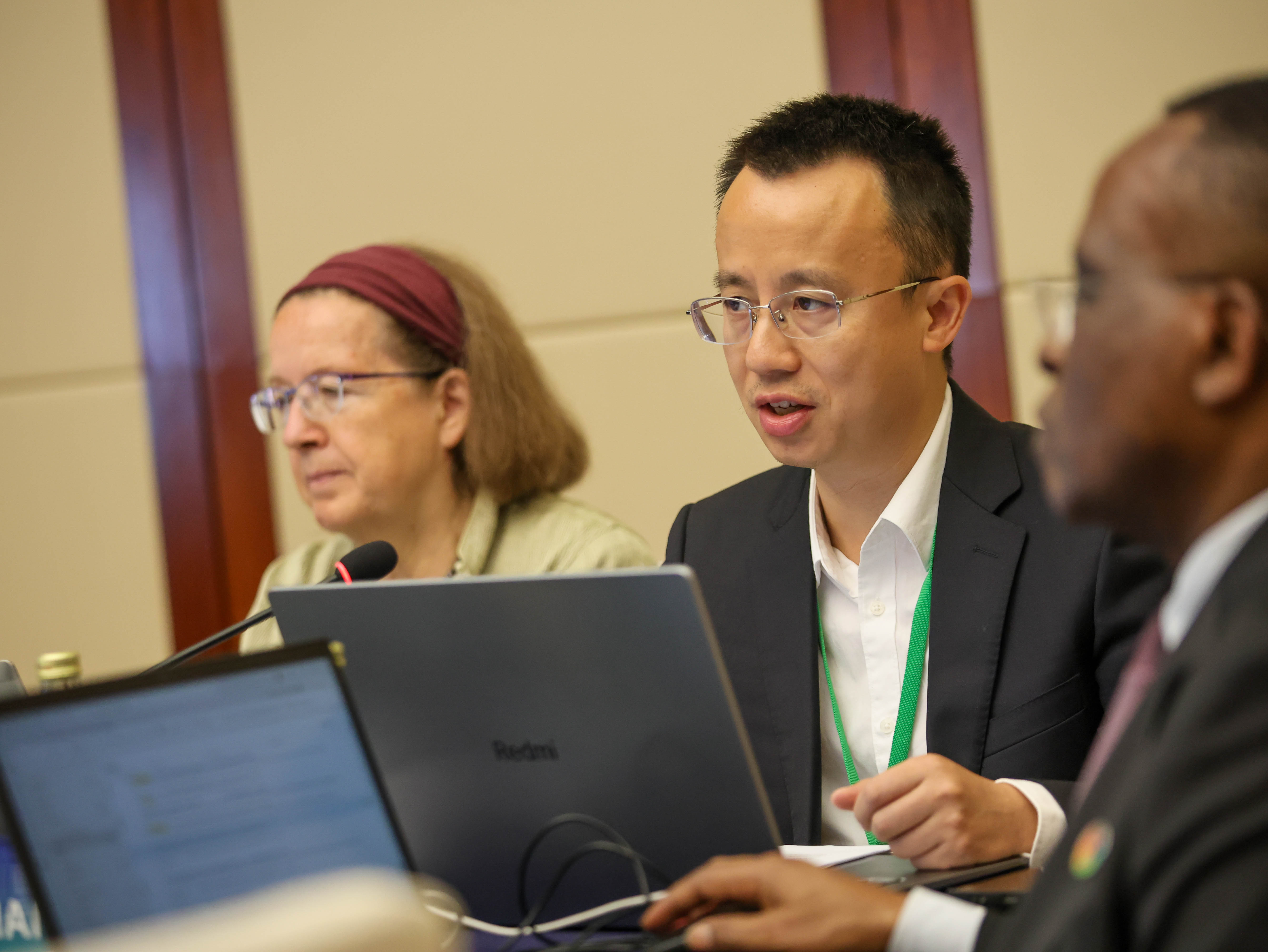
Jing Xu, China, Co-Chair of the group discussion on the means of implementation
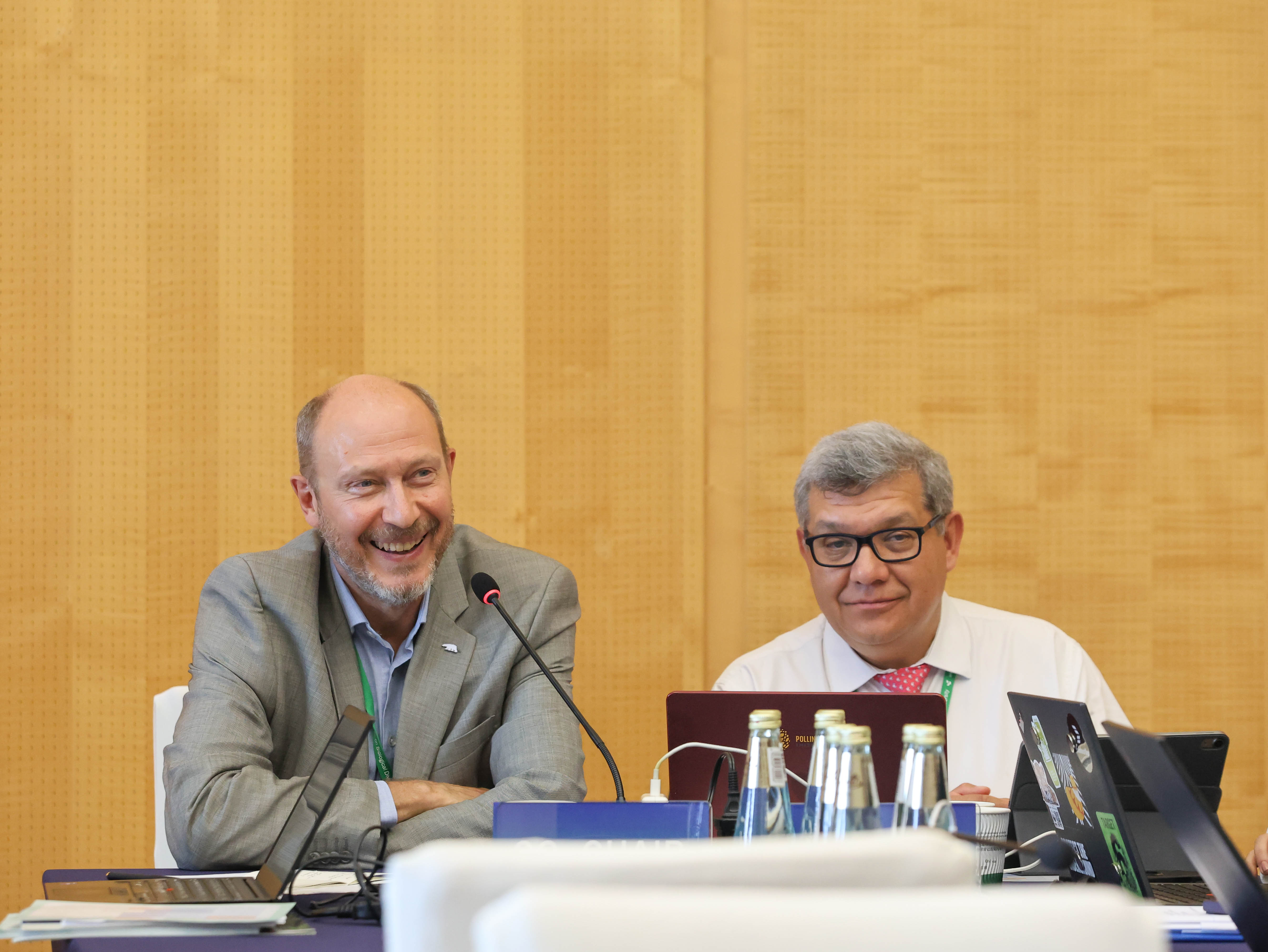
Alexander Shestakov, Russian Federation, and Hesiquio Benítez Díaz, Mexico, Co-Chairs of the group discussion on scope and coverage
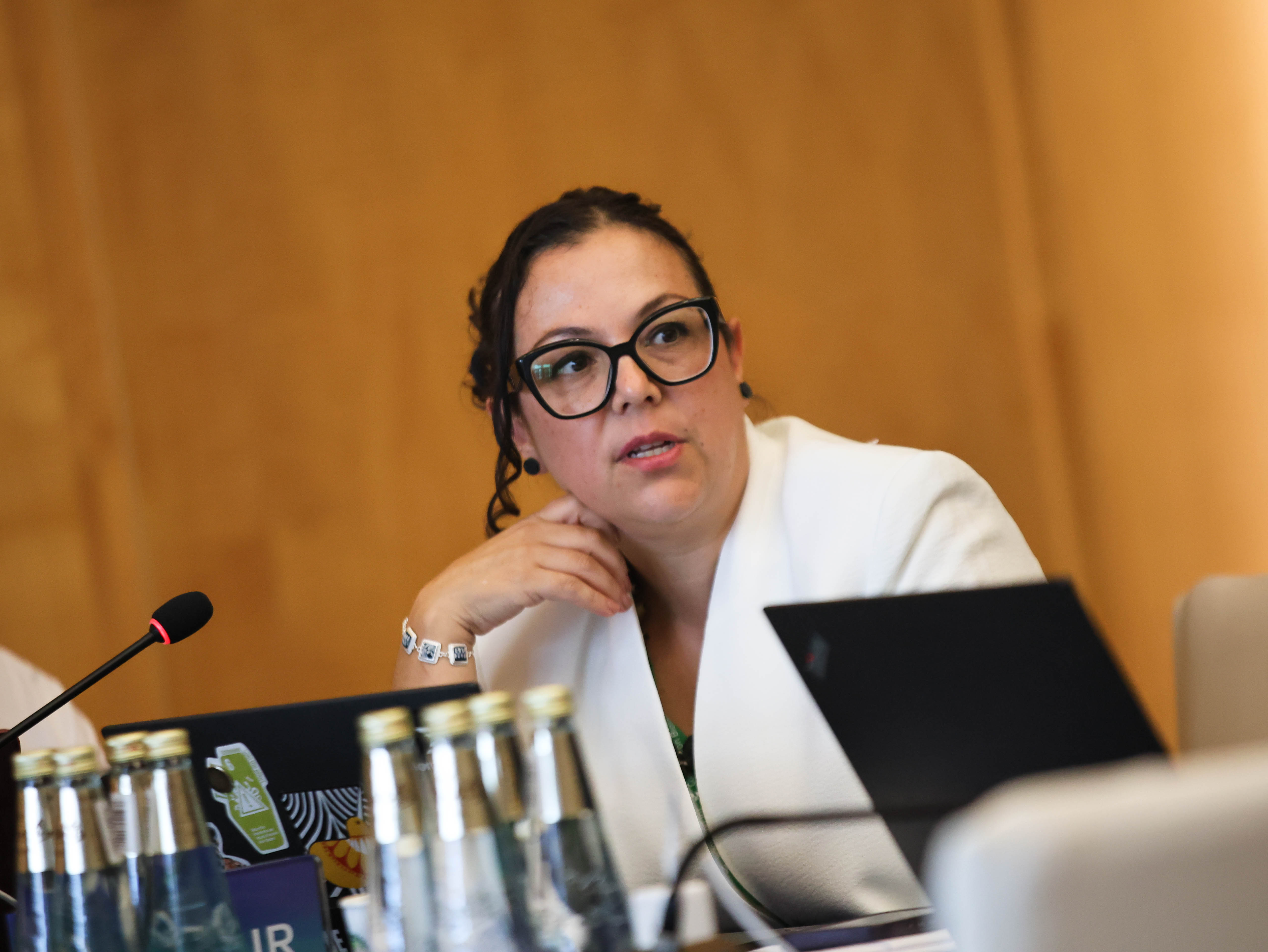
Marianela Araya, CBD Secretariat
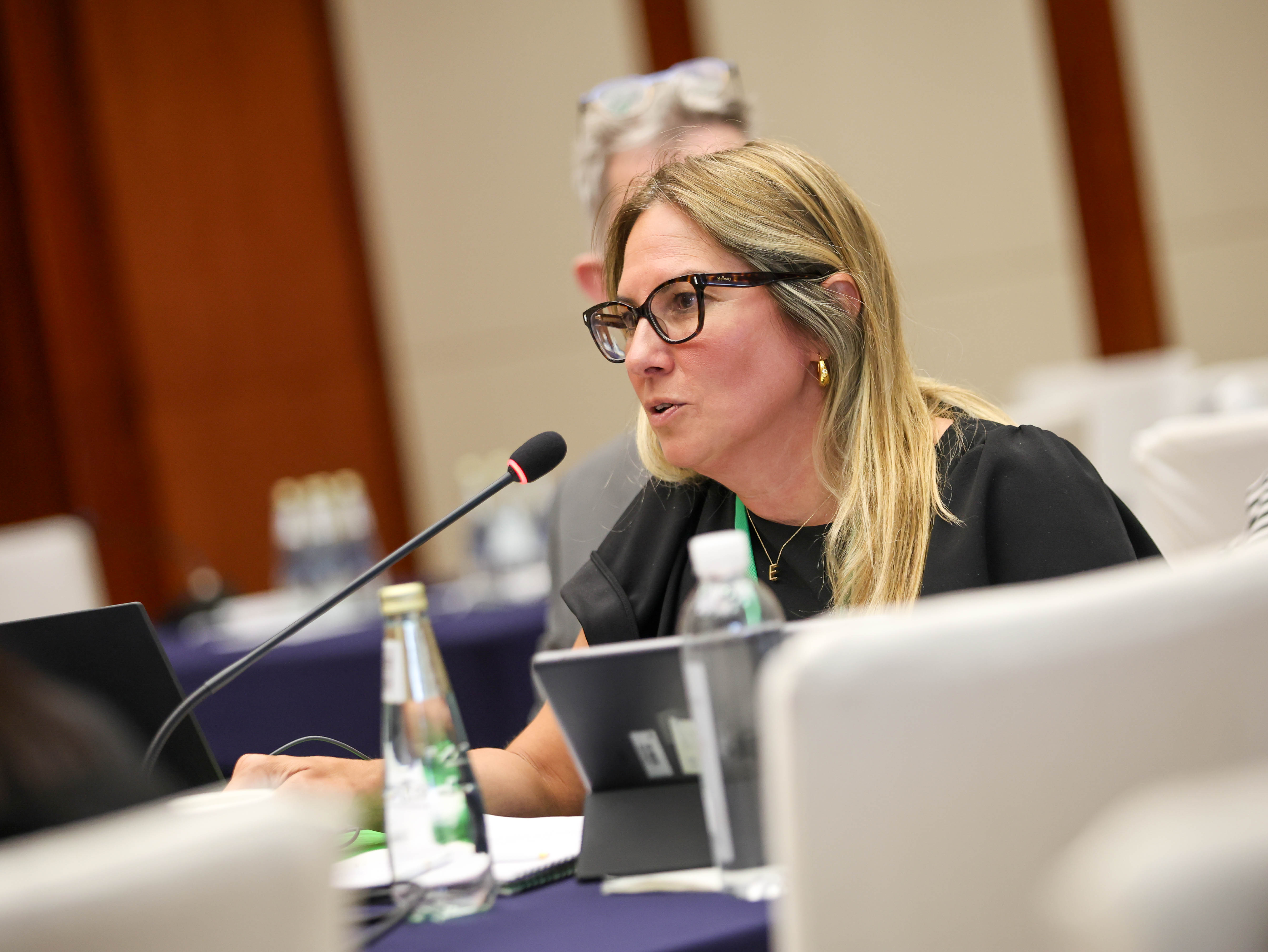
Elif Skinner, UK
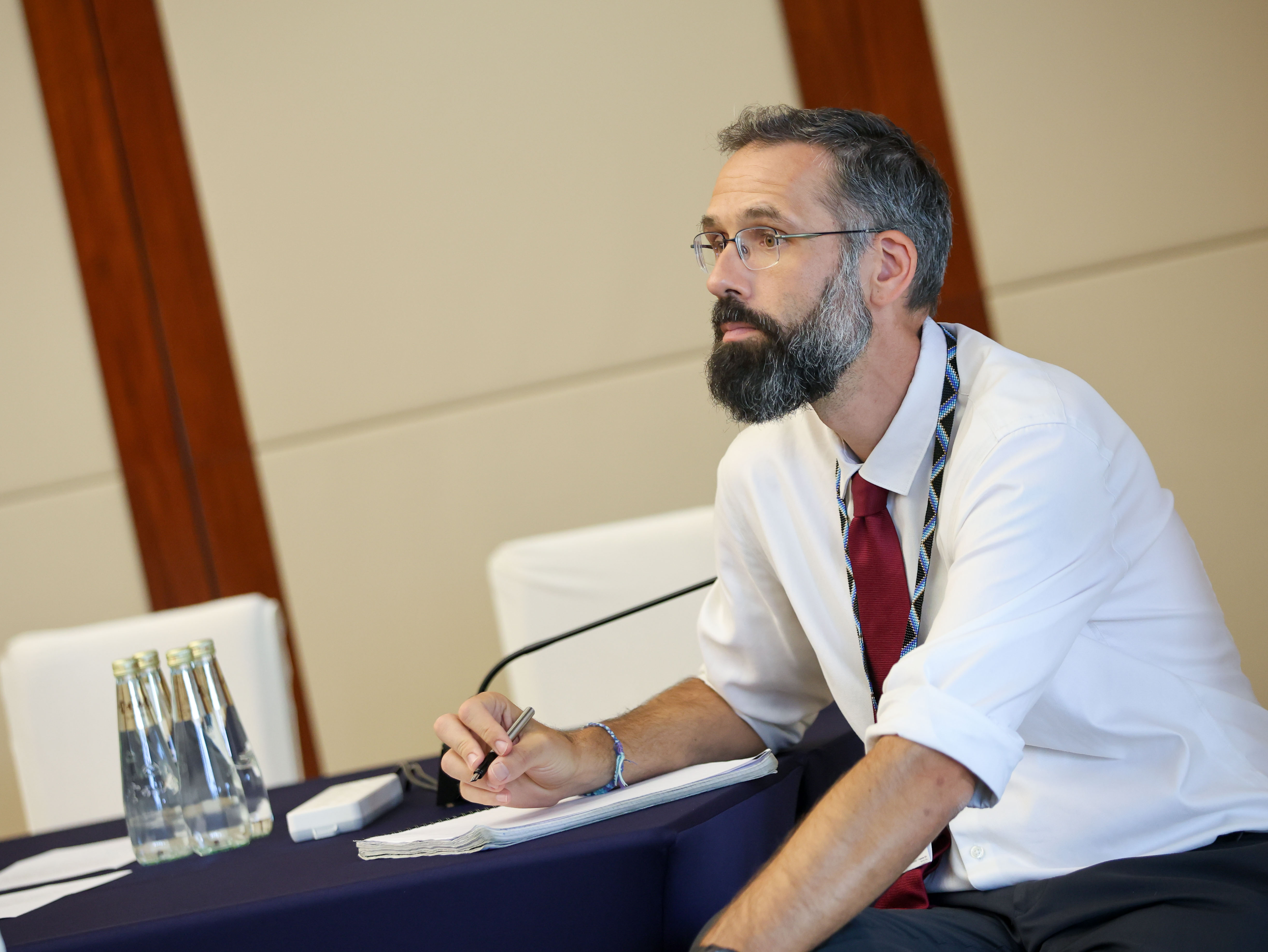
Vincent Hulin, CBD Secretariat
Around the Venue
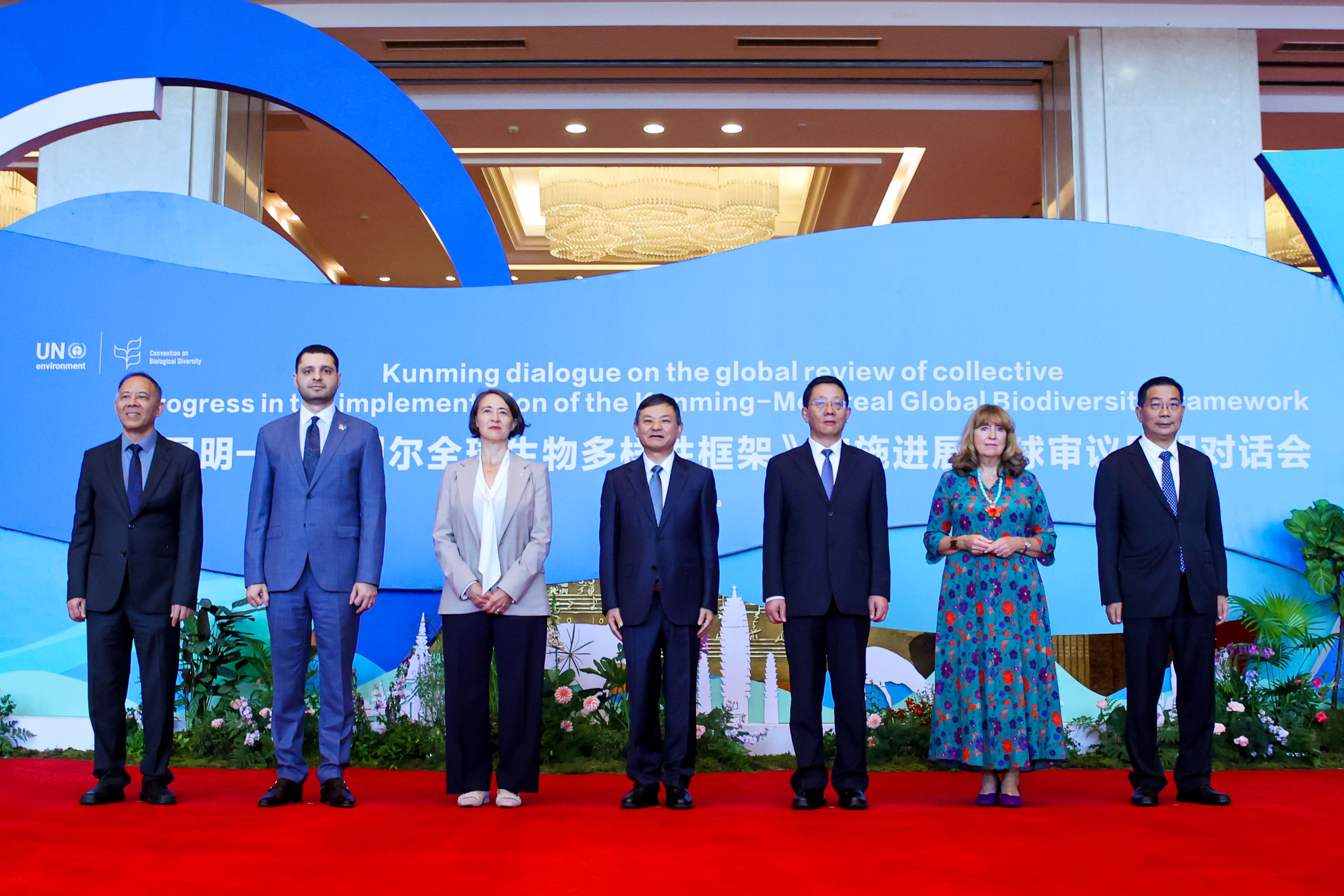
High-level representatives pose for a group photo at the end of the opening session.
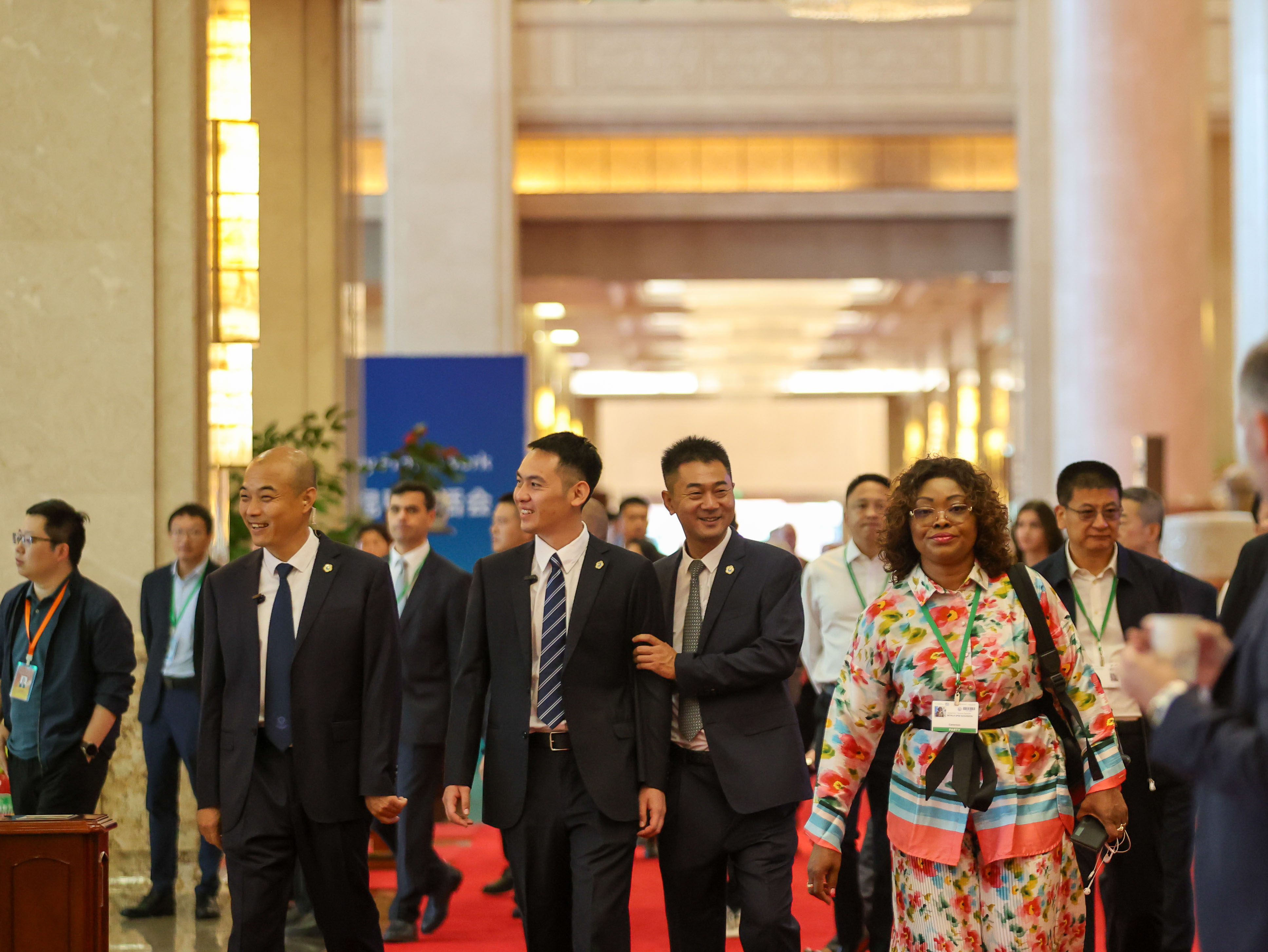
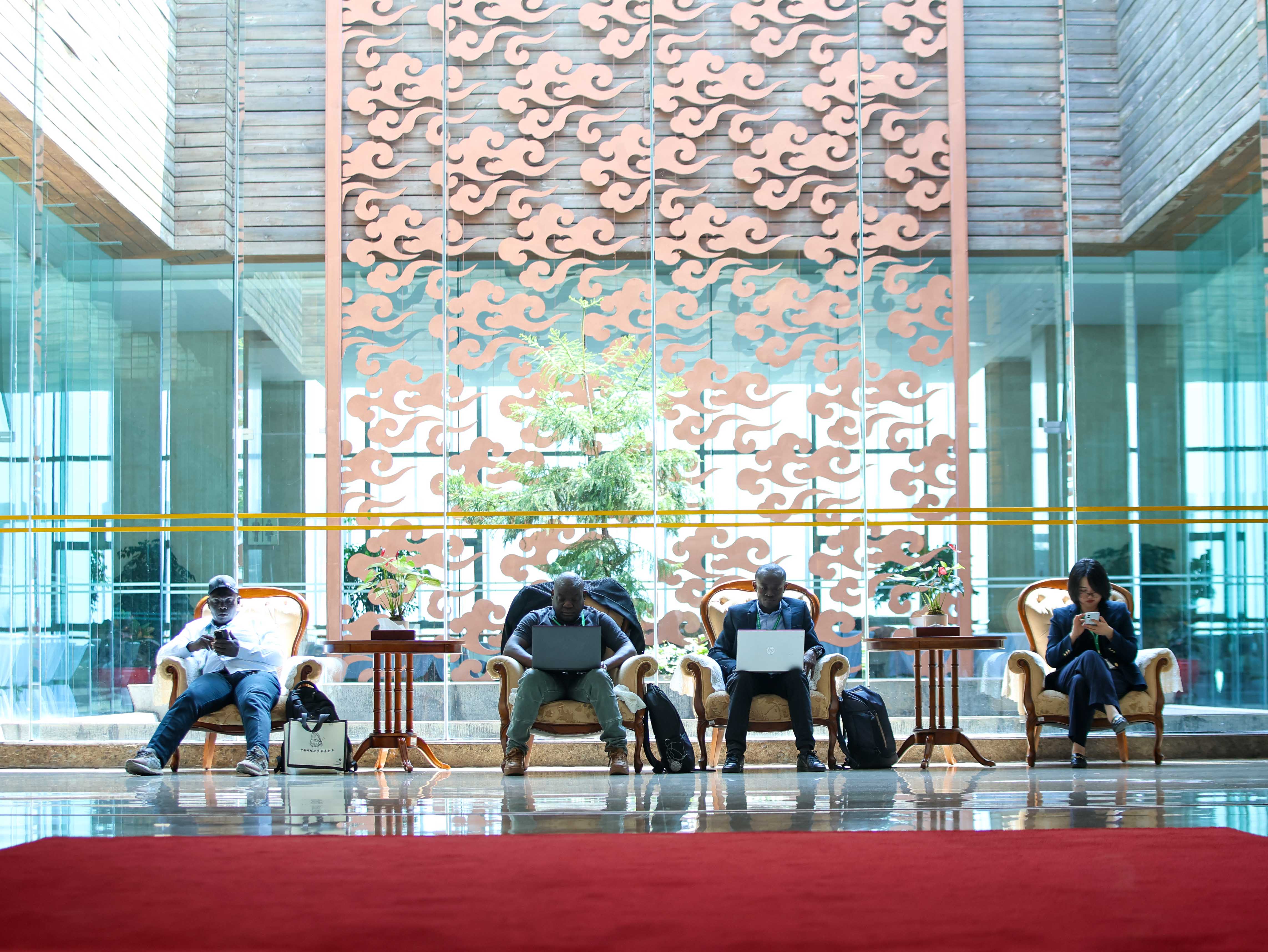
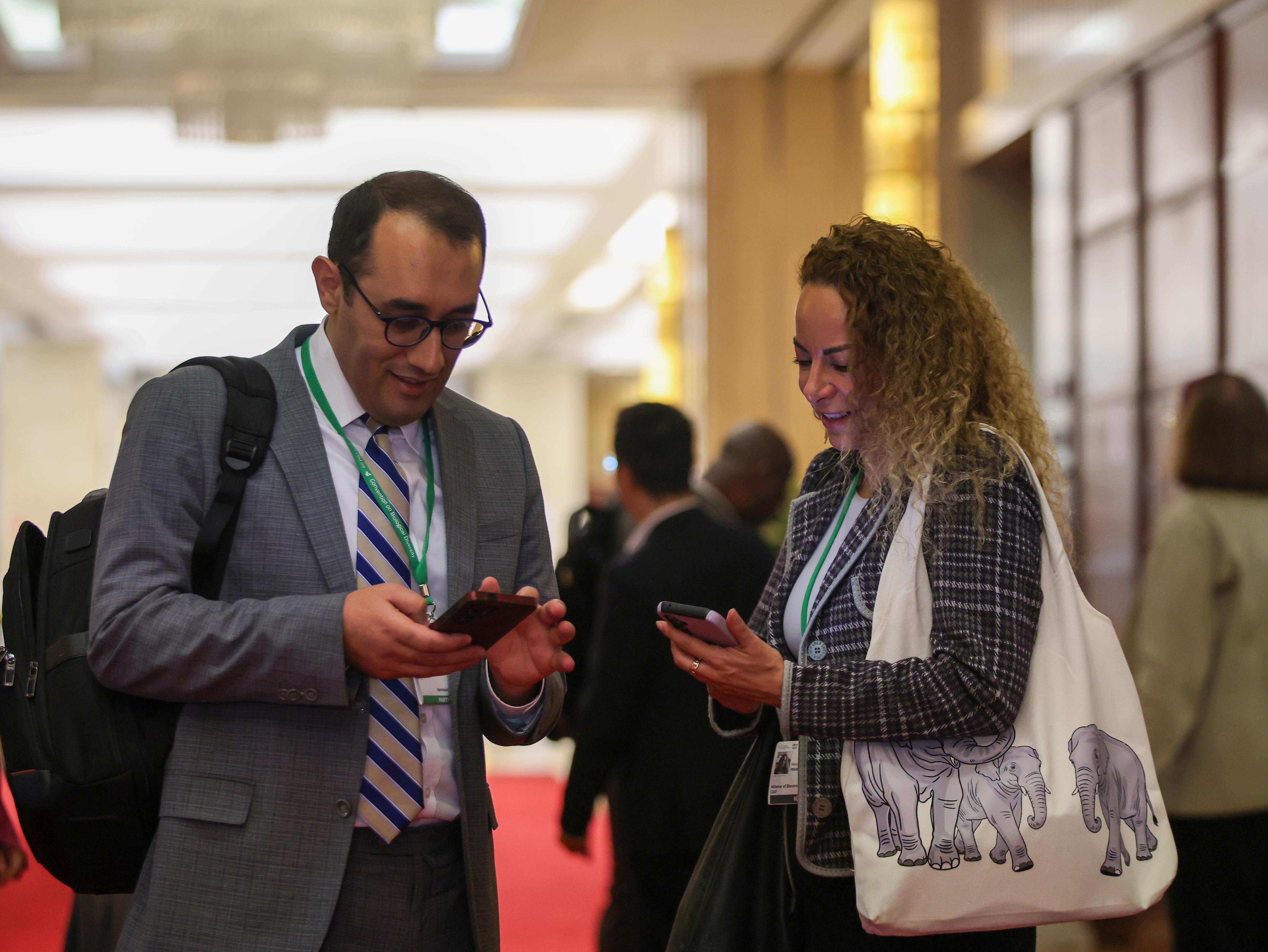
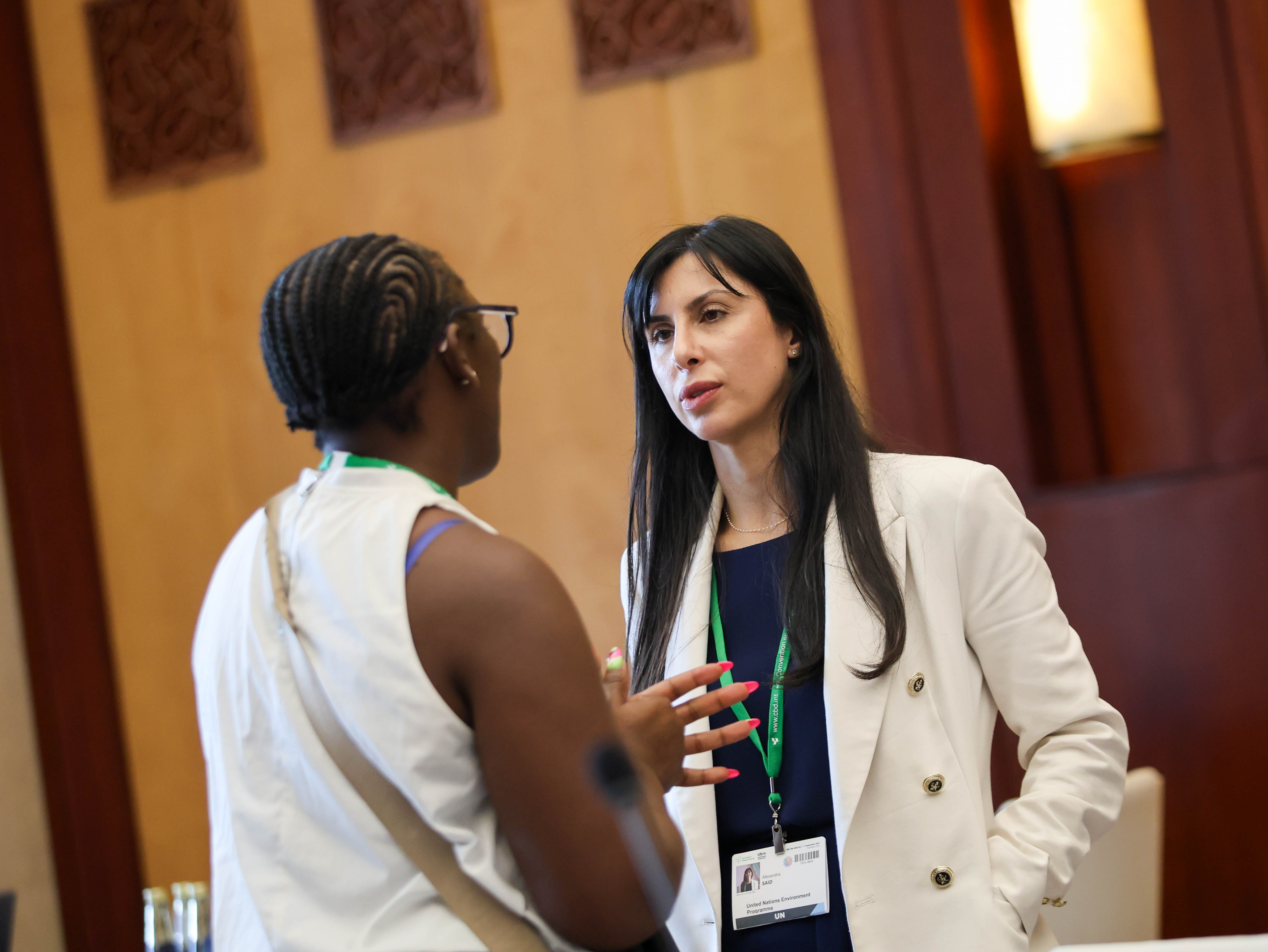
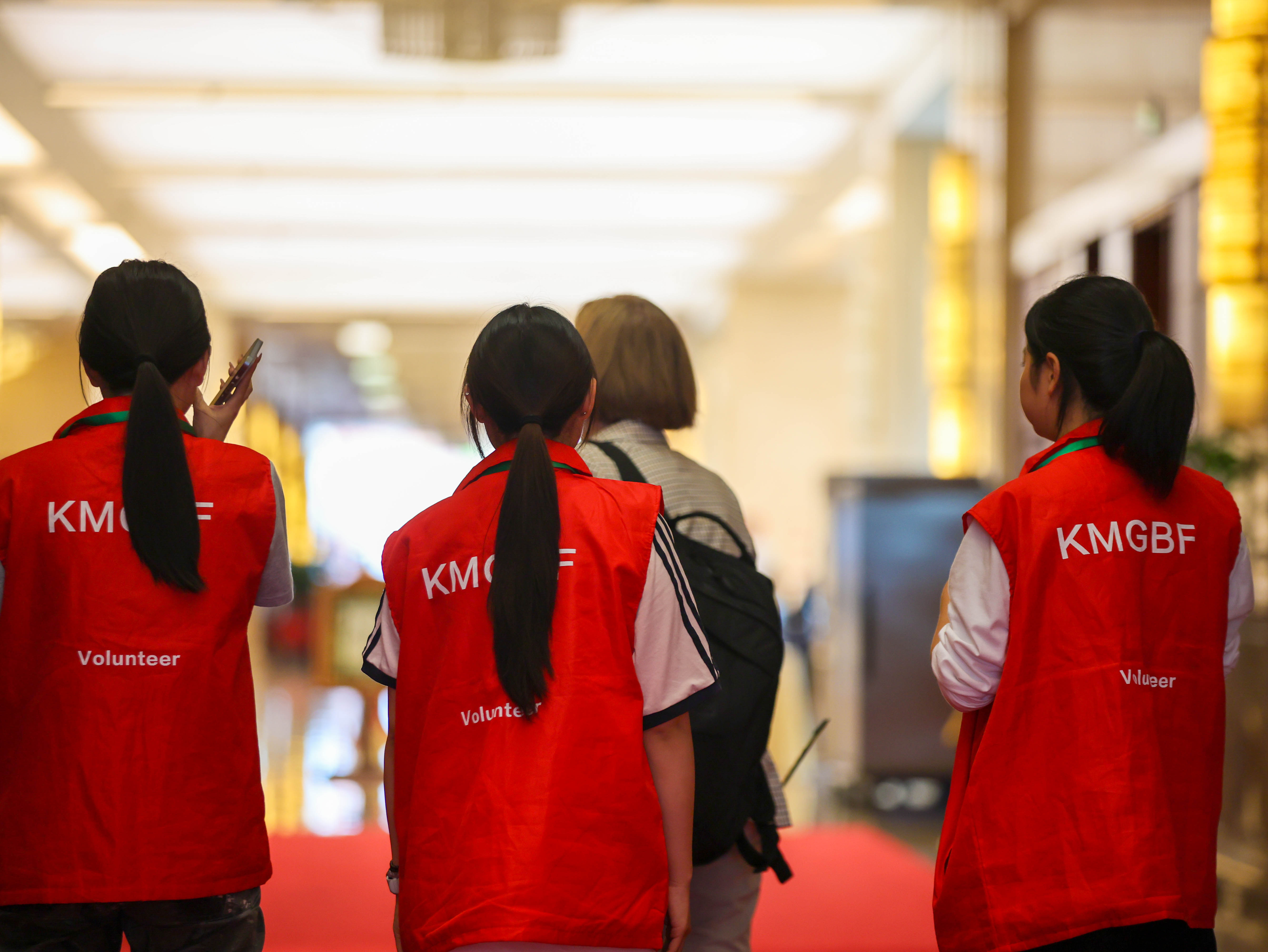
Kunming-Montreal Global Biodiversity Framework volunteers assist delegates at the venue.
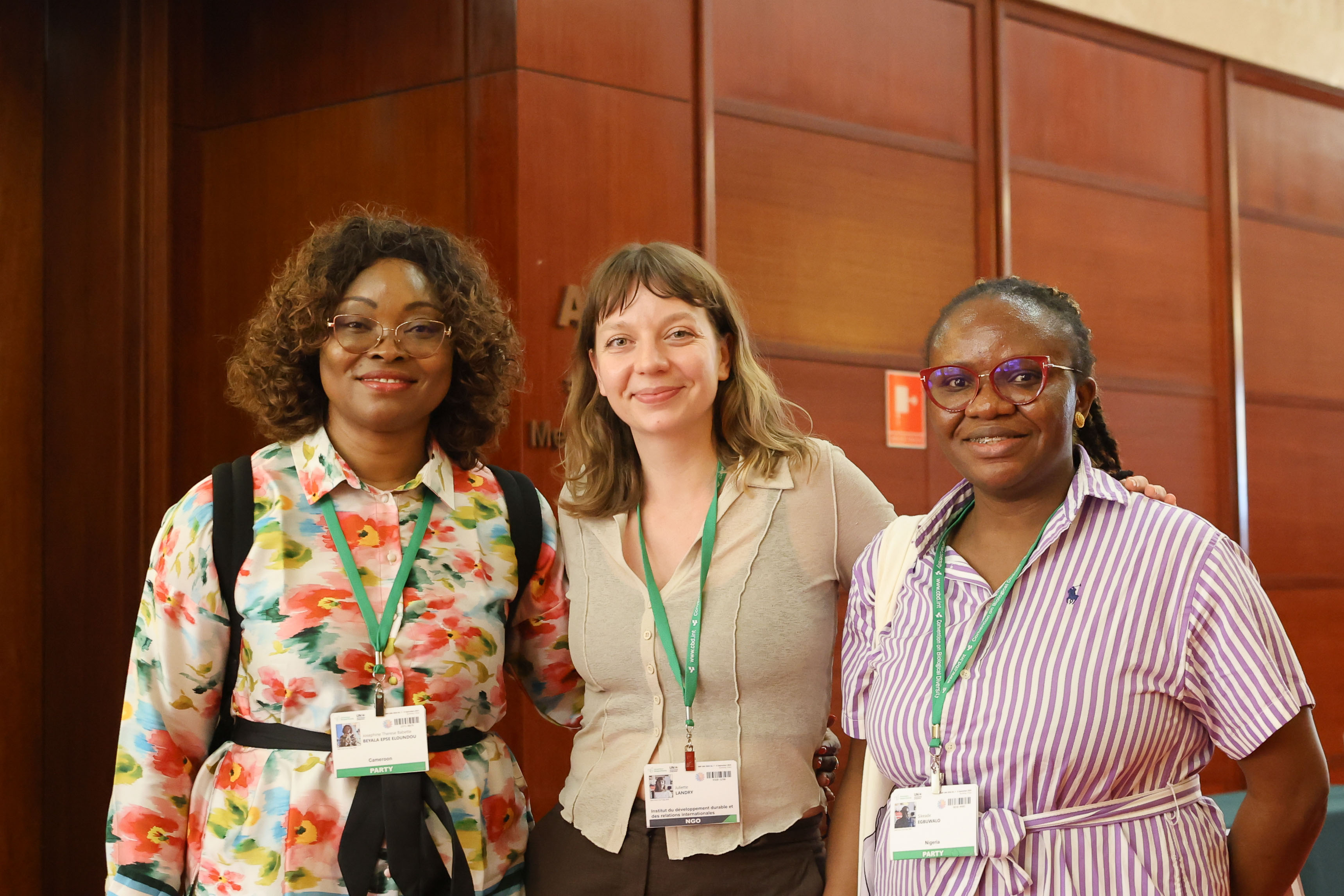
Josephine Thérèse Babette Beyala Epse Eloundou, Cameroon, Juliette Landry, Institute for Sustainable Development and International Relations, and Sikeade Egbuwalo, Nigeria