
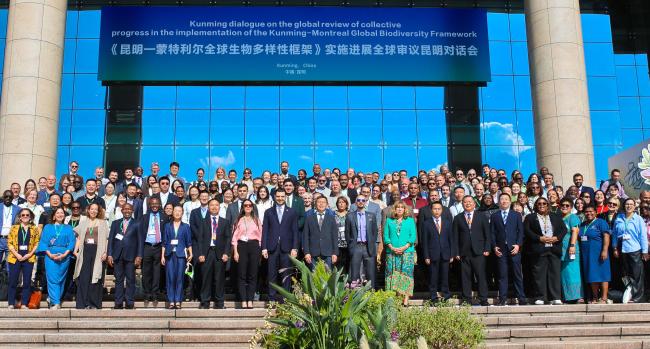
It has been four years since the Kunming-Montreal Global Biodiversity Framework (GBF) was adopted during the 15th meeting of the Conference of the Parties (COP 15) to the Convention on Biological Diversity (CBD) in 2022. It set the blueprint to reverse biodiversity loss by 2030 and put us back to a path of living in harmony with nature. We are now halfway through, and the recent draft global report on collective progress in the implementation of the GBF showed that while the Framework has generated unprecedented global engagement, important gaps remain across many of its targets.
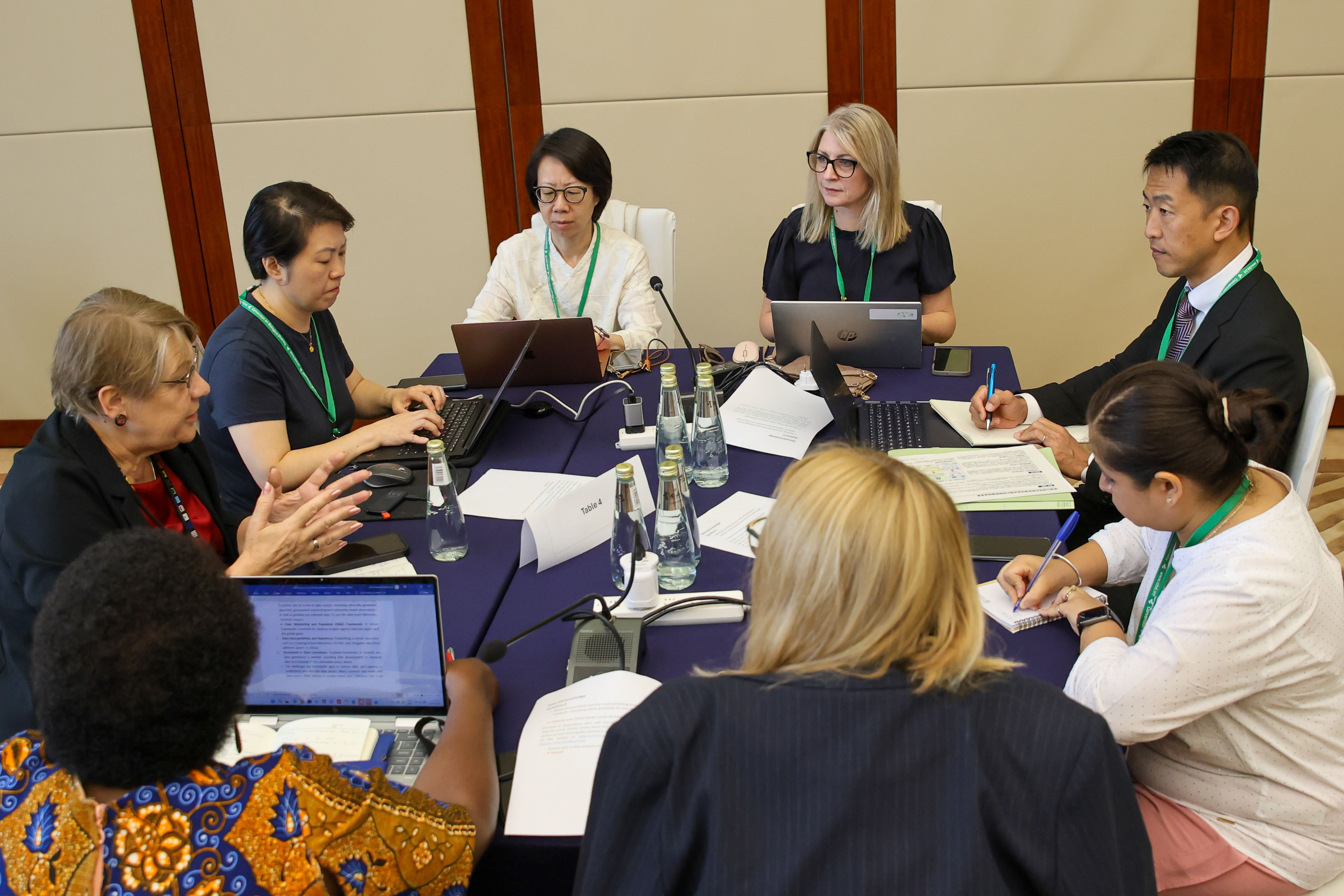
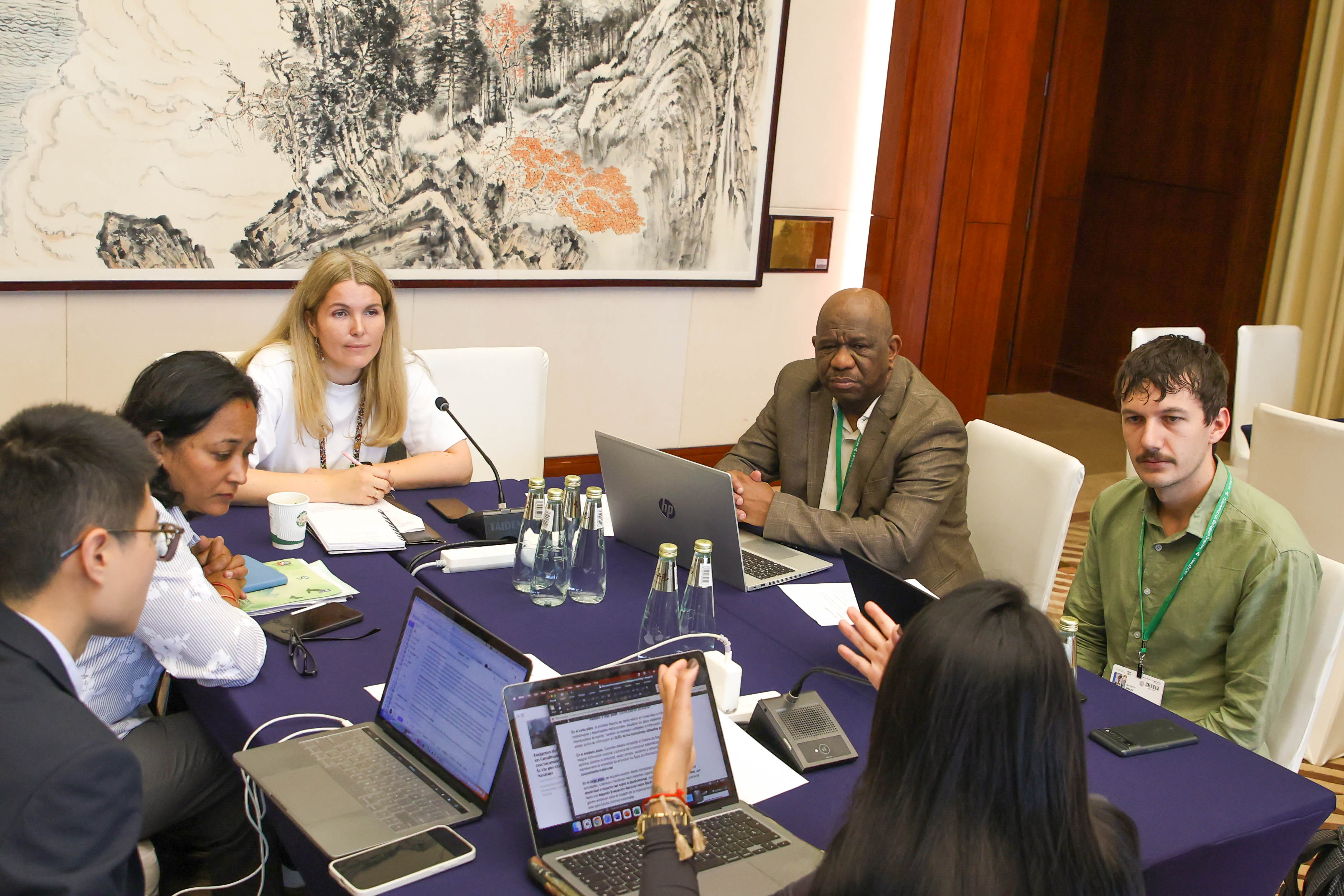
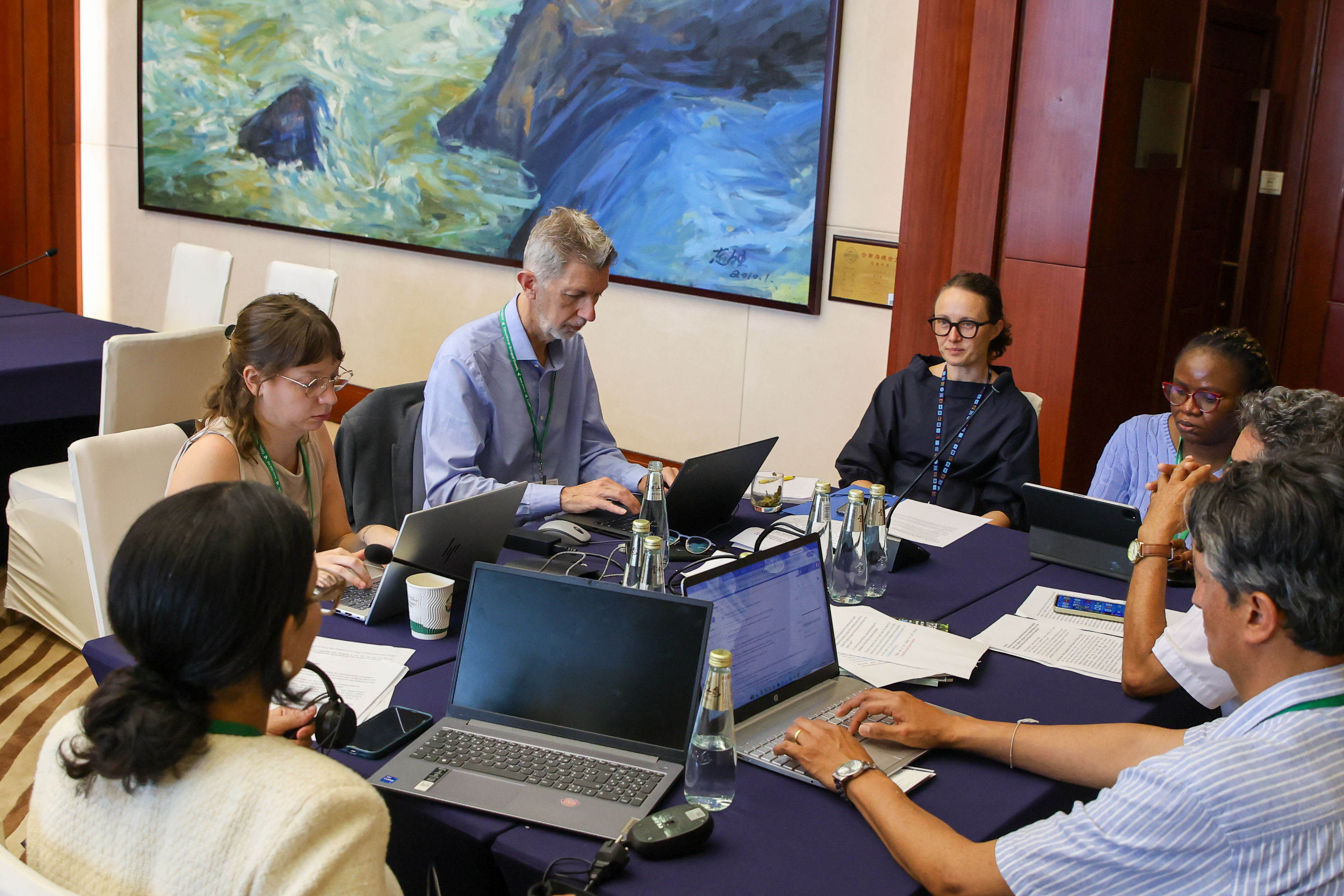
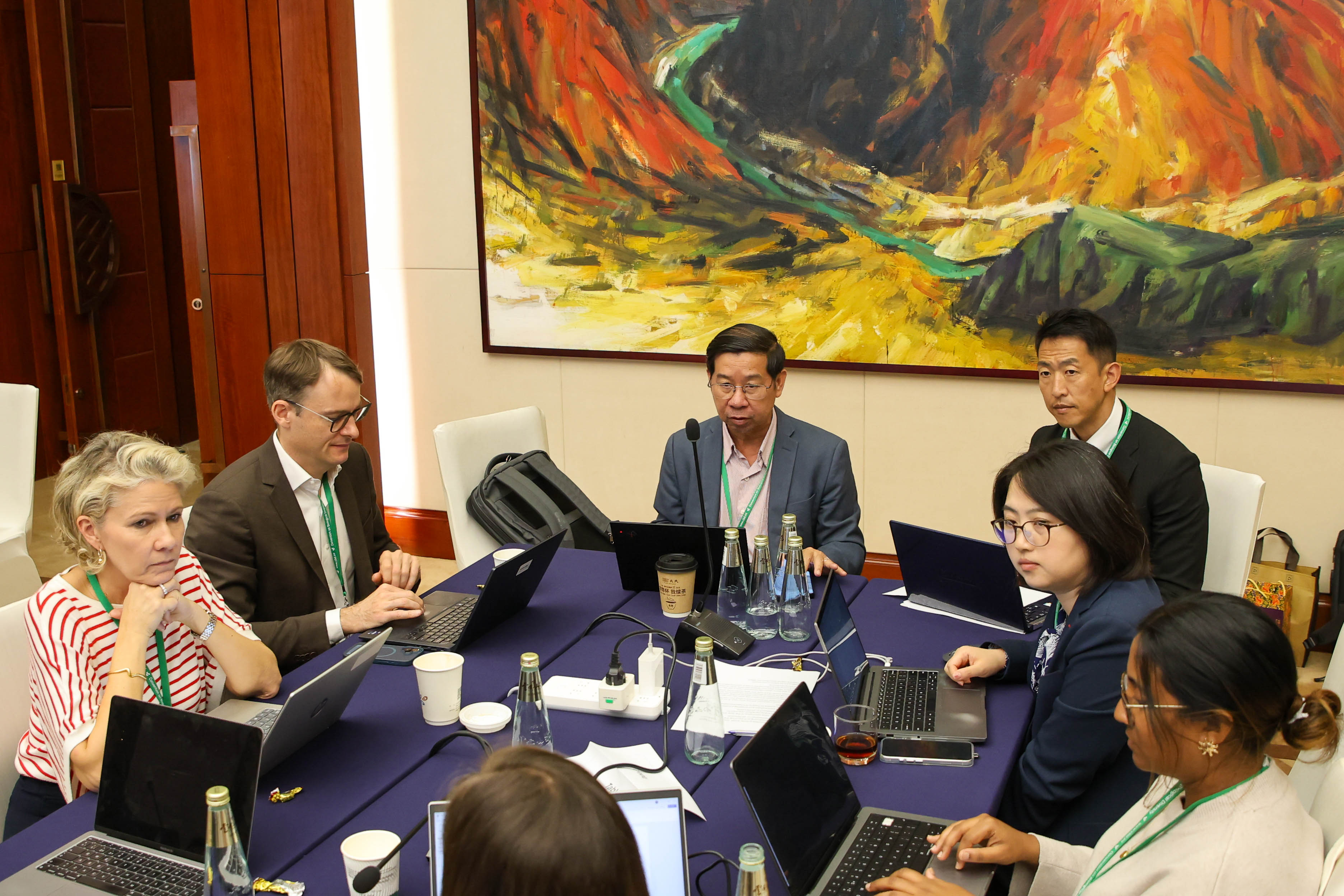
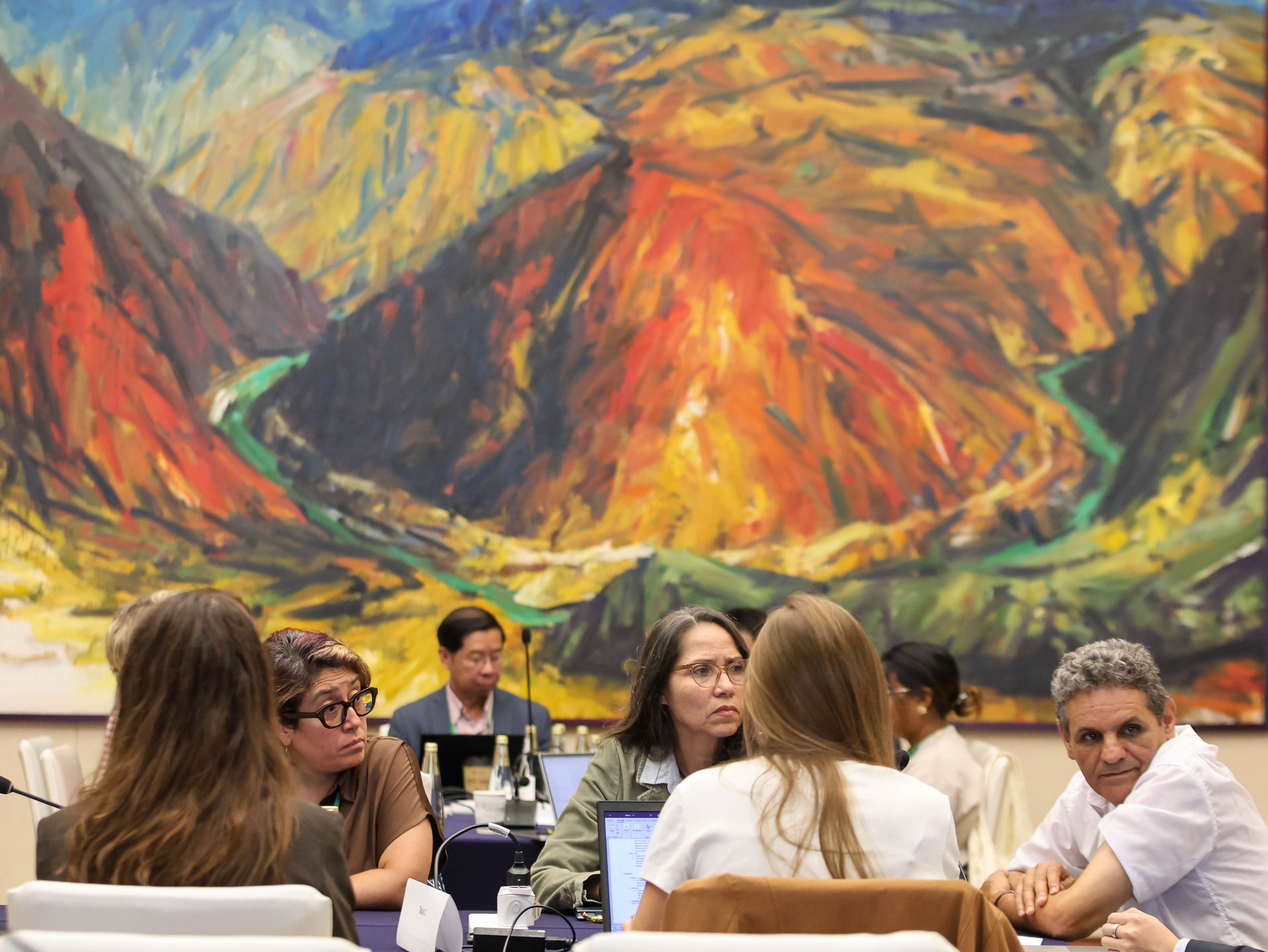
For three days, participants in the Kunming Dialogue discussed how to address those gaps, scale ambition, and drive up implementation. The discussion was organized under five topics, mirroring the key messages of the report and was held in breakout groups, in an informal setting. This allowed a frank, in-depth conversation among participants, enabling a free flow of ideas and experiences.
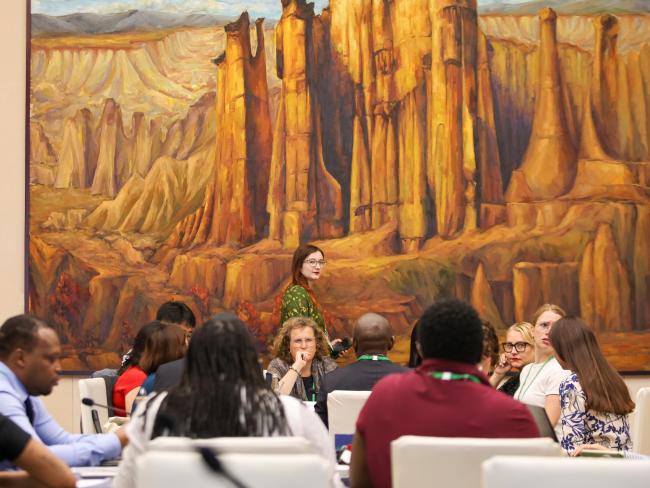
On the final day of the meeting, participants spent the morning exploring approaches for addressing the gaps between the collective scope and coverage of the national targets and the GBF targets, and how such efforts can be measured and assessed to inform future reviews. Many proposed embedding information that exists outside National Biodiversity Strategies and Action Plans (NBSAPs) into national indicators, addressing coverage gaps by fulfilling commitments under other multilateral environmental agreements (MEAs) and international fora, and addressing data gaps by collecting information from more sources for the second global review.
Discussions were also held on how the application of common approaches and mechanisms between MEAs and other international conventions can be more effective, and how synergies between environmental objectives can be managed most effectively to drive up action and implementation. Participants suggested, among others, involving stakeholders in co-creating policies and solutions, and implementing integrated approaches to identify and maximize synergies and minimize overlaps and trade-offs.
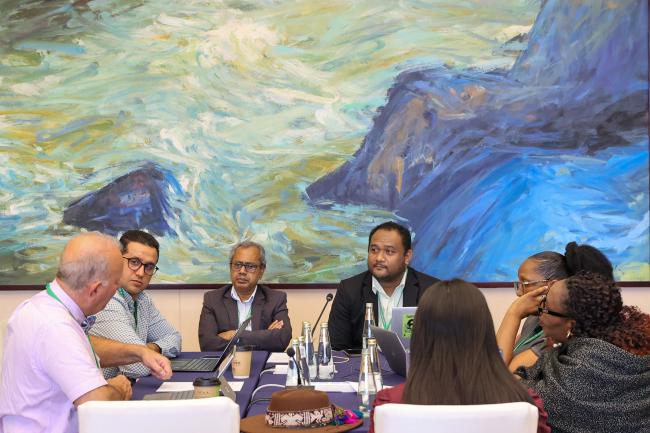
Participants also focused on priority areas for enhancing the means of implementation, estimates of the scale and the type of means required for GBF’s implementation, and partnerships and enabling conditions that could improve access to them. Many emphasized, among others, the need for adequate financing, including innovative financial mechanisms, faster disbursements, and more country ownership. They also proposed moving away from project-based and short-term funding toward long-term funding approaches linked to local priorities.
While discussing whole-of-government and whole-of-society approaches, participants considered how the contribution of Indigenous Peoples and local communities (IPLCs) and other stakeholders can be better recognized and accounted for, the required processes and resources to do so, and how these resources could be generated. Many underscored the need to simplify the process for submitting stakeholder commitments and contributions, add permanent youth delegates to official delegations, and consider IPLCs as partners in co-creating policy development for GBF implementation.
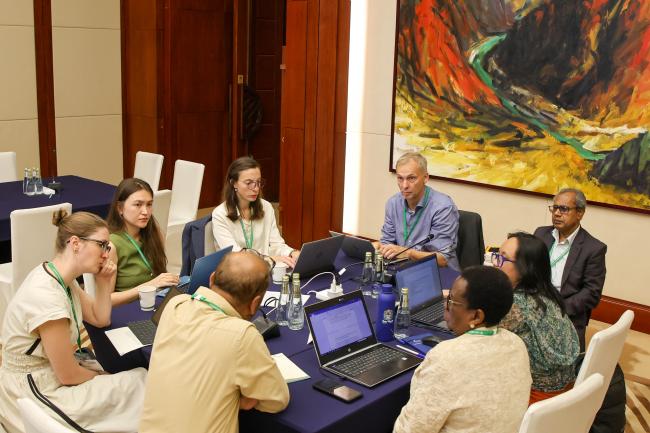
Participants in the breakout session for data and knowledge addressed the most pressing short-, medium-, and long-term priorities for monitoring. Delegates proposed, among others, operationalizing headline indicators, and increasing collaboration among existing global frameworks to eliminate the need for different data sets. Many also highlighted the potential role of technical and scientific cooperation support centres in capacity-building and technical assistance.
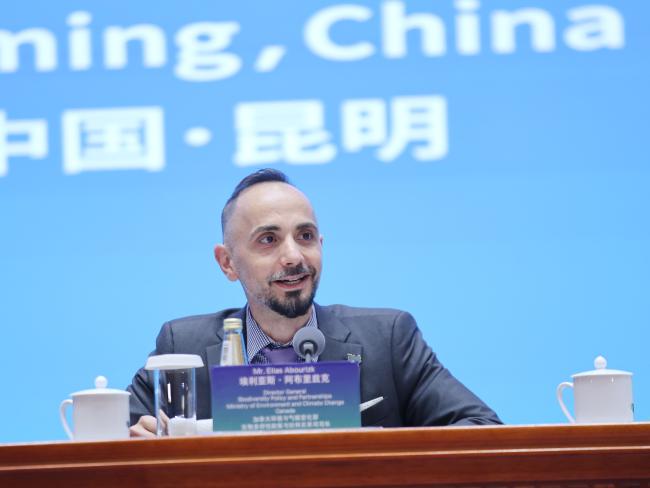
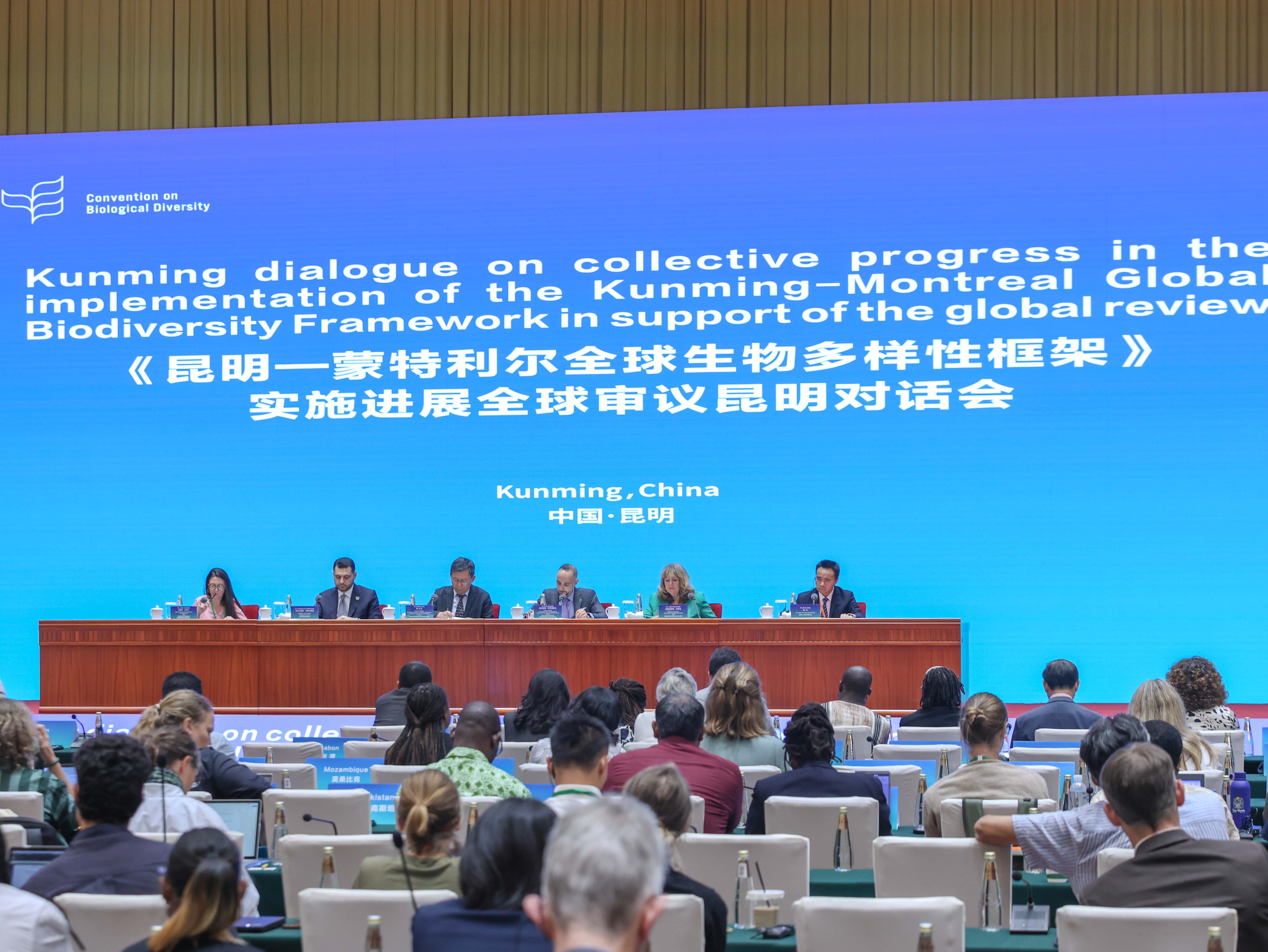
During the closing plenary, Zhang Yujun, Ministry of Ecology and Environment, China, and Elias Abourizk, Ministry of Environment and Climate Change, Canada, shared key messages and outcomes from the discussions of the five topics of the Dialogue on behalf of the Co-Chairs of the Kunming Dialogue. This included inputs from a series of online webinars that took place in parallel with the in-person dialogue, from 7 to 8 September 2026.
In his closing statement, Hambardzum Matevosyan, Minister of Environment, Armenia, and incoming COP 17 President, highlighted that the global review should help understand not only what has been achieved but also where further action is needed. He called for a whole-of-government and whole-of-society approach and for ambition to be matched by adequate means of implementation.
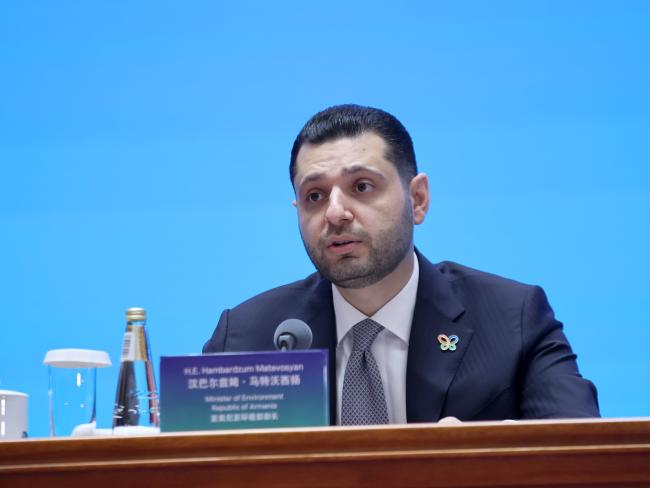
“No country can address these challenges alone; the Framework’s success depends on action across governments and society.” CBD Executive Secretary Astrid Schomaker said that the unprecedented engagement seen in the past four years has been reflected in the passionate and creative discussions held in the breakout sessions.
Yujun urged accelerating efforts in the four years leading to 2030, embedding implementation efforts in NBSAPs, and honoring financial and technology transfer obligations and commitments to support developing Parties close implementation gaps.
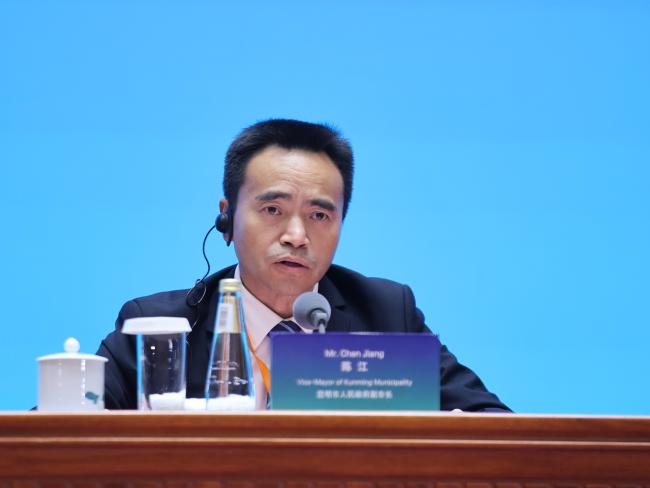
Chen Jiang, Vice Mayor of Kunming Municipality, China, called for global solidarity and cross-sectoral collaboration. Showcasing Kunming’s efforts toward integrating biodiversity conservation in urban planning, he stated that Kunming is a living example of how conservation and development can reinforce each other.
Executive Secretary Schomaker noted the outcomes of the Kunming Dialogue will feed into the discussion on the global review and high-level opportunities at COP 17 and beyond. The meeting closed at 4:13 pm.
To receive free coverage of global environmental events delivered to your inbox, subscribe to the ENB Update newsletter.
All ENB photos are free to use with attribution. For the Kunming Dialogue, please use: Photo by IISD/ENB | Anastasia Rodopoulou.
Group Discussions
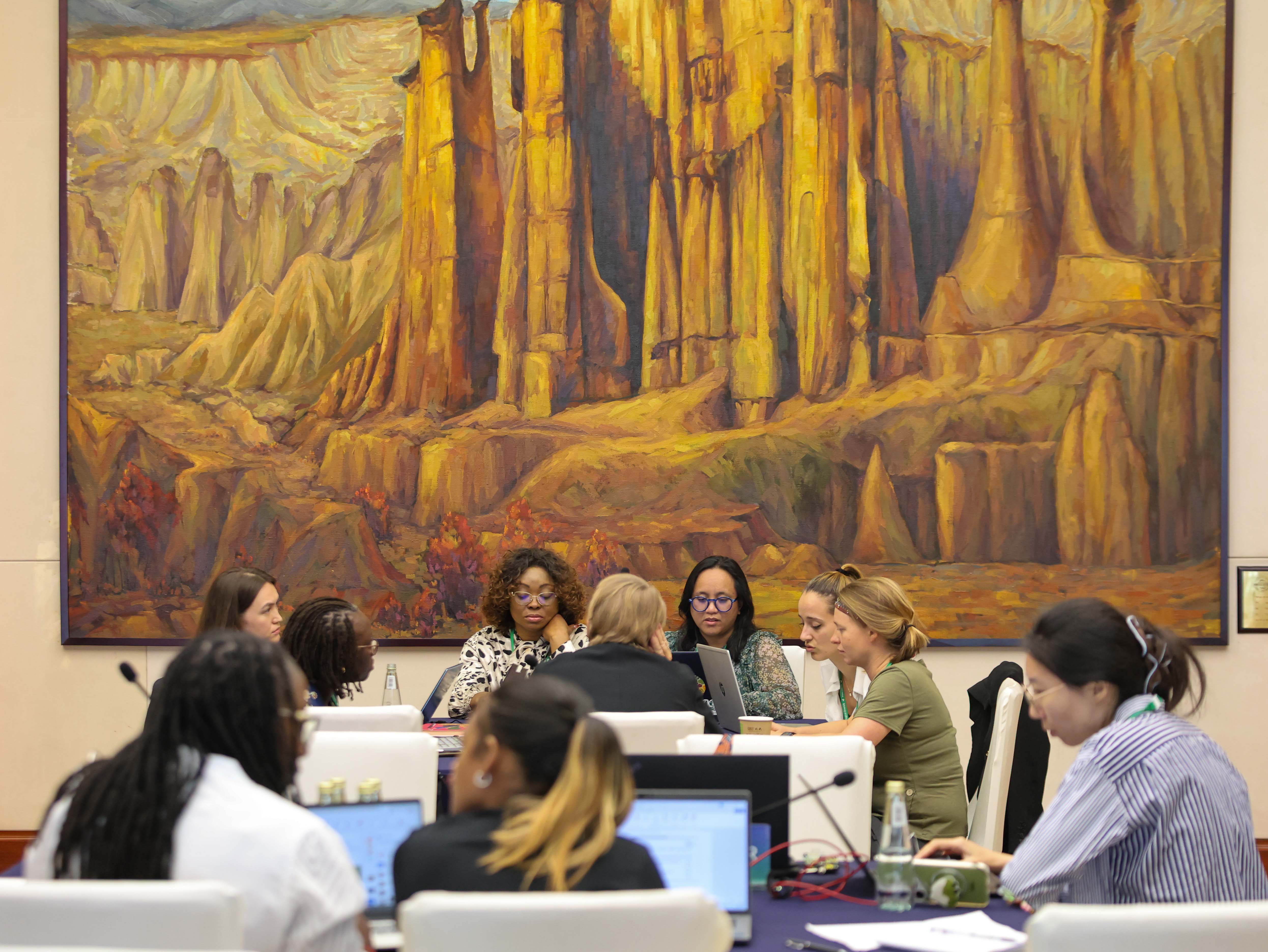
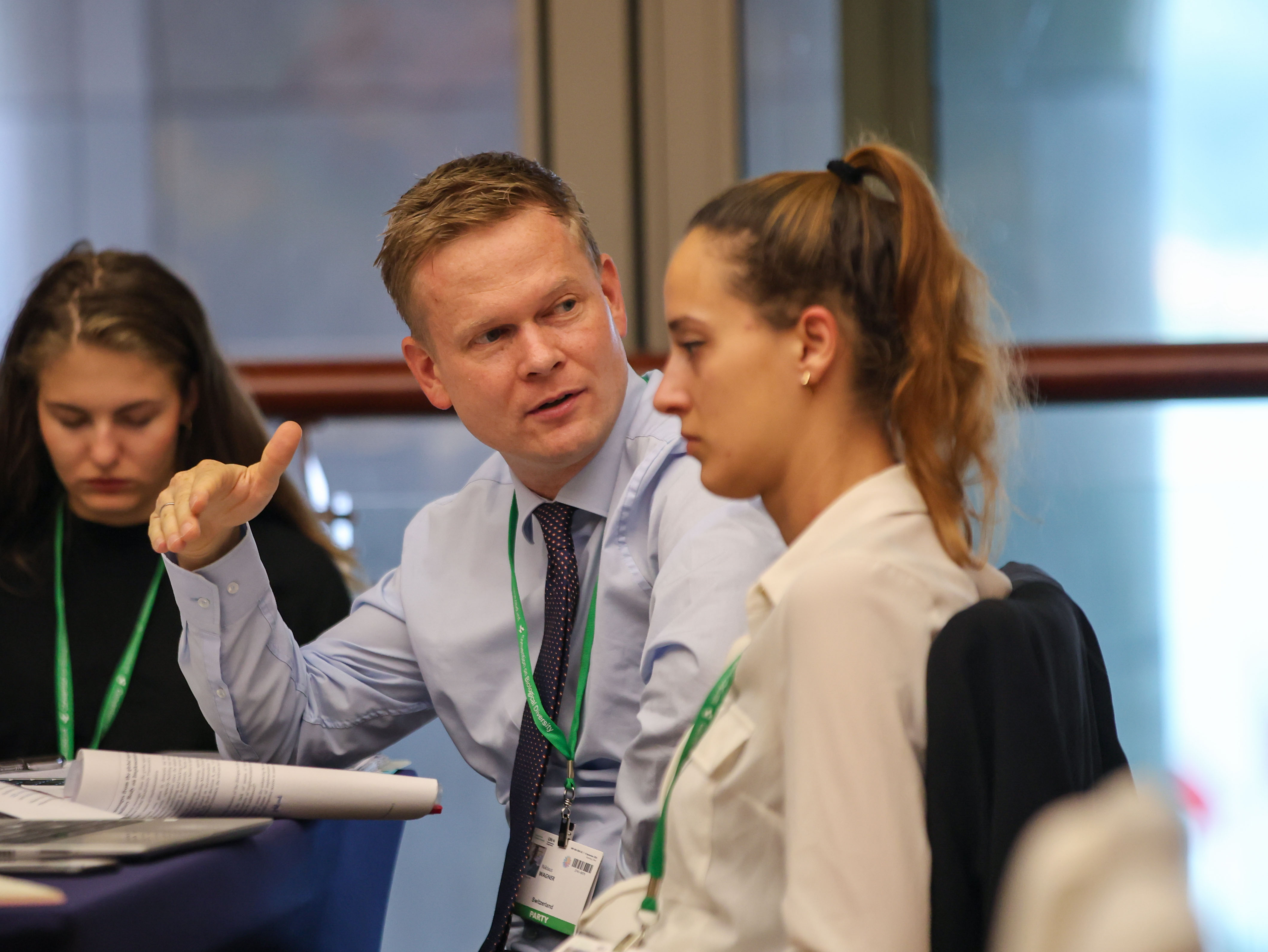
Niklaus Wagner, Switzerland
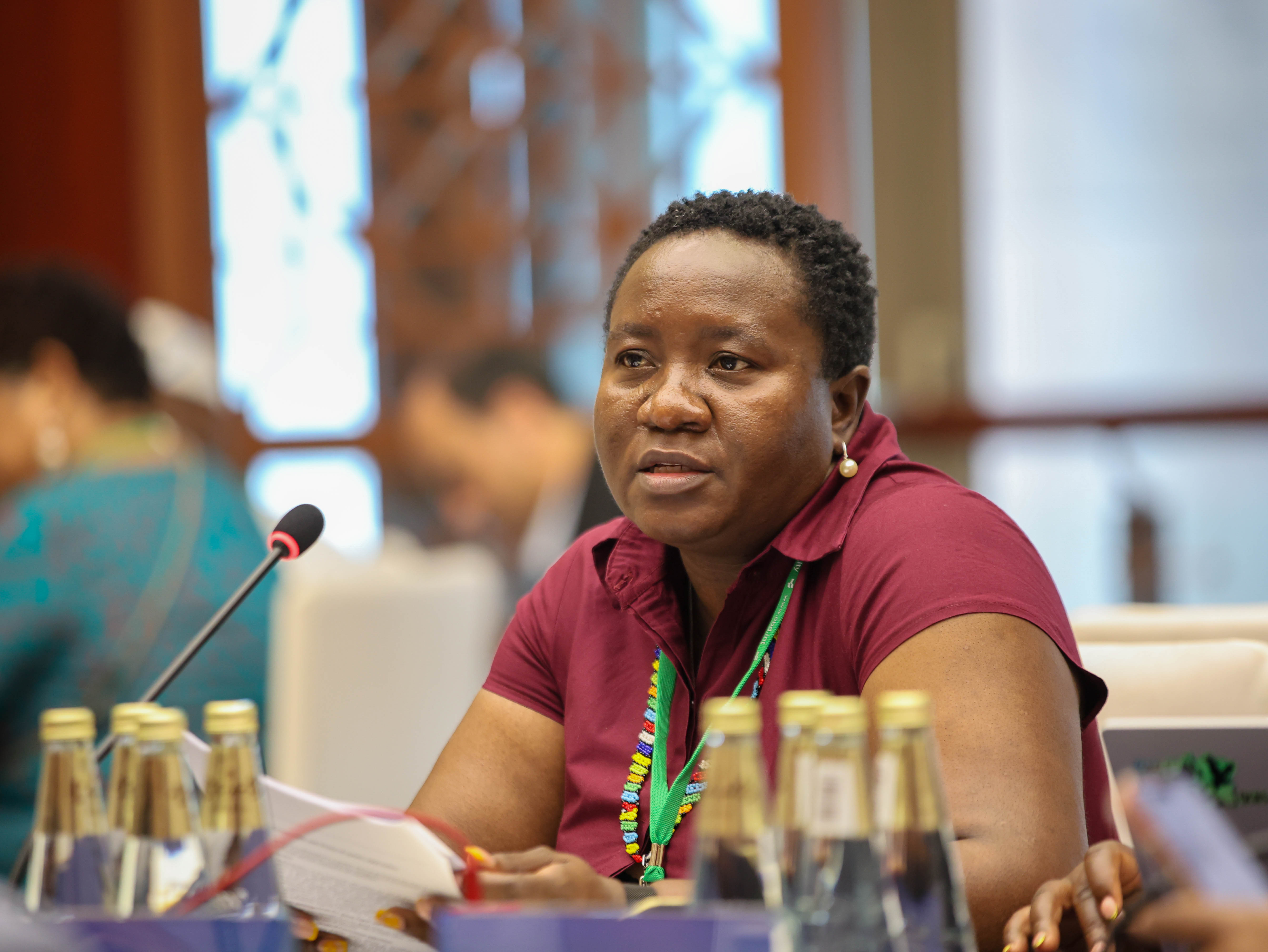
Mukondi Matshusa, South Africa, Co-Chair of the group discussion on whole-of-government and whole-of-society approaches
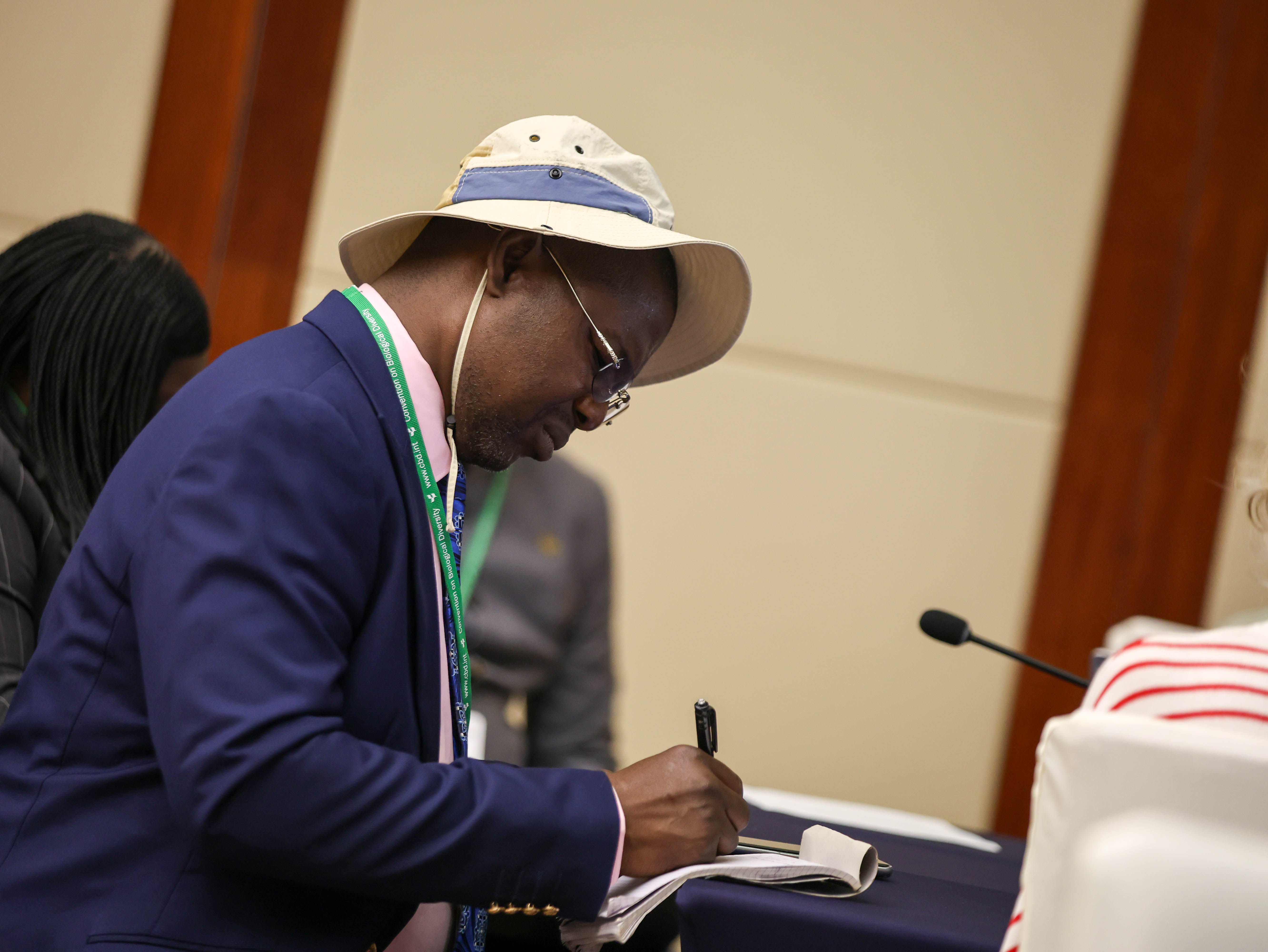
Elzéar Dion, Central African Republic
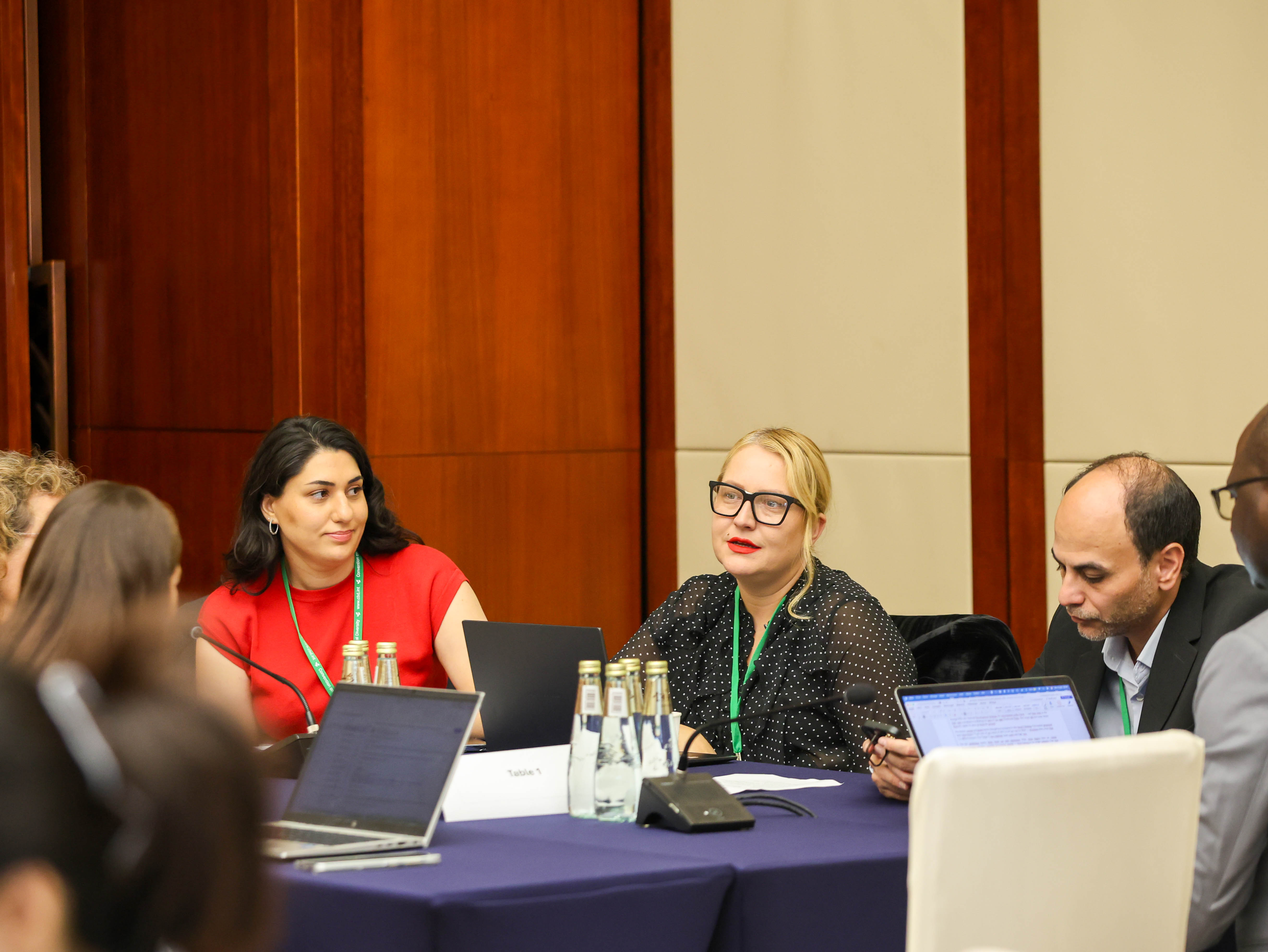
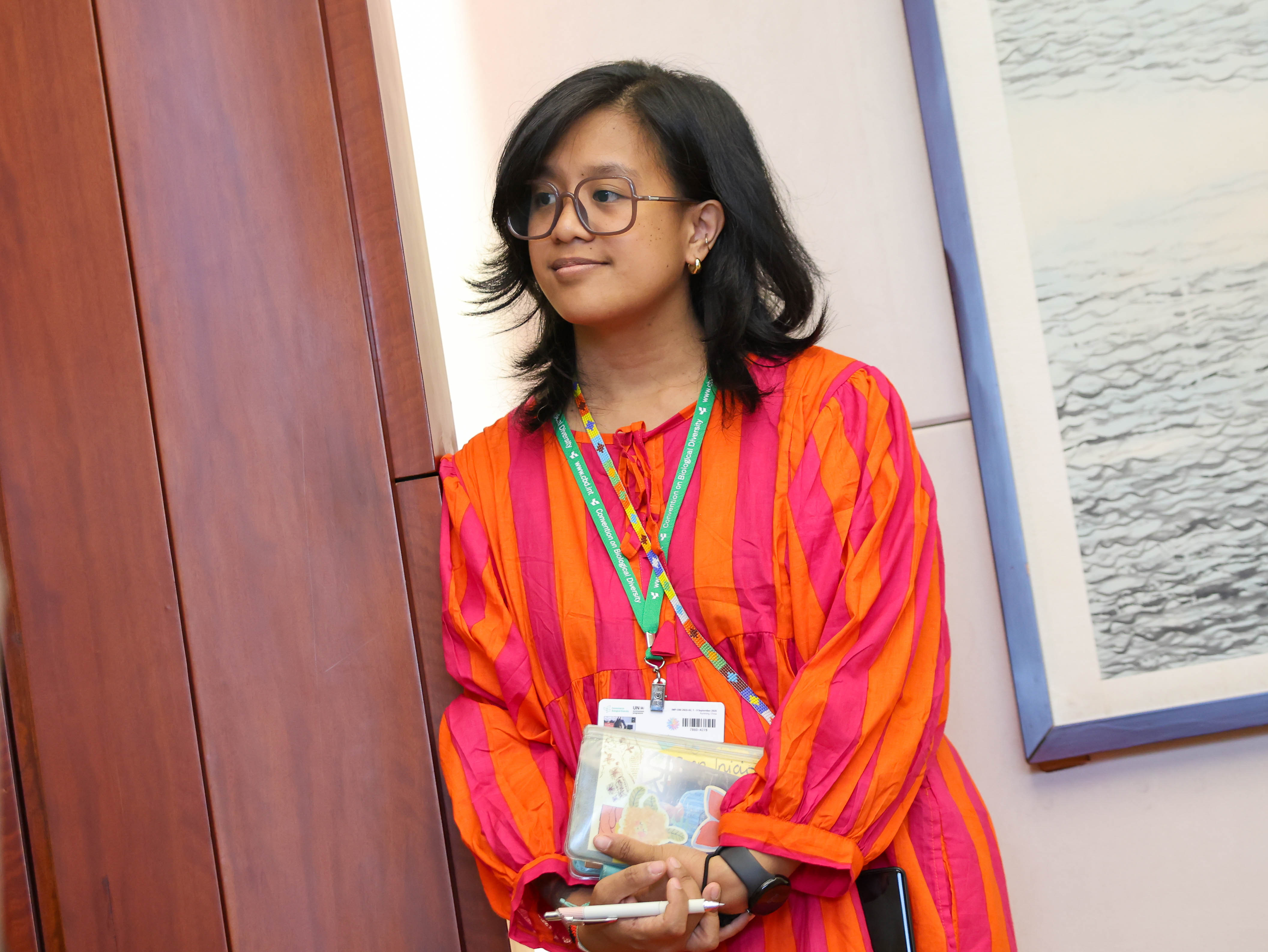
Josefa Isabel Tauli, Global Youth Biodiversity Network, Co-Chair of the group discussion on data and knowledge
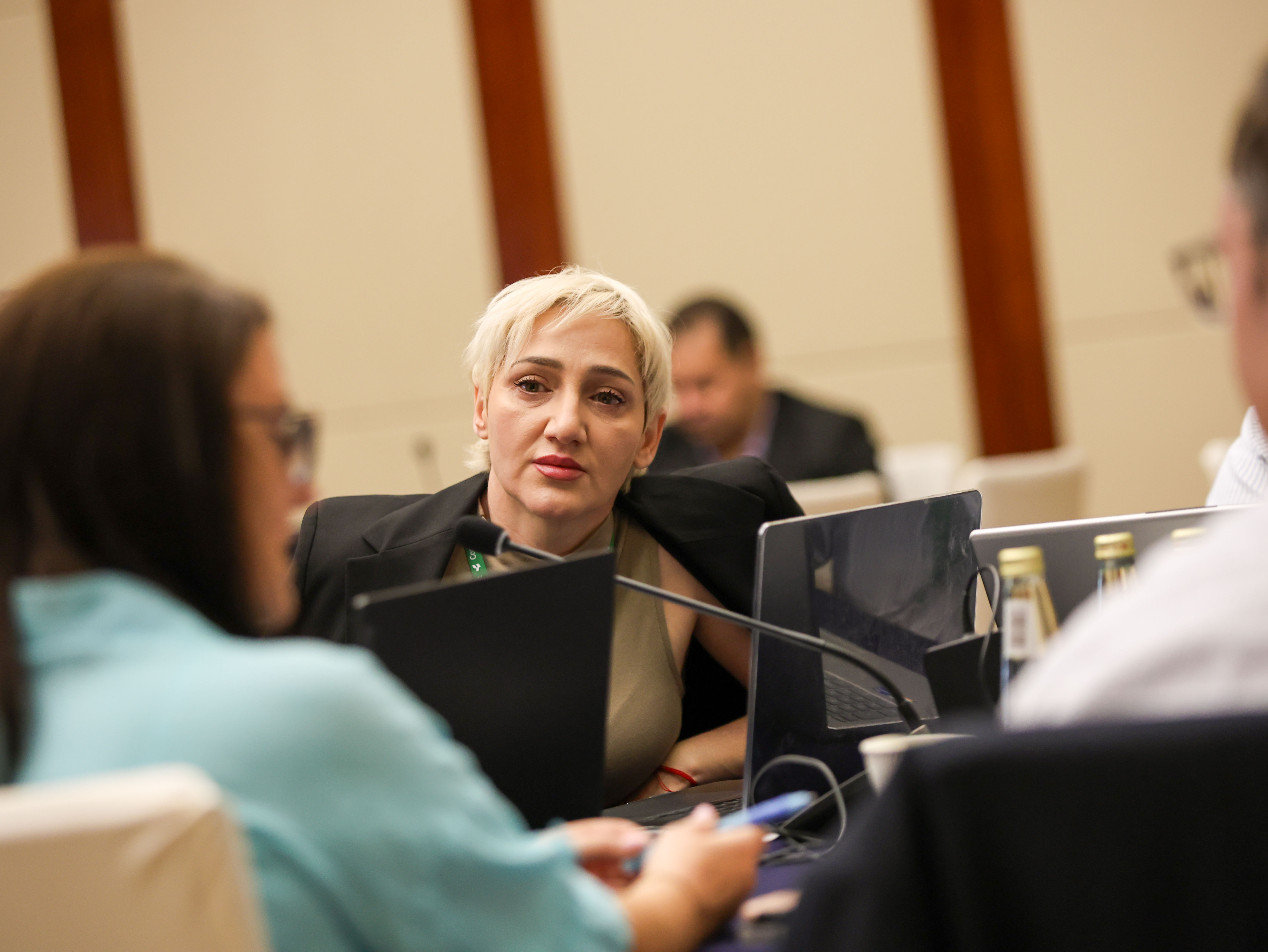
Voskehat Grigoryan, Armenia
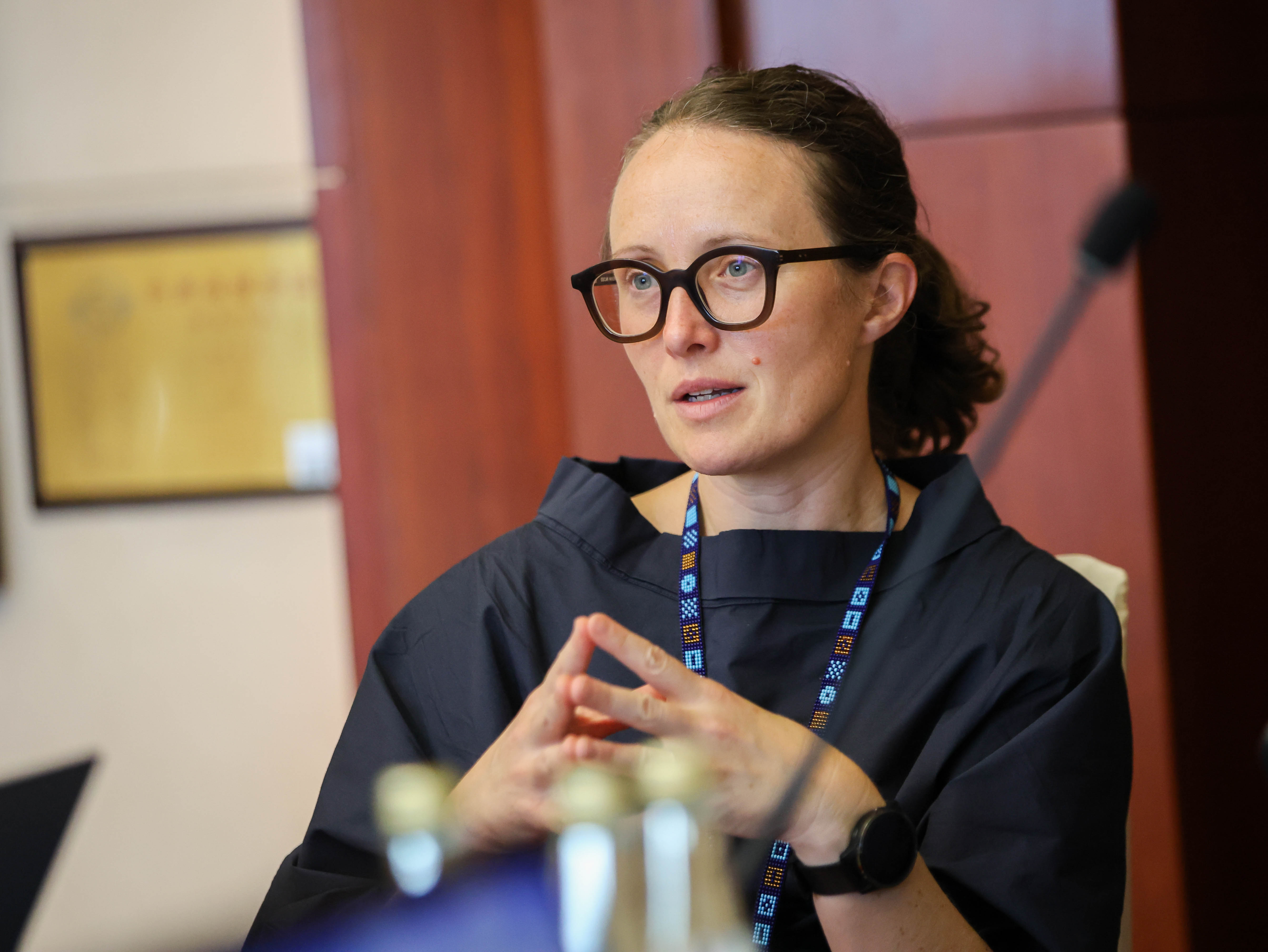
Clarisse Kehler Siebert, Sweden
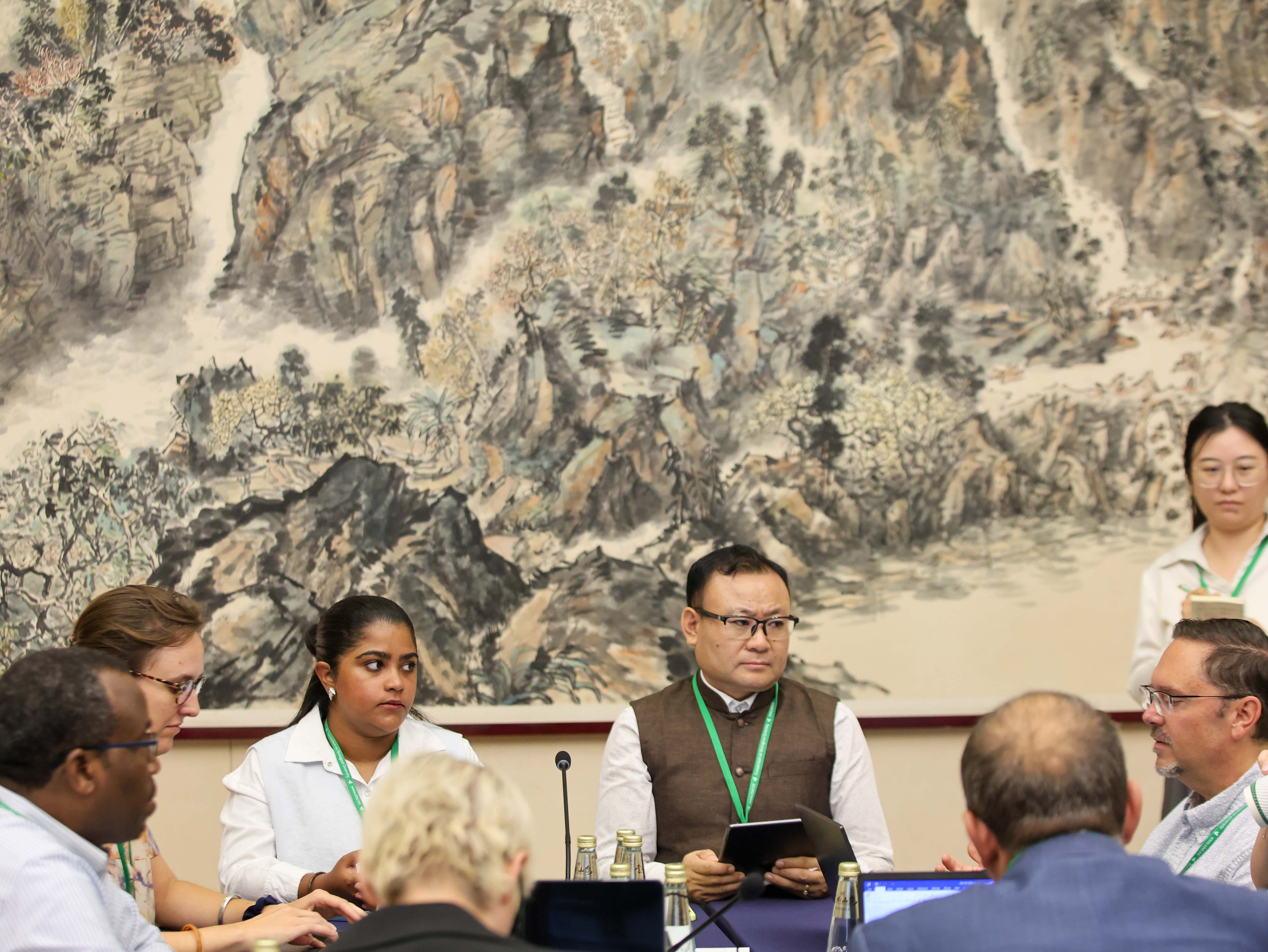
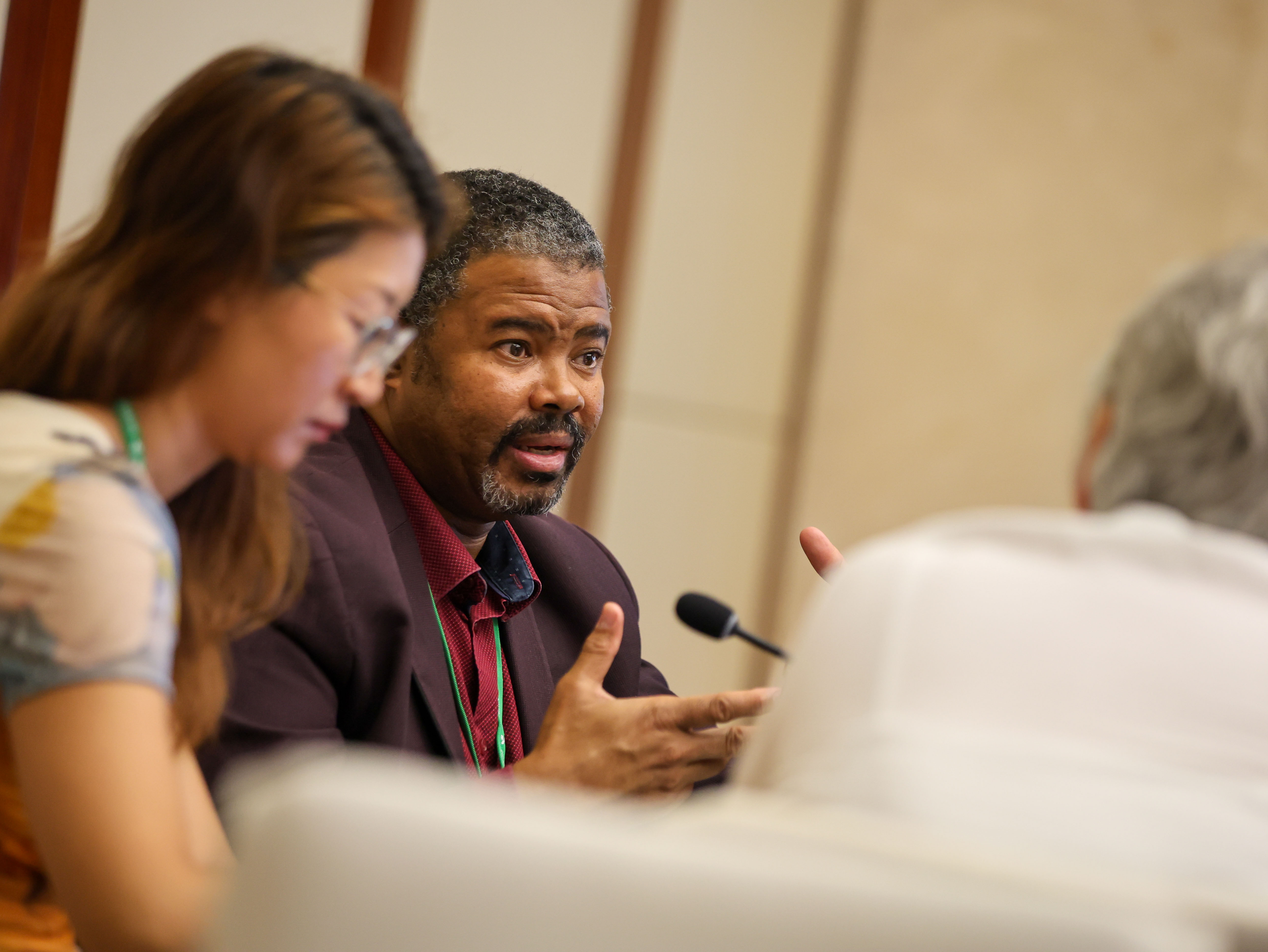
Barney Stephen Kgope, South Africa
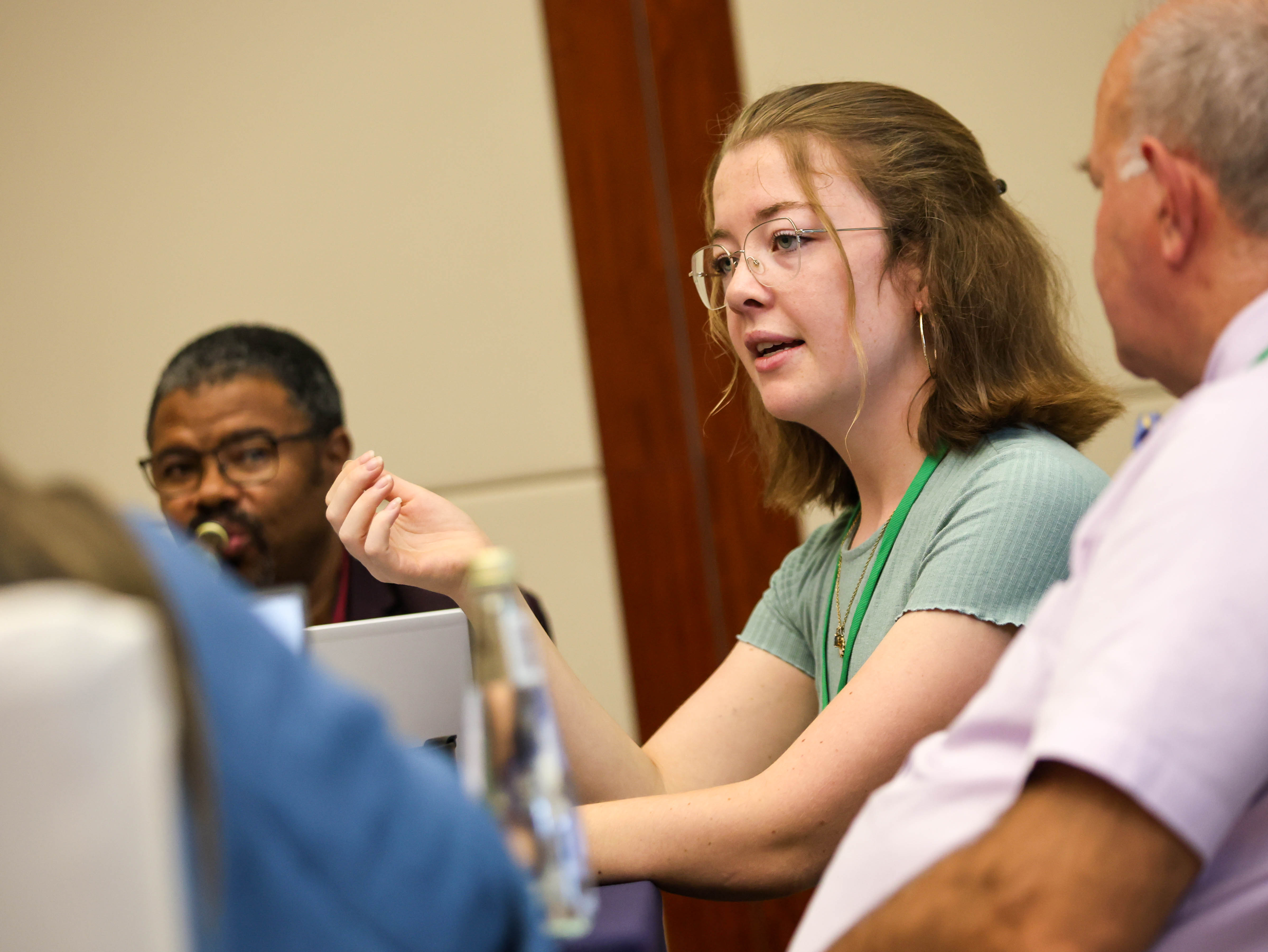
Jessica Tax, the Netherlands
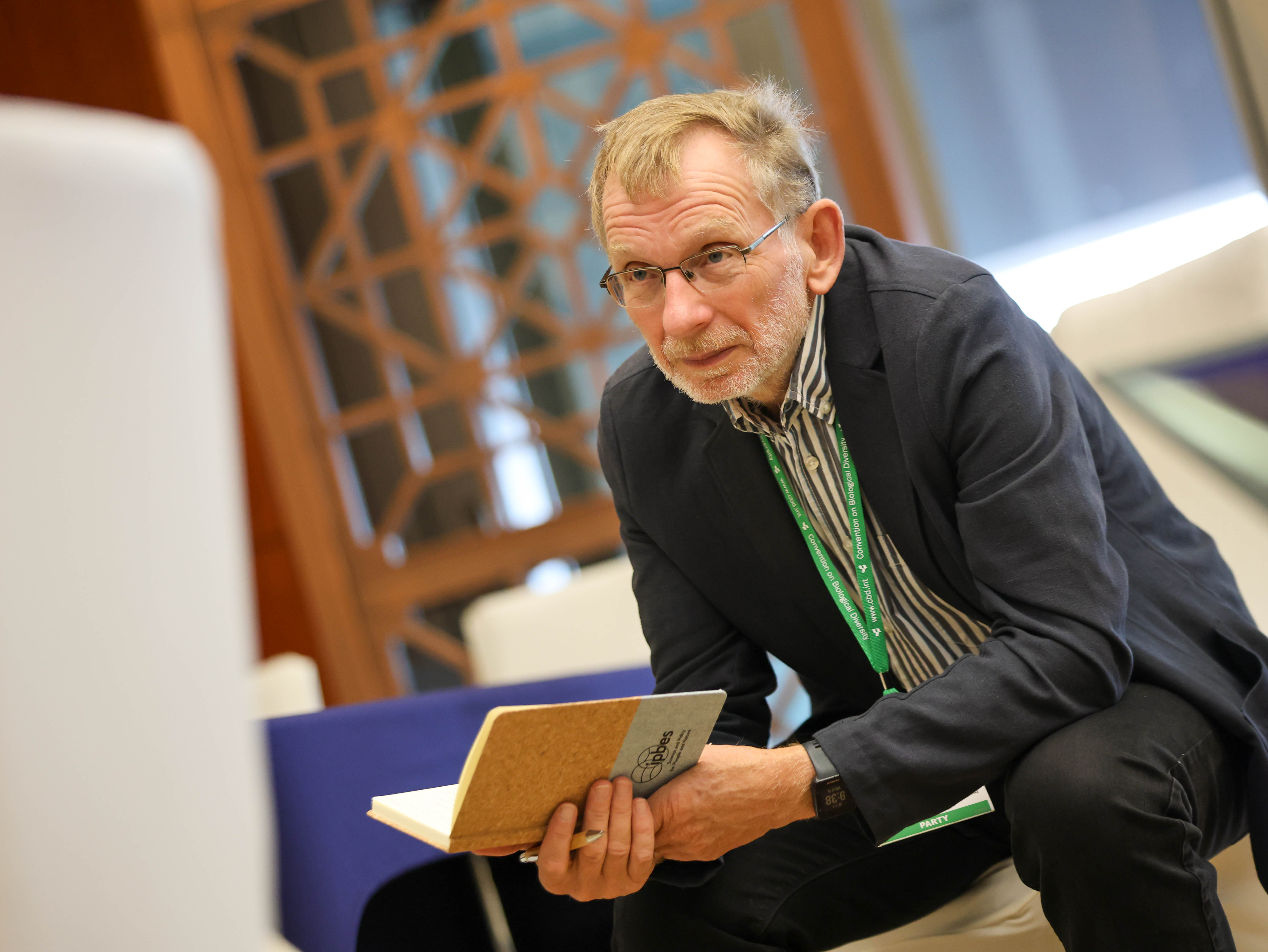
Andy Stott, UK, Co-Chair of the group discussion on action and implementation
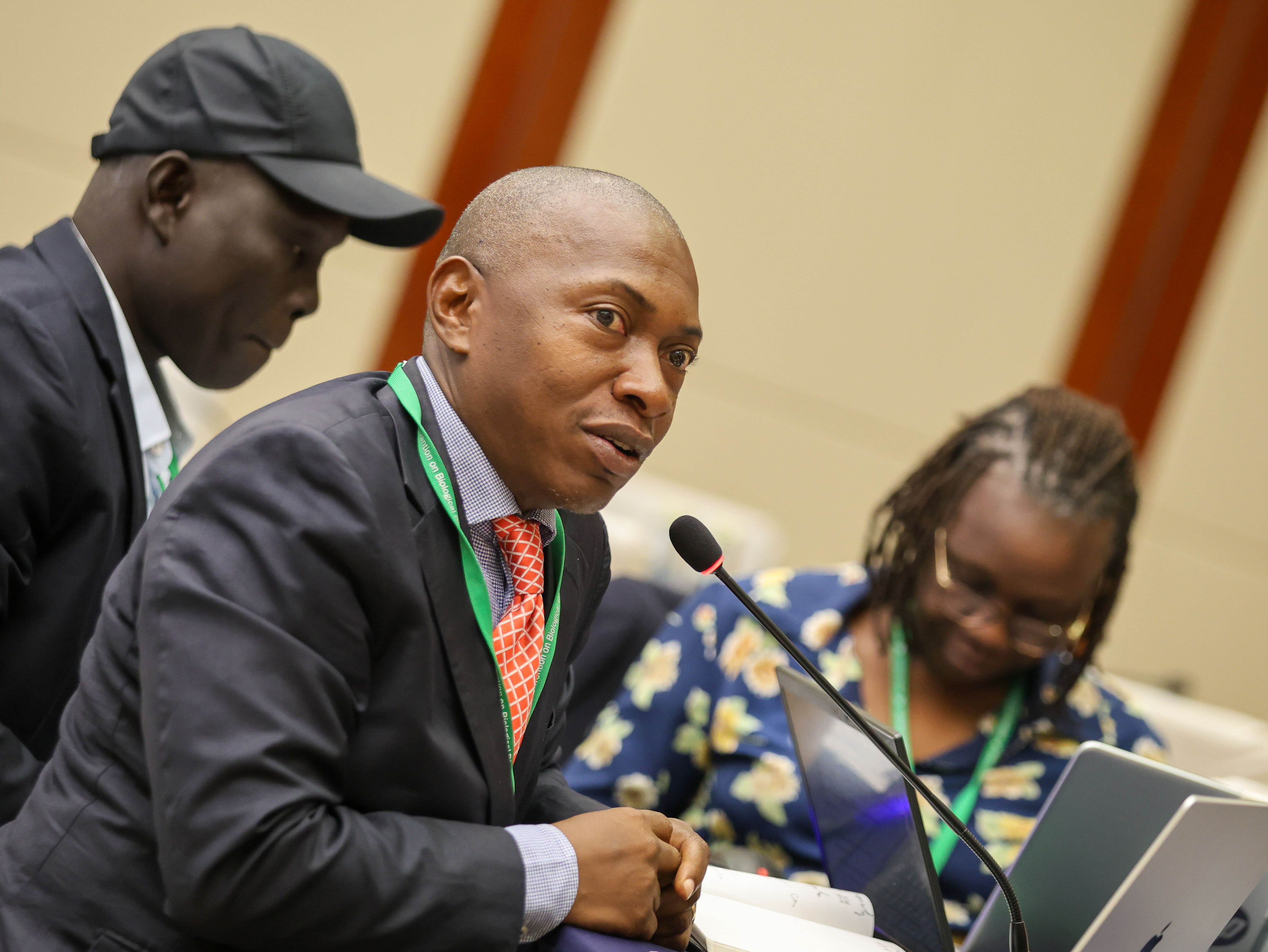
Valérie Tchuante Tite, Central African Forests Commission
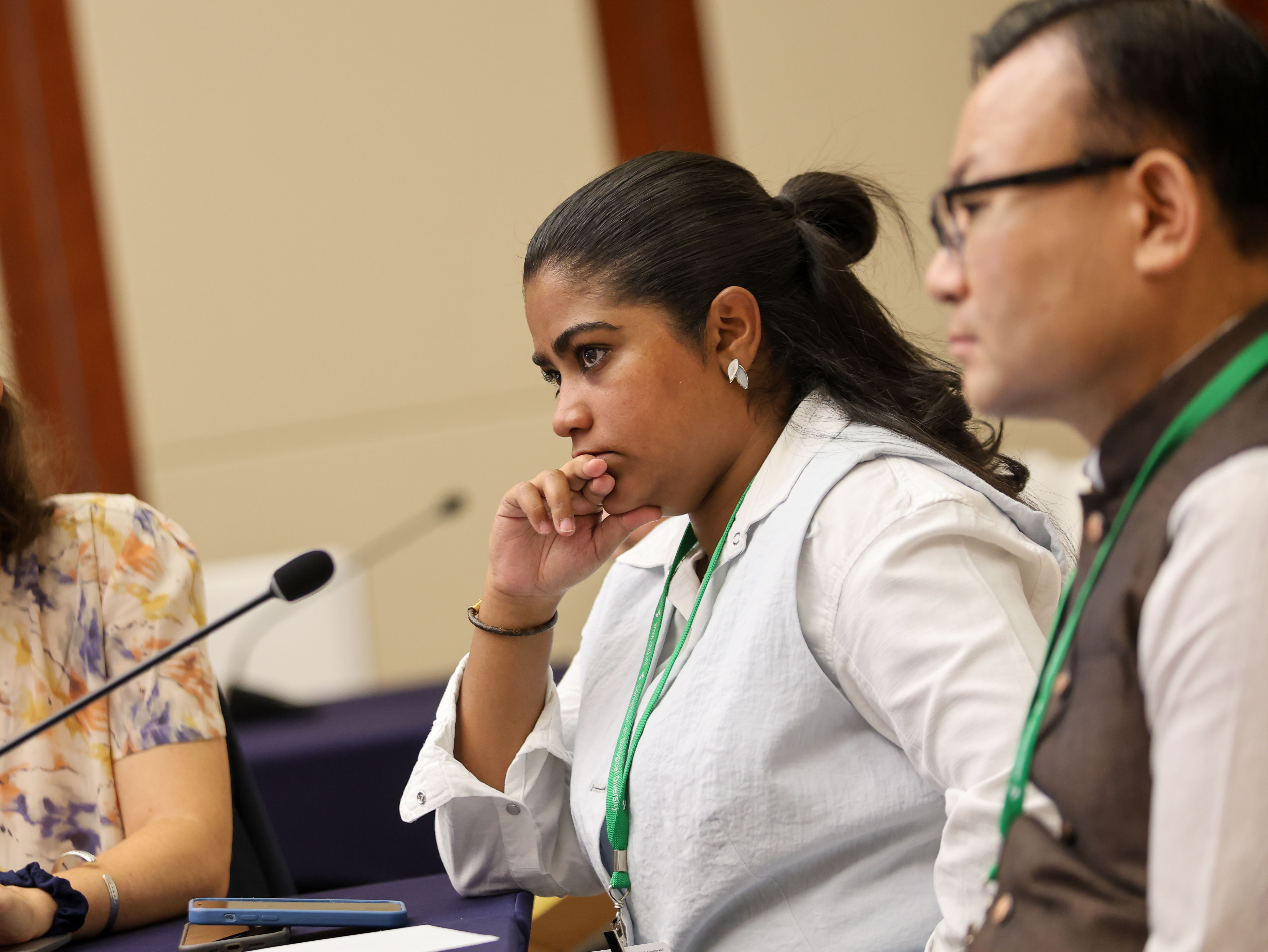
Mariam Mubarak, Bahrain
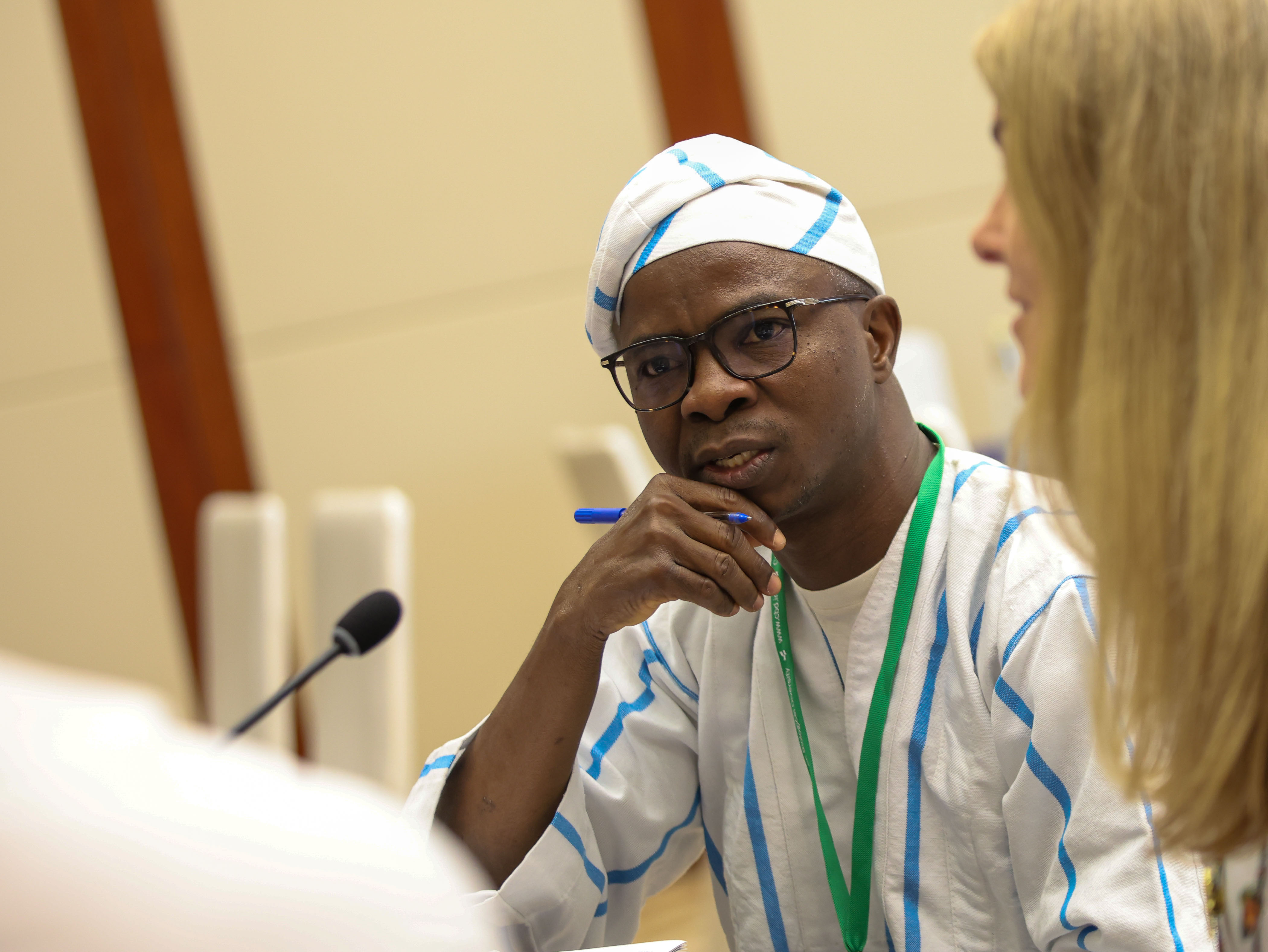
Jèsukpé Joh Josly Koulodji, Benin
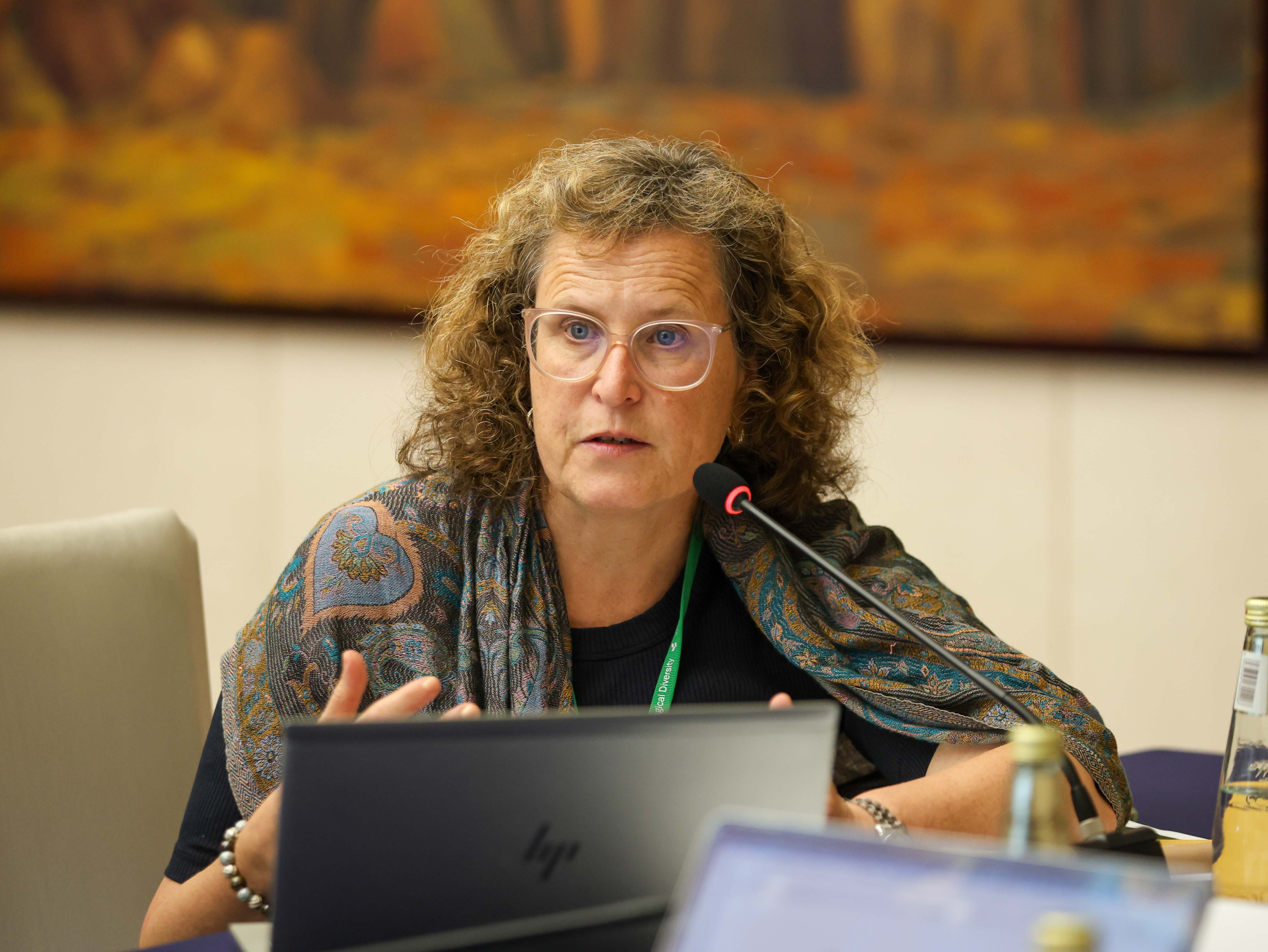
Charlotta Sörqvist, Sweden
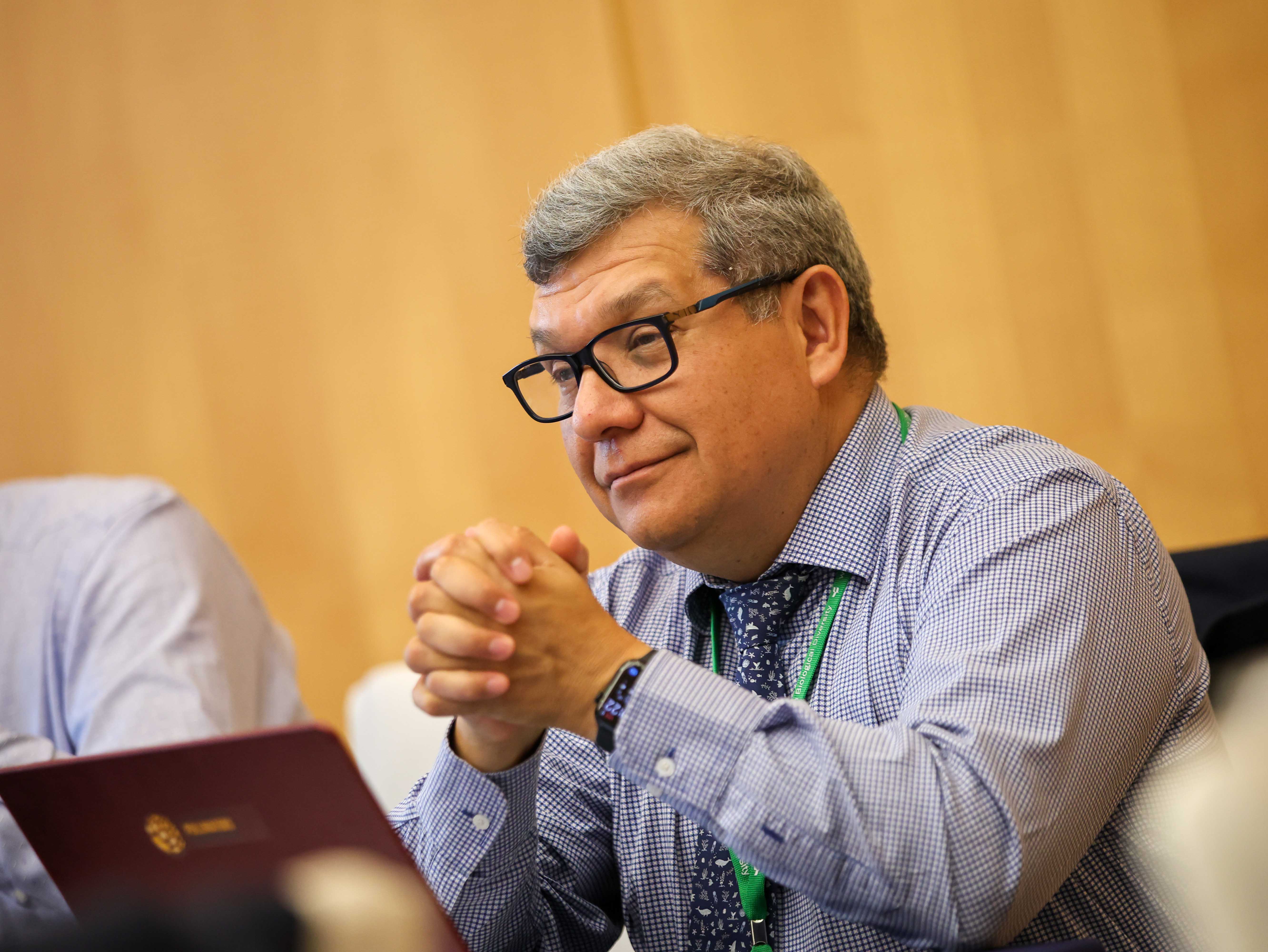
Hesiquio Benítez Díaz, Mexico, Co-Chair of the group discussion on scope and coverage
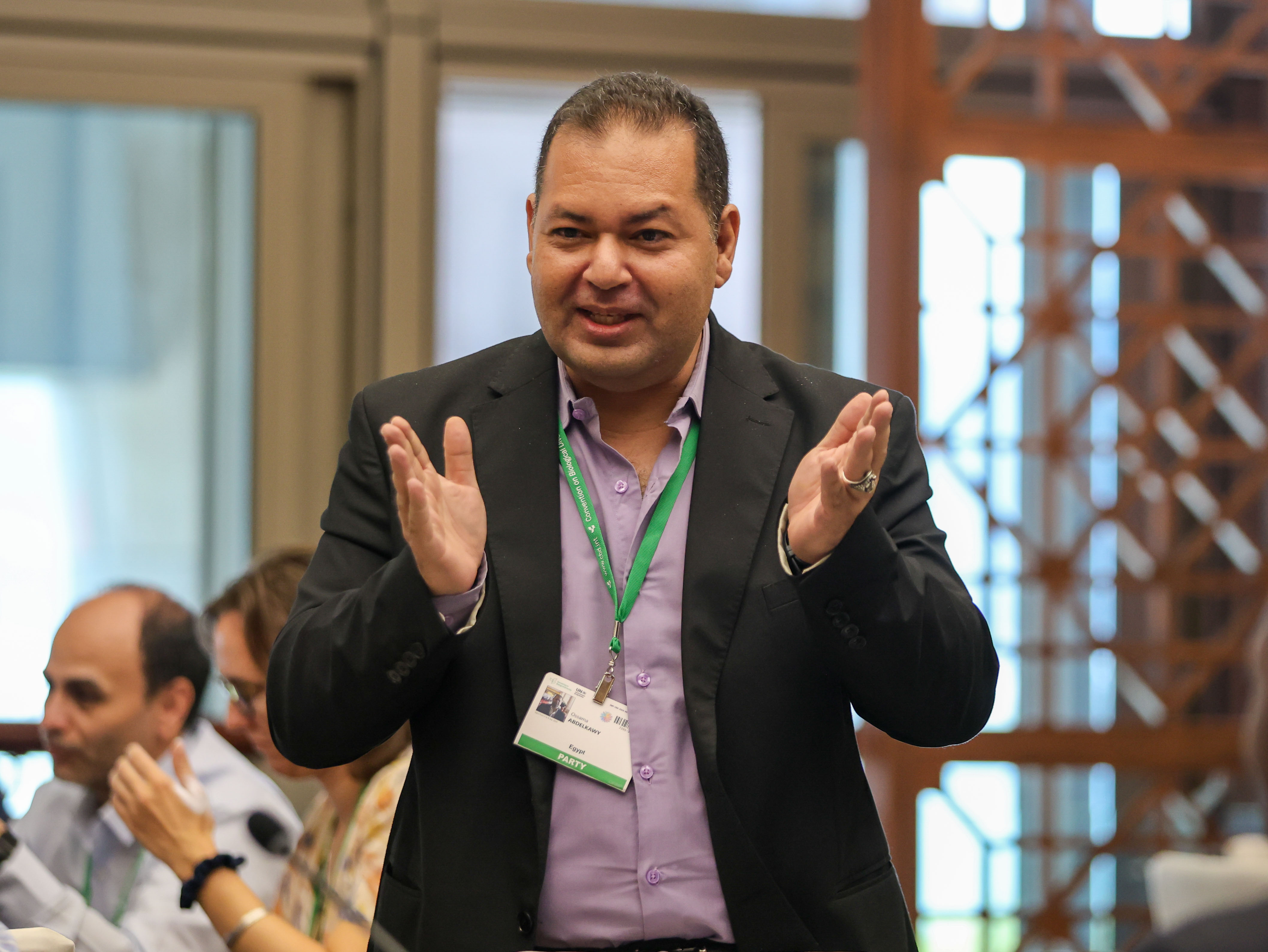
Ossama AbdelKawy, Egypt, Co-Chair of the group discussion on action and implementation
Closing Plenary
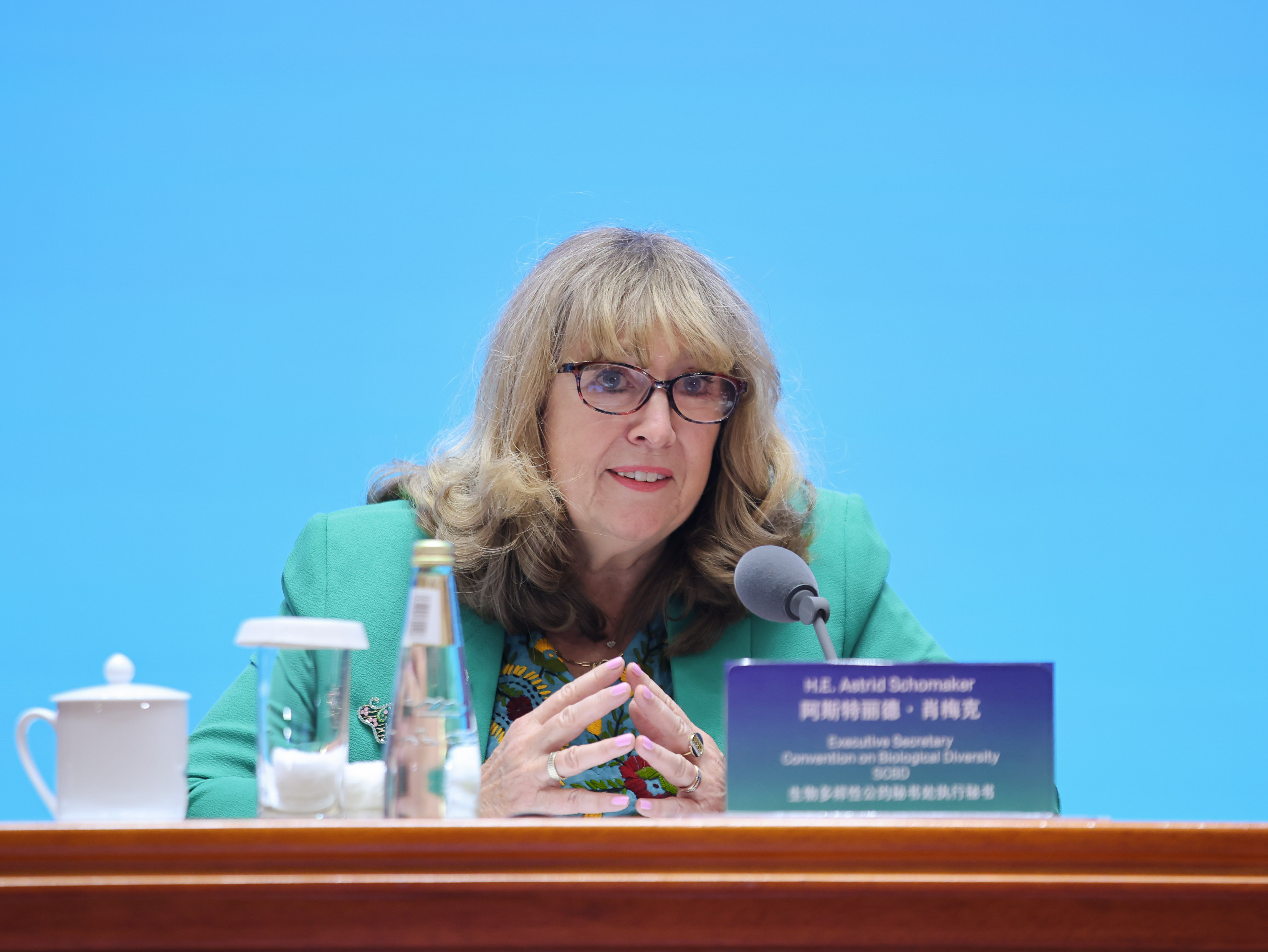
CBD Executive Secretary Astrid Schomaker
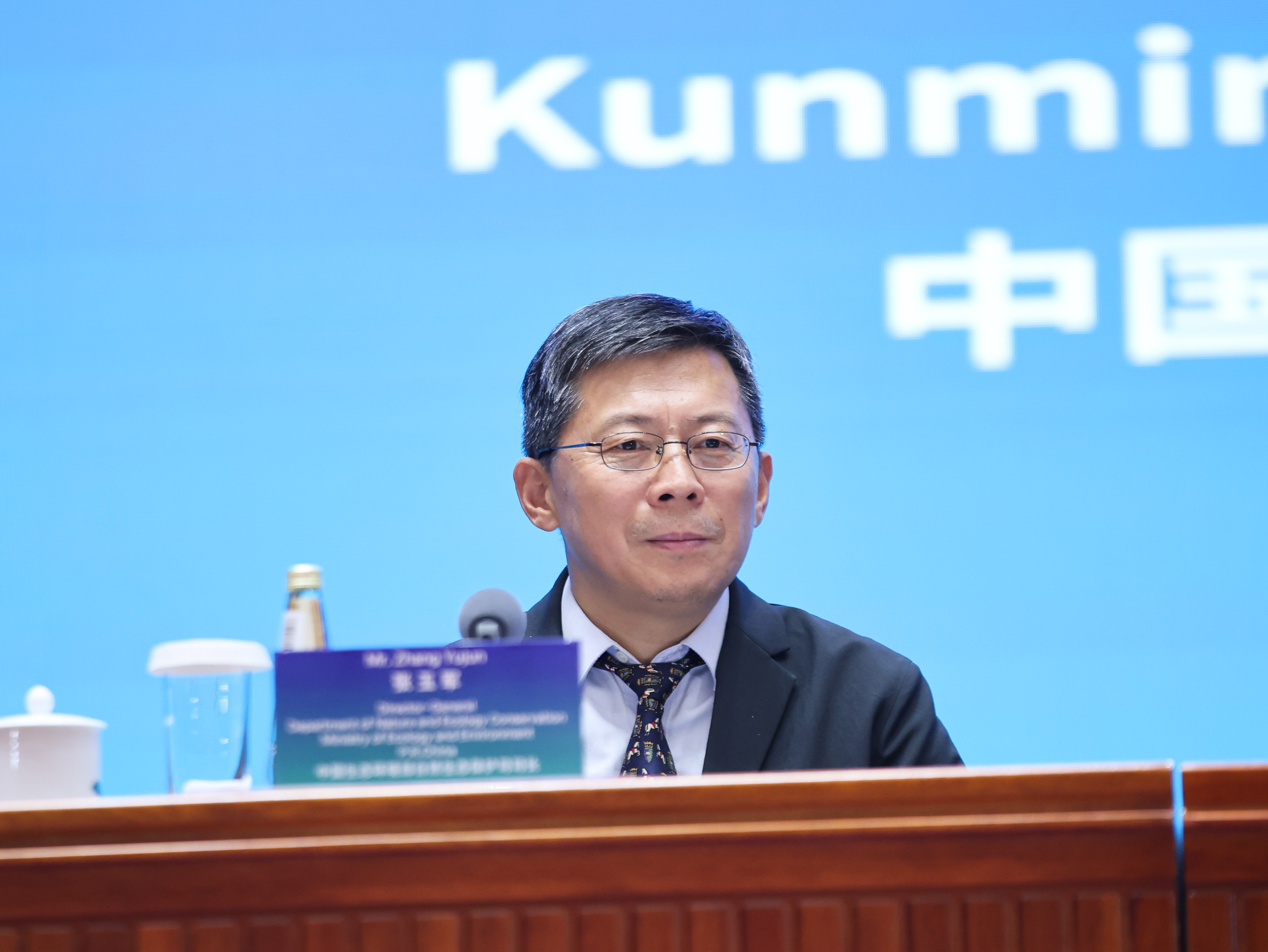
Zhang Yujun, Ministry of Ecology and Environment, China
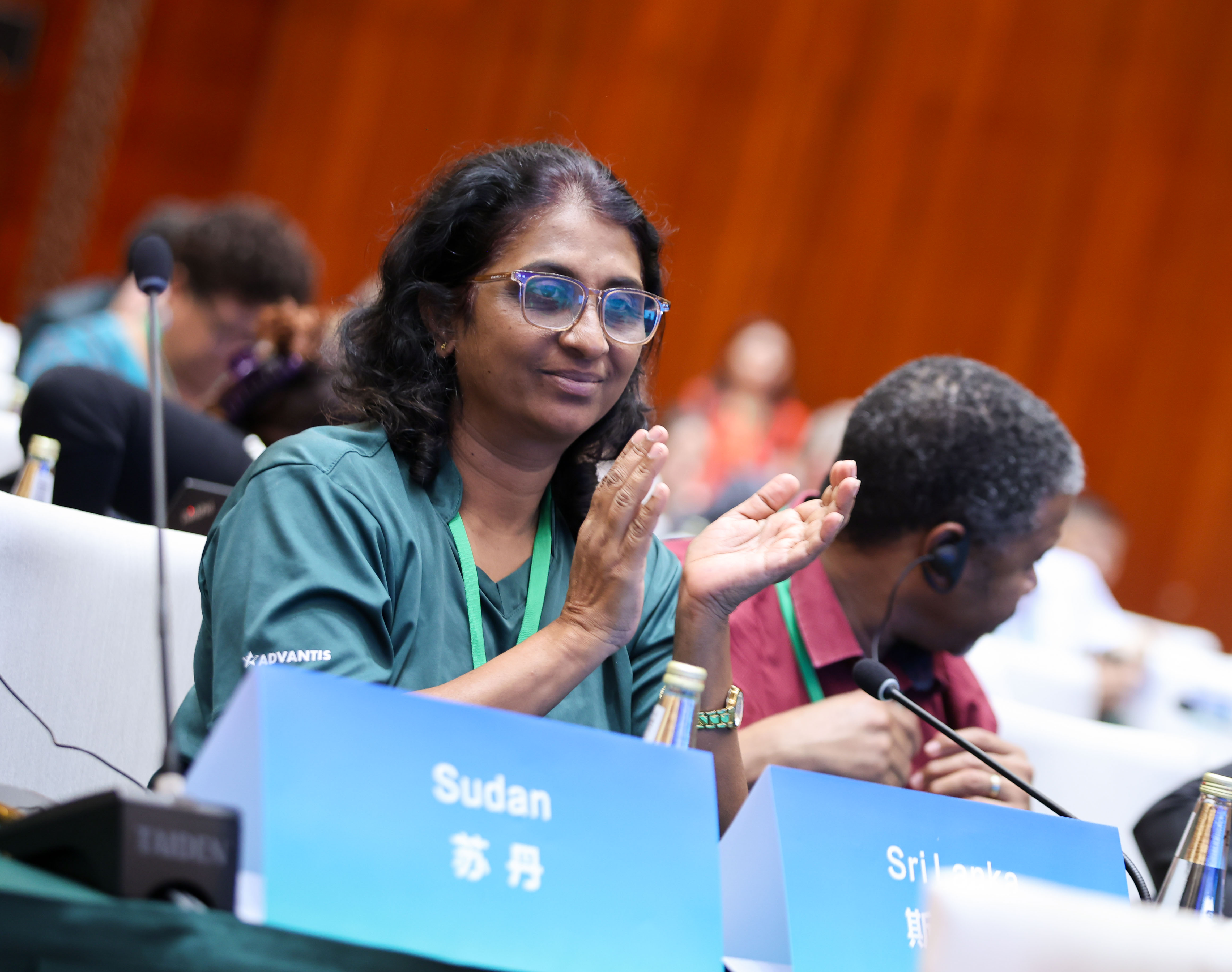
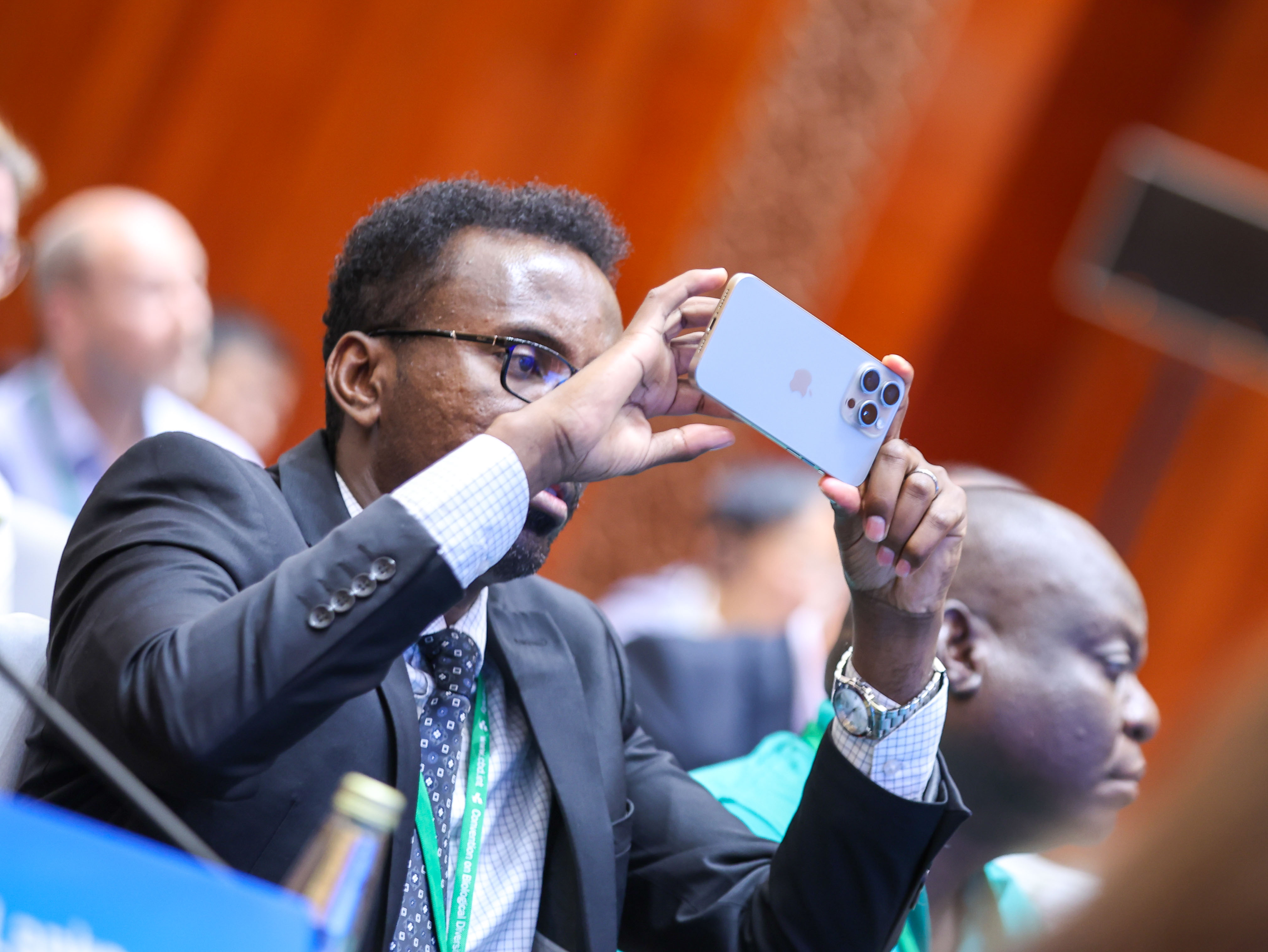
Around the Venue

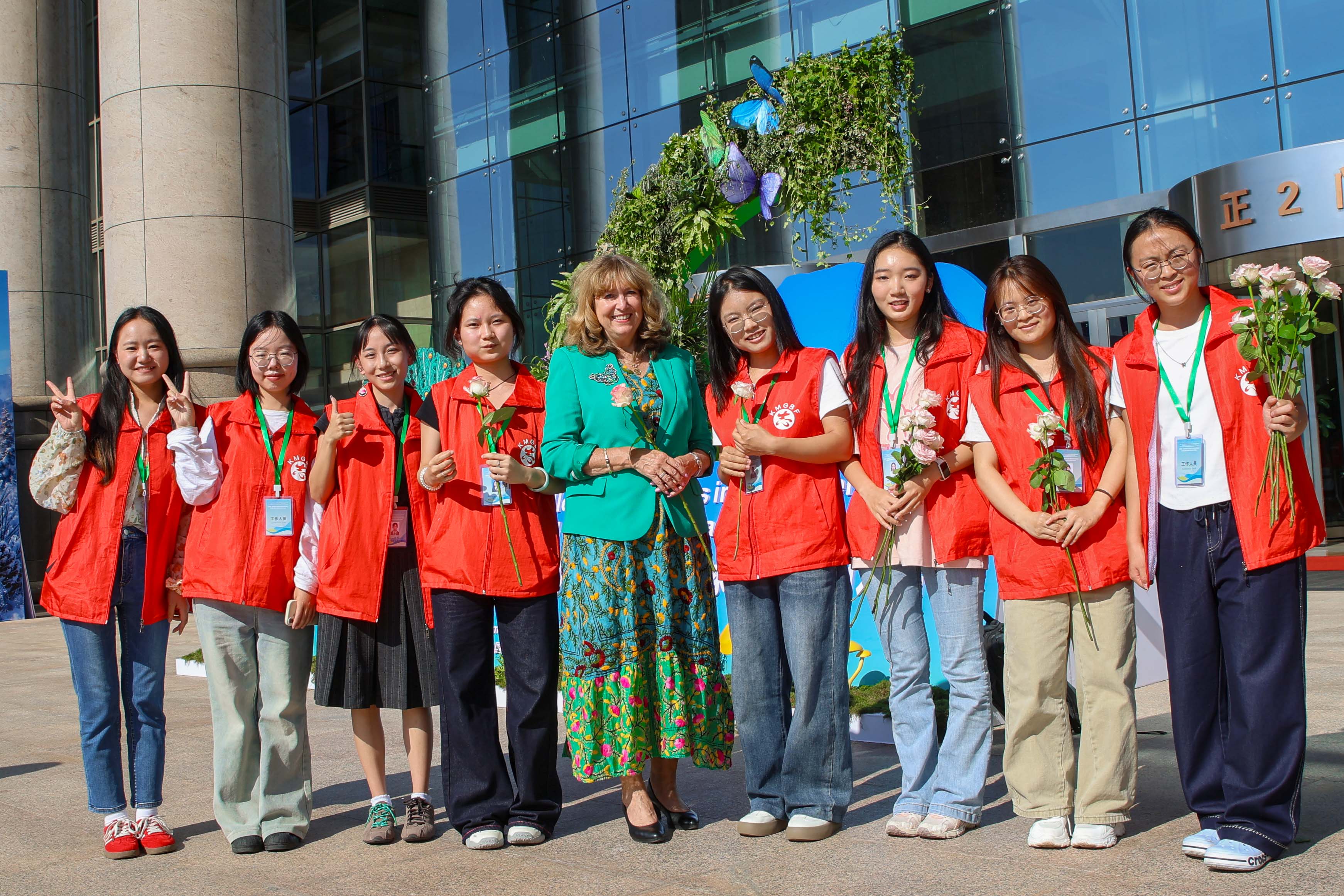
CBD Executive Secretary Astrid Schomaker with the Kunming-Montreal Global Biodiversity Framework volunteers.

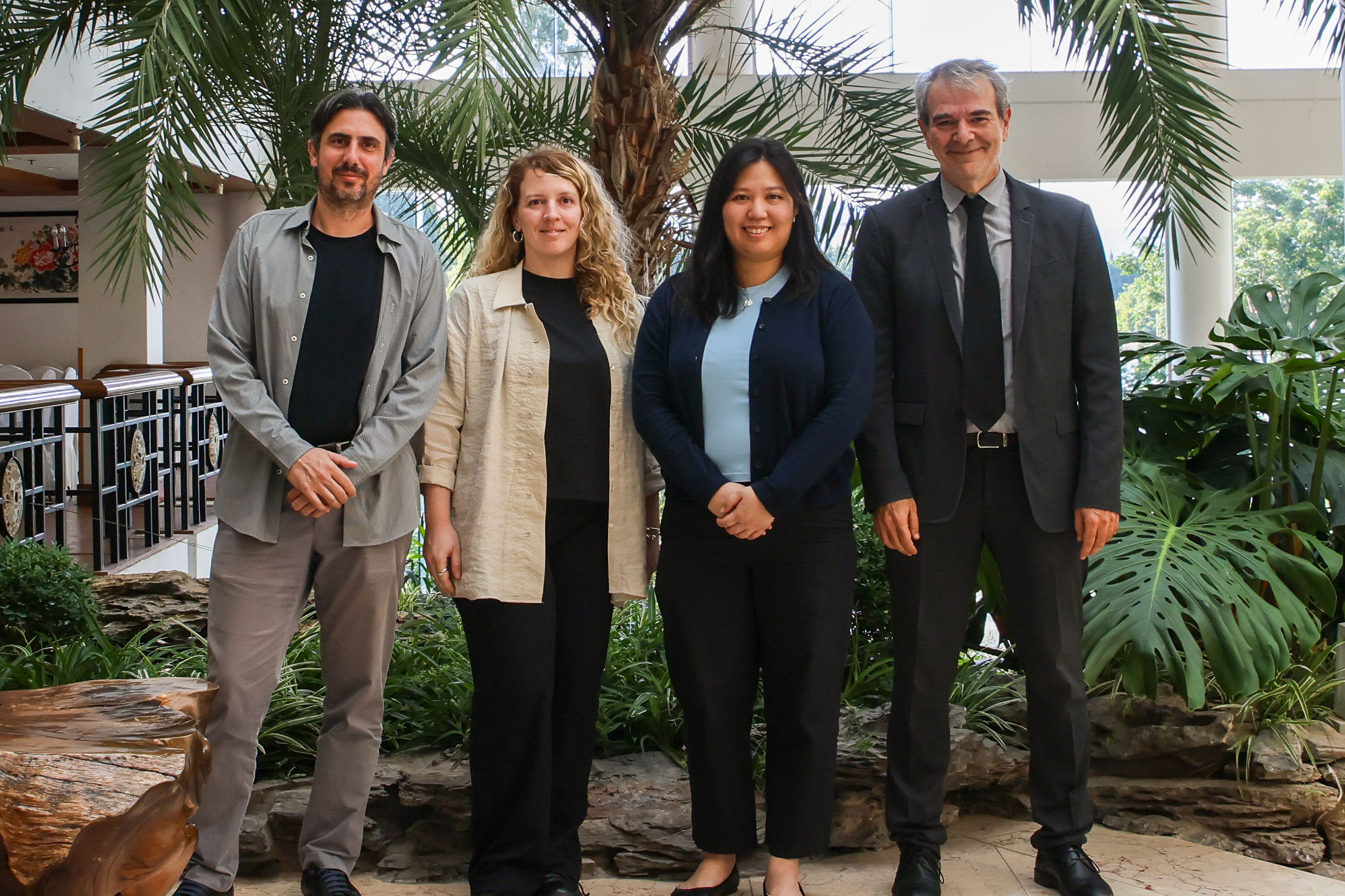
Earth Negotiations Bulletin team (L-R): Mike Muzurakis, Anastasia Rodopoulou, Christina Fernandez, and Asterios Tsioumanis