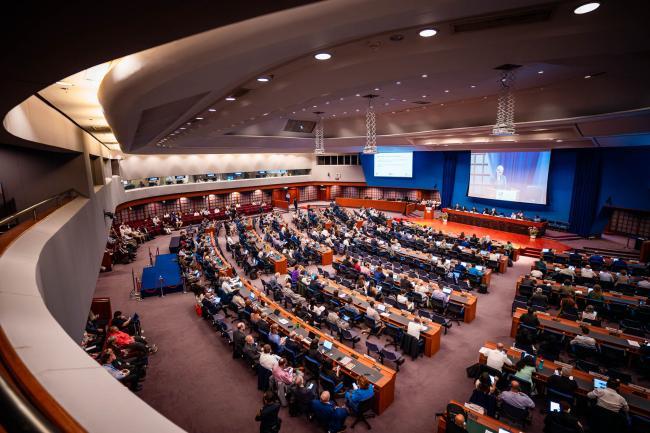
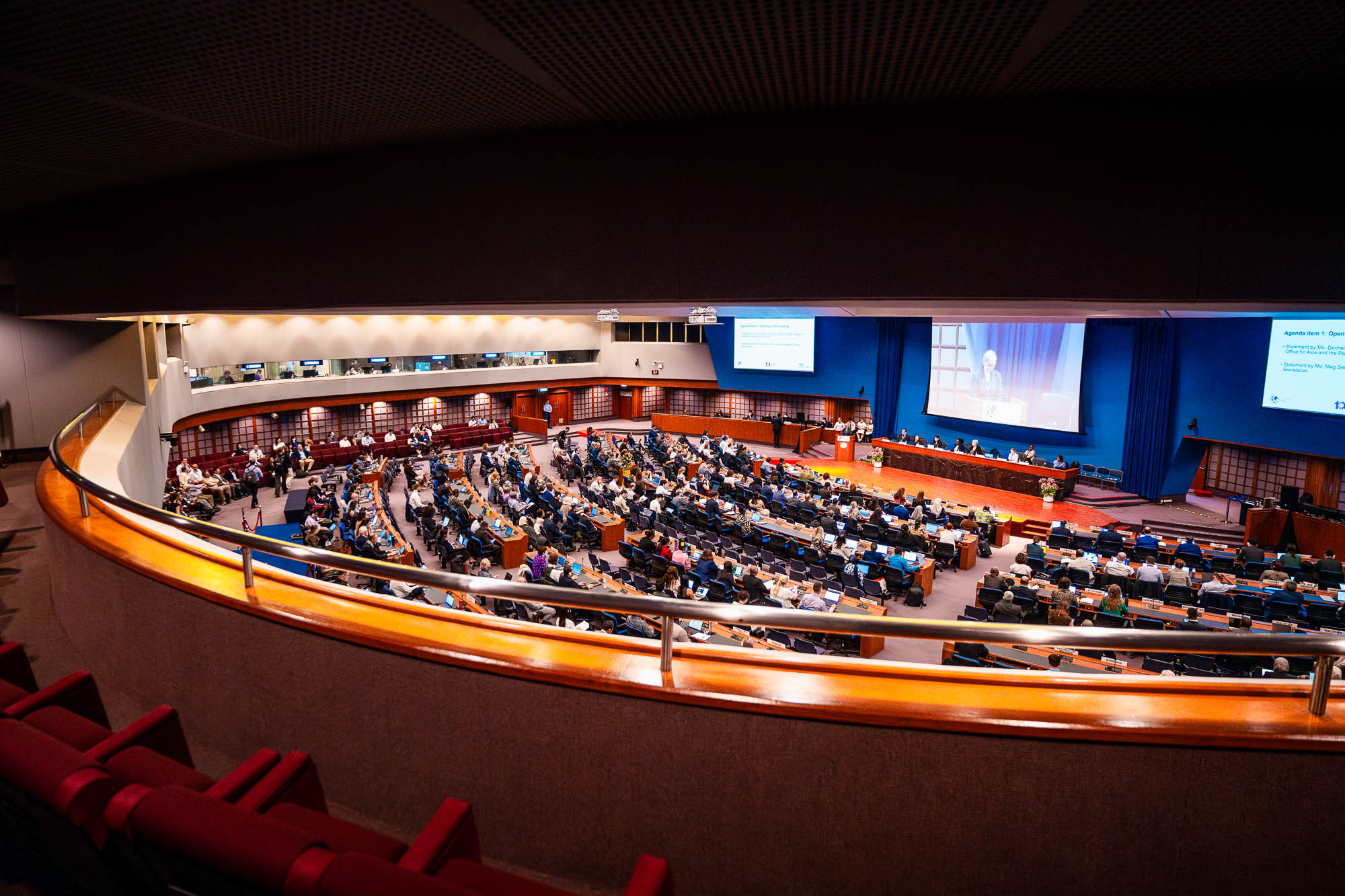
Funding is at the core of the 48th Meeting of the Open-ended Working Group of the Parties to the Montreal Protocol (OEWG 48).
Delegates are preparing for the next replenishment of the Protocol’s Multilateral Fund (MLF) for 2027–2029, and the first day of the meeting did not leave any doubts as to why the MLF is so important: it enables the Article 5 Parties (developing countries) to implement the agreed phase-out of ozone depleting substances (ODS), especially hydrochlorofluorocarbons (HCFCs), and phase-down of hydrofluorocarbons (HFCs).
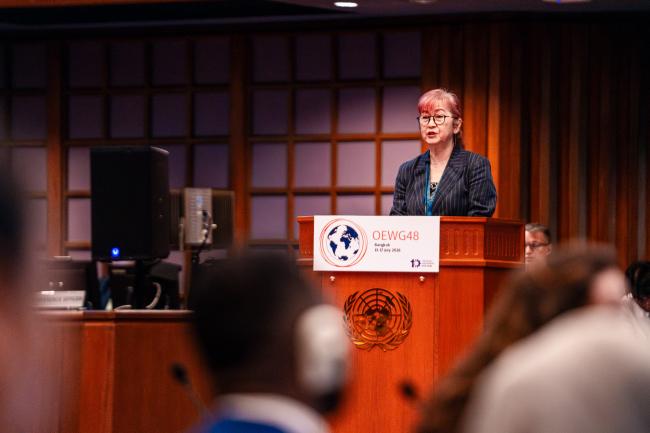
Most of the day was spent on the MLF replenishment. The Replenishment Task Force (RTF) of the Technology and Economic Assessment Panel (TEAP) first presented its replenishment study. The assessment is based on compliance modelling and a calculation tool that “makes the replenishment process more accessible, functional, flexible, and transparent.” These were the words used by Megumi Seki, Executive Secretary, Ozone Secretariat, in her remarks setting the scene for the OEWG meeting.
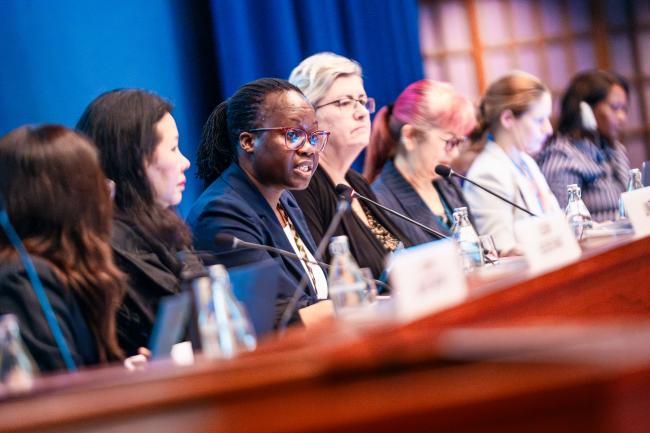
Under the leadership of OEWG Co-Chairs Annie Gabriel (Australia) and Igobe Mbulawa (Botswana), delegates asked questions and made general observations on the MLF replenishment. Some Parties expressed concern about the special needs of countries that only consume low or very low volumes of HCFCs and HFCs, with their fixed implementation costs relatively higher than in other countries. Another key concern was that costs for aspects like digital technologies and tools, and life-cycle refrigerant management, have not been explicitly reflected in the RTF cost estimates.
Other Parties highlighted that the RTF estimated range of USD 1.282–1.755 billion for the 2027–2029 replenishment is substantially higher than the USD 965 million approved for the 2024–2026 triennium. They questioned the assumptions underlying the RTF replenishment study and stressed that the cost estimates should be based on historic and actual HCFC and HFC consumption figures rather than maximum allowable levels.
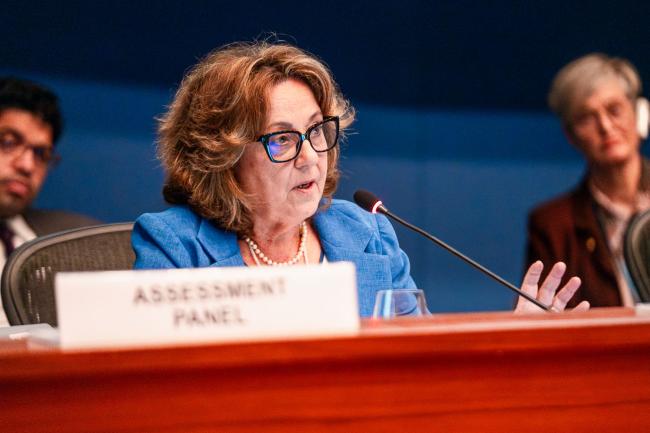
The TEAP also presented its 2026 progress report, including on:
- halon 1301 and its continuing use in the aviation industry, as well as the management of other controlled substances used for fire suppression;
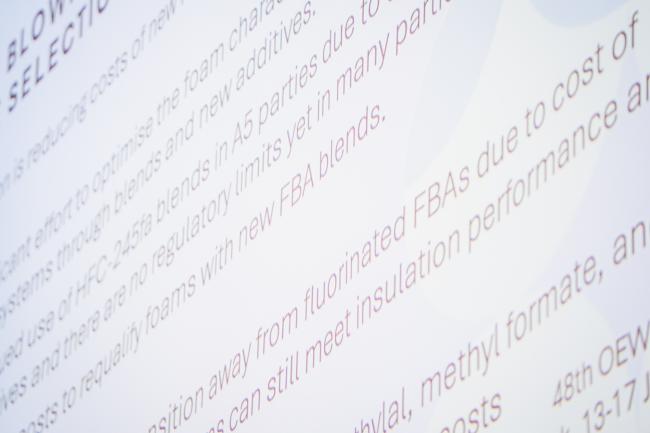
- successful transitions away from foam blowing agents containing HCFCs and HFCs;
- metered-dose inhalers with low-global-warming-potential propellants;
- the continued use of controlled substances as feedstock in the manufacture of other chemicals;
- the growing global demand for refrigeration, air conditioning, and heat pump systems and life-cycle refrigerant management;
- the impact of per- and poly-fluoroalkyl substances (PFAS) regulations; and
- options for the organization of the TEAP and its technical options committees.
Parties also agreed to add four items to the OEWG 48 agenda:
- the composition of the group of Eastern European States under the Montreal Protocol (proposed by Kazakhstan);
- a destruction technology considered in the TEAP progress report (proposed by Canada);
- the status of nitrous oxide, the last ODS not controlled by the Montreal Protocol (proposed by Lesotho); and
- the implementation of paragraphs 2 and 4 of Article 2(j) (on HFCs) of the Montreal Protocol (proposed by Azerbaijan).
In the evening, a contact group on the 2027–2029 MLF replenishment met, co-chaired by Miruza Mohamed (Maldives) and Ralph Brieskorn (Netherlands).
To receive free coverage of global environmental events delivered to your inbox, subscribe to the ENB Update newsletter.
All ENB photos are free to use with attribution. For the 48th meeting of the Open-ended Working Group of the Parties to the Montreal Protocol (OEWG 47), please use: Photo by IISD/ENB | Danny Skilton
Plenary
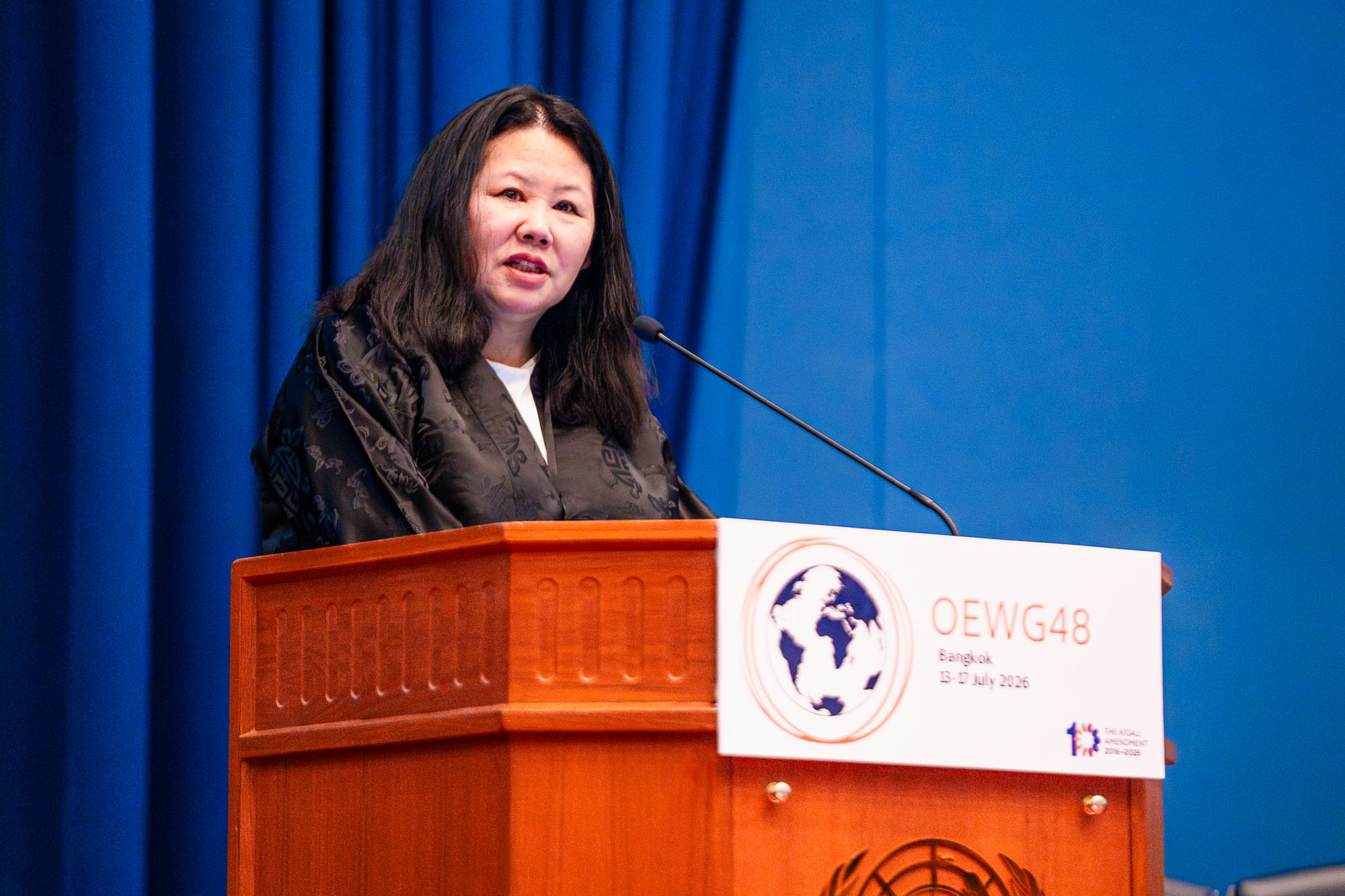
Dechen Tsering, Director, UN Environment Programme, Regional Office of Asia Pacific
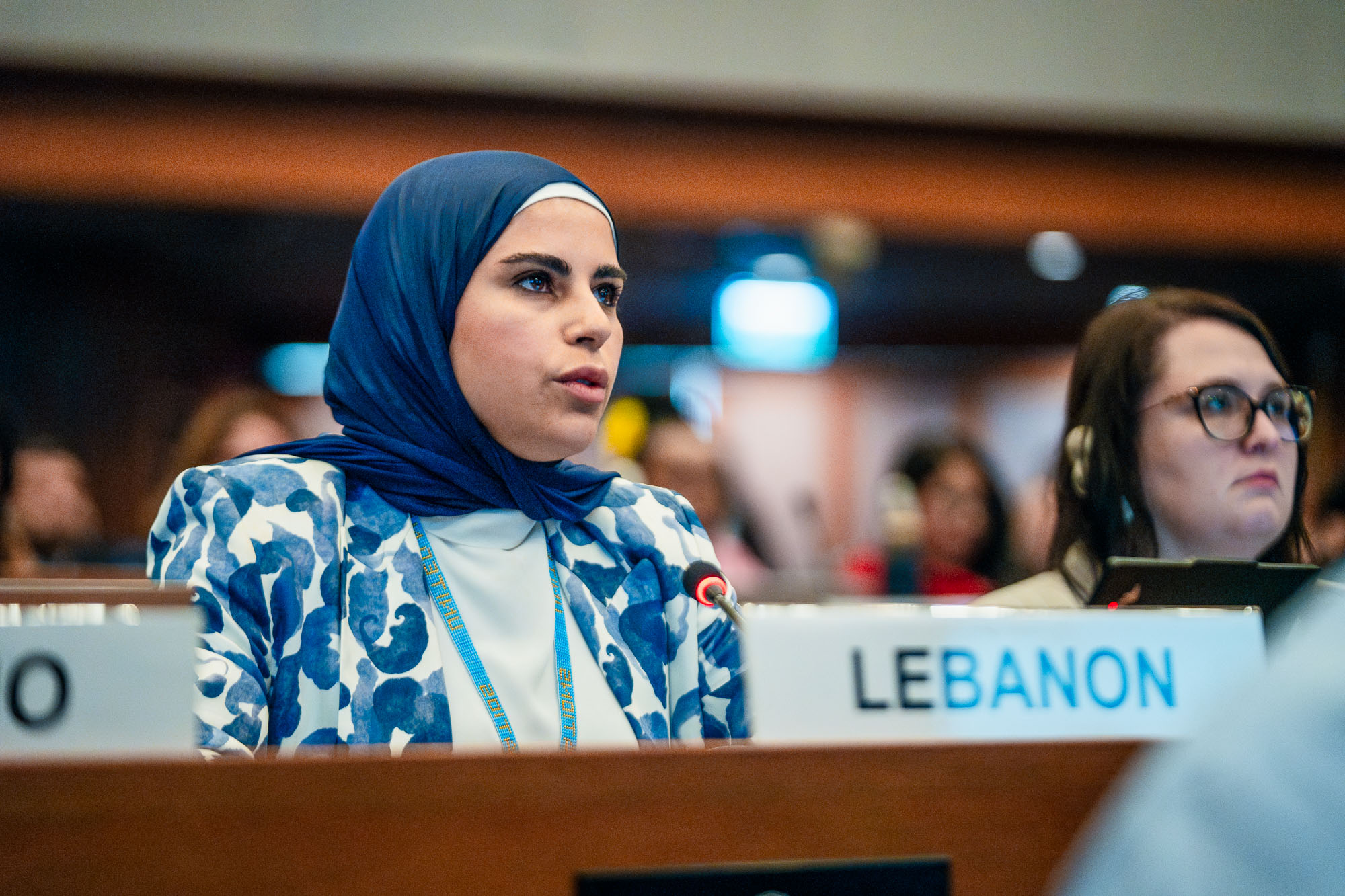
Lara Haidar, Lebanon
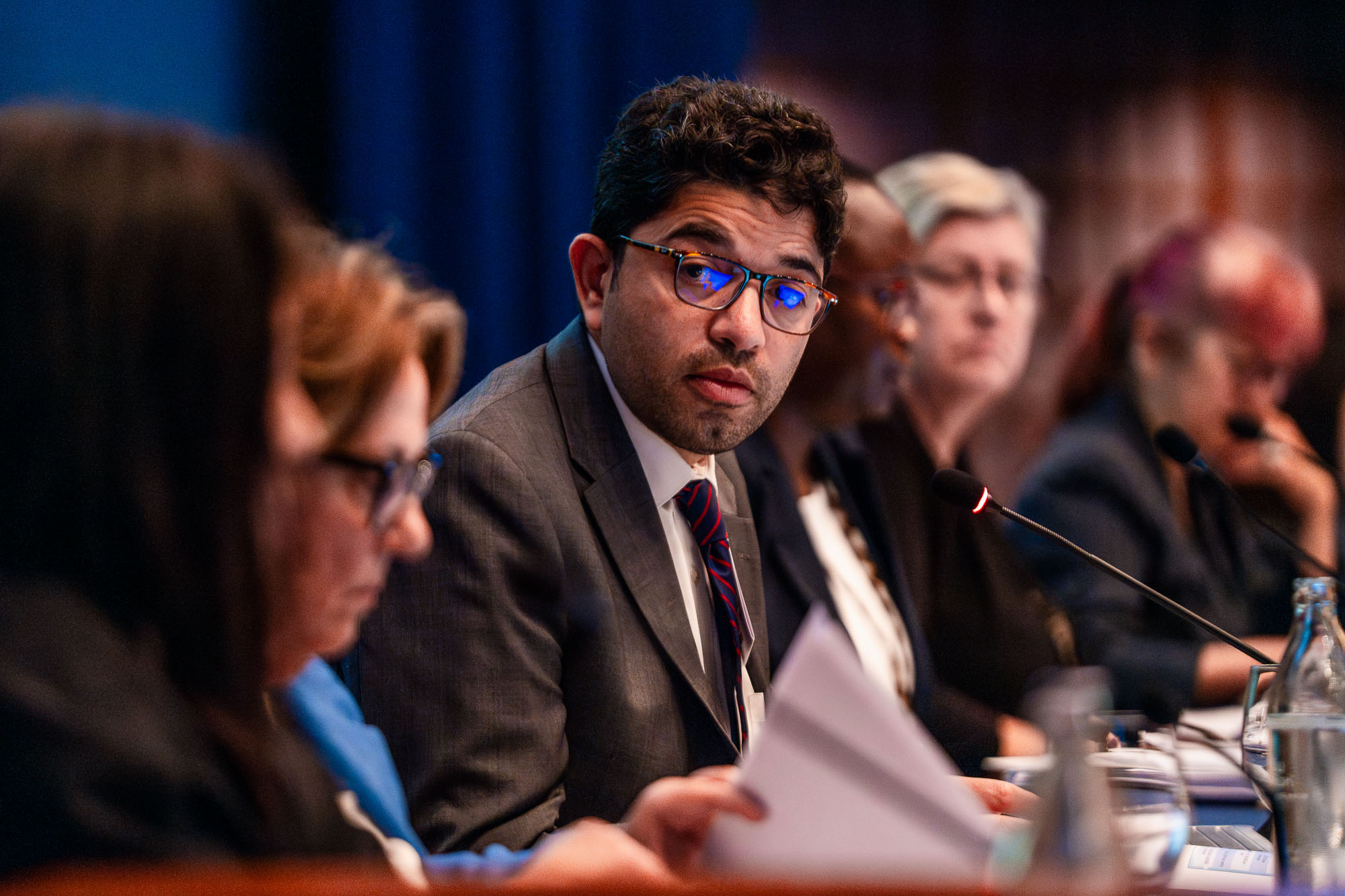
Omar Abdelaziz, Co-Chair, Refrigeration, Air Conditioning and Heat Pumps Technical Options Committee (RTOC)
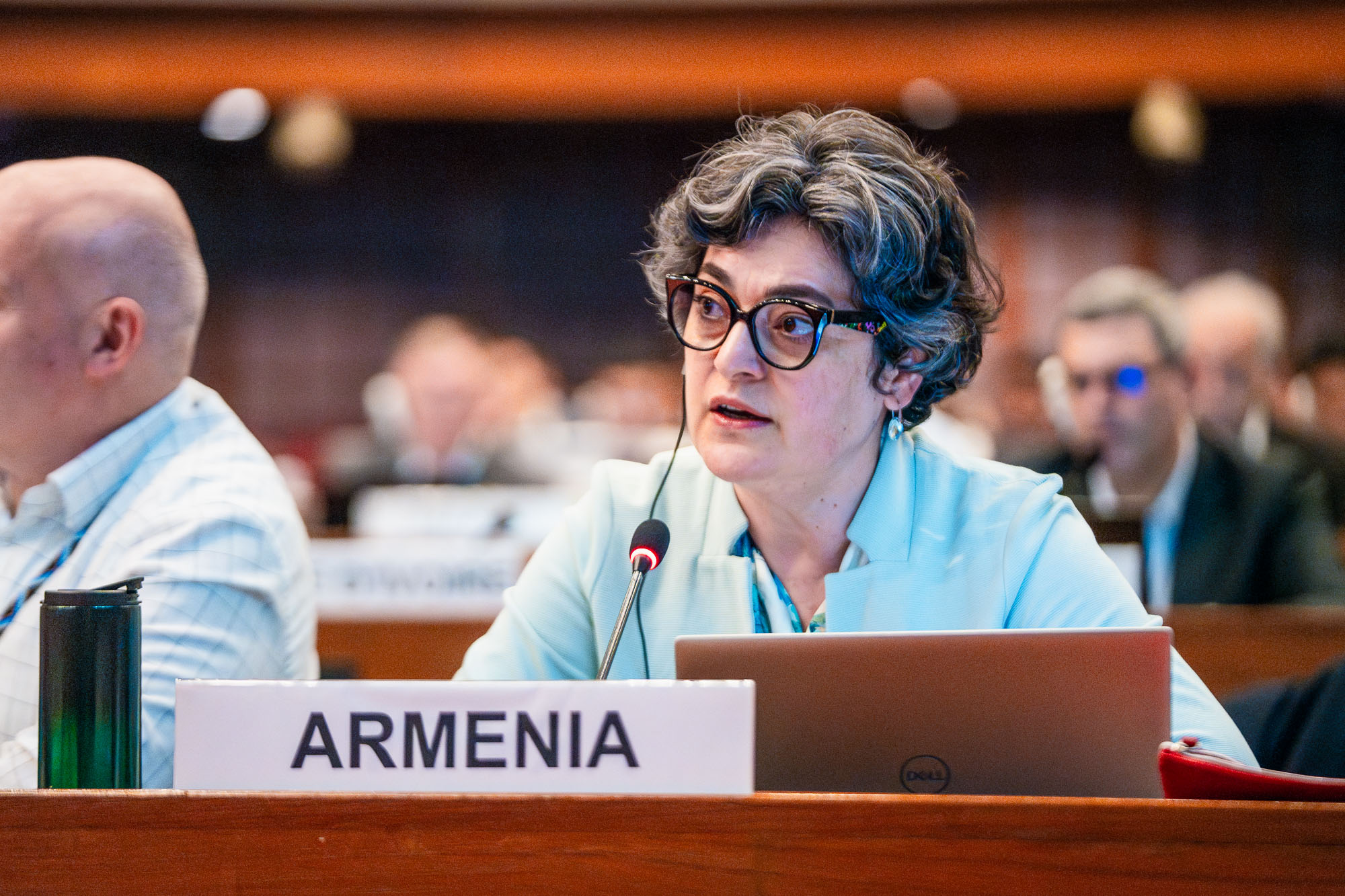
Liana Ghahramanyan, Armenia
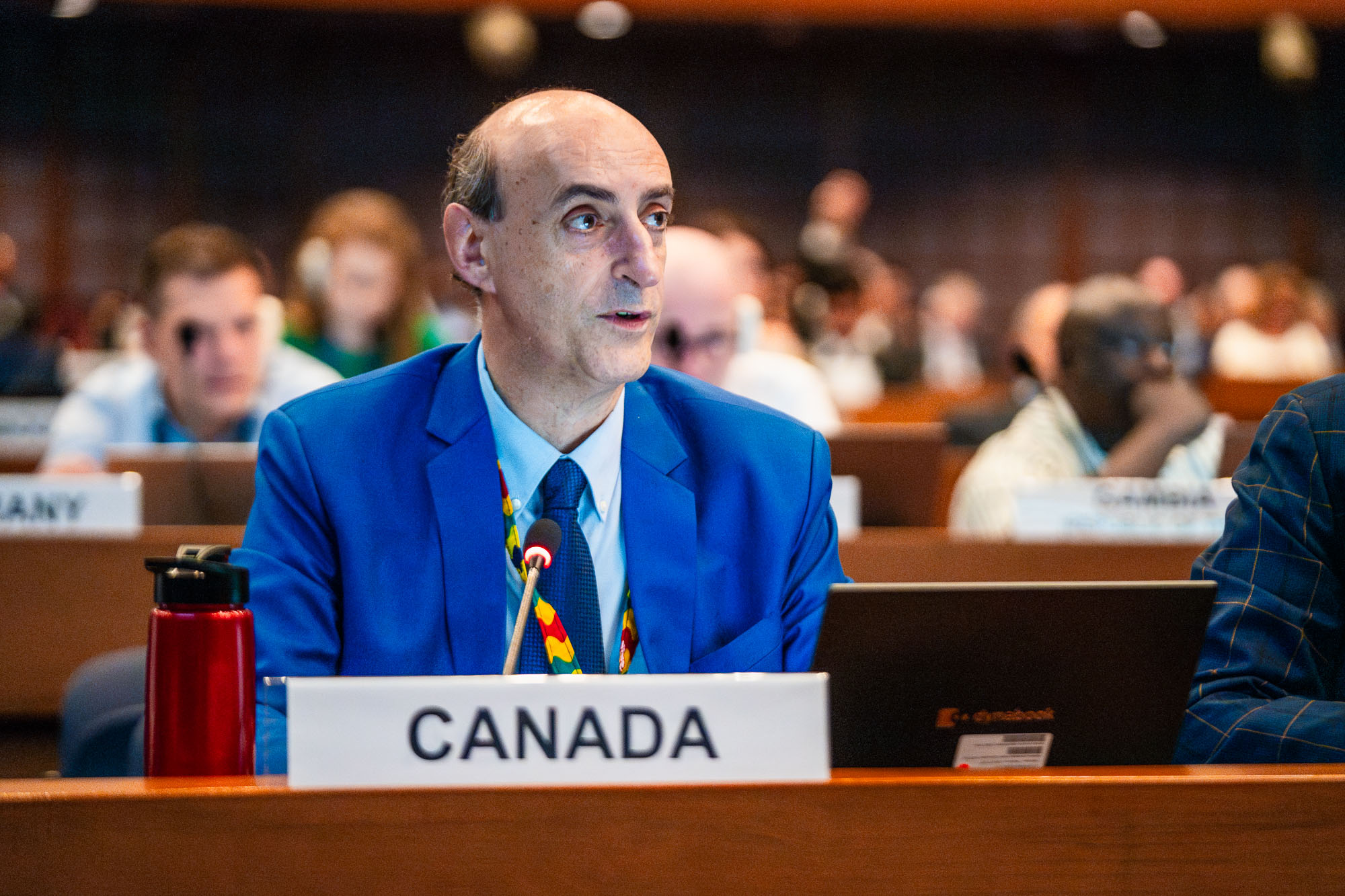
Philippe Chemouny, Canada
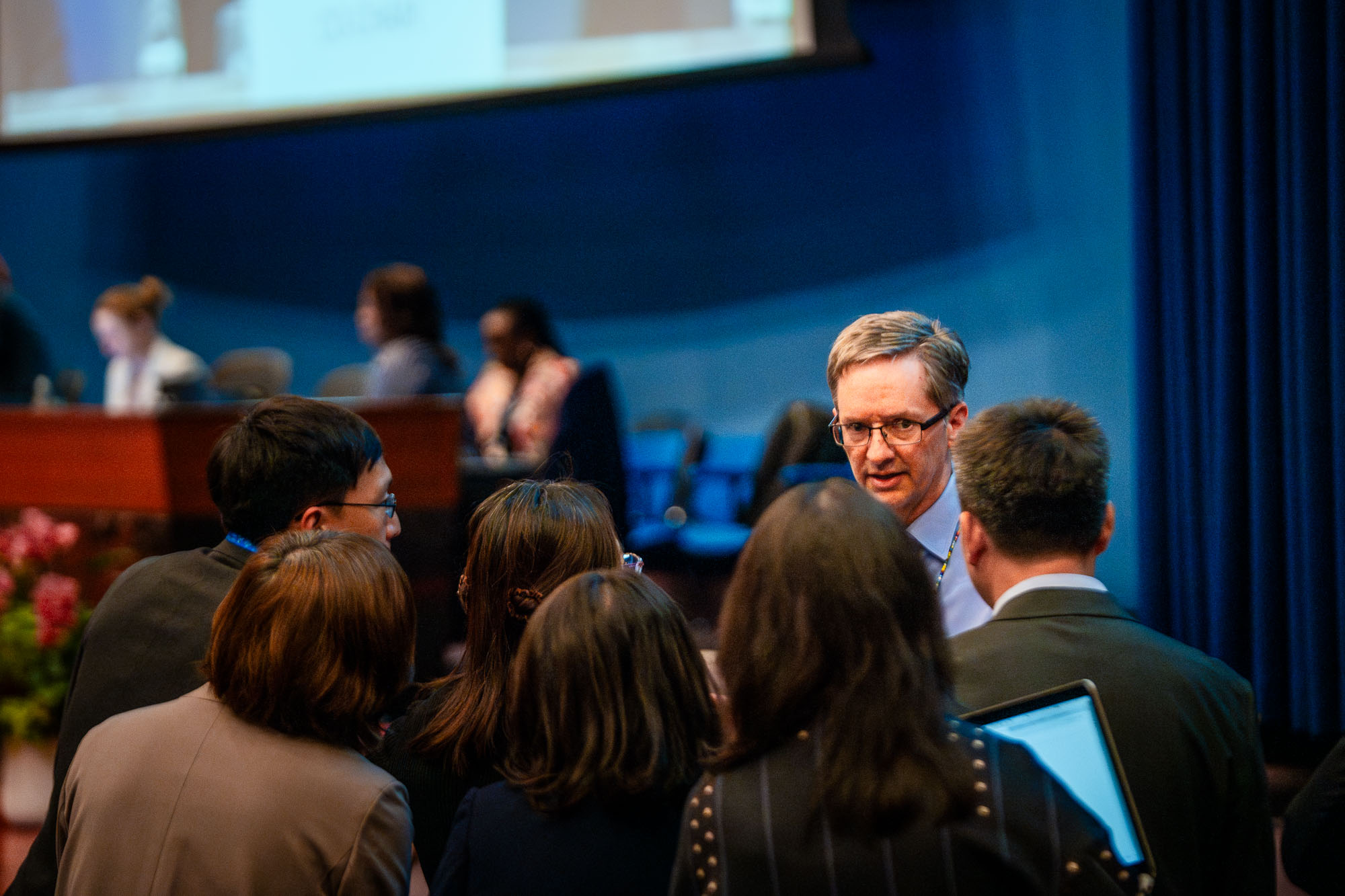
Delegates from the US and China huddle before the session resumes
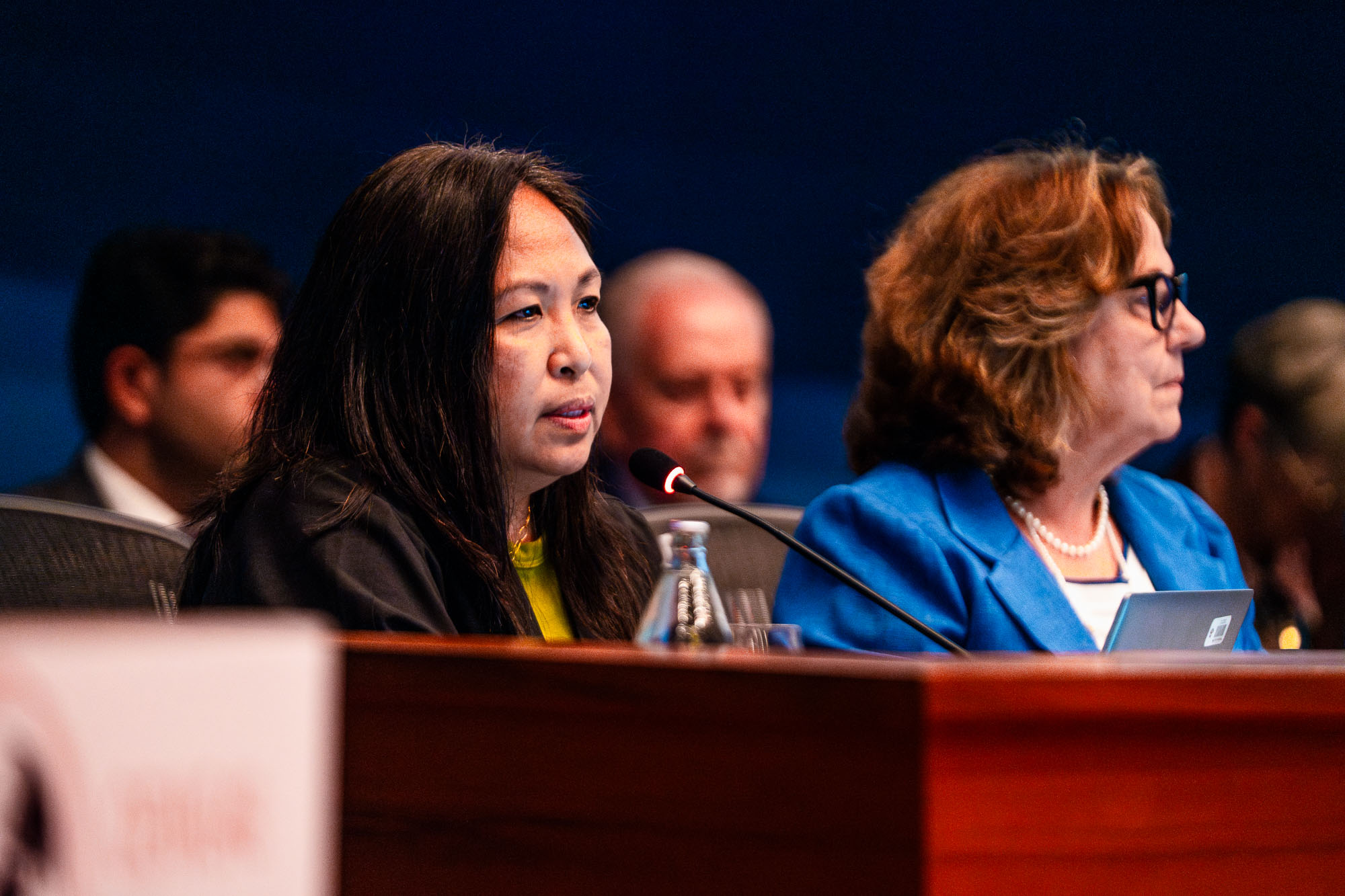
Bella Maranion, Co-Chair, TEAP Replenishment Task Force
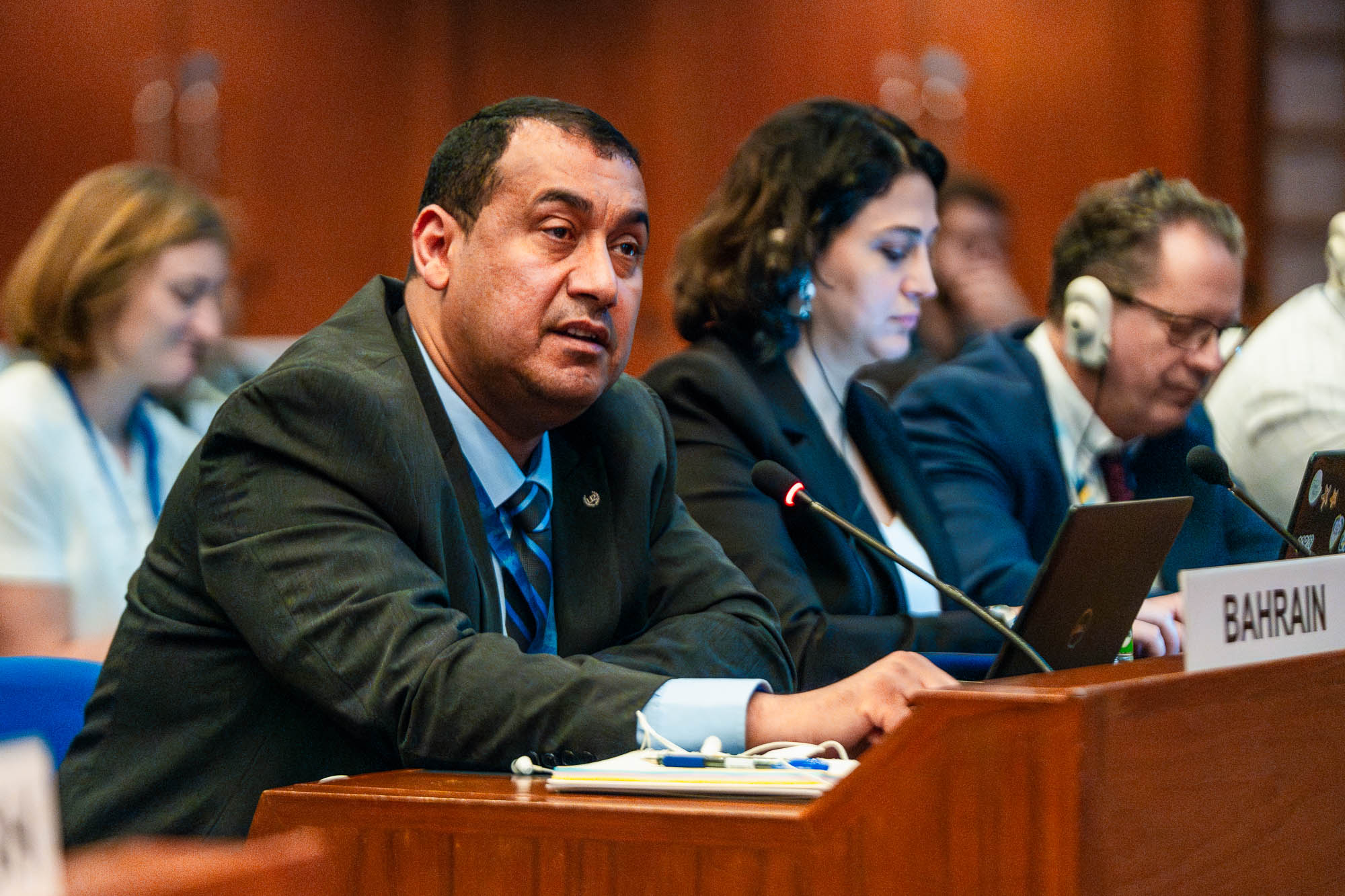
Hasan Ali Mubarak, Bahrain
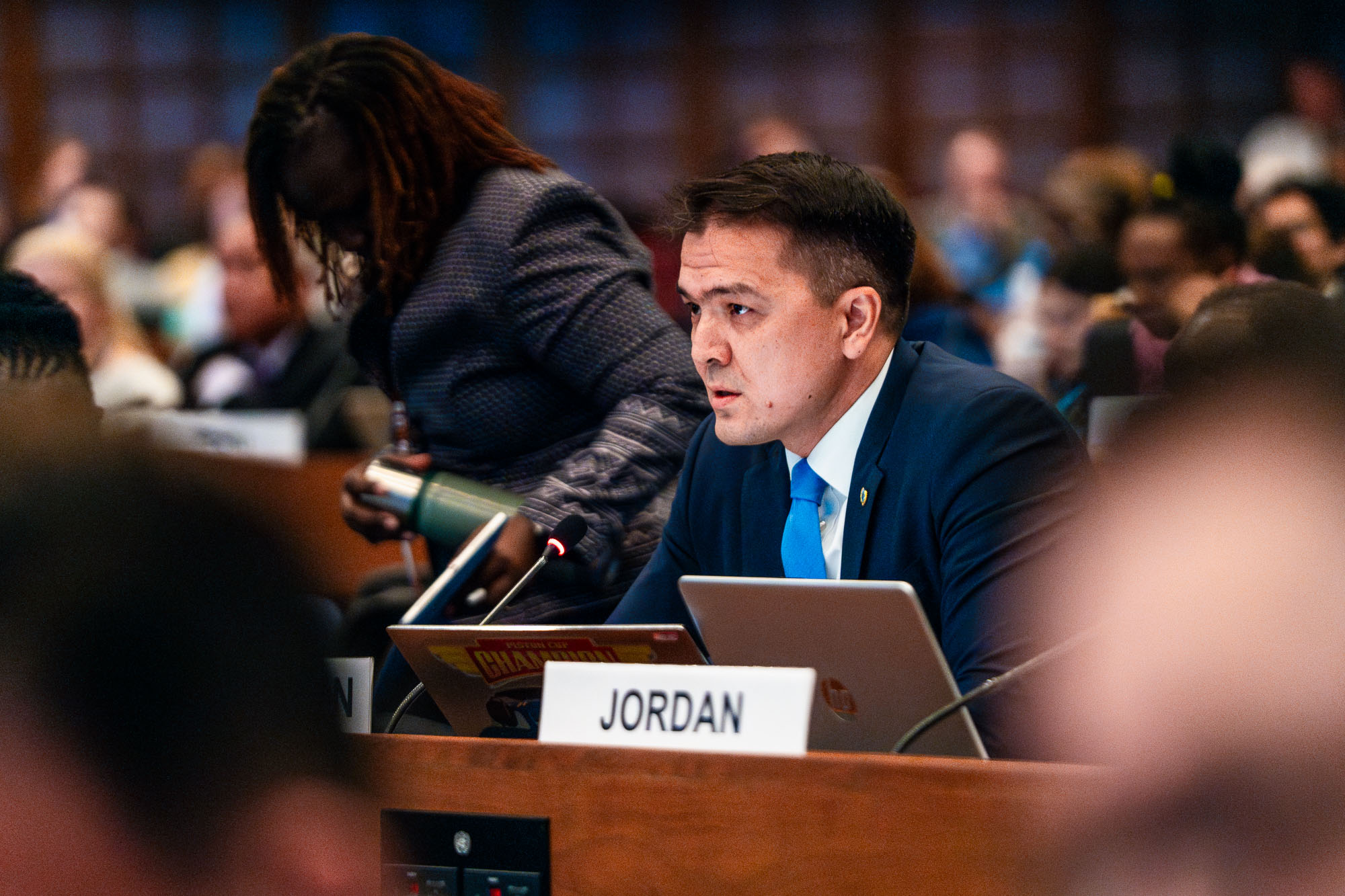
Anuar Sarmantay, Kazakhstan
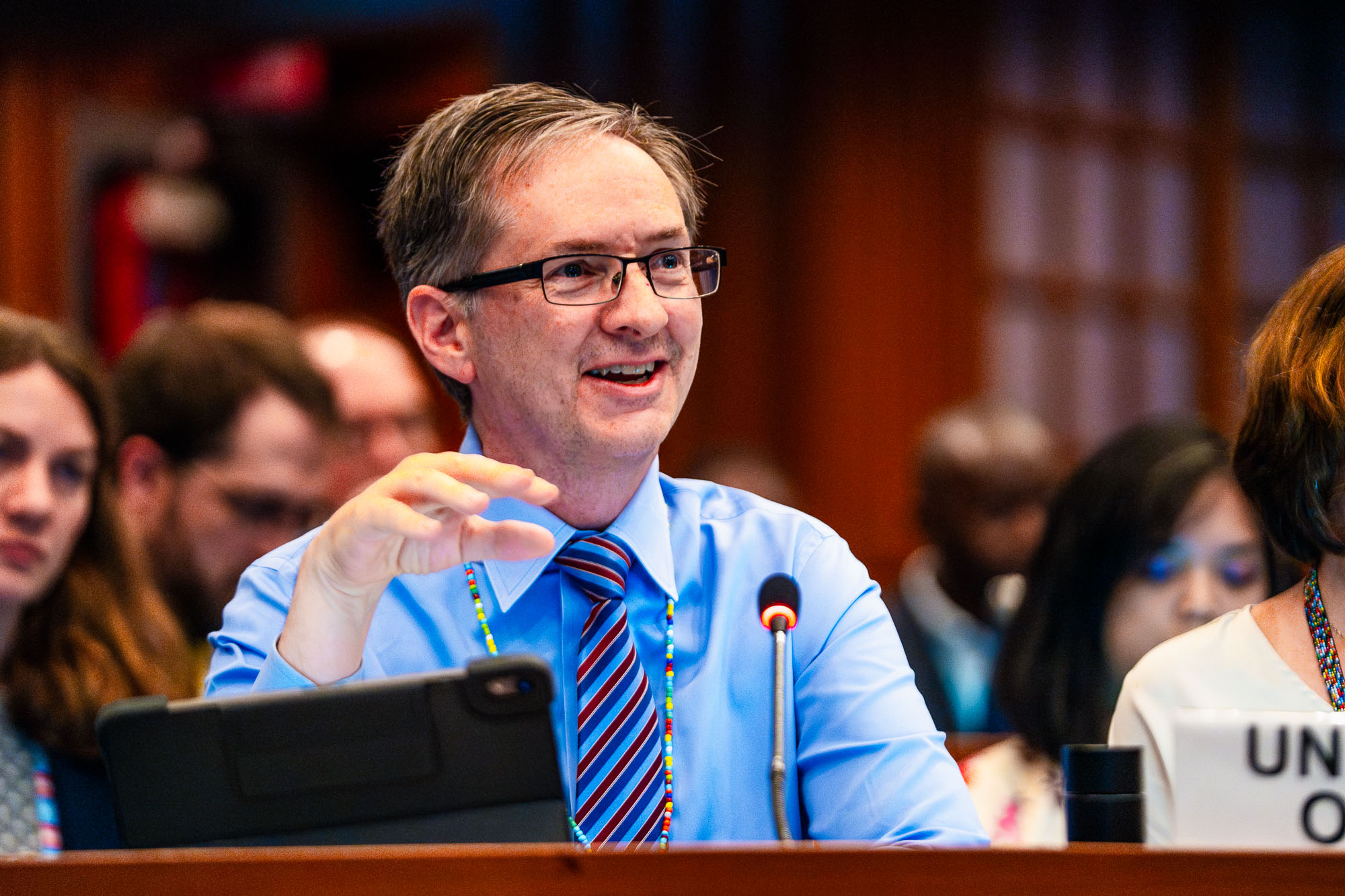
John Thompson, US
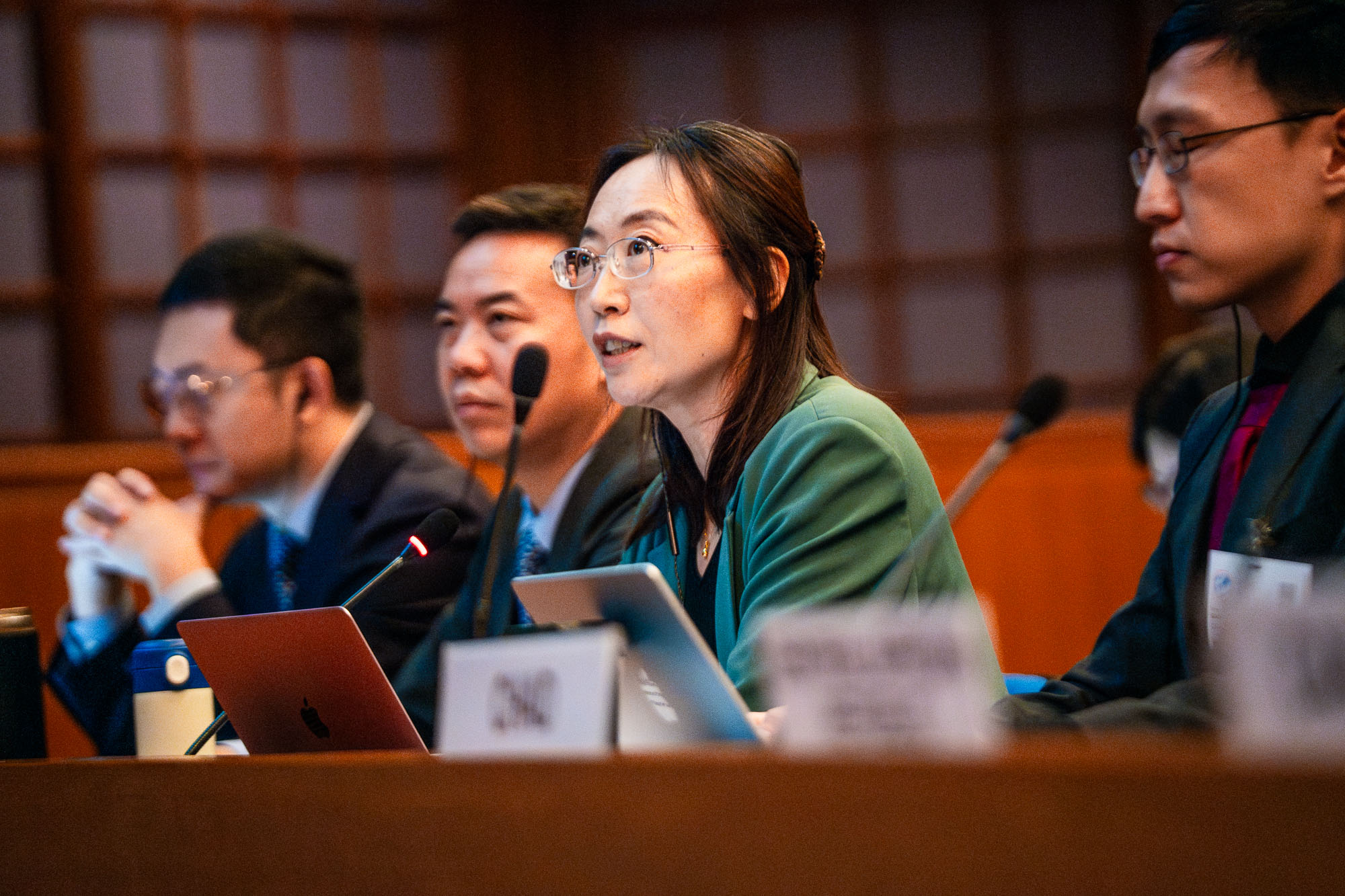
Yao Wei, China
Ralph Brieskorn, Netherlands
Around the Venue