
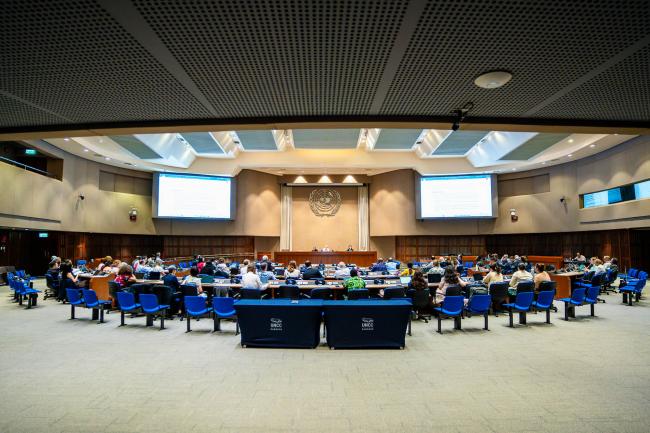
With the plenary having completed the first reading of all items on the agenda in the morning, delegates spent the remainder of the day rushing between contact groups and informal groups as they tried to advance consideration of issues before the next Meeting of the Parties to the Montreal Protocol (MOP).
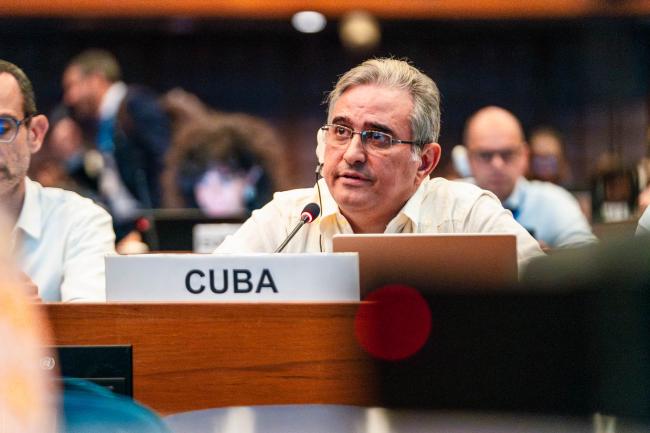
In the morning plenary, Cuba presented a conference room paper (CRP) requesting the Executive Committee (ExCom) of the Multilateral Fund (MLF) to incorporate specific conclusions of the 2027–2029 MLF replenishment report into the 2028 review of the cost guidelines, namely the ones relating to the special needs of low- and very low-volume consuming countries. After delegates showed support for the “spirit” of the proposal, they agreed to incorporate the CRP’s principles and ideas into the guidance for the supplementary report being prepared to inform the MLF replenishment.
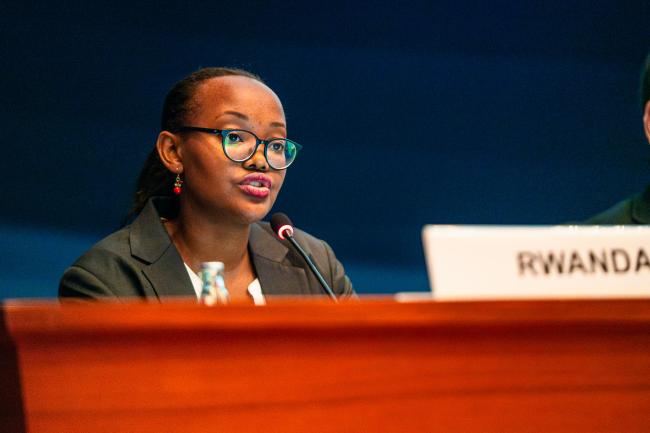
Rwanda then presented on the arrangements for MOP 38, scheduled to be held in early November 2026 in Kigali, 10 years after the adoption of the landmark Kigali Amendment to the Montreal Protocol. She announced that the African Group is preparing a declaration that captures the political spirit and forward-looking ambition of MOP 38. Many Parties welcomed the preparations and that an information note about MOP logistics will be available soon.
Azerbaijan then presented a CRP that seeks to clarify its status under the Kigali Amendment it had ratified in late 2025, namely in relation to Article 2(j) of the Montreal Protocol. They raised practical implementation issues, including establishing a hydrofluorocarbon (HFC) consumption baseline, setting up a regulatory framework, and sequencing control measures.
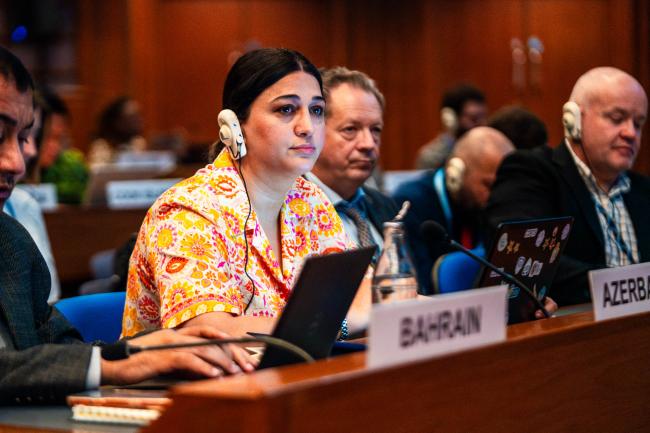
While there was some support for the proposal, Parties agreed that Azerbaijan should first discuss with other delegations different aspects of the proposal, including its rationale, the data behind it, and how it would make a practical difference, before bringing the matter back to plenary on Friday.
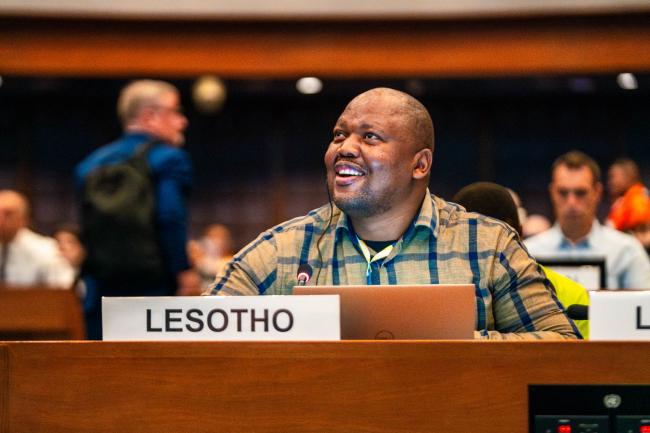
Lesotho then presented a CRP before immediately announcing its withdrawal. The CRP proposed to request further information from the Technology and Economic Assessment Panel (TEAP) and the Scientific Assessment Panel on nitrous oxide, arguing it is the last ozone-depleting substance (ODS) not controlled by the Protocol. Despite the CRP’s withdrawal, delegates engaged in a heated debate. Some argued this ODS is outside the scope of the Montreal Protocol and including it could distract from implementation efforts, while others looked forward to further discussion.
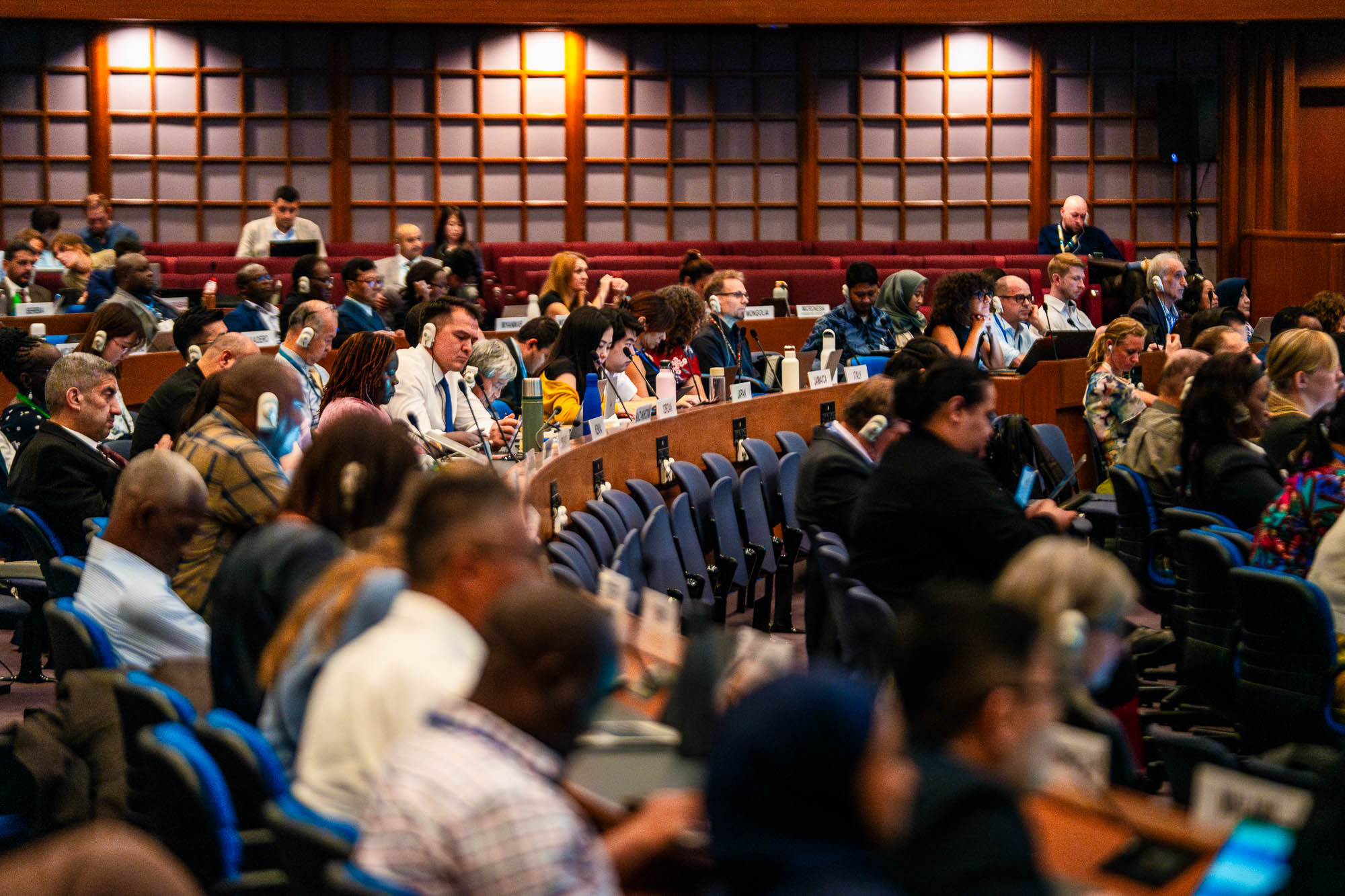
In the afternoon, delegates addressed the following matters in contact and informal groups:
- providing additional guidance to the TEAP for its supplementary report on the 2027–2029 MLF replenishment, for consideration at MOP 38;
- ensuring the viability of Montreal Protocol operations, including potential changes to the timing of, Secretariat support for, and length of meetings under the Protocol, and the timing of replenishment decisions;
- options for the re-organization of the TEAP and its technical options committees;
- further strengthening Montreal Protocol institutions, including improving licensing systems; and
- the participation of Central Asian States in the Eastern European Group.
To receive free coverage of global environmental events delivered to your inbox, subscribe to the ENB Update newsletter.
All ENB photos are free to use with attribution. For the 48th meeting of the Open-ended Working Group of the Parties to the Montreal Protocol (OEWG 47), please use: Photo by IISD/ENB | Danny Skilton
Plenary
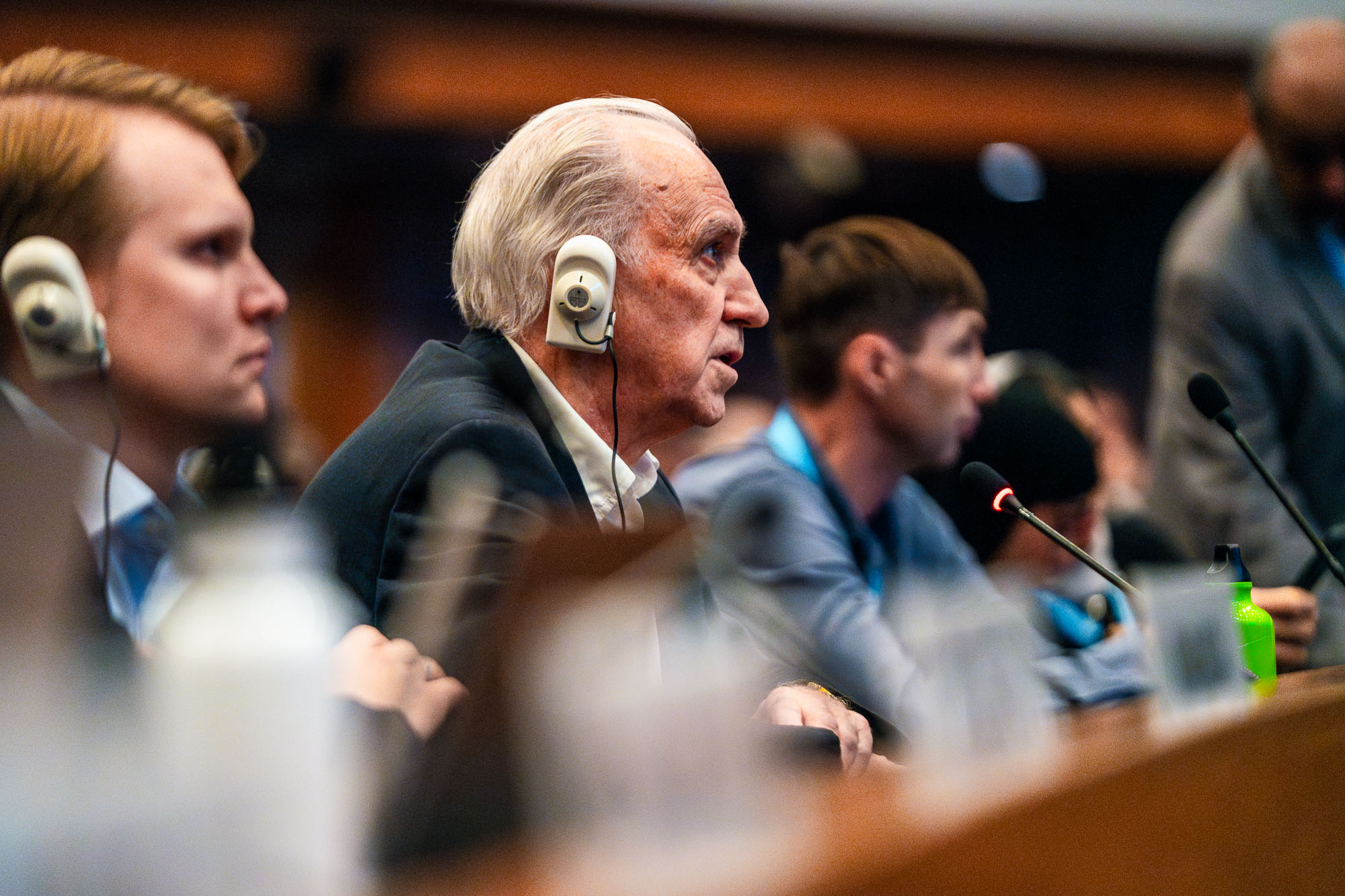
Sergey Vasiliev, Russian Federation
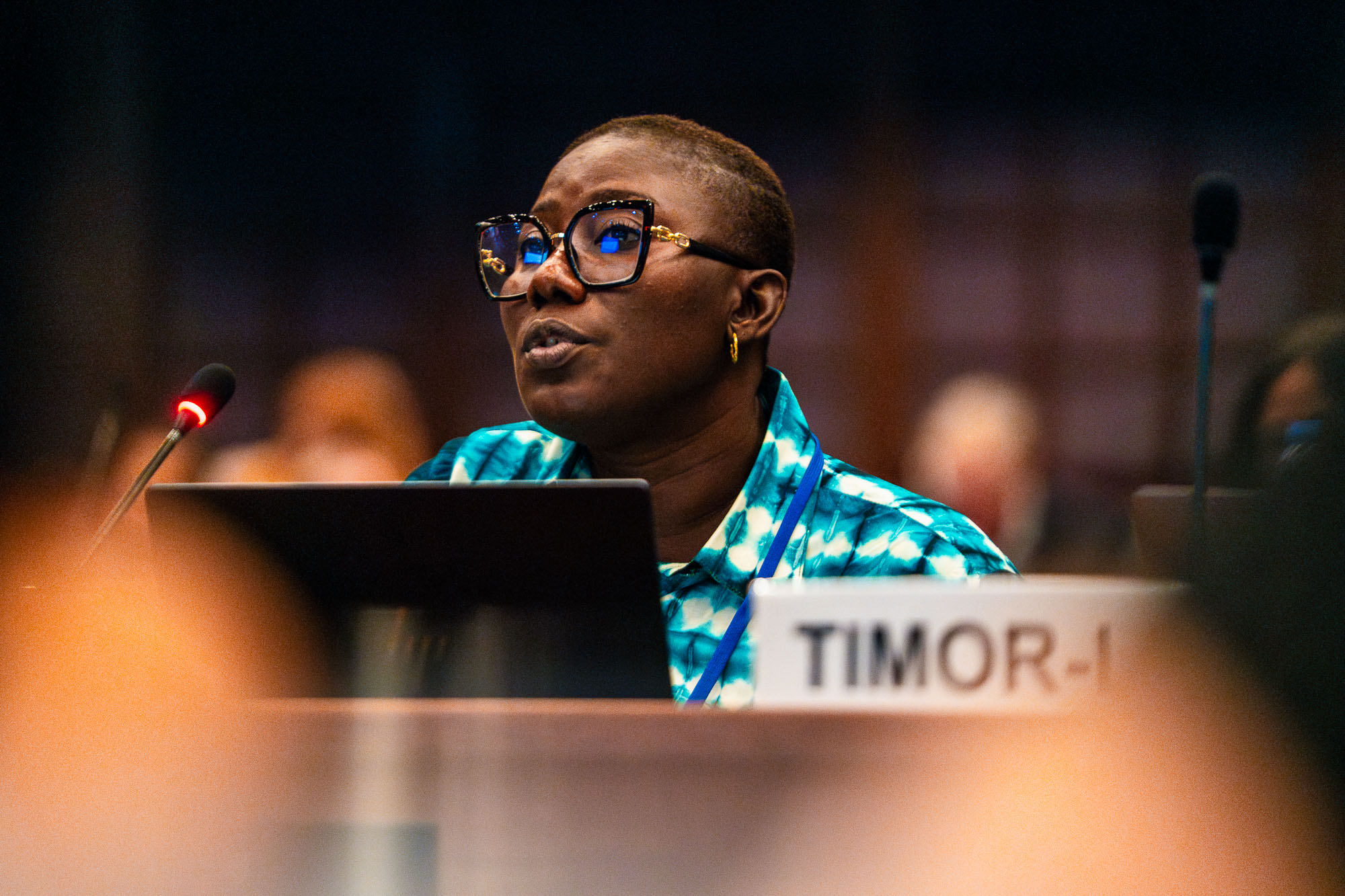
Bidénam Assimti-Tchao Awaté, Togo
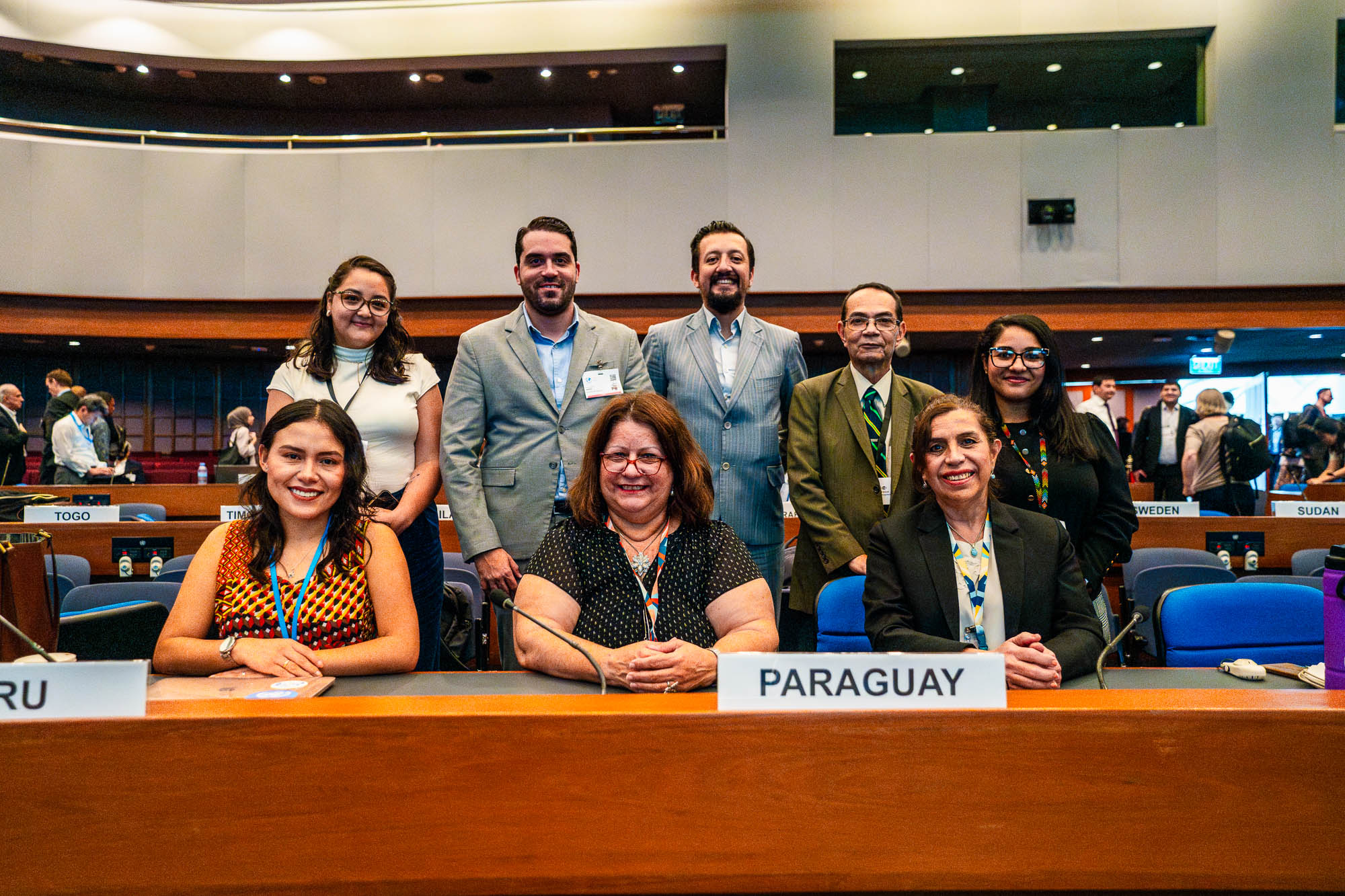
Delegates from across Latin America
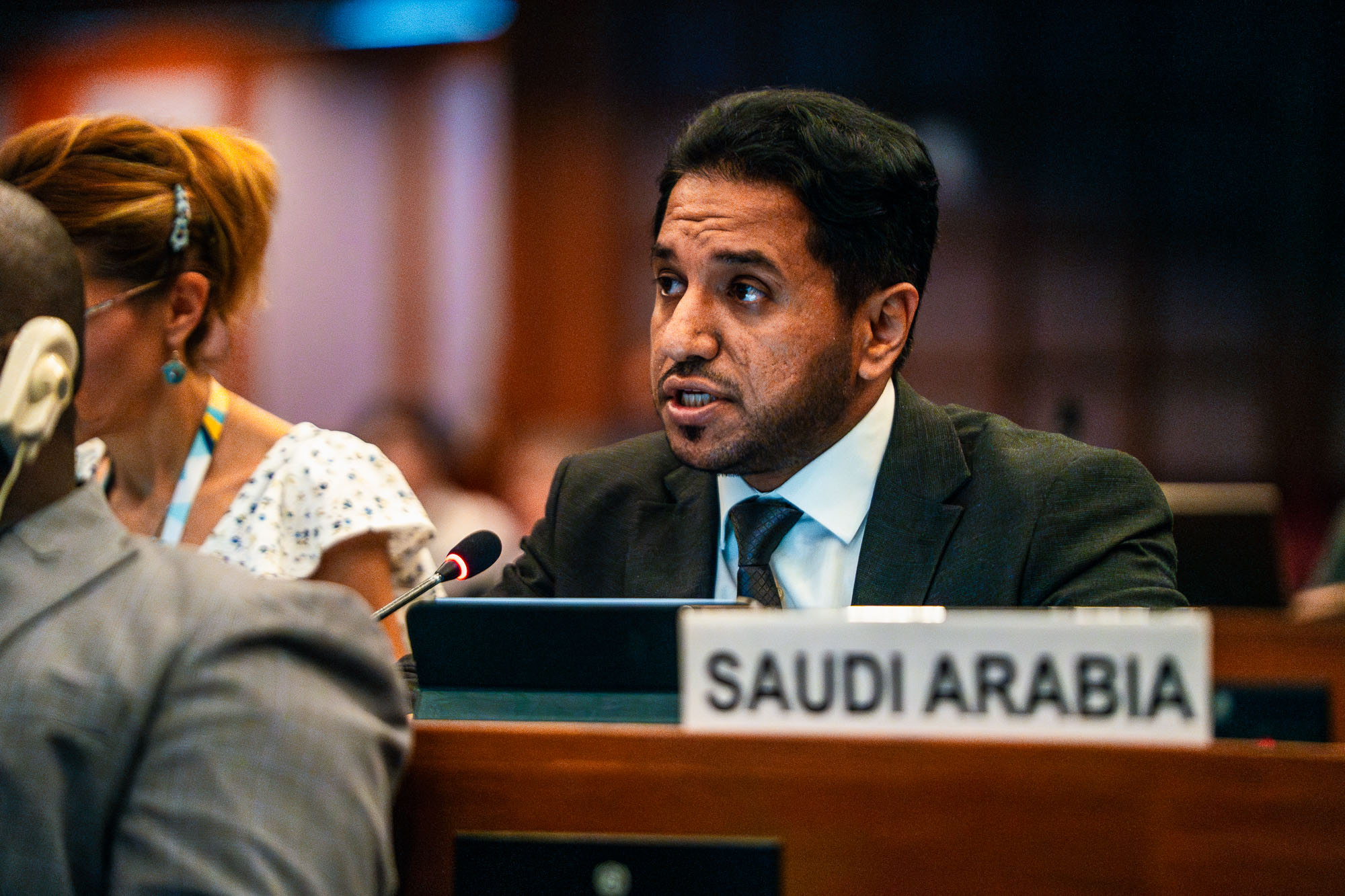
Naif Alsalem, Saudi Arabia
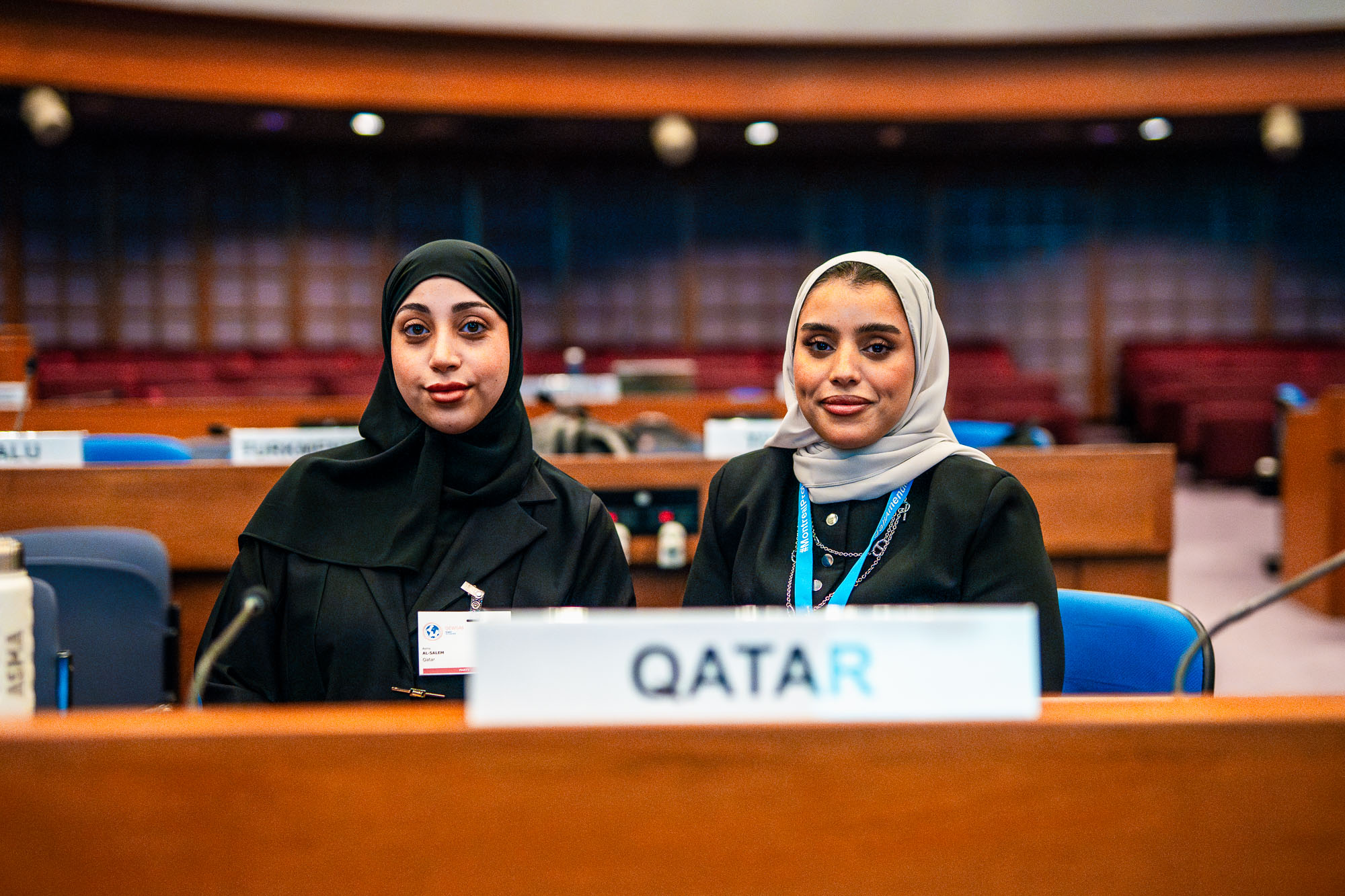
Asma Al-Salem and Sarah A. Al-Yafei, Qatar
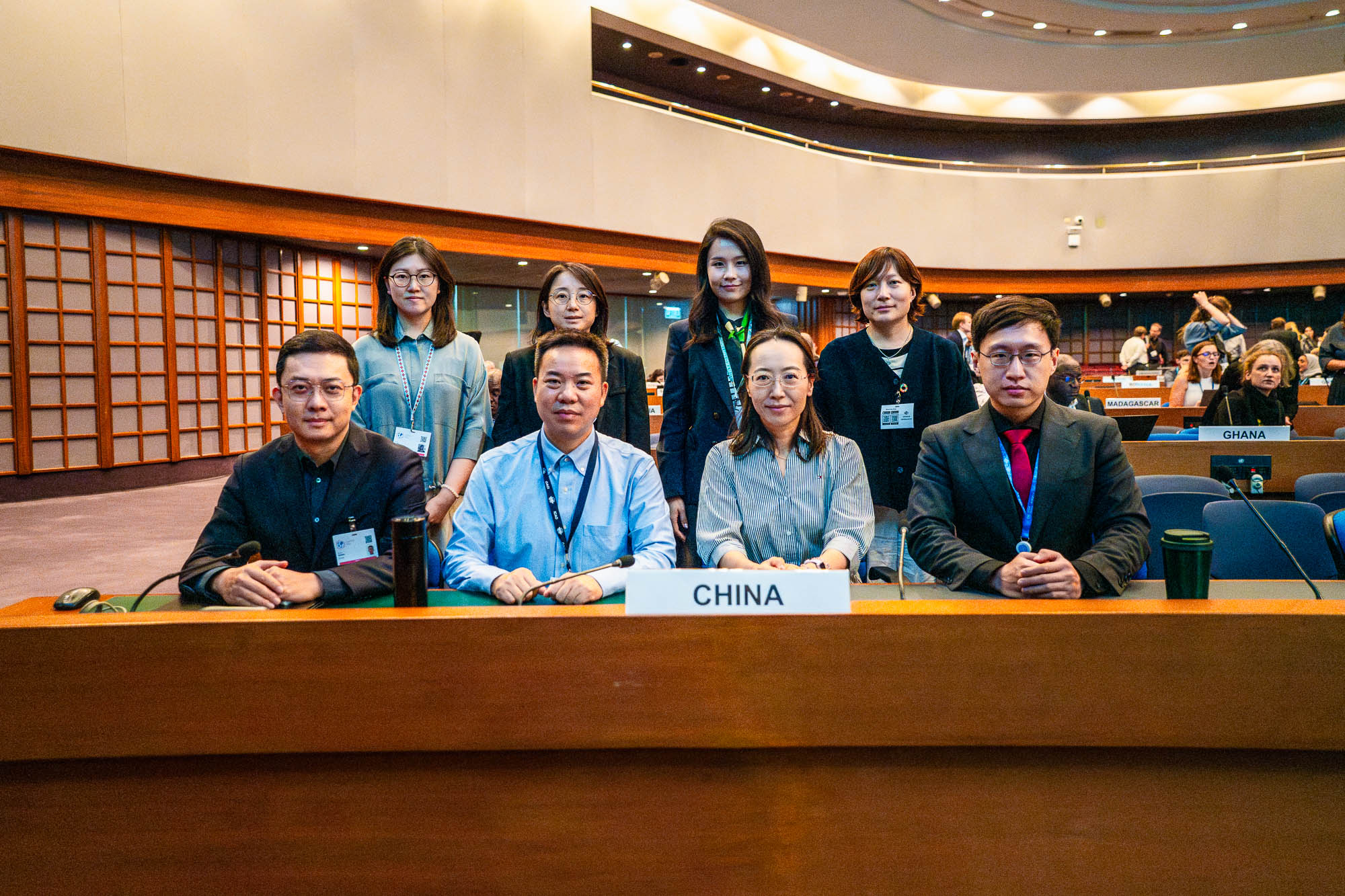
Delegates from China
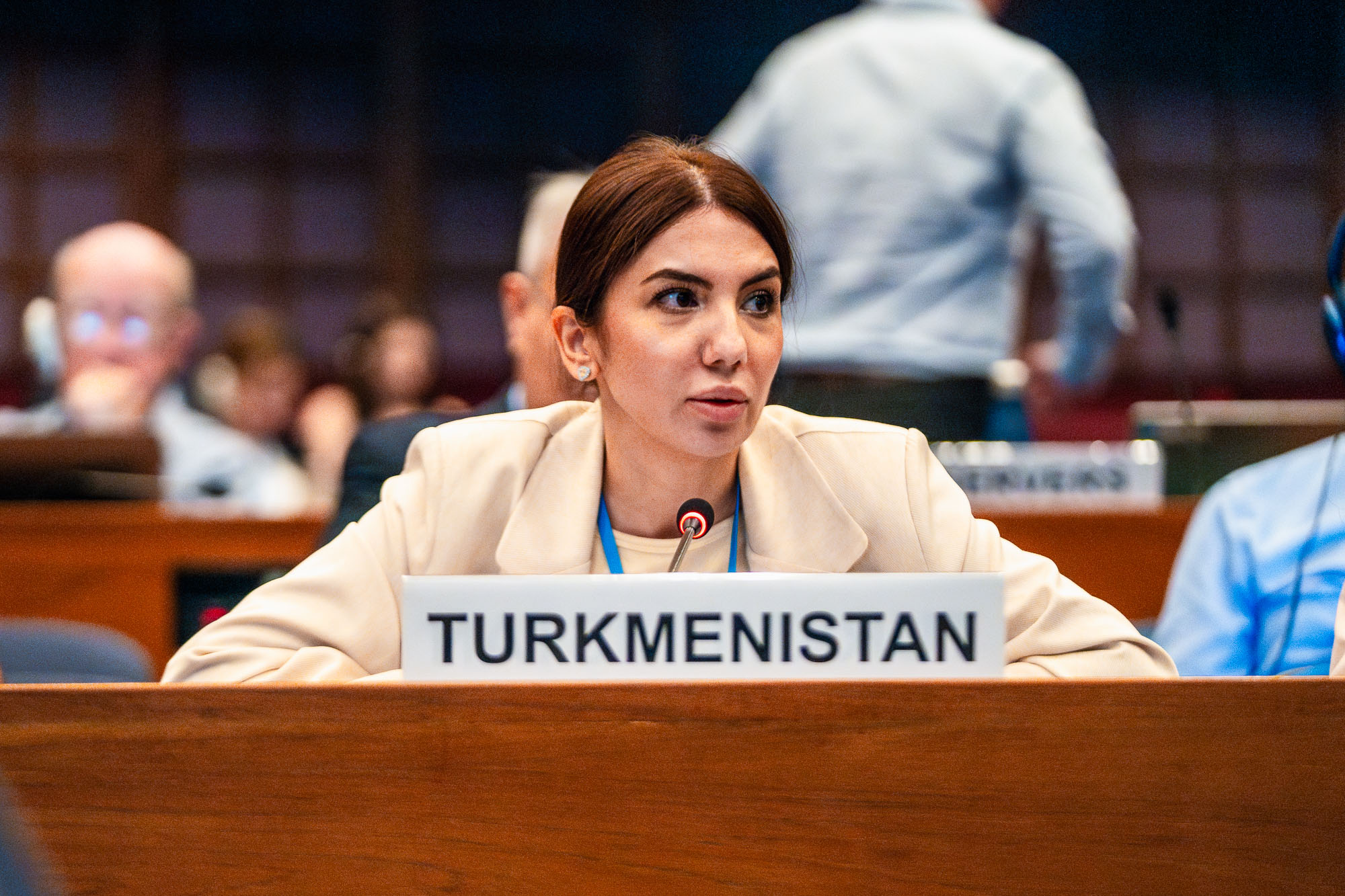
Anzhela Gaziyeva, Turkmenistan
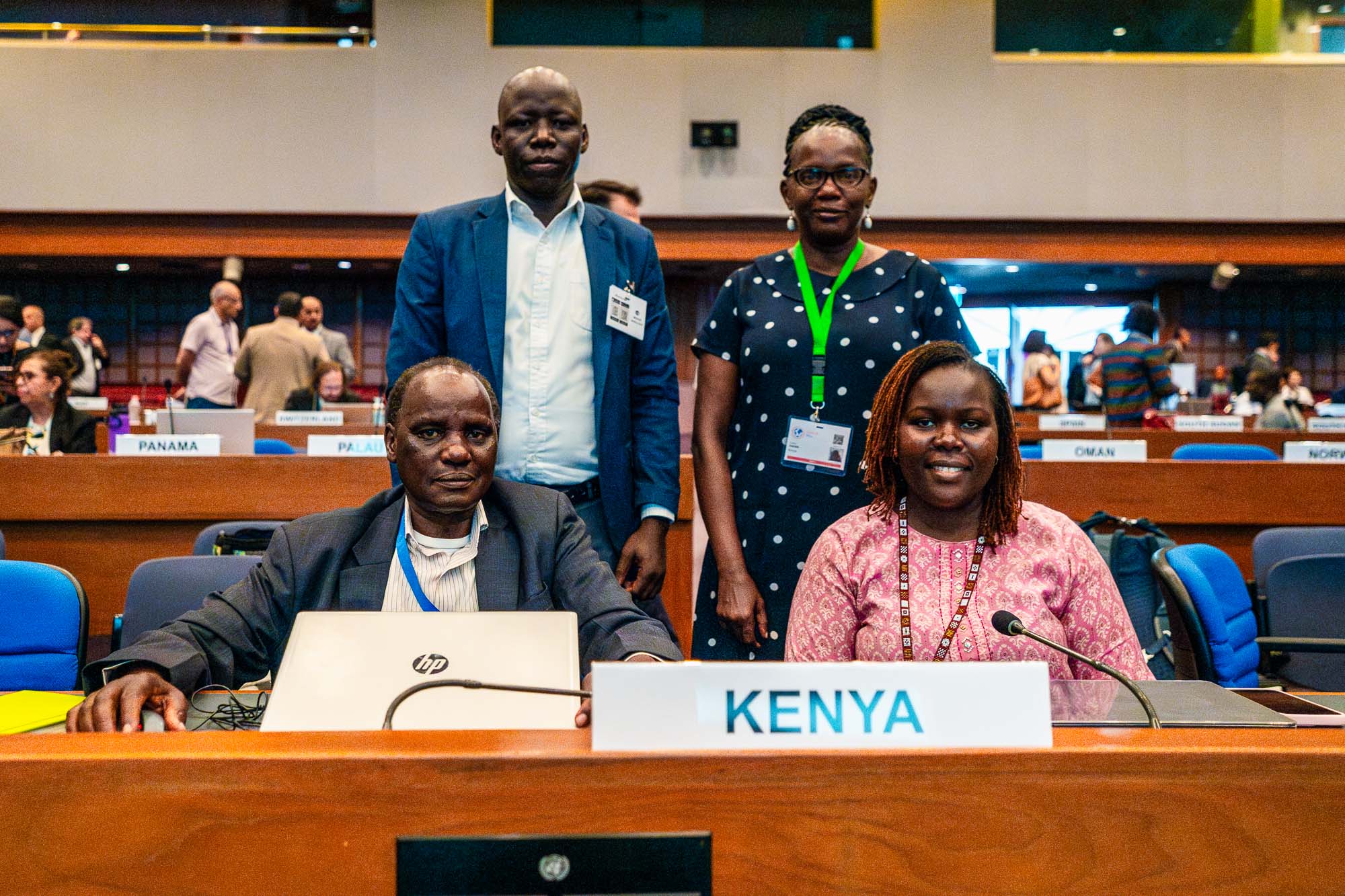
Delegates from Kenya
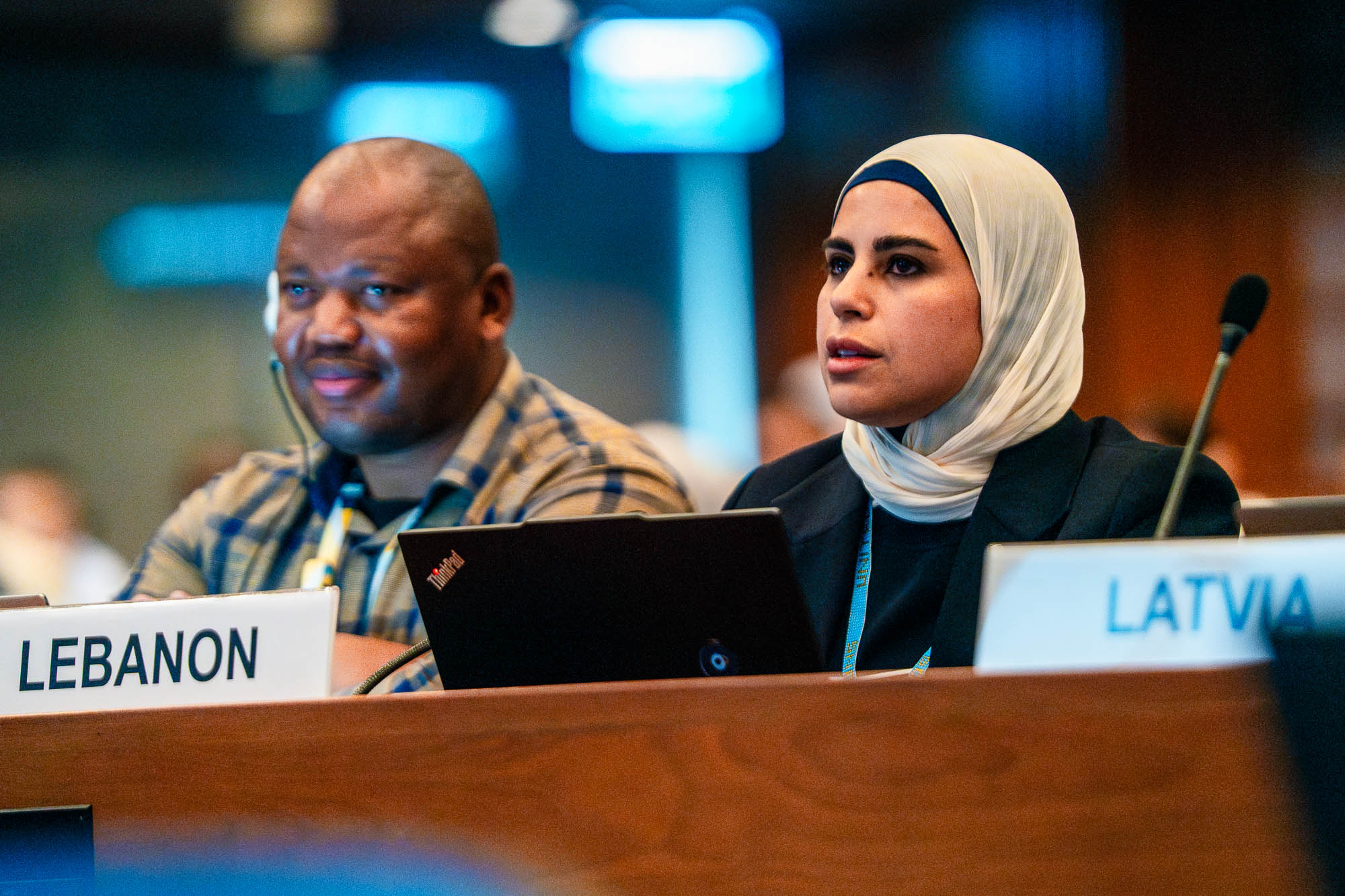
Lara Haidar, Lebanon
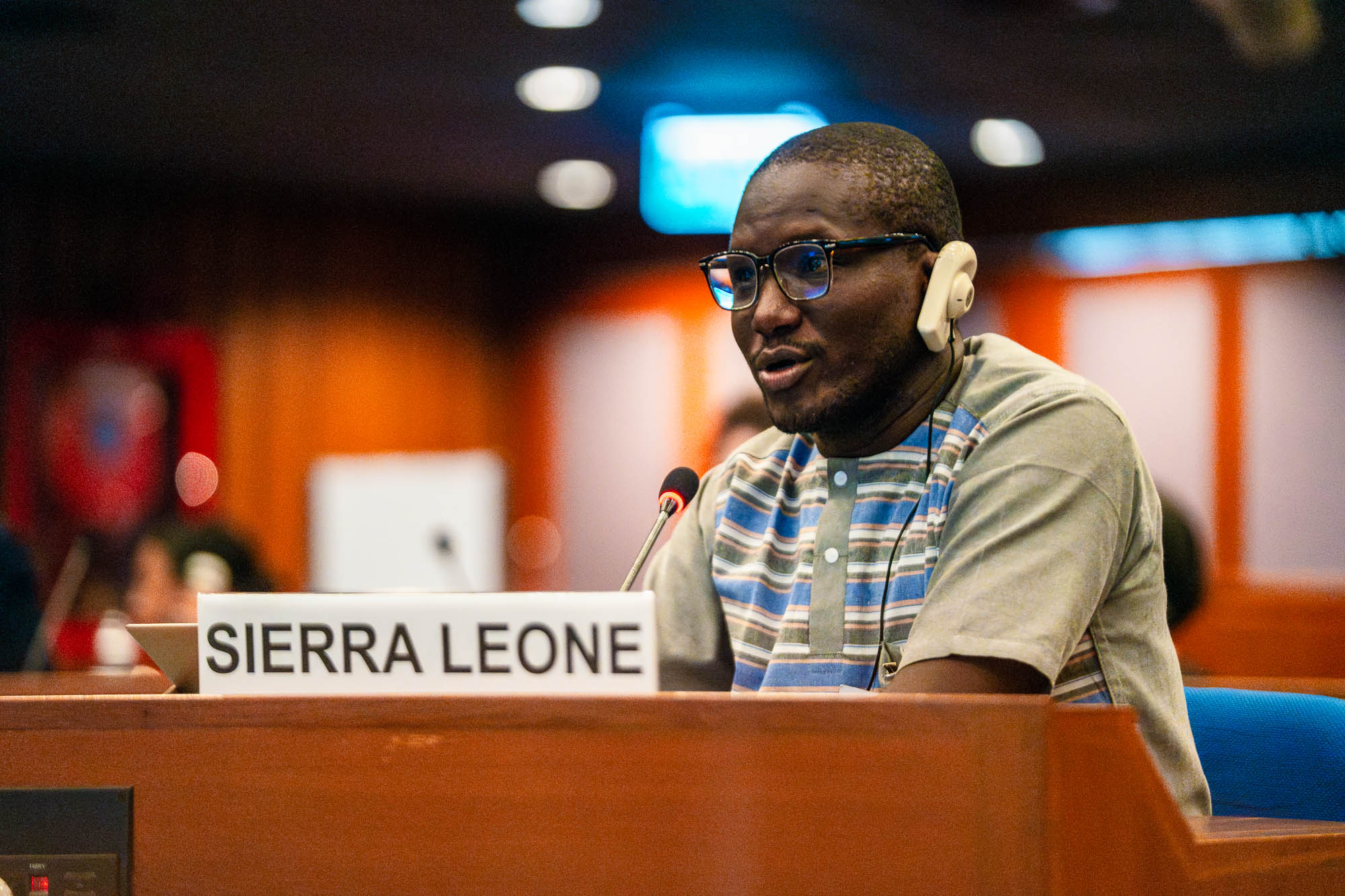
Bashiru Kargbo, Sierra Leone
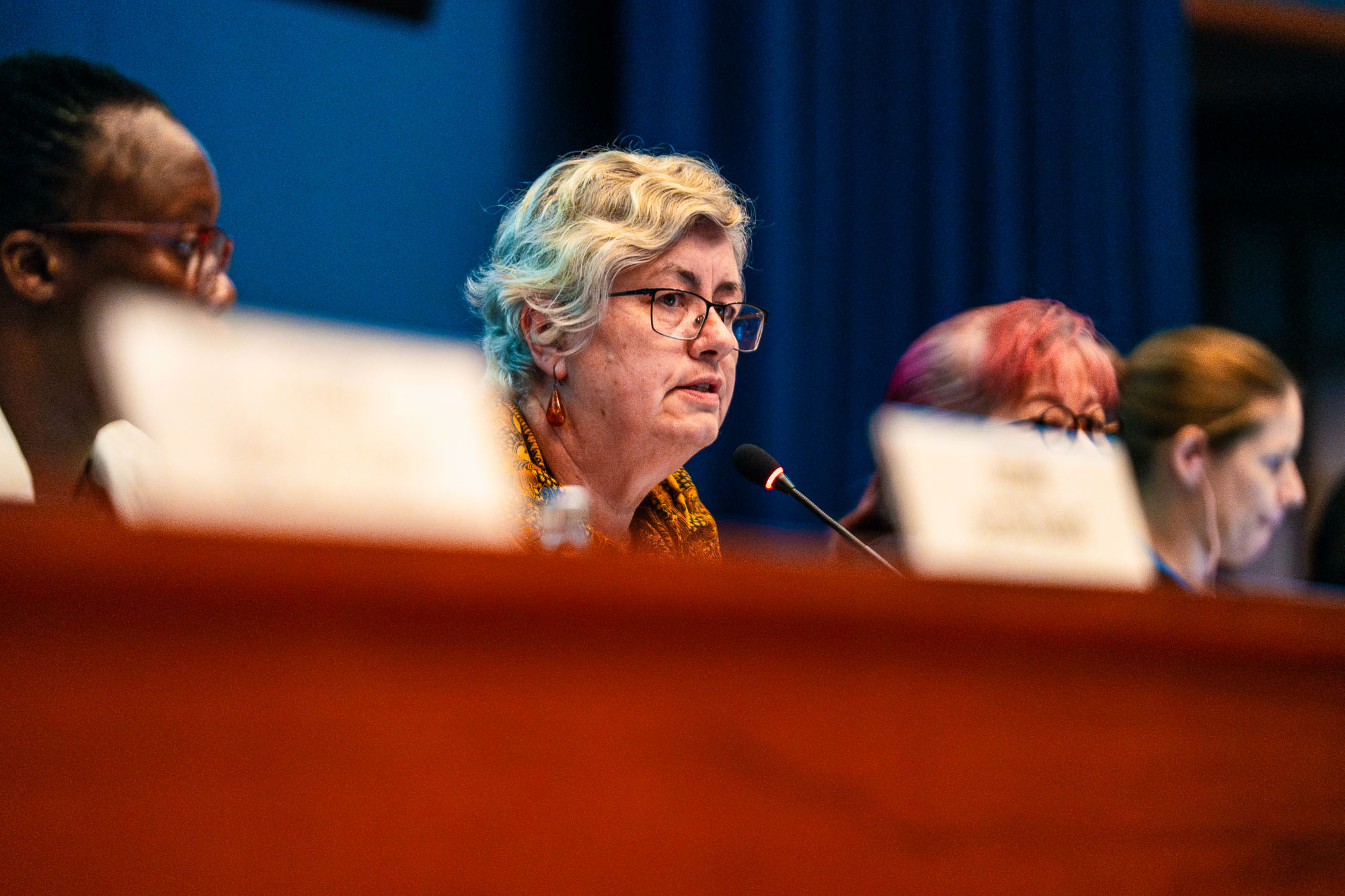
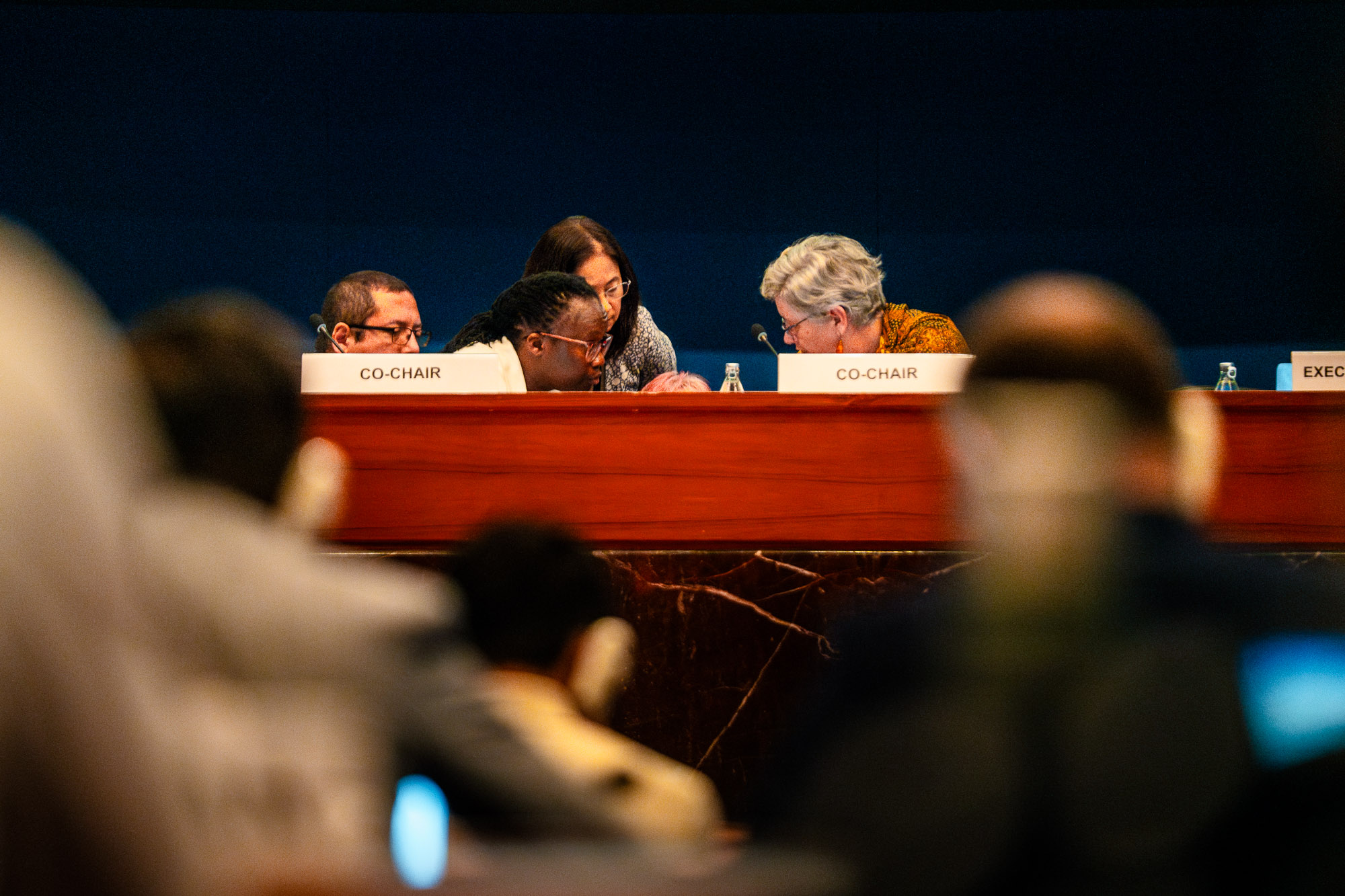
Annie Gabriel, Co-Chair, OEWG 48, Australia
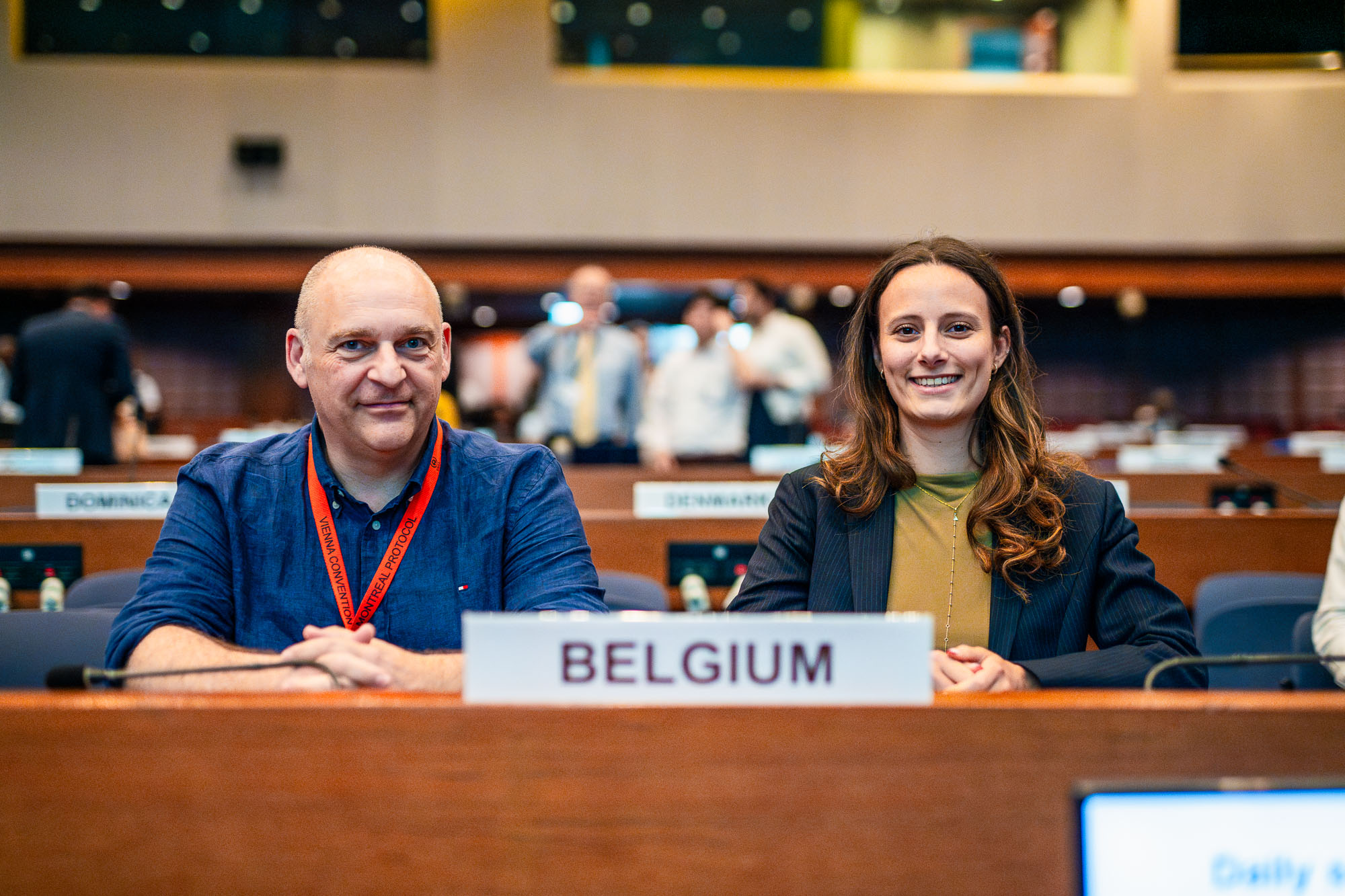
Alain Wilmart and Laura De Sutter, Belgium
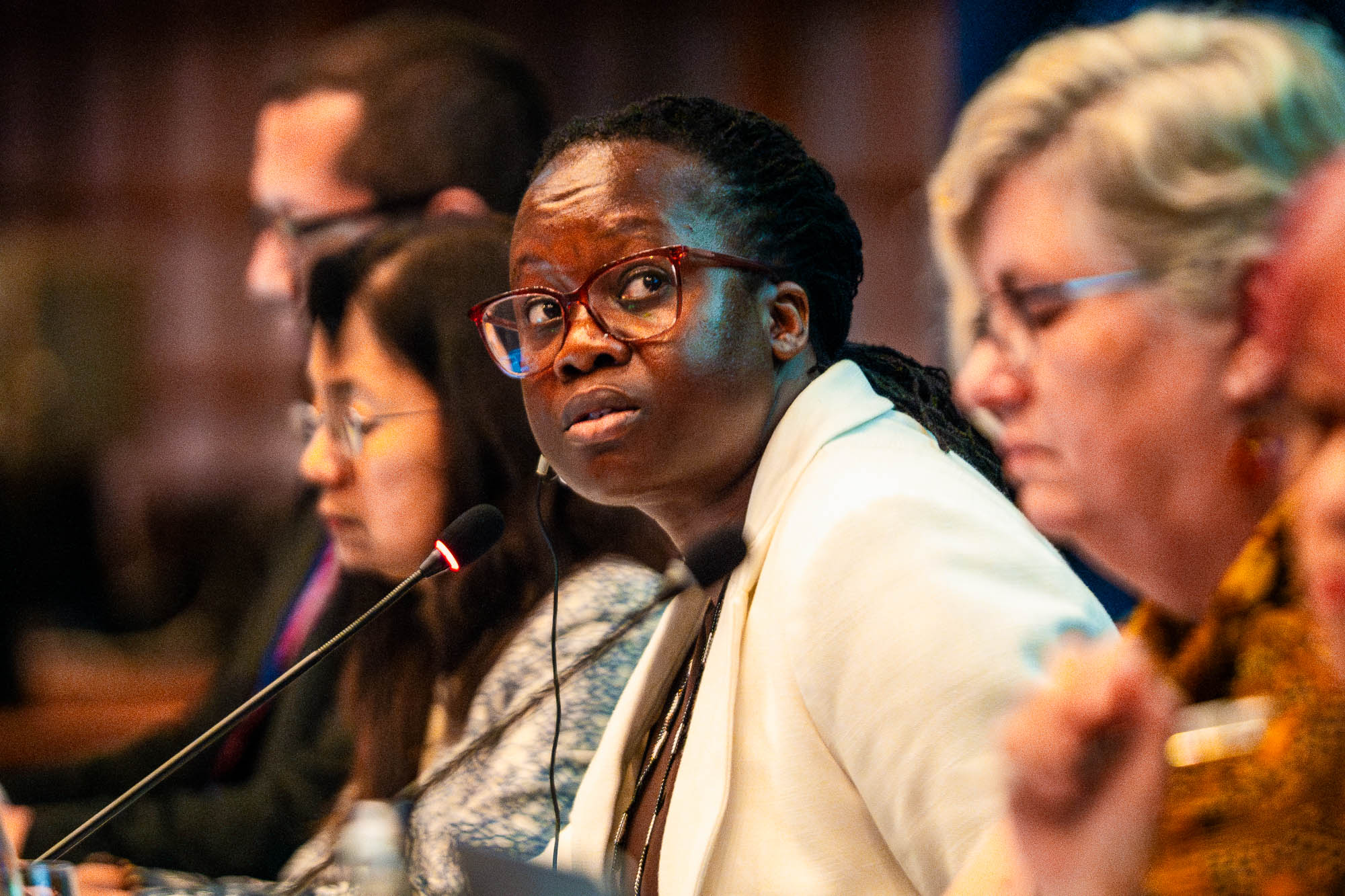
Igobe Mbulawa, Co-Chair, OEWG 48, Botswana
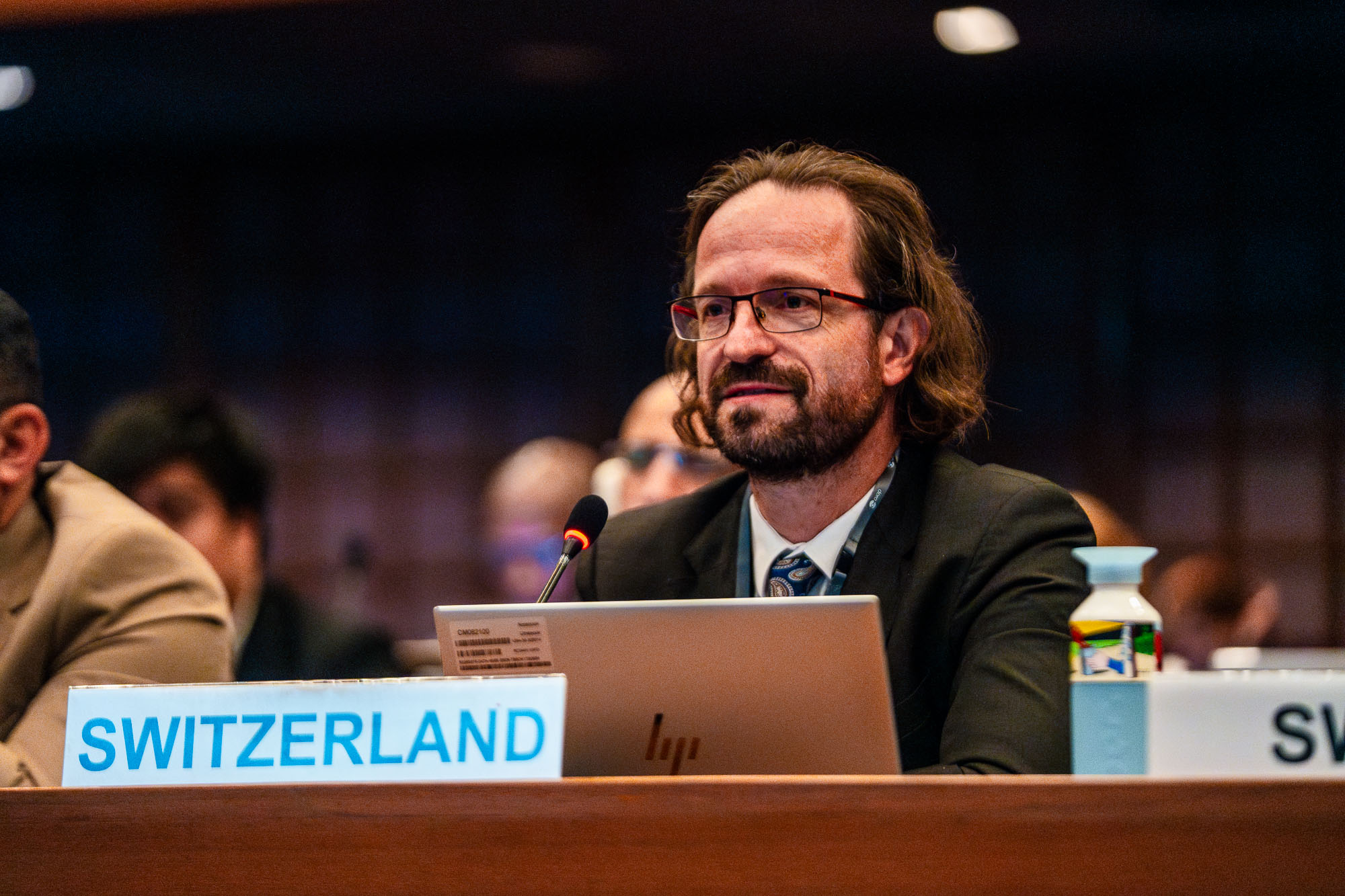
Henry Wöhrnschimmel, Switzerland
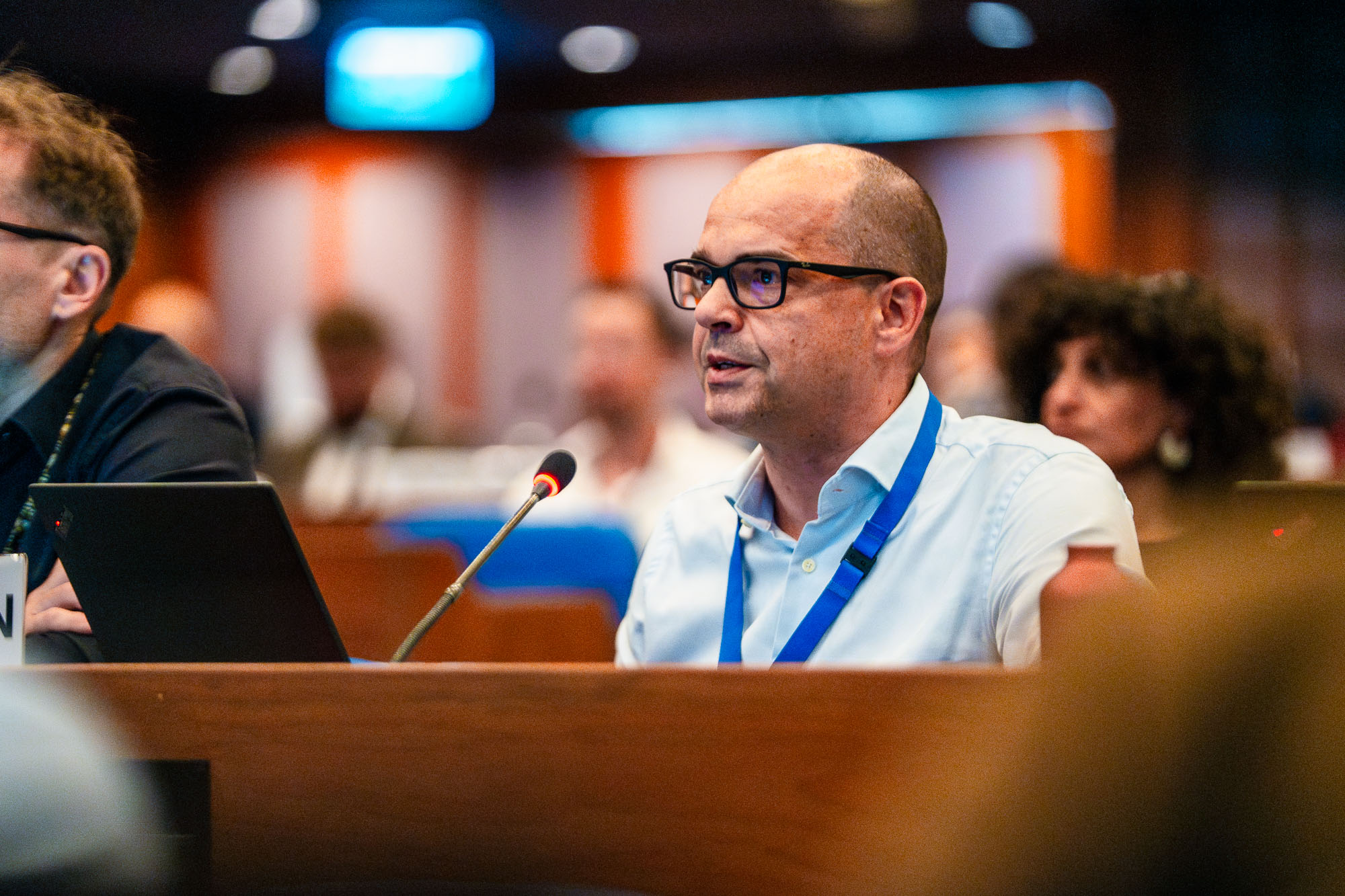
Tom Van Ierland, EU
Contact Groups
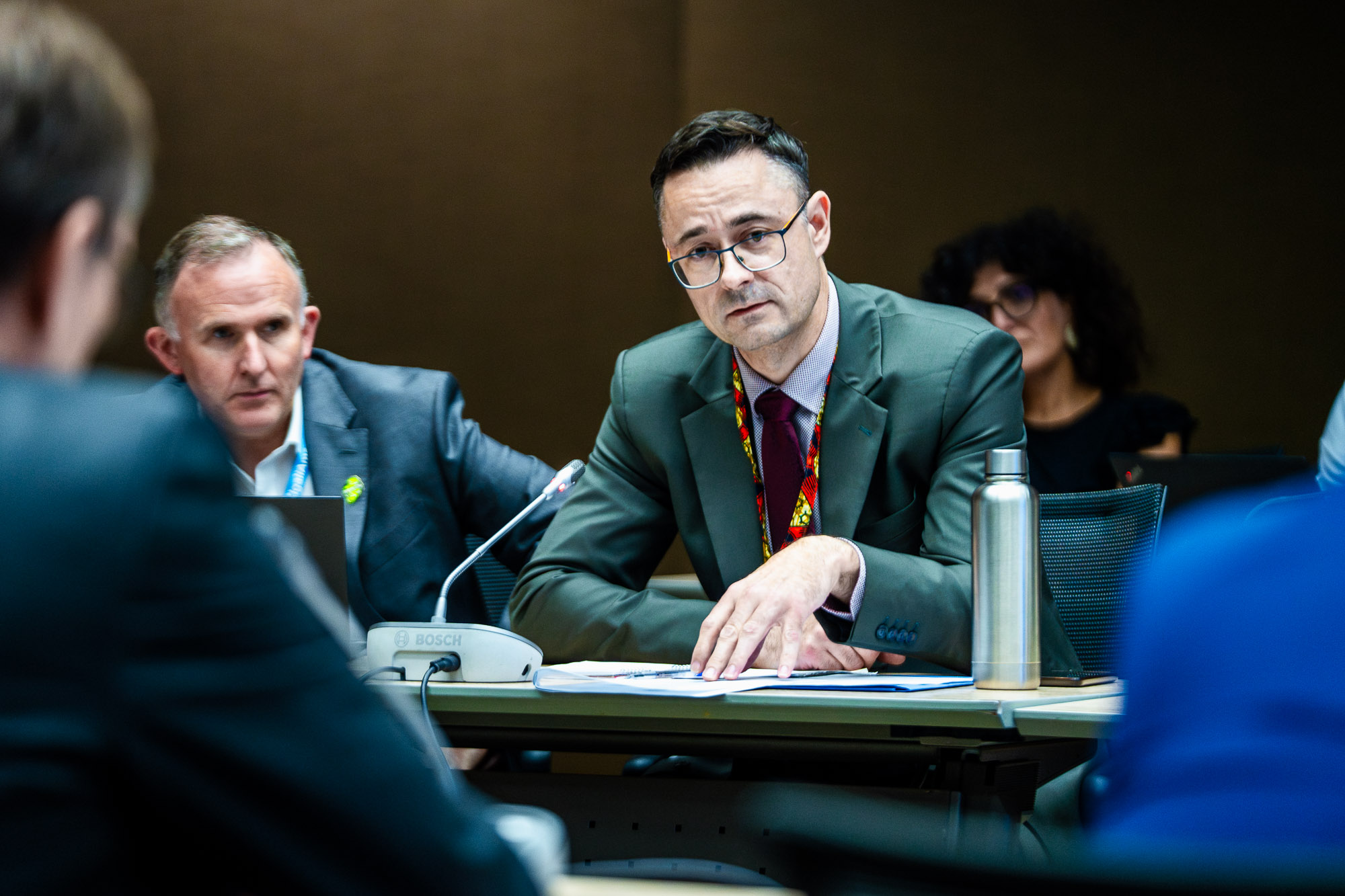
Přemysl Štĕpánek, Czechia
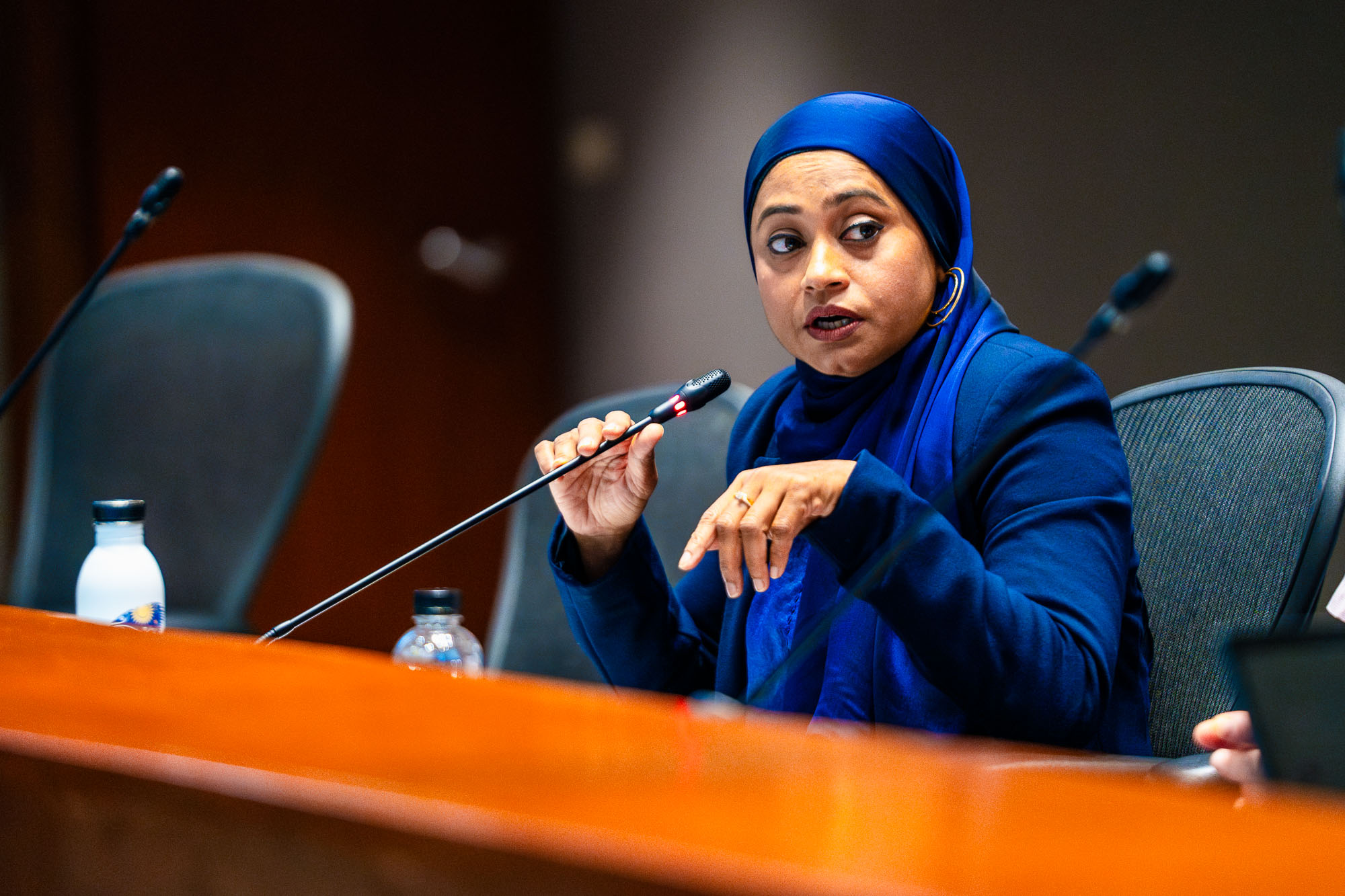
Miruza Mohamed, Maldives
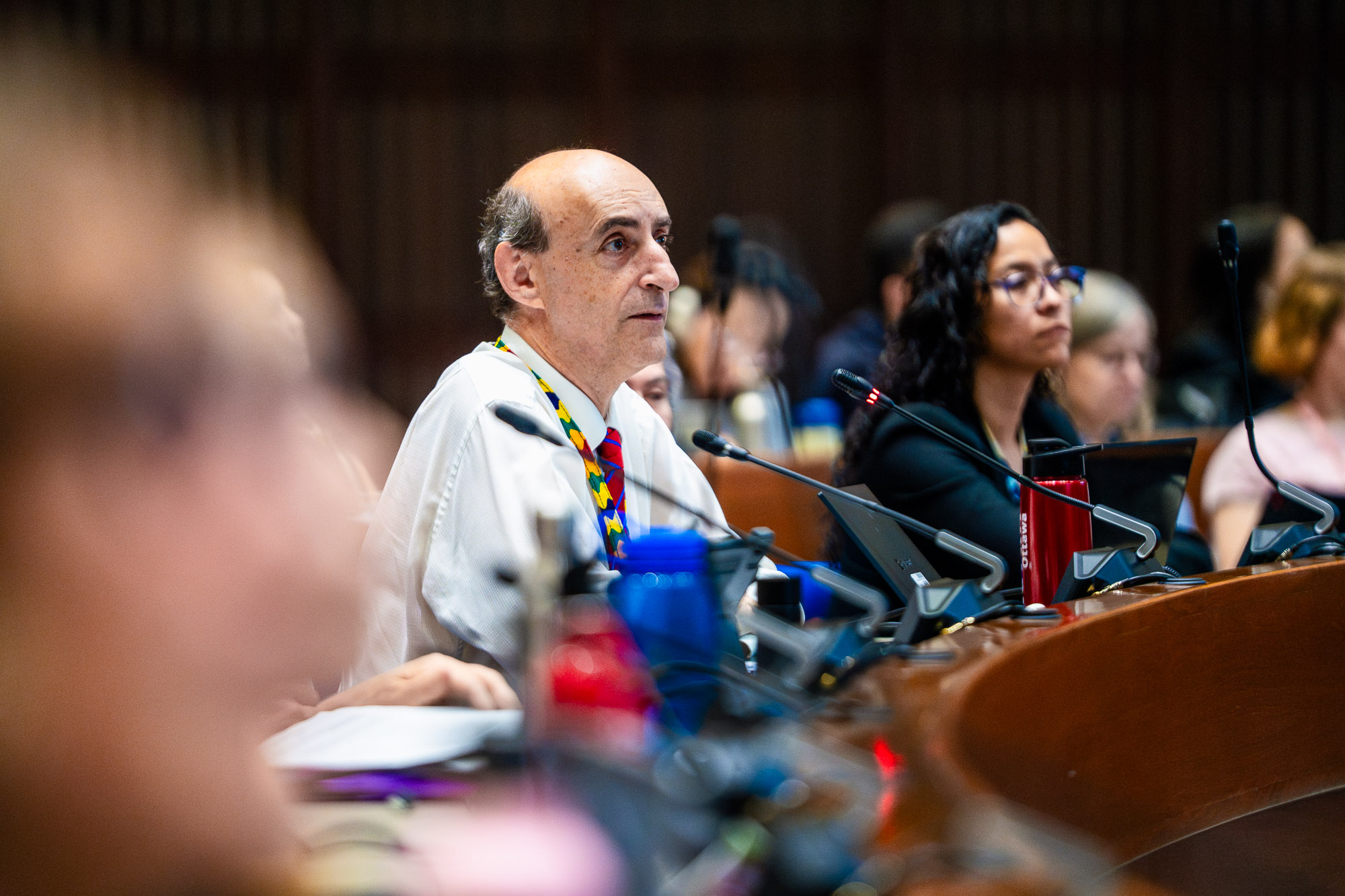
Philippe Chemouny, Canada
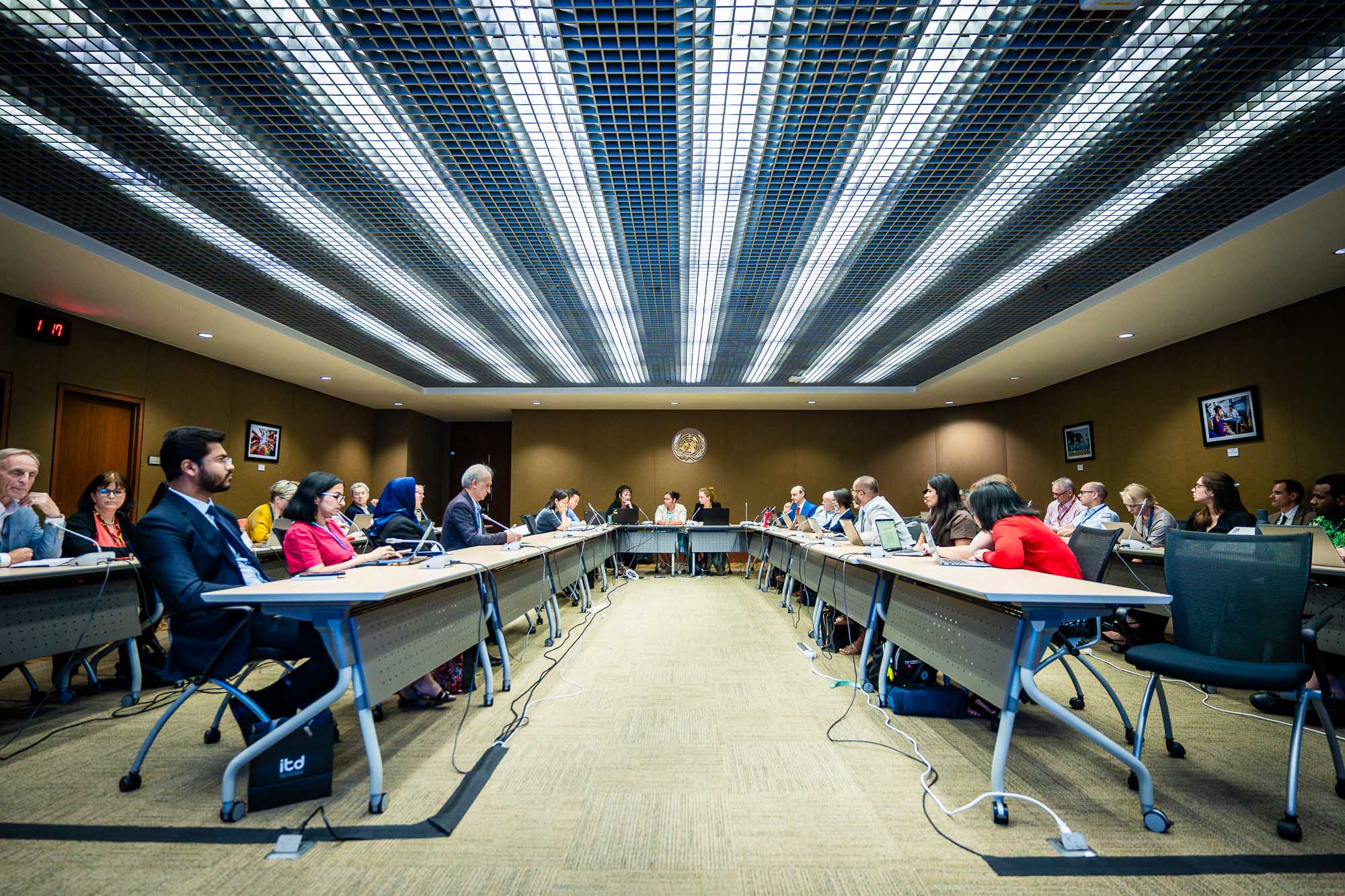
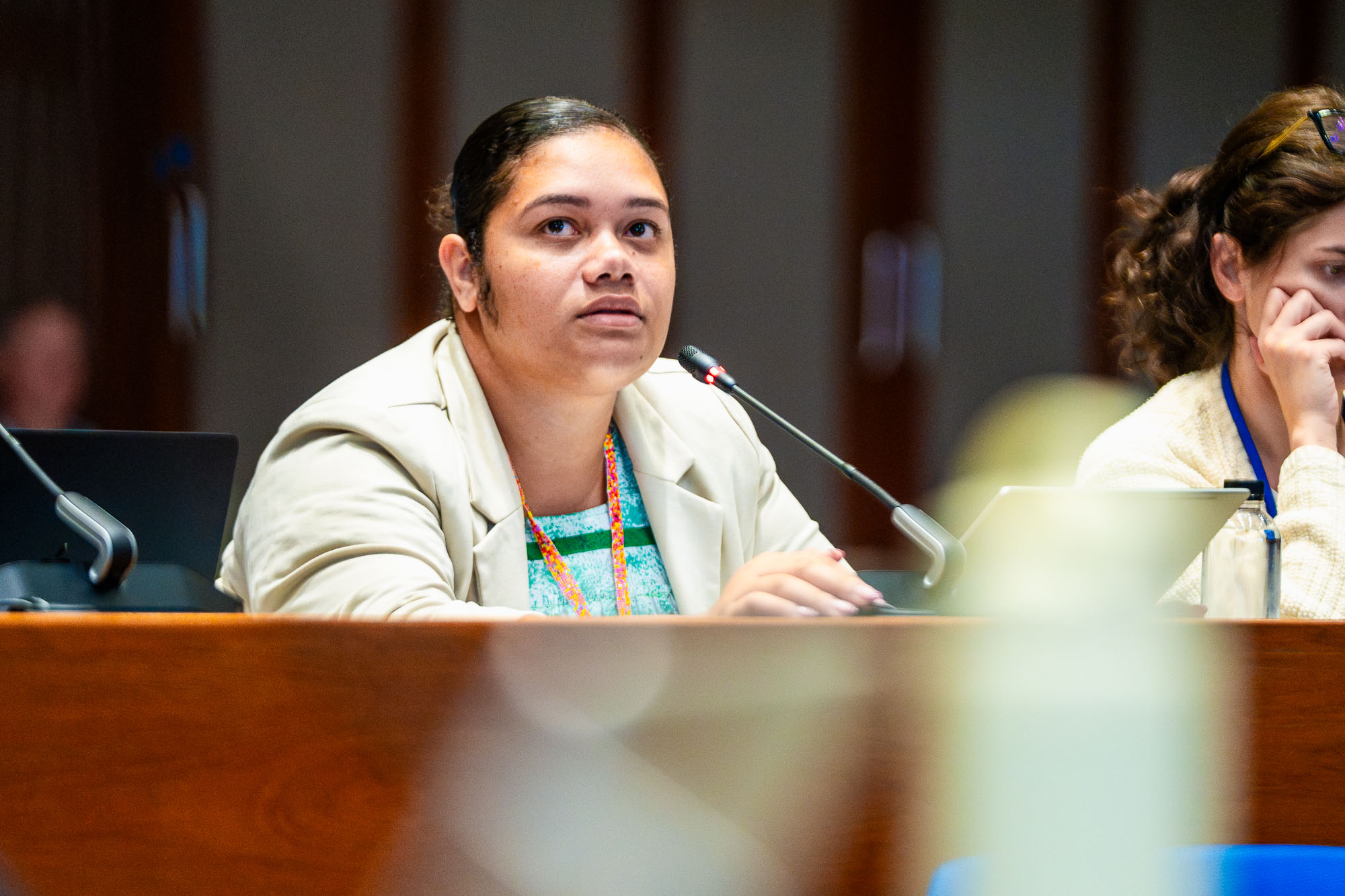
Camilla Noel, Vanuatu
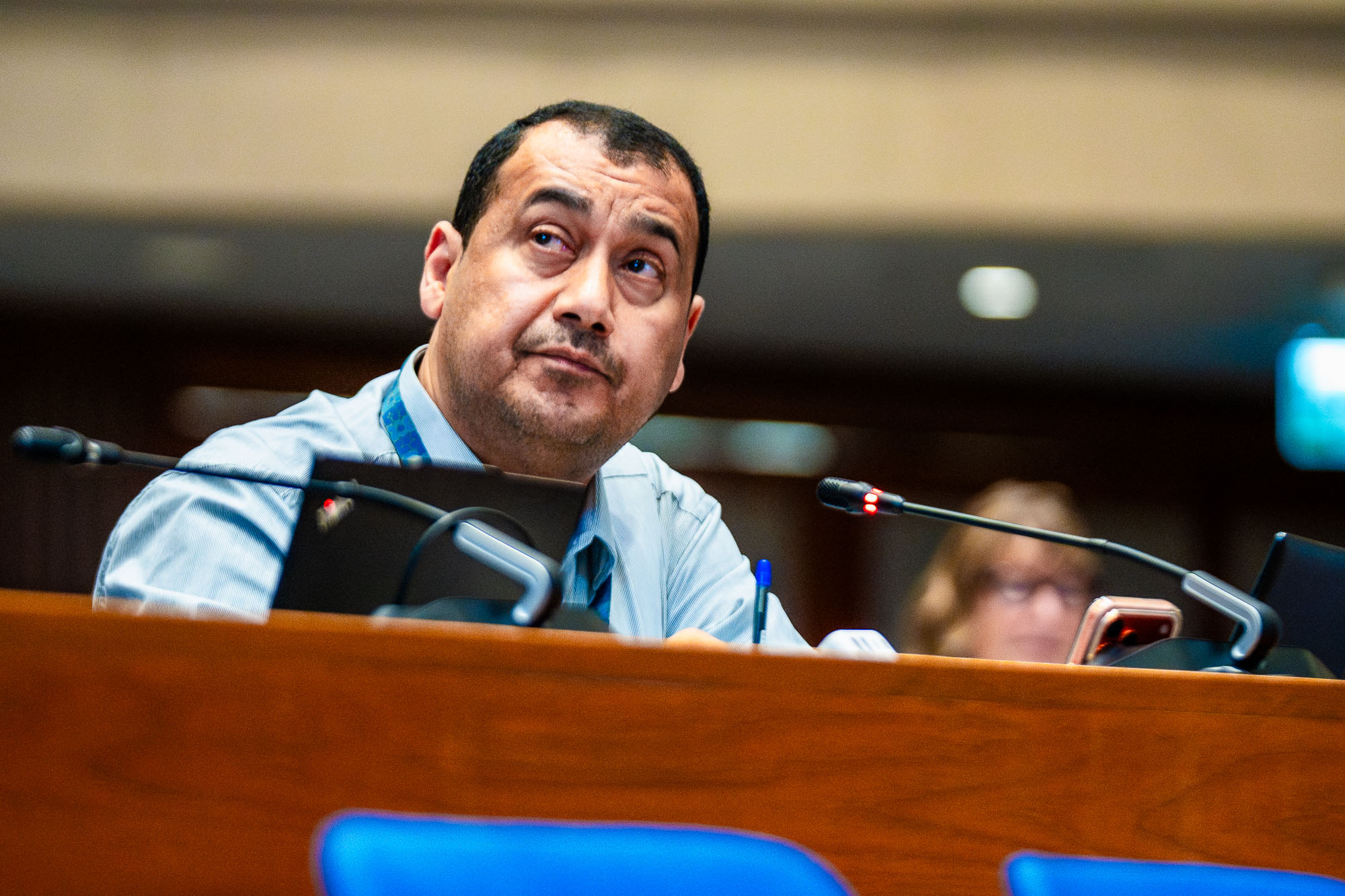
Hasan Ali Mubarak, Bahrain
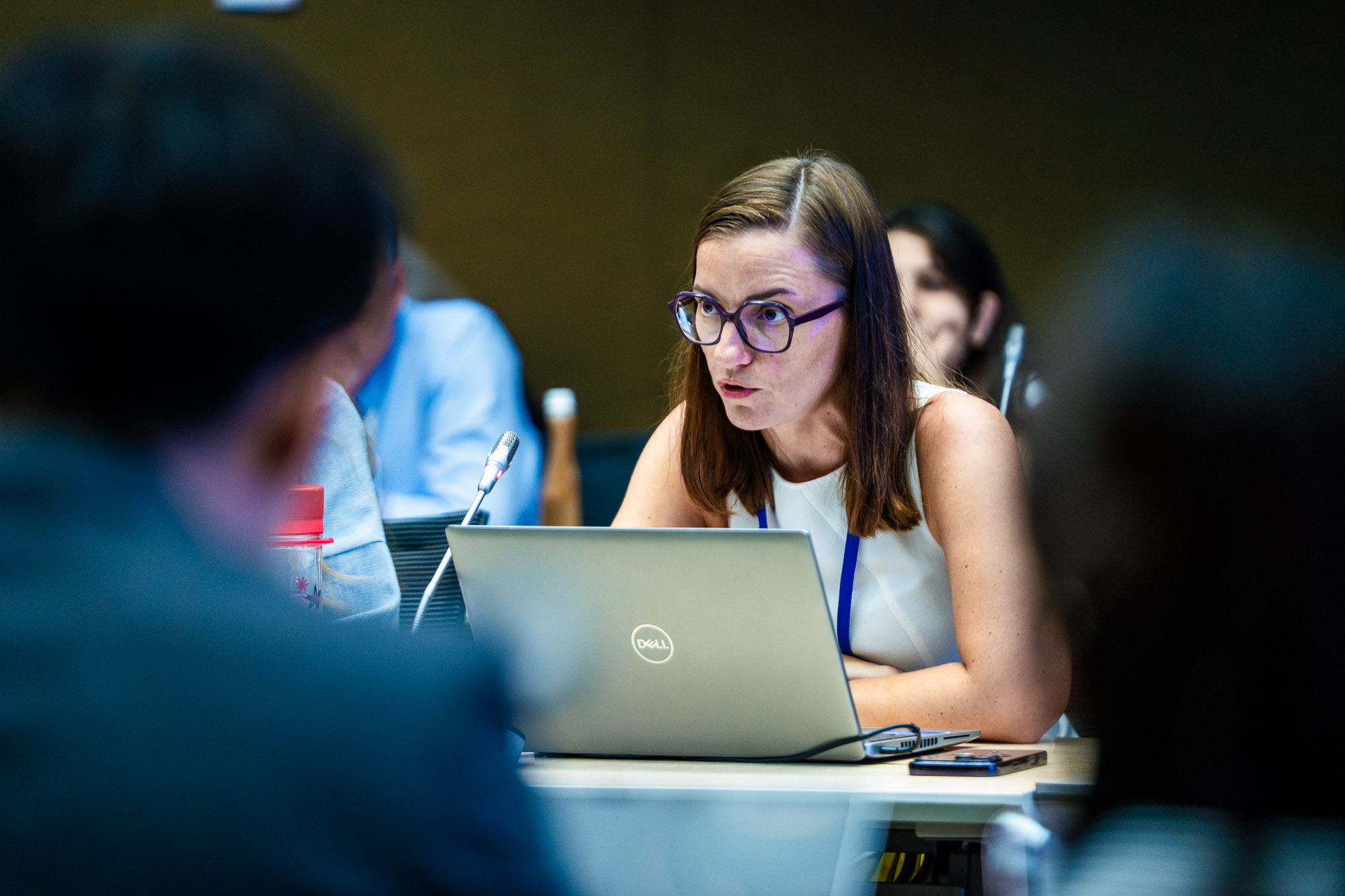
Donata Pipiraitė-Vališkienė, Lithuania
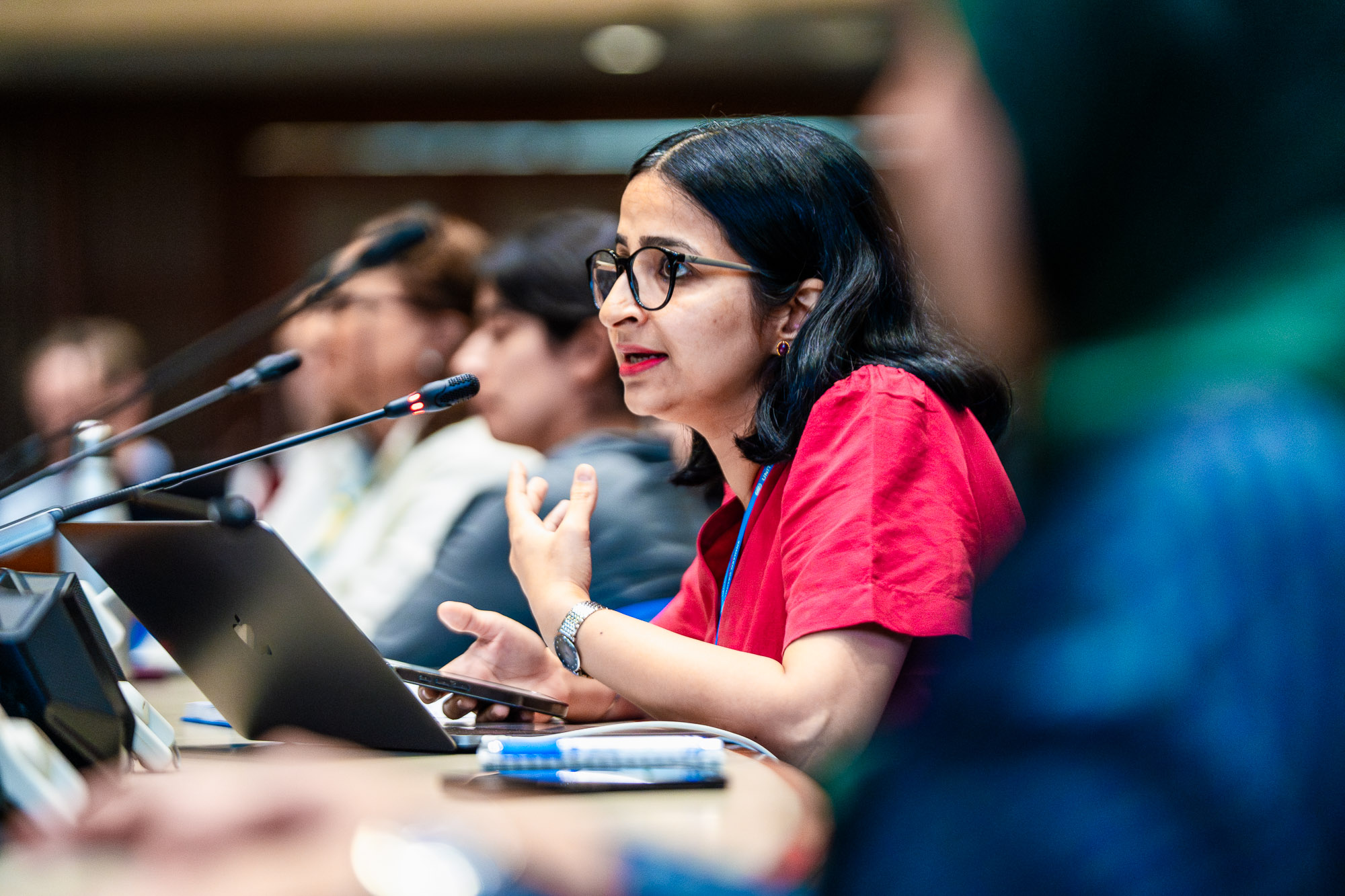
Jagpreet Kaur, India
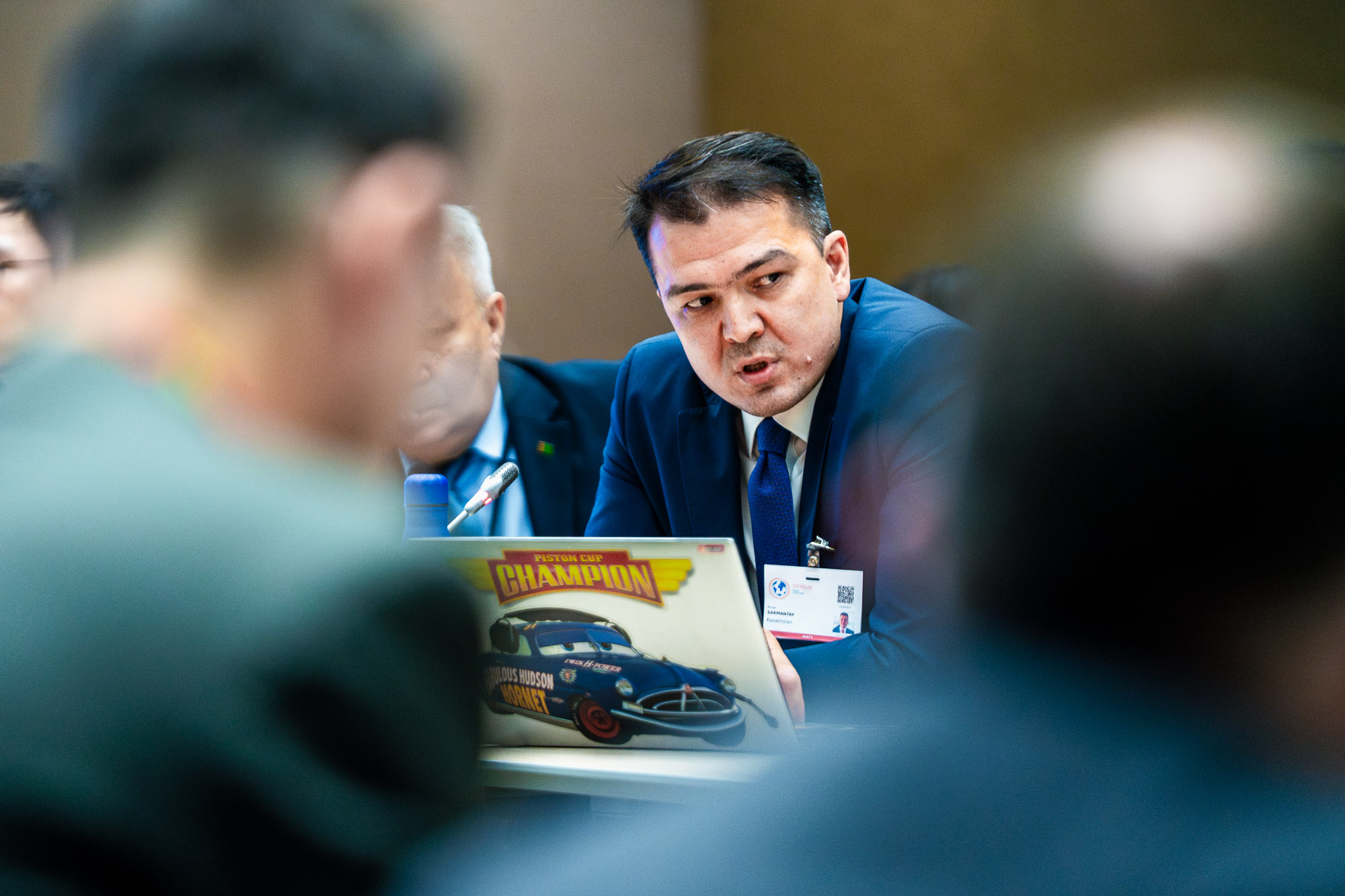
Anuar Sarmantay, Kazakhstan
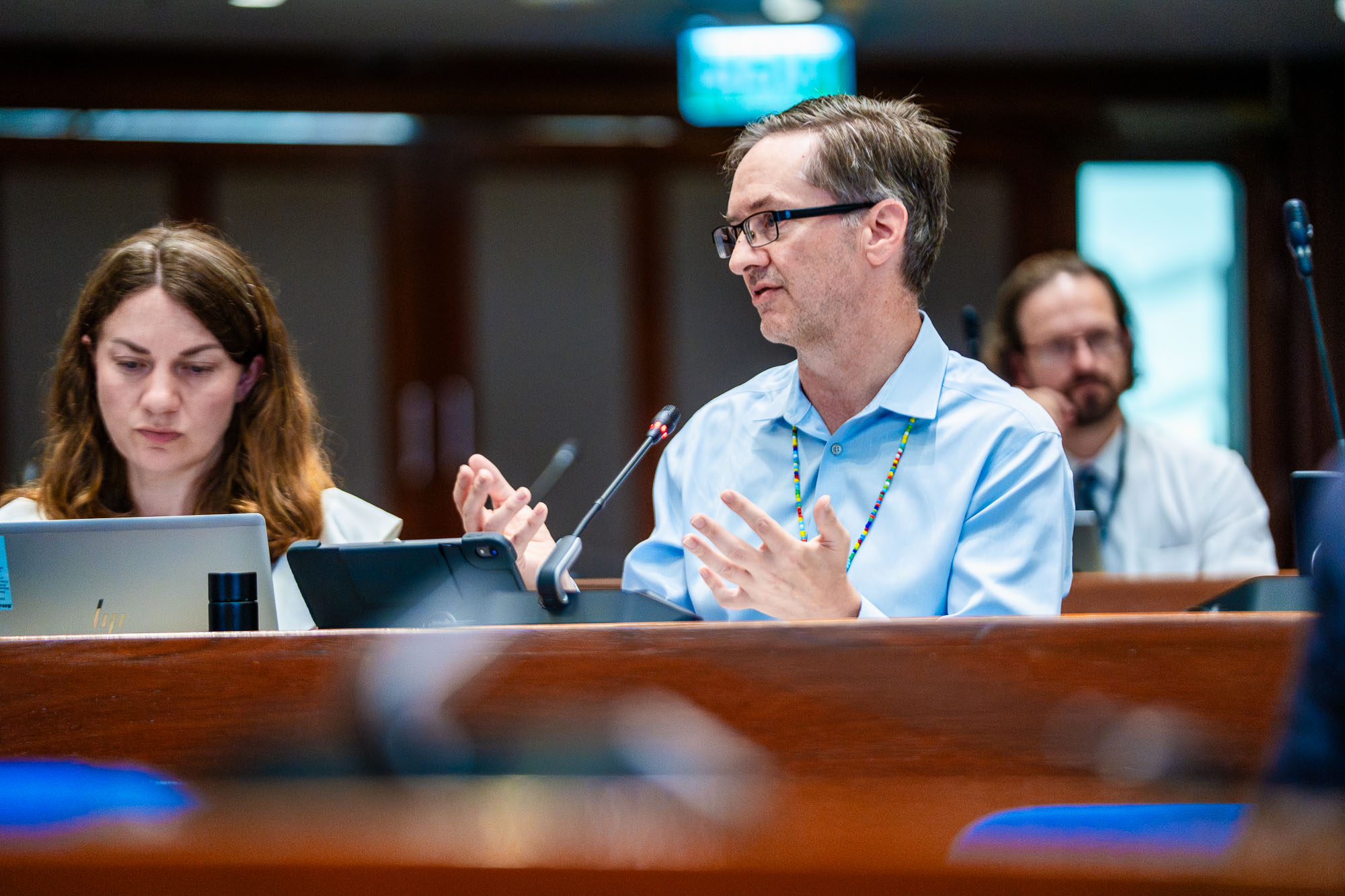
John Thompson, US
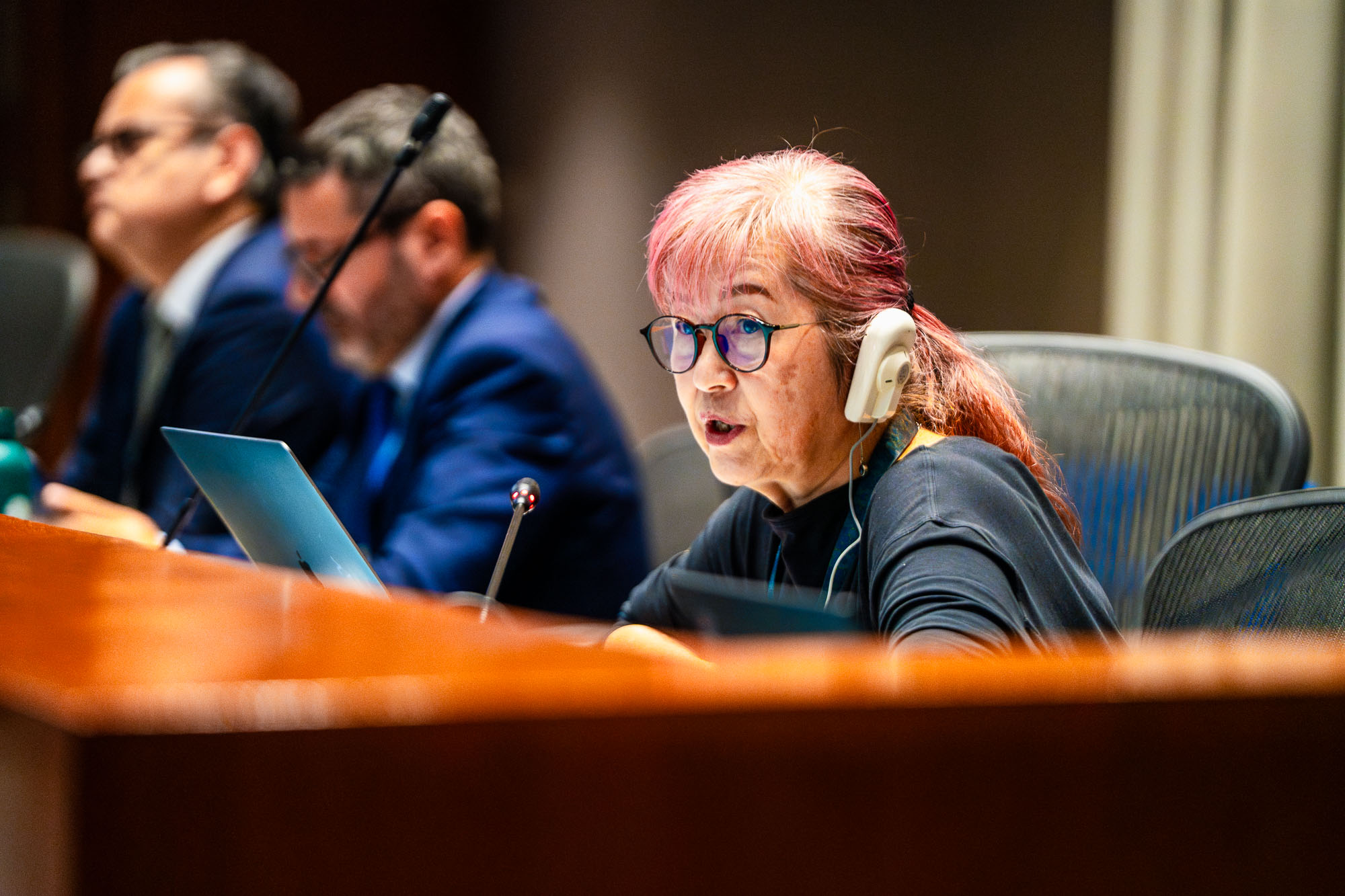
Megumi Seki, Executive Secretary, Ozone Secretariat
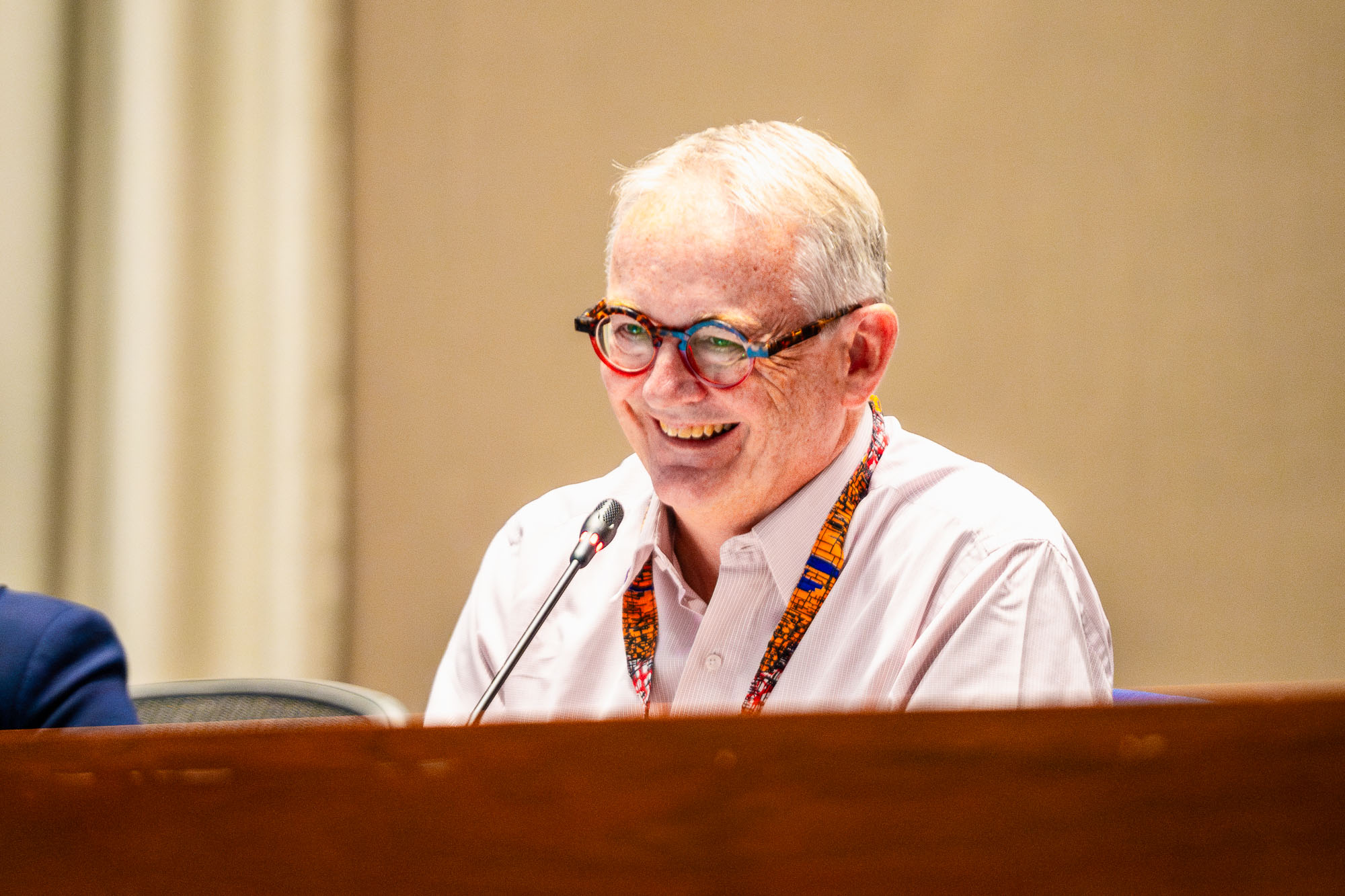
Ralph Brieskorn, the Netherlands
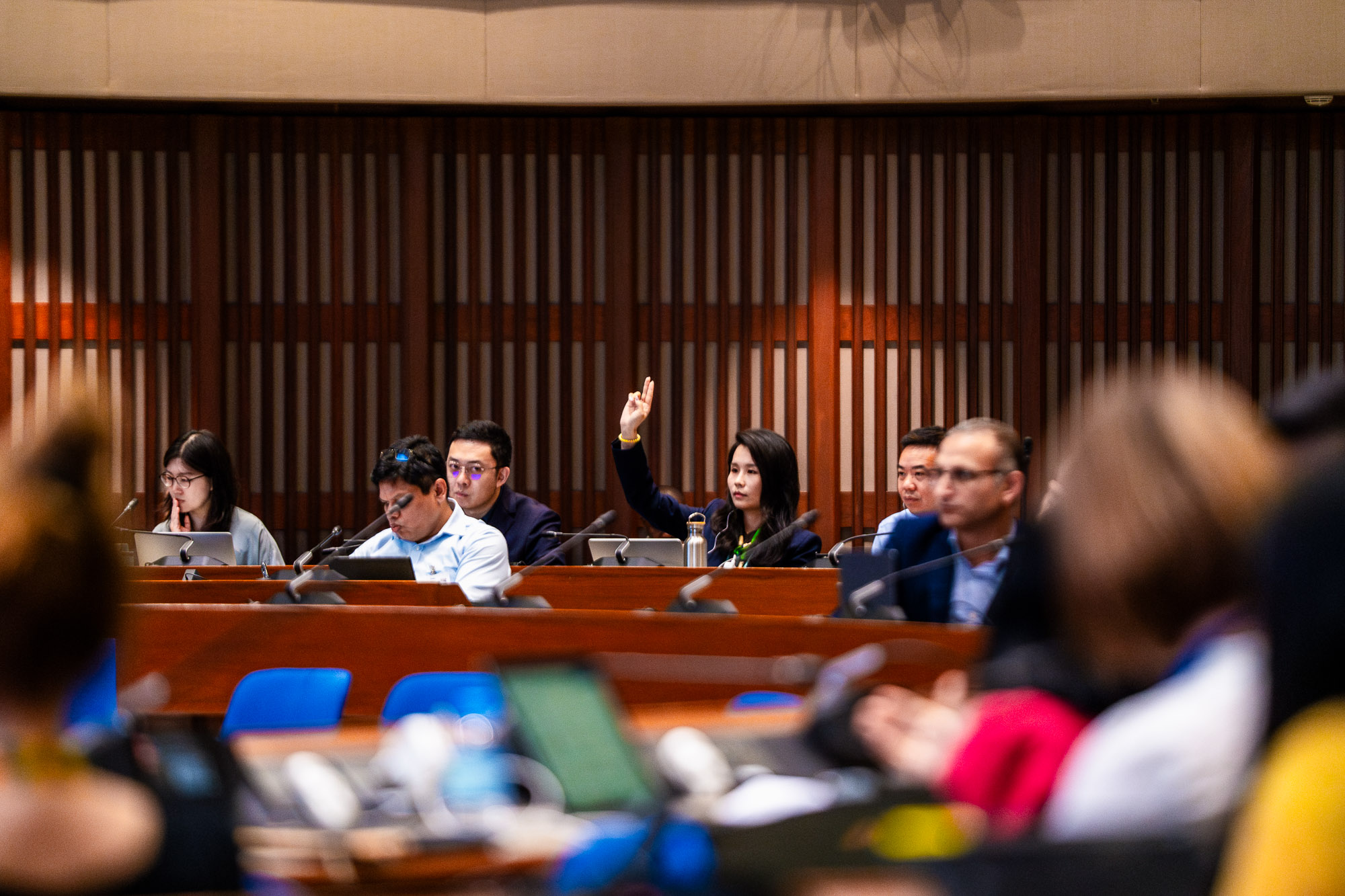
Huang Siyu, China
Around the Venue
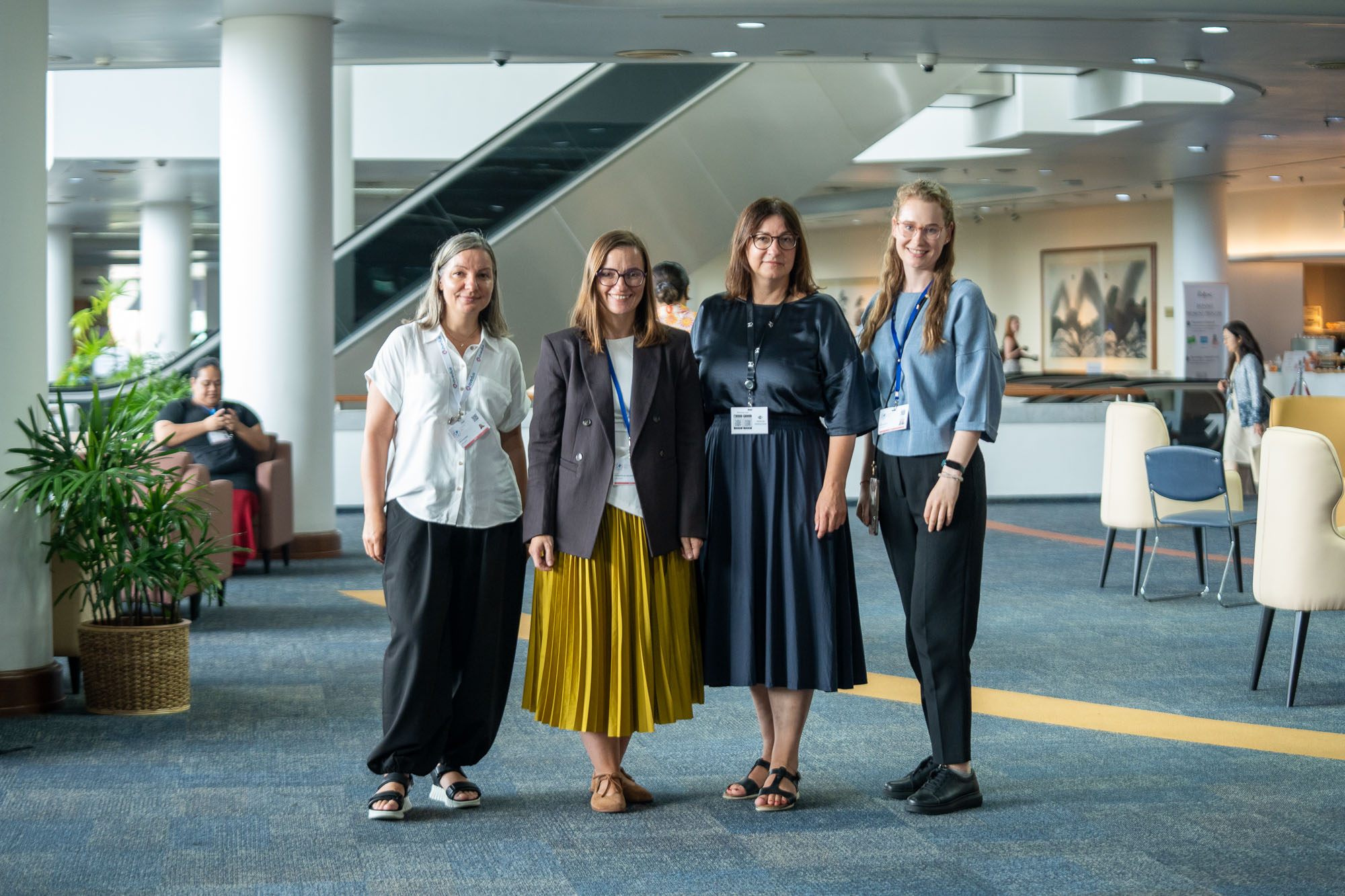
Delegates from Lithuania
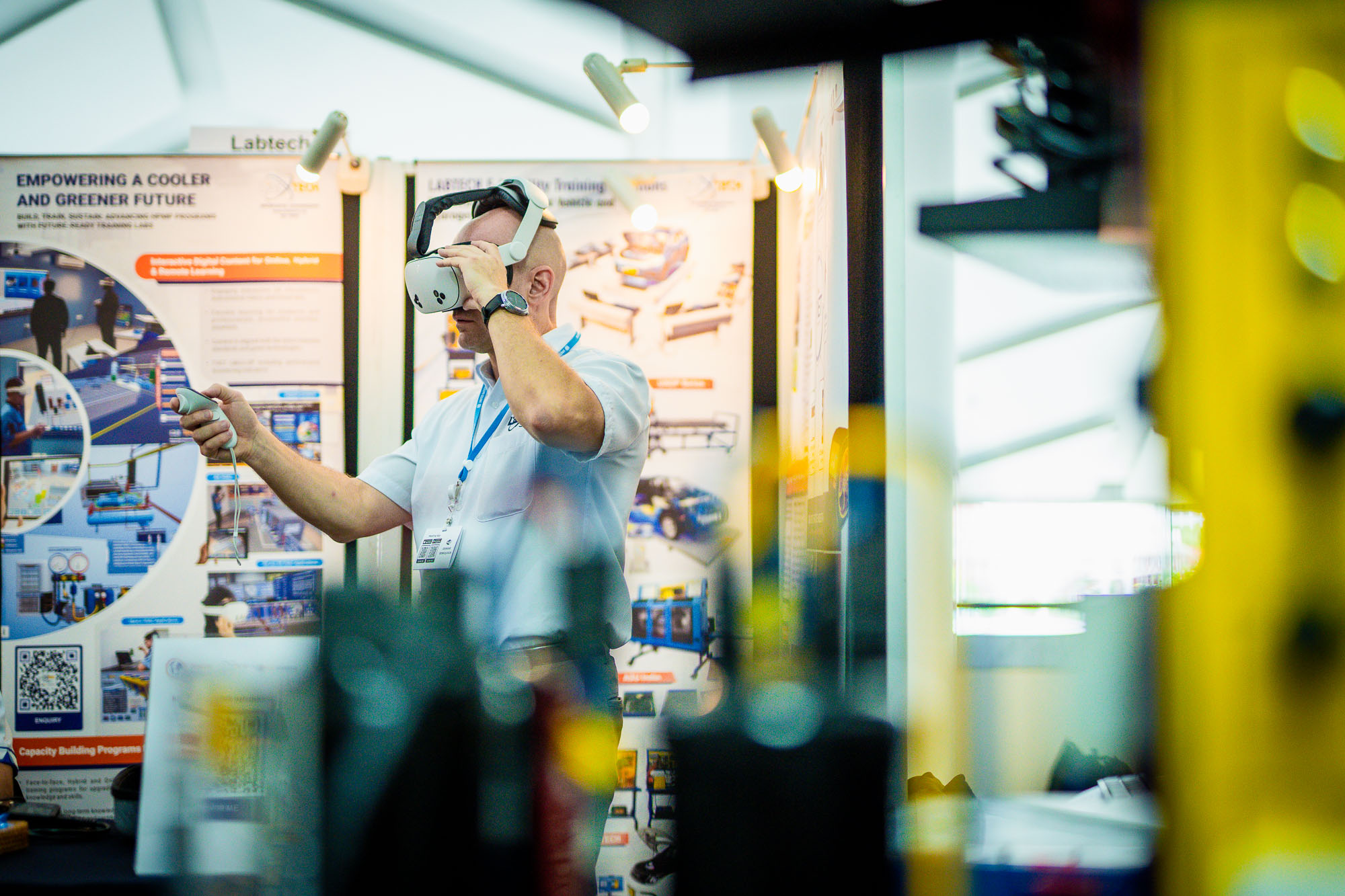

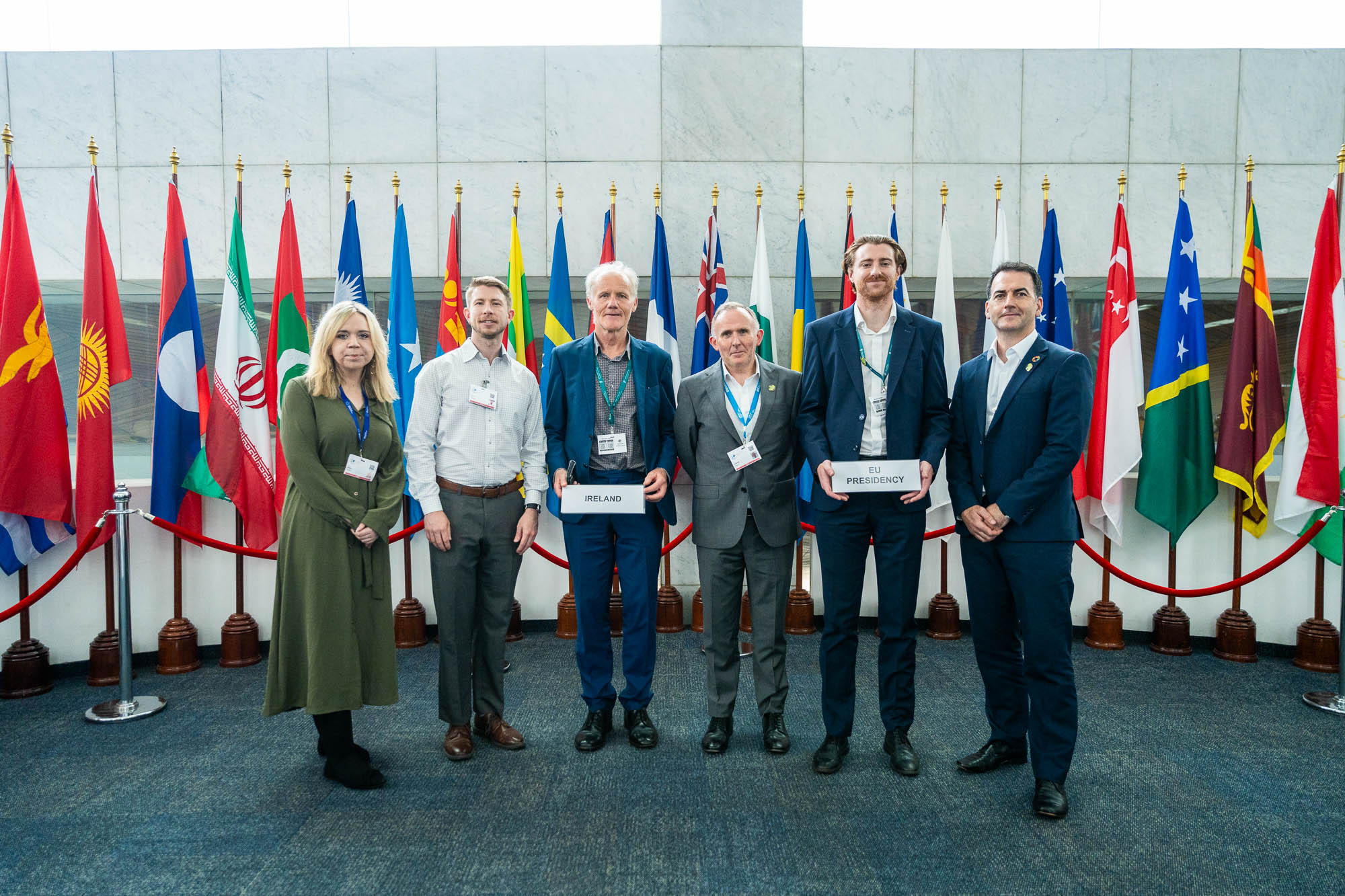
Delegates from Ireland