Delegates breathed a sigh of relief on Tuesday as they avoided an unprecedented vote on the membership of the Montreal Protocol’s Implementation Committee (ImpCom).
Since the 37th Meeting of the Parties (MOP 37) in November 2025 could not complete these elections, due to lack of consensus on a nominee from the group of Eastern European States, Parties had to convene an Extraordinary Meeting of the Parties (ExMOP 6) to complete the elections.
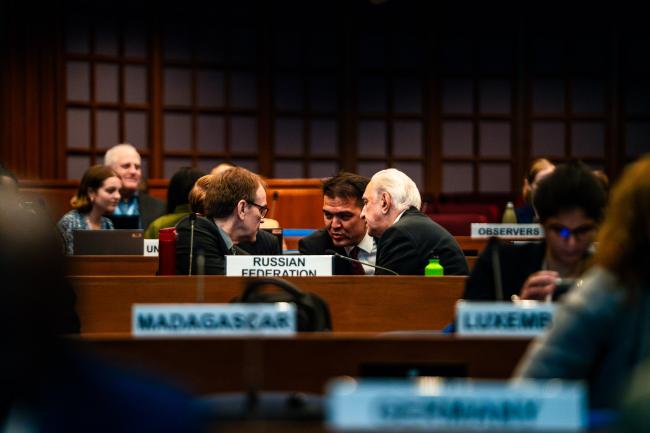
The ImpCom contributes to the effectiveness of the Montreal Protocol by addressing non-compliance issues submitted by Parties or the Secretariat. Yet this 10-member committee has been unable to meet without the full complement of members.
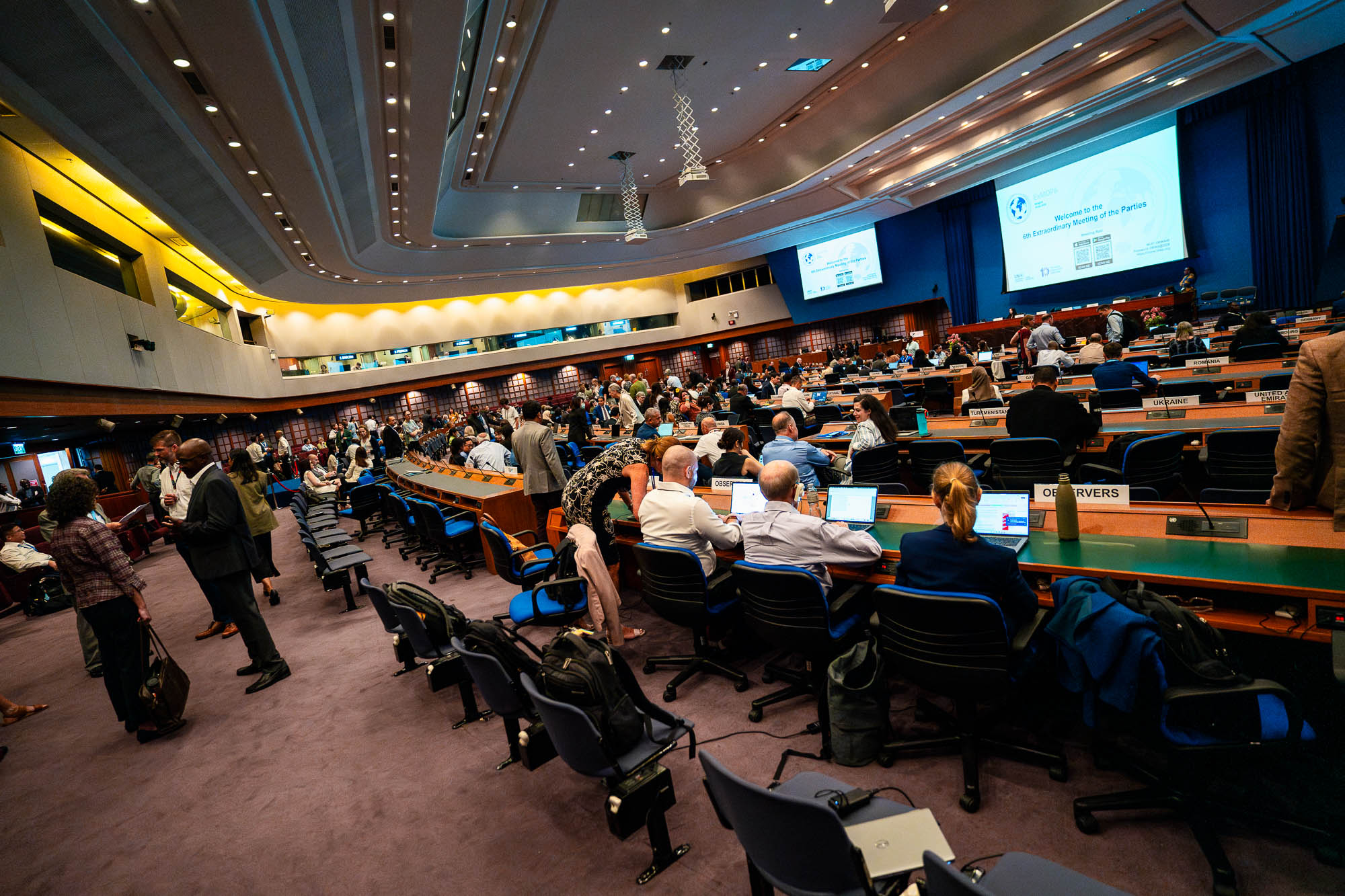
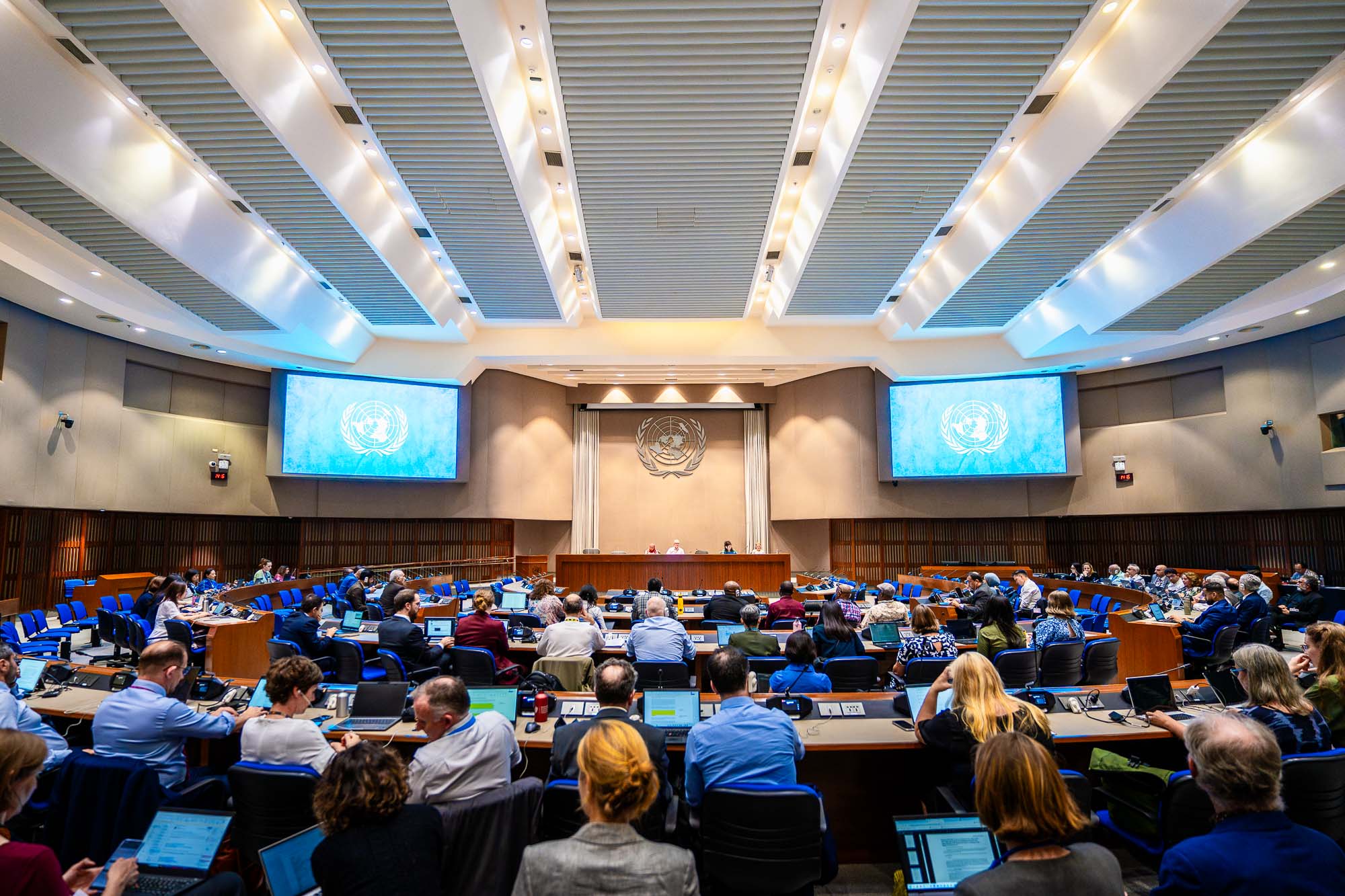
After waiting for consultations among members of the Eastern European States to conclude, the ExMOP opened just after 11:00 am, chaired by MOP 37 President Paul Krajnik (Austria). By acclamation, the ExMOP elected the following five ImpCom members to serve until the end of 2027: Azerbaijan, Ecuador, Kenya, Lebanon, and Norway.
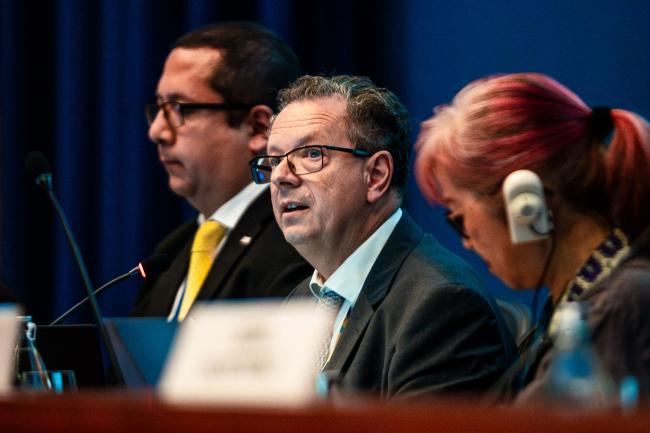
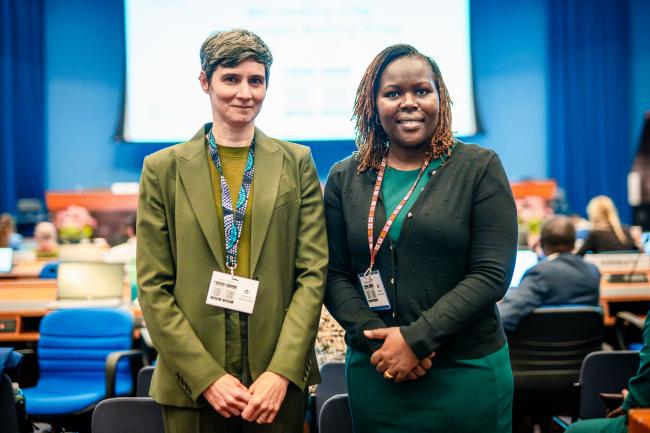
Linda Kosgei (Kenya) was elected ImpCom President and Sandrine Benard (Norway) Vice-President and Rapporteur. The other five ImpCom members (Benin, Dominican Republic, Netherlands, Montenegro, and Saudi Arabia) will continue to serve their terms until the end of 2026.
With the ExMOP “done and dusted” in about an hour, delegates then returned to the work of the Open-ended Working Group (OEWG). They started to explore the options the Secretariat had developed, in response to decision XXXVII/7, to ensure the viability of the Montreal Protocol. The options, with associated cost estimates, concern: the timing and length of Meetings of the Parties to the Protocol and meetings of the OEWG, ImpCom, and the assessment panels; Secretariat support for those meetings; and the timing of replenishment decisions.
Initial comments by Parties indicated that they are willing to consider alternative approaches to the operations of the Montreal Protocol as long as this does not jeopardize the ability of Parties to make effective, inclusive, and timely decisions, and does not have a negative impact on Article 5 (developing) countries.
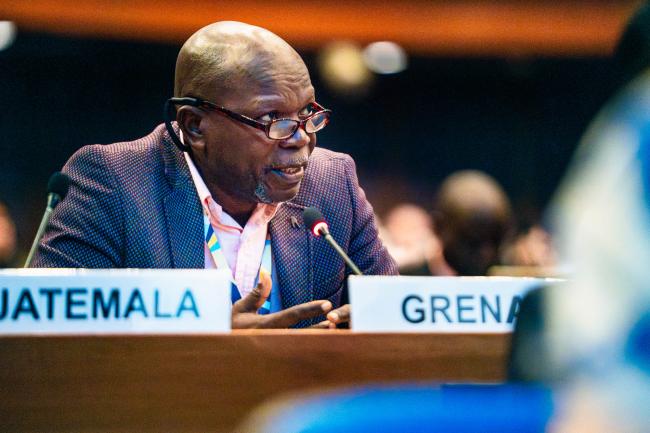
Delegates invoked other existing multilateral environmental agreements as a potential source for inspiration. One delegate suggested that the Protocol’s rules of procedure may also leave room for further flexibility and cost savings. Many Parties stressed that outstanding funding commitments must be honored as a top priority. However, several delegations questioned the need for reform altogether, given the Protocol’s overall success.
Delegates also resumed consideration of the progress report by the Technology and Economic Assessment Panel (TEAP) with a second question and answer session in the late afternoon. Parties sought further clarification on elements of the report presented by the TEAP and its Technical Options Committees (TOCs) on Monday.
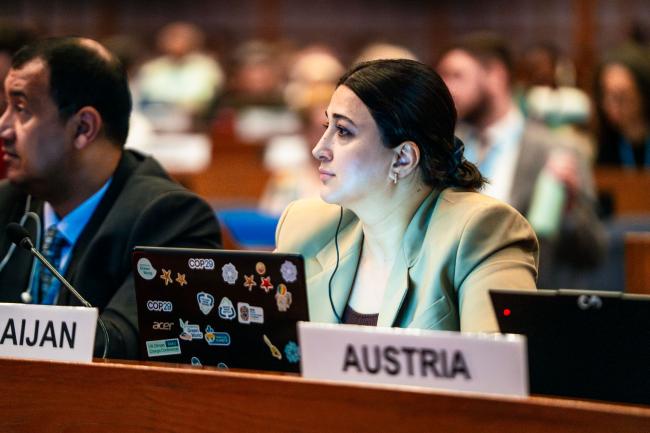
The contact group on the 2027‒2029 replenishment of the Multilateral Fund of the Montreal Protocol met for a second time during the lunch break and further discussed the methodology and assumptions for the replenishment study undertaken by the TEAP Replenishment Task Force.
In the evening, the contact group on the viability of Montreal Protocol operations held its first meeting.
To receive free coverage of global environmental events delivered to your inbox, subscribe to the ENB Update newsletter.
All ENB photos are free to use with attribution. For the 48th meeting of the Open-ended Working Group of the Parties to the Montreal Protocol (OEWG 47), please use: Photo by IISD/ENB | Danny Skilton
Plenary
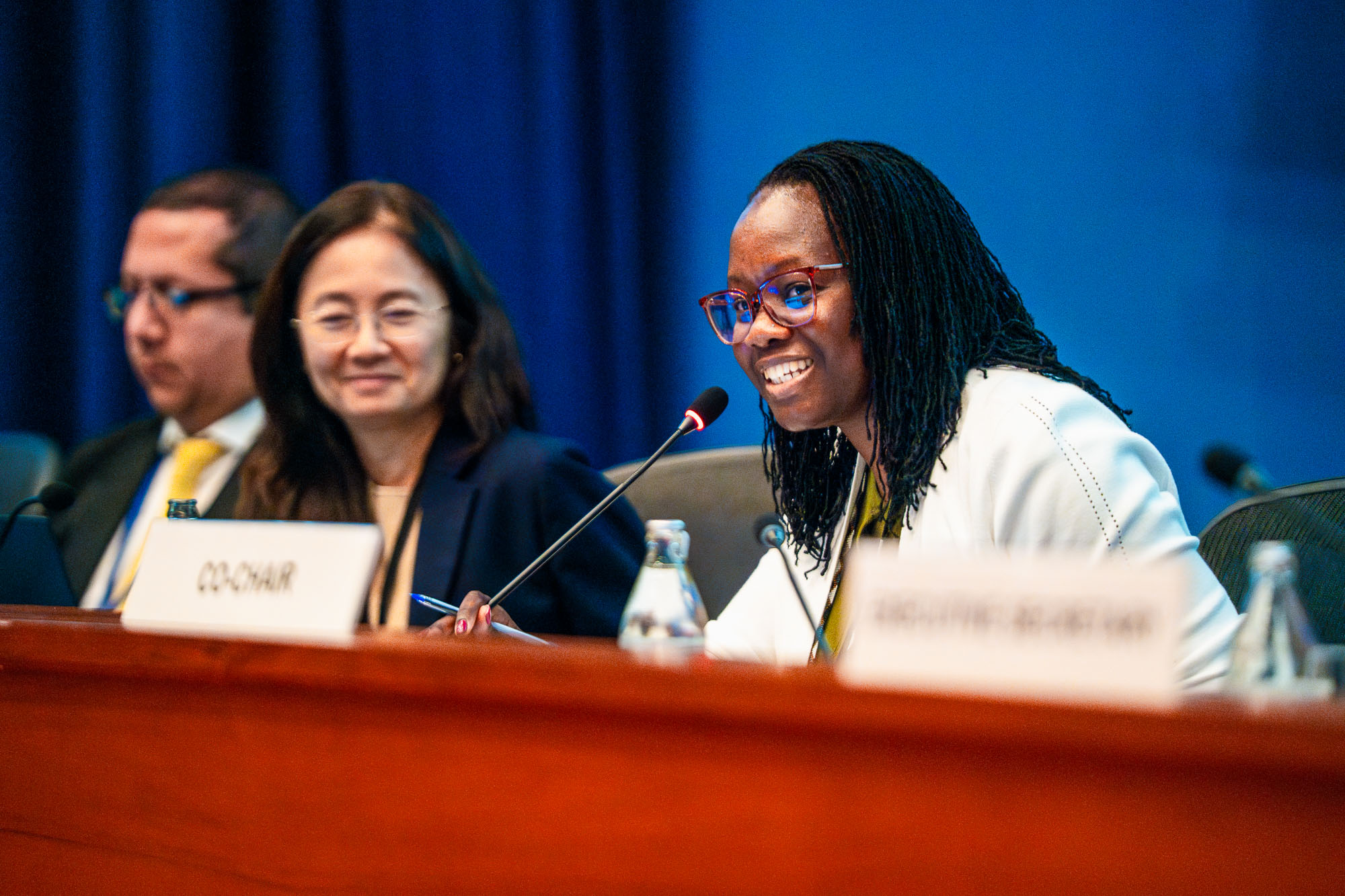
Igobe Mbulawa, Co-Chair, OEWG 48, Botswana
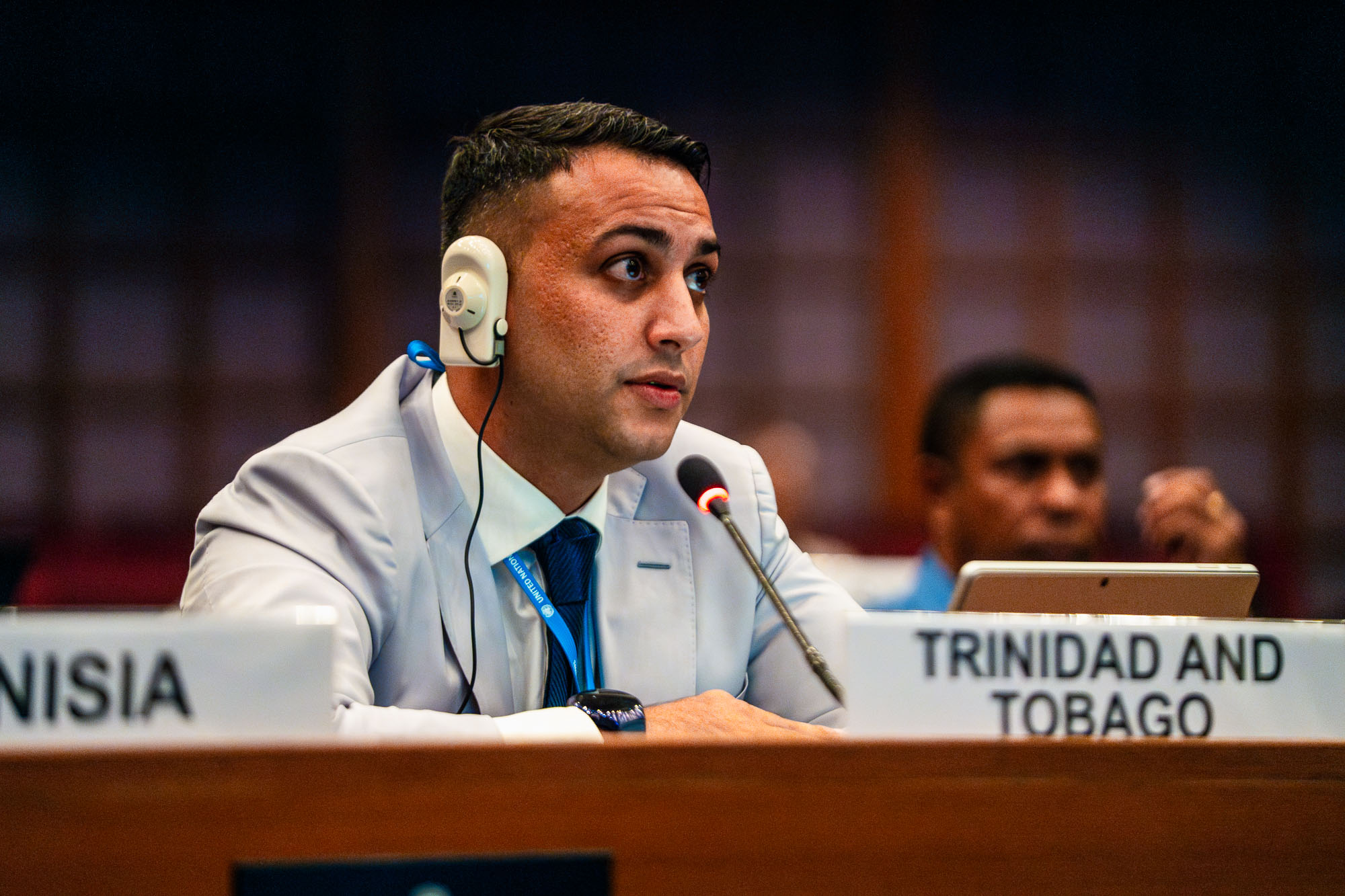
Jonathan Bolai, Trinidad and Tobago
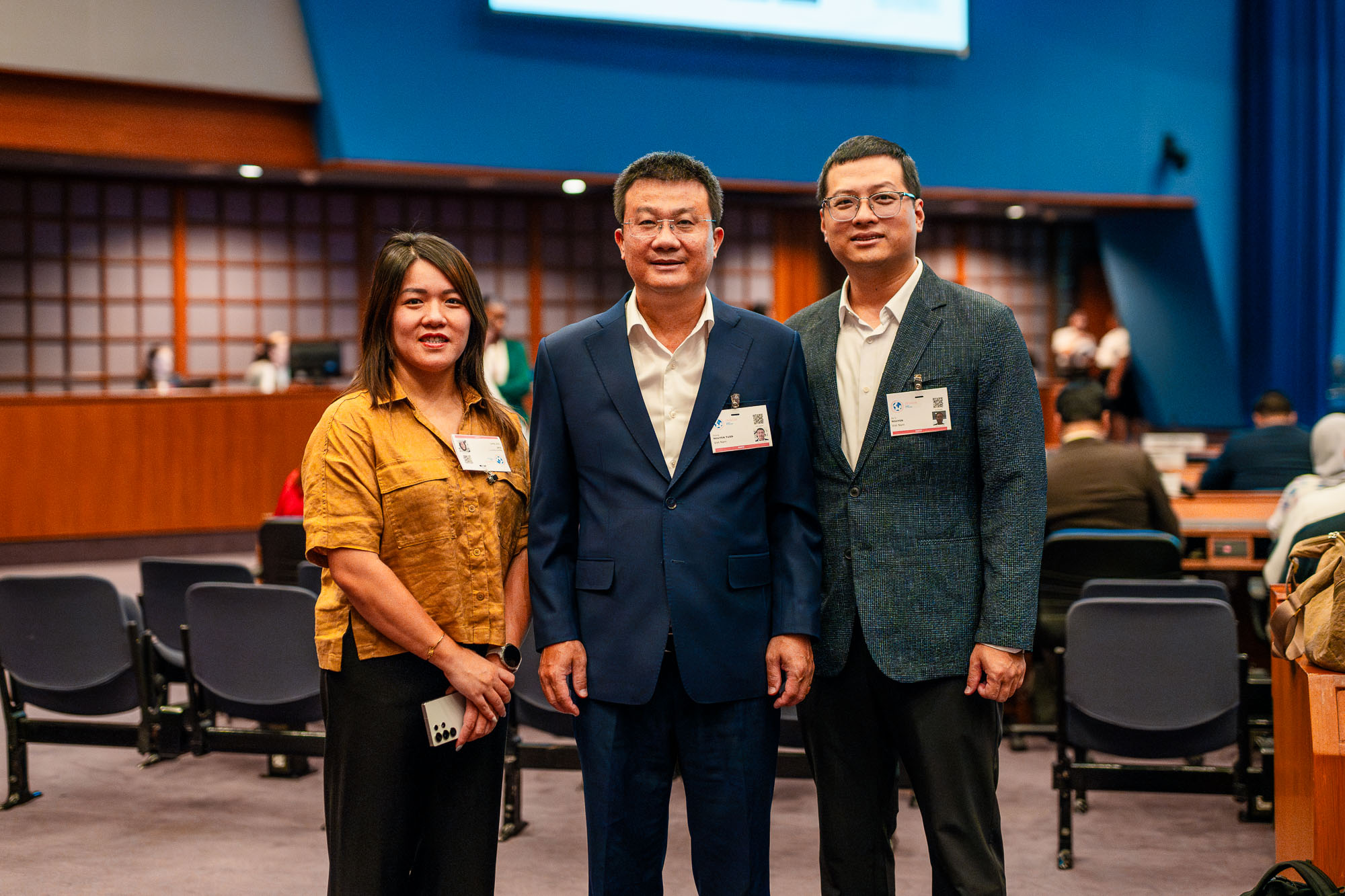
Delegates from Viet Nam
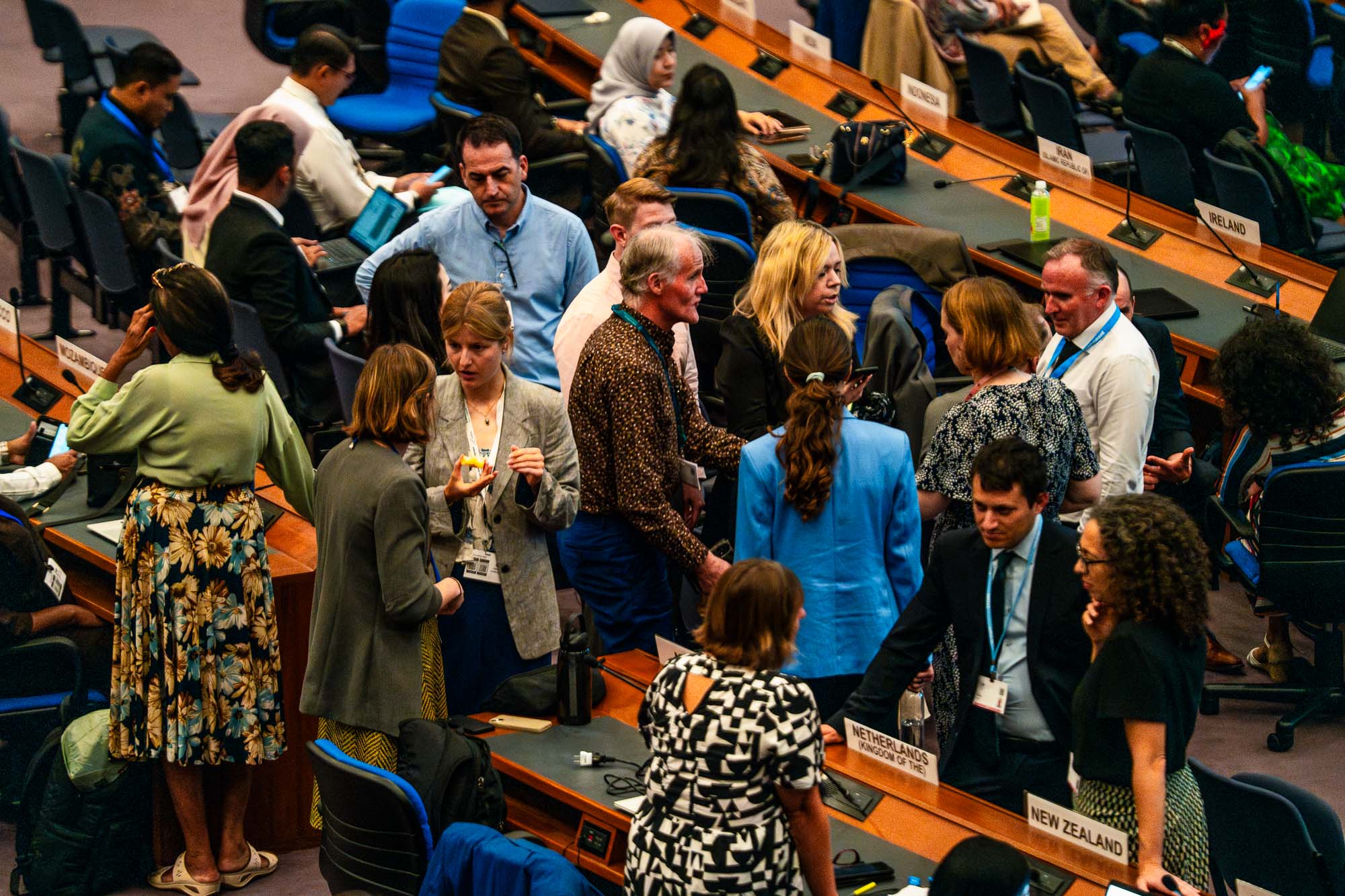
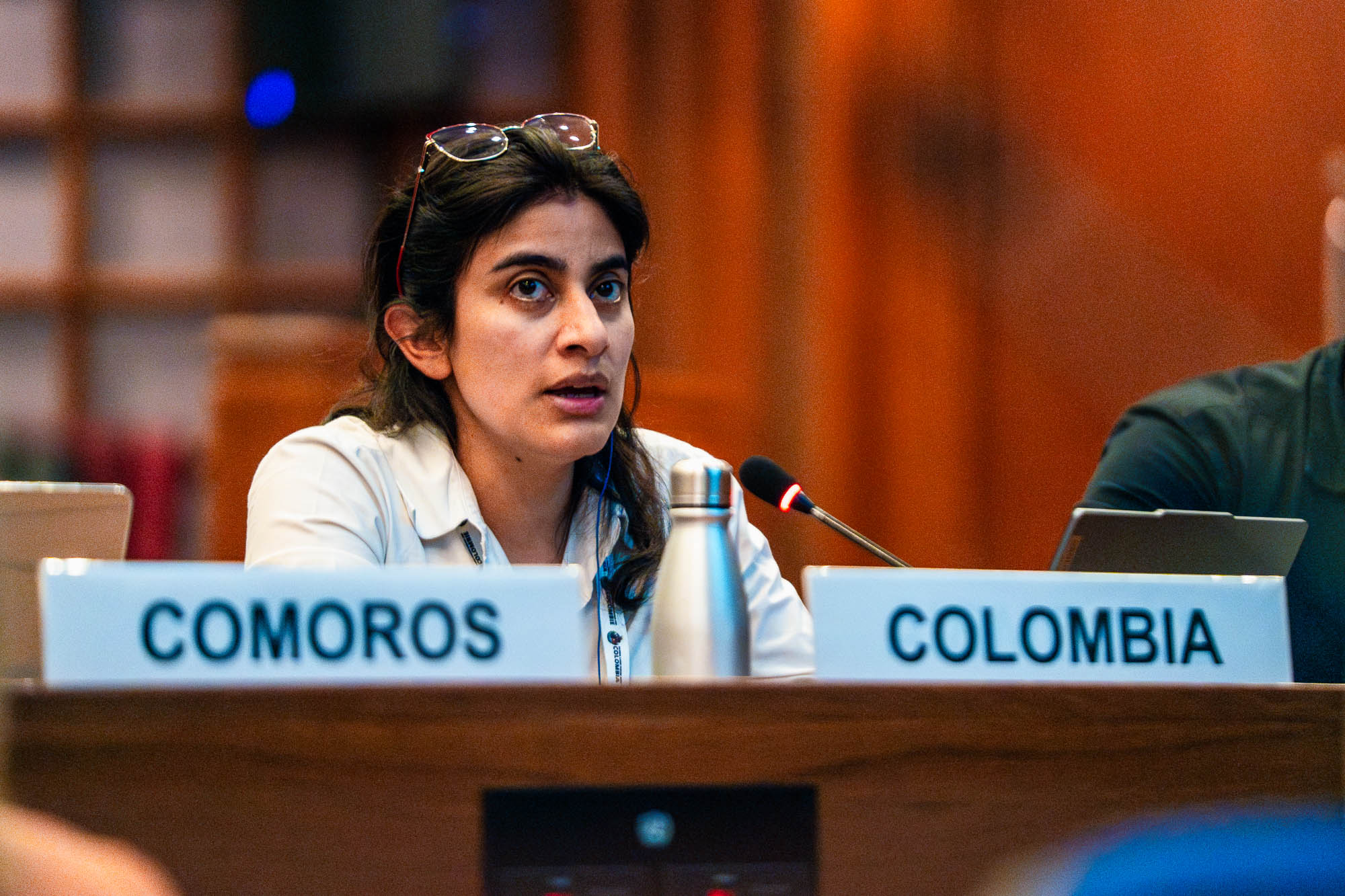
Diana Maritza Monroy Moreano, Colombia
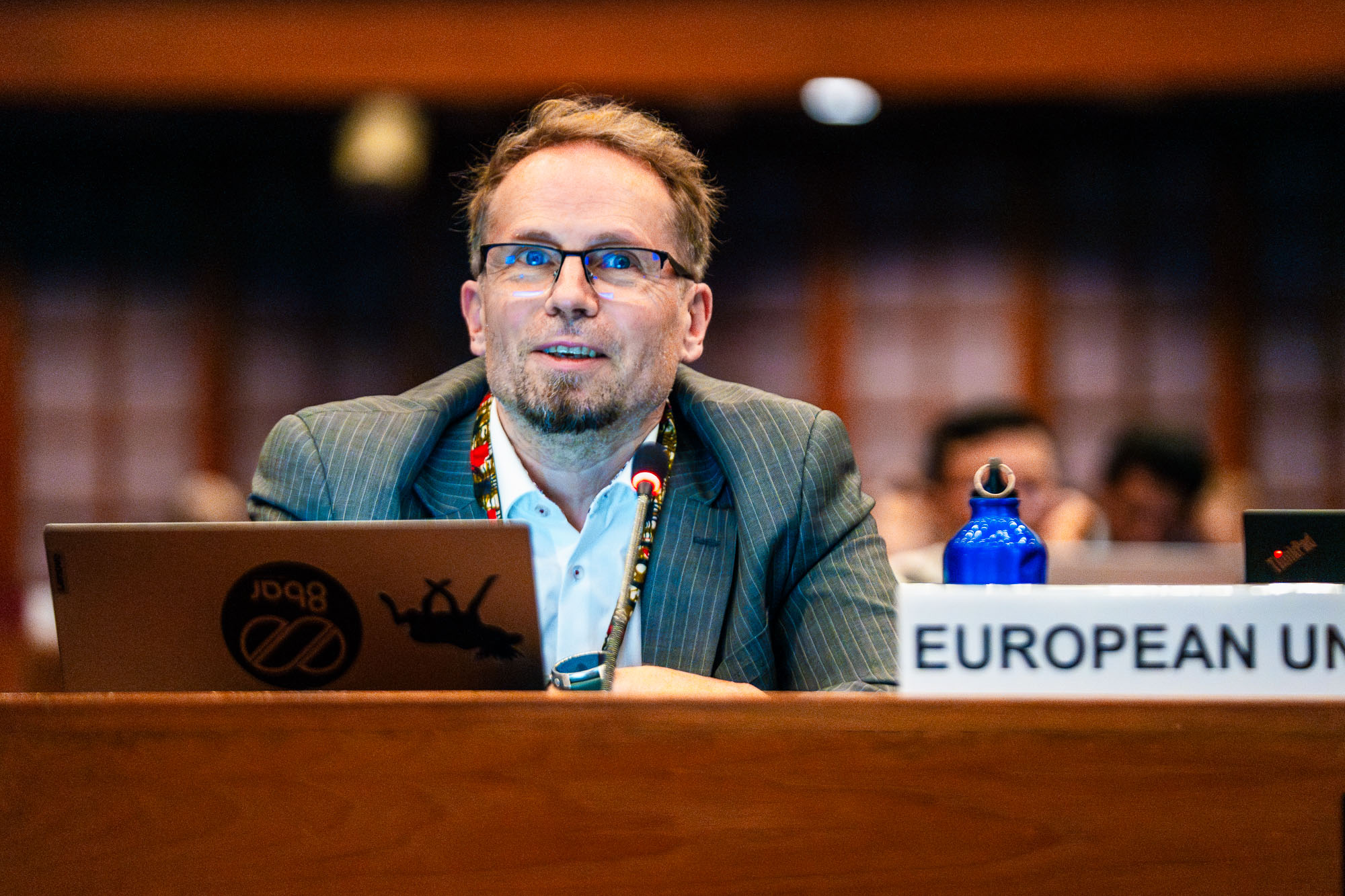
Arno Kaschl, EU
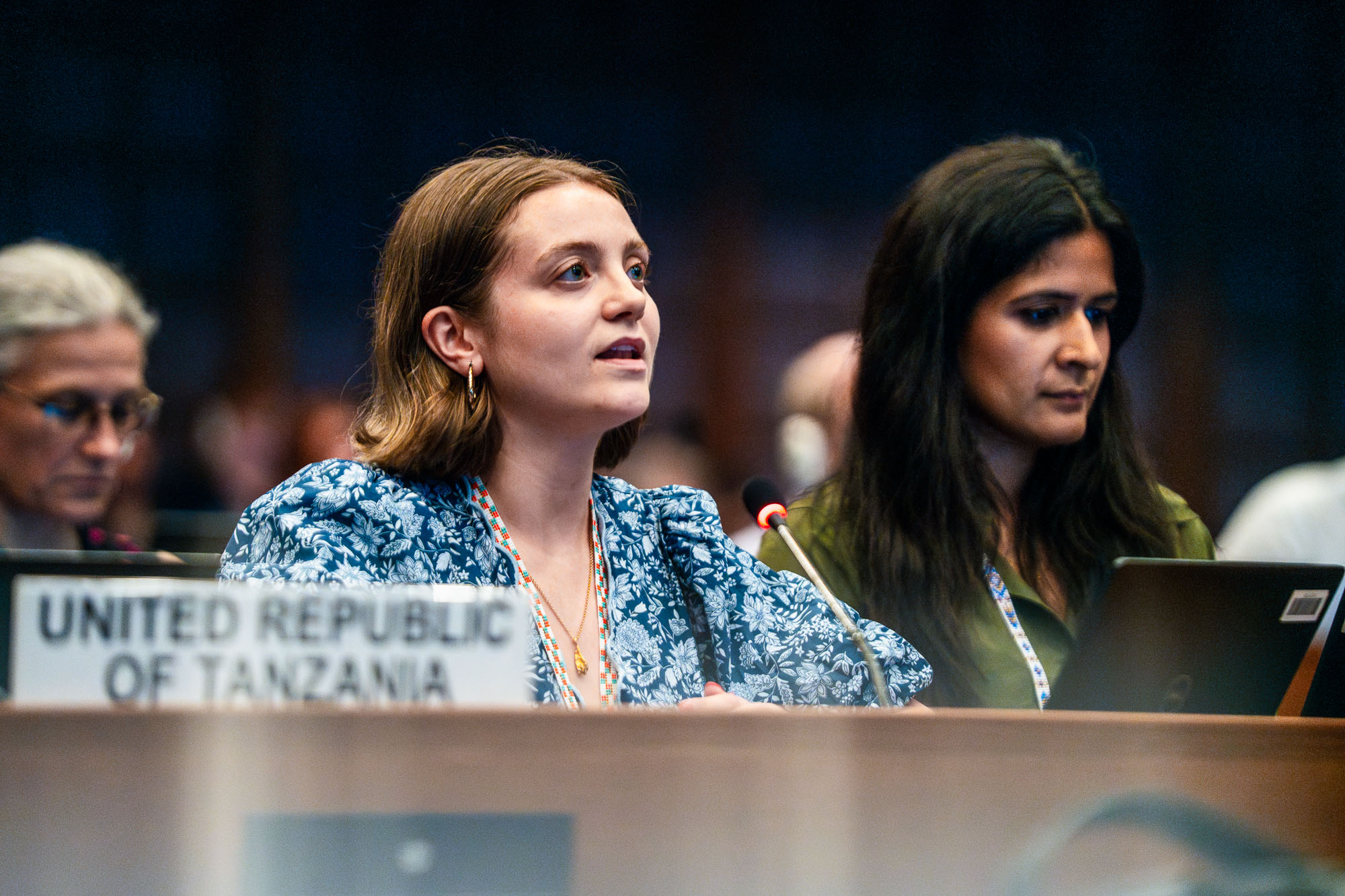
Morgan Simpson, United Kingdom
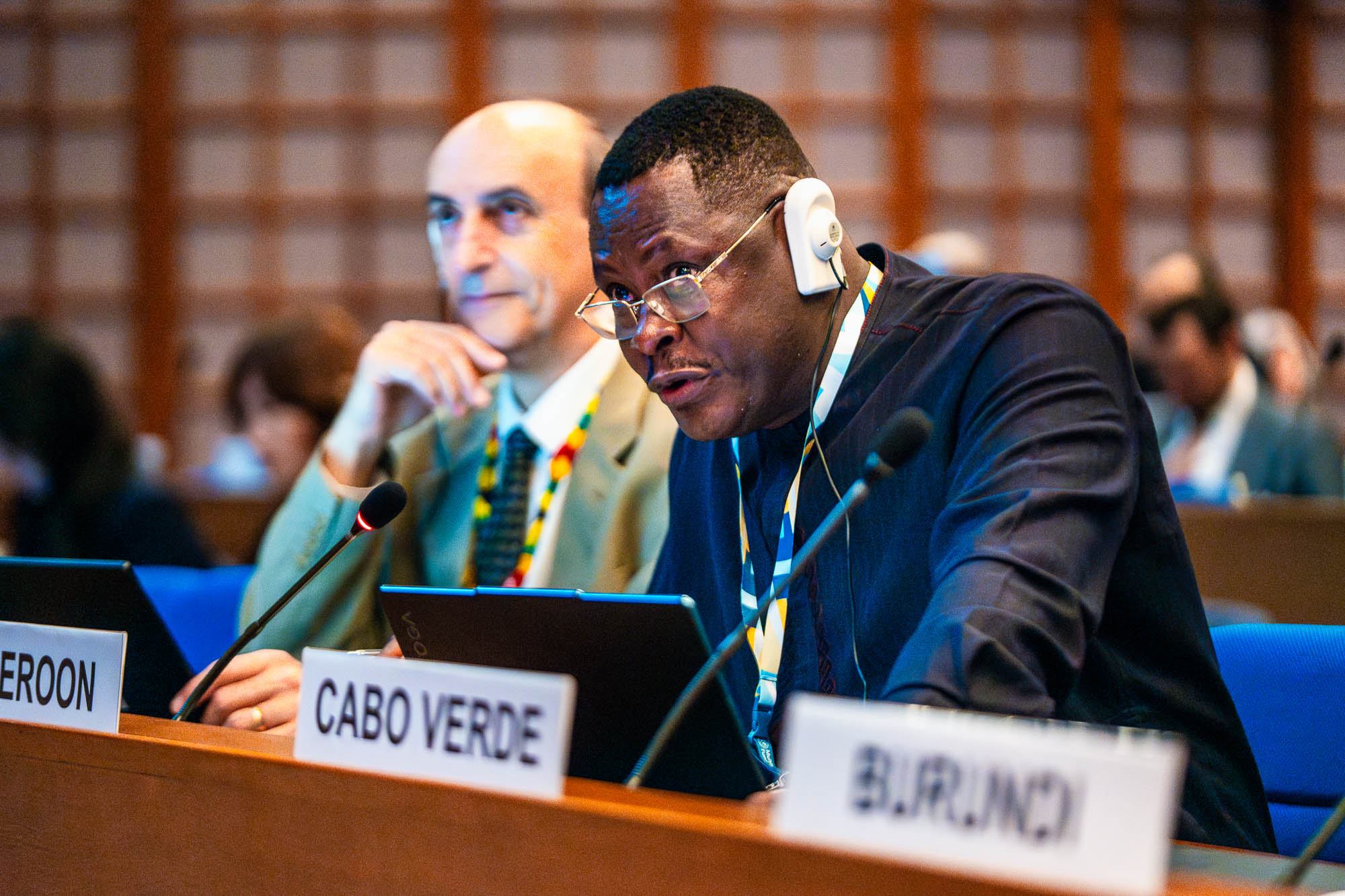
Hyacinth Mboh, Cameroon
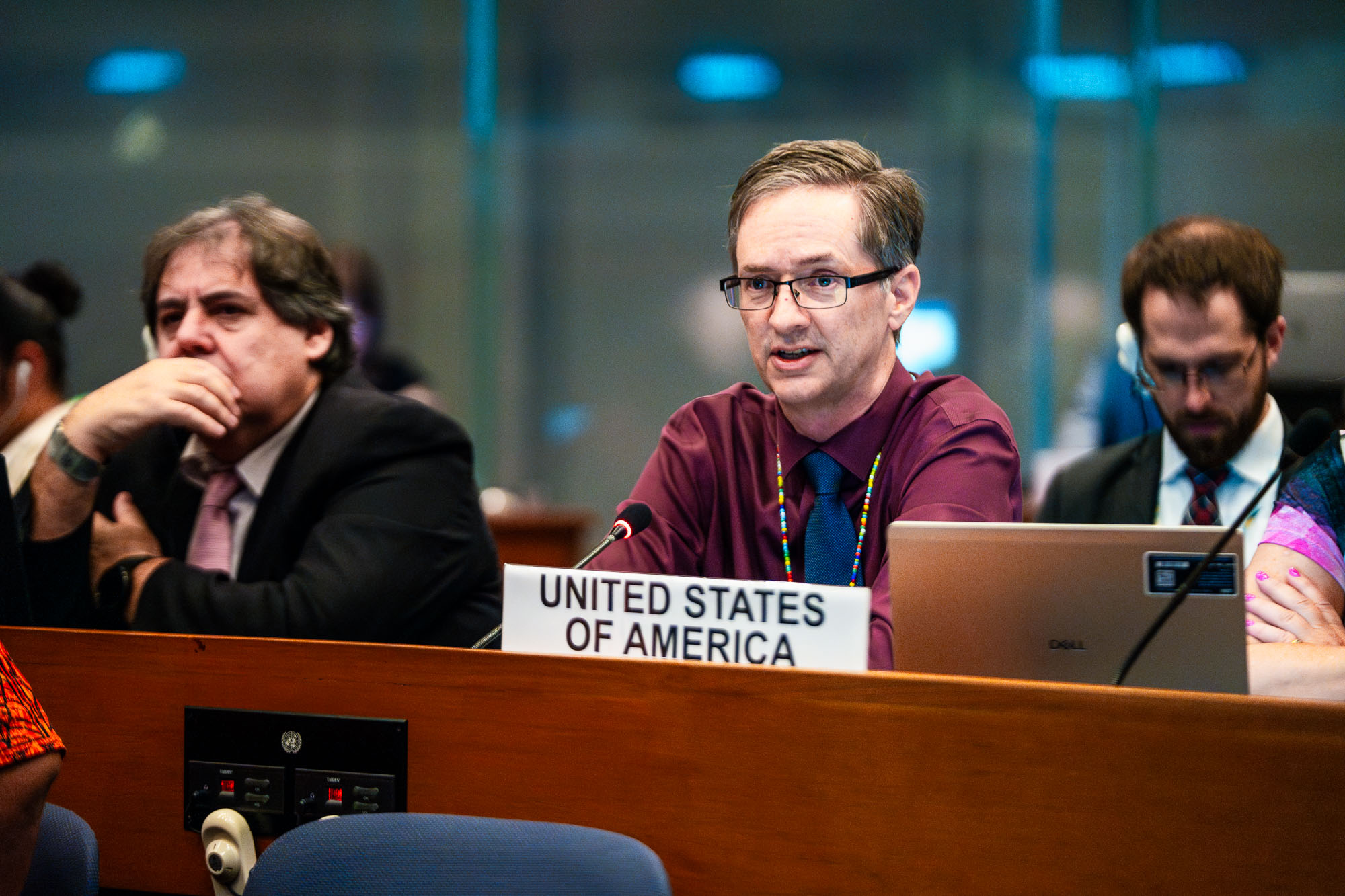
John Thompson, US
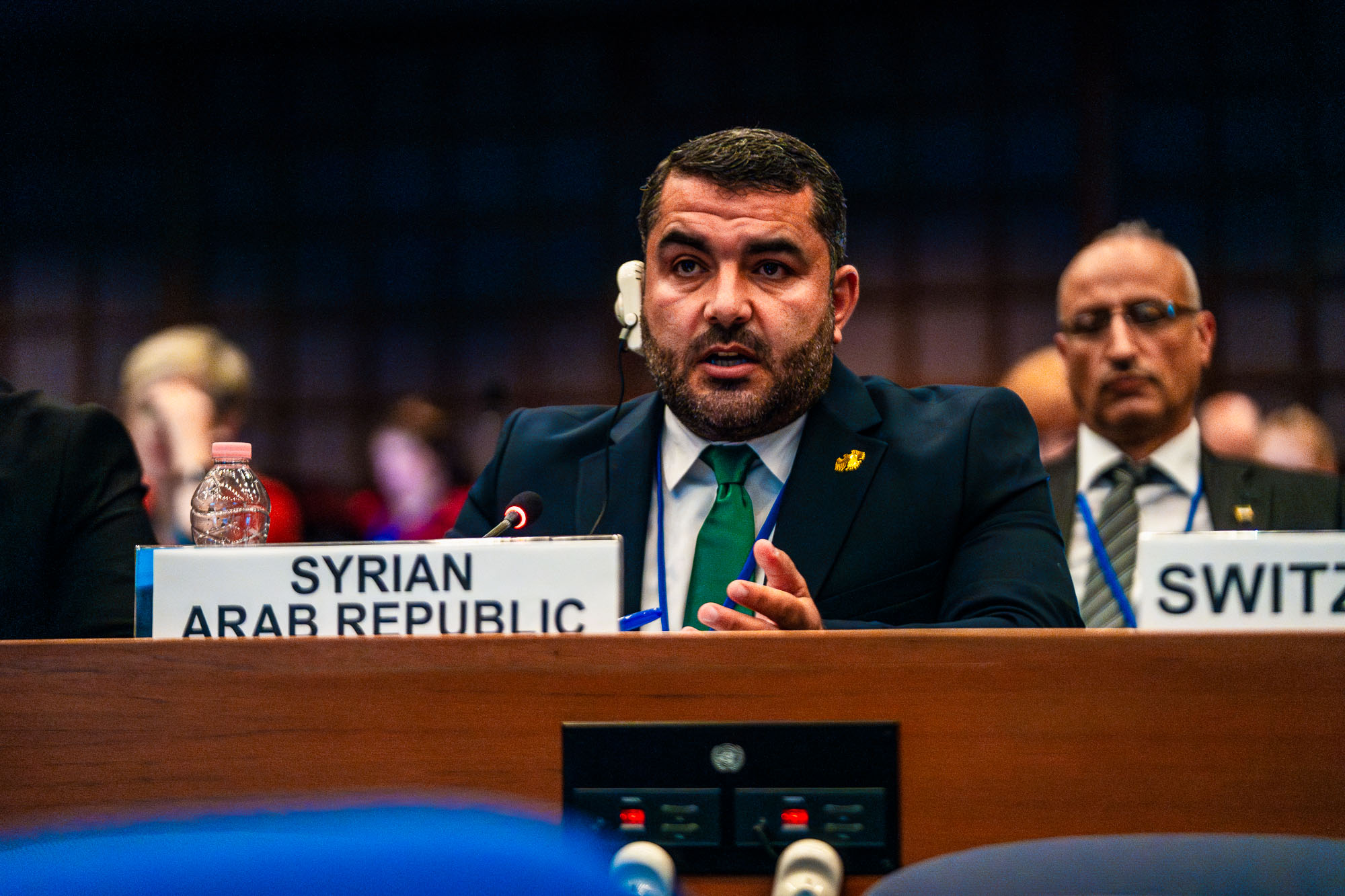
Anas Alrahmon, Syria
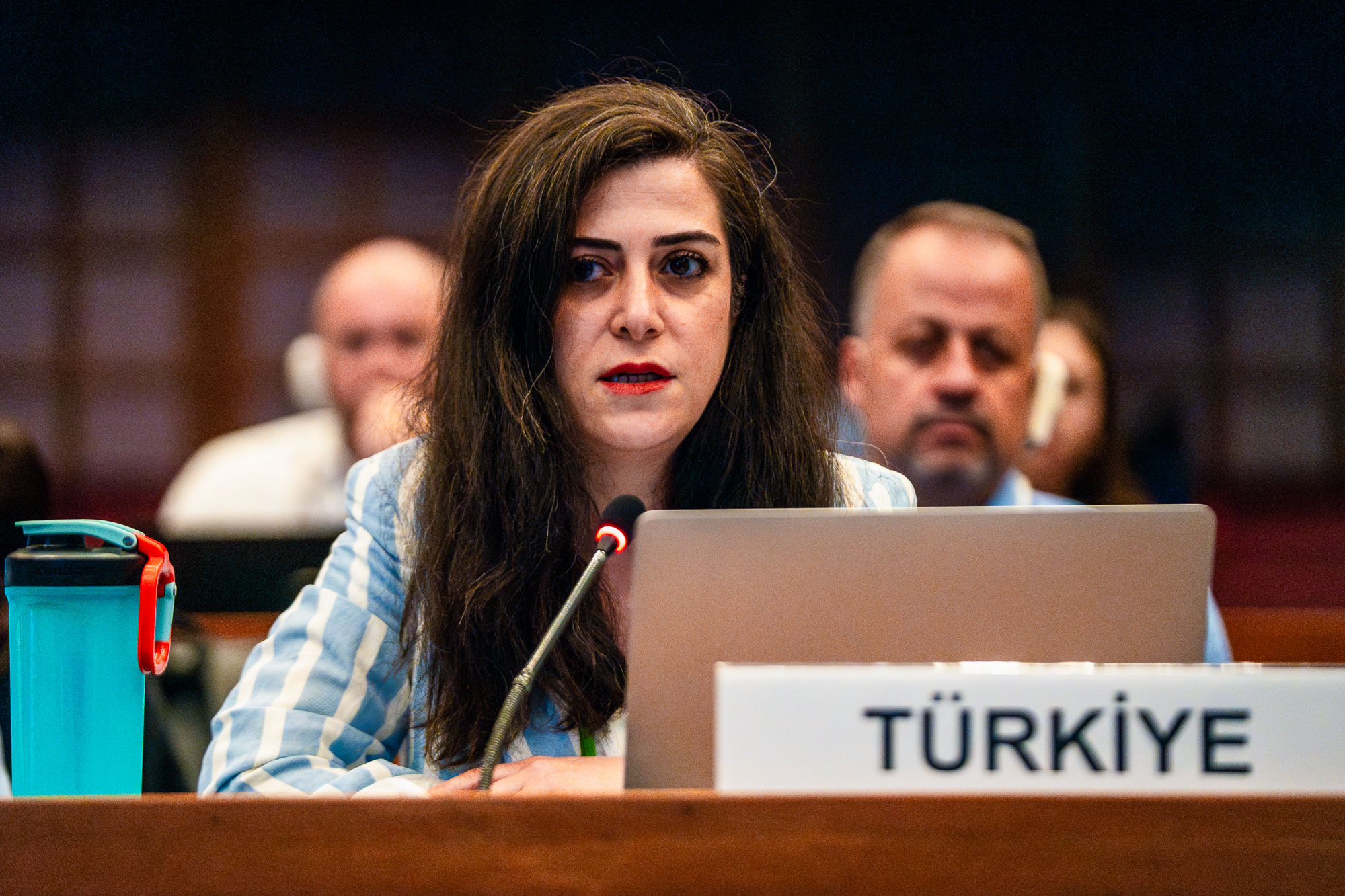
Sezin Sönmez Erbaş, Türkiye
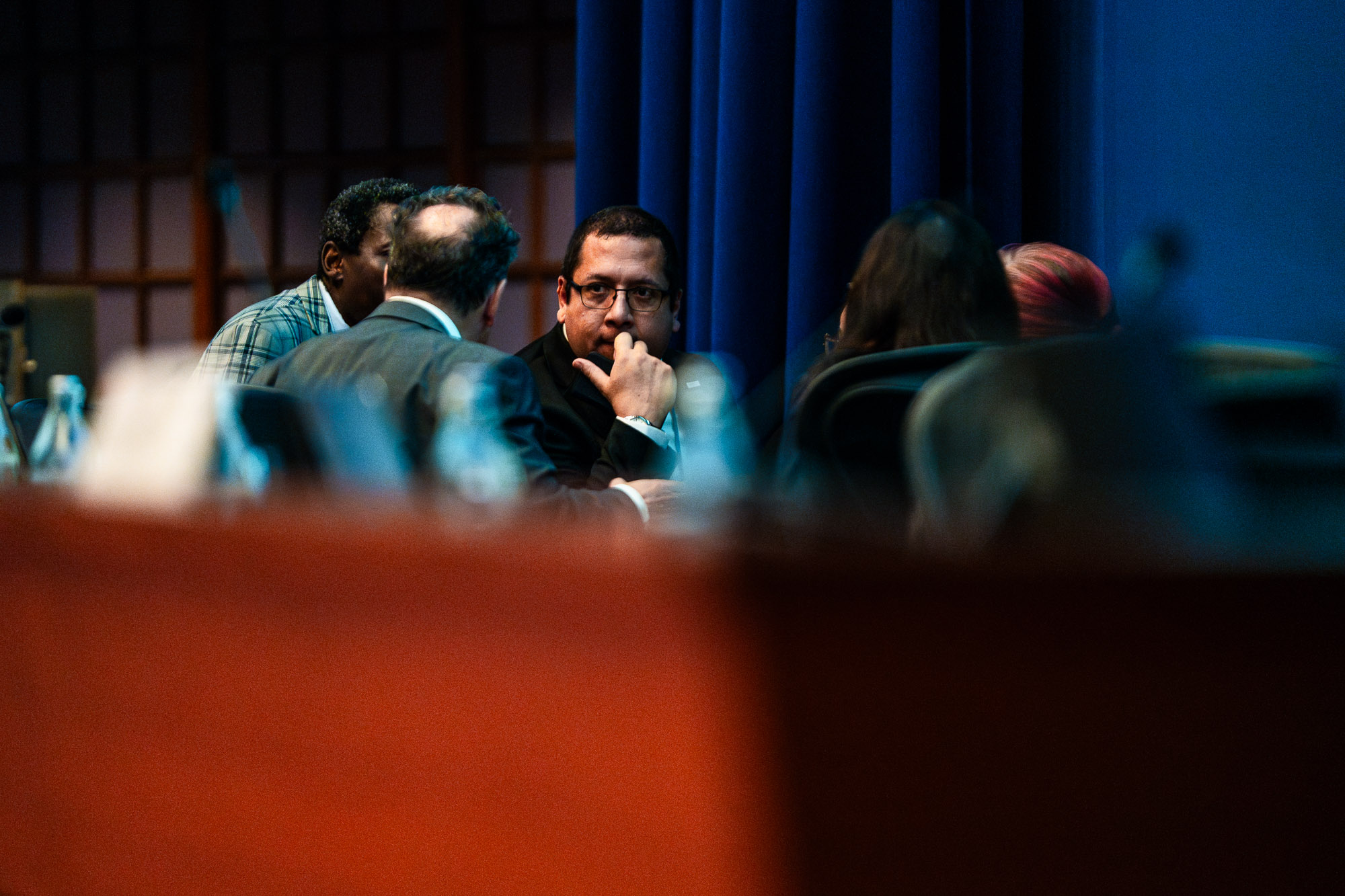
Pablo Moscoso de la Cuba and other members of the Ozone Secretariat confer during a short break
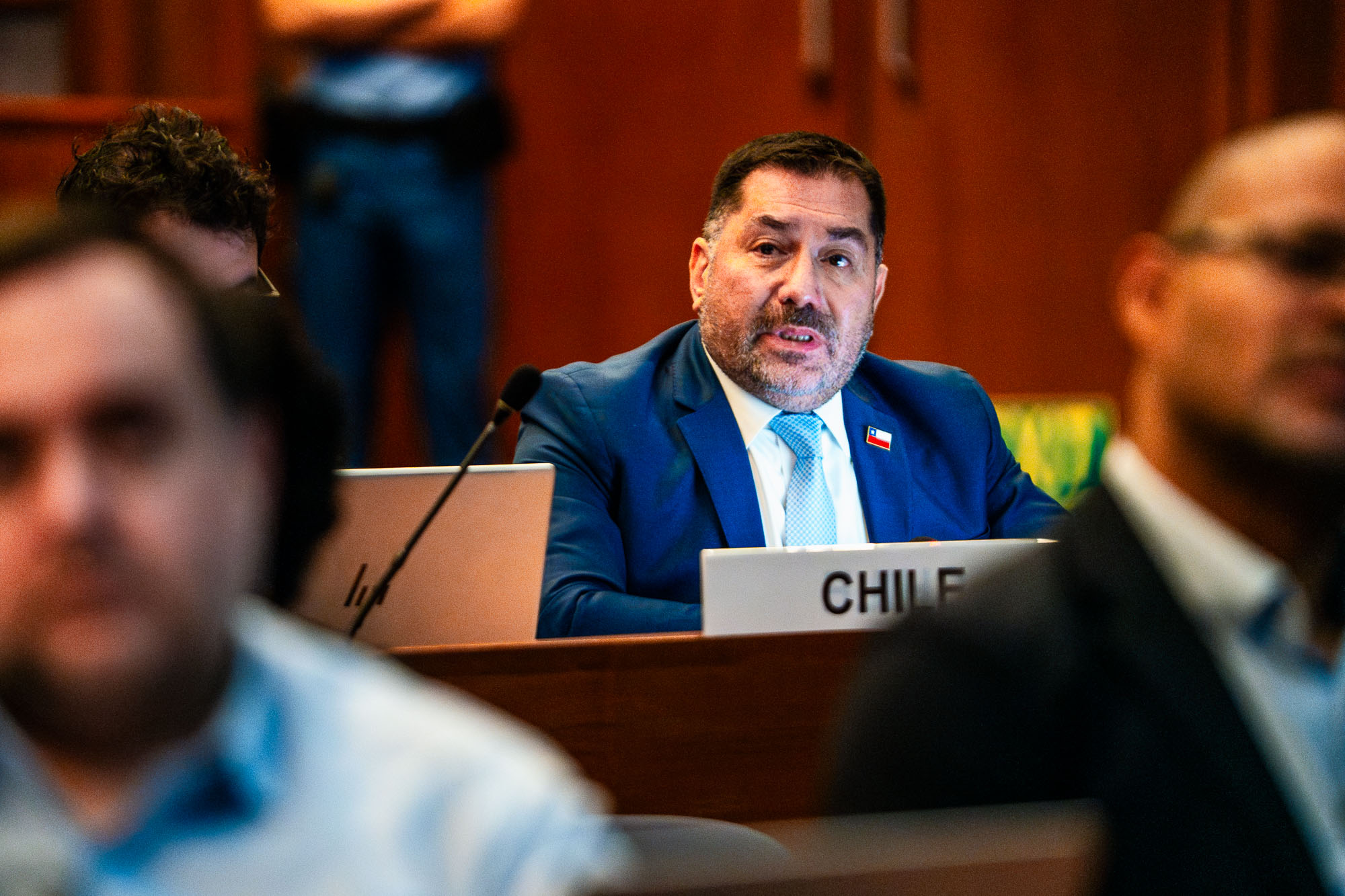
Osvaldo Álvarez-Pérez, Chile
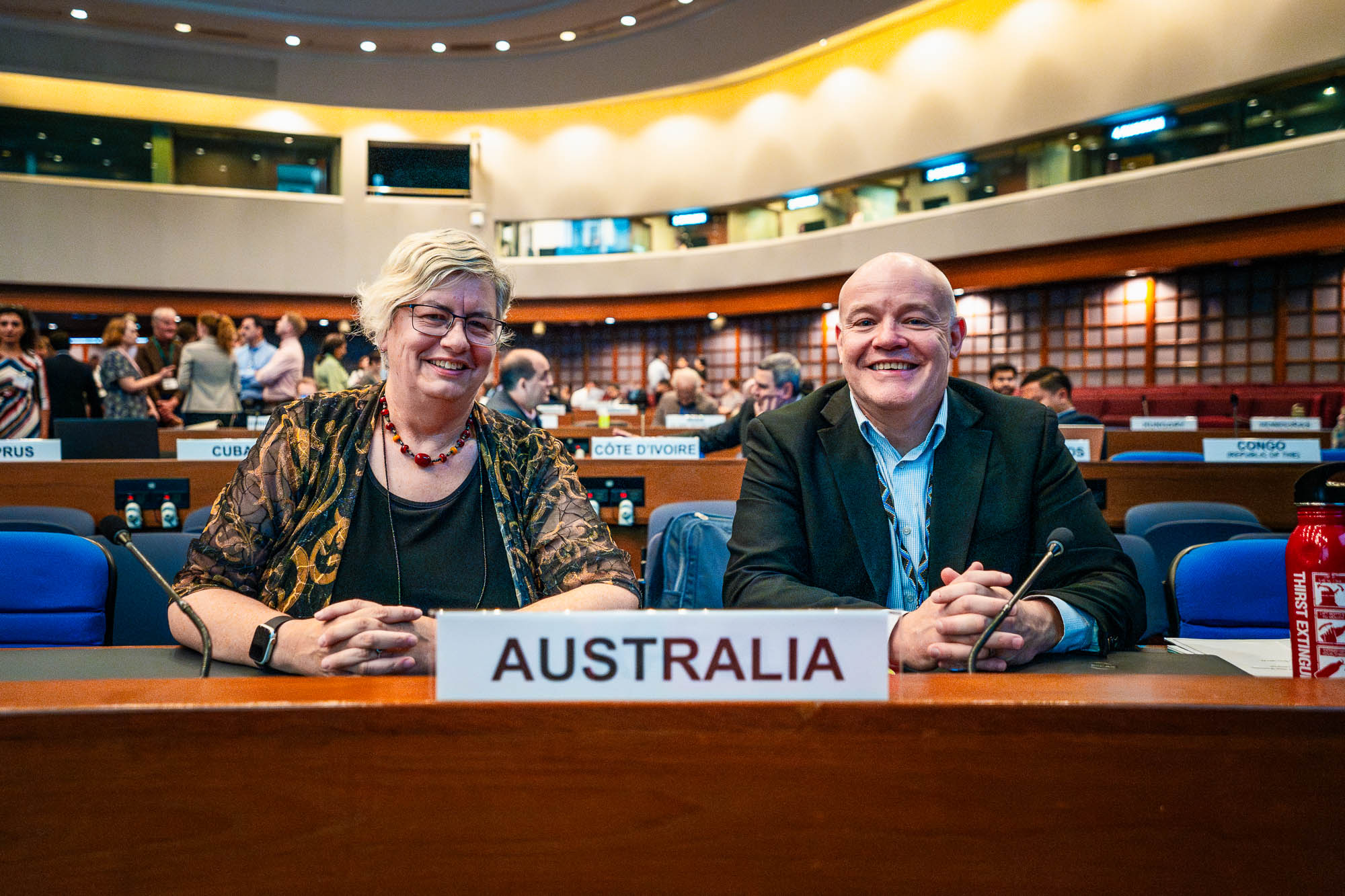
Annie Gabriel, Co-Chair, OEWG 48, Australia, and Paul Taylor, Australia
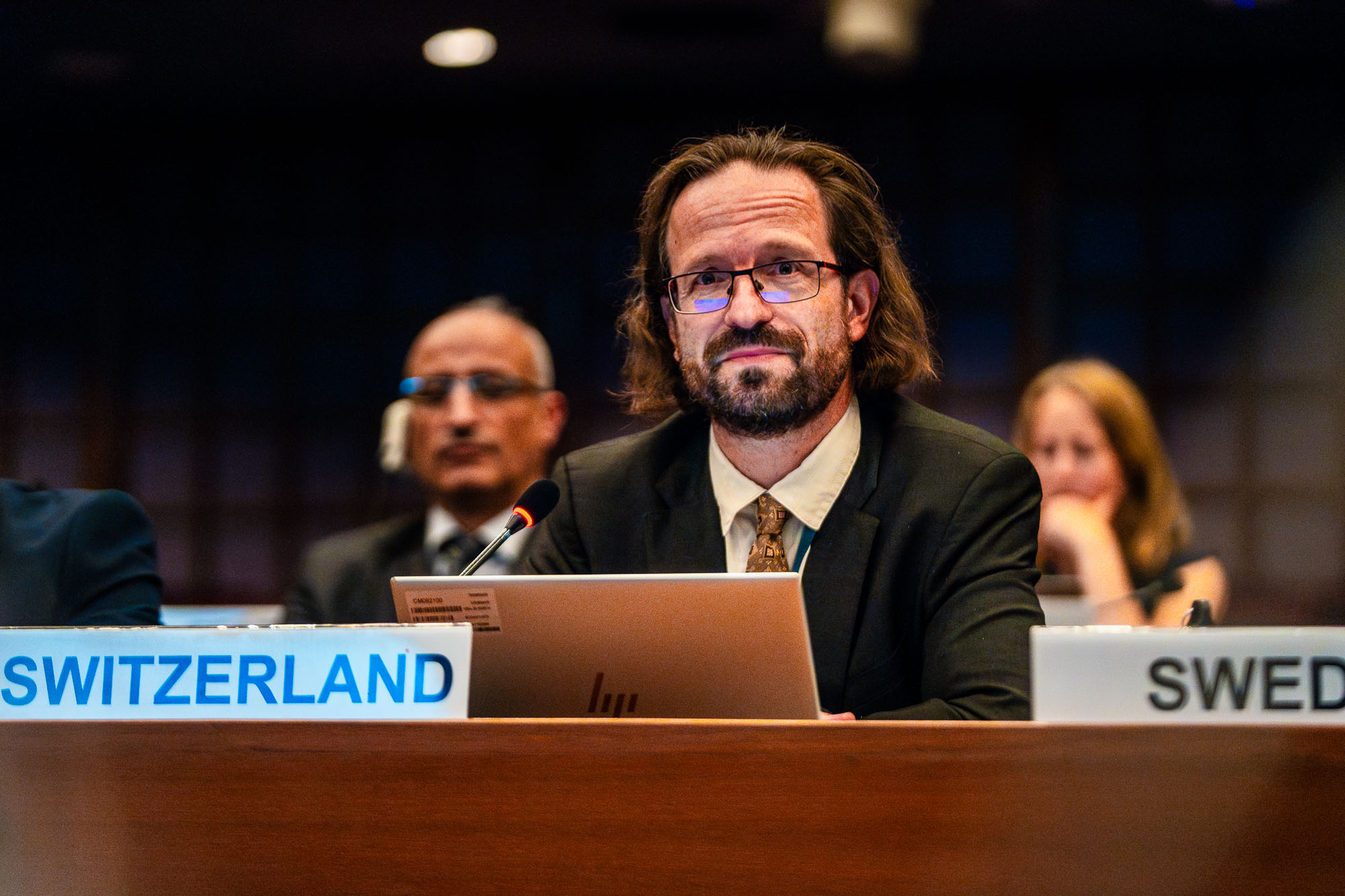
Henry Wöhrnschimmel, Switzerland
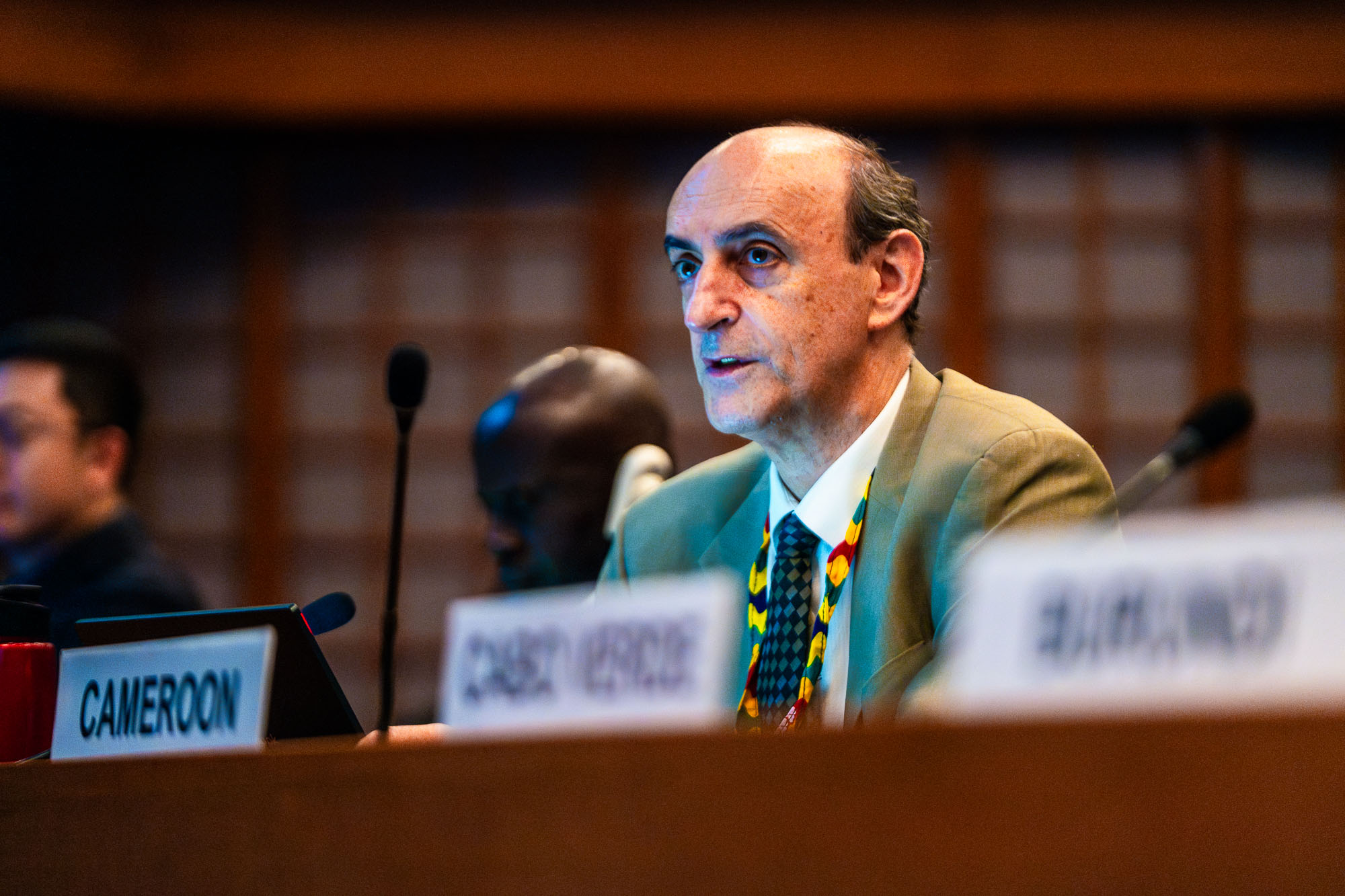
Philippe Chemouny, Canada
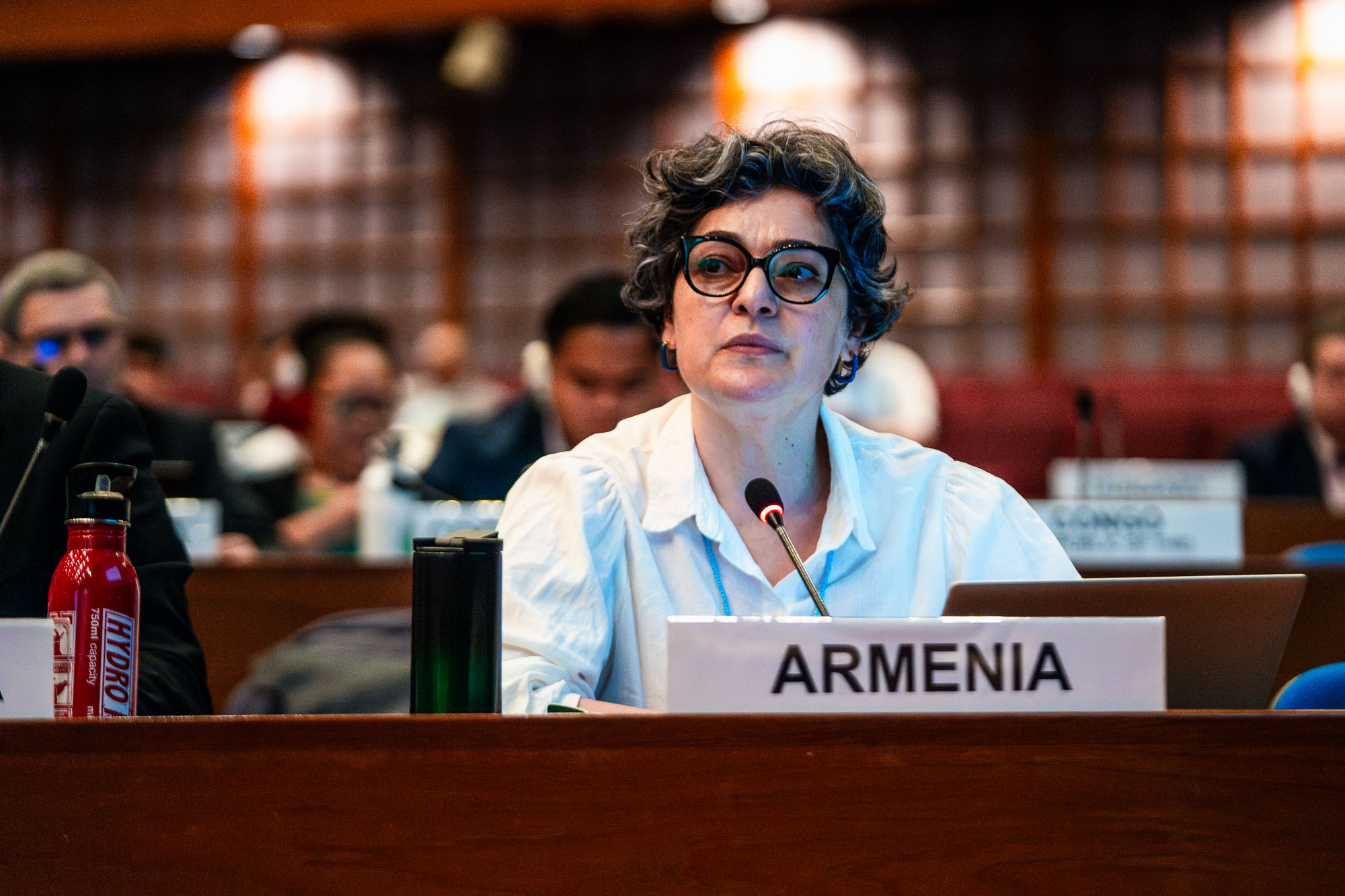
Liana Ghahramanyan, Armenia
Contact Group
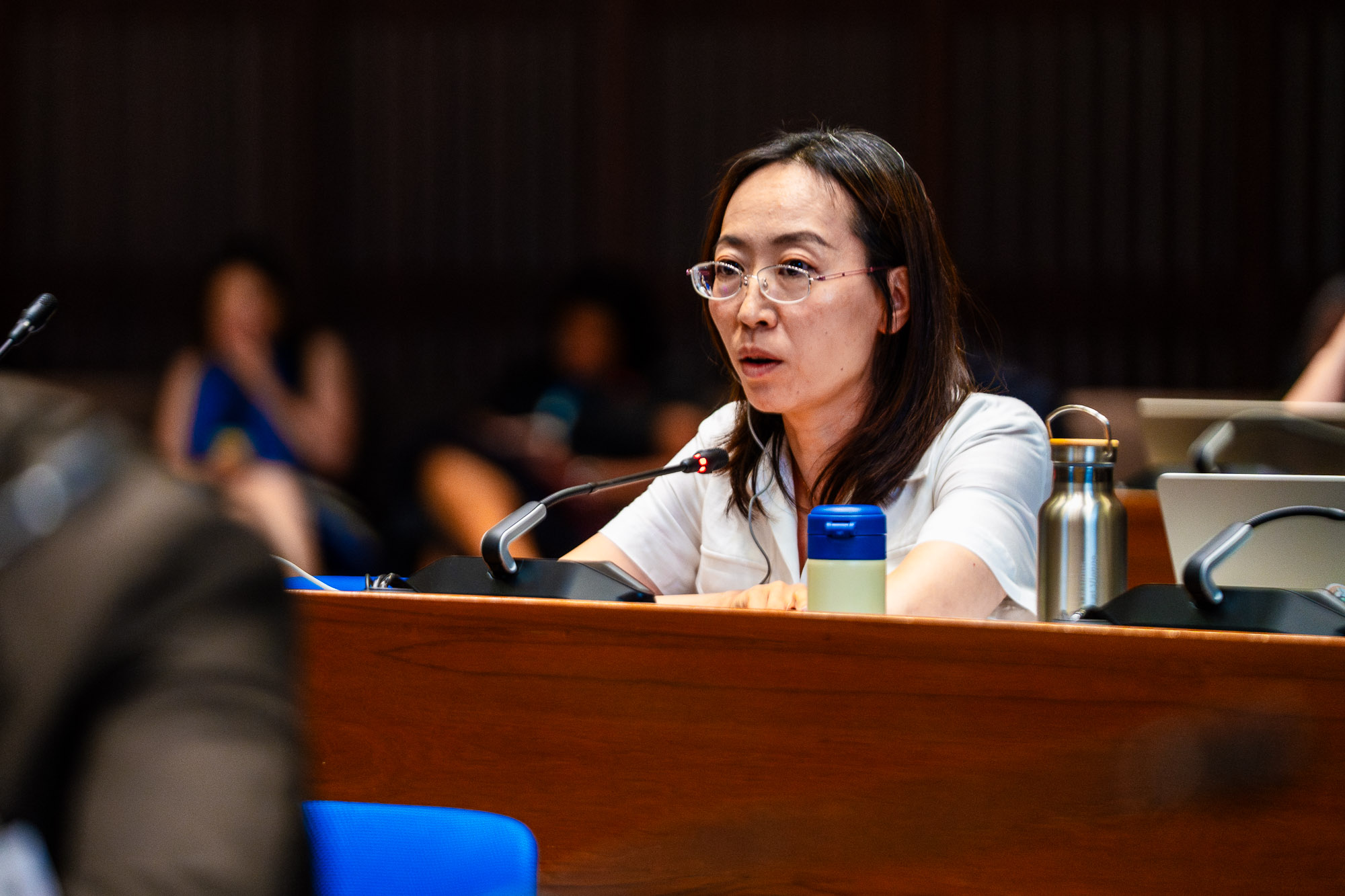
Yao Wei, China
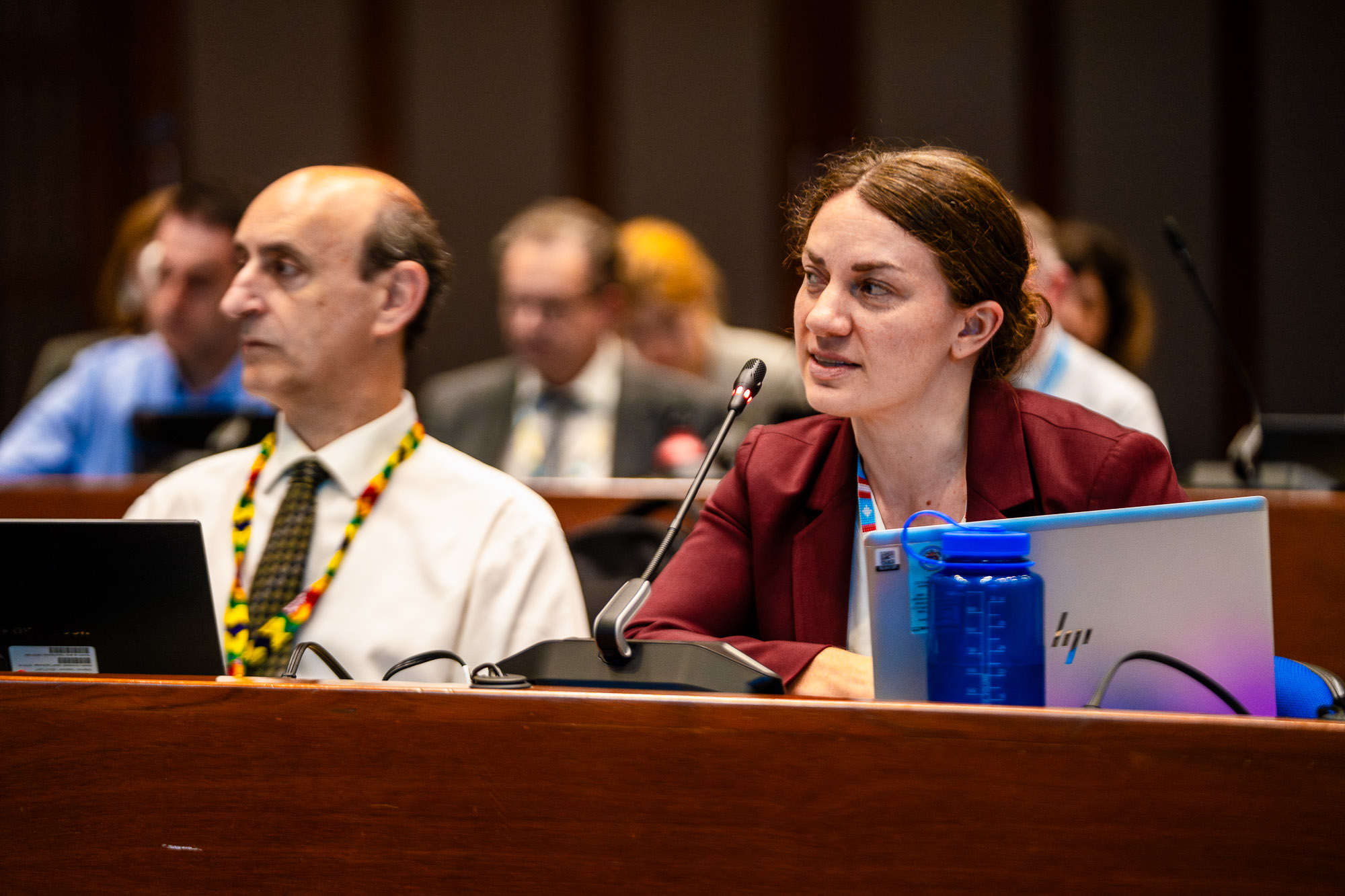
Hope Bigda-Peyton, US
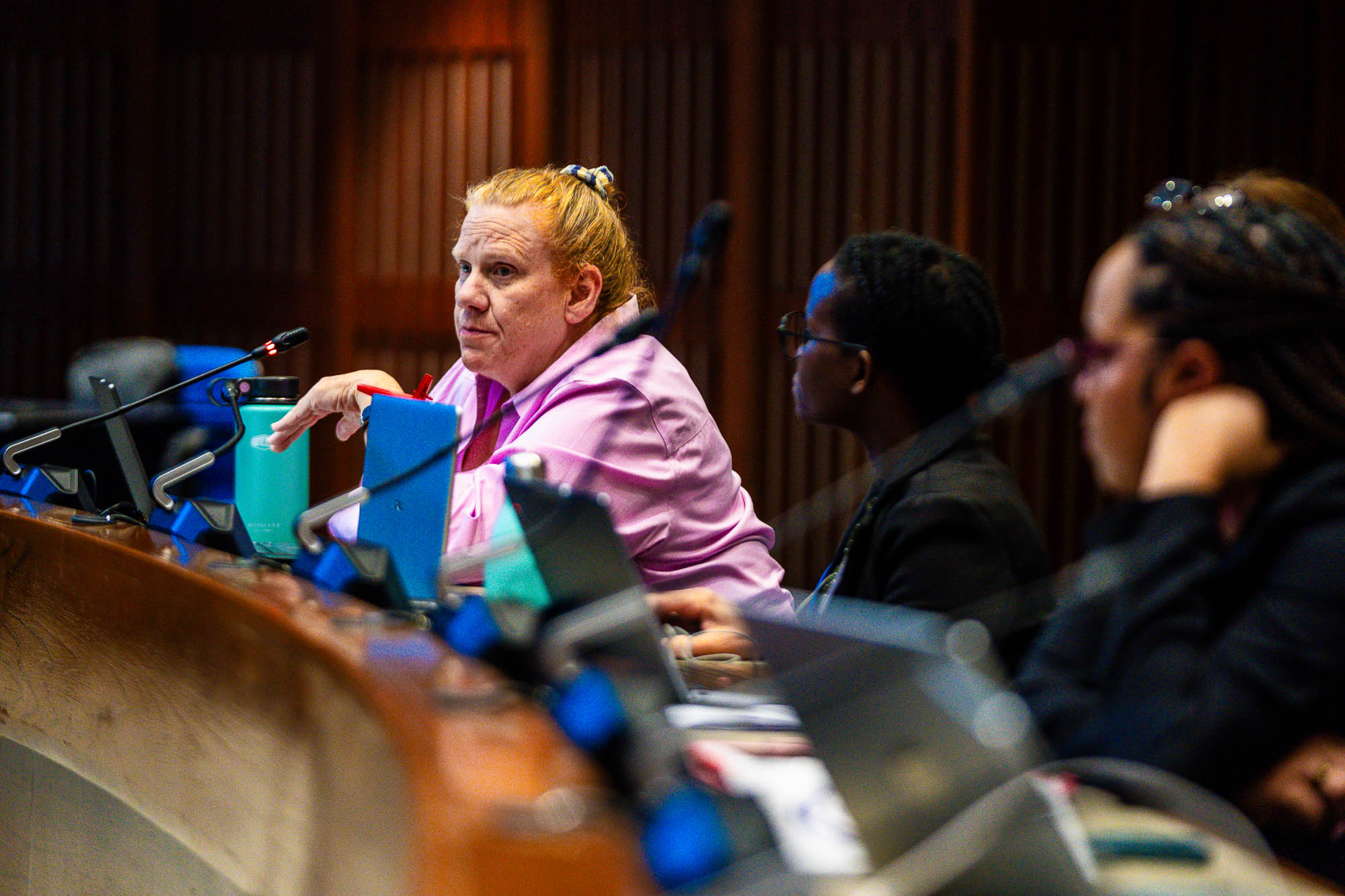
Helen Walter-Terrinoni, TEAP
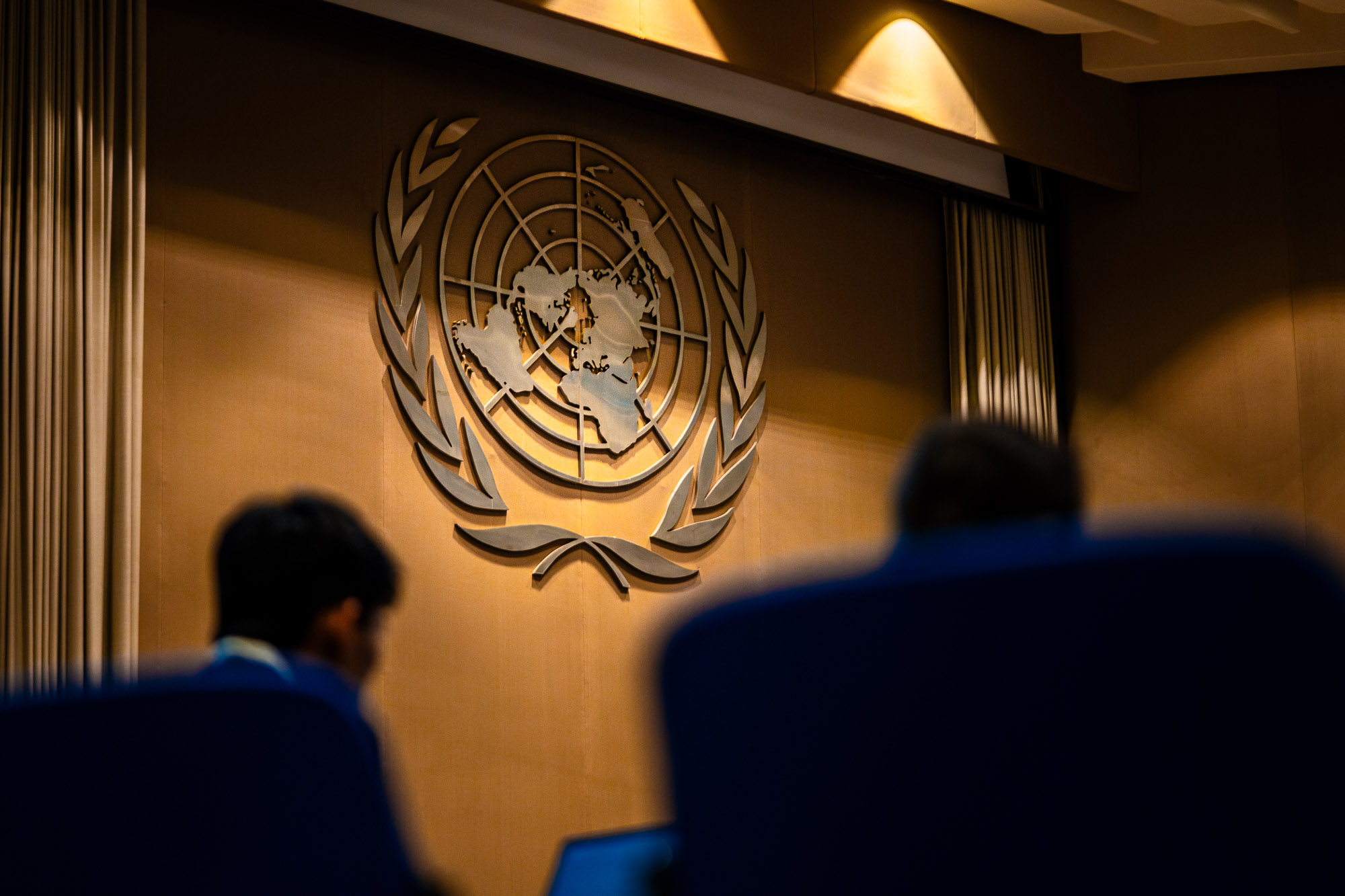
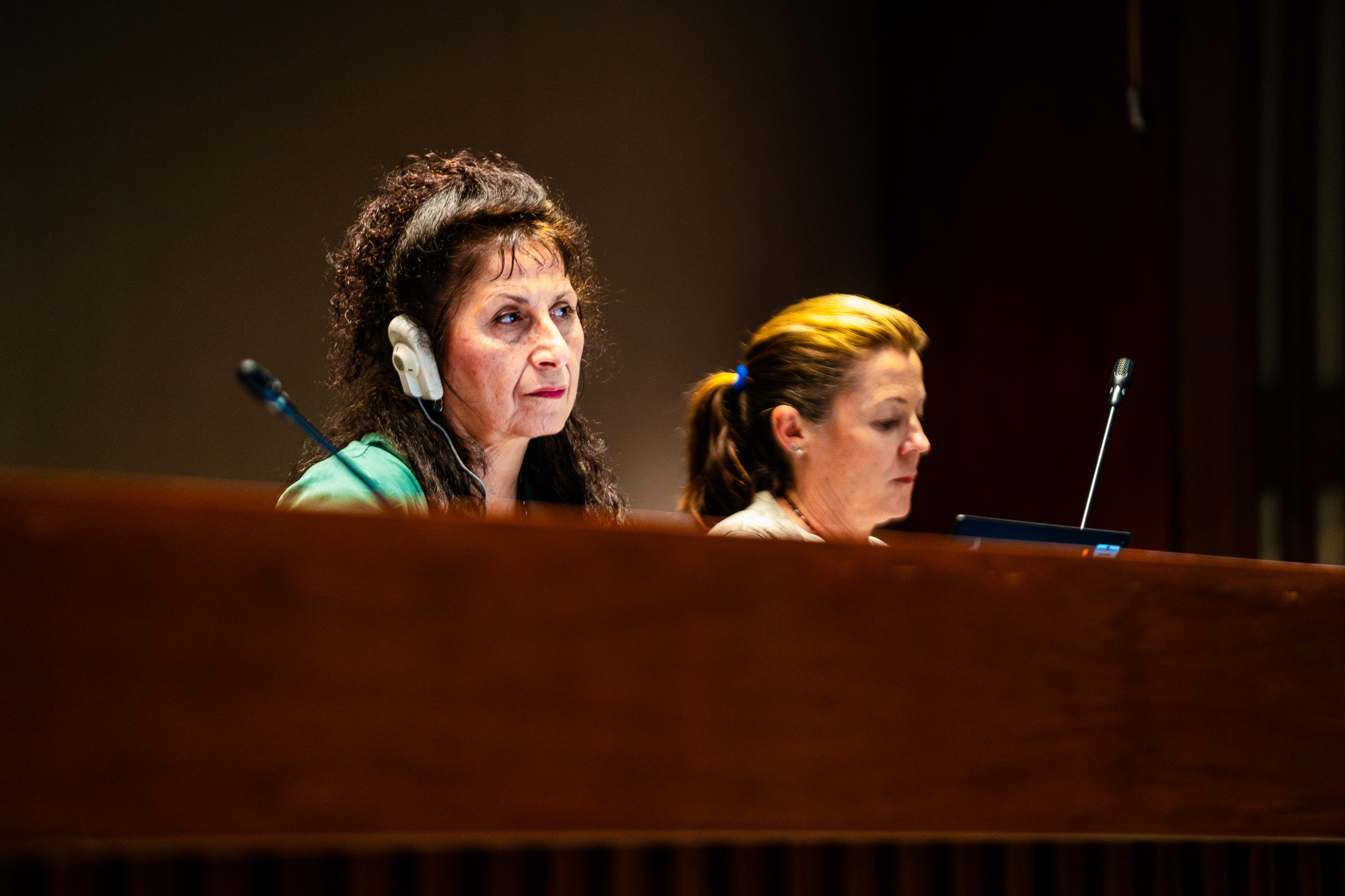
Sophia Mylona, Ozone Secretariat
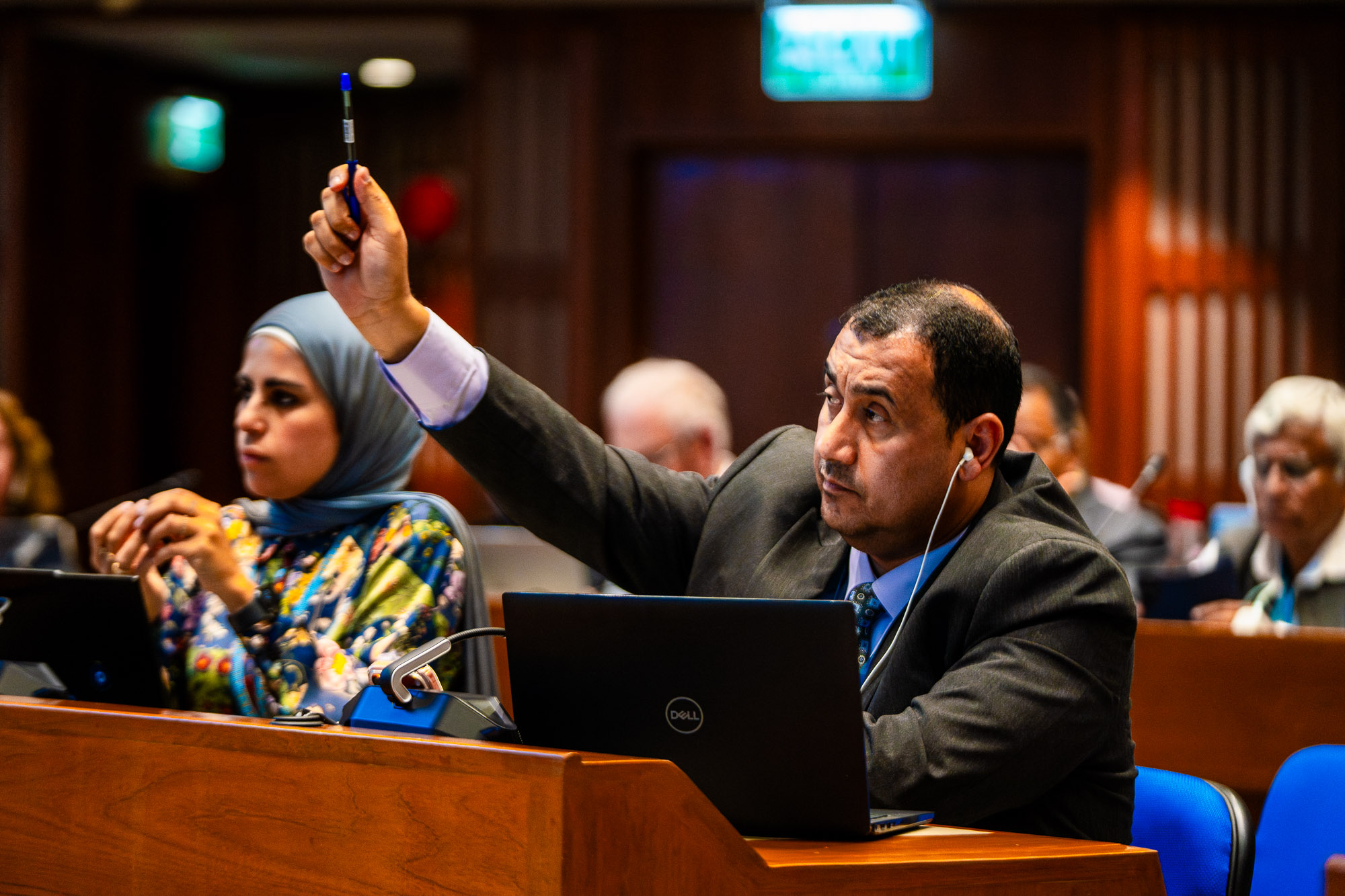
Hasan Ali Mubarak, Bahrain
Around the Venue

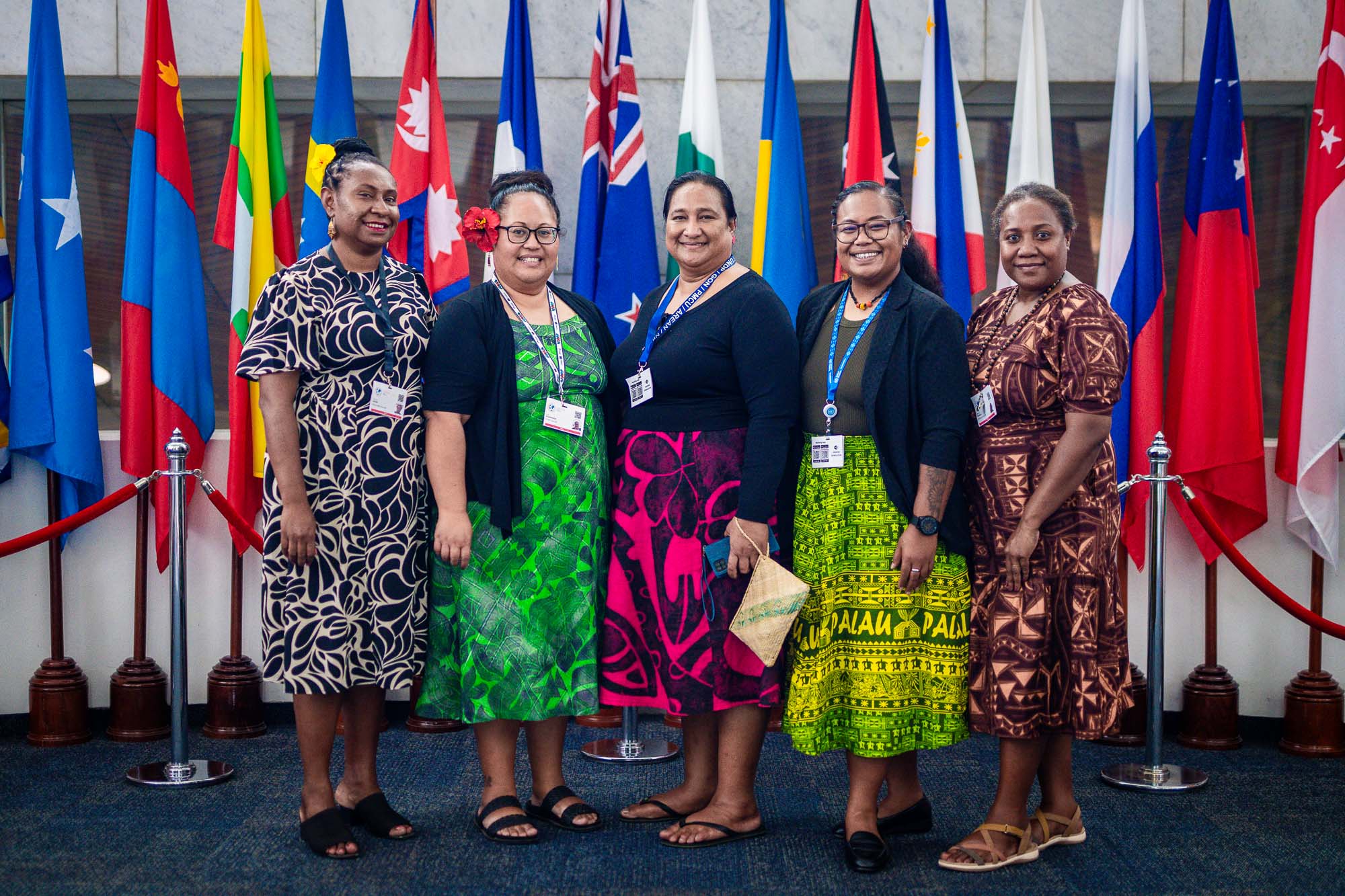
Delegates from across the Pacific Islands gather for a family photo
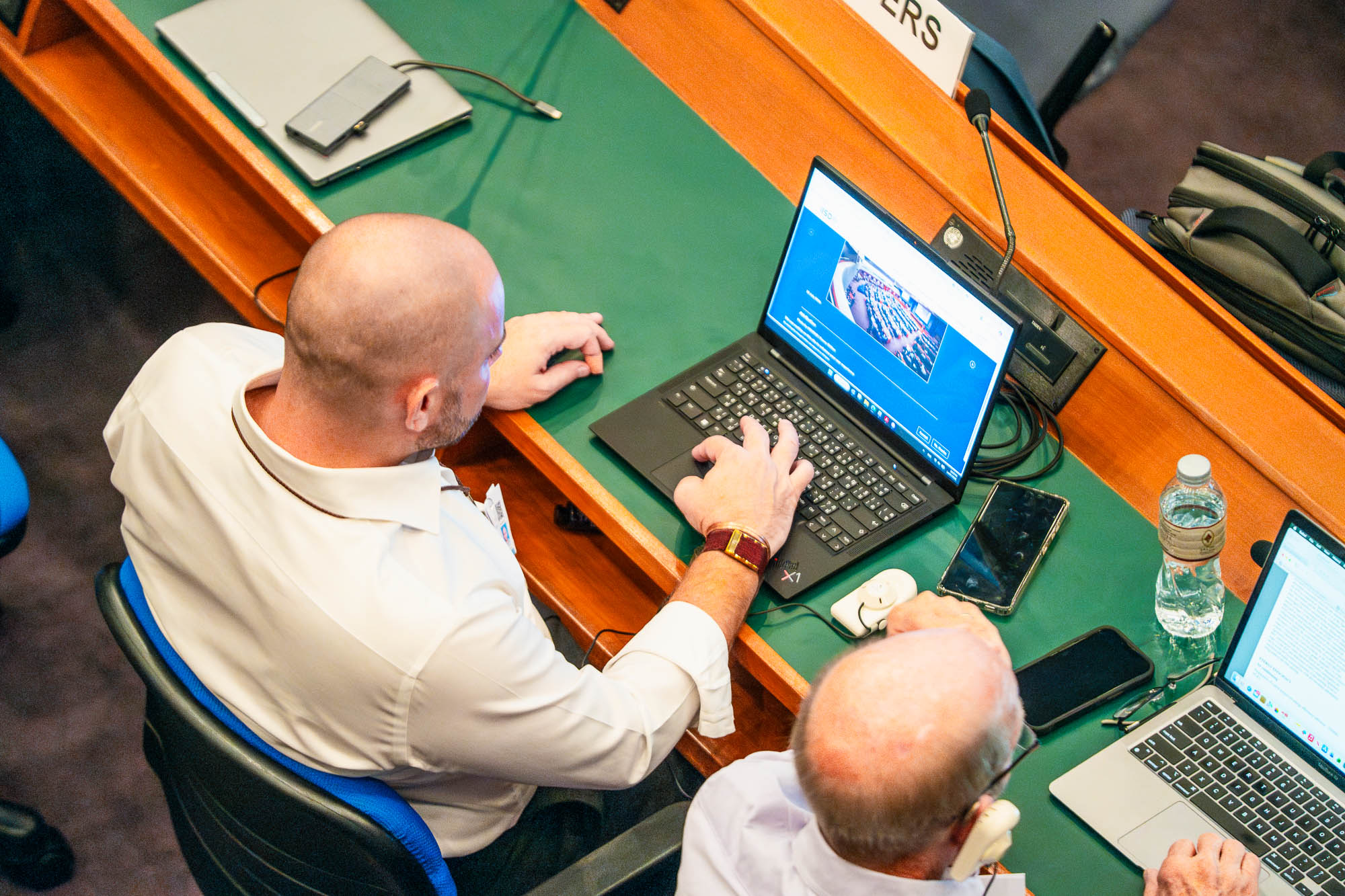
An observer checks in with ENB coverage