Mid-way through the meeting, all delegates underscored the need for balance in the package of measures aiming to enhance the Treaty’s Multilateral System (MLS) of access and benefit-sharing (ABS). However, as a representative from Latin America and the Caribbean (GRULAC) remarked, there are many different takes on what balance is.
Negotiations on payment rates and the expansion of the list of crops in the MLS, held on Tuesday evening, were illustrative of the divide. For example, for the payment rate under subscription, which is based on annual sales of the subscribing company’s portfolio of plant genetic resources for food and agriculture (PGRFA), positions included:
- 0.01% proposed by North America and the European Union;
- 0.1% recommended by Africa and Norway; and
- 0.5% favored by GRULAC.
To put the numbers in context, as one observer did, global seed sales rose to USD 70 billion in 2024. Even in the ideal but unrealistic scenario where all countries join the Treaty and all companies subscribe, 0.1% would translate into USD 70 million. This figure would then be divided to support projects among more than 100 biodiversity-rich developing countries and their farming communities, that have been developing PGRFA throughout agricultural history. In reality, with some major markets not being part of the Treaty and big corporations reluctant to join under the full subscription option, the amount is expected to be a small fraction of that.
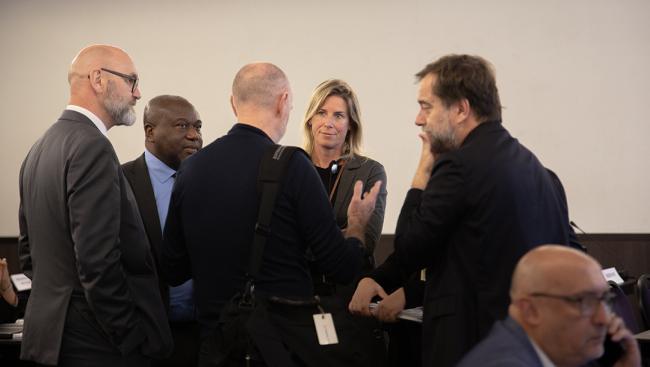
In light of the state of the discussion on payment rates, many developing countries expressed their reservations regarding the inclusion of all their PGRFA in the MLS. They stressed that full expansion depends on agreement on the payment structure, rates, and benefit-sharing from the use of digital sequence information / genetic sequence data (DSI/GSD), further pointing to difficulties regarding coordination between national authorities implementing the Treaty and the Nagoya Protocol on ABS.
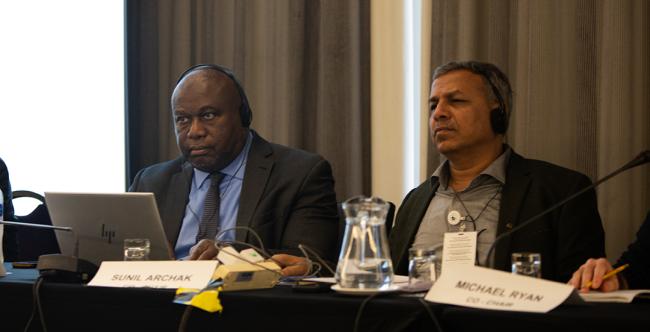
These debates overshadowed Wednesday’s deliberations on provisions for the implementation and review of the enhanced MLS, provided it is adopted. While discussions centered on challenges related to the high number of ratifications required for the amendment of Annex I to enter into force, and fallback options in case of lack of ratifications, many delegates stressed their difficulty envisioning implementation and review without first reaching a broad agreement on the package of measures.
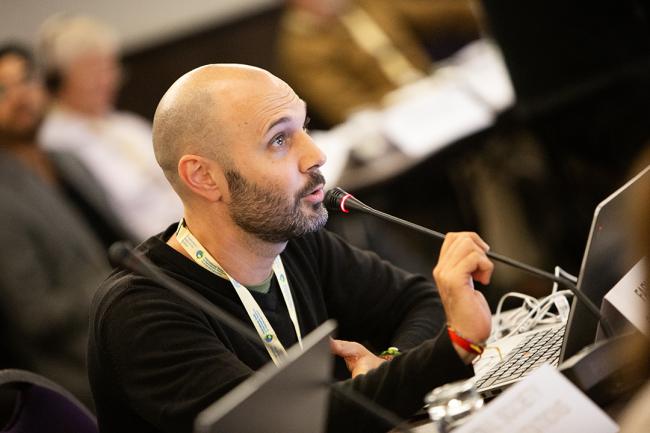
With negotiations increasingly held in a closed group, the afternoon plenary was postponed to allow for consultations on a number of topics, including:
- a partial subscription option;
- the modalities of withdrawal from the subscription;
- implementation and review of the MLS enhancement; and
- benefit-sharing from DSI/GSD.
Farmers’ Organizations cautioned that the use of party-only small groups to drive negotiations forward severely limits their right to full and effective participation in decision-making that affects their livelihoods.

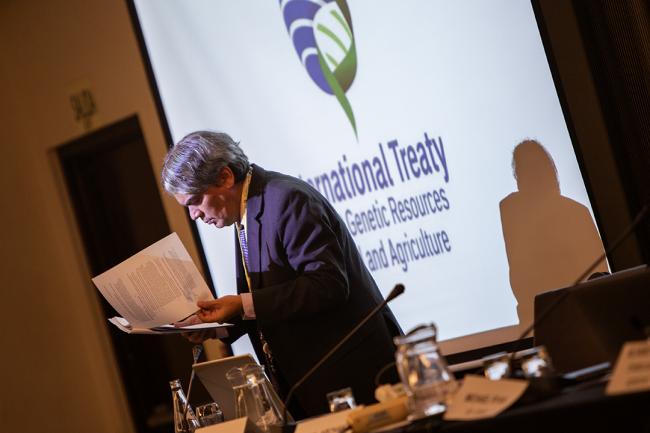
To receive free coverage of global environmental events delivered to your inbox, subscribe to the ENB Update newsletter.
All ENB photos are free to use with attribution. For this event, please use: Photo by IISD/ENB - Angeles Estrada Vigil
Selected Images
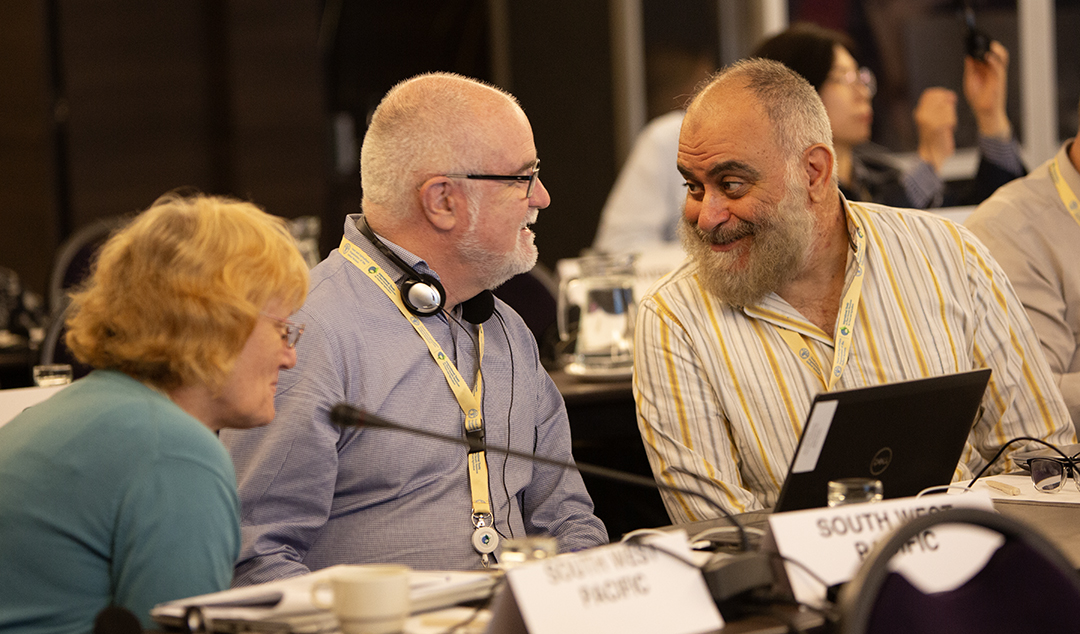
Birte Nass-Komolong and Stephen Hodge, Southwest Pacific, and Khaled Abulaila, Near East
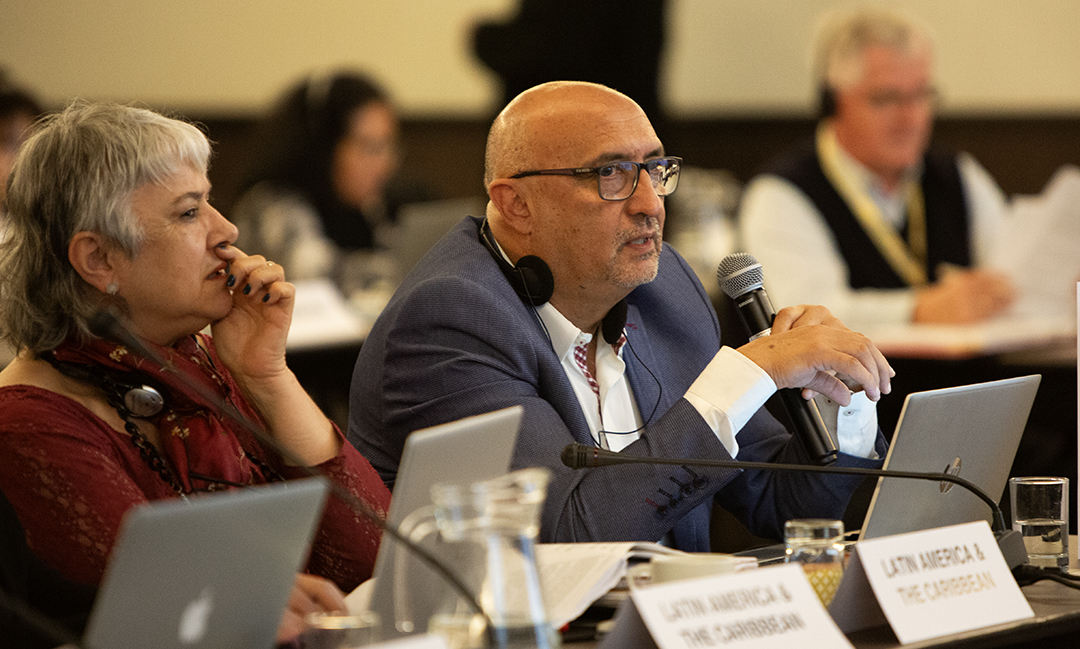
César Tapia Bastidas, GRULAC
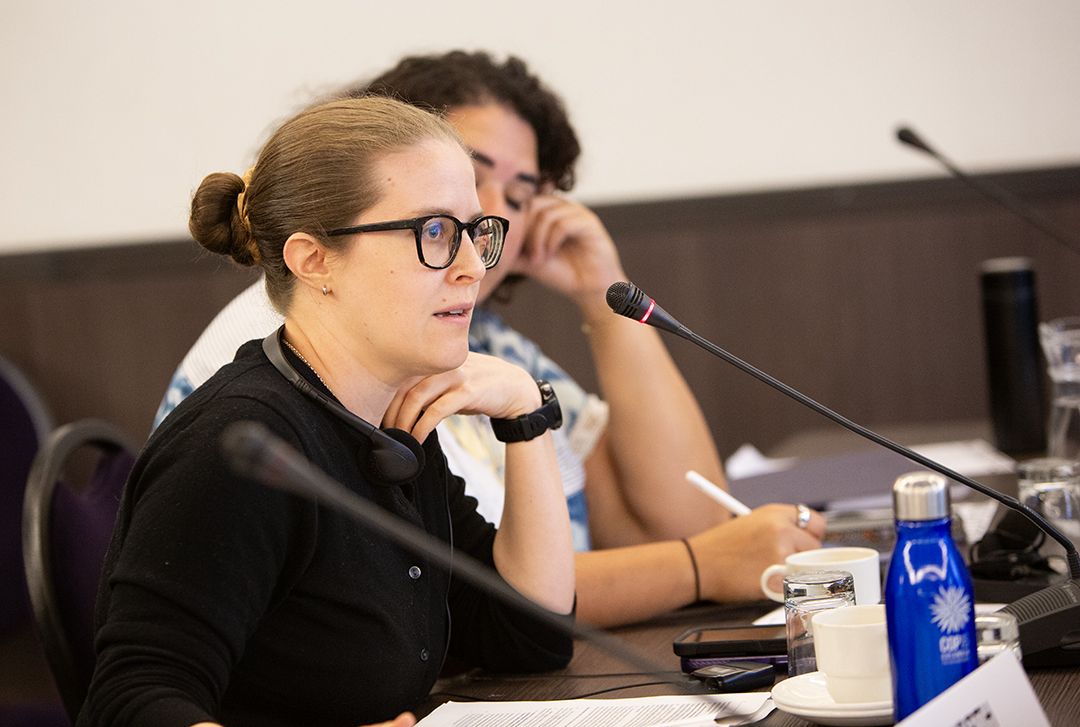
Katlyn Scholl, North America
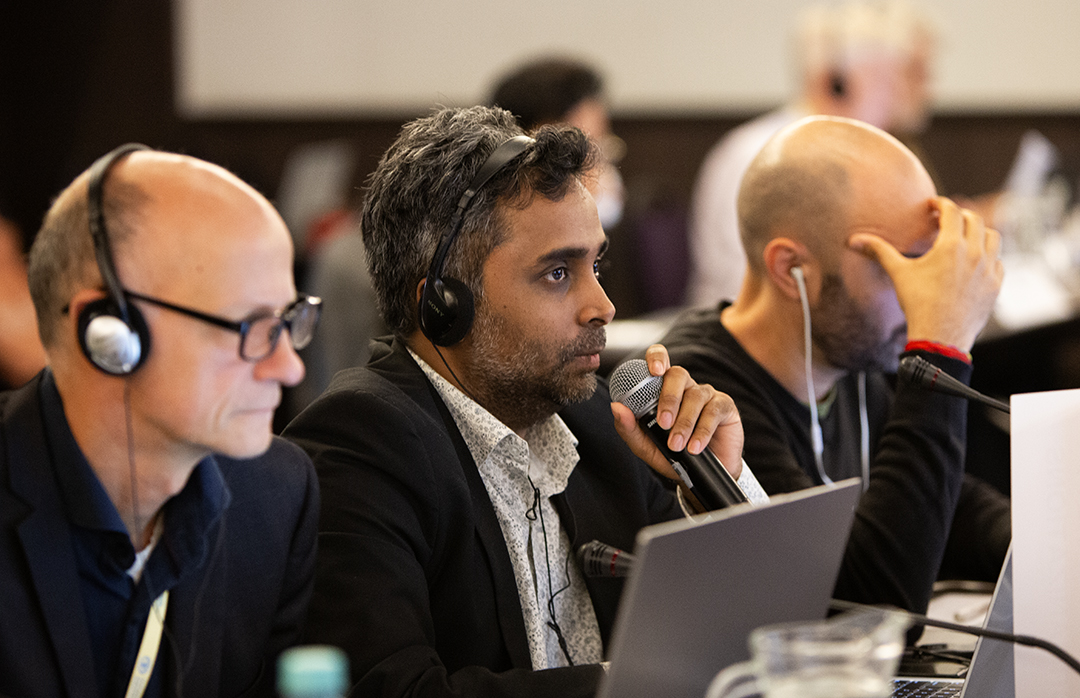
Nithin Ramakrishnan, Civil Society
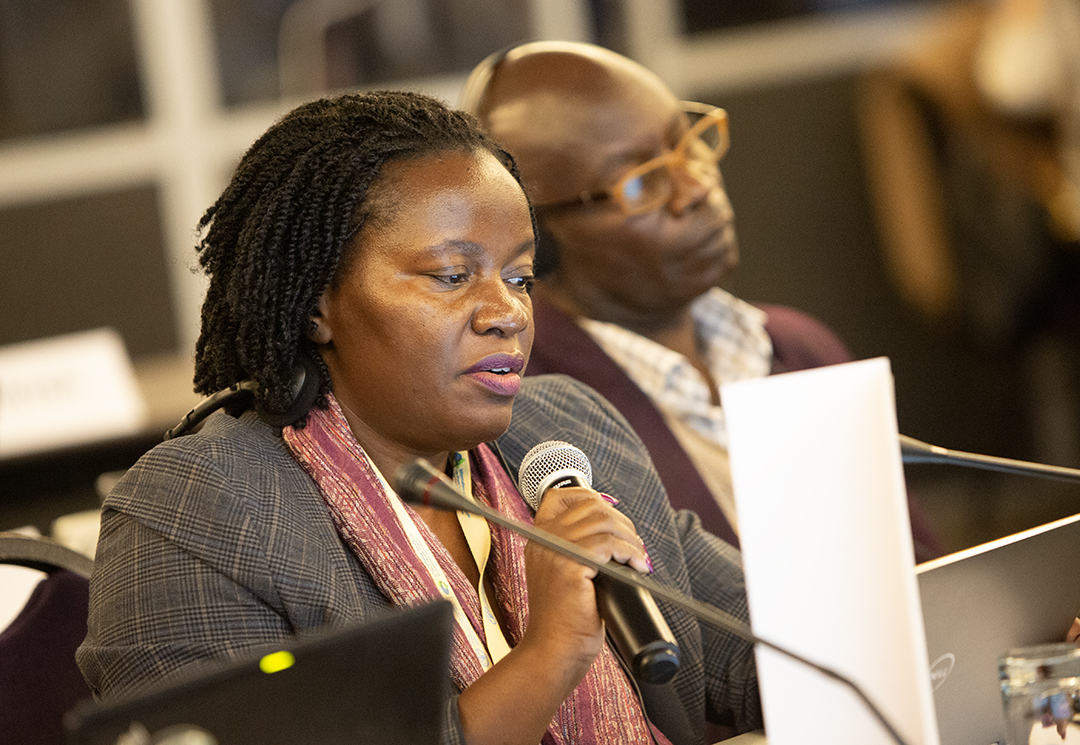
Sarah Naigaga, Africa

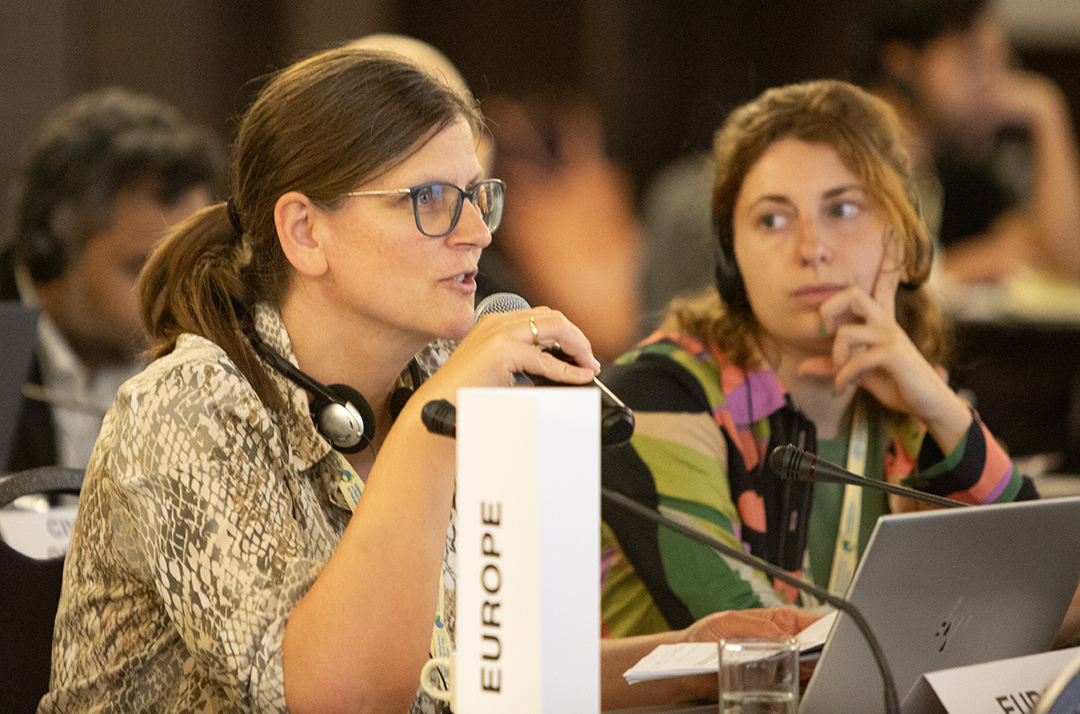
Svanhild-Isabelle Batta Torheim and Camille Rameau, Europe
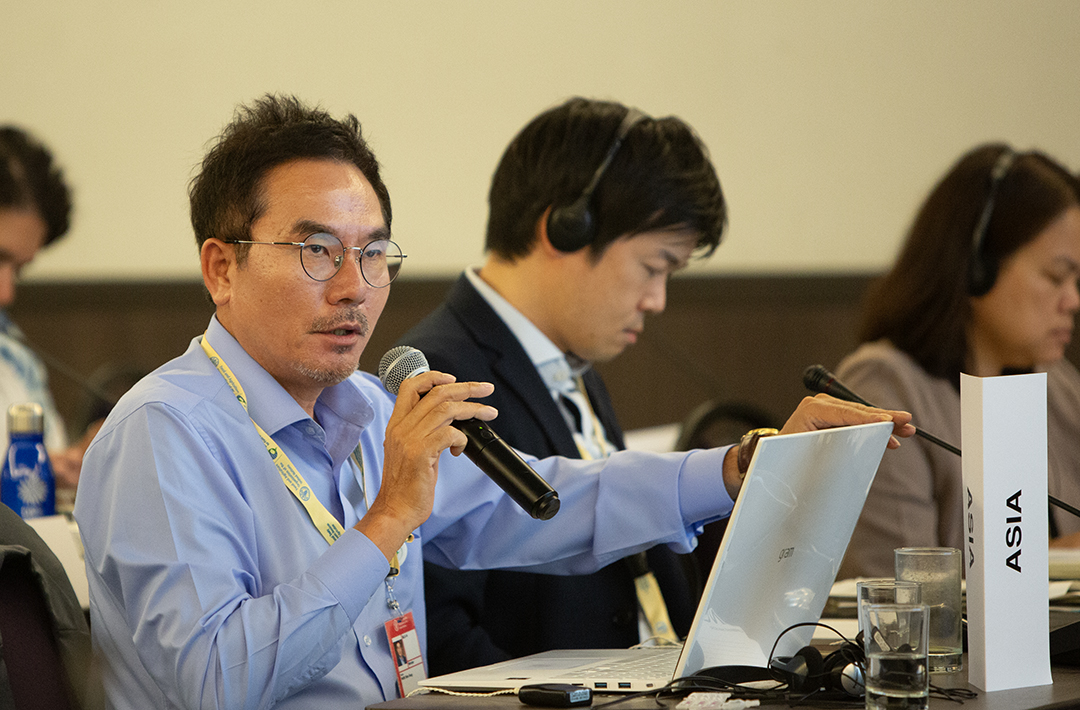
Won Seog Park, Asia
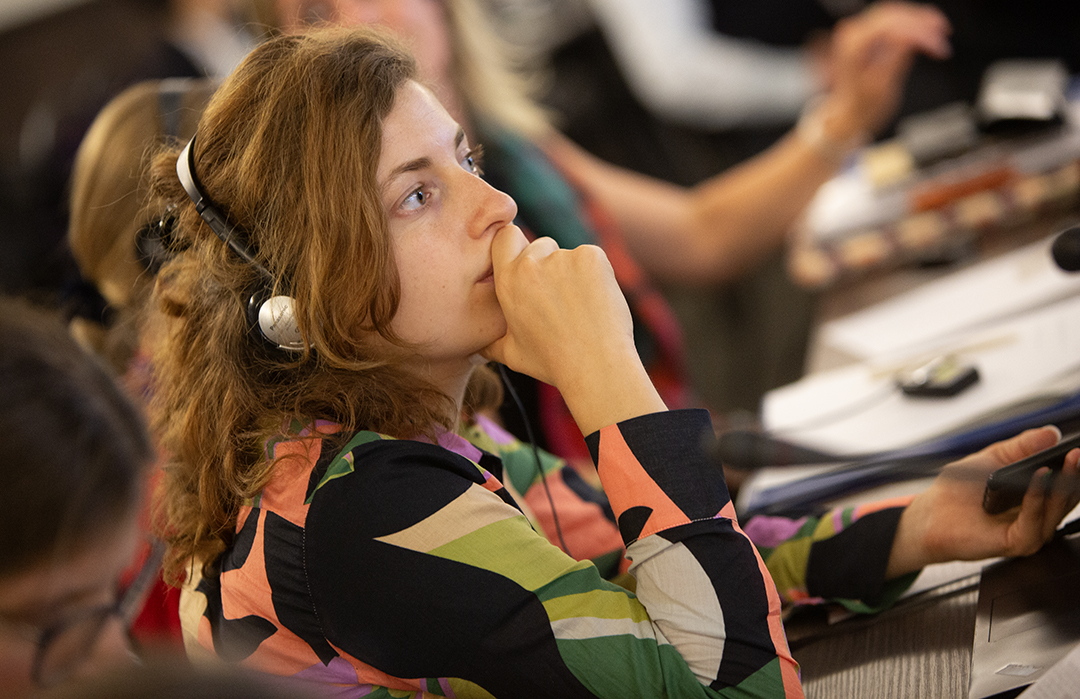
Camille Rameau, Europe
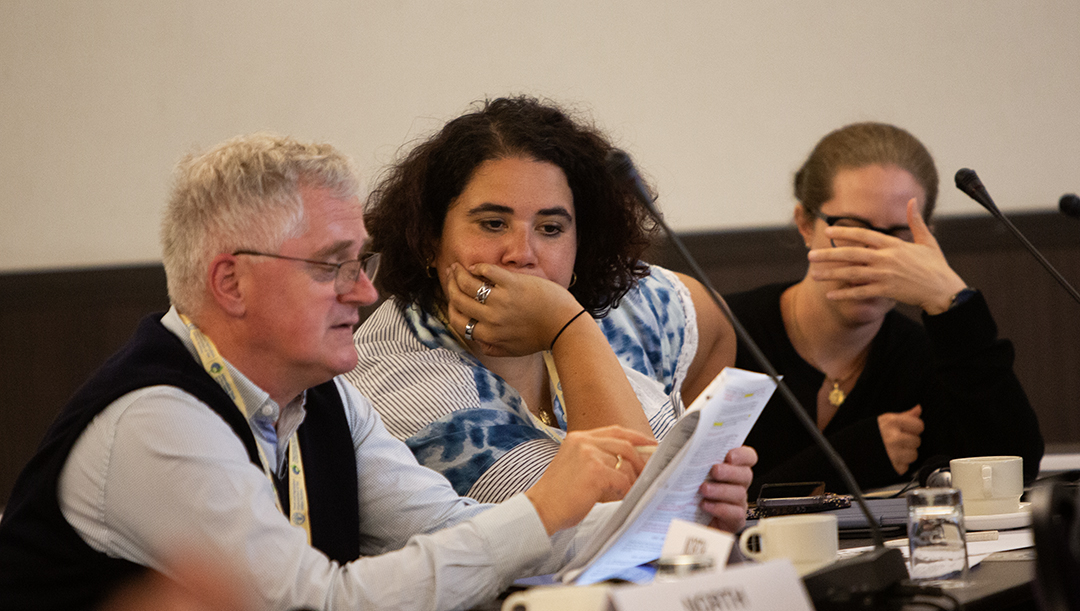
Axel Diederichsen and Priya Bhanu, North America
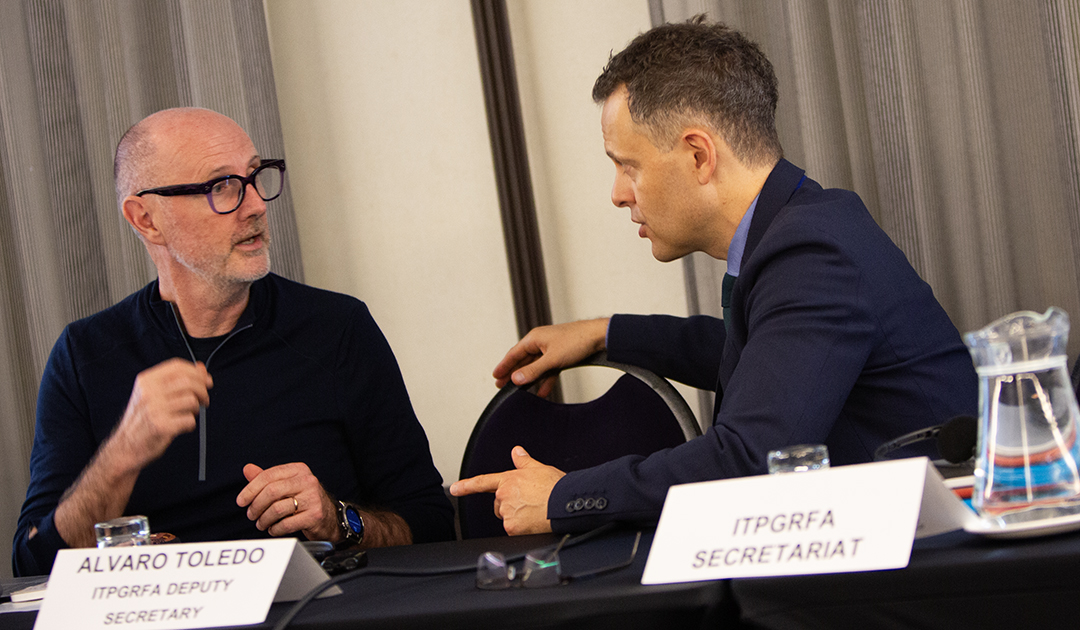
Working Group Co-Chair Michael Ryan, and Tobias Kiene, ITPGRFA Secretariat
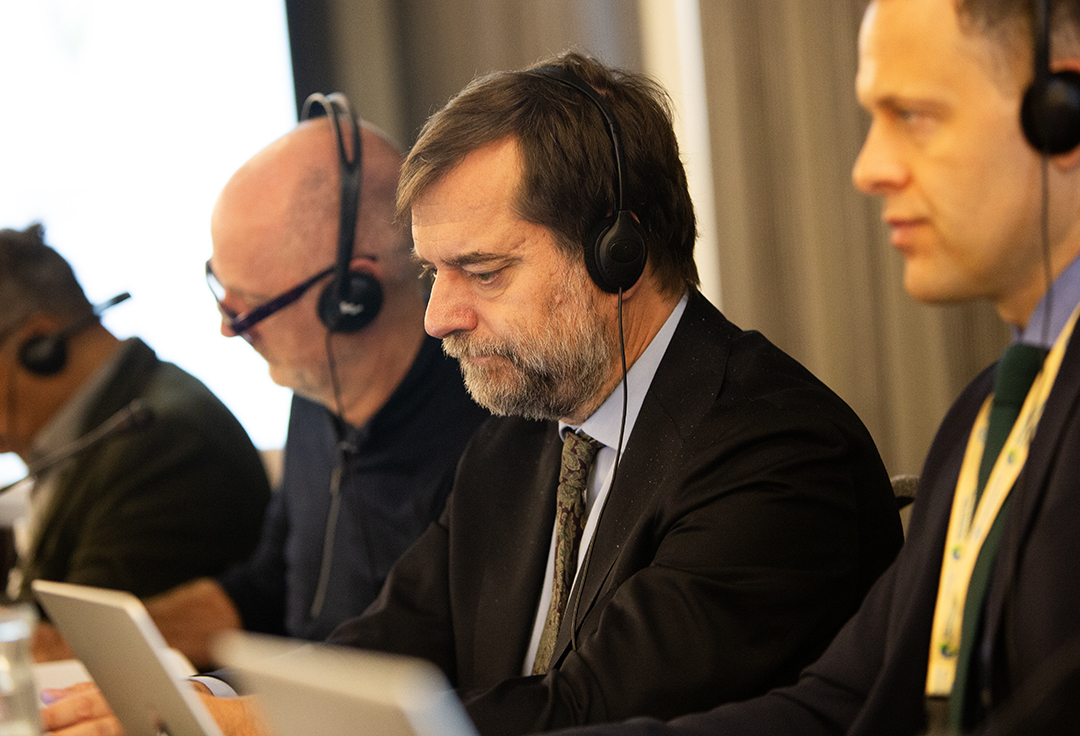
Álvaro Toledo, ITPGRFA Secretariat
Between Sessions
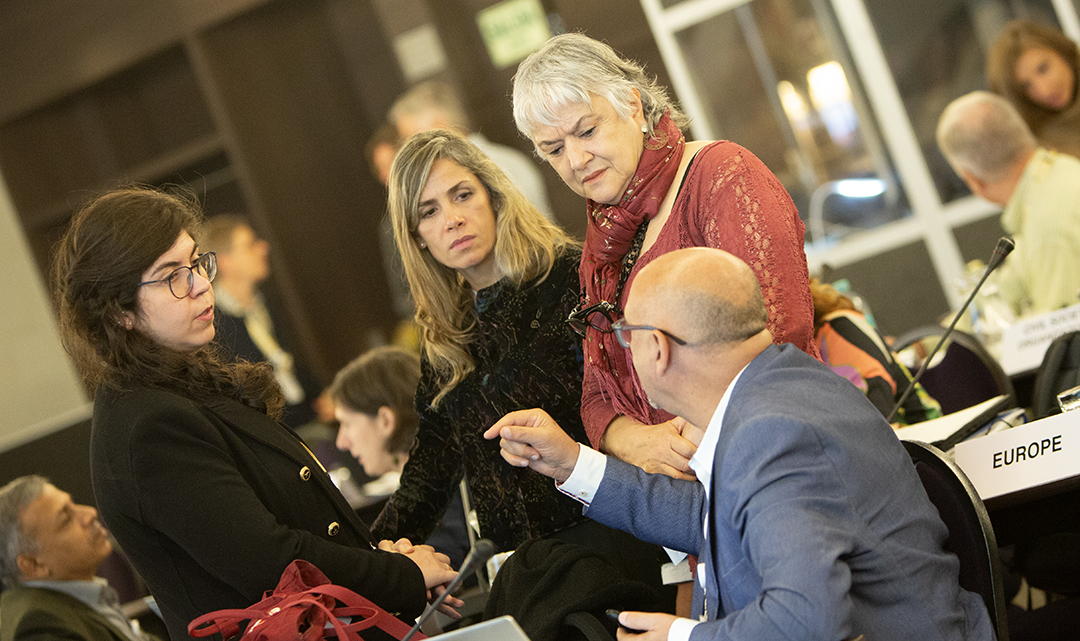
(L-R): Taisa Passoni Marçal, Lara Fazzolari, Teresa Agüero Teare, and César Tapia Bastidas, GRULAC
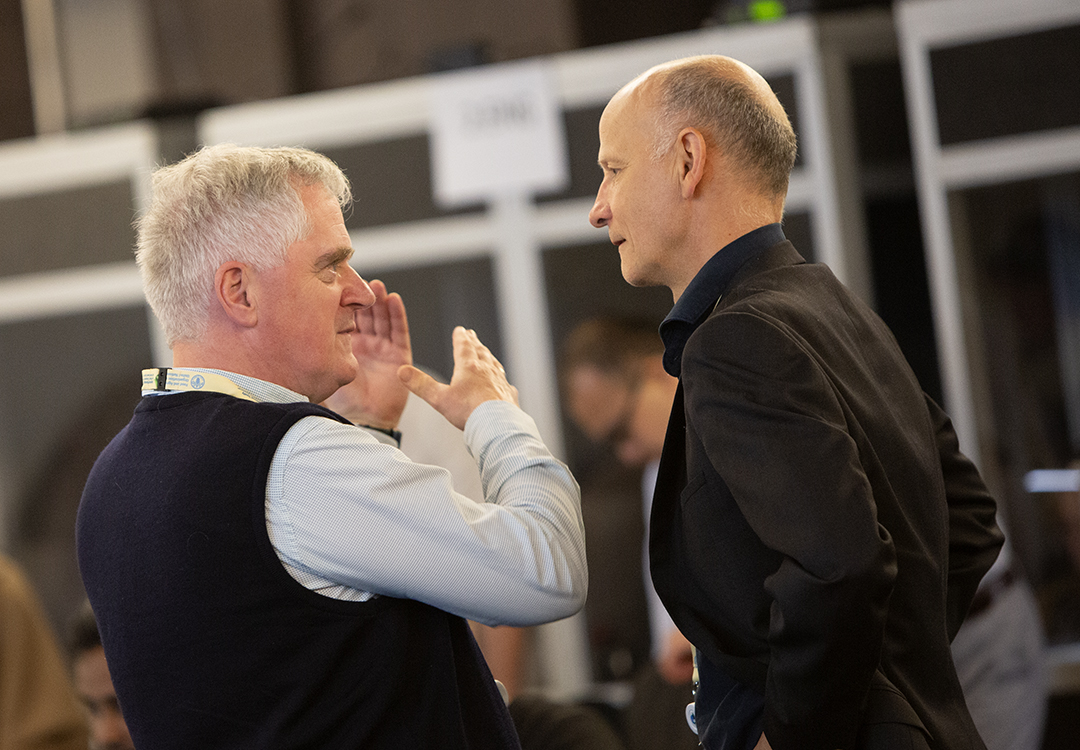
Axel Diederichsen, North America, and François Meienberg, Civil Society
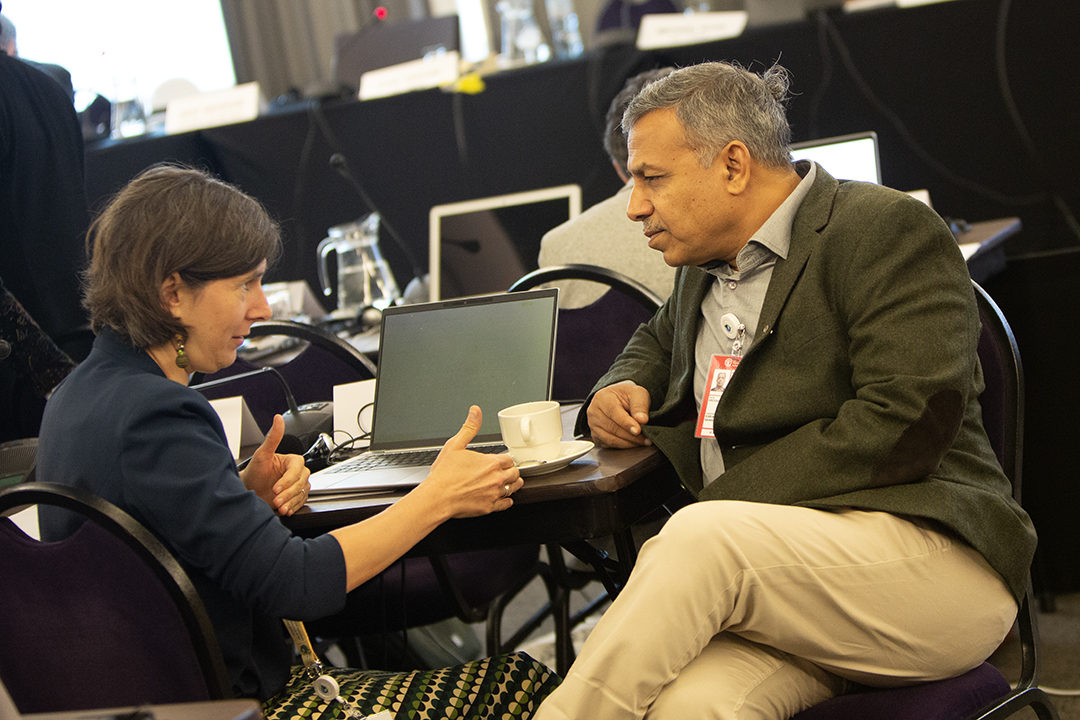
Isabelle Fragnière, Europe, and Working Group Co-Chair Sunil Archak

Ryusuke Kawamura, Asia, and Katlyn Scholl and Priya Bhanu, North America
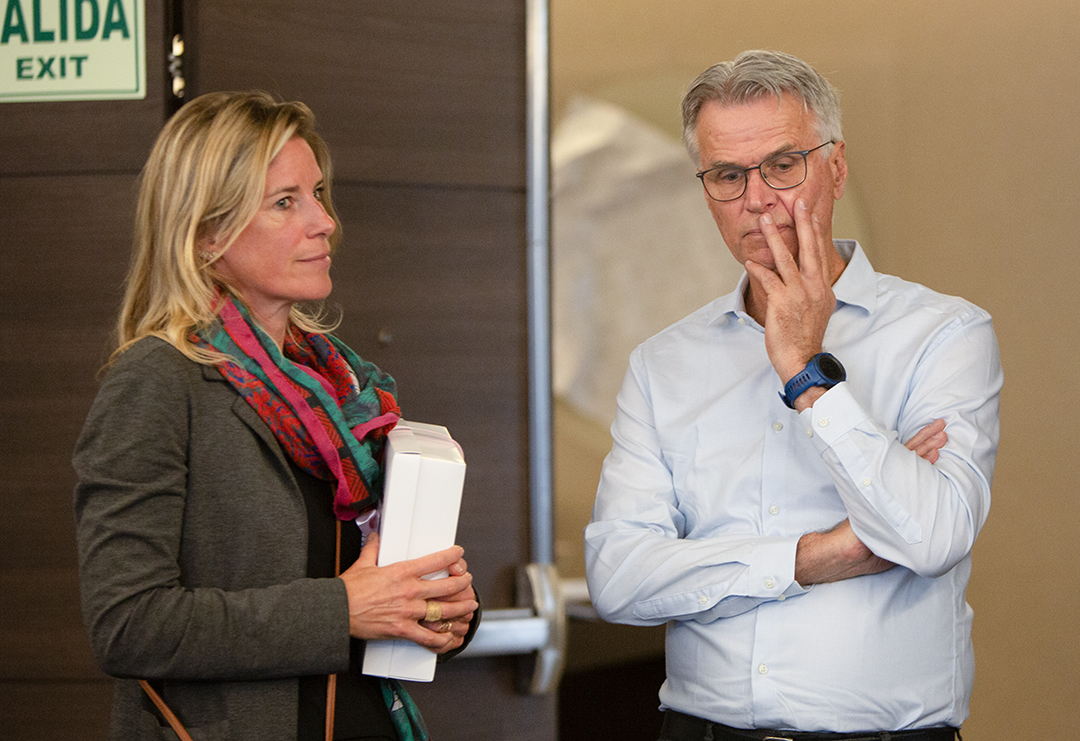
Kim van Seeters and Martin Brink, Europe
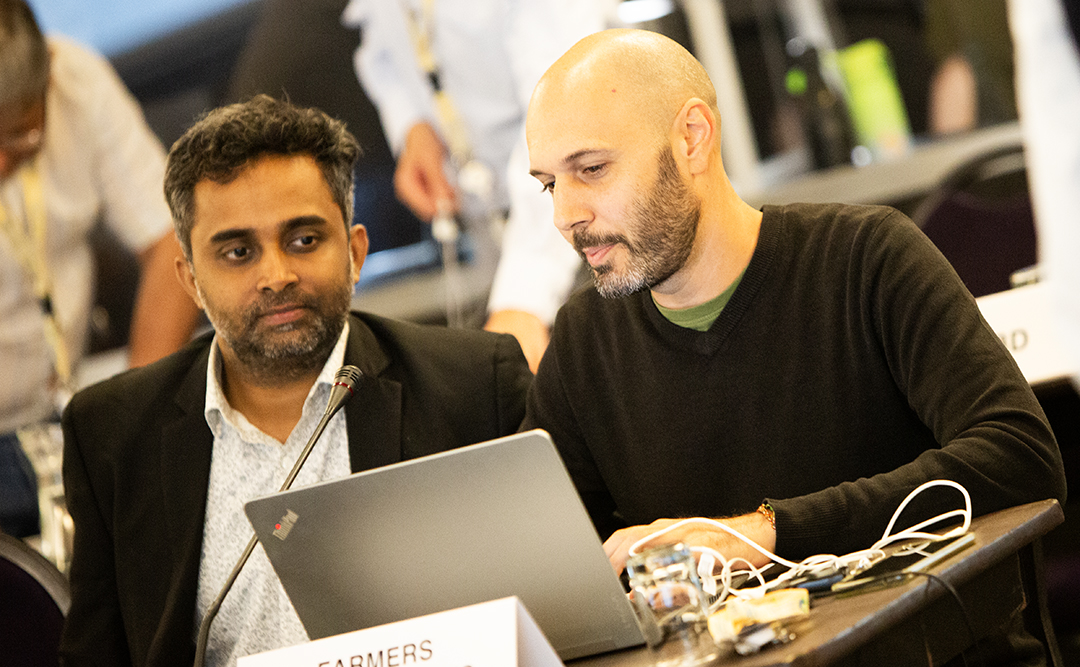
Nithin Ramakrishnan, Civil Society, and Francesco Panié, Farmers Organizations
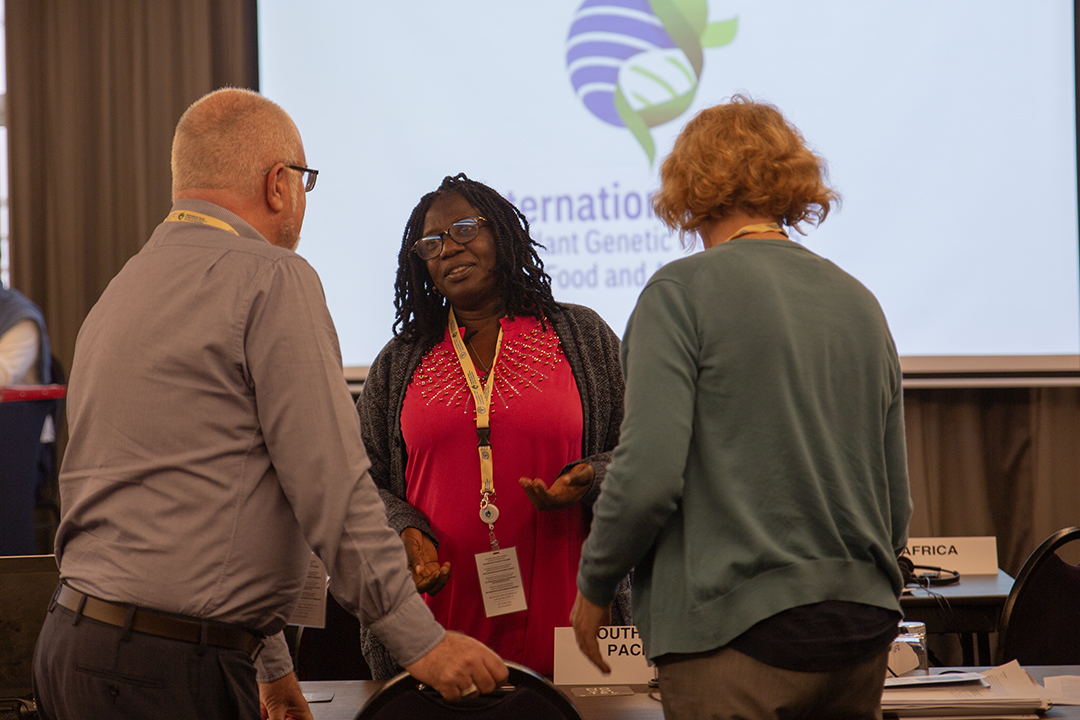
Gertrude Ngo Bahoya Mbom, Africa
Around the Venue