Visions of the future of sustainable agriculture differ widely, deliberations confirmed. Similarly, following more than a decade of negotiations, positions still deviate on how to enhance the monetary benefit-sharing component of the Multilateral System (MLS). While everybody confirmed their commitment to the process, disagreement persisted on how to secure income from users.
One of the fundamental divides in the process concerns the payment structure: whether users would access all MLS material under a subscription, or whether they would be allowed to choose between subscription and “single access” to specific material upon different payment terms. A subscription-only system provides legal certainty and advance, predictable income, most regions argue. Others suggest that the need to attract as many users as possible calls for a single-access option.
The proposal of a third potential option, a partial or crop-based subscription, resulted in a discussion on whether specific concessions should be made in an effort to attract the “big six” companies that dominate the commercial seed sector. Many questioned whether these companies would use the MLS anyway, considering they have in-house collections. Some delegates objected to favoring some users over others. Other delegates noted that any decision on the payment structure is contingent upon clarity on payment rates, a discussion that is long overdue.
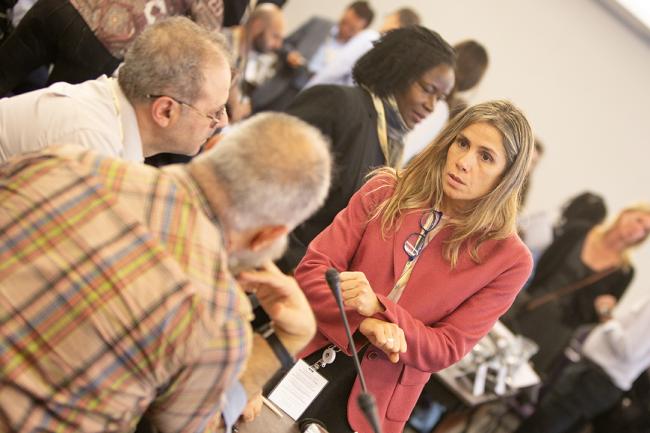
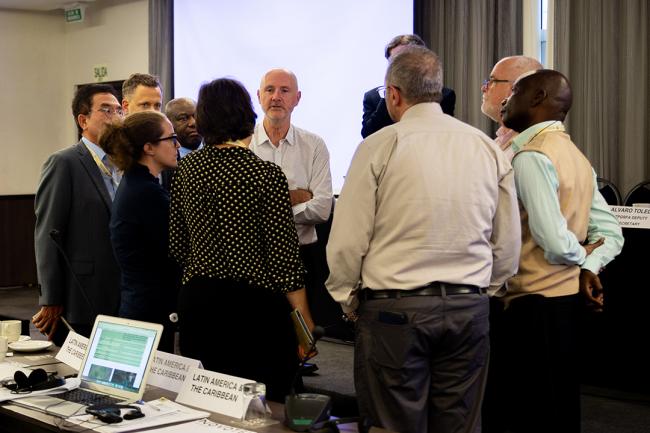
A session on digital sequence information (DSI) / genetic sequence data (GSD) on genetic resources revealed that positions remain divided on several core issues. Disagreement persisted on whether DSI/GSD is within the scope of the Treaty. Some reiterated that benefit-sharing payments from use of DSI/GSD should remain voluntary, further pointing to the fact that the Standard Material Transfer Agreement (SMTA) is a legally-binding contract and requires clear definitions, on which agreement remains elusive.
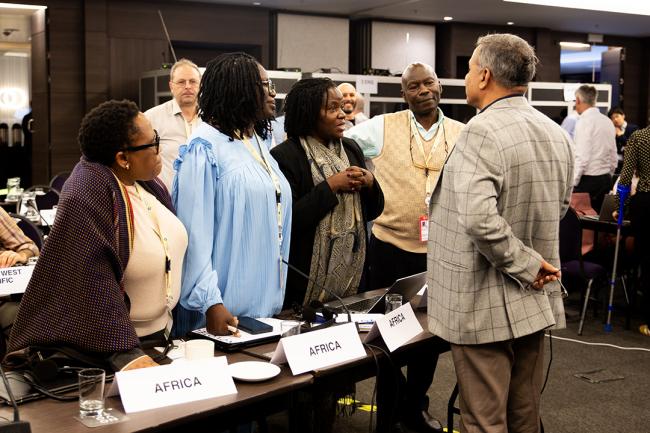
Many pointed to specific commitments on benefit-sharing from DSI/GSD in other fora, including the Agreement on Marine Biodiversity of Areas beyond National Jurisdiction (BBNJ Agreement), the Convention on Biological Diversity (CBD), and the Pandemic Agreement of the World Health Organization (WHO). Others drew attention to the increasing adoption of national laws requiring benefit-sharing from DSI use, noting that failure to agree on the matter will impact the decision on whether to expand the list of crops in the MLS (Annex I).
With these items remaining open, delegates prepared for an evening session on payment rates and the expansion of Annex I.
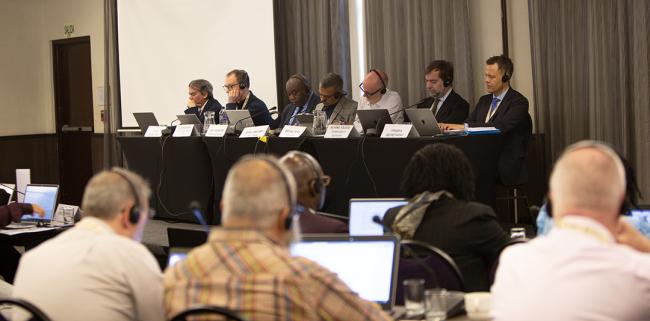
To receive free coverage of global environmental events delivered to your inbox, subscribe to the ENB Update newsletter.
All ENB photos are free to use with attribution. For this event, please use: Photo by IISD/ENB - Angeles Estrada Vigil
Selected Images
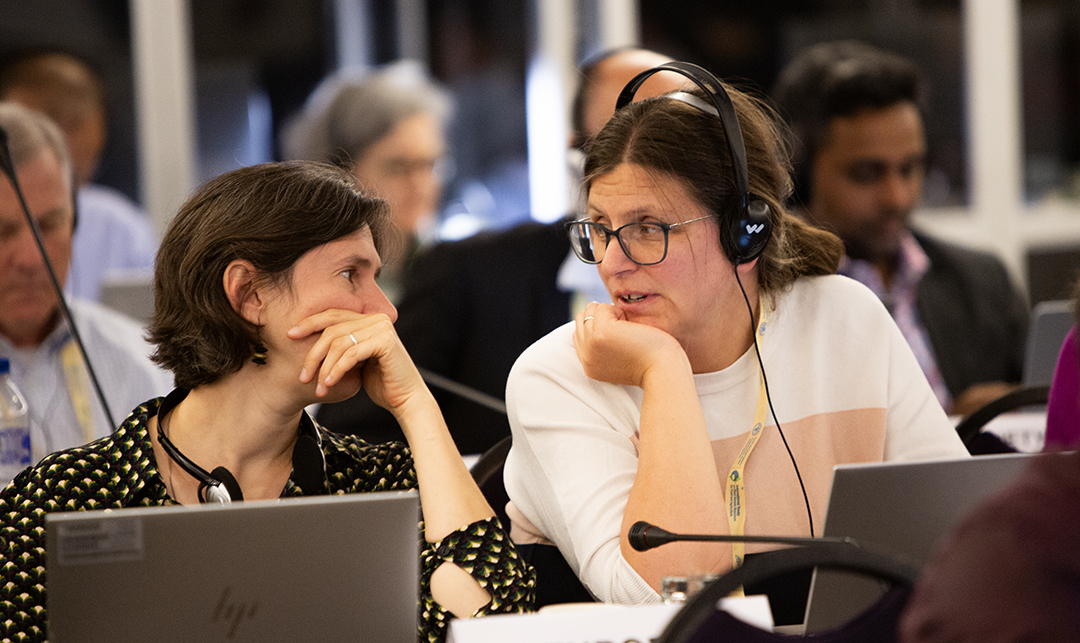
Isabelle Fragnière and Svanhild-Isabelle Batta Torheim, Europe
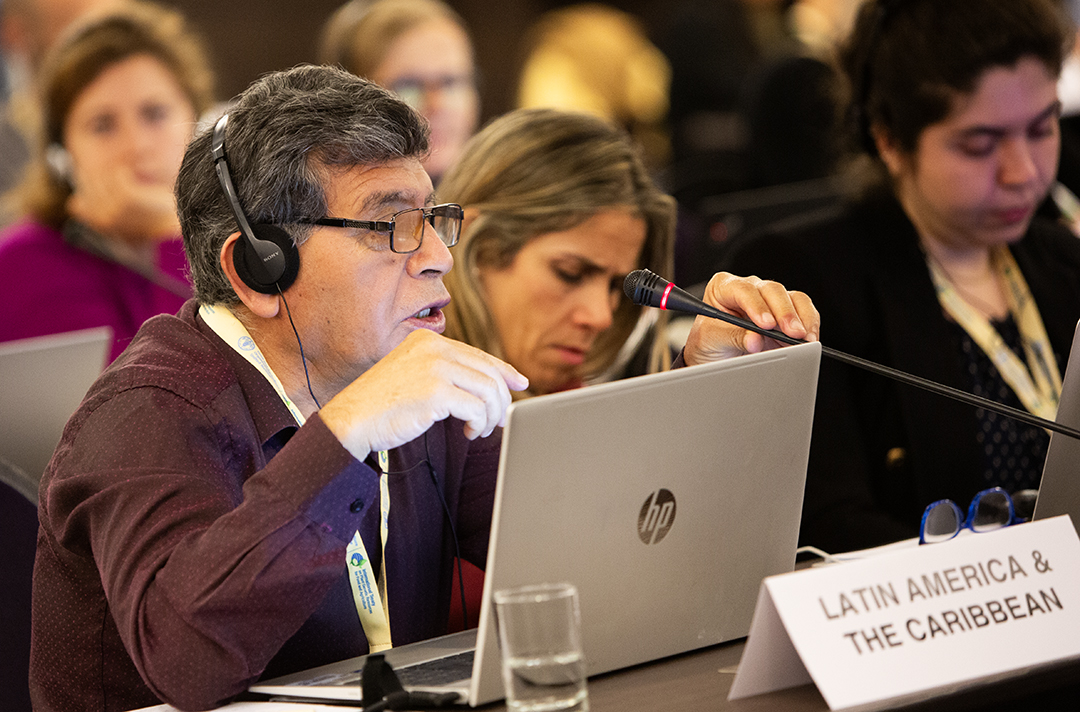
Roger Alberto Becerra Gallardo, GRULAC
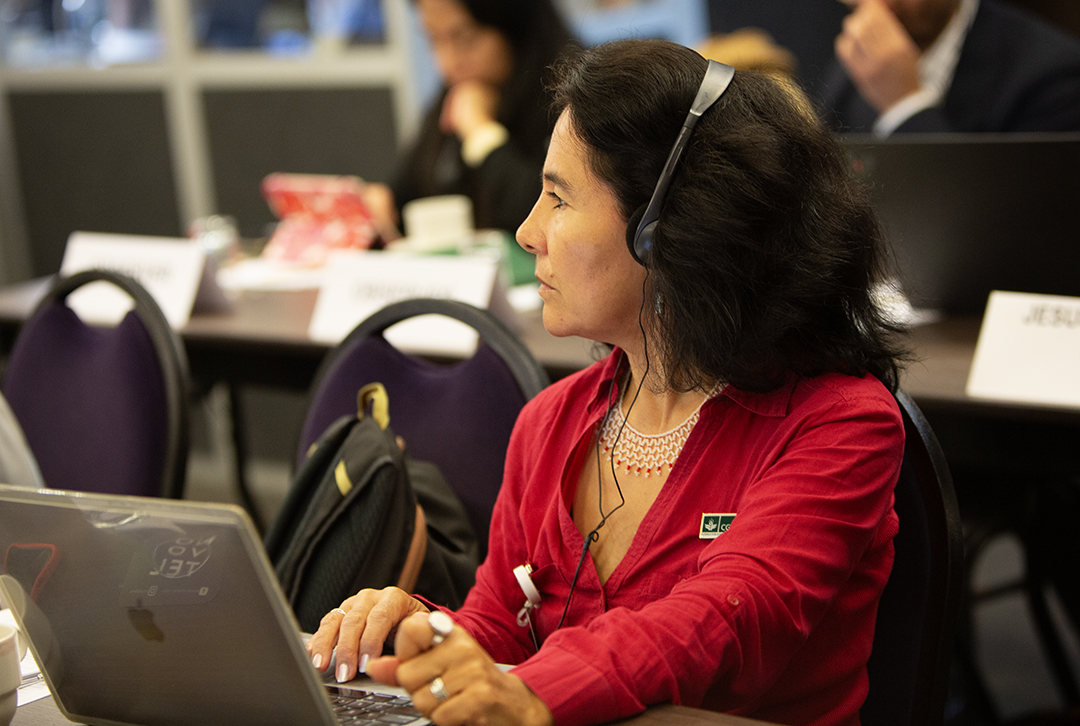
Ana Carolina Roa Rodríguez, CGIAR
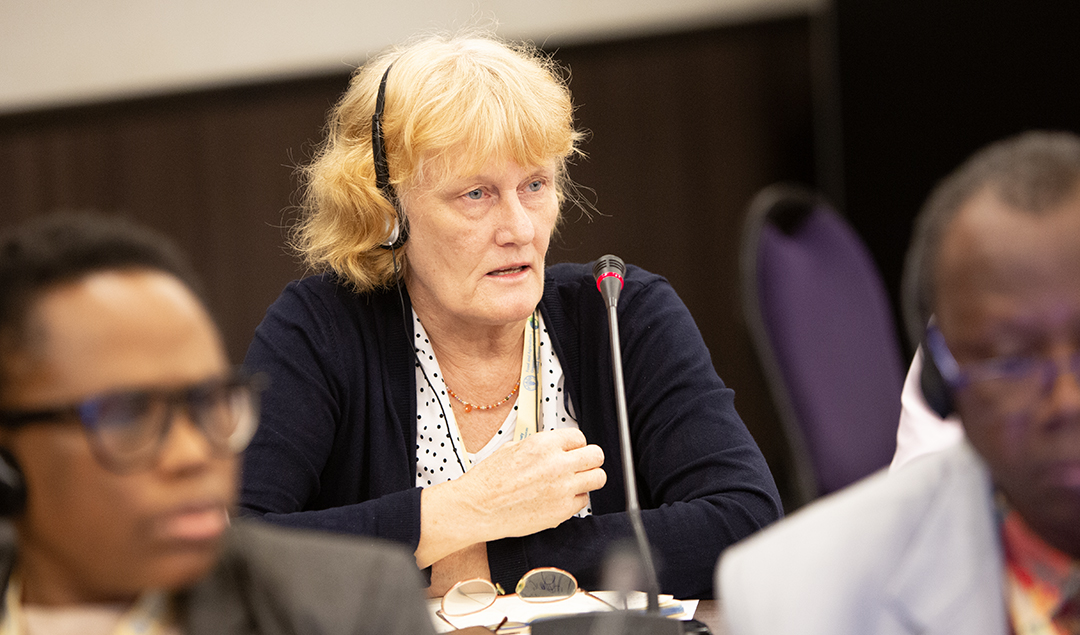
Birte Nass-Komolong, Southwest Pacific

Lara Fazzolari, GRULAC
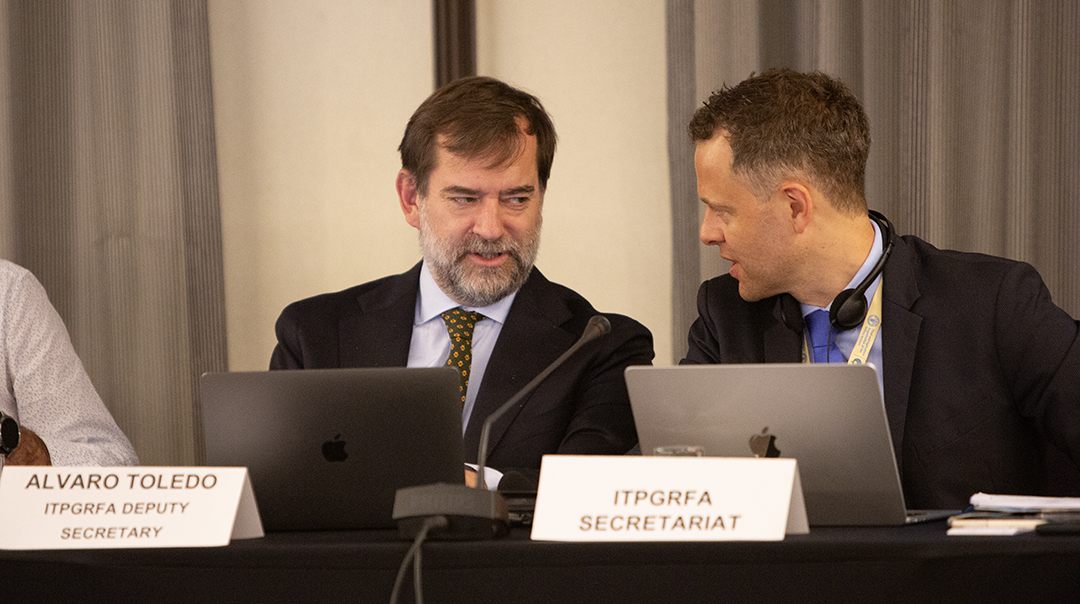
Álvaro Toledo and Tobias Kiene, ITPGRFA Secretariat

Lorelei Garagancea, Ludovic Pâris and Jasmina Muminovic, Seed Industry
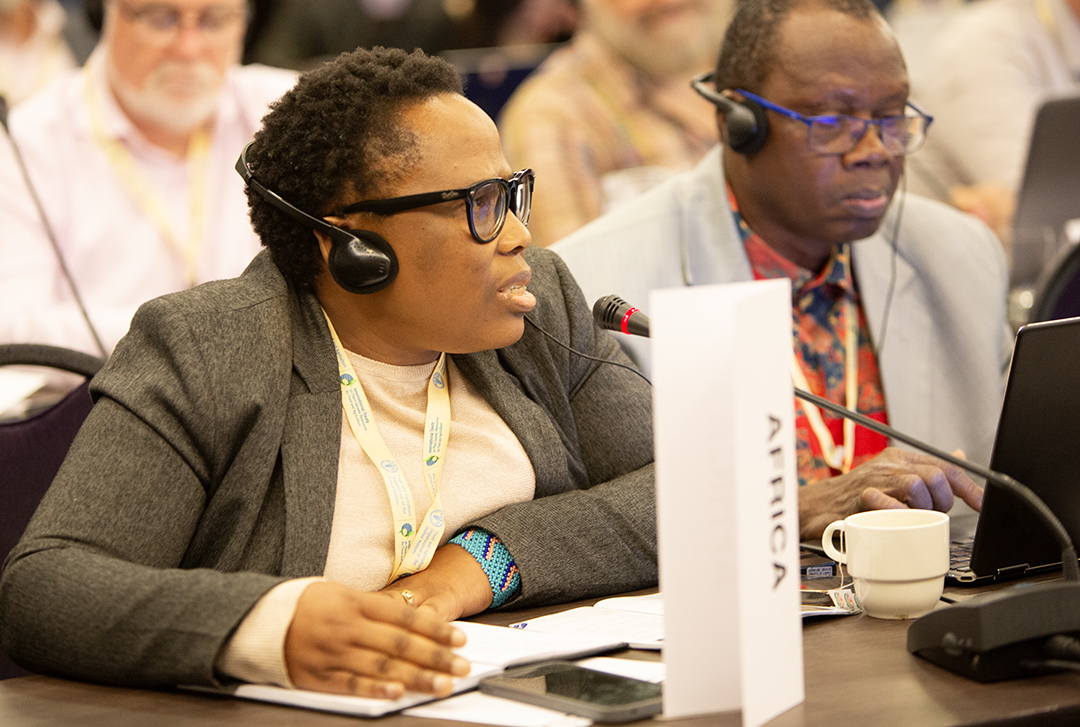
Noluthando Netnou-Nkoana, Africa
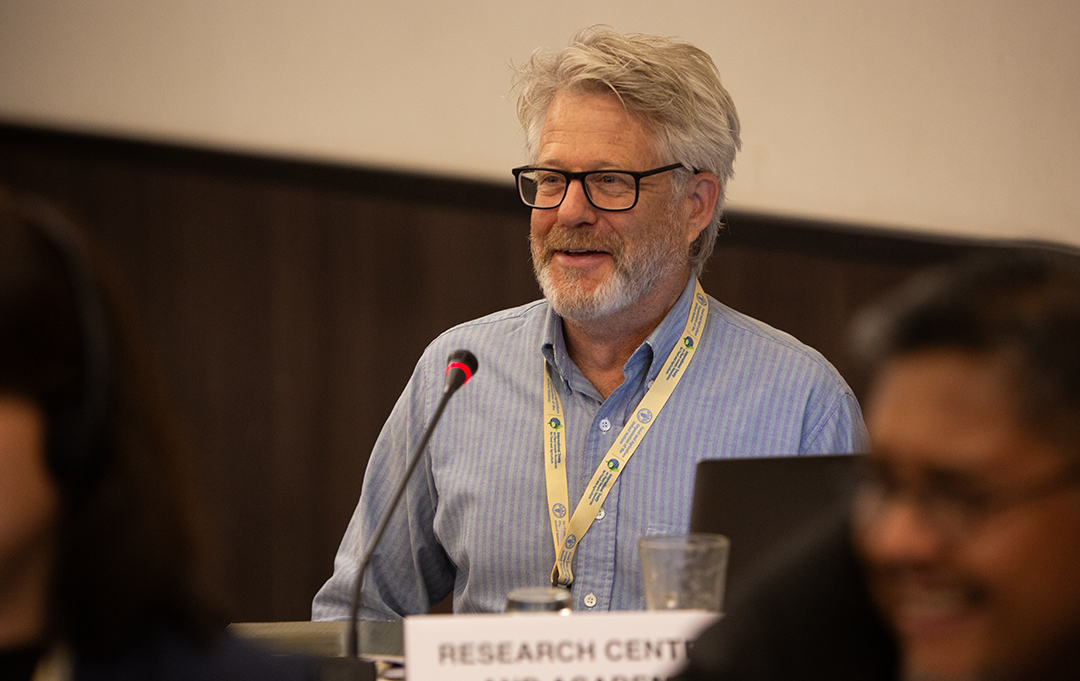
Michael Halewood, CGIAR
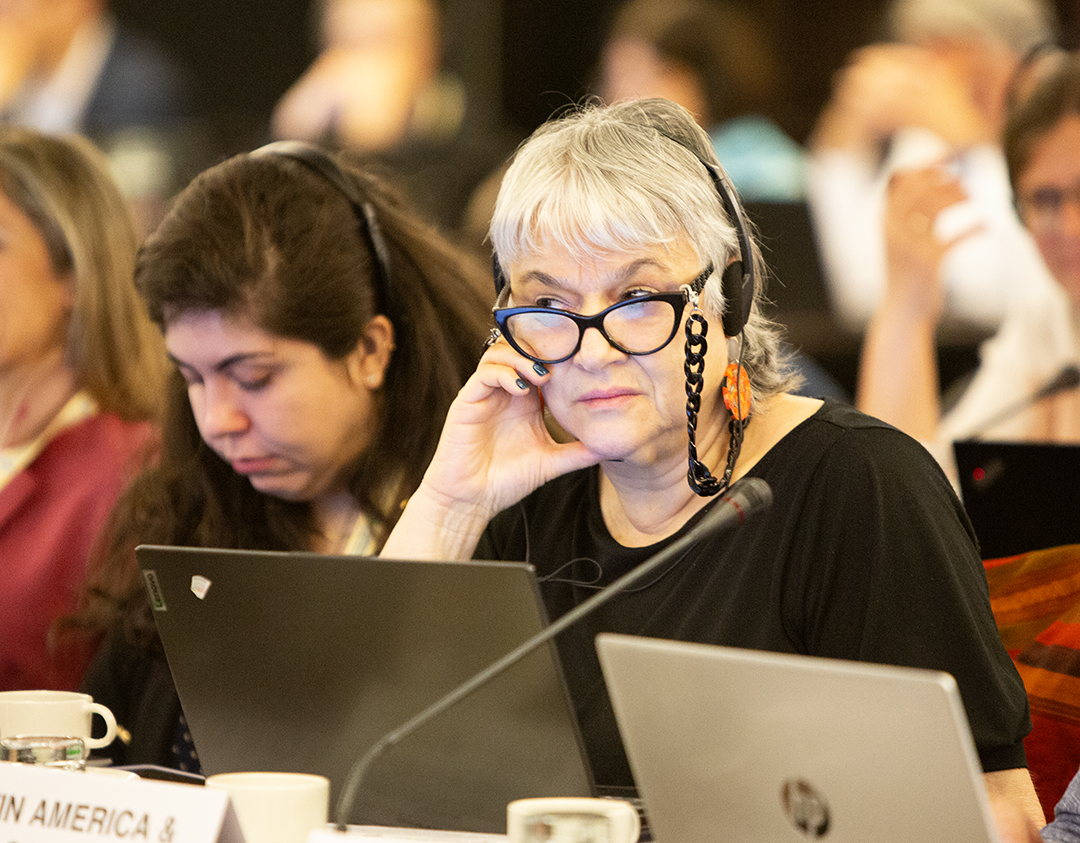
Teresa Agüero Teare, GRULAC
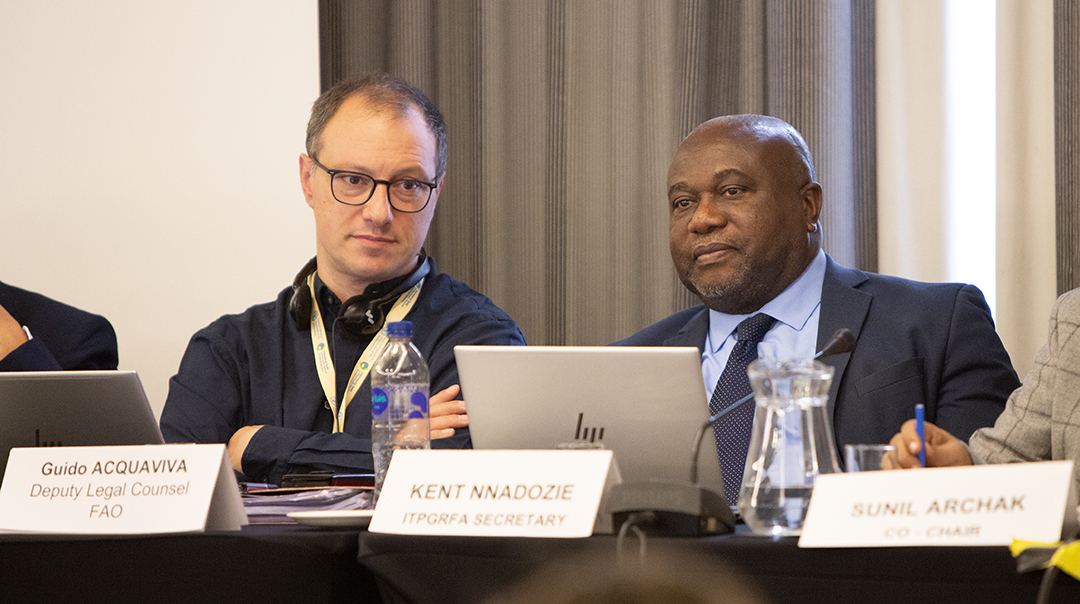
Guido Acquaviva, FAO, and ITPGRFA Secretary Kent Nnadozie
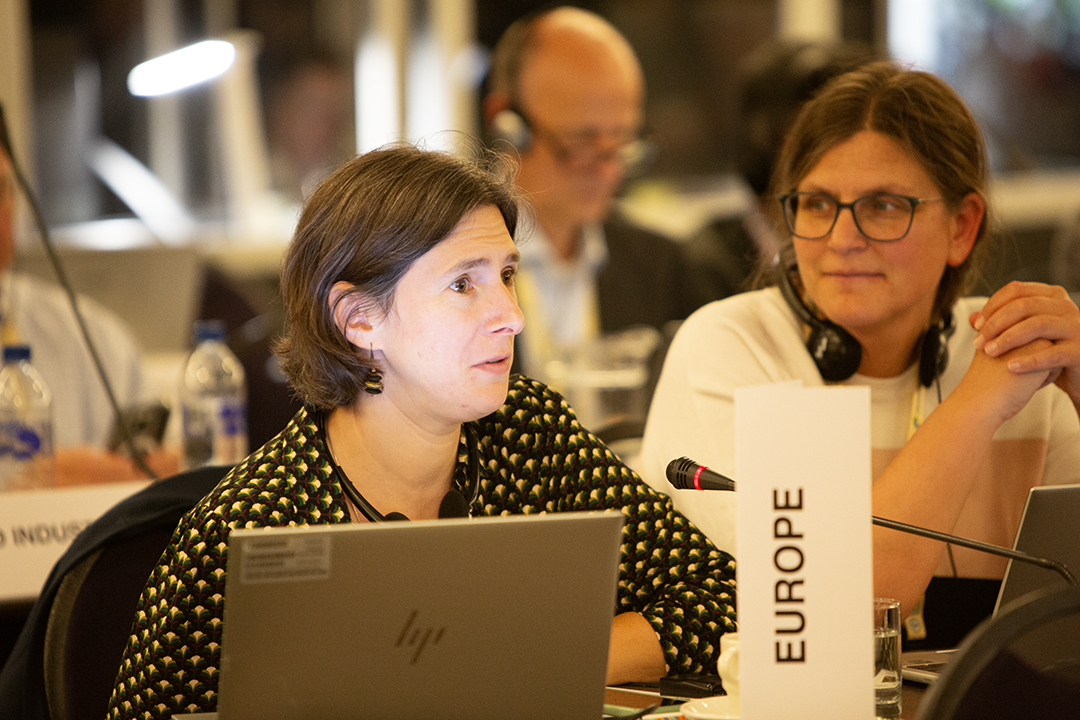
Isabelle Fragnière, Europe
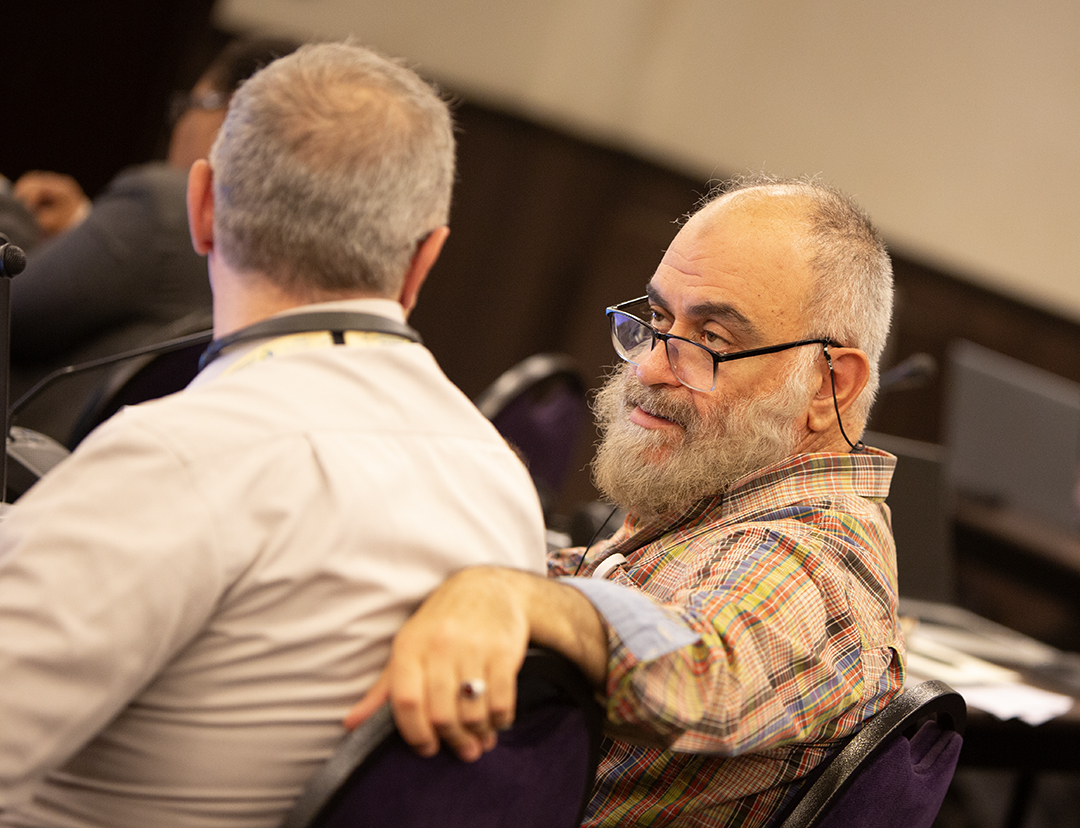
Khaled Abulaila, Near East
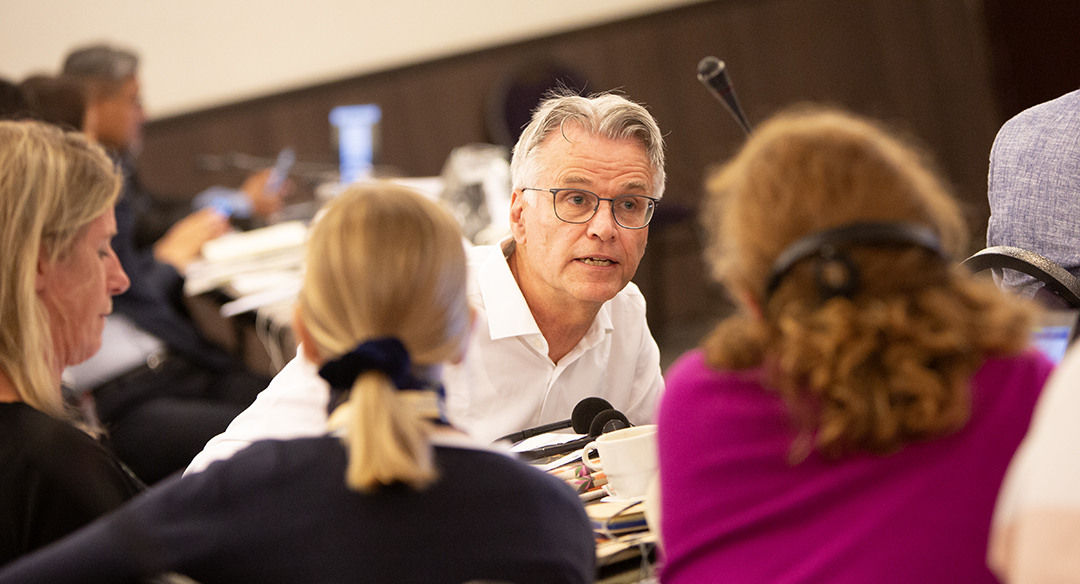
Martin Brink, Europe
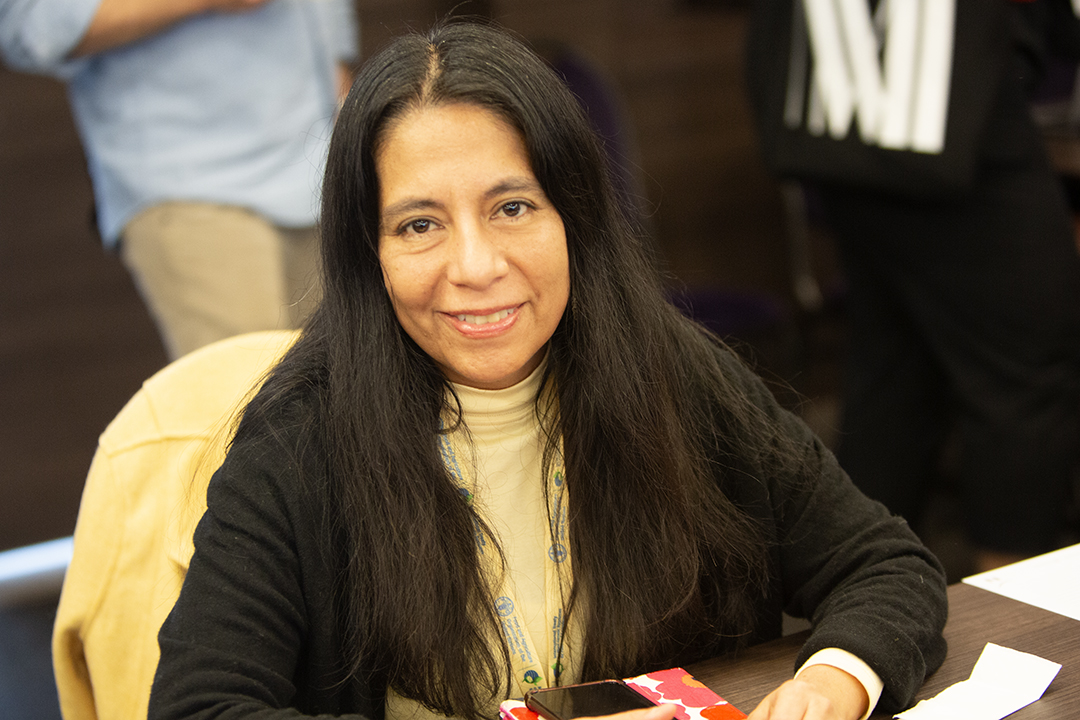
Carmen Arias Otárola, GRULAC
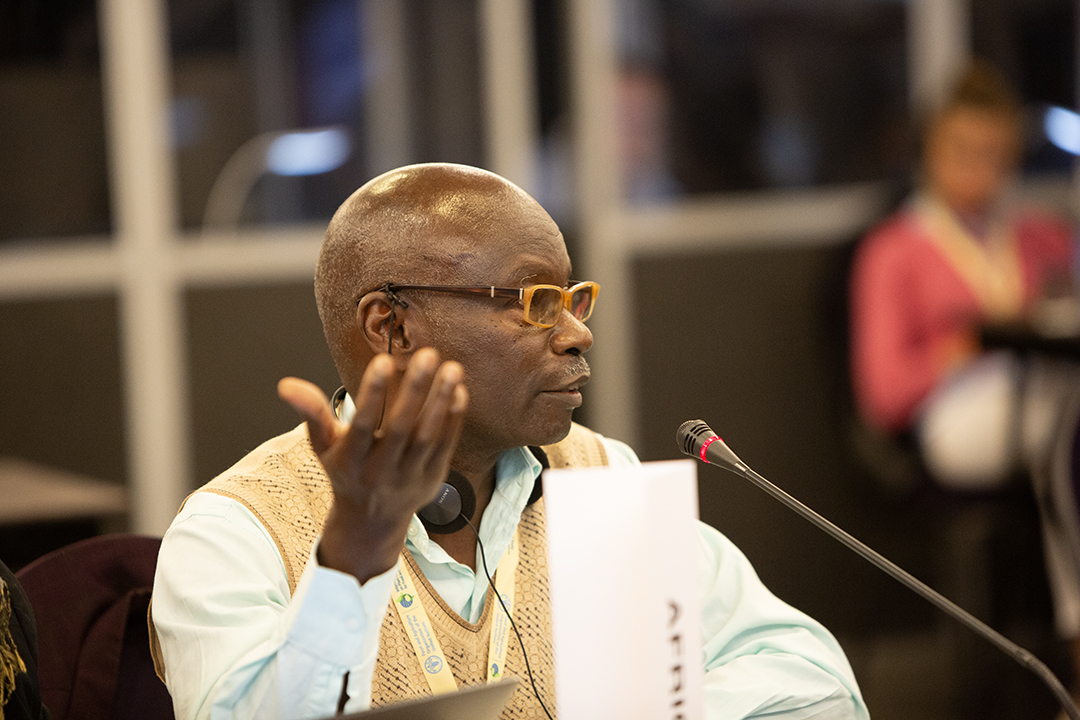
John Wasswa Mulumba, Africa

Sabnam Shivakoti, Ministry of Agriculture and Livestock Development, Nepal, Seonbin Lee, Chung-Ang University, and Shihomi Uzuhashi, National Agriculture and Food Research Organization, Japan
Around the Venue
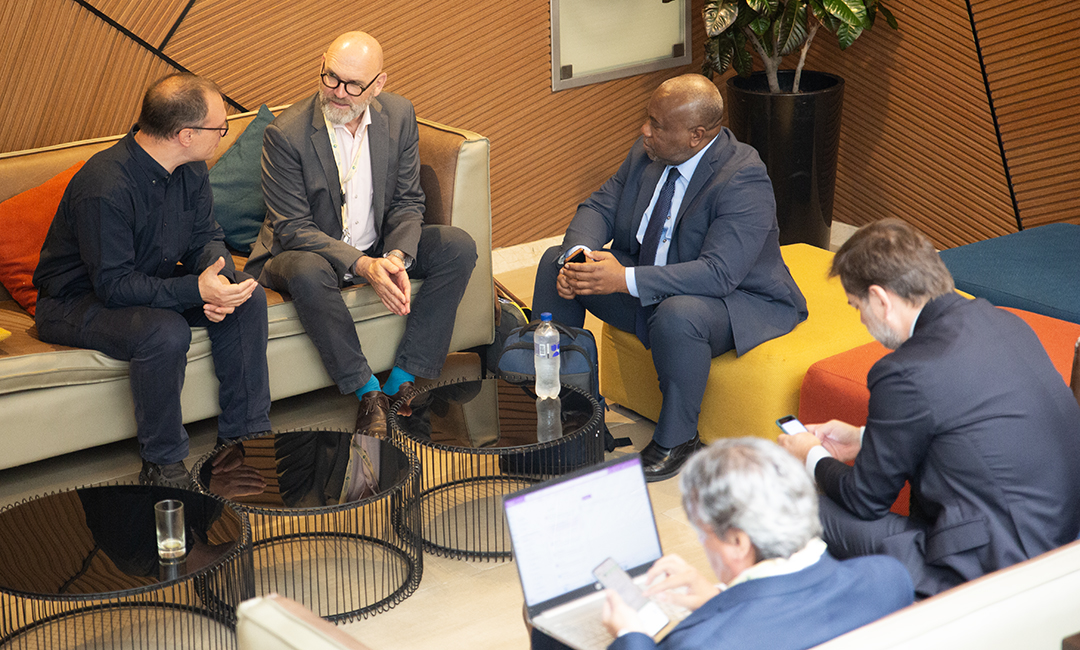
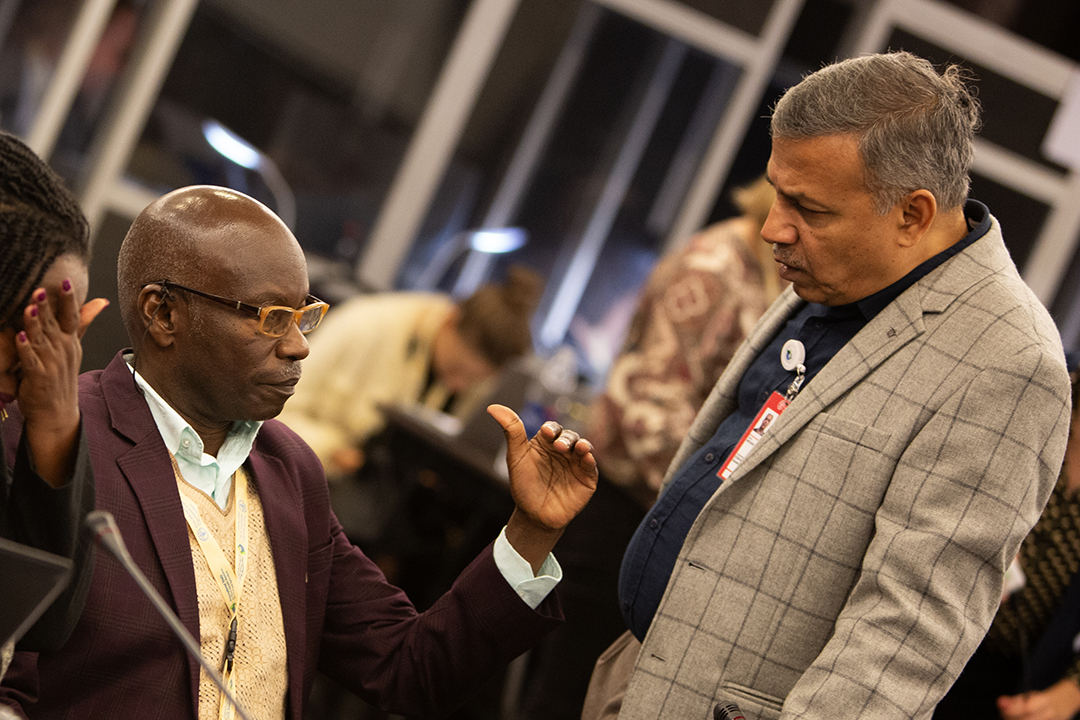
John Wasswa Mulumba, Africa, and Working Group Co-Chair Sunil Archak
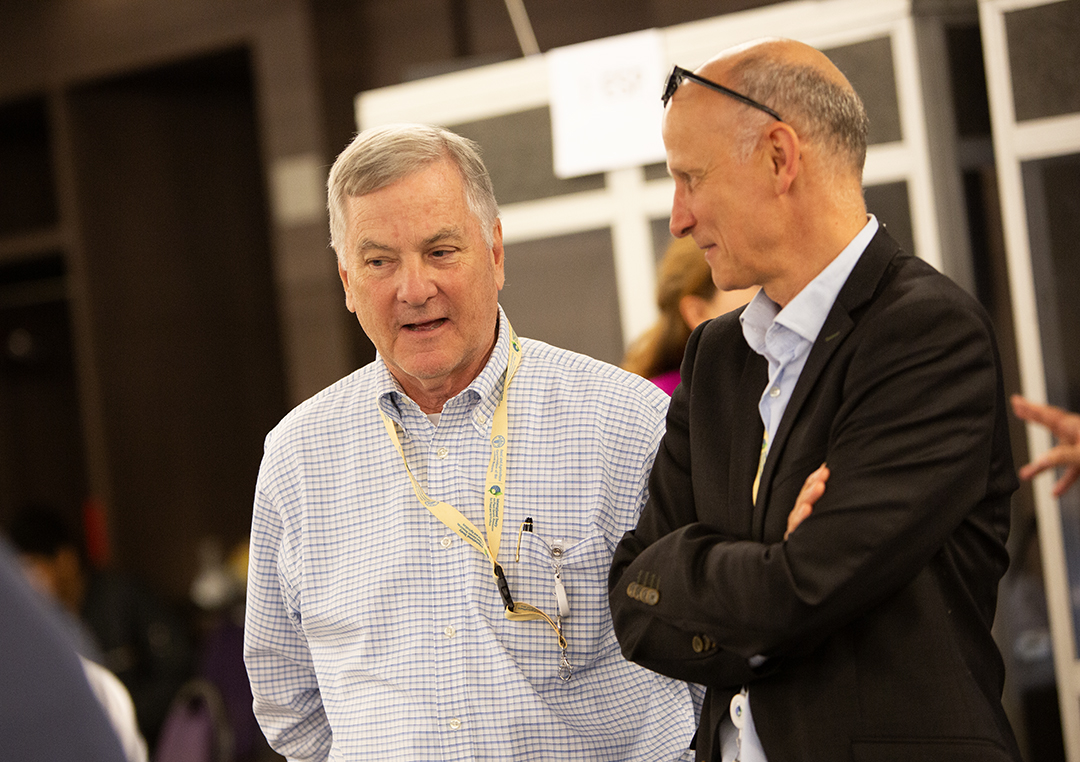
Tom Nickson, Seed Industry, and François Meienberg, Civil Society
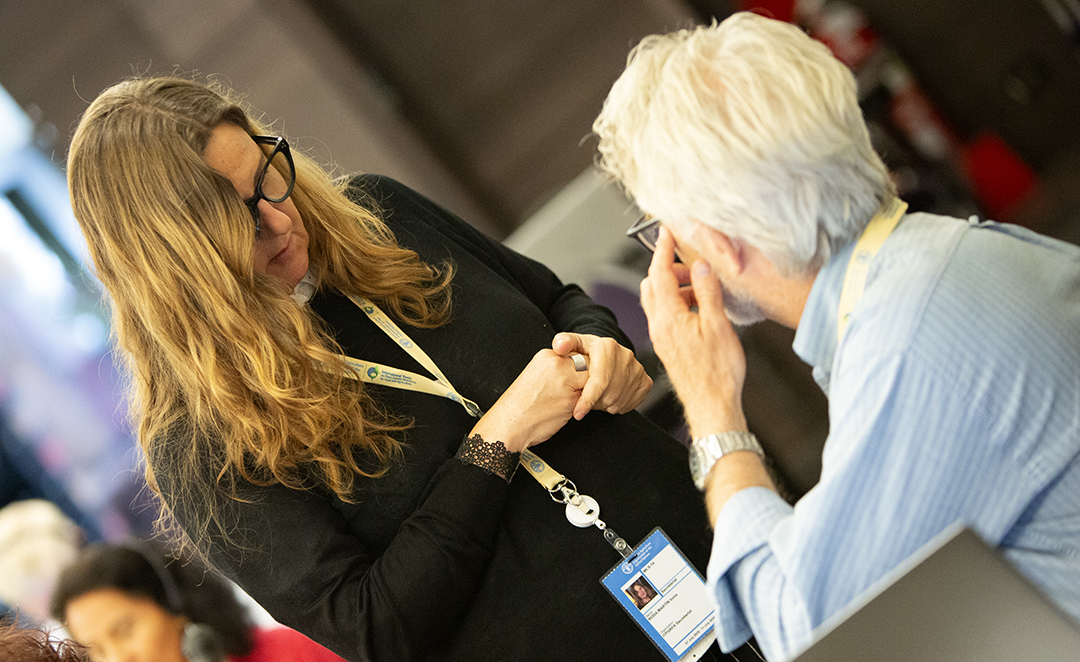
Inma Roda Martin, ITPGRFA Secretariat, and Michael Halewood, CGIAR

Nithin Ramakrishnan, Civil Society


César Tapia Bastidas, GRULAC
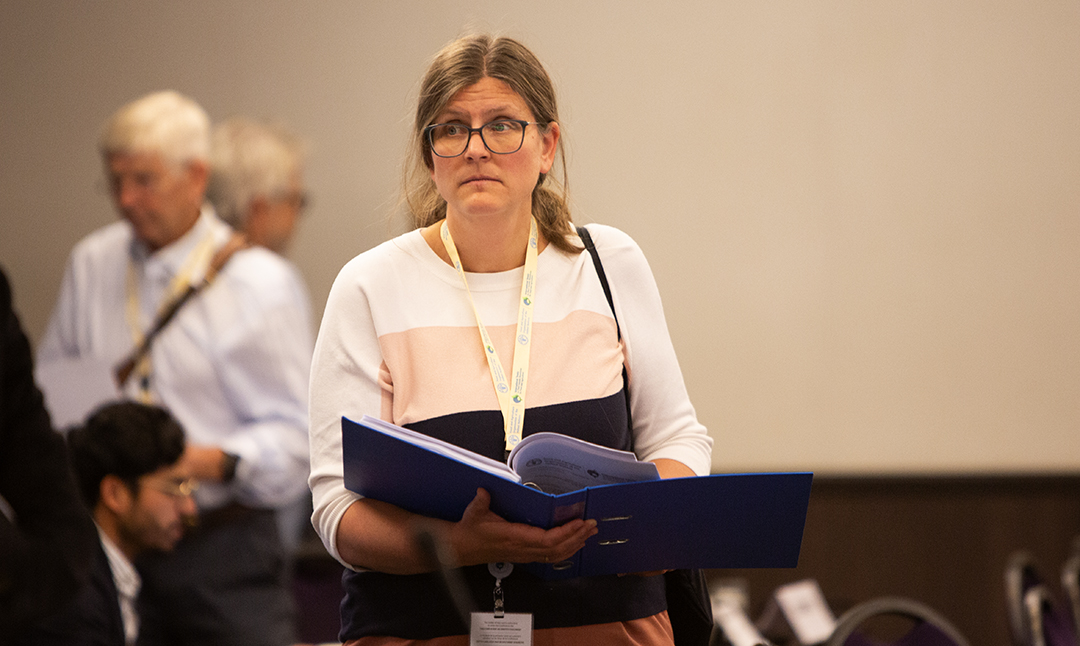
Svanhild-Isabelle Batta Torheim, Europe