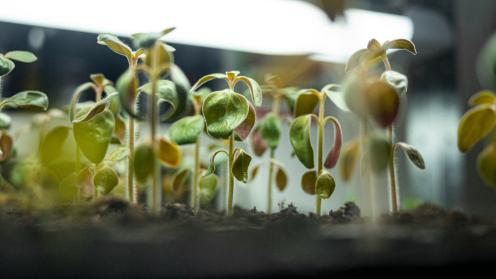
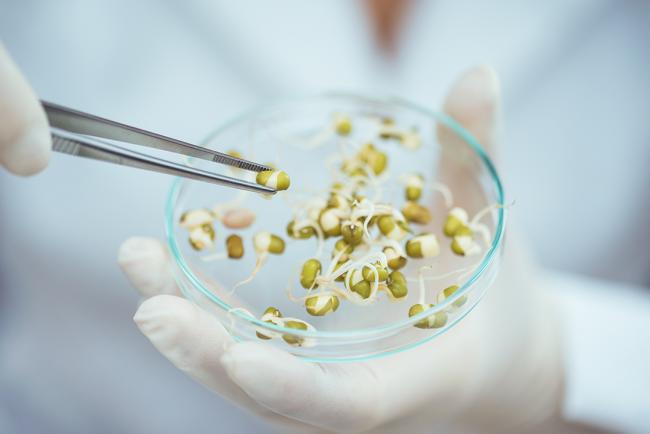
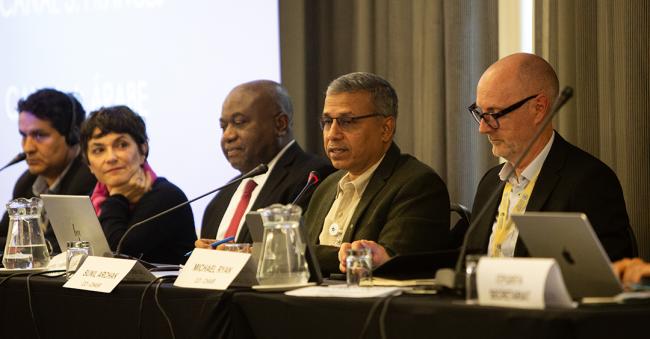
Plant genetic resources for food and agriculture (PGRFA) are at the heart of sustainable agriculture and global food security. In an age of geopolitical volatility and climate change, their importance remains constant, Co-Chair Sunil Archak (India) stressed. As the Working Group gathered for its final negotiating session before the Governing Body meets in November 2025, many underscored the need to stay true to the Treaty’s objectives and support sustainable agriculture and global food security fairly and equitably.
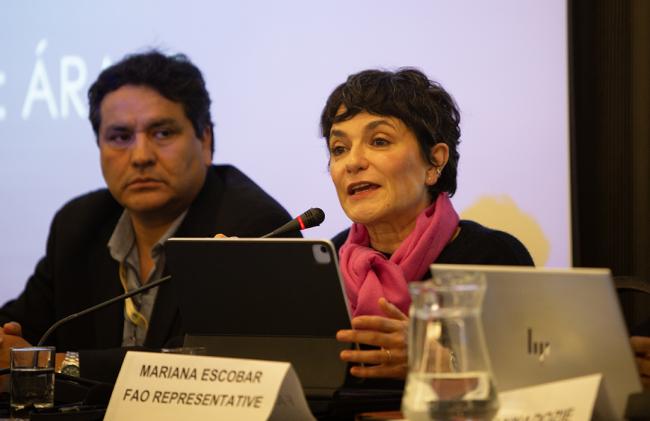
The Working Group has come a long way. The process of enhancing the Treaty’s Multilateral System (MLS) of access and benefit-sharing (ABS) started in 2013 with a focus on increasing user-based payments. “We have been running a marathon, and the stadium is now coming to view,” Co-Chair Michael Ryan (Australia) noted 12 years later, setting the targets of the session: agreeing on the payment structure; working on the payment rates; and producing a clean text of the draft revised Standard Material Transfer Agreement (SMTA).
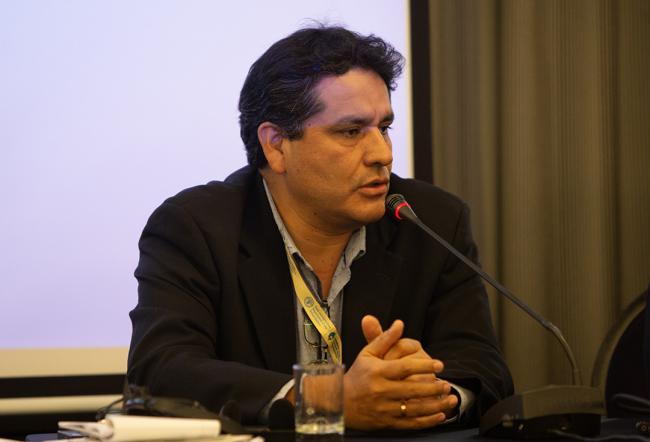
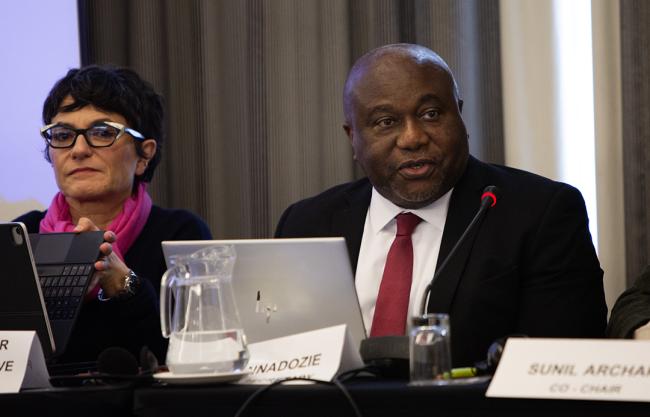
Noting that “both success and failure here will be shared by all,” Treaty Secretary Kent Nnadozie asked for pragmatism and flexibility to bring forward a strengthened MLS that will deliver for farmers for years to come.
Regions offered opening statements, with many emphasizing the need to search for common ground. Africa, speaking also for Latin America and the Caribbean (GRULAC) and the Near East, highlighted the three regions’ convergence on the essential principles to guide negotiations, including: respecting sovereign rights over PGRFA; ensuring fair and equitable benefit-sharing; and enforcing ABS-related obligations, including on benefit-sharing from digital sequence information (DSI).
Europe underscored the need for increased user-based income, noting that the expansion of the list of crops in Annex I is an integral part of the process. North America stressed the need to focus on outstanding issues and avoid reopening agreed text, noting that they will not support extending the process in the next biennium. Asia noted the region has reached common understanding on the need for a dual access system, including options for subscription and single access, but not on expansion of Annex I or on DSI. The Southwest Pacific expressed their continued support for a subscription-only system.
Farmers’ Organizations stressed the need to prohibit the patenting of DSI from PGRFA in the MLS before expanding Annex I, noting that patenting trends threaten farmers’ rights and access to PGRFA. Civil Society drew attention to a series of letters signed by civil society groups and farmers’ organizations from across the globe, expressing concerns that the proposed package of measures, including amendment of Annex I, is inequitable, undermines developing countries’ interests, and promotes lack of transparency in transfers of PGRFA and DSI.
The Seed Industry supported multiple payment structures and attractive payment rates, and opposed adding language in the SMTA on disclosure of origin in patent applications. CGIAR announced that a budget of USD 26 million is confirmed for the conservation of collections that have signed agreements with the Governing Body under ITPGRFA Article 15 (ex situ collections held by CGIAR and other international institutions).
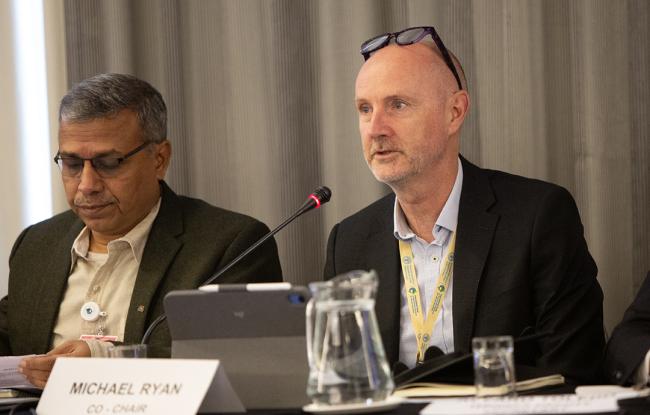

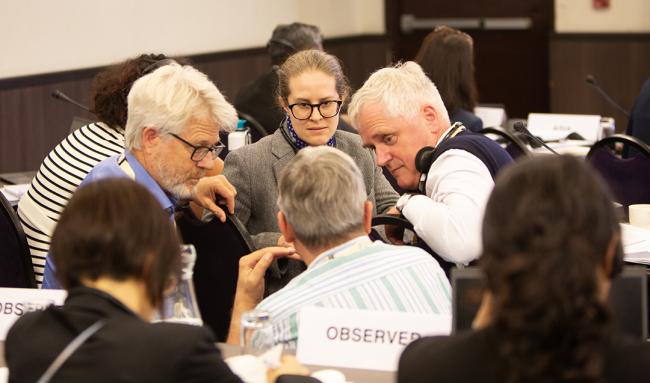
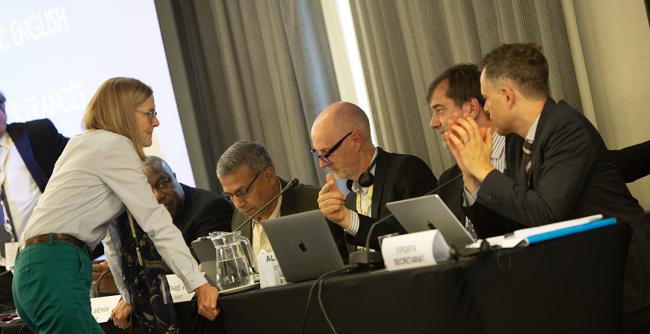
Negotiations then focused on the payment structure under the draft revised SMTA, potentially including options for subscription, single access, and a partial or crop-based subscription option. Most regions reiterated their preference for a subscription-only system, while some maintained that a variety of options would make the MLS more attractive to users. The Working Group discussed the merits and specificities of a crop-based option and the Co-Chairs will prepare text to be addressed on Tuesday.
To receive free coverage of global environmental events delivered to your inbox, subscribe to the ENB Update newsletter.
All ENB photos are free to use with attribution. For this event, please use: Photo by IISD/ENB - Angeles Estrada Vigil
Selected Images
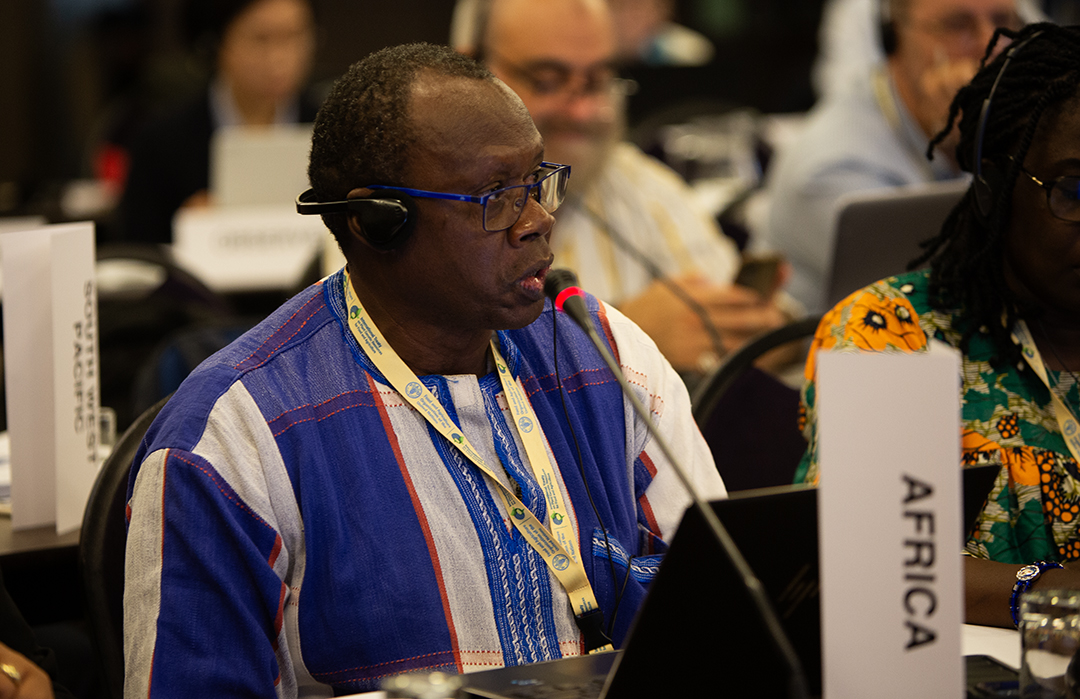
Soungalo Soulama, Africa
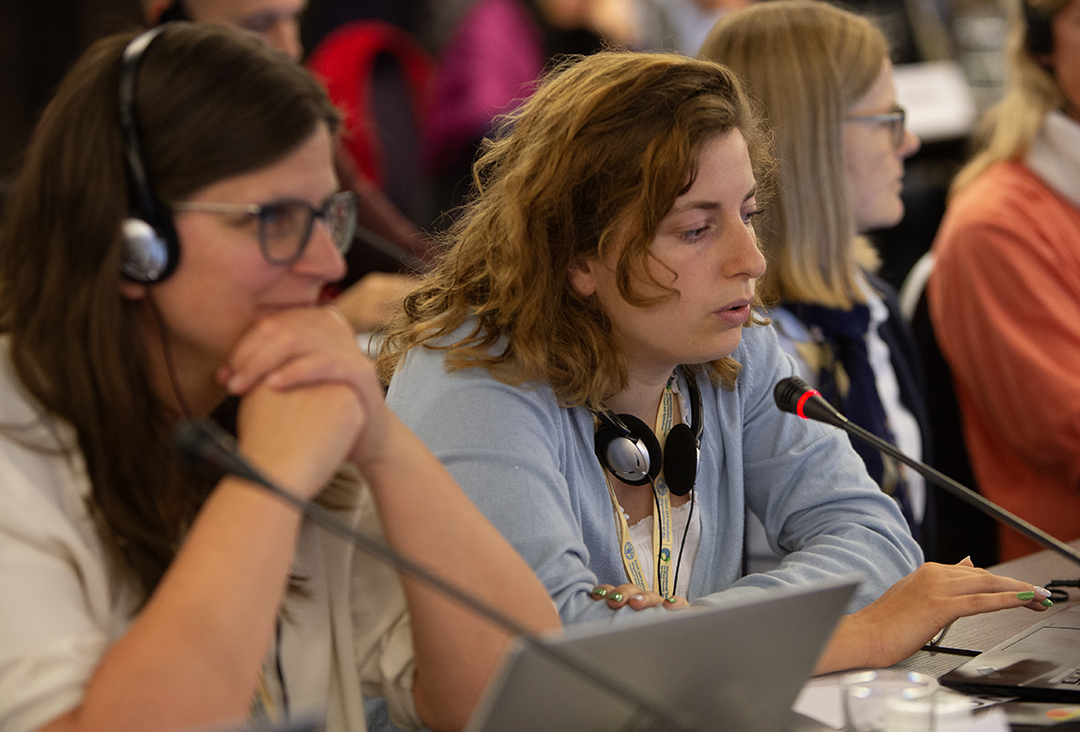
Camille Rameau, Europe
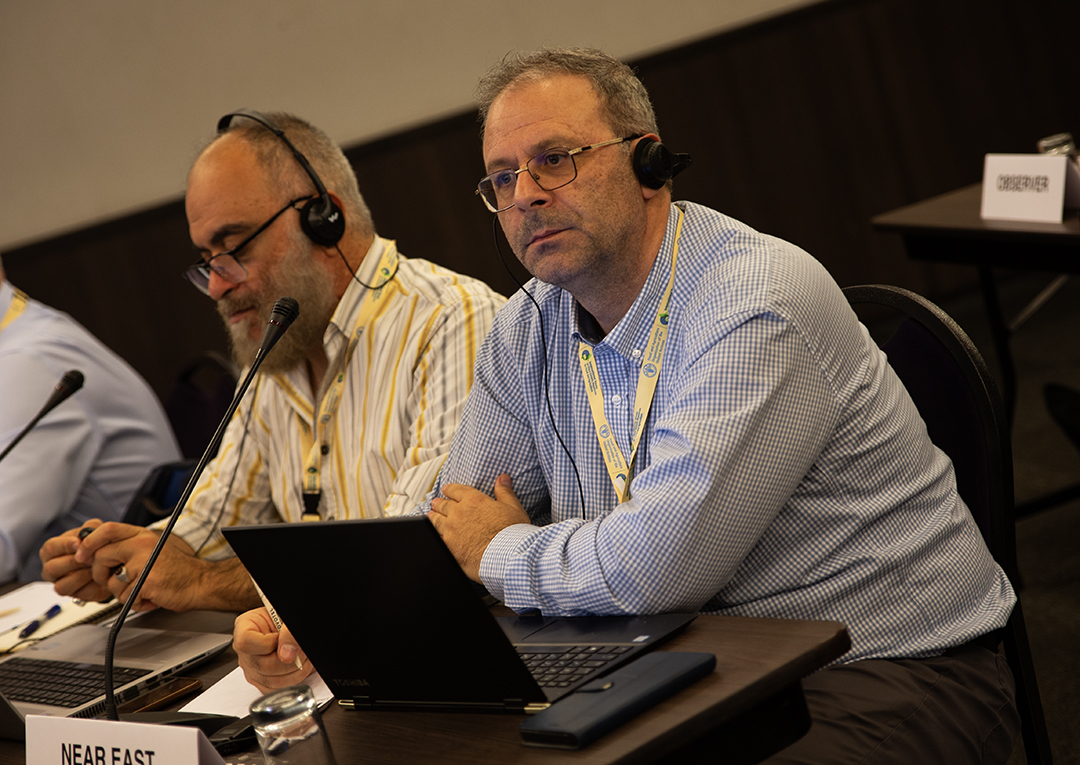
Ali Chehade, Near East
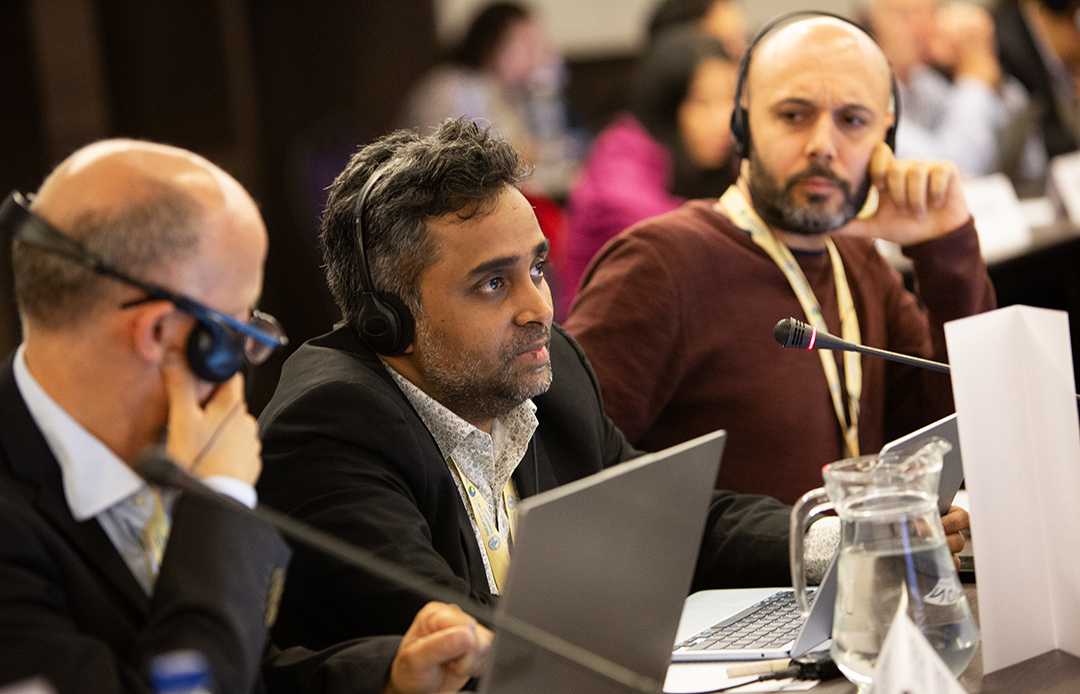
Nithin Ramakrishnan, Civil Society
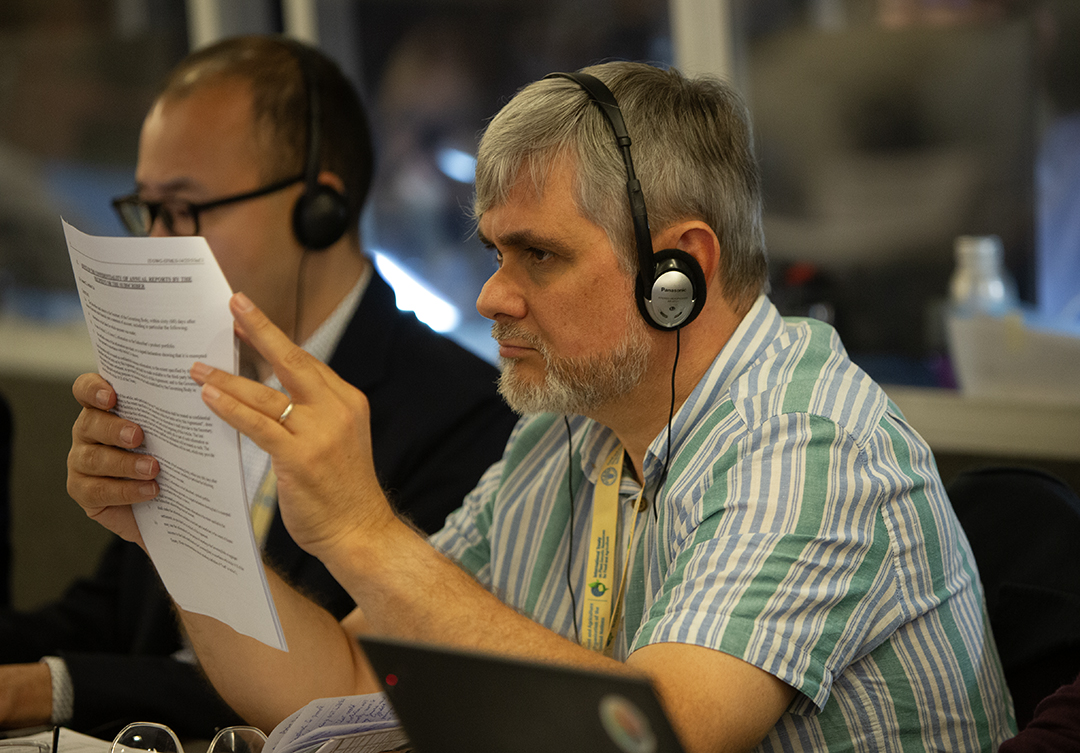
Ludovic Pâris, Internațional Seed Federation
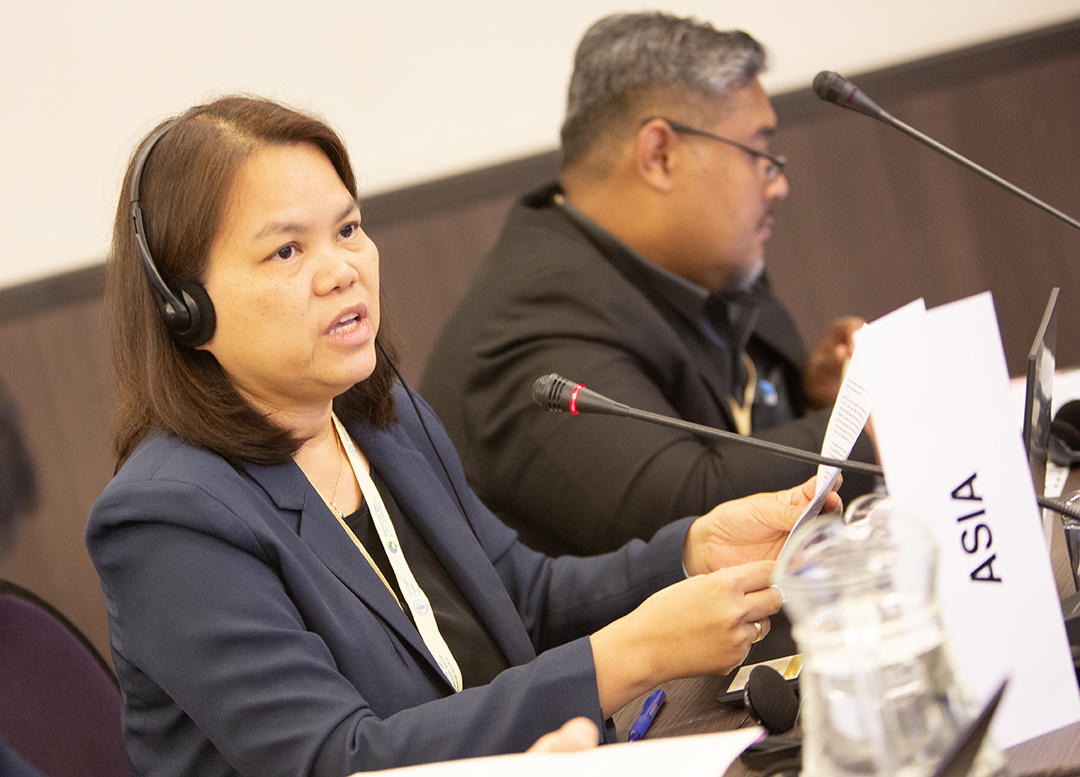
Queenie Santos Tabur, Asia
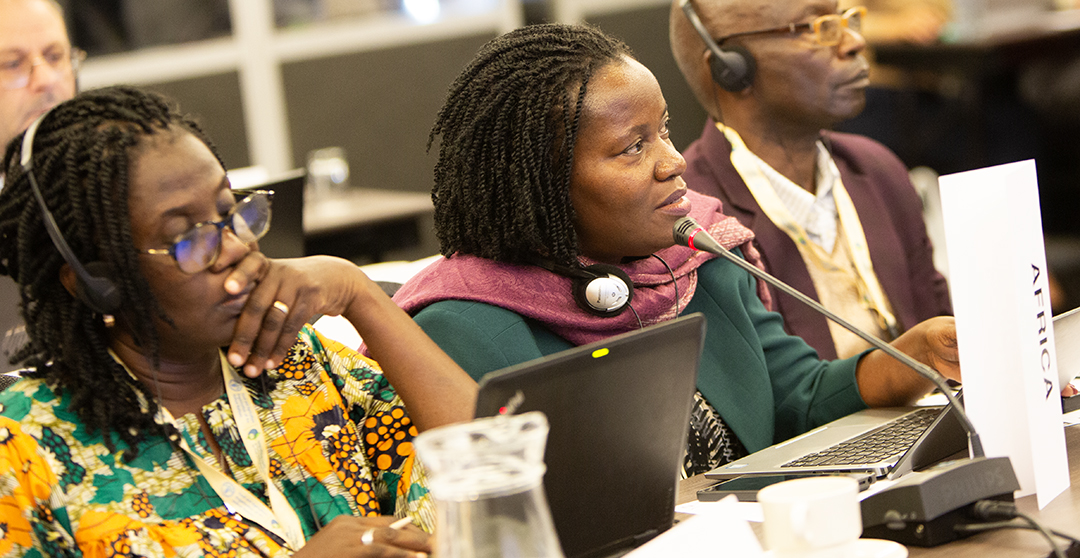
Sarah Naigaga, Africa
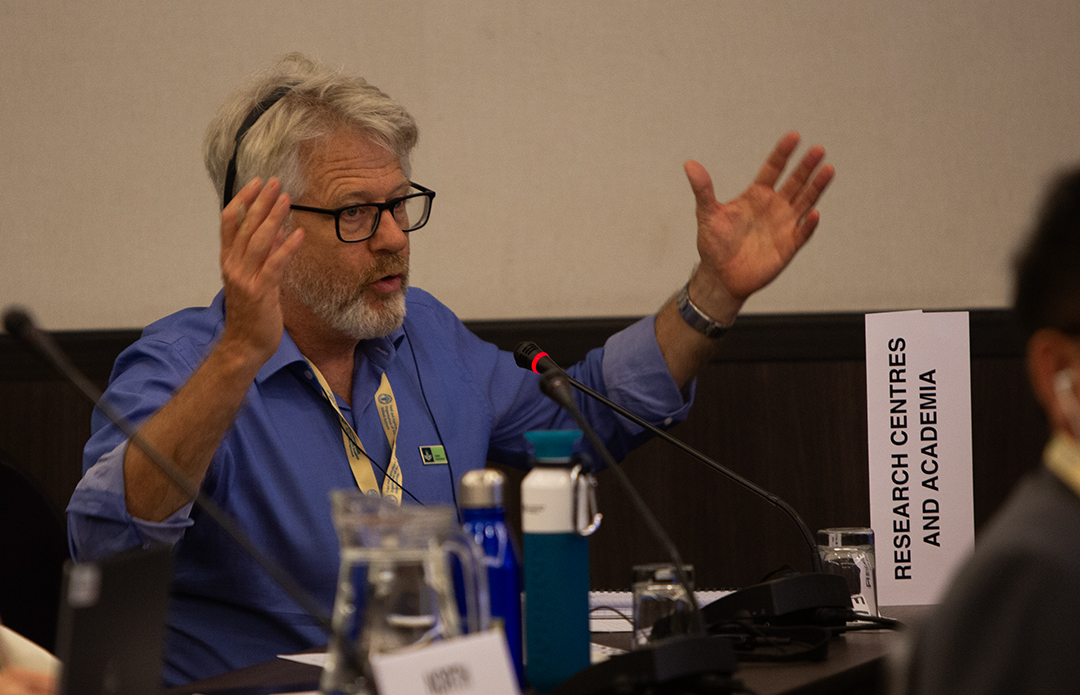
Michael Halewood, CGIAR
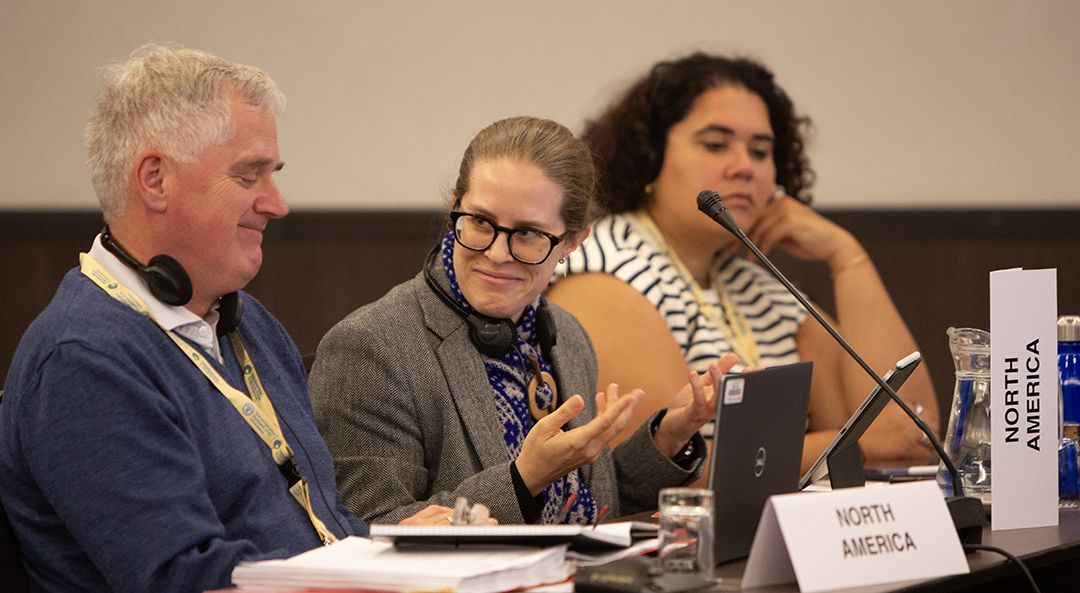
Katlyn Scholl, North America
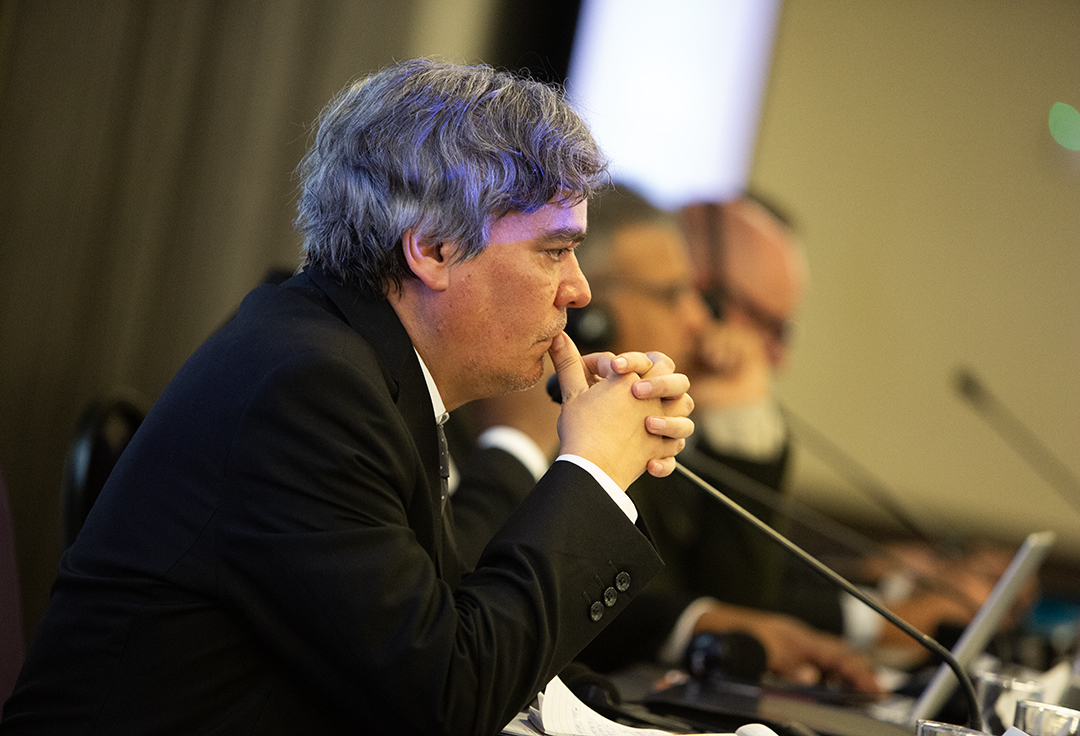
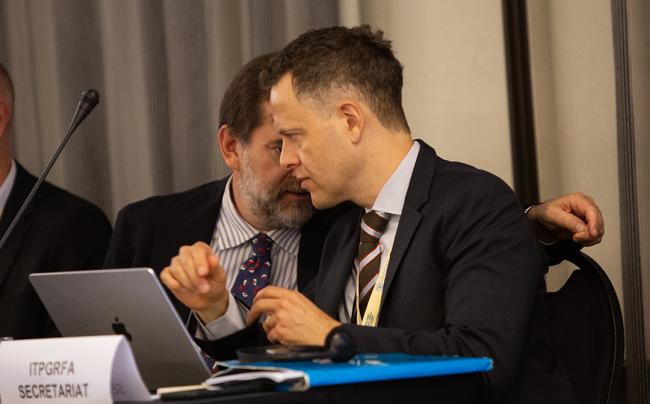
Jorge Cabrera, ITPGRFA Secretariat

Seonbin Lee, Chung-Ang University, and Kim Hyunsuk, Korea Agricultural Technology Promotion Agency
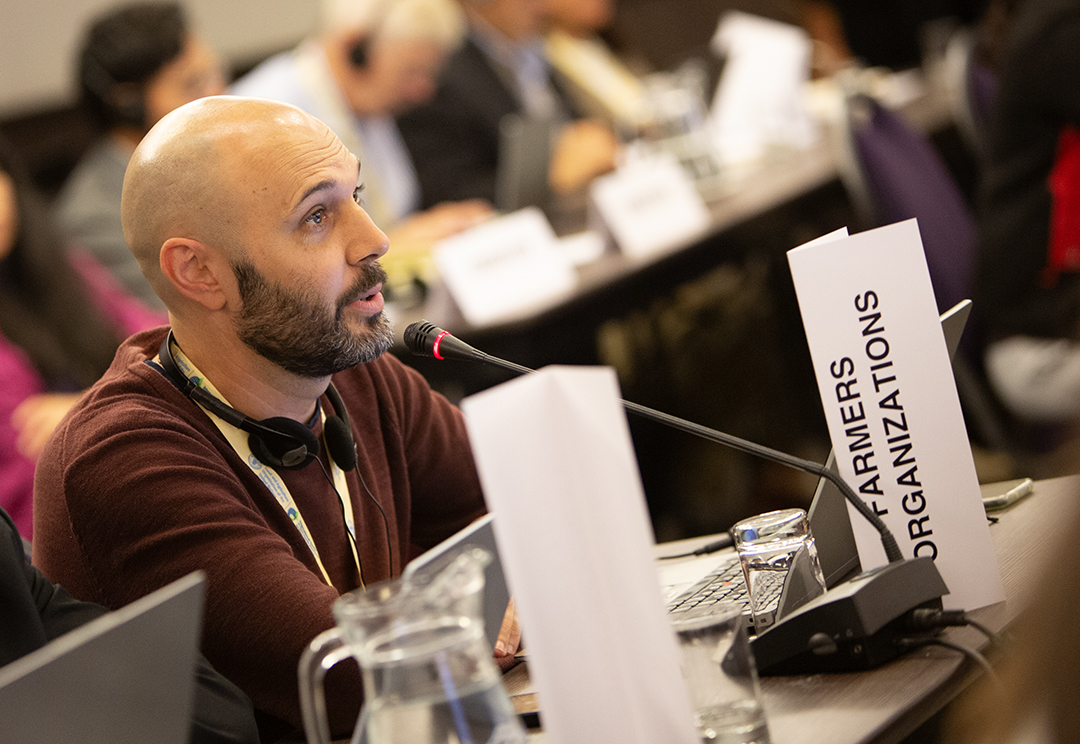
Francesco Panié, Farmers Organizations
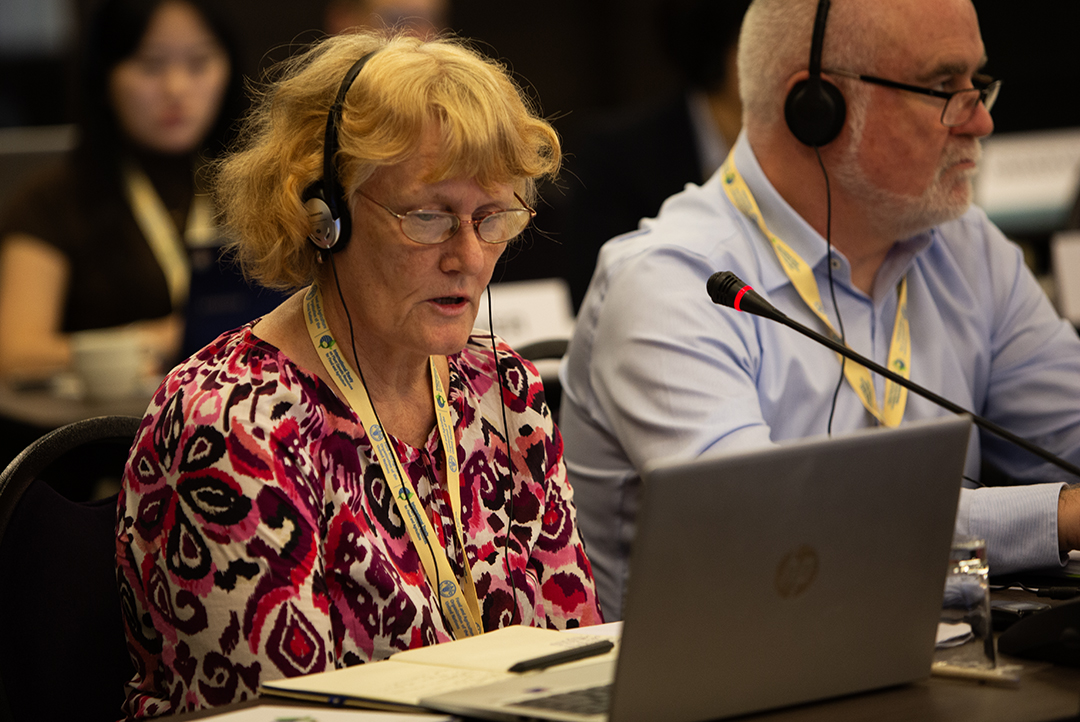
Birte Nass-Komolong, Southwest Pacific
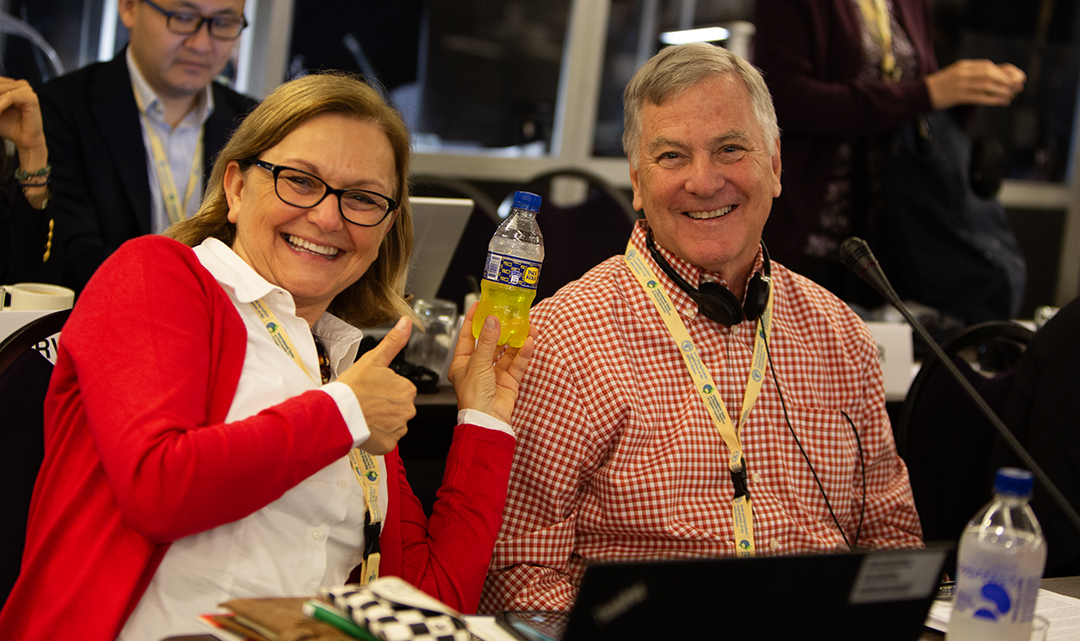
Jasmina Muminovic and Tom Nickson, Seed Industry
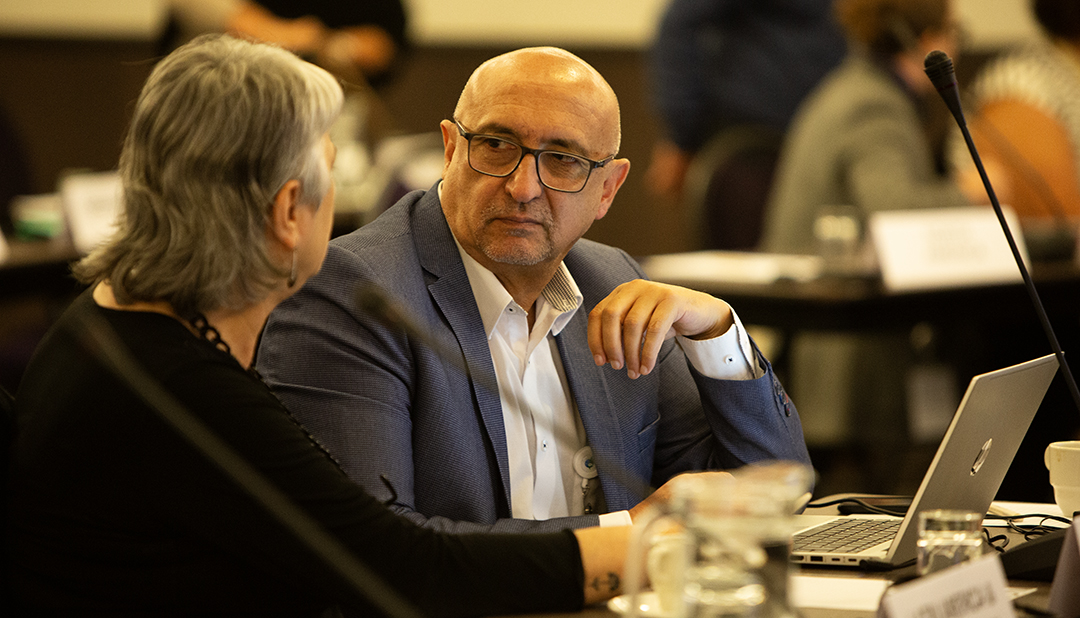
César Tapia Bastidas, GRULAC
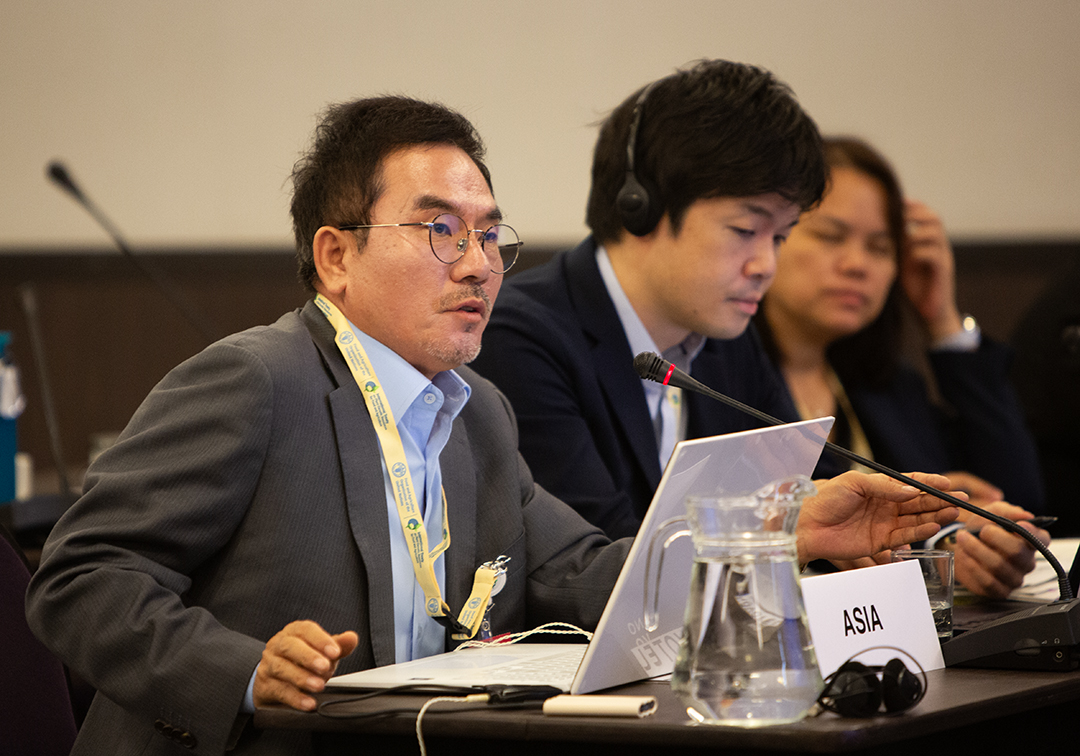
Won Seog Park, Asia
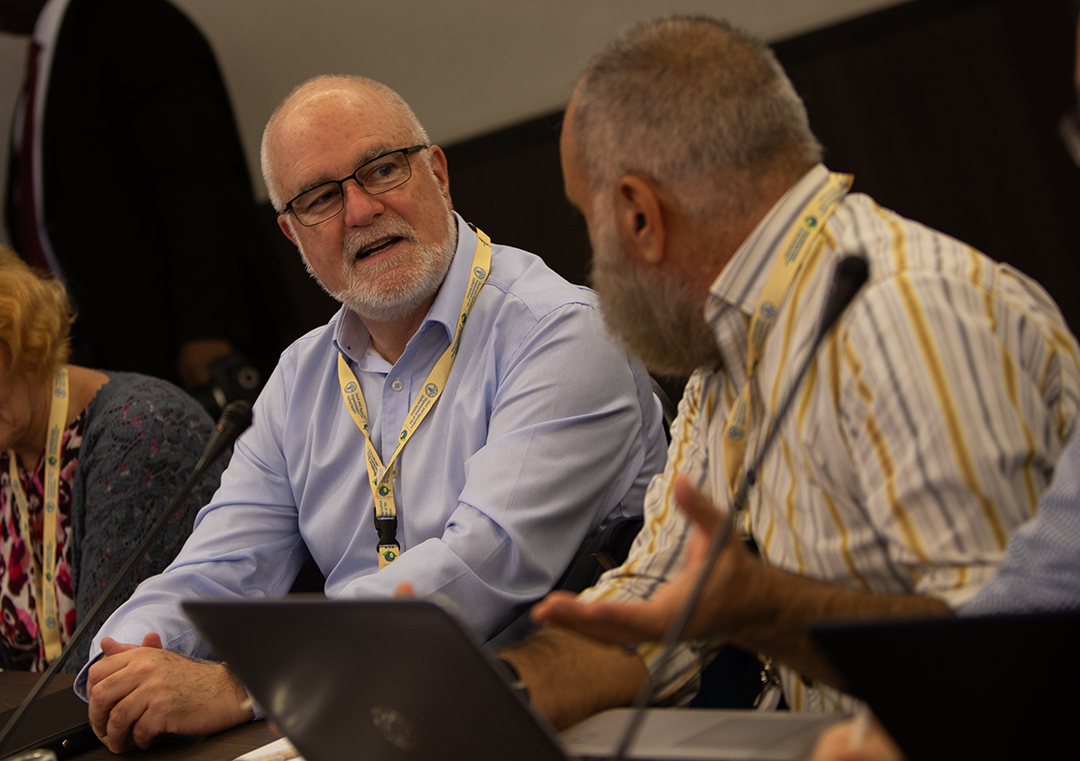
Stephen Hodge, Southwest Pacific

Tom Nickson, Seed Industry
Kathryn Garforth, Secretariat of the Convention on Biological Diversity
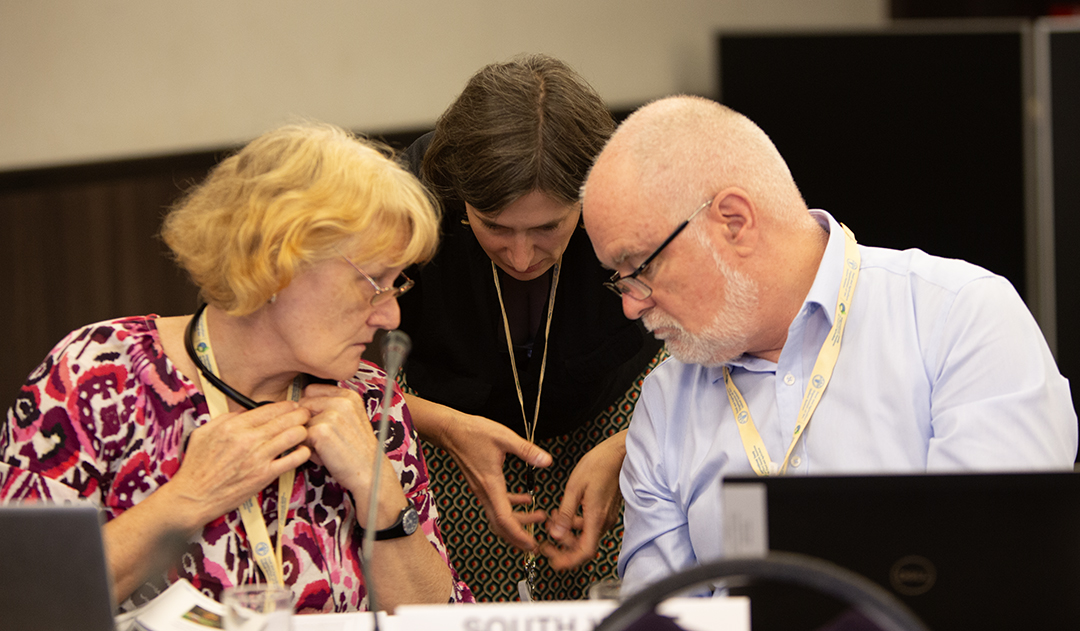
Birte Nass-Komolong, Southwest Pacific, Isabelle Fragnière, Europe, and Stephen Hodge, Southwest Pacific
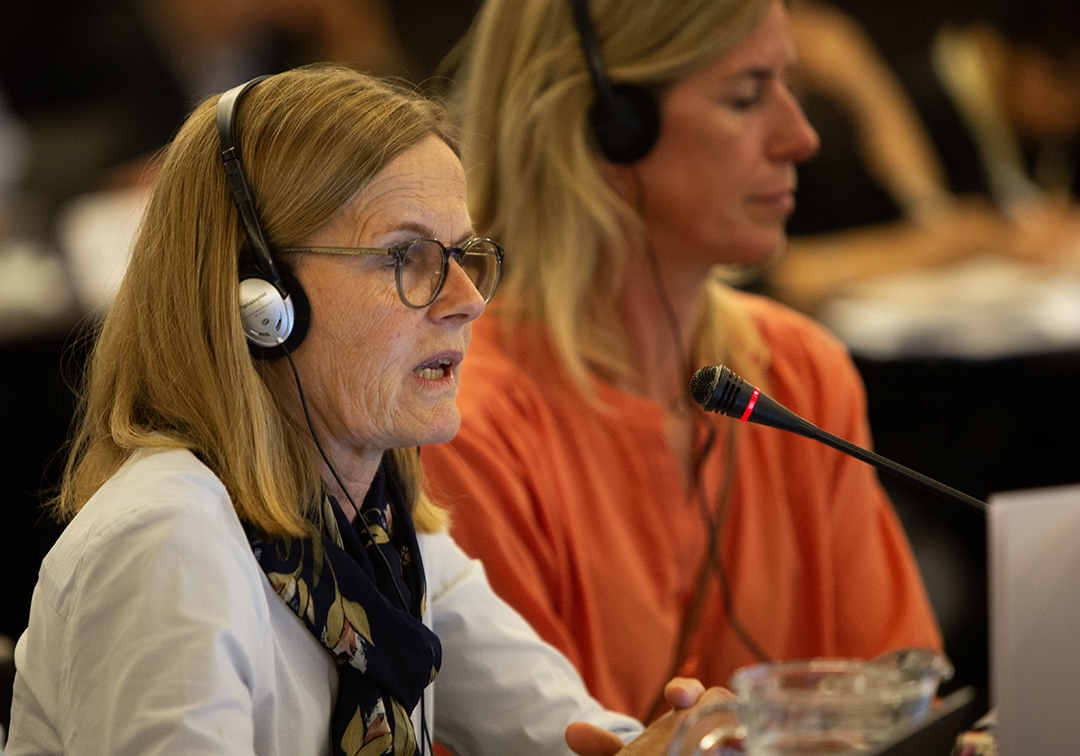
Imke Thormann, Europe
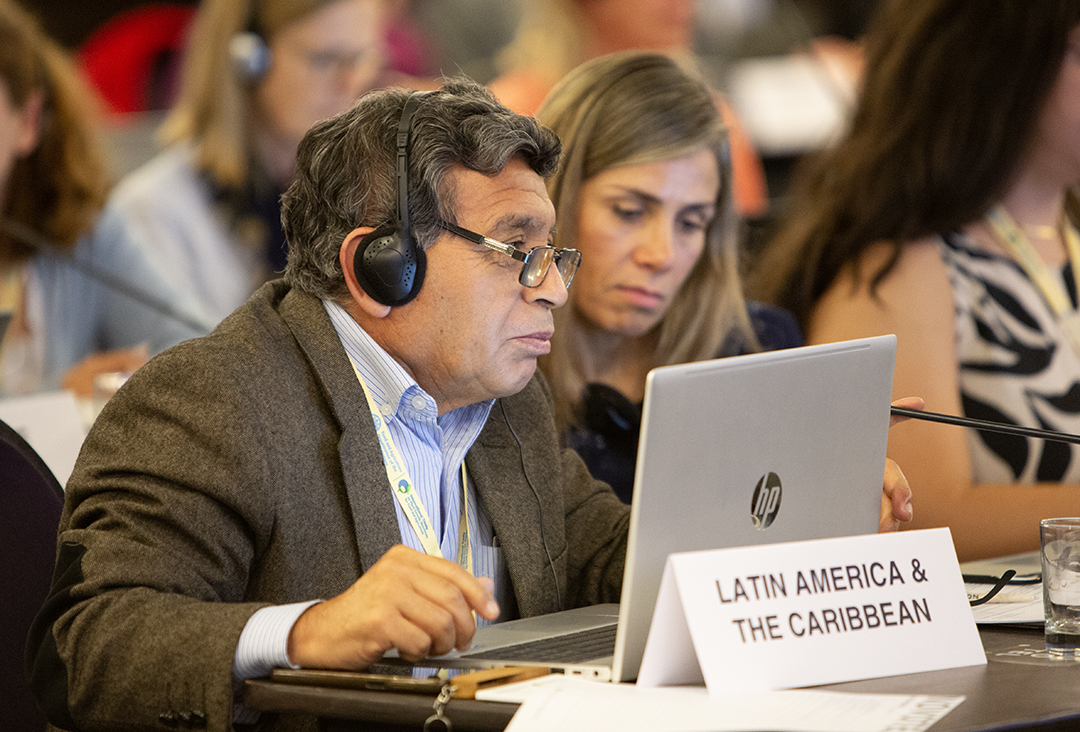
Roger Gallardo, GRULAC
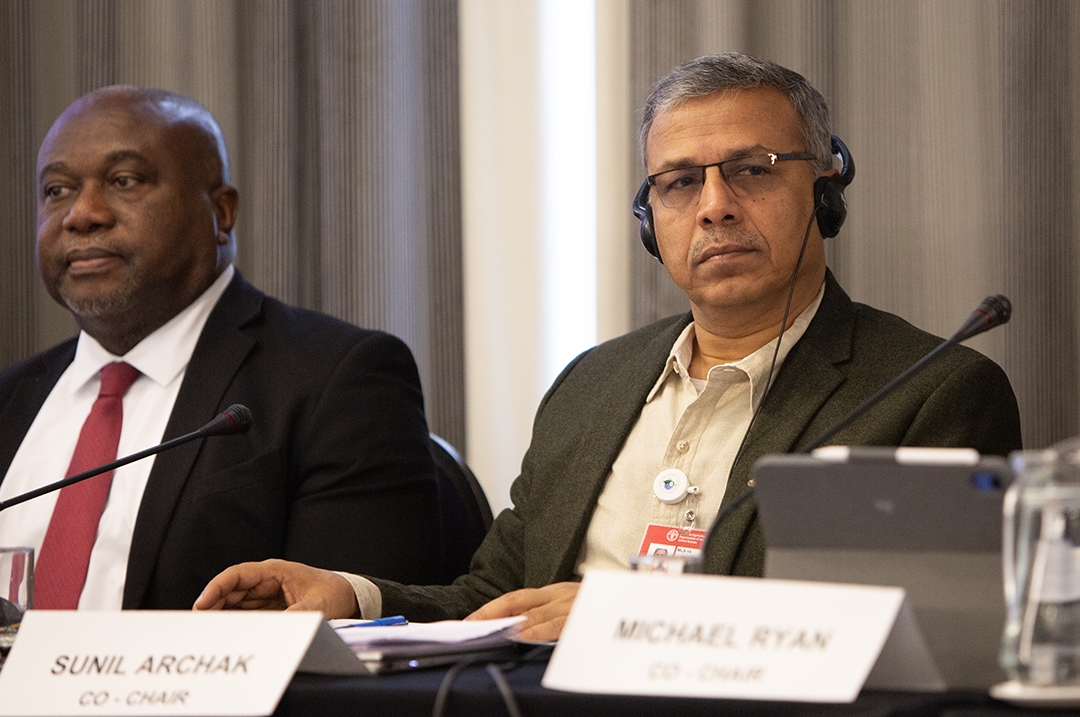
Working Group Co-Chair Sunil Archak
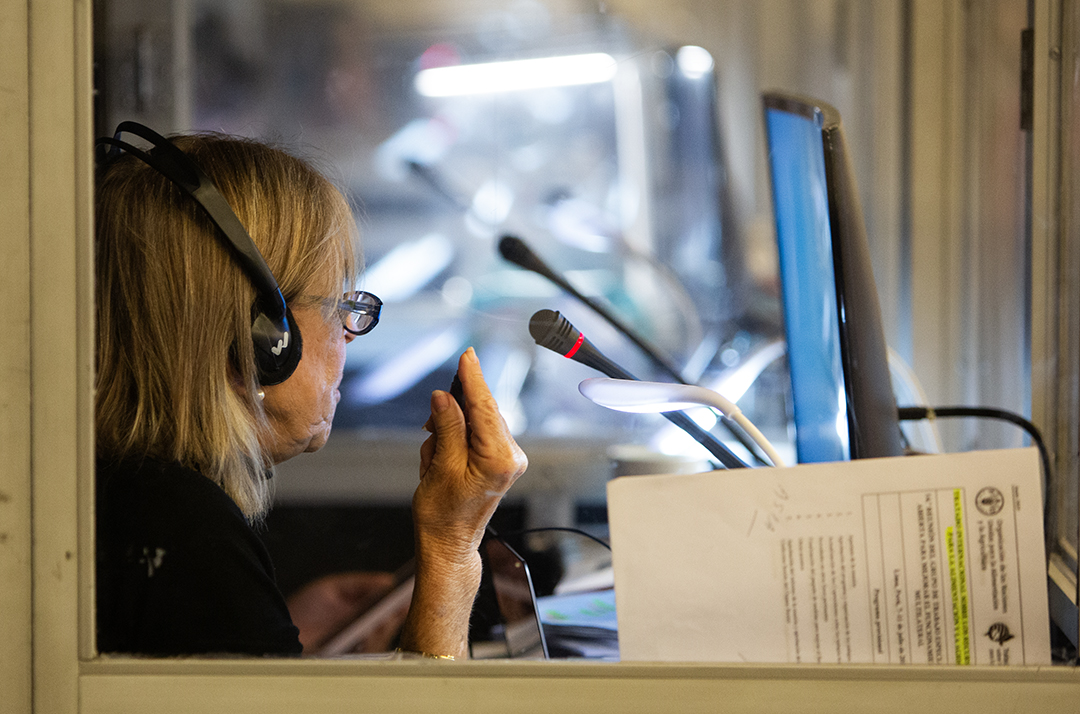
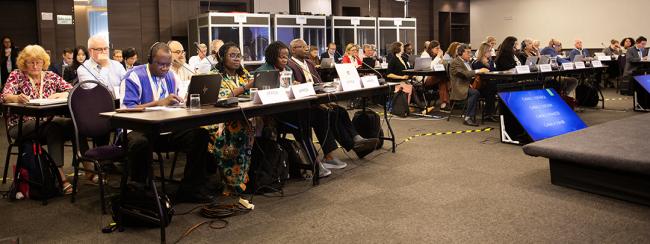
Around the Venue
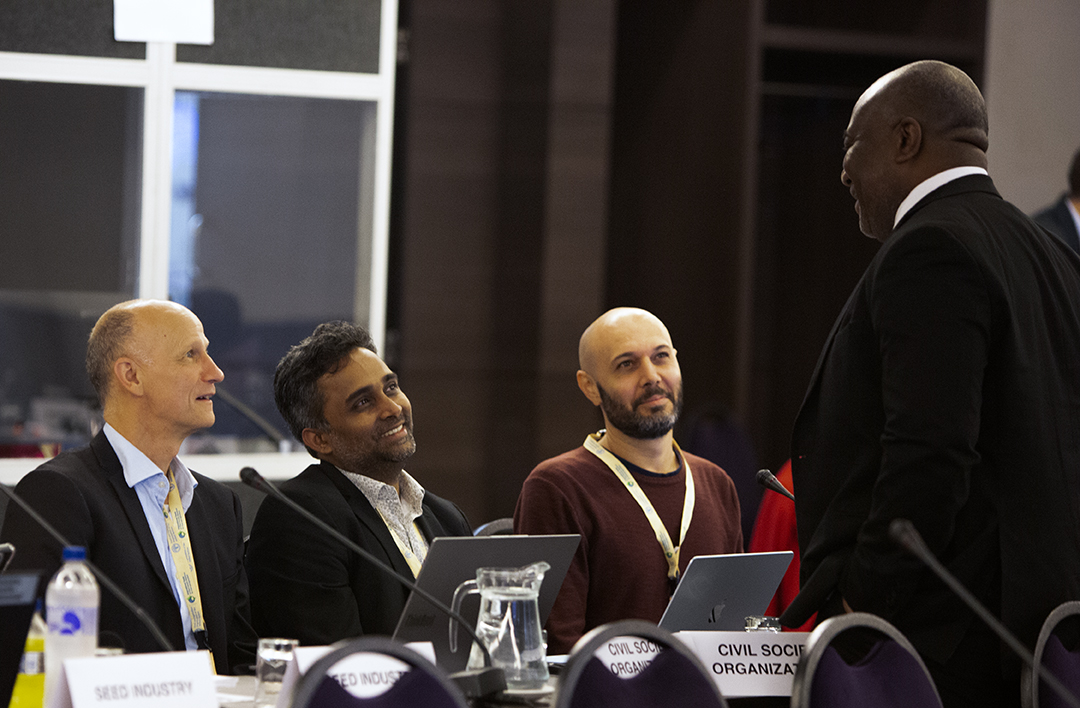
François Meienberg, Civil Society, Nithin Ramakrishnan, Civil Society, Francesco Panié, Farmers Organizations, and ITPGRFA Secretary Kent Nnadozie
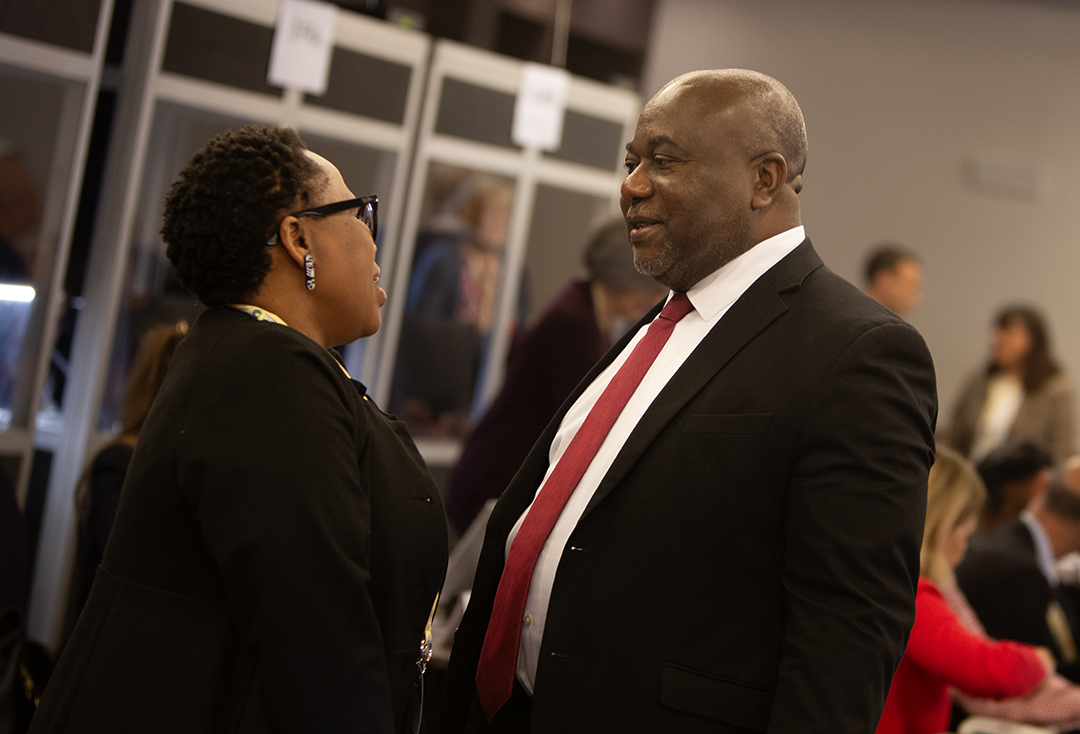
ITPGRFA Secretary Kent Nnadozie, and Caroline Noluthando, Africa
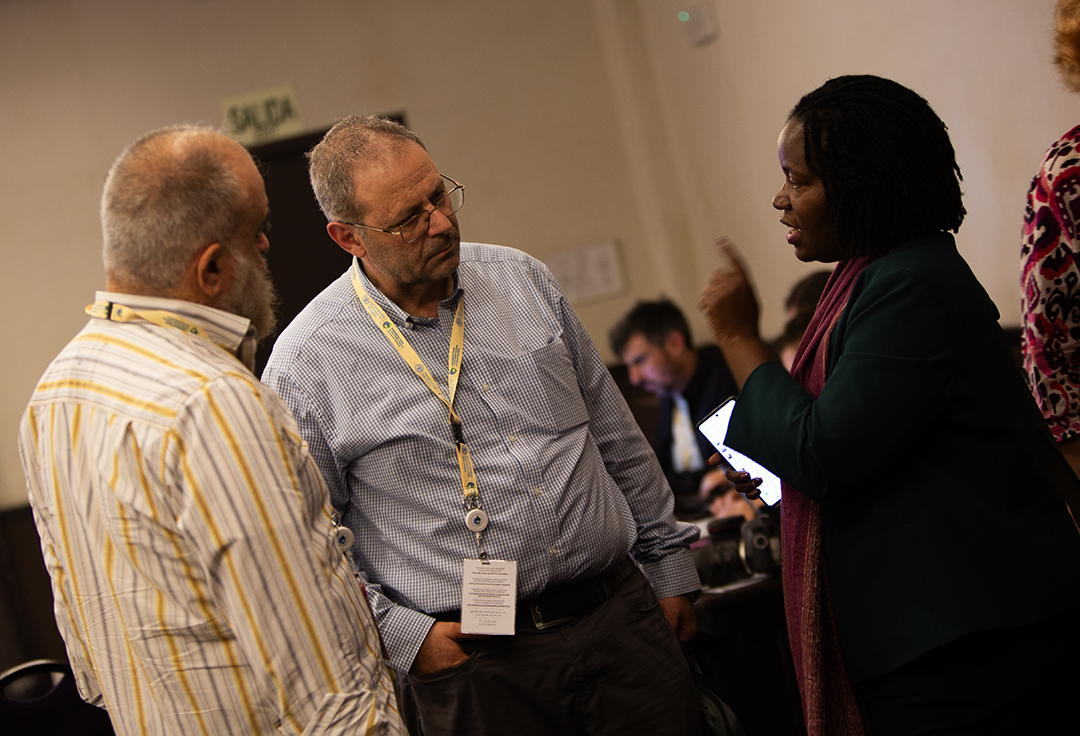
Khaled Abulaila, Near East, Ali Chehade, Near East, and Sarah Naigaga, Africa

Nithin Ramakrishnan, Civil Society

Axel Diederichsen and Priya Bhanu, North America
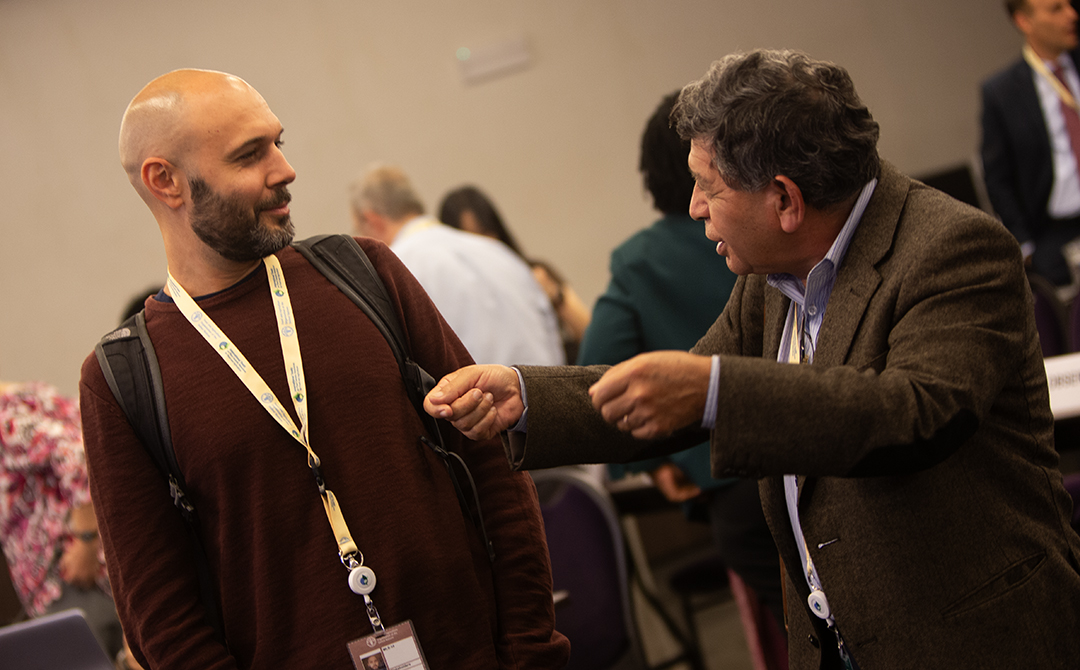
Francesco Panié, Farmers Organizations, and Roger Becerra Gallardo, GRULAC