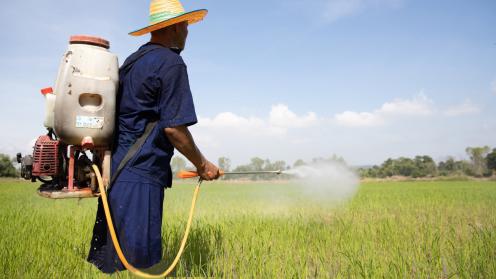
Information about chemical use, exposure, and risks can be elusive and unevenly distributed. This reality is at the core of the Rotterdam Convention on the Prior Informed Consent for Certain Hazardous Chemicals and Pesticides in International Trade. It provides information that helps countries decide whether to allow the import of a substance. The Convention seeks to share information, especially with countries that lack capacity to conduct their own research and assessments.
The lack of information clouds the work of the Chemical Review Committee (CRC), the expert body that recommends which substances should be part of the Rotterdam Convention’s prior informed consent mechanism. The CRC receives notifications from countries that have banned or restricted the use of a chemical. But, because countries often lack capacity and data, their notifications can be slim on details. It is up to the CRC to investigate the rationale and information basis that a country used to decide to ban or restrict a chemical based on the provided submissions.
Sometimes, the notifications do not provide much information on whether the regulation was based on a risk evaluation of the chemical under the “prevailing conditions” in the country. That is, did the country identify risks associated with a substance, and also exposure to its people, and then ban it? This question raises many thorny issues. A country could restrict a chemical before negative effects are evident. It might use data from other countries or organizations showing risks when the substance is used in similar geographic conditions, for example. Or a country might ban a group of substances at a time and not undertake a risk evaluation on each individually.
With little information on the risk evaluations that might have underpinned actions to ban or restrict several pesticides, the Committee is left with considerable discussion ahead. In each case, the notifications are from developing countries. Many members want to continue to help these countries share their concerns and actions related to chemicals, while also upholding the criteria of the Rotterdam Convention.
Selected Images
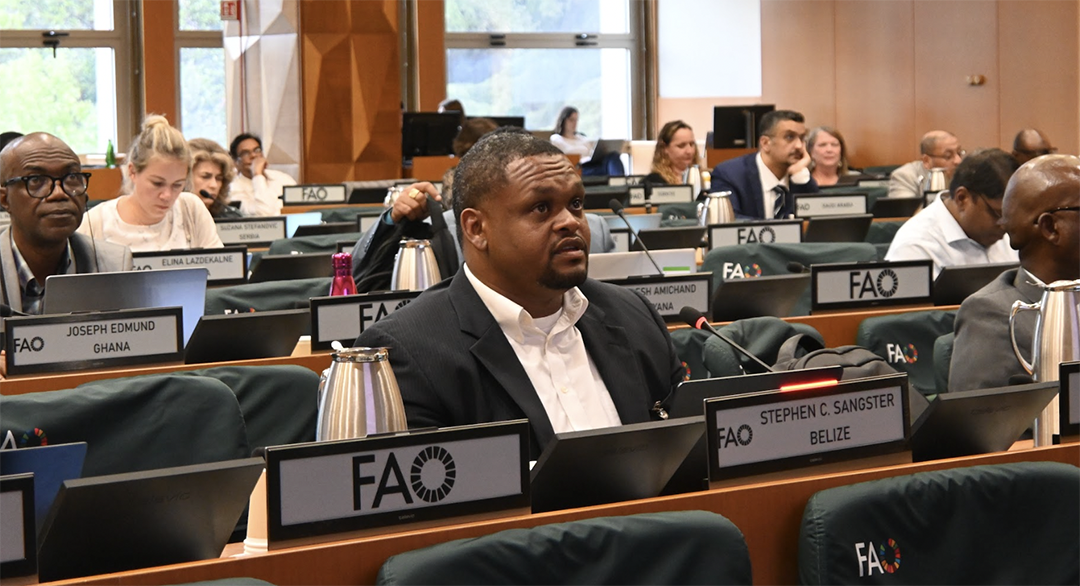
CRC member Stephen Sangster (Belize)
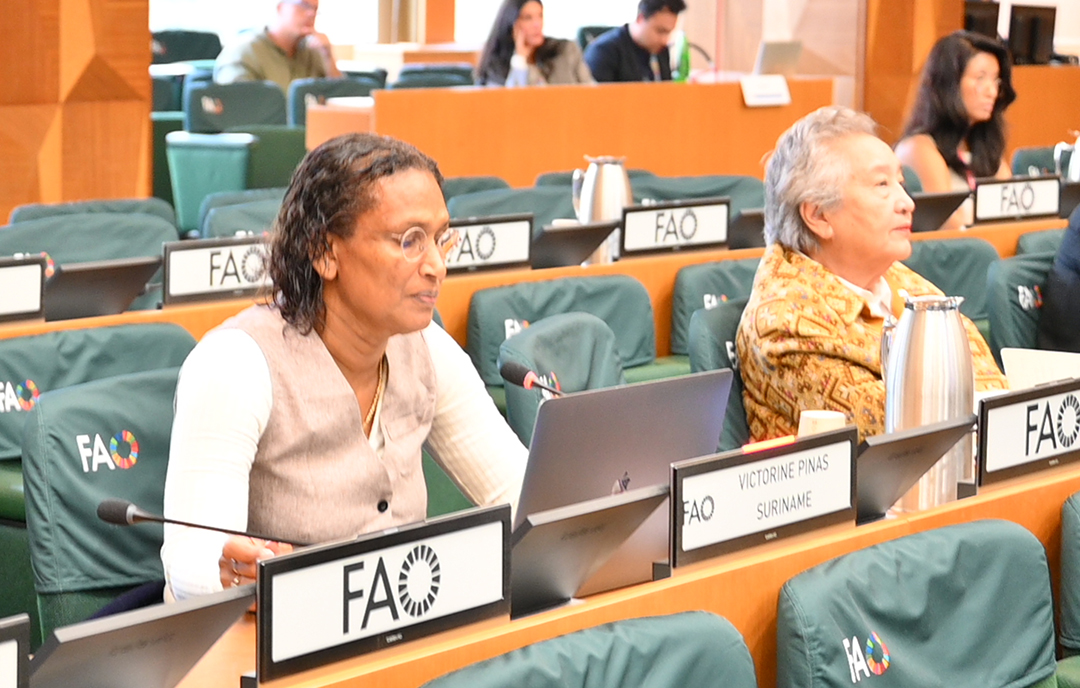
CRC member Victorine Pinas (Suriname)
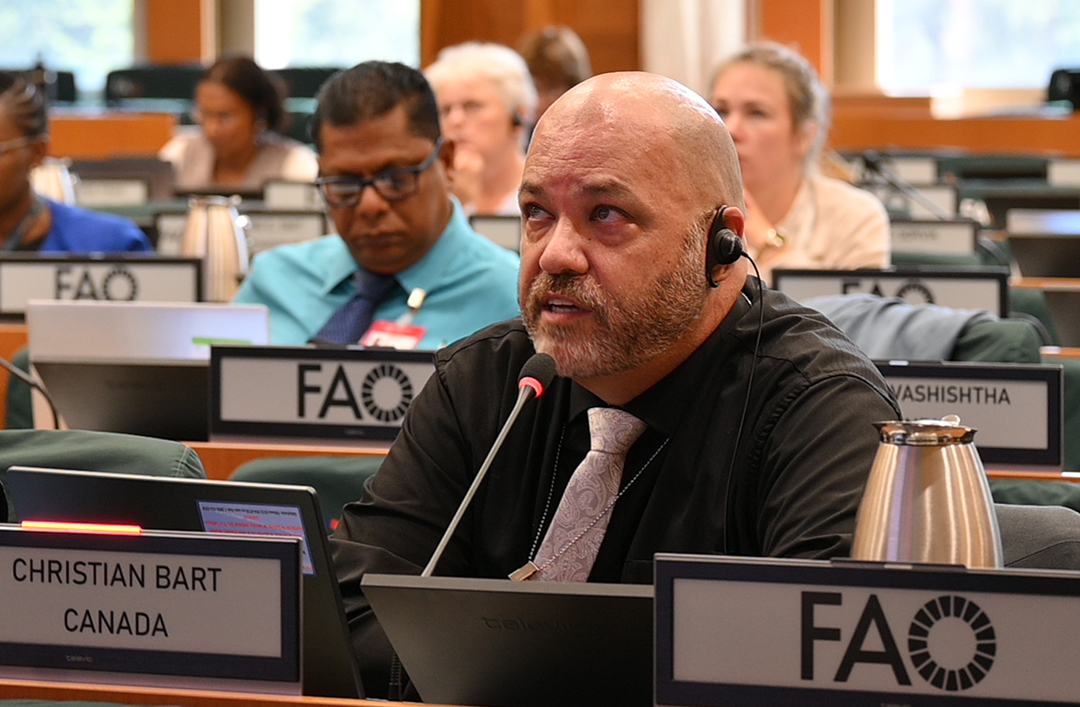
CRC member Christian Bart (Canada)

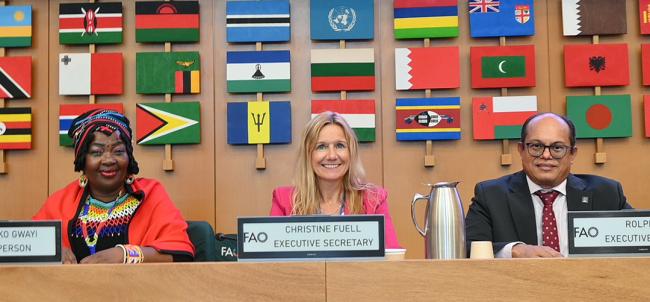
Christine Fuell, Co-Executive Secretary ad interim, Rotterdam Convention, Noluzuko Gwayi (South Africa), and Rolph Payet, Co-Executive Secretary of the Rotterdam Convention