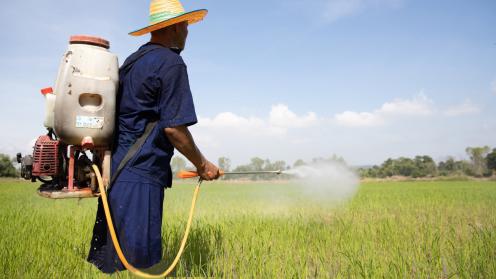
Pesticides are often a necessary tool for farmers. The extent of pesticide use and trade isn’t always clear. The Food and Agriculture Organization’s (FAO) FAOSTAT Pesticides Use database suggests pesticide use and exports are declining. However, the Global Pesticide Use and Trade (GloPUT) database finds a nearly 20% increase in pesticide use. Many data uncertainties and technical barriers to reporting underlie these varying estimates.
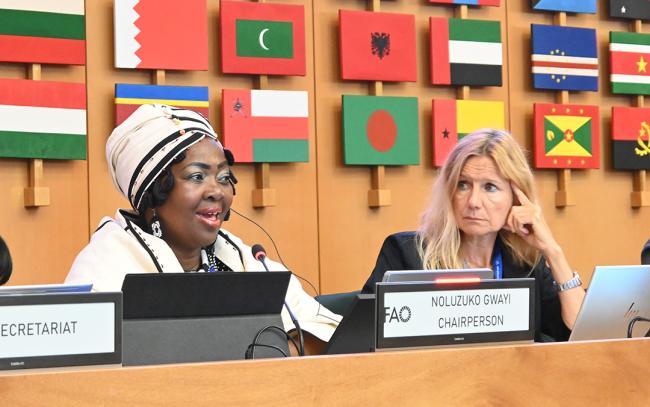
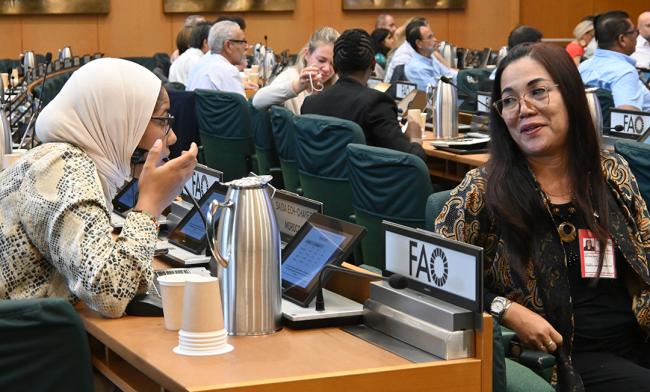
Pesticides are the focus of the Chemical Review Committee’s (CRC) work at this meeting. Members worked to clarify how developing countries can raise their concerns about severely hazardous pesticide formulations (SHPFs). The CRC revised report forms to document health and environmental incidents, striking a balance between asking for complete information and respecting the capacity limitations that might prevent countries from submitting a full dossier.
These efforts were sparked by three SHPF proposals brought forward from Laos. They all involved uncertainties over what specific formulation was used, and reported health effects from exposure. When considering how CRC has previously assessed these proposals, members were forced to conclude that these Laotian notifications did not meet the criteria.
For one pesticide, dicofol, members debated how to apply some of the Rotterdam Convention criteria for chemicals already banned by the Stockholm Convention on Persistent Organic Pollutants. In particular, there was a debate on whether there is ongoing trade - a key criteria for the Rotterdam Convention that promotes prior informed consent during trade. If production and use are banned, is trade even possible? Some members suggested it is, since some countries may not have signed onto the ban and might still produce it. Still, several others cited a complete lack of data confirming that trade continues. It was a reminder that the CRC’s work does not exist in a vacuum and other international bodies seek to regulate pesticide production, use, and trade.
Selected Images
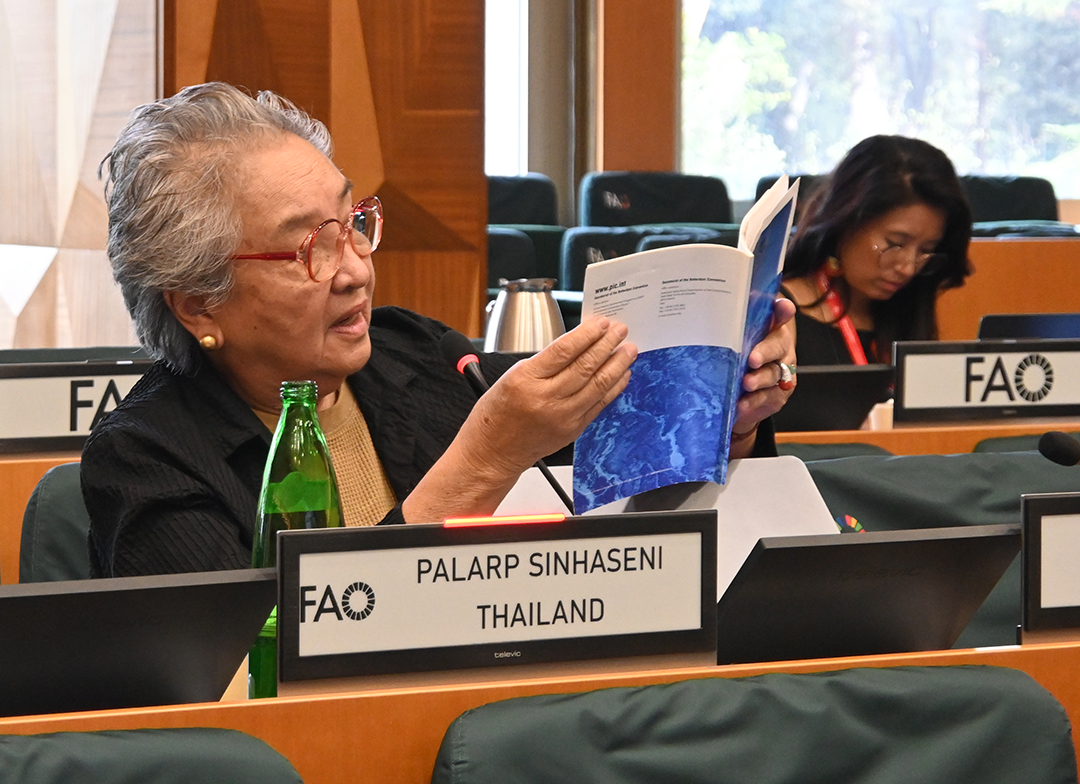
CRC member Palarp Sinhaseni, Thailand
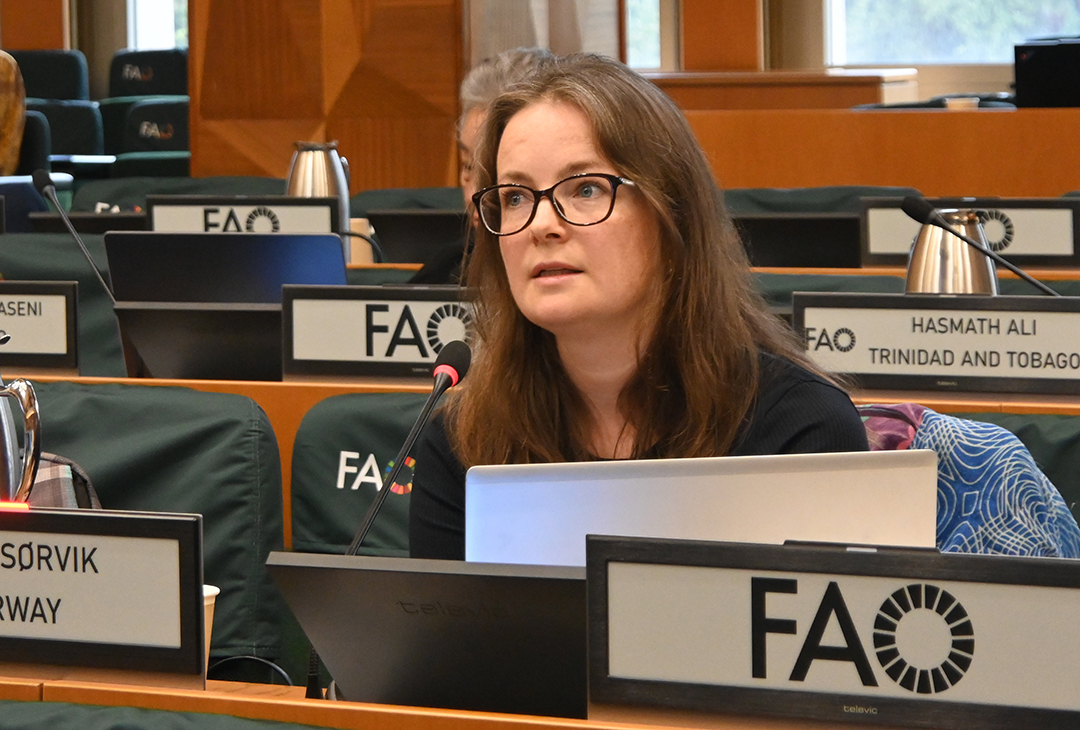
CRC member Irene Sørvik Malme, Norway
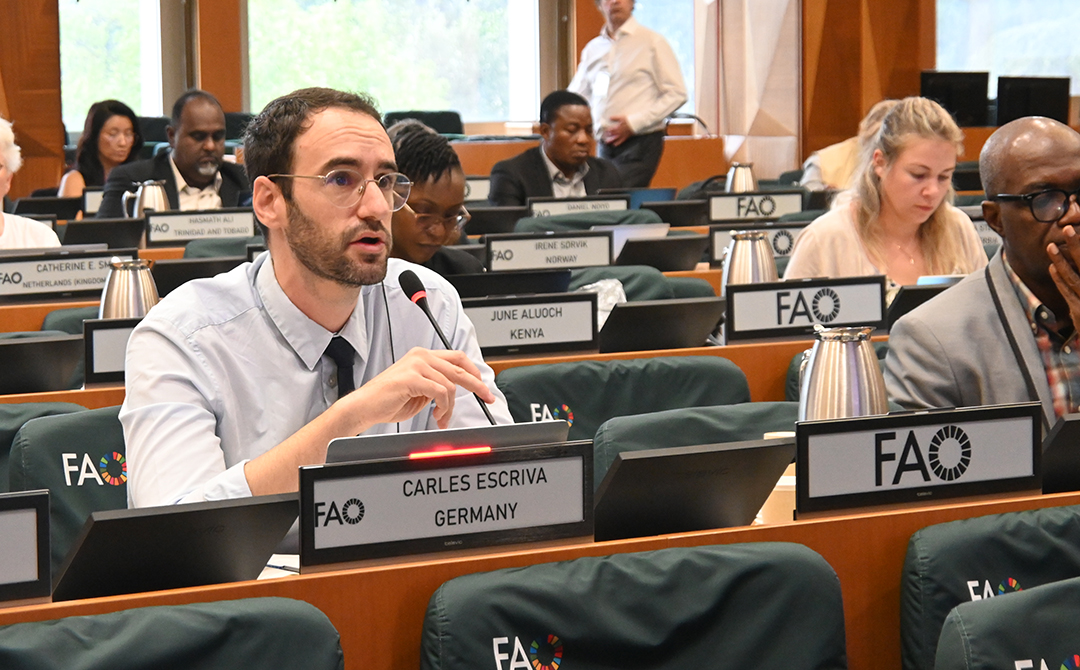
CRC member Carles Escriva Pellicer, Germany