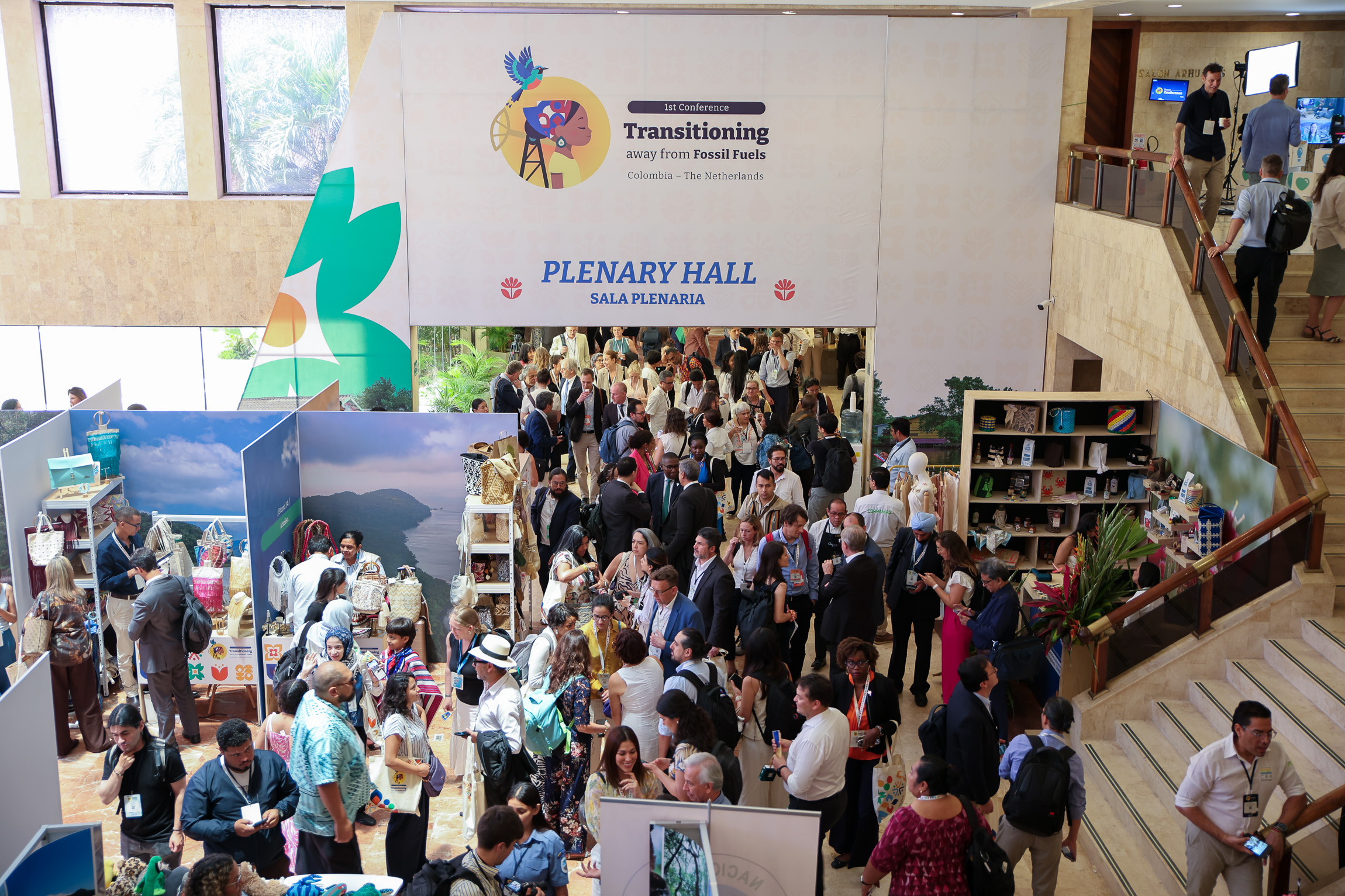
Fossil fuels drive energy insecurity, economic vulnerability, and climate change. Speakers reframed fossil fuels as inefficient, wasteful, and even dangerous to start the first international conference on Transitioning Away from Fossil Fuels (TAFF 1). And the energy transition? Not only possible, but underway and inevitable, even if uneven and leaving some behind.
This conference takes place during an energy crisis. The urgency was palpable. Three-quarters of the global population relies on fossil fuel imports. They share a vulnerability to price shocks and fuel shortages despite living in very different economic and political systems. The energy transition promises reliable, affordable energy. That is the dream many here spoke of: a just, systems-wide transition.
But many recognized the transition needs active management and cooperation. Technologies are available and cost-competitive. But, while Africa boasts 60% of the world’s solar potential and 30% of critical minerals, the continent only attracts 2% of global clean energy investments. Advanced economies and China lead the way, while others are missing out.
Many stressed that the solutions cannot just be technological. Cooperation between producers and consumers of fossil fuels can help realign capital and energy markets. Debt forgiveness can help create fiscal headroom for countries to act. Upholding rights and land sovereignty can empower communities to protect nature.
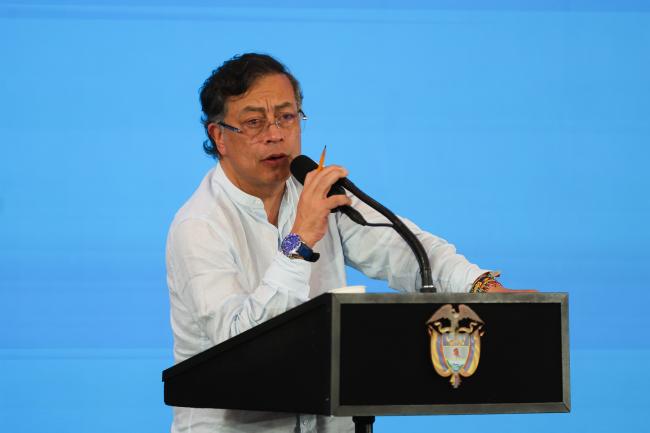
Colombia's President Gustavo Petro provided the gravitas of a head of state to the conference, putting its aims in the context of geopolitical fault lines, climate impacts, and the foreign exchange countries gain from fossil fuel exports.
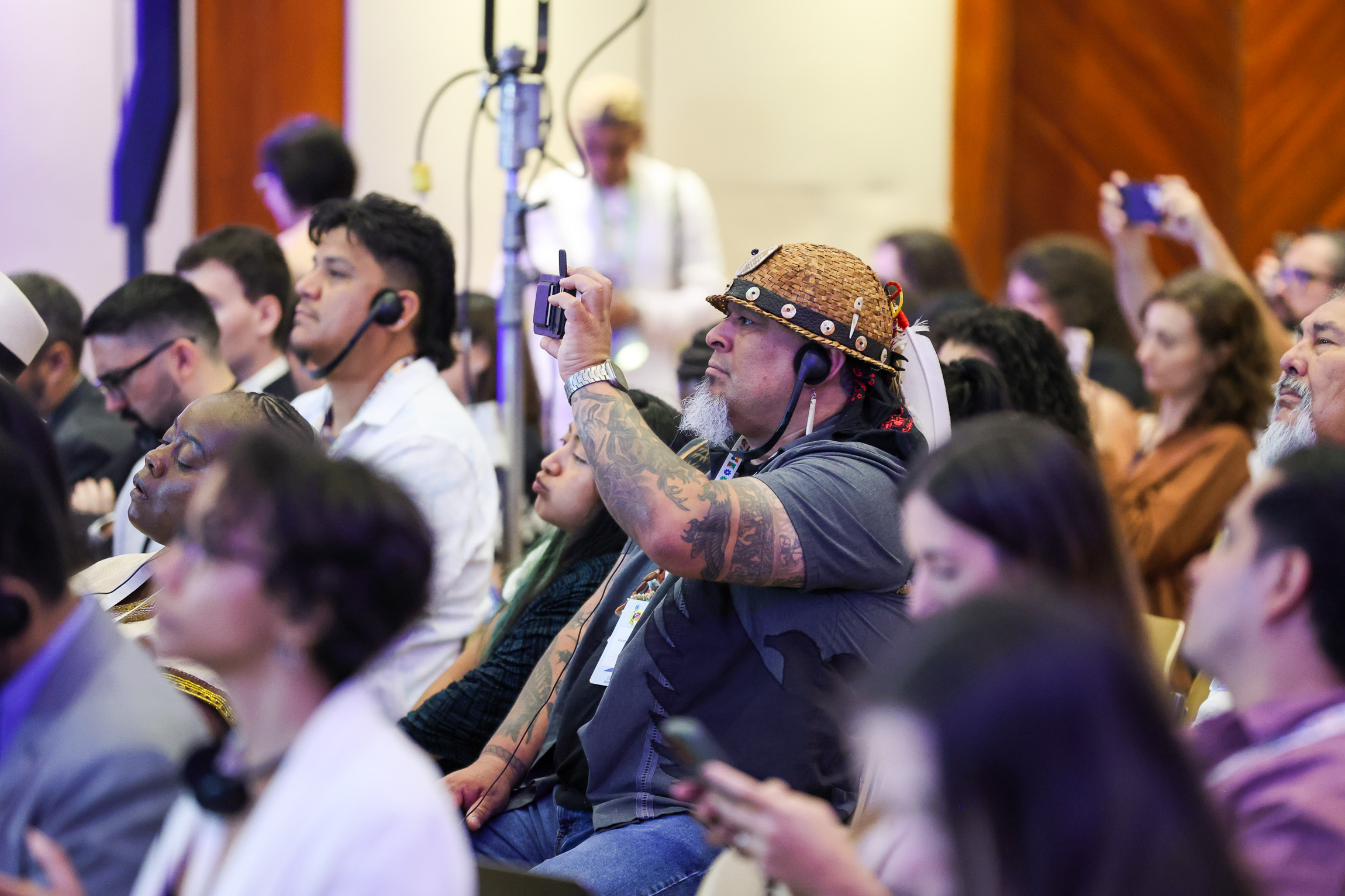
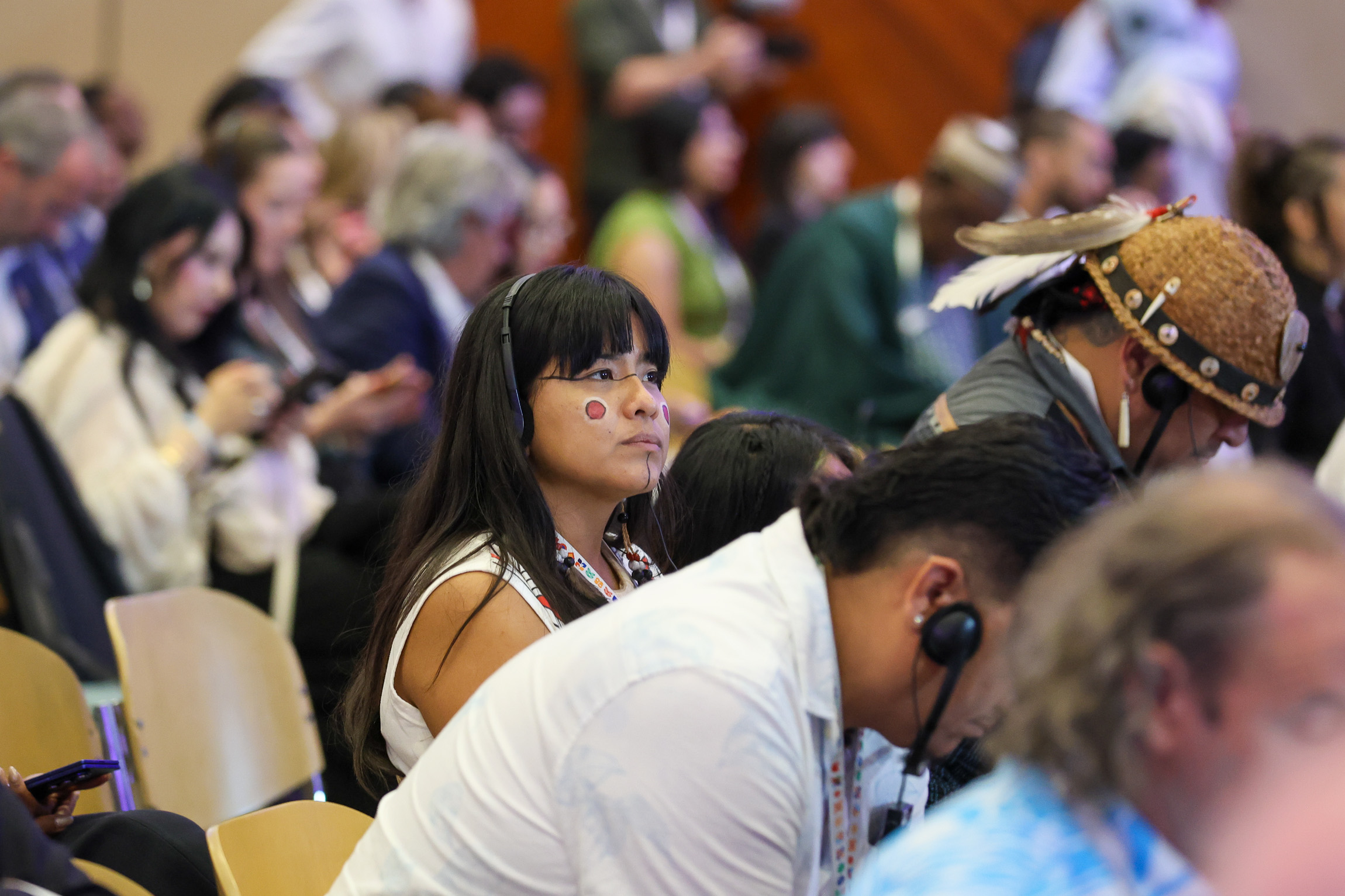
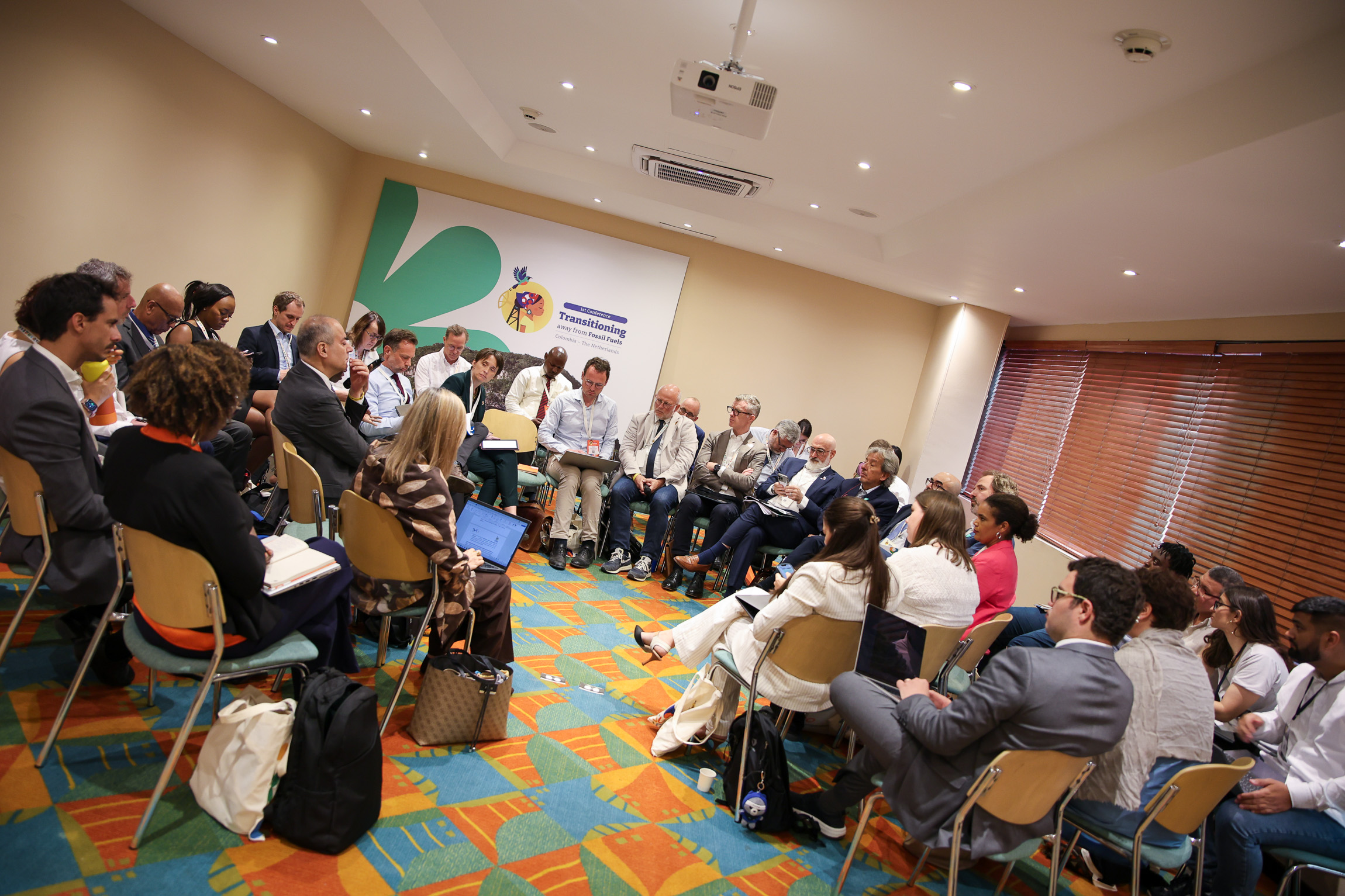
The format gave Indigenous Peoples, civil society, scientists, and diplomats the ability to speak directly to one another, leading to a range of suggested concrete solutions. Some prioritized national action, such as transition roadmaps, that could complement or contribute to the Paris Agreement. Others called for a new treaty on phasing out fossil fuels. Other ideas included establishing fossil-free exclusion zones to protect nature, ending fossil fuel subsidies, and exiting investor-state dispute settlement (ISDS) clauses that allow companies to sue countries for taking climate action.
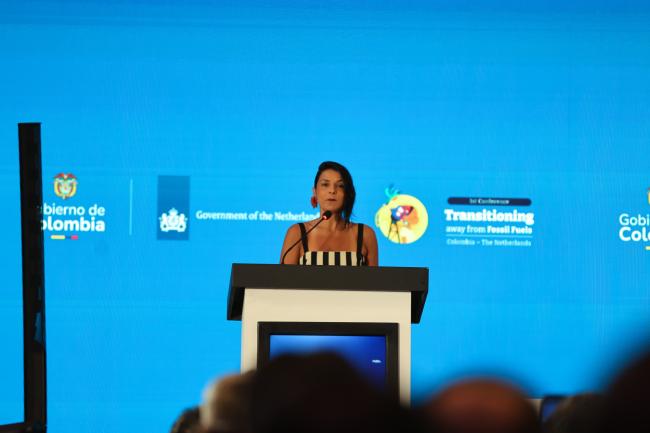
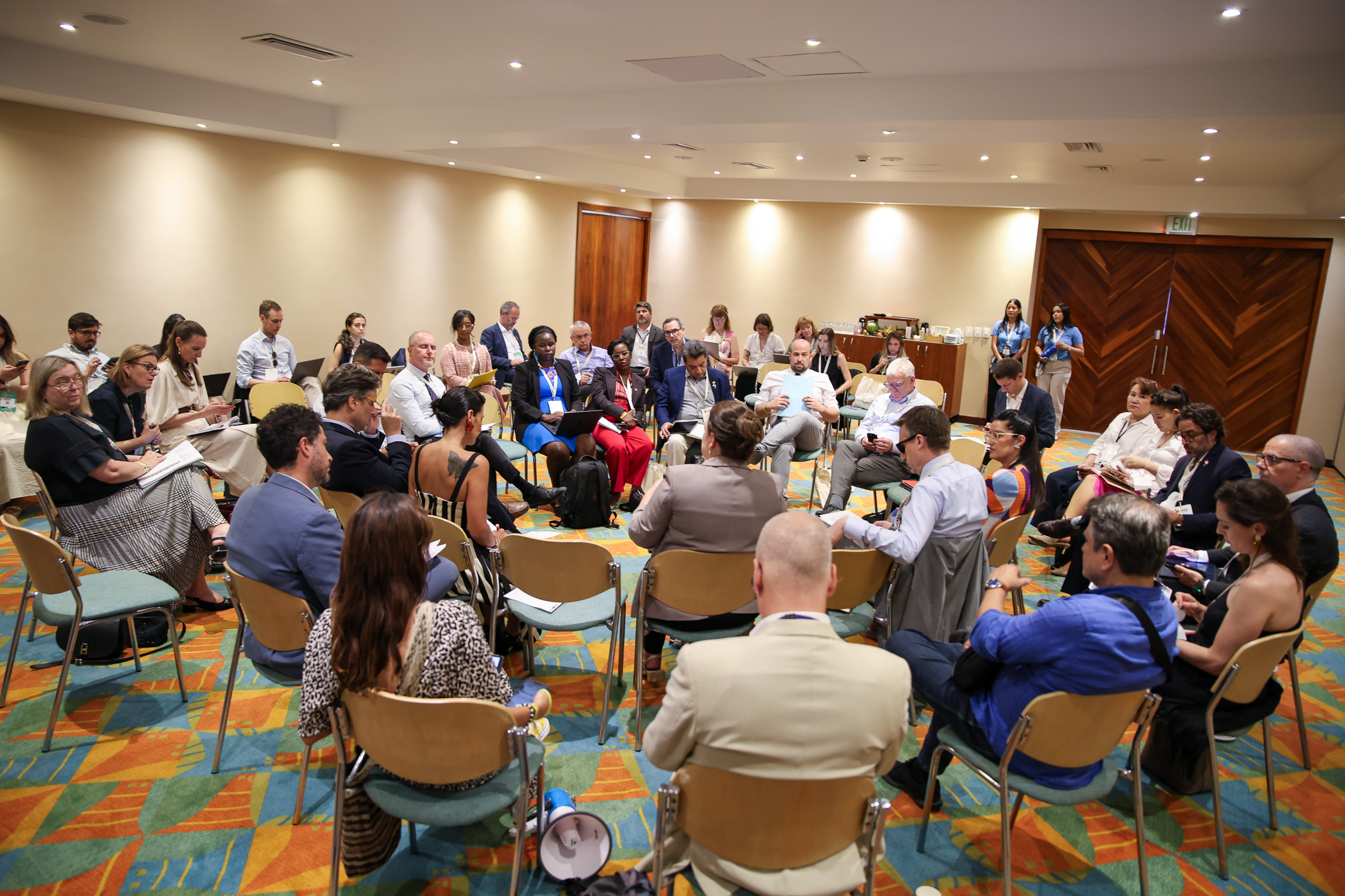
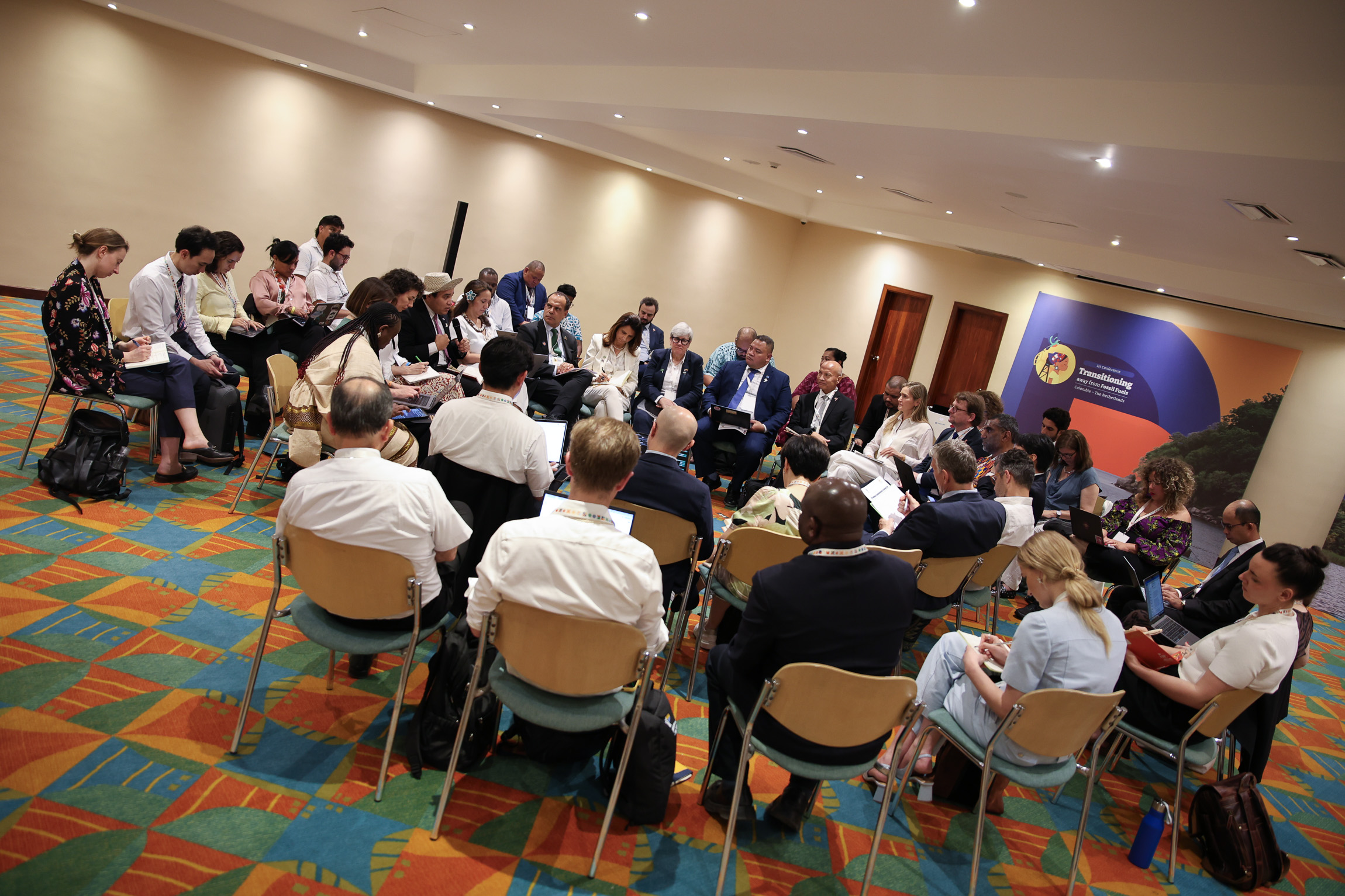
Breakout sessions focused on key challenges slowing the transition and opportunities to accelerate it. Some directly addressed the planned phase down and closure of fossil fuel extraction, tracing the infrastructure, reclamation, and policy frameworks challenges.
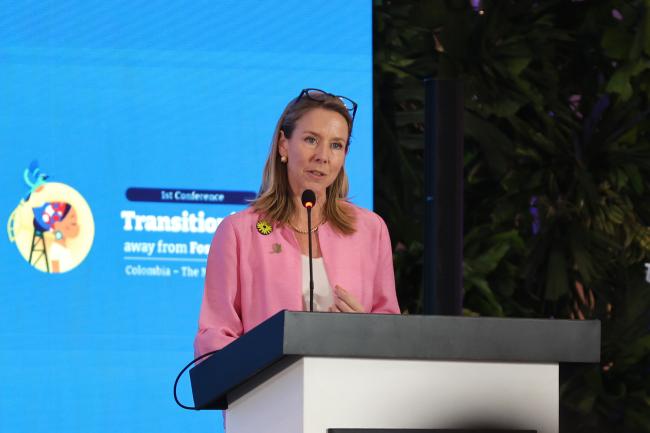
Economics and politics go hand-in-hand. Breakout sessions considered how to help countries wean their budgets from the tax and other revenues of the fossil fuel industries, while participants in another session focused on reducing government support to these industries in the form of subsidies. There was a strong call for countries to create inventories to track the types and beneficiaries of these subsidies, noting that some might be necessary to support those most vulnerable to energy price shocks.
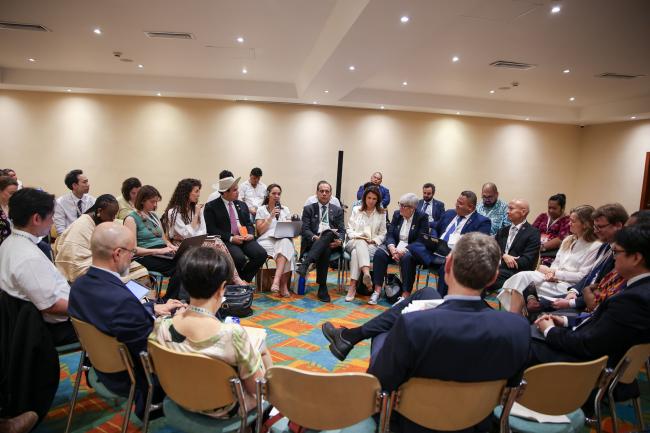
A just transition requires equity among and within countries. A breakout session on economic and labor transitions put government ministers in dialogue with coal workers. The session discussed experiences with planning and policies to “protect workers, not jobs.” Echoing this discussion, the energy access breakout group stressed the local level and need for inclusion.
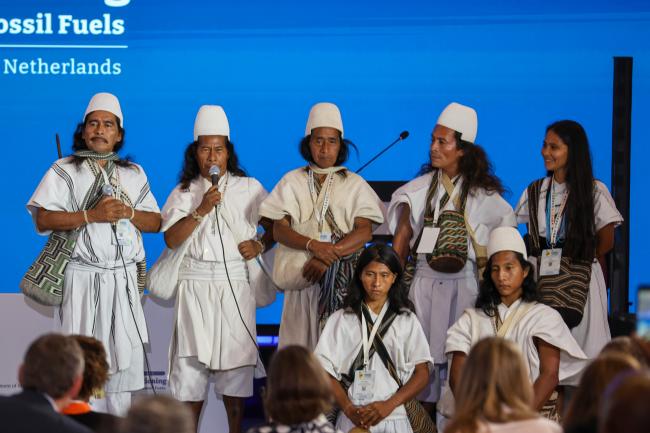
The climate diplomacy breakout session surveyed the landscape of binding treaties and coalition-based initiatives to try to determine where this process could fit.
To receive free coverage of global environmental events delivered to your inbox, subscribe to the ENB Update newsletter.
All ENB photos are free to use with attribution. For the High-level Segment of the First Conference on Transitioning Away from Fossil Fuels, please use: Photo by IISD/ENB | Mike Muzurakis
Opening Plenary
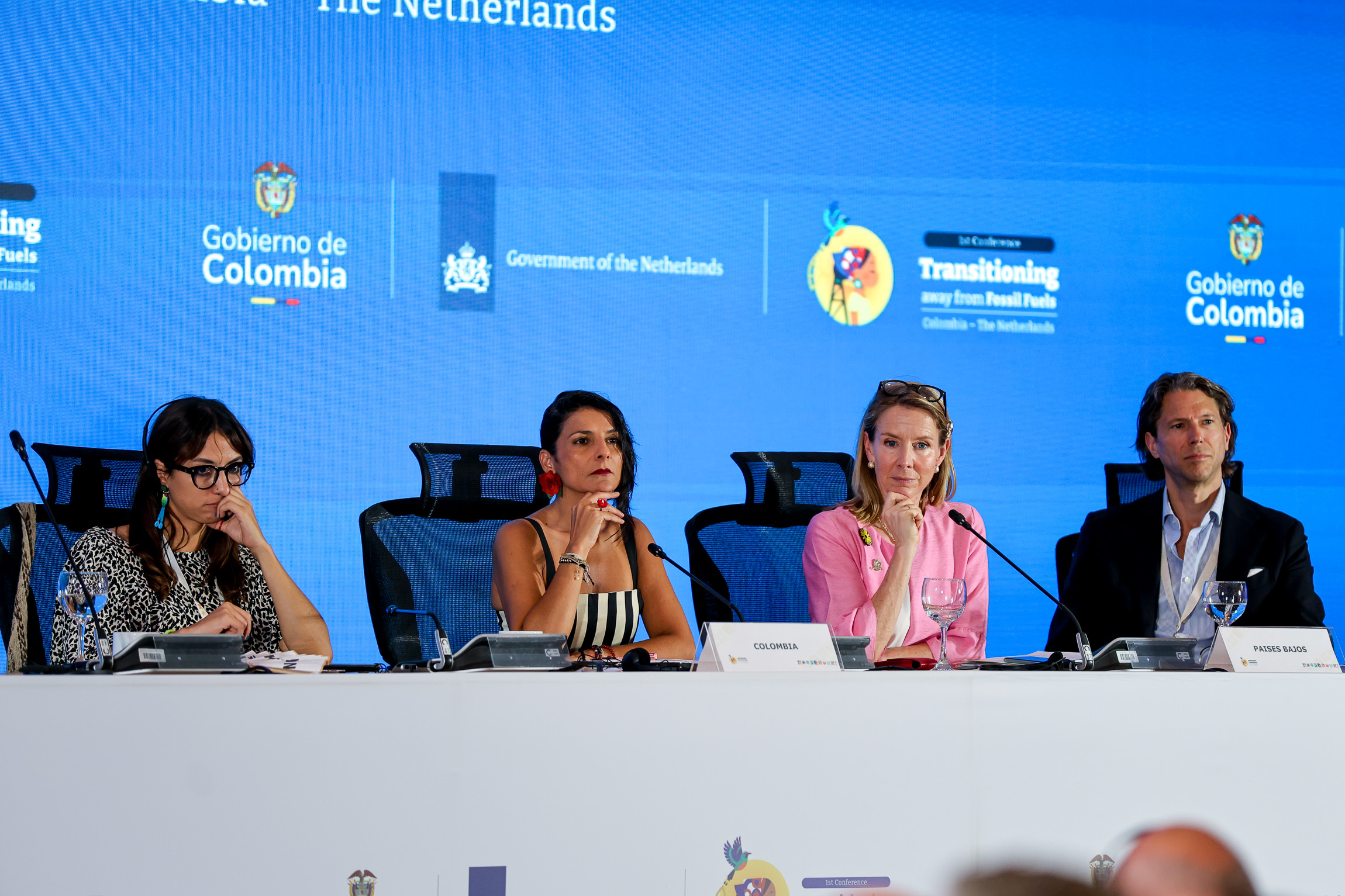
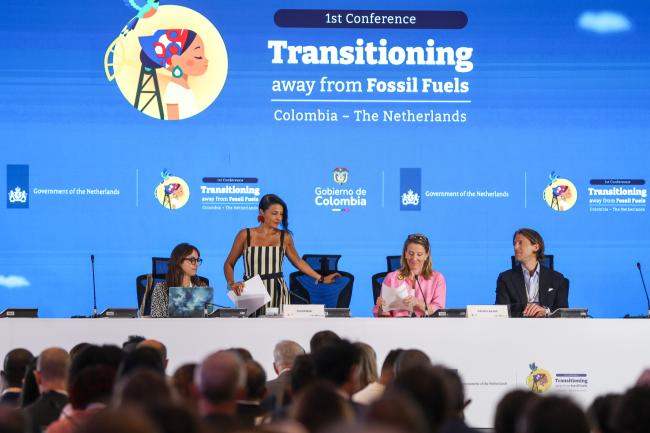
View of the dais during the opening plenary
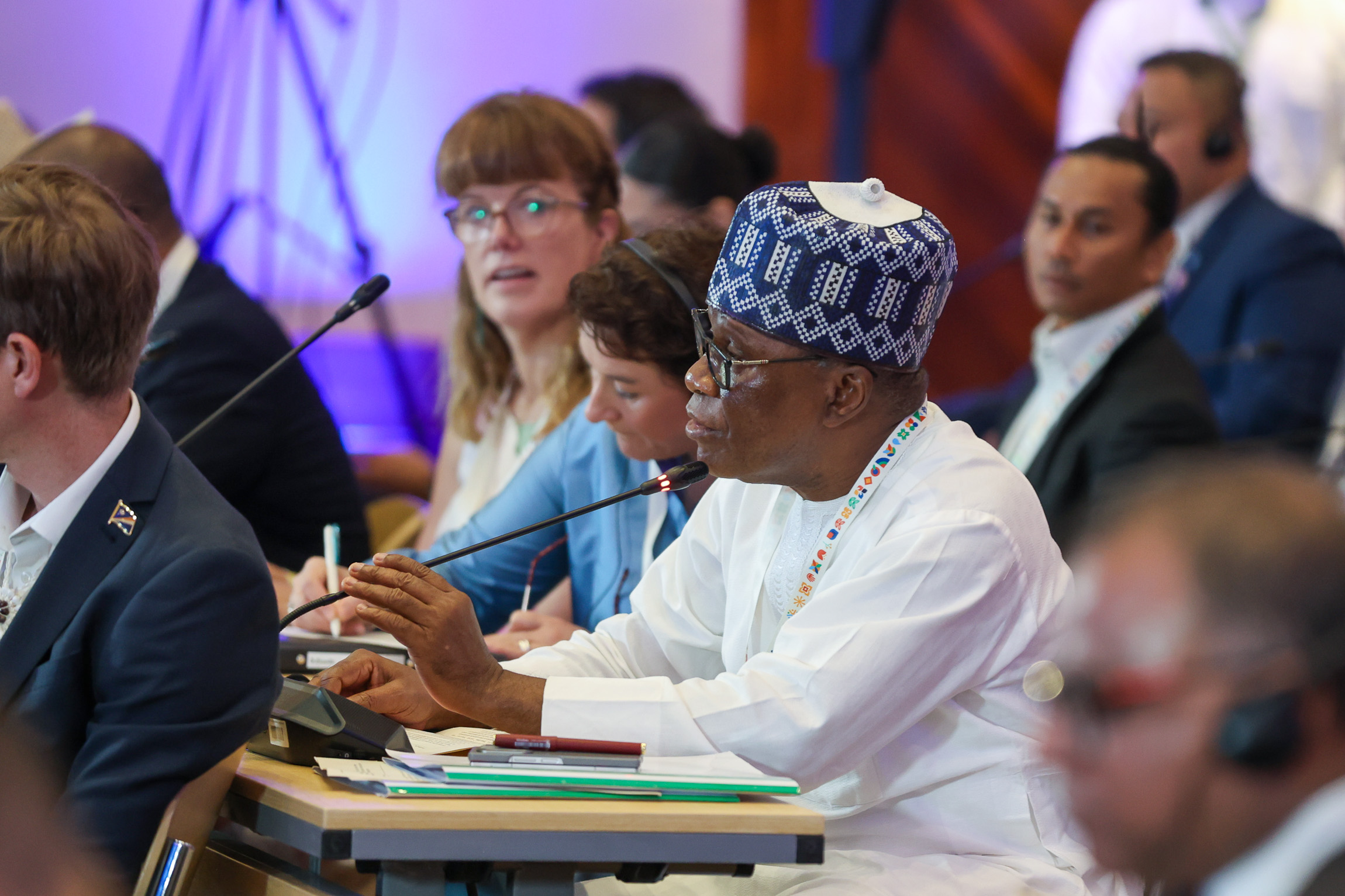
Abubakar Momoh, Minister of Niger Delta Development, Nigeria
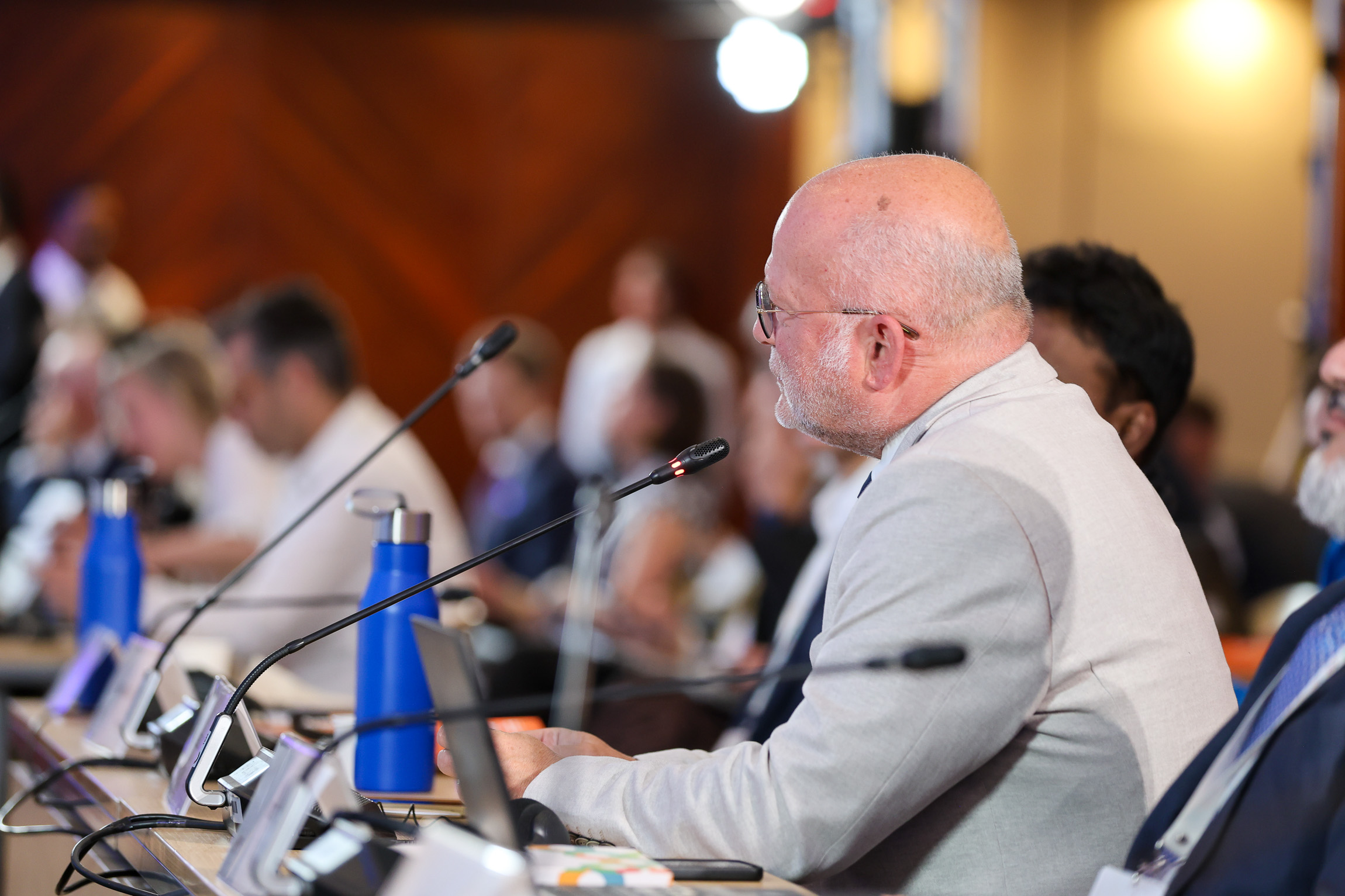
Jean-Luc Crucke, Minister of Mobility, Belgium
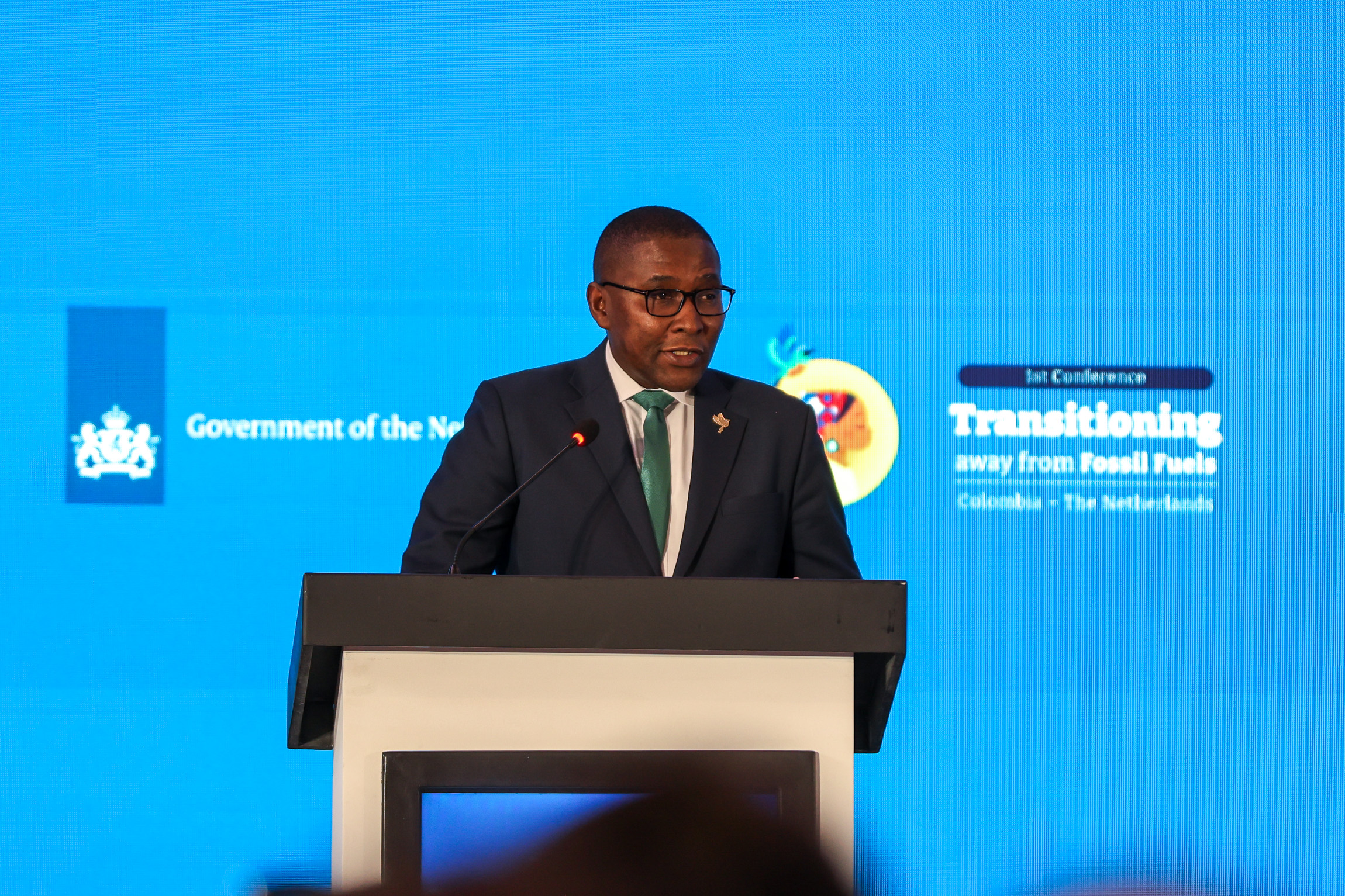
Selwin Hart, Special Adviser to the UN Secretary-General on Climate Action and Just Transition
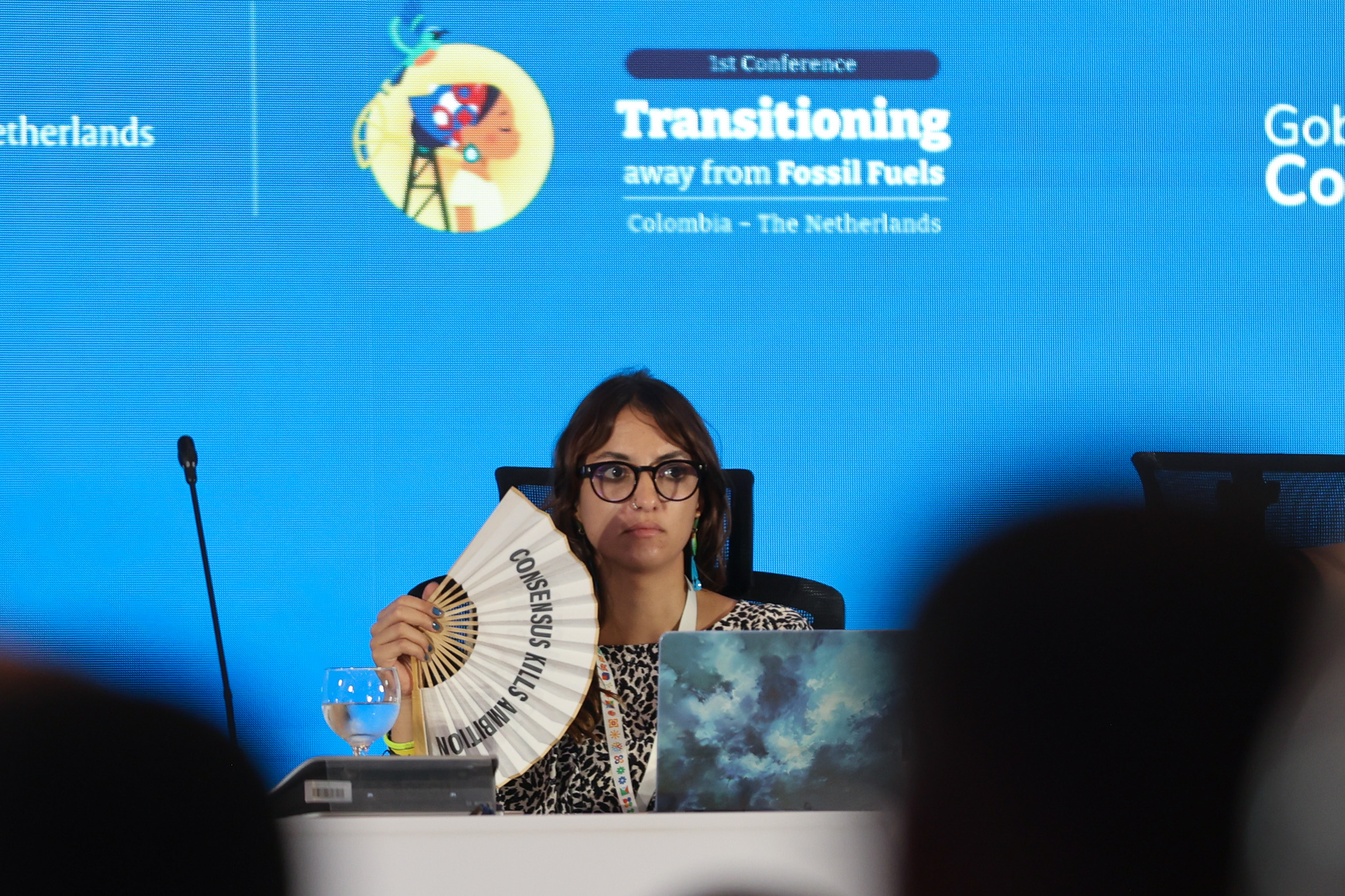
Daniela Durán González, Colombia
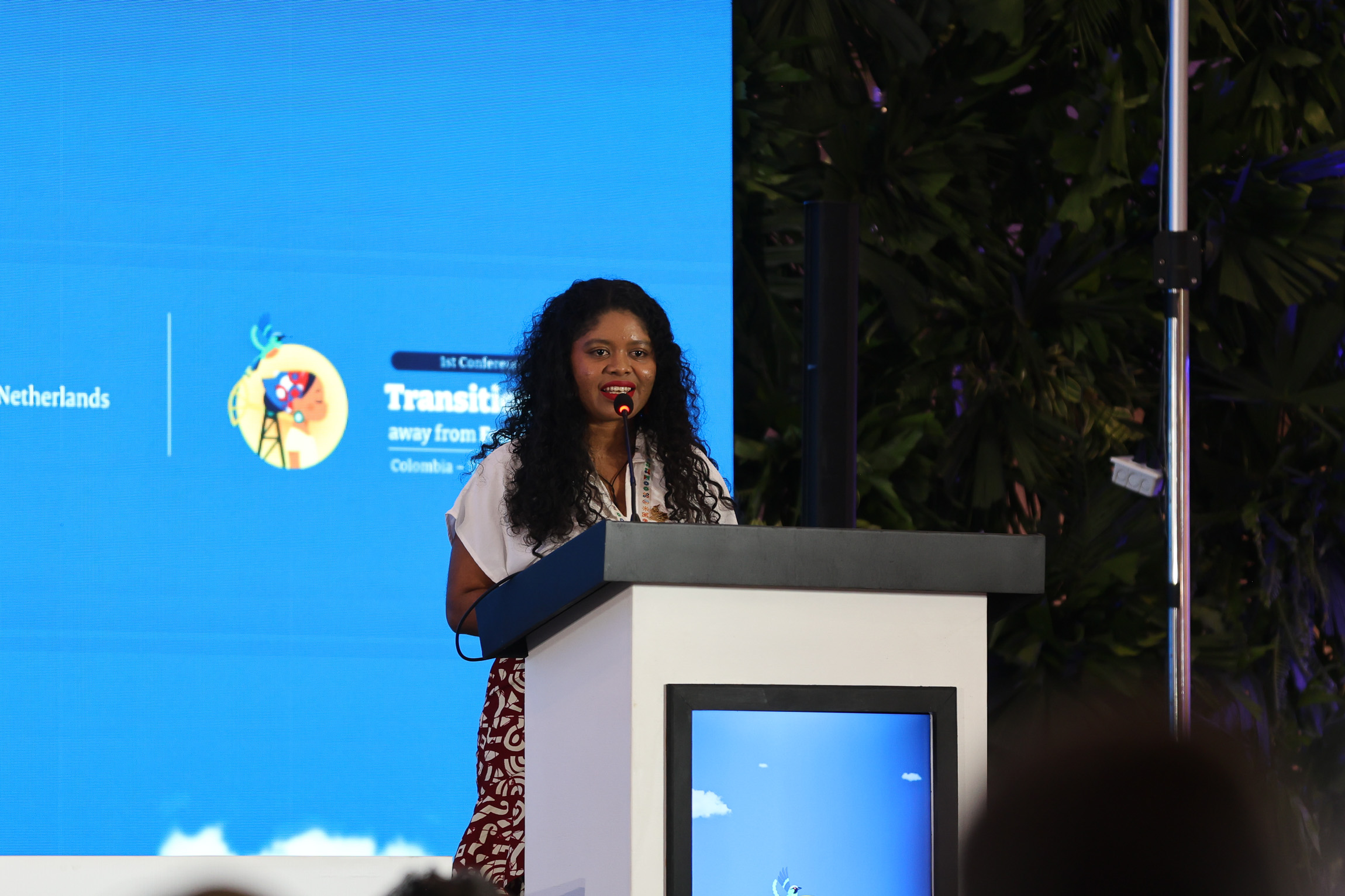
Yuvelis Morales Blanco, 2026 Goldman Prize Winner
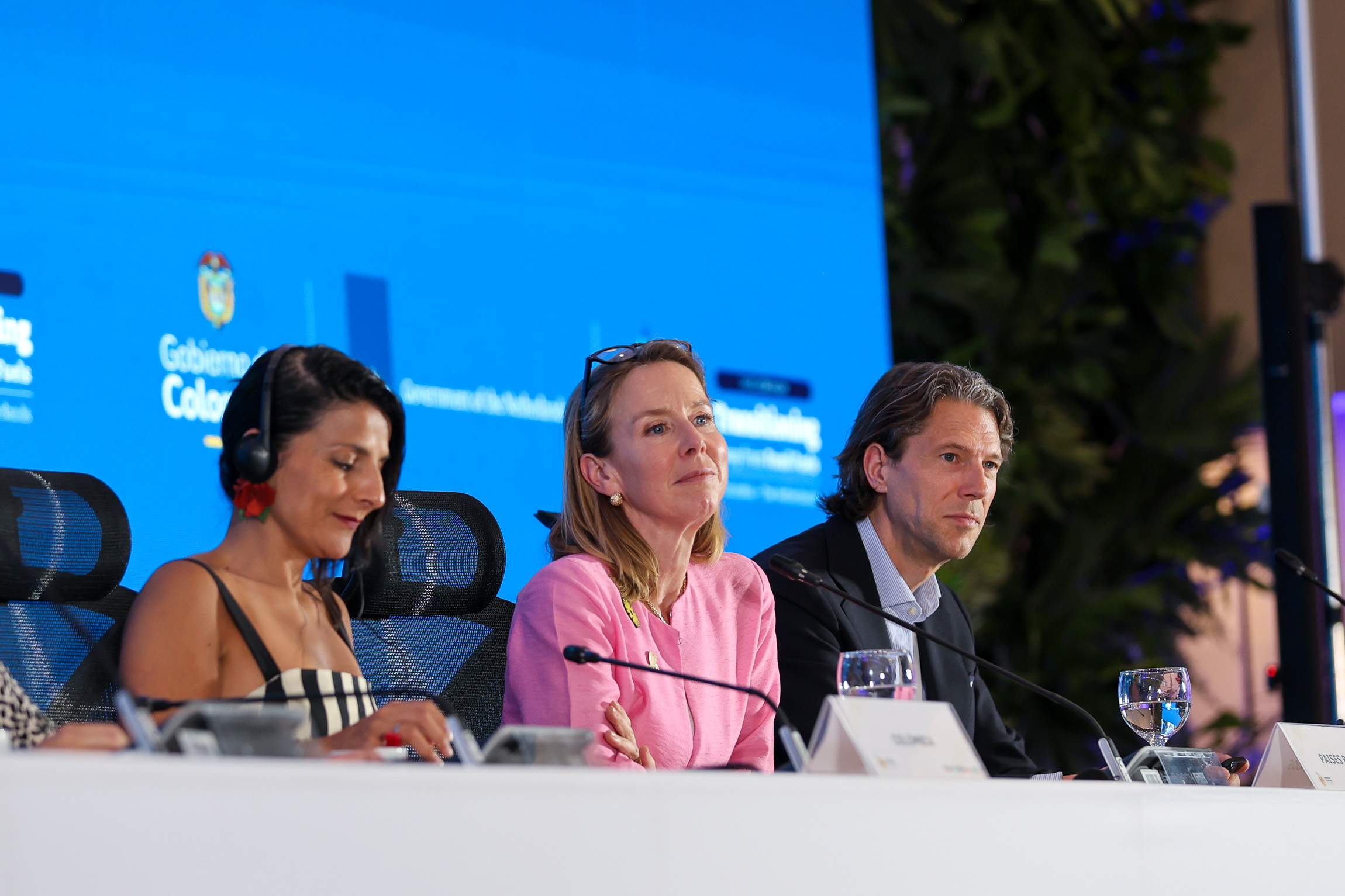
Stientje van Veldhoven, Minister of Climate Policy and Green Growth, the Netherlands
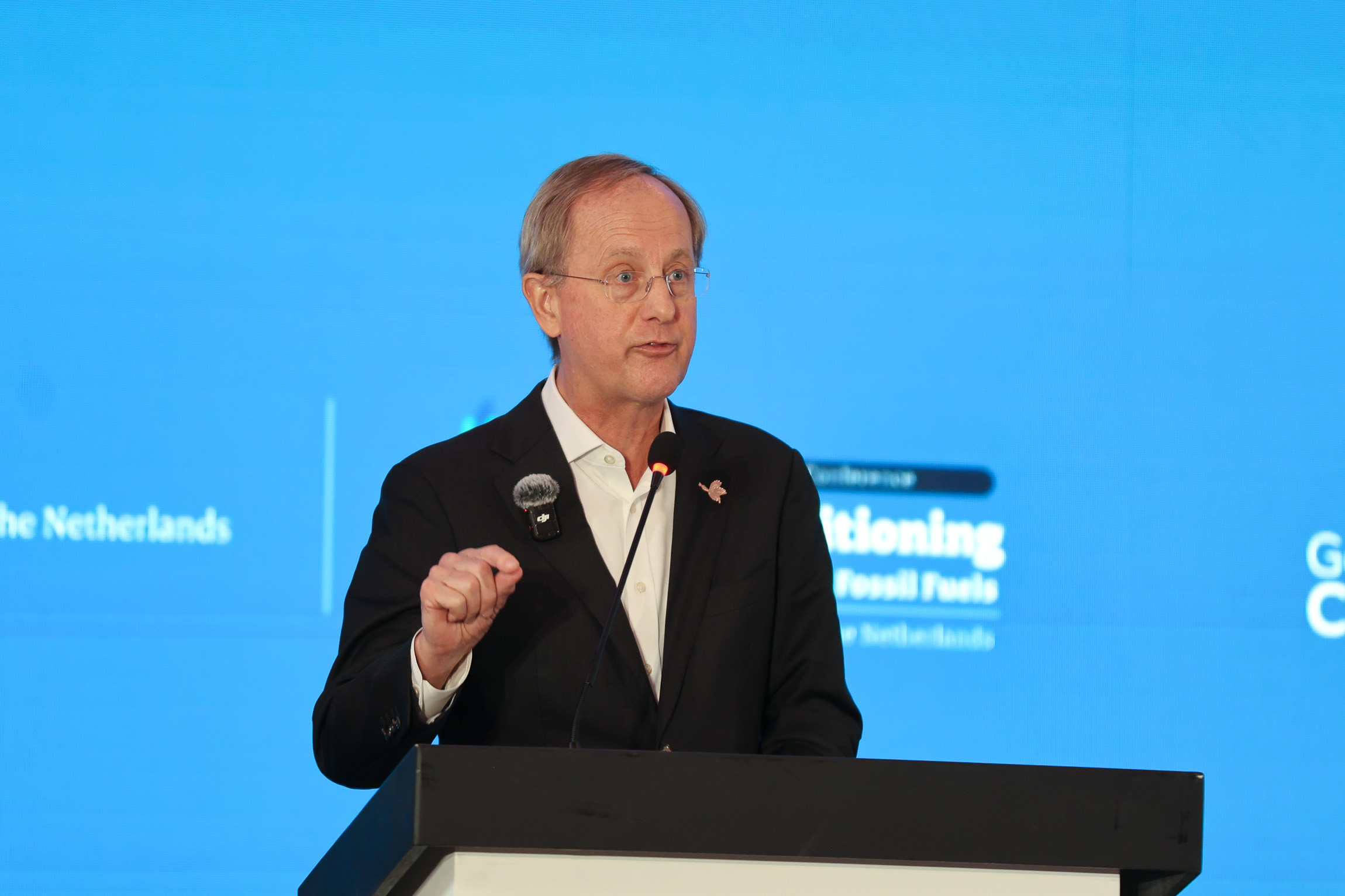
Jules Kortenhorst, Energy Transition Commission
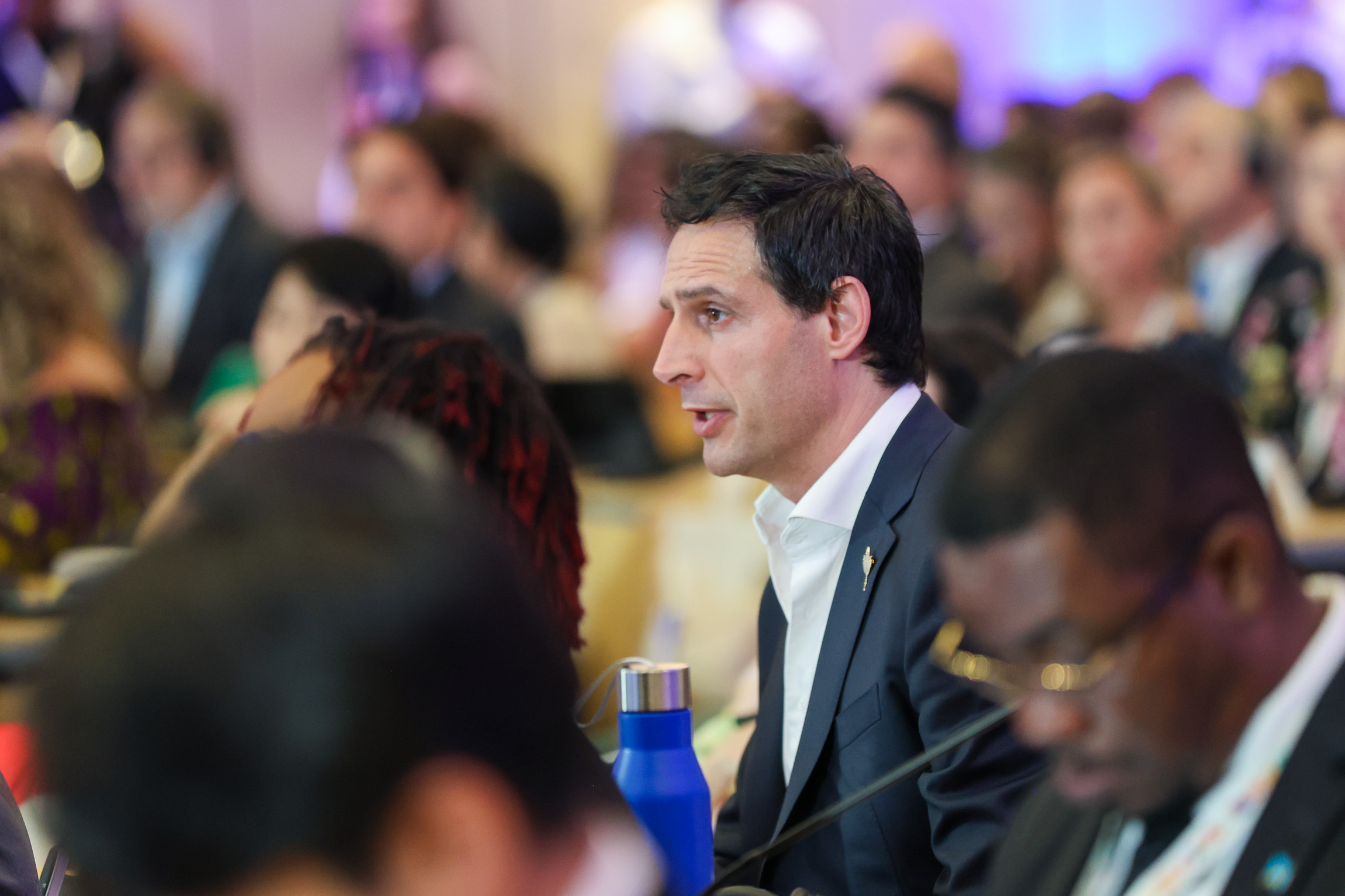
Wopke Hoekstra, EU Commissioner for Climate, Net Zero and Clean Growth
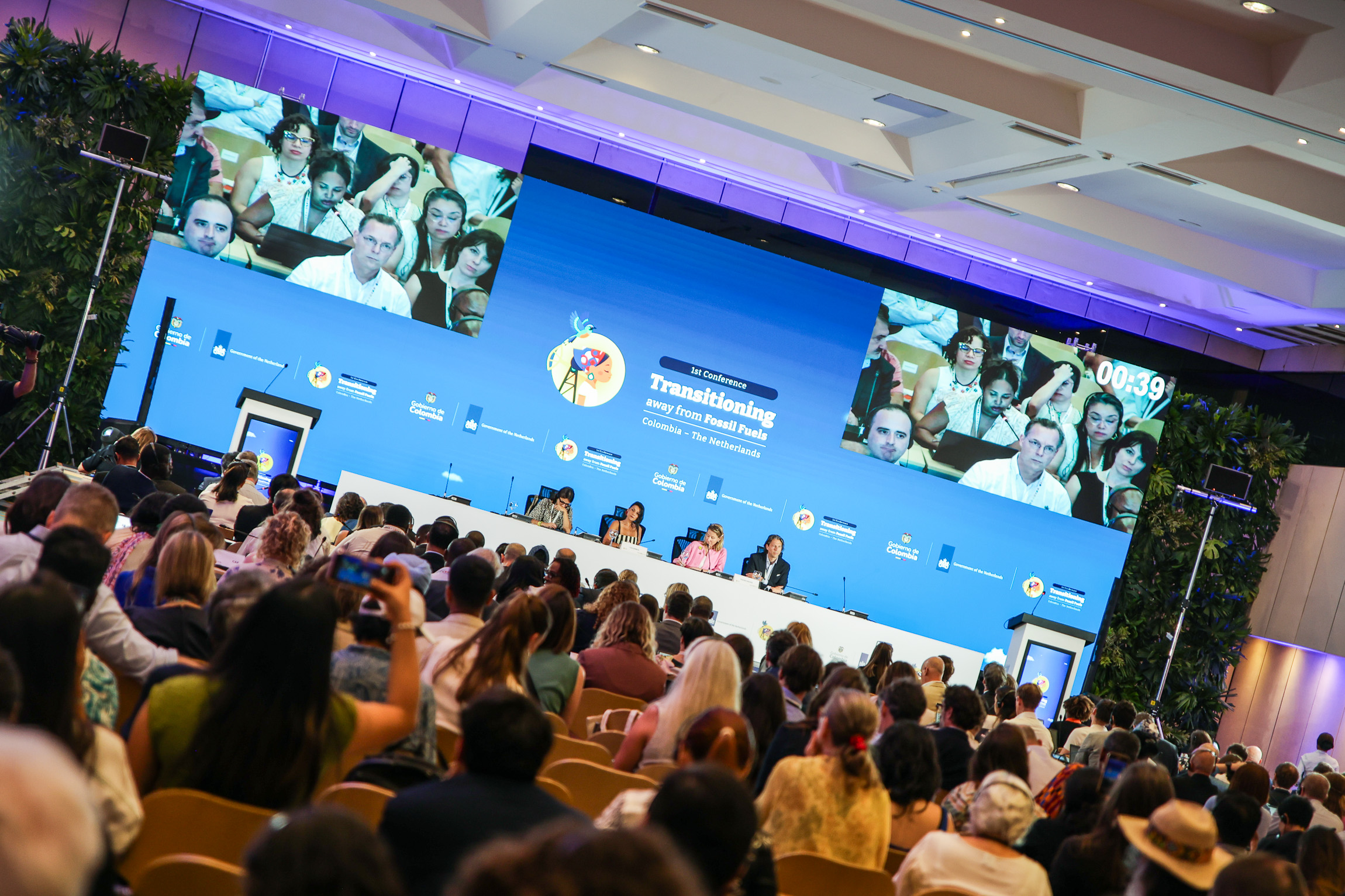
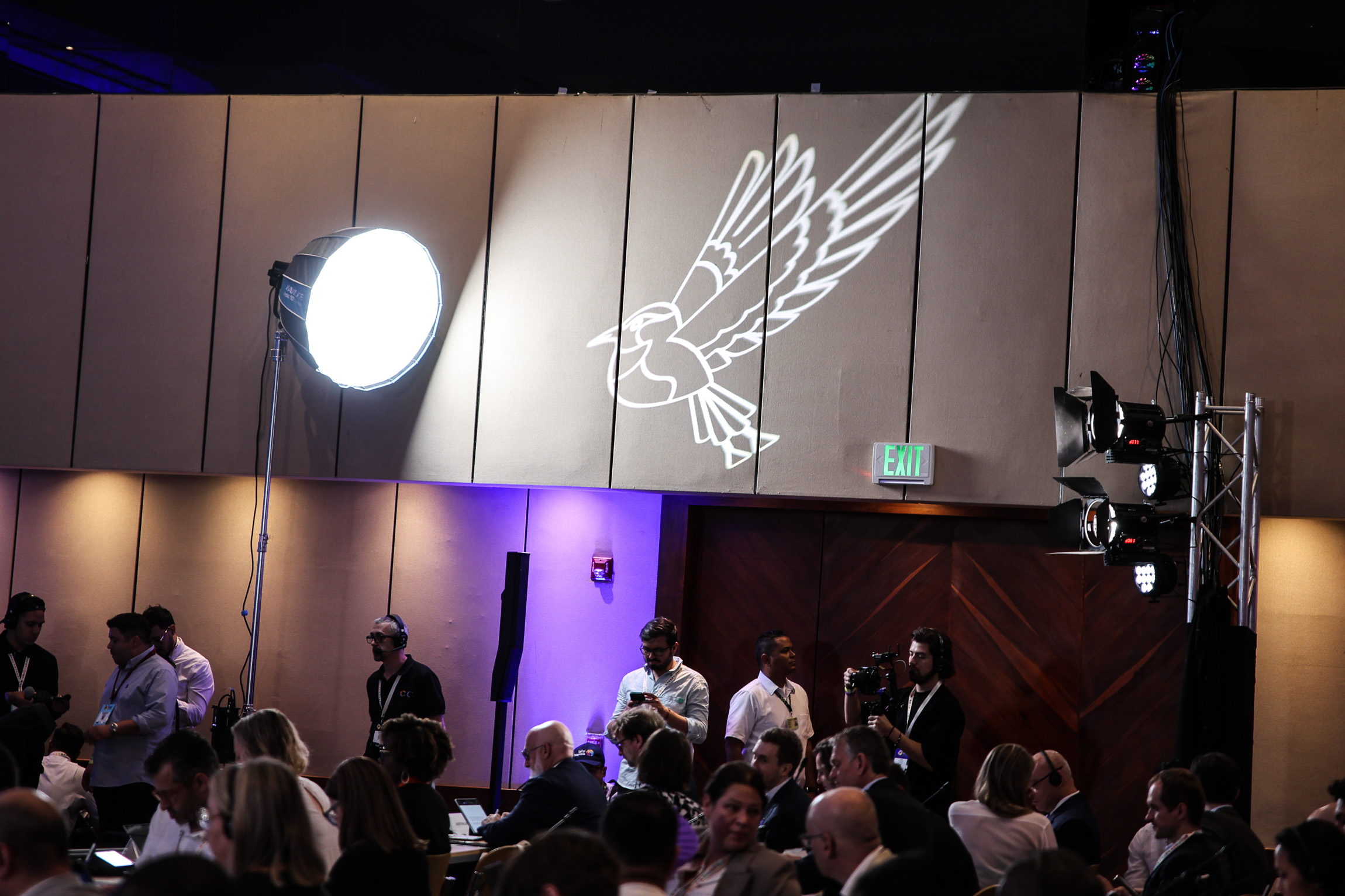
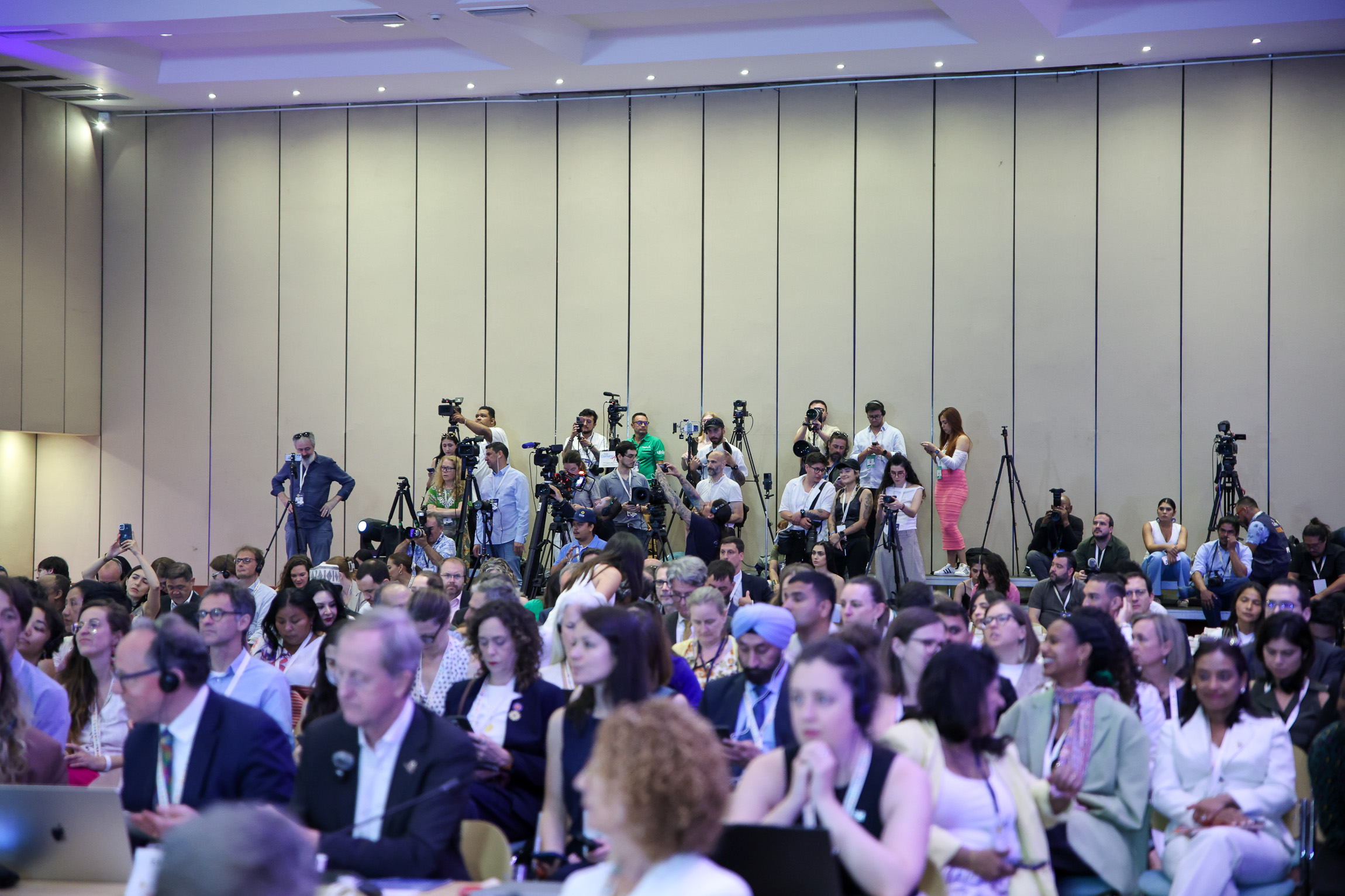
View of the room during the opening plenary
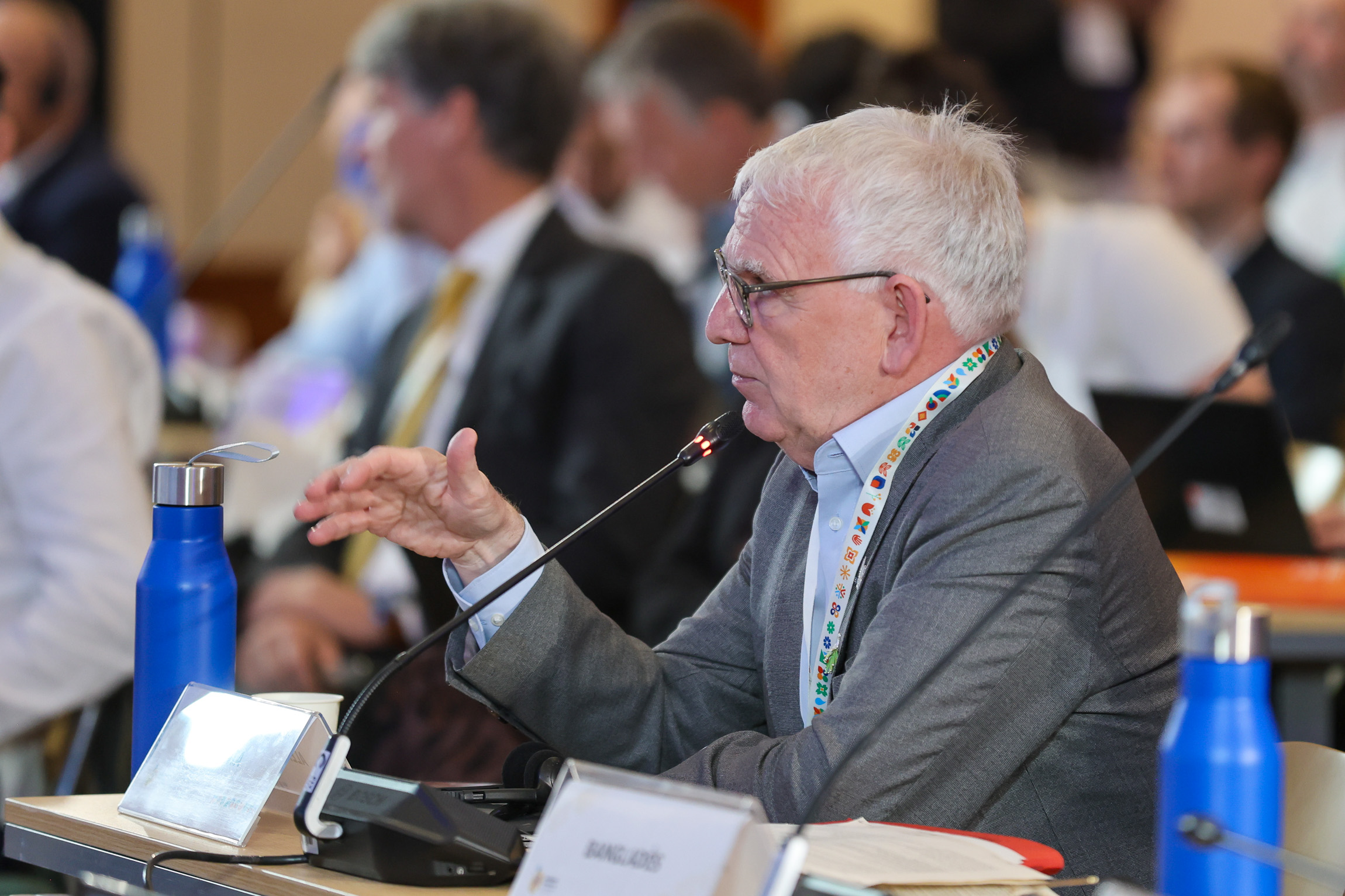
Jochen Flasbarth, State Secretary, Federal Ministry for the Environment, Climate Action, Nature Conservation, and Nuclear Safety, Germany
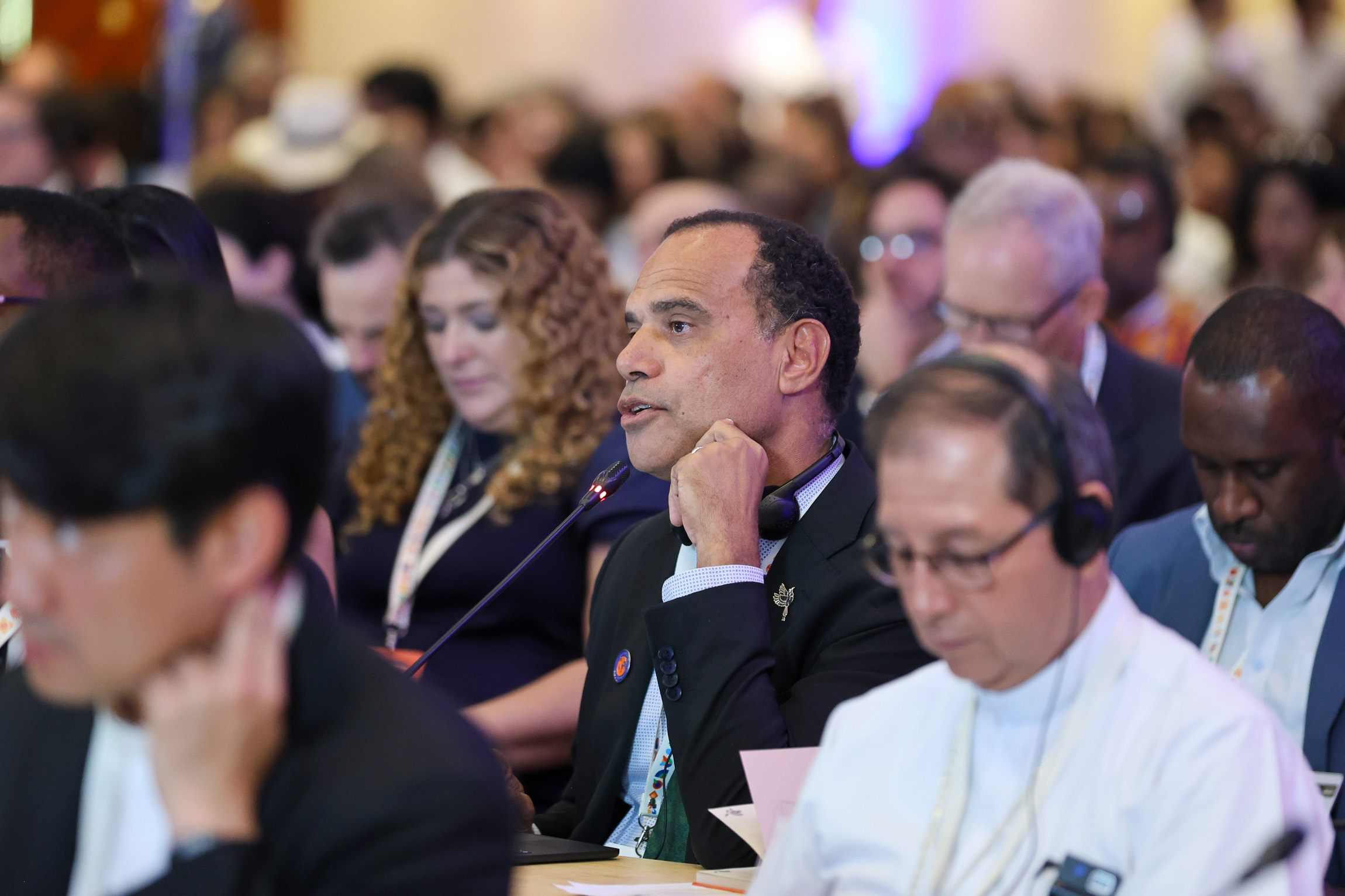
Ralph Regenvanu, Minister for Climate Change, Energy, Meteorology, Geohazards, Environment, and Disaster Management, Vanuatu
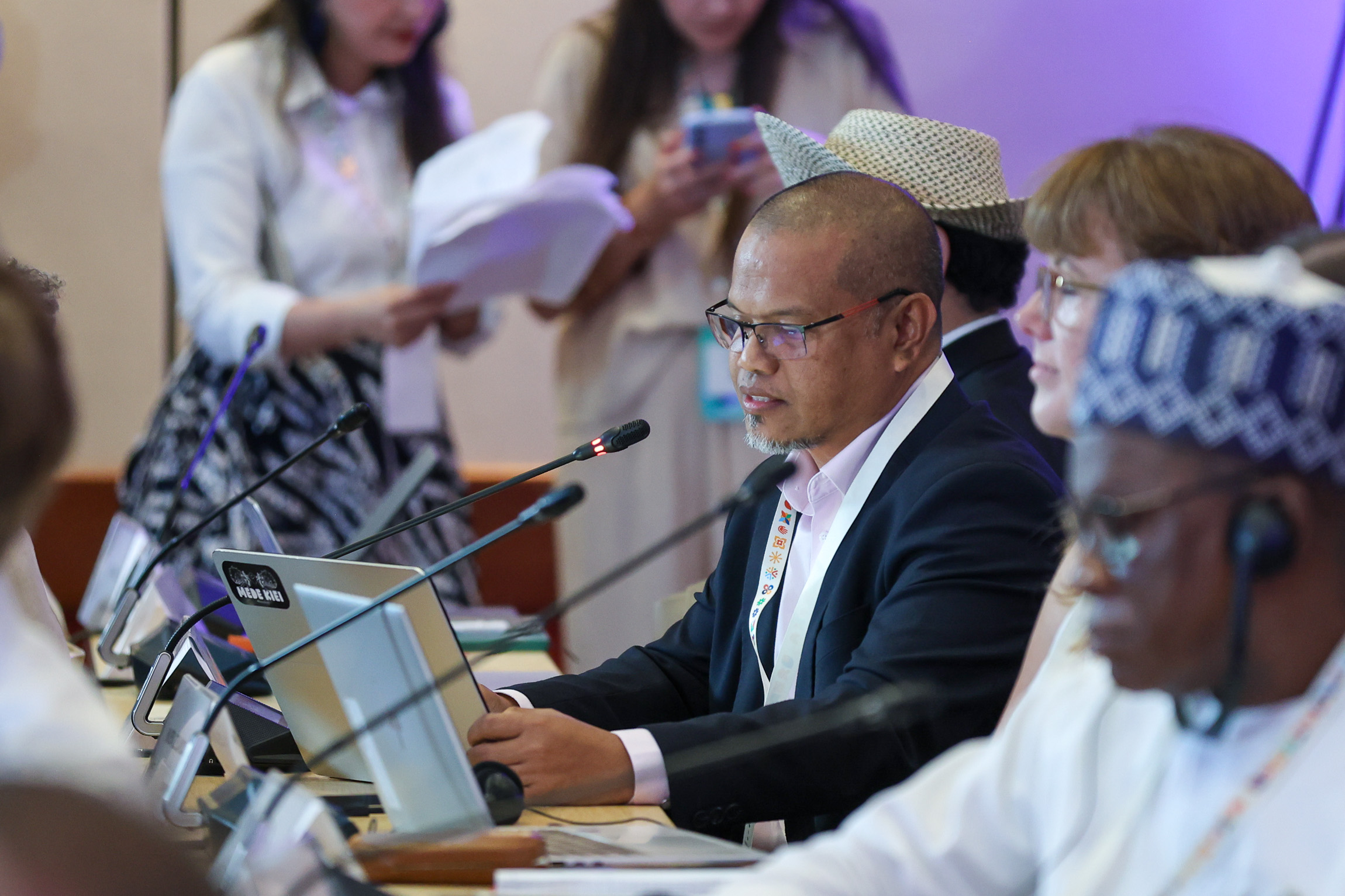
Steven Victor, Minister of Agriculture, Fisheries, and the Environment, Palau
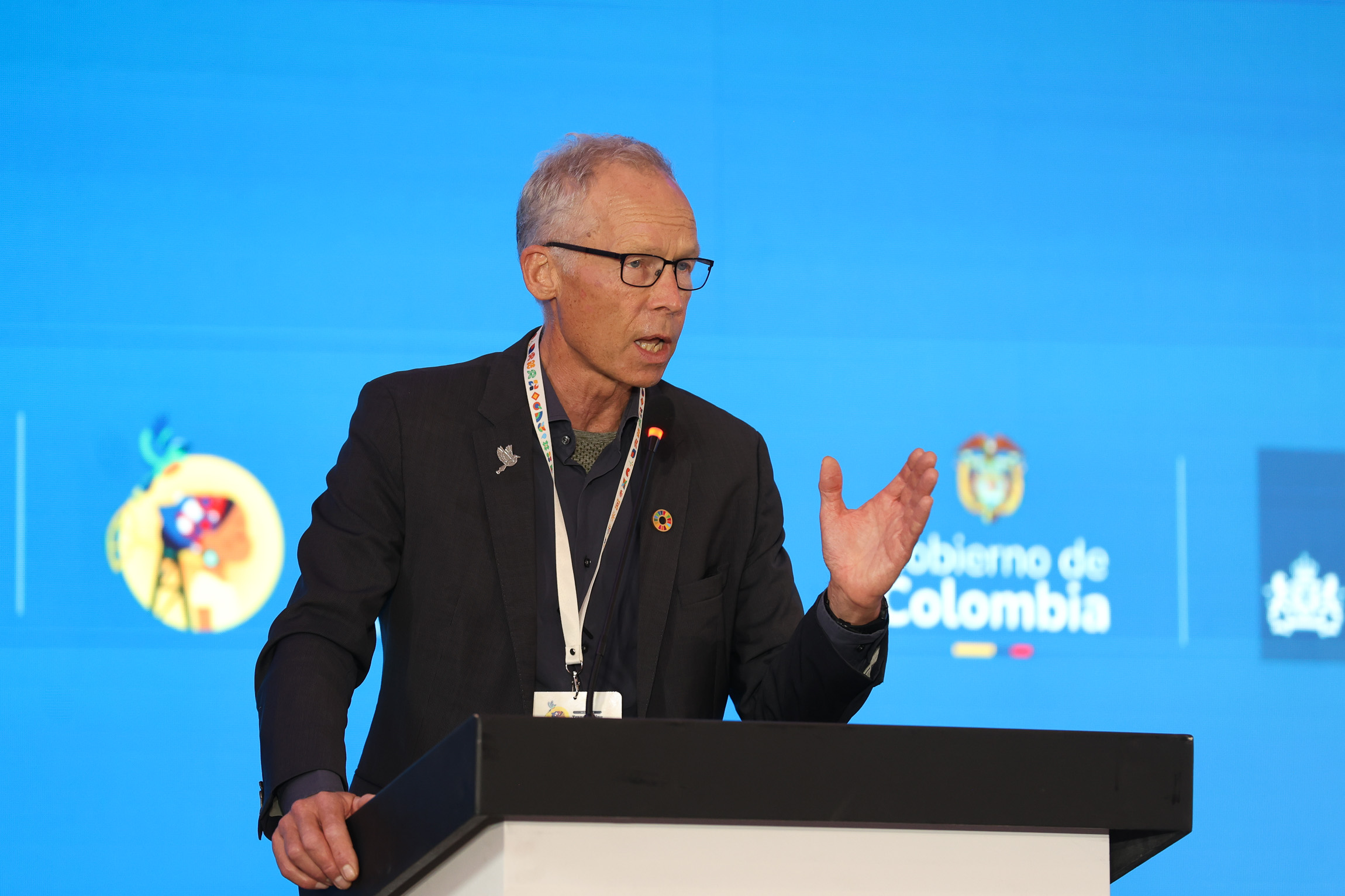
Johan Rockström, Director, Potsdam Institute for Climate Impact Research
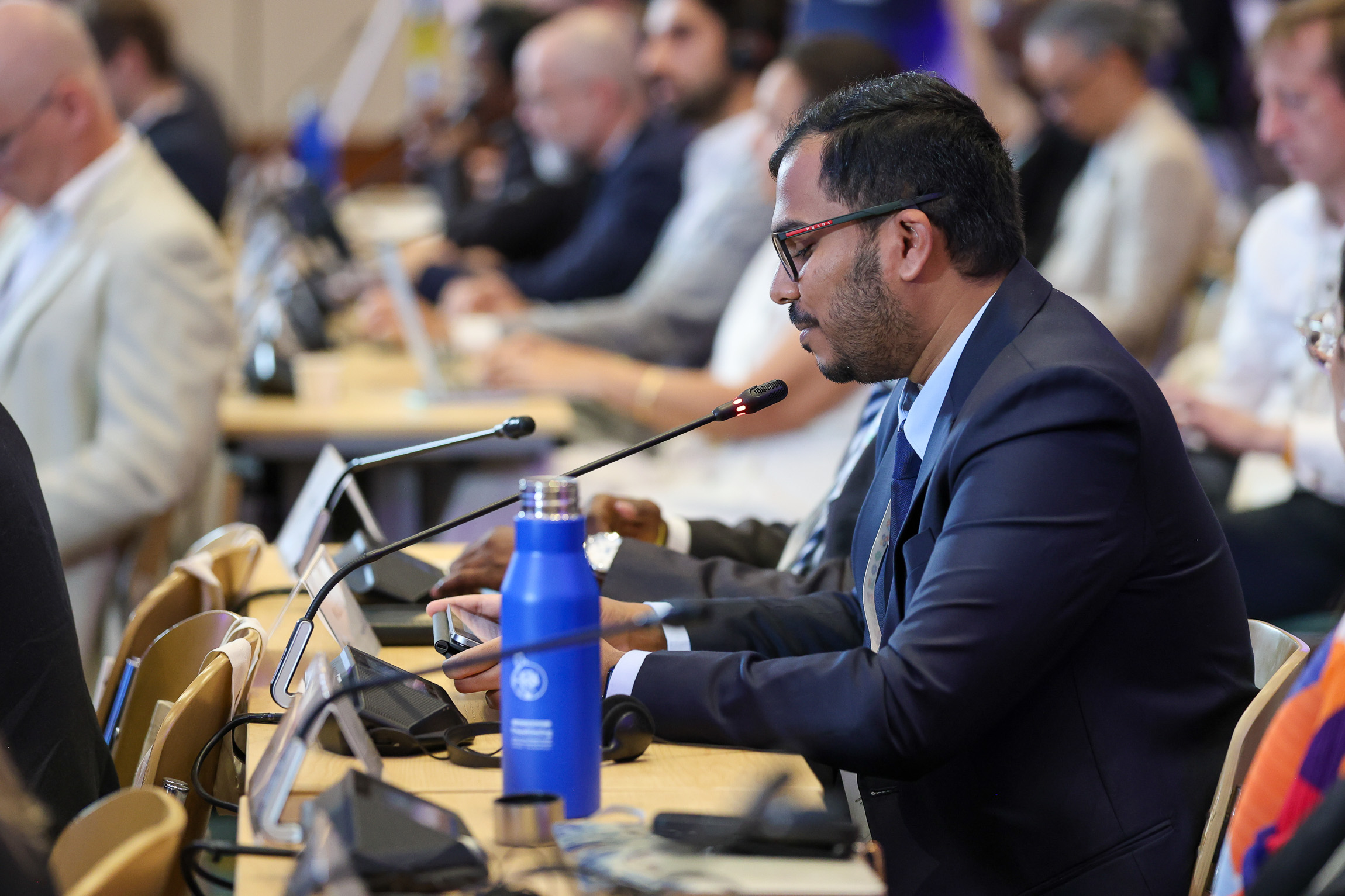
Ibrahim Mimrah, Minister of State for Tourism and Environment, Maldives
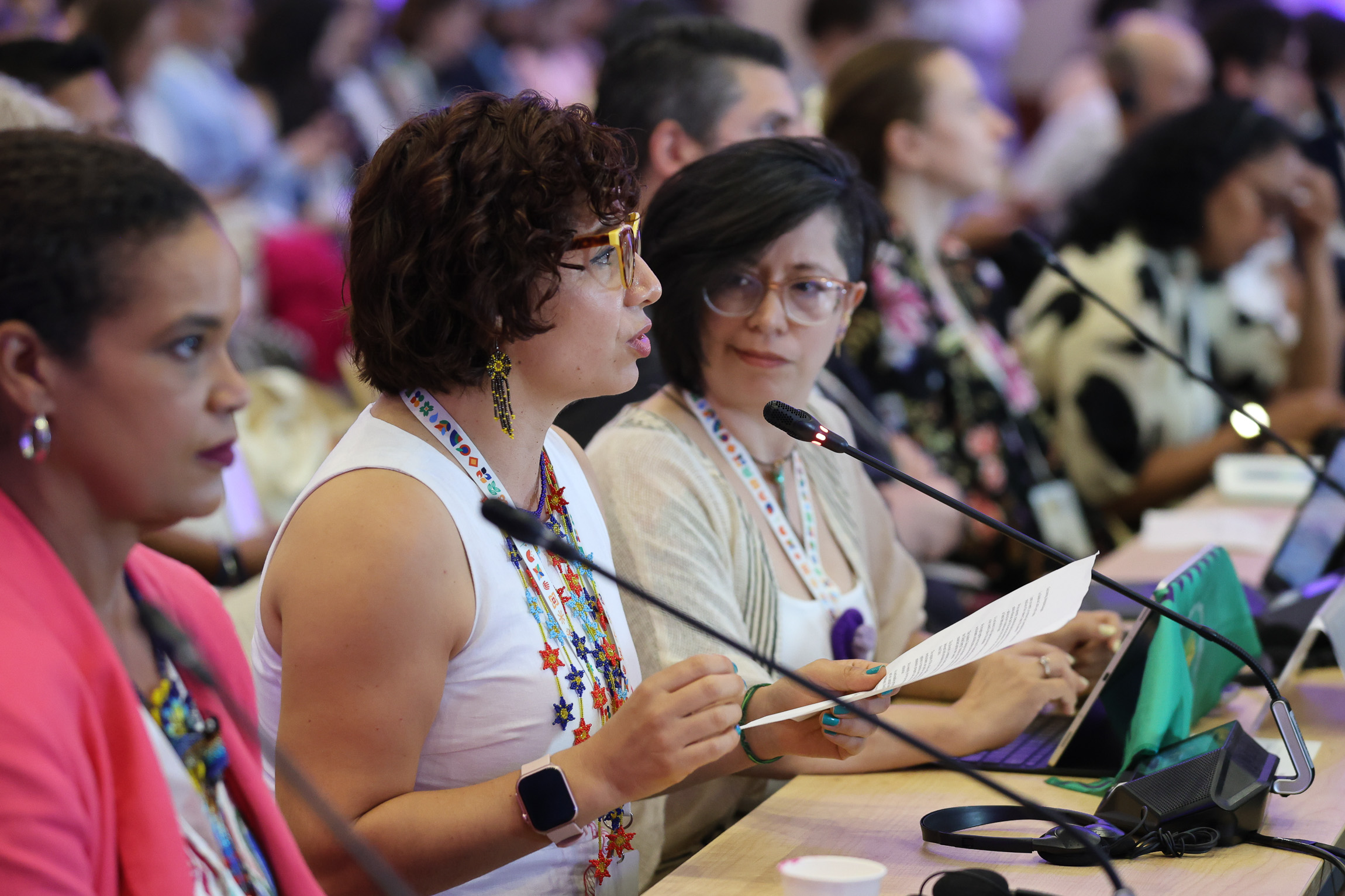
Andrea Carolina Cardoso Diaz, Universidad del Magdalena
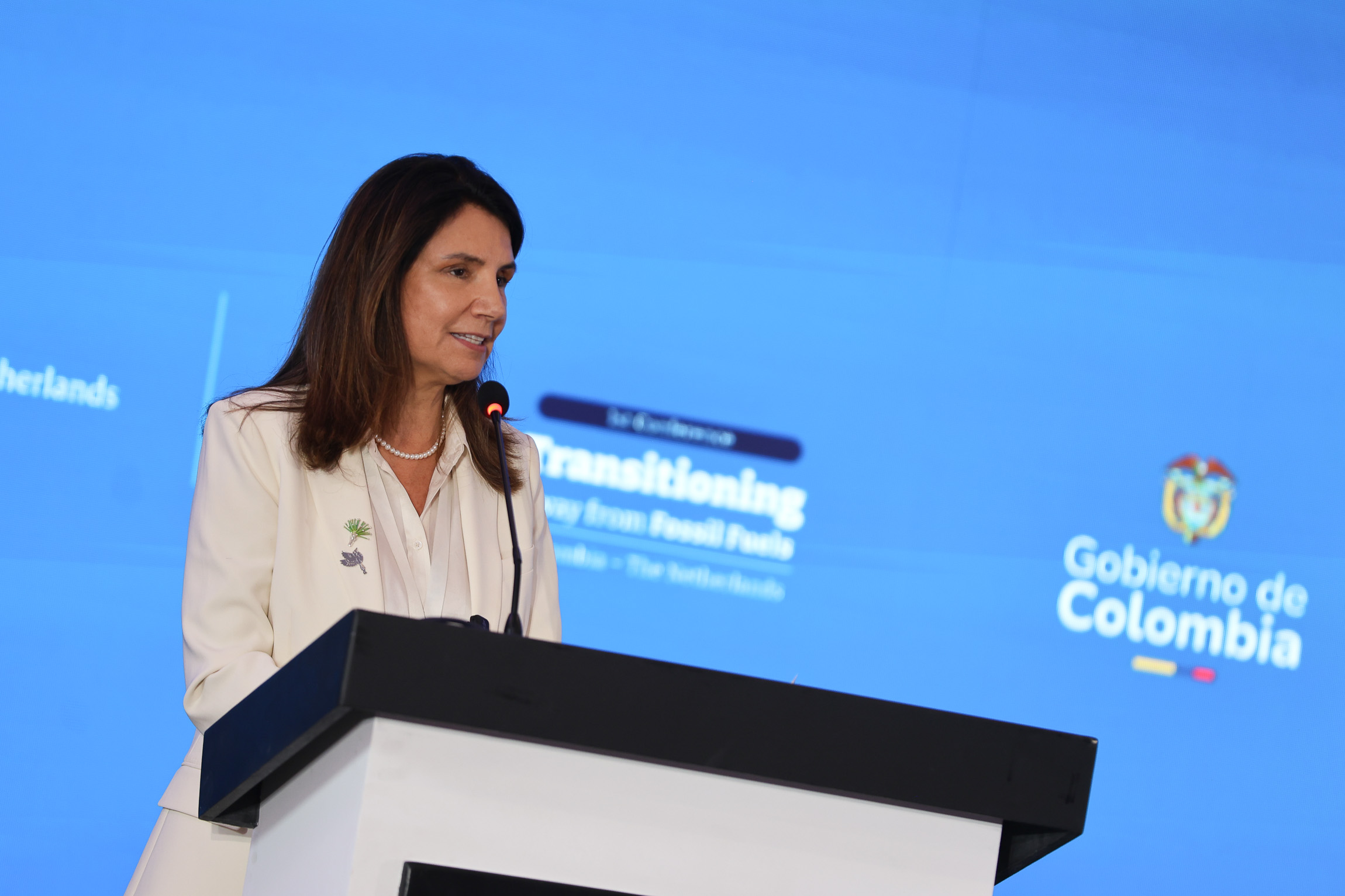
COP 30 Chief Executive Officer Ana Toni, Brazil
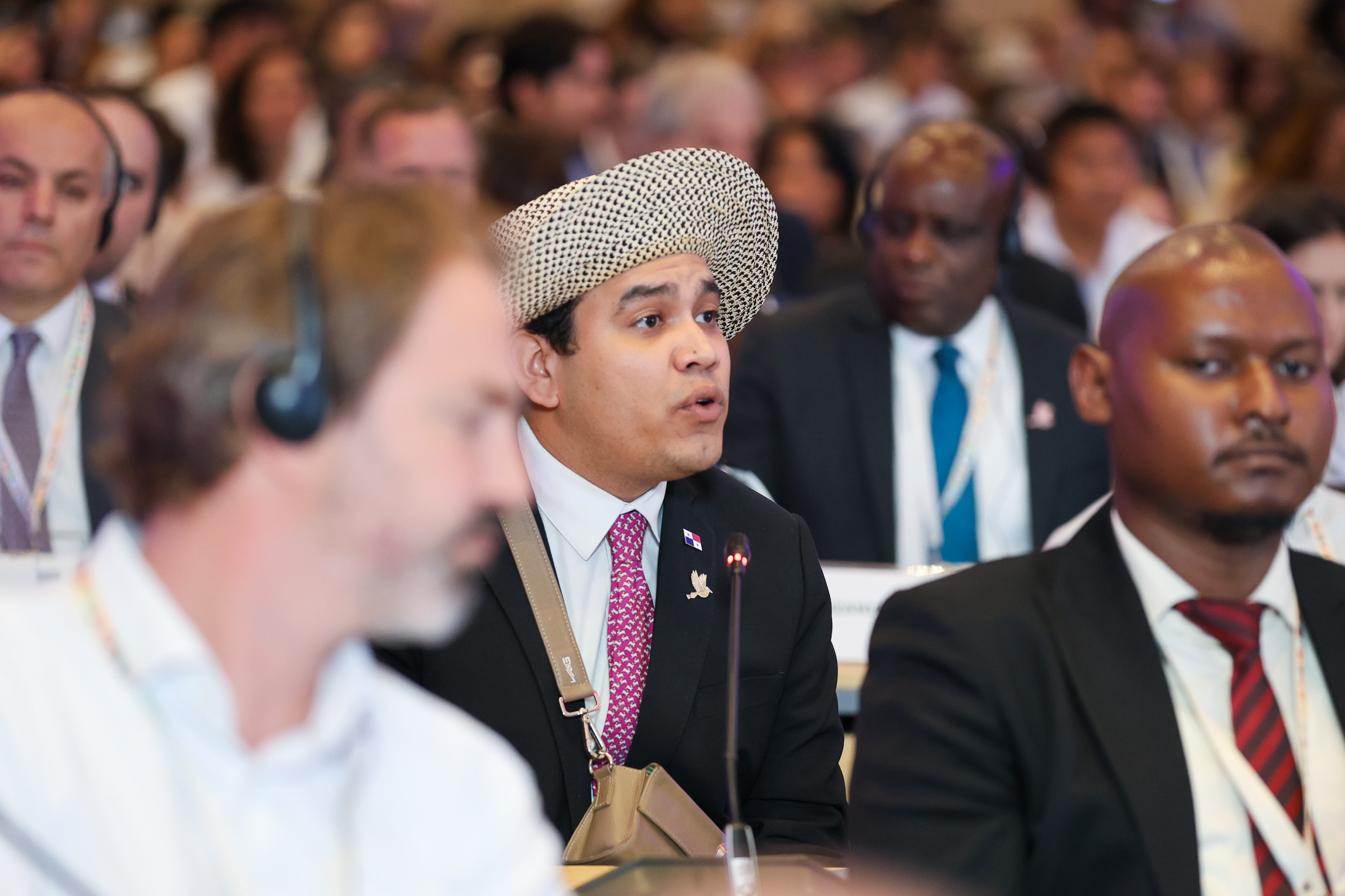
Juan Carlos Monterrey Gómez, Panama
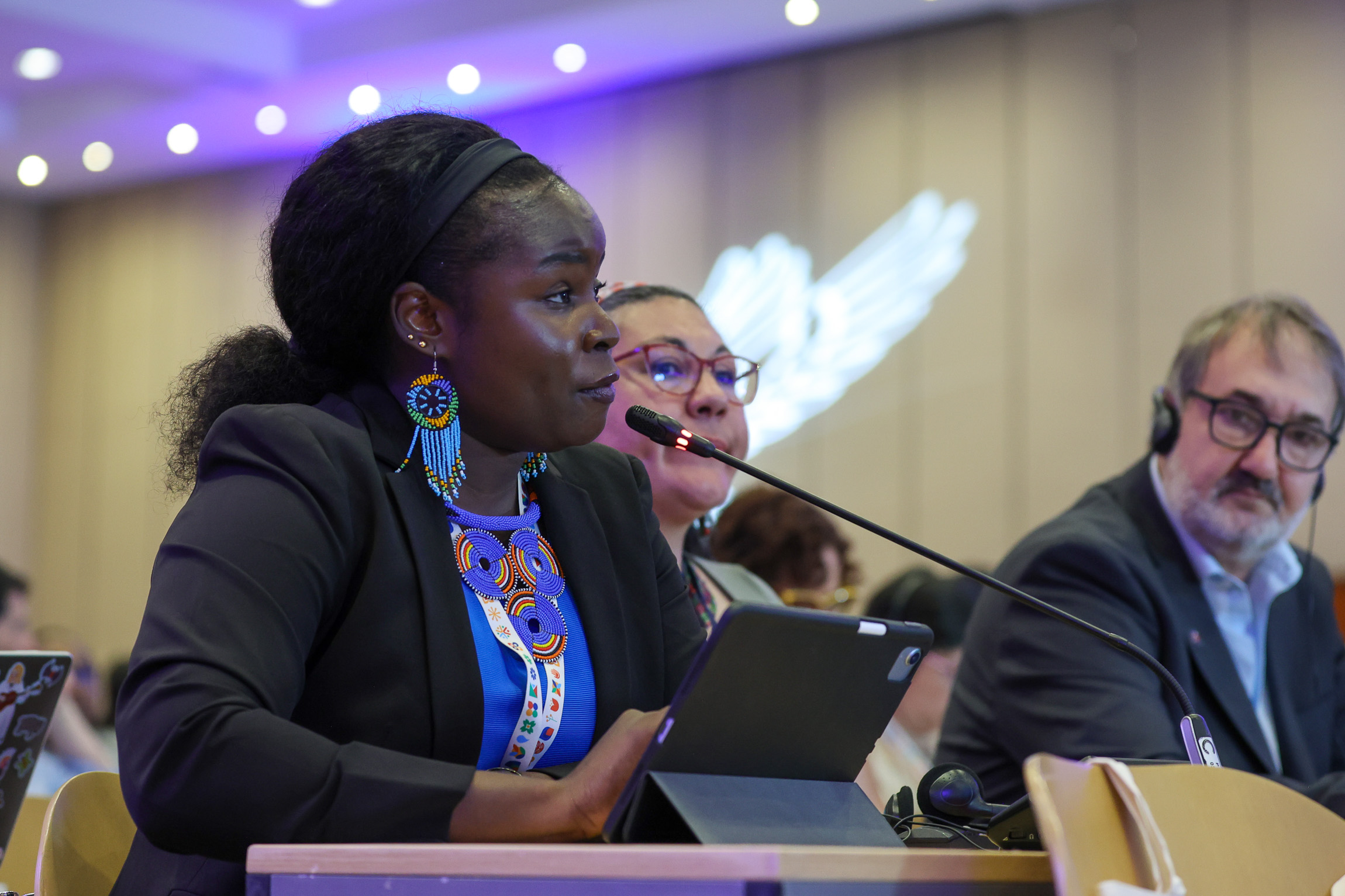
Janet Milongo, Climate Action Network International
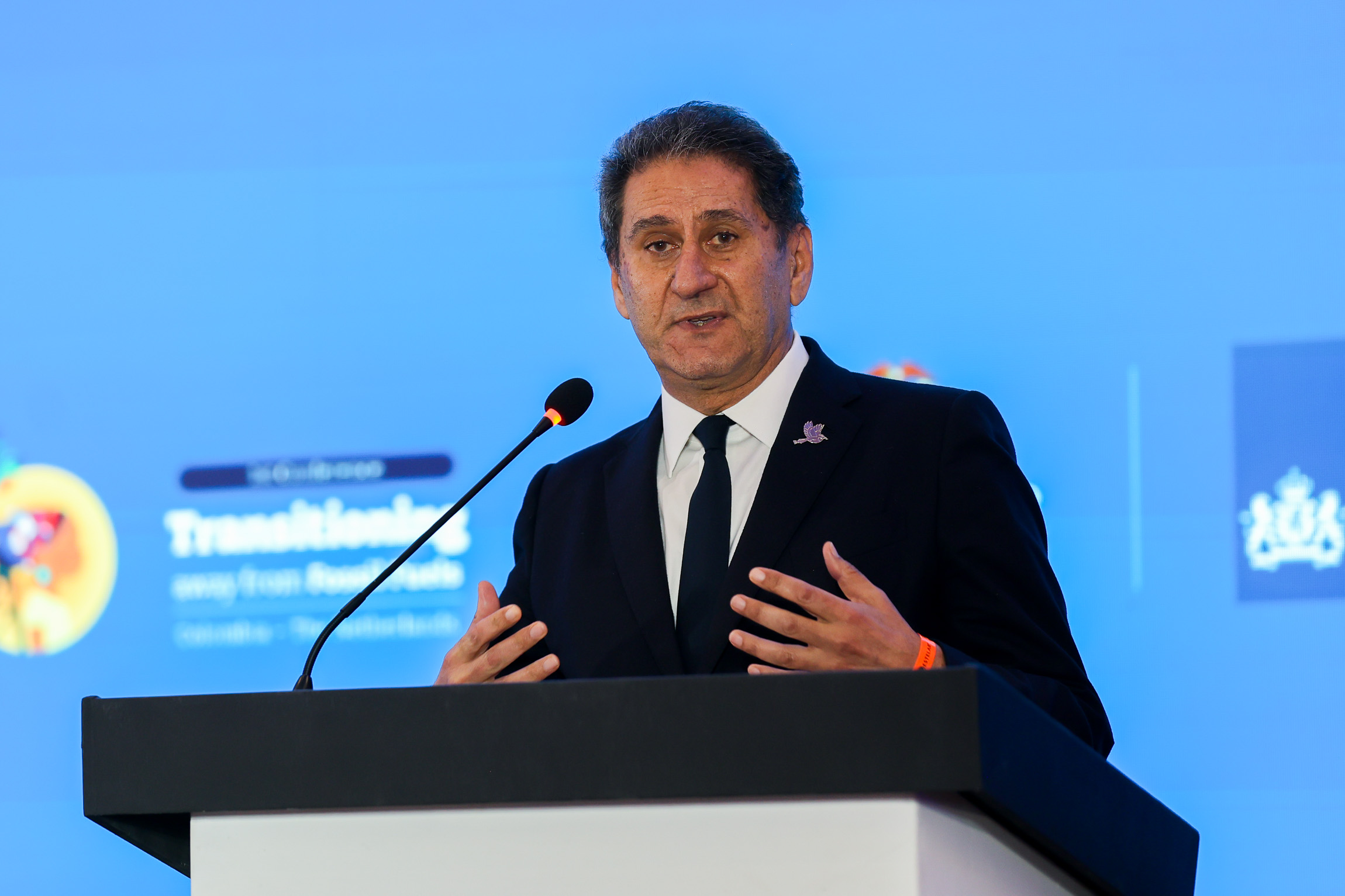
Francesco La Camera, Director-General, International Renewable Energy Agency (IRENA)
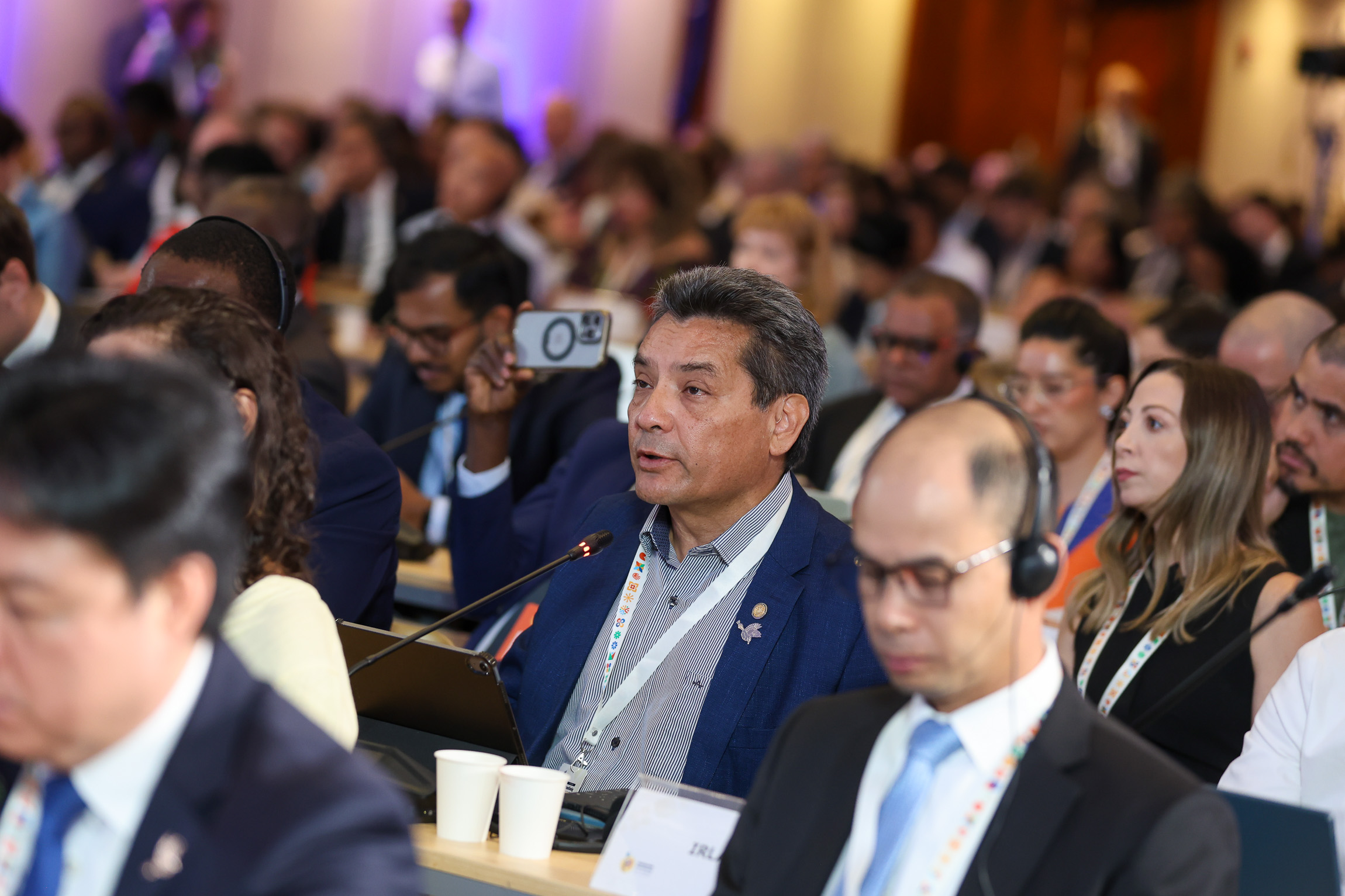
Edwin Josué Castellanos López, Vice Minister of Natural Resources and Climate Change, Guatemala
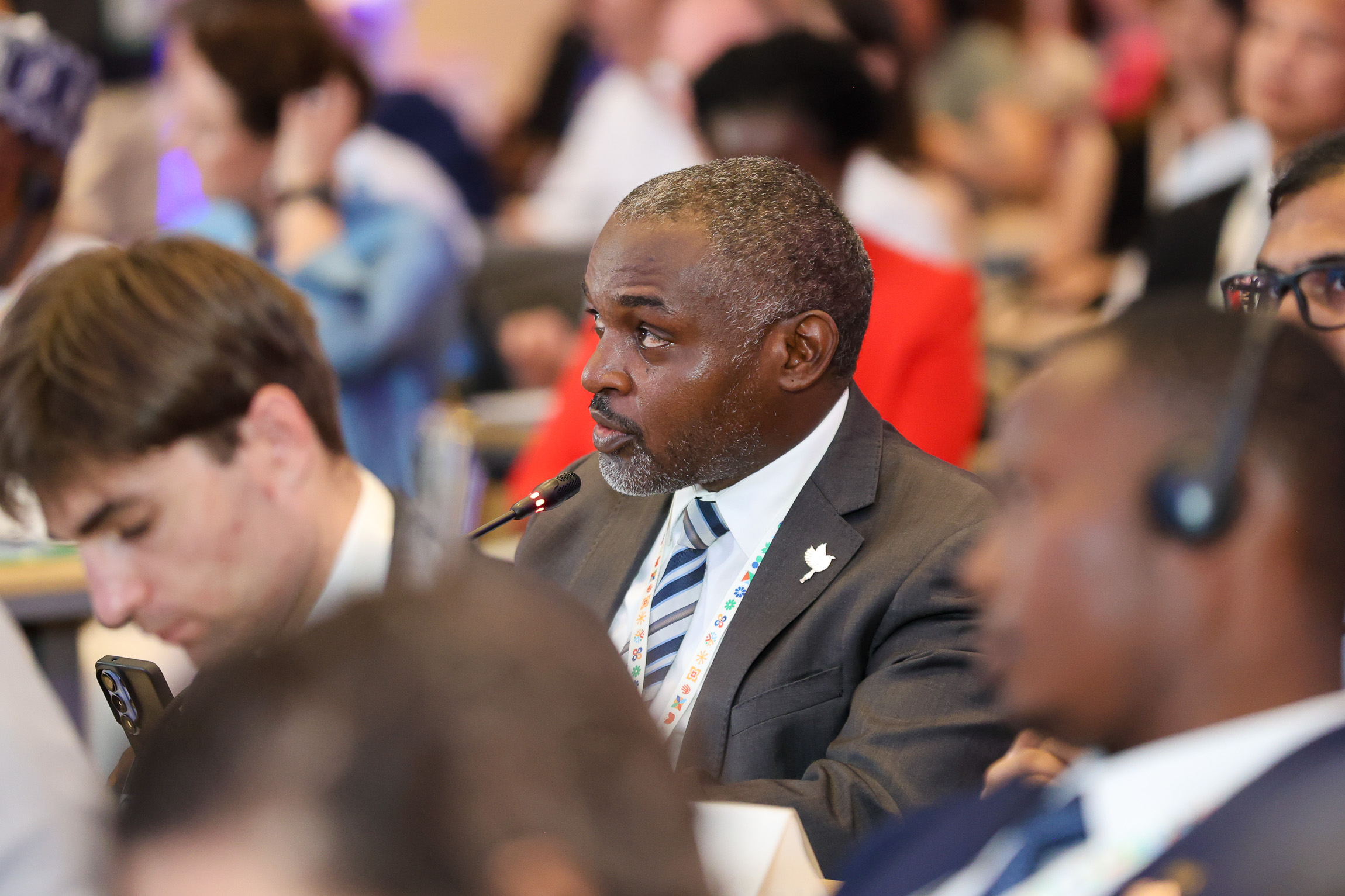
Chipiliro Brian Mpinganjira, Deputy Minister of Natural Resources, Malawi
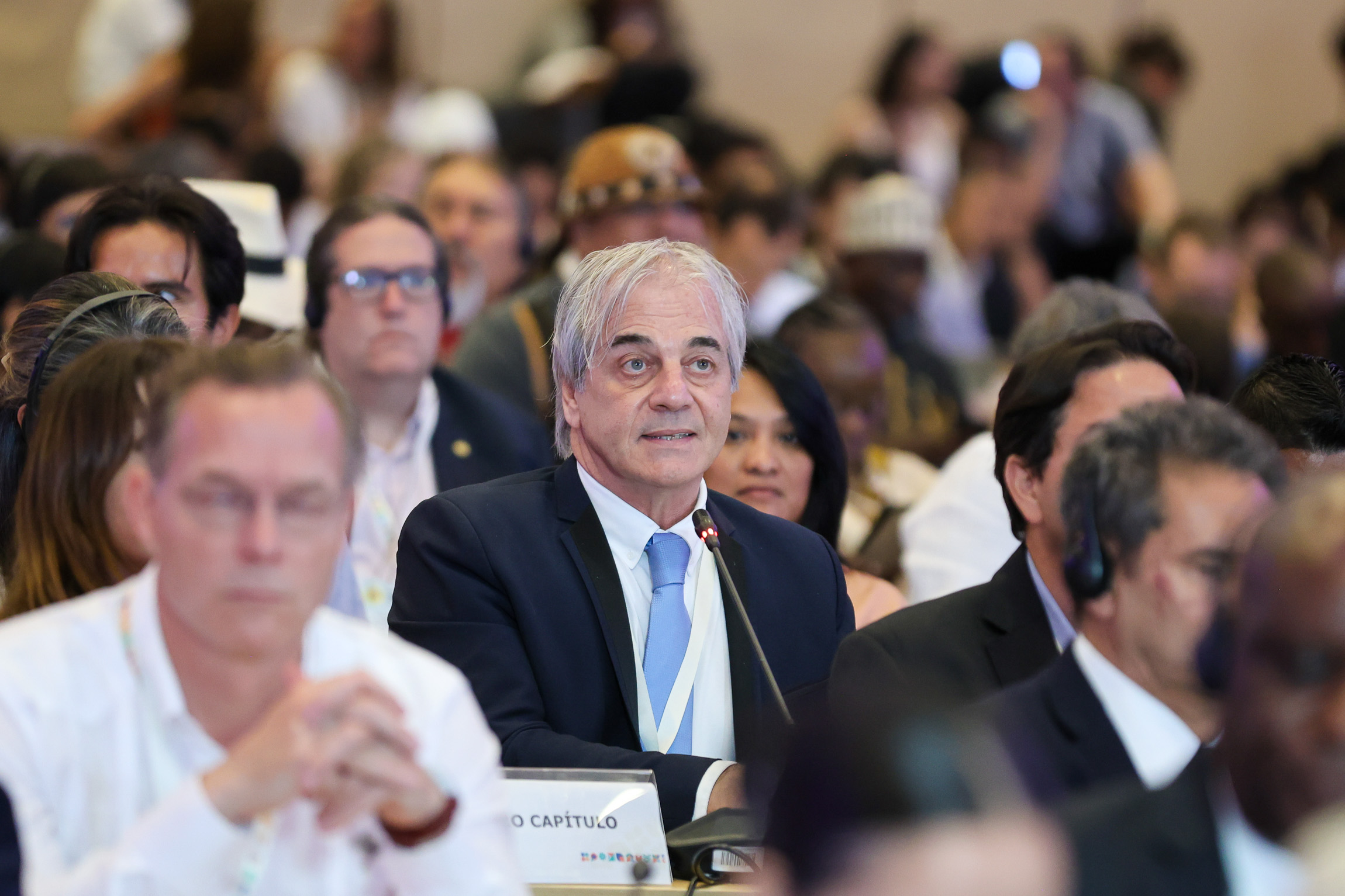
Jean Lemire, Special Envoy for Climate Change, Northern and Arctic Affairs, Government of Québec, Canada
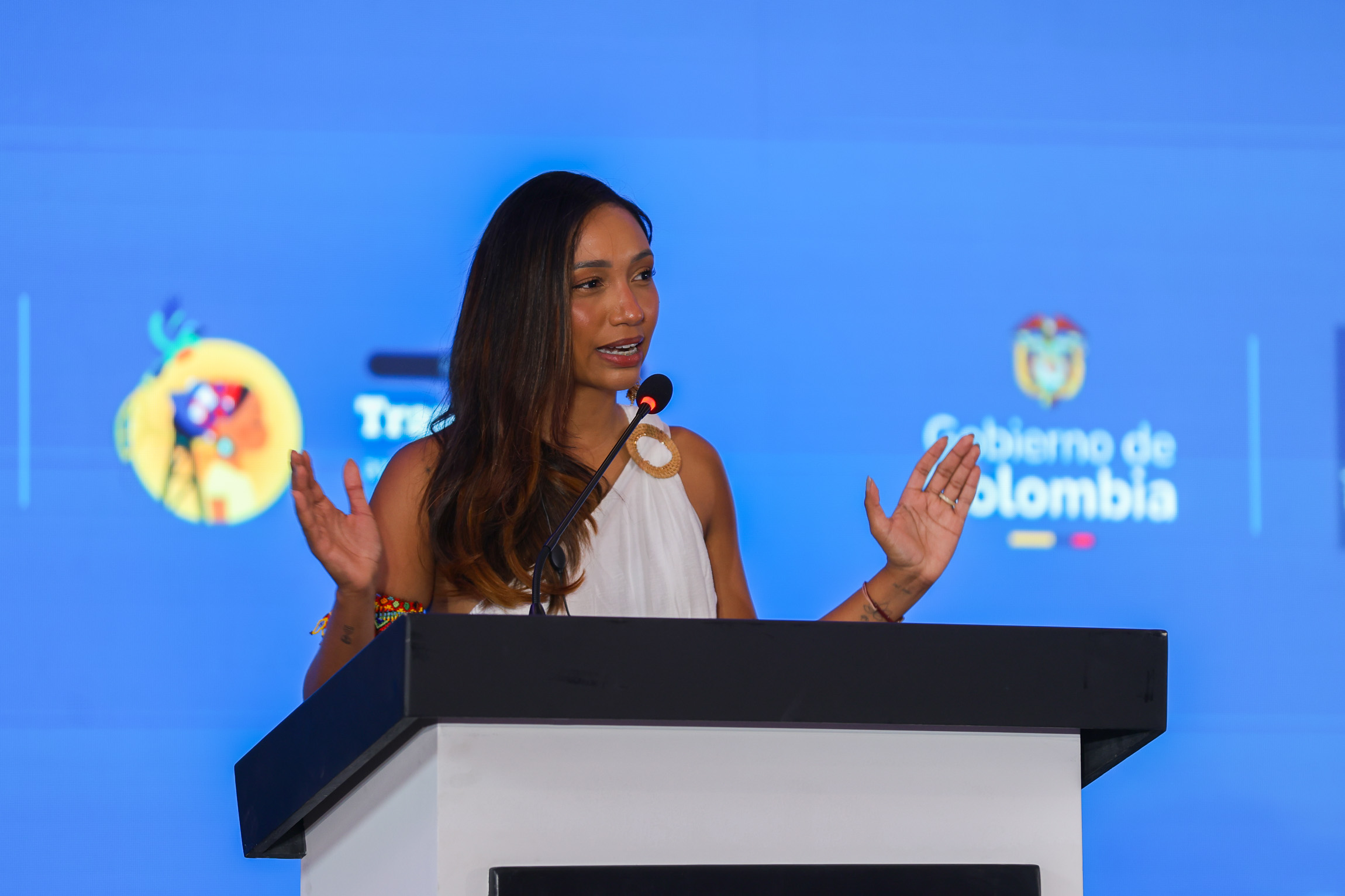
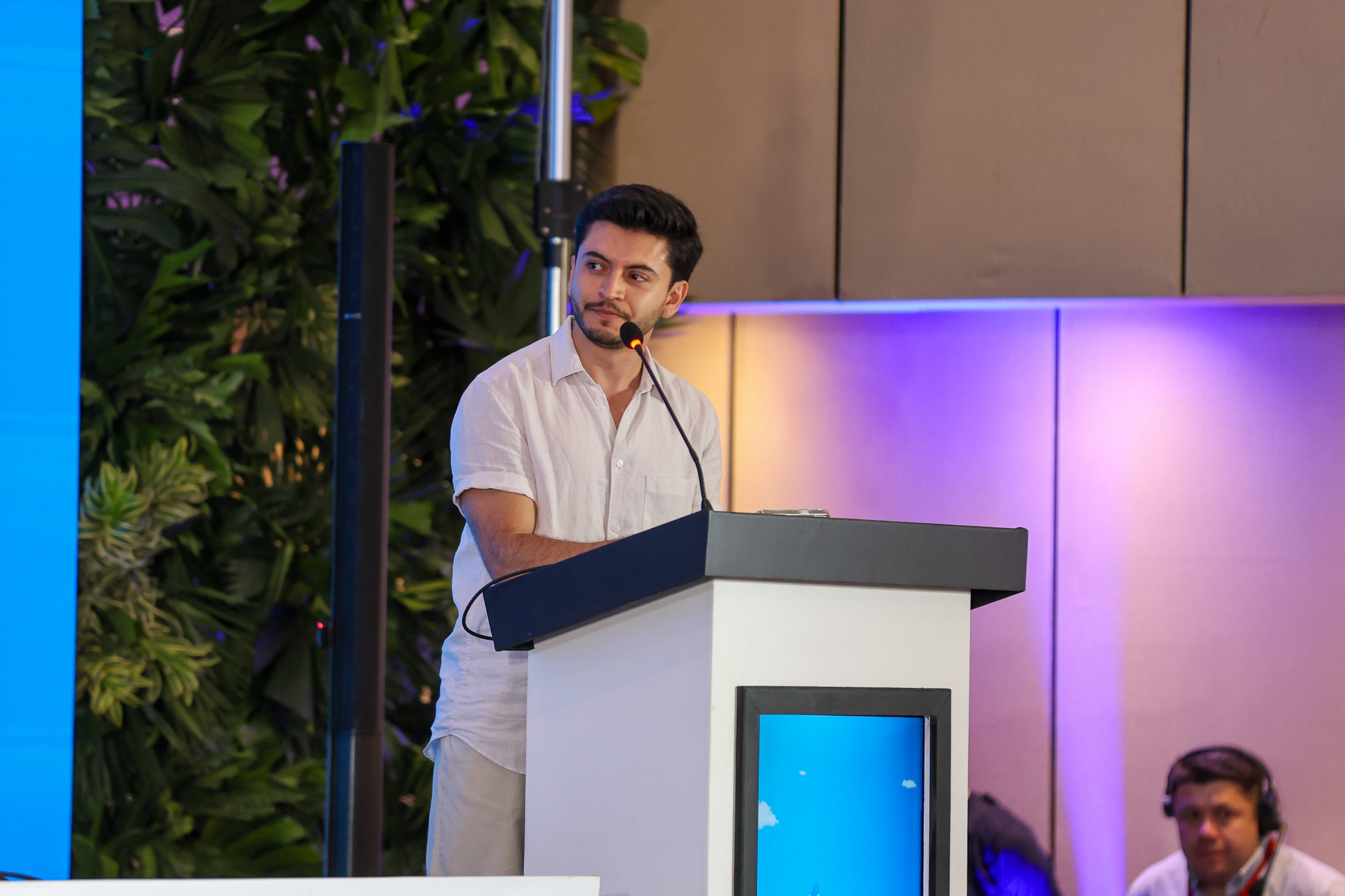
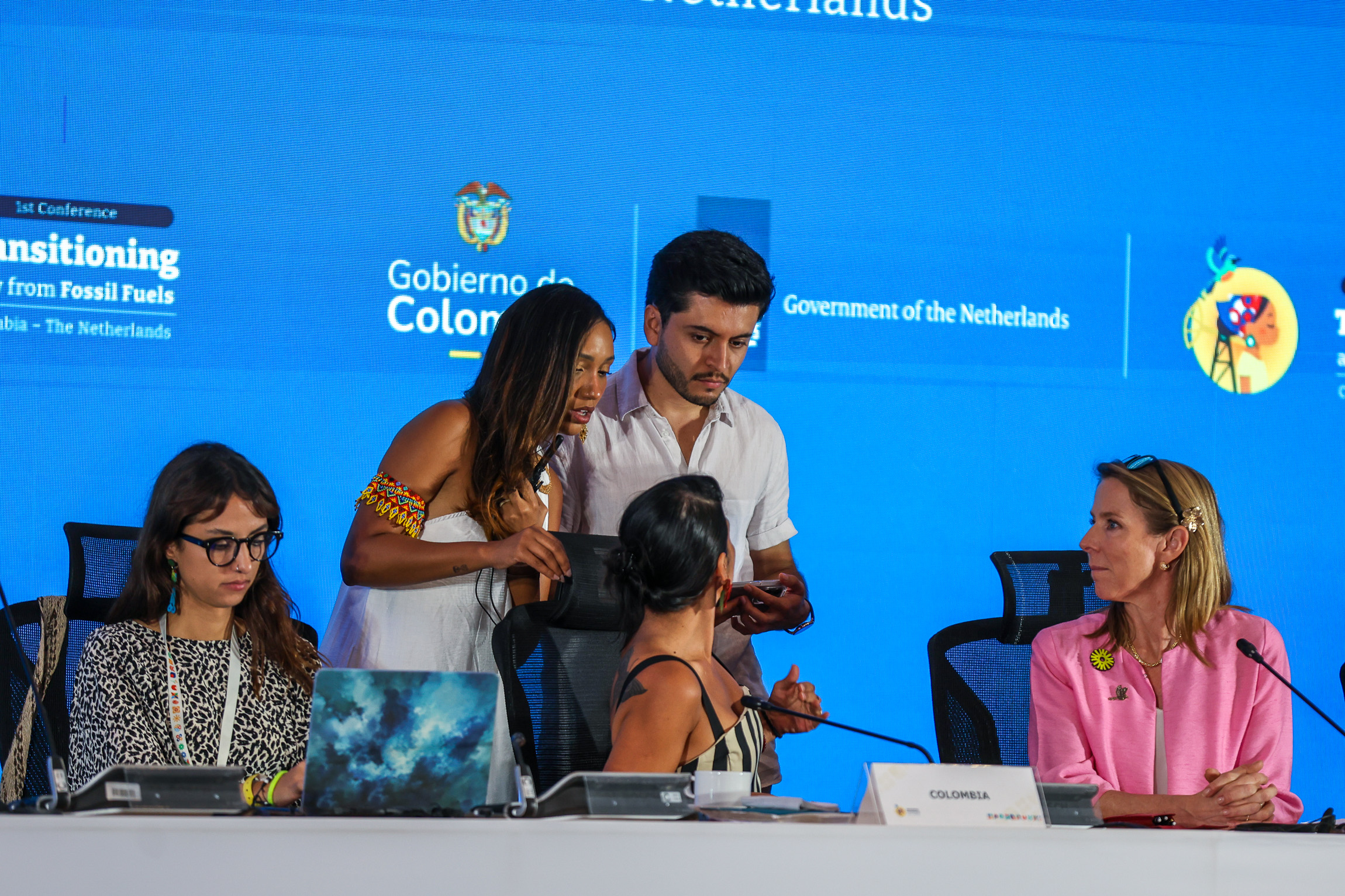

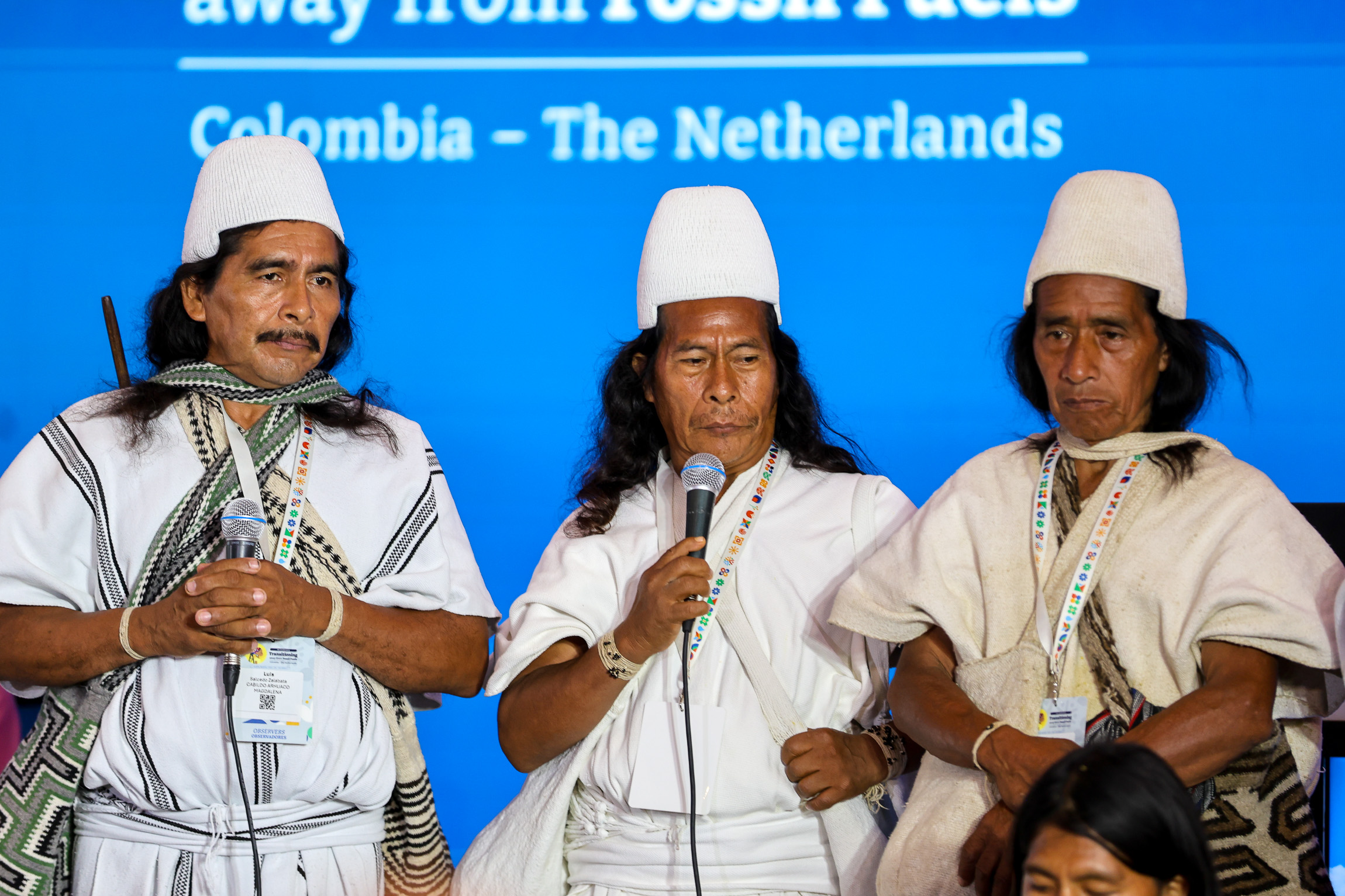

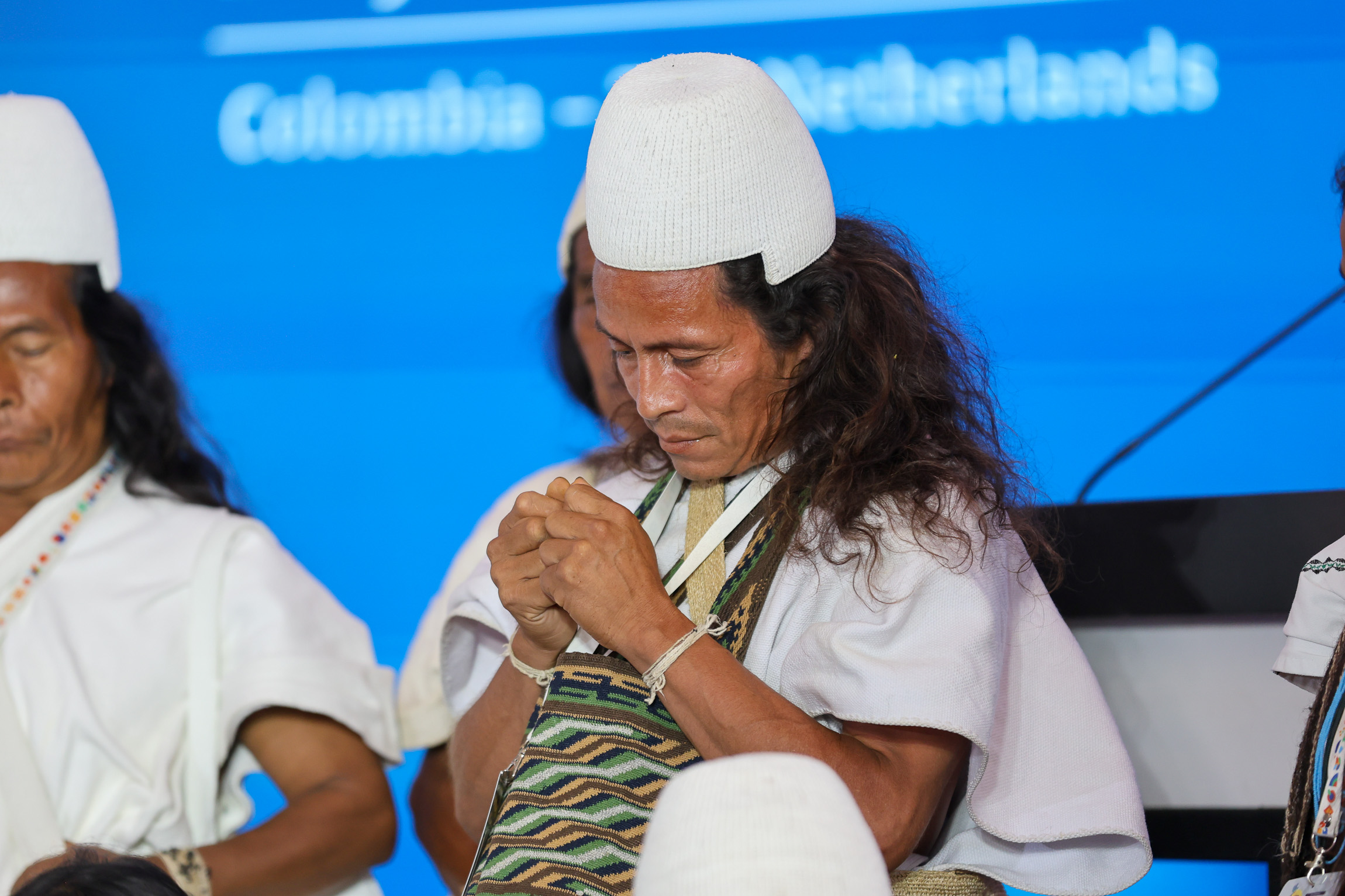
Breakout Sessions
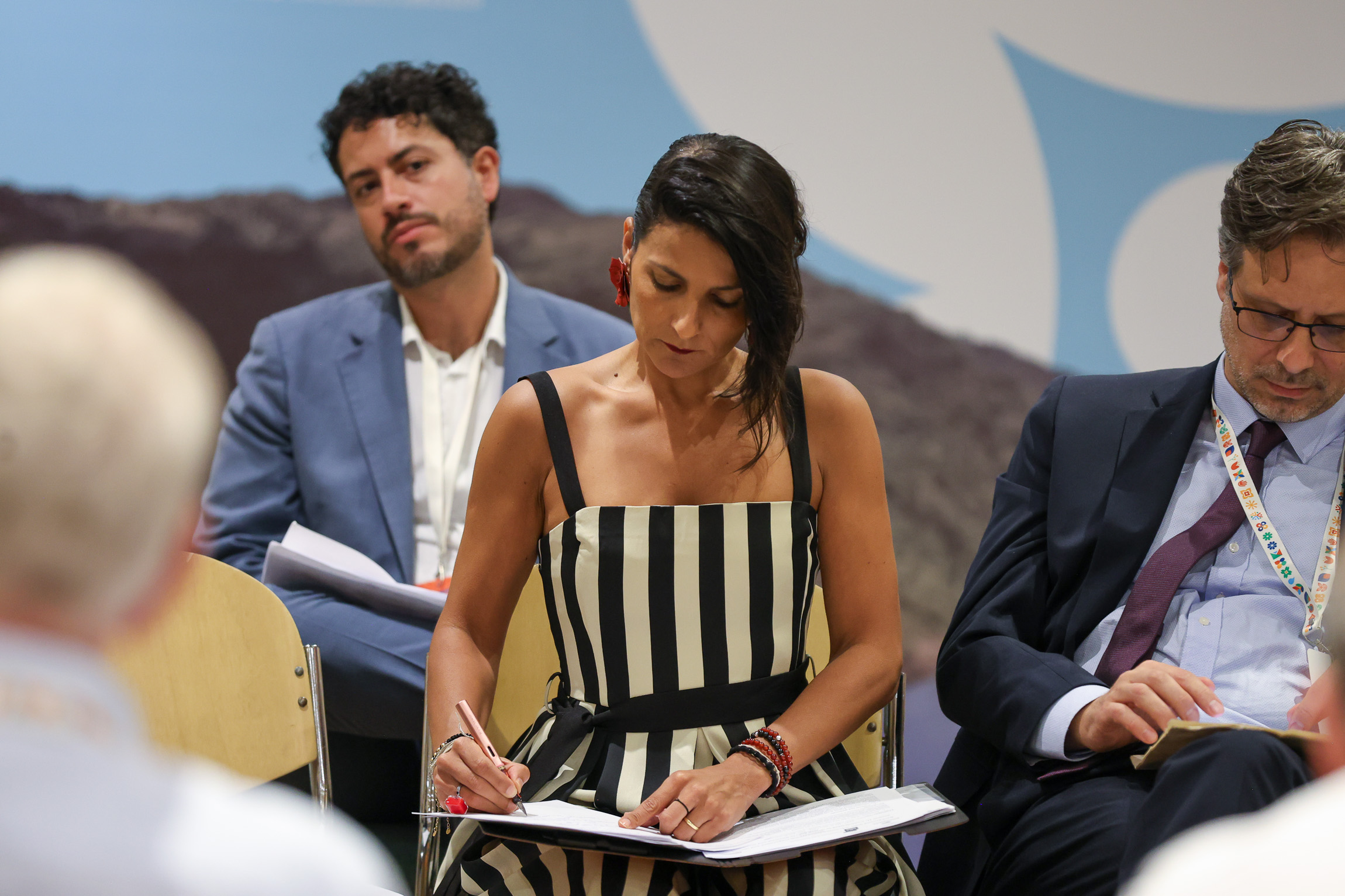
Irene Vélez Torres, Director, National Environmental Agency, Colombia
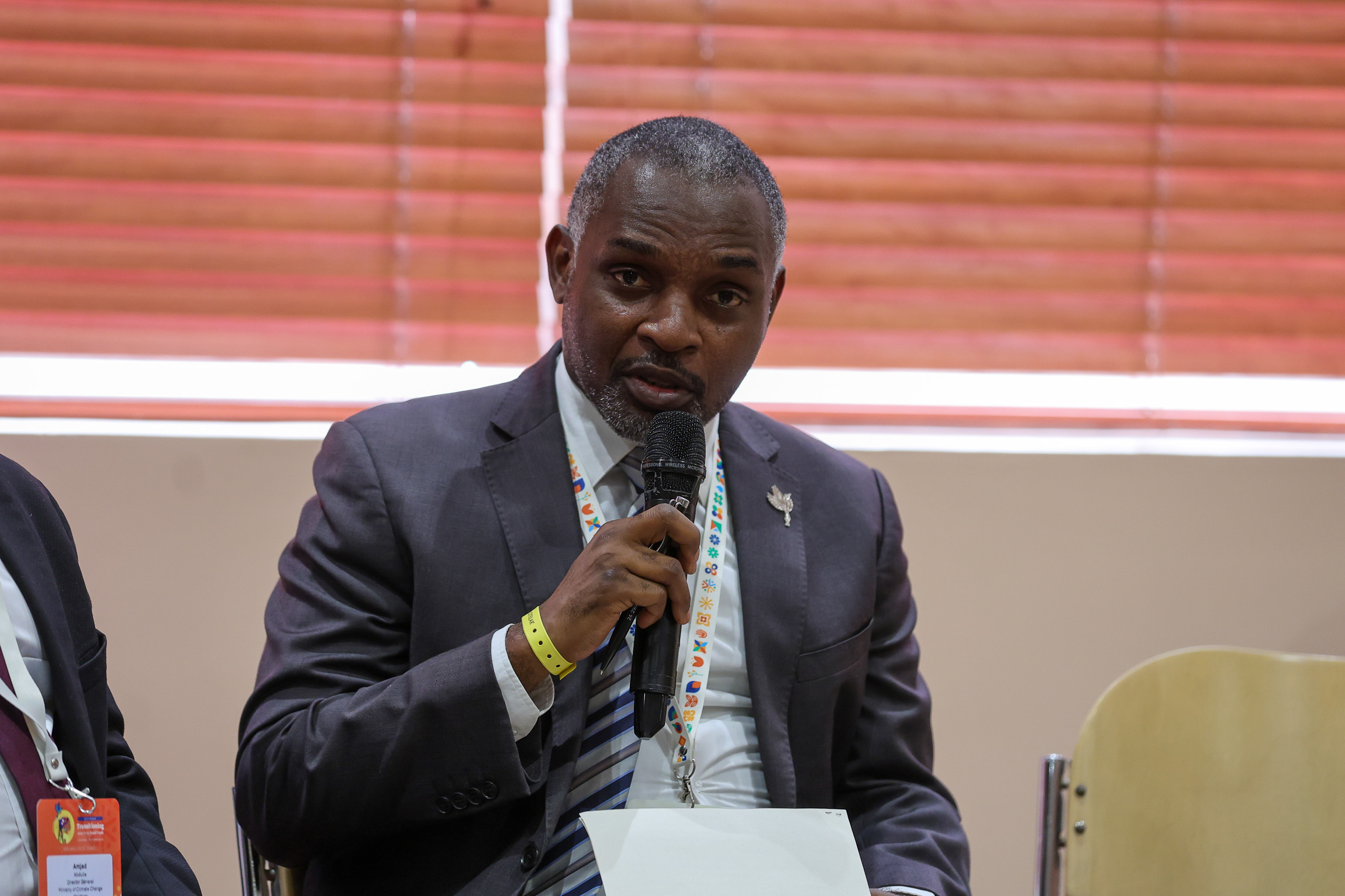
Chipiliro Brian Mpinganjira, Deputy Minister of Natural Resources, Malawi
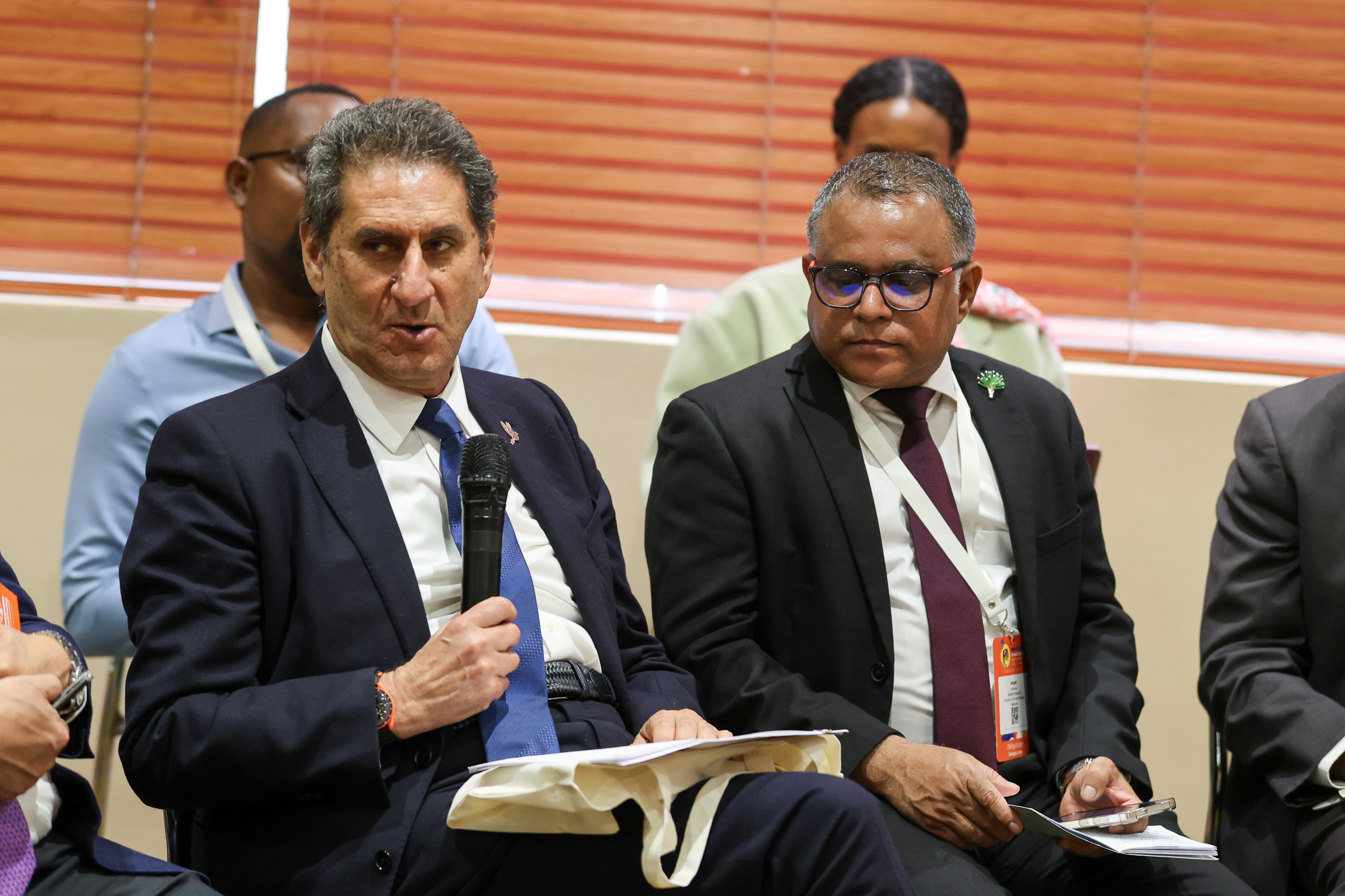
Francesco La Camera, Director-General, IRENA, and Amjad Abdulla, Maldives
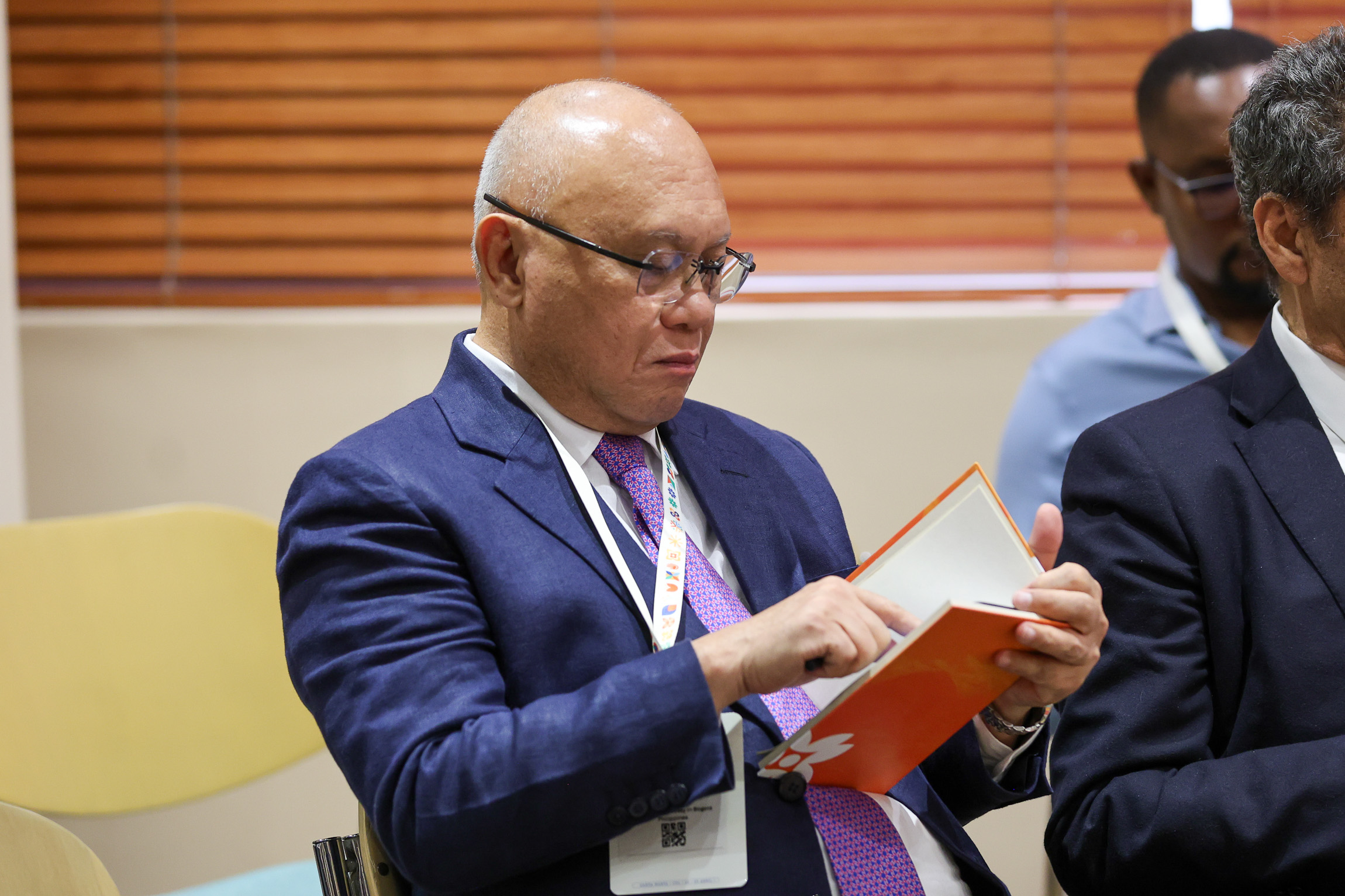
Adrian Bernie Candolada, Ambassador to Colombia, the Philippines
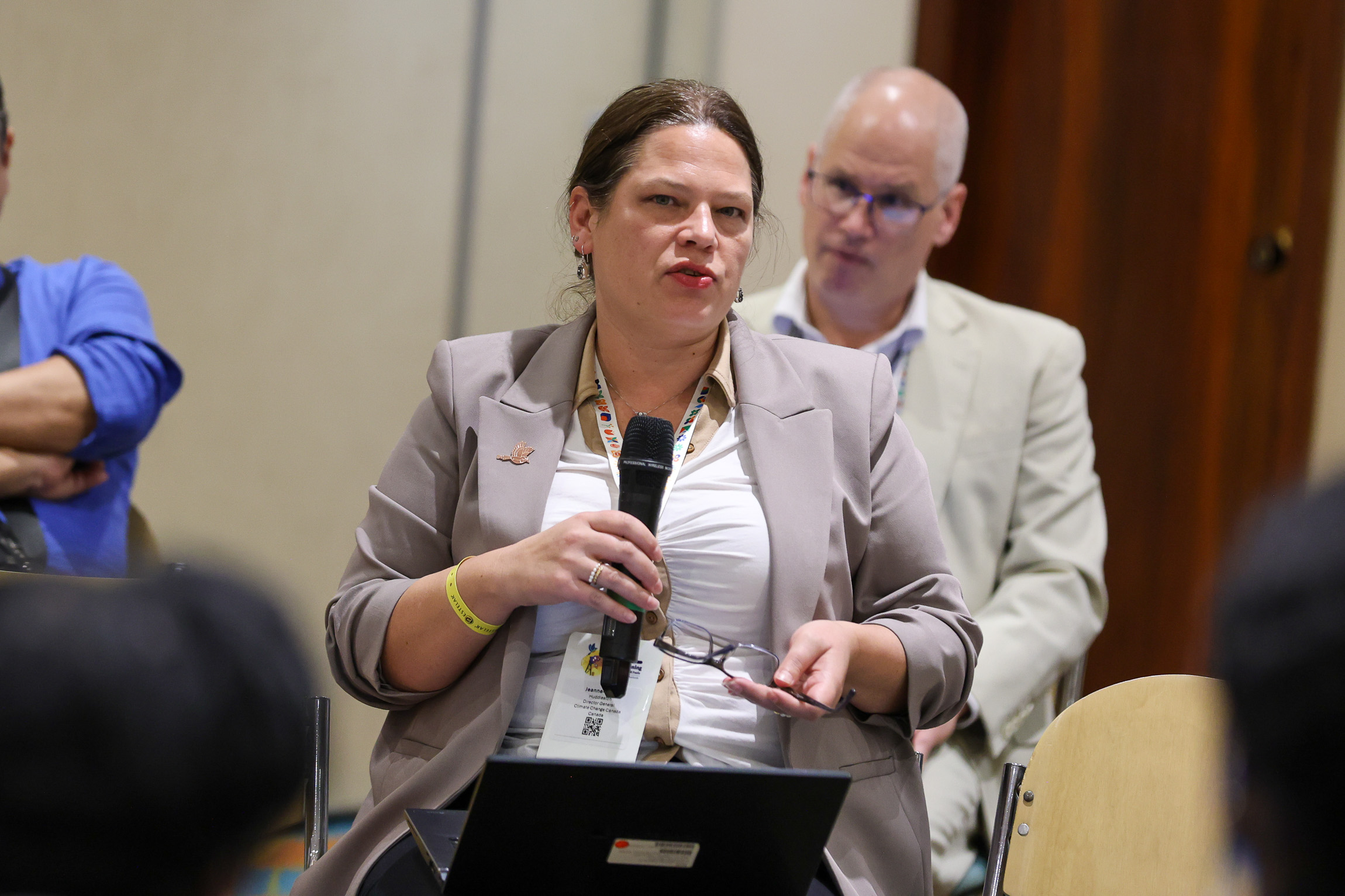
Jeanne-Marie Huddleston, Director General, Environment and Climate Change Canada
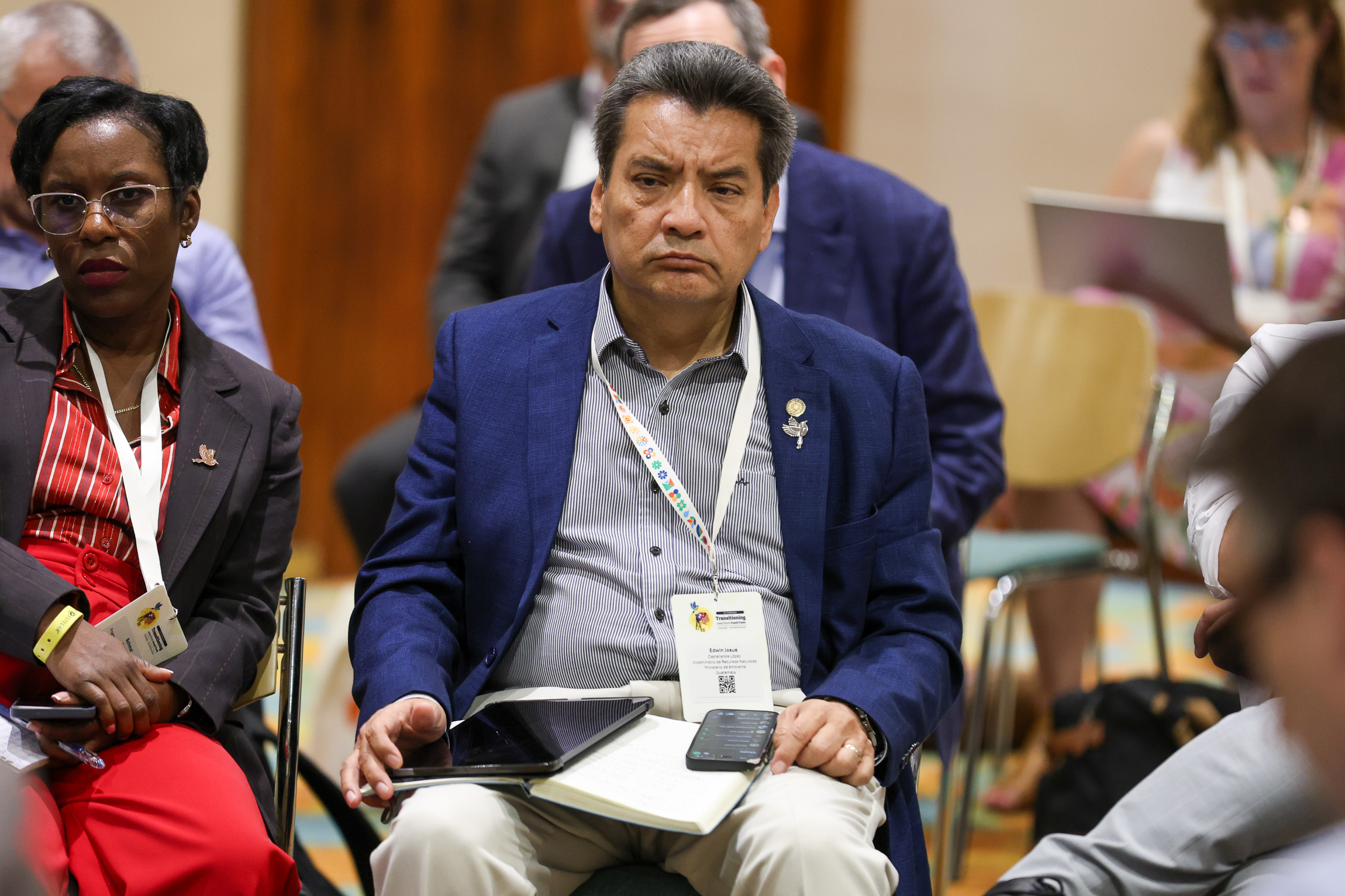
Edwin Josué Castellanos López, Vice Minister of Natural Resources and Climate Change, Guatemala
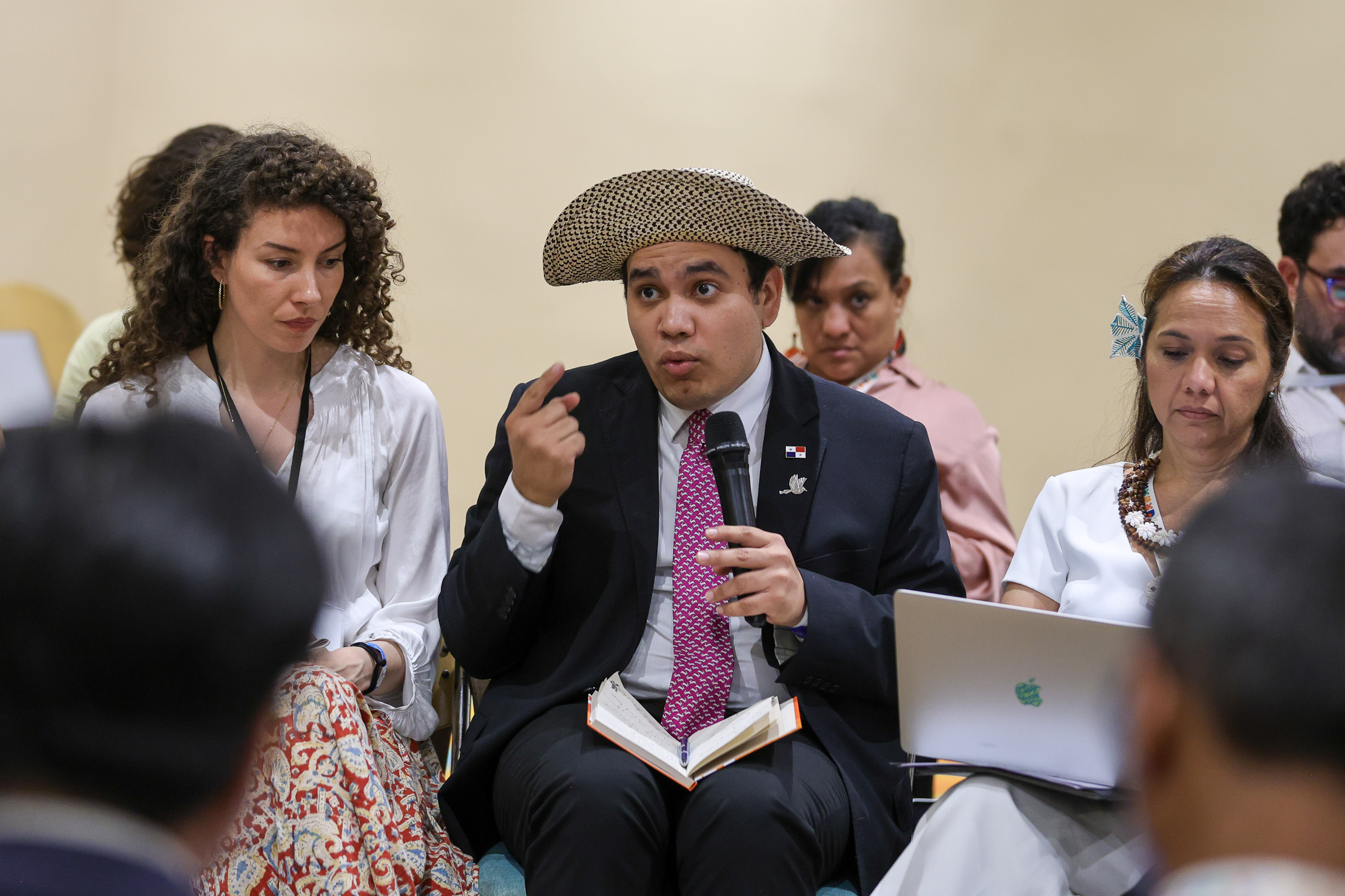
Juan Carlos Monterrey Gómez, Panama
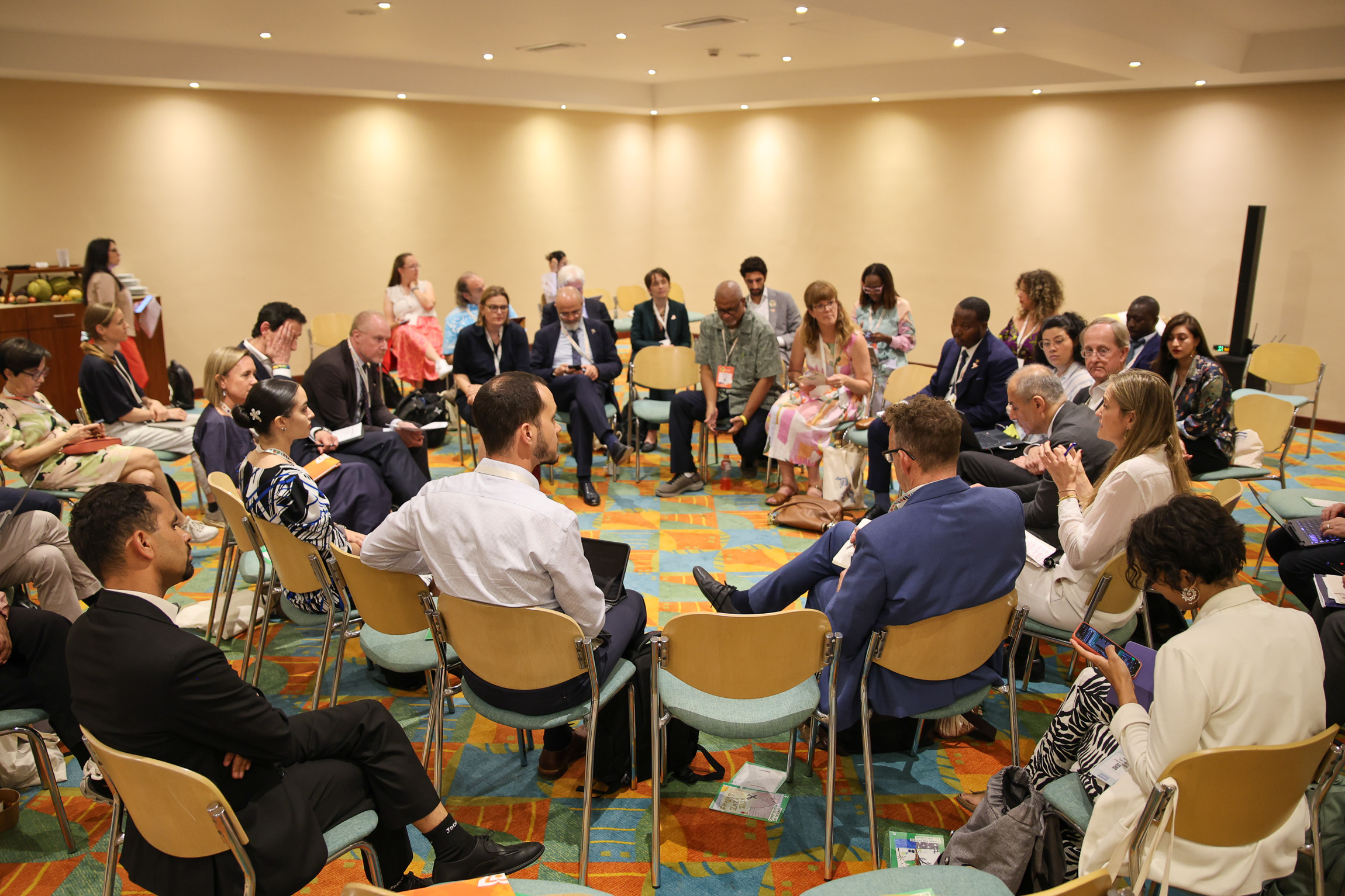
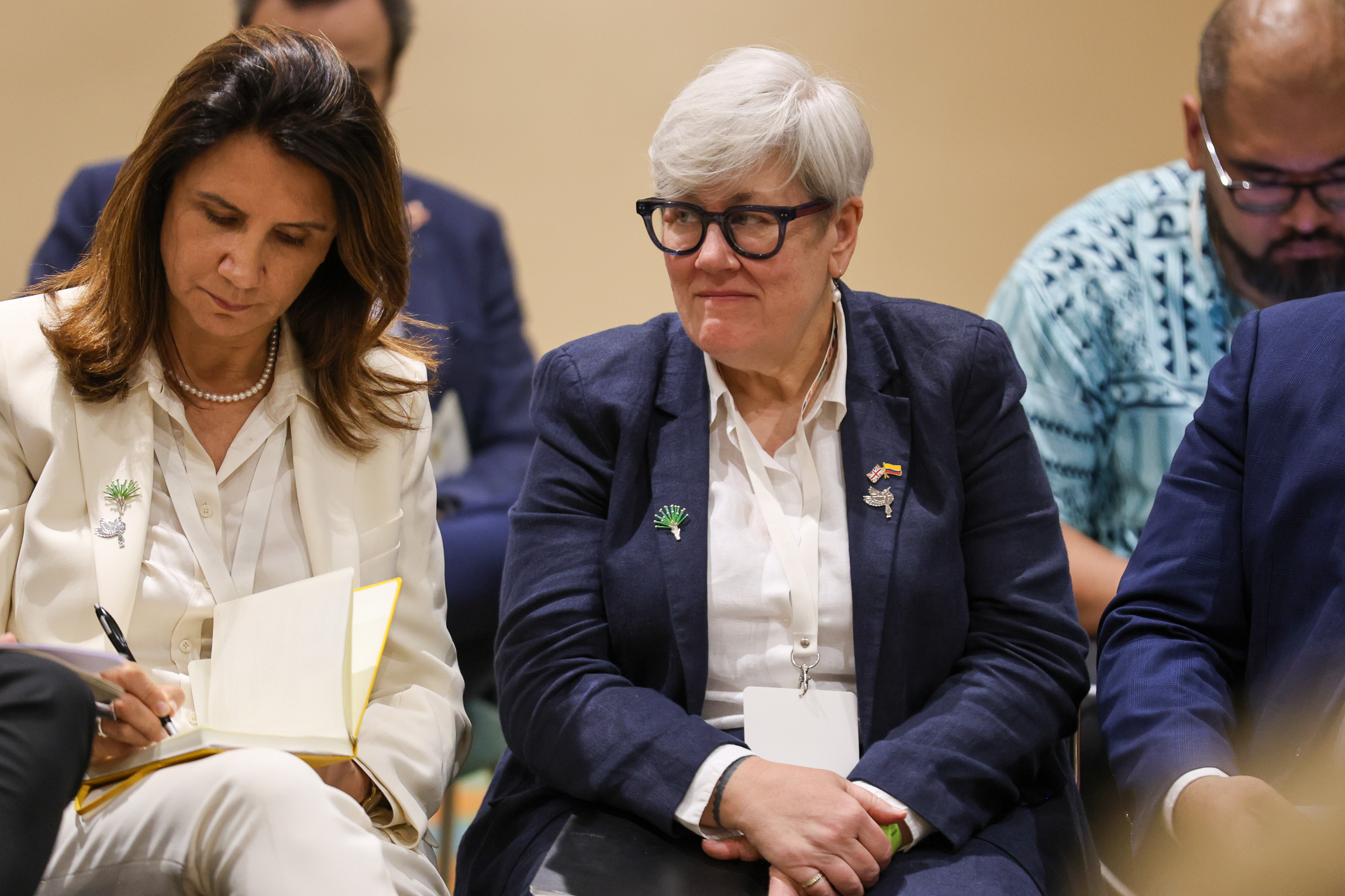
Rachel Kyte, Special Representative for Climate, UK
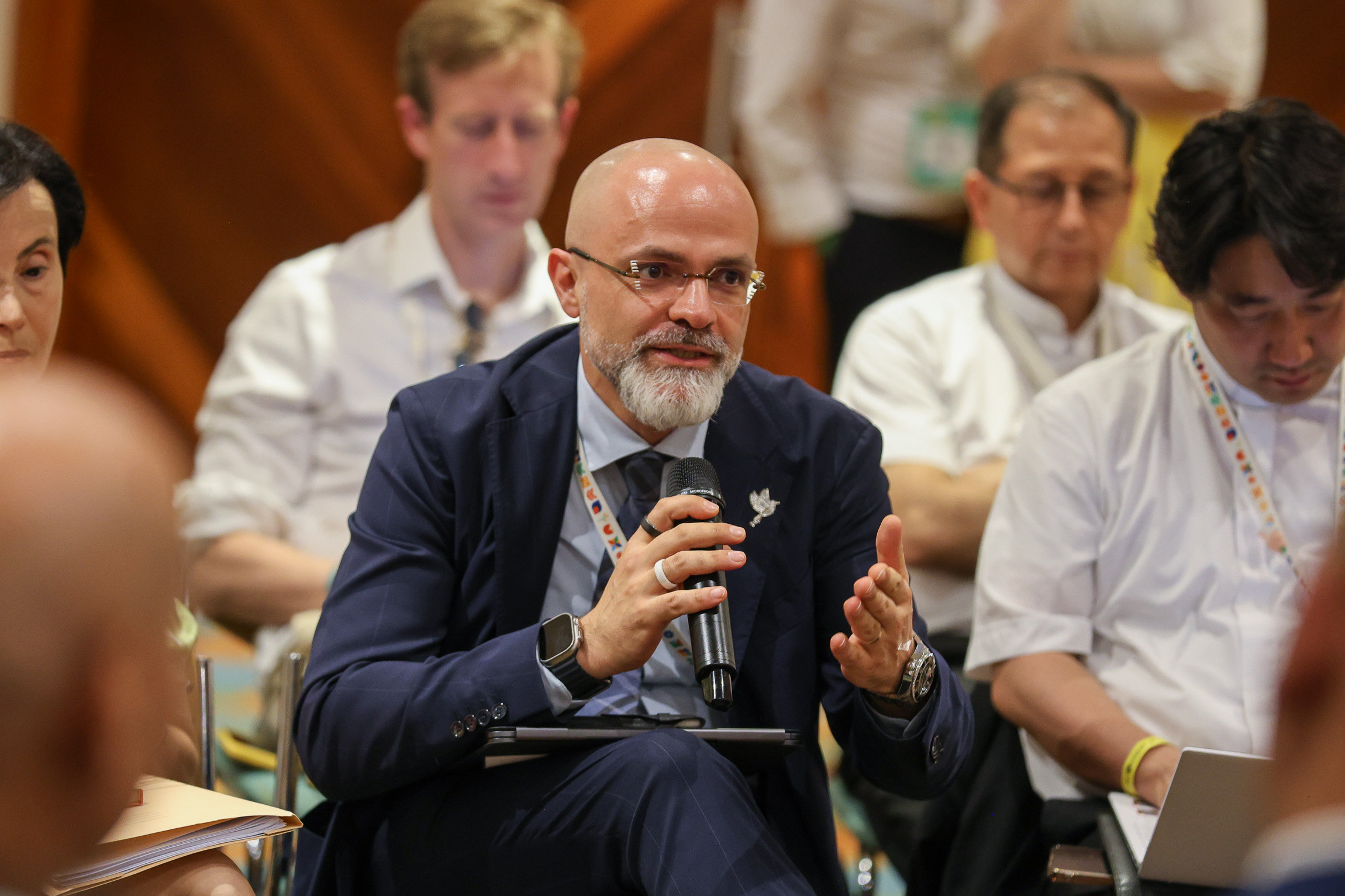
Francesco Corvaro, Special Envoy for Climate Change, Italy
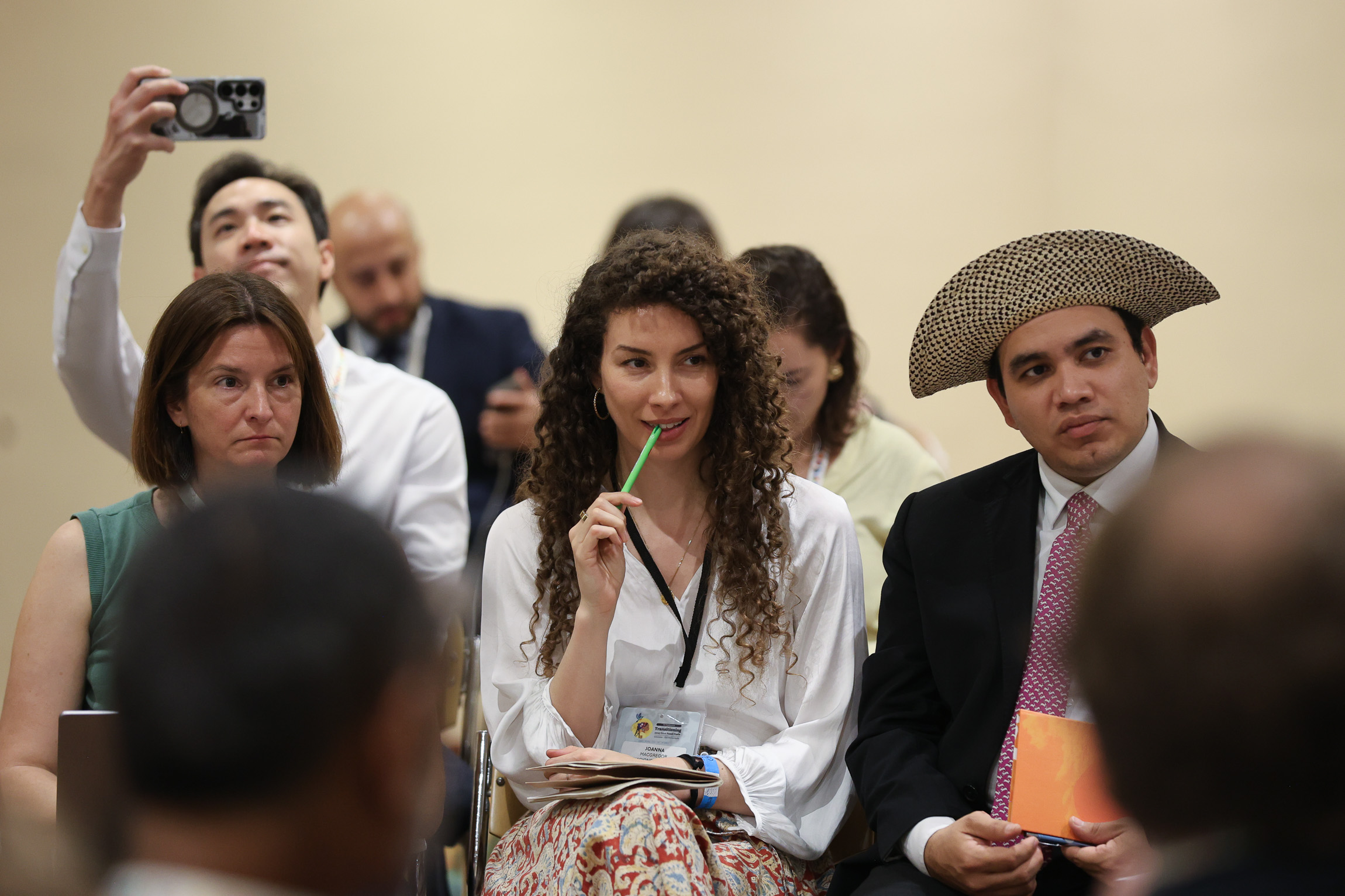
Joanna MacGregor, UN Framework Convention on Climate Change (UNFCCC) Secretariat
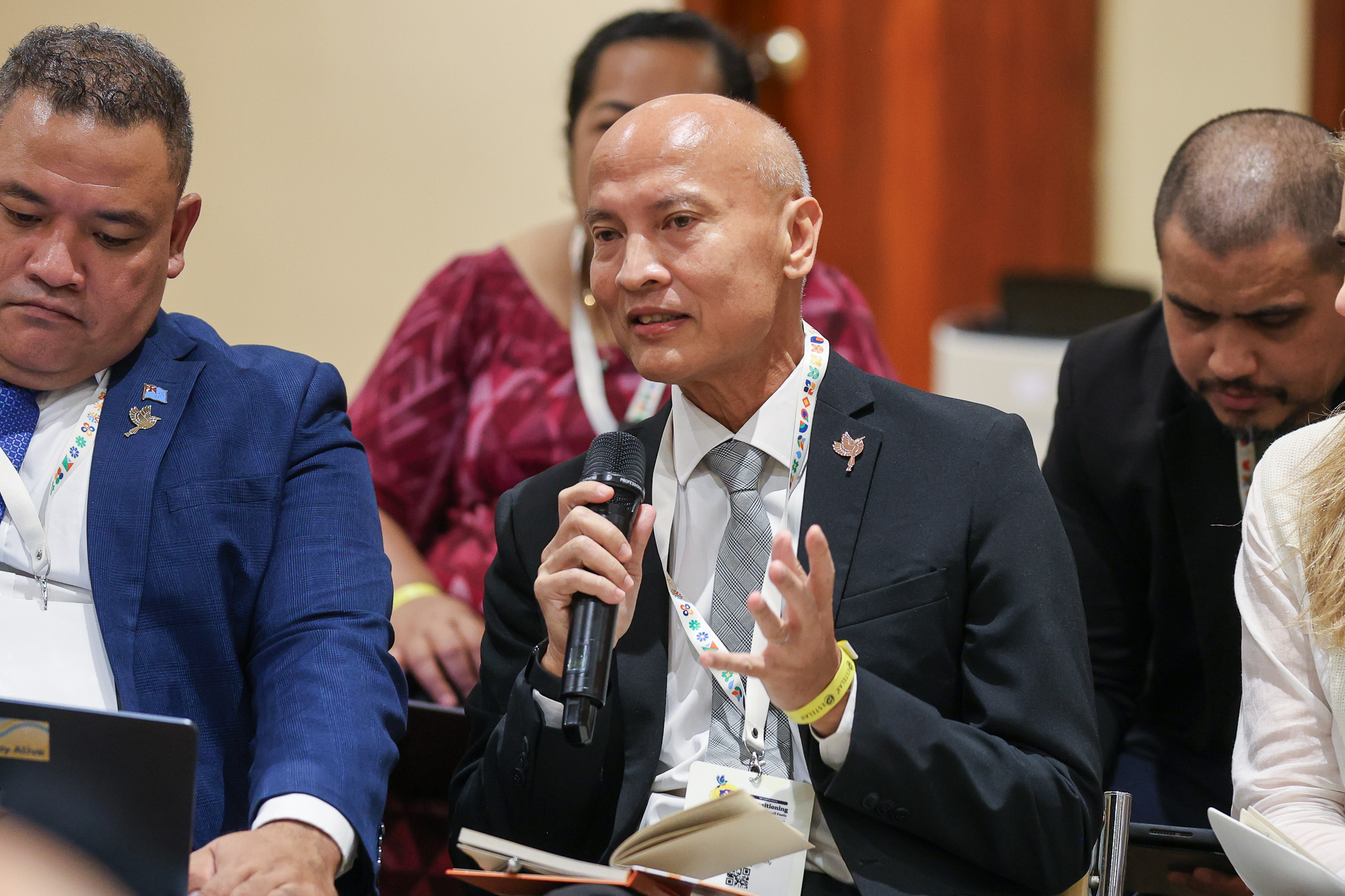
Joseph Teo, Singapore
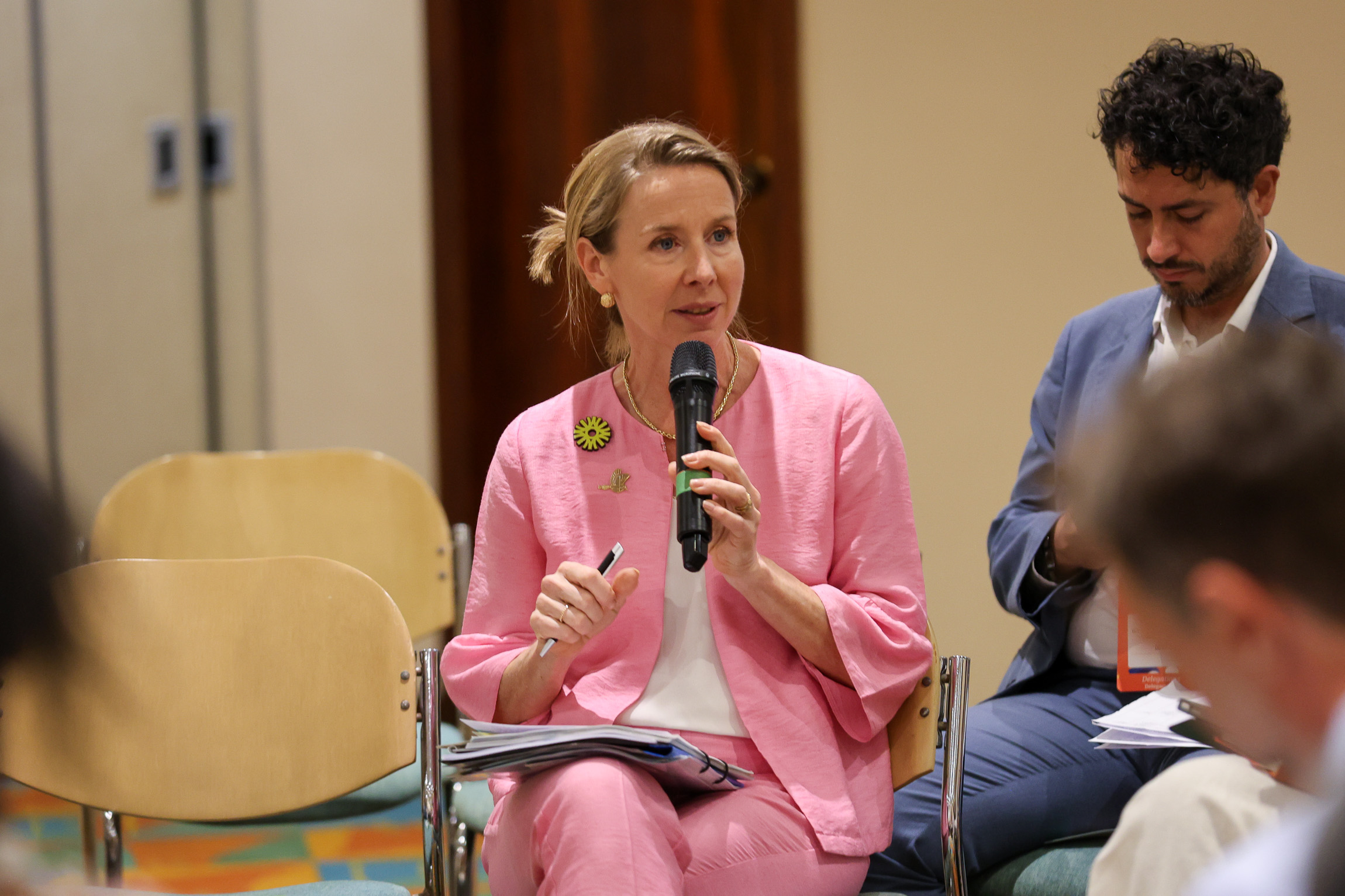
Stientje van Veldhoven, Minister of Climate Policy and Green Growth, the Netherlands
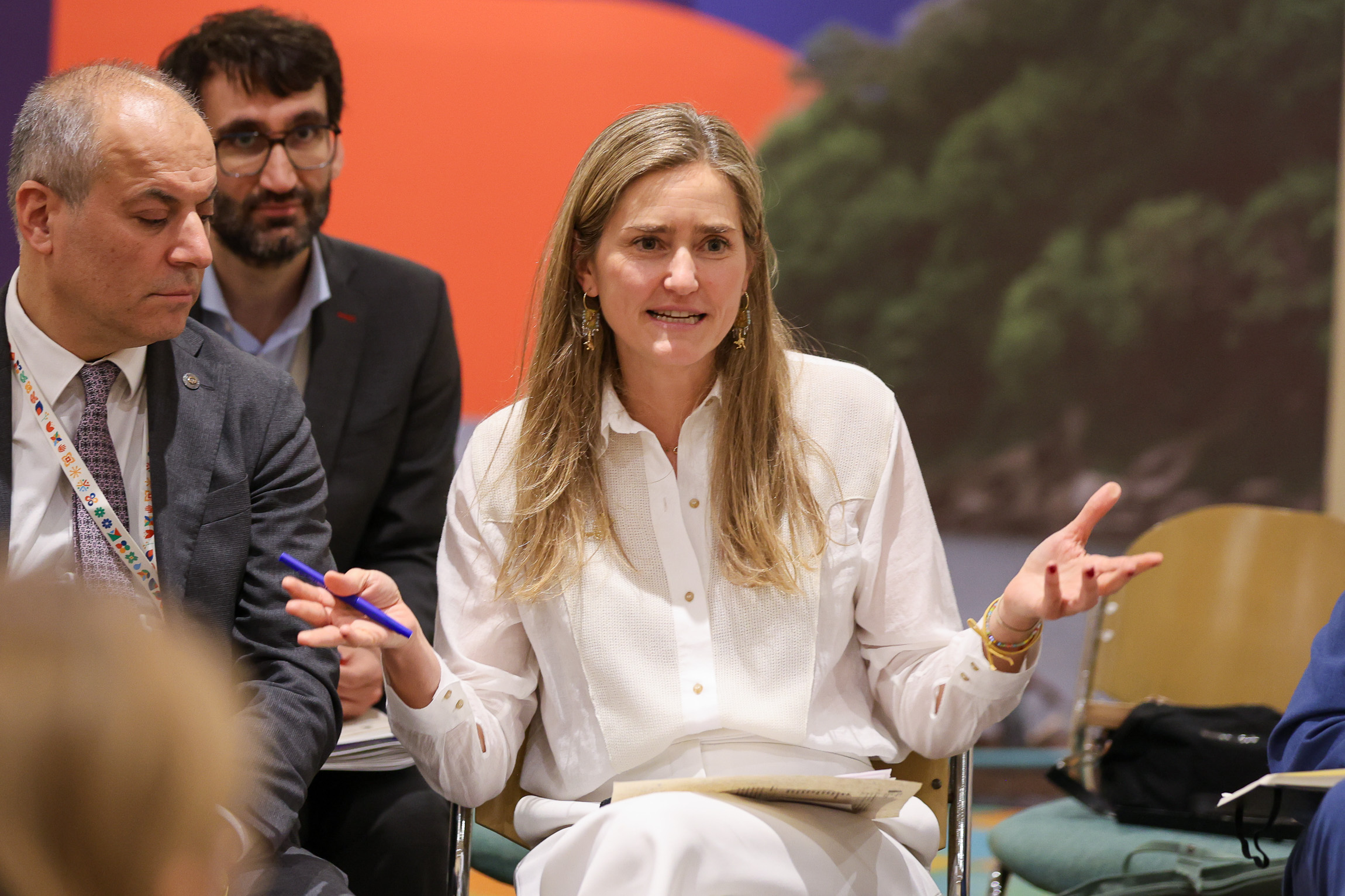
Sara Aagesen Muñoz, Minister for the Ecological Transition, Spain
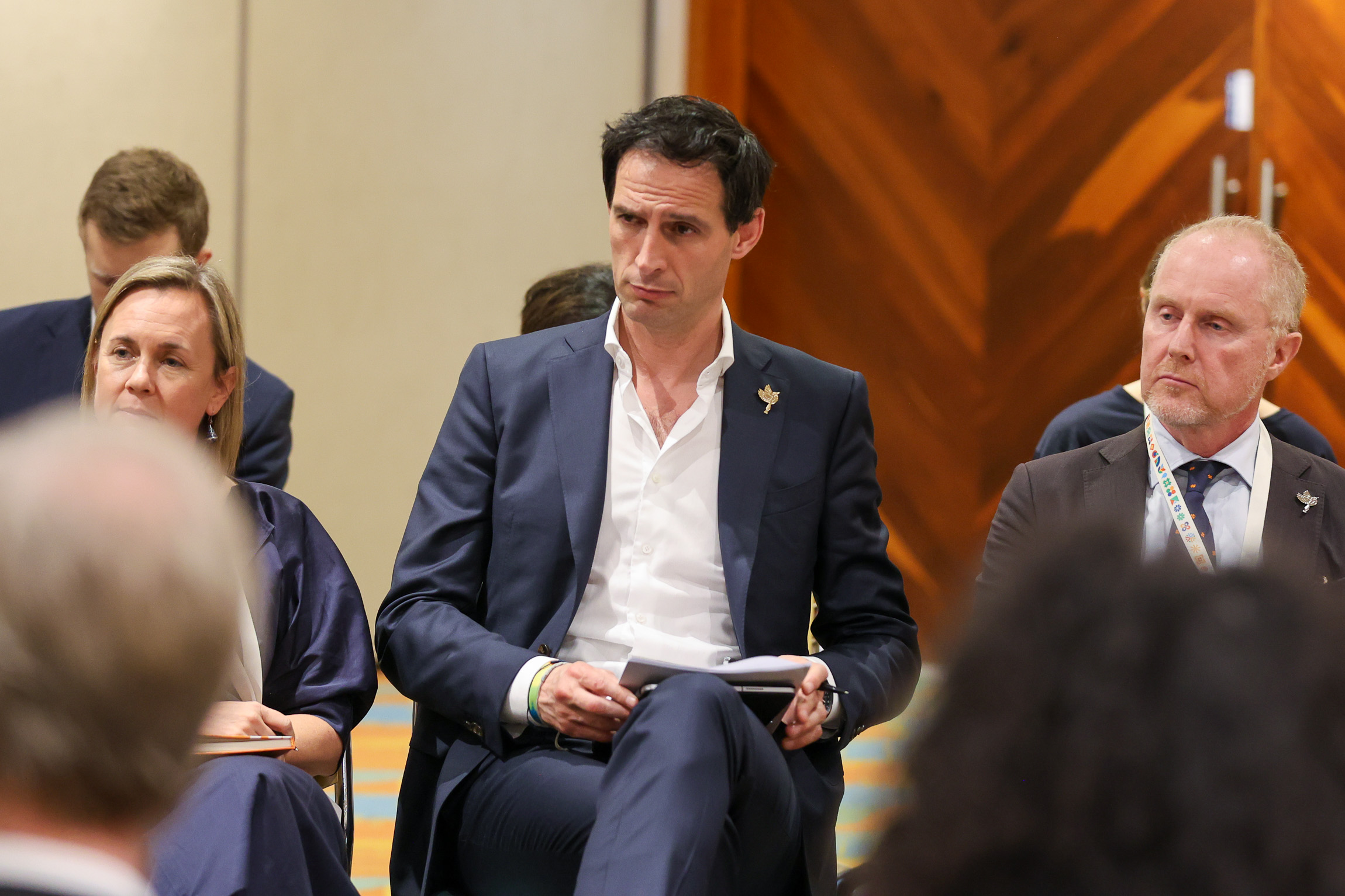
Wopke Hoekstra, EU Commissioner for Climate, Net Zero and Clean Growth
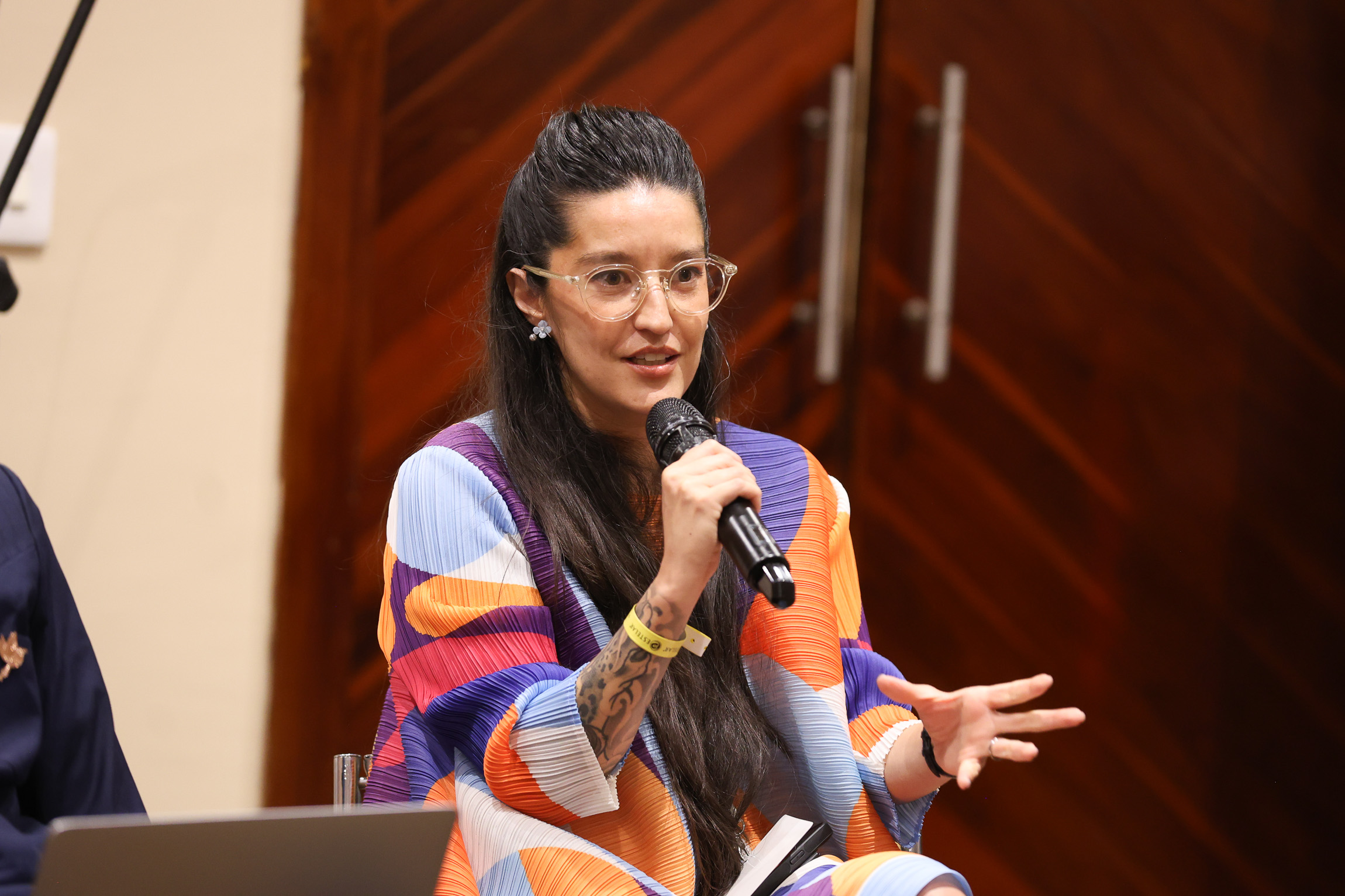
Camila Isabel Zepeda Lizama, Mexico
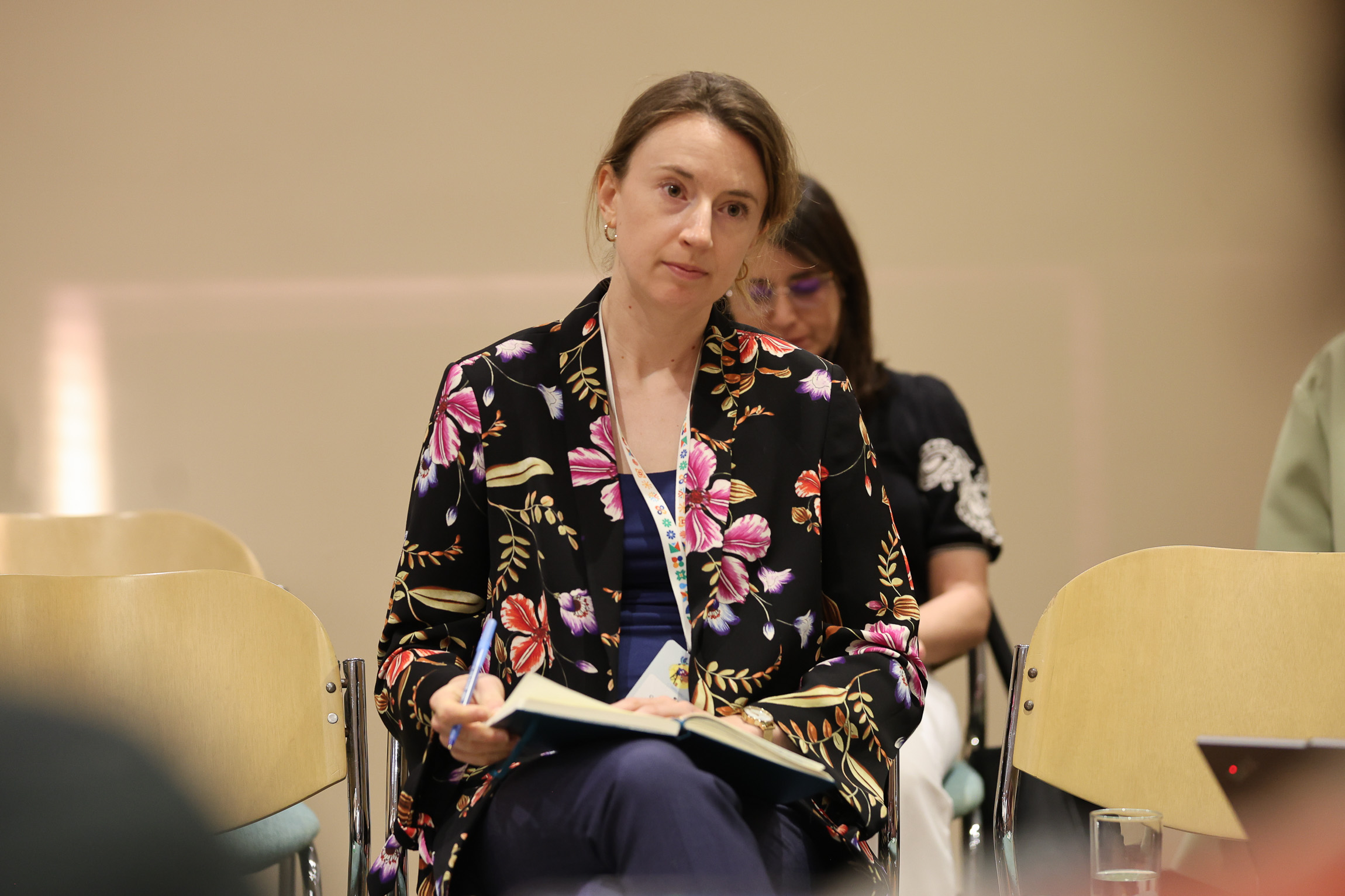
Sarah Izant, Deputy Secretary for Climate Policy, State of California, US
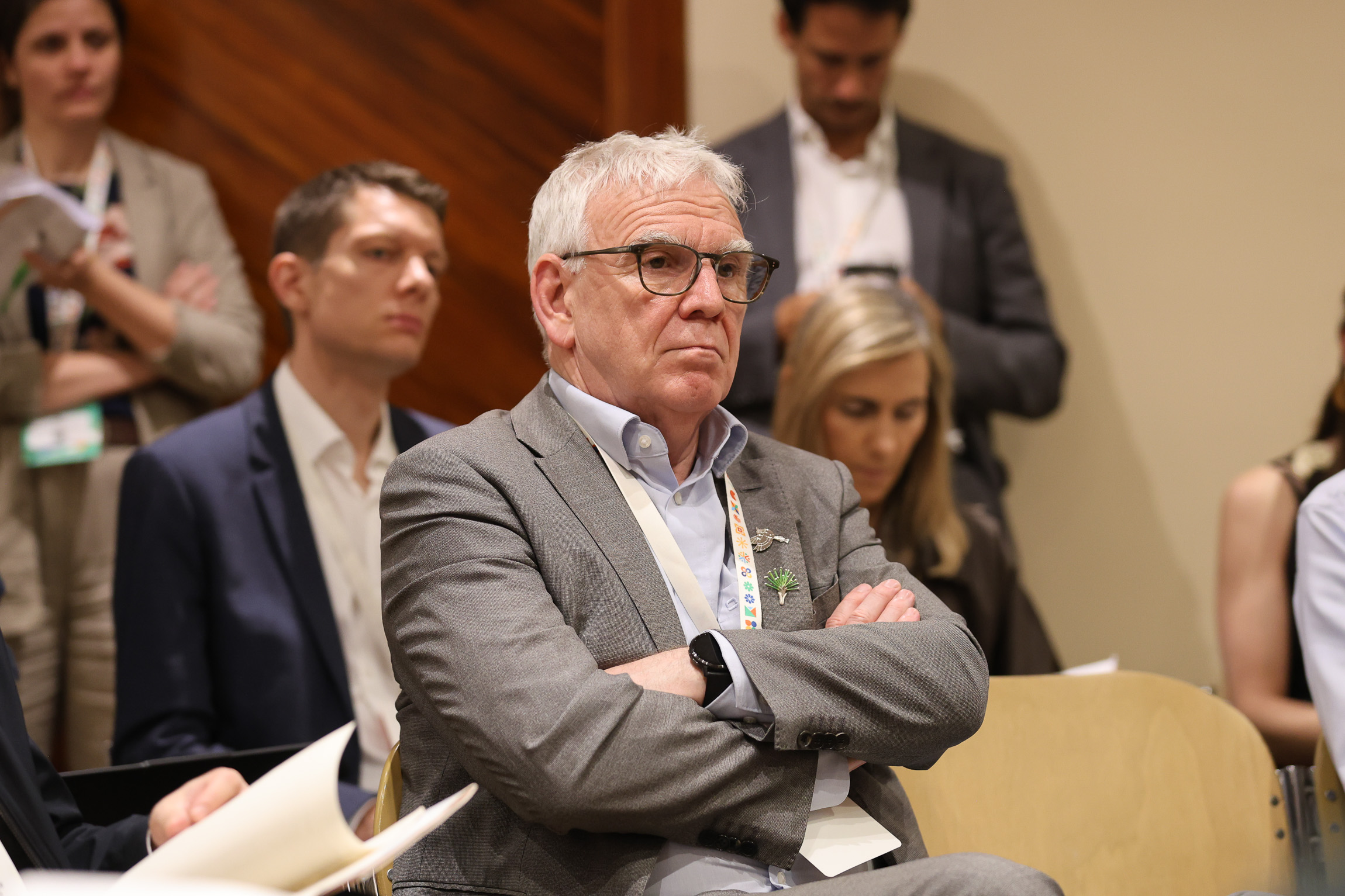
Jochen Flasbarth, State Secretary, Federal Ministry for the Environment, Climate Action, Nature Conservation, and Nuclear Safety, Germany
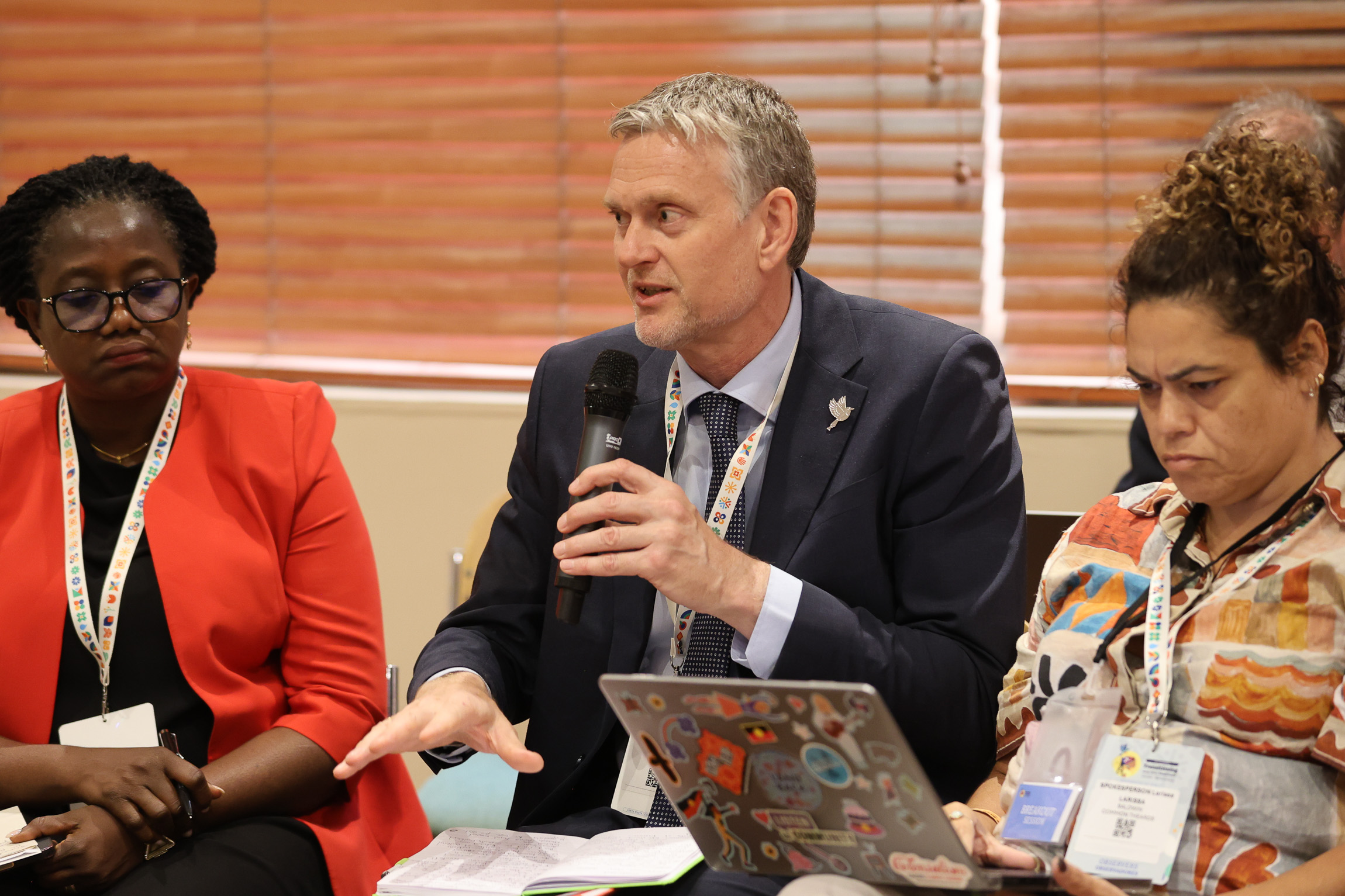
Ole Thonke, Denmark
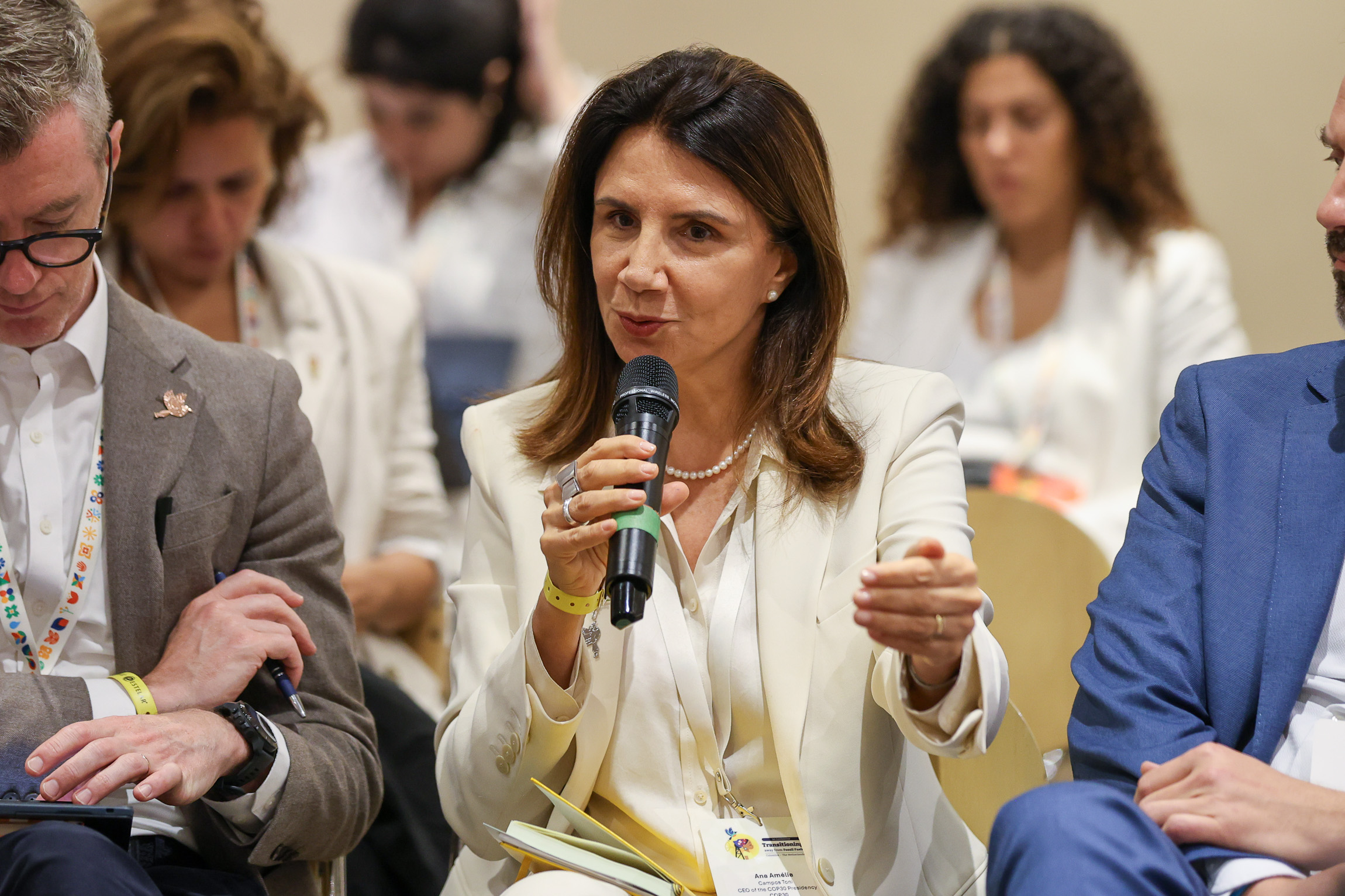
COP 30 Chief Executive Officer Ana Toni, Brazil
Between Sessions
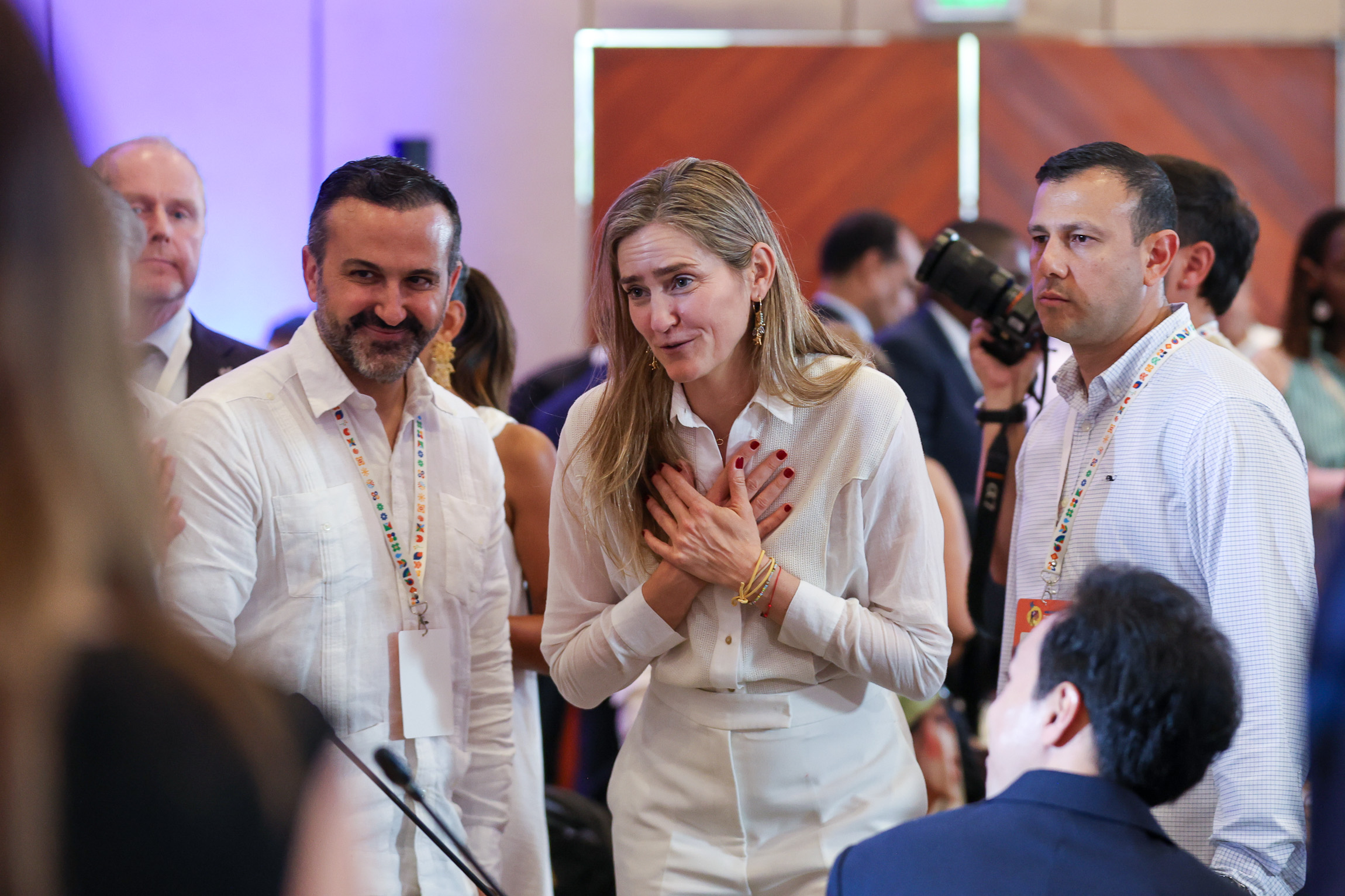
Sara Aagesen Muñoz, Minister for the Ecological Transition, Spain
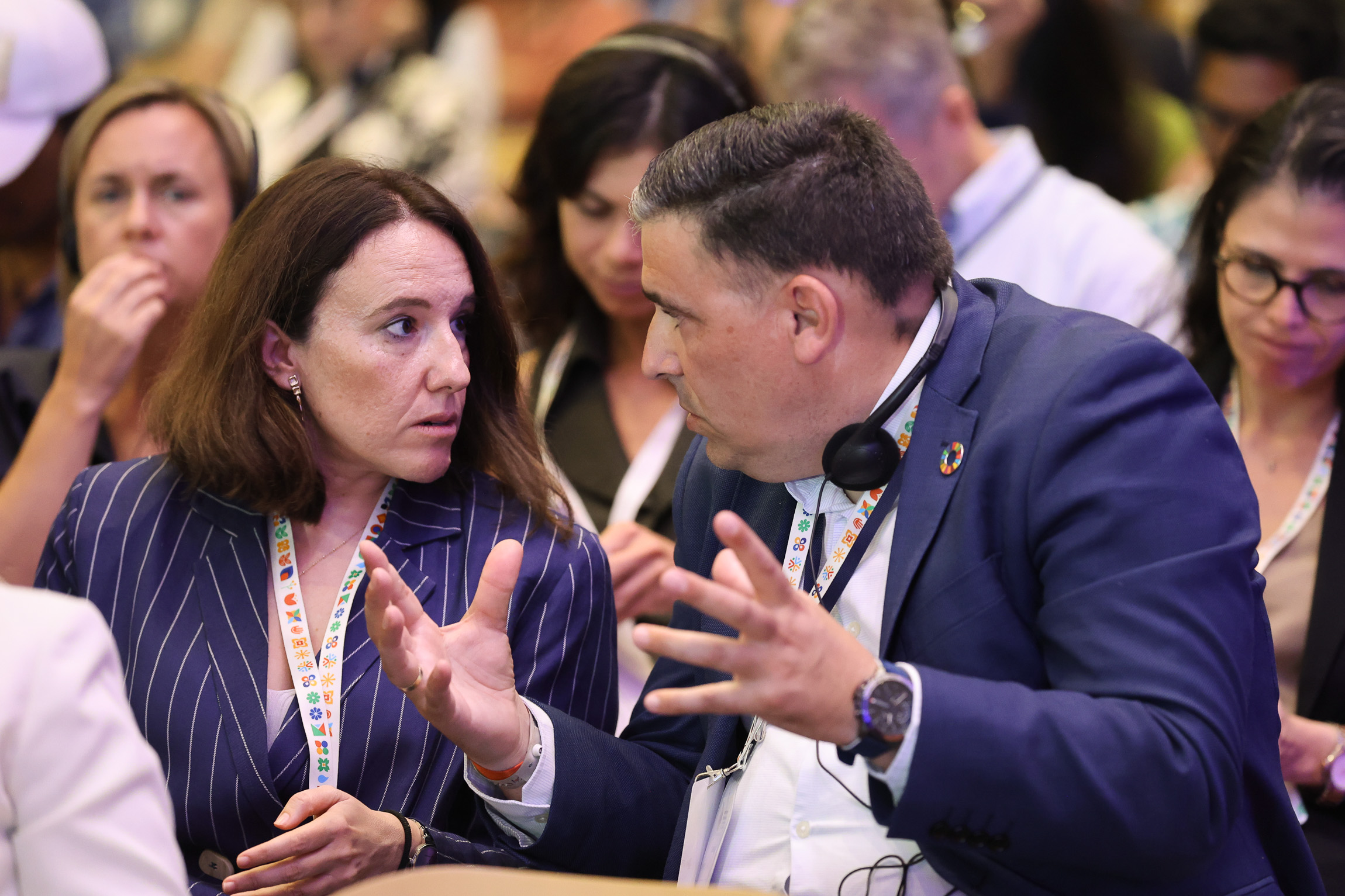
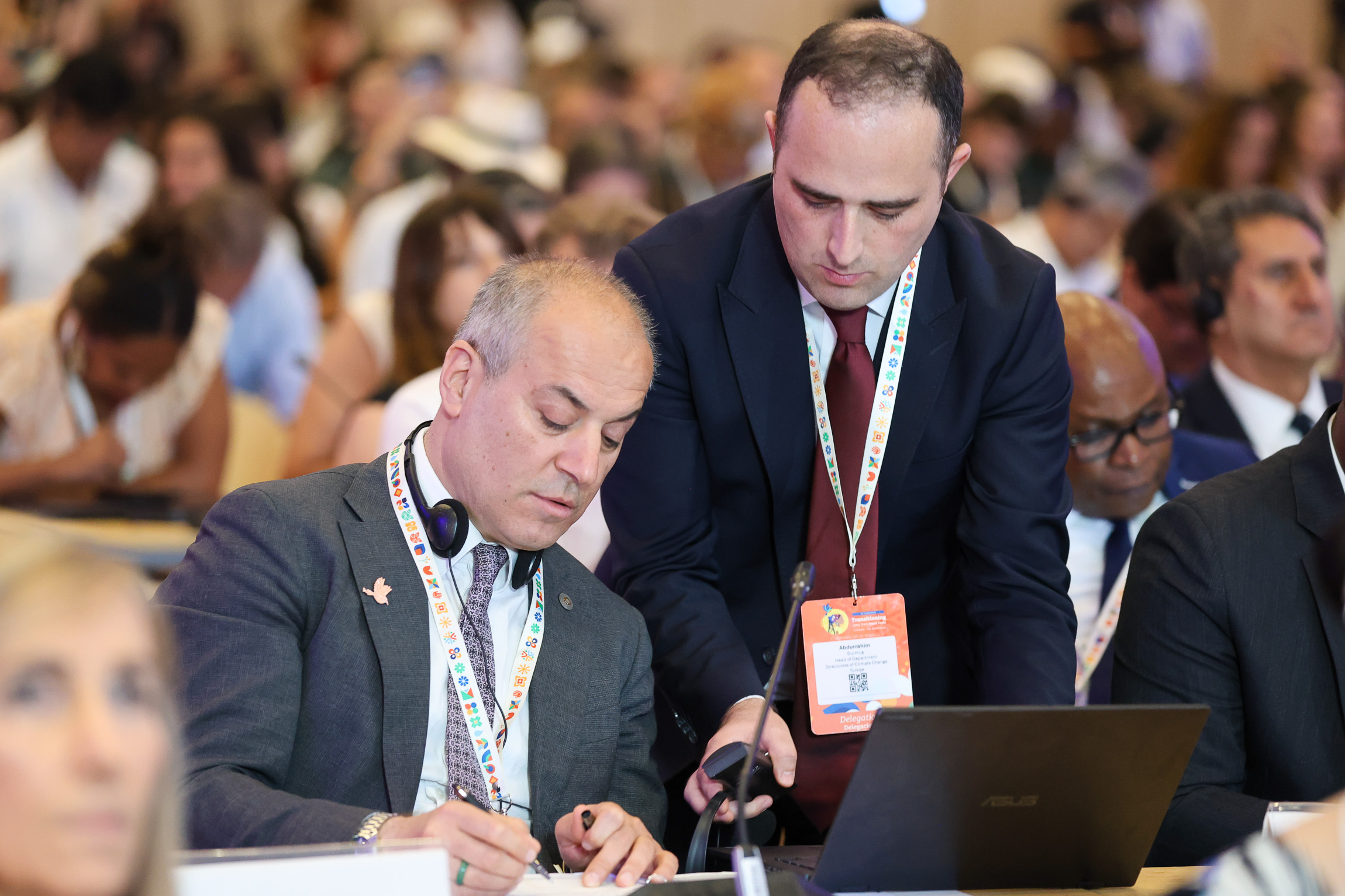
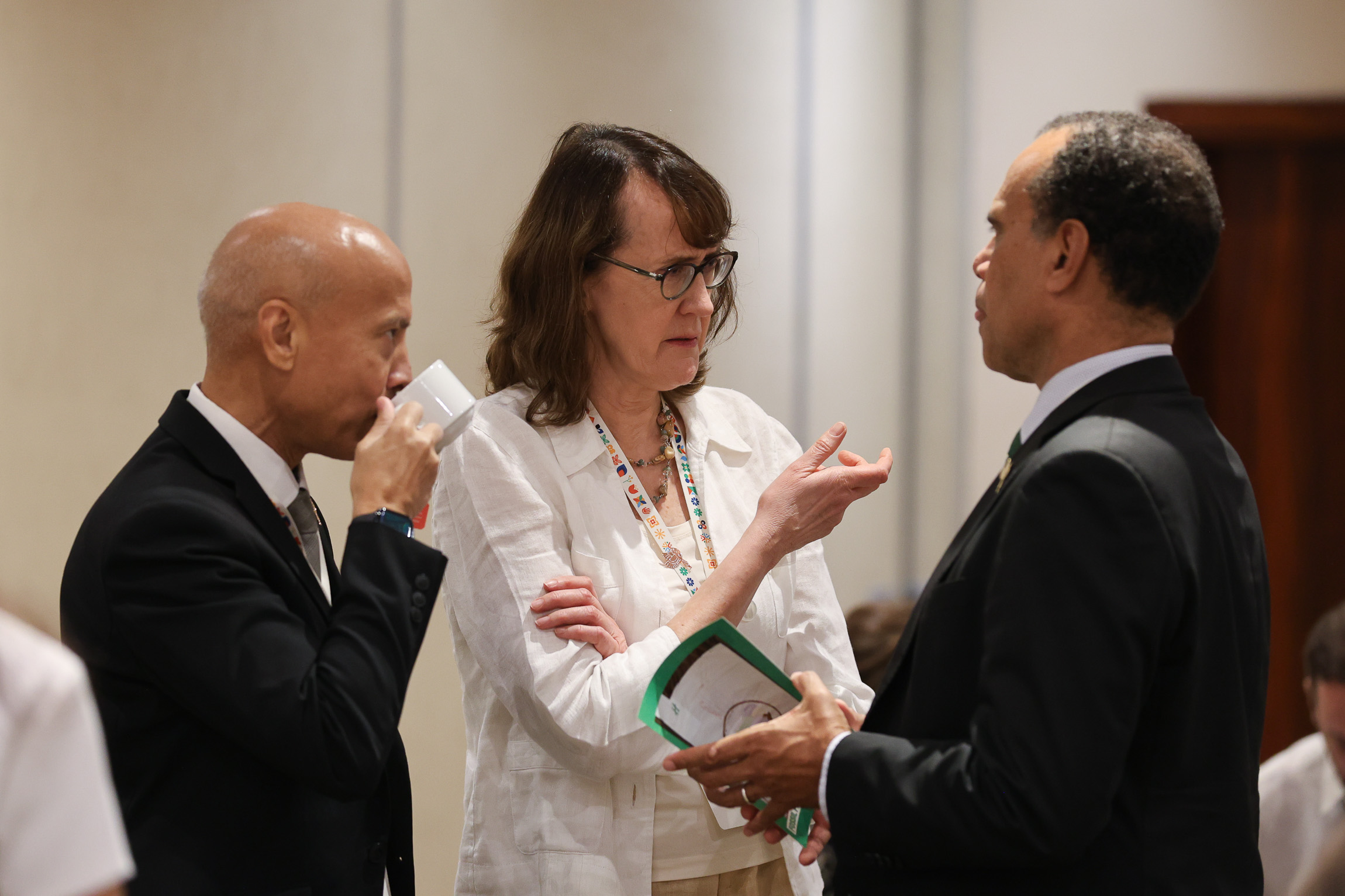
From L-R: Joseph Teo, Singapore; Patricia Fuller, President and CEO, IISD; and Ralph Regenvanu, Minister for Climate Change, Energy, Meteorology, Geohazards, Environment, and Disaster Management, Vanuatu
Around the Venue