A global energy transition is underway. The question at the first international conference on Transitioning Away from Fossil Fuels (TAFF 1) is whether it will be proactively managed, or if countries and communities will face the brunt of rapid economic changes on their own.
This conference aims to turn a coalition of the willing to a coalition of the doers. It’s about acting together in the face of economic and political barriers and amid the current energy crisis. Many reflected on the positive spirit and constructive dialogues. Ministers could speak openly on issues never uttered in other climate multilateral forums, from how to wean government budgets from fossil fuel tax revenues to trying to bring clean energy to rural areas far from electrical grids.
The conference sought to plant roots, growing a new process that could enable concrete actions to justly end the fossil fuel era. Science will have a central role: a new science-policy panel, called the Global Energy Transition Panel, will bring scientific expertise to the questions raised by this coalition. While originally envisioned to help map transition pathways, there were calls to include Indigenous and diverse knowledge systems.
Delegates adopted three workstreams to organize efforts before the next conference in 2027:
- Designing roadmaps to transition away from fossil fuels that will also address supply side issues, because there is a lack of clear commitments on reducing emissions exported from producing countries. These roadmaps could also be regional, potentially including fossil fuel free zones. This work will be supported by the NDC Partnership and Global Energy Transition Panel.
- Addressing macroeconomic dependencies and financial architecture, especially the fiscal, debt, and subsidy traps, to innovate a financial system that can support the transition. The International Institute for Sustainable Development (IISD) and Centre for Economic Policy and Research (CEPR) will support.
- Building fossil fuel free trade systems by understanding how trade continues to promote extraction and how to replace this with green trade. The Organisation for Economic Co-operation and Development (OECD) will support.
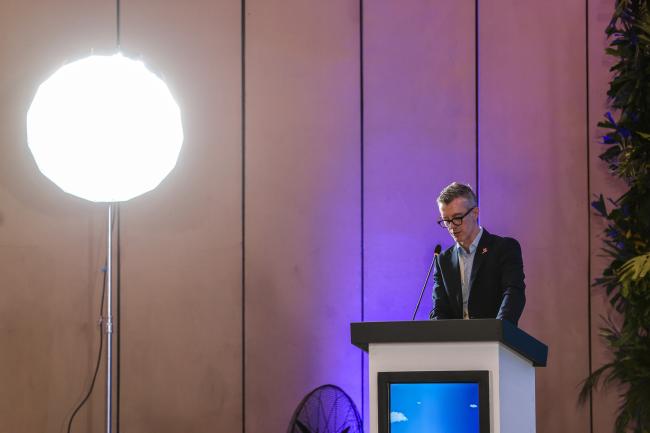
Some left disappointed that the conference did not start a process to negotiate a new fossil fuel treaty. But there were worries that producer countries might not engage, even if they are willing to phase down fossil fuels, in a treaty negotiation context. Others wanted to avoid the “toxic dynamics” that might come with treaty talks and are already evident in other forums.
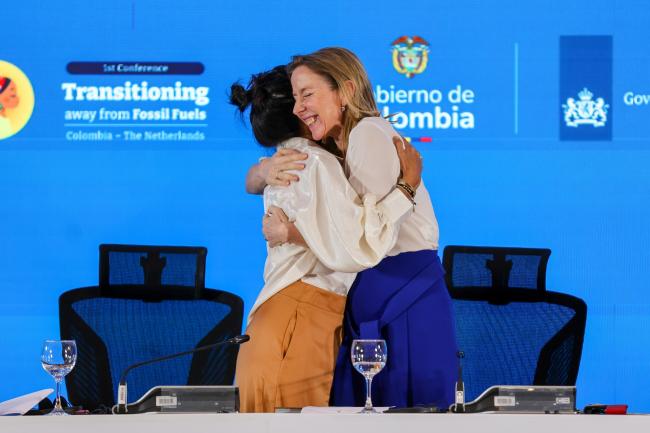
In stark contrast, many celebrated the spirit that created a safe space, “not to convince each other but to learn.” Announcing the next TAFF conference, co-hosts Tuvalu and Ireland promised to continue to foster openness and willingness to work together as they cooperate to address the “problems we’ve named together” in Santa Marta. Beyond a willingness, the outgoing and incoming co-hosts stressed that success will be found in the actions that the coalition of doers take in the coming year.

To receive free coverage of global environmental events delivered to your inbox, subscribe to the ENB Update newsletter.
All ENB photos are free to use with attribution. For the High-level Segment of the First Conference on Transitioning Away from Fossil Fuels, please use: Photo by IISD/ENB | Mike Muzurakis
Closing Plenary and Frontrunner Cooperation Session
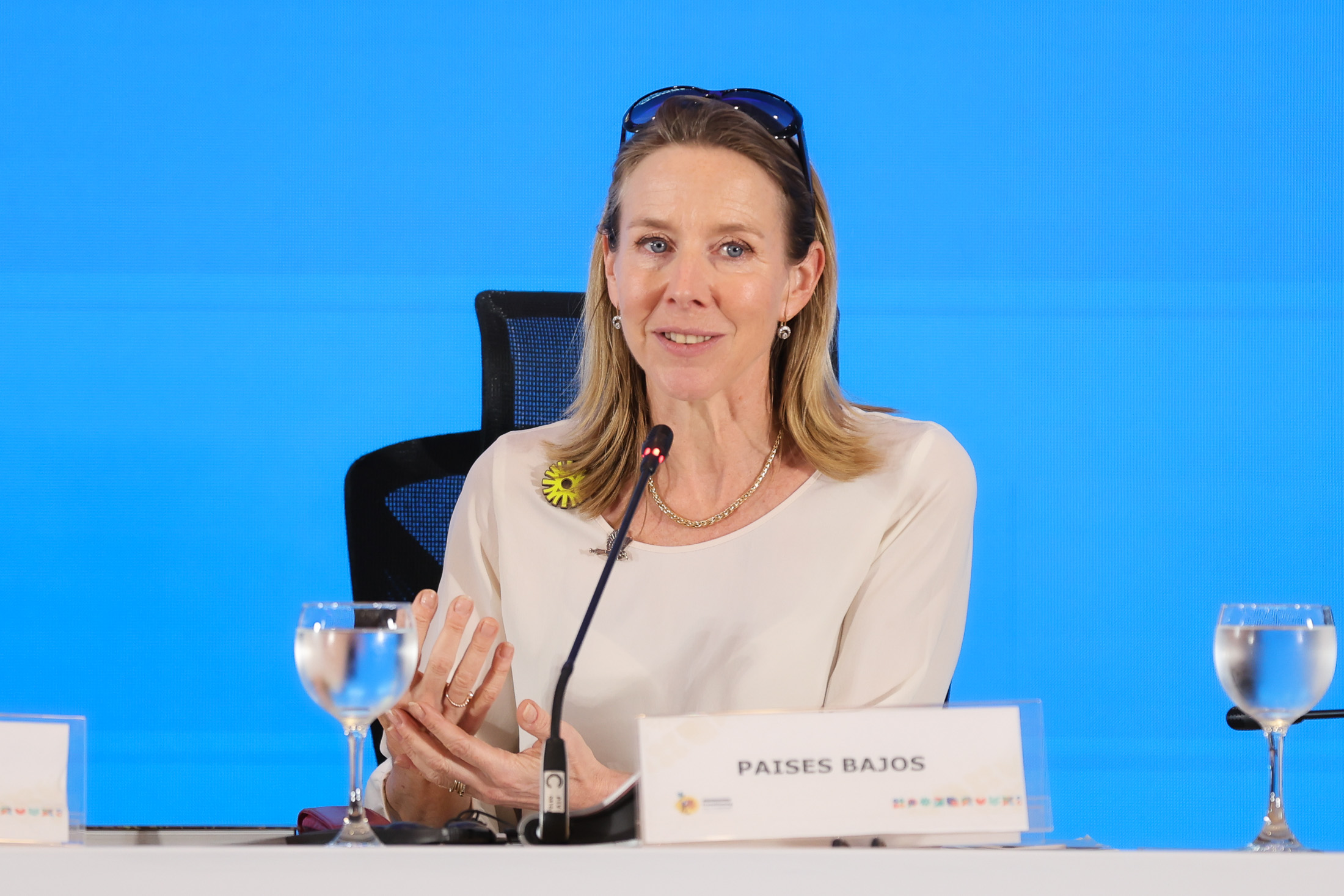
Stientje van Veldhoven, Minister of Climate Policy and Green Growth, the Netherlands
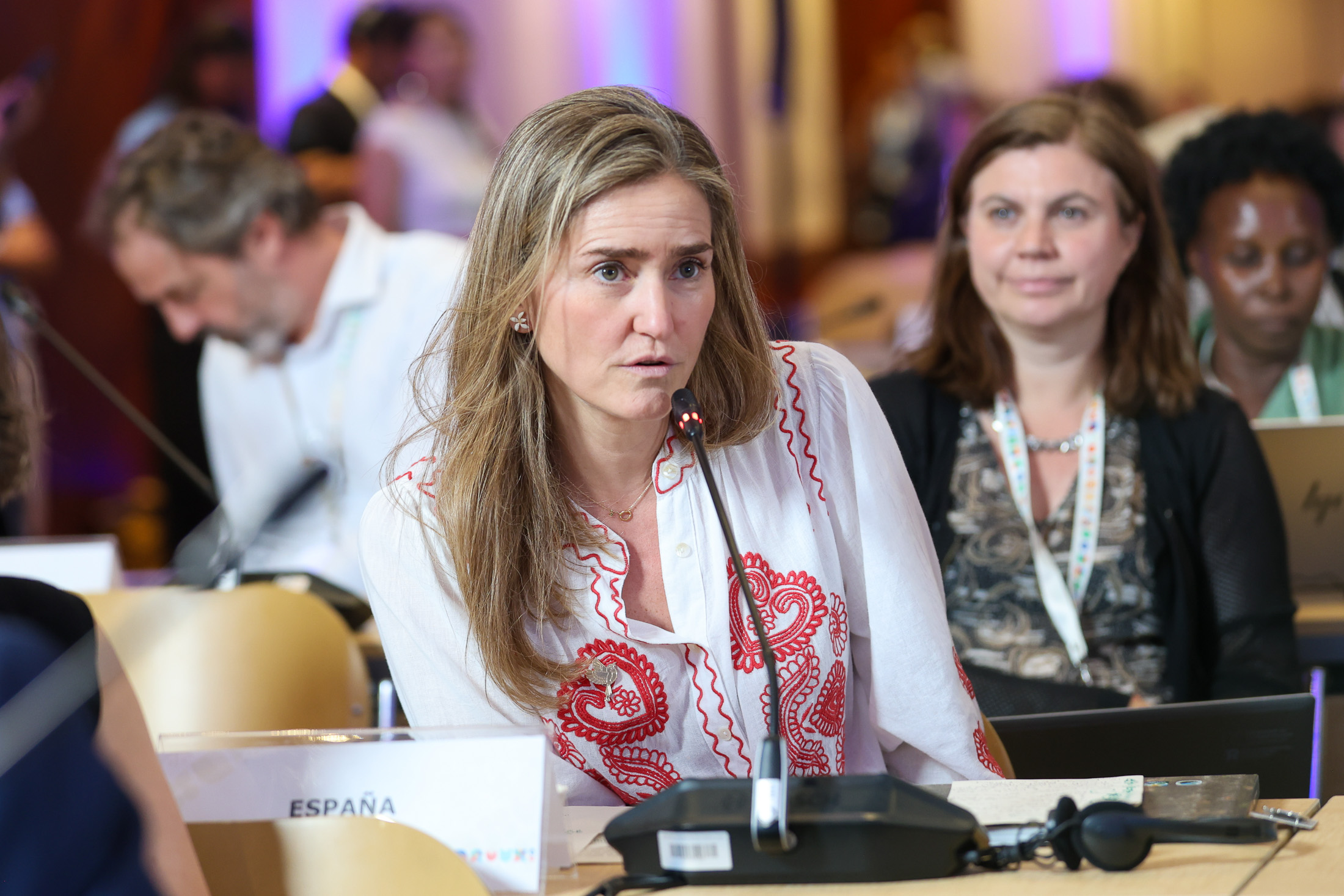
Sara Aagesen Muñoz, Minister for the Ecological Transition, Spain
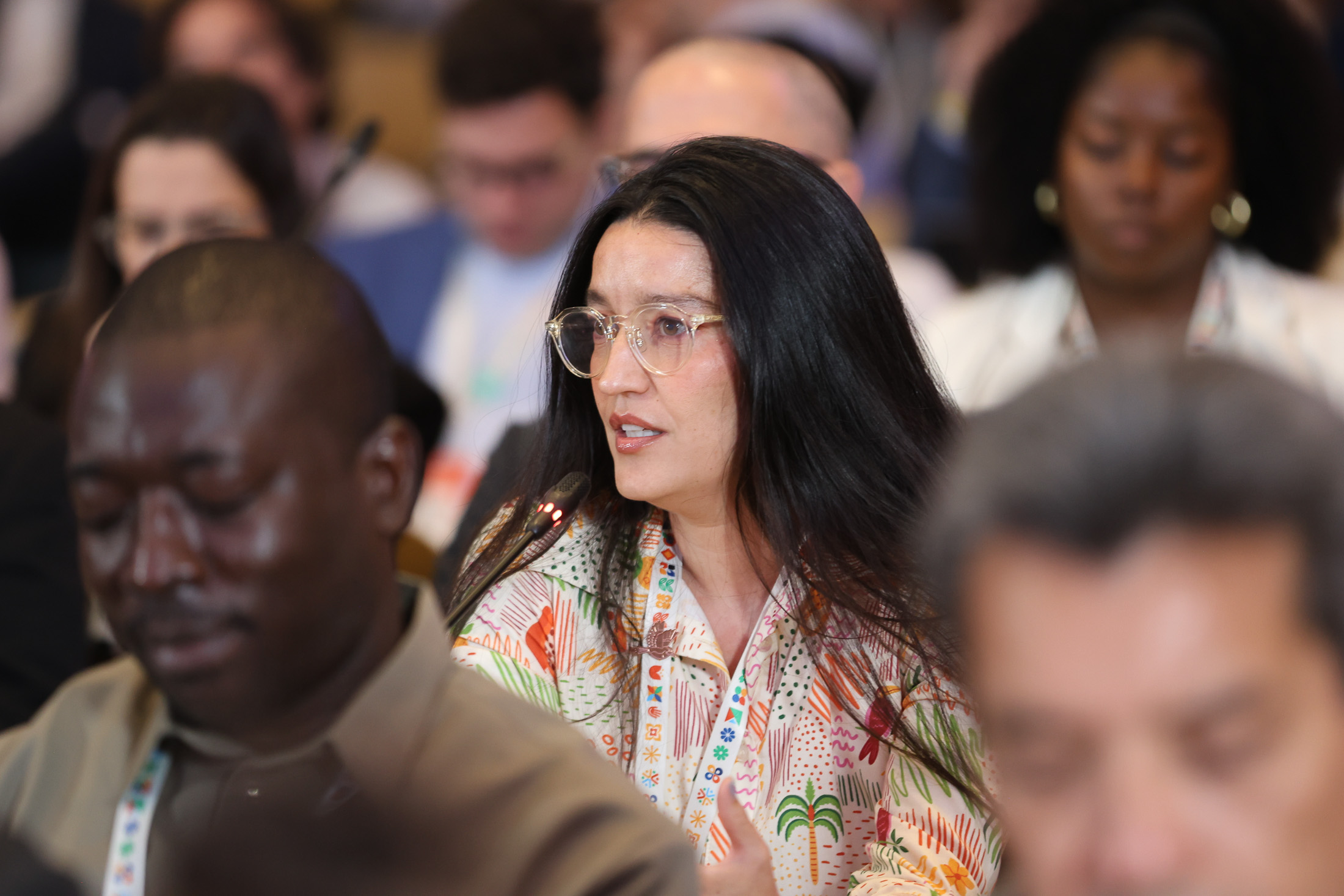
Camila Isabel Zepeda Lizama, Mexico
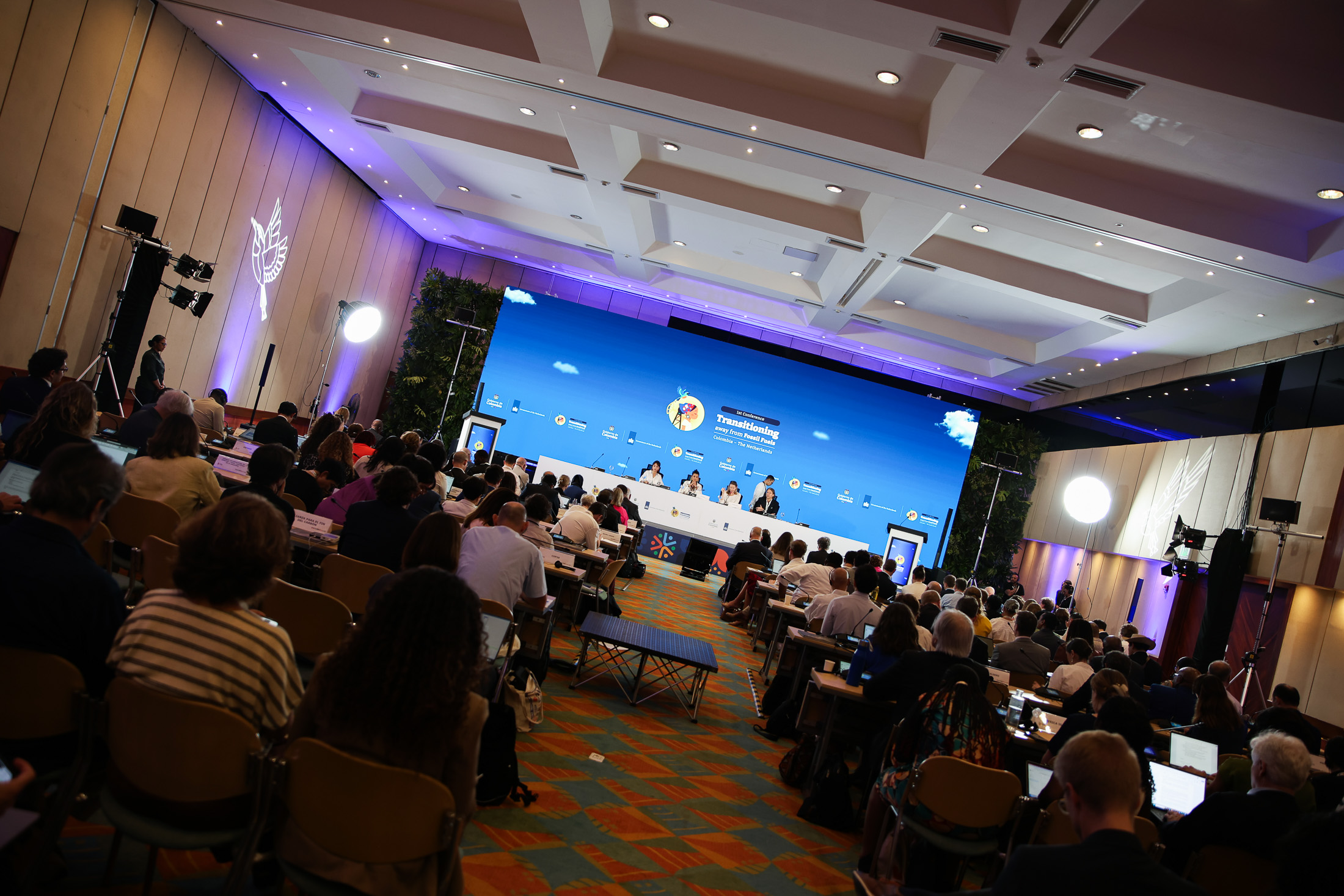
View of the room during the Frontrunner Cooperation Session
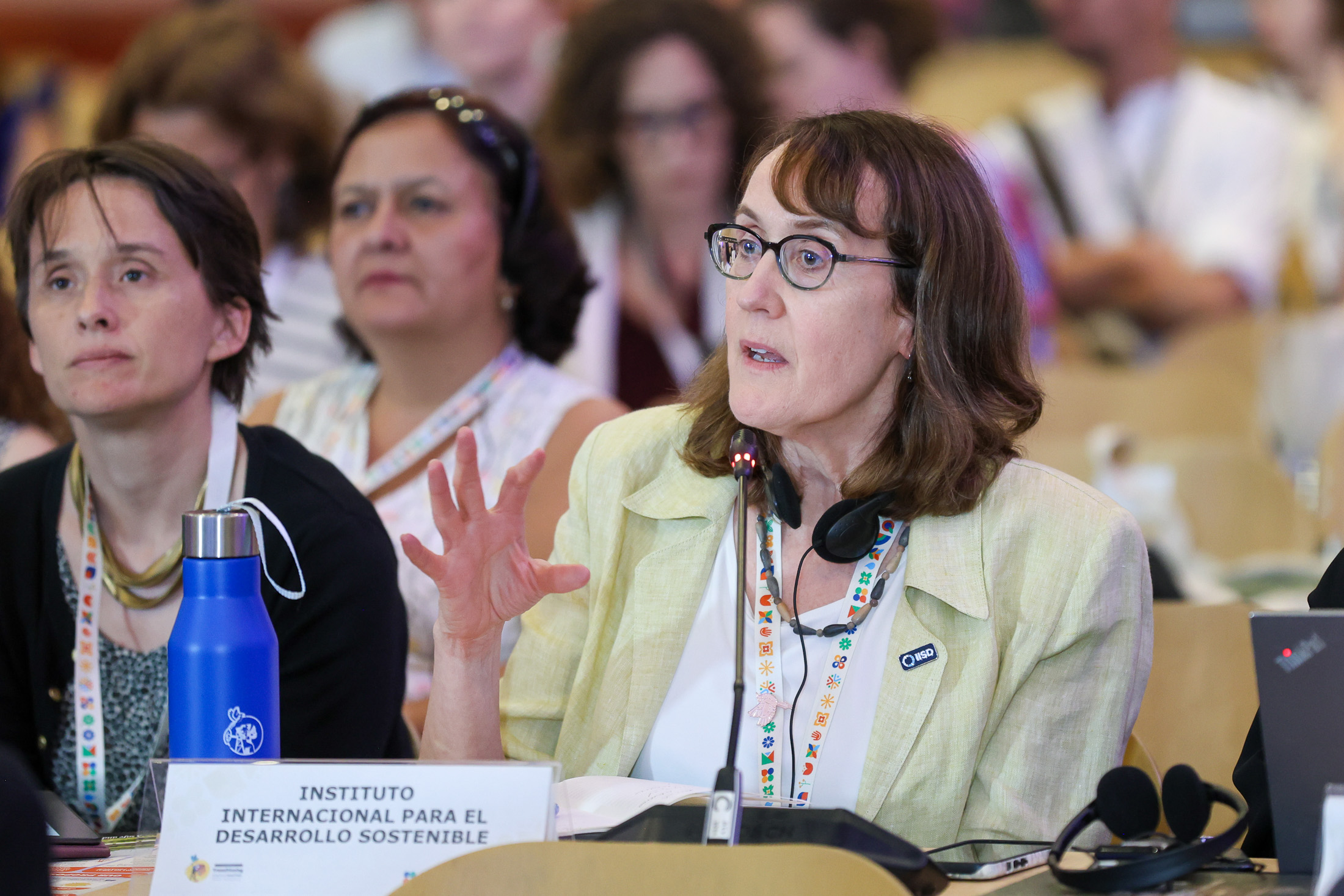
Patricia Fuller, President and CEO, IISD
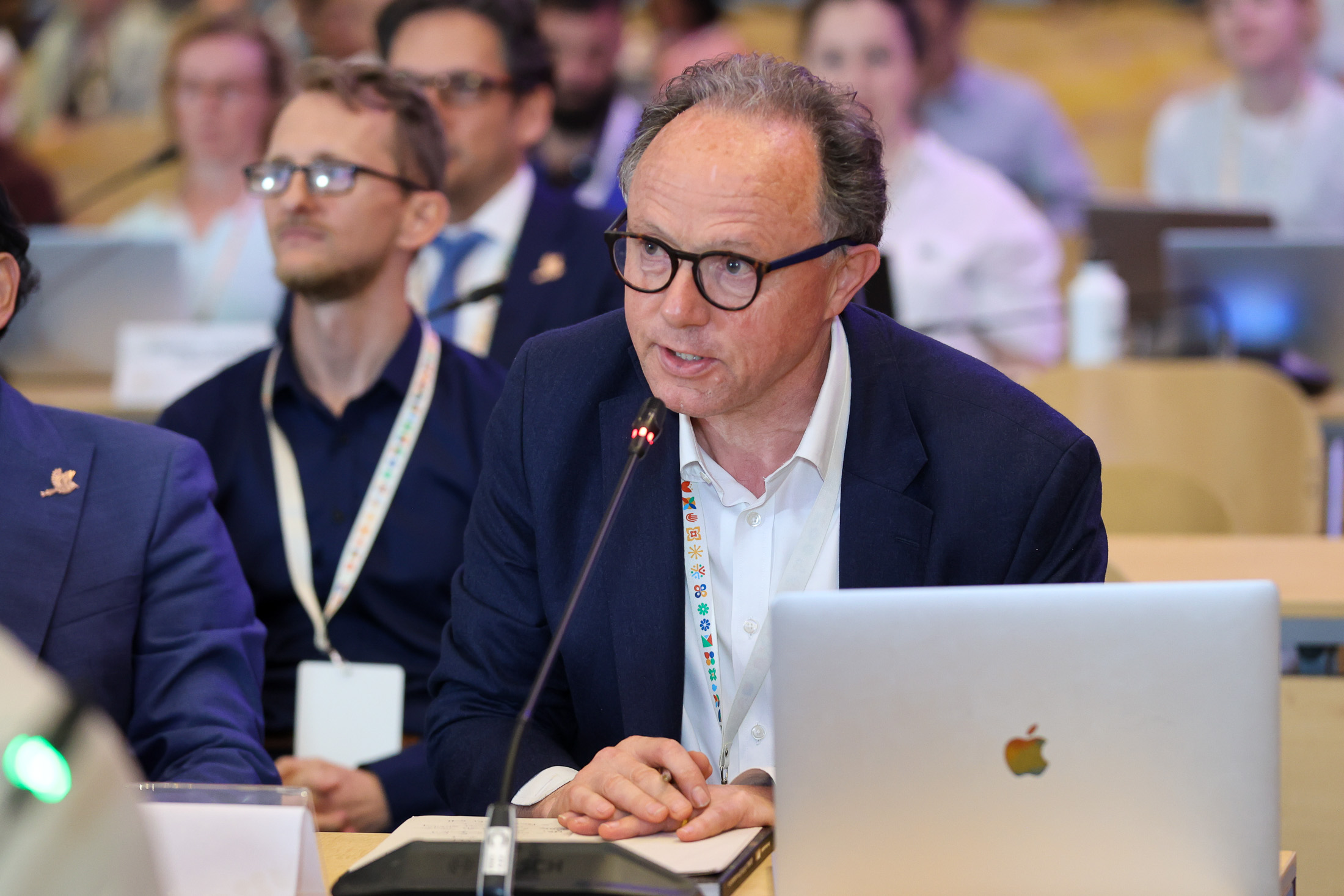
Nick Robins, World Resources Institute
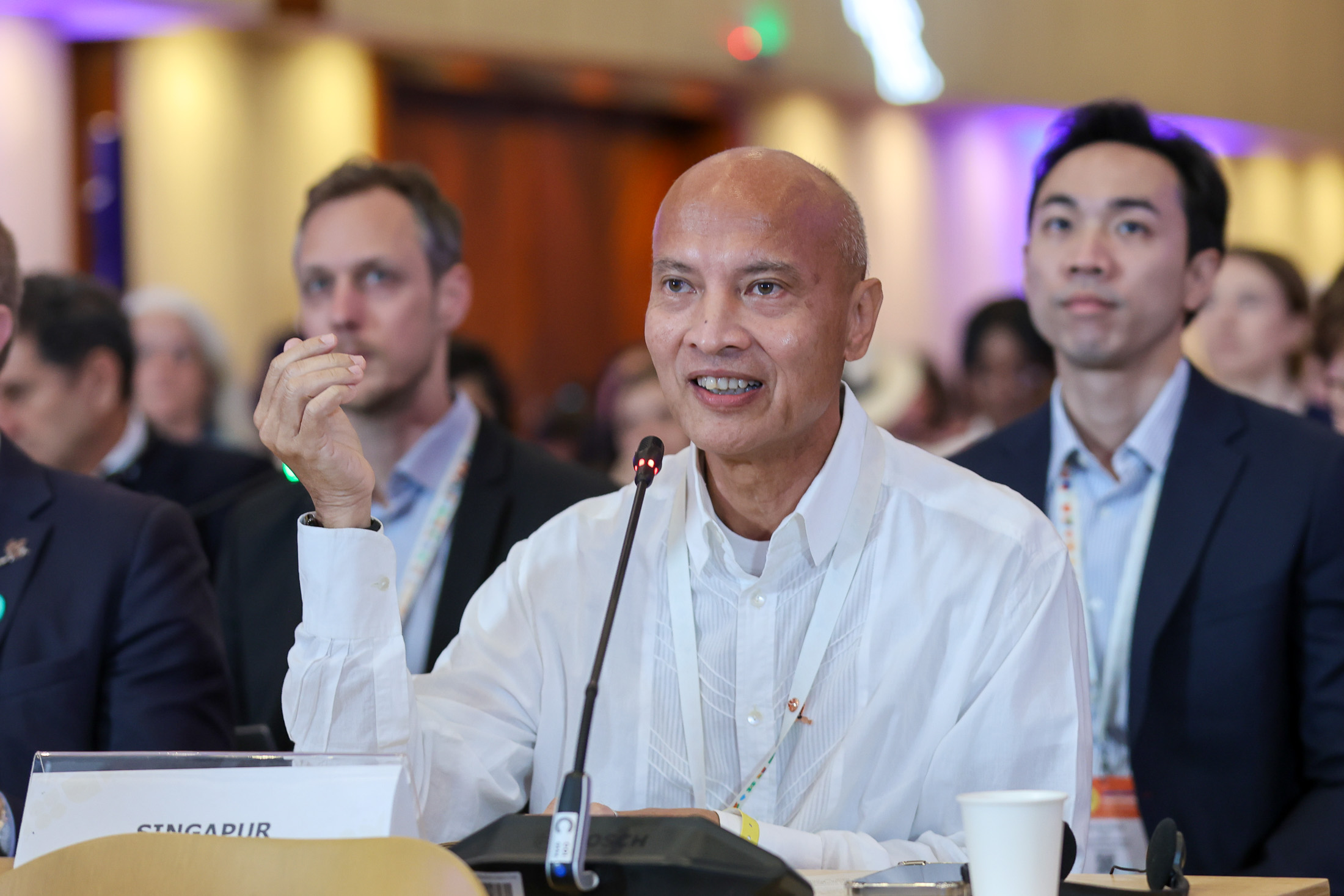
Joseph Teo, Singapore
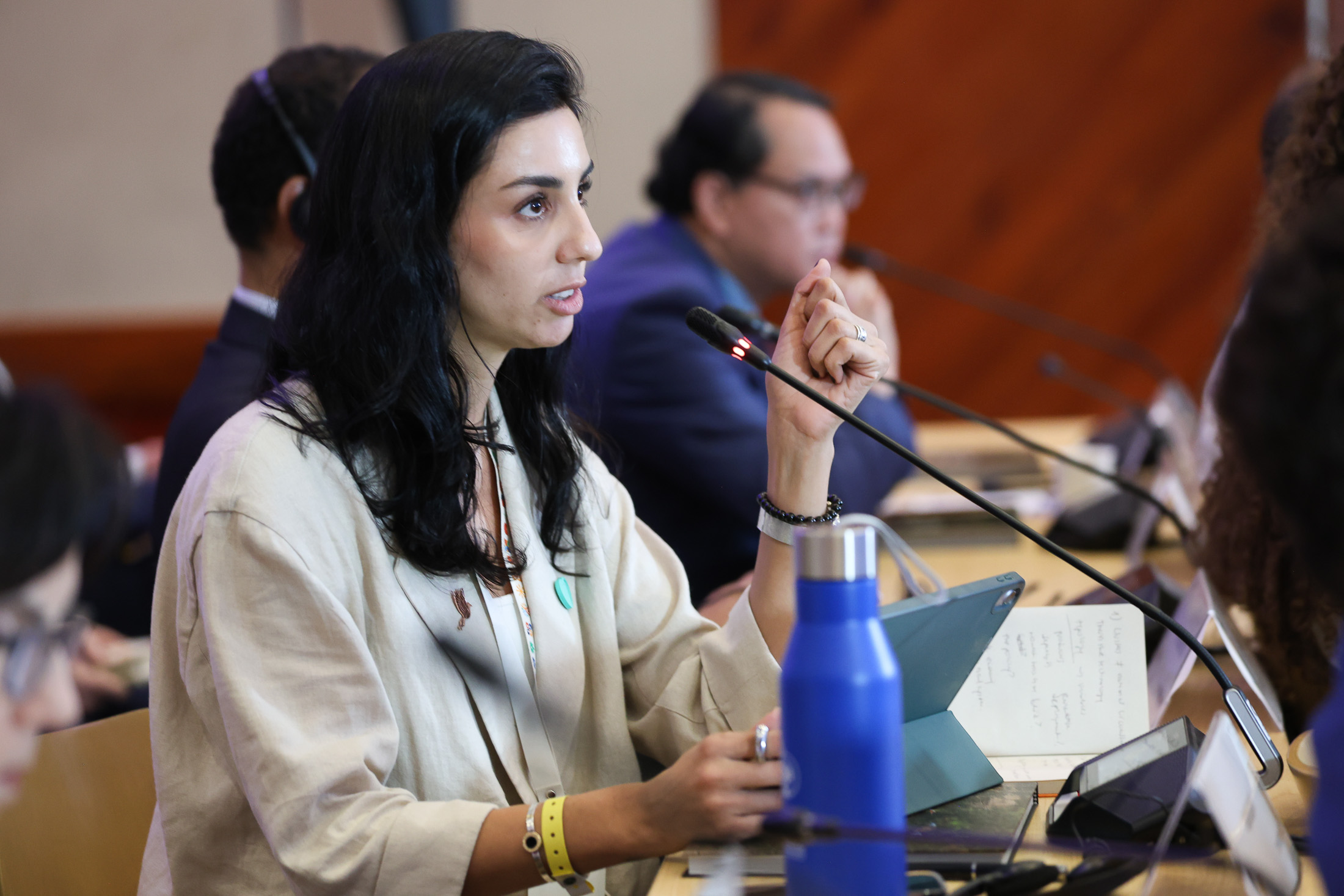
María Fernanda Souza Rodríguez, Uruguay
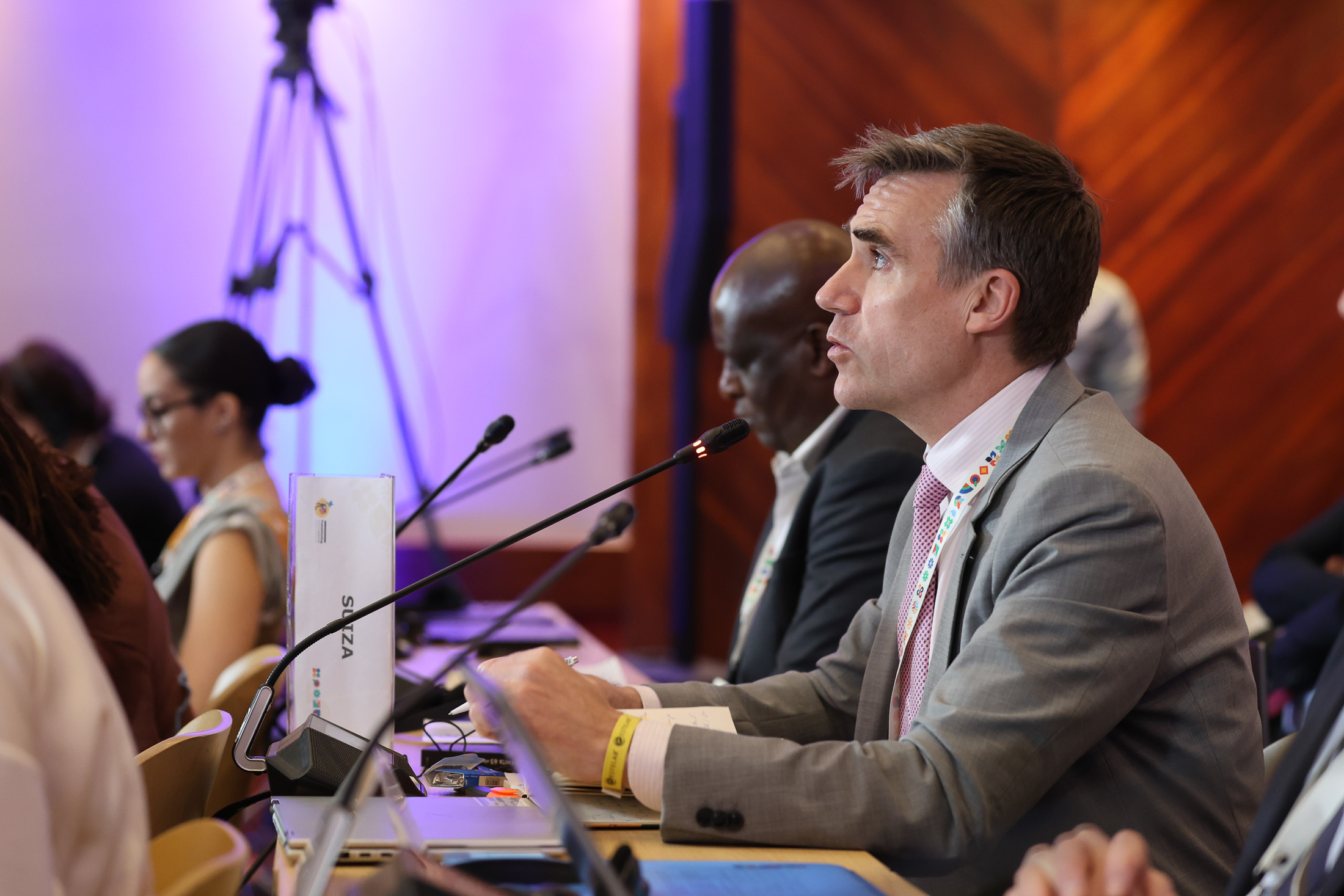
Felix Wertli, Switzerland
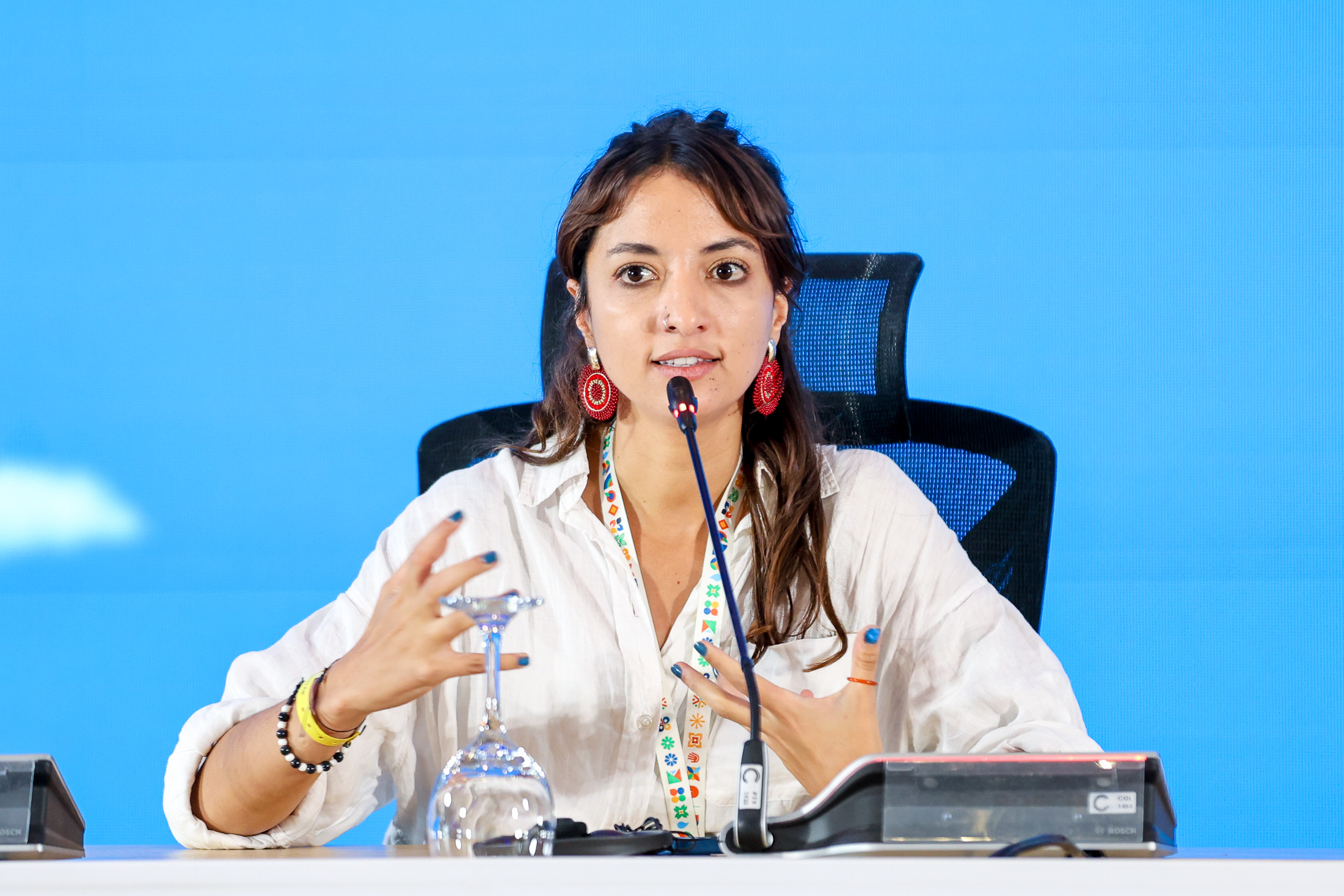
Daniela Durán González, Colombia
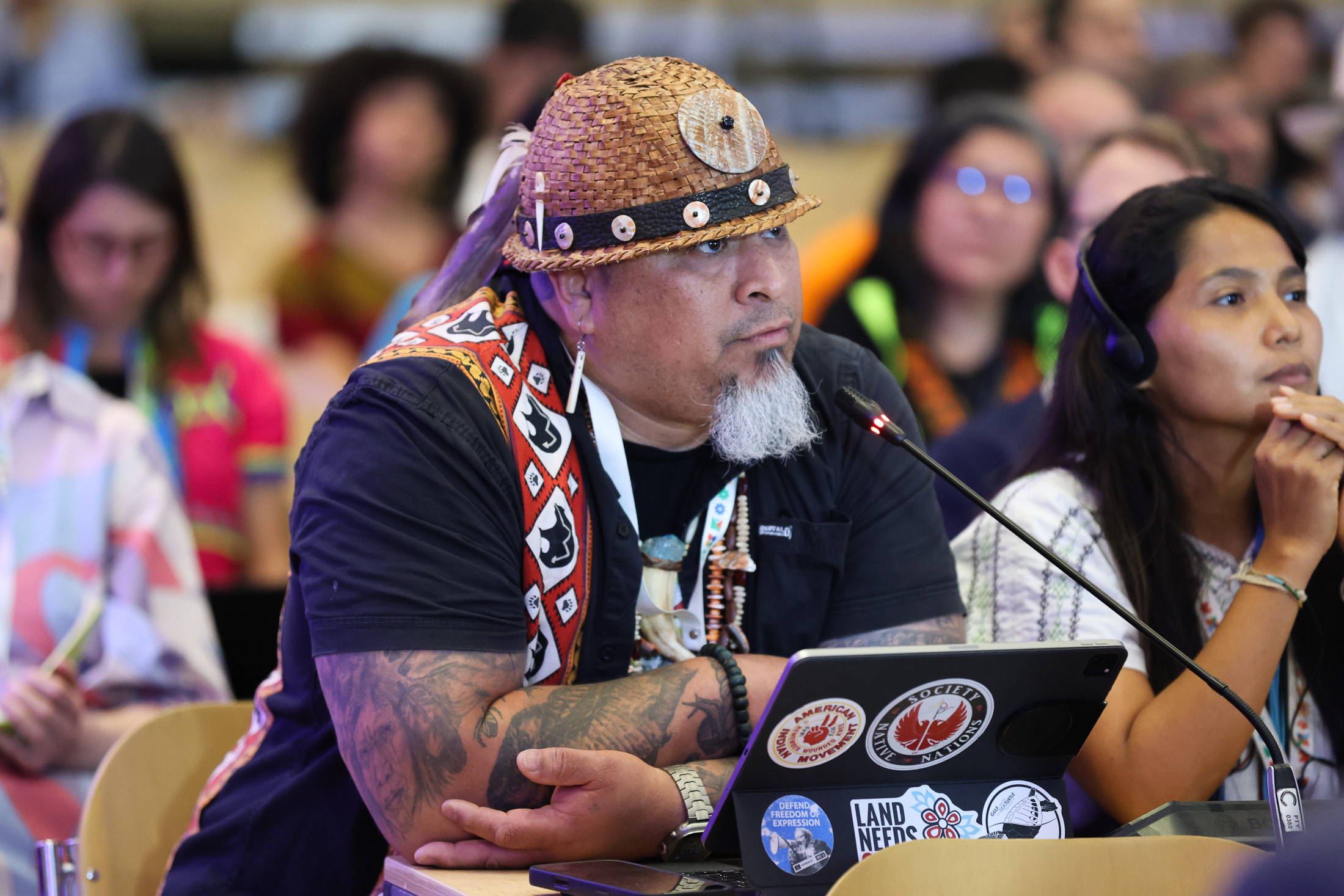
Frankie Orona, Society of Native Nations
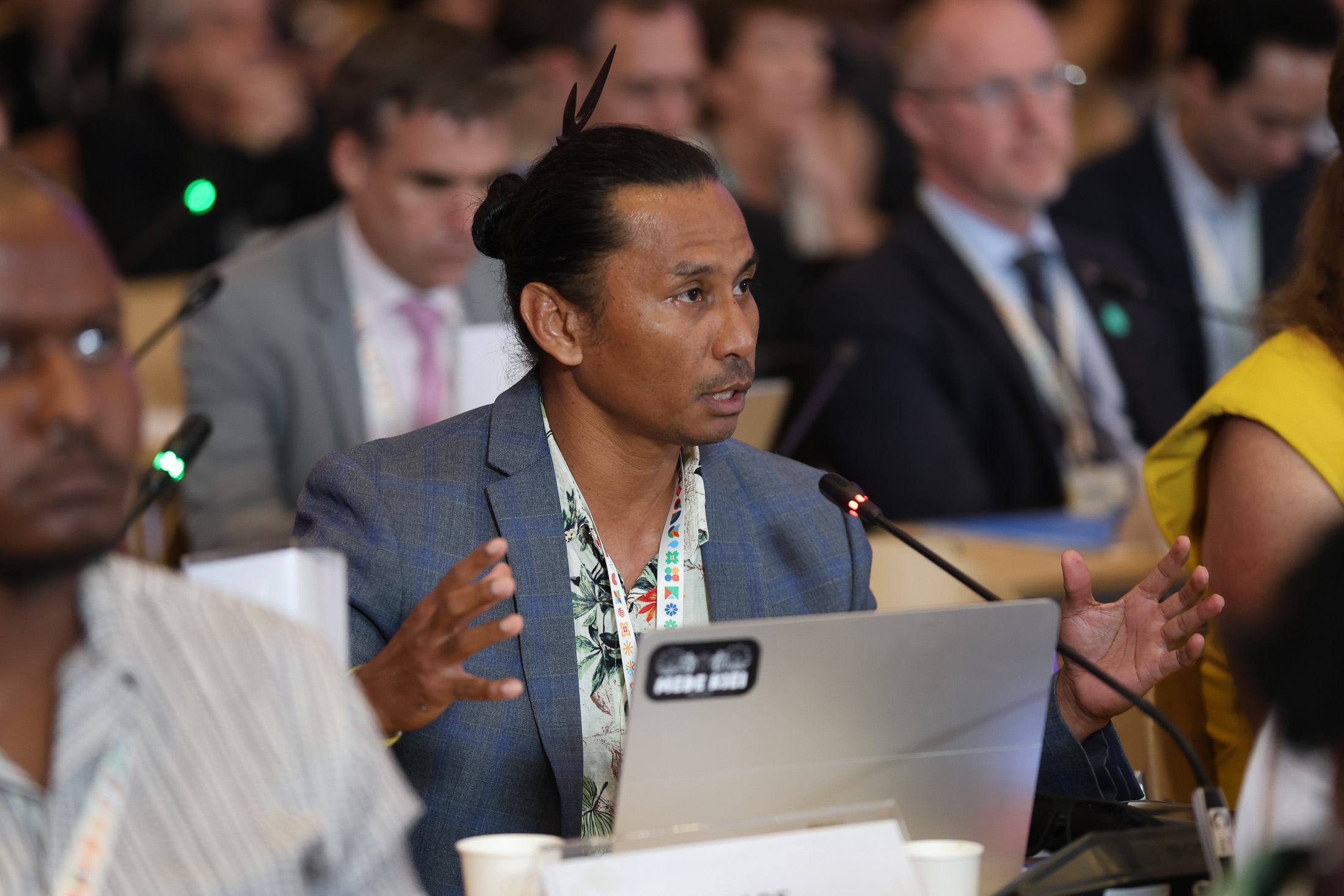
Erbai Xavier Matsutaro, Palau
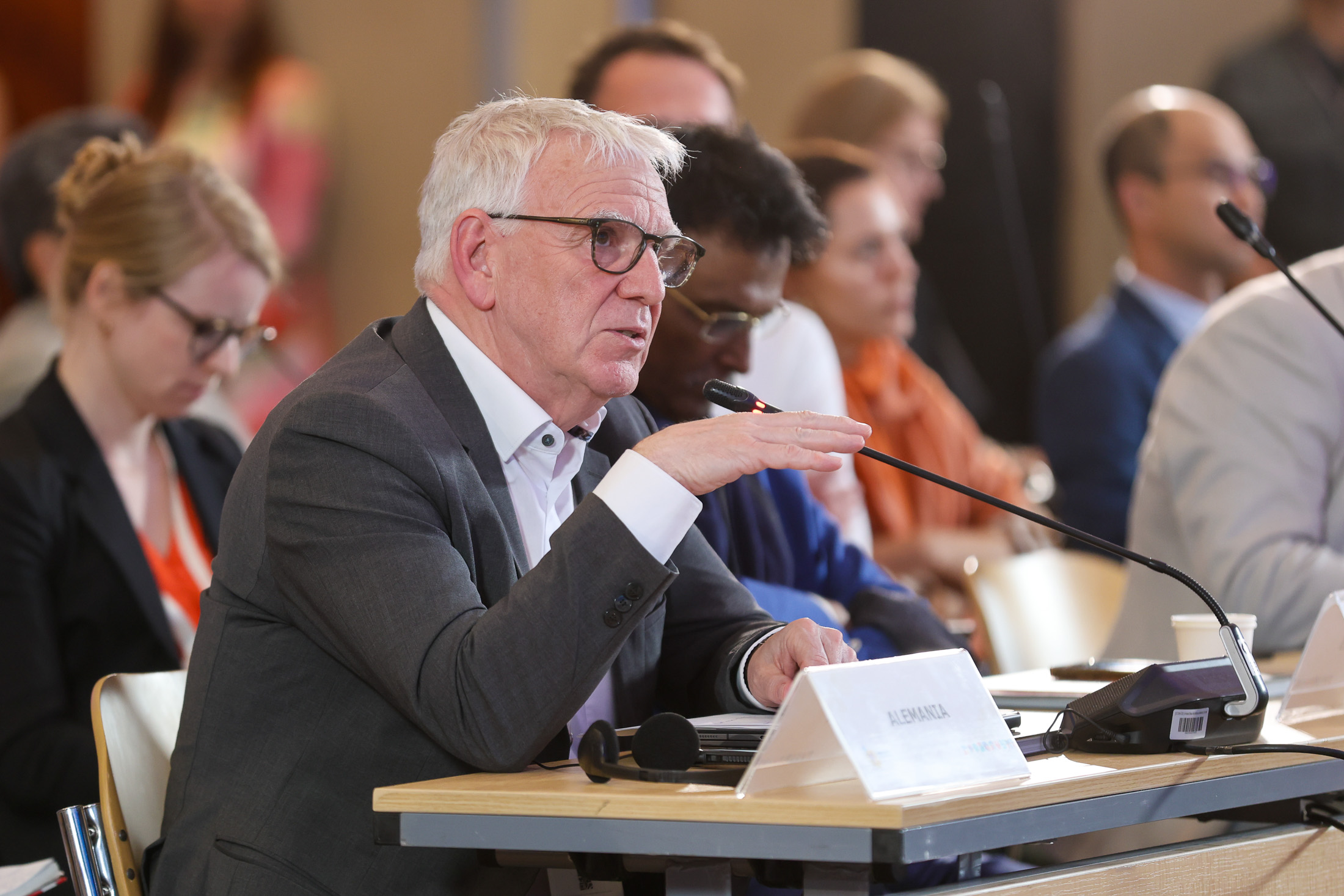
Jochen Flasbarth, State Secretary, Federal Ministry for the Environment, Climate Action, Nature Conservation, and Nuclear Safety, Germany
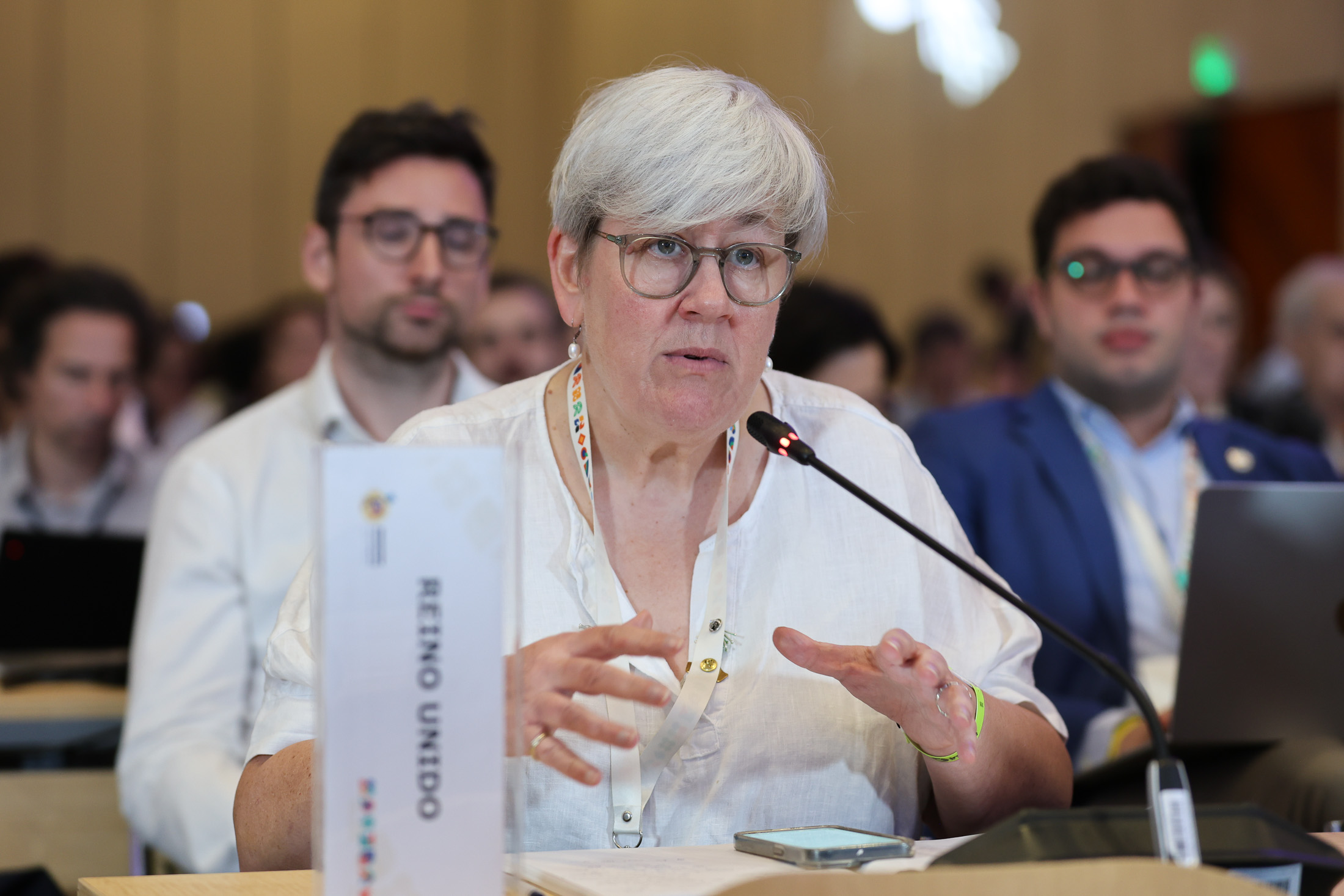
Rachel Kyte, Special Representative for Climate, UK
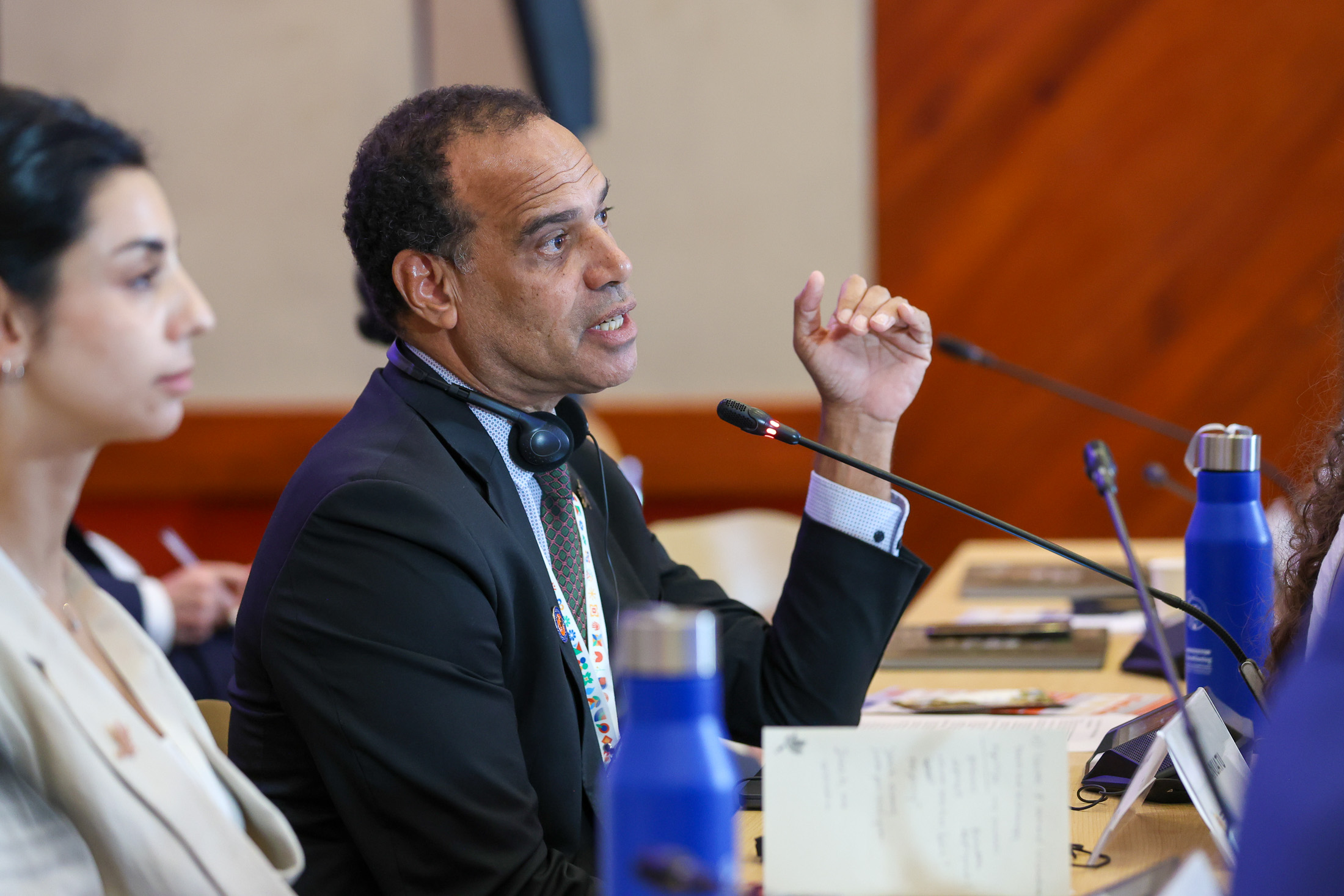
Ralph Regenvanu, Minister for Climate Change, Energy, Meteorology, Geohazards, Environment, and Disaster Management, Vanuatu
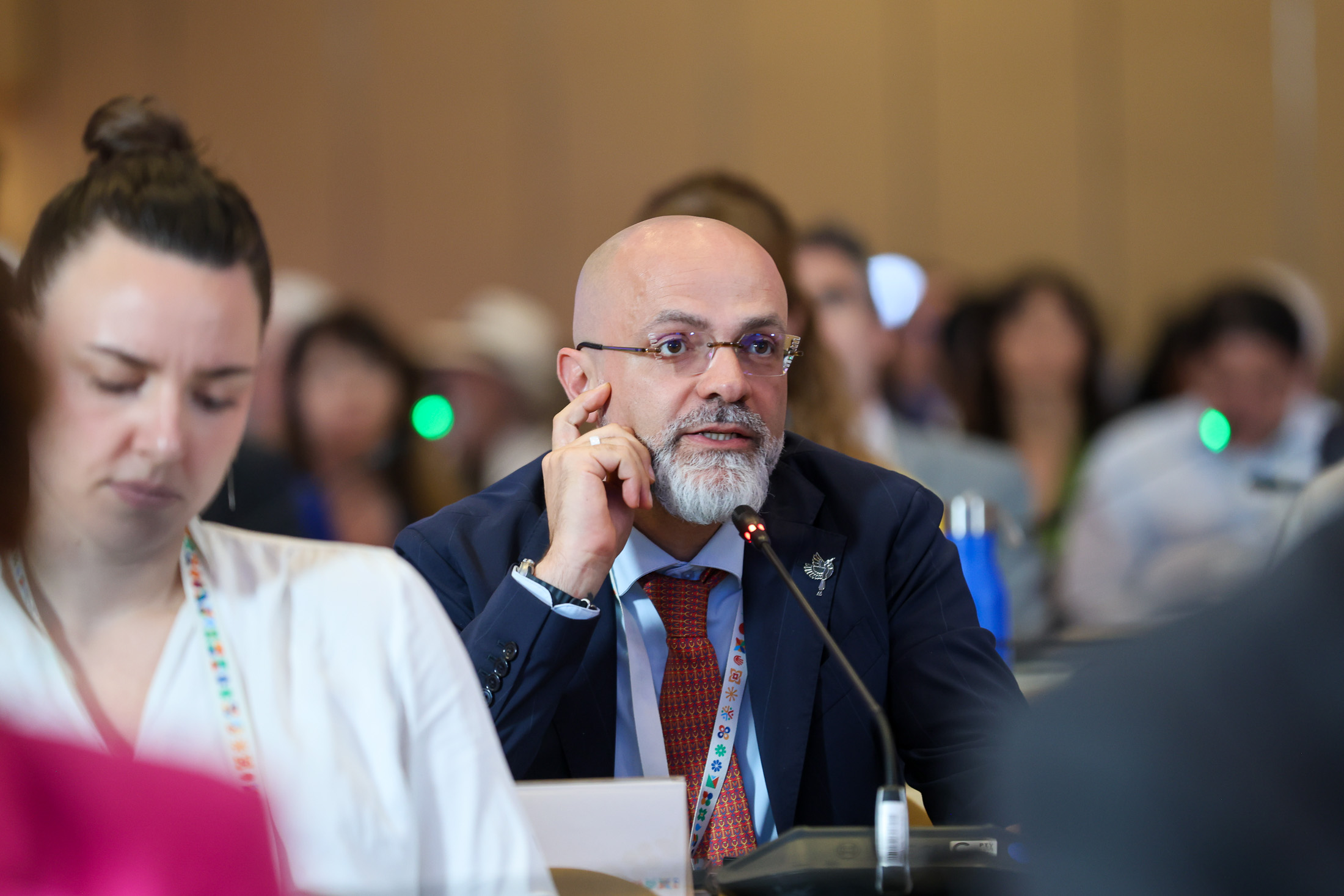
Francesco Corvaro, Special Envoy for Climate Change, Italy
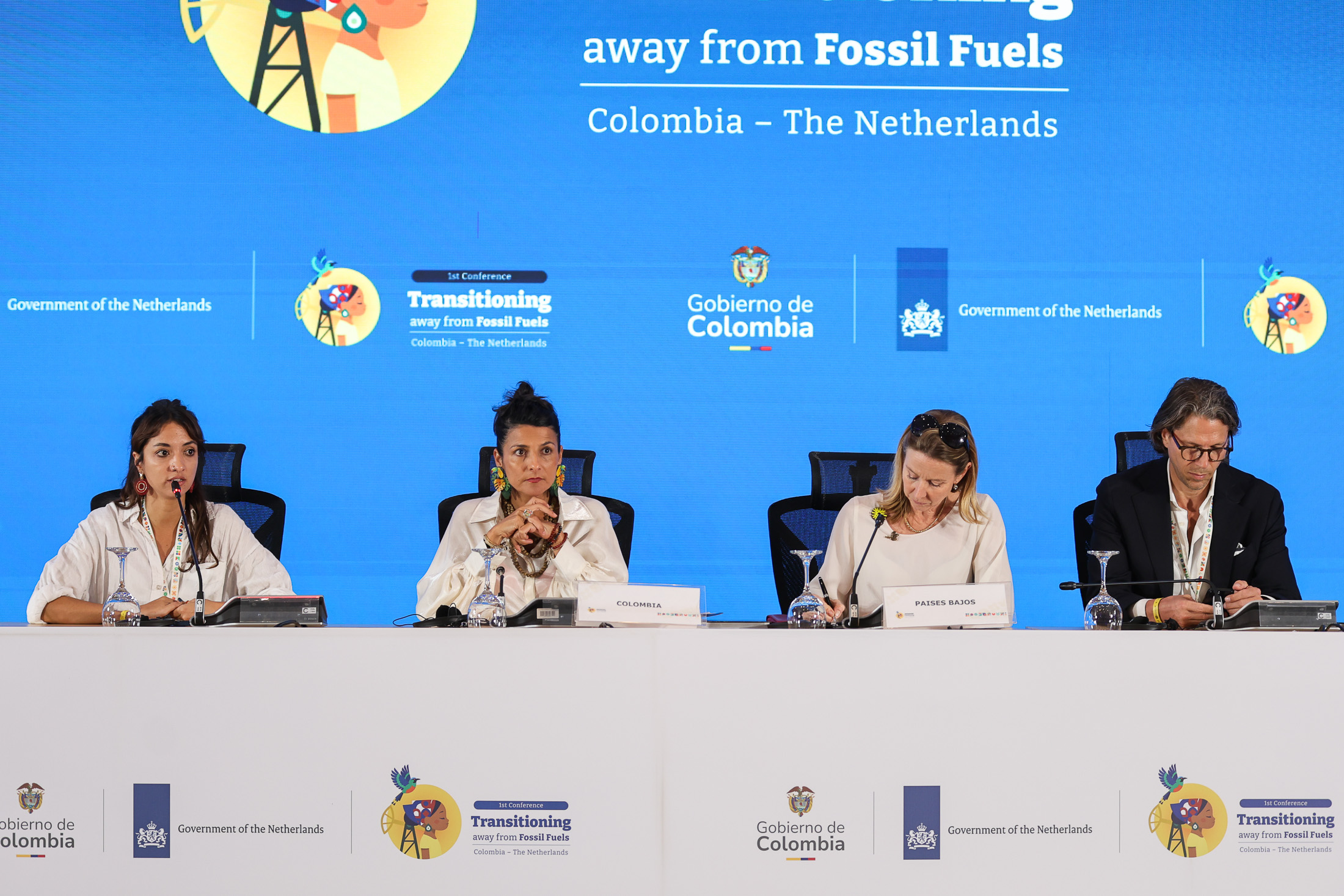
View of the dais during the Frontrunner Cooperation Session
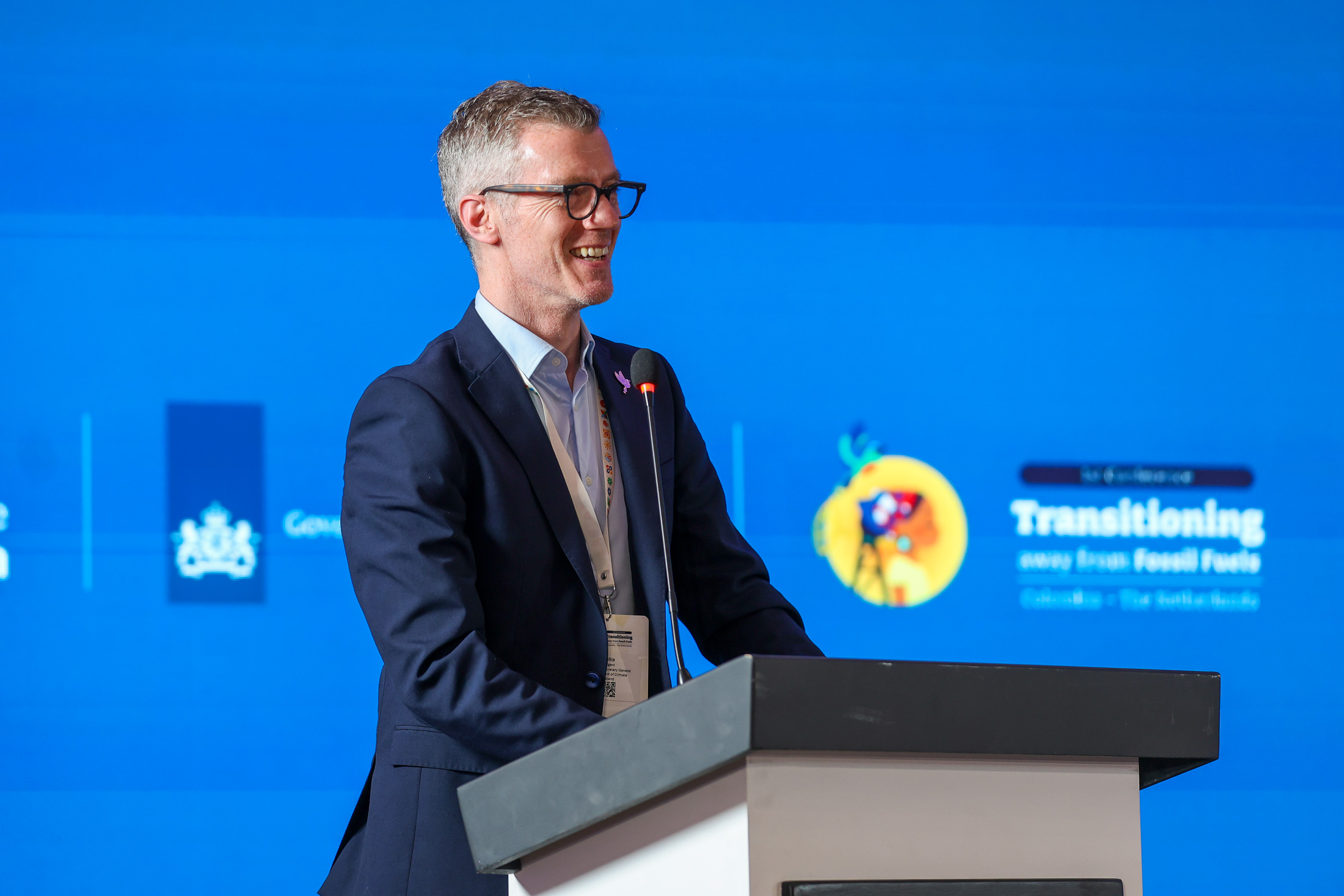
Philip Nugent, Director General, Department of Climate, Energy and the Environment, Ireland
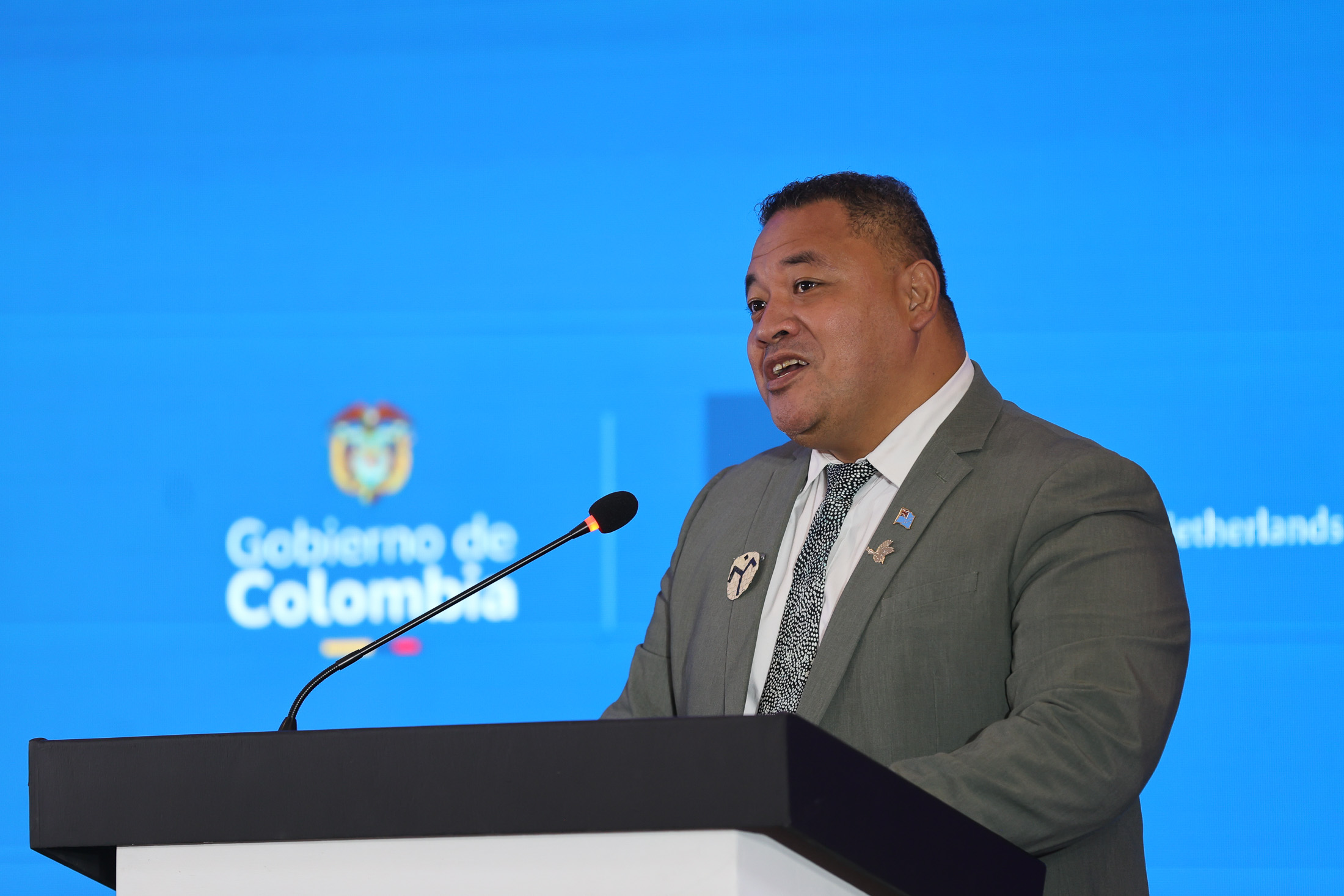
Maina Vakafua Talia, Minister of Home Affairs, Climate Change and Environment, Tuvalu
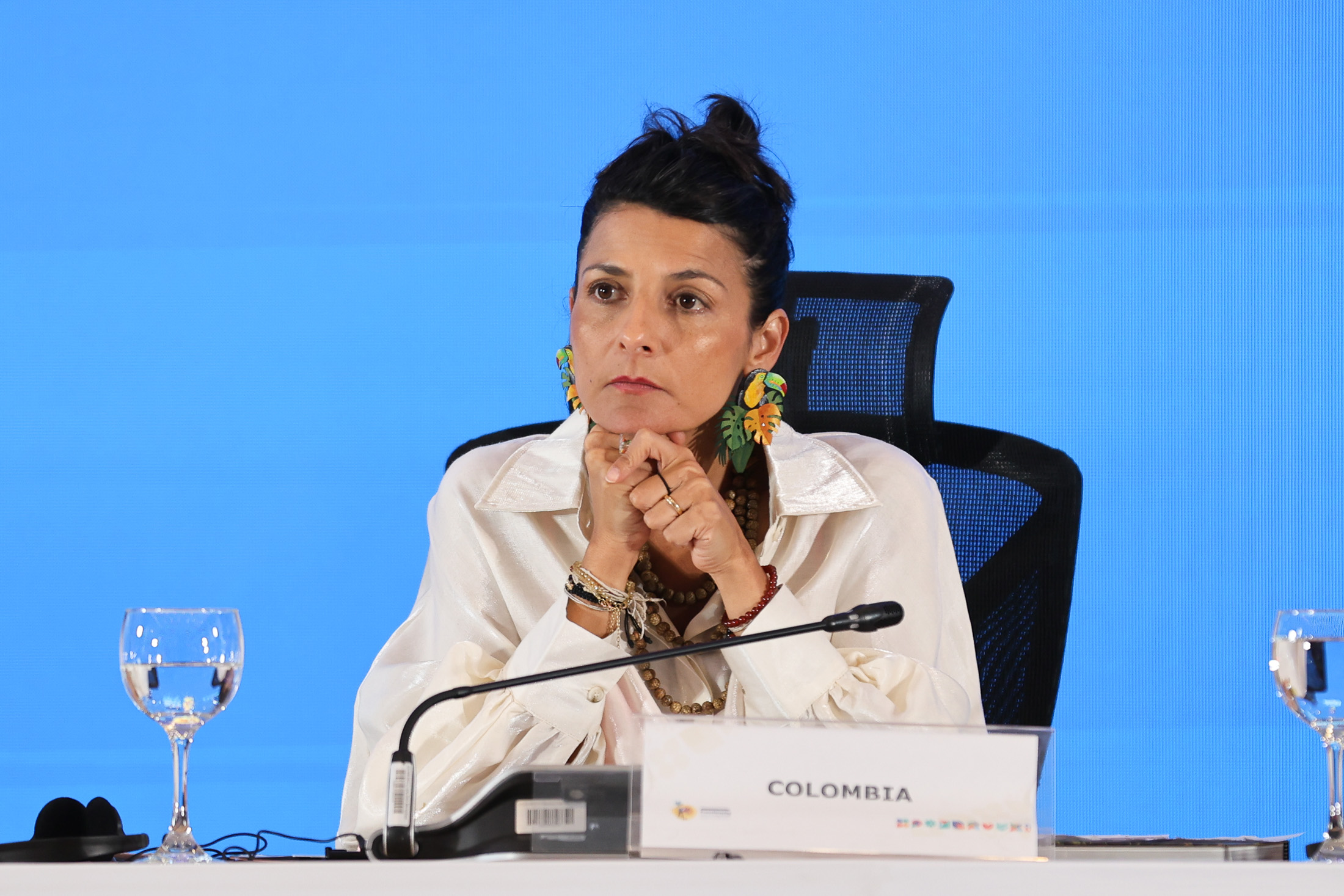
Irene Vélez Torres, Director, National Environmental Agency, Colombia
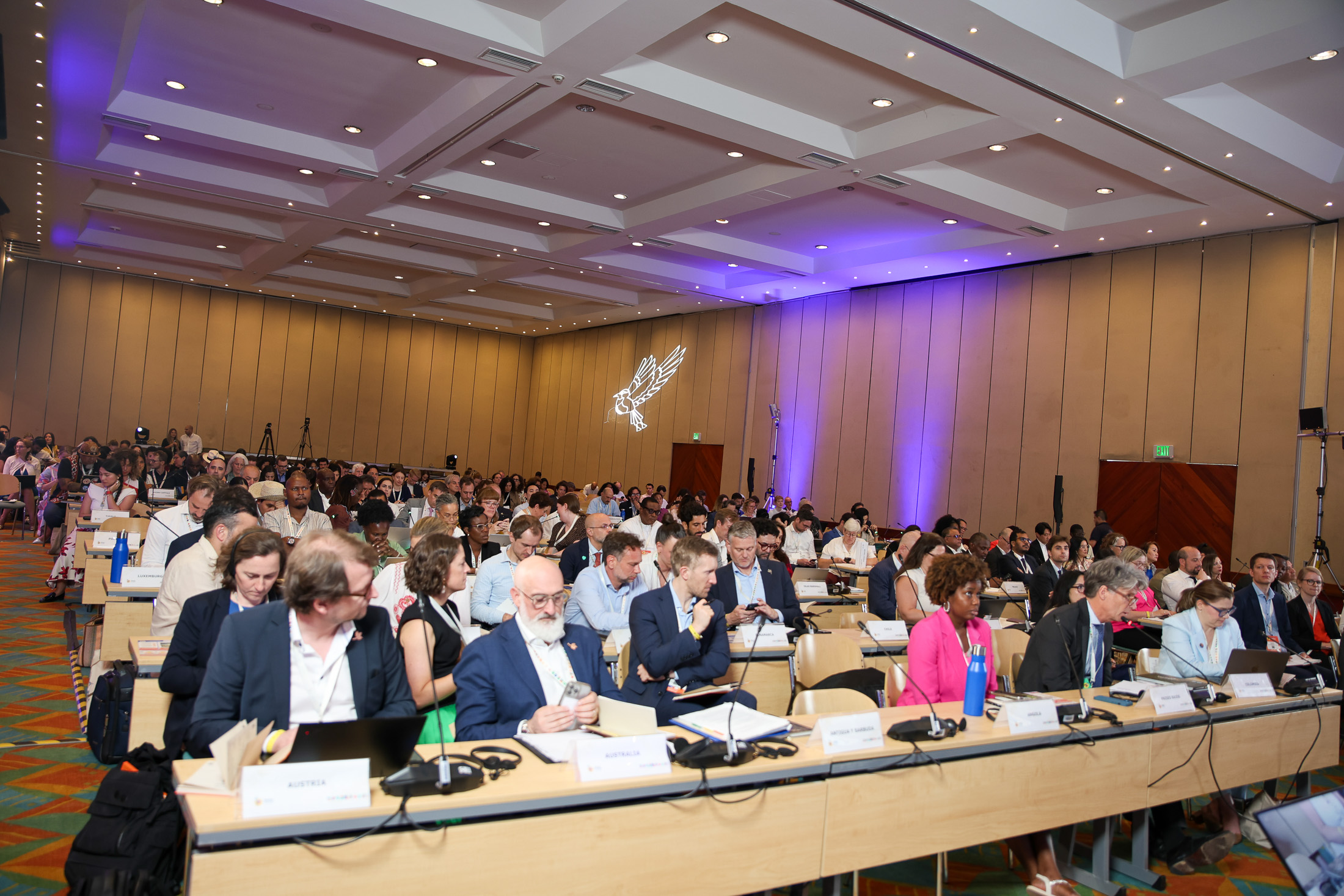
View of the room during the Frontrunner Cooperation Session
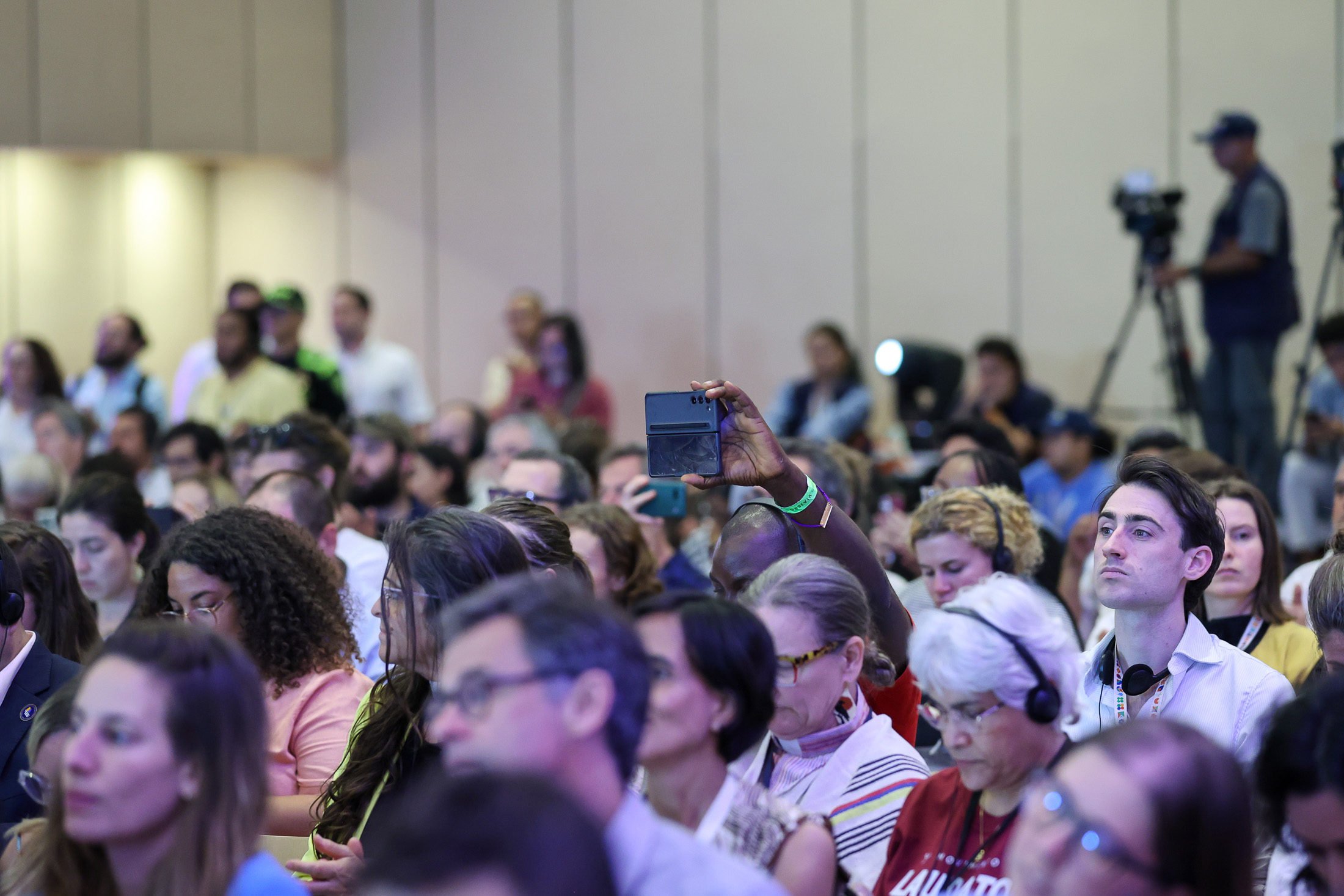
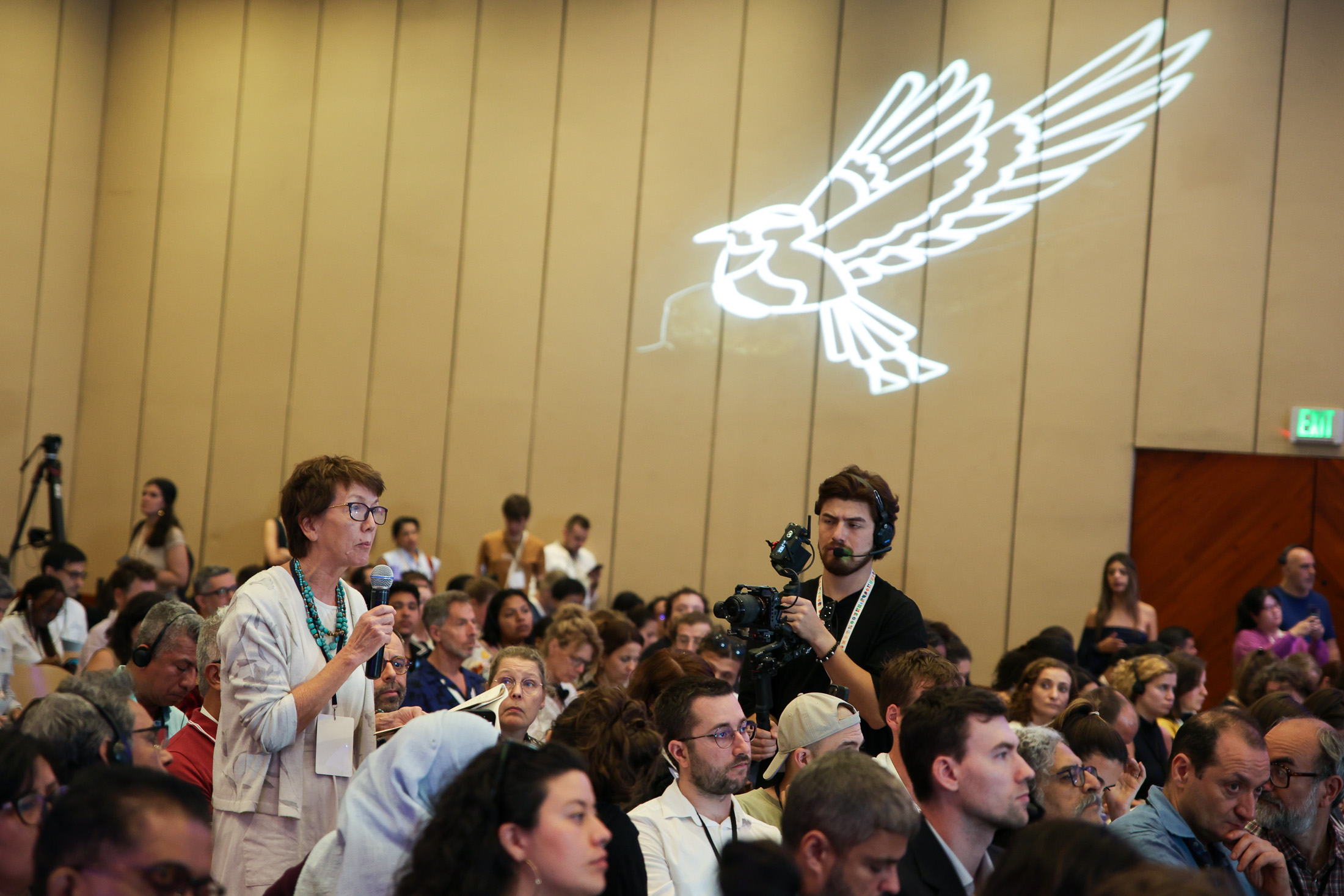
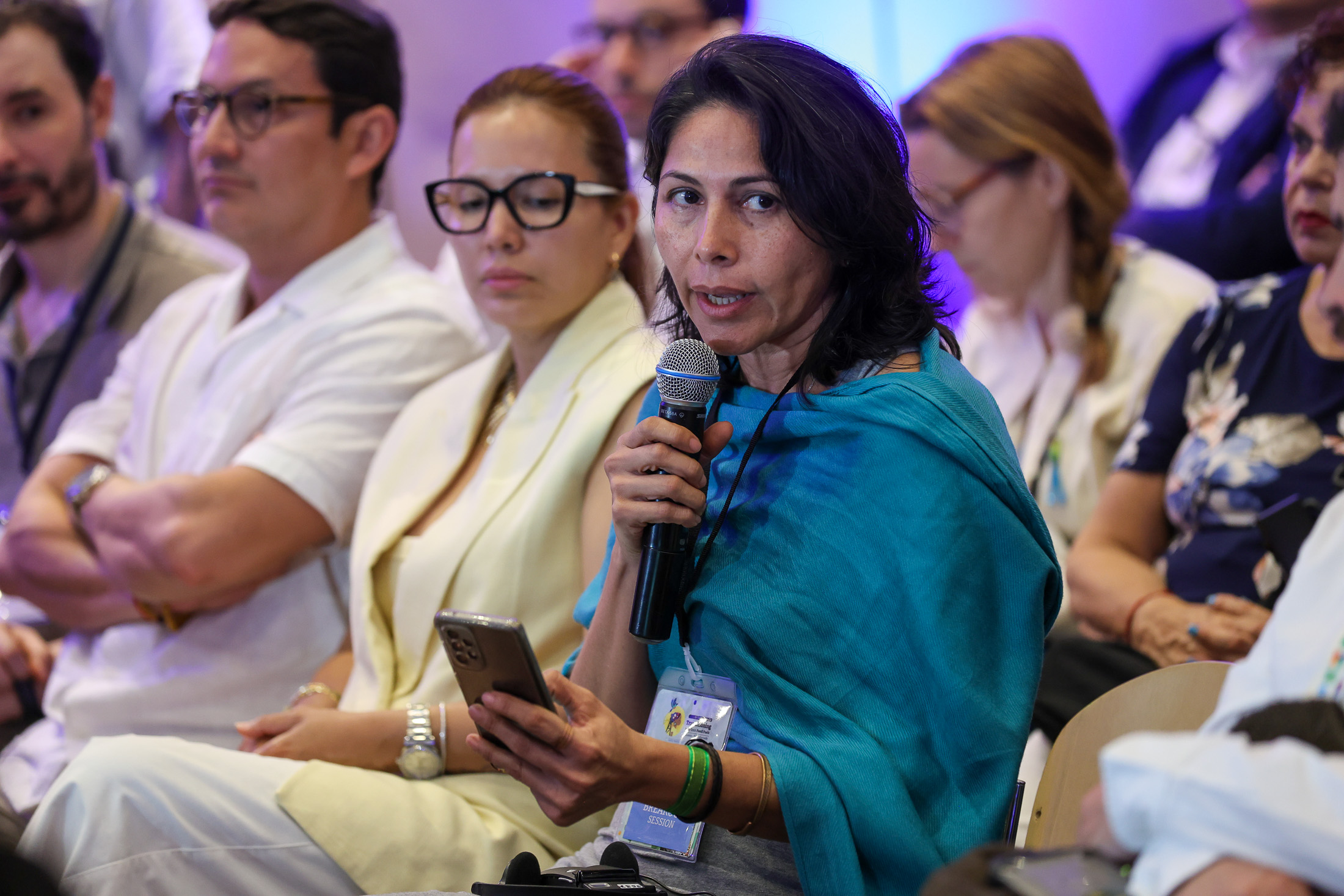
Ángela León, Peasants' Organizations
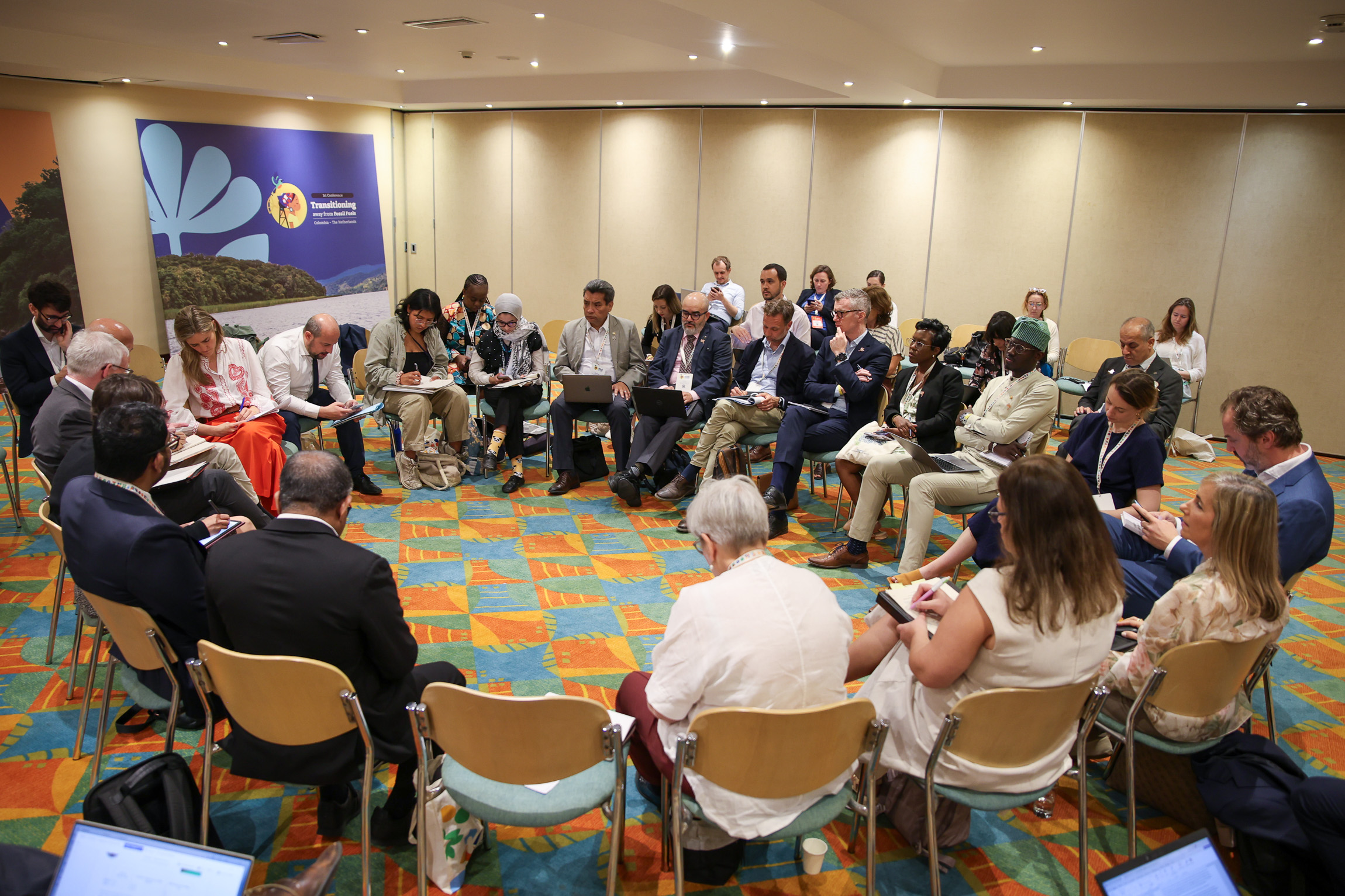
Breakout Sessions
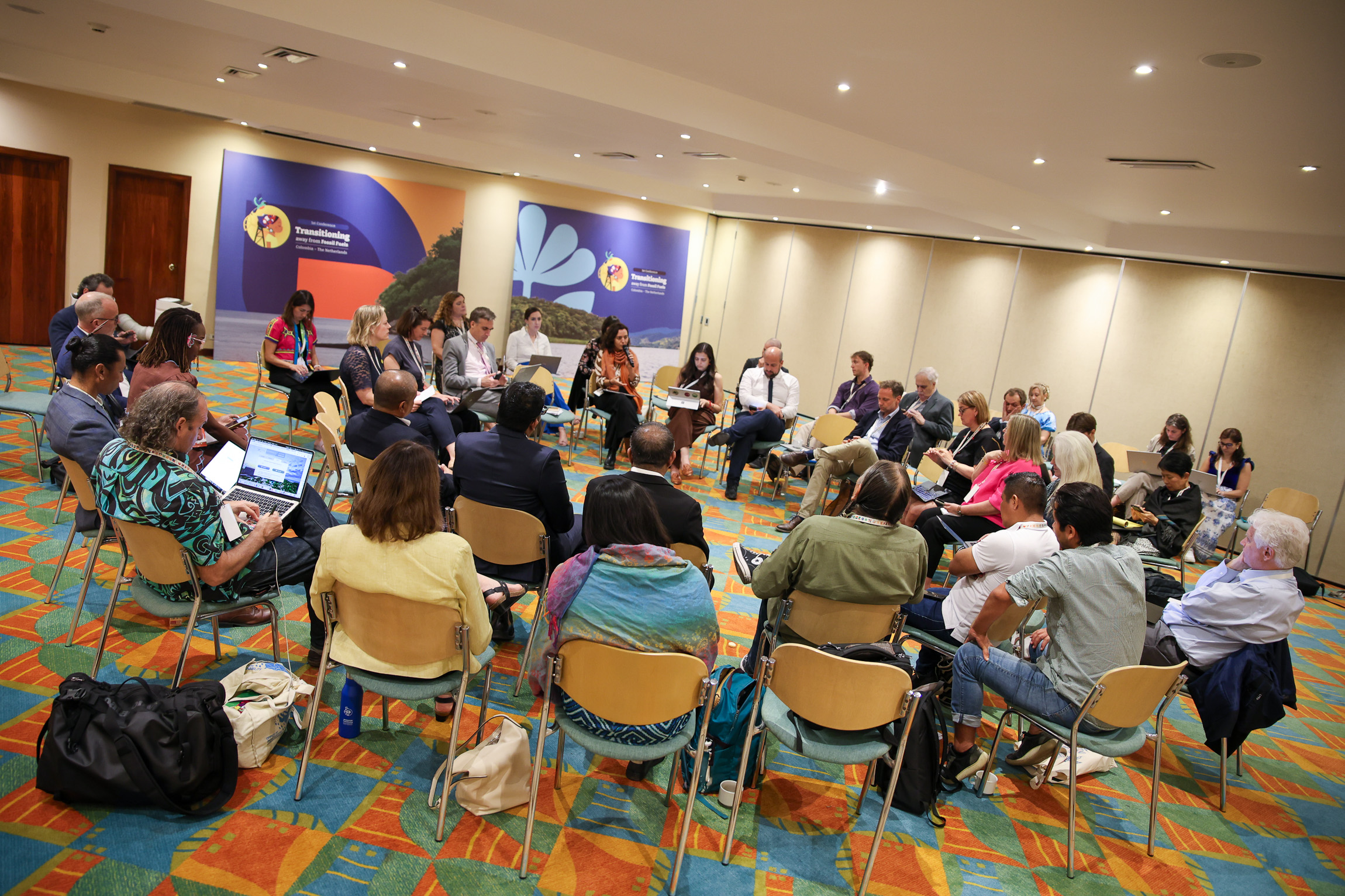
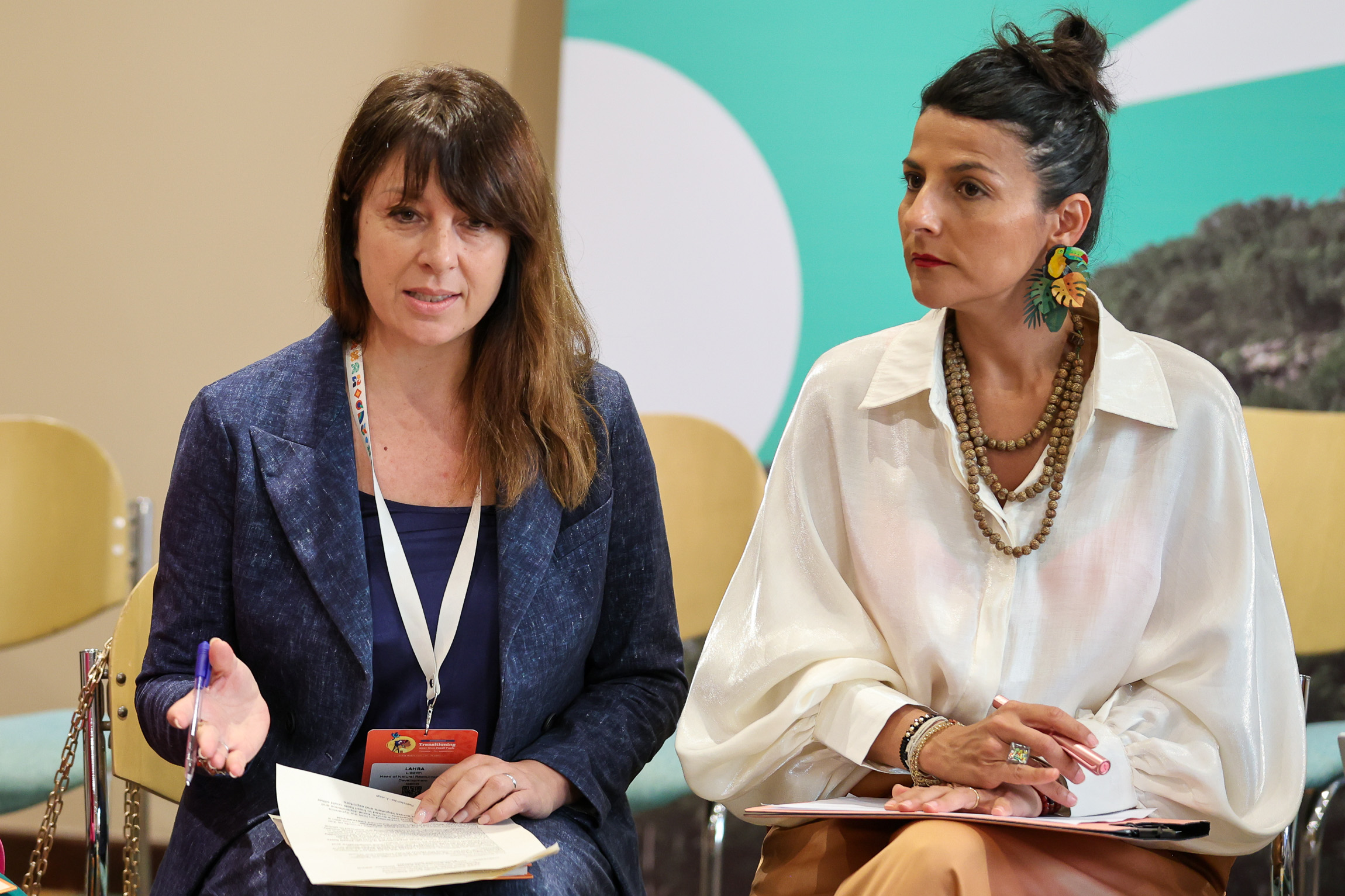
Lahra Liberti, Head of Natural Resources and Development Unit, OECD, and Irene Vélez Torres, Director, National Environmental Agency, Colombia
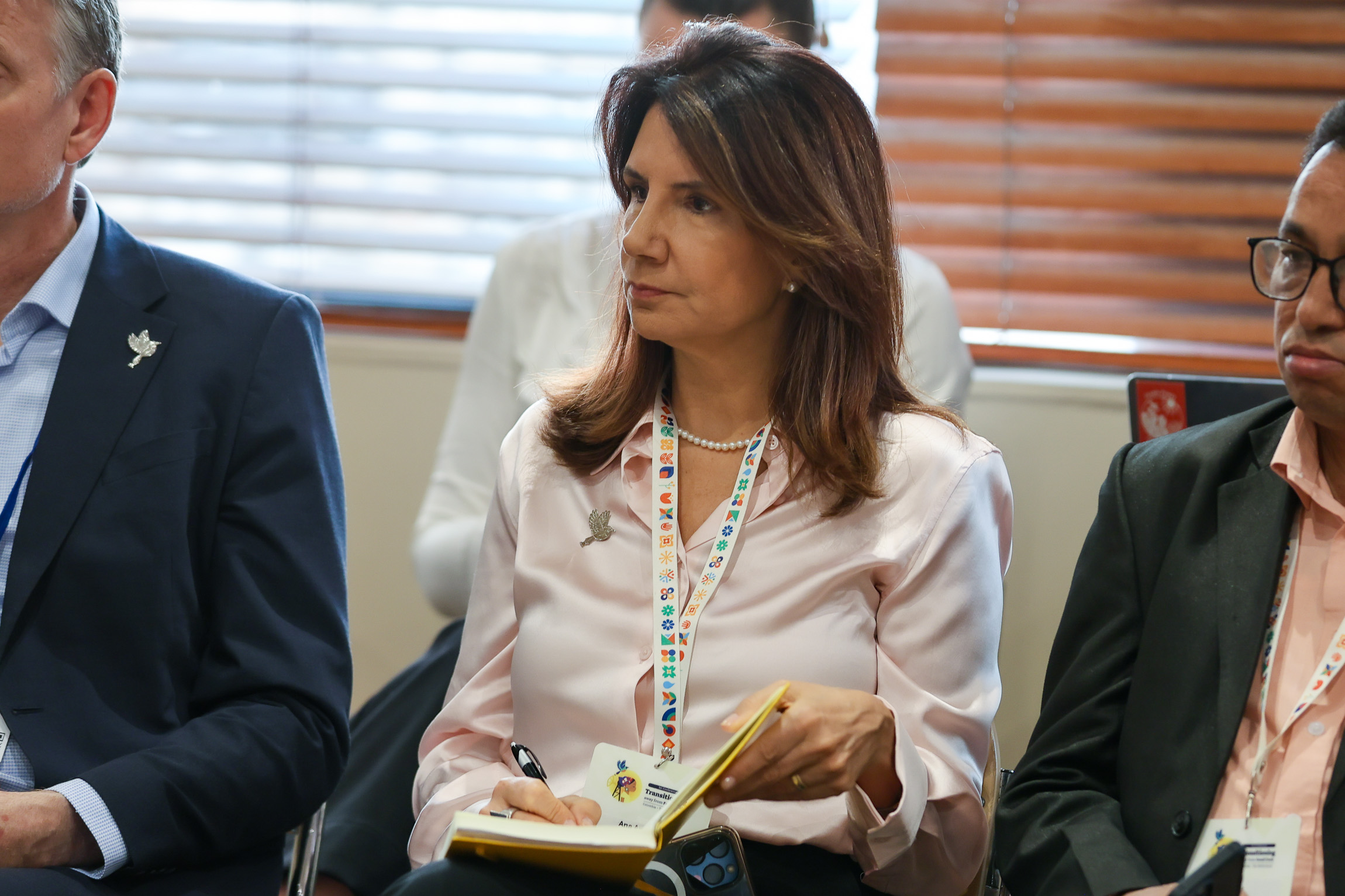
COP 30 Chief Executive Officer Ana Toni, Brazil
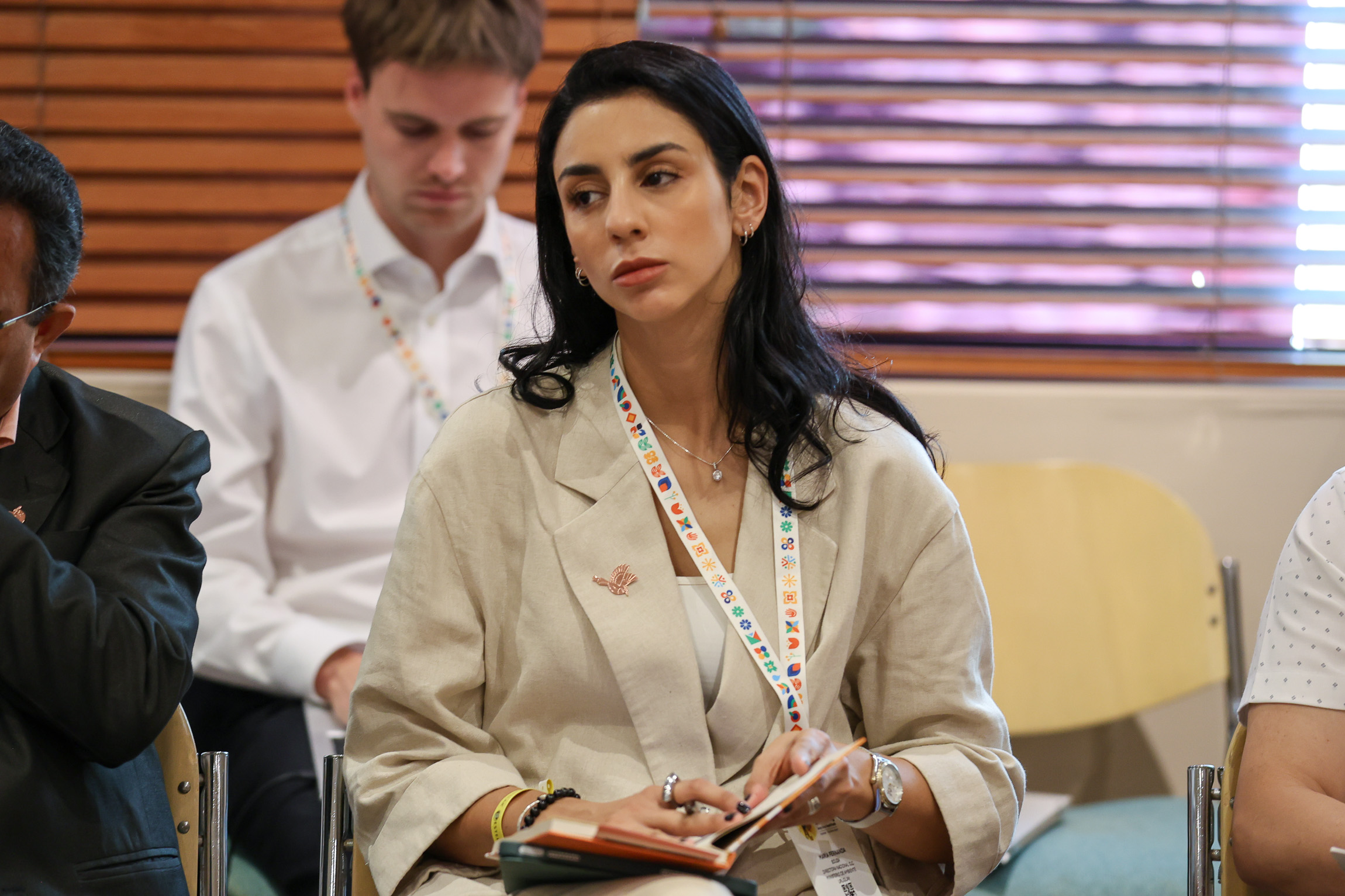
María Fernanda Souza Rodríguez, Uruguay
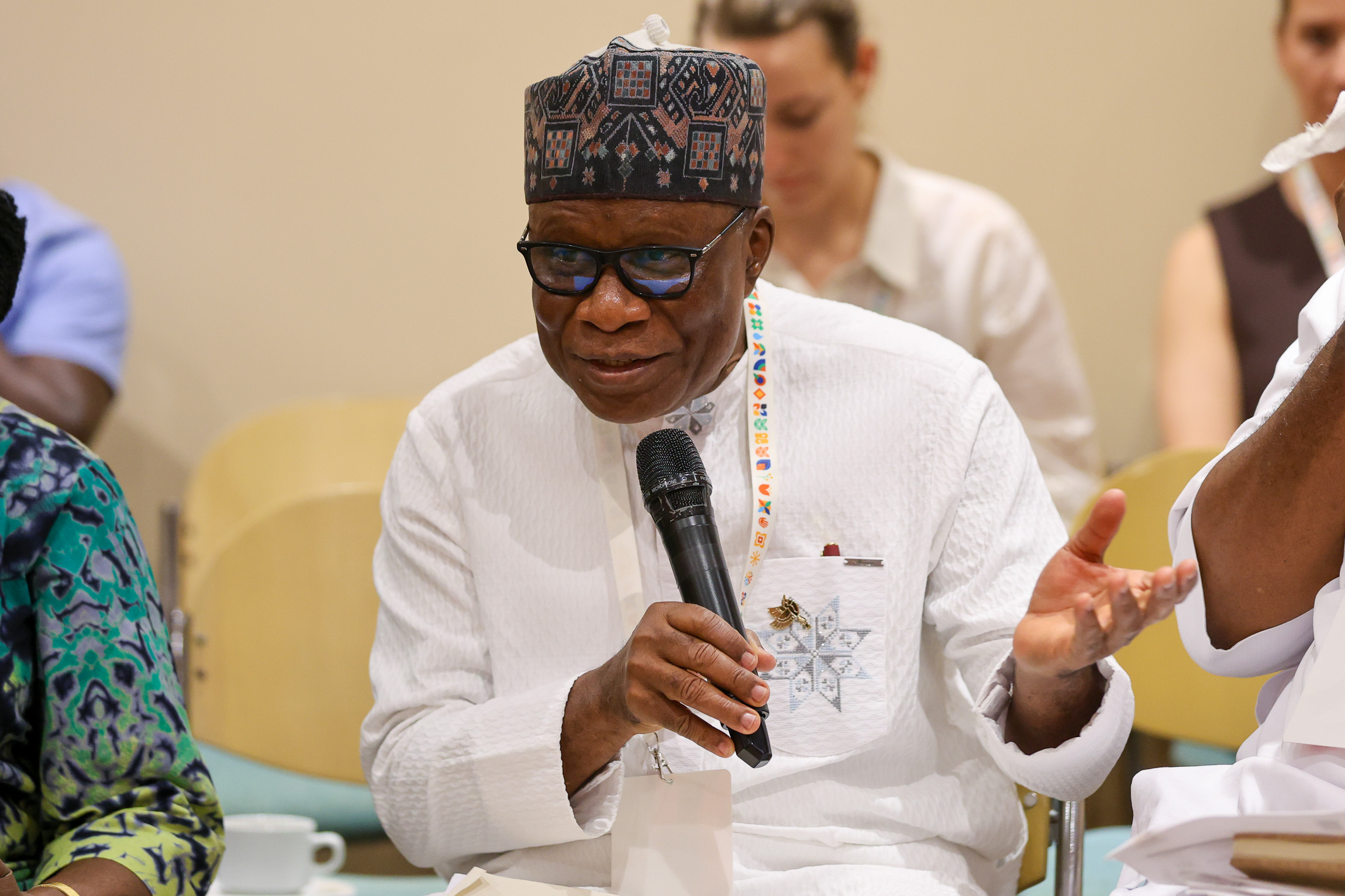
Abubakar Momoh, Minister of Niger Delta Development, Nigeria
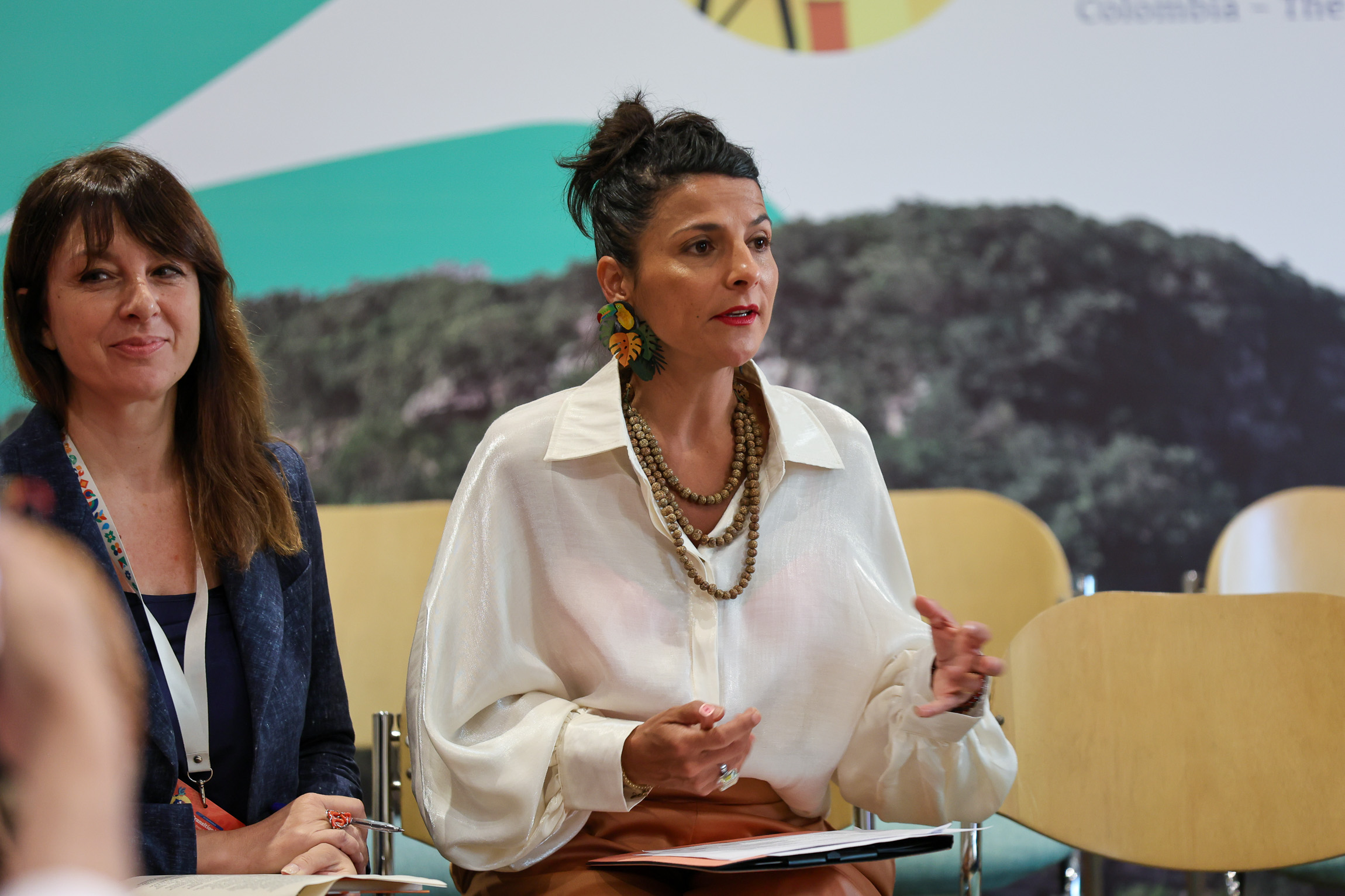
Irene Vélez Torres, Director, National Environmental Agency, Colombia
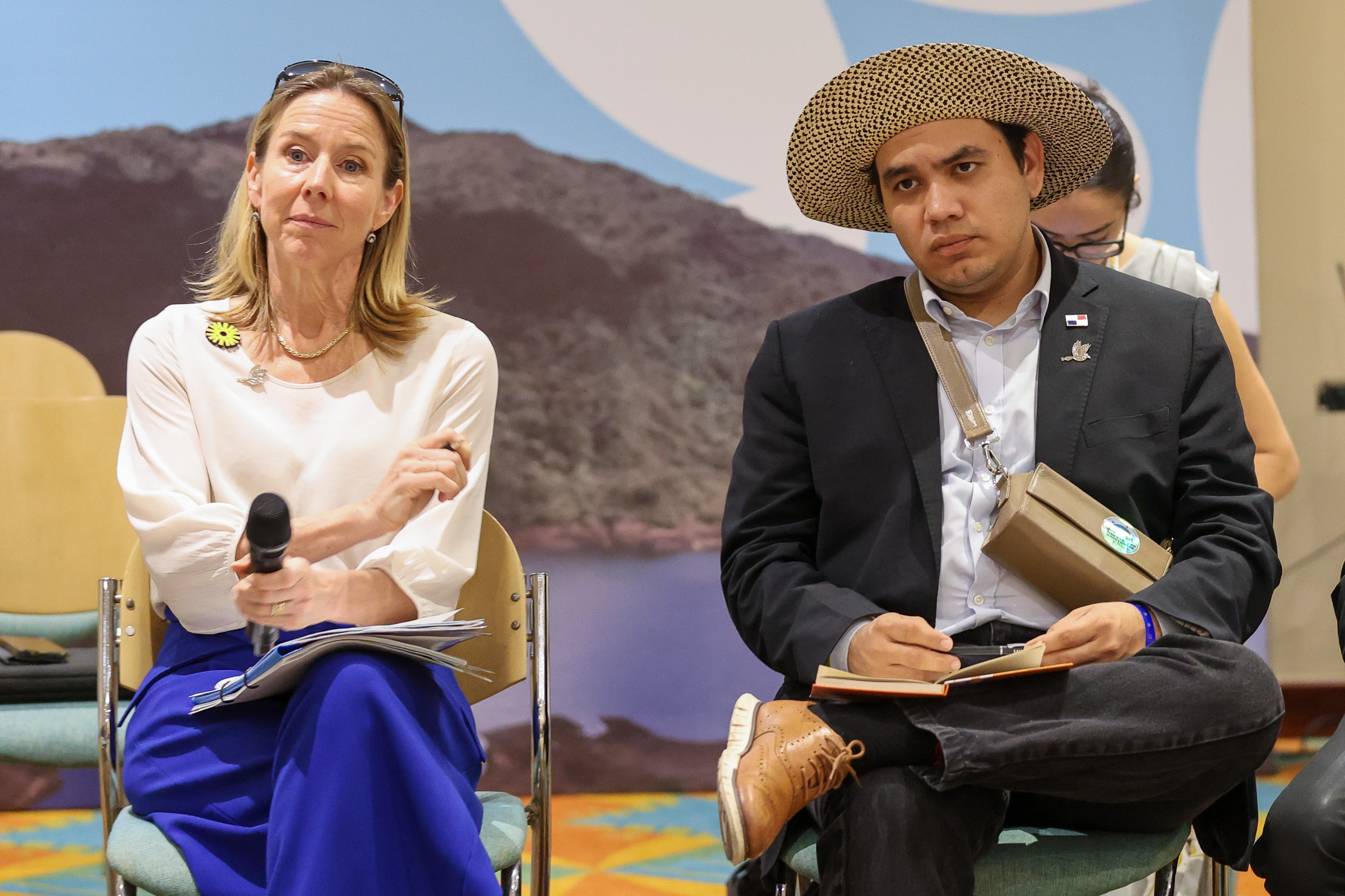
Stientje van Veldhoven, Minister of Climate Policy and Green Growth, the Netherlands, and Juan Carlos Monterrey Gómez, Panama
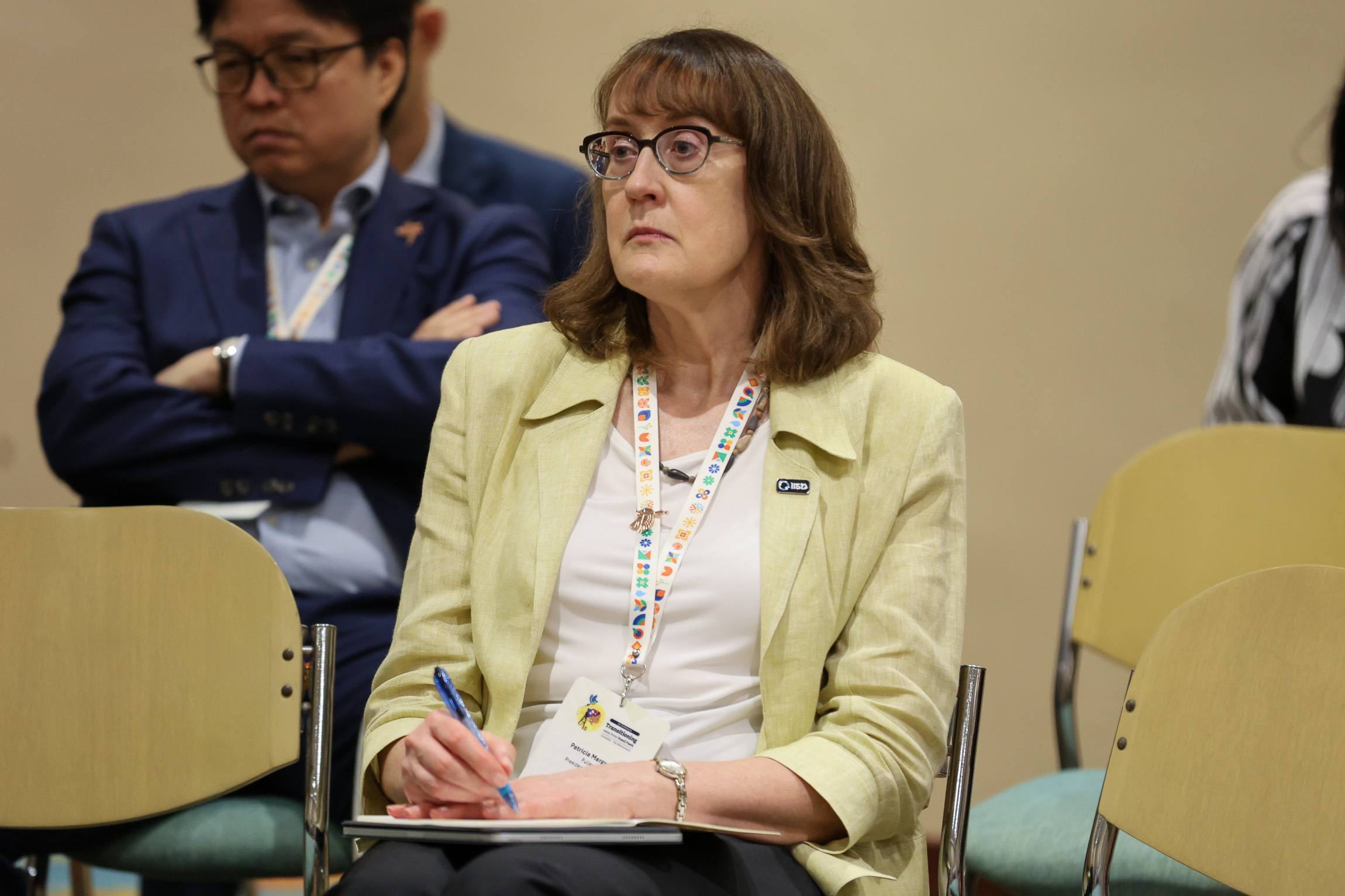
Patricia Fuller, President and CEO, IISD
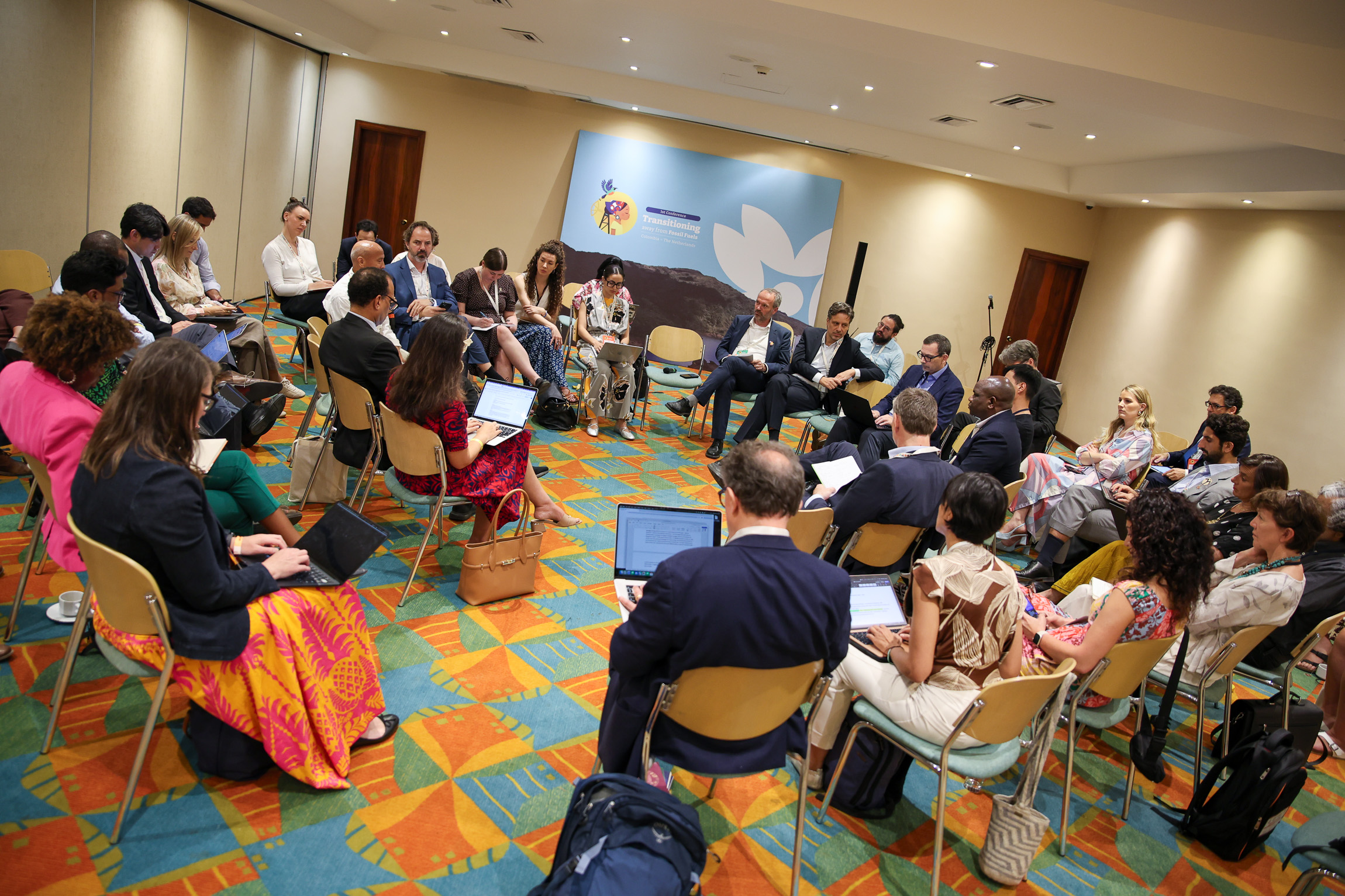
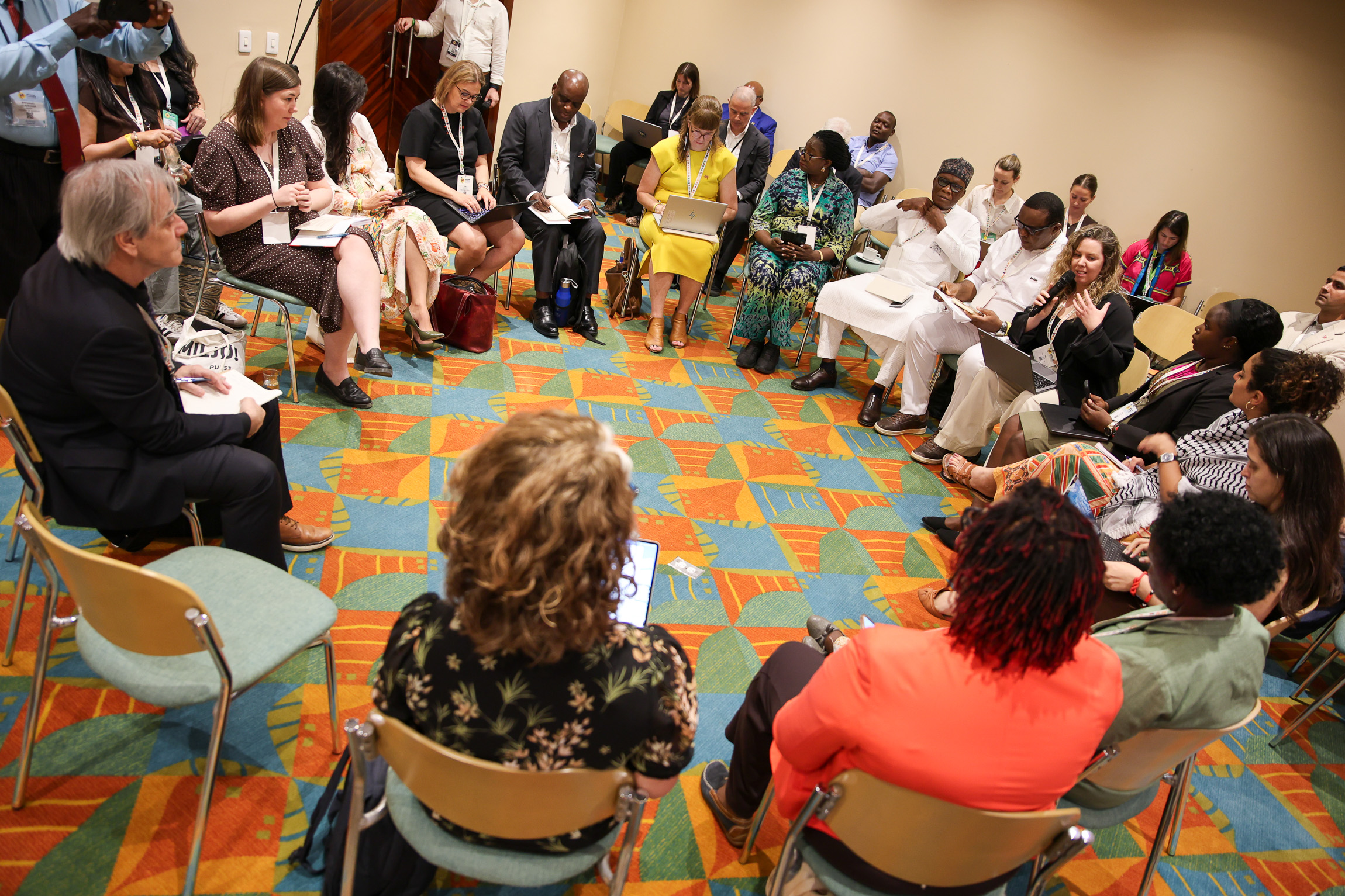
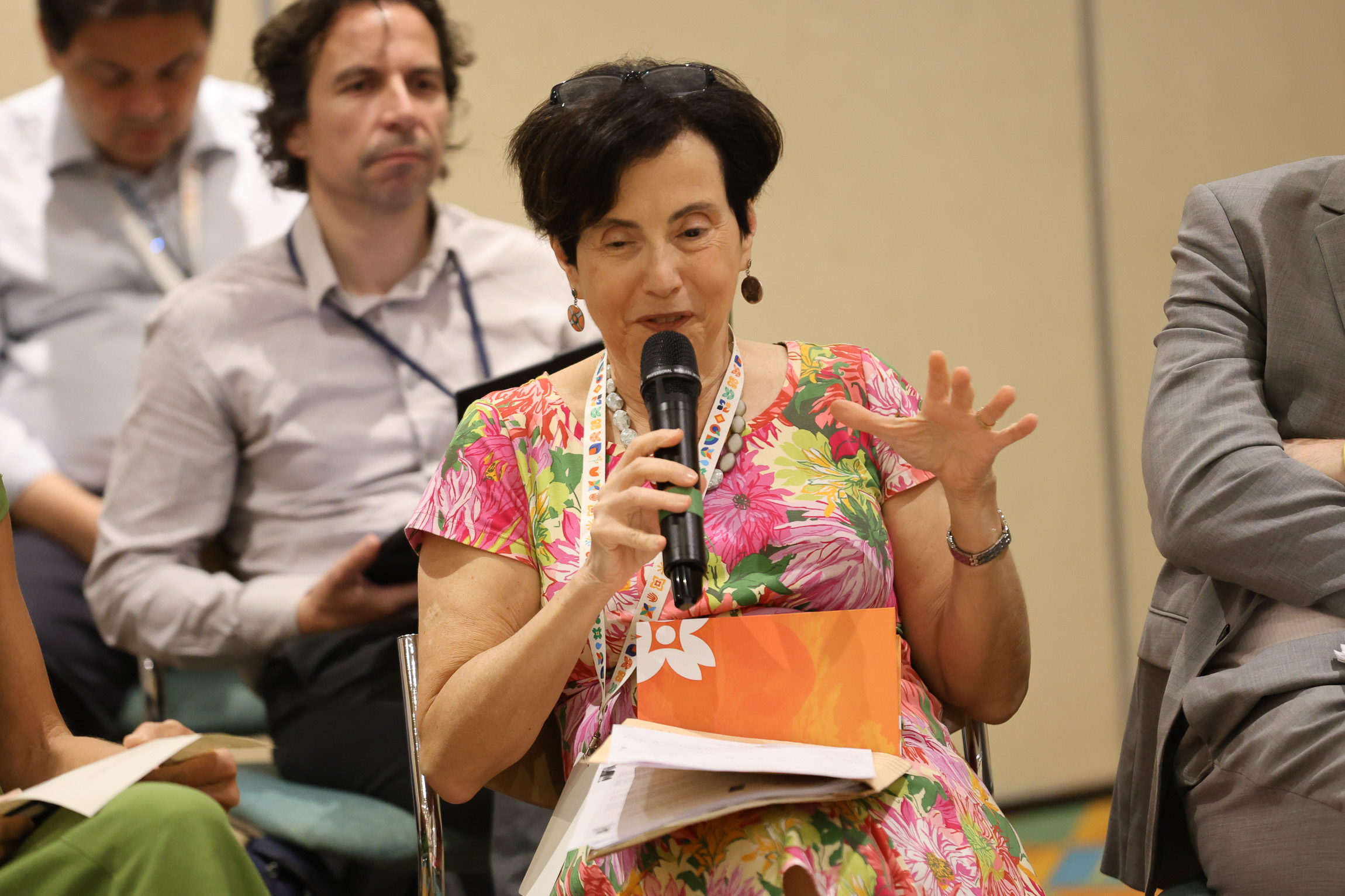
Diana Acconcia, European Commission
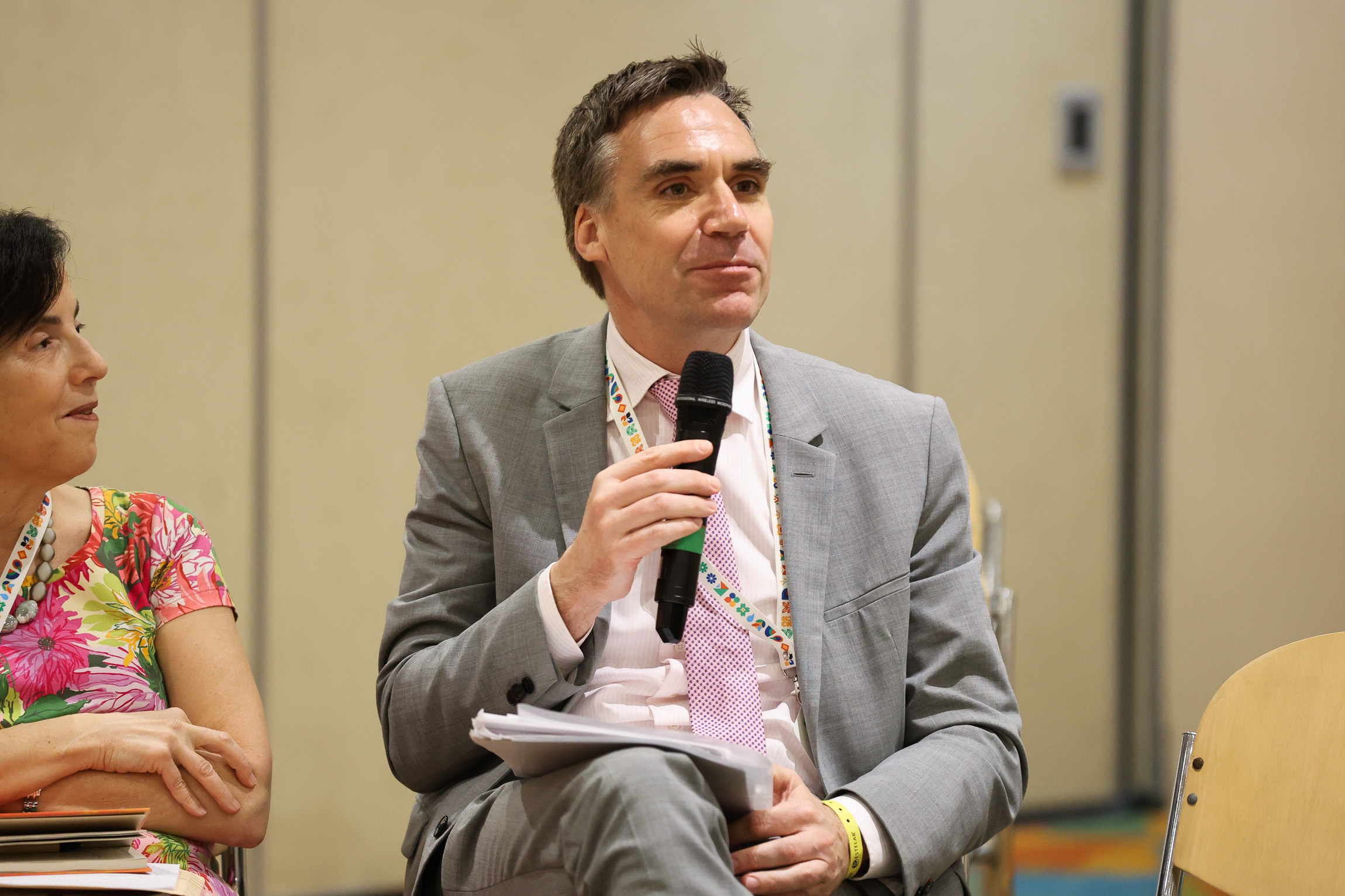
Felix Wertli, Switzerland
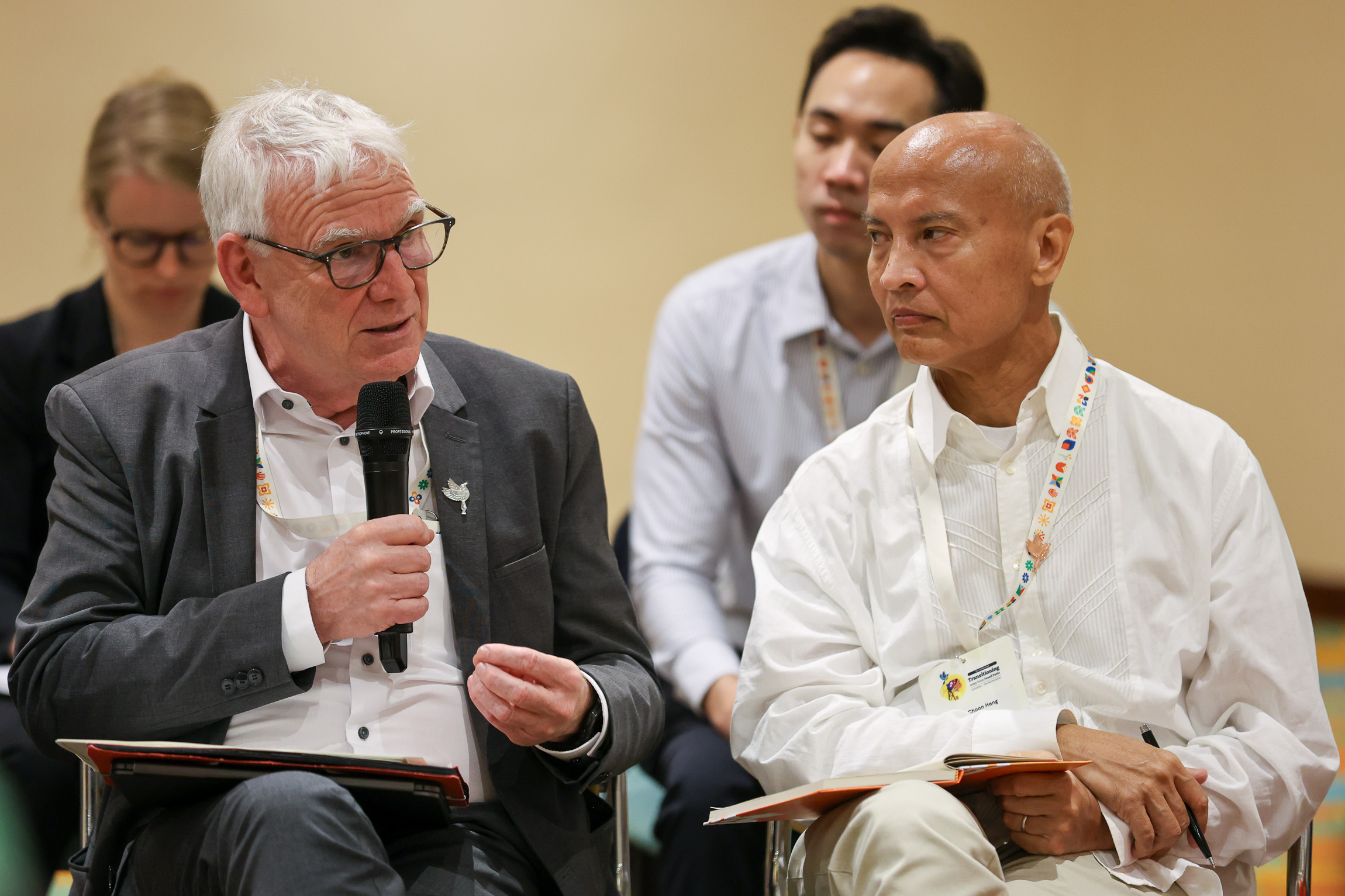
Jochen Flasbarth, State Secretary, Federal Ministry for the Environment, Climate Action, Nature Conservation, and Nuclear Safety, Germany, and Joseph Teo, Singapore
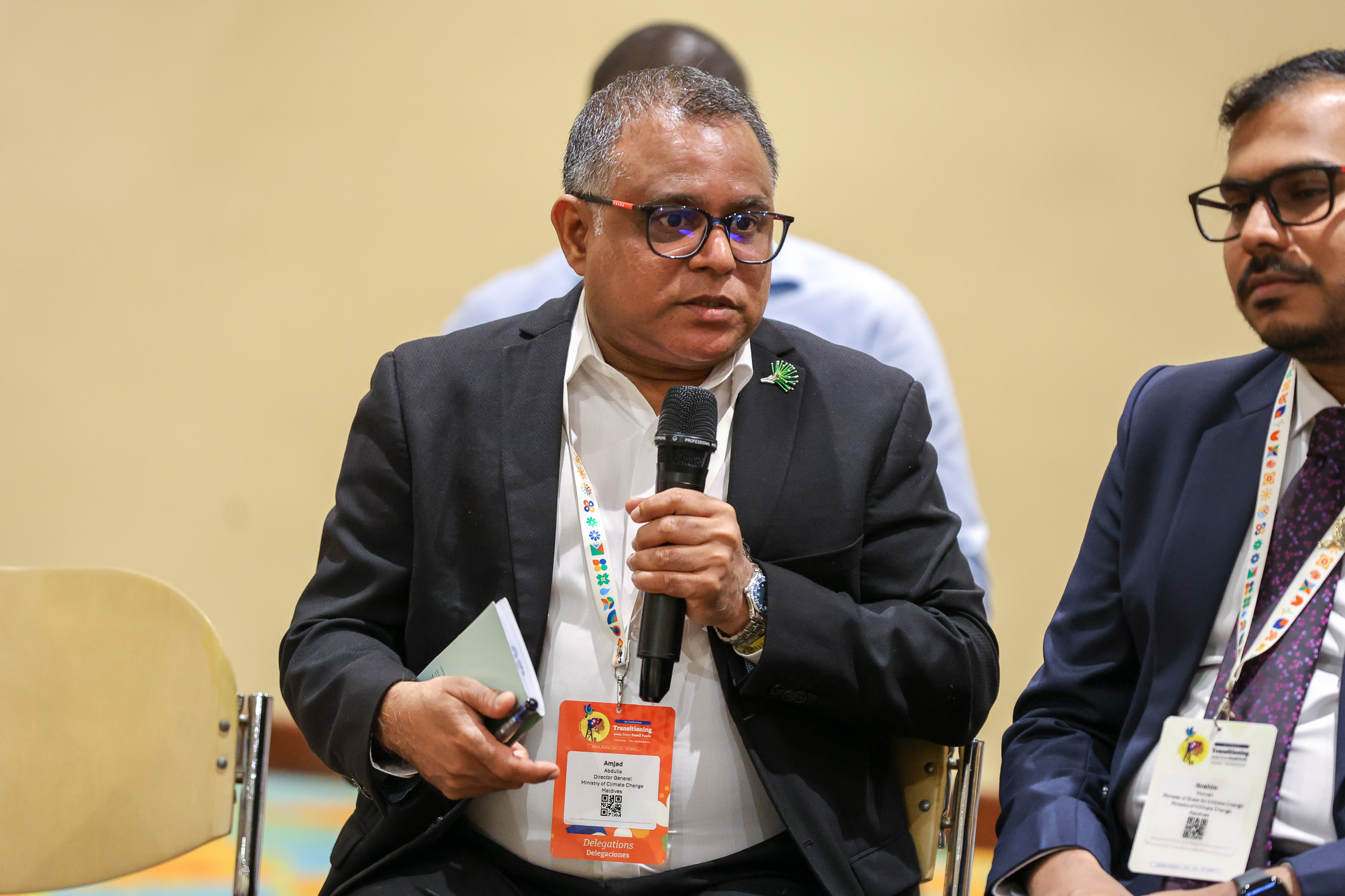
Amjad Abdulla, Maldives
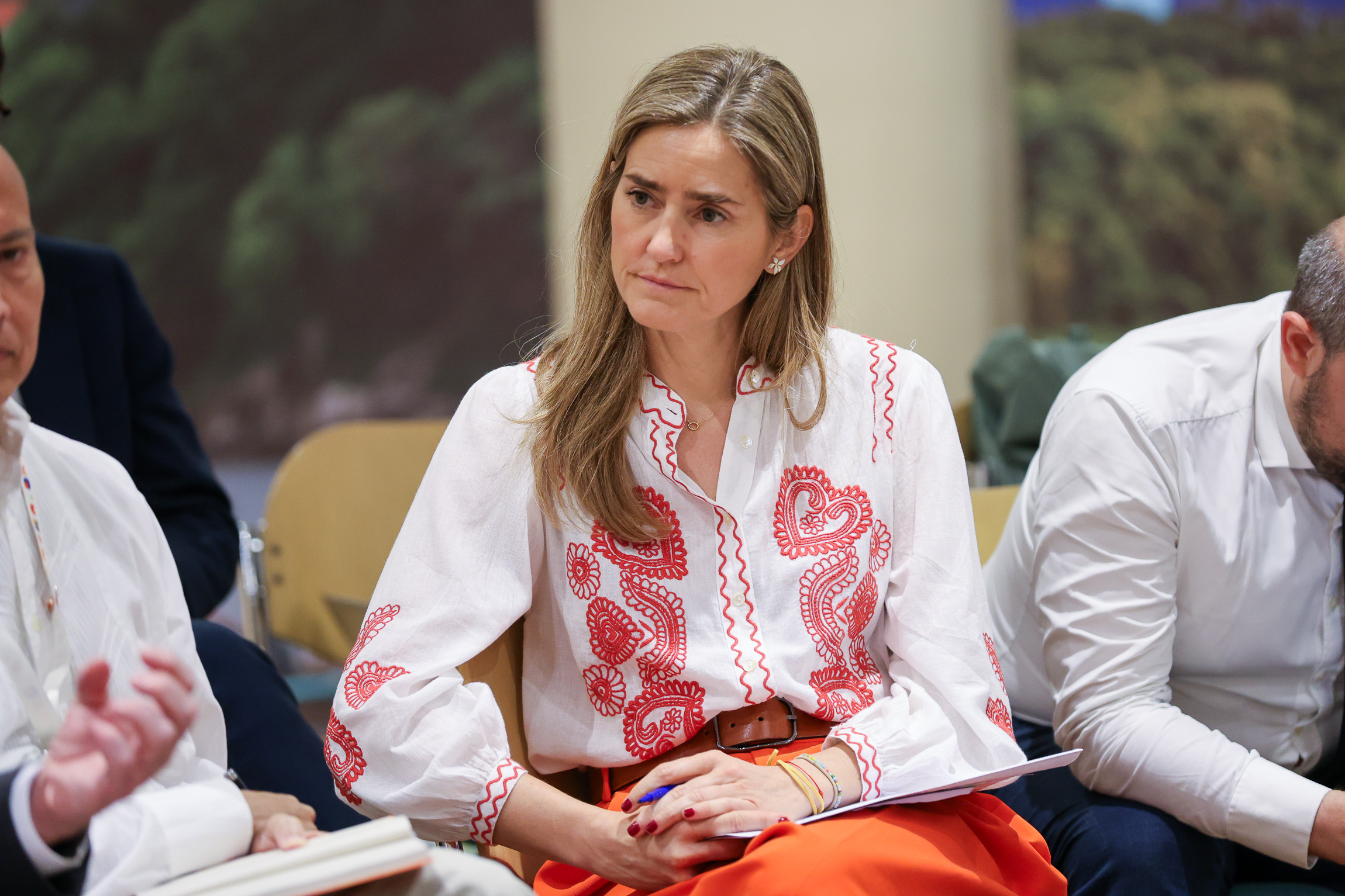
Sara Aagesen Muñoz, Minister for the Ecological Transition, Spain
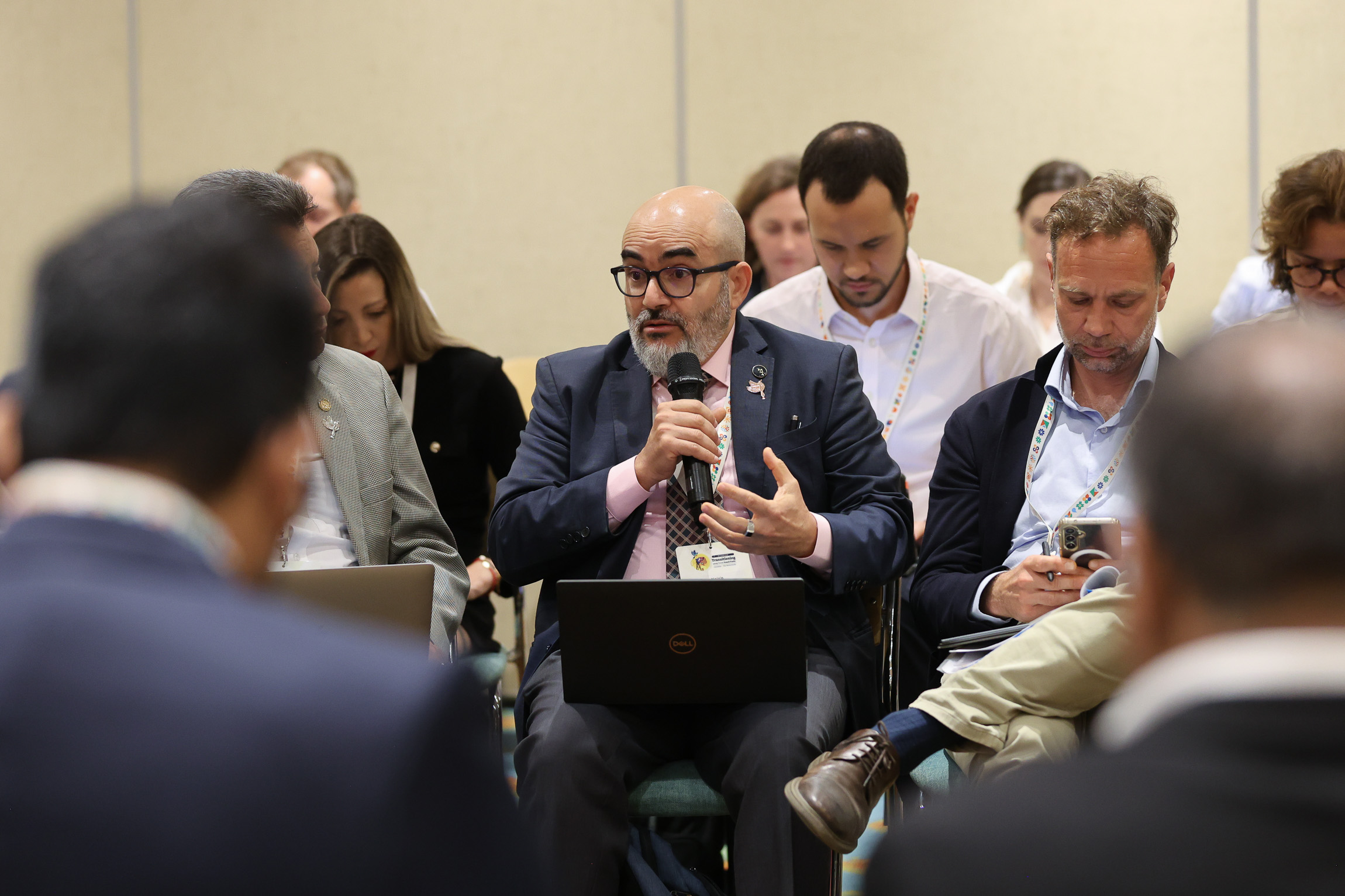
Aloisio Lopes Pereira de Melo Cargo, National Secretary for Climate Change, Ministry of the Environment and Climate Change, Brazil
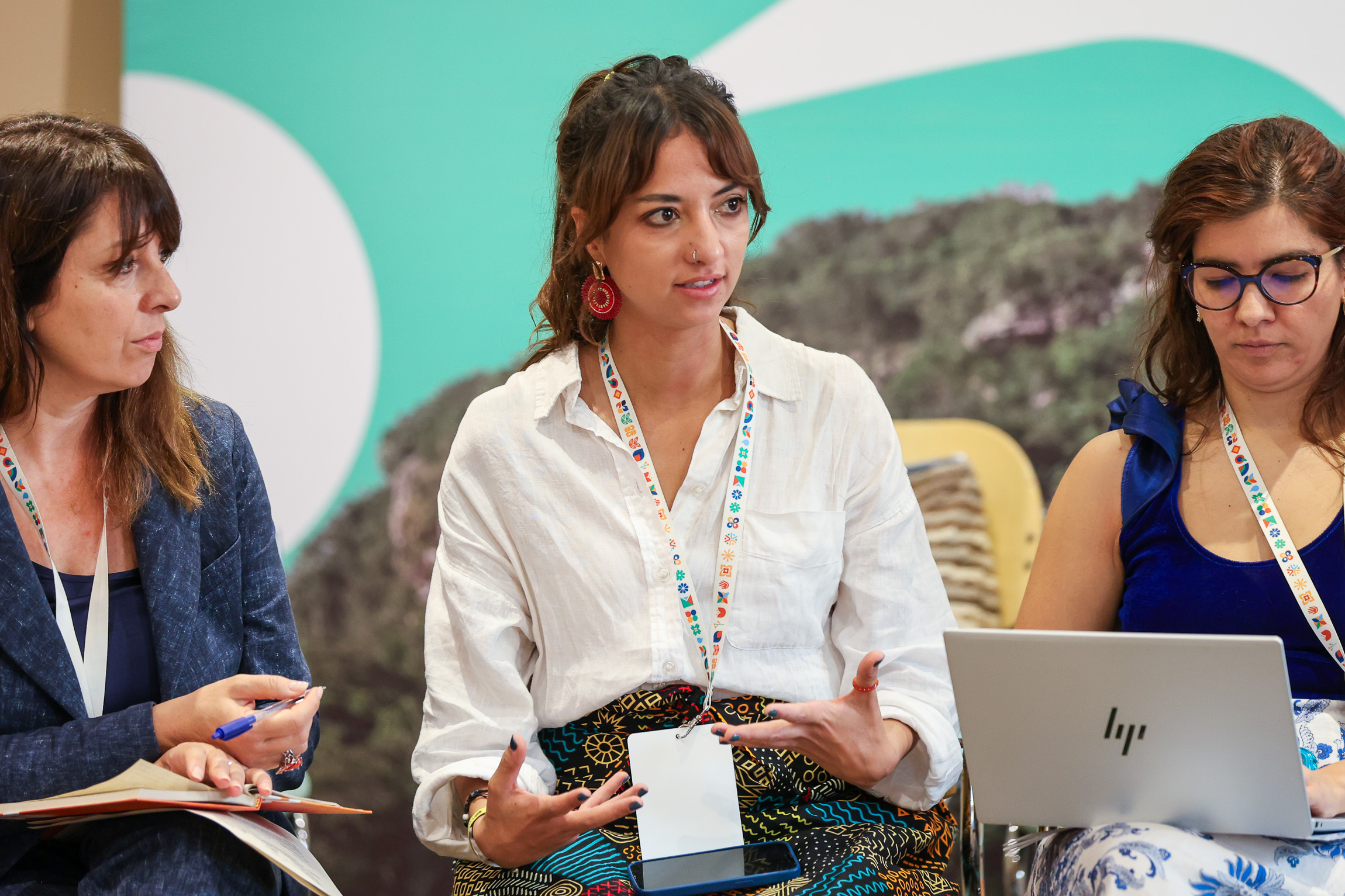
Daniela Durán González, Colombia
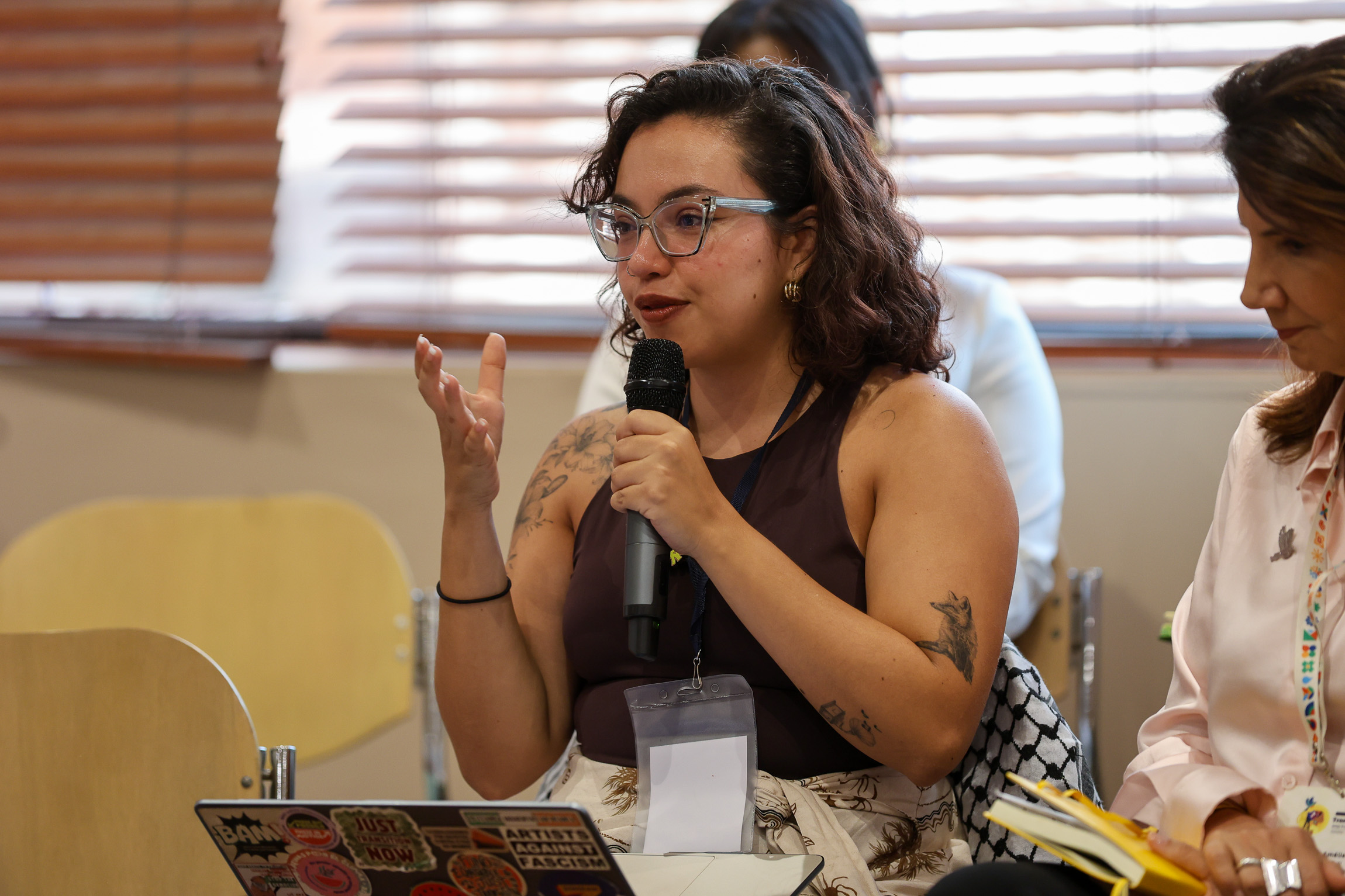
Valeria Peláez Cardona, Women Engage for a Common Future
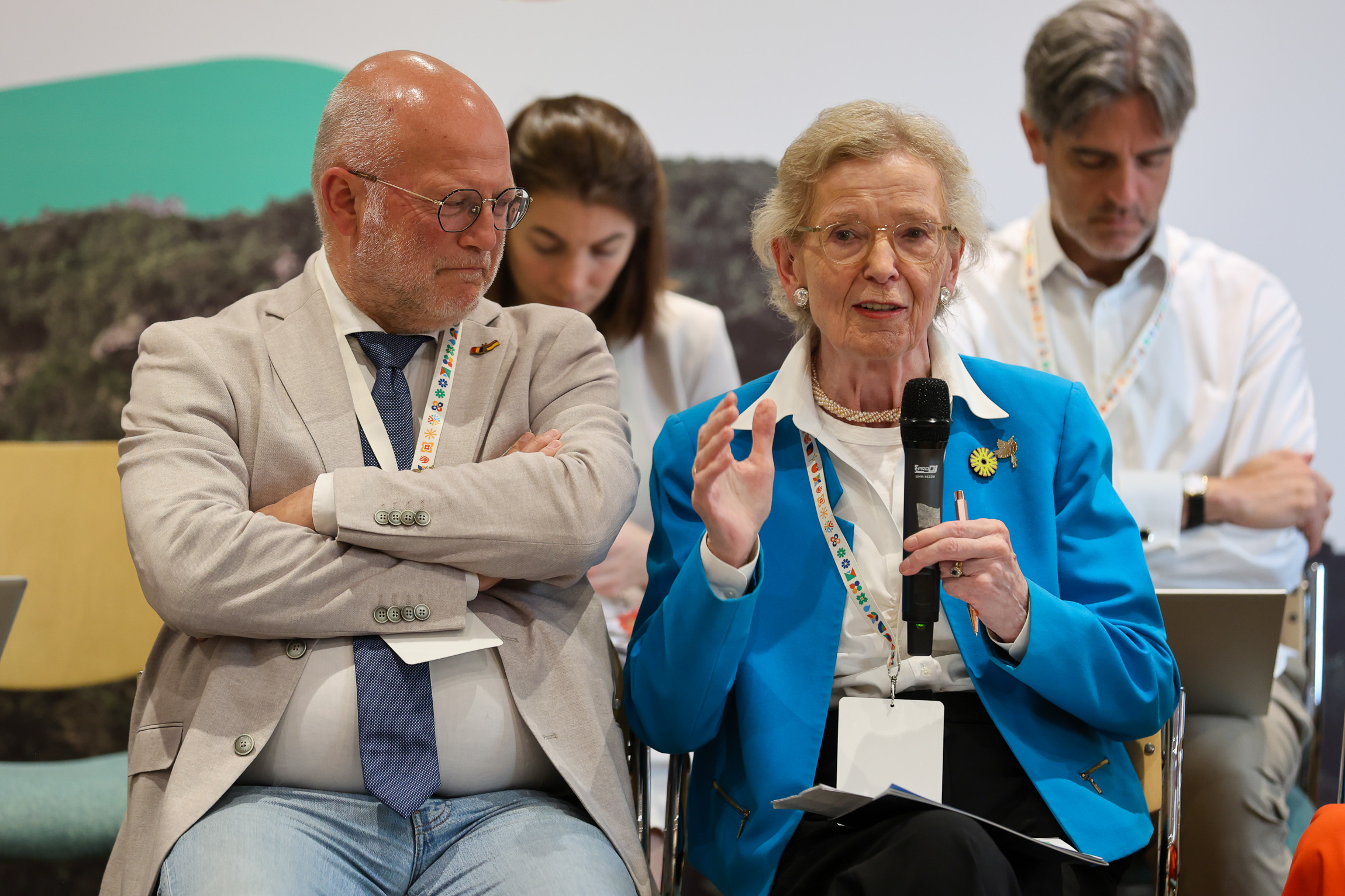
Jean-Luc Crucke, Minister of Mobility, Belgium, and Mary Robinson, the Elders
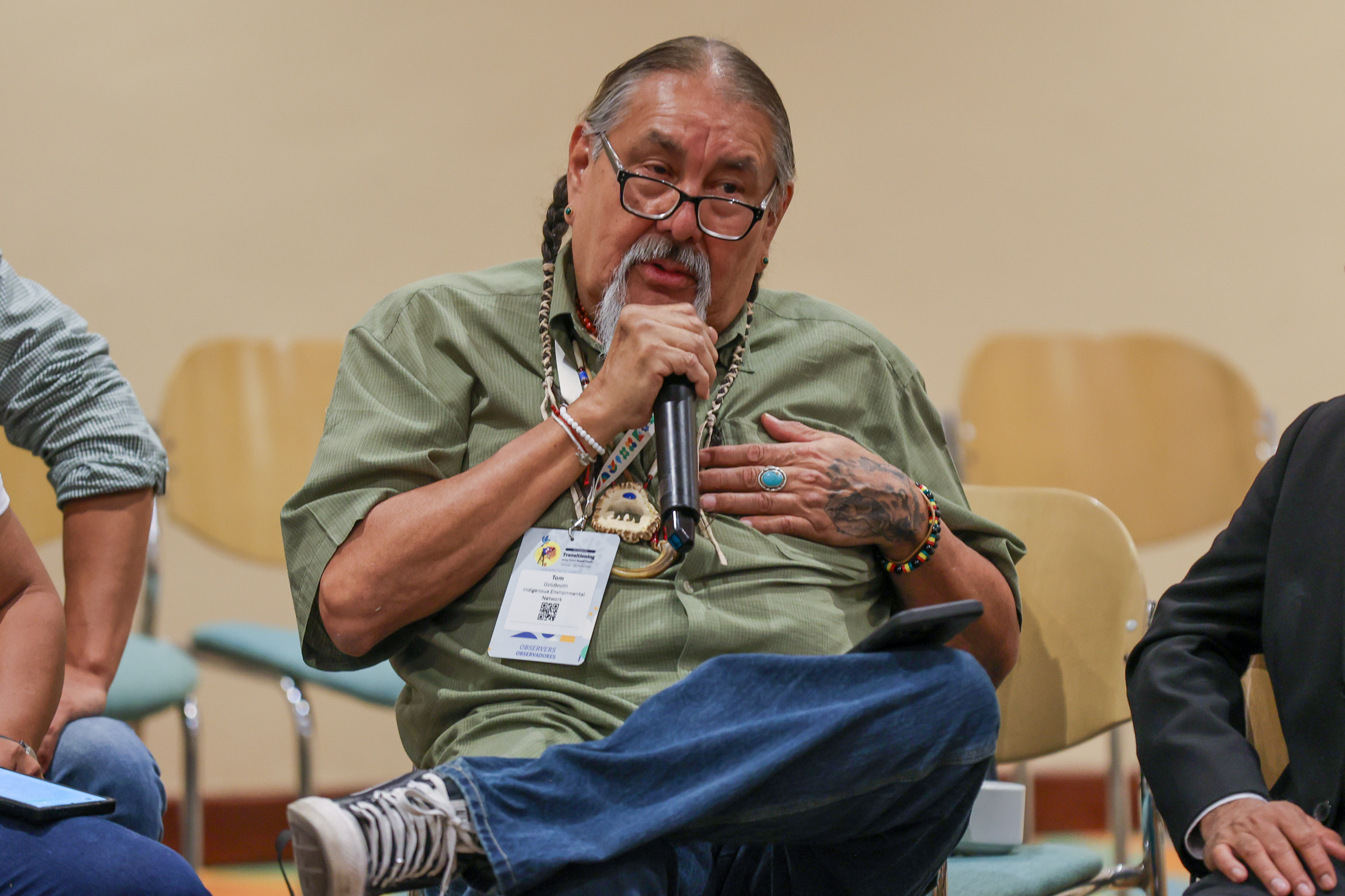
Tom Goldtooth, Indigenous Environmental Network
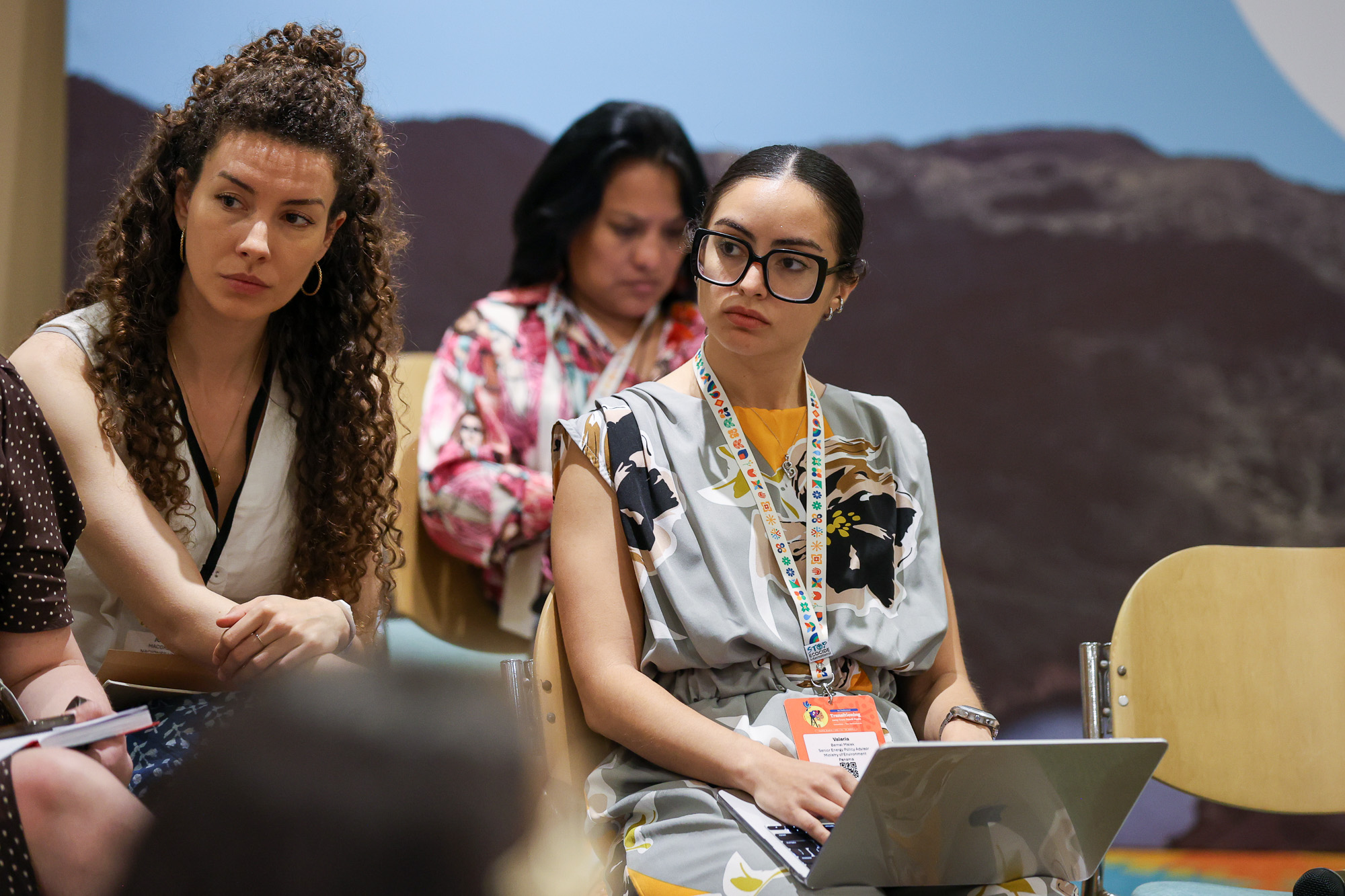
Joanna MacGregor, UNFCCC Secretariat, and Valeria Bernal Malek, Panama
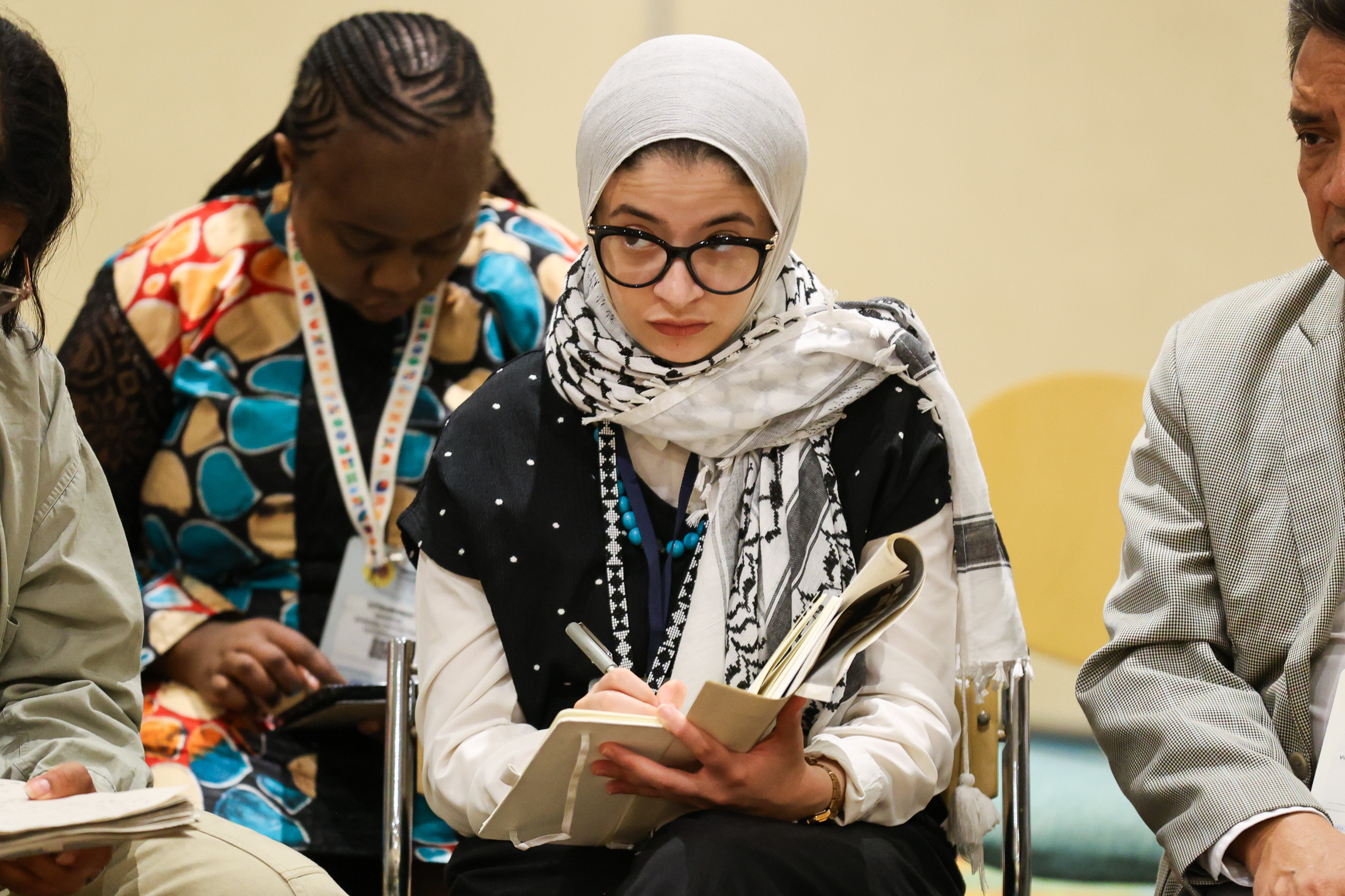

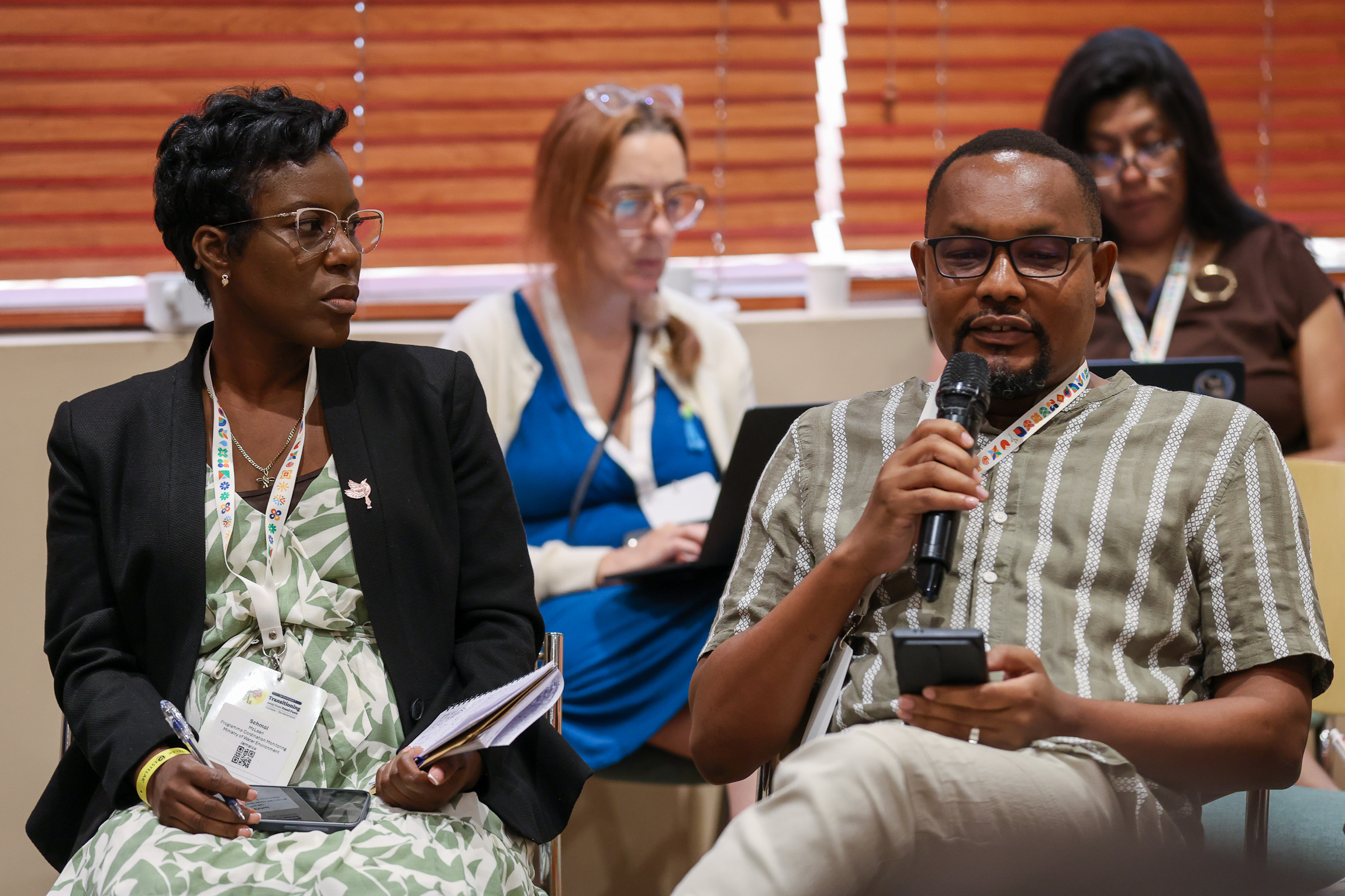
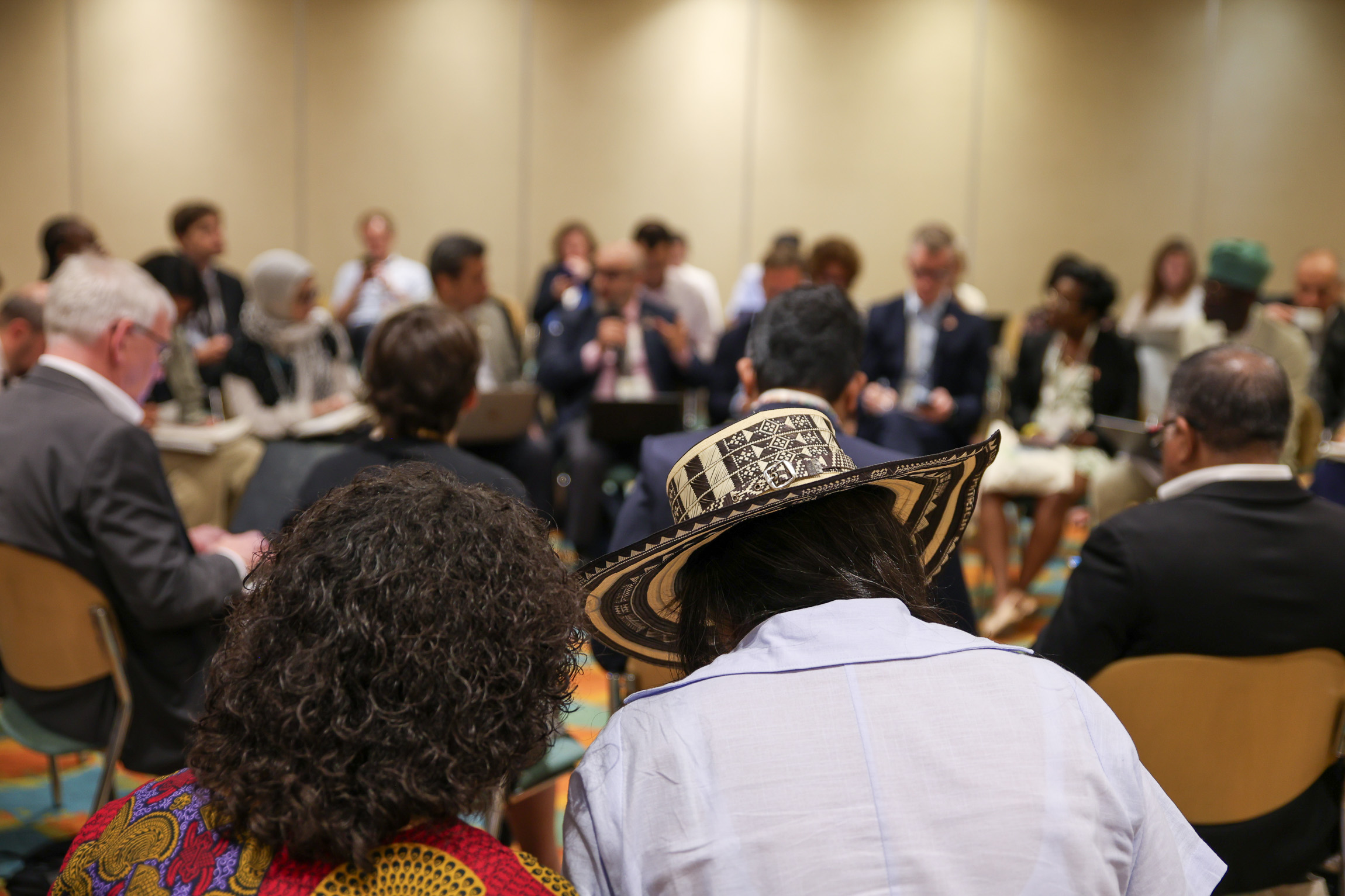
Between Sessions
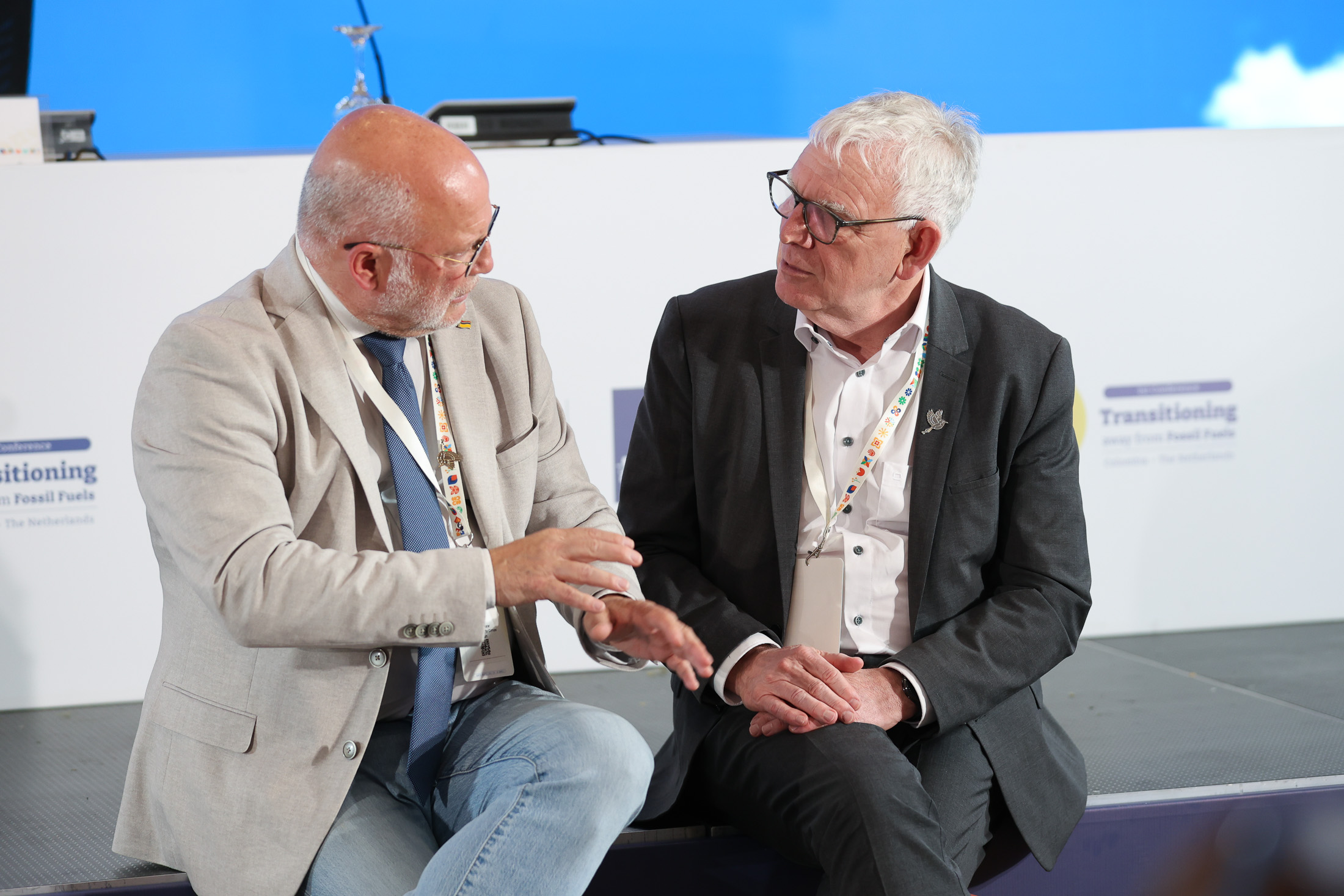
Jean-Luc Crucke, Minister of Mobility, Belgium, and Jochen Flasbarth, State Secretary, Federal Ministry for the Environment, Climate Action, Nature Conservation, and Nuclear Safety, Germany
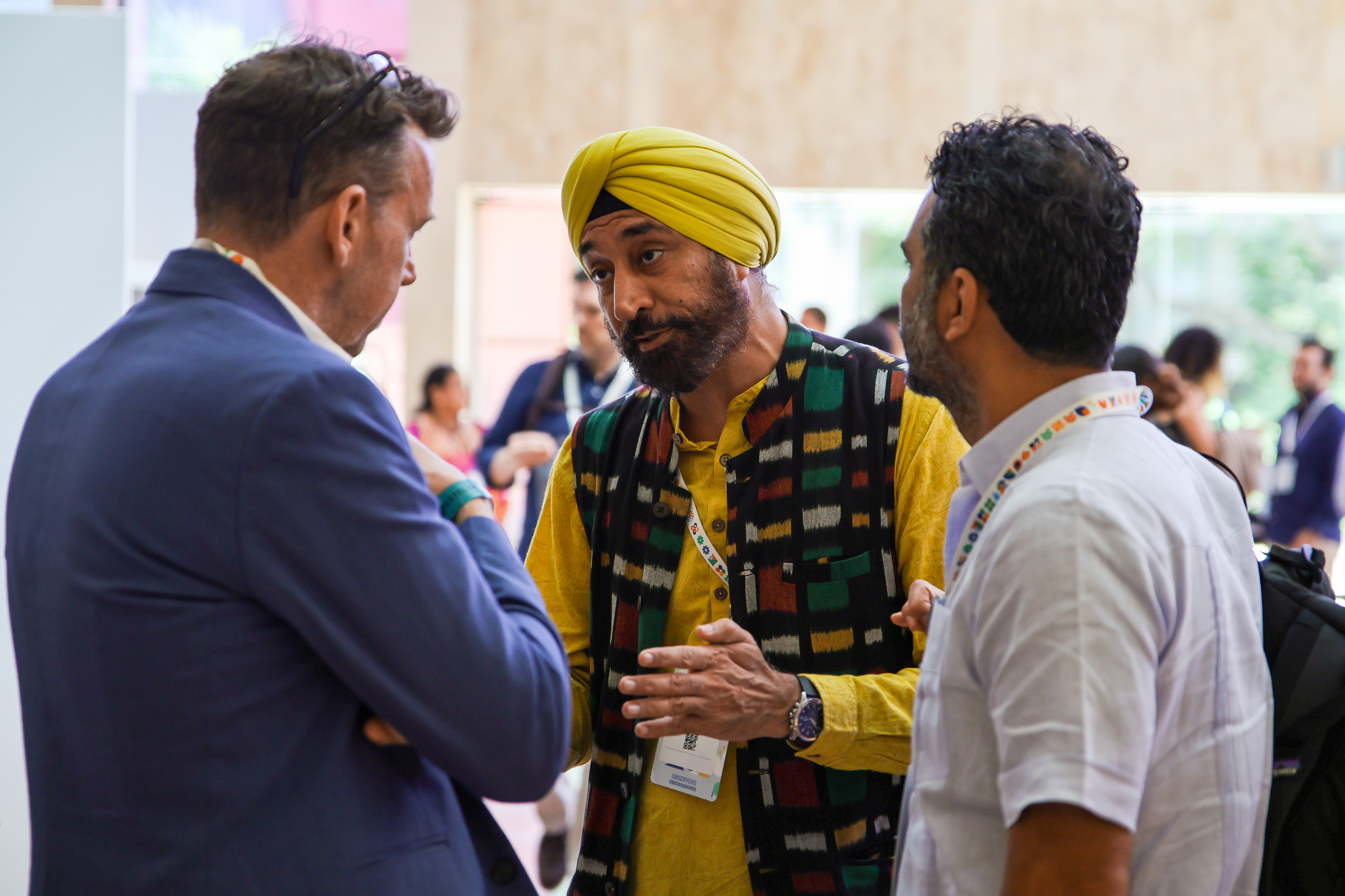
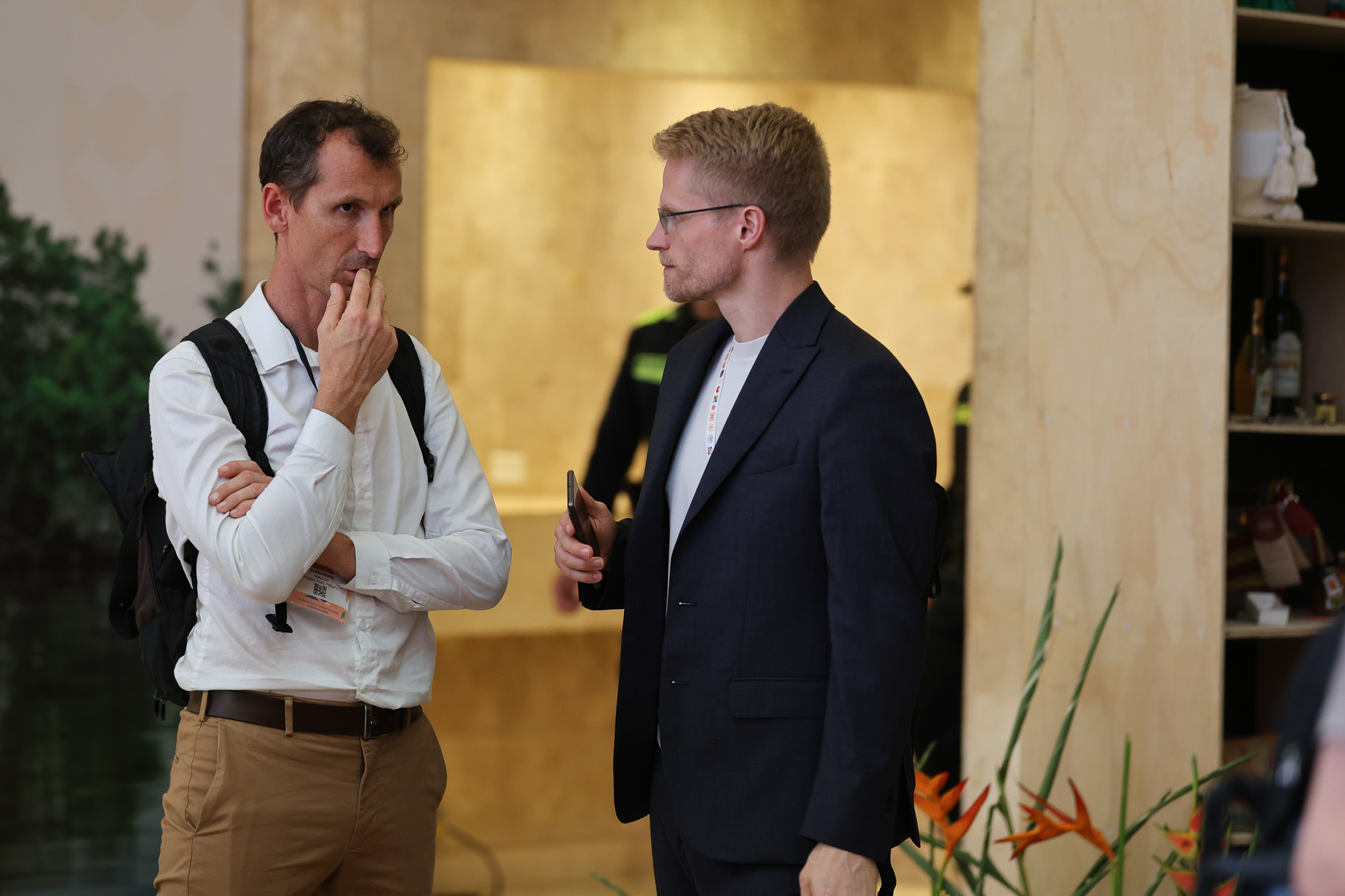
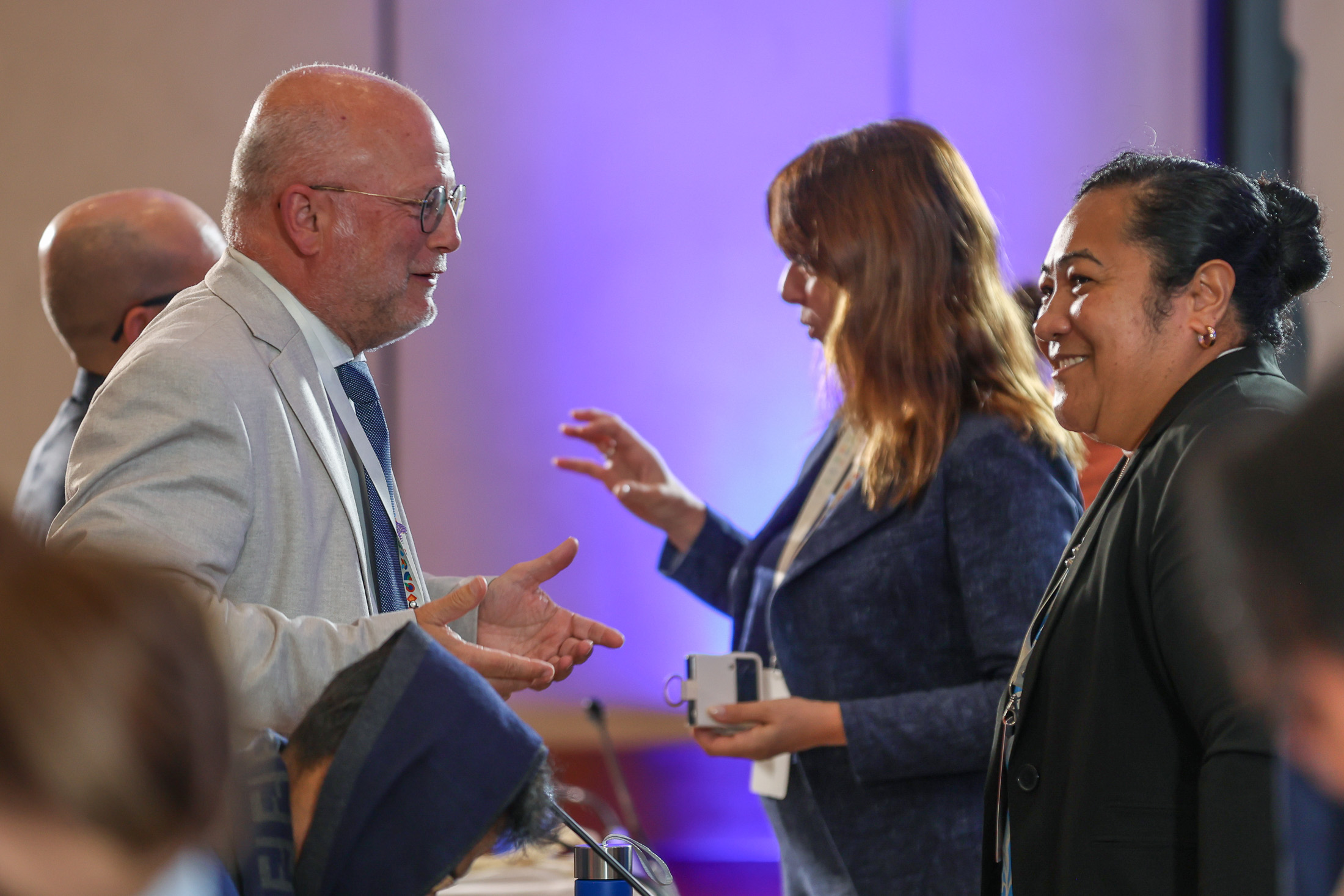
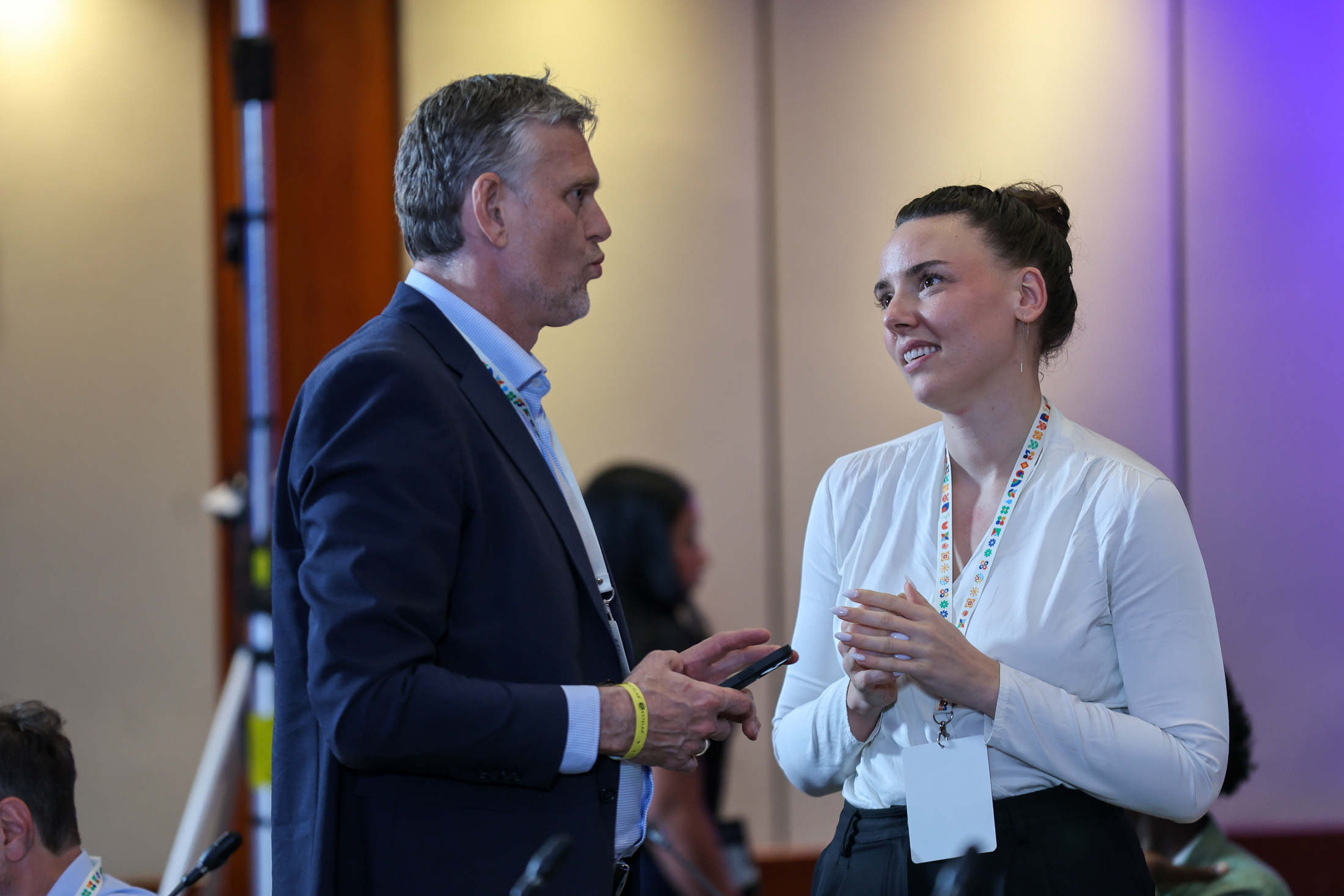
Around the Venue