At a time when global multilateralism is struggling to drive the transformative change required to step up nature conservation, the need for rigorous legal guidance has never been greater or more urgent. The third day of the International Union for Conservation of Nature (IUCN) World Conservation Congress 2025 offered a platform for integrating science, youth, and Indigenous voices into regulatory and legal mechanisms. As IUCN Director General Grethel Aguilar put it, “conservation is at its strongest when it is anchored in justice.”
Want to dig deeper into today's talks? Read the full Earth Negotiations Bulletin daily report.
High-level Dialogues
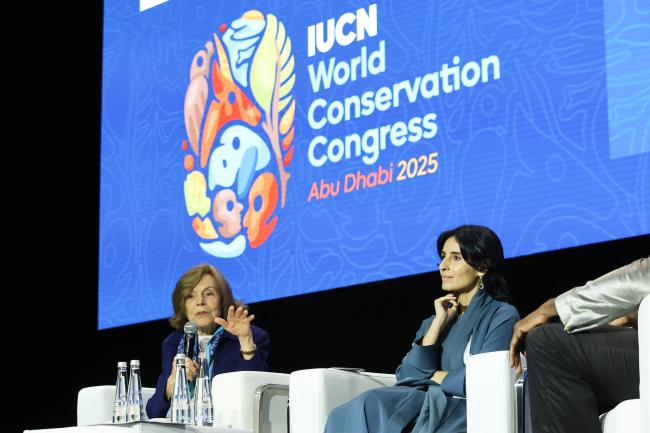
The dialogue From Commitments to Change: Driving Transformative Action for the Ocean highlighted the urgency of scaling up ocean conservation. Speakers emphasized the importance of implementing the High Seas Treaty, strengthening science, and mobilizing communities, youth, and subnational actors for ocean protection and restoration. Finance was flagged as a critical barrier, with calls for long-term capital, blended finance, and new partnerships to unlock the potential of the blue economy.
The One Health: The Only Healthy Future for People, Animals, and Ecosystems dialogue underscored the One Health approach as vital for reducing climate overshoot risks and scaling up resilient conservation action. Participants agreed that human well-being is interlinked with ecosystem health, and that nature-based solutions (NbS) backed by scientific evidence can advance the implementation of this approach.
A High-level Event on Innovative Financing Mechanisms for Scaling Up Nature-based Solutions continued the discussion initiated with the launch of the updated NbS Global Standard on Friday. Speakers highlighted the need for channelling investments in NbS and commemorated the late Kongjian Yu, a leading scholar of NbS who pioneered the concept of the “sponge city,” among others.
Selected Thematic Sessions
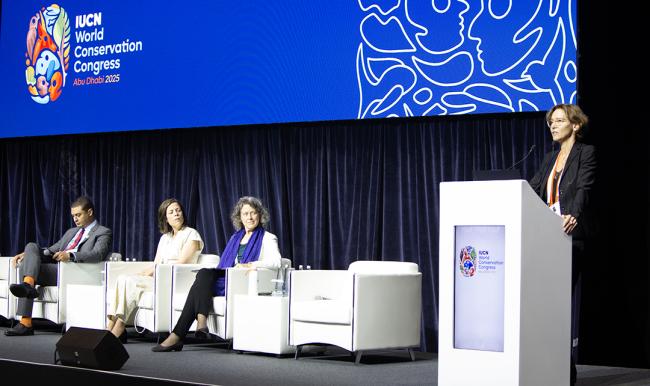
The session on Climate Change Advisory Opinions from International Courts underscored the potentially transformative impact of recent advisory opinions elaborating states’ climate obligations. Speakers highlighted IUCN’s role in reaching these landmark opinions and explored how the emphasis on legal duties can strengthen and complement multilateralism.
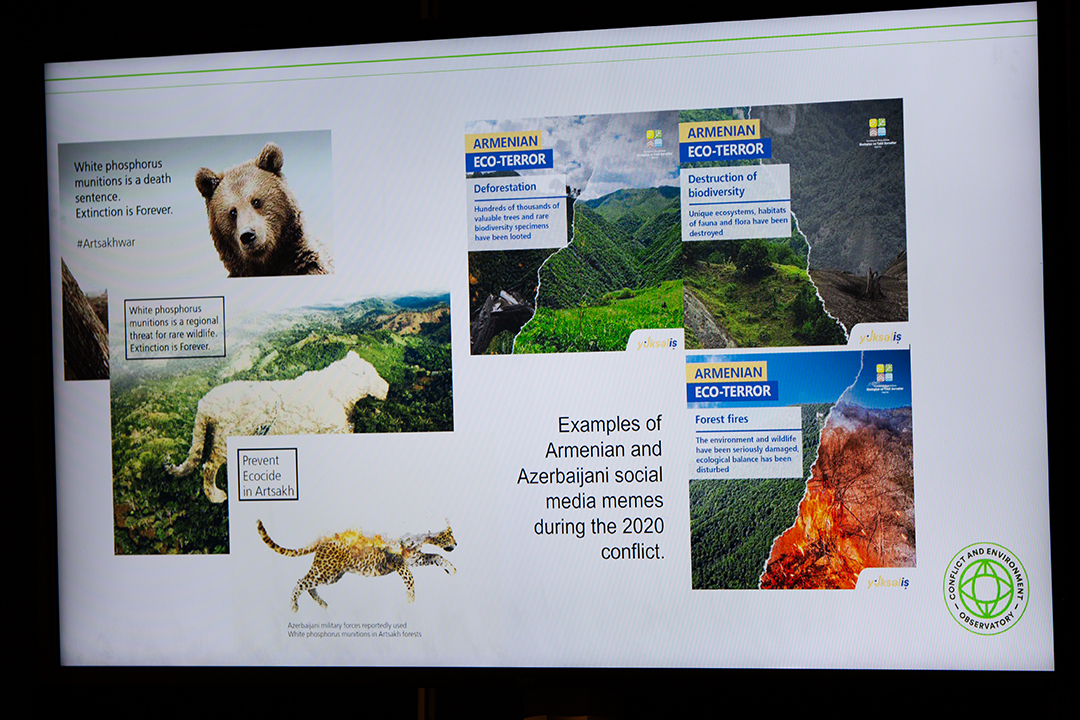
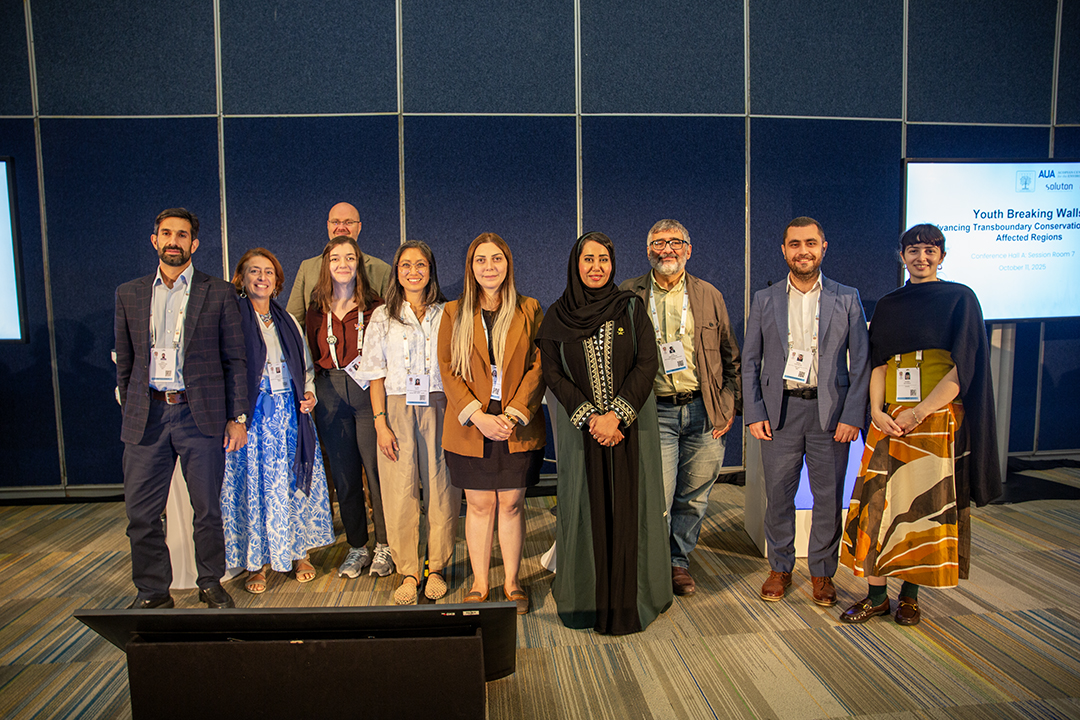
The Youth Breaking Walls session focused on the role of youth in advancing transboundary conservation in conflict-affected regions, framing nature as a common platform in conflict-affected areas for youth voices to engage.
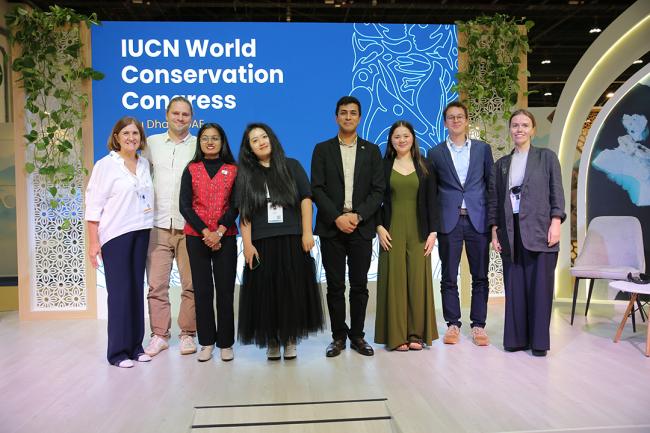
Hot Off the Press
This Learning Zone event marked the launch of IUCN’s Agricultural support, biodiversity, and trade: Examining connections to repurpose harmful incentives report. The report highlights how different types of agricultural support and trade impact biodiversity globally and why repurposing harmful subsidies is crucial. Speakers also reiterated the need to connect biodiversity goals with food security and called for sharing country-level success stories to inspire policy change.
Speaker Pitch
At the Changemakers Pitch Event, young social innovators presented sustainable ideas and solutions to help address global challenges. Pitches included HappyPower, which harnesses electricity generated from children’s playgrounds, and Project Dolphin, a mini submarine which detects and monitors plastic waste in inland water bodies.
To receive free coverage of global environmental events delivered to your inbox, subscribe to the ENB Update newsletter.
All ENB photos are free to use with attribution. For the IUCN World Conservation Congress 2025 , please use: Photo by IISD/ENB | Anastasia Rodopoulou and Angeles Estrada Vigil
High-Level Dialogue: From Commitments to Change - Driving Transformative Action for the Ocean
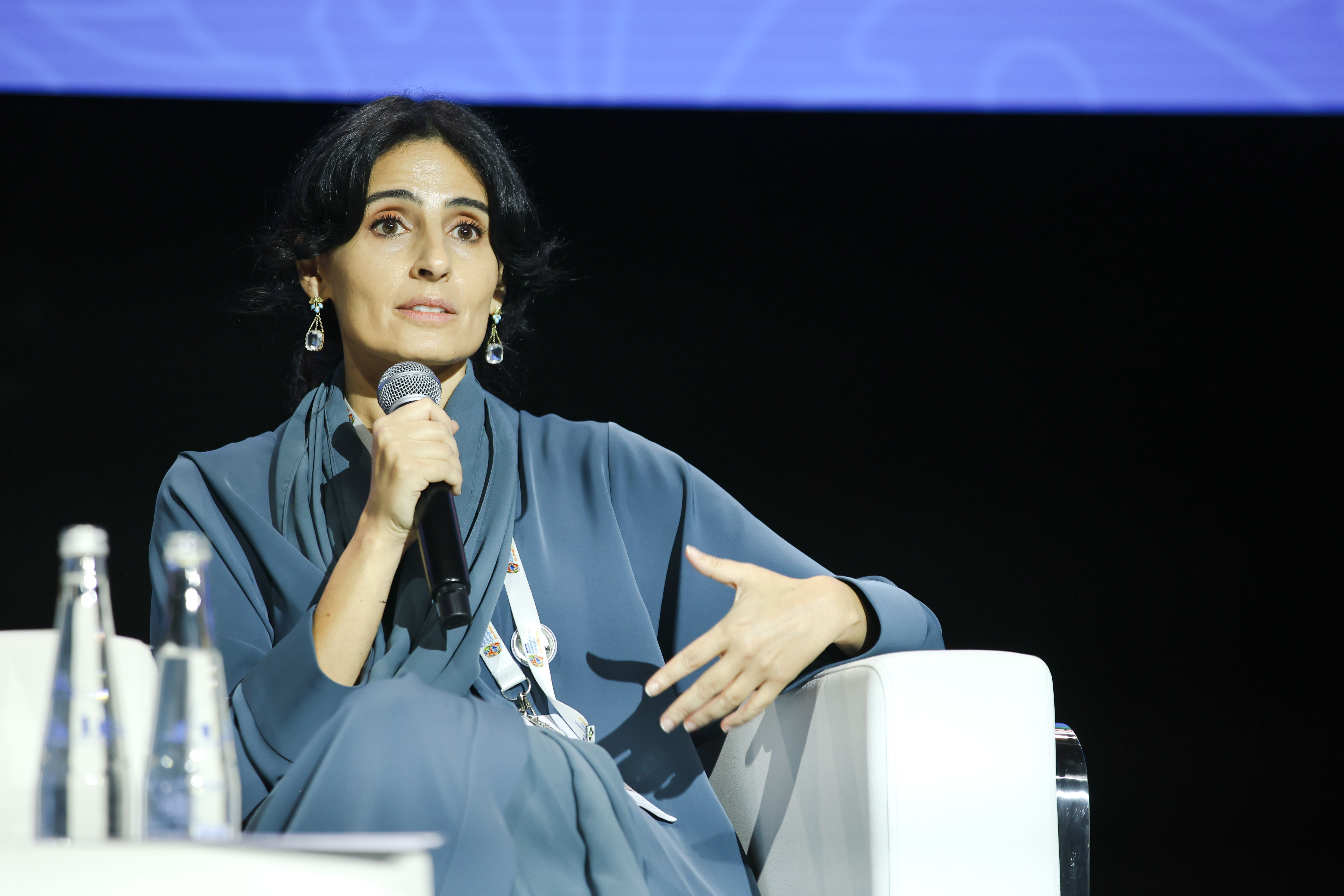
Razan Al Mubarak, President, IUCN
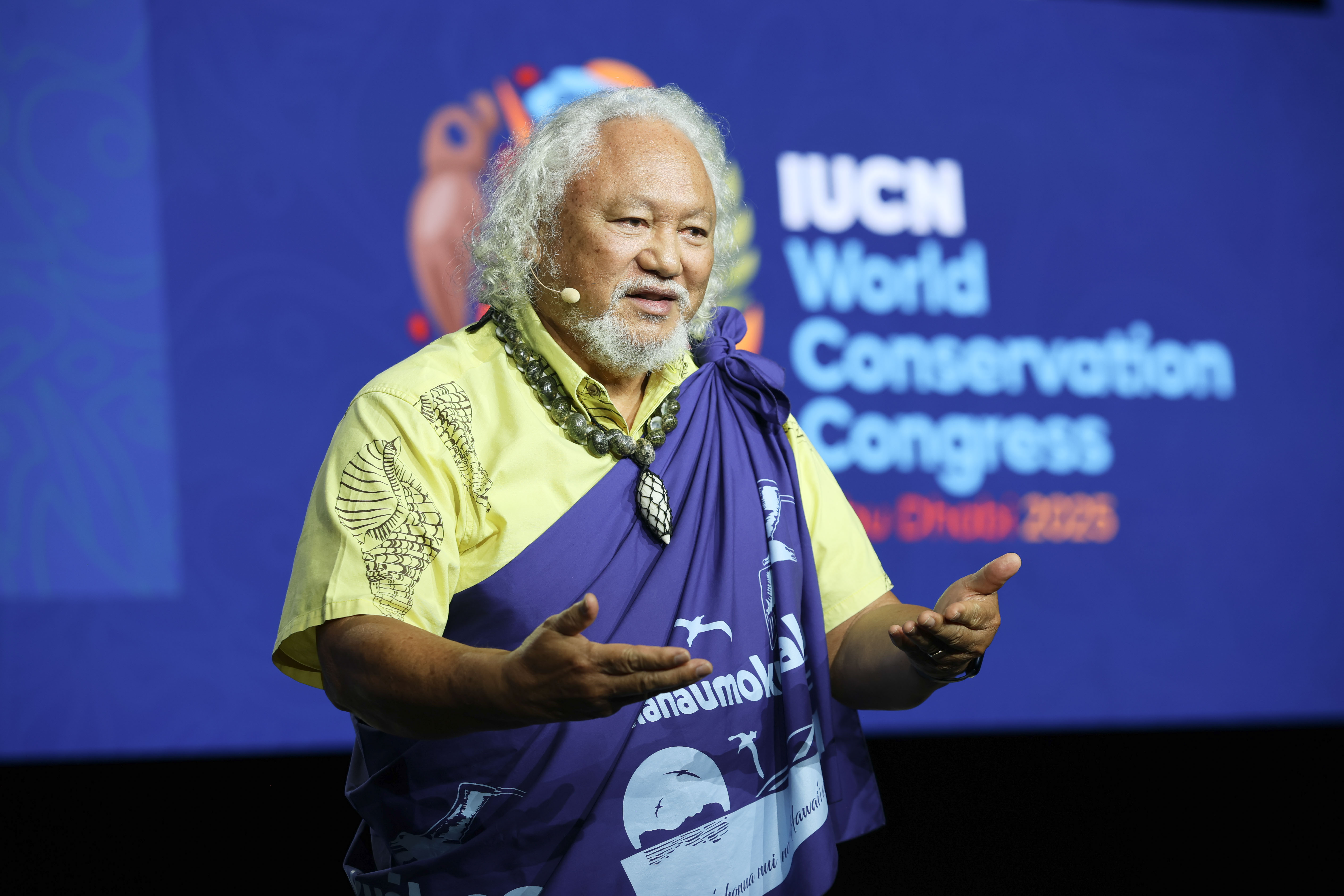
Solomon “Uncle Sol” Kaho‘ohalahala, Greenpeace International
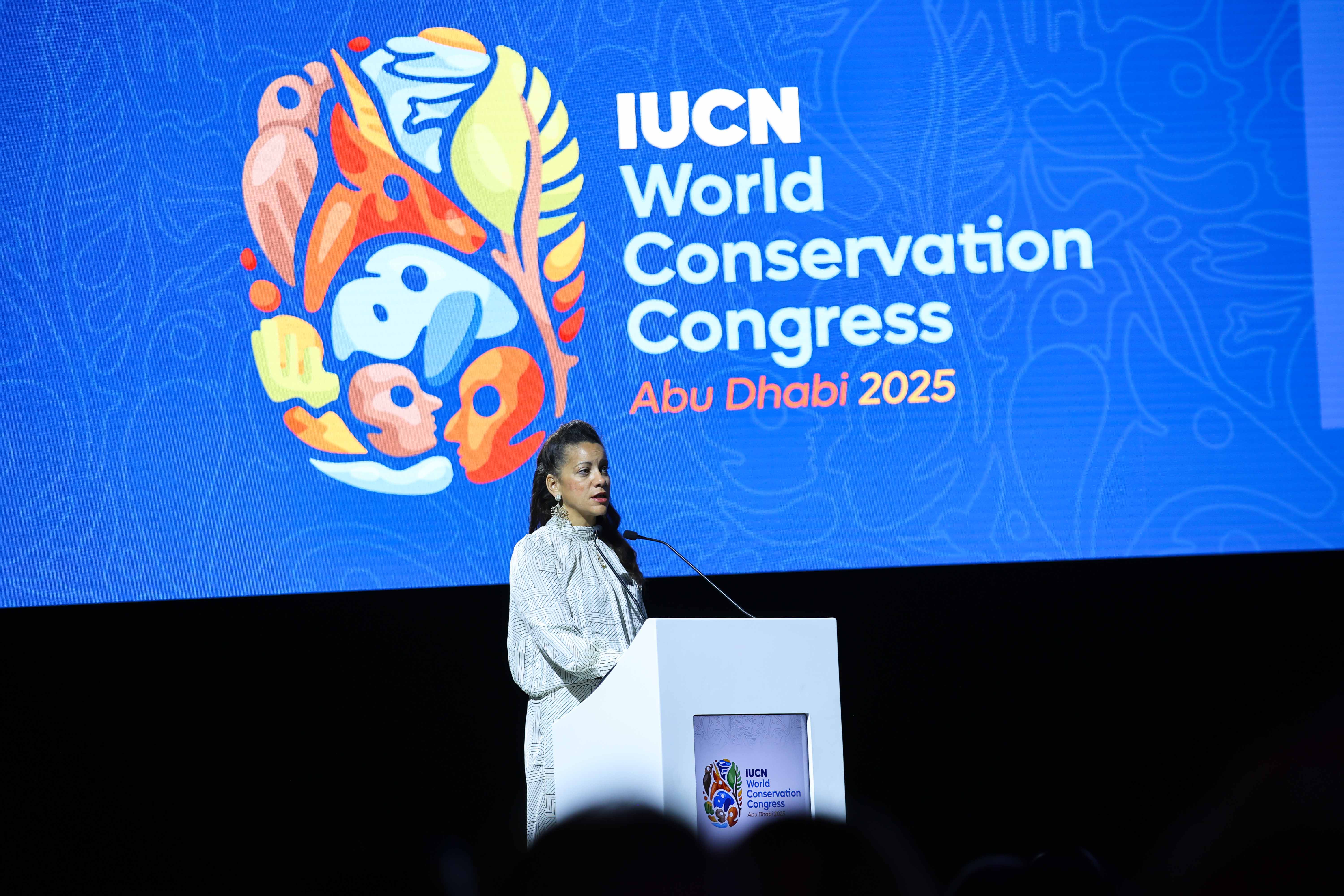
Minna Epps, Director, Global Marine and Polar Programme, IUCN Secretariat
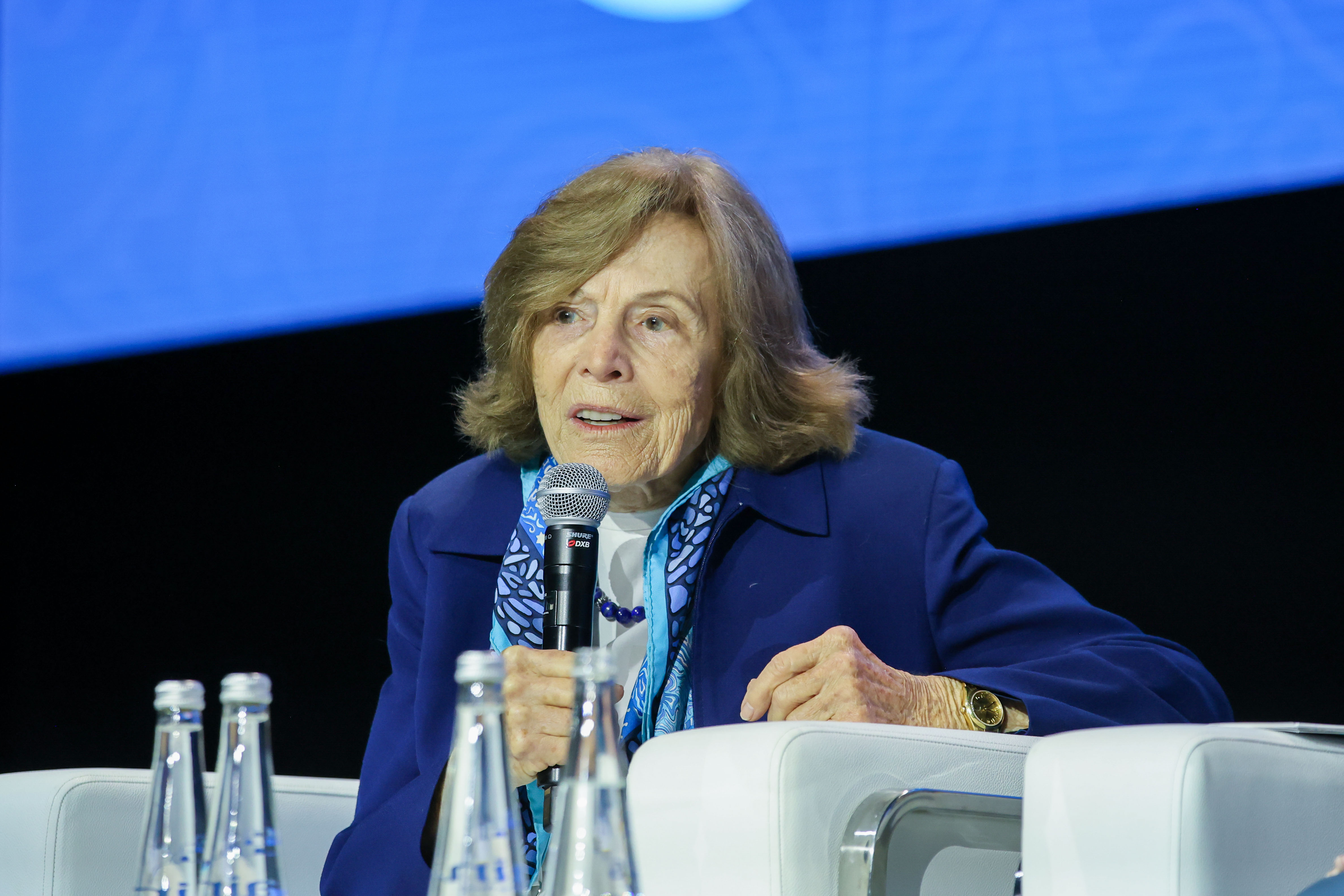
Sylvia Earle, IUCN Patron of Nature
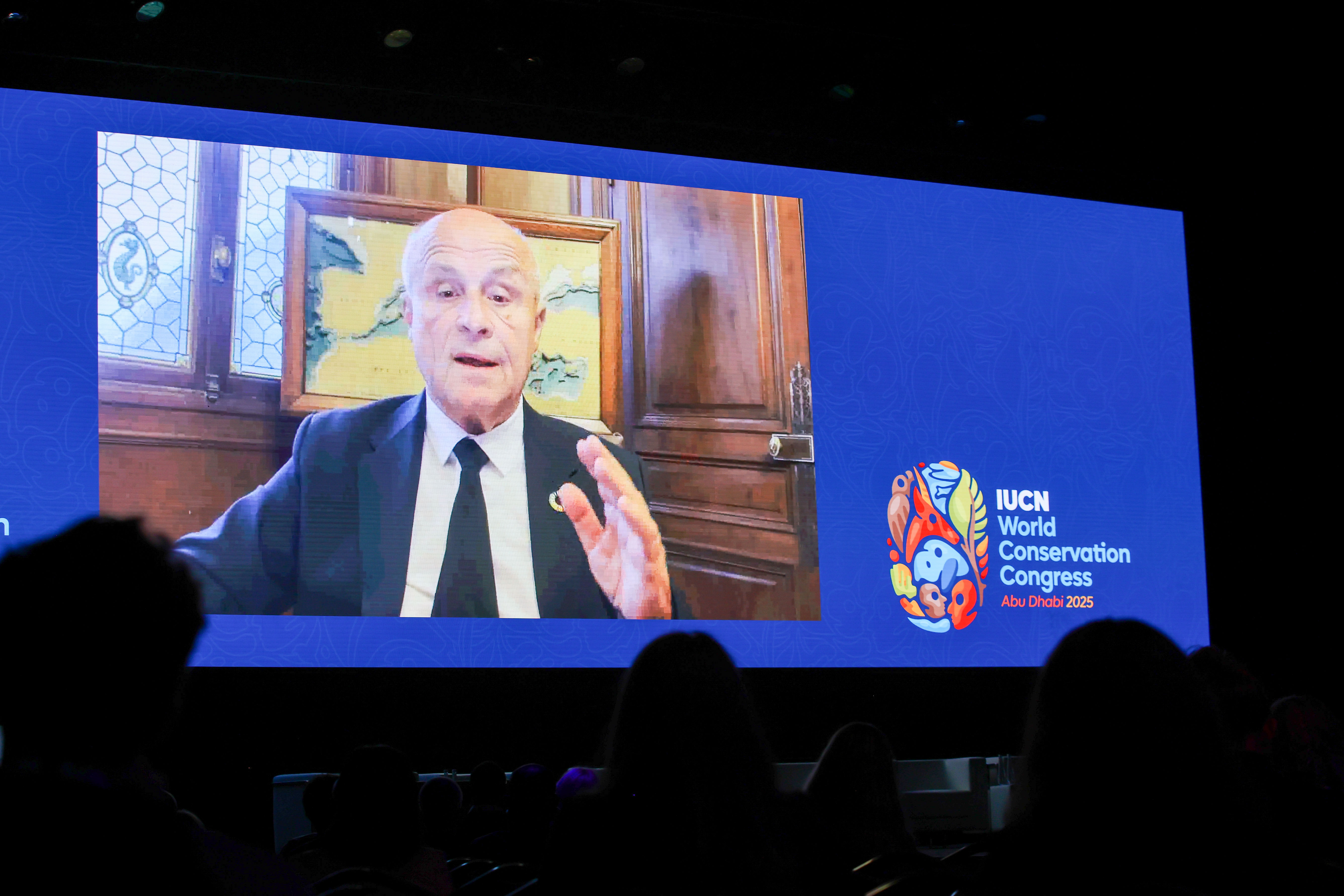
Olivier Poivre d’Arvor, Special Envoy of the President of France for the UN Ocean Conference, addressed the event via a video message.
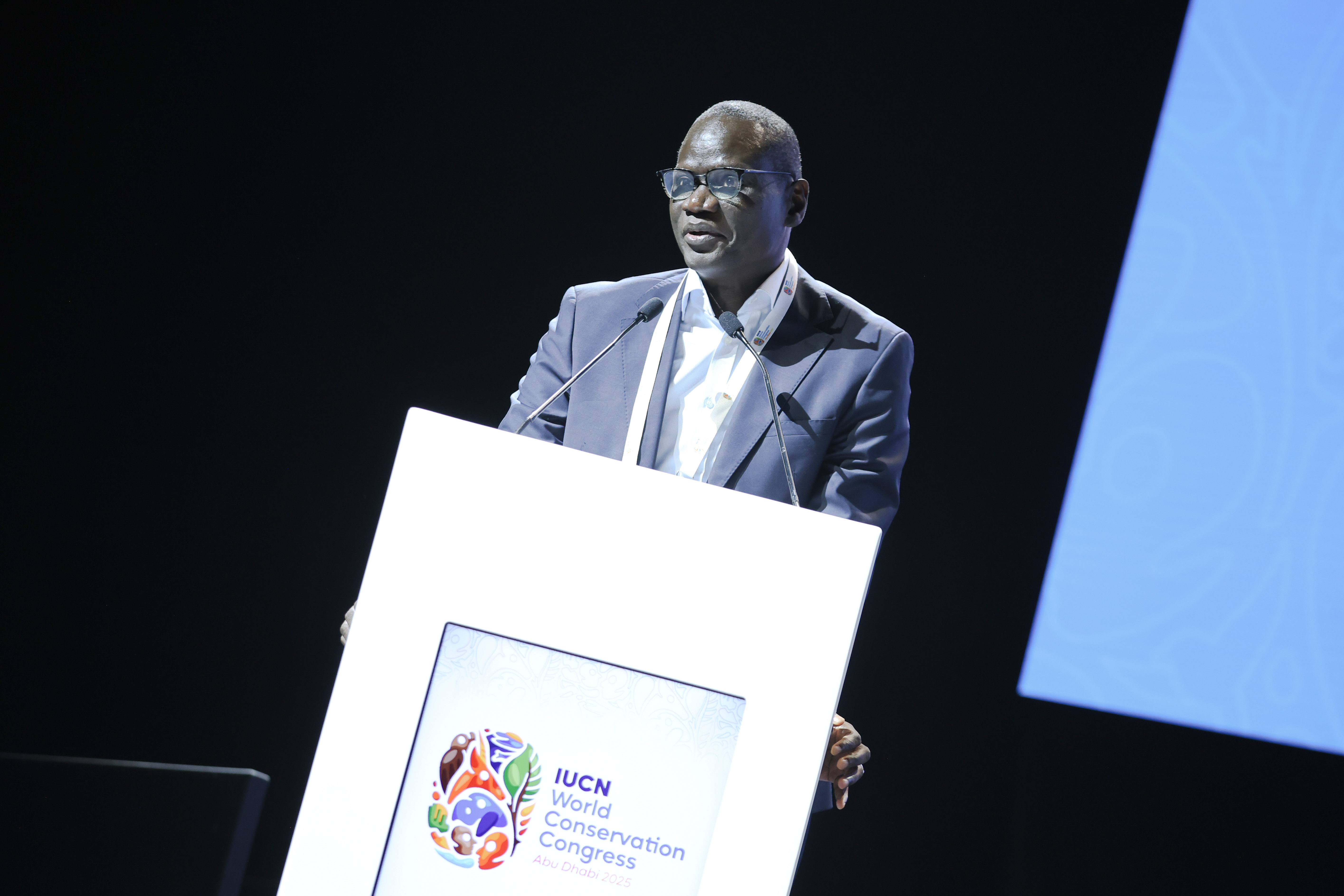
El Hadji Abdourahmane Diouf, Minister of Environment and Ecological Transition, Senegal
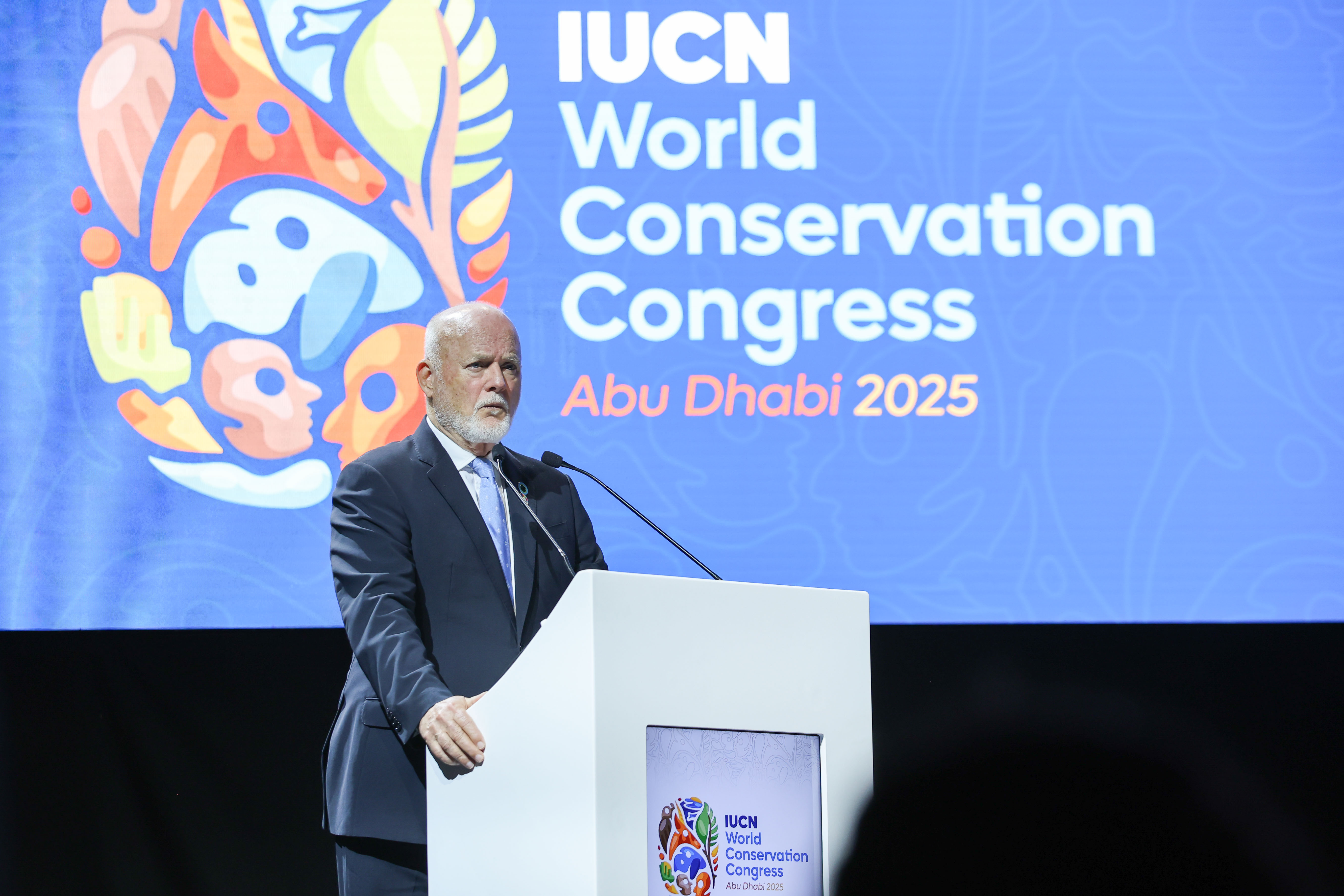
Peter Thomson, UN Secretary-General’s Special Envoy for the Ocean
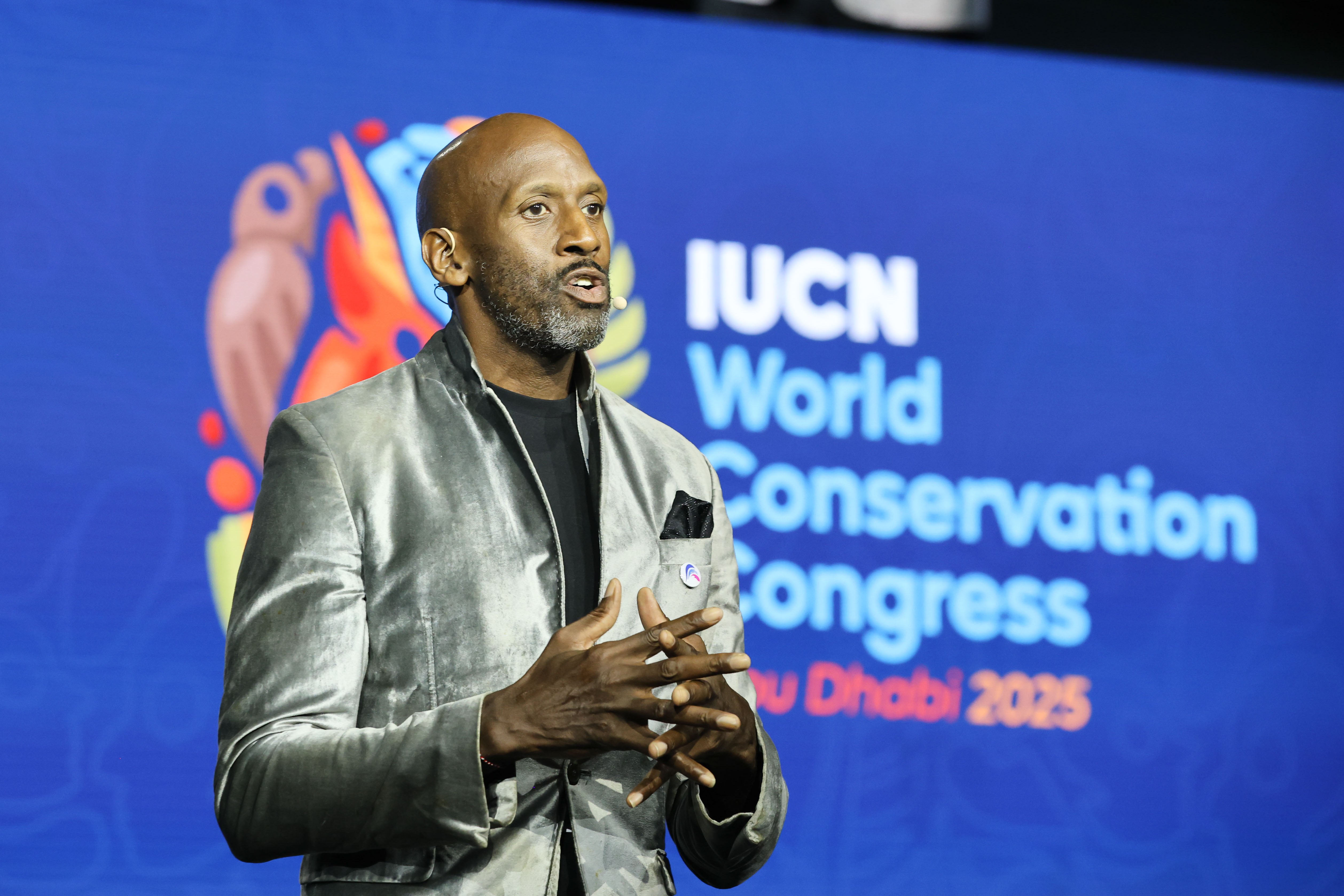
Robert Ian Bonnick, Founder, SpeakuP Monday
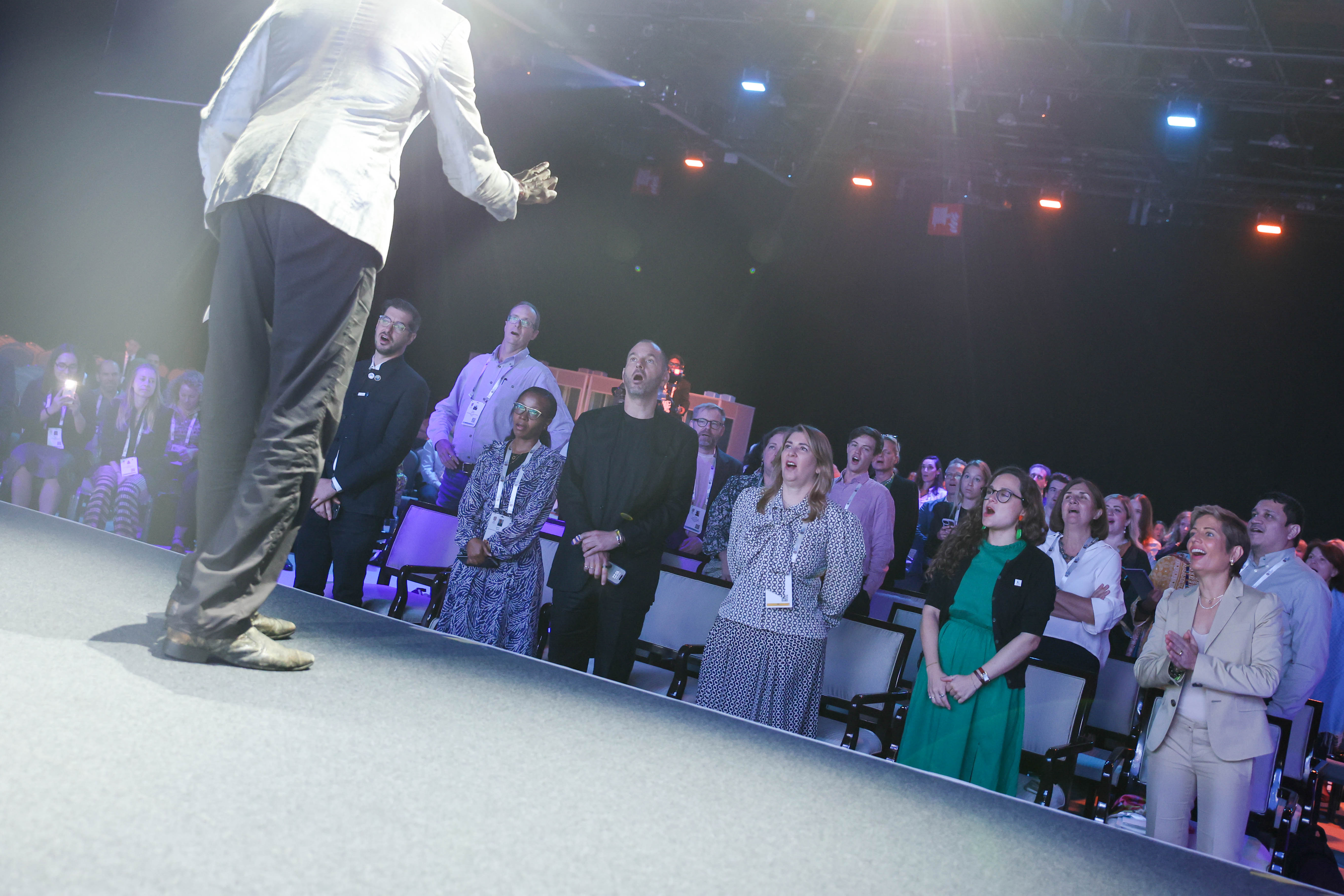
Participants stand up for an ice-breaker game.
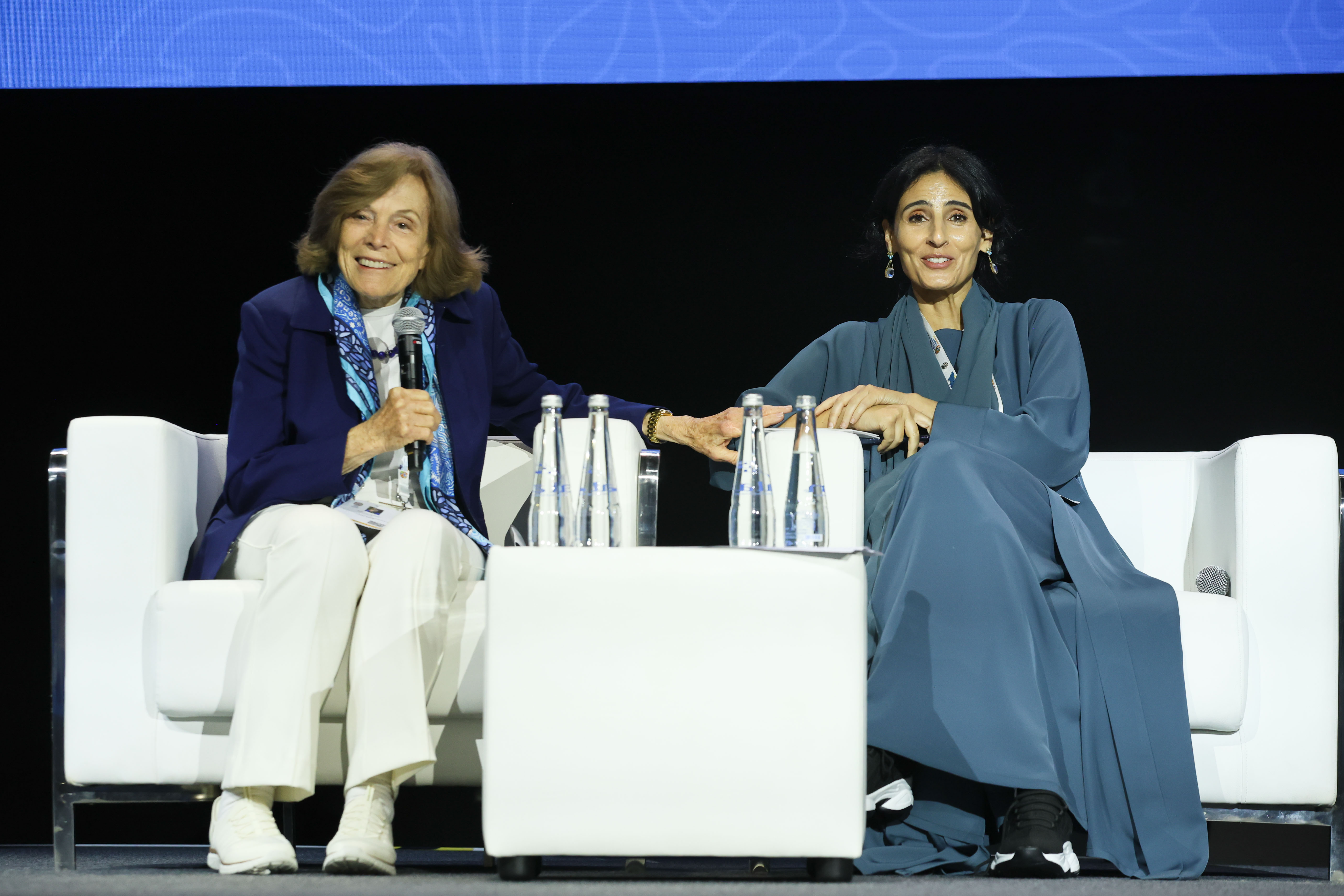
Sylvia Earle, IUCN Patron of Nature, and Razan Al Mubarak, IUCN President
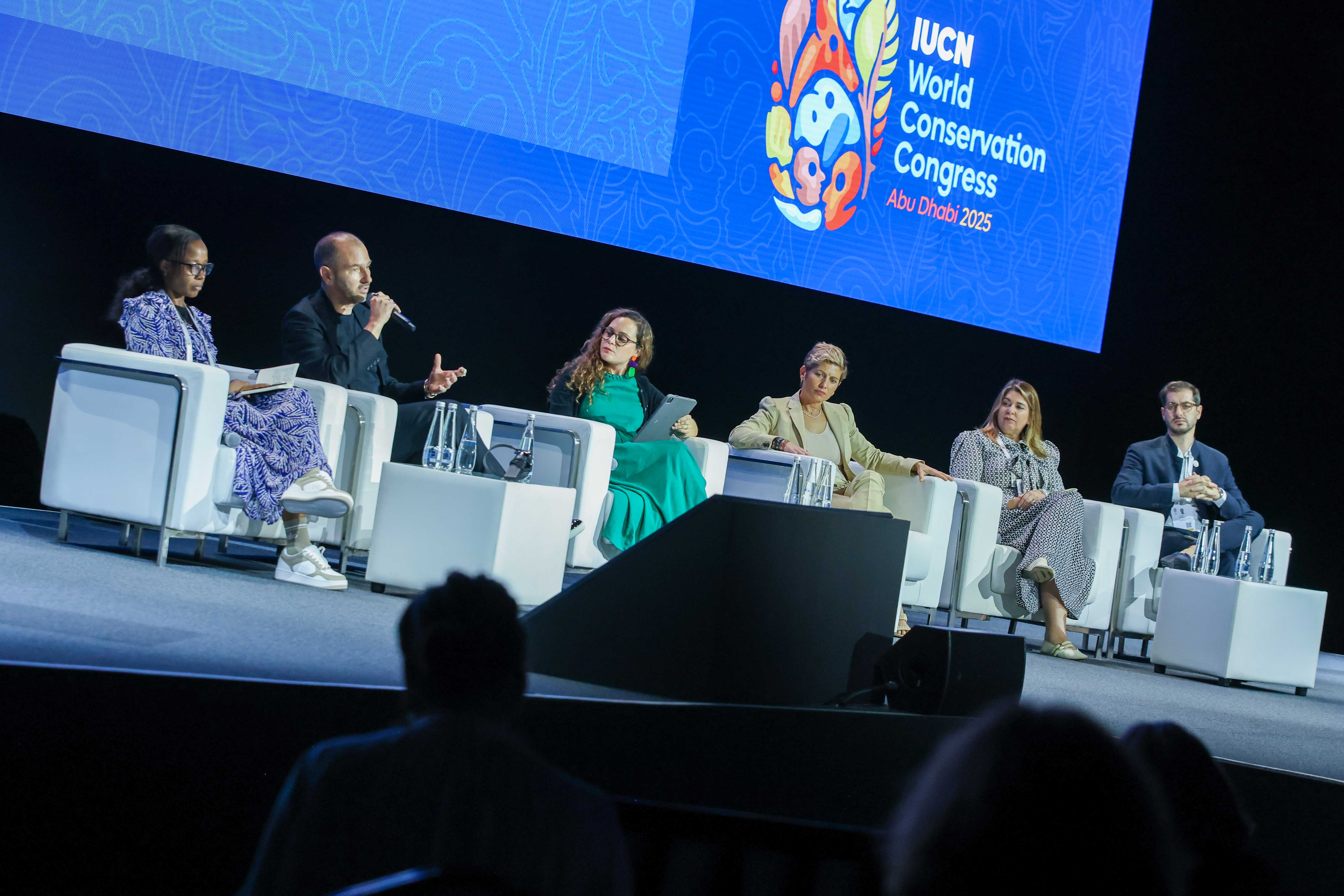
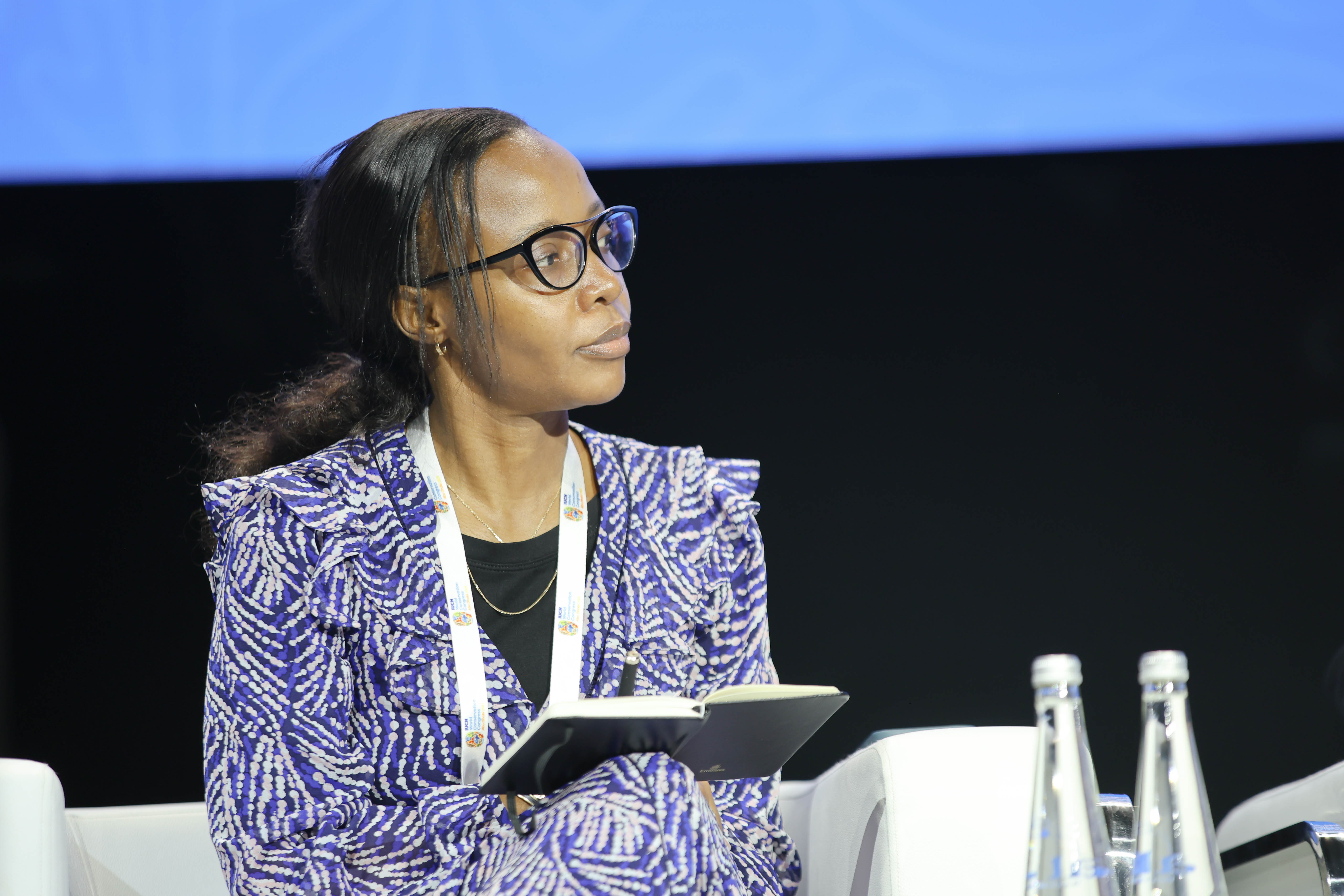
Betsy Muthoni Njagi, Ministry of Mining, Blue Economy and Maritime Affairs, Kenya
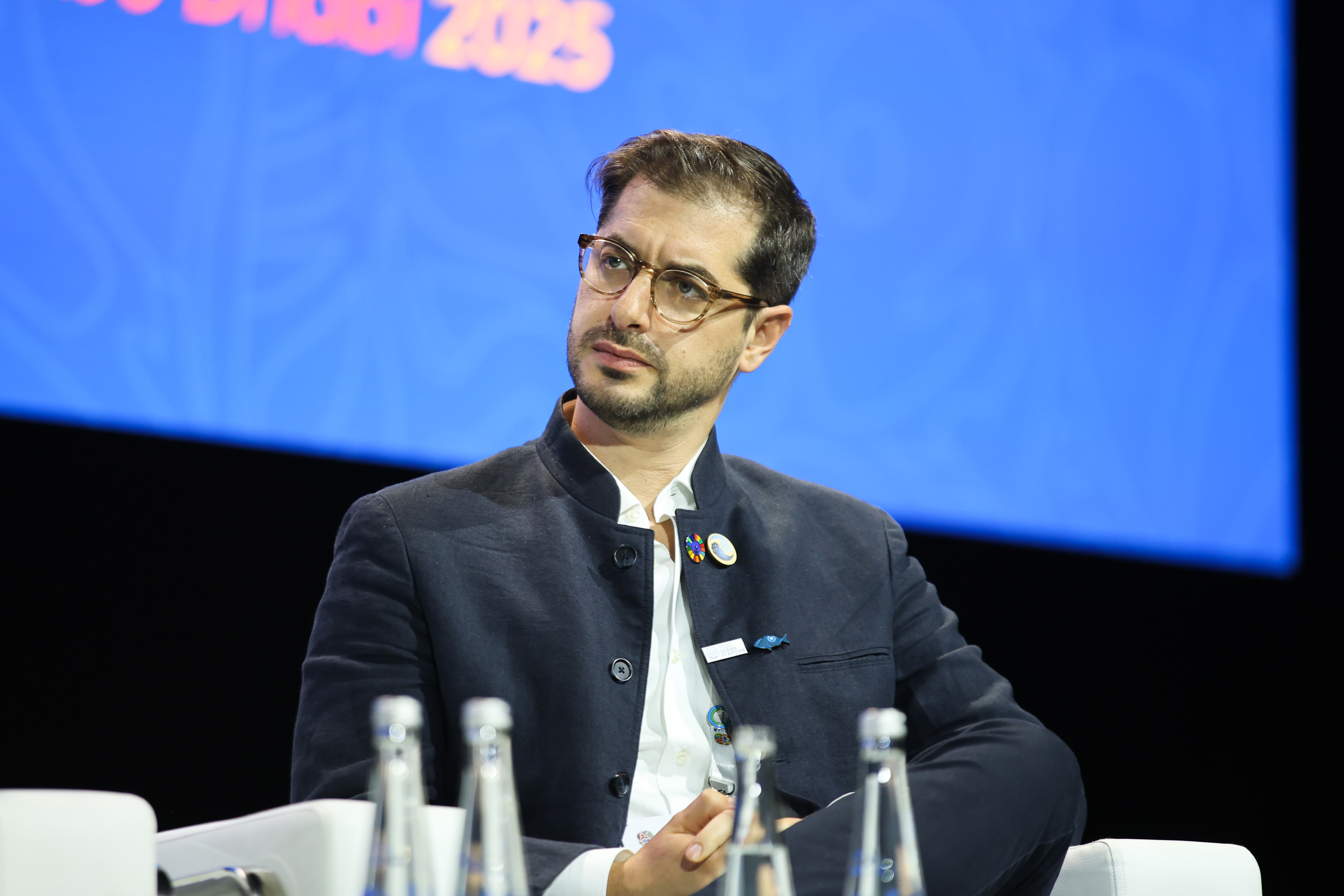
Alexis Grosskopf, Chief Executive Officer, OceanHub Africa
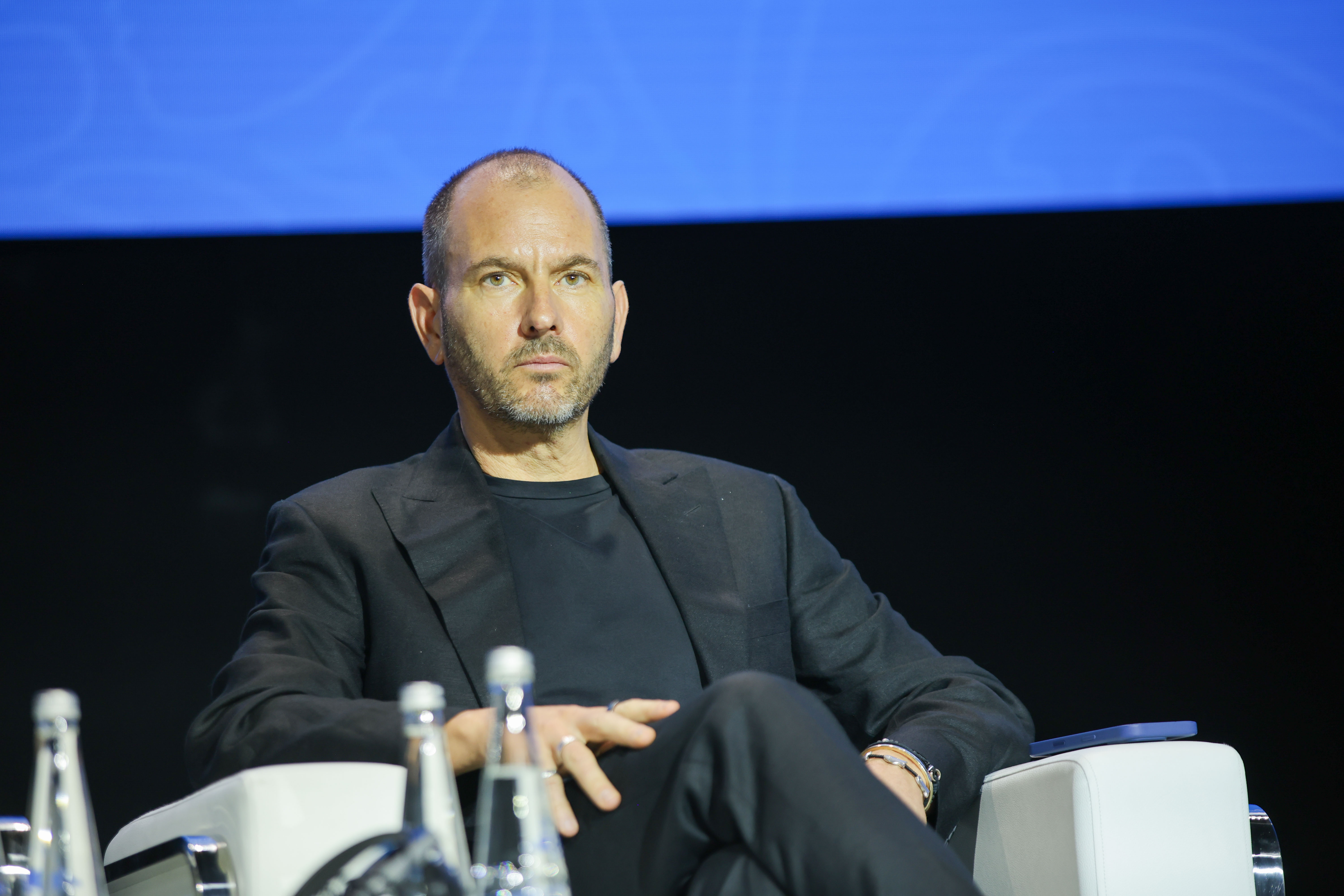
Chris Gorell Barnes, Founder, Ocean 14 Capital
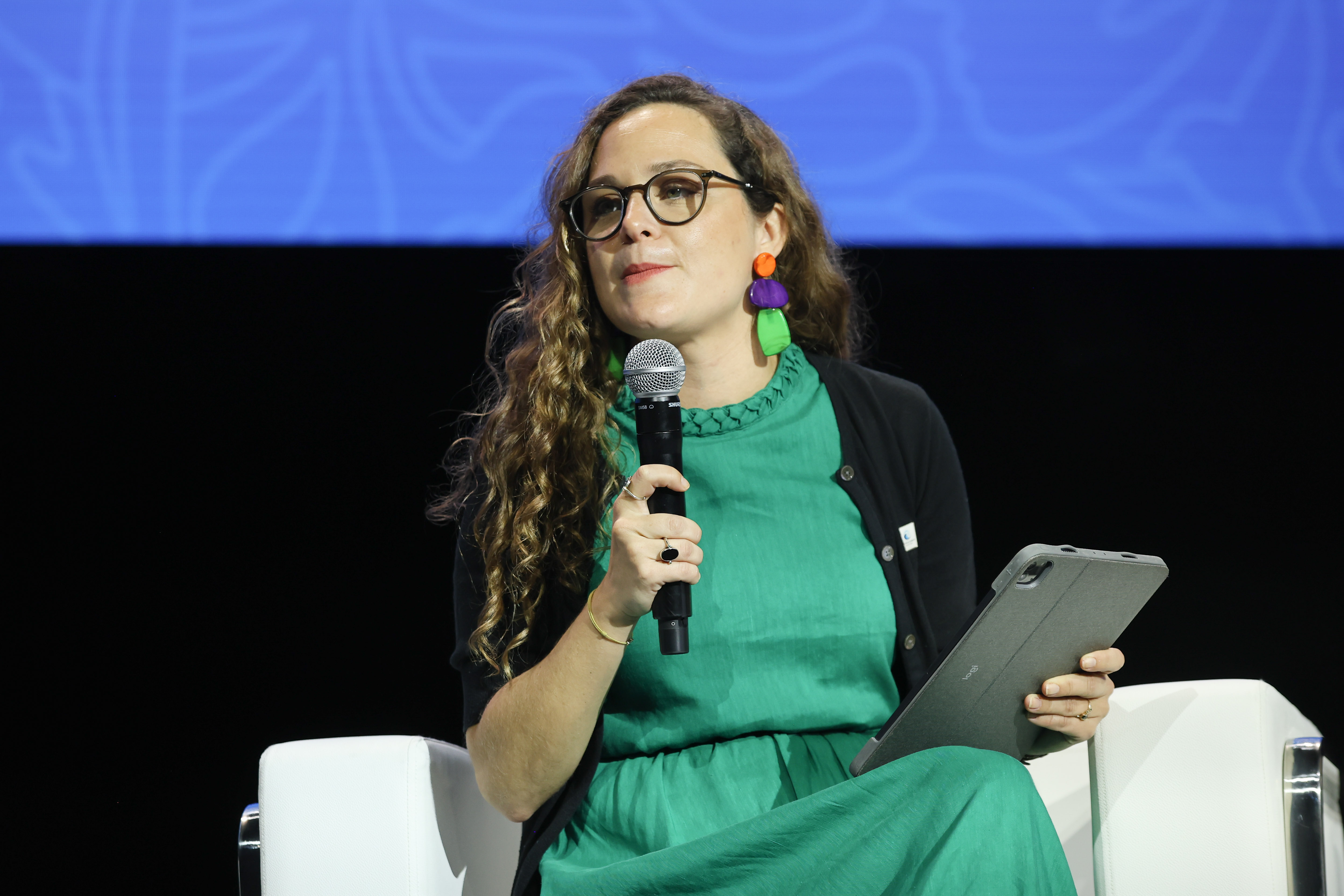
Loreley Picourt, Executive Director, Ocean and Climate Platform
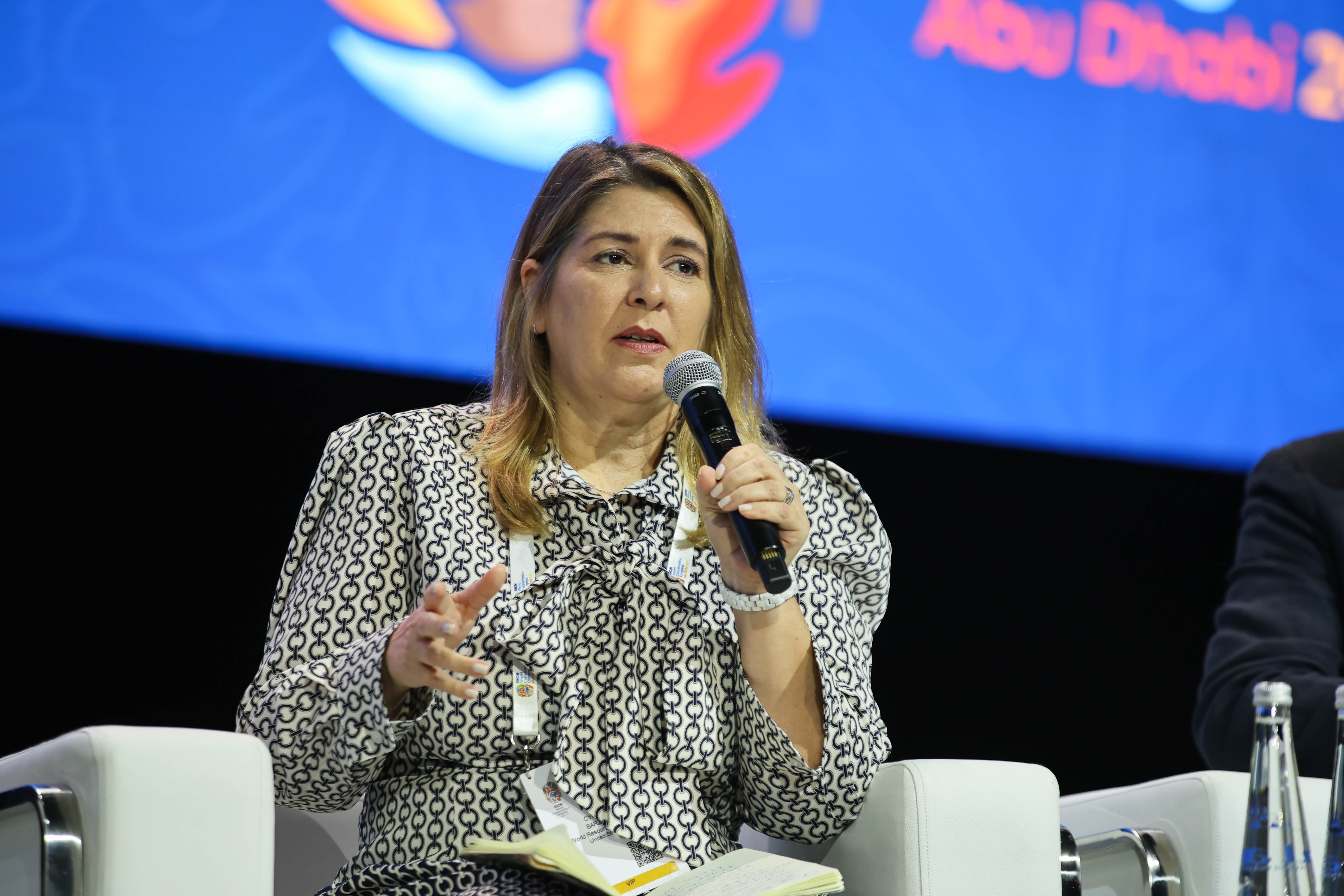
Cynthia Barzuna, Deputy Global Ocean Director, World Resources Institute
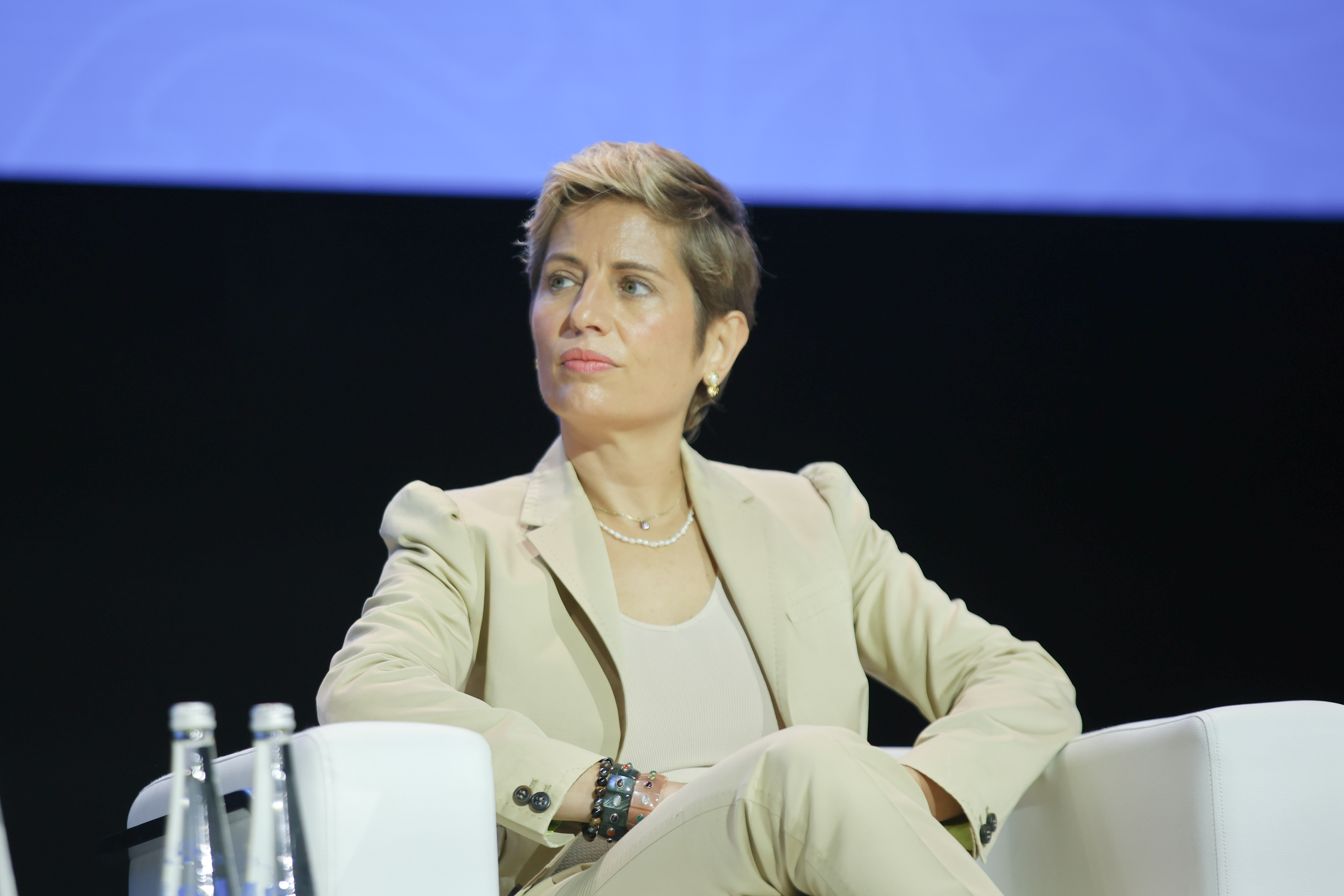
Gloria Fluxà, Vice-Chair and Chief Sustainability Officer, Iberostar Group
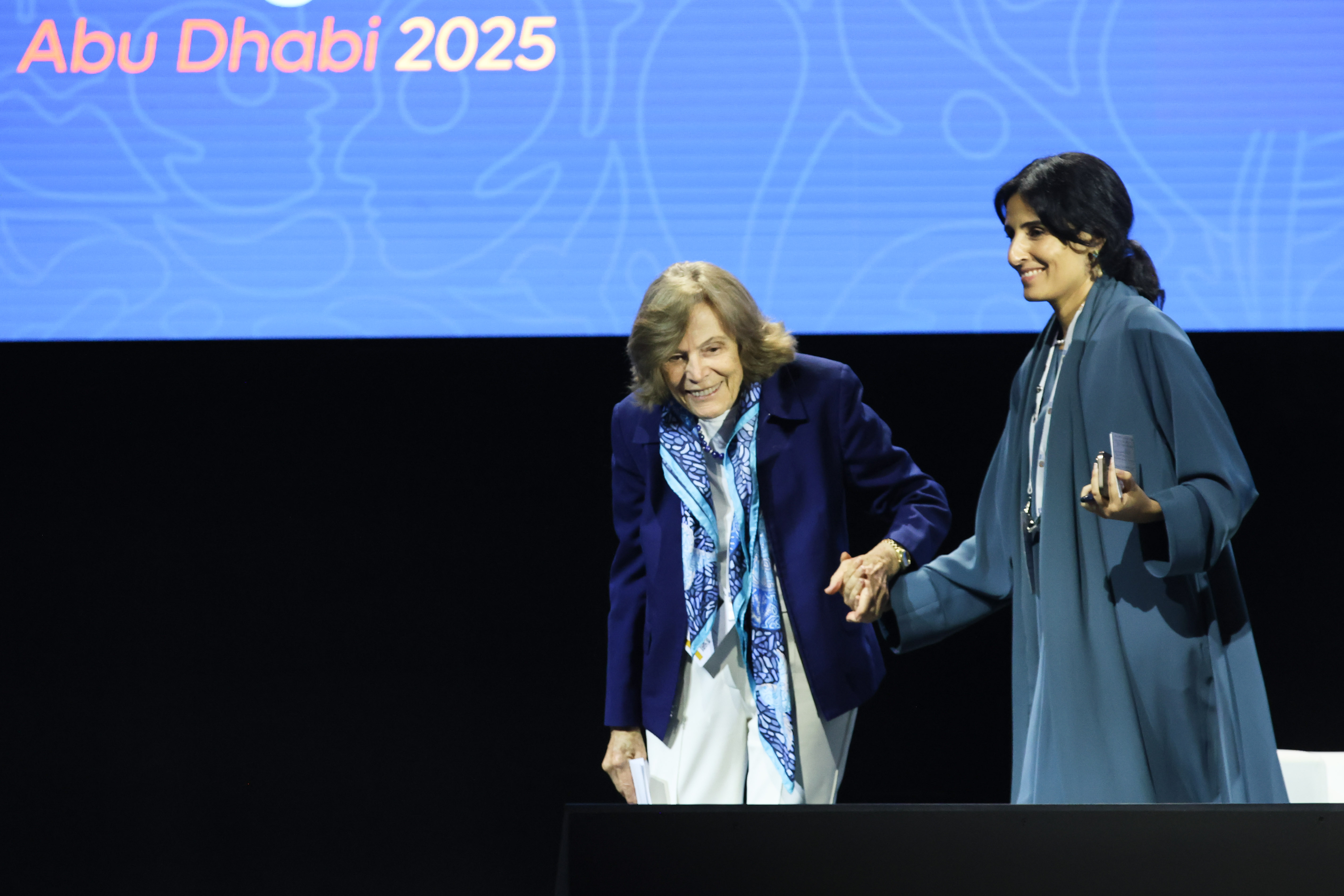
Sylvia Earle, IUCN Patron of Nature, and Razan Al Mubarak, IUCN President, walk together off the panel stage.
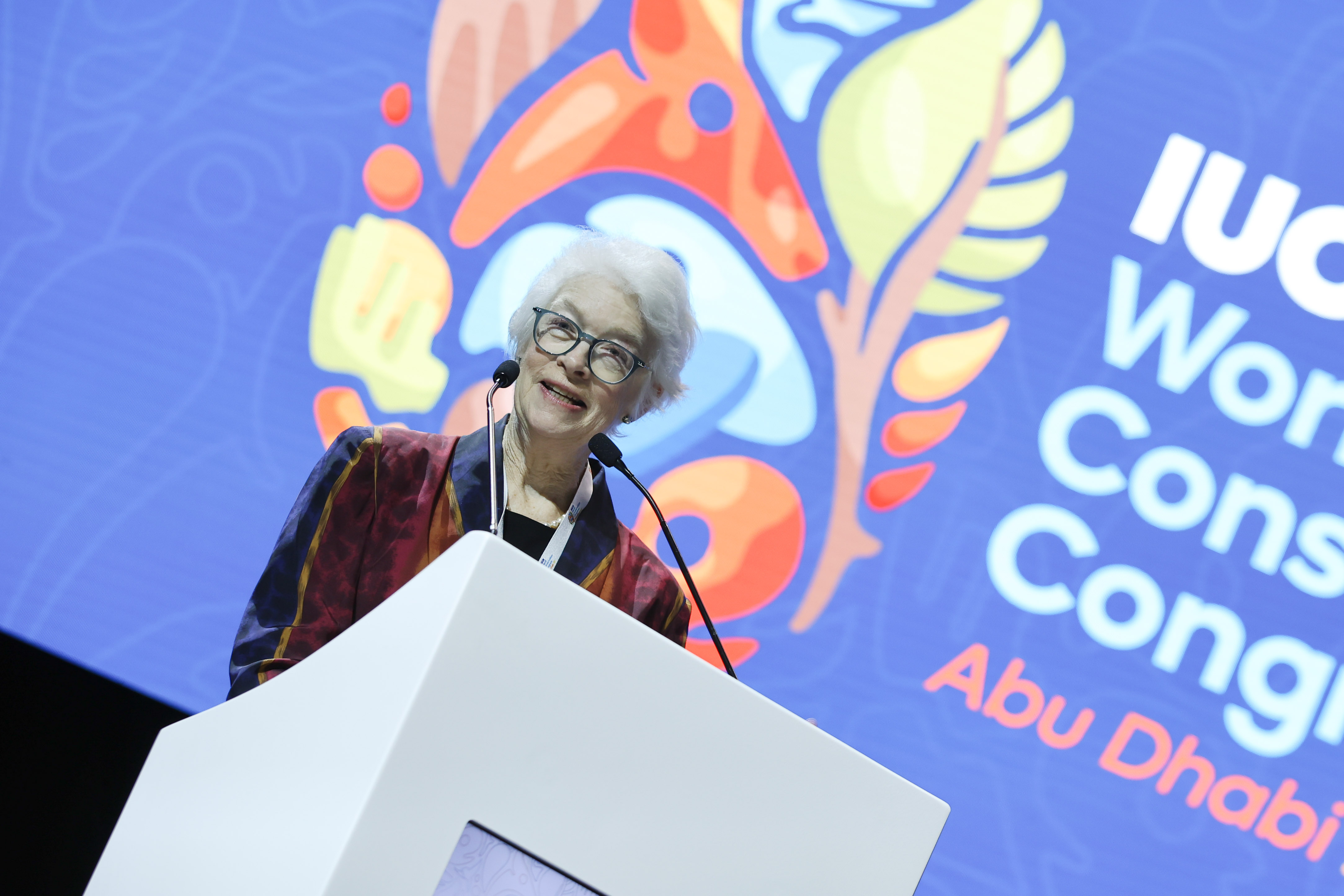
Kristina Gjerde, Senior High Seas Advisor, IUCN WCEL
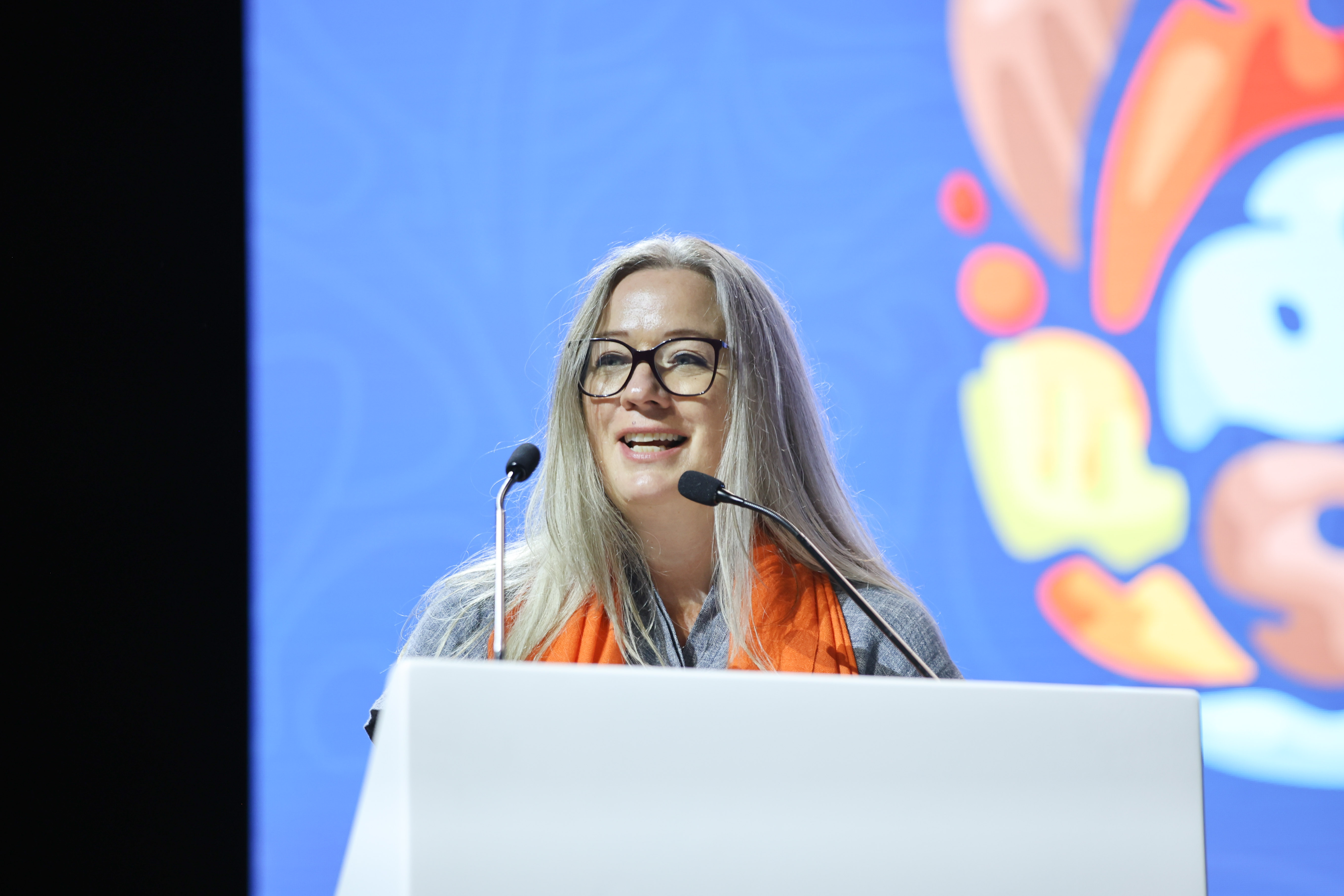
Jessica Sweidan, Co-Founder, Synchronicity Earth

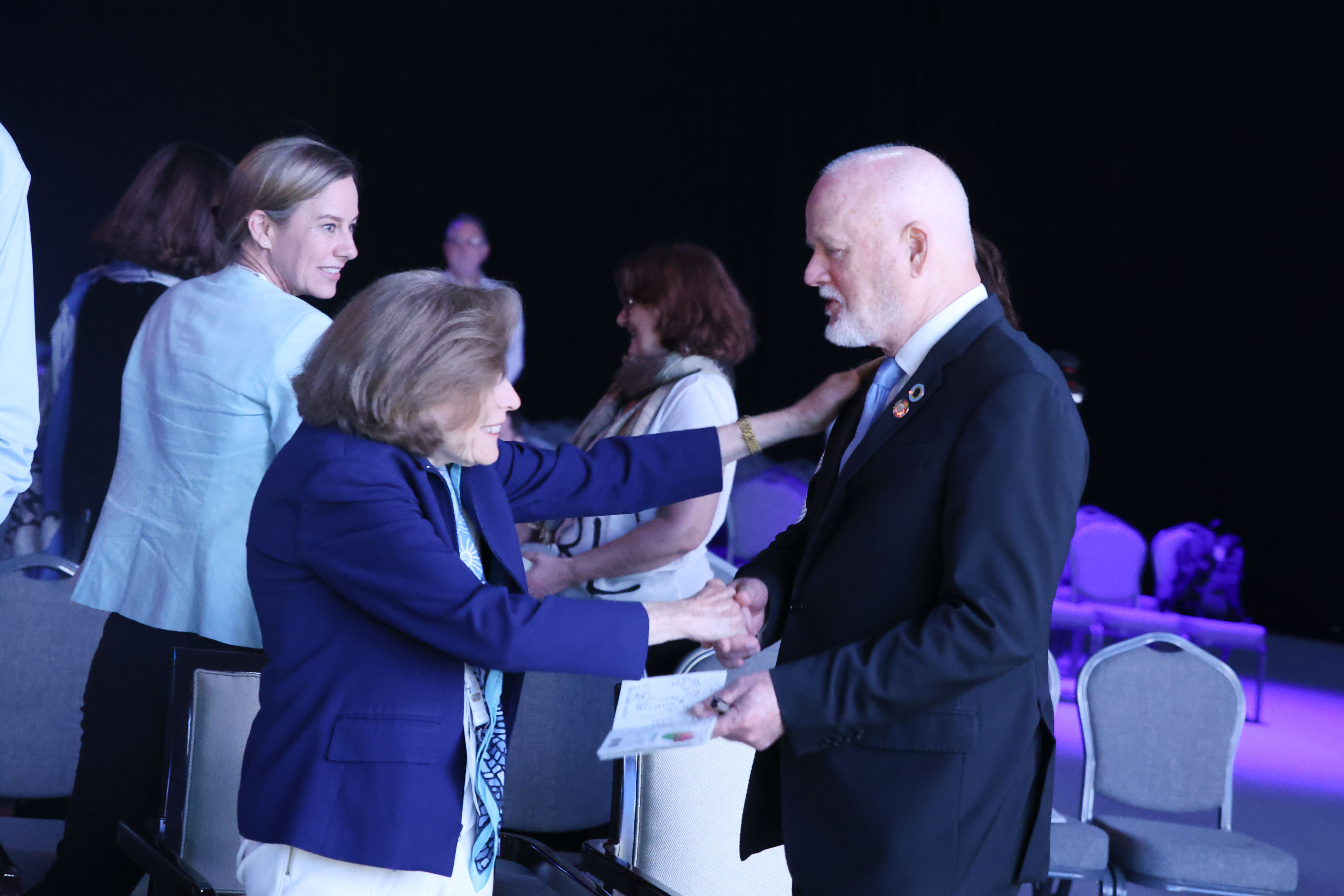
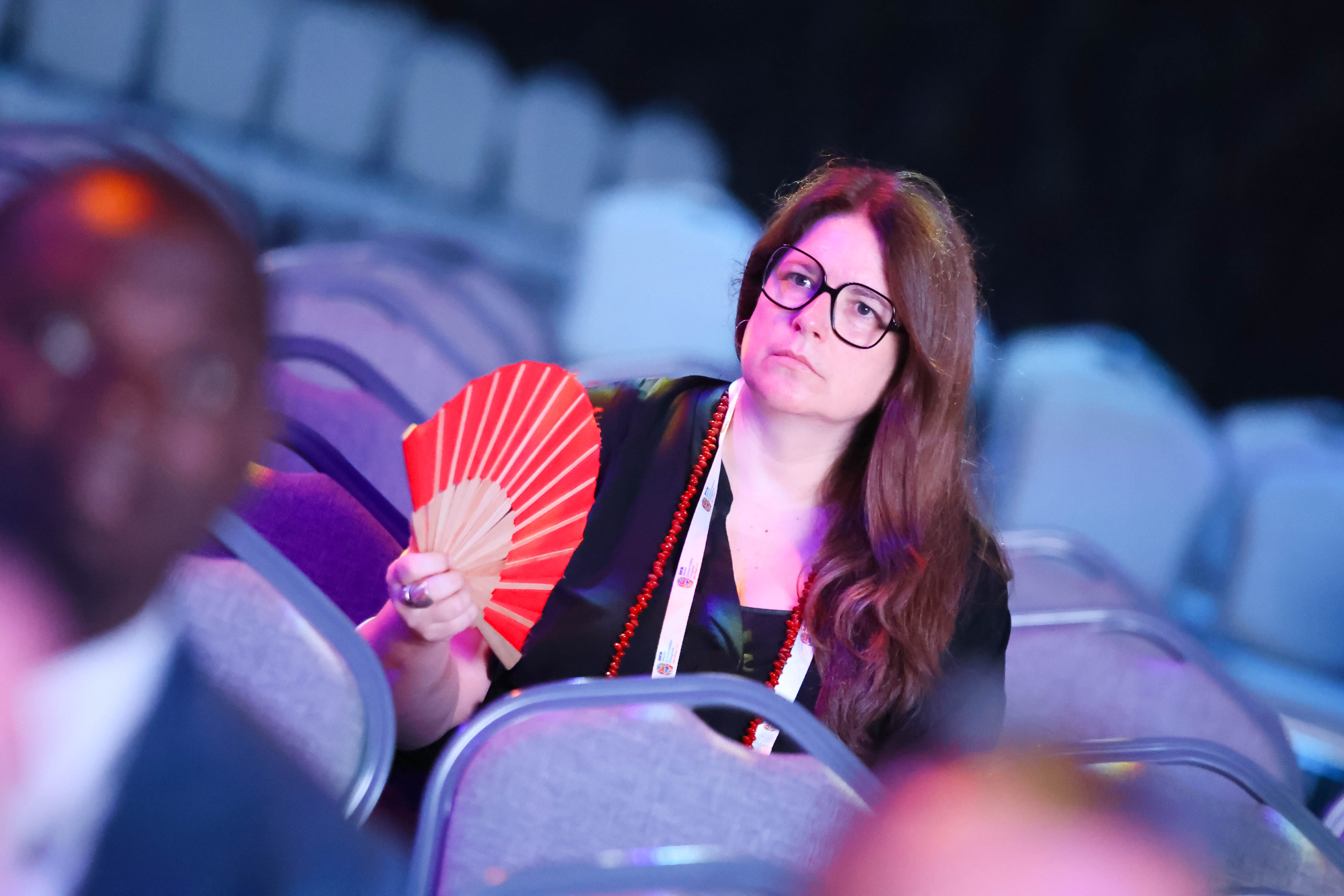
Climate Change Adaptation in Practice: Lessons from Tropical Mountain Ecosystems
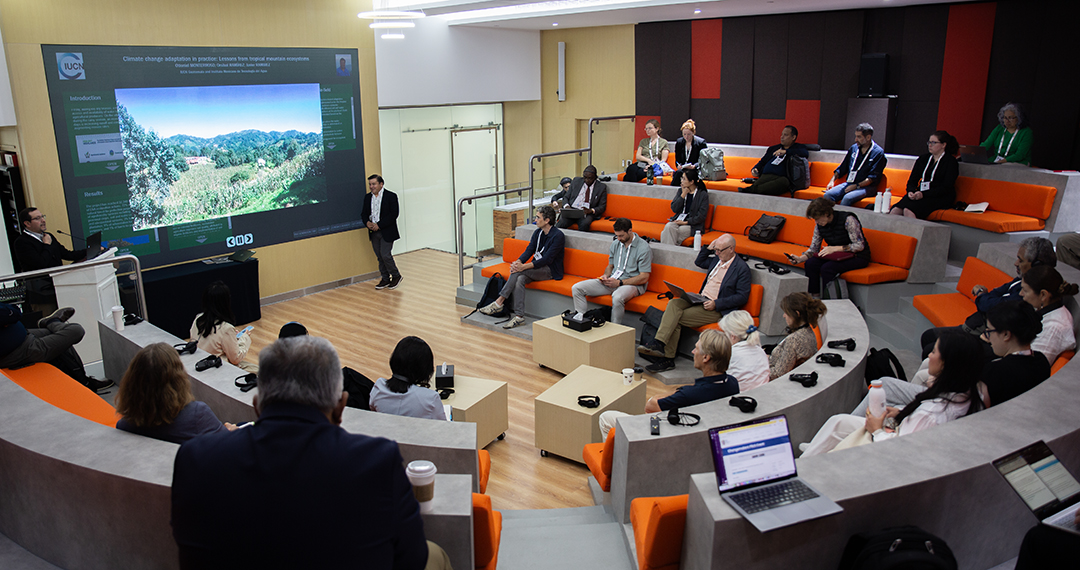
View of the room
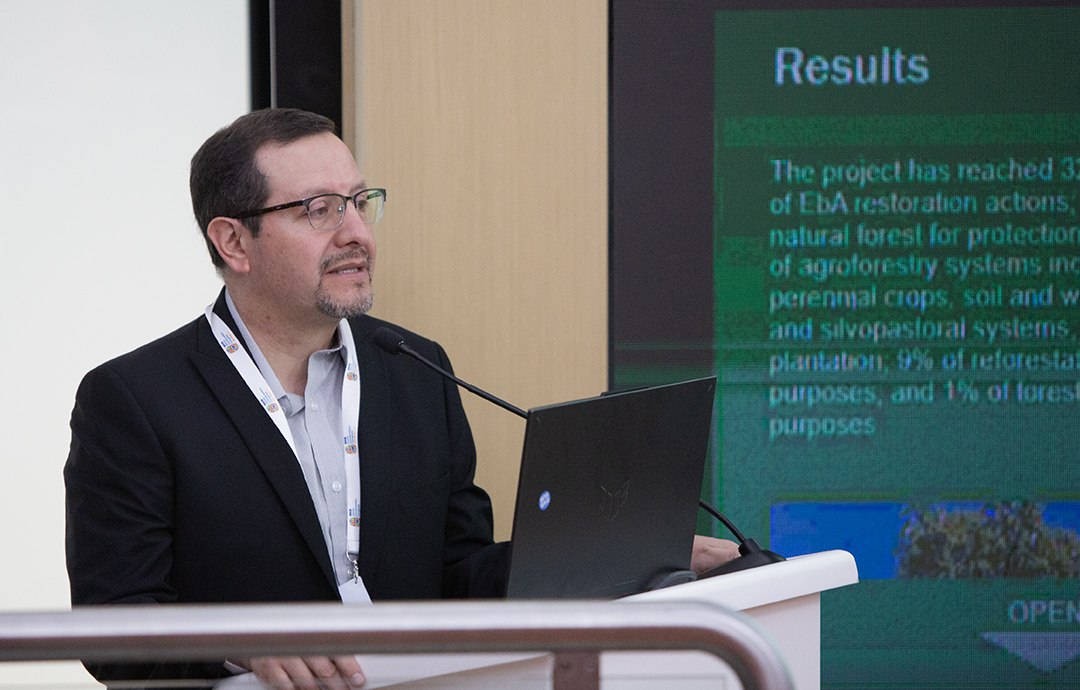
Adolfo Ottoniel Monterroso Rivas, IUCN
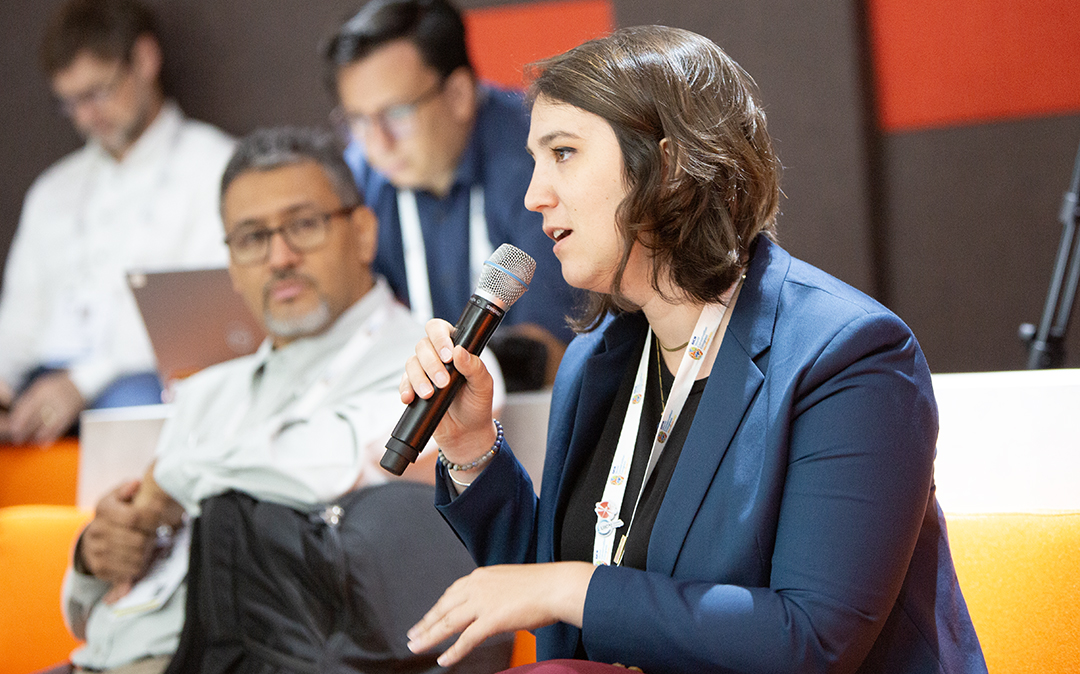
Participants’ interventions during the opening dialogue
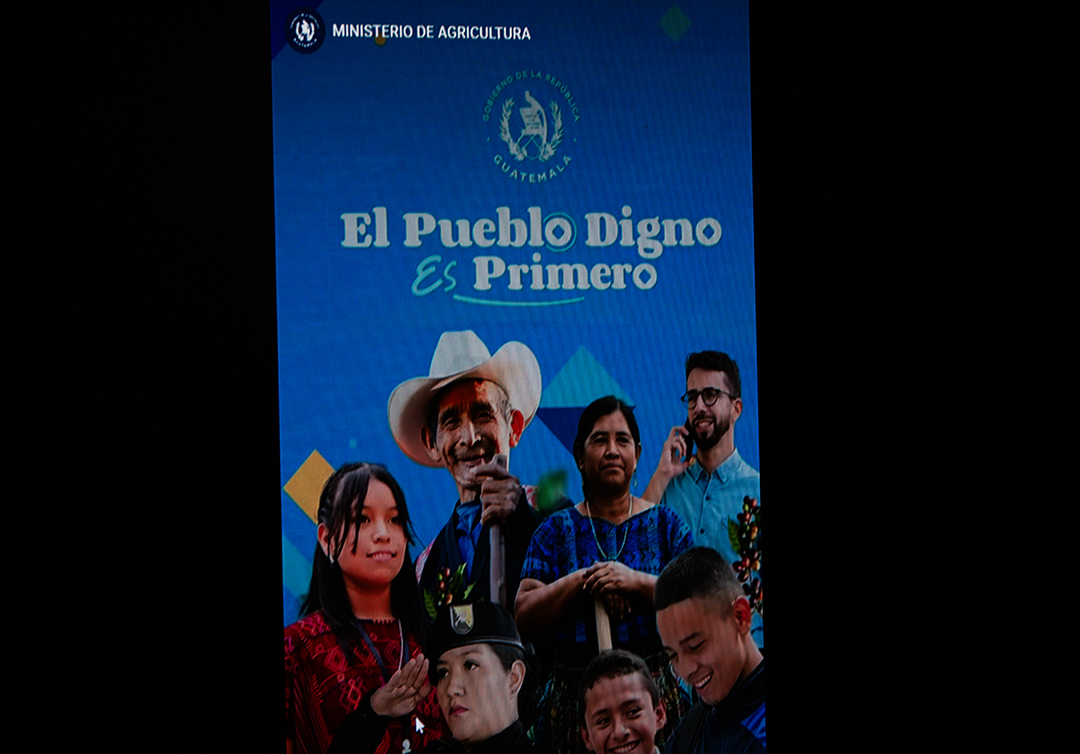
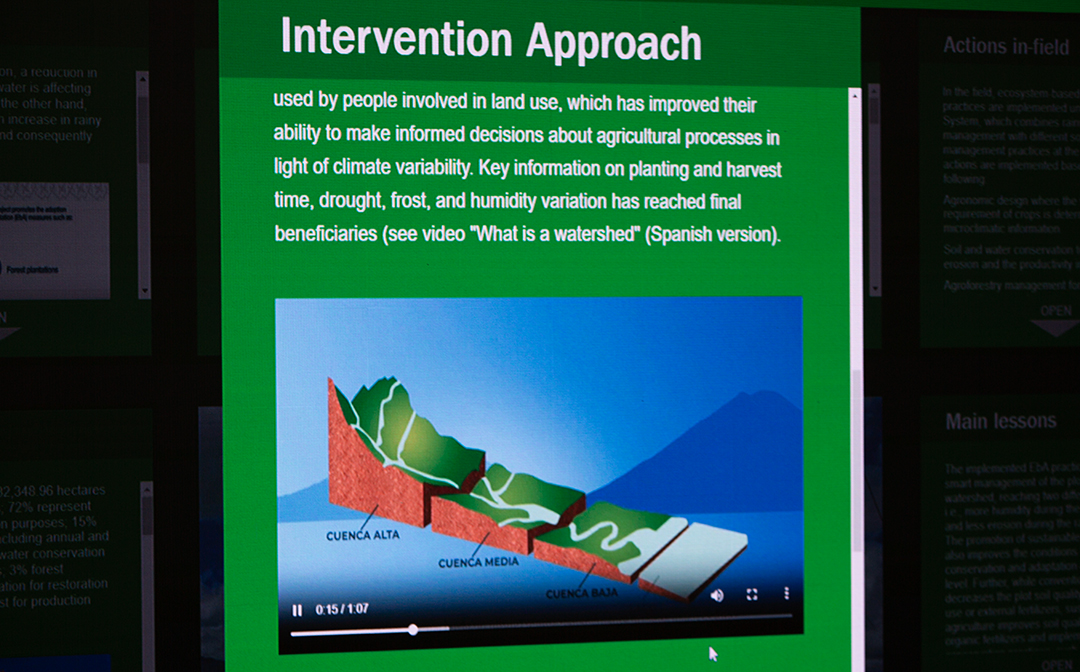
The session showcased innovative solutions developed in Guatemala
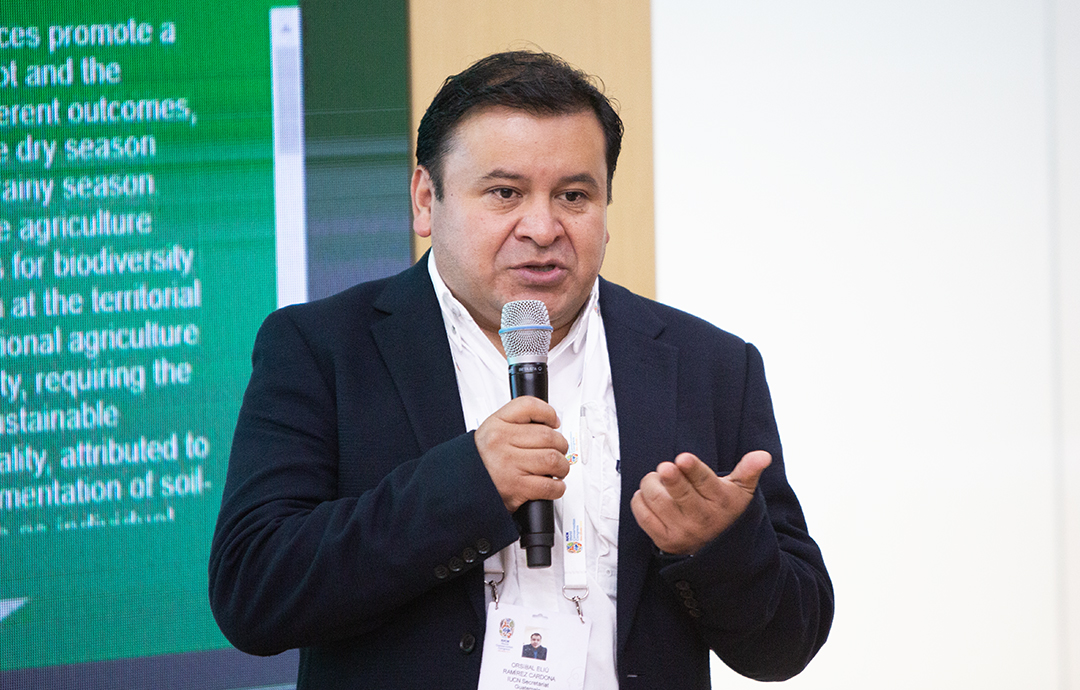
Orsibal Ramìrez Cardona, IUCN
Open dialogue between participants and panelists during the Q&A session
Thematic Session: IUCN and International Courts: Climate Change Advisory Opinions (ICJ, ITLOS and IACtHR)
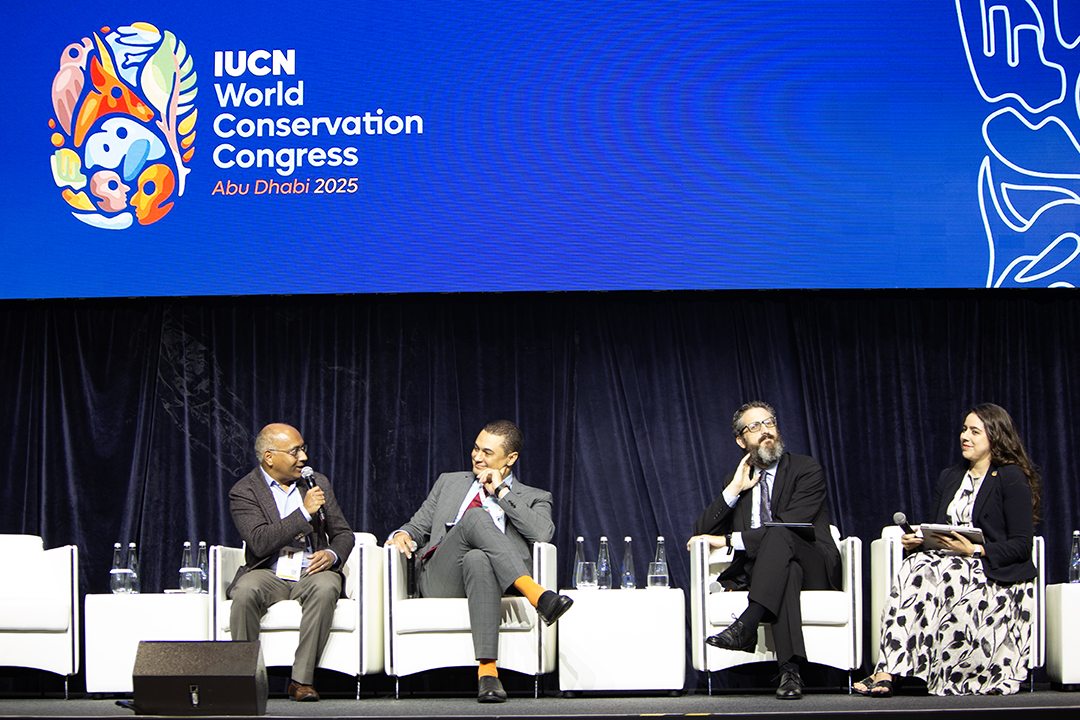
Sandeep Sangupta, Global Policy Lead, IUCN Climate Change; Ayman Cherkaoui, Deputy Chair, IUCN WCEL; Francesco Sindico, Co-Chair, WCEL Climate Change Specialist Group; and Marina Venâncio, Chair, WCEL Early Career Specialist Group
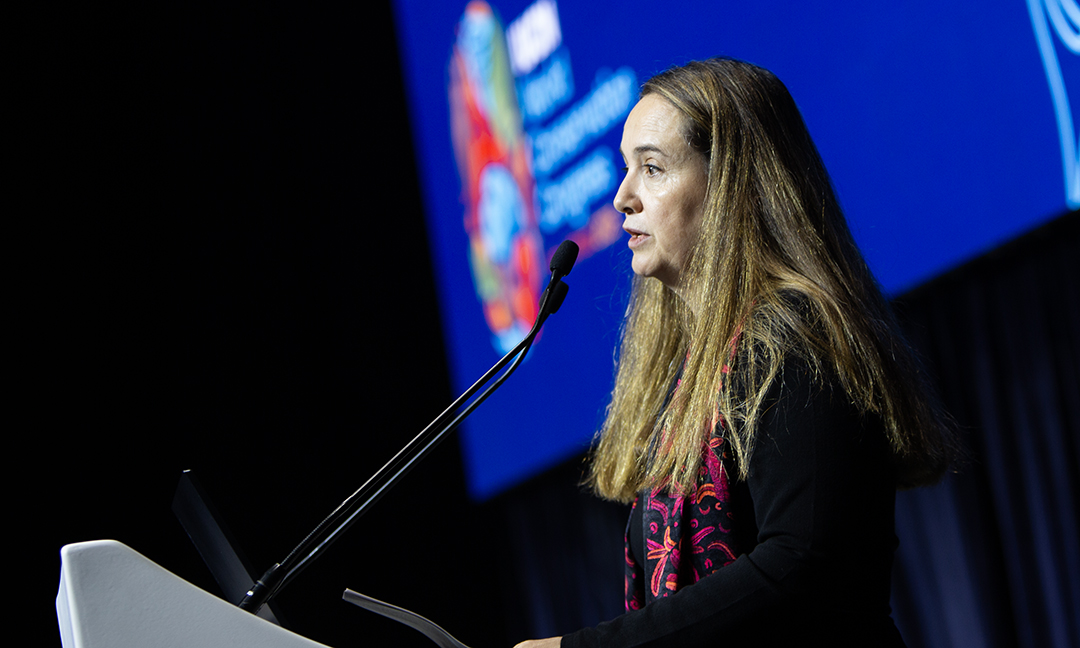
Grethel Aguilar, IUCN Director General
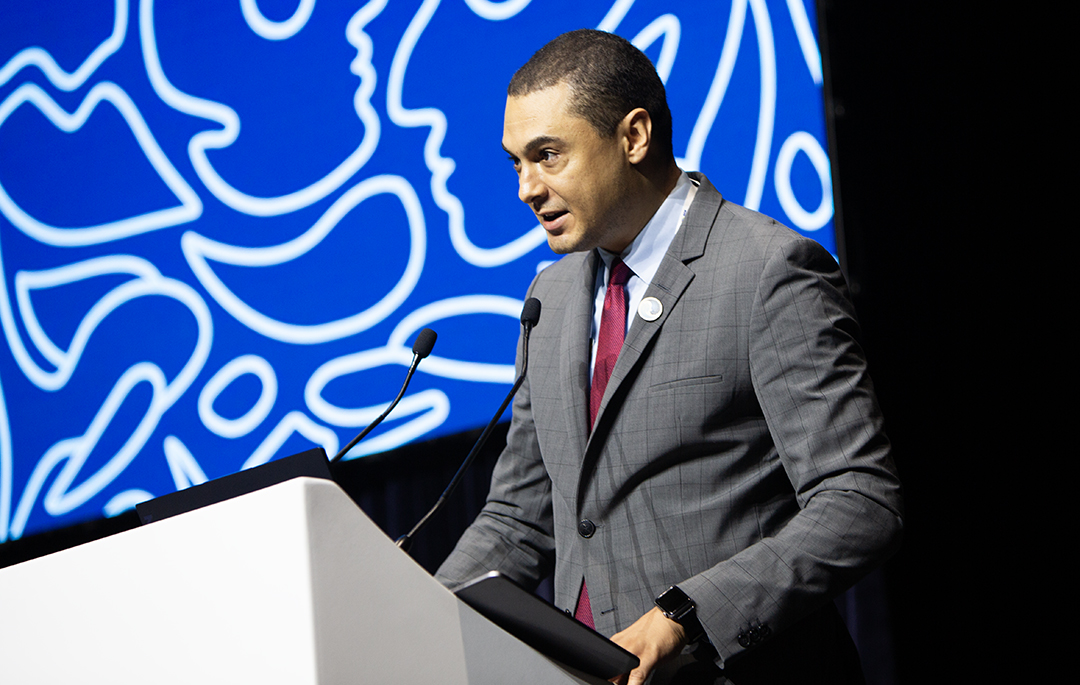
Ayman Cherkaoui, Deputy Chair, IUCN WCEL
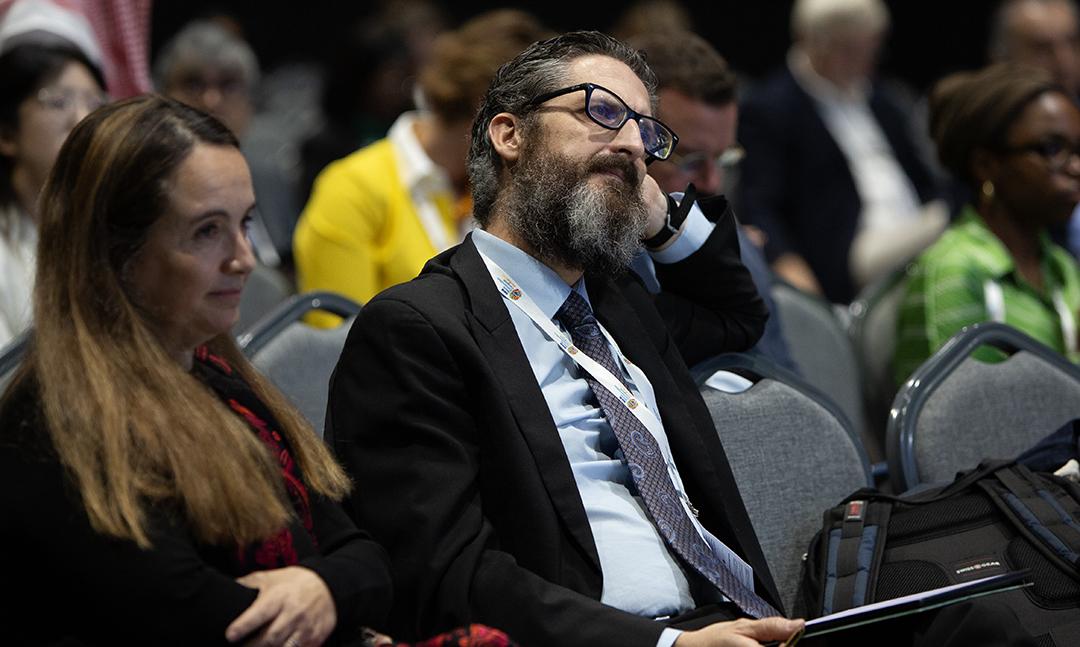
Grethel Aguilar, IUCN Director General, and Francesco Sindico, Co-Chair, WCEL Climate Change Specialist Group
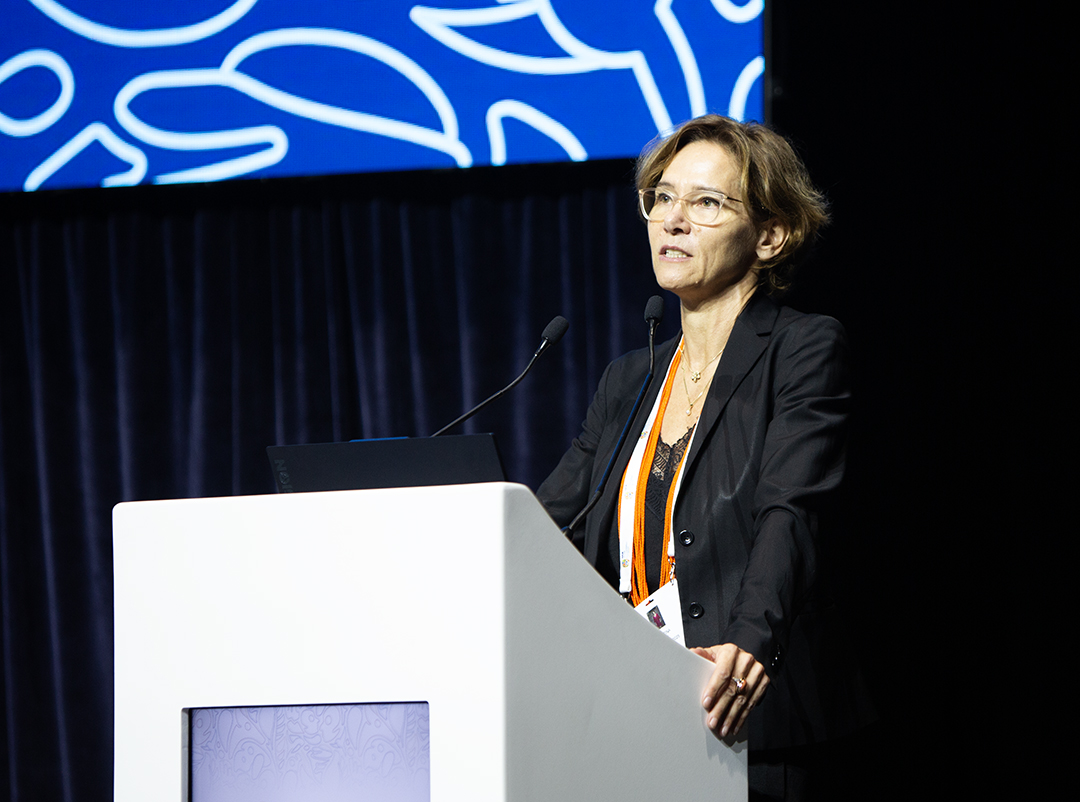
Christina Voigt, Chair, WCEL
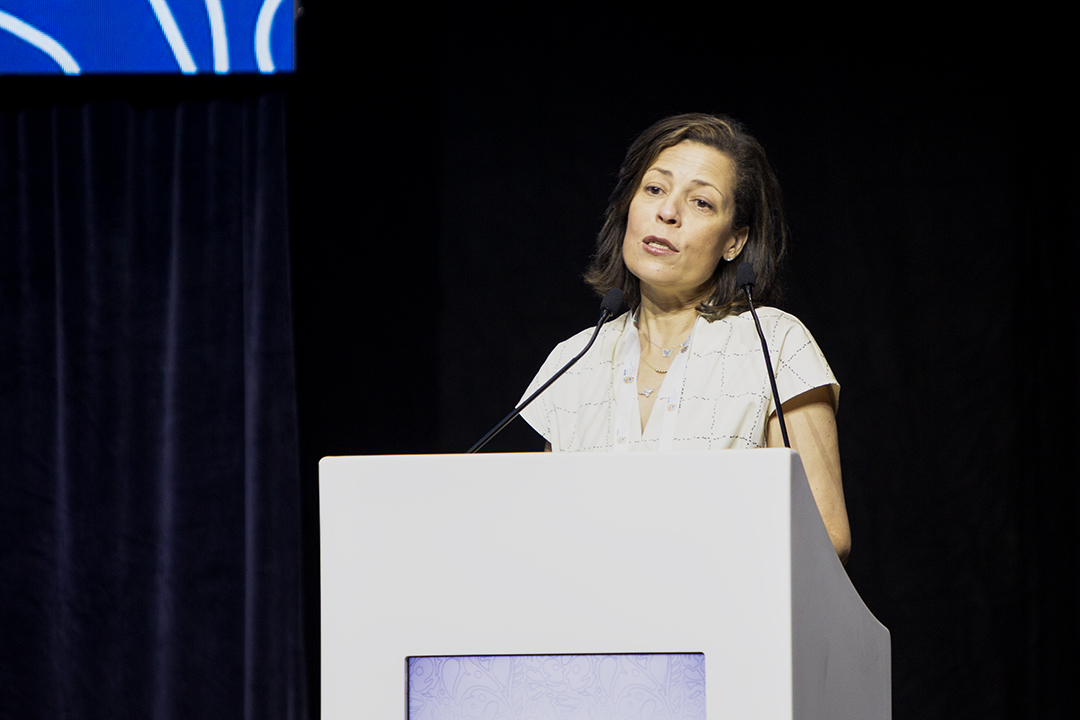
Claudia de Windt, CEO, Inter-American Institute on Justice and Sustainability
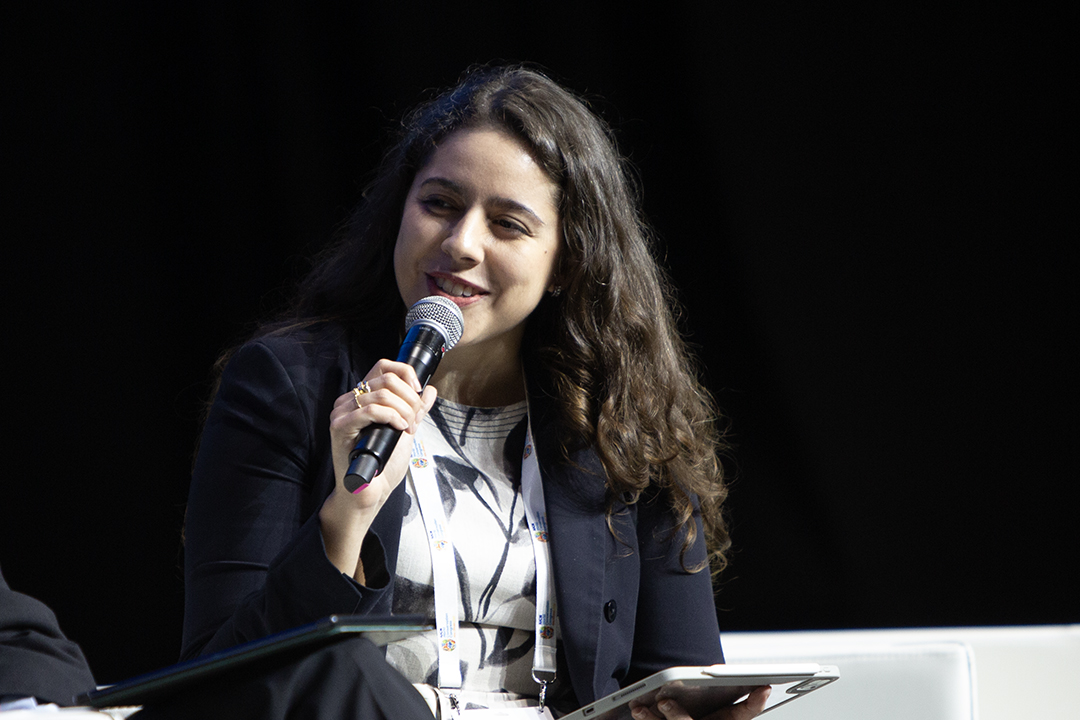
Marina Venâncio, Chair, WCEL Early Career Specialist Group
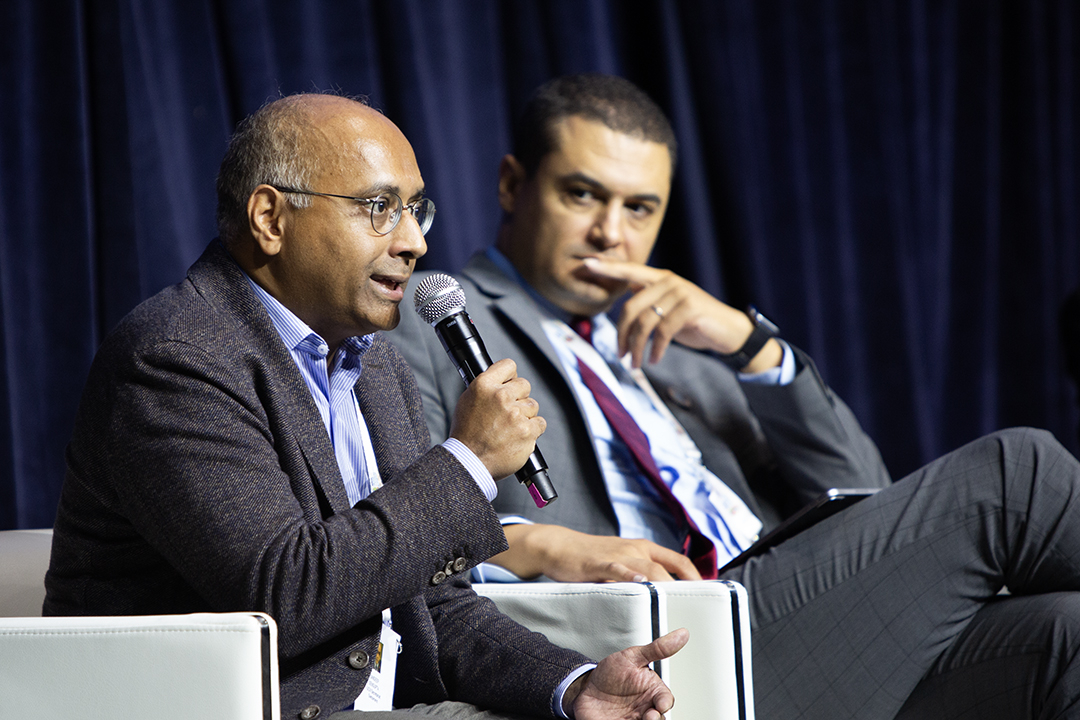
Sandeep Sangupta, Global Policy Lead, IUCN Climate Change
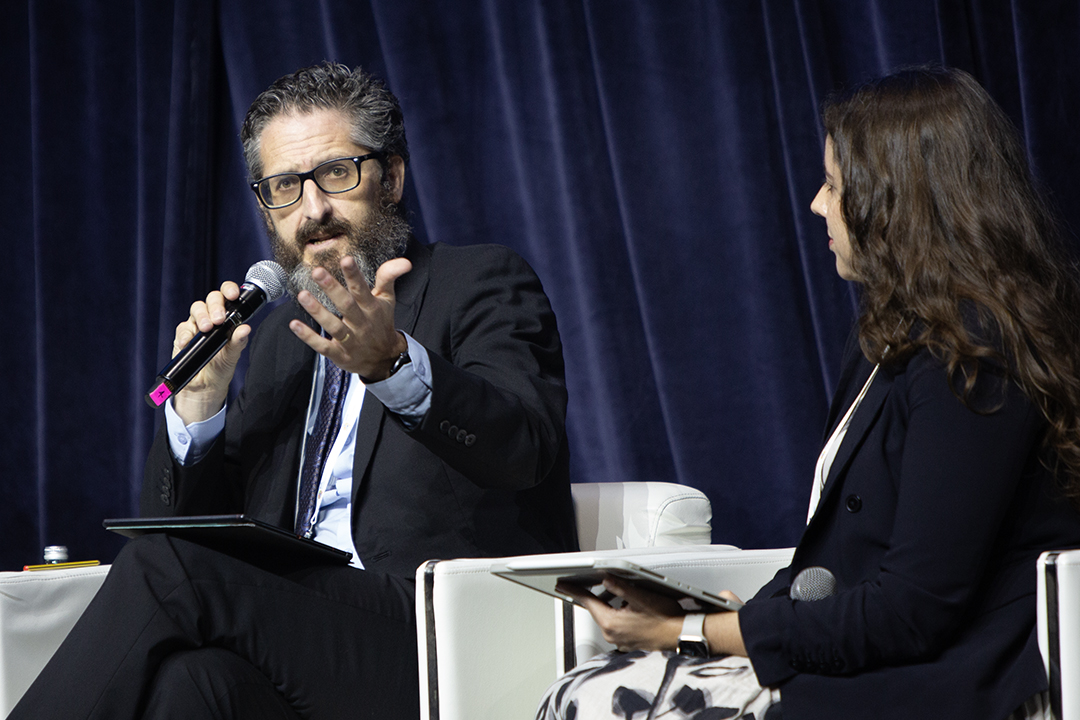
Francesco Sindico, Co-Chair, WCEL Climate Change Specialist Group
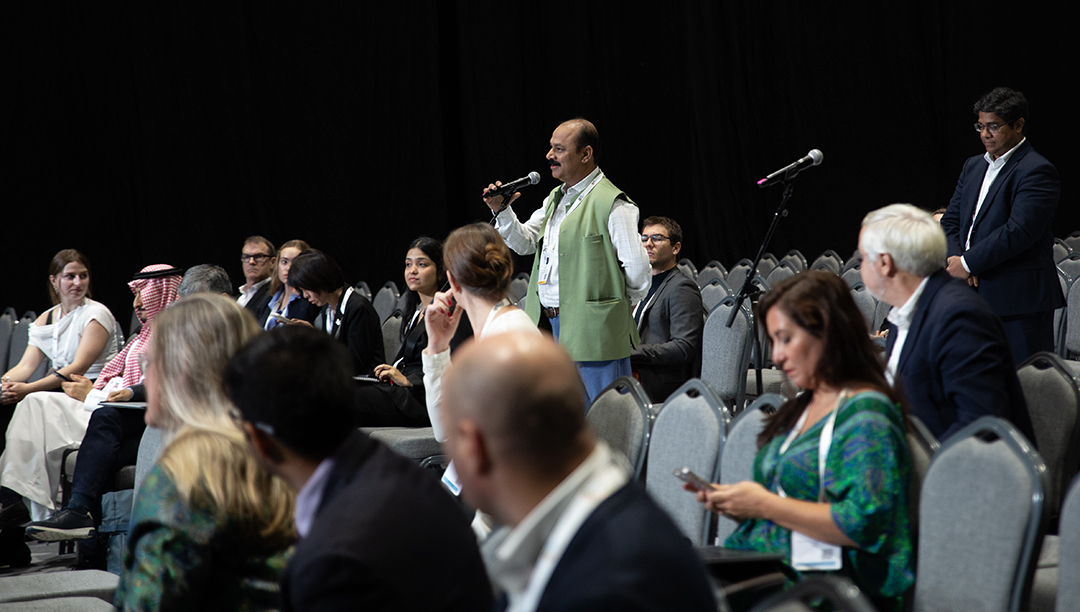
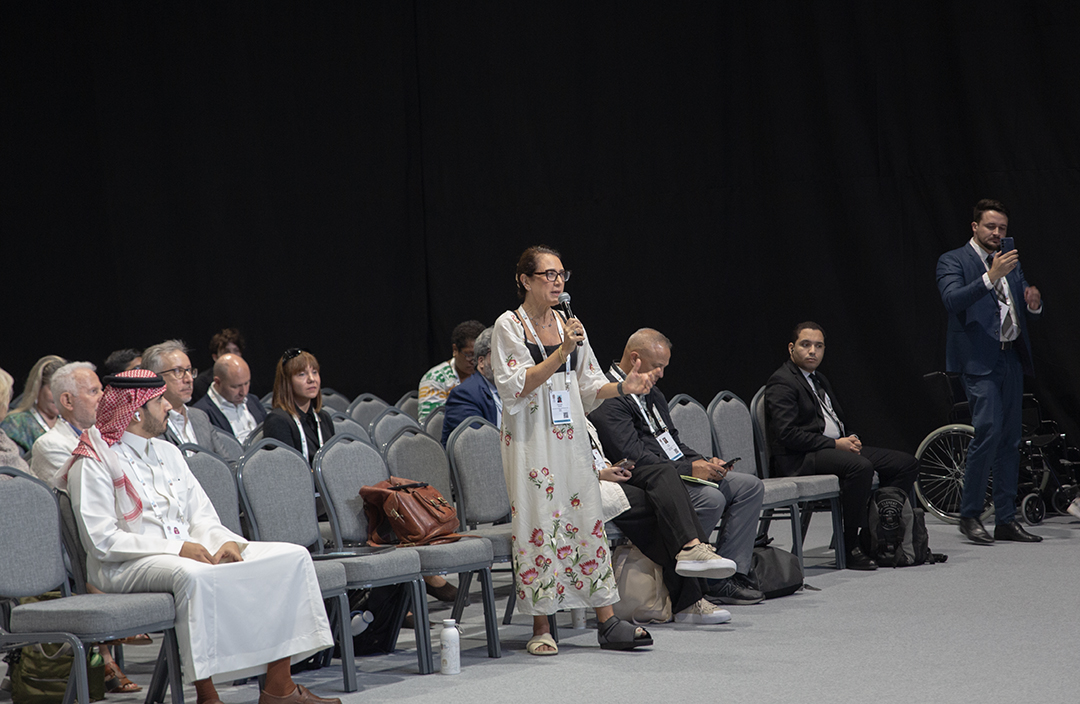
Participants engaged with the panelists during the Q&A
Participants during the thematic session
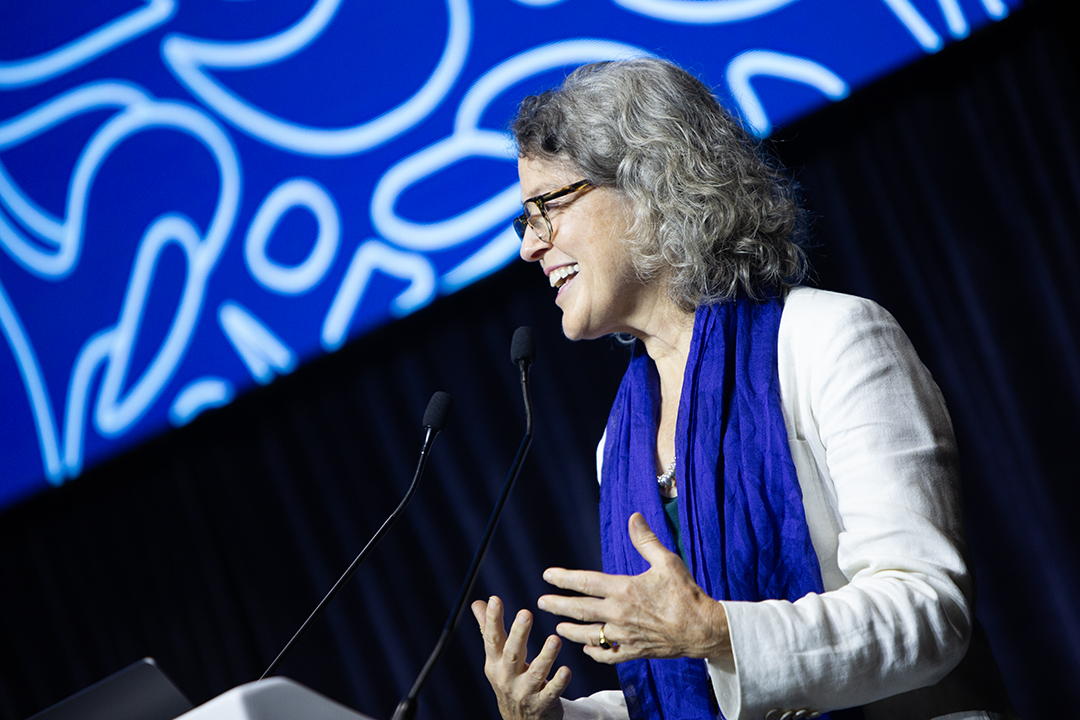
Cymie Paine, Chair, WCEL Ocean Law Specialist Group
Hot off the Press Event: Launch of Agricultural Support, Biodiversity and Trade - Examining Connections to Repurpose Harmful Incentives
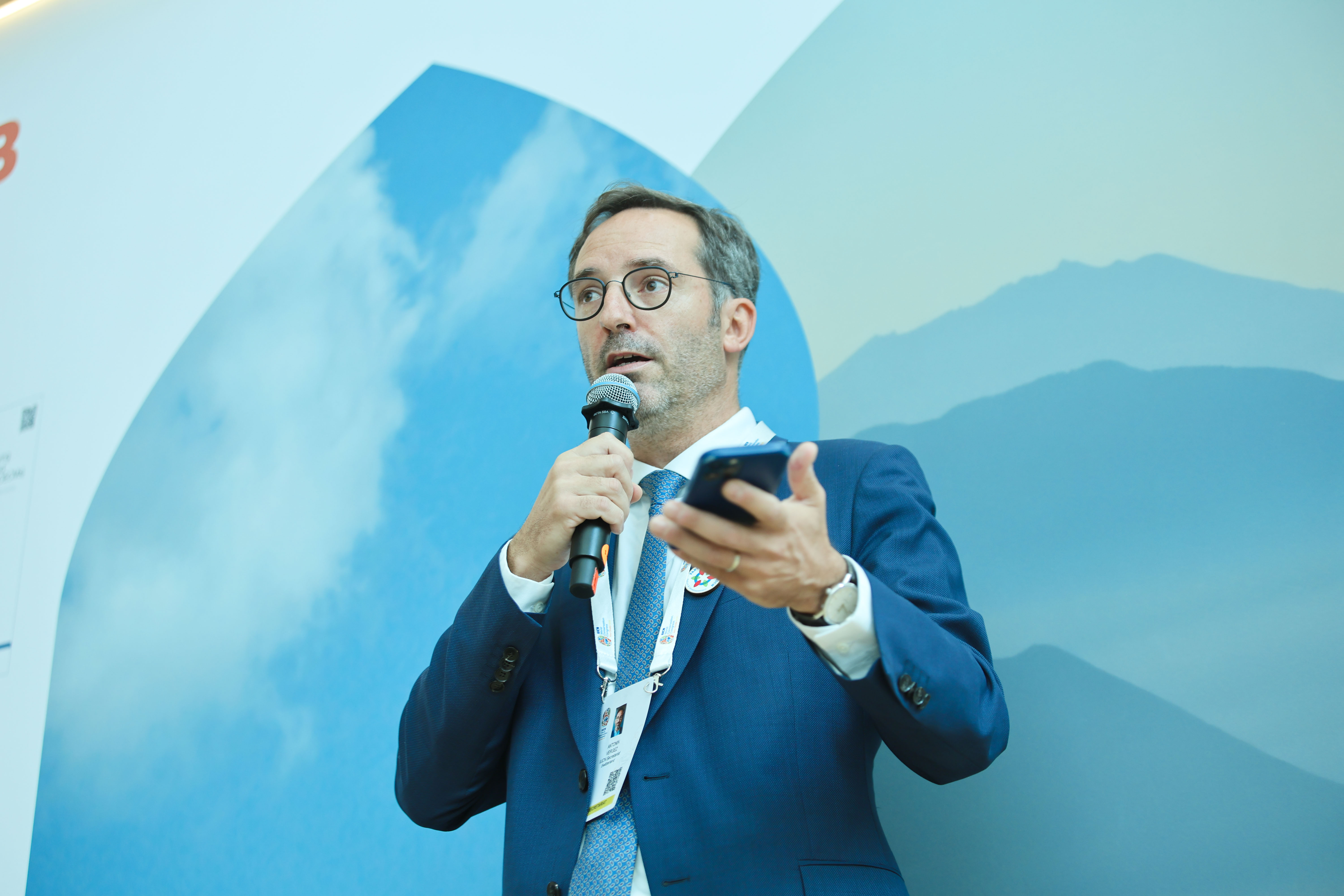
Antonin Vergez, Senior Economist, IUCN

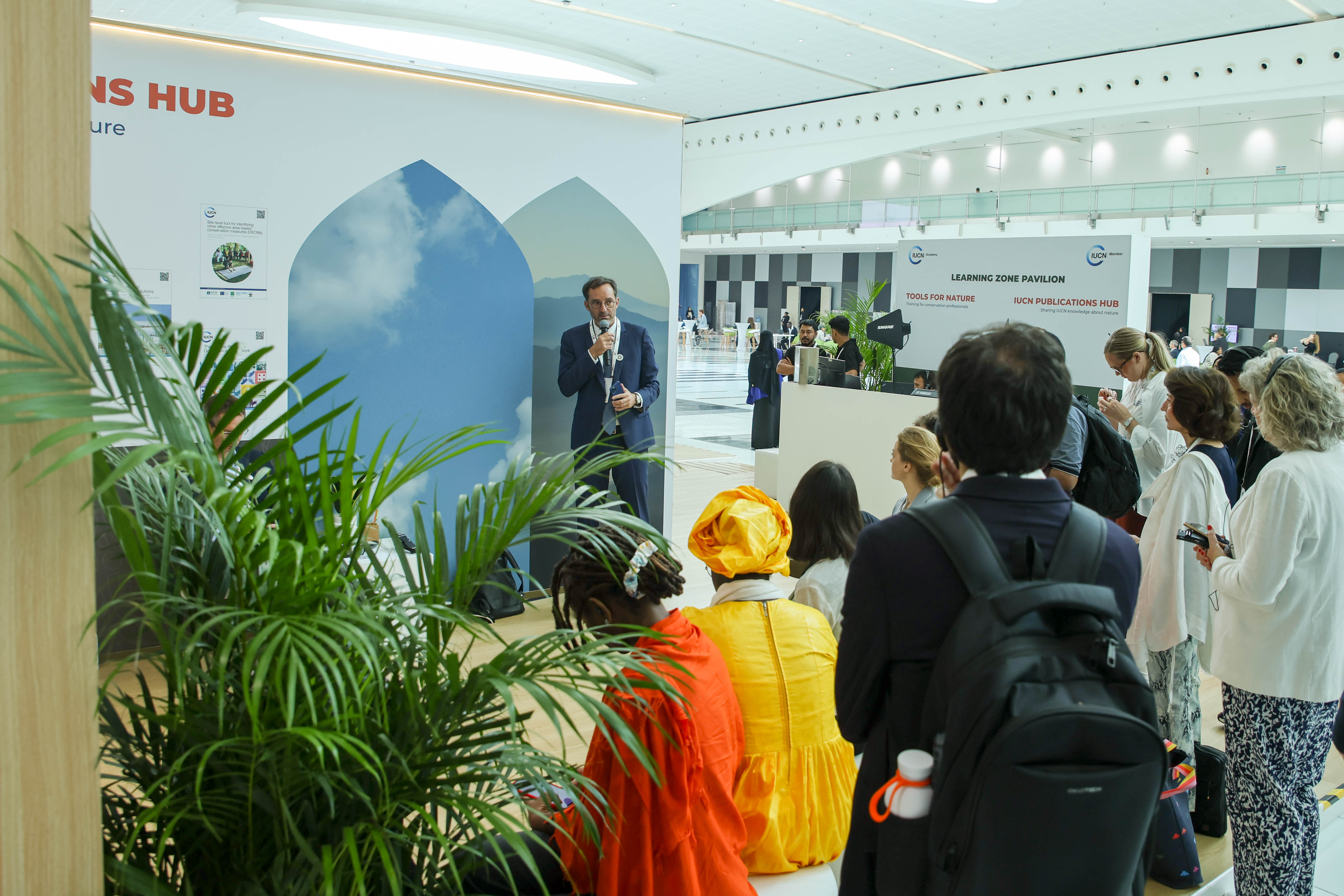

High-Level Dialogue: One Health - The Only Healthy Future for People, Animals and Ecosystems
Grethel Aguilar, Director General, IUCN
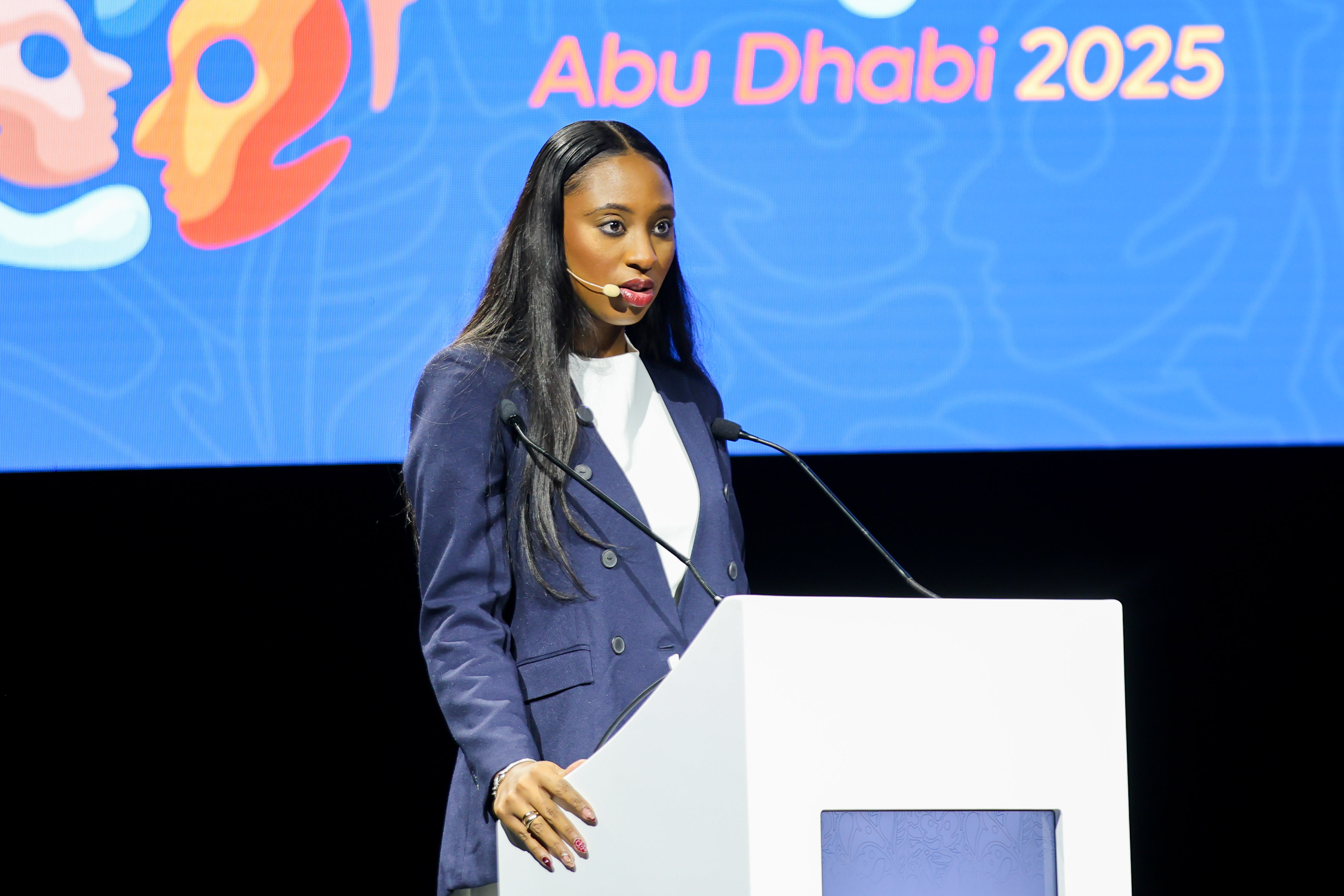
Ashley Lashley, Youth Advisor to the UN Secretary General on Climate Change
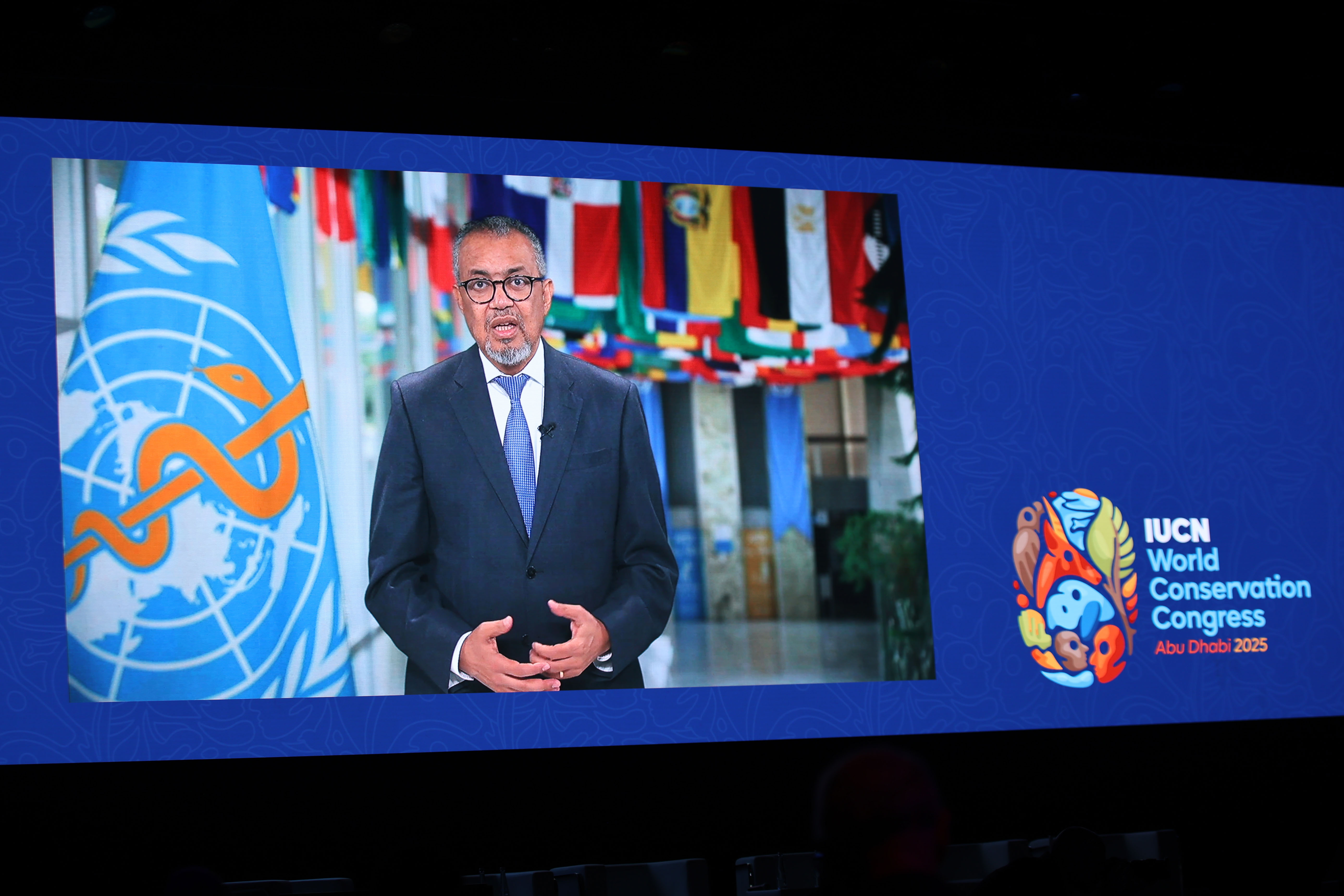
Tedros Ghebreyesus, Director General, World Health Organization (WHO), addressed the event via a video message
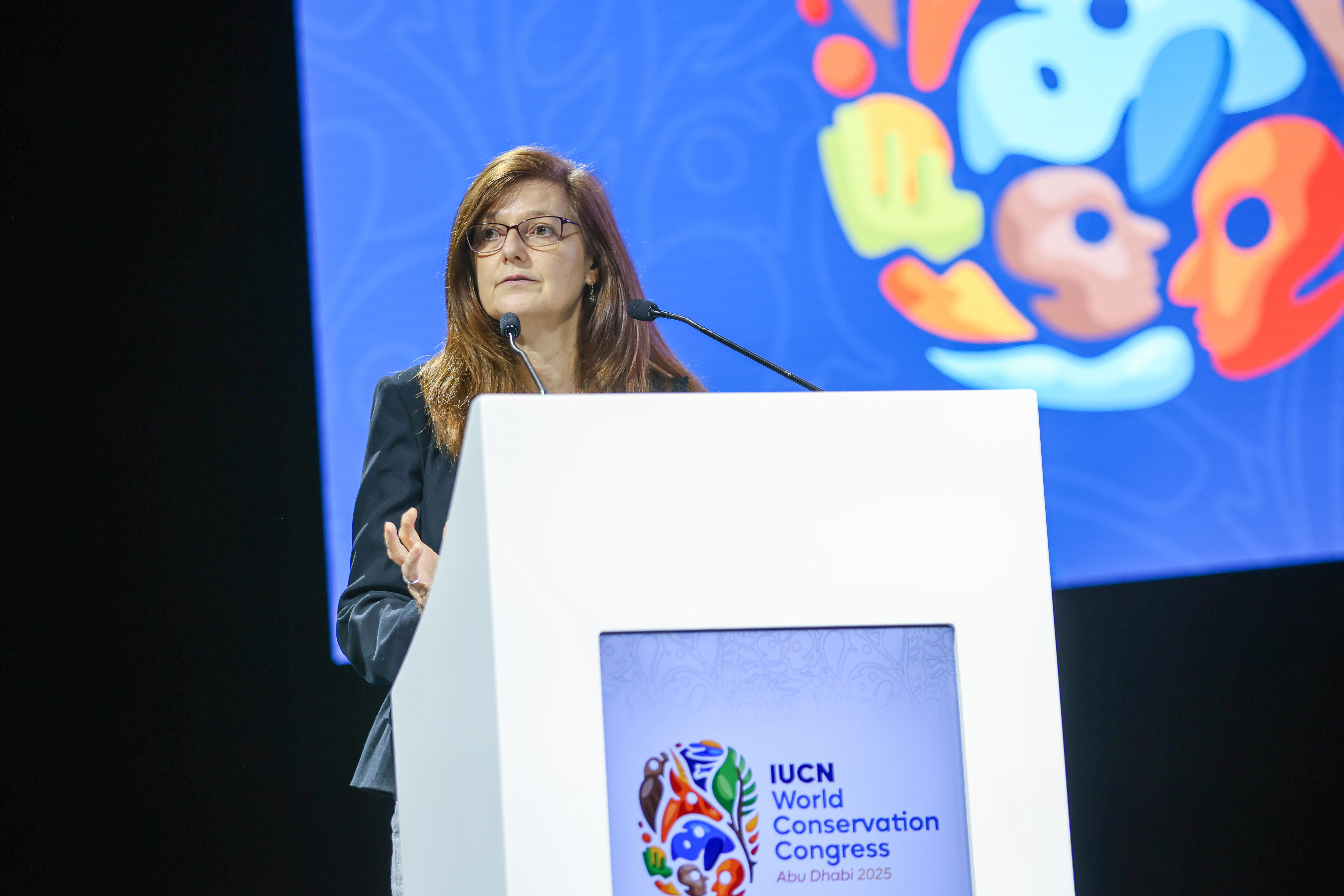
Paula Harrison, UK Centre for Ecology & Hydrology
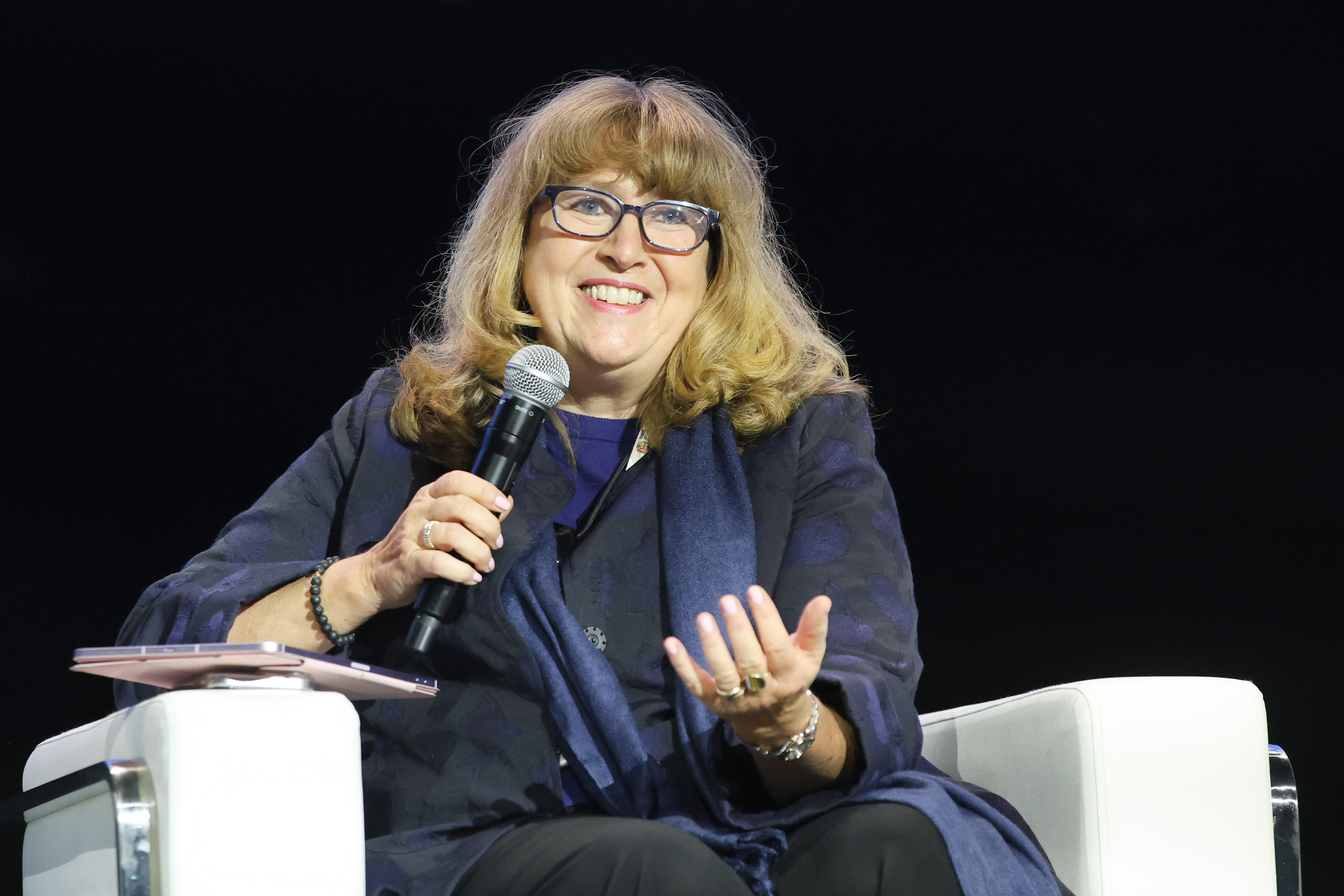
Astrid Schomaker, Executive Secretary, Convention on Biological Diversity (CBD)
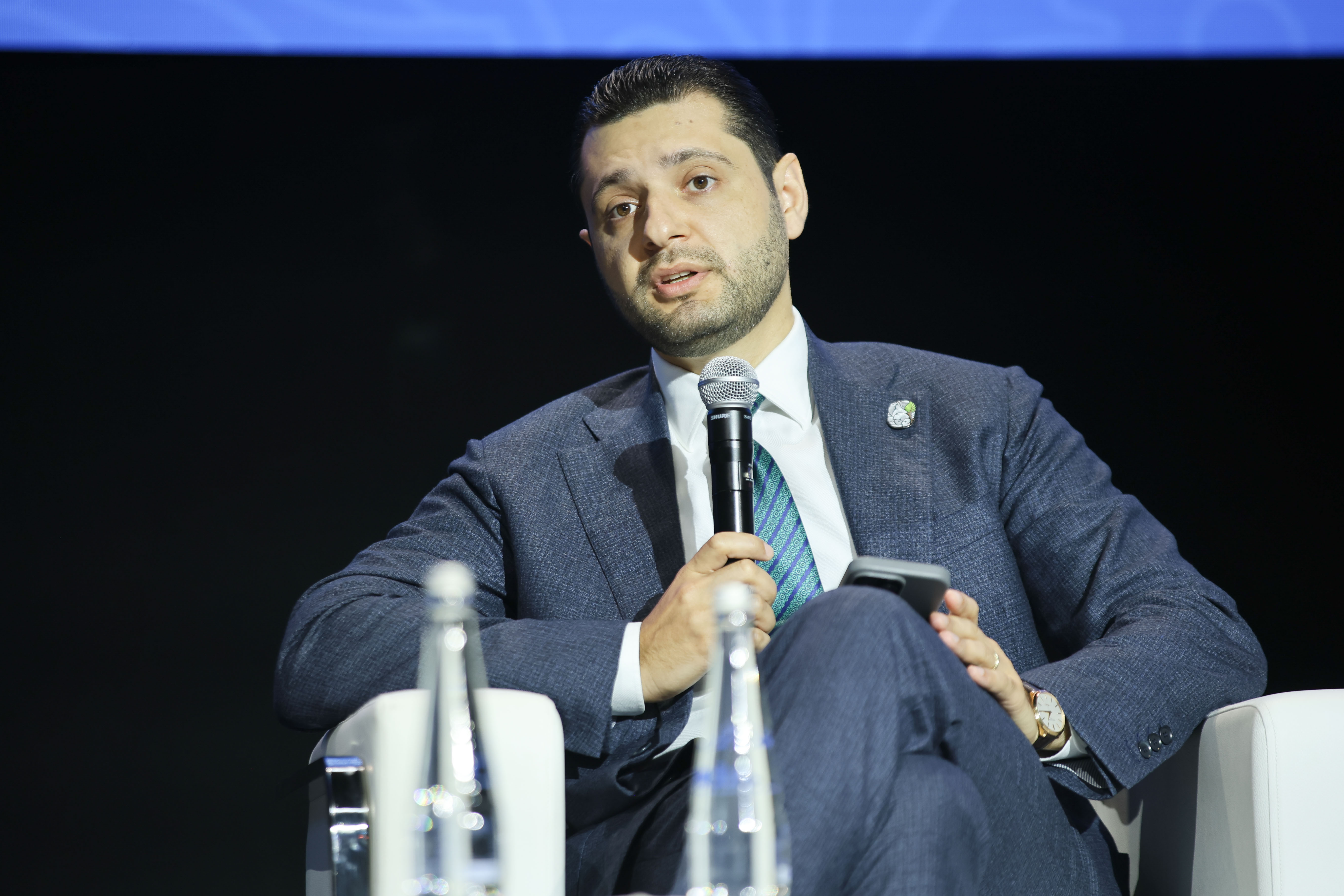
Hambardzum Matevosyan, Minister of Environment, Armenia
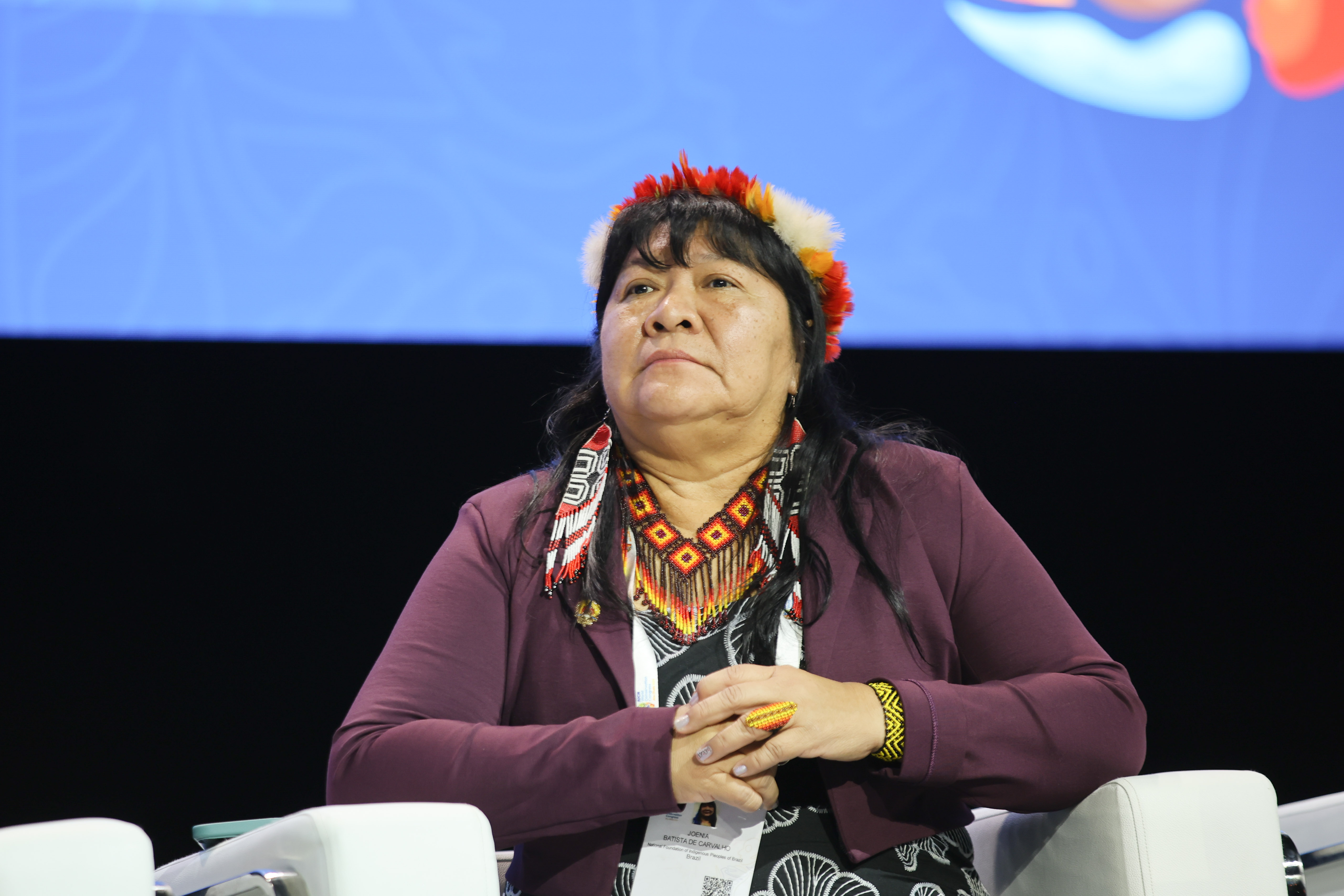
Joênia Wapichana, President, National Foundation of Indigenous Peoples
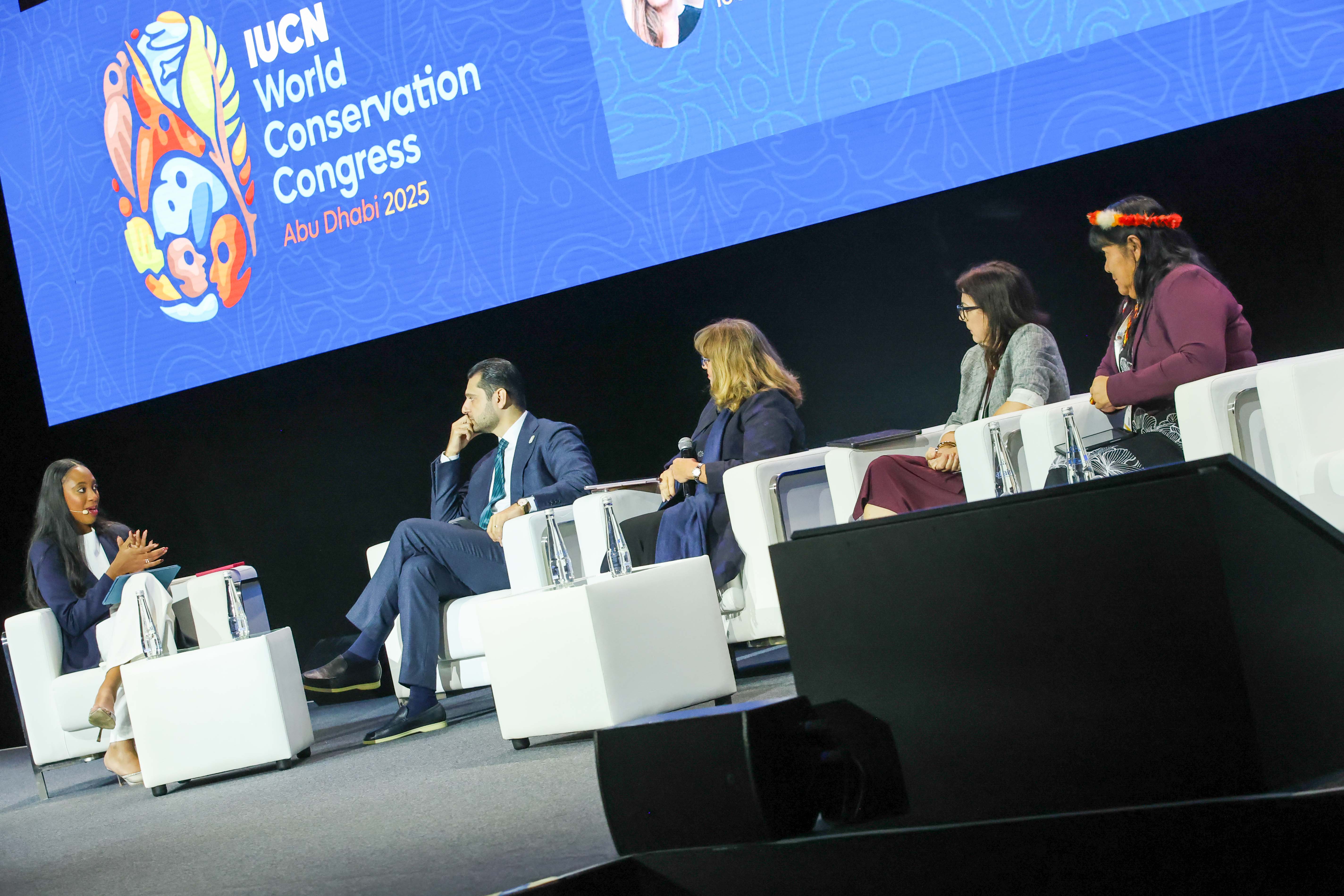
A view of the panel
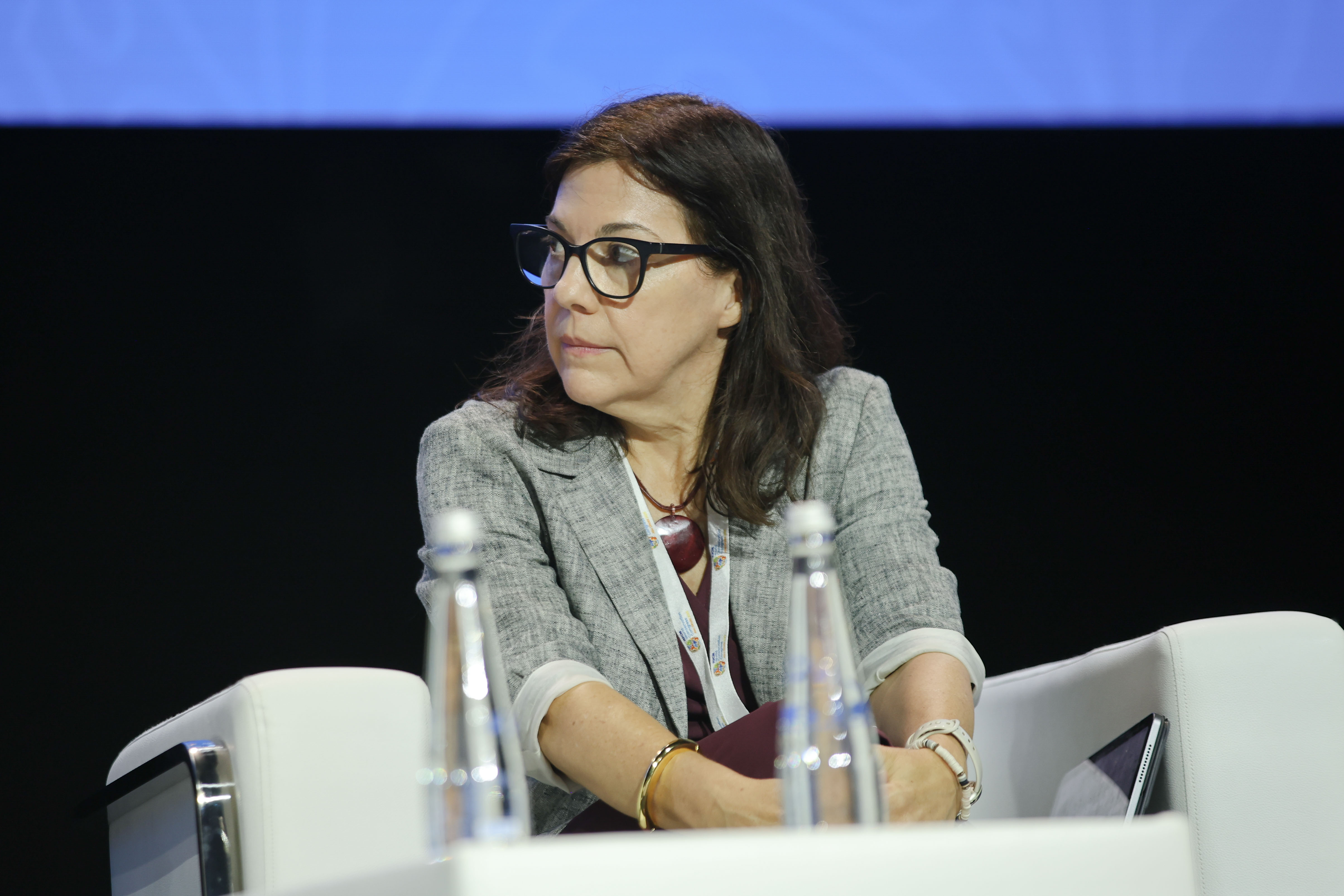
Pam McElwee, Rutgers University
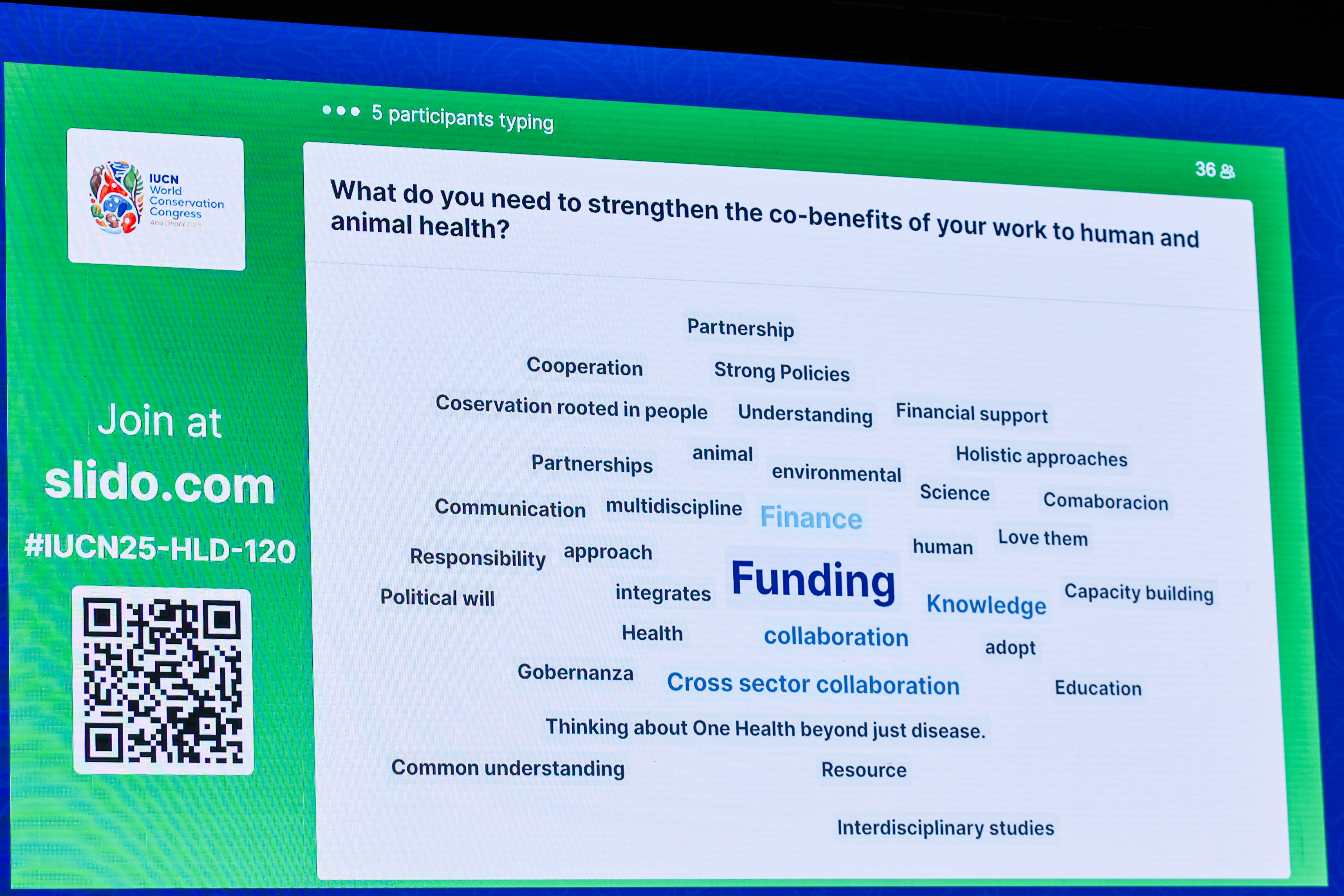
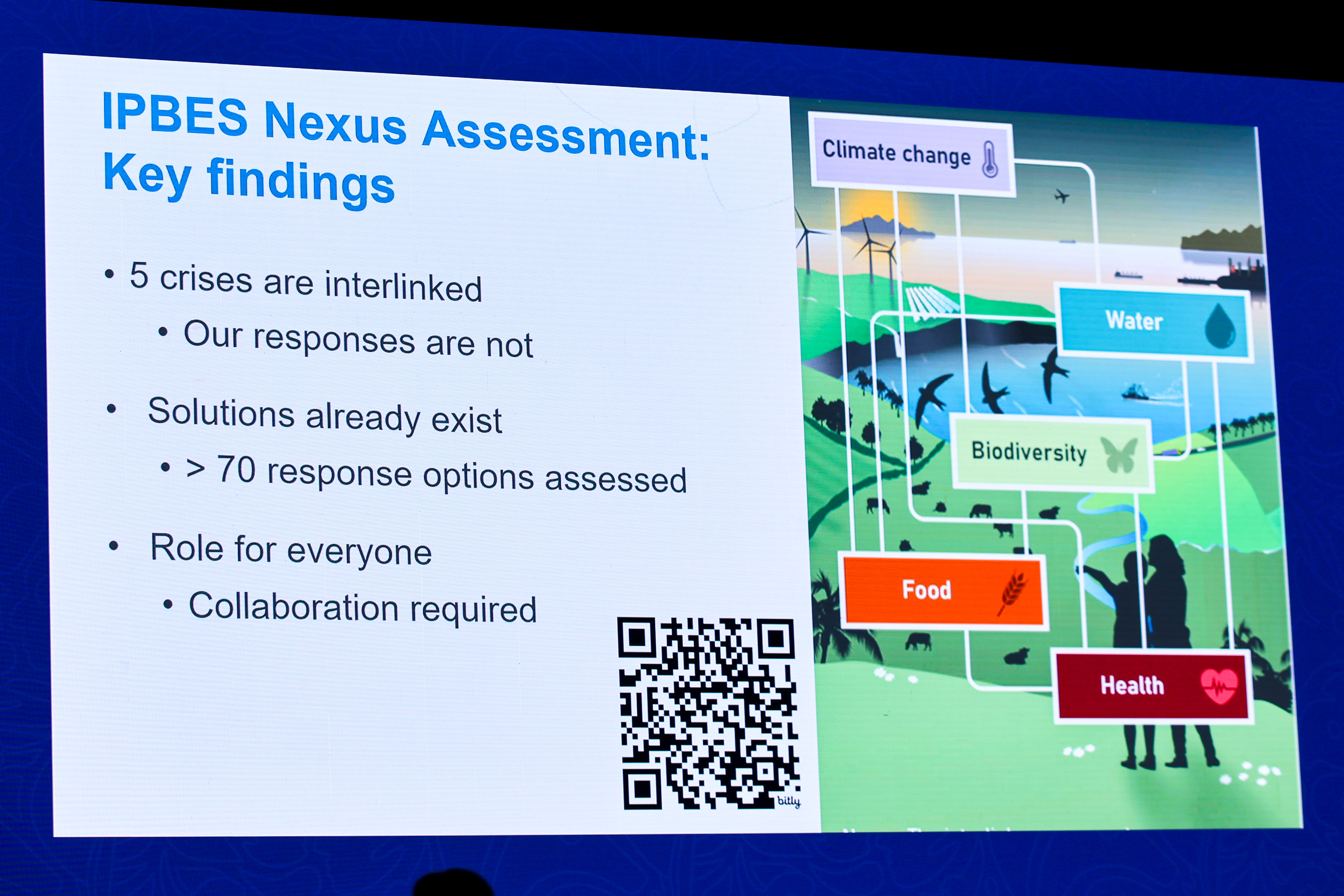
A slide from Paula Harrison’s presentation
Thematic Session: Youth Breaking Walls: Advancing Transboundary Conservation in Conflict-Affected Regions
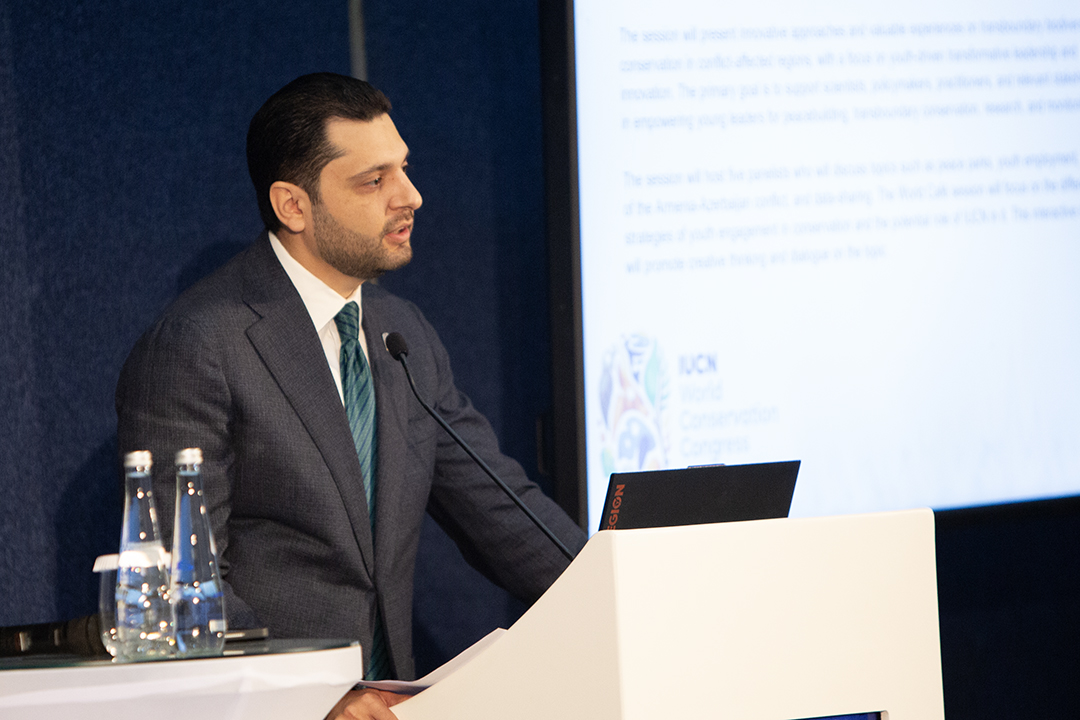
Hambardzum Matevosyan, Minister of Environment, Armenia
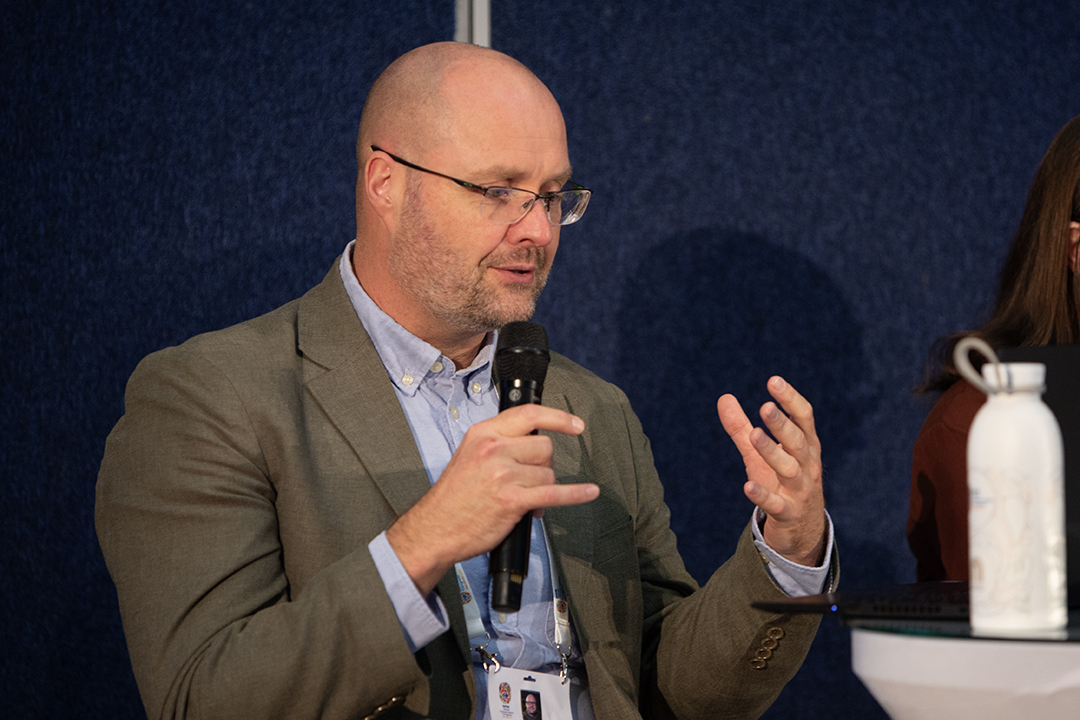
Doug Weir, Director, Conflict and Environment Observatory
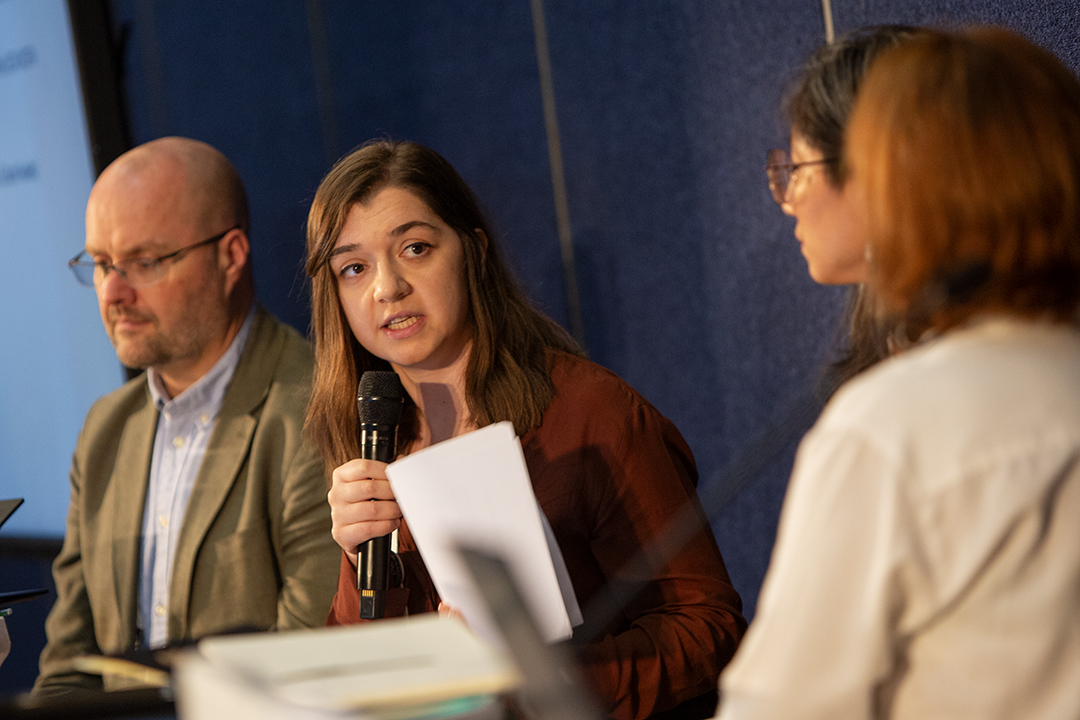
Sona Kalantaryan, Foundation for the Preservation of Wildlife and Cultural Assets
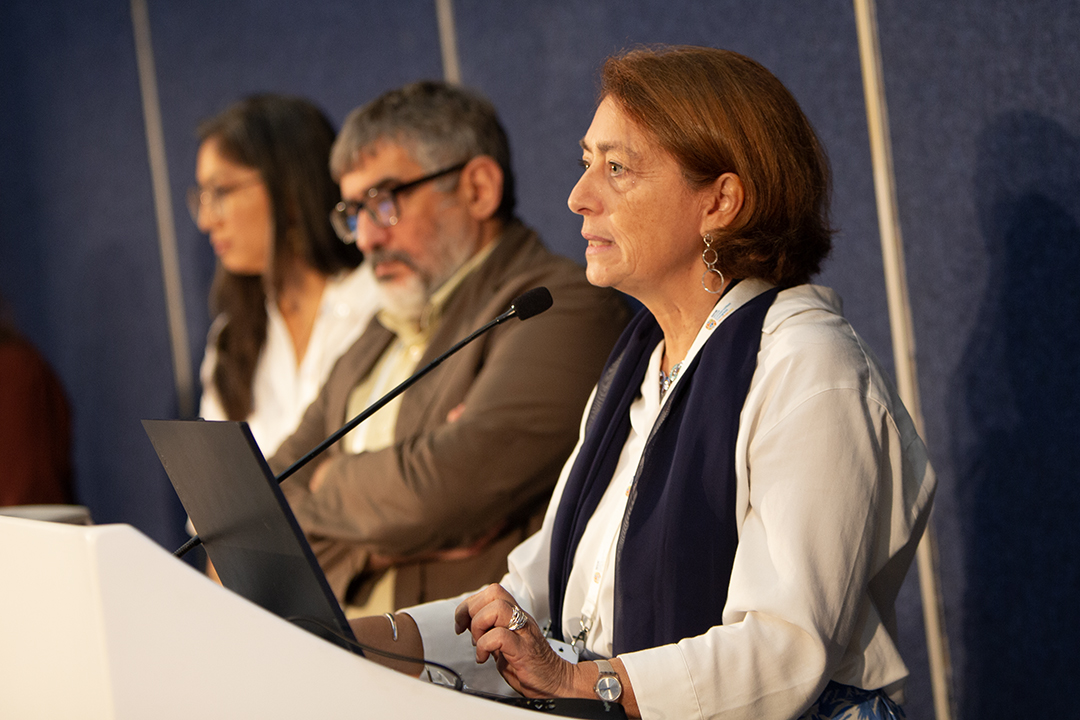
Stefania Petrosillo, Chair, Transboundary Conservation Specialist Group, IUCN World Commission on Protected Areas
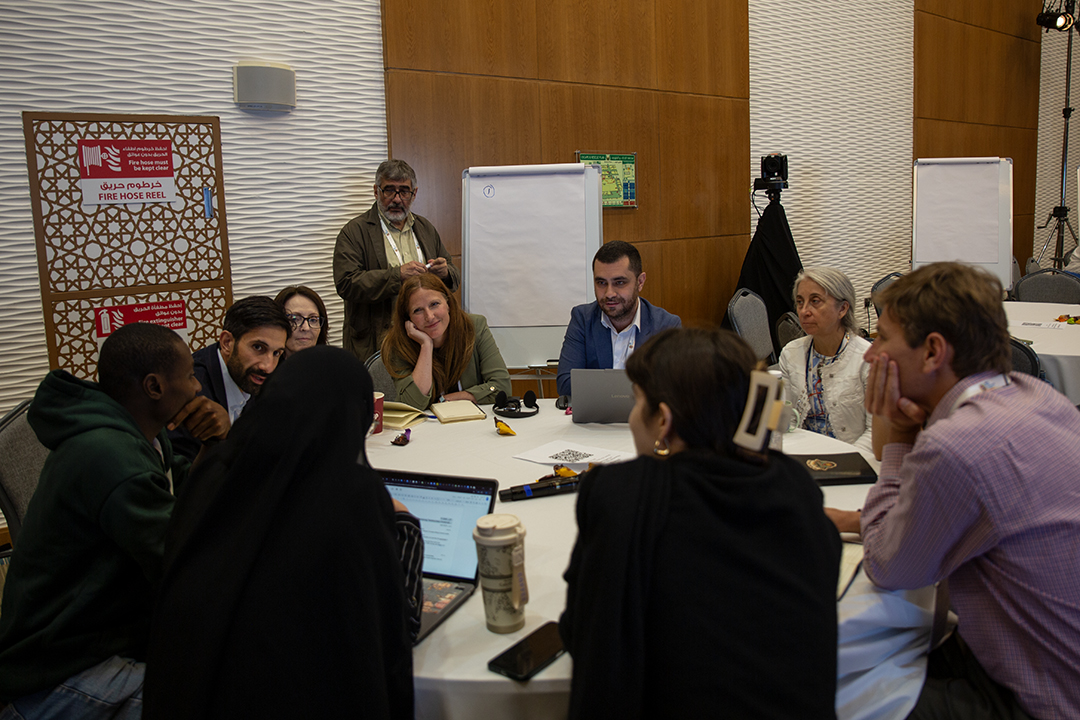
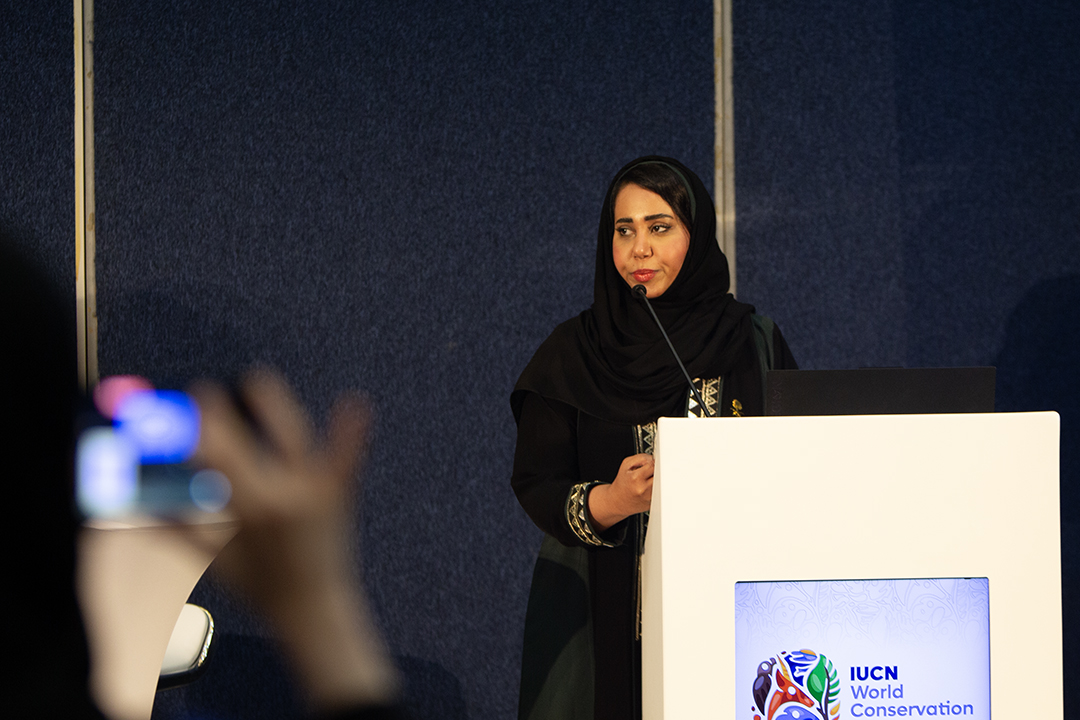
Dalal Alhindi, Ministry of Environment, Saudi Arabia
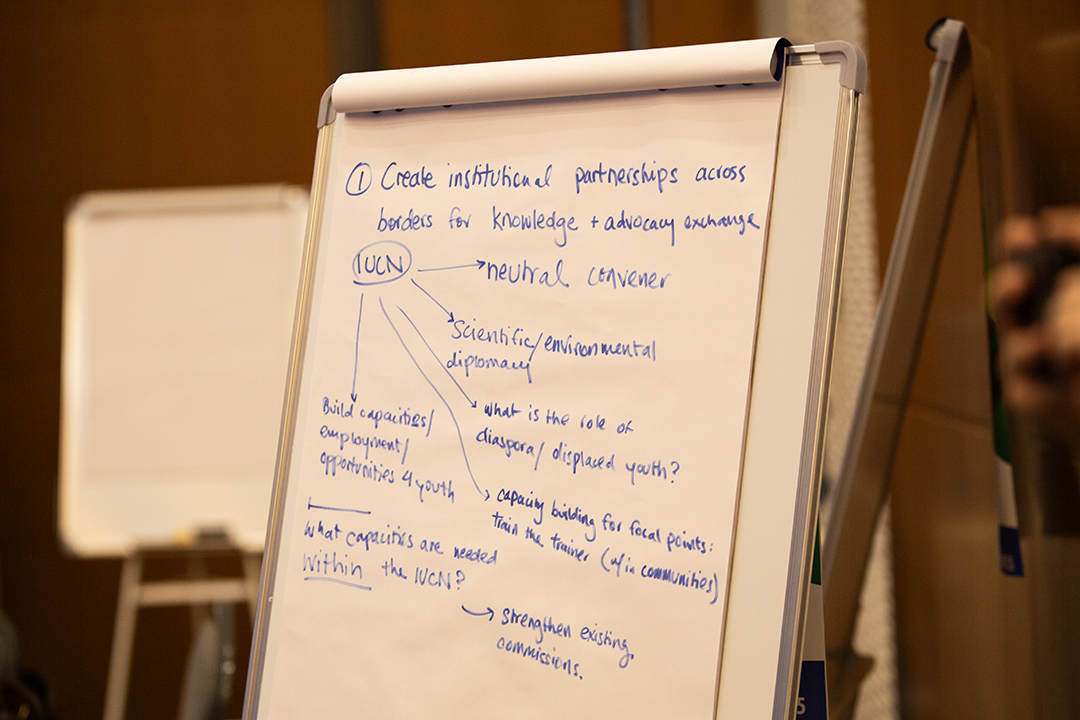
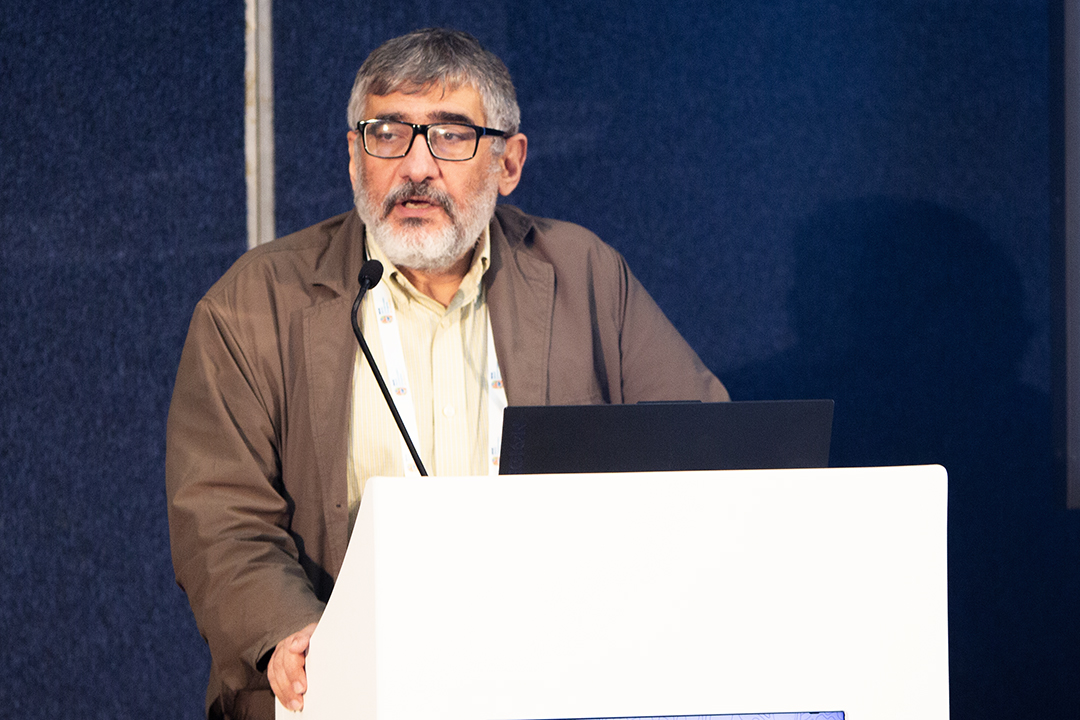
Alen Amirkhanyan, Director, Acopian Center for the Environment, American University of Armenia
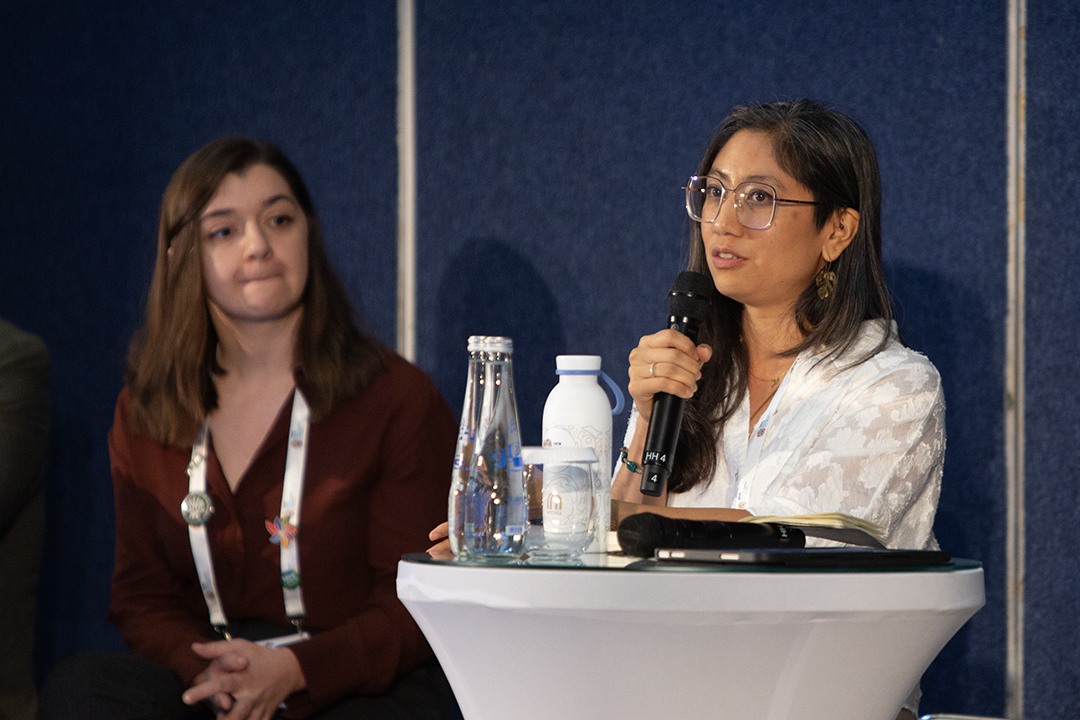
Elaine Hsiao, Kent State University School of Peace and Conflict Studies
Thematic Session: High-Level Launch: Innovative Financing Mechanisms for Scaling Up Nature-based Solutions
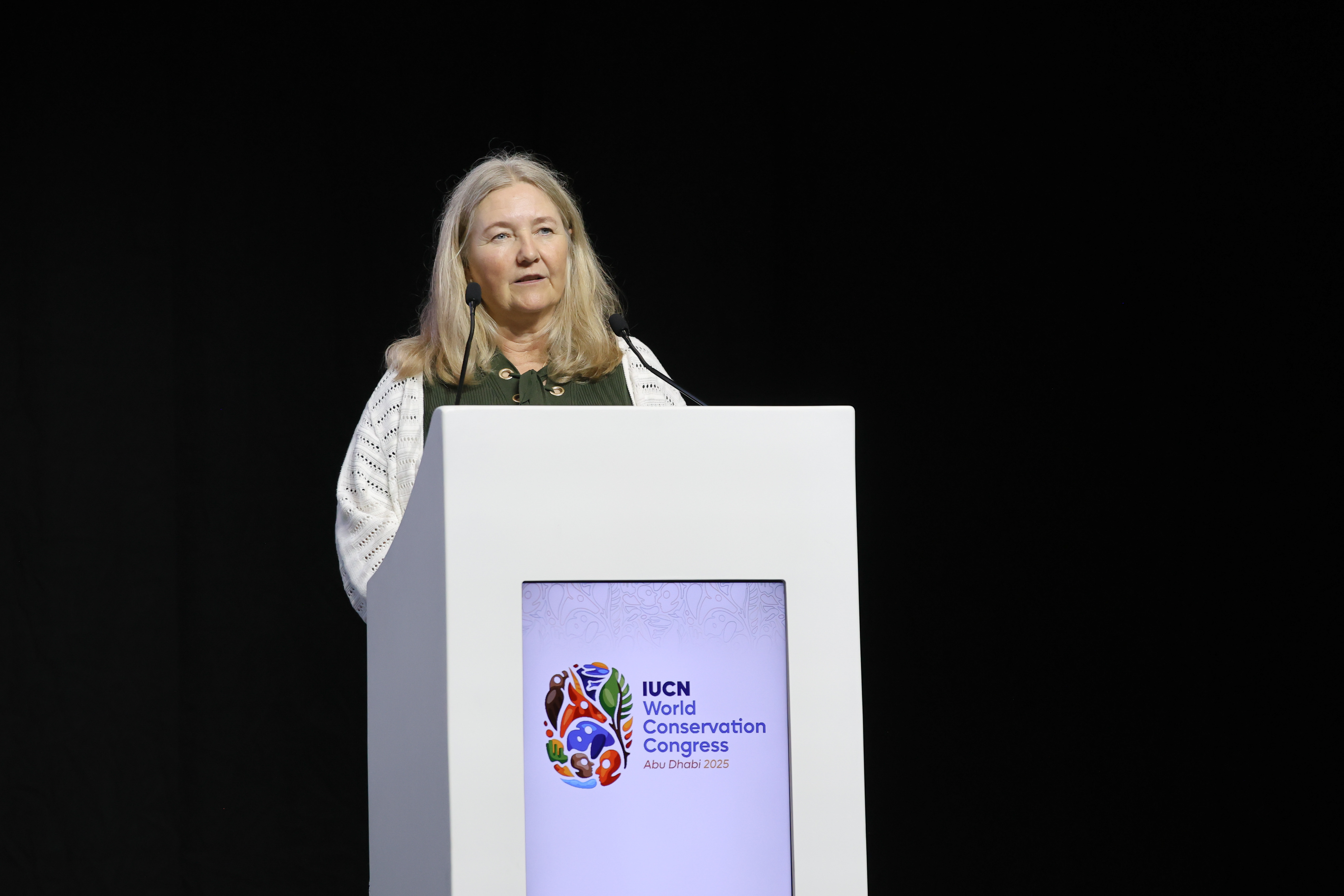
Susanne Pedersen, Director, Centre for Science and Knowledge, IUCN
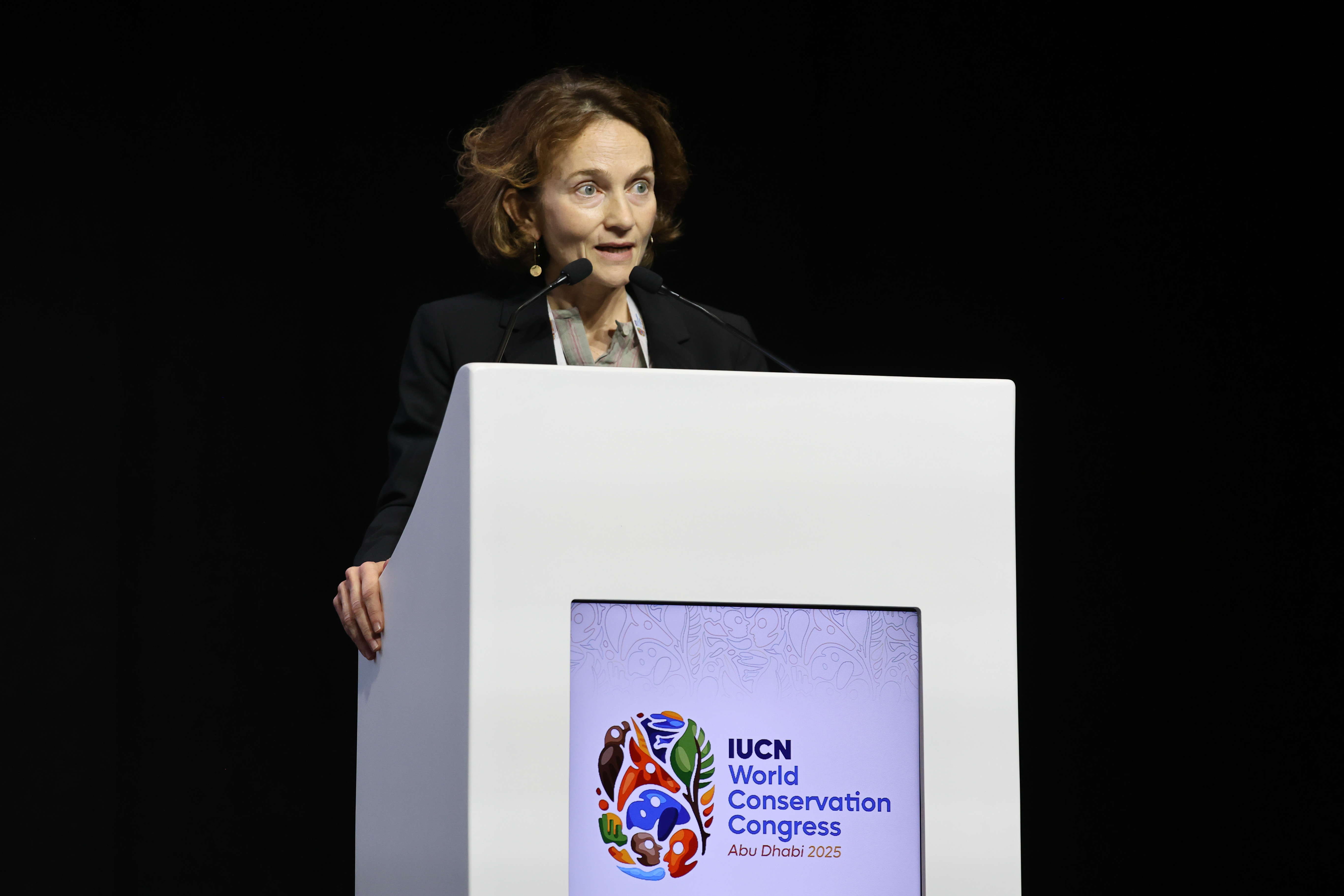
Marie Bjornson-Langen, Deputy Executive Director, Sustainable Development Solutions, AFD
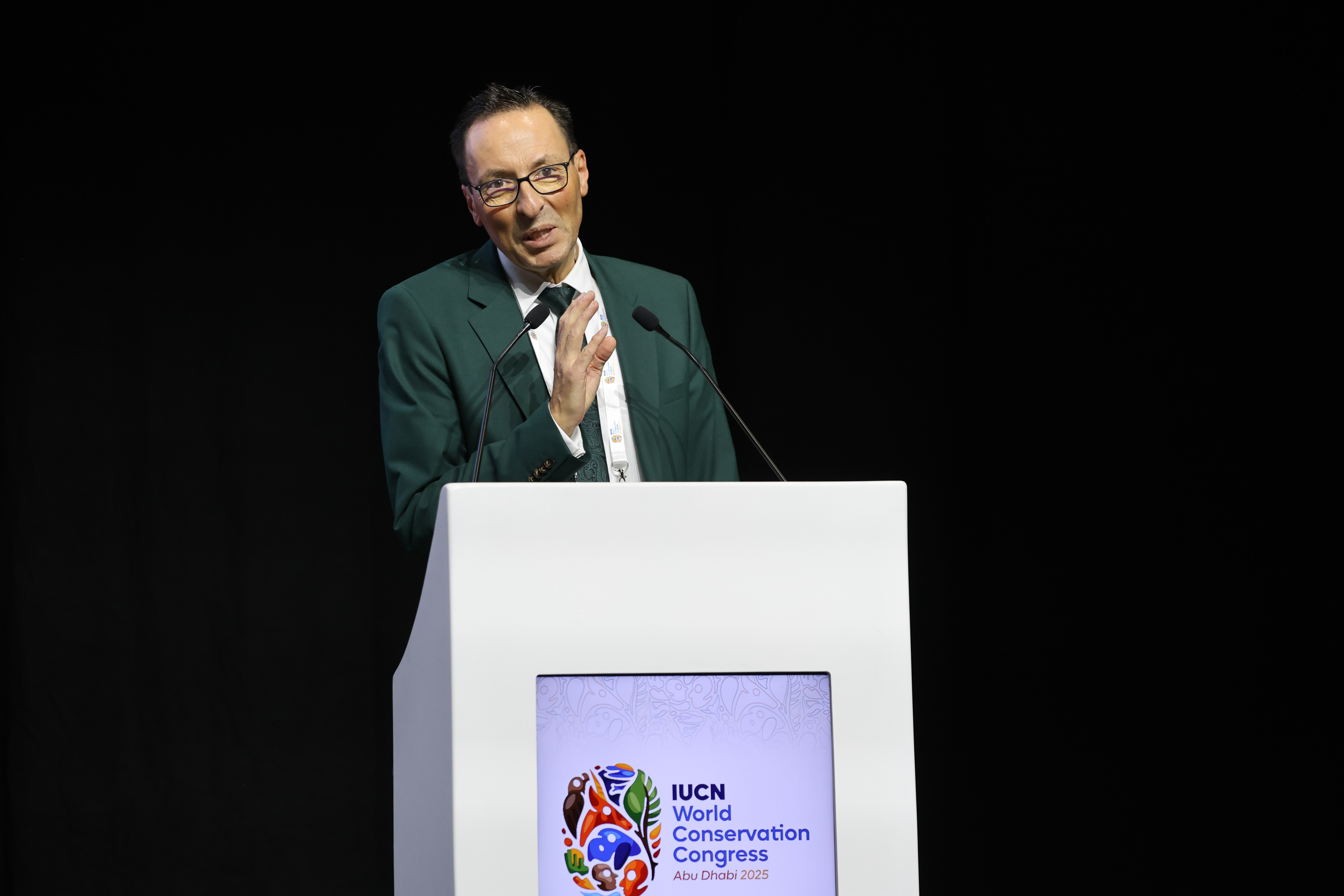
Oliver Conz, Director General, BMUKN, Germany
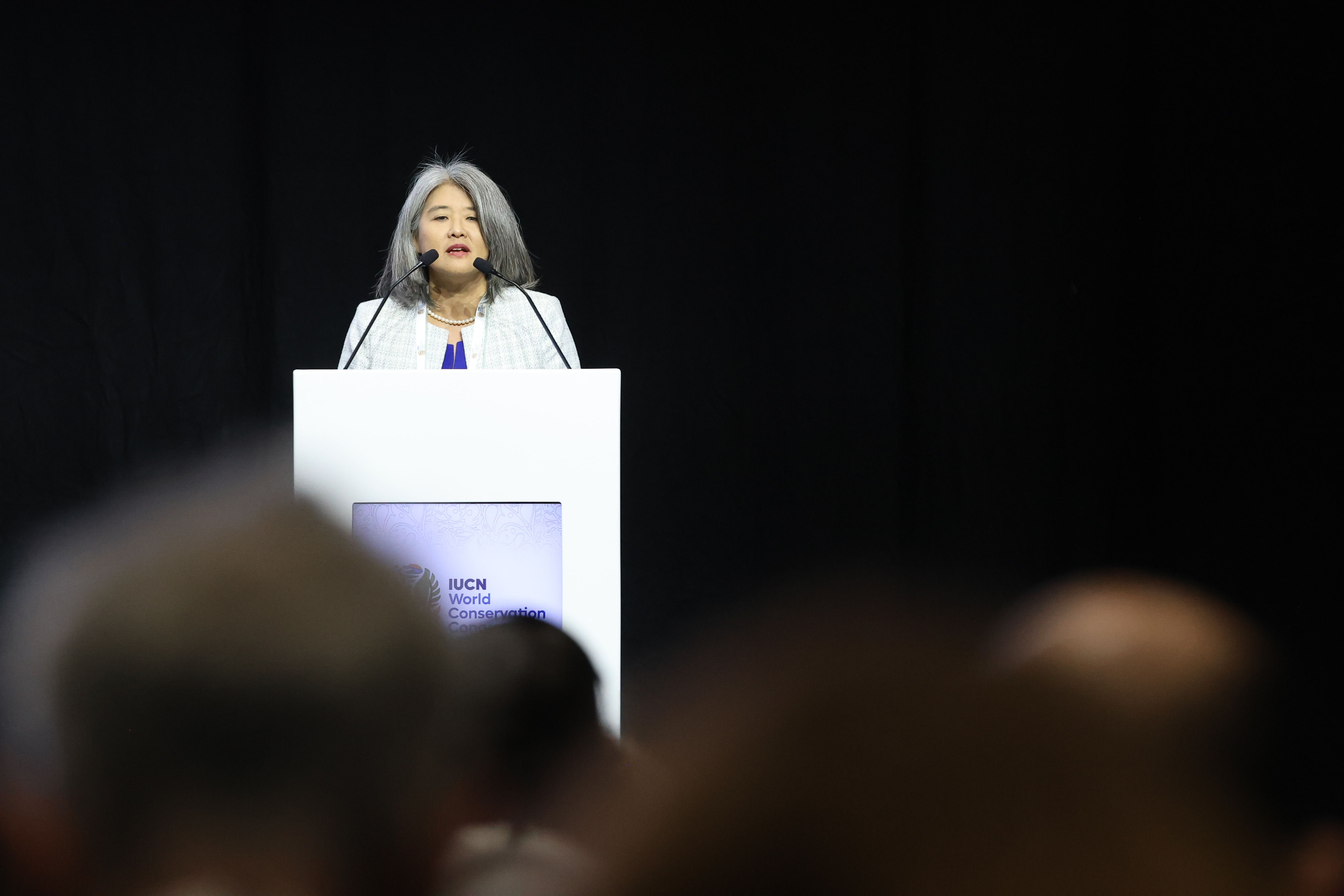
Yoko Watanabe, Director of Environment, Asian Development Bank
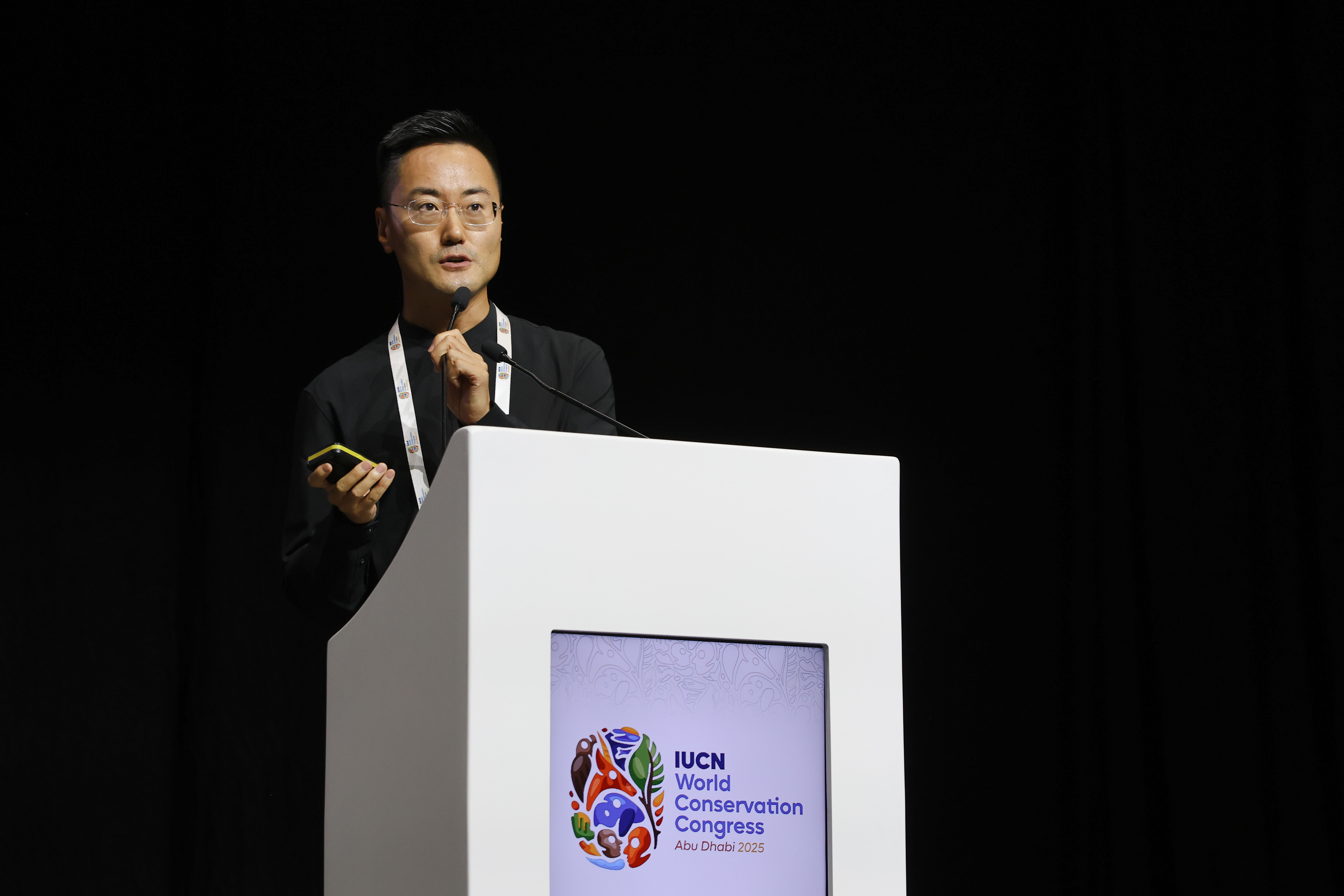
Dong Wang, Deputy Director, NbS Innovation Centre, Peking University
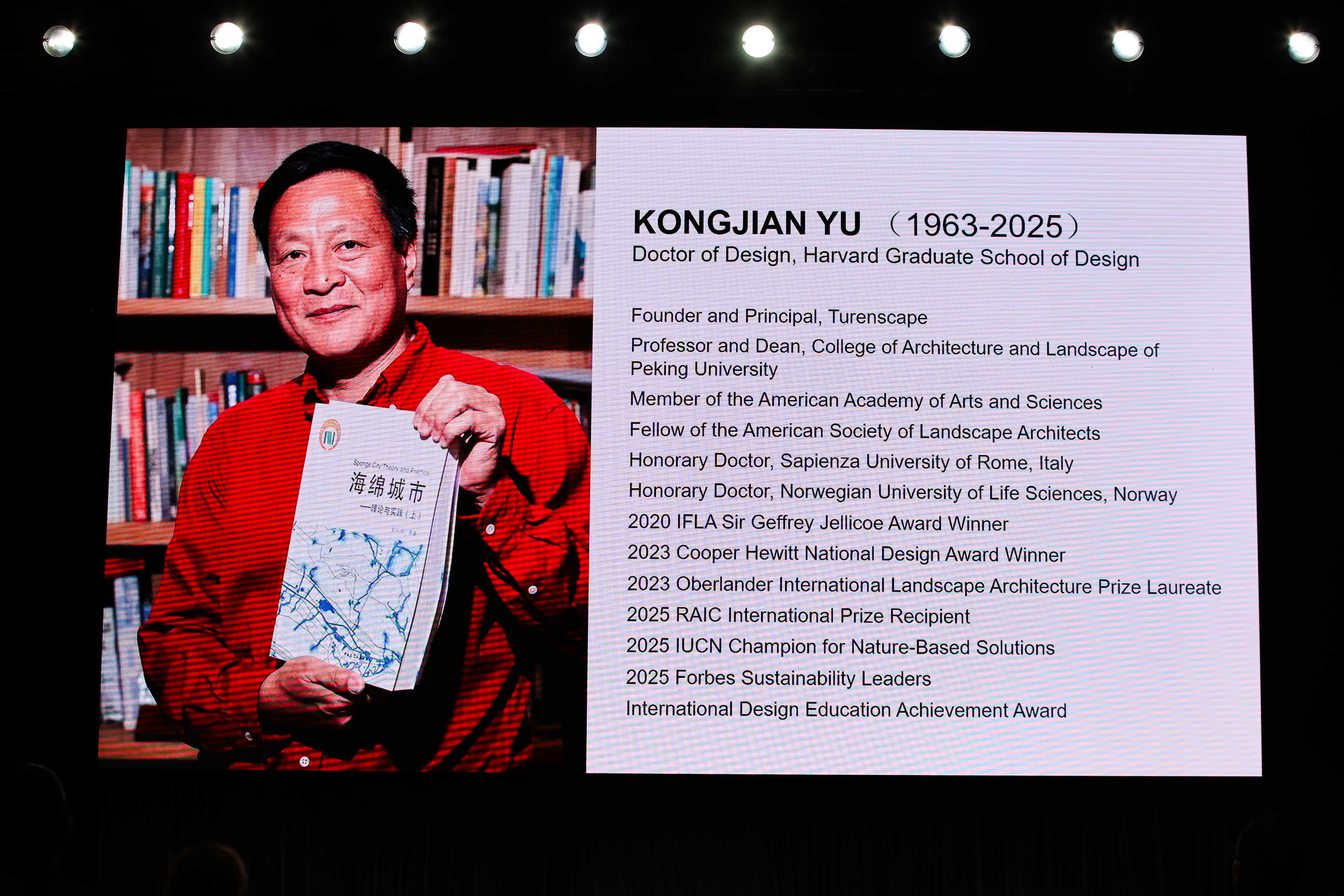
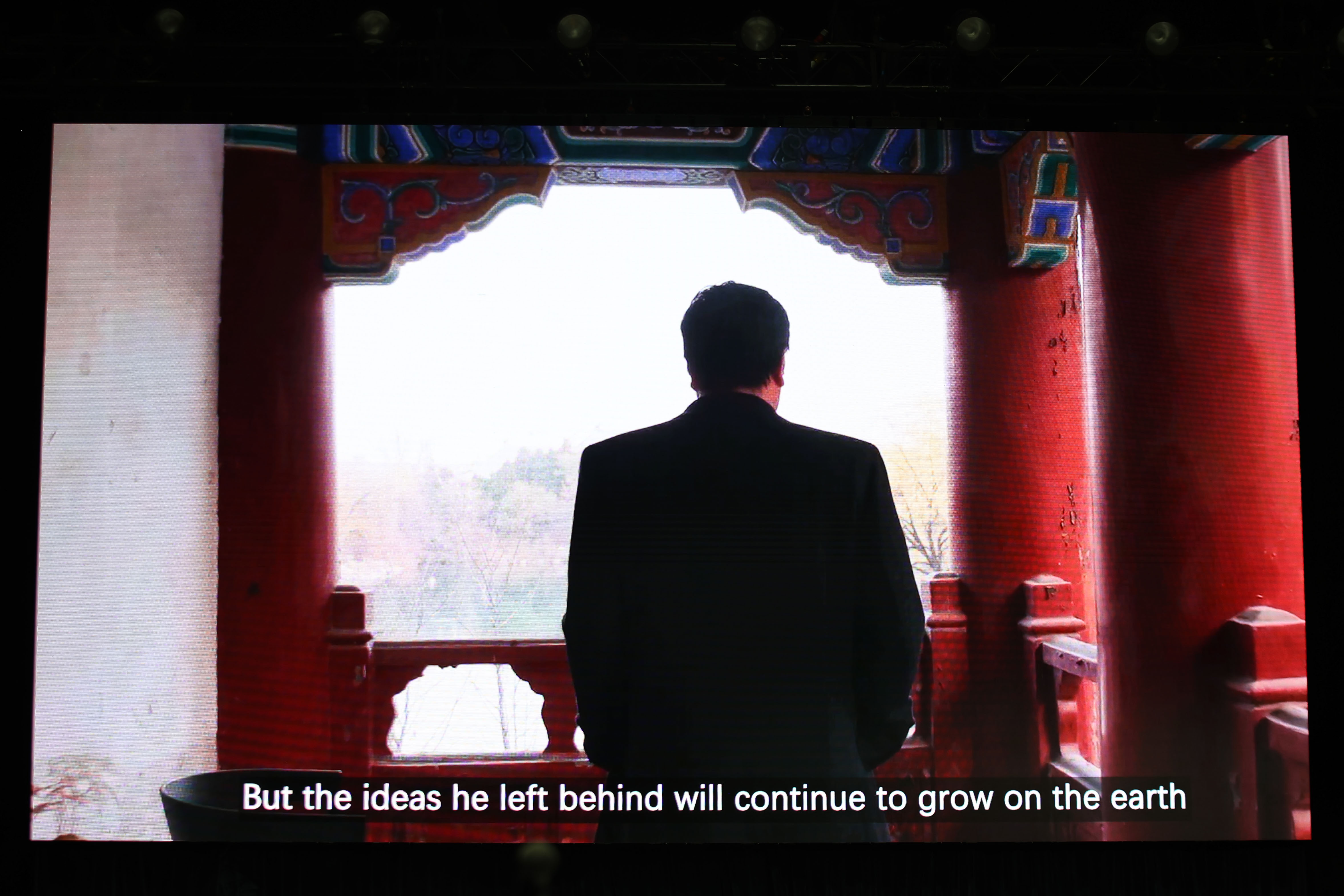
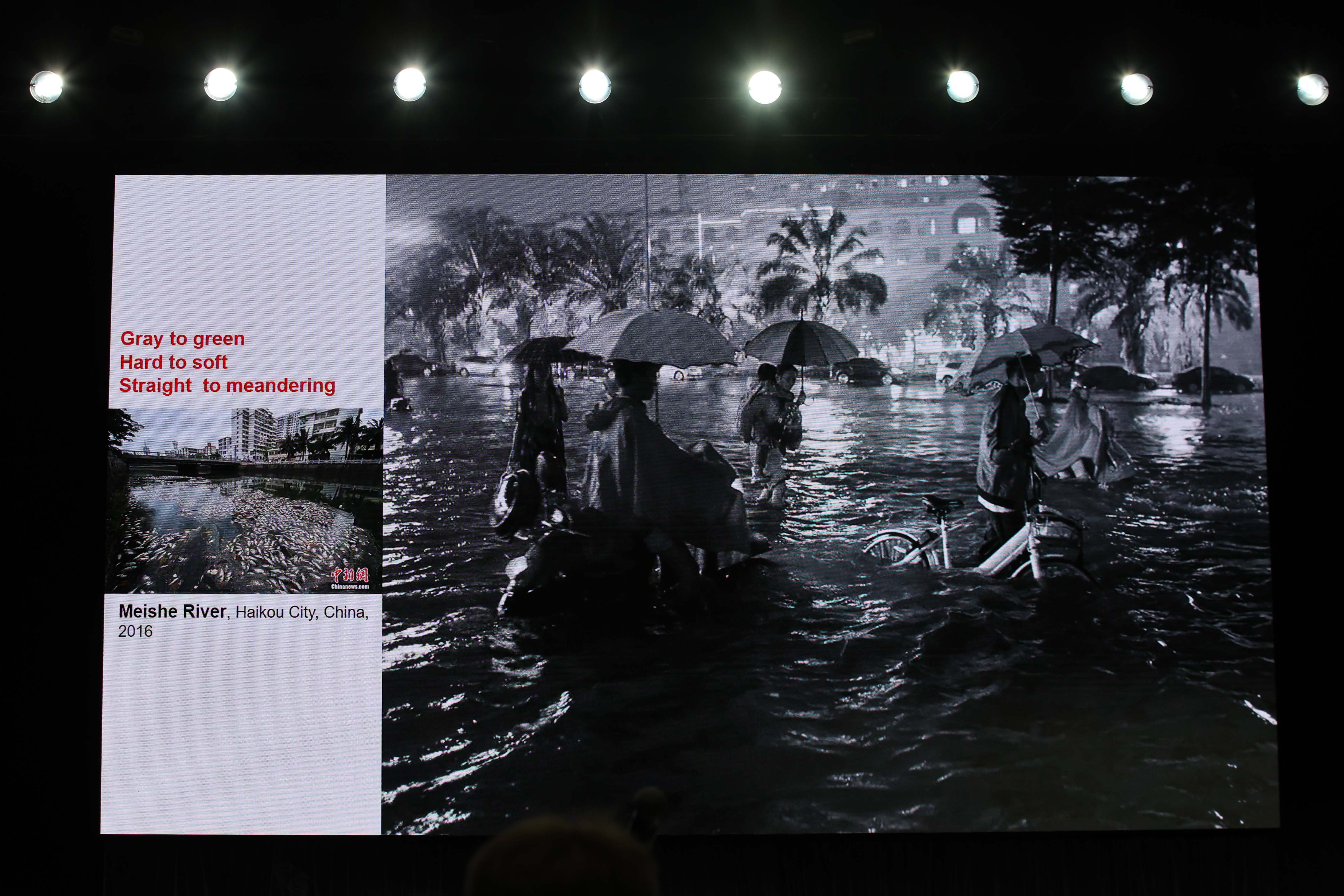
A slide from Dong Wang's presentation
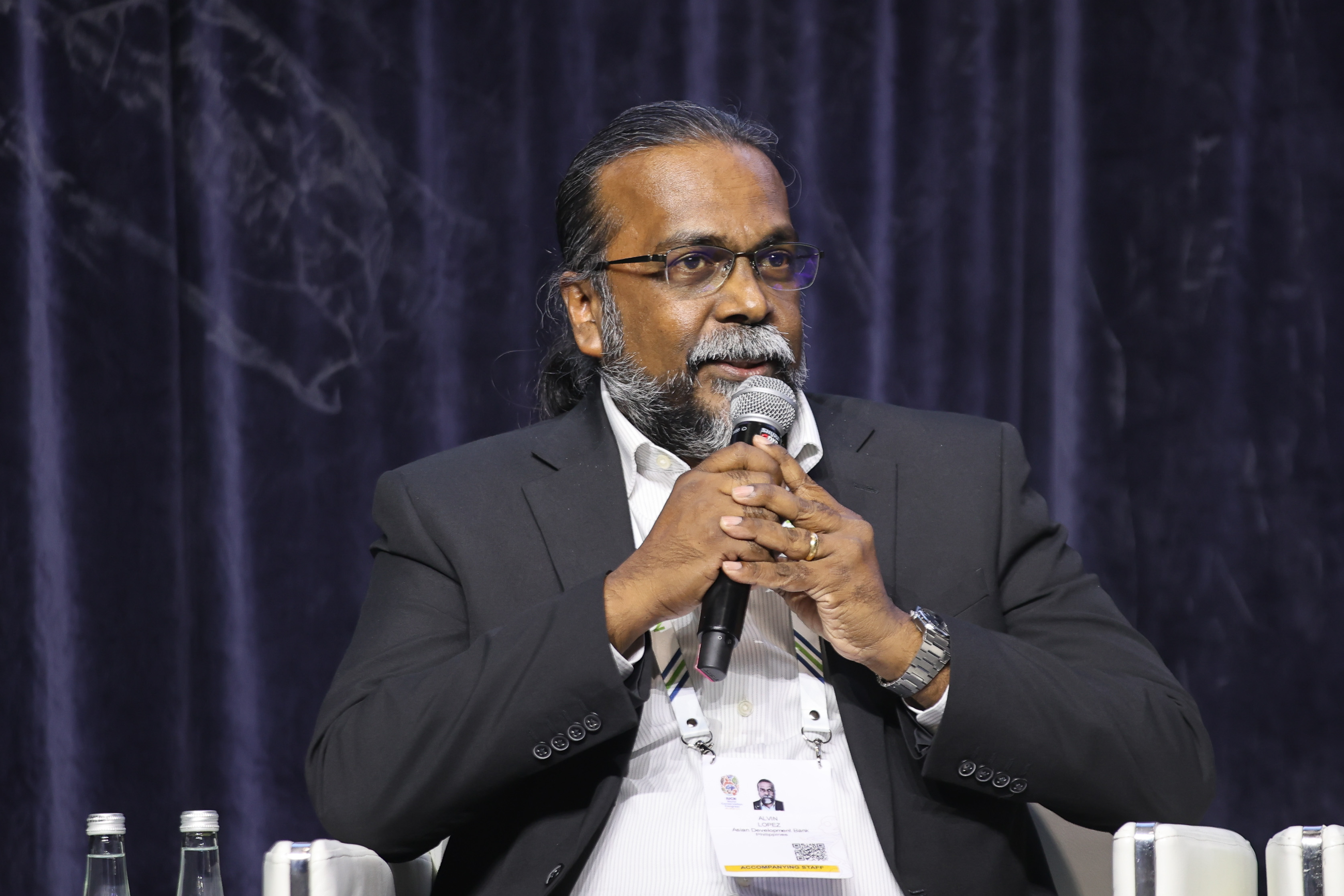
Alvin Lopez, Principal Operations Coordination Specialist, Environment, Asian Development Bank
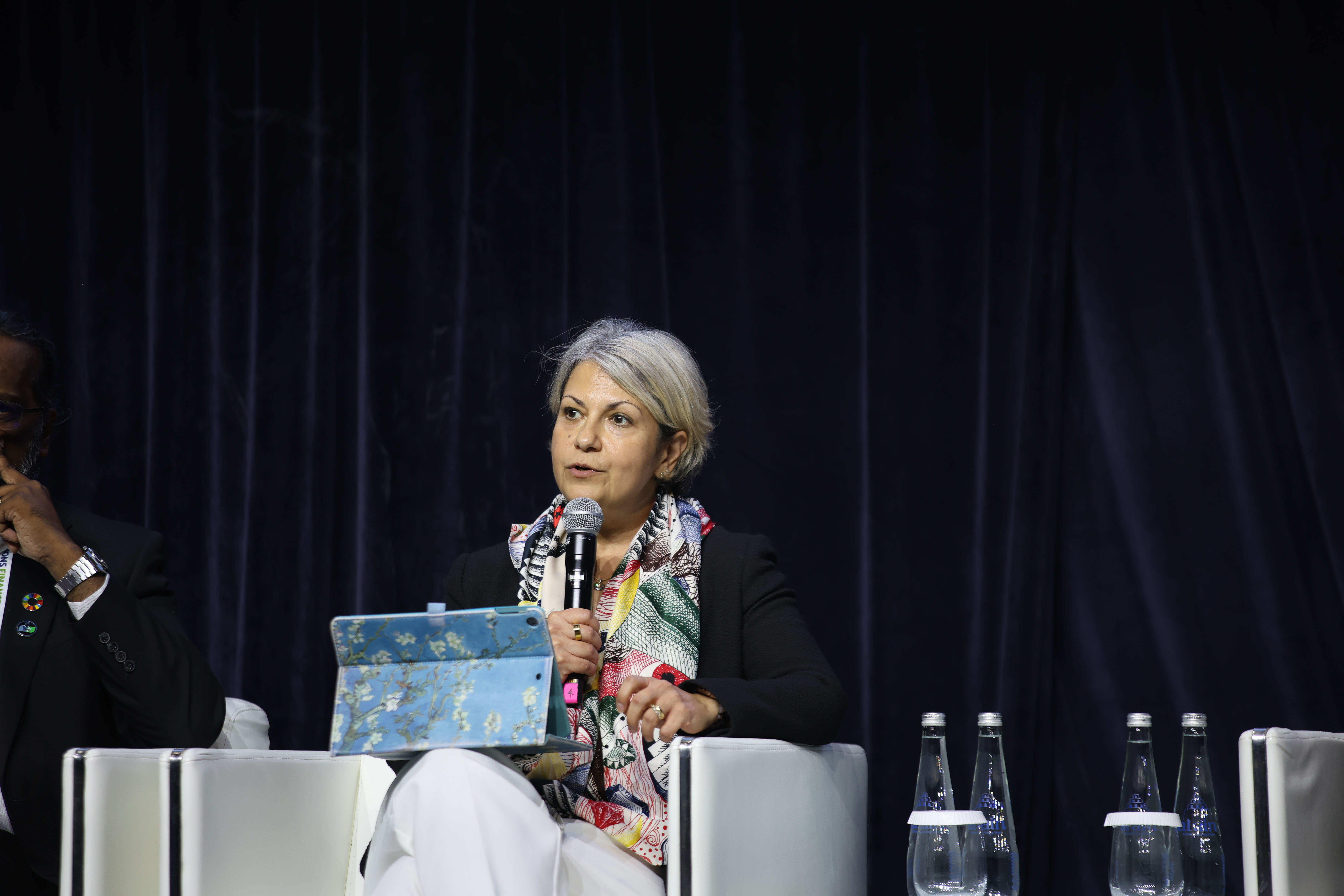
Claudine Blamey, Chief Sustainability Officer, Aviva
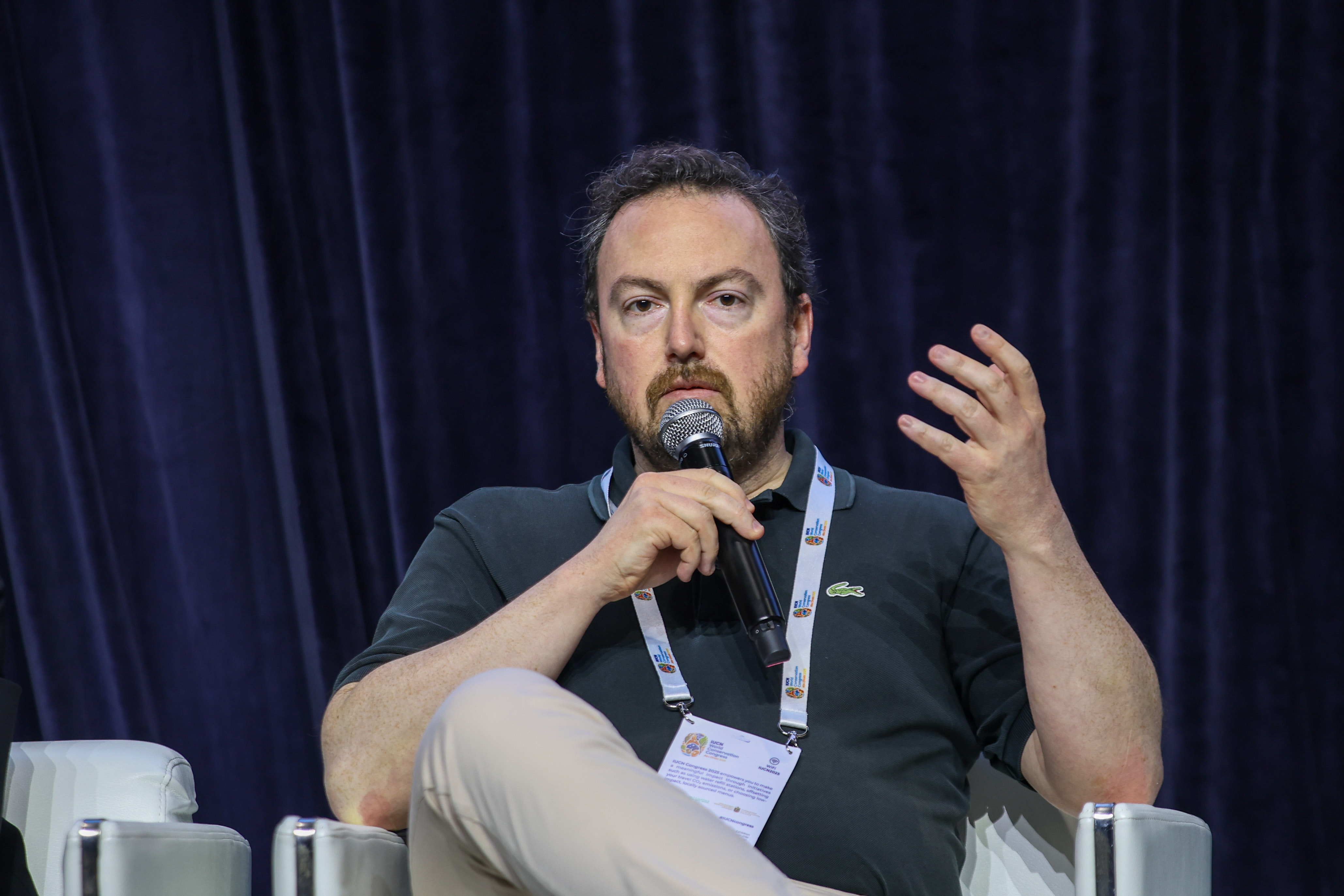
Eric Schoumsky, Societe Generale
Melissa De Kock, Deputy Director, UNEP

Changemakers Pitch Event
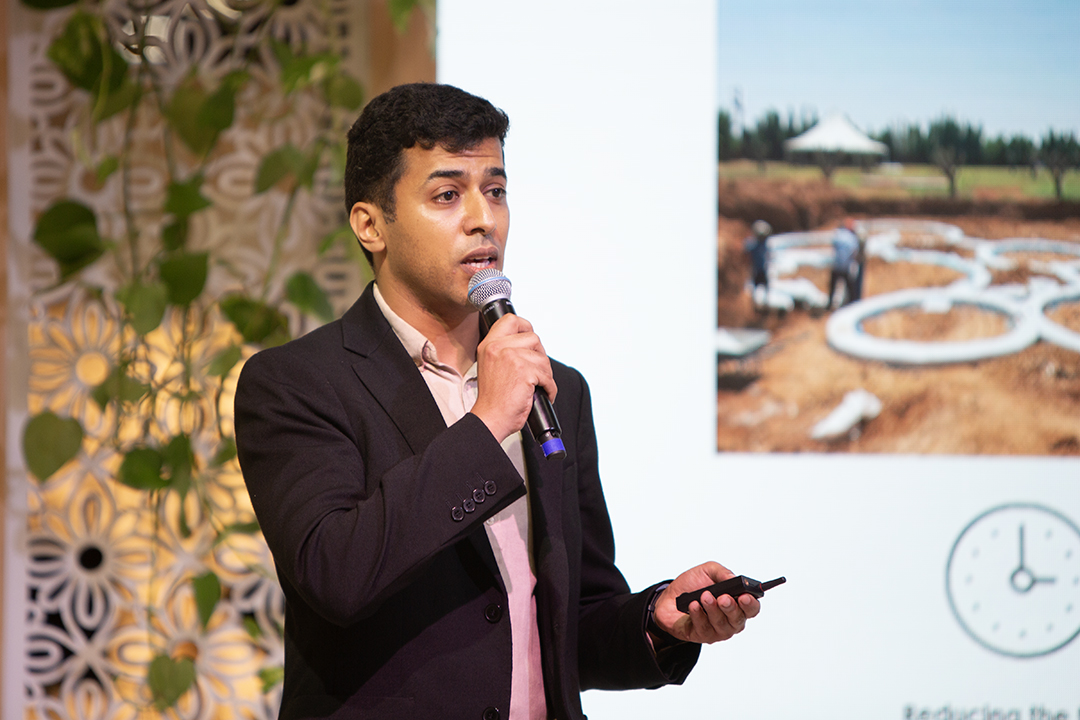
Youness Ouazri, Founder of Ecodome Maroc
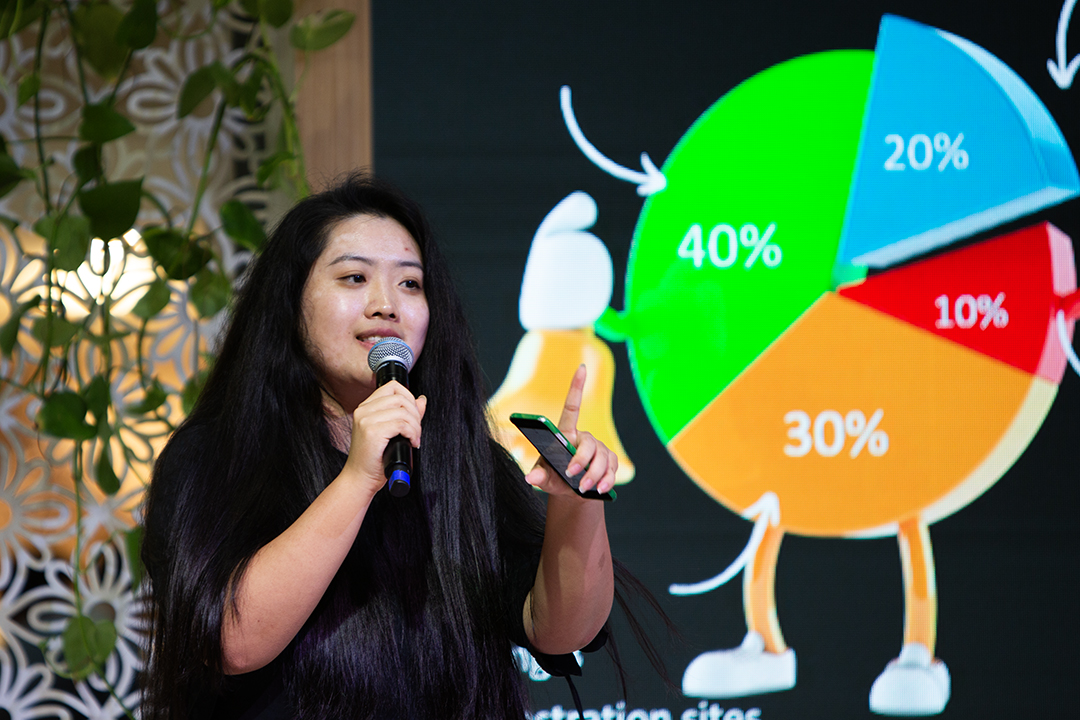
Becca Liu, Founder of HappyPower
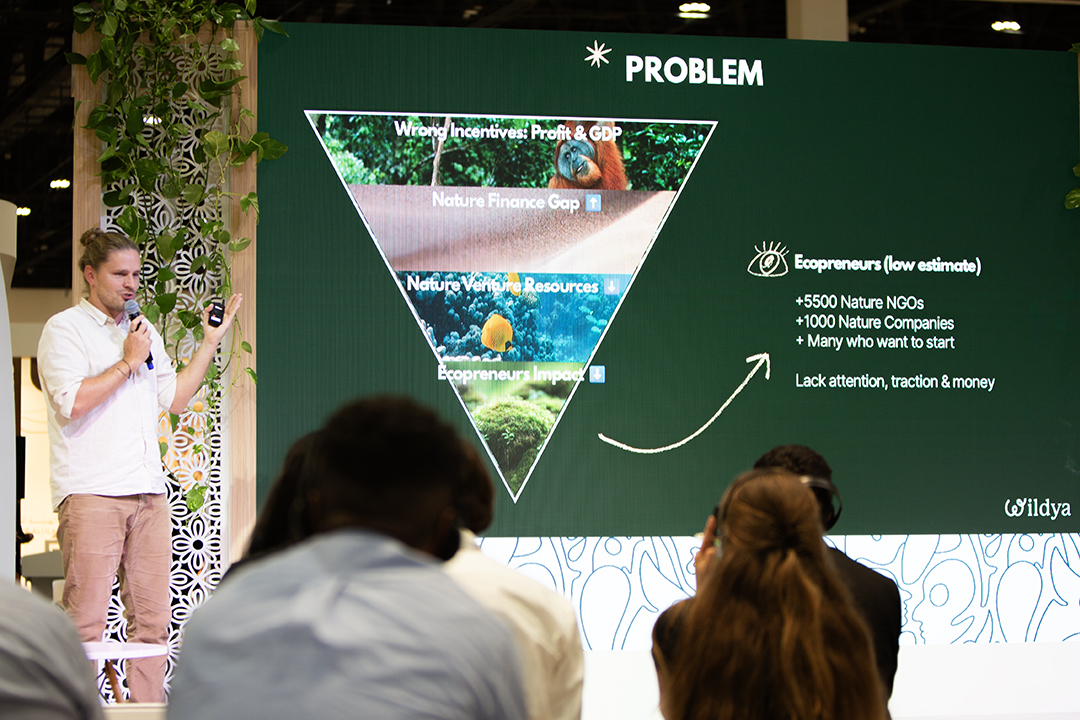
Oliver Dauert, Founder of Wildya
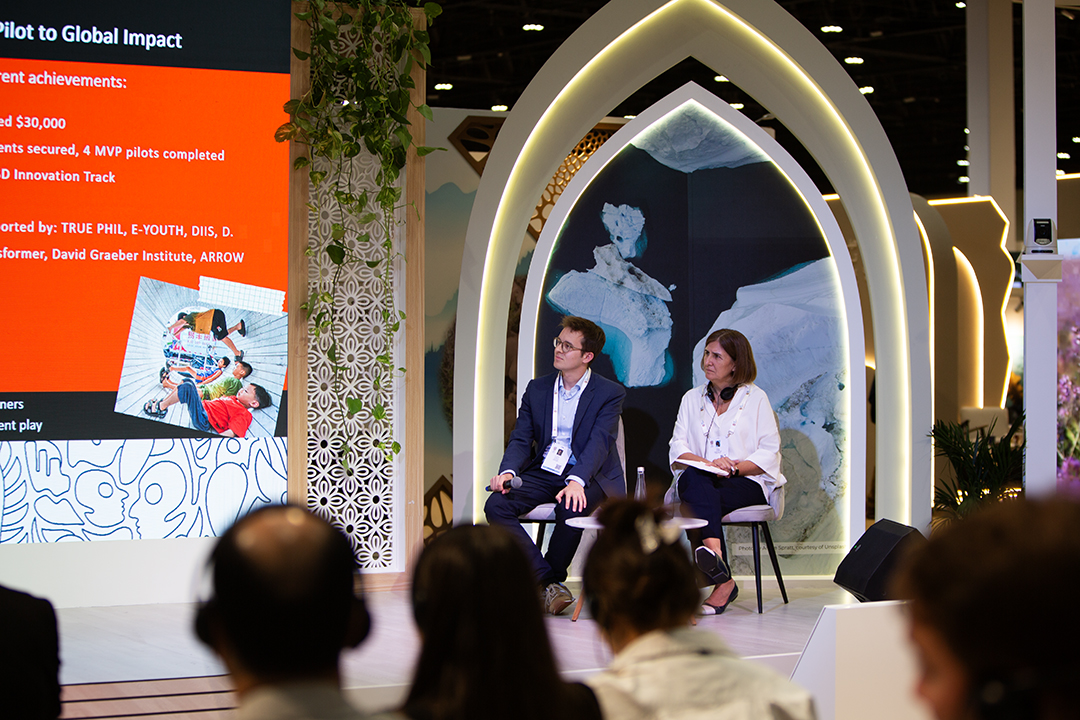
Olivier Staehli, CEO and Co-Founder, Synature, and Erica Harms, Global Director of Sustainability, Iberostar, formed the jury
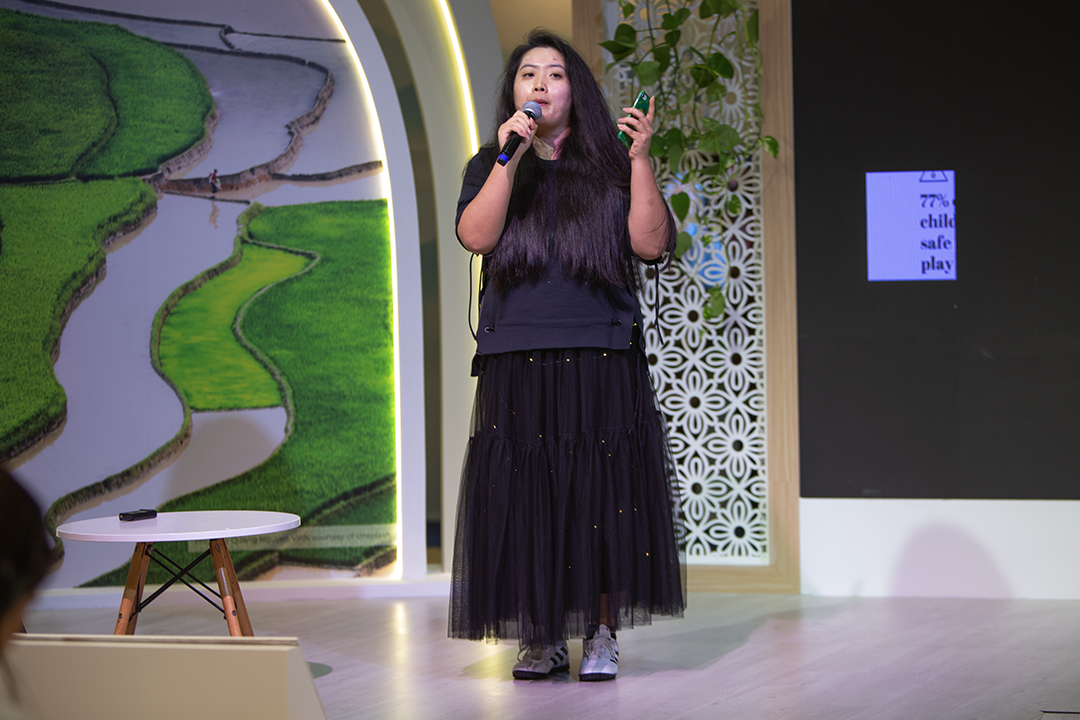
Becca Liu, founder of HappyPower, showing part of her project by using her lighting skirt as an example
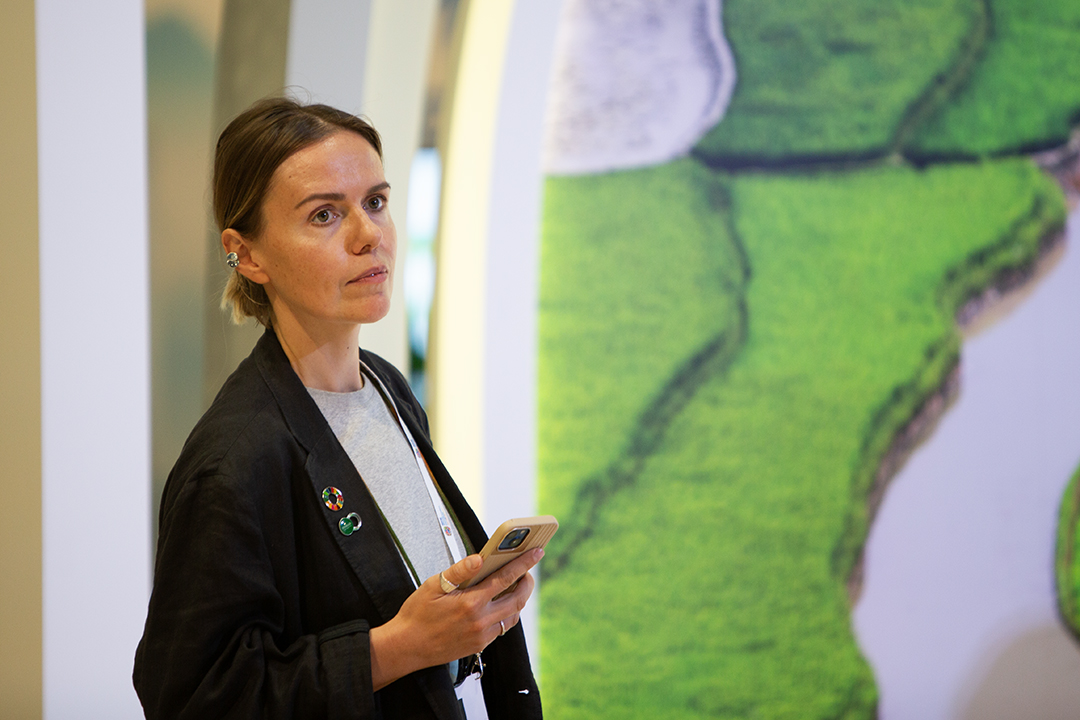
Moderator Maria Fedorova, INSEAD Business School
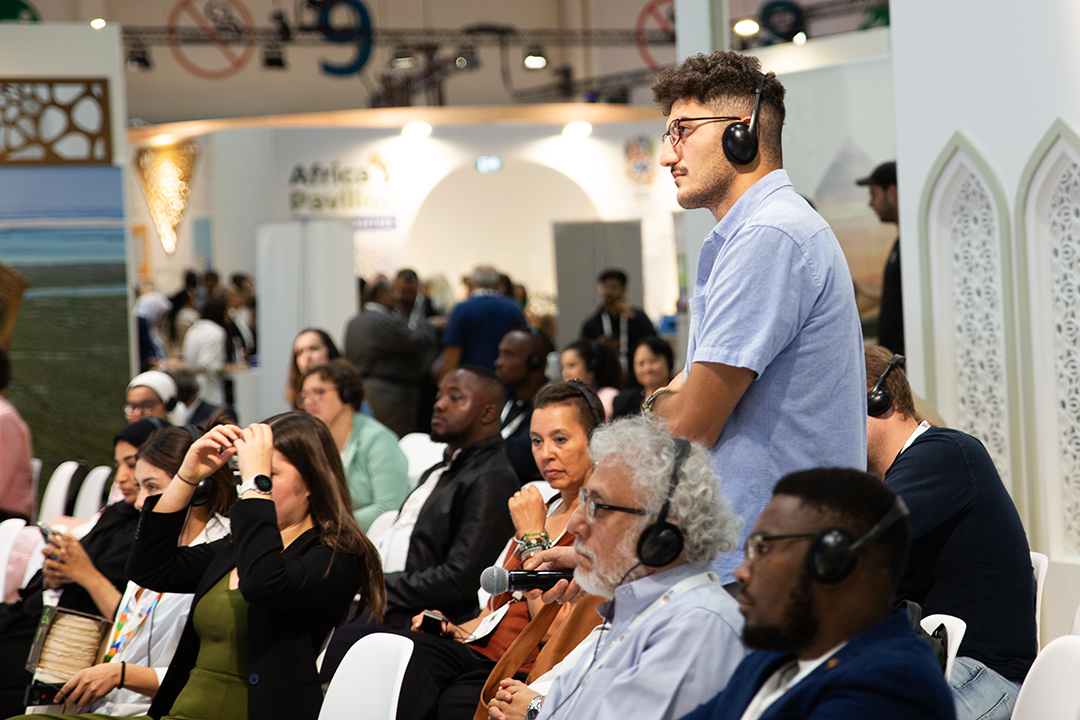
Participants asking questions about the projects

View of the room
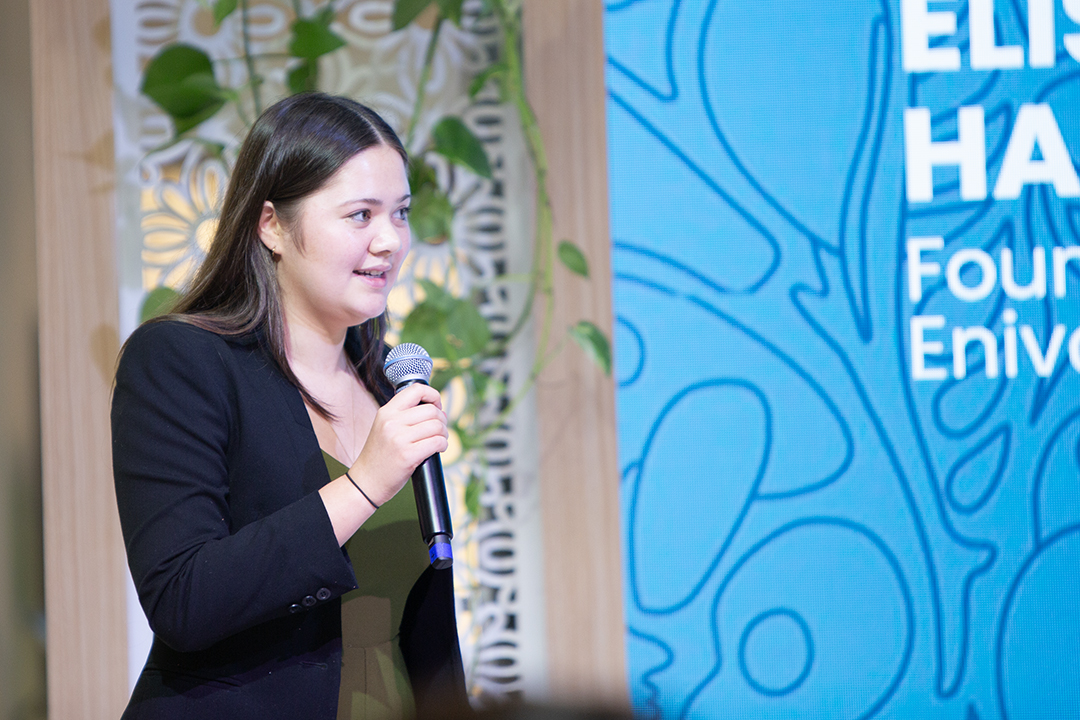
Elisa Harley, CEO and Founder, Enivo NZ
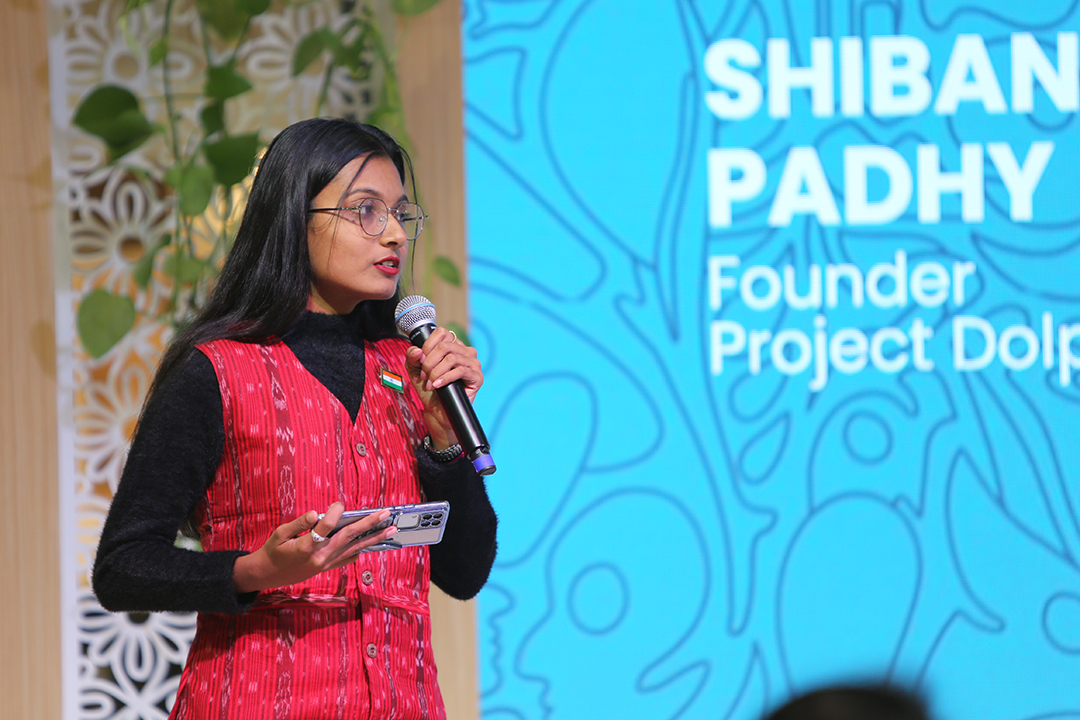
Shibani Padhy, Founder, Project Dolphin
Around the Venue
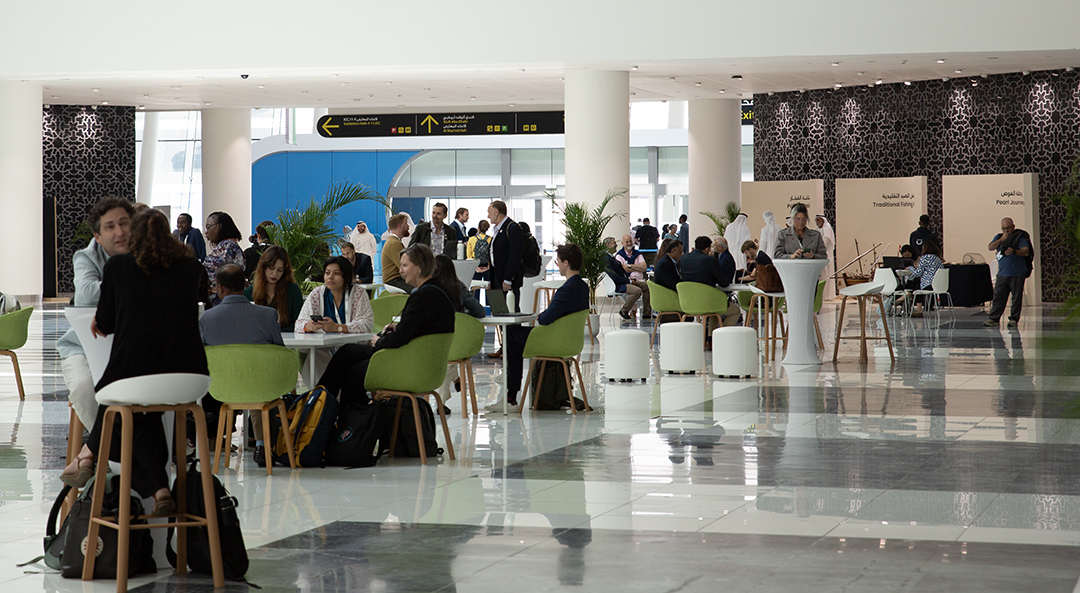


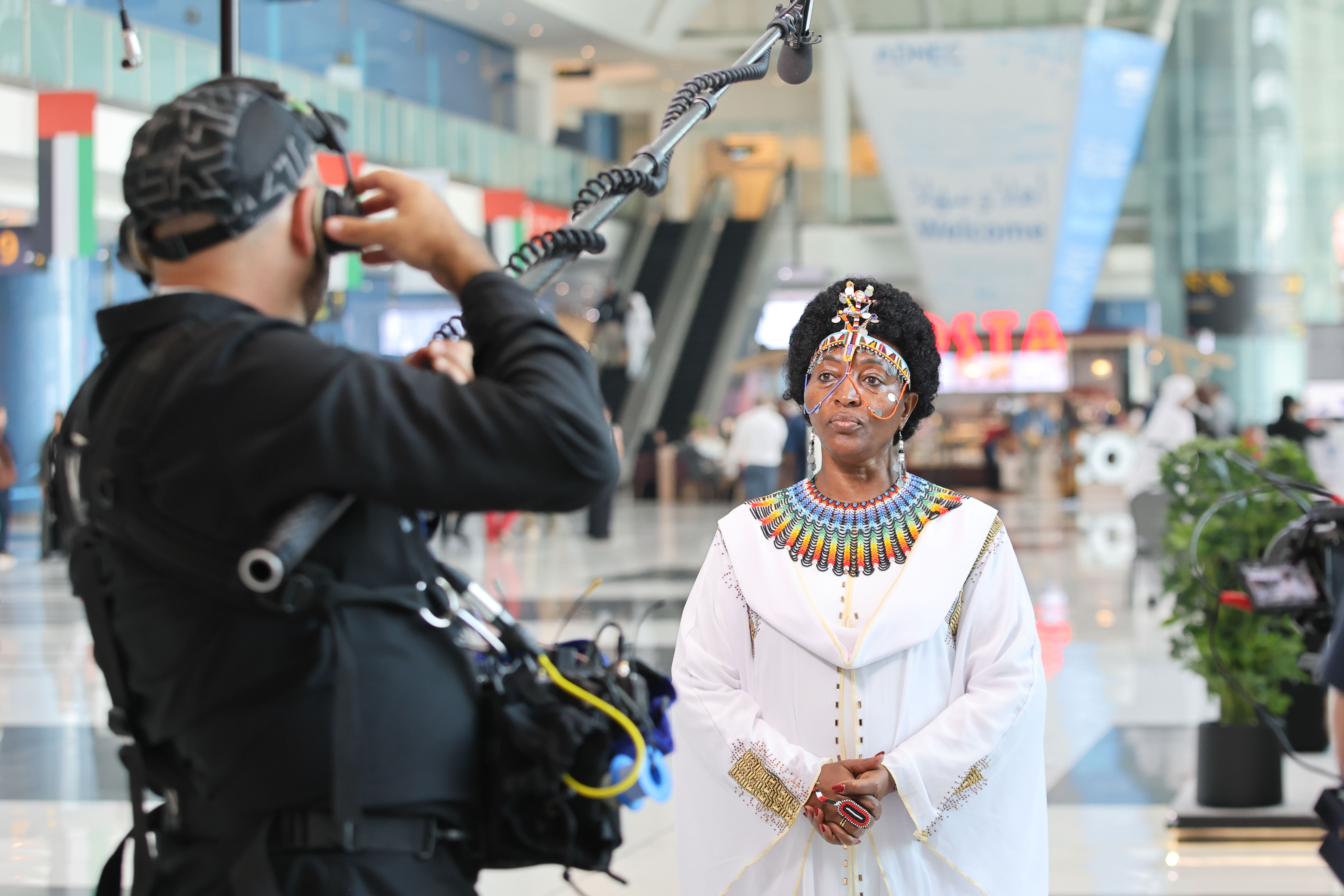
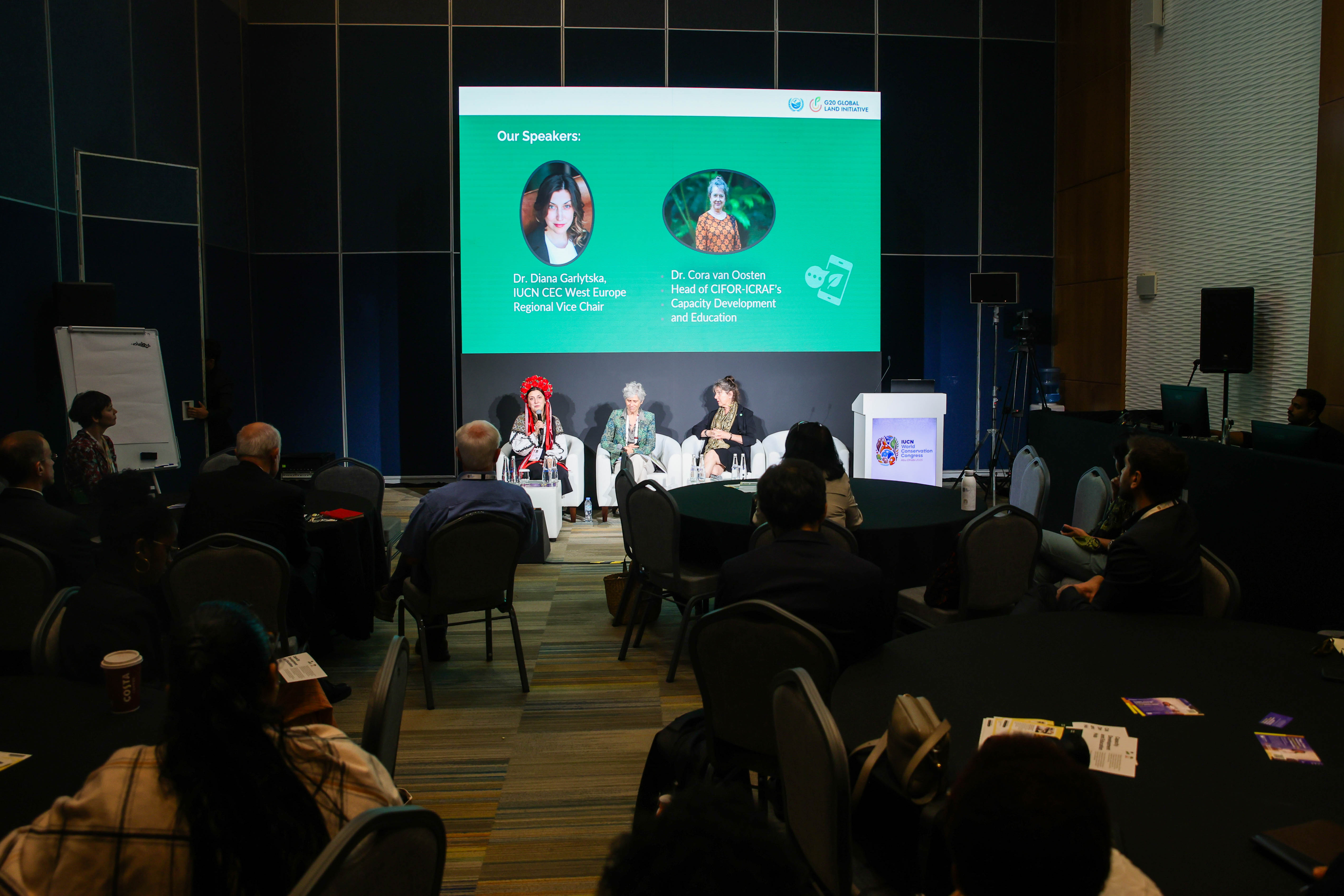
View of the room during the event on Triggering change in education for sustainable agriculture systems - a call to action!
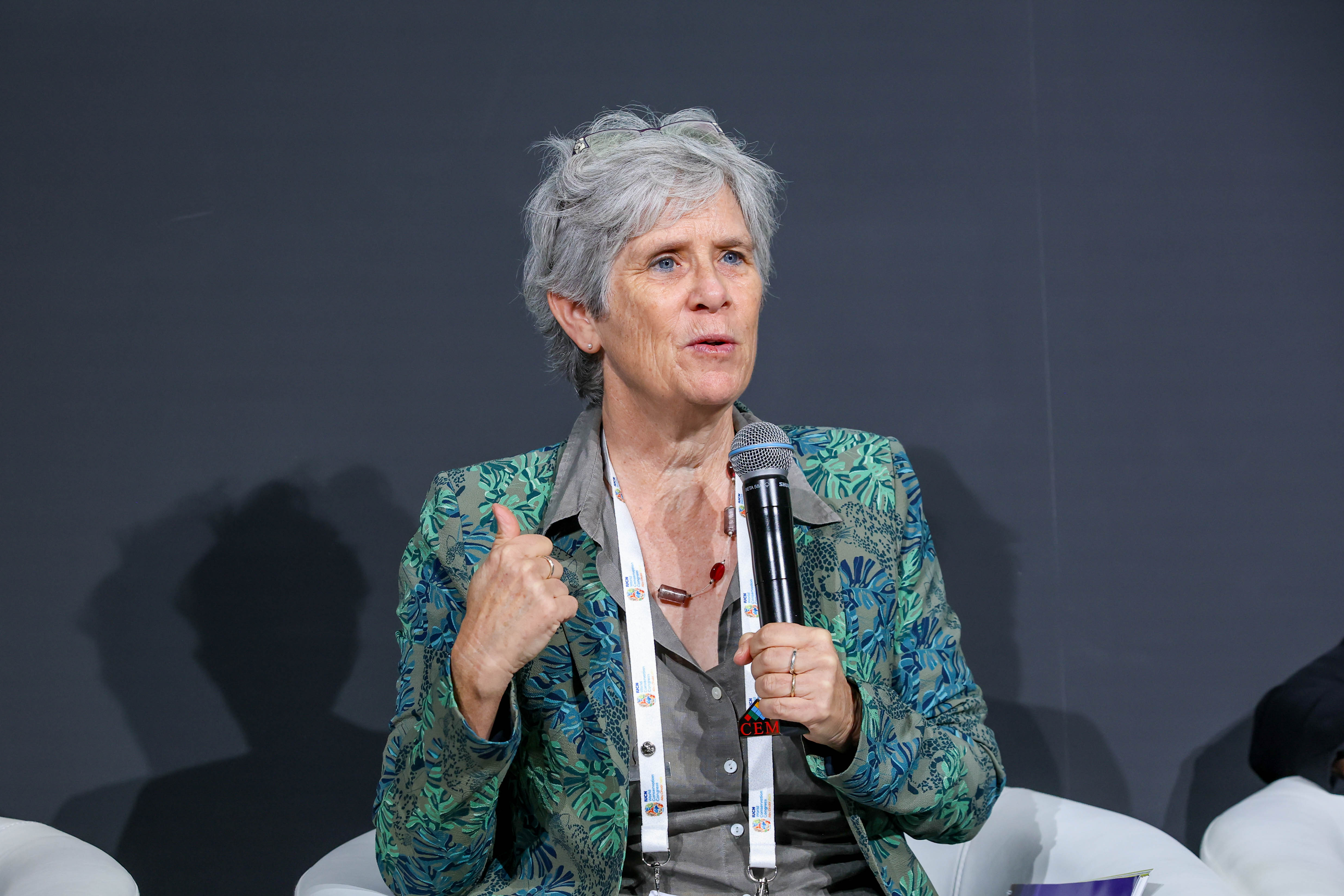
Karen Sudmeier-Rieux, G20 Global Land Initiative, UN Convention to Combat Desertification
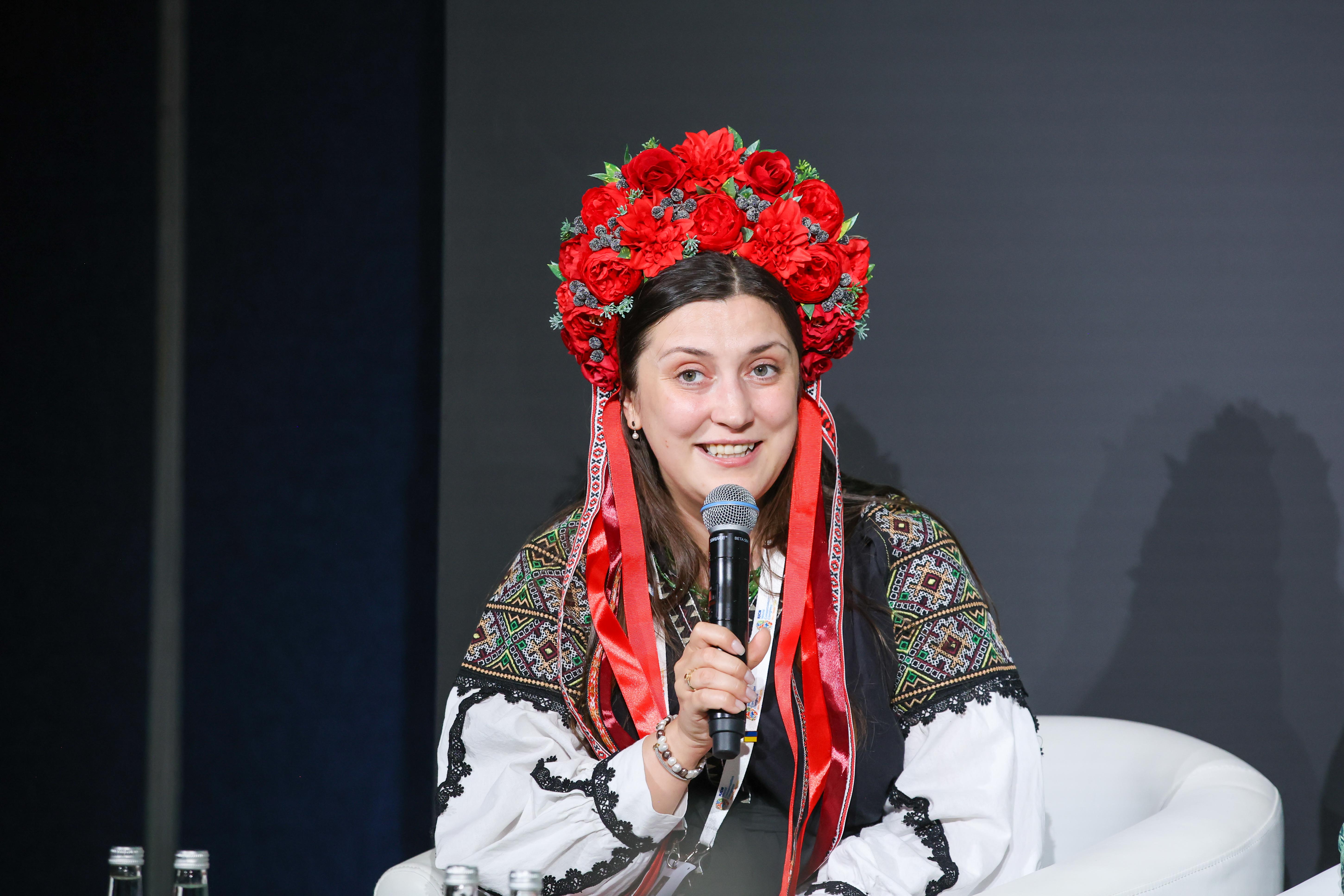
Diana Garlytska, Chair, Youth Advisory Committee, IUCN
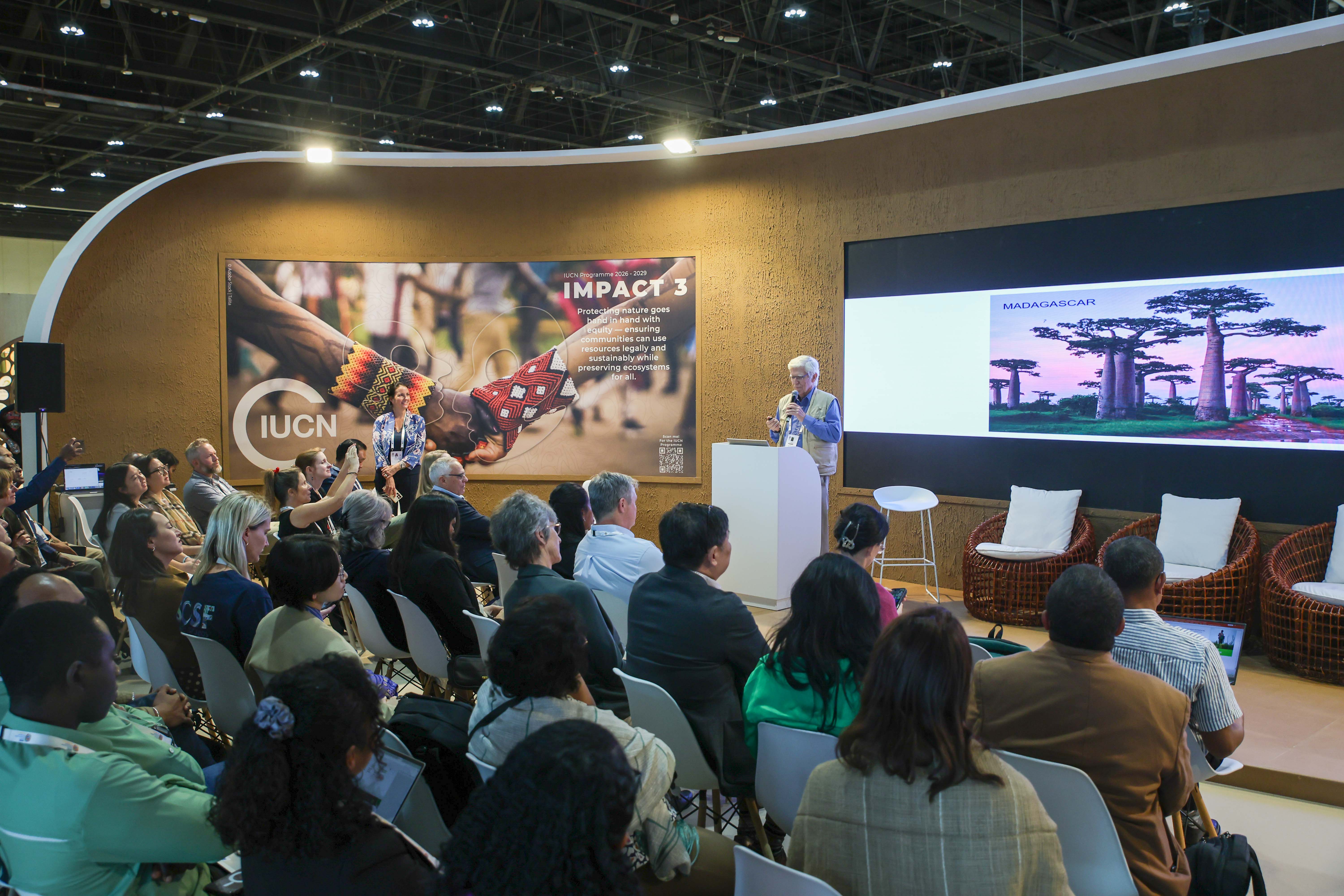
View of the room during the event on Biodiversity Hotspots updated: a 25-year re-evaluation