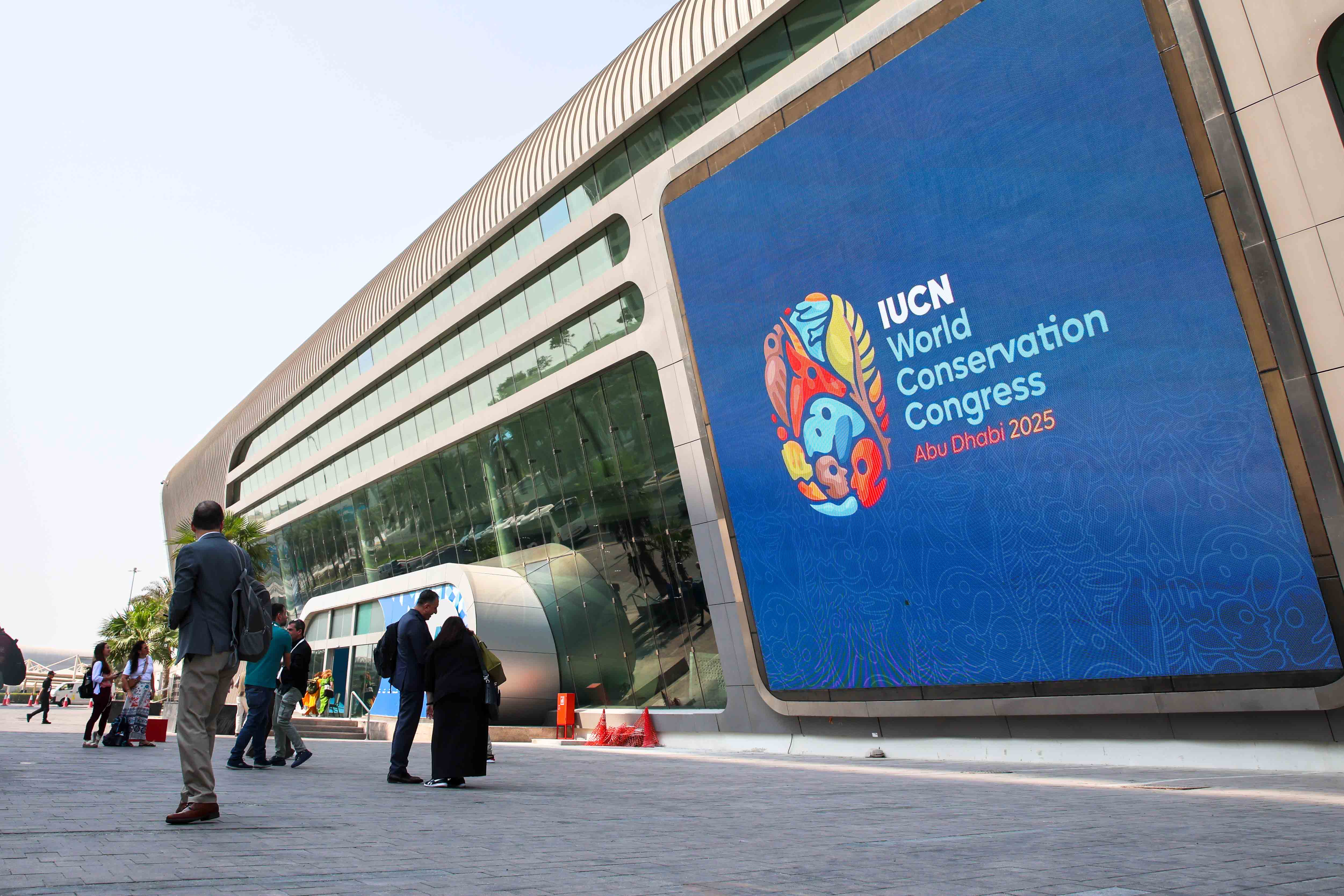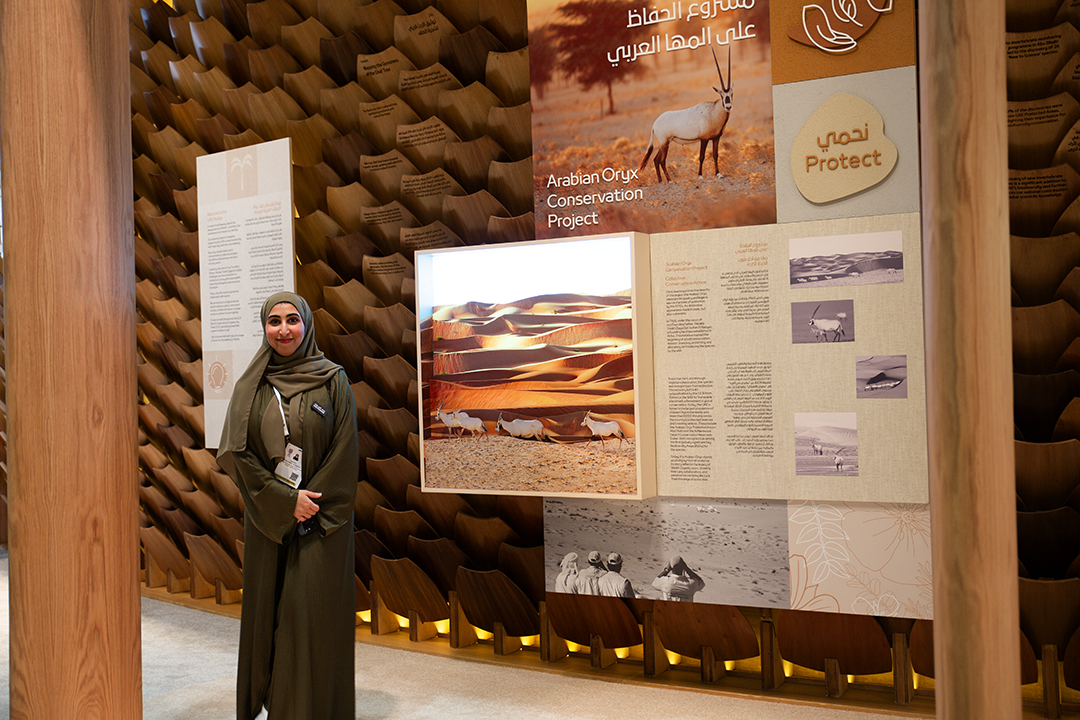
In an increasingly interconnected world, it is clear that nature conservation can no longer be addressed in isolation. From considering the biodiversity impacts of renewable energy infrastructure to the cross-cutting role of tax reforms and auditing practices, conversations on the fourth day of the International Union for Conservation of Nature (IUCN) World Conservation Congress 2025 explored how to foster greater interlinkages and encourage creative collaborations across different sectors, levels, and communities. In the afternoon, the Congress’s Forum concluded with a recap of the many new initiatives, partnerships, and knowledge products launched.
Want to dig deeper into today's talks? Read the full Earth Negotiations Bulletin daily report.
High-level Dialogues
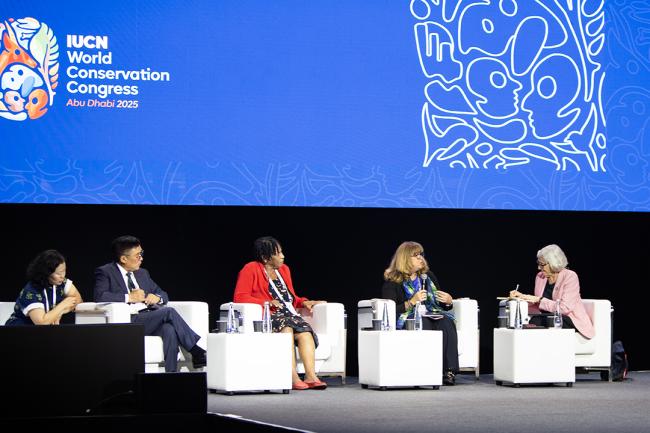
The dialogue on Transformational Change from Rio and Beyond: An All-out Push for the 2030 Goals served as a platform to discuss the importance of greater synergies among the three Rio Conventions on desertification, biodiversity, and climate change. Speakers called for a whole-of-society approach to foster momentum for the transformative change required to achieve land, nature, and climate goals.
The Balancing Act: Feeding People, Sustaining the Planet dialogue explored ways to reconcile agricultural production for a growing population with healthy ecosystems and people. High-level speakers took stock of progress made since the 2021 Food Systems Summit and noted food as a cross-cutting issue affecting biodiversity and climate change. Throughout the conversation, agroecology and agroforestry emerged as meaningful approaches to transform food systems and empower smallholder farms, as well as Indigenous Peoples and youth.
Selected Thematic Sessions
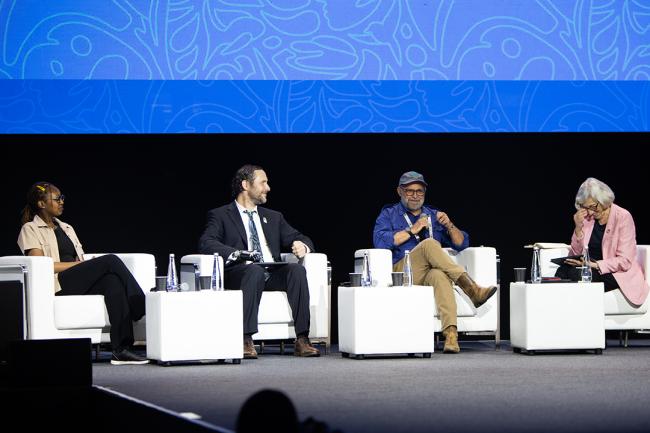
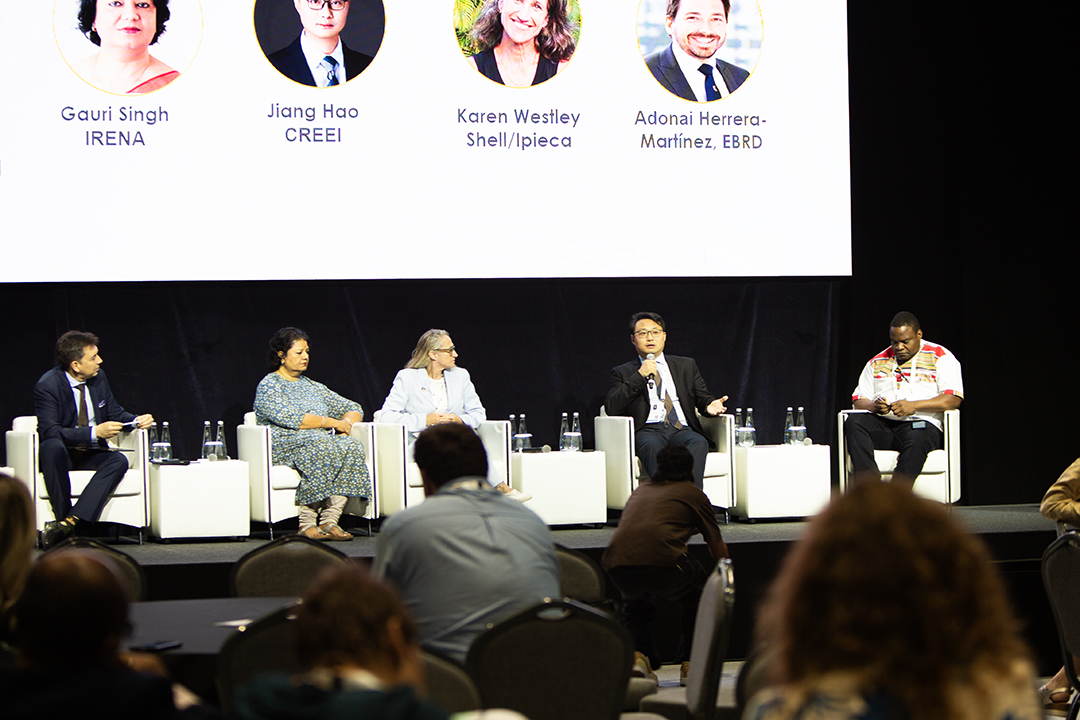
The session Nature Positive Renewables: Aligning Climate and Energy Goals opened with keynote speaker Marco Lambertini, Nature Positive Initiative, who recalled the recent news that global renewable energy generation has now surpassed fossil fuels. The discussion then turned to the risks of harming biodiversity in the race to achieving net zero carbon emissions, contrasting, among others, the “net zero” approach in climate policy with the “net positive” approach in biodiversity policy, where active restoration is needed. Speakers also showcased different success stories, aligning renewable energy projects with biodiversity objectives.
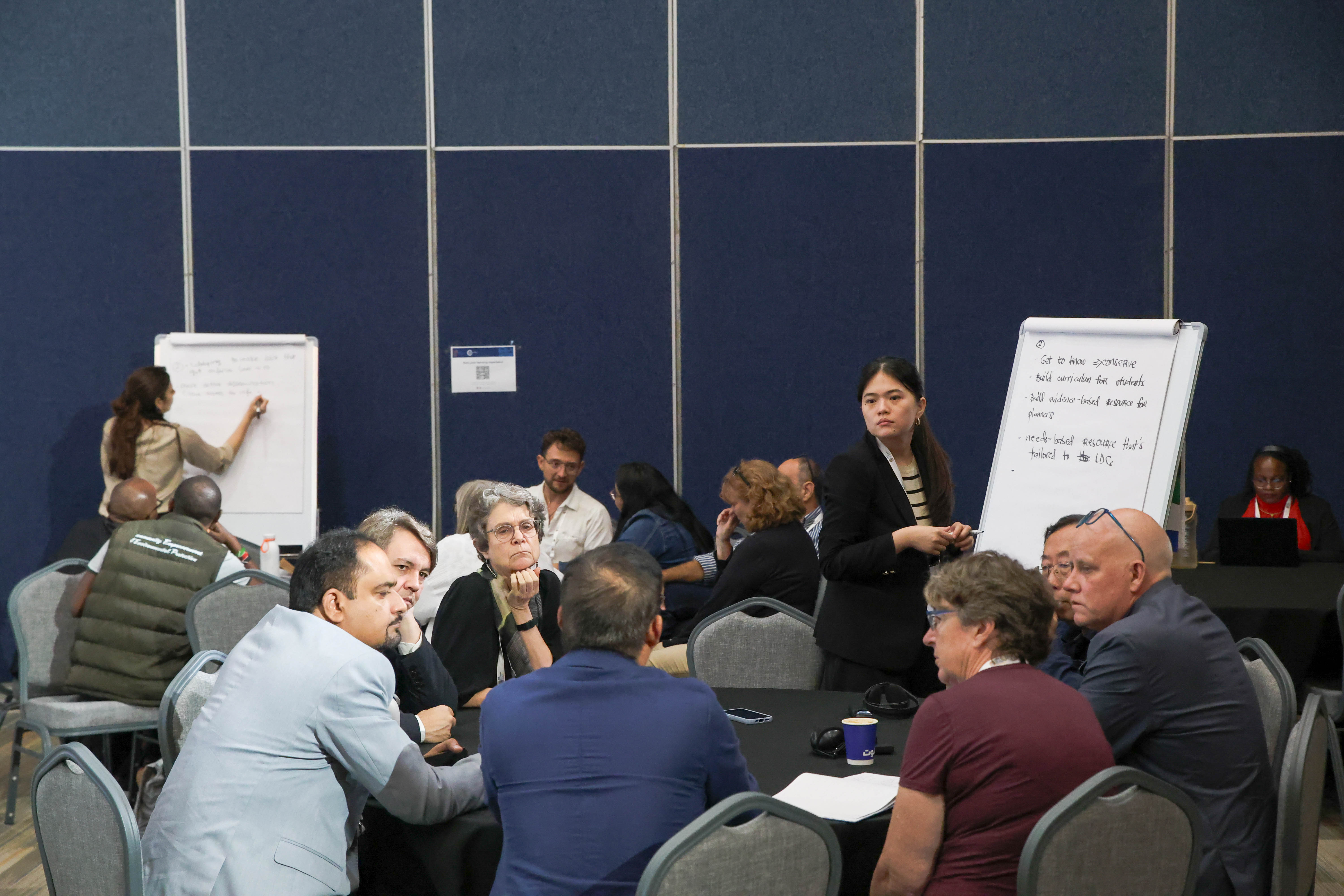
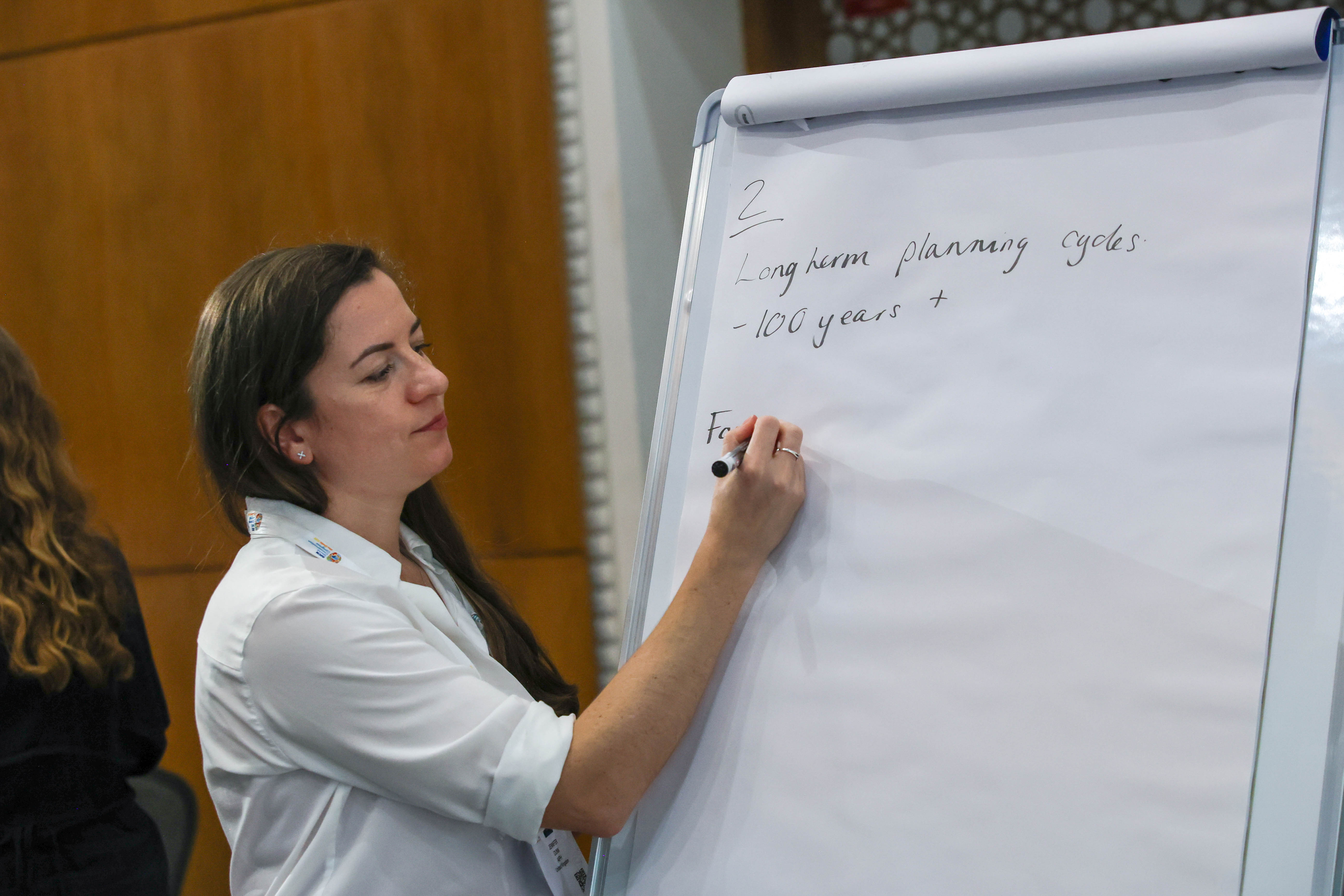
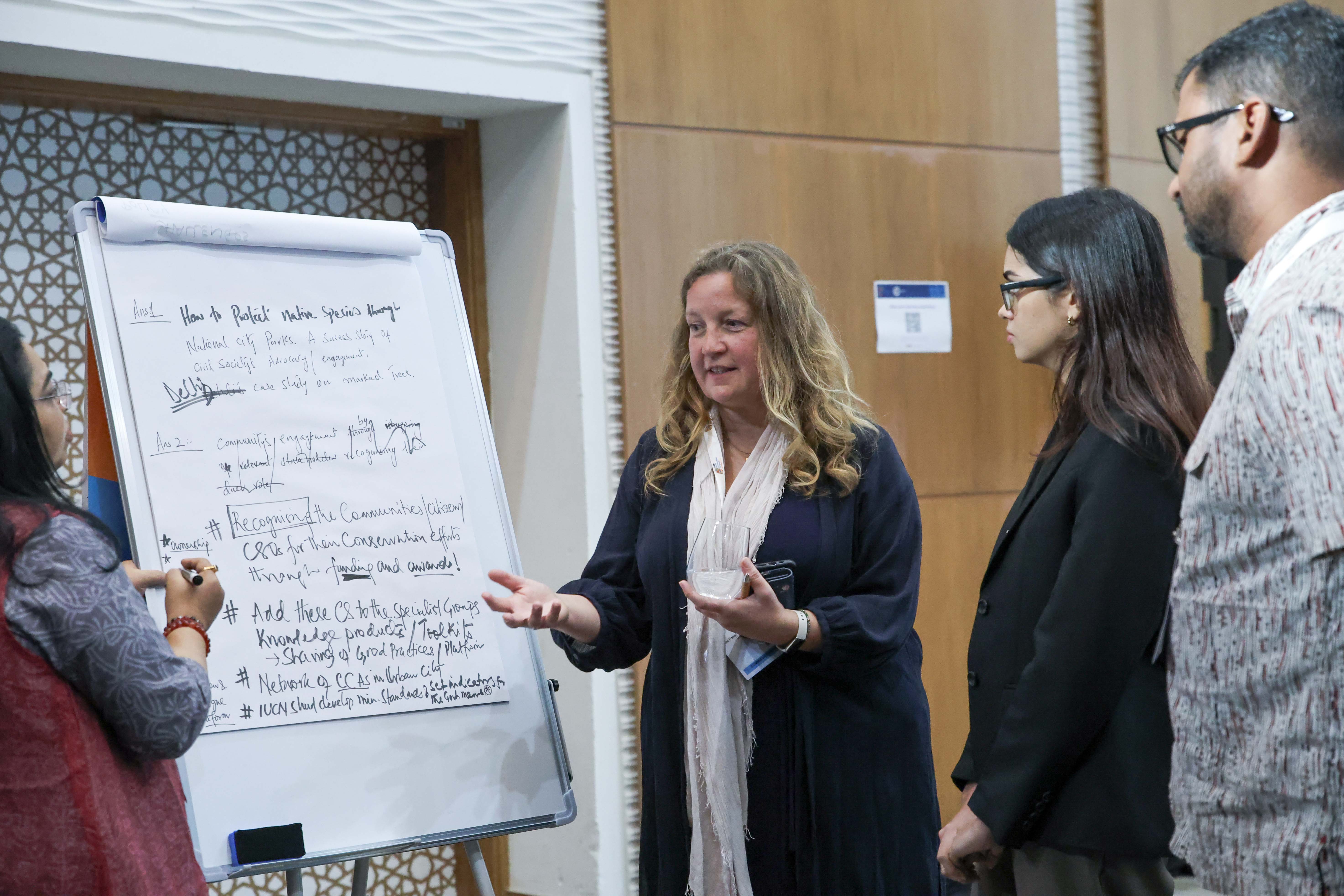
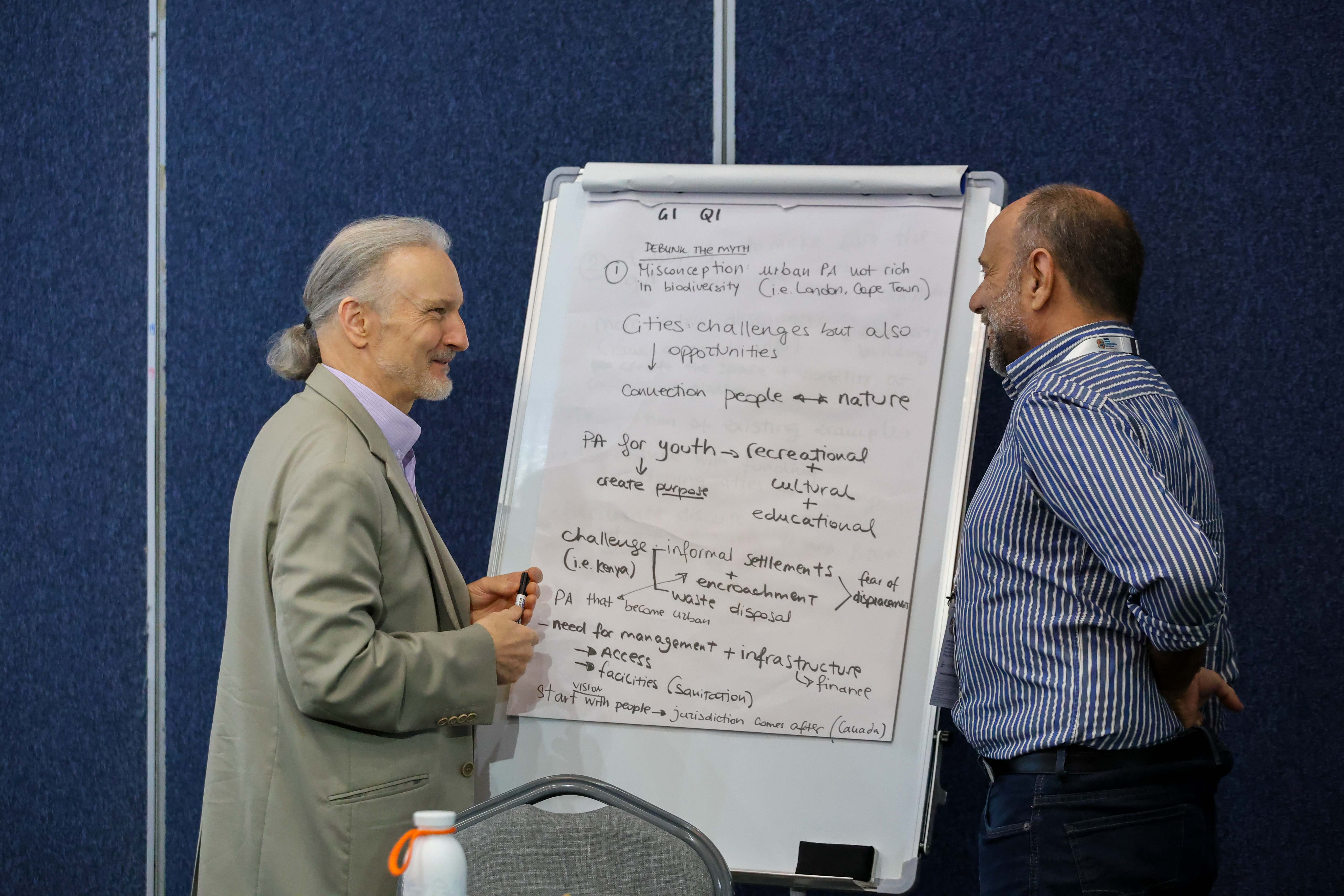
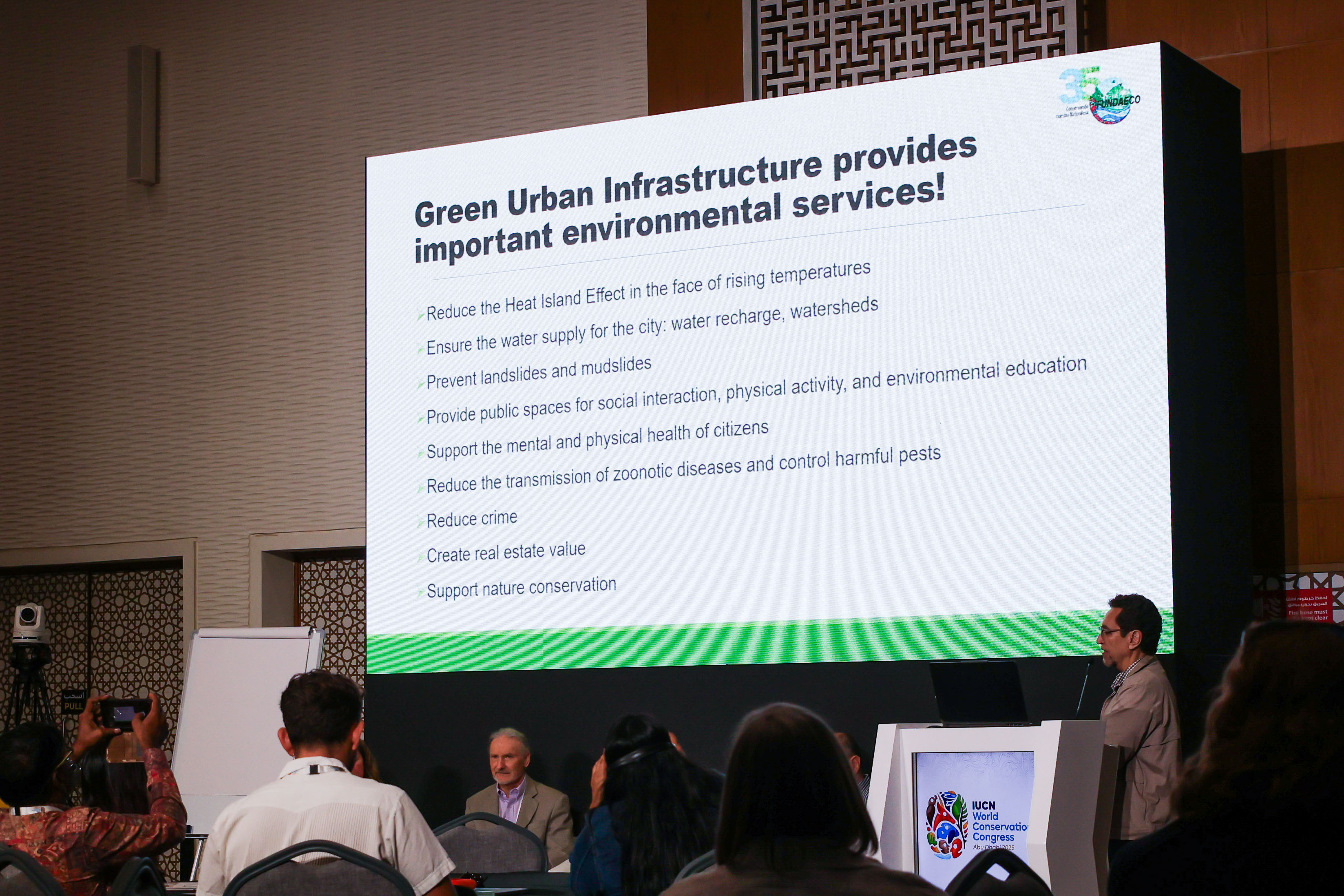
Given that 55% of the world’s population currently resides in urban areas, the session Rethinking Urban Conservation: Framing New Opportunities for Urban Protected Areas provided a platform to spotlight the role of Urban Protected Areas (UPAs) as a “first point of contact between people and nature.” Participants lamented the lack of funding for UPAs and welcomed the upcoming 11-year update of the IUCN Urban Protected Areas Guidelines. Positive examples mentioned included Guatemala City’s transformation into a green city with over 5000 hectares of green spaces and London’s designation as a National Park City.
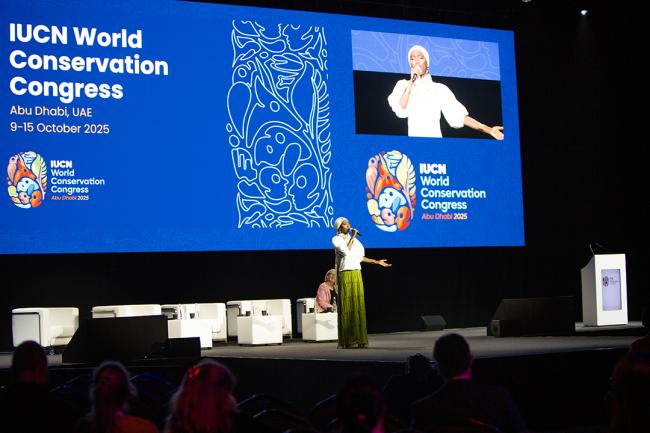
A Global Strategy for Conserving Freshwater Biodiversity session revolved around the development of IUCN’s first global, union-wide Freshwater Biodiversity Conservation Strategy. The session highlighted the importance of freshwater ecosystems as biodiversity hotspots and ecosystem service providers but also noted a stark decline in freshwater species populations, with a quarter of them threatened with extinction. Experts laid out the Strategy’s pillars, discussed the role of Indigenous Peoples and local communities, and highlighted the need to monitor the various freshwater biodiversity-related motions before the Members’ Assembly.
Changemakers Pitch
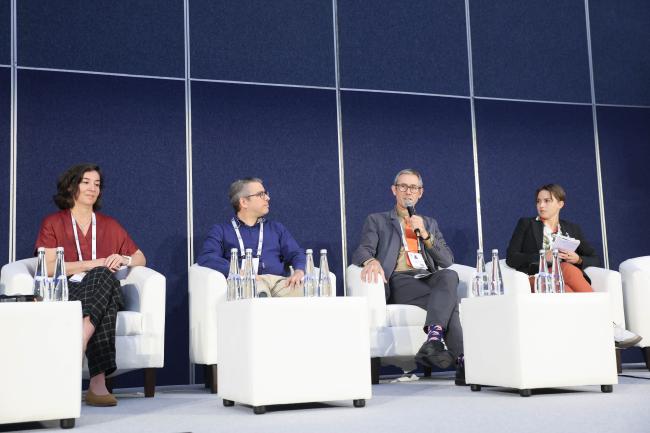
The changemakers pitch event, A Journey with the Changemakers: Lessons and Growth, reunited former IUCN changemakers to reflect on their projects. They demonstrated how their initiatives have grown and diversified, and discussed ongoing challenges, such as lack of proper mentorship and bias against female and youth social entrepreneurs.
Exhibitor Event
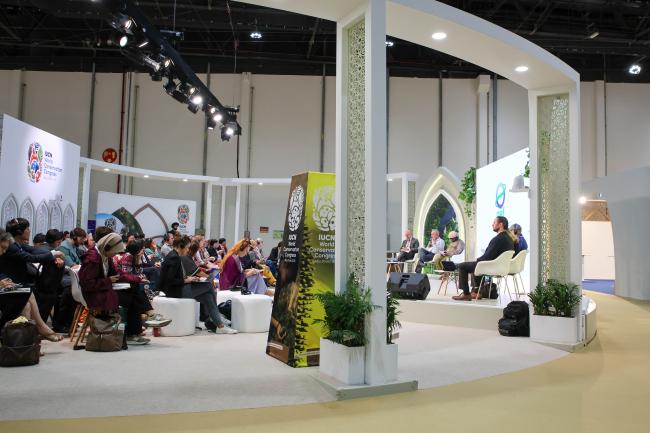
Under the heading The Global Biodiversity Framework Fund: Early Successes and Perspectives, representatives from Mexico, Democratic Republic of the Congo, and Madagascar shared experiences in developing and implementing projects under the Global Biodiversity Framework Fund (GBF Fund), launched in 2023 to enhance implementation of the Kunming-Montreal GBF. Carlos Manuel Rodríguez, Chair and CEO, Global Environment Facility (GEF), lauded the GBF Fund’s reduced project approval time and its diverse capitalization, combining government contributions with private sector funding.
Forum Closing
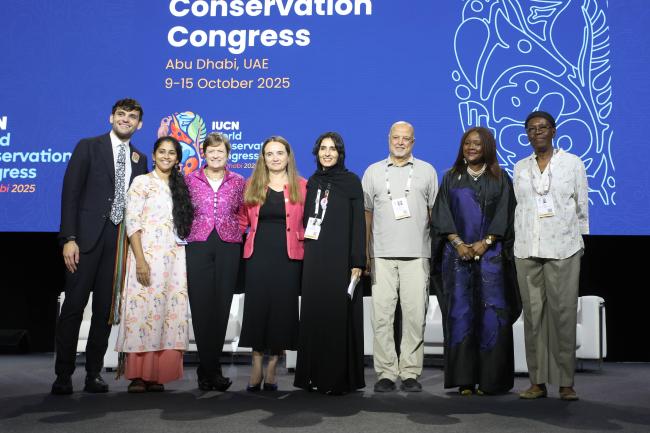
As the curtains closed on the Forum, IUCN Director General Grethel Aguilar emphasized that “one truth has become undeniably clear: conservation works.” She highlighted some key announcements made during the Congress, including the IUCN World Heritage Outlook 3, the launch of the Rapid High Integrity Nature Positive Outcomes approach, the second Nature-based Solutions Global Standard, and the IUCN Glacier Action Network. She closed by affirming the message: “put nature at the heart of everything we do.”
To receive free coverage of global environmental events delivered to your inbox, subscribe to the ENB Update newsletter.
All ENB photos are free to use with attribution. For the IUCN World Conservation Congress 2025 , please use: Photo by IISD/ENB | Anastasia Rodopoulou and Angeles Estrada Vigil
High Level Dialogue: Transformational Change from Rio and Beyond: An All-out Push for the 2030 Goals
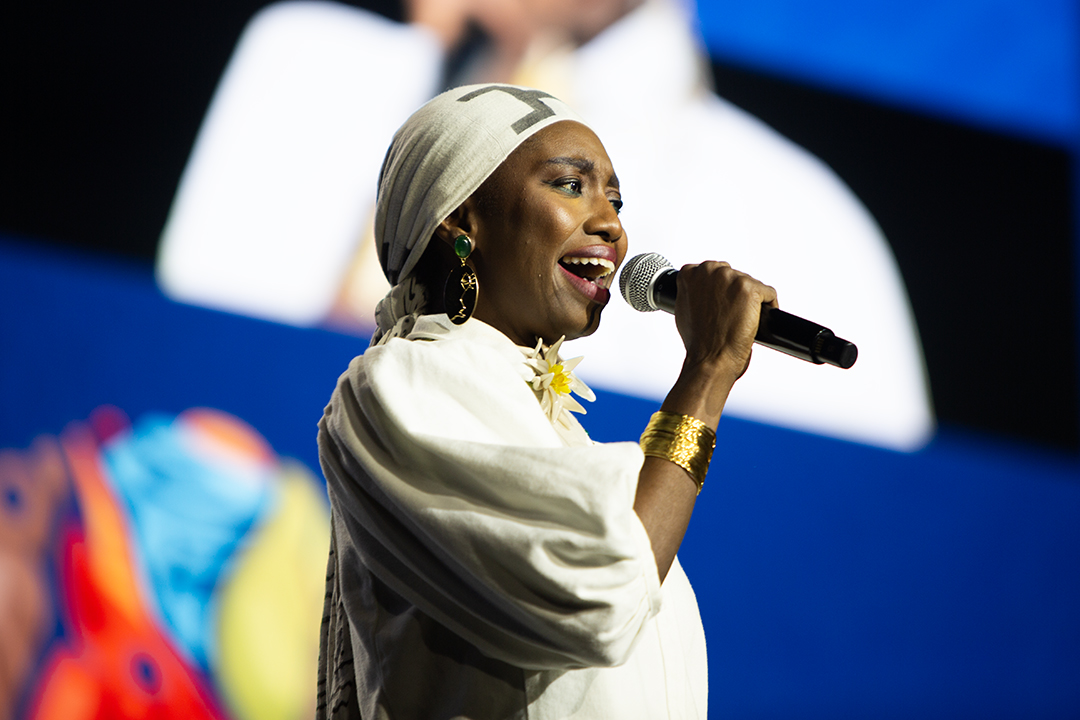
Inna Modga, Goodwill Ambassador, UNCCD
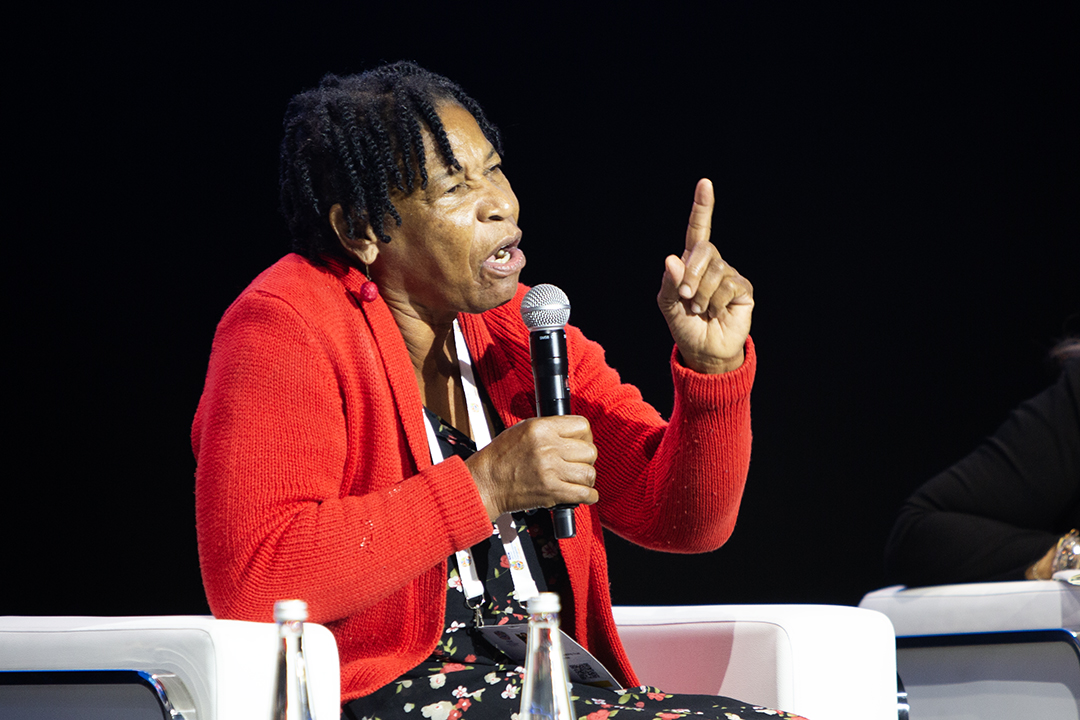
Ruth Spencer, Chair, Marine Ecosystems Protected Areas Trust Fund, Antigua and Barbuda
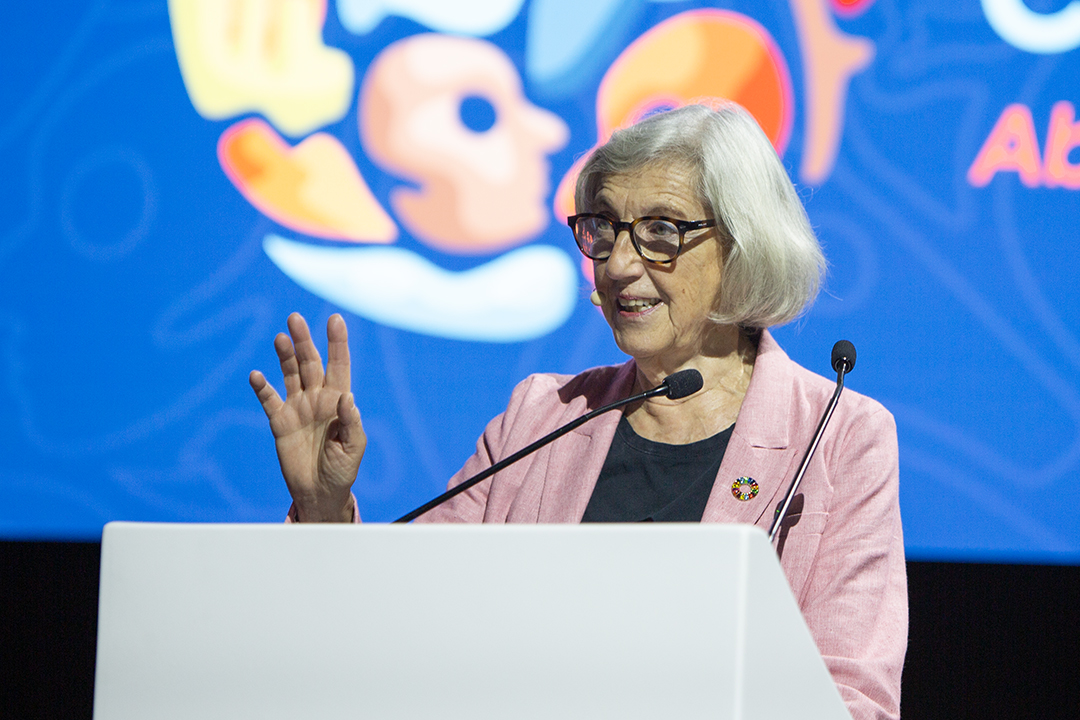
Julia Marton-Lefèvre, Chair, Board Villars Institute Foundation
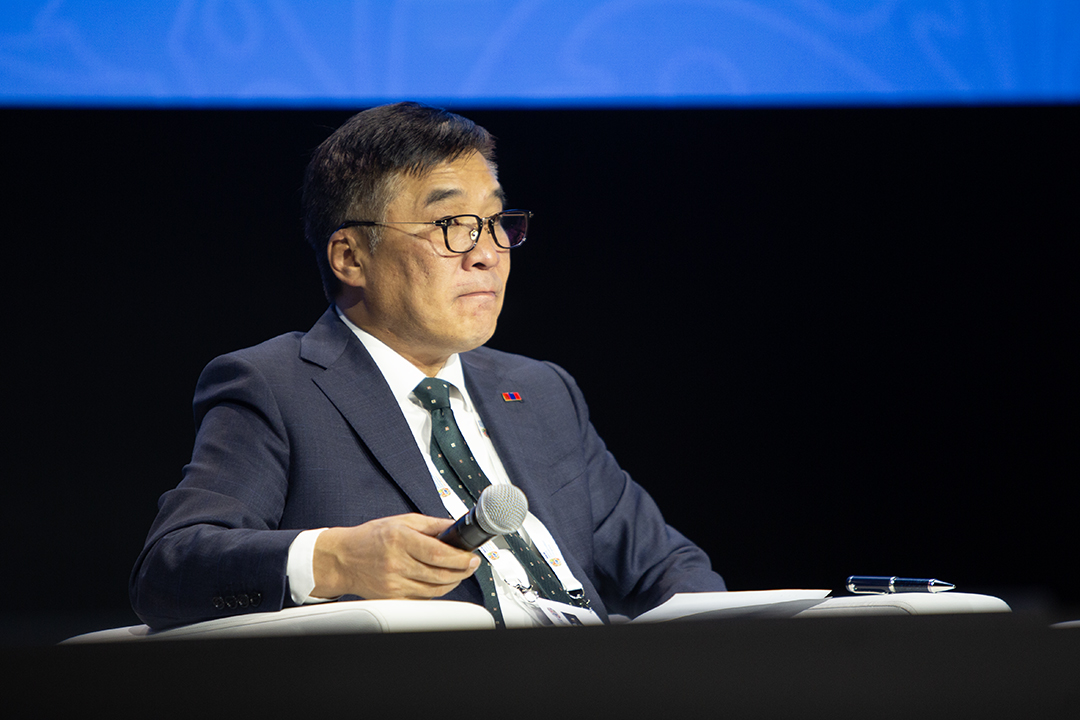
Batbataar Bat, Minister of Climate Change and Environment, Mongolia
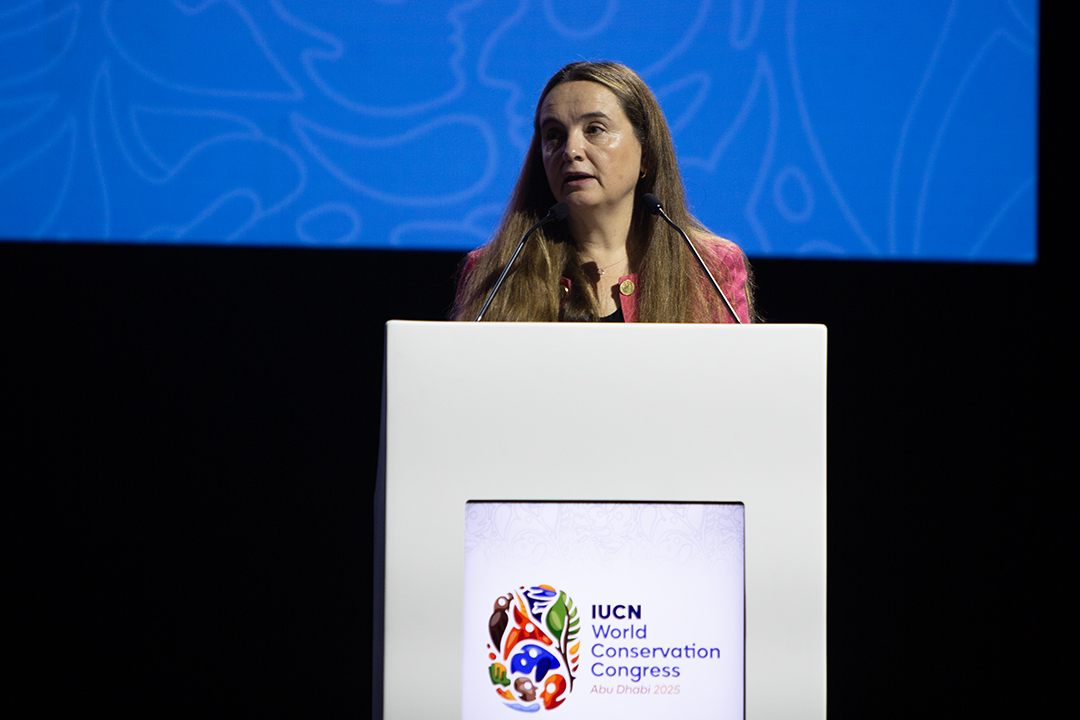
Grethel Aguilar, Director General, IUCN
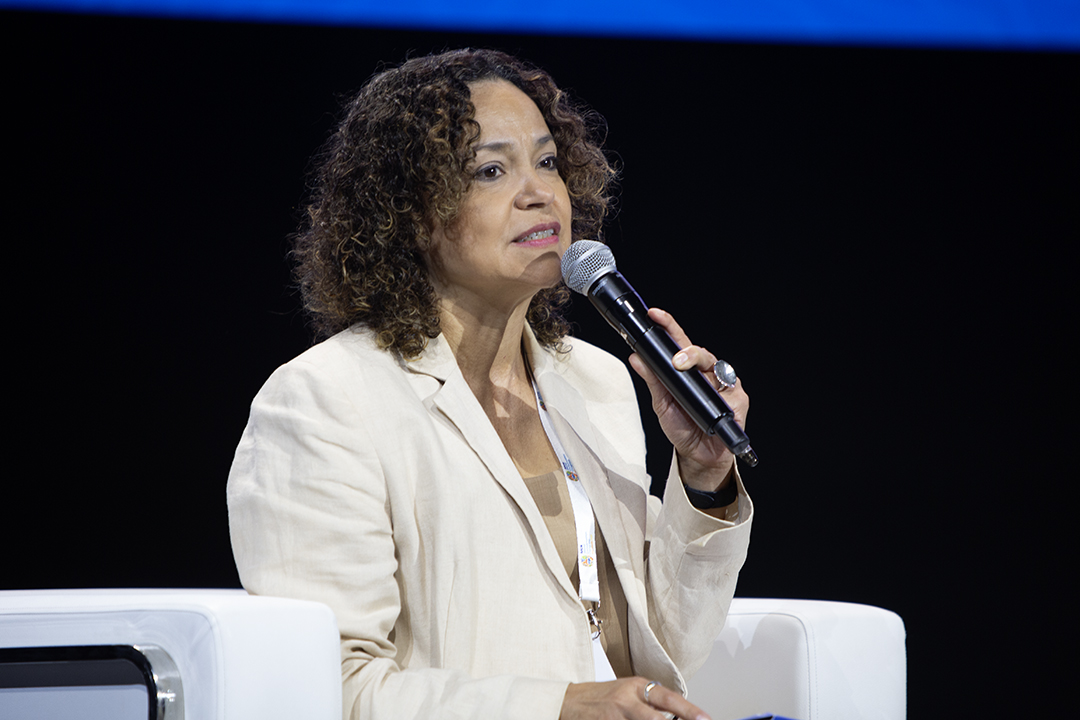
Andrea Meza, Deputy Executive Secretary, UNCCD
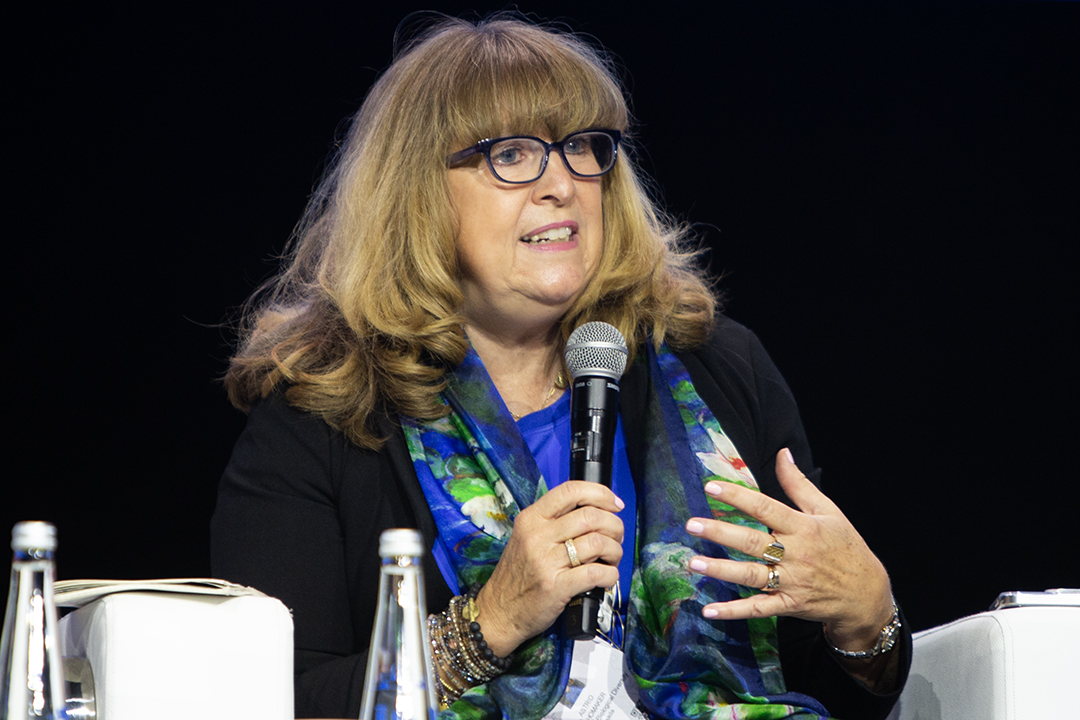
Astrid Schomaker, Executive Secretary, Convention on Biological Diversity (CBD)
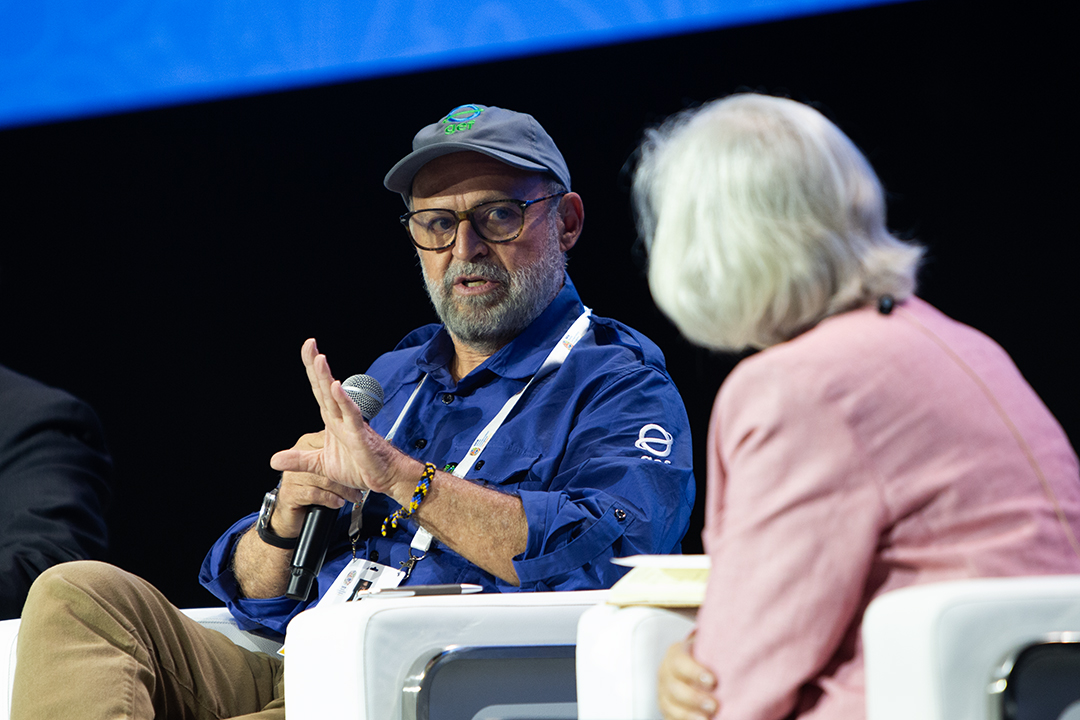
Carlos Manuel Rodríguez, Chair and CEO, GEF
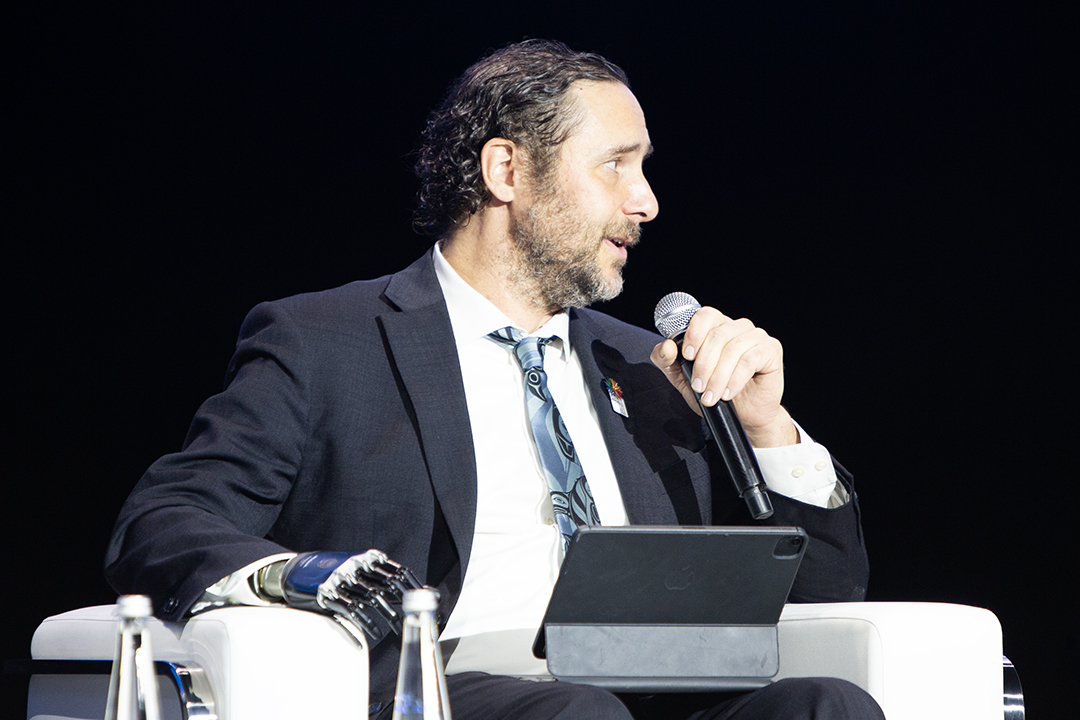
Jacob Martin-Malus, Assistant Deputy Minister, Biodiversity, Wildlife and Parks, Government of Québec
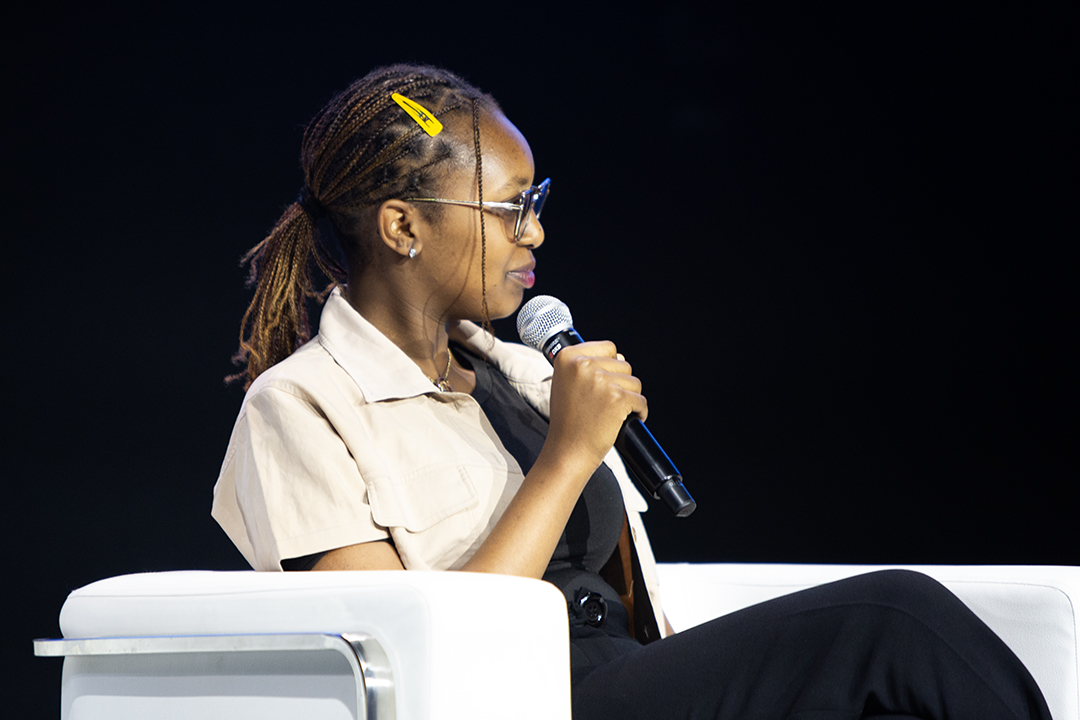
Norah Kimathi, Co-founder, Zerobionic
Nature Positive Renewables: Aligning Climate and Energy Goals
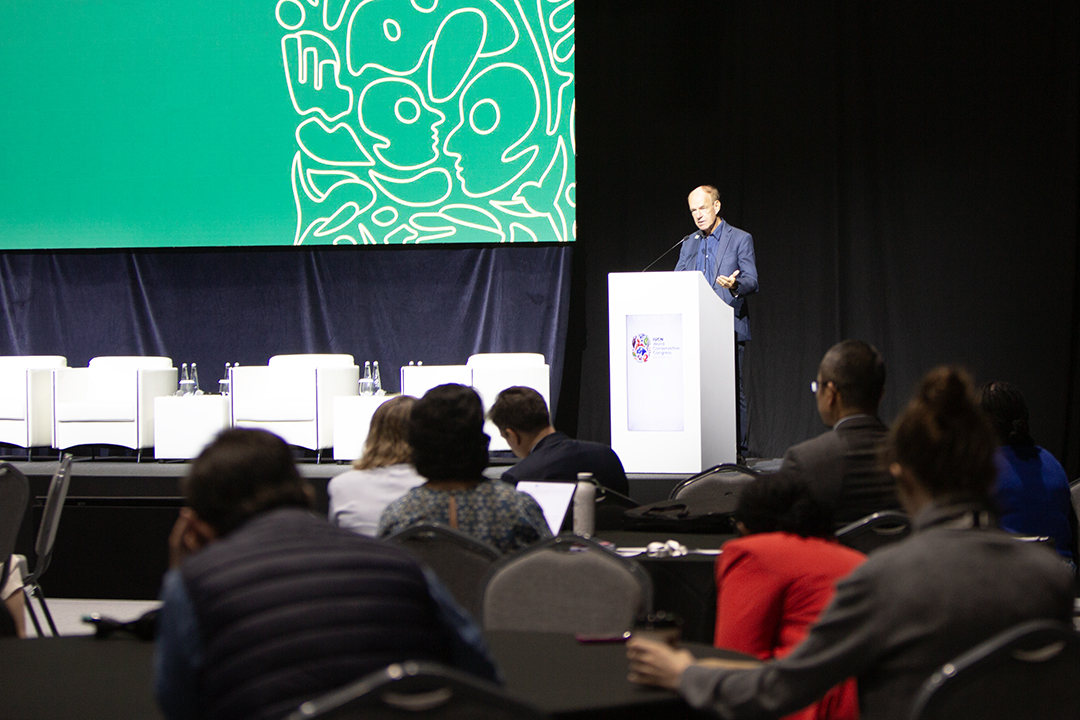
Marco Lambertini, Convener, Nature Positive Initiative
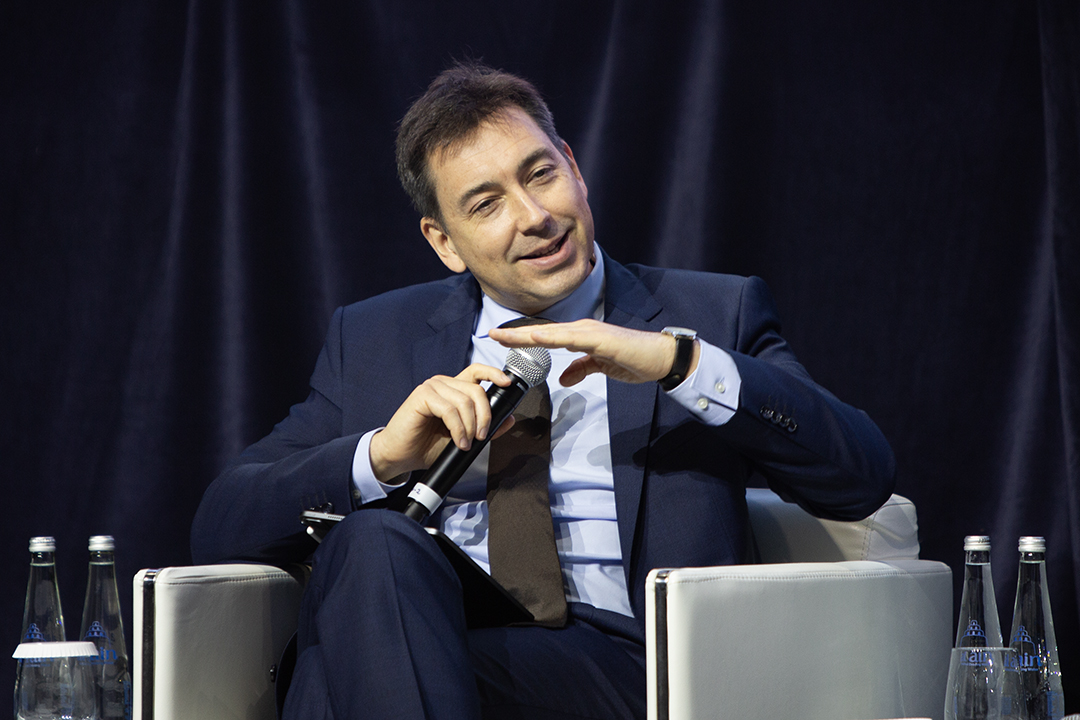
Adonai Herrera Martínez, European Bank for Reconstruction and Development
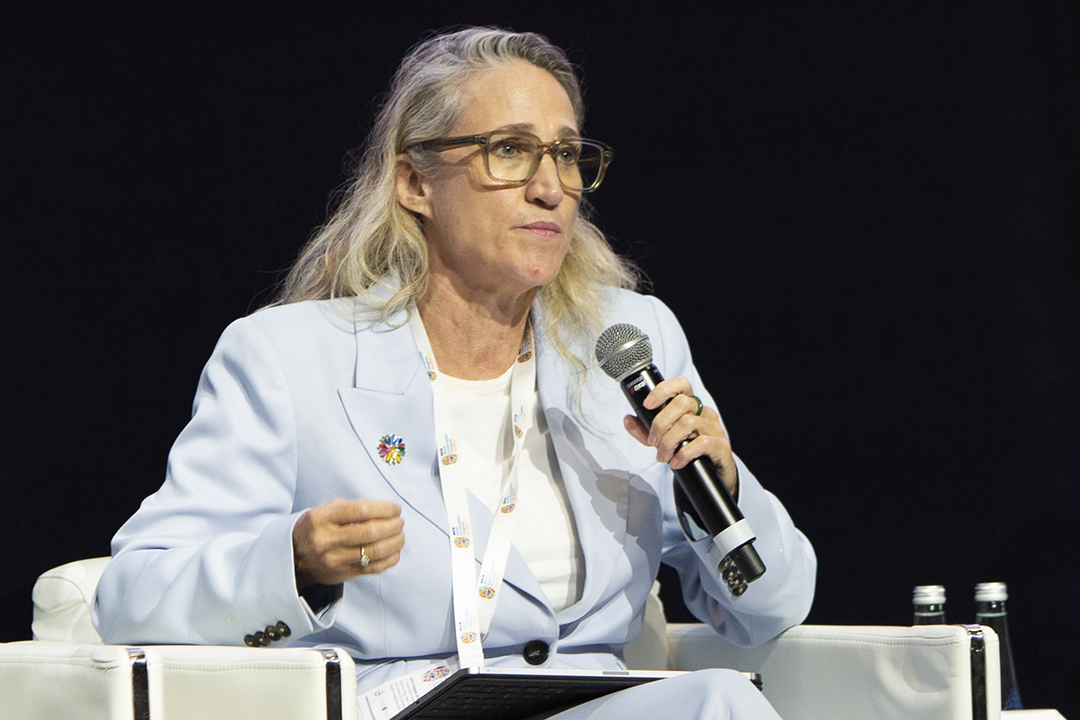
Karen Westley, Shell
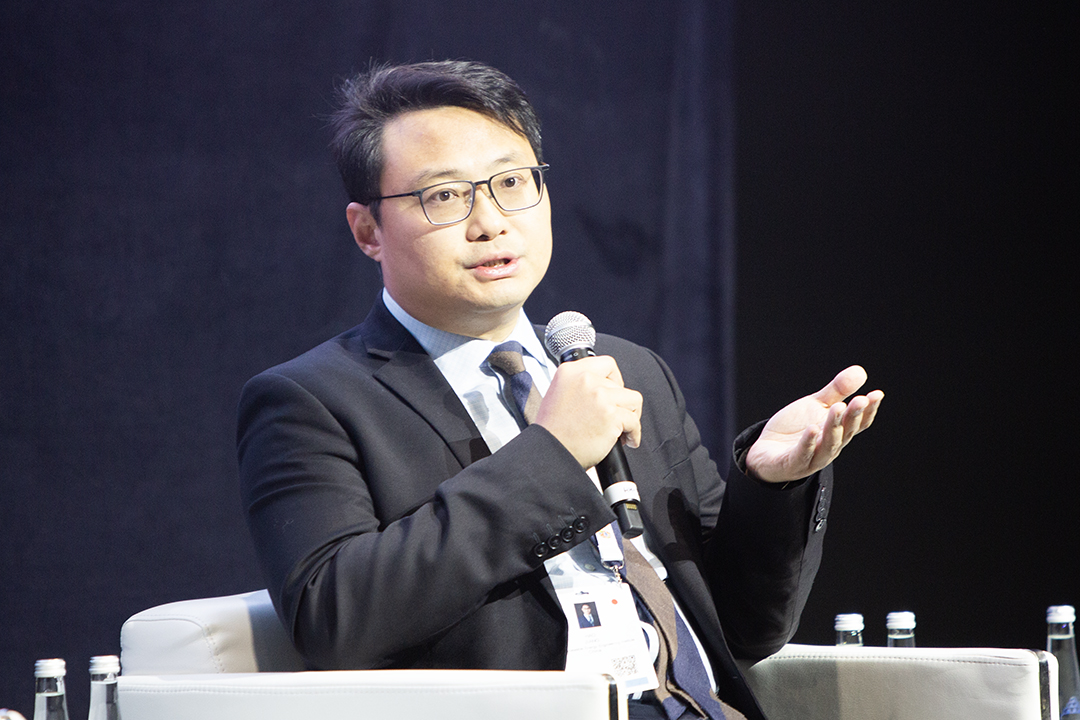
Jiang Hao, China Renewable Energy Engineering Institute
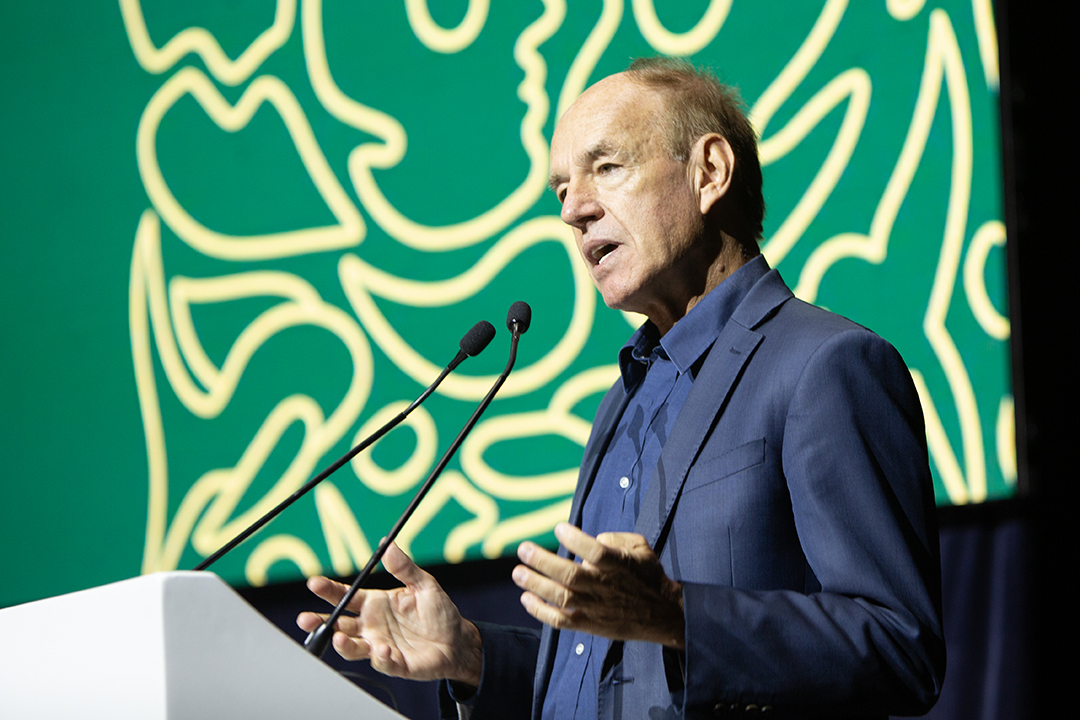
Marco Lambertini, Convener, Nature Positive Initiative
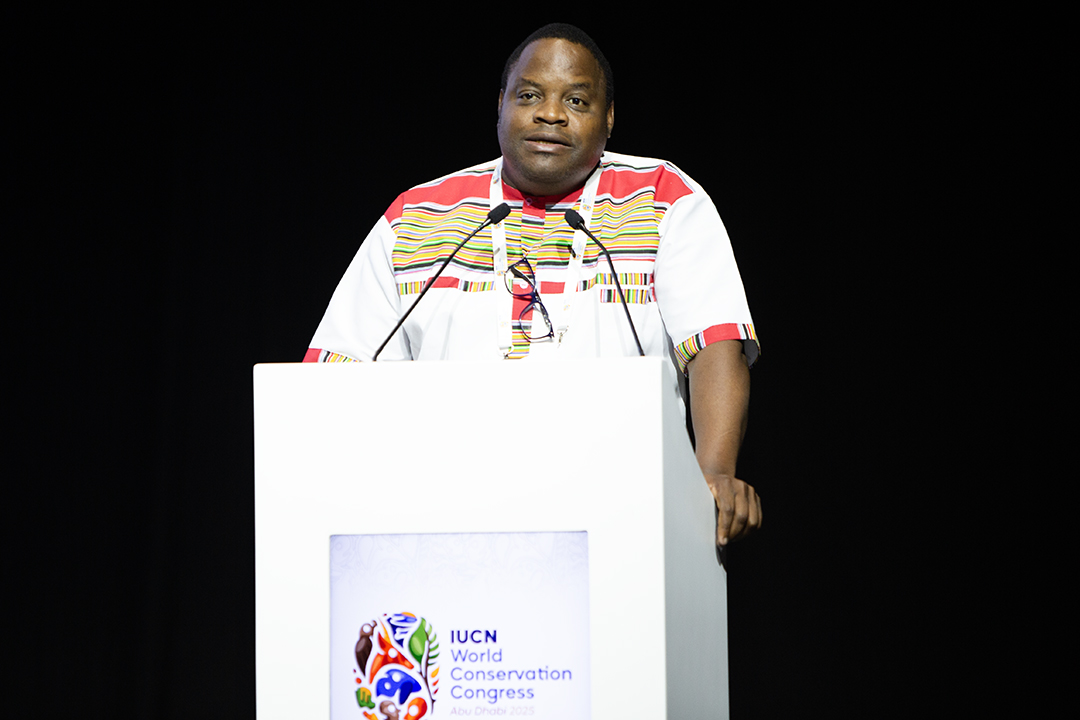
Vhalinavho Khavhagali, IUCN South Africa
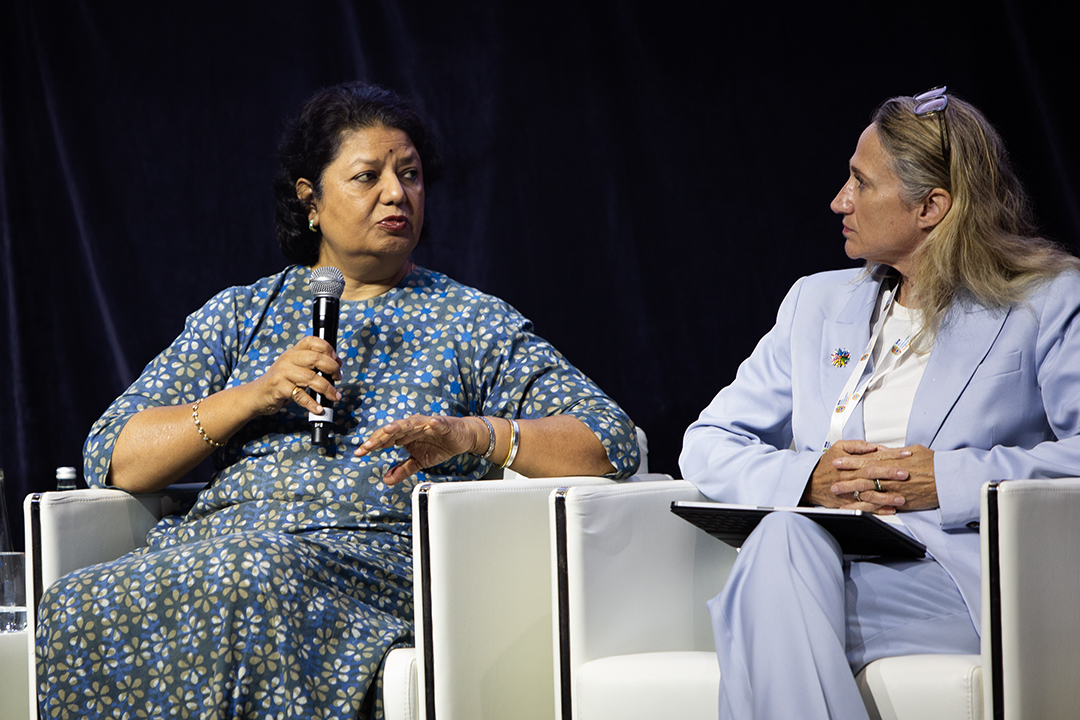
Gauri Singh, International Renewable Energy Agency (IRENA)
Rachel Asante-Owusu, IUCN
High Level Dialogue: The Balancing Act: Feeding People, Sustaining the Planet
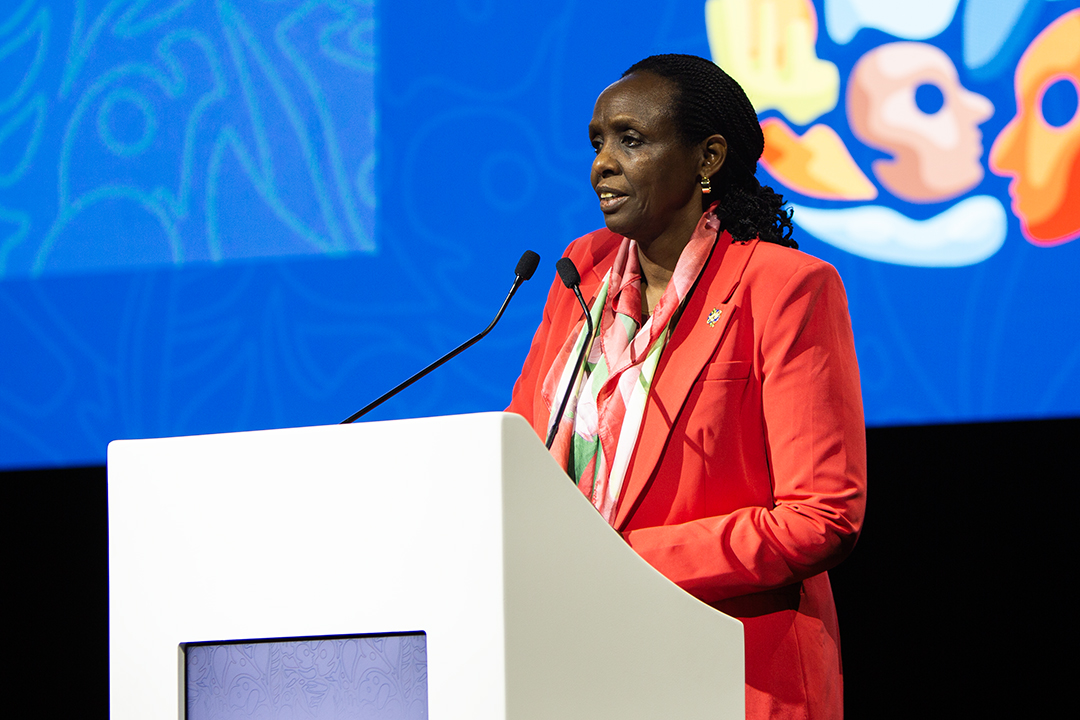
Agnes Kalibata, Special Envoy of the UN Secretary-General for the 2021 Food Systems Summit
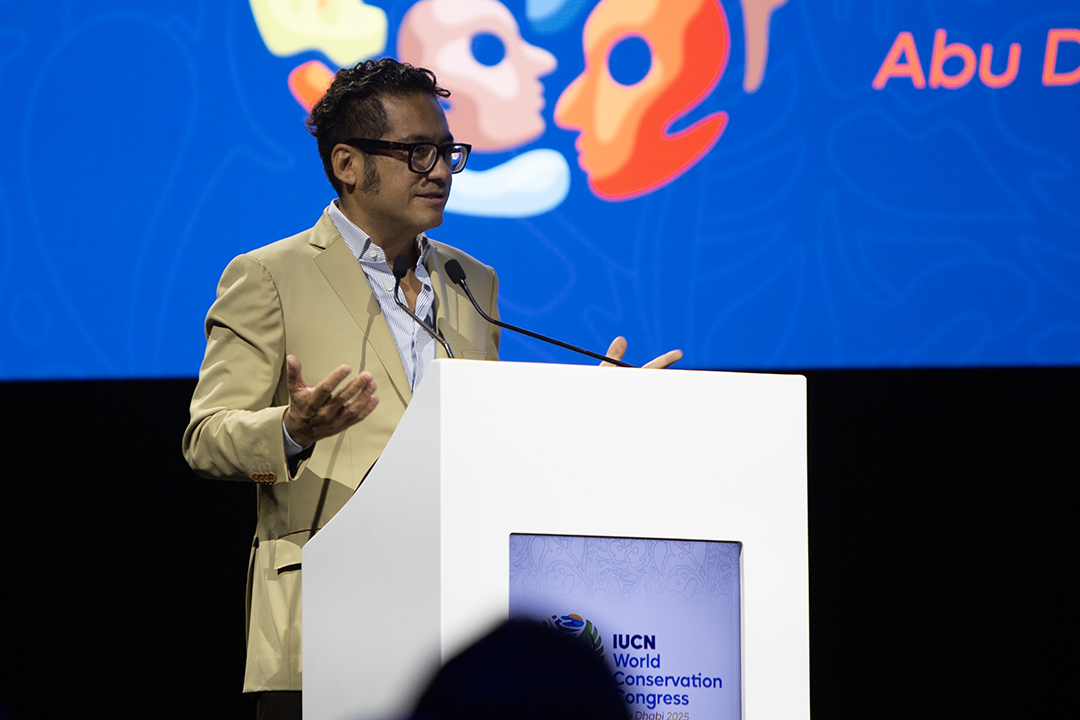
Jose Luis Chicoma, Former Minister of Production, Peru
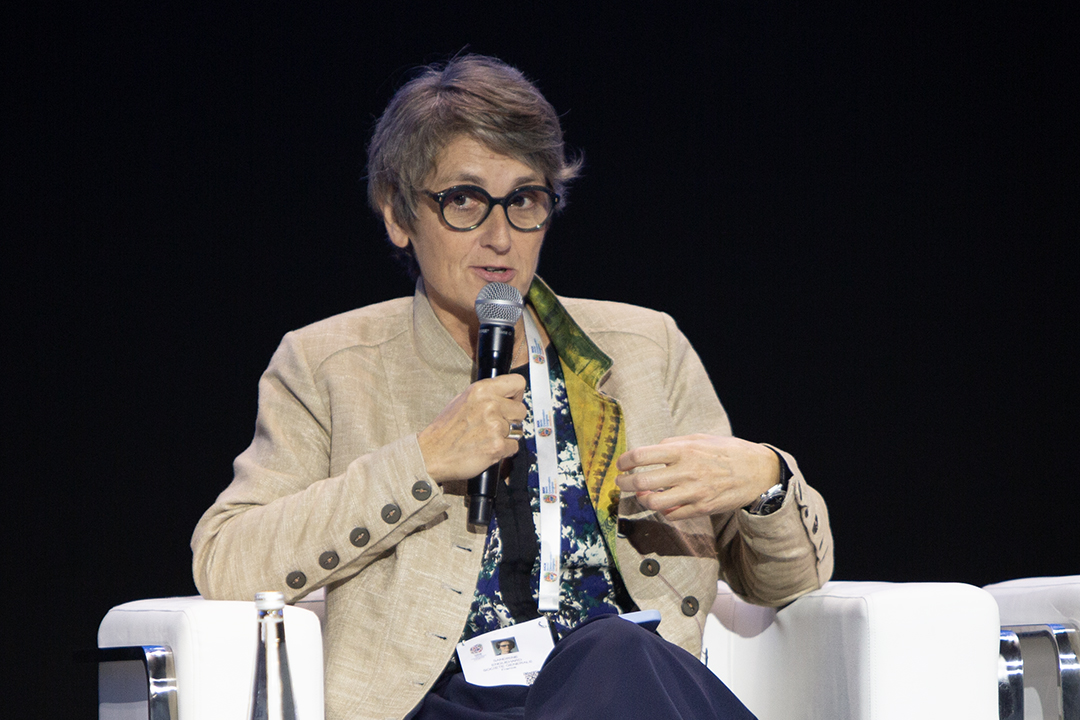
Sandrine Enguehard, Deputy Corporate Sustainability Officer, Société Générale
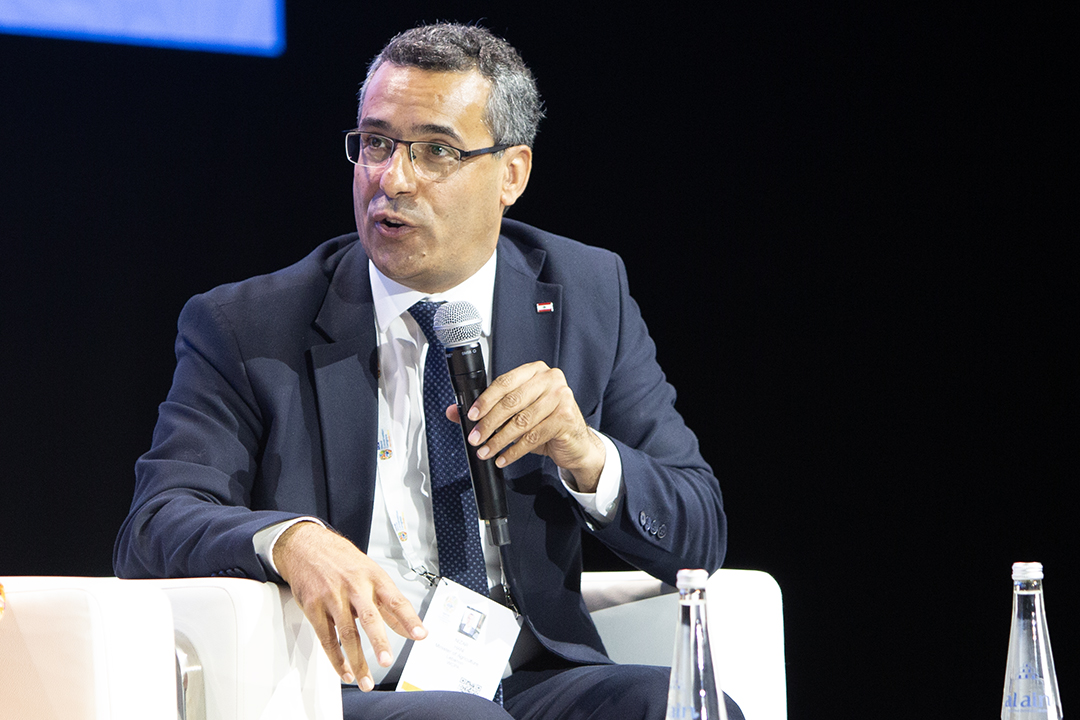
Nizar Hani, Minister of Agriculture, Lebanon
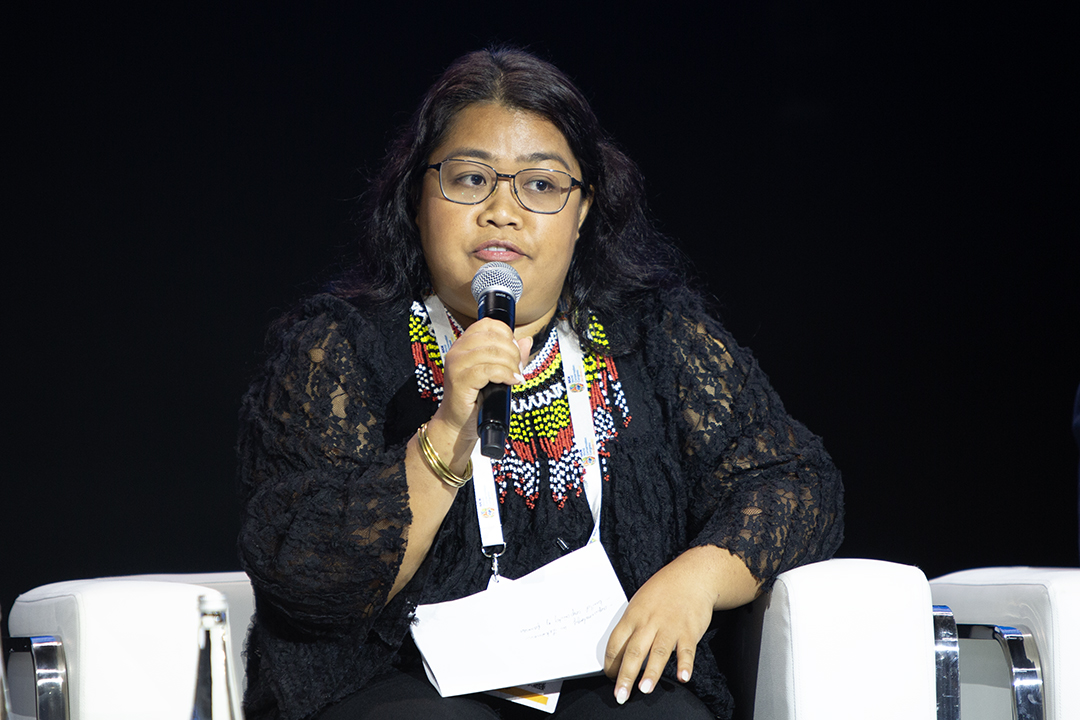
Gloria Amor Paredes, Co-founder, Salumayag Youth Collective for Forests
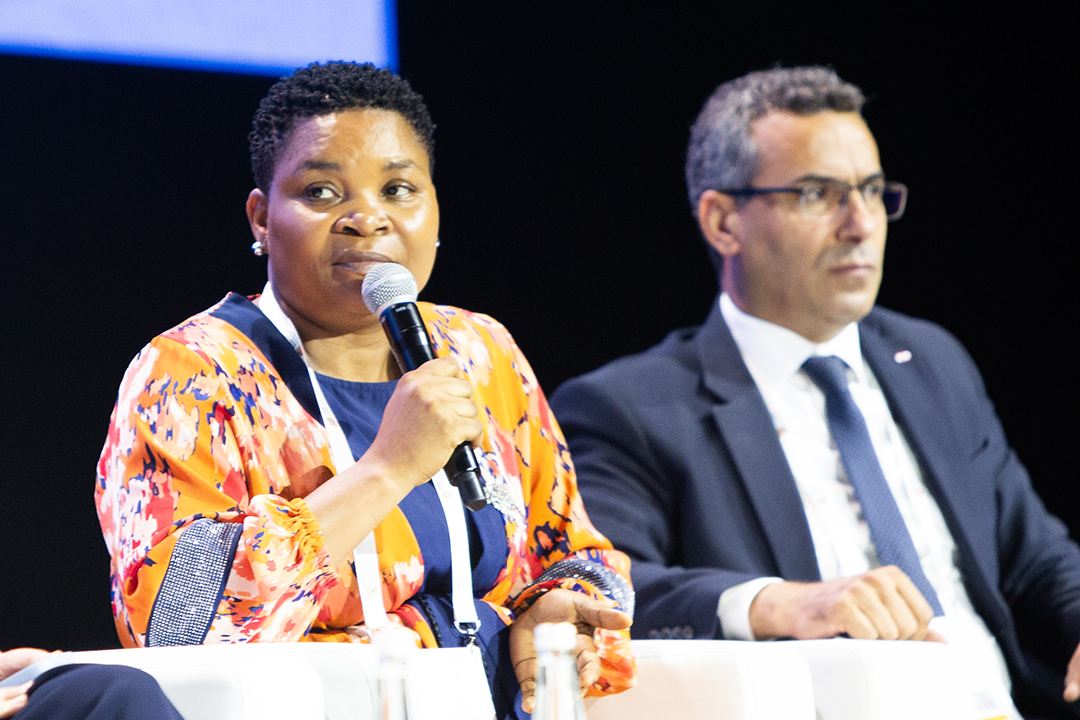
Elizabeth Nsimadala, President, Eastern Africa Farmers Federation
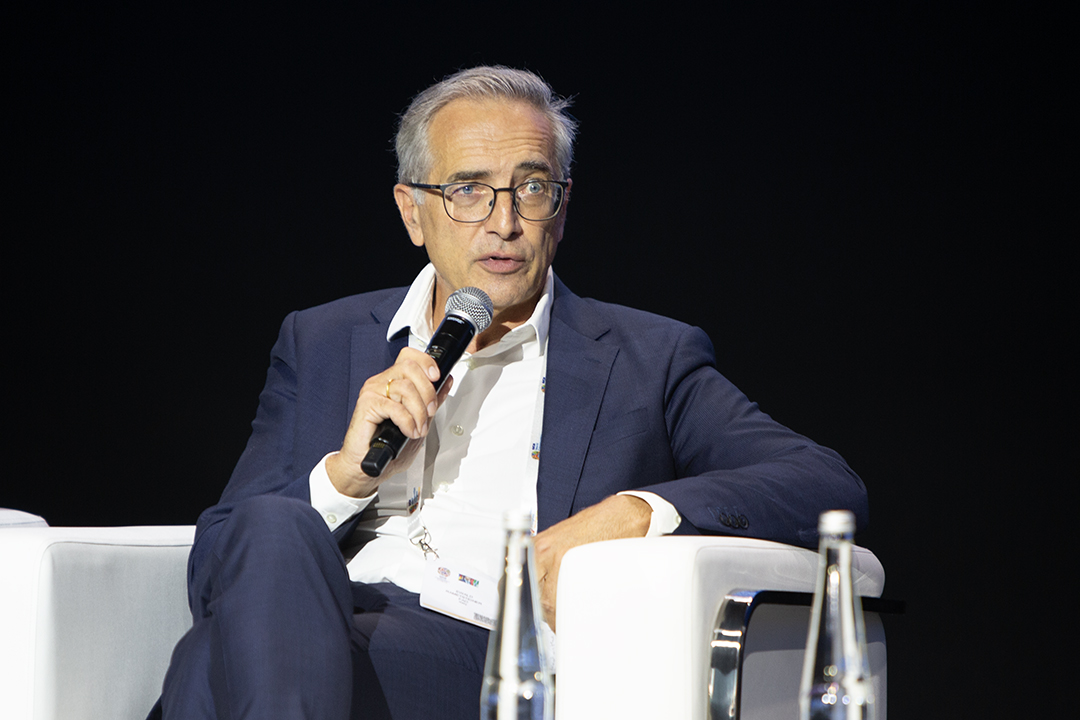
Ewald Rametsteiner, Deputy Director, Forestry Division, UN FAO
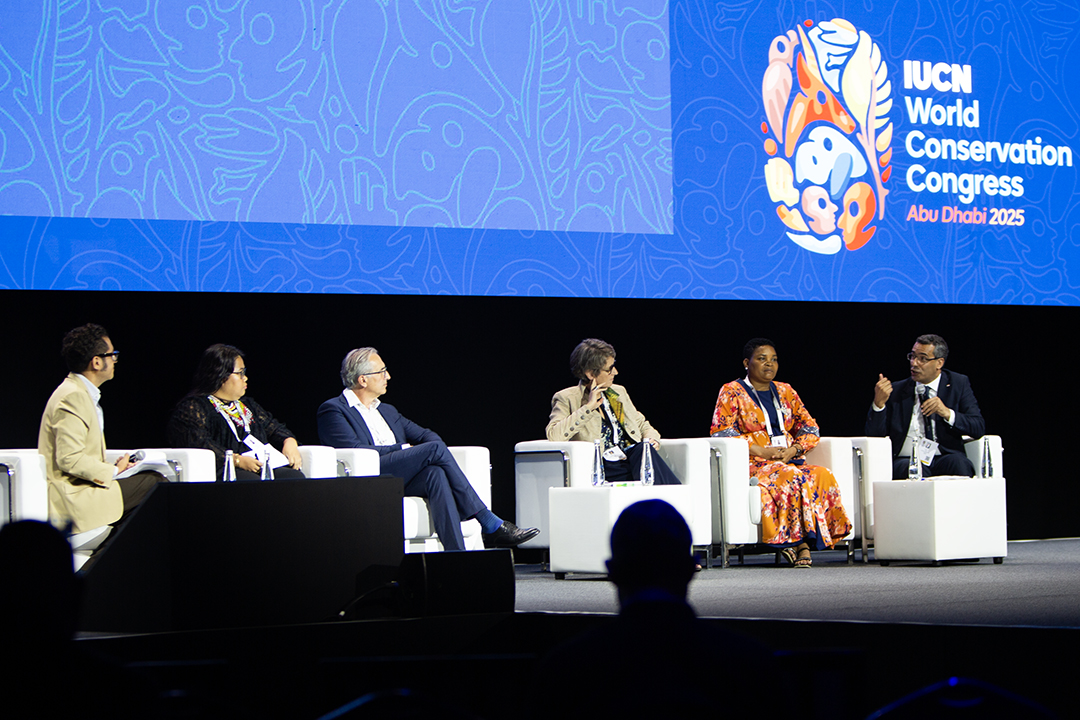
Jose Luis Chicoma, Former Minister of Production, Peru; Gloria Amor Paredes, Co-founder, Salumayag Youth Collective for Forests; Ewald Rametsteiner, Deputy Director, Forestry Division, Food and Agriculture Organization of the UN (FAO); Sandrine Enguhard, Deputy Corporate Sustainability Officer, Société Générale; Elizabeth Nsimadala, President, Eastern Africa Farmers Federation; and Nizar Hani, Minister of Agriculture, Lebanon
Thematic Session: Challenges and Opportunities for Urban Protected Areas: From Traditional to New Biodiversity Conservation Mechanisms
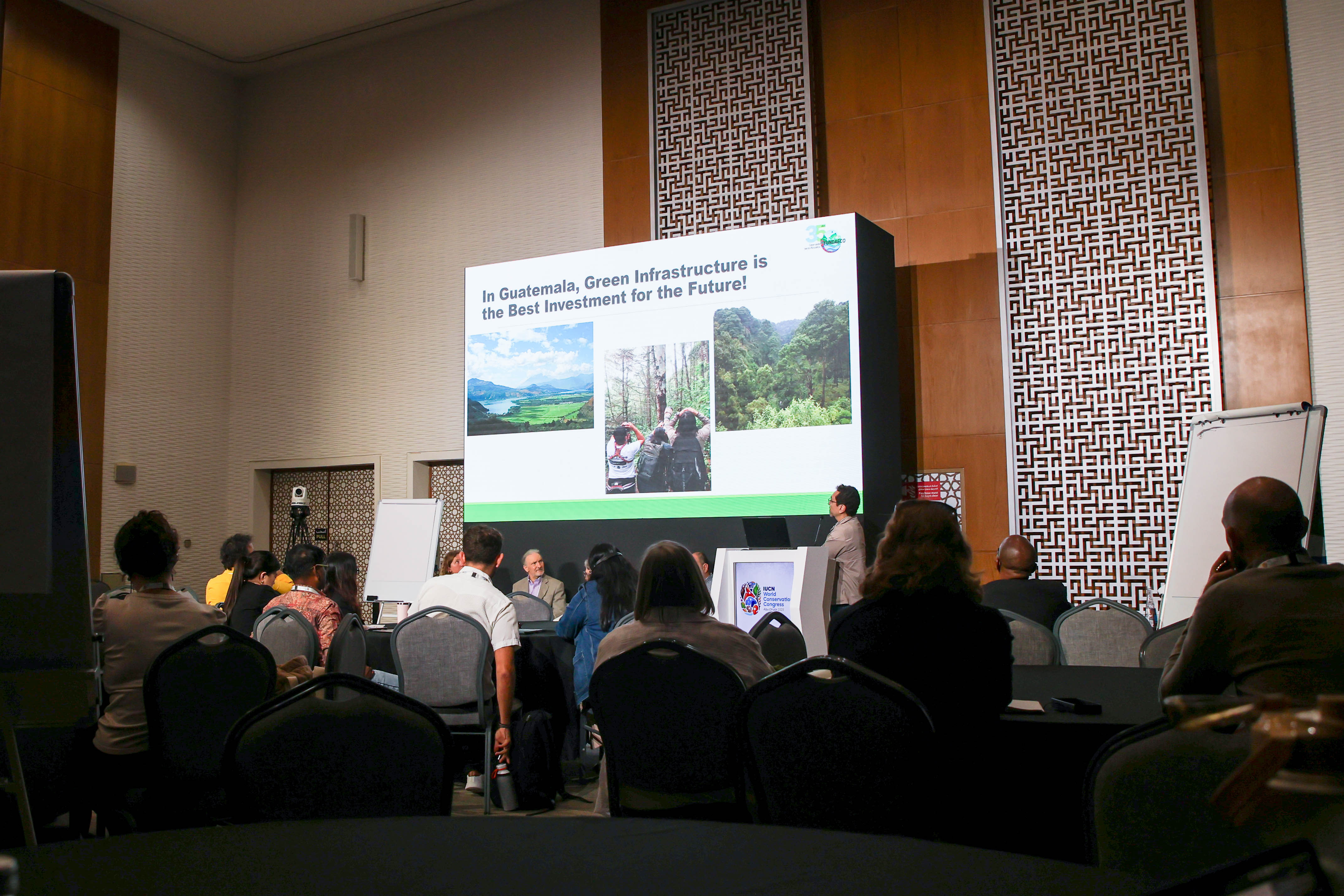
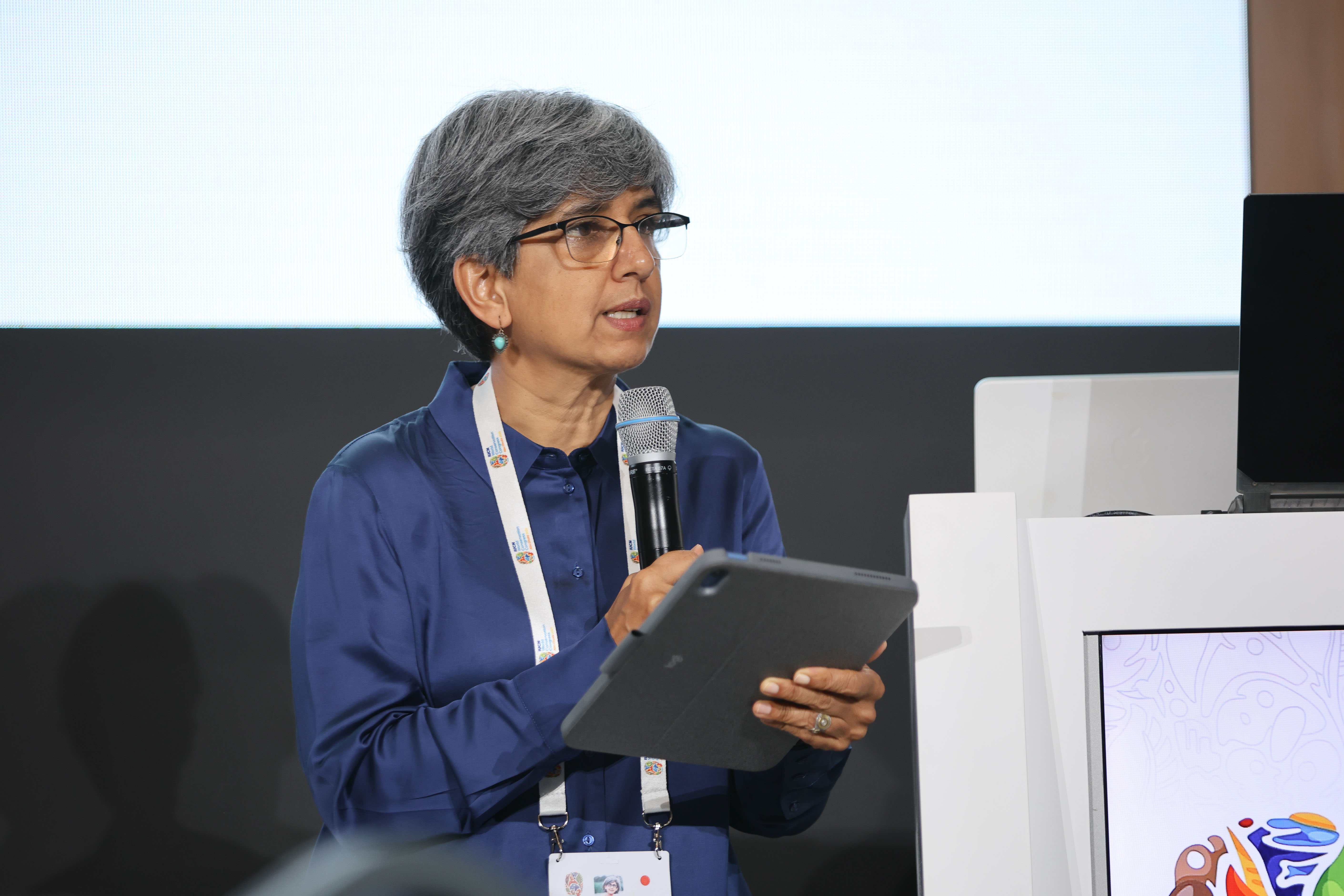
Madhu Rao, Chair, IUCN World Commission on Protected Areas
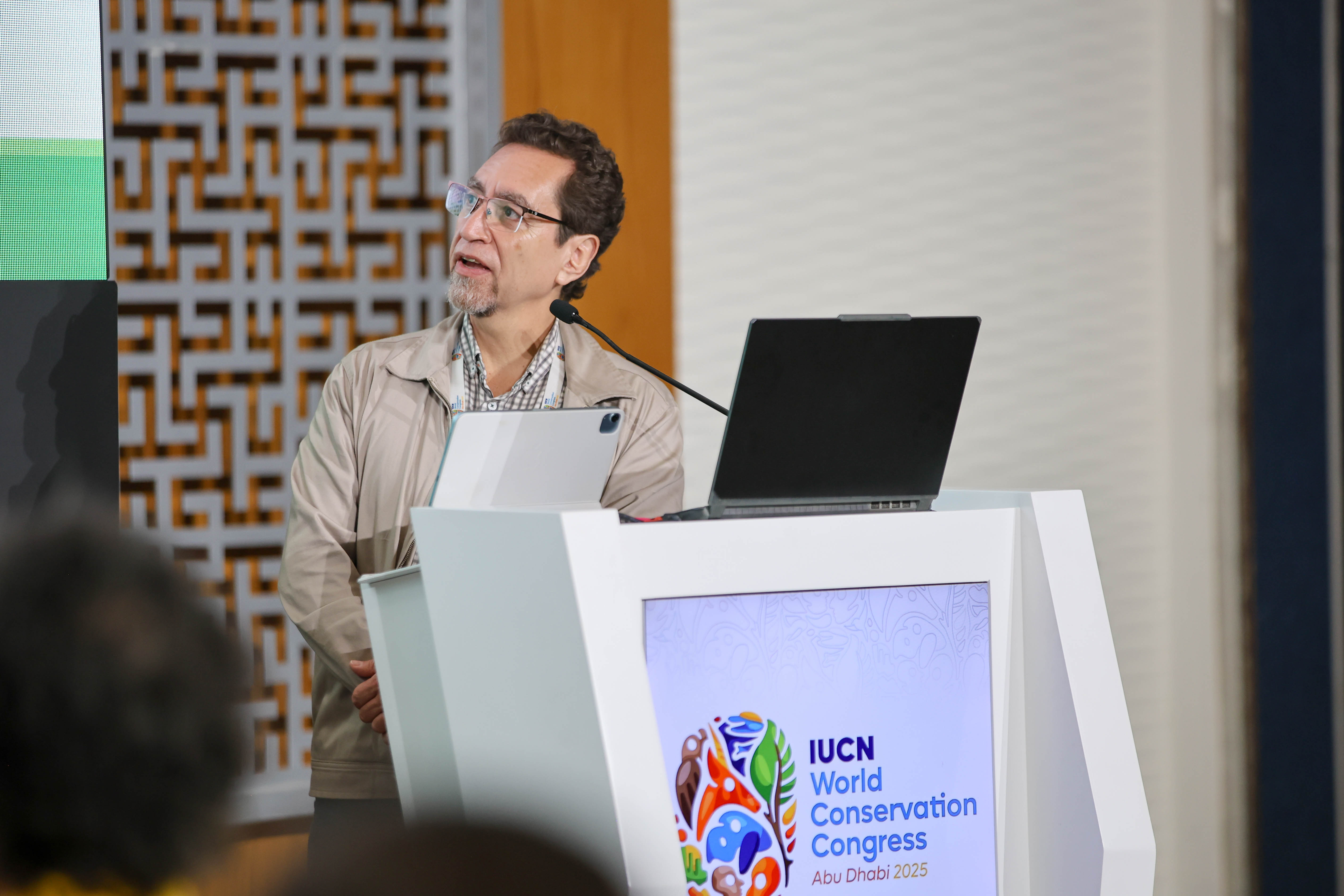
Marco Vinicio Cerezo, General Director, Fundación para el Ecodesarrollo y la Conservación (FUNDAECO), Guatemala
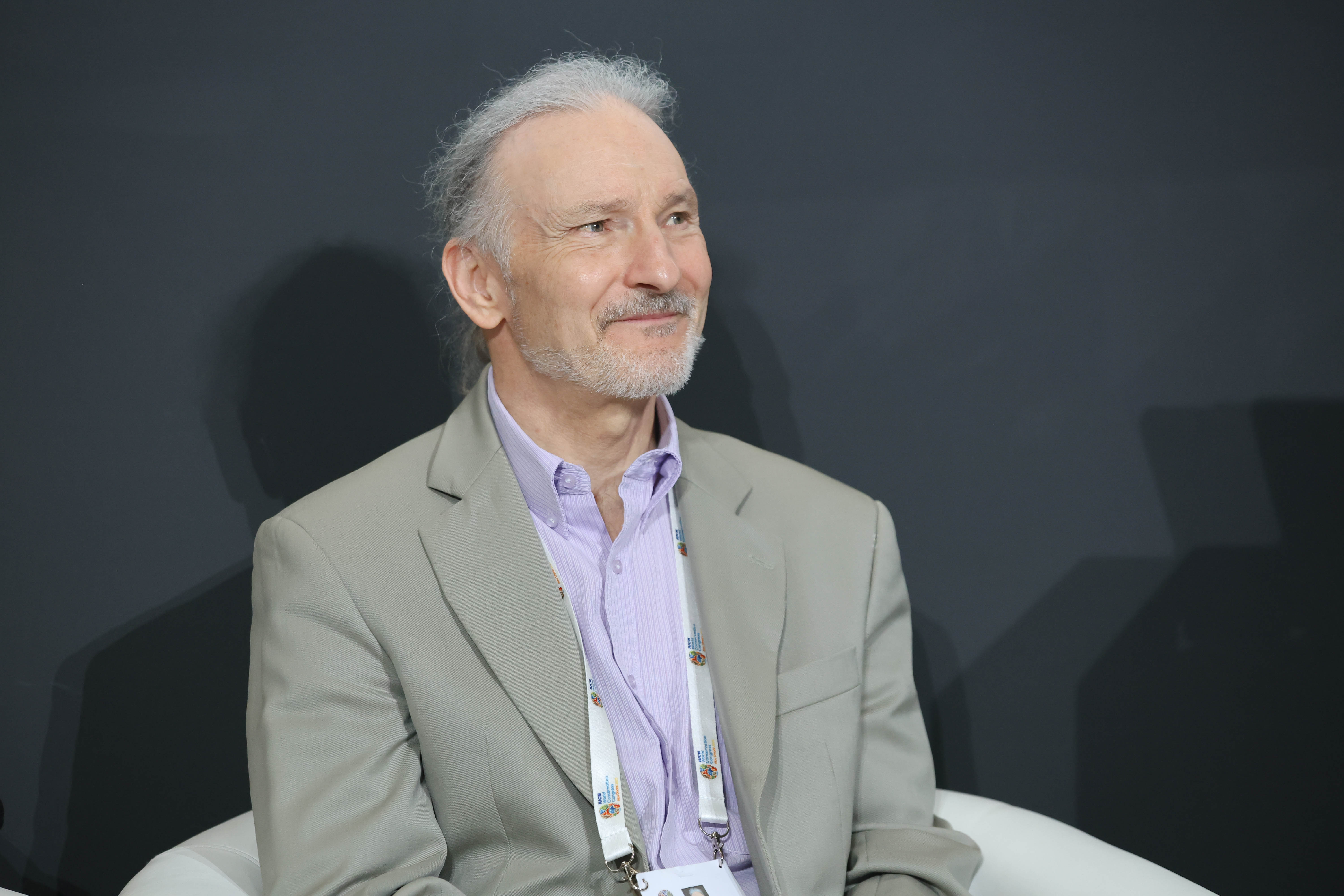
Peter Frost, Natural Resources, Wales
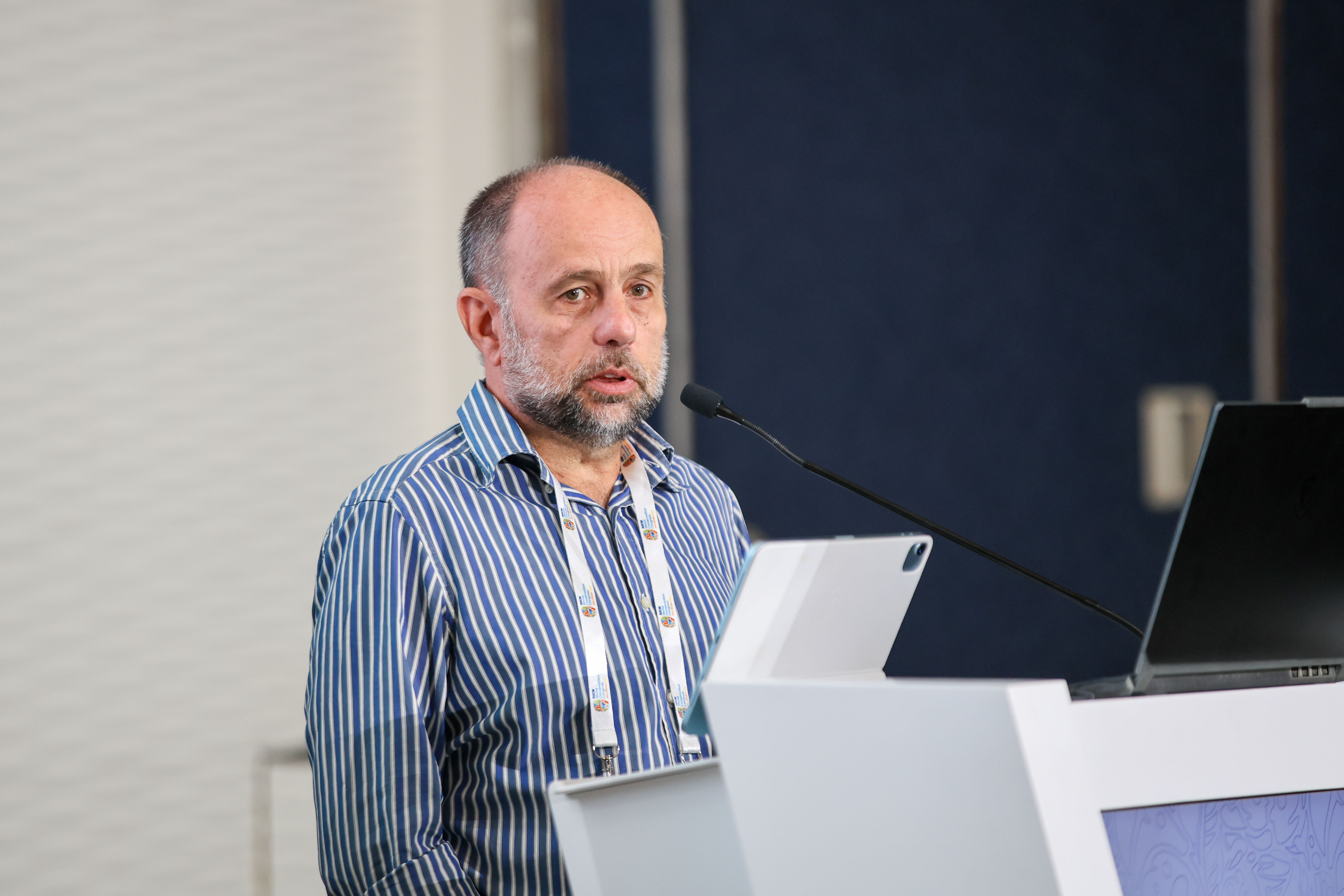
Pedro Menezes, National Director, Protected Areas, Ministry of the Environment and Climate Change, Brazil
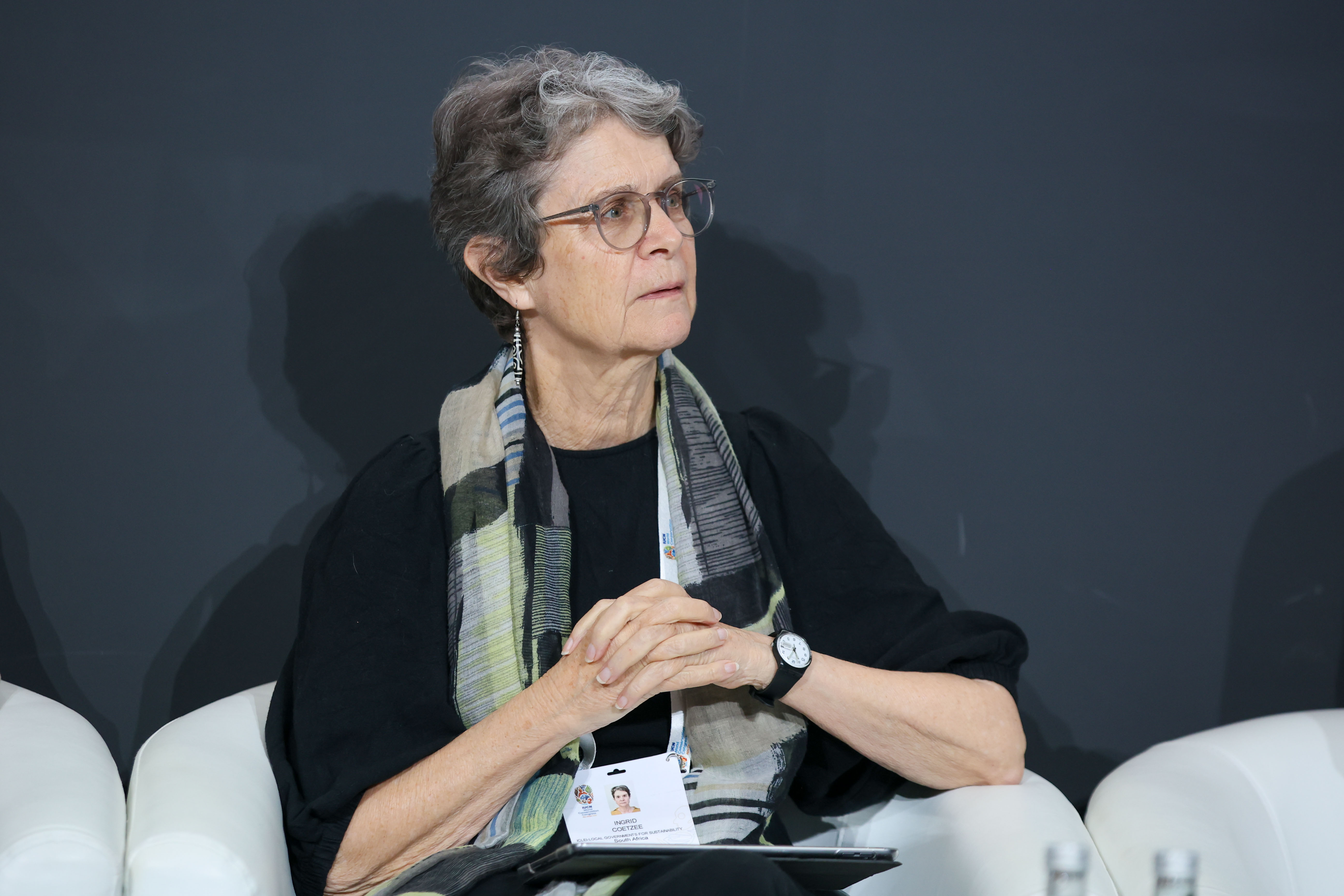
Ingrid Coetzee, Biodiversity, Nature and Health, ICLEI Local Governments for Sustainability
Thematic Session: A Global Strategy for Conserving Freshwater Biodiversity
James Dalton, Global Director, Water and Wetlands, IUCN
Ian Harrison, Co-Chair, Freshwater Conservation Committee, IUCN Species Survival Commission
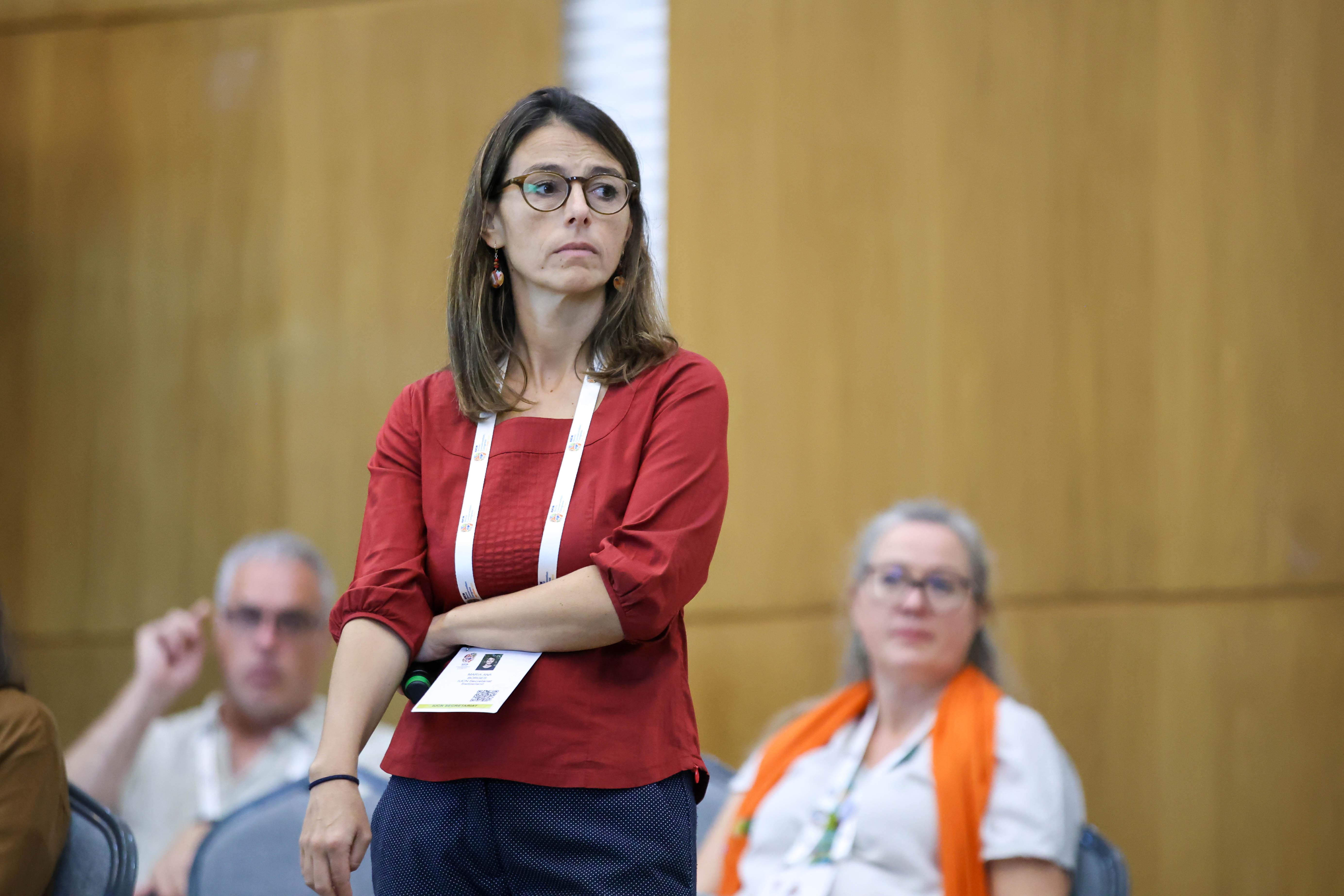
Maria Ana Borges, IUCN
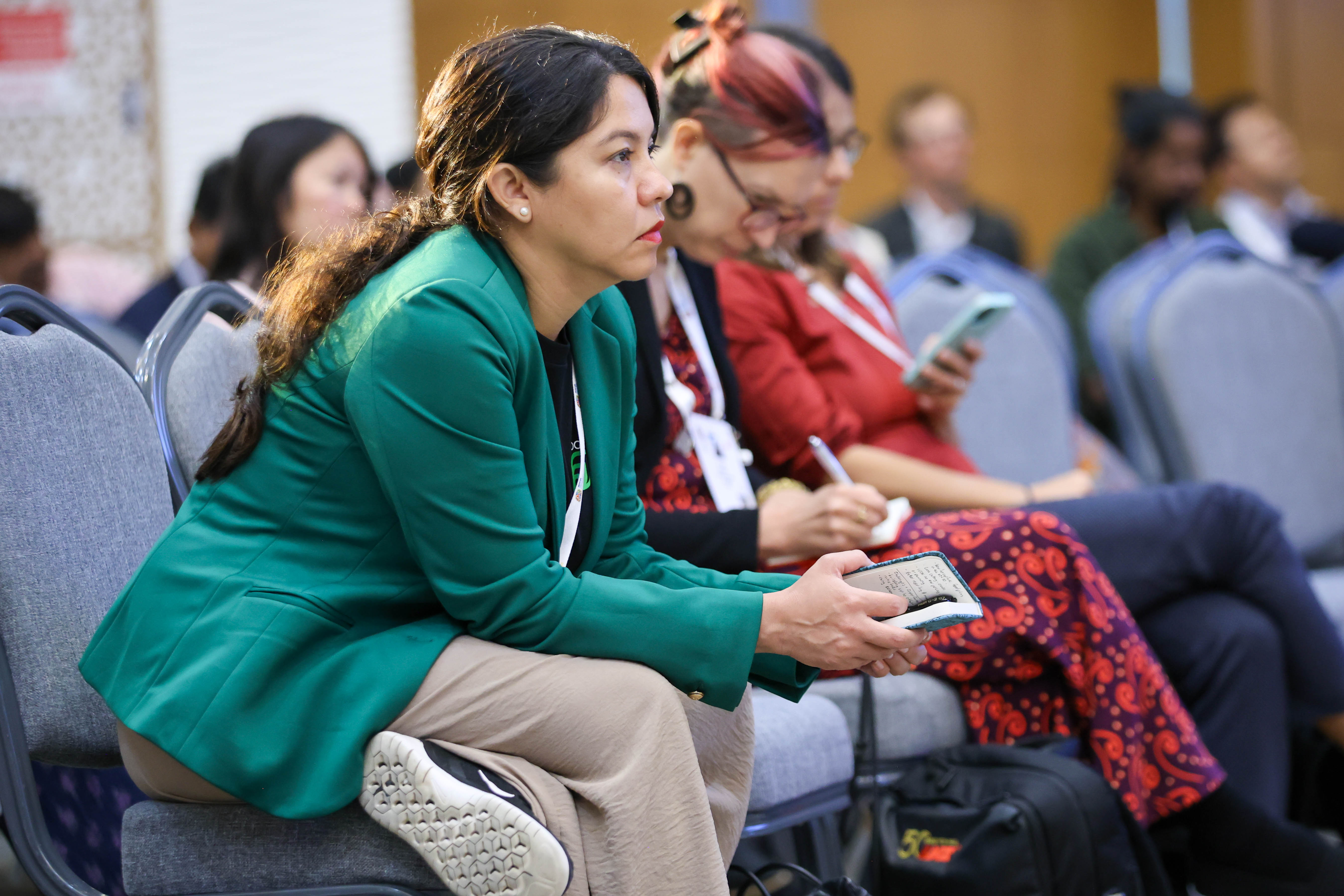
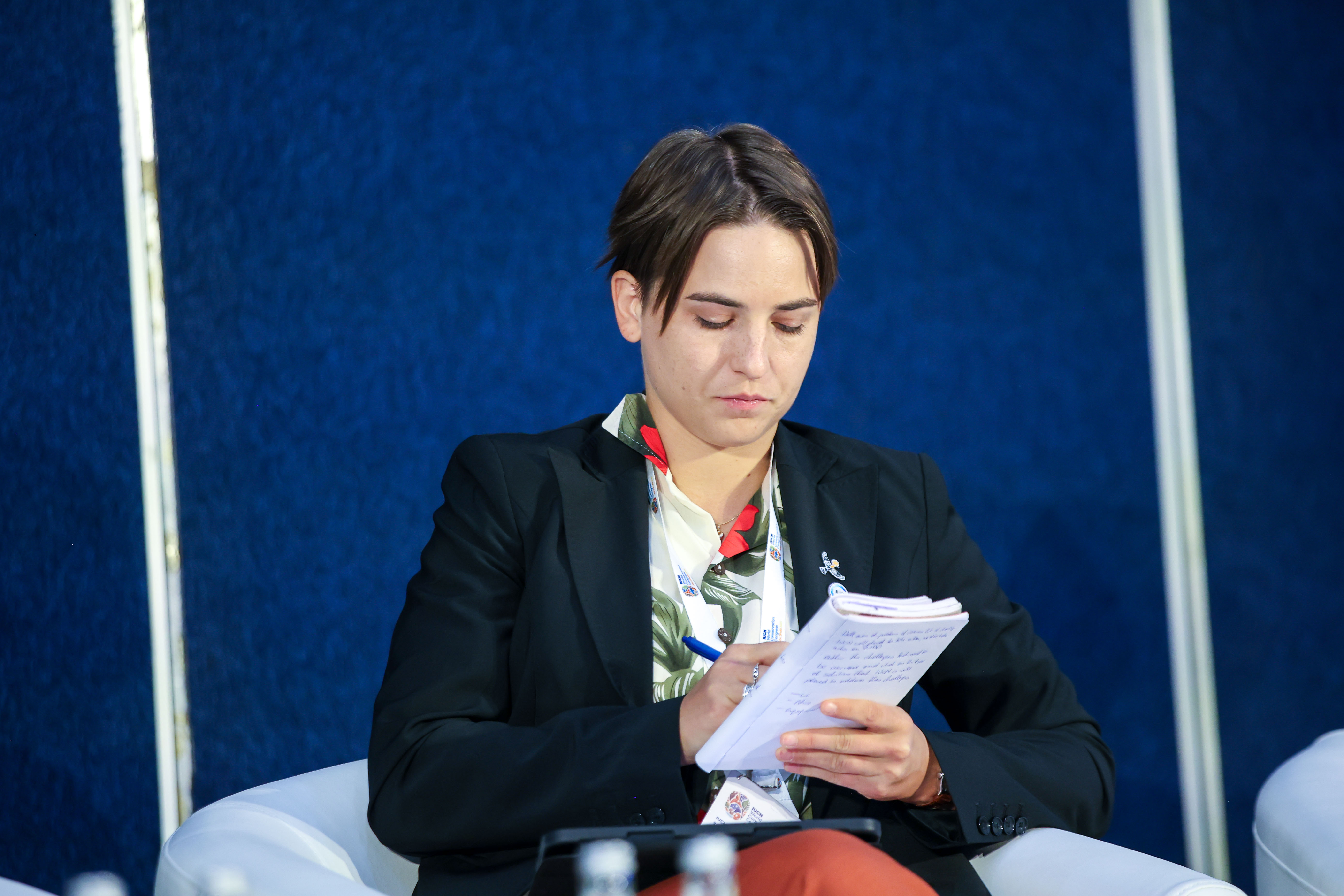
Isabel Wallnoefer, IUCN
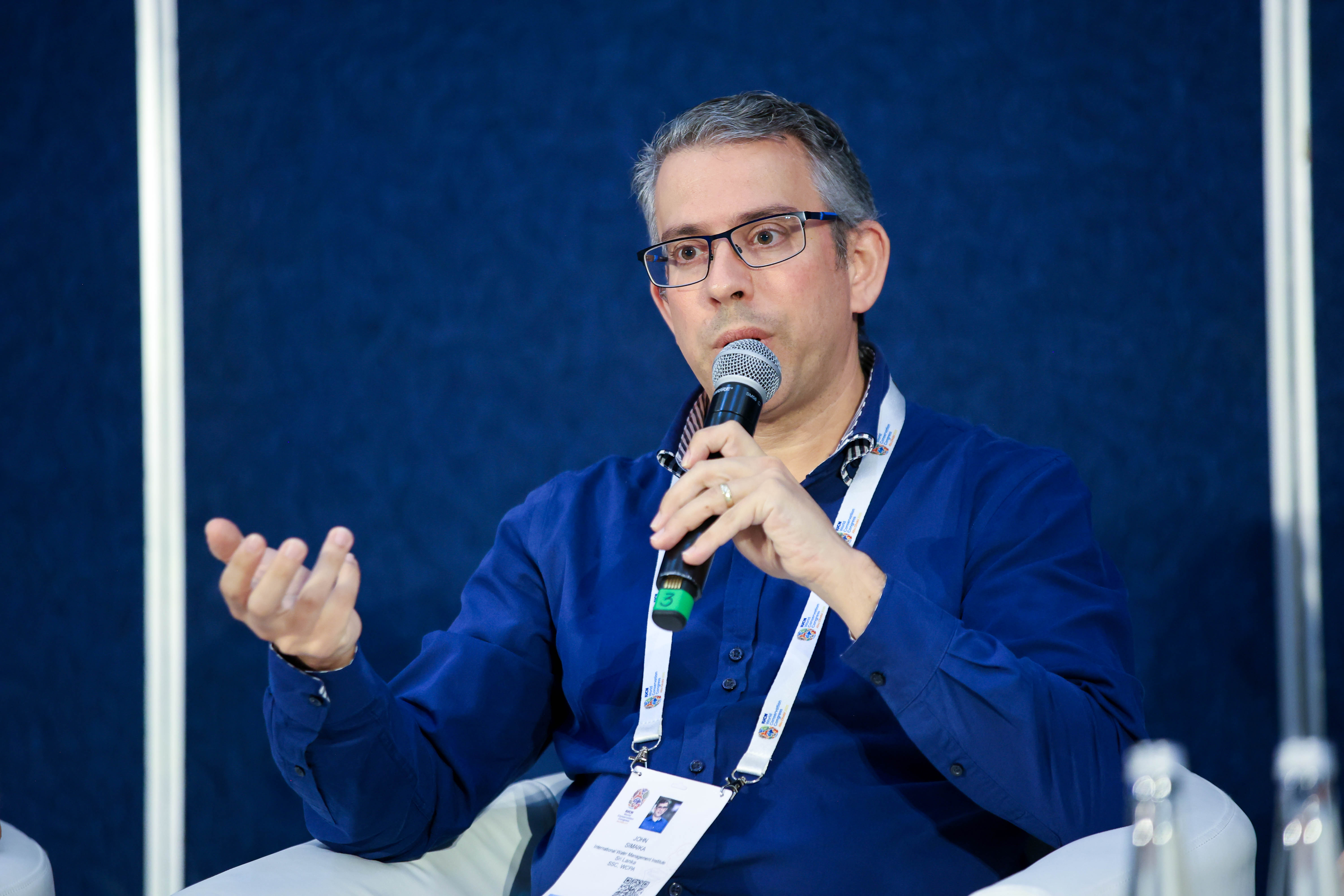
John Simaika, International Water Management Institute (IWMI)
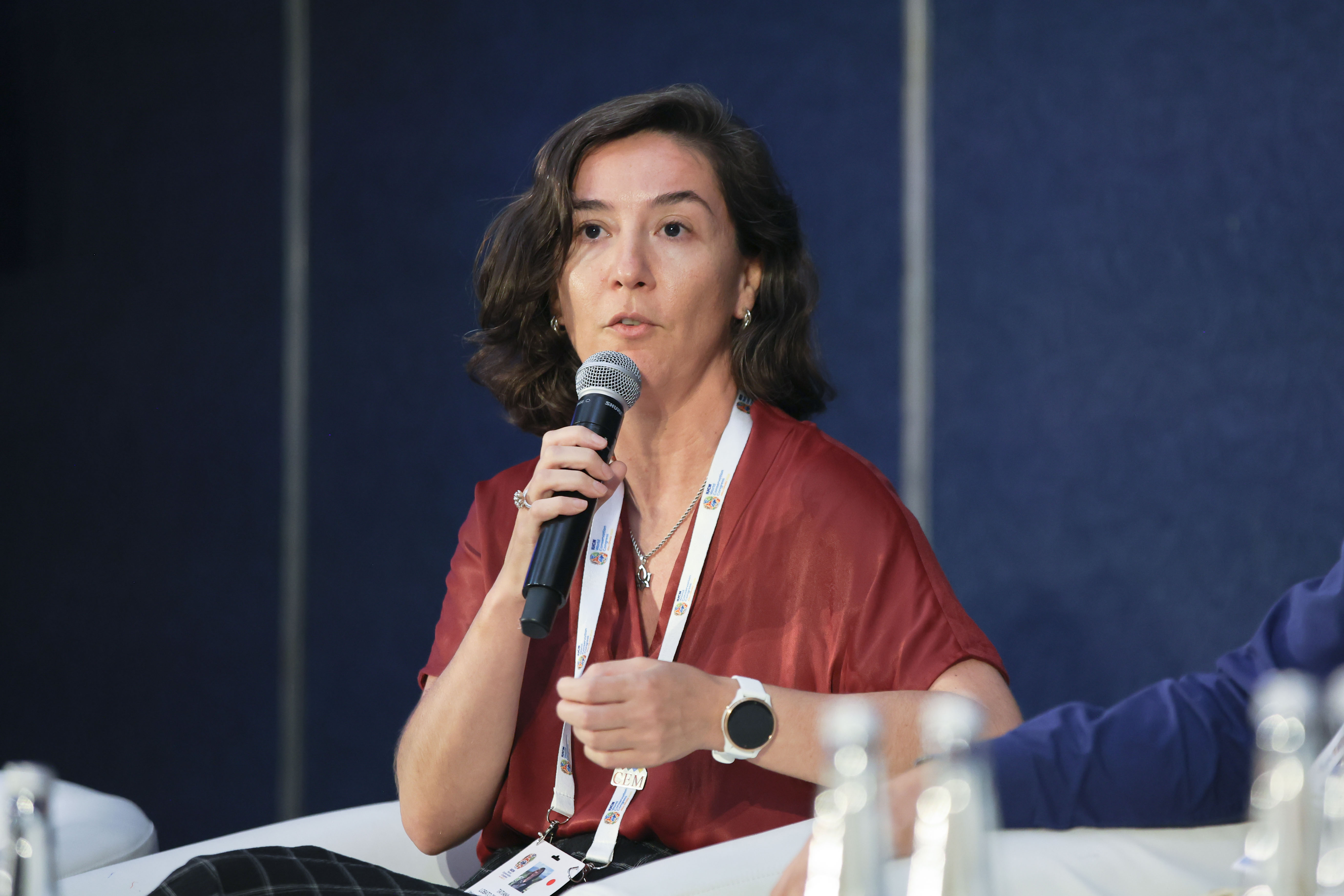
Tatiana Lobato de Magalhães, Autonomous University of Querétaro
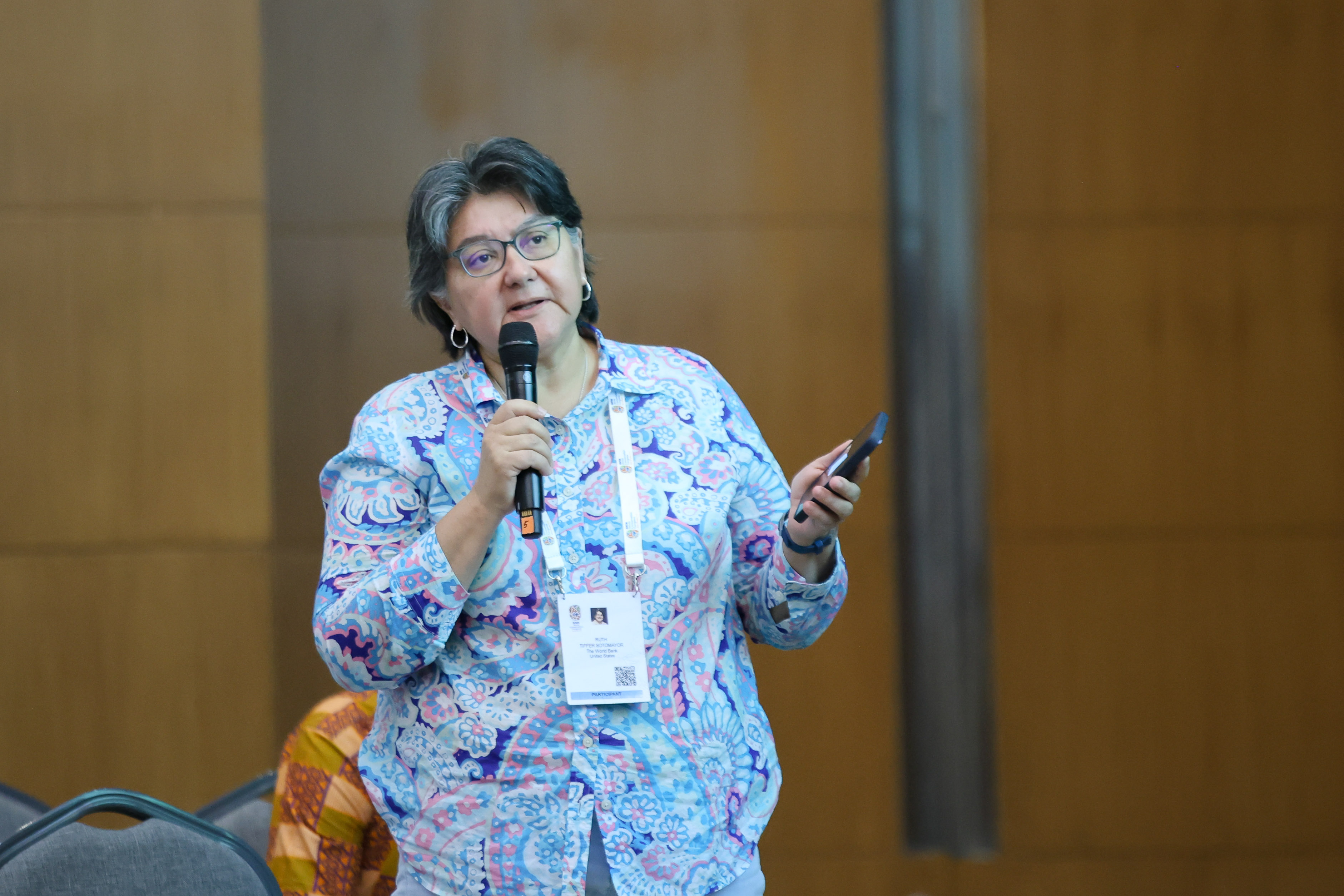
Ruth Tiffer Sotomayor, World Bank

A participant takes a pictures of the panel
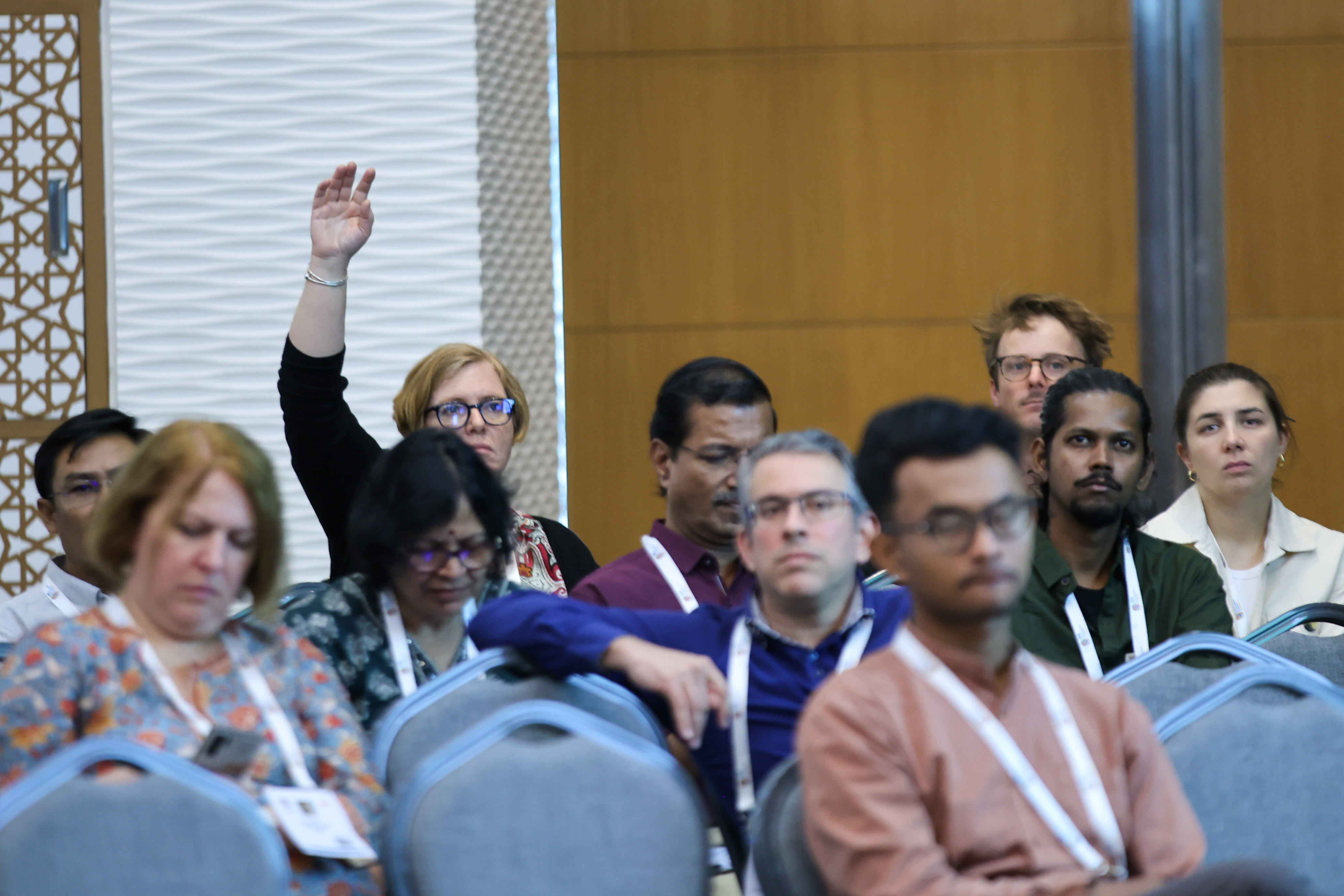
Participants raise their hand to make a comment.
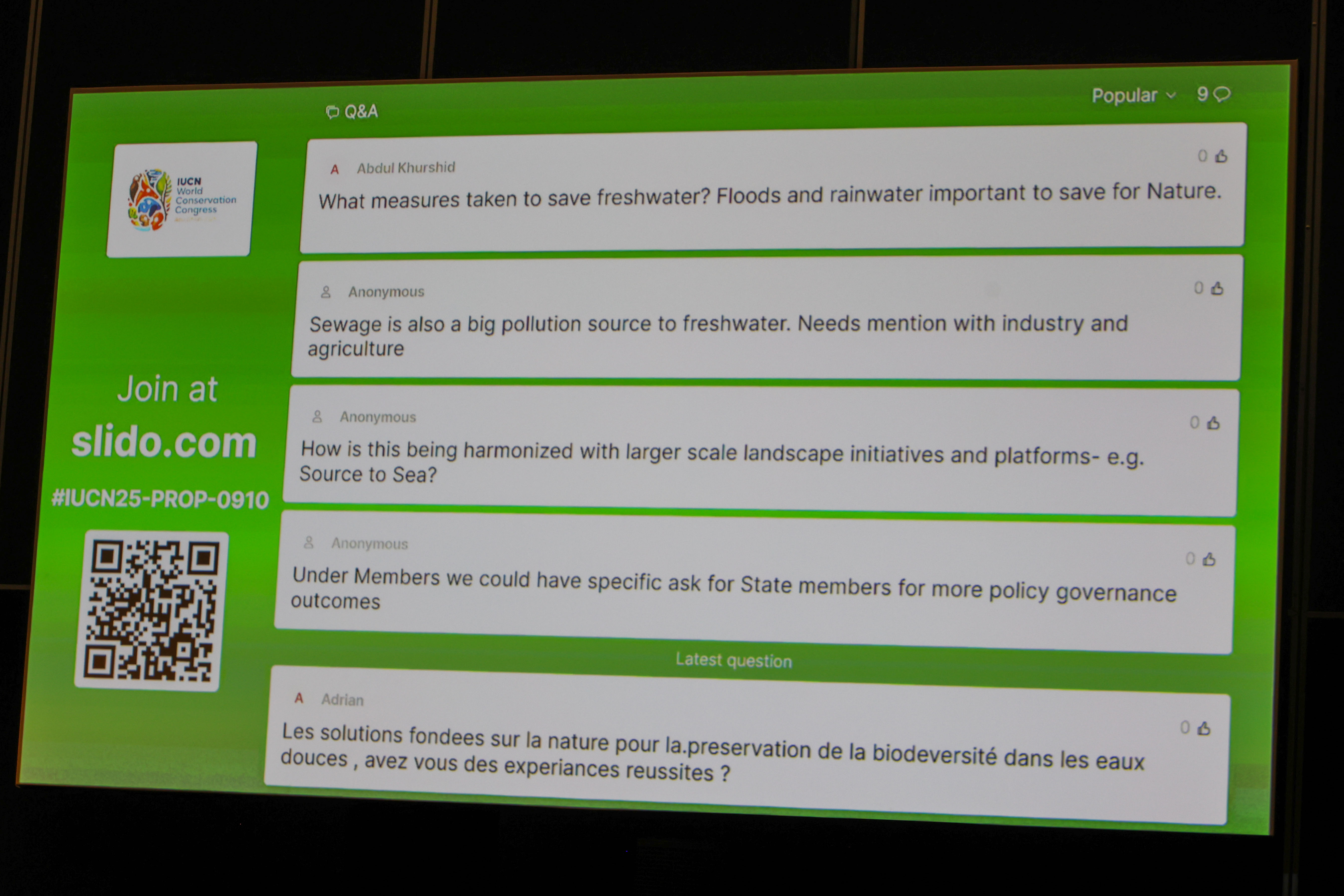
Participants share their questions on Slido
Changemakers Pitch Event
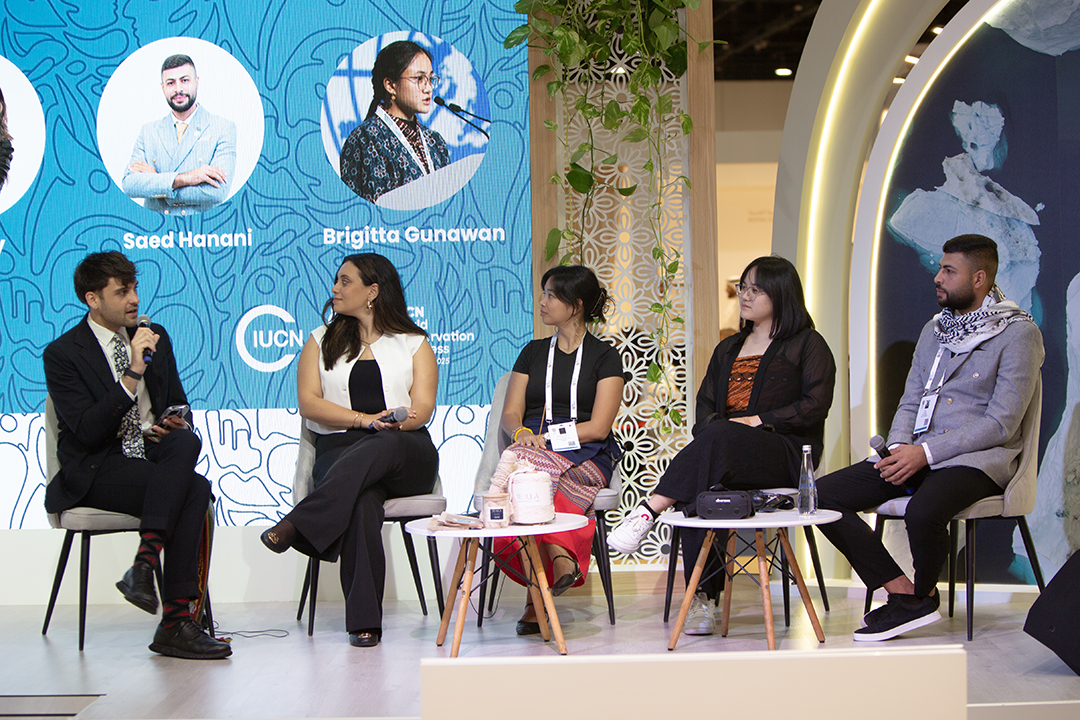
Justin Langan, Executive Director, O’KANATA, moderated the event
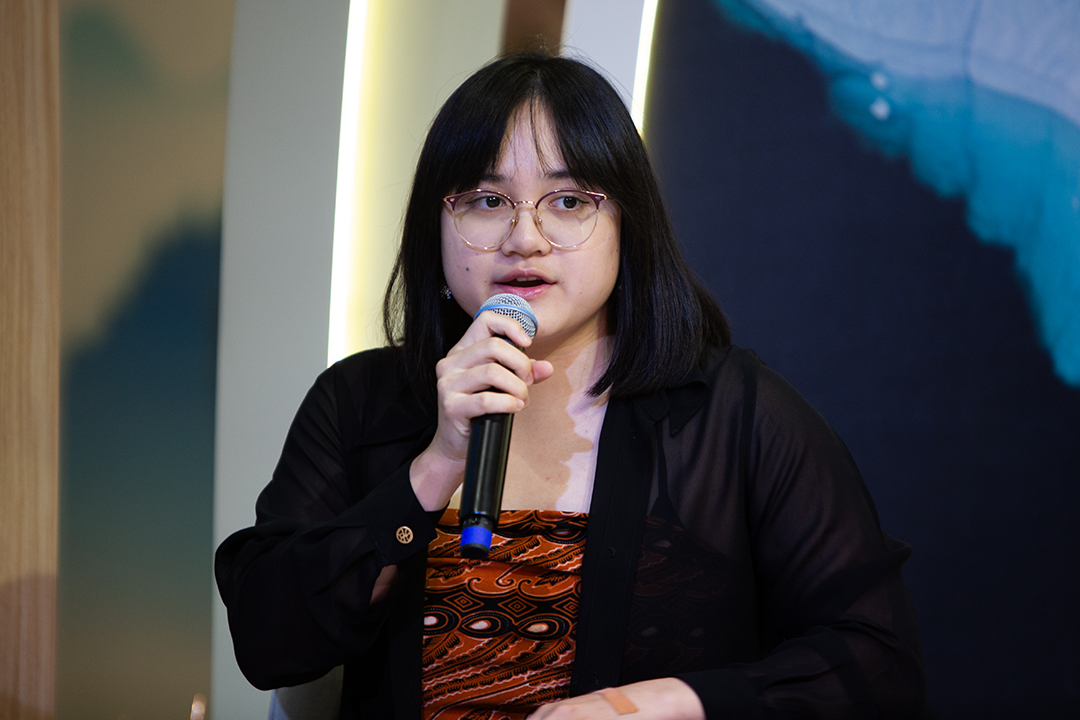
Brigitta Gunawan, Founder, Diverseas
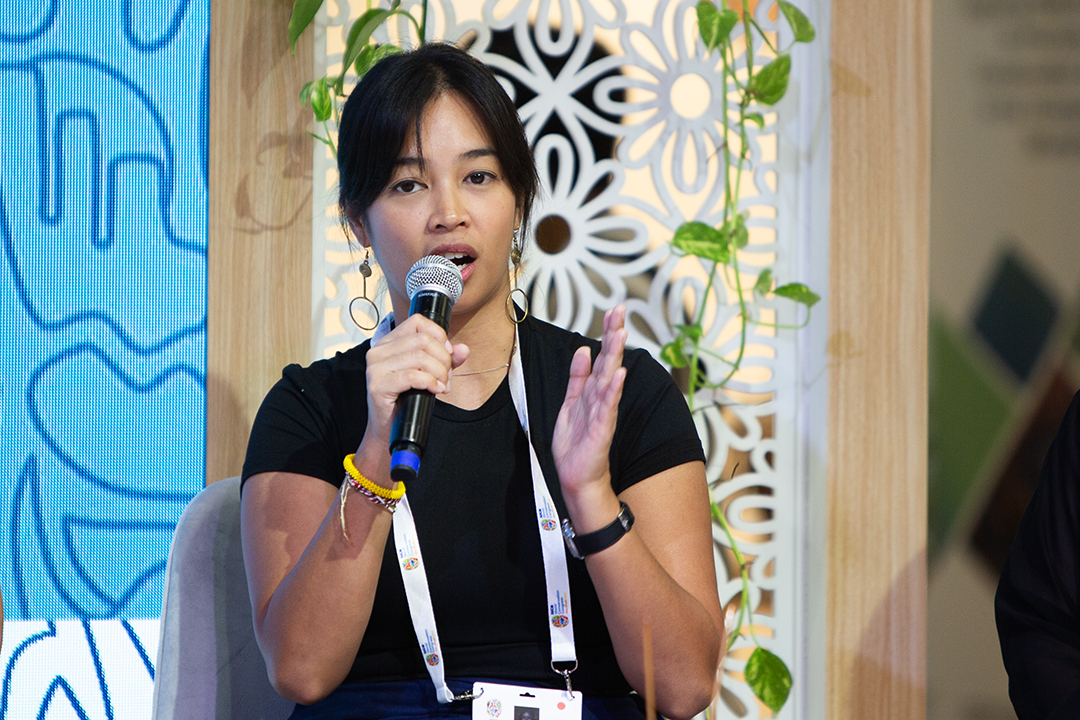
Camille Rivera, Founder, Oceanus Conservation
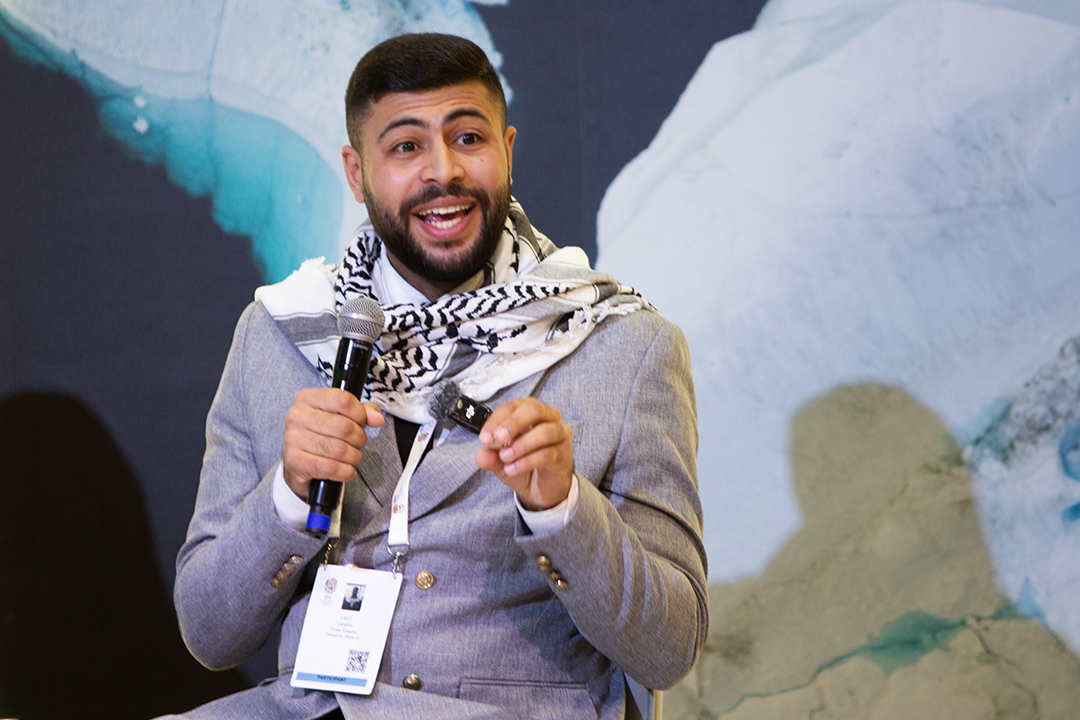
Saed Hanani, Founder and CEO, Foras Khadra
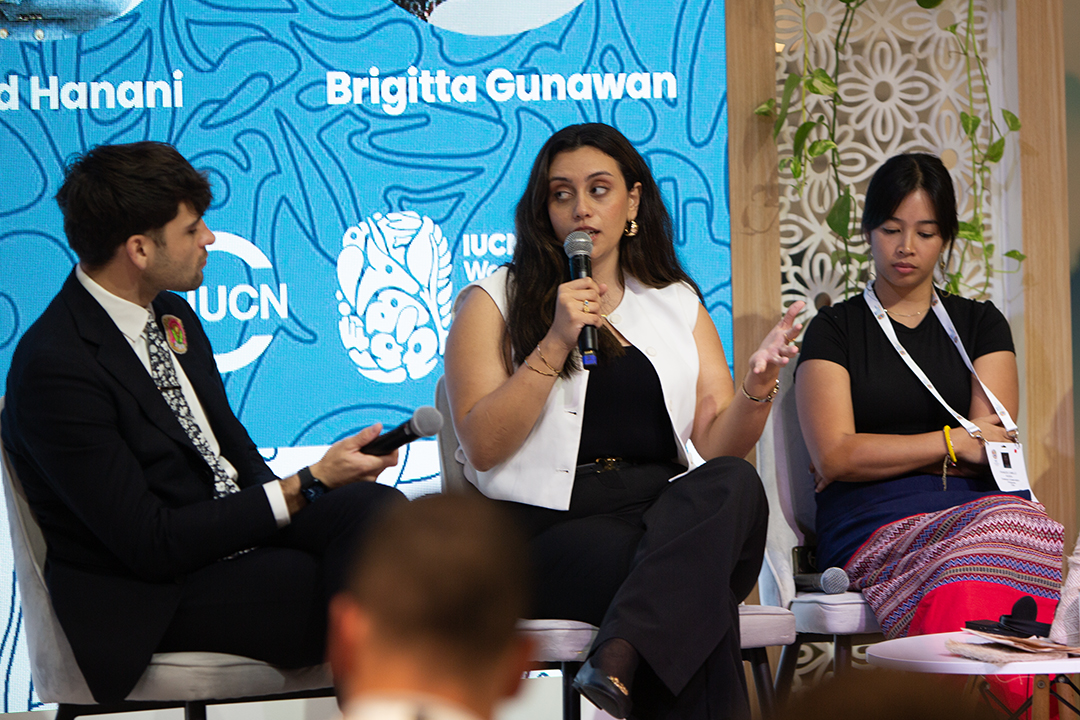
Yara Yousry, Co-Founder, Texula

The Global Biodiversity Framework Fund: Early Successes and Perspectives
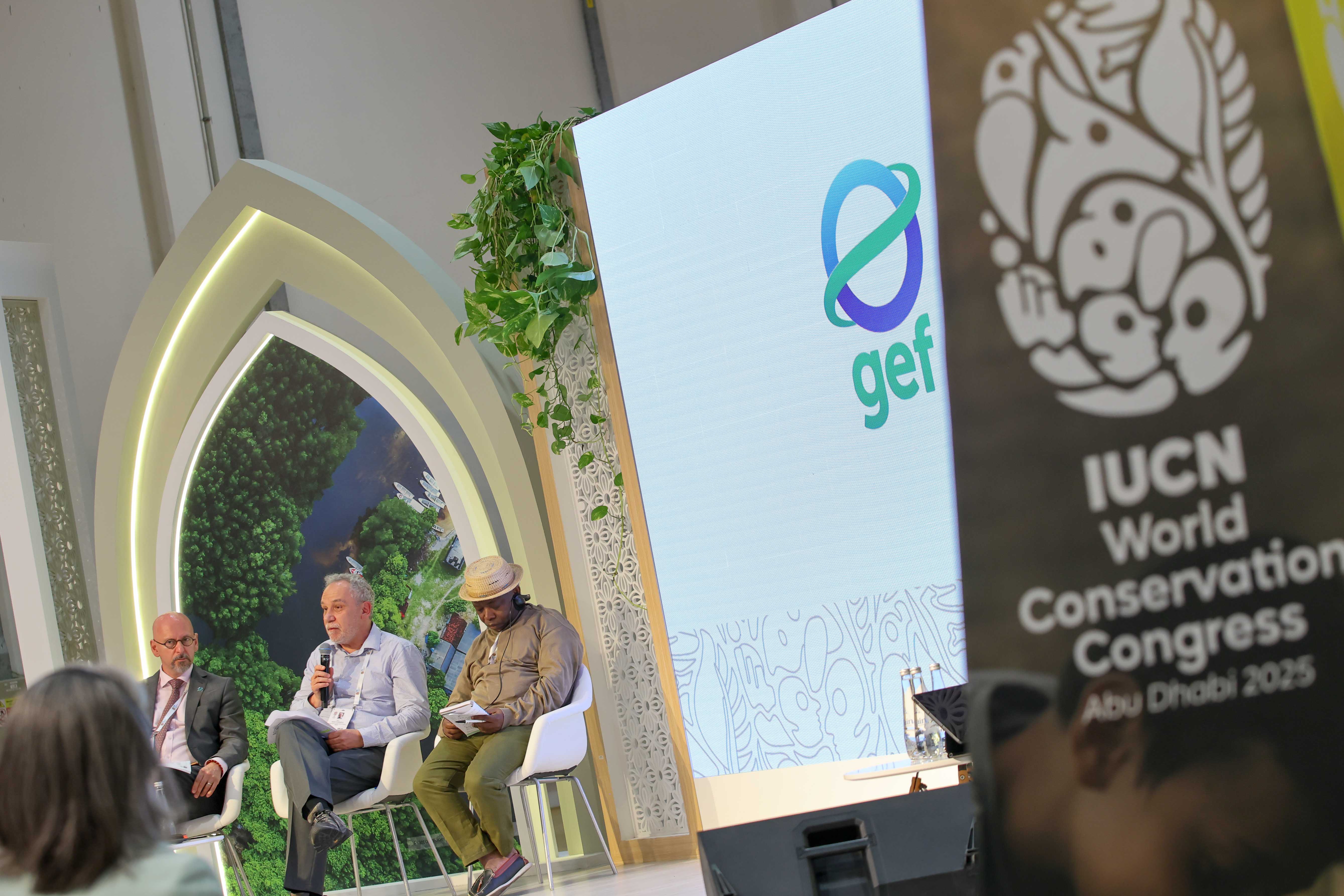
David Ainsworth, GEF; Raúl Jiménez Rosenberg, Executive Secretary, Secretariat of Environment and Natural Resources, Mexico; and Joseph Itongwa Mukumo, Alliance Nationale d'Appui et de Promotion des Aires et Territoires du Patrimoine Autochtone et Communautaire (ANAPAC)
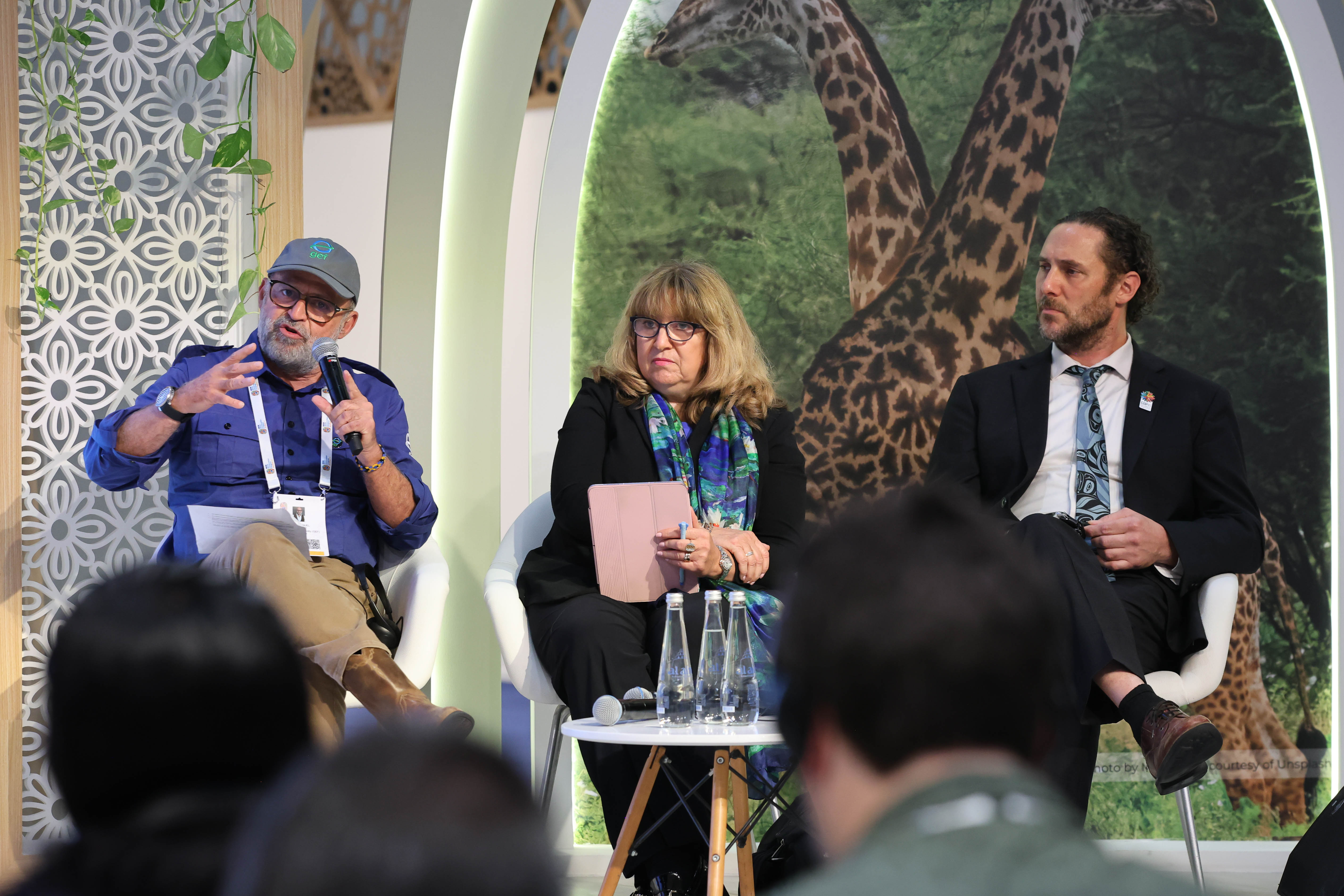
Carlos Manuel Rodríguez, Chair and CEO, GEF; Astrid Schomaker, Executive Secretary, CBD; and Jacob Martin-Malus, Assistant Deputy Minister, Biodiversity, Wildlife and Parks, Government of Québe
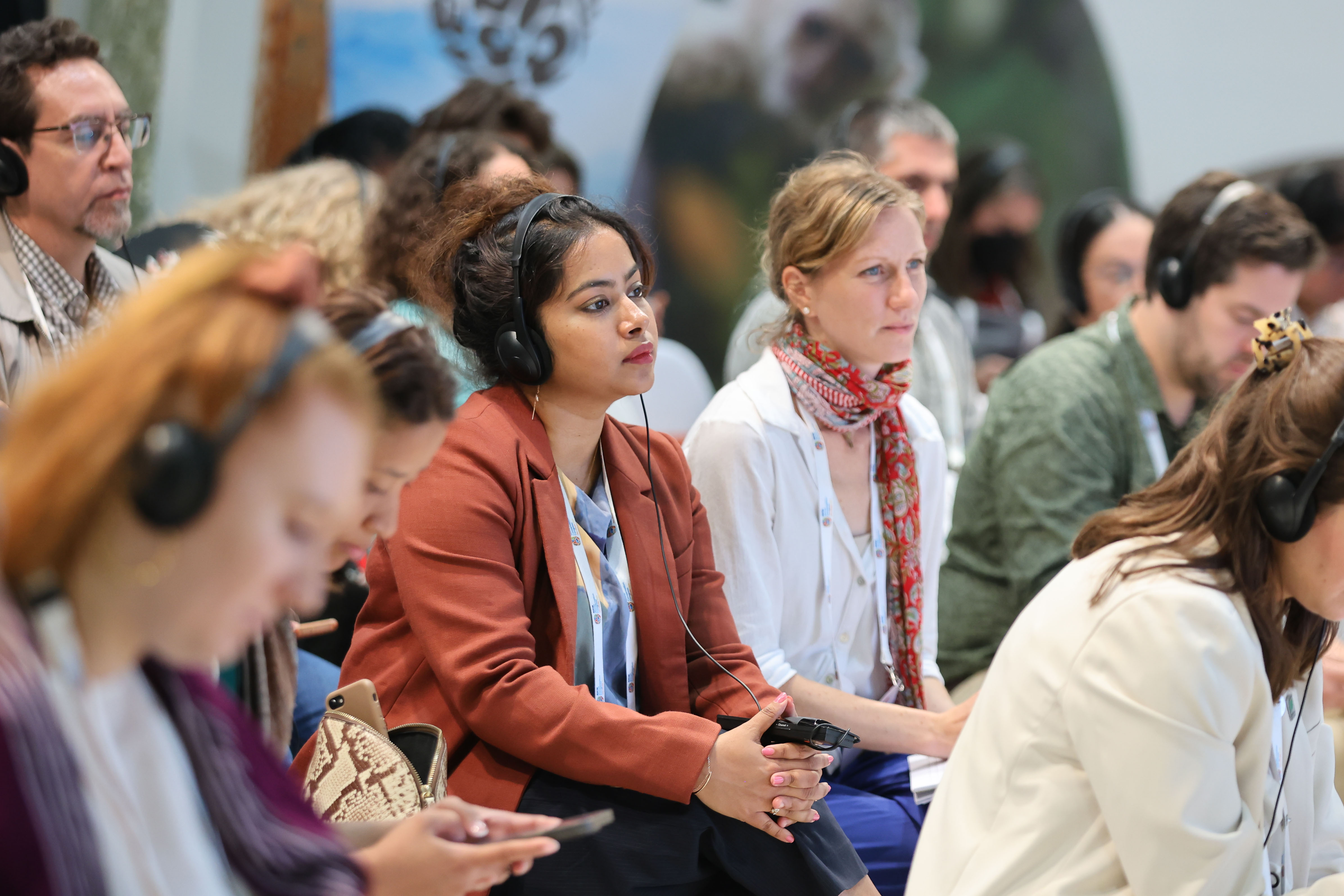
Forum Closing Session
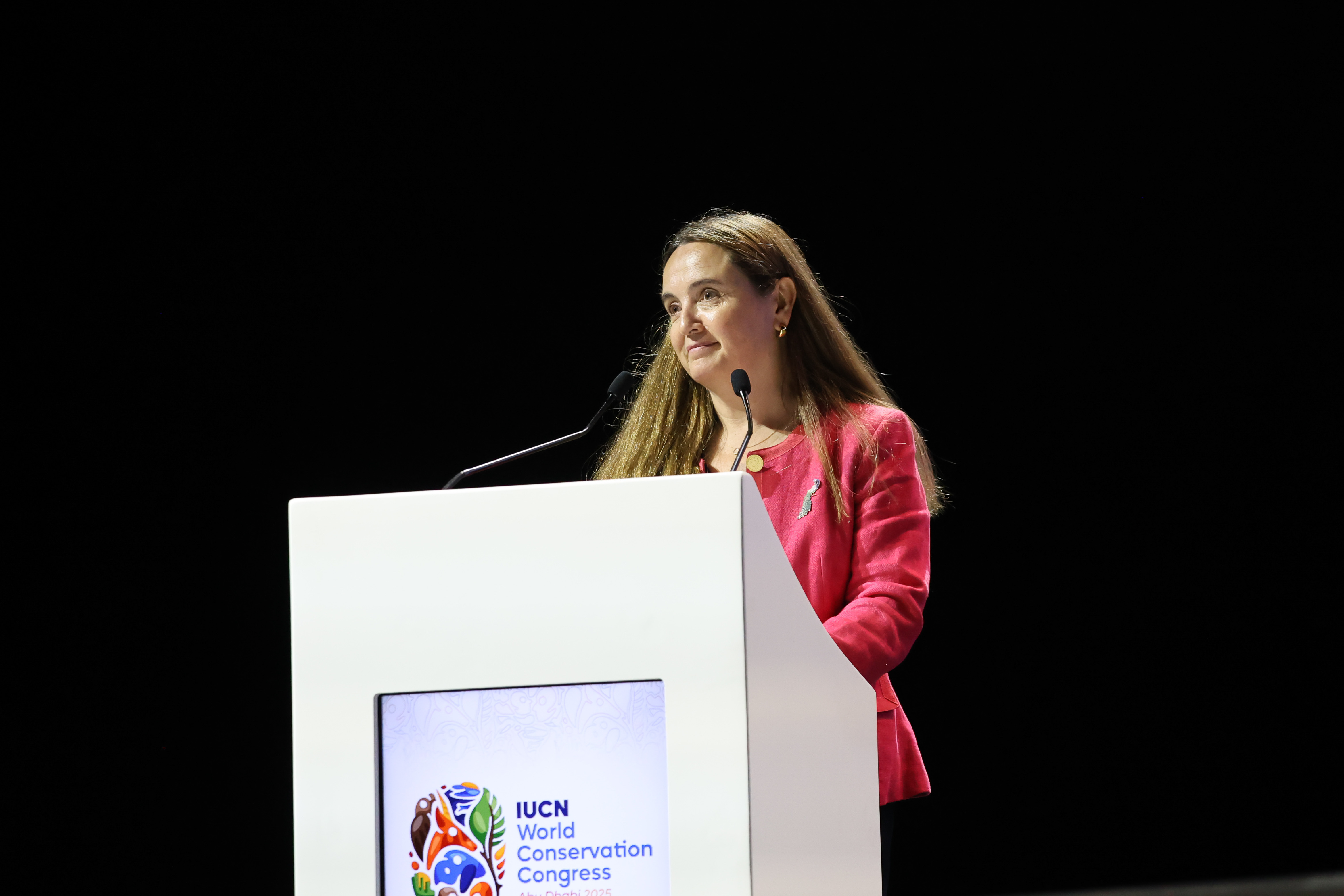
Grethel Aguilar, Director General, IUCN
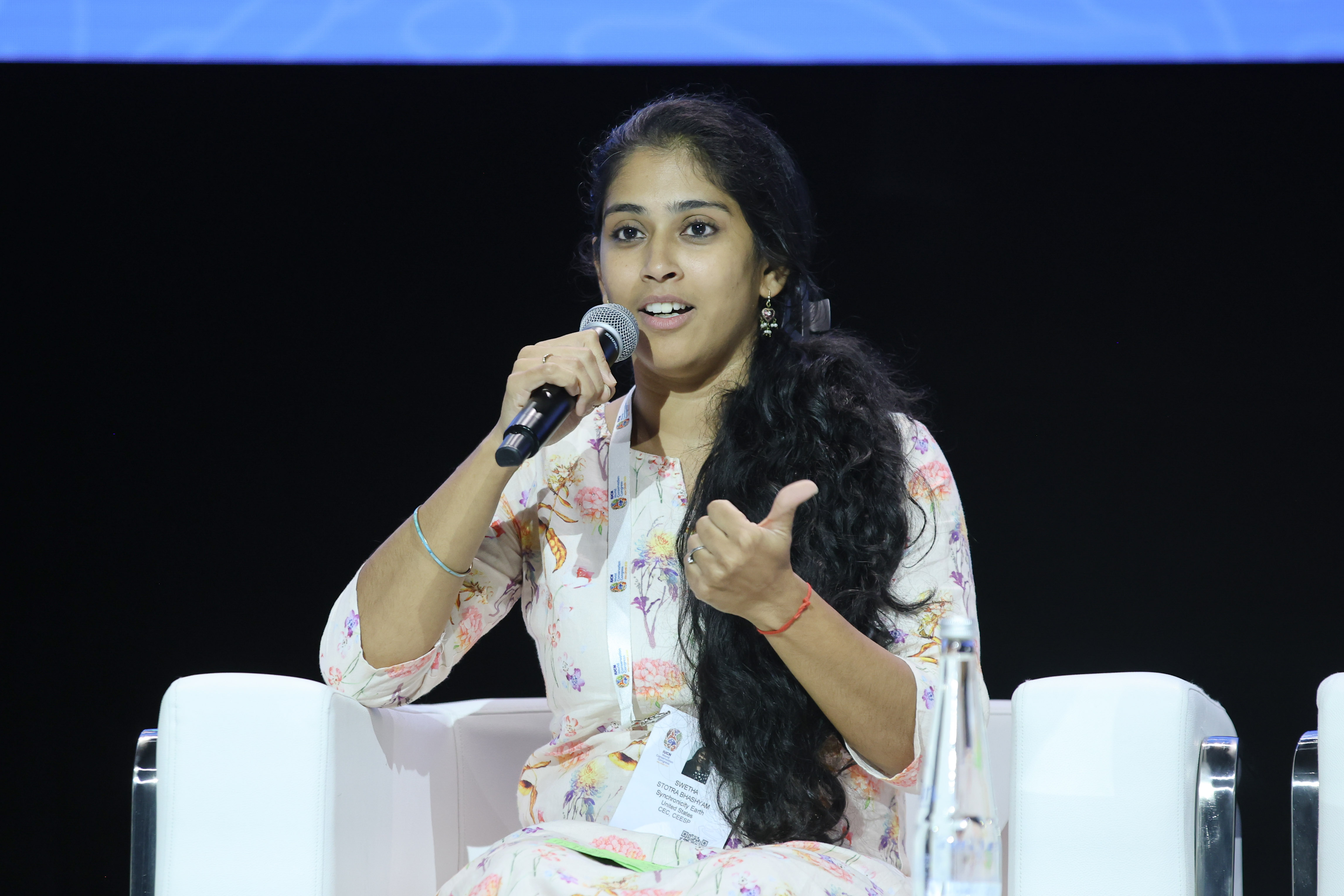
Swetha Stotra Bhashyam, Global Youth Biodiversity Network
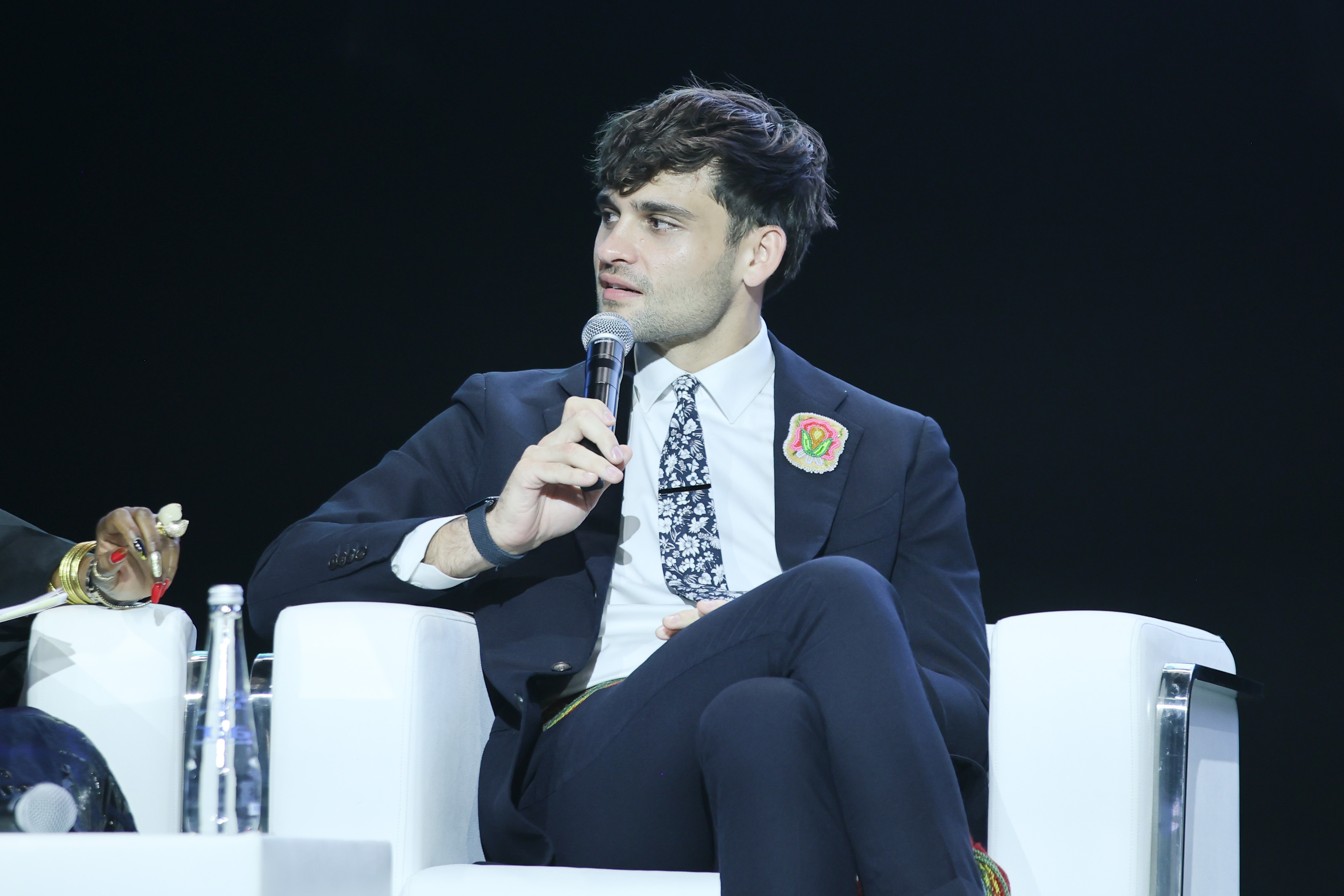
Justin Langan, Executive Director of O’KANATA
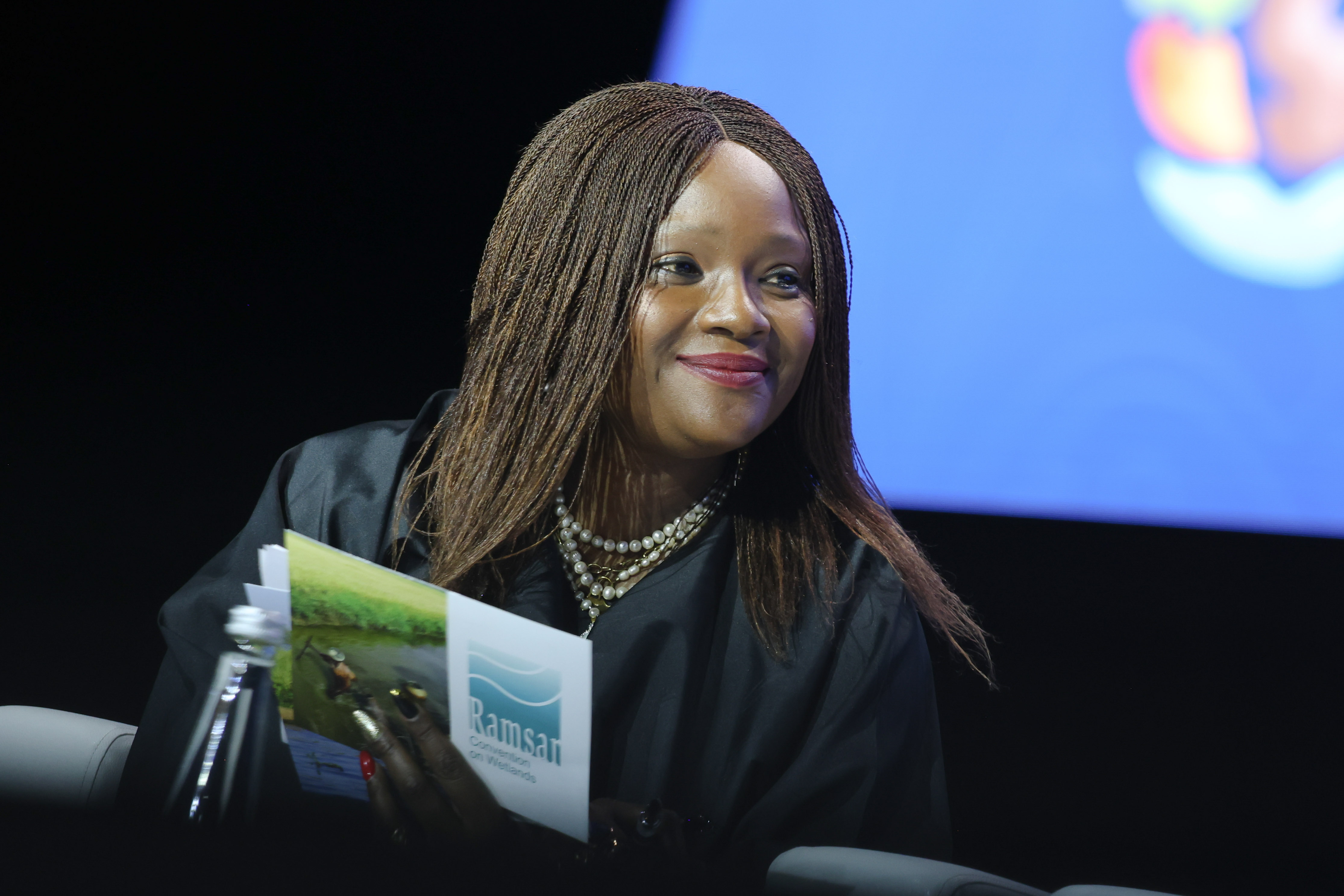
Musonda Mumba, Secretary General, Convention on Wetlands
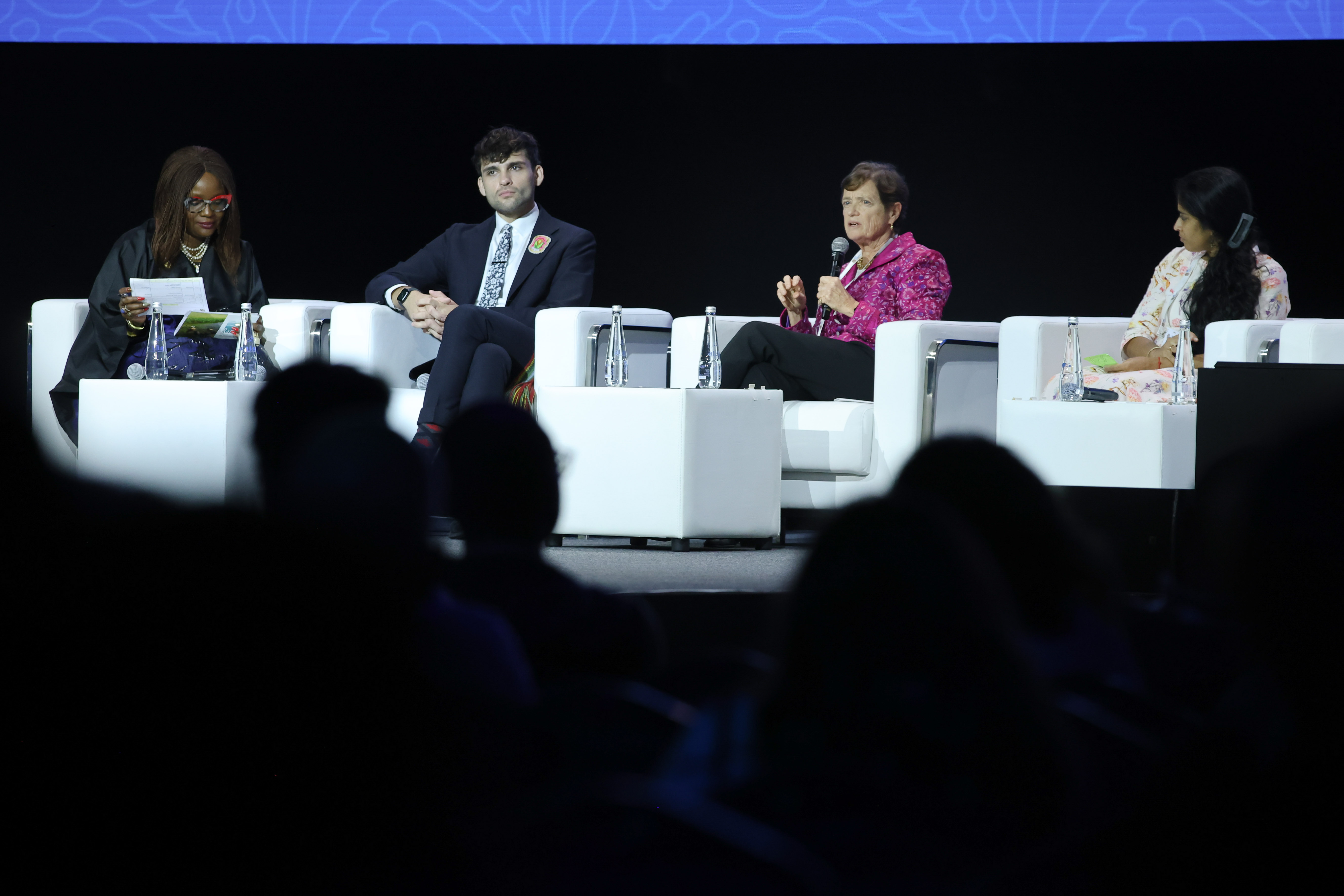
A view of the panel
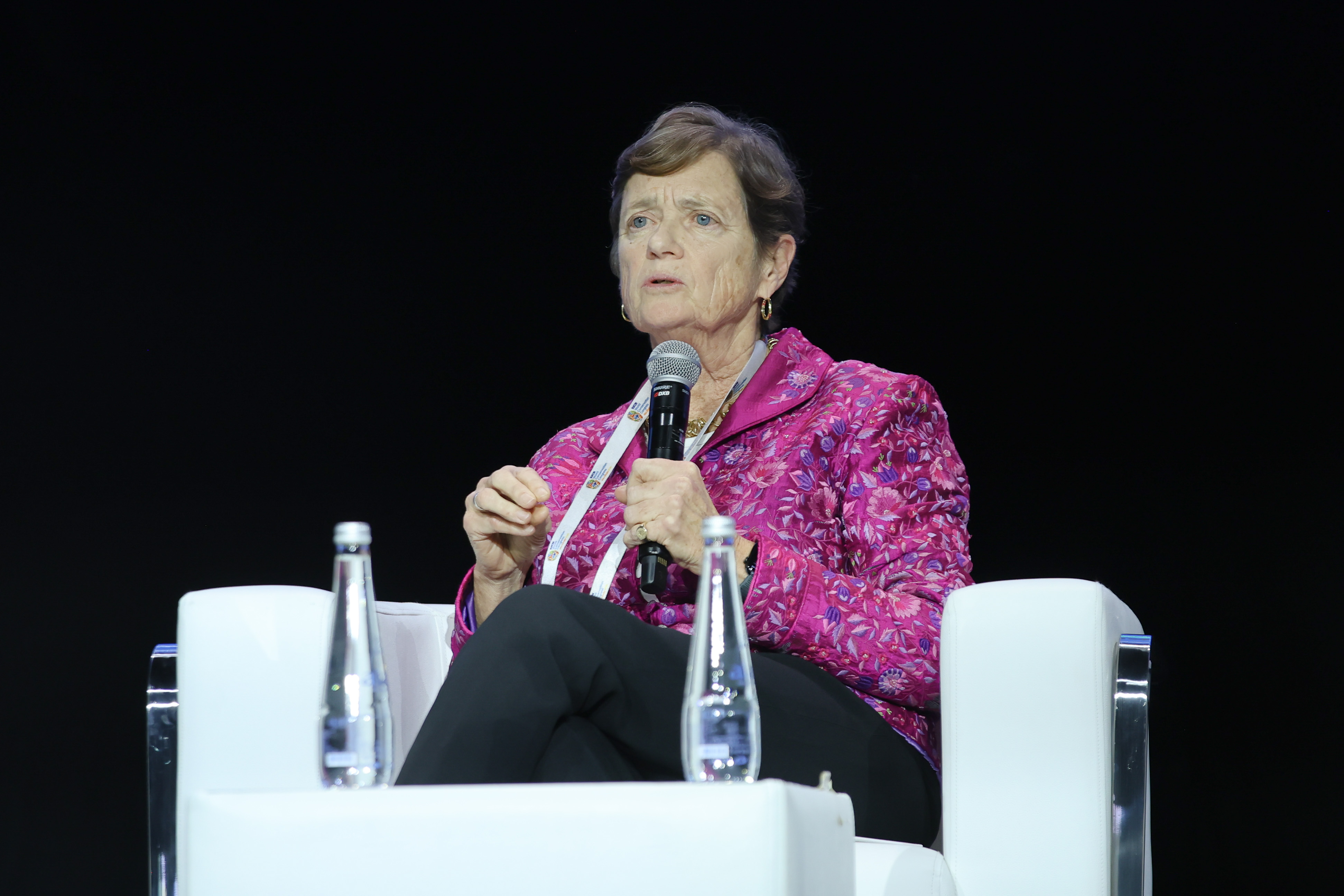
Dame Amelia Fawcett, Co-Chair, International Advisory Panel on Biodiversity Credits
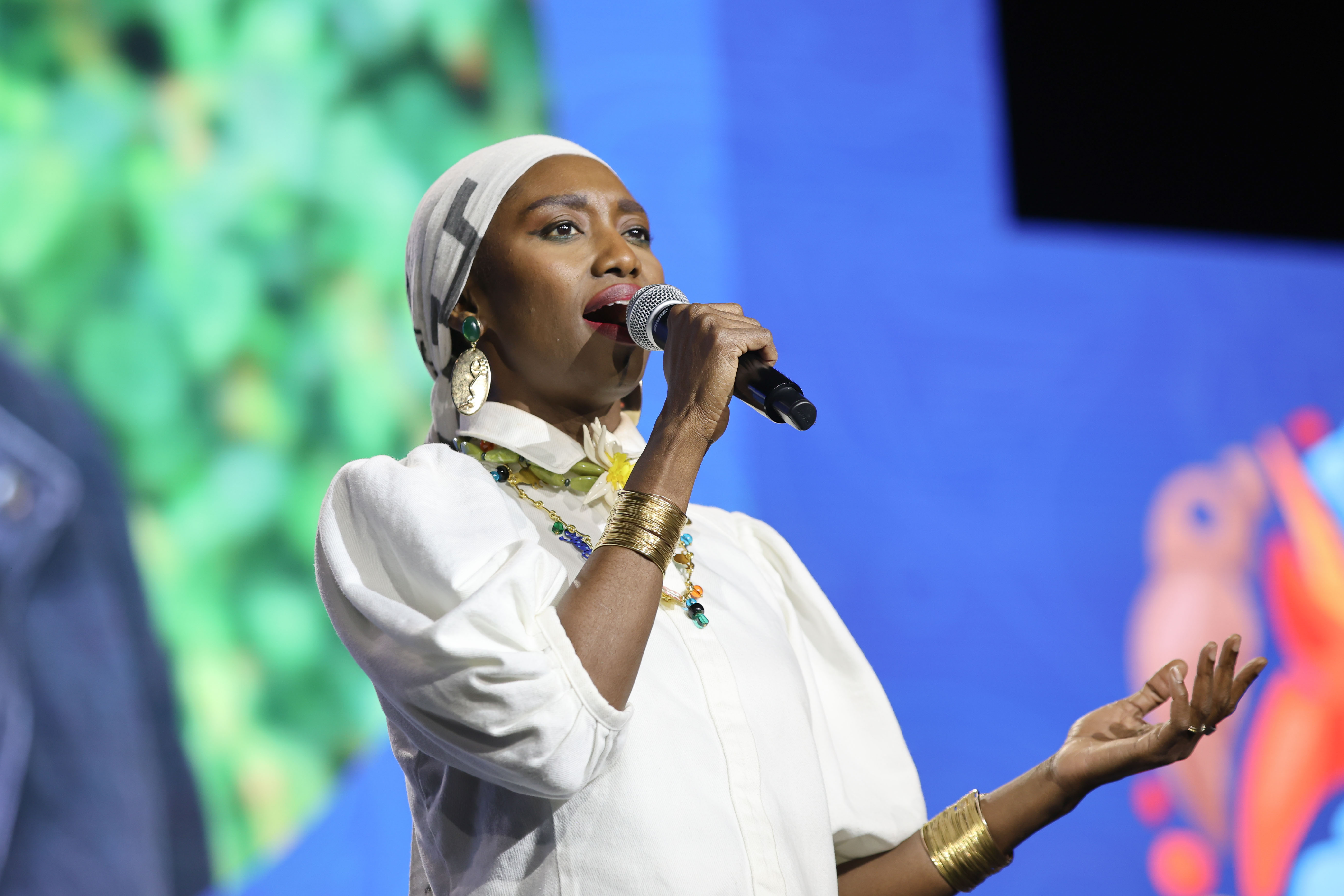
Inna Modga, Goodwill Ambassador, UNCCD
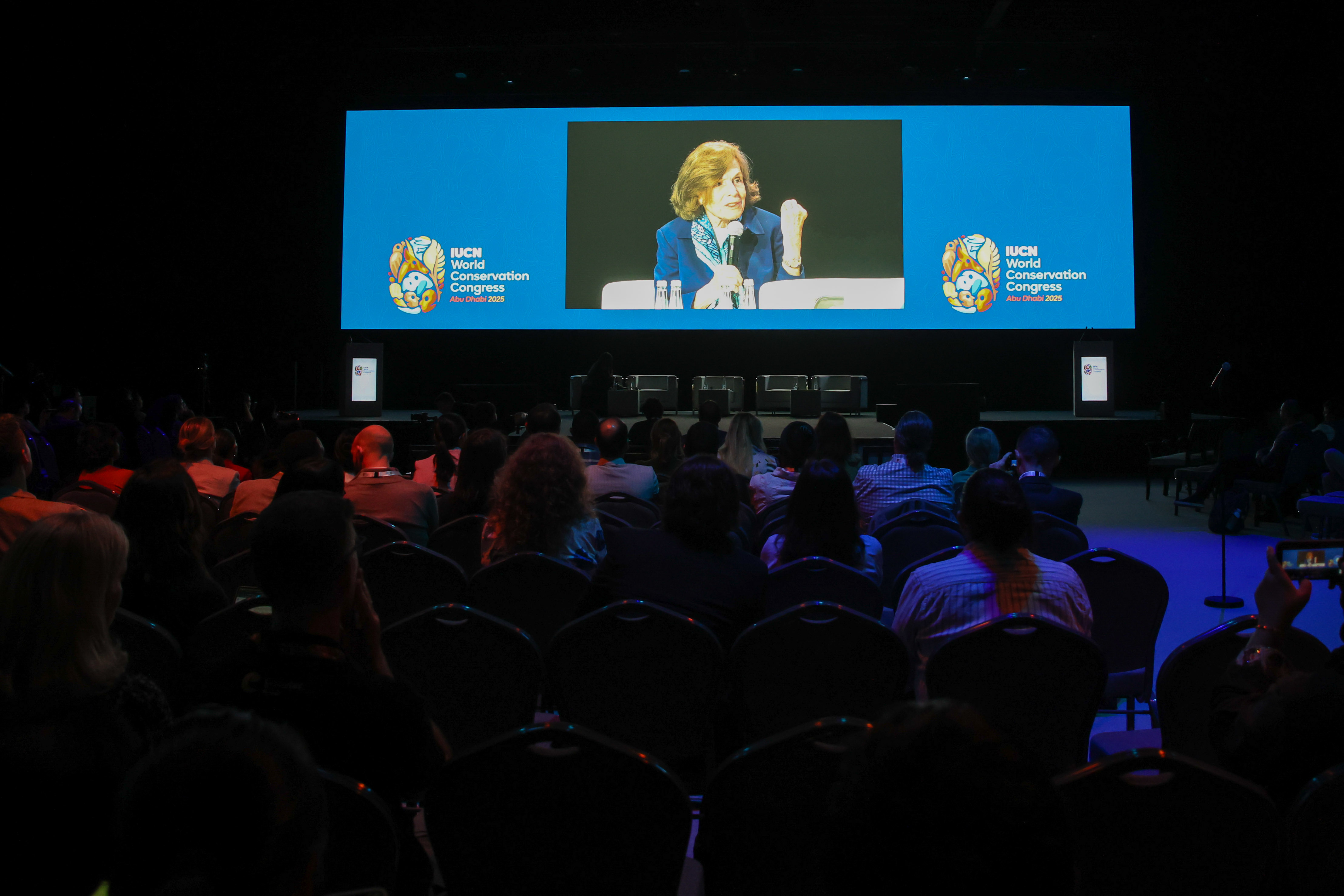
Participants watch a wrap-up video of the Forum events.
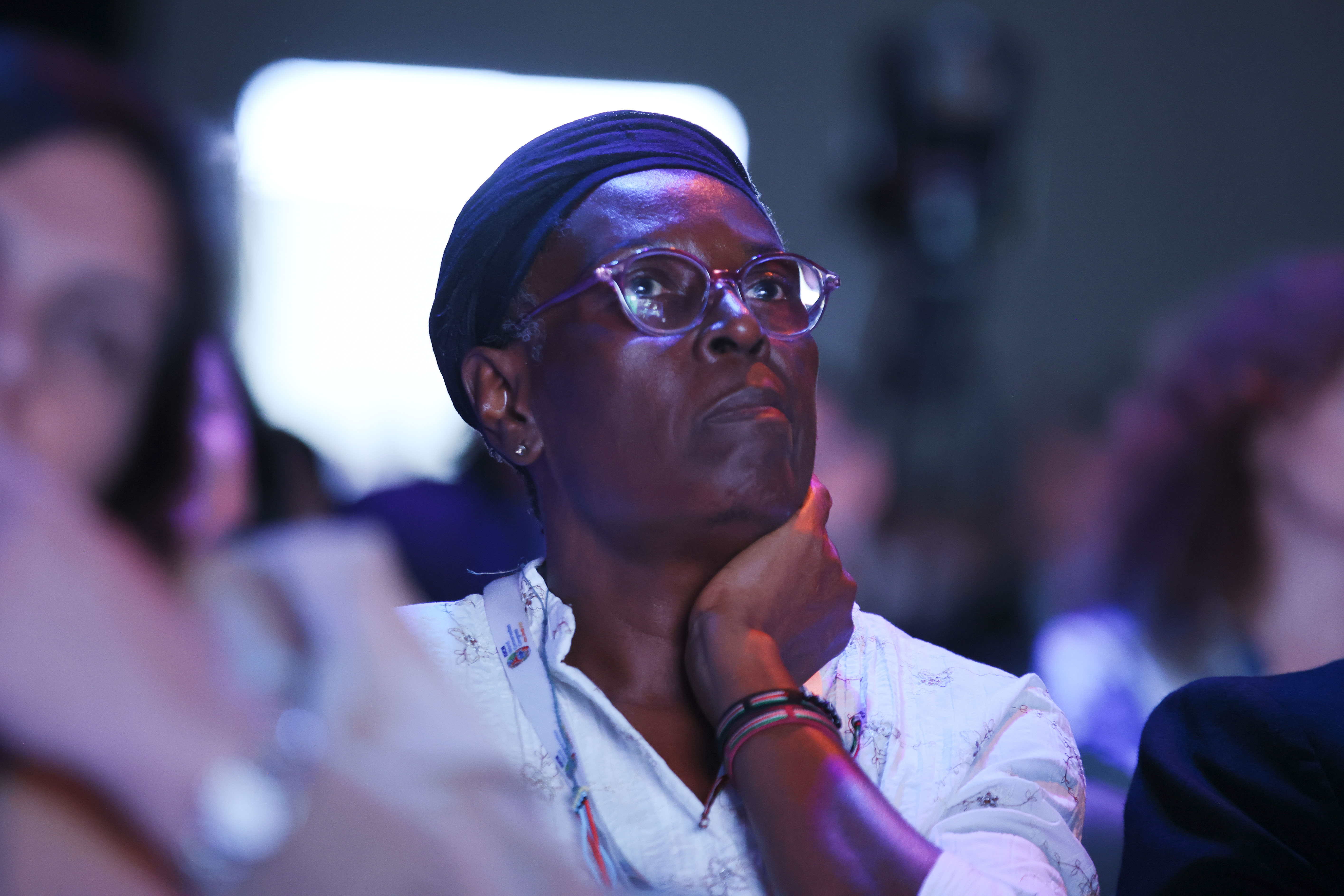
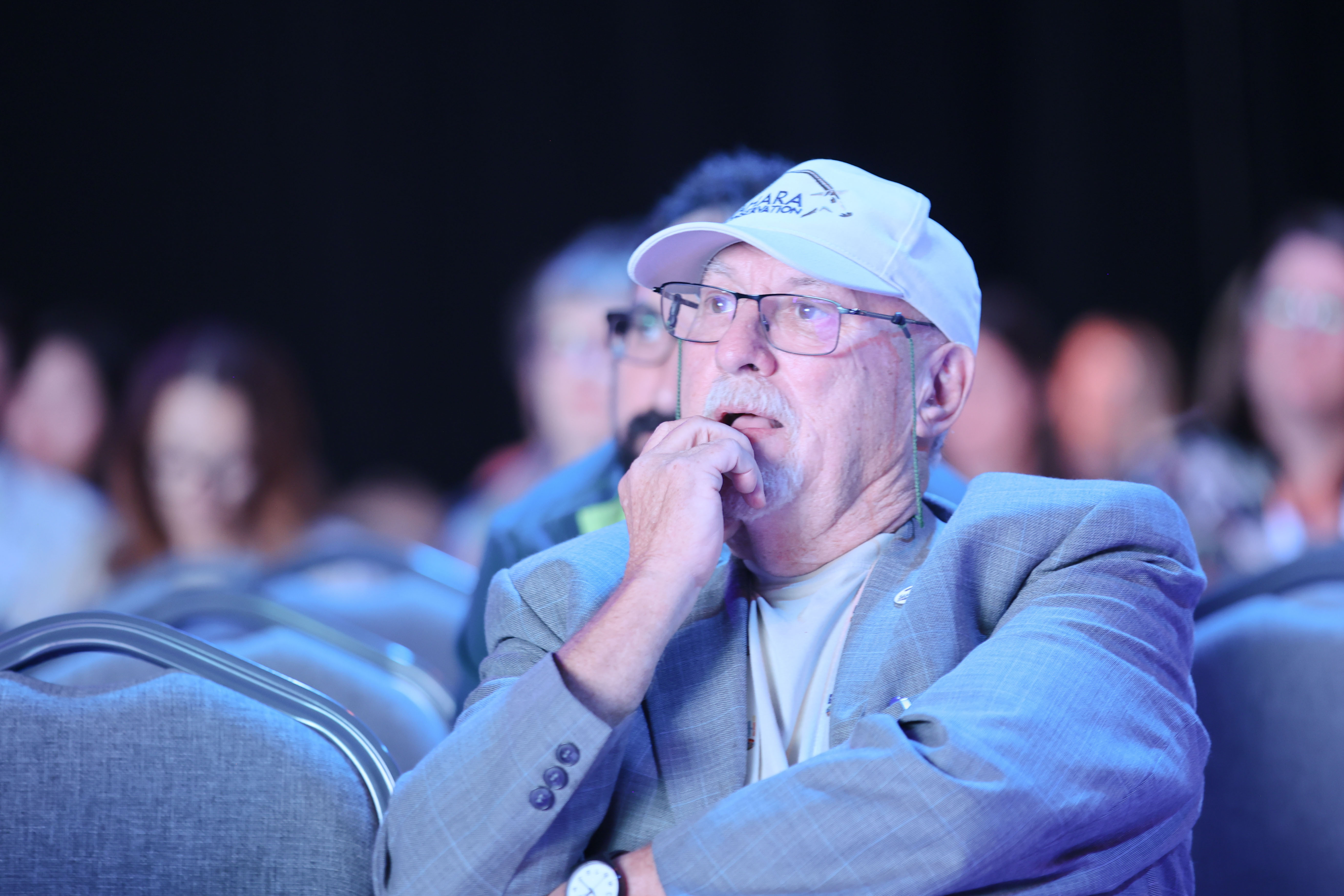
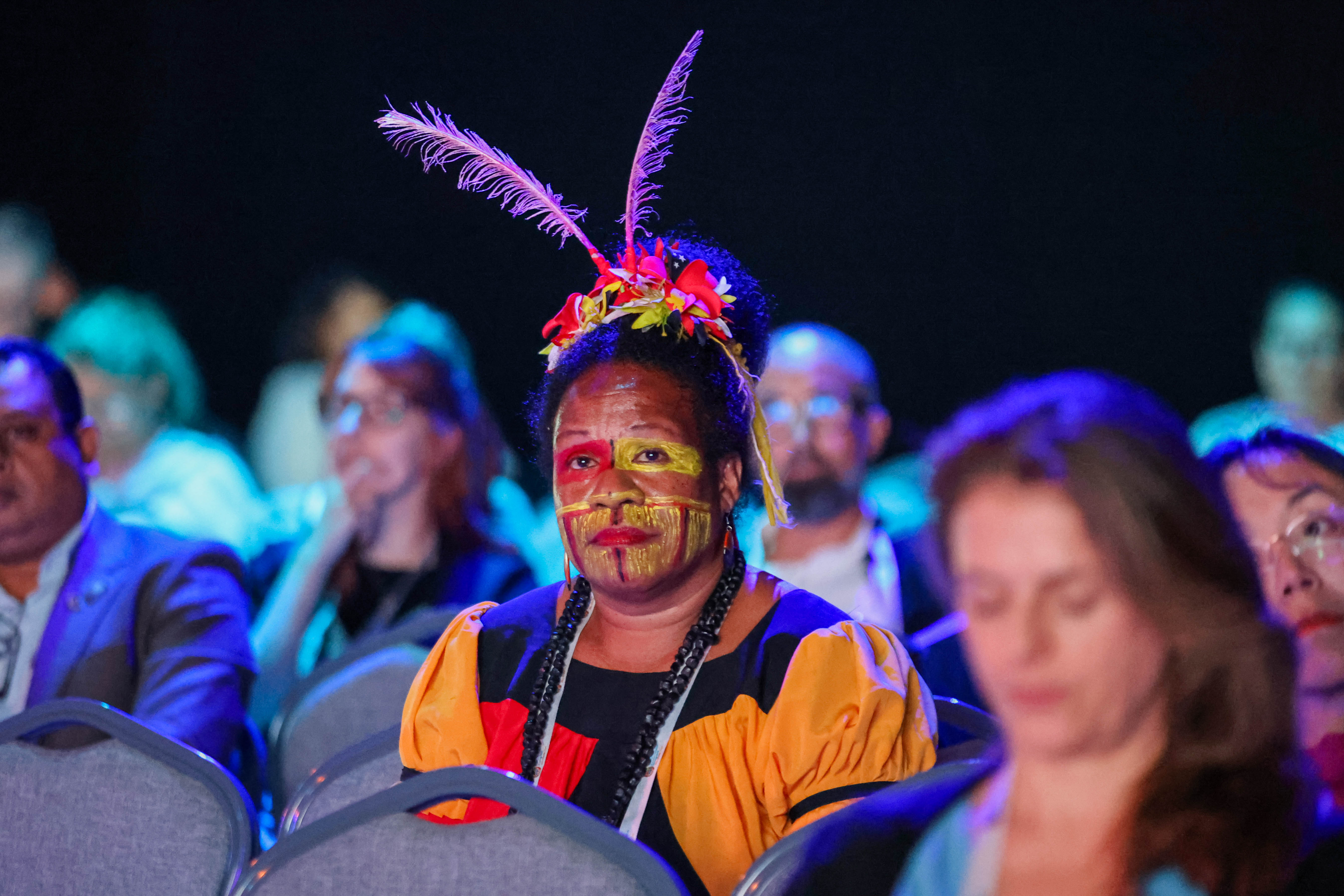
Around the Venue