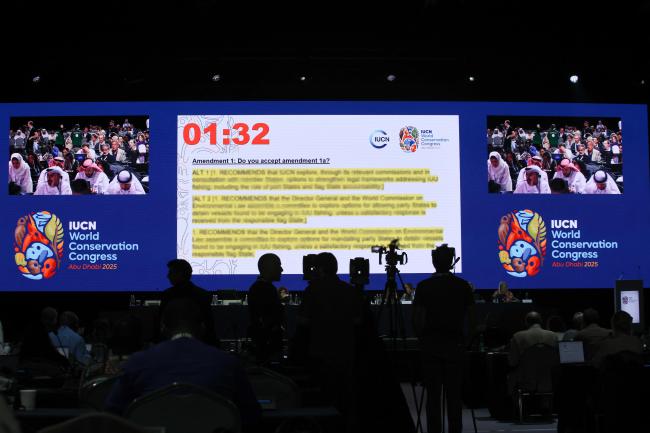
Motions are the primary mechanism for International Union for Conservation of Nature’s (IUCN) Members to propose policies and to set priorities. Once adopted by the Members’ Assembly, motions become resolutions and recommendations. The deliberations and voting on motions are parts of a process that ensures Members collectively guide conservation strategies and respond to emerging global conservation issues.
The final day of the IUCN World Conservation Congress 2025 saw Members conclude deliberations and approve a range of outstanding motions, relating to IUCN governance and other substantive topics. In total Members adopted close to 150 motions.
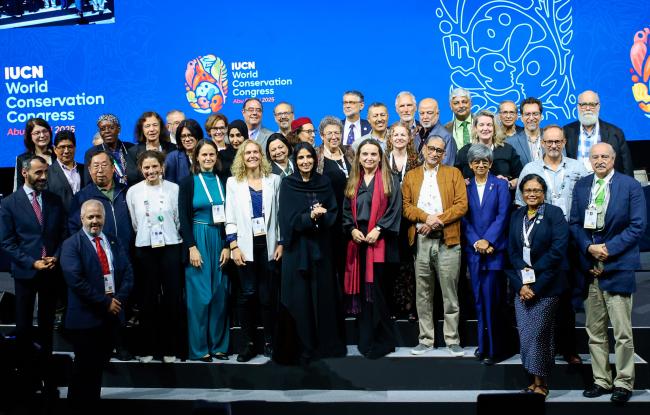
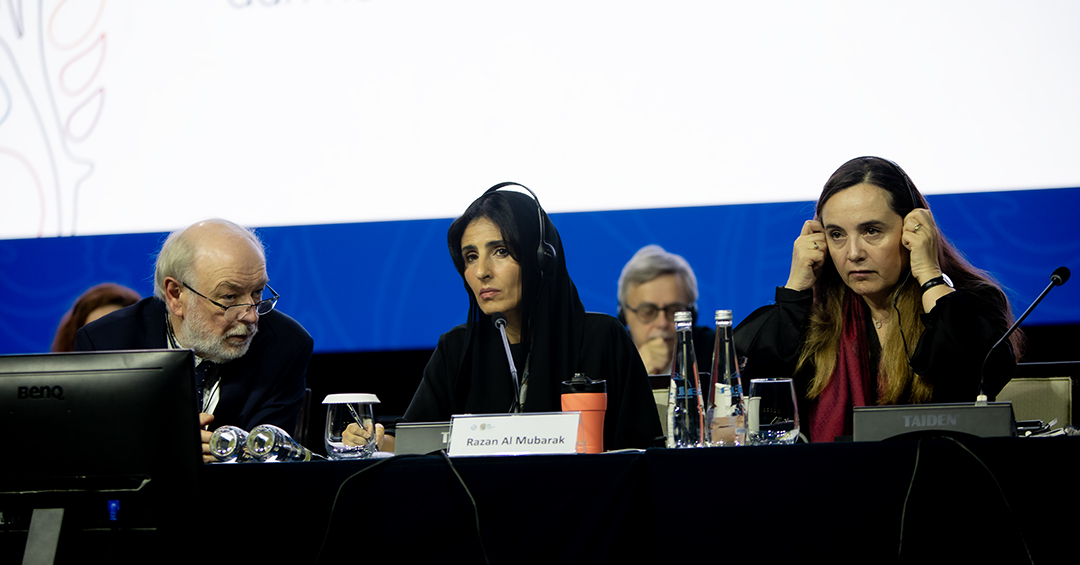
The Members’ Assembly also approved the Abu Dhabi Call to Action, the 2025 Congress’s key outcome document, and celebrated the re-election of Razan Al Mubarak as IUCN President.
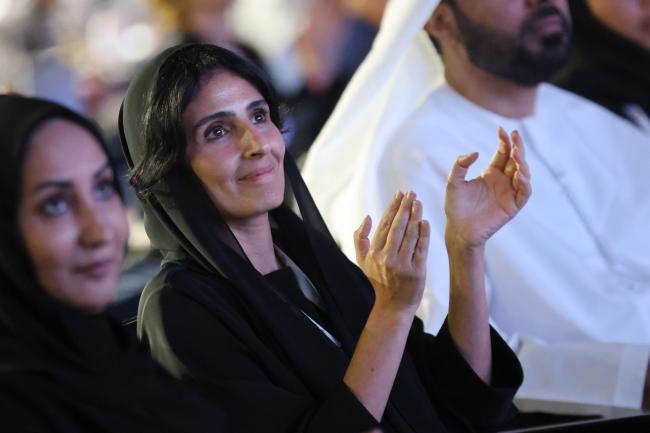
Members voted on and approved motions related to, among others:
- promoting regional or subnational protected natural areas to achieve the global target of 30% protected and conserved areas by 2030;
- recognizing the crime of ecocide to protect nature;
- recognizing the importance of Indigenous languages, traditional knowledge and cultural heritage in biodiversity conservation;
- conserving the critically endangered scalloped hammerhead shark and its look-a-like species, the smooth hammerhead shark and great hammerhead;
- amplifying the role of the private sector in achieving a nature-positive world;
- avoiding irreversible ecological damage and tipping points in the Congo Basin;
- Welcoming the International Court of Justice Advisory Opinion on climate change; and
- upholding science-based wildlife conservation in Switzerland.
Following a report from Rick Bates, Chair, Finance and Audit Committee, Members turned to the issue of membership dues. They endorsed the new IUCN Membership Guide, which proposes to, among others, update the dues of states according to the latest UN Scale of Assessments, and increase dues to account for inflation.
In the early evening, delegates welcomed the newly elected or re-elected Members of the Council. During the closing session, IUCN President Razan Al Mubarak thanked Members for entrusting her with a second mandate and stressed that we have reached a “moment of paradox,” when ever greater knowledge about nature’s importance coincides with unprecedented rates of biodiversity loss. She argued that this paradox “invites purpose” and reiterated the role of the next quadrennium in reaching the goals set for 2030, saying “2030 is tomorrow.”
IUCN Director General Grethel Aguilar called on Members to advance action across the five areas mentioned the in Abu Dhabi Call to Action. IUCN Council Vice President Cochrane closed the Congress at 7:58 pm.
To receive free coverage of global environmental events delivered to your inbox, subscribe to the ENB Update newsletter.
All ENB photos are free to use with attribution. For the IUCN World Conservation Congress 2025 , please use: Photo by IISD/ENB | Anastasia Rodopoulou and Angeles Estrada Vigil
Eighth Sitting
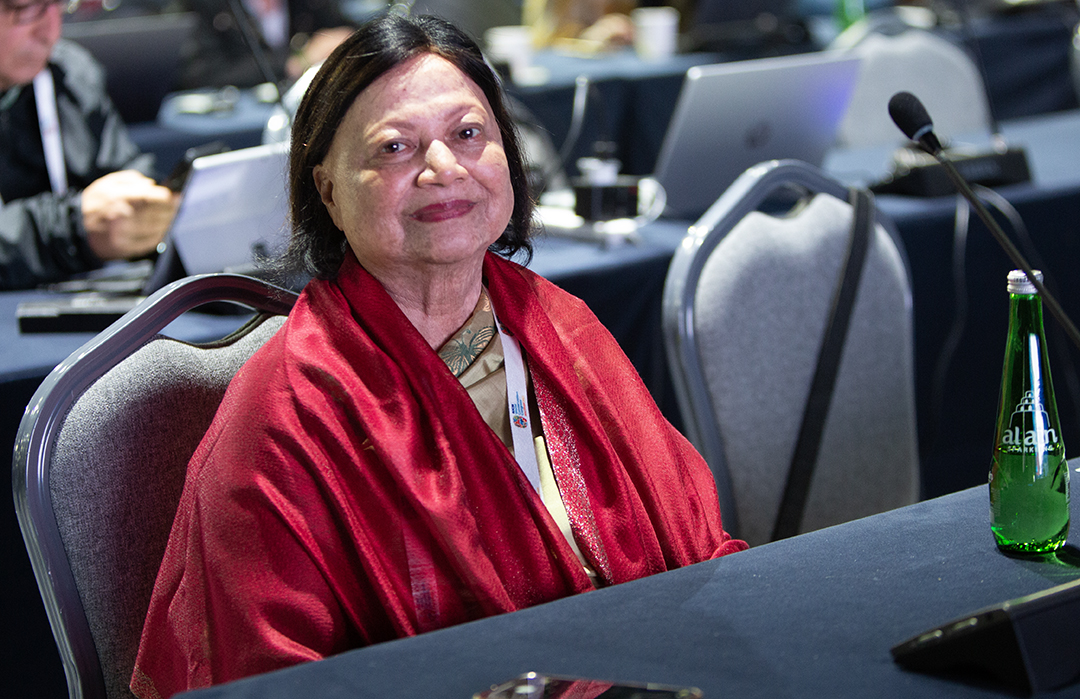
Hasna Jasimuddin Moudud, Councilor, IUCN
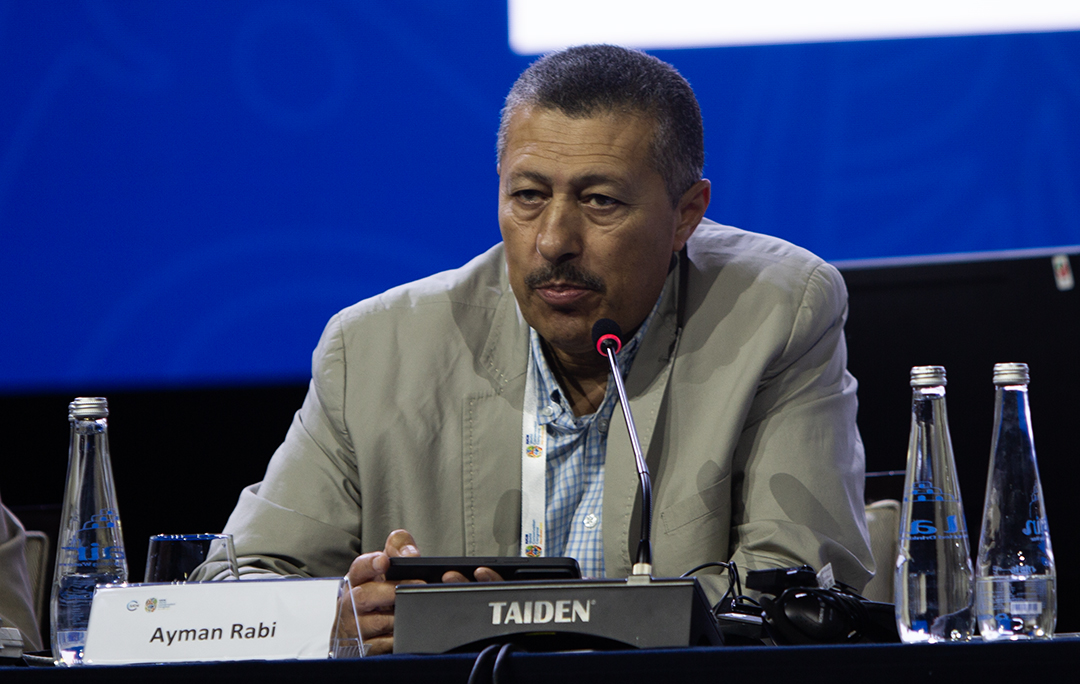
Ayman Rabi, Chair, Credentials Committee, IUCN
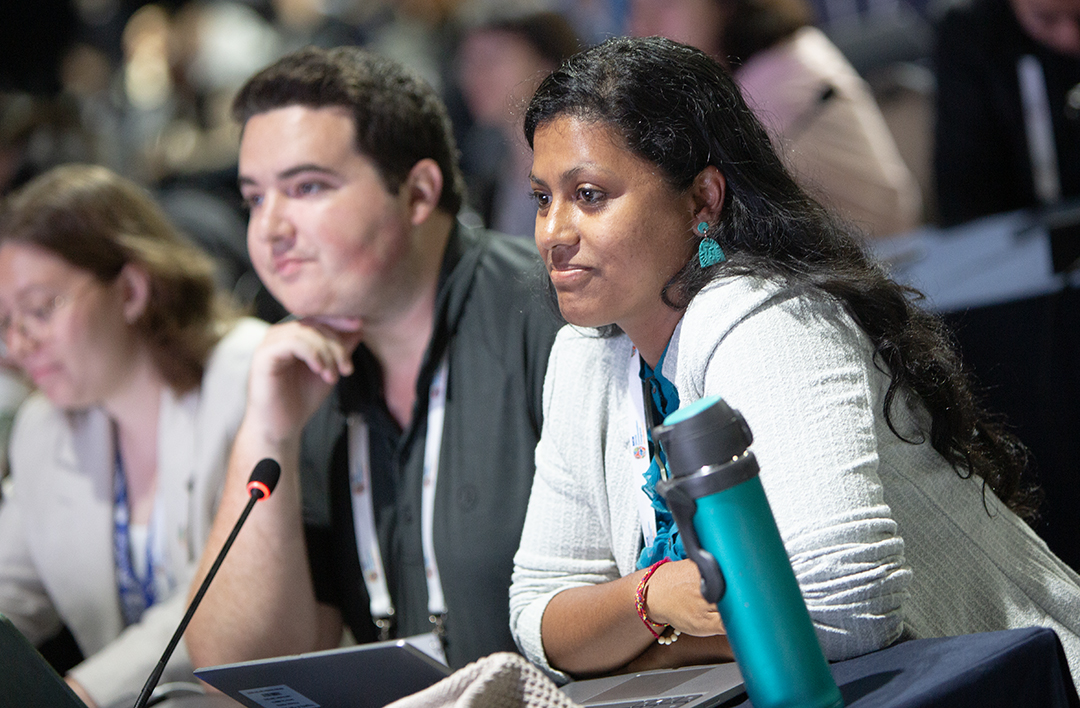
Achinthi Vithanage, Center for Environmental Legal Studies, US
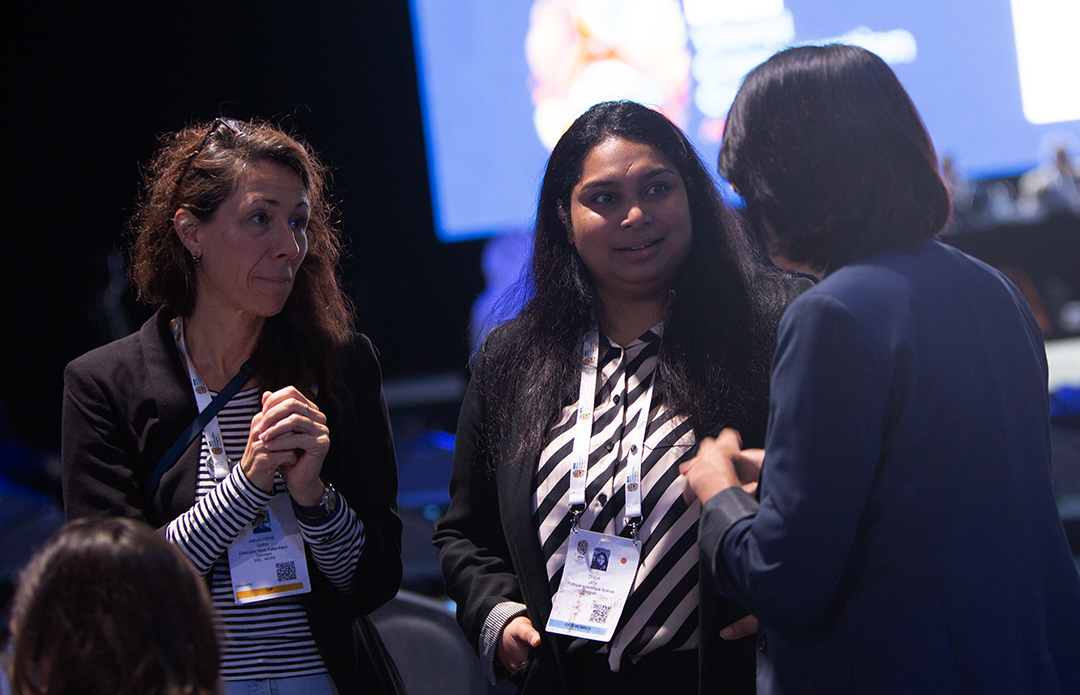
Ann-Katrine Garn, Zoologisk Have København, Denmark, and Divija Jata, Politique Scientifique Fédérale, Belgium

Simon Stuart, Deputy Chair, Congress Governance Committee, IUCN
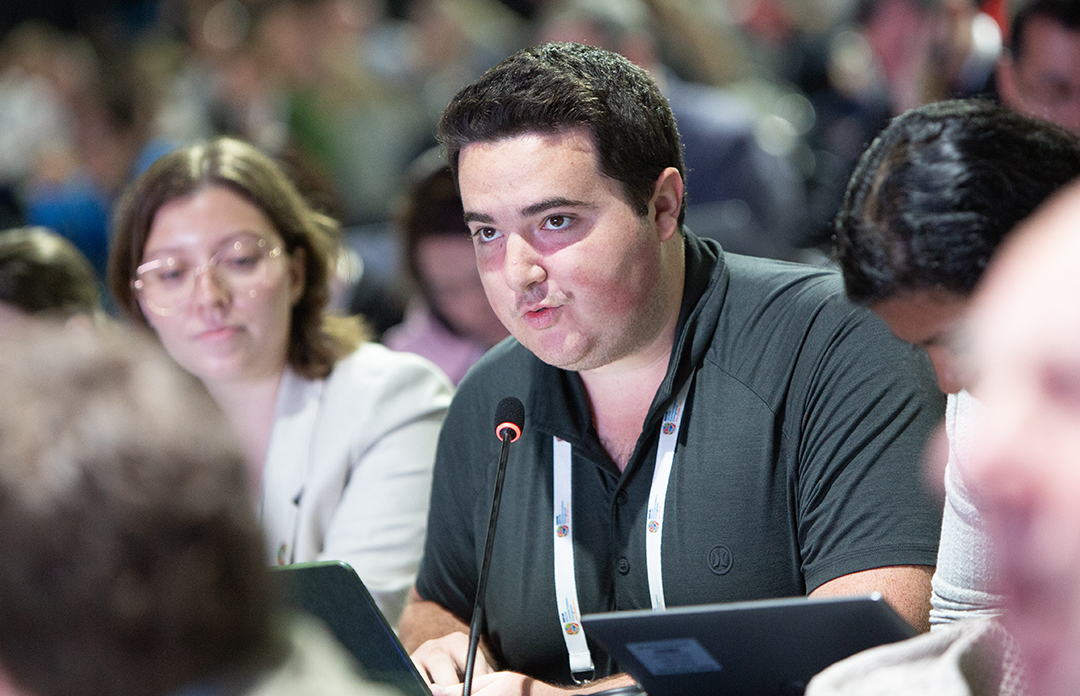
Harrison Bench, Center for Environmental Legal Studies, US
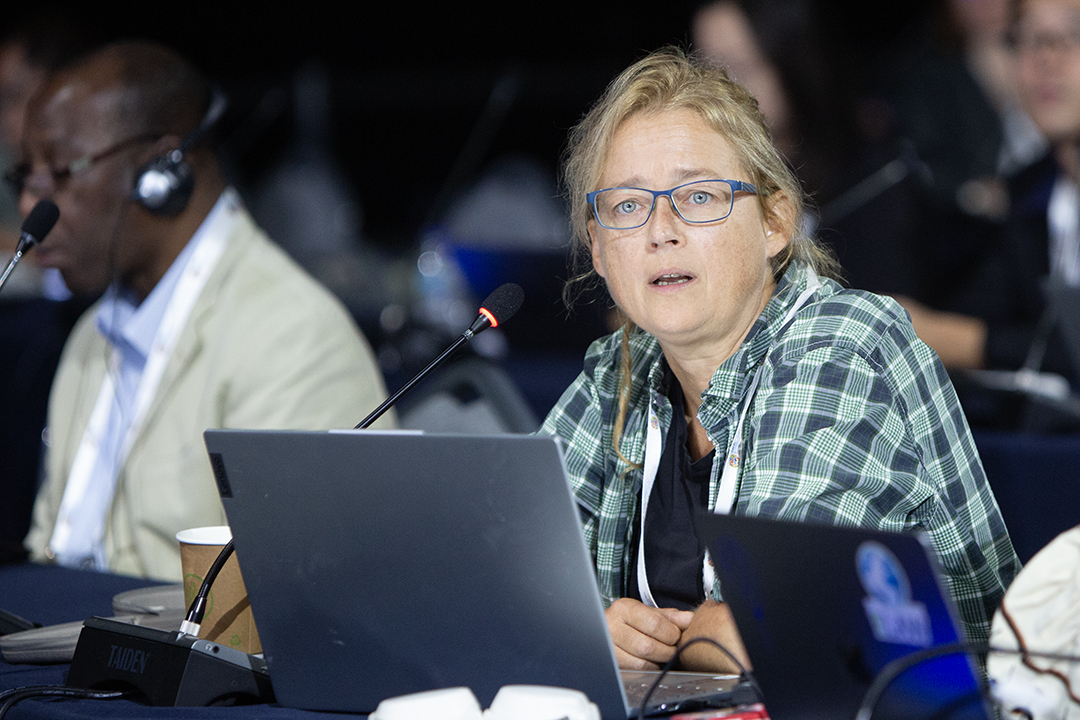
Anastasiia Drapaliuk, Ukrainian Nature Conservation Group
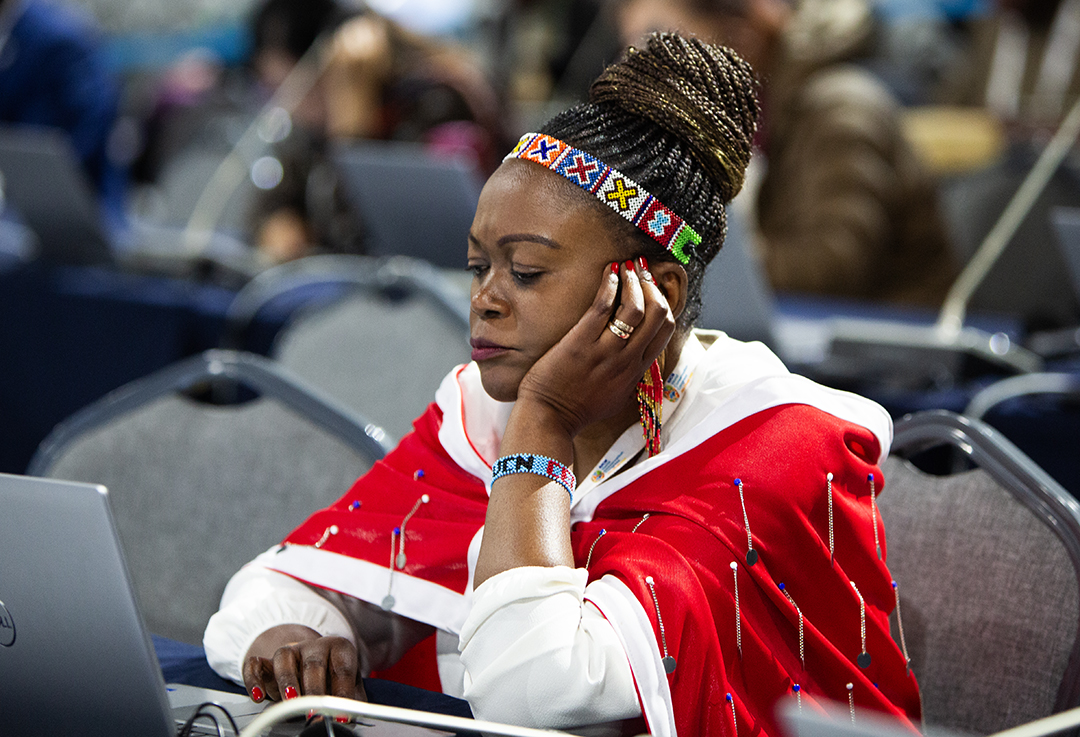
Margaret Otieno, Wildlife Clubs of Kenya
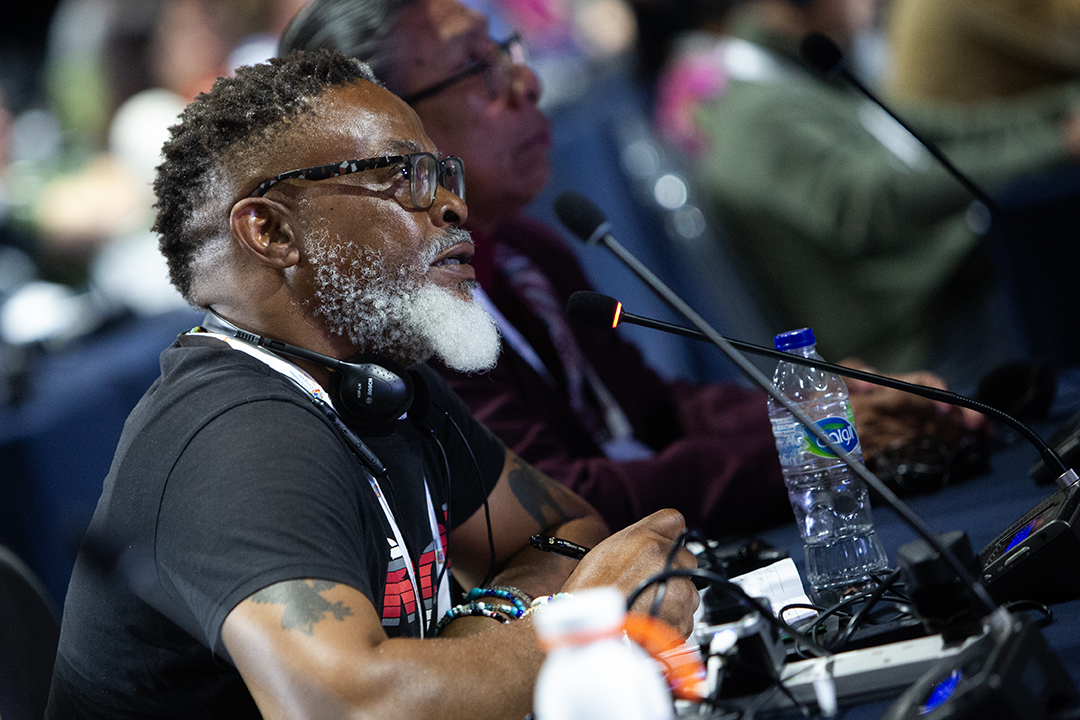
Sydney Nkosi, Ministry of Forestry, Fisheries and the Environment, South Africa
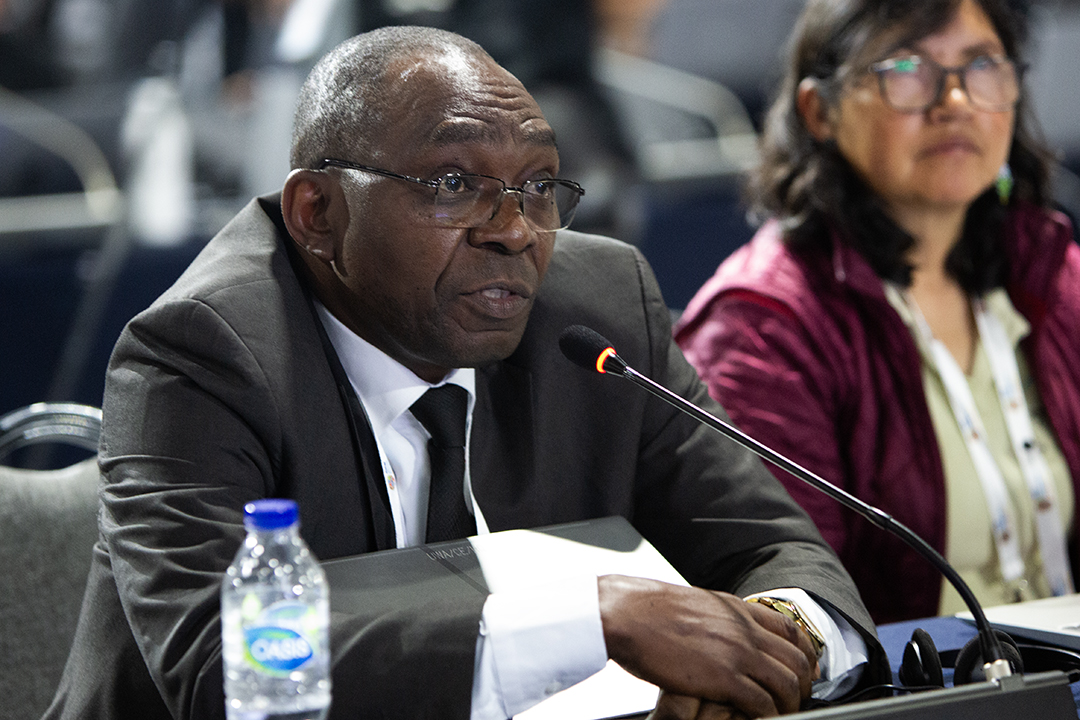
John Makombo, Uganda Wildlife Authority
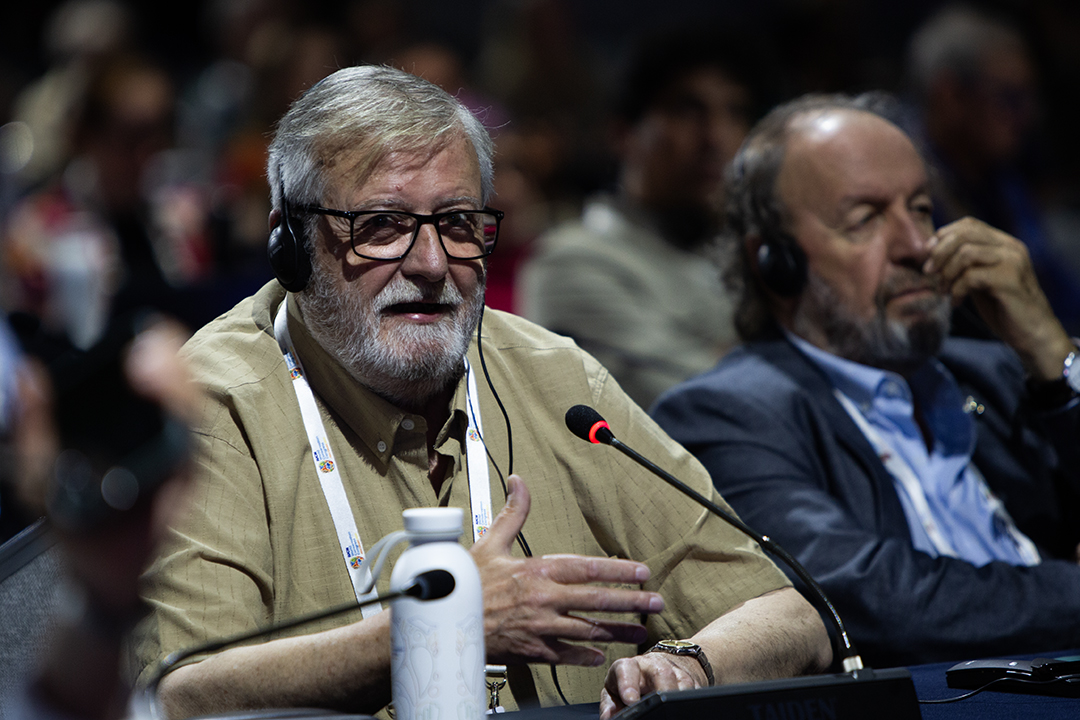
Fernando Ardura, Fundación Hábitat y Desarrollo, Argentina
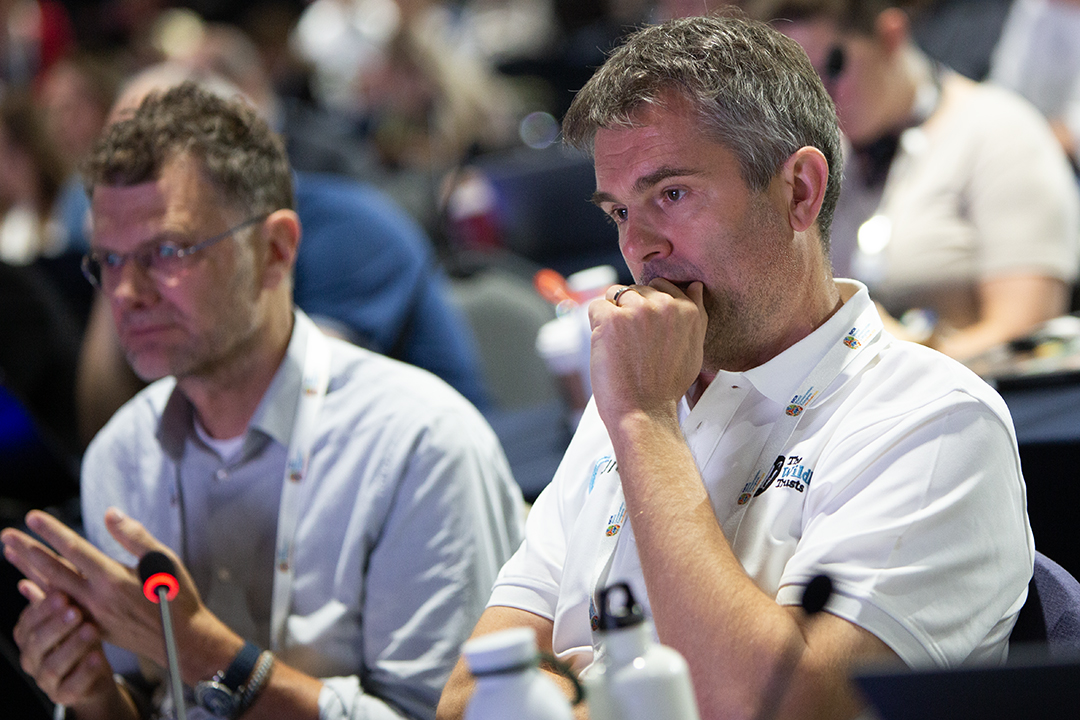
Craig Bennett, The Wildlife Trusts, UK
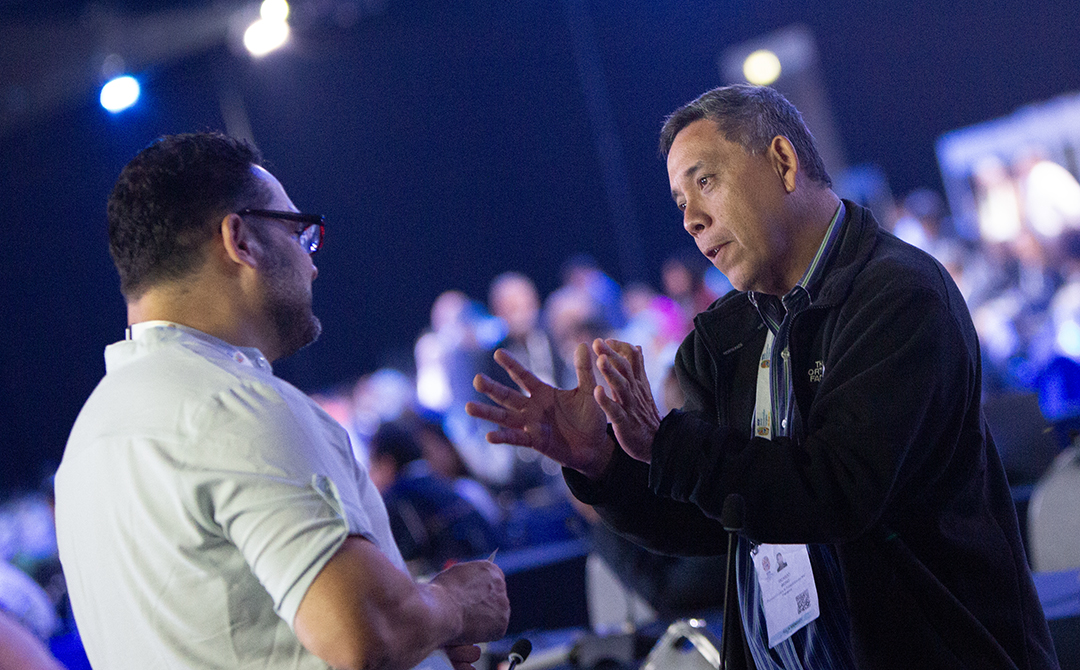
Ricardo Wong, Fundación para la Protección del Mar, Panama

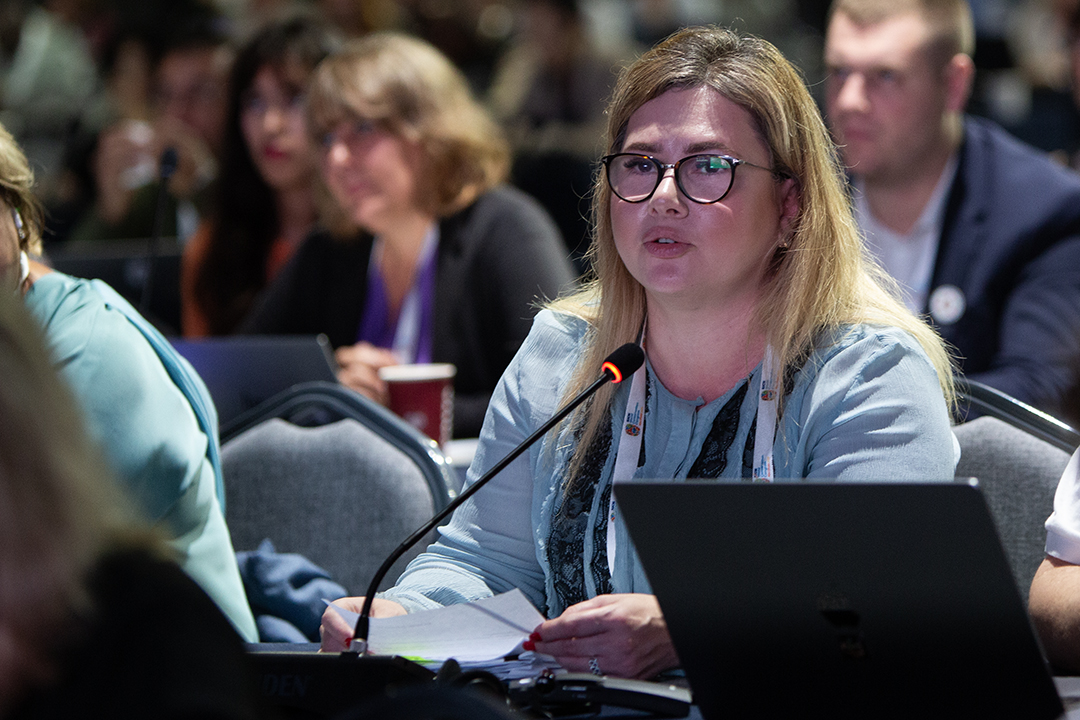
Abidat Magomedova, Ministry of Natural Resources and Environment, Russian Federation
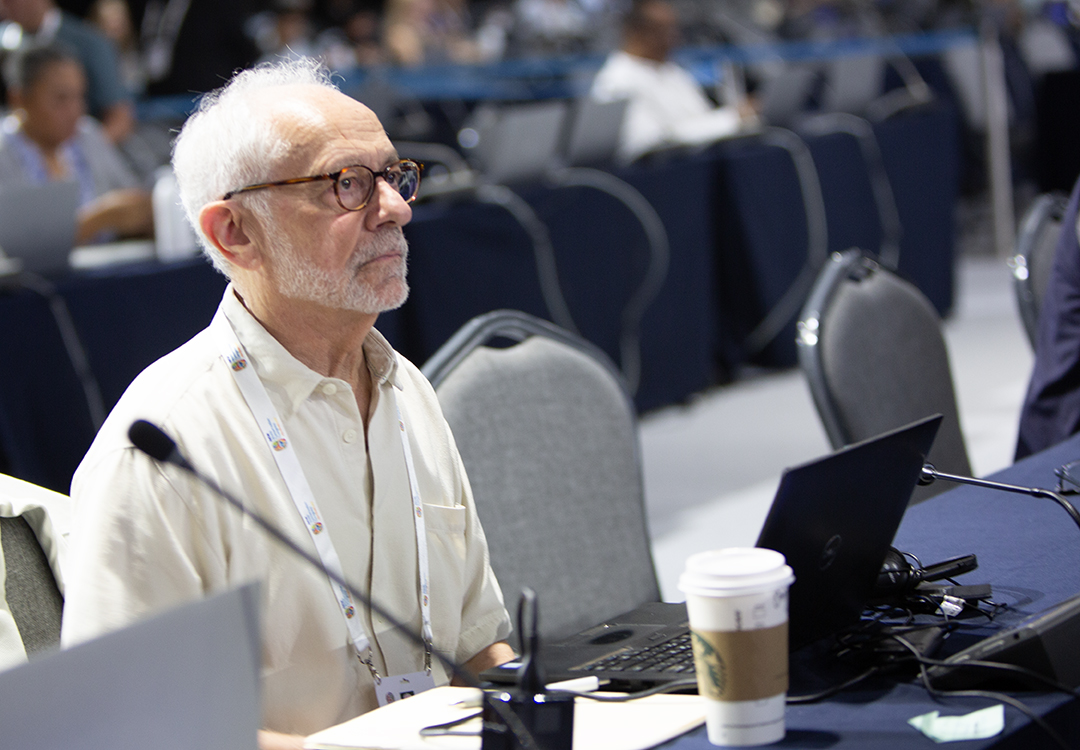
Christopher Dunn, Cornell Botanic Gardens, US
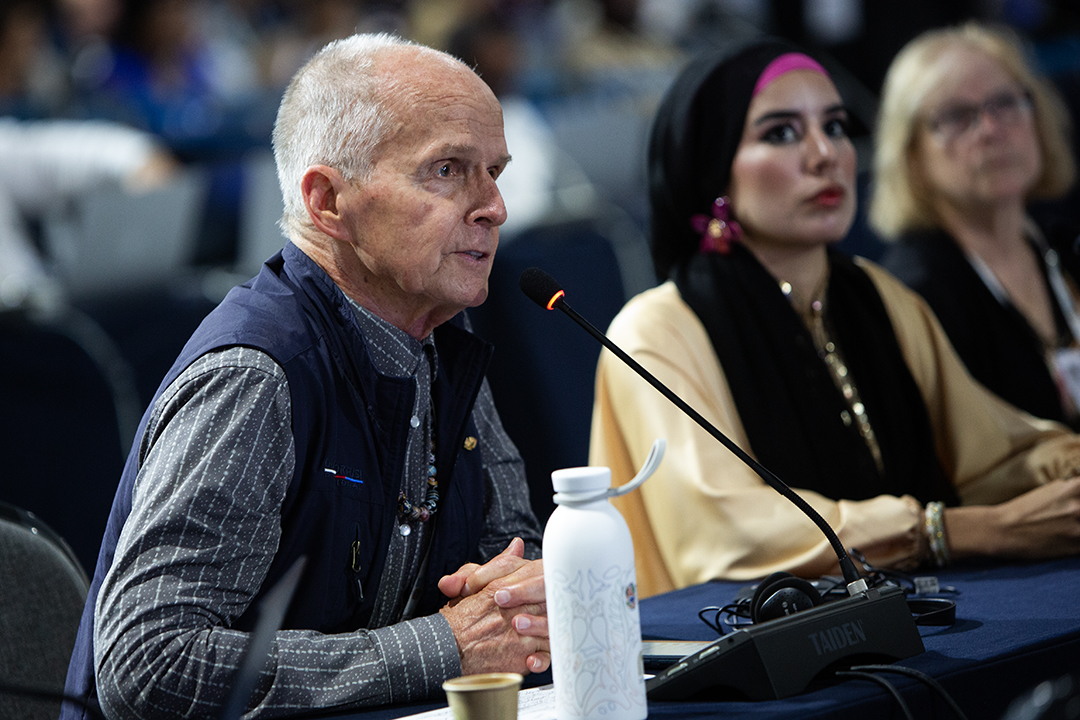
Vance Martin, Union of Nature, US

Rick Bates, Chair, Finance and Audit Committee, IUCN
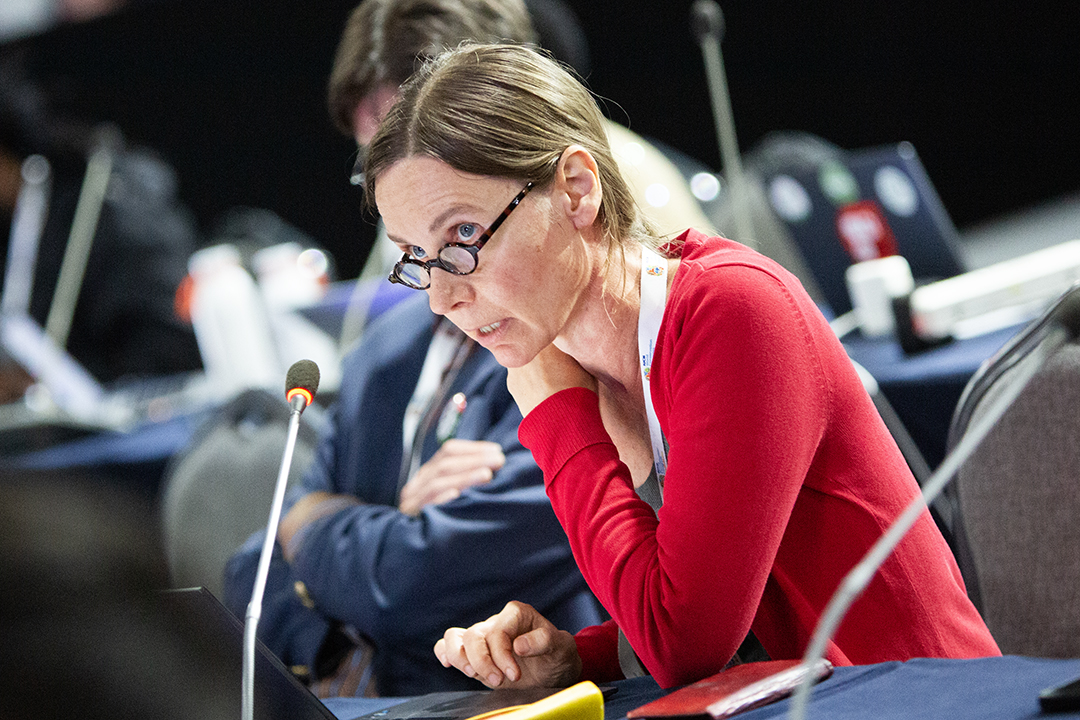
Franziska Achterberg, Deutscher Naturschutzring, Germany
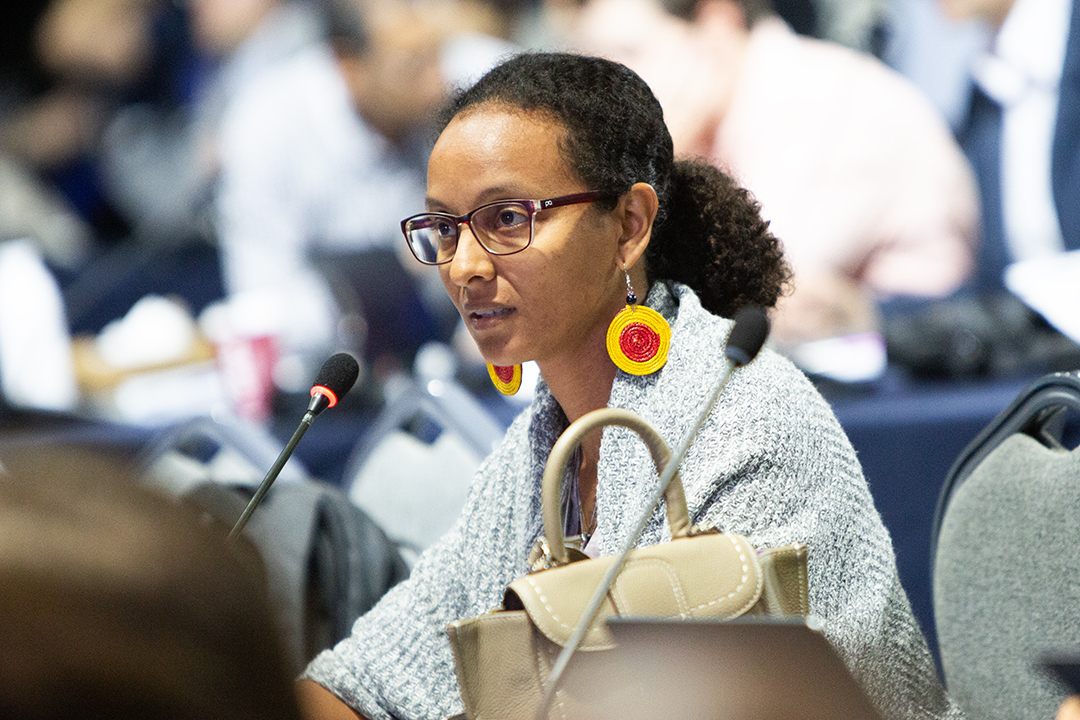
Laurie Alapini, Benin Ecotourism Concern
Ninth Sitting
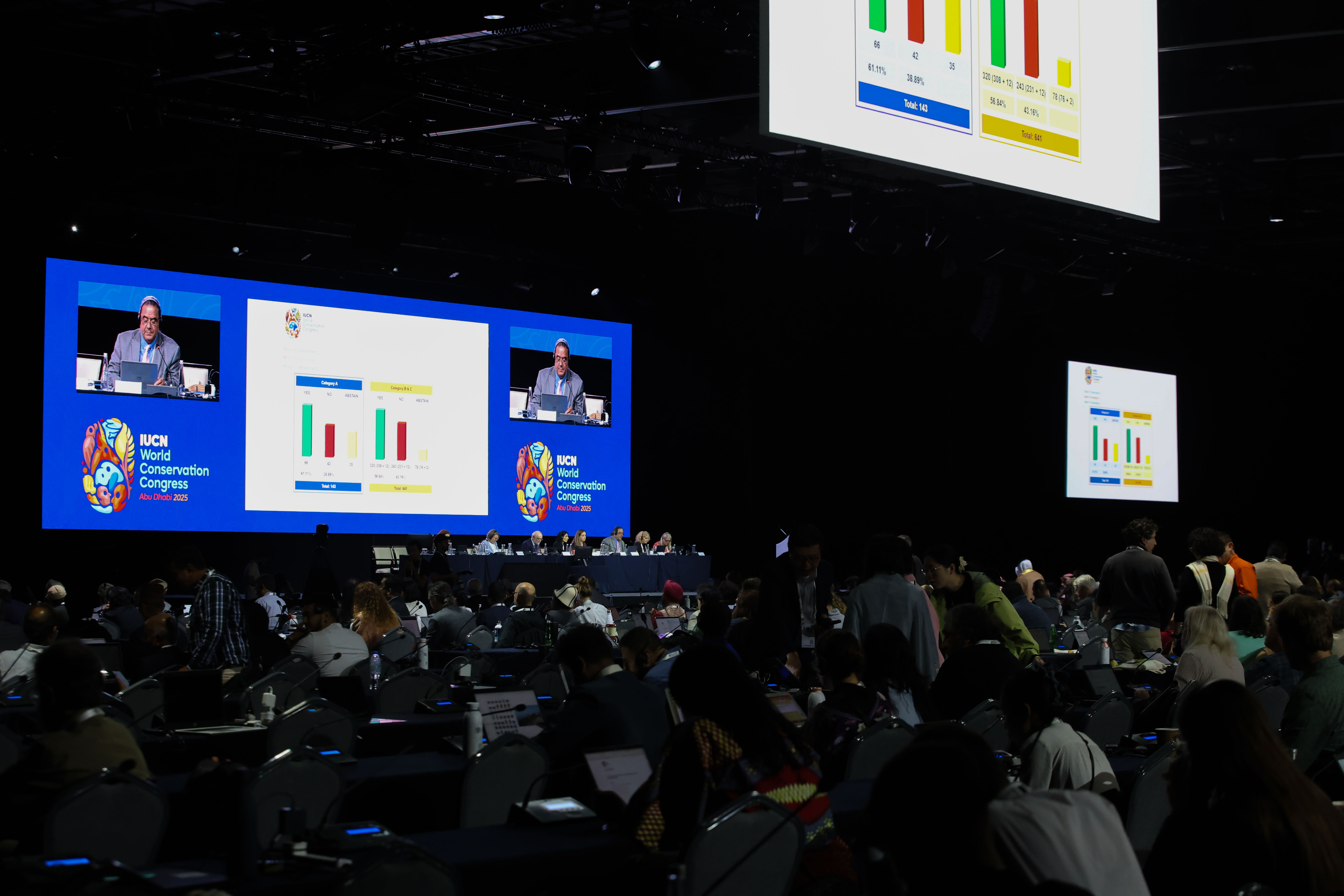
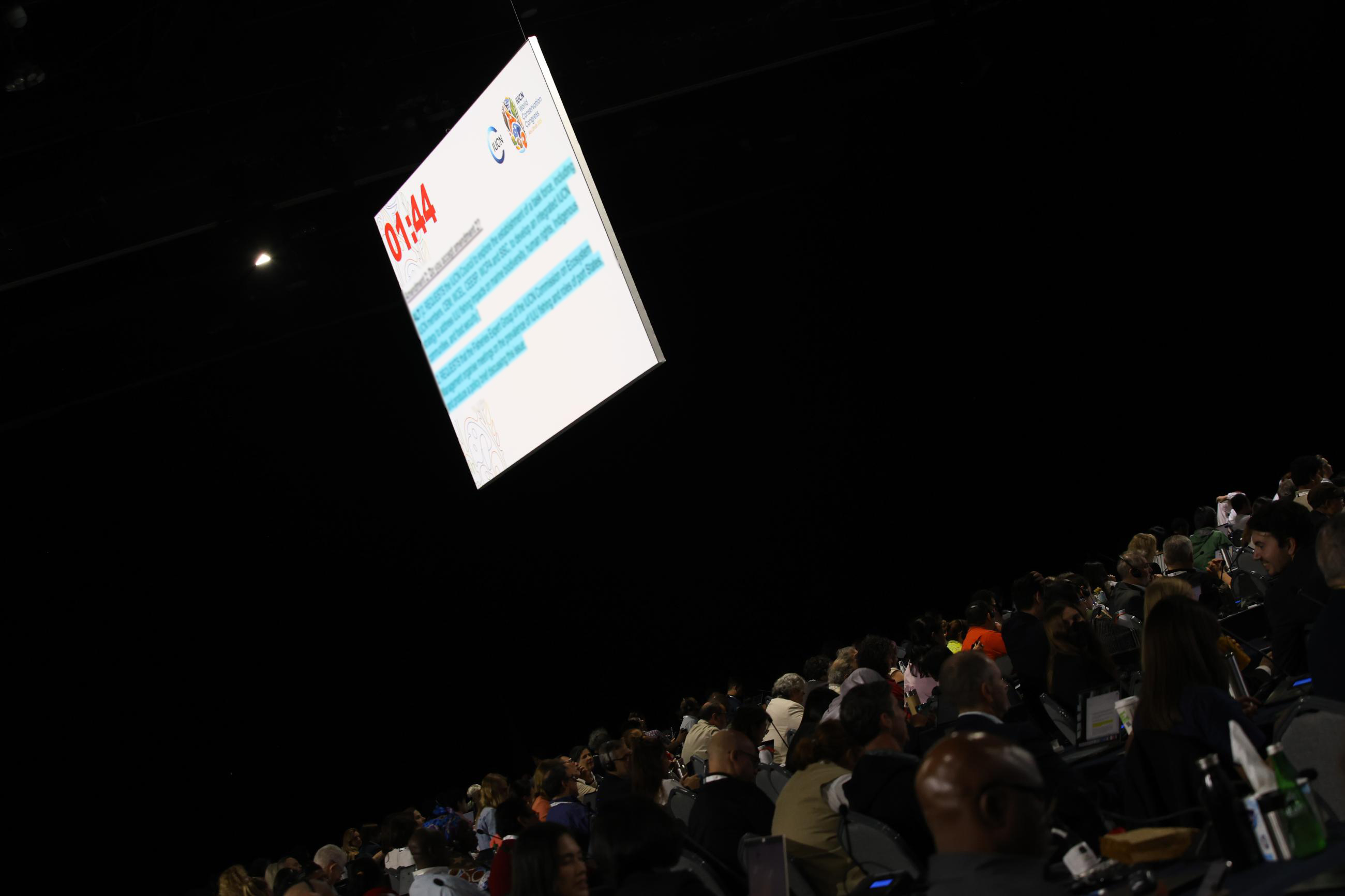
Participants see the motion voting results on the screens.
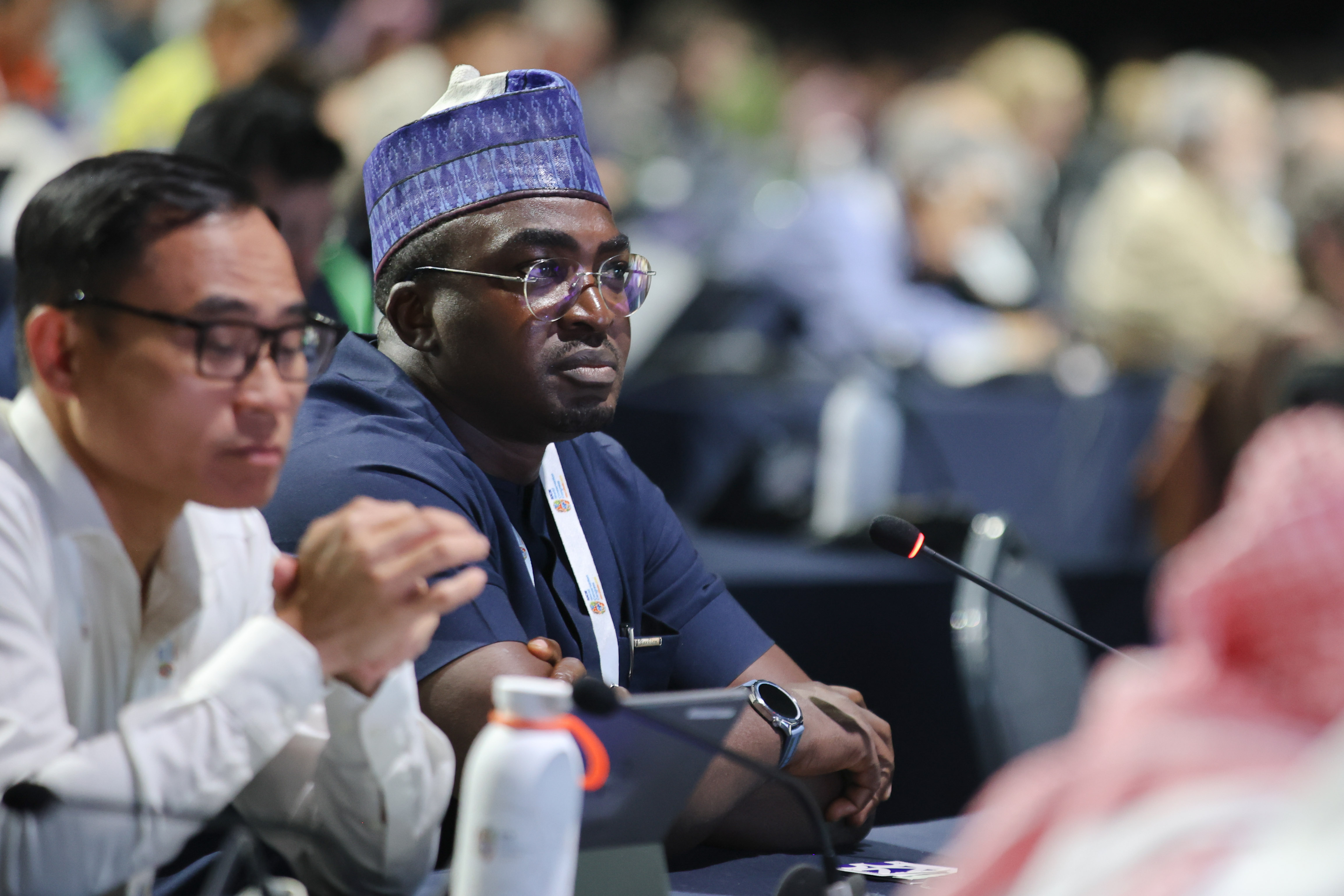
Joseph Daniel Onoja, Nigerian Conservation Foundation
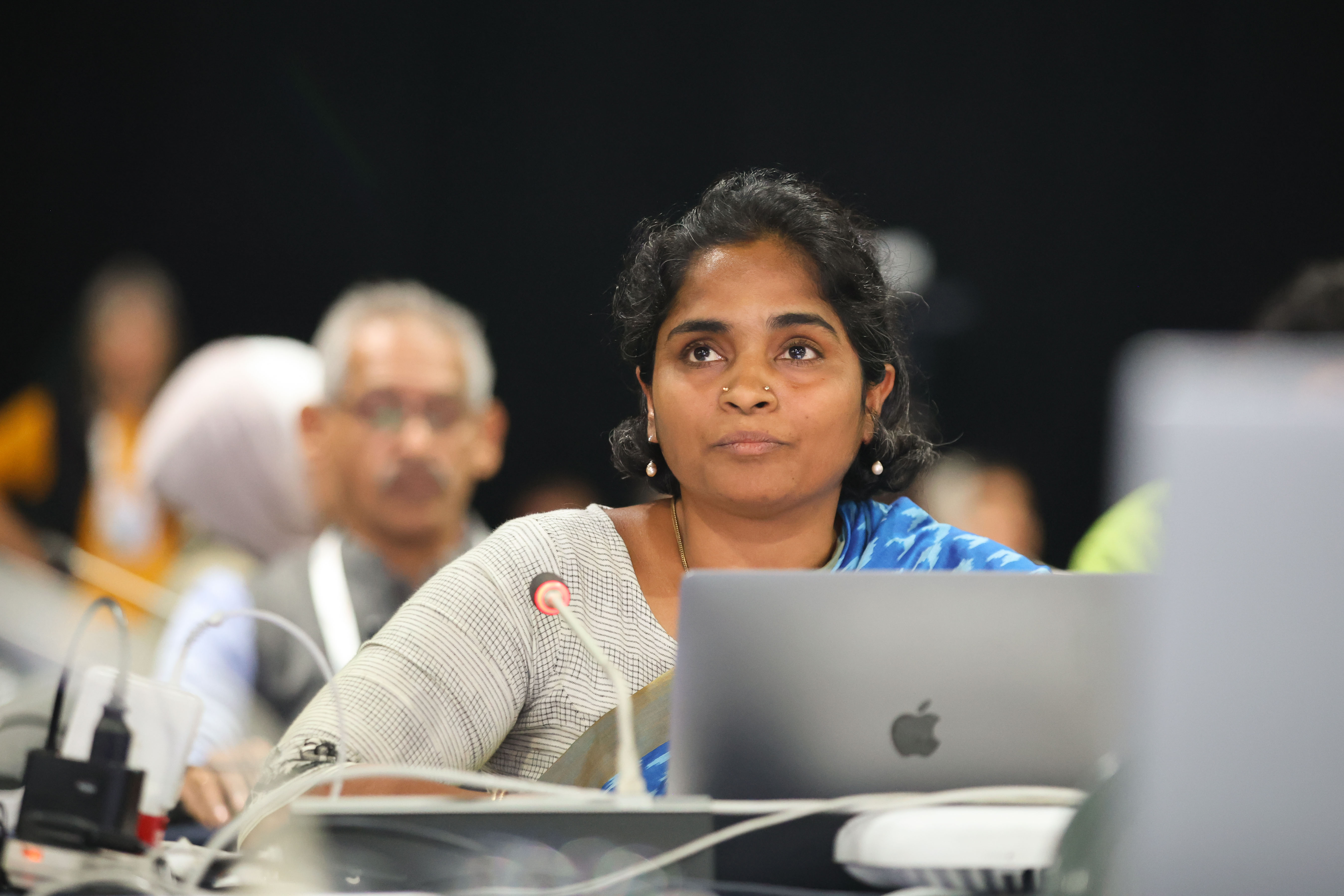
Praveena Sridhar, Isha Outreach, India
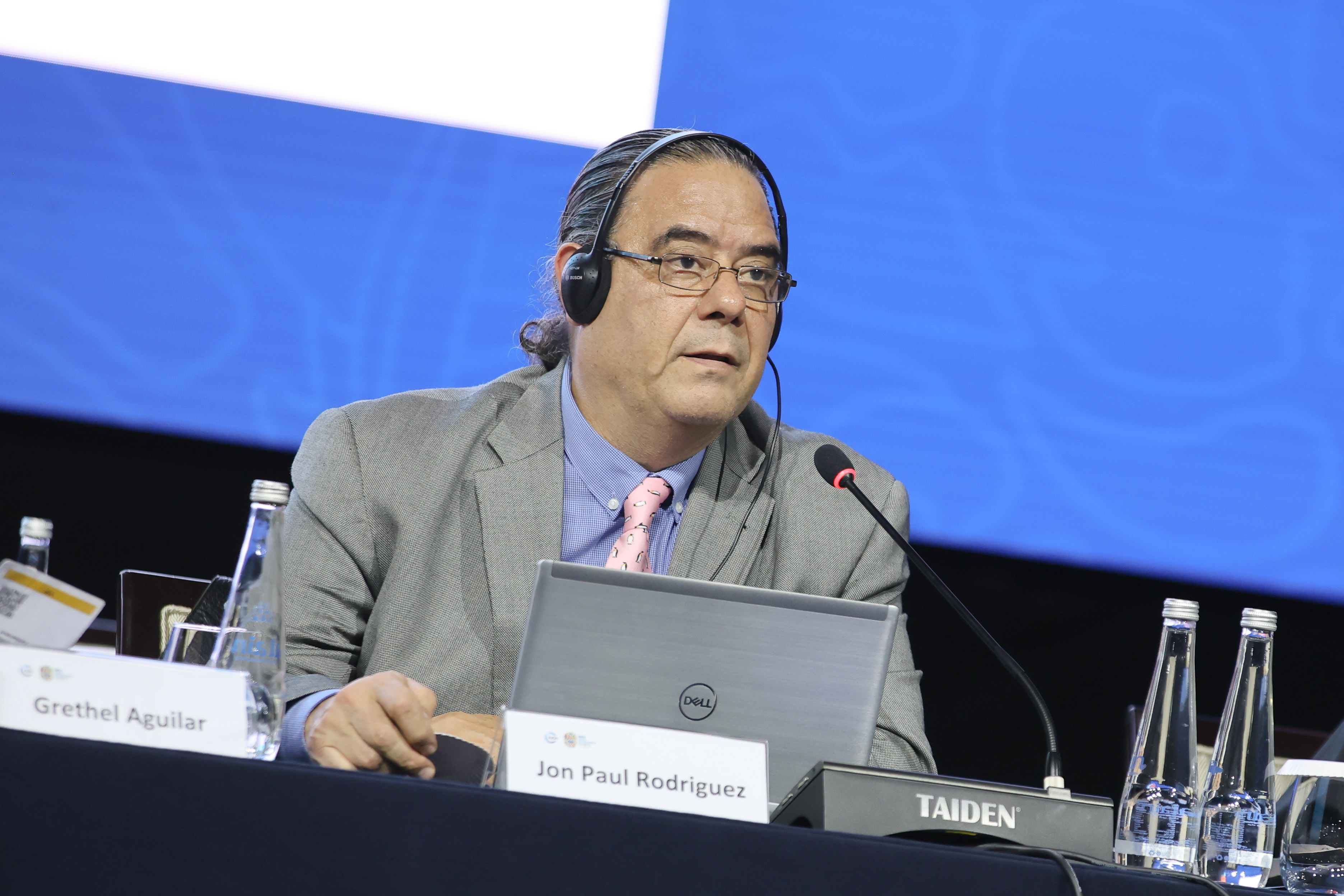
Jon Paul Rodríguez, Chair, Resolutions Committee, IUCN
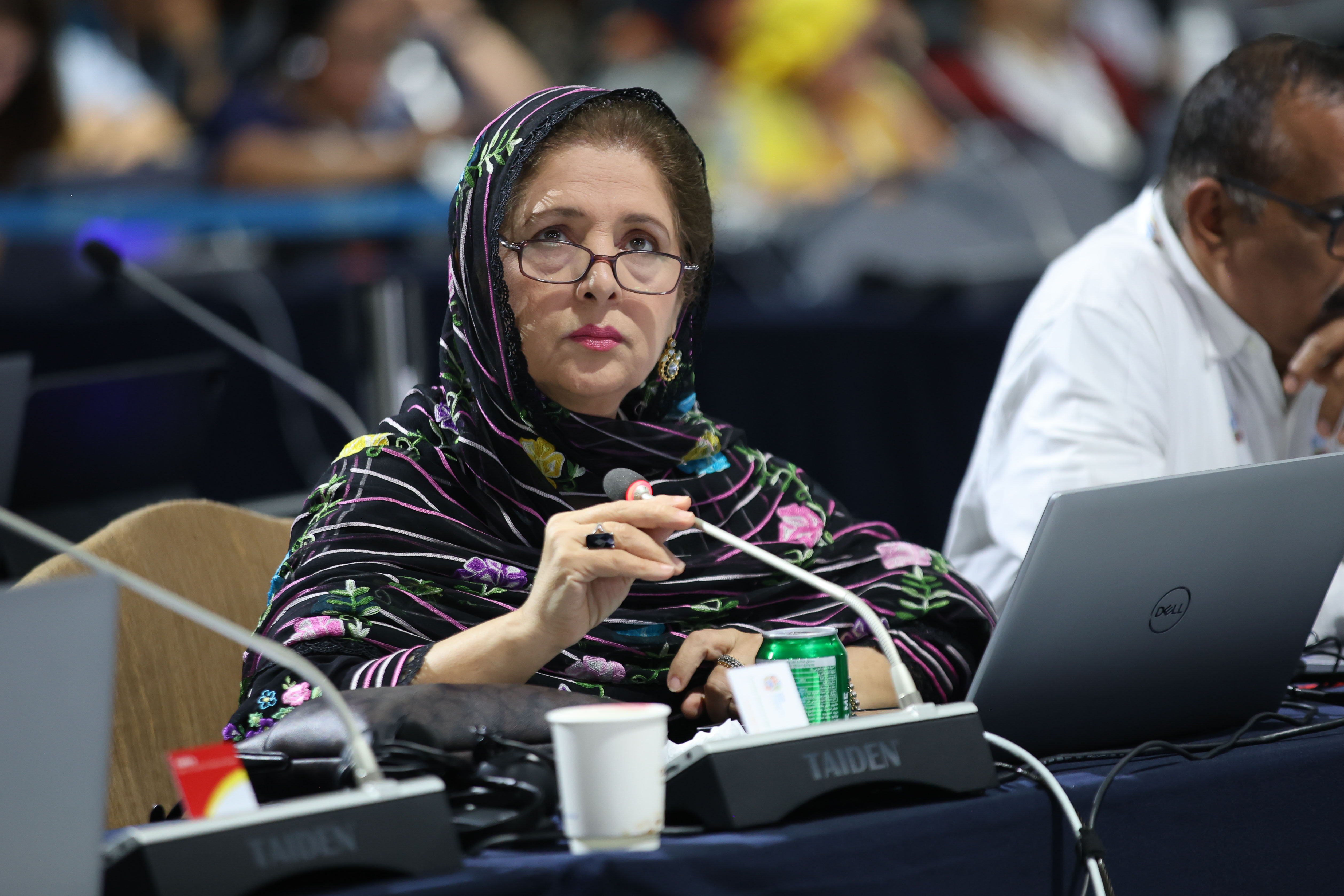
Robeela Bangash, Human Resource Development Network, Pakistan
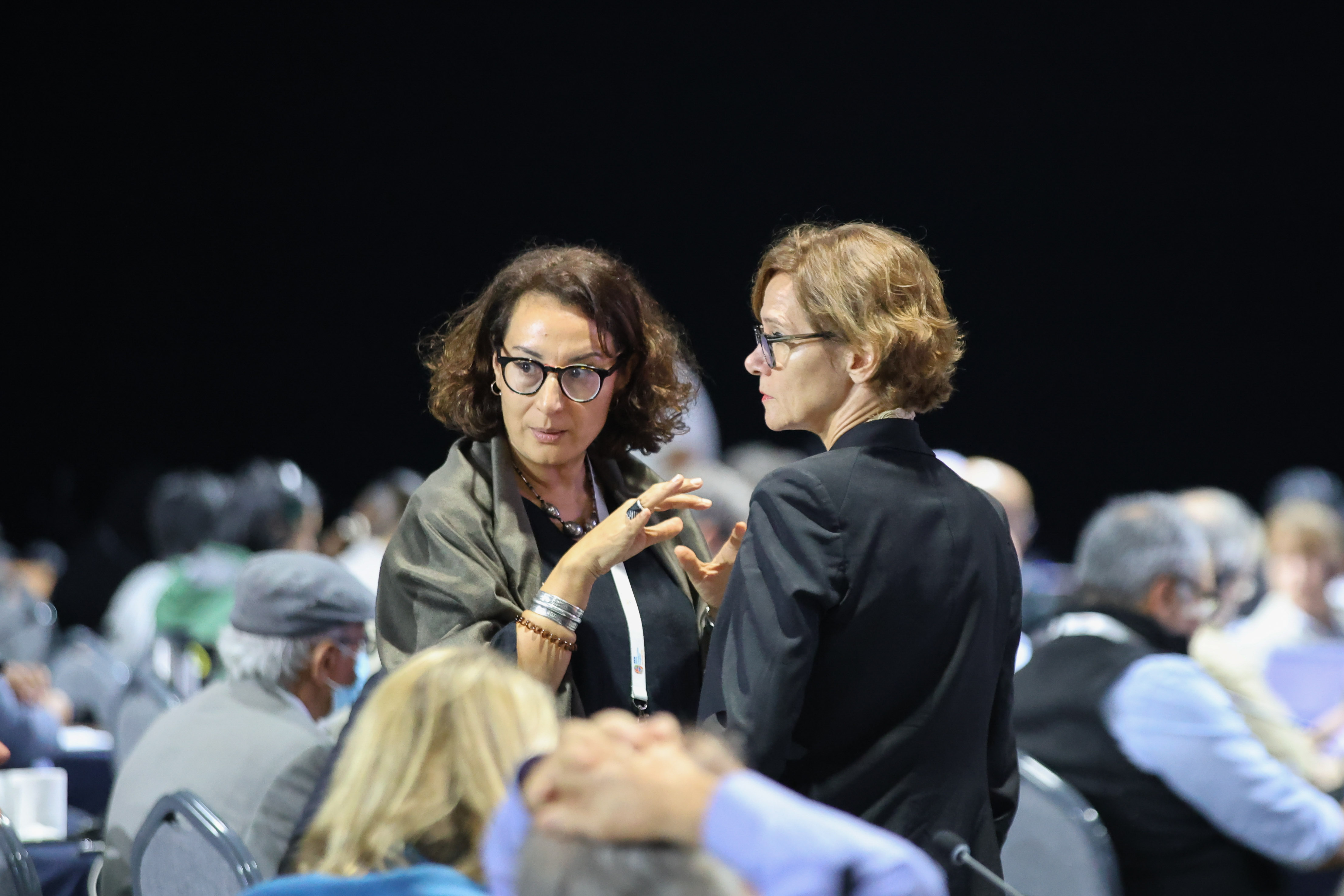
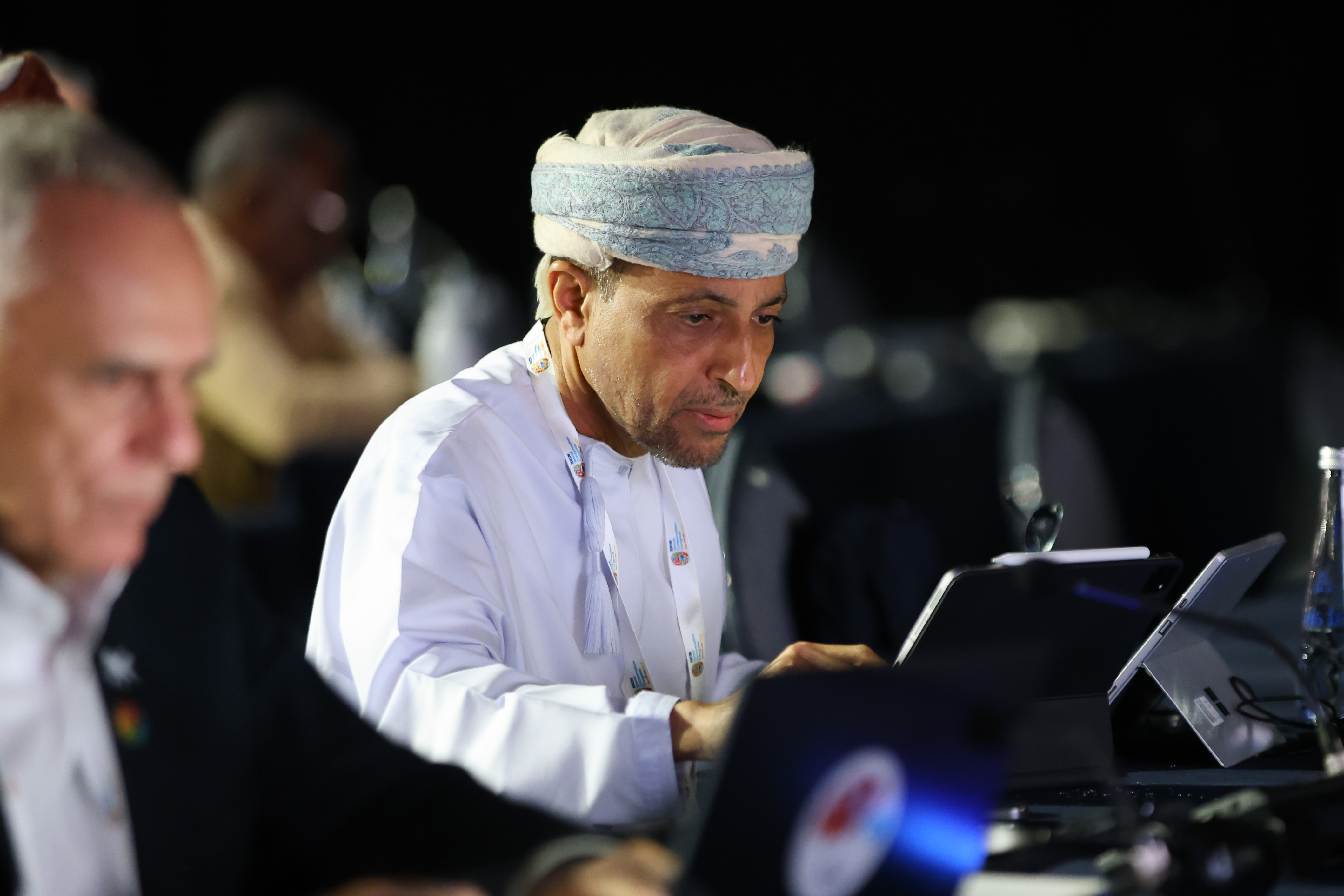
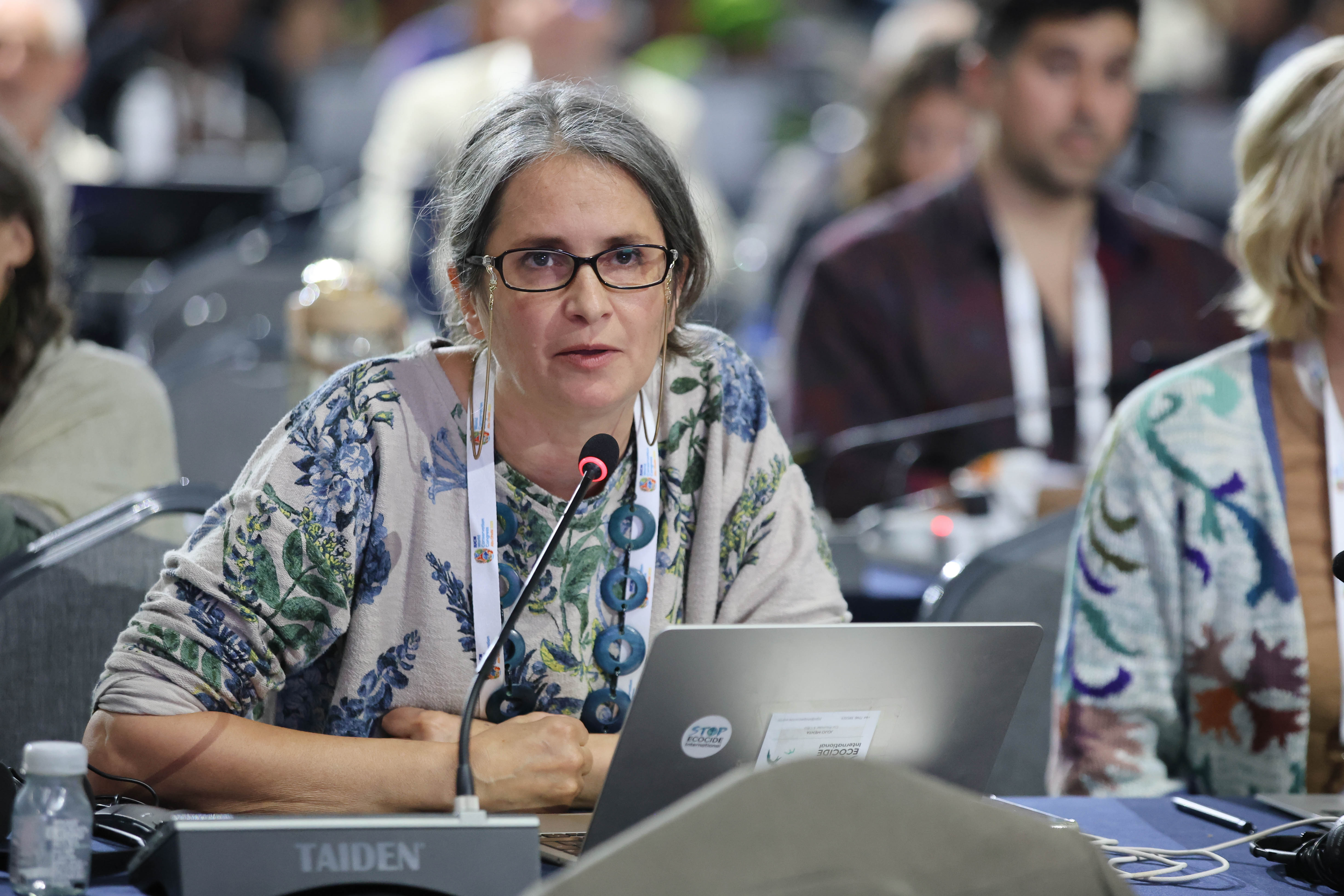
Jojo Mehta, Stop Ecocide International, UK
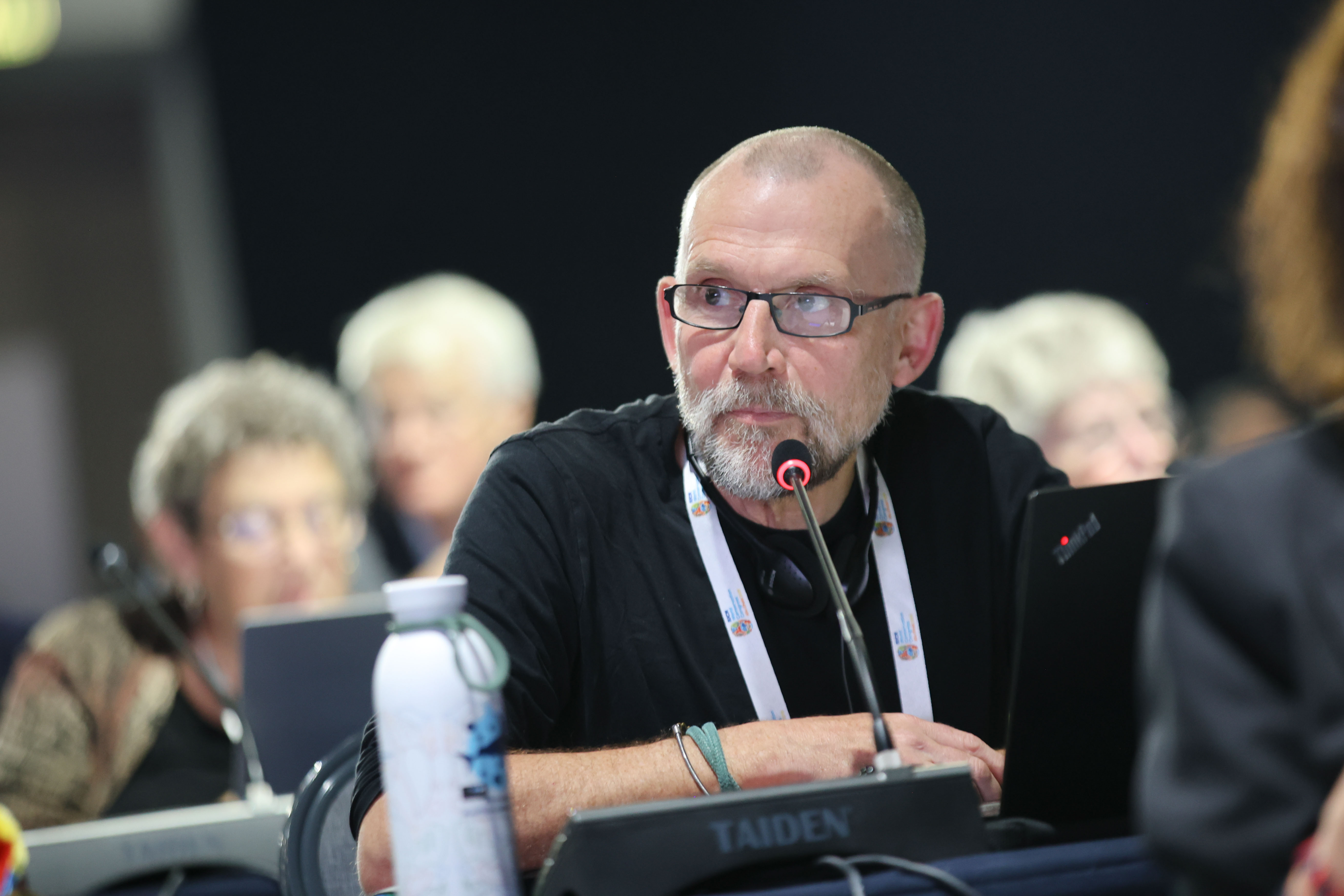
Mark Jones, Born Free Foundation, UK
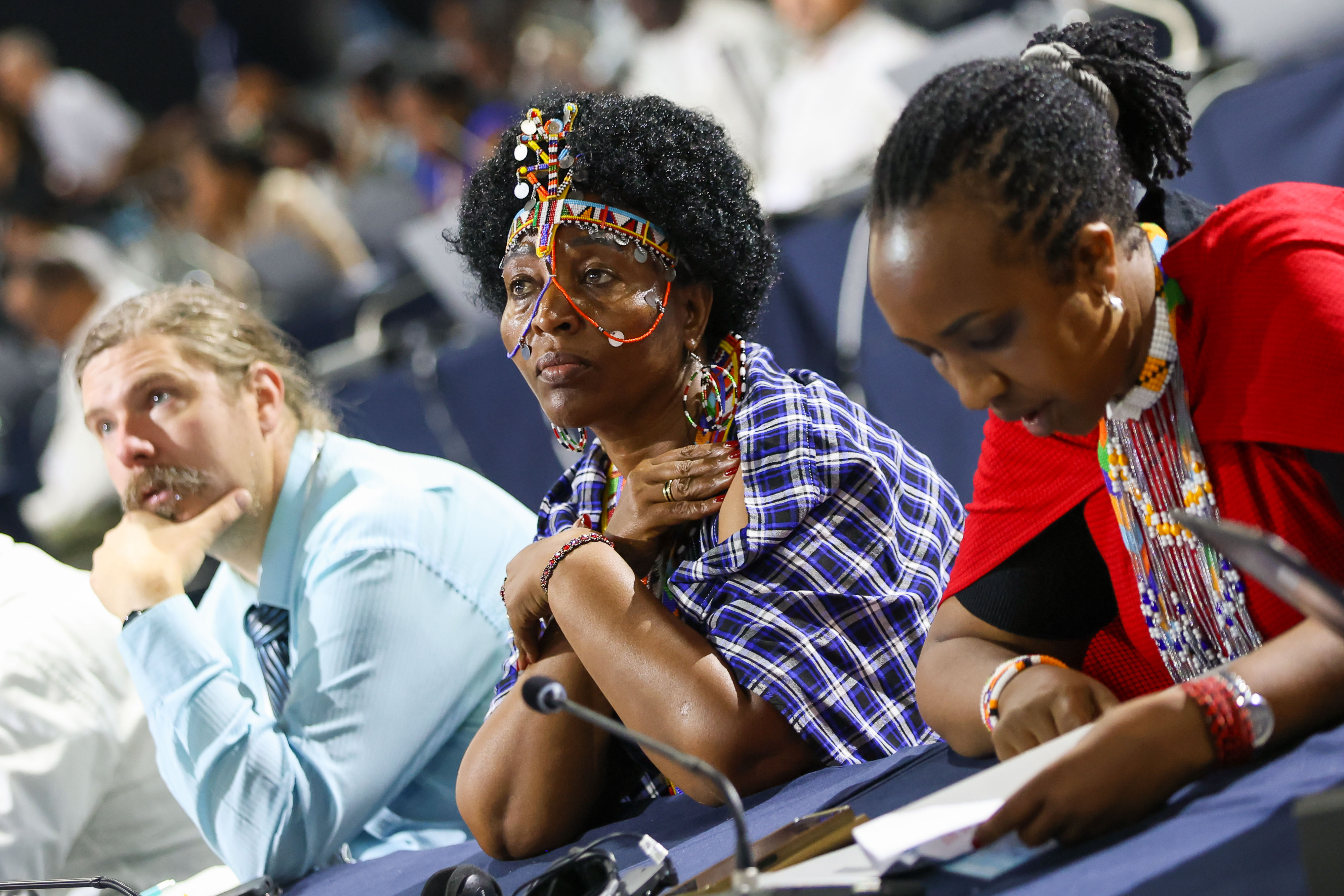
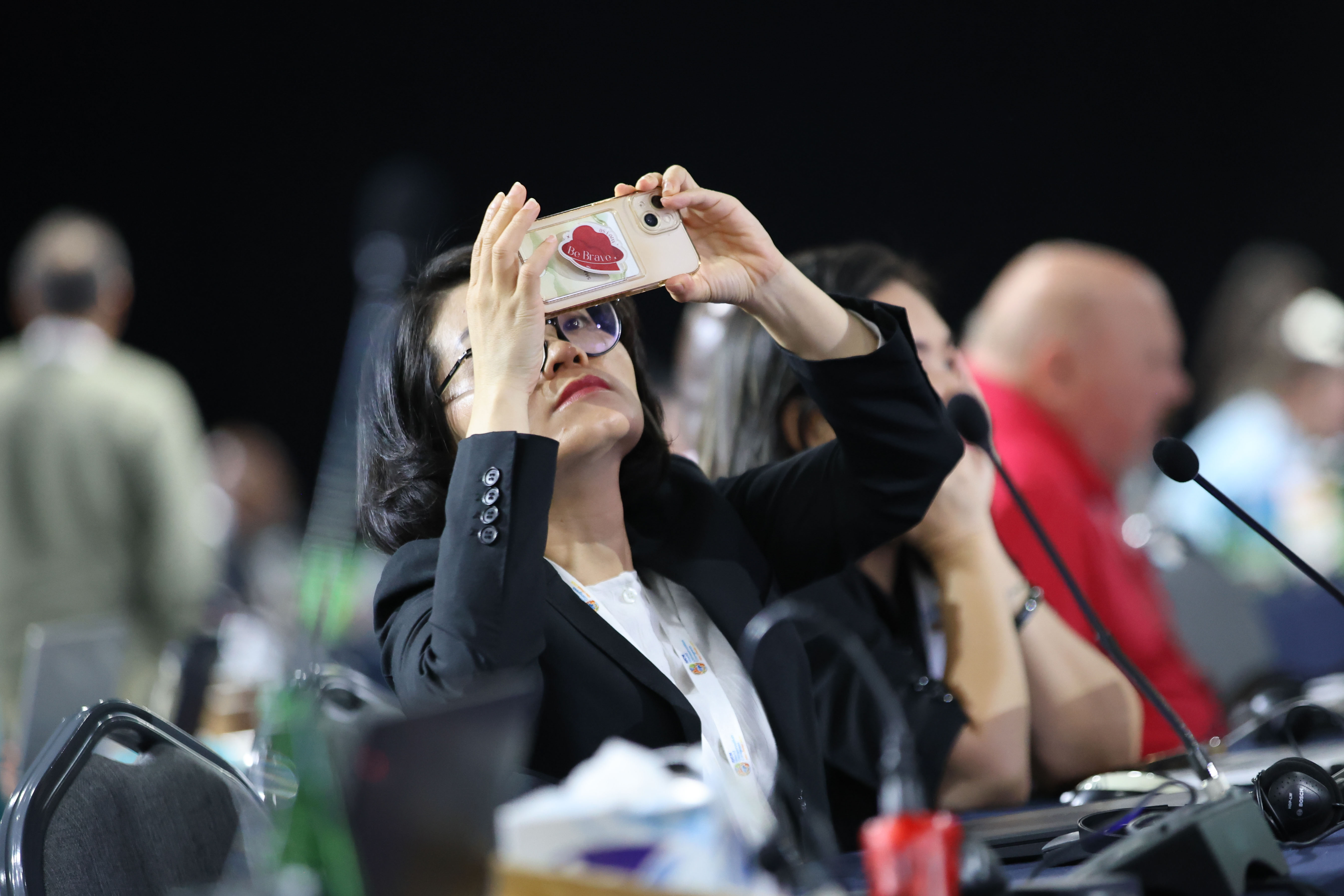
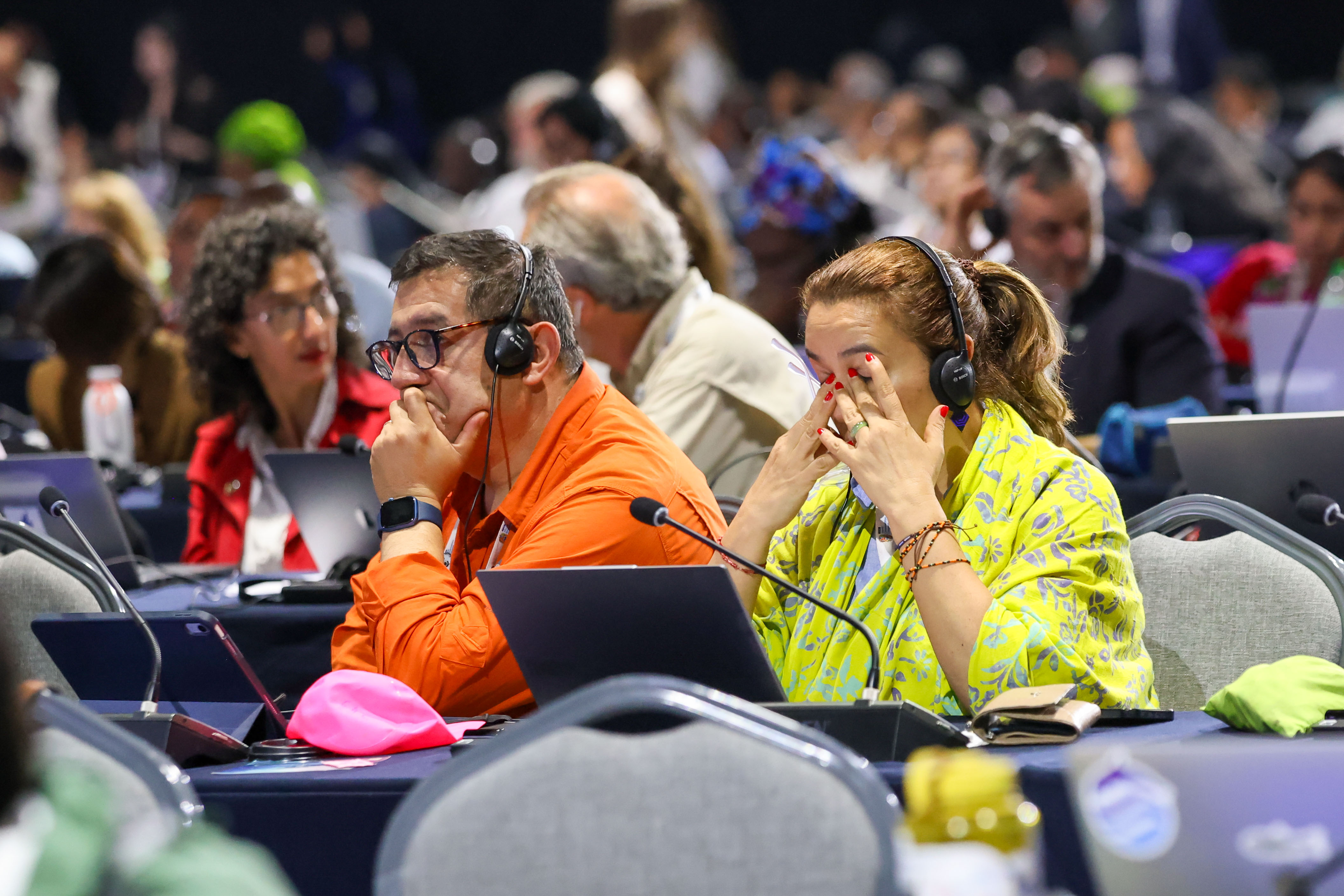
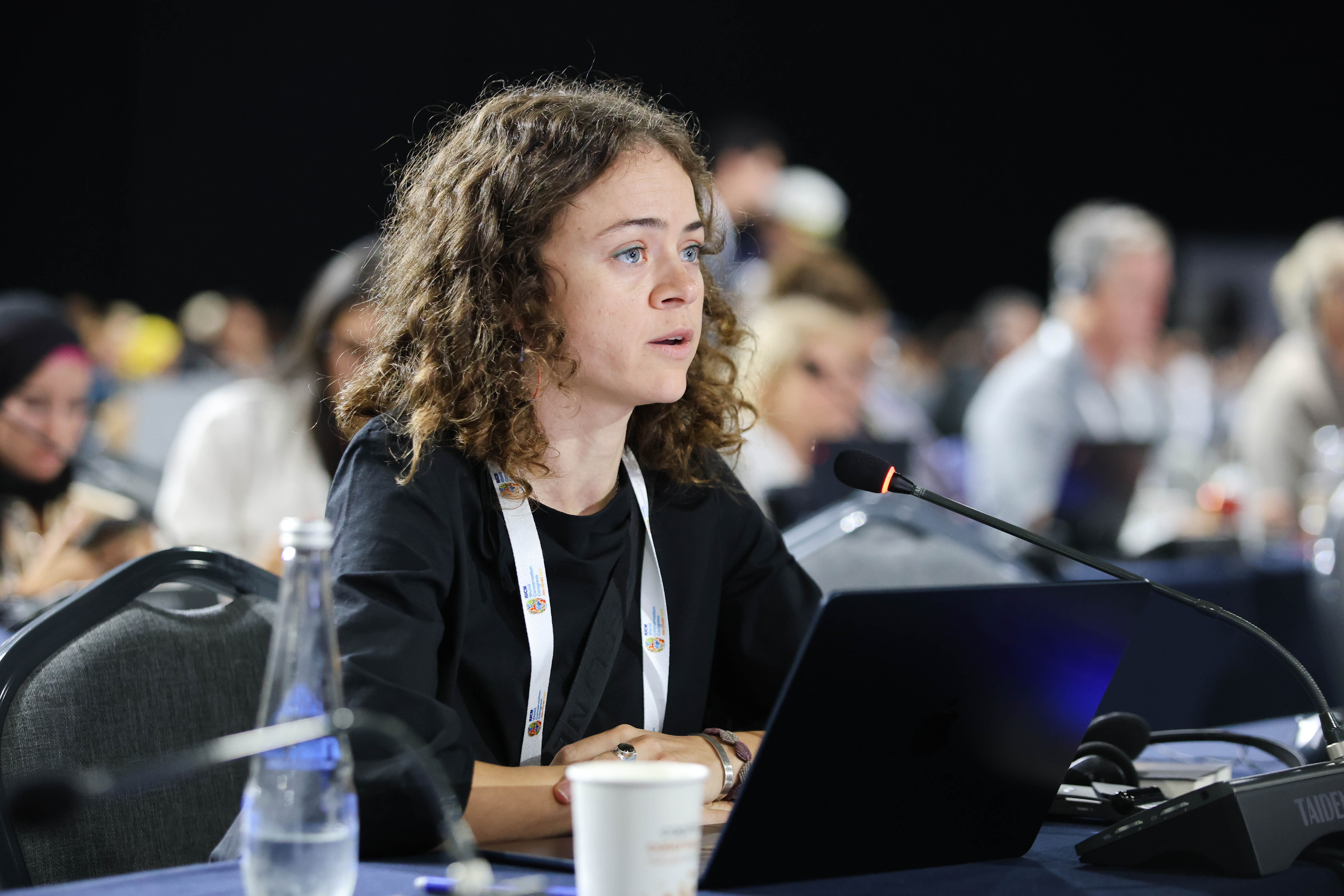
Aya Shaban, Arab Group for the Protection of Nature, Jordan
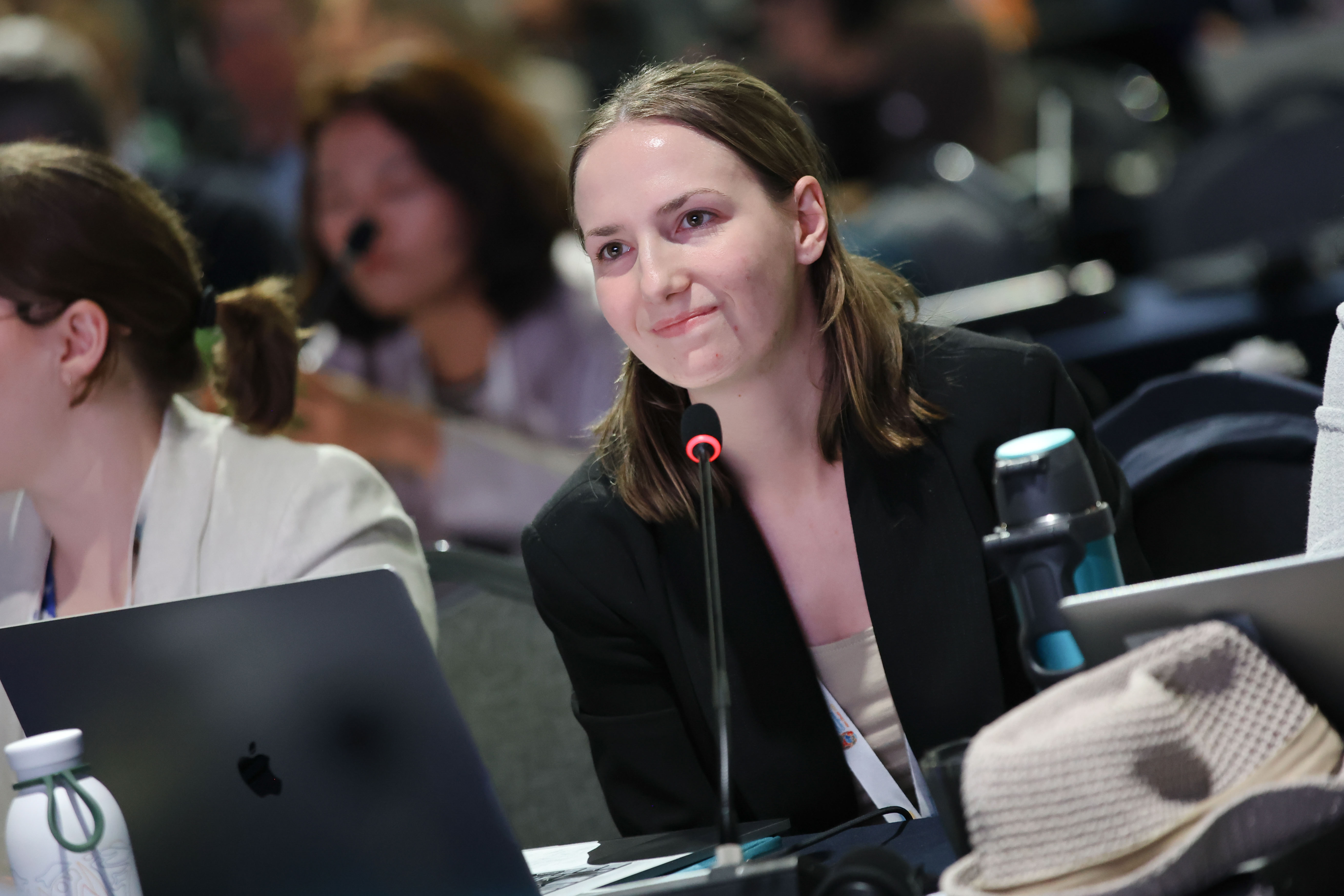
Lara Ocallaghan, Center for Environmental Legal Studies, US
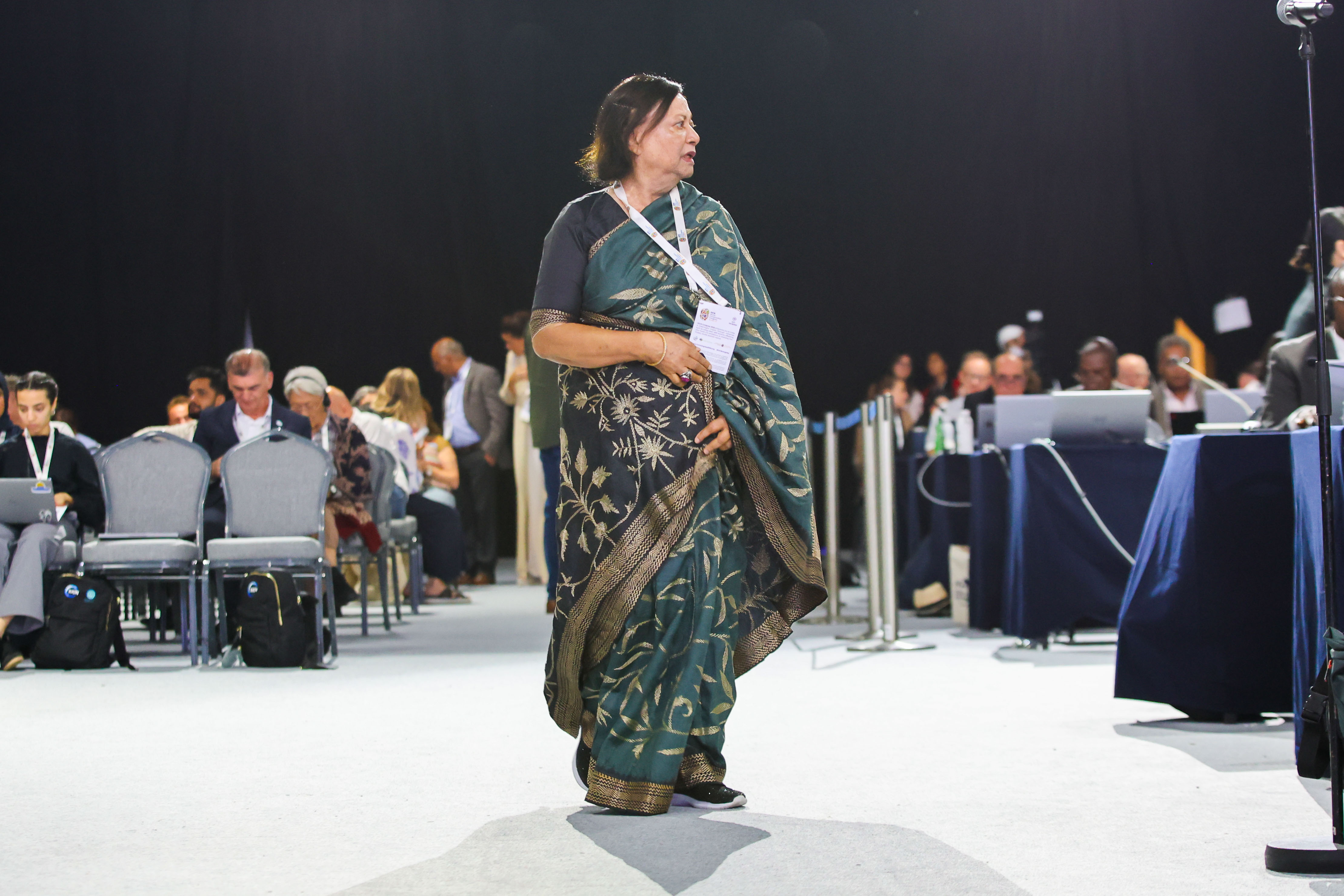
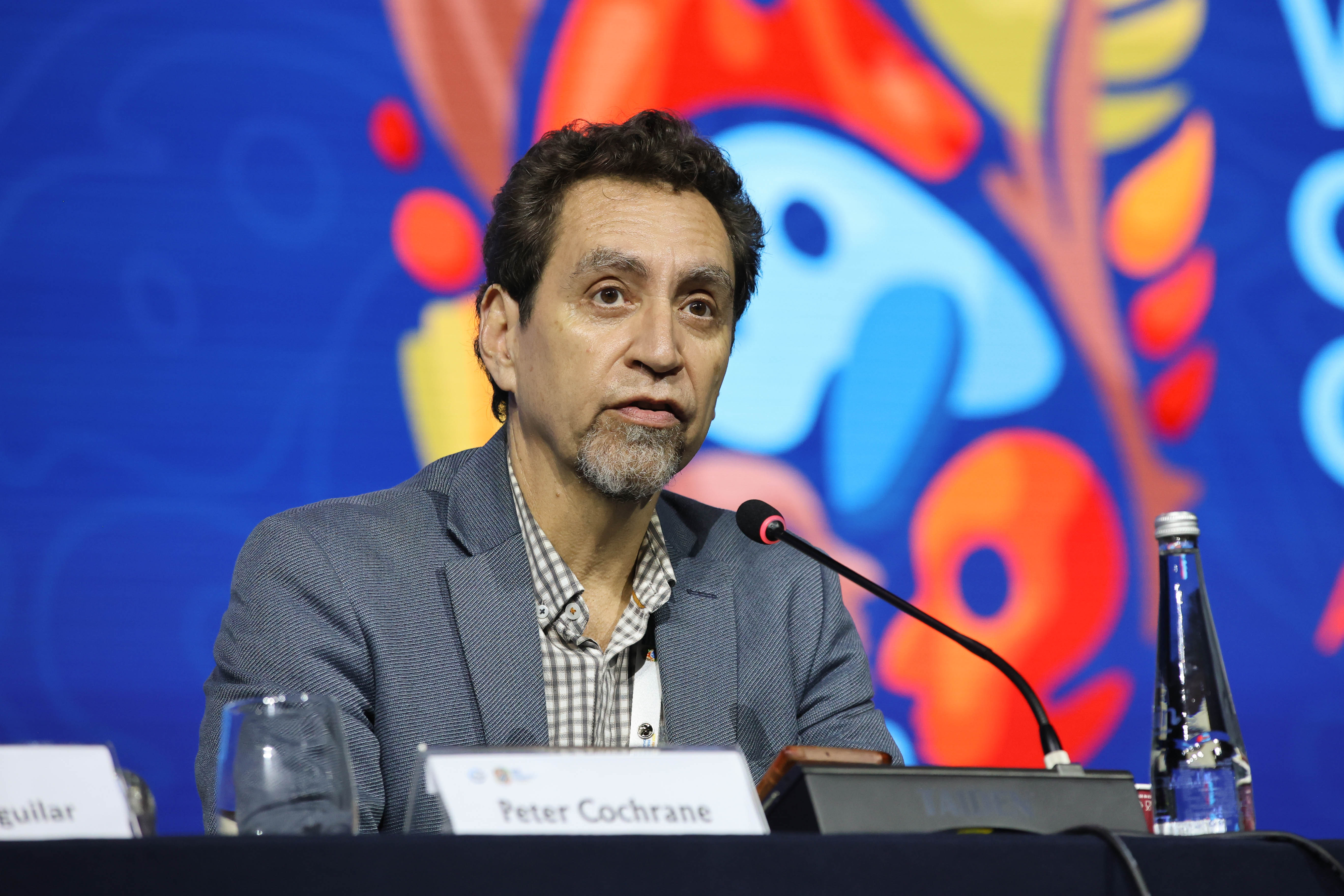
Marco Vinicio Cerezo, Councilor, IUCN
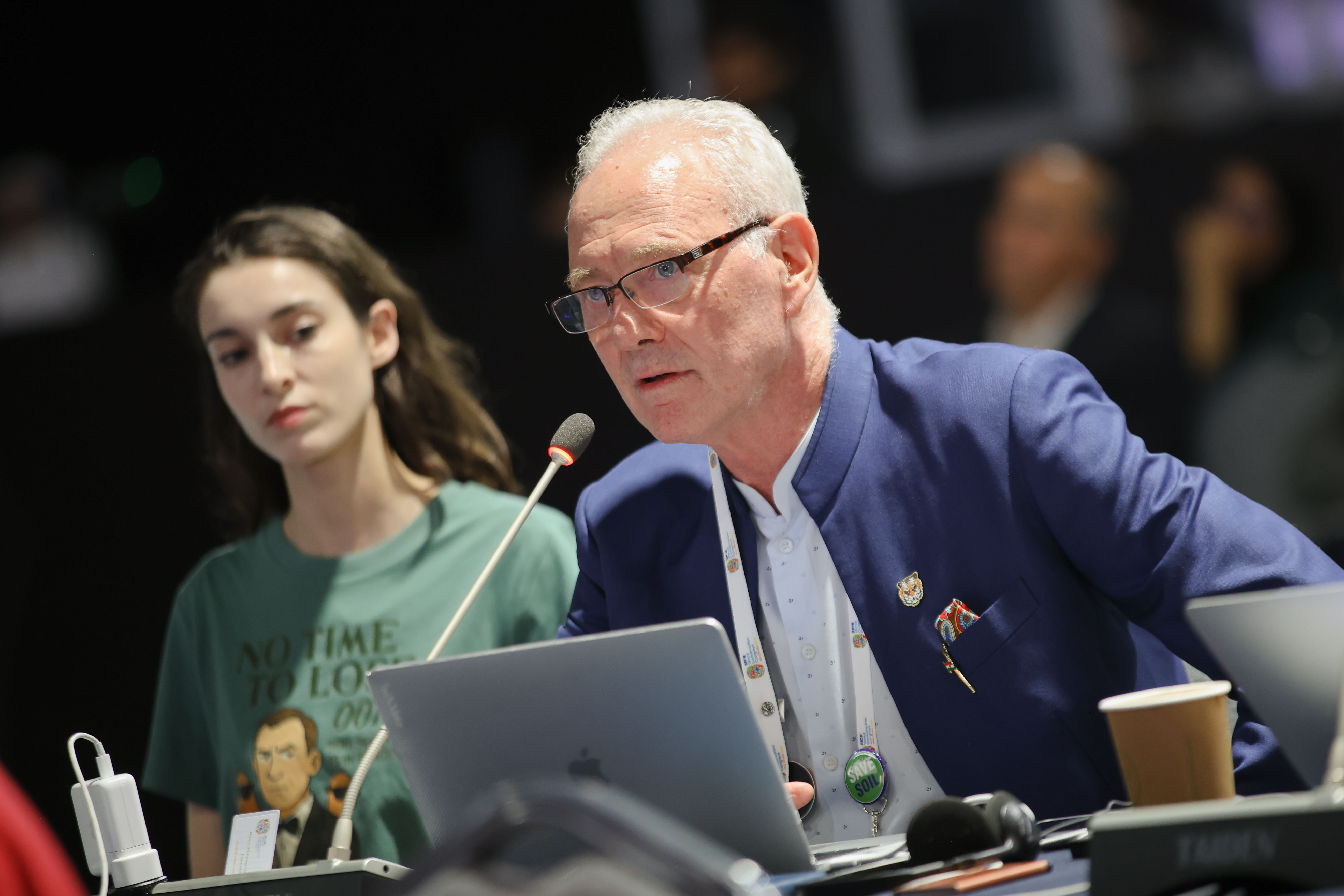
Michael Wilson, Hawaiʻi Conservation Alliance, US
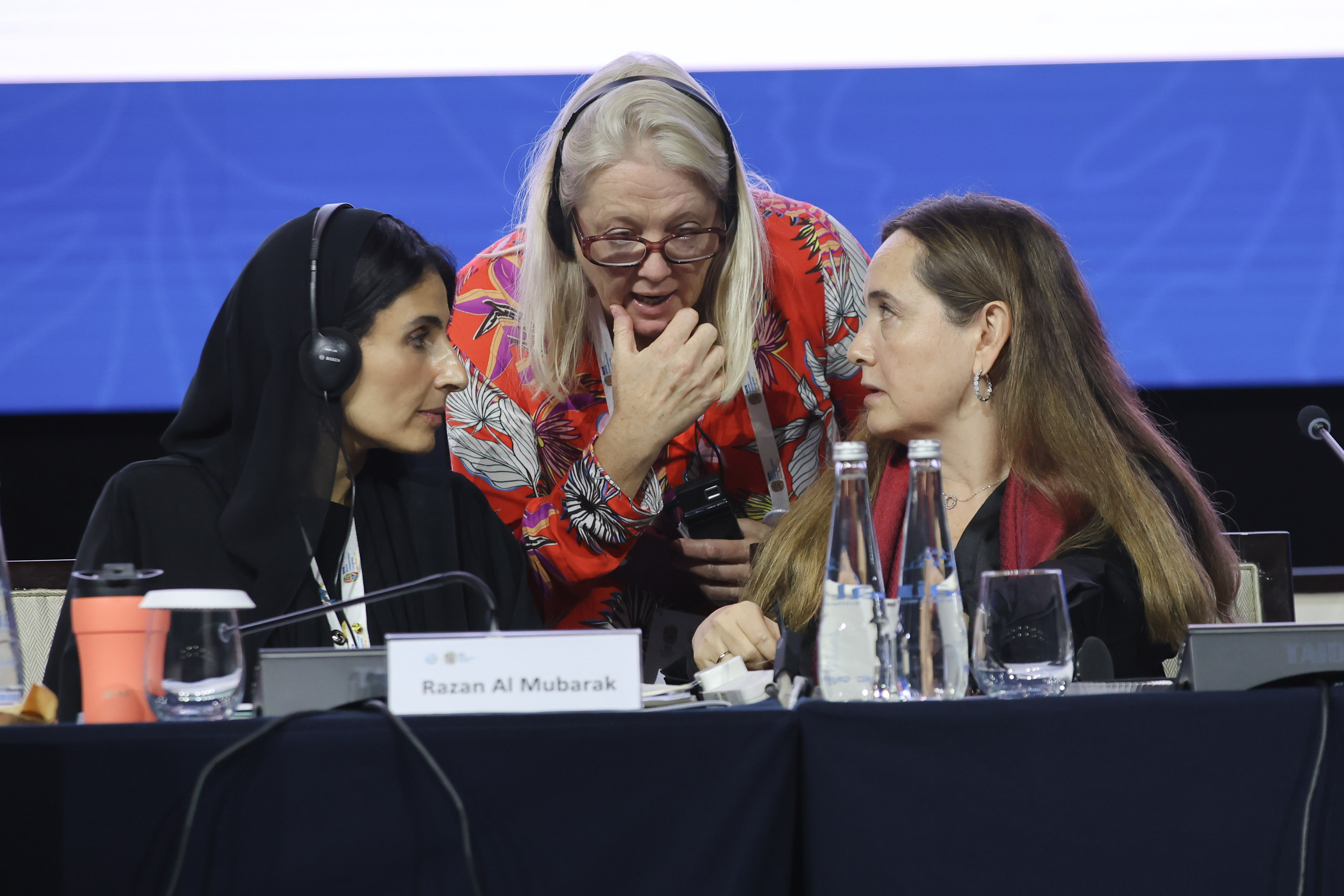
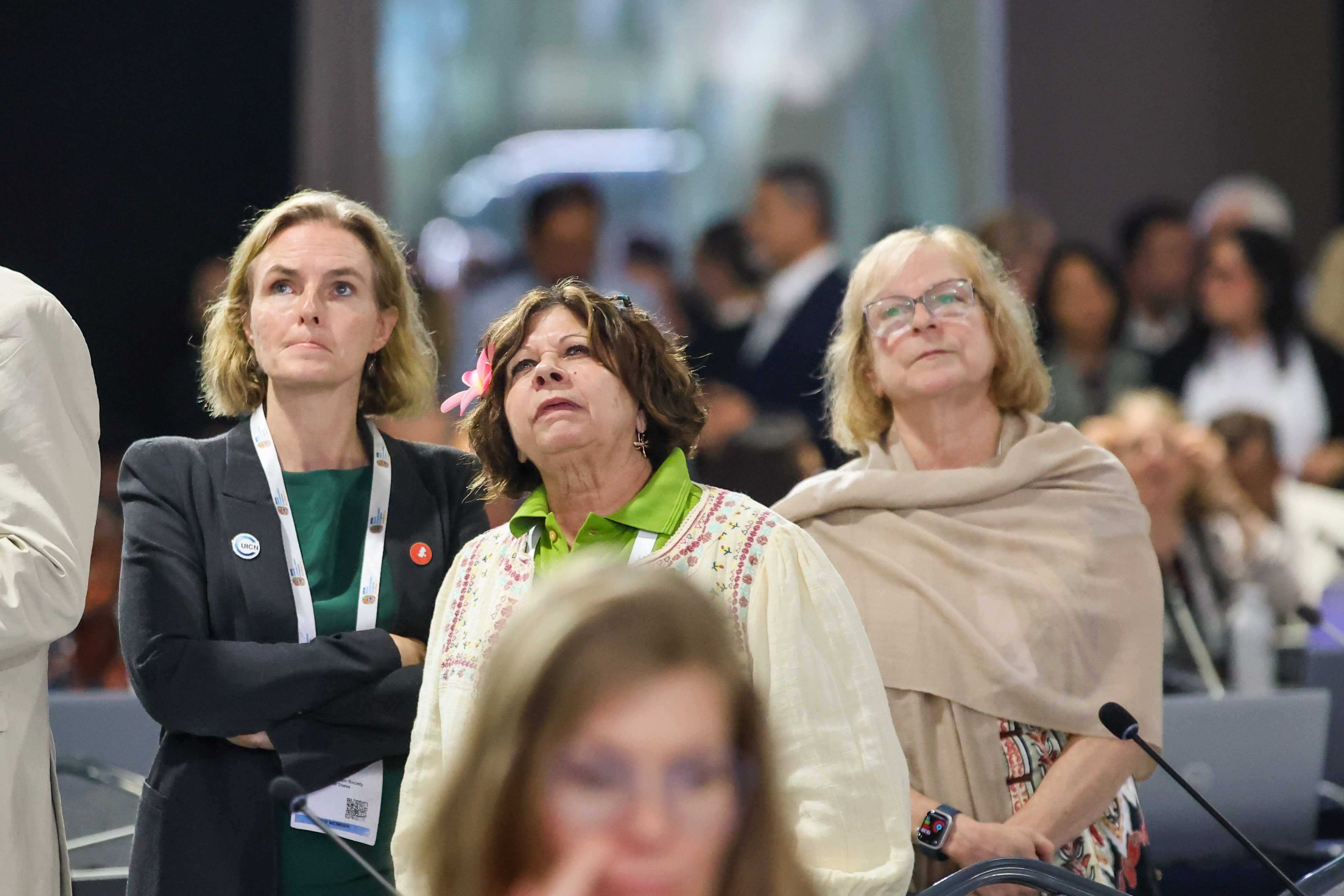

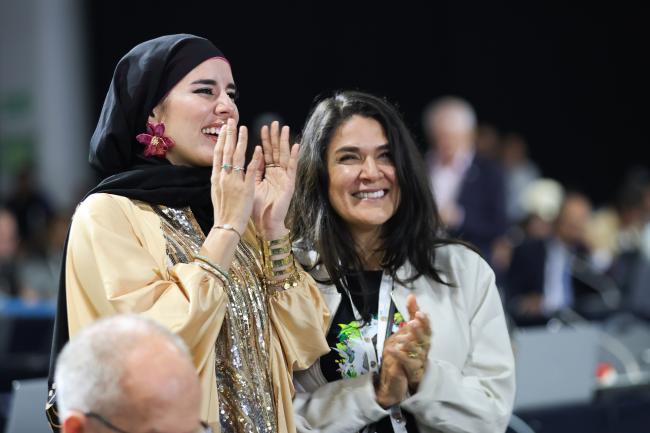
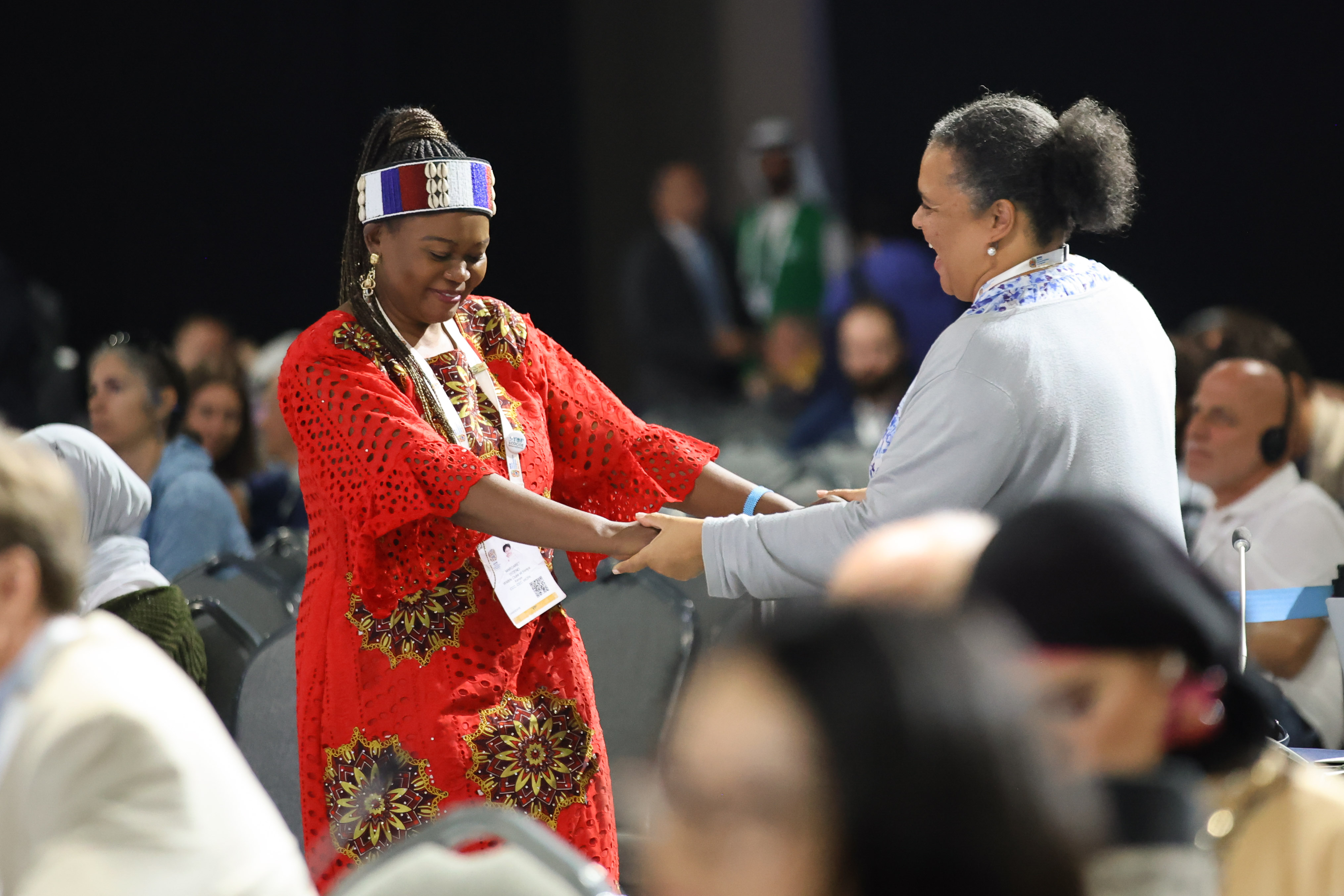
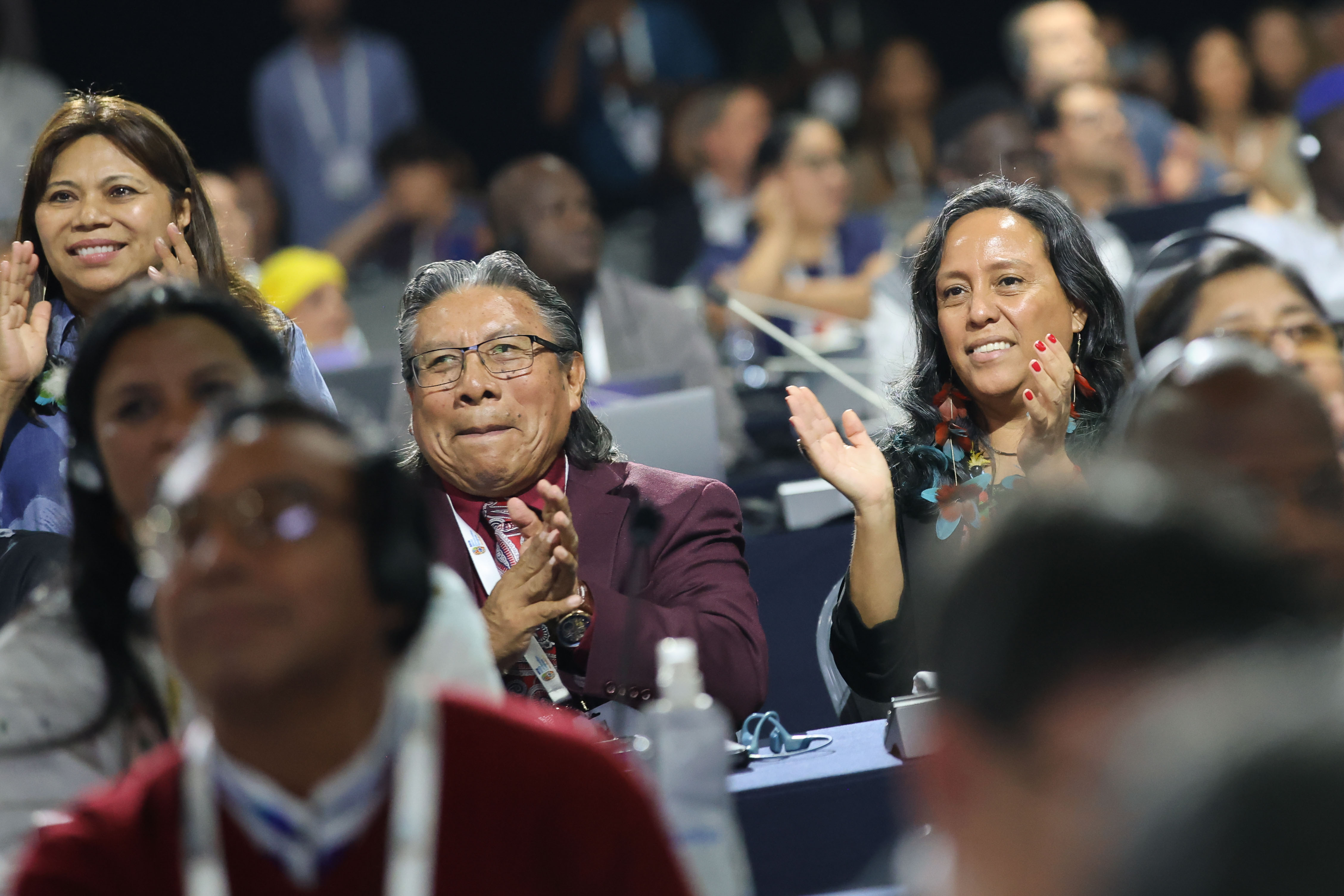
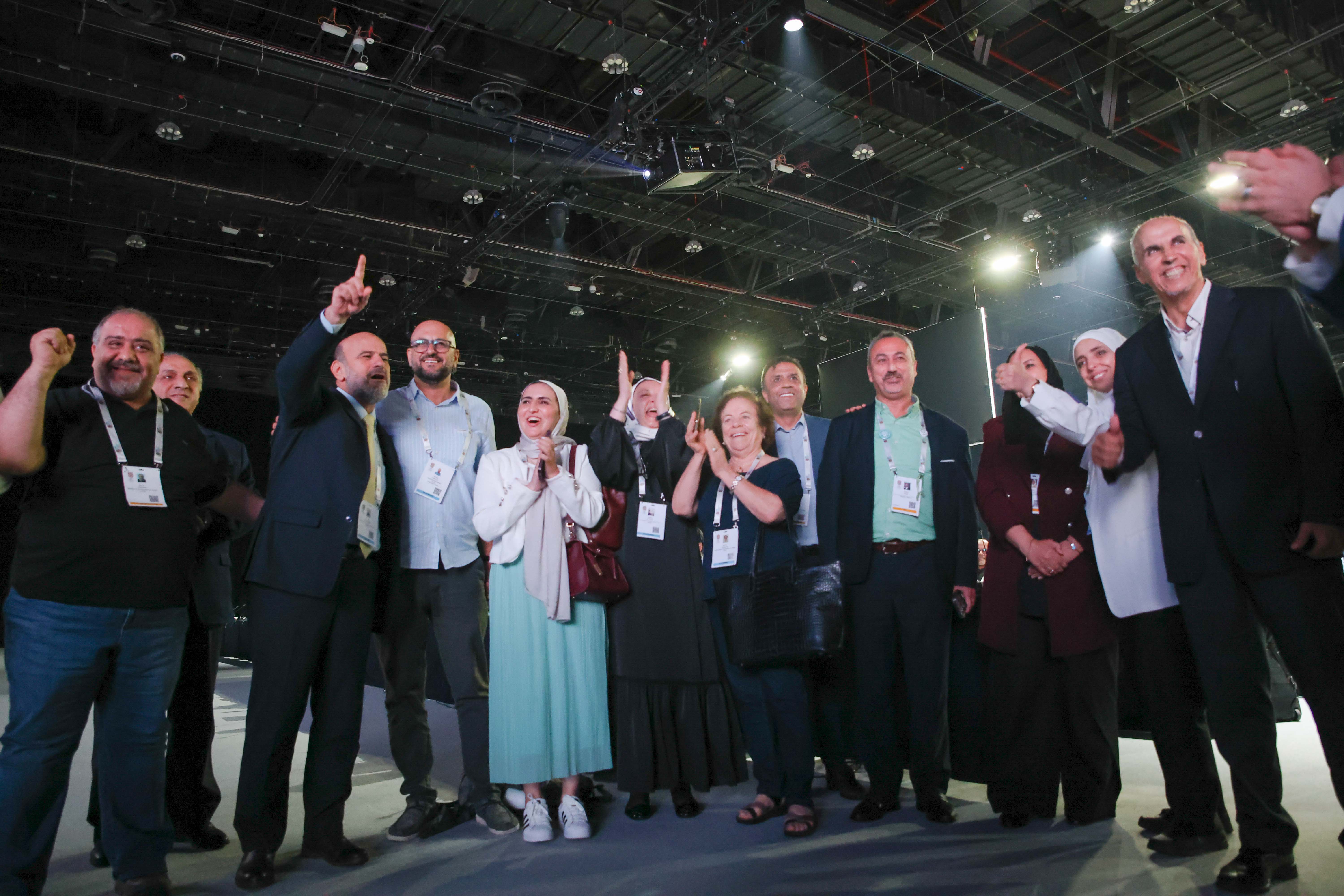
Participants celebrate the election of the new IUCN Council.
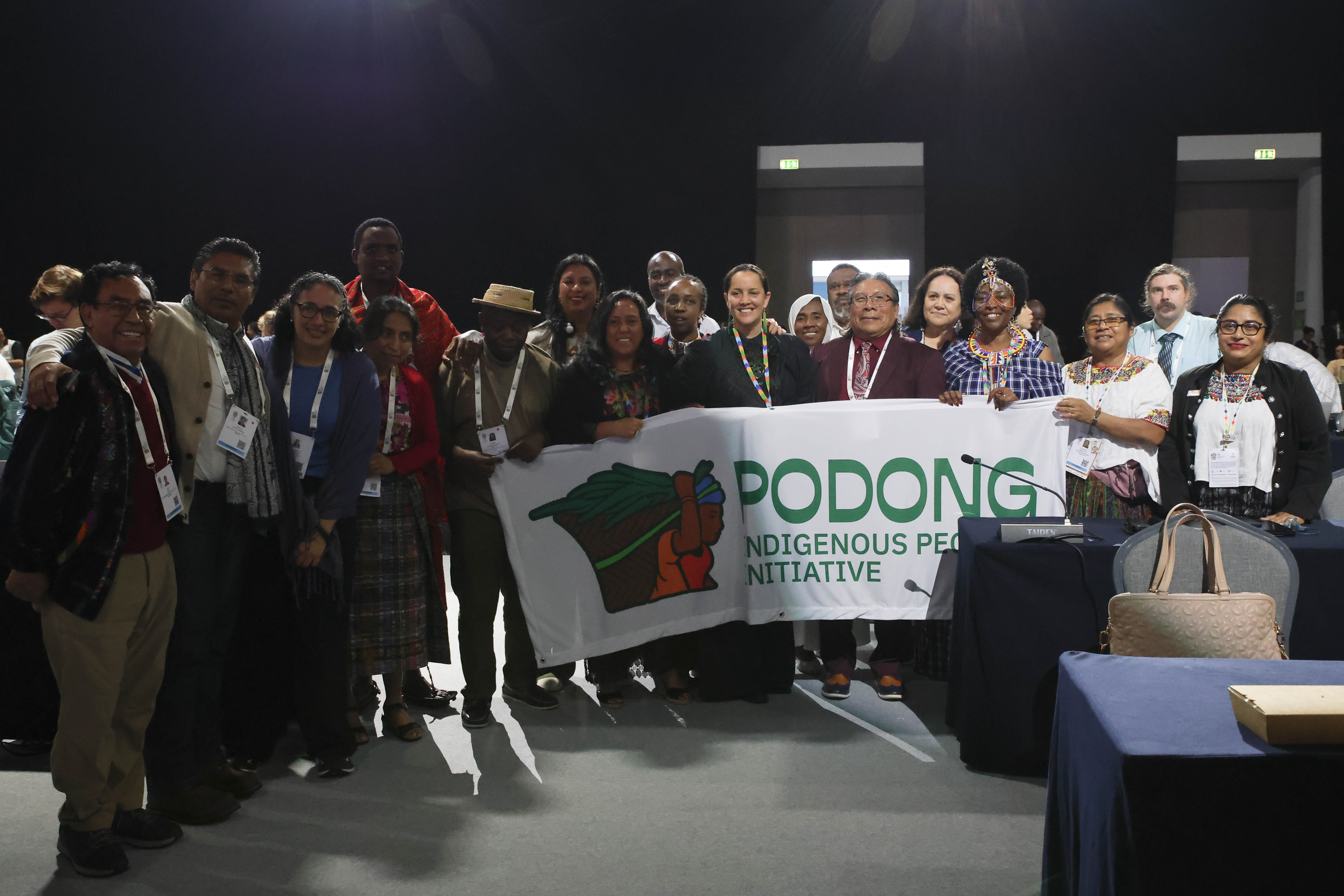
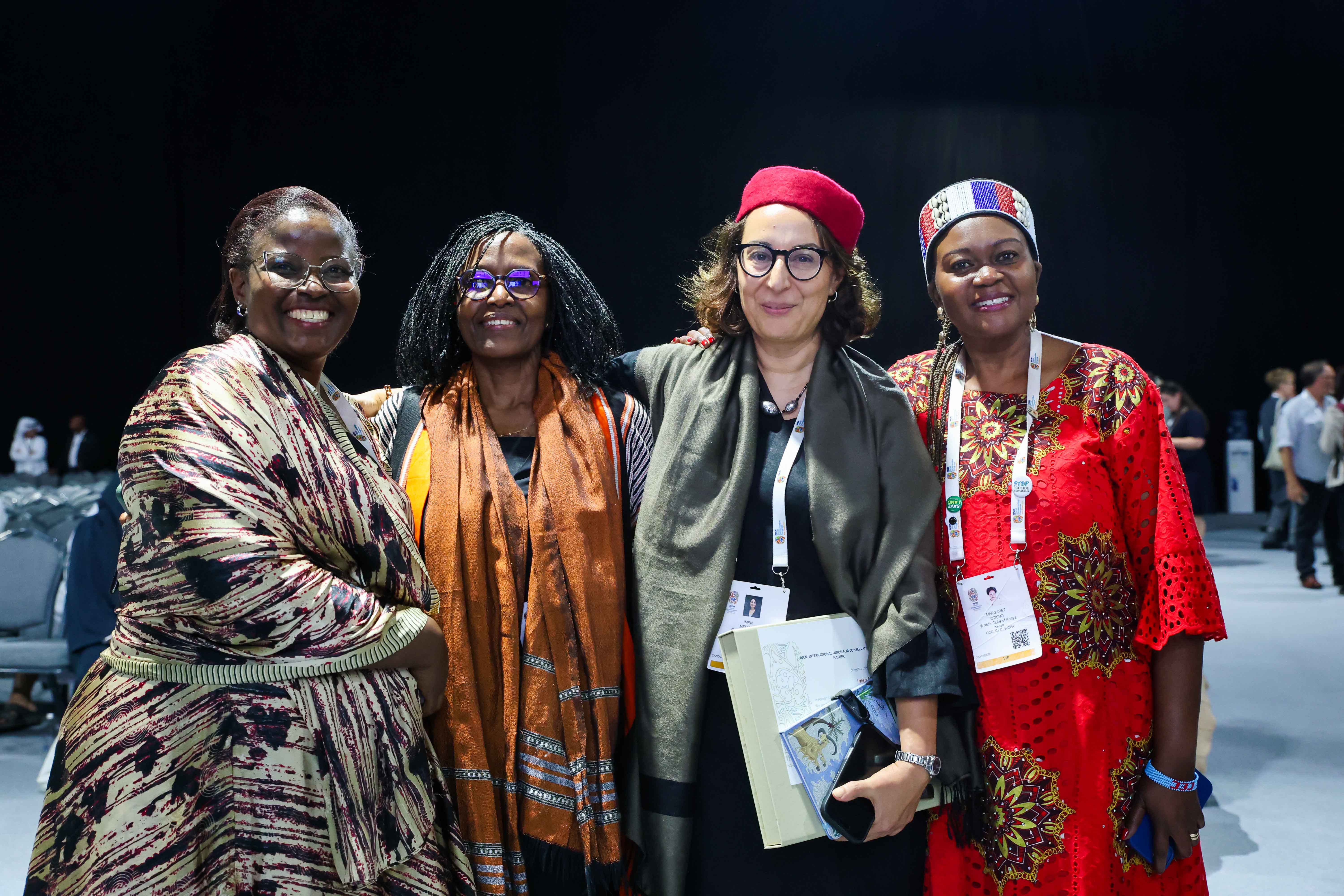
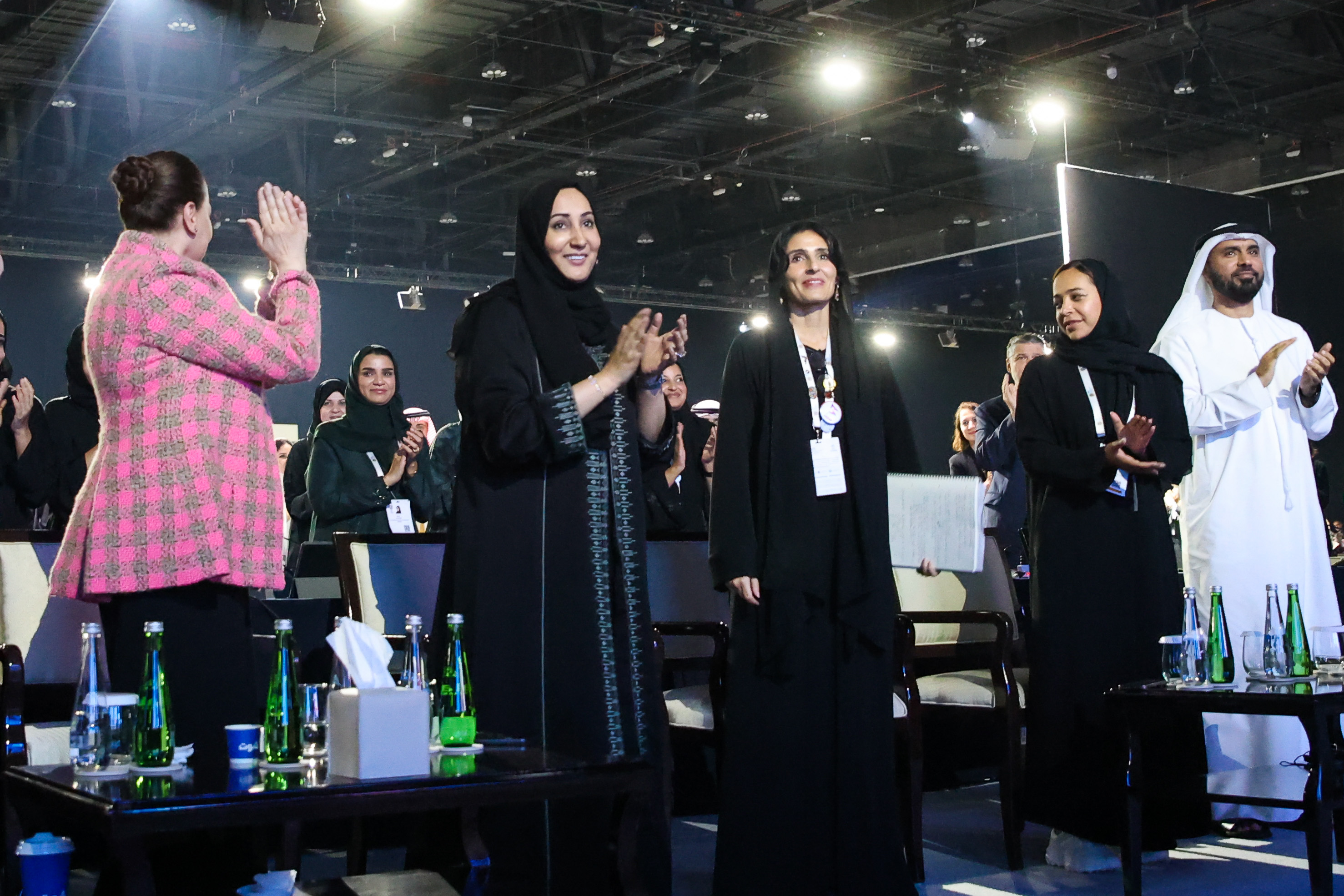
Closing Session
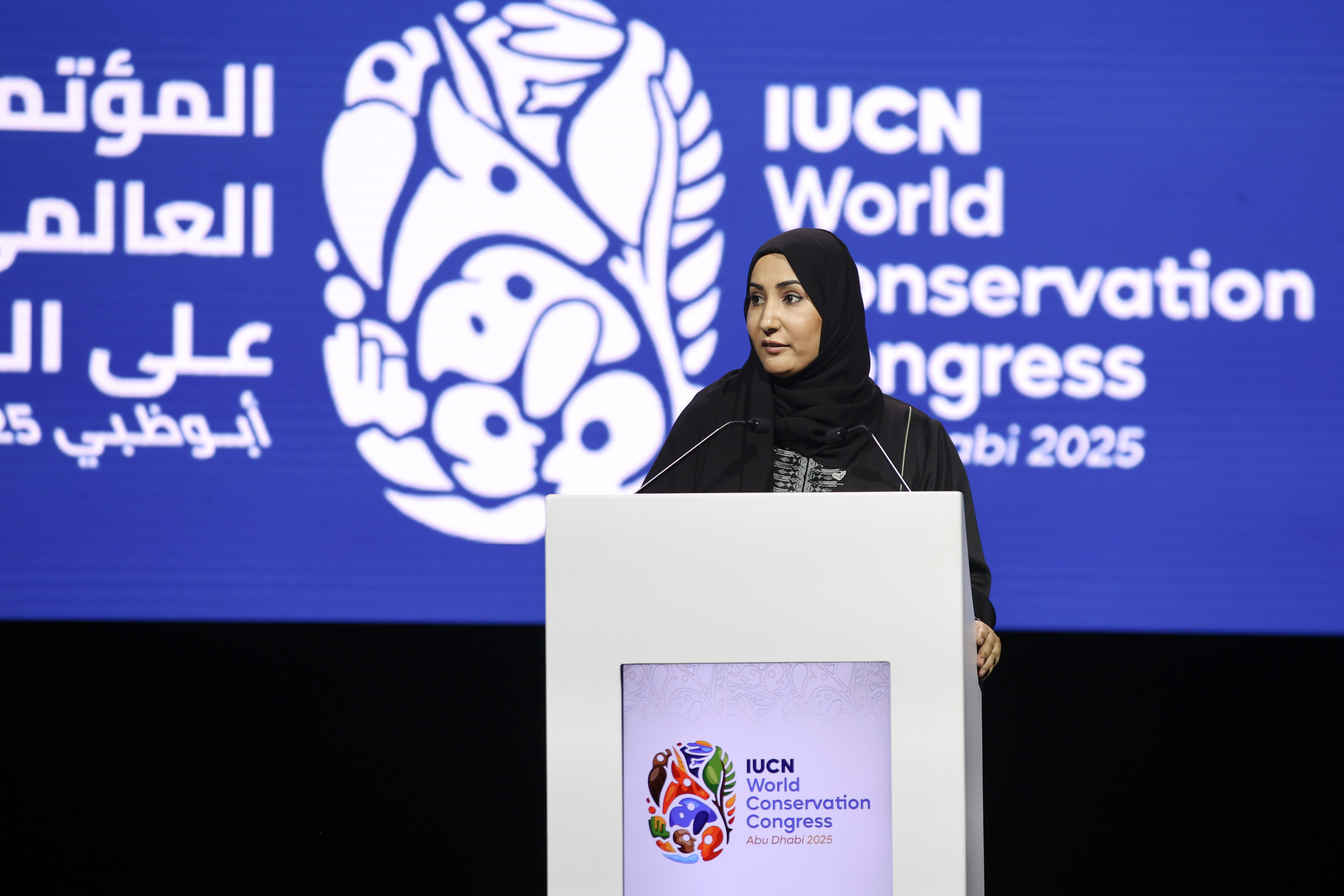
Shaikha Salem Al Dhaheri, Secretary General, Environmental Agency - Abu Dhabi, and IUCN Councilor
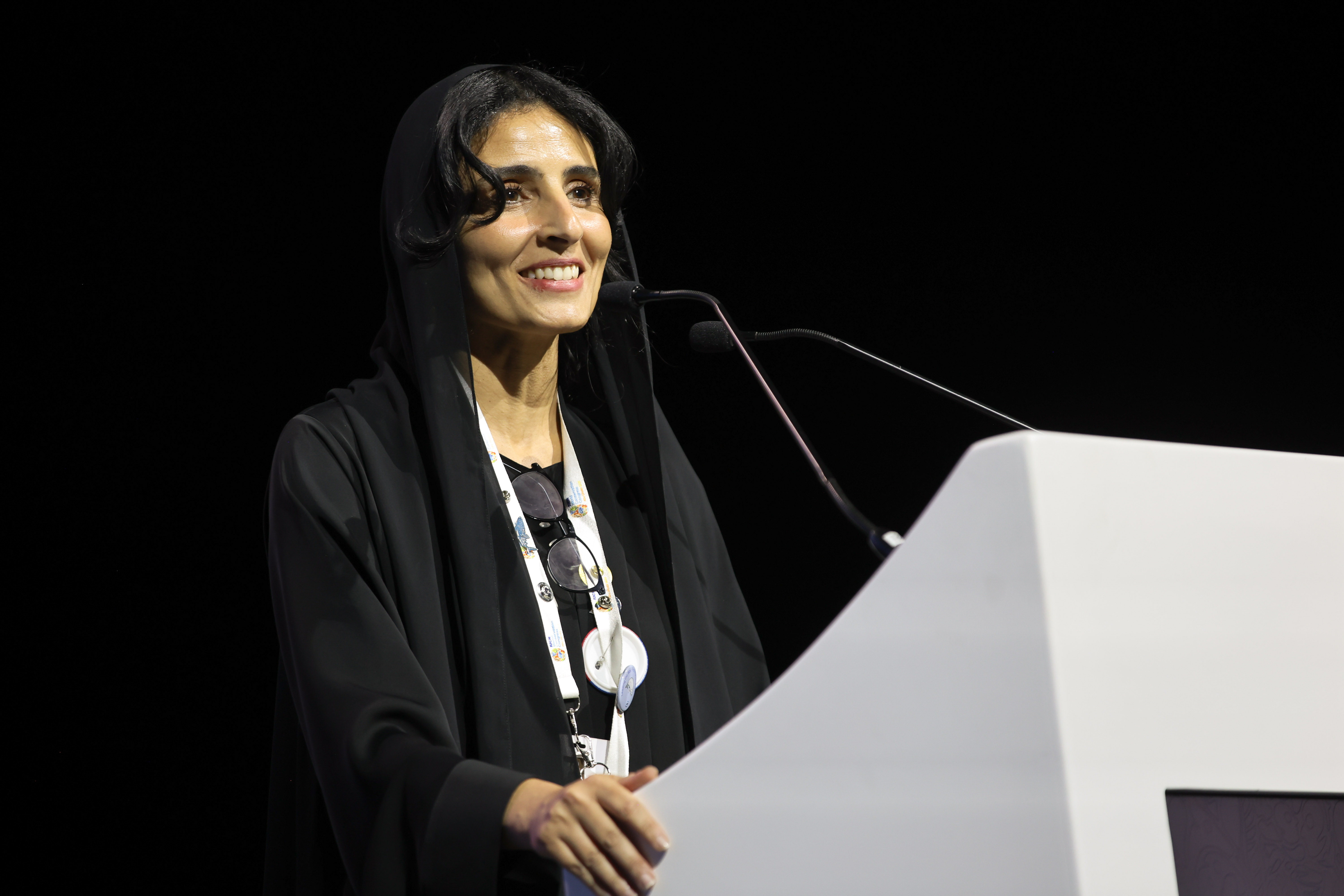
Razan Al Mubarak, President, IUCN
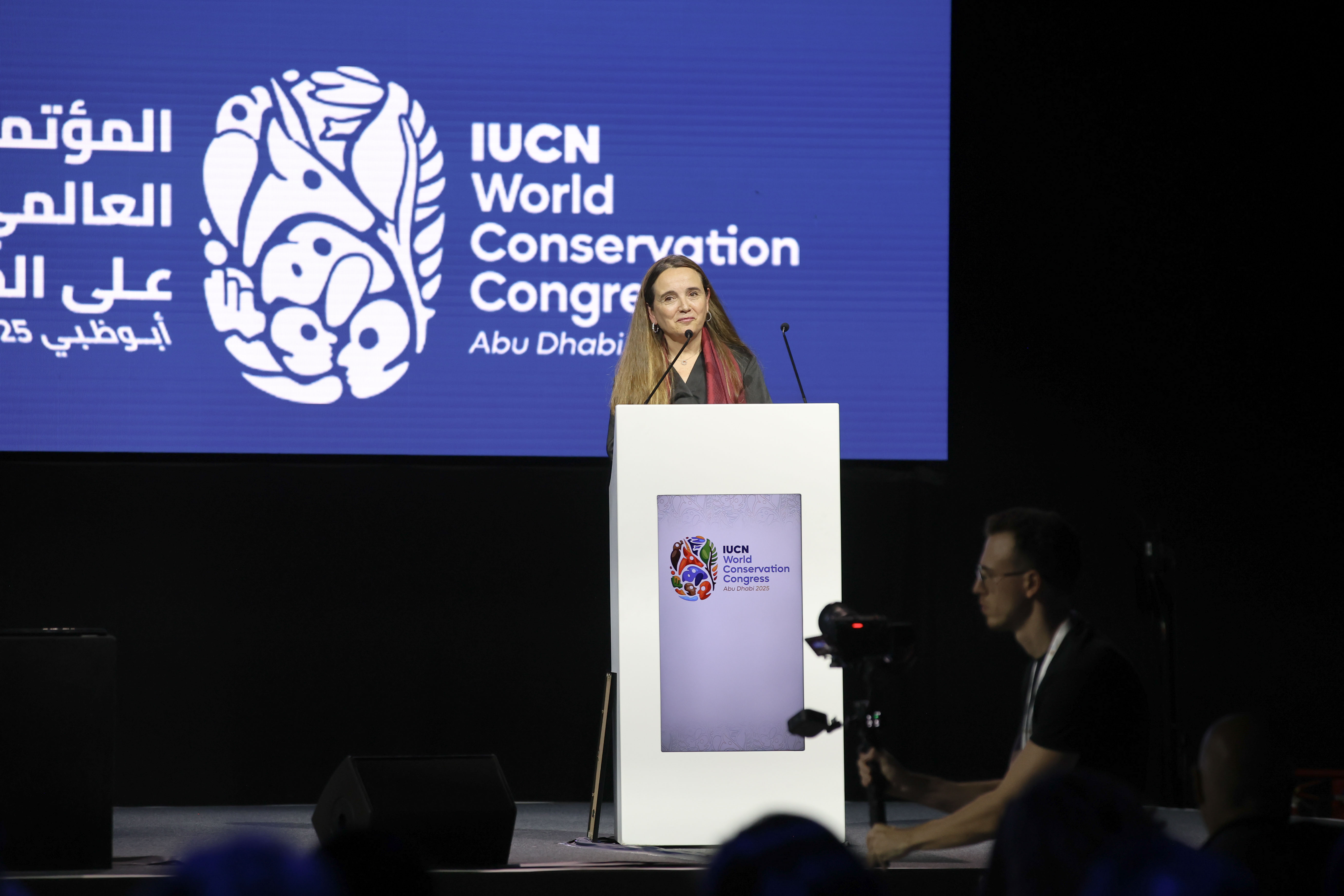
Grethel Aguilar, Director General, IUCN
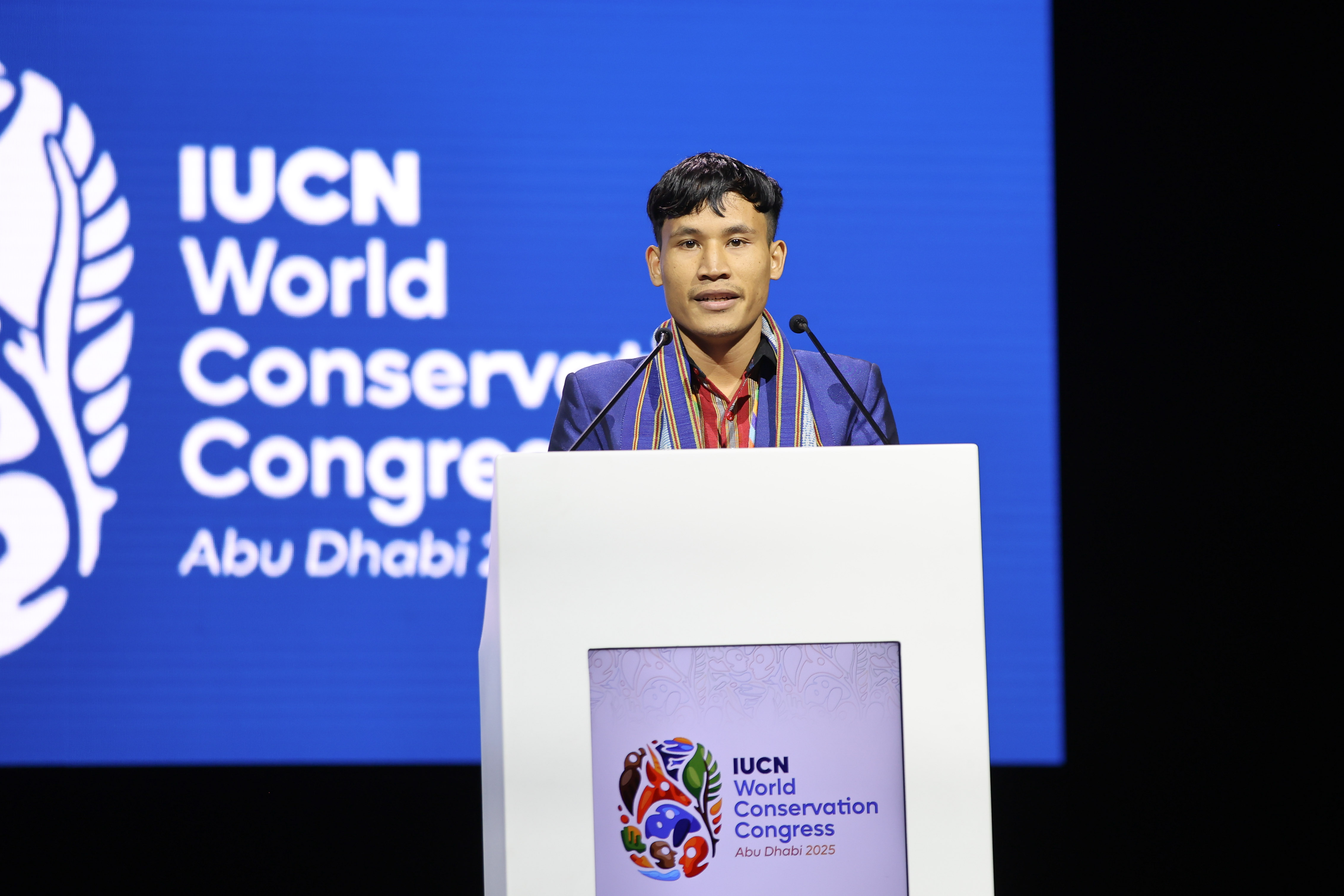
Blen Romam, Cambodia Indigenous Youth Association
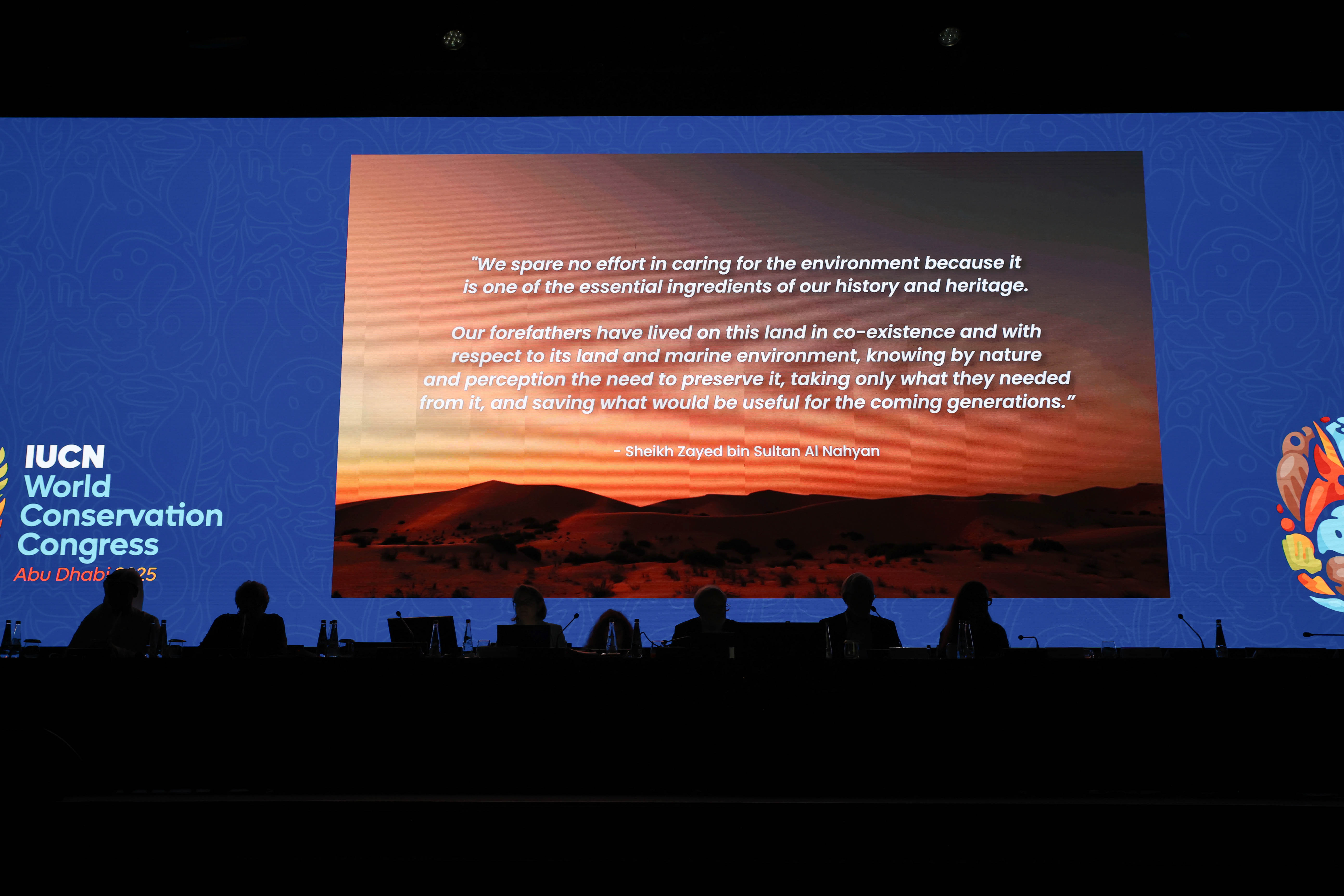
Between Sessions
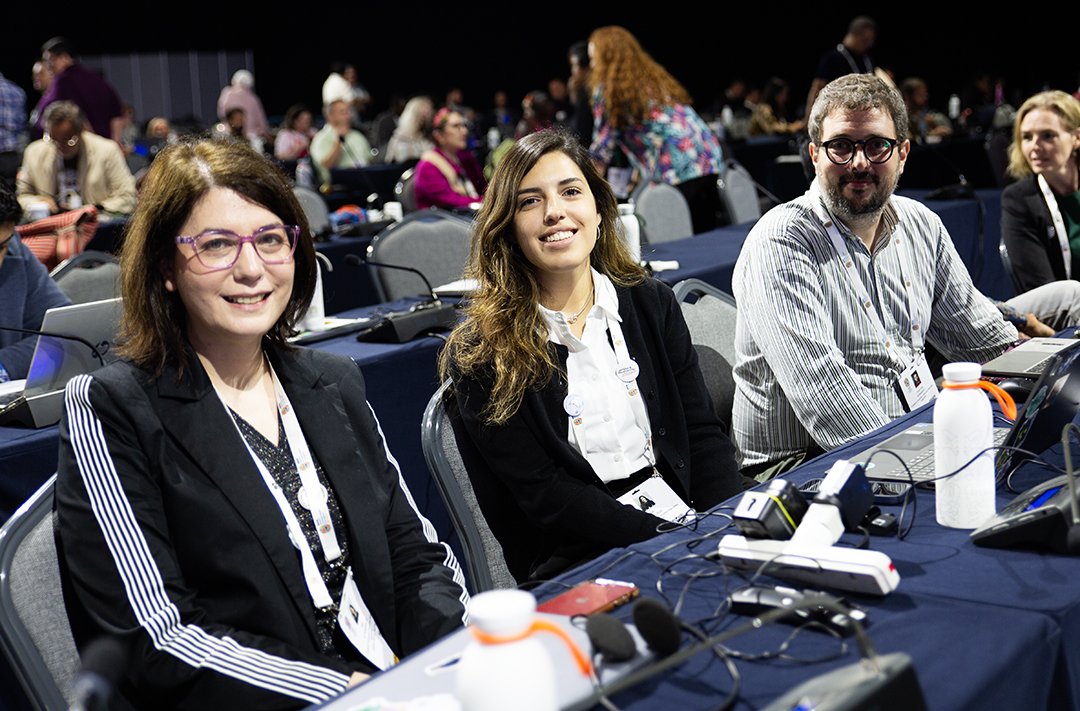
Ana Pangracio, Ana Parellada, and Cristián Fernández, Fundación Ambiente y Recursos Naturales, Argentina

Carla Tinoco, Fundación Parque Nacional Chagres, and Ricardo Wong, Fundación para la Protección del Mar, Panama
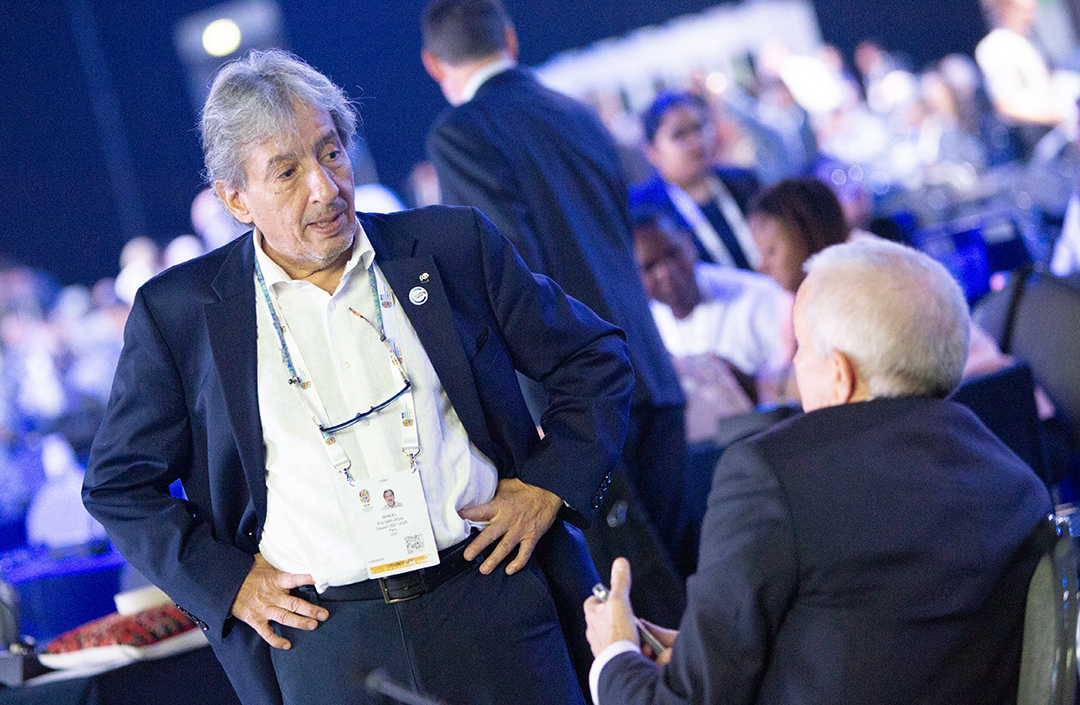
Manuel Pulgar-Vidal, newly elected Chair, Climate Action Commission, IUCN
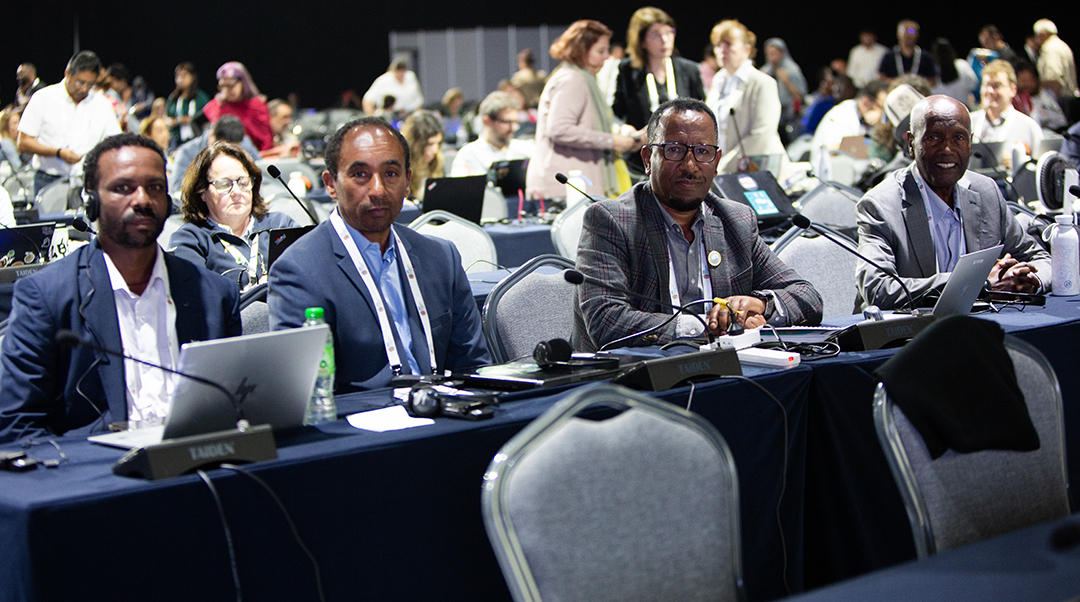
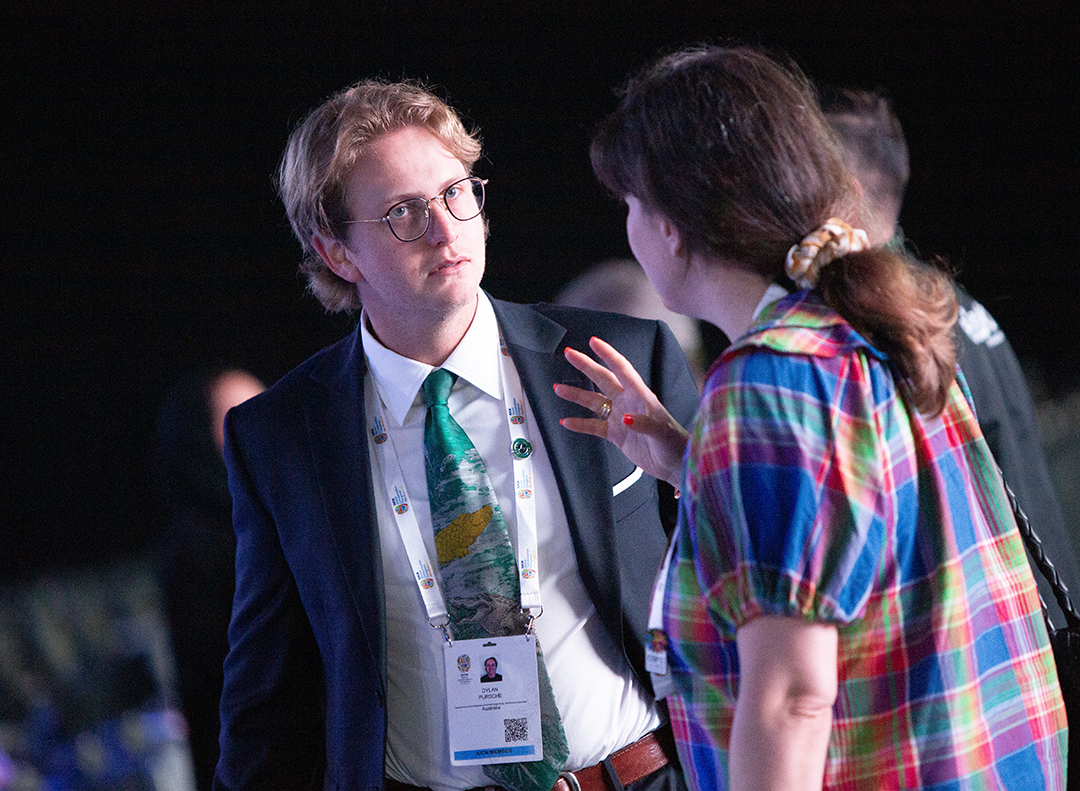
Dylan Pursche, Australia
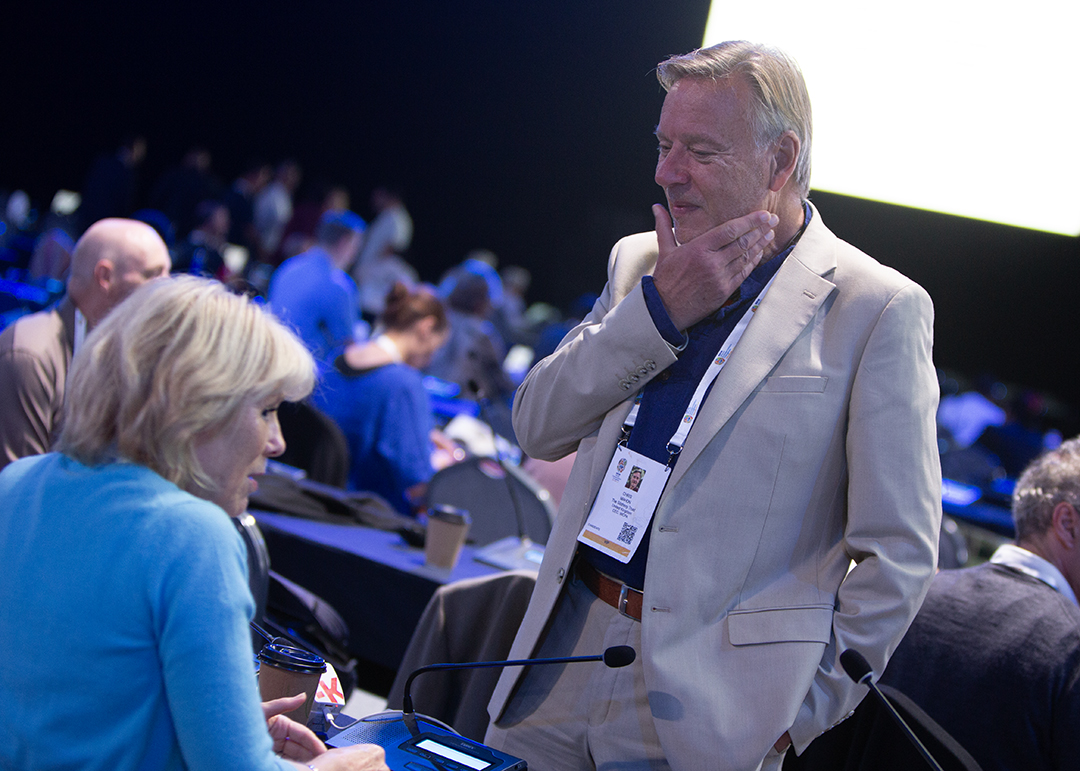
Chris Mahon, The Sibthorp Trust, UK
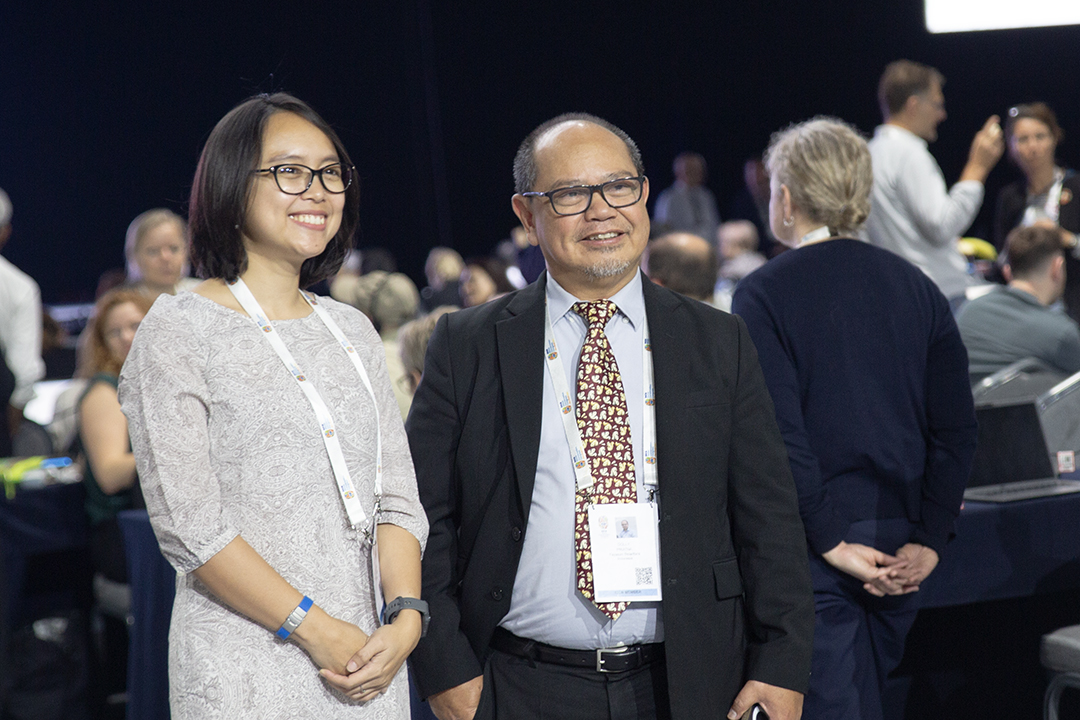
Earth Negotiations Bulletin Team Covering the IUCN World Conservation Congress

L-R: Anastasia Rodopoulou, Greece; Christina Fernandez, Netherlands; Tallash Kantai, Kenya; Marc Calabretta, Canada; Angeles Estrada Vigil, Argentina; Pauliina Upla, Finland; Wanja Nyingi, Kenya; Daniel Bertram, Germany; and Nancy Mutonyi, Kenya