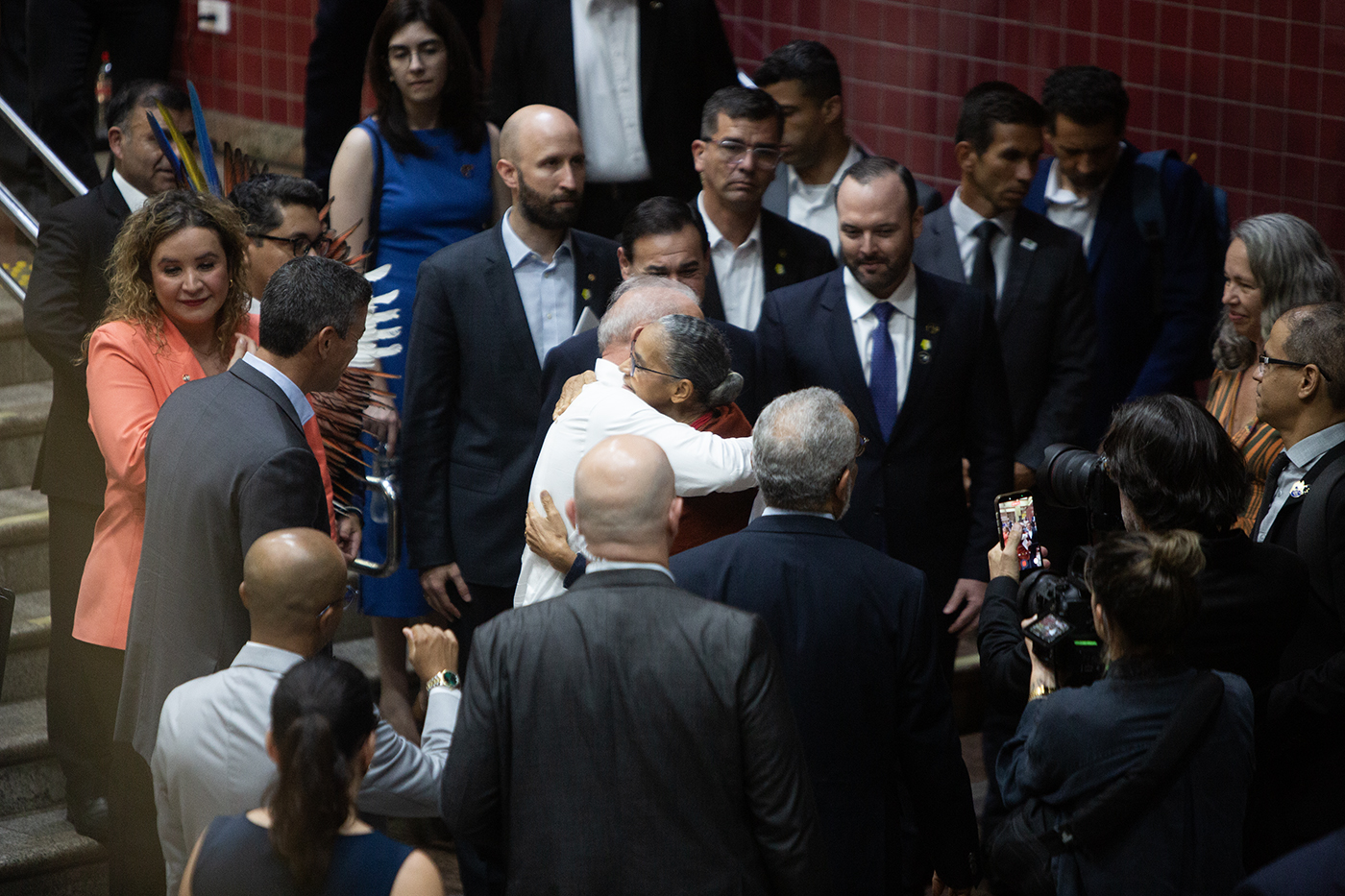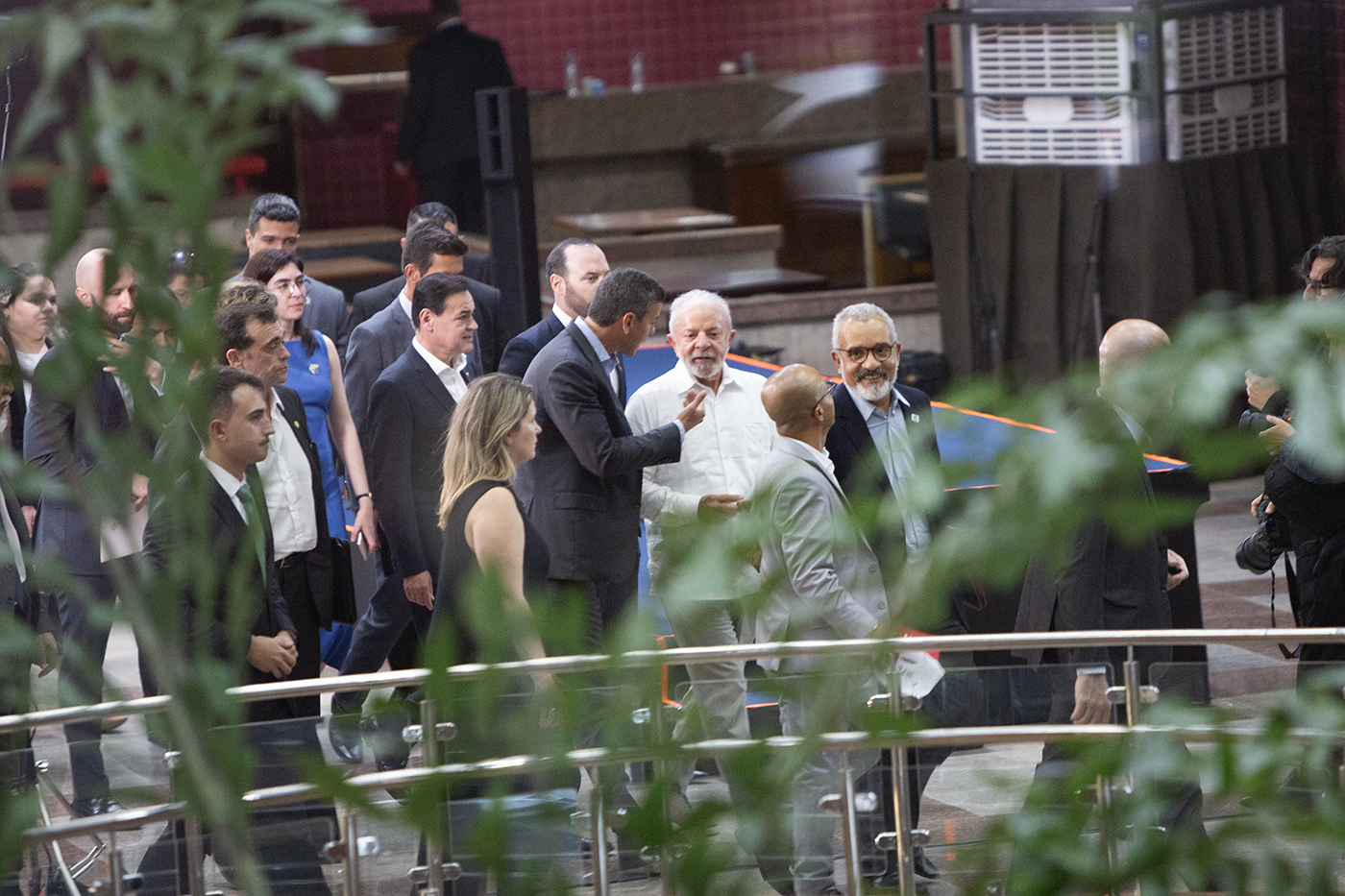
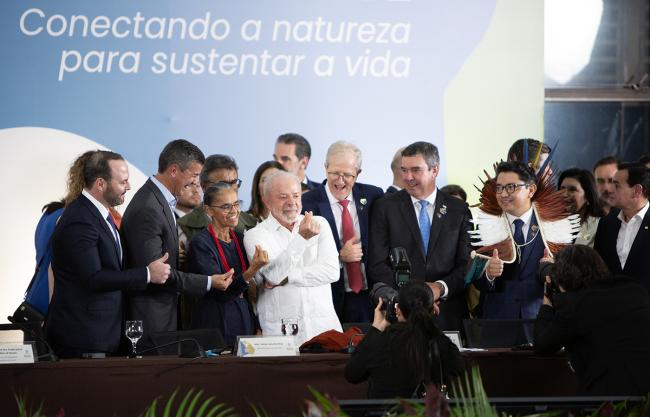
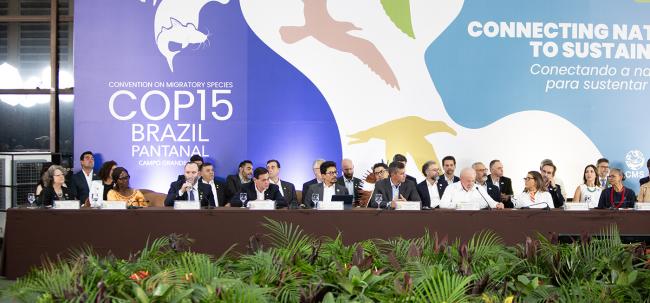
Voicing their dedication to cooperating across borders on migratory species conservation despite turbulent global geopolitics, the President of Brazil, the President of Paraguay, ministers, and other prominent stakeholders stressed the importance of multilateralism as they gathered for a special High-level Segment under the theme “Connecting Nature to Sustain Life."
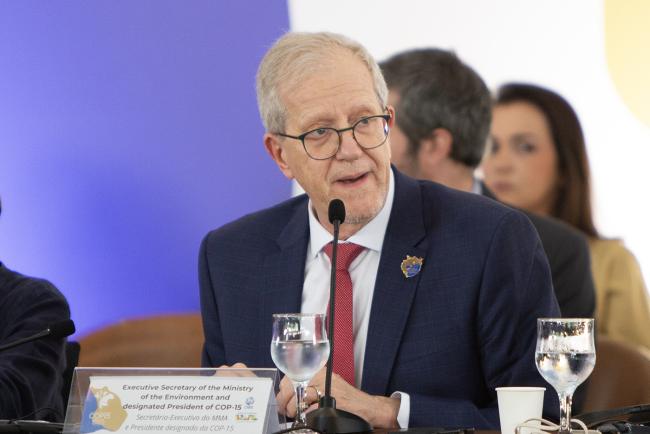
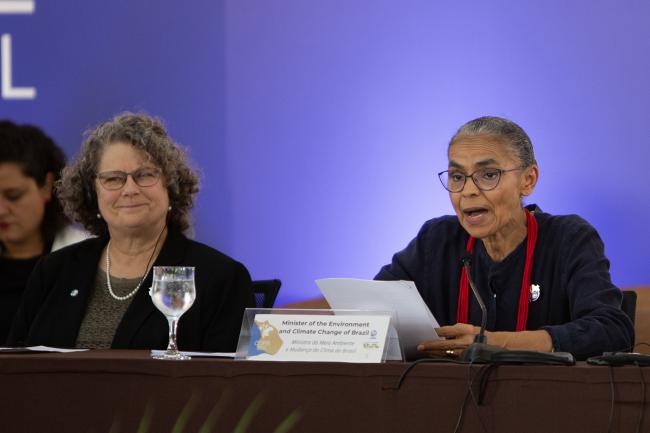
Chair of the Conference of the Parties (COP15) to the Convention on Migratory Species (CMS) João Paulo Capobianco moderated the High-level Segment and introduced Marina Silva, Minister of the Environment, Brazil, who stressed the importance of sustaining biodiversity across borders and called for protecting migratory species by safeguarding the connected ecosystems that sustain them. Amid increasing geopolitical instability, she urged delegates to make COP15 “a resounding defense for multilateralism.”
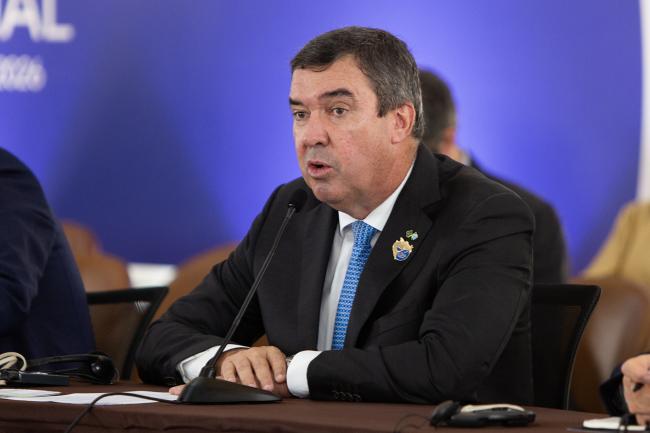
Eduardo Riedel, Governor of Mato Grosso do Sul (MS), Brazil, highlighted that the state contains three out of Brazil’s five biomes: the Pantanal (wetlands), the Cerrado (savanna), and the Atlantic Forest (semideciduous forest). Noting that more than 90% of MS and 97% of the Pantanal is under private ownership, he called for financial and other mechanisms to make biodiversity conservation “an economically viable choice, and not just an obligation.”
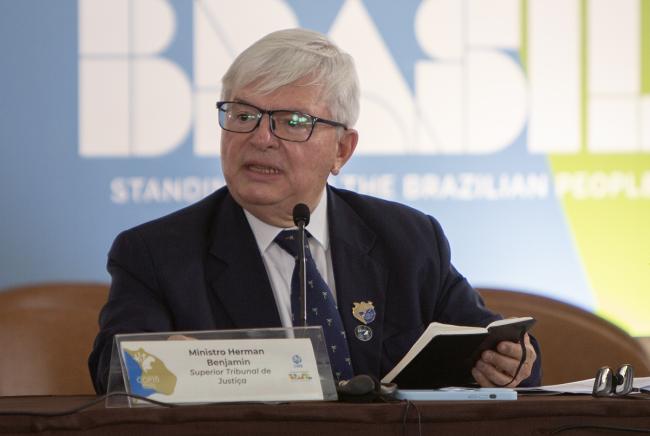
Antonio Herman Benjamin, President, Superior Court of Justice, Brazil, underscored that conventions are law, and judges are integral to their implementation. He drew attention to the work of environmental defenders, outlining the dangers they face, with many losing their lives endeavoring to protect the environment. Benjamin concluded by noting the increasing trend of courts being asked to reaffirm and defend scientific knowledge, and lamented the conditions that have led to this situation.
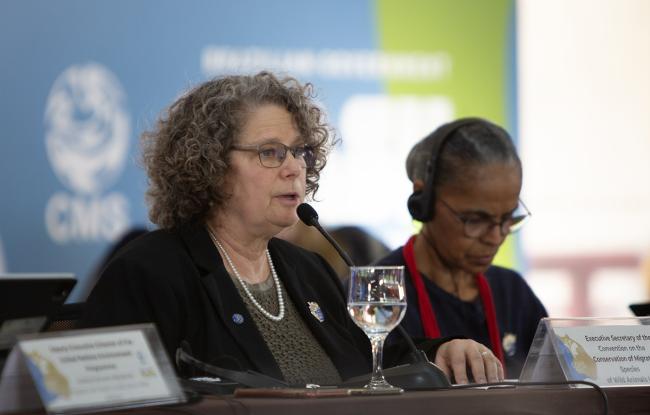
Amy Fraenkel, CMS Executive Secretary, said COP15 is facing a pivotal moment, with trends for migratory species moving in the wrong direction. She said decisions taken at COP15 will be key to reversing habitat decline and to achieving the goals of other conventions. Fraenkel underscored that the survival of CMS-listed species requires constructive intergovernmental cooperation.
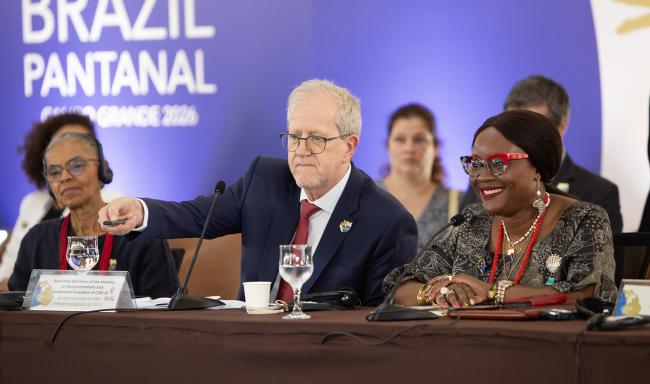
Panel 1: The Importance of Wetlands
Musonda Mumba, Secretary General, Ramsar Convention on Wetlands, opened this session by emphasizing that wetlands provide critical lifelines for people, species, and the climate. She underscored the need to strengthen connectivity, whether ecological, hydrological, or political, to guarantee a healthy post-2030 world.
The subsequent panel discussion featured: Evelyn Ndlovu, Minister of Environment, Climate, and Wildlife, Zimbabwe; Astrid Schomaker, Executive Secretary, Convention on Biological Diversity (CBD); Ivonne Higuero, Secretary-General, Convention on International Trade in Endangered Species of Wild Fauna and Flora (CITES); Mauro Pires, President, Chico Mendes Institute (CMI); Gabriel Quijandría, International Union for Conservation of Nature (IUCN) Regional Director; Emmanuel Lenain, Ambassador of France; and Rómulo Acurio, Ambassador of Peru.
Participants highlighted:
- transboundary initiatives with Zimbabwe’s neighbors to protect wetlands to enable them to continue fulfilling their ecological functions;
- the economic co-benefits of protecting wetlands, notably for disaster prevention;
- the need for cooperation among conventions to pool resources to maximize impact, including by integrating the protection of wetlands and migratory species into national strategies and spatial planning instruments, to reduce reporting burdens;
- the importance of embedding policies on wetlands and migratory species within the Kunming-Montreal Global Biodiversity Framework (GBF) and to work across ministries and silos to maximize impact;
- developing technology and partnerships as important mechanisms to guide conservation and restoration;
- the need to integrate biodiversity policies and focus on biodiversity and nature-based solutions (NbS); and
- key actions to improve the conservation status of wetlands, including strengthened cross-border cooperation; the participation of Indigenous Peoples and local communities in monitoring and environmental management; and infrastructure development compatible with biodiversity corridors.
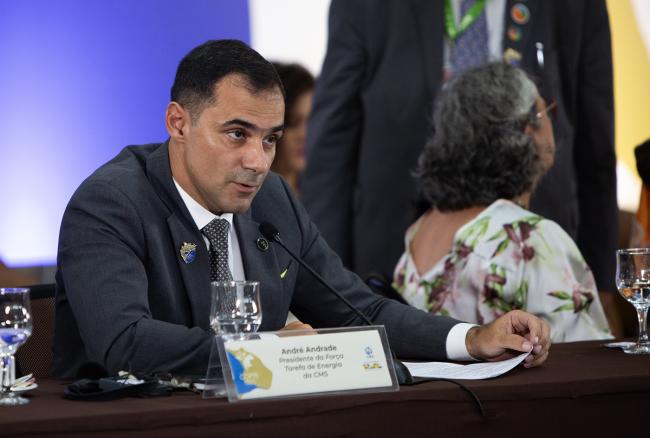
Panel 2: Infrastructure
In the session keynote, André Luiz de Andrade, Chair, CMS Energy Taskforce, called for incorporating ecological connectivity into planning, developing, and financing future global energy infrastructure. He noted the Taskforce was established to transform scientific knowledge on migratory species and their habitats into practical tools to support more well-informed energy infrastructure decisions, and urged more parties to join it.
Panelists included: Luthando Dziba, Intergovernmental Science-Policy Platform on Biodiversity and Ecosystem Services (IPBES) Executive Secretary; Zrinka Domazetović, Agreement on the Conservation of Populations of European Bats (EUROBATS) Executive Secretary; Sergey Dereliev, Agreement on the Conservation of African-Eurasian Migratory Waterbirds (AEWA) Executive Secretary; Rodrigo Agostinho, President, Brazilian Institute of the Environment and Renewable Natural Resources (IBAMA); Carlos García de Alba (Ambassador of Mexico); Vusi Mavimbela (Ambassador of South Africa); Eloy Terena, Viceminister of Indigenous Peoples, Brazil; and Rivetla Edipo Araújo Cruz, Viceminister of Fisheries and Aquaculture, Brazil.
Discussions covered:
- IPBES’ work on integrated spatial planning to address land-use change and its impact;
- smaller instruments under CMS that can provide information and advice on scalable solutions;
- using data to effectively plan infrastructure and undertake sensitivity mapping across the entire range of flyways;
- the need for innovative tools and approaches to turn mortality due to obstacles along migratory paths into “the exception, instead of the rule”;
- reducing unplanned agricultural expansion, especially into wetlands, so that migratory wildlife can better coexist with human communities;
- mitigating the impacts of power infrastructure on migratory birds by installing bird flight diverters on transmission lines and establishing shutdown on demand protocols for wind turbines;
- the need for integrated planning that is considerate of Indigenous Peoples’ rights and ancestral knowledge; and
- the importance of cross-sectoral management and conservation in safeguarding species and freshwater corridors, since fisheries management alone cannot redress the impacts of major industries such as hydroelectric dams.
Presidential Segment
Brazilian Minister for the Environment Silva emphasized the interdependence of life on Earth and urged for protecting the ecological connectivity this interdependence requires. She called for strengthened transboundary cooperation to ensure future generations inherit a balanced planet.
CMS Executive Secretary Fraenkel underscored that nature, when fragmented, becomes more vulnerable and loses its ability to function well. Reflecting on the COP15 theme, “connecting nature to sustain life,” she highlighted the case of the Amazonian dorado, among the many freshwater fish species directly contributing to global food security, and one that requires unfragmented water flows to thrive. Fraenkel urged for greater focus on well-connected protected areas and on participation in the Global Partnership on Ecological Connectivity (GPEC), launched at COP14.
Fernando Aramayo Carrasco, Minister of Foreign Affairs, Bolivia, emphasized protecting migratory species as both an environmental and a regional security issue. Carrasco underscored that ecosystem fragmentation represents a collective security vulnerability. He urged for strengthening links to CMS and other conventions and for harmonizing policies and information between countries.
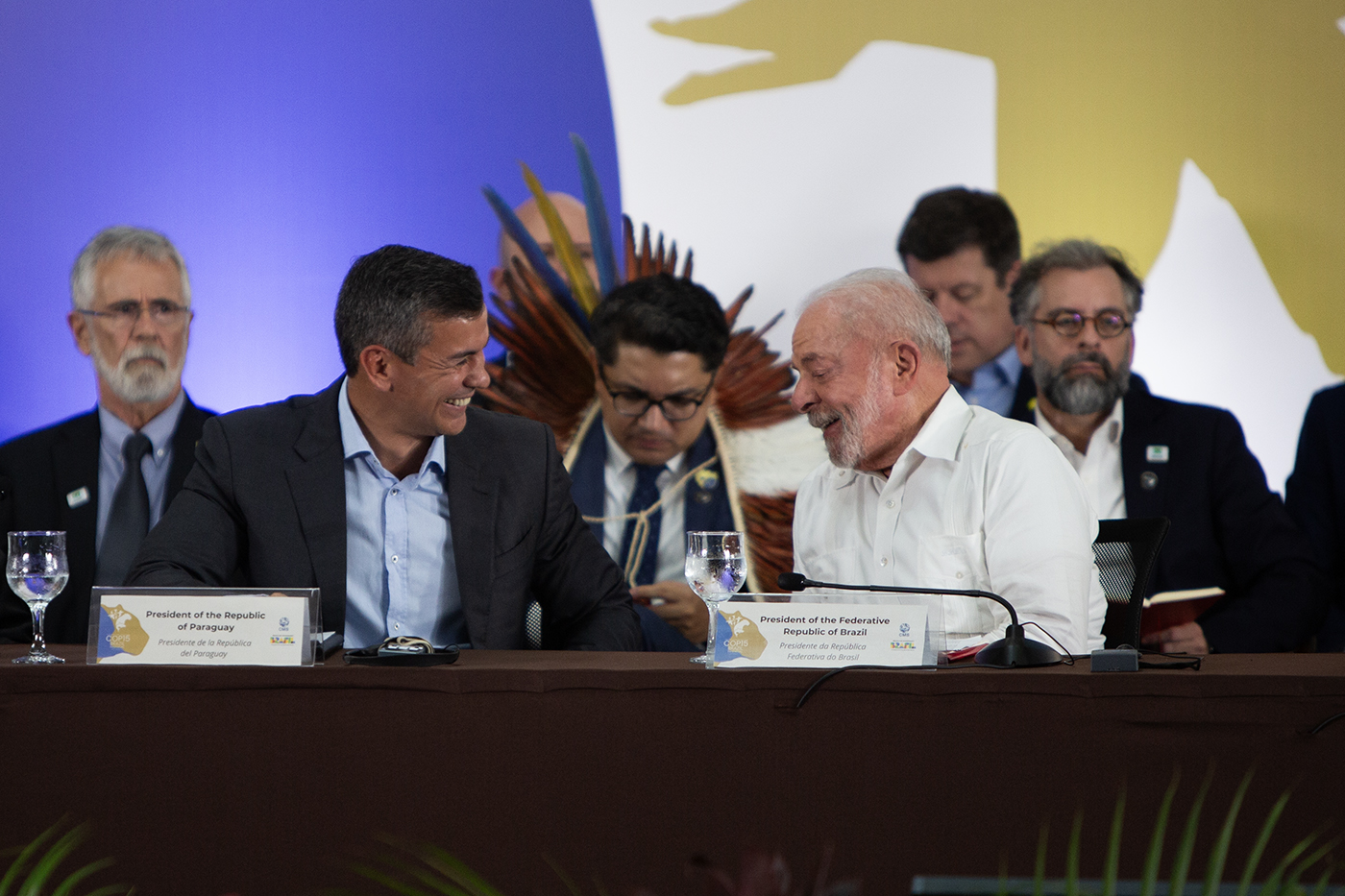
Santiago Peña, President of Paraguay, pointed to the convergence of ecosystems in his country and underscored their importance to communities and Paraguay’s history, culture, and economic development. Peña outlined national concrete targets to safeguard national heritage and efforts to strengthen the strategic management of critical environmental areas. Peña also highlighted environmental education as a way to create a more aware citizenship, since “protecting the environment is a shared responsibility between countries and communities, and raising this awareness is critical to the survival of species.”
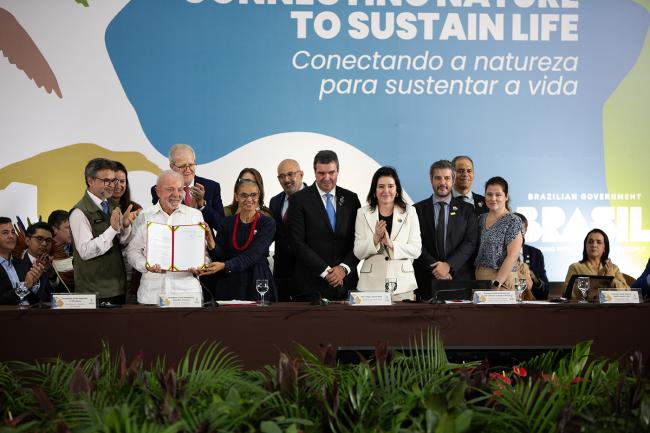
Luiz Inácio Lula da Silva, President of Brazil, signed three decrees to expand protected areas in Brazil. In his remarks, Lula emphasized that hosting COP15 in Campo Grande was a “strategic choice” as it is the gateway to the Pantanal, the world’s largest tropical floodplain. He noted that CMS reminds us of a “simple but powerful message: migrating is natural.” Lula emphasized that connected ecosystems preserve natural cycles and ensure the balance that makes life possible.
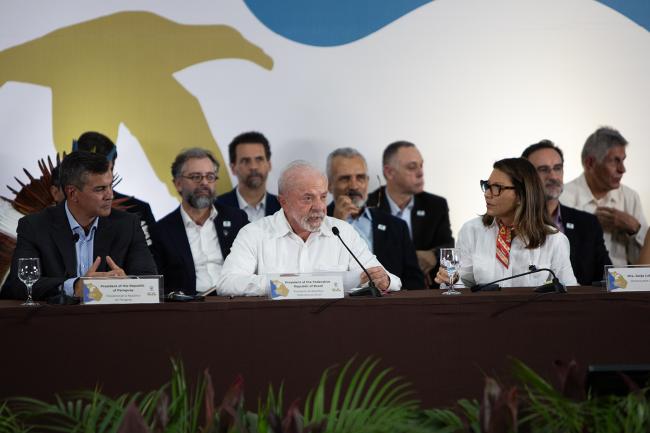
Lula called the CMS a “pioneer” convention for UN environmental architectures and urged for updating it in line with related conventions and expanding financial support. Lula highlighted cooperation among countries to protect migratory species and called for coordinated action on combating environmental crimes.
In closing, Lula underscored this as a time of great geopolitical tension and called for the UN Security Council to seek solutions to conflict. Noting a world without rules is an unsafe one, he urged working against wars and hate speech, and toward welcoming policies and strong multilateralism.
To receive free coverage of global environmental events delivered to your inbox, subscribe to the ENB Update newsletter.
All ENB photos are free to use with attribution. For the 15th Meeting of the Conference of the Parties to the Convention on Migratory Species of Wild Animals (CMS COP15) please use: Photo by IISD/ENB | Angeles Estrada Vigil
Panel 1: The Importance of Wetlands
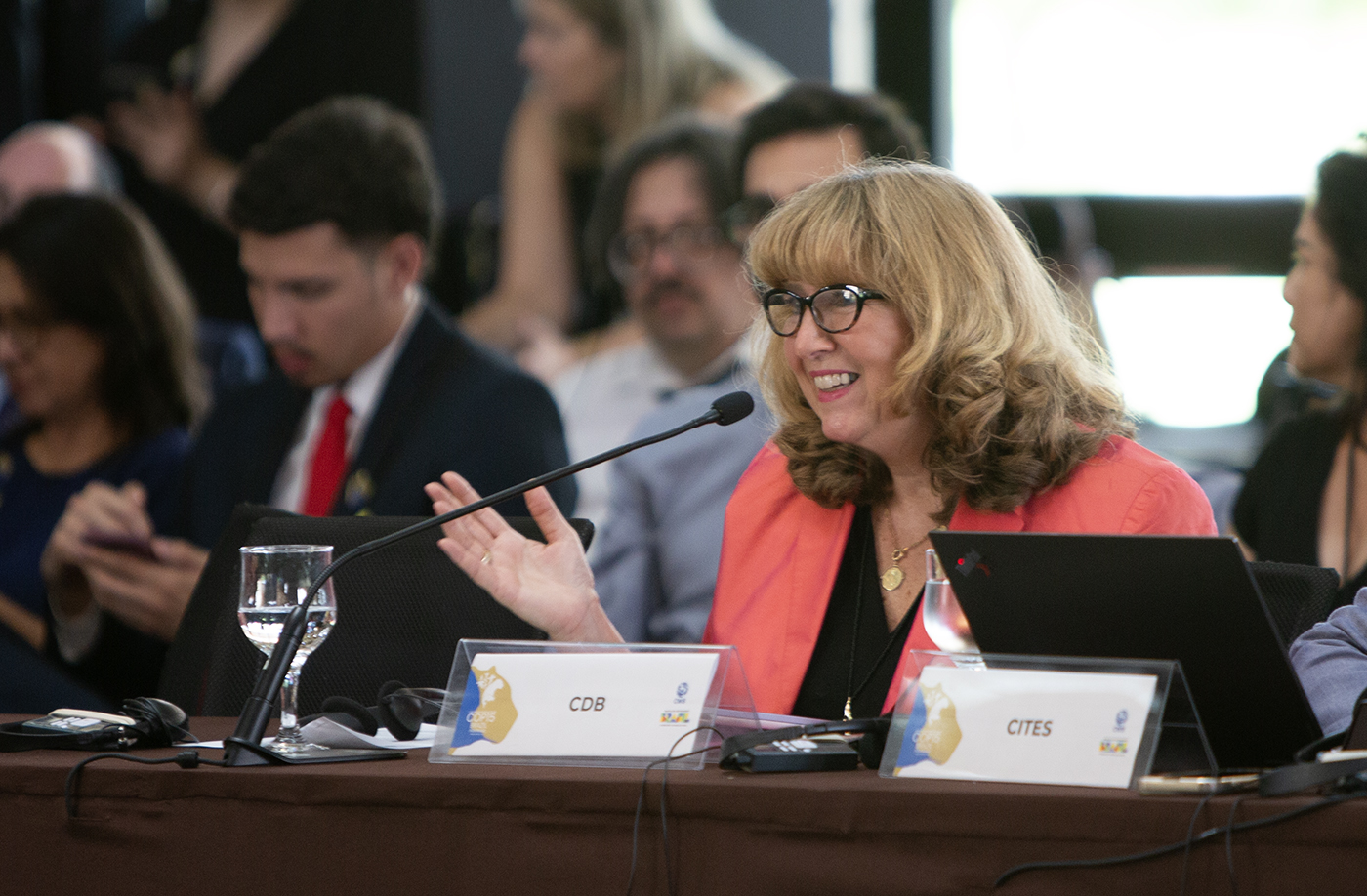
CBD Executive Secretary Astrid Schomaker
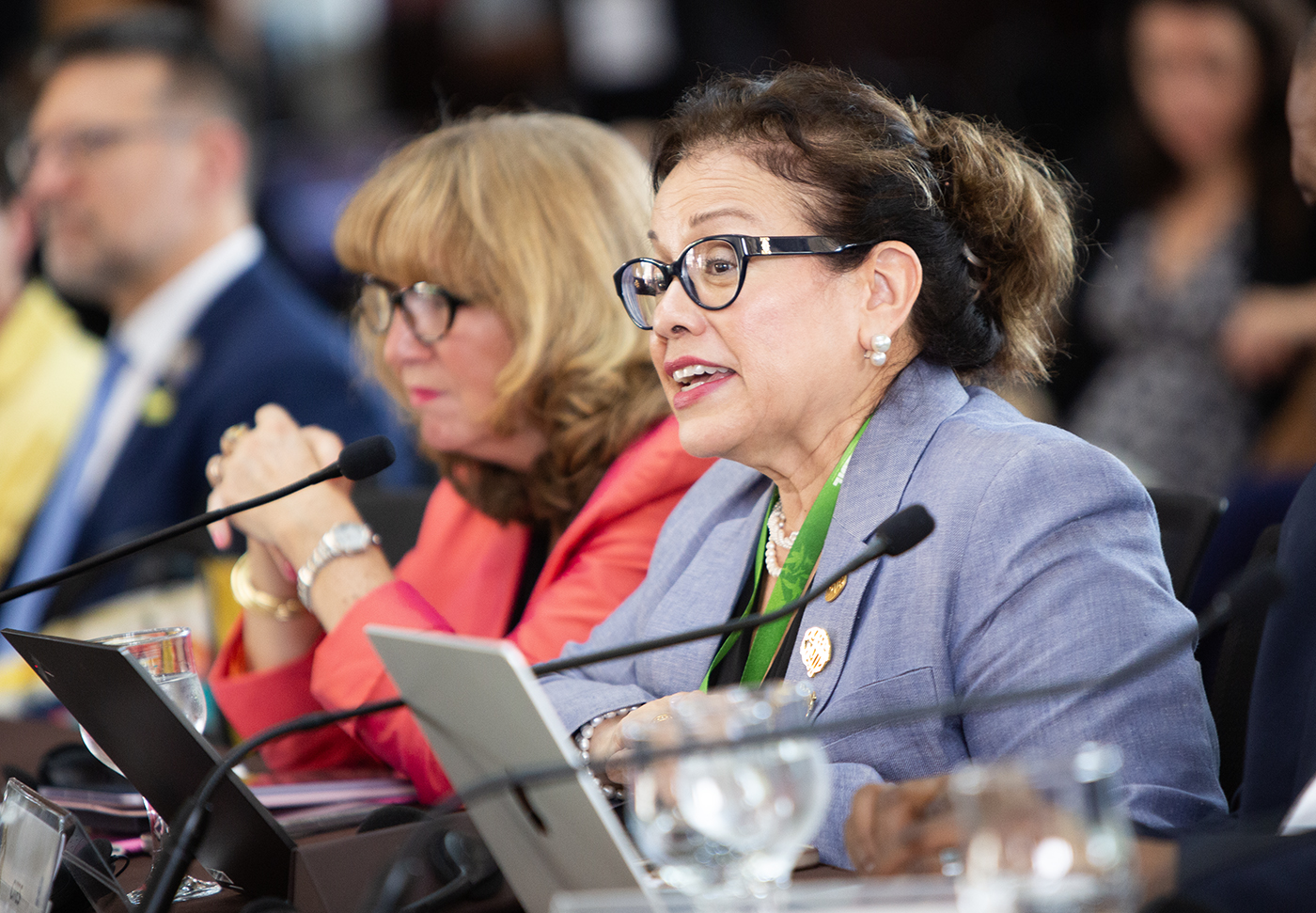
CITES Secretary General Ivonne Higuero
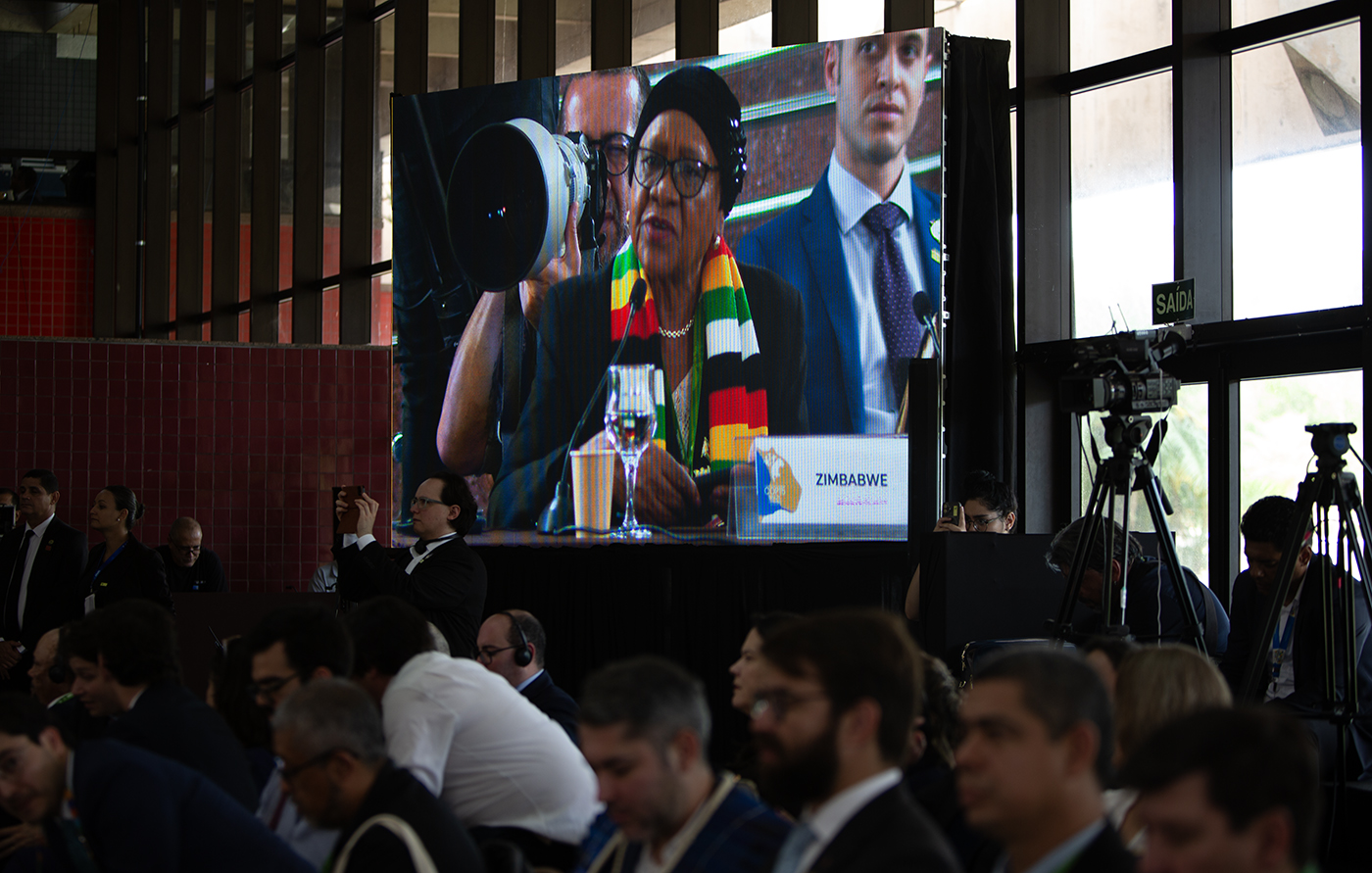
Evelyn Ndlovu, Minister of Environment, Climate, and Wildlife, Zimbabwe
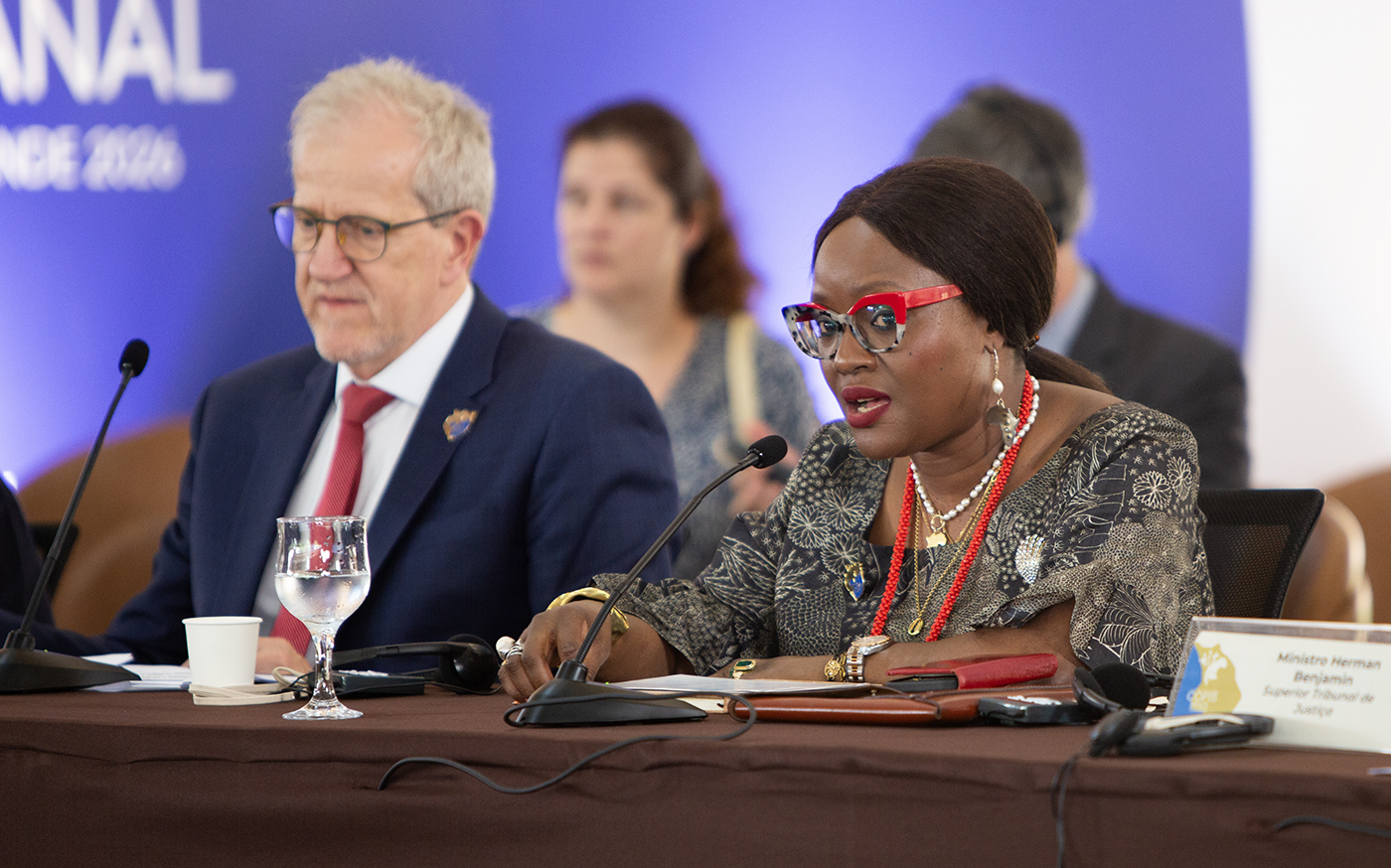
Ramsar Convention Secretary General Musonda Mumba
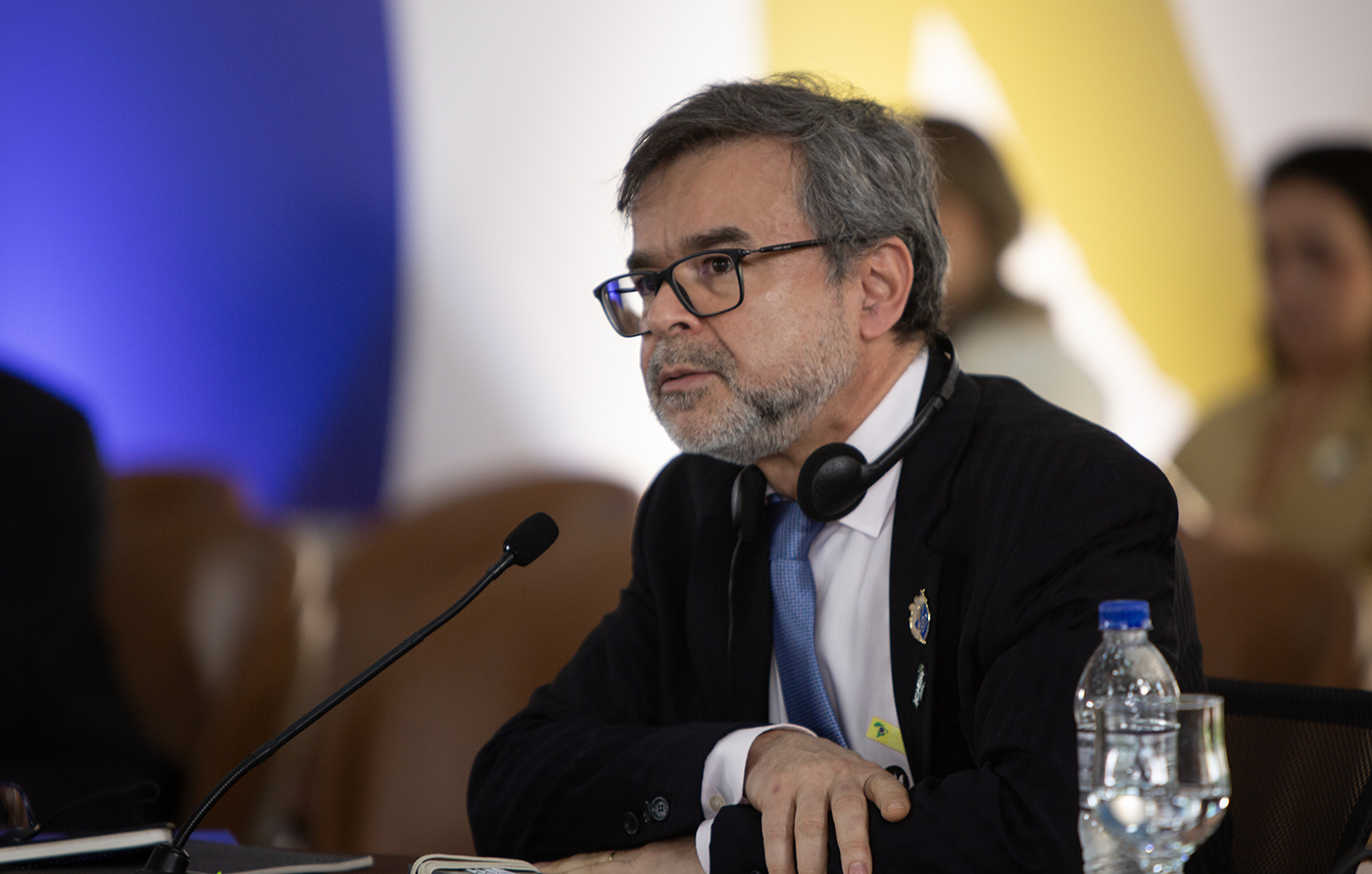
Mauro Pires, President, Chico Mendes Institute
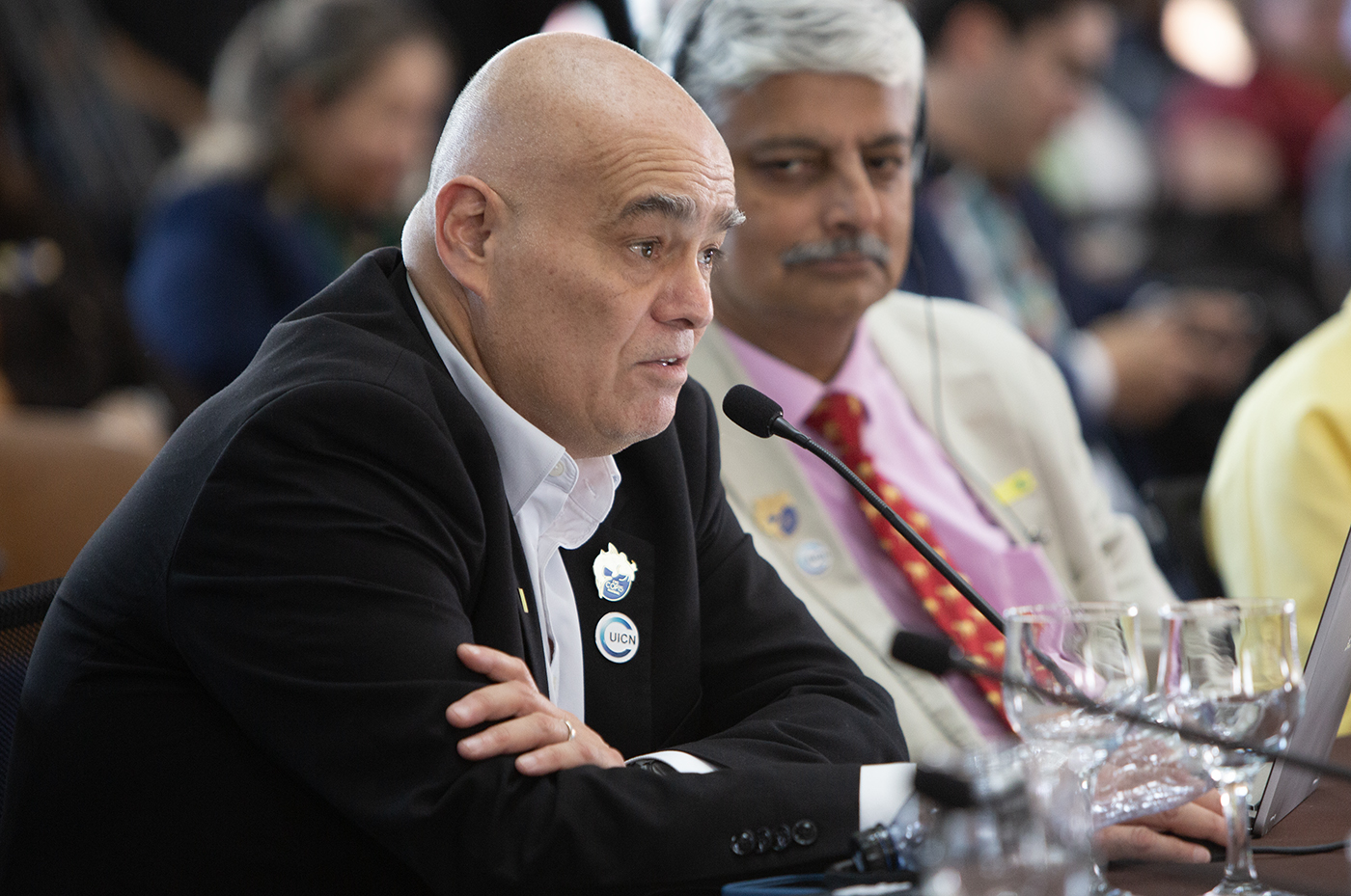
Gabriel Quijandría, IUCN Regional Director
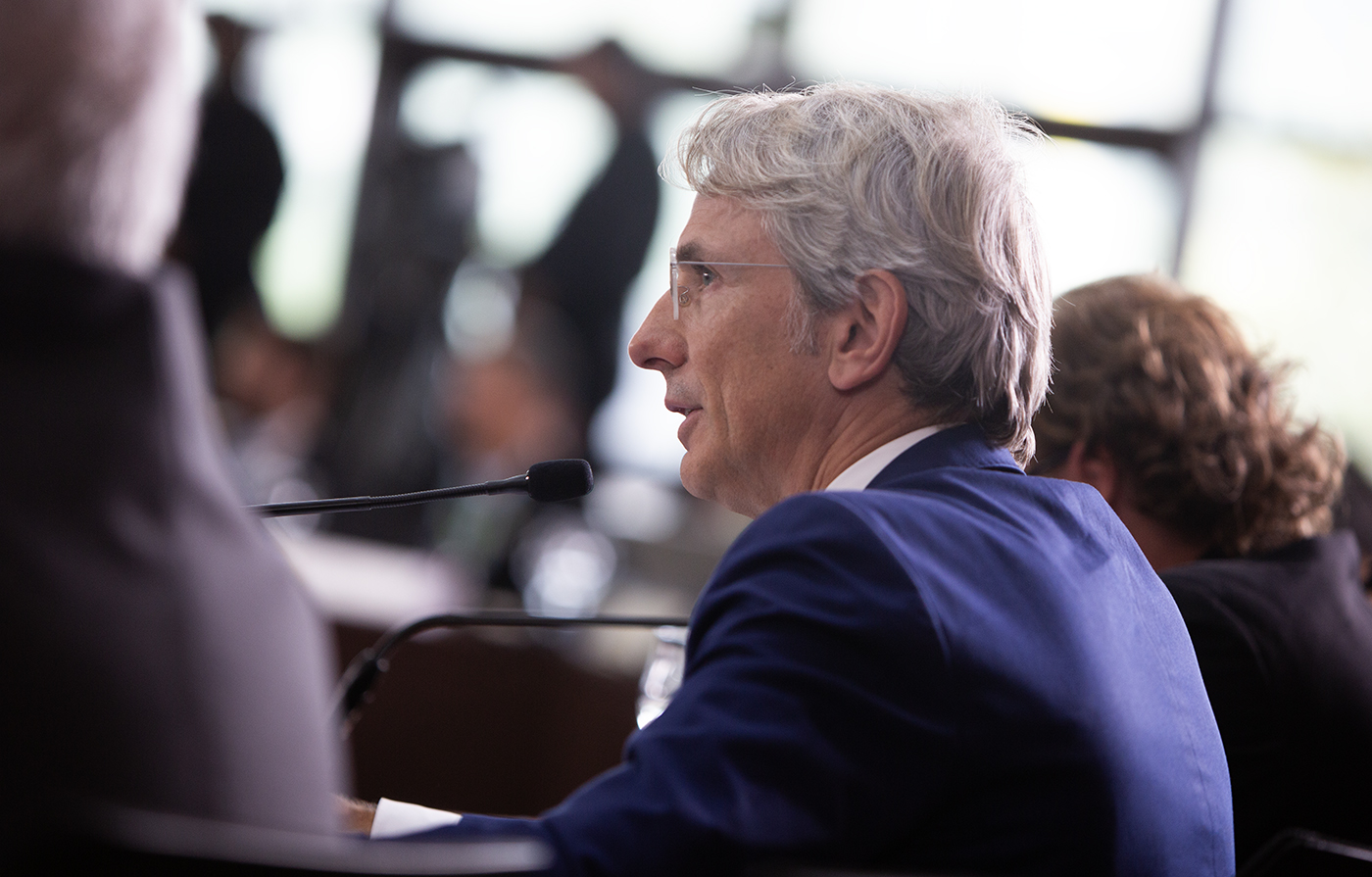
Emmanuel Lenain, France
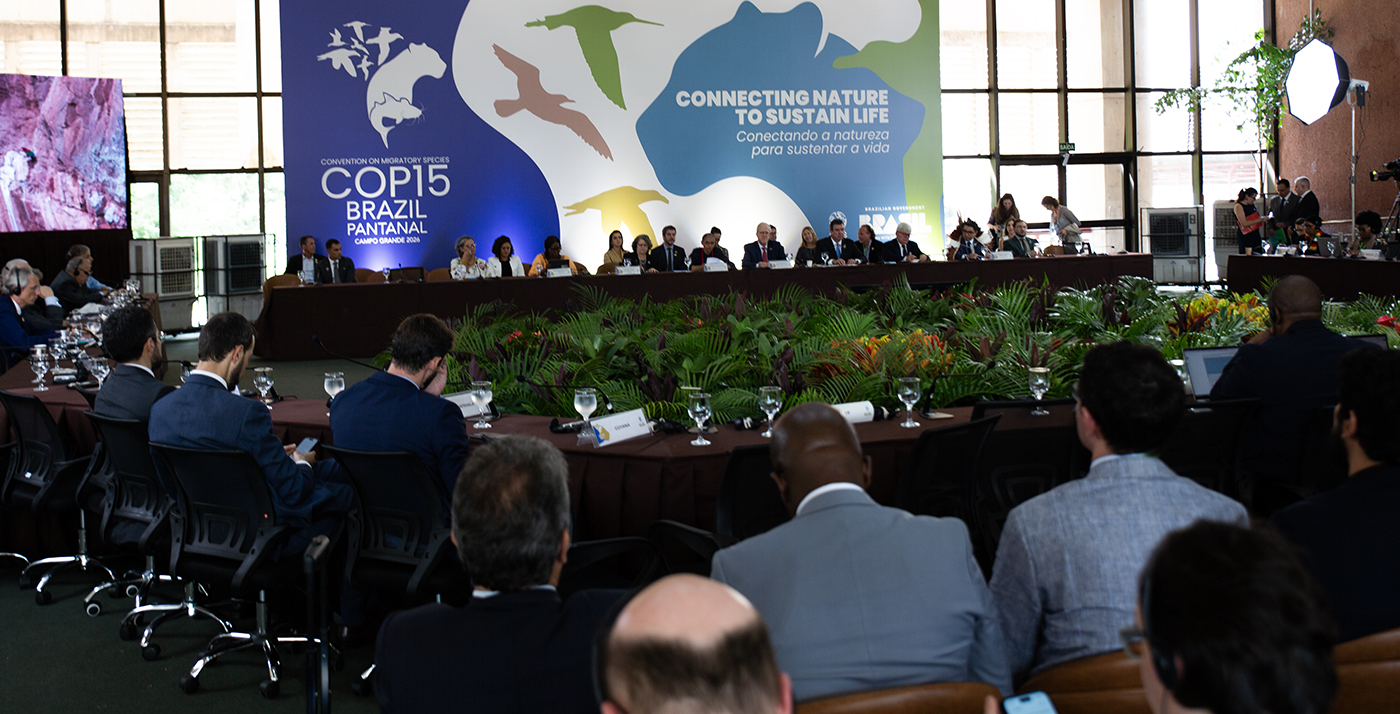
Panel 2: Infrastructure
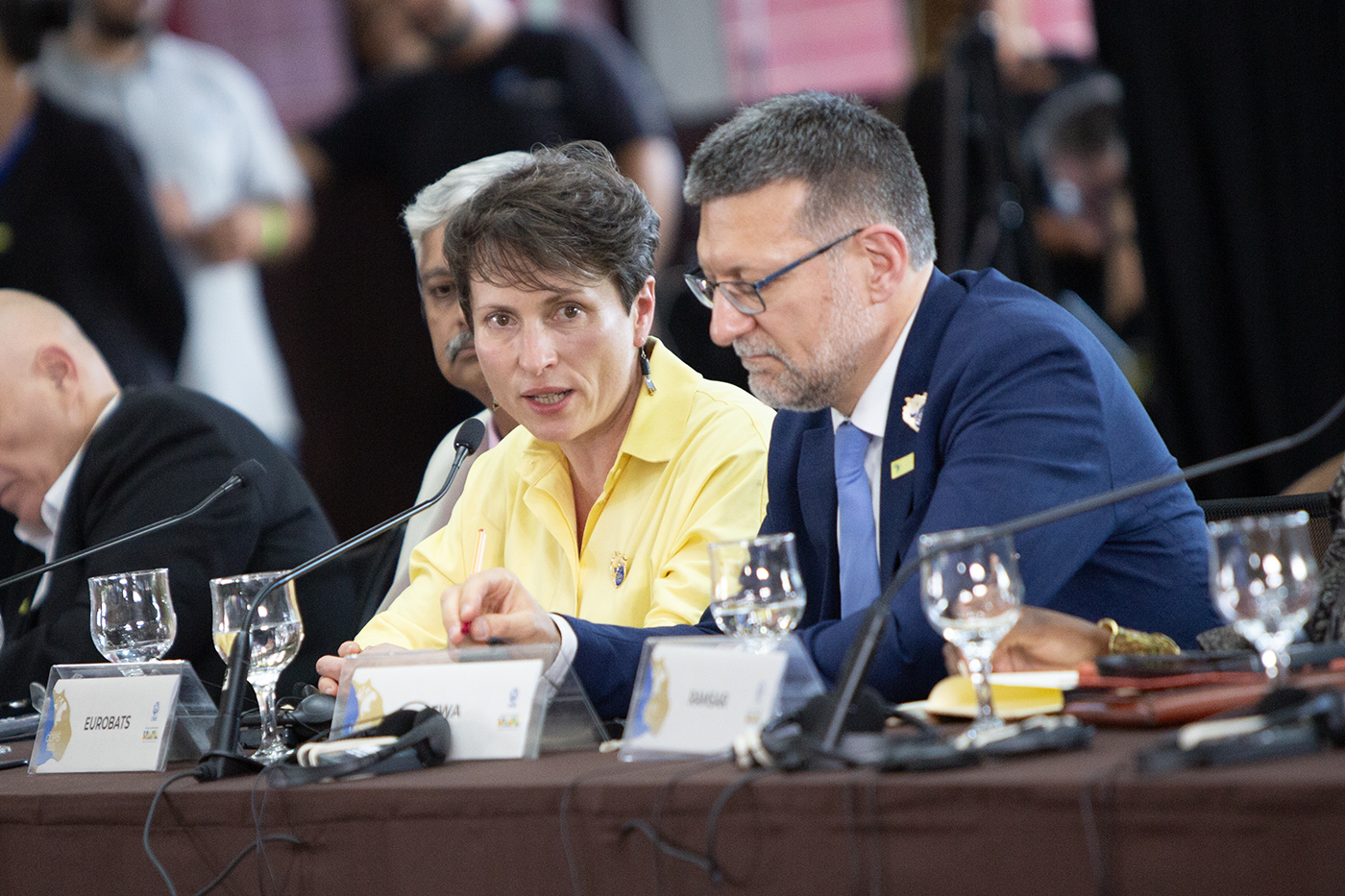
EUROBATS Executive Secretary Zrinka Domazetović
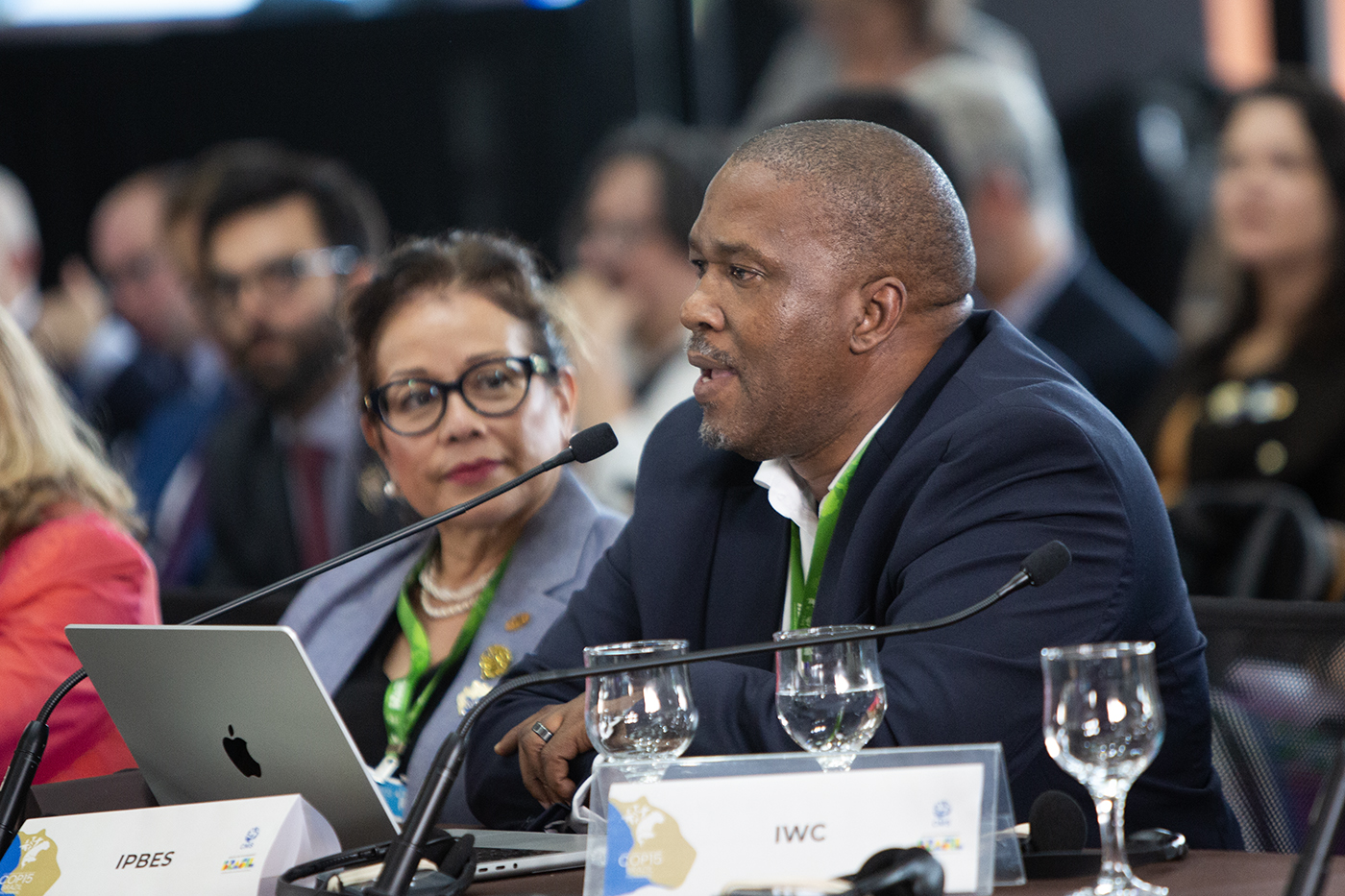
IPBES Executive Secretary Luthando Dziba
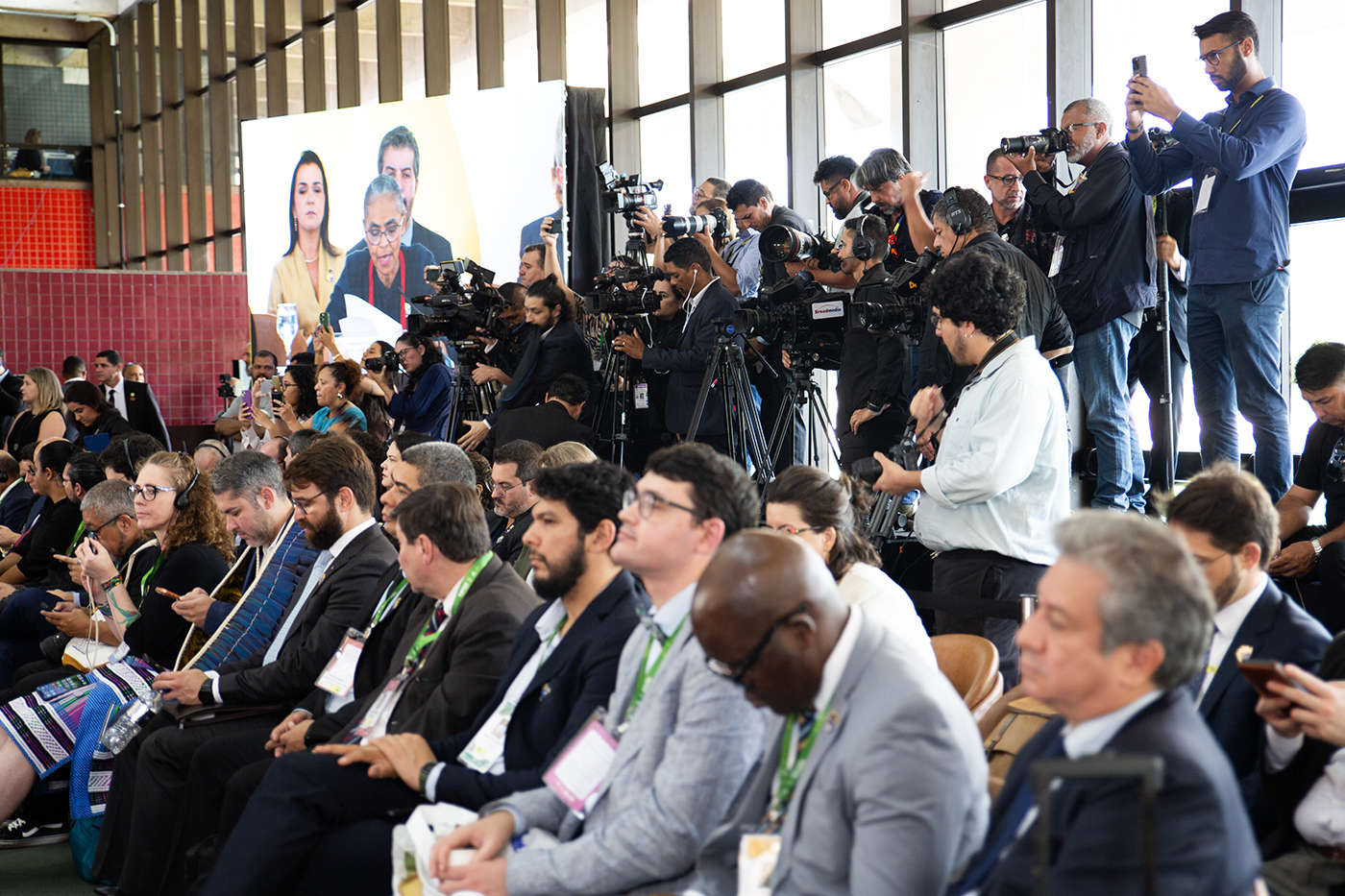
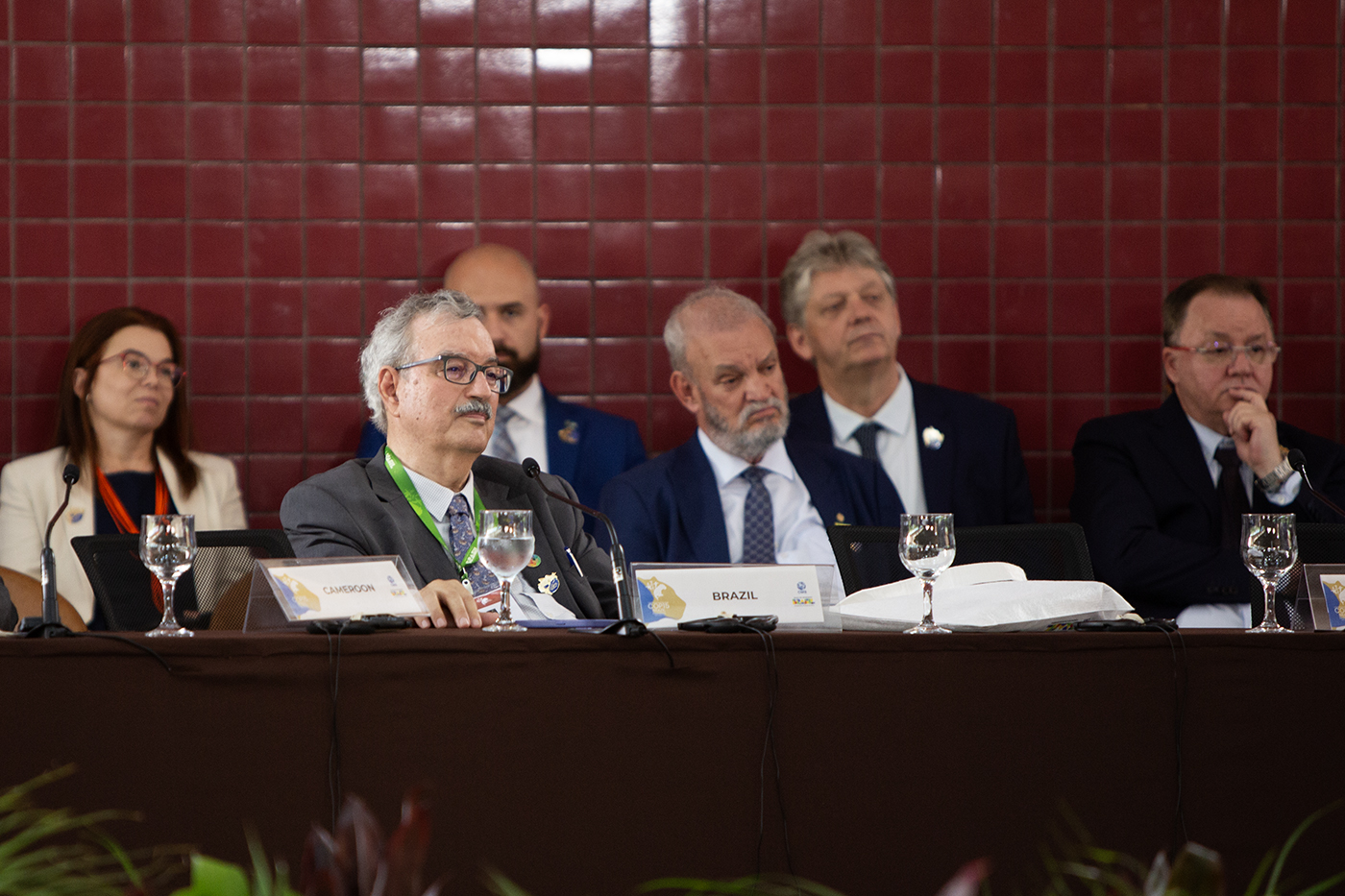
Presidential Segment
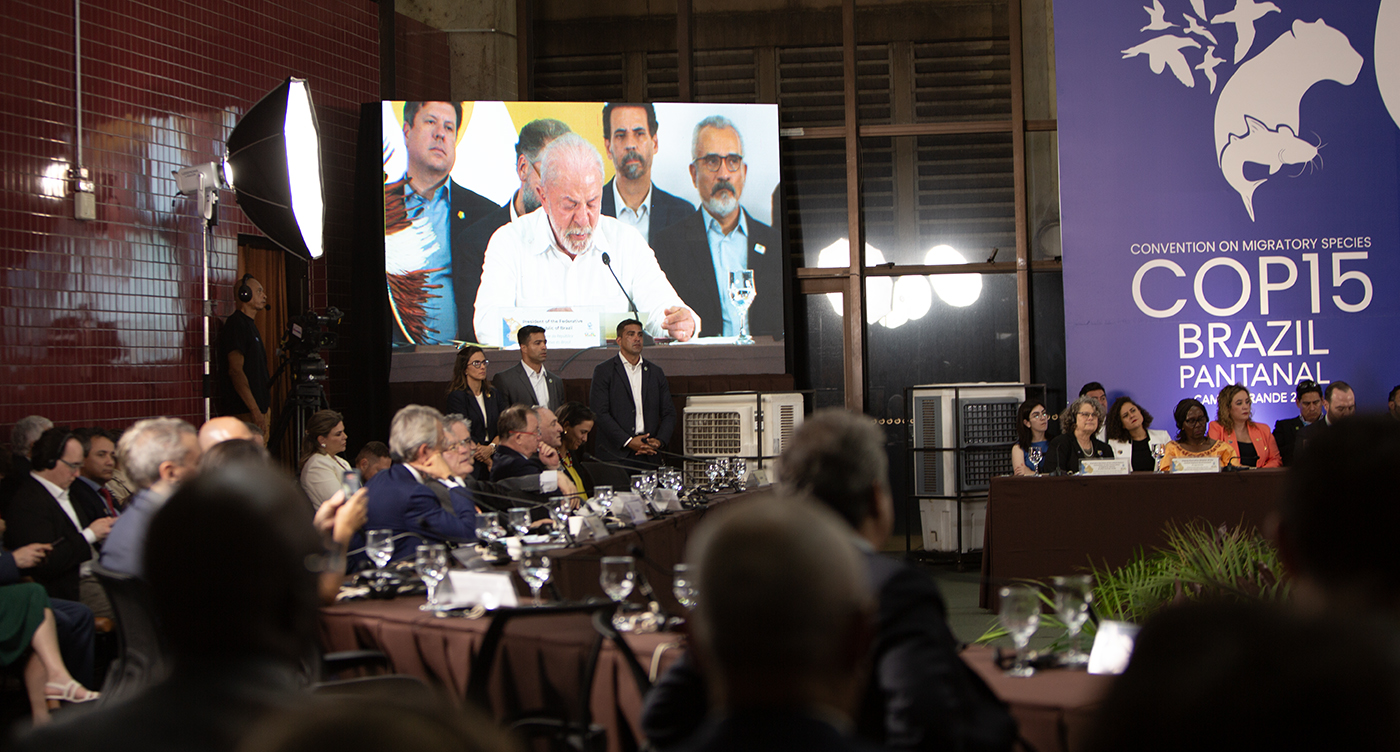
Lula da Silva, President of Brazil
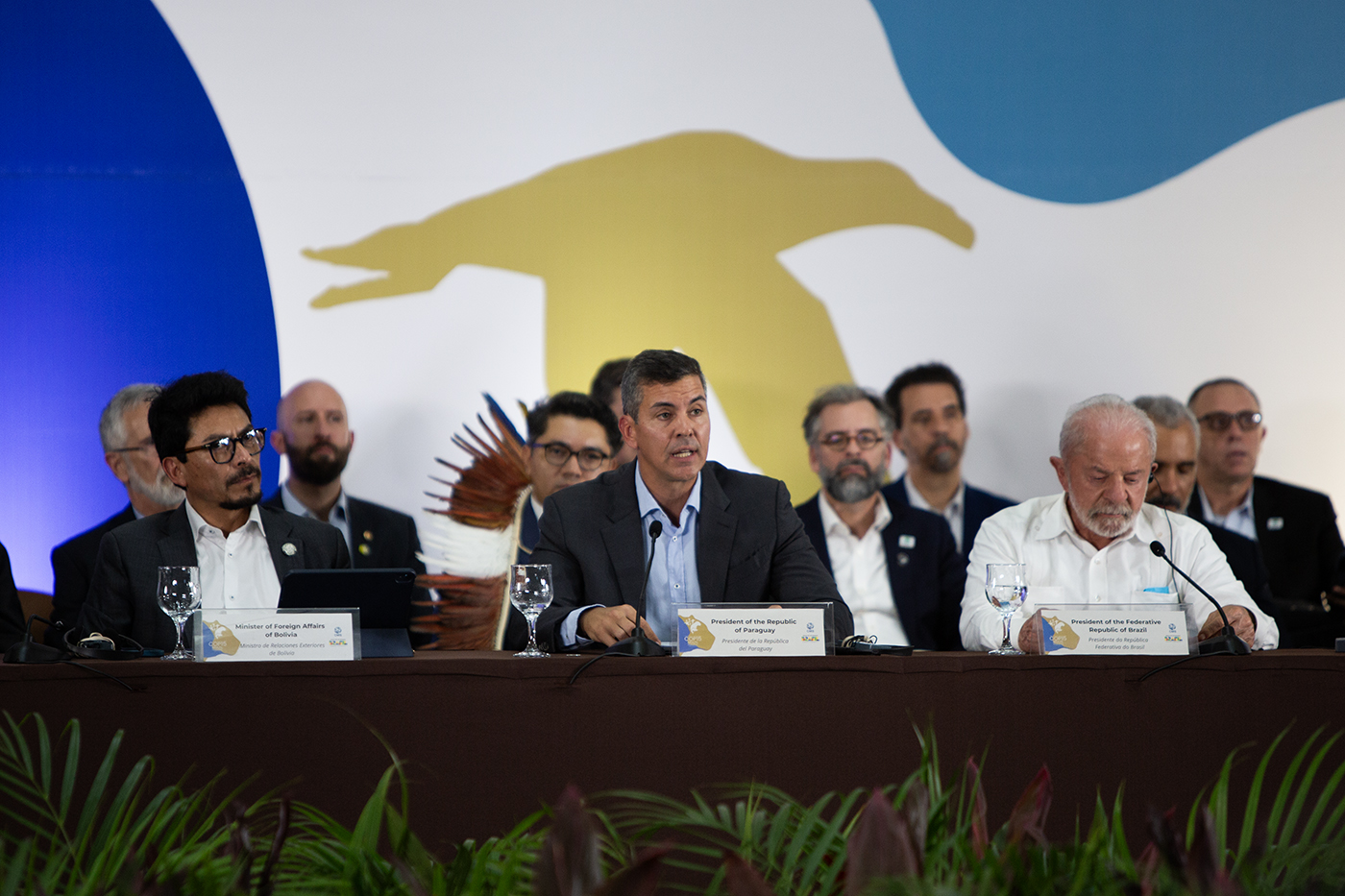
Santiago Peña, President of Paraguay
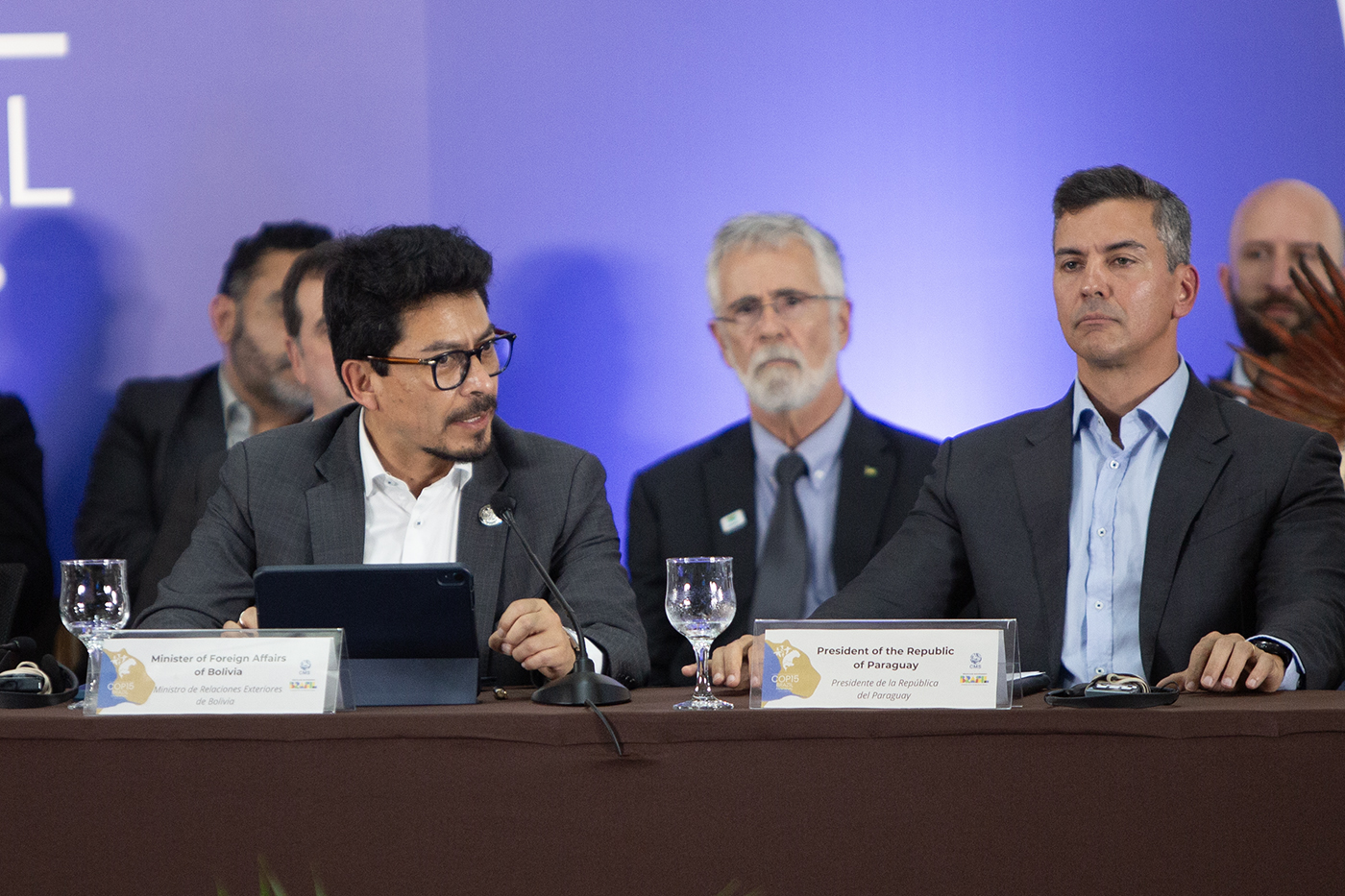
Fernando Aramayo Carrasco, Minister of Foreign Affairs, Bolivia
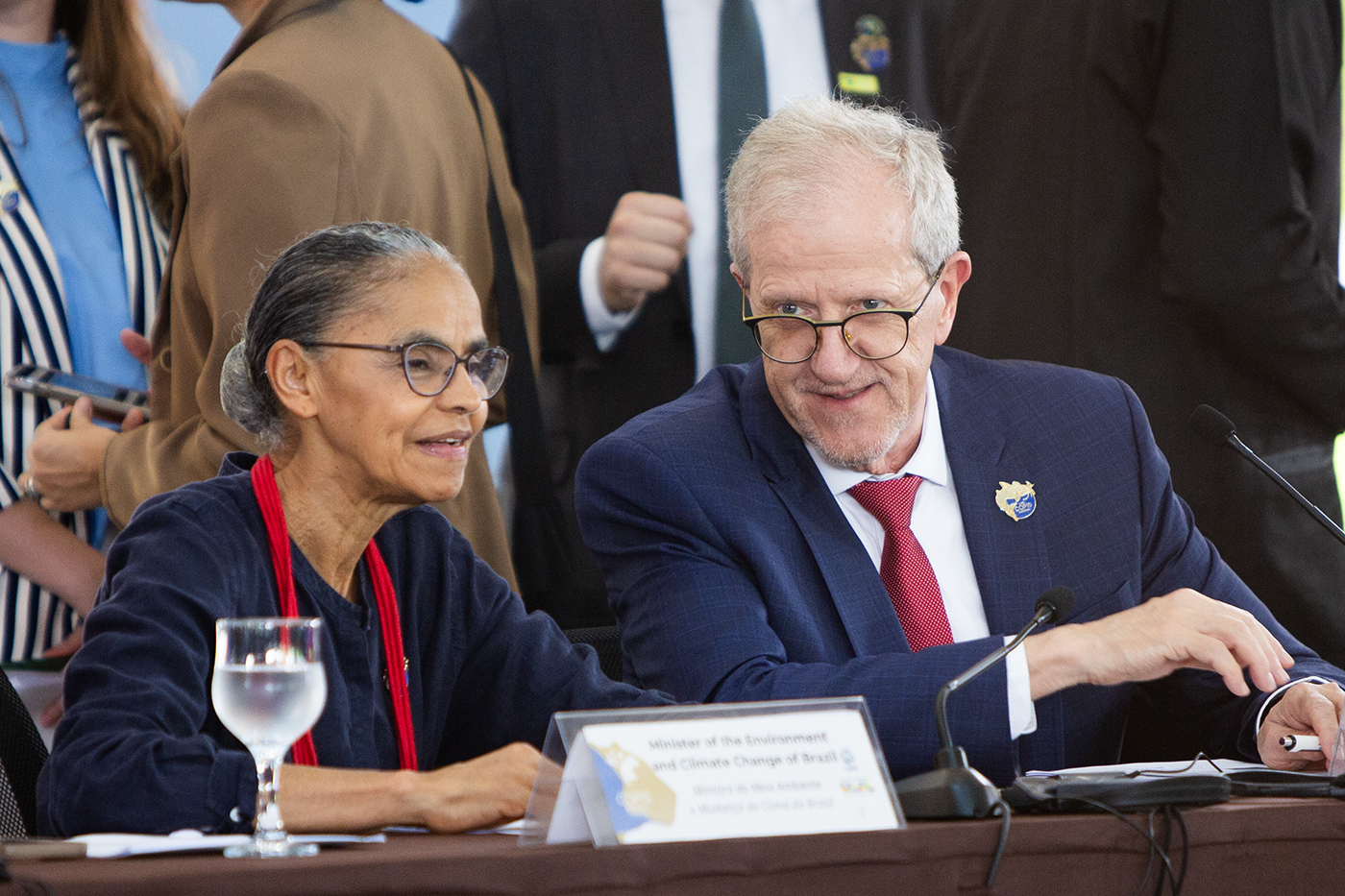
Marina Silva, Minister of the Environment of Brazil, and João Paulo Capobianco, CMS COP15 Chair (Brazil)
Around the Venue