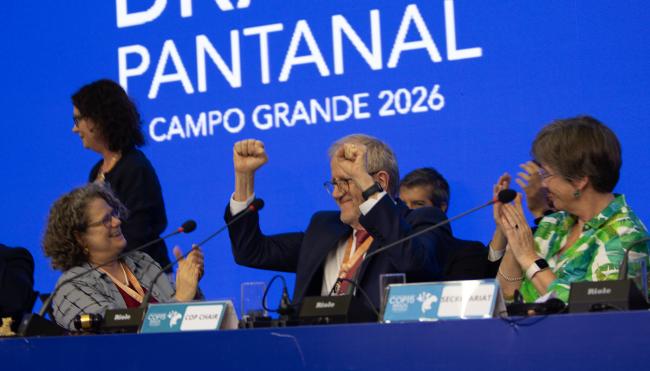
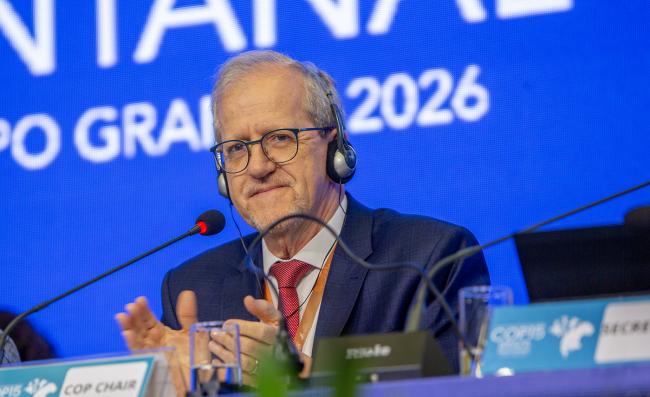
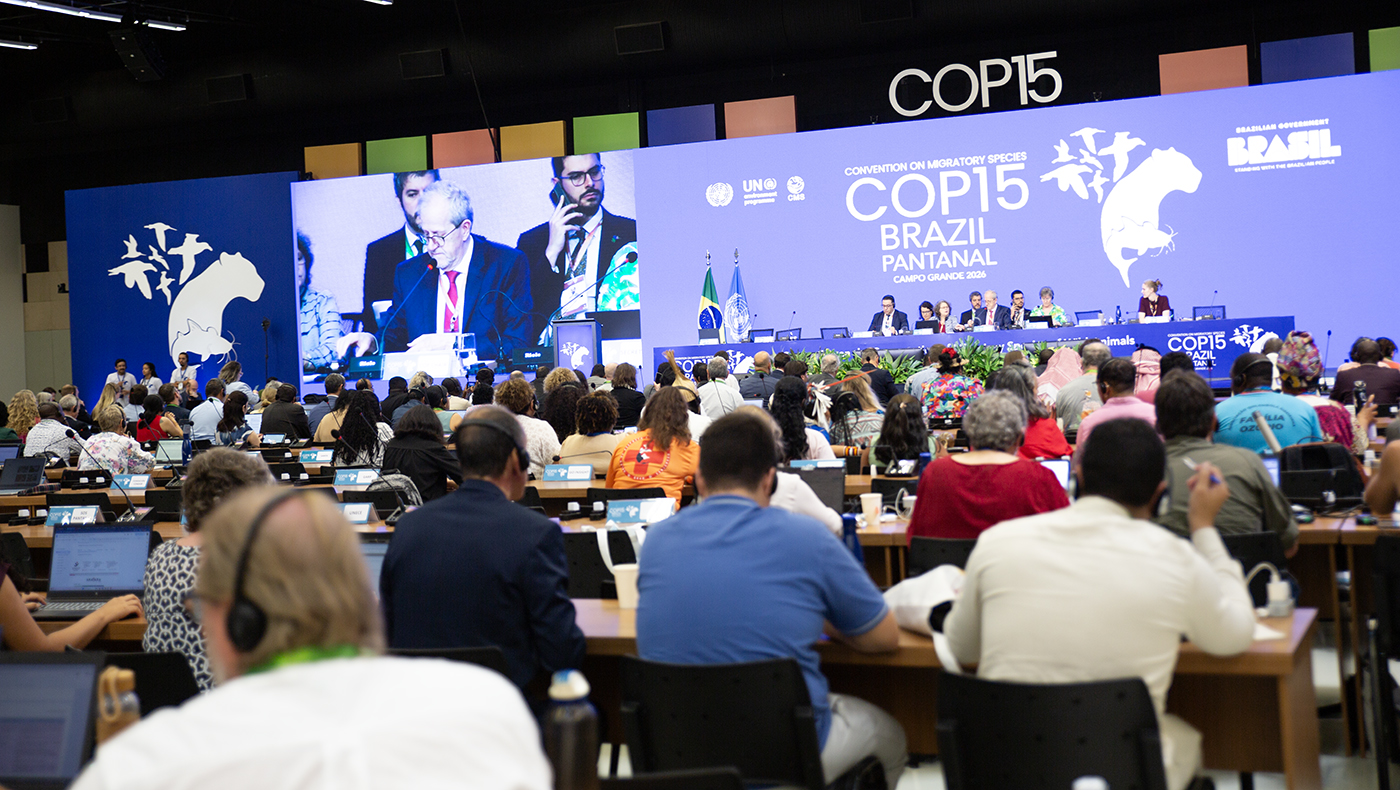
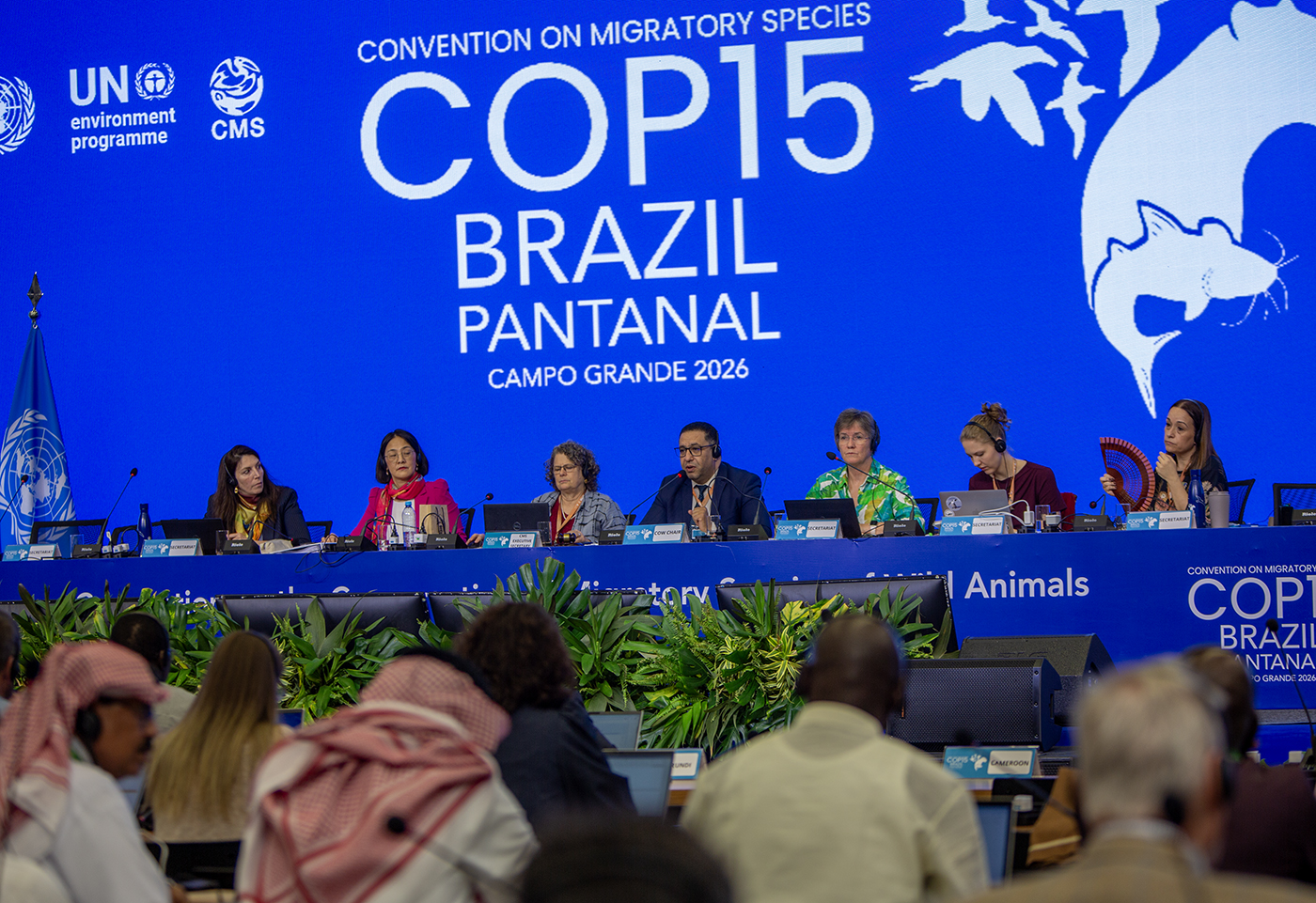
“The Convention on the Conservation of Migratory Species of Wild Animals (CMS) holds a unique place in the world of global governance,” said João Paulo Capobianco, Chair of the 15th meeting of the Conference of the Parties (COP15), “by protecting not only what is ours, but also what belongs to no one—and therefore belonging to all.” Emphasizing our collective responsibility to the migratory species whose routes transcend our borders, Chair Capobianco guided participants through COP15’s last day of decision making.
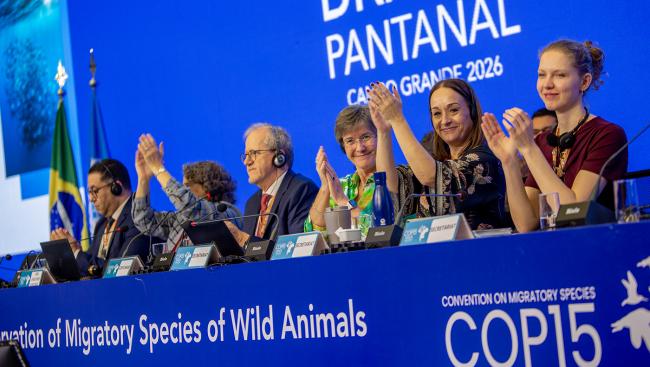
In the morning, the Committee of the Whole (CoW) resumed for a brief and final session to approve the last outstanding in-session document, recommending a zero real growth scenario for the 2027-2029 Budget and Programme of Work for the Intersessional Period between COP15 and COP16. Following the swift conclusion of their agenda, the CoW came to a close mid-morning. Delegates thanked CoW Chair Khalid Cherki (Morocco) for his work in steering their deliberations throughout the week.
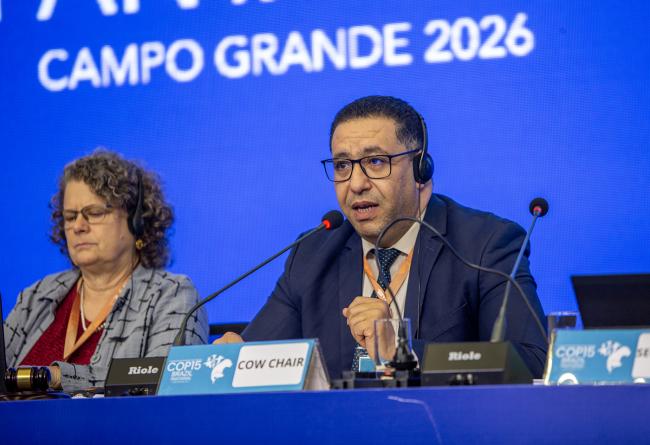
The COP plenary opened immediately following the CoW’s close, and adopted by consensus all proposed resolutions, decisions, and amendments to the Appendices forwarded from the CoW. Key decisions addressed scientific research and collaboration priorities on deep-sea mining, assessment of noise pollution impacts on freshwater mammals, marine flyways, and actions to reduce vessel strikes on at-risk whale populations.
The COP added 40 species, subspecies, and populations to the CMS Appendices, of which 20 were added to Appendix I:
- Pelagic Thresher, Bigeye Thresher, and Common Thresher;
- Scalloped Hammerhead Shark;
- Great Hammerhead Shark;
- Lesser Yellowlegs;
- Hudsonian Godwit;
- Hudsonian Whimbrel;
- nine species of Gadfly Petrel (Barau’s, Vanuatu, Black-capped, Zino’s, Magenta, Atlantic, Fiji, Mascarene, and Beck’s);
- the Zimbabwe population of Cheetah;
- Striped Hyena; and
- Giant Otter.
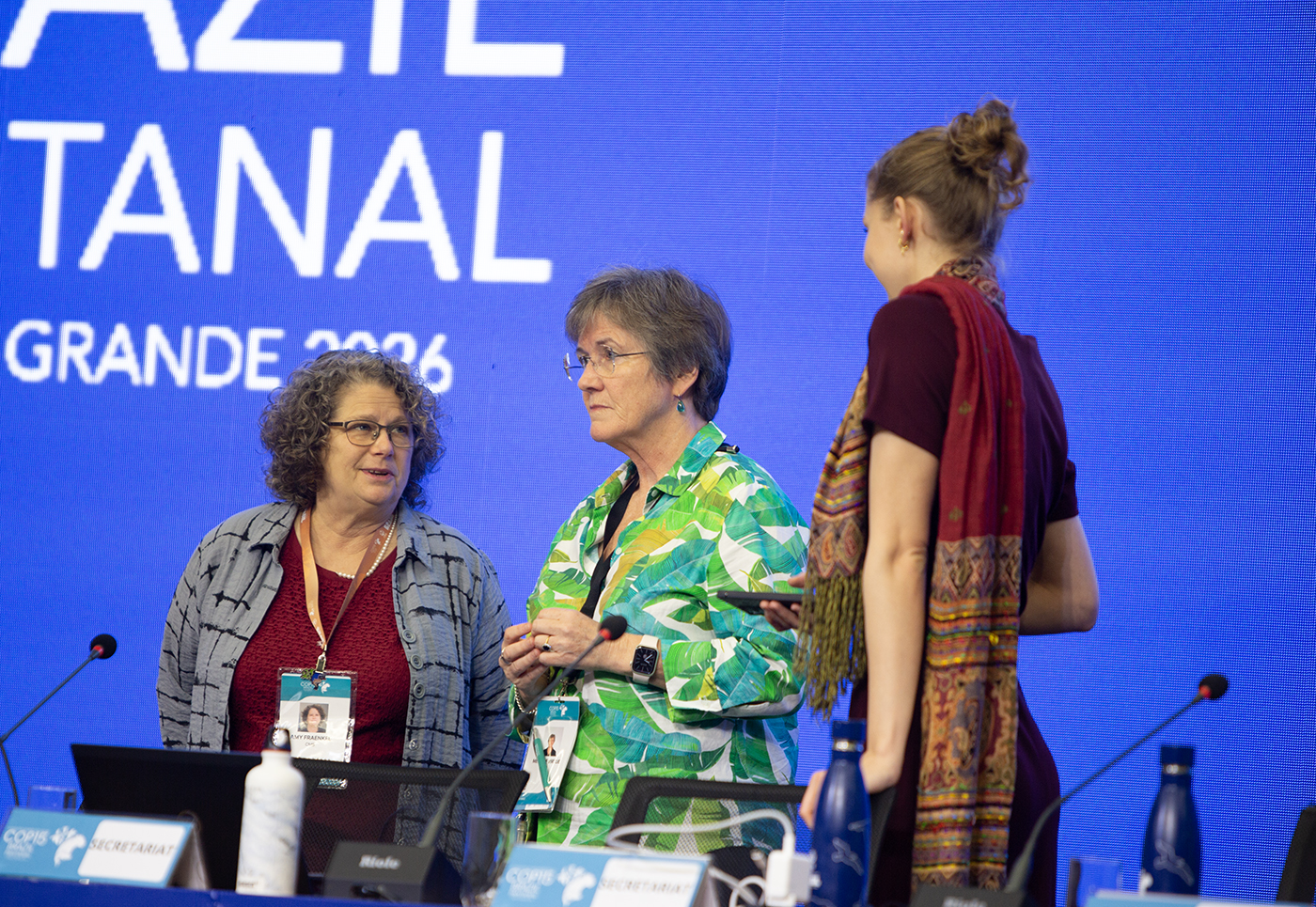
As the COP drew to a close, participants warmly commended the leadership of outgoing Executive Secretary Amy Fraenkel, noting her dedication and humanity have had lasting impacts on the Convention’s future.
Germany announced they would host COP16 in 2029, saying that CMS would celebrate its 50th anniversary in Bonn, its birthplace.
In their closing statements, delegates pointed to COP15 as proof of “science-driven multilateral decision-making at work,” and of Parties’ commitment to protecting migratory species and their habitats in the face of multiple, entangling geopolitical and environmental crises. Many more expressed their “desire for a world where wildlife roams wild and free beyond protected areas.” Another underscored that only by seeing more downlisting than uplisting proposals at future COPs will we prove the success of conservation actions decided here.
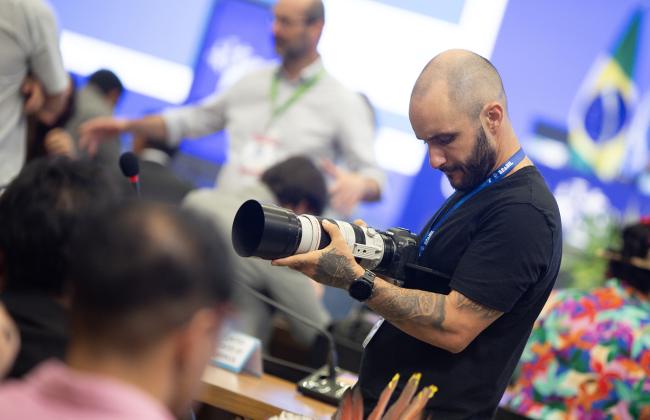
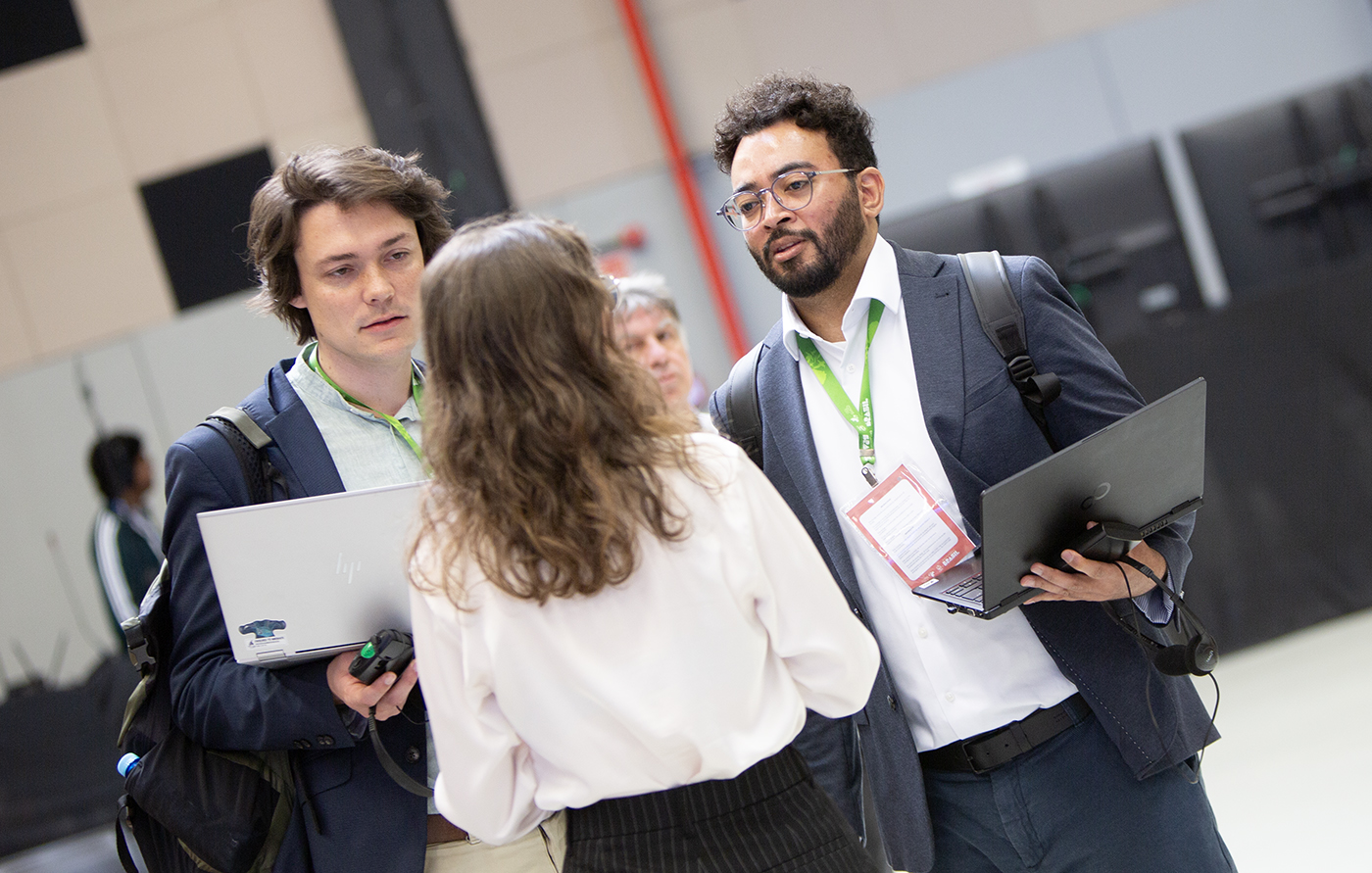
Among the many thanks given, participants extended these to the “vibrant youth volunteers” from Brazil asking critical questions of delegates in the corridors of COP15, with one seasoned delegate stressing the importance of being held accountable to young people when making decisions with far-reaching implications.
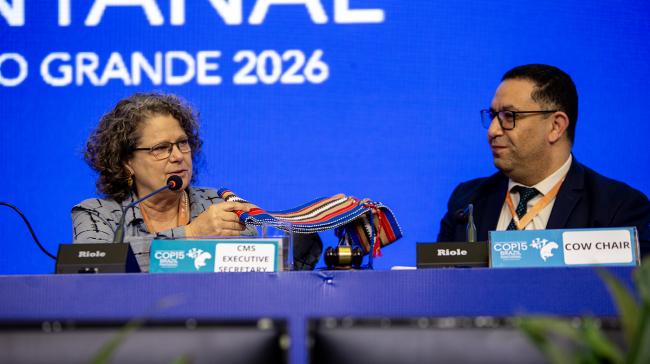
In her closing remarks as CMS Executive Secretary, Fraenkel highlighted key priorities for CMS moving forward, including to implement without delay the recommendations of the State of the World’s Migratory Species Report, mainstream ecological connectivity, and engage more meaningfully with Indigenous Peoples and local communities. Calling CMS one of the most important international agreements on the environment, Fraenkel noted that it addresses the same goals as the Rio Conventions—but from the valuable perspective of billions of extraordinary migratory species that move across countries, continents, and communities. “They also move us, touching our hearts and souls.”
Declaring COP15 a “happy COP,” Chair Capobianco gaveled the meeting to a close at 3:16pm.
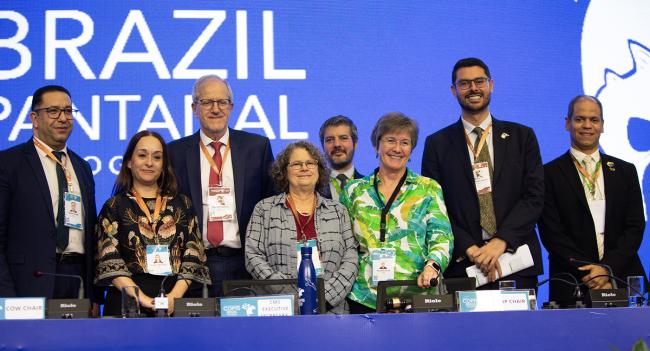
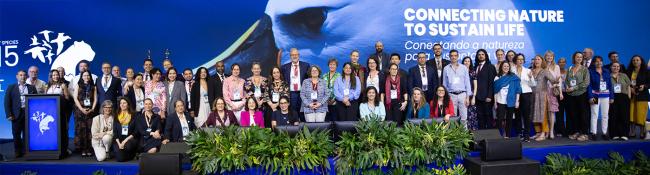
The Earth Negotiations Bulletin summary and analysis of COP15 will be available on Wednesday, April 1 2025.
To receive free coverage of global environmental events delivered to your inbox, subscribe to the ENB Update newsletter.
All ENB photos are free to use with attribution. For the 15th Meeting of the Conference of the Parties to the Convention on Migratory Species of Wild Animals (CMS COP15) please use: Photo by IISD/ENB | Angeles Estrada Vigil.
Morning Session
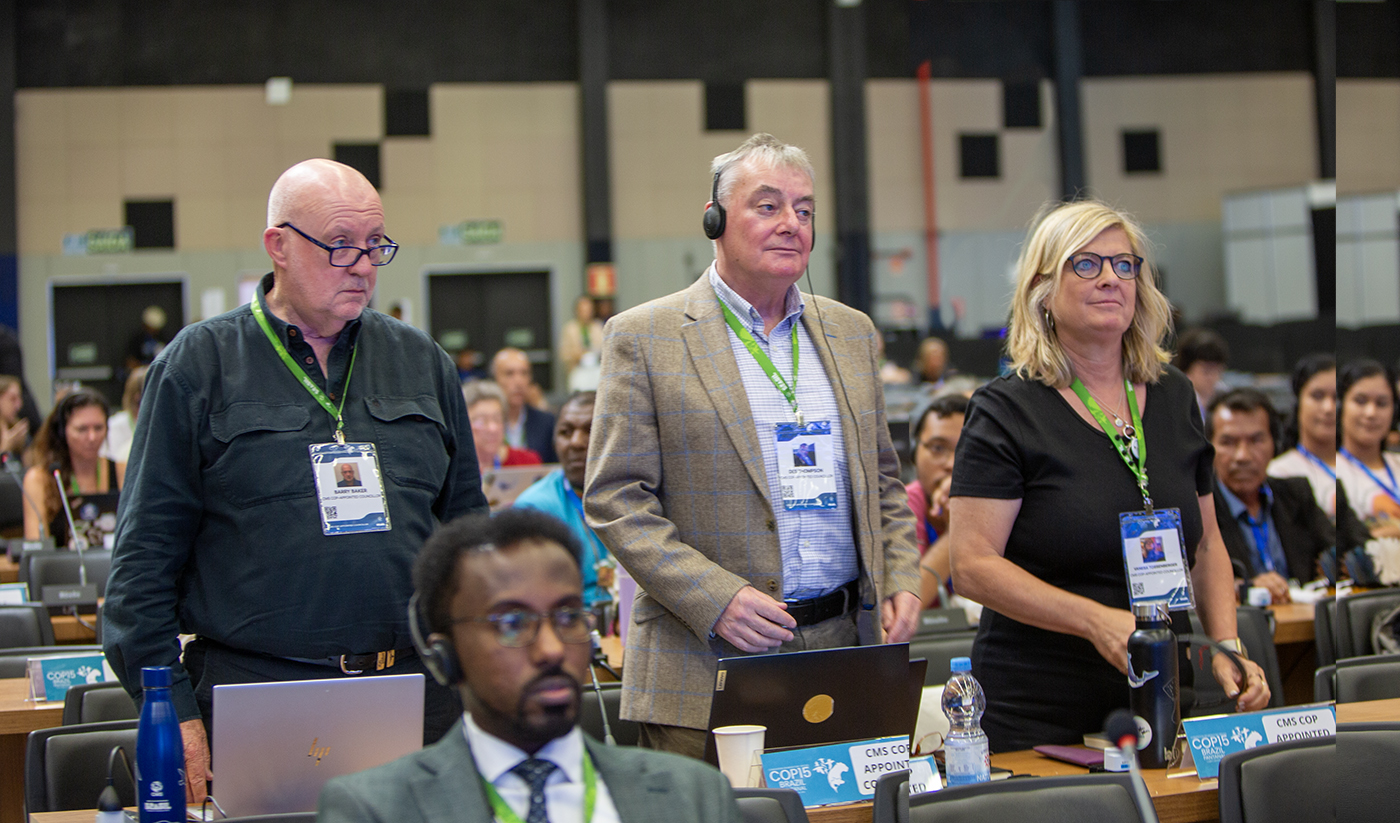
The COP15 Chair thanked the COP-appointed Councillors for their work.
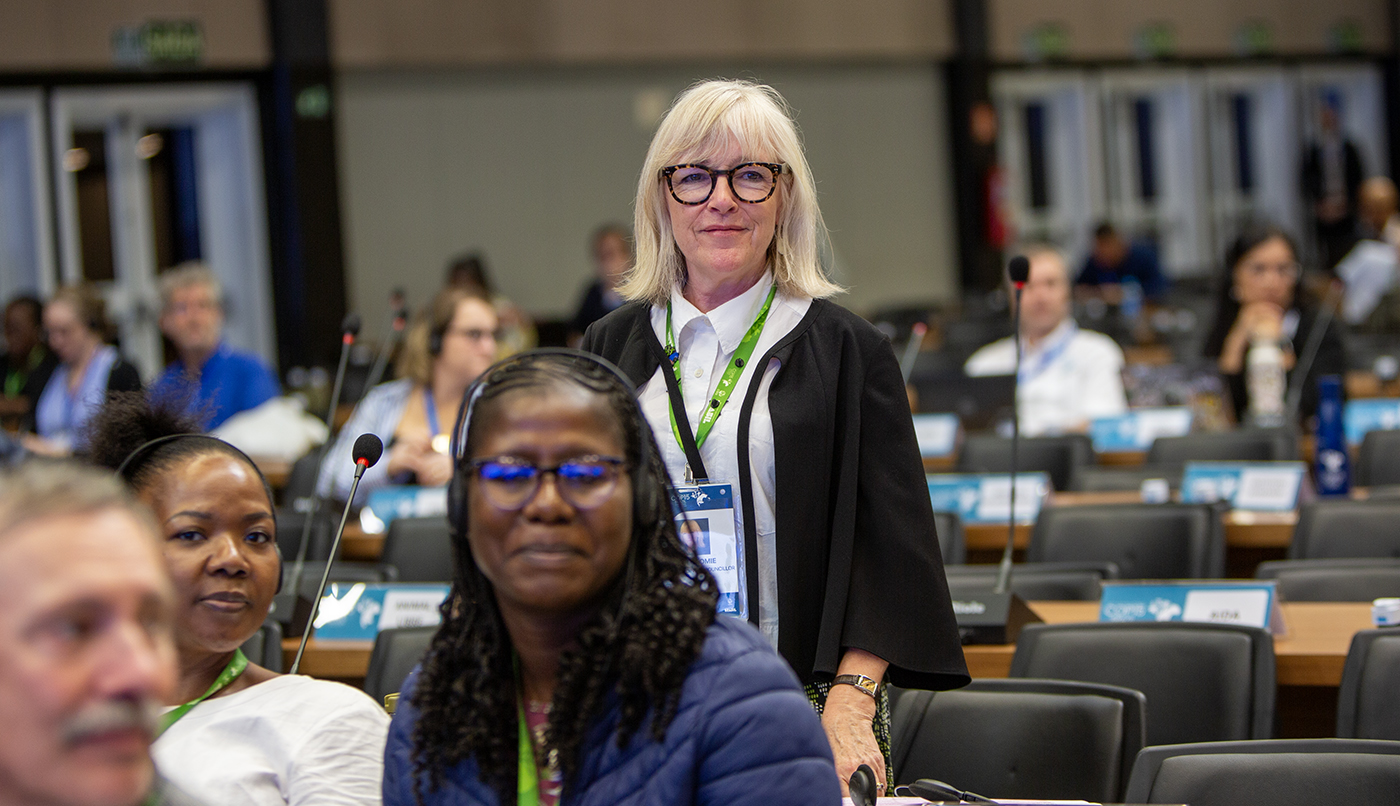
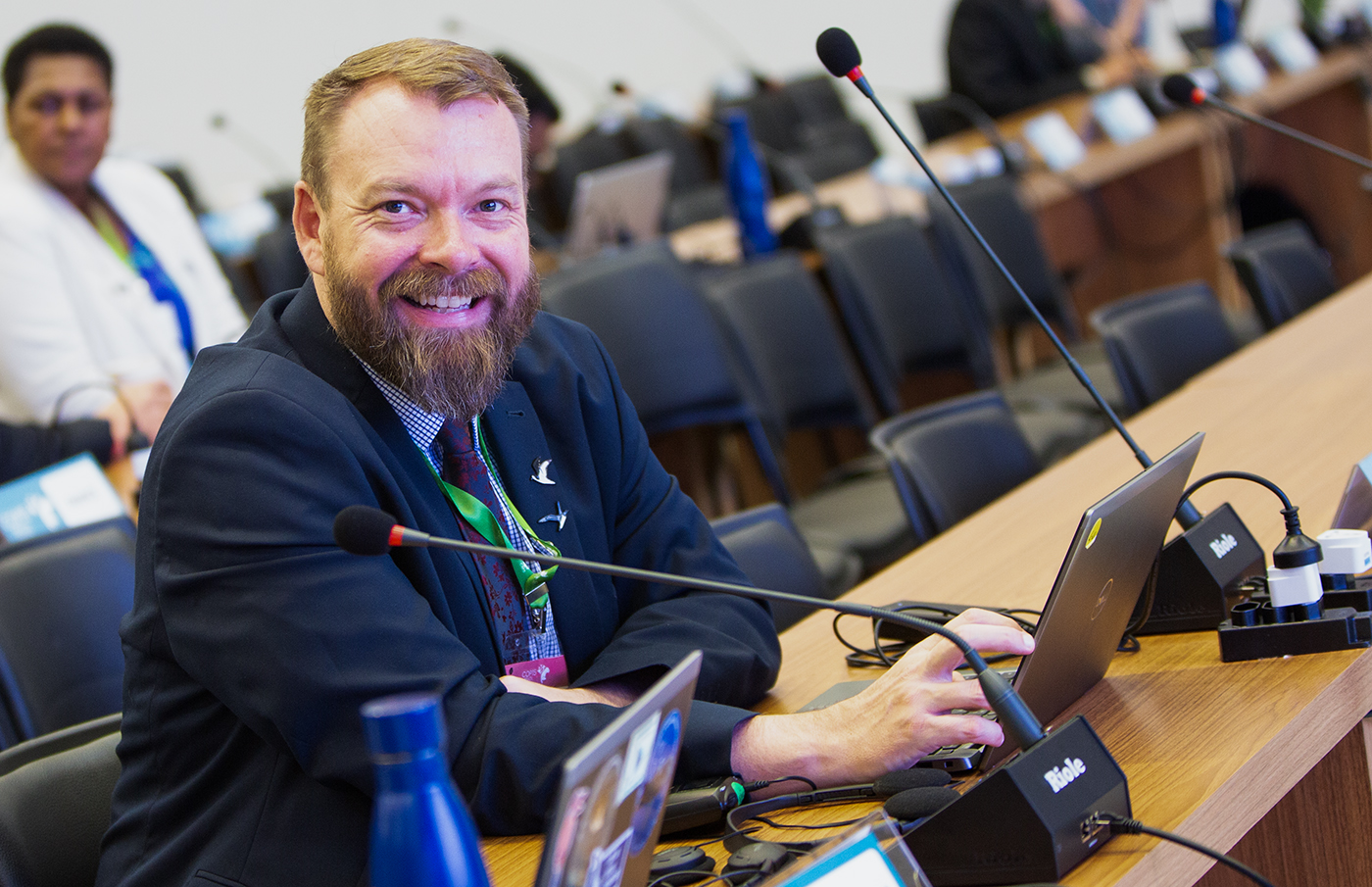
Mark Carey, Australia
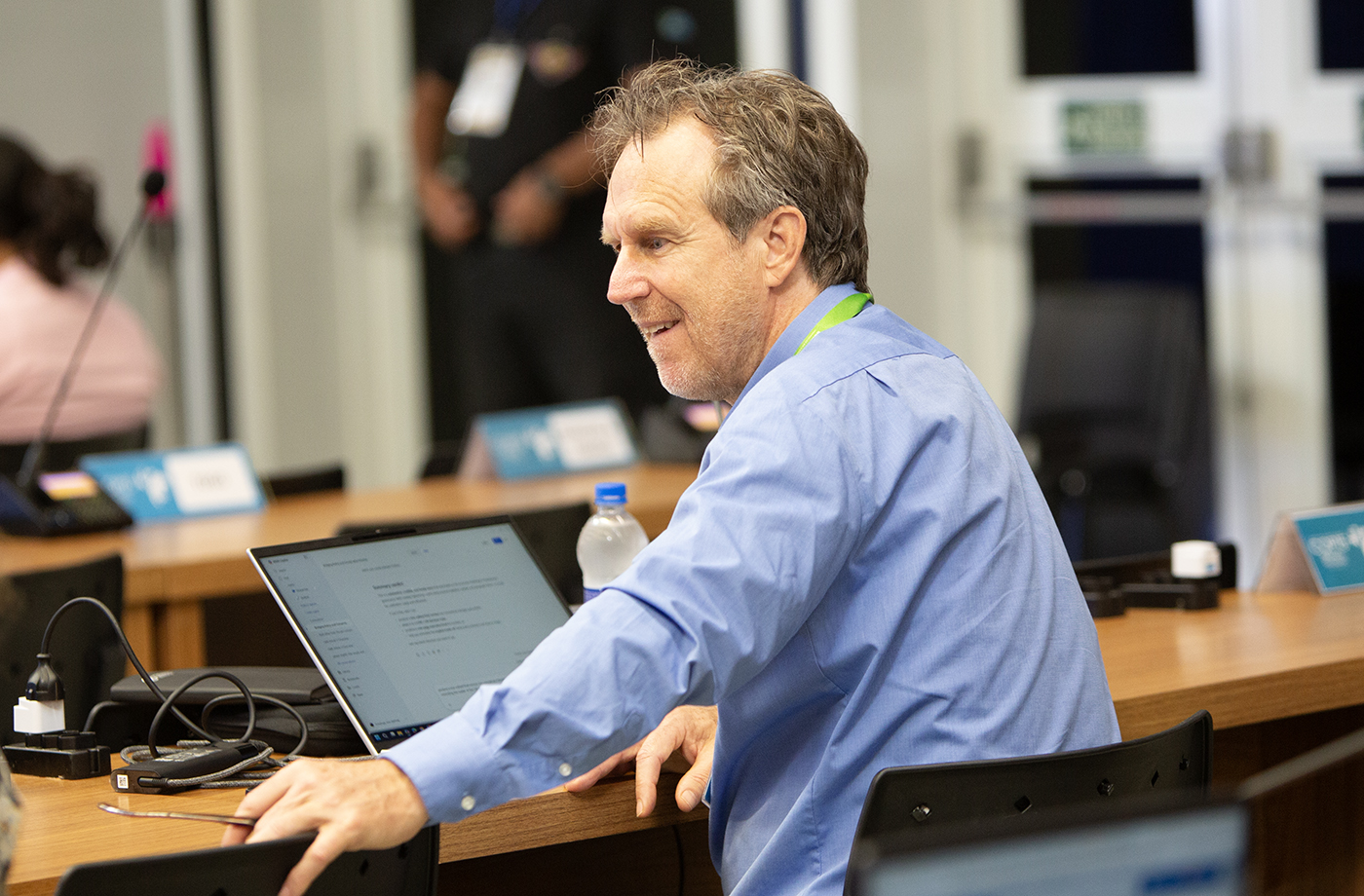
Kim Friedman, FAO
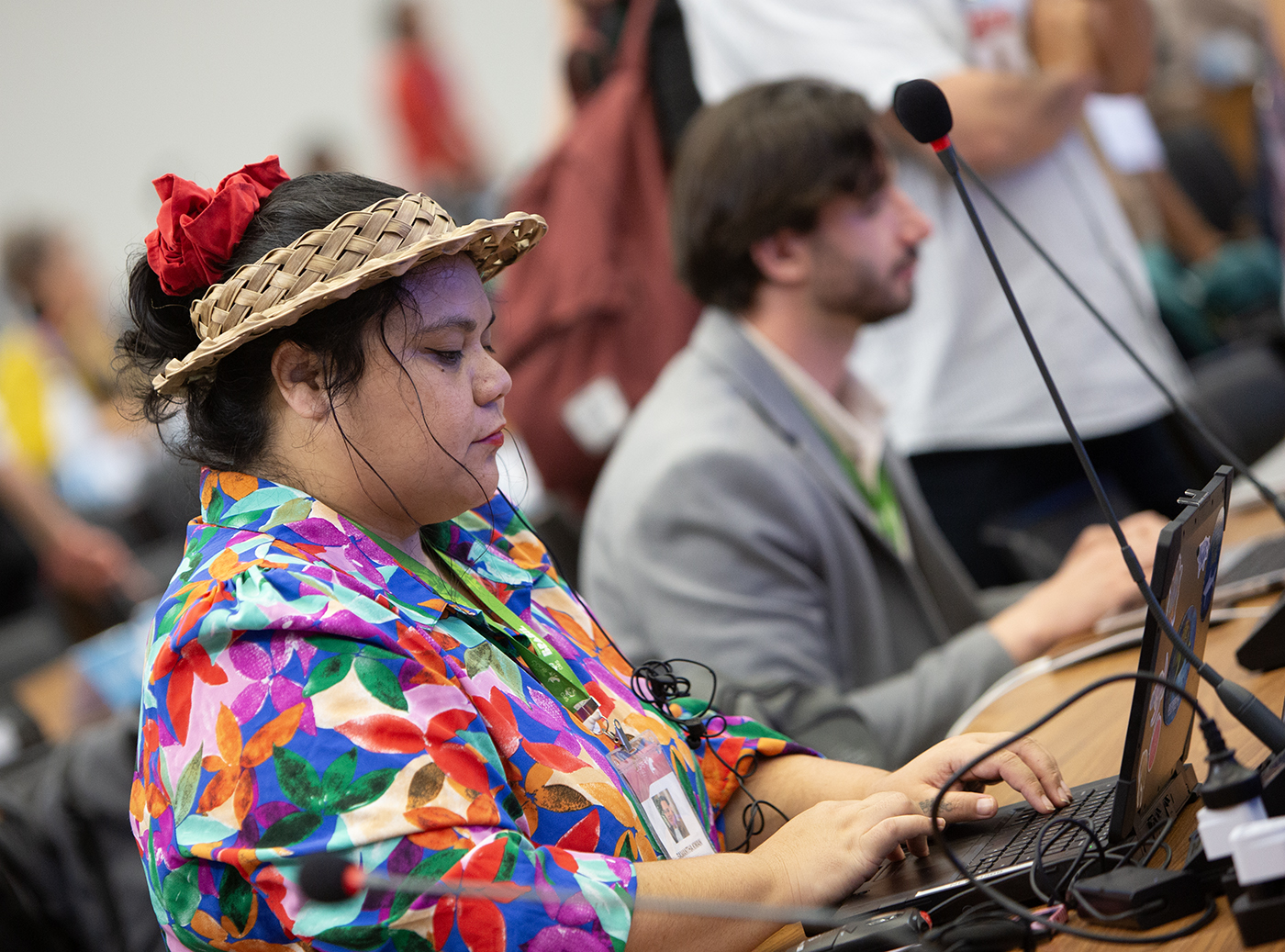
Samantha Kwan, Samoa
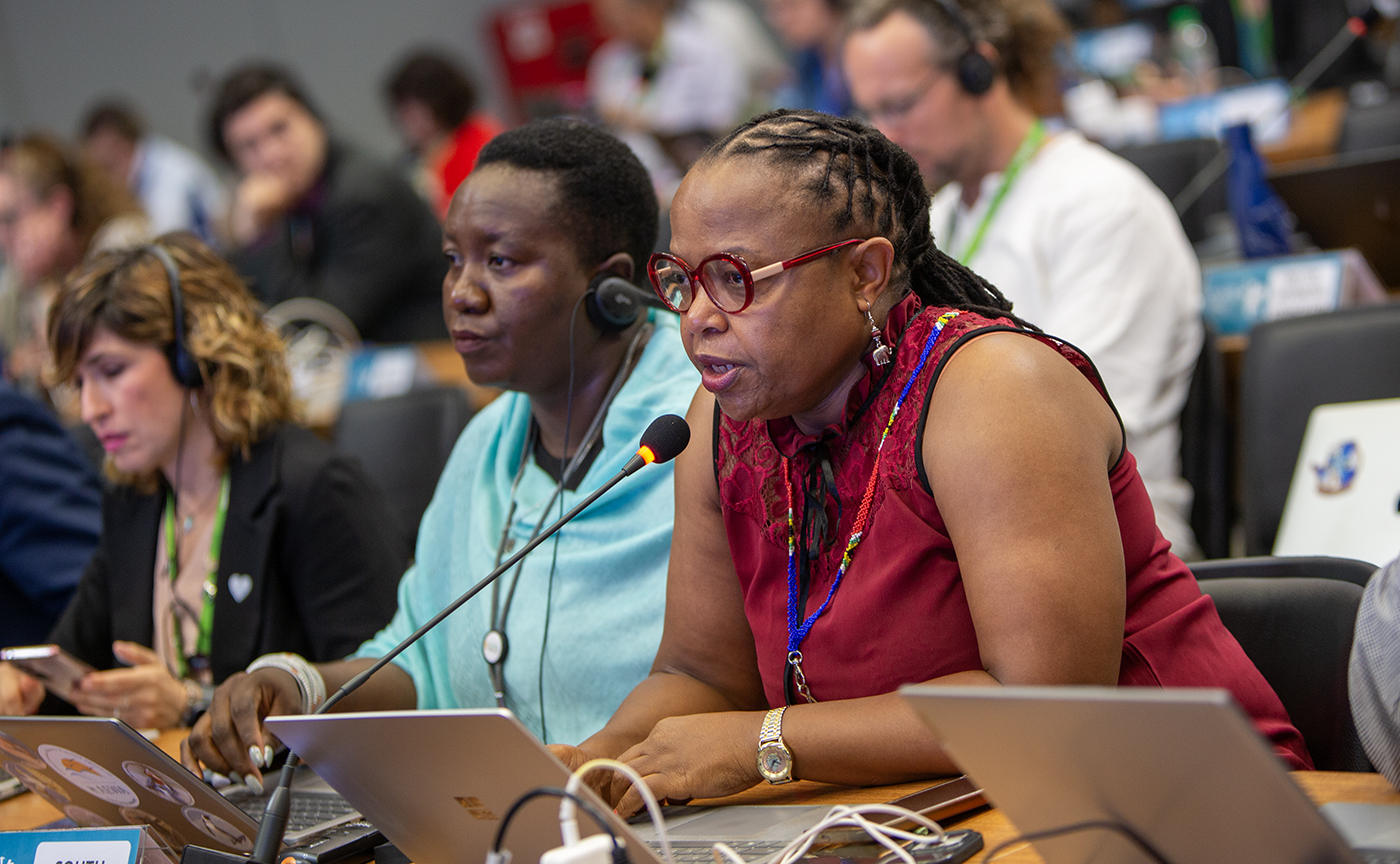
Mohlago Flora Mokgohloa, South Africa
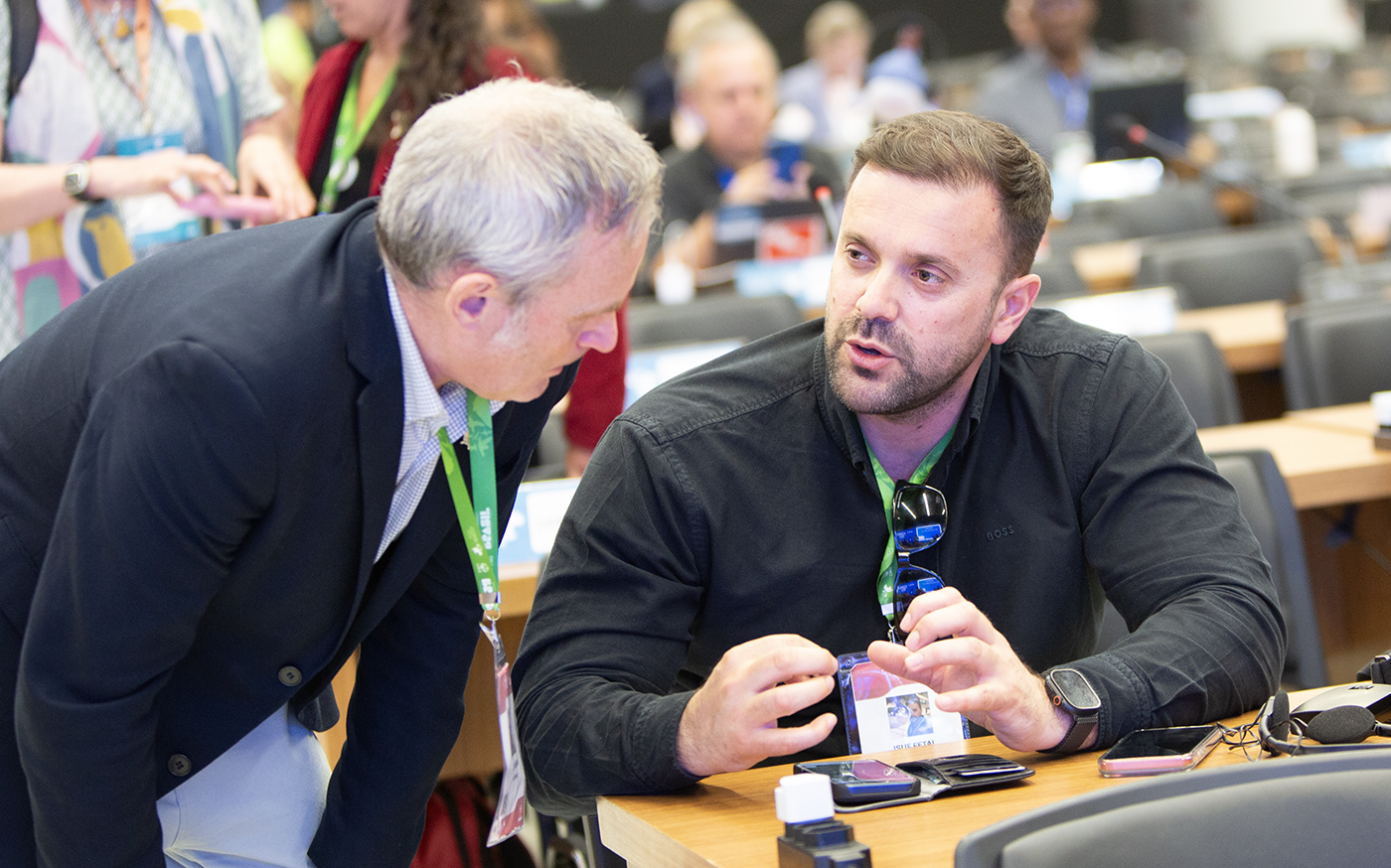
Isuf Fetai, North Macedonia
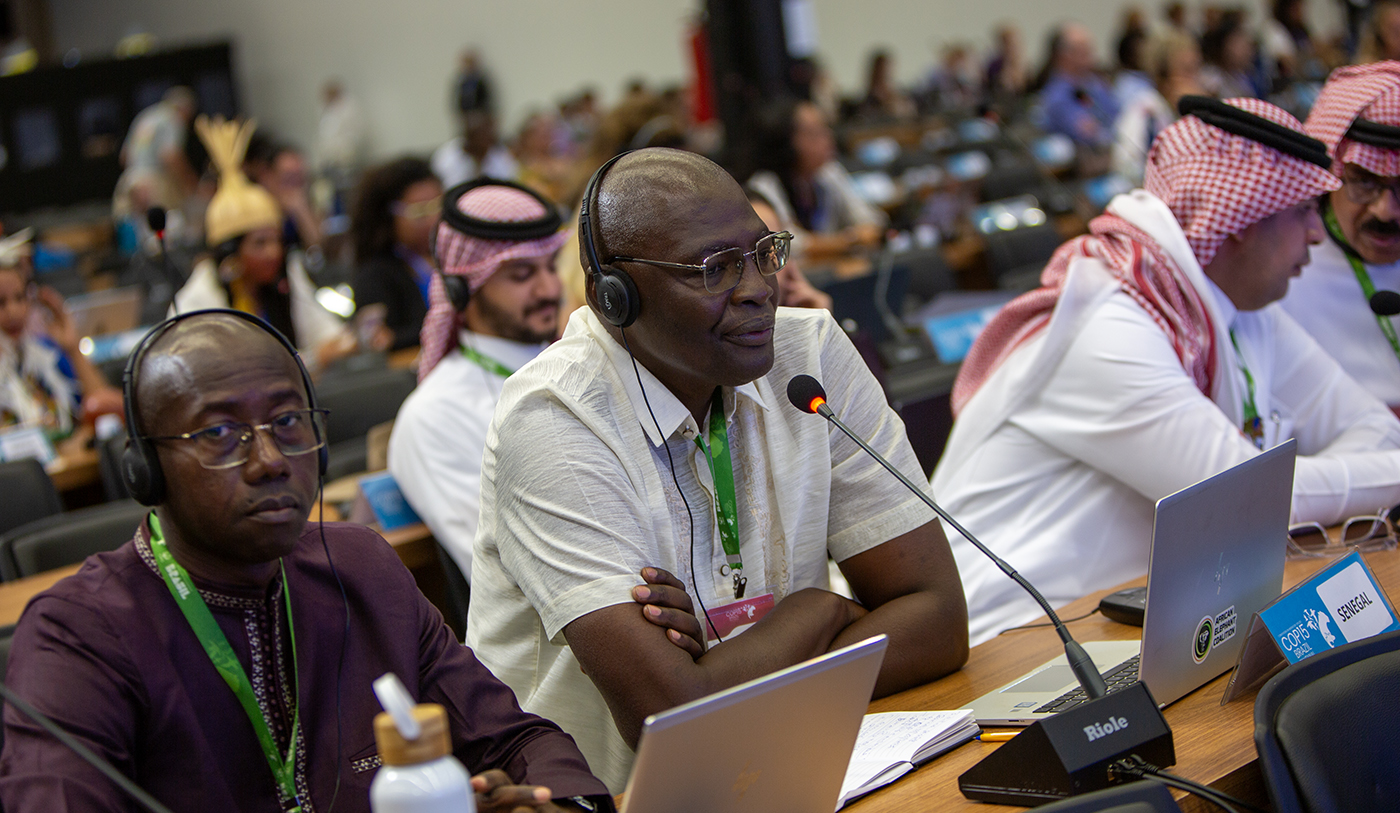
Djibril Diouck, Senegal
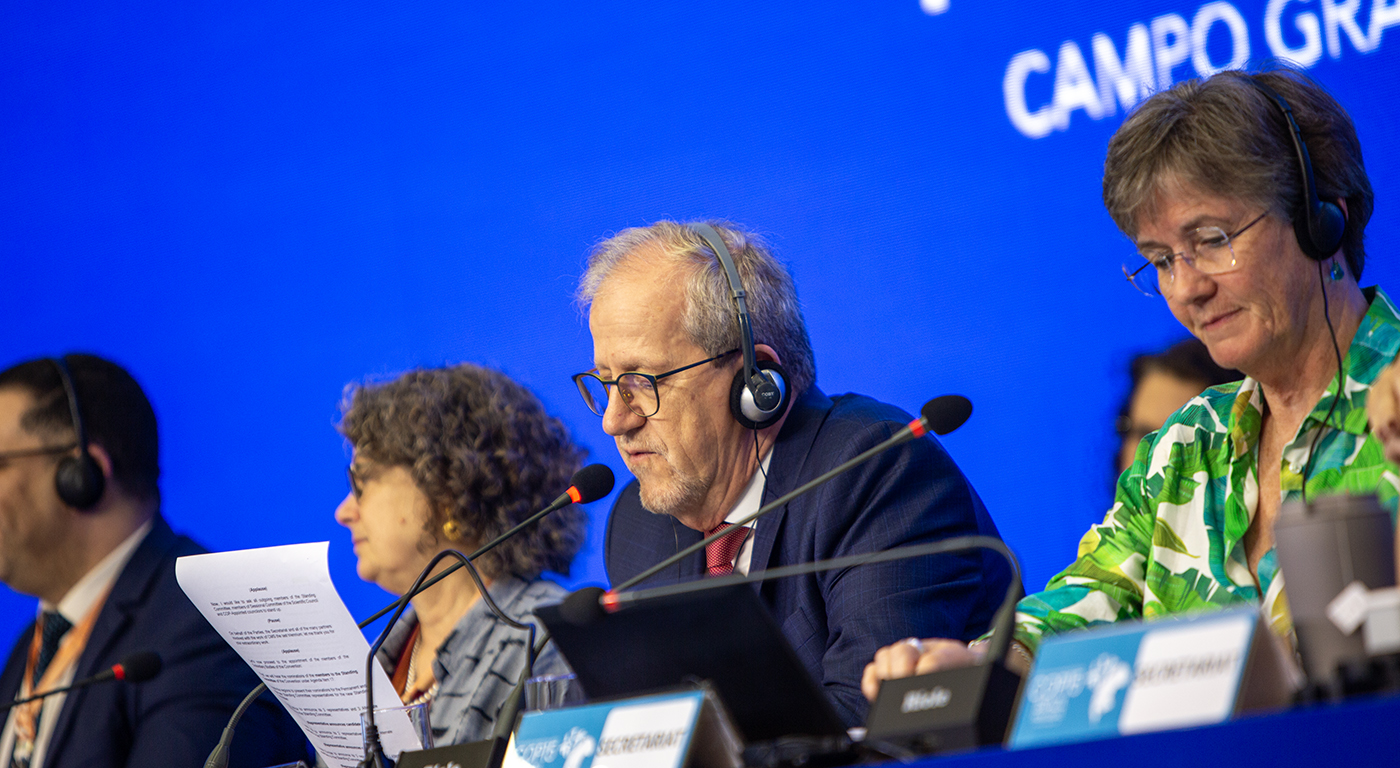
João Paulo Capobianco, COP15 Chair (Brazil)
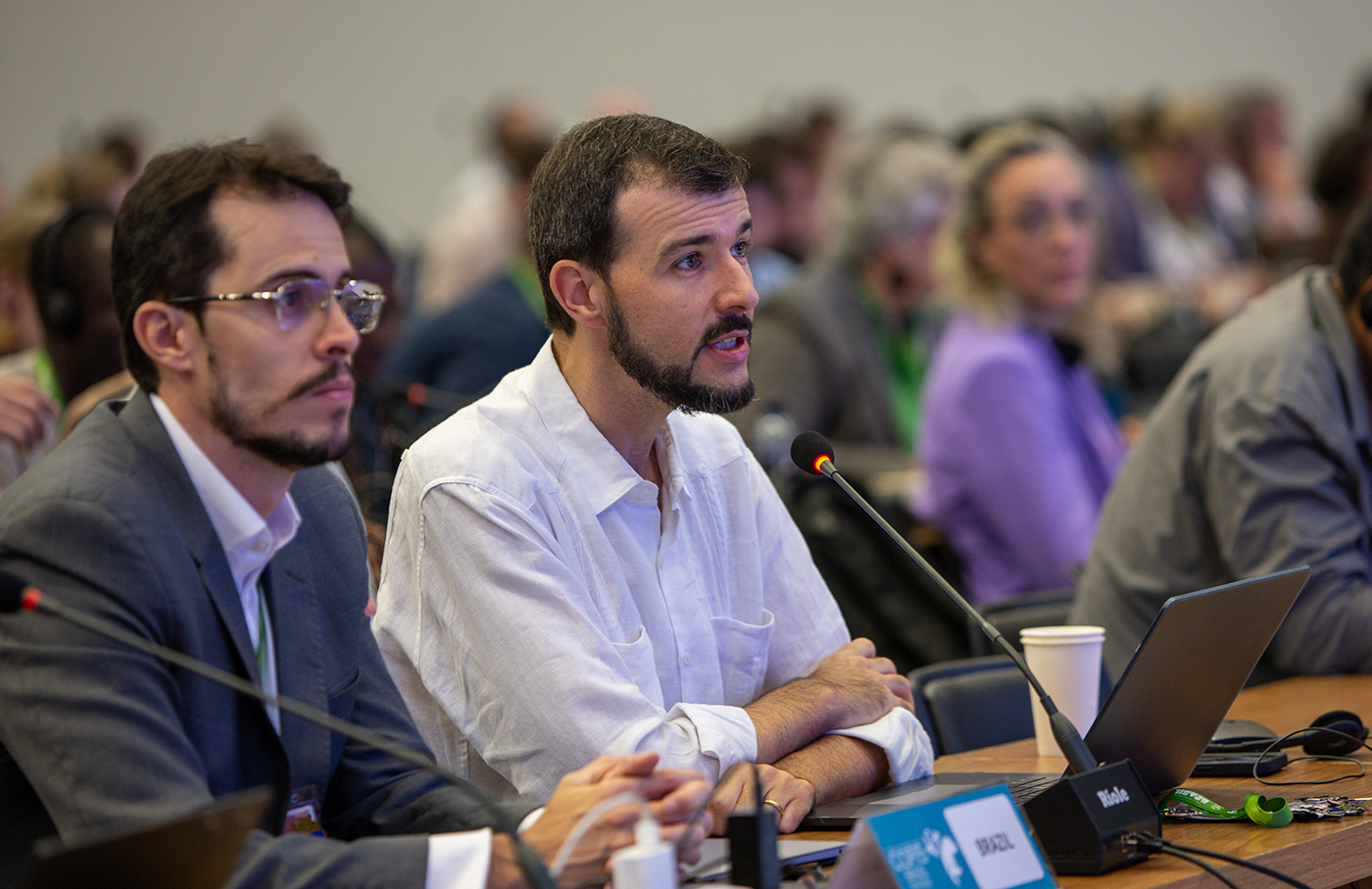
Patrick Luna, Brazil
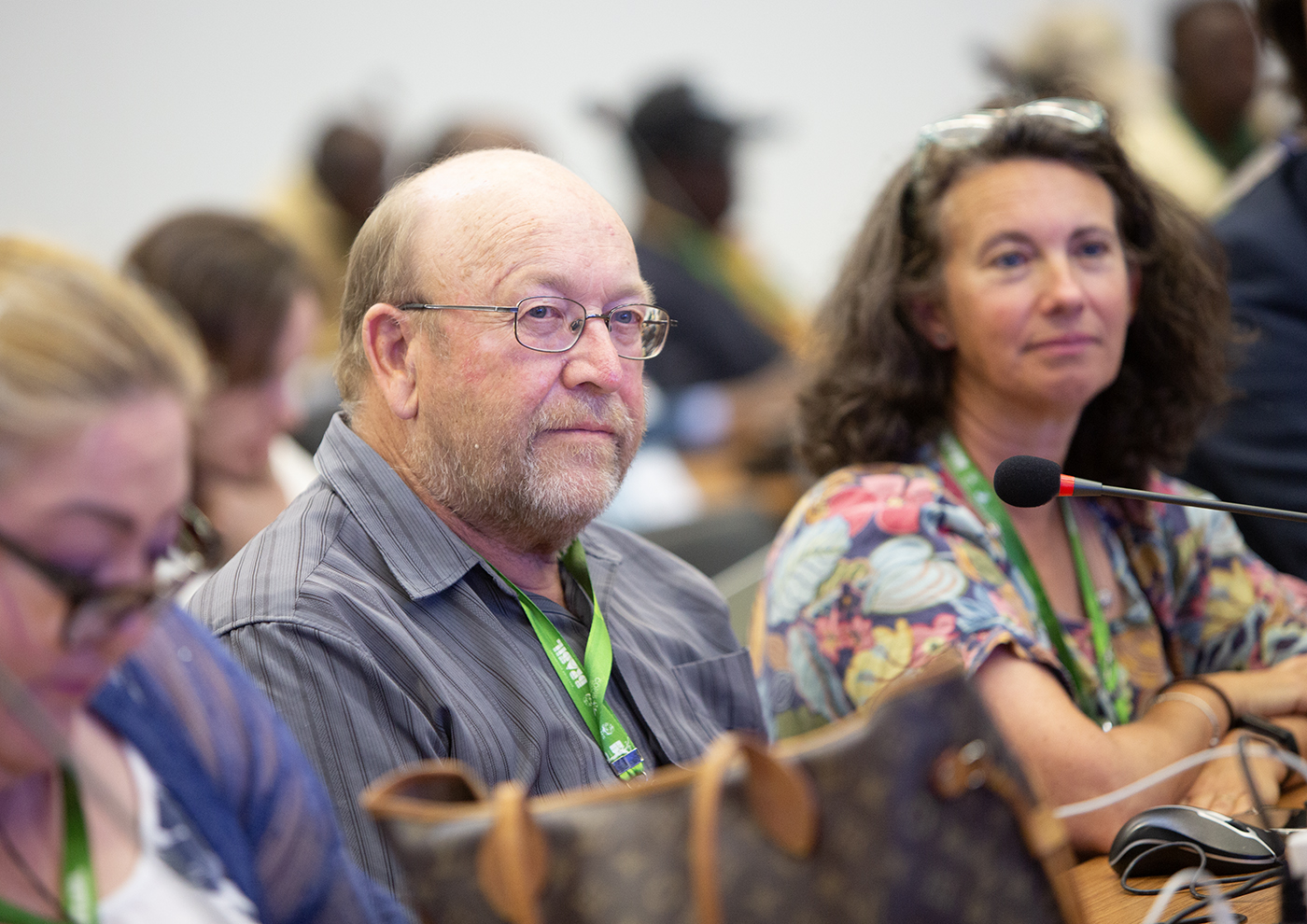
Graeme Taylor, New Zealand
Closing Plenary
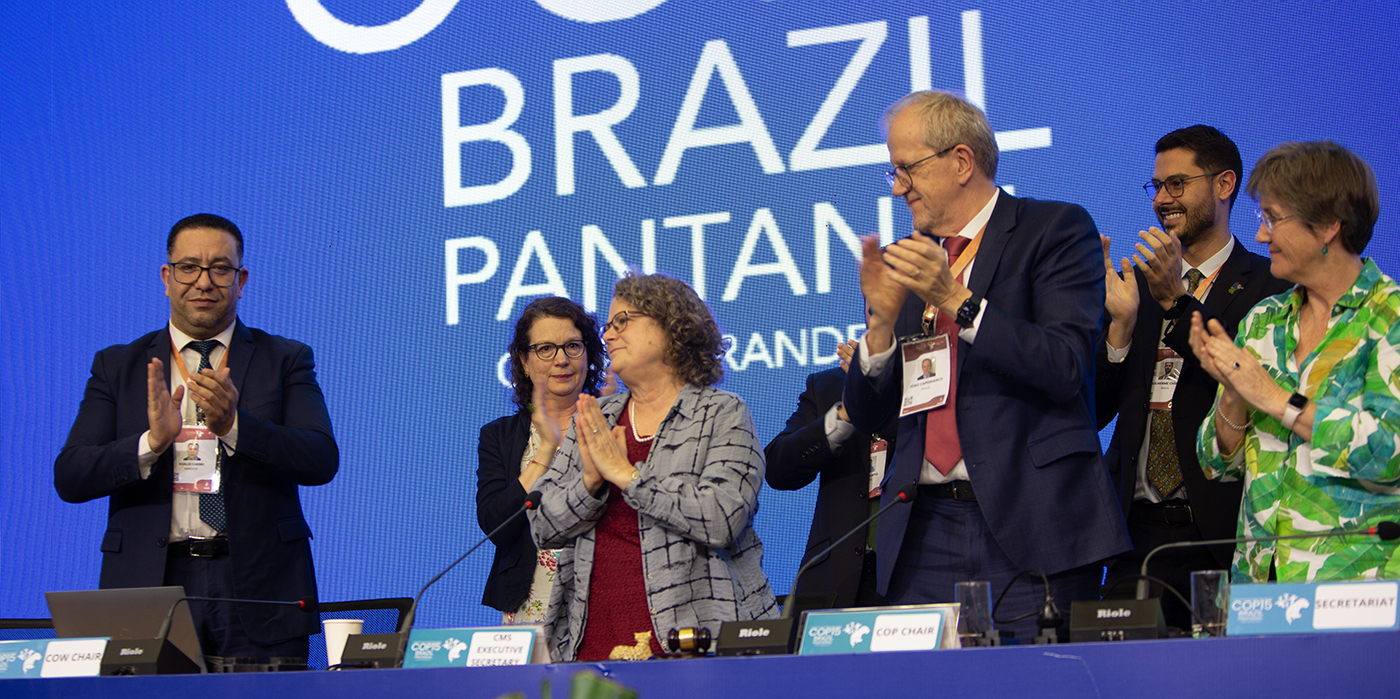
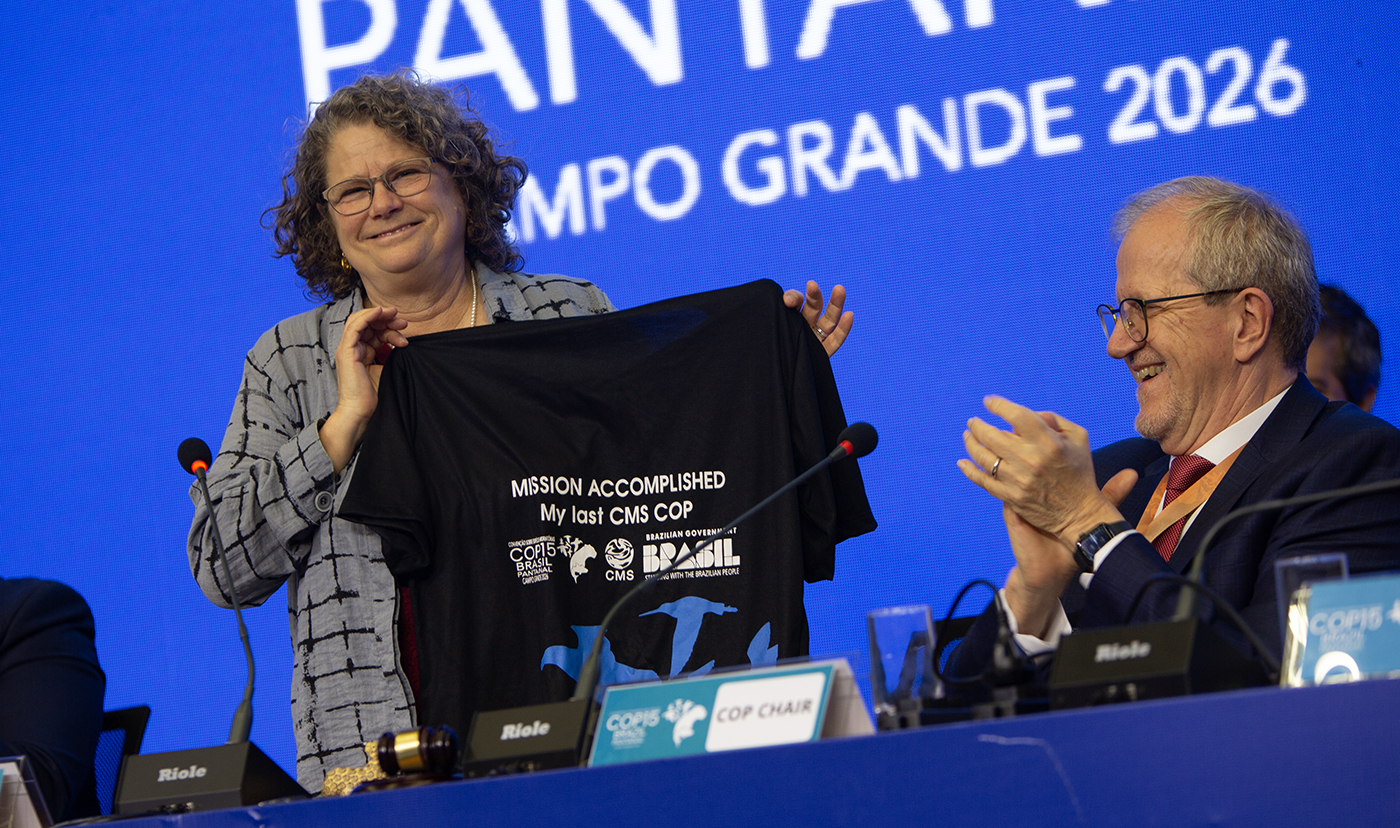
The CMS Secretariat presented a t-shirt to Executive Secretary Fraenkel in appreciation of her outstanding work over the years
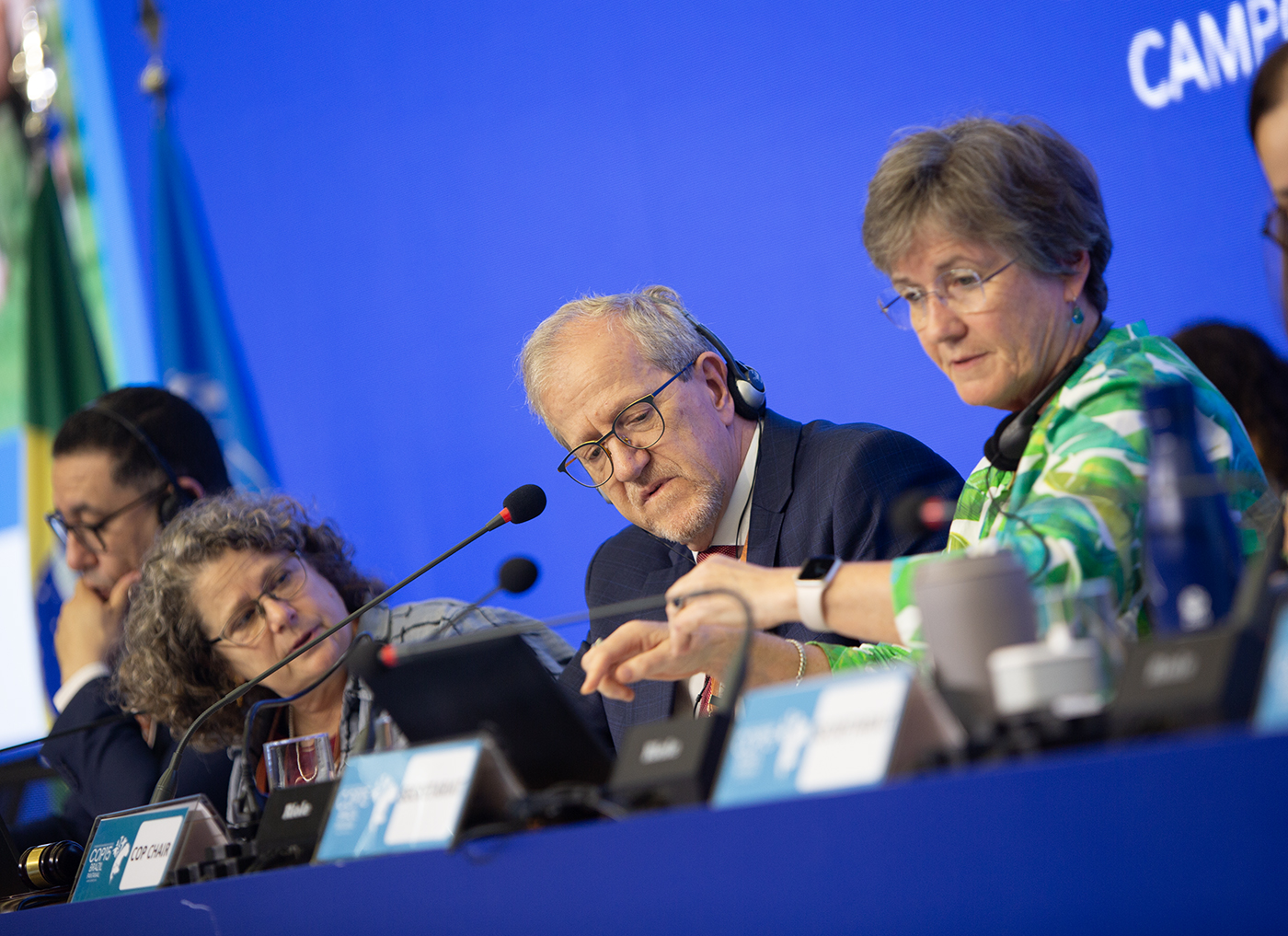
Amy Fraenkel, CMS Executive Secretary, João Paulo Capobianco, COP15 Chair (Brazil), and Melanie Virtue, CMS Secretariat
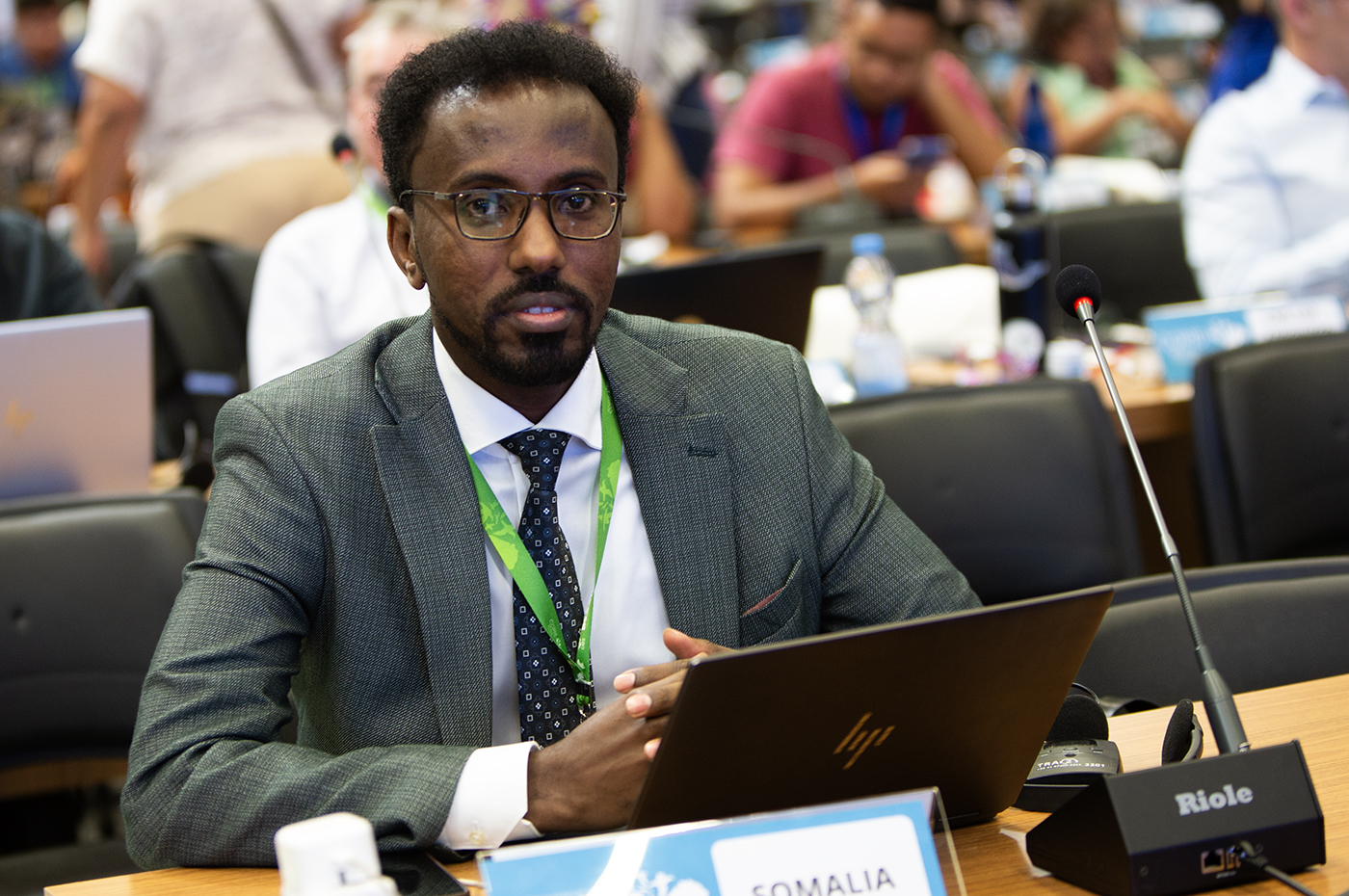
Abdirashid Abdirahman, Somalia
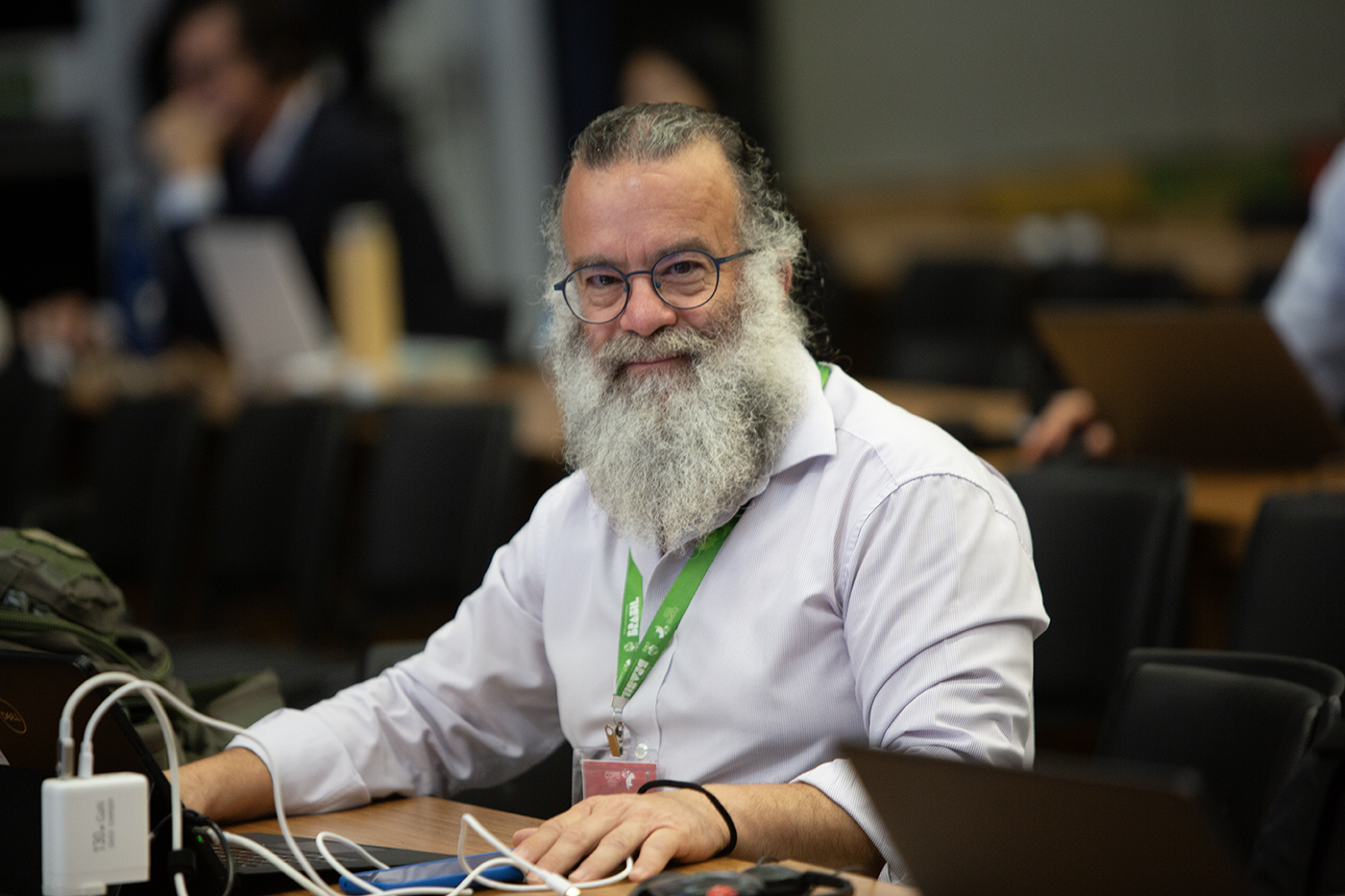
Andreas Antoniou, EU
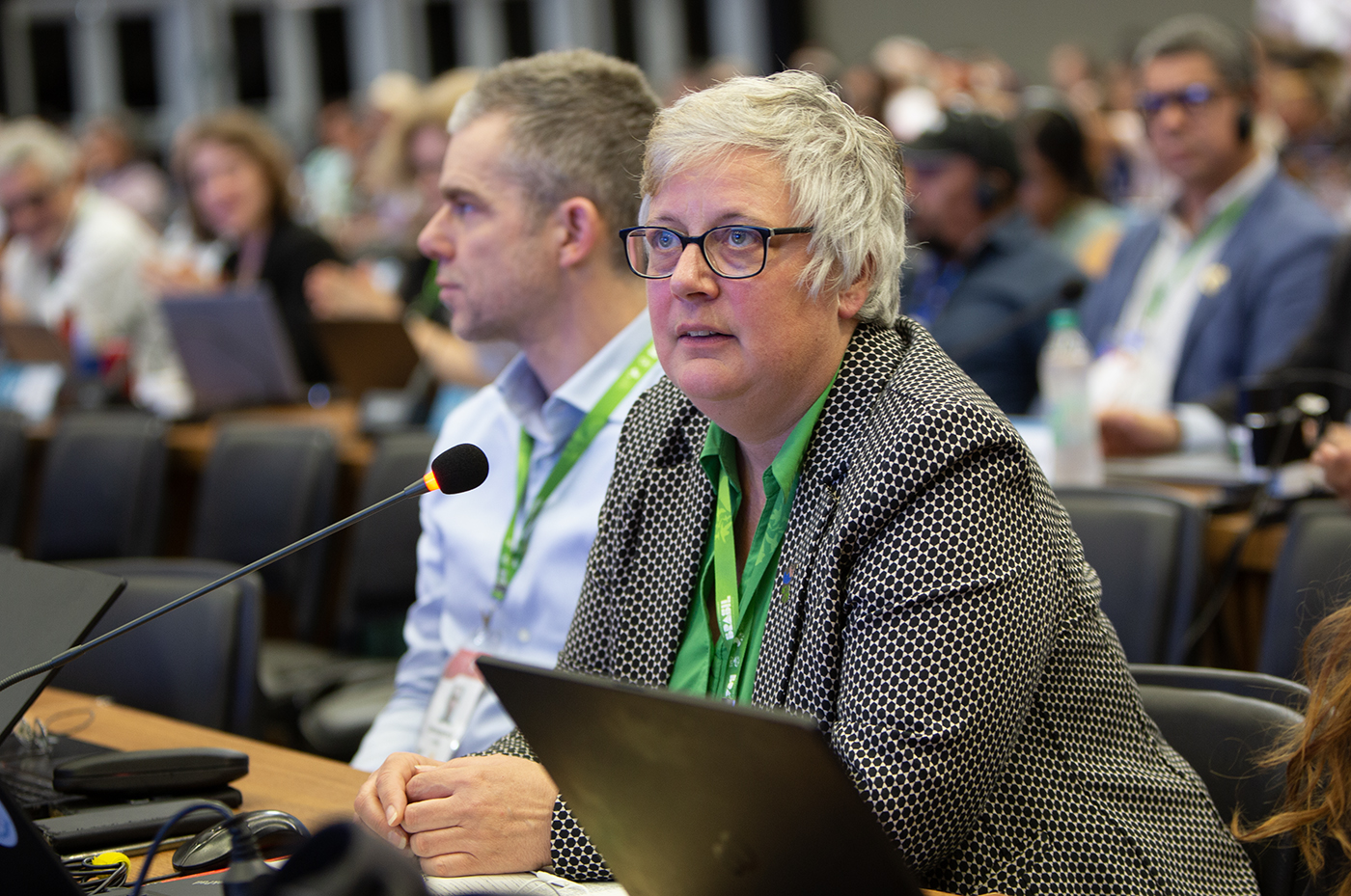
Inka Gnittke, Germany, announced their country's hosting of COP16 in 2029.
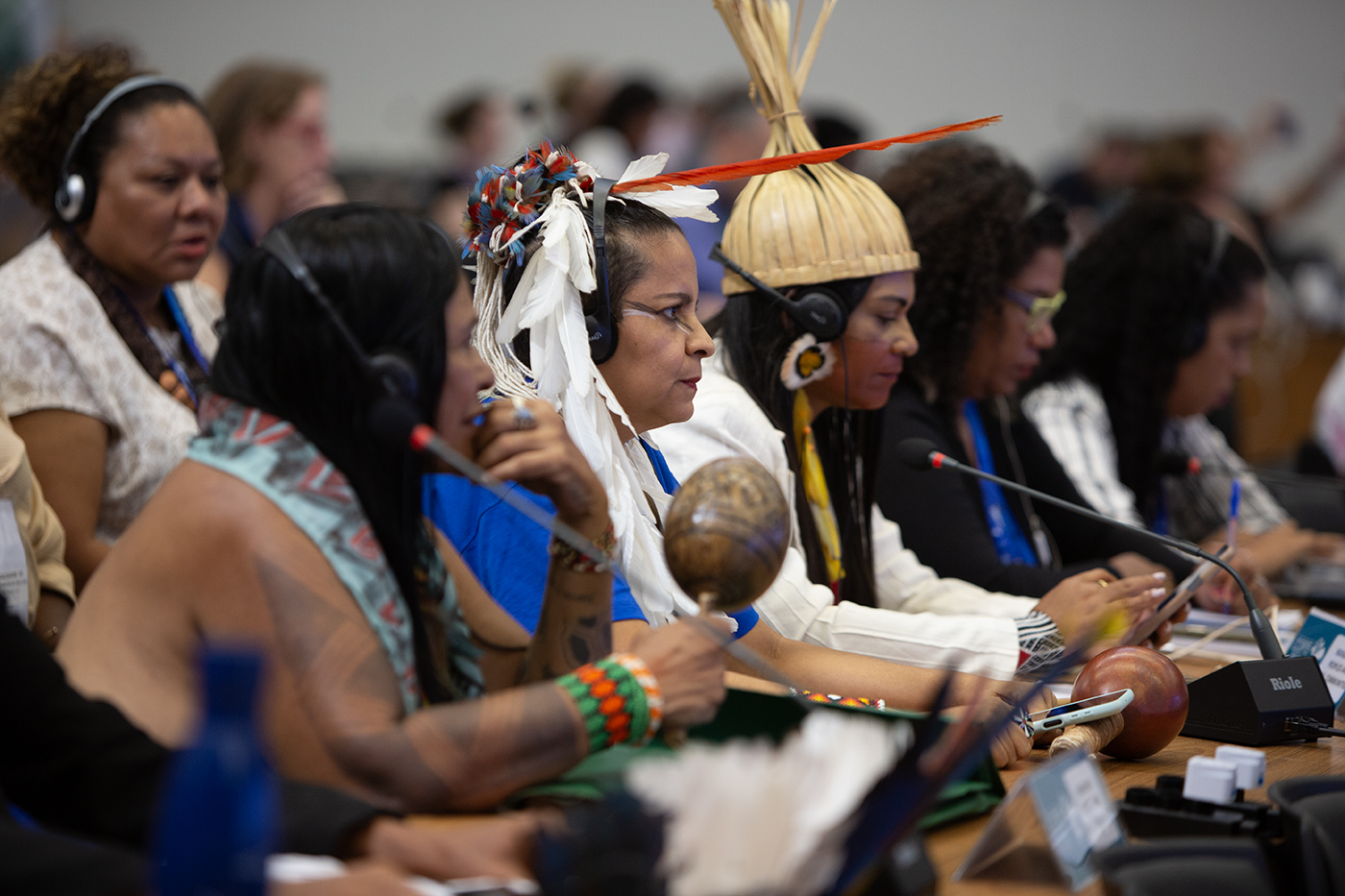
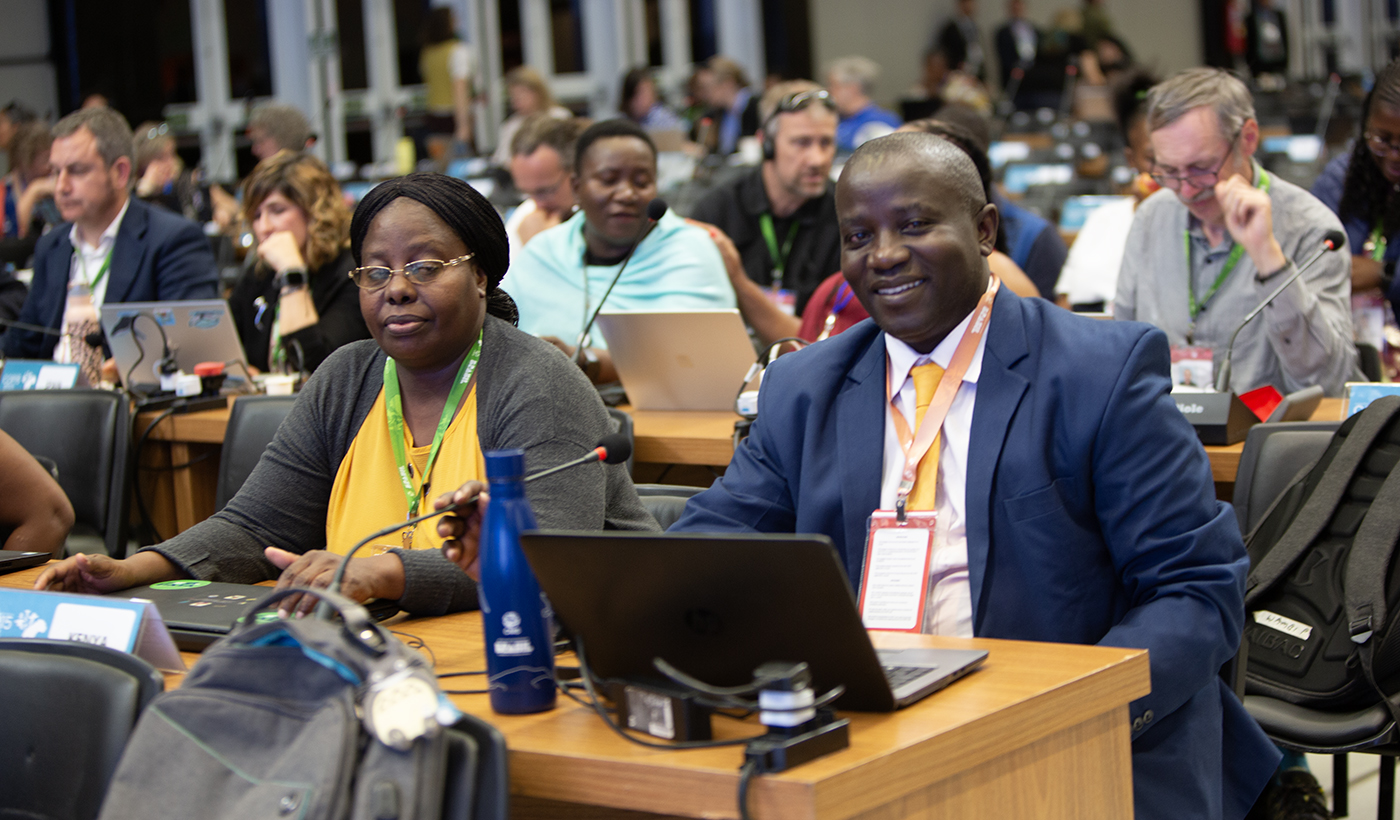
Delegates from Kenya
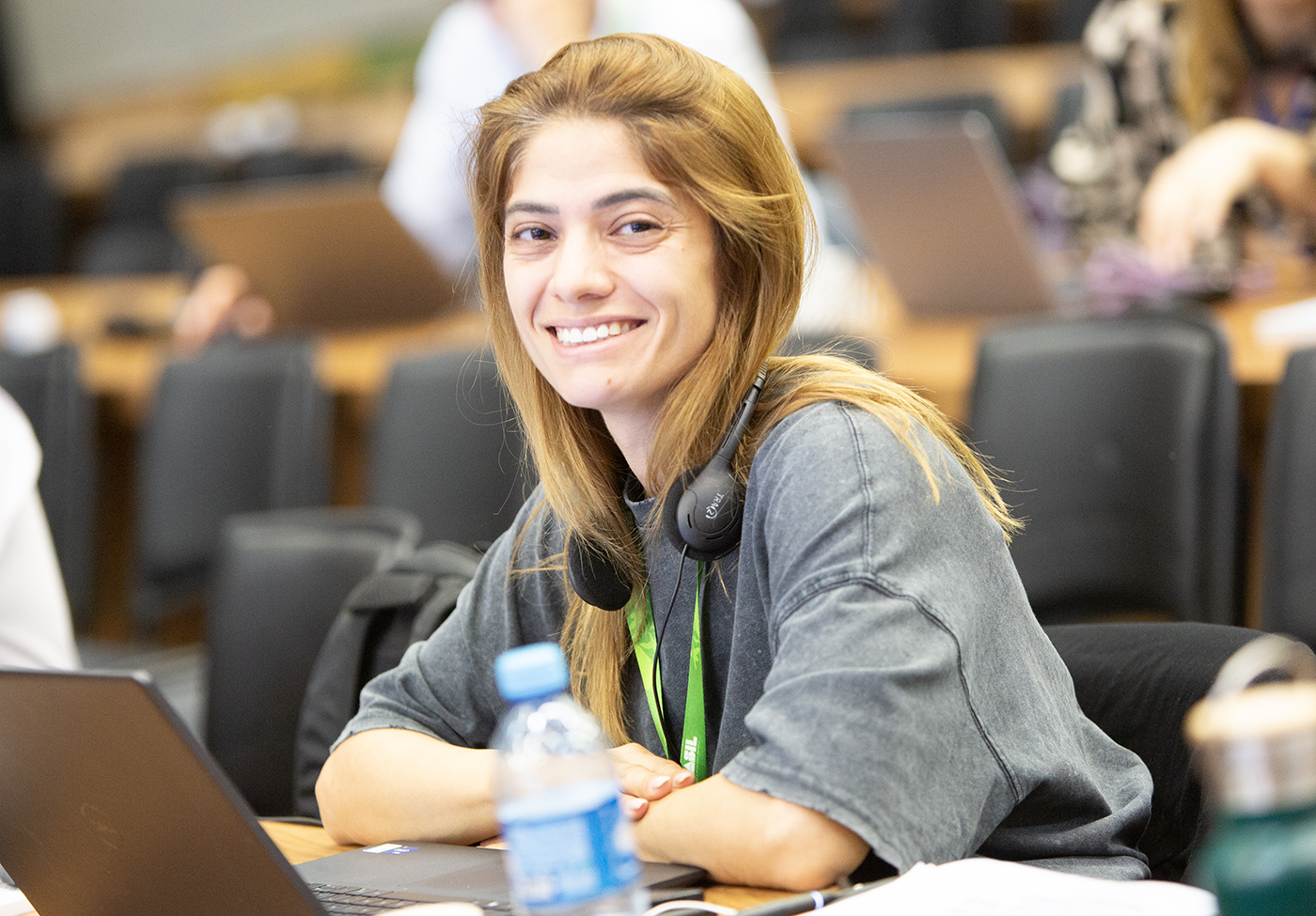
Maria Patsalidou, EU
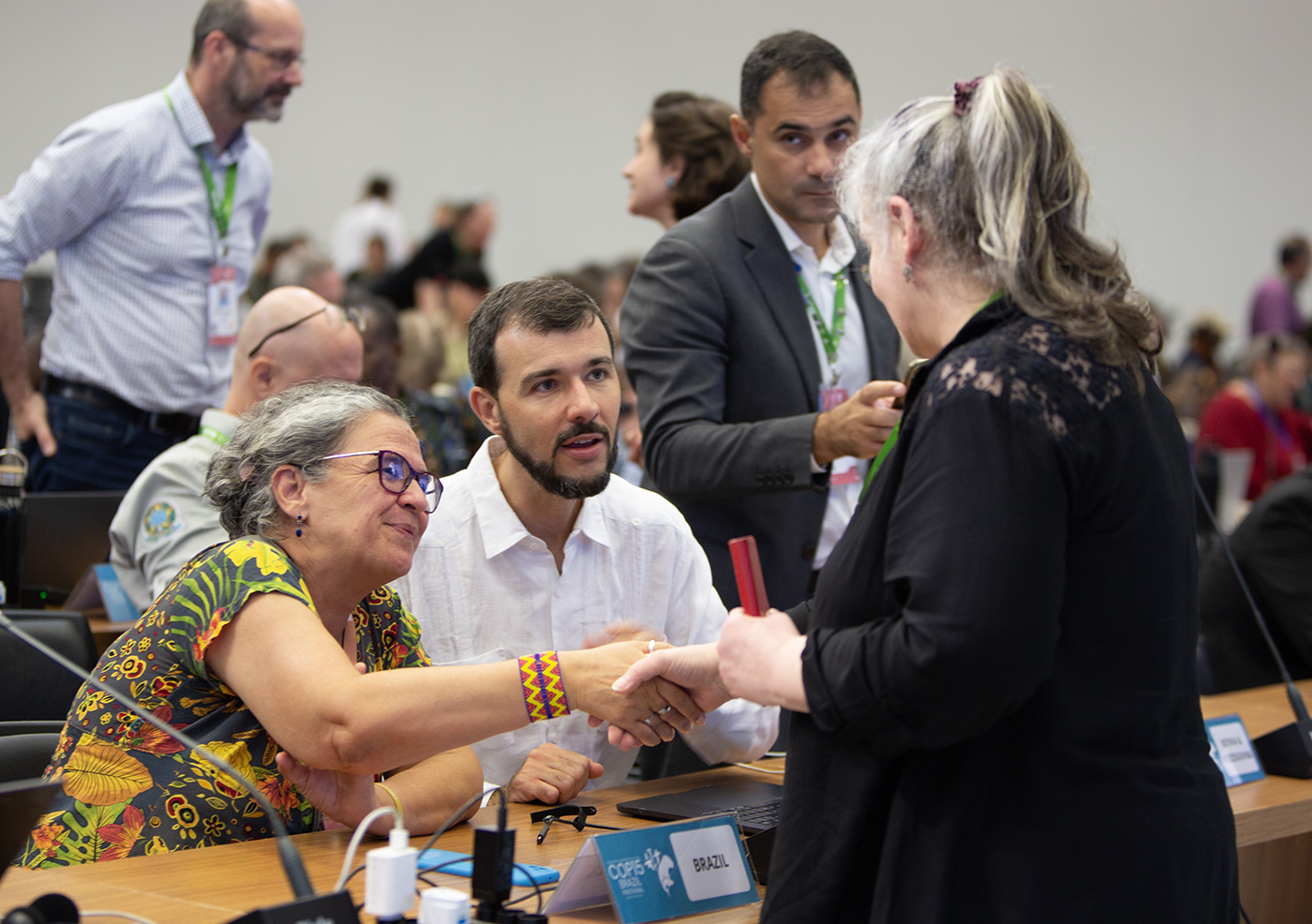
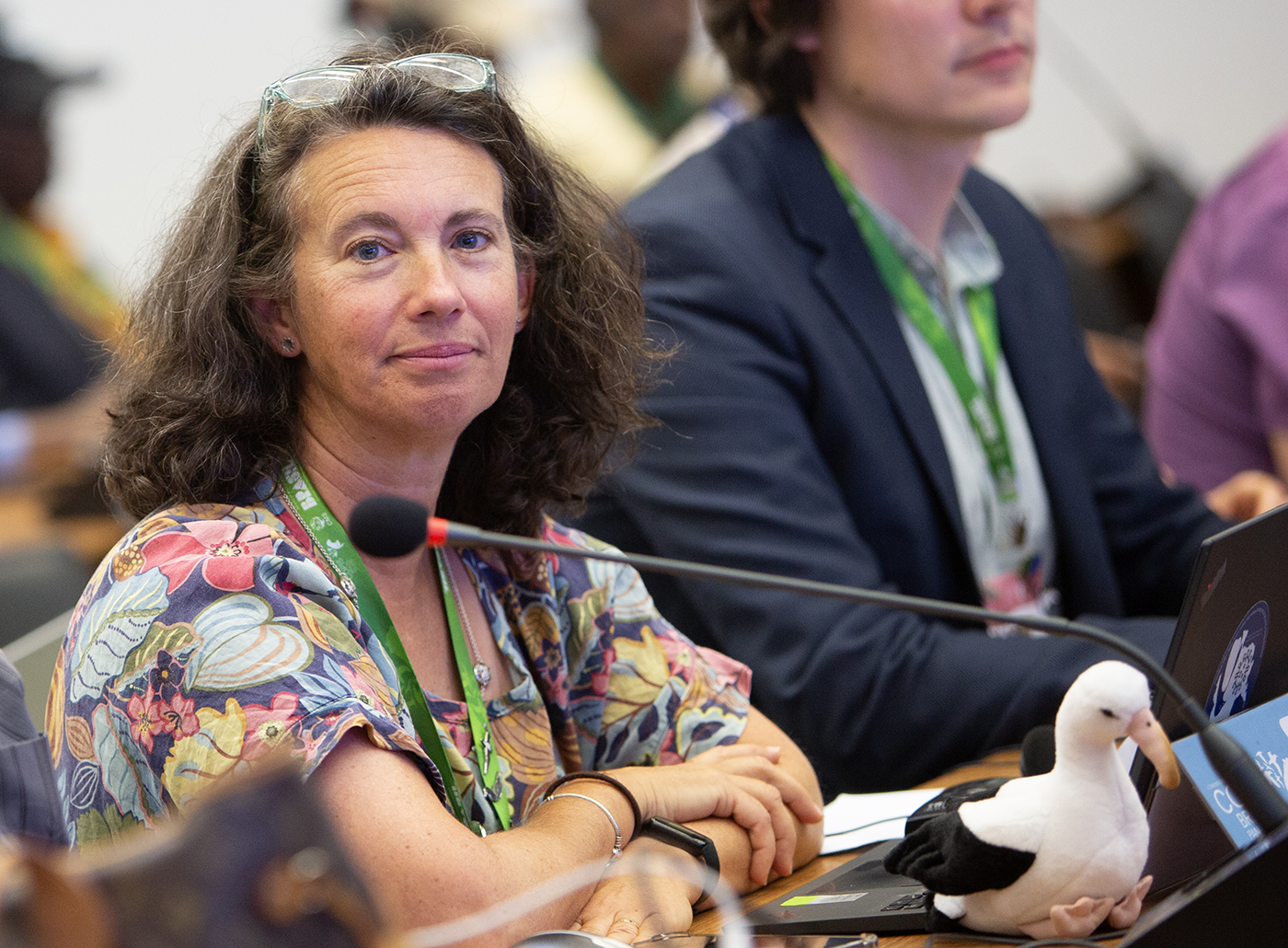
Alex Macdonald, New Zealand
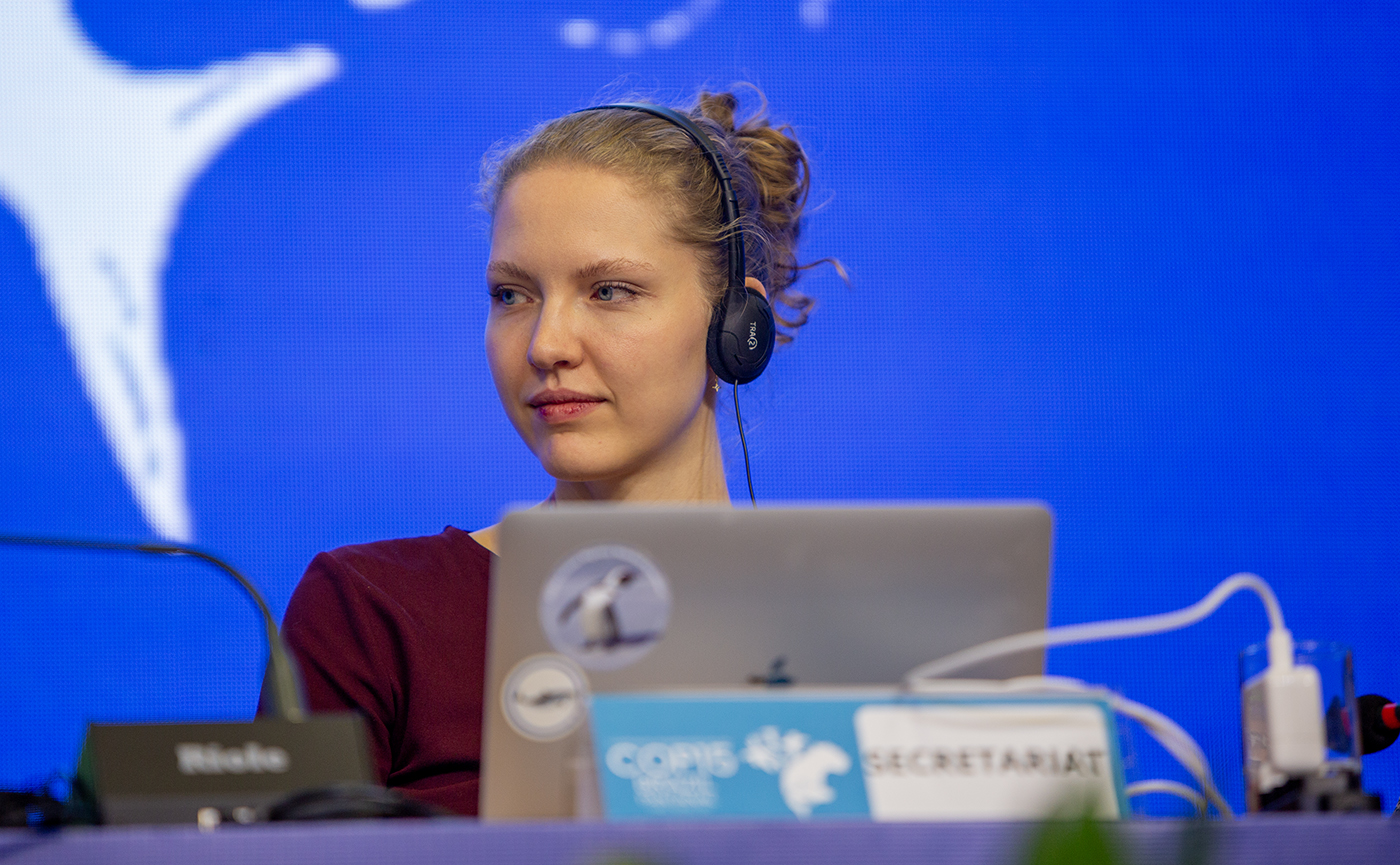
Louisa Breimann, CMS Secretariat
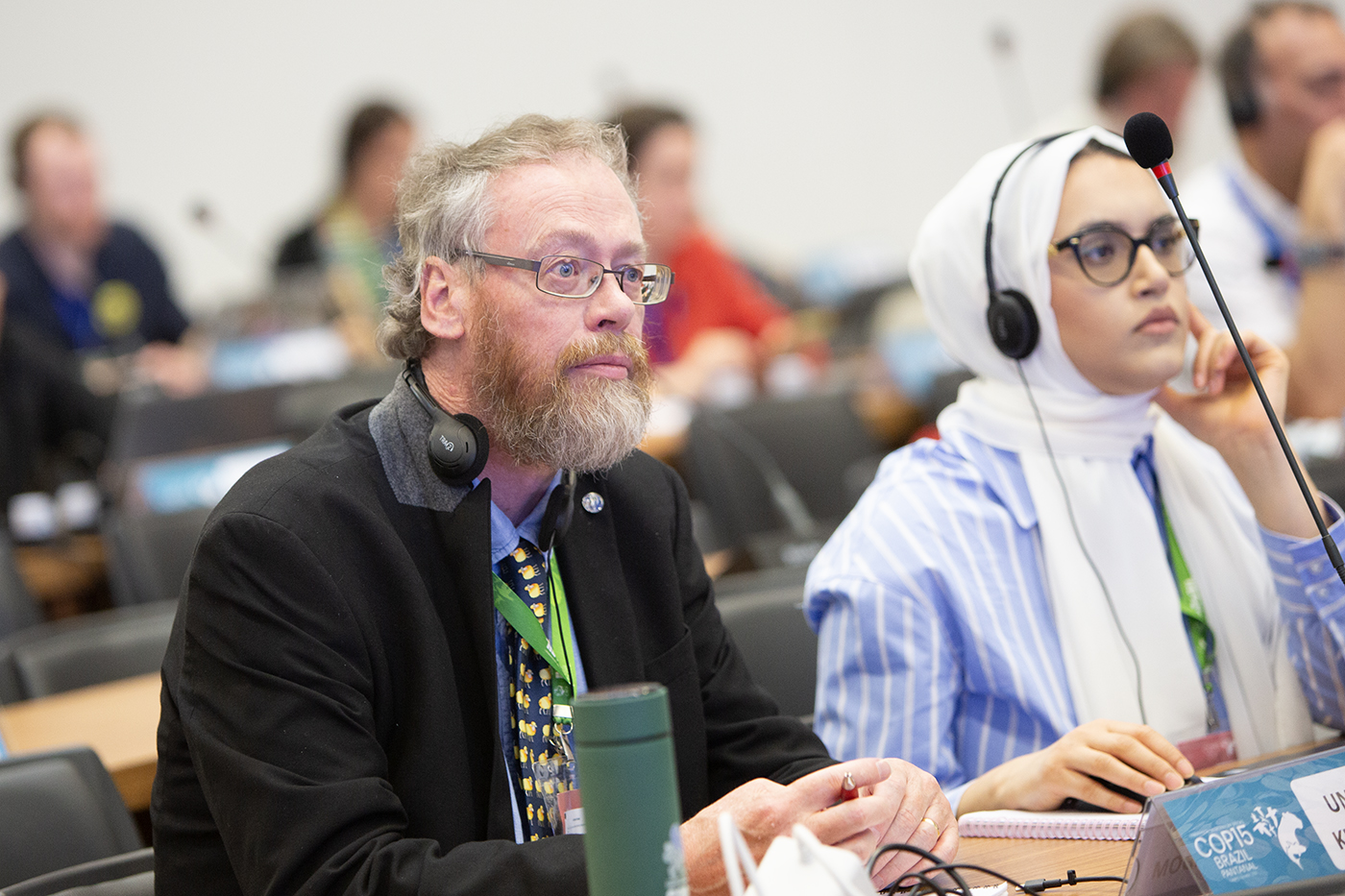
James Williams, UK
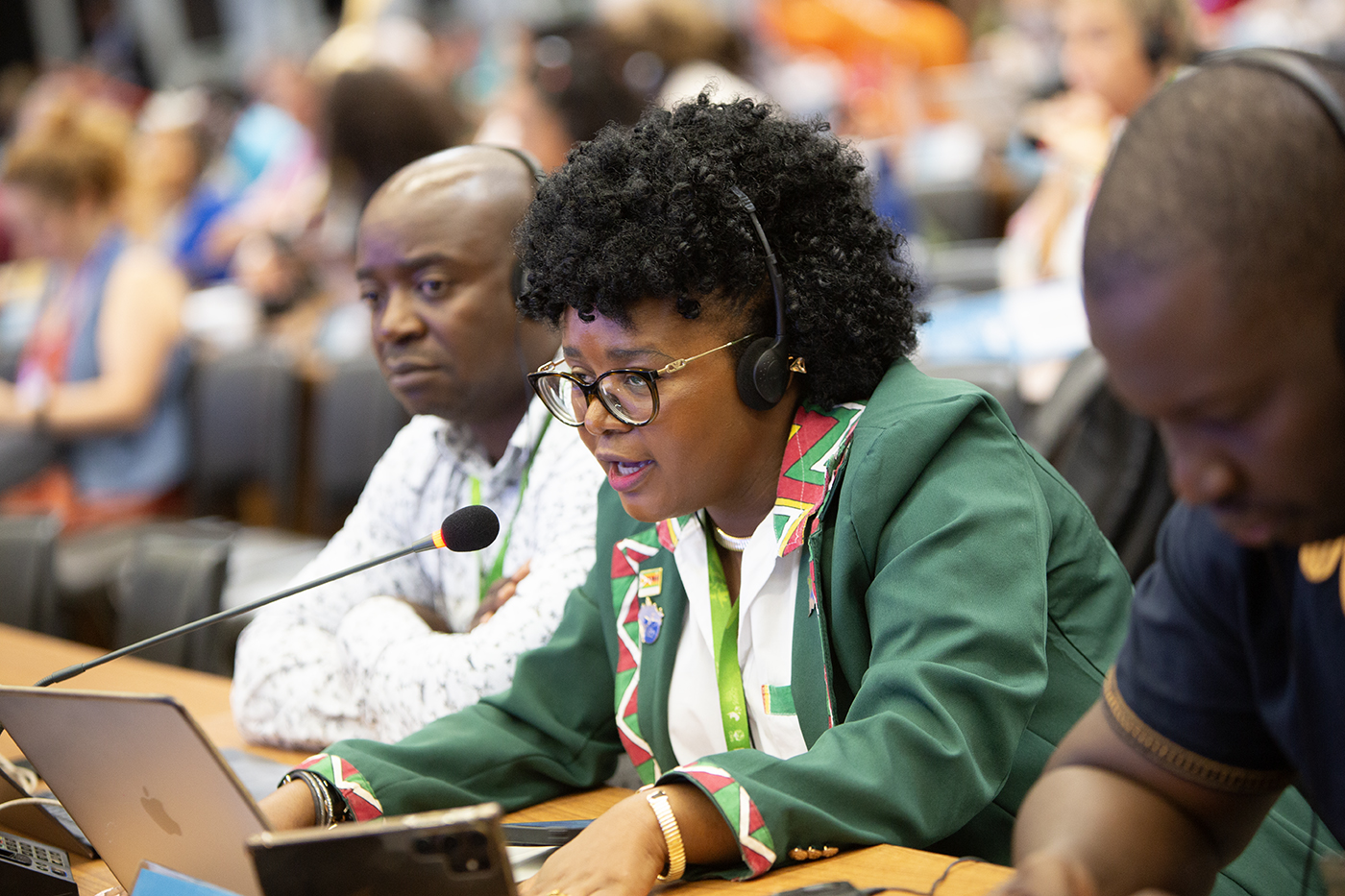
Patience Gandiwa, Zimbabwe
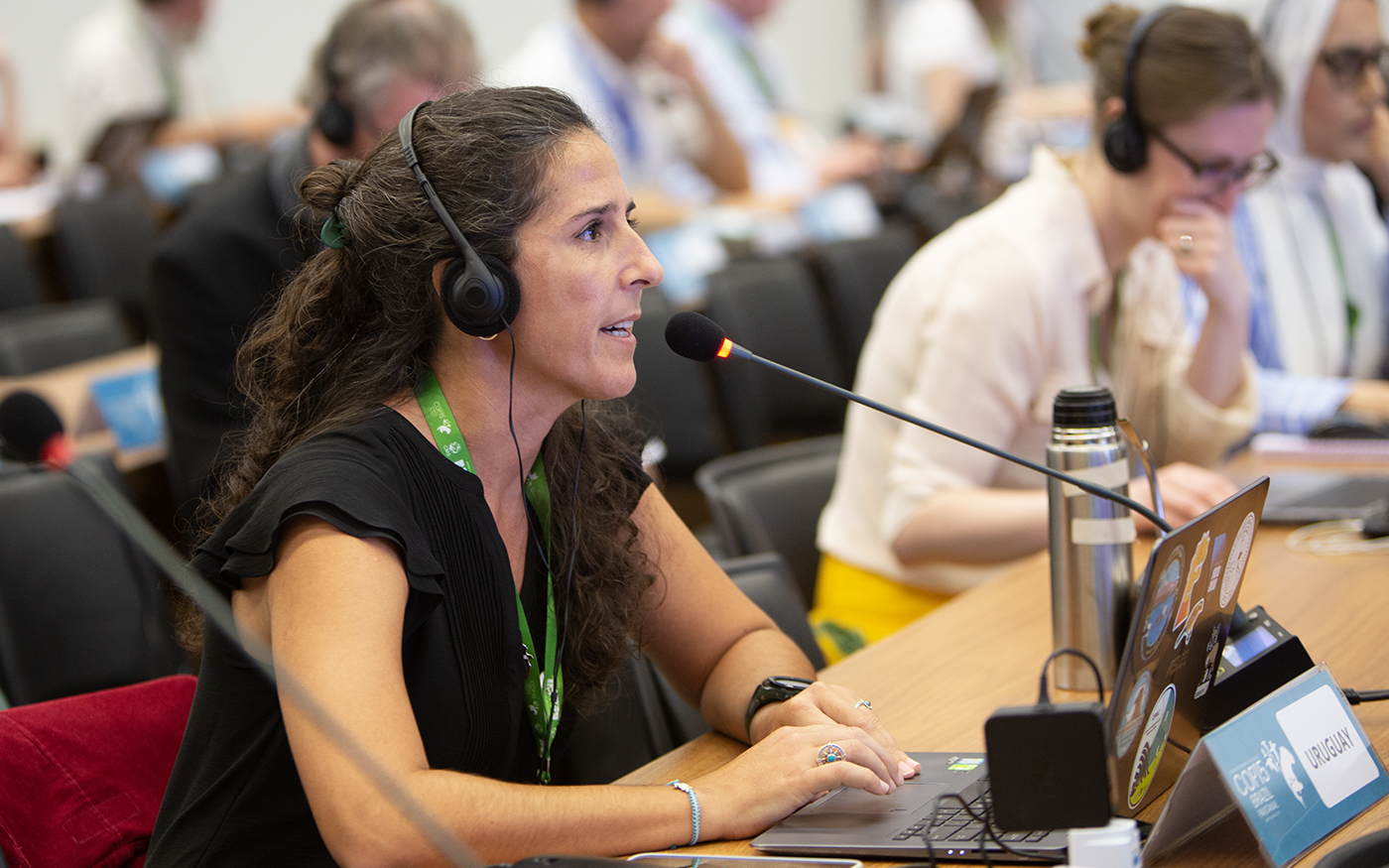
Mariana Rios, Uruguay
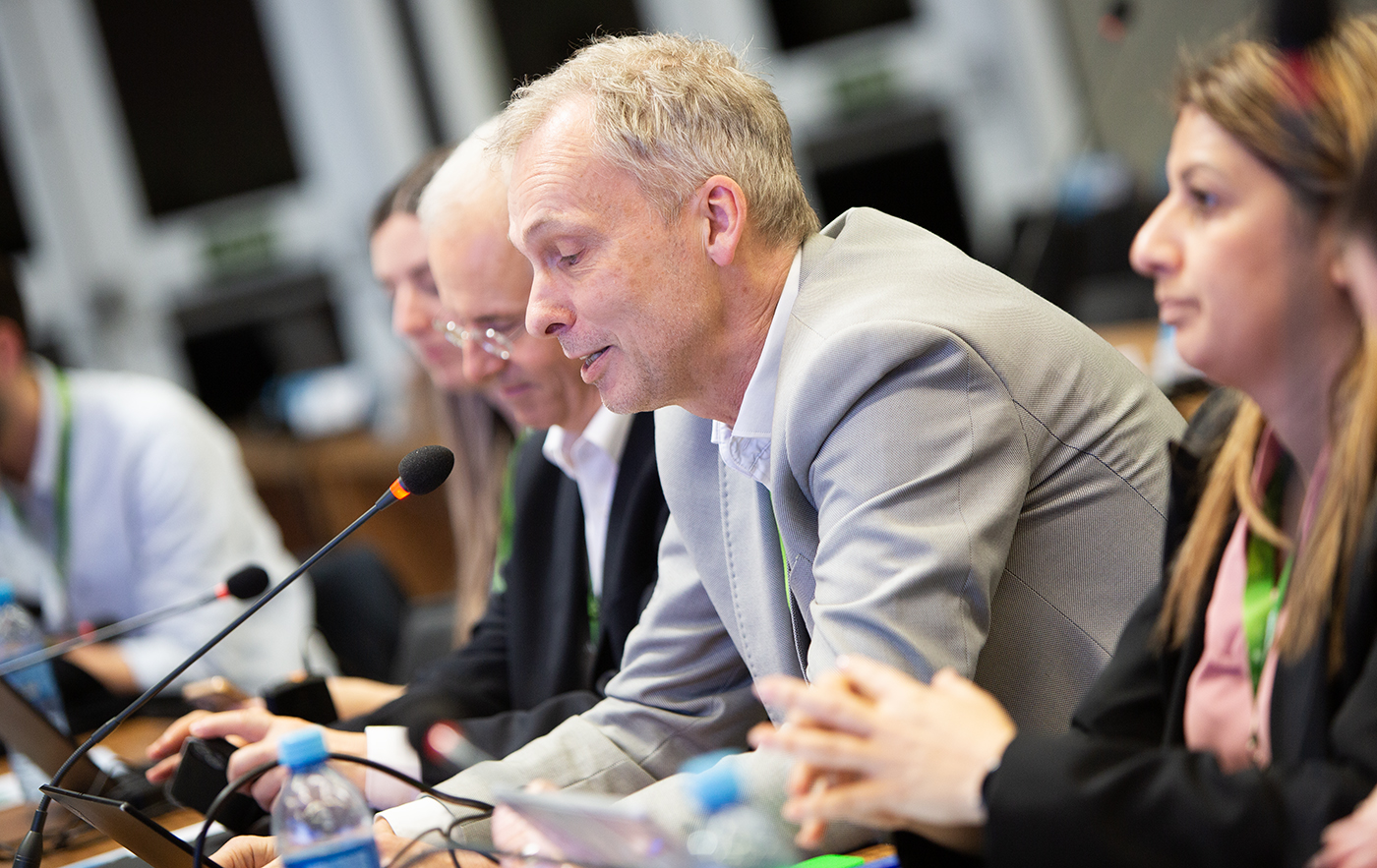
Hans Stielstra, EU
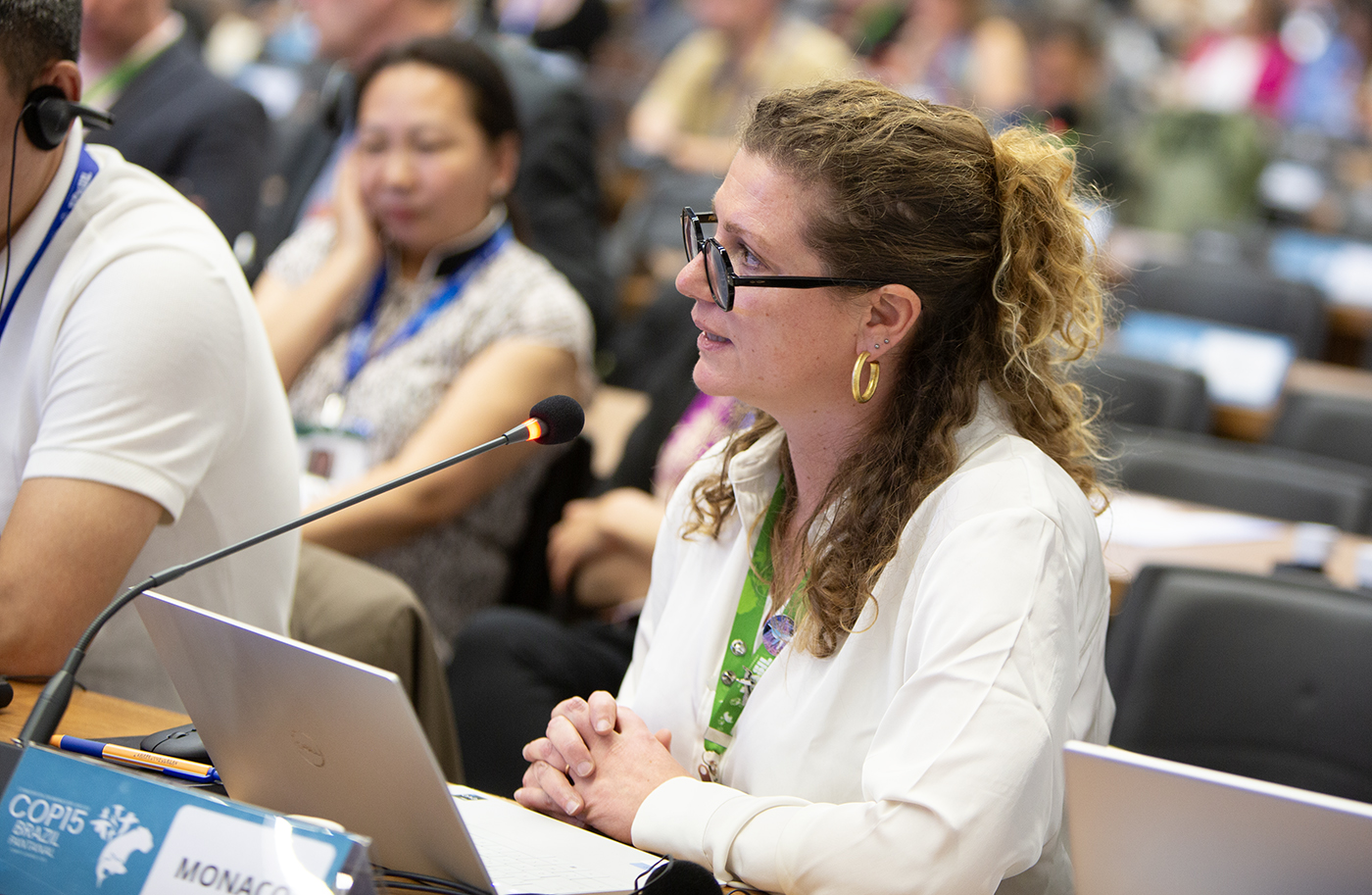
Céline Impagliazzo, Monaco
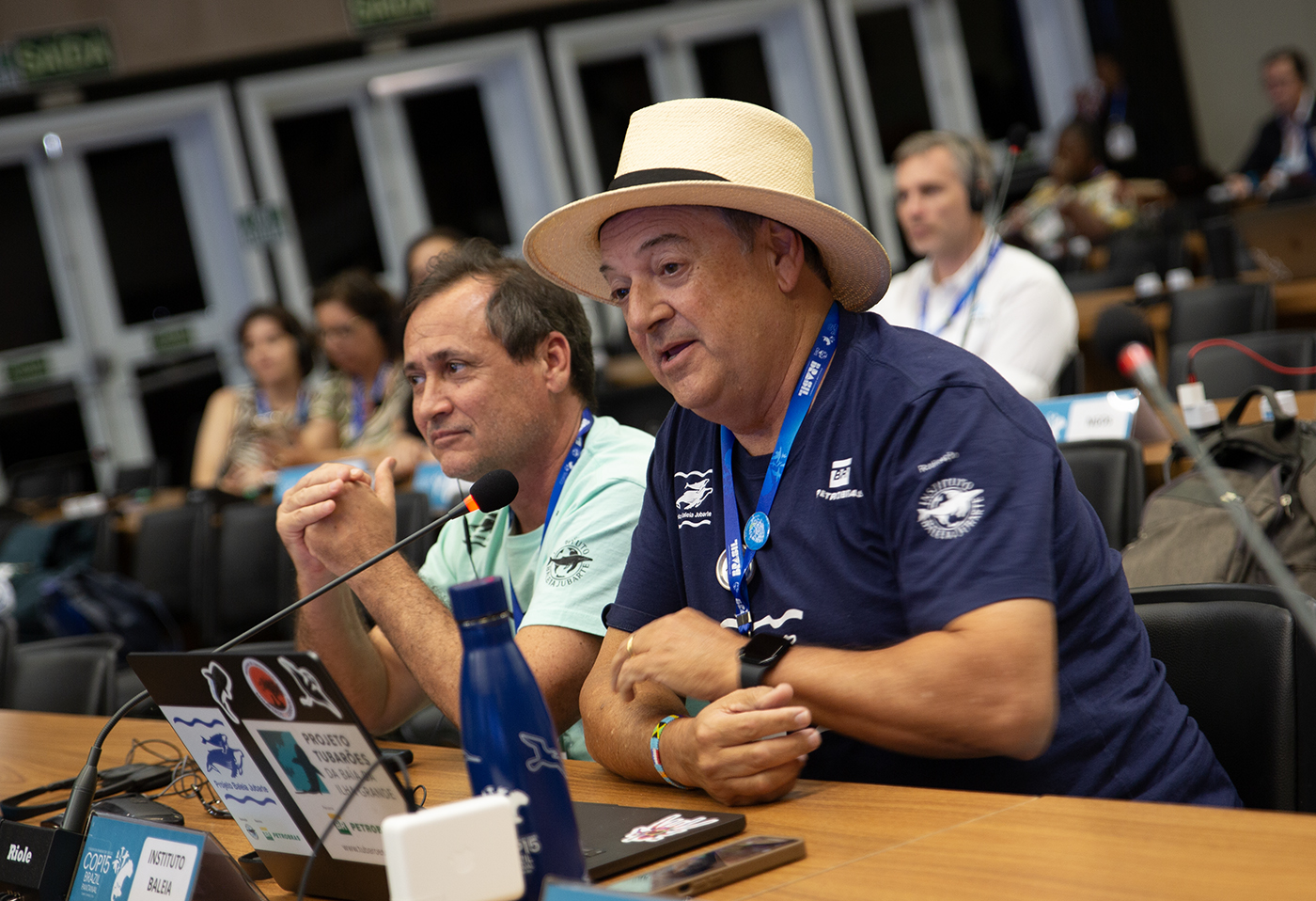
José Palazzo, Instituto Baleia Jubarte
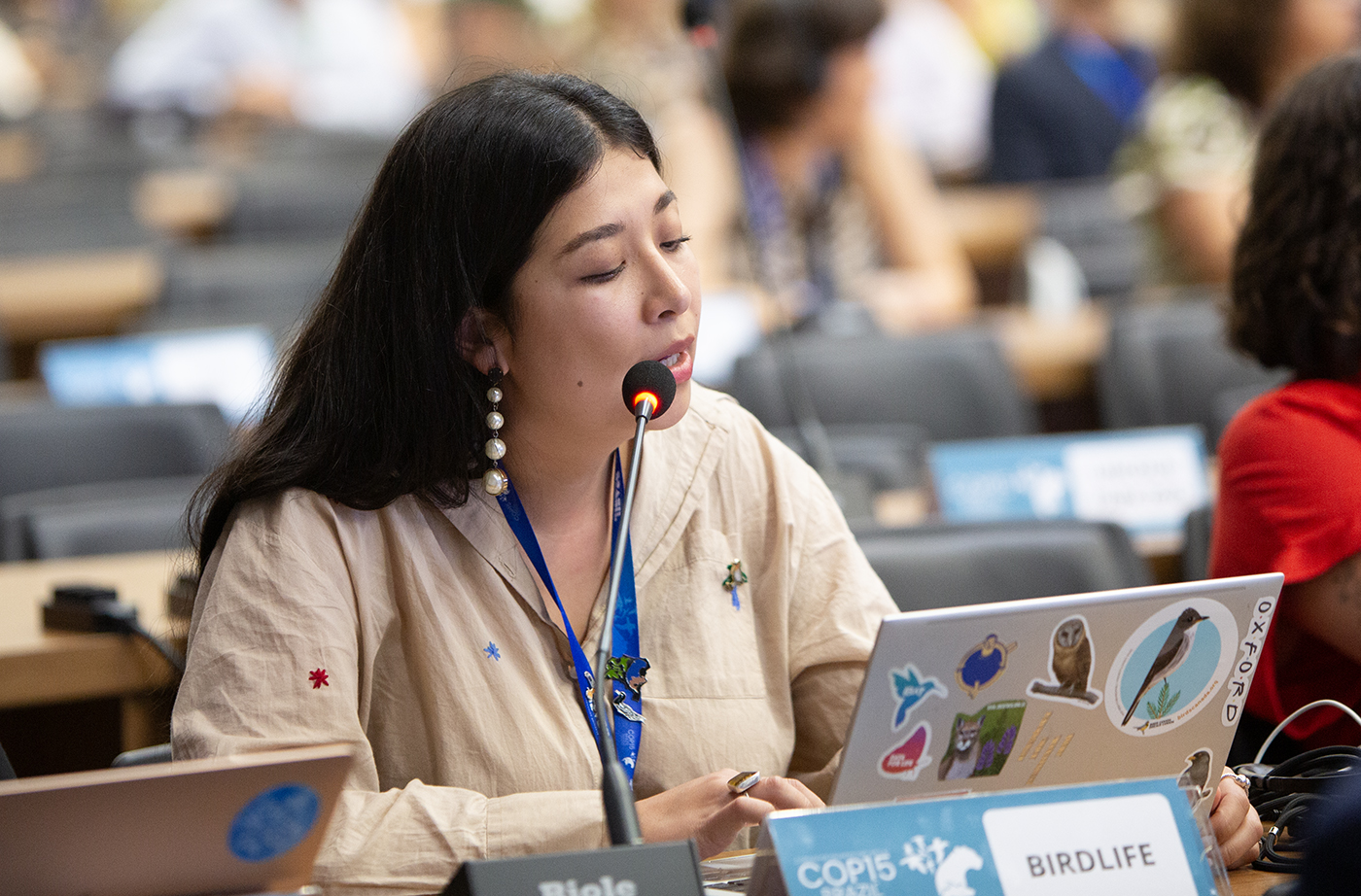
Valeska Yanez Bravo, BirdLife International
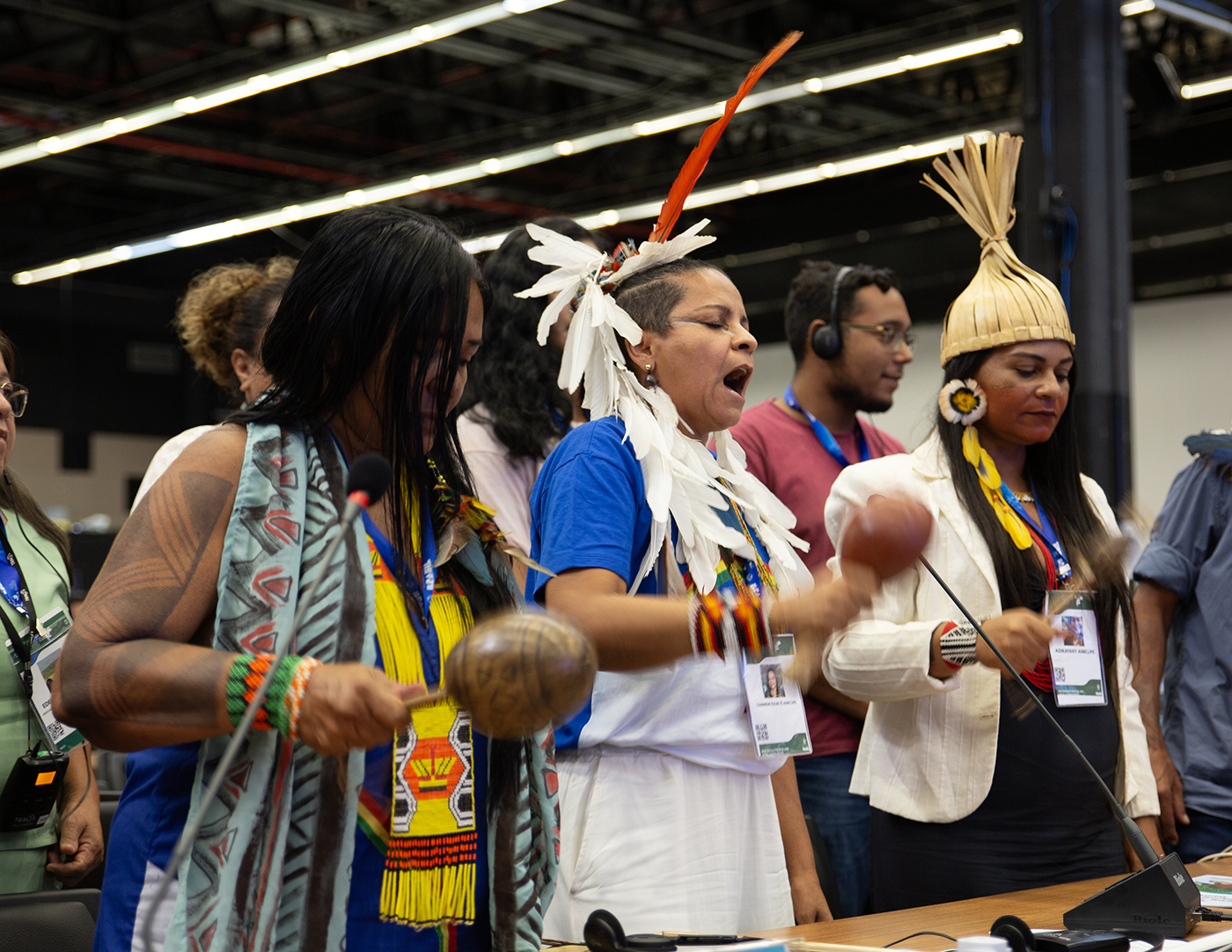
Around the Venue
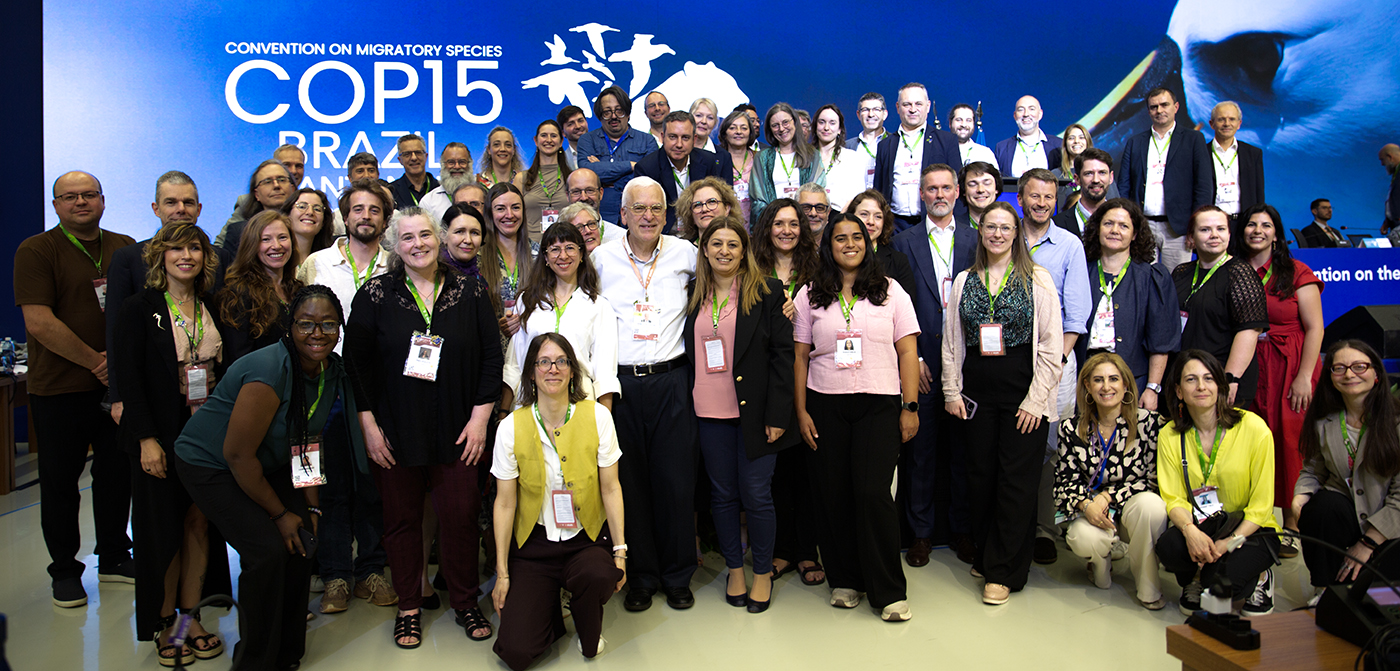
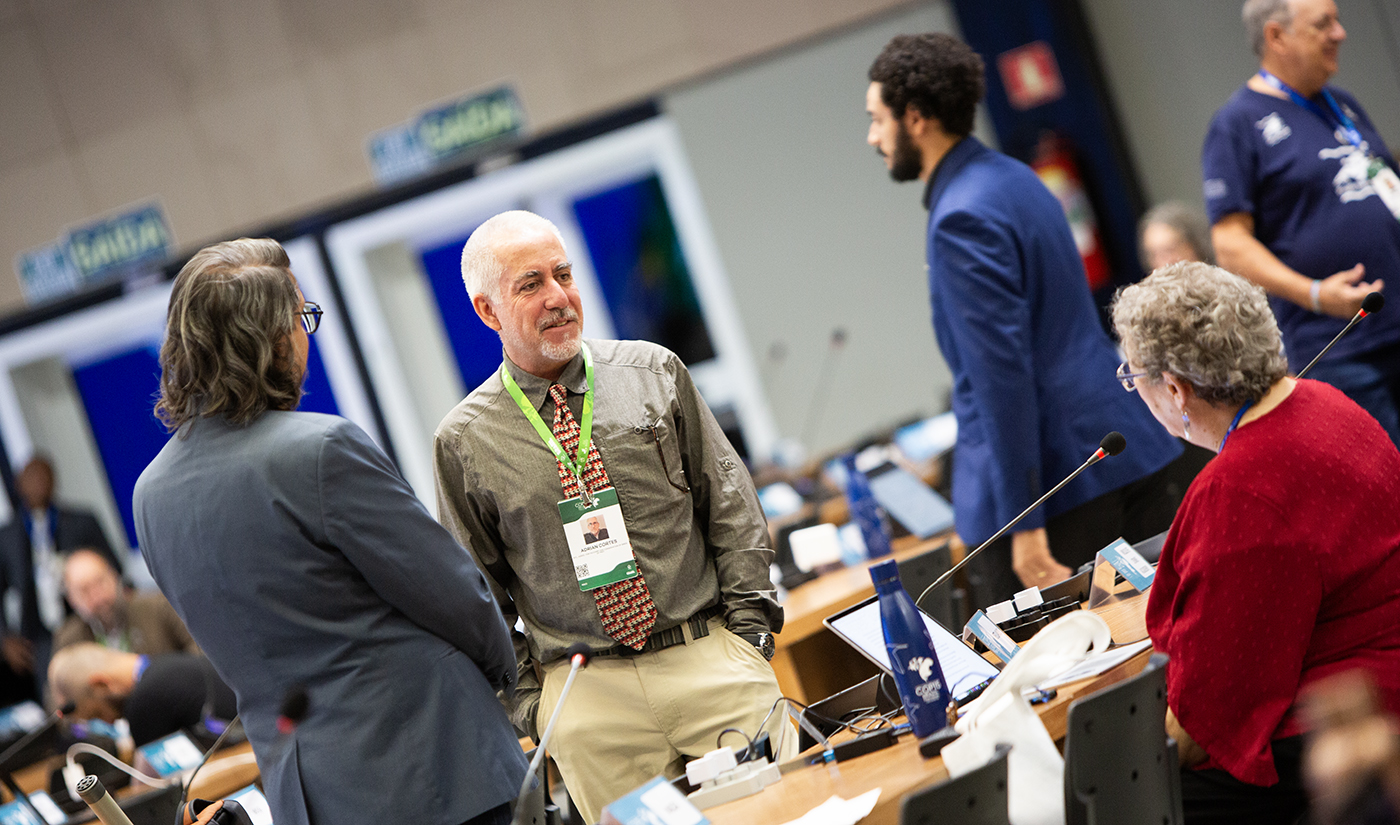
Adrian Reuter Cortes, International Association for Falconry and Conservation of Birds of Prey
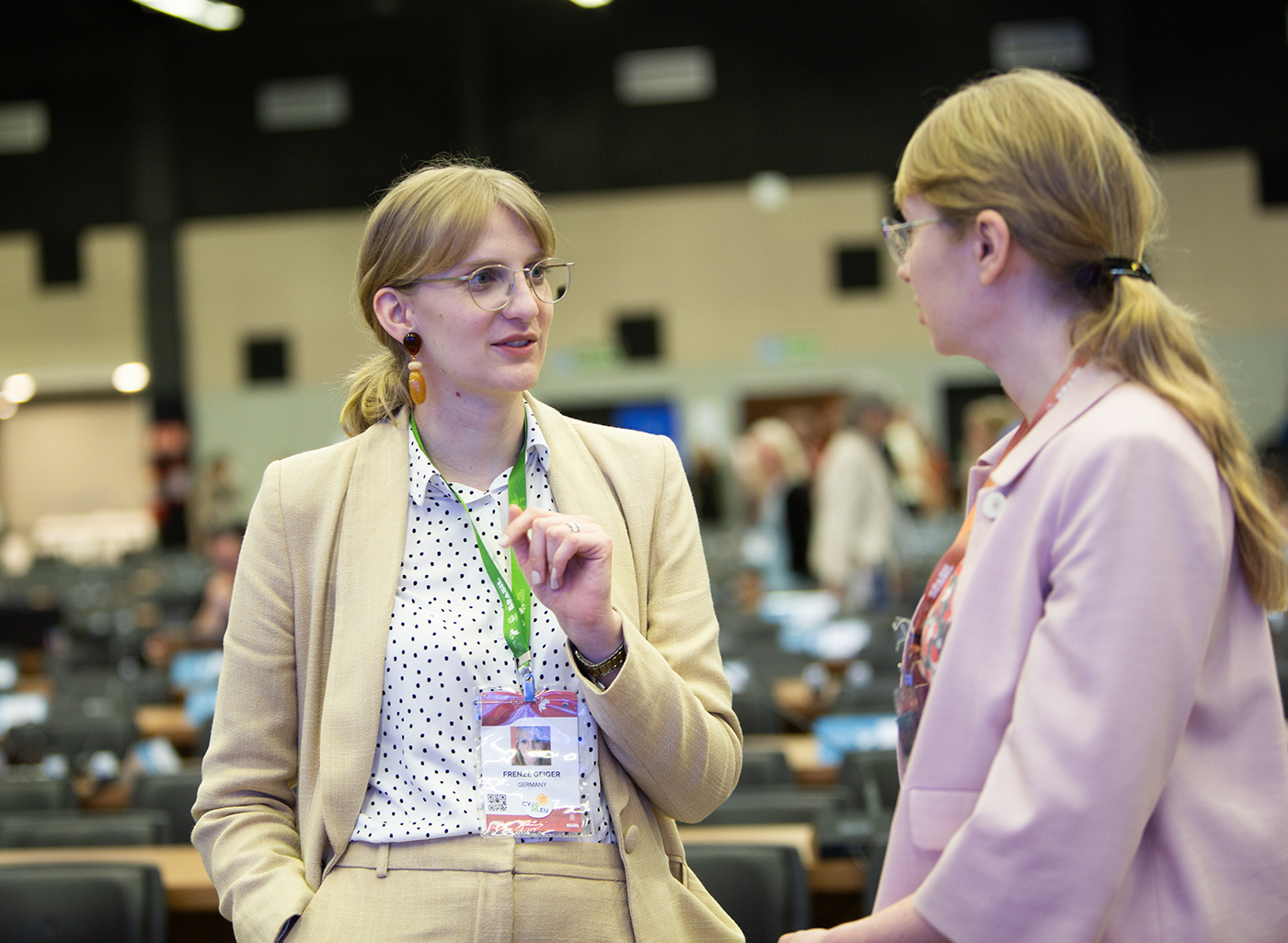
Frenze Geiger, Germany, and Polina Orlinsky, CMS Secretariat
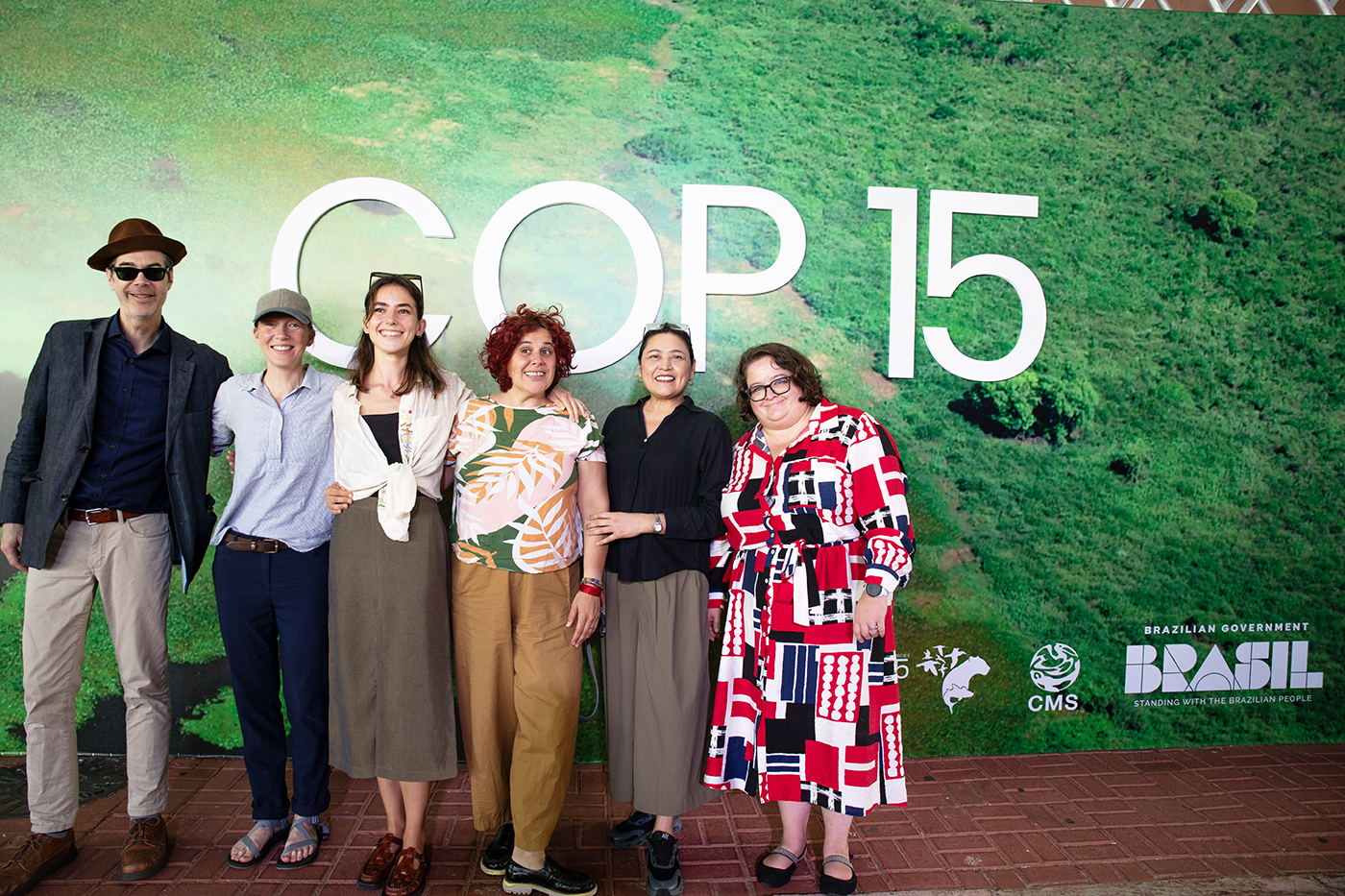
ENB Team (L-R): Tim Neff, UK; Kate Harris, Canada; Emma Vovk, France; Ángeles Estrada Vigil, Argentina; Elaine Limjoco, the Philippines; and Kate Helfenstein-Louw, South Africa
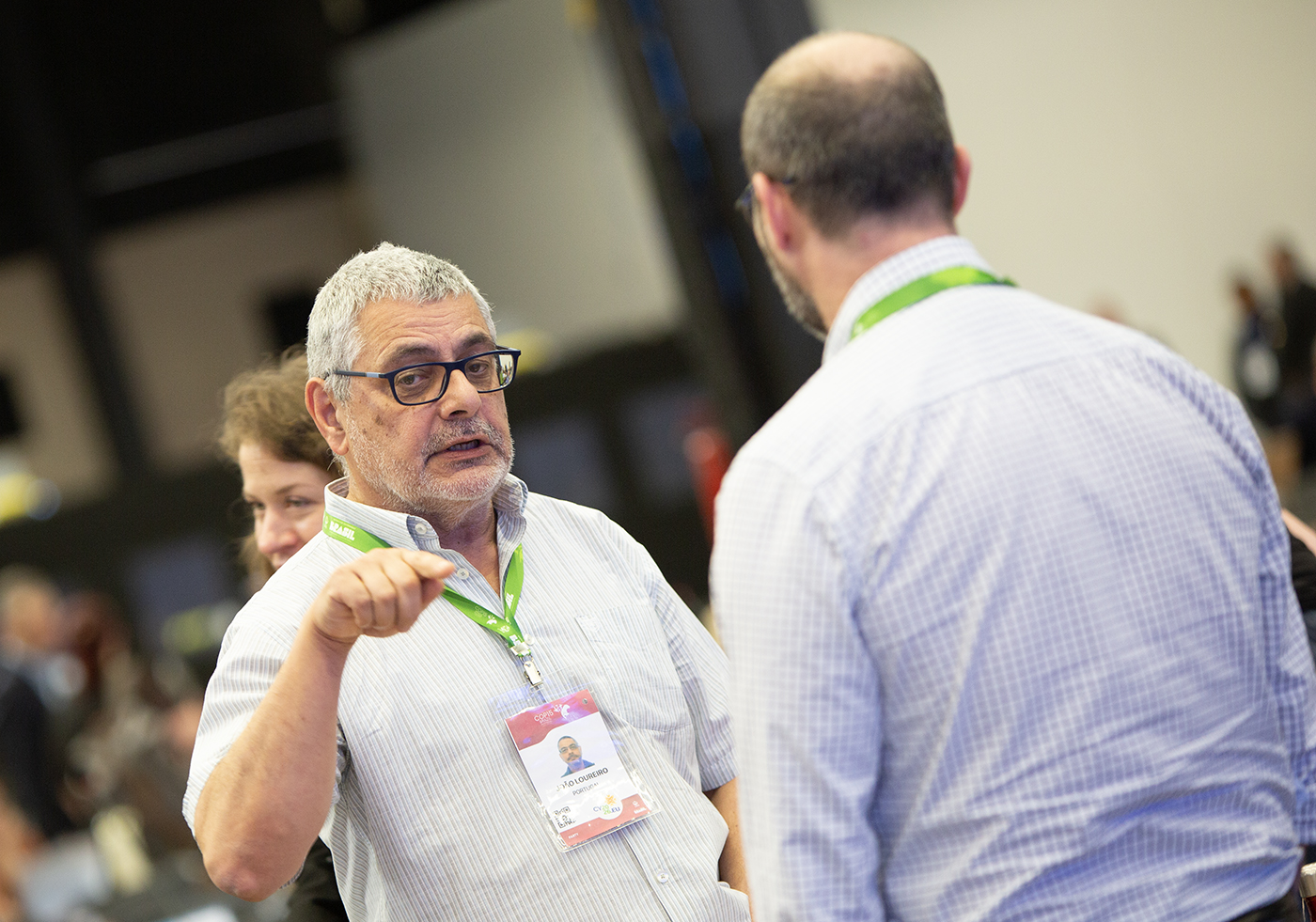
João Loureiro, Portugal
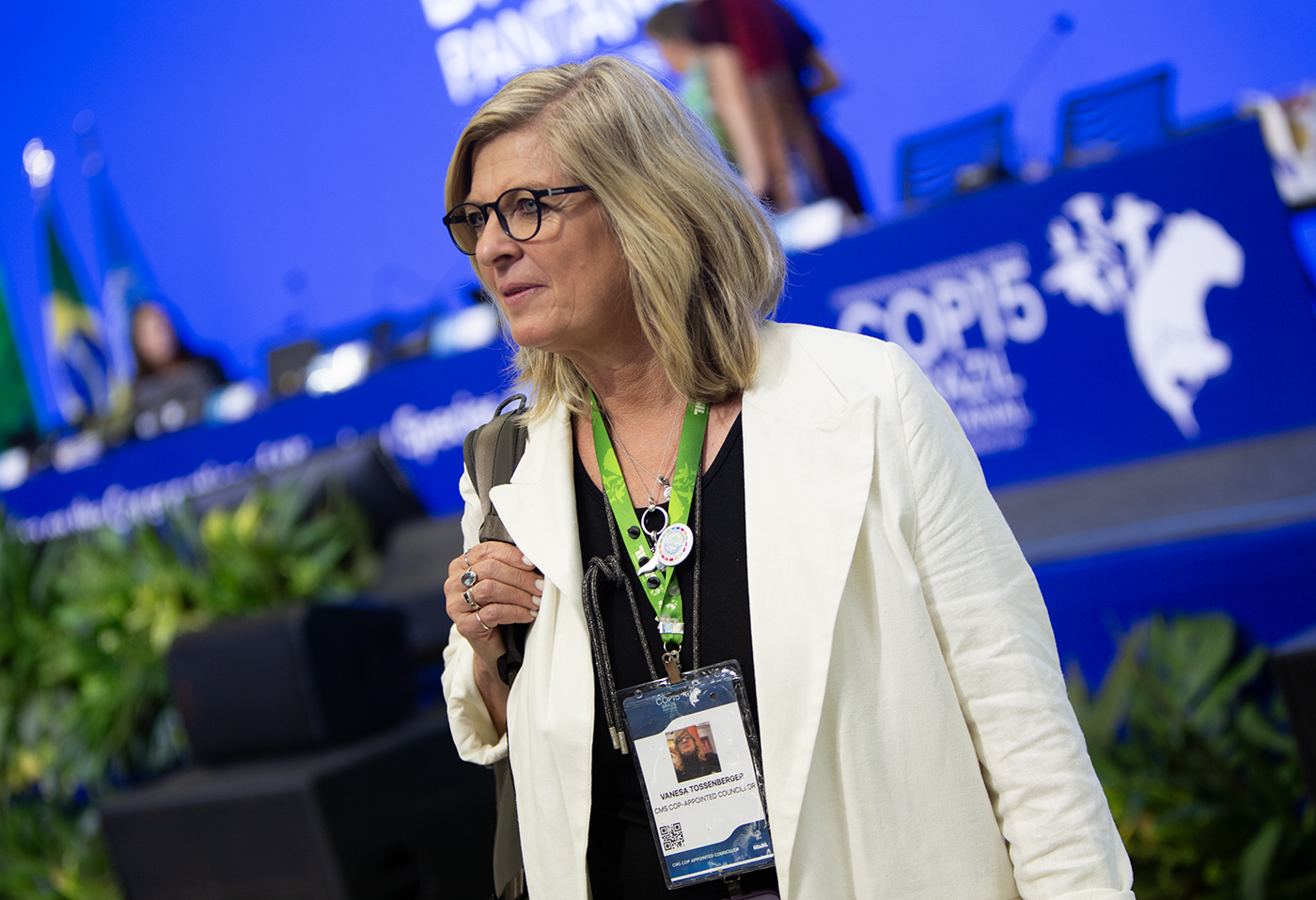
Vanesa Tossenberger, COP-Appointed Councillor

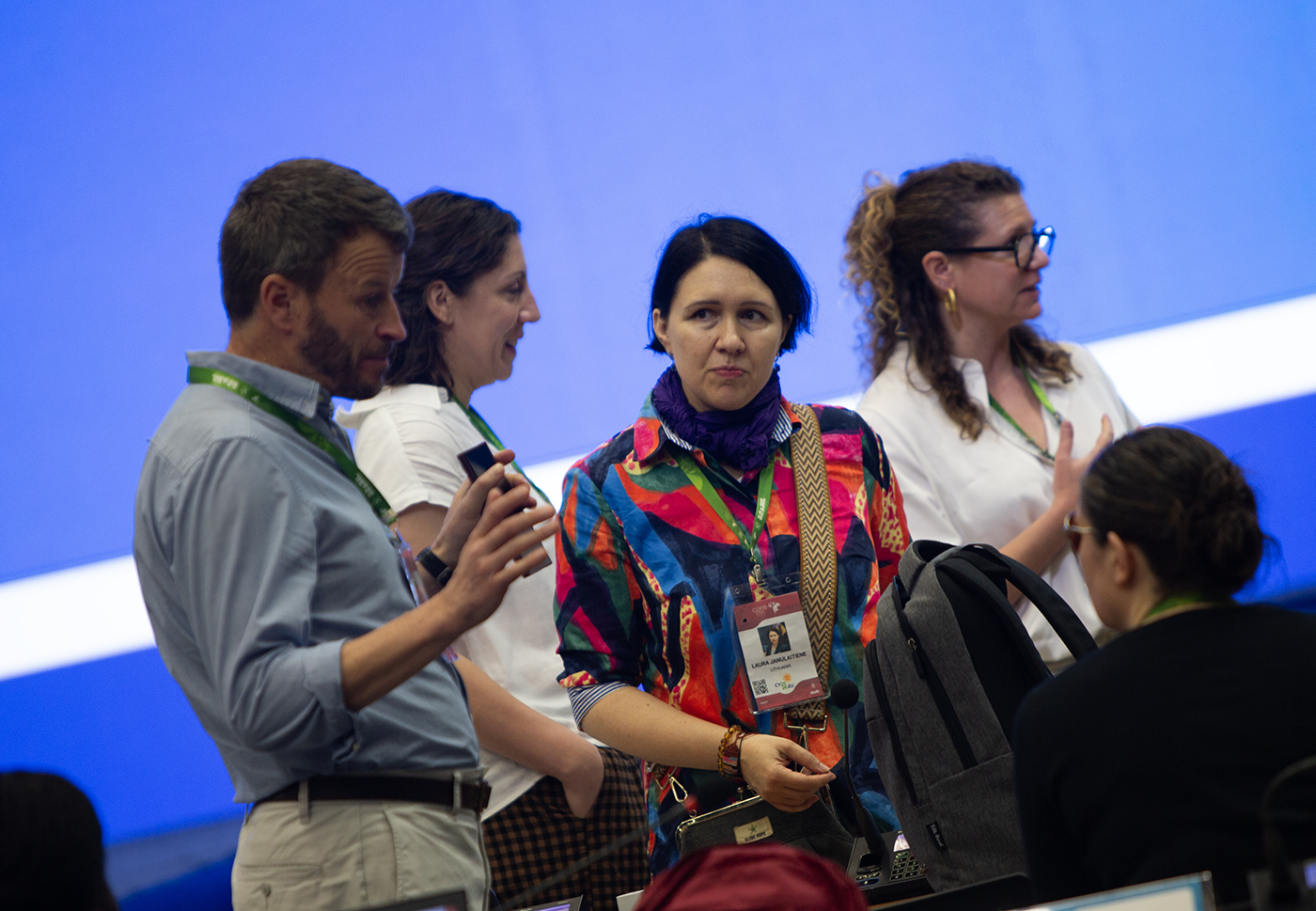
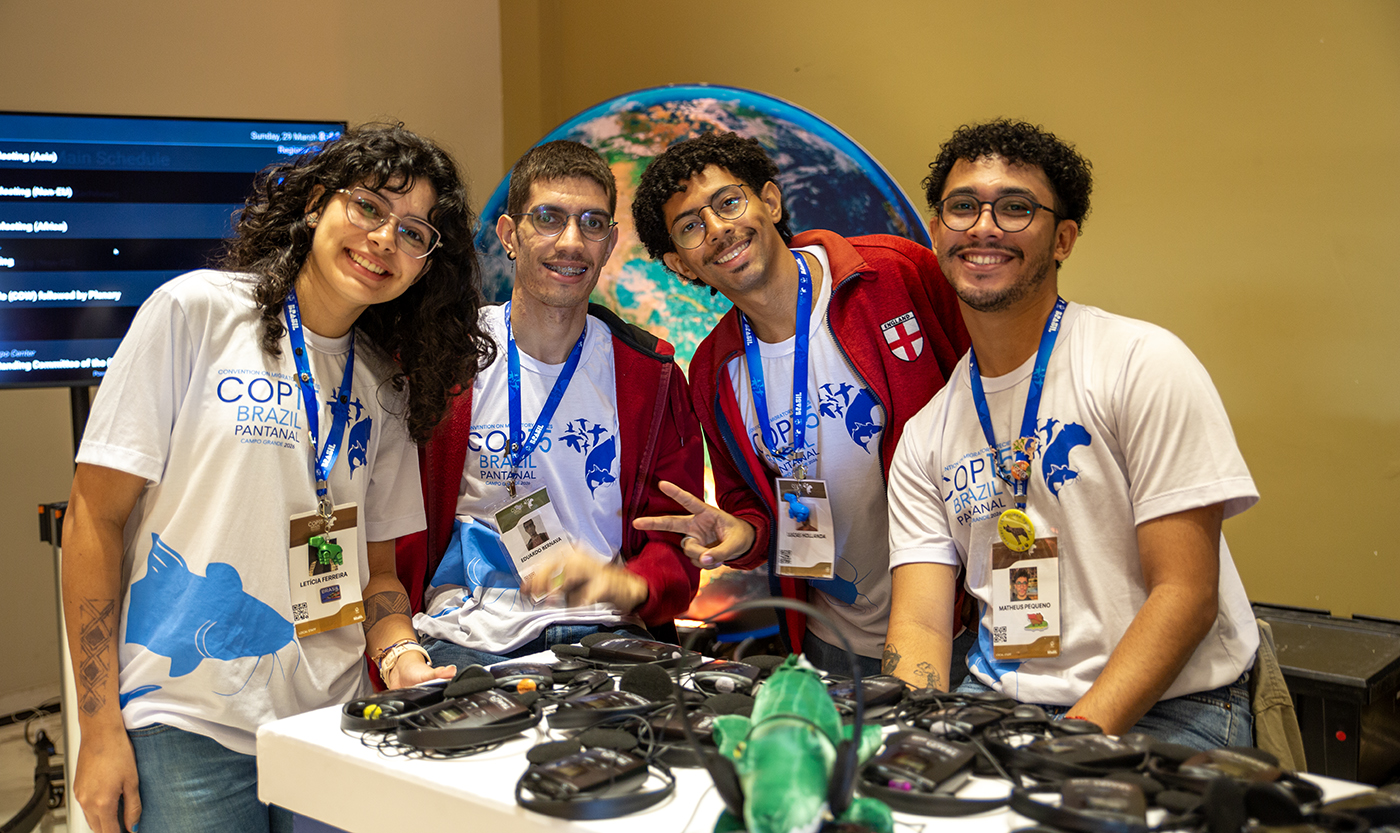
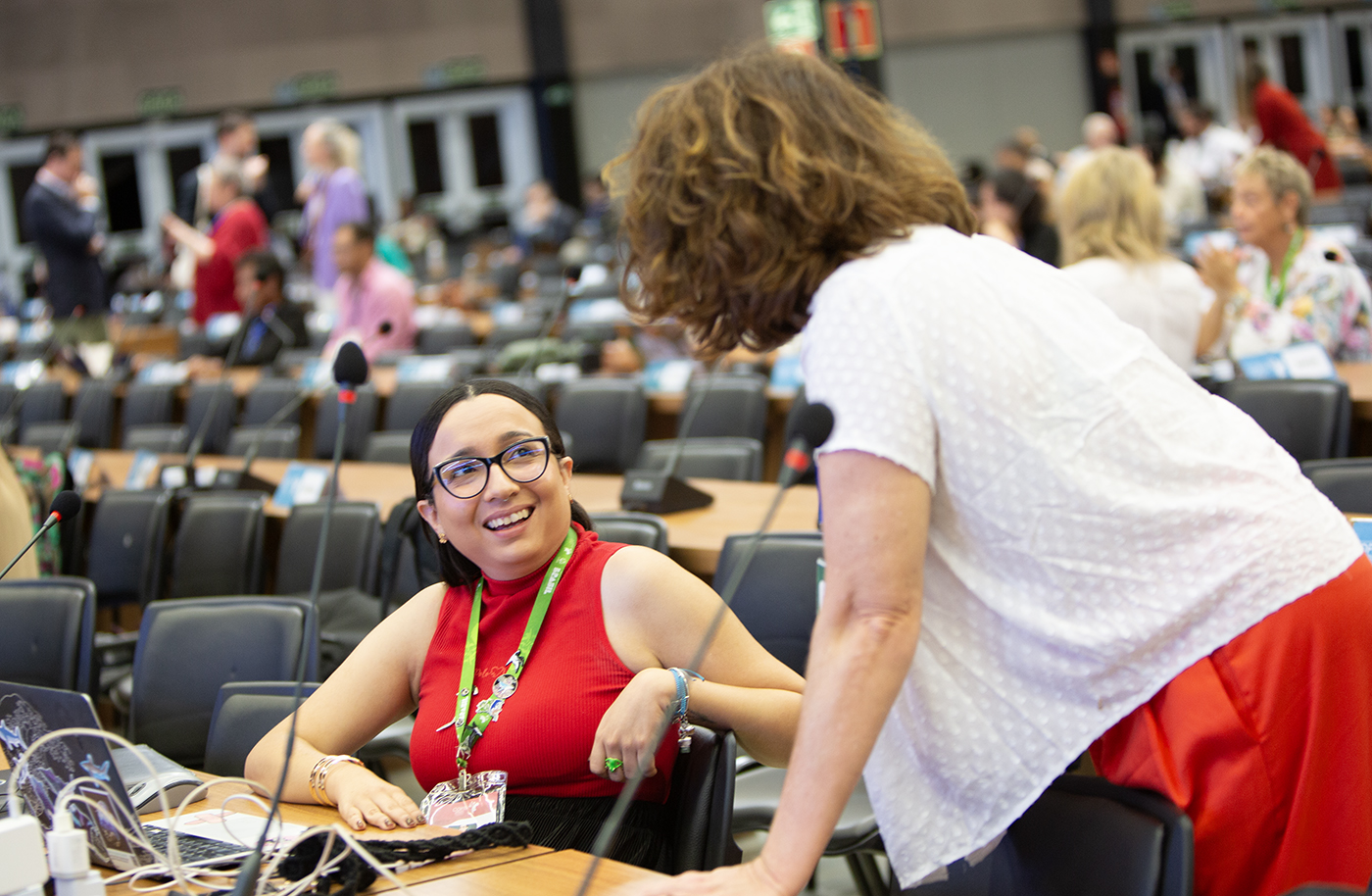
Luisa Arauz Arredondo, Panama
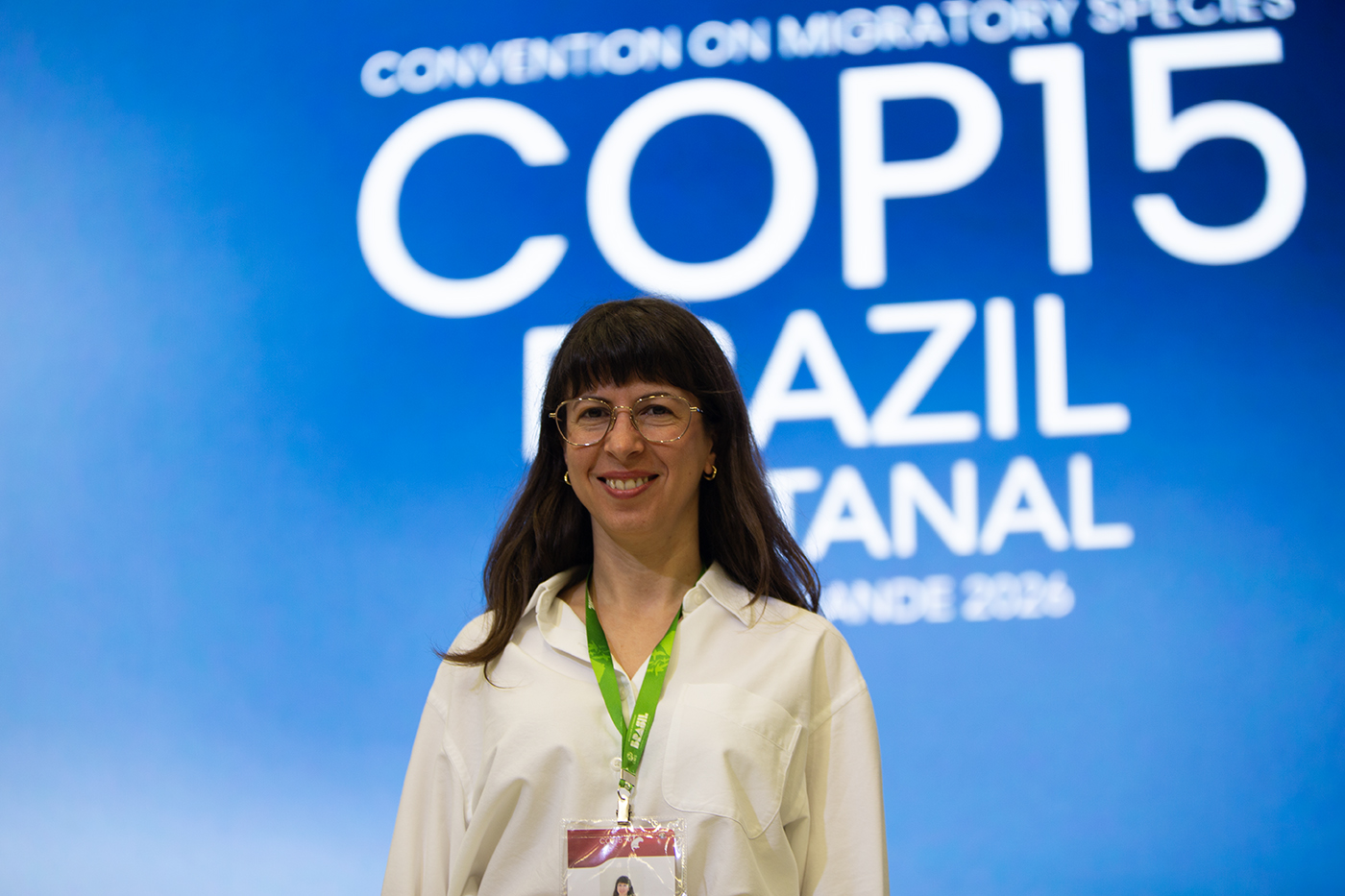
Nature is listening