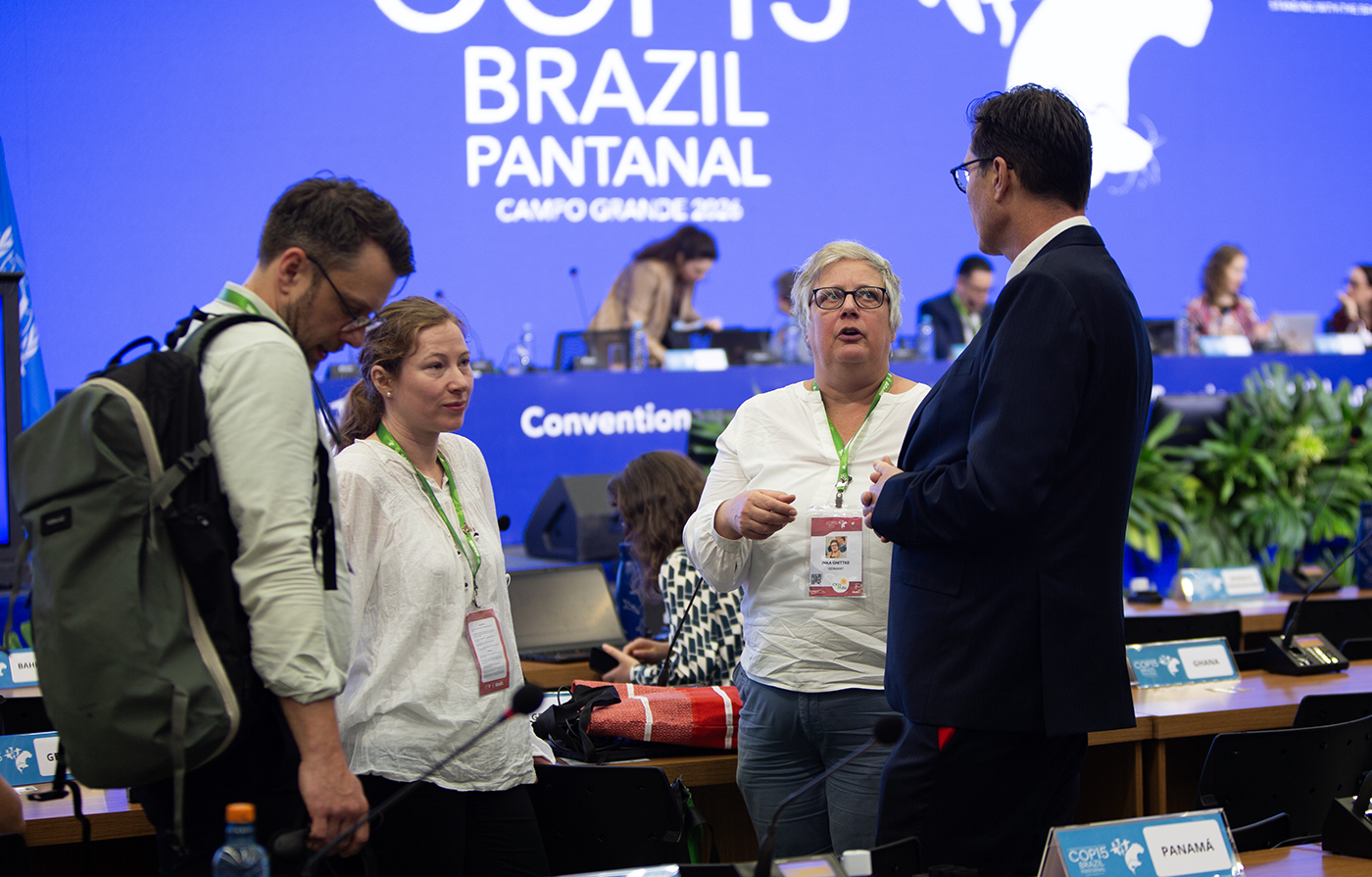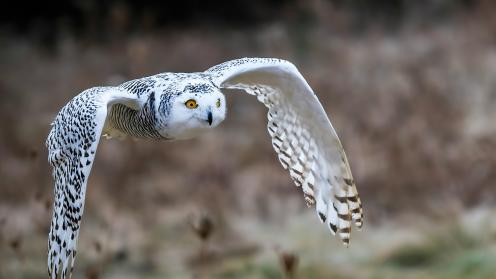

As delegates gathered for the second day of the 15th meeting of the Conference of the Parties (COP15) to the Convention on the Conservation of Migratory Species of Wild Animals (CMS), many were reminded that the Pantanal is more than a wetland—it is a living crossroads where water shapes the land and migratory species trace ancient routes across the sky, returning year after year to a place that sustains their journey.
Want to dig deeper into today's talks? Read the full Earth Negotiations Bulletin daily report.
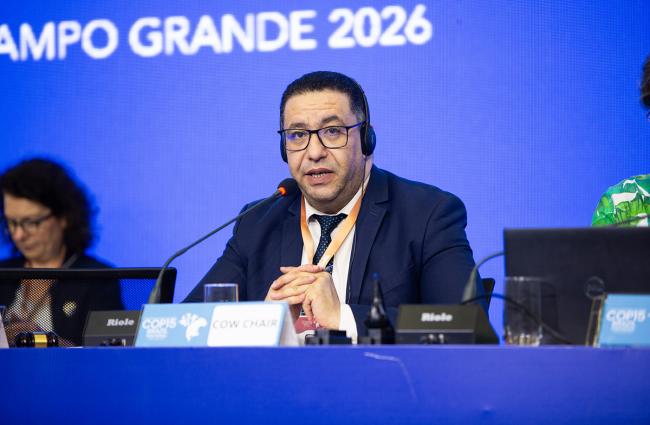
Ecological connectivity, such as that provided by the Pantanal, is central to the theme of COP15, and the Committee of the Whole (CoW) met throughout the day to focus on strengthening linkages to ensure that this living crossroads and many others can continue to perform their functions for both planet and people.
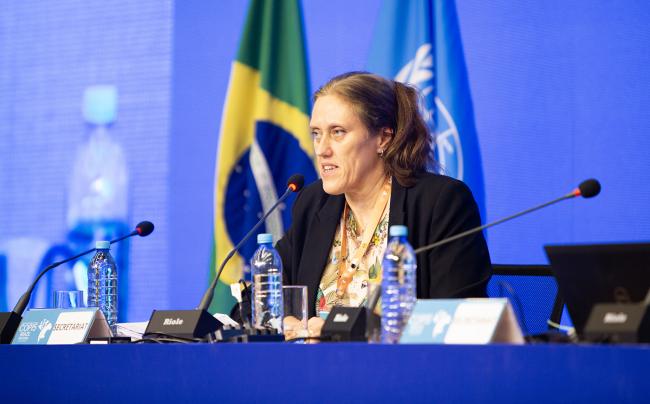
The morning’s discussion began with addressing issues related to resource mobilization—an issue that plagues many multilateral environmental agreements (MEAs)—with parties deliberating on whether the Global Environment Facility (GEF) should serve as the Convention's financial mechanism. Distinct fault lines appeared among party positions, and the agenda item was referred to the working groups for further discussion.
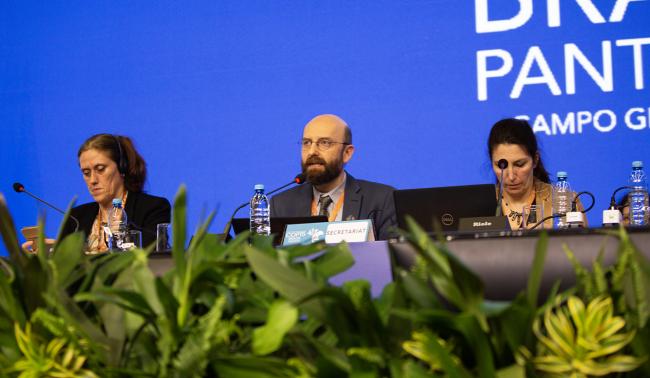
Discussions on cooperation and partnerships—more connectivity, if you will—with other entities were less problematic. Many saw such partnerships as critical to enhancing the Convention’s functioning and crucial to saving migratory species, citing the success story of the saiga antelope (Saiga tatarica).
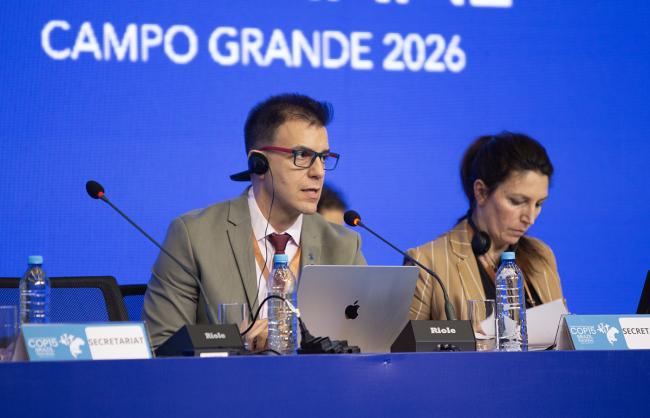
Agenda items on strengthening ecological connectivity, such as those on transfrontier conservation areas for migratory species, proved more difficult. Draft text on wildlife health was also met with disagreement. Promotion of the One Health approach—recognizing the deep interconnectedness of human, animal, and environmental health—was not favored by all parties, and this issue was among those referred to a working group for further consideration.
Other issues were less fraught. The communities and livelihoods agenda item, reflecting on the potential for community-based wildlife management in West Asia, achieved general agreement. Delegates also resoundingly welcomed the “tremendous” amounts of work done intersessionally on the interlinkages between climate change and migratory species. And applause came easily when CMS Executive Secretary Amy Fraenkel was recognized by the Ramsar Convention on Wetlands’ Executive Secretary Musonda Mumba as one of 26 “Women Changemakers in the World of Wetlands.”
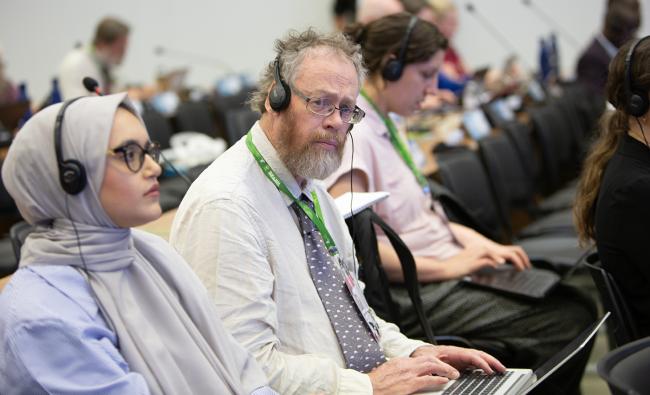
To receive free coverage of global environmental events delivered to your inbox, subscribe to the ENB Update newsletter.
All ENB photos are free to use with attribution. For the 15th Meeting of the Conference of the Parties to the Convention on Migratory Species of Wild Animals (CMS COP15) please use: Photo by IISD/ENB | Angeles Estrada Vigil.
Morning Session
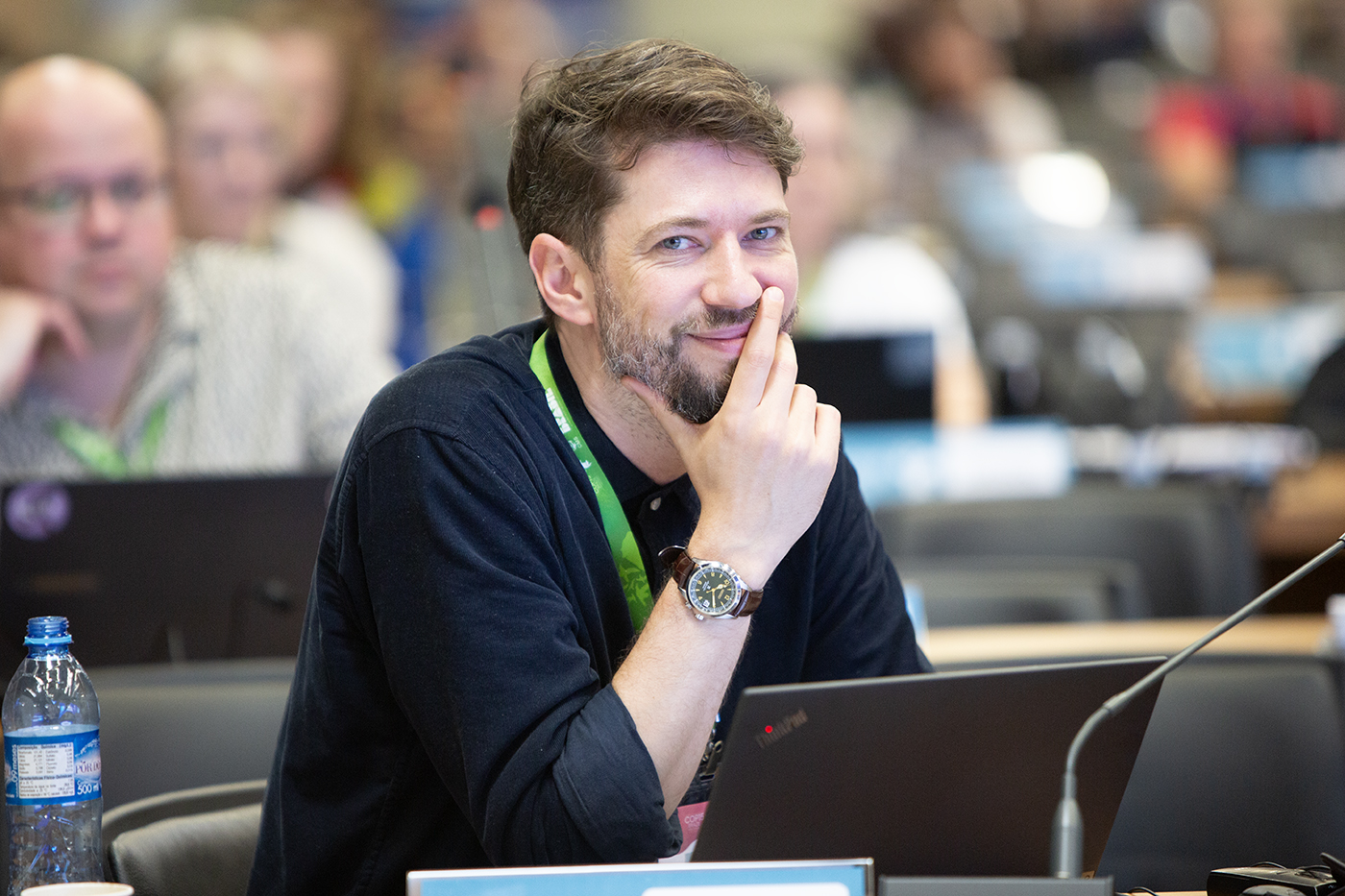
Peter Højbjerg, Denmark
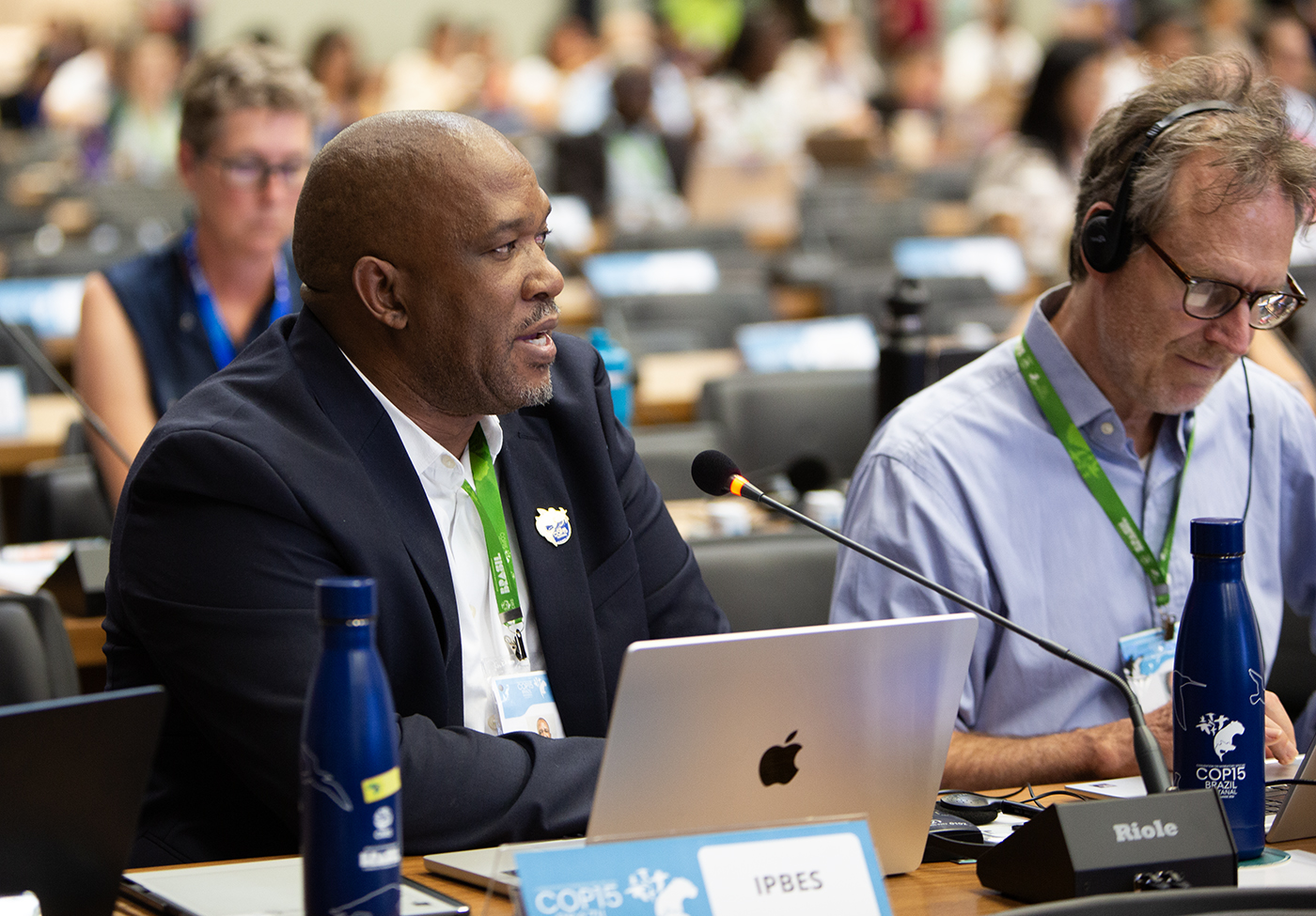
IPBES Executive Secretary Luthando Dziba
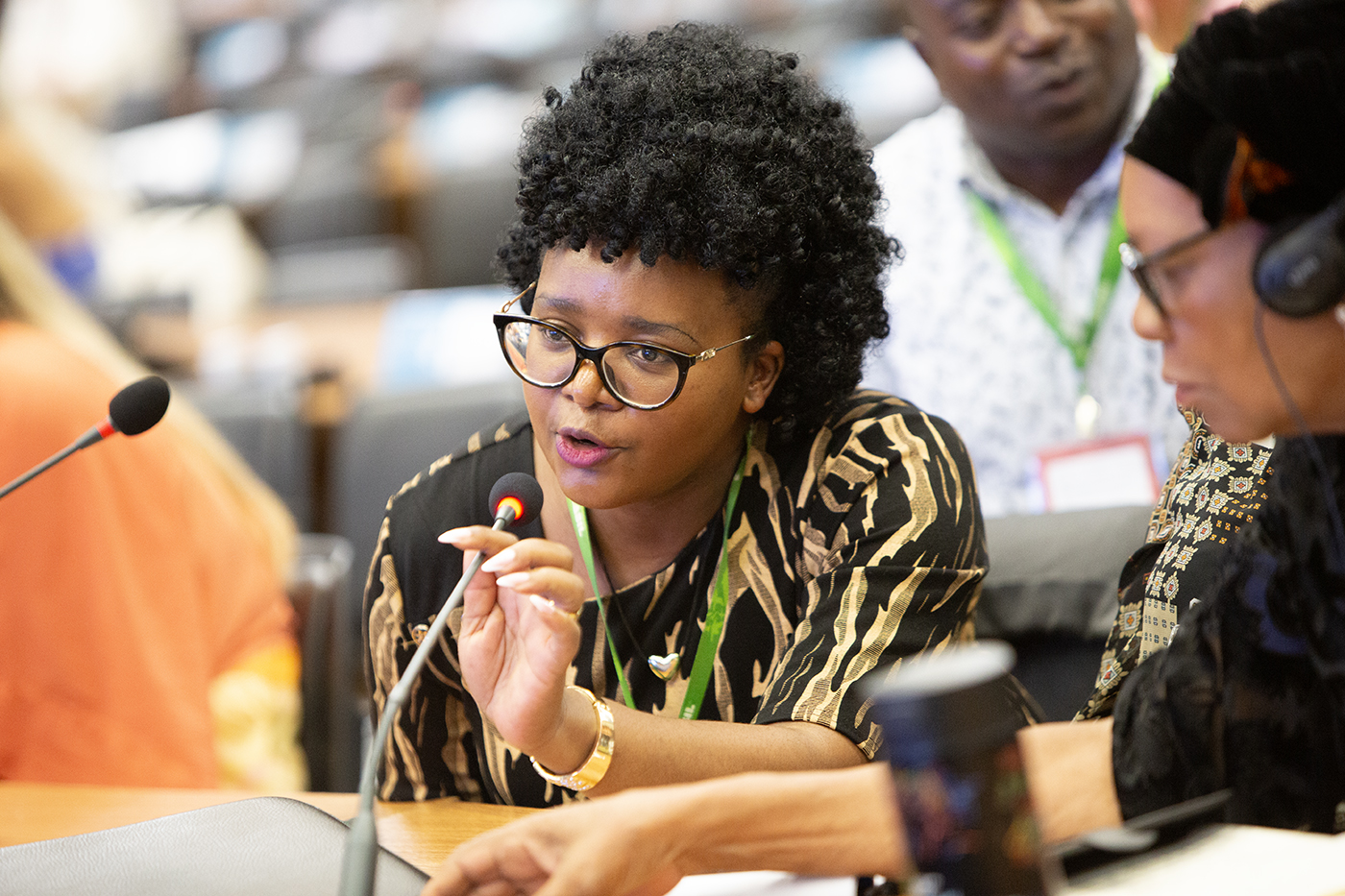
Patience Gandiwa, Zimbabwe
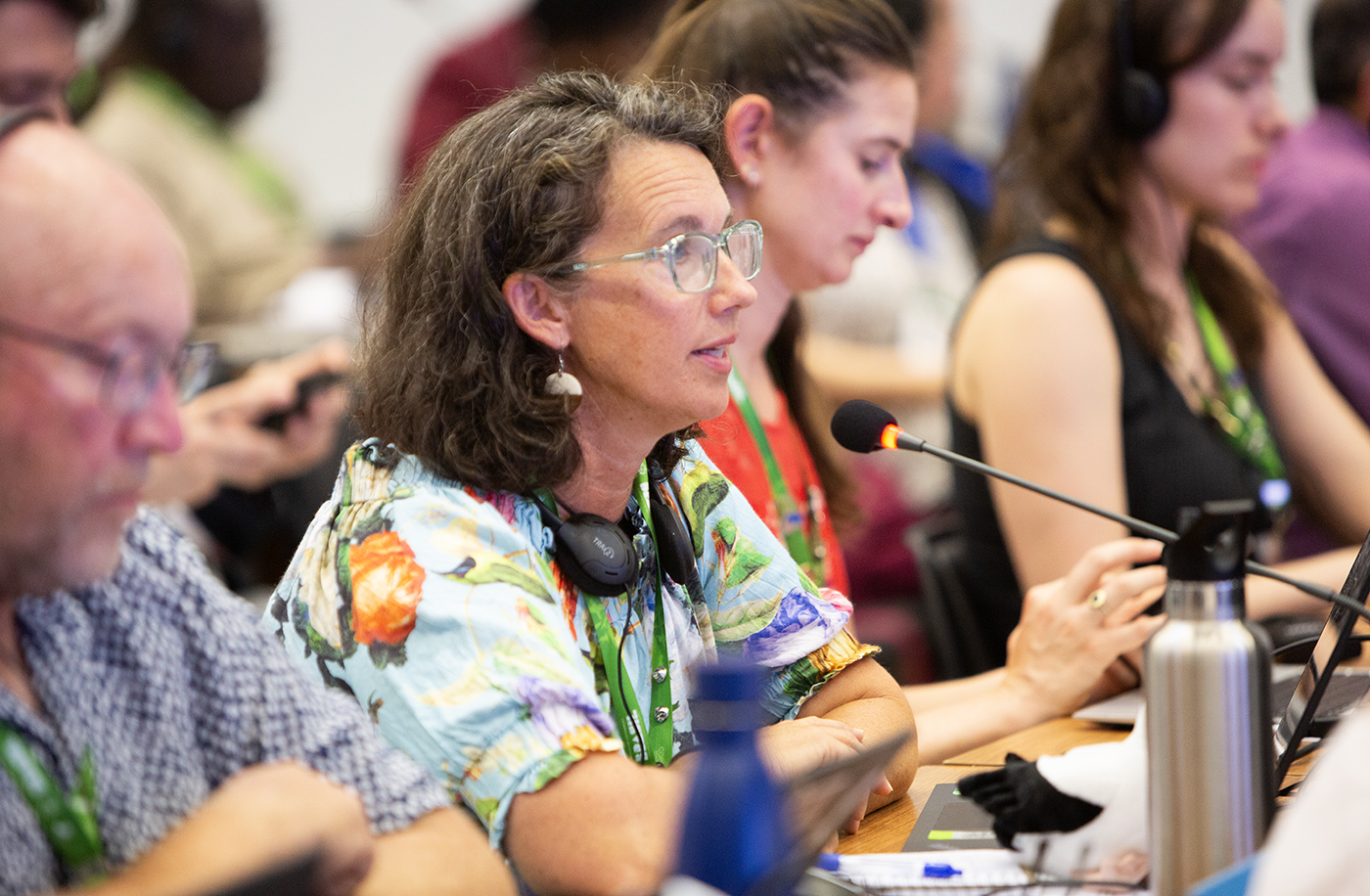
Alex Macdonald, New Zealand
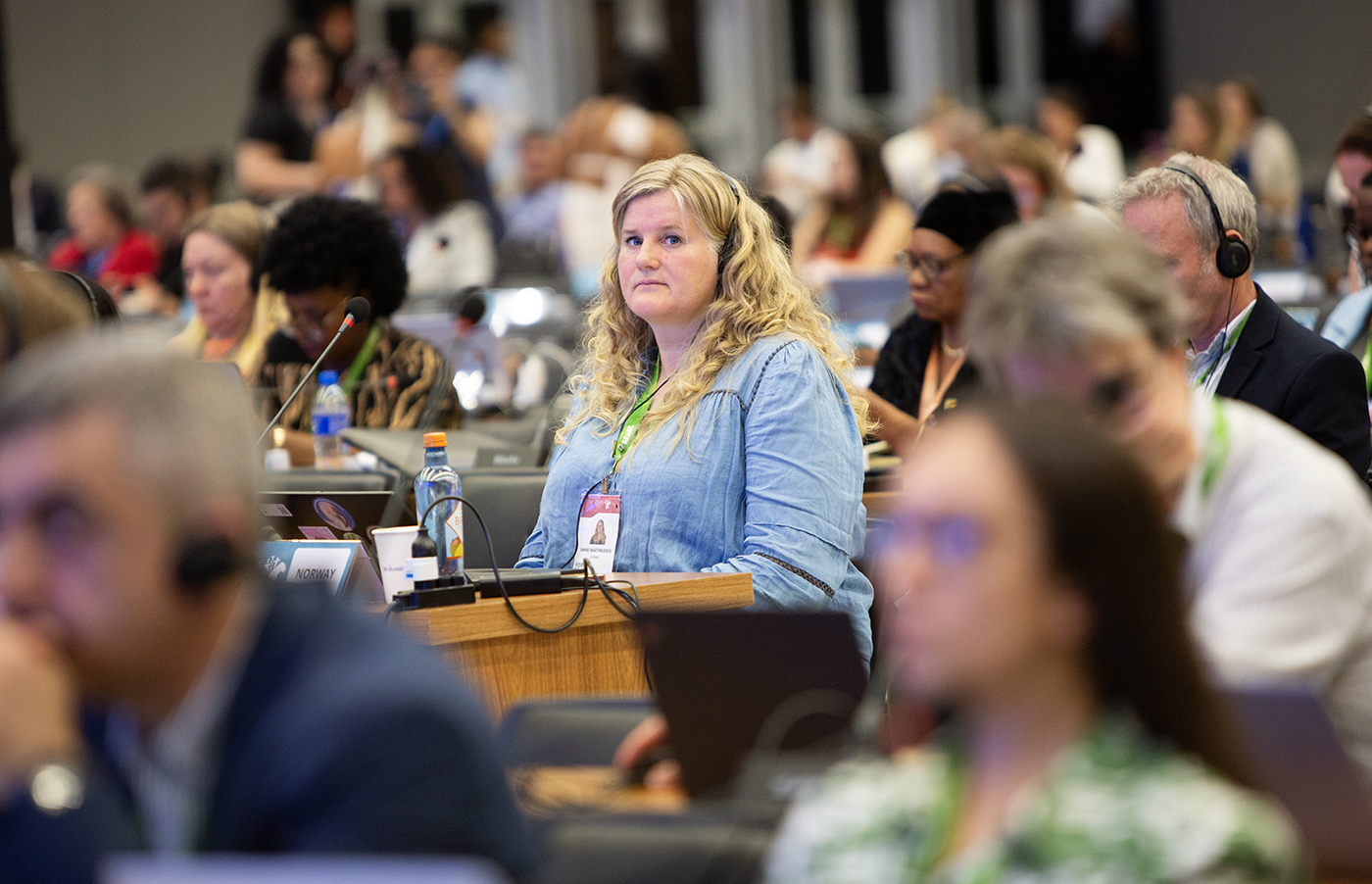
Anne Martinussen, Norway
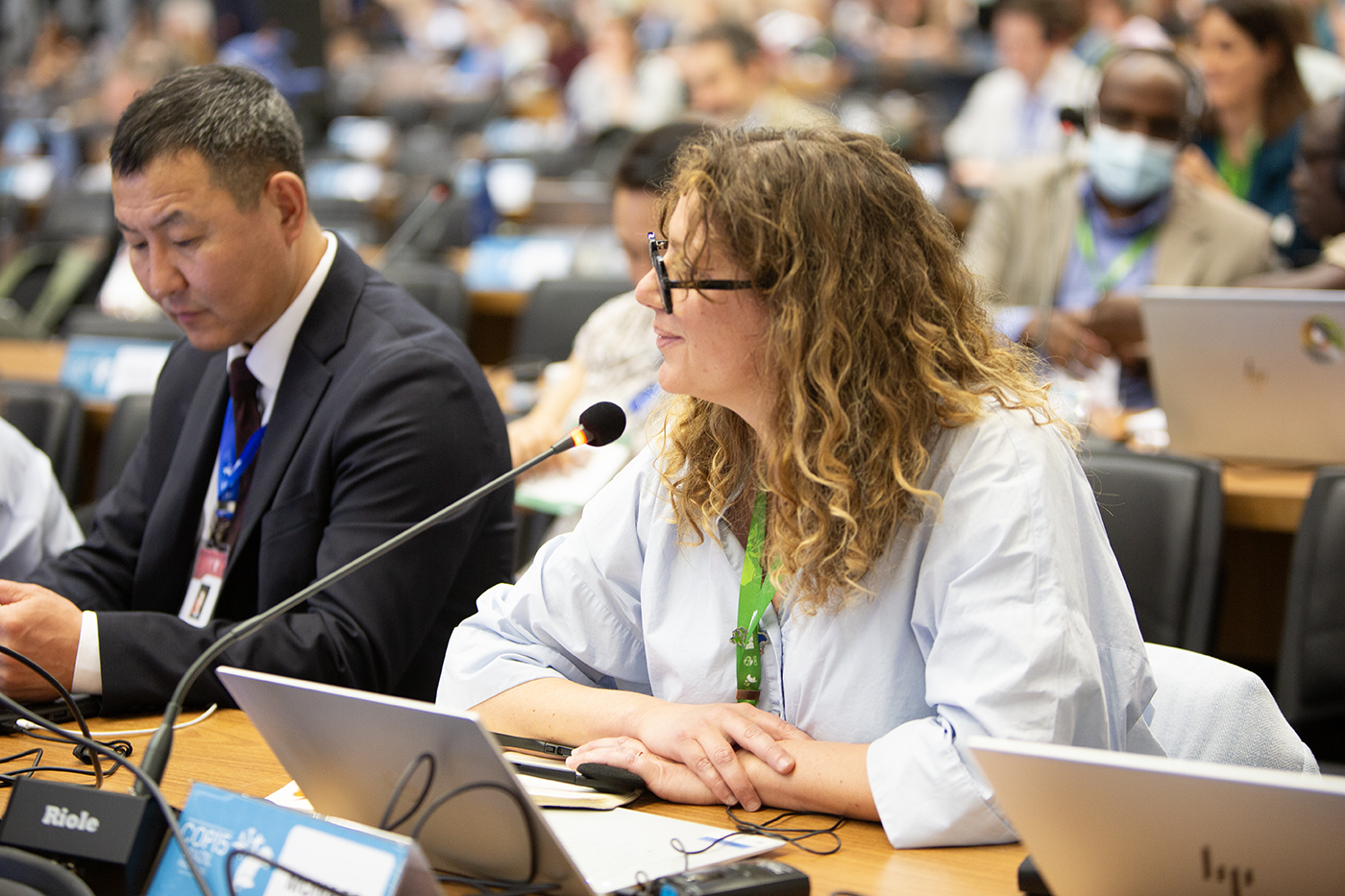
Céline Impagliazzo, Monaco
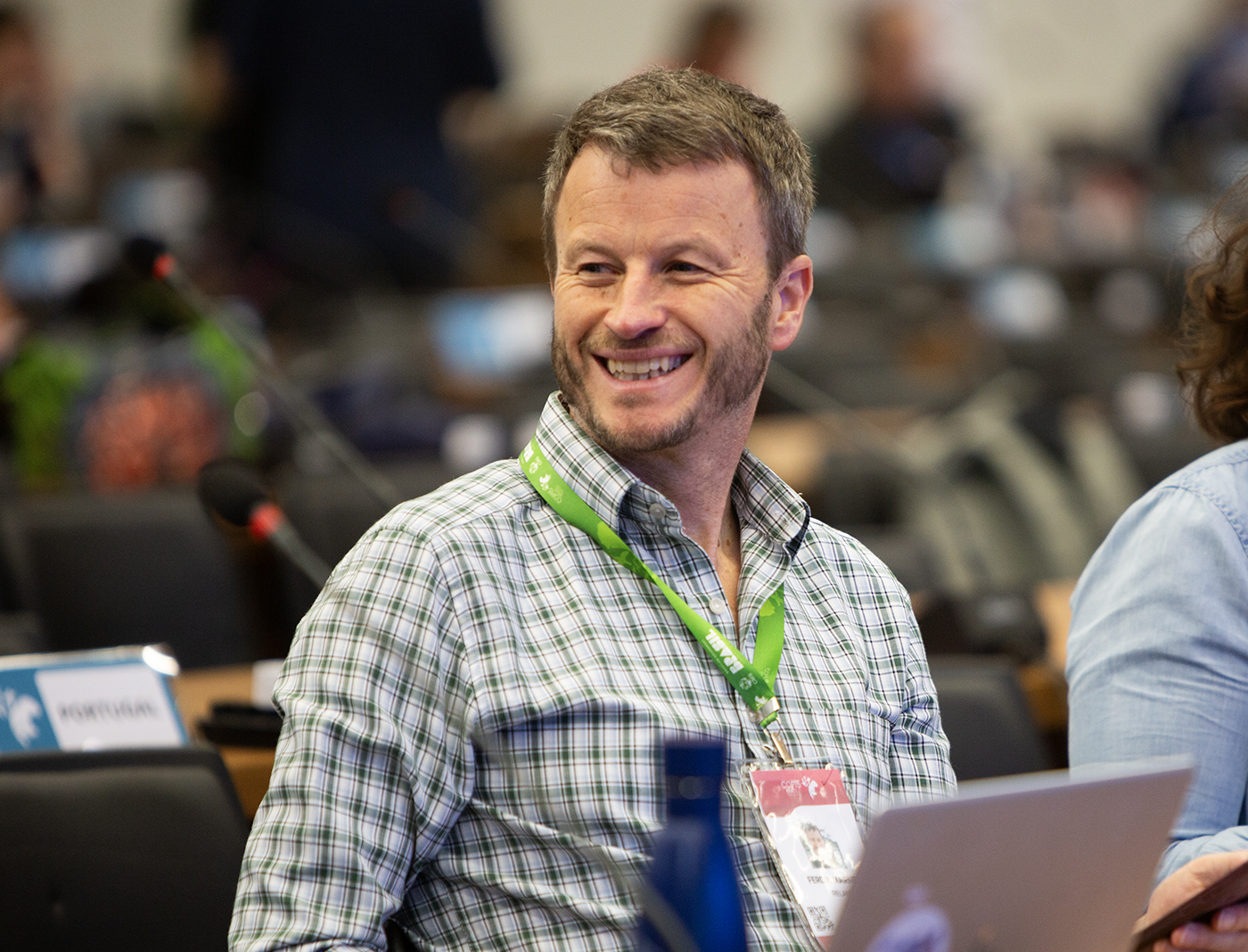
Ferdia Marnell, Ireland
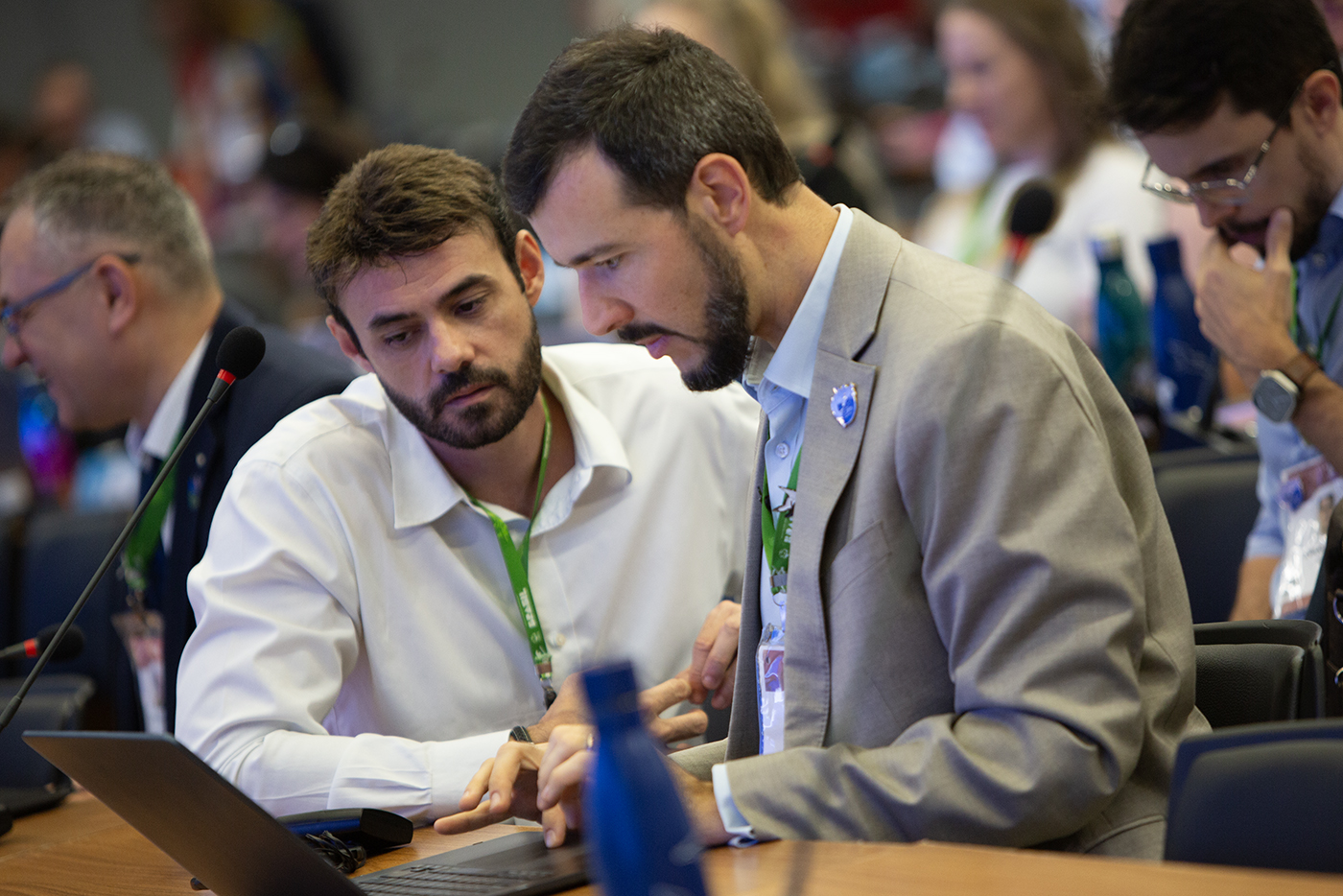
Delegates from Brazil consult
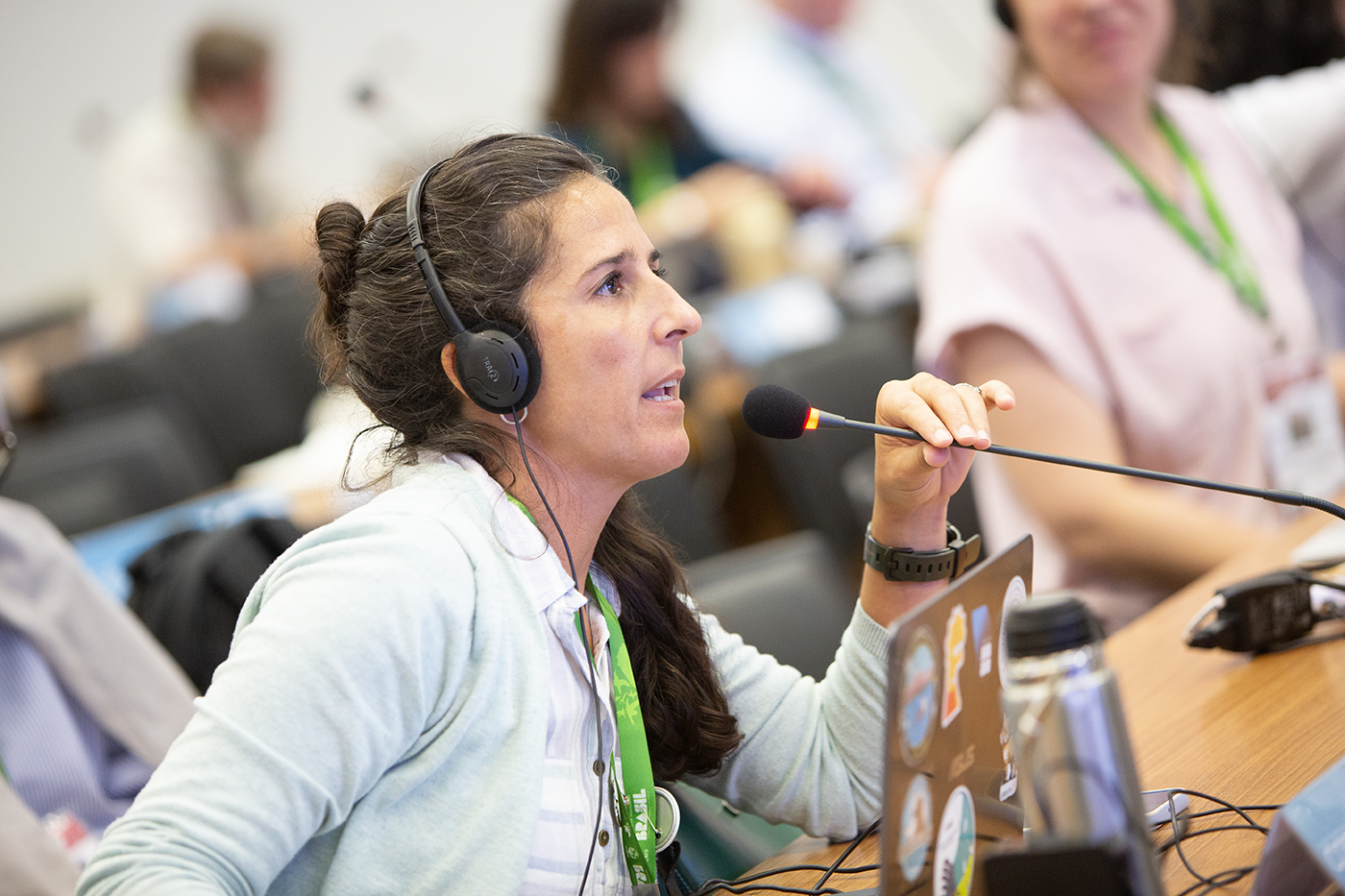
Mariana Rios, Uruguay
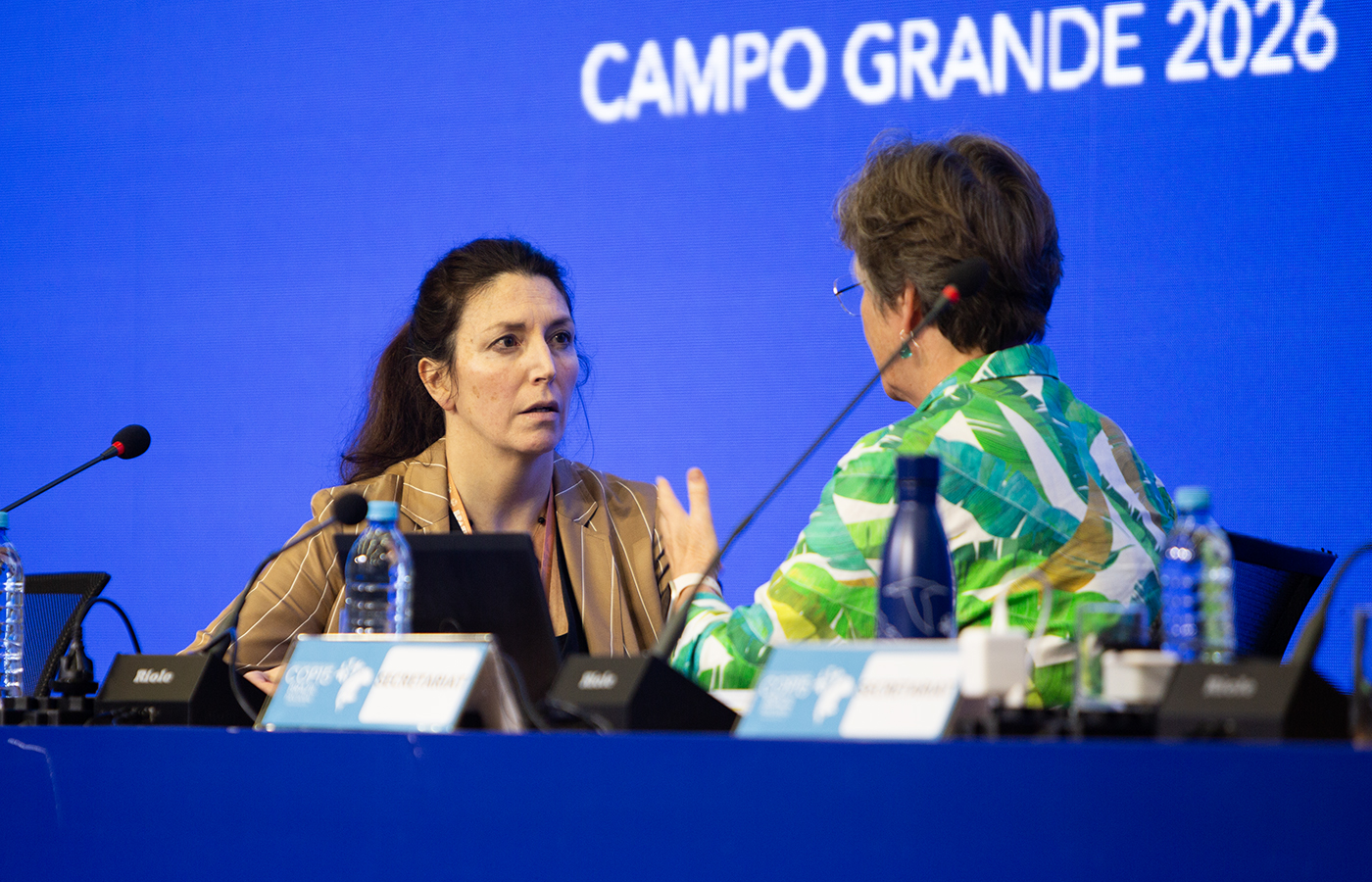
Laura Cerasi and Melanie Virtue, CMS Secretariat
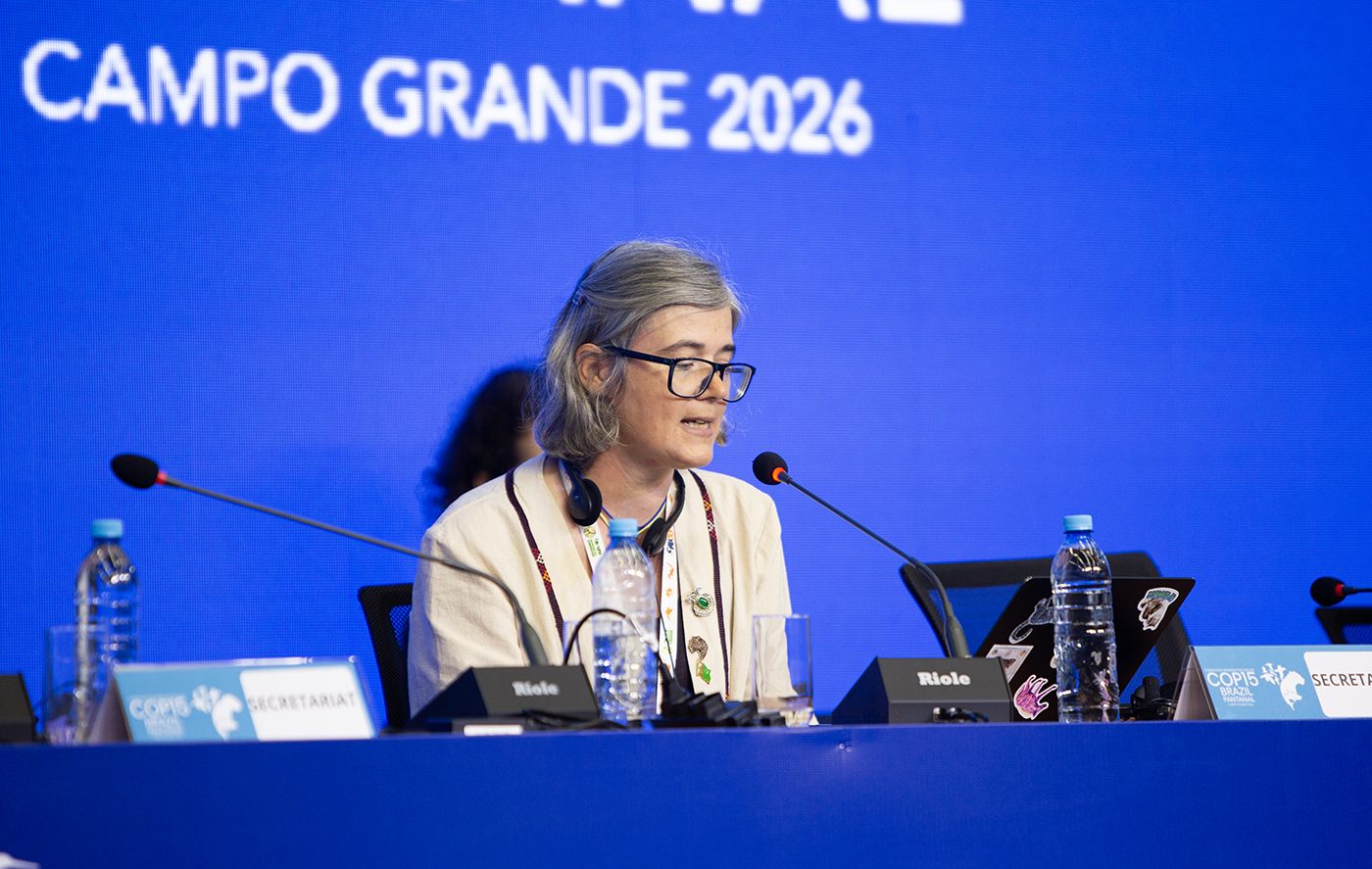
Tanya Rosen, CMS Secretariat
Afternoon Session
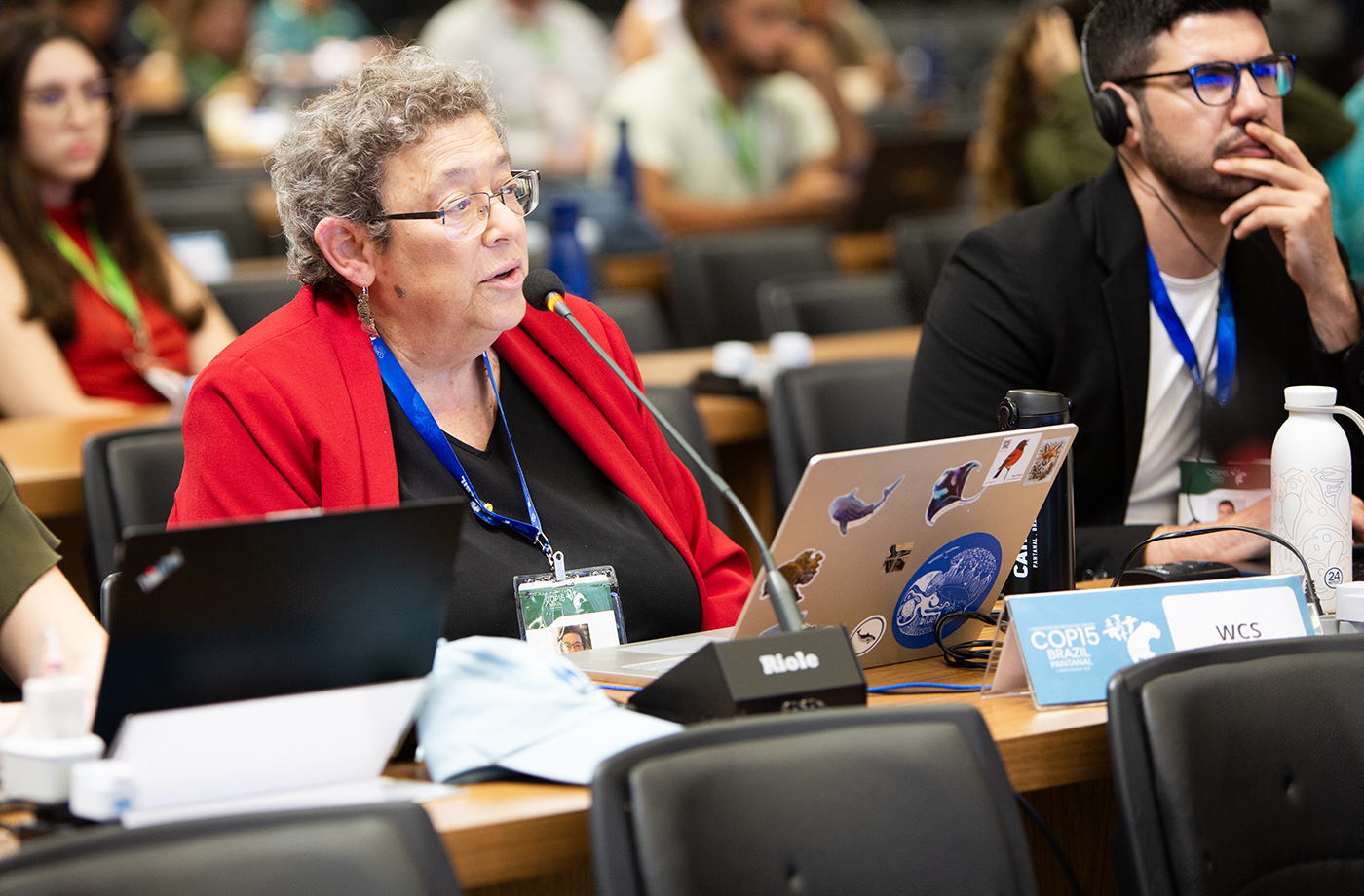
Sue Lieberman, Wildlife Conservation Society
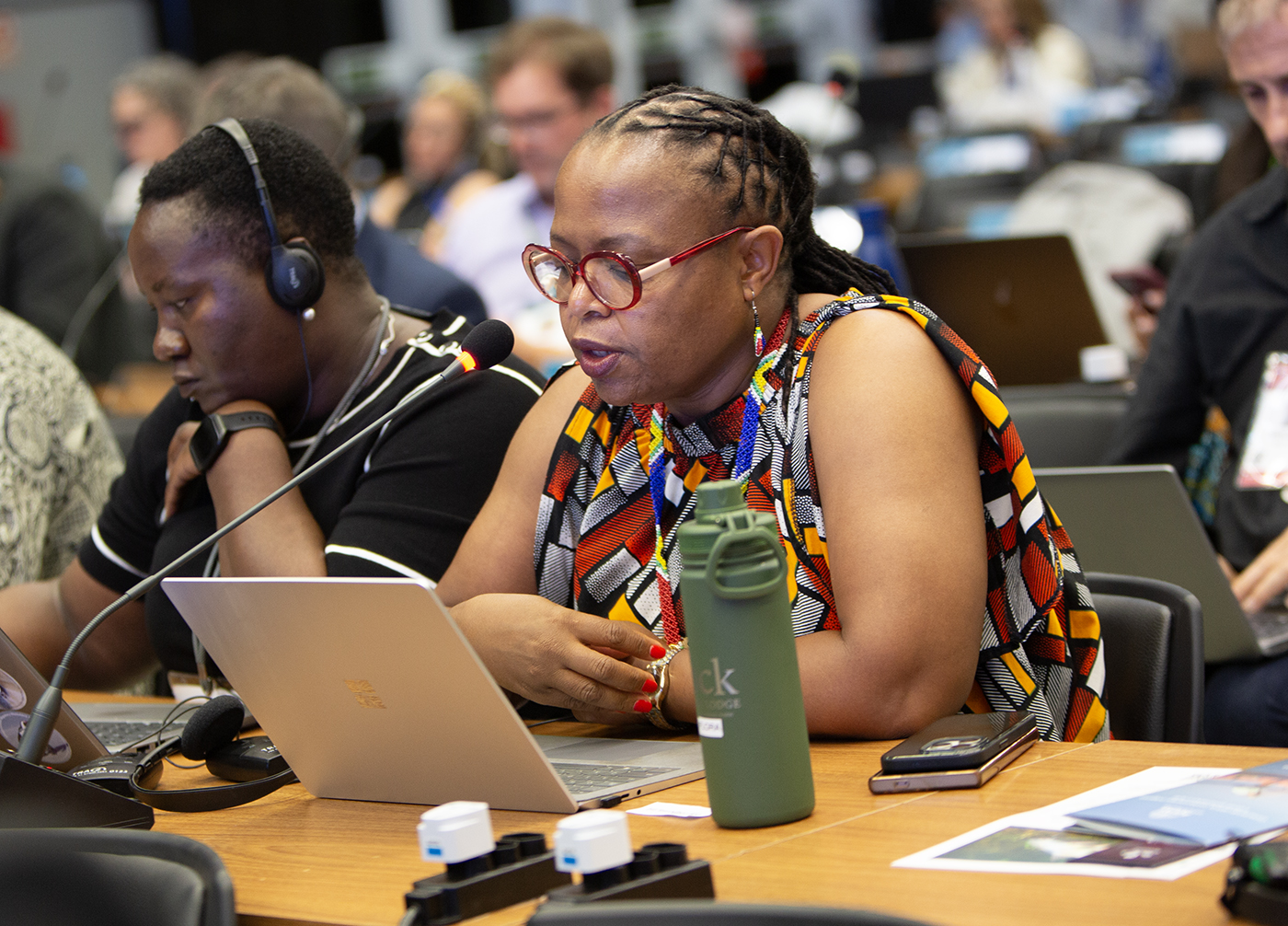
Mohlago Flora Mokgohloa, South Africa
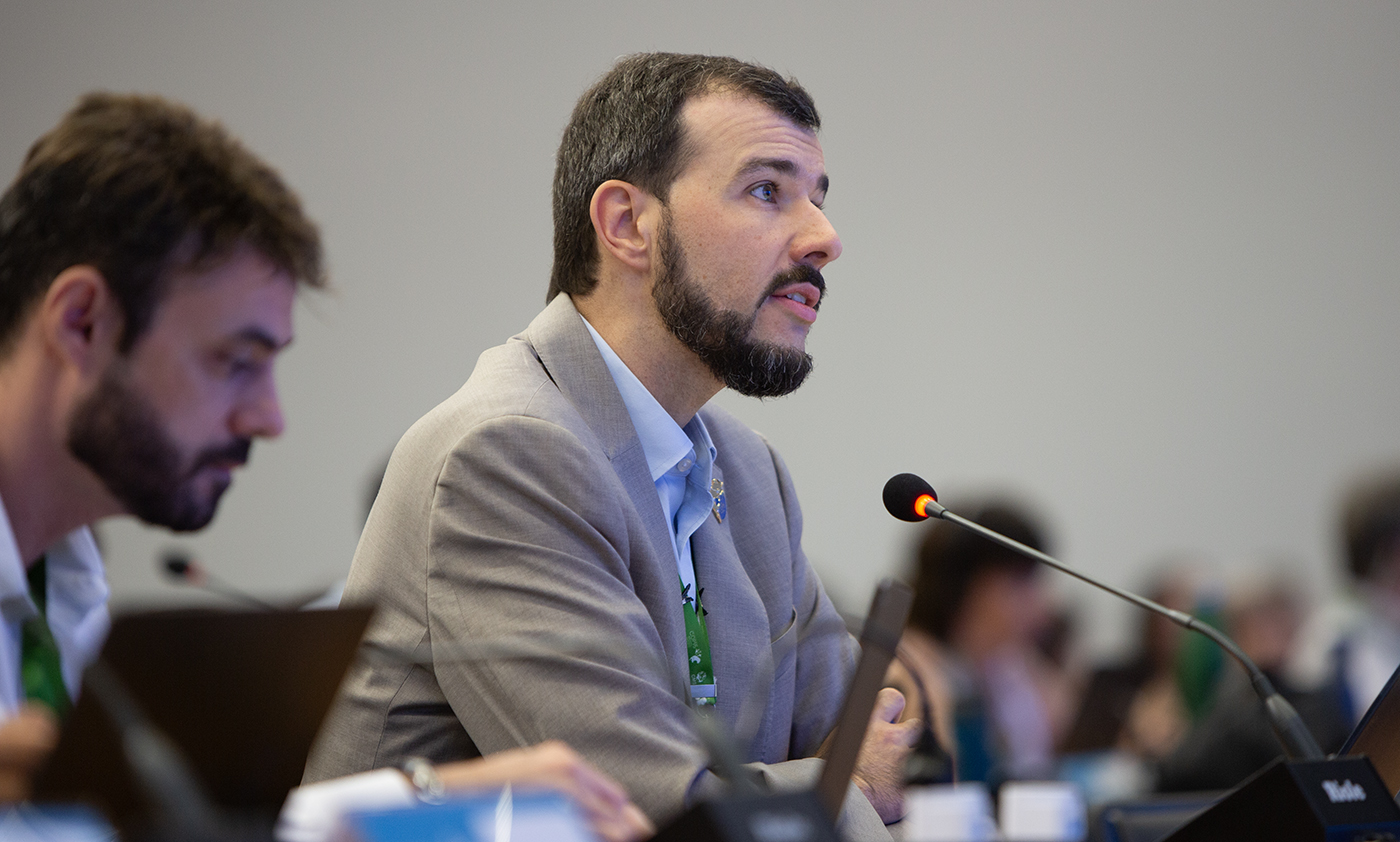
Patrick Luna, Brazil
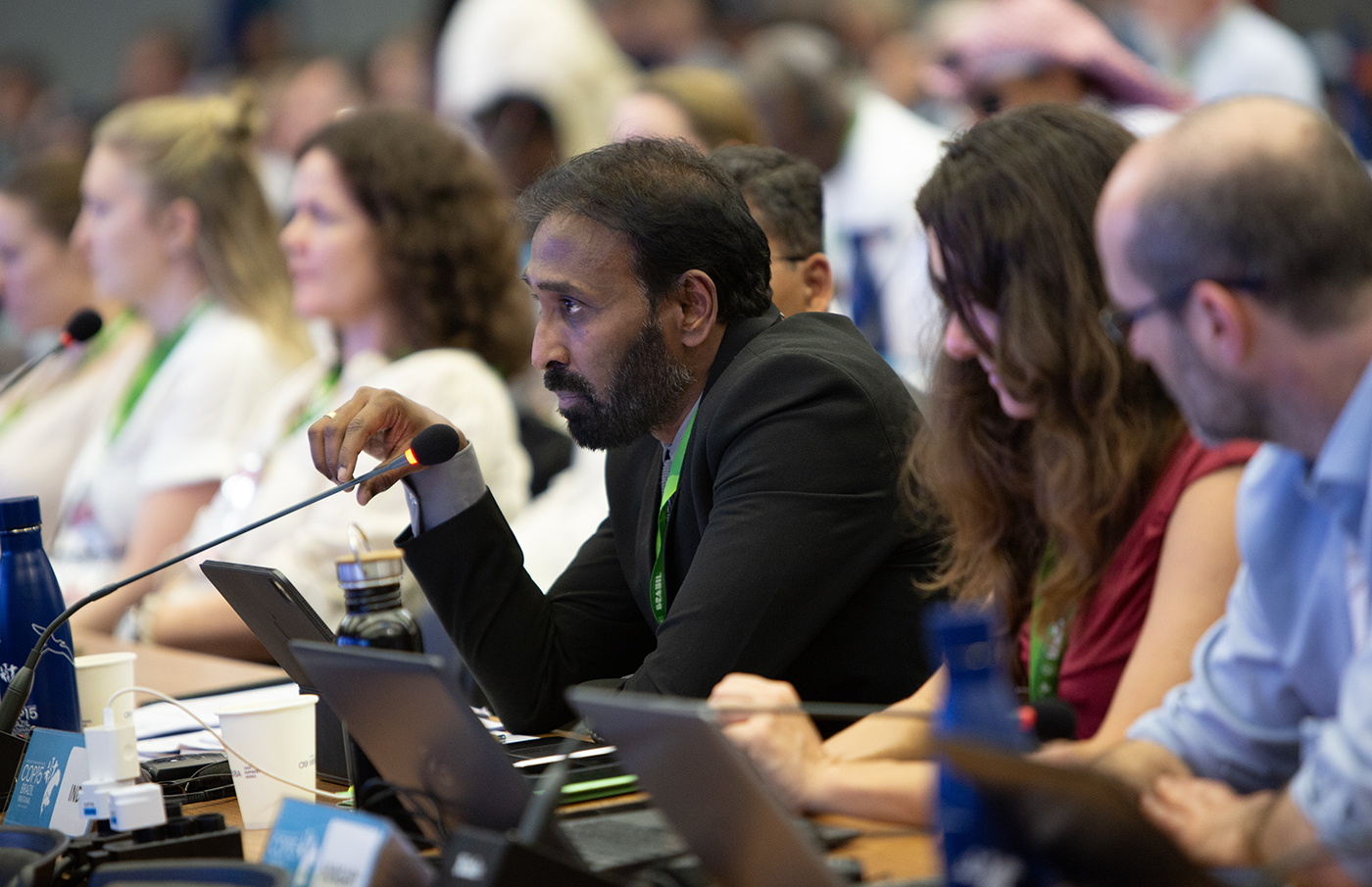
Clement Viswanathan, India
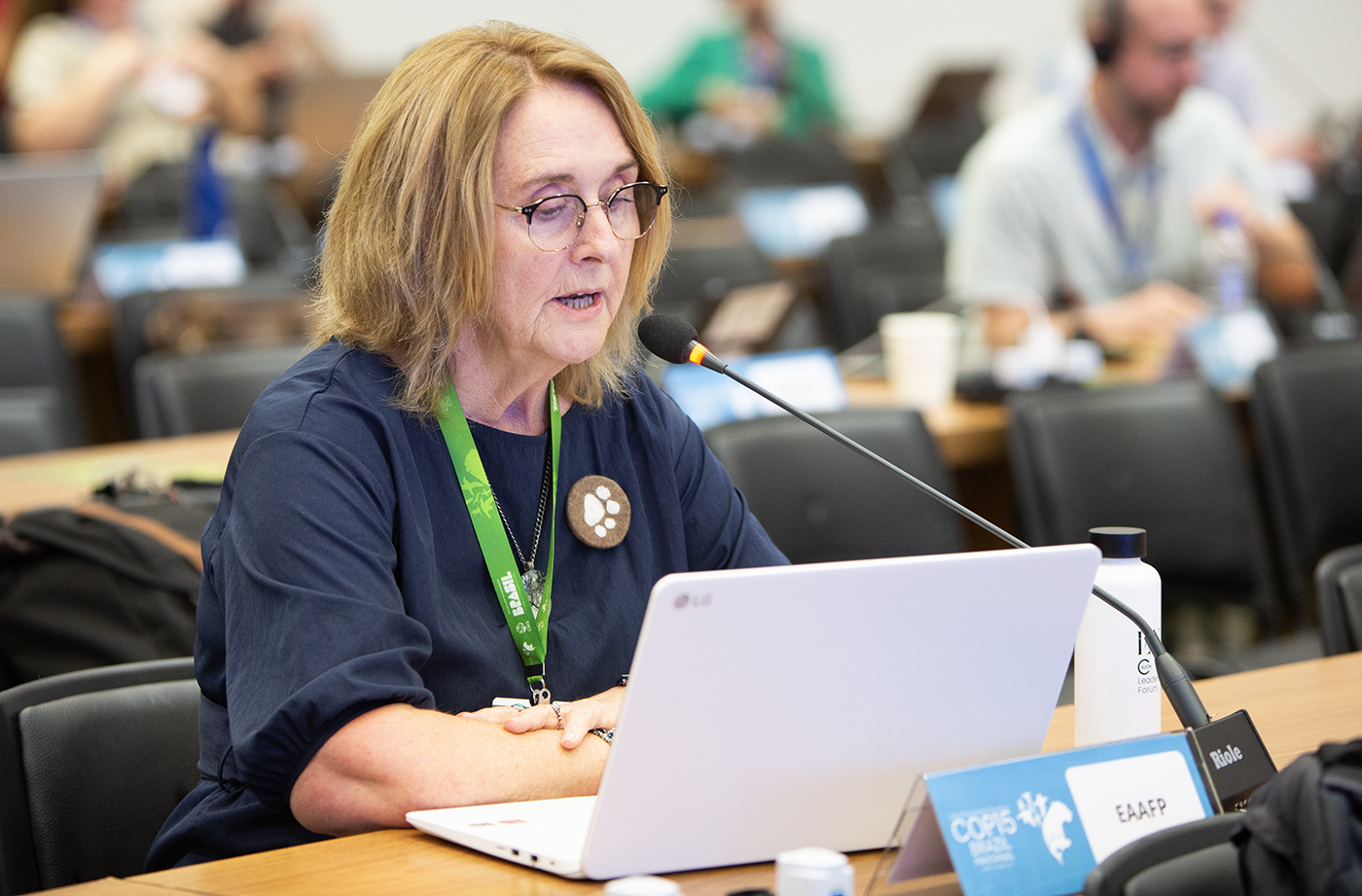
Jennifer George, East Asian-Australasian Flyway Partnership
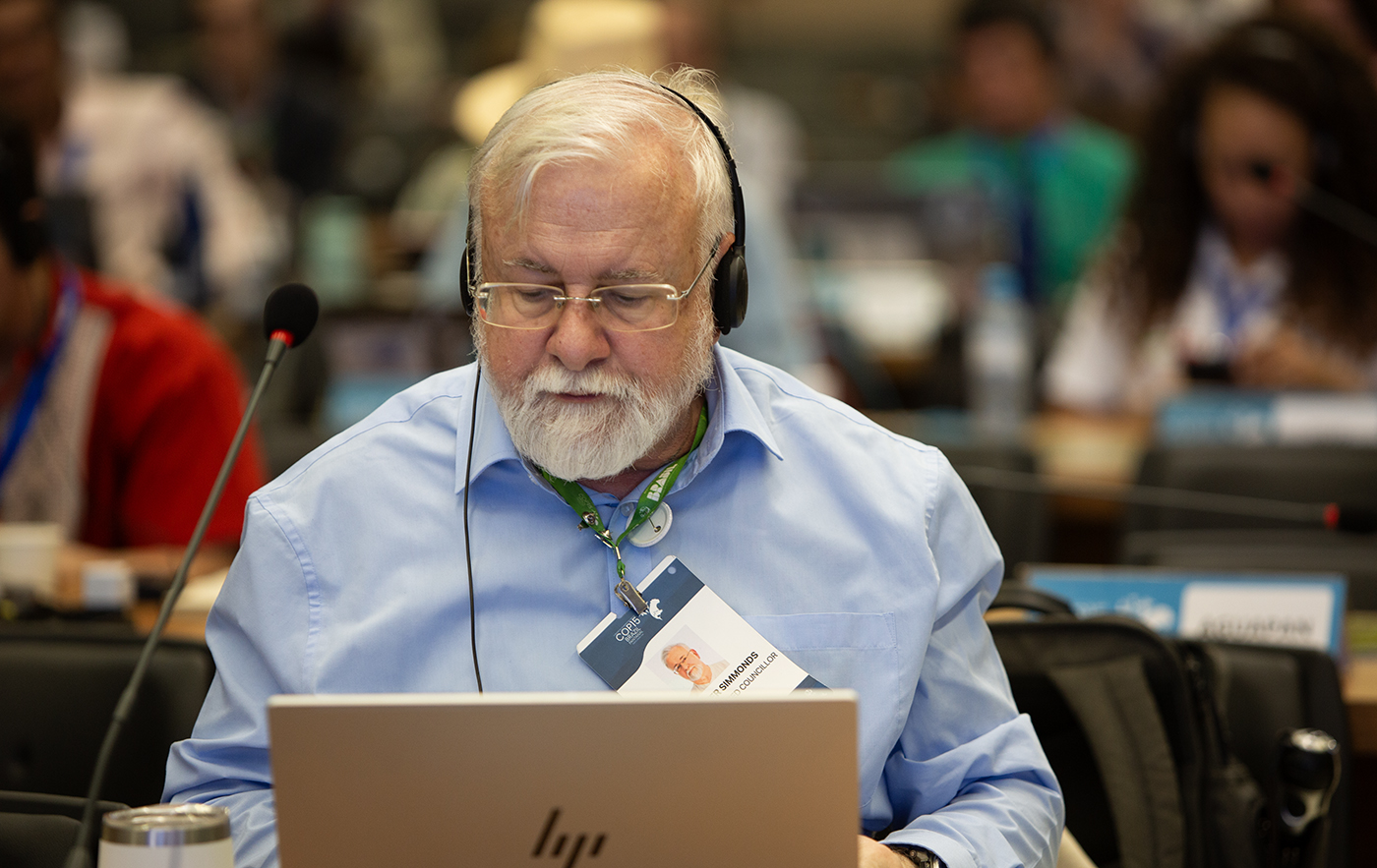
Mark Peter Simmonds, CMS COP-Appointed Councillor
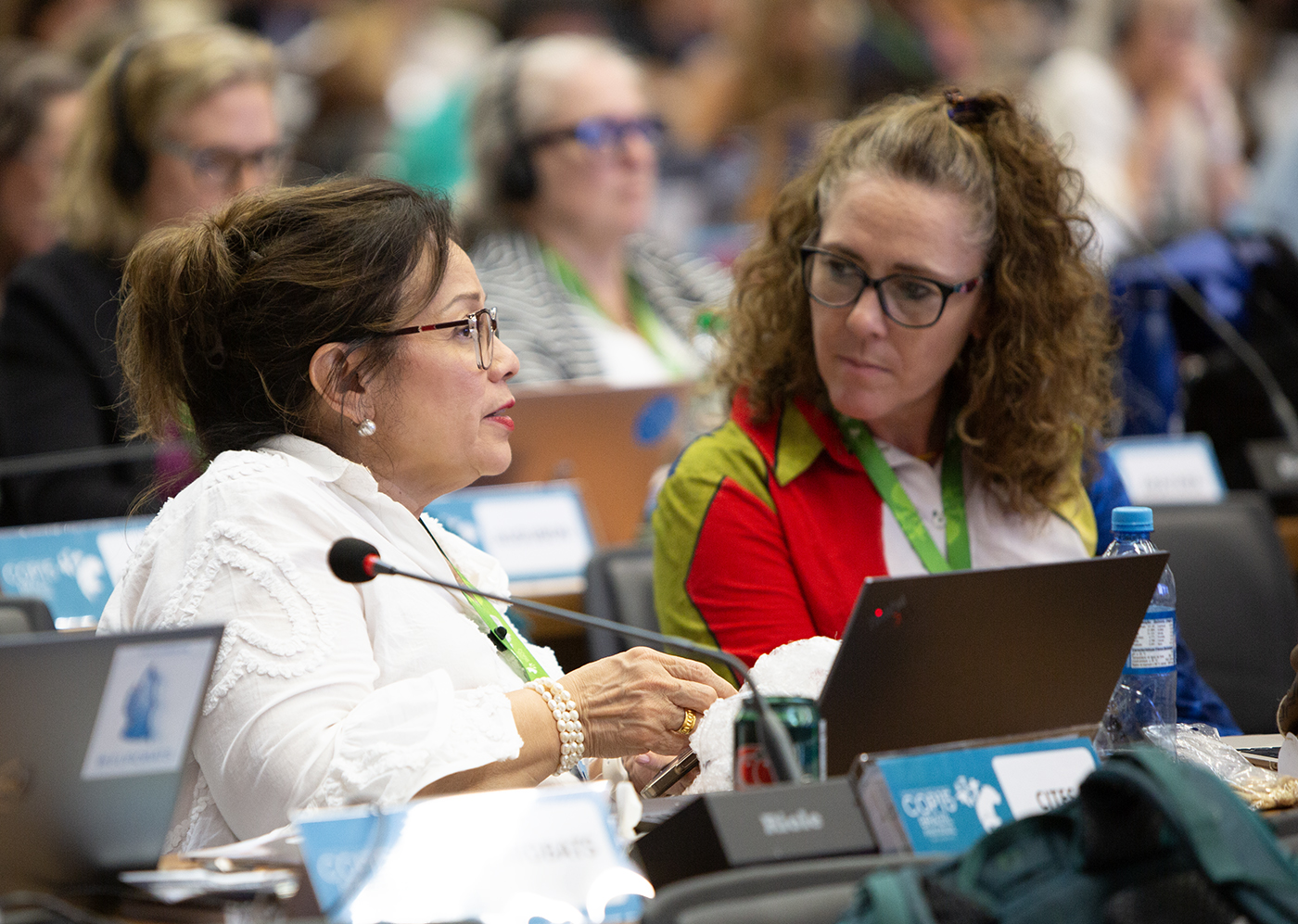
CITES Secretary General Ivonne Higuero, and Thea Carrol, CITES Secretariat
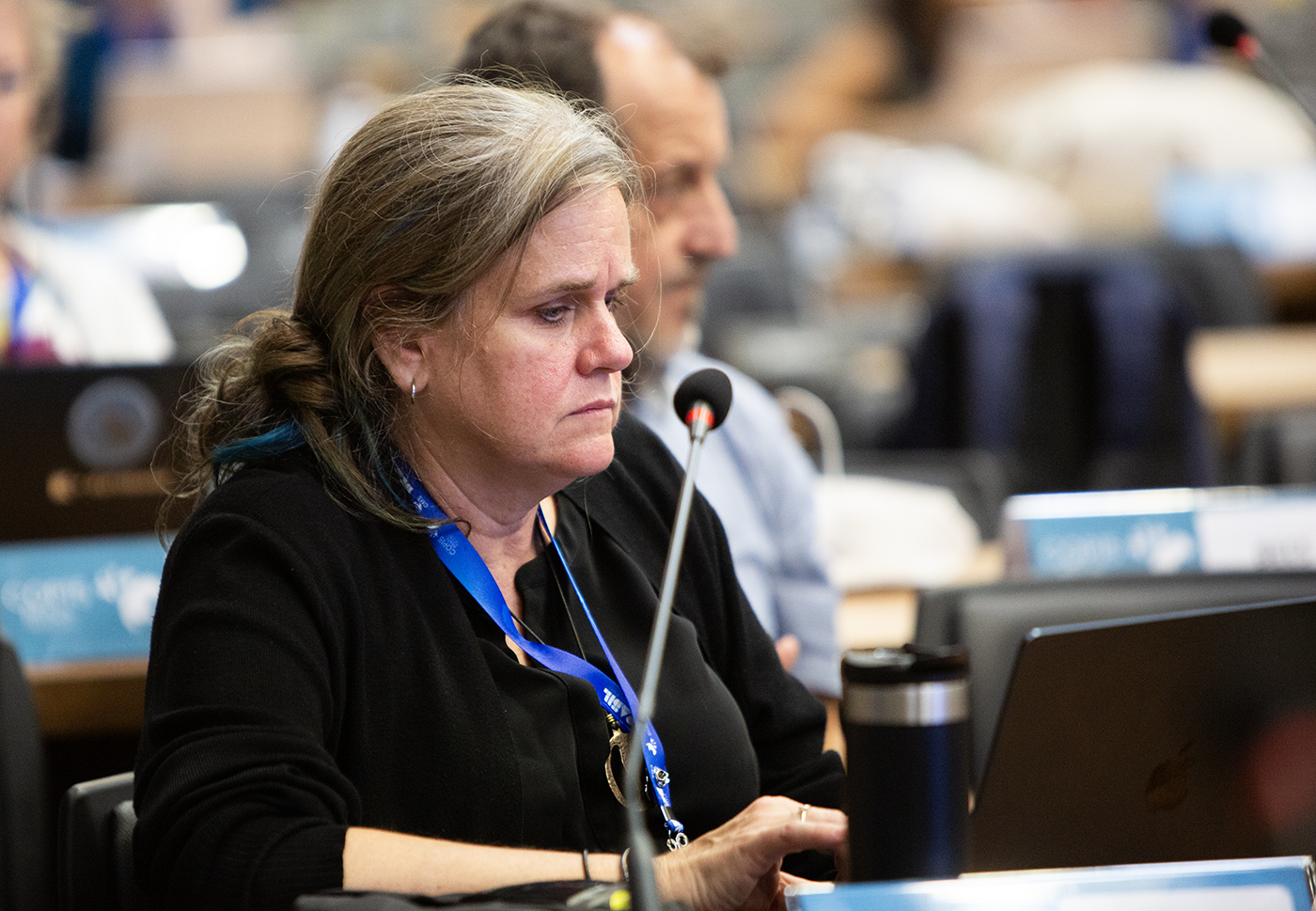
Doreen Lynn Robinson, UNEP
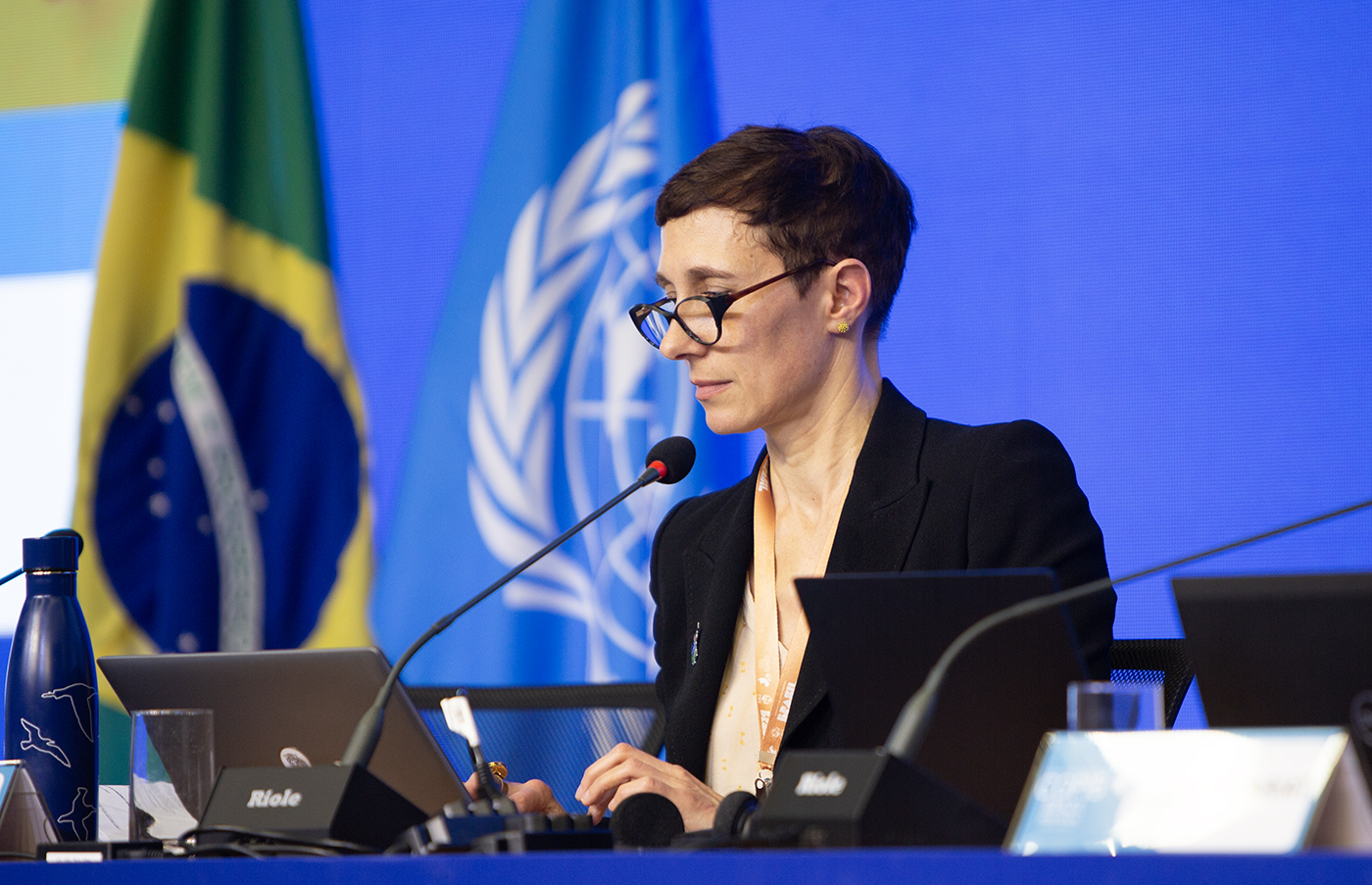
Clara Nobbe, CMS Secretariat
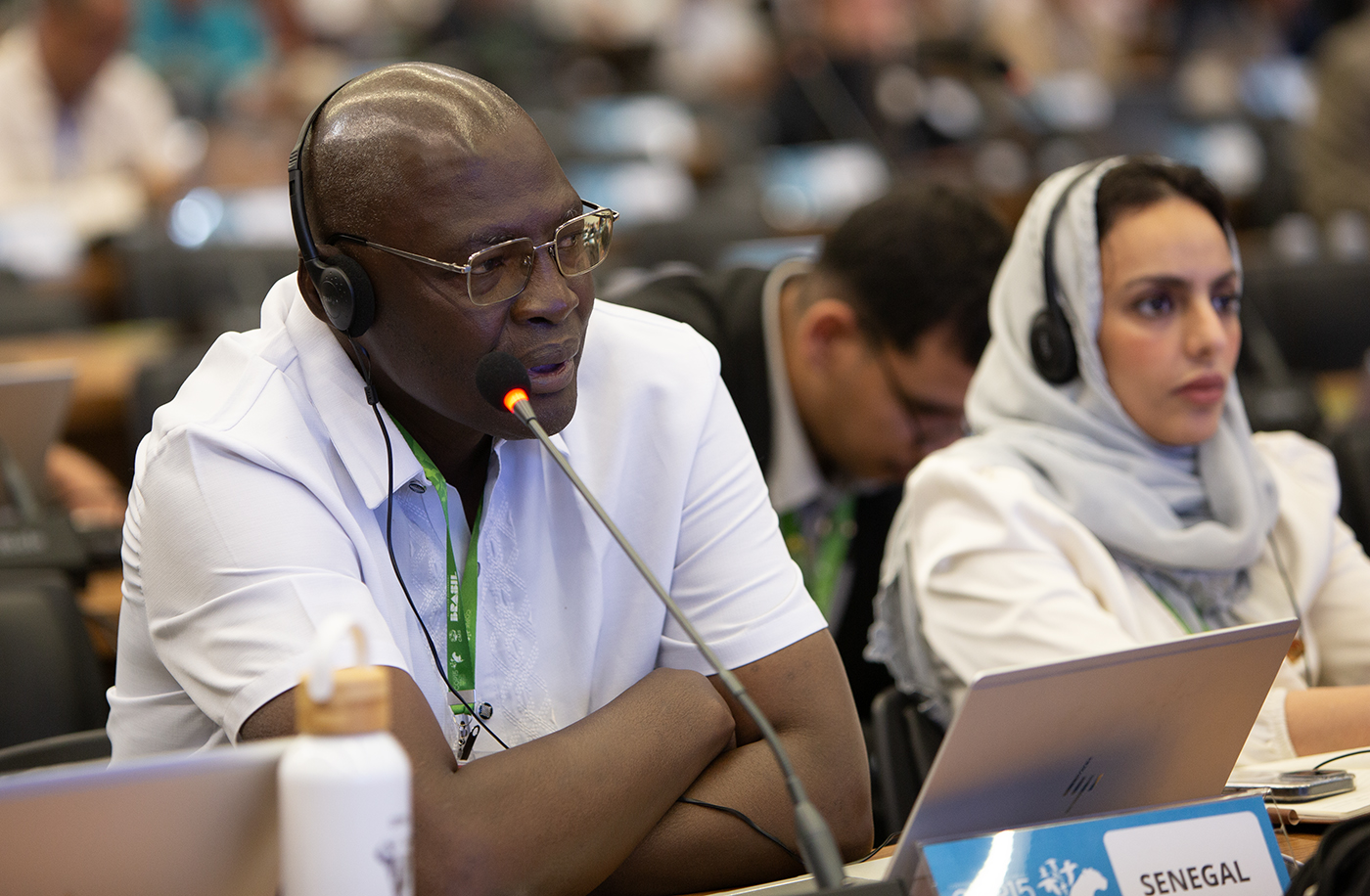
Djibril Diouck, Senegal
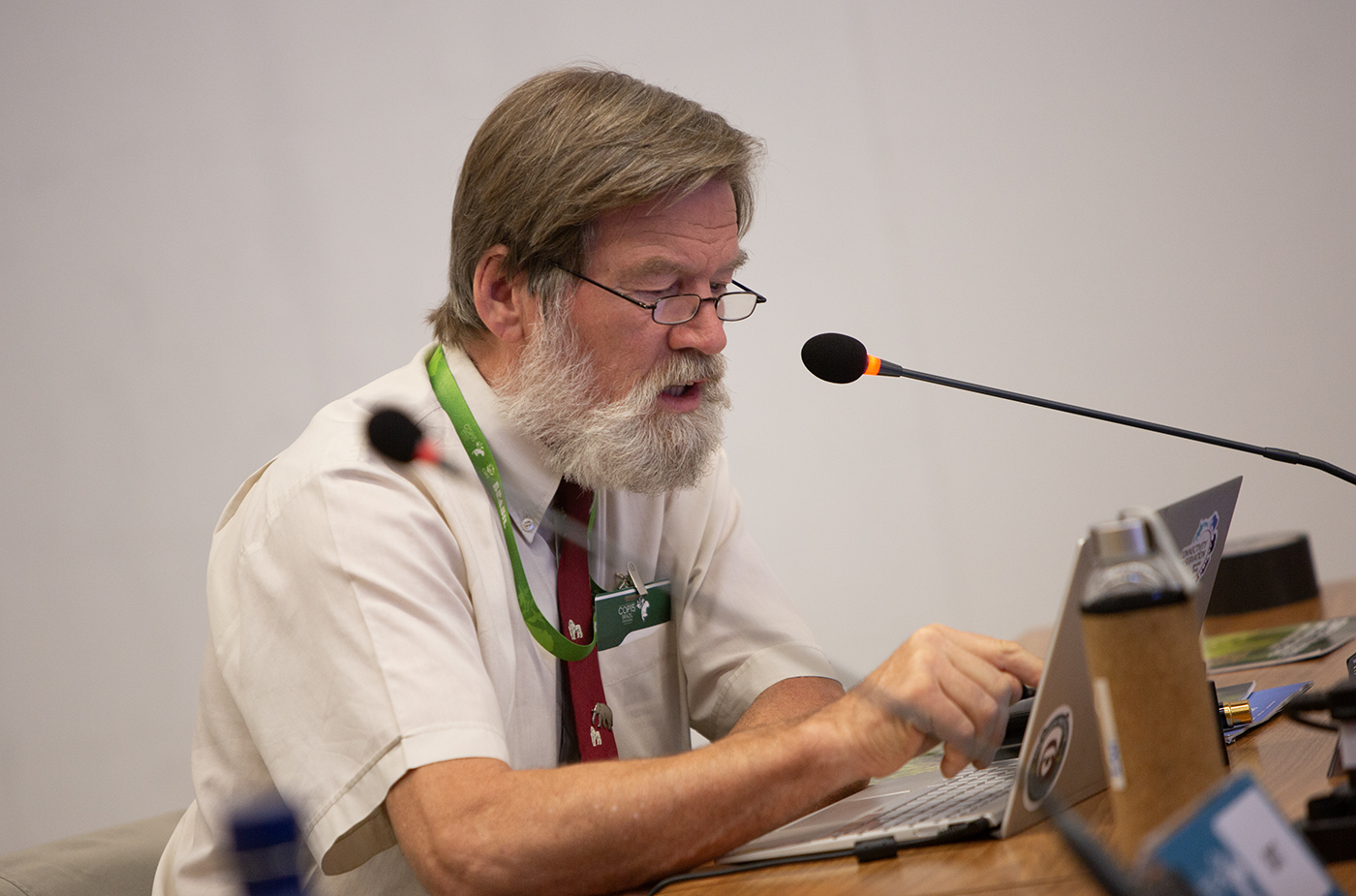
Ian Redmond, Born Free Foundation
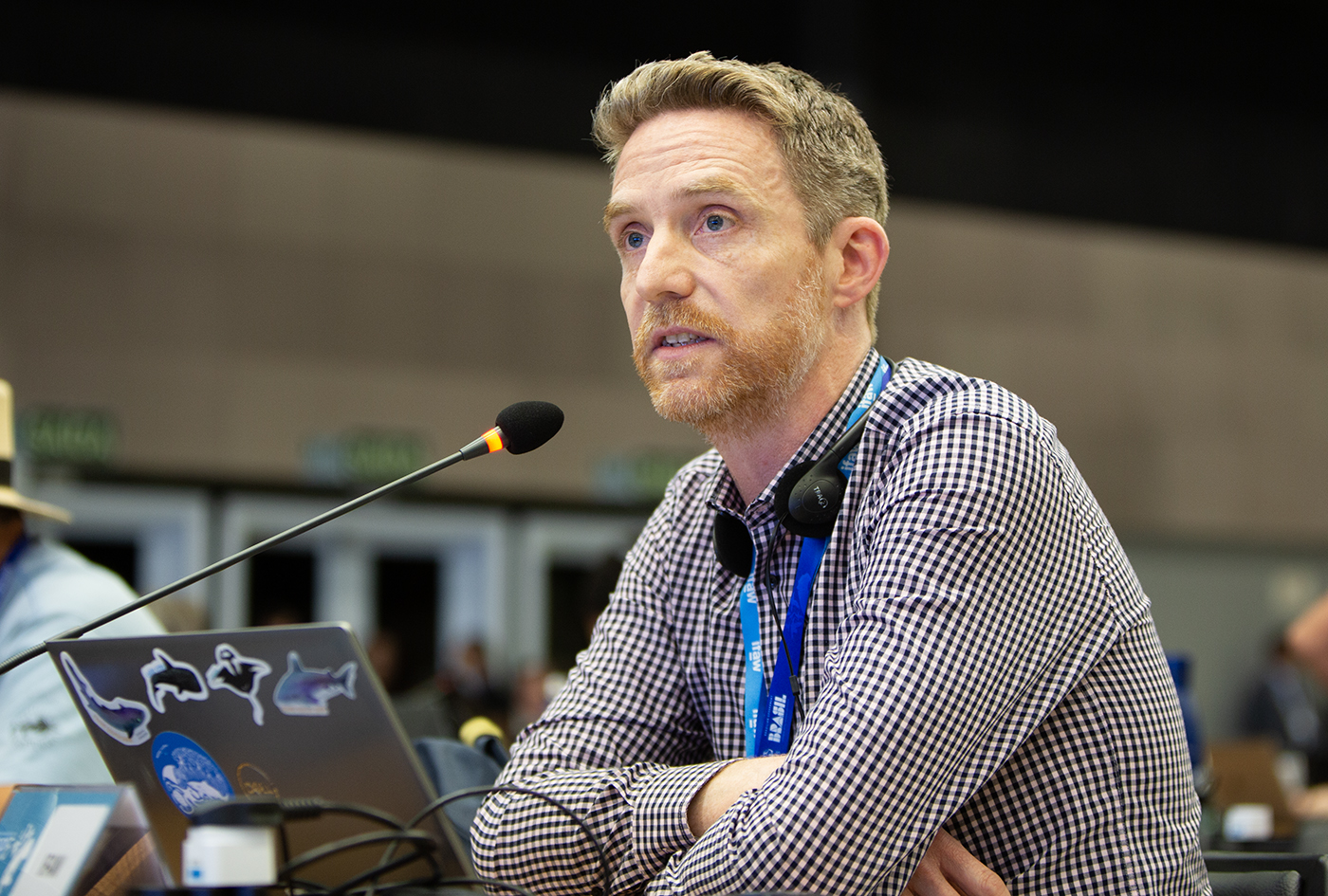
Matthew Collis, International Fund for Animal Welfare
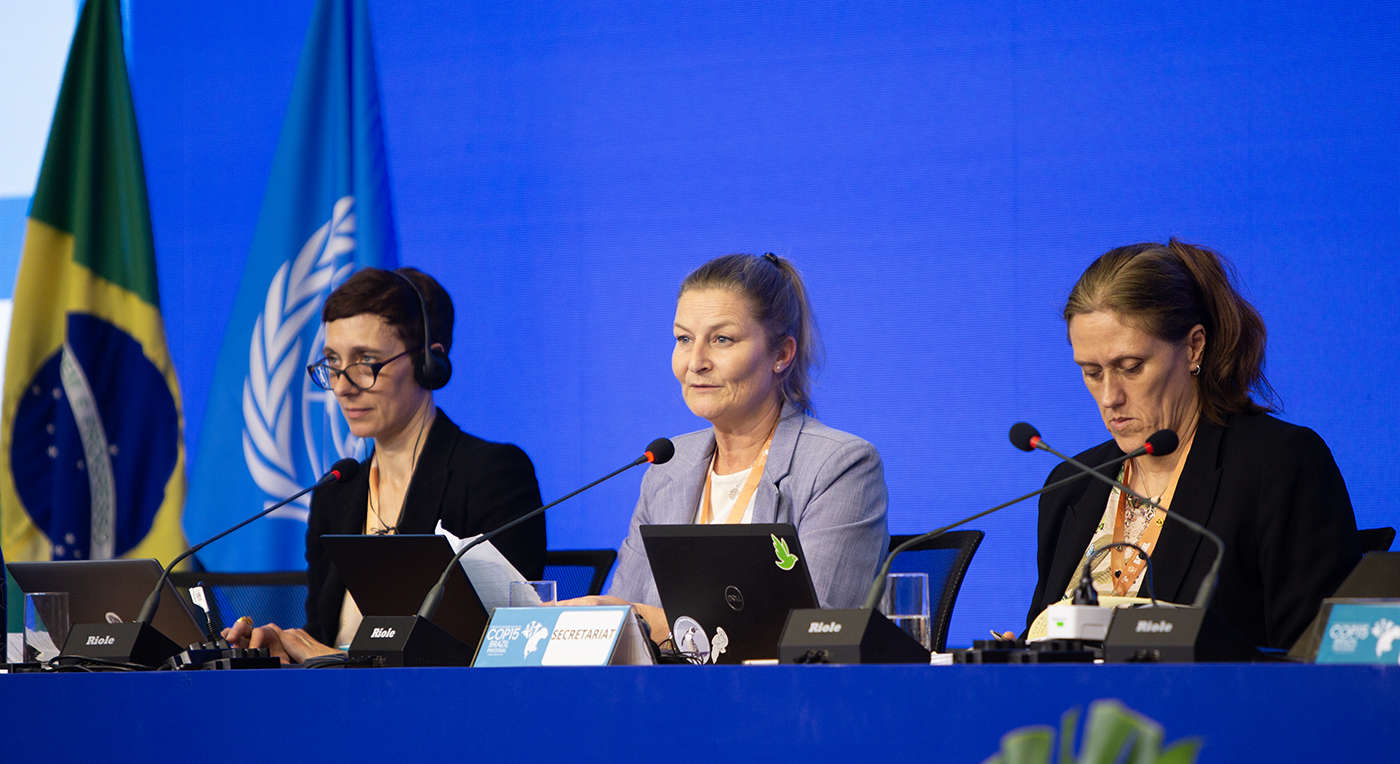
Clara Nobbe, Anouska Kinahan, and Dagmar Zíková, CMS Secretariat
Around the Venue
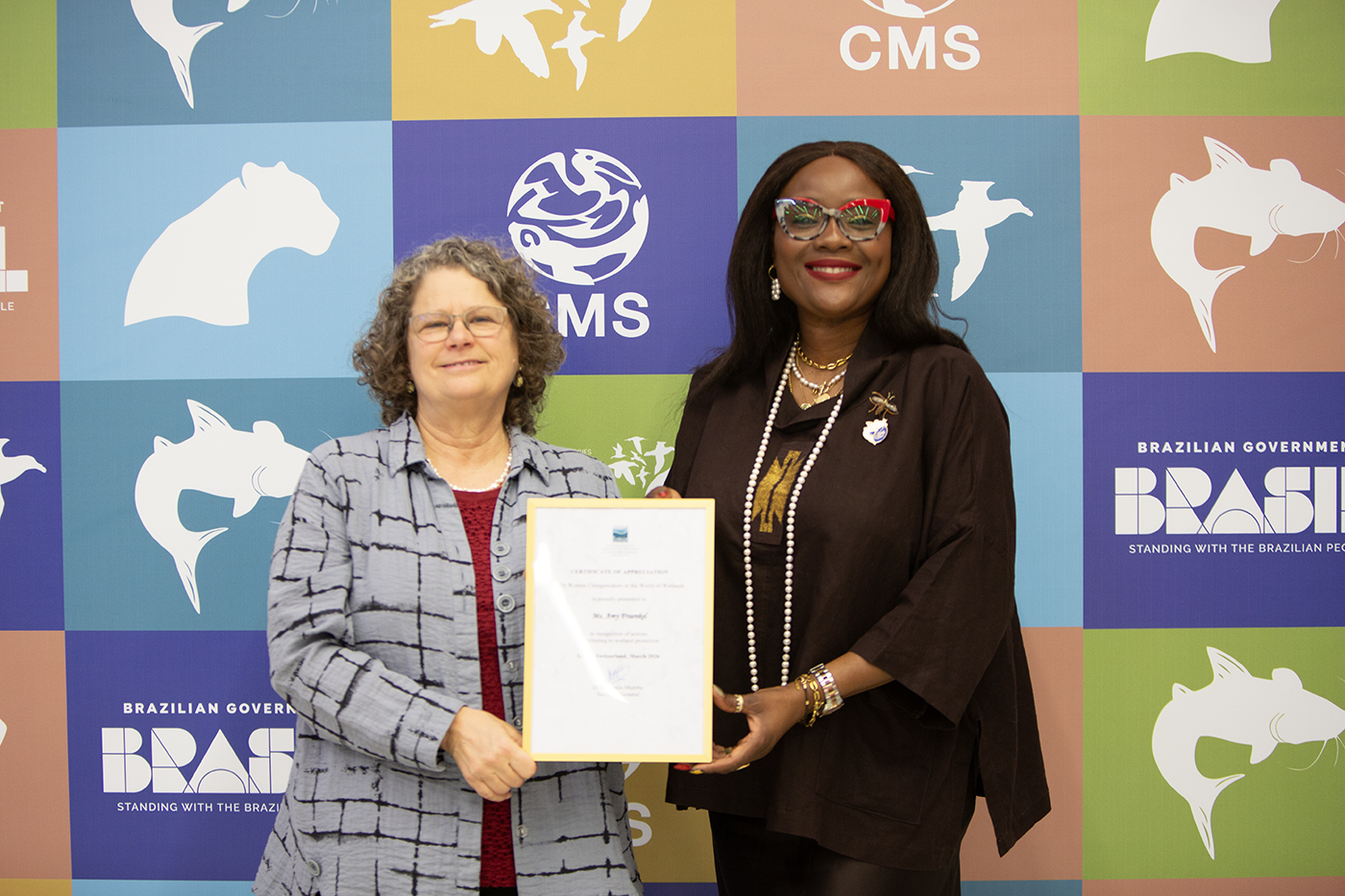
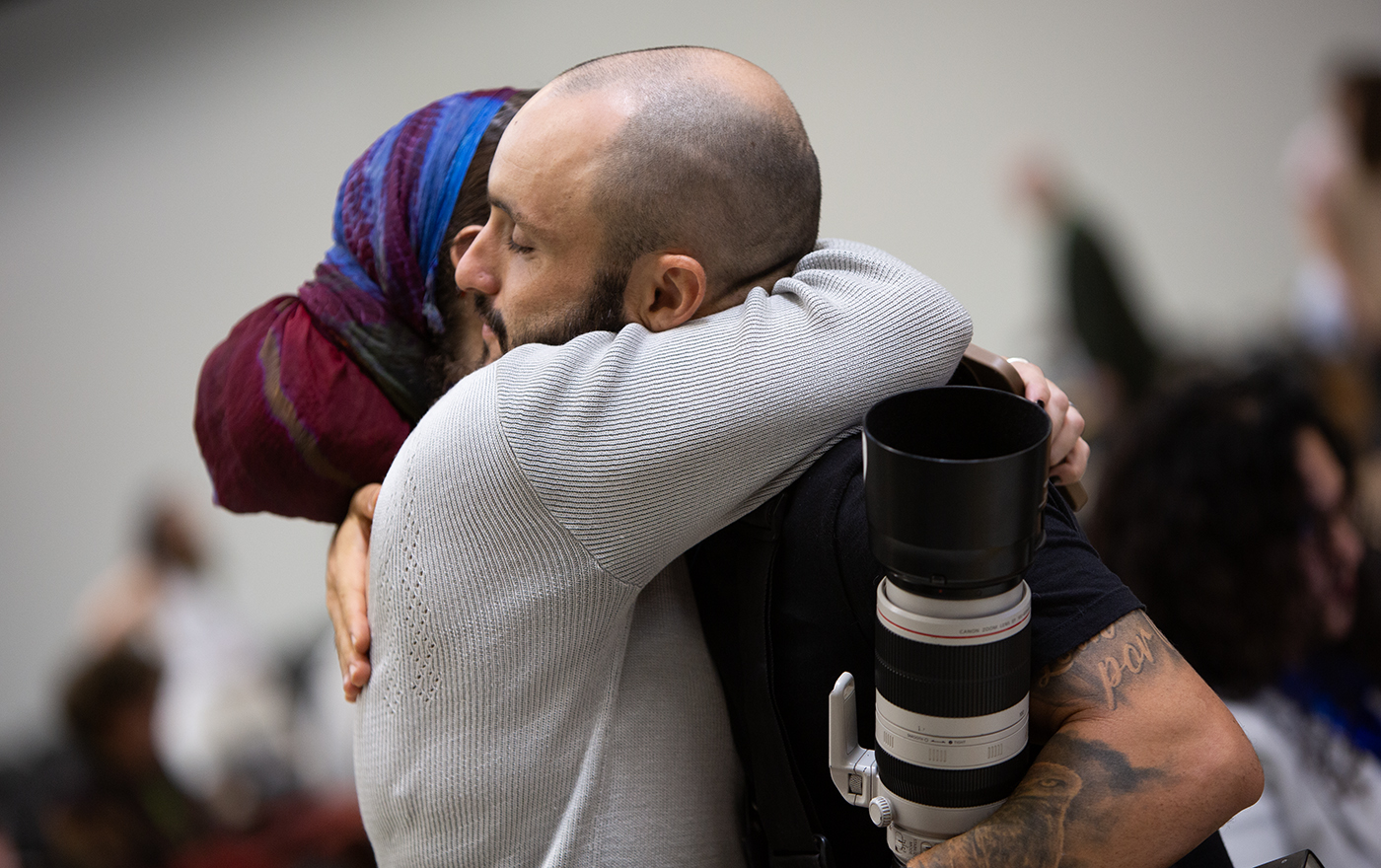
Recognizing leadership in wetland conservation: Ramsar Convention on Wetlands Secretary General Musonda Mumba presents the Women Changemakers in the World of Wetlands award to Amy Fraenkel, CMS Executive Secretary
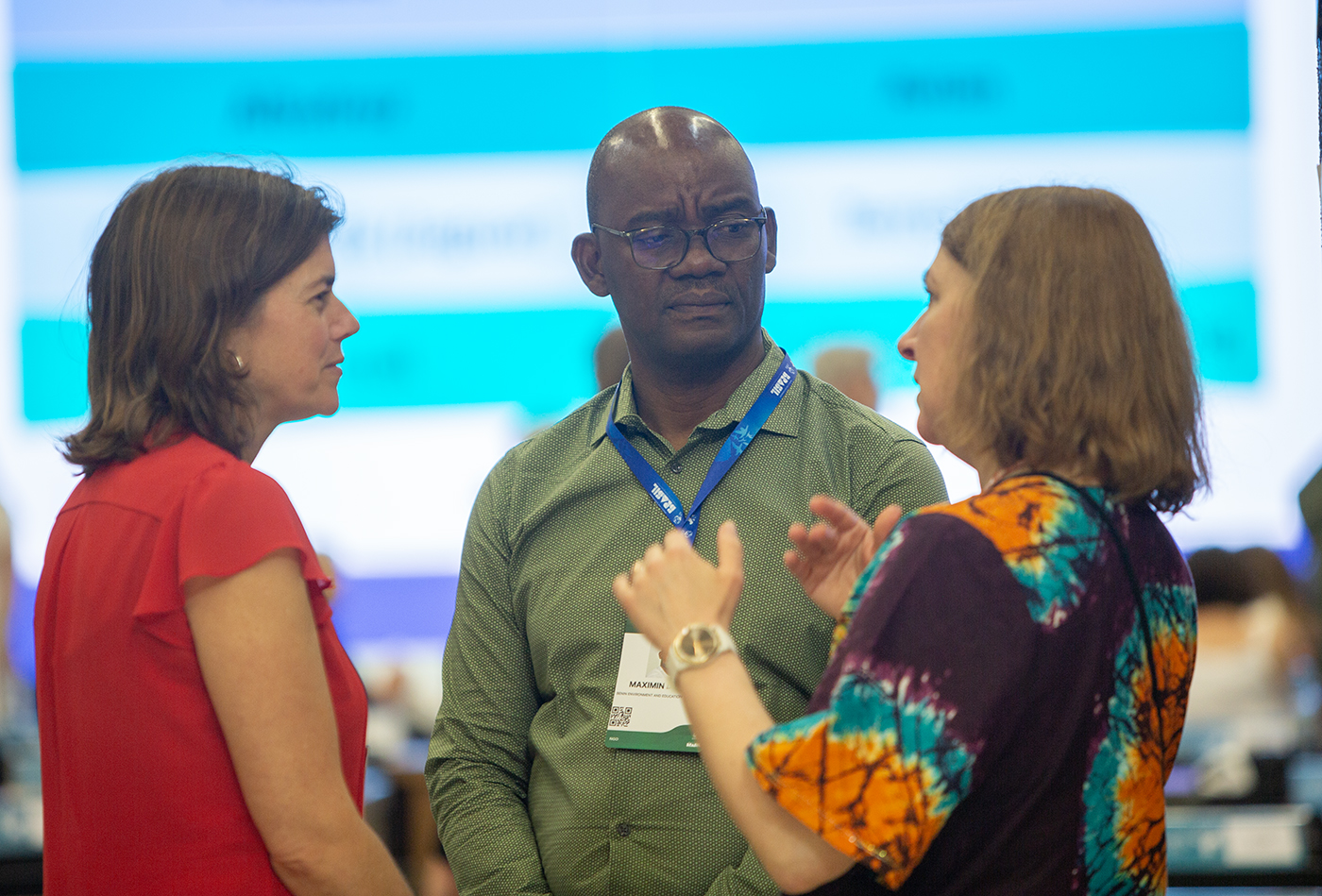
Maximin Djondo, Benin Environment and Education Society
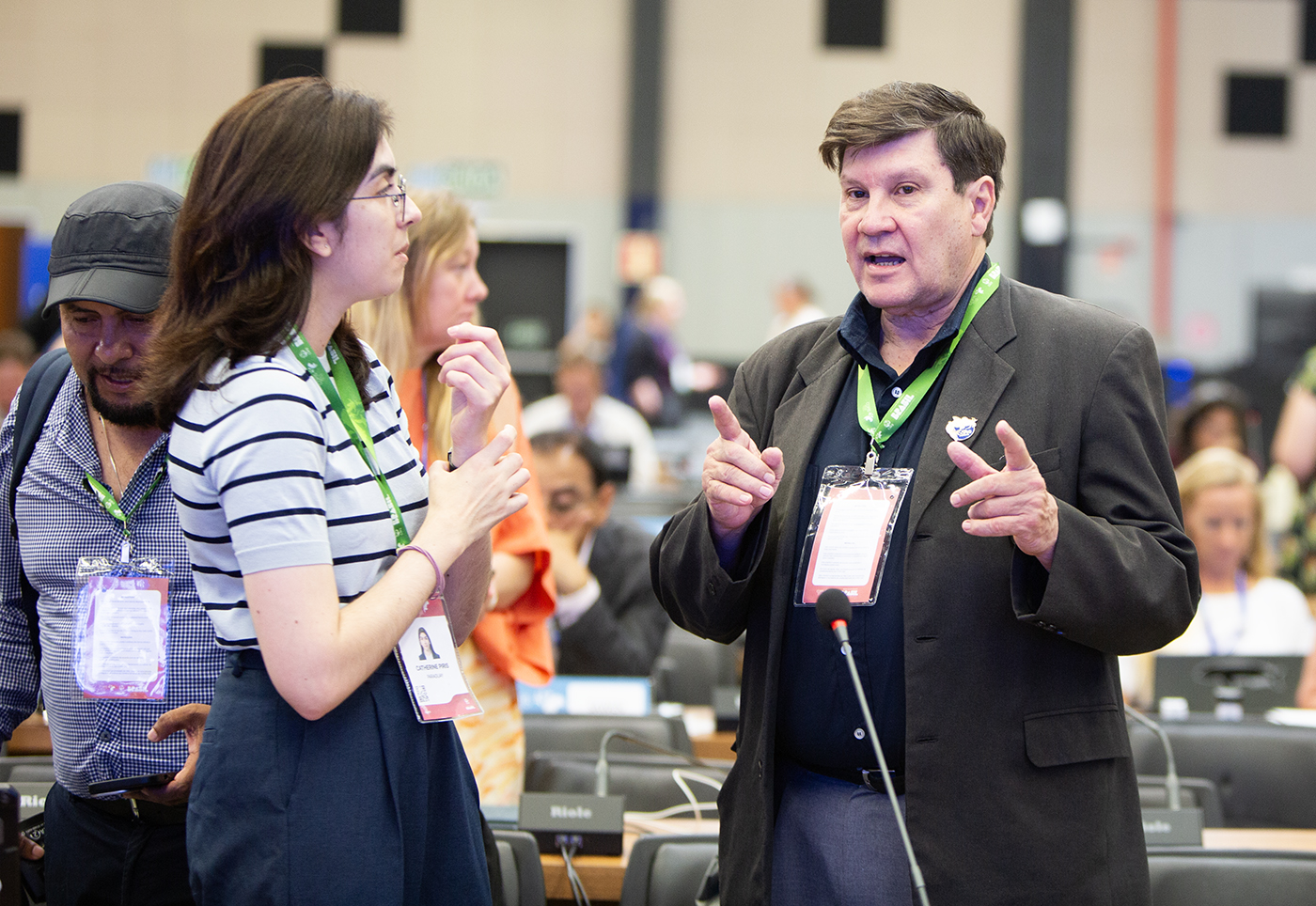
Catherine Piris and Dario Mandelburger, Paraguay
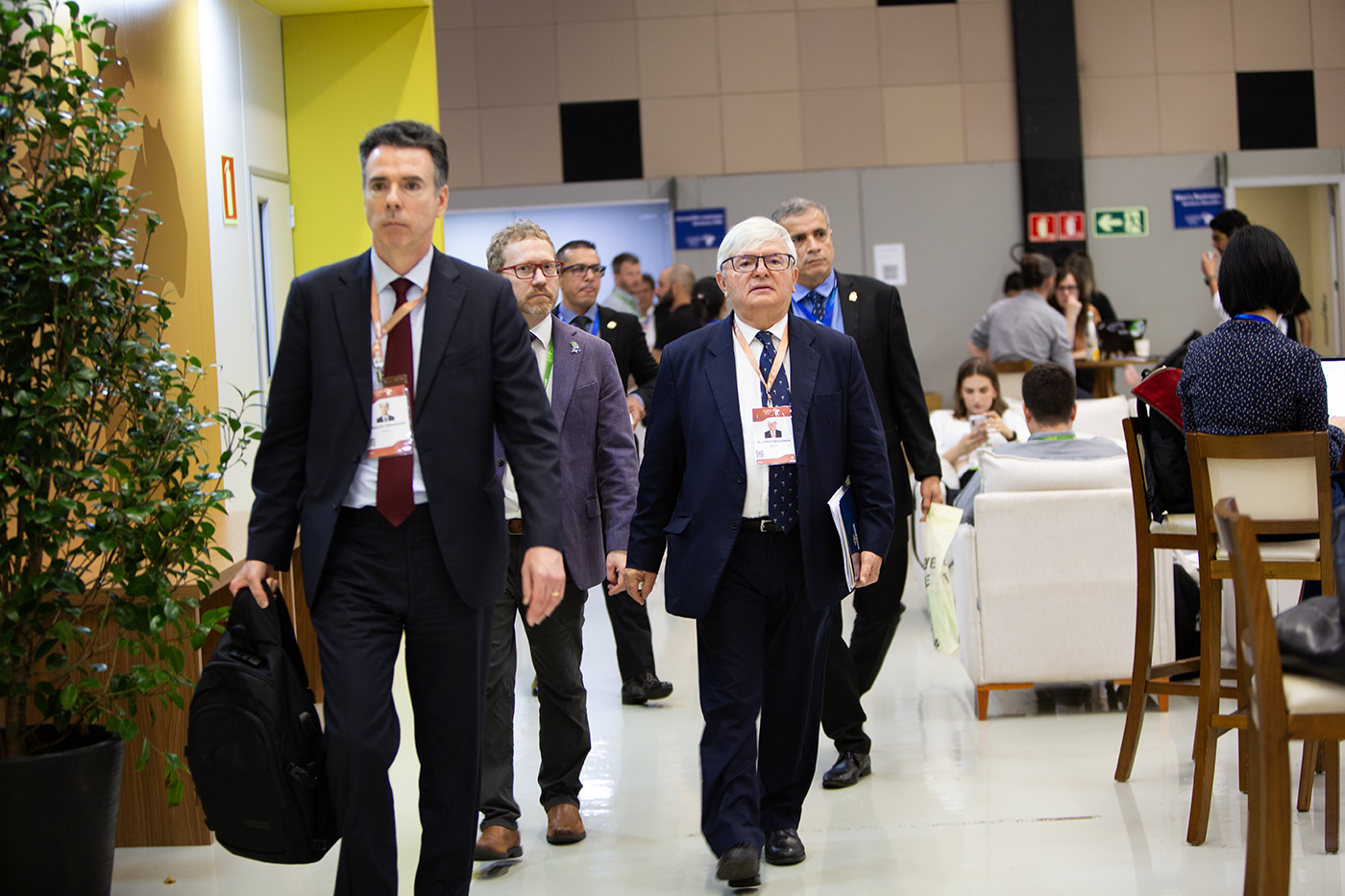
Antonio Herman Benjamin, President, Superior Court of Justice, Brazil
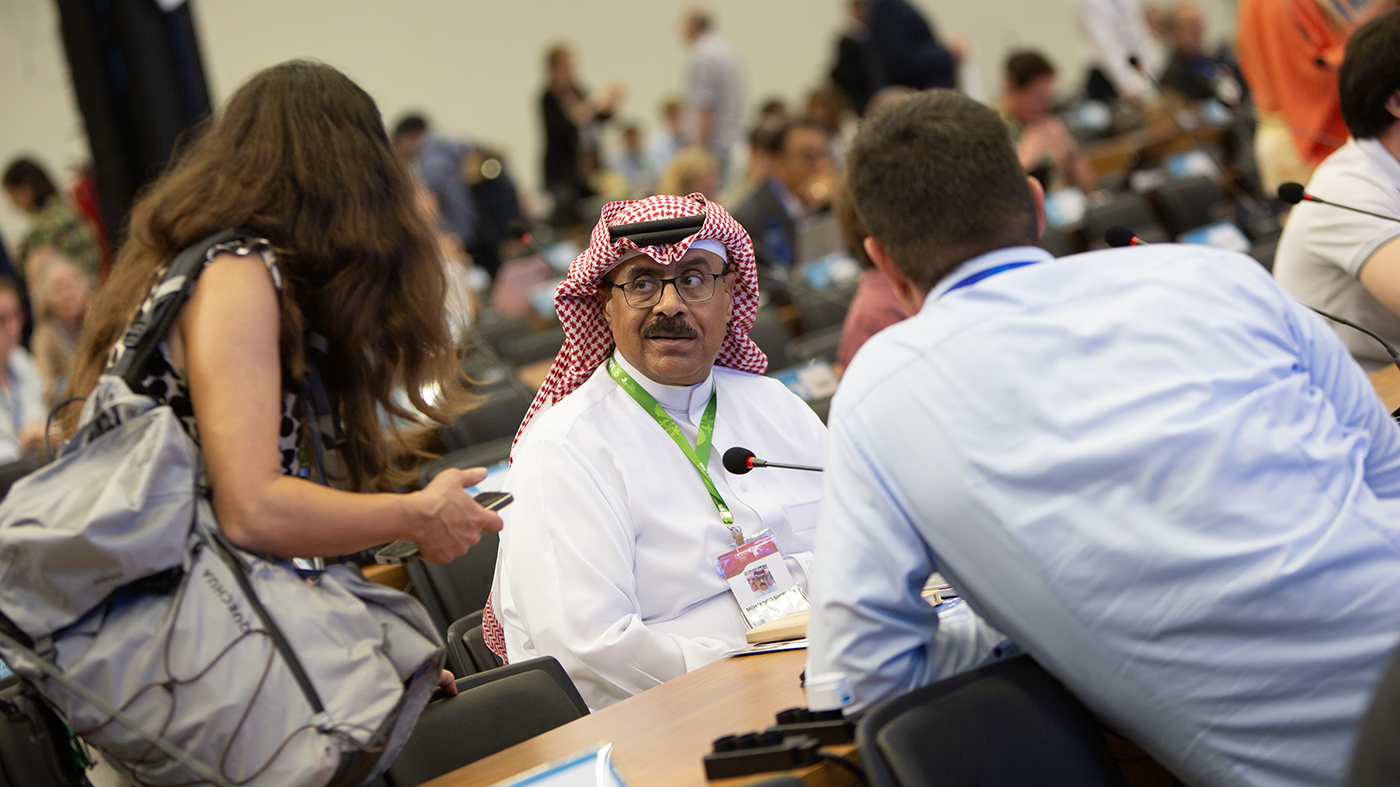
Mohammed Shobrak, Saudi Arabia
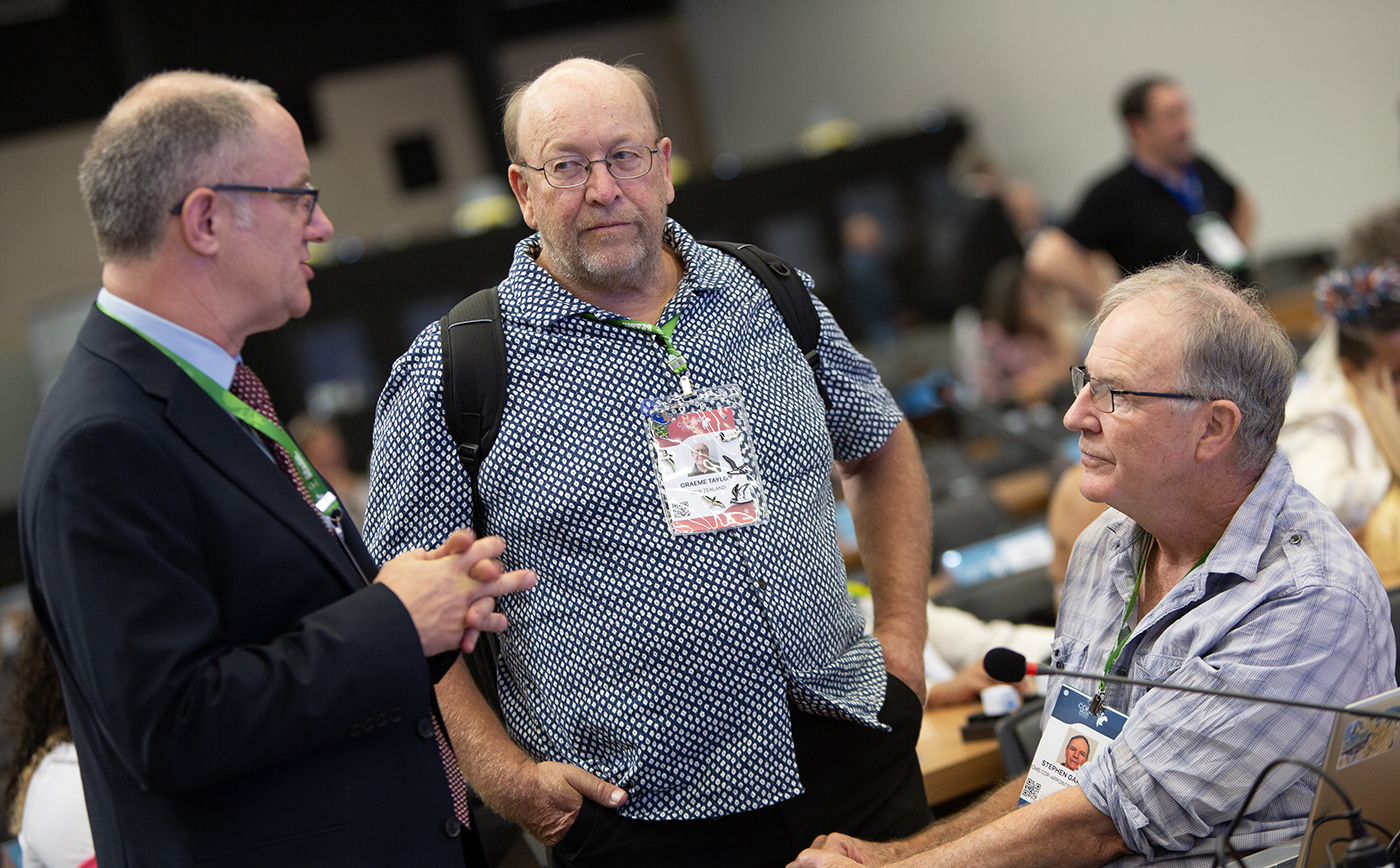
Graeme Taylor, New Zealand
Doris Silva, Thais Volpi, and Cátia Gonçalves, Associação Brasileira de Entidades Estaduais de Meio Ambiente
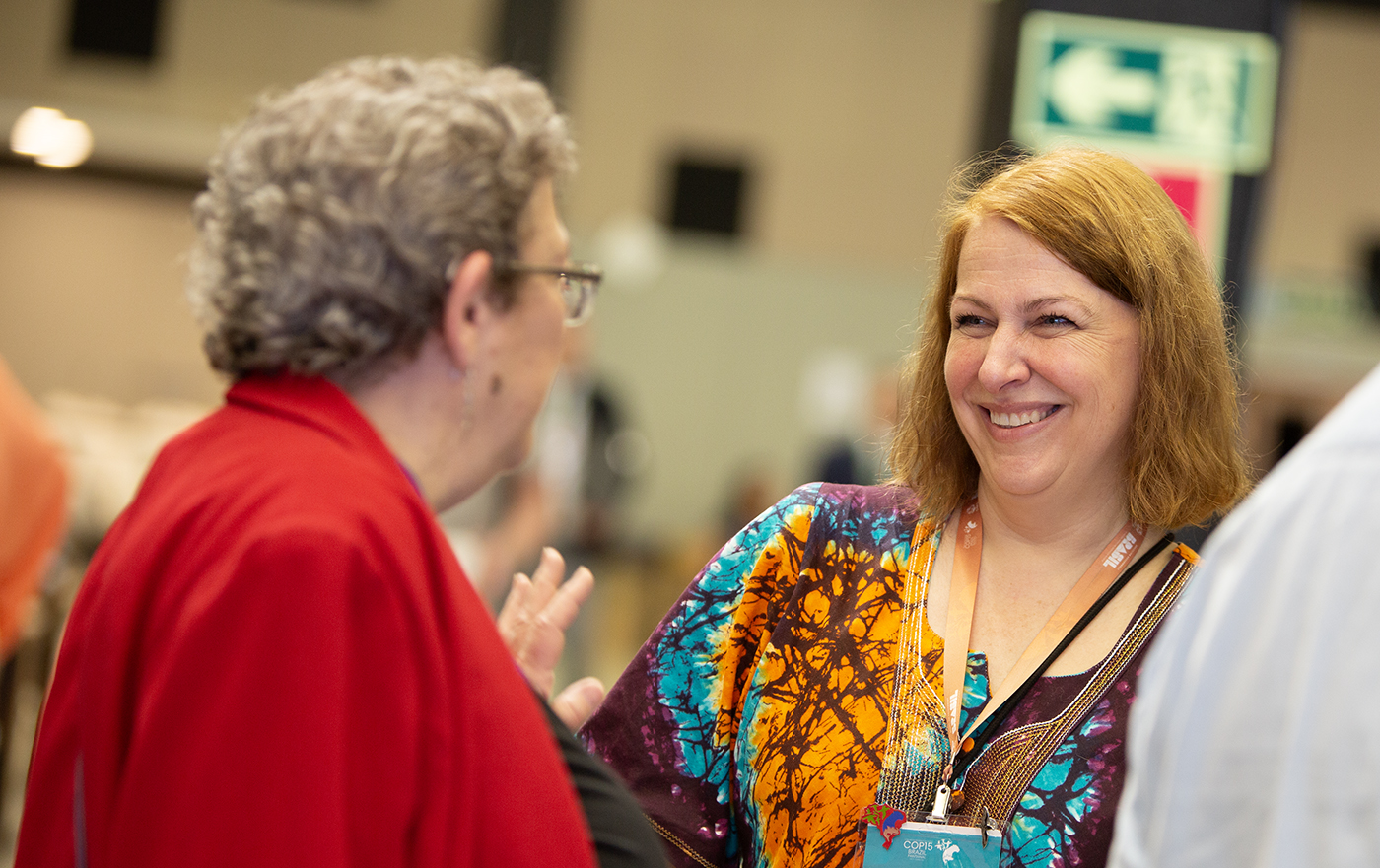
Heidrun Frisch-Nwakanma, CMS Secretariat
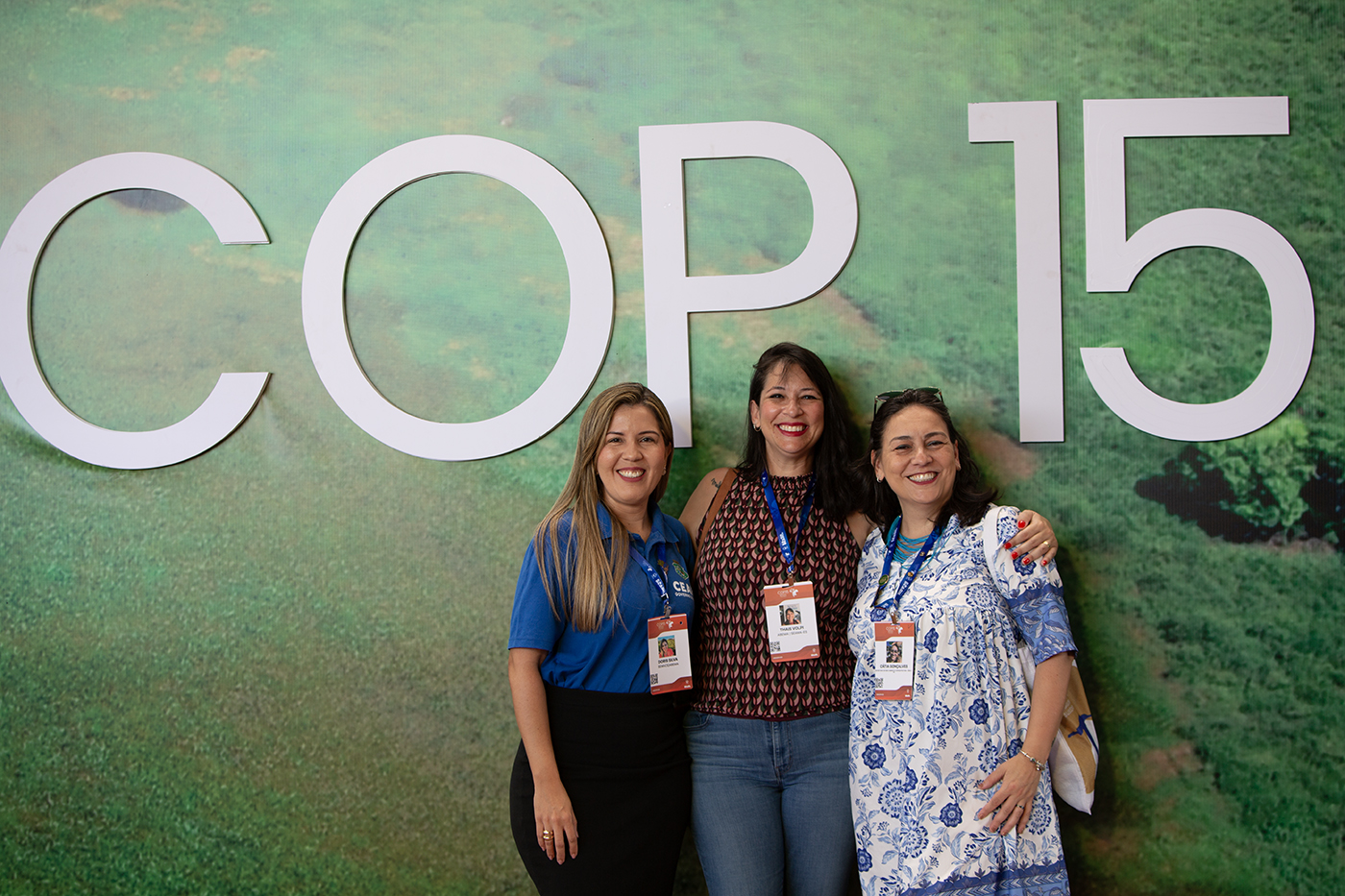
Doris Silva, Thais Volpi, and Cátia Gonçalves, ABEMA